Not many smartphones are scheduled to launch in the next few days. Only two brands have confirmed to debut new products.
The companies that will unveil new handsets are iQOO and Realme. The former will take wraps off a mid-range phone lineup in China, whereas the latter will announce a budget model in India.
iQOO’s new phones will be part of its Z series. On the other hand, Realme’s handset will belong to its Narzo lineup.
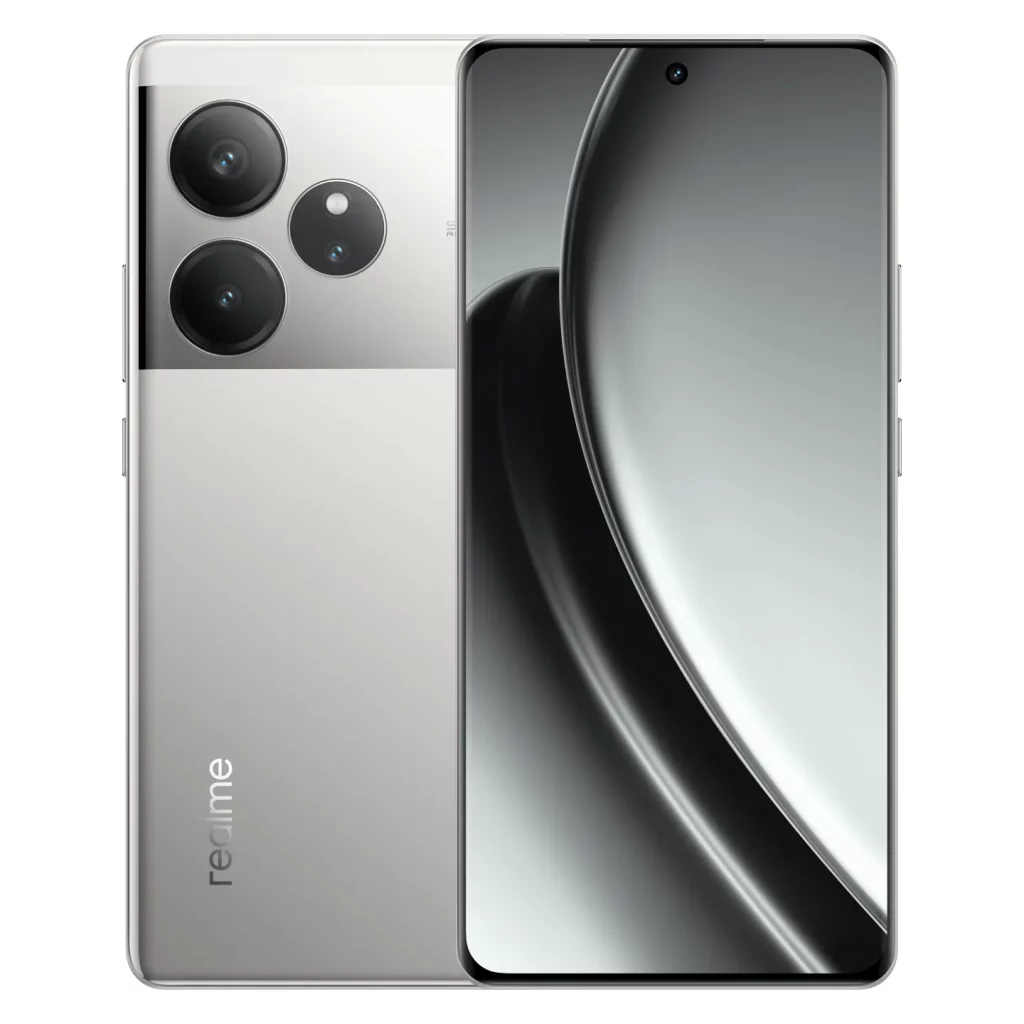
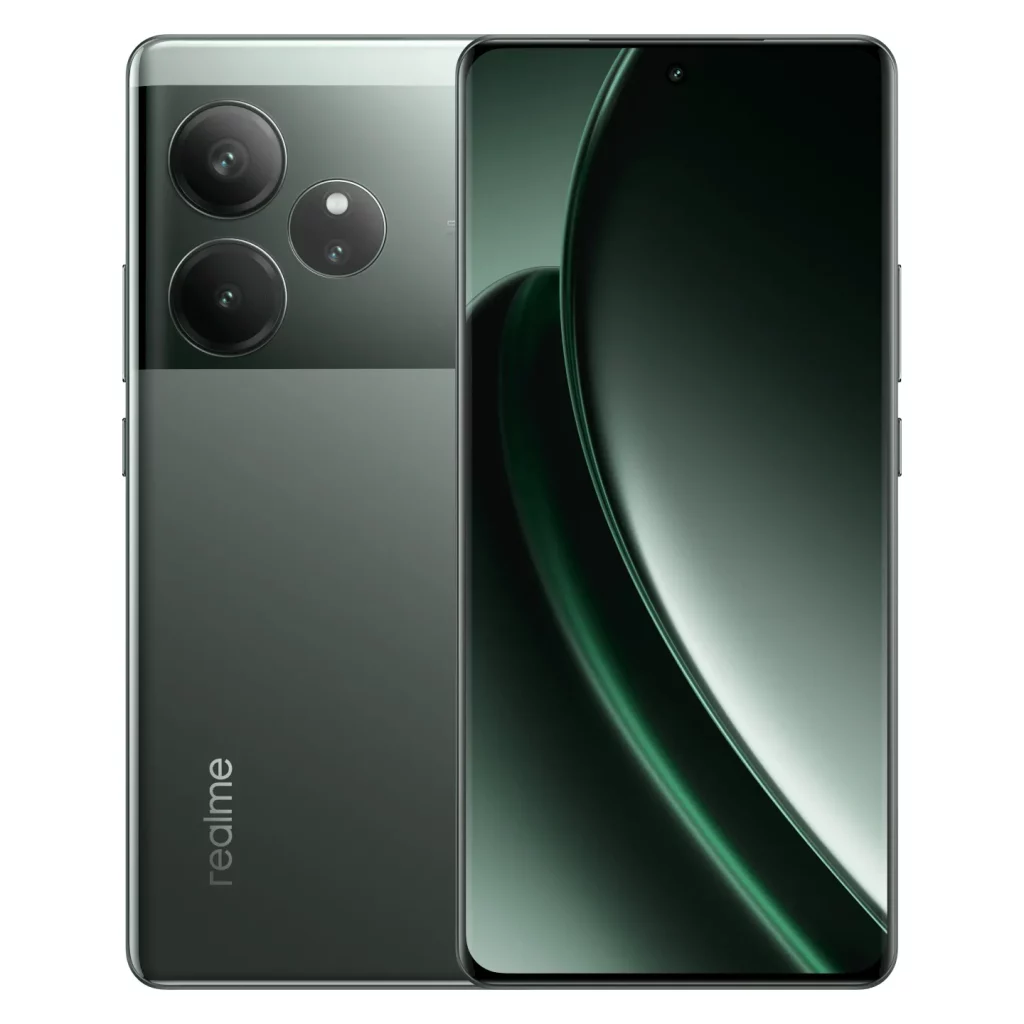
The Realme Narzo 70x will be made official on April 24 (Wednesday) in India. It will be announced at 12 PM IST.
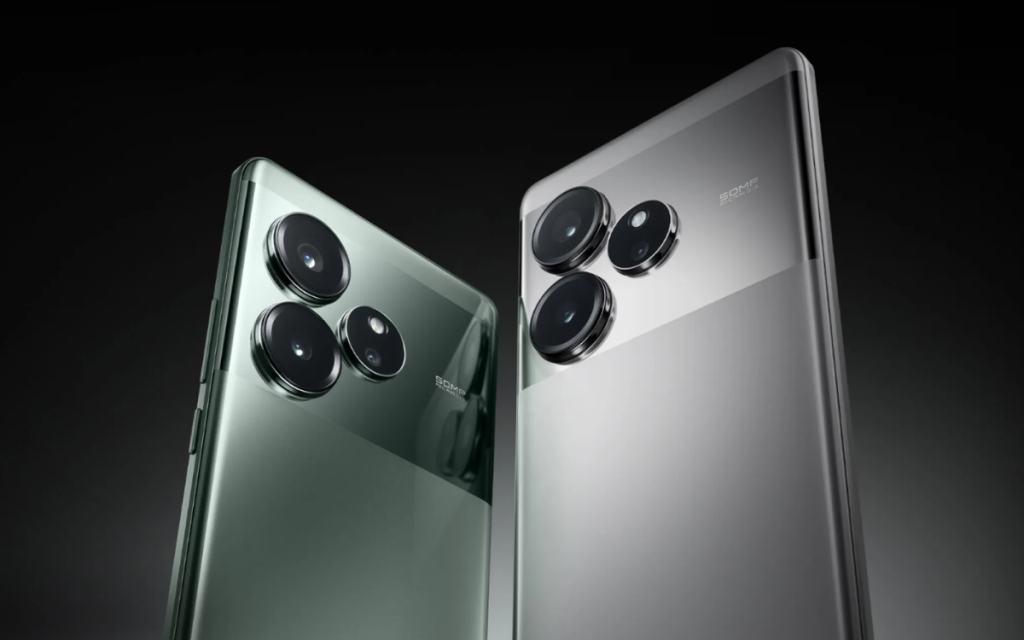
As per official teasers, the device will feature a circular camera module like almost all the latest smartphones from the brand. It will arrive with a flat frame and a 120Hz display.
The phone will be backed by a 5,000mAh battery. Finally, it will carry support for 45W charging.
2. iQOO Z9 Series
The iQOO Z9 series is set to launch in China on April 24 (Wednesday). The event will begin at 7 PM GMT+8.
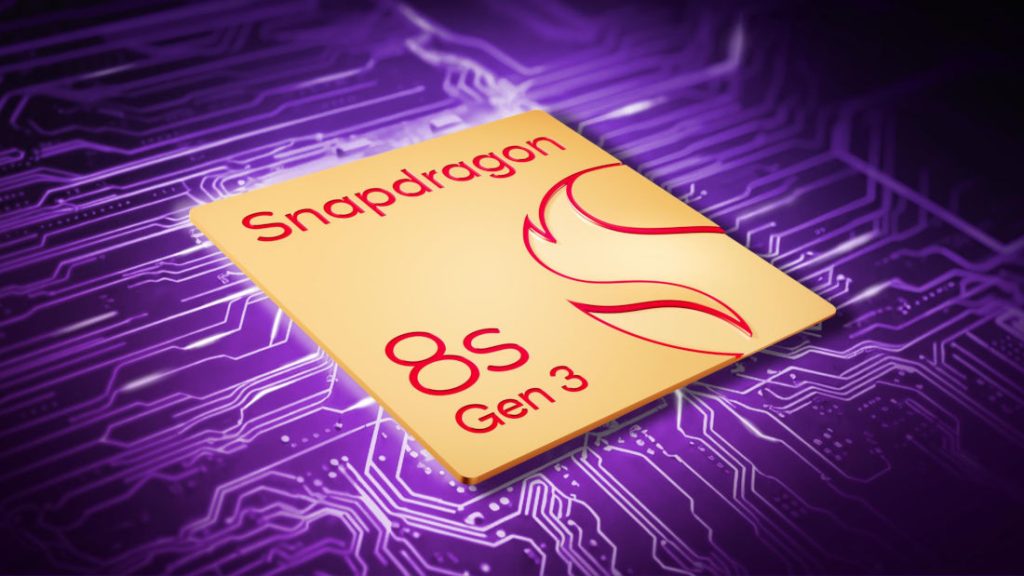
The lineup will include three handsets, namely iQOO Z9, iQOO Z9x, and iQOO Z9 Turbo. They will be powered by Snapdragon 7 Gen 3, Snapdragon 6 Gen 1, and Snapdragon 8s Gen 3 chipsets, respectively.
The Z9x will sport an LCD display and support 44W charging. Whereas the Z9 and Z9 Turbo will come with OLED displays and 80W charging support.
Lastly, the design of these products will be inspired by the iQOO 12 lineup.
The Fallout TV series on Prime Video continues its internet domination. Widely considered one of the best video game adaptations ever, it’s captivated both die-hard Fallout fans and newcomers. With viewers hungry for more, if you’re one of those people, we have great news. Amazon is offering Fallout 76 for free to Prime subscribers on Xbox. Here are the details…
How to Get Fallout 76 Free with Your Amazon Prime Account
If you do not know, Fallout 76 is an action role-playing game released by Bethesda in 2018. The game focuses on the story of Vault 76 residents who settle in West Virginia after a nuclear disaster. While set 100 years before the show, it still delivers a complete Fallout experience. Moreover, acquiring this game for free is quite easy, all you need to do is become an Amazon Prime subscriber.
If you’re already a Prime subscriber or have subscribed, all you need to do is link your Prime account to your Prime Gaming account. To do this, follow these steps:
Ensure that you have Prime Membership
Go to the Prime Gaming page
Click on “Link Your Account”
Log in to your Amazon account
Confirm linking your accounts
Then, click here to go to the Fallout 76 page and get your game code
Earlier today, itel announced the Super Guru feature phone with support for YouTube and 4G. Now, the brand has confirmed the launch of two more devices. These include the itel S24 smartphone and itel 11T Pro TWS earbuds. The former is listed on the e-commerce platform Amazon revealing its key specifications and also teasing the price. Read on to know all the details.
itel S24, 11T Pro TWS earbuds to launch in India soon
The itel S24 is set to arrive as the successor to last year’s itel S23. As per the Amazon microsite, the phone is teased to be priced under the Rs 10,000 segment. Buyers who purchase the device will be eligible for a free itel Icon smartwatch.
The listing reveals the itel S24 with a circular camera module housing a 108MP main sensor and a secondary lens. There will be various camera modes and features. The upcoming offering will flaunt a colour-changing back panel under sunlight. The smartphone is confirmed to be powered by a MediaTek Helio G91 processor under the hood. The rest of the details of the device remain under wraps. However, an official listing of the S24 last month revealed that it will be available with up to 8GB RAM and 256GB storage. It will feature an HD+ display with 90Hz refresh rate. The phone will be backed by a 5,000mAh battery with support for 18W charging.
As for the itel 11T Pro Buds, they will be equipped with a 13mm driver. The earphones will feature a 360-degree super bass technology for delivering deep and strong bass. A teaser image of the audio device confirms an in-ear design with a stem and silicone ear tips.
The Realme P1 Pro has been recently launched in the Indian market, boasting impressive features within the sub-25000 price range. This phone faces tough competition from the Honor X9b, which entered the Indian market a couple of months ago.
Both devices share the same 5G processor, but they differ in several aspects that are important to consider when choosing between the two.
The recently launched Realme P1 Pro and the Honor X9b both feature distinct designs with the only thing common between them being their circular camera islands and their slightly curved display. The P1 Pro is available in appealing color options, while the Honor X9b has a more premium look.
You get a higher-resolution 1.5K (2652 x 1200 pixels) OLED display on the Honor X9b, while the P1 Pro features an FHD+ (1080 x 2412 pixels). Both of these phones offer a 120Hz refresh rate, however, the X9b is slightly brighter with 1200 nits peak brightness, compared to 950 nits on the P1 Pro. The X9b also has some special features like its Ultra-Bounce Anti-Drop Display, which features a double-strengthened glass with shock-absorbing materials, making it resistant to cracking from drops up to 1.5 meters.
2. Performance & software
Both the P1 Pro and the X9b use the Qualcomm Snapdragon 6 Gen 1 processor, which made its debut in September 2022. This processor is manufactured by using Samsung’s 4nm process, and it yields an AnTuTu score of around 575K.
The processors on both of these devices are paired with LPDDR4x RAM and UFS 3.1 storage, so you won’t notice any differences in performance. That being said, one major difference between the two is their software.
While the Honor X9b debuted with Android 13 and is yet to receive its Android 14 upgrade, the P1 Pro has launched with Android 14 out of the box with a promise of 3 OS updates, and 4 years of security updates. In contrast, Honor has not confirmed these details, however, we expect the device to get around 2 major OS updates.
3. Battery & fast charging
This category is a mixed bag. On one hand, the Honor X9b comes with a larger 5,800mAh battery, compared to the 5,000mAh battery on the P1 Pro. However, the P1 Pro features a 45W wired fast charging, compared to the 35W fast charging on the X9b.
The disparity in fast charging capabilities isn’t significant enough to warrant choosing a phone with a smaller 800mAh battery. Thus, customers who prioritize battery life might prefer the X9b.
4. Cameras
Perhaps the biggest difference between the smartphones is seen in the camera department. The Realme P1 Pro comes with a 50-megapixel Sony LYT-600 primary camera sensor that offers optical image stabilization. The other camera on the back is an 8-megapixel ultra-wide angle lens.
In contrast, the Honor X9b features a 108-megapixel main camera with up to 3x in-sensor zoom, as well as a 5-megapixel ultra-wide lens and a 2-megapixel macro camera.
While the X9b’s primary camera is satisfactory, it doesn’t quite match up to the Realme P1 Pro’s LYT-600 sensor. The P1 Pro’s optical image stabilization (OIS) improves zoom shots. In terms of ultra-wide camera performance, the P1 Pro’s 8-megapixel sensor offers better detail and sharpness compared to the X9b’s 5-megapixel ultra-wide lens.
As for videography, both smartphones offer support for 4K 30fps recording, however, the P1 Pro is capable of up to 120FPS recording in 1080p, while the Honor X9b tops out at 60FPS at 1080p. On the front, both smartphones offer 16-megapixel selfie cameras capable of 4K 30FPS video recording. Quality aside, the Honor X9b offers some special features for vlogging, like multi-video mode and AI noise canceling for videos.
5. Pricing
The Realme P1 comes with a starting price of ₹21,999 for the 8GB RAM + 128GB storage variant, whereas the Honor X9b comes in a sole 8GB + 256GB configuration which is currently going for ₹24,999. The P1 Pro also has an 8GB + 256GB configuration priced at ₹22,999, making it more affordable overall.
In conclusion, both devices are capable, but the Realme P1 Pro has an edge with its camera system, while also being more budget-friendly than the Honor X9b. The X9b has its own positives, such as a drop-resistant higher resolution display and a larger battery. However, its camera performance is somewhat lacking compared to the competition. If camera quality isn’t your top priority, the X9b is worth considering for its premium look, superior display, and battery life, even at a slightly higher price.
Samsung launched the Galaxy F15 5G in India last month. It was available in 4GB + 128GB and 6GB + 128GB RAM and storage configurations. Now, the South Korean brand has announced a new variant of the device. It is a top-end option with a higher RAM but the internal storage remains the same as the other two models.
Samsung Galaxy F15 5G gets a new RAM and storage variant
The Samsung Galaxy F15 5G now comes in 8GB RAM and 128GB native storage. It carries an aggressive price tag of Rs 15,999. Interested buyers can avail of bank cashback or an upgrade bonus worth Rs 1,000 on the purchase of the smartphone. The device is offered in Ash Black, Groovy Violet, and Jazzy Green colour options. The new variant of the Galaxy F15 5G is available for purchase from Flipkart and retail stores across the country.
The 4GB + 128GB and 6GB + 128GB variants of the Galaxy F15 5G cost Rs 12,999 and Rs 14,499 respectively.
The Samsung Galaxy F15 5G features a 6.5-inch sAMOLED display bearing an FHD+ resolution and a 90Hz refresh rate. It has a triple rear camera setup of a 50MP main sensor, a 5MP ultrawide lens, and a 2MP macro unit. There is a side-mounted fingerprint scanner embedded in the power button. The smartphone is powered by a Dimensity 6100 processor. It is backed by a 6,000mAh battery unit with support for 25W fast charging. The Galaxy F15 5G ships with Android 14 OS and is eligible for four years of future updates and five years of security patches.
AI has already made its way into smartphones and PCs this year. It is here to stay for a long period with a bunch of new features coming out every now and then. Microsoft’s dedicated Copilot key on the keyboard is adopted by many laptop OEMs on this year’s models. Popular peripheral maker Logitech is also joining the bandwagon The Signature AI Edition M750 is the first of its kind mouse with a dedicated AI button. Additionally, the brand has also released a software called Logi AI Prompt Builder that helps users access the chatbot’s assistance. Read on to learn all the details below
Logitech Signature AI Edition M750, Logi AI Prompt Builder introduced
Beginning with the newly announced mouse, the Logitech Signature AI Edition M750 has a dedicated Teal-coloured button closer to the scroll wheel. It can be used to access the Logi AI Prompt Builder tool (more about this below). A back button can trigger ChatGPT directly whereas a forward button is said to activate OS dictation. The buttons can be reassigned in the Logi Options+ app.
The Signature AI Edition M750 has a compact form factor with a contoured shape, a soft thumb area, and rubber side grips for a comfortable usage experience. It features two buttons on the top, two on the side, and a smart wheel scrolling. The peripheral device offers a quieter operation when clicking. It is backed by an AA battery that is claimed to last up to 24 months.

Now coming to the Logi AI Prompt Builder, it currently works with OpenAI’s ChatGPT and understands English at launch. It is free to use and only compatible with Logitech keyboard and mouse even if they don’t have a dedicated AI button. The Prompt Builder is not just a chatbot. It has preset recipes including rephrasing, summarising, replying, and creating email functions.
The Logitech Signature AI Edition M750 is priced at $49.99 and £54.99 in the US and UK respectively. It is available through the company’s online store.
The US is a major player in the tech space, owning some of the biggest tech brands, such as Google, Meta, Microsoft, Amazon, and Apple. It’s hard to imagine mobile devices without partnering with these brands, especially Google, but Huawei is doing it by breaking all the barriers. But how did they do it? You’ll learn everything about it in this post.
Huawei was one of the top three smartphone sellers worldwide in 2019. In fact, the company surpassed Apple’s sales in many quarterly results throughout 2018 and 2019. Huawei’s smartphone business was at its peak during this time, and then the US government gave a massive blow to this Chinese company – the restriction to work with any organisation operating in the United States.
In May 2019, the US government, led by President Donald Trump, announced that Huawei and several other Chinese companies were now on the “Entity List.” In other words, this means that new Huawei phones can no longer ship with Google-owned apps such as YouTube, Google Maps, and Google Drive. They can’t work with any other company operating in the country.
Huawei smartphone sales, after reaching record highs, experienced a sharp decline after the ban. The inability to preinstall Google-owned apps was a major blow, but restrictions on cutting-edge 5G technologies proved equally detrimental to their high-end devices.
The Rise of Huawei
Three months after the Entity List ban, Huawei publicly unveiled HarmonyOS at its inaugural developer conference in Dongguan on August 9, 2019. The company revealed that they had been working on it since 2012. Huawei didn’t position HarmonyOS as a mobile OS until September 2020, when they announced HarmonyOS 2.0.
In July 2021, the Huawei P50 series was unveiled as the first phones with HarmonyOS. This was a big success for the brand, but the phone didn’t have 5G support.
Huawei didn’t stop there and waited for US sanctions to end. Instead, it focused on building an in-house chip fabrication plant. On August 29, 2023, the company announced Kirin 9000S – Huawei’s first fully domestically fabricated chip with 5G support. This was Huawei’s answer to the US that it can develop chips on its own without Western support.
Huawei Mate 60 and Mate 60 Pro were the first phones to get the Kirin 9000S chip. These are flagship phones which have sold over 30 million units.
Huawei’s Software Growth
Although Huawei AppGallery has existed since 2011 in China, the rapid development began after the US ban to make it the best alternative to the Google Play Store. On March 1, 2021, Huawei AppGallery had over 530 million active users, which, in October 2022, jumped to 580 million.
During the HarmonyOS 3 event in July 2022, Huawei revealed that the HMS ecosystem had roughly 1.6 million global developers, which has now crossed 5.4 million.
HarmonyOS is not completely independent from Android. It still uses Android Open Source Project (AOSP) to some extent. To clarify, Huawei can still use AOSP since it’s open-source but it can’t use Google Mobile Services (GMS).
However, the Chinese giant is already working on the second phase of HarmonyOS development – HarmonyOS Next. It will be completely independent of the Android operating system. It won’t even allow sideloading Android apps, which is currently possible with HarmonyOS. It will force app developers to create HarmonyOS-specific versions.
Huawei’s Alternatives to Google Apps
Huawei has developed alternatives to Google apps, which has helped the company grow in the competitive smartphone market.
Google App: Huawei Assistant
Google Duo: Zoom, Skype
Google Photos: Huawei Gallery, Huawei Cloud
Gmail: Huawei’s Email app
Google Maps: Here We Go Maps
YouTube: use the YouTube website in a browser
Google Drive: Huawei Cloud, Deego
Google Chrome: Huawei Browser
Google Docs/Sheets/Slides: Microsoft Office
Google Play Store: Huawei AppGallery
In short, Huawei has done tremendous work building an in-house chip plant and HarmonyOS to survive the US ban and compete against American tech giants. HarmonyOS Next will be the next big move from Huawei, which will be interesting to compare with the Android OS.
Huawei has recently announced the Pura 70 series powered by the all-new Kirin 9010 chipset. Read more about it here.
Acer is shaking things up in India with its latest gaming laptops that feature AI (Artificial Intelligence). The new Predator Helio 16 and Predator Helio Neo models have been announced for the region. These pack some cutting edge specs and features. So here are all the details.
Acer Predator Helios 16
Talking about the more expensive model first, the brand’s Predator Helios 16 comes with top notch hardware. The notebook sports a tall 16.-inch IPS display that offers 1920×1200 resolution, 500 nits of peak brightness, and 240Hz refresh rate, and 3ms response time. Under the hood, the laptop is equipped with the 14th Gen Intel Core i9 processor that is paired with either the Nvidia GeForce RTX 4080 or the RTX 4070 GPU. This model was teased to launch in India last month.
This is paired with 16GB of GDDR5 RAM (upgradeable up to 32GB) and 1TB of PCIe Gen4 storage (upgradeable up to 2TB). It runs on the Windows 11 OS with support for Wi-Fi 6E and Bluetooth 5.3. The port selections include 1x USB 3.2 Gen 1 port, 1x USB 3.2 Gen 2 port, 1x USB 3.2 Gen 2 port, and 2x USB Type-C ports (Thunderbolt 4). A large 90Wh battery pack powers this device that charges via a 330W AC adapter.
Acer Predator Helios Neo
The Acer Predator Helios Neo sports a 16-inch IPS display as well with identical resolution, response time, and brightness. Although, its refresh rate maxes out at 165Hz. The hardware in this gaming laptop starts from an Intel i7 13th Gen CPU, but there are also 14th Gen i7 and 14th Gen i9 options as well. This CPU is paired with either an RTX 4050, RTX 4060, or RTX 4070 graphics card. The 14-inch variant of this model was previously announced in the US.
Similar to the Helios 16, the Neo also comes with the same storage configuration, OS, connectivity options, ports, and battery capacity. The AI capabilities on both laptops include a 3rd Mic and Purifier Voice 2.0. This is basically an AI powered noise reduction technology. Other notable features in both laptops include DLSS 3.5 with the new RTX 4000 series cards, swappable WASD Magkey 3.0, and FineTip RGB-backlight keyboard.
Pricing and Availability
Acer’s latest gaming laptops will be available purchase from major platforms like Amazon, Flipkart, Acer eShip, Croma, Vijay Sales, and partnered retail stores. These arrive with a hefty price tag, so let’s check it out:
Huawei‘s latest flagship smartphone, the Pura 70 Ultra with all-new Kirin 9010 SoC underwent thorough testing by reviewers at a Chinese publication. shedding light on the performance of its new chipset. The benchmarks reveal the Kirin 9010 is more of an incremental upgrade than a huge leap forward.
This isn’t entirely surprising considering the Kirin 9010 seems to be a polished version of the Kirin 9000S found in the Mate 60 series. It features a single 2.3GHz Taishan core, three 2.18GHz Taishan mid-cores, and four lower-clocked 1.55GHz Cortex-A510 cores, designed to handle less intensive tasks.
The core architecture is essentially similar to the Kirin 9000S of the Mate 60. The notable difference lies in Huawei’s adjustments to the clock speeds of the cores. Meanwhile, the graphics processing unit remains unchanged, sporting the same Mali-G78 GPU clocked at 750MHz.
Benchmarks
Starting with synthetic benchmarks, the AnTuTu score for the Pura 70 Ultra landed at 940,000 points. Whereas, in the GeekBench 6.2, the single-core scores reached 1,431 points, with multi-core scores reaching 4,430 points in a room temperature environment.
Enabling the phone’s performance mode resulted in minimal gains, pushing single-core scores to 1,440 and multi-core scores to 4,436. On paper, these scores are clearly better when compared to the Kirin 9000S.
Processor
Geekbench Single-Core
Geekbench Multi-Core
AnTuTu Overall
Kirin 9010
1440
4436
940,000
Kirin 9000s
1350
4200
700,000
Huawei has managed to achieve this even while lowering the clock speed of Kirin 9010’s high-performance core.
However, the GPU appears to be a sticking point, according to the report. 3DMark Wild Life EXTREME testing yielded scores of 1575 points at room temperature and 1577 points in cooling mode. It’s a limited improvement in graphical processing power.
Games
But the real-world testing shows that the phone can run popular games like Genshin Impact fairly well.
Running the game at the highest settings with 60fps locked and frame rate boosting features disabled, the Pura 70 Ultra managed an average frame rate of 60.2fps in a room-temperature environment.
The frame rate remained fairly stable at around 60fps for the first 10 minutes before dropping to a steady 55.7fps average over the remaining 15 minutes. The phone’s back cover reached a maximum temperature of 46.8 degrees Celsius during this test.
Another graphically demanding title, Honkai: Star Rail, pushed the Pura 70 Ultra further. Set to very high settings with 60fps locked, the phone averaged 53 frames per second over a 15-minute run.
While the frame rate dipped to around 50fps after the initial 4 minutes, it remained stable throughout the rest of the test. The back cover temperature climbed to a maximum of 49.6 degrees Celsius here.
itel has just dropped a brand-new phone in the Indian market. The device is dubbed the itel Super Guru 4G, which is the latest keypad phone. It offers support for 4G networking and YouTube for a budget price tag. Back in January 2024, the itel released the Power 450 in India, so let’s check out the newer launch.
itel Super Guru 4G: Pricing and Availability
The itel Super Guru 4G keypad phone was announced in the region for a 1,799 INR price tag (roughly 22 US Dollars). It will be available for purchase via the brand’s official website and Amazon India. Buyers can get their hands on this device in multiple color options, namely Green, Black, and Dark Blue. This device also appears to be the successor to the itel Super Guru Feature phone that launched back in 2023.
itel Super Guru 4G: Specs
Despite being a budget grade handset and a simple keypad phone, users still get access to some features that are essential in this day and age. Thanks to support for 4G, users get access to YouTube, even letting them stream YouTube Shorts. You can even make UPI payments by scanning the merchant QR codes thanks to the VGA camera on the Super Guru 4G. On the front, the device sports a 2-inch screen.
Other notable feature include a 1,000mAh battery pack that promises to offer up to 6 days of battery life, 4G LTE connectivity, support for 13 Indian languages, LetsChat support for messaging, built-in games like Sokoban, 2048, and Tetris, and BBC News in Hindi, English, Urdu, and Punjabi.
Samsung‘s next-gen flagship foldable smartphones are set to launch later this year. The latest foldable phones include the Galaxy Z Fold 6 and the Galaxy Z Flip 6. But ahead of the official announcement, the US version of the Galaxy Z Flip 6 was spotted packing some beefy specs on a popular benchmarking platform.
Samsung Galaxy Z Flip 6 visits GeekBench
The South Korean tech giant’s upcoming flip phone was spotted on the Geekbench platform. This device surfaced carrying the SM-F741U model number and we also got a look at its synthetic benchmark performance for the Vulkan test. It managed to score 1,5084 points with an octa core Qualcomm processor, which is the Snapdragon 8 Gen 3 that is custom made for Galaxy. For those unaware, this is a higher clock speed variant of the Snapdragon 8 Gen 3 chipset.
This flagship grade processor is paired with up to 8GB of RAM. Another notable aspect is that the Galaxy Z Flip 6 will run on the Android 14 OS based One UI 6.1 custom skin. Unfortunately, the GeekBench database did not reveal any other finer details regarding the Galaxy Z Flip 6. Although we covered more details of this device in a previous report. A leak from last month claimed that the device will come with up to 512GB of storage and 12GB of RAM.
Under the hood, it will be equipped with either the Snapdragon 8 Gen 3 or the Exynos 2400. The former is for the US market, while the latter is for the rest of the world. A larger 4,000mAh battery pack will power the next gen model, while even the cover display gets a higher 120Hz refresh rate. This is all the information we have at the moment, so stick around for more updates.
Xiaomi 14 was one of the first phones to feature the Snapdragon 8 Gen 3 chip that enables on-device generative AI, thanks to Qualcomm’s first AI Engine that can run multimodal generative AI models. It enables smartphone manufacturers to build and implement a range of helpful AI features that can operate without relying on a cloud server. We have already seen a couple of similar implementations on the Galaxy S24 series as an outcome of the manufacturer’s partnership with Google.
HyperOS to get some new AI features
Now the news is that Xiaomi has started internal testing of its “AI Treasure Chest” feature for the Xiaomi 14 series.
The Xiaomi Al Treasure Chest is basically a collection of ‘hundreds of’ AI features designed to uplift the user experience of their latest Xiaomi 14 series devices. A notable feature of them is called “AI Surprise Wallpaper”. Xiaomi notes that the goal is to provide users with a comprehensive, intelligent, convenient, and efficient solution by integrating multiple Al technologies to help users solve various problems and application scenarios.
The internal testing period is from April 18, 2024, to August 2, 2024. Notably, 78 people were registered, when the company shared the information and there were 40,000 places left for the internal testing.
A person familiar with the development of the feature informed me that one of the top 100 “AI Treasure Chest” features will be released soon, which is likely the previously mentioned AI-powered surprise wallpaper feature, As mentioned before, the development is expected to offer a range of productivity tools and creative features to the Xiaomi 14 series.
Users of the Xiaomi 14 series participating in the internal testing are encouraged to share their feedback about the features through the company’s official feedback channel.
Vivo recently teased the launch of a new V series smartphone in India. The company is set to announce the V30e model in the region soon, and now, we finally have an official launch date for this device. So here’s everything you need to know.
Vivo V30e lands in India on May 2
As per an official announcement, the Chinese brand will unveil the Vivo V30e in India on 2nd May 2024. In other words, the launch is just two weeks away. To recall, the device is expected to sport a tall 6.78-inch curved AMOLED display that offers a 120Hz refresh rate and Full HD+ resolution. Under the hood, it could be equipped with the Snapdragon 6 Gen 1 SoC, which will have it compete with the likes of the Realme P1 Pro and the Honor X9b.
Vivo V30e – Velvet Red
The teasers shared previously confirmed that it will come with a Gem Cut design and in Velvet Red and Silk Blue color options. It also offers the Aura Light and a Sony IMX882 primary camera on the rear. Meanwhile, the front packs a 50-megapixel selfie shooter that supports auto focus. A large 5,500mAh battery pack powers this device, despite the body measuring only 7.69mm in thickness.
The processor is expected to be paired with up to 8GB of RAM and 256GB of internal storage. Vivo V30e would likely run on the Android 14 OS out of the box and offer 44W wired fast charging. It is set to go on sale via the brand’s official website and Flipkart. So stick around for more as we will be covering the upcoming launch event.

Honor reentered late last year in India and introduced some new smartphones, including the Honor X9b 5G. The smartphone usually retails in India at the price of Rs 25,999 without any bank discount, and now, you can grab it for the price of Rs 24,999. If the user includes the Bank Offers, then the smartphone can be yours at the price of Rs 22,999.
Honor is also offering an additional exchange bonus of Rs 4000 on all smartphones. Apart from the discounts the Violet Htech 30W charger can be yours for Rs 699. There’s also an option of no cost EMI on certain credit and debit cards.
Honor X9b comes with Qualcomm Snapdragon 6 Gen 1 SoC and packs LPDDR4x RAM and UFS 3.1 storage. It houses a 6.78-inch punch-hole curved OLED display which offers 2652 x 1200 pixels resolution, 120Hz refresh rate, 1920Hz PWM dimming, and 1200 nits peak brightness. It is a 10-bit panel that offers a 1.5K resolution with 429-pixel density.
Honor X9b equips a 5-star SGS-certified drop resistance rating and offers a giant circular ring on the rear side. Built with vegan leather finishes, the smartphone weighs 185 grams.
In connectivity, there’s WiFi 5, Bluetooth 5.1, and a USB 2.0 Type-C port. There’s also an in-screen fingerprint scanner for quick authentication.
The smartphone hosts a tripel-rear camera module in the camera section with a 108MP primary sensor, a 5MP ultrawide sensor, and a 2MP macro sensor. A 16MP selfie camera sits on the front for selfies. Further, it bundles a 5800 mAh battery and supports 35W wired charging. It was launched at the price of Rs 25,999, and with the recent discount, you can grab it for Rs 22,999.
Earlier this month, Motorola announced the Motorola Edge 50 Pro in India with a starting price of Rs 31,999 (~$380). This pricing allows the device to compete with some of the recent smartphones, such as the Realme 12 Pro+ 5G, Redmi Note 13 Pro+ 5G, iQOO Neo 9 Pro 5G, OPPO Reno 11 Pro 5G, Vivo V30 5G, Samsung Galaxy A35 5G, and so on. While some of these phones may beat the Edge 50 Pro in some areas, like the iQOO phone offering a better Snapdragon 8 Gen 2 chip, the Edge 50 Pro packs some interesting specs that provide an “edge” over other devices. Here is a look at the five major highlights of the device.
The Motorola Edge 50 Pro’s front features a curved-edge AMOLED display with slim bezels. For durability, the device features a metal frame and an IP68-rated chassis, which protects it from dust and water damage. It comes in three shades, such as Black Beauty, Moonlight Pearl, and Luxe Lavender. While black and lavender have silicone vegan leather back, the white variant sports a handmade design. While Motorola has not advertised it much, each color variant ships with color-matching case.
2. Pantone Validated Display
Motorola Edge 50 Pro
The 6.7-inch P-OLED curve-edge display of the Motorola Edge 50 Pro is the world’s first and only True Color display, validated by Pantone, claims the company. It ensures real-world, true-to-life colors with Pantone skin tone validation for a wide range of human skin tones. The screen supports a 1.5K resolution, a 144Hz refresh rate, 10-bit billion colors, a peak brightness of 2000nits and HDR10+ support. Additionally, the display incorporates SGS Eye Protection technology for comfortable extended use.
3. Versatile Camera Setup
Motorola Edge 50 Pro
The Motorola Edge 50 Pro has a versatile camera setup comprising an OIS-assisted 50-megapixel camera with an f/1.4 aperture. Complementing this primary camera is a 13-megapixel ultrawide, which doubles up as a macro camera. Additionally, a 10-megapixel telephoto camera brings support for 3x optical zoom and a 30X hybrid zoom. On the front, the Edge 50 Pro sports a 50-megapixel selfie camera with autofocus and an improved aperture of f/1.9. The front and rear cameras support 4K video recording.
For a better photography experience, the Edge 50 Pro incorporates a couple of intelligent camera features. The AI Photo Enhancement Engine enhances image quality with advanced dynamic range, finer details, software-based bokeh, and noise reduction, all without requiring any expertise from the user. By dynamically adjusting stabilization levels to compensate for movement while filming, AI Adaptive Stabilization ensures shake-free videos. Tilt Shift Mode enables creative portraits with multiple points of focus, while Intelligent Auto Focus Tracking keeps subjects sharp and in focus, even as they move through the frame.
4. Blazing fast 125W charging
Motorola Edge 50 Pro being charged using 68W TurboCharger
The Edge 50 Pro comes in two variants. The retail package of the 12 GB RAM + 256 GB storage includes a 125W fast charger. On the other hand, the retail box of the 8 GB RAM + 256 GB storage variant includes a 68W charger. Both models are backed by a 4,500mAh battery.
My Edge 50 Pro review unit took around 21 minutes to achieve a full charge using the ultra-fast 125W charger. Additionally, the device supports 50W wireless charging and 10W reverse wireless charging.
In terms of performance, the Edge 50 Pro has the Snapdragon 7 Gen 3, which also powers the likes of the OnePlus Nord CE 4 and the Vivo V30 5G. The device is equipped with LPDDR4x RAM and UFS 2.2 storage.
5. Clutter-free UI experience
Motorola Edge 50 Pro
The Edge 50 Pro ships with Android 14 and is the first Motorola phone to ship with the new Hello UI instead of MyUX. The Lenovo-owned company has confirmed that the Edge 50 Pro will receive Android 15, 16, and 17 upgrades, as well as three years of security patches. Apart from multiple apps from Google and a few Motorola apps, there are only a few third-party apps.
The new software packs Moto Gestures for controlling the device without touching the screen, Thickhead security, Moto Connect for wirelessly connecting the phone to a TV or PC for work or play, and AI-generated wallpapers.
Motorola Edge 50 Pro price in India
The Motorola Edge 50 Pro’s base variant, which offers an 8GB+256GB configuration with 68W fast charging support, is priced at Rs 31,999 (~$380). On the other hand, the 12GB+256GB edition of the device with 125W fast charging support costs Rs 35,999 (~$430). The phone can be purchased through Flipkart and Motorola India’s website.
The Edge 50 Pro is also available for purchase in Europe. It is priced at £599 in the UK and €699 in rest of the Europe. It is also expected to release in other Asian markets, Latin America, and Oceania. The promo offer in Europe allows buyers of the Edge 50 Pro to get the Moto Buds Plus TWS earbuds for free.
Huawei Pura 70 series phones arrived on the market yesterday and are seeing a high demand. Just like the Huawei Mate 60 series, all the models of the new phones also match “the level of 5G”. However, the Pro models such as the Pura 70 Pro, Pura 70 Pro+, and the Pura 70 Ultra have one networking feature as compared to the standard Pura 70. This is Huawei NearLink, a relatively new wireless technology, noted as “far ahead of Bluetooth”.
Huawei NearLink integrates the advantages of both Bluetooth and Wi-Fi
Last year, Huawei launched a new generation of NearLink technology, which integrates the advantages of both Bluetooth and Wi-Fi and offers significantly stronger and also more efficient connectivity. It works with a set of HarmonyOS powered devices.
Compared with traditional wireless connections, Huawei NearLink has the advantages of 60% lower power consumption, 6 times higher speed, 1/30 delay, and 10 times higher number of network connections.
Huawei’s official website shows that currently Huawei Mate 60 series, Huawei Pocket 2, Pura 70 Pro, Pura 70 Pro+, and Pura 70 Ultra support this NearLink function. So the standard Pura 70 does not have the connectivity advantage here.
While answering some questions, Huawei terminal customer service also confirmed that the Huawei Pura 70 standard version mobile phone does not support this advanced connectivity feature. “HUAWEI Pura 70 does not support Star Flash; HUAWEI Pura 70 Pro, Huawei Pura 70 Pro+, and HUAWEI Pura 70 Ultra support Star Flash,” (translated from Chinese).
The standard Huawei Pura 70 is said to be powered by the Kirin 9000S1, an underclocked version of the existing Kirin 9000S chipset. Other than that, the phone offers a 6.6-inch 2760 × 1256 pixel OLED screen, which supports a 1-120Hz LTPO adaptive refresh rate. The phone has a total of three rear cameras. These include a 50MP main camera, a 12MP periscope telephoto with 5x optical zoom (both have OIS), and a 13MP ultrawide. There is also a 13MP camera for selfies.
Vivo has officially announced the launch date for its upcoming Y200i 5G smartphone. The smartphone will hit the Chinese market on April 20th. The Y200i has, however, already made its appearance on China Telecom’s site revealing everything there is to know about the device.
Furthermore, Vivo revealed the design and color choices of the smartphones in a teaser today. As per the official poster, the Vivo Y200i 5G will come in three colors: Glacier White, Starry Night Black, and Haohai Blue.
In terms of design, the phone boasts flat frames with a circular camera module on the back, housing two cameras (a 50MP main camera and a 2MP macro camera) along with an LED flash. The fingerprint sensor seems to be placed on the side of the phone.
On the front, the Y200i 5G features a large 6.72-inch IPS LCD display with a punch-hole design for the 8MP front camera. While the listing confirms a Full HD+ resolution, details regarding a high refresh rate are yet to be revealed.
Under the hood, the Y200i 5G is powered by the Snapdragon 4 Gen 2 processor, paired with OriginOS 4, based on the latest Android 14 operating system.
Memory-wise, you will have three configurations: 8GB RAM with 256GB storage, 12GB RAM with 256GB storage, and a top-of-the-line option with 12GB RAM paired with 512GB of storage.
Keeping the phone running all day is a massive 6,000mAh battery with support for 44W fast charging. The smartphone also has an IP64 rating.
Pricing and Availability
The Vivo Y200i 5G comes in three variants starting at an estimated 1,299 CNY (approximately $180 USD) for the 8GB RAM + 256GB storage option.
The 12GB RAM + 256GB storage variant is expected to cost around 1,599 CNY (approximately $220 USD), while the top-tier 12GB RAM + 512GB storage model might reach 1,799 CNY (approximately $250 USD).
Oppo recently launched the A3 Pro smartphone in China. It stands out as the first budget smartphone in recent times to gain IP69, IP68, and IP66 certifications.
According to the company, the Oppo A3 Pro can withstand everything from soaking water, and strong water spray to even dip in hot water. The smartphone is now officially going on sale in mainland China starting today.
Pricing and Availability
The Oppo A3 Pro has been launched in China with three memory configurations: 8GB+128GB, 12GB+256GB, and 12GB+512GB. They are priced at 1,999 Yuan ($275), 2,199 Yuan ($300), and 2,499 Yuan (~$345) respectively.
It’s available in three shades: Azure (with a glass back), Mountain Blue (sporting a leather back), and Yunjin Pink (also with a leather back). As of now, there’s no information on whether it will hit the global market.
Oppo A3 Pro Specifications
What sets the A3 Pro apart is its exceptional durability. Alongside its IP69 rating, it’s the first smartphone to achieve the Swiss SGS Gold Label 5-star drop resistance certification and has cleared a stringent national military standard impact resistance test in China.
To top it all off, the phone is protected by Oppo’s Crystal Glass on both the front and back.
The phone features a 6.7-inch AMOLED display with a smooth 120Hz refresh rate. It runs the latest Android 14 with ColorOS 14 on top and is powered by a mid-range Dimensity 7050 chip.
It comes in variants with 8GB or 12GB of RAM and 256GB or 512GB of storage, with expandable virtual RAM for multitasking. The 5000mAh battery with 67W fast charging ensures long usage time and quick refills.
On the camera side, it offers an 8MP front camera and a dual rear camera system with a 64MP main sensor and a 2MP depth sensor. It can record videos in FHD at 30fps on the front and 4K at 30fps on the rear.
Other features include dual SIM support, 5G connectivity, Wi-Fi 6, Bluetooth 5.3, and a USB-C port.
Yesterday, Huawei released its new Pura series lineup, and we had to rush to the stores to ensure that we got hold of a unit. After visiting 5 different stores, we managed to buy a Huawei Pura 70 Ultra for review.
The Ultra variant costs around $1400 in China, and it was officially sold out in a minute once it went on sale. The unit we got is the new color, featuring a leather like back cover with starburst patterns. The camera module is of course, the biggest selling point of the device, and is definitely a conversation starter.
One of the reasons why the module is so huge is because the main camera features a huge 1-inch sensor with retractable lens! Yes, you heard it right, the lens retracts according to need, and you also get variable aperture with this, making the Pura 70 Ultra one of the most advanced camera smartphones in the market right now.
Our initial hands on showed that the Kirin 9010 chip is a slightly upgraded version of the 9000s from last year. So no significant upgrades in that department. But overall, we like the device and you can watch our initial impressions and hands-on experience in this video.
Nothing announced the Ear and Ear (a) TWS earphones in the global markets yesterday. The Ear is a premium offering whereas the Ear (a) is a stripped-down affordable version, just like the Phone (2a).
It is worth adding that Nothing has changed its naming strategy by ditching the numbers on its new products. More details about the earbuds here.
We previously told you that the Xiaomi 14 Ultra used 5.5G technology to achieve 5 Gbps mobile data speeds. However, 5.5G was only available in limited commercial usage. But now, Xiaomi has rolled out an update for its 14 Ultra bringing 5.5G capabilities to the flagship model. The update is of 527 MB bearing the OS version number 1.0.9.0 UMACNXM.
In case you are wondering how 5.5G is better than existing 5G, we have explained the technology in this article.
HMD has collaborated with Heineken and Bodega to create a retro styled phone called the Boring Phone. The brand is collaborating with a prominent beer company and street culture fashion curators to create a unique feature phone with a design that is everything from ‘boring’. The announcement comes only days after Nokia unveiled the new 6310, 230, and 5310 feature phones.
Would you be interested in getting a phone that can only send texts and receive calls in 2024?
The OnePlus 11R base model is getting a bright red makeover in India. OnePlus teased the model earlier this week and now its officially going on sale in the region.
To recall, the Solar Red color option was limited to the highest 512GB storage option. But now, the base 8GB + 128GB variant is also arriving in this fresh color.
Among the OnePlus Ace 2 series phones launched last year, the Ace 2 Pro, was the most powerful smartphone. Now that the brand has already launched the Ace 3 and Ace 3V phones in China this year, it appears that the company is working on the Ace 3 Pro as well. Yesterday, Tipster Digital Chat Station shared details about the design and specifications of the device.
It seems like Apple is all set to equip the upcoming 12.9-inch iPad Air with a significant display upgrade, according to display analyst Ross Young. This move brings the iPad Air closer to the high-end 12.9-inch iPad Pro in terms of display technology.
Huawei has shaken things up with the launch of the Pura 70 series, their successor to the long-standing P series. The top-of-the-line Pura 70 Ultra boasts some impressive upgrades over the previous-gen Huawei P60 Art.
After launching the Realme P1 5G (first impressions) series smartphones in India last week, the brand is set to announce the Narzo 70x on April 24. However, that’s not all.
Realme has confirmed the arrival of a C-series smartphone, although the exact date remains unknown at the moment and it will be the fastest entry level 5G smartphone in India.
Last year, Xiaomi launched the Xiaomi 14 and 14 Pro as the world’s first phones equipped with the Snapdragon 8 Gen 3 chip. There have been reports that this year, OnePlus may launch the OnePlus 13 as the first-ever phone equipped with the Snapdragon 8 Gen 4 chip.
Now, a new development has revealed that the next internal testing of the Xiaomi 15 series will soon in China. So the fight for the first Gen 4 smartphone should begin soon.
Redmi Pad Pro will soon launch in the global market. The global variant of the tablet was recently spotted in the databases of the Google Play Console and the FCC. Now, the device has received certification from Singapore’s IMDA authority. With multiple certifications in tow, it appears that the Pad Pro will soon be released to the global market.
Redmi Pad Pro IMDA certified
Redmi Pad Pro IMDA certified in Singapore
As can be seen above, the Redmi Pad Pro bearing the 2405CRPFDG model number has appeared in IMDA’s database. The listing suggests that it will be a Wi-Fi-only variant, meaning it may not have support for cellular connectivity, like its Chinese variant.
The IMDA listing contains no additional information about the device’s specifications. However, it appears that it will pack the same specs as its Chinese counterpart.
Redmi Pad Pro specifications
Redmi Pad Pro
The Redmi Pad Pro has a 12.1-inch IPS LCD panel that offers a 2.5K resolution and a 120Hz refresh rate. The device runs Android 14, with a layer of HyperOS on top. In China, the device is available with up to 8 GB of LPDDR4x RAM and up to 256 GB of UFS 2.2 storage.
Under the hood, the Redmi Pad Pro has the Snapdragon 7s Gen 2 chip and a 10,000mAh battery with 33W rapid charging support. On the front, there is an 8-megapixel camera for video calls. The back panel of the device features an 8-megapixel camera with an LED flash.
Reports have revealed that a rebranded version of the same tablet, the Poco Pad, will also hit the global market in the coming days. Additionally, there are rumors of a 5G version of the Redmi Pad Pro. This model is expected to be released in the Indian market in the near future.
We use cookies on our website to give you the most relevant experience by remembering your preferences and repeat visits. By clicking “Accept”, you consent to the use of ALL the cookies.
This website uses cookies to improve your experience while you navigate through the website. Out of these, the cookies that are categorized as necessary are stored on your browser as they are essential for the working of basic functionalities of the website. We also use third-party cookies that help us analyze and understand how you use this website. These cookies will be stored in your browser only with your consent. You also have the option to opt-out of these cookies. But opting out of some of these cookies may affect your browsing experience.
Necessary cookies are absolutely essential for the website to function properly. This category only includes cookies that ensures basic functionalities and security features of the website. These cookies do not store any personal information.
Any cookies that may not be particularly necessary for the website to function and is used specifically to collect user personal data via analytics, ads, other embedded contents are termed as non-necessary cookies. It is mandatory to procure user consent prior to running these cookies on your website.