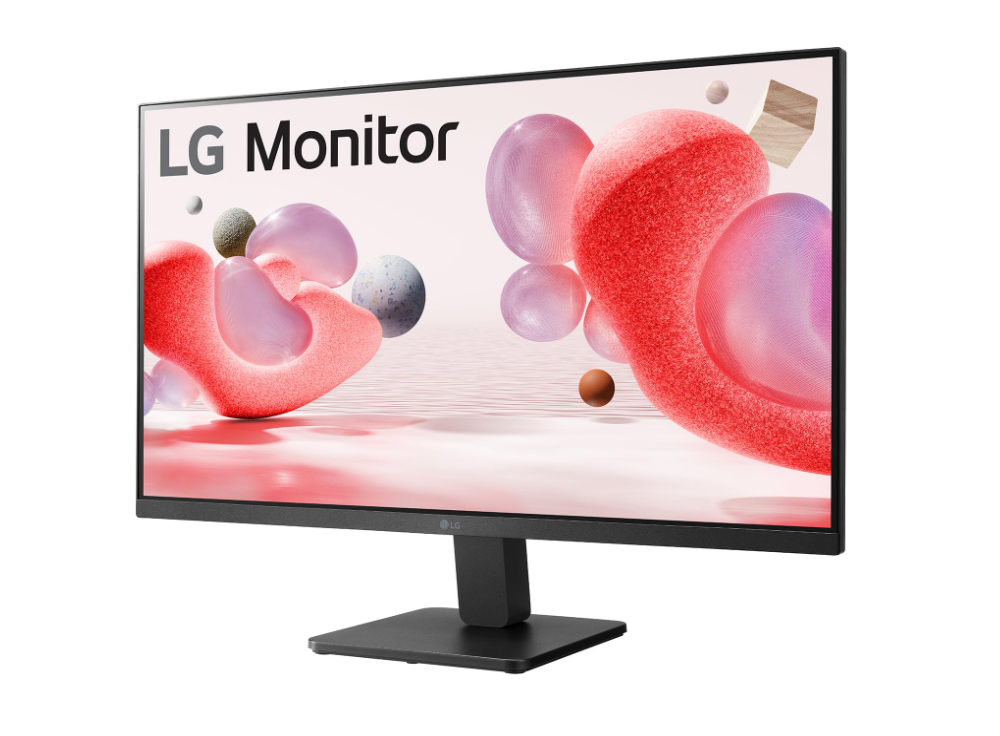
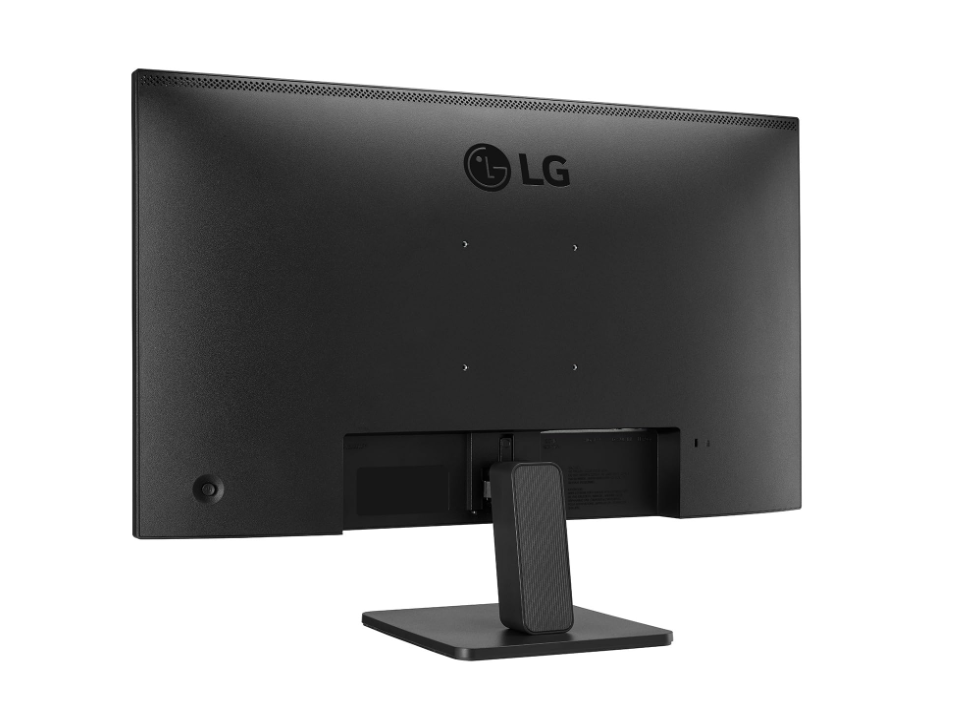
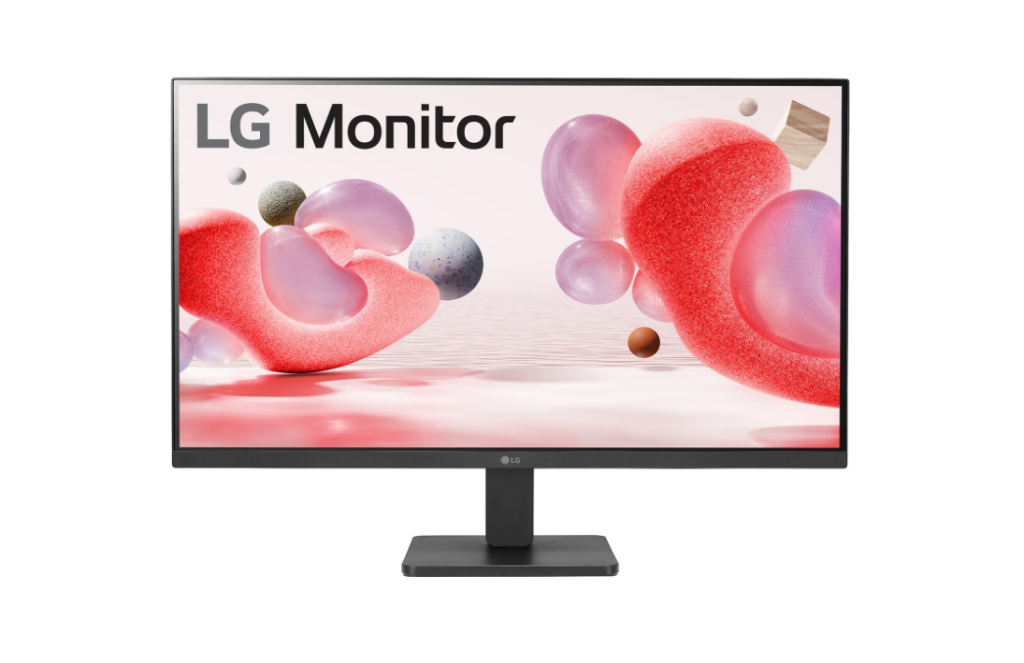
LG has launched its latest range of Full HD monitors on Amazon India, offering attractive discounts. The lineup includes three models: LG 22MR410, 24MR400, and 27MR400.
Specifications & features:
The LG 22MR410 monitor presents a 21.5-inch Full HD VA display with a resolution of 1920 x 1080 pixels and a refresh rate of 100 Hz. It offers options like Reader Mode and Flicker Safe, along with OnScreen Control. The LG 24MR400 monitor on the other hand features a 23.8-inch IPS Full HD display with a resolution of 1920 x 1080 and a refresh rate of 100 Hz. It includes features such as Dynamic Action Sync and Black Stabilizer, alongside Reader Mode and Flicker Safe. Moreover, it offers OnScreen Control and an Audio Input switch.
As for the LG 27MR400 monitor, it boasts a 27-inch IPS Full HD display with a resolution of 1920 x 1080 and a refresh rate of 100 Hz. It incorporates Reader Mode and Flicker Safe options, along with OnScreen Control and Black Stabilizer. All these monitors are equipped with AMD FreeSyncTM technology and come in a 3-sided virtually borderless design.
Pricing & offers
In terms of pricing, the LG 22MR410 starts at Rs 6,299, while the LG 24MR400 and LG 27MR400 are priced at Rs 7,999 and Rs 10,999, respectively. EMI options are available, starting from Rs 305 per month. Additional discounts are available with specific credit card transactions.
The Redmi Turbo 3 is scheduled to launch on April 10 in China. The device is the first offering of the Turbo series (explained) which focuses on offering flagship-level performance to the mid-range segment. This phone packs the Snapdragon 8s Gen 3 chip, which is a slightly cut-down version of the flagship Snapdragon 8 Gen 3. Alongside a powerful silicon inside, it also boasts a reasonably good flat AMOLED display.
A 1.5K 2400 nits panel with hardware-level blue light control
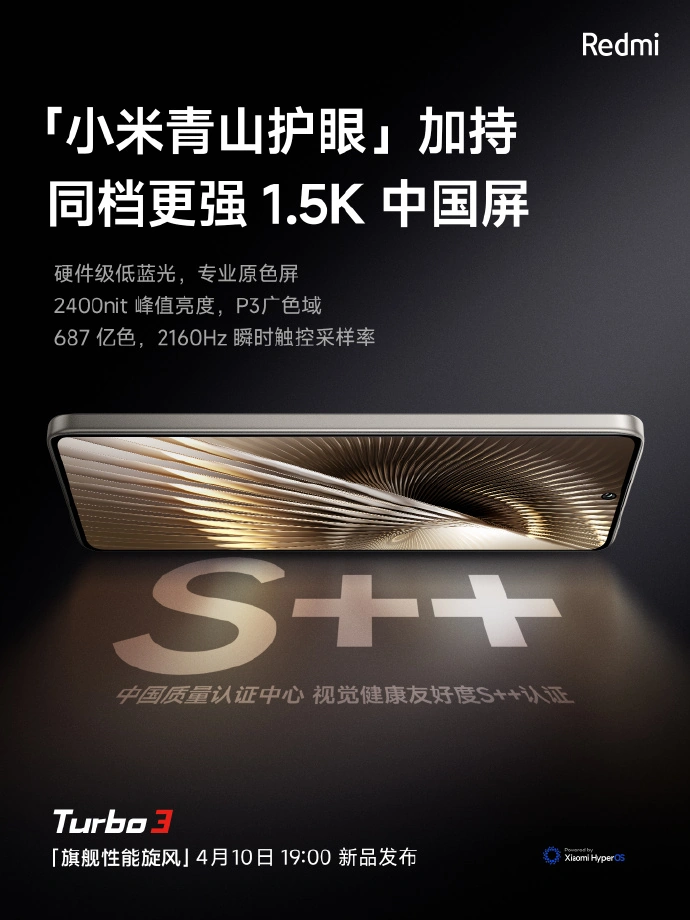
An official teaser reveals the panel as “Xiaomi Qingshan Eye Protection” which comes with 1.5K resolution and reaches 2400 nits of peak brightness. While it’s not the highest or comparable to some phones such as the Realme GT Neo 6 SE, the number is still comparable to the 2024 flagship Galaxy S24 Ultra‘s 2600 nits peak brightness support.
In addition, the Redmi Turbo 3’s display panel also boasts hardware-level solutions to reduce blue light emission, which is definitely a good thing if you use the phone at night. The panel is “Vision Health Friendly++” (translated) certified by the China Quality Certification Center.
Xiaomi notes that the display shows up to 68.7 billion colors. It also offers a 2160Hz tough sampling rate which helps in certain scenarios like gaming.
A previous teaser also reveals ultra-thin and pretty much symmetrical borders around the display.
Overall, the phone features a flat design with flat sides and front. Notably the slightly contoured, similar to what Apple did with the iPhone 15 series to make it more comfortable to hold. According to reports, the screen is 6.67″ in diagonal, so the phone is rather a large one. It also houses a 5000mAh battery. Yet the company has revealed that the phone weighs only 179 grams. It’s also 7.8mm in thickness.
In-display fingerprint scanners on smartphones have been around for a few years now. Ultrasonic and optical scanners are two technologies with both serving the same purpose of biometric authentication. The former is usually found on premium flagship smartphones. Now, a reliable tipster Digital Chat Station on Weibo reveals information on ultrasonic scanners coming on some devices in the future.
OPPO, OnePlus, Realme may adopt ultrasonic fingerprint scanner
DCS says that OPPO, OnePlus, and Realme are working on the ultrasonic in-screen fingerprint scanner for their devices. If everything goes well, the technology will replace the optical fingerprint scanner on future flagship devices from the brands. The tipster does not reveal any additional details.
Currently, the Samsung Galaxy S23 series, iQOO 12 Pro, Meizu 21/21 Pro, and more utilize this technology. Previously, it was reported that this year’s Xiaomi 15 series with Snapdragon 8 Gen 4 SoC will be equipped with Goodix’s single-point ultrasonic fingerprint scanner technology. It is said to be in the testing phase.
Ultrasonic fingerprint scanners create a 3D map of the fingerprint by using ultrasonic sound waves beneath the screen when the finger is pressed against it. This technology offers more security and is less susceptible to spoofing. It is also resistant to water and smudges with high detection accuracy. However, ultrasonic fingerprint scanners are expensive to manufacture and the process is also complex compared to optical fingerprint scanners.
Meanwhile, optical fingerprint scanners are less expensive and secure and use light to capture 2D images of the fingerprint.
Tech giant Apple has confirmed layoffs of more than 600 employees following the termination of two major initiatives: the self-driving car project, known as Project Titan, and the development of in-house Micro-LED displays.
Close to 600 employees from the Project Titan (Apple Car) and MicroLED development teams bore the brunt of the layoffs. The MicroLED display team, which had been a focal point of Apple’s endeavors following its acquisition of LuxVue Technology in 2014, faced substantial impacts. Challenges in production led to the cancellation of MicroLED displays for the Apple Watch earlier this year, which resulted in the recent layoffs.
Project Titan, Apple’s ambitious self-driving car project, also suffered significant cuts. Despite reportedly having a workforce of around 2,000 employees dedicated to the project, it was ultimately shelved last month. The decision came amid internal indecision among executives regarding the project’s direction and concerns over escalating costs. Some employees from the Project Titan team have been absorbed into other teams within Apple, particularly those focusing on artificial intelligence (AI) development, while others have been asked to leave the company.
Furthermore, the layoffs extended to Siri development, as seen in notices filed in San Diego. These notices align with reports of Apple closing a Siri data operations office. Employees affected by these closures were offered relocation options to Austin, Texas, which also signaled a shift in Apple’s operational focus.
These layoffs mark one of the largest restructuring efforts by Apple since the peak of the pandemic. The company’s decision to streamline its projects reflects a strategic shift towards prioritizing AI development, as it seeks to maintain its competitive edge in the rapidly evolving tech landscape.
While Apple has declined to comment on the exact number of employees affected by the layoffs, speculation suggests that a majority of those impacted were involved in the now-defunct Project Titan and MicroLED development initiatives. However, some former employees from these projects are reportedly being redirected to support the company’s ongoing AI projects.
Apple’s recent actions come amidst ongoing legal challenges, including a lawsuit filed by the Department of Justice alleging anti-competitive practices in the smartphone market. Despite these hurdles, Apple remains focused on innovation, with reports indicating exploration into the development of “home robotics” products, further diversifying its product portfolio.
As the tech industry continues to evolve, Apple’s strategic realignment highlights its aim to stay at the forefront of technological innovation while adapting to changing market dynamics.
Just a couple of days ago, the Realme C65 landed in the Vietnamese market with a Samsung Galaxy S22-inspired design. Now, it appears that another C series model is in the works, and it could be arriving in India soon. So here’s what we know so far.
Realme C63 visits the Bureau of Indian Standards
To recall, the Chinese brand unveiled the Realme C65 recently, which carried the RMX3910 model number. In the latest sighting, the BIS platform reveals the Realme C63 that carries the RMX3939 model number. Unfortunately, finer details were not revealed in this certification database. However, a previous TUV certification confirmed that it will come with a 4,880mAh battery pack, which will likely be created as a 5,000mAh cell.
The upcoming C63 device is also expected to support 45W wired fast charging as well. As per the Camera FV-5 listing, the Realme C63 comes with a 50-megapixel primary camera on the rear that offers an f/1.8 aperture, while the front offers an 8-megapixel selfie shooter. The FCC sighting also revealed that the device may run on the Android 14 OS based Realme UI 5.0 custom skin out of the box.
The Realme C63 could launch in a vegan leather and polycarbonate rear panel option. We also know that the smartphone measures just 7.79mm in thickness and weighs 191 grams. Finer details regarding the smartphone are still at large, so stick around for more updates.
Infinix is gearing up to launch the Note 40 Pro series in India later this week. The lineup is expected to consist of the Note 40 Pro+ and Note 40 Pro 5G. Both phones had debuted in the global markets last month. Now, ahead of the official launch in the country, Infinix has revealed the early bird sale offer for the upcoming smartphones.
Infinix Note 40 Pro series early bird sale offer announced
The Infinix Note 40 Pro series is set to launch on April 12, Friday. The phones will be available from Flipkart. Both devices support 20W MagCharge wireless charging which is similar to Apple’s MagSafe technology.
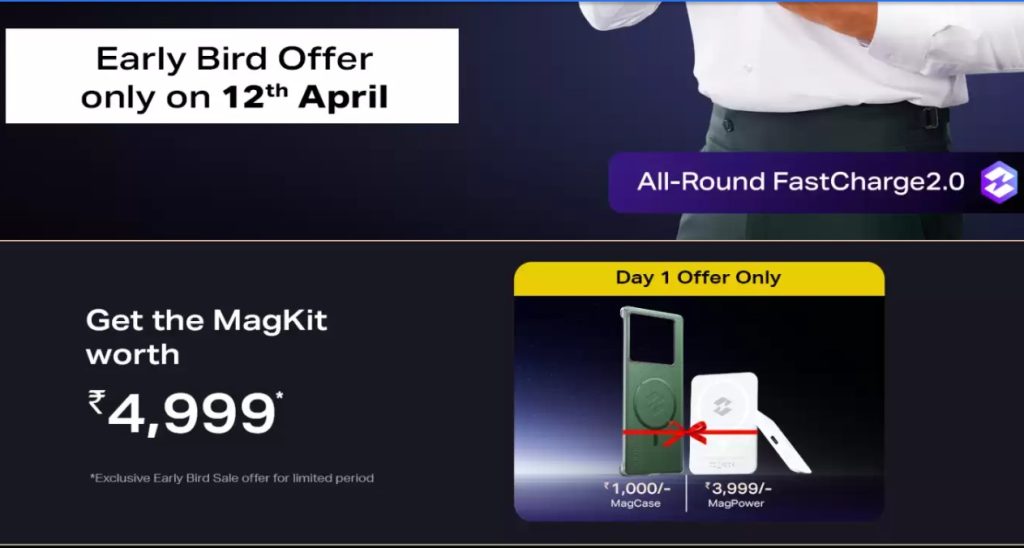
Infinix has announced that the early bird offer is only valid on April 12. Interested buyers of the Note 40 Pro series will be eligible for the MagKit worth Rs 4,999 at free of cost. It includes the MagCase cover with a premium vegan leather design that costs Rs 1,000 and the MagPower wireless power bank with a 3,020mAh battery capacity priced at Rs 3,999. The exclusive offer will be only valid for a limited period and till stocks last.
As for the key specifications, the Flipkart microsite reveals that the Infinix Note 40 Pro series will have a 10-bit AMOLED display with 55-degree curvature and a 120Hz refresh rate. It will feature ‘Active Halo’ AI lighting changes based on various functions like incoming calls, notifications, and more. The rear camera setup is confirmed to comprise three sensors including a 108MP OIS lens. The upcoming offering will be powered by a Dimensity 7020 SoC paired with up to 12GB RAM, 12GB virtual RAM and 256GB onboard storage.
The rest of the details of the Infinix Note 40 series include IP53 rating, IR Blaster, NFC, JBL-powered dual stereo speakers, and XOS 14 with two years of guaranteed updates.
‘Can you believe it? The little Power Bank in my hand supports up to 120W Mi-Tubro charge and 100W PD charge!’ The testing fellow couldn’t help but shout out.
The latest CUKTECH 10 Power Bank, is worth to be purchased by all Xiaomi users – Let’s throw the conclusion here.
About the brand CUKTECH, you guys can check out our review video for CUKTECH 20 here, another impressive newly-released power bank.
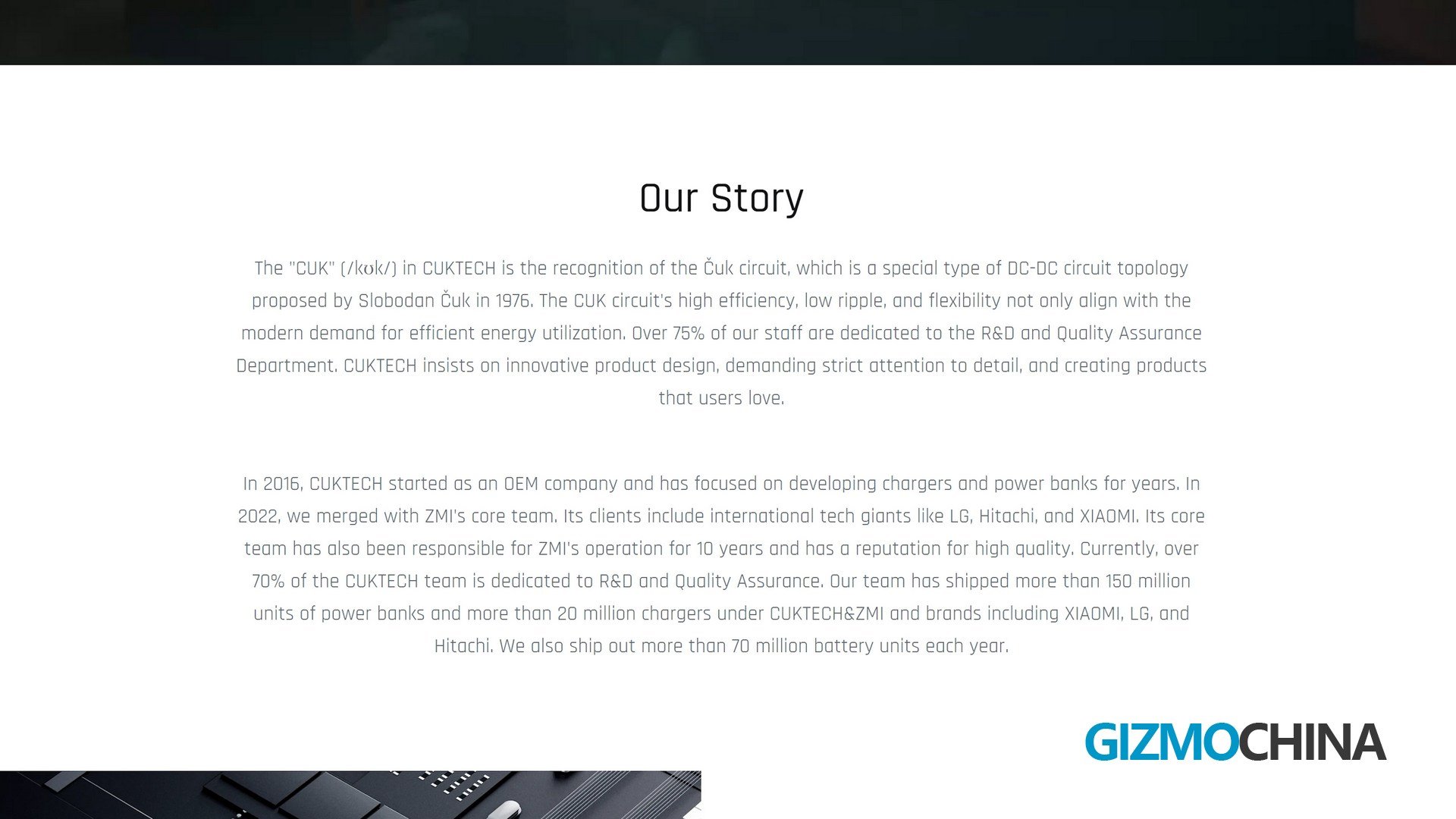
Anyway, here I still want to give you a brief introduction, since there are some fun facts about the brand. CUKTECH is actually a brand under Xiaomi’s eco-chain, specializing in portable power solutions like power banks, chargers, and other charging accessories. You might heard of another brand called ZMI, which has been merged with CUKTECH. So the new products of CUKTECH actually come out from the same team.
Again, the fact is that new CUKTECH products was still selling out quite easily whenever they went on sale in China market. There are two reasons for it: firstly because their products always come with a very good value for money; and secondly, because their products are somehow ‘irreplaceable’. For example, if you want to buy a power bank that supports the high-power Mi-Turbo charge, CUKTECH is the best of the very few choices (Nope, Xiaomi’s official options don’t convince me).
Unboxing
Now let’s do the unboxing and check out what we got here.
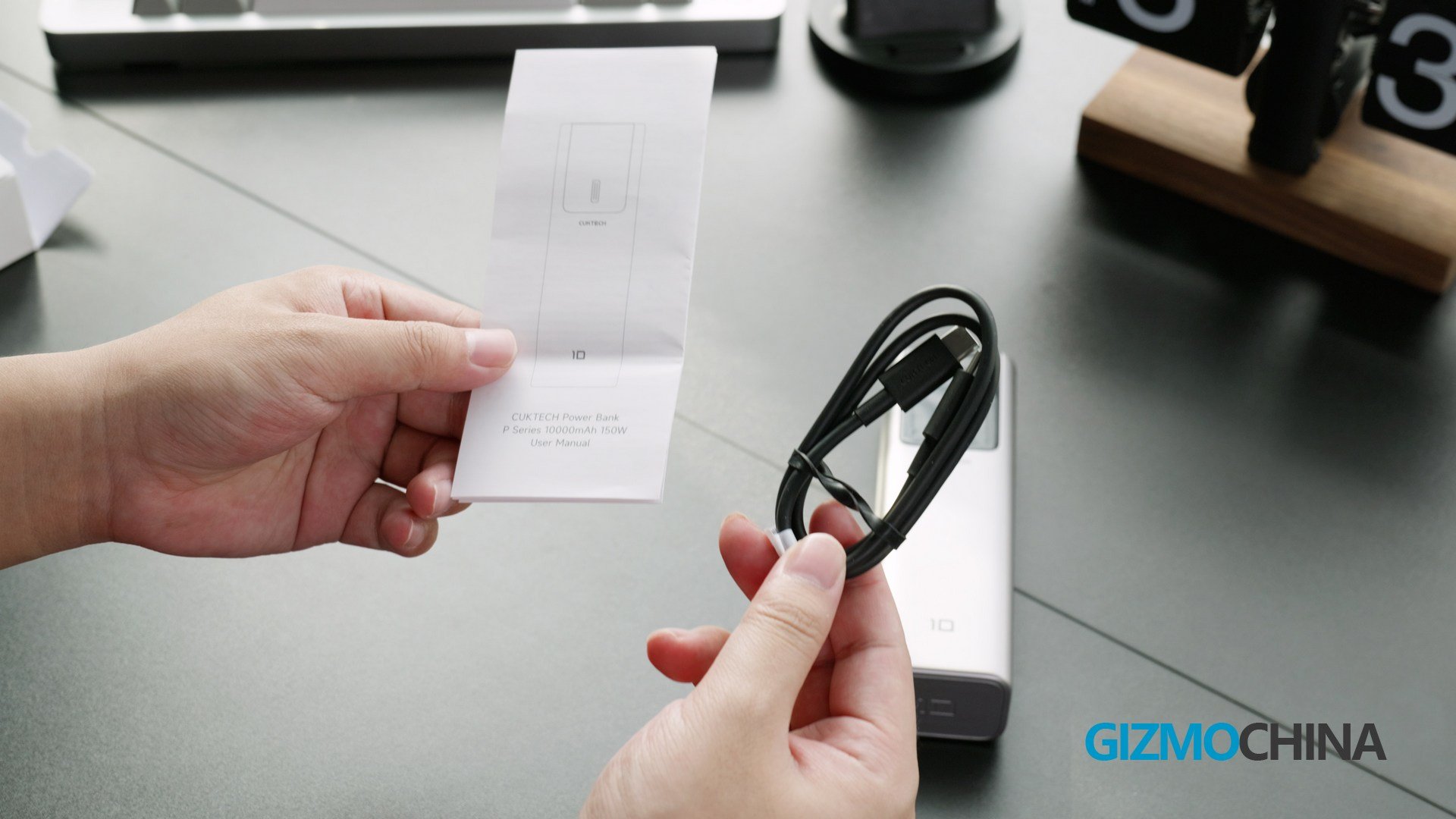
The CUKTECH 10 Power Bank comes in a simple black package that contains the Power Bank, User Manual, and a 6A cable.
It is recommended to use this special 6A cable when charging Xiaomi devices.
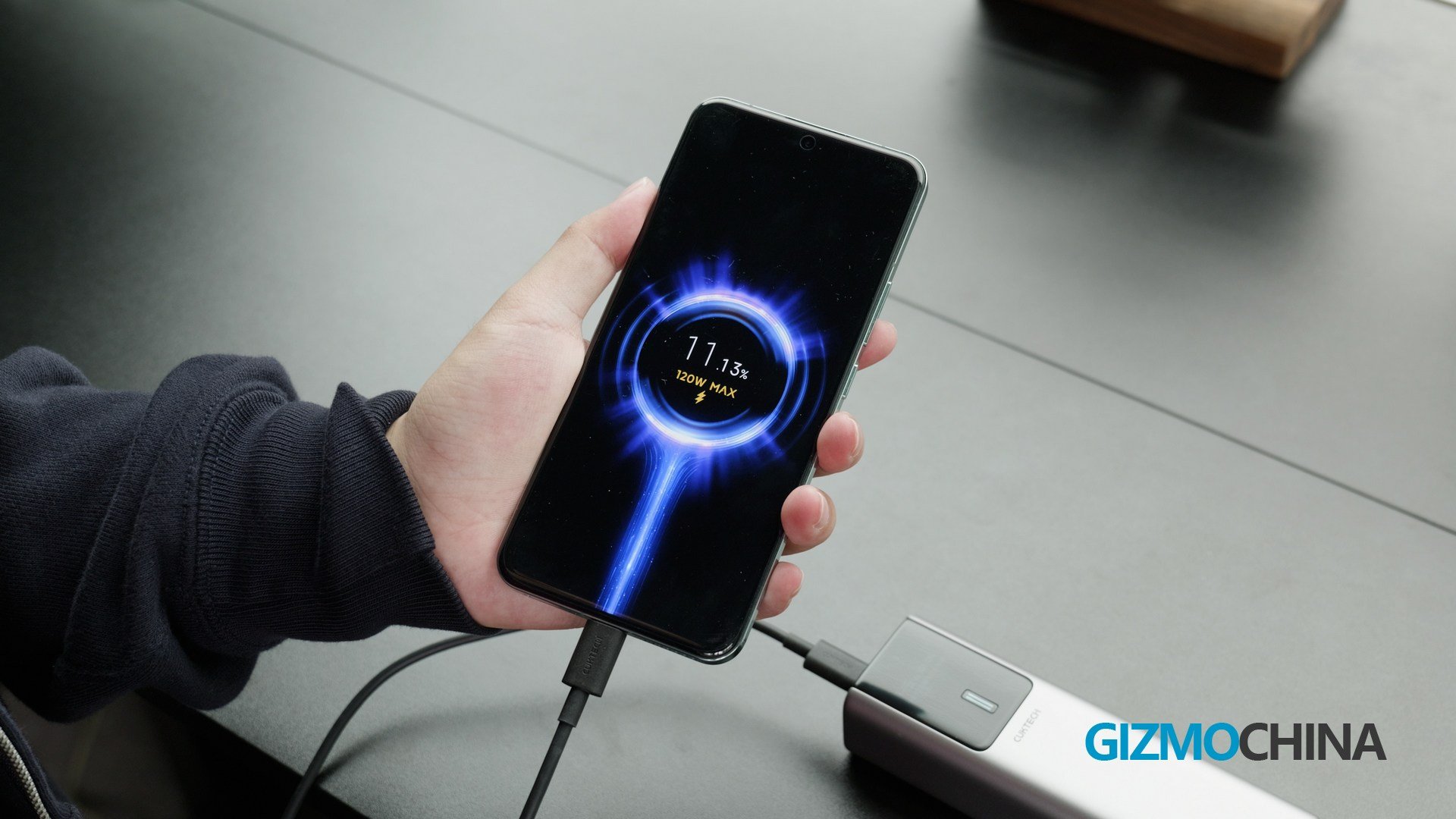
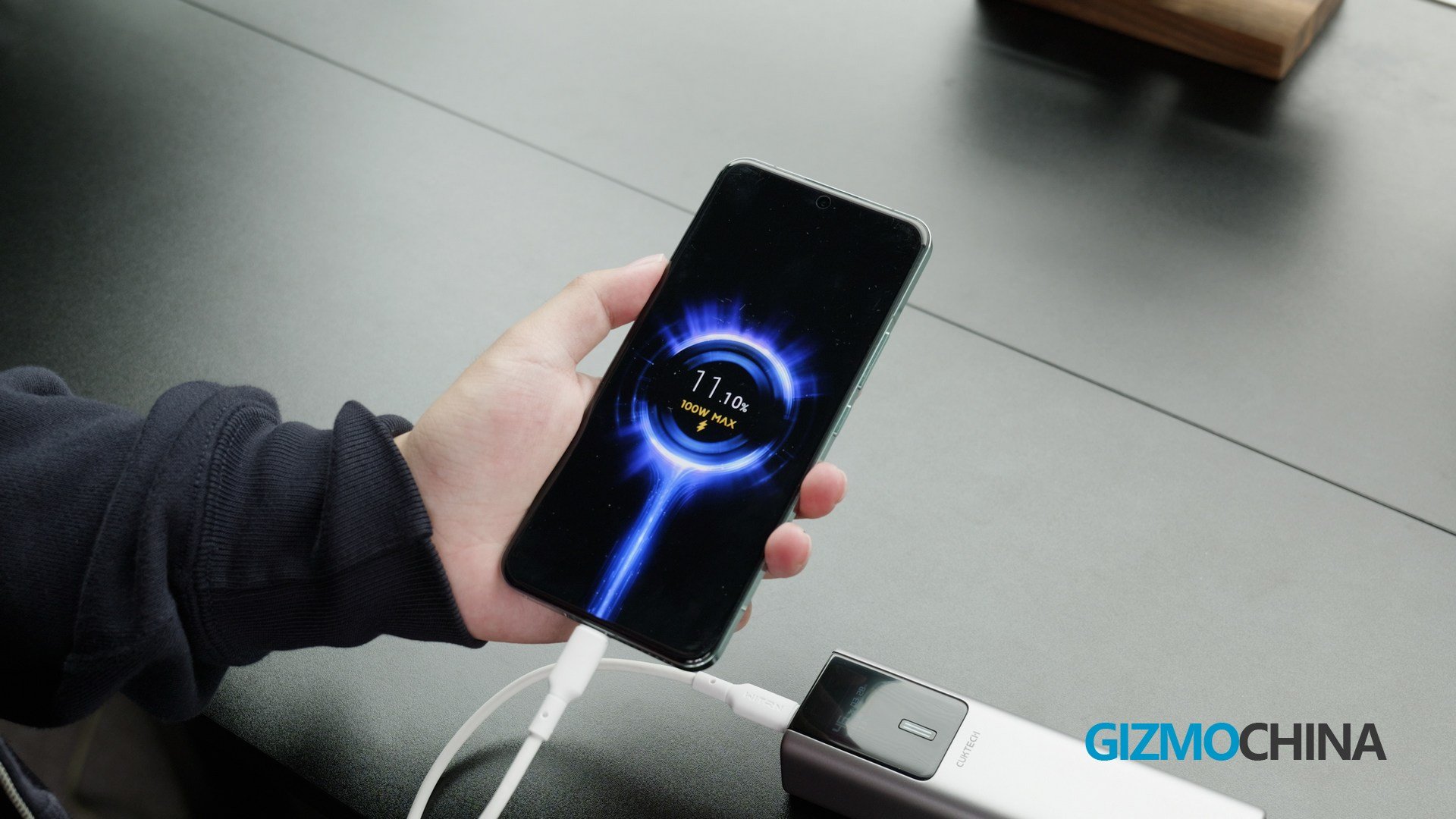
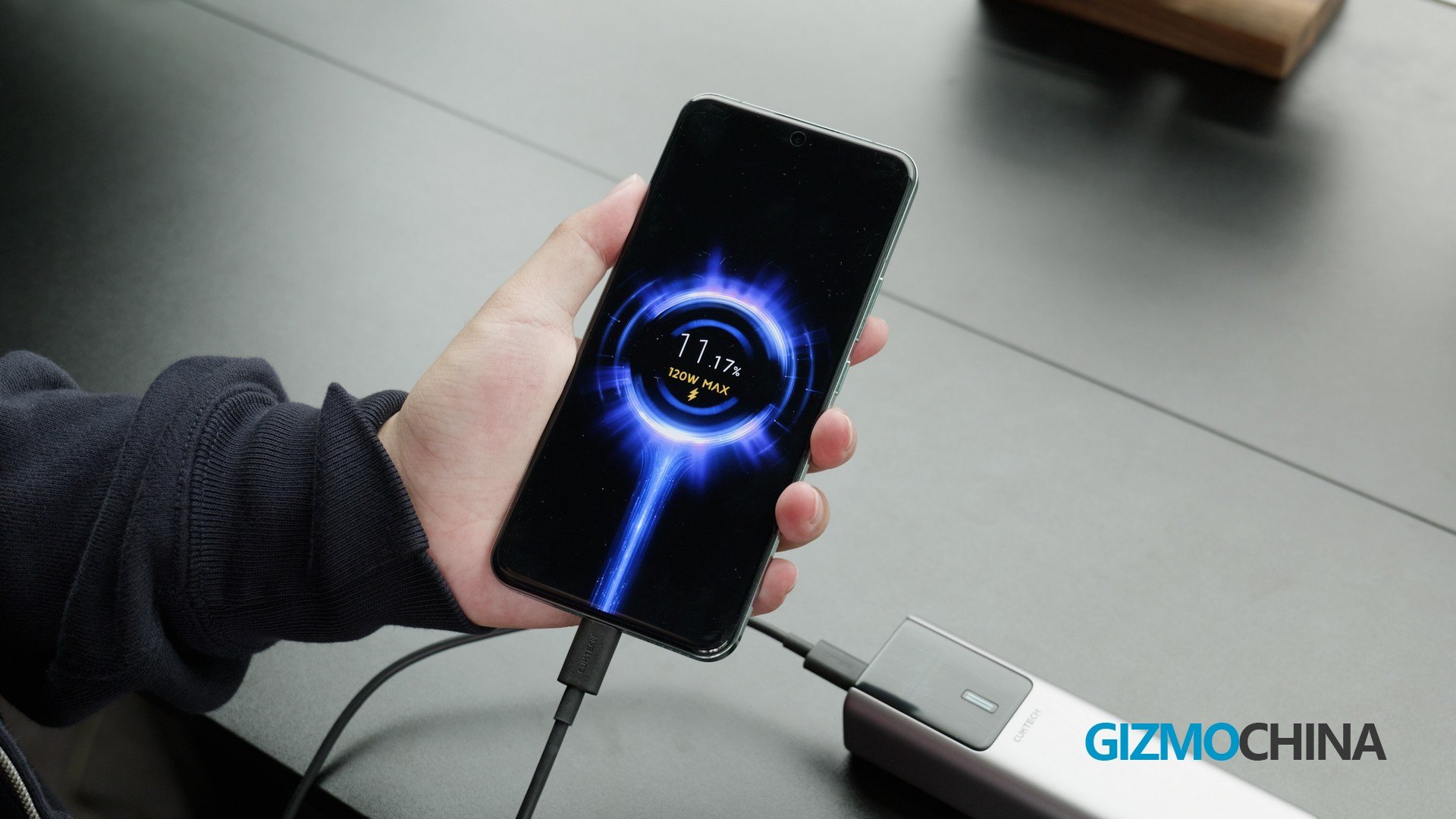
In Actual tests, when connecting the Xiaomi 14 Pro with a normal cable, it can activate up to 100W charge. Well, pretty cool… But, using this 6A cable you will activate 120W Mi-Tubro charge here. I’m happy the special cable is included.
Design
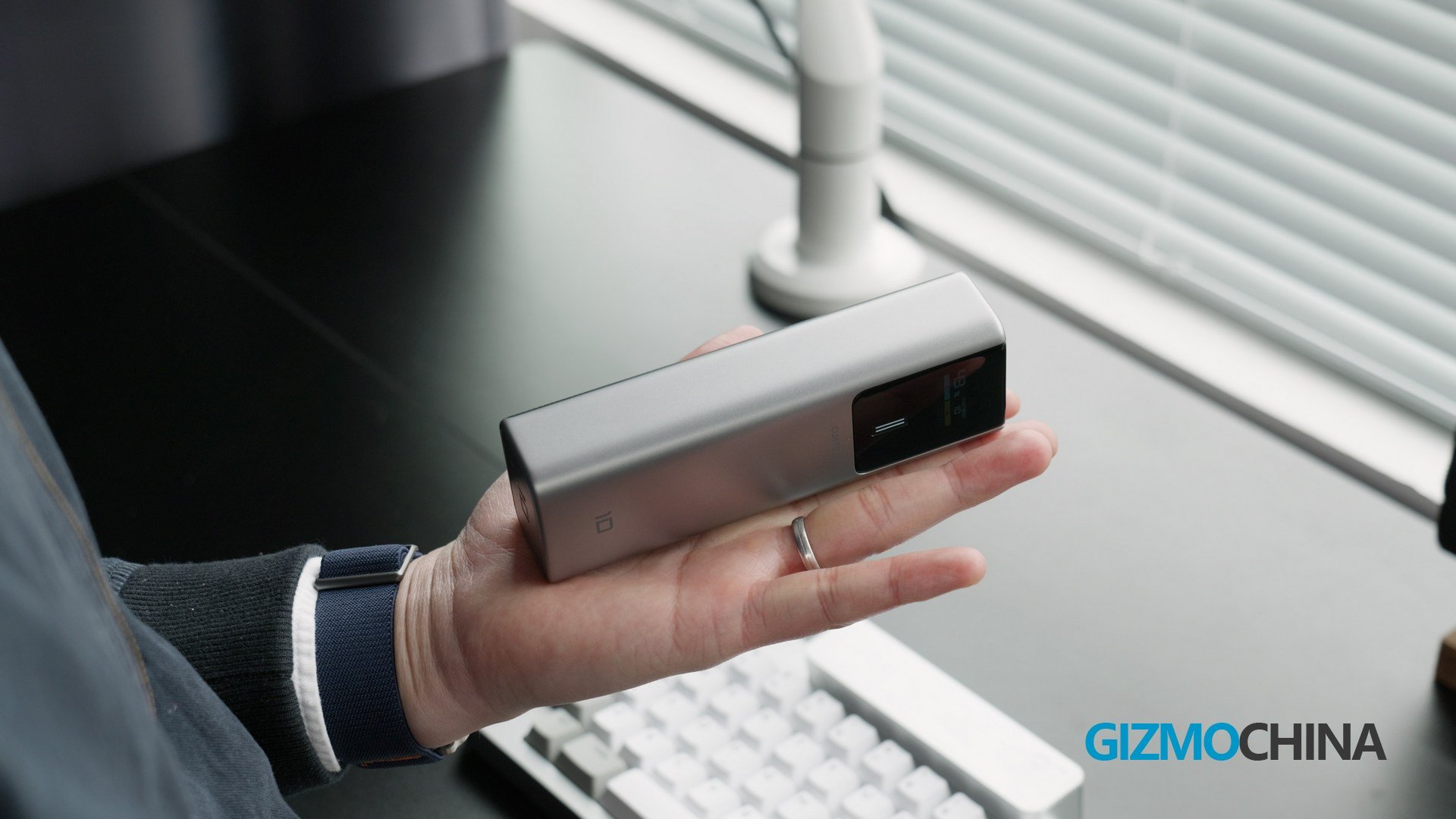
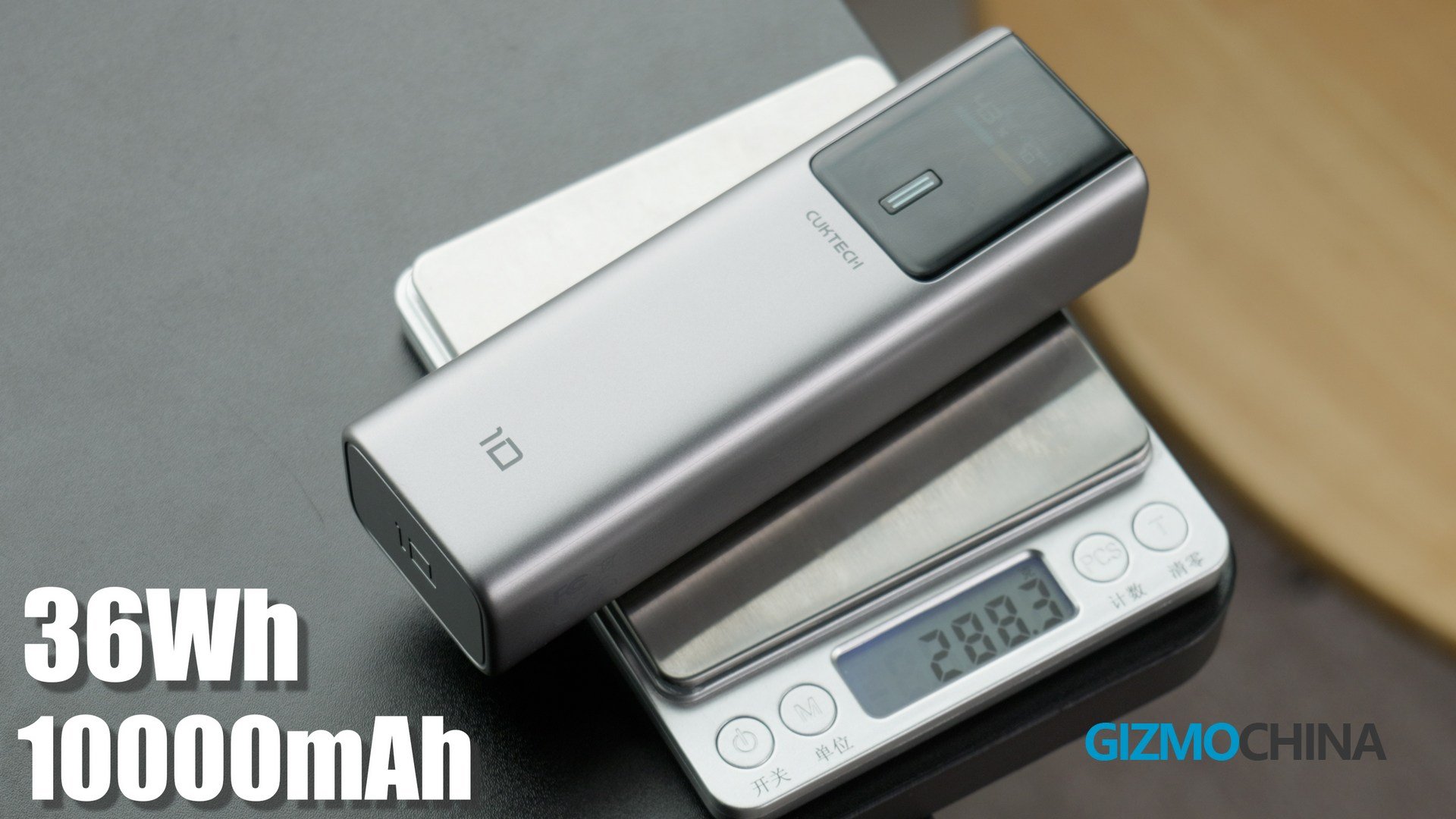
This power bank has a capacity of 10,000mAh / 36Wh, and weighs 288g.
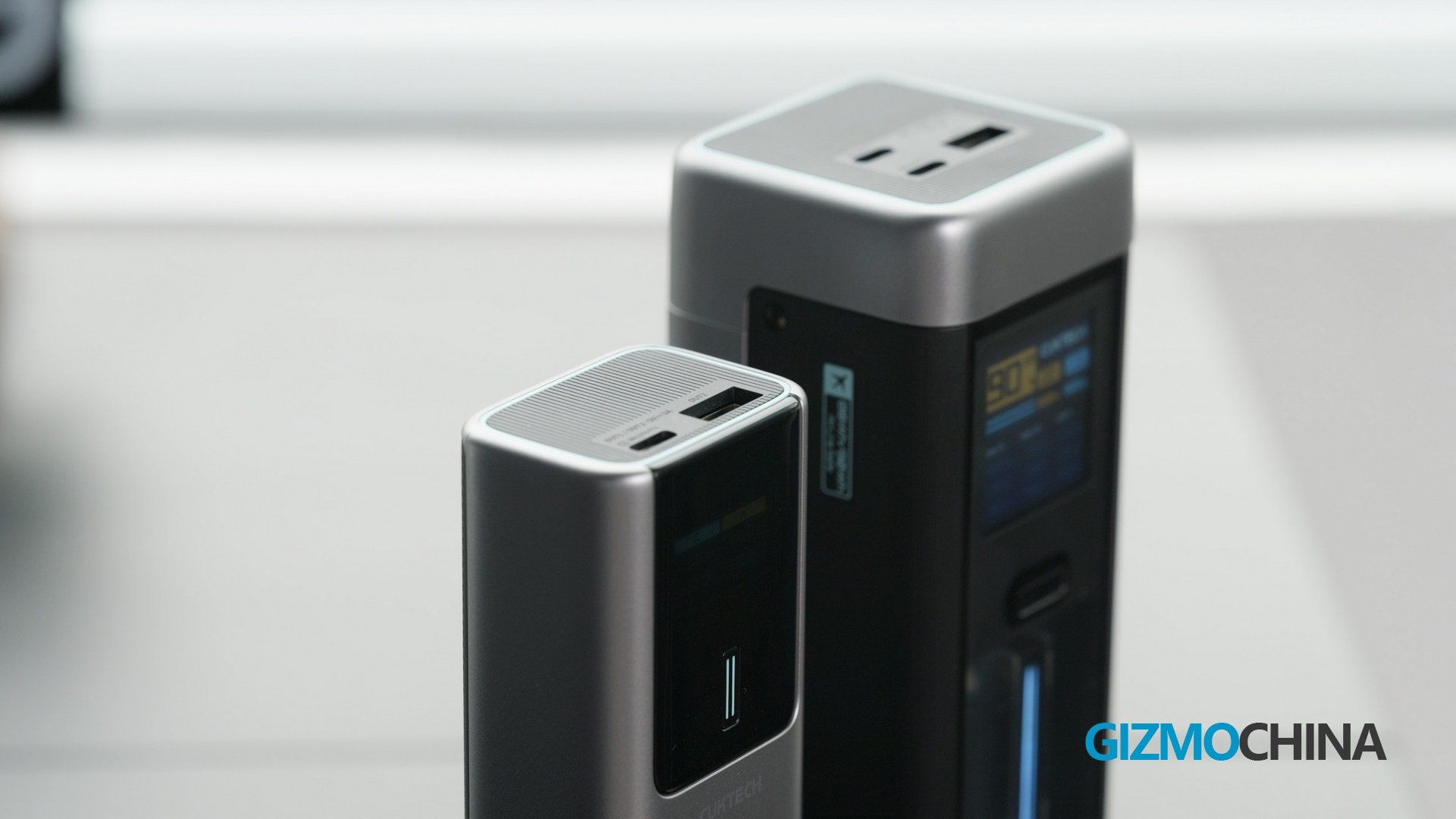
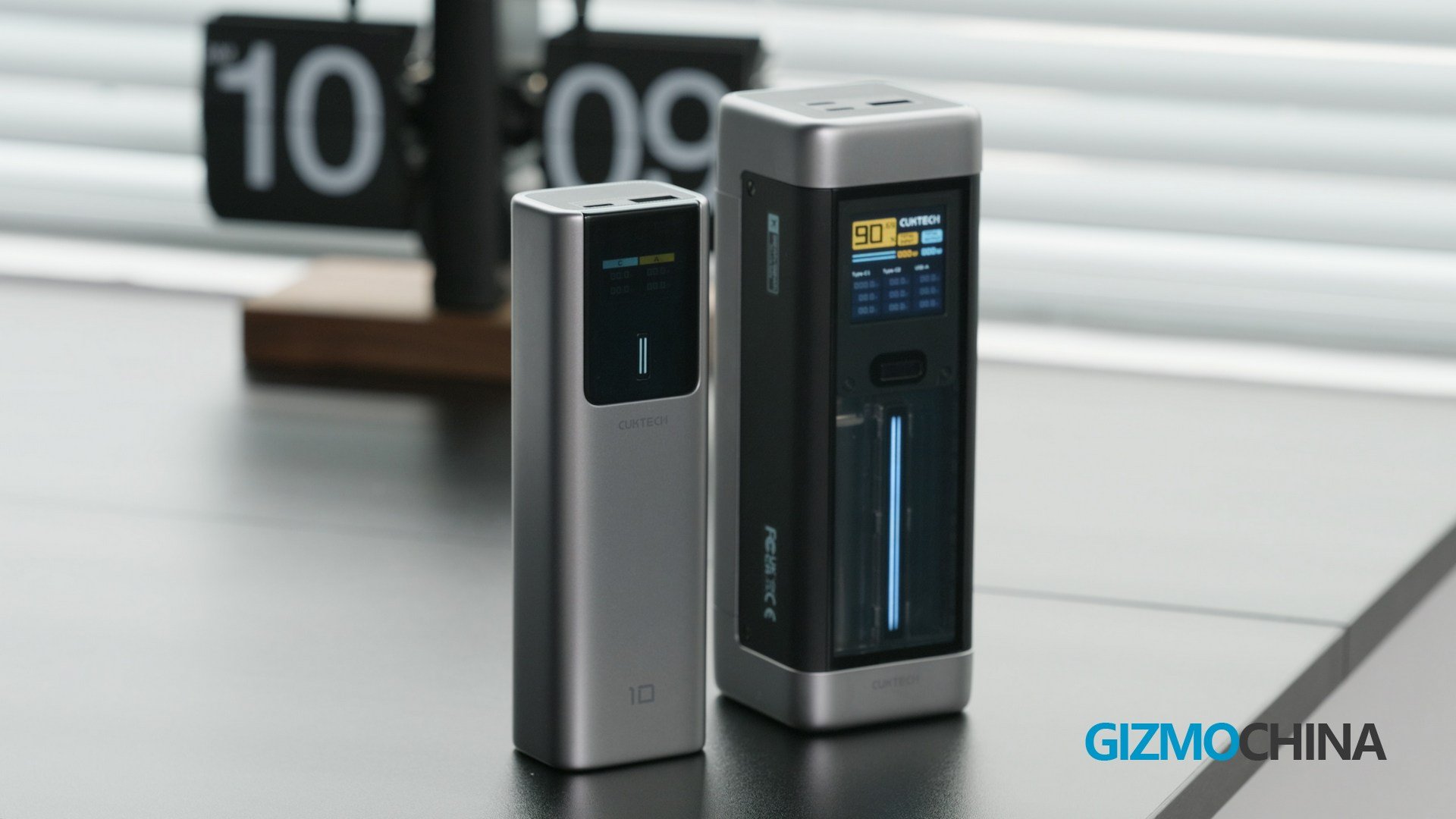
it comes with the CUKTECH family design, the same silver color as the dominant tone, black for some decorative color, and this blue line on the IO part. I personally like this design a lot, as it is really subtle and sophisticated.
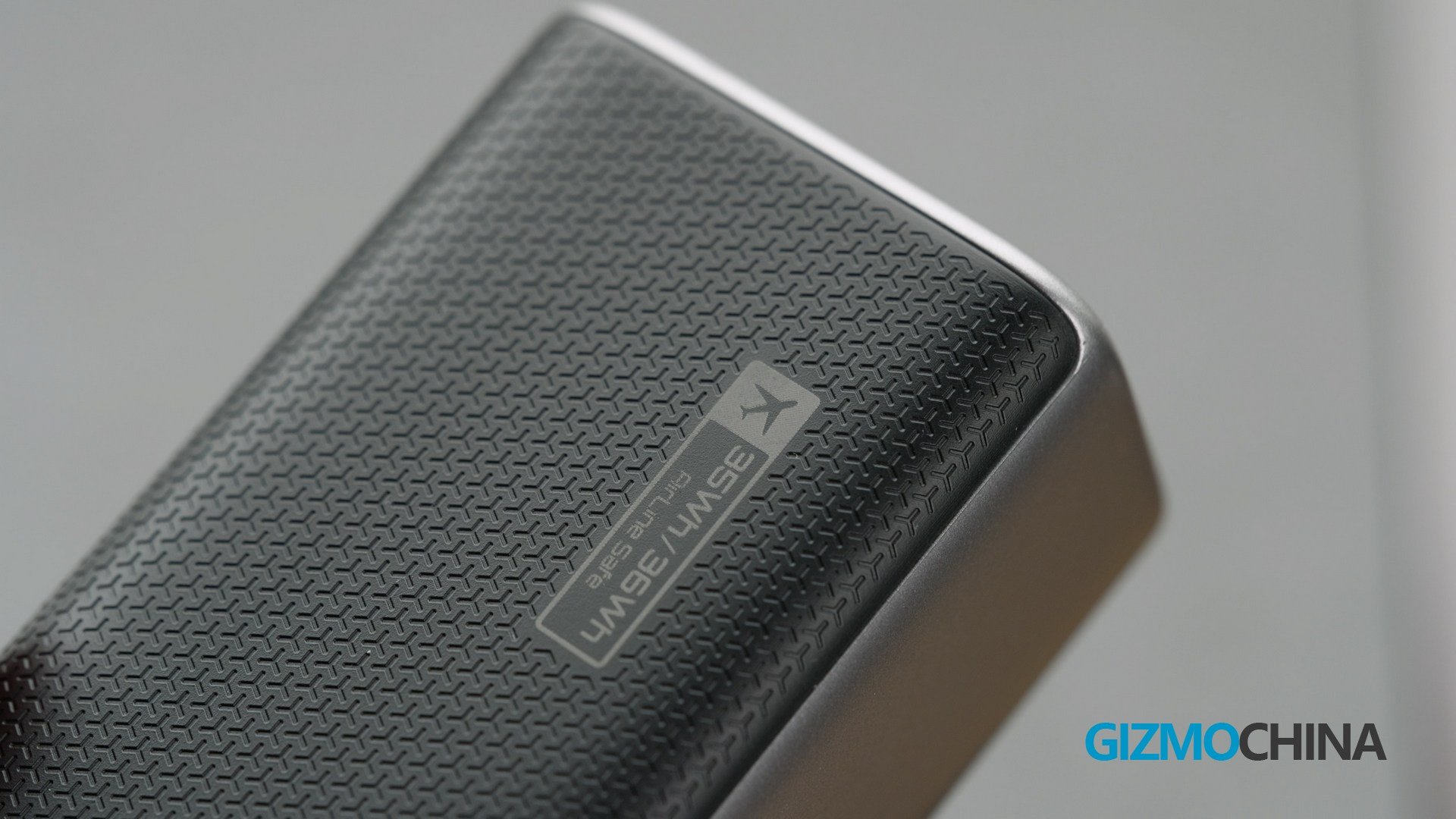
There are textures on the black part, which gives solid holding in hands with excellent grip.
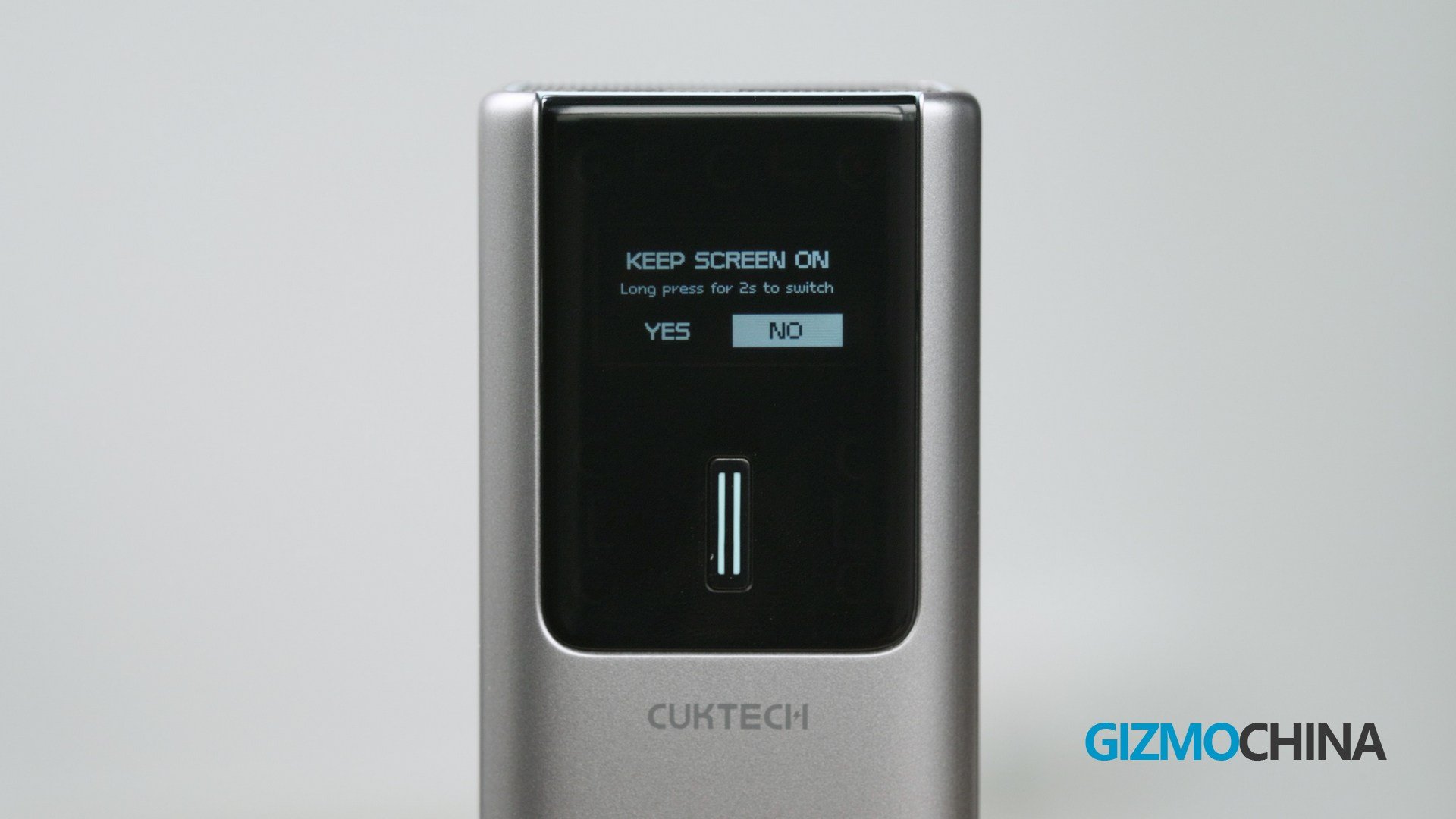
There is a small TFT screen on the front of the power bank, which can display the remaining power, charge, or discharge time left, as well as the working status of each port.
This is really cool as we do see many power banks coming with such an info panel, especially for a 10000mAh portable power bank. I mean it’s not that huge, highly-priced model with 20,000 capacity or above, so it’s impressive to see the lovely but informative screen here.
And even if you don’t want to waste power to drive this screen, you can also make the screen stay off manually – Well, good job CUKTECH.
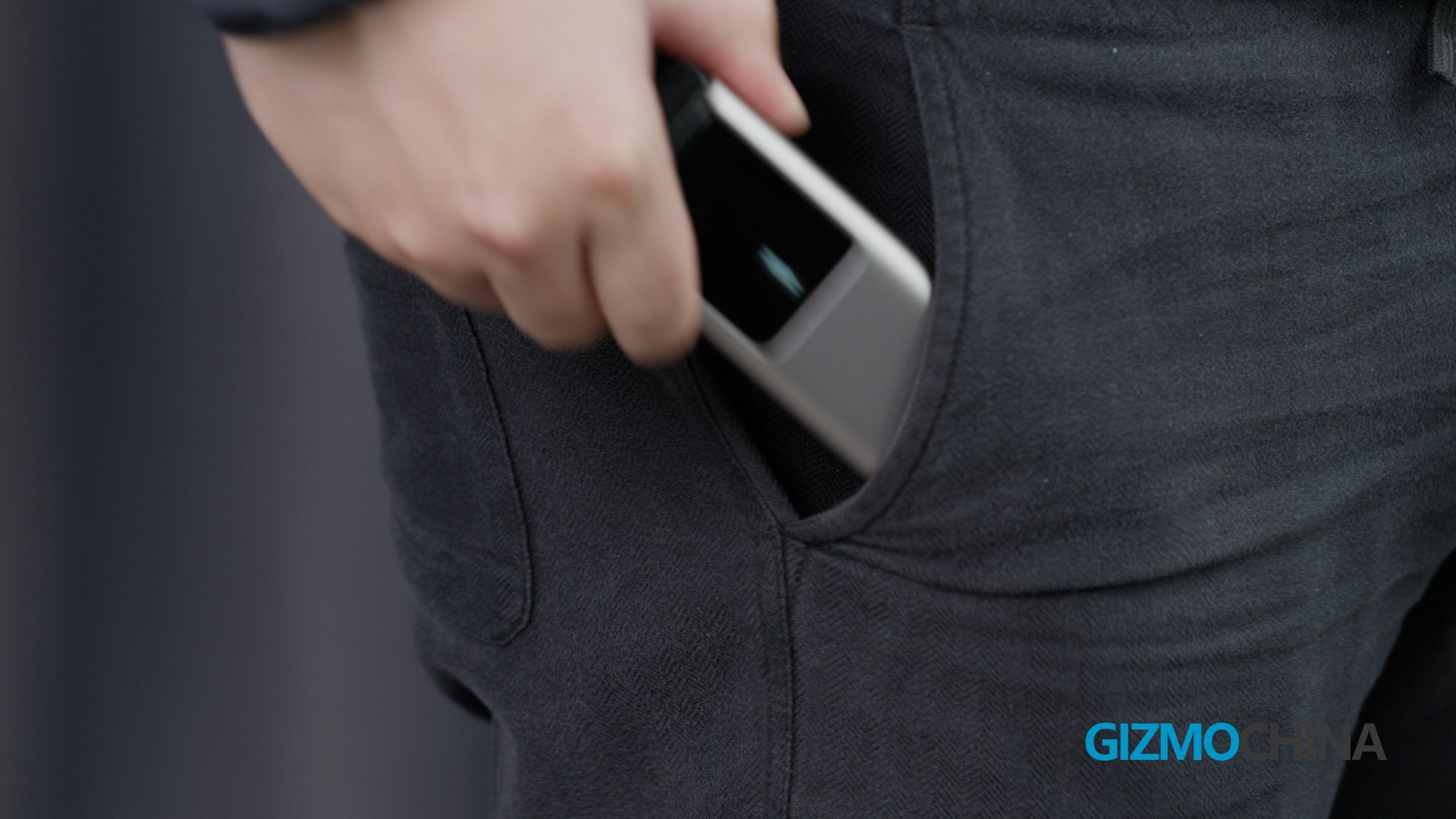
Of course, my favorite thing about it is still the compact size. You can see how small it is. I can put it in my backpack or even my pocket, and it’s not a burden even if I carry it around every day.
Charging Protocols
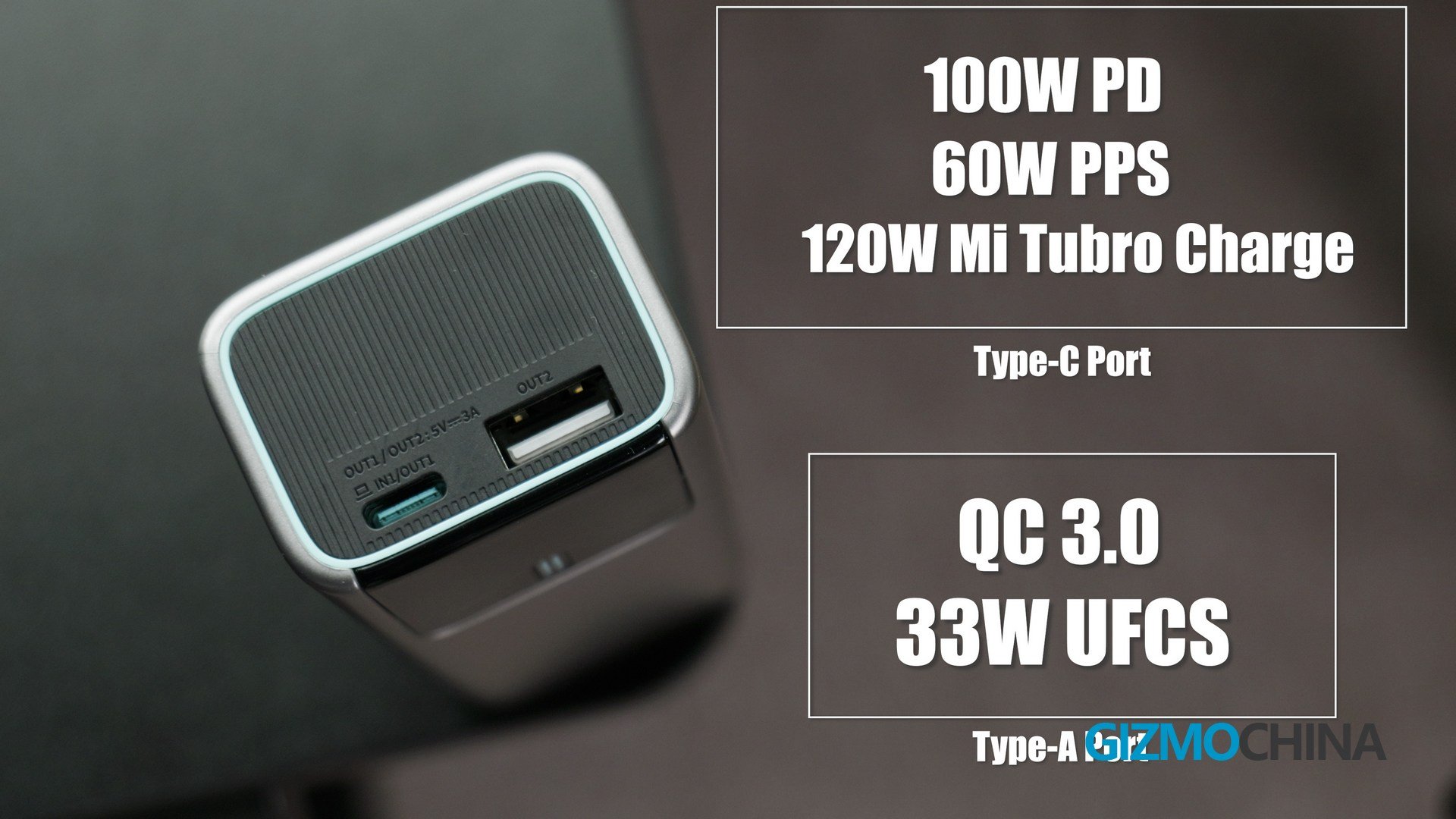
The Type-C port supports up to 120W Mi-Tubro charge, along with 100W PD and 60W PPS. The A port supports QC3.0 and UFCS Protocol. It’s worth noting that the A port doesn’t support the Mi-Turbo charge.
So if you want to charge your Xiaomi devices, it’s better to stay with the Type-C port. And not just for Xiaomi phones, I would suggest having the Type-C port for the latest phones, tablets, and laptops, as the PD and PPS charging has been widely applied for the latest years.
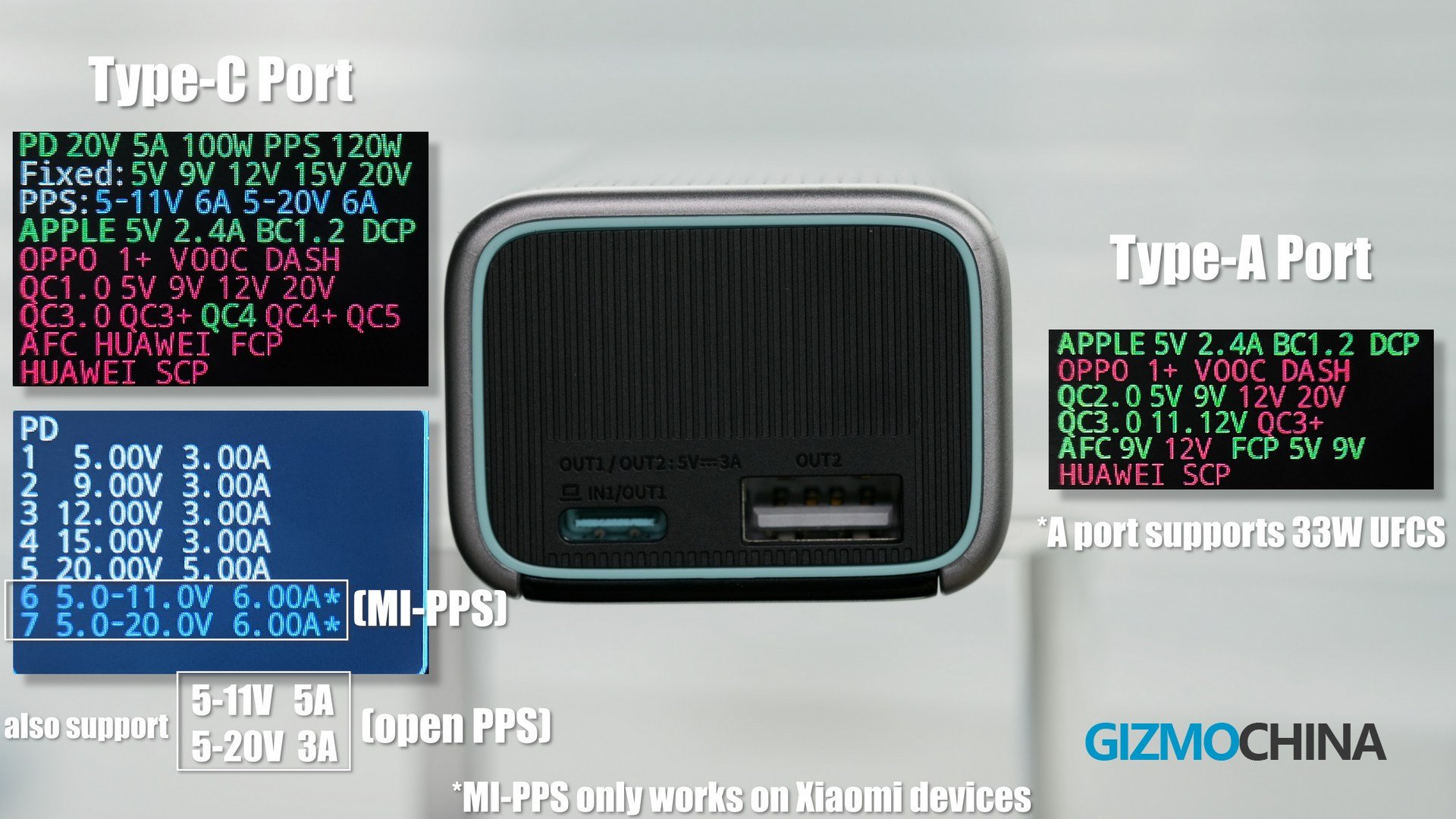
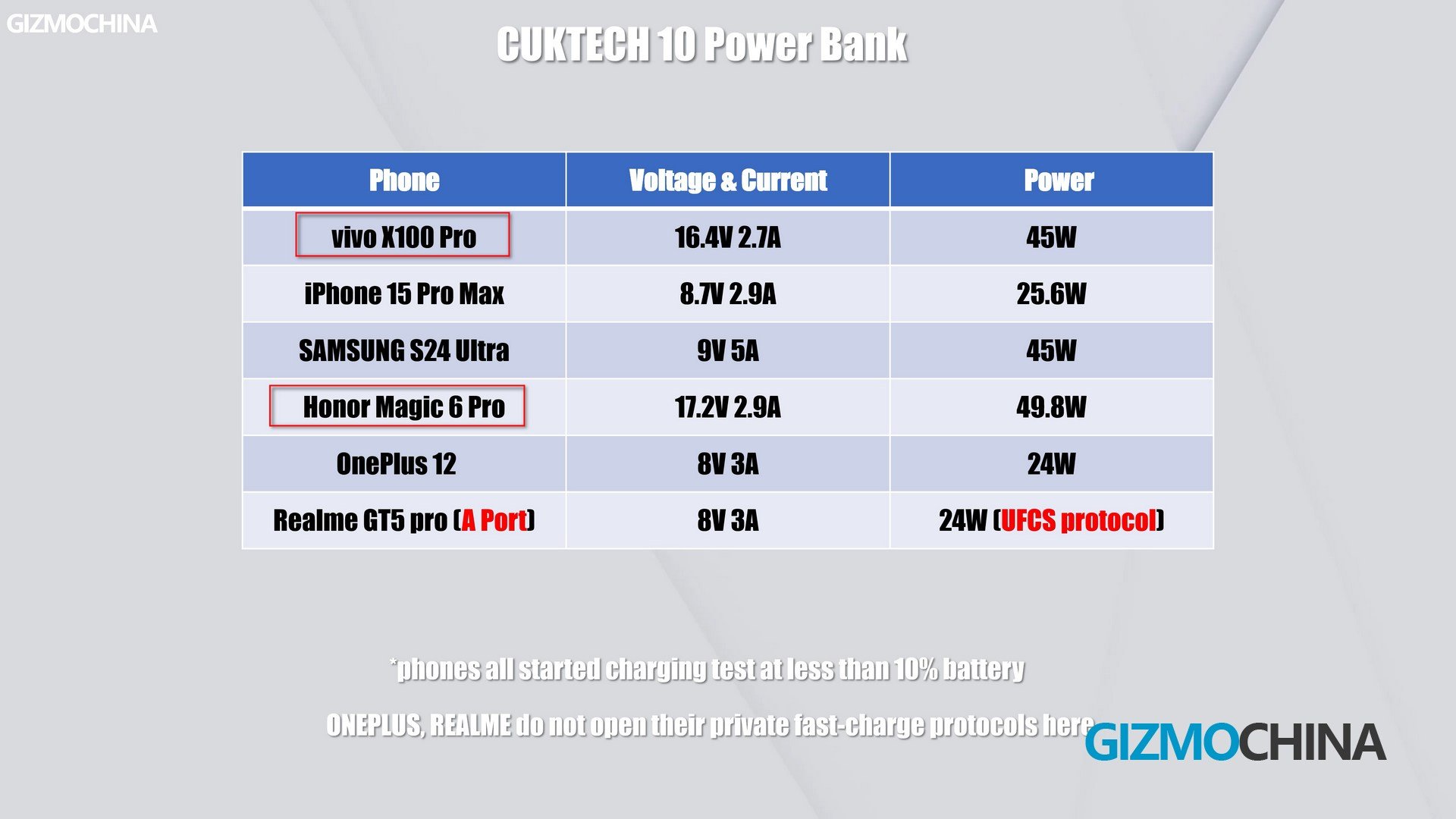
Anyway, we also did a complete test of the charging protocols for these two charging ports. The results are pretty solid, please check out the image below or just watch the video.
The CUKTECH’s power banks generally support most open fast-charging protocols, while, unfortunately, some brands still only stick to closed private fast-charging protocols. This undoubtedly adds to the cost for their users when shopping for fast-charging products, and available options will be limited. So as we reviewed so many charging solutions, we really hope that all the phone brands will embrace the open protocol.
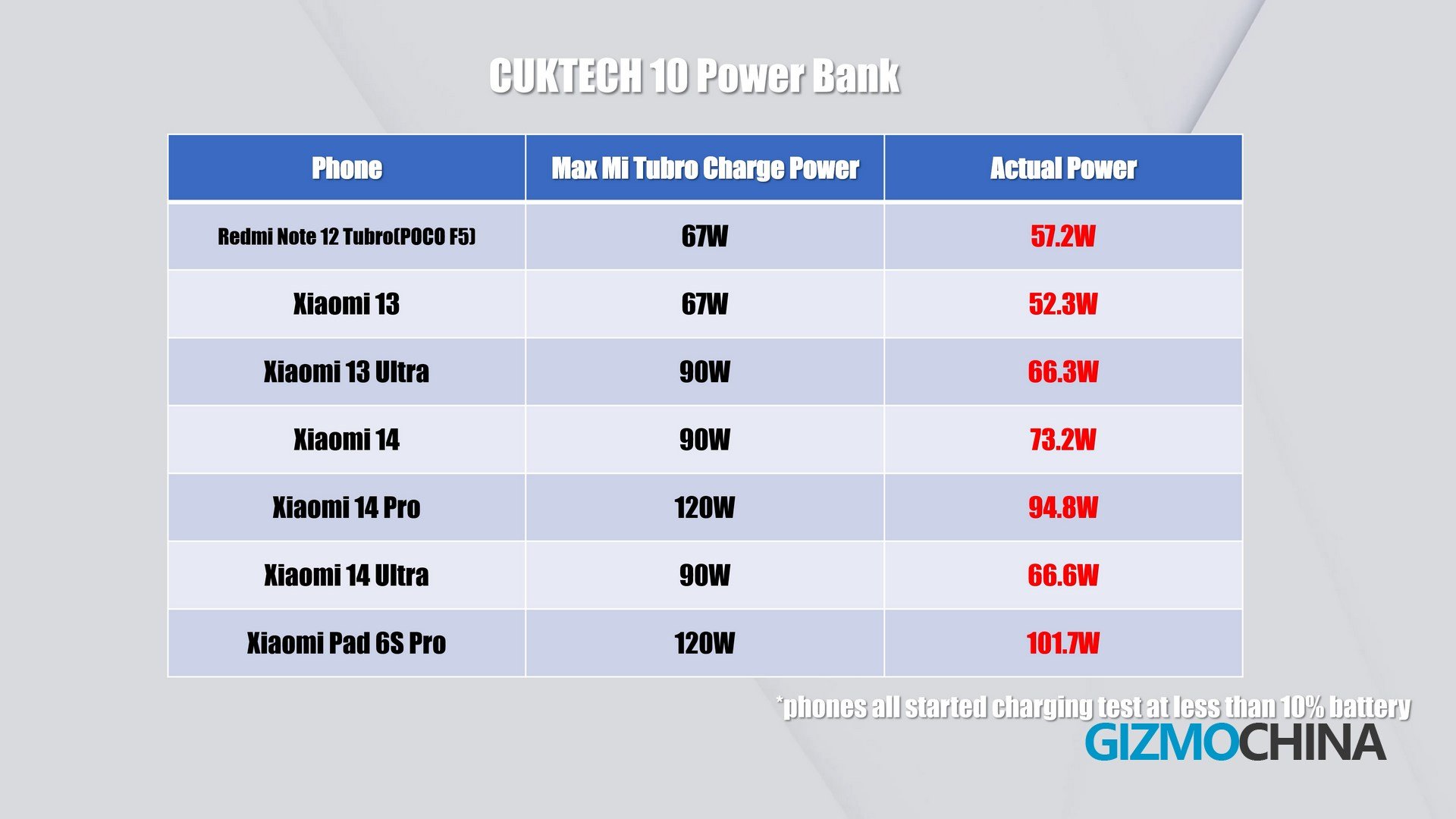
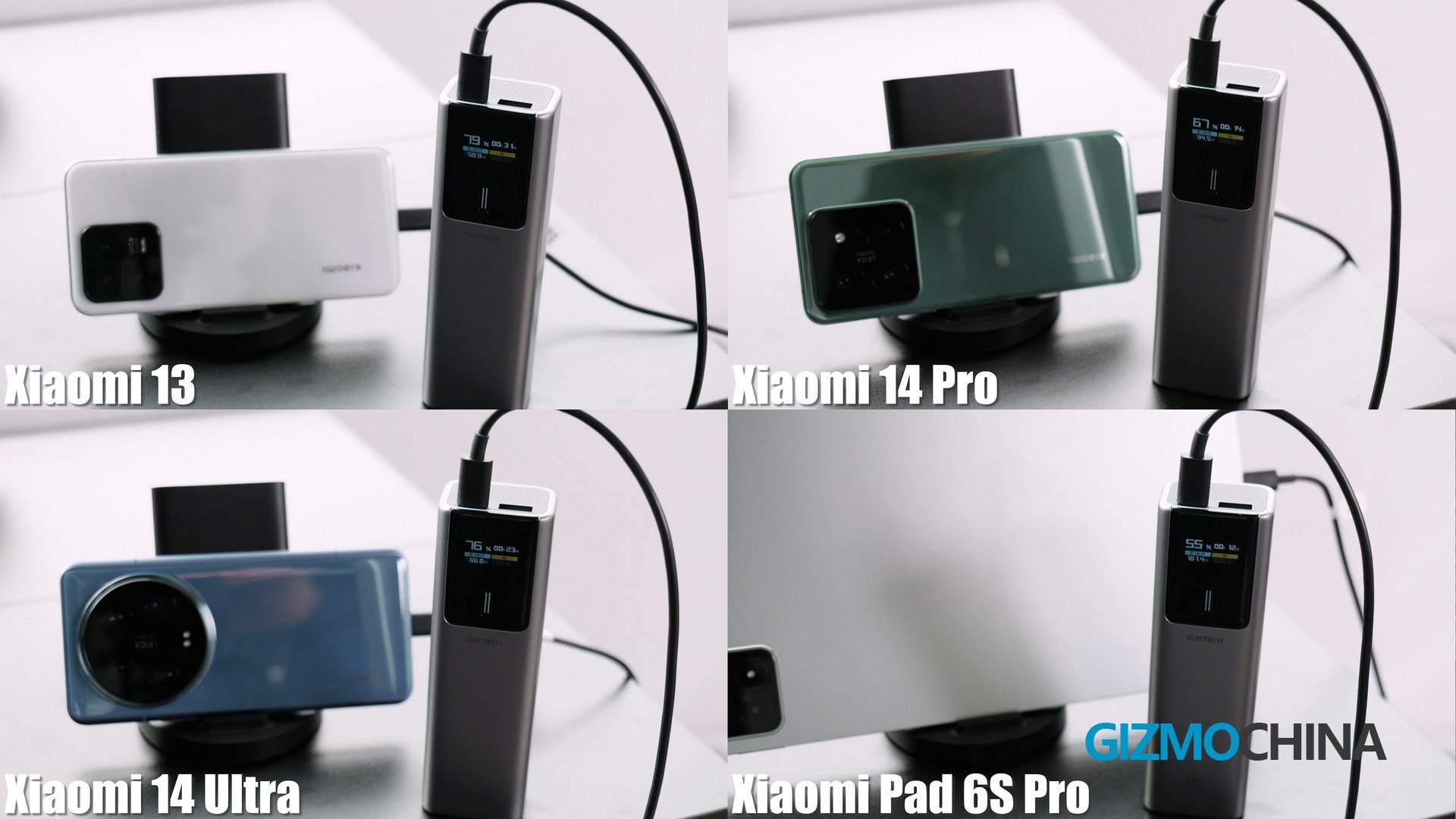
Of course, the most important thing is how it performs when charging up Xiaomi devices, I chose several popular Xiaomi devices to test and there is no doubt that the CUKTECH 10 Power Bank can activate the highest power Tubro charge for all of them, which is almost the same as we got on the premium CUKTECH 20.
So, if you are a Xiaomi fan, this is the ultimate EDC Power Bank for you.
Well, not just for Xiaomi devices, the results with other brands’ devices also brought a little surprise.
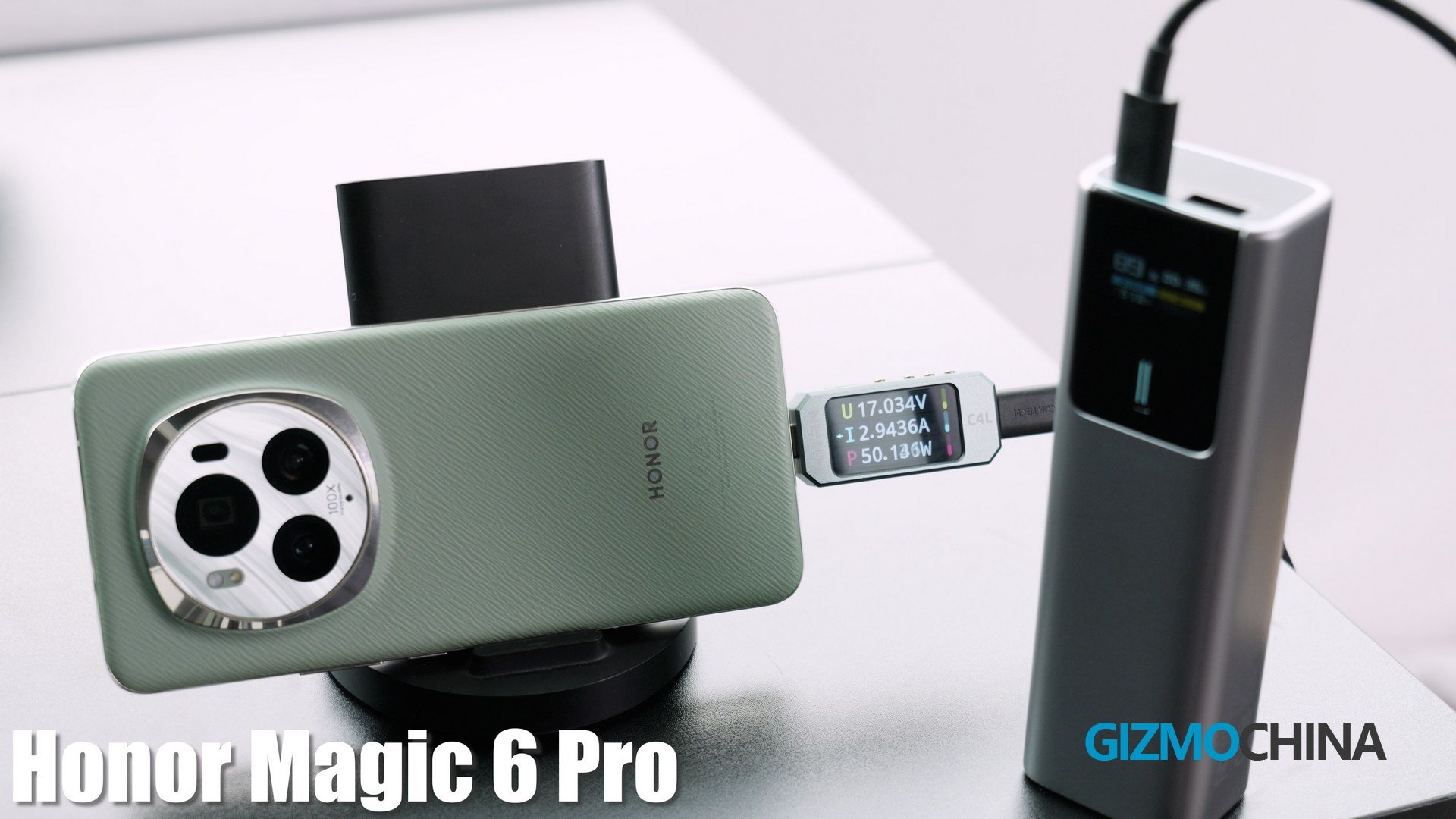
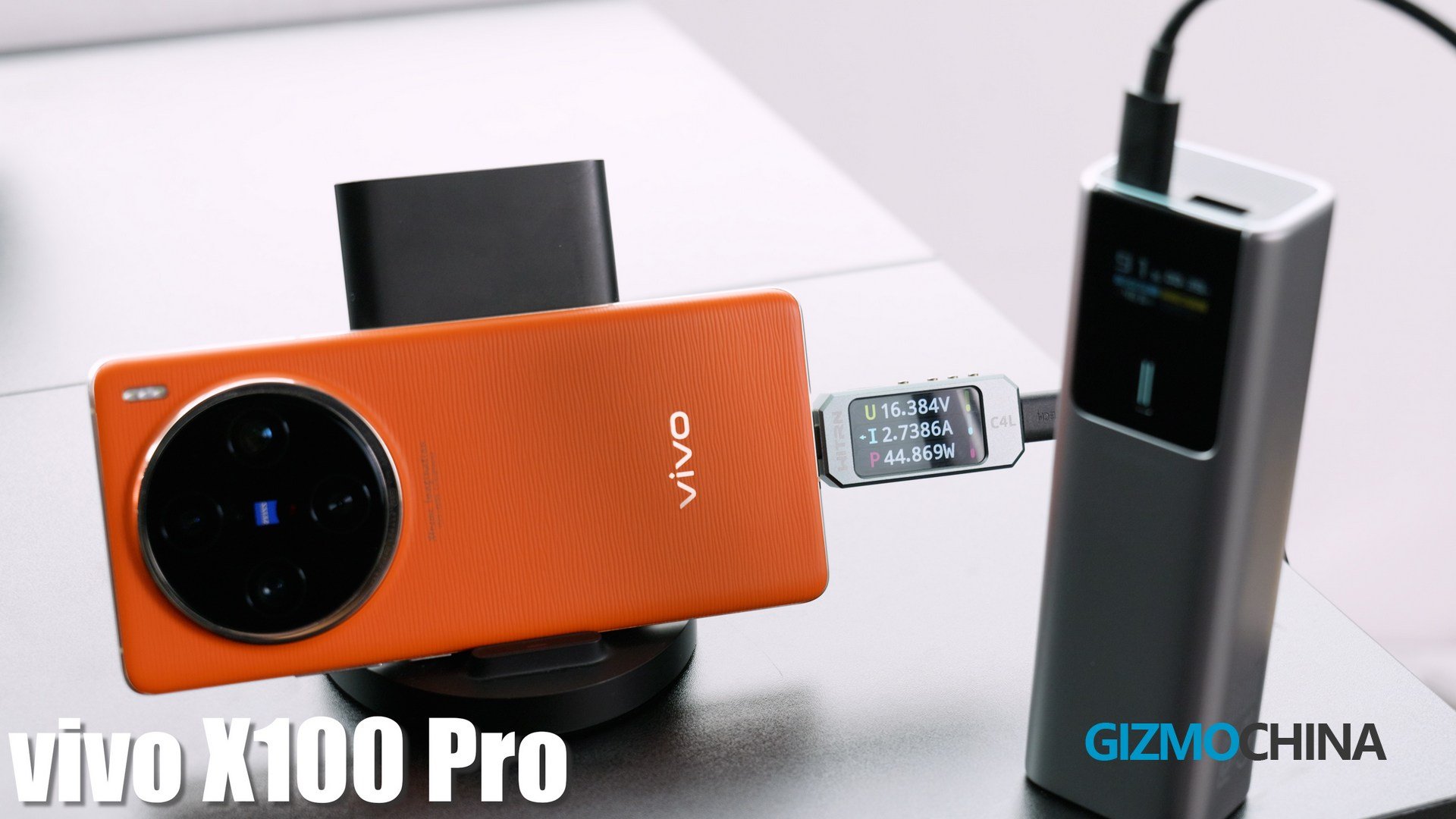
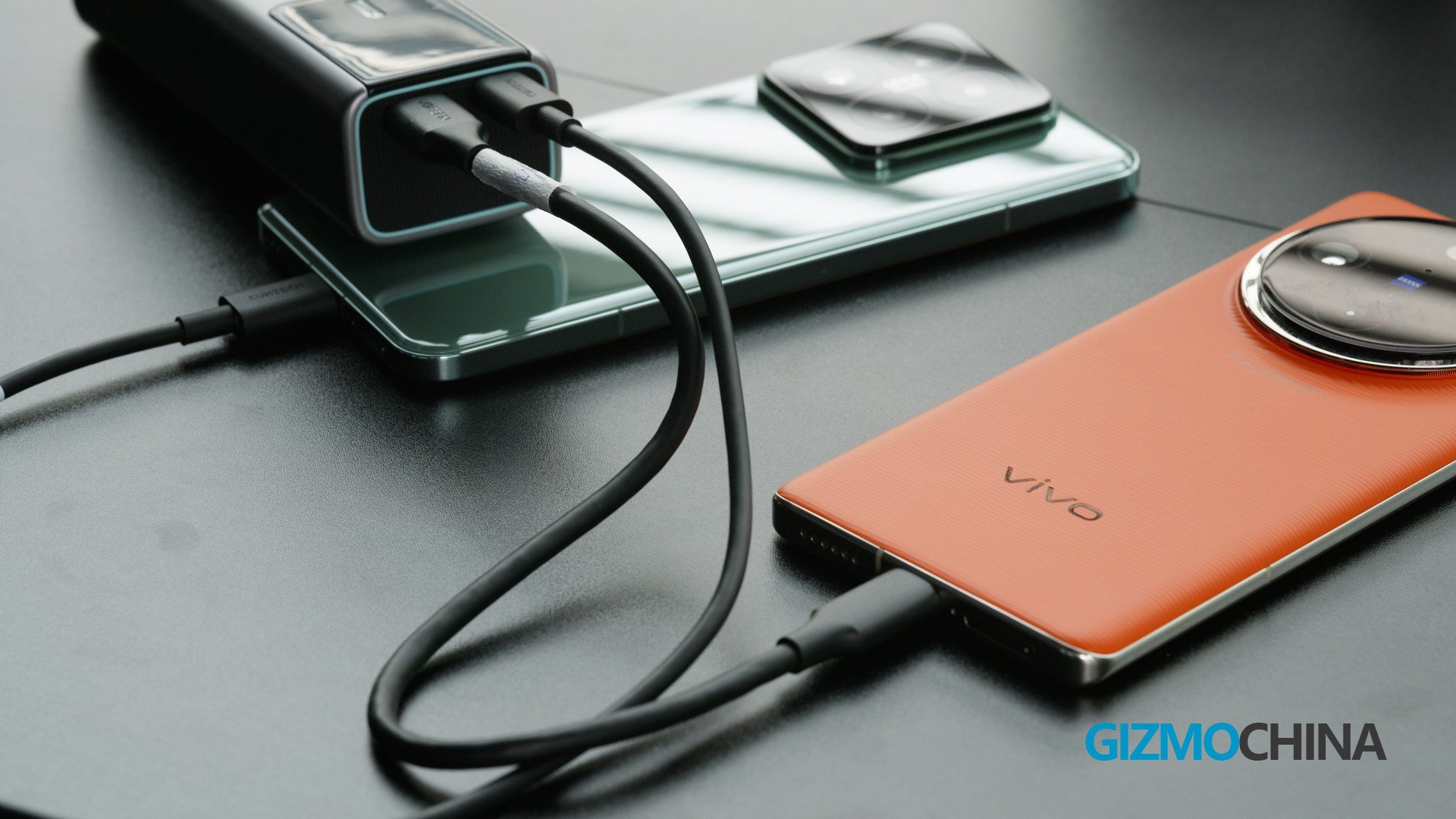
For example, I was also surprised by its performance with the Vivo X100 Pro and Honor Magic 6 Pro, both of which can have high charging power under PPS protocols. So maybe the CUKTECH 10 is a smarter choice than their expensive official power banks?
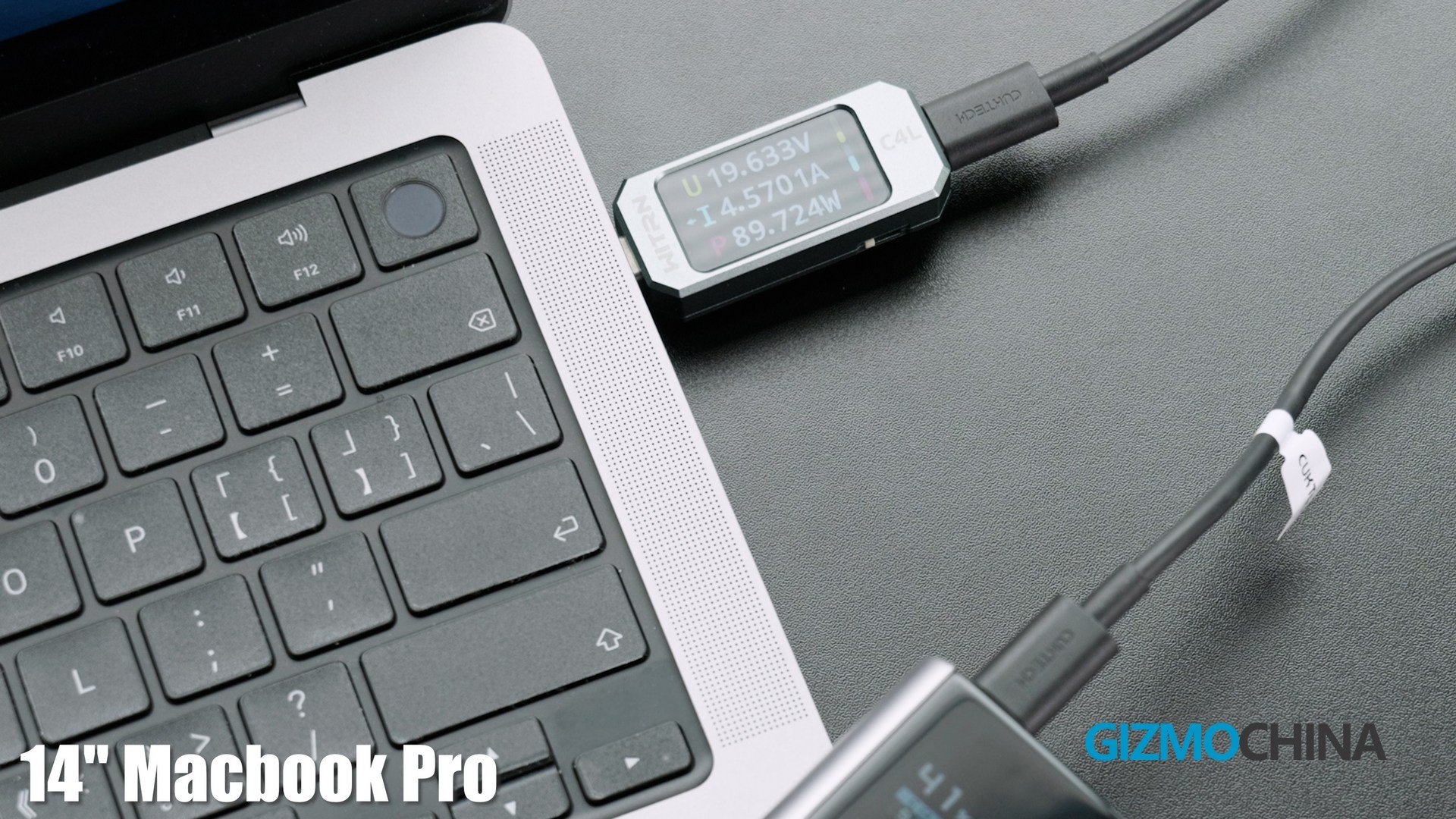
In addition, since CUKTECH 10 Power Bank supports 100W PD Protocol, it can also juice up laptops. Here we selected a 14-inch Macbook Pro with the power bank for the test, you can see the output power here.
Of course, since it’s only 10,000mAh, the CUKTECH 10 obviously is more appropriate for charging phones and other smart wearable devices.
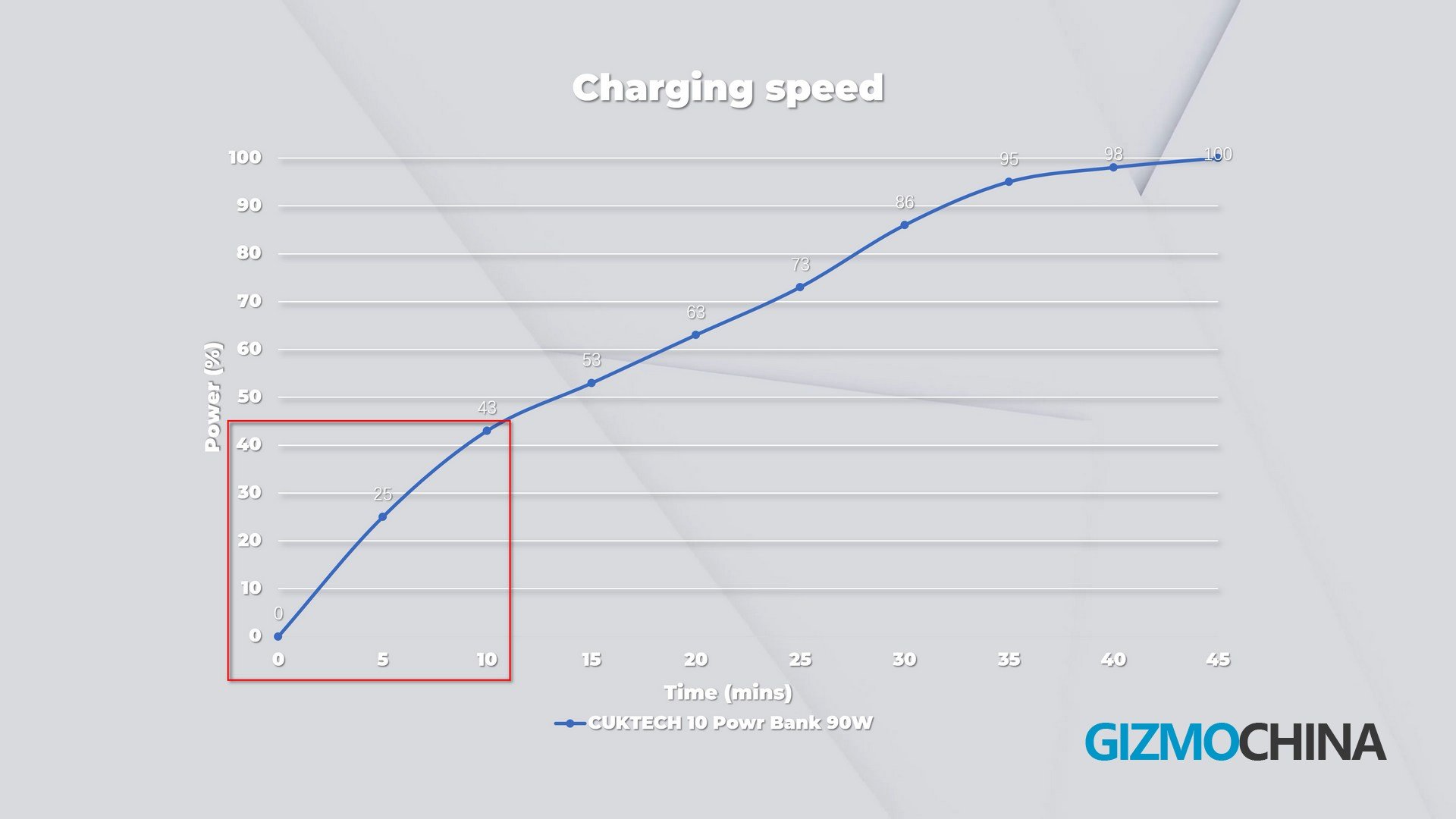
The CUKTECH 10 Power Bank supports 90W input power, during the test it started with 86.2W input power, after 10 minutes the power was dropped to 50W, which is still a pretty high power. Eventually, it only took 45 minutes to get fully charged.
The crazy thing is that it only takes 10 minutes to charge up to 43%, which is certainly a great solution for some emergency charging needs.
Stress Test
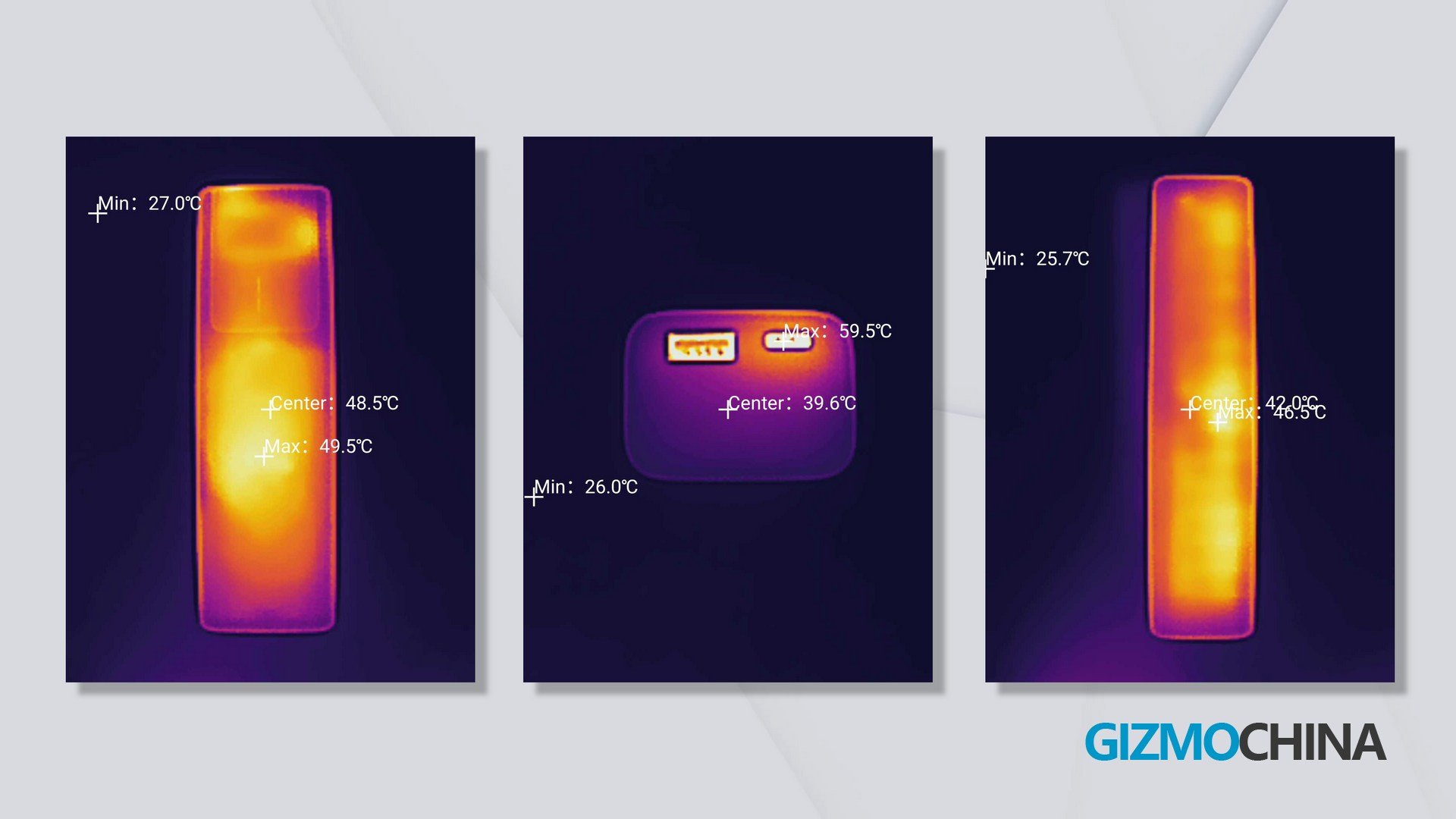
In the stress test, the Type-C port was used to charge the Xiaomi 14 Pro, and the A port to charge the Vivo X100 Pro.
The temperature was measured after 15 minutes, and as you can see, it has excellent temperature control just like the other CUKTECH products we have tested.
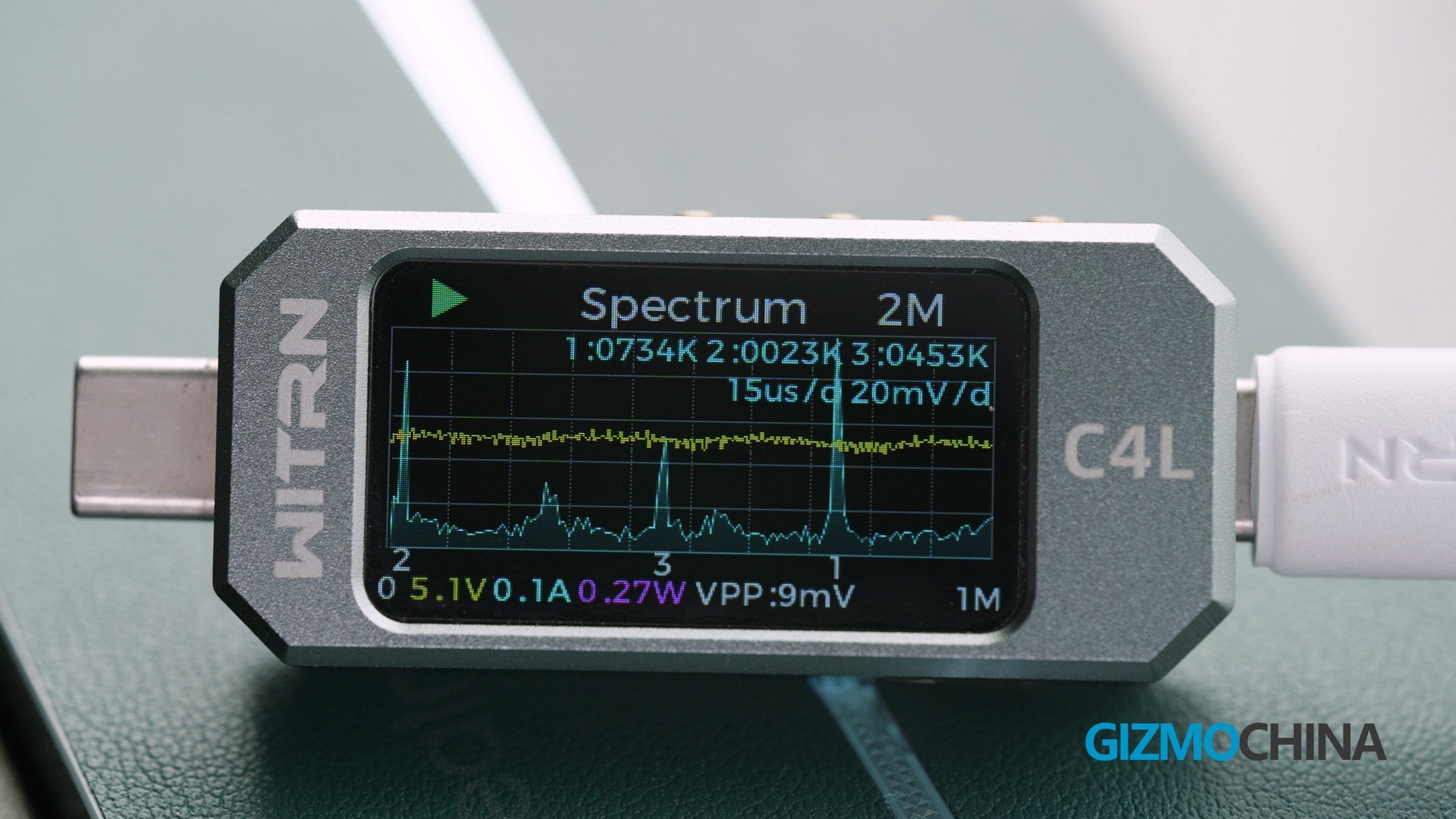
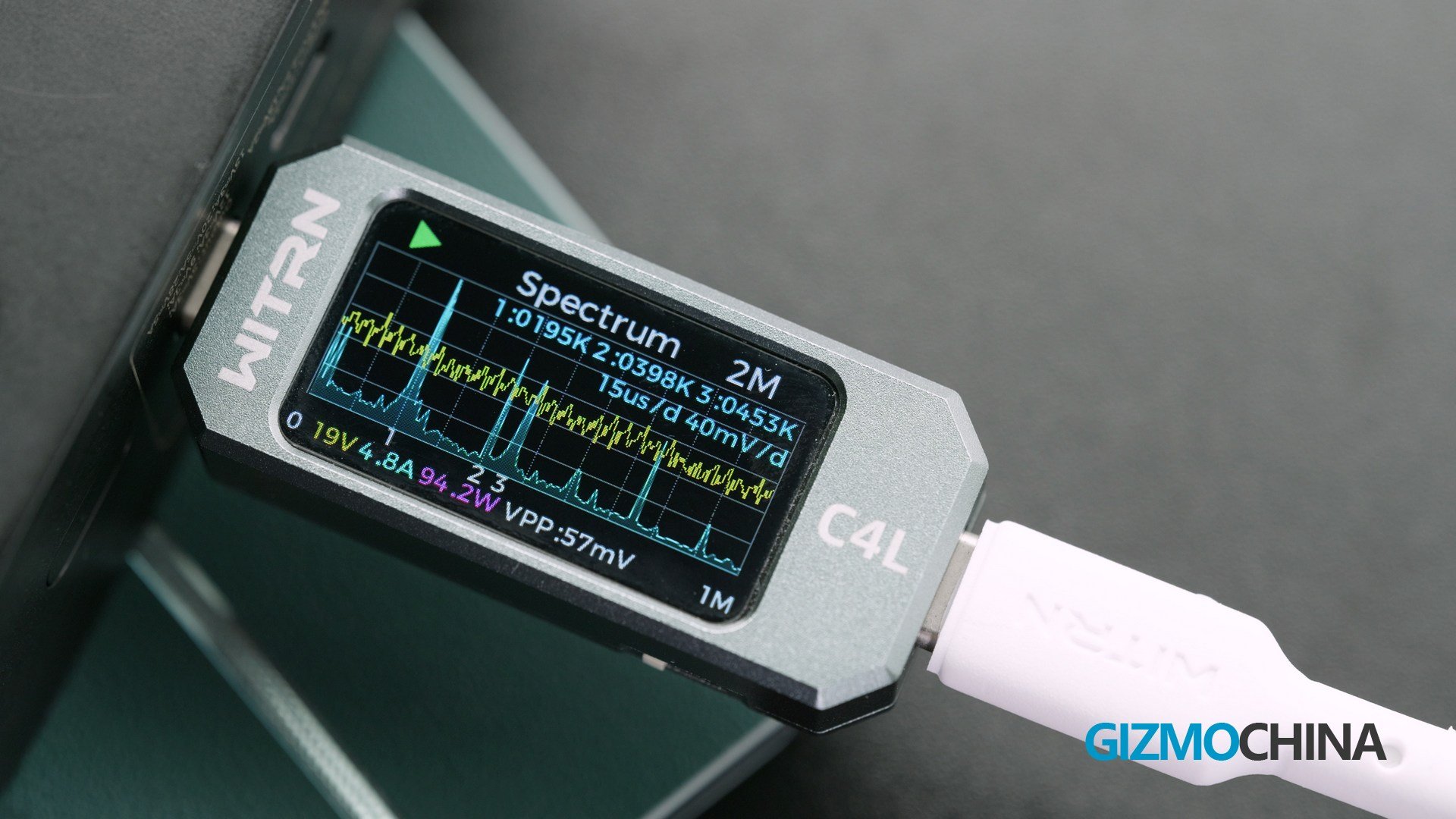
Meanwhile, I also tested the ripple, which was only 10 mV at no load and 50 mV at 100W output.
User Experience
So who is the CUKTECH 10 Power Bank for? No doubt it is the best for Xiaomi fans, no matter whether you are using Xiaomi, Redmi or POCO, it can activate the Mi-Turbo charge with maximum power. For Xiaomi fans, this power bank is the best choice at 10000mAh capacity.
If you don’t have a Xiaomi device, you can refer to the test results in the video to make your decision, after all, the Mi-Turbo charge is like a bonus compared to the other third-party power banks. Even if you exclude the Mi-Turbo charge, this is still a very good model.
So how to choose between CUKTECH 10 and 20? Here’s a very good example in our studio for your reference. There’re different features of Power Banks valued inside the Review team. The author would go for the most powerful Power Bank that’s available to be carried in the air such as the 20,000mAh CUKTECH 20, while the other reviewer would go for a more compact one such as this CUKTECH 10 Power Bank, which is also compatible with various fast charging.
If the CUKTECH 10 also convinced you, just check out their Amazon store here.
Samsung continues its gradual return to the desktop PC market with the release of the All-in-One Pro. The sleek new computer boasts several compelling features and follows the success of its previous desktop model. Let’s walk through its features here.
Samsung All-In-One Pro PC Specifications
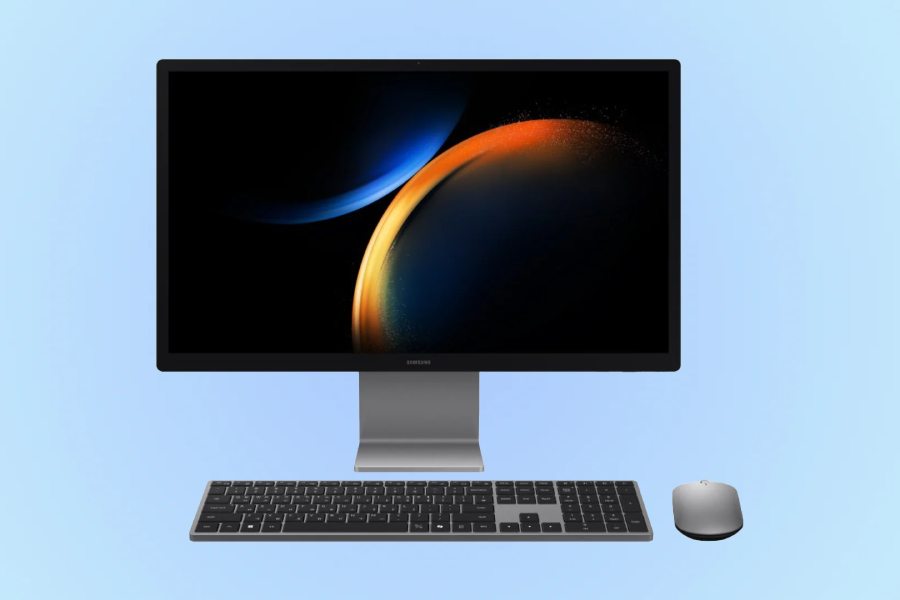
The All-in-One Pro has an ultra-slim metal frame measuring a mere 6.5mm that delivers a minimalist aesthetic. Samsung bundles a similarly styled wireless keyboard and mouse to maintain a cohesive visual experience. The PC’s display measures a generous 27-inch which offers 4K resolution.
For audio, the new Samsung All-In-One Pro PC has 3D speakers supporting Dolby Atmos technology. Internally, the PC houses an Intel Core Ultra processor, although the company hasn’t specified the specific model of the silicon.
Moreover, the RAM and SSD capacities are not detailed as well, but the base configuration likely offers at least 16GB RAM and 256GB storage.
Connectivity and Ecosystem
The All-in-One Pro offers basic physical connectivity with an HDMI port, several USB Type-A ports, an Ethernet port, and a standard headphone jack. Wireless options include Bluetooth 5.3 and Wi-Fi 6E. It features a built-in webcam for essential video conferencing needs.
As expected, Samsung leverages its Galaxy ecosystem within the All-in-One Pro. It comes pre-installed with Windows 11 Home and includes apps like Buds Auto Switch, Multi Control, Quick Share, and Second Screen for seamless file transfers and display mirroring with Galaxy phones and tablets.
Additionally, the Windows Phone Link app enables users to manage phone notifications and conveniently respond from their PCs.
Pricing and Availability
The Samsung All-in-One Pro carries a price tag of 1.99 million South Korean won (approximately $1,469 USD). It is currently available for pre-order in South Korea with an official release date of April 22. Samsung has not announced the release plans of the new All-In-One Pro PC for other markets yet.
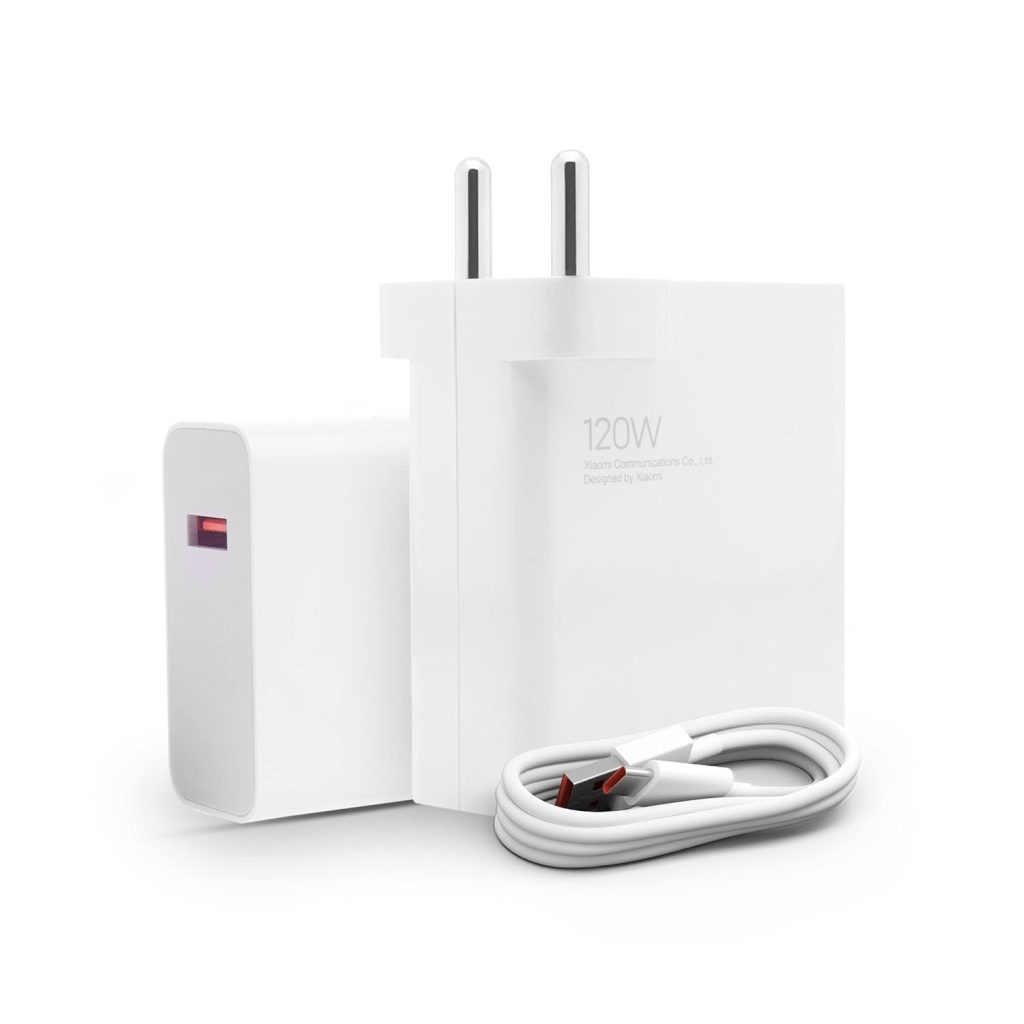
You can get your hands on a very nifty Xiaomi accessory for a steal deal right now on Amazon India. The company’s new Mi Xiaomi 120W HyperCharge adapter combo is currently on sale for a discounted price tag, so here are all the details.
Mi Xiaomi 120W HyperCharge adapter combo: What’s the price?
At the moment, Amazon is offering a lightning deal on the bundle, with the charging adapter listed for just 2,499 INR (roughly 29.99 US Dollars). So you can click here to check out this deal on Amazon right now. The combo is basically a one-stop charging solution for all of your gadgets.
This single adapter can charge not just your smartphone, but also your handheld gaming consoles, laptops, PC tablets, and other smart wearable products like home devices and wearables. Furthermore, it comes with a Superfast 6A USB-Type C cable that supports fast charging on multiple devices. The Mi Xiaomi 120W HyperCharge adapter supports Qualcomm’s Quick Charge 3.0 and offers a meter long Type-C cable. It is also BiS certified to meet quality standards to ensure Surge Protection for your various gadgets.
With these specs, it can charge devices like the Xiaomi 11i HyperCharge that supports 120W wired fast charging. Even laptops support some form of fast charging via the USB-C standards, so this one adapter can help reduce the amount of charging adapters one needs to carry on the go. It measures just 8.9 x 4.4 x 8.9 cm in dimensions and weighs around 281 grams. This makes it quite portable and convenient to carry around as well.
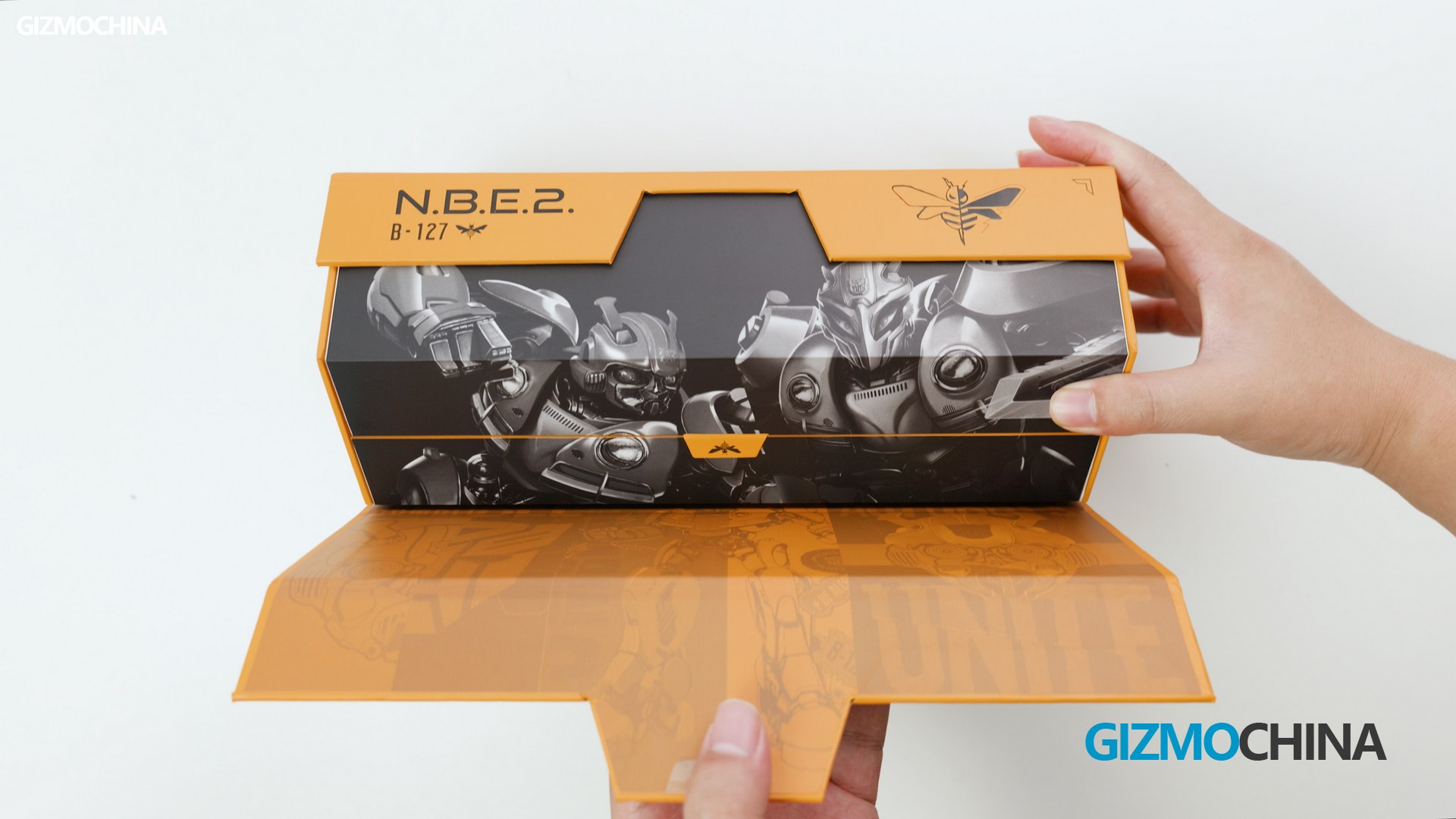
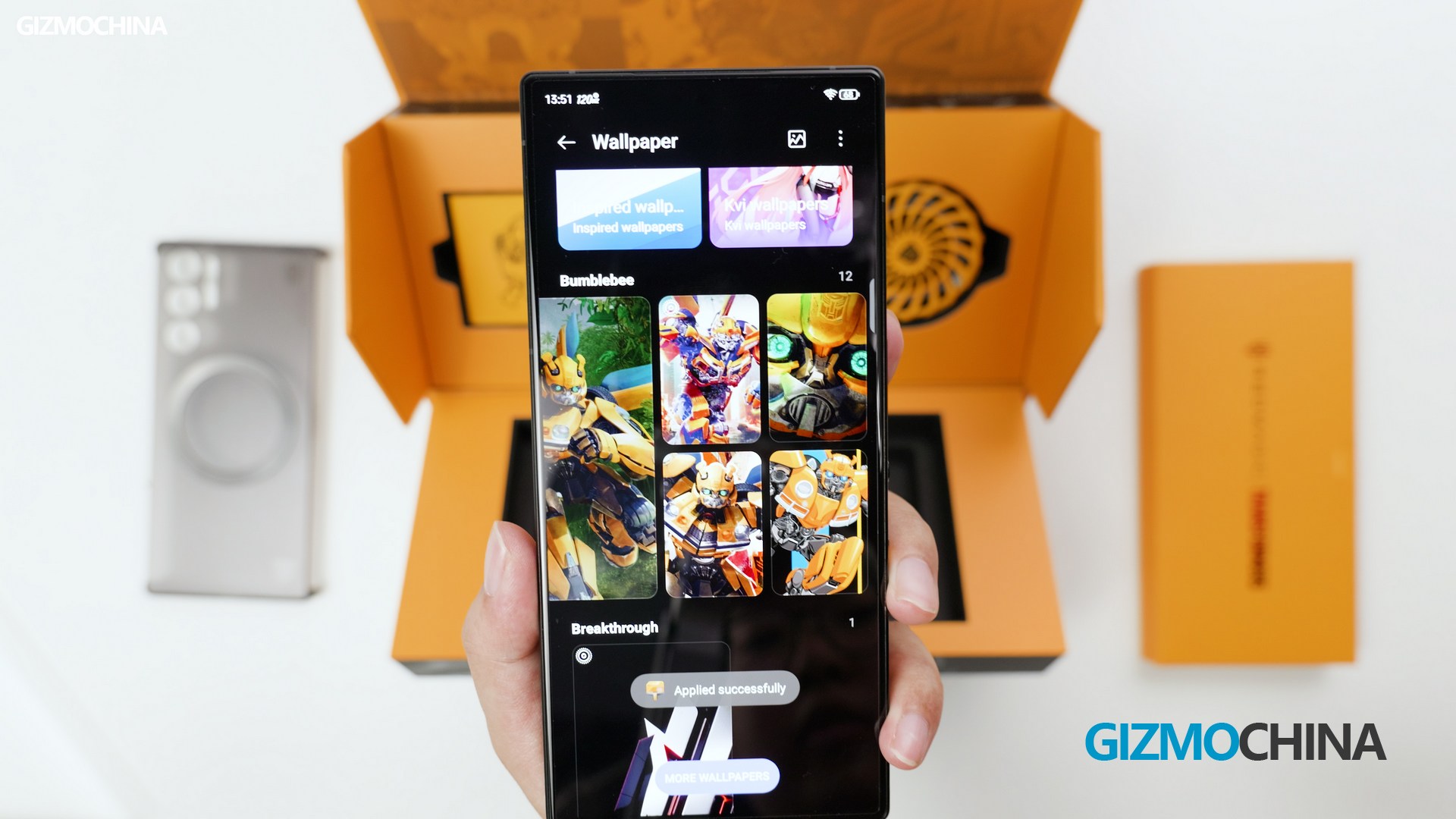
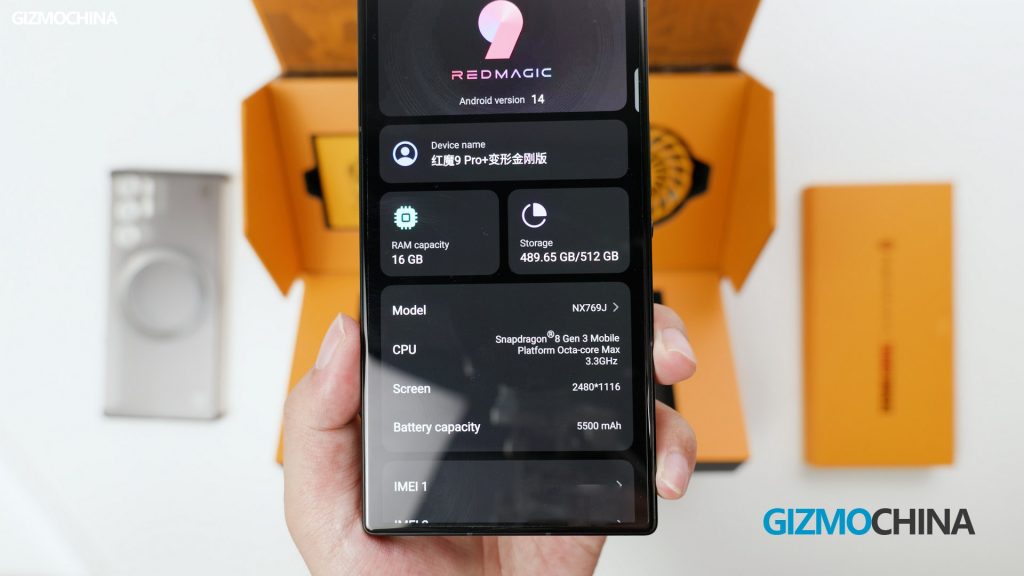
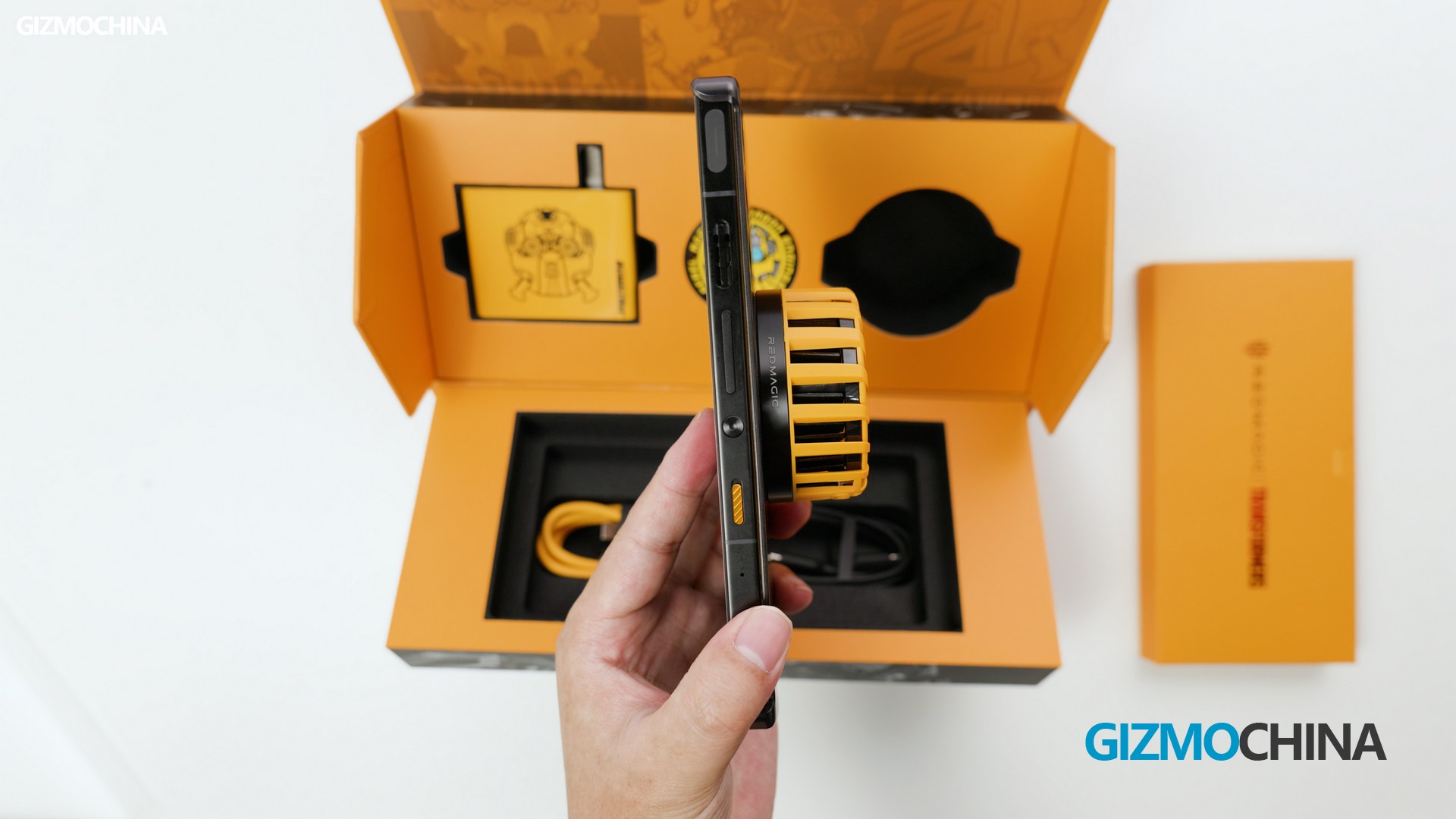
Gaming phone is a great category for co-branding with icons. As most of them have fancy looks with monster-like performances, there are quite a lot of elements and accessories good for customization. The Red Magic gaming series is a great example since their big success with the co-branding of the Red Magic 8 series with Transformers’ Bumblebee. Recently they expect to continue the successful co-branding on the Red Magic 9 Pro +. Gizmochina Review team was doing an unboxing of the Red Magic 9 Pro+ Bumblebee Edition. Check out what’s included and the first impression below.
Red Magic 9 Pro Plus
First of all, it’s undoubted that the phone is perfect for co-branding. It’s flat and complete enough on the back for designers to turn it into any customized artwork. If you are interested in knowing more about the Red Magic 9 Pro and 9 Pro + (The two have very few differences in core performance and specs), please check out the review we have done before.
WHERE TO BUY
Buy Red Magic 9 Pro+ Bumblebee Edition on GeekWills
Unboxing
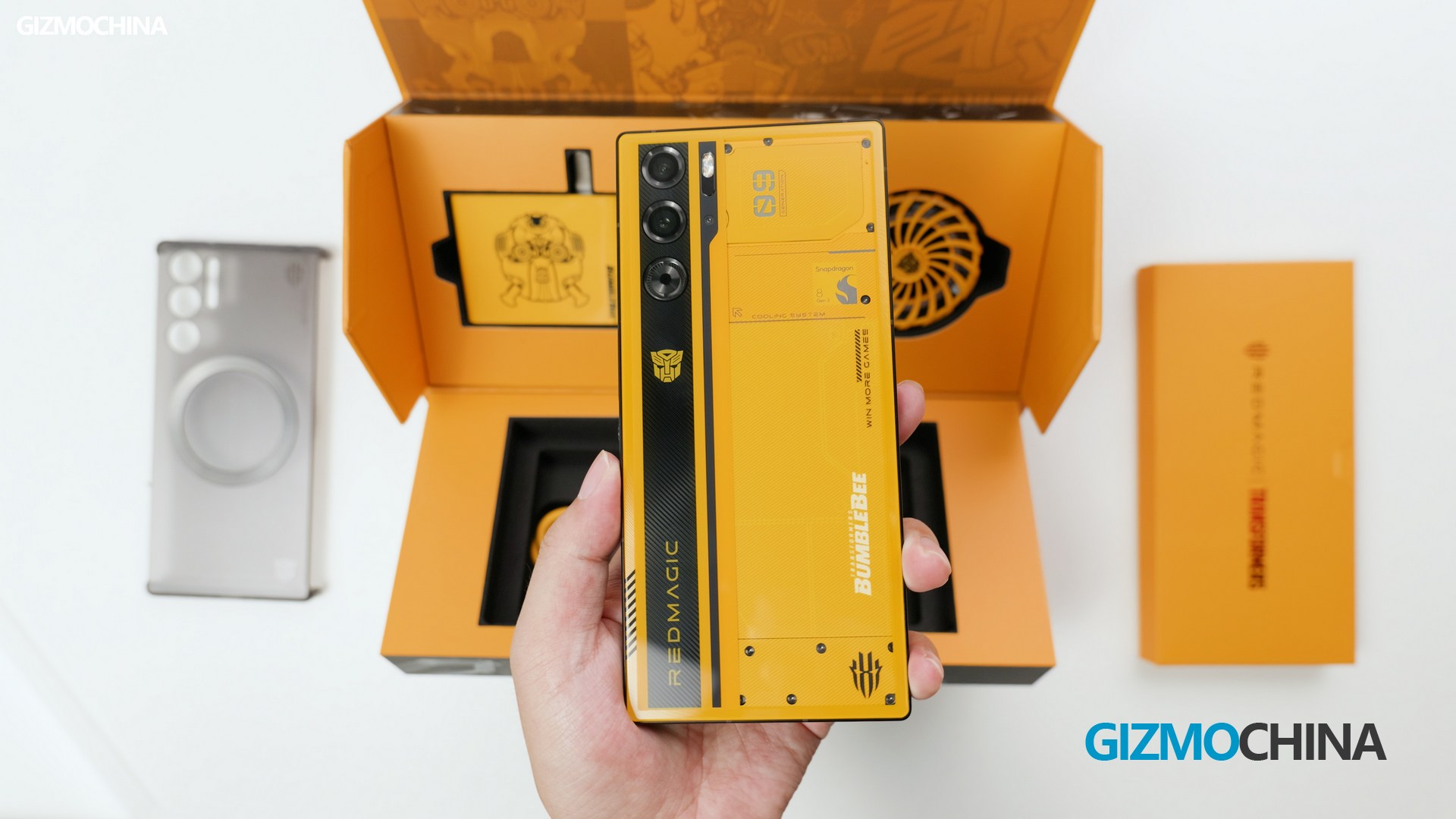
Pushing open the outer box, you’re greeted with a yellow box that looks like a honeycomb structure with the iconic Bumblebee and an image from the Bumblebee standalone movie.
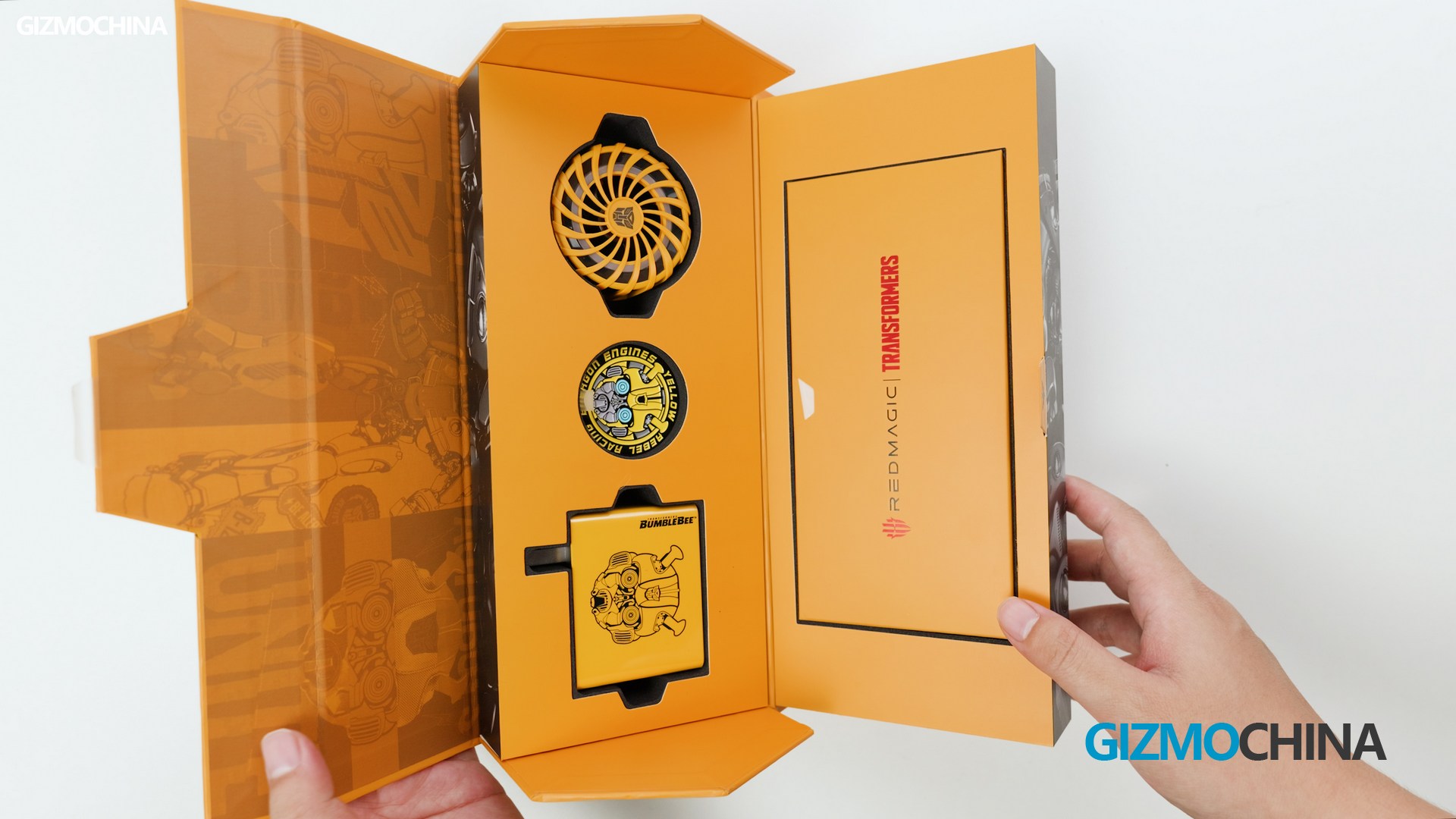
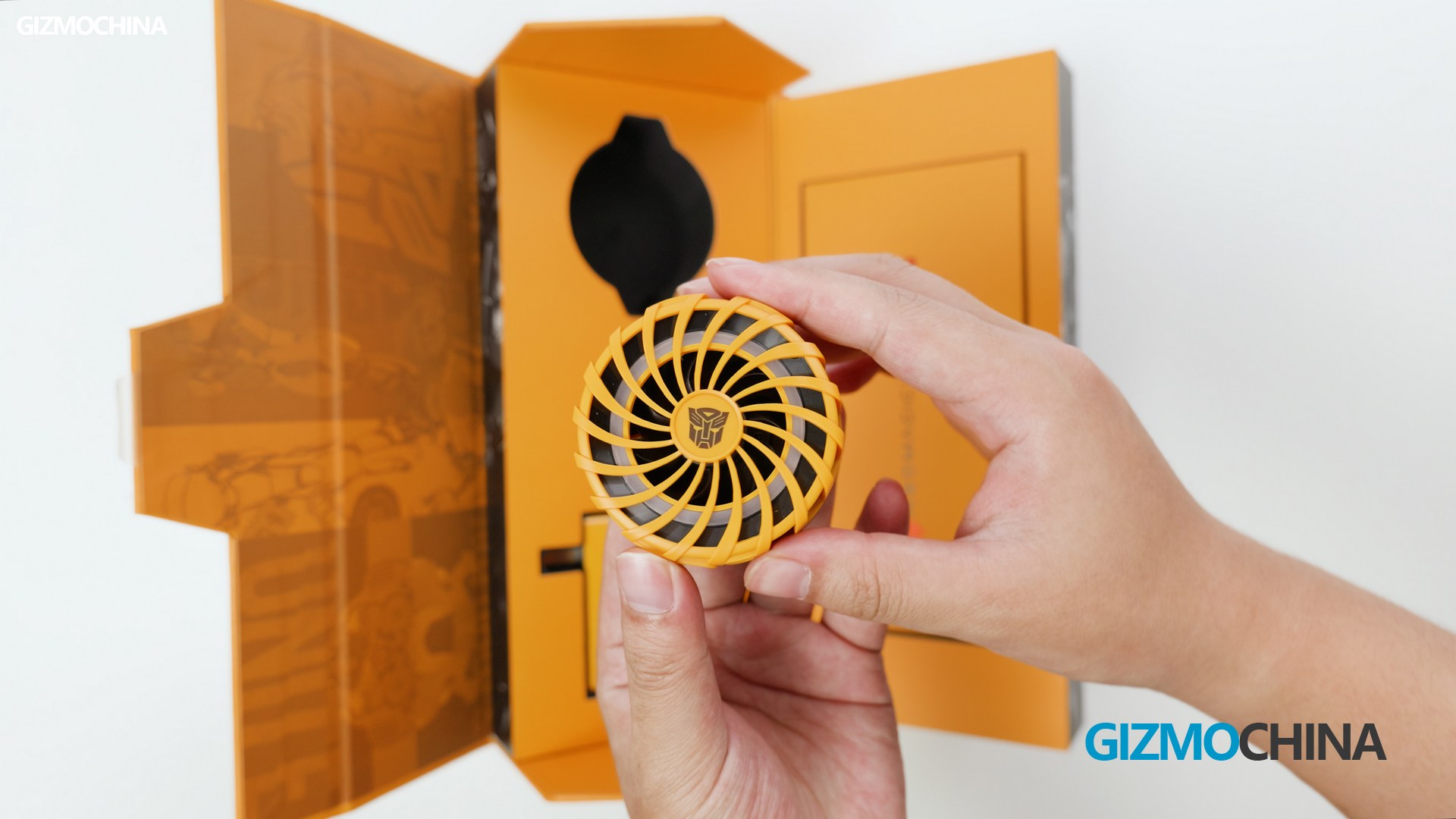
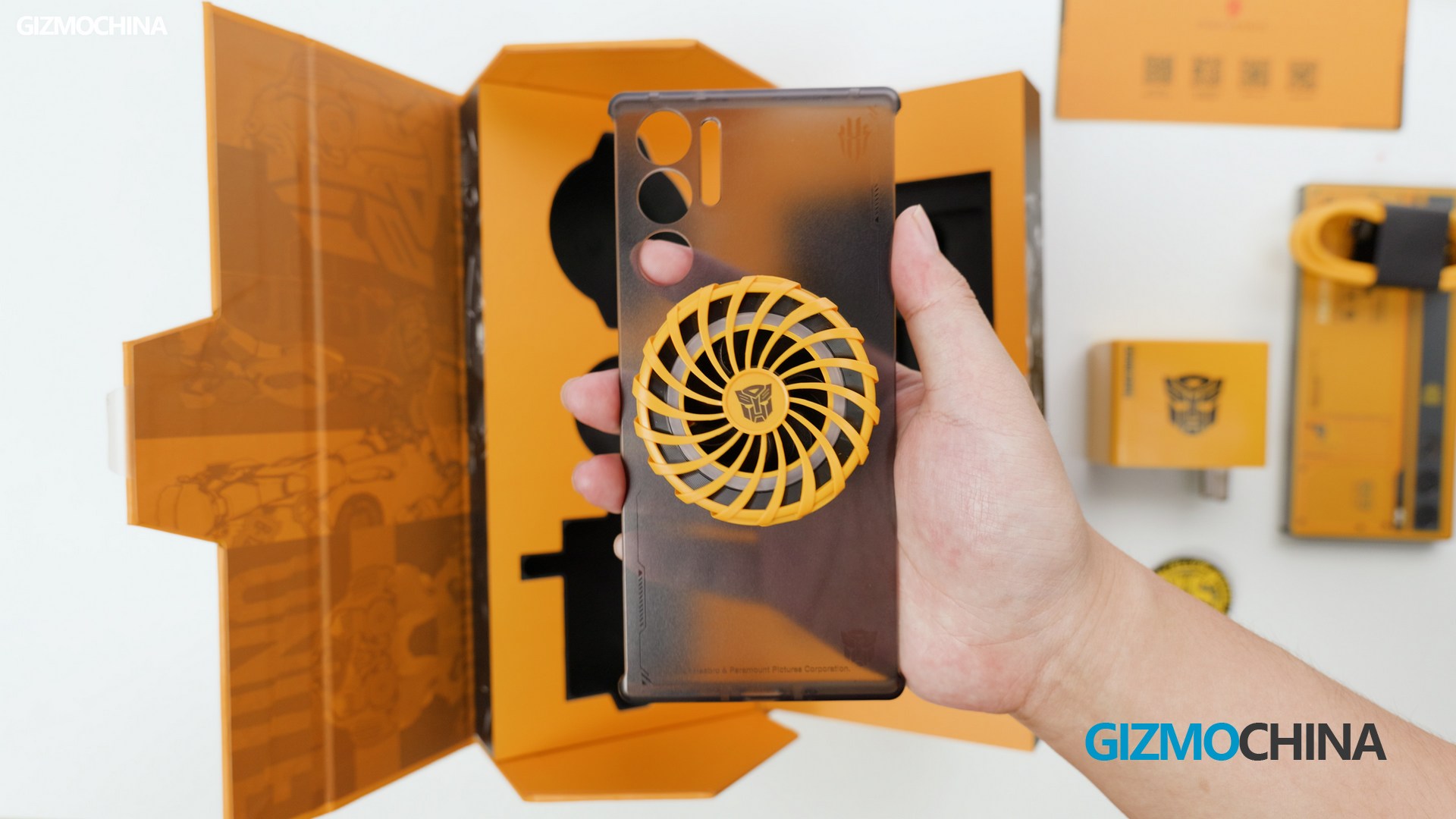
It’s a nice touch. Lifting the lid reveals the color-matched Magnetic Cooler 4 Pro, to make sure your phone stays cool during intense gaming sessions.
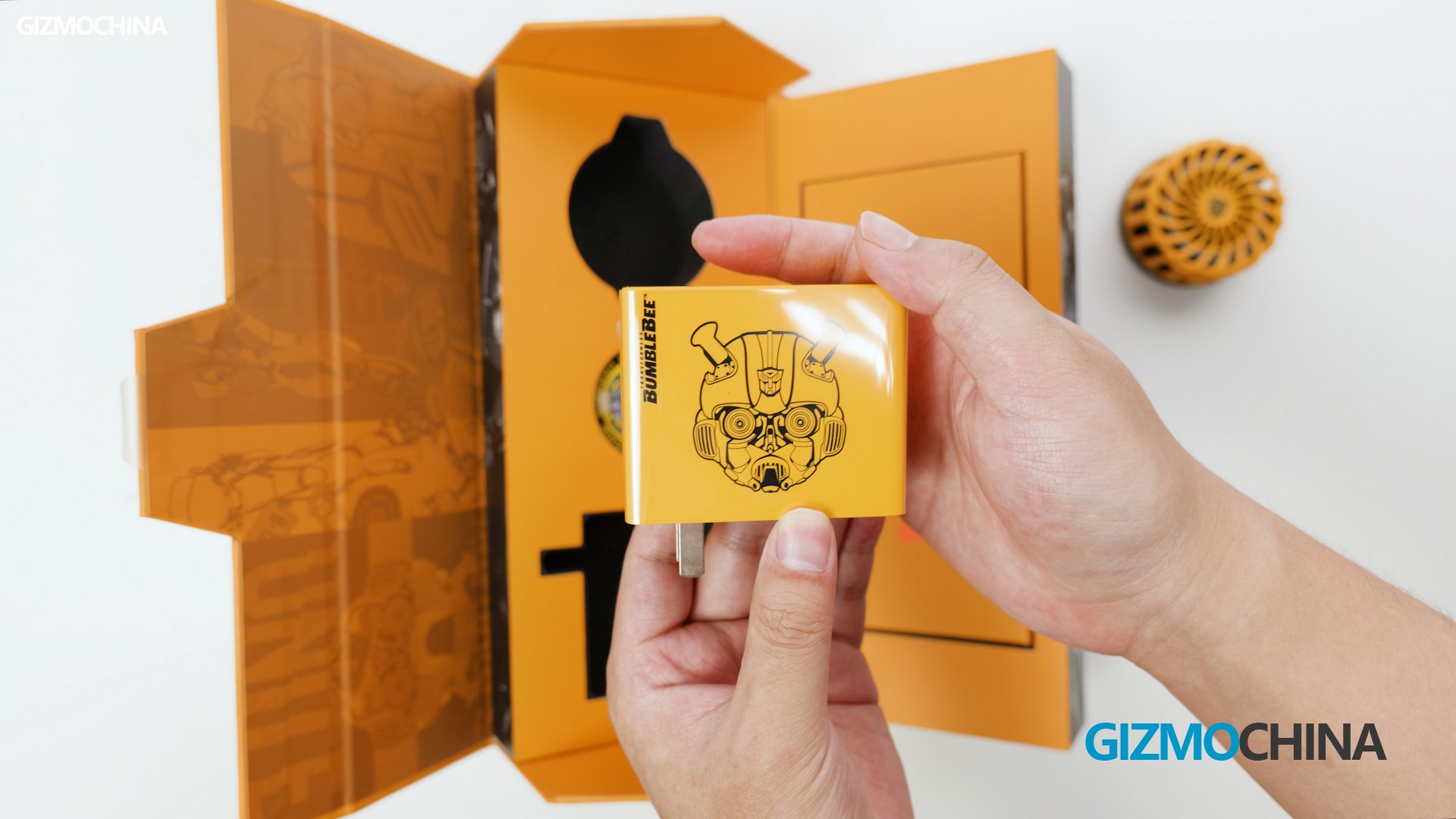
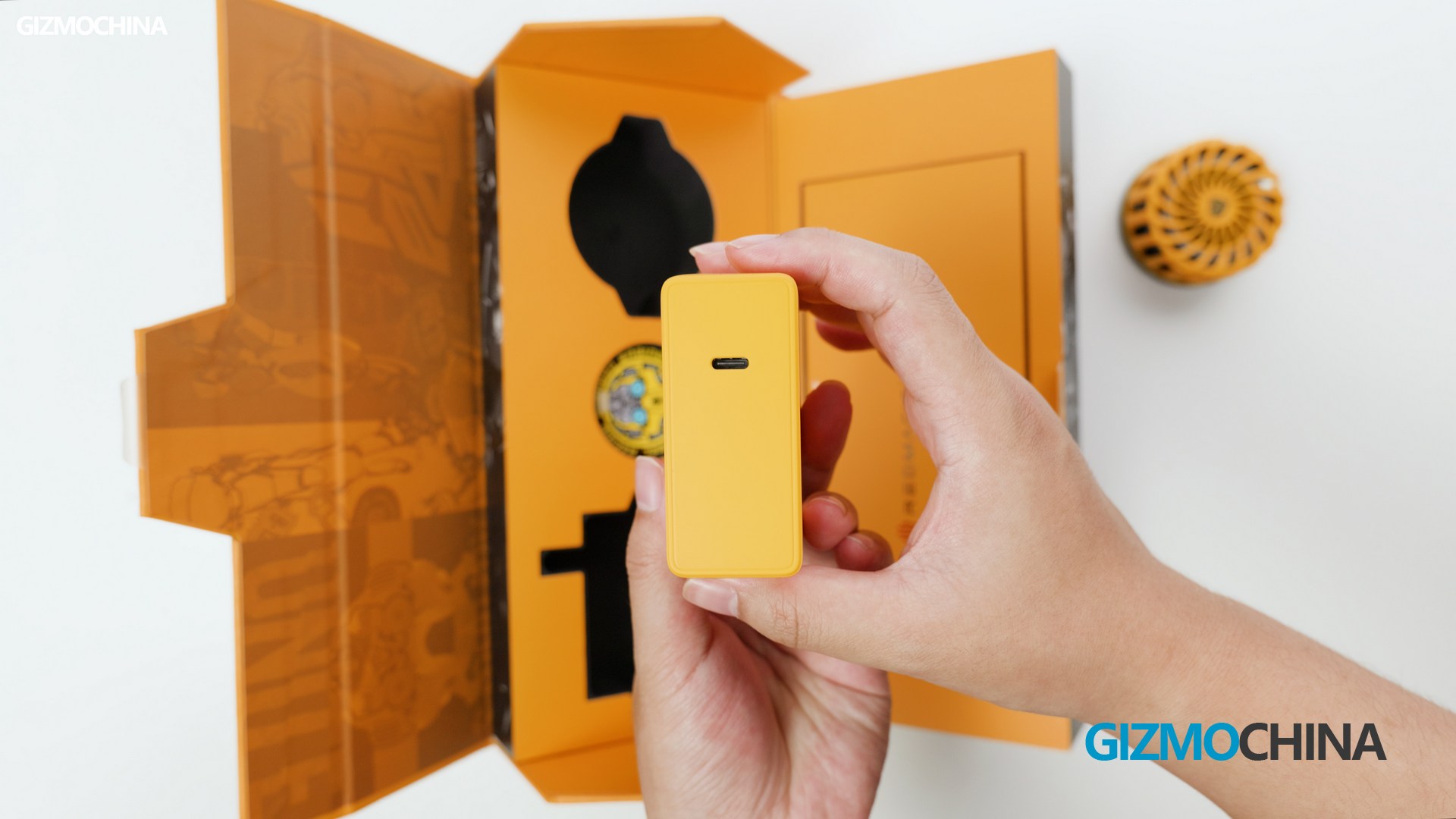
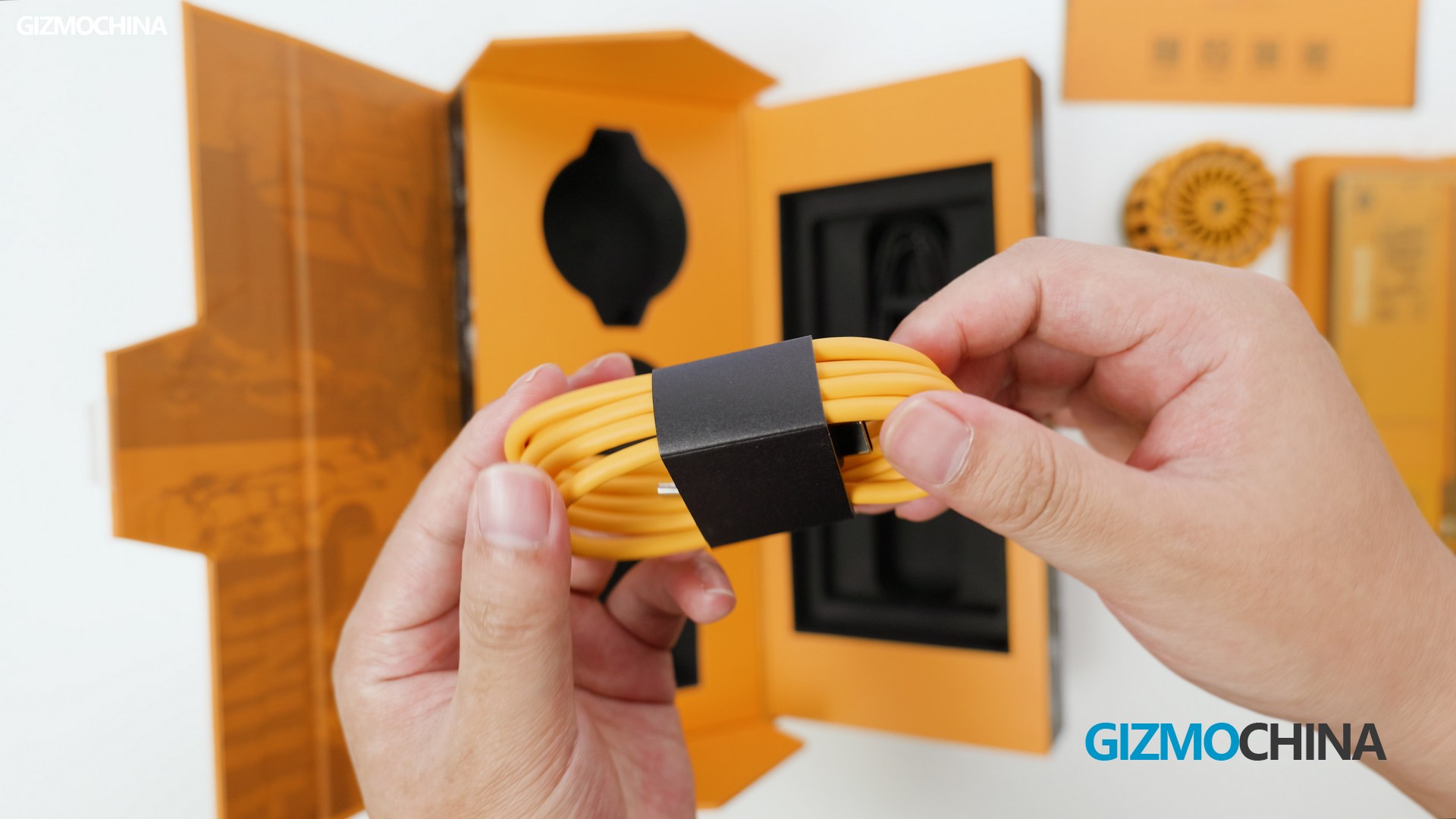
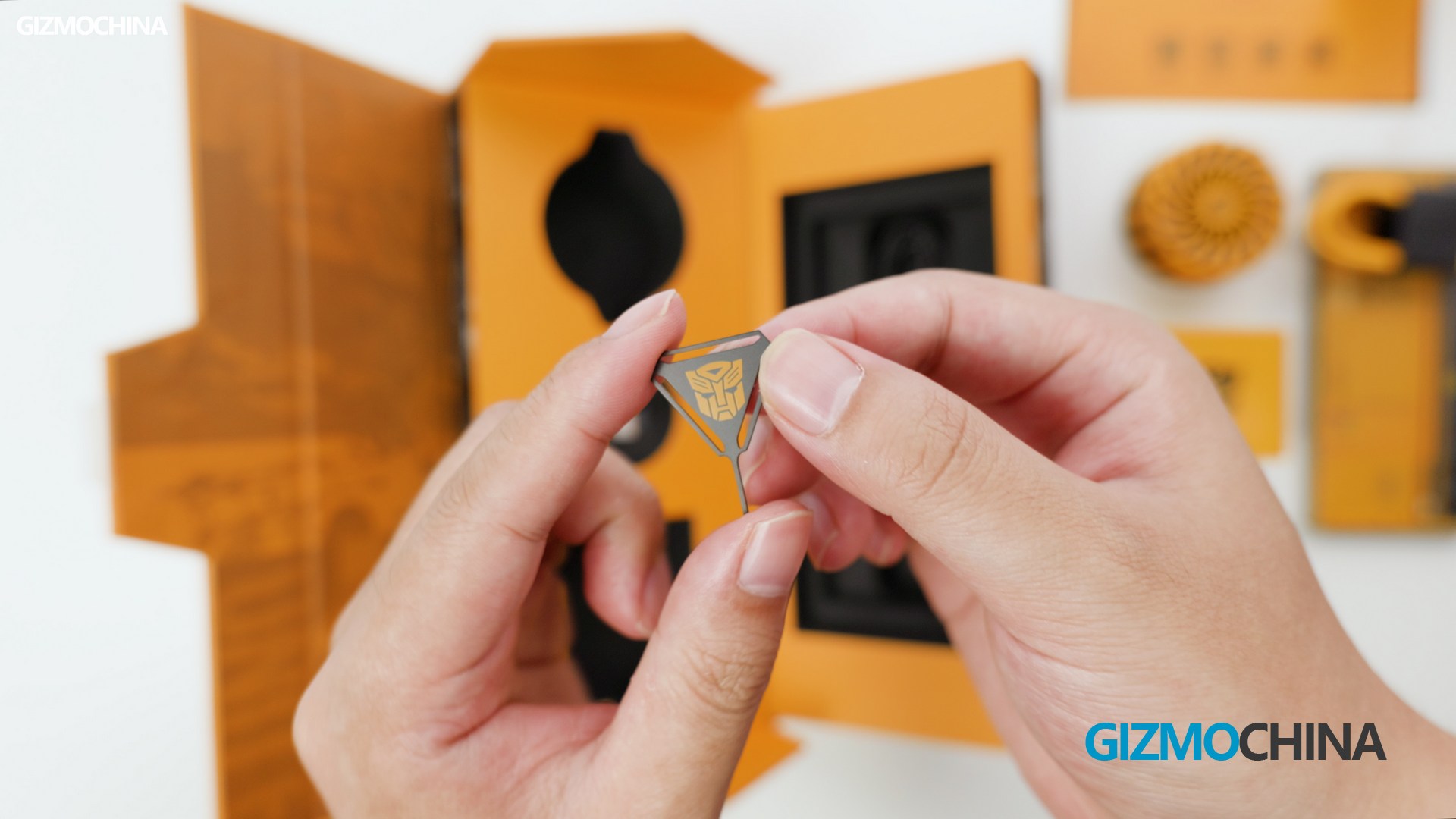
There’s also a 165W GaN charger for ultra-fast charging and of course the themed USB-C cable and pin.
It’s worth noting that the case in the package is magnetic, making it perfect for use with the Cooler. Also included in the package is an extra cable to power the Cooler.
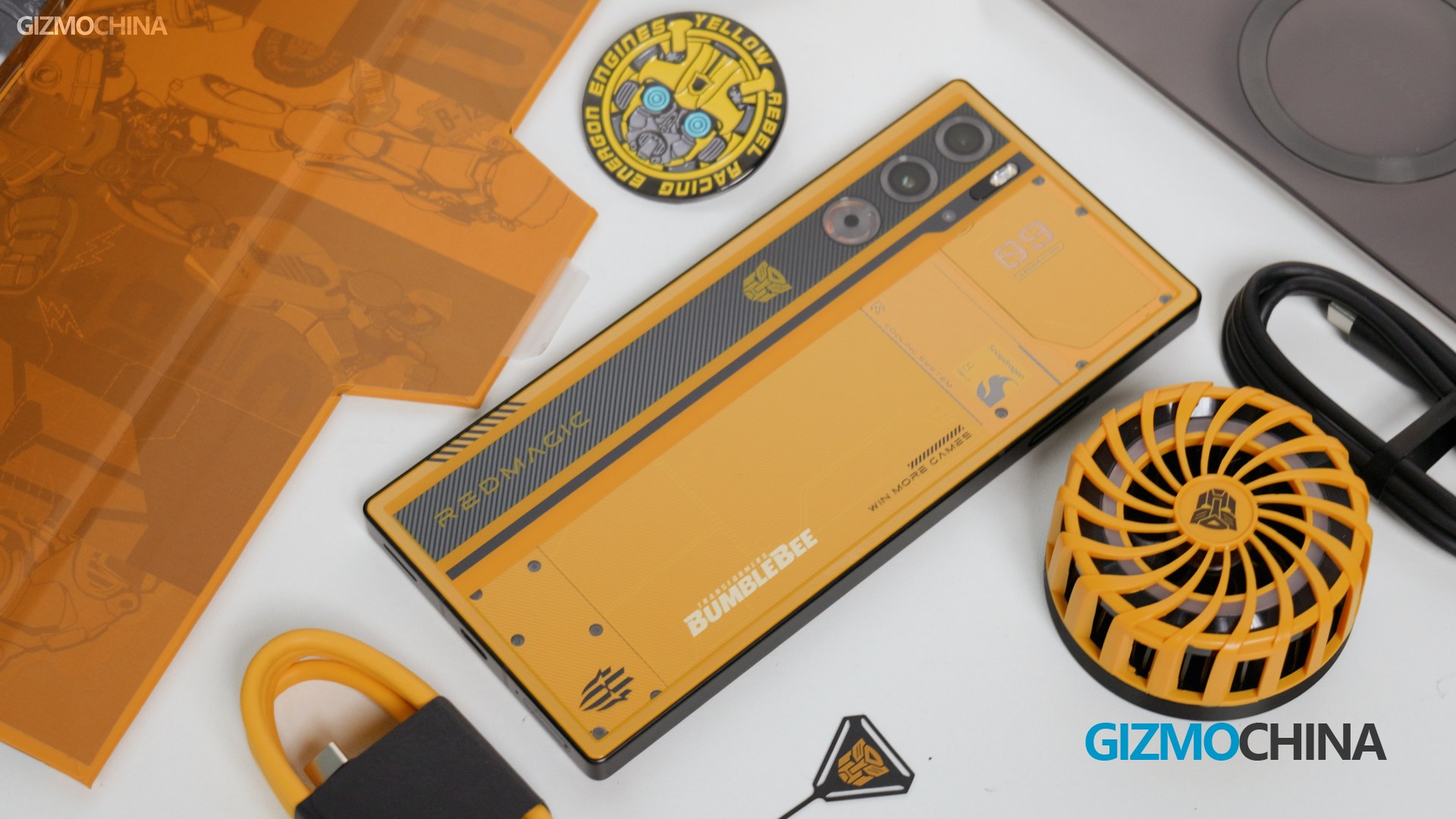
Holding the Red Magic 9 Pro+ in my hand, it feels sturdy and elegant. The design is a brilliant marriage of yellow and black hues, reminiscent of the iconic Bumblebee character from the Transformers.
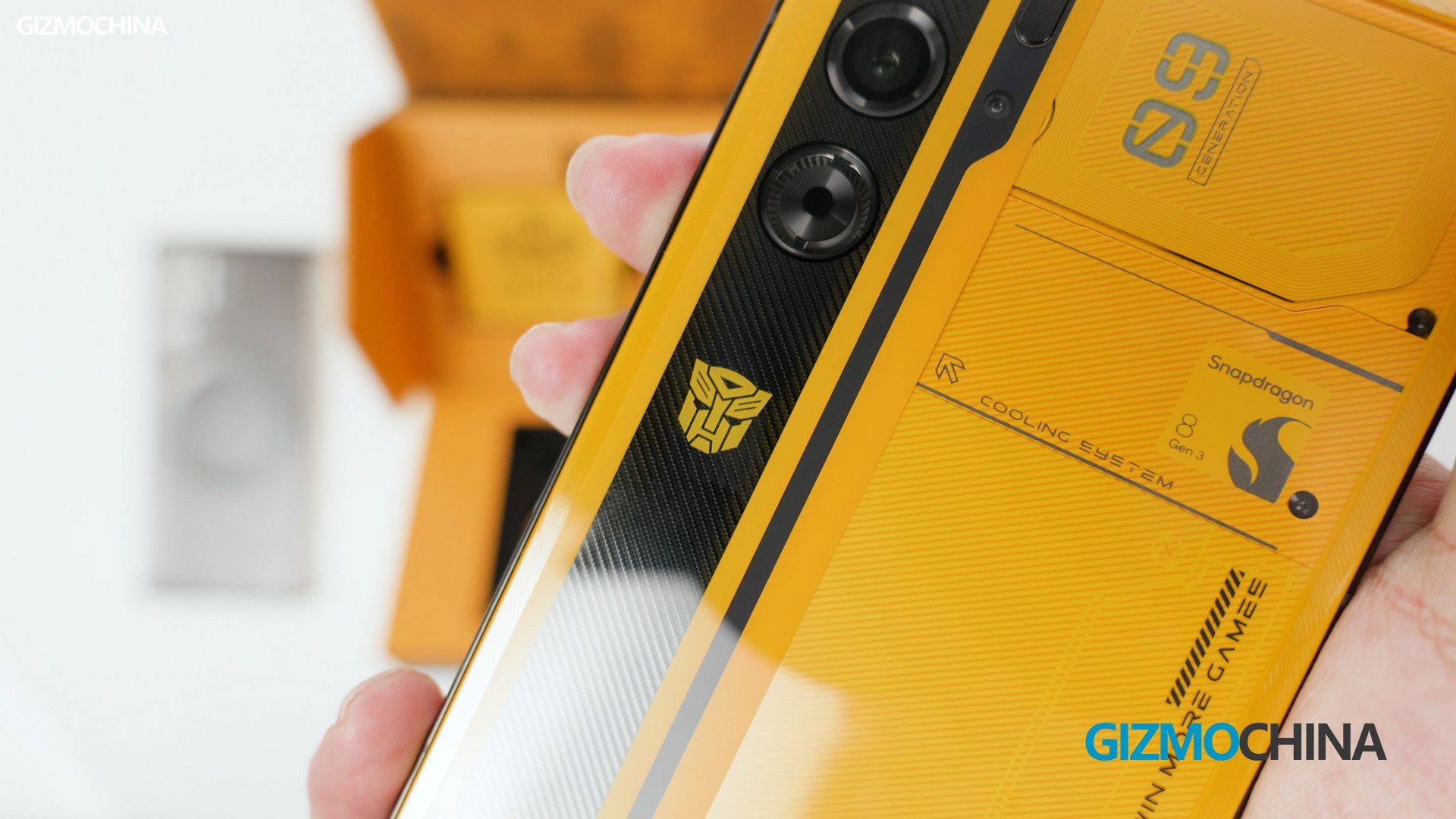
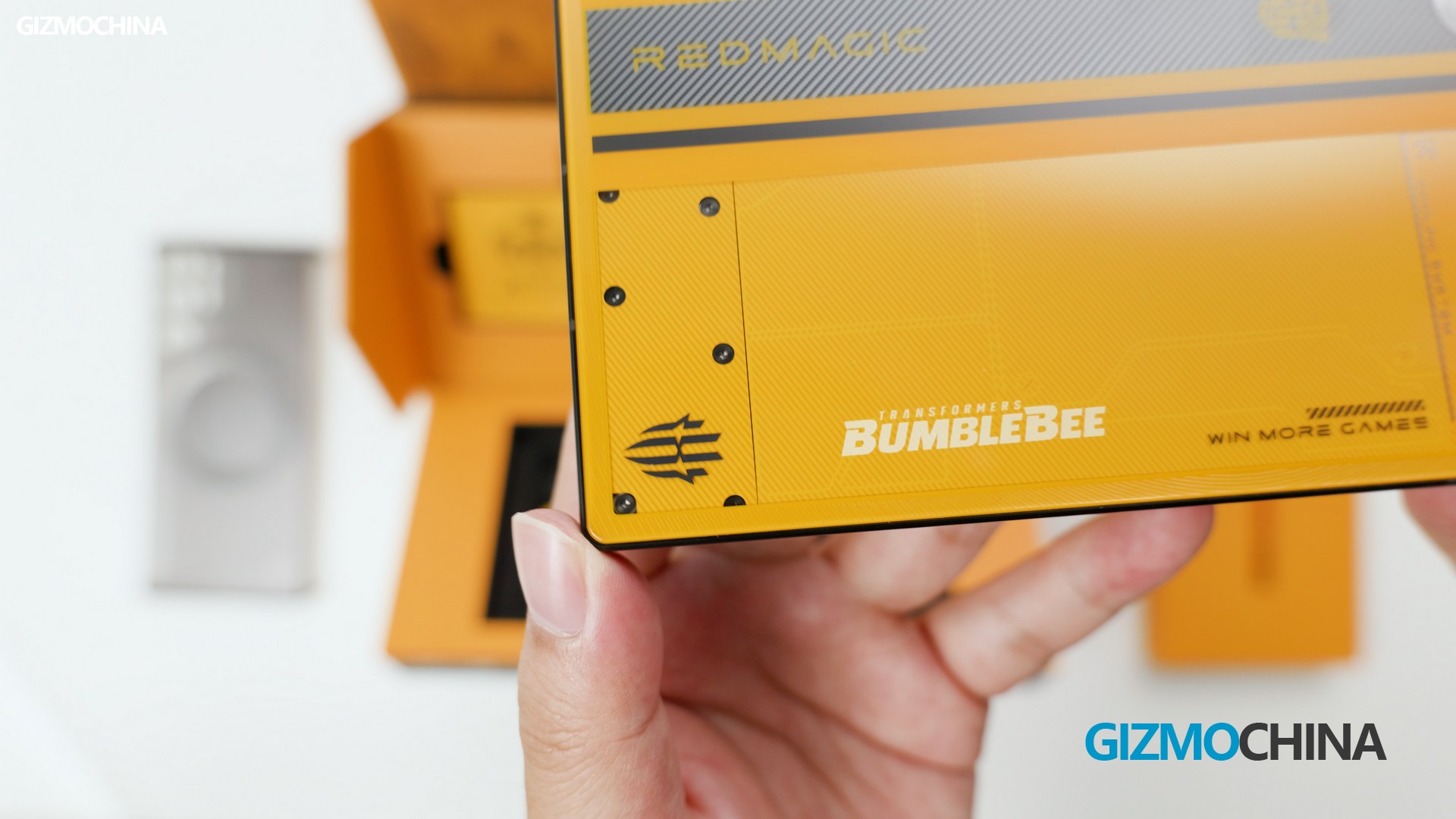
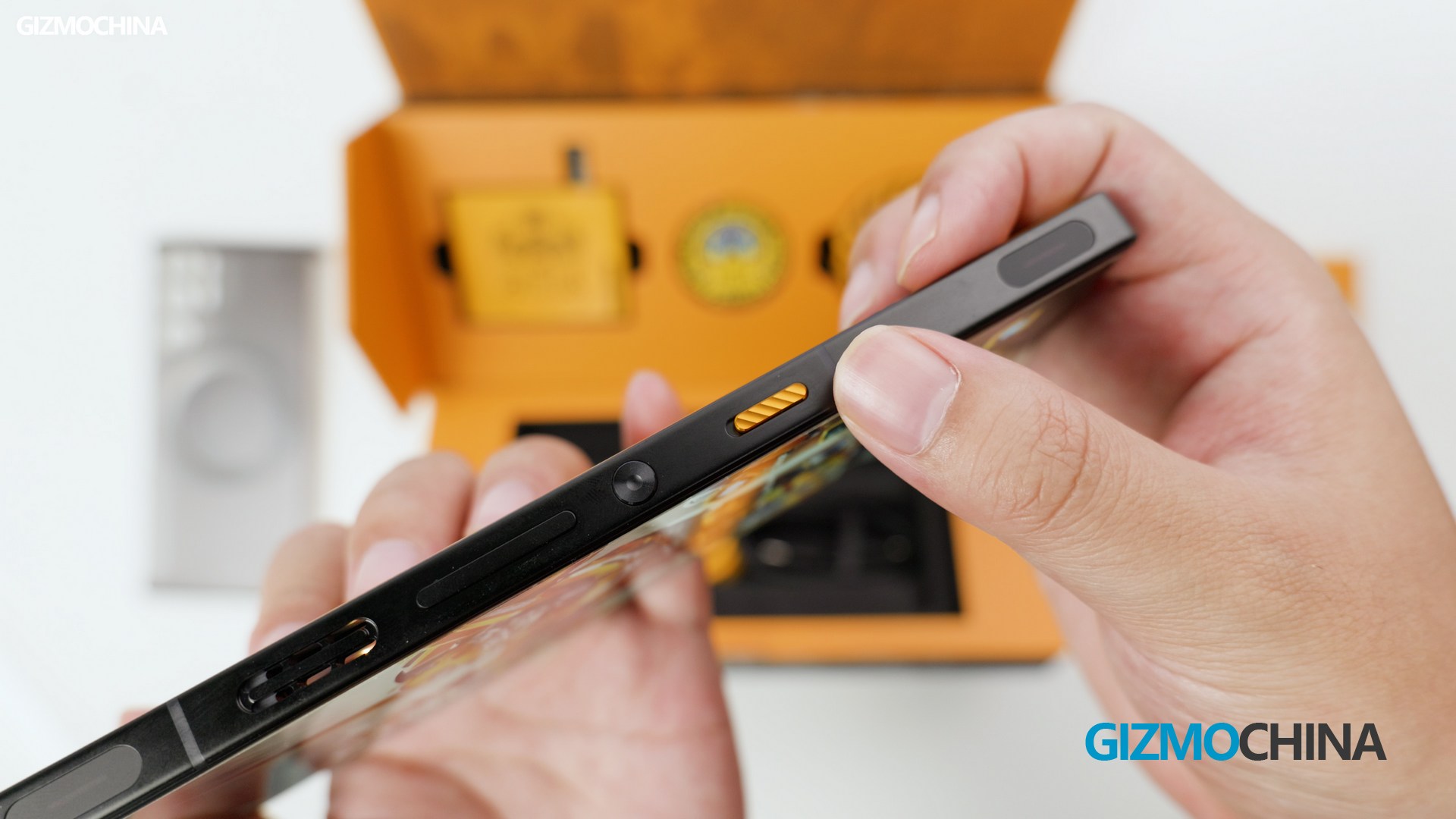
You can even see some screws patterns exposed to view, which creates a very mech-style aesthetic. That also make the back panel feel like a work of art, with a carbon fiber texture and metallic finish that emphasizes high performance.
The back panel features a black stripe that runs down the side. The Autobot logo is right there, sitting proudly next to the ‘BUMBLEBEE’ engraving – it’s all in the details, folks.
I really like the restraint of the design, it’s used to show off the co-branding with lots of color and small logos, very clever.
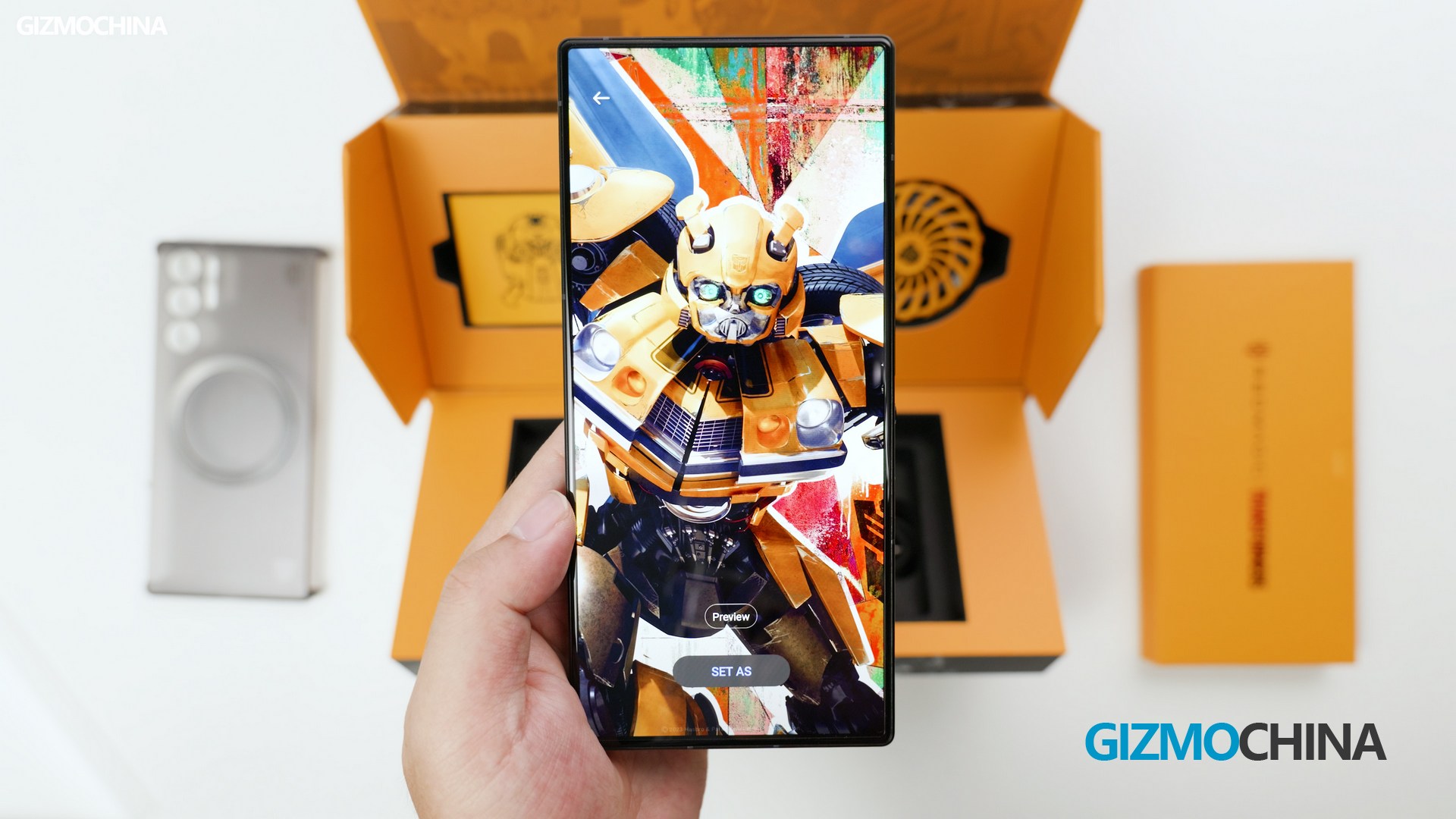
There’re also a lot of Bumblebee elements in the software, with different wallpapers and holographic-like launch, which I’ll briefly show off here (Please check out the video).
Now, let’s get to the specs. the RedMagic 9 Pro+ comes with a 6.8-inch 1.5K OLED display, Snapdragon 8th Gen 3 chipset, and up to 16GB of RAM and 512GB of storage. It’s built for speed and performance, whether you’re playing games or browsing apps.
First Impression
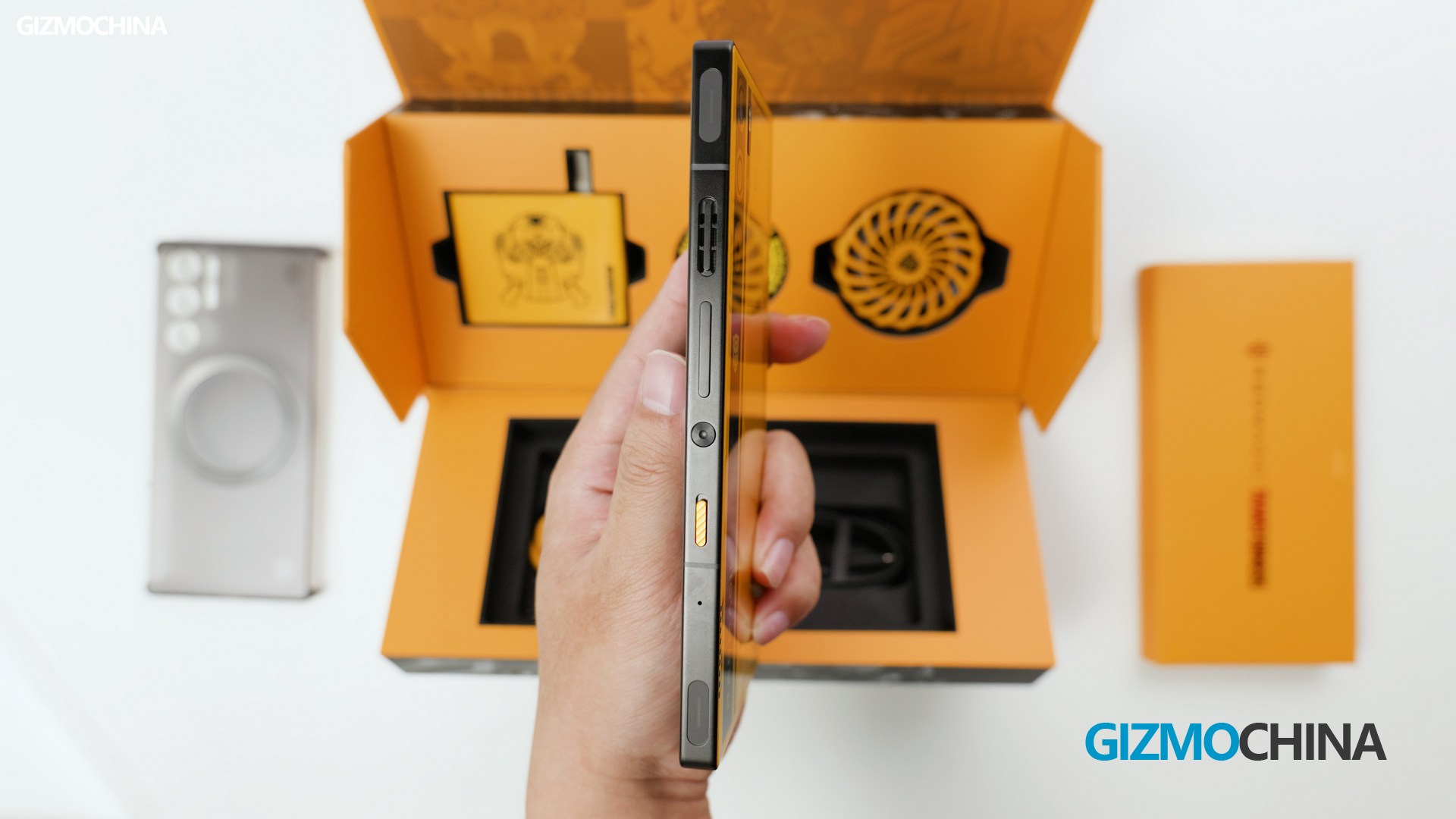
For gamers, this phone is equipped with shoulder triggers, dual stereo speakers, and dedicated game modes, while the dedicated Game Mode trigger has been designed in Bumblebee’s signature yellow color to take your mobile gaming to the next level.
There’s also WiFi 7 support so you’re always connected at the fastest response and the most smooth gaming operation.
Overall, the build quality of the special edition is still top-notch, with even more charming vibrancy. Holding it horizontally for gaming, you would find it’s well-balanced. Although it’s still pretty heavy, we don’t feel much of its weight during intense gaming sessions.
One of the biggest surprises is the customized Magnetic Cooler 4 Pro with a 27W output. It’s just included inside the kit. Along with the magnetic phone case, it undoubtedly has the look of the most eye-catching mobile gaming set of 2024. But I still have a small complaint here, if this case could also be presented in black or yellow, it would be really perfect!
Custom Software features
Now let’s move into the software. Actually, the customized interface and small software features are not really impressive. Although they do fit the theme of Bumblebee, the presentation is basically the same as most other co-branded phones.
Of course, we get some customized icons, wallpapers, and animations. But especially after looking at quite a few AI-generated images, I even had the illusion of wondering if the wallpapers were also done by an AI artist.
The Red Magic 9 Pro+ Hornet Edition is just that. It’s not just a phone, it’s a statement. If you’re a fan of Transformers, or just looking for a top-notch gaming phone, then this is the phone for you. Thanks for watching, and again this phone is available on GeekWills.
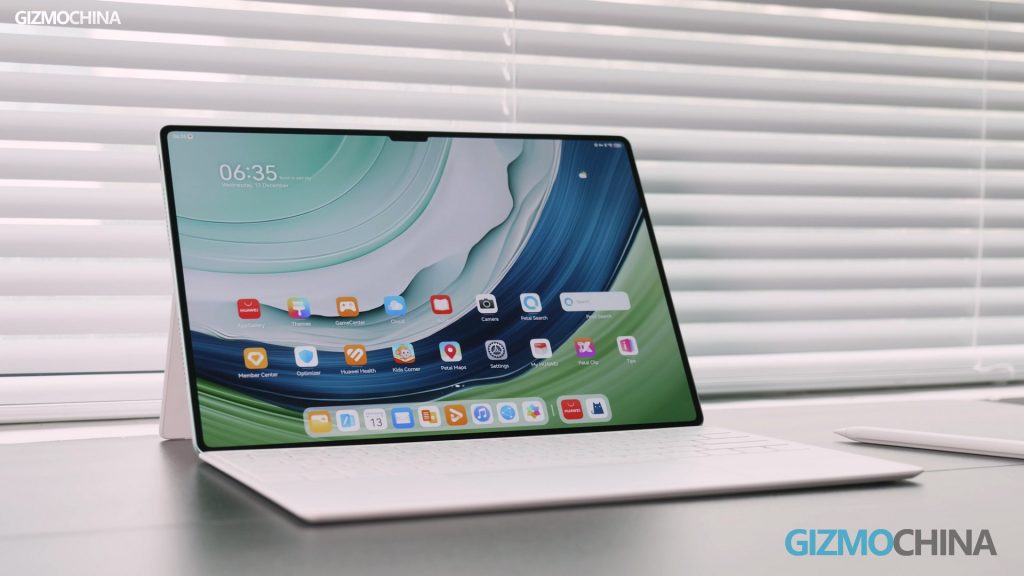
Huawei launched the MatePad Pro 13.2″ back in September last year with the 7nm Kirin 9000s chip, the one that powers the Huawei Mate 60 series. One limitation of this tablet is the absence of cellular connectivity. Now according to ITHome, the tablet is fixing that with a SIM card version.
MatePad Pro 13.2″
You’ll now get SIM card support for an additional 1800 Yuan (~$248)
According to the publication, the SIM card version with 12GB + 512GB configuration of the tablet costs 7499 Yuan (around $1037) whereas the regular version without cellular connectivity had an initial price of 5699 Yuan (around $788). Notably, the new SIM card version is only available in the Black color option, whereas the regular one also comes in Blue and White options alongside the Black one.
Having said that, the SIM card version of the MatePad Pro 13″ (review) tablet does not include any additional changes on the inside as compared to the original version.
This tablet from Huawei equips a 2880×1920 resolution (~262 PPI density) OLED display with 144Hz refresh rate, 360Hz touch sampling rate, and 1440 Hz (high-frequency) PWM dimming, which reduces the risk of eye strain on prolonged usage. The panel reaches 1000 nits of peak brightness. Additionally, this tablet looks good with the 94% screen-to-body ratio, thanks to the narrow borders around the display.
A notable aspect of this tablet is its M-Pen which uses Huawei’s “StarLight” technology and offers over 10,000 levels of pressure sensitivity and latency that goes as low as 0ms. The company noted during the launch that the accuracy of their M-Pen is 20% higher than the second-generation Apple Pencil suggesting that users can expect an enhanced experience compared to the latter.
This 5.5mm thin tablet packs a 10,100mAh battery and supports 88W fast charging. For sustained performance, it equips a 52000m㎡ graphite sheet and an additional VC liquid cooling.
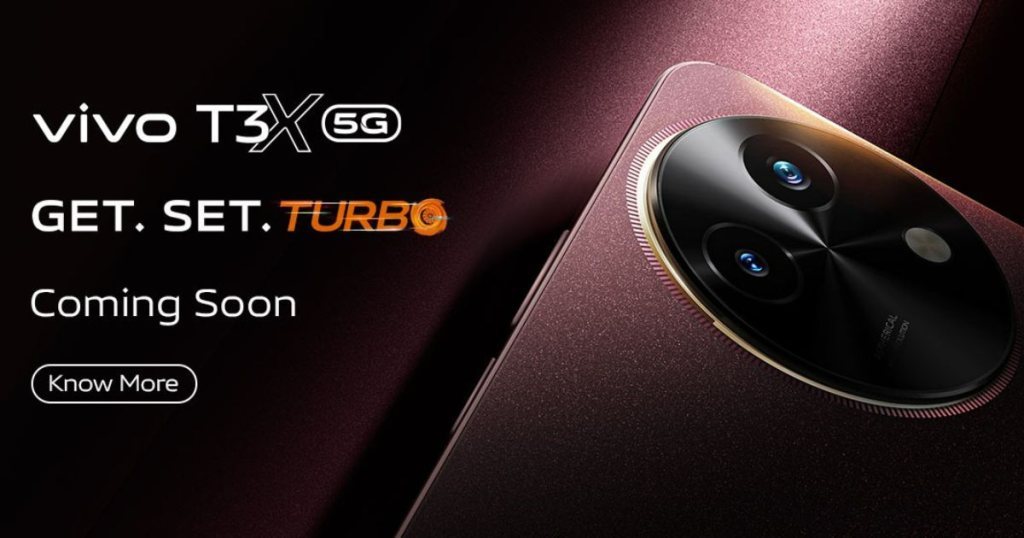
Vivo recently unveiled the Vivo T3 5G smartphone in India. Soon after it made its debut, the rumor mill started leaking details about the Vivo T3x. Finally, the company released an official teaser to reveal its rear design. Simultaneously, the brand has confirmed the price segment it will target for the device.
Vivo T3x 5G design revealed
Vivo T3x 5G
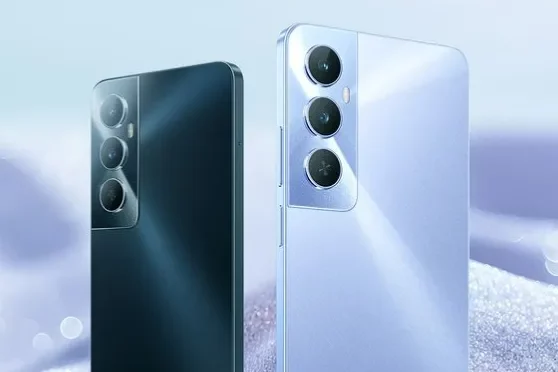
The above poster reveals that a red variant with a glittery finish will be available for the Vivo T3x 5G. The rear shell features a round camera module, a design completely different from the Vivo T3 5G. The device boasts two cameras and an LED flash. The front design of the device is yet to be revealed.
Like the T3, the T3x will be sold via Flipkart and it now has a landing page of the phone. It mentions that the device will arrive with a sub-Rs 15,000 price (~$180).
According to recent reports, the Vivo T3x will feature the Snapdragon 6 Gen 1 chipset and pack a massive 6,000mAh battery. Furthermore, it is said to feature a dual speaker setup with an audio booster feature, capable of boosting the volume by 300 percent. Its other details are yet to be confirmed.
The Vivo T3x will arrive as a successor to last year’s Vivo T2x. To recall, the T2x offered a 6.58-inch IPS LCD FHD+ display, a Dimensity 6020 chipset, up to 8 GB of RAM, 128 GB of native storage, a 5,000mAh battery with 18W fast charging support, an 8-megapixel front camera, a 50-megapixel + 2-megapixel dual-camera system, and FunTouch OS 13-based Android 13.
Xiaomi is set to unveil the Redmi Pad Pro in China soon. Now, a new certification sighting may have hinted at its global release as well. However, this upcoming tablet won’t simply launch as the Redmi Pad Pro but could arrive as a new POCO-branded device. So here are all the details.
Redmi Pad Pro may launch globally as a POCO tablet
Redmi Pad Pro
A new POCO tablet was previously spotted in the EEC database carrying the 2405CPCFBG model number. However, a tablet carrying the 2405CRPFDC model number recently surfaced on China’s 3C certification platform. This device is expected to be the Redmi Pad Pro in China. But looking at these two model numbers, it appears that the Redmi Pad Pro could be the first-ever POCO-branded tablet for the global market. This is also in line with one of our recent reports as well.
The 3C database confirmed support for 33W wired fast charging since it was listed with the MDy-16-ED charging adapter that offers 15W (5V/3A), 27W (9V/3A), and 33W (11V/3A) charging outputs. Just last week, a stylus by POCO was certified by the FCC. It is worth noting that this is still just speculation at the moment, and there is no official confirmation from the brand.
To recall, the Redmi Pad Pro will be unveiled in China on April 10. Based on what we know so far, it will sport a 12.1-inch LCD panel that offers a 2.5K resolution. Under the hood, a massive 10,000mAh battery pack could power this device. The base Redmi Pad and Redmi Pad SE model may offer 18W fast charging, while the Pro model features 33W fast charging. You can click here to check out the rumor roundup for the Redmi Pad Pro.
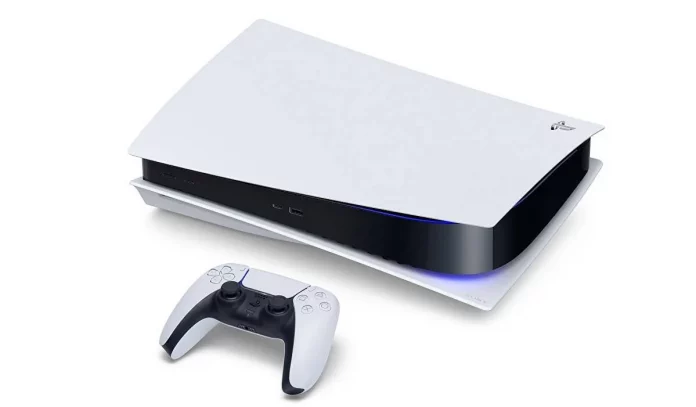
Sony India has launched a special “Summer Promo” discount on the standard disc edition of the PlayStation 5, slashing prices by up to Rs. 13,000 (~$156). This limited-time offer, starting on April 10 and ending on April 30, 2024, reduces the cost of the PS5 to significantly below its usual Rs. 54,990 (~$659) retail price.
This promotion applies exclusively to the older PS5 model with the disc slot, identified by model number CFI-1208A01R. It does not cover the digital edition or the slimmer PS5 Slim variant, which recently entered the market. This sale likely aims to clear existing stock, especially since the newer PlayStation 5 Slim disc model launched at the same Rs. 54,990 price as the older disc model.
Aside from being 30% smaller and approximately 1.3kg lighter, the PS5 Slim also offers more usable storage space (around 850GB compared to 660GB). Given these factors, it’s expected that the older version won’t maintain the same price point as the Slim model.
For those looking to quickly get their hands on the console, Sony has partnered with Blinkit to offer rapid deliveries within 10 minutes in certain cities, although this service is currently reserved for the PS5 Slim model only.
The discount comes as Sony tries to increase the sales of the PS5. According to their latest earnings call, the company is struggling to hit its sales targets for the fiscal year 2023, expecting to sell 21 million units instead of the planned 25 million.
Customers interested in the offer can visit major retailers such as Amazon India, Flipkart, Croma, and Reliance Digital, Vijay Sales, among others.
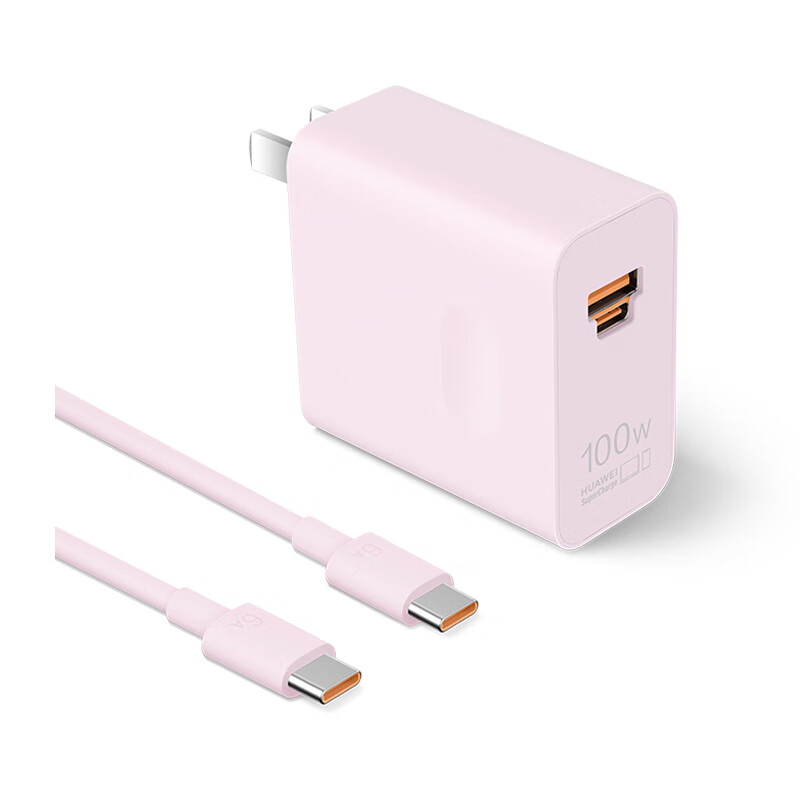
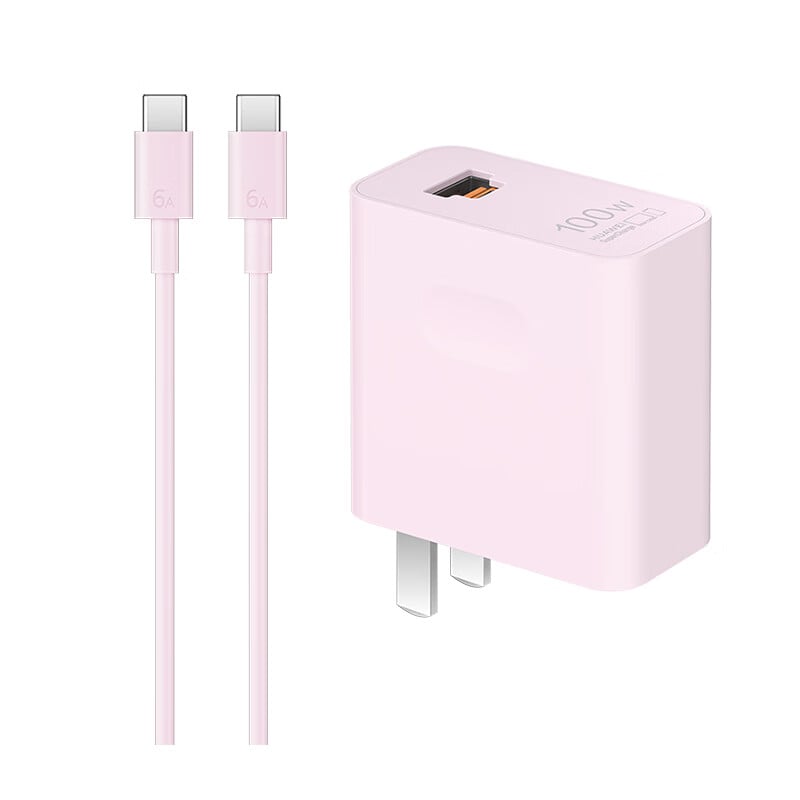
Huawei announced its SuperCharge Max 100W charger in China back in January. The all-in-one charger is now available for purchase on JD.com at a price of 299 yuan (around $41). The charger boasts fast charging capabilities and compatibility with a wide range of devices. Let’s check out its key specs.
Huawei SuperCharge Max 100W Specifications:
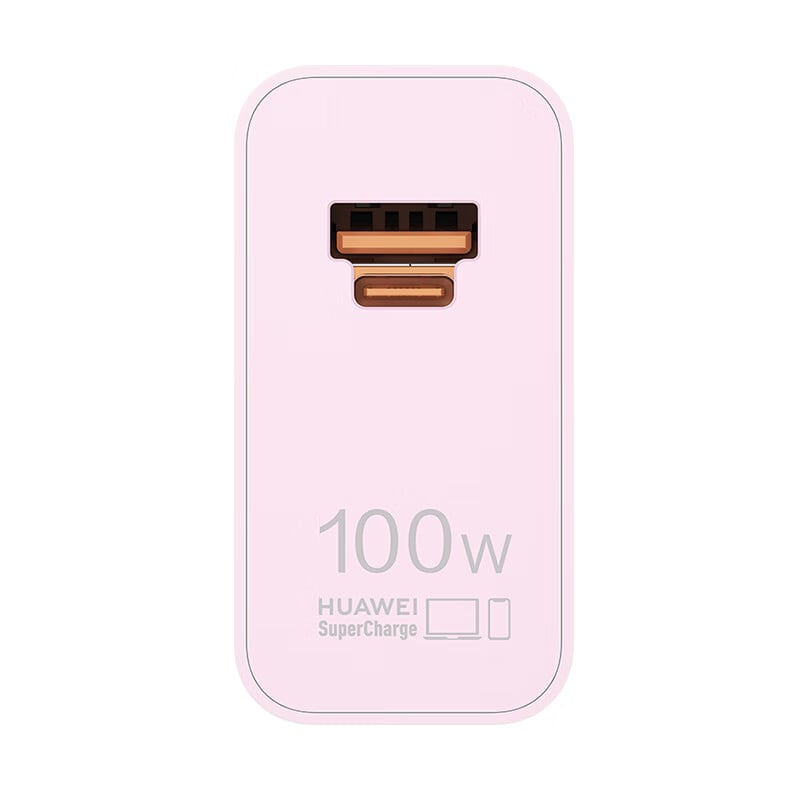
The SuperCharge Max 100W features a USB-A/C fusion interface, supporting Huawei‘s SuperCharge protocol alongside certified compatibility with the Universal Fast Charging Specification (UFCS).
The charger is also compatible with various charging protocols, including PD (Power Delivery), PPS (Programmable Power Supply), and Qualcomm QC (Quick Charge). This means that it can be used to fast charge a variety of devices, including smartphones, laptops, tablets, smartwatches, headphones, and gaming consoles.
Huawei touts the charger’s ability to deliver impressive charging speeds. It can reportedly refill 60% of a Nova 12 Pro’s 4,600mAh battery in just 10 minutes. In 30 minutes, it can supposedly charge the Mate 60 Pro, Mate 60, Mate X5, and P60 Pro to 98%, 93%, 86%, and 97% respectively.
The charger adopts a unique fusion port design, enabling users to switch between USB-A and USB-C cables based on their needs. However, it’s important to note that the port only supports single-cable output at a time and doesn’t allow for simultaneous use of both USB-A and USB-C.
In terms of safety, the SuperCharge Max 100W is equipped with an intelligent control chip that adjusts charging power according to the connected device. This helps to reduce the risk of overheating and overcharging, ensuring the longevity of your battery. Additionally, the charger dynamically monitors charging status and switches to trickle charging mode when the battery level is high, further protecting your device’s health.
The charger comes in two color options: Light Pink and White. It measures 55mm x 55mm x 28.3mm and weighs approximately 125g. The package includes a 6A C-C one-meter data cable.
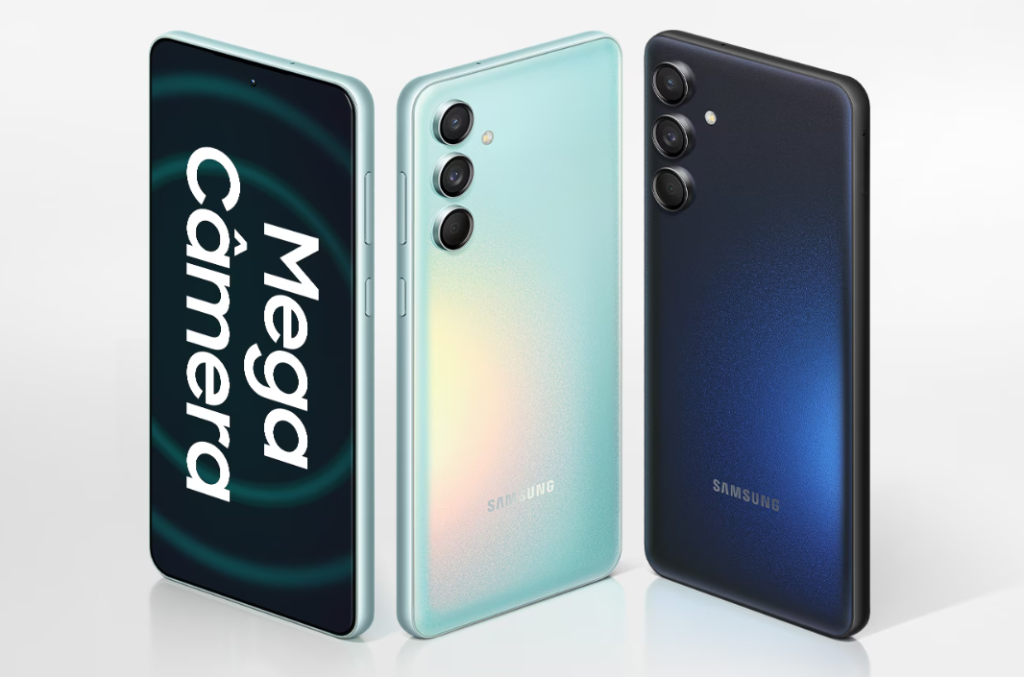
Samsung has just unveiled a pair of new mid-range smartphone models in India. The latest devices are from the brand’s popular Galaxy M series and include the Galaxy M55 and Galaxy M15. These phones arrive with some notable features despite their mid-range price tag, so let’s have a look.
Samsung Galaxy M55
The South Korean tech giant’s Galaxy M55 is the more expensive of the two models and sports a 6.7-inch Super AMOLED display that offers Full HD+ resolution, a 120Hz refresh rate, and up to 1000 nits of peak brightness. This panel has a punch-hole cutout that houses a 50-megapixel camera for selfies and video calls. Meanwhile, the rear packs a triple camera setup that consists of a 50-megapixel primary sensor with OIS (Optical Image Stabilization), an 8-megapixel ultra-wide angle lens, and a 2-megapixel macro shooter.
Samsung Galaxy M55
Under the hood, the Samsung Galaxy M55 is equipped with the Qualcomm Snapdragon 7 Gen 1 SoC that is paired with up to 12GB of RAM and 256GB of internal storage. Users can further expand storage by up to 1TB via a microSD card slot. A massive 5,000mAh battery pack powers this device, which supports 45W wired fast charging. Other notable features include Bluetooth 5.3, NFC, Dolby Atmos support, a USB-C port, Android 14 OS, and an in-display fingerprint scanner. The device measures just 7.8mm in thickness and weighs 180 grams.
Samsung Galaxy M15
The new Galaxy M15 sports a shorter 6.5-inch Super AMOLED display that offers Full HD+ resolution and a 90Hz refresh rate. MediaTek’s Dimensity 6100+ SoC is featured on this model, which arrives with up to 6GB of RAM and 128GB of internal storage that can be expanded up to 1TB via a microSD card slot. One of the highlighting specs of this device is undoubtedly the massive 6,000mAh battery pack, which supports 25W wired fast charging.
For photography, the Galaxy M15 features a triple camera setup as well, with a 50-megapixel primary shooter that offers 10x zoom, a 5-megapixel ultra wide angle lens, and a 2-megapixel macro shooter. On the other hand, the front houses a 13-megapixel selfie shooter. Similar to the Galaxy M55, it also runs on the Android 14 OS out of the box. Other notable features include Bluetooth 5.3, a 3.5mm headphone jack, a USB-C port, and dual SIM 5G.
Pricing and Availability
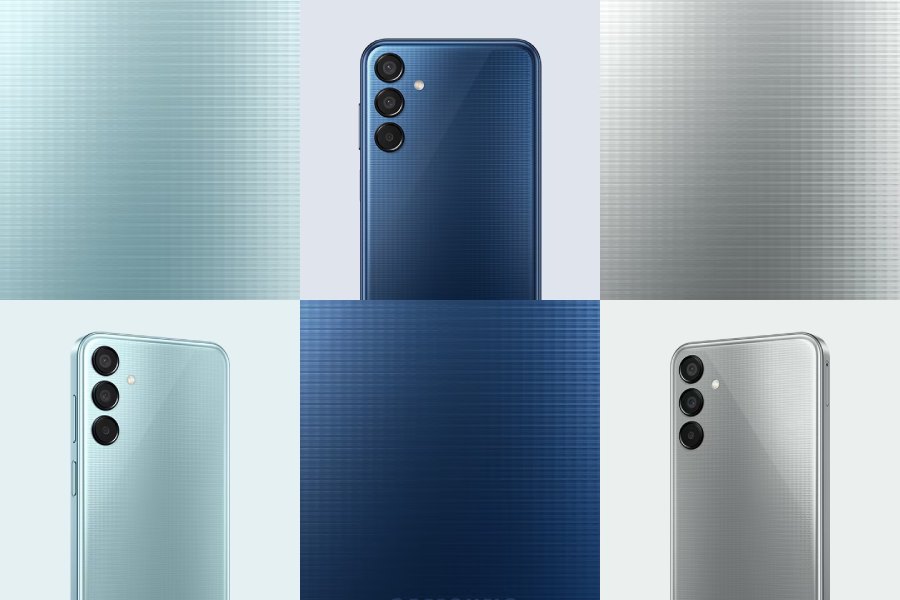
Samsung has launched the two devices for mid-range prices in India. The Galaxy M55 starts from 26,999 INR for the base 8GB + 128GB model. The 8GB + 256GB and 12GB + 256GB variants costs 29,999 INR and 32,999 INR respectively. This device is available in two color options, namely Light Green and Dark Blue. It can be purchased on the brand’s official website, Amazon India, and other retail stores.
The Galaxy M15 has a starting price tag of 13,299 INR for the 4GB + 128GB model, while the 6GB + 128GB configuration costs 14,799 INR. It is available on Amazon India, Samsung’s official website, and other retail stores. You can get your hands on the smartphone in Blue Topaz, Celestial Blue, and Stone Gray color options.
Xiaomi‘s sub-brand Redmi is gearing up to launch the Redmi Turbo 3 on April 10. The smartphone promises to be a performance-oriented device within the mid-range segment, featuring Qualcomm’s Snapdragon 8s Gen 3 chipset.
However, those hoping for a classic Redmi ultra-budget price tag may be disappointed. Redmi’s General Manager, Wang Teng, in a recent Weibo post, suggested that the Turbo 3 will not be priced under 2000 yuan (approximately $290 USD).
Teng explains that the higher price is because of the costly Snapdragon 8 series processors from Qualcomm. He points out that the chip is the most expensive component in the entire device.
According to Teng, even older Snapdragon 8 series chips, like last year’s 8 Gen 2 devices, currently start at a minimum of 2300 yuan. So, it’s unlikely that the Redmi Turbo 3 will have a price lower than 2000 yuan.
Redmi Turbo 3 Specifications
The Redmi Turbo 3 has a flat design with slightly curved corners. It has a metal frame and two prominent camera cutouts on the back. And the phone is quite thin (7.8mm) and lightweight (179g).
The phone has an AMOLED display with a 1.5K resolution and thin bezels. Under the hood, the phone uses the Snapdragon 8s Gen 3 chipset, offering high performance. It will be available with up to 16GB RAM and 1TB storage.
It scores highly on benchmarks like AnTuTu and is focused on sustained gaming performance thanks to its cooling system and the Rage Engine 3.0 software optimization.
Battery capacity is unconfirmed but expect around 5000mAh with 90W fast charging. Camera specifications remain a mystery. However, rumors based on the likely rebranded version (Poco F6) suggest a 50MP main sensor, an 8 MP ultrawide lens, and a 2MP macro lens.
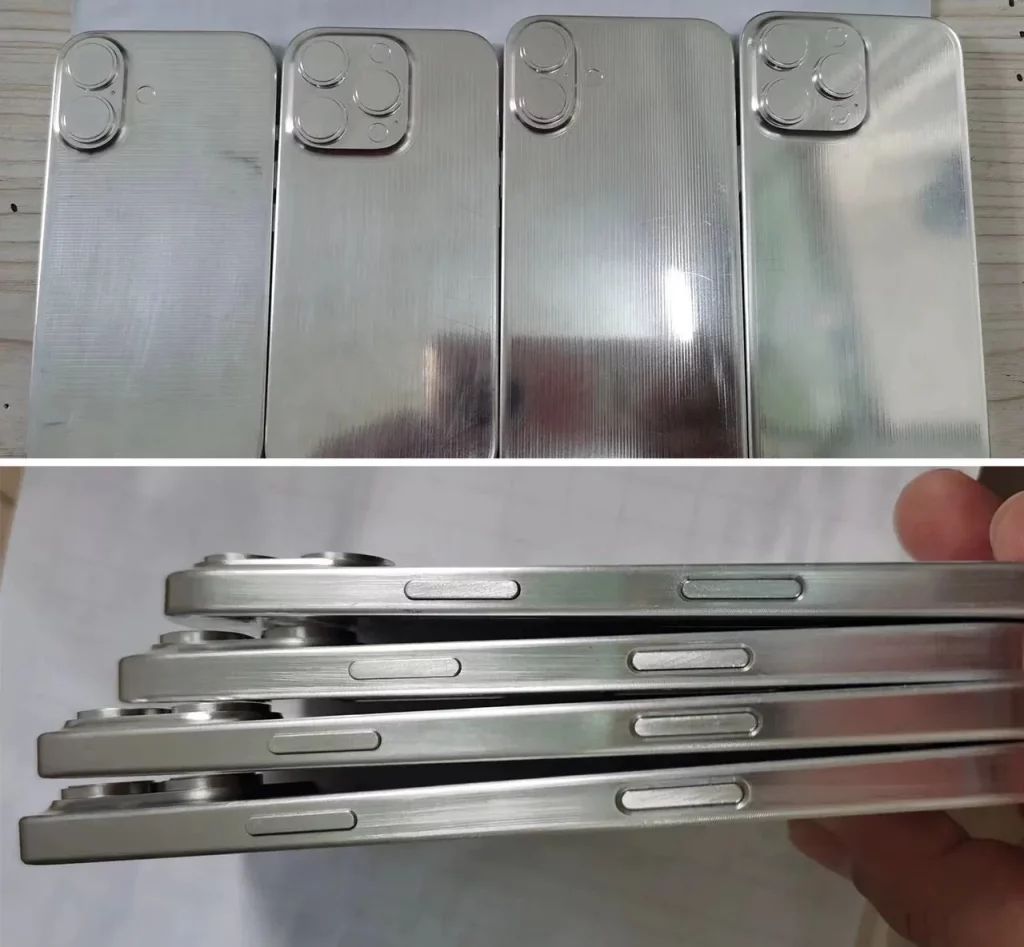
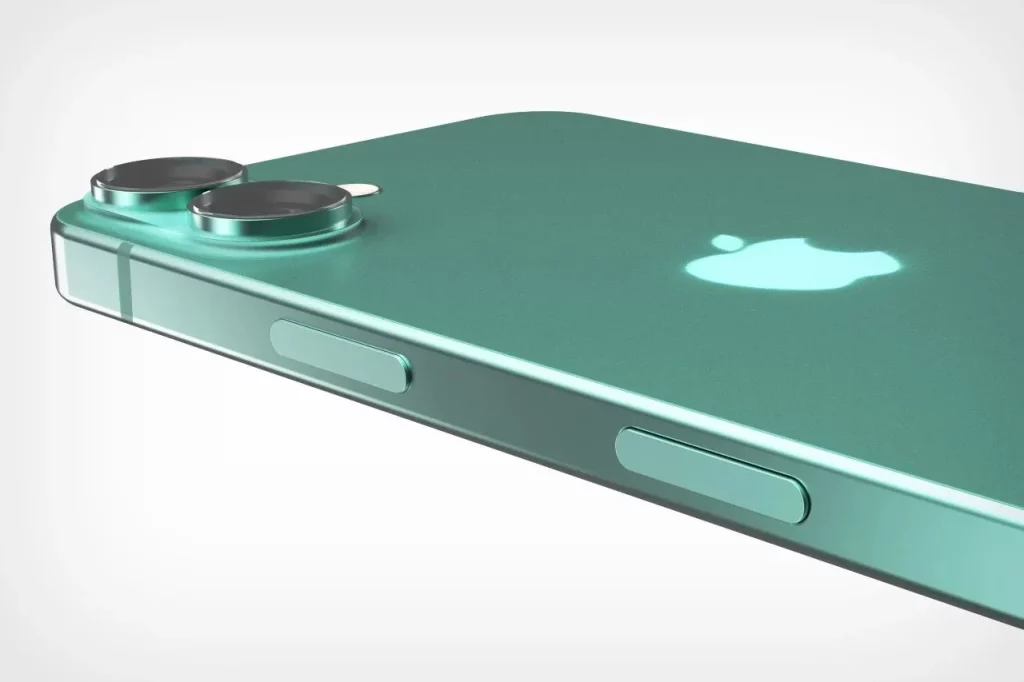
Following the addition of action button on the iPhone 15 series, Apple is speculated to add another physical button to the iPhone 16 series. The new button is dedicated to the camera and is called the Capture Button. Recent images of the iPhone 16 dummy units also confirm the new addition. Based on the dummy units, Yanko Design has created high-definition renderings of the iPhone 16 and has shared their thoughts about the purpose of adding the Capture Button.
iPhone 16 lineup dummy units reveal a dedicated Capture Button
From the speculated buttonless design to more and more buttons
Apple was reportedly trying to make the iPhone buttonless and portless for a while. But these latest additions seem the exact opposite of a buttonless design. Additionally, no other Android device currently has a dedicated button for its camera to work as an inspiration.
According to the publication, there might be two possible reasons behind adding a dedicated Capture Button. Let’s discuss them one by one.
The first and relatively straightforward explanation is that iPhones are running out of scope of improvements that can also differentiate the phone from its predecessor. The capture button will do that.
iPhone 16 rendering (Credit: Yanko Design)
We earlier reported about the possible features that the dedicated camera button can offer. While the button may make it easier to access the camera, all the features could have also been implemented with the already existing button just above it. Additionally, it’s also getting to a point where the basic functionality of the phone might get a bit confusing to people who will adopt a smartphone first.
The second reason behind adding a dedicated button to the camera, as noted by Yanko Design, could be a way to deliberately focus more on the camera. Apple is currently focusing on “Spatial computing” with its wearable headsets. The iPhone will reportedly take the “second place” going forward just as the iPod did 12 years ago. According to rumors, Apple is working on an affordable headset that will make it easier for people to experience the company’s spatial computing. Meanwhile, the iPhone may become a dedicated photography device.
Redmi is scheduled to hold a major launch event on April 11 in China. The event will see the arrival of the Redmi Turbo 3, which will come equipped with the latest Snapdragon 8s Gen 3 chipset. The company will also unveil the Redmi Pad Pro tablet alongside the Turbo 3. Ahead of the launch, the brand has confirmed a couple of details about its upcoming tablet. Here is a look at what to expect from the brand.
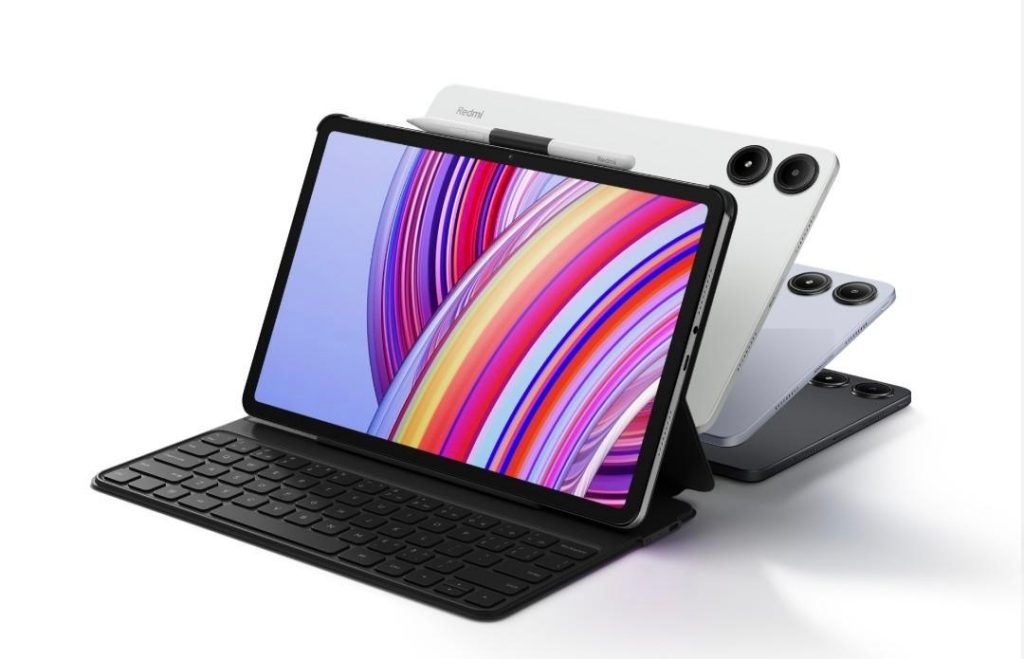
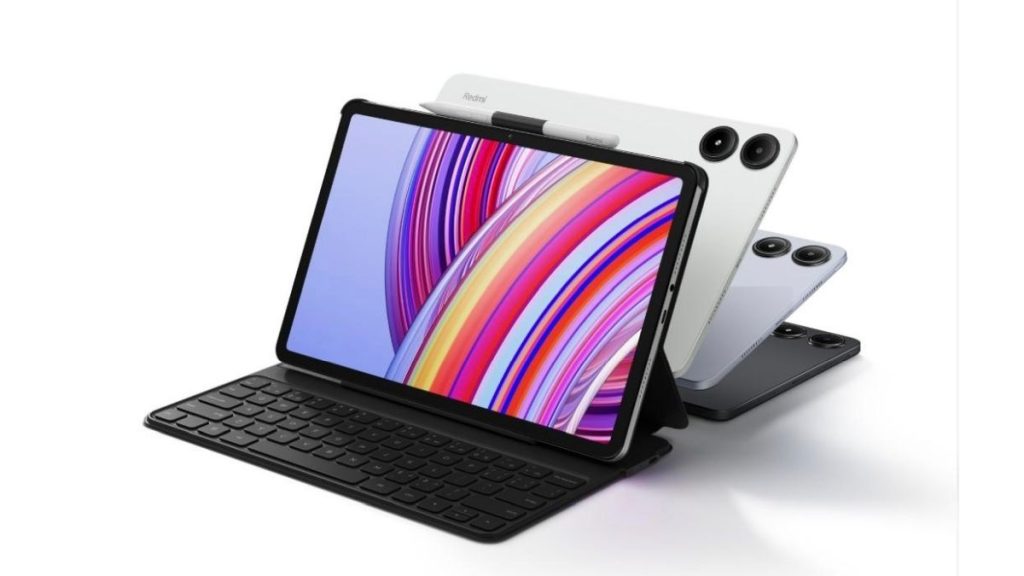
The Redmi Pad Pro is confirmed to arrive in three shades, such as Light Bay Blue, Smoky Green, and Dark Gray. In terms of design, the above image reveals that it has slim bezels on all four sides. The top bezel, when the tablet is kept in landscape orientation, houses a front-facing camera. The back panel of the device has dual camera rings, one housing a camera and the other one featuring an LED flash.
Around the edges, the tablet has quad speakers, a USB-C port, and a 3.5mm audio jack. It seems that the tablet does not have a SIM slot. The company will be offering accessories like a keyboard case with a kickstand and a stylus for Redmi Pad Pro users.
2. Redmi Pad Pro Key Specifications
Redmi has confirmed that the Redmi Pad Pro will feature a 12.1-inch LCD panel that offers a 2.5K resolution. There is no information about the chipset, RAM, or storage of the device. However, it is confirmed to feature a 10,000mAh battery. While the Pad and Pad SE that have launched in the past offered 18W fast charging support, the Pad Pro is expected to offer 33W fast charging. The other details of the tablet are yet to be revealed.
3. Poco Tablet Rumors
A Poco tablet bearing the 2405CPCFBG model number was approved by Europe’s EEC certification. This model number is similar to the Redmi Pad Pro’s 2405CRPFDC model number. The letter “G” in the model number of the Poco tablet suggests that it is aimed at the global market. While the name of the Poco tablet has not been revealed yet, it seems that it could be a rebranded or tweaked version of the Redmi Pad Pro.
This month is packed with exciting mid-range smartphone launches. It started with the Motorola Edge 50 Pro, and now, we’re looking forward to several more releases in China, such as the Redmi Turbo 3, the Realme GT Neo 6 SE, and the Oppo A3 Pro, all happening later this week.
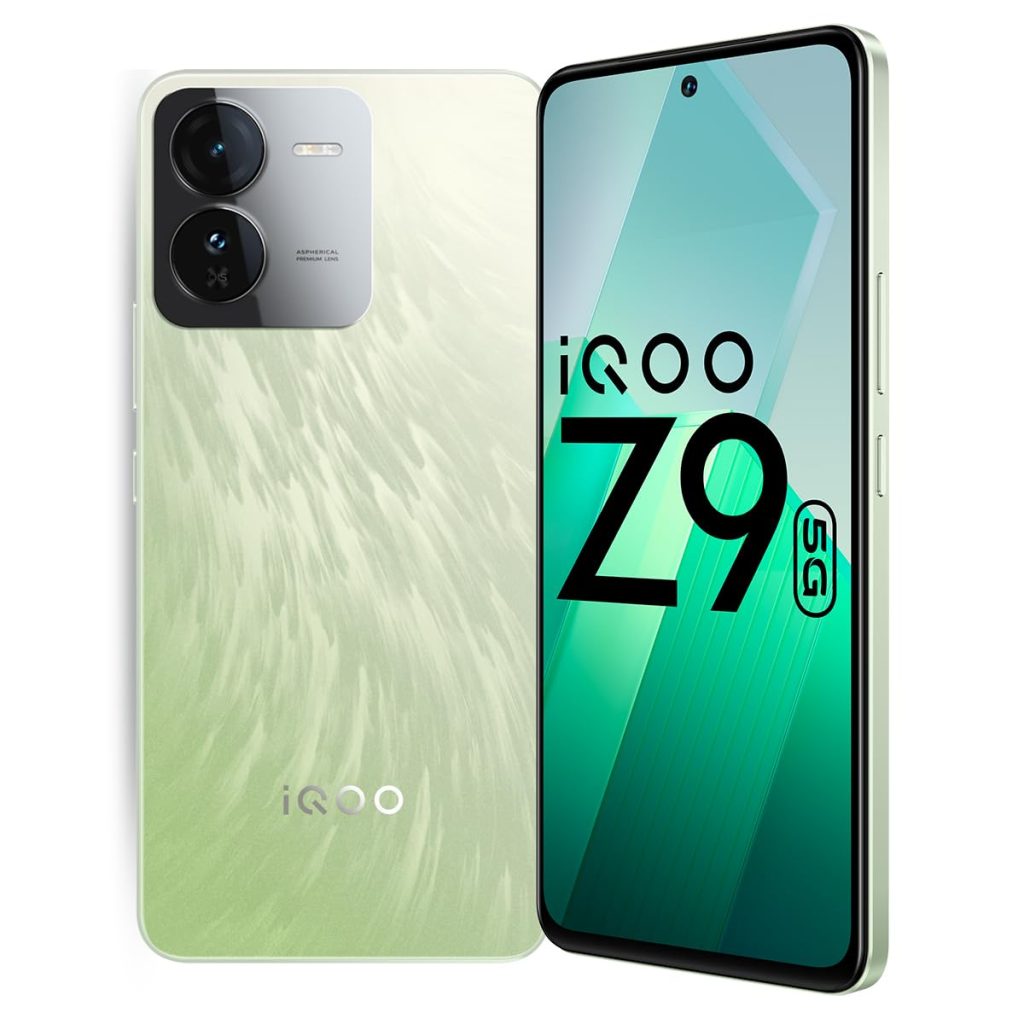
iQOO Z9 5G
Now, it looks like iQOO will also be launching a smartphone in the market soon called the iQOO Z9 Turbo. The iQOO Z-series product manager Xeng Ching recently stated in a Weibo post that “This month is going to start to be lively.” What’s worth noting is that she made this post with the iQOO Z9 Turbo, confirming the moniker of this device for the first time. From this teaser, we can expect the iQOO Z9 Pro smartphone to debut in April.
Although no confirmation has come through official channels, the iQOO Z9 Turbo is said to be powered by the newly launched Snapdragon 8s Gen 3 chip. The Redmi Turbo 3 is also confirmed to launch with the Snapdragon 8s Gen 3 chip, meaning that it will be a direct competitor of the iQOO Z9 Turbo.
The iQOO Z9 Turbo is also said to feature a 6.78-inch flat OLED display with 1.5K resolution, a 144Hz refresh rate, and 2160Hz PWM dimming. For security, it could feature an in-built fingerprint sensor.
The phone is said to debut in two RAM configurations: 12 GB / 16 GB, both paired with 512 GB of storage. It is expected to feature a 6,000mAh battery with support for 80W fast charging. For optics, the device could feature a 50-megapixel primary camera, an 8-megapixel ultra-wide lens, and a 16-megapixel selfie snapper. More details are expected to be relayed through official iQOO channels, so stay tuned.
We use cookies on our website to give you the most relevant experience by remembering your preferences and repeat visits. By clicking “Accept”, you consent to the use of ALL the cookies.
This website uses cookies to improve your experience while you navigate through the website. Out of these, the cookies that are categorized as necessary are stored on your browser as they are essential for the working of basic functionalities of the website. We also use third-party cookies that help us analyze and understand how you use this website. These cookies will be stored in your browser only with your consent. You also have the option to opt-out of these cookies. But opting out of some of these cookies may affect your browsing experience.
Necessary cookies are absolutely essential for the website to function properly. This category only includes cookies that ensures basic functionalities and security features of the website. These cookies do not store any personal information.
Any cookies that may not be particularly necessary for the website to function and is used specifically to collect user personal data via analytics, ads, other embedded contents are termed as non-necessary cookies. It is mandatory to procure user consent prior to running these cookies on your website.