Poco recently confirmed that it will unveil the Poco X6 Neo on March 13 in India. With the launch of the device happening in just a few days, its landing page has emerged on Flipkart. It reveals that the device will be available in at least two colors. In addition, the page has also confirmed some display features of the device.
Poco X6 Neo key features
Poco X6 Neo display
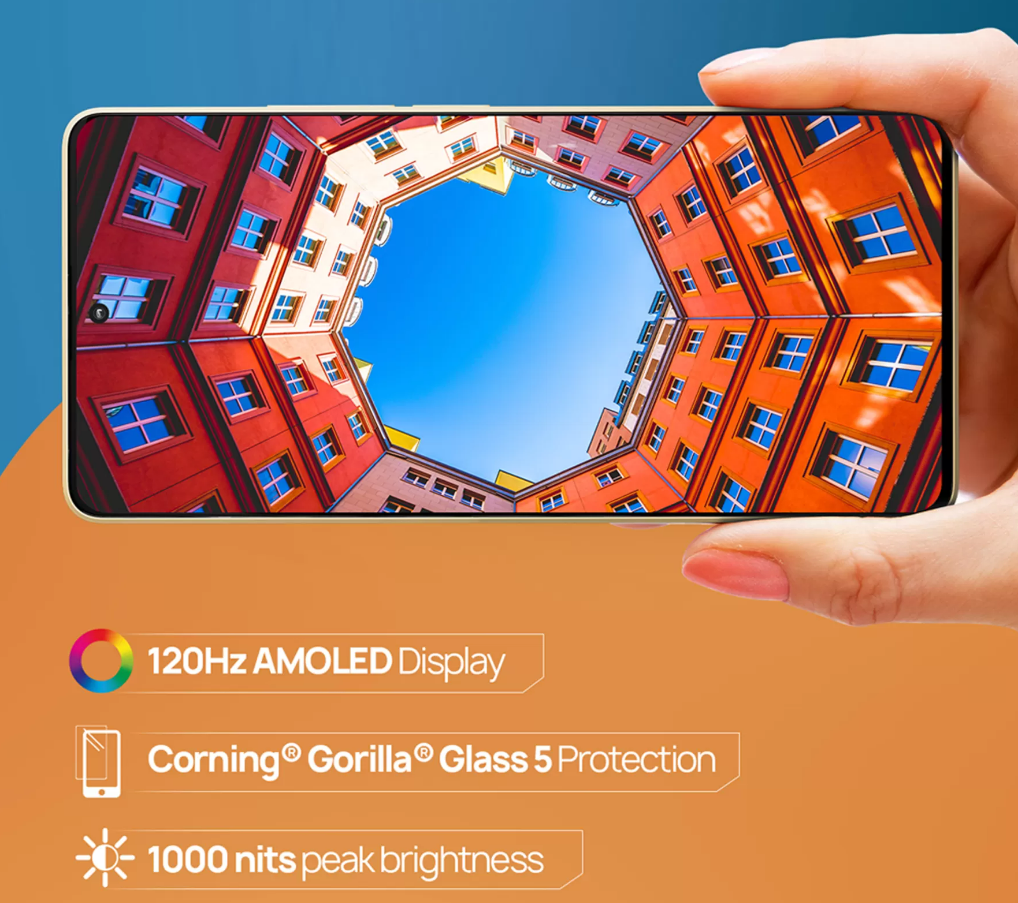
According to the brand, the Poco X6 Neo has a 120Hz AMOLED display with a peak brightness of 1,000 nits. The punch-hole screen, which the company says is surrounded by slim bezels, promises a 93.3 percent screen-to-body ratio. The screen is shielded by Gorilla Glass 5.
Poco X6 Neo offers 93.3% screen-to-body ratio
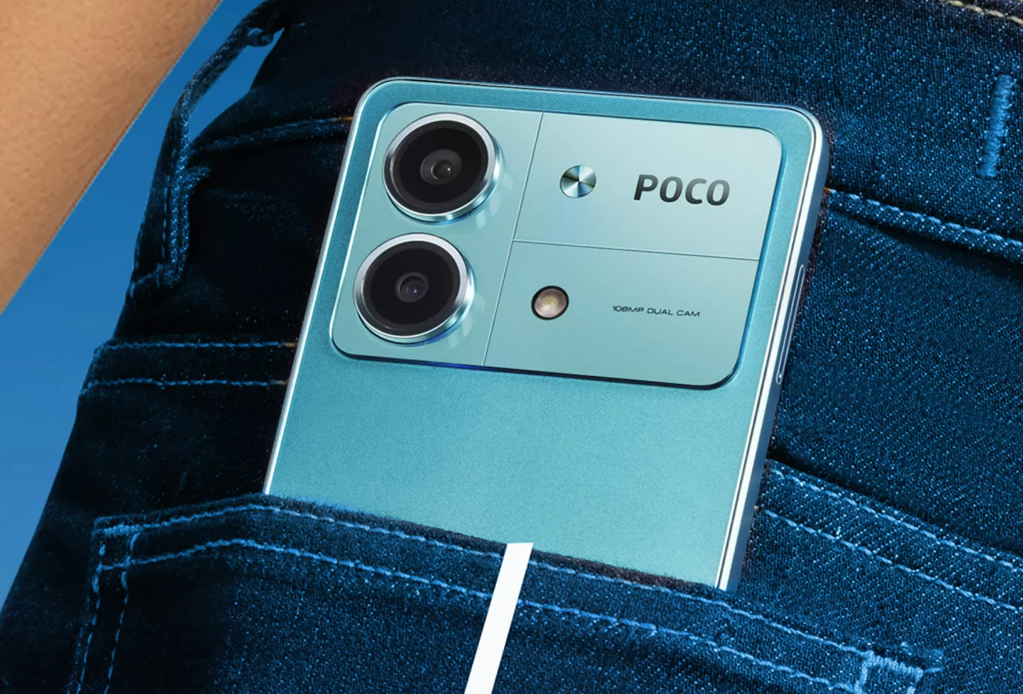
The Poco X6 Neo has flat edges, and it measures 7.69mm in thickness. It is equipped with a 108-megapixel dual-camera system on the back. It appears that, apart from blue, the X6 Neo will also come in a beige option.
Poco X6 Neo rear camera setup
It appears that Poco will confirm the price of the X6 Neo on March 13. Considering that it will be positioned below the Poco X6, it appears that it will arrive with a sub-Rs 20,000 price tag. To recall, the Poco X6 has a starting price of Rs 21,999 in the country.
Reports have claimed that the X6 Neo will be a rebranded version of the Redmi Note 13R Pro, which is exclusively available in the Chinese market. Therefore, the X6 Neo may have a 6.67-inch AMOLED FHD+ 120Hz screen, a Dimensity 6080 chipset, LPDDR4x RAM, UFS 2.2 storage, a 16-megapixel front camera, a 108-megapixel + 2-megapixel dual-camera system, a 5,000mAh battery with 33W fast charging, MIUI 14-based Android 13, and a side-facing fingerprint scanner.
Huawei recently unveiled a patent for a new “ultrasonic fingerprint” sensor, potentially signaling a move towards developing their own ultrasonic fingerprint technology. This comes as many phone makers currently rely on solutions from Goodix, which are restricted by Qualcomm patents.
Samsung’s Galaxy S10 was the first flagship smartphone to feature the sensor
The patent, titled “Ultrasonic fingerprint recognition module, system and electronic device” (CN117058725A), details a sensor design that promises improved fingerprint identification accuracy.
Image credits: George Prentzas
Currently, ultrasonic fingerprint sensors are used in some high-end phones, especially Samsung‘s flagship S-series smartphones. However, these solutions are limited by patents held by Qualcomm. Huawei‘s new patent suggests they’re aiming to create an alternative ultrasonic fingerprint recognition technology, potentially freeing them from reliance on other companies’ patents.
The specifics of the patent delve into the technical details of the sensor’s construction, including a stacked common electrode, a piezoelectric layer, and an array of pixel electrode units. The technical breakdown describes how the sensor operates in both transmitting and receiving modes to capture fingerprint information with greater accuracy.
While the technical details might be complex, the key takeaway is that Huawei’s new patent hints at their ambition to develop their own ultrasonic fingerprint technology, potentially reducing their dependence on other companies’ solutions in the future.
Three authors are throwing a wrench into the world of artificial intelligence (AI) with a lawsuit against chipmaker Nvidia. The fight centers around Nvidia’s AI platform, NeMo, which the authors claim used their copyrighted books for training without permission.
We can expect similar lawsuits to pop up due to the growing popularity of AI
Brian Keene, Abdi Nazemian, and Stewart O’Nan allege their works were included in a dataset of nearly 200,000 books used to train NeMo to mimic natural language writing. While Nvidia removed the dataset in October 2023 due to copyright infringement claims, the authors argue this takedown is an admission of guilt.
Filed in a San Francisco federal court, the proposed class-action lawsuit seeks unspecified damages for US authors whose copyrighted works potentially helped train NeMo’s large language models in the past three years.
The lawsuit mentions specific titles like Keene’s “Ghost Walk” (2008), Nazemian’s “Like a Love Story” (2019), and O’Nan’s “Last Night at the Lobster” (2007). As of Sunday, Nvidia declined to comment, and the authors’ lawyers haven’t responded to requests for further information.
This lawsuit adds Nvidia to a growing list of companies facing legal challenges from writers and media giants like the New York Times. The issue revolves around generative AI, a technology capable of creating new content based on existing text, images, and sounds.
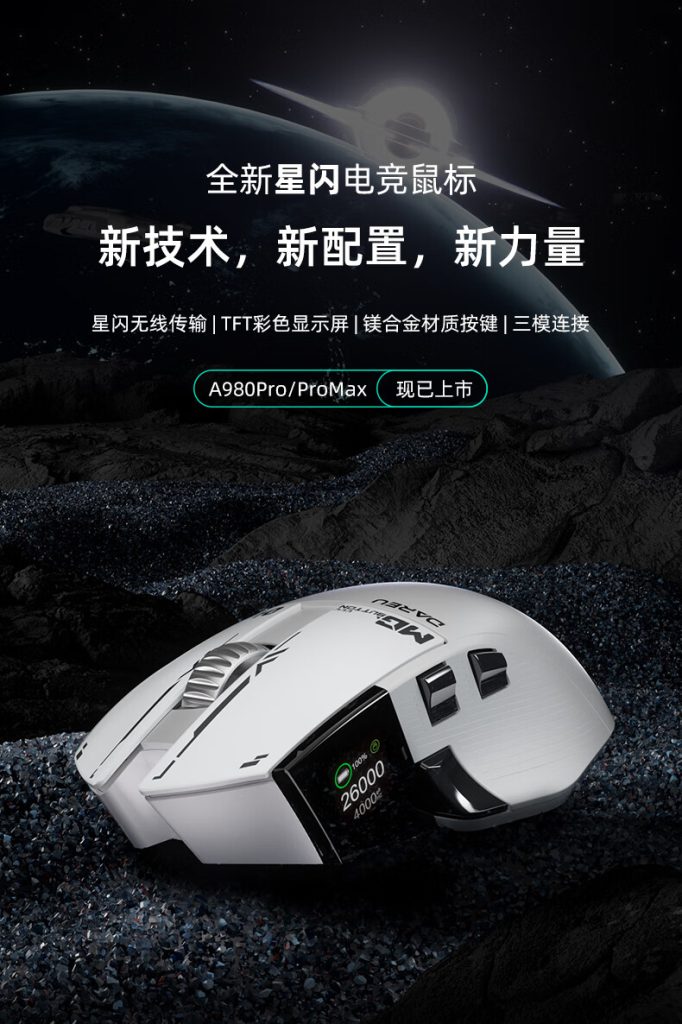
Dareu, a Chinese manufacturer of gaming peripherals, has announced the release of two new wireless gaming mice, the A980Pro and A980ProMax in the Chinese market.
Specifications:
Both mice support are equipped with the P3395 optical sensor, which offers a maximum DPI of 26000, 650 IPS tracking speed, and 50G maximum acceleration. They also feature Kailh GM 8.0 Black Mamba micro switches with a lifespan of 80 million clicks.
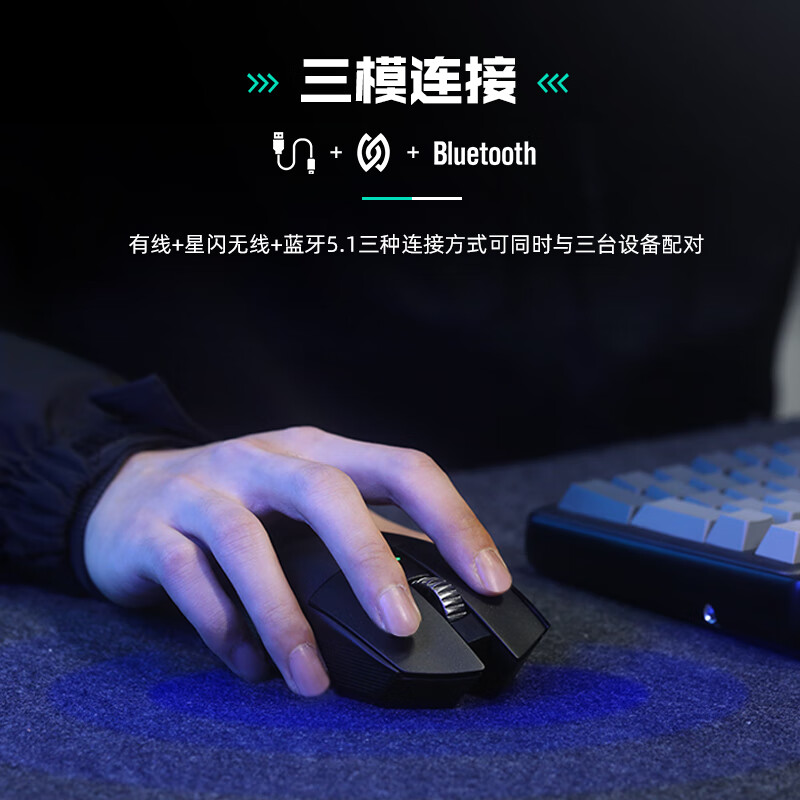
The Dareu A980Pro and A980ProMax feature three connectivity modes: wired, NearLink wireless, and Bluetooth 5.1, and can pair with three devices simultaneously. The NearLink wireless technology developed by Huawei boasts a low latency of around 1ms and a polling rate of up to 4000Hz in wireless mode and 8000Hz in wired mode.
The key difference between the two mice is that the A980ProMax features a 0.85-inch TFT color display screen that can display mouse status like battery indicator and static or dynamic images, and can also be used to switch DPI/polling rate and other functions.
The A980ProMax also has a metal scroll wheel and a larger battery capacity (930mAh) compared to the A980Pro (500mAh). However, the A980Pro supports fast charging, while the A980ProMax does not.
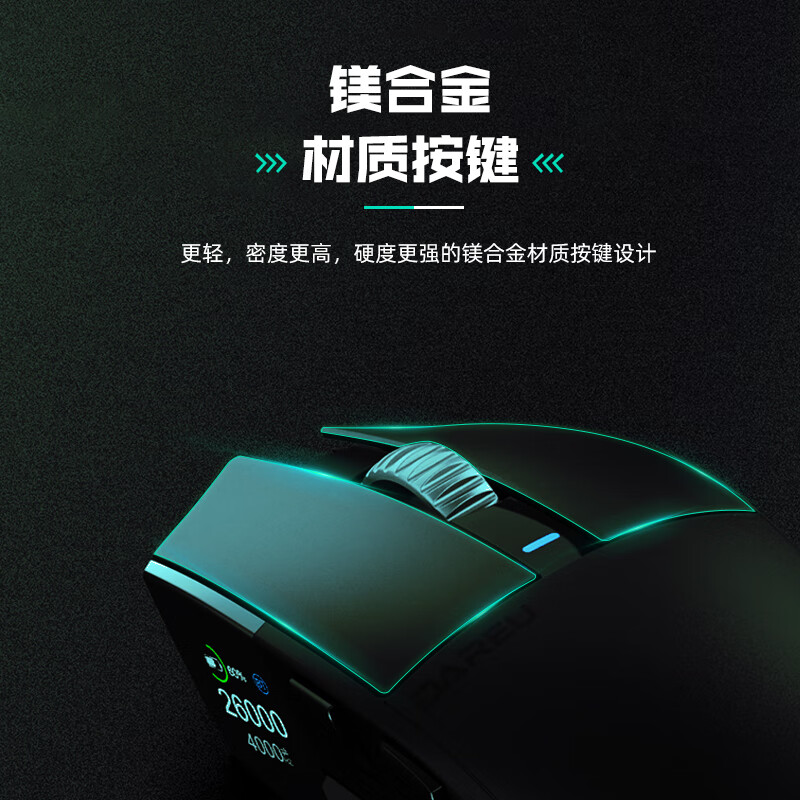
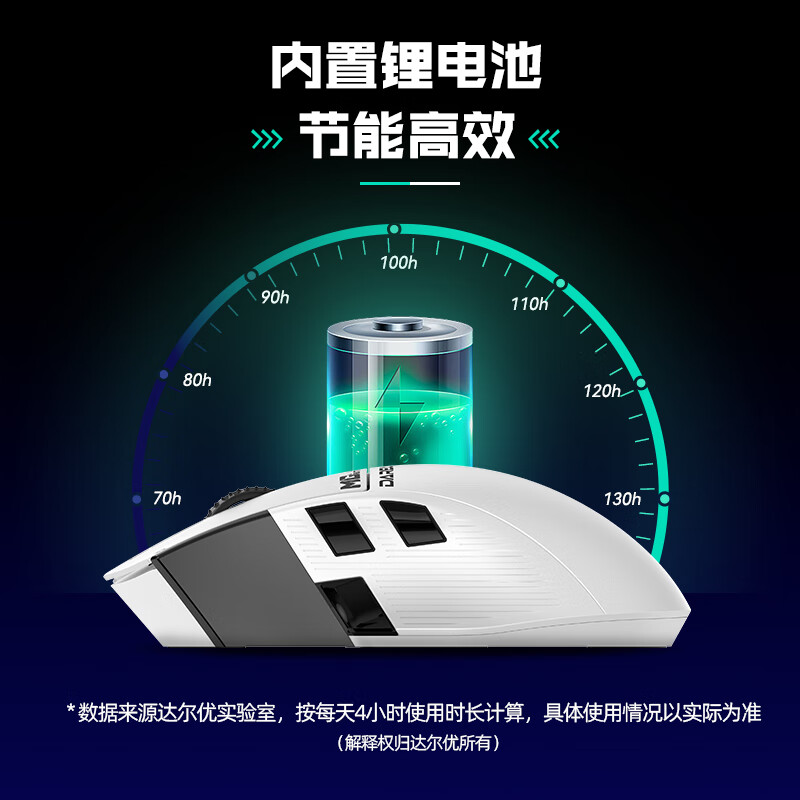
Both mice are made from magnesium alloy, which is said to be lighter, denser, and more durable than traditional materials. They are also equipped with Dareu’s new energy-saving wireless technology, which can last up to 70 hours in NearLink mode and up to 130 hours in Bluetooth mode on the A980Pro (the A980ProMax’s battery life is not specified).
The A980Pro weighs 62g, and the A980Pro Max is slightly heavier at 73g. Both mice have dimensions of 129mm x 72mm x 40mm, providing a comfortable size for various hand grips and gaming styles.
The DPI settings, lighting effects, polling rate, and customization of the TFT screen can be adjusted through the Dareu driver software. This software also allows for the configuration of macro keys to tailor the mouse to specific needs and preferences.
Pricing and Availability
The Dareu A980Pro is priced at 299 Yuan (around $42 USD), while the A980ProMax is priced at 399 Yuan (around $56 USD). Both mice are available for pre-order now on JD.com and will go on sale starting at 10:00 am on March 15th.
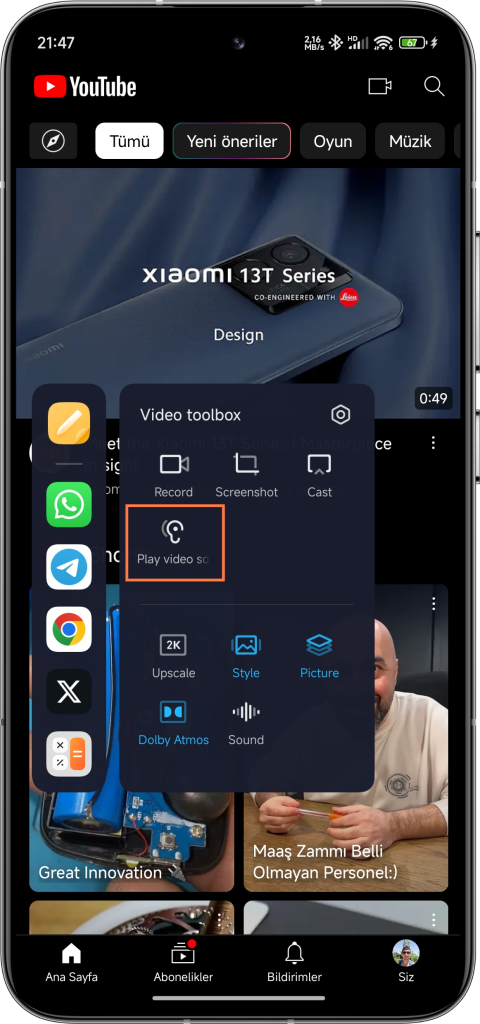
In an unexpected move, Xiaomi is removing that popular feature. Users will be looking for the background video playback option that came with MIUI 12 and will no longer be available in HyperOS. The Chinese brand has decided to remove it, probably after Google’s warning.
Because the ability to play videos in the background with the screen off was only available for premium users. This feature, which previously existed in applications such as YouTube, even users without a premium subscription could easily listen to the music they wanted in the background.
play videos in the background with the screen off
Xiaomi will gradually remove this feature from the video toolbox with new updates. The video toolbox was highly praised for its useful features and was added to MIUI 12. Now in MIUI 15 ( HyperOS as Xiaomi calls it), there will be no option to play videos with the screen off. Those who still want to use this feature will have to subscribe to YouTube’s Premium subscription.
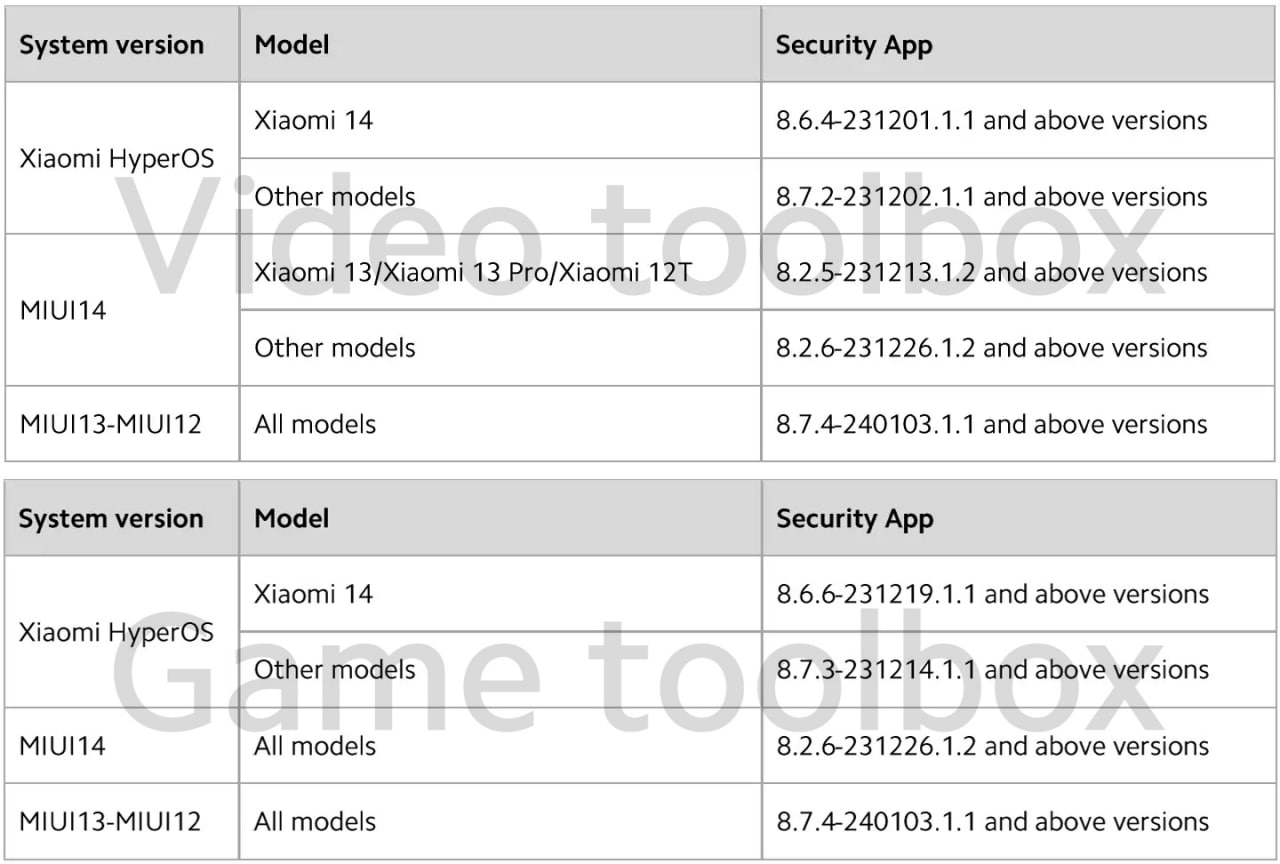
Video Toolbox – Game Toolbox
Attention users of MIUI 12, MIUI 13, MIUI 14 and HyperOS (MIUI 15) interface! If you upgrade the security app to the above-mentioned versions, the ability to play videos with the screen off will be disabled. This is not a problem and is officially stated by the brand itself.
So what happens now? Xiaomi has to comply with Google’s policies and unfortunately the feature has to be removed. Although users are upset, there is nothing to be done about it. Still, it should not be forgotten that there are different methods. Android is an open-source operating system. You can make any changes you want on the operating system and users can do whatever they want with a little research.
In April, Lenovo plans to release a new version of its Xiaoxin Pro 16 2024 notebook featuring the Intel Core Ultra 9-185H in China. This update follows the series’ initial launch in December 2023 with the Ultra 5 125H version, and an Ultra 7 version being announced in January.
The notebooks are relatively light and thin, weighing 1.91 kg and measuring 17.5mm in thickness, making them portable. They’re powered by an 84Wh battery and feature high-speed memory with a bandwidth of up to 7467MT/s. The laptops support ARC core graphics and offer expansion slots for 2280 M.2 hard drives for those who need more storage.
Display quality is a strong point, with a 16-inch screen that has a 16:10 aspect ratio, 2.5K resolution, 120Hz refresh rate, and 350 nits brightness, covering 100% of the sRGB.
For security, there’s IR+ToF face recognition for quick unlocking. For audio, the laptop is equipped with dual speakers. Connectivity-wise, the laptop offers Wi-Fi 6E, an SDXC card reader, a 3.5mm audio port, two USB Type-A 3.2 Gen 1 ports, an HDMI 2.0 port, a full-featured USB-C port, and a Thunderbolt 4 port.
Lenovo’s pricing for the earlier versions starts at 5,799 yuan for the 16GB RAM plus 1TB storage configuration, and 5,999 yuan for the 32GB RAM with 1TB storage.
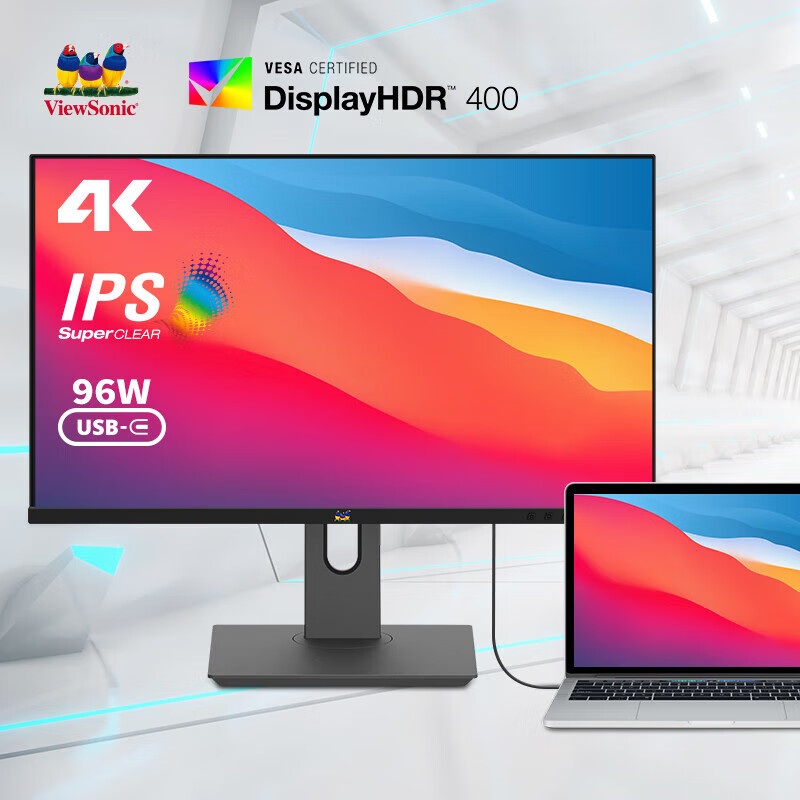
ViewSonic has launched a new 27-inch monitor called VG2781-4K designed specifically for Apple Mac users. The monitor is now available on JD.com in the Chinese market at a price of 1699 Yuan ($239). Let’s check out the key specs.
ViewSonic VG2781-4K Specifications:
The monitor boasts a minimalist design with a three-dimensional embossed logo and a subtle textured back. It features slim bezels with an inner black border of about 4.5mm and a micro bezel of about 1.5mm, maximizing screen real estate for an immersive viewing experience.
The monitor features a 4K Ultra HD 60Hz IPS screen with a brightness of 400 nits. In terms of color accuracy, it boasts a 10-bit color, covering 100% sRGB color gamut, 95% DCI-P3 color gamut, and 92% Adobe RGB color gamut.
The VG2781-4K also works with PS5/XBOX/Switch consoles. It can provide players with better gaming effects, making games smoother, more detailed, and more realistic. With a color depth of 10-bit (8+FRC) and a wide color gamut, the fine details of the image are fully displayed, making the color transitions smoother and more natural. The monitor meets the DeltaE≤2 color display accuracy standard, presenting exquisite images.
It comes with 178-degree viewing angles and is equipped with two 3W speakers. The stand of the monitor supports tilt, height adjustment, left-right swivel, and vertical rotation. It also includes features like DisplayHDR 400 and SuperColor Technology which enhances the viewing experience with improved brightness and color accuracy.
In terms of interfaces, this monitor is equipped with 1 USB-C port (supporting PD 96W charging), 2 HDMI 2.0 ports, 1 DP 1.2 port, 1 USB-B 3.0 port, and 3 USB-A 3.0 ports. It can transmit 4K images, and data and charge for MacBook or mobile devices using the Type-C cable.
This ViewSonic monitor uses low blue light technology to reduce harmful “blue light” output, combined with the high PPI of the monitor itself, making long-term viewing more comfortable. The blue light can be adjusted from 0 to 100 for Monocular Degree. Yesterday, the company also launched a new monitor called VX2776-2K-PRO which supports 2K resolution and 185Hz panel.
Philips is launching the 3000 Series Dual Basket Airfryer in Europe, an appliance that aims to make cooking more convenient by featuring two separate baskets. This design lets users cook different parts of their meal at the same time, whether it’s sides or mains. The Airfryer’s 9-liter capacity means it can handle quite a bit of food, up to 1.5 kg, which is enough for a whole chicken or a large serving of vegetables.
The device uses Philips’ Rapid Air Technology to cook food evenly, making sure everything turns out crispy on the outside and tender on the inside. It comes with a touchscreen that includes eight preset cooking modes for various types of food, from fries and veggies to cakes. It also has smart features that let users sync the finish times of both baskets and copy settings from one basket to the other for consistent cooking.
Philips offers the NutriU app as a companion to the Airfryer, providing users with many recipes tailored to this device. The Airfryer is designed for easy cleanup as well, with dishwasher-safe baskets, and comes with a grill rack and pan. The Philips 3000 series Dual Basket Airfryer is priced at €249.99, with the launch date yet to be announced.
Alldocube iPlay 50 mini NFE Pro seamlessly blends entertainment, productivity, and style. Packed with a rich feature set, innovative technology, and optional accessories, this tablet caters to diverse user needs. Let’s dive into the key features and functionalities that set the Alldocube iPlay 50 mini NFE Pro apart.
Deal:
Don’t miss out on this fantastic deal available exclusively on Amazon USA! From March 7th, 8:00 AM, to March 14th, you can purchase Alldocube iPlay 50 mini NFE Pro for only $123.99. Simply apply the $20 coupon and use the 10% discount code (XZZUV8KV) at checkout to enjoy these savings. Hurry and take advantage of this offer while it lasts!
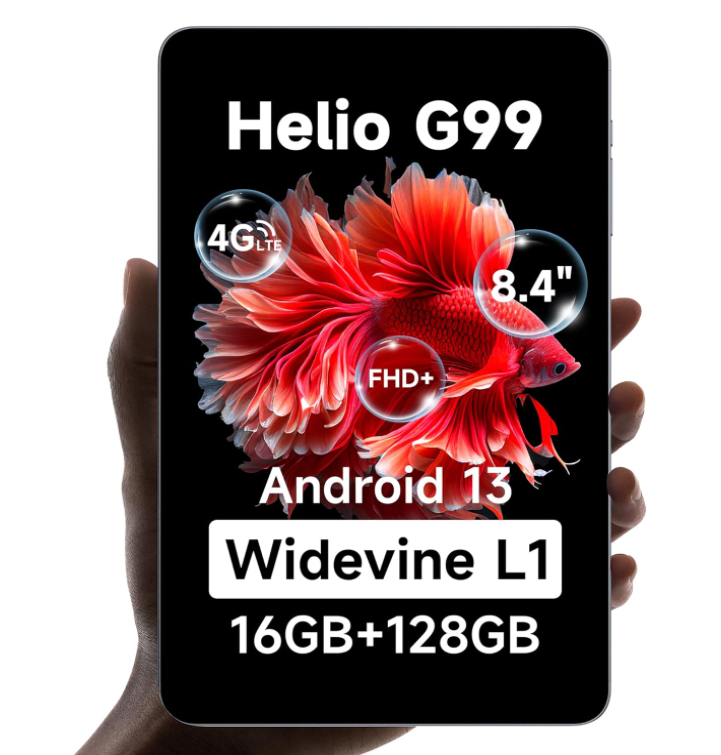
One of the standout features of the Alldocube iPlay 50 mini NFE Pro is its Widevine L1 certification, ensuring uninterrupted streaming of high-quality content. Compatible with popular platforms like Netflix, YouTube, Hulu, Amazon Prime Video, and Disney Plus, the tablet provides a cinematic viewing experience.
With 4GB of RAM, the Alldocube iPlay 50 mini NFE Pro ensures smooth multitasking, allowing users to effortlessly switch between applications. The innovative RAM expansion technology also enables users to upgrade to a total of 12GB RAM, providing enhanced performance for demanding tasks.
The tablet features an 8.4-inch IPS screen with a resolution of 1200 x 1920, delivering vibrant and detailed visuals. The high brightness of 300 cd/m² ensures clear images even in bright lighting conditions. The 10-point touchscreen technology allows for accurate and fast responses, making navigation a breeze.
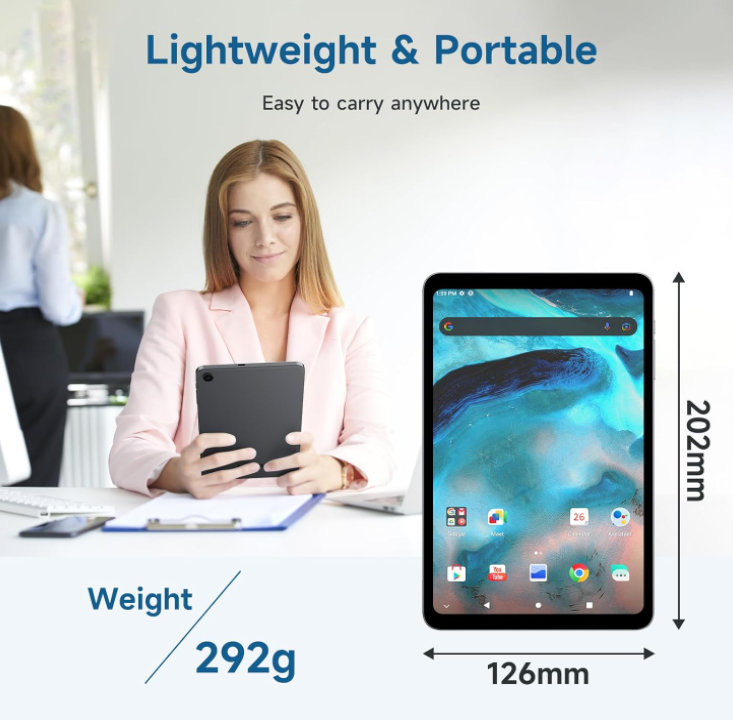
Designed with elegance in mind, the Alldocube iPlay 50 mini NFE Pro boasts a Deep Space Gray color, compact dimensions of 202.7 x 126 x 7.5 mm, and a lightweight build for on-the-go use. Premium materials and a smooth texture provide a secure grip, ensuring both style and functionality.
Running on the latest Android 13, the tablet offers improved stability and smoothness. Features like split-screen multitasking and customizable icon libraries enhance the overall user experience, making the device user-friendly and efficient.
The Alldocube iPlay 50 mini NFE Pro supports 4G LTE, Wi-Fi, Bluetooth 5.0, GPS, and FM Radio, providing seamless internet access, stable Wi-Fi connections, and easy connectivity with other devices.
Optional accessories such as a dual-head stylus and ultra-thin Bluetooth keyboard cater to users seeking enhanced creativity and productivity. The passive stylus offers smooth and precise touch control, while the Bluetooth keyboard provides a PC-like typing experience.
Alldocube iPlay 50 mini NFE Pro stands out as a versatile and stylish tablet, offering a perfect balance of entertainment, productivity, and style. With its impressive feature set and optional accessories, it is sure to meet the diverse needs of users in the ever-evolving world of technology.
Vivo’s upcoming budget smartphone, the Y03, has been the subject of continuous speculation, thanks to its multiple certification site appearances. Now, a comprehensive leak courtesy of Appuals has shed light on the Vivo Y03’s detailed specifications and design. Let’s explore what the Vivo Y03 promises to bring to the table.
Vivo Y03 Specs and Renders
The Vivo Y03 will reportedly sport a sizable 6.56-inch IPS LCD panel. While limited to HD+ resolution, this display will still offer a smooth 90Hz refresh rate.
Design-wise, the phone boasts a flat, matte-finished back design complemented by two cameras in the upper left corner. An LED flash sits beside the camera setup.
Leaked renders show the phone in Green and Black color variants, the latter accented with sophisticated gold rings around the camera lenses. Not to forget, the smartphone has a classic teardrop notch on the front for the selfie camera.
Under the hood, the Vivo Y03 relies on the MediaTek Helio G85 processor. This octa-core chipset, while a few years old, still offers capable performance for everyday tasks.
The phone will be available in 4GB + 64GB and 4GB + 128GB storage configurations. You will also be able to expand the RAM up to 4GB virtually via Vivo’s Extended RAM feature.
In terms of the camera, the phone will have a 13MP primary sensor on the back paired with a secondary 0.08MP QVGA lens. For selfies, you will get a 5MP camera.
The camera system is said to include an array of modes such as Super Night, Night Stylish Filters, Panorama, Multi-style Portrait, Slow Motion, Time-Lapse, and Professional mode.
Moreover, the smartphone is said to be powered by a 5000mAh battery that will support 15W of charging via a USB-C port. Vivo Y03 will also have an IP54 rating for dust and water resistance and is said to boot on Android 14-based FunTouch OS 14 out of the box.
Vivo Y03 Price
The report says the Vivo Y03 will cost around USD 100 which converts to around Rs 8,280 in India. However, it does not reveal any details regarding the launch date or availability of the smartphone.
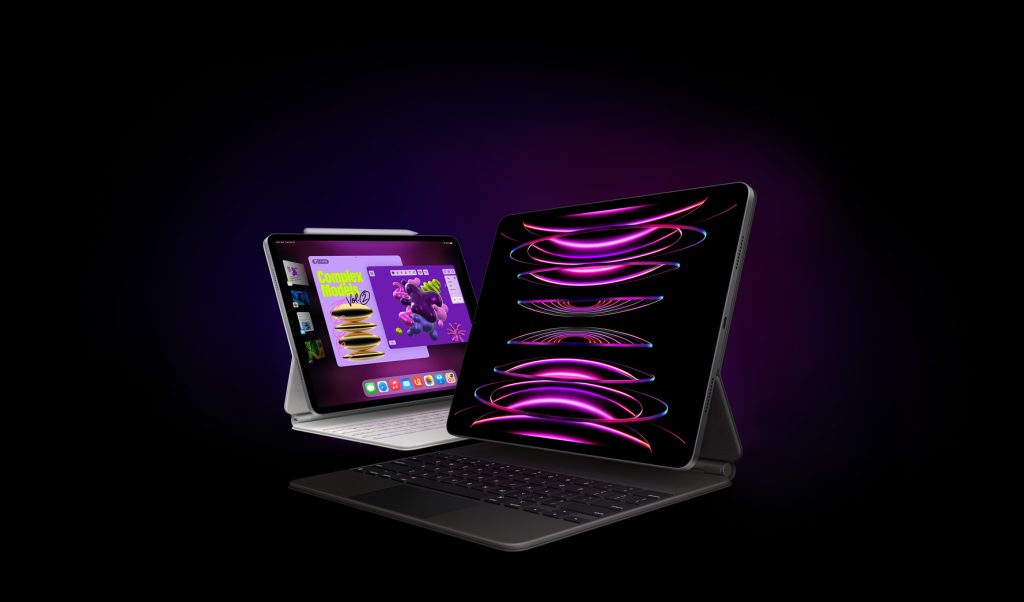
Apple’s iPad lineup is due for an upgrade and there have been a lot of rumors around them. There’s talk of the OLED iPad Pro a redesigned iPad Air.
A new rumor by seasoned Weibo tipster Instant Digital (via MacRumors) now suggests that the upcoming iPad Air and iPad Pro will have a landscape front-facing camera.
Currently both the Air and Pro iPads feature front-facing cameras on the top of the device. It creates an off-center view during landscape FaceTime calls for users.
Apple took steps to address this issue somewhat with the 10th-generation iPad. Since then, however, Apple hasn’t released any new iPads, but it seems like the company might be extending this improvement to additional models.
Code uncovered within iOS 17.4 also hinted at a landscape camera orientation for the upcoming iPad Pro. And the leaker now suggests that the redesigned iPad Air, which is rumored to be available in both 10.9-inch and 12.9-inch sizes, will also adopt this camera placement.
The logistics of this shift remain unclear. The current Apple Pencil connects magnetically to the side of the iPad Pro and iPad Air for charging which could potentially conflict with a side-mounted camera.
However, there are also rumors of a new Apple Pencil release alongside the updated iPads. So Apple may have found a design solution.
The redesigned iPad Air and the new OLED iPad Pro models are expected to launch soon, possibly within the month. These updates, if accurate, would indicate a broader design shift in Apple’s tablet lineup focused on improved usability.
The upcoming Vivo Y03, marked by its model number V2332 recently cleared a bunch of certifications, hinting at an upcoming global launch. In addition to that, it has now received certification from Thailand’s National Broadcasting and Telecommunications Commission (NBTC). The certification confirms that the device will feature LTE connectivity.
From various certifications, some details about the Vivo Y03 have been revealed. The phone is anticipated to come with a 5000mAh battery and 15W fast charging capability.
The device is also said to offer 64GB of internal storage, which can be expanded up to 1TB via a microSD card. At its heart, the Y03 is expected to feature the MediaTek Helio G85 SoC, along with 4GB of RAM, which indicates that it should offer decent performance for most tasks. It is also mentioned to run on Android 14, providing users with the latest software features and security updates. Support for Bluetooth 5.3 is also included.
Vivo Y02
Compared to its predecessor, the Y02, which had a simpler design and less powerful specs, the Y03 is expected to bring several improvements. The Y02 was equipped with a flat frame design, an HD+ display, and the MediaTek Helio P22 SoC, along with an 8MP rear camera, 5MP front camera, and 10W charging support. The Y03 aims to build on this foundation, offering upgrades in performance, storage, and connectivity.
Samsung, without much fanfare, has launched its latest smartphone, the Galaxy M15 5G in select markets including Iraq and the regions of Levant.
While the official pricing and availability details remain under wraps for now, the company has listed the phone’s specs on its official website, revealing everything there is to know about it. Let’s get into the details here.
Samsung Galaxy M15 5G Specifications
So the Galaxy M15 5G is built around a 6.5-inch Super AMOLED display with a 90Hz refresh rate. The screen has 800 nits of brightness that should offer decent outdoor visibility.
The Galaxy M15 bears a resemblance to its predecessors in terms of design. The device has three camera rings on the rear and slightly rounded edges for a comfortable grip. It is available in three colors — Light Blue, Dark Blue, and Gray.
Regarding performance, Samsung has not officially confirmed the processor but mentions the use of an octa-core SoC with a 2.2GHz clock speed. The specs align with that of the MediaTek Dimensity 6100+ processor.
The processor is paired with 4GB of RAM and 128GB of storage. The latter is expandable up to 1TB via a MicroSD card.
Out of the box, the Galaxy M15 5G comes with the latest Android 14 operating system. Samsung is also promising four generations of Android updates and five years of security patches.
Keeping the lights on is a substantial 6,000mAh battery that supports 25W fast charging. Notably, the Galaxy M15 5G retains the classic 3.5mm headphone jack and features a side-mounted fingerprint scanner for security.
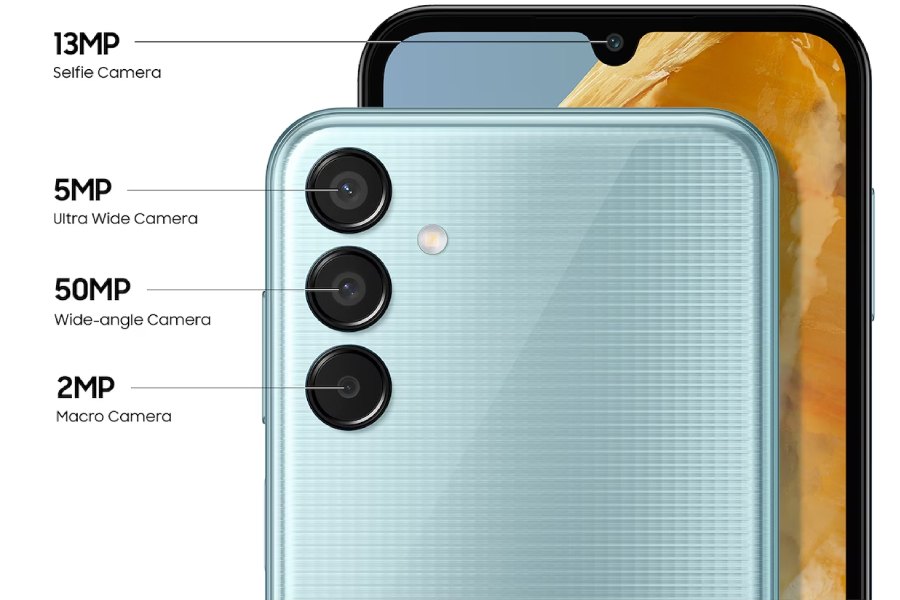
For photography, the Galaxy M15 5G sports a triple rear camera system. This setup is headlined by a 50MP primary camera, accompanied by a 5MP ultrawide camera and a 2MP macro lens. Selfies and video calls are handled by a 13MP front-facing camera.
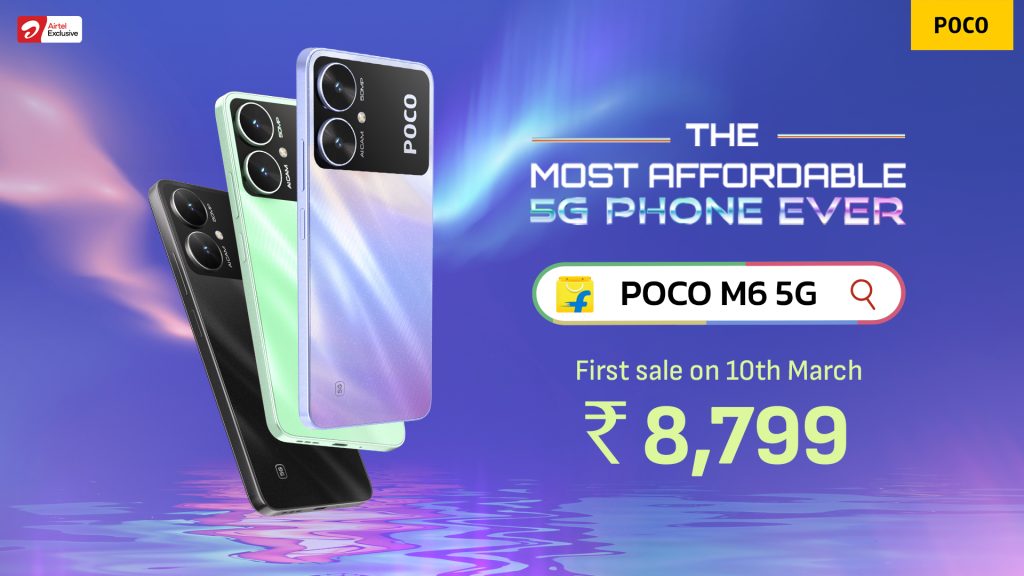
Poco recently announced a special Airtel-lock variant of the Poco M6 5G smartphone for the Indian market. This variant is advertised as the cheapest 5G smartphone on the Indian market. Starting today, interested customers can get their hands on the device via Flipkart.
Poco M6 5G Airtel locked variant pricing & offers
The smartphone is priced at Rs 8,799 ($106) for the 4GB RAM and 128GB storage model. This unique price comes with a locked Airtel Prepaid Connection, restricting it to Airtel’s network services. The variants with 6GB RAM and 128GB storage, and 8GB RAM with 256GB storage are available at Rs 10,499 and Rs 11,999, respectively.
Additionally, Airtel is providing a one-time 50GB data bonus, with non-Airtel users having the option to book a prepaid SIM online to avail of this offer.
Poco M6 5G specs:
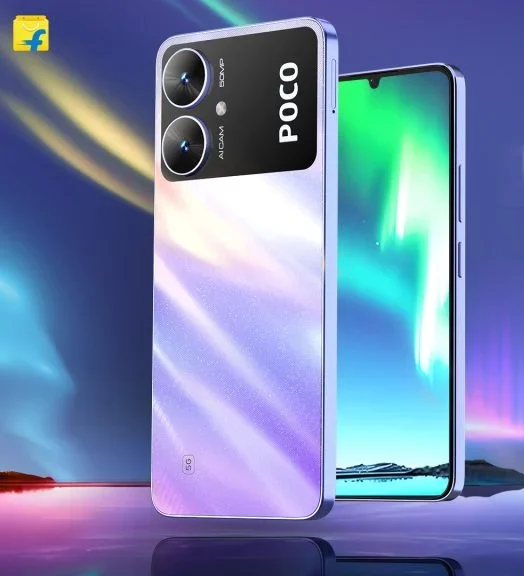
The Poco M6 5G features a 6.74-inch HD+ display with a 90Hz refresh rate. It’s equipped with the MediaTek Dimensity 6100+ processor and a 5,000mAh battery supporting 18W fast charging. The device sports a 5-megapixel selfie camera and a 50-megapixel dual rear camera setup.
Running Android 13 with MIUI 14, the phone is available in Orion Blue, Polaris Green and Galactic Black. It includes features like a 3.5mm headphone jack, side-mounted fingerprint scanner, AI face unlock, splash and dust resistance, Bluetooth 5.3, and the ability to expand virtual RAM up to 8GB.
Google‘s upcoming mobile operating system, Android 15, might bring satellite connectivity features for text messaging. Evidence of this feature was discovered in the latest Android 14 beta by Mishaal Rahman of Android Authority.
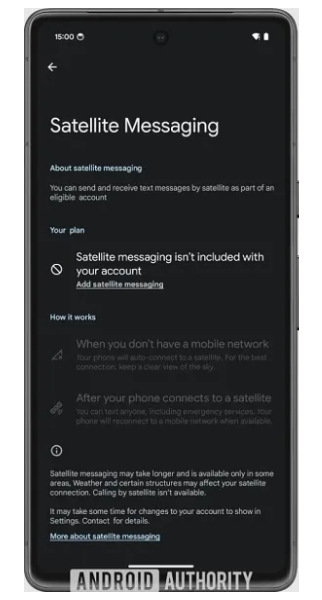
In the recent Android 14 beta, Google introduced a new “Satellite Messaging” page. According to this page, users with eligible mobile accounts may soon be able to “send and receive text messages by satellite.” There’s a button for users to opt into this feature once it’s available.
Although the beta page doesn’t specify any provider, tapping the “More” button leads to a T-Mobile page. This suggests that T-Mobile might be involved in offering this feature in Android 15.
T-Mobile has previously collaborated with SpaceX to improve connectivity in cellular dead zones using satellites. SpaceX has also launched its “Direct to Call” satellites which are capable of handling all LTE phones. So, it’s likely that Google’s upcoming Satellite Messaging will tap into this technology.
The feature seems to serve both regular communication and emergency situations. However, there may be delays in message delivery and limited coverage in certain areas, as noted on Google’s page. Weather and physical obstructions might also affect the signal quality.
Google is also working on a “Satellite SOS” function, possibly in partnership with Garmin Response, a center of support staff ready to assist users in difficult emergencies. This feature will be strictly for use in emergencies, and can also support text messaging.
Although these details are yet to be officially confirmed, Google is certainly working on satellite-enabled connectivity for Android phones. Satellite connectivity could greatly enhance communication options for Android users, especially those who frequently find themselves in areas with poor cellular reception.
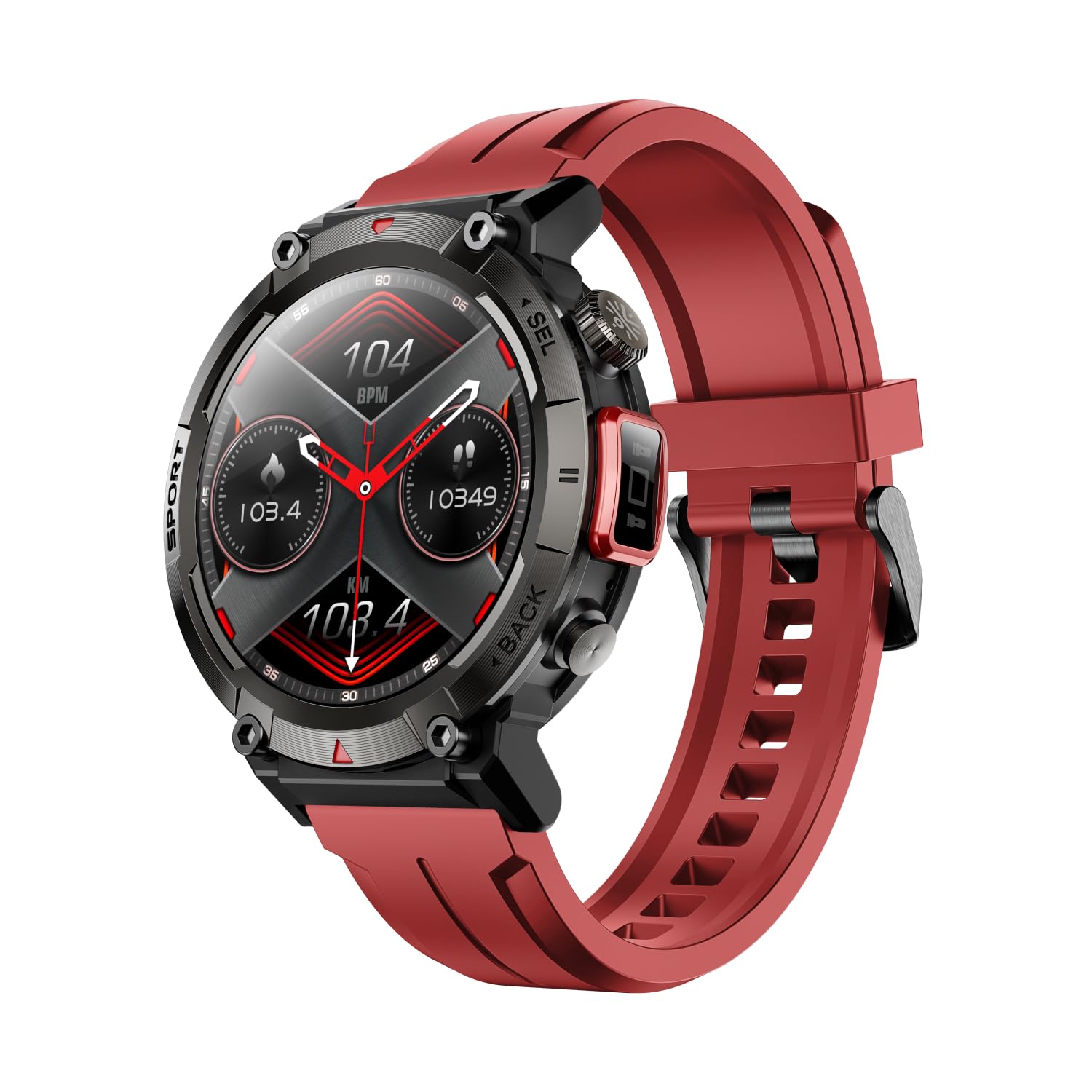
Cult.sport has launched the Ranger XR1, a new smartwatch targeting sports enthusiasts and anyone interested in keeping fit. This launch follows the Cult Active TR smartwatch which launched earlier this month.
Cult.sport Ranger XR1 specs:
The smartwatch features a 1.43-inch AMOLED display with the Always on Display feature, making keeping an eye on the time and notifications easy. It allows users to customize their watch face from over 200 options. Another useful feature is Bluetooth calling, which means you can make calls straight from your watch without needing your phone.
For those focused on health and fitness, the Ranger XR1 tracks a lot, including heart rate, SpO2, how many steps you’ve taken, how many calories you’ve burned, and how well you’re sleeping. It also has a feature to calculate your BMI, helping you monitor your overall health. The smartwatch supports more than 100 sports modes, so it’s pretty versatile no matter your exercise routine.
This smartwatch works with the Cultsport Watch App, adding extra features like live cricket scores, a calculator, and more. The Ranger XR1’s battery can last up to 8 days. It’s available in Black, Gray, and Red colors.
Pricing & availability
The Cult.sport Ranger XR1 smartwatch is currently available on Amazon.in at an introductory price of Rs. 3,499.
Apple‘s latest MacBook Air models, powered by the new M3 chip, shows a significant improvement in SSD performance. Benchmark tests and teardowns have unveiled the return of a faster configuration for the base 256GB storage model.
According to reports from the YouTube channel Max Tech, the 256GB MacBook Air with the M3 chip now features two 128GB storage chips. This is a change from the previous generation M2 model which used a single 256GB chip, leading to comparatively slower SSD speeds. The use of multiple chips allows for parallel processing, boosting both read and write speeds.
M3 MacBook Air SSD Performance Gains
Max Tech’s tests with Blackmagic’s Disk Speed Test tool revealed up to 33% faster write speeds and a remarkable 82% improvement in read speeds on the M3 MacBook Air compared to its M2 counterpart.
These speed increases will likely translate to a snappier user experience, especially when dealing with large files or heavy multitasking.
It’s speculated that this change extends to the base model 15-inch MacBook Air with the M3 chip as well, though that remains to be confirmed.
Apple’s move to a single-chip storage configuration in the base M2 MacBook Air faced some criticism last year, even if the slower speeds weren’t always noticeable in everyday use.
With the M3 generation, Apple appears to have addressed that issue, ensuring top-tier storage performance regardless of the storage capacity you choose.
So if you’re considering a MacBook Air upgrade, the new M3 models offer a compelling package of performance and value.
You no longer have to opt for the 512GB model just to get the best SSD speeds. However, if you’re looking for a bargain and don’t mind slightly slower speeds, the M2 MacBook Air for $999 might still be worth considering.
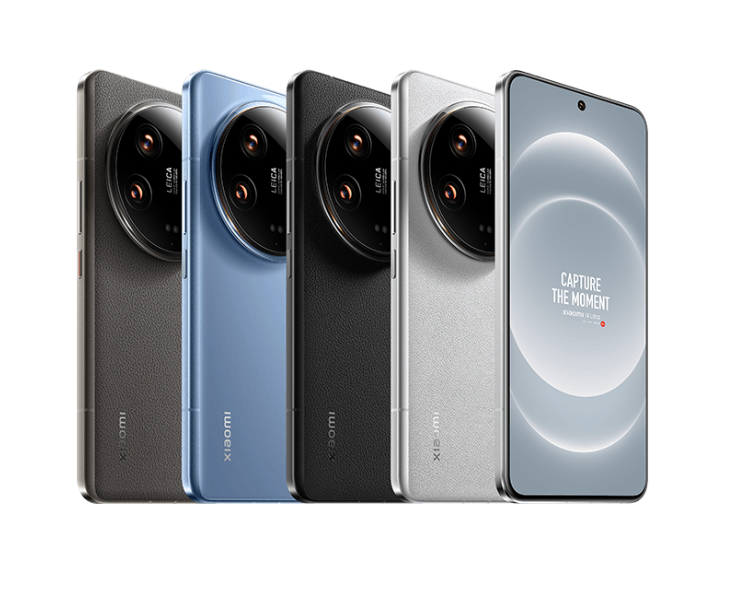
Xiaomi has again raised the bar with its latest offering, the Xiaomi 14 Ultra. This flagship device stands as a testament to Xiaomi’s commitment to innovation, boasting cutting-edge features and capabilities that cater to the needs of even the most discerning smartphone users.
Don’t miss out on the exclusive discount offered by GeekWills for the Xiaomi 14 Ultra flagship phone. Simply apply the coupon code 14U99 at checkout to buy this flagship phone for $999. Hurry, as this code expires on March 20.
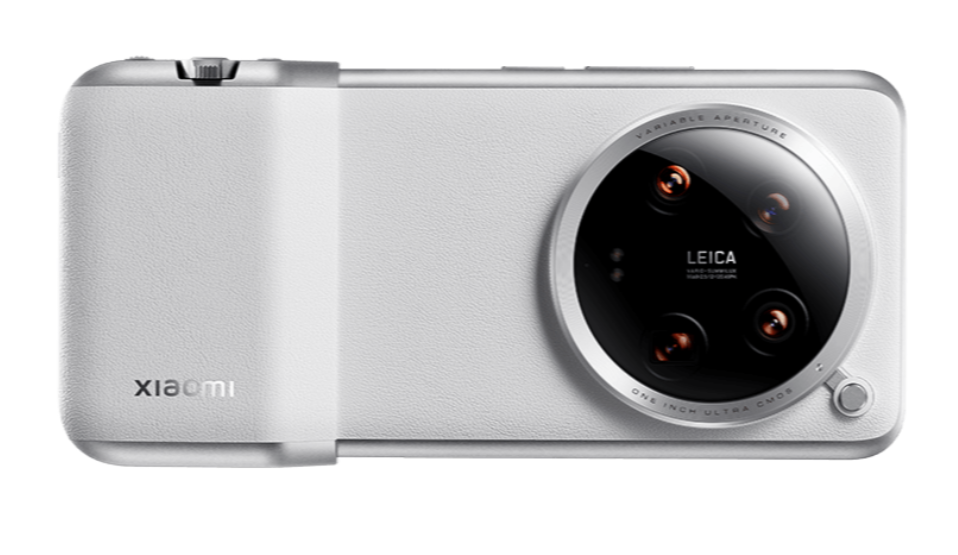
At the heart of the Xiaomi 14 Ultra lies its brand-new Qual-Camera LEICA System, a testament to Xiaomi’s dedication to pushing the boundaries of smartphone photography. Equipped with a Sony LYT-900 1-inch 50MP main camera featuring an infinitely variable aperture ranging from f/1.63 to f/4.0, this device ensures unparalleled versatility and image quality in various lighting conditions. Additionally, including OIS (Optical Image Stabilization) and ADL ultra-low reflection coating further enhances the clarity and sharpness of images captured.
Complementing the main camera are a 50MP ultra-wide-angle camera, a 3.2x portrait telephoto camera, and a 5x telephoto camera, each offering unique perspectives and capabilities. Whether it’s capturing sweeping landscapes or zooming in on distant subjects with astonishing clarity, the Xiaomi 14 Ultra’s camera system delivers exceptional results every time.
AI-Powered Photography
The Xiaomi 14 Ultra leverages Xiaomi’s advanced AI large model computational photography platform, AISP, to further elevate the photography experience. Features like ULTRA SNAP enable users to capture fleeting moments with ease, while ULTRA RAW ensures uncompromising image quality for professional photographers. Moreover, with ULTRA ZOOM offering advanced 30X AI Super zoom capabilities, users can bring distant subjects into sharp focus like never before.
Immersive Display and Superior Performance
Featuring a stunning 6.73″ 1440P display with a silky-smooth 120Hz refresh rate and a maximum brightness of 3000nits, the Xiaomi 14 Ultra offers an unparalleled viewing experience. Whether it’s streaming your favorite content or immersing yourself in the latest mobile games, this device delivers vibrant colors and crisp visuals that captivate the senses.
Under the hood, the Xiaomi 14 Ultra is powered by the Qualcomm Snapdragon 8 Gen 3 processor, ensuring lightning-fast performance and seamless multitasking. With 12GB or 16GB of LPDDR5X RAM and storage options ranging from 256GB to 1TB, this device offers ample space for storing your media files, apps, and more.
Superior Connectivity and Battery Life
In addition to its impressive photography capabilities and performance, the Xiaomi 14 Ultra sets a new standard for connectivity with its dual satellite communication feature. By incorporating high-performance antennas and Xiaomi’s signal enhancement chip, the Surge T1 ensures reliable connectivity and real-time communication, even in remote areas.
Furthermore, the Xiaomi 14 Ultra is equipped with a robust 5300mAh battery that supports 90W super-fast wired charging and up to 80W fast wireless charging, ensuring that you stay powered up throughout the day, no matter where life takes you.
Elegant Design and Premium Materials
Xiaomi 14 Ultra exudes elegance and sophistication with its classic 3-stage design and premium materials. Whether you opt for the sleek black or white variants or the stunning Dragon Crystal Blue ceramic version, each iteration of the Xiaomi 14 Ultra is crafted to perfection, featuring a lightweight ceramic back cover and a fully enclosed metal frame that exudes durability and refinement.
Xiaomi 14 Ultra represents the pinnacle of smartphone technology, combining groundbreaking photography capabilities, unparalleled performance, and exquisite design into a single, cohesive package. Whether you’re a photography enthusiast, a power user, or simply someone who appreciates the finer things in life, the Xiaomi 14 Ultra is sure to exceed your expectations and redefine your smartphone experience.
Infinix is working on a bunch of new smartphones in their Note 40 series. There are talks of four new devices — the Note 40, Note 40 Pro, Note 40 Pro 5G, and Note 40 Pro Plus 5G.
The top-tier variant, the Pro Plus, is expected to feature MagCharge wireless charging among other specs. Recently, the slightly toned-down version, the Infinix Note 40 Pro 5G, appeared on the Google Play Supported devices list.
According to the Google Play Supported Devices list, the upcoming device will have the model number X6851. It will run on MediaTek’s Dimensity 7020 chipset and come with up to 8GB of RAM. Out of the box, it will run on Android 14.
The phone will sport a display with a resolution of 1080 × 2436 pixels, featuring curved edges and a punch-hole cutout at the center. You’ll find the power and volume keys positioned on the right edge of the device.
The smartphone appeared with the same model number in Indonesia’s SDPPI certification. Additionally, TUV Rheinland certification indicates that the device will come with a 4,900mAh-rated battery.
Infinix is likely to market the smartphone with a typical 5,000mAh battery capacity. However, other specifications remain unknown at this time.
As for availability, Infinix has confirmed that the Note 40 series smartphones will debut globally on March 18 in Kuala Lumpur, Malaysia.
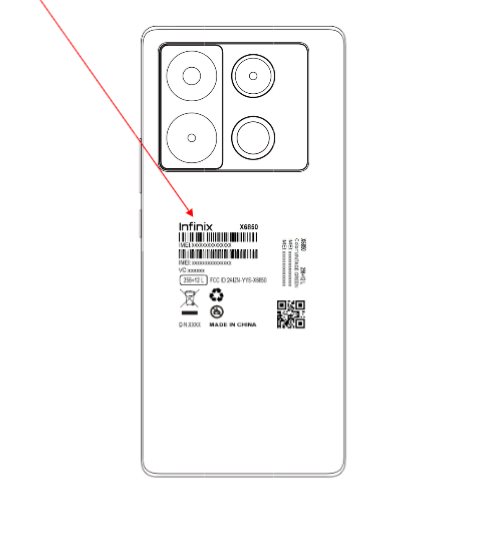
The 4G variant of the Infinix Note 40 Pro has also appeared on the Play Console database with the model number X6850. This listing reveals that the smartphone will feature a MediaTek Helio G99 SoC and can be paired with up to 8GB of RAM.
Infinix Note 40 Pro schematic via FCC certification
It will run on Android 14 out of the box with Infinix’s custom UI. Moreover, the device is expected to have an FHD+ resolution display with a pixel density of 480 PPI.
As of now, there is limited information available about the Infinix Note 40 series smartphones. We will keep you updated as more information becomes available.
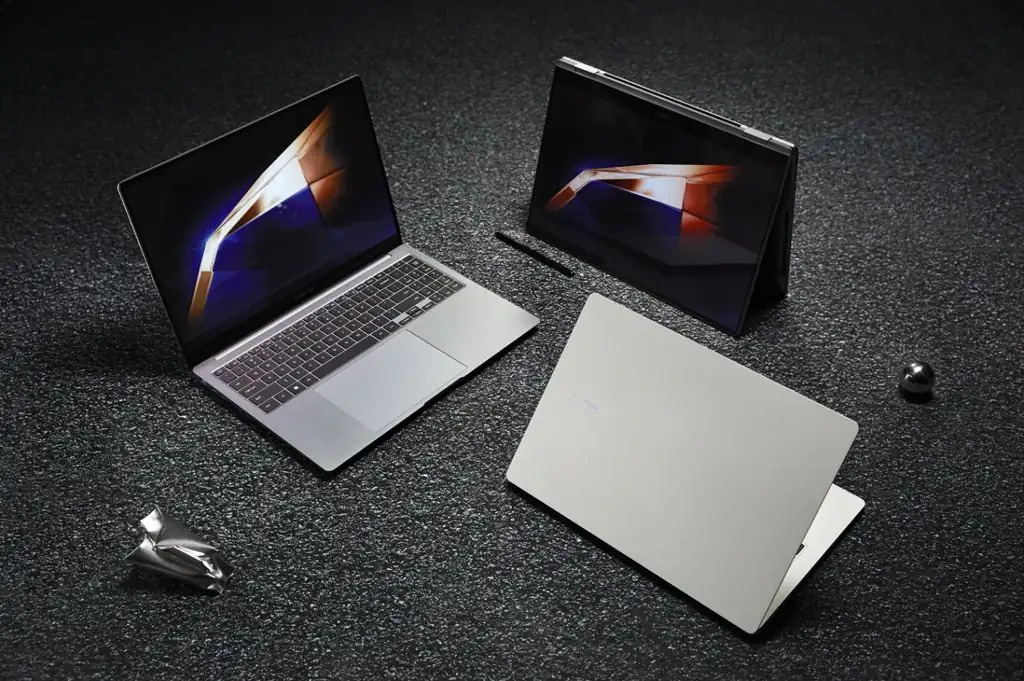
Samsung is working on a new addition to its Galaxy Book series called the Galaxy Book 4 Edge. It’s the company’s first notebook powered by Qualcomm Snapdragon X Elite processor.
The laptop has recently surfaced on the Geekbench benchmarking platform showing impressive raw performance. Thanks to a leak from tipster Roland Quandt (via WinFuture), we now have the pricing details for the Samsung Galaxy Book 4 Edge in Europe.
Samsung Galaxy Book 4 Edge Price in Europe
As we all know, inside running the show is the Snapdragon X Elite processor. It’s a 12-core ARM SoC featuring new “Oryon” and “Phoenix” CPU cores developed by ex-Apple chip designers.
Thanks to Qualcomm’s new platform, the Galaxy Book 4 Edge is expected to offer a significantly longer battery life than its Intel-based counterparts. Rumors also suggest the processor might come with an integrated 5G modem, although this hasn’t been officially confirmed yet.
Moreover, the laptop is expected to feature a 14-inch display, 16GB of RAM (non-expandable), and a 512GB SSD.
With all this, the Galaxy Book 4 Edge is said to be priced at around 1800 euros. So it’s definitely a premium offering, similar to other models in Samsung’s Galaxy Book 4 line. For reference, the Galaxy Book 4 Pro with a 14-inch display and Intel Core processor is priced at 1899 Euros.
Surprisingly, the expected price of the Galaxy Book 4 Edge is even higher than that of the new Apple MacBook Air M3 in Germany, where the 13-inch model is currently available for 1759 euros.
Regarding availability, the leak says that the Samsung Galaxy Book 4 Edge will not launch probably until June. It remains to be seen how this ARM-powered laptop will perform and whether it can truly challenge Apple’s dominance in the premium laptop space.
We use cookies on our website to give you the most relevant experience by remembering your preferences and repeat visits. By clicking “Accept”, you consent to the use of ALL the cookies.
This website uses cookies to improve your experience while you navigate through the website. Out of these, the cookies that are categorized as necessary are stored on your browser as they are essential for the working of basic functionalities of the website. We also use third-party cookies that help us analyze and understand how you use this website. These cookies will be stored in your browser only with your consent. You also have the option to opt-out of these cookies. But opting out of some of these cookies may affect your browsing experience.
Necessary cookies are absolutely essential for the website to function properly. This category only includes cookies that ensures basic functionalities and security features of the website. These cookies do not store any personal information.
Any cookies that may not be particularly necessary for the website to function and is used specifically to collect user personal data via analytics, ads, other embedded contents are termed as non-necessary cookies. It is mandatory to procure user consent prior to running these cookies on your website.