Advertisement

Garmin Venu 3, Venu 3S Surface In Official-Looking Renders Revealing Design And Color Options

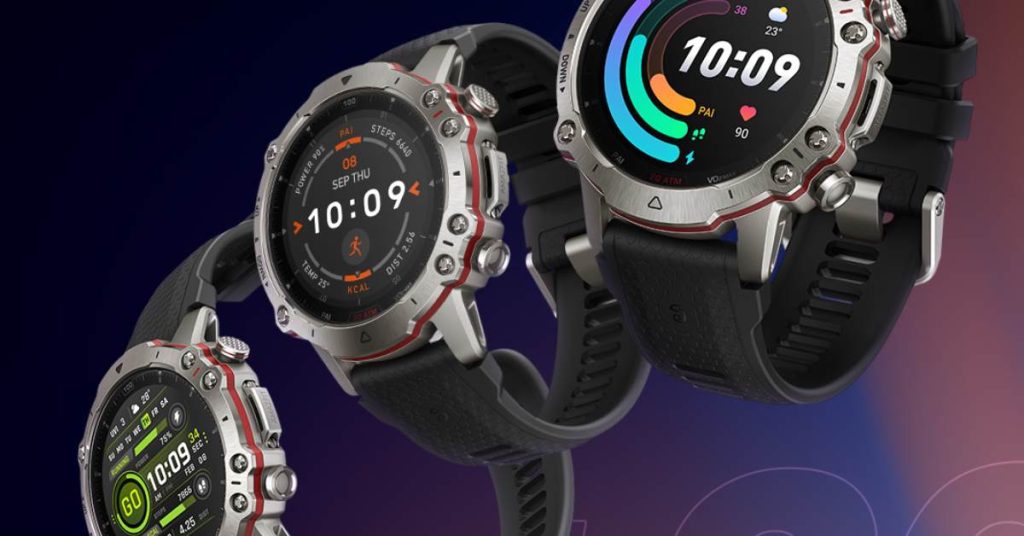
Garmin is reportedly working on the Venu 3 series smartwatches. They are rumoured to debut next month probably at the upcoming IFA in Berlin. A recent leak revealed key detail about the upcoming smartwatches from the popular wearables maker. Now, ahead of the official launch, the Venu 3 and Venu 3S have surfaced in leaked renders revealing their design. The devices will arrive as the successor to the Venu 2 and Venu 2S that were launched way back in 2021. 

Garmin Venu 3 and Venu 3S leaked renders

The leaked renders reveal the Garmin Venu 3 and Venu 3S with a circular dial and three physical buttons on the right side. The left side seems to have a speaker grille and there is a pogo pin for charging on the bottom surface. Both smartwatches will be water-resistant up to 5 meters.

The Venu 3 will be offered in a 45mm dial size paired with 21mm watch bands whereas the Venu 3S will come in a 41mm option with 18mm bands. We could also notice a bezel surrounding the display. The Venu 3 will come in a Slate color with a Black strap and a Passivated option with a White band. On the other hand, the Venu 3S will be offered in Soft Gold (Ivory and French Grey Straps), French Gold (Pink Dawn strap), Slate (Pebble Grey), and Passivated (Sage Grey) colors 

As per the renders, the Garmin Venu 3 series will be equipped with a heart-rate sensor and body battery monitor. It will also feature a sleep coach that will factor in naps where a 20-minute nap decreases the overall sleep need for that day. The upcoming smartwatches are also rumored to pack a skin temperature sensor for detecting early signs of fever. However, it is only said to work when the user is asleep. 

We can expect the Garmin Venu 3 and Venu 3S smartwatches to launch in the coming days.

Related:

Via

Alleged Redmi Note 13 Pro and Note 13 Pro+ key specifications leaked via TENAA

Redmi‘s new Note 13 series models have begun to surface online, with multiple appearances on various certification sites. The Note 13 series is expected to launch sometime this winter. While we eagerly await the official release, both the Redmi Note 13 Pro and Redmi Note 13 Pro models have recently surfaced on TENAA. This Chinese authority has unveiled the key specifications of these upcoming phones.

The forthcoming Redmi Note 13 Pro and Pro+ smartphones have received certification from the Telecommunication Equipment Certification Administration (TENAA) in China. The two phones have model numbers 23090RA98C and 2312DRA50C. However, it is not yet known which model number corresponds to which phone.

Both smartphones have 5G connectivity and the same size measuring 161 x 74 mm. Xiaomi includes 6.67-inch OLED displays with 2,712 x 1,220 pixels resolution on the two phones. If previous rumors are to be believed, the handsets will offer a 144Hz refresh rate. TENAA suggests the upcoming Redmi Note 13 series phones will be equipped with two different processors with clock speeds of 2.4GHz and 2.8GHz. They might be equipped with Dimensity 9200 Plus.

The Note 13 Pro is said to be offered in 6GB, 8GB, 12GB, and 16GB of RAM, as well as storage options of 128GB, 256GB, 512GB, and a whopping 1TB. The handset might weigh in at 187 grams. Powering the smartphone could be a 5160mAh (typical) rated battery.

In contrast, the Note 13 Pro+ could also be available with a staggering 18GB of RAM, alongside storage choices of 128GB, 256GB, 512GB, and 1TB. The Pro+ variant will likely be supported by a 5000mAh (typical) rated battery. Both smartphones could feature a triple rear camera setup, headlined by a mighty 200MP primary sensor. This primary sensor might be complemented by an 8MP ultra-wide-angle lens and a 2MP macro lens.

Judging by the specifications, the phones should offer good bounce for the ounce. However, it’s wise to take these preliminary specifications with a pinch of salt.

RELATED:

(Via)

Bing AI Chat integration rolls out to Microsoft Launcher beta

Microsoft has been trying to win over Android users by making it easier to use their Windows and Android devices together. One way they are doing this is with Microsoft Launcher, which allows you to sync your clipboard between your devices, as well as other Microsoft products. Now, the latest beta update for Microsoft Launcher introduces a new feature: Bing Chat AI integration.

This means that you can now start a Bing Chat session directly from the Launcher’s search bar, without having to download the Bing app first. The feature was spotted by Windows enthusiasts @XenoPhanter who posted screenshots of the new feature on X (formerly Twitter).

The screenshots show that users can access Bing Chat via text prompts, with three modes: Creative, Balanced, and Precise—in a familiar-looking interface. Users will also be able to use their voice to interact with Bing Chat. The features are in line with Bing’s default app for Android. 

In addition to Bing Chat AI integration, the beta build also introduces a new widget: the Bing Search widget. This widget can be added to the home screen and facilitates quick searches for users, making it easier to access information.

Microsoft has not yet announced when the new Bing Search and Bing Chat features will be rolled out to all Microsoft Launcher users. However, the good news is that the feature appears to be rolling out to Surface Duo devices as well. In any case, if you are interested in trying out the new features, you can sign up for the beta version of the launcher on the Google Play Store.

Related:

(Via)

Samsung to Bring Cloud Gaming to 2020 Smart TVs Later This Year

Samsung launched its Gaming Hub service in 2022, bringing games from all the major streaming services to your TV. The service was first available on 2022 Samsung smart TVs, but support was expanded to 2021 TVs in just five months. At Gamescom 2023, Samsung announced that the Gaming Hub app will be available on 2020 smart TVs later this year.

Samsung Gaming Hub Coming to Samsung 2020 Smart TVs

Samsung Gaming Hub is coming to the company’s 2020 smart TVs

For those unfamiliar with the service, Samsung Gaming Hub is a one-stop shop for gaming on your Samsung TV. It lets you stream games directly from the cloud, so you don’t need a console or streaming stick.  It includes games from all the major streaming services, like Xbox Cloud Gaming, GeForce NOW, and Google Stadia (which has since shut down)

You can also use it to watch Spotify and YouTube, so you can quickly switch between gaming, music, and videos. The service uses AI upscaling to support Samsung’s 4K and 8K TV models for games without native 4K or 8K support.

Samsung Gaming Hub is compatible with 90% of Bluetooth controllers, and virtual controllers are also supported. So whether you prefer to use a physical controller or play with your hands, you’ll be able to game on Samsung Gaming Hub.

So if you have a 2020 Samsung TV, you will soon be able to enjoy a variety of cloud gaming and other services. The announcement was made by Mike Lucero, head of product for gaming at Samsung, during a talk at Gamescom. He said:

Today, we are thrilled to announce that we will expand cloud gaming apps to our 2020 model-year TVs later this year, giving tens of millions of players access to their favorite games and services.

While there is no specific date yet for when the cloud gaming apps will be available on 2020 Samsung TVs, it is expected to be before the end of 2023. This is great news for gamers who have older Samsung TVs, as it means that they will no longer need to purchase a separate console or streaming device to play cloud games.

Related:

(Via)

GTA 6 Leaker Used Amazon Fire Stick and Hotel TV to Hack Rockstar Games

In September 2022, the gaming world was rocked by the release of 90 video clips showing unfinished gameplay of the long-awaited triple-A blockbuster title Grand Theft Auto 6. The clips were quickly taken down, but not before they had been seen by millions of people.

The investigation into the leak eventually led to the arrest of an 18-year-old boy Arion Kurtaj in the UK. The boy was a member of the Lapsuss$ hacker group. Lapsus$ is a loosely organized group of hackers who have been linked to a number of high-profile data breaches, including those affecting Microsoft, Nvidia, and Okta.

Before hacking Rockstar, Kurtaj was arrested for the second time after the Nvidia breach of February 2022. He was kept in a Travelodge hotel in Bicester due to safety concerns. The police had strict bail conditions for him, including barring him from using the internet. However, that was not enough to prevent him from continuing his hacks.

GTA 6 Gameplay Leaked via Amazon Fire TV Stick

According to a BBC report, Kurtaj used a simple Amazon Fire TV Stick, a smartphone, a keyboard, and a mouse to infiltrate Rockstar’s cloud services. He accessed the internet through the hotel’s television, despite his bailed conditions that barred him from using the internet. 

He then stole unfinished gameplay clips of Grand Theft Auto VI and messaged Rockstar employees on Slack, claiming to be an attacker and threatening to release the source code if they didn’t contact him on Telegram.

Meanwhile, around 90 clips of the game were later released on the GTA Forums on September 18, 2022. It is not clear if the teenager was the one who leaked the footage since it was posted under the alias “TeaPotUberHacker” on a GTA fan forum. But Kurtaj was arrested again and detained for trial shortly after.

Presumably, the GTA 6 leaker was likely assisted by other members of the hacker group. A 17-year-old accomplice, who operated in England and Brazil, was also put on trial for his involvement in these cyber attacks.

Rockstar Games has not released any official information about GTA 6 yet, but it is expected to be released in 2024. In the meantime, fans can revisit Grand Theft Auto V across multiple platforms.

Related:

(Source)

Tesla is Projected to Make Billions from its Supercharger Business

Tesla‘s Supercharger network is more than just a bunch of charging stations—it’s an emerging financial giant. A few years ago, Tesla claimed its Supercharger stations would “never be a profit center.” Time to revisit that statement, as a Wall Street analyst predicts it could soon be worth up to $20 billion.

With superchargers, Tesla has already set an Industry standard for EV Charging

Dan Ives of Wedbush Securities estimates that the Supercharger business might contribute up to six percent of Tesla’s total revenues by 2030. That’s no chump change, especially when you consider that this assessment accounts for deals like the North American Charging Standard (NACS) agreement with multiple automakers, Tesla’s energy ventures, and its AI investments.

Tesla

The NACS agreement alone has already roped in big names like Ford, General Motors, and Mercedes-Benz. So, Tesla’s not only increasing its Supercharger revenue but is also setting the industry standard for EV charging. Not bad for a side business!

Interestingly, Tesla still plays the nostalgia card. Remember the days when Model S and Model X owners could charge up for free? Those days are gone, but Tesla still knows how to dangle the carrot. As of June 2023, they were offering three months of free unlimited supercharging for new Model 3 customers. A sweet deal for buyers, and a clever strategy to make their Supercharger network more appealing.

What’s also noteworthy is that other manufacturers who jump on the NACS bandwagon don’t pay licensing fees. But, Tesla does charge the customers for using the Supercharger stations, thereby sowing the seeds for this side business to sprout into a financial powerhouse.

Elon Musk may hint at further price cuts for Tesla cars, but when it comes to Supercharging, the strategy seems to be different. It’s a carefully crafted chess game, where each move, from licensing agreements to temporary freebies, is designed to make Tesla’s Supercharger network not just an asset, but perhaps, its future goldmine.

RELATED:

YouTube Music Doubles Down on Podcasting with RSS Uploads for Private Feeds

In a move that promises to disrupt the podcasting ecosystem, YouTube has announced its plans to add RSS uploads and support for private feeds through YouTube Music. This announcement was made by YouTube product lead Steve McLendon at the Podcast Movement conference, revealing the platform’s ambitious plans in the podcasting space.

This way, Users can curate their favorite podcasts using RSS feeds via YouTube

While YouTube has long been a hub for video content, its foray into podcasting adds a new dimension to the platform. YouTube aims to simplify the podcast upload process by negating the need for a third-party service, making it a one-stop-shop for aspiring podcasters. This not only opens the door to a wider audience but also enables creators to retain greater control over their content.

YouTube

What sets YouTube apart is its decision to allow users to curate their favorite podcasts lists via RSS feeds. This feature is a significant advantage over competitors like Spotify, which currently does not offer RSS-based subscriptions. Listeners now have the autonomy to explore lesser-known or private podcasts, making the platform an enticing option for those tired of mainstream shows.

YouTube Music, already a key player in the music streaming market, is expected to benefit from these new features. As it adds podcast functionalities, YouTube Music positions itself to directly compete with dedicated podcast platforms like Apple Podcasts and Overcast. Interestingly, it also gains an edge over Spotify by supporting private RSS feeds, an option Spotify doesn’t provide.

The implementation of RSS uploads and private feeds shows YouTube’s dedication to becoming a comprehensive platform for all types of audio content. With its broad user base and extensive feature set, YouTube could very well become a dominant player in the podcast landscape.

RELATED:

(Via)

This Steam Deck Dock Resembles the SNES, Will Launch in September

As the gaming community buzzes with the promise of Valve‘s Steam Deck, a stylish alternative to the official Steam Deck Docking Station is about to hit the market. Accessory maker GuliKit is launching an unofficial dock that not only serves a practical purpose but adds a dash of nostalgia to your gaming setup.

The dock also has cooling vents to keep the Steam Deck cool at all times

Taking inspiration from the iconic Super Nintendo, the dock features a gray shell adorned with large purple switches. While these switches might be there purely for visual flair, they do make a statement. The docking port even includes a slideable dust cover for protection, along with cooling vents to help your device breathe easy.

Steam Deck

The tech specs are not to be overlooked either. With a USB-C charging port, AC adapter, Gigabit Ethernet, HDMI, and three USB 3.0 ports, the dock is fully equipped for modern gaming demands. Offering up to 100W power delivery and 4K 60Hz HDMI video output, GuliKit’s dock is compatible with more than just the Steam Deck. Devices like the ROG Ally and Ayaneo’s systems fit just as well. Heck, you can even turn your Nintendo Switch into a TV console with this dock, although you’ll need to place it upside down for proper port access.

Despite its nostalgia-laden design, the GuliKit dock embraces versatility with a hidden storage space for up to four microSD cards. Although the pricing details are under wraps, the dock is expected to roll out this September. One drawback for international gamers? It’s styled after the US version of the SNES, not the more polished European model.

This new accessory offers gamers a functional and stylish way to enjoy handheld gaming on the big screen, proving that sometimes, looking back can actually push you forward.

RELATED:

(Via)

Mycle’s New Cargo Electric Bike can Carry Your Kids or Groceries

Electric cargo bikes are popping up more in Europe, and Mycle’s new Cargo bike shows why they’re more than just a trend. Instead of stressing about parking or being stuck in a jam, you can get where you need to go, stuff and all, without the hassle.

The electric bicycle has a range of 60 kilometers on one single charge

The Mycle electric bike has some neat updates. First off, it’s got a basic digital screen that shows you your speed and how far you’ve gone. No more guessing. Plus, it lets you pick from five levels of help while pedaling.

Electric Bike

What’s cool is how you can use it for different things. Load it up for a picnic, put your work gear in it, or even strap in a kid seat. It’s got both front and back areas to stick stuff, and it can handle up to 125 kilograms. That’s a lot of groceries!

Worried about rain or wind? The bike has a new add-on called the WeatherShield. It’s like a cover that keeps you dry and blocks the wind, but you can still see through the sides. And it’s got some shiny strips to make sure cars see you.

Performance-wise, this isn’t a slouch. It’s got a motor to help you pedal and a seven-speed gear system. One battery gets you up to 60 kilometers, but you can add another one if you need more juice.

So, if you’re looking to make your daily trips more simple and quick, the Mycle Cargo bike is worth thinking about. Starting at about $2,889, it’s not exactly cheap, but it could change how you get around town.

RELATED:

(Via)

Vivo V29e Indian pricing & storage variants leak out ahead of launch

The Vivo V29e is scheduled to launch on August 28 in India. The device will be selfie-focused as leaks have revealed that it will feature a 50-MP front camera. Ahead of the launch, the pricing of the device for its different storage variants has been leaked as well.

Vivo V29e
Image via TheTechOutlook

The report comes from TheTechOutlook, revealing that the device will be available in two storage and color options. The 8GB RAM + 128GB storage config will cost Rs 26,999 whereas the 256 GB variant will be priced at Rs 28,999. As for the color variants, the device will debut in Arctic Red and Arctic Blue shades. Let’s take a look at what else we know about the device so far.

Vivo V29e specs

Rumored specifications of the Vivo V29e include a 6.78-inch AMOLED display with FHD+ resolution, boasting a high 120Hz refresh rate and an impressive peak brightness of up to 1,300 nits. Under the hood, it might be powered by the Snapdragon 695 chipset, coupled with options for 8GB RAM and either 128GB or 256GB of storage, with the possibility of expanding the RAM with up to 8GB of virtual RAM.

Vivo V29e teaser

In terms of endurance, the Vivo V29e could pack a robust 5,000mAh battery with support for 44W fast charging. On the camera front, it is rumored to sport a 64-megapixel primary camera equipped with Optical Image Stabilization (OIS), along with an 8-megapixel ultra-wide lens. For selfie enthusiasts, there’s an impressive 50-megapixel front-facing camera with eye-autofocus capabilities.

RELATED:

(Source)

Magic Vs 2 to be another Honor foldable launching this year as it gets 3C certified

As Honor prepares to launch its thin and light Magic V2 foldable in the global market, rumors of a new model have surfaced online. According to a recent 3C listing, the Honor Magic Vs 2 could be another folding-screen smartphone launching later this year. If this turns out to be true, we might see three Honor foldables released this year, with one of them possibly being a flip phone.

Honor Magic Vs 2, rumored to be the company’s first outward folding device, has been spotted on China’s 3C website with model number VCA-AN00. The phone is listed to support 35W charging. The model number is the same as the previously rumored Magic V Slim. If the rumors are true, this would be the first time that Honor has released an outward folding device. Huawei is the only other company that currently offers this type of foldable phone, with its Mate Xs and Xs 2 models.

honor magic v2

Rumors suggest the upcoming foldable could be launched in October, however, other details of the device are pretty limited. Honor is also developing a clamshell phone with a foldable screen, called the Honor Magic Flip. The device has not yet been officially announced, so no details are available about its specifications or features. However, it is rumored to be released sometime in late 2023 or 2024.

Before that happens, the global market will get the Magic V2, Honor’s latest foldable smartphone with a thin and light build. It once used to be the thinnest foldable in the market until Xiaomi Mix Fold 3 dethroned it. The foldable will launch during IFA Berlin on September 1.

RELATED:

(Via 1,2)

Samsung Launches Galaxy Watch 6 Classic Astro Edition, a Limited-Edition Watch for Astronomy Enthusiasts

Samsung continues to expand its product line. However, the company isn’t stopping there. In addition to its existing devices, Samsung is also adding special edition products. For example, we recently told you about the Galaxy Z Fold 5 Thom Browne Special Edition. Now, the company has announced a new special edition of its Galaxy Watch 6 Classic, called the Astro Edition. Here are the details…

Samsung Galaxy Watch 6 Classic Astro Edition for Astronomy Enthusiasts

Samsung has announced a new special edition of its Galaxy Watch 6 Classic, called the Astro Edition. This limited-edition watch is inspired by the astrolabe, an ancient astronomical instrument used to track the stars and planets. The Galaxy Watch 6 Classic Astro Edition has a 47mm stainless steel case with a black DLC coating.

Samsung Galaxy Watch 6

The bezel is made of ceramic and features a constellation map with 24 different star signs. The watch also comes with an additional fabric strap and a set of Astro Edition collectibles. In addition to its unique design, the Galaxy Watch 6 Classic Astro Edition also comes with a number of features inspired by the astrolabe. These include a compass complication on the watch face, as well as lunar and solar phase tracking.

The Galaxy Watch 6 Classic Astro Edition is available now in select markets. Pricing has not been announced yet. However, the Galaxy Watch 6 Classic Astro Edition is a limited-edition watch, so if you are interested in getting one, we recommend acturing fast.

RELATED:

(via)

Philips Evnia 49M2C8900 49-inch 5K QD OLED gaming monitor launched in Europe

Philips has launched a new ultra-wide curved monitor in the EU and UK called the Philips Evnia 49M2C8900. It is a 48.9-inch QD OLED monitor with a 32:9 aspect ratio and a pixel density of 108.77 PPI. You can check out more details below.

Philips Evnia 49M2C8900

The Evnia 49M2C8900 has a 5120 x 1440 pixel resolution with a 240 Hz refresh rate and 0.03 ms (Grey to Grey) response time. The DisplayHDR True Black 400 certification ensures striking HDR visuals.

The screen includes an anti-glare, low-reflection, and haze-free coating for optimal visibility in varying lighting conditions. It supports 1.07 billion colors (10-bit) with a Delta E of <2 in sRGB. The panel also covers NTSC at 127.4%, sRGB at 153.1%, and Adobe RGB at 125.2%.

For multitasking, Multiview with Picture-in-Picture (PIP) and Picture-by-Picture (PBP) modes are available. Built-in speakers with DTS Sound enhancement deliver 30W output through 2 tweeters and 2 woofers.

Connectivity is simple with HDMI 2.1, DisplayPort 1.4, and USB-C (with Power Delivery and DP Alt mode). The USB Hub includes 4 USB-A downstream ports (2 with fast charge) and 1 USB-B upstream port. The monitor supports KVM functionality and VESA mounting (100 x 100 mm).

Pricing & availability

Philips has revealed that the Evnia 49M2C8900 will cost £1,649.99 in the UK and €2,069 in the EU. The monitor is set to hit the European and UK markets in mid-September.

RELATED:

(Source, via: NotebookCheck)

Vivo 29e Roundup: Specs, Design, and Pricing of the Upcoming Mid-Ranger

The Vivo V series phones are perfect examples of how good-looking design can overshadow not-so-good specs. The smartphones in the lineup, especially the recent Vivo V29, combine upper midrange specs with flagship design to offer a balanced experience. They can also be said to be driving Vivo’s popularity outside China.

While was V29 was launched in the global market just some time back, Vivo is now bringing another visually pleasing smartphone to the market— the Vivo V29e. The handset is slated to launch in India on August 28, which is just a few days away. Ahead of the release, we’ve gathered all the details about the Vivo V29e in this post. Let’s get to it.

Design and Display

Vivo V series phones may not have the best hardware for the price, but their design is a sight to behold. Take the upcoming Vivo V29 for example. The handset features a curved display on the front and a rectangular camera module on the back. Vivo has carefully placed a ring LED flash below the two camera sensors. The company has also used 3D magnetic particles that underwent a very precise manufacturing process to create a pattern on the back.

Vivo V29

Although the Vivo V29e takes a different approach to design, it is still visually appealing. The handset has a curved display, and the back features two separate camera rings. There is no “Aura Light” on the V29e. For those who are not aware, the “Aura Light” is the 15.6mm LED circle on the regular V29 that promises even illumination for portrait shots. What is interesting is that the back of the Vivo V29e changes color, which is something we have seen on Vivo V27 series phones and even earlier models.

Vivo V29e

The Vivo V29e is coming with a 6.78-inch AMOLED display that has FHD+ resolution, a fast 120Hz refresh rate, and a brightness of up to 1,300 nits. It is reported to get a precise 360Hz PWM dimming technology and an impressive 93.3 percent screen-to-body ratio. The handset will also be slim, measuring just 7.57mm thick and weighing 180.5 grams. Vivo claims that it will be the slimmest curved-edge display phone in its price range.

Vivo has confirmed the V29e will be available in Artistic Blue and Artistic Red (with color-changing back) options.

Other Specifications

Vivo V29e is a mid-range smartphone with decent specifications. The main camera should have a 64MP sensor and OIS, similar to the V29 Lite. There may also be an 8MP ultra-wide snapper. The phone promises impressive night portrait shots and will also have a new India-exclusive wedding-style portrait photography feature. On the front, the device will be equipped with an eye-autofocus-enabled 50-megapixel selfie snapper.

According to a Geekbench listing, the Vivo V29e may have the Snapdragon 480 chipset, but some reports say it might have a Dimensity 7000-series chip. The V29 has the Snapdragon 778G, and the V29 Lite has the Snapdragon 695. This could mean that the V29e is the slowest of the three phones.

Vivo-V29e-featured

No matter which chipset the V29e has, it is expected to have 8-12GB of RAM and 128-256GB of storage. It is also expected to have a 4,600mAh battery with 80W fast charging, like the V29. The V29 Lite has a larger 5,000mAh battery with 44W fast charging. On the software front, the Vivo V29e could run Android 13 out of the box with FuntouchOS skin on top.

Expected Pricing

Vivo has confirmed that the Vivo V29e will be priced between Rs 25,000 (~$300) and Rs 30,000 (~$360). It will be the most affordable phone in the V29 series to date. The standard Vivo V29 is expected to have a price tag exceeding Rs. 30,000 in India. As for the already available Vivo V29 Lite, it’s priced at around 360 EUR (approximately 32,000 INR), but the price may vary from region to region.

RELATED:

Huawei patents new foldable phone design with asymmetrical halves

Huawei might be working on a new type of foldable phone. The news comes from blogger Jerrold_tech, who shared a few of the patented designs of Huawei’s new folding phone on Weibo, a Chinese microblogging platform. The images show a unique type of foldable phone from Huawei with asymmetrical halves, with the left side being higher than the right side. 

The user has shared images of a foldable phone from different angles. And the asymmetric length of one portion of the device is likely due to the placement of the camera module, which is located on the top of the left side of the phone when the phone is unfolded. 

Huawei Assymetric Foldable Phone Design

In this state, the camera module faces the user directly from the upper left corner of the screen. This means that users can use it as a front-facing camera. But when the phone is folded, the same camera setup can be used as a rear-facing camera.

The side-view images of the device show that the camera module is raised above the phone. Huawei is cleverly using this extra portion of the camera module to make the screen larger when the phone is folded.

The blogger says that the advantage of this type of foldable phone is that it can use a single camera setup, regardless of whether the device is folded or unfolded. This means that users can get better camera quality, no matter how they are using the phone. The patented design also shows that one of the cameras is a Time-of-Flight (ToF) lens, which means that it can also be used for face recognition.

Smartphone manufacturers, including Huawei, are constantly exploring new foldable device designs. Huawei has already released three different types of foldable phones: the outward-facing Mate X, the clamshell P50 Pocket, and the inward-facing Mate X3. This new asymmetrical design could be the company’s next innovation. However, Huawei has not yet confirmed whether it will release this type of phone, but it has the potential to do so.

Related:

(Via)

Upcoming Smartphones: Oppo Find N3 Flip, Realme GT 5, Sony Xperia 5 V, and more

The next few days will be jam-packed with launch events. Multiple brands have scheduled conferences for new smartphone announcements.

There will be a whopping eight events from seven brands. Three of them will take place in China, one in Japan, and the remaining four will be held in India.

The phones that will be unveiled will range from budget to foldables. The brands that will be involved are Vivo, Realme, Oppo, iQOO, Motorola, Sony, and Infinix.

These many handsets will make up for the slow releases in the last few weeks. Let’s take a look at them one by one.

Upcoming Smartphones Next Week

1. Vivo V29e

Vivo V29e

The Vivo V29e is set to launch in India on August 28 (Monday). It will be the most affordable handset in the Vivo V29 lineup.

Thanks to official teasers and leaks, almost everything about this product is about. As a V series phone, the device will feature a stunning design. Its color-changing real panel will shift between black and maroon hues.

As for specs, it will come with a 120Hz curved display, a Snapdragon 695 chip, an OIS-assisted 64MP main camera, a 5,000mAh battery, and 44W charging support.

2. Realme GT 5

Realme GT 5

The Realme GT 5 is scheduled to launch in China on August 28 (Monday). It is the brand’s next flagship smartphone.

The device will arrive with a Pixel-like visor, which will be larger in size. It will be powered by a Qualcomm Snapdragon 8 Gen 2 chipset paired with up to 24GB RAM.

It will sport a 1.5K 144Hz OLED display on the front and an OIS-assisted 50MP Sony IMX890 camera on the rear. It will be available in 150W (5,200mAh battery) and 240W (4,600mAh) charging variants.

3. Oppo Find N3 and Find N3 Flip

Oppo Find N3 Flip

The Oppo Find N3 Flip is confirmed to launch in China on August 29 (Tuesday). As of writing this article, Oppo hasn’t revealed whether the Find N3 will be announced alongside but the rumors suggest it.

As their names suggest, these are the company’s third-gen foldable smartphones. However, the Find N3 Flip is actually the brand’s second clamshell foldable. Both devices will come with a revamped design.

The Find N3 Flip will retain the large cover screen from its predecessor. Further, it will sport an additional third camera (telephoto) for portraits.  It is expected to be powered by a Dimensity 9200 SoC.

On the other hand, the Find N3 is tipped to feature a 7.82-inch main display and a 6.31-inch external screen. It is said to arrive with a 48MP + 48MP + 64MP triple camera system and two front-facing cameras (32MP and 20MP ) for internal and external displays.

4. iQOO Z7 Pro

iQOO Z7 Pro Blue Lagoon variant

The iQOO Z7 Pro is planned to launch in India on August 31 (Thursday). As the name suggests, it is a higher version of iQOO Z7 and iQOO Z7s from earlier this year.

The main highlights of this handset will be its curved display and LED flash ring. Just like any iQOO phone, it will house one of the most powerful chips in the segment — MediaTek Dimensity 7200.

The product is expected to cost below ₹25,000. It will be offered in 256GB variant and two colors (blue and black).

5. iQOO Z8 and Z8x

iQOO Z8

The iQOO Z8 and iQOO Z8x will be unveiled in China on August 31 (Thursday).  They will be different from the iQOO Z7 Pro going official on the same day in India.

The duo is tipped to sport a 6.64-inch FHD+ 120Hz display (LCD). The Z8 and Z8x will be powered by  Dimensity 8200 and Snapdragon 6 Gen 1 chipsets, respectively.

The Z8 will have a smaller 5,000mAh battery but will support 120W charging. While the Z8x will house a larger 6,000mAh battery, however, the charging will be limited to 44W.

Both will offer a 3.5mm headphone jack and a side-mounted fingerprint sensor. But Z8x will have a 50MP main camera instead of an OIS-equipped 64MP camera on the Z8.

6. Motorola Moto G84 5G

Moto G84 5G

The Motorola Moto G84 5G is scheduled to launch in India on September 1 (Friday). Ahead of the release, the company has revealed almost everything about the handset.

It will come with a 6.55-inch FHD+ 120Hz pOLED display. Under the hood, it will house a Qualcomm Snapdragon 695 SoC and a 5,000mAh battery.

Further, the phone will arrive with an OIS-assisted 50MP camera, Dolby Atmos-supported dual stereo speakers, a 3.5mm headphone jack, and an IP54 rating. It will be available in Viva Magenta color option along with Marshmallow Blue and Midnight Blue.

7. Sony Xperia 5 V

Sony Xperia 5 V

Sony has confirmed to debut Xperia 5 V in Japan on September 1 (Friday). Unfortunately, not much is known about this product.

A promotional video leak from earlier revealed that the handset could be downgraded compared to its predecessors. It will come with dual cameras instead of triple. However, it will retain Zeiss T* coating and a 3.5mm headphone jack.

The smartphone will be available in at least three colors, such as white, black, and blue.

8. Infinix Zero 30 5G

Infinix Zero 30 5G

The Infinix Zero 30 5G will be up for pre-order in India on September 2 (Saturday). But the brand hasn’t officially revealed when it will be unveiled formally in the country. So it could go official any time next week.

Anyways, the brand has disclosed the display specs of the product. It will sport a 6.78-inch 10-bit curved OLED screen with a 144Hz refresh rate, a 360Hz touch sampling rate, 2160Hz PWM dimming, up to 950 nits peak brightness, and Gorilla Glass 5 protection.

It will be available in Golden Hour and Rome Green (vegan leather) color options. Leaks say it will be powered by a MediaTek Dimensity 8020 chip and will sport a 108MP camera.

RELATED:

Red Magic 9 with Snapdragon 8 Gen 3 visits Geekbench

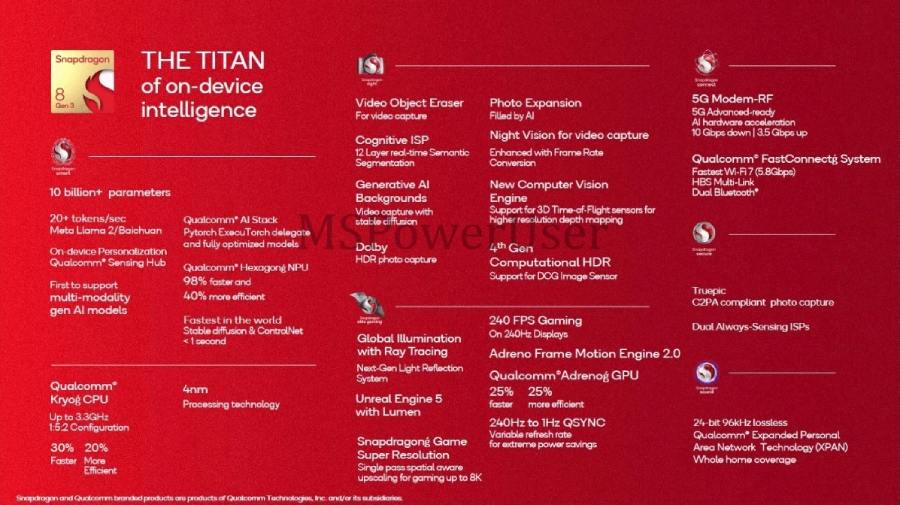
Qualcomm‘s next flagship SoC called the Snapdragon 8 Gen 3 will be launching in October. However, leaks about its details have already started surfacing. We recently learned that the Snapdragon 8 Gen 3 will be more costly than the Snapdragon 8 Gen 2 chip. Now, the chipset has made an appearance on Geekbench.

Snapdragon 8 Gen 3

A new smartphone with Snapdragon 8 Gen 3 chipset has been spotted on Geekbench. From the model number Nubia NX769J, it is clear that this is either a Nubia Z60 series or a Red Magic 9 series prototype device. The motherboard is codenamed Pineapple, and it has a 1+5+2 core cluster which was previously tipped by Ice Universe.

Nubia NX769J

The base clock speed of the device is 2.27GHz, whereas the prime core can go up to 3.19GHz. With that out of the way, the device has scored 1596 points on the single-core test and 5977 points on the multi-core test of Geekbench 5.

Previously, the alleged Samsung Galaxy S24+ US variant also visited Geekbench with single-core and multi-core scores of 2223 and 6661 points. That being said, it was running an overclocked version of the Snapdragon 8 Gen 3 SoC with 3.30GHz maximum clock speed.

The new Snapdragon 8 Gen 3 chip has certainly improved in both the single-core and multi-core aspects, however, the GPU on the SoC is also rumored to come with a significant performance bump. We’ll have to wait till some GPU benchmarks leak out to get an idea of the performance. Till then, stay tuned.

RELATED:

(via:DCS)

boAt Smart Ring With Smart Touch Control, Body Recovery Tracking Launched In India

The smart rings market is vastly untapped with Oura as the most popular brand. These are newer types of wearable devices and could be a potential alternative to fitness bands and smartwatches. Samsung has been reportedly in the news that it is working on a smart ring as per various trademark filings. Many smart rings available in the market are limited to a select few regions. In India, only Ultrahuman offers a smart ring. However, this is now going to change as homegrown brand boAt has now officially launched its smart ring. Read on to know everything about it below. 

boAt Smart Ring specifications and features

boAt had initially announced its smart ring last month. But now, we have official details on this new wearable device. It aims to revolutionize wearable tracking with features that are already available on smartwatches and fitness trackers. Smart rings could be a good alternative for people who prefer traditional watches instead of a smart device on their wrist for tracking their health metrics. 

The boAt Smart Ring is equipped with a ceramic and metal unibody for durability and premium looks. It is water-resistant up to 5 meters. The inner surface of the ring houses various sensors. On the other hand, the upper surface of the ring features smart touch controls that allow the user to interact and control compatible devices with swipe navigations. Users can control music playback, press camera shutter to click a photo, and navigate applications. 

In terms of health tracking, the boAt Smart Ring is equipped with 6-axis motion sensors. It has a heart-rate monitor, SpO2 sensor, a sleep tracker, and a menstrual cycle monitor for women that are commonly available on other wearable devices. The smart ring also packs a body temperature monitor for automatically measuring the user’s temperature. There is a body recovery tracker that will track the user’s recovery levels and enable them to push harder in their next workout. The device is capable of tracking various activities. With the boAt Ring app, users will get valuable and detailed insights with interactive data, trend mapping, and progress tracking. 

The boAt Smart Ring also features Emergency SOS. It is said to offer a battery life of up to 7 days on a full charge. 

The boAt  Smart Ring carries a price tag of Rs 8,999. It is offered in three ring sizes of 7, 9, and 11 with diameters of 17.40mm, 19.15mm, and 20.85mm respectively. It will be available for purchase from Amazon, Flipkart, and the brand’s website starting August 28. 

Related:

*Please Note: When you buy something using the links in our articles, we may earn a small commission at no cost to you.

Huawei and Ericsson Settle Patent Dispute, Sign Long-Term Agreement

Many of you may know Huawei and Ericsson for the phones they once produced. However, these two companies have another significant commonality. Both Huawei and Ericsson are telecommunications technology companies, in addition to making consumer electronics. They both have extensive expertise and investment in this field. Unfortunately, there has been ongoing tension between these two tech giants due to patent disputes. Thankfully, Huawei and Ericsson have signed a long-term patent license agreement for 3G, 4G, and 5G technologies. Here are the details…

Why Huawei and Ericsson’s Patent Deal Is a Win-Win for Both Companies and the World

In 2019, Huawei and EricssIn 2019 Huawei and Ericsson got into a legal dispute over the licensing of patents related to 2G, 3G, 4G, and 5G cellular technologies. The dispute has had a significant impact on the global telecommunications industry, making it more difficult for Huawei to obtain the licenses it needs to sell its products in some markets.

Now, the two companies have resolved their issues by signing a long-term agreement to share these important patents. The agreement covers the companies’ respective sales of network infrastructure and consumer devices, granting both parties global access to each other’s patented, standardized technologies.

“We are delighted to reach a long-term global cross-licensing agreement with Ericsson,” said Alan Fan, Head of Huawei’s Intellectual Property Department. “As major contributors of standard essential patents (SEPs) for mobile communication, the companies recognize the value of each other’s intellectual property, and this agreement creates a stronger patent environment. It demonstrates the commitment both parties have forged that intellectual property should be properly respected and protected.”

Over the past 20 years, Huawei has been a major contributor to mainstream ICT standards, including those for cellular, Wi-Fi, and multimedia codecs. In 2022, Huawei topped the European Patent Office’s applicant ranking for number of patent applications filed, with 4,505 applications.

“Our commitment to sharing leading technological innovations will drive healthy, sustainable industry development and provide consumers with more robust products and services,” added Fan.

Huawei is both a holder and implementer of SEPs and seeks to take a balanced approach to licensing. Through the signing of this agreement, it is both giving and receiving access to key technologies. Fan said, “This agreement is the result of intensive discussions that ensured the interests of both patent holders and implementers are served fairly.”

RELATED:

(via/source)

Huawei Tablets and nova 8 series get HarmonyOS 4 update in China

Huawei recently launched the HarmonyOS 4 official beta in China. Over 5 million devices installed the update within two weeks of its launch. However, only a few Huawei phones have the stable version for now. Huawei is working on improving the beta version for other devices so that more people can get a stable update later on. According to recent reports, Huawei nova 8 series and tablets have received the HarmonyOS 4 beta update. The full list can be found below:

HarmonyOS 4 on nova 8 series

HarmonyOS 4 beta update list:

  • Huawei nova 11 series 
  • Huawei nova 8 / nova 8 Pro / nova 8 Pro 4G 
  • Huawei Enjoy 50 Pro 
  • Huawei Enjoy 60 Pro
  • Huawei Enjoy 60
  • Huawei nova 9 SE
  • Huawei nova 10 SE
  • Huawei nova 10 Youth 
  • Huawei MatePad 11
  • Huawei MatePad 11 (2023) 
  • Huawei MatePad Air
  • Huawei MatePad Pro (10.8-inches)
  • MatePad Pro (11-inches)

In the upcoming update, new visuals and interactive experiences will be introduced. For instance, you’ll have the option to set your favorite emoji as wallpapers and customize the app’s icon to fit your device’s layout. The update will also include a Parental Control system, allowing users to monitor their child’s device using a Huawei ID.

Furthermore, notifications from the same app will be intelligently grouped together, providing more comprehensive details without the need to open each notification individually.

In related news, the Mate 50 and P60 have received a stable HarmonyOS 4 update. The size of the update is around 1.90GB. You can find the full article covered by us by clicking here.

RELATED: