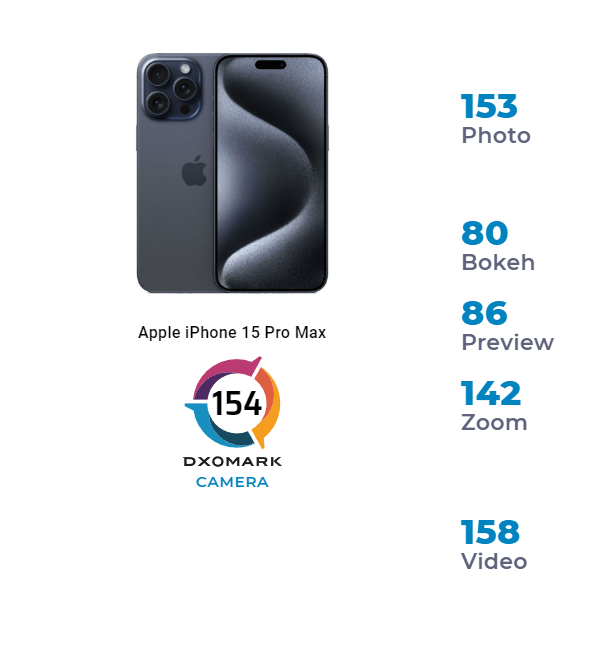
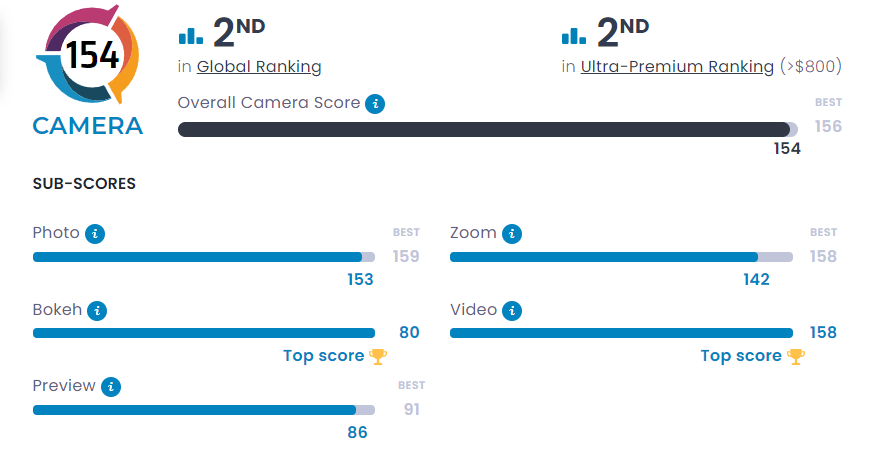
Apple‘s newly launched iPhone 15 Pro Max has been in the headlines recently due to its severe overheating issues. Although Apple is probably working on a solution, the smartphone has outperformed nearly all its rivals in DxOMark’s camera test. It’s worth noting that it’s come in second place overall, just behind the Huawei P60 Pro. Nevertheless, the iPhone 15 Pro Max stands out as the top performer in certain camera categories.
iPhone 15 Pro Max camera system: Pros and Cons
As per the DxOMark test results, the iPhone 15 Pro Max is really good at making photos look bright and vibrant, especially on HDR screens. Even in low-light situations, it manages to keep photos well-balanced and not too dark or too bright. The colors, especially when it comes to skin tones, look nice and natural. When there’s plenty of light, it captures lots of detail, so you can see things clearly. The autofocus is quick and accurate, ensuring sharp pictures. Plus, it helps make videos look steady.
On the downside, in low-light conditions, you might notice some graininess in the photos, which can be disappointing. Occasionally, there are unwanted things like weird glares or double images in the photos. It does well in good light, but when there’s a big difference between bright and dark parts of a scene, it might struggle a bit. Also, the level of detail can vary when you zoom in, which might not meet your expectations.
iPhone 15 Pro Max final scores
With all that being said, the iPhone 15 Pro Max with 154 points has performed considerably better compared to the iPhone 14 Pro Max which is currently sitting in the 9th position with 146 points.
Although the iPhone 15 Pro Max wasn’t able to surpass the Huawei P60 Pro, it has taken the crown in terms of Bokeh mode and Video.
Samsung traditionally conducts its first Galaxy Unpacked event of the year in February. The event sees the arrival of the new generation of Galaxy S flagship phones. Although we are several months away from the South Korean brand’s next-generation Galaxy S24 series, the rumour mill has been consistently spilling out information about the devices. Now the potential launch timeline of Samsung’s first Unpacked event for 2024 has been tipped.
Samsung Galaxy S24 series launch timeline tipped
As per reliable tipster Ice Universe on Chinese microblogging site Weibo, Samsung may hold its Galaxy Unpacked event earlier than usual next year. The launch date is tipped to be January 18. This means that the Galaxy S24 series will arrive earlier. Ice Universe adds that the date may not be accurate but the South Korean brand is most likely to announce the next-generation flagships around that time frame.
The last time Samsung’s Galaxy Unpacked event was in January was in 2021 which saw the debut of the Galaxy S21 series. An early launch means that Samsung’s next-generation Galaxy S24 lineup will compete against the flagships offered by brands like Vivo, Xiaomi, and OnePlus that usually announce after the launch of Qualcomm’s Snapdragon chipset in October or November. The S24 lineup will also help Samsung counter the strong demand for Apple’s iPhone 15 series.
Meanwhile, apart from the Galaxy S24’s launch in January, Samsung is widely expected to launch Fan Edition devices of its smartphone, tablet, and TWS earbuds. They have been a lot of news lately with an imminent launch expected in the coming weeks.
Boat has recently expanded its Stone series of portable speakers with the launch of the Stone 1800 Bluetooth Speaker. This speaker is designed for parties as it comes with fancy RGB lighting and can deliver powerful sound.
Boat Stone 1800 speaker specs
The boAt Stone 1800 is a sturdy and versatile portable speaker that measures 377 mm in length, 157 mm in width, and 180 mm in height, weighing approximately 2.9 kilograms. Equipped with a robust 5400mAh battery at 7.4 volts, this speaker can produce a powerful 90W RMS sound output. Of course, the speaker is tuned with Boat’s signature sound in mind, meaning that it will be bass-heavy.
You can enjoy your music for up to 5 hours with the RGB lights on, operating at 60% volume. Charging the speaker takes around 4-6 hours. It connects seamlessly through Bluetooth version 5.3. The speaker boasts a 1.5-inch tweeter and a 3-inch subwoofer for balanced audio.
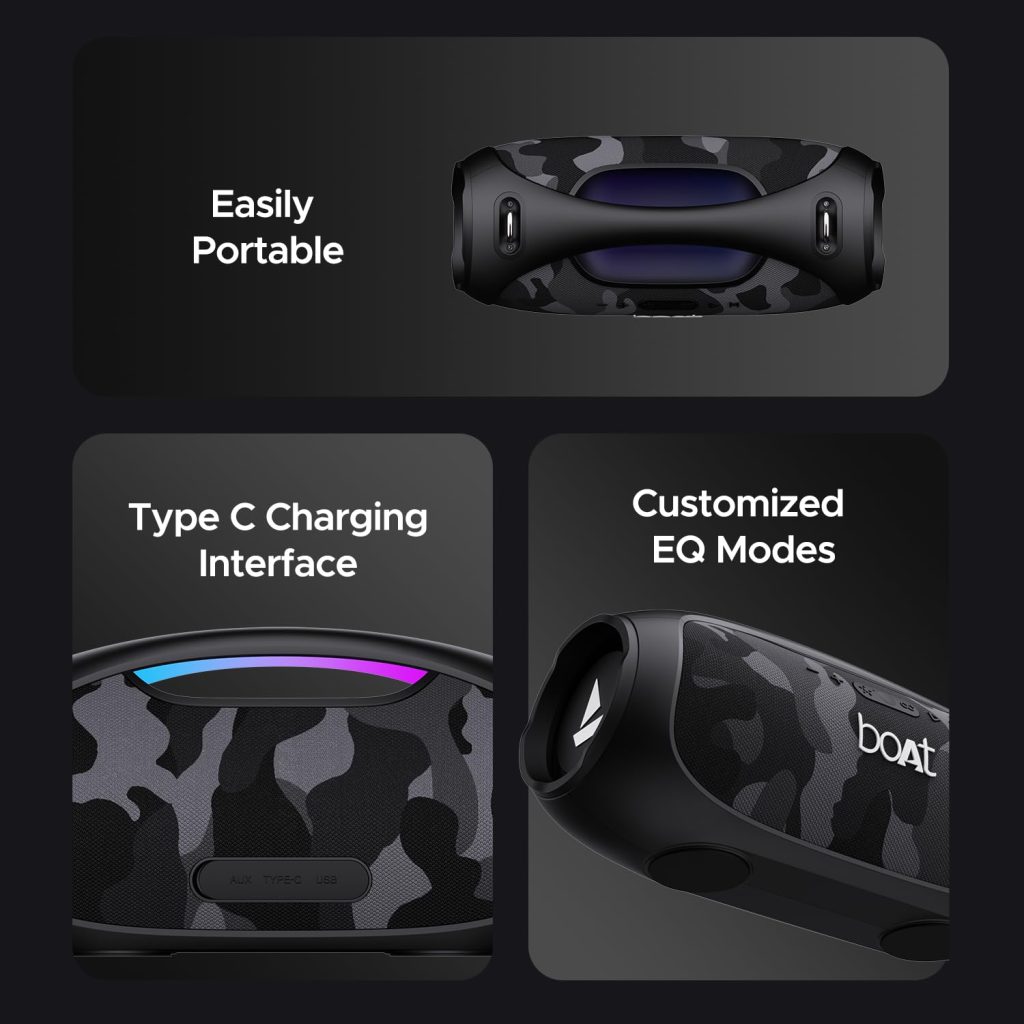
The boAt Stone 1800 is designed to withstand splashes, with an IPX6 rating, making it rugged and durable for outdoor use. It also provides sound customization with EQ modes, allowing you to tailor the audio to your liking. Additionally, it has a built-in microphone for hands-free calling.
One unique feature is its colorful light show with RGB LEDs, creating a lively atmosphere. You can even connect multiple speakers using the broadcast feature. Moreover, the speaker doubles as a power bank, letting you charge your devices on the go. It offers various connectivity options, including AUX and USB ports. Another key highlight is the USB-C charging port, making charging quite convenient.
Pricing & availability
The Boat Stone 1800 Bluetooth speaker is now available for purchase on Amazon India as well as Boat’s official website, priced at ₹8,999.
The Volkswagen Group finds itself in a production problem as reports from Germany indicate growing struggles to align supply and demand for their electric vehicles. Specifically, the production of Volkswagen ID.3 and Cupra Born will be halted in the first two weeks of October at their Zwickau and Dresden plants. The surprising element? The demand issue appears to be more acute for their compact electric hatchbacks rather than their crossover/SUV variants.
The company is even talking about job cuts in order to stabilize again
This move is particularly eyebrow-raising as the company had transitioned its Zwickau plant entirely to electric vehicle (EV) production. The factory, originally designed for a full three-shift production cycle to output approximately 330,000 vehicles annually, could muster only 218,000 in 2022. Volkswagen’s strategy seems to be misaligned with market demands, despite the general upswing in the all-electric market both in Europe and globally.
The immediate consequence has led to talk of job cuts and even discontinuing the third shift at the Zwickau plant by 2024. The company now finds itself in negotiations for a new production agreement with its Zwickau workers, aiming to come up with a plan that ensures the “economic viability” of the production site while taking into account the current market scenario.
This situation raises questions about consumer preferences in the growing electric car market. Why is there a lukewarm response to compact electric hatchbacks when the entire electric vehicle space is heating up? It begs the question whether car buyers are still tied to traditional vehicle types, even as they venture into electric territory. Are compact EVs losing their spark even before catching fire?
What’s also noteworthy is that production for the Volkswagen ID.4 and ID.5, along with the Audi Q4 e-tron variants, will continue as usual, suggesting that perhaps the European consumer is still more inclined towards larger, more robust electric vehicles. It’s a puzzle that Volkswagen, and perhaps other automakers, will need to solve sooner than later.
While production is set to resume on October 16, it’s clear that temporary production cuts are merely a band-aid for a more complex issue. The automotive giant will have to think long and hard about what European consumers really want in an electric car.
As cities grapple with traffic congestion and pollution, electric cargo bikes are entering the scene as a green alternative. One brand hoping to steer the change is the UK’s Estarli, with its newly unveiled Longtail e-cargo bike.
The bike also has provisions for a dual-battery setup
Unlike traditional e-bikes, the Longtail isn’t just about personal transportation. It aims to be a “do-it-all” machine, pushing the boundaries of what a cargo bike can achieve. Powered by a Bafang M400 mid-motor and an Enviolo gear system, the Longtail delivers an impressive 80 Newton-meters of torque, making it both powerful and efficient. It comes with a Gates Carbon Drive belt, a feature often seen in higher-end models, which ensures a smooth transmission of power to the rear wheel.
But what sets the Longtail apart is its focus on adaptability. The bike has a robust load capacity of 220 kilograms, including the rider. This makes it a viable option for small businesses, looking to deliver goods in a more sustainable way. During its initial launch, Estarli is even offering a “Family Pack” of accessories, indicating a clear intent to appeal to family-oriented consumers as well.
The bike is also future-proof. It comes with a 700-watt-hour battery and has provisions for a dual-battery setup. Imagine cruising around town for extended periods without worrying about battery life; that’s the promise the Longtail is looking to fulfill.
Moreover, the Longtail offers built-in lighting and a Suntour XCT fork for a comfortable ride, enhancing its utility as a dependable, everyday vehicle. It’s not just a bike; it’s a lifestyle change. By offering a product that combines performance, adaptability, and sustainability, Estarli is not just entering the e-cargo market; it’s making a statement about what the future of urban transportation should look like.
Estarli’s Longtail invites us to rethink how we move, shop, and even live, proving that sometimes, two wheels are indeed better than four.
Xiaomi has released the Moaan inkPalm 5 Pro mini e-reader Edition e-reader. The InkPalm Mini 5 Pro Edition is Xiaomi’s first e-reader product in 2023 and comes with a faster processor. It also offers full English language support and 64GB of internal storage.
The color scheme of the new InkPalm Mini 5 Pro is black around the bezels and silver elsewhere. The mini e-reader comes in a sufficiently compact design and can suitably fit into the pocket. It has a 5.2-inch E INK Carta HD e-paper display with a resolution of 1280 x 780 pixels and 284ppi. A layer of glass protects the screen which is also flushed with the bezel. The InkPalm Mini 5 Pro Edition offers 24 warm and cool LED lights to deploy at night or when in low-light environments.
The Xiaomi InkPalm Mini 5 Pro Edition is equipped with a quad-core 1.8GHz Quanzi processor. The mini e-reader has 1GB of RAM and supports Wi-Fi and Bluetooth 5.0 connectivity. It has volume buttons on its side which also function as manual page-turn buttons with some reading apps. The InkPalm Mini 5 Pro Edition runs on Android 8.1 and allows for sideloading your apps. The user can sideload apps via the traditional browser on the device or through its USB-C port. The e-reader has a 1,300mAh battery that sustains the device for up to 7 days.
There are a few pre-installed apps on the e-reader that do not support English language integration. These Chinese apps may need to be uninstalled when you purchase the InkPalm Mini 5 Pro Edition. The mini e-reader can be ordered from the Good e-Reader Store at $209.99.
In a surprising move, Electronic Arts (EA) has withdrawn its popular FIFA games from digital stores like Steam and console marketplaces. The timing is interesting, coming just as EA prepares to roll out EA Sports FC 24, the successor to its soccer simulation series, FIFA.
EA is preparing to roll out EA Sports FC 2024, which explains this decision
Although EA has remained tight-lipped on why these games were removed, the spotlight is on a probable licensing issue. The removal follows the end of a long-standing licensing partnership between EA and FIFA last year. The franchise has since been rebranded as EA Sports FC, with the first game under this new name set to release on September 29.
If you already own a digital copy of a FIFA game, don’t worry. You can still re-download it. You also have the option to play some of the older titles through EA Play, EA’s subscription service. But newcomers are out of luck; the games have been delisted and won’t appear in search on digital storefronts.
While FIFA’s name will still be linked with other games, it will likely no longer be associated with EA’s releases. FIFA president Gianni Infantino has assured that the “only authentic, real game that has the FIFA name will be the best one available for gamers and football fans.”
So, what does this mean for the average consumer? This could signal a new era where games evolve beyond their traditional brand names. However, it raises concerns about whether the newly branded EA Sports FC can fill the large shoes that FIFA has left behind. Time will tell, but for now, it’s clear that the game of soccer—both virtual and real—is undergoing some serious changes.
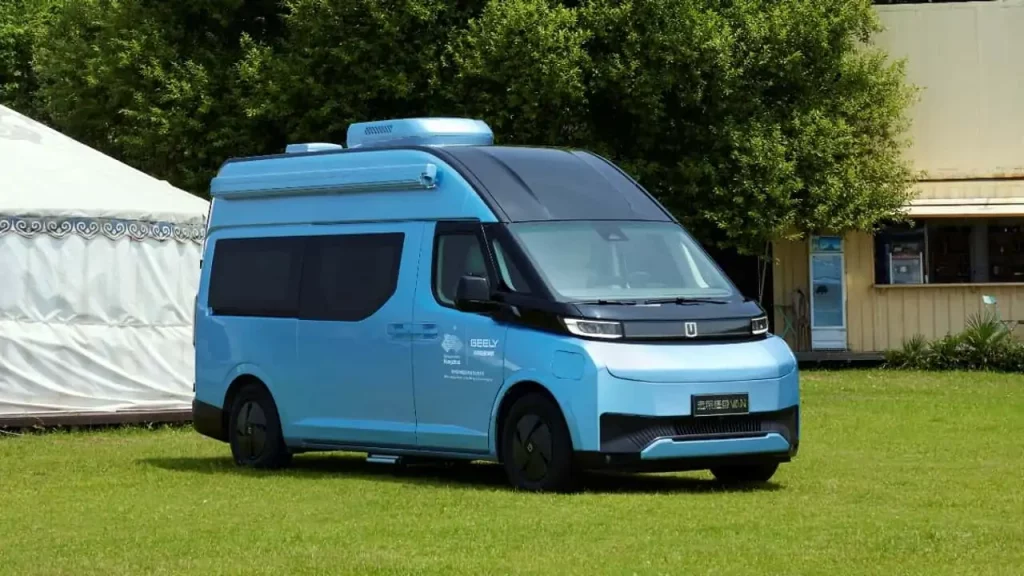
Geely‘s sub-brand Farizon Auto has unveiled its SuperVan commercial EV with a high-voltage swappable battery. The Farizon SuperVan also features a Methanol Range Extender and uses drive-by-wire technology.
The Farizon Auto SuperVan can output up to 10kW of 220V AC power for outdoor electricity use. The SuperVan is a great camping vehicle and has a pillarless side opening. The van’s versatility means that it can be configured for multiple purposes. Its drive-by-wire architecture eliminates the physical connection between the driver controls and the wheels. Rather than a mechanical connection between the brake pedal and calipers, a wire is in place as a link. The wire technology is also applied to the steering and acceleration system of the van.
The body of the SuperVan can be detached from its rolling chassis, allowing the EV to be easily adaptable to having a longer or short wheelbase, different types of suspension, and different steering configurations. The Farizon Auto SuperVan is termed a New Energy Vehicle (NEV) and it also comes with adaptive cruise control, city and highway auxiliary driving, and an intelligent speed limit assistant. The SuperVan also supports fatigue monitoring and the driver can have a 360-degree digital panoramic view from the cockpit.
The Farizon Auto SuperVan delivers intelligent power charging, scheduled charging, and digital key functionality. Certain features of the NEV can be controlled via its companion mobile app. There are still important details lacking for the SuperVan but the optics so far have been promising. More details are expected from Farizon Auto as the release of the SuperVan is awaited.
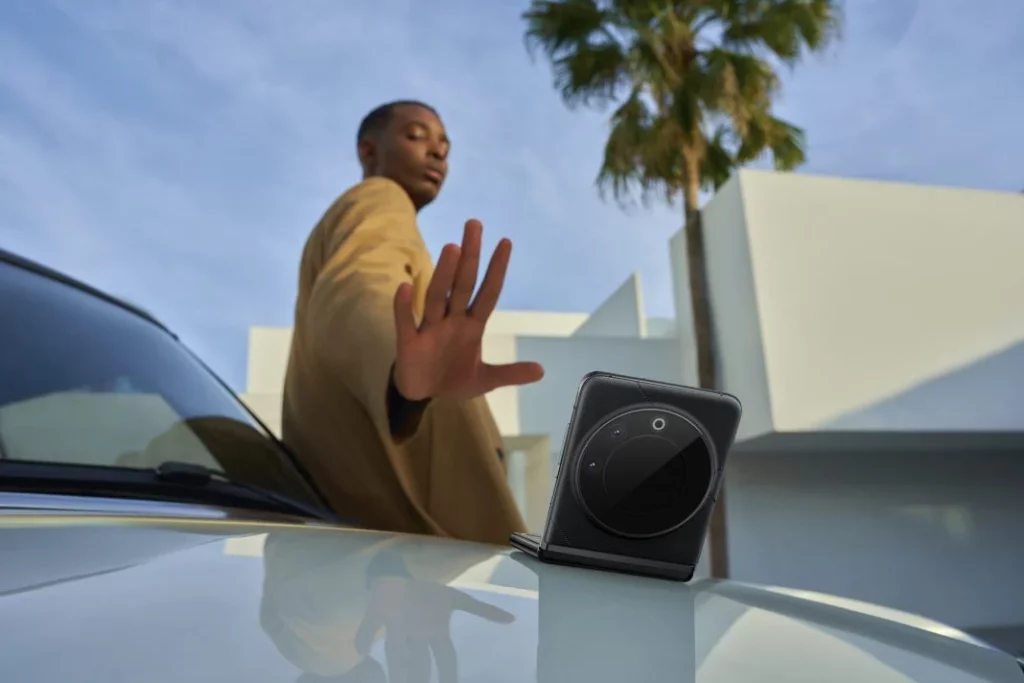
Foldable phones have been around for many years but have only recently started to gain popularity. In 2023, we’ve seen a lot of new foldables from a variety of new brands. One notable entry is Tecno. The company entered the market earlier this year with the Phantom V Fold and recently launched a flip phone called the Phantom V Flip. It’s the cheapest clamshell foldable on the market, and analysts believe it could give Tecno a chance to break into the premium market.
Tecno has made a name for itself as a maker of affordable smartphones. While the brand has launched flagship smartphones, such as the Phantom X2 and X2 Pro, budget phones have remained its core business. This isn’t necessarily a bad thing, as the brand has performed very well in recent quarters. However, the Phantom V Flip could help Tecno shed its entry-level brand image, according to a TechInsights blog post.
The blog, with inputs from analyst Abhilash Kumar, says Tecno V Flip’s launch signifies how technologically advanced and competent the vendor is. “With this launch, we believe Tecno tries to communicate the message that it is neck to neck with other Chinese vendors in terms of foldable innovation,” reads the blog.
“This launch also signifies that the brand is trying to go premium and wipe off its entry tier brand image. Kicked off with Tecno Phantom V Fold during MWC’23 and now Tecno Phantom V Flip the brand showcases its premium-ness. In the present scenario where the smartphone market has kind of become stagnant, the vendors are trying to increase their margins by targeting the premium segment,” adds the post.
To remind you, Tecno V Flip is available for purchase in India at an early bird price of INR 49,999 (USD 598). For European customers, the phone is priced at €700 ($735).
Logitech continues to expand its product range. The company, which manufactures mice, keyboards, cameras, and everything else you can think of, has become a favorite for professionals, gamers, and everyday users who prefer simple products. Now, the company has introduced a new product specifically for gamers. The company recently announced the Playseat Challenge X – Logitech G Edition, a foldable racing seat cockpit designed for use with Logitech G racing wheels and pedals. Here are the details…
Logitech’s New $299 Folding Chair, Elevate Your Sim Racing Experience
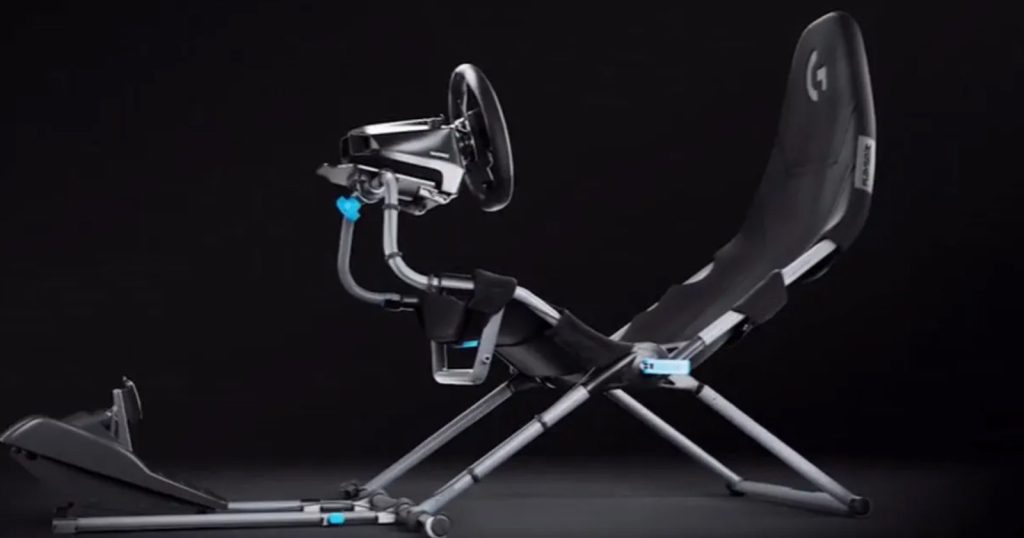
I’m sure you’ve seen gaming chairs with cockpit designs on the internet. These setups, which make many people drool at first sight, are now available with Logitech’s gaming-focused brand, ‘G’. The Playseat Challenge X – Logitech G Edition is a lightweight, foldable racing simulator cockpit. It’s designed to be compatible with Logitech G racing wheels and pedals. According to the company, it’s a great option for both beginners and experienced sim racers, all at an affordable price.
According to the companies statement the Playseat Challenge X is made from a durable steel frame and features a breathable Actifit material seat for comfort. It is also fully adjustable, so you can find the perfect racing position for your needs. The cockpit also features a gear shift mount and a tilting pedal mount, which are both included with the Logitech G Edition.
One of the key features of the Playseat Challenge X is its lightweight and foldable design. This makes it easy to set up and store the cockpit, even if you have limited space. The cockpit also comes with a carrying case, so you can easily transport it to and from LAN parties and other events.
The Playseat Challenge X is compatible with a wide range of Logitech G racing wheels and pedals, including:
Logitech G29
Logitech G923
Logitech G Pro Racing Wheel
Logitech G Driving Force Shifter
Logitech G Pro Racing Shifter
Price & Avalibality
The Playseat Challenge X – Logitech G Edition has a suggested retail price of $299 and €299. It is available now at major retailers, including LogitechG.com.
It’s that time of the year when e-commerce giants like Amazon and Flipkart come up with some irresistible deals on a wide range of products. Flipkart has already started to announce deals in anticipation of its upcoming Big Billion Days Sale. While more tempting offers are yet to be unveiled, the retailer has revealed how much the popular Nothing Phone (1) and Google Pixel 7 cost in India during the sale.
Nothing Phone (1) and Pixel 7 get more affordable
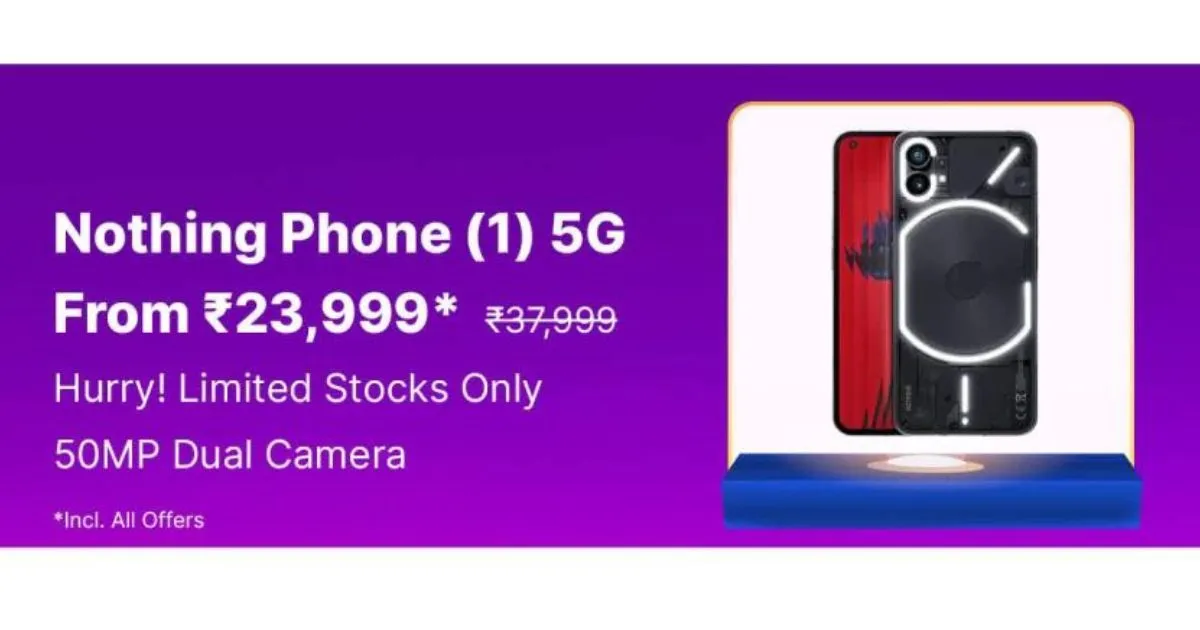
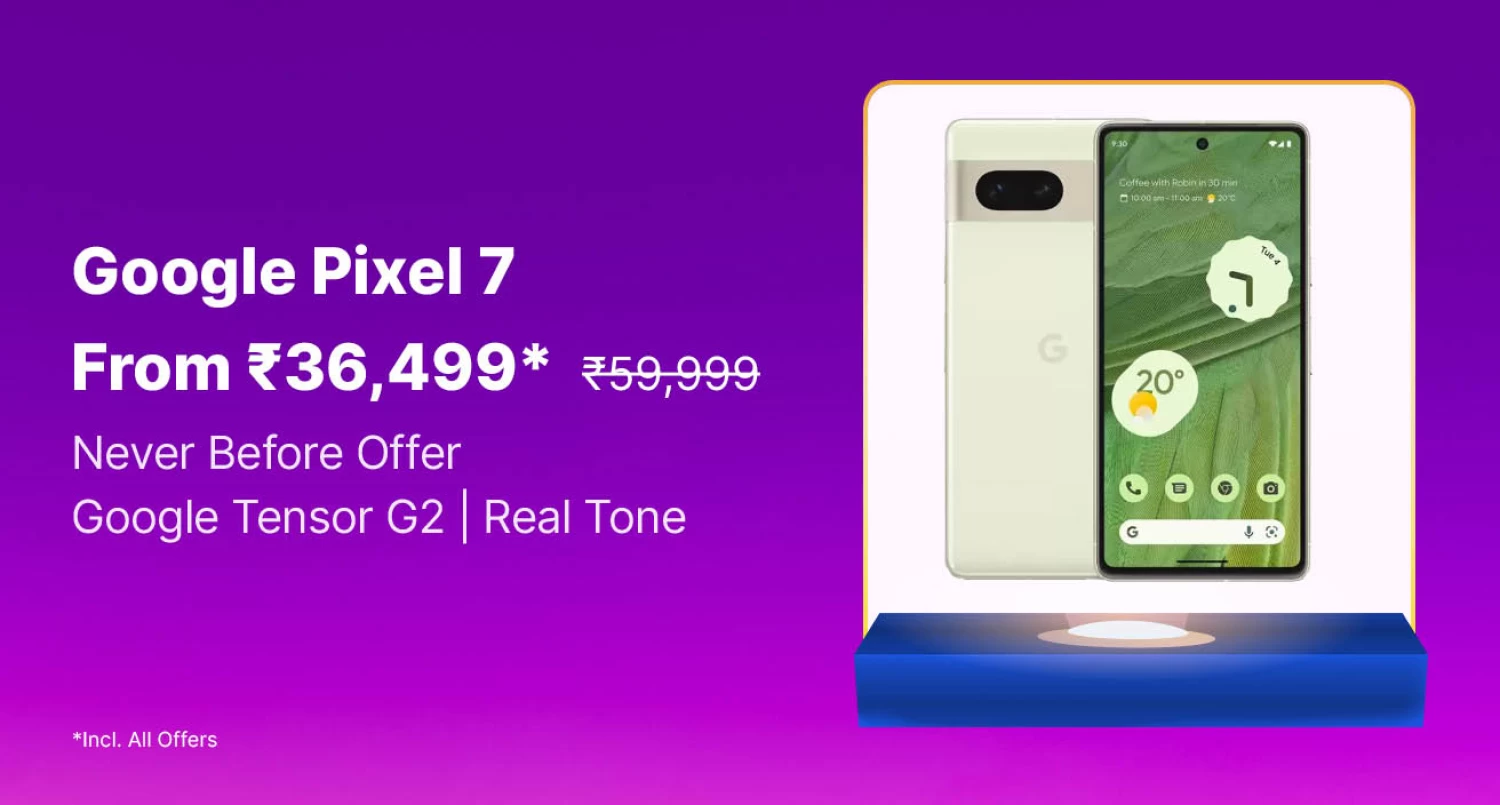
Flipkart is offering last year’s Google Pixel 7 at a price of Rs. 36,499 and the Nothing Phone (1) for Rs. Rs 23,999. Both these prices are inclusive of all offers. To be more specific, the Pixel 7 is listed on Flipkart for Rs 41,999 as of now. The company will be offering a flat Rs 3000 instant discount with ICICI Credit Card transactions and another Rs 2500 discount on the exchange of a smartphone, bringing the price to Rs. 36,499.
As for the Nothing Phone (1), Flipkart will give a flat Rs 3,000 discount with ICICI Bank Credit Card transactions, making the base 8GB + 128GB cost Rs 23,999. The same discount will also apply to the 256 GB variant of the smartphone, which costs Rs 28,999 in white and Rs 29,499 in black.
To remind you, Nothing Phone (1) and the Pixel 7 are both solid mid-range smartphones. The former brings a tempting design with a transparent back and the latter offers the flagship Tensor G2 chip, paired with solid cameras.
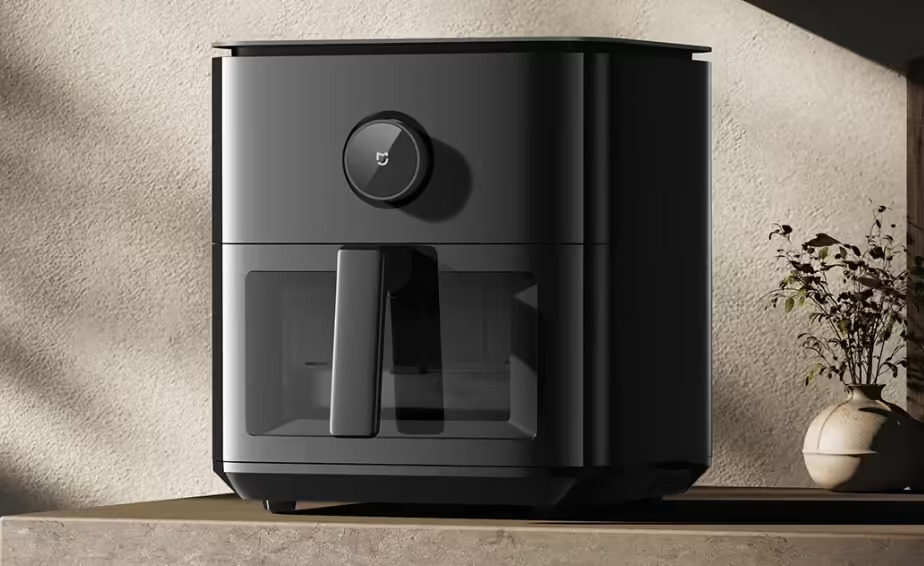
Xiaomi has just launched an exciting new product on Xiaomi Youpin – the Mijia Smart Air Fryer 6.5L Tender Roast Edition. Let’s delve into its standout features.
Mijia Smart Air Fryer 6.5L Tender Roast Edition Key Features:
This smart air fryer stands out with its intelligent misty tender roasting mode. This unique feature uses advanced 3D mist creation technology to enhance moisture retention by 23%, allowing for perfectly succulent roasting.
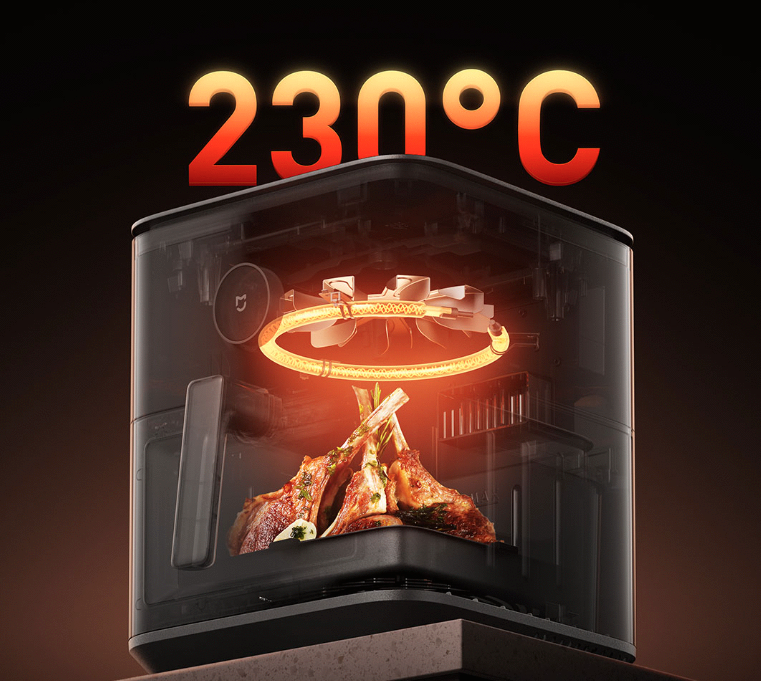
The fryer doesn’t stop at just tenderizing; it also comes with a high-temperature defatting mode which can reach up to 230°C. This mode optimally increases the defatting rate by 116%, ensuring that the users get to experience a diversity in cooking, enjoying crispy on the outside and tender on the inside dishes.
This air fryer uses dual-blade fan blades and a three-dimensional vortex frying basket, ensuring that your food is evenly heated without requiring any flipping. With its robust 1800W power and far-infrared heating technology, it rapidly accelerates temperature increases. To add to its precision, the NTC precise temperature control system continuously monitors and adjusts the internal temperature in real-time, giving you precise control over your cooking.
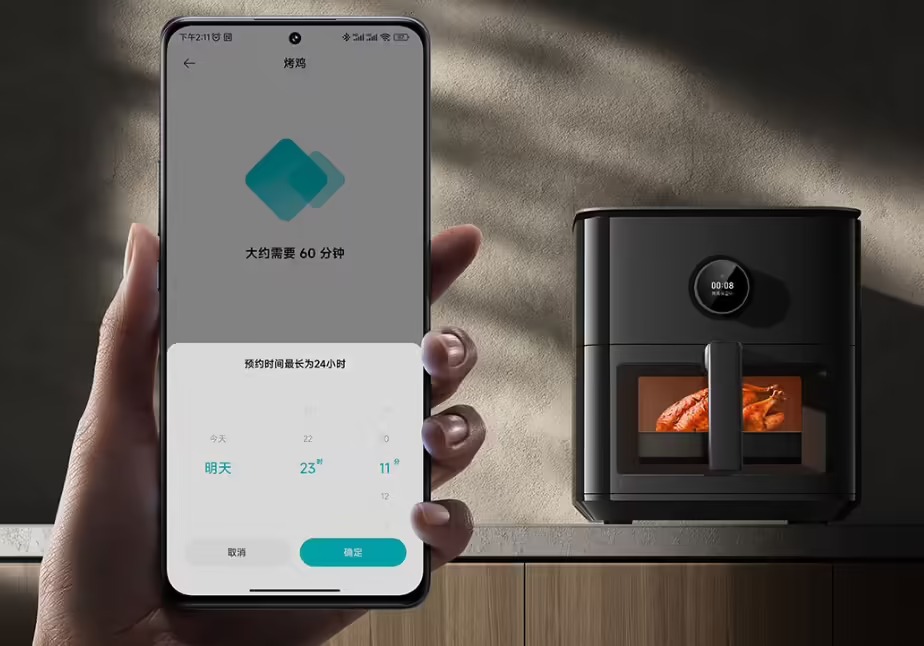
The air fryer offers user-friendly features including a spacious 7-inch viewing window, which is 138% larger than its predecessor, making it simpler for users to monitor their cooking. It integrates seamlessly with smart features like a 24-hour extended appointment and a 30-minute automatic insulation. Users can control the air fryer through three convenient methods: a rotary knob, the Xiaomi Home App, or the Xiao Ai voice assistant.
Moreover, the users won’t be short of cooking options with this appliance as it comes equipped with 12 preset menus and provides access to over 60 diverse online cloud recipes.
The air fryer is currently available for crowdfunding at a price of 449 yuan ($61). The crowdfunding campaign will end on October 4th at 10 a.m.
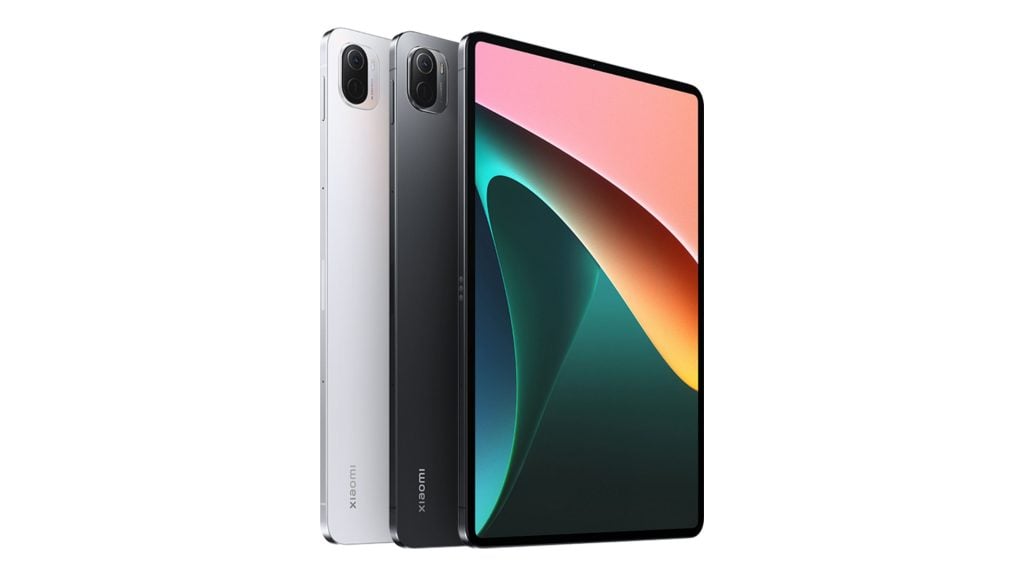
Xiaomi re-entered the tablet category with the launch of the Xiaomi Pad 5 series in 2021. These devices were introduced with MIUI 12.5 for Pad based on Android 11.
Right now, they boot Android 13-based MIUI 14 in all the markets. According to new findings, these products will get an update to MIUI 15 in the near future. But there’s a catch.
Xiaomi Pad 5
Xiaomiui says that Xiaomi is developing MIUI 15 builds for the original three Xiaomi Pad 5 series models. These include Xiaomi Pad 5, Xiaomi Pad 5 Pro WiFi, and Xiaomi Pad 5 Pro 5G.
However, the upcoming MIUI update for these tablets will not bump up the Android version. In other words, they will not be receiving the Android 14 update.
It is not surprising as Xiaomi did not promise three OS upgrades for them, unlike the Xiaomi 11T series and Xiaomi 11 Lite NE 5G that were released in the same year. But it still does not feel right,
Because consumers are known to use tablets for a longer period than smartphones. Anyway, the software support on Xiaomi tablets is far better than earlier but it is still not enough. For the unaware, previous Xiaomi tablets generally received a single MIUI update and no Android update.
Compared to other Chinese OEMs, Xiaomi is slow to adopt better software support, For instance, it just announced 4 OS updates for select smartphones while competitors made such changes last year.
Without a doubt, the internet is one of the most significant inventions in human history. Today, from basic communication to the finance sector, almost the entire world operates through the internet. One would think that such an entity should be managed impartially, right? Unfortunately, that’s not exactly the case.
In 2018, the Trump administration repealed net neutrality rules that had been in place since 2015. This decision was met with widespread opposition from internet users, technology companies, and public interest groups. Thankfully, after five years, the Federal Communications Commission finally announced plans to reinstate net neutrality. Here are the details…
The Rise, Fall, and Rebirth of Net Neutrality
For those who may not know, net neutrality is the idea that internet service providers should treat all online data the same. This means they shouldn’t favor, block, or slow down certain websites or services, nor should they charge extra for specific content. Simply put, it’s about ensuring equal access to everything on the internet.
At first glance, it might not seem so bad that ISPs can block certain websites. However, remember that if we start compromising our principles like net neutrality for a few benefits, it could lead to further concessions. Especially, potential misconduct can seriously result in some companies going under. Thankfully, the FCC finally announced plans to reinstate net neutrality.
The FCC has shared its intention to bring back net neutrality regulations. Although the specifics of these rules are still being decided, the commission has expressed its desire to classify broadband internet as a public utility. This would provide the FCC with more control over internet providers.
In the upcoming months, the FCC will vote on a proposal regarding reinstate neutrality. If the proposal passes, the public will have a chance to give their feedback before a final vote is conducted.
European Union officials have singled out X, formerly known as Twitter, as a purveyor of fake news and disinformation. European Commission Vice-President Vera Jourova urged owner Elon Musk to adhere to EU regulations combating disinformation, emphasizing that X is obligated to comply despite exiting the voluntary code of conduct. This comes as concerns about election interference by malicious actors, including Russia, loom large ahead of pivotal elections in Slovakia, Poland, and the broader EU.
Jourova did not mince words when referring to Russia’s disinformation campaigns, dubbing them a “weapon of mass manipulation” that targets not only Russians but also Europeans and the global audience. She stressed the urgent need for major tech companies, including Google, TikTok, Microsoft, and Meta, to step up their efforts in combatting disinformation, particularly stemming from Russia.
A recent study conducted by the European Commission scrutinized the prevalence of disinformation on six online platforms in Poland, Slovakia, and Spain. Alarmingly, X emerged as the platform with the highest incidence of disinformation, drawing attention to its role in propagating false narratives. Furthermore, disinformation actors on X were found to have more followers and to have joined the platform more recently than non-disinformation users.
The concerns over disinformation have been exacerbated by upcoming parliamentary elections in Slovakia and Poland, with European Parliament elections scheduled for the subsequent year. Social media platforms, including X, were taken to task for their perceived lackluster efforts in combating the proliferation of fake news.
In response, the European Commission has called for more substantial efforts and better results from online platforms in tackling disinformation. Russian propaganda and disinformation continue to cast a shadow over the digital landscape, posing a grave threat to the integrity of the electoral process and geopolitical stability.
Vera Jourova underscored the critical importance of countering disinformation in the digital realm, particularly in the face of ongoing geopolitical conflicts. With Europe’s democratic foundations at stake, the spotlight remains firmly fixed on tech giants to take decisive action against the spread of fake news and disinformation on their platforms. As the countdown to crucial elections begins, the world watches closely to see whether these calls for action will yield meaningful results.
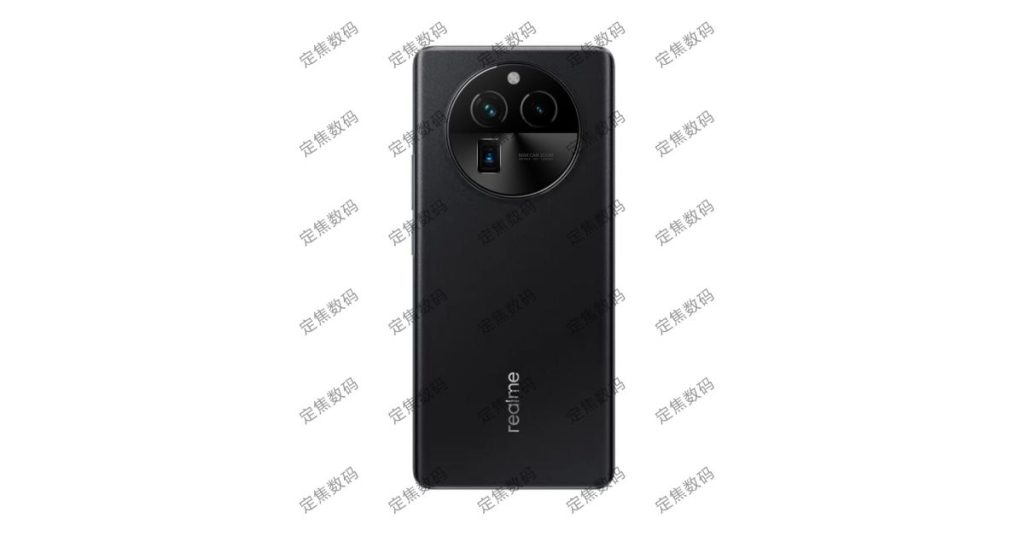
Realme GT 5 Pro and Realme 12 Pro+ smartphones that are expected to launch this year are expected to come equipped with a periscope telephoto camera. While the GT 5 Pro will be a flagship phone powered by the Snapdragon 8 Gen 3 chipset, the Realme 12 Pro+ will be a mid-range offering. A tipster from China has shared a render of what appears to be one of these smartphones. In addition, tipster Digital Chat Station has tipped the expected price of the Realme 12 Pro+.
Alleged Realme 12 Pro+ render
Realme 12 Pro+ leak render
In the above-shown concept render, a Realme phone can be seen sporting a large round camera island. Inside it, there is an LED flash, followed by two cameras and a rectangular periscope telephoto camera. The Weibo user who shared the above image claims that it is the Realme GT 5 Pro. However, since the design aligns with the circular camera island available on the likes of the Realme 11 5G and Realme 11x 5G, it seems that the image may belong to the Realme 12 Pro+.
Alleged Realme 12 Pro+ price tipped
Based on a recent Weibo post by tipster Digital Chat Station, the Snapdragon 8 Gen 3-powered Realme GT 5 Pro will feature a high-quality periscope telephoto camera.
He also claimed that Realme will also launch a phone with a periscope in the price range of 2,000 Yaun (~$273). To recall, the base model of the Realme 11 Pro+, featuring 12 GB of RAM and 256 GB of storage, is priced at 2,099 Yuan (~$287). Hence, it appears that the tipster may have given a hint about the Realme 12 Pro+.
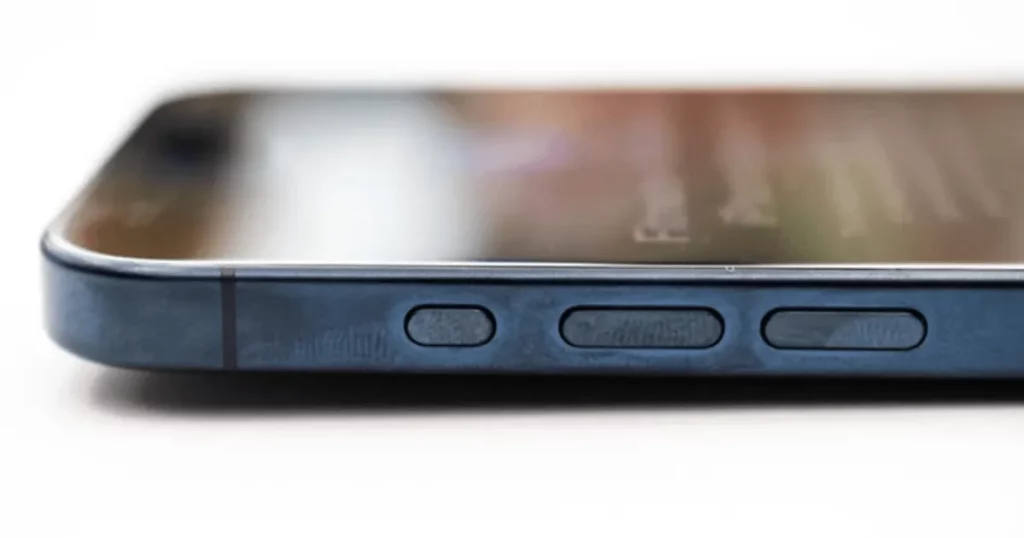
Apple’s latest generation iPhone 15 series is up for purchase in the global markets. The demand for Pro models is also high leading to delayed deliveries across the world. However, the latest generation Pro phones are also marred by various issues. The iPhone 15 Pro and Pro Max are suffering from overheating woes, failed durabilty test, and titanium discoloration. Now, the Cupertino-based tech giant has acknowledged one of the issues.
Apple acknowledges discoloration issue on iPhone 15 Pro models
The iPhone 15 Pro and Pro Max come with a titanium chassis. Several users took to the internet to highlight the discoloration and halo effect on the titanium frame of both devices. Apple has officially confirmed that the iPhone 15 Pro models without a case may discolor the titanium frame but only temporarily. This is caused by the oil from the user’s skin.
The Cupertino-based tech giant has updated its ‘Cleaning your iPhone’ support document on its official website. It includes instructions on how to clean, disinfect, and maintain the original look of the iPhone. Apple states that ‘the oil from your skin might temporarily alter the color of the outside band’ The company recommends users to wipe the frame with a soft, damp, and lint-free cloth to resotre the iPhone’s look. The device should also be cleaned immediately if it comes in contact with anything that causes stains or other damage.
For those unaware, Apple sells a premium polishing cloth on its website. It is now compatible with the iPhone 15 series. The polishing cloth features a soft, non-abrasive material to eliminate discoloration. Additionally, it’s worth recommending iPhone 15 Pro users to avail a protective case for any discoloration issues as the device would be regularly exposed to the natural oil of the skin.
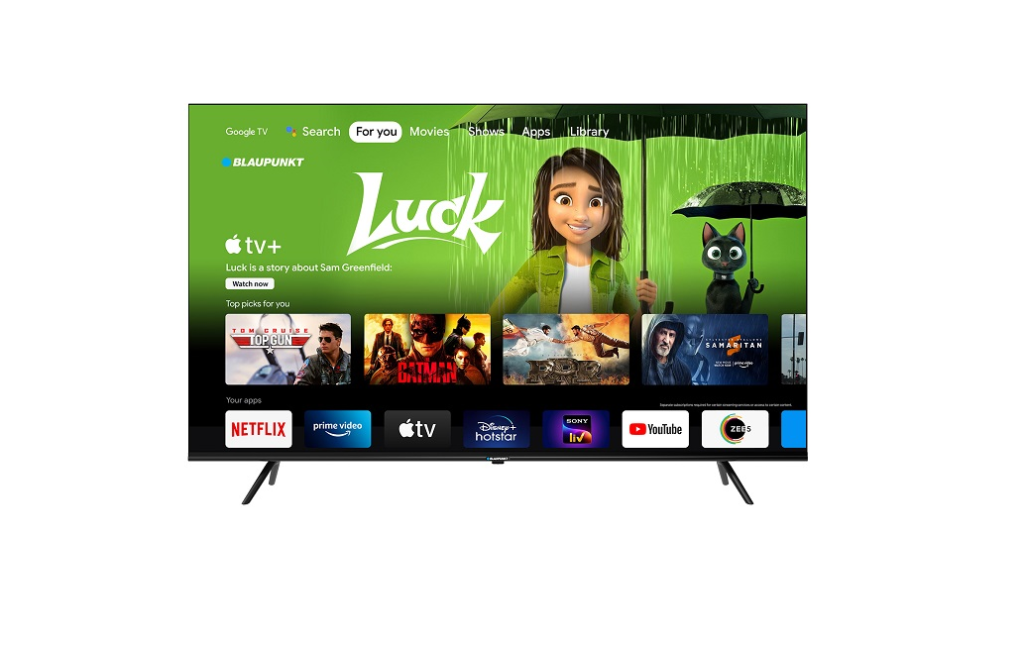
After launching the Blaupunkt CyberSound G2 series TVs in June, the brand has now unveiled a new range of QLED TVs in the Indian market in 43″ and 55″ sizes. Keep reading to find out the details.
Blaupunkt 43″ & 55″ QLED TV specs
The Blaupunkt 43″ QLED TV (43QD7050) offers a 43-inch QLED 4K display with a crisp resolution of 3840 × 2160 pixels. With a brightness of 550 nits and a contrast ratio of 5000:1, it delivers clear visuals, while its 178-degree viewing angle ensures a good view from different angles. The TV features an impressive 1.1 billion colors. It supports HDR formats like HDR10+ and Dolby Vision. Additionally, it handles MEMC at 60Hz and HLG content with ease.
Under the hood, the TV is powered by the MediaTek MT9602 Quad-Core Processor, accompanied by a Mali-G52MC1 GPU, 2GB of RAM, and 16GB of storage. It comes with built-in Chromecast and AirPlay for convenient content streaming. In the audio department, it boasts a 50W output with support for Dolby Atmos, Dolby Digital, and DTS TruSurround.
Running on the Google TV operating system, it offers Google Assistant for voice commands and a Kids mode for family-friendly content. It supports dual-band Wi-Fi and Bluetooth for seamless connectivity. The TV provides 3 HDMI ports with e-ARC support, 2 USB ports, and an Ethernet port for various connectivity options. In terms of dimensions, it measures 970 mm x 620 mm x 230 mm with the stand and weighs 6.5 kg with the stand included.
On the other hand, the Blaupunkt 55-inch Google TV offers a bezel-less 4K HDR10+ display with 1 billion colors and a stylish alloy stand. It features a powerful 60W Stereo Box Speaker system with Dolby Digital Plus and DTS TruSurround technology. It boasts three HDMI ports (including ARC and CEC), two USB ports, and compatibility with DVB-C/DVB-T/T2, catering to your digital needs. In terms of dimensions, it measures 1240 mm x 780 mm x 290 mm with the stand and has a weight of 10.5 kg with the stand included.
Pricing & availability
The Blaupunkt 43-inch 4K QLED TV (43QD7050) comes at a price of Rs. 28,999, while the larger Blaupunkt 55-inch 4K Google TV (55CSGT7023) is available for Rs. 34,999. It is available to purchase on Flipkart and is available with a 10% instant discount on ICICI, Kotak, or Axis Bank Cards.
Smartphone brands have been releasing 5G-enabled handsets in India since 2020. Initially, only premium devices had support for 5G. However, starting in 2021, sub-₹15,000 5G smartphones were introduced to the market.
Back then, these budget 5G smartphones didn’t offer better value than similarly priced 4G models. Even after the country’s 5G network went live in 2022, the situation remained largely unchanged.
Fast forward a year, and we finally have a good option in the form of Redmi 12 5G. Having used this phone for the last few days, I have expressed my thoughts in this article.
I’d like to start off by letting readers know that Xiaomi India loaned me the device. However, as always, the opinions mentioned here are mine, and the brand had no early look either.
A Design that Stands Out
There have been many sub-₹15,000 5G smartphones before, even from Xiaomi. However, none of them felt as premium as the Redmi 12 5G.
Even today, there’s only a single competitor to this product in the design department. The alternative is nothing but an offshoot of this very same phone, the Poco M6 Pro 5G.
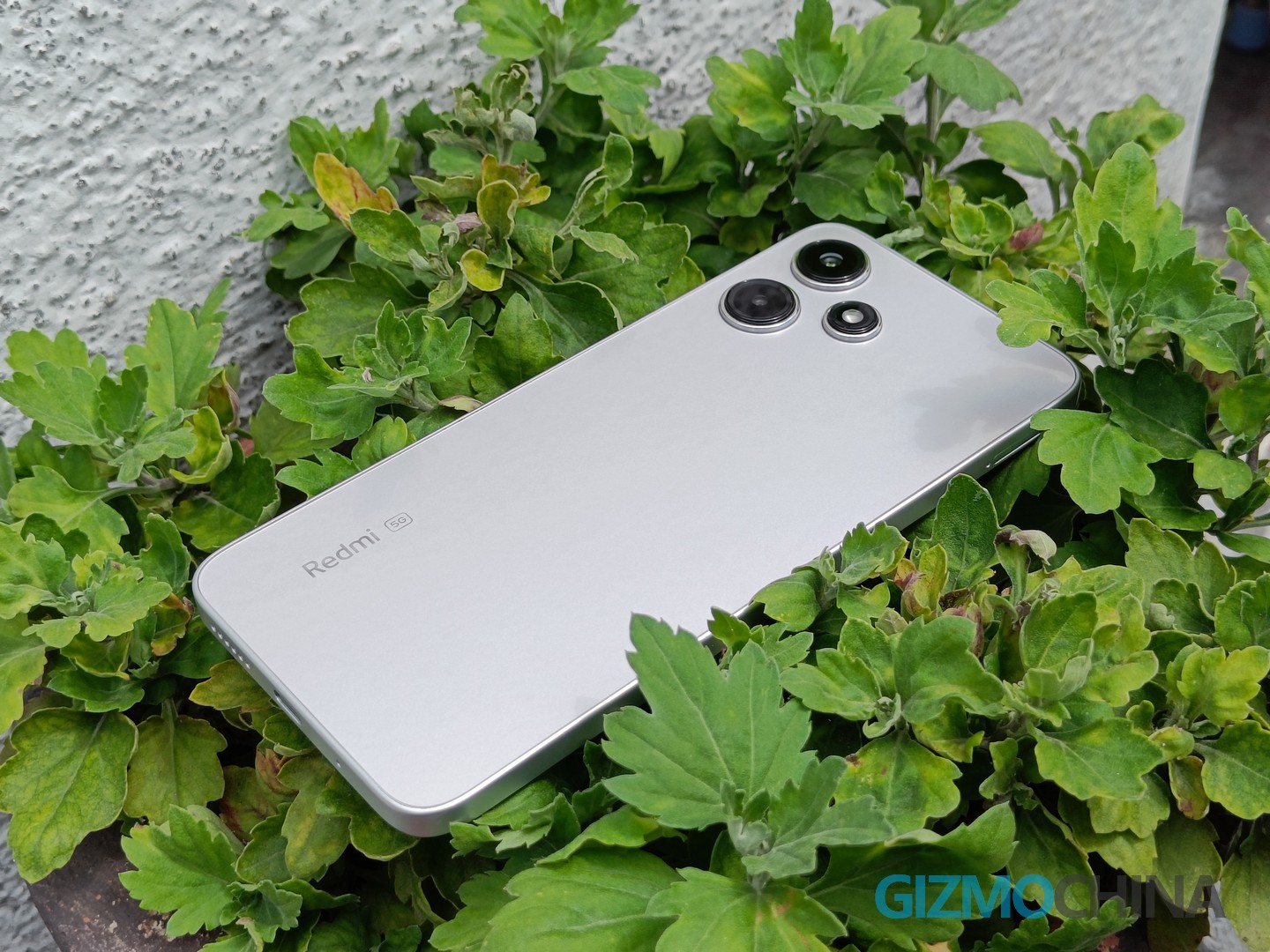
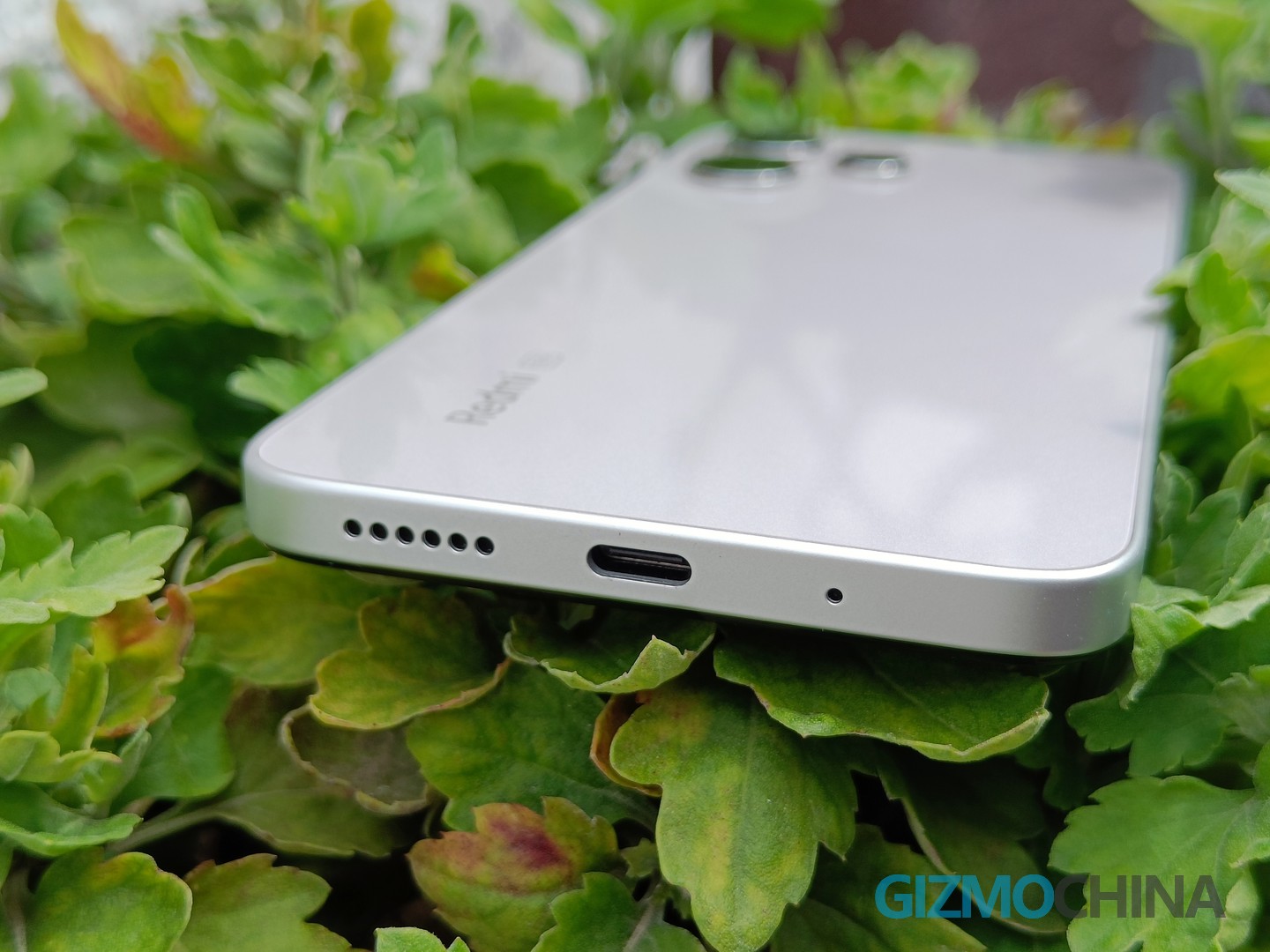
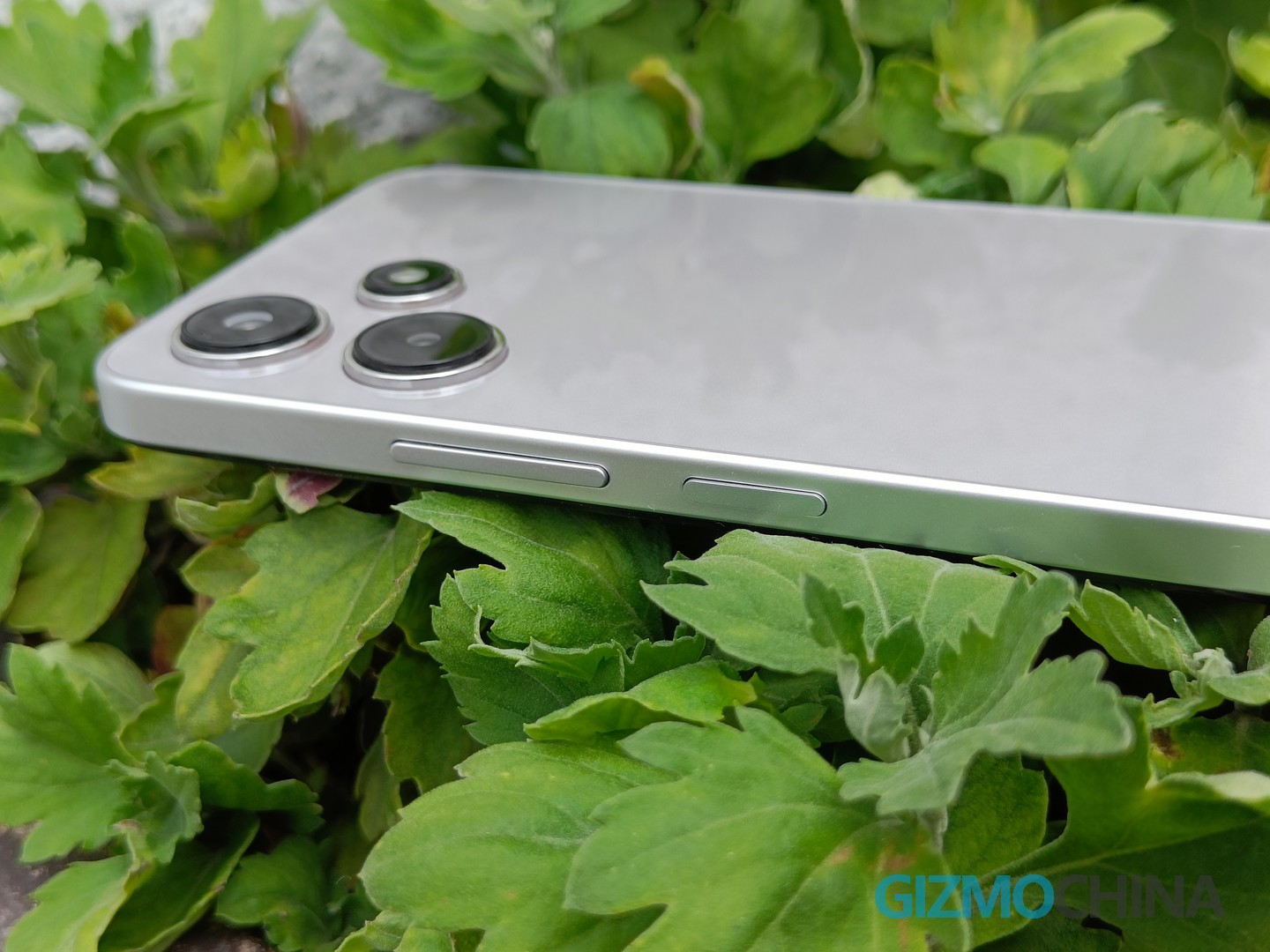
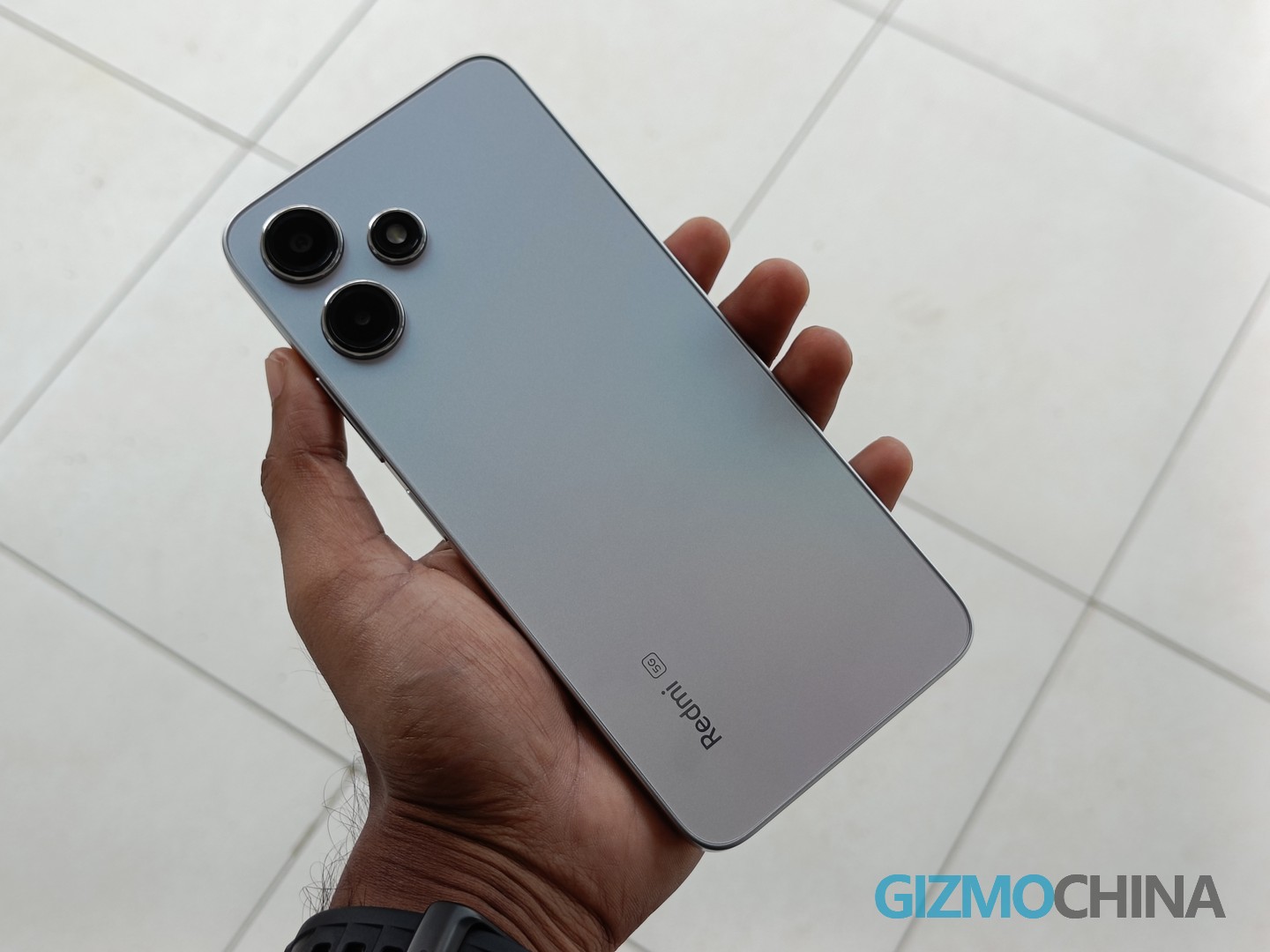
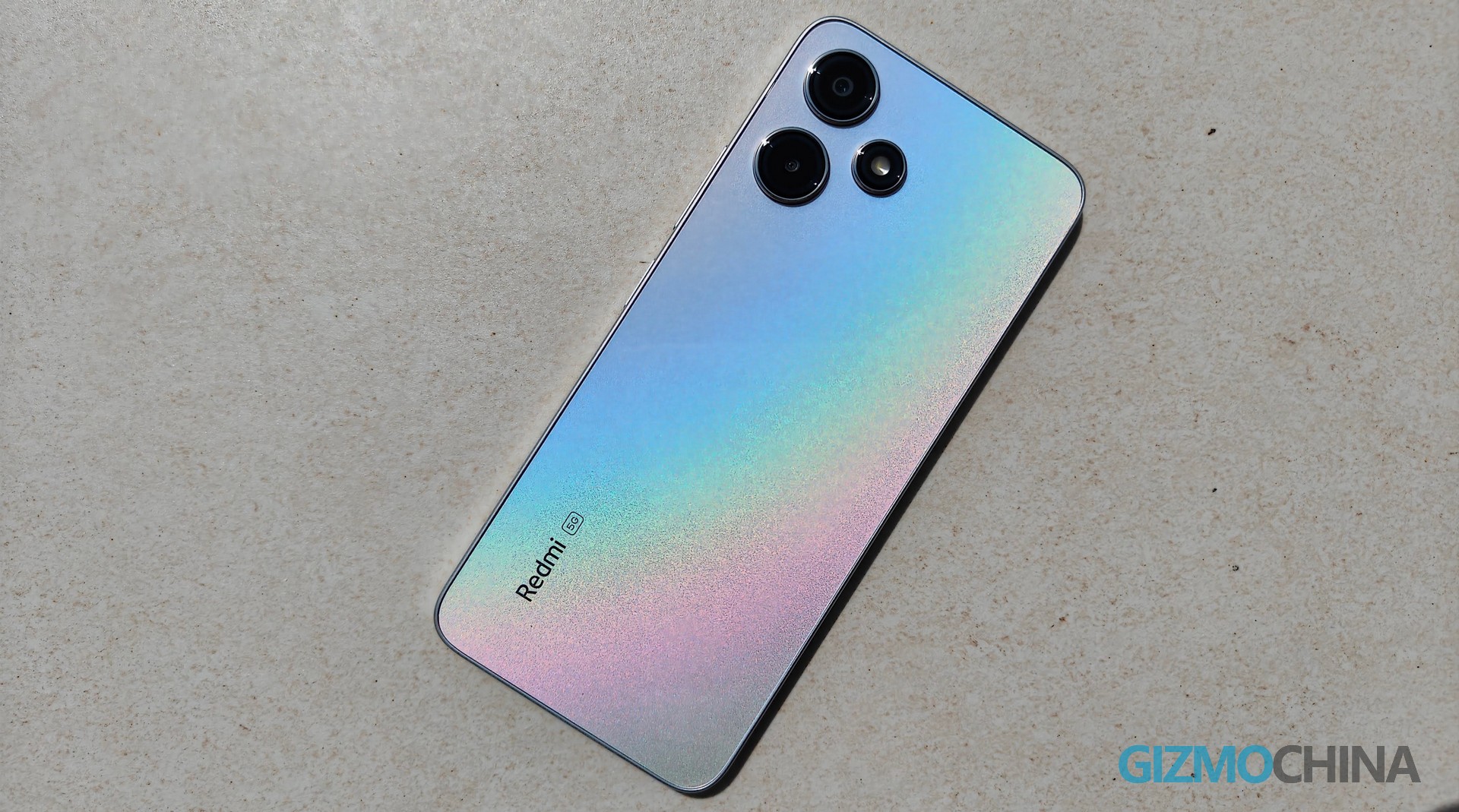
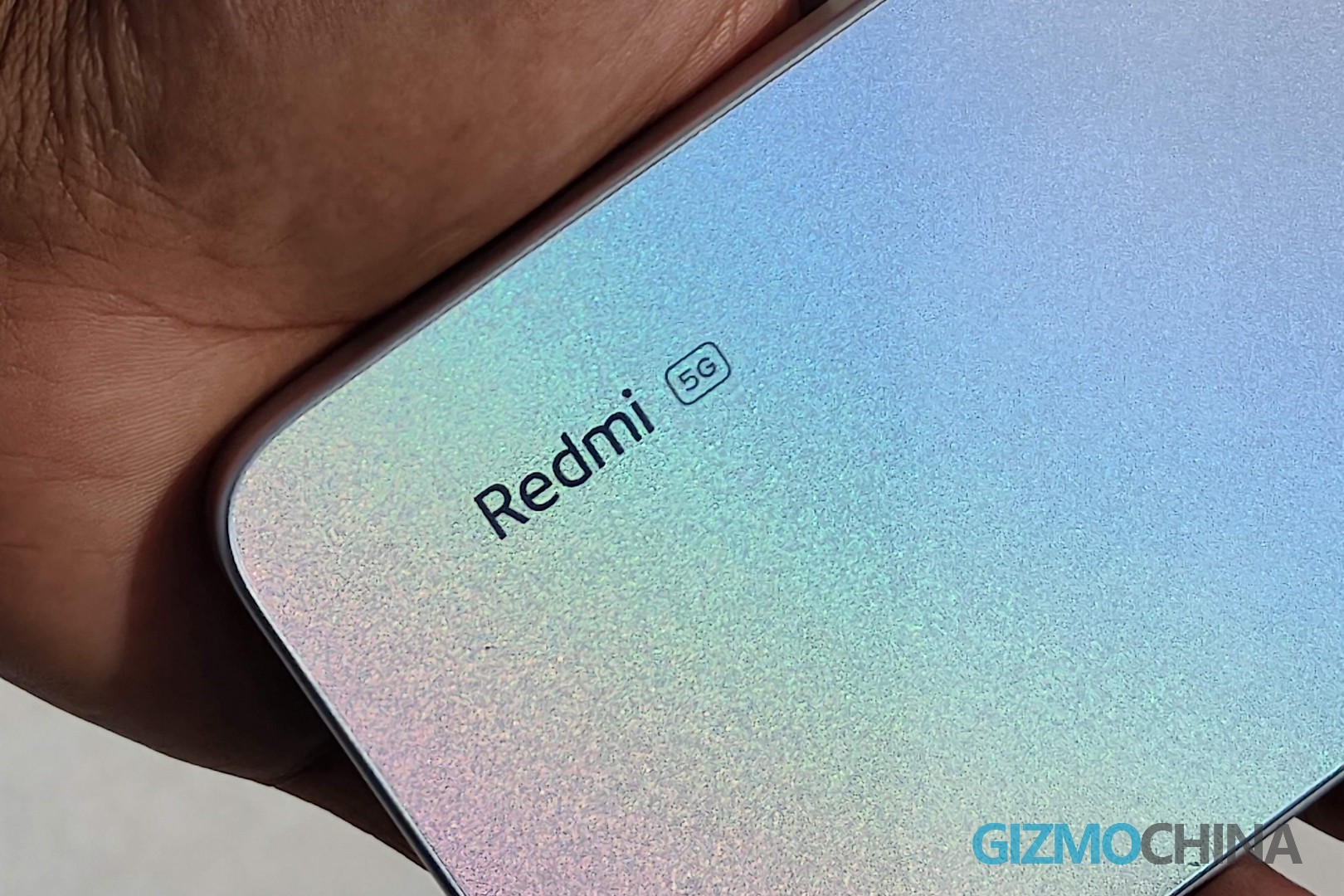
The Redmi 12 5G’s premiumness comes from its CMF (Color, Material, and Finish). It has a glass sandwich body with a plastic frame in between.
The rear glass has a glossy finish, which is not a con here unless you get the Jade Black color option. The Pastel Blue and Moonstone Silver color variants don’t show smudges.
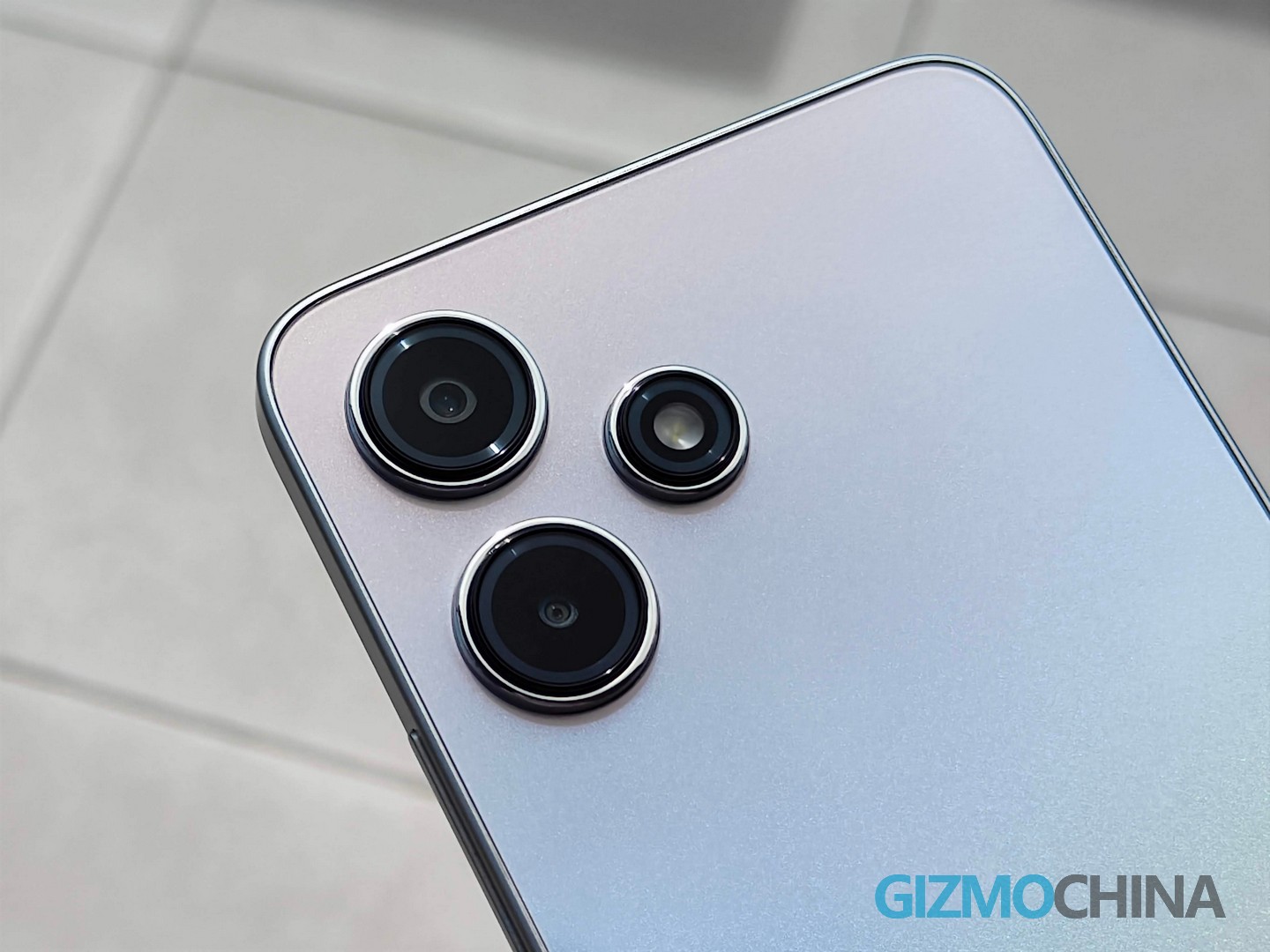
The sides are flat and accommodate all the important ports, slots, and buttons. The two cameras on the rear and their accompanying LED flashlight sit inside the islands of their own.
All in all, the device looks not only attractive but also feels comfortable to hold.
It’s a known fact that most users put a case on their phones. But even so, design still plays a key role in choosing a smartphone.
Excels in user experience
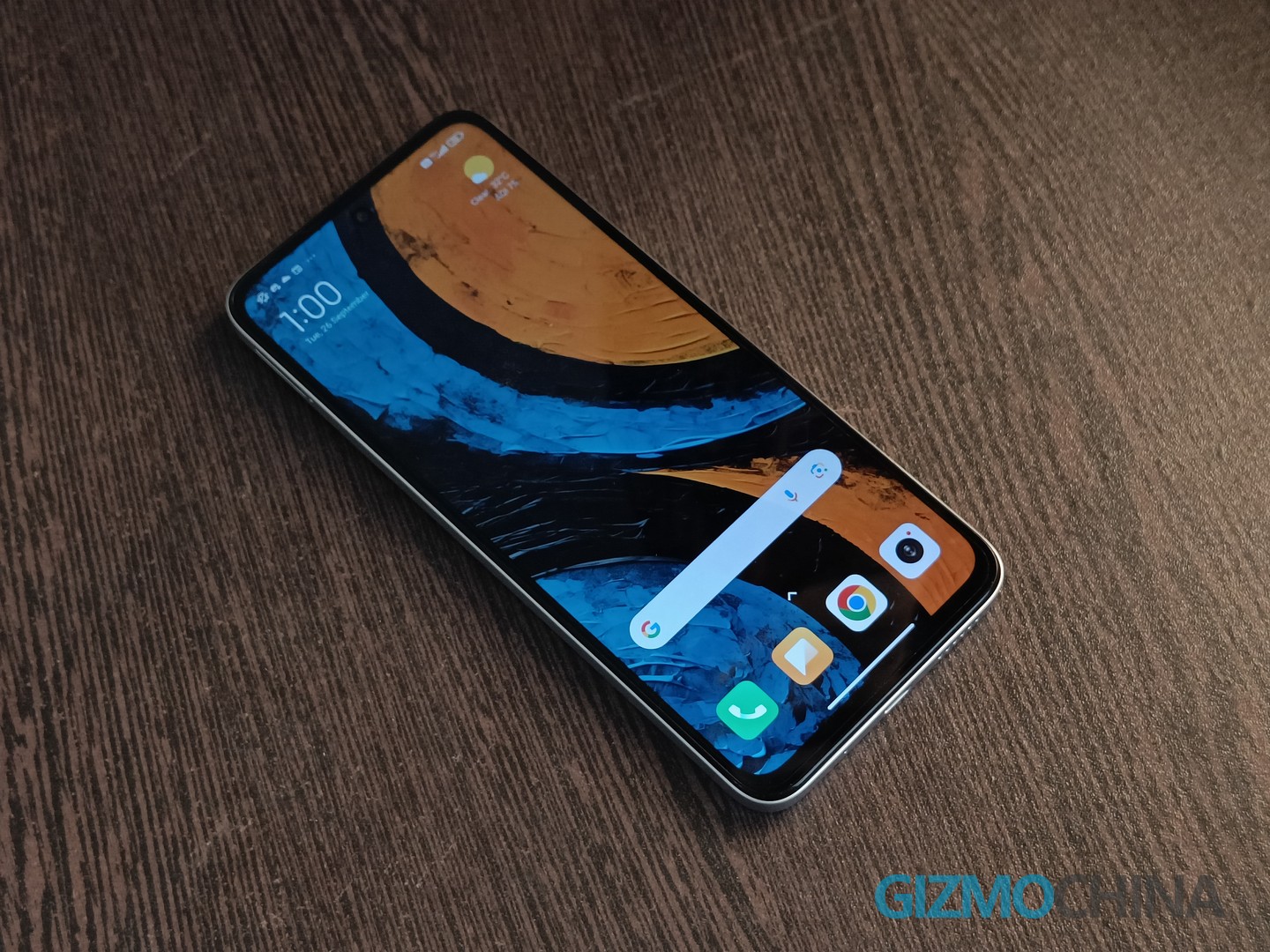
The display is the most used part of a smartphone. The screen on the Redmi 12 5G is large, smooth, and bright enough.
The 6.79-inch LCD panel has a centered punch hole for a modern look. It offers a resolution of 2460 x 1080 pixels, a 90Hz refresh rate, and 550 nits peak brightness level.
The display outputs punchy colors which is what most consumers prefer. The color reproduction, though not accurate, is better than what I experienced on the Realme C53.
A Qualcomm Snapdragon 4 Gen 2 chip with LPDDR4x RAM and UFS 2.2 storage powers the device. This hardware combination is capable of driving the phone without any hiccups.
The device is even good for multitasking as it does not kill background apps, at least on the 8GB RAM variant I used. Though it also comes in a 4GB option, it is recommended to get the 6GB version or higher if possible.
On the software front, the handset boots MIUI 14 based on Android 13. Unlike in the past, you get a clean software experience without any intrusive ads or uninstallable bloatware.
This is the best MIUI experience I have had on a budget Xiaomi smartphone in years. It is well-optimized and hopefully remains this way with future system updates.
Most importantly, the 5G performance is excellent. The phone is reliable and does not throttle speeds even when it gets warm while using it as a WiFi hotspot to download large files.
Not without drawbacks
No phone is perfect, be it a flagship or a budget model. The Redmi 12 5G is no different, as it has certain shortcomings.
The first one is cameras. Though you get dual cameras on the rear, only the primary 50MP shooter is usable, as the secondary module is merely a 2MP depth sensor.
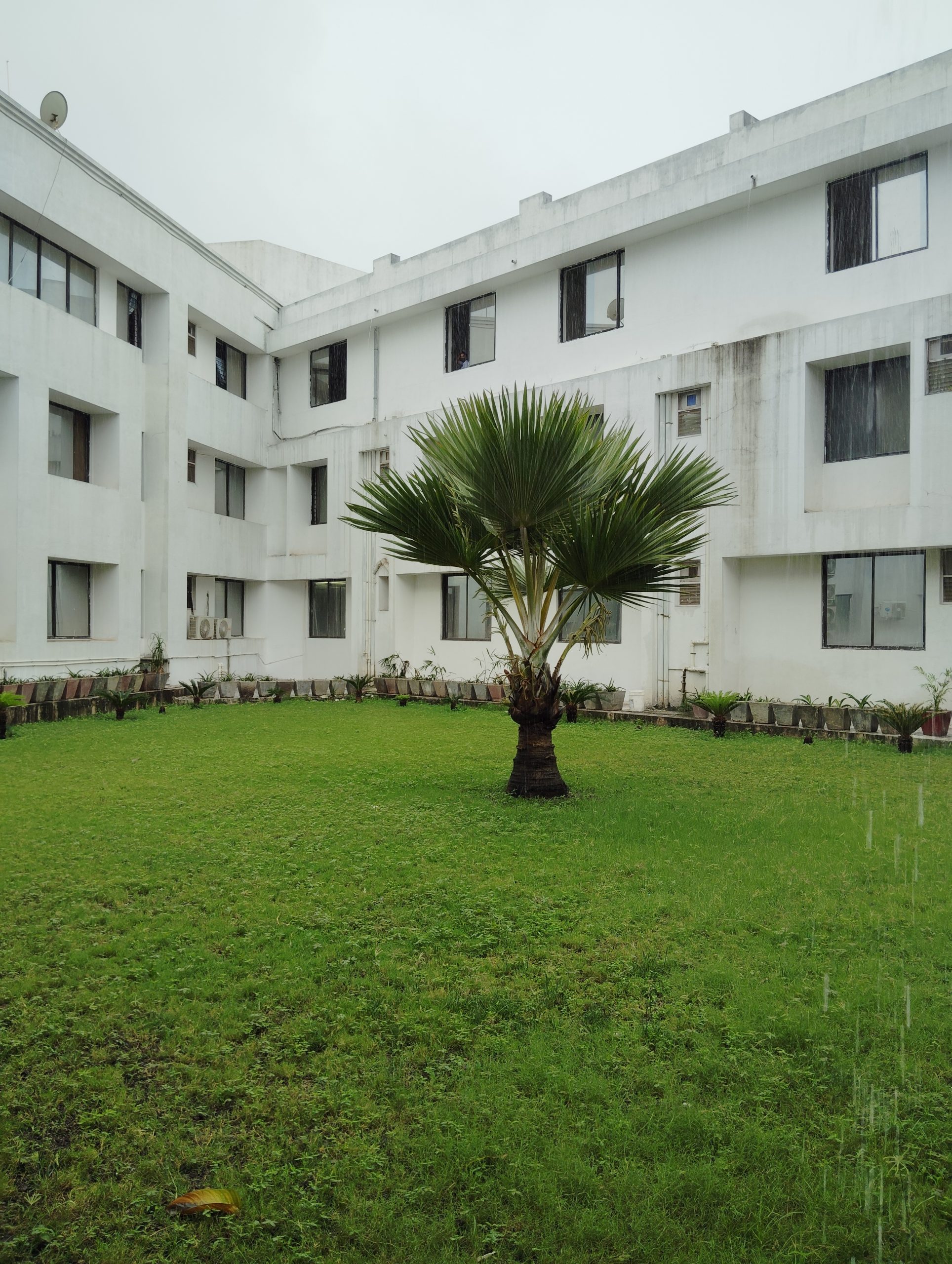
The output from the rear camera is inconsistent. You get good results only when the lighting is ideal. When the sun goes down, the image processing takes even more hit. I could say the same for the 8MP selfie camera.
Secondly, I wish the handset had dual stereo speakers, which is now common across all price ranges. The single bottom-firing unit is not that loud and is very easily blocked.
Last but not least, it would have been nice to have support for faster charging. The 5,000mAh battery easily lasts more than a day, but excessive 5G usage can deplete it quickly.
The 18W charging takes about 2 hours to fill up the cell. A 33W support could have made a huge difference.
Closing remarks
The Redmi 12 5G’s icing on the cake is its pricing. The product starts at just ₹11,999 for the base 4GB + 128GB memory variant. It also comes in 6GB + 128GB and 8GB + 256GB versions priced at ₹13,499 and ₹15,499, respectively.
With discounts, especially during the upcoming festive sales, you can get it at an even cheaper price.
I haven’t experienced the Realme phone personally, so I can’t comment more on it. But based on specs and design, I can say that it is a different package targeted mostly at youth.
On the other hand, the Redmi 12 5G is the budget 5G smartphone for the masses, just like how I recommend the OnePlus Nord CE 3 for most consumers under ₹30,000. It gets a huge thumbs from me as it ticks all the important boxes.
The Red Magic 8S Pro series was unveiled in China in July. These devices have been on sale in the country since then.
However, not every memory configuration has been made available. The top-end variant is up for pre-order only now.
The Red Magic 8S Pro series consists of two models, namely Pro and Pro Plus. The latter version offers faster 165W charging support and comes in higher memory configurations.
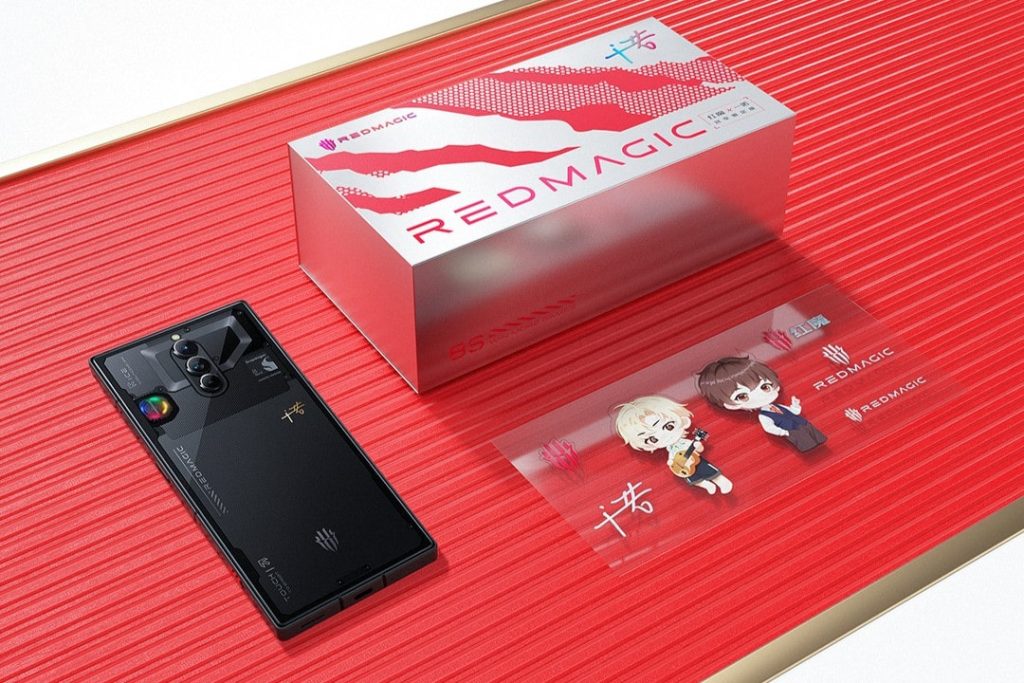
The most expensive variant in the series is the 24GB + 1TB memory version of Red Magic 8S Pro Plus Deuterium Edition, which sports a transparent rear glass panel. This specific variant of the phone is now finally available for pre-order in China more than two months after the announcement.
It is priced at ¥7,499 (~$1,025) and can be booked on JD by depositing ¥100 (~$15). The handset will be available for purchase starting October 7.
The Red Magic 8S Pro Plus is through and through a gaming smartphone. So it is not meant for everyone.
But if you still want 24GB + 1TB memory configuration for some reason, you can actually get it at much cheaper prices. The OnePlus Ace Pro with the same amount of RAM, storage, and chip (Snapdragon 8 Gen 2) costs only ¥3,999 (~$545).
On the other hand, the Redmi K60 Ultra with the same memory configuration is even more affordable at ¥3,599 (~$490). It is powered by a Dimensity 9200 Plus chip but offers IP68 dust and water resistance.
We use cookies on our website to give you the most relevant experience by remembering your preferences and repeat visits. By clicking “Accept”, you consent to the use of ALL the cookies.
This website uses cookies to improve your experience while you navigate through the website. Out of these, the cookies that are categorized as necessary are stored on your browser as they are essential for the working of basic functionalities of the website. We also use third-party cookies that help us analyze and understand how you use this website. These cookies will be stored in your browser only with your consent. You also have the option to opt-out of these cookies. But opting out of some of these cookies may affect your browsing experience.
Necessary cookies are absolutely essential for the website to function properly. This category only includes cookies that ensures basic functionalities and security features of the website. These cookies do not store any personal information.
Any cookies that may not be particularly necessary for the website to function and is used specifically to collect user personal data via analytics, ads, other embedded contents are termed as non-necessary cookies. It is mandatory to procure user consent prior to running these cookies on your website.