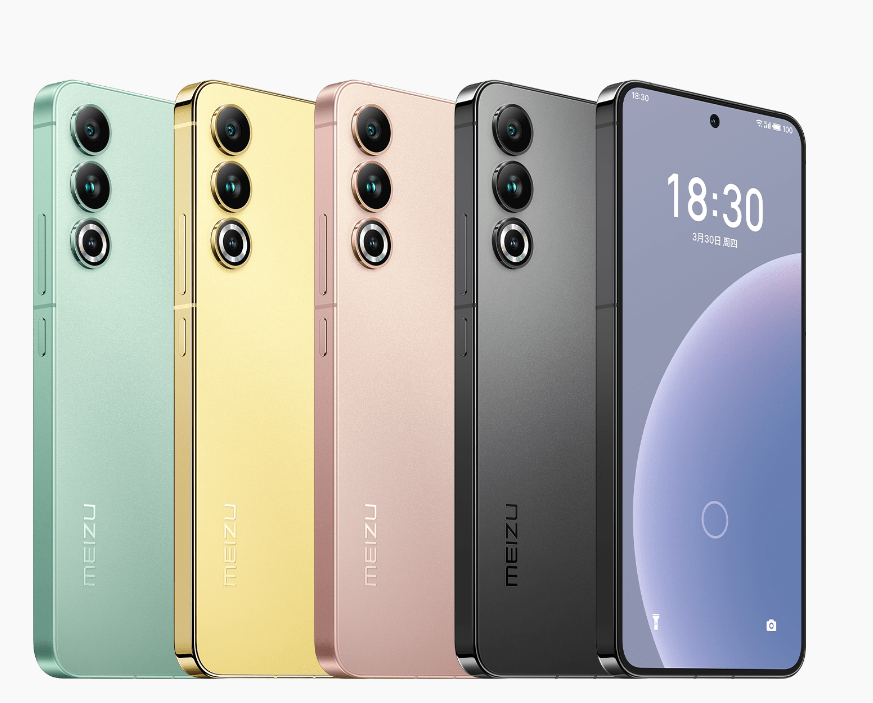
Like other Chinese smartphone brands, Meizu also seems to be working on its next flagship series, the Meizu 21. The lineup may include at least two models, such as the Meizu M21 and M21 Pro. A recent Weibo post by popular tipster Digital Chat Station revealed key details about the launch and design of the Meizu 21 series.
Meizu 21 series key details tipped
Meizu 20
Meizu has built a reputation for launching smartphones with impressive designs. A recent report claimed that the upcoming Meizu 21 series’ design will be a refined version of what was made available on the Meizu 20 lineup. As revealed by DCS, a notable addition to the phone’s rear design is an RGB ring LED flash. However, its specific function remains undisclosed. It is possible that this LED flash could illuminate in varying colors to signal different types of notifications.
The Meizu 20 and 20 Pro are powered by the Snapdragon 8 Gen 2 chip. The Meizu 21 series is expected to feature the more powerful Snapdragon 8 Gen 3, which will debut in October this year. Other reports have claimed that the Meizu 21 and Meizu 21 Pro will be equipped with a flat display and an OIS-enabled 50-megapixel primary camera. The Pro model is also rumored to feature a pericope telephoto camera.
The new leak also claims that the Meizu 21 series will launch earlier than its predecessor. To recall, the Meizu 20 series was announced at the end of March this year and was available for purchase in April. There is a possibility that the Meizu 21 series may launch a bit earlier, in the first quarter of 2024.
In related news, Meizu is also said to be working on the Flyme Auto software for vehicles. The Flyme Auto, which is based on Flyme OS 10, is expected to power the Geely car’s infotainment systems in 2024.
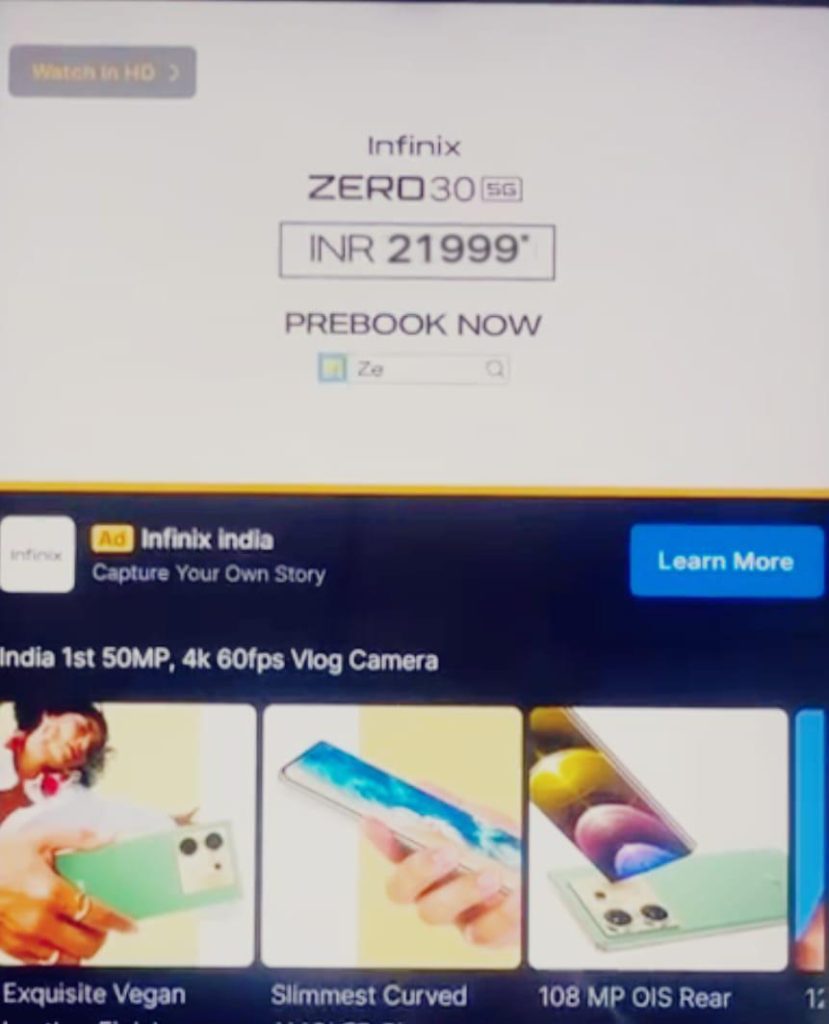
The Infinix Zero 30 5G is all set to be officially launched today for the global market. In India, the device will be announced tomorrow. Ahead of the launch, the company has already revealed its specifications and design. It will only confirm the price and sale date of the Zero 30 5G for the Indian market tomorrow. However, an image that is now doing the rounds on social media platforms has revealed the price of the device before its official announcement.
It seems that a commercial for the Infinix Zero 30 5G that aired on Disney+ Hotstar during the recent Asia Cup event revealed its price. The commercial showed that the phone will be priced at Rs 21,999 (~$266). The recent social media posts from the brand suggest that the Zero 30 5G will be stacked against the iQOO Z7 Pro 5G, which debuted recently with a starting price of Rs 23,999 (~$290) in India.
Infinix Zero 30 5G specifications
The Infinix Zero 30 5G will arrive in a single configuration that offers 12 GB of RAM and 256 GB of UFS 3.1 storage. The device is equipped with the Dimensity 8020 chipset and a 5,000mAh battery that supports 68W fast charging.
The Zero 30 5G has a 50-megapixel selfie camera, which will be capable of shooting 60fps 4K videos. The back panel of the device has an OIS-assisted 108-megapixel primary camera, a 13-megapixel ultra-wide lens, an AI lens, and a quad-LED flash. The phone runs on Android 13 OS and XOS 13.
The Zero 30 5G has a 6.78-inch curved-edge AMOLED screen that offers an FHD+ resolution, a 144Hz refresh rate, up to 950 nits of brightness, an in-screen fingerprint scanner, and Gorilla Glass protection. The phone will arrive in Rome Green (vegan leather back) and Golden Hour (glass back).
The Indian smartphone market is no longer the same as it was before the pandemic. The market has been declining for the last few quarters after a short period of growth caused by pent-up demand following the lockdowns.
The slowdown in the market is primarily associated with the poor sales of budget handsets. Popular budget devices that once used to cost below ₹20,000 now fall under the sub-₹30,000 category. The most obvious one is the Redmi Note lineup, which is considered the king of budget smartphones.
The 2023 Redmi Note 12 Pro models are way more expensive than their predecessors, as they now start at ₹23,999. Their prime competitor, the Realme 11 Pro series, also costs the same.
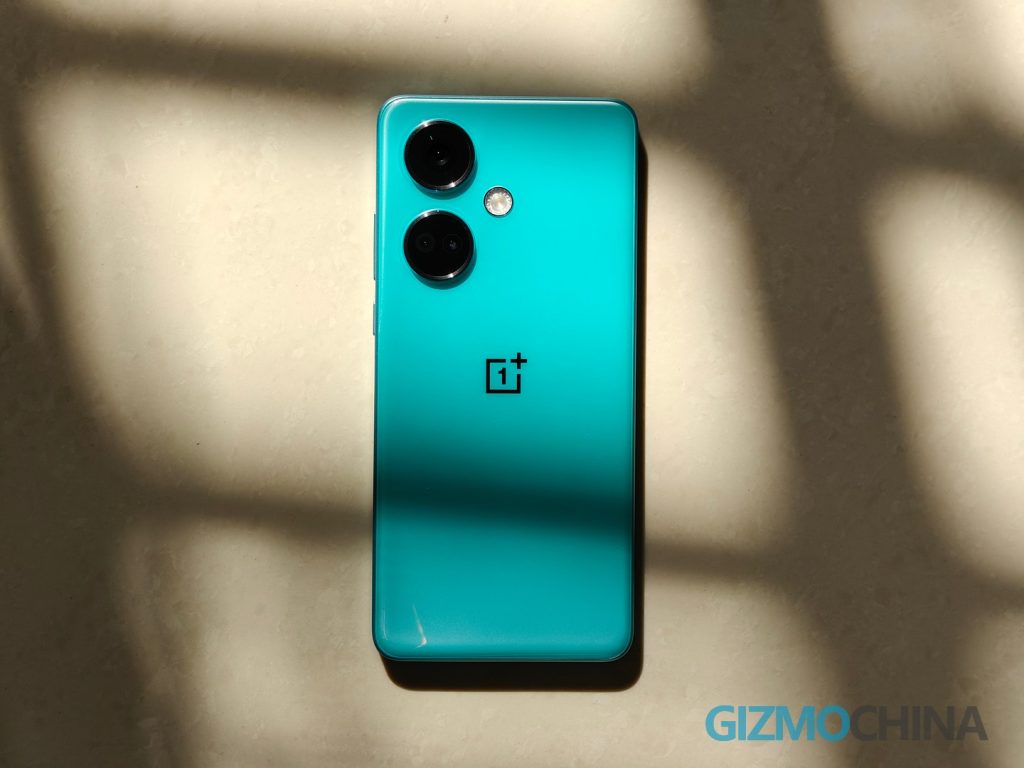
Now, the Indian market has a new competitor in this segment, the OnePlus Nord CE 3. The brand sent me a unit of the handset to try it out.
Having already used the aforementioned Xiaomi and Realme devices, I can say that OnePlus’ approach to capitalizing its position in the market is laudable. Here’s what I feel about this product.
Positioning of the product
The OnePlus Nord CE 3 arrives in 8GB + 128GB and 12GB + 256GB memory configurations in India. These variants are priced at ₹26,999and ₹28,999, respectively.
It is positioned between the OnePlus Nord CE 3 Lite and the OnePlus Nord 3 in the brand’s own lineup. Similarly, the device sits comfortably between its competitors as well.
The mid-range segment in India is dominated by handsets from Xiaomi and Realme. The Redmi Note 12 Pro and Realme 11 Pro fall under ₹25,000, while the ‘Pro Plus’ versions of these phones are priced around ₹30,000.
While there are devices from other brands, these two lineups stand out for consumers because of the familiarity of Redmi Note and Realme number series brandings.
The Nord CE 3’s smart price tag puts it between the pro and pro plus models of the aforementioned Redmi and Realme handsets. So it acts as a middle-ground.
At the same time, it also undercuts the Samsung Galaxy A34, which is yet another rival, though it starts at ₹30,999.
The phone has no special tricks
The Realme 11 Pro series has one of the best designs in its price range. It sports a faux leather back and a curved display. These two features alone make these products stand out from other phones.
On the other hand, the Redmi Note 12 Pro series has the trustworthy ‘Redmi Note’ branding. The Redmi handsets also have the best display and speakers for content consumption in their price range.
While the OnePlus Nord CE 3 has nothing special or fancy going for it. The smartphone is simple, not only in terms of looks but also in terms of its features.
I wouldn’t call this a con since that’s what a mature brand does. Look at Samsung, which now offers the same design on its entire smartphone portfolio. But the overall experience with each one of these products is different from another.
OnePlus has a premium brand image in India, and therefore, this strategy works well for the brand. The OnePlus branding overshadows the flashy designs offered by the competitors.
But it nails the basics
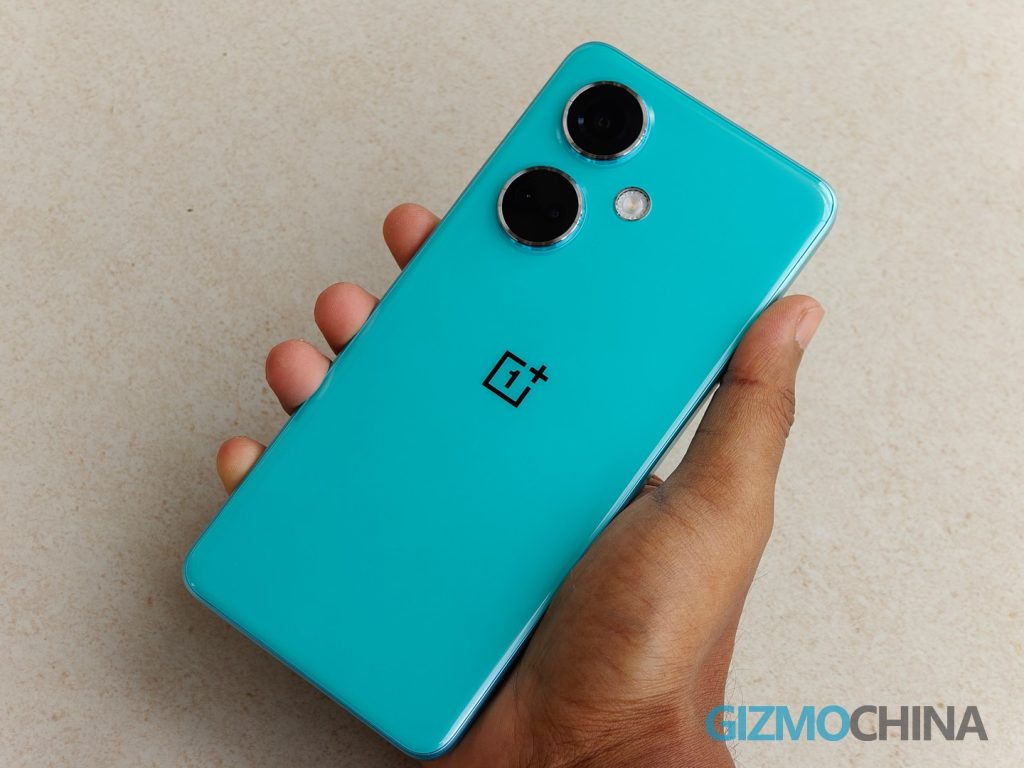
What makes the OnePlus Nord CE 3 special is that it just works. The design is not extravagant, but it is still eye-catching, thanks to the choice of the hero color.
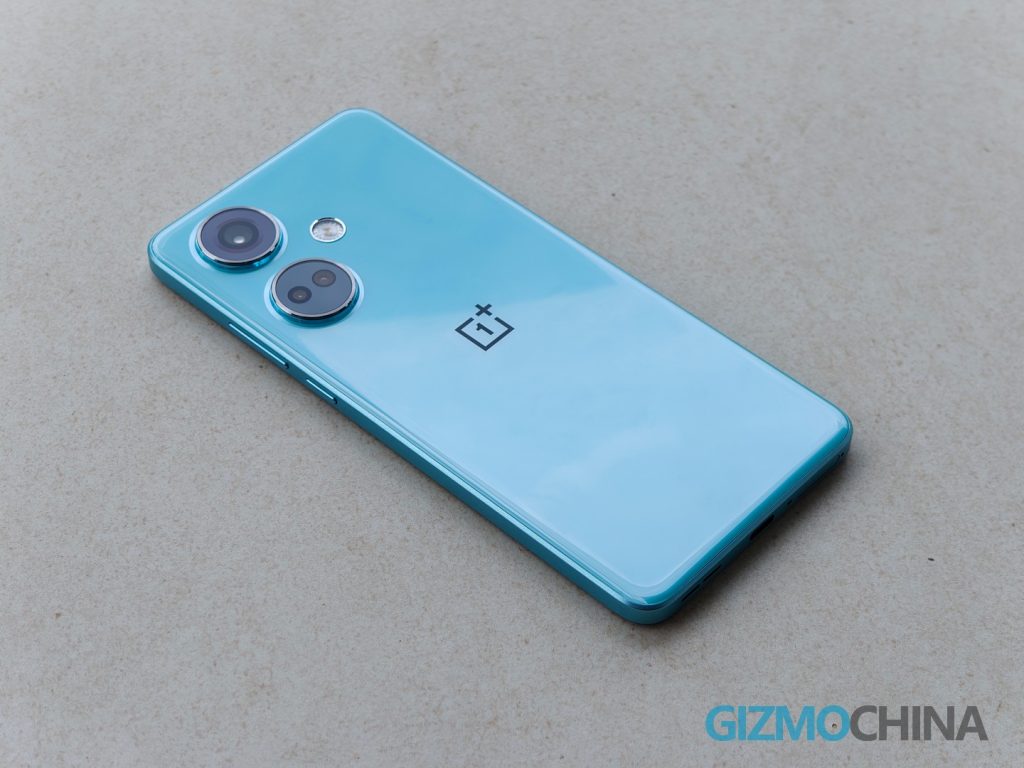
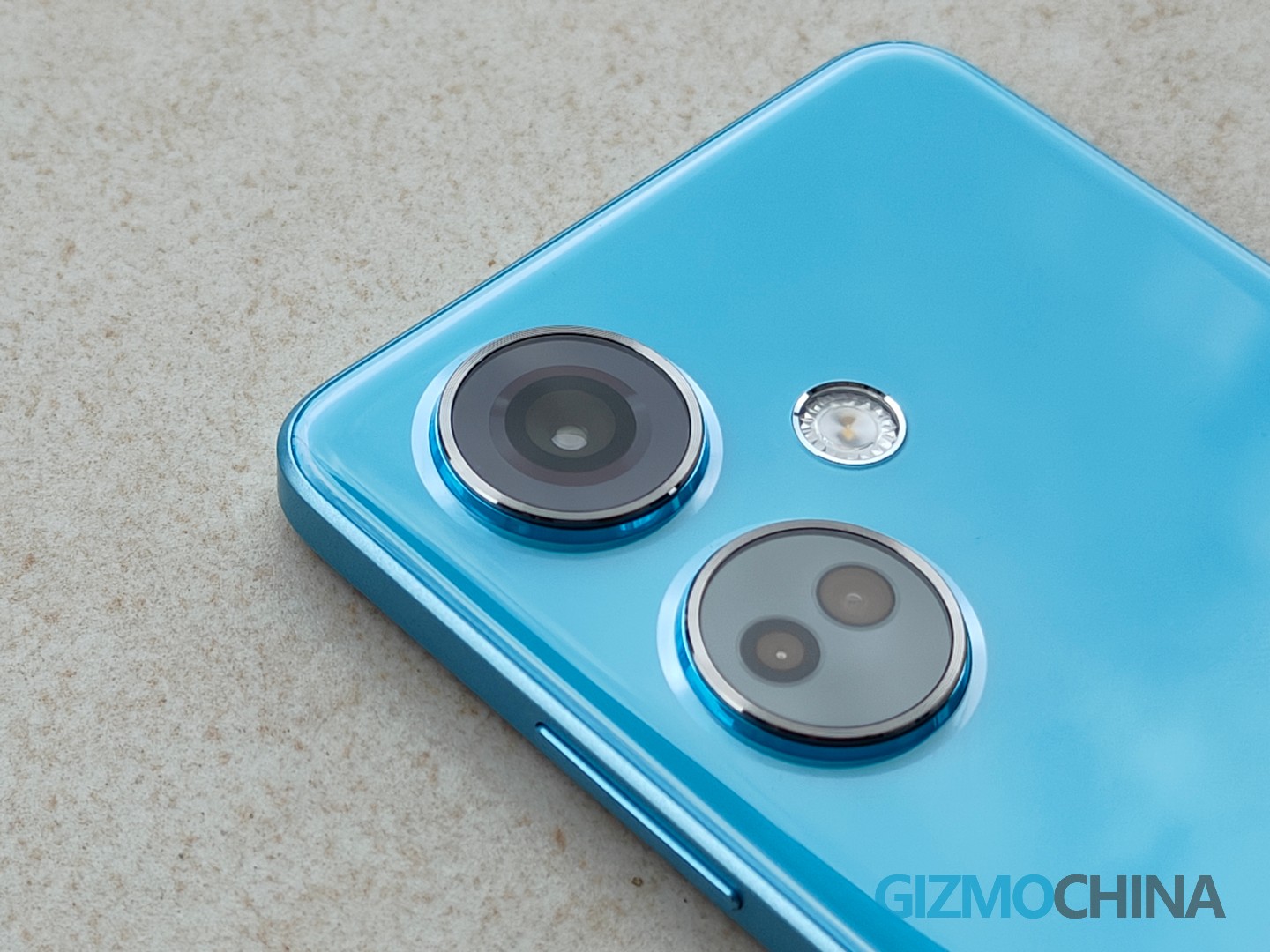
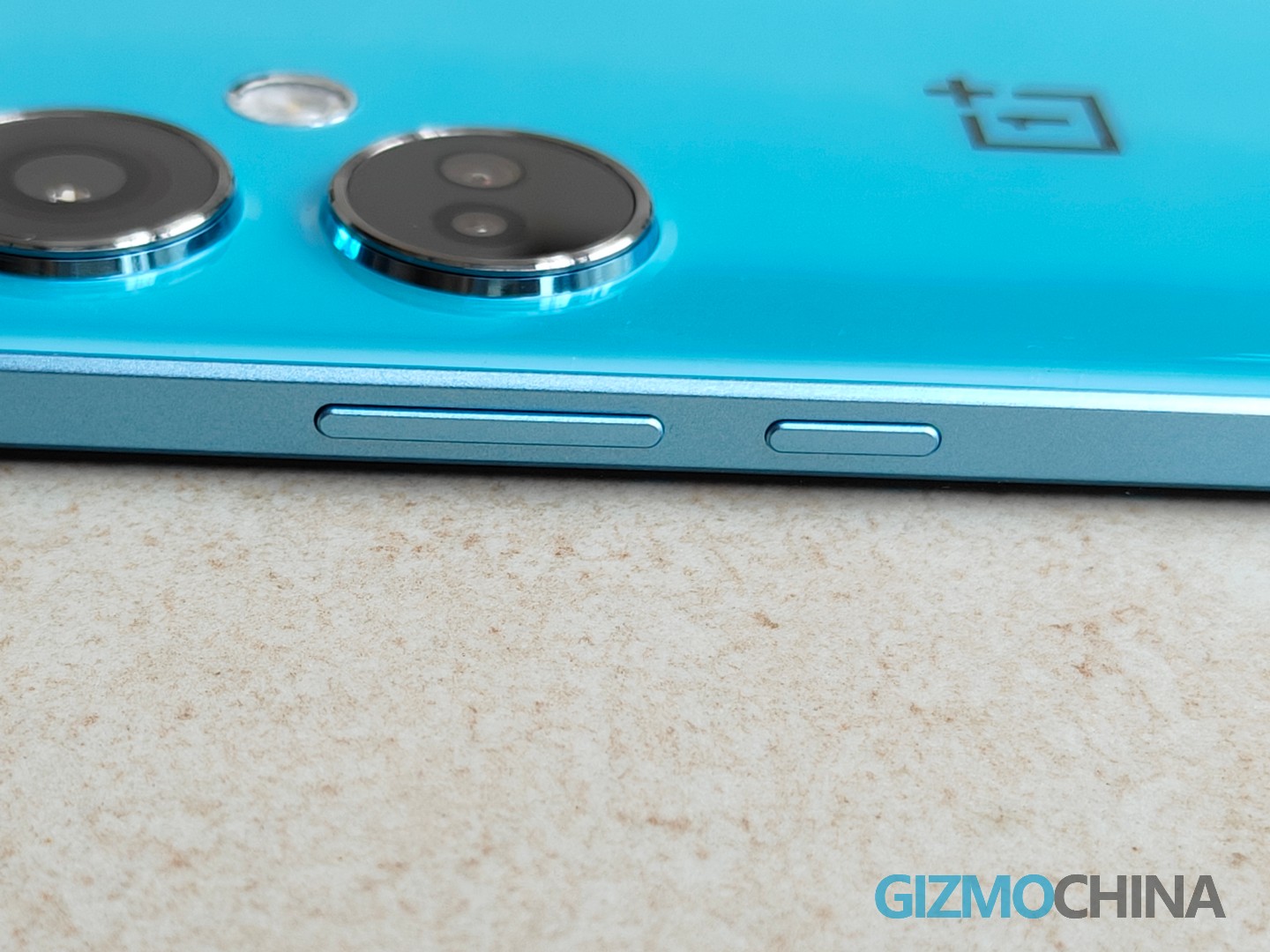
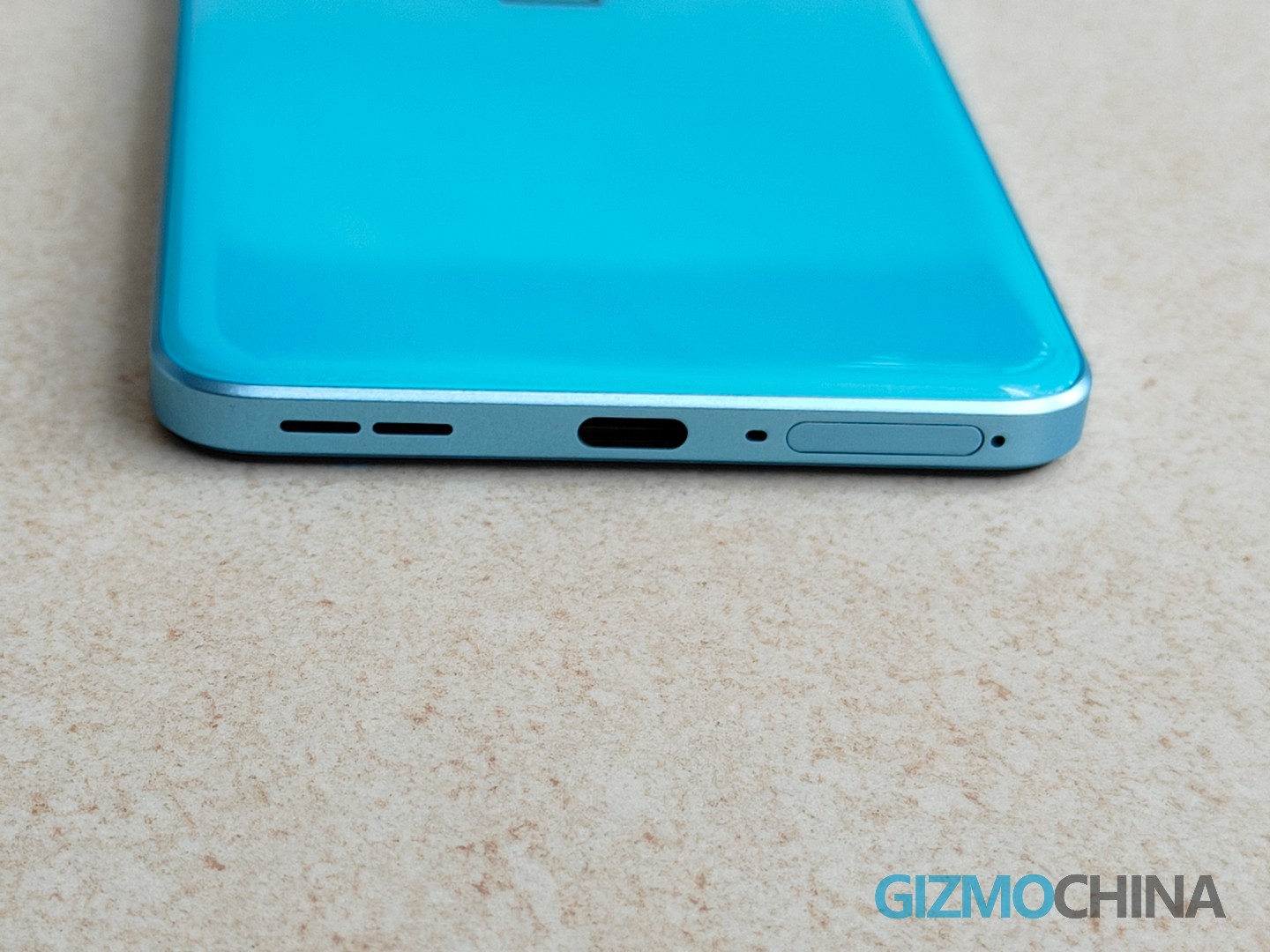
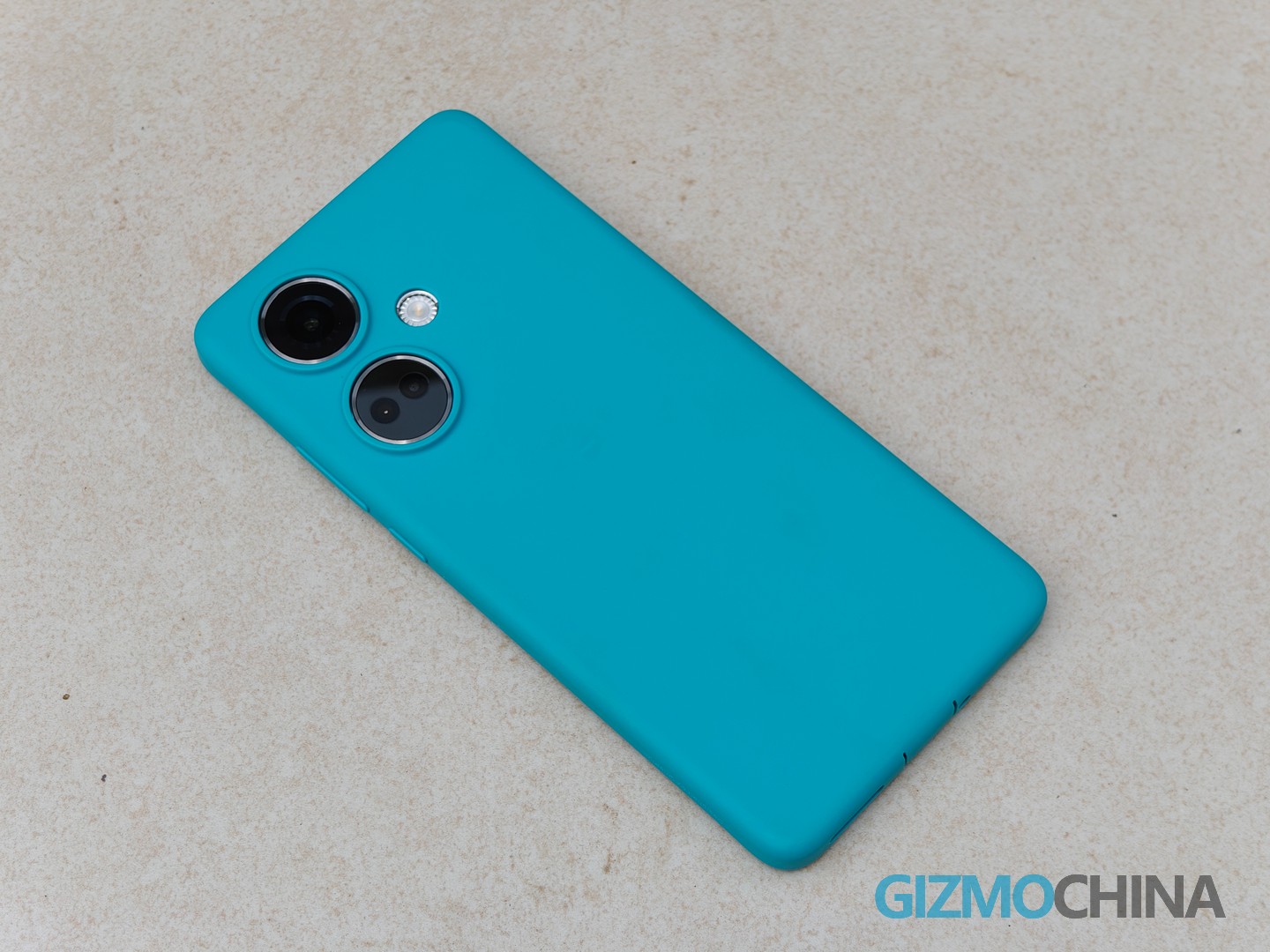
The device in Aqua Surge is stunning to look at. It even ships with a matching high-quality silicone case. There’s also a pre-applied screen protector.
And unlike Samsung, OnePlus includes the required charger in the box. Thus, most buyers need not shop for accessories.
The phone neither has a curved display nor a Dolby Vision-certified panel, but the 6.7-inch FHD+ 10-bit AMOLED display is good nonetheless. I did not face any stutter in refresh rate (up to 120Hz) or 4K video playback.
The best thing about the OnePlus Nord CE 3 is that it boots cleaner software without any bloatware, which is very rare these days. You only get Google apps and first-party OnePlus applications out of the box.
The tried and tested Qualcomm Snapdragon 782G chip performs well. You won’t find problems while using day-to-day applications. Games are better optimized for this SoC compared to the MediaTek chipsets found inside competitors.
The device charges fully within half an hour. A 15-20 minute charge is enough to get you through the day, as the battery backup is excellent even with a 5G connection and excessive mobile hotspot usage.
On a full battery, you can get more than a day’s worth of juice if you don’t game. I found the Nord CE 3 to have better endurance than the Realme 11 Pro and Redmi Note 12 Pro.
Camera could have been better
The OnePlus Nord CE 3 comes with an OIS-assisted 50MP Sony IMX890 sensor. For those unaware, this is a high-end camera sensor usually found on premium and affordable premium smartphones.
I just reviewed the Oppo Reno 10 Pro Plus, which has the exact same sensor. But the image processing on that handset is way better than what you get on the Nord CE 3.
The pictures from Nord CE 3 do not feel like they were captured by the IMX890 sensor. This is likely due to the mid-range ISP.
It’s not that the camera on the smartphone is bad, it is just limited by the chip powering it. The overall performance is comparable to what you get from the competitors. So the use of the IMX890 sensor is a wasted opportunity.
Apart from the camera, I wish it had a better vibration motor. The in-hand feel of the device is good, but the haptics kill the joy, similar to the Realme 11 Pro.
Closing Remarks
The OnePlus Nord CE 3 is a well-balanced smartphone in its price range. Additionally, it has a simple design and clean software. The only product that comes close in this regard is the Samsung Galaxy A34, but it is more expensive.
The Nord CE 3 is a unique and compelling option in its segment. It caters to a broader audience and has the brand power to pull in more consumers.
In my opinion, the OnePlus Nord CE 3 is the smartphone for the masses under ₹30,000. I can recommend it to almost anyone without any second thought.
It has the potential to become the best-selling phone in its price segment, like the OnePlus Nord CE 3 Lite and the OnePlus Nord CE 2 Lite.
The rumors can now be put to rest, folks. Gearbox Software and 2K Games are about to make Nintendo Switch players very happy. Four years after its initial release, Borderlands 3 is making its grand debut on the Nintendo Switch, launching on October 6th.
The game can be purchased for $59.99 for the core game and the extras
What makes this news significant? For starters, the Borderlands saga isn’t confined to one console anymore. Known for its high-energy shoot ’em up action and quirky storytelling, the franchise has primarily been a treat for PlayStation, Xbox, and PC gamers. But now, the Switch community is also getting a seat at the table, or more aptly, a controller in the game.
Let’s talk value. The Ultimate Edition of the game doesn’t skimp out on content. For $59.99, you get the core game and a boatload of extras: six jam-packed DLCs and over 30 additional cosmetics. And if you’re worried about playing solo, don’t. The game will support both online and local co-op play, so you and your pals can loot to your heart’s content. But there’s a catch: we’re still in the dark about how the game will perform on the Switch.
Pre-orders are already open, and if you’re a fan of physical editions, places like GameStop are your go-to. Notably absent, however, is the Borderlands Collection: Pandora’s Box, which bundles together a host of Borderlands titles but won’t be coming to the Nintendo Switch.
So, is Borderlands 3 a game-changer for the Nintendo Switch? Only time will tell. What’s certain is that the game already has a strong following, and this new platform could give it an even longer lifespan. The big questions now are performance and support. Can the Nintendo Switch handle the chaos that is Borderlands 3, and will Gearbox and 2K provide the after-launch care the game deserves?
Eager fans can only wait and speculate, but one thing’s for sure: the Vault just got a little bigger, and this October, Nintendo Switch users can finally see what all the fuss is about.
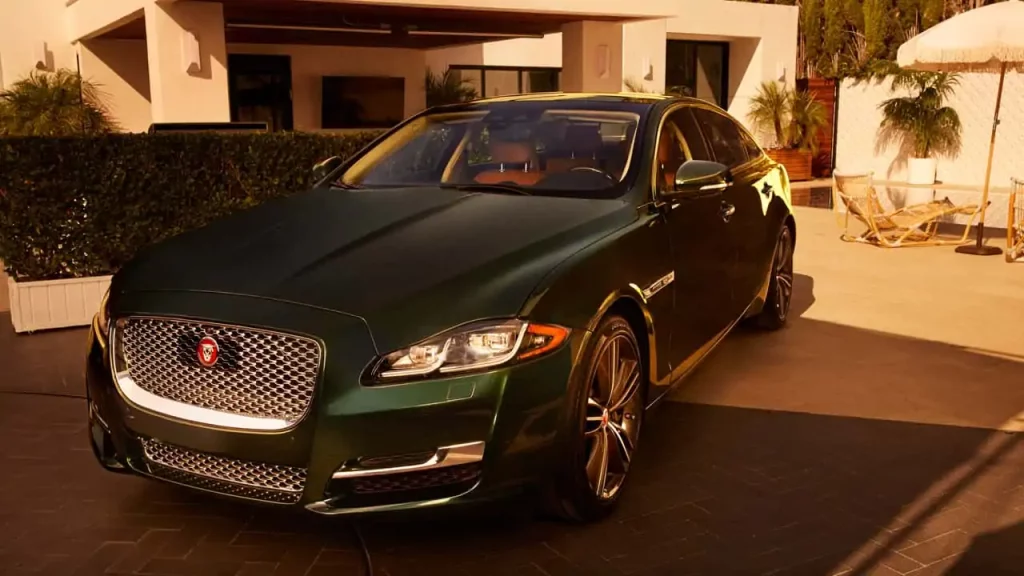
Jaguar is pulling the plug on nostalgia as it gears up for an electrified future. According to an insider scoop from Autocar, a trio of futuristic electric vehicles (EVs) will roll out post-2025, with the next-generation XJ sedan at the forefront. These models are a far cry from Jaguar’s current fleet, including the outgoing I-Pace.
The range of the car will vary between 385 and 475 miles
Designed exclusively on Jaguar’s new JEA platform, the models will have nothing in common with the MLA architecture earmarked for Range Rover’s electric sibling. Gerry McGovern, the brand’s chief creative officer, emphasized, “We don’t want older-looking cars and newer-looking cars.”
Jaguar is not just focused on aesthetics. These EVs will pack a serious punch under the hood, boasting an output of at least 450 horsepower and a range between 385 and 475 miles. They also come equipped with all-wheel drive, four-wheel steering, and fast-charging capabilities, allowing a 10 to 80 percent battery top-up in just 13 minutes.
If you’re expecting to see Jaguar’s iconic leaping cat emblem on these new models, think again. The brand is opting for its name spelled out in a fresh font, in line with what Land Rover has been doing. It’s clear that Jaguar is looking forward, not backward, even removing rear windows in favor of digital mirrors.
While the four-door GT is expected to be unveiled next year, details on the release of the XJ and the Bentley Bentayga-rivaling SUV remain under wraps. However, one thing is certain: by 2025, Jaguar’s current lineup will be a thing of the past, making room for a radically modern fleet that’s focused on innovation rather than tradition.
It’s an ambitious plan, with risks and rewards. But if Jaguar pulls it off, they could set a new standard for what a luxury electric vehicle should be, both inside and out. And for Jaguar, it seems there’s no better time than the future.
Automaker Legend Alfa Romeo is bringing back an icon. While fans had their eyes set on the return of the 8C, Alfa Romeo surprised everyone by reviving the 33 Stradale. And this time, it’s not just a car; it’s an exclusive piece of art.
The car can go from 0 to 60 mph in under 3 seconds
The 33 Stradale, originally a rarity from the late 1960s, is getting a new lease on life. Unlike its predecessor, which saw only 18 models, Alfa Romeo plans to produce 33 of these gems. The catch? Each car will be individually crafted, making each one a “unique and unrepeatable work of art.”
What sets this car apart is the collaborative craftsmanship by Alfa and Carrozzeria Touring Superleggera. These aren’t assembly line machines but handcrafted masterpieces, following the bespoke body trend set by last year’s Giulia SWB Zagato.
Owners will get to add their personal touch too. How about a custom VIN number hand-picked by you? It’s all about making the car as unique as its owner, and the personalization options are practically endless.
Performance-wise, the 33 Stradale is no slouch either. It’s powered by a twin-turbo 3.0-liter V6 engine, putting out an impressive 620 horsepower. If electric cars are more your speed, there’s a 750 hp fully electric variant too. Whichever you choose, this car screams speed, going from 0 to 62 mph in under three seconds.
The focus isn’t just on what’s under the hood. Alfa Romeo emphasizes driving as an experience. The interior comes in two flavors: a nostalgic ‘Tributo’ and a sporty ‘Alfa Corse,’ designed to cater to the driving purists among us. The cockpit sheds unnecessary controls, encouraging drivers to, well, just drive.
The 33 Stradale proves that cars can be more than just a mode of transportation; they can be a form of expression, a work of art that brings performance and exclusivity into one exciting package. Whether you’re an art lover or a speed junkie, the new 33 Stradale offers something for everyone. But act fast; given the buzz, these 33 masterpieces are likely to be snapped up sooner rather than later.
Vivo is working on a new smartphone dubbed Vivo X100, and based on the information that’s coming out, it appears that the phone will come with an impressive set of camera sensors.
According to the latest leak from Digital Chat Station, the upcoming Vivo X100 smartphone will come with a 64-megapixel camera sensor with a periscope module.
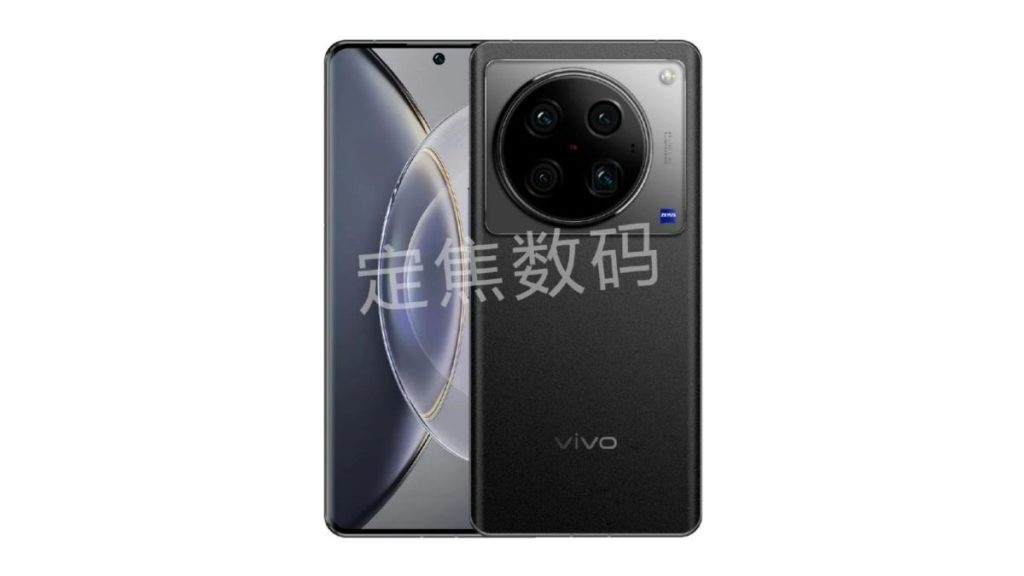
Vivo X100 Pro+ mock render
It is said that there will be a 100mm periscope lens with a f/2.5 aperture tuned for shooting during low-light conditions. It will also have an OmniVision OV64B 64-megapixel 1/2” sensor with 0.7µm native pixels and support for 4-in-1 binning.
The company is reportedly collaborating with Zeiss and will be using Vario-Appo-Sonnar lenses on the smartphone. The primary camera sensor on the device is expected to be a customized sensor for Sony, likely to be a 53-megapixel 1/1.43” sensor.
The Vivo X100 lineup is said to have three phones in the series —X100, X100 Pro, and X100 Pro+. While the X100 and X100 Pro are expected to be available sometime around November this year, the X100 Pro+, the top-end model in the lineup, could be released early next year.
There’s also a possibility that the smartphone lineup could also come with the company’s own Vivo V3 6nm image chip along with a new Zeiss T* coating technology.
After years of taking the EV market by storm, Tesla’s Model 3 is ready to win over more of the mainstream crowd with its recent updates. Codenamed Project Highland internally, the revamped Model 3 aims to strike a balance between high-tech and daily drivability.
The New Tesla Model 3 has a distinct, cleaner look
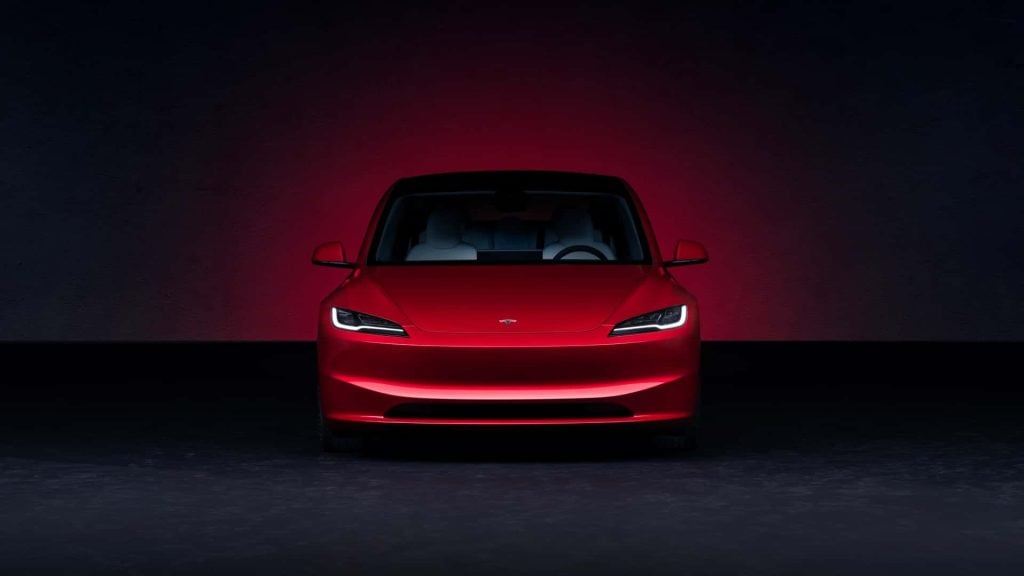
The first thing you’ll notice is how Tesla has fine-tuned the design. The front end sports new character lines and more modern headlamp housing, lending it a cleaner, almost utilitarian look. The sharper lines extend to the hood, making the car look both stylish and functional. Gone are the days when the Tesla logo dominated the rear end; now, the company’s name is spelled out, flanked by new, eye-catching C-shaped taillights.
The focus isn’t just on the looks; it’s also about performance. Tesla’s Italian press release underlined improvements in aerodynamics for better range and quieter rides. These updates are currently available for the rear-wheel-drive and long-range versions, targeting the majority of everyday drivers rather than just tech enthusiasts or luxury seekers.
New color options like Ultra Red and Stealth Gray add to the car’s mainstream appeal. But it’s not just the aesthetics; Tesla has made strategic moves to make this the go-to electric vehicle for a wide range of consumers.
As we steer into a future where electric vehicles are the norm rather than the exception, Tesla’s updated Model 3 could be the frontrunner in making EVs more accessible and appealing to the average driver. It’s no longer just a car for early adopters and Tesla fans; it’s shaping up to be the electric car of choice for the everyman.
Could this be the most anticipated EV of the year? It certainly has the potential. And with these enhancements, Tesla might just have widened its net to capture a broader market.
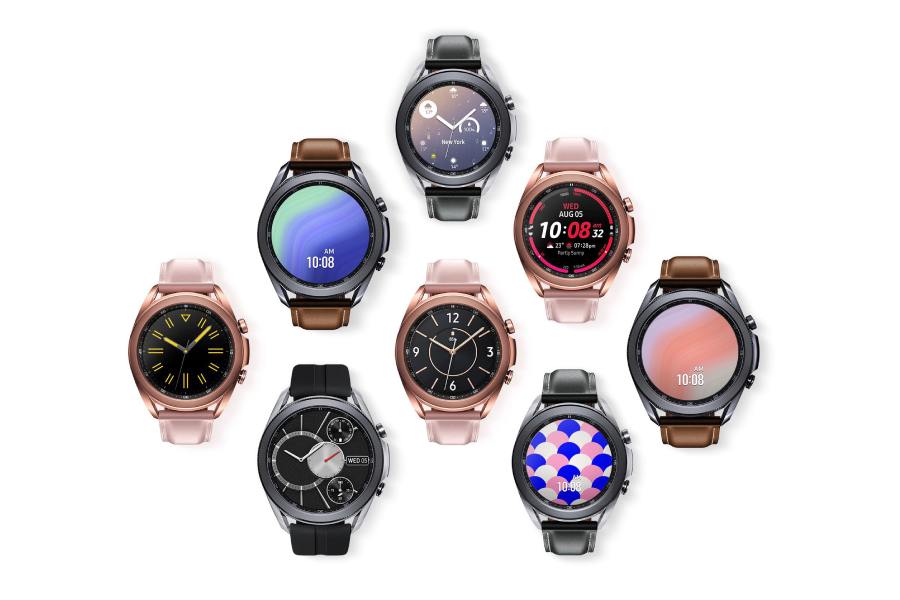
Samsung now lets you switch to your paired phone without resetting the Smartwatch
Samsung’s version of the Wear OS 4, dubbed “One UI 5 Watch,” packs in features that focus on convenience and wellbeing. Users get easy controls for connected Galaxy Buds and a useful widget to monitor battery levels across multiple devices. It’s a one-stop-shop for connected living, making device management as straightforward as it gets.
But what sets Samsung apart is the ability to switch your paired phone without resetting the smartwatch. That’s right: no more tedious resetting when you swap out your smartphone. Your settings and data stay right where they are, making it a seamless transition. This feature alone could tip the scales in favor of Samsung for those who are often juggling between different devices.
Meanwhile, Pixel Watch owners are left playing the waiting game. Though rumors of a beta program for the Pixel Watch have circulated, nothing concrete has come out yet. By the time the Pixel Watch receives the Wear OS 4 update, Samsung Galaxy watches will have already reaped the benefits for over four months.
In a space where software updates are as crucial as the hardware, Samsung’s quick adoption of the Wear OS 4 update gives it a notable edge. It not only provides an enhanced user experience but also sends a message: Samsung is more agile at delivering what consumers want, even if the software originates from Google. So, while Google is still tuning up for the race, it appears Samsung has already taken a victory lap.
Google Chrome is unveiling a feature designed to make your life a smidgen easier, or so it seems. The browser now lets you copy video frames directly, eliminating the need for screenshot functions that often result in lower-quality images with that pesky video progress bar. Sounds ideal, right? Not so fast.
You still cannot save the copied frame directly to your desktop
The implementation of this seemingly easy feature is less smooth than you’d hope. On YouTube, for example, it takes not one but two right-clicks to access the option. That’s an additional hoop to jump through just to capture a still image from a video. Once you’ve managed that, Chrome allows you to paste the frame in specific text fields, like Google Docs, or even in Apple’s Notes app. The catch? You can’t save it directly to your desktop.
Moreover, the feature is not yet versatile enough for universal application. While it works fairly well on YouTube, streaming services seem to be a whole other ball game. Restrictions are still in place that hamper the feature’s functionality on platforms other than YouTube.
So, is Chrome’s “Copy Video Frame” feature a half-baked innovation or a stepping stone towards something truly useful? The jury’s still out on that. For now, it offers a specialized solution that needs a bit of tweaking before it can become a part of your daily web-browsing toolkit. Expect Google to make adjustments as user feedback pours in, but until then, maybe keep that screenshot function handy. Rolling out today for Windows, Mac, Linux, and ChromeOS, the feature may save you a few clicks but it’s clearly got a way to go before it becomes an indispensable tool.
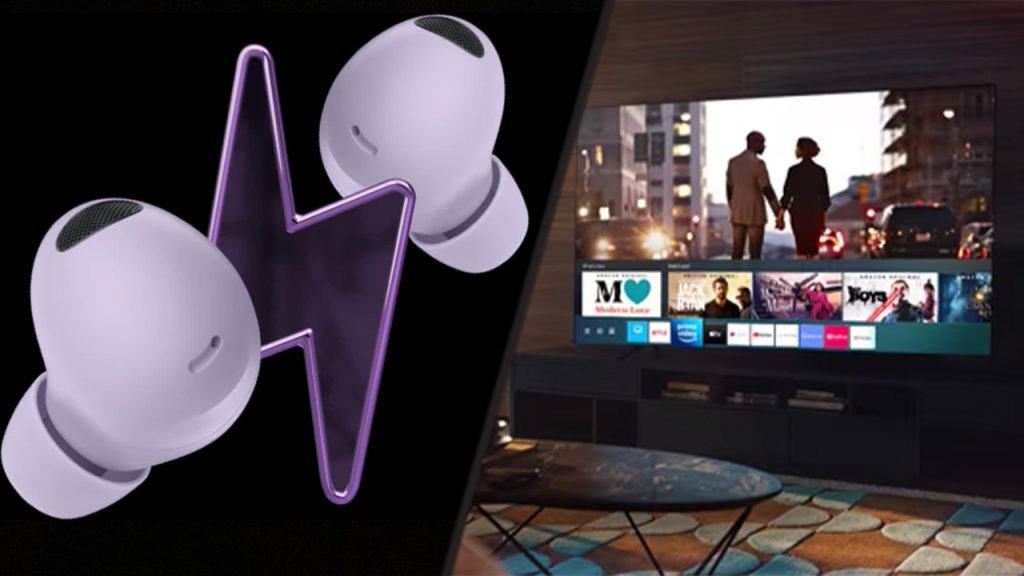
Samsung continues to expand its product lineup, but the company doesn’t neglect to support its existing products either. In fact, many Samsung products gain new capabilities through subsequent software updates. The latest example of this is with the Samsung Galaxy Buds 2 Pro. Thanks to the most recent firmware update, these earbuds, which were introduced at last year’s Unpacked event, have received various improvements and new features. Here are the details…
Galaxy Buds 2 Pro Firmware Update Improves Audio Quality and LE Audio Support
Samsung has released a new firmware update, R510XXU0AWF4, for the Galaxy Buds 2 Pro. Notably, the company didn’t just fix existing issues with this update; it also added new features to the year-old earbuds. Many people interpret this as a reflection of the value that Samsung places on its current users, which is a fair assessment. Very few companies other than Apple regularly update their products with software improvements. The fact that Samsung is one of them is a significant development for the industry. So what else does the update change?
The update improves the LE Audio capabilities of the earbuds, which means that they can now transmit audio over Bluetooth LE. This can be useful for reducing power consumption or for connecting to devices that do not support Bluetooth Classic. It also improves the audio quality of the earbuds, especially when listening to music or watching videos. This is thanks to the use of a new audio codec called Samsung Seamless Codec.
The update also adds a new feature called “Sound Assistant”. This feature allows users to adjust the sound output of the earbuds based on their surroundings. For example, they can make the sound louder in noisy environments or quieter in quiet environments. Of course, this update is not just for the Galaxy Buds 2 Pro. The same update will also bring audio improvements to some Samsung smart TVs, as well as the Galaxy Book3 Ultra, Book3 Pro, Book3 Pro 360, and Book3 360, which are all part of the company’s product lineup.
Technology continues to advance and make our lives easier. This progress brings things that might have once been prohibitively expensive or nearly impossible right into the comfort of our homes. For example, consider how much it would have cost you 20 years ago to manufacture a product you designed yourself, using cheap material like plastic. Today, thanks to 3D printers, you can do this at affordable prices.
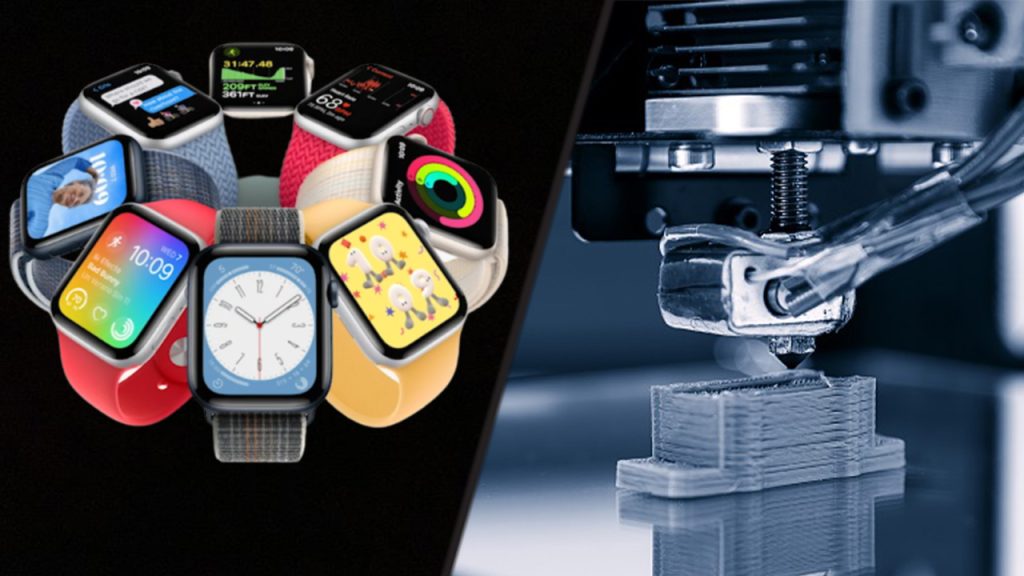
People from all around the world are using this technology for various purposes, from creating figurines to making objects they need. I’m even thinking of redesigning the legs of my chairs so that my robotic vacuum cleaner can easily go under them and clean. It seems that it’s not just ordinary users who are looking to benefit from this technology. According to a Bloomberg report, Apple is testing 3D printing for the steel cases of their Watch Series 9 models. Here are the details…
Apple Testing 3D Printing for Steel Apple Watch Series 9 Models
Of course, when you hear “Apple and 3D printer” don’t think of the home-use products sold online. The company has been conducting R&D for a long time to accelerate production and reduce costs. Industrial 3D Steel printers could be the solution that the US tech giant needs. In fact, Mark Gurman has mentioned that this technology could be used in the production of the Apple Watch Series 9, which is set to be introduced at the iPhone 15 event on September 12.
Traditionally, Apple produces its steel Watch models using a process called forging. This involves creating small steel blocks slightly larger than the finished product. The metal is then cut to the required shape using CNC, leaving off cuts. 3D printing, on the other hand, uses a “powdered substance” which is shaped using heat and pressure into something closer to the final product. The resulting case “feels like steel” with some additional milling required to finalize the case.
Latest reports says that Apple is still in the early stages of testing 3D printing for its Apple Watch models. It is not yet clear if the new method will be used in the final products. However, the report says that Apple is interested in the potential benefits of 3D printing, such as reduced waste and faster manufacturing times.
It is worth noting that Apple is not the only company exploring the use of 3D printing for smartwatches. Companies, such as Samsung and Fossil, are also developing 3D printing techniques for their smartwatches. It is unclear for now who will be the leader in this technology.
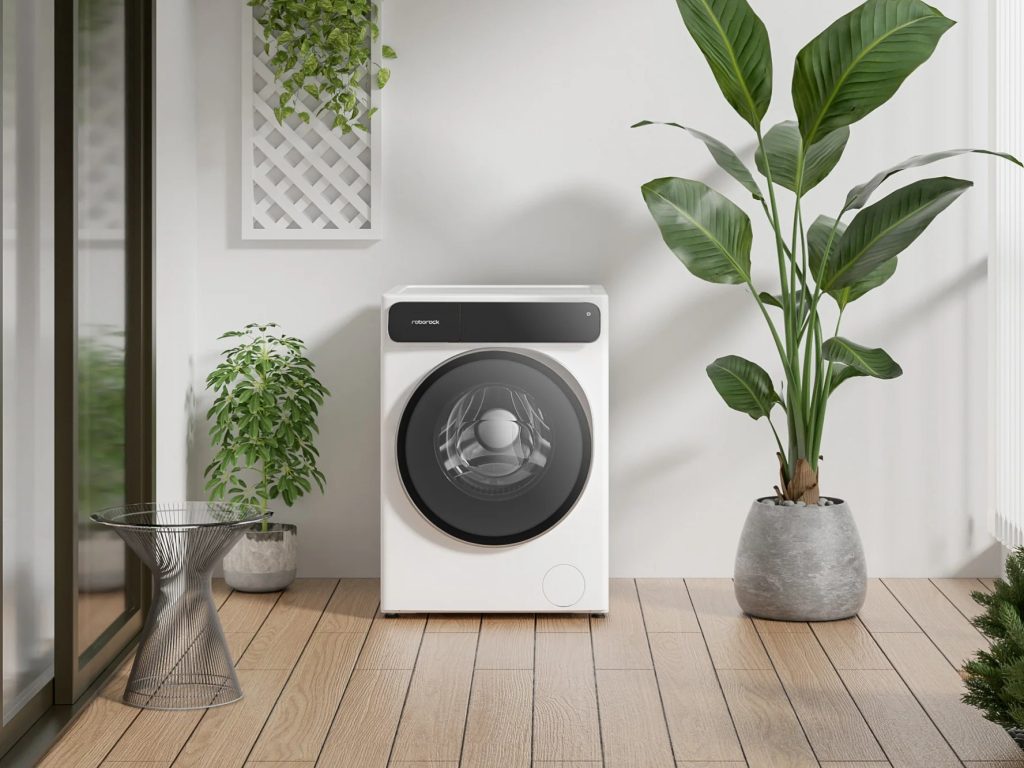
Roborock has announced the Zeo One washer dryer and it will be showcased at IFA 2023 Berlin. The new Roborock Zeo One supports low-temperature drying, automatic lint removal, and auto-dosing.
The Roborock Zeo One can accommodate up to 10kg of clothes and it has a 6kg drying capacity. The Zeo One washer dryer can achieve both washing and drying faster and its shortest combined cycle is 60 minutes. The washer features bacteria, stains, and pet dander removal. The dryer, on the other hand, offers AI temperature control and gentle removal of water from delicate fabrics. The machine is equipped with the innovative ZeoCycle drying technology and NTC smart sensors for temperature monitoring. The rapid monitoring helps to avoid high heat or damage to your fabrics.
The Roborock washer dryer is well suited for washing and drying woolen materials and mitigates the risk of shrinkage. It can automatically collect and remove lint after each use In addition, the smart dosing feature allows you to load the machine with detergent and softener that can last up to 30 days. The Zeo One washer-dryer has a companion mobile app that allows you to adjust the settings and set cleaning schedules. You can also view the progress of each task using the app.
The Roborock Zeo One supports voice commands to remotely control the device. It also features a child lock, power outage memory, an interior light, and software updates. The washing and drying machine will be available in black or white color options. Roborock has not provided any details yet on the release date and pricing of the Zeo One dryer washer.
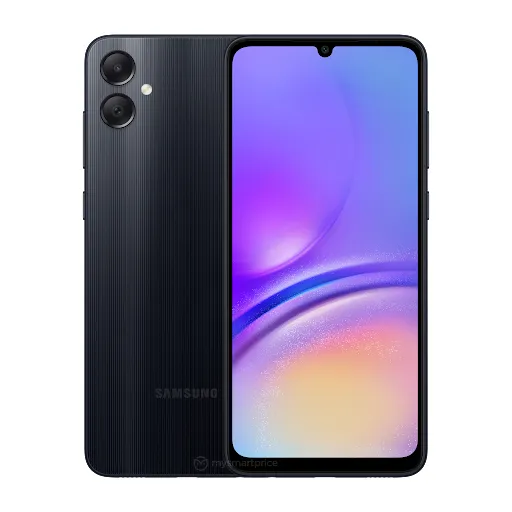
Samsung‘s upcoming Galaxy A05 smartphone recently leaked with live images, revealing what it will look like. Now, the device has appeared on the Google Play Console listing revealing some key specifications.
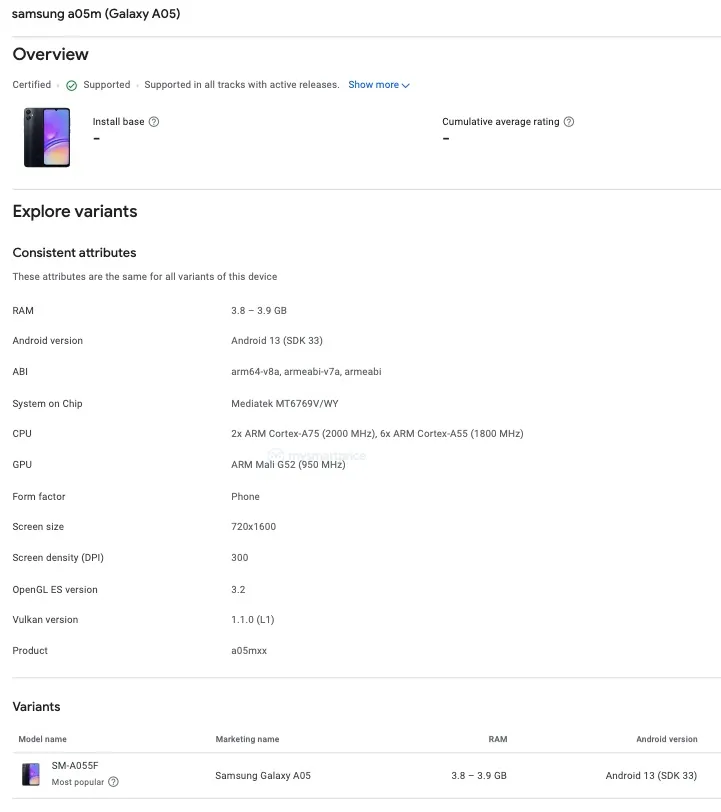
Samsung Galaxy A05 Google Play Console Listing
The listing starts by showcasing a high-resolution image of the Galaxy A05. The device appears to feature a flat back adorned with a vertical line design pattern, along with a dual camera configuration. On the front side, there’s a notched display, and a noticeable chin at the bottom.
The listing further reveals that the Galaxy A05 will feature a MediaTek Helio G85 processor paired with 4GB RAM. Since it will be an entry-level smartphone, the chances of it having a 6GB RAM model are slim to none.
It will feature a 720 x 1600p HD+ display that will offer a pixel density of 300PPI. Lastly, the device will have an Android 13-based operating system which will be layered with Samsung’s OneUI. Looking at these specs, we are getting an improvement in the SoC department compared to the last generation. The pixel density is also slightly higher. It remains to be seen what other improvements the phone will launch with. In the meantime, check out the specs of the Samsung Galaxy A04.
Samsung Galaxy A04 specs
The Galaxy A04 boasts a 6.5-inch PLS LCD screen with an HD+ resolution of 720 x 1600 pixels and a 60Hz refresh rate. It is powered by an octa-core Helio P35 SoC, paired with 4GB of RAM and 128GB of internal storage. The device features a dual-camera setup with a 50MP main camera and a 5MP front-facing camera. It supports 4G VoLTE connectivity and is equipped with a substantial 5,000mAh battery.
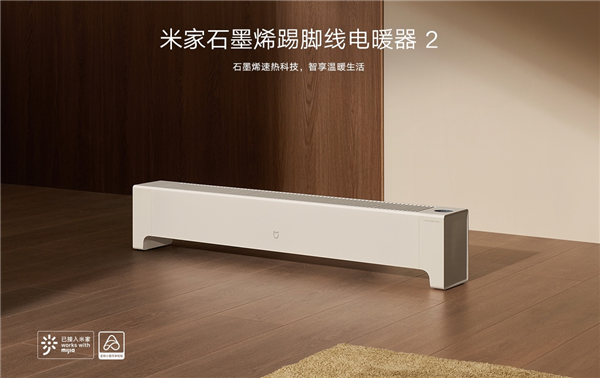
As the chill of winter approaches, Xiaomi’s MIJIA brand has unveiled its latest innovation, the MIJIA Graphene Baseboard Electric Heater 2. The device pushes the boundaries of home heating technology, this cutting-edge appliance promises a new level of comfort and efficiency.
Boasting a remarkable blend of power and precision, the Mijia Graphene Baseboard Electric Heater 2 stands as a testament to Xiaomi’s commitment to enhancing everyday living. With a potent 2200W high-power heating element at its core, this heater is engineered to deliver rapid and consistent warmth to your space. Thanks to its ingenious graphene-coated heating sheet, the appliance achieves unparalleled heat conduction, resulting in an astonishing 5-second startup to envelop you in cozy comfort.
One of the standout features of the Mijia Graphene Baseboard Electric Heater 2 is its unique approach to heating. Combining the principles of thermal convection with the advanced capabilities of graphene heat conduction, this appliance offers a gentle and uniform warmth without the bothersome gusts associated with traditional heaters. This innovative method not only creates a more pleasant environment but also reduces moisture loss in the air, maintaining optimal humidity levels for a healthier living space.
With its sleek curved design and elegant one-piece white body, the Mijia Graphene Baseboard Electric Heater 2 seamlessly integrates into any interior. The integrated LED screen provides intuitive control, allowing you to fine-tune temperatures between 16-28°C and set timers ranging from 1 to 12 hours. Furthermore, the heater is equipped with IPX4 waterproofing, ensuring protection from splashes and spills.
The Mijia Graphene Baseboard Electric Heater 2 doesn’t stop at just superior heating performance. It introduces the convenience of voice control through XiaoAI, app-based management via the MIJIA app, and even remote control for ultimate flexibility. Safety is a paramount consideration, as reflected in features such as overheat protection, automatic power-off when tipped over, and a child lock mechanism.
The MIJIA Graphene Baseboard Heater 2 is presently available in Jingdong (JD.com) for 399 yuan (around $55).
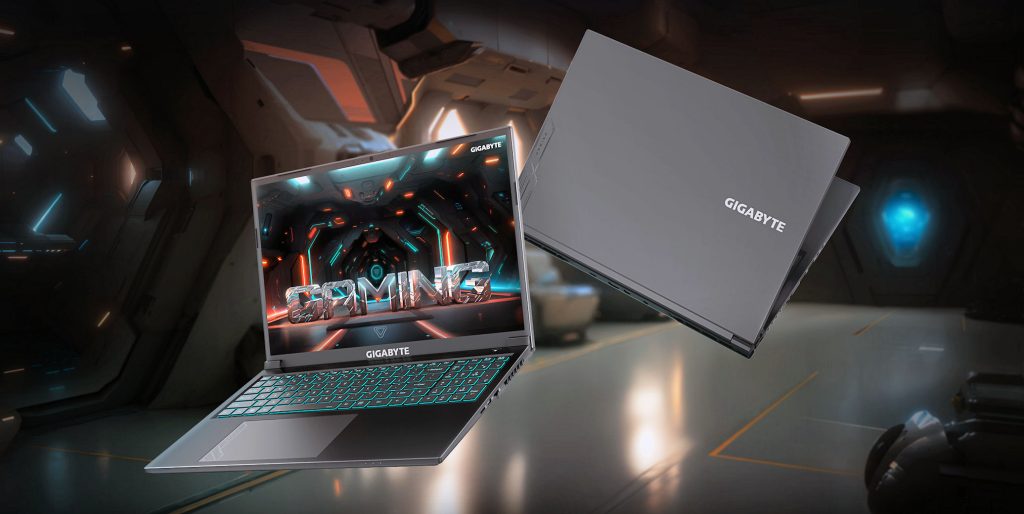
After launching the GIGABYTE G5 series gaming laptops last year, the brand is back with an affordable and up-to-date refresh called the GIGABYTE G5 series. The brand has announced that these laptops will come with 13th Gen Intel CPUs paired with an Nvidia RTX 4050 or 4060 GPU. More details can be found below.
GIGABYTE G6 gaming laptop specs
The top-end GIGABYTE G6 gaming laptop is powered by up to an NVIDIA GeForce RTX 4060 graphics card and a 13th Gen Intel Core i7-13620H processor. The video card has 8GB of GDDR6 memory and the CPU can boost up to 4.9 GHz. The laptop features a 16-inch FHD+ (WUXGA) display with a high 165Hz refresh rate and a 16:10 aspect ratio.
To keep temperatures in check during intense gaming sessions, the G6 incorporates the WINDFORCE Cooling System and dual large fans. It supports dual-channel DDR5-4800 RAM and PCIe Gen 4 SSD storage.
Weighing approximately 2.3 kilograms, it’s relatively lightweight for a gaming laptop of this caliber. The laptop also features DLSS 3 upscaling technology for enhanced graphics quality and a next-generation Wi-Fi 6E for fast and stable wireless connectivity. Additionally, it includes an RJ45 Ethernet port for reliable wired networking.
It has a 15-color backlight keyboard with 2.0mm key travel and a dedicated numeric keypad. You’ll find a variety of connectivity options, including a USB 2.0 port (Type A), a USB 3.2 Gen 1 port (Type A), and two USB 3.2 Gen 2 ports (Type C) for versatile peripheral connectivity. Additionally, it features a Mini DP 1.4 and an HDMI port with HDCP support for external display options. The 2-in-1 Audio Jack accommodates both headphones and microphones, while a dedicated Microphone Jack is also available. For wired networking, there’s an RJ-45 LAN port, and a DC-in jack for power input.
The laptop is equipped with a MicroSD Card Reader for expandable storage options and features two 2W speakers with microphone support. Networking options include 1GB LAN, Wi-Fi 6E, and Bluetooth 5.2. The laptop is powered by a Lithium-Ion 54Wh battery and comes with a 150W power adapter. Pricing and availability details are currently under wraps.
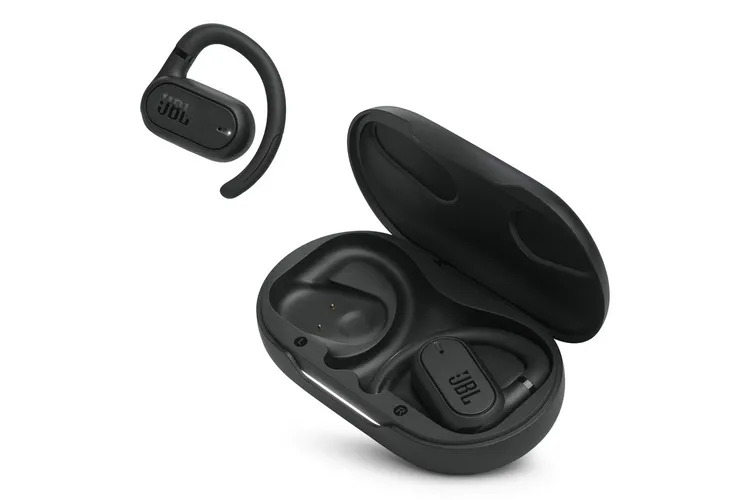
The JBL Soundgear Sense TWS earbuds have been unveiled. The new earbuds come with an open design and detachable neckband. The new earbuds, together with new headphones and speakers have just been announced at IFA 2023 Berlin.
The JBL Soundgear Sense earbuds are designed to allow the user to keep tabs on environmental sound. The user can hear the world around him while enjoying music playback. The new JBL audio products include the Live 770NC and 670NC headphones and the PartyBox Ultimate party speaker. JBL is also demonstrating the new Authentics-branded smart speakers during IFA 2023. The speakers support both Alexa and Google Assistant simultaneously – a first, according to JBL.
The Soundgear Sense is equipped with ear hooks and is rated IP54 for sweat resistance. It has a detachable neckband that allows the device to be used as TWS earbuds or wireless neckband earbuds. The neckband offers extra security for the device when engaged in exercises. The Soundgear Sense’s open design is being propped as notches above the transparency modes in other models. It says the naturally open design of the earbuds provides a true connection with the outside world. The Soundgear Sense is a competitor to the Sony LinkBuds.
The JBL Soundgear Sense does not feature noise cancellation but has four microphones for enhanced calls. The earbuds deliver up to 6 hours of battery life plus 18 hours from the case. The Soundgear Sense will be available in black or white color options and can be connected to multiple devices simultaneously.
The JBL Authentics-branded smart speakers and the PartyBox Ultimate speaker will be available in the US and Europe, while the earbuds and headphones will enter the US market in 2024. The Soundgear Sense is priced at €149.99 (~$162) in Europe. The PartyBox Ultimate is priced at $1,699 and will be available first in Europe, and then in the US by October.
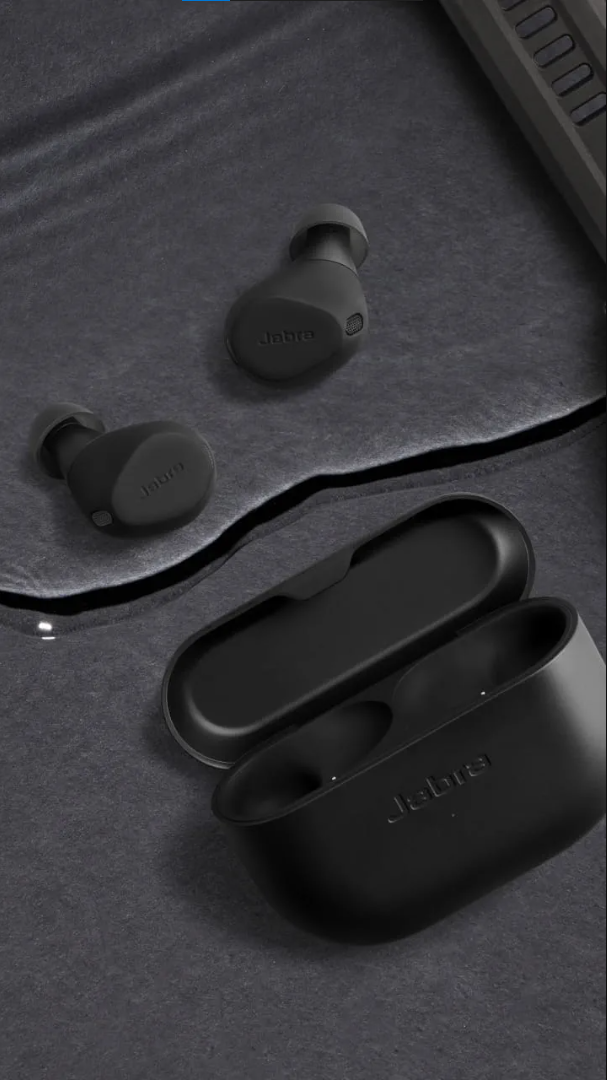
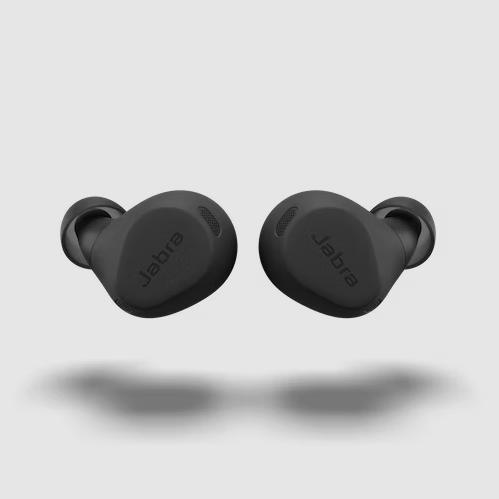
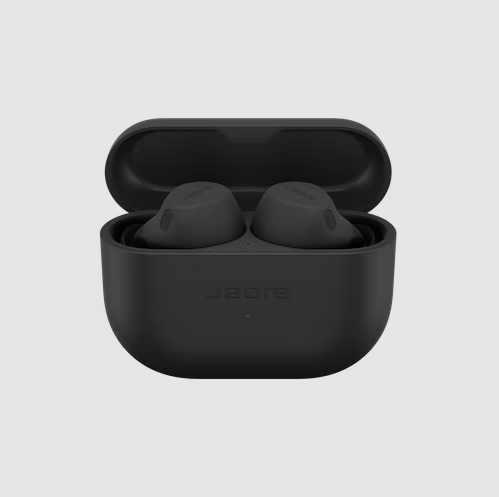
Jabra has just launched the Jabra Elite 8 Active earbuds catered to athletes, gym goers, and fitness enthusiasts. These earbuds are quite tough and also water and dustproof. Keep reading to learn about its features and pricing.
Jabra Elite 8 Active specs
The Jabra Elite 8 Active offers enhanced weather resistance, boasting an impressive IP68 certification. The included charging case is also IP54 certified. As per the brand, these earbuds are also MIL-STD-810h certified for toughness. With that out of the way, let’s talk about the features.
The distinguishing feature of the Elite 8 Active is its Adaptive Hybrid Active Noise Cancellation (ANC) technology, along with its HearThrough functionality, giving you the ability to customize your music listening experience based on your surroundings.
The Elite 8 Active comes equipped with 6 mm drivers. It is compatible with Bluetooth 5.3 and provides support for AAC and SBC codecs. It incorporates Dolby spatial audio but misses out on LDAC support.
The Elite 8 Active has a great battery life. With noise cancellation on, it lasts for up to 8 hours. If you turn off noise cancellation, it can last even longer, up to 14 hours. Plus, with the charging case, you can listen for a total of up to 32 hours. Support for both wired and wireless charging is available.
Pricinig & availability
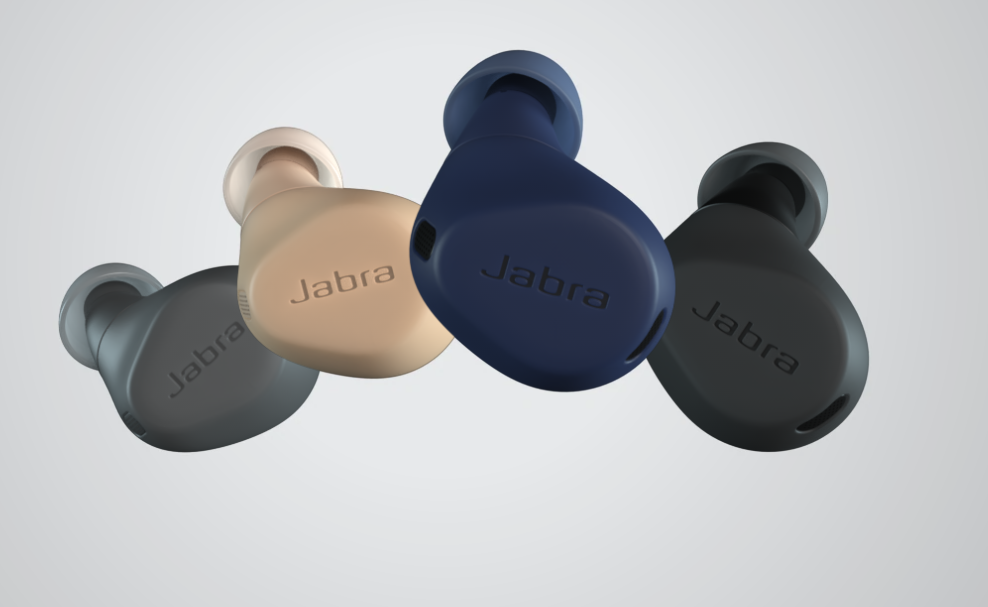
The Elite 8 Active is available in Black, Caramel, Grey, and Navy Blue color options, priced at $199.99, €199.99, and £199.99 in the US, Eurozone, and UK, respectively.
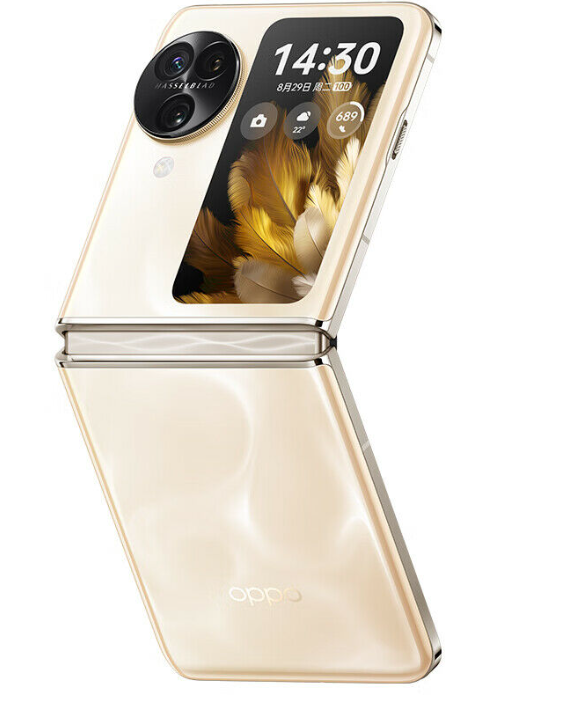
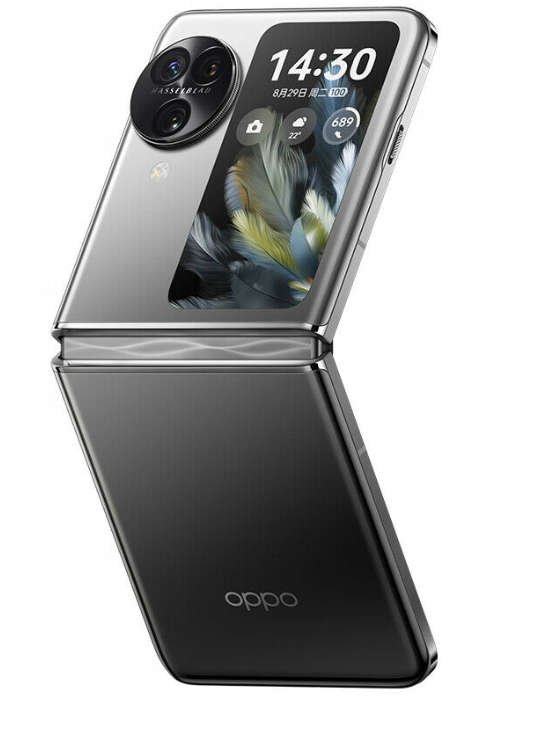
Giztop is giving a $100 discount on the OPPO Find N3 Premium Flip phone. The phone which generally retails for $1199 is now available at a discounted price of $1099 by using the exclusive coupon code: N3F100. This offer expires on September 10.
The OPPO Find N3 Flip offers a fusion of design and functionality that sets new standards. With its foldable 6.8-inch E6 AMOLED inner display, you’ll experience visuals in a new dimension. The 3.26-inch AMOLED outer display keeps you connected on the go.
Under the hood, the MTK Dimensity 9200 Octa-Core processor ensures seamless performance for all your tasks. The triple rear camera setup, featuring a 50MP, 32MP, and 48MP combination, delivers stunning photos, while the 32MP front camera captures striking selfies.
Ample power and space come together with 12GB LPDDR5X RAM and 256GB/512GB UFS 4.0 internal storage options. The 4300mAh battery keeps you powered throughout the day, and with 44W wired fast charging, you’re always close to a quick boost.
Running on ColorOS 13.2 based on Android 13, the Find N3 Flip supports Dual 5G Mode for enhanced connectivity. Upgrade your smartphone experience with the OPPO Find N3 Flip, available in Black, Purple, and Gold color options.
For more information on such exciting deals and offers, check out our deals hub.
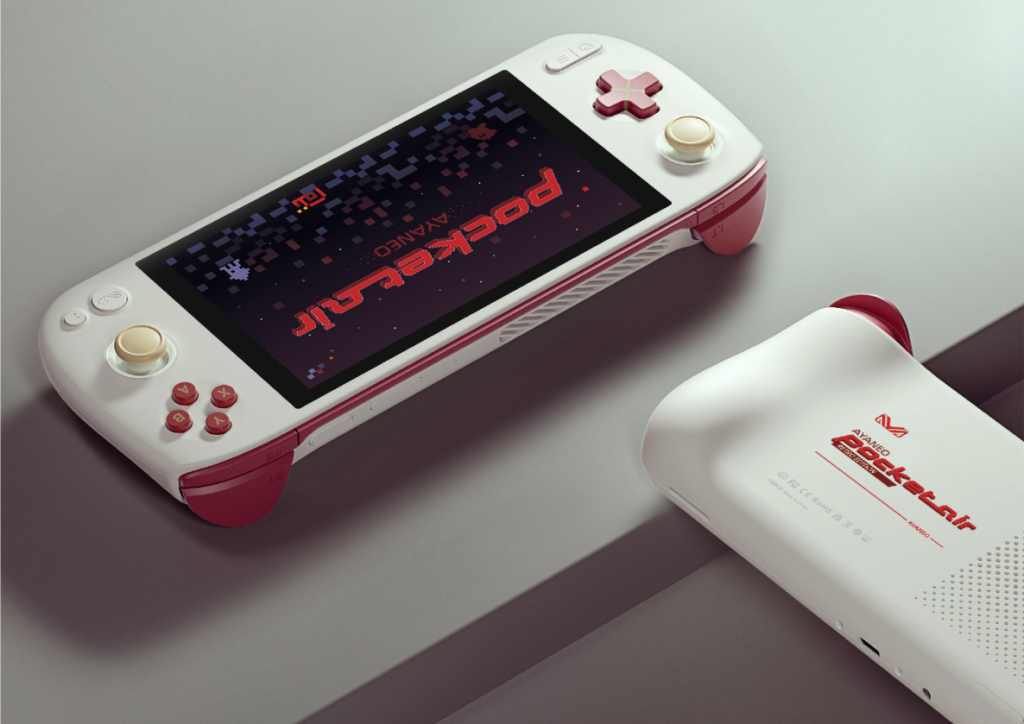
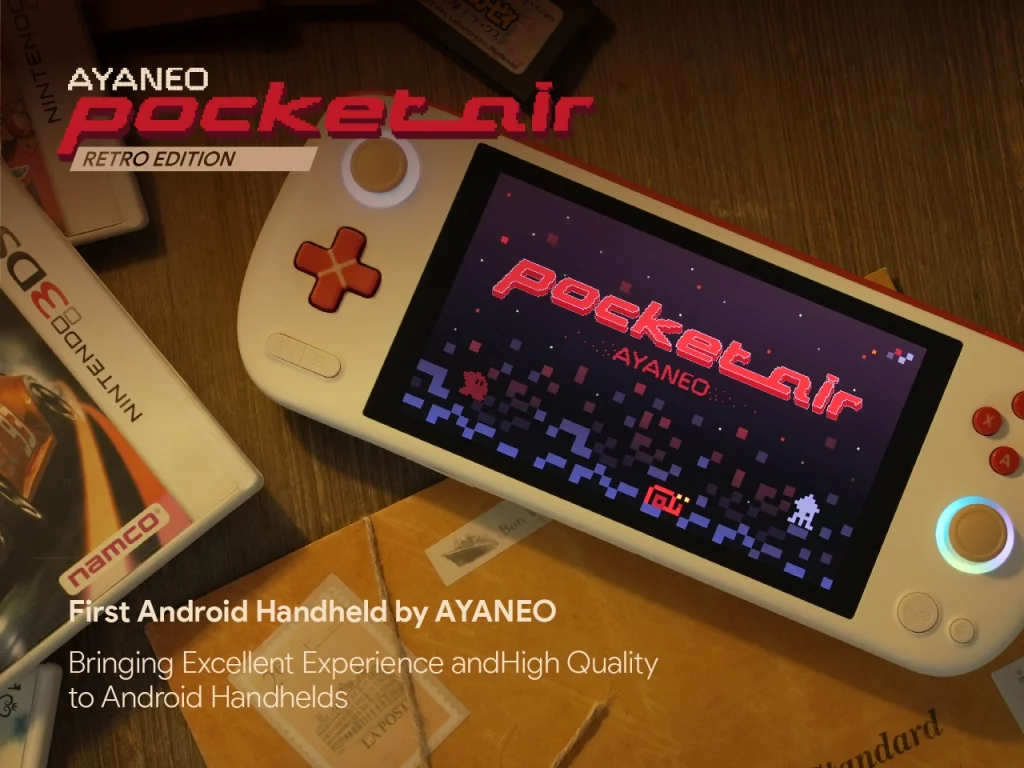
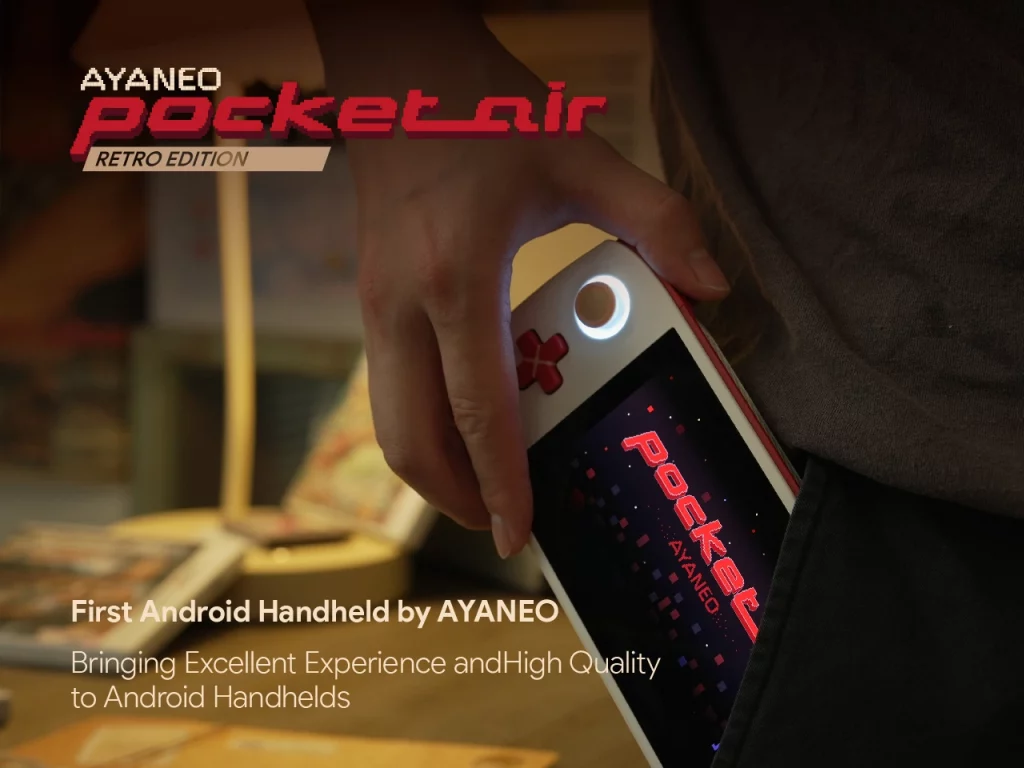
The AYANEO Pocket Air is a Dimensity 1200 SoC-powered handheld gaming console that was unveiled back in July. The initial plans were to make it available for pre-order in July only and begin shipping in August. But with the month of August ending, the brand has revealed its refreshed timelines for the console.
According to their recent announcement, the brand will start selling the console on September 6th at 12:00 UTC. They plan to send the console to Indiegogo supporters by the end of September. Now, when it comes to the cost, AYANEO is offering an Early Bird price of $279 for the 6GB RAM + 128GB storage model. Once the early bird units run out, backers on Indiegogo will have to pay $299 for the gaming handheld.
Moreover, the Pocket Air with 8 GB of RAM and 256 GB of storage will go for $329 (early bird), or you can get one with 12 GB of RAM and 512 GB of storage for $399 (early bird). However, it’s worth mentioning that these prices will go up by $50 once AYANEO runs out of Early Bird units.
AYANEO Pocket Air specs
The AYANEO Pocket Air features a 5.5-inch 1080P AMOLED display with wide viewing angles and an impressive color gamut range. It boasts a pixel density of 404 PPI, covering 185% sRGB color gamut volume, 109% NTSC color gamut volume, 100% DCI-P3 color gamut, and 96% Adobe RGB color gamut. Under the hood, it’s powered by the MediaTek Dimensity 1200 CPU and offers memory configurations of 6 or 8GB LPDDR5 RAM and storage options of 128 or 256GB UFS 3.1.
In terms of design, it sports an elegant Retro White color scheme and incorporates an X8-level air-cooled cooling system for efficient heat dissipation. The device is equipped with a large 7350mAh battery for extended gaming sessions. It features a Master controller for Android, a hall-sensing joystick, Hall triggers, and an X-axis linear motor for precise tactile feedback. Additionally, it comes with dual six-axis gyroscopes for accurate motion tracking.
Unique features include the SoundTap+Magic Sound Vibration System. Connectivity options comprise a full-featured USB 3.2 Gen2 Type-C port, a USB Type-C charging port, a 3.5mm headphone jack, and slots for Nano-SIM and Micro SD cards. A fingerprint reader is integrated into the power key. The device measures 224 x 89.5 x 17mm and weighs 380g. It connects via Wi-Fi 6 and Bluetooth 5.2 and supports 4G/LTE across mainstream global bands. The AYANEO Pocket Air runs on Android 12 and features a customized desktop launcher called AYA Space.
We use cookies on our website to give you the most relevant experience by remembering your preferences and repeat visits. By clicking “Accept”, you consent to the use of ALL the cookies.
This website uses cookies to improve your experience while you navigate through the website. Out of these, the cookies that are categorized as necessary are stored on your browser as they are essential for the working of basic functionalities of the website. We also use third-party cookies that help us analyze and understand how you use this website. These cookies will be stored in your browser only with your consent. You also have the option to opt-out of these cookies. But opting out of some of these cookies may affect your browsing experience.
Necessary cookies are absolutely essential for the website to function properly. This category only includes cookies that ensures basic functionalities and security features of the website. These cookies do not store any personal information.
Any cookies that may not be particularly necessary for the website to function and is used specifically to collect user personal data via analytics, ads, other embedded contents are termed as non-necessary cookies. It is mandatory to procure user consent prior to running these cookies on your website.