Advertisement

Xiaomi 14 running MIUI 15 could be the first phone to use Qualcomm Snapdragon 8 Gen 3

Rumors are rife about the Xiaomi 14 and the Qualcomm Snapdragon 8 Gen 3. There are multiple leaks detailing everything about both the smartphone and the chipset. A recent report is even claiming that Qualcomm Snapdragon 8 Gen 3 will debut with Xiaomi 14 series.

Must See: Xiaomi 14 to feature the same dual telephoto combination as Mix Fold 3

Qualcomm is launching the next generation of its flagship chipset in October at the Snapdragon Summit 2023. Following the event, Xiaomi will announce the new MIUI 15 based on Android 14, and will also shed some light on the Xiaomi 14 series. It will be like a soft announcement of Xiaomi’s next flagship. However, the actual Xiaomi 14 launch will take place in November, and the device will come pre-installed with stable MIUI 15.

The report seems to be corresponding to the launch timeline of both companies. Considering Apple’s new iPhone launch in September, October looks more suitable for the new chipset announcement. It will be followed by Xiaomi 14’s launch in November. Then, there will be multiple smartphone launches from Vivo, Oppo, ZTE, and other brands.

Last time, Vivo’s X90 Pro+ was the debut smartphone to launch first using the Snapdragon 8 Gen 2. It was later followed by iQOO 11 and 11 Pro, and then Xiaomi 13 Series. We hope Snapdragon 8 Gen 3 to debut first with Xiaomi 14 series.

The chipset will equip an octa-core design including a Cortex-X4 core, 5x Cortex-A720 cores, and two Cortex-A520 cores.

Related: Xiaomi 13T Pro camera details leak reveal it will be a tweaked version of the Redmi K60 Ultra

Xiaomi 14 Series Specifications and Features (Expected)

The Xiaomi 13’s successor seems to bundle several upgrades and enhancements in both the software and hardware segment. The smartphone appears to bundle a new 50MP 1/1.28-inch primary sensor which is a bit larger than the last year’s sensor. It will bundle along a telephoto lens with 5x optical zoom capability and an ultrawide angle lens. Further, the base model is expected to feature a 4860 mAh battery with support for 90W fast wired charging and 50W wireless charging.

There will be a design change, and even the camera module will have a different arrangement, in comparison with the last year’s model.

(via)

Motorola G84 5G Leaked Renders Reveal Design, 50MP OIS Camera

Motorola is reportedly working on two G-series devices. Recently, the Moto G54 surfaced in press renders. Now the Moto G84 5G has also appeared in leaked renders shared by tipster Evleaks. The images give us a look at the device. The upcoming offering has already bagged TDRA and FCC certifications hinting at an imminent launch of the smartphone. The Moto G84 5G is expected to arrive as the successor to the G82 that launched last year. 

Moto G84 5G leaked renders

As per the leaked renders, the Moto G84 5G has a slightly boxy form factor. There is a protruding squarish camera module on the back panel along with the brand’s batwing-like logo. The power and volume rocker buttons are located on the right side whereas the SIM tray is on the left side. It’s unclear whether the power key will double up as a fingerprint scanner or if the device will feature an in-screen scanner. 

On the front, the Moto G84 5G will feature a center-aligned punch-hole cutout display. The screen is surrounded by thin bezels. The smartphone has dual rear cameras along with a 50MP OIS text confirming the sensor’s presence. The bottom of the device houses a USB-C port, a 3.5mm headphone jack, and a speaker grille. The renders reveal the Moto G84 5G in Red, Black and Silver color options. 

The core specifications of the Moto G84 5G remain a mystery for now. The FCC certification listing revealed that the device will pack a 5,000mAh battery unit with support for 33W fast charging. 

Related: 

Major Google Camera UI redesign on Cards for Pixel 8 and Pixel 8 Pro

Pixel 8 Series is not so far from the official launch if we consider the recent leaks and the past launch dates. Google is set to announce the new Pixel at the Hardware Event this fall. There are talks about some major hardware changes on Google’s flagship device, but along with the hardware, there are some exciting software features that will be part of Pixel 8. Apart from the changes in the new iteration of Android, Google is also preparing to revamp the famous Google Camera app with a new User Interface.

Must See: Google Pixel 8 leaked teaser unveils “Magic Audio Eraser” for Noise-Free Videos

What’s new in Pixel 8’s Google Camera

According to a report published by Android Authority, the search giant is bringing all the camera controls to the bottom of the App’s User Interface. It will make in-app features more accessible and reachable.

UI Changes in Photo mode.

The settings button has moved from the top to the bottom-left corner, and it is also accessible via a swipe-up gesture. The Settings Panel remains unchanged for now. Further, the black bar now hosts some additional modes and features which aid in better usability with a single hand. The users can now switch between Video and Photo modes from the bottom bar by the side of the Settings icon.

The screenshots of the new Camera further reveal a new UI featuring different modes including Action Pan, Portrait, Long Exposure, Photo, Night Sight, and Panorma. And, slight different modes like Pan, Blue, Video, Slow Motion, and Time Lapse appear for the Video Mode.

UI Changes in Video Mode.

We can also see a slight change in the placement of the camera switch button which now resides at the right side. Meanwhile, the last shot preview is on the left. The zoom switcher is present above the shutter button. However, other things remain unchanged.

The new Long Exposure and Action Pan features are not new, they were part of the Motion tab. But, the users can see separate tabs for each of the features. Even the “Cinematic Pan” stabilization mode is now “Pan.”

Related: Google Pixel 8 and 8 Pro Storage Variants & Color Info Leaked Online

Other Software Features for Google Camera in Pixel 8

Along with UI tweaks, the new version is expected to bring Staggered HDR and Segmentation AWB feature. The Staggered HDR will reduce the picture-taking time due to small delays between frames. The Segmentation AWB feature will add more appropriate post-processing to the parts of the image to make it look better and more accurate.

Another addition to the feature brochure is the Adaptive Torch feature. It is set to improve low-light photography by automatically adjusting the intensity of the flash.

Pixel 8 Camera Specifications

The Google Pixel 8 series is set to bring some advancements including the new hardware. This time, Pixel 8 Pro is expected to feature a 50MP Samsung GN2 sensor, and a 64MP Sony IMX787 ultrawide sensor. However, there will be the same primary 50MP Samsung sensor and a 12MP Ultrawide IMX386 lens.

WhatsApp enhances calling interface in latest beta update

WhatsApp, the popular messaging platform, is taking steps to improve its calling experience with a new update currently being tested in the beta program. This update, labeled version 2.23.17.16, introduces significant improvements to the calling interface, making it easier for users to manage group calls and enhancing overall usability.

WhatsApp

Easily add contacts to ongoing calls

The update introduces a new button that simplifies the addition of contacts to ongoing calls. This streamlined process replaces the previous method, which required interrupting the call to initiate a new one for additional participants. This enhancement enhances the user experience, saving time and creating smoother group conversations.

improved WhatsApp calling interface

The updated calling interface in WhatsApp features a bottom modal view that highlights the call type and highlights the end-to-end encryption, underscoring the platform’s dedication to user data privacy and security. WhatsApp is also testing the scheduled group calling feature and it is expected to roll out soon.

The new calling interface is gradually rolling out to beta testers who have installed the latest WhatsApp beta for Android. The UI is expected to roll out for more users in the coming weeks.

WhatsApp is actively exploring other features as well. This includes the development of AI-generated stickers as well as the long-awaited multi-account option for beta testers.

RELATED:

(Source)

China’s monitor exports see a sharp 24.2% decline, reaching near two-year low

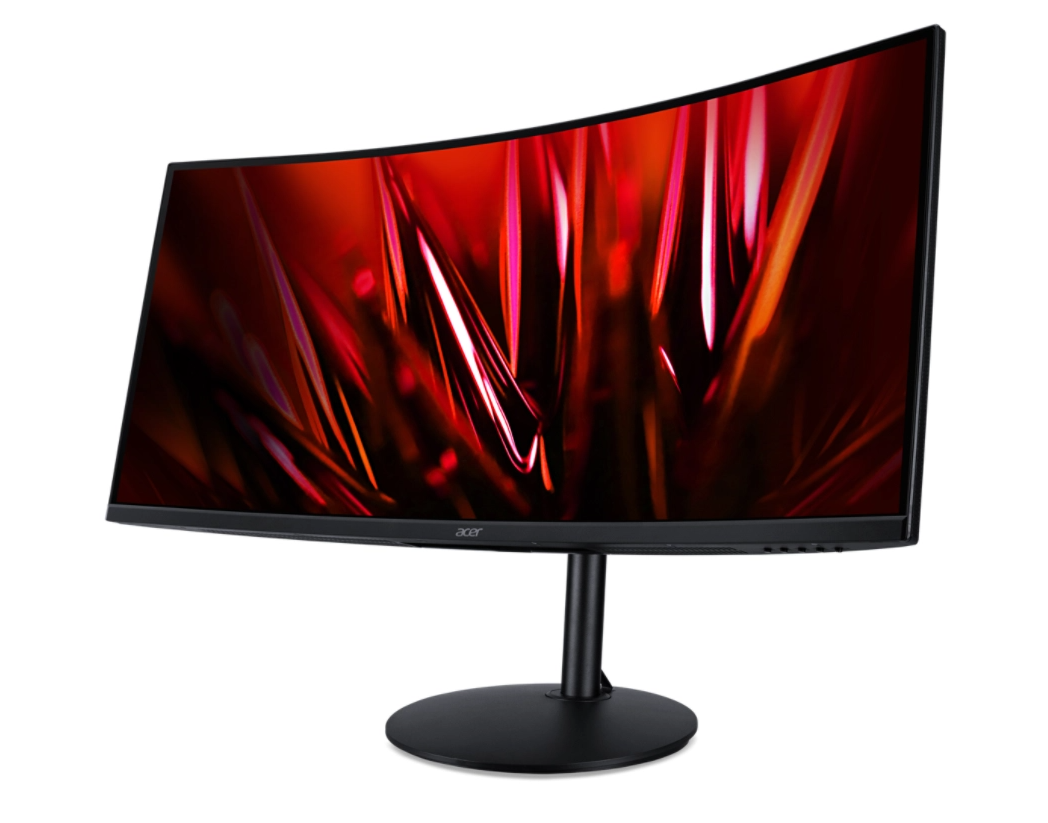
Runto Technology’s recent data reveals a significant decline in mainland China’s monitor exports for H1 2023. The data showcases a year-on-year fall of 24.2%, with the total exported units standing at 58.57 million. This decline is further exemplified by the export value, which plummeted by a hefty 32.7% compared to the prior year, settling at 49.83 billion yuan ($6.843 billion).

Monitor

Asia’s Sustained Demand: Second in Line, But Still Strong

February experienced a notable decline, reaching a nearly two-year low of 7.34 million units in monitor exports. Yet, a recovery trend emerged as the year advanced, fueled by stronger economic collaboration between Eastern Europe and China. The months from March to June exhibited growth, although it didn’t reach the level of performance seen in the same period in 2022.

The North American market, which is the main destination for mainland China’s monitor exports, experienced a significant decline in H1 2023. It comprised 27% of the export volume, with a notable YoY contraction of 38%, amounting to 15.82 million units. Within this market, the United States maintained a dominant position with a 91% share, though it faced a substantial 39.4% year-on-year decline.

The Asian market ranked as the second-largest recipient, accounting for 26.2% of the global market share.

Amidst these difficulties, Western Europe accounted for 22.5% of total monitor exports, experiencing a substantial 37.9% decline from the previous year. Conversely, Eastern Europe stood out with a promising 8.3% share of exports, showing a remarkable increase of 53.1%.

Mainland China’s monitor exports face challenges and strive for recovery. However, the growing collaboration with Eastern Europe offers a potential positive aspect, bringing a glimmer of hope to an otherwise challenging situation.

RELATED:

(Via)

Realme Buds Air 5 with 50dB ANC also launching on August 23 in India

Realme will be holding a major launch event on August 23 in India, where it will launch the Realme 11 5G and 11x 5G smartphones, along with the Buds Air 5 Pro earbuds. The brand has now also confirmed that the vanilla Realme Buds Air 5 will also be launching at this event.

Realme Buds Air 5

Realme Buds Air 5: What we know so far

The new Realme Buds Air 5 are coming with large 12.4mm sound drivers for better audio. They’ll also have strong Active Noise Cancellation that can block up to 50dB of noise. These earbuds will include 6 built-in microphones that make your calls clear by reducing background noise. In addition to that, they’ll even support Dolby Atmos for a more amazing sound experience.

Realme Buds Air 5

Compared to that, the Buds Air 5 Pro will offer an 11mm base driver and 6mm tweeter combo. It has 50dB active noise cancellation, along with noise suppression during calls with AI technology. Moreover, these earbuds support Spatial audio and the LDAC codec.

Realme

Realme Buds Air 5 Pro offer an impressive battery life, with a total of 40 hours of usage when you combine the case and earbuds. They’re also designed to withstand a little water, making them suitable for workouts or unexpected rain. Plus, they come with Bluetooth 5.3, guaranteeing smooth and reliable connections.

RELATED:

(Source)

Xiaomi 13T full spec sheet revealed ahead of rumored September launch

After recently launching the Xiaomi Mix 3 Fold, the Pad 6 Max, and the Realme K60 Ultra in China, the brand is rumored to launch the Xiaomi 13T and 13T Pro in the global market. The launch is expected to happen in early September, and a recent report revealed the pricing of both devices. Now, the full spec sheet of the Xiaomi 13T has also emerged online.

Xiaomi 13T Pro leaked render

Xiaomi 13T specs

As per a Dealabs report, the Xiaomi 13T will feature a 6.67-inch AMOLED screen with a sharp 1.5K resolution, offering clear visuals at 2712 x 1220 pixels with a pixel density of 446ppi. Notably, the display supports a high refresh rate of 144Hz. It has a typical brightness of 500nits, 1200nits with HBM (High Brightness Mode) and it peaks out at 2600nits.

Under the hood, the phone features a MediaTek Dimensity 8200-Ultra processor, paired with 256 GB of storage memory and 8 GB of RAM. The phone is equipped with a large 5000mAh battery and supports 120W fast charging with Xiaomi Smart HyperCharge technology.

For photography, the camera setup includes a Leica 50MP wide-angle lens with Optical Image Stabilization (OIS). The phone also offers a 50MP Leica 2x Telephoto Lens, a 12MP ultra-wide-angle lens, and a 20MP front camera. Video capabilities reach up to 4k at 30fps.

The Xiaomi 13T comes with dual SIM card slots and runs on Android 13. It offers standard connections through USB-C and supports wireless connections like Wi-Fi 7, Bluetooth 5.4, and NFC. The phone is built to last with an IP68 standard for water and dust resistance. Security features include a fingerprint reader, and it also integrates with Google Assistant for added convenience. It will be available in two sleek colors, Black and Alpine Blue.

RELATED:

(Source)

AYN Odin 2 handheld console full spec sheet, launch date & pricing details revealed

AYN Technologies has dropped the curtain on the Odin 2 gaming handheld, revealing both its release date and an array of specifications. This new device, slated to follow in the footsteps of the Snapdragon 845-powered Odin, showcases a significant upgrade, sporting the Snapdragon 8 Gen 2 chipset.

Ayn Odin 2

The Odin 2 doesn’t cut corners on memory and storage either as it comes with LPDDR5X RAM and UFS 4.0 flash storage. Display-wise, the Odin 2 offers a 6-inch IPS display with a crisp 1080p resolution, delivering vibrant visuals for an immersive gaming experience. The device also comes prepared for connectivity, featuring Micro HDMI and USB 3.1 Type-C ports, allowing easy connections to external displays and accessories.

In terms of design, the Odin 2 strikes a balance between portability and functionality, with dimensions measuring 225 x 98 x 17 mm and a weight of 420 g. An active cooling solution ensures the Snapdragon 8 Gen 2 and its Adreno 740 iGPU can operate efficiently without overheating.

Ayn Odin 2

Perhaps the most appealing aspect is the pricing strategy. The Odin 2 will debut at a competitive $299, eventually settling at $339 (after the early bird period is over). This base model, available in black, includes 8 GB of RAM and 128 GB of storage. For those seeking more RAM and storage, there are two alternatives: the Odin 2 Pro, featuring 12 GB of RAM and 256 GB storage for $369 Early Bird and $439 Retail, and the Odin 2 Max, with a substantial 16 GB of RAM and 512 GB storage, available for $449 Early Bird and $499 Retail. The brand has scheduled the Odin 2’s launch on Indiegogo for August 22 at 12:00 UTC.

RELATED:

Xiaomi Mijia No-Mist Humidifier 3 Pro up for pre-sale in China for 1999 yuan ($275)

Xiaomi introduces the MiJia No-Mist Humidifier 3 Pro, the latest addition to their innovative home gadgets lineup. This cutting-edge product is now up for pre-sale at a cost of 1999 yuan ($275).

Xiaomi MiJia No-Mist Humidifier 3 Pro

Xiaomi MiJia No-Mist Humidifier 3 Pro key features:

The humidifier features a visually captivating design with a top dome treated using distinctive UV technology. This treatment greatly enhances its hydrophobic properties, enabling water droplets to effortlessly roll off, similar to a lotus leaf’s behavior.

The MiJia No-Mist Humidifier 3 Pro boasts impressive performance, offering a substantial humidification rate of 1500mL/h. Supported by a generous 7L water reservoir, it provides continuous operation for up to 15 hours when fully filled, ensuring prolonged and effective humidification.

Xiaomi prioritized a non-disruptive experience in the design of the air humidifier. The outcome is an efficient and quiet device that operates at a mere 31dB(A) in sleep mode. This low noise level is achieved through deep acoustic optimization, allowing for a peaceful 400mL/h humidification output ideal for uninterrupted sleep.

Xiaomi’s MiJia No-Mist Humidifier 3 Pro goes beyond aesthetics and performance by prioritizing hygiene. It features an extensive sterilization system using electrolytic water technology. Through a simple button press, users can initiate a self-cleaning mode that generates a potent chlorine solution. This solution effectively neutralizes 99% of bacteria in the water tank, filter, and pipelines. The result is fresher, odor-free air in the living space.

RELATED:

(Via)

Xiaomi Smart Band 8 global launch & pricing details emerge online

Xiaomi is about to introduce its Xiaomi Smart Band 8 to the world. This fitness tracker was first released in China and is now getting ready to launch globally. Ahead of the official announcement, a major Polish retailer has listed the device online with all the details.

Xiaomi Smart Band 8

According to the retail listing (now removed), the Xiaomi Smart Band 8 will be available on October 3rd. It will be priced at PLN 199, approximately equivalent to €45 or $49 after conversion. This pricing includes Poland’s tax, potentially making it accessible for less than $40 in the United States.

Xiaomi Smart Band 8

Xiaomi Band 8 specs

  • Design and Display: The Xiaomi Smart Band 8 maintains its sleek appearance with a 1.6-inch AMOLED display. It offers a bright display with an Always-On Display (AOD) mode and is water-resistant up to 50 meters, suitable for various activities, including swimming.
  • Customization: Unlike previous models, the Band 8 introduces versatile lugs to accommodate various strap options, such as leather, woven leather, hollow bracelet, and TPU straps. It can even be worn as a pendant with a compatible necklace accessory or attached to shoelaces.
  • Comprehensive Fitness Tracking: The Smart Band 8 is equipped with a heart-rate monitor, SpO2 sensor, sleep tracker, and menstrual cycle monitor for female users. It also measures stress levels and provides data on VO2 Max. Specialized modes like Interactive Boxing Mode and Running Beam Mode offer detailed insights for specific activities. With support for over 150 sports modes, it caters to a wide range of fitness enthusiasts.
  • Entertainment and Convenience: In addition to fitness tracking, the Band 8 includes built-in games like Sudoku and 2048 for moments of relaxation. It functions as a notification hub, delivering weather updates and other essential alerts.
  • Battery Efficiency: Xiaomi claims that the Band 8 can last up to 16 days on a single charge with AOD disabled, thanks to its 190mAh battery unit.

RELATED:

(Source 1, 2, via: NotebookCheck)

Star Labs launches StarLite 5 Linux tablet with 12.5″ display, 16GB RAM, Intel N200

Star Labs, a UK-based hardware company, has introduced the StarLite 5, their latest Linux tablet. This 12.5-inch 2-in-1 device boasts a high-resolution 2880 x 1920 LED-backlit display with 300 nits brightness, 10-point touch support, and 16:10 aspect ratio.

StarLabs StareLite 5 Linux Tablet

StarLite 5 Linux tablet specifications:

The tablet is powered by an Intel Alder Lake N200 (1.0GHz quad-core) processor, coupled with 16GB of 4800MHz LPDDR5 RAM and storage options of 512GB, 1TB, or 2TB Gen 3 PCIe SSD.

One of the standout features of the StarLite 5 is its support for a range of operating systems, making it a versatile choice for users. It’s compatible with Ubuntu 22.04 LTS, elementary OS 6.1, Linux Mint 21, Manjaro 21.3.7, MX Linux 21.1, Zorin OS 16.1, and Windows 11 22H1.

StarLabs StareLite 5 Linux Tablet

The StarLite 5 comes with compelling features such as dual-band Wi-Fi 5, Bluetooth 5.1, front and rear 2K cameras, external monitor support for 2x 4K at 60/30 Hz, and robust security measures like BIOS Lock and Secure Boot. Notably, the tablet has disabled the Intel Management engine for enhanced security.

The device’s 38Whr (watt-hour) battery offers 12 hours of usage, and it supports rapid charging with a 65W adapter. Ports include micro-HDMI, 2x USB-C 3.2, a 3.5mm audio jack, and a microSD card slot.

The new Linux tablet features a keyboard that serves as a cover and includes a trackpad, along with a rear stand for the tablet. Notably, the keyboard supports five different languages, making it the first Linux tablet designed for international use.

StarLabs StareLite 5 Linux Tablet

The pricing details for the tablet have been disclosed, with the standalone tablet priced at $498. The accompanying keyboard is available for $101.

The tablet offers the option of free shipping with Linux Ubuntu LTS 22.04.02 or the addition of Windows at an extra charge. It is anticipated to be available for purchase in approximately mid-October.

RELATED:

(Source, Via)

Lenovo Legion Go to come with AR Glasses, launch timeline & specs revealed

Lenovo is releasing a gaming handheld called the Legion Go. It’s a new product that combines the strengths of its competitors while introducing its own innovations

Lenovo Legion Go AR Glasses

Design and Performance

The Legion Go is a gaming handheld with a practical design and powerful performance. It has well-positioned classic buttons, special joysticks, and a strategically placed mouse wheel. The handheld has an 8-inch screen with minimal bezels to provide an immersive gaming experience. It also has a large cooling system on the back to keep temperatures under control during extended gaming sessions. The Legion Go is competing with other strong contenders like Steam Deck, Rog Ally, AYANEO, and the Nintendo Switch.

Role of AMD Ryzen Z1 processor

Windowsreport has revealed that Lenovo has chosen to equip the Legion Go with the AMD Ryzen Z1 series processor. This processor, also used in ASUS ROG Ally, is designed to provide solid performance for gaming. While sharing the same processor, Lenovo aims to distinguish the Legion Go through other features like a built-in kickstand and detachable controllers—taking inspiration from popular devices like the Nintendo Switch and ONEXPLAYER 2.

Legion AR Glasses also said to tag along

Lenovo is reportedly preparing to introduce the Legion AR Glasses, which would serve as a companion to their gaming handheld. These glasses are said to potentially introduce an augmented reality (AR) dimension to the gaming experience. Lenovo’s approach appears to center around elevating the gaming experience through AR, offering an innovative way to interact with games.

IFA 2023 launch expected

The success of the Legion Go is uncertain, despite its promising features. Its price and availability will be crucial factors. If it falls within the $600 to $900 range, it might give tough competition to devices like the Steam Deck and Rog Ally. The device is expected to be unveiled at IFA 2023 (September 1-5), so we’ll need to wait until then to find out more.

RELATED:

(Source 1, 2)

Oppo Find N3 IMDA certification hints global launch might be near

It’s been quite some time since we’ve been hearing rumors of Oppo’s new book-style foldable— the Find N3. So far, leaks have revealed almost every detail about the foldable, except for its price. While Oppo has been tight-lipped about the launch of the new device, a recent certification listing suggests that it is nearing its global debut.

The upcoming Oppo Find N3 has been spotted on the IMDA certification website in Singapore with the model number CPH2499. The certification listing confirms that the Find N3 will be a 5G device, supporting 3G, 4G, and 5G network connectivity. It will also have Bluetooth, Wi-Fi, NFC, and GPS connectivity.

OPPO-Find-N3-Flip-design
Find N3 Schematics

Previous reports have revealed that the Oppo Find N3 may have a triple-lens rear camera system, with a 50-megapixel primary shooter, a 48-megapixel ultra-wide angle lens, and a 64-megapixel periscope zoom sensor. The primary camera is rumored to use the Sony IMX890 sensor, while the ultra-wide angle lens is rumored to use the IMX581 sensor. The telephoto shooter is rumored to use the OmniVision OV64B sensor and offer up to 3x optical zoom.

The Find N3 is rumored to have a total screen size of 14.12 inches, with a 7.82-inch primary display and a 6.31-inch secondary display. Both displays are expected to be AMOLED and will have a 32-megapixel selfie shooter on the front. A recent Geekbench listing revealed the Find N3 will be powered by the Dimensity 9200 chip.

The smartphone could be equipped with 12 GB of RAM and runs on Android 13. As per reports, the device will also arrive in a 16 GB RAM variant and offer a ColorOS 13.1 experience.

RELATED:

(Via)

Apple Leads The Tablet Market In India Despite YoY Decline In Q2, 2023, 5G Tablet Shipments Also Increase

Tablets are becoming increasingly popular in India. There was a time when Apple and Samsung used to dominate the segment. In the last few years, many smartphone brands including Xiaomi, Realme, OnePlus, OPPO etc have entered the tablet category. The increasing demand for tablets is mainly attributed to entertainment needs, education usage, and specific sectoral needs such as healthcare. Now, CyberMedia Research has shared data on the performance of the tablet market in the second quarter of the year in India. 

Tablet market in India registers growth in Q2, 2023

As per the data shared by CyberMedia Research, the tablet market in India grew 29 percent quarter-on-quarter basis in Q2 i.e. the period from April to June. Unfortunately, the shipments declined 22 percent year-on-year basis during the same period last year. Apple led the market in the country with a 25.38 percent market share. Its South Korean rival Samsung came in close second with a 25.31 percent share. Lenovo bagged the third spot with a 23 percent market share. 

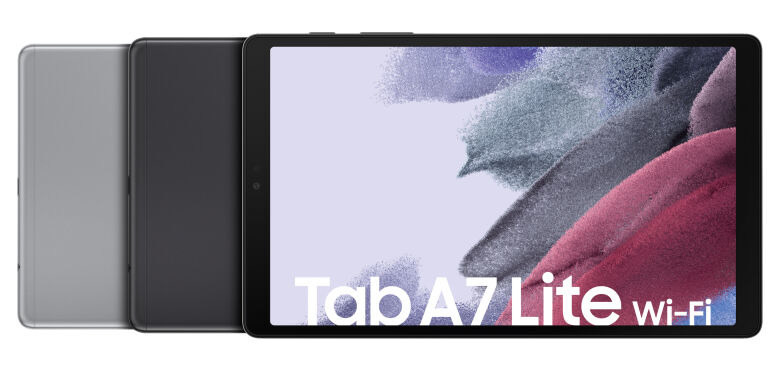
Apple’s leadership is attributed to the iPad 9 and iPad 10 series were responsible for 42 and 22 percent market share respectively. Samsung’s Galaxy Tab A8 and Tab A7 Lite’s WiFi and 4G variants had a good market share in different price ranges. For Lenovo, the brand’s Tab M10 HD (2nd gen WiFI) and Tab M8 HD WiFi were successful in the value-for-money tablet segment. Realme had a forgetful performance in the second quarter as their shipments more than halved and the company registered 8 percent market share. Meanwhile, Xiaomi’s clocked a market share of 6 percent as the company’s shipments grew a whopping 155 percent.  We assume this could be because of the Xiaomi Pad 5, Pad 6 (review), and the Redmi Pad. 

Furthermore, the report added that the shipments of WiFi tablets surged by 12 percent whereas 5G tablets grew by 7 percent year-on-year basis. The premium tablet recorded a remarkable 48 percent QoQ growth. Tablets with a display of more than 10 inches are said to be fan-favorite among Indian consumers. 

Related: 

Android 14 Beta 5.1 fixes minor bugs, stable release imminent

Android 14 is almost here! The first developer preview was released in February, and now we’re up to Beta 5. Google considers Beta 5 to be a near-final build, and they’ve just released Beta 5.1 with a few last-minute fixes. The update is available now as an over-the-air (OTA) patch for the Pixel 4a 5G, Pixel 5 series, Pixel 6 series, Pixel 7 series, Pixel Fold, and Pixel Tablet.

Android 14 Beta 5.1 Update

The update fixes connectivity interruptions, a blank home screen, and a SIM card issue. You can see the full list of fixes below, taken directly from the Google release notes.

• Fixed an issue that caused the system to stop detecting a SIM card if Fixed Dialing Number (FDN) features were enabled.
• Fixed an issue that caused connectivity interruptions for devices with carriers using 5G standalone (SA) mode.
• Fixed an issue for some devices where a blank home screen displayed after unlocking the device.
• Fixed a performance issue by temporarily disabling feather-styled live wallpaper on Pixel Fold. The live wallpaper version will be re-enabled after the other underlying issues are fixed.

The bug fixes are minor, so Android 14 is likely ready for its stable release. Pixel Tablet and Pixel Fold owners will get this patch as UPB5.230623.005.A1, while other eligible Pixels will get build UPB5.230623.005. You can update your device by going to Settings > Software > Software update.

Related:

Google is testing ultra-wideband (UWB) technology for Chromebooks

Wi-Fi and Bluetooth have been the go-to wireless technologies for connecting devices for a long time. But ultra-wideband (UWB) is emerging as the next big thing, promising high-speed data transfer. Google is now exploring the potential of ultra-wideband (UWB) for Chromebooks, with a focus on use cases such as connecting Chromebooks to each other, to phones, and to multiple devices at once.

Chrome Unboxed recently uncovered the details about UWB on Chromebooks. They came across mentions of UWB (Ultra-Wideband) in Chromium Gerrit, a tool that developers use to discuss and review changes to source code. 

In particular, Google is in the process of experimenting with UWB for various purposes on Chromebooks. These experiments involve trying out connections between Chromebooks, connections between Chromebooks and phones, and even connections involving multiple users, going beyond just one-on-one links.

Ultra-wideband for Chromebooks is still in the testing phase, so it could be a while before we see them on a ChromeOS device. However, the potential applications of UWB on Chromebooks are exciting. 

Google Chromebooks Ultra-wideband

If you’re not familiar with UWB (ultra-wideband), it is a short-range wireless communication technology that is energy-efficient, versatile, and cost-effective. It can transfer data quickly, up to 675Mbps, and allows for highly accurate location tracking down to the centimeter. This is why Apple AirTags use UWB to reliably track your lost items.

Ultra-wideband technology in a Chromebook could open up new possibilities for connections. As the blog points out, it could make wireless extended displays a reality. This would be a major improvement, as it would eliminate the need for cables and make it easier to set up and use multiple displays.

Related:

Lenovo Legion Go specs and features revealed in leaked images

Lenovo has been rumored to be working on Lenovo Go, its new gaming handheld console for some time. But now the initial images of the device have finally surfaced online. While Lenovo has dabbled with handheld prototypes before, this might just be their debut of a top-notch handheld gaming device that’s ready for the market.

Lenovo Go Rumored Specifications

Leaked images of the Lenovo Go handheld device show a striking resemblance to the Nintendo Switch OLED. Specifically, the robust kickstand on the back is reminiscent of Nintendo’s console, and the detachable controllers are undeniably similar to the Switch’s Joy-Cons. 

The button layout on the alleged handheld seems fairly conventional, with two analog sticks, a D-Pad, four buttons (A, B, X, and Y), and a touchpad. But there is also a wheel on the back of the right controller. The Lenovo Go is expected to come with Windows 11, so this wheel could be helpful for scrolling while browsing.

Since the controllers are detachable, it’s likely that the screen is a touchscreen. However, there is no information about the display type or its refresh rate. Windows Report suggests that it will be an 8-inch screen. If this is true, the Lenovo Go would have a slight size advantage over its competitors, such as the Steam Deck, Asus ROG Alley, and the Switch OLED, which all have 7-inch displays.

Likewise, the device is likely to be powered by the AMD Ryzen Z1 APU. This processor is also used in the ASUS ROG Ally, but it is unclear if the Legion Go will get the Z1 Extreme or just the Z1 APU. The Z1 Extreme is a more powerful processor, but the Z1 APU is more energy-efficient, which is important for a handheld device. Besides, the Legion Go also has a large vent on the rear of the device, which is likely for maintaining thermals.

Last but not least, connectivity options on the device might include two USB-C ports (one on the top and one on the bottom), as well as a microSD card slot, and a headphone jack.

RELATED:

(Via)

Boult expands smartwatch portfolio with Crown R and Drift 2 in India

Indian brand Boult has expanded its product portfolio in India with the launch of two new smartwatches. These new wearables are called the Crown R and the Drift 2. They were launched together with a pair of true wireless earbuds known as the Boult W40. Both of these smartwatches are affordable options, with the Crown R being the slightly pricier choice. Let’s delve into the details and pricing of the Boult Crown R and Drift 2 smartwatches in India.

Boult Crown R and Drift 2 Overview

The Boult Crown R and Drift 2 smartwatches have different designs. The Crown R is circular, while the Drift 2 is squarish. Both smartwatches have a zinc alloy metallic frame. But the Crown R comes with the option of dual-colored metal straps, while the Drift 2 comes with silicone straps. Both smartwatches are IP67 rated for water and dust resistance and they also have other features like smart notifications, sedentary water intake reminders, and voice assistance.

The Boult Crown R and Drift 2 smartwatches have similar display features. Both have HD displays, but the Crown R is smaller (1.52 inches) than the Drift 2 (1.85 inches). The Crown R have 600 nits of brightness. Both smartwatches support over 150 watch faces and have Bluetooth calling with a built-in speaker and microphone.

In terms of wellness features, the smartwatches offer 24/7 heart rate monitoring, SpO2 sensor, sleep tracking, and menstrual period tracker. They also have over 120 sports modes to track your activities. The Crown R comes in Bullet Silver and Coal Black colors, while the Drift 2 comes in Pink, Blue, and Black colors.

Pricing and Availability

The Boult Crown R smartwatch is priced at Rs. 2,499, while the Drift 2 smartwatch is priced at Rs. 1,499. The Drift 2 is available on Flipkart and the Boult website, and the Crown R will be available soon on these channels.

RELATED:

YouTube Music’s Latest Update will Let Users Play Music without Interruptions

YouTube Music‘s new update is more than just a minor enhancement; it’s a reflection of a user-centered design. With the introduction of the “Play All” button in various carousels on the Home feed, users are now afforded a more streamlined and convenient way to listen to their favorite tunes.

The update also refreshes the bottom bar for non-premium users to provide a new look

Previously, the platform offered two main carousel types, primarily focusing on albums, playlists, and individual songs. Navigating through the 20 or so songs required a swipe every four songs, and playing a sequence of preferred tunes involved manually adding each song to the queue. Now, with the “Play All” feature, the process is simplified, allowing a user to create a whole queue with a single tap.

YouTube Music

This subtle update resonates with the broader movement in tech to create user-friendly interfaces. The exclusion of the Long listening carousel (30+ minute tracks) from this feature is an indication towards YouTube‘s awareness of its user’s needs.

However, the update does bring a slight visual challenge for non-Premium users, with the bottom bar accommodating five items, a design decision that could stir opinions. The “Play All” feature represents a shift from merely providing content to ensuring that the user’s experience is seamless and intuitive. It’s more than a simple software update; it’s an alignment of technology with human needs, a step that encapsulates the modern approach to listening experience.

RELATED:

(Via)

Lamborghini Unveils the Lanzador Concept EV with over 1300 Horsepower

After days and days of teasing, Lamborghini finally showed off a new electric car called the Lanzador, and it’s turning heads. They unveiled it at Monterey Car Week, and it’s packed with cool features inspired by spaceships.

The car’s aerodynamic shape and low-set design is quite impressive at first glance

Inside, the car has a big Y-shaped center that lets the driver control everything from the climate to driving modes. Passengers can even see information like speed and distance on special displays. Everyone sits low in the car like in a jet, but there’s still plenty of room, even for luggage.

But what makes the Lanzador really exciting is what’s under the hood. It’s got electric motors on each axle, giving it tons of power. There’s also a new high-performance battery that helps it go far on one charge, although Lamborghini didn’t say exactly how far. Plus, its shape is designed to make it even more efficient.

Even though it’s just a concept car, Lamborghini says the Lanzador is a hint at what’s coming in 2028. They’re making it with materials like wool and recycled carbon, showing that they’re serious about being kinder to the planet. The company even says it wants to be all-electric by 2030.

Lamborghini is thinking about the future, both in how its cars work and how they’re made. It’s sleek, powerful, and better for the environment, making it a standout even among Lamborghini’s impressive lineup (which is saying something).

RELATED:

(Via)