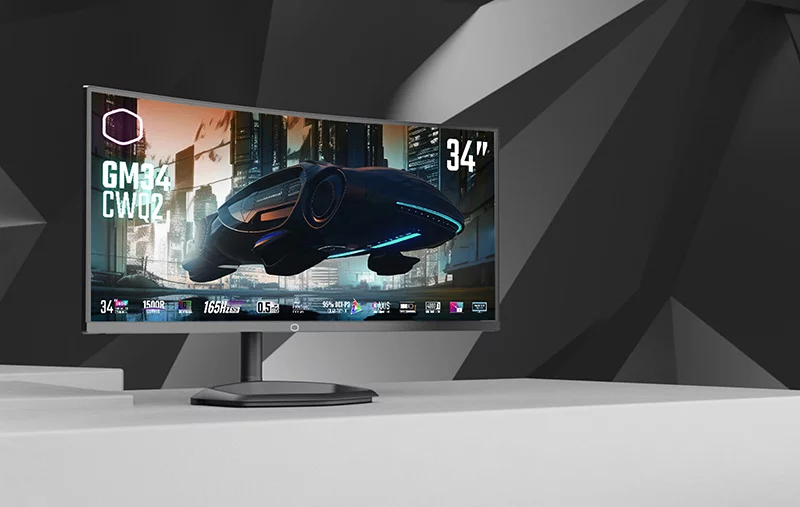
Cooler Master recently unveiled a 27″ QHD Mini-LED monitor in the US and UK. A new report by TFT Central has now unveiled its plans to launch the successor of the GM34-CWQ gaming monitor. The new monitor will be called the GM34-CWQ2, and it will get a slight refresh rate boost.
Image via TFTCentral
Cooler Master GM34-CWQ2 specs (expected)
The Cooler Master GM34-CWQ2 is said to feature a 34-inch VA display with a 1500R curvature, similar to its predecessor. It will feature a QHD resolution of 3440 x 1440 pixels. The typical brightness of the monitor will be around 320 nits and it will have a static contrast ratio of 4000:1.
The monitor will also come with 8-bit+FRC color bit depth and coverage of 95% of the DCI-P3 color space. The main upgrade will be the refresh rate. Cooler Master is bumping up the refresh rate from 144Hz to 165Hz. In addition to that, it can be further overclocked to 180Hz. It has a 2 ms GTG and a snappy 0.5 ms MPRT response time. It also carries the AMD FreeSync Premium certification, ensuring smooth and tear-free gaming experiences.
In terms of connectivity, the monitor is said to offer an HDMI 2.0 input, a DisplayPort 1.4 input, a USB Type-C port with 65W power delivery, two USB Type-A ports, a USB Type-B port, and a headphone jack. It will offer an ergonomic stand that allows for height, swivel, and tilt adjustments. It could also come equipped with two 5W speakers for built-in audio.
Price & availability
According to the report, the anticipated retail price (RRP) for the GM34-CWQ2 is set at $419 or £379 GBP for customers in the UK. The monitor is expected to make its debut in the early months of 2024, specifically in the first quarter.
Xiaomi has announced the launch of the Mijia Air Conditioner 1.5 HP 2023 in China. It is the successor to the 2022 model and is now available for pre-sale on Xiaomi Mall, with a deposit of 100 yuan and a final price of 2,479 yuan.
The Mijia Air Conditioner 1.5 HP 2023 features a new generation of dual-hybrid fresh air system and self-developed centrifugal turbocharging technology to deeply purify the outdoor air and release it into the room through secondary pressurization.
It can achieve a fresh air volume of 40m³/h without the need to expand or re-open any holes. It is also equipped with a customized high-grade HEPA filter element that is effective in antibacterial and antiviral properties.
The air conditioner also features an integrated circular LED display that allows users to view the set temperature humidity, and airspeed. It is also equipped with 14 sweeping blades with a total of 602 circular micropores to soften the airflow.
The Mijia Air Conditioner 1.5 HP 2023 adopts full DC frequency conversion technology, which is stronger and more stable, has a long life, and is more energy-saving than ordinary DC inverter air conditioners.
The air conditioner also has a built-in photosensitive sensor that intelligently adjusts brightness and supports customized sleep curves. It uses a high-quality compressor and supports 30s quick cooling and 60s quick heating. You can also link the air conditioner with the Mijia App to perform various functions.
Xiaomi sub-brand Redmi launched the Note 13 Pro+ (review) smartphone in China last month. The device is expected to arrive in the global markets in the coming months. It bagged IMDA certification recently. Now the smartphone has been spotted on the Bureau of Indian Standards (BIS) certification website. The listing hints at the imminent launch of the Note 13 Pro+ outside the China market but the launch timeline remains a mystery for now.
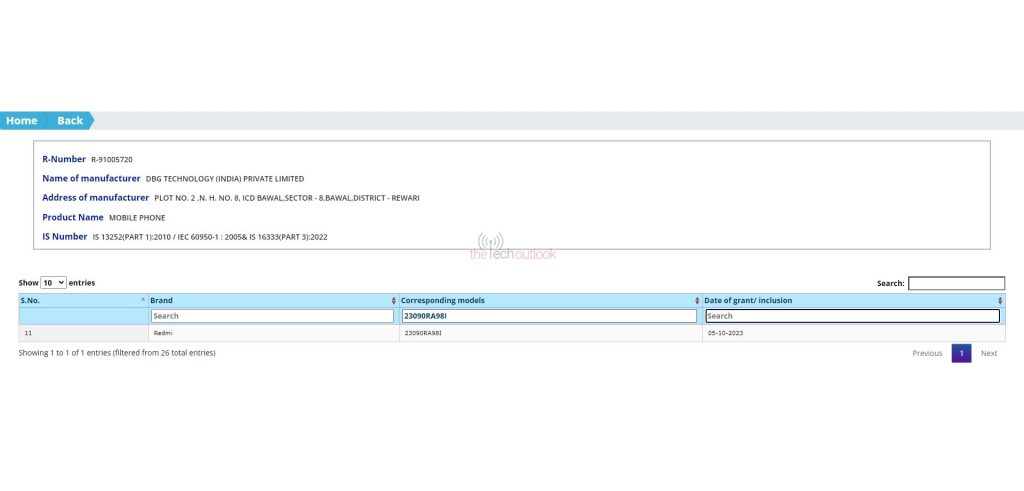
Redmi Note 13 Pro+ BIS certification
w
The Redmi Note 13 Pro+ has been spotted on the BIS certification website with the model number 23090RA98I. The ‘I’ in the model number hints at India market since the same model number but with ‘G’ at the end was spotted on the IMDA certification site. The Chinese variant of the device also has the same number with ‘C’. The BIS certification listing does not reveal any additional information of the Redmi Note 13 Pro+.
The Redmi Note 13 Pro Plus’s predecessor i.e. the Redmi Note 12 Pro+ debuted in India earlier in January this year. Hence, we can expect the upcoming offering to launch around the same time. Alongside, the Pro Plus, the standard Note 13 5G also bagged BIS certification last month.
The Redmi Note 13 Pro series saw massive success in China with 410,000 units sold in the first hour of the sale. The Pro+ variant packs significant upgrades over its predecessor. It has a curved AMOLED display with a 1.5K resolution, 120Hz refresh rate, 1,800 nits peak brightness, and an integrated fingerprint scanner. The device is also IP68-certified dust and water-resistant. The smartphone sports 200MP main sensor paired with an 8MP ultra-wide lens and a 2MP depth unit. The Redmi Note 13 Pro+ is powered by a Dimensity 7200 Ultra SoC coupled with up to 16GB RAM and 1TB storage. It is backed by a 5,000 mAh battery unit with support for 120W fast charging.
Audible, the popular audiobook service owned by Amazon, has finally launched its official app on Wear OS. The app was first announced in July 2023, alongside the launch of the Samsung Galaxy Watch 6 series and Wear OS 4.
The Audible app for Wear OS allows users to listen to their favorite audiobooks directly from their wrist, without the need for a smartphone. The app features a well-stocked library of audiobooks across all genres, and users can download audiobooks for offline listening.
The app also supports other features such as adjustable playback speed, bookmarking, and sleep timers. Additionally, users can control playback using their smartwatch’s touchscreen or buttons. Likewise, the Audible app for Wear OS features a clean and intuitive interface, making it easy to browse and select audiobooks from your library.
To use the Audible app on Wear OS, users will need to download the app from the Google Play Store and sign in with their Audible account. Once they have done this, they will be able to browse their Audible library and start listening to audiobooks directly from their watch.
Google has been working hard to improve the user experience on Wear OS, and the launch of the Audible app is a welcome addition to the growing ecosystem of apps available for smartwatches.
Samsung is working on the latest One UI 6.0 which is based on the latest Android 14. The latest iteration of Samsung’s own One UI skin adds several new changes and features. The Beta testing is already going on several Samsung Galaxy Smartphones including the latest Galaxy S23 series. Following the One UI 6.0 Beta 6 update a couple of days ago, some users are now reporting issues with the Samsung RAW app.
Several reports have come across the Samsung Community in Korea reporting the same issue. As per screenshots, it is asking for an update when the user tries to open the app. In response to one such thread, Samsung’s Camera Incharge confirmed that the issue is on the Galaxy S23 Series running One UI 6.0 Beta 6.
The unmatched app version in Beta 6 binary seems culprit behind the issue. The team is now working to bring a new update for the Expert RAW app which will resolve the issues. However, there’s no exact time given for the update, but we expect it to arrive as soon as possible. Here’s the translated text from the response, “We will take action to ensure that there are no inconveniences in using the update as soon as possible and will notify you of its distribution.”
Samsung Galaxy S23 One UI 6.0 Beta Program
One UI 6.0 is now official and it bundles several new changes including a whole new Quick Panel, quick Brightness Control, Dynamic Lock Screen, and much more.
Samsung is diligently working on the OneUI 6.0 Beta for the Galaxy S23. Within a span of 1.5 months, the company is quite near to the stable One UI 6.0 build for the device. The program is live for some other devices including the Galaxy S22, Galaxy S21, Galaxy A54 5G, and Galaxy A34 5G.
Samsung recently announced OneUI 6 based on Android 14 at the Samsung Developer Conference. OneUI 6 is still in beta, but we are getting closer to its stable release on the flagship Galaxy S23 series. However, leaks about OneUI 6.1 have already started appearing.
According to reliable tipster Ice Universe, Samsung’s next major software update, One UI 6.1, is expected to focus on artificial intelligence (AI). The tipster also claims that Samsung could unveil a powerful new AI digital voice assistant more capable than Bixby, and market the Galaxy S24 series as AI phones.
One UI 6.1 and the Galaxy S24 series bring many new AI features, AI more powerful than Bixby, and Samsung’s largest AI update in history. Maybe Samsung will call the Galaxy S24 an AI phone.
This comes after Samsung announced its new Exynos 2400 chipset at its launch event, claiming it delivers 1470% faster AI performance than older chipsets. This suggests that we could see a number of new AI features in the Galaxy S24 series.
Google recently unveiled the Pixel 8 series, which is also packed with a bunch of exciting AI capabilities. Google recently unveiled the Pixel 8 series, which is packed with many exciting AI features. Samsung may not want to lag behind in this race, so One UI 6.1 is expected to be a major update with new AI features.
Leading Android OEMs will be soon releasing next-gen flagship smartphones powered by Qualcomm Snapdragon 8 Gen 3 SoC. This chip is expected to go official at the end of this month at the annual Snapdragon Summit.
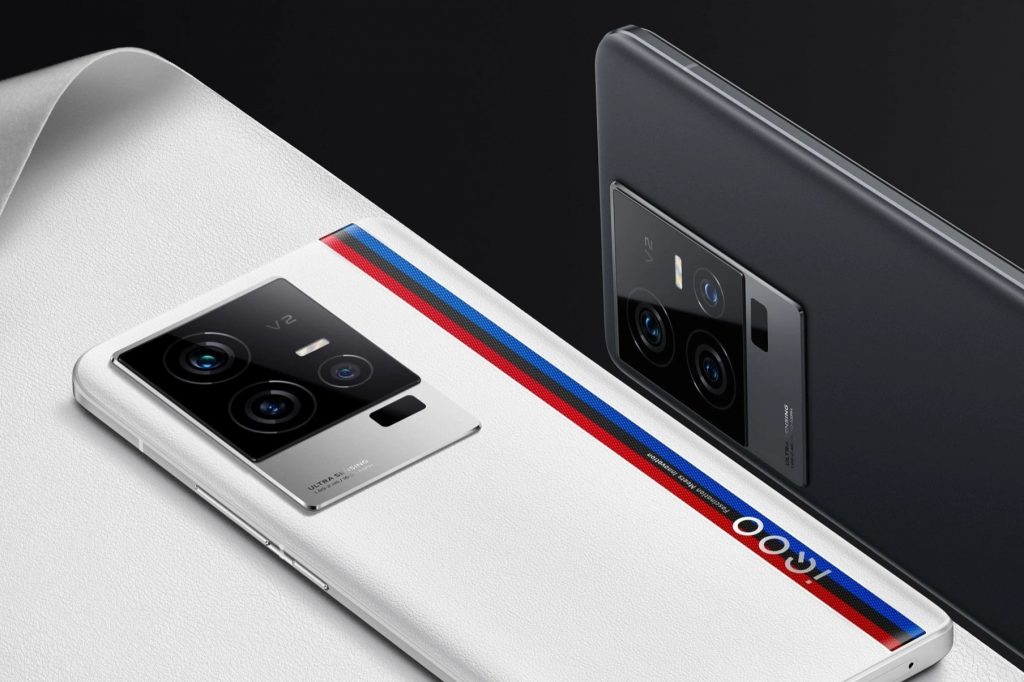
The iQOO 12 will be one of these handsets. We have been hearing about its specs for months. A new leak has now emerged detailing the device’s camera hardware.
iQOO 11
The latest information on the iQOO 12 comes from the reliable source Digital Chat Station. He has shared the rear camera specs of the phone on Weibo.
According to him, the smartphone will house a triple camera setup on the rear. This system will be headed by a 50MP OmniVision OV50H primary sensor paired with OIS.
The tipster says that as per the official spec sheet, this particular OmniVision sensor measures 1/1.28” in size. However, he suggests that iQOO may promote it as 1/1.3” instead.
This new imaging sensor will compete with the popular Sony IMX966 which is slightly smaller at 1/1.4”. We will have to wait for the handset to go official to know the actual performance of the latest 50MP sensor from OmniVision.
As for the secondary cameras, the leaker says that the iQOO 12 will be equipped with a 50MP Samsung ISOCELL JN1 ultrawide unit and a 64MP OmniVision OV64B 3x telephoto shooter with OIS.
According to previous leaks, the Snapdragon 8 Gen 3-powered phone will be backed by a 5000mAh or more battery and will support 100W wired charging. It will sport a high-frequency dimming flat display with a 2K resolution and a frameless camera deco design.
Last but not least, the device will be offered with 16GB RAM and 512GB/1TB storage.
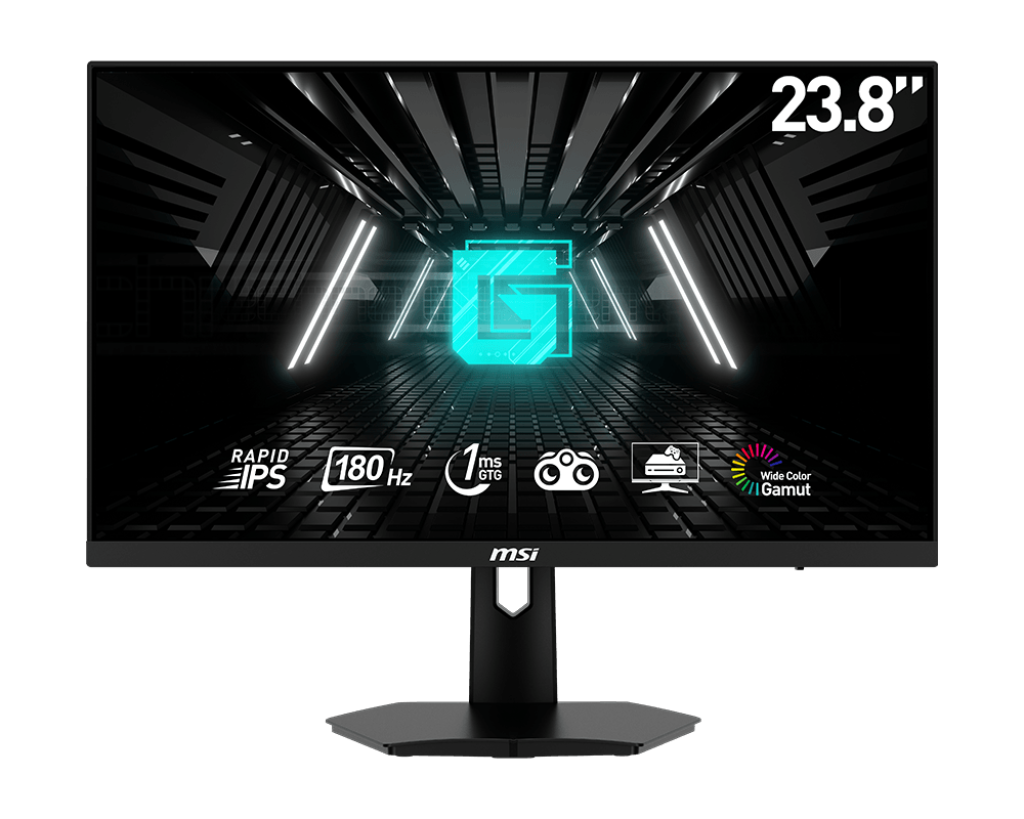
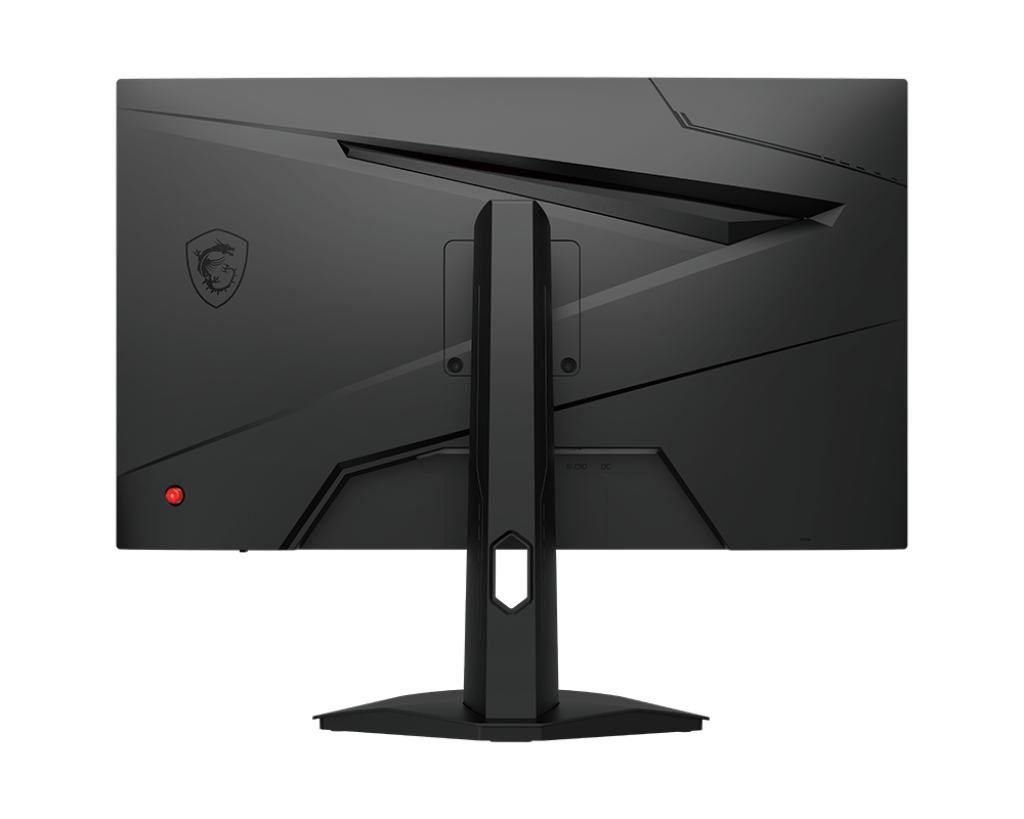
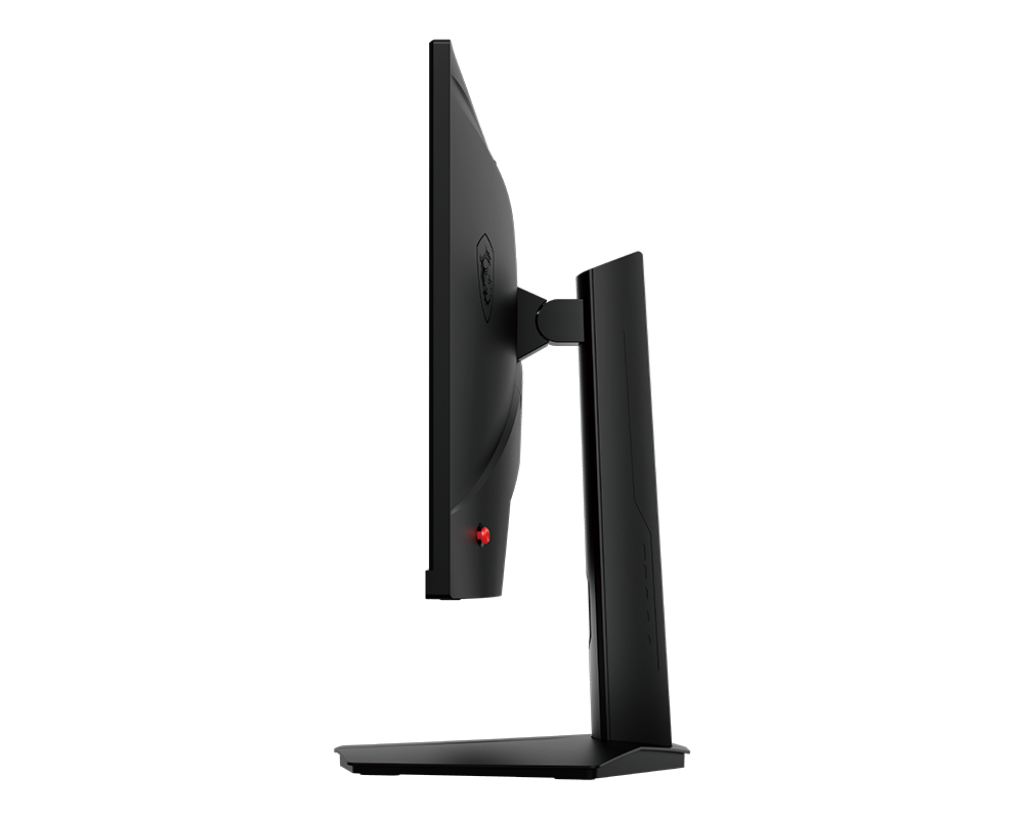
MSI unveiled the 32″ G32CQ5P monitor last month which is bound to debut soon on the global stage. The brand has also unveiled another 24″ IPS gaming monitor called the MSI G244F E2. What makes this monitor special is that it offers a wide color gamut making it ideal for creative work.
MSI G244F E2 monitor specs
The MSI G244F E2 monitor offers a 23.8-inch display with a Rapid IPS panel, delivering a crisp resolution of 1920 x 1080 pixels (FHD). It boasts a speedy 180 Hz refresh rate and an impressive 1ms response time (GTG), making it excellent for fast-paced gaming. The monitor has a brightness of 250 nits and a contrast ratio of 1000:1, ensuring vibrant visuals. Being an IPS panel, the monitor offers a wide viewing angle of 178 degrees both horizontally and vertically.
What sets this monitor apart are its exceptional color capabilities, covering 94.4% Adobe RGB, 92.05% DCI-P3, and 122.88% sRGB color gamuts, making it ideal for content creation and graphics work. It also features Adaptive-Sync technology to prevent screen tearing and stuttering during gameplay. For added comfort, it incorporates Night Vision to enhance visibility in darker areas, along with Anti-Flicker and Less Blue Light technologies to reduce eye strain during long sessions.
In terms of connectivity, it provides 1x Display Port (1.2a), 2x HDMI (2.0b) ports, and 1x Earphone out. Additionally, it’s VESA mount compatible and includes a Kensington lock for security. The monitor weighs 4.2 kg without the stand. The availability and pricing of the monitor are currently under wraps.
Global Sources has announced that the upcoming Global Sources Hong Kong shows will take place from October 11 to 30, 2023 at Asia World-Expo in Hong Kong. The events have been upgraded and enhanced to align with current global sourcing trends and market dynamics.
The show will specifically highlight industries such as e-sports, smart energy, security products and sports, and incorporate various trending features, including technology, eco-friendliness, sustainability, AIoT, and on-trend colors. The shows bring together approximately 5,000 high-quality suppliers from Asia, featuring 9,000 booths showcasing over 300,000 innovative products and peripherals, demonstrating a comprehensive range of application and implementation of cutting-edge technology and design concepts. It is projected to attract over 100,000 professional buyers from across the globe.
Phase 1 (October 11–14)
Global Sources Consumer Electronics
This show will bring high-quality OEM and ODM suppliers from China and the rest of Asia to meet the sourcing needs of global buyers looking for consumer electronics, computer peripherals, e-sports, car electronics, outdoor electronics, audio-visual equipment, and electronic components.
Global Sources Electronic Components
This show will also display a wide range of electronic components, semi-finished batteries and power equipment, connectors, and product application solutions, such as electronic equipment, communication equipment, computers, consumer electronics, smart homes, industrial control, and auto electronics.
Phase 2 (October 18–21)
Global Sources Mobile Electronics
The show will focus on branding, smart technology, and innovative designs for mobile devices, smart wearables, AR/VR, charging products, mobile accessories, energy storage equipment, solar products, and electronic vehicle chargers. Global Sources Mobile Electronics will act as an effective platform that connects manufacturers, brands, and design firms with quality buyers from all over the world.
Global Sources Smart Home, Security & Appliances
Focusing on smart technology and innovative designs in smart home, security, and appliances, this show will display a wide range of smart home products, security devices and home appliances from quality manufacturers, solution providers, and design firms, offering whole-house smart solutions for system integrators, building materials dealers, distributors, housing design companies, and online sellers.
Global Sources Home and Kitchen
The phase two of the show will also showcase design-driven and eco-friendly home and kitchen products, including décor, household cleaning and storage products, kitchenware and tableware, all designed for high-quality lifestyles.
Global Sources Lifestyle
This show will focus on high-quality custom-made products adopting sustainable manufacturing and technologies, including a large collection of cutting-edge designs and gadgets in the categories of sports and leisure, tech gifts, pet products, and health and personal care products.
Phase 3 (October 27–30)
Global Sources Fashion
Moving from phase 2 to phase 3, this show will display a wide selection of fashion products from China and the rest of Asia, including clothing, fashion bags and accessories. It will highlight the latest designs in sportswear, leisure and health, reflecting the vibrant lifestyle of young consumers.
E-sports highlighting emerging trends
As e-sports continues to gain traction in the global entertainment industry, it has sparked rapid growth in related industries and hardware technologies. Global Sources recognizes this trend and has strategically introduced a dedicated gaming and e-sports hall during the Consumer Electronics show. Located in Hall 2, it will showcase a comprehensive range of gaming consoles and accessories, e-sports equipment, VR gaming equipment, home entertainment products, and more. Well-known e-sports peripheral brand such as DashFlash, RedGragon, MARVO, and DAREU will showcase their latest product portfolios.
Alongside the extensive display of e-sports and gaming products, the show will feature specialized zones and onsite activities such as e-sports product launches, immersive experience zones, battle zones, mobile gaming zones, and e-sports rooms. These scenario-based specialized zones are designed to create an energetic e-sports atmosphere and elevate the immersive sourcing experience for buyers.
Smart Energy is the Future
The smart energy market holds great promise for the future, as traditional fossil energy sources face sustainability challenges and global energy demand continues to rise. According to the latest buyer data from Global Sources, the number of active buyers who have registered and sourced smart energy-related products exceeded 453,007.
Global Sources will be introducing the smart energy hall in the Mobile Electronics show to bring together electronic products in related fields, including portable and home energy storage products, solar products, inverters, electronic vehicle chargers, and other clean energy products with a focus on the latest application scenarios and solutions. Well-known brands such as HAME, ORICO, AUKEY, and Newsmy, will showcase their latest designs. The show will utilize new digital methods to fully demonstrate the products, creating an efficient platform for suppliers and high-quality buyers worldwide to communicate and build business relationships.
John Kao, Vice President of Hong Kong Shows and Overseas Shows from Global Sources, has full expectations for the upcoming October shows. He highlights the huge success of the April Hong Kong shows, which featured two consecutive phases in 10 exhibition halls covering a total area of 70,000 square meters. The Consumer Electronics Show witnessed a record-breaking number of booths, marking a significant achievement that is both gratifying and inspiring.
John said in response to the current global sourcing trends and market landscape, the October Hong Kong shows have been planned with a series of upgrades. These include the introduction of specialized zones reflecting mainstream trends and the moving of the Fashion show to the third phase. The goal is to enhance buyers’ sourcing experience through more professional and specialized services while facilitating business cooperation and partnerships.
“Gathering high-quality resources is crucial for trade development,” John added. “With its global perspective, professional services, and spirit for continuous innovation, Global Sources is introducing new sourcing experiences for the shows, which include e-sports activities, smart energy ecosystem displays, security product experience zone, and sportswear parade. These additions are designed to provide more convenient, efficient, and professional services for global buyers.
“We are looking forward to the upcoming golden sourcing season in October, and Global Sources is committed to working with our partners to drive trade prosperity,” he said.
This year, Global Sources will maintain its collaboration with the Hong Kong Tourism Board and other industry associations to carry out promotional campaigns for the shows. Additionally, a range of digital services, including GlobalSources.com, the Global Sources app, and online/virtual shows, are all set to offer great trade experiences for global buyers and suppliers both during and after the shows.
Global Sources is an internationally recognized B2B sourcing platform that has been driving global trade for over 50 years. The company connects authentic buyers and verified suppliers worldwide with tailored solutions and trusted market intelligence through trade shows, digital platforms, and magazines. Global Sources pioneered the world’s first cross-border B2B e-commerce website GlobalSources.com in 1995. The company has over 10 million registered international buyers and users.
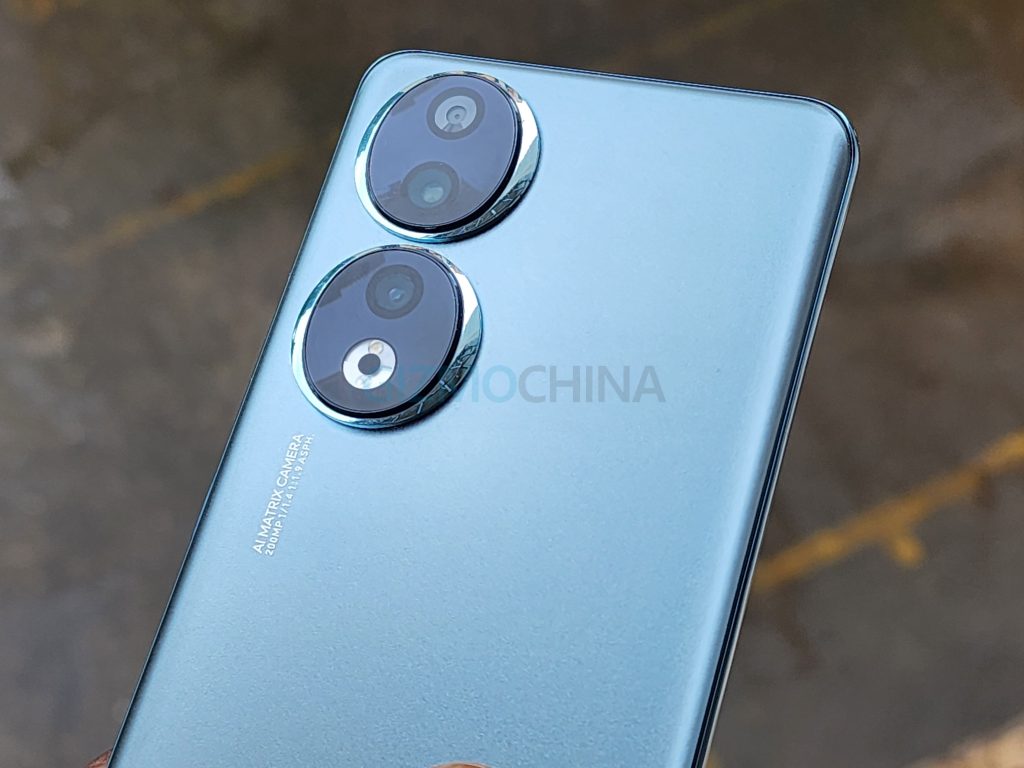
Honor recently made a comeback in the Indian market. It returned to the region and unveiled the new Honor 90 smartphone model (check out our review here). But apart from just launching new handsets, it appears that the company is also looking to expand its production in the country as well.
Htech brings smartphone production in Q1 2024
In an interview with the Economic Times, Madhav Sheth, the CEO of HTech, talked about the company’s business strategy for the local market. He also revealed that the company is currently discussing the possibility of bringing in local contract manufacturers to begin production of its smartphones in India. Apparently, it is in talks with three such manufacturers at the moment.
Honor 90
The senior executive further added that the brand is planning on starting production of these Honor phones in the country by the first quarter of next year. Madhav Sheth has also confirmed that Honor has already invested 400 crore INR towards setting up operations and distributions in India. As of right now, the Honor 90 leads the wave for a fresh lineup of Honor branded smartphones. So there are more models that are planned to launch in the region.
During the festive season, the company is targeting to hit sales figures of over 50,000 units for the Honor 90 from both offline and online channels. Additionally, it is planning 60 crore INR worth of offers for the festive sales season. The local smartphone production confirms that the brand is also joining the Make in India initiative.
Last month, Nokia debuted the G42 5G smartphone in India featuring the Qualcomm Snapdragon 480+ SoC. At launch, the phone debuted in two color variants named So Purple and So Grey. The brand also teased a So Pink color last month. The brand now plans to launch this color variant with added RAM and storage.
As per a new teaser, the Nokia G42 5G So Pink color will be launching soon with up to 16GB RAM and 256GB storage. It is worth noting that Nokia has put an asterisk at 16GB, which reads 8GB RAM + 8GB virtual RAM. Currently, the phone is available in a single 6GB + 128GB configuration (Amazon).
Nokia G42 5G specs
The Nokia G42 5G features a 6.56-inch LCD display with a dewdrop notch, offering a resolution of 1612 x 720 pixels (HD+), and it’s protected by Corning Gorilla Glass 3. The display also boasts a 90Hz refresh rate and a peak brightness level of 450 nits. Under the hood, it runs on a Qualcomm Snapdragon 480 Plus chip and is powered by a robust 5,000mAh battery. Notably, the back panel is constructed from 65% recycled plastic.
In terms of its camera capabilities, the Nokia G42 5G sports a triple camera system on the rear, consisting of a 50MP primary sensor, a 2MP macro snapper, and a 2MP depth sensor. For selfies and video calls, there’s an 8MP front-facing shooter. Connectivity options include 5G support, WiFi 6, Bluetooth 5.1, GNSS, and a USB Type-C port. Additionally, it offers a 3.5mm headphone jack, a MicroSD card slot for expandable storage, and a side-mounted fingerprint sensor for security.
The smartphone runs on Android 13 and comes with the assurance of receiving two Android OS updates and three years of security updates.
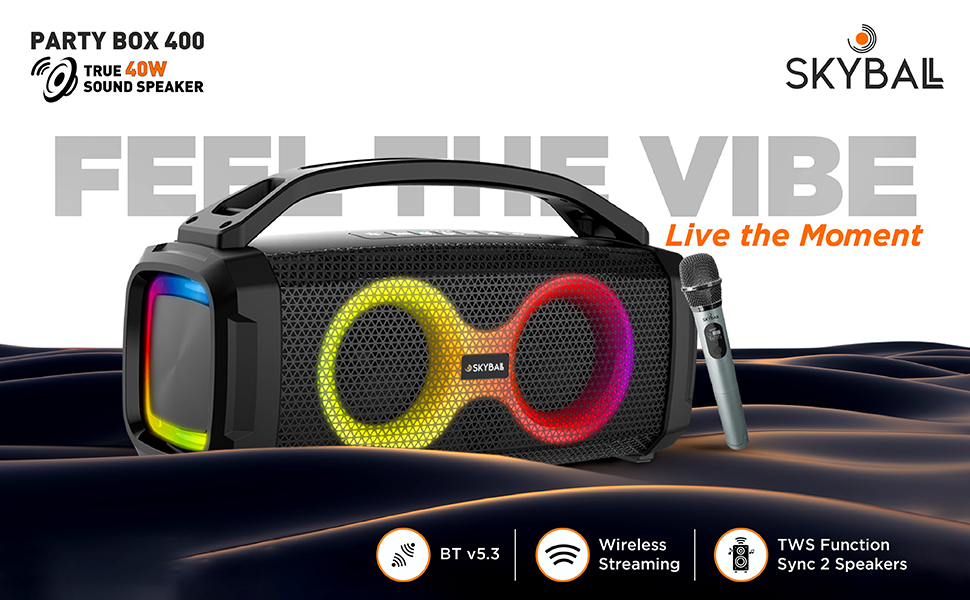
Skyball has announced brand-new Bluetooth speakers in the Indian market. The new audio product is the Party Box 400 wireless portable speakers. Just last month, the company announced the Skyball Rigor and Elevate smartwatches in the region, so let’s have a look at the new speakers.
Skyball Party Box 400 Specs
Despite being a portable speaker, the Skyball Party Box 400 offers 40W sound output that features True 40W Super Bass sound. It features a no-distortion audio signature through a 360° Surround Stereo sound setup enhanced by Dynamic Boost Technology. The portable speaker houses high quality drivers and two 3-inch tweeters. It also comes with robust connectivity options and a unique design. In other words, the wireless speaker is perfect for home entertainment with music and movies.
Apart from an eye-catching design that features RGB lighting for the dynamic multi-party light effects, the company has also focused on durability and an IPX5 rating for splash resistance. To add to its portability, the new speaker is equipped with a Dual Grip Handle with Belt operation support. A large 4,500mAh battery pack powers this portable party speaker, which guarantees up to 5 hours of music playback. It also supports a USB Type-C port for charging and offers up to 30m range.
Skyball Party 400 Pricing and Availability
Skyball Party 400 Bluetooth speakers are currently available for purchase on Amazon and the brand’s official website in India. It has an official price tag of 9,999 INR (roughly 120 US Dollars), but the company has launched it for a special introductory price tag of 4,999 INR (roughly 60 US Dollars).
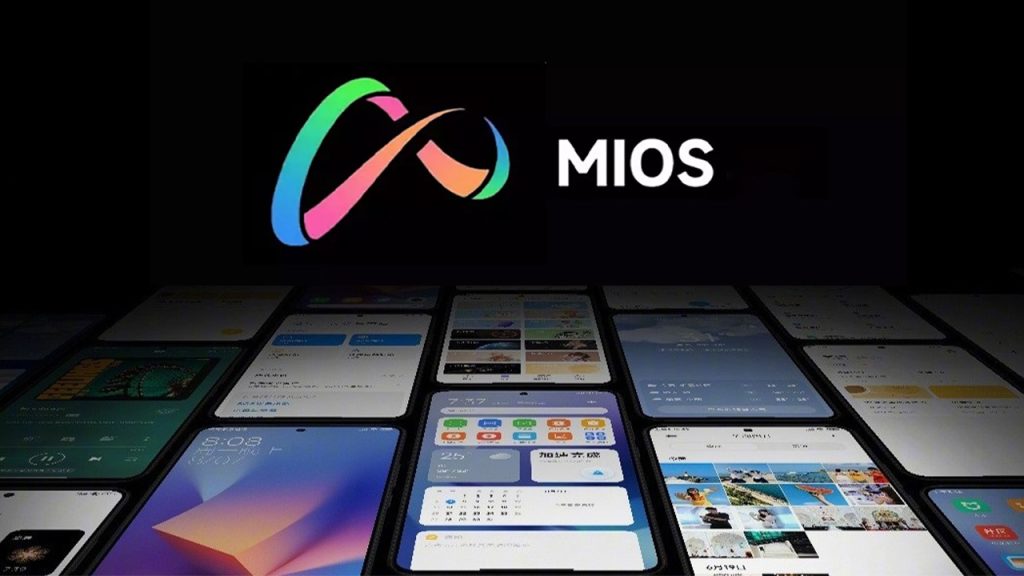
Android 14 has just been released and smartphone manufacturers are already working on their next-generation UIs based on the new Android OS. Xiaomi is one of these companies, and it is expected to unveil MIUI 15 in the coming months. However, in a surprising twist, a reliable tipster has revealed that Xiaomi is planning to skip MIUI 15 altogether and launch a brand new operating system called MiOS instead.
The tipster, Digital Chat Station, revealed via a Weibo post that Xiaomi is considering MIUI 14 to be the “final major version” in the MIUI series. Instead, the company is working on developing a completely new OS from the ground up.
A few months back, Digital Chat Stationmentioned that Xiaomi is working on its own operating system that will be compatible with AOSP (Android Open Source Project) and will be used on a range of devices, including smartphones, tablets, and wearable technology. The rumored OS could likely be MiOS.
In the Weibo post, he also expressed his hopes for Xiaomi’s new system, saying that “MIUI 14’s basic experience is already top-notch, but the dynamic effects are still lagging behind. I hope the new work can completely eliminate this shortcoming!” Additionally, he also clarified that MIUI 15 would not be renamed as MiOS.
To note, Xiaomi also registered the domain name “mios.cn” in November 2022, suggesting that the new UI could possibly be in development. However, the website currently shows a 403 error and doesn’t have an SSL certificate.
It remains to be seen if or when MiOS will come into existence, but one after another leak suggests that Xiaomi is certainly planning a major change in its software ecosystem. We will keep you updated on this.
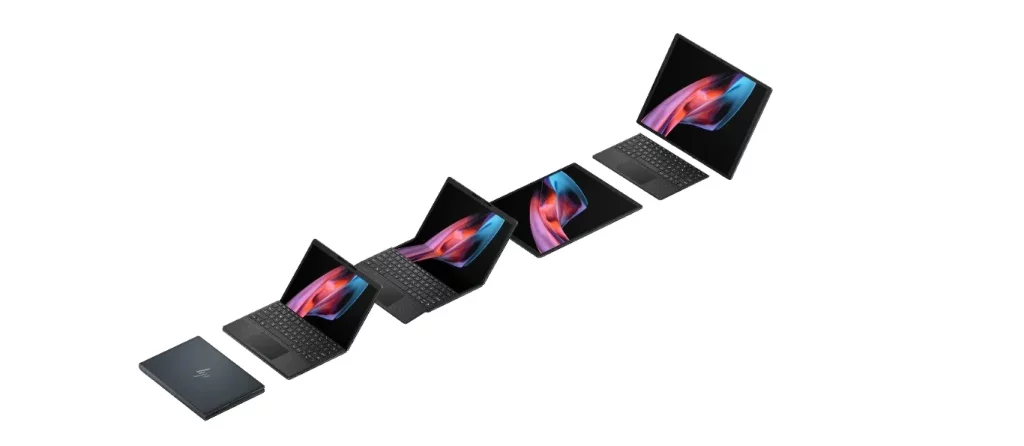
HP recently held its HP Imagine 2023 event where it unveiled a number of new devices and services. This includes the new Envy Move, which is an AIO desktop PC, and the new Spectre Fold. The latter is a foldable notebook, so here are all the details.
HP Spectre Fold PC Specs
The HP Spectre Fold is a foldable PC, which is a 3-in-1 notebook. In other words, you can use the Spectre Fold as a laptop, tablet, and desktop. It sports a tall 17-inch foldable OLED panel that offers a 2.5K resolution, touchscreen support, HDR, 400 nits of SDR brightness, 500 nits of HDR brightness, and 99.5 percent DCI-P3 color gamut.
Under the hood, the HP Spectre Fold PC is equipped with the Intel Core-7-1250U processor that is paired with the Intel Iris Xe graphics. This CPU is paired with 16GB of LPDDR5 RAM and 1TB of PCIe Gen4 NVMe SSD storage. A 6-cell 94.3Wh battery pack powers this laptop, and it comes with a 100W USB Type-C power adapter. The company promises a battery life of up to 12.5 hours on a foldable mode and up to 11.75 hours in the detachable mode.
The front houses a 5-megapixel IR camera along with a privacy switch. For audio, it offers Bang & Olufsen, DTS:X Ultra, Quad speakers, and HP Audio Boost. This foldable laptop comes with a detachable Bluetooth keyboard and a rechargeable MPP2.0 Tilt Pen stylus. Other notable features include a 1.62 kilogram weight, 1 year warranty, Windows 11 Home OS, 2 Thunderbolt 4, USB-C, and 5 PIN ports.
HP Spectre Fold PC Pricing and Availability
HP Spectre Foldable PC is currently available for pre-orders in the US in limited quantities. The laptop is listed on the company’s official website and has a starting price tag of 4,999.99 US Dollars. This Spectre Fold PC is being sold in a lone color variant, namely Slate Blue. The brand had previously launched in the US and the UK in September, but it is going on sale in multiple other regions. It will be available for purchase in Australia, France, Indonesia, Japan, Korea, Malaysia, New Zealand, Philippines, Singapore, Thailand, and Vietnam.
If you’re a music lover or someone who needs top-notch audio quality for work or travel, then you’re in for a treat! Amazon India is currently offering a fantastic deal on the Sony WH-1000XM5 Wireless Headphones, which are highly regarded as one of the best noise-canceling headphones on the market.
Regularly priced at Rs ₹29,999, you can now grab these incredible headphones forjust ₹25,989 — saving you a significant amount!
The Sony WH-1000XM5 is equipped with industry-leading noise cancellation technology. With two processors controlling 8 microphones, these headphones provide unprecedented noise cancellation. The Auto NC Optimizer automatically adjusts the noise cancellation settings based on your wearing conditions and the environment around you.
One standout feature of these headphones is the precise voice pickup technology. The WH-1000XM5 uses four beamforming microphones and an AI-based noise reduction algorithm to deliver industry-leading call quality. Whether you’re on a business call or catching up with friends, you can expect crystal clear audio.
The Sony WH-1000XM5 also excels in terms of battery life. With noise cancellation turned on, you can enjoy up to 30 hours of playback. And if you decide to turn off the noise cancellation, you’ll get up to 40 hours of playtime. Even better, the quick charging feature gives you three hours of playback with just a three-minute charge.
Additionally, the Sony WH-1000XM5 supports multipoint connection, allowing you to seamlessly switch between devices. Whether you want to connect to your smartphone, laptop, or tablet, these headphones make it easy to enjoy your audio on different devices without any hassle.
With its industry-leading noise cancellation, magnificent sound quality, and long battery life, at ₹25,989 on Amazon right now, these headphones offer excellent value for your money!
Here’s some more amazing deals that you might have missed during the ongoing sale in India:
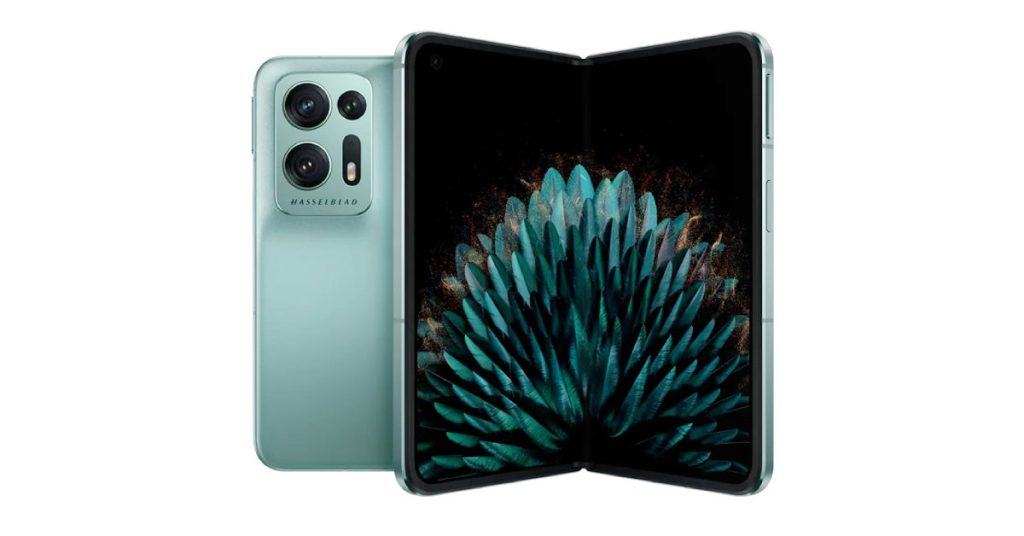
The Oppo Find N3 is expected to launch soon. The global version of this foldable phone recently surfaced on GeekBench. And now, the China variant of the Find N3 has also visited the popular benchmarking platform. So let’s have a look.
Oppo Find N3 China Variant GeekBench
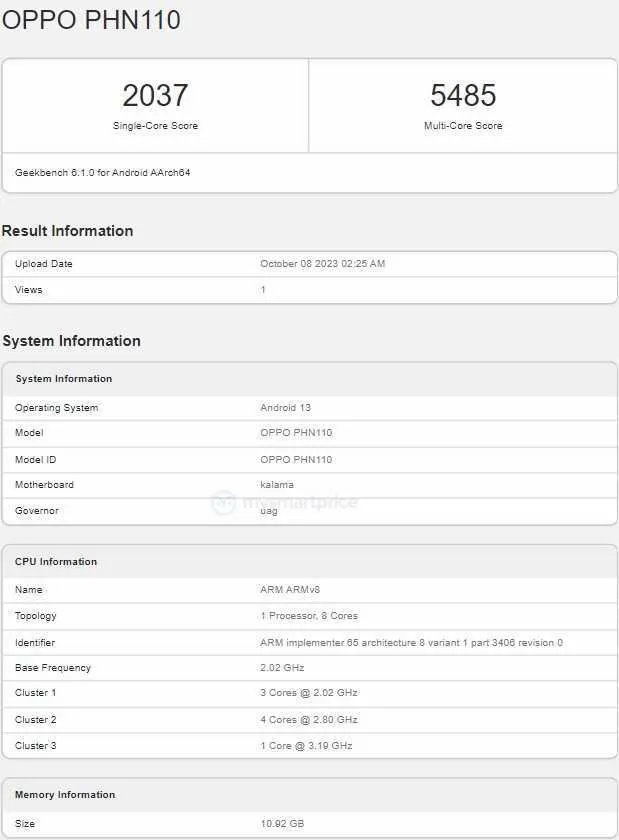
The Chinese smartphone maker’s Find N3 China variant was spotted on GeekBench. For those unaware, this model is the company’s latest foldable smartphone model, which is also believed to be a rebranded OnePlus Open. Looking at the benchmark listing, the device carries the model number PHN110. The Chinese version is the Find N3 is equipped with the Qualcomm Snapdragon 8 Gen 2 SoC that is paired with 12GB of RAM.
The Oppo Find N3 global variant also features the Snapdragon 8 Gen 2 SoC, although it was listed with 16GB of RAM and the CPH2499 model number. It will also run on Android 13 OS with ColorOS custom skin out of the box. However, there are some differences in scores between the Find N3 China and the global version. The Chinese variant scored 2,037 points on single core test and 5,485 points on the multi core test.
This Oppo Find N3 sports a tall 7.82-inch OLED display that has a QHD+ resolution and 120Hz refresh rate. Meanwhile, its cover screen is a smaller 6.31-inch external panel. The rear packs a triple camera setup that consists of a 48-megapixel primary sensor, 48-megapixel ultra wide angle lens, and 64-megapixel telephoto shooter with 3x optical zoom. On the other hand, the front houses a 32-megapixel and 20-megapixel dual selfie camera setup.
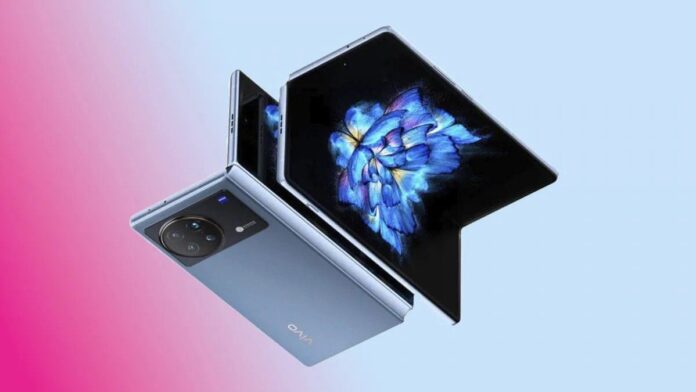
Earlier this year, Vivo unveiled the Vivo X Fold 2 foldable phone for the Chinese market. Some reports have claimed that the brand will unveil the Vivo X Fold 3 in the first quarter of 2024. As per a new report, the company could also be working on an enhanced version of the device dubbed the Vivo X Fold 3 Pro.
Vivo X Fold 3 IMEI database listing spotted
Vivo X Fold 3 IMEI database listing
According to a report by GSMChina, a new Vivo phone with model number V2337A has appeared in the IMEI database. As can be seen in the screenshot of the listing, it confirms that the device will be called the Vivo X Fold 3 when it arrives in the market. Unfortunately, the report does not have any information on the specifications of the device.
A report that surfaced in July claimed that the Vivo X Fold 3 will have a thin and light design. The leak also said that the device will have a periscope telephoto camera for a higher optical zoom. It is likely that the X Fold 3 and X Fold 3 Pro, or only the Pro model, will come equipped with the Snapdragon 8 Gen 3 chipset. There is a possibility that the X Fold 3 series may debut along with the Vivo X100 Pro+ in Q1 2024.
Vivo X Fold 2
As far as the Vivo X100 series is concerned, Vivo may unveil the Vivo X100 and X100 Pro smartphones in November in China. Both smartphones are expected to feature the next-generation Dimensity 9300 chipset. All the upcoming X100 series and foldable phones from Vivo are expected to run on OriginOS 4.0-based Android 14.
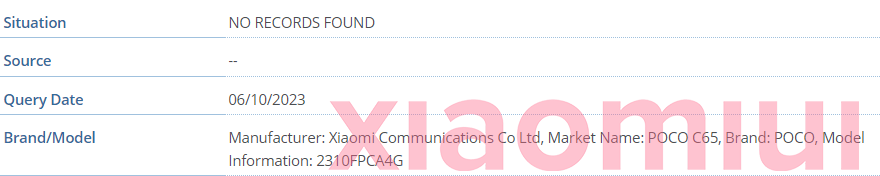
This year, Poco announced three C-series phones, such as the Poco C50, Poco C51, and Poco C55. It appears that the brand might have started working on the Poco C60 series. A new report, courtesy of Xiaomiui, has revealed initial details about the forthcoming Poco C65 smartphone.
Poco C65 emerges in IMEI database
The above screengrabs shared by the publication show that the Poco C65 has emerged in the IMEI database. The images show that the global and Indian variants of the device have 2310FPCA4G and 2310FPCA4I model numbers, respectively.
The report states that the Poco C65 has the “air” codename and features the MediaTek chip. It further states that the internal model number of the device is C3V. The “2310” numbers hint that the device may debut this month (October) in some markets. The Poco C65 is expected to come with features like a USB-C port and the MIUI 14-based Android 14.
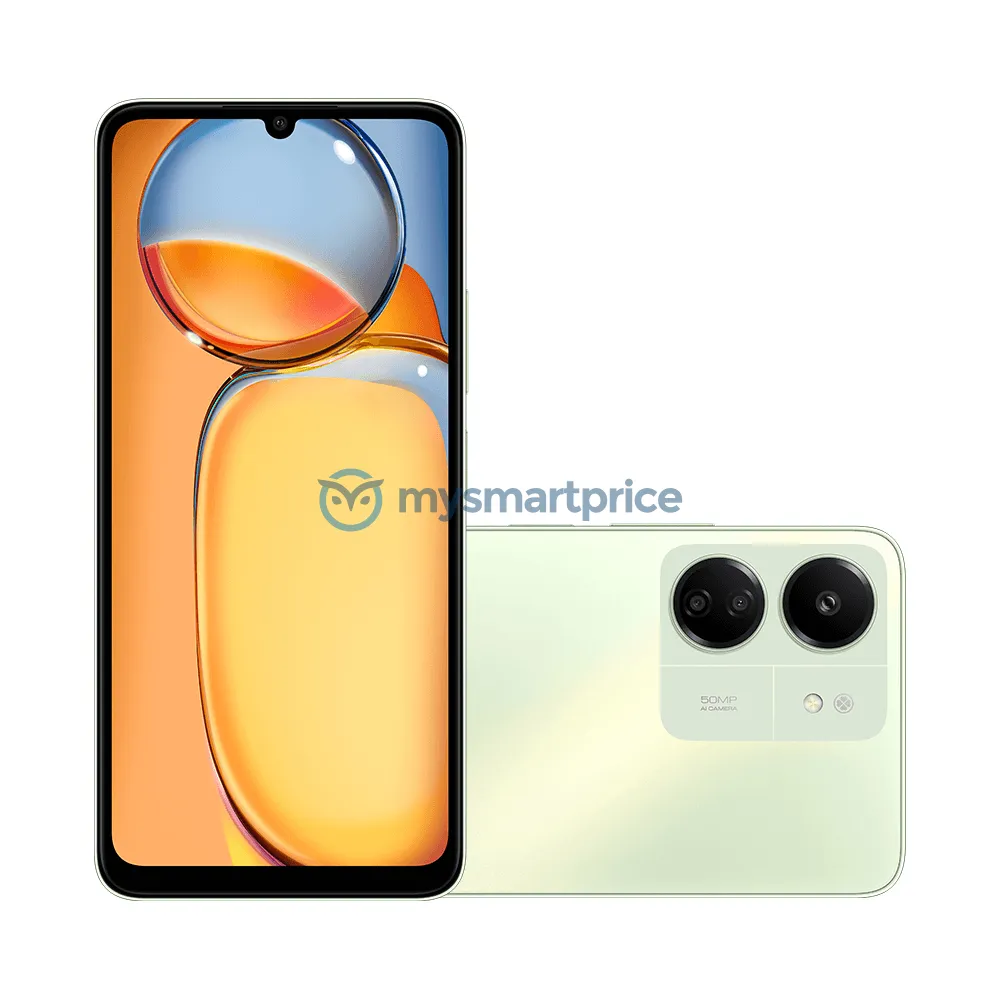
According to the report, the Poco C65 will be a rebranded version of the Redmi 13C, which is yet to go official. The model numbers 23100RN82L (Latin America), 23108RN04Y, and 23106RN0DA are said to be associated with the Redmi 13C.
To recall, a report from last month gave the first look at the Redmi 13C. The images revealed that the device has a teardrop notch display on the front and a 50-megapixel triple camera unit on the back. The images also showed the device will arrive in colors like black, blue, and light green. Unfortunately, there is no concrete information available on the specifications of the device.
Honor has officially confirmed the launch date of its upcoming foldable smartphone and smartwatch. The Magic Vs 2 was rumored to launch soon, and now, an official teaser has confirmed that it will be released later this week.
Honor Magic Vs 2 and Watch 4 Pro China Launch Date
The company shared the teaser on its official Weibo account (a Chinese microblogging website). On the social media platform, it was confirmed that the Honor Magic Vs 2 and Watch 4 Pro will be announced in China on 12th October 2023. Talking about the flagship foldable phone first, the Magic Vs 2 is expected to launch with the Qualcomm Snapdragon 8+ Gen 1 SoC and 66W fast charging. This chipset will be paired with the 16GB of RAM.
On the rear, the foldable phone will feature a 50-megapixel primary camera with a matrix arrangement. As per a recent rumor, the rear camera module may also arrive with a 50-megapixel ultra wide angle lens and 8-megapixel telephoto shooter that offers 3x optical zoom. The Chinese tech giant has confirmed that the Magic Vs 2 will be thinner and lighter than its predecessor, the Magic Vs.
On the other hand, not a lot is known about the Honor Watch 4 Pro. This smartwatch model will sport a circular display. In the teaser image, we can see that it will arrive in a jade green variant, which includes a leather strap. So stick around for more, as we will be covering the launch event later this week.
Samsung silently launched the Galaxy A05 and Galaxy A05s smartphones in Malaysia last month—both affordable smartphones bundle some competitive specifications and features. According to reliable tipster @yabhishekhd, the Galaxy A05 series is set for this week’s launch in India. Further, the Galaxy A05 will be priced at Rs 13,000 and Galaxy A05s will be available for Rs 15,000.
Exclusive ✨
Samsung Galaxy A05 & A05s launching next week in India.
🔌 No adapter in box ❌ 📱 6.7" FHD+ Display (A05s) 90Hz refresh rate (A05s) 🔋 5000mAh battery 🍭 Android 13 One UI 5.1 core Price (2 major Android update and 4 years of security patches update)
After the launch of the Galaxy Tab S9 FE and Galaxy Buds FE, Samsung appears to maximize its ground presence with the launch of new affordable smartphones this festive season in India.
Samsung Galaxy A05 and Galaxy A05s Specifications
Both smartphones feature 6.7-inch LCD displays having HD+ resolution on the Galaxy A05 and Full HD+ resolution on the Galaxy A05s. The price difference is compensated by the presence of a Qualcomm Snapdragon 680 on the Galaxy A05s, while MediaTek Helio G85 sits on the Galaxy A05. Both smartphones come in a 6GB RAM and 128GB internal storage variant featuring a MicroSD card slot.
In the camera section, the Galaxy A05s comes with a 50MP primary sensor, a 2MP depth lens, and a 2MP macro shooter. Meanwhile, the Galaxy A05 comes with the same camera configuration but sans a 2MP macro sensor. On the front, there’s a large 13MP sensor on the Galaxy A05s, and an 8MP front camera is present on the Galaxy A05.
Both smartphones bundle 5000 mAh battery with 25W fast charging support. The Galaxy A05 is available in three color options – Black, Light Green, and Solver, while the Galaxy A05s additionally offers Violet color.
We use cookies on our website to give you the most relevant experience by remembering your preferences and repeat visits. By clicking “Accept”, you consent to the use of ALL the cookies.
This website uses cookies to improve your experience while you navigate through the website. Out of these, the cookies that are categorized as necessary are stored on your browser as they are essential for the working of basic functionalities of the website. We also use third-party cookies that help us analyze and understand how you use this website. These cookies will be stored in your browser only with your consent. You also have the option to opt-out of these cookies. But opting out of some of these cookies may affect your browsing experience.
Necessary cookies are absolutely essential for the website to function properly. This category only includes cookies that ensures basic functionalities and security features of the website. These cookies do not store any personal information.
Any cookies that may not be particularly necessary for the website to function and is used specifically to collect user personal data via analytics, ads, other embedded contents are termed as non-necessary cookies. It is mandatory to procure user consent prior to running these cookies on your website.