Spotify, one of the leading music streaming platforms, has a fast-growing user base, but the paid subscribers of the platform are not growing as fast as the number of free users.
In a bid to increase the conversion of free subscribers into paid ones, Spotify seems to be exploring putting some of the features behind a paywall, only accessible to the paid subscribers.
In the latest development, Spotify appears to have locked down the lyrics feature, which shows the lyrics of the currently playing song on the screen, behind a paywall. For the free users, the company is showing a message that reads: “Enjoy lyrics on Spotify Premium.”
According to the company’s PR executive CJ Stanley, the change is not yet permanent as the company is currently testing it with a limited number of users in a couple of markets. Since the company is testing the feature, it’s safe to assume that it has plans to roll out the feature on the platform.
Spotify has revealed that its monthly users on the ad-supported tier or the free subscribers have increased by 34 percent over the last year, reaching 343 million. On the other hand, the number of paid subscribers increased by 17 percent to 220 million.
TikTok is moving beyond just viral videos. Recent job listings show the company is planning to add more social networking features to keep users on the platform longer. TikTok is worried that people are sharing its videos on other apps to talk about them, according to insider reports.
TikTok seems to be worried about cross-platform link sharing for videos
To tackle this, the company is hiring for roles aimed at enhancing social interactions within the app. This includes jobs focused on improving TikTok’s messaging system, which the company admits is still pretty basic. The goal is to create unique ways for users to connect and chat without leaving the TikTok platform.
This shift is strategic. Other platforms like Instagram are already borrowing TikTok-like features, so TikTok is looking to offer something new. However, the company is not abandoning its core strength of entertainment through videos. A spokesperson says that viral videos will still remain central to what the platform is about.
By adding these social networking elements, TikTok aims to become a go-to place for both fun videos and social interaction. The plan could keep users engaged, making it more competitive in a crowded social media landscape.
TikTok is trying to be more than just an app for short, viral clips. It wants to be a space where users not only watch videos but also hang out and talk, making it a more integrated social experience. If successful, this could be a game-changer in how we define social media platforms today. Only time will tell if TikTok will be that staple app it is trying to be.
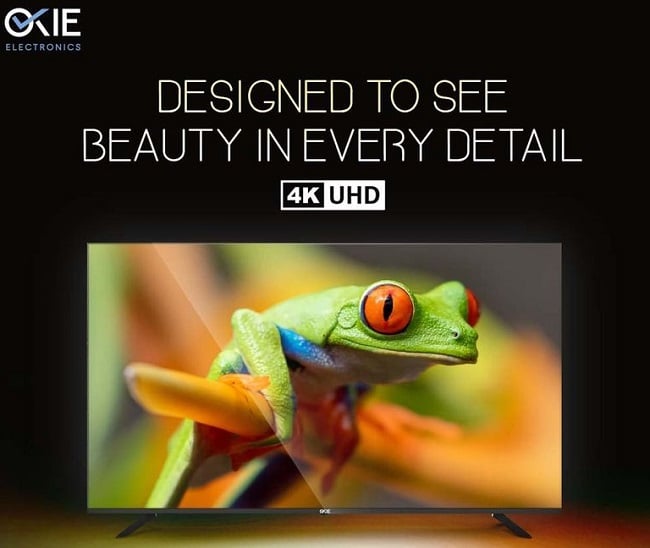
OKIE India has unveiled three sizes of its flagship Sport Smart TVs in India. The new models are 32-inch HD, 40-inch FHD, and 43-inch 4K TV. OKIE is launching the new Smart TVs in South India to coincide with the lineup of upcoming sports events. Of note are the ICC World Cup and the Asia Cup. The new models target the Tier 2 and Tier 3 households in southern states of the sub-continent. These include Kerala, Andhra Pradesh, Tamil Nadu, and Telangana.
The new OKIE smart TVs are an affordable choice for high-quality electronics in India. The Smart TV market in India is on an upward trajectory and OKIE hopes to tap from the bulge in demand. The growth outlook of India’s smart TV market over the next five years remains bright. OKIE continues to achieve remarkable success in India. It has sold up to 100,000 TVs across 7 states in the 2022/2023 fiscal year.
The OKIE Sports Series Smart TVs deliver an immersive viewing experience and will be available at affordable prices for Indian consumers. OKIE currently services up to 2,500 retailers across 8 states in the country. The TVs offer 280 nits of brightness and come with a built-in voice control architecture. The OKIE Smart TVs output 20W sound via their built-in soundbars. The Boom sound technology also helps to bring the action to life. Multiple connectivity options are available with the new OKIE lineup of Sports Series smart TVs. These include HDMI, USB, and Bluetooth.
The OKIE Sports Series Smart TVs are sold at a starting price of Rs. 8,990 (~$108) (the 32” HD model). The 43-inch 4K model is priced at Rs. 19,999 (~$241). The TVs can be purchased from any of the retail outlets (up to 2,500) in the country.
Apple, Amazon, Samsung, Xiaomi, and many more… We track each of these companies, and we report on their new product announcements and technological developments. These tech giants, which are vast in scope, operate in nearly every field. For example, I may be writing about a brand’s new phone one day, and then a few hours later, I may be writing about the same company’s electric vehicle or drone.
Moreover, the number of fields in which these companies operate is growing all the time. However, according to the former PlayStation boss, Apple and Amazon are major threats to the gaming industry. Here are the details…
Former PlayStation boss views Apple and Amazon as big threats to the games industry
Former PlayStation executive Shawn Layden has warned that big tech companies are poised to disrupt the gaming industry in a similar way to how they have disrupted other industries. Layden, who served as chairman of Sony’s worldwide studios group until 2019, made the comments at the GamesIndustry Investment Summit. He said that companies like Google, Amazon, and Apple are “barbarians at the gate” who are looking to make a major play in gaming.
“These companies have the resources to invest heavily in gaming, and they could use their market power to drive out smaller, independent developers,” Shawn Layden said. “They could also change the way games are made and distributed, which could have a negative impact on creativity and innovation.”
Layden pointed to the example of Netflix, which has revolutionized the entertainment industry by offering a streaming service that gives users access to a vast library of movies and TV shows. He said that Netflix could do the same thing in gaming, offering a subscription service that gives users access to a wide variety of games. “This could be a major threat to the traditional gaming business model,”Layden said.
“It could also lead to a decline in the number of independent games being made, as smaller developers find it difficult to compete with the big tech companies.” Layden also expressed concern about the rising cost of game development. He said that the cost of making a AAA game has skyrocketed in recent years, and this has made it difficult for smaller studios to compete. This is a major challenge for the industry,” Shawn Layden said. “We need to find ways to reduce the cost of development, or else we could see a decline in the number of new games being released.”
Only time will tell how the gaming industry will evolve in the face of these challenges. However, it is clear that big tech is a major force to be reckoned with, and the industry will need to adapt if it wants to remain relevant.
The heart of the automotive industry beats at the Munich Motor Show, held in Germany. Right now, manufacturers from all over the world showcase their new and exciting models at this show, which is closely watched by the press. While we’ve been following the MMS too, I have to admit that the products shown so far have been a bit boring.
Thankfully, BMW is changing that with the reveal of the armored 7-Series and electric i7 Protection models, which feature VR9 ballistic protection, enhanced safety features, and optional amenities. Here are the details…
BMW Unveils i7 Protection, the First Armored Electric Luxury Sedan
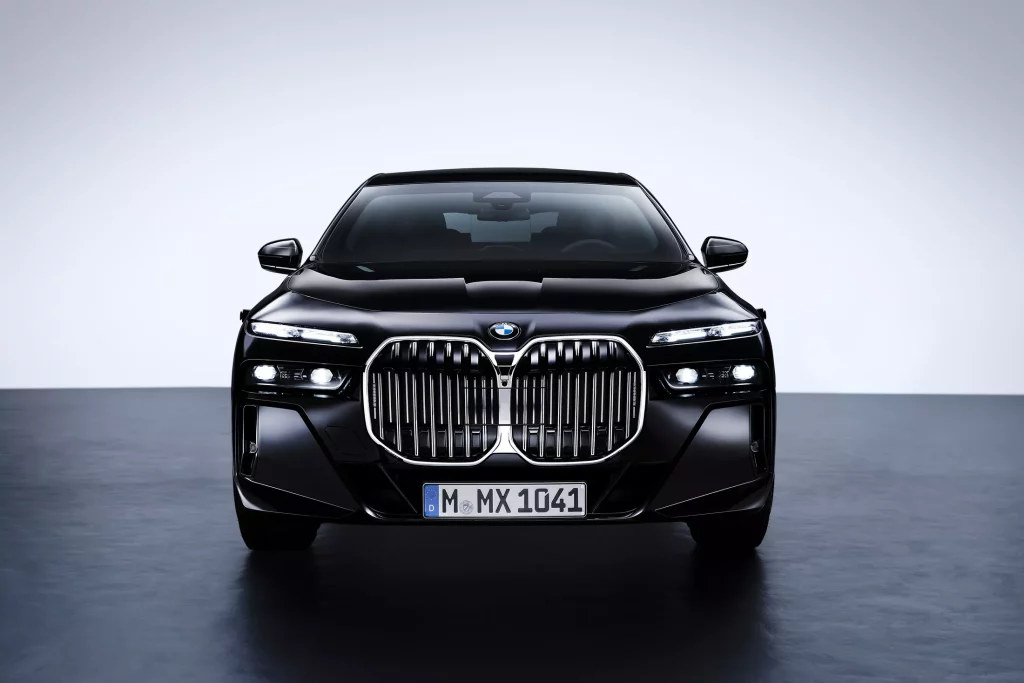
Are you a world leader under constant scrutiny, a billionaire with unlimited resources, or a witness who will testify against the mafia in court? If so, BMW has the perfect vehicle for you. According to the Carscoops, the company has unveiled the i7 Protection, a new armored electric luxury sedan. The vehicle is based on the standard i7 but has undergone a number of modifications to make it more resistant to attack.
The BMW i7 Protection’s body is made from a special armor steel that can withstand bullets and explosives. The windows are also made from thick safety glass. The car also has a self-sealing fuel tank and a fresh-air supply system in case of a chemical attack. Despite the added weight of the armor, the i7 Protection still has a spacious and comfortable interior.
The vehicle comes standard with a 28-speaker Bowers & Wilkins sound system, a panoramic sunroof, and a rear entertainment system. The i7 Protection is powered by a dual-motor electric powertrain that produces 536 horsepower and 745 lb-ft of torque. The vehicle can accelerate from 0 to 100 kilometers per hour in 9 seconds and has a top speed of 160 kilometers per hour.
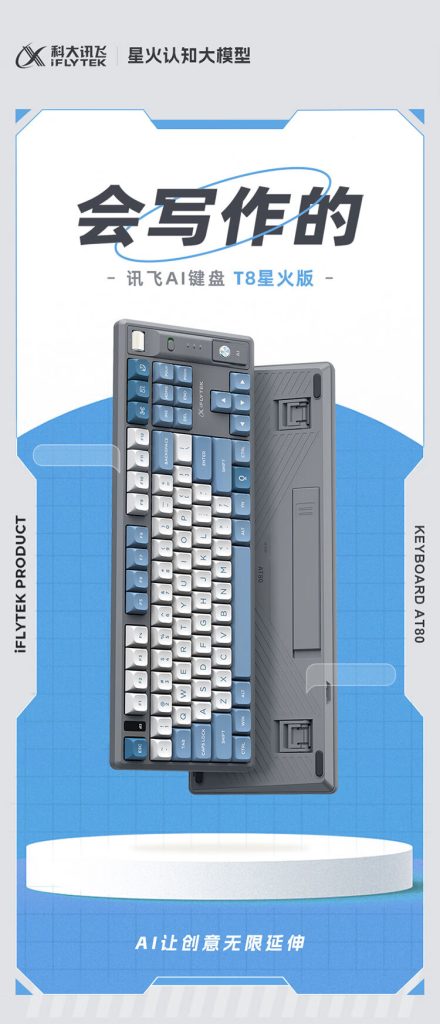
iFLYTEK has introduced the T8 Spark Edition, an AI-powered keyboard offered in red and yellow switch variations, both priced at 799 yuan ($109). The keyboard stands out for its advanced intelligent features. Let’s check out the specs.
iFLYTEK T8 Spark Edition AI Keyboard Key Features:
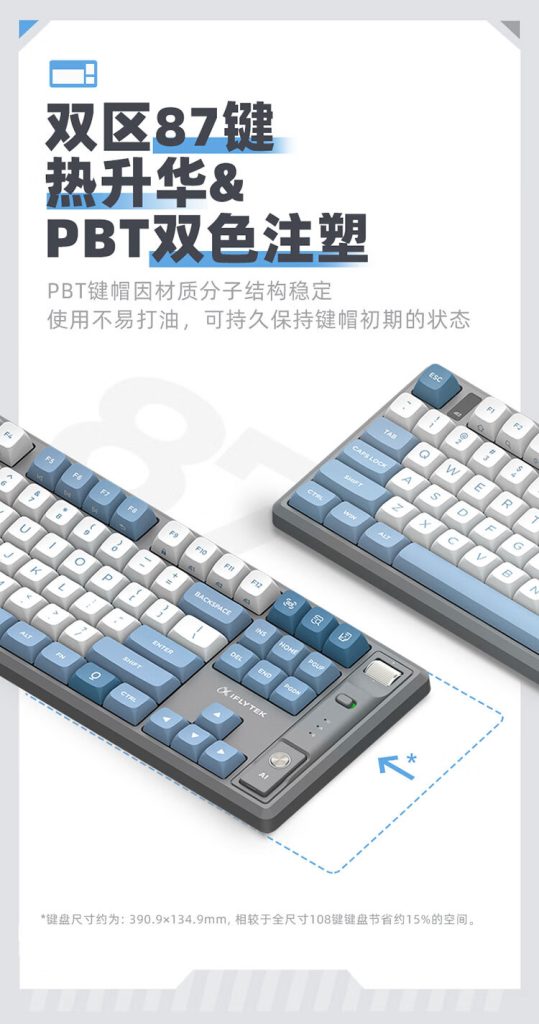
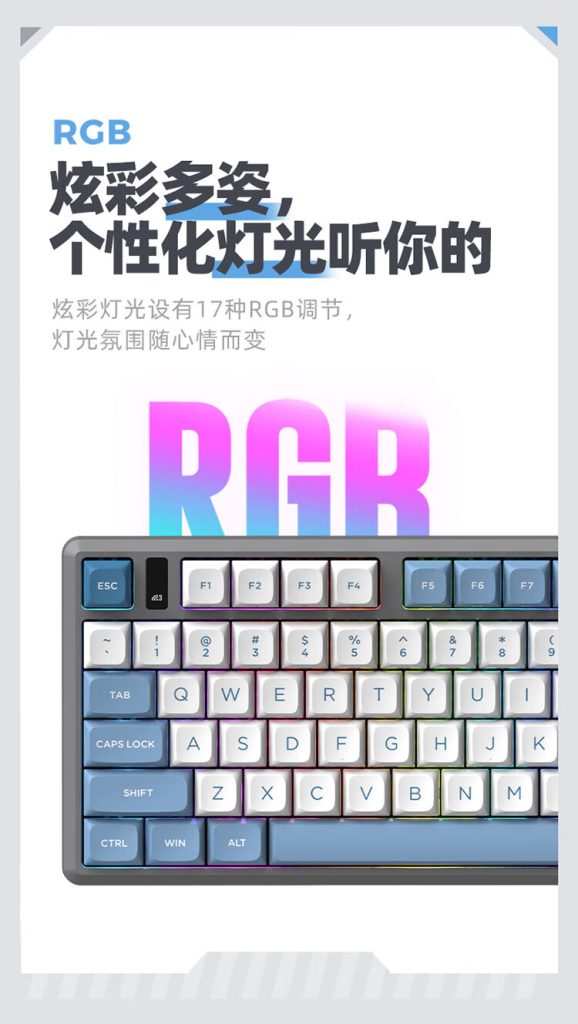
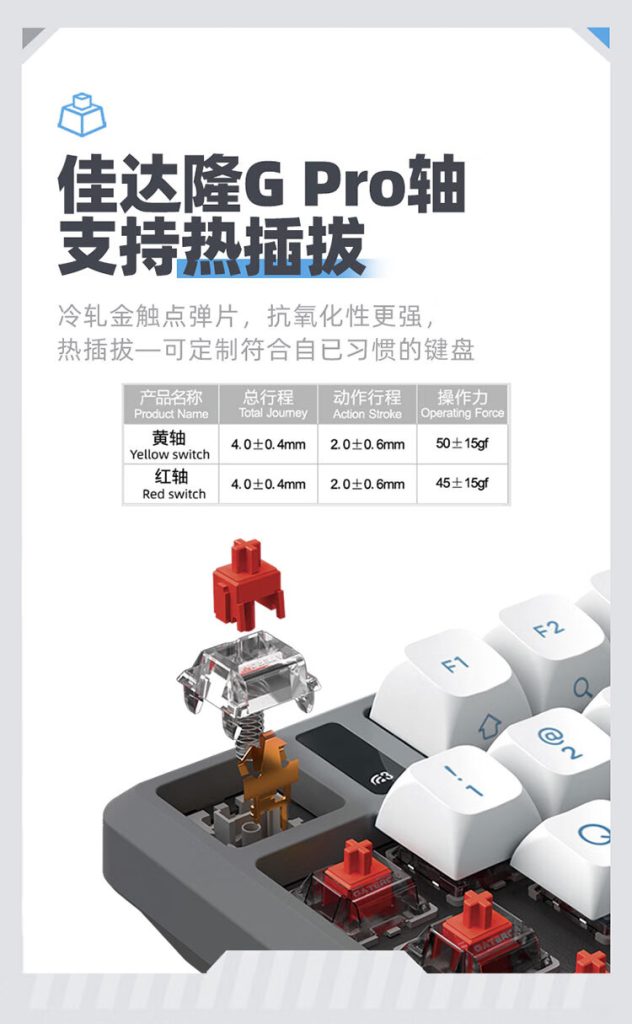
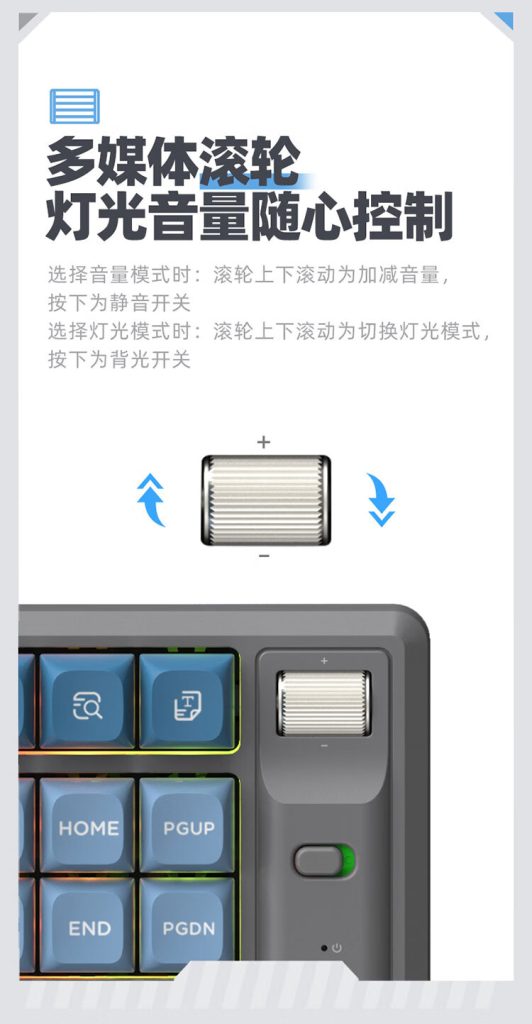
The keyboard features an 87-key layout and utilizes JiaDaLong’s GPro switches, known for quality. It offers durability with double-shot molding and PBT keycaps. The keyboard provides versatility through hot-swapping and N-key rollover and offers seamless connectivity with three modes and the ability to connect to three devices. It features 17 RGB lighting modes and allows easy volume and lighting adjustment with a scroll wheel.
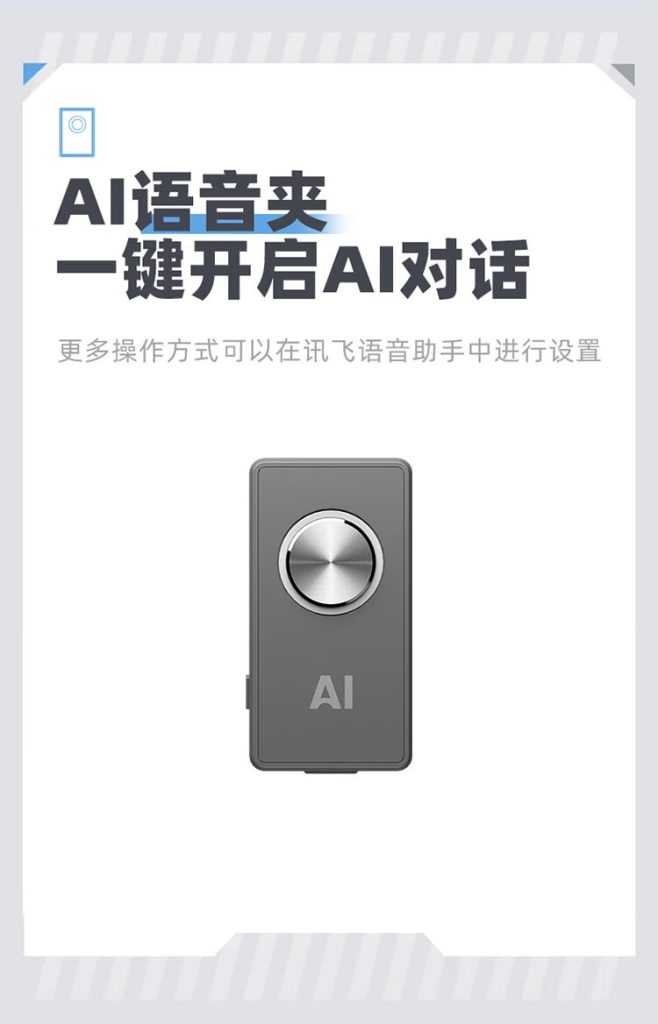
The standout feature of the T8 Spark keyboard is the embedded iFLYTEK Spark cognitive model, representing a significant advancement in AI integration. This model allows users to create PowerPoint presentations by inputting a topic. Additionally, the keyboard offers AI capabilities like AI writing, AI Q&A, and AI summarization. It comes with voice typing, translation, audio transcription, and intelligent error correction, catering to multi-lingual tasks. The keyboard supports 23 dialects and 66 foreign languages, but macOS users should note potential language limitations.
The keyboard also offers intelligent functions like screenshot capture, search, and note-taking. It sports three subtitle display modes for conferences, providing real-time speech-generated subtitles. Gamers benefit from a dedicated gaming mode that instantly converts voice to text, eliminating in-game typing. The keyboard is now up for pre-sale on JD.com in China.
Lenovo continues to expand its product range. After introducing the Legion Go handheld gaming console and the ThinkVision 27 monitor, which displays 3D content without the need for glasses, at IFA 2023 in Germany, the company has now unveiled a more traditional product: the Y9000K 2023 flagship gaming laptop. Here are the details…
Lenovo Unveils Y9000K 2023, the World’s First Portable Water-Cooled Gaming Laptop
Lenovo has officially launched its new flagship gaming laptop the Y9000K 2023. The device comes with top-of-the-line specifications, including an Intel i9-13980HX processor and an Nvidia RTX 4090 GPU, along with an integrated liquid cooling system. As you know, traditional gaming laptops rely on bulky and inefficient heat sinks to dissipate heat, but the Y9000K 2023’s water-cooling system is much more effective.
The system uses a small pump to circulate water through a network of pipes, which helps to keep the CPU and GPU cool even under heavy load. In addition to its water-cooling system, the Y9000K 2023 also features a number of other high-end specifications. The laptop has a 16-inch Mini LED display with a 3200×2000 resolution and a 165Hz refresh rate. It also has 32 GB of DDR5-6400 RAM, a 2 TB SSD, and a backlit keyboard with RGB lighting.
Price & Availability
The Lenovo Y9000K 2023 is expected to be available for purchase starting in October, and it will be priced starting at 4499 Euros. The laptop will be available in two colors: black and white.
Lenovo Y9000K 2023:
Processor: Intel Core i9-13980HX
Graphics: Nvidia GeForce RTX 4090
Memory: 32GB DDR5 RAM
Storage: 2TB SSD
Display: 16-inch Mini LED display with a 3200×2000 resolution and a 165Hz refresh rate
Weight: 2.56kg
Thickness: 18.99-22.7mm
Ports: USB-C, HDMI 2.1, an SD card slot, and Thunderbolt 4
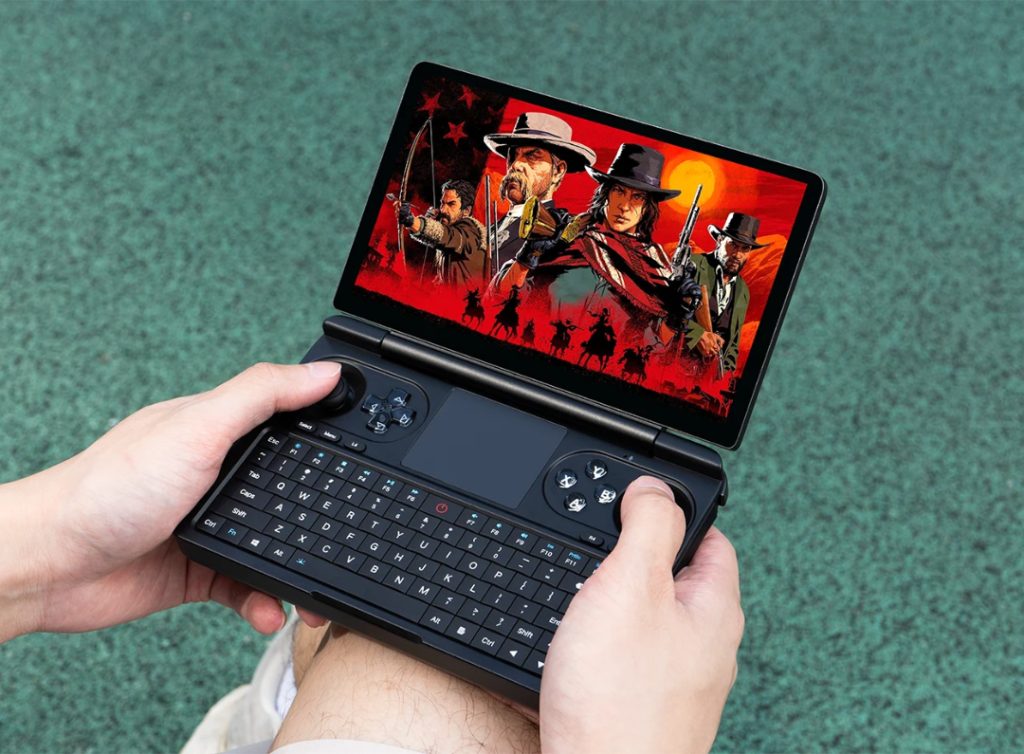
GPD has unveiled the Win Mini compact gaming handheld via an Indiegogo crowdfunding campaign. The GPD Win Mini comes in a more compact size than most of the gaming handhelds in the market. It has a 7-inch display with dimensions of 168 x 109 x 26 mm. The new compact Win Mini is equipped with the AMD Ryzen 5 7640U or Ryzen 7 7840U processors.
The GPD Win Mini is entering the market after it first surfaced online in April this year. GPD confirmed the product’s release date last week and provided more optics about the device. The Win Mini offers up to 64GB of RAM and up to 2TB SSD. The default model however has 16GB of RAM and 512GB SSD. The handheld weighs 520g and its IPS display has a resolution of 1080p and a 120Hz refresh rate. The Win Mini is equipped with a 44.24Wh battery in both builds.
The less-powerful Win Mini with Ryzen 5 7640U APU has a Radeon 760M iGPU and is priced at $699. If purchased with the comfort grip accessory, the model is priced at $728. The Ryzen 7 7840U APU model of the Win Mini has 32GB of RAM and 512GB of storage. It is priced at $869 and $898 with the comfort grip accessory. The 2TB storage option has either 32GB or 64GB of RAM and price tags of $999 and $1,149 respectively. The grip accessory costs an additional $29.
GPD has opened an Indiegogo campaign for the Win Mini and GPD raised more than $0.6 million within hours of the campaign kicking off. The earliest orders of the GPD Win Mini will ship by November, according to the company.
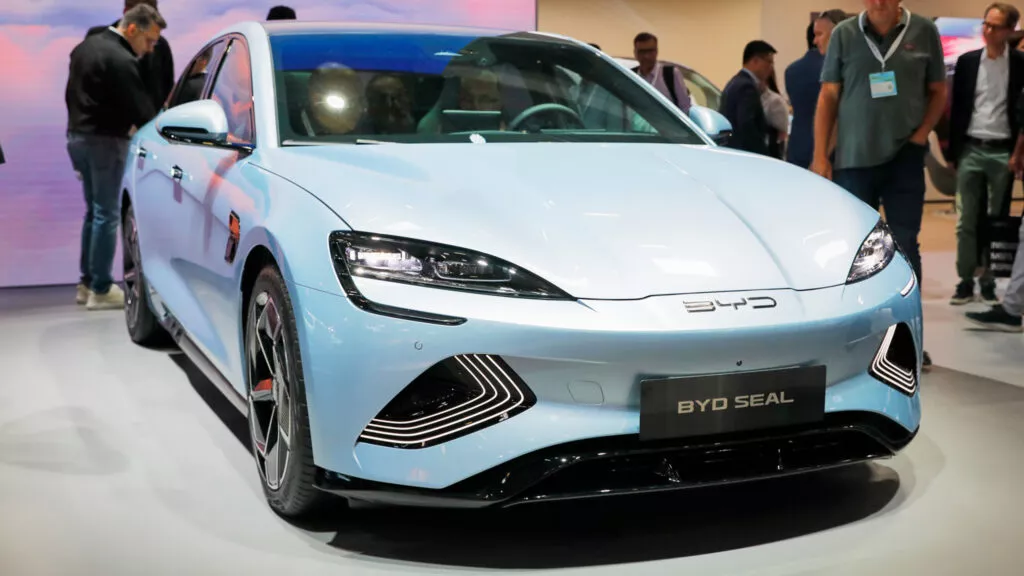
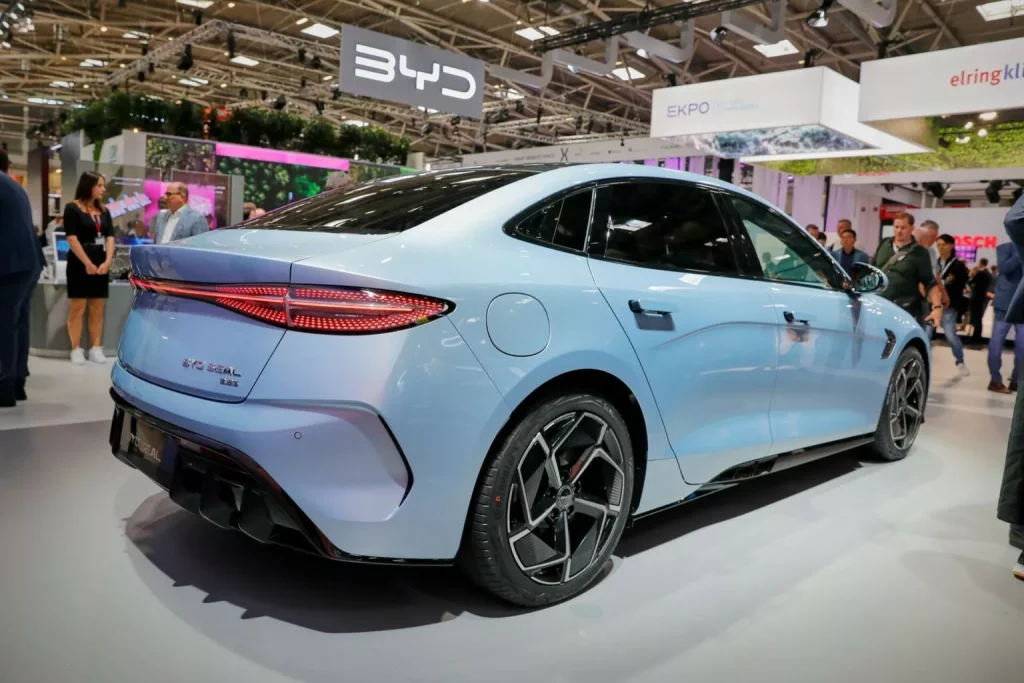
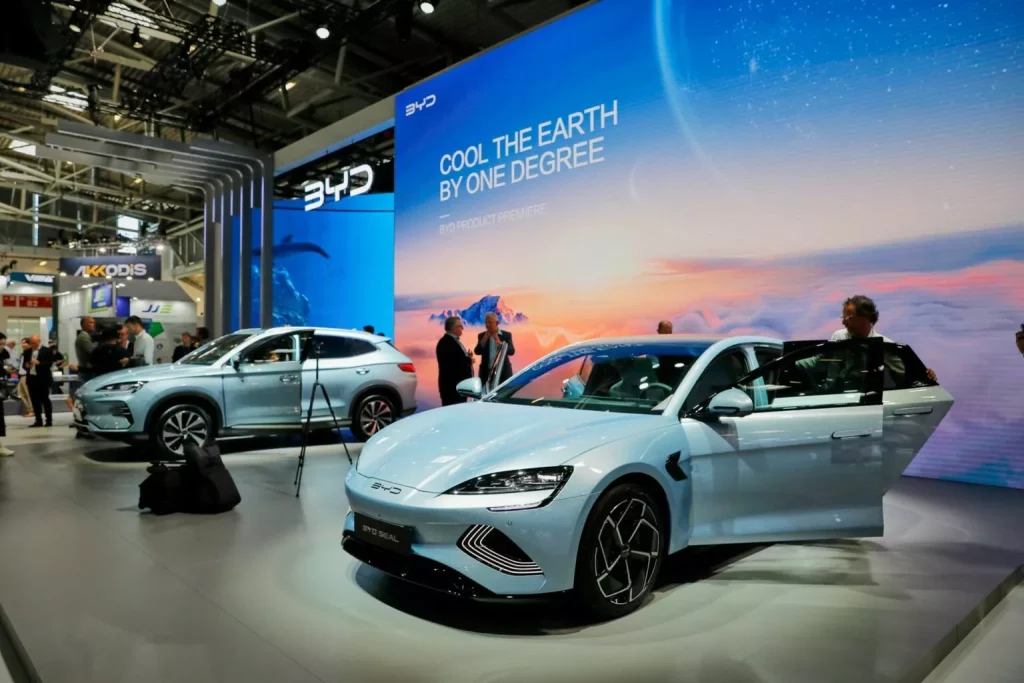
The BYD Seal is making its entry into the European market. The BYD Seal is on display during the ongoing Munich Motor Show. The Seal will be available in single and dual electric motor configurations. It will come with an 82.5kWh battery pack and holds a lot of promise in Europe.
Chinese automaker BYD has continued to expand beyond its home market of China. It is seeking to replicate its remarkable performance and leadership position in China in other premium markets. The BYD Seal utilizes the same e-Platform 3.0 that the Atto 3 and Dolphin EVs feature. However, the Seal is the first BYD model to use the company’s Cell-to-Body technology. The EV’s battery is incorporated within the car’s structure for enhanced safety.
The Seal uses the advanced BYD Blade battery based on lithium-iron phosphate as a cathode material. The Seal in Europe will be limited to an 82.5kWh battery pack while a 61kWh option will be available later. The Design version (single electric motor) of the BYD Seal outputs up to 230kW power. It can go from 0-100km/h in 5.9 seconds and has a range of 570km. The Seal Excellent-AWD version of the Seal comes with two electric motors and a combined power of 390kW. The AWD version achieves the 100km/h speed threshold in 3.8 seconds and has a range of 520km.
Both the Design and AWD versions of the Seal have an 11kW 3-phase onboard AC charger with support for up to 150kW DC fast charging. Therefore, the Seal’s battery can be charged by 50% in about 26 minutes. The Seal has a 2,920mm wheelbase and a trunk with 400L capacity for cargo handling. The frunk of the vehicle has an additional 53L of storage.
The BYD Seal will enter the European market by Q4, 2023. The company has not provided any pricing information yet for the models. It also says that deliveries will start expectedly by November.
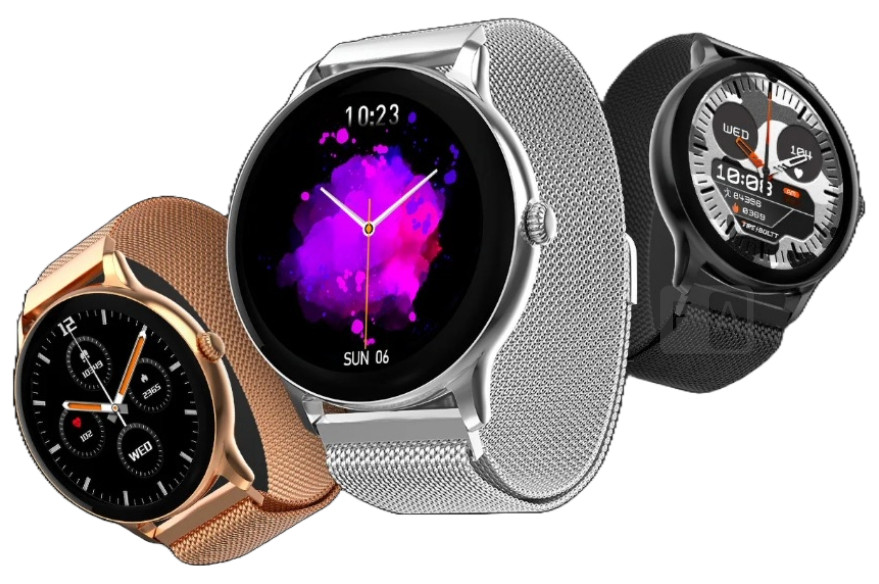
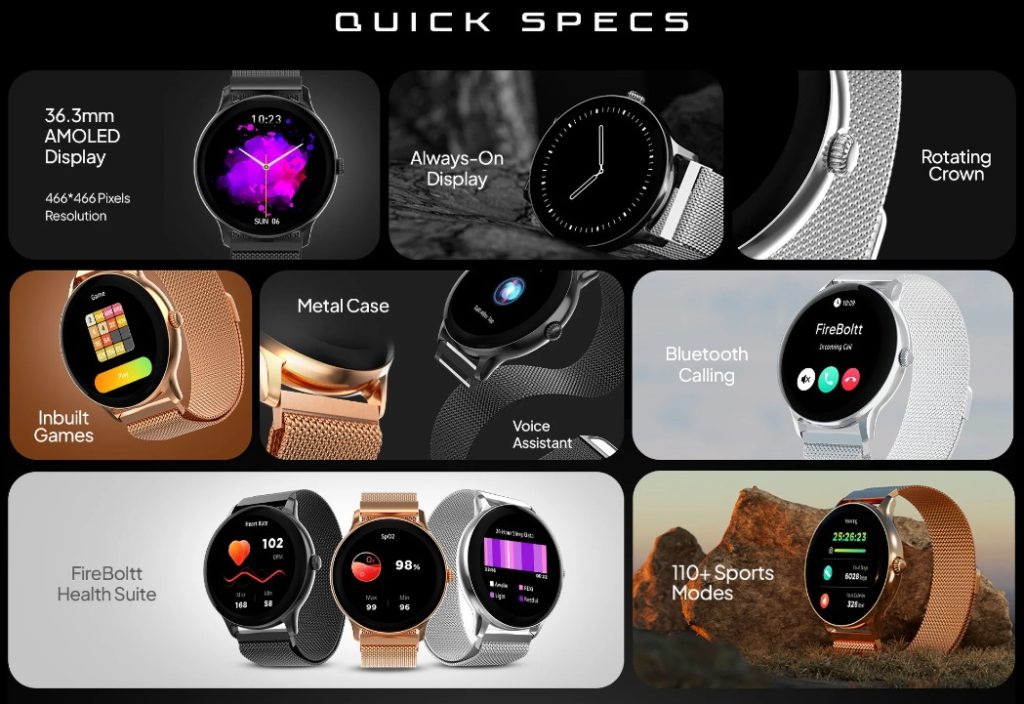
The Fire-Boltt Phoenix AMOLED Ultra Ace smartwatch has been unveiled in India. The Phoenix AMOLED Ultra Ace is a Bluetooth-calling smartwatch and features a 1.43-inch AMOLED screen. It has a circular dial design with a metallic body and also a rotating crown. The Phoenix AMOLED Ultra Ace has a metallic strap that is offered in different colors.
The launch of the Phoenix AMOLED Ultra Ace comes on the heels of last month’s announcement of the Fire-Boltt Commando. The large AMOLED screen of the Phoenix AMOLED Ultra Ace has a resolution of 466 x 466 pixels. An in-built microphone and speaker provide clarity when making or receiving calls via Bluetooth. It also supports an AI voice assistant and the Fire-Boltt Health Suite is available. The Health Suite features heart rate, SpO2, and sleep monitoring. There are 110+ sports modes and several in-built games.
The Fire-Boltt Phoenix AMOLED Ultra Ace has a maximum brightness of 700 nits. This allows the user to use the smartwatch even under sunlight. You can access Call history, a Quick dial pad, and sync contacts with the smartwatch.
There are Smart Notifications, Weather updates, music and camera control, and other accessories like a stopwatch, alarm, and timer. The new Fire-Bolt Phoenix Ultra Ace smartwatch is available in gold, silver, and black options. It has a retail price of Rs. 2,499 (~$30) and can be purchased directly from the Fire-Boltt website. The smartwatch is also available from Amazon India.
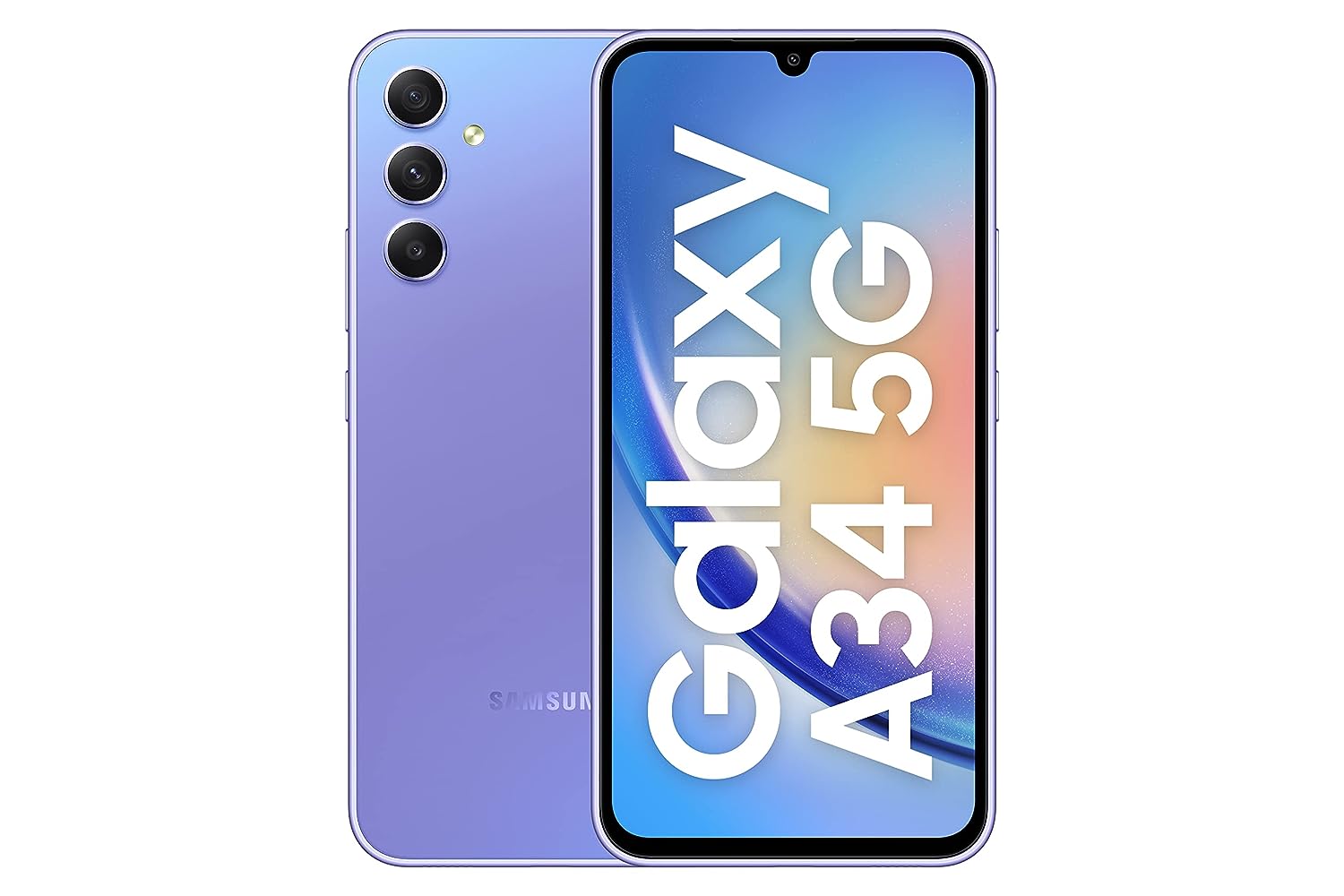
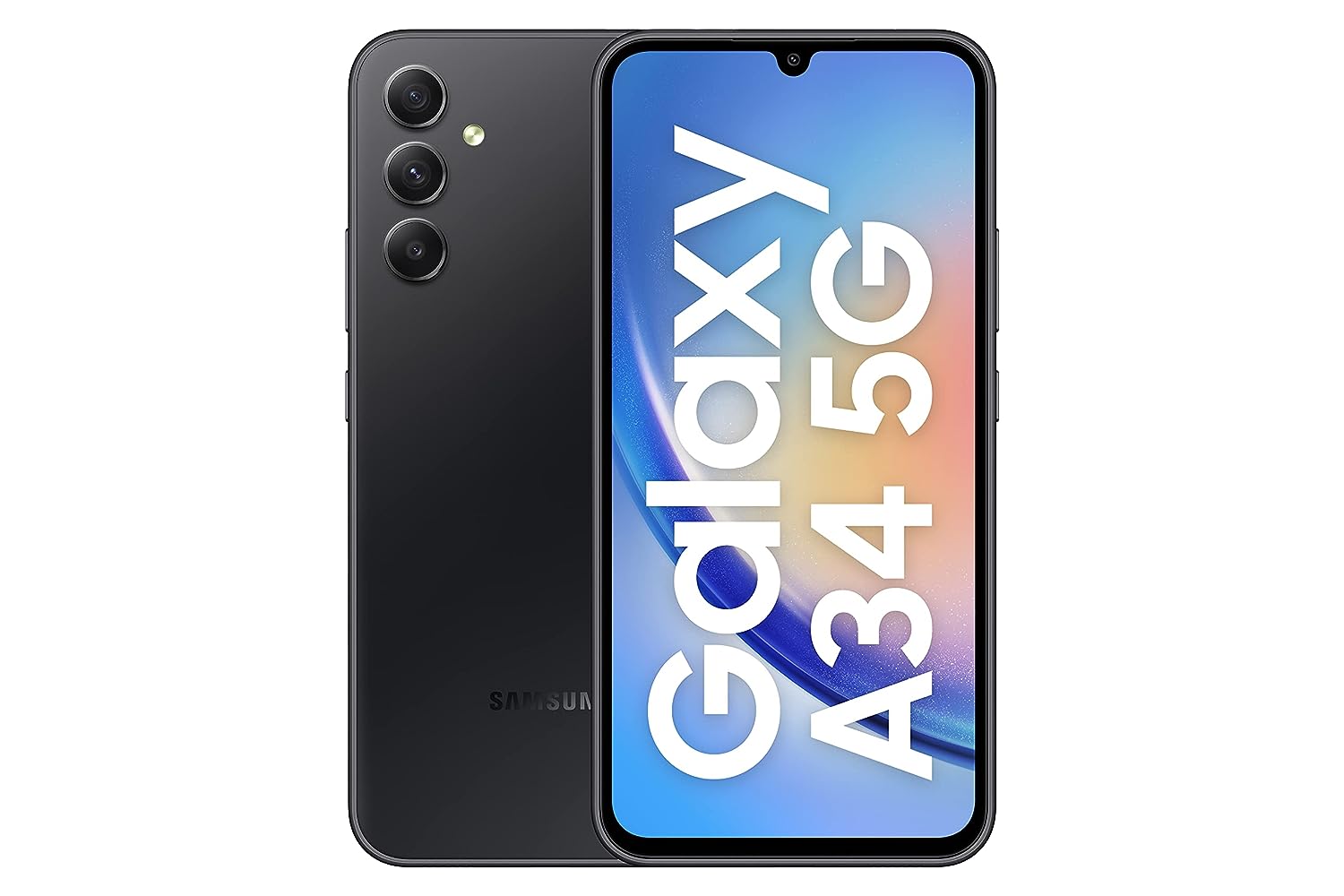
Back in March, Samsung introduced the Galaxy A34 5G smartphone in the Indian market. The device was launched with a starting price of Rs. 30,999, but since then, the brand has dropped its price quite a bit. Customers now have a chance to buy it for as low as Rs. 25,999. Here’s how.
Samsung Galaxy A34 5G
Samsung Galaxy A34 5G best price
Currently, Samsung is selling the Galaxy A34 5G 8GB RAM + 128GB storage version on Amazon India for ₹28,999. However, if you have an HDFC or ICICI Bank Credit Card, you can get flat ₹3,000 off the purchase, bringing the price down to just ₹25,999.
Alternatively, the 8GB RAM + 256GB variant of the phone is currently selling for ₹30,999, with the same bank offers, knocking its price down to ₹27,999.
Samsung Galaxy A34 5G specs
The Samsung Galaxy A34 5G features a 6.6-inch Super AMOLED display with Full HD+ resolution, a 120Hz refresh rate, and Corning Gorilla Glass 5 protection. It is powered by MediaTek’s octa-core Dimensity 1080 SoC and Mali-G68 MC4 GPU, with 8GB of RAM and storage options of 128GB or 256GB expandable via a microSD card slot.
The camera setup includes a 48MP primary camera, a 12MP ultra-wide lens, and a 5MP macro sensor at the rear, along with a 13MP front-facing camera. With a 5,000mAh battery and support for 25W fast charging, the Galaxy A34 5G offers a capable smartphone experience for a variety of tasks and activities.
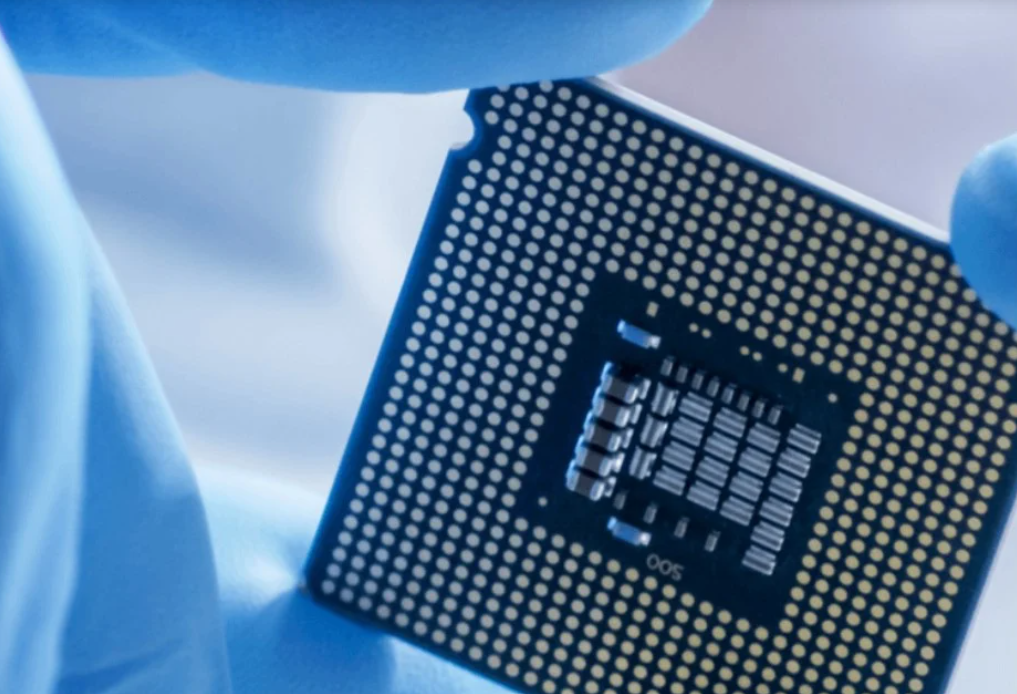
In a bid to bridge the technological gap with the United States, China is set to unveil a new state-backed investment fund, targeting a staggering $40 billion in funding for its semiconductor sector. This ambitious initiative is poised to become the largest among the trio of funds managed by the China Integrated Circuit Industry Investment Fund, colloquially known as the “Big Fund.”
In contrast to its predecessors in 2014 and 2019, which raised 138.7 billion yuan and 200 billion yuan, respectively, this new fund aims to amass a whopping 300 billion yuan (approximately $41 billion), as confirmed by government estimates.
Sources suggest that Chinese authorities have granted approval for the establishment of this new fund, with the Chinese finance ministry committing to provide 60 billion yuan. However, the identities of other contributors remain undisclosed, as the discussions were held confidentially.
Key areas of investment focus will encompass cutting-edge machinery for chip fabrication, emphasizing China’s determination to achieve self-sufficiency in semiconductor production. This goal has grown more critical in recent years, partly due to the US’s imposition of stringent export control measures, citing concerns that China might harness advanced chip technology to bolster its military capabilities.
In a move that could further intensify global competition, the United States unveiled comprehensive penalties last October, limiting China’s access to state-of-the-art chip manufacturing machinery. Likewise, U.S. allies such as Japan and the Netherlands have taken similar measures.
The fundraising process is anticipated to unfold over several months, with the timing of the third fund’s formation and potential alterations to the plan yet to be determined. The Big Fund’s initial two funds received support from the finance ministry and prominent state-owned enterprises like China Development Bank Capital, China National Tobacco Corporation, and China Telecom.
Over the years, the Big Fund has financed various smaller companies and funds, including China’s two largest chip foundries, Semiconductor Manufacturing International Corporation, and Hua Hong Semiconductor, as well as flash memory manufacturer Yangtze Memory Technologies. Despite these investments, the Chinese chip sector has struggled to establish a dominant presence in the global supply chain, particularly concerning cutting-edge semiconductors.
To manage the capital of the new fund, the Big Fund is considering engaging at least two institutions, aiming to ensure effective and responsible allocation of resources. Notably, China’s anti-graft bureau has been investigating several senior officials and former officials at SINO-IC Capital, the sole manager of the Big Fund’s initial two funds, since 2021. Nevertheless, sources suggest that SINO-IC Capital is expected to continue playing a managerial role in the third fund.
Furthermore, Chinese authorities have reportedly reached out to China Aerospace Investment, the investment division of the state-owned China Aerospace Science and Technology Corporation, to explore the possibility of their involvement as fund managers.
As this substantial investment fund takes shape, China’s semiconductor industry is poised for a potential leap forward, aiming to compete on a global scale and reduce reliance on external chip technology.
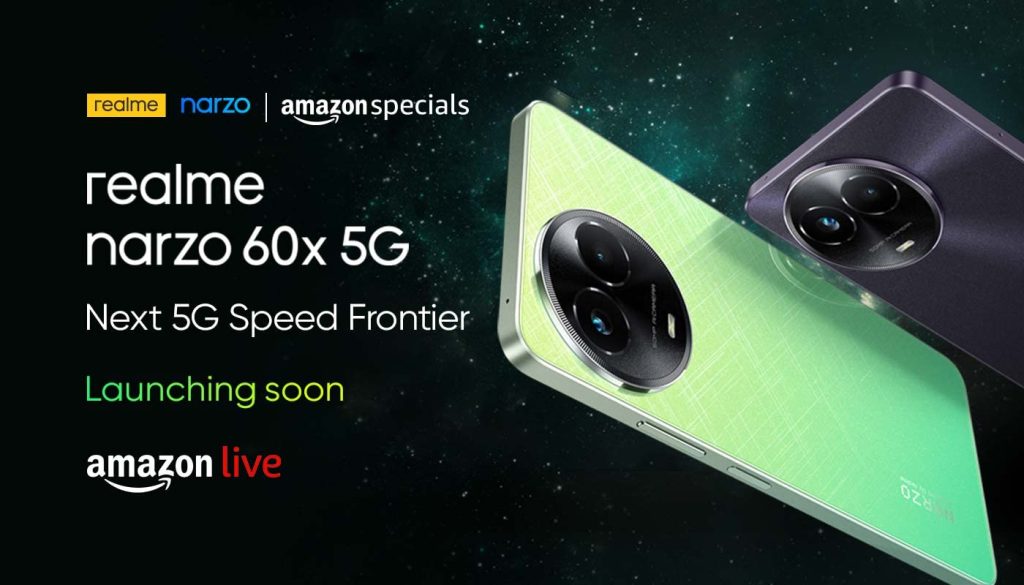
Realme plans to launch the Narzo 60x 5G smartphone along with the Realme Buds T300 on September 6. A day ahead of the launch, the device has emerged on Geekbench revealing some key details along with the performance.
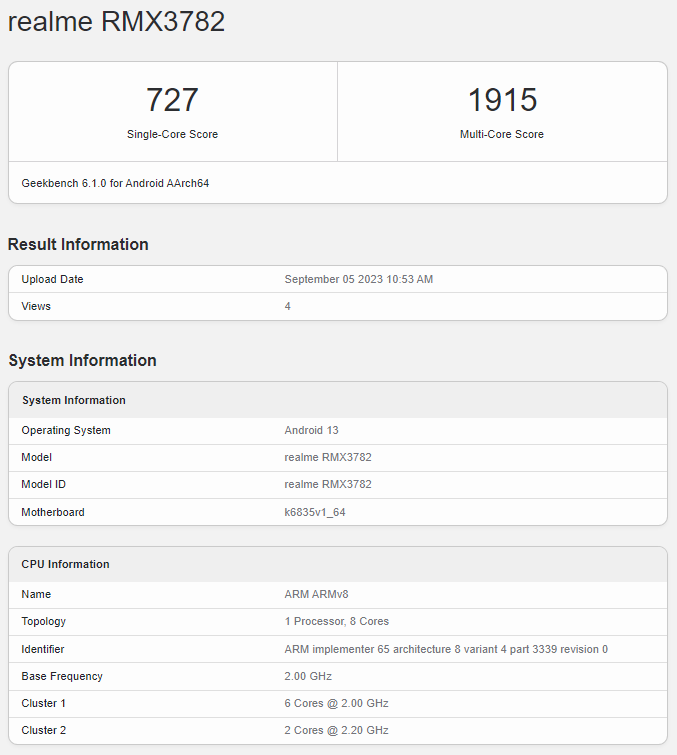
Spotted on Geekbench with model number RMX3782, the Realme Narzo 60x smartphone comes with an octa-core processor with a peak clock speed of 2.20GHz. As we expected, this is the MediaTek Dimensity 6100+ chipset, which all but confirms that the Narzo 60x 5G is a rebrand of the recently launched Realme 11x 5G.
Realme Narzo 60x 5G Geekbench
Besides that, the device has 6GB RAM and an Android 13-based operating system. Coming to the performance, the device scored 727 points in the single-core test and 1915 multi-core test of Geekbench 6. The listing does not reveal any further details. But we have a fair idea of what to expect.
It is more than likely that the phone will feature a 6.72-inch FHD+ 120Hz display (LCD) with a 90Hz refresh rate. The phone could come with a 5000mAh battery and a 33W fast charging.
As for optics, we expect a 64MP primary camera and a 2MP camera paired on the back. It will likely have a side-mounted fingerprint sensor for security.
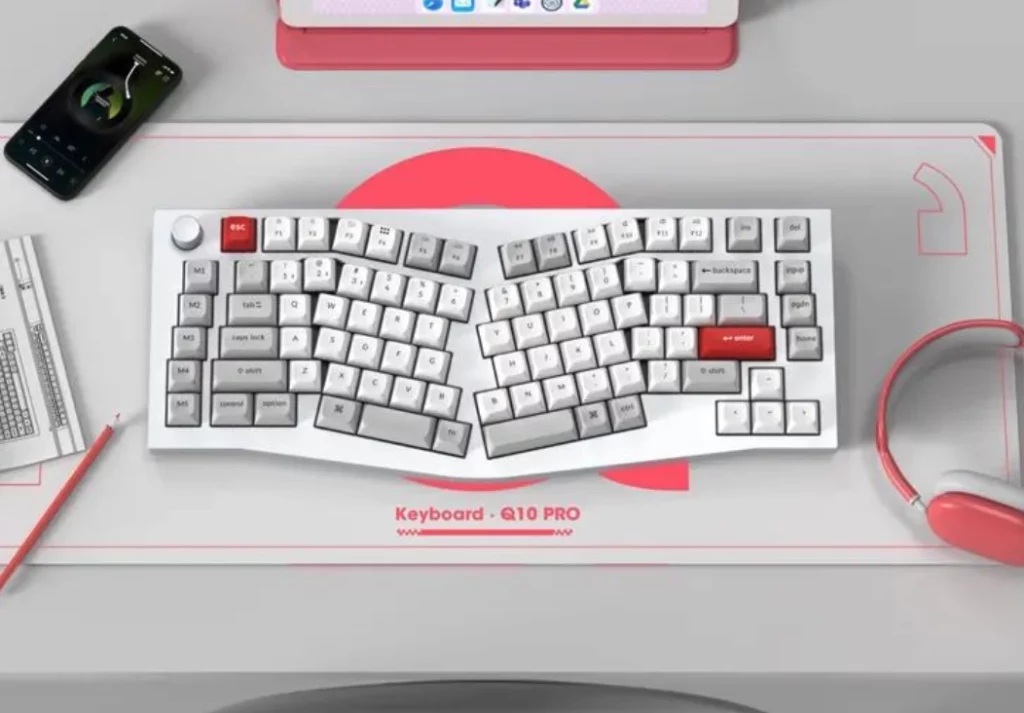
In the last couple of months, Keychron has launched a bunch of new mechanical keyboards in China, and many of them feature an Alice-style key arrangement. The most recent launch was the Q8 Pro, which debuted at a price of 898 Yuan ($123). Now, the company has announced the new Keychron Q10 Pro mechanical keyboard with the same Alice arrangement but a higher price tag.
Keychron Q10 Pro keyboard is made of sturdy 6063 aluminum and goes through a rigorous 24-step manufacturing process. This includes precision CNC machining, careful polishing, anodizing for a smooth finish, and sandblasting to create a premium feel.
The Q10 Pro has a 75% Alice layout, which divides the keyboard into left and right sections. This layout helps to keep your wrists and arms in a natural position, which can help to prevent wrist strain during long typing sessions.
This keyboard stands out because it offers versatile connectivity options. It can connect to your devices wirelessly or with a cable, giving you flexibility in how you use it. The Keychron Q10 Pro is also compatible with QMK and VIA open-source modifications, and it can be used with both Mac and Windows operating systems.
The Q10 Pro features a Gasket structure and a PC positioning plate, which enhances durability and provides a stable typing experience. It also comes with high-quality PBT two-color injection keycaps and the proprietary K Pro switches, which offer a tactile and responsive typing experience.
Keychron Q10 Pro is currently available for purchase in China with a price tag of 938 Yuan ($128). There’s no news if the device will also make it to the global market.
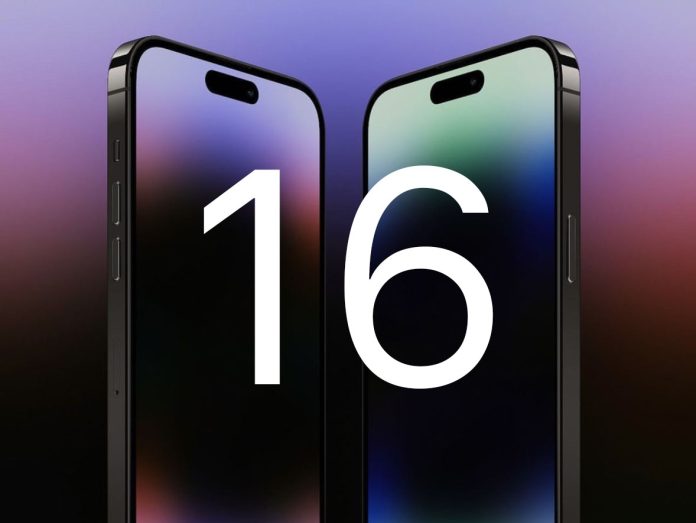
Samsung Display has been the exclusive supplier of OLED panels for all high-end iPhones since the iPhone X. This will continue to be the case next year as well. However, there have been reports that Samsung Display and LG Display have proposed to Apple to use OLED displays with Micro Lens Array (MLA) technology for iPhone 16 models.
What is Micro Lens Array (MLA) display technology?
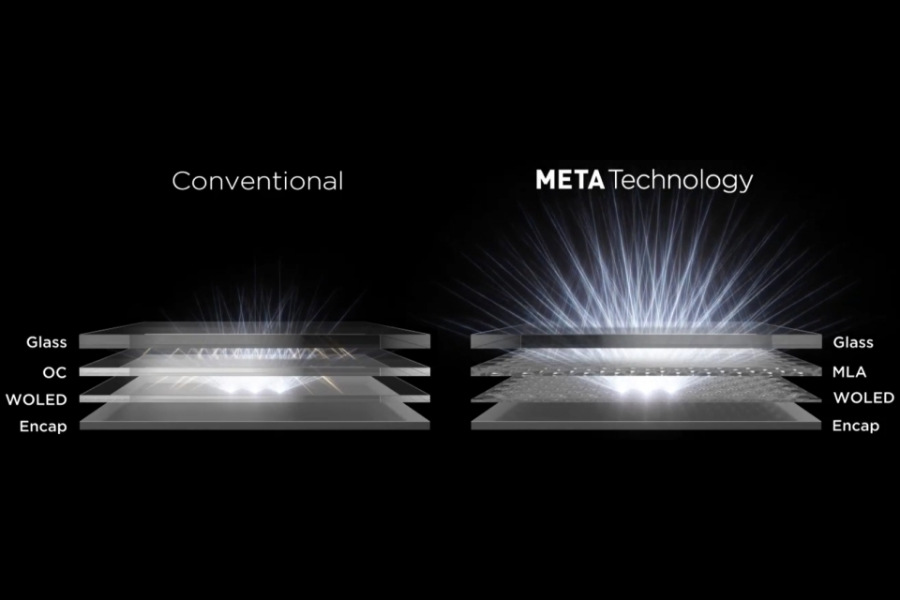
Micro Lens Array (MLA) is a display technology that uses microscopic lenses to improve the brightness and power efficiency of OLED displays. The lenses are placed between the glass and the OLED panel, and they help to redirect the light from the panel that would normally be lost to internal reflection. This results in a brighter display with less power consumption.
However, there is also a trade-off to this technology. MLA can also narrow the viewing angle of OLED displays. This is because the micro-lens inside the display focus the light in a specific direction, which can make it difficult to see the display from certain angles.
Micro Lens Array (MLA) display on iPhone 16 series?
According to a report from TheElec, there are two reasons why Samsung Display and LG Display have proposed to Apple to use MLA technology for the iPhone 16 series.
First, the OLED material sets that the two companies are developing may not yet meet Apple’s standards. MLA technology can help to improve the brightness of the display, even if the OLED material sets are not yet as efficient as Apple would like.
The second reason is that MLA technology could help Samsung Display and LG Display widen the gap with BOE, their competitors in China. BOE is a latecomer to the OLED market and is struggling to produce OLED panels that meet Apple’s requirements. If Apple adopts MLA technology for the iPhone 16 series and BOE is unable to adopt the technology, it will give Samsung and LG Display a significant advantage. And BOE will be left behind.
Apple’s take?
Apple’s decision of whether to adopt MLA technology for the iPhone 16 series depends on whether the efficiency of the OLED material set can be improved by the time mass production begins in the second half of 2024.
If the amount of light sent to the front of the panel can be at least maintained at a reduced power consumption rate without narrowing the viewing angle, then MLA implementation may be considered worthwhile. However, this depends on the performance of the OLED material set, which is said to be different for the two domestic panel companies.
MLA is still a new display technology that has been incorporated into some Samsung and LG devices. Samsung has used MLA in its own S-Ultra smartphone models, while LG has used it for some OLED TVs.
But in the case of Apple, the brand has requested that the two domestic panel companies focus on improving the efficiency of the OLED material set in response to the MLA application proposal for iPhone 16 OLED panels. It is expected that it will take time for a final decision to be made.
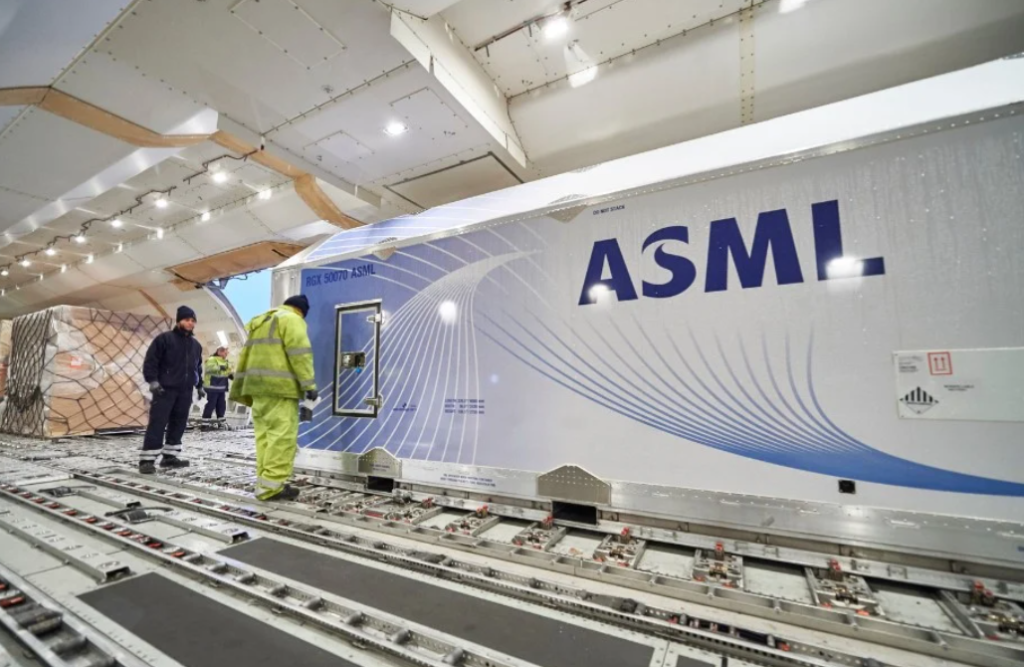
ASML Holding NV, the world’s premier lithography systems manufacturer, is facing a significant setback in its exports to China due to new export control rules imposed by the Dutch government. These rules, effective from September 1, have far-reaching implications for the semiconductor industry and global technological competition.
Under these regulations, ASML now requires a license from the Netherlands government to export equipment capable of producing sub-5nm chips. ASML’s advanced deep ultraviolet lithography (DUV) tools, vital for manufacturing the latest generation of microchips, are caught in the crosshairs of these restrictions.
One of ASML’s most advanced DUV systems, the Twinscan NXT:2000i, which can create chips at the 5-nanometer process or more advanced, faces an imminent export deadline. Chinese chip manufacturers, aware of the impending restrictions, have been rushing to import these critical ASML tools before the end of 2023.
The Dutch government’s move aligns with the United States and Japan and is seen as an effort to curtail the export of specific ASML machine models to China. While the rules do not explicitly mention China, they effectively block ASML from shipping its DUV systems there without obtaining a government license.
ASML has been contending with export restrictions to China since 2019 when it was barred from selling extreme ultraviolet (EUV) lithography machines. However, the company had still been able to export DUV systems until this year, under pressure from the United States.
Starting January 1, 2024, ASML will no longer be able to ship its most advanced immersion DUV lithography system, the Twinscan 2000 series, to China. This development has prompted Chinese chip foundries to expedite their ASML tool imports, with approval from The Hague, within the remaining four months.
ASML, Europe’s largest technology firm by valuation, remains cautiously optimistic about its annual sales despite these challenges. They anticipate fulfilling existing orders until the end of this year, mitigating the potential impact on their financial performance.
The global semiconductor landscape is evolving rapidly, with these export restrictions amplifying the technological competition between nations. China’s race to secure advanced chip-making tools underscores the critical role ASML plays in the semiconductor supply chain. The impact of these developments on global technology dynamics will undoubtedly be closely monitored in the months ahead.
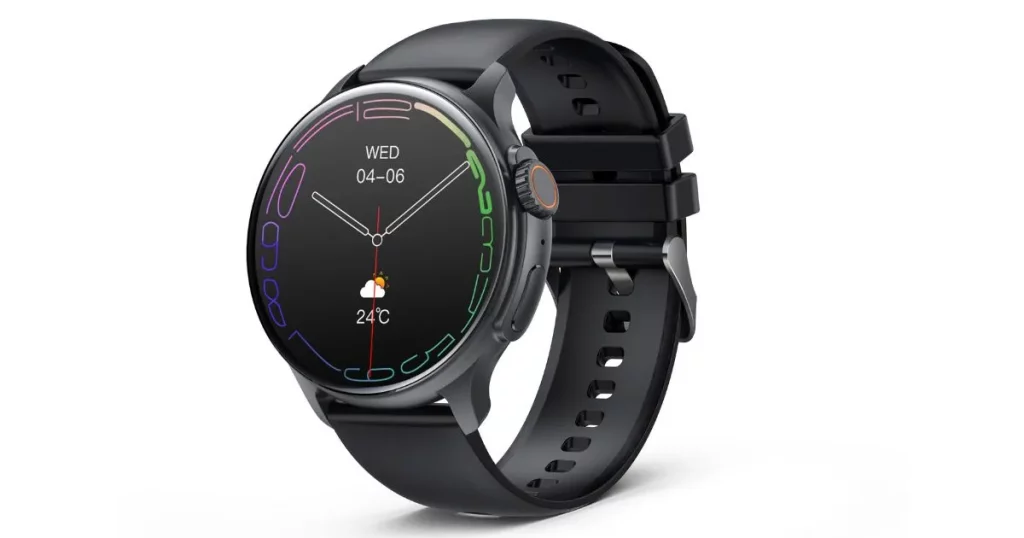
Urban has launched the Quest smartwatch in India. As an affordable offering, the wearable has decent specifications, including Bluetooth calling support and an AMOLED panel. It brings a round dial with a digital crown and offers a host of health and fitness tracking features. The smartwatch also gets over 100 sports modes and support for an AI voice assistant. Let’s have a closer look at the Urban Quest’s features and pricing.
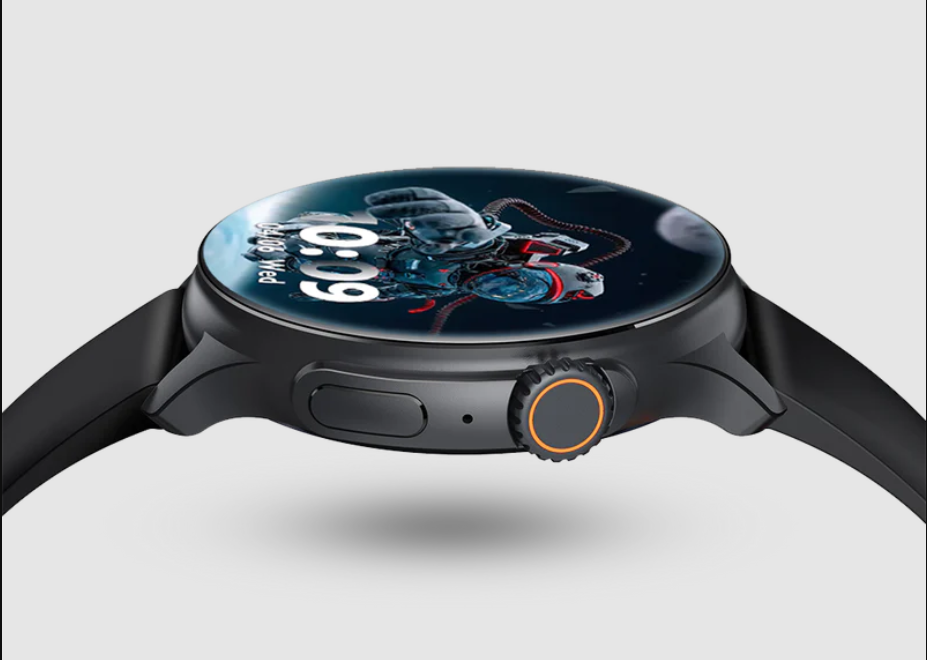
Urban Quest comes has a round dial with a metallic body as well as a buckle. The watch gets a multi-functional rotating crown for easy navigation throughout. The wearable has a 1.43-inch Super AMOLED display featuring 2D curved glass and narrow bezels. The panel supports Always on display functionality and can go as bright as 500 nits. There are also customizable watch faces that you can use to switch up the view.
The Urban Quest smartwatch is packed with premium features. It has a heart rate monitor, dual SpO2 sensors, and a blood pressure monitor. It also comes with the Urban Health Suite, which provides users with health insights. The watch supports multiple sports modes and can track steps, calories, and distance.
The smartwatch has a speaker and microphone, so you can make calls hands-free using Bluetooth. You can also store contacts on the watch and use the integrated dial pad to make calls. The watch uses Bluetooth 5.2 for seamless pairing with smartphones. In addition to calling, the watch also has a variety of other features, including smart notifications, alarms, real-time weather updates, and support for voice assistants like Siri and Google Assistant.
Available in a single black color variant, the Urban Quest smartwatch can be purchased right now on the official company website, top e-commerce platforms, and leading retail stores. You can grab this wearable at an attractive introductory price of just Rs. 3,999.
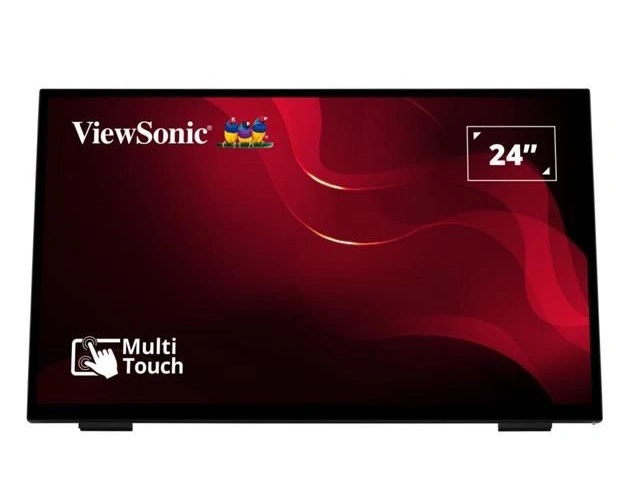
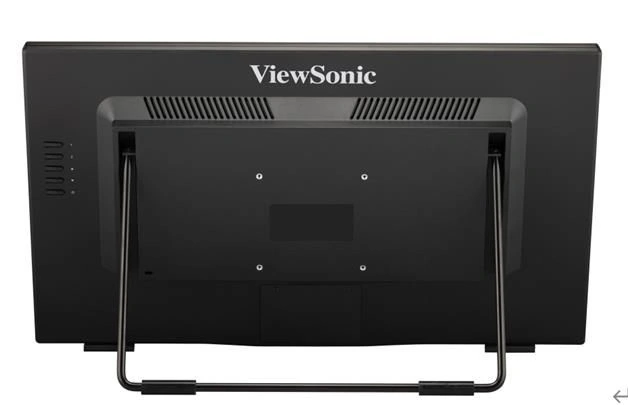
ViewSonic has a wide range of monitors both in China and global markets. Only recently, the brand unveiled a large 8K monitor called the ViewSonic VG3281 in China and now it has announced a new model. The ViewSonic TD2465-CN will be launched very soon but the company has gone ahead and revealed all of its specifications. Here are the details.
ViewSonic TD2465-CN brings a sleek design with thin bezels on the display. This monitor boasts a high-resolution VA panel with a responsive ten-point touch screen for intuitive interaction. With a 1920×1080 pixel resolution at 60Hz, it delivers clear, sharp visuals suitable for various tasks. The 16:9 aspect ratio provides a wide view, making it suitable for both work and entertainment needs.
The monitor offers a 3000:1 contrast ratio and 250 cd/m2 brightness. Its 7ms response time minimizes motion blur, ensuring smoother graphics. The screen is protected with a durable 7H surface coating to resist scratches, ensuring long-lasting performance. It supports 16.7 million colors with 8-bit depth (6-bit + Hi-FRC) for accurate color representation.
Covering 72% of the NTSC and an impressive 102% of the sRGB color gamuts, it delivers rich and true-to-life colors. The built-in 2W*2 speakers and integrated power supply add convenience. Connectivity options include DP, HDMI, and USB, catering to various needs.
ViewSonic TD2465-CN offers decent specifications for an affordable monitor. However, the company has yet to unveil the pricing and sale date for the monitor. We expect it to be limited to China, at least initially. It might also launch in the global markets in the coming months.
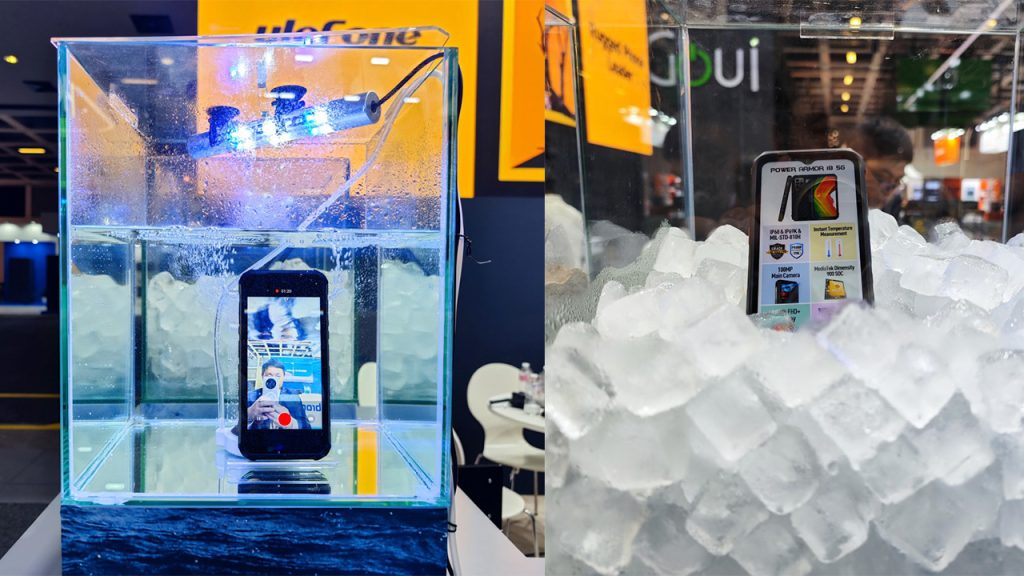
Ulefone is expanding its product line with rugged phones, tablets, and accessories. These products are designed for outdoor enthusiasts, construction workers, and anyone who needs a phone that can withstand harsh conditions. Most recently, the company showcased its new rugged tech at IFA 2023, and the products were met with critical acclaim. Here are the details…
Ulefone Showcases New Rugged Phones and Tablets at IFA 2023
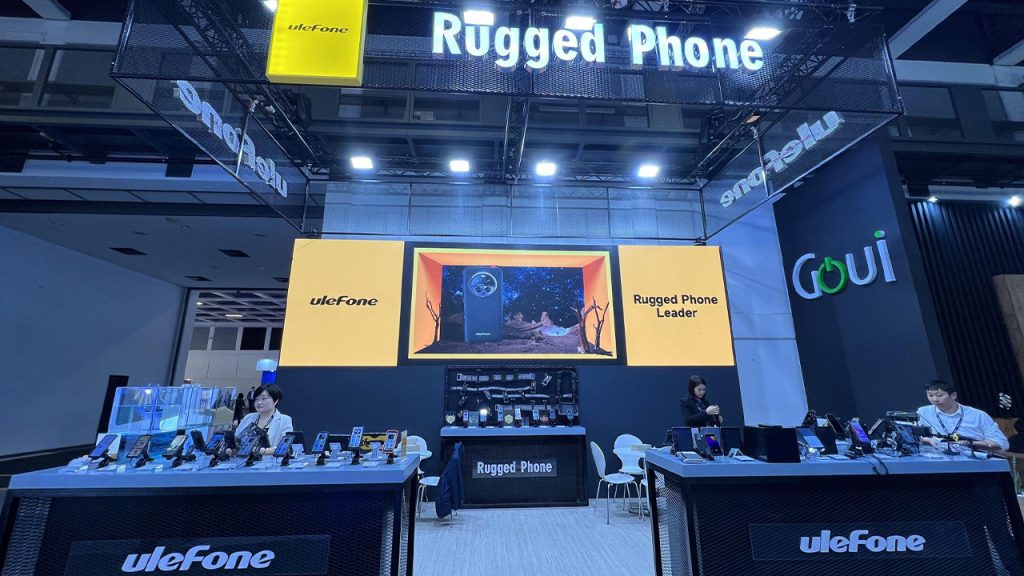
Technology’s heart beat in Berlin last week at the IFA. Tech companies from all over the world showcased their latest products, and the press followed the developments closely. We at Gizmochina also tried to share all the latest news from the fair with you One of . Ulefone was undoubtedly one of the most eye-catching companies at IFA 2023. The company stood out with an impressive display, giving attendees a glimpse into the future of smart technology.
Ulefone has always been at the forefront of rugged phone innovation, and their new arrivals at IFA 2023 continue this trend. The company’s theme for this year’s exhibition is “All Scenarios, Stay Connected”, and they are showcasing a wide range of rugged devices that are designed to withstand the harshest environments.
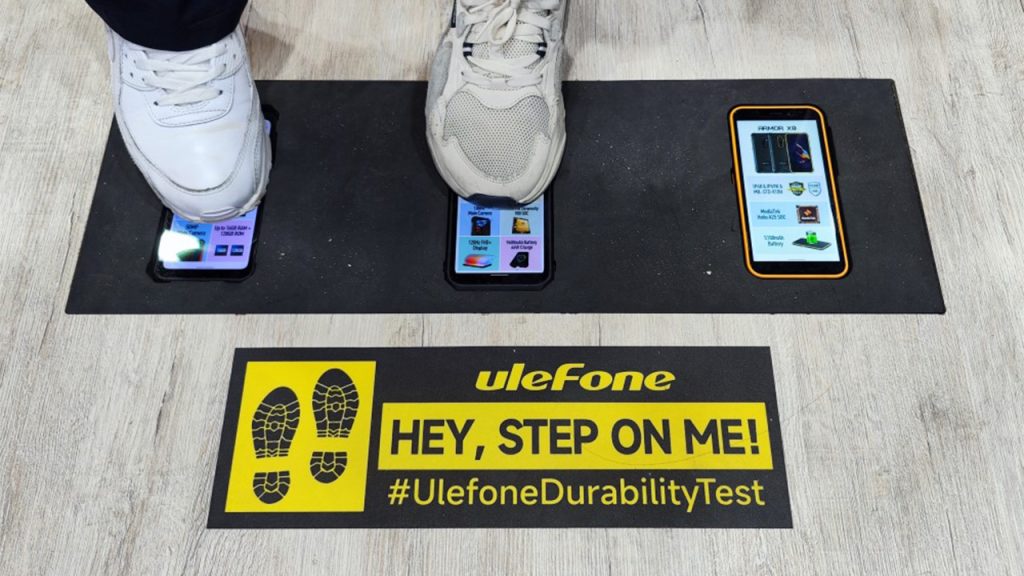
One of the highlights of Ulefone’s booth is the Armor 23 Ultra, a rugged smartphone that is equipped with two-way satellite communication. This means that users can stay connected even in the most remote areas. The Armor 23 Ultra is also IP68/IP69K and MIL-STD-810H rated, making it dustproof, waterproof, and shockproof.
In addition to the Armor 23 Ultra, Ulefone is also showcasing the flagship Armor series, the mid-range Armor X series, and the rugged tablet Armor Pad series. All of these devices are built to withstand the elements, and they are packed with features that make them ideal for outdoor adventurers and professionals who work in demanding conditions.
Ulefone is also showcasing an accessory ecosystem around Armor devices. This includes rugged cases, chargers, and other accessories that can help users get the most out of their devices. Of course, Ulefone products are not for everyone, but they are definitely the best for the right users.
Xiaomi’s Mijia Electric Kettle 1A was a huge success in the first half of 2023, ranking first in the industry in online channel shipments/value. Today, Xiaomi has launched the Mijia Electric Kettle N1, which is priced at 79 yuan but has an introductory price of 69 yuan. Let’s talk about what Xiaomi has to offer with the new Mijia Electric Kettle N1.
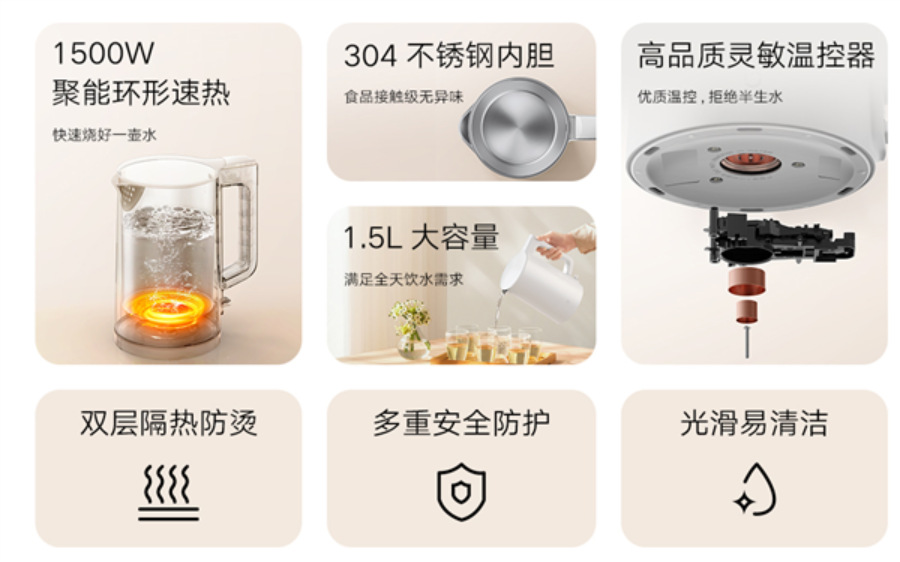
The MIJIA Electric Kettle N1 follows the minimalist design that Xiaomi products are known for. It looks similar to the Kettle 1A, and it still has a capacity of 1.5 liters. The kettle has an inner and outer double-layer body design, with the inner tank made of 304 food-contact grade stainless steel.
The Mijia Electric Kettle N1 features 1500W high-power 360° concentrating ring heating, which evenly heats up and boils water quickly. It also has a high-quality thermostat to ensure complete boiling.
The kettle has a two-stage damping open lid design to prevent steam from spraying out. The 12 cm large diameter kettle body is easy to clean, and the U-shaped round spout prevents hot water from splashing. The bottom of the kettle has a power cord storage compartment and a heating lamp.
In terms of safety, Xiaomi says the Mijia Electric Kettle N1 has passed the service life test over 10,000 times and supports anti-dry protection, high-temperature power failure, and steam induction.
We use cookies on our website to give you the most relevant experience by remembering your preferences and repeat visits. By clicking “Accept”, you consent to the use of ALL the cookies.
This website uses cookies to improve your experience while you navigate through the website. Out of these, the cookies that are categorized as necessary are stored on your browser as they are essential for the working of basic functionalities of the website. We also use third-party cookies that help us analyze and understand how you use this website. These cookies will be stored in your browser only with your consent. You also have the option to opt-out of these cookies. But opting out of some of these cookies may affect your browsing experience.
Necessary cookies are absolutely essential for the website to function properly. This category only includes cookies that ensures basic functionalities and security features of the website. These cookies do not store any personal information.
Any cookies that may not be particularly necessary for the website to function and is used specifically to collect user personal data via analytics, ads, other embedded contents are termed as non-necessary cookies. It is mandatory to procure user consent prior to running these cookies on your website.