Advertisement

Redmi Pad 2 spotted on FCC revealing RAM & Storage options

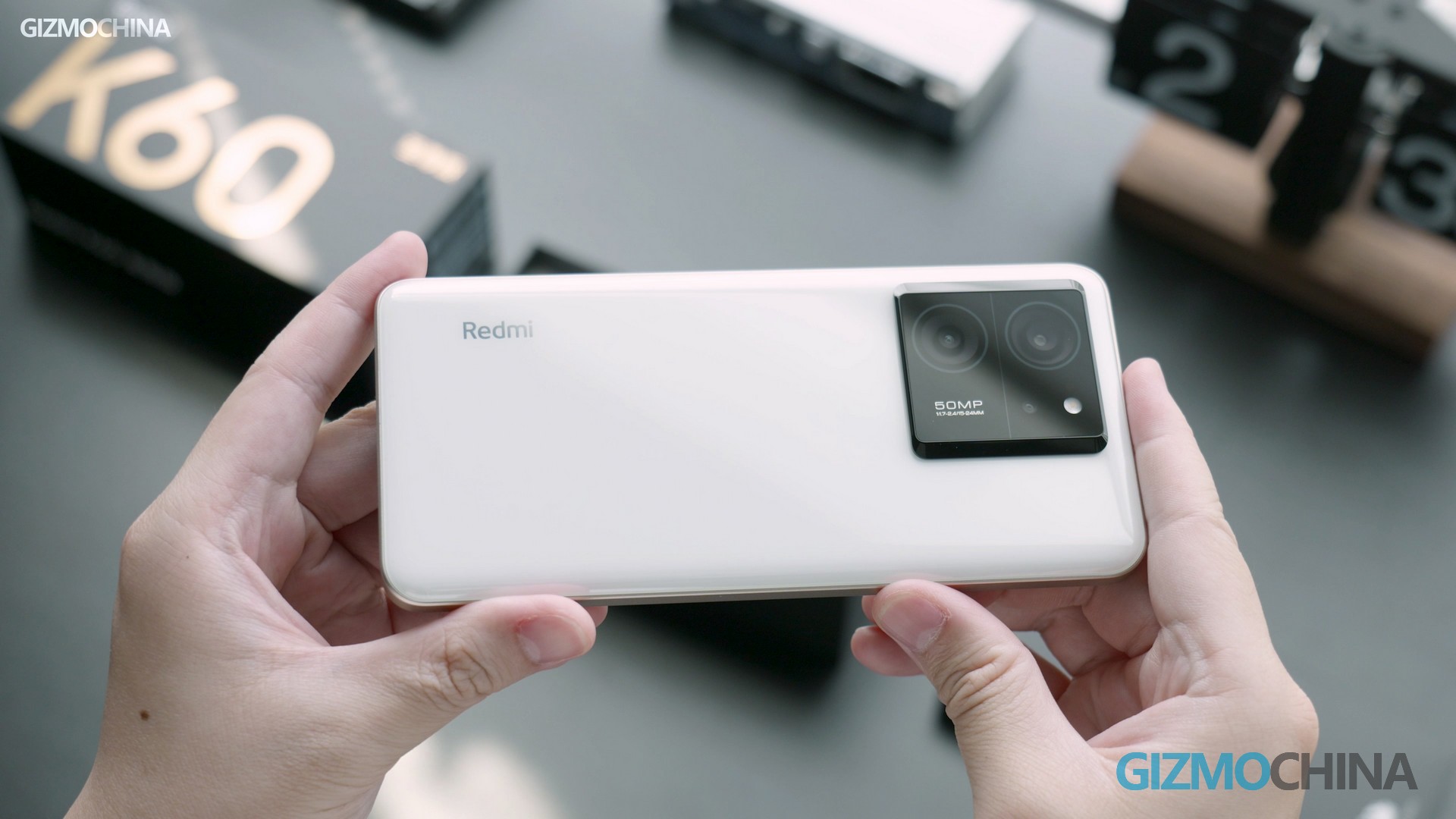
Redmi, the sub-brand of Xiaomi, is currently developing its second tablet, known as the Pad 2. Recently, a leak provided crucial information about the upcoming Pad 2 tablet. In a recent development, details regarding its configurations have surfaced on the FCC certification database.

The upcoming Redmi Pad 2, anticipated to launch in China later this year, has made an appearance on the FCC with the model number 23073RPBFL. According to the listing, the tablet will be available in three storage configurations. The entry-level model will offer 4GB of RAM and 64GB of storage. Additionally, Xiaomi has included a variant with 4GB of RAM and 128GB of storage. Furthermore, there will be an option with 6GB of RAM and 128GB of storage. The tablet has also been confirmed to support Wi-Fi on both the 2.4GHz and 5GHz bands. The Redmi Pad 2 is expected to come preloaded with MIUI 14, based on Android 13, as indicated by the recent FCC listing. Additionally, the listing provides confirmation that Redmi plans to launch the Pad 2 globally in the future.

Redmi Pad 2 specs (rumored)

According to previous reports, the Redmi Pad 2 is expected to feature a 2K resolution display, most likely utilizing an IPS LCD panel to keep costs affordable. The display size is anticipated to fall within the range of 10 to 11 inches, with some sources suggesting a diagonal measurement of 10.95 inches. Additionally, there are rumors of the tablet supporting a 90Hz refresh rate, enhancing the overall visual experience.

Redmi Pad

Underneath the device, it is speculated that the Redmi Pad 2 will be powered by a Qualcomm Snapdragon 680 SoC, delivering reliable performance. To keep the tablet running for extended periods, it is rumored to be equipped with a sizable 8,000mAh battery.

In terms of cameras, the Pad 2 is expected to feature a single camera sensor on the back, potentially an 8MP lens, for capturing everyday moments. For selfies and video calls, a 5MP front camera is likely to be included, ensuring adequate quality for self-portraits and online communication.

RELATED:

(via)

Missing Deep-Sea Submarine Discovered as all 5 Passengers are Declared Deceased

In a tragedy that has definitely saddened hearts across the globe, a multinational search for the deep-sea submersible Titan, carrying five individuals on an expedition to explore the wreckage of the Titanic, has come to a devastating end. The U.S. Coast Guard announced that the submersible was found in pieces, indicating a “catastrophic implosion” that claimed the lives of everyone on board.

A $30 Logitech Gamepad was used to steer the Deep-sea submarine

After days of searching, a robotic diving vehicle deployed from a Canadian ship made the grim discovery on the seabed, approximately 1,600 feet (488 meters) from the bow of the Titanic. The debris field, located 2 1/2 miles (4 km) beneath the surface in a remote area of the North Atlantic, contained major fragments of the 22-foot (6.7-meter) Titan, including its tail cone and sections of the pressure hull. The Titan, operated by OceanGate Expeditions, had gone missing when it lost contact with its surface support ship during what should have been a routine two-hour dive to the iconic shipwreck. Among the victims of the tragic incident were Stockton Rush, the founder and CEO of OceanGate, and four other individuals known for their spirit of adventure and passion for ocean exploration.

Oceangate Submarine

Hamish Harding, a British billionaire and explorer, along with Shahzada Dawood, a Pakistani-born businessman, his British citizen son Suleman, and French oceanographer Paul-Henri Nargeolet, all perished in the implosion. Nargeolet, renowned for his expertise on the Titanic, had visited the wreckage numerous times. OceanGate expressed deep sorrow for the loss and extended condolences to the families of the victims. The company emphasized the explorers’ shared spirit of adventure and commitment to ocean conservation.

The search efforts involved teams and support personnel from the United States, Canada, France, and Britain, who scanned thousands of square miles of open seas using planes and ships. Despite the extensive operation, the tragic fate of the Titan and its crew was ultimately sealed in the depths of the ocean. The incident serves as a solemn reminder of the inherent risks of deep-sea exploration. Let’s see where the investigation leads to, since a recent story uncovered that a 30$ Logitech Gamepad was used to steer the submarine.

RELATED:

(Via)

Another Apple Patent Hints towards More Efficient Gesture Navigation for Users

In a bid to improve the user experience across its product lineup, Apple has recently been granted a patent by the United States Trademark and Patent Office (USPTO). The patent numbered US 20230195237 A1, showcases Apple’s attempt at enhancing interactive experiences through gesture navigation user interfaces. Addressing the limitations of existing interfaces, the tech giant aims to streamline user interactions, reduce cognitive load, and optimize battery life across its diverse range of devices, including the iPhone, iPad, Apple Watch, and Mac.

Fewer taps and swipes will directly translate to better power management on the device

Apple’s innovative patent challenges the current state of gesture navigation by highlighting the complexities present in current devices. According to the patent description quoted by IT Home, Apple believes that many existing gesture interfaces are cumbersome, requiring multiple clicks that waste user time and adversely impact battery life on mobile devices.

Apple Patent

The patent proposes a unique approach that integrates screen generation components and optical sensors to deliver faster and more efficient gesture navigation methods. By supplementing or replacing conventional gesture navigation interfaces, Apple aims to provide users with an intuitive and seamless interaction experience. The ultimate goal is to reduce the cognitive load on users, resulting in a more efficient human-machine interface. This gesture navigation approach not only aims to enhance the user experience but also has significant implications for battery-powered devices. By implementing these methods and interfaces, Apple expects to achieve power savings, ultimately extending battery life on its devices.

The patent’s impact is far-reaching, potentially transforming the way users interact with their iPhones, iPads, Apple Watches, and Macs. As Apple continues to innovate and refine its user interfaces, customers can expect an even more intuitive and streamlined interface across their favourite devices.

RELATED:

(Via)

The Rise of Generative AI Jobs Signals Growth for American Companies

It seems like everyone has been talking about nothing but generative AI for the past few years. In a promising piece of news for generative AI, the latest data released by the job search website Indeed indicates that the United States experienced a 20% month-on-month increase in the number of jobs related to generative AI in May this year. This surge indicates that an increasing number of American companies are eager to embrace and leverage this technology to drive their business growth.

The number of AI-related job postings doubled in the last two years

The data from May reveals that there are now 204 generative AI-related jobs for every million job postings in the United States, which is more than double the figure recorded in 2021. This exponential growth signifies a significant shift in the demand for talent with expertise in generative AI.

AI

Among the various artificial intelligence positions posted on Indeed, data scientist roles make up 5% of the total. Additionally, positions such as software engineers, machine learning engineers, and data engineers are also highly sought-after by companies looking to capitalize on the potential of generative AI.

Nick Bunker, the Director of Economic Research at Indeed, provided his perspective on this trend, stating, “After the global explosion of ChatGPT, job seekers’ interest in artificial intelligence-related jobs has increased significantly.” The rise of generative AI models like ChatGPT has undoubtedly sparked a surge in curiosity and interest among job seekers in pursuing careers in the field of artificial intelligence. However, despite the growing interest from job seekers, Indeed reports that overall tech job opportunities in the United States have decreased by 43.6% compared to June of the previous year. The rapid increase in the number of available AI jobs has not kept pace with the rising demand from job seekers, suggesting a potential skills gap in the market.

As American companies recognize the transformative potential of generative AI, the need for skilled professionals in this field will continue to grow. Bridging the skills gap and fostering a talent pool capable of meeting the demand for generative AI expertise will be crucial, to say the least.

RELATED:

(Via)

The Future of NFC Technology seems Bright, New Roadmap Unveiled by NFC Forum

How does NFC work? Near Field Communication (NFC) technology allows two electronic devices to communicate wirelessly when they are in close proximity, typically within a few centimetres. NFC works by using electromagnetic radio fields to enable the exchange of data between devices. It operates on the principle of magnetic induction, where one device generates a radio frequency field, and the other device, equipped with an NFC chip, detects and responds to that field. Those few centimetres of distance between the devices will no longer inhibit the small range of NFC technology. The NFC Forum, a collaborative group founded by industry giants Sony, NXP Semiconductors, and Nokia, has recently unveiled a roadmap that promises to reshape the landscape of NFC technology by 2028.

The mission is to expand the range of NFC by four to six times

Comprised of representatives from tech powerhouses like Apple and Google, the NFC Forum has outlined five primary initiatives to propel the technology forward within the next two to five years. At the forefront of these ambitions is the mission to extend the range of the connections, which currently operates within a small distance. The goal is to expand this range by four to six times, rendering contactless payments genuinely contactless. This significant stride would not only enhance convenience but also expedite transactions, relieving users of the need for meticulous antenna alignment.

NFC

Expanding the range of NFC connections represents just one part of the NFC Forum’s plan. Another important milestone would be the advancement of wireless charging capabilities over NFC. The group aims to elevate the wireless power and charging capacity from the current 1W to an impressive 3W. Such an upgrade would unlock wireless power possibilities for smaller devices and pave the way for innovative applications that were previously not viable.

In addition to these advancements, the Forum envisions enabling multiple-purpose taps, which would empower users to perform multiple actions with a single tap. This streamlined functionality would not only enhance user experience but also open doors for new and exciting applications. As thrilling as these prospects are, it is important to manage our expectations. While the NFC Forum’s roadmap promises an interesting future, these advancements will take time to come to reality and find their way into everyday devices.

RELATED:

(Via)

Vivo X90s RAM, storage, color options emerge before June 26 launch

Vivo’s next flagship phone for the Chinese market, the Vivo X90s, is scheduled to debut on June 26. The brand is now conducting reservations over the phone through its channels, such as its own online store, Suning, and Jingdong Mall. The listing available on JD.com has revealed the configurations and color variants of the X90s.

Vivo X90s variants, color options

Vivo X90s variants
Vivo X90s variants

As can be seen in the above screenshot, the Vivo X90s will arrive in three LPDDR5x + UFS 4.0 storage combinations in the Chinese market, such as 8 GB RAM + 256 GB storage, 12 GB RAM + 256 GB storage, and 12 GB RAM + 512 GB storage. The Dimensity 9200-powered Vivo X90, which debuted last year in November, was also made available with 128 GB of UFS 3.1 storage. With X90s, it appears that the company intends to launch it only in UFS 4.0 variants.

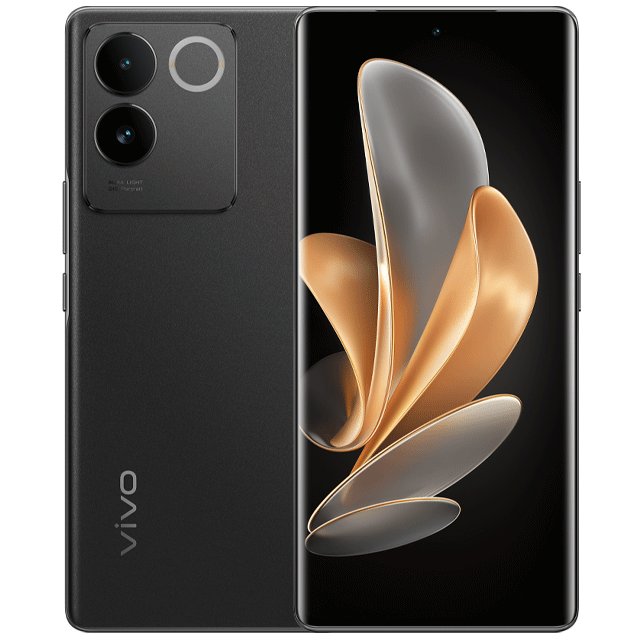
Like the X90, the X90s will come in black, red, and white shades. However, instead of blue, the company will make the X90s in a cyan variant. At present, there is no information on the price of the device. According to reports, the X90s will feature the all-new Dimensity 9200 Plus chipset and support Wi-Fi 7 connectivity. Its other specifications are said to be identical to those of the X90.

Vivo X90s colour variants
Vivo X90s color variants

The Vivo X90s is expected to feature a 6.78-inch AMOLED display with curved edges. It will offer a 1.5K resolution, a 120Hz refresh rate, and an in-screen fingerprint scanner. The phone will come preinstalled with Android 13 OS, which will have a layer of OriginOS 3.0 on top. To keep the lights on, it will have a 4,810mAh battery with 120W fast charging support. For photography, it will feature a 32-megapixel front camera and a 50-megapixel (main, with OIS) + 12-megapixel (ultra-wide) + 12-megapixel (telephoto) triple camera system on the back.

RELATED:

(source|via)

Razer Skins aim to give dbrand a Run for Its Money

Everyone knows Razer. It’s one of the most gaming-synonymous brands that exist out there, and it is renowned for its cutting-edge gaming products. The Company is now expanding its horizons with the introduction of Razer Skins. This new lineup of decorative skins allows gamers to breathe new life into their devices, including the PlayStation 5, Xbox Series S and X, Steam Deck, and more. By combining style and protection, the company wants to make a space for itself in this niche.

The skins also offer light protection against scratches during regular use

While high-quality skins have been popular for some time, with Dbrand (and its impressive marketing) leading the pack, Razer Skins aims to provide a superior experience. Produced in the United States, these skins are crafted using 3M’s high-quality vinyl materials, ensuring a perfect fit and exceptional durability. As per the company, applying the skins is a breeze, requiring nothing more than a careful pair of hands and eyes, although a blow-dryer can come in handy for near-perfect installation.

Razer Skins

Beyond aesthetics, Razer Skins also offer an added layer of protection, safeguarding devices against light scratches and scuffs. And when the time comes to switch to a new skin or remove it altogether, the tech brand claims that the skins leave no residue behind. Furthermore, as new gaming consoles and devices enter the market, Razer Skins could potentially adapt and evolve to offer personalized designs and protection for these devices

Available for purchase on the company’s website, in physical Razer stores, and with select retailers, Razer Skins will be initially offered for the PlayStation 5, Xbox Series S and X, and Steam Deck. The product lineup doesn’t stop there, though. Razer also caters to owners of Razer Blade laptops, MacBooks, Razer Edge, and Razer Kishi V2. Furthermore, the company has plans to expand its skins to cover even more products, including the popular Nintendo Switch, in the near future.

RELATED:

(Via)

Nubia Neo 5G gaming phone launched with 120Hz display, Unisoc T820, 50MP dual cameras

Nubia has announced its mid-range gaming phone, the Nubia Neo 5G, in Thailand. What’s interesting about the device is that it is not powered by a Qualcomm or MediaTek chipset. Instead, it features a new Unisoc chip. Here is a look at the specifications, features, and price of the device.

Nubia Neo 5G specifications and features

Nubia Neo 5G
Nubia Neo 5G

The Nubia Neo 5G features a 6.6-inch ISP LCD panel with a waterdrop notch. The screen produces an FHD+ resolution of 2408 x 1080 pixels and a 120Hz refresh rate. Under the hood, the gaming phone features the 6nm Unisoc T820 chipset that clocks at up to 2.7GHz. The SoC is paired with 8 GB of LPDDR4x RAM and 8 GB of virtual RAM.

Nubia’s mid-range gaming phone packs a 4,500mAh battery with 22.5W fast charging. It offers 256 GB of UFS 2.2 storage and a microSD card slot for additional storage. The device comes preloaded with Android 13 OS.

Nubia Neo 5G
Nubia Neo 5G

The Nubia Neo 5G has an 8-megapixel front-facing camera, and it is fitted with a 50-megapixel (primary) + 2-megapixel dual-camera system on the back. The other features available on the Nubia Neo 5G include dual SIM, 5G, Wi-Fi 802.11ac, Bluetooth 5.0, GPS, NFC, a USB-C port, a microSD card slot, a multi-layer heat dissipation unit, face unlock, and a side-facing fingerprint scanner. Lastly, the device measures 163.7 x 75.0 x 7.98mm.

Nubia Neo 5G price and availability

ZTE’s online stores on Lazada and Shopee are now receiving pre-orders for the Nubia Neo 5G. The device is priced at THB 6,999 (~$199) and comes in two shades: Phantom Black and War-damaged Yellow.

RELATED:

Google updates Gmail to have Themed Icon in Status Bar Notification

Gmail is one of Google’s biggest assets. The company has introduced various updates to its Gmail app for Android. This time, a new update is finally bringing dynamic theming to the app icon in email notifications. With the release of Android 12 and its revolutionary UI design called Material You in the year 2021, Google introduced dynamic theming, allowing UI elements to borrow colours from the active wallpaper for a more layered, connected experience. While many apps have adopted this feature, the app icon in Gmail’s notification shade remained without a theme, looking out of place. However, with the latest version of the Gmail app (2023.05.28.54044.3362), this issue has been addressed.

Users can download the APK file and sideload it if they want the update earlier

Google is known for being an early update provider to its own first-party apps, which makes sense. Gmail has been no exception. The app embraced Material You in September and introduced dynamic color for its widgets shortly after. However, the app icon in the notification shade retained its traditional red colour for unread emails. It is important to note that this is different from the status bar icon. This is the Gmail icon that accompanies the email notification in your status bar when you pull it down.

Gmail Update

The new update now allows the Gmail app icon in email notifications to dynamically match the accent colours of the Quick Settings toggled on. These accent colours are derived from the user’s active wallpaper, resulting in a more harmonious visual experience across the Android system.

To get this update, users can choose to sideload the APK file from APKMirror since the exact timing of its availability on the Google Play Store is uncertain. By manually installing the updated APK, users can enjoy the new dynamic theming feature for the Gmail app without having to wait for it to be pushed as an update or auto-update.

This development showcases Google’s commitment to fixing even the tiniest flaws in the UI, contributing to a better user experience and staying true to Material You. With the Gmail app now blending in with the colour scheme, users can now enjoy an aesthetically appealing notification experience on their Android devices.

RELATED:

(Via)

Realme GT 3 launched with 240W charging in Russia for RUB 69,990 ($865)

Realme GT 3 has gone official in Russia. The flagship phone is now listed on Realme Russia’s website and is available for purchase through multiple retailers, such as DNS, Mvideo, Ozon, Wildberries, and Yandex Market. As it is already known, the GT 3 is a rebranded version of China’s Realme GT Neo 5 240W. In the home market, the GT Neo 5 comes in purple, white, and black shades. However, the GT 3 is available in white and black colours in the Russian market.

Realme GT 3 price in Russia

Realme GT 3
Realme GT 3

In Russia, the Realme GT 3 is priced at RUB 69,990 (~$865). Realme is offering its flagship phone in a single configuration of 16 GB RAM + 1 TB storage in the country. Here is a look at the specifications of the device.

Realme GT 3 specifications

The Realme GT 3 has a 6.74-inch OLED panel that offers a 2772 x 1240 pixels resolution, a 144Hz refresh rate, 10-bit colors, a contrast ratio of 5,000,000:1, and a 100 percent DCI-P3 color gamut. It is equipped with an under-screen fingerprint sensor and offers a screen-to-body ratio of 93.69 percent.

On the front, the Realme GT 3 has a 16-megapixel Samsung S5K3P9SP04 selfie camera. The back panel of the device features a 50-megapixel Sony IMX890 main camera with OIS support. It is paired with an 8-megapixel ultra-wide lens and a 2-megapixel microscope camera. The phone boots to Realme UI 4.0-based Android 13.

Under the hood, the GT 3 features the Snapdragon 8 Plus Gen 1 chipset and 16GB of LPDDR4x RAM. It offers 1 TB of UFS 3.1 storage and packs a 4,600mAh battery. According to the brand, the in-box charger can fully charge the GT 3 in just 9.5 minutes. Last but not least, the device features a C-shaped LED flash unit on the back that can glow in different colors for notifications, charging, and more.

RELATED:

JioPhone 5G live shots, specifications, launch timeframe emerge

In January of this year, details about the JioPhone 5G were made known, unveiling its complete specifications. The phone is anticipated to be released as India’s most budget-friendly 5G device. Recently, an unannounced JioPhone 5G unit was obtained by a Twitter user, who not only shared live images of the device but also provided some insights into its expected launch date and price.

The new leak reveals that the JioPhone 5G will be released in India between Diwali and the New Year. This indicates that the phone will be available for purchase in the country in the last quarter of this year.

It is likely that the JioPhone 5G will be priced under Rs 10,000 (~$122), which means that it may arrive as the most affordable 5G phone in India. The source is not clear whether the device features a Unisoc chip or a MediaTek Dimensity 700 SoC. However, the leak states that the phone is equipped with a 5-megapixel front camera and a 13-megapixel + 2-megapixel dual-camera system on the back.

The handset shown in the leaked live shots appears to be a prototype of the JioPhone 5G. On the front, it features a waterdrop notch display, and its back panel has a vertical dual-camera setup followed by an LED flash and a Jio logo towards the centre. The text “ultimate speed, unlimited experiences” is imprinted at the bottom of the back panel.

JioPhone 5G specifications (rumored)

According to an Android Central that surfaced at the beginning of this year, the JioPhone 5G has a 6.5-inch IPS LCD HD+ (1600 x 720 pixels) resolution display, a side-facing fingerprint scanner, an 8-megapixel front camera, a 13-megapixel (main) + 2-megapixel (macro) dual-camera system on the back. Under the hood, the device will feature the Snapdragon 480 chip, 4 GB of RAM, 32 GB of storage, and a 5,000mAh battery that supports 18W charging. The handset will have a microSD card slot, dual SIM slots, and support for n3, n5, n28, n40, and n78 5G bands.

RELATED:

(source)
Asus Zenfone 10 full specifications, new renders leaked before June 29 launch

Asus Zenfone 10 is all set to go official on June 29 for the global market. Earlier this week, reputed tipster Evan Blass leaked press renders of the smartphone to showcase its design and color variants. The specifications of the phone have also been leaked in bits and pieces. Now, a new report that has surfaced on WInfuture.de has revealed almost everything about the Zenfone 10. Here is a look at its entire specifications and new renders.

Asus Zenfone 10 specifications (rumored)

Asus Zenfone 10
Asus Zenfone 10

According to the report, the Asus Zenfone 10 has a 5.9-inch AMOLED display that supports Full HD+ resolution and a 120Hz refresh rate. The corner punch-hole houses a 32-megapixel selfie camera. The dual-camera setup available on the back has a 200-megapixel Samsung camera and an 8-megapixel ultra-wide lens.

The Zenfone 10 will draw power from the Snapdragon 8 Gen 2 chipset. The report states that the device will ship with 8 GB / 16 GB of RAM and 256 GB / 512 GB of native storage. It will house a 5,000mAh battery. However, there is no information on the phone’s fast charging capabilities. It will come preloaded with Android 13 OS.

Asus Zenfone 10
Asus Zenfone 10

The report further states that the Zenfone 10 will have an IP68-rated dust- and water-resistant body featuring a metal frame and plastic rear. It will come with other features, such as dual speakers, a 3.5mm audio jack, a USB-C port, and an in-screen fingerprint scanner.

Asus Zenfone 10 price (rumored)

According to the publication, the Zenfone 10’s base variant will be priced at $749. As can be seen in the renders, it will be available in shades like red, black, grey, green, and white/silver. For more renders, please visit the source link below.

RELATED:

(source)
How Apple Vision Pro’s Visual Search Will Change the Way We Interact with the World

Apple Vision Pro is still scheduled for release in 2024, but people are eagerly awaiting it. Occasional leaks have only made users more impatient. Recently, we talked about features that Apple wanted to showcase at WWDC 2023 but couldn’t because they weren’t ready yet. Now, the “Visual Search” feature of the headset’s operating system, visionOS, has been revealed. Here are the details…

Apple Vision Pro ‘Visual Search’ Feature Can Identify Items, Text, Translate and More

Apple’s eagerly anticipated headset is getting more and more interesting. The latest news is that it will have a feature called “Visual Search” that uses the power of visionOS to let users interact with their environment in new and innovative ways. With Visual Search, users can easily scan an object or piece of text to get relevant information. For example, if you’re walking down the street and you see a plant you don’t recognize, you can scan it with your headset to instantly learn more about it. This is just one example of how Visual Search could be used.

Apple Vision Pro

Visual Search can also be used to interact with text in the real world. This means that you can select, copy, and paste printed text into apps, just like you would with text in a digital document. Another great feature is that it can translate text between 17 different languages in real time. This makes it easy to communicate with people who speak other languages, even if you don’t know their language yourself. ‘Visual Search’ can also be used to convert units of measurement.

So, if a recipe calls for ingredients in grams, but you’re more familiar with ounces, you can use this new search method to convert the units for you. ‘isual Search is still under development, but it has the potential to revolutionize the way we interact with our surroundings. By blending the digital world with our physical reality, the new feature can make our lives easier, more convenient, and more enjoyable.

RELATED:

(via)
Tesla’s Dojo Supercomputer Enters Production, Propelling Self-Driving Technology to New Heights

In a major development, Tesla has announced that its highly anticipated Dojo supercomputer, designed to revolutionize the company’s self-driving technology, will commence production next month. Dojo represents Tesla’s foray into custom-built supercomputing platforms dedicated to AI machine learning, with a specific focus on video training utilizing data from its expansive fleet of vehicles.

While Tesla already possesses one of the world’s most powerful supercomputers, based on NVIDIA GPU technology, the introduction of Dojo signifies a significant leap forward. This cutting-edge supercomputer, meticulously crafted by Tesla from the ground up, incorporates purpose-built chips and an entire infrastructure tailored to the automaker’s unique requirements.

Dojo’s bespoke architecture is poised to enhance Tesla’s ability to train neural networks using video data, a crucial component of the computer vision technology that underpins the company’s ambitious self-driving initiative. By leveraging the vast amounts of visual information captured by its fleet, Tesla aims to refine and expand the capabilities of its autonomous driving systems.

Elon Musk, CEO of Tesla, has long touted the importance of powerful machine learning hardware in advancing the company’s autonomous driving capabilities. With Dojo’s imminent entry into production, Tesla is signaling its commitment to stay at the forefront of technological innovation in the electric vehicle and autonomous driving sectors.

The Dojo supercomputer represents a significant step towards achieving Tesla’s goal of building a fleet of fully autonomous vehicles capable of navigating roads with unrivaled precision and safety. By utilizing its in-house computing power, Tesla aims to reduce its dependence on external suppliers, thereby gaining greater control over the development and deployment of its self-driving technology.

As the automotive industry intensifies its focus on electric and autonomous vehicles, Tesla’s advancements in AI and supercomputing technology place the company in a favorable position. The successful implementation of Dojo has the potential to accelerate Tesla’s self-driving roadmap, bolstering its competitive advantage and further solidifying its position as a trailblazer in the electric vehicle market.

Related:

(via)

Chinese Cyberspace Administration Announces New Categorization and Legal Framework for AI Services

In a significant development, the Cyberspace Administration of China (CAC) has made an official announcement regarding the release of a comprehensive categorization and legal framework for AI services. Alongside this announcement, the CAC has also published a list comprising 41 companies operating in various AI-related fields. The newly implemented regulation mandates that all Chinese companies involved in the generation of AI-generated content must promptly apply for categorization.

The introduction of this framework by the CAC represents a major step forward in regulating and overseeing the rapidly expanding AI industry in China. By establishing clear categories and guidelines, the CAC aims to ensure that AI services are developed and utilized responsibly, in compliance with relevant laws and regulations.

Under the new regulation, Chinese companies engaged in the creation and dissemination of AI-generated content are required to undergo a categorization process. This process involves assessing the nature and potential impact of their AI services and aligning them with the specified categories outlined by the CAC. It is crucial for these companies to comply with this requirement to ensure transparency and accountability within the AI sector.

In conjunction with the categorization framework, the CAC has released a list featuring 41 companies involved in various AI-related fields. This list serves as a reference for the public, providing insight into the companies operating in the AI domain and the services they offer. By publishing this list, the CAC aims to foster greater transparency and awareness in the AI industry, allowing stakeholders and the general public to have a clearer understanding of the players involved.

The list of AI algorithms encompasses a wide range of categories, including large models, image generation, video generation, voice synthesis, intelligent customer service, and facial simulation. Notably, half of the listed companies are prominent Chinese enterprises, with affiliations to industry leaders such as ByteDance, Alibaba, Baidu, Tencent, Meituan, and iFlytek. This comprehensive compilation reflects the significant presence of these influential companies within the AI landscape, highlighting their contributions and involvement in advancing AI technology in China.

The categorization and publication of the list by the CAC are expected to have a significant impact on the AI industry in China. Companies operating in this space will now have a structured framework to follow, enabling them to align their operations with regulatory requirements. 

Related:

(via)

Google’s Complaint Against Microsoft Could Have Far-reaching Implications for Industry

The relationships between technology companies are often intriguing. These firms can be both competitors and collaborators at the same time. For example, they might work together on a project while also suing each other for millions of dollars or accusing each other of wrongdoing. Most recently, Google accused Microsoft of anti-competitive practices in the cloud computing market. Google sent a letter to the authorities alleging that Microsoft is using its dominant position to push customers towards its own cloud services. Here are the details…

Google Accuses Microsoft of Monopolistic Practices in Cloud Computing

In a letter to the US Federal Trade Commission, Google alleges that Microsoft is using its dominant position in the enterprise software market to push customers towards its Azure cloud computing platform. Specifically, Google takes issue with the integration of Windows Server and Office products into Azure. It argues that this integration makes it almost impossible for customers to switch to other cloud computing platforms, thereby creating an ecosystem of dependency.

Google also points to Microsoft’s practice of charging additional fees to third-party cloud providers for running its software. This policy, enacted by Microsoft in 2019, has resulted in what Google deems an anti-competitive environment in the cloud services sector. Google’s accusations are in line with the concerns of other industry observers. Corey Quinn, a renowned cloud economist, has noted a worrisome trend in the industry towards making it more difficult for customers to switch cloud providers. He has described this trend as “anti-competitive” and “increasingly Herculean.”

Microsoft made the following statement on the subject: We have made changes to our cloud licensing terms to address licensing concerns and provide more opportunity for cloud providers. Worldwide, more than 100 cloud providers have already taken advantage of these changes. And as the latest independent data shows, competition between cloud hyperscalers remains healthy. In the last quarter of 2022 Microsoft and Google made small gains on AWS, which continues to remain the market leader by a significant margin.

The FTC is currently investigating Google’s allegations against Microsoft. The outcome of this investigation could have a significant impact on the future of cloud competition. If the FTC finds that Microsoft is engaging in anti-competitive practices, it could order the company to change its behavior. This could open up the cloud computing market to more competition and give customers more choice.

RELATED:

(via)

Itel introduces the ‘Super Guru’ Feature phone series for the Indian market

Emerging mobile phone brand, Itel has launched the ‘Super Guru’ series of feature phones in India. With the aim of providing affordable and reliable communication solutions to consumers, Itel has introduced three models in this series: Super Guru 200, Super Guru 400, and Super Guru 600. These feature phones offer an impressive array of features and are poised to set new standards in the feature phone market. This is coming weeks after the launch of the affordable Itel S23 smartphone.

Itel Super guru

The Super Guru series comes with mobile payment capability which is an impressive feature considering the limited mobile payment options available to users of feature phones especially in rural India. Users can easily perform UPI functions such as money transfers and bill payments on the go using the GSPay app developed by Gupshup.io and powered by NPCI’s UPI 123 Pay. This seamless integration of mobile payment services brings convenience and accessibility to a wider audience.

Itel Super Guru 600, Super Guru 400 & Super Guru 200 Features

The Super Guru series is designed to be robust and durable, meeting the demands of everyday usage. It features a strong call alert system, ensuring reliable communication even in noisy environments. The structural design of these feature phones has been carefully crafted to withstand wear and tear, ensuring longevity. Additionally, Itel is offering a complimentary transparent and dotted cover with the Super Guru series, combining style and protection for the devices.

Specifically, the Super Guru 200 packs a 1200mAh battery which is a whole lot for a feature phone. The battery is said to deliver a staggering 21-day standby time. The phone packs a 1.8-inch display and crams a 1.3 MP camera at the back. It comes with a metal finish as well as a wear-resistant keypad.

The Super Guru 400 has a slightly bigger display of 2.4 inches in size. The phone features an ultra-slim metallic design measuring just 9.8 mm. It equally crams a 1200mAh which provides up to 14 days battery life. The phone also features UPI payment capability.

Finally, the topmost model, the Itel Super Guru 600 features an elegant ergonomic metal design with a comfortable grip. It boasts a 2.8-inch display and a bigger 1900mAh battery which can deliver an impressive 20-day standby time. Just like its counterparts, the device supports UPI payments and features a 1.3 MP camera.

Itel Super Guru 600

Pricing and availability

The Super Guru 200 is priced at Rs. 1499 ($18), the Super Guru 400 at Rs. 1699 ($20), and the Super Guru 600 at Rs. 1899 ($23), making these feature phones highly affordable for a wide range of consumers. They will be available for purchase on Itel’s official website as well as through other authorized retailers starting today.

Related: 

(via)

Cisco Launches New SiliconOne AI Networking Chips: The Most Powerful in the Market

Artificial intelligence is becoming increasingly widespread. Companies are constantly developing new AI technologies to compete with or integrate with OpenAI’s ChatGPT. Cisco is the latest company to join this race, but not in the way you might think. Instead of developing new AI software, Cisco is launching new AI networking chips. These chips aim to rival the offerings from Broadcom and Marvell. Here are the details…

New Cisco AI Networking Chips Aim to Speed Up AI and Machine Learning Tasks

Cisco has launched new AI networking chips that are designed to compete with the offerings from Broadcom and Marvell. These chips are part of Cisco’s SiliconOne series and are being tested by five of the six major cloud providers, including Amazon Web Services, Microsoft Azure, and Google Cloud.

Cisco AI chip

The new chips are said to be the most powerful networking chips in the market for AI/ML workloads. They can connect up to 32,000 GPUs together, which can help to speed up AI and machine learning tasks. Cisco also says that the chips can help to reduce the number of switches needed in a network, which can further improve performance.

As the use of AI grows, so does the demand for AI networking chips. These chips help companies build and deploy AI applications more quickly and efficiently. AI applications are becoming more complex and demanding, which means that they need high-performance chips. Cisco is meeting the growing demand for AI networking chips.

The company’s new chips are powerful and energy-efficient, which is important for AI applications. This could help companies save money on their energy bills. Cisco is a major player in the networking industry, and its new chips could help the company to gain market share in this growing market.

RELATED:

(via)

Apple Vision Pro: A Step Forward for VR, But Still a Long Way to Go

Apple’s Vision Pro mixed reality headset was recently unveiled at WWDC 2023. The headset, which is scheduled to go on sale in 2024, has captured everyone’s attention with its features. However, it has been revealed that Apple did not showcase all of the features that were originally planned. Here are the details…

Apple still has a lot of secret apps for Vision Pro in the works

The Vision Pro showcase at WWDC 2023 was impressive. We saw how the headset could be used for different applications, but it turns out that the event was originally planned to be even more spectacular. Apple had originally planned to show off a number of features that were not yet ready, include a Tai Chi app, a Nike workout app, a yoga app, games that require precision control, the ability to run Mac apps directly on the headset, and augmented or 3D Apple TV+ content.

Many of the health or fitness functions are on pause because they rely on full-body tracking, which isn’t working yet. Apple told developers that full-body tracking will be available when the device ships. In addition to software issues, there have also been hardware problems that have slowed down the development of the headset. For example, face cushions have been researched, but it’s not clear how they would have been used. The Vision Pro also lacks “brow cams,” which would have been used to more accurately depict a user’s facial expressions.

According to former team members at Apple, fitness was also removed from the demo because of other hardware concerns. The external battery pack was considered cumbersome, and the front glass of the headset is too fragile to survive a wearer bumping into walls. It’s possible that Apple will release some of these features in future updates, but for now, it looks like we’ll have to wait a little longer to see the full potential of the Vision Pro.

RELATED:

(via)

Google Play Store 36.3.12 APK now rolling out

Google has just unveiled its latest update for the Google Play Store, with version 36.3.12 now available for Android devices. Although the app itself doesn’t include explicit changelogs, the recently released June 2023 Google System Updates provide valuable insights into the changes implemented.

Illustration: Soumyakanti Ray

Download Google Play Store Apk

The file size for the new update stands at 21.81 MB, making it readily accessible for all Android devices running Android 10+. While this update will install automatically in the background, users can choose to download it manually, ensuring seamless integration.

The Google Play Store’s June 2023 changelogs reveal three key areas of improvement. First, there are updates to search results and ad formats specifically tailored for app-based search queries. This will offer users more streamlined results, providing them with a more intuitive and efficient browsing experience.

Secondly, Google has improved the loading latency of ads on the Home Page. Long load times can be an inconvenience, causing users to potentially miss out on app recommendations. This tweak will reduce the waiting time, providing users with a smoother, more seamless browsing experience.

The third improvement targets a key area of user interaction – reviews. Select search results now highlight crucial information from user reviews. This feature enables users to glean key insights about apps and games directly from the reviews of other users. This helps users make more informed decisions about which apps to download and try.

As always, Google continues to prioritize the safety and stability of its applications. Regularly released updates not only introduce new features but also keep Google Play Store secure, bug-free, and more user-friendly.

Google launched a new feature two months back that empowers users to erase their data from specific apps. This new addition is a clear reflection of Google’s ongoing commitment to upholding user data privacy, offering users an easy and efficient way to manage their personal information across various apps.

RELATED: