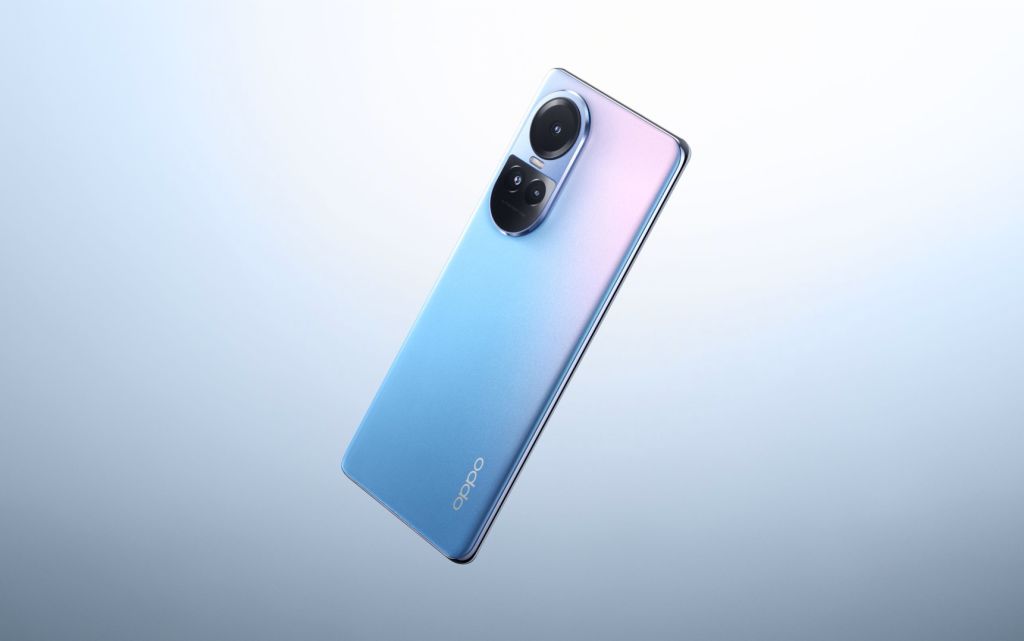
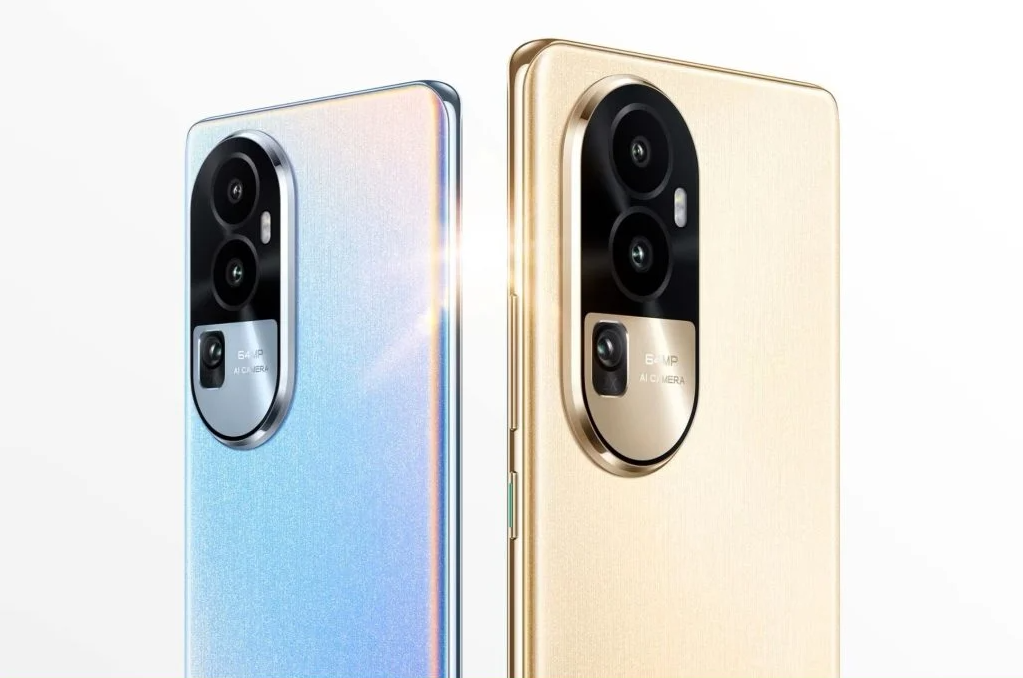
Earlier this month, Oppo launched the Reno 10 series smartphones in India. This included the vanilla Reno 10, the Reno 10 Pro and the Reno 10 Pro+. Last week, the Reno 10 Pro and 10 Pro+ both went on sale in India, however, the brand is yet to reveal the pricing and availability details of the vanilla model.
According to a tweet from tipster Abhishek Yadav, the Reno 10 is expected to be priced at ₹28,499 in India. However, it’s worth noting that this pricing may include initial bank offers, potentially leading to the actual price being a few thousand rupees higher.
Oppo Reno 10 specs
The Oppo Reno 10 features a large 6.7-inch AMOLED display with a smooth 120Hz refresh rate. Under the hood, it is powered by the MediaTek Dimensity 7050 SoC, which is essentially a rebranded version of the Dimensity 1080 chip. This variant comes with 8GB of RAM and a spacious 256GB internal storage capacity.
On the photography front, the Reno 10 boasts a 64-megapixel triple rear camera setup, ensuring impressive image capturing capabilities. For selfies and video calls, there is a 32-megapixel front-facing camera. Keeping the device running is a substantial 5,000mAh battery, and users can enjoy the convenience of 67W fast charging support for quick recharging.
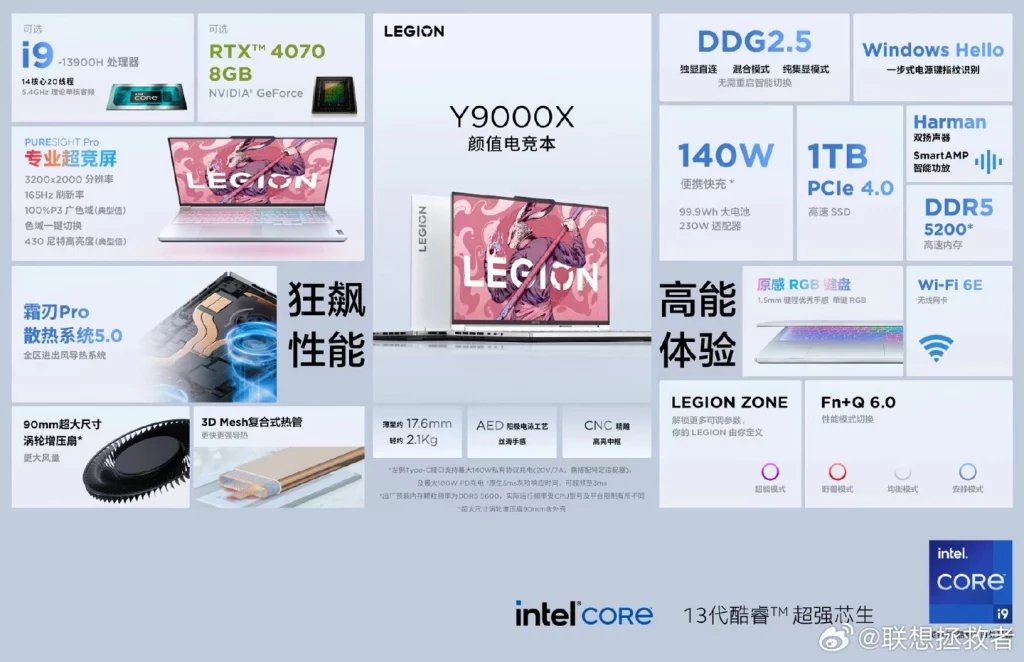
Lenovo Legion Y900X 2023 is one of the many laptops the Chinese company is launching this month. This notebook will be introduced on July 22 in China alongside the Legion Y700 2023 gaming tablet. While we wait for the official debut, the company has announced complete specifications of the laptop. It will bring Core i9 processor, support 140W charging, and offer a 165Hz refresh rate display. Here are the details.
Lenovo Legion Y900X 2023 Specifications
Lenovo Legion Y900X 2023 will debut with a premium build quality, featuring an ACD surface and 11-knife CNC carved frame. The keyboard on the laptop comes with a single-key RGB design, meaning each key can be individually illuminated with a different color. The Lenovo laptop comes equipped with up to i9-13900H processor, paired with RTX 4070 GPU. Further, the machine also gets DDR5-5200 RAM and up to 1TB SSD.
(Via ITHome)
The laptop measures 17.6mm thin and weighs 2.1kgs. The screen is 16-inch with 3200*2000 resolution, 165Hz refresh rate, 100% P3 color gamut, and 430 nits brightness. There are 90mm Harman tuned speakers as well as Wi-Fi 6 support. Lenovo will offer the laptop in China in a single white color while the global market may get other colors as well. Lenovo Legion Y900X 2023 has a built-in 99Wh battery and supports 140W fast charging.
Note that this laptop configuration will be announced on July 22. The company will also launch the Legion Y900X 2023 with an R7 7840H processor on July 29. Currently, the pricing details for either variant are not known. We will learn the details during the respective launch dates. Stay tuned for updates.
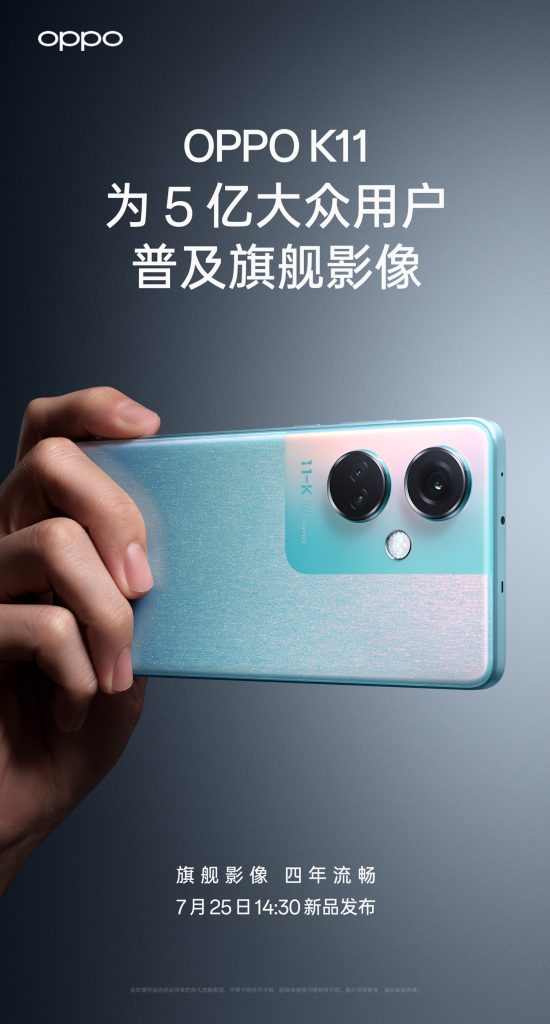
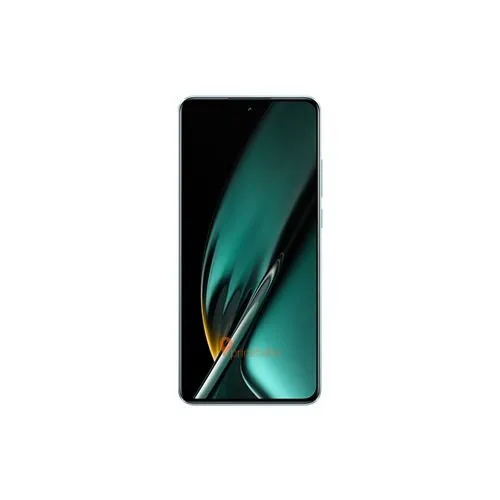
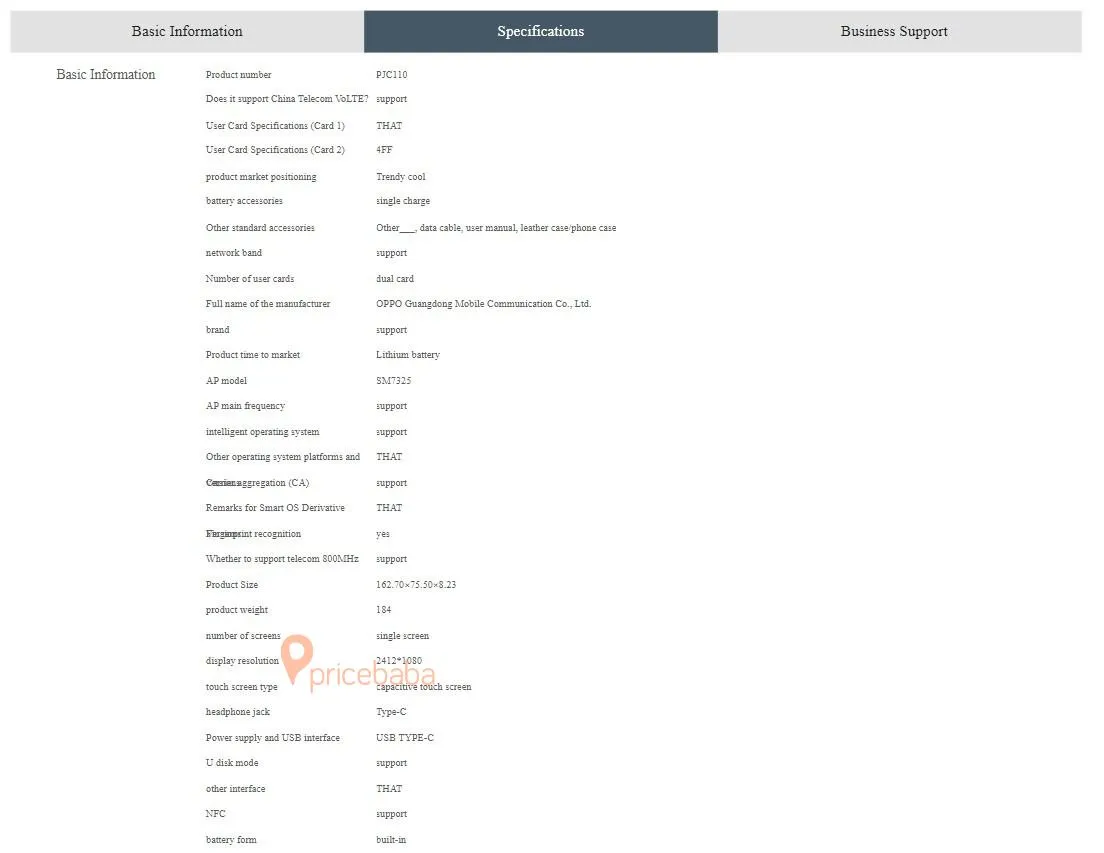
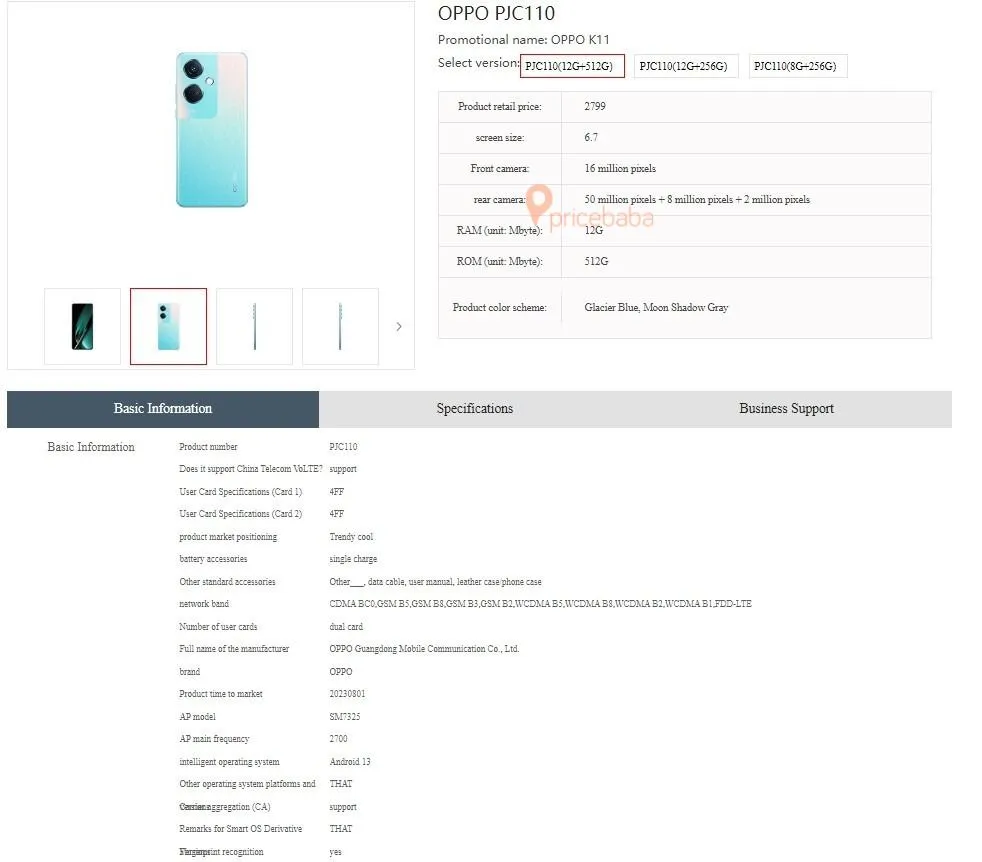
Oppo is preparing to introduce its latest smartphone, the K11, to the Chinese market on July 25. Previous leaks and teasers strongly suggest that the Oppo K11 is essentially a rebranded version of the OnePlus Nord CE 3, which was recently launched in India. The Chinese Telecom Regulatory Authority website has now revealed comprehensive details about the Oppo K11, including its specifications, pricing,g, and design.
Oppo K11 design & specs
As per the listing, the Oppo K11 will feature a 6.7-inch FHD+ display with 2412×1080 pixels resolution. The device will have a triple-camera setup including a 50MP + OIS, an 8MP secondary camera and a 2MP auxiliary camera.
The device will come in three configurations: 8GB + 256GB, 12GB + 256GB and 12GB + 512GB. It will also feature a 4870mAh battery, Android 13 operating system, dual-SIM support, NFC support, and a USB Type-C port.
As for the design, the phone will have a flat frame and flat back. The device has “11-K” written below the camera module. On the front side, there is a centered punch hole for the selfie camera. The volume rockers and power buttons are present on the right side.
Oppo K11 pricing
The specifications and design of the Oppo K11 smartphone leave little doubt that it is essentially a rebranded version of the OnePlus Nord CE 3. The OnePlus Nord CE 3 was launched in India with a base price of Rs 26,999 ($329). Oppo China’s president shared a post on Weibo, indicating that the Oppo K11’s price in China will be approximately 2,000 yuan ($277).
That being said, the China Telecom listing reveals that the Oppo K11 will cost 2299 yuan for the 8GB + 256GB, config, 2599 yuan for the 12 GB + 256GB config, and 2799 for the 12GB + 512GB config.
Xiaomi’s MIUI 15 development seems to be at pace as we have started to learn details about the OS through recurring leaks. Recently, MIUI 15 alpha builds were spotted on Xiaomi server and it also apparent that the Redmi Note 13 and Xiaomi 14 series will run the latest version out of the box. In the latest development, a report has shared two features that Xiaomi might introduce with the MIUI 15. Here are the details.
The team at Xiaomiui has uncovered two new features coming to MIUI 15. The more notable of the two is an improved clipboard that will allow users to copy and paste images and files. This is a feature that is already available on Samsung phones, and it can be very convenient for quickly sharing content between apps. For example, you could copy an image from a website and paste it into a Telegram chat without having to open the gallery (See screenshot below).
The other feature will offer Xiaomi phones a volume boost. As per the publication’s findings, MIUI 15 will add a new toggle in the quick settings menu that will let you increase the volume output by up to 200%. This should make multimedia experience on the phones much better and also help you enjoy content in noisy environments.
There’s no news regarding the launch date of MIUI 15. Rumor has it the custom skin will be introduced in China in December and make it to the global market early in 2024. This aligns with MIUI 14 launch last year. As mentioned, Redmi Note 13 as well as the Xiaomi 14 phones will debut with MIUI 15.
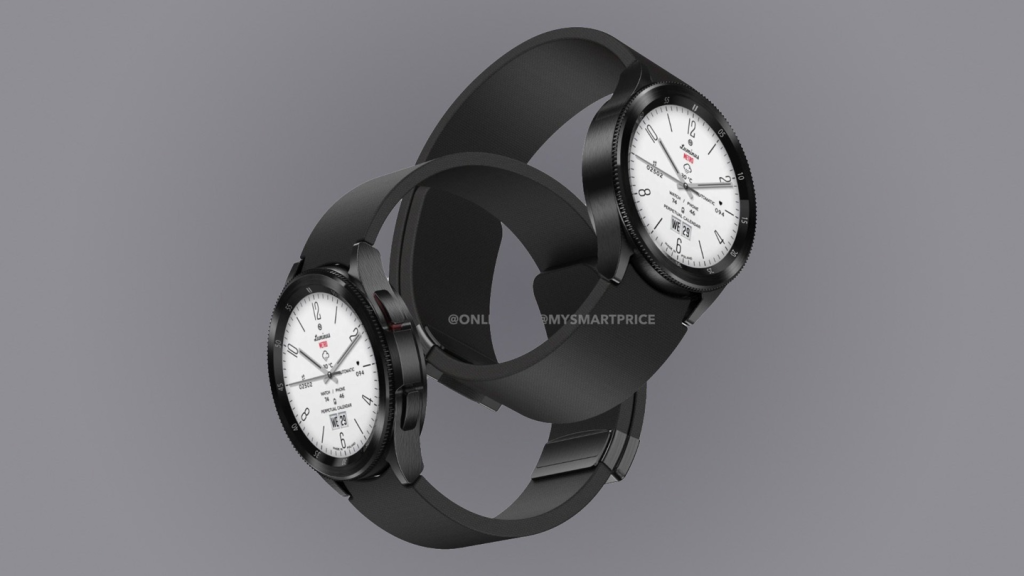
Samsung is preparing to launch the Galaxy Watch 6 series, alongside the Galaxy Z Fold 5 and Galaxy Z Flip 5, at the upcoming Unpacked event on July 26th in South Korea. A report from SnoopyTech, a Twitter tipster, hints at the potential release of a Business Edition Galaxy Watch 6 variant.
Samsung Galaxy Watch 6 Business Edition may arrive
Details about how the Business Edition of the Galaxy Watch 6 will differ from the standard model in design and specifications remain unclear. However, it is speculated that Samsung might market this variant with a unique focus, much like they do for their Enterprise smartphone models. Back in May, Samsung launched Galaxy A14, A34, and A54 Enterprise Edition phones in Australia.
Galaxy Watch 6 series specs
Based on a leak, the complete specifications of the forthcoming Samsung Galaxy Watch 6 and Galaxy Watch 6 Classic have been disclosed. The Galaxy Watch 6, available in 40mm and 44mm sizes, will boast AMOLED displays with resolutions of 432 x 432 pixels and 480 x 480 pixels, respectively. The watches will be equipped with a 300mAh battery for the 40mm version and a 425mAh battery for the 44mm version.
The Galaxy Watch 6 Classic will come in 47mm and 43mm sizes, featuring AMOLED displays with resolutions of 480 x 480 pixels and 432 x 432 pixels, along with a physical rotating bezel made of stainless steel. Both watches will be powered by the Exynos W930 chipset and have 2GB of RAM. They will also include various sensors, health-focused features, and connectivity options such as Wear OS, Wi-Fi, optional 4G, NFC, GPS, and Bluetooth 5.3, in addition to water and dust resistance certifications.
Alongside the premier watch series and smartphones, Samsung is also set to debut flagship tablets, Galaxy Buds, and the Galaxy SmartTag 2.
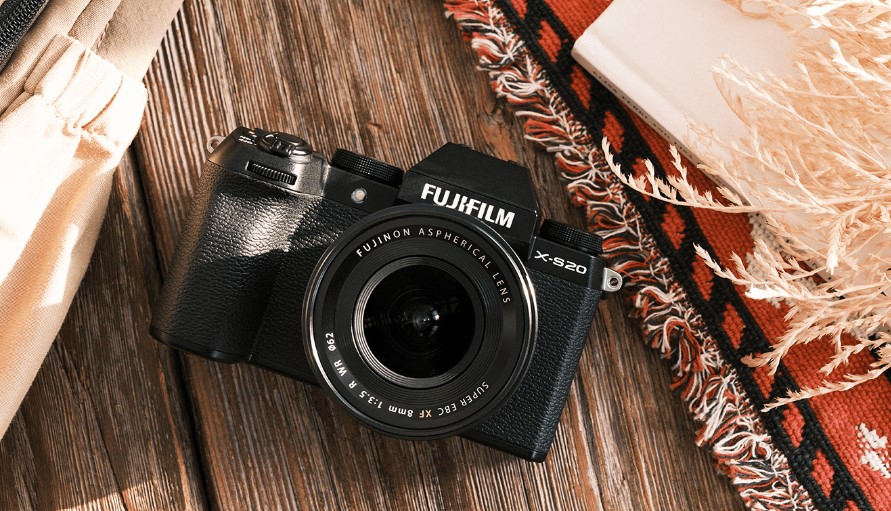
Fujifilm has launched a new mirrorless camera in India. It is called the Fujifilm X-S20. The newest offering is a compact mirrorless camera aimed at content creators. It succeeds the 2020’s X-S10 model. Read on to know what the X-S20 offers out of the box.
Fujifilm X-S20 specifications and features
The Fujifilm X-S20 is a lightweight and compact mirrorless camera. Dimension-wise, it measures 127.7mm x 85.1 x 65.4mm and weighs 491 grams. It has the signature X-S series handheld grip for ease of use and mobility. There is a rear 3-inch vari-angle LCD monitor with touch support. The camera features a built-in pop-up flash and an electronic viewfinder.
In terms of optics, the Fujifilm X-S20 is equipped with a 26.1MP X-Trans CMOS 4 sensor. It has an upgraded X-Processor 5 Image Sensing Processor unit that is said to offer twice the performance of its predecessor. It is said to offer superior autofocus and image quality. The camera offers mechanical and electronic shutter modes. The Fujifilm X-S20 also features subject-based AI AF to identify different and fast-moving objects like animals, vehicles, and much more. The mirrorless camera has 19 dedicated film simulation modes and a five-axis in-body image stabilization with 7.0 stop compensation.
The Fujifilm X-S20 is capable of shooting up to 6.2K 10-bit video footage at 30fps. It also supports F-Log2 13+ stops dynamic range in videos. There is also a dedicated Vlog mode. Users can connect a headset as well as a microphone with the 3.5mm audio combo jack. It can also be used as a webcam by connecting the camera to a PC with a USB-C port.
The Fujifilm X-S20 carries a price tag of Rs 1,18,999. It should be available for purchase from the brand’s website and stores across the country.
Last week, Huaweiintroduced the FreeBuds SE 2, the latest addition to its affordable earbud series. The successor to the FreeBuds SE model is currently available for purchase in China for a price of 179 yuan ($25). The earbuds and the charging box come in ceramic white color.
Key Features of the FreeBuds SE 2:
The FreeBuds SE 2 are stylishly designed semi-in-ear earbuds that are not only aesthetically pleasing but also ergonomic. Each earbud is lightweight, weighing just 3.8g, ensuring that users can enjoy their music comfortably and without interruption.
Equipped with Bluetooth 5.3 technology, the earbuds deliver excellent stability and a low-latency connection. This translates into an engaging audio experience with minimal delay and reduced power consumption.
The FreeBuds SE 2 also offers a hassle-free pairing experience, particularly with Huawei smartphones. The earbuds automatically go into pairing mode when the charging case is opened, triggering a pop-up notification on the smartphone for easy and smooth pairing.
In terms of battery life, the FreeBuds SE 2 excels with up to 9 hours of playback time on a single charge and a total of 40 hours when used with the charging case. This ensures that users will not run out of battery during their day. Additionally, a rapid 10-minute charge can provide up to 3 hours of playback time.
The FreeBuds SE 2 can also be integrated with Huawei’s Smart Life app for an enhanced user experience. This app allows users to easily monitor the earbuds’ battery status and to personalize touch commands for a unique audio experience.
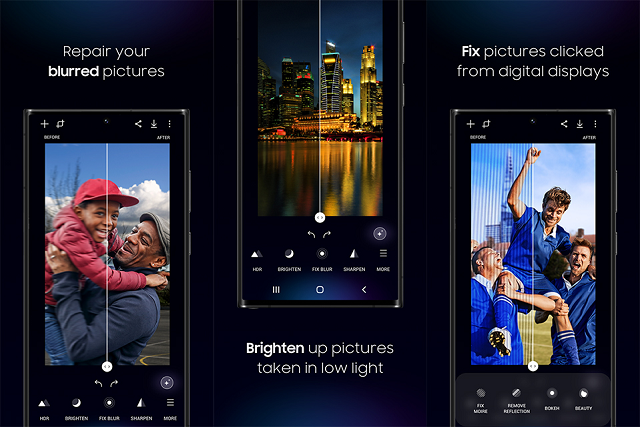
Samsung Galaxy Enhance X is an AI-based image editing app that was released last July. It was initially available for the Galaxy S22 series and later expanded to some of the Galaxy Note, Galaxy S, and Galaxy Z-series devices. Now, the South Korean brand has announced that the app is now available for more devices. Additionally, there are also improvements to the image-editing app. Read on to know more.
Samsung Galaxy Enhance X app now available on more devices
The Samsung Galaxy Enhance X app is available for download from Galaxy Store for free. Check the list of compatible smartphones below.
Galaxy Note 20 and Galaxy Note 20 Ultra
Galaxy S20, Galaxy S20+, Galaxy S20 Ultra, Galaxy S20 FE
Galaxy S21, Galaxy S21+, Galaxy S21 Ultra, Galaxy S21 FE
Galaxy S22, Galaxy S22+, Galaxy S22 Ultra
Galaxy S23, Galaxy S23+, Galaxy S23 Ultra
Galaxy Z Flip, Galaxy Z Flip 5G,
Galaxy Z Flip 3, Galaxy Z Fold 3
Galaxy Z Flip 4, Galaxy Z Fold 4
Galaxy Z Fold 2
Samsung said that it is working on releasing the Galaxy Enhance X app for the Galaxy A, Galaxy M, and Galaxy Tab series devices. However, it will only be compatible with devices running Android 13-based OneUI 5.1 and later. The stable version of the photo-editing app also fixes bugs found in the beta version. It now comes with the ability to restore old, low-res photos and also fix lens distortion in wide-angle shots.
Samsung also revealed that the Galaxy Enhance X app will also get more features like document scanning and enabling video support.
Vu has launched two new smart televisions in India. They are a premium offering with a whopping price tag. The TVs are dubbed Vu Masterpiece QLED. The company had launched Premium TV 2023 Edition earlier in March this year. Read on to know about the latest TVs.
Vu Masterpiece QLED specifications and features
The Vu Masterpiece QLED TV is offered in 85 and 95-inch screen sizes. Both feature quantum dot technology and bear a 4K display resolution with a 120Hz refresh rate, 1,000 nits peak brightness, and a 10-bit color depth. There is support for Dolby Vision IQ, HDR10+, HLG, and MEMC. The televisions are also capable of upscaling 4K content. There is AMD FreeSync technology onboard. Design-wise, the Vu Masterpiece QLED TVs feature an Aerospace-grade metal aluminum frame.
On the audio front, the Vu Masterpiece QLED TV is equipped with four master speakers and one subwoofer that is capable of outputting 204W sound. There are a host of audio features like Dolby Atmos, Dolby Audio, Dolby Digital, and more for an immersive sound experience.
Under the hood, the Vu Masterpiece QLED TV is powered by a quad-core processor paired with 3GB RAM. Software-wise, it runs on Google TV OS and comes with a built-in Chromecast. Connectivity options on the televisions include Bluetooth 5, dual-band WiFi, four HDMI ports, two USB ports, and an Ethernet.
The Vu Masterpiece QLED TV carries a price tag of Rs 6,00,000 for the 98-inch variant whereas the 85-inch model costs Rs 3,00,000. Both televisions can be purchased from the brand’s website and Amazon.
Ubisoft has just announced the closed beta for the upcoming Assassin’s Creed mobile game spin-off that will be set in China. The new title is free to play and will be available on iOS and Android devices. So here are all the details.
Assassin’s Creed Jade is set in 3rd Century China
As per the official announcement, the close beta for Assassin’s Creed Codename Jade will kick off on 3rd August 2023. The new mobile game from the French developer was made in collaboration with Tencent’s Level Infinite. So for those interested, you can start your journey across third-century China by visiting the official website of Assassin’s Creed Jade and signing up by clicking on “Register & Subscribe”.
The registration for Codename Jade’s closed beta is open till July 27th. Those signing up for the game will also need to check their email for the closed beta questionnaire. The minimum requirement for Android devices includes Snapdragon 865 SoC or above and Android 10 OS or above, while iOS devices need to be iPhone 11 model or above. Notably,
For those unaware, the Assassin’s Creed series is one of the most popular franchises from Ubisoft and this title is also a refreshing entry from the studio, which is renowned for making large open-world action games for PCs and consoles. But keep in mind that this is a closed beta, and other there will only be a limited number of participants (5,000) accepted to experience the early build of the game. Assassin’s Creed Jade will have you explore iconic sites like the Great Wall of China and uncover a series of dark conspiracies.
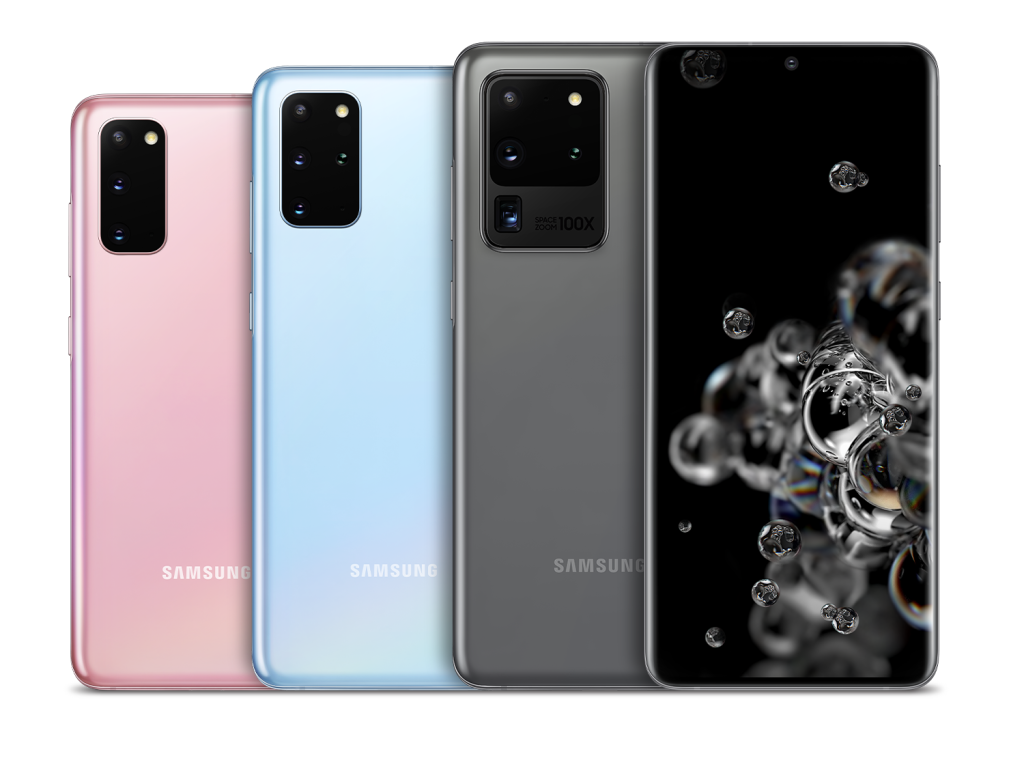
Samsung has rolled out the July 2023 security patch for its Galaxy S20 lineup, following the recent updates of its successors Galaxy S21, S22, and S23 series. The global update has been launched across various parts of the world including Asia, Europe, and Latin America.
The latest update brings important security enhancements to the Galaxy S20 series, consisting of the S20, S20+, and S20 Ultra models. Users can check for the update by going to Settings > Software Update on their devices.
According to Sammobile, the LTE Galaxy S20 and Galaxy S20+ models in Latin America will be updated with firmware versions G98xFXXUHHWF1 and G98xFXXSIHWF7 respectively. On the other hand, the 5G variants of the Galaxy S20 series in the same region are receiving the update with firmware version G98xBXXSIHWF7. Meanwhile, the 5G variants of the Galaxy S20, S20+, and S20 Ultra in Asia and Europe are set to receive firmware version G98xBXXSIHWF6.
What’s new in this update?
Samsung’s July 2023 security patch addresses 90 security flaws in Galaxy devices, with 52 fixes contributed by Google and 38 developed by Samsung (SVEs). Among them, three are critical and 56 are high-priority vulnerabilities, while the rest pose moderate risks. Additionally, Samsung had already included three fixes in the June patch, now incorporated in the July patch by Google. The flaws spanned various areas, including manual package installation, audio system access control, UWB chipset identifier, broadcast SMS configuration, Galaxy Themes Service, Settings, and internal testing functions, exposing the devices to potential unauthorized code execution.
Galaxy S20 series specs overview
The Galaxy S20 series, launched in 2020, comprises the S20, S20+, and S20 Ultra models. The S20 and S20+ boast 6.2-inch and 6.7-inch Quad HD+ Dynamic AMOLED 2X Infinity-O displays respectively, with a 120Hz refresh rate. They are powered by either Snapdragon 865 or Exynos 990 processors and feature triple rear cameras and 8K video shooting capabilities. Furthermore, these models offer IP68 water and dust resistance, backed by 4,000mAh and 4,500mAh batteries respectively. The high-end S20 Ultra variant presents a massive 6.97-inch display, a 108-megapixel main camera, and a hefty 5,000mAh battery with 45W fast charging.
Apple’s Watch Series 4 and later are equipped with ECG sensors. It helps in detecting atrial fibrillation (AFib) which is a chronic condition of irregular heart rhythm. Now users of the Apple Watch 4 and later in India can track AFib history. The feature depends on ECG and is also the first of its kind on a wearable device in India. Read on to know more about it below.
AFib history now available for Apple Watch users in India
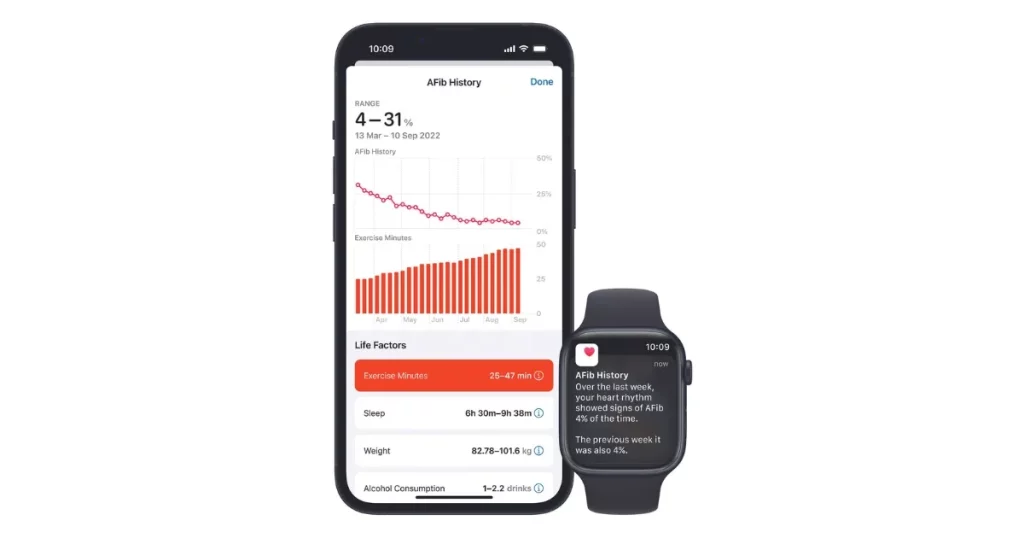
The AFib history enables users to track the frequency of their heart rhythm showing signs of atrial fibrillation. It is only available on Apple Watch 4 and newer versions with WatchOS 9. The feature is incredibly helpful for individuals already diagnosed with AFib as it allows them to track the amount of time their heart shows signs of AFib and manage important lifestyle factors. We have already come across multiple instances of the Apple Watch saving users’ lives by detecting irregular heartbeats on time.
Atrial fibrillation causes the heart to beat faster. The symptoms are shortness of breath, palpitations, chest pain, dizziness, and more. These require lifestyle changes like a healthy diet, weight loss, and more. The new AFib History feature on the Apple Watch lets users track the time their heart is in AFib. It gives a weekly AFib burden estimate and it can be managed by factors like sleep, exercise minutes, alcohol consumption, and mindful minutes. Users can also view their history and compare it with life factors in the Health app on their iPhones.
To set up an AFib history, a doctor’s diagnosis is important. Users must report their symptoms to a doctor who will then direct them to a cardiologist specializing in arrhythmias. Additionally, the watch should be worn 12 hours a day for 5 days a week with heart rate and wrist detection enabled. Follow the steps below to set up AFib history.
Open the Health app on the iPhone
Tap on the Browse tab in the bottom right and scroll to Heart
Scroll down and select AF History
Tap on Get Started.
Fill in your date of birth and tap Yes to confirm AFib diagnosis by a doctor
Tap on Continue, and you will be shown the details of AFib History, life factors, and results.
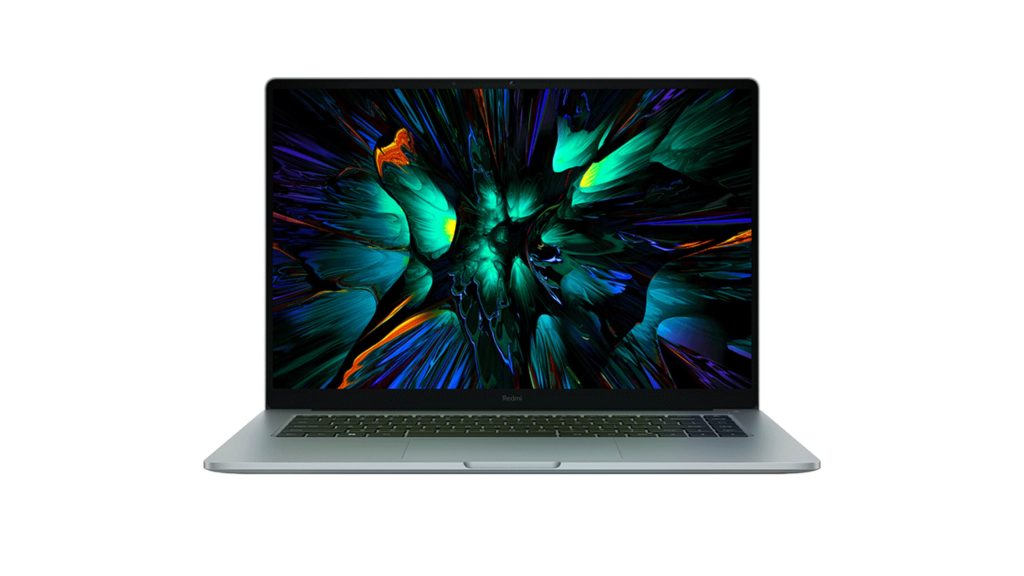
Redmi has launched a new laptop in China called RedmiBook Pro 15 2023 Ryzen Edition. This is the third-gen model as the brand has been releasing notebooks in this series annually since2021.
Just like its predecessors, it acts as an alternative to the regular RedmiBook Pro 15 model which comes powered by Intel processors. Let’s check out the specs of this computer along with its pricing and availability.
RedmiBook Pro 15 2023 Ryzen Edition Specifications
The Redmi Book Pro 15 2023 Ryzen Edition comes powered by AMD Ryzen 7000 series processors. The notebook can be availed with either Ryzen 5 7640HS or Ryzen 7 7840HS processor.
These chips are paired with dual cooling fans, 16GB LPDDR5 RAM, and 512GB PCIe 4.0 SSD. As for software, the device ships with Microsoft Windows 11 operating system.
Further, the computer uses metal unibody construction. It comes with WiFi 6 and essential ports, such as 2 x USB 3.2 Gen2 (Type-C), 1 x USB 3.2 Gen1 (Type-A), 1 x HDMI 2.1, a 3.5mm headphone jack, and a card reader.
It sports a 15.6-inch 16:10 display with an 89% screen-to-body ratio. The LCD panel offers a resolution of 3200 x 2000 pixels, 242 PPI, a 120Hz refresh rate, and 500 nits peak brightness level. The display supports DC dimming and Dolby Vision.
The laptop features a full-size backlit keyboard with 0.2mm key travel. The fingerprint sensor is embedded into the power key and it has a large trackpad. Other features include a 1080p webcam and Dolby Atmos-supported dual stereo speakers (4W).
Last but not least, the notebook is backed by a 72Wh battery with support for 100W charging and USB PD 3.0 standard.
RedmiBook Pro 15 2023 Ryzen Edition Price
The RedmiBook Pro 15 2023 Ryzen Edition is offered in the following variants in China.
Ryzen 5 7640HS / 16GB + 512GB – ¥4,599 (~$640)
Ryzen 7 7840HS / 16GB + 512GB – ¥4,799 (~$665)
The laptop is currently up for pre-order. It will go on sale from July 21. There’s no official word on its international availability.
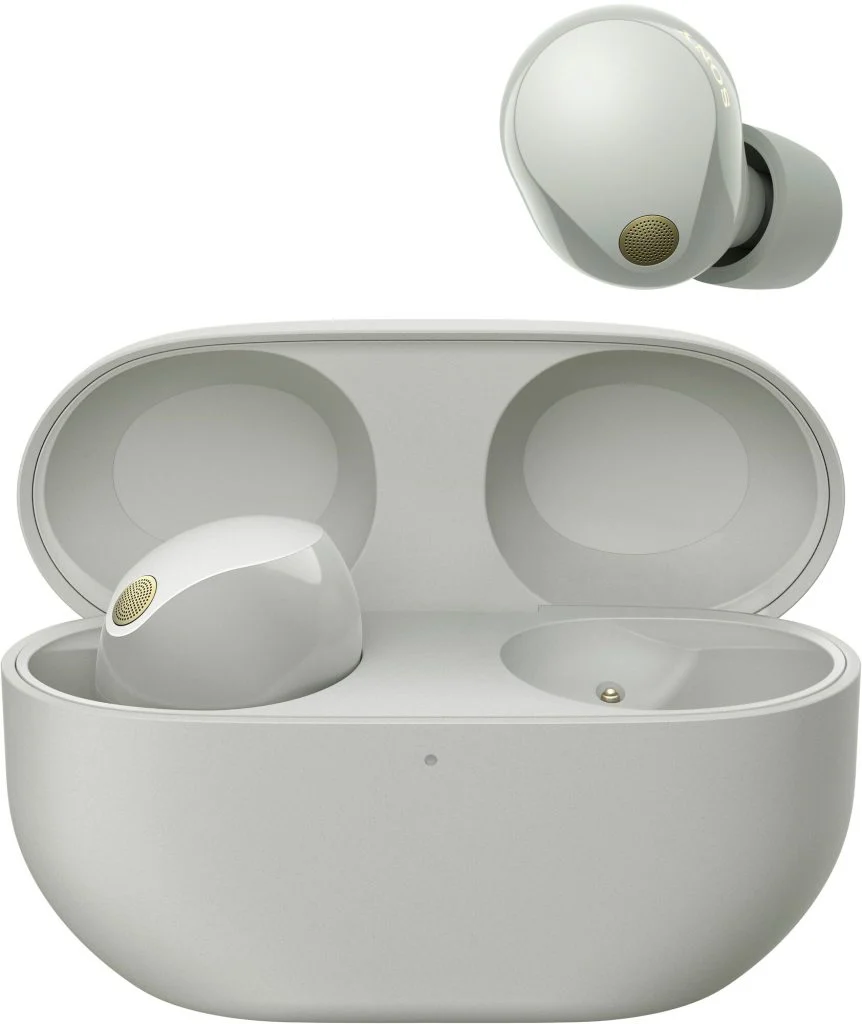
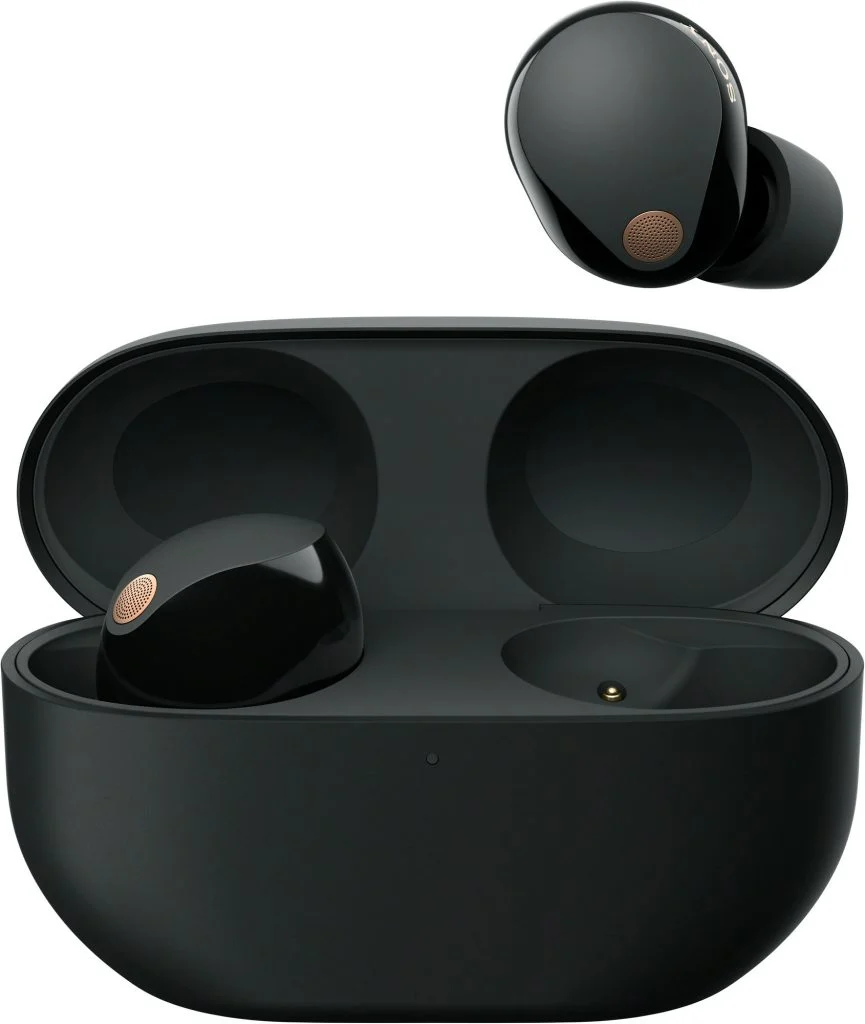
Sony has officially announced the launch date for their premium earbuds, the Sony WF-1000XM5, after numerous leaks and certifications. The highly anticipated earbuds will be released on July 24 at 9 AM ET. Let’s explore the features that have been revealed so far.
Sony WF-1000XM5 specs (known and rumored)
The Sony WF-1000XM5 TWS earbuds are said to weigh just 5.9 grams per bud, making them comfortable for extended wear. They have 8.4mm Dynamic Driver X delivering exceptional audio quality. These earbuds feature two proprietary processors and dual-feedback microphones, enabling real-time optimization of the active noise cancellation (ANC) for an immersive sound environment. With three microphones in each earbud, they capture ambient noise precisely. HiRes Audio and DSEE Extreme support further elevate the audio performance.
Moreover, the WF-1000XM5 earbuds incorporate Precise Voice Pickup technology, ensuring crystal-clear call quality, even amidst noisy surroundings. The charging case houses a 500mAh battery, providing a remarkable total battery life of 24 hours. A quick 3-minute charge grants an hour of playback time, while a full charge for both the case and earbuds takes only 2 hours. The Sony WF-1000XM5 earbuds are expected to support Bluetooth 5.3, allowing for seamless multi-device connectivity and effortless switching between devices. Additionally, there are rumors of an IPX4 certification, indicating potential resistance to sweat and splashes, making these earbuds suitable companions for workouts and everyday use.
If you’re a console gamer or generally prefer playing with controllers, you probably recognize the term stick drift. This horrifying phenomenon plagues almost every first-party controller from brands like Microsoft, Sony, and Nintendo. However, it appears that there is one controller for the Xbox consoles that is completely immune to this annoying issue.
Meet the GameSir G7 SE Xbox Controller
This isn’t the first time a drift-free controller has been seen in the market as some accessory manufacturers like GuliKit and 8BitDo are popular for using Hall effect sensors that don’t suffer from stick drifts. And now, the newest controller to offer such a feature is the GameSir G7 SE controller for Xbox. This model is a wired controller that is built for Microsoft’s Xbox Series X, Series S, and PCs from its USB Type-C port.
The controller offers two programmable rear buttons and a magnetically removable paintable faceplate that brings another layer of customization. Apart from the Hall effect sensors, the controller also offers lockout switches for the rear buttons to prevent accidental activation. The GameSir G7 SE comes with a white body and is a refresh to the original G7 controller.
As of right now, the G7 SE is listed on Amazon for a price tag of just 49.99 US Dollars. This is just 5 US Dollars more than the original G7 variant. You can also click here to check out our list of the ‘Best Gaming Controllers of 2023’ that will enhance your gaming experience.
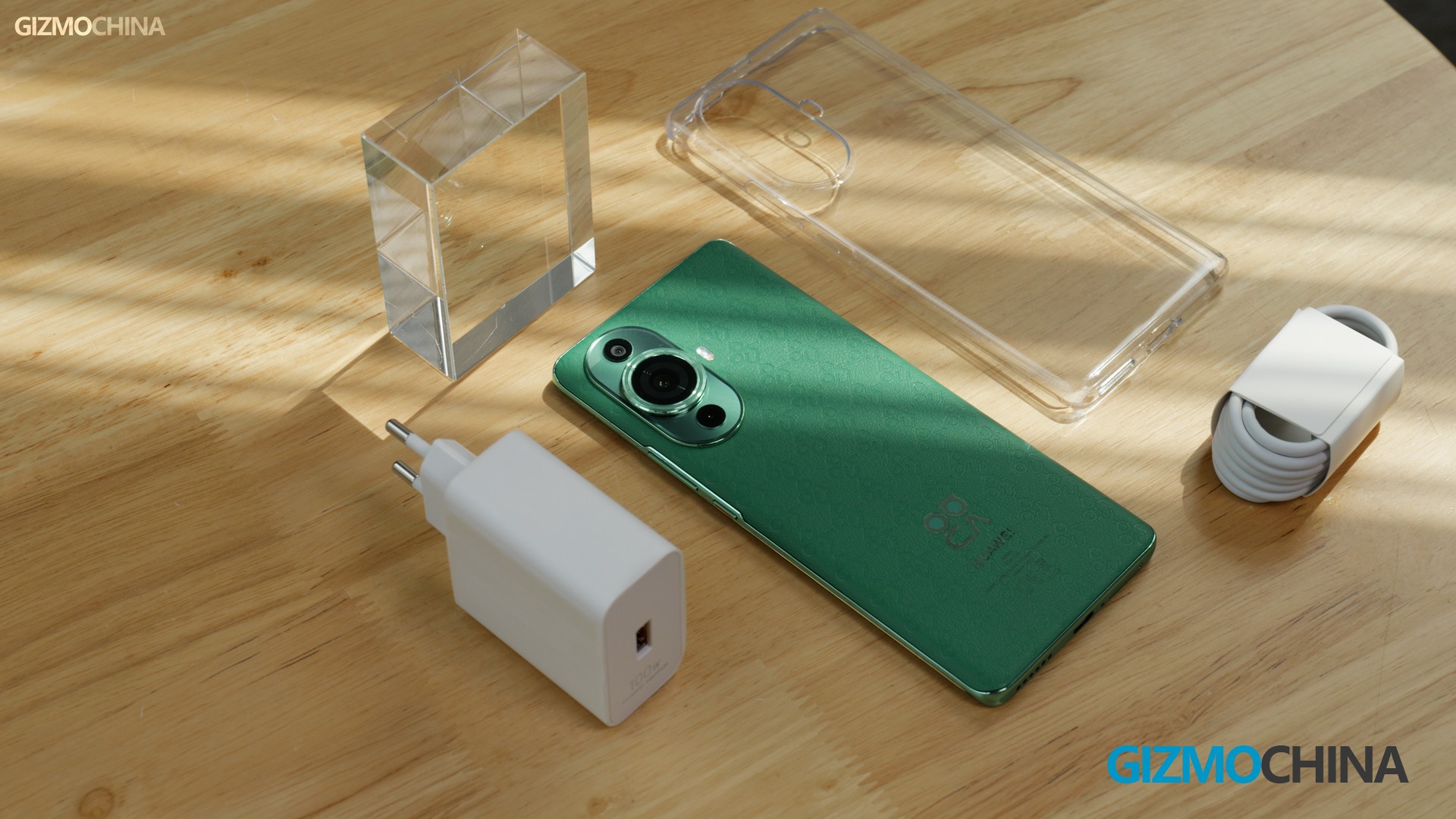
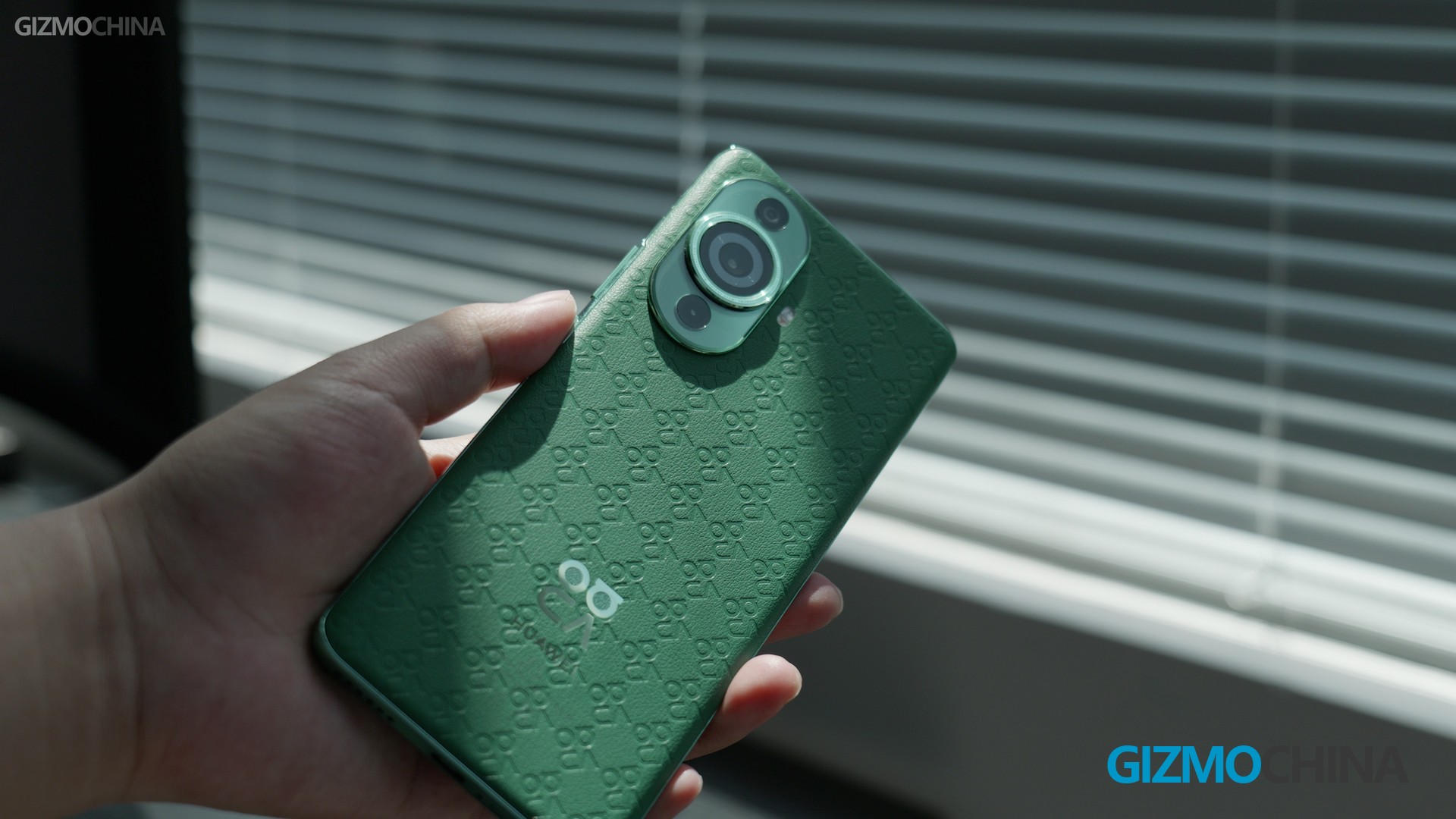
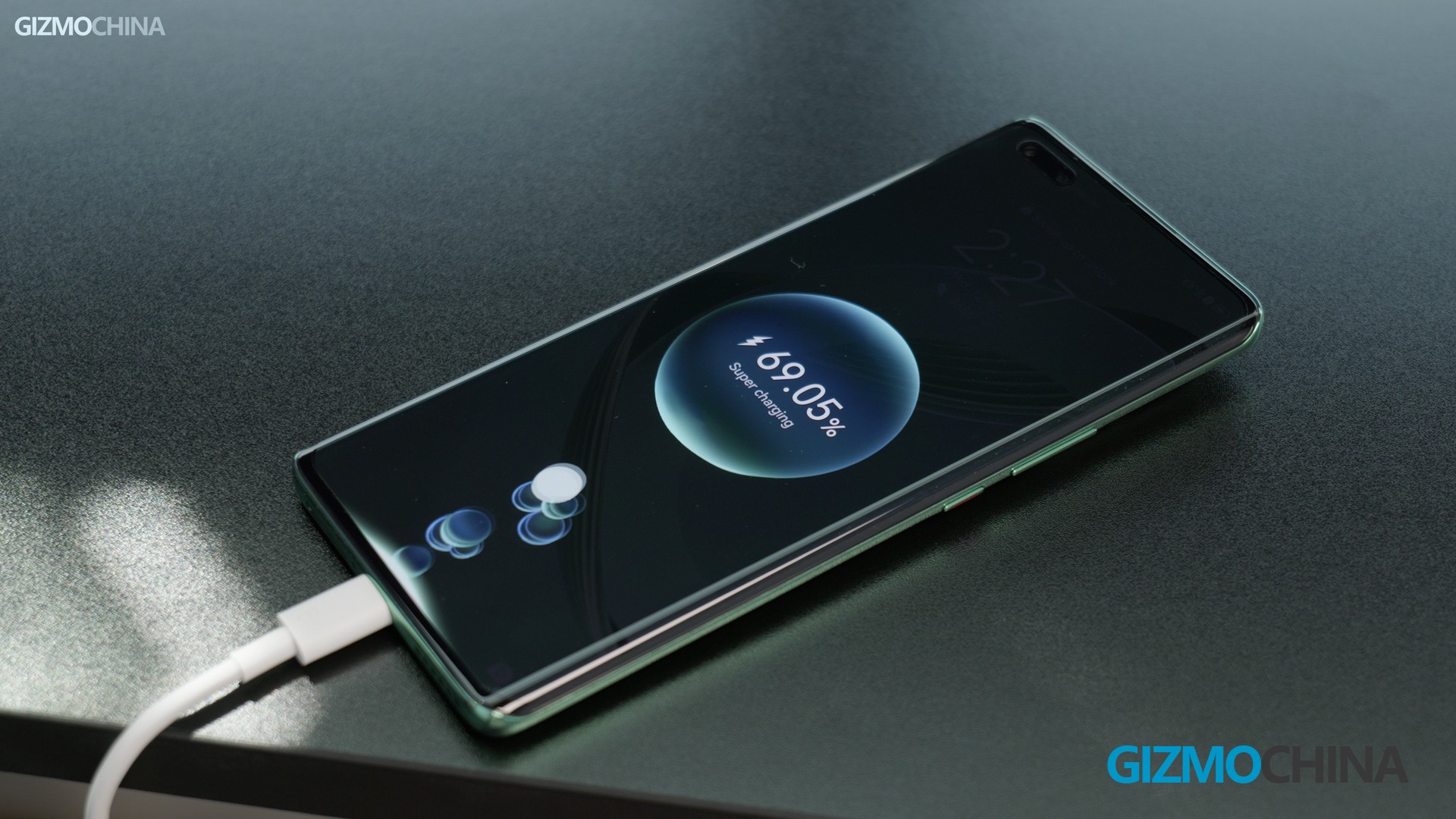
Hey everyone! Today, I got my hands on an impressive phone, the Huawei Nova 11 Pro, featuring a cool green, leather-like texture design. And this phone has a Qualcomm Snapdragon 778G processor. FHD+ resolution , a vibrant 120Hz refresh rate on an edge-curved OLED screen, running on Huawei’s latest EMUI 13. This phone is another refreshing model for those young people who loves unique design and selfies, so let’s talk about it.
Unboxing
The packaging of the Nova 11 Pro is pretty simple but comes with a pleasant surprise: a transparent soft phone case. The screen is curved, and it’s great to have factory-fitted protective screen film on it, saving us a lot of trouble. Included in the package are a fast 100-watt charger and a type-C charging cable.
Design
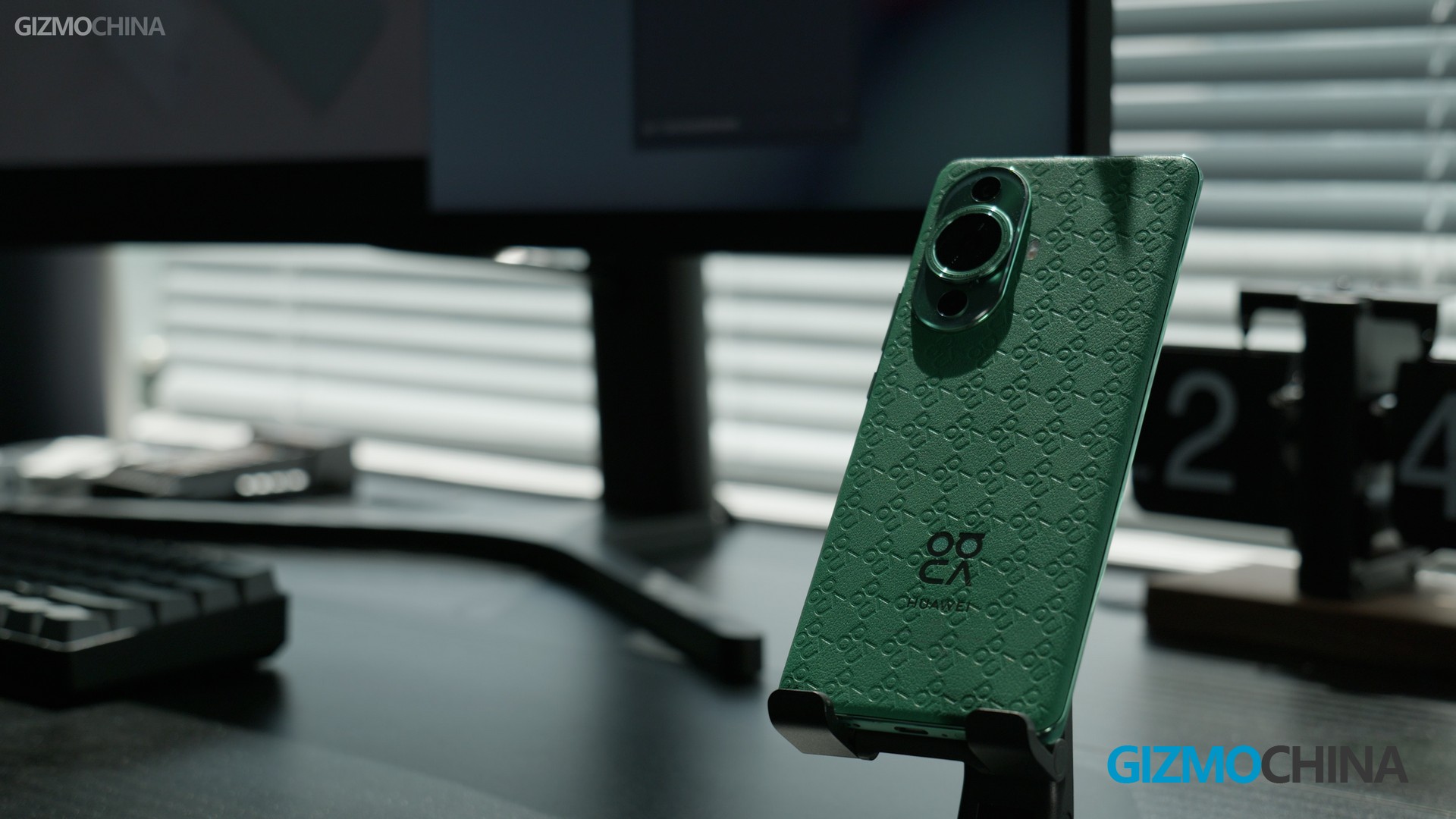
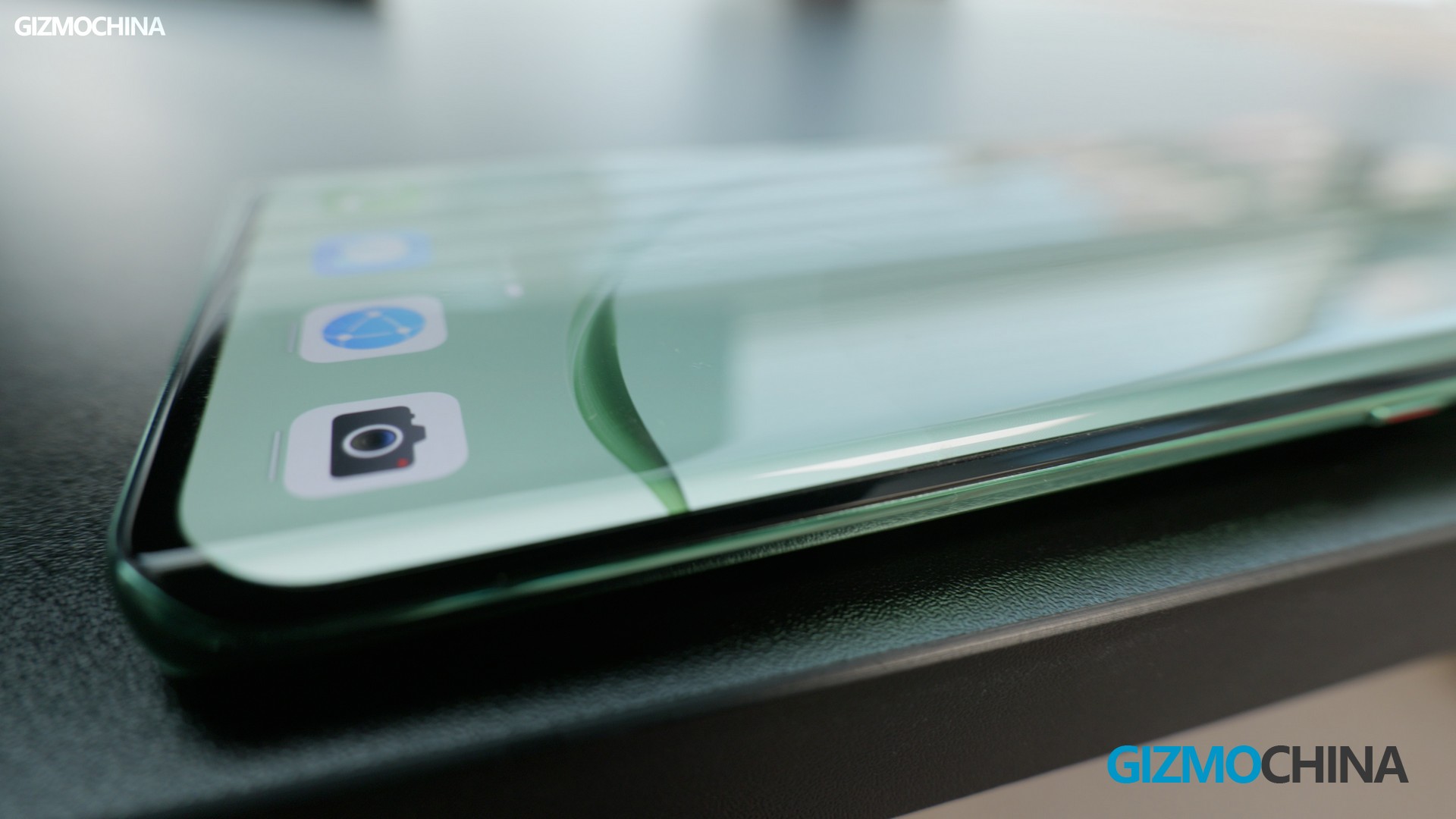
The premium design of this phone is an instant eye-catcher. The vibrant green leather-like material, especially on the back cover, alongside the etched logo of the Nova brand gives it a premium, high-end feel. Coupled with the aluminum alloy frame and a unique striking camera design at the back, the aesthetic of the Huawei Nova 11 Pro is very satisfying. The camera setup is designed as the main lens in the center, surrounded by some unique ring texture, and info of the specs detailing around the lens adds a unique touch to it. Overall, It looks like a delicate ladies leather bag.
The Huawei Nova 11 Pro, with its 6.78-inch screen size and weight of 188g, feels incredibly comfortable in hand, thanks to its ergonomic size, weight distribution, and slightly curved screen. Protected by Kunlun glass, you can safely enjoy the unique feel of the phone without a case.
Camera
But the highlight of the phone is its image quality. The main camera has a high-resolution 50-megapixel lens with a large aperture. This powerful camera, combined with a big sensor, allows exceptional low light performance and portrait bokeh capabilities.
When I shoot human object, the skin and clothing texture details of the characters are crystal clear. The out-of-focus bokeh effect is subtly soft and pleasing to the eye. Shooting photos in daylight, particularly towards the sun, results in surprisingly well-balanced images. Leaves and buildings aren’t cast into heavy shadows, and the glare doesn’t wash out the image or turn it gray. I must say, the HDR performance is quite impressive.
Now, let’s talk about night-time photography. The Huawei Nova 11 Pro’s main camera has a variable aperture of f1.9 and a special big sensor that delivers excellent noise control. This means even in low-light scenarios, the images have minimal grain or blur and the highlights don’t get overexposed.
The phone also has a neat trick up its sleeve: an 8-megapixel ultra-wide macro lens and a rear laser focus system that open up new ways to capture the world.
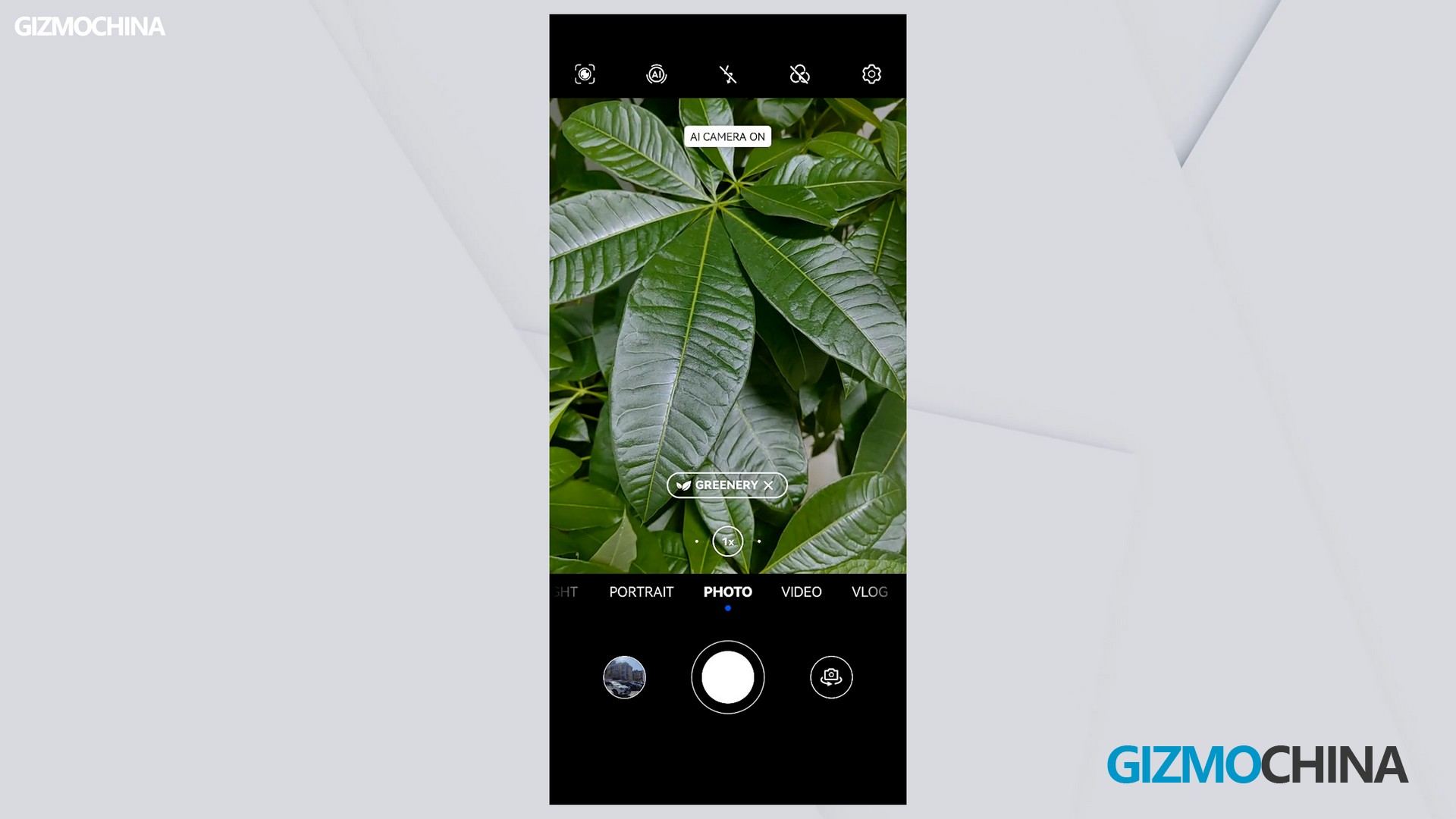
The rear laser focus system on the Huawei Nova 11 Pro effortlessly captures dynamic objects with great precision. This ensures you don’t miss those unexpected, precious moments in your life. On a day-to-day basis, the AI image system proves incredibly useful. It identifies key subjects in the frame and fine-tunes the color of the photos automatically, making for a hassle-free shooting experience. As a camera phone, the Huawei Nova 11 Pro will not disappoint.
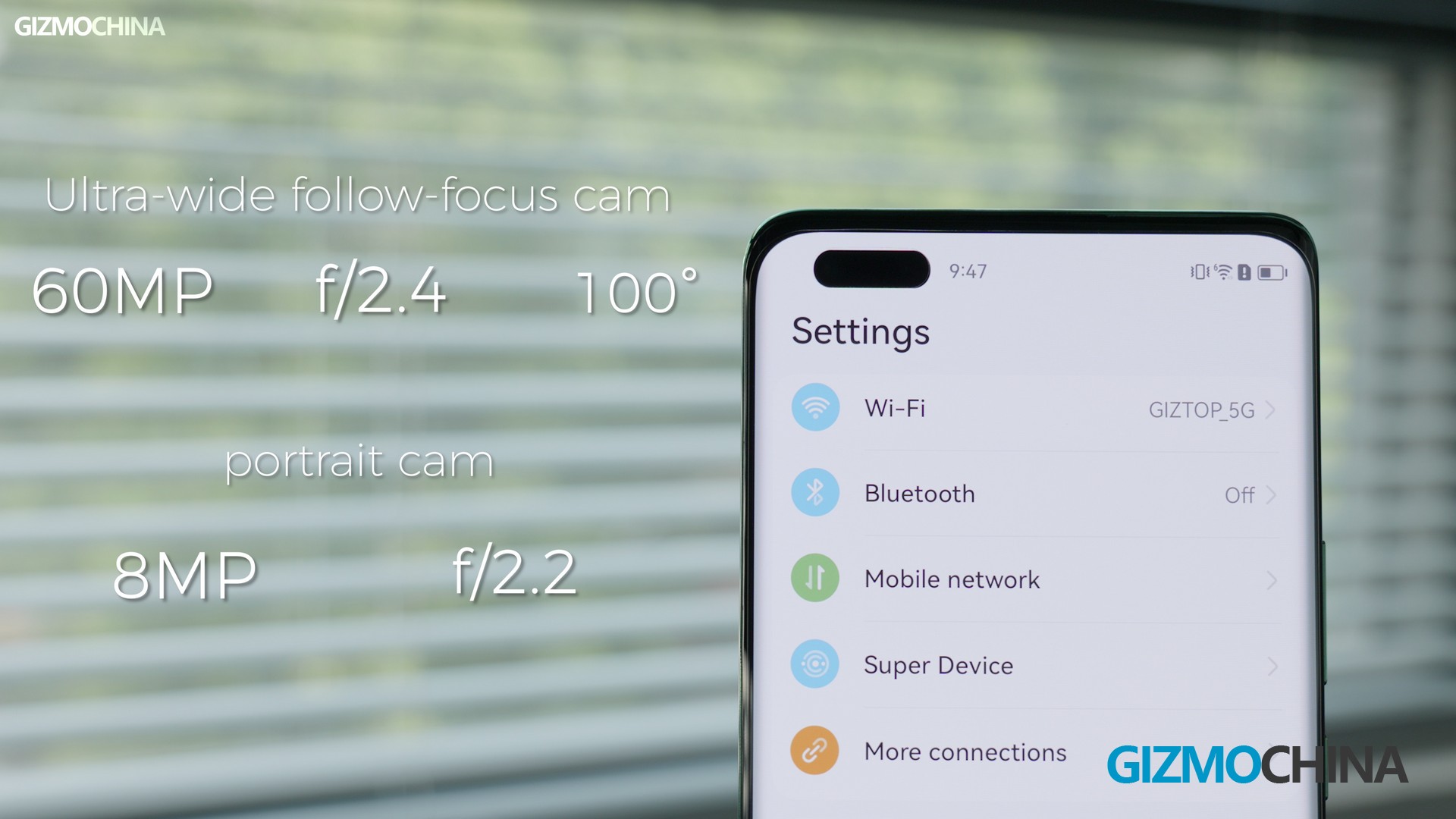
Let’s not forget about the selfie lovers! The Huawei Nova 11 Pro features a dual-camera setup – a 60-megapixel front-facing lens with follow focus and an 8-megapixel portrait lens, offering the ultimate solution for selfie enthusiasts. The camera is further boosted by Huawei’s built-in, fine-tuned portrait algorithm. It provides various levels of customizable settings like skin smoothing, face slimming, skin tone adjustments, and many creative selfie effects. If you’re into selfies, you’re certainly going to fall in love with this phone!
In terms of video shooting, the Nova 11 Pro supports up to 4K at 30fps. However, it’s worth noting that beautification features and effects cannot be used at 4K or high frame rates. A slight downside, but the phone’s strong electronic image stabilization does compensate for this.
Screen
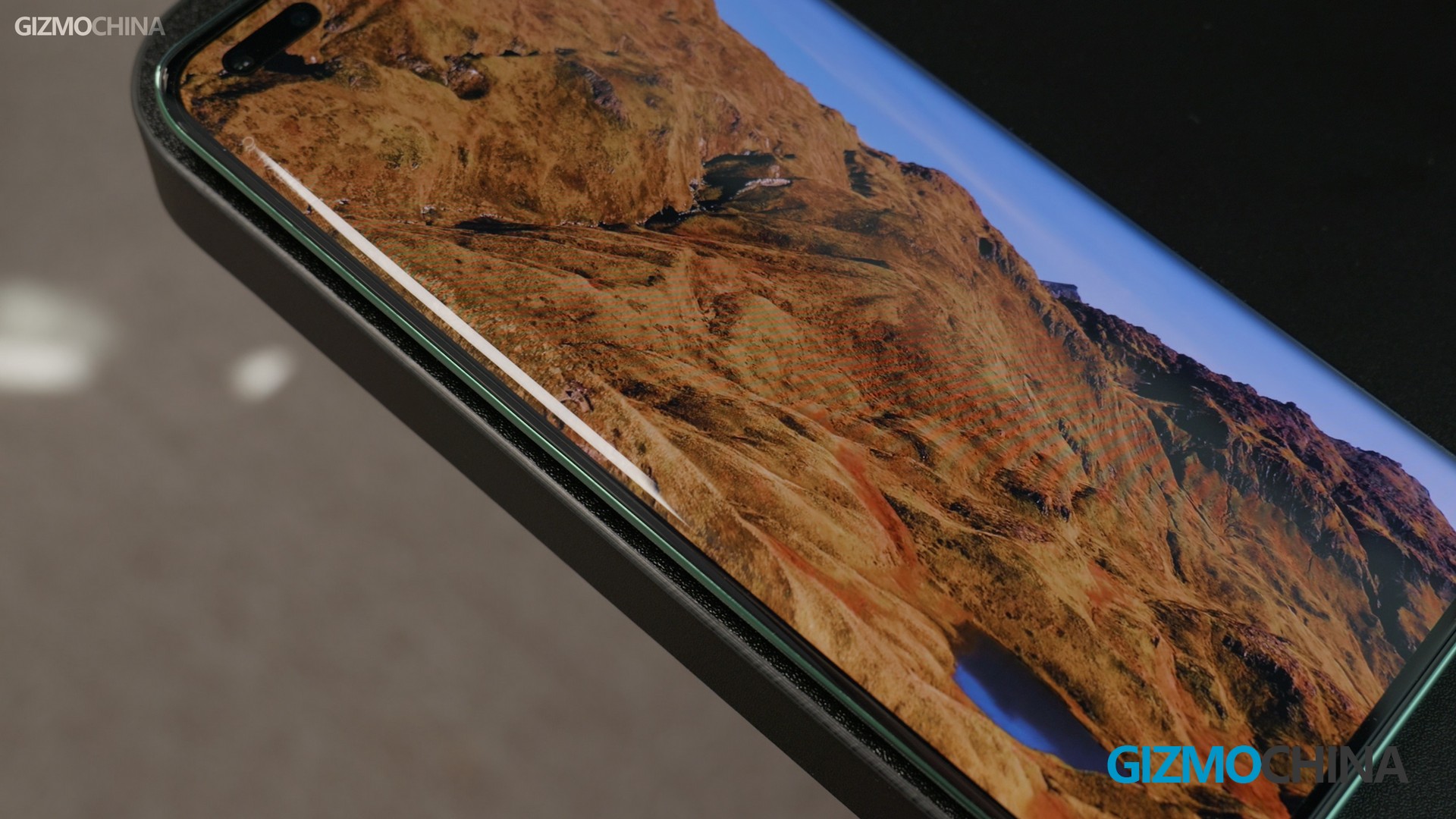
Now, back to the brilliant edge-curved OLED screen. It boasts a 93.4% screen-to-body ratio, creating a premium look and feel. With a resolution of 2652×1200 and automatic 120Hz refresh rate, images appear crystal clear and transitions are smooth. Plus, the screen brightness is more than 800 nits, so it performs well even in direct sunlight.
Performance
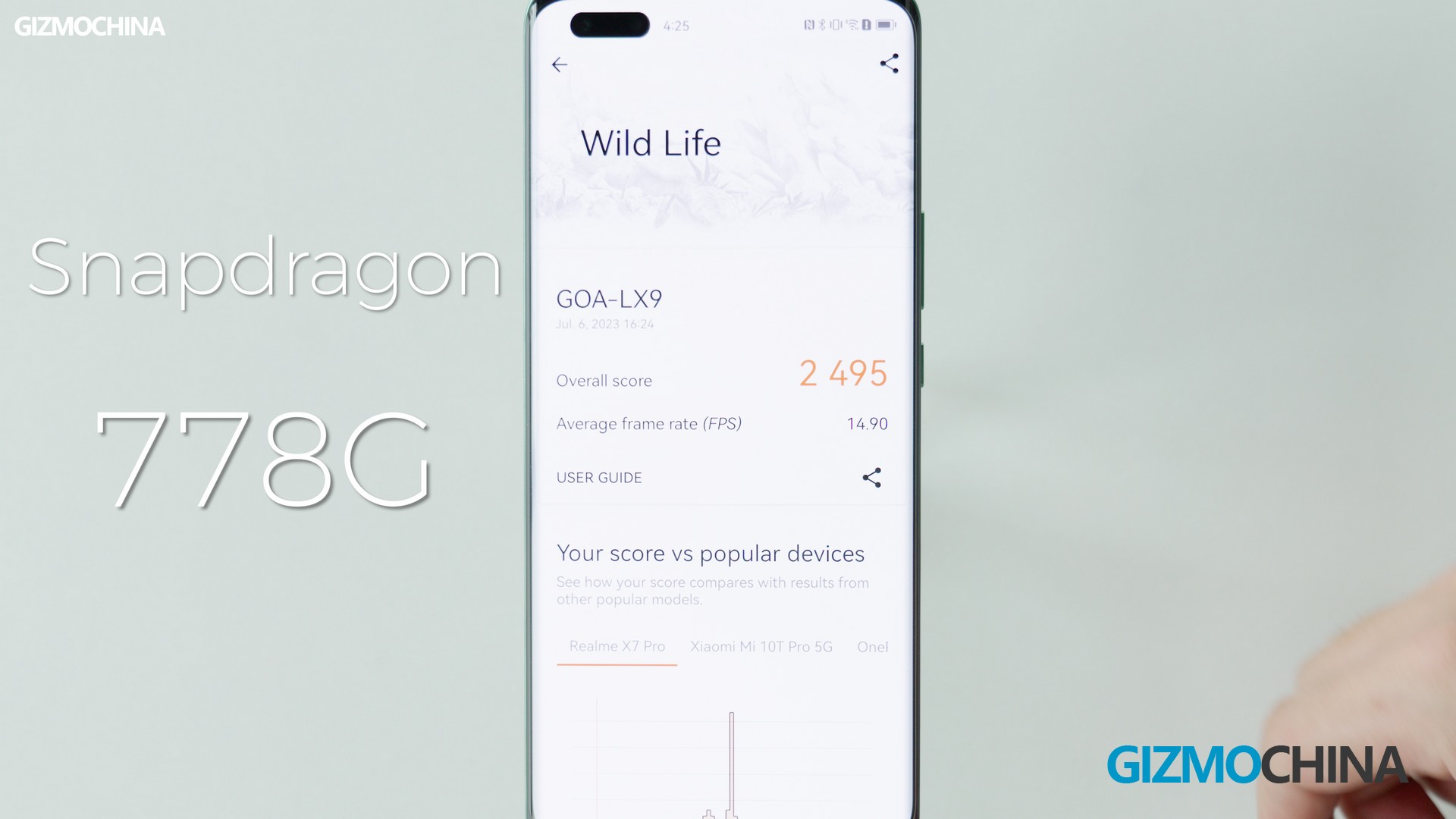
As for performance, it’s equipped with a Qualcomm Snapdragon 778G SOC, which, although lacks 5G support, is sufficient for daily use and moderate gaming. High-performance games like Genshin Impact may require a bit of graphics downscaling for smoother gameplay.
Battery & Charging
The 4500mAh battery, along with the 778g SOC, provides a solid battery life. Moreover, the impressive 100-watt charger can power up the phone from 0% to 100% in just 20 minutes, offering a quick recharge whenever you need it.
Verdict
Overall, I was pleasantly surprised by the look and image system of the Huawei nova 11 Pro. With its constant focus on making phones for young and fashionable people, the Nova series has certainly done it right.
But what are your thoughts? Would you consider buying this phone? I’d love to hear your ideas in the comments below.
ZTE has silently launched its new budget-oriented smartphone ZTE Blade V50 Design globally. Let’s check out the specifications of this device.
ZTE Blade V50 Design 5G Specifications:
ZTE Blade V50 Design 5G features a 6.6-inch IPS LCD display with a resolution of 1080 x 2408 pixels and a pixel density of 400 PPI. The screen has a 90Hz refresh rate.
Powering the device is the Unisoc Tanggula T760 chipset built on a 12 nm process. It is equipped with a single-core CPU consisting of 4×2.0 GHz ARM Cortex-A75 cores and 4×1.8 GHz ARM Cortex-A55 cores. The GPU is IMG9446. The phone runs on Android 13 Tiramisu operating system. In terms of memory, the ZTE Blade V50 Design 5G has 4GB of RAM and 128GB of internal storage. It does not support external memory cards.
For cameras, the Blade V50 Design 5G has a dual rear camera setup with a 50MP main camera, an additional 2MP depth measurement camera, and an LED flash. On the front, the device has an 8MP lens to take care of the selfies. The main camera can record videos at 1080p resolution.
In terms of connectivity, the phone supports dual SIM cards with 5G support. It also offers features like Wi-Fi (802.11a/b/g/n/ac), GPS, NFC, USB Type-C, and Bluetooth 5.2. The phone includes a fingerprint reader on the side, along with other sensors like proximity, accelerometer, compass, gyroscope, and infrared.
Additional features of the ZTE Blade V50 Design 5G include a radio and a 3.5mm headphone jack. The device is powered by a 4500mAh non-removable battery and supports fast charging at 22.5W.
Blade V50 Design 5G Pricing and Availability:
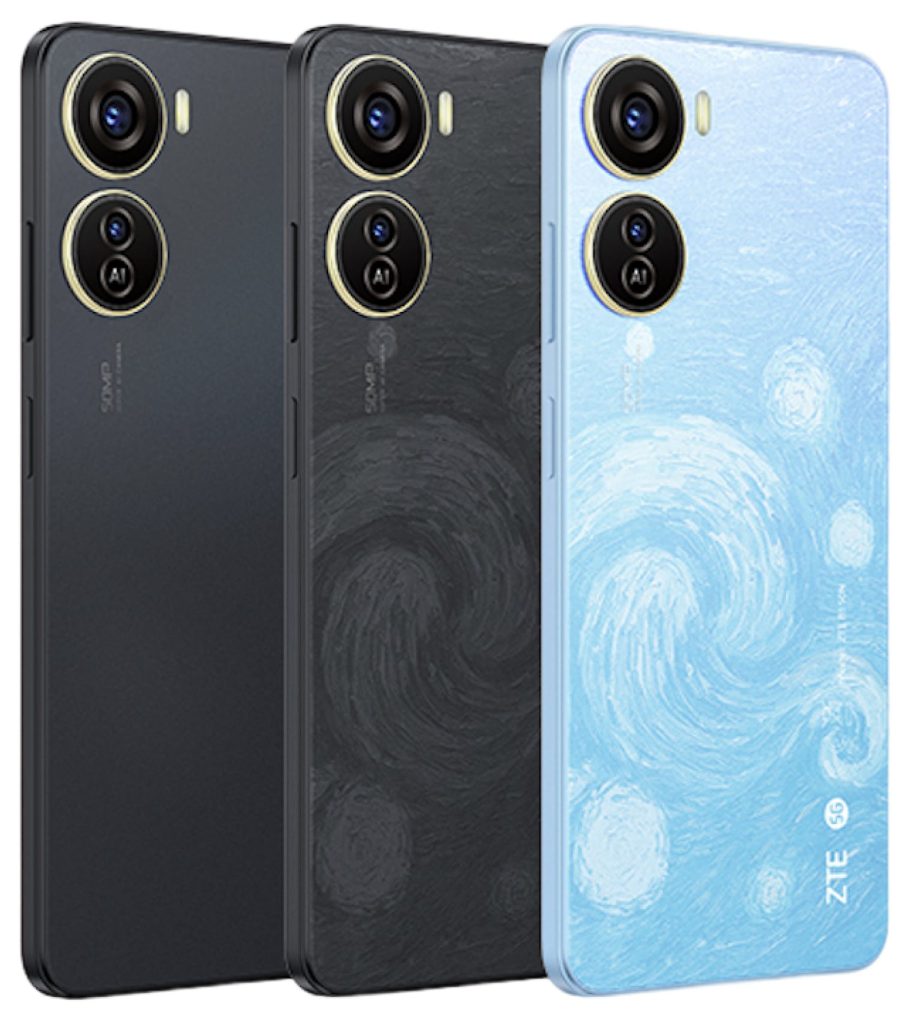
The Blade V50 Design 5G is available in Sky Blue, Starry Grey, and Gray Matt color options, adding to its modern appeal. In the European markets, the Blade V50 Design will retail for €210 ($235).
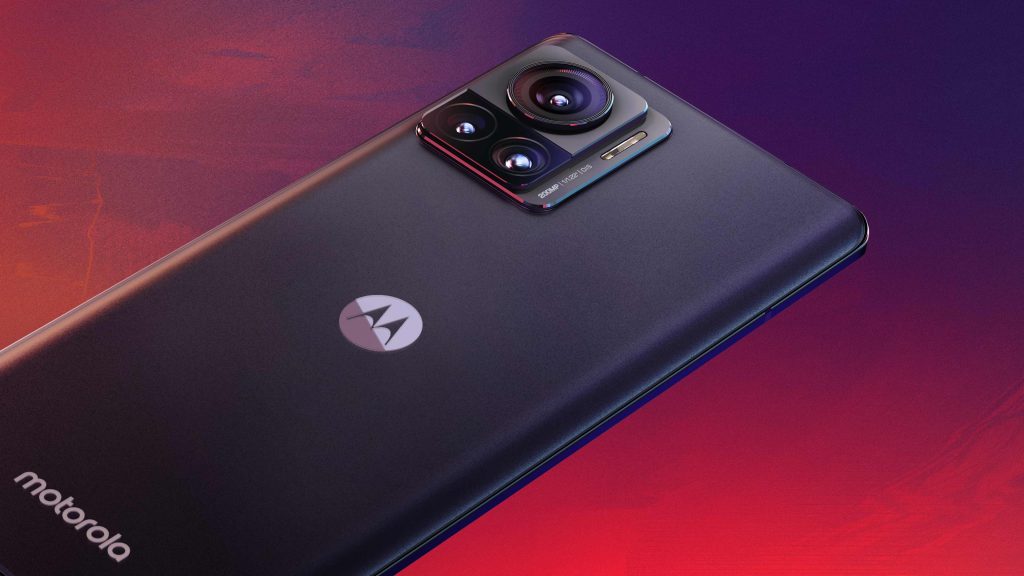
Back in September 2022, Motorola launched the Edge 30 Ultra smartphone with a 200MP primary camera, a Snapdragon 8+ Gen 1 SoC and Android 12 onboard. After much wait, the smartphone is finally receiving the anticipated Android 13 update.
The update weighs 1.57GB and comes with version number T1SQ33.15-11-137-8. The new update brings enhancements for the battery, themed app icons, new media controls, a Photo Picker tool, and advanced notification permissions. The Moto Widget on the home screen has also been updated and now lets you add and view more information.
However, if its not to your liking, you can go back to the previous version using the following steps:
Drag the current widget to the top of the screen and drop it on Remove.
Touch & hold the home screen, then touch Widgets > Moto Widget.
Drag the version you want to your home screen.
Motorola Edge 30 Ultra
The Motorola Edge 30 Ultra features a 6.73-inch punch-hole OLED display with FHD+ resolution and a 144Hz refresh rate. It has a 200MP primary camera sensor, a 50MP ultra-wide-angle sensor, and a 12MP telephoto lens on the back, along with a 60MP selfie camera on the front. It runs on Snapdragon 8+ Gen 1 chipset, with up to 12GB RAM and 256GB storage. The phone has a 4,500mAh battery supporting 125W wired and 50W wireless charging.
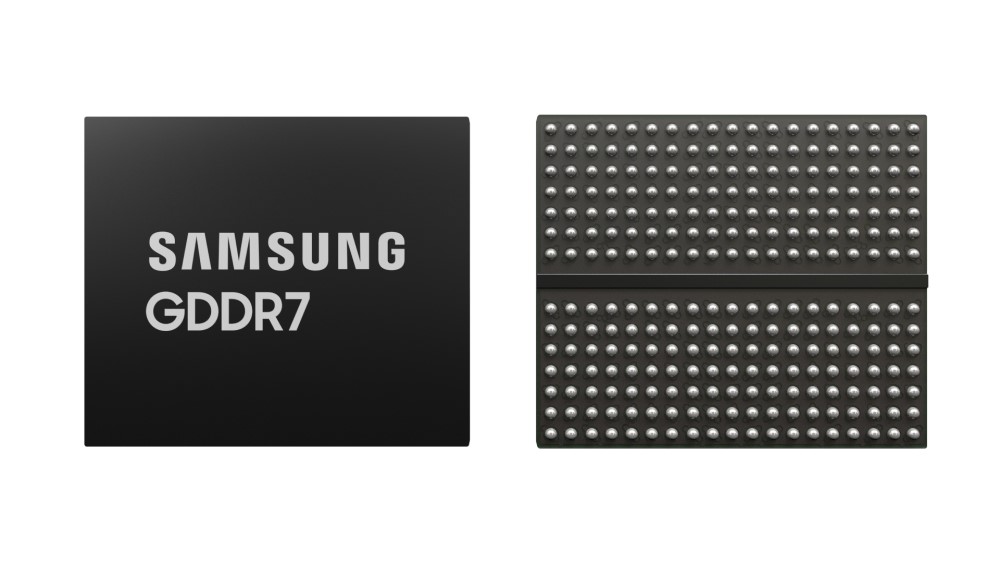
Samsung has just announced its next generation of DRAM memory chips. The company’s latest DRAM module is the industry’s first Graphics Double Data Rate 7 (GDDR7) memory, which offers notable upgrades over its predecessor, so here are all the details.
Samsung GDDR7 DRAM Specifications
The South Korean tech giant’s new announcement brings the latest memory technology. It offers improvements in data speeds, surpassing the 24Gbps that was showcased with last year’s DDR6 DRAM. Samsung’s new 16-gigabit GDDR7 DRAM will help the company grow in the graphics market, thanks to its advancements in integrated circuit design and stable performance at higher speeds. The brand’s GDDR7 DRAM module has set the record with a whopping 1.5TBps.
It also claims to offer a higher data speed per min of 32Gbps. As per official notes, the improvements were possible by the Pulse Amplitude Modulation (PAM3), which allows for 50 percent more data to be transmitted compared to the Non Return to Zero (NRZ) from previous generations within the same cycle. Despite bringing performance upgrades overall, the GDDR7 model is also 20 percent more energy efficient than the older GDDR6 module.
Yongcheol Bae, Samsung’s Executive VP of the Memory Product Team, stated that “Our GDDR7 DRAM will help elevate user experiences in areas that require outstanding graphics performance, such as workstations, PCs and game consoles, and is expected to expand into future applications such as AI, high-performance computing (HPC) and automotive vehicles. The next-generation graphics DRAM will be brought to market in line with industry demand and we plan on continuing our leadership in the space.”
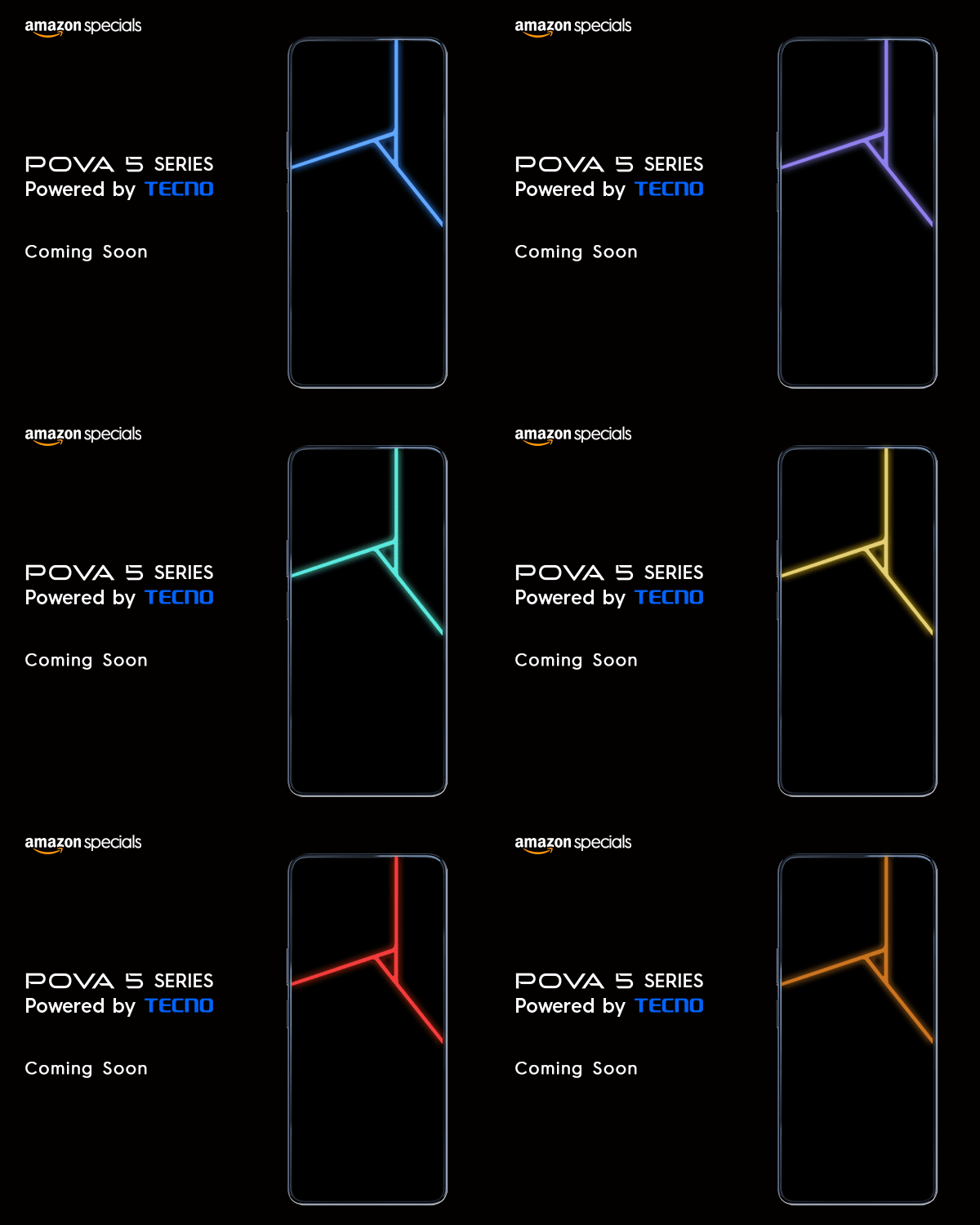
Tecno is set to introduce its Pova 5 series smartphones in India shortly, as evident from a teaser spotted on Amazon India. The series is expected to include two models: Tecno Pova 5 and Pova 5 Pro.
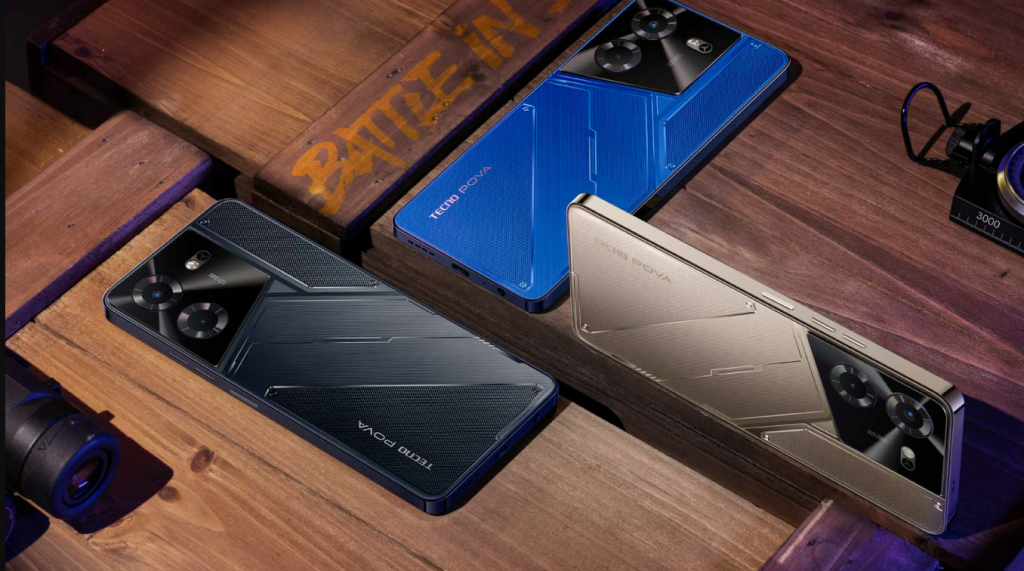
The teaser showcases an attractive design with illuminated LEDs on the back, likely serving as notification indicators. Tipster Ishans Aggarwal also highlighted this feature in a teaser hands-on video. Interestingly, the design appears to bear a striking resemblance to the Tecno Pova Neo 3, which the brand has been teasing in recent days. As the Pova 5 has already been unveiled globally, we can anticipate a similar offering to arrive soon in India.
Tecno Pova 5 specs
The Tecno Pova 5 boasts a large 6.78-inch IPS LCD display with a high resolution of 1080×2460 pixels. The screen also features an impressive 120Hz refresh rate and a super-responsive 240Hz touch sampling rate. Under the hood, the smartphone is powered by a mid-range Helio G99 SoC, combined with a generous 8GB of RAM, ensuring smooth performance for various tasks.
The standout feature of this device is its massive 6,000mAh battery, which supports 45W fast charging. With the provided in-box charger, you can charge the battery to 50% in just 21 minutes and fully charge it in 60 minutes. Moreover, the Pova 5 supports 10W reverse charging, enabling you to charge other devices with it.
In terms of photography, the Tecno Pova 5 excels with its 50MP main camera on the back, accompanied by a depth sensor for better portrait shots. On the front, you get an 8MP selfie shooter for selfies and video calls.
We use cookies on our website to give you the most relevant experience by remembering your preferences and repeat visits. By clicking “Accept”, you consent to the use of ALL the cookies.
This website uses cookies to improve your experience while you navigate through the website. Out of these, the cookies that are categorized as necessary are stored on your browser as they are essential for the working of basic functionalities of the website. We also use third-party cookies that help us analyze and understand how you use this website. These cookies will be stored in your browser only with your consent. You also have the option to opt-out of these cookies. But opting out of some of these cookies may affect your browsing experience.
Necessary cookies are absolutely essential for the website to function properly. This category only includes cookies that ensures basic functionalities and security features of the website. These cookies do not store any personal information.
Any cookies that may not be particularly necessary for the website to function and is used specifically to collect user personal data via analytics, ads, other embedded contents are termed as non-necessary cookies. It is mandatory to procure user consent prior to running these cookies on your website.