Advertisement

Samsung confirms basic Galaxy AI features will remain free forever

AI has become one of the biggest selling points of Galaxy smartphones over the past few years. In fact, all the launch events for the last two generations of Galaxy S and Galaxy Z series flagships focused heavily on how these devices aim to make life easier through AI-driven features. On the other hand, the list of hardware improvements has been relatively short in those releases. This has also raised concerns about Samsung potentially charging for the very features that were highlighted as the key selling point of these devices.

Galaxy S25 Ultra Gemini

The brand initially promised to keep Galaxy AI features “complimentary through 2025,” a statement that didn’t clearly explain what would happen beyond that period. It made headlines and, quite reasonably, sparked concerns among Galaxy fans who were convinced by, and grew to rely on, these features.

Now, Samsung has finally clarified its future plans regarding the key selling point of its phones. The Galaxy AI landing page has been updated with a footnote stating: “Galaxy AI basic features provided by Samsung are free. Future releases may include enhanced features or new services that are offered on a paid basis. Different terms may apply for AI features provided by third parties.”

Samsung hints at plans to charge for some advanced AI features

Samsung is likely to push more advanced — and possibly more convenient — AI features going forward that make Galaxy phones smarter. However, the statement also hints that the brand plans to eventually charge for some advanced and potentially niche AI features. The upcoming Galaxy S26 series, for instance, is expected to focus heavily on proactive, on-device AI.

“Galaxy AI basic features are those services listed under ‘Advanced Intelligence’ in the current Samsung Services Terms and Conditions,” the company further explained in the footnote.

Under “Advanced Intelligence” in Samsung’s Terms, the basic, free Galaxy AI features include communication tools such as Live Translate, Interpreter, Chat Assist, and Transcript Assist, along with productivity-focused features like Note Assist, Writing Assist, Browsing Assist, Now Brief, and Photo Assist.

While the “basic” Galaxy AI features are now confirmed to remain free indefinitely, Samsung’s decision to potentially charge for future AI capabilities could signal a broader industry shift. After all, it’s common for smartphone brands to take notes from each other’s playbooks. How the “AI features” category evolves by the end of the year will be worth watching.

It’s also worth noting that some features powered by Google Gemini, such as Gemini Live, fall under the “AI features provided by third parties” category, meaning different terms could apply to them.

Don’t miss a thing! Join our Telegram community for instant updates and grab our free daily newsletter for the best tech stories!

For more daily updates, please visit our News Section.

(Source | Via)

Realme 16 specifications, official images revealed via premature retailer listing

Realme’s Vietnamese wing has started teasing the arrival of the Realme 16 in the country. Early teasers reveal a horizontal camera bar on the back, similar to the design language seen on Google Pixel phones and the recently launched iPhone Air. However, Realme adds its own twist by integrating a dedicated selfie mirror next to the rear cameras.

At the same time, the device has been prematurely listed on a Vietnamese retailer’s website, revealing almost everything about the smartphone ahead of its official announcement.

Realme 16 specifications (rumored)

Realme 16 color optins

The Realme 16 is listed with a 6.57-inch AMOLED display offering a Full HD+ resolution and a smooth 120Hz refresh rate. The panel is said to deliver up to 4,500nits of peak brightness, making it suitable for outdoor usage. For protection, the display is covered with AGC DT-Star D+ shield glass. An in-screen fingerprint scanner is integrated for biometric authentication.

On the camera front, the Realme 16 features a 50-megapixel front camera for selfies and video calls. At the back, it houses a dual-camera setup consisting of a 50-megapixel primary sensor paired with a 2-megapixel secondary lens. The smartphone is listed to run Android 16 out of the box, which is likely to be layered with Realme UI 7.

Realme-16-5G-images-1
Realme 16 official teaser

Powering the Realme 16 is the MediaTek Dimensity 6400 Turbo chipset. The phone will be available with either 8GB or 12GB of RAM, paired with 256GB of internal storage. Storage expansion is supported via a microSD card slot. One of the standout features is its large 7,000mAh battery, which supports 60W fast charging.

For connectivity, the Realme 16 has Wi-Fi, Bluetooth 5.3, NFC, an IR blaster, and a USB-C port. Despite packing a large battery, it maintains a slim 8.1mm profile and weighs 183 grams. Durability is another highlight, with the phone carrying IP66, IP68, IP69, and IP69K ratings for dust and water resistance.

Realme 16 variants, color options, and availability

The listing reveals that the Realme 16 will be available in two variants: 8GB+256GB and 12GB+256GB. It will launch in Air Black and Air White colour options. The device is listed for availability starting February 2, which appears to be its official launch date. Pricing details have not been disclosed yet.

For more daily updates, please visit our News Section.

Stay ahead in tech! Join our Telegram community and sign up for our daily newsletter of top stories.

(via)

Zotac CI360 Mini PC Unveiled with Intel N150 Processor and DDR5 Support

Zotac released the Zbox CI360 nano, a 0.9-liter mini PC aimed at users who need basic computing on a budget.

ZBOX CI360 nano

The system runs on Intel’s N150 processor, a quad-core chip that uses 6 watts of power. It runs at 0.8 GHz base speed and boosts up to 3.6 GHz. Benchmarks show it performs like Intel’s Core i5-8250U from 2017. This makes it fine for web browsing, email, and simple tasks.

The CI360 has one DDR5-4800 SODIMM slot that supports up to 16GB of RAM. The base model comes with 4GB. For storage, you get two M.2 2280 slots. One has a 128GB SSD installed. The other slot accepts PCIe 3.0 x1 or SATA drives.

The front panel has one USB 3.2 Gen 2 Type-A port and one Type-C port. The Type-C port doubles as a DisplayPort output. The back has two more USB 3.2 Gen 2 Type-A ports. All USB ports run at 10Gbps speeds.

You can connect up to three displays using two HDMI 2.0 ports and the USB-C DisplayPort. All support 4K resolution at 60Hz. Network options include two Gigabit Ethernet ports, WiFi 6E, and Bluetooth 5.3. There’s also an SD card reader and standard audio jacks.

Graphics come from Intel’s integrated GPU with 24 execution units. It handles video playback and basic acceleration but nothing more intensive. The CI360 replaces the year-old CI338 model. Zotac includes Windows 11 support, VESA mounting hardware, and a power adapter in the box.

Zotac hasn’t announced pricing or when the CI360 will be available.

For more daily updates, please visit our News Section.

Tech enthusiast? Get the latest news first! Follow our Telegram channel and subscribe to our free newsletter for your daily tech fix!

(Source)

Is Motorola Razr Fold with bigger screen, cheaper price a better deal than the Samsung Z Fold?

While Samsung and Motorola have both been prominent fixtures in the American foldable landscape for several years, their strategies have followed different paths. Samsung has long provided a dual-track lineup of both book-style and clamshell devices. In contrast, Motorola focused exclusively on the flip-phone format until this year.

That changed at the CES 2026 tech exhibition in Las Vegas, where Motorola unveiled the Motorola Razr Fold, its first book-style foldable designed to challenge the traditional leaders of the category.

3A better value proposition: Price and features

The most compelling argument for the Razr Fold is the sheer value it provides. It is expected to hit the market at a lower price point than the Galaxy Z Fold, yet it doesn’t feel like a “budget” alternative. Motorola has managed to pack in high-end features that are often missing or less impressive on more expensive devices.

The Razr Fold’s camera setup, which includes triple 50MP cameras, including a periscope telephoto camera, appears more impressive on paper compared to what Samsung offers on its foldable. For instance, the Galaxy Z Fold 7 features a 200-megapixel main camera, a 12-megapixel ultra-wide lens, and a 10-megapixel telephoto camera.

Motorola hasn’t disclosed all the detailed specifications of the Razr Fold yet. Therefore, details about its chipset and battery remain unknown. What appears certain is that its battery pack could be significantly larger than the Z Fold 7’s 4,400mAh unit. The Razr Fold is also expected to offer faster charging capabilities.

By undercutting Samsung’s pricing, Motorola is effectively removing the entry barrier for users who want a book-style foldable but cannot justify a $2,000 investment.

The Razr Fold is expected to hit North American markets by the third quarter of this year. Therefore, more details about its specifications and pricing are likely to surface around that time.

For more daily updates, please visit our News Section.

Stay ahead in tech! Join our Telegram community and sign up for our daily newsletter of top stories.

Next

Redmi Buds 8 Lite launched globally with 12.4mm drivers, 42dB ANC & 36h battery

Xiaomi has officially launched the Redmi Buds 8 Lite in global markets alongside the Redmi Note 15 series. The new true wireless earbuds target budget-conscious consumers while packing a range of features usually seen in higher-end models.

Redmi Buds 8 Lite Specifications

The Redmi Buds 8 Lite support up to 42dB of hybrid active noise cancellation, which helps reduce low-frequency sounds such as traffic, subway noise, and air conditioning. The earbuds use a dual-microphone setup powered by an AI-based ENC algorithm to improve call clarity. The system separates the user’s voice from background noise and helps keep calls stable in busy environments.

Each earbud houses a 12.4mm titanium-diaphragm dynamic driver. Xiaomi says the large driver improves sound quality across all frequency ranges, from deep bass to detailed highs. The earbuds support SBC and AAC codecs and are compatible with both Android and iOS platforms.

Redmi Buds 8 Lite

In terms of battery life, the earbuds deliver up to 8 hours of playback on a single charge, while the charging case extends total listening time to 36 hours. It also supports fast charging, and a quick 10-minute charge provides up to 2 hours of use.

The Redmi Buds 8 Lite support dual-device connectivity, allowing connections to two devices at the same time. The Xiaomi Earbuds app lets users adjust EQ settings and touch controls, manage firmware updates, and fine-tune noise-canceling modes.

The earbuds weigh 4.5g each and come with three sizes of silicone ear tips. Xiaomi has designed the Buds 8 Lite with comfort in mind, offering a smooth exterior and curved fit to reduce pressure during long listening sessions. The earbuds carry an IP54 rating for protection against sweat and light rain.

Pricing and Availability

The Redmi Buds 8 Lite are available in Black, White, and Blue color options. The global price is set at €22.9, and sales have already begun in several countries.

For more daily updates, please visit our News Section.

Stay ahead in tech! Join our Telegram community and sign up for our daily newsletter of top stories! 💡

OnePlus Nord 4 January Update Brings Private Safe Editing, Storage Tools & Circle to Search Fix

OnePlus has started rolling out OxygenOS 16.0.2.401 for the Nord 4 in India. The update arrives in batches and will reach more users over the next few days.

OnePlus Nord 4

Storage and Home Screen Changes

The update lets you access storage cleanup tools straight from Smart Sidebar instead of digging through settings. OnePlus has also improved icon customization—you can now resize app icons and rearrange shortcuts by dragging them around. The same goes for app clone icons.

Photos App Gets Faster

Three new filters have been added to the Photos app: Motion Photo, Screenshots & screen recordings, and Edited. OnePlus says they’ve also sped up how quickly thumbnails load when you open the app.

Circle to Search Tweak

If you use gesture navigation with the gesture bar hidden, you can still activate Circle to Search by tapping where the bar would normally be. It’s a small fix but removes an annoying limitation.

Privacy Updates

Private Safe now lets you edit photos and videos without unlocking them first. Phone Manager will also start asking if you want to enable automatic blocklist updates over Wi-Fi and mobile data, which should catch more spam calls and threats.

Security Patch

The January 2026 Android security patch is included, patching vulnerabilities and tightening up system security.

This update only works if you’re already on OxygenOS 16. If you’re still running OxygenOS 15, you’ll need to upgrade to the base OxygenOS 16 version first.

OnePlus is starting with a small group of users before opening it up wider. Standard practice to catch any bugs before everyone gets it.

For more daily updates, please visit our News Section.

Tech enthusiast? Get the latest news first! Follow our Telegram channel and subscribe to our free newsletter for your daily tech fix!

(Source)

iQOO Z11 Turbo debuts with Snapdragon 8 Gen 5, 200MP camera & 7600mAh battery

As expected, iQOO has officially unveiled the Z11 Turbo in China, expanding its mid-range lineup with flagship-grade features at aggressive pricing. Here are the details.

iQOO Z11 Turbo

iQOO Z11 Turbo Specifications

The iQOO Z11 Turbo features a 6.59-inch flat AMOLED display with a 2750×1260 resolution and a 144Hz refresh rate. It uses TCL’s C9+ luminescent material and supports 10-bit color, P3 wide color gamut. The panel reaches up to 5,000 nits of local peak brightness while dropping to 1 nit for eye comfort.

It supports 4,320Hz PWM dimming, a 3,200Hz touch sampling rate, with Schott reinforced glass protection, Eye Comfort 2.0, and an AI-powered Sunlight Algorithm for better outdoor visibility and reduced eye strain.

Under the hood, the phone runs on the Snapdragon 8 Gen 5 chipset built on a 3nm process, paired with iQOO’s Q2 gaming chip and Monster Core Engine. It combines LPDDR5X Ultra quad-channel RAM with UFS 4.1 storage, delivering over 3.59 million points on AnTuTu.

iQOO Z11 Turbo

Cooling is handled by the Ice Dome VC system, which claims to reduce core temperatures by up to 15°C. It also integrates the Thunder Z1 signal enhancement chip and an AI Gaming Signal Engine 2.0 for more stable gameplay. The Z11 Turbo runs OriginOS 6 based on Android 16.

For photography, the phone comes equipped with a 200MP large-sensor main camera with OIS and support for up to 4x lossless zoom. It is paired with an 8MP ultra-wide camera for wide-angle shots. On the front, a 32MP camera supports wide-angle selfies and can record videos in up to 4K resolution.

iQOO Z11 Turbo

The Z11 Turbo houses a 7,600mAh Blue Ocean battery with second-generation semi-solid-state battery technology. It supports 100W ultra-fast charging and bypass charging during gaming. iQOO claims stable operation across extreme temperatures, from 40°C to −20°C.

The device includes an ultrasonic 3D fingerprint sensor, stereo speakers, X-axis linear motor, and IP68/IP69-rated dust and water resistance. For connectivity, it includes dual 5G SIM, Wi-Fi 7, Bluetooth 5.4, NFC, and an infrared remote control.

iQOO Z11 Turbo

Pricing and Availability

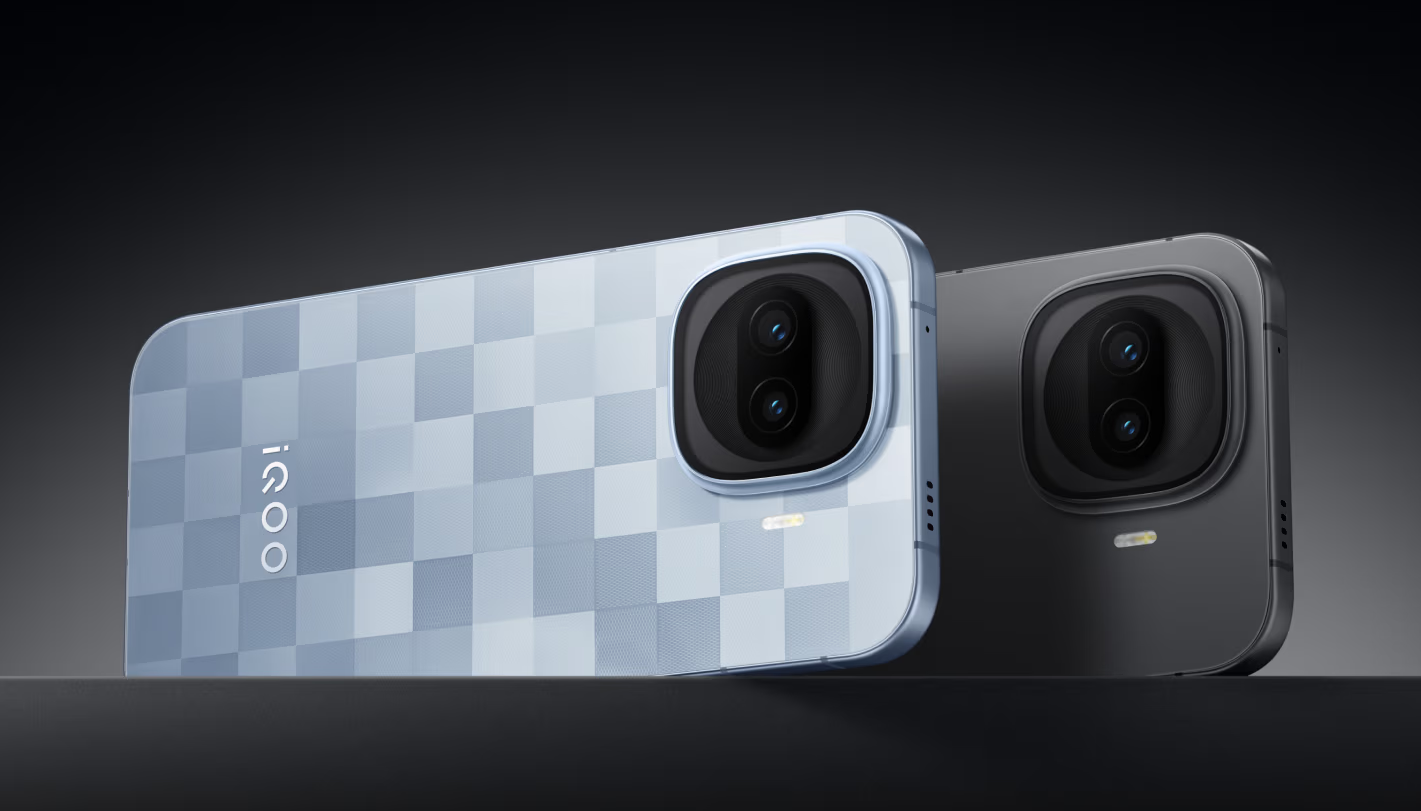
The iQOO Z11 Turbo is available in four colorways: Blue, Pink, White, and Black. The black model features a fiberglass back, while others come with glass backs.

Pricing is as follows:

  • 12GB + 256GB: 2,699 yuan ($378)
  • 16GB + 256GB: 2,999 yuan ($420)
  • 12GB + 512GB: 3,199 yuan ($448)
  • 16GB + 512GB: 3,499 yuan ($490)
  • 16GB + 1TB: 3,999 yuan ($560)

The device is now available in China across all retail channels.

For more daily updates, please visit our News Section.

Stay ahead in tech! Join our Telegram community and sign up for our daily newsletter of top stories! 💡

Realme 16 5G first images reveal a glossy rear surface for selfies

Realme is currently teasing the launch of the Realme P4 Power in India. After it’s done with this phone, the company is likely to shift its focus to the vanilla Realme 16.

The Realme 16 Pro and Pro Plus made their debut in early January, and now the base model is starting to surface in leaks.

The first images of the Realme 16 have started appearing on X, and the phone looks nothing like its Pro siblings. Realme is instead taking inspiration from Google’s Pixel-style camera visor that stretches across the back panel.

Realme 16 5G surfaces in first images

As you can see below, the phone has a triple-camera setup on the back. What stands out on this island is a glossy surface next to the camera lenses.

Apparently, it’s called a “rear selfie mirror” that lets you use the main rear camera for selfies and group shots by giving you a reflective view of yourself on the back panel.

So no, this isn’t a secondary display like the one on Xiaomi 17 Pro. It’s just a reflective surface. I am not sure how practical it will be, since the mirror area looks fairly small, but it’s still a slightly unconventional take on improving selfie photography.

Hardware details for the Realme 16 remain limited for now. However, tipster Abhishek Yadav has shared information about the phone’s color and storage options.

According to the leak, the Realme 16 will be available in two colors: Air White and Air Black. It will also come in three memory configurations: 8GB of RAM with either 128GB or 256GB of storage, and a higher-end option with 12GB of RAM and 256GB of storage.

For now, that’s all we know. But we are sure to learn more about it in the coming days.

For more daily updates, please visit our News Section.

Stay ahead in tech! Join our Telegram community and sign up for our daily newsletter of top stories! 💡

(VIa)

Mid-Range vs Flagship Phones: The 10% You Are Giving Up

Smartphone buyers today are spoiled for choice. The mid-range segment has evolved to a point where phones under flagship pricing offer great displays, fast charging, capable cameras, and solid performance. For most users, the question is no longer “Can a mid-range phone keep up?” but rather “What am I actually missing by not buying a flagship?” The trade-offs are now more subtle and situational. Mid-range devices can typically offer you up to 90% of the flagship experience for usually half the price or even lower. But there are always compromises, so let’s break down where these more affordable devices fall short.

1. Gaming

Honor Win/Win RT

On paper, mid-range phones today look plenty powerful. Chips like the Dimensity 8500 deliver great performance that can handle most games without breaking a sweat. From casual titles to popular competitive games, you can expect smooth performance even at high settings. However, certain cracks can begin to show in sustained gaming performance.

Flagship chips like the Snapdragon 8 Elite Gen 5 offer improved GPUs, with higher thermal limits, superior cooling systems, and hardware level ray tracing support, which not only offers a more immersive experience but even makes gaming more stable and smoother. You can hit triple digit framerates in competitive games, while graphically intense titles can also maintain around 60fps. So there are no compromises here.

2. Zoomed Photography

Vivo X300
Vivo X300 Pro

Mid-range cameras have become excellent for everyday photography. Good lighting, main sensors, and computational photography mean social-media-ready photos are almost guaranteed. Where they fall behind is versatility. Optical zoom, consistent low-light performance across lenses, faster shutter speeds, and reliable video stabilisation are still flagship strengths.

While certain models with a photography focus do stand out, models like the Vivo X300 Pro or Xiaomi 17 Ultra showcase just how powerful smartphone photography can be. These differences are more noticeable when you see the comparisons between a good mid-range phone and a premium device.

Certain affordable models even skip the telephoto shooter entirely, so you’re left with digital zoom that works in optimal conditions, but results quickly fall apart compared to true telephoto lenses. For everyday shooting, the difference is minor. For travel photography, events, or zoom-heavy use cases, flagships still have a clear edge.

3. Software

Galaxy S24 series One UI 8 beta features

This is one of the most meaningful compromises. While mid-range phones now ship with clean software and useful features, long-term update support is still inconsistent. Flagships often receive four to seven years of OS and security updates. Mid-range phones usually stop much earlier, topping out at around 3-4 years if you’re lucky, and 2 years with the more budget options.

If you keep your phone for four years or more, this can impact security, features, and overall longevity. For users who upgrade frequently, this isn’t a big issue. But for long-term owners, software support alone can justify spending more upfront.

4. Premium Build

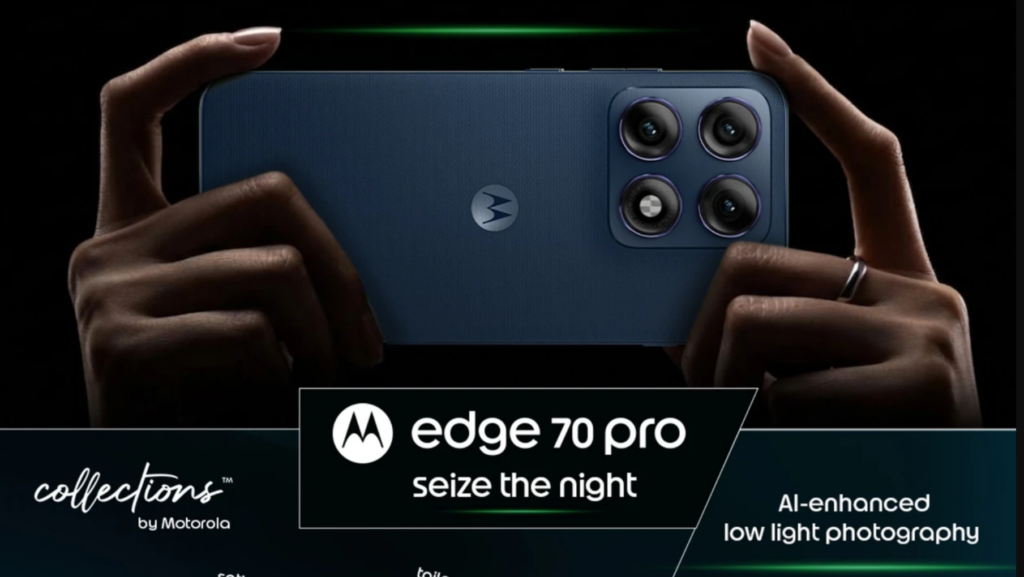
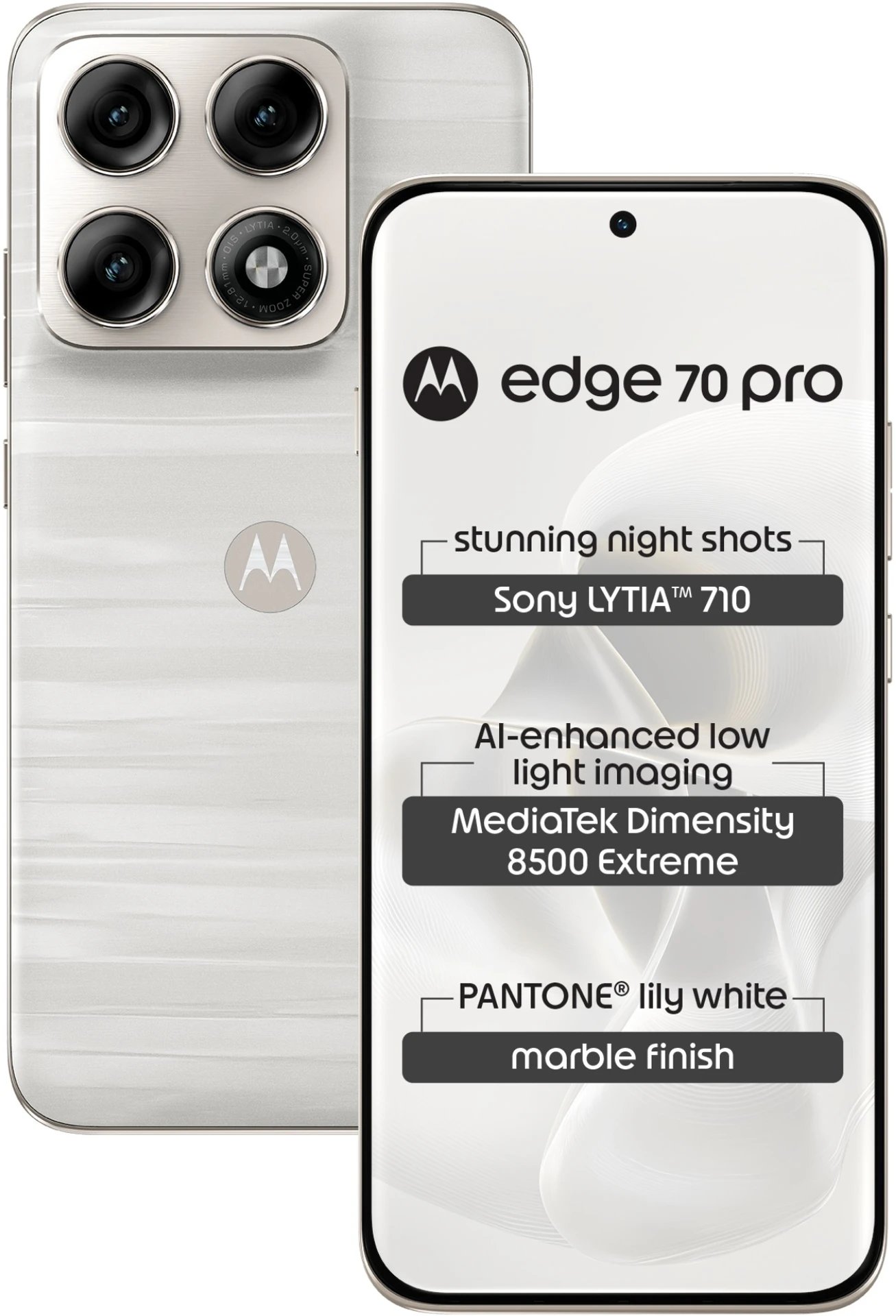
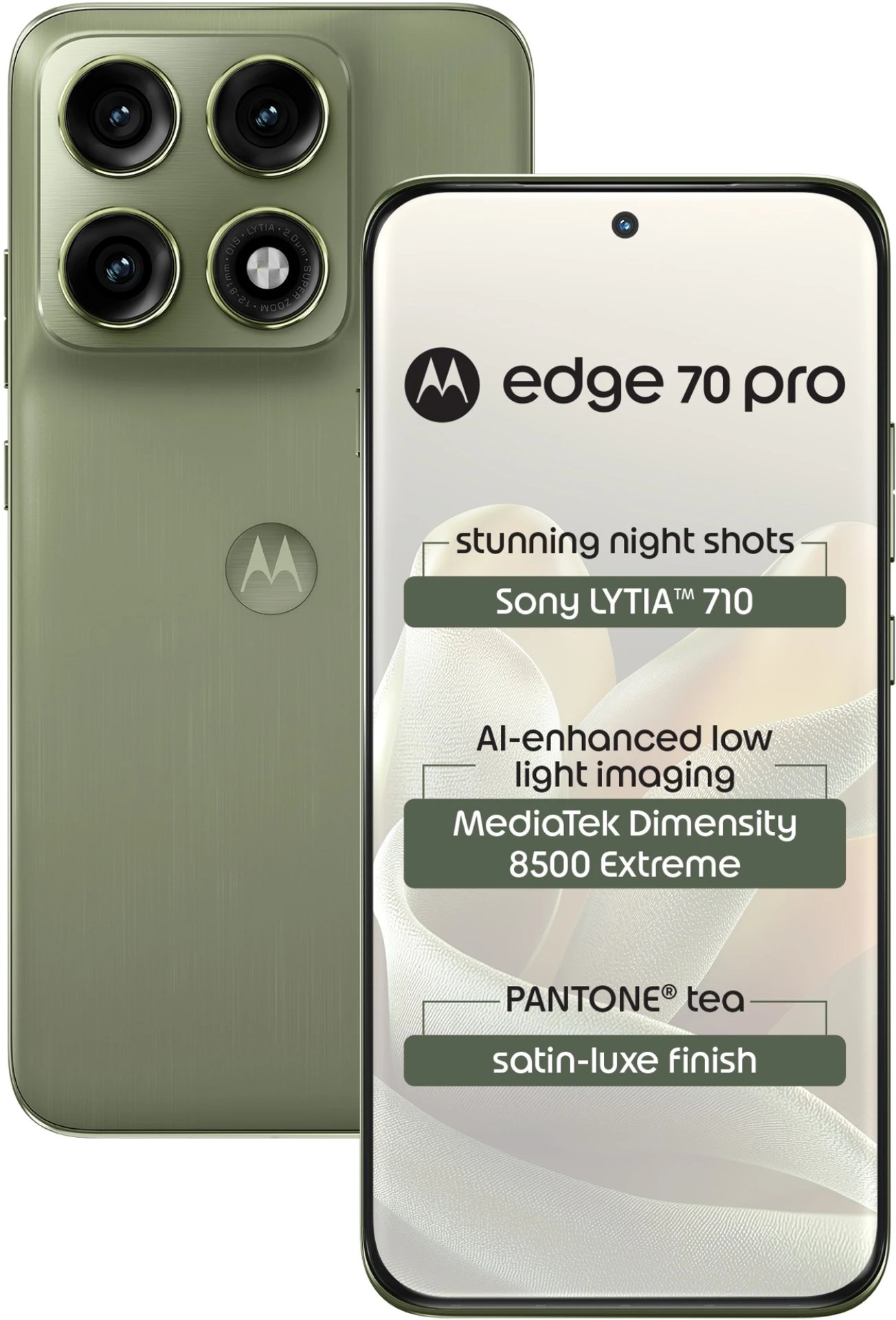
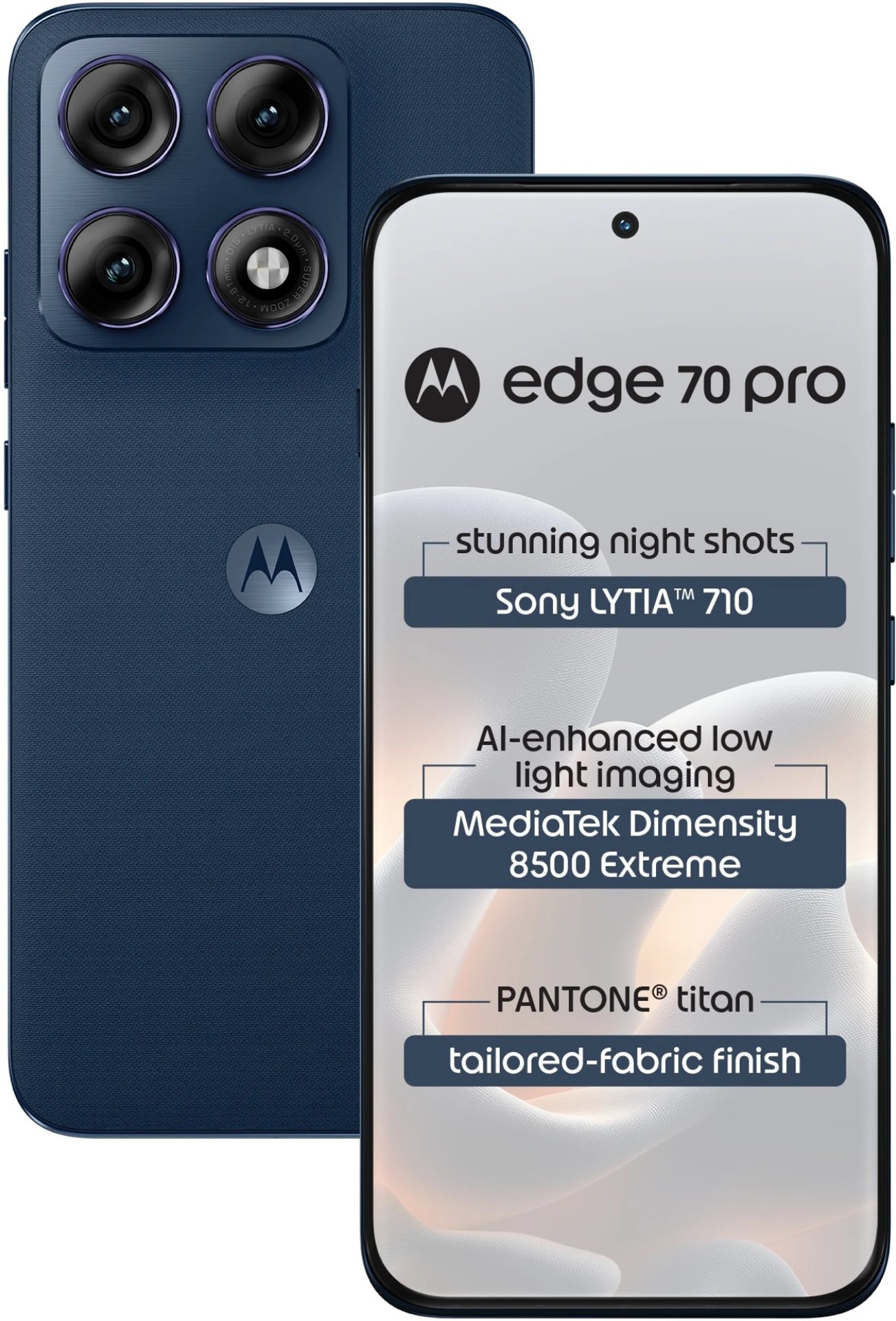
Motorola Edge 70
Motorola Edge 70

Flagships still feel more luxurious. Materials like glass, metal frames, tighter tolerances, and better haptics add up to a more refined in-hand experience. That said, the gap has narrowed dramatically. Many mid-range phones now offer solid builds, slim designs, and decent durability. While they may lack the subtle polish of a flagship, the difference is far less obvious than it was a few years ago. Unless build quality is a top priority, this compromise is mostly cosmetic.

5. Resale Value

iPhone Air
Apple iPhone Air

Flagships hold value better. Brand perception, longer software support, and premium positioning make them easier to resell after a couple of years. Meanwhile, mid-range phones depreciate much faster. Even the official price tag falls noticeably just months after their initial release. So while you save money upfront, you also recover less when upgrading later. This matters if you regularly sell your old phone to fund the next one. Resale value is part of the upgrade strategy for many. Thus, flagships make more financial sense in the long run.

6. Verdict

If you’re a heavy gamer, camera enthusiast, long-term phone user, or someone who values premium polish and resale value, a flagship still makes sense. The differences, while subtle, add up over time. For everyone else, mid-range phones are the smarter buy. You get most of the experience at a significantly lower price, with compromises that rarely affect daily use. In 2026, buying mid-range isn’t settling, but choosing value. The key factor is knowing whether you’ll actually notice the missing 10%.

For more daily updates, please visit our News Section.

Tech enthusiast? Get the latest news first! Follow our Telegram channel and subscribe to our free newsletter for your daily tech fix! ⚡

OriginOS 6 (Android 16) update goes live for Vivo X90 and Vivo V40 Pro

Vivo V40 Pro OriginOS 6 update

Vivo has been regularly pushing the OriginOS 6 update to its devices, with the Vivo X90 and Vivo V40 Pro being the latest recipients. The Android 16-based update for these two devices is rolling out according to the official rollout schedule, which brings numerous visual changes, new features, and refinements throughout the system.

The OriginOS 6 update is rolling out to Vivo X90 users with the build version PD224ICF_EX_A_16.3.6.6.W30, and it has a download size of 4.07GB. We don’t know the firmware version for the Vivo V40 Pro, but the screenshot below (via Ytechb) confirms that the rollout has indeed begun for the device.

Vivo is currently rolling out the OriginOS 6 update to Vivo X90 and V40 Pro users through Vivo’s trial program. This is done to ensure that the final build for the masses does not contain critical bugs. If you want to install the early build, go to Settings > About Phone > System updates > version Trial > Trial version > download and install.

Ensure that your Vivo phone has sufficient storage and that it’s charged to at least 50% for smoother installation. Additionally, you can back up important data to a cloud storage or a different storage for added safety.

The OriginOS 6 is a feature-rich custom OS that brings numerous visual enhancements, exciting new features, and plenty of improvements. Perhaps the most significant visual upgrade is the new Origin Island, which provides real-time updates from supported apps.

The update also introduces a redesigned Control Center, featuring an enhanced notification center, improved lighting effects, and new system fonts for enhanced readability. The lock screen now features new clock styles, enhanced layout controls, and additional widgets. OriginOS 6 also includes numerous under-the-hood changes, resulting in faster app launches, smoother animations, enhanced multitasking capabilities, and improved battery efficiency.

With the Vivo X90 and Vivo V40 Pro now receiving the OriginOS 6 update, the brand shifts its focus to bringing the update to older Vivo V and T series phones. Soon, the update will also reach entry-level phones. According to the rollout schedule, all the remaining devices will receive the update by the end of March.

Be sure to visit the Android 16 section regularly to stay up-to-date with the latest software rollout details. Alternatively, you can join our Telegram channel for instant notifications about the latest software updates, product launches, or the biggest tech headlines.

US Will Build Nuclear Reactor On Moon By 2030: Makes Radical Plans For Space Leadership

Key Highlights:

  • NASA and the U.S. Department of Energy plan to deploy a nuclear reactor on the Moon by 2030
  • The reactor will support long-term lunar missions and future Mars exploration
  • Experts warn that budget cuts, safety risks, and legal issues could delay the plan

AI Generated Image for Representation Only

The United States has confirmed plans to build its first nuclear power plant on the Moon by 2030. NASA and the U.S. Department of Energy (DOE) signed a Memorandum of Understanding on January 13 to jointly develop a Lunar Surface Reactor. The project aims to provide reliable power for permanent lunar missions and serve as a stepping stone for future human missions to Mars.

NASA says the goal is not just to return to the Moon, but to build long-term infrastructure that allows humans to stay and work there.

Why Nuclear Power Is Needed

Power is a major challenge on the Moon. Lunar nights last about 14 Earth days, and some regions remain in permanent shadow, making solar energy unreliable. A nuclear reactor can provide continuous electricity regardless of sunlight, temperature extremes, or location.

NASA says nuclear power is essential for life-support systems, scientific equipment, and long-duration human missions, especially in resource-rich areas like the Moon’s south pole.

Source: X.com/Nasa

Technology and Strategic Vision

The project, known as NASA’s Fission Surface Power Project, focuses on developing a compact reactor that can operate safely for several years without refueling. NASA Administrator Jared Isaacman described nuclear energy as key to a “golden age of space exploration,” enabling sustained lunar presence and future Mars missions.

U.S. Energy Secretary Chris Wright compared the effort to historic projects like the Apollo missions, highlighting its importance for American scientific leadership.

Concerns and Challenges Ahead

Despite strong government support, scientists have raised concerns about the ambitious timeline. Experts warn of unresolved technical challenges, launch safety risks, and legal questions related to the Outer Space Treaty, which declares the Moon the shared heritage of humanity.

Legal Concerns

Despite its promise, NASA’s lunar nuclear plan faces serious legal and safety risks. Critics point to the 1967 Outer Space Treaty, which bars national control and harmful contamination of the Moon, raising questions about operating a U.S.-controlled reactor on shared lunar territory. 

Safety Risks

Safety concerns are equally significant, including the risk of radioactive material release during launch, reactor malfunctions in the Moon’s extreme environment, radiation exposure to astronauts, and the lack of a clear disposal plan once the reactor reaches the end of its life. 

Together, these issues make the project legally sensitive and technically high-risk, especially under an ambitious 2030 timeline.

Read More:

(via)

Rent a Robot for Just $25 (₹2000) a Day: World’s First Robot Rental Platform, Raises Millions

Buying a robot can cost as much as a luxury car. Chinese Robot rental firm Qingtian Rent wants to change that. Launched in Shanghai in late December 2025, the platform lets businesses rent robots by the day, just like booking a car or a food delivery rider. The idea is simple: turn robots from expensive machines into easy-to-use services.

Backed by Big Investors

Investors clearly like the idea. Qingtian Rent has raised tens of millions of dollars in seed funding, led by Hillhouse Capital, with Fosun and other major funds joining in. The money will be used for nationwide expansion, better platform tech, and a standardized service system that includes insurance and trained operators.

Explosive Early Demand

The response has been fast and loud. In just three weeks, more than 200,000 users signed up. Daily rental orders already exceed 200 and are still climbing. Brands like Haidilao, Mixue Ice Cream, and Meiyijia are using robots to attract customers, perform dances, write calligraphy, and create viral moments in stores.

Why Now? Timing Is Everything

Robot rentals are booming in China, especially ahead of the Spring Festival. After humanoid robots went viral at concerts and on TV, demand surged, and supply quickly tightened. Rental prices have also dropped sharply, making robots accessible to smaller businesses for the first time.

More Than Entertainment

While robots are popular for shows and promotions today, Qingtian Rent is betting on a bigger future. As costs fall, robots are expected to move into retail, tourism, factories, and warehouses. The company’s long-term vision is bold: to become the “Didi of robot leasing” and build a nationwide robot service network.

Robot Rentals Outside China

Robot rentals are available in other countries, but mainly in limited and specialized forms. In Japan, the US, and parts of Europe, robots are typically rented for events, exhibitions, security roles, or factory automation. These services are often run by small providers or offered as industrial leasing programs, making them business-focused and far from a mass-market, on-demand experience.

Why China Is Moving Faster?

China’s advantage lies in scale and platform thinking. Strong investor and government support, a huge domestic market, and rapidly falling robot costs have made nationwide Robot-as-a-Service platforms possible. In many other countries, robots are still viewed as long-term industrial investments rather than short-term services, slowing experimentation and delaying widespread robot rental adoption.

Read More:

(via)

Five best alternatives to OnePlus 13 in 2026

OnePlus 13
OnePlus 13

The OnePlus 13 (review) is one of the best flagship smartphones of 2024, featuring a powerful Snapdragon 8 Elite processor, a high-quality camera setup, and a battery that lasts an entire day. However, in 2026, we now have plenty of options with better specs at a similar price.

We’ve curated a list of five flagship smartphones that give the OnePlus 13 a serious run for its money.

1. OnePlus 15

That’s obvious, but the OnePlus 15 is your best bet if you want to stick to OnePlus. By adding just Rs. 3000 (about $40) on top of the OnePlus 13, you’re getting a much better value.

The OnePlus 15 provides enhanced protection on both sides, an upgraded IP rating, and a more advanced display with a higher refresh rate and increased brightness level. It comes with a more powerful Snapdragon 8 Elite, promising up to a 20% CPU performance uplift, 23% improved GPU performance, and a 16% boost in the overall power efficiency.

The camera setup now has Sony IMX906 as the main sensor, and features a 3.5x optical zoom (up from 3x). The OnePlus 15 also offers 21% higher battery capacity and faster charging over a USB-C cable.

2. Vivo X300

If camera is your primary concern, the Vivo X300 (review) is your best shot from the list. It features a solid triple camera setup, comprising a 200MP primary sensor, a 50MP periscope telephoto lens, and a 50MP ultrawide sensor.

The main sensor captures adequate details with superior dynamic range and highlight control. Daylight shots are excellent, but the low-light shots are far superior to those of the OnePlus 13. The selfie camera also performs better in terms of sharpness, color accuracy, and low-light performance.

The Vivo phone also excels in performance, thanks to a more powerful Dimensity 9500 chipset. The battery capacity stands at 6,040mAh, which is slightly higher than the OnePlus 13, but the latter offers slightly faster charging.

3. Realme GT 8 Pro

It’s another solid alternative to the OnePlus 13, featuring a more powerful Snapdragon 8 Elite chipset. The screen sizes are nearly equal, but the Realme phone offers a higher refresh rate (144Hz vs. 120Hz) and a significantly higher peak brightness level (7000nits vs. 4500nits).

The rear camera setup on the GT 8 Pro has a 50MP main sensor, a 200MP periscope telephoto lens with 3x optical zoom, and a 50MP ultrawide unit. For selfies, it has a 32MP snapper.

The standout feature is the GT 8 Pro’s 200MP periscope telephoto camera, which captures excellent details with well-controlled noise, better dynamic range, and color accuracy. The OnePus 13, however, may have an edge in low-light and portrait photography.

The Realme phone also excels in battery capacity (7,000mAh vs. 6,000mAh) and charging speed (120W vs. 100W). 

4. iQOO 15

iQOO phones prioritize performance over anything else. So, if that’s top of your list, the iQOO 15 (review) is a compelling choice. It features a top-tier Snapdragon 8 Elite Gen 5 flagship chipset, paired with a dedicated in-house Q3 gaming chip and an oversized vapor chamber cooling system, which offers sustained gaming performance in extended gaming sessions with higher FPS and improved battery efficiency.

The iQOO 13 has an excellent AMOLED screen, featuring a higher refresh rate and peak brightness. The camera specs are almost similar: a 50MP primary shooter, a 50MP periscope telephoto lens with 3x optical zoom, and a 50MP ultrawide shooter. And a 32MP selfie camera in a hole-punch style.

The iQOO phone gets a bigger 7,000mAh battery. The wired charging is the same at 100W, but the wireless charging is slightly faster on the OnePlus 13.

5. Oppo Find X9

The Oppo Find X9 (review) is also a good alternative to the OnePlus 13 for several reasons. One of these is the Dimensity 9500 chipset, which is faster than the Snapdragon 8 Elite found in the OnePlus 13.

The Find X9 also features three 50MP shooters on the back, and interestingly, all three sensors are the same. This essentially translates to similar camera performance on both phones, but OnePlus’s optimizations offer better low-light shots, while Oppo’s implementation may result in slightly better colors, although the difference is not significant in any case. Both phones have the same 32MP selfie snapper.

The Oppo smartphone also offers a higher battery capacity. As for the charging speed, the OnePlus 13 supports a slightly higher speed over a wired connection, but the wireless and reverse wireless charging speeds are the same. Software support is another key advantage for the Find X8, as it will receive OS updates until Android 21, while the OnePlus 13 will reach its end of OS support on Android 19.

That said, the OnePlus 13 remains a solid flagship phone in 2026, but there are excellent alternatives from other brands available in a similar price bracket. Which one is the strongest choice in your opinion among the five phones we’ve listed above?

Portronics launches Adapto 100D desktop charger with 100W output and smart power display

Portronics has announced the launch of the Adapto 100D, a new 100W desktop charger designed for multi-device charging setups. The charger supports up to five devices at once and features a digital LCD that displays real-time voltage and wattage information for each port.

Portronics Adapto 100D desktop charger

Portronics Adapto 100D Specifications

The Adapto 100D is built around Gallium Nitride (GaN) technology, which allows for higher energy efficiency, better heat dissipation, and a more compact design compared to traditional silicon-based chargers. The device includes three USB-C Power Delivery ports and two USB-A ports.

The USB-C1 port supports a maximum output of 100W, which is enough to charge laptops such as the MacBook Pro or Microsoft Surface devices. The other ports distribute power based on the number and type of connected devices.

Portronics Adapto 100D desktop charger

Portronics has equipped the charger with an LCD display that shows real-time power consumption across all ports. This feature gives users instant feedback on charging performance and helps ensure devices are charging at optimal speeds.

The Adapto 100D supports a wide range of devices. It is compatible with laptops, tablets, smartphones, earbuds, wearables, and gaming devices such as the Nintendo Switch. The compact design and all-in-one port layout make the charger suitable for both desktop use and travel.

The charger includes built-in safety features that protect against over-voltage, over-current, short circuits, and overheating. These protections help prevent damage to both the charger and the connected devices.

Pricing and Availability

Portronics has priced the Adapto 100D at an introductory price of ₹3,999 ($44). It is available for purchase on the company’s official website, Amazon.in, Flipkart, and other online and offline retailers. The charger comes with a standard six-month warranty, which extends to twelve months when purchased through authorized channels.

In related news, Portronics has recently introduced the Beem 560, a budget smart projector that supports up to a 100-inch Full HD projection, and has also launched the Zeno B massager featuring an ergonomic handle and a 3,200 RPM motor.

For more daily updates, please visit our News Section.

Stay ahead in tech! Join our Telegram community and sign up for our daily newsletter of top stories! 💡

MediaTek unveils Dimensity 9500s, Redmi Turbo 5 Max posts impressive AnTuTu score with it

Alongside the more affordable Dimensity 8500, MediaTek also announced the Dimensity 9500s in the event today. The processor sits just below MediaTek’s top Dimensity 9500, and is designed to power sub-flagship phones. 

At the heart of the new chip is a flagship-style all-core CPU architecture built on TSMC’s second-generation 3nm manufacturing process. The processor includes a Cortex-X925 core (@3.73GHz), three Cortex-X4 (@3.30GHz), and four Cortex-A720 (@2GHz) cores, and more than 29 billion transistors. 

According to the company, the chip supports “super memory compression technology” that helps speed up everyday tasks. MediaTek claims this can improve app launch speeds by up to 44 percent once enabled. The Dimensity 9500s also comes with a large 19MB CPU cache and 10MB of system cache. 

Graphics duties are handled by a flagship-grade Immortalis-G925 GPU that supports ray-tracing. The chip can also handle a range of on-device AI tasks without needing an internet connection. 

Camera and AI

The 9500s is also built with camera and video features in mind. MediaTek says it includes a high-end autofocus engine, fast capture capabilities, and a semantic segmentation video engine for smarter image processing. On the video side, the chip supports 8K HDR recording with Dolby Vision.

Moving to connectivity, the processors include a 5G Release 17 modem with support for four-carrier aggregation and theoretical download speeds of up to 7Gbps. 

It also supports Wi-Fi 7 with speeds up to 6.5Gbps. And MediaTek even highlighted a new Bluetooth feature that allows direct phone-to-phone connections at distances of up to five kilometers without using cellular networks.

MediaTek confirmed that the first phone to use the new processor will be the Redmi Turbo 5 Max. In lab testing, that device reportedly managed to score 3,612,095 points in the AnTuTu benchmark.

For more daily updates, please visit our News Section.

Stay ahead in tech! Join our Telegram community and sign up for our daily newsletter of top stories.

Redmi Turbo 5 Max launching with Dimensity 9500s, Teased with flagship level AnTuTu scores

Xiaomi has officially confirmed the Redmi Turbo 5 Max with flagship level performance. For the first time ever, the Redmi Turbo series is getting MediaTek’s Dimensity 9000 series chipset, with a fresh teaser also showcasing its high end performance with an impressive AnTuTu score. So let’s check it out.

Redmi Turbo 5 Max teased with Dimensity 9500s

Redmi Turbo 5 Max with Dimensity 9500s

The Chinese tech giant’s latest teaser poster confirms that the Redmi Turbo 5 Max is equipped with the new MediaTek Dimensity 9500s chipset. Thanks to this chipset, the upcoming smartphone managed to achieve a flagship level score of 3.61 million on the popular AnTuTu benchmark. To recall, this is slightly faster than even the Dimensity 9500, which powers premium smartphone models like the Oppo Find X9 Pro (Review) and Vivo X300 Pro.

Dimensity 9500s pairs the advanced CPU configuration with a 12-core Immortalis-G925 GPU. This chip also has a 1 x Cortex-X925 clocked at 3.73GHz, 3 x Cortex-X4 clocked at 3.30GHz, and 4 x Cortex-A720 with a 2.40GHz clock speed. This teaser arrives shortly after the brand teased the pricing details. Xiaomi’s Redmi Turbo 5 Max will be priced around 2,500 Yuan, which is roughly around 360 US Dollars.

Redmi-Turbo-5-Pro-Max-Render
Redmi Turbo 5 Max (Unconfirmed)

At this price point, it is classified as a budget flagship model. Based on what we know so far, the Redmi Turbo 5 Max will sport a 1.5K flat display, up to 16GB of RAM, and a massive 9,000mAh battery pack. Earlier this week, the smartphone also surfaced on the GeekBench database, which also showcased powerful performance. MediaTek has just debuted the Dimensity 9500s, so Redmi’s new smartphone should likely launch soon after.

For more daily updates, please visit our News Section.

Don’t miss a thing! Join our Telegram community for instant updates and grab our free daily newsletter for the best tech stories!

Vivo V70 Elite, Vivo V70 tipped to feature Snapdragon 8s Gen 3, Snapdragon 7 Gen 4

Recent reports have revealed that Vivo is gearing up to launch the Vivo V70 and Vivo V70 Elite smartphones in India. So far, the rumor mill has been leaking details in bits and pieces. The latest development sheds light on the chipset and a few key specifications of both phones.

Vivo V70 Elite to feature Snapdragon 8-series chip

Vivo S50 launch
Vivo S50

The Vivo V70 Elite will reportedly become the first-ever V-series smartphone to feature a Snapdragon 8-series chipset. According to a report by SmartPrix, the V70 Elite will be powered by the Snapdragon 8s Gen 3 SoC.

In addition to the flagship-grade chipset, the Vivo V70 Elite is expected to come with LPDDR5x RAM and UFS 4.1 storage. It is also said to feature an ultrasonic in-screen fingerprint sensor and support a 4D in-game vibration system for enhanced haptics. Reports further suggest that the V70 Elite could be a rebranded or slightly tweaked version of the Vivo S50, which debuted in China in December 2025.

The Vivo S50 features a 6.59-inch OLED LTPO display with a 1.5K resolution and a 120Hz refresh rate. The screen also integrates an ultrasonic in-screen fingerprint sensor for biometric authentication.

In terms of cameras, the Vivo S50 packs a 50-megapixel front camera with autofocus support. On the rear, it houses a 50-megapixel primary camera with OIS, an 8-megapixel ultra-wide lens, and a 50-megapixel Sony IMX882 periscope telephoto camera with OIS support.

The smartphone is powered by the Snapdragon 8s Gen 3 chipset, paired with up to 16GB of LPDDR5x RAM and up to 512GB of UFS 4.1 storage. Additional features include a 6,500mAh battery with support for 90W fast charging and an IP68/IP69-rated body for dust and water resistance.

Vivo V70 chipset revealed

The same report also reveals that the standard Vivo V70 will be powered by the Snapdragon 7 Gen 4 chipset, which was first seen on the Vivo V60 last year. The device is expected to feature LPDDR5x RAM, UFS 4.1 storage, and an ultrasonic in-screen fingerprint sensor. However, the rest of the specifications of the Vivo V70 remain a mystery for now.

Vivo V70 series launch timeframe (rumored)

The publication states that the Vivo V70 series is likely to debut in India by mid-February. In terms of pricing, the lineup is expected to be priced between Rs 45,000 (~$500) and Rs 55,000 (~$610).

For more daily updates, please visit our News Section.

Stay ahead in tech! Join our Telegram community and sign up for our daily newsletter of top stories.

(source)

Xiaomi HyperOS 3 launcher beta update brings stabilization fixes for these devices

Xiaomi has started rolling out a new HyperOS 3 Launcher beta update aimed at refining the system experience. This upgrade brings stability improvements and multitasking fixes, so here are all the eligible devices that are receiving this update.

Xiaomi HyperOS 3 launcher beta update: Everything you need to know

The Chinese tech giant has just released a fresh beta build of the HyperOS 3 launcher. Its latest iteration carries the build version 6.01.05.1949-01122103, which focuses on correcting problems that affected navigation and visuals in the Recent Apps screen. So these are all the big changes:

  • Smoother horizontal transitions for stacked cards
  • Resolution of fixed app key issues under certain conditions
  • Elimination of truncated and overlapping cards when multitasking
  • Prevention of unexpected shaking during long presses
  • Improved dark-mode button color adaptation
  • Fixes for display anomalies when clearing cards or using split-screen modes
POCO F5, F5 Pro HyperOS 3 internal test build

These tasks aim to help make switching between apps feel more natural and less glitchy. This also reduces visual inconsistencies that could impact the overall experience.

Eligible Xiaomi and Redmi Smartphones Getting the HyperOS 3 Launch Beta Update

Xiaomi has limited this launcher beta to handsets officially receiving the HyperOS 3 update. So there are only a select number of devices that are getting the improvements:

  • Xiaomi 14 series
  • Xiaomi 15 series
  • Xiaomi 17 series
  • Redmi K80 Ultra
  • Redmi K90 series
  • Redmi Turbo 4 Pro

These devices are either running HyperOS 3 already or are eligible to install the beta version, and the launcher update can also run on the global versions of these smartphones if they are compatible with HyperOS 3. In related news, a bunch of Xiaomi, Redmi, and POCO devices are getting an extended 5 years of HyperOS update.

For more daily updates, please visit our News Section.

Tech enthusiast? Get the latest news first! Follow our Telegram channel and subscribe to our free newsletter for your daily tech fix! ⚡

(Via)

Motorola Signature Launching in India on January 23 With Snapdragon 8 Gen 5 and Sony LYTIA Camera

Motorola has confirmed that the motorola signature will launch in India on January 23, shortly after its global debut at CES 2026. This is Motorola’s first phone under the new Signature series and it replaces the brand’s usual Edge flagship in the premium non-foldable category for this cycle.

motorola signature

What sets the motorola signature apart is its focus on services alongside hardware. Motorola says it is India’s first smartphone to offer 24×7 exclusive privileges. These include always-on assistance for travel, dining, wellness, lifestyle needs, and access to exclusive clubs. At launch, buyers also get a Signature CLUB welcome benefit, which allows one complimentary service booking worth up to ₹6,000 on first use through the app.

The hardware matches the premium positioning. The phone runs on the Snapdragon 8 Gen 5 chipset and uses Motorola’s Arctic Mesh cooling system to manage sustained performance. It is offered with up to 16GB RAM and up to 1TB internal storage. Based on global availability, the Indian launch is expected to focus on the 16GB RAM and 1TB storage variant.

motorola signature

The display is a tall 6.8-inch LTPO AMOLED panel with a 1.5K resolution and a 165Hz refresh rate. Motorola claims peak brightness of up to 6,200 nits. Audio is handled by stereo speakers tuned with Sound by BOSE.

Camera hardware is another highlight. The motorola signature features a Sony LYTIA 828 primary sensor with 3.5° optical image stabilization. It supports up to 8K video recording along with Dolby Vision video capture. The rear camera setup also includes a 50MP ultra-wide lens and a 50MP periscope telephoto camera using a 1/1.95-inch sensor. The phone has performed well in independent testing, ranking seventh in DxOMark’s smartphone camera rankings, ahead of devices like the Pixel 10 Pro XL, Huawei Pura 70 Ultra, and iPhone 16 Pro Max. DxOMark noted better noise control and improved image processing, especially in low-light scenes.

Powering the device is a 5,200mAh battery with support for 90W wired fast charging and 50W wireless charging. Other features include NFC, Bluetooth 6, USB 3.2, dual speakers, a slim 6.99mm body, and a weight of 186 grams.

The motorola signature will be sold through Flipkart, motorola.in, and offline retail stores. Pricing will be announced at launch, though leaks point to a price of ₹84,999 for the top-end configuration.

RedMagic 11 Air becomes the industry’s first “Air” model with an active cooling fan

Nubia continues to tease its upcoming RedMagic 11 Air smartphone, which is set to launch in China on January 20. After the official renders and color options, the company has now revealed more information about its cooling system — or more specifically, an active cooling fan.

The hardware, branded as “Wind Chaser 4.0,” can reportedly hit a top speed of 24,000RPM, matching the number seen on the RedMagic 11 Pro+. It sits inside an aerospace-grade aluminum air-cooled bracket on top of the PCB. While this is a fairly standard implementation of an active cooling fan in smartphones, what makes this device stand out — or at least makes it seem standout — is the “Air” branding. This is said to be an industry-first “Air” branded phone with an active cooling fan.

The teaser also includes big claims regarding the VC cooling system. As per the brand, an “industry-first ultra-thick ice-step VC cooling design” improves the heat dissipation capacity of the vapor chamber by 47% and has also received national invention patent certification. That said, the teaser skipped any mention of the phone’s ingress protection.

The RedMagic 11 Air is said to pack a 7,000mAh battery, which is also a standout number for an “Air” model. So what about the thickness and weight?

Well, this won’t sound jaw-dropping if you’re picturing it as an iPhone Air with active cooling. A thickness of 7.85mm and a reported weight of 207g should be considered normal rather than thin and lightweight. But considering the specs mentioned above, this is still a very appealing option.

To recall, the RedMagic 11 Pro+ from October last year came with an 8.9mm chassis, packed a 7,500mAh battery, and weighed 230g.

According to previous reports, the RedMagic 11 Air’s active cooling system will be paired with the brand’s Cube gaming engine, a self-developed Red Core R4 esports chip, and a built-in PC emulator. Some people may also like the “transparent” aesthetic of this new model.

Don’t miss a thing! Join our Telegram community for instant updates and grab our free daily newsletter for the best tech stories!

For more daily updates, please visit our News Section.

(Source)