Advertisement

Acer Predator Helios 16 With 13th Gen Core i9 Processor Launched In India

Acer has launched a new laptop in India. It is the Predator Helios 16 and is aimed at gamers. The machine was first announced at CES earlier this year. It packs powerful specifications along with a premium price tag. Read on to know what it offers out of the box. 
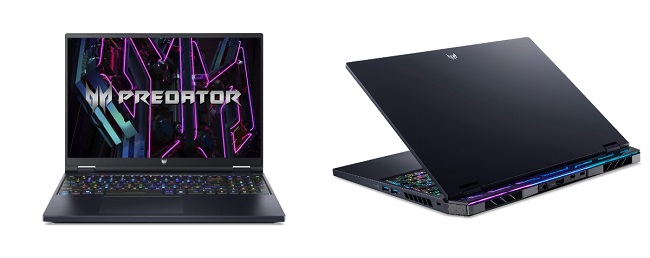
The Acer Predator Helios 16 sports a 16-inch IPS display surrounded by thin bezels and bearing a WQXGA resolution. It features a 240Hz refresh rate and 500 nits peak brightness. The laptop is equipped with a stereo speaker with DTS:X. It features RGB backlit keyboard with mini LED backlights. There is a 1080p webcam along with dual mics. 

Under the hood, the Acer Predator Helios 16 is equipped with a 13th-generation Intel Core i9 processor. It packs 16GB DDR5 RAM and 1TB SSD storage. There is a dedicated 8GB GDDR6 NVIDIA GeForce RTX 4070 GPU onboard. The machine features an advanced cooling system with custom-designed AeroBlade 3D fans and liquid metal thermal grease for heat dissipation. The laptop draws its power from a 90Wh 4-cell Li-ion battery with support for a 330W adapter. 

The Acer Predator Helios 16 runs on Windows 11 OS with PredatorSense software for managing overclocking, fan speeds, and power modes. Connectivity options on the laptop include three USB 3.2 ports, two USB-C ports, a headphone jack, WiFi, and Bluetooth. 

The Acer Predator Helios 16 carries a price tag of Rs 1,99,990. It is now available for purchase from the brand’s online and offline exclusive stores.  

Related:

Samsung Galaxy S23 owners may be disappointed with slower wireless charging speeds

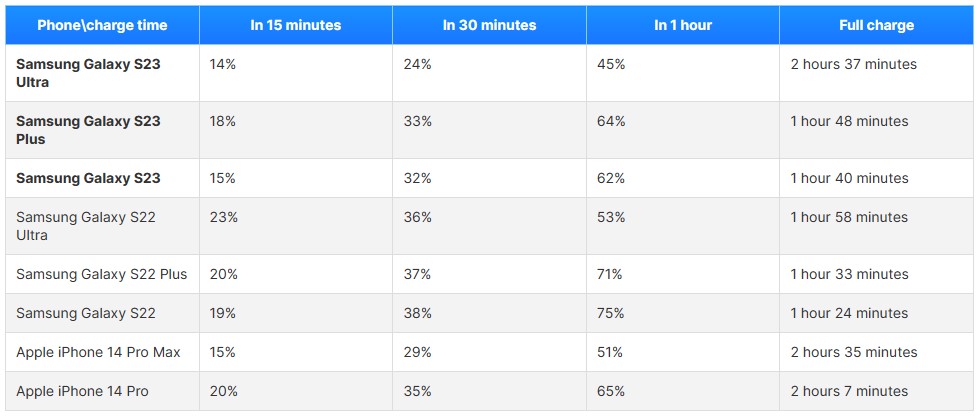
Samsung’s latest flagship series, the Galaxy S23, has been out for almost two months, and early adopters are discovering that the wireless charging speeds on these high-end phones may not be as fast as expected. In fact, according to a detailed comparison by Phone Arena, the Galaxy S22 charges quicker than its 2023 counterpart, even though they feature pretty much the same wireless charging speeds.

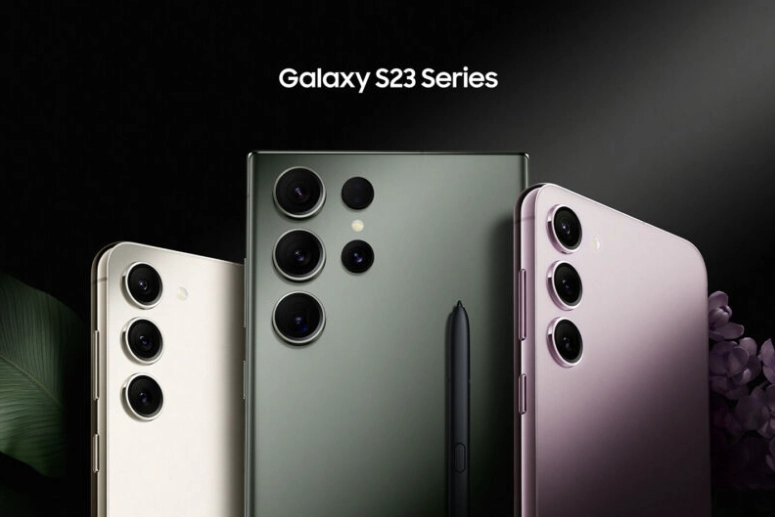
Galaxy S23 series

The comparison reveals that the Galaxy S23 Ultra takes around 40 minutes longer to charge wirelessly from 1-100% than the Galaxy S22 Ultra, while the Galaxy S23 Plus takes about 15 minutes longer, and the Galaxy S23 takes approximately 16 minutes longer. This is surprising, given Samsung’s emphasis on speed and performance on its latest smartphones.

Galaxy S23 series wireless charging comparison

One possible explanation for this slower charging speed is Samsung’s concern about heat dissipation. The company’s documentation states that the Galaxy S23 includes “an enhanced level of heat dissipation” to prevent overheating. Nevertheless, this does not fully explain why the last generation flagship, featuring the same battery size and wireless charging tech as the Galaxy S23 Ultra, can recharge faster than the newer model at the same charging speed.

It’s worth noting that 15W wireless charging is not the fastest standard available, and other brands like OnePlus have been offering 50W wireless charging for a couple of years now. It’s important to note that Samsung’s 15W fast wireless charging is only available on the company’s own chargers, which means that customers using third-party charging pads may experience slower charging speeds. In fact, even if the third-party charger supports 15W charging, the speeds may be capped at 10W due to compatibility issues.

Overall, this discovery may be disappointing for Samsung Galaxy S23 owners who were expecting faster wireless charging speeds. However, it’s important to keep in mind that heat dissipation is a critical issue for modern-day phone makers, and Samsung may have taken this decision to prioritize the safety and longevity of its flagship phones.

RELATED:

(Source)

OnePlus Pad Price In India Tipped Ahead Of Official Announcement

Yesterday, OnePlus started taking pre-orders for the OnePlus Pad in the US, Europe, and UK markets. Interested buyers in these markets will be eligible for early bird offers. The brand also confirmed that the full price of the device will be revealed on April 25th. The tablet’s India pricing and availability remain under the wraps. Now the OnePlus Pad’s India pricing has seemingly been tipped. 

Tipster Abhishek Yadav has shared an image that shows a table with product name, minimum transaction value, and instant bank discount. The OnePlus Pad is mentioned in the table with MTV as Rs 23,099 and the bank discount is Rs 2,000. The offer period says April 28 – April 30th indicating that we might learn the tablet’s India pricing on April 25th which also happens to be for other markets. Yadav adds that the OnePlus Pad will carry a starting price tag of Rs 30,000 – Rs 32,000. 

With launch offers, the price is expected to come below Rs 30,000. If it indeed turns out true, then the OnePlus Pad would be a great tablet option. It would compete against the likes of the Xiaomi Pad 5, Samsung Galaxy Tab S7 FE, iPad 9th gen, and more. 

As for core specifications, the OnePlus Pad packs an 11-inch LCD display bearing a 2.8K resolution and a 144Hz refresh rate. It is powered by a Dimensity 9000 SoC coupled with up to 12GB RAM and 256GB onboard storage. The tablet is backed by a 9,510mAh battery unit with support for 67W charging.

Related:

Samsung Struggles to Find a Solution to Ongoing Camera Issue on Galaxy S23 Series

Samsung continues to make waves in the smartphone market with its Galaxy S23 series. The flagship Android devices often make headlines with their innovative features. However, not everything is going as the South Korean tech giant would like. The software issues that many Android phones experience from time to time have finally caught up with the Galaxy S23 series as well. Here are the details…

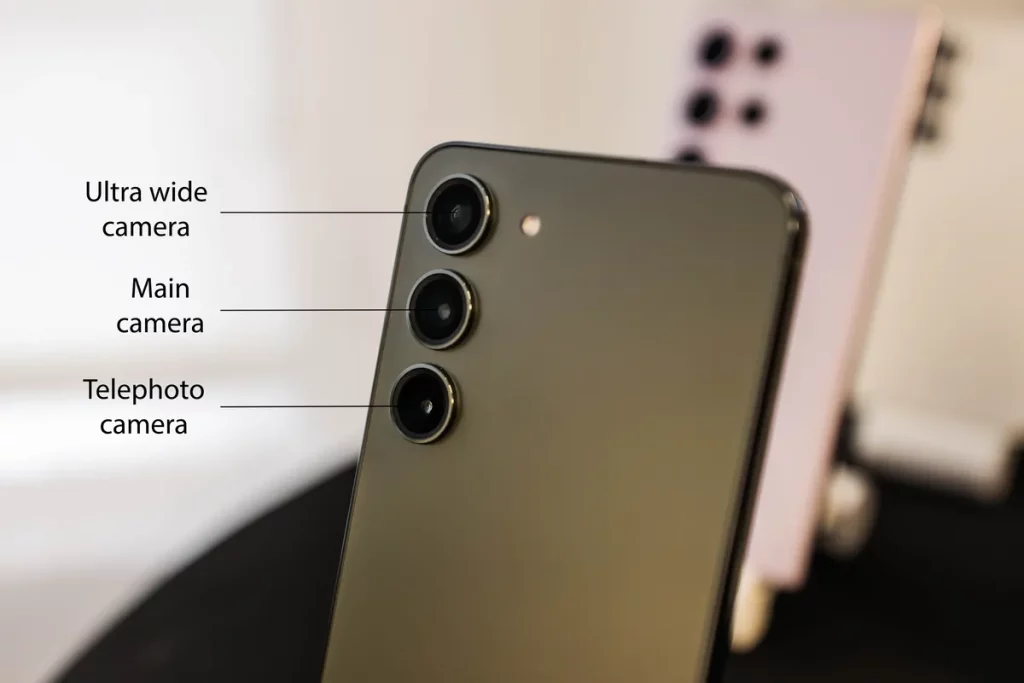
Galaxy S23 camera may have a hardware issue that Samsung hasn’t addressed yet

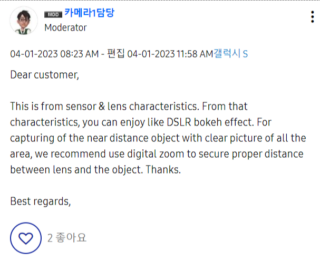
A Reddit user brought attention to an issue with their Galaxy S23, where photos taken in landscape mode exhibit a blurry and smudged spot on the left side, with a similar soft spot appearing on the top when capturing images in portrait mode. This problem affects image quality and renders photos of documents unusable. The issue persists across different types of shots, and software updates have failed to rectify the problem.

Samsung Galaxy S23

Further reports revealed that many other Galaxy S23 and S23+ users are facing the same issue. Users from many different parts of the world express that they have similar problems. One user who sent their device to Samsung’s official service center reported that technicians recognized the problem but were unable to resolve it.

Despite some users having their camera sensors replaced, the problem remains unresolved. Samsung’s service centers lack non-faulty camera sensors for replacement, leaving customers frustrated. The issue appears to be software-related (However, it is not possible to say for sure without the company’s explanation.) and affects both the Galaxy S23 and some Galaxy S22 models, though the Galaxy S23 Ultra remains unaffected.

With a growing number of Galaxy S23 and S23+ users reporting this camera issue, it’s time for Samsung to take the matter seriously and provide a proper resolution. Ignoring the problem is not an option for a brand that prides itself on delivering reliable and well-tested flagship smartphones.

RELATED:

(via)

ZTE Axon Pad 5G launched as world’s first tablet with Snapdragon 8 Plus Gen 1 tablet, dual 5G SIM

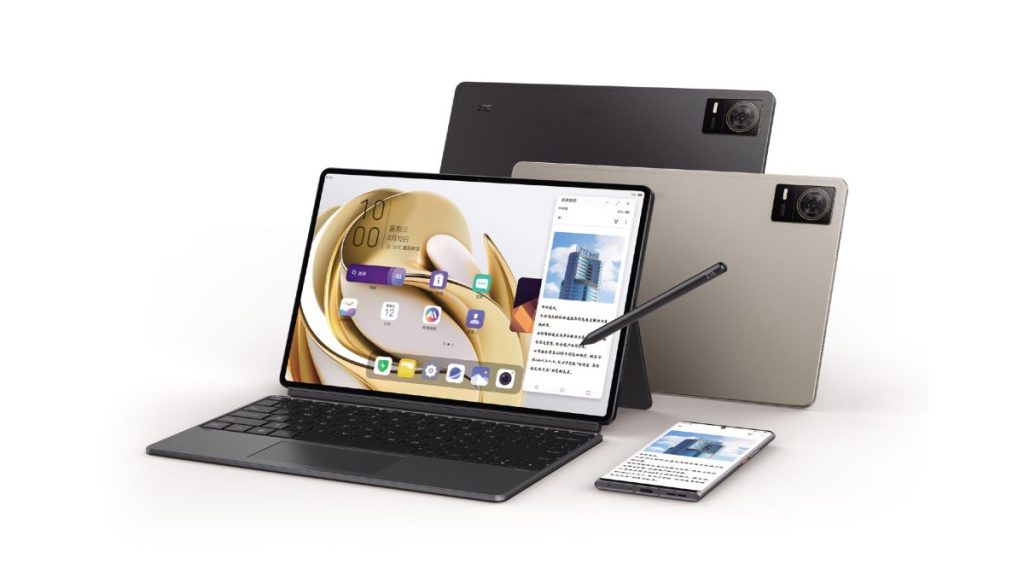
ZTE held a launch event in China to unveil the Axon 50 Ultra flagship phone. At the same event, the company also announced the Axon Pad 5G tablet. It is the first-ever tablet to feature the Snapdragon 8 Plus Gen 1 chipset. Here is a look at the other specifications, features, and price of the Axon Pad 5G.

ZTE Axon Pad 5G specifications and features

ZTE AxonPad 5G
ZTE Axon Pad 5G

The ZTE Axon Pad 5G has a thickness of 6.5mm and weighs 605 grams. It houses a 12.1-inch IPS LCD panel that offers a 2.5K resolution of 2560 x 1600 pixels, a 120Hz refresh rate, and 10-bit colors. The tablet supports accessories such as a stylus and ZTE’s smart magnetic keyboard.

The tablet comes preloaded with the MyOS 13-based Android 13 OS. It will allow users to easily switch between work and life profiles. It also promises seamless connectivity between ZTE devices. ZTE’s new tablet is powered by the Snapdragon 8 Plus Gen 1 chipset, LDDR5 RAM, and UFS 3.1 storage. The device is equipped with a dedicated chip for security.

ZTE AxonPad 5G
ZTE Axon Pad 5G

The Axon Pad 5G packs a 10,000mAh battery and supports 80W charging. It is also the first tablet to come with support for dual 5G SIMs. The back panel of the device has a single camera with an LED flash. At present, there is no word on the megapixel count of the front and rear cameras of the AxonPad 5G.

ZTE is yet to confirm the RAM and storage variants of the Axon Pad 5G. At present, the ZTE Axon Pad is only available for purchase by government and corporate entities; there is no version of the product that is currently marketed to individual consumers. As seen in the image above, it will be available in black and gray colour options.

RELATED:

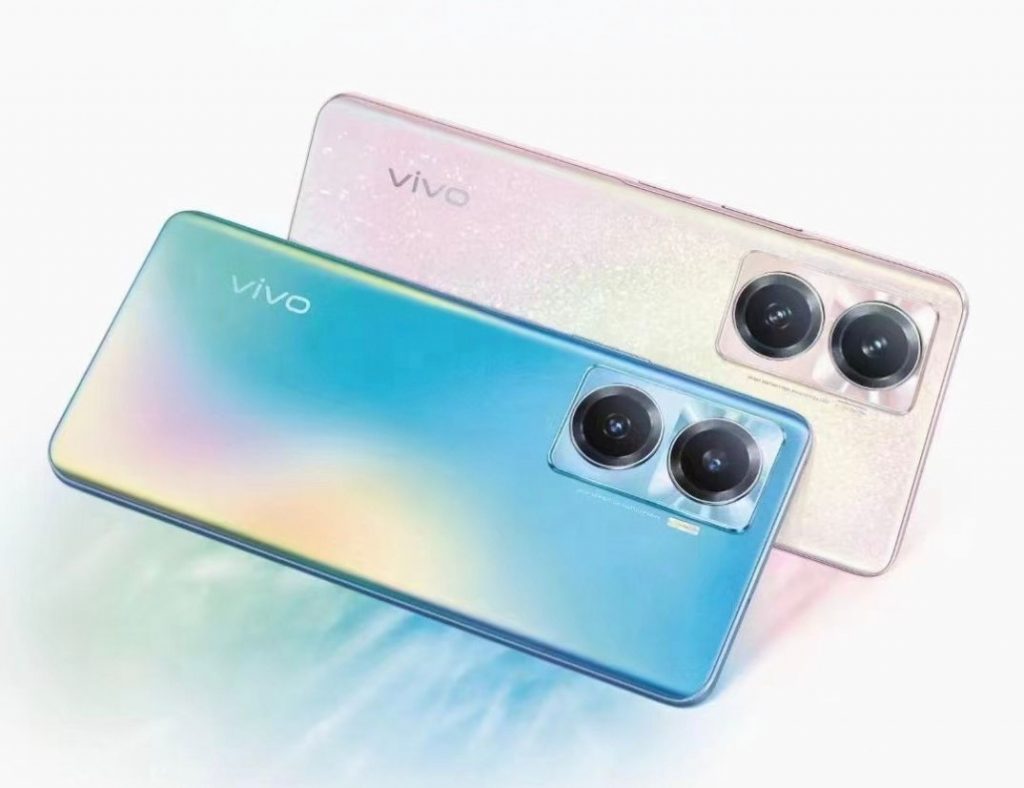
Vivo Y78+ appears on Geekbench revealing chipset and more

We have been hearing about the Vivo Y78+ since last month. The device initially appeared on TENAA revealing its battery capacity. Later, it was spotted on 3C along with its charging speed.

Now, the phone has made its appearance on Geekbench. Its latest online listing has disclosed the chipset present underneath it.

Vivo Y77 5G
Vivo Y77 5G

According to Geekbench, the upcoming Vivo Y78+ (aka Vivo Y78 Plus) with model number V2271A will be powered by a Qualcomm Snapdragon 695 SoC. The variant that was benchmarked has 12GB RAM. There could be other memory variants as well.

On the software front, the handset will boot Android 13. As far as performance is concerned, it is capable of scoring around 670 points and 1976 points in single-core and multi-core tests, respectively.

As per previous reports, the device will be backed by a 5,000mAh battery. This giant cell will be able to charge at a maximum rate of 44W.

Unfortunately, that’s all the information we have on this handset. Going by the details so far, the Vivo Y78 Plus sounds like yet another budget 5G smartphone.

The phone is expected to release first in China. Since it is yet to be certified by other international agencies, it’s not known whether it will be launching outside the brand’s home market.

RELATED:

Faraday Future FF 91 EV will finally hit mass production after 9 years this month

Back in January 2023, Faraday Future had announced that its upcoming luxury electric vehicle model, the FF 91, is in the final stages of development. Now, the company has officially revealed that the mass production stage is just around the corner, after around 9 years of delay.

Faraday Future

Earlier today (12th April 2023), the EV maker announced that the mass production of the FF 91 is set to kick off in China later this month. Notably, Faraday Future Motors will also be officially unveiling its first ever mass produced EV model in California later this week. The company even offered a countdown, which reveals an announcement date that is 3 days away. The brand will be hosting the launch event at 9 am Beijing time on April 15, which can also be watched via the FF app.

Furthermore, in the latest promotional teaser, Faraday Future announced that it is working on creating an advanced manufacturing plant that will incorporate leading cutting edge automated production process. In a previous announcement, Faraday Future had launched the production of the FF 91, with the event also including the company’s founder Jia Yueting.

Faraday Future

During this event, the official stated that this dream of his has been held up for 9 years now and that the FF 91 will live up to all expectations as the ultra luxury EV that it promises to be. For those unaware, Faraday Future positions itself as a luxury brand in the popular electric vehicle market with the FF 91 believed to cost as high as 200,000 US Dollars.

RELATED:

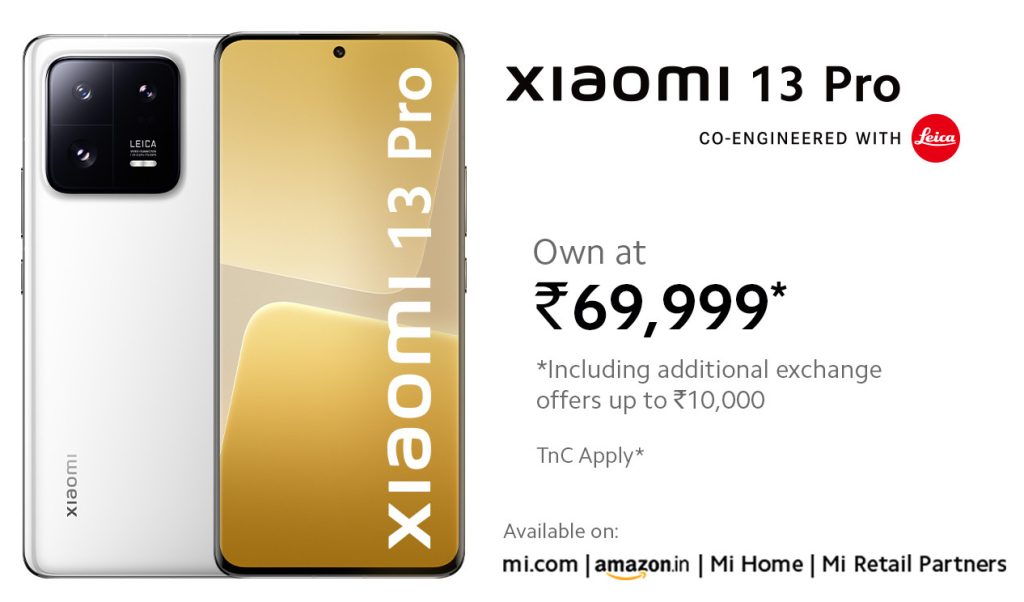
Xiaomi 13 Pro Available Under Rs 70,000 With Bank Discount and Exchange Offer For A Limited Period

Xiaomi launched the Xiaomi 13 Pro smartphone in India earlier in February this year. It comes in a single 12GB + 256GB RAM and storage configuration carrying a price tag of Rs 79,999. Although the retail price remains the same, Xiaomi is offering a huge discount for ICICI Bank customers along with an exchange offer on old smartphones. This is valid across the brand’s website, Mi Home, Mi Retail Partners, and Amazon. The discount is a part of the Xiaomi Fan Festival. 

Interested customers with ICICI Bank credit cards can avail of a flat instant discount of Rs 8,000 on the purchase of the Xiaomi 13 Pro via credit and credit EMI transactions. There is an exchange value of up to Rs 33,000 on old smartphones on Amazon. Customers purchasing from Xiaomi’s official website will be eligible for up to Rs. 10,000 exchange bonus if they have a Redmi and Xiaomi smartphone. Extra Rs 2,000 will be added during checkout.

The ICICI Bank discount brings down the price of the Xiaomi 13 Pro to Rs 71,999. With an exchange offer for Xiaomi and Redmi users, the phone can be availed at Rs 69,999.

Other smartphone users are also eligible for up to Rs. 8,000 exchange bonus. It’s worth noting that the exchange bonus value depends on the condition of the user’s smartphone. 

The Xiaomi 13 Pro boasts a 6.78-inch 2K AMOLED display with curved edges, a 120Hz refresh rate, and a 1,900 nits peak brightness. It is powered by a Snapdragon 8 Gen 2 processor and backed by a 4,820mAh battery unit with support for 120W wired and 50W wireless charging. The smartphone features a 1-inch 50MP primary sensor along with a 50MP telephoto lens and a 50MP ultra-wide-angle shooter. 

Related:

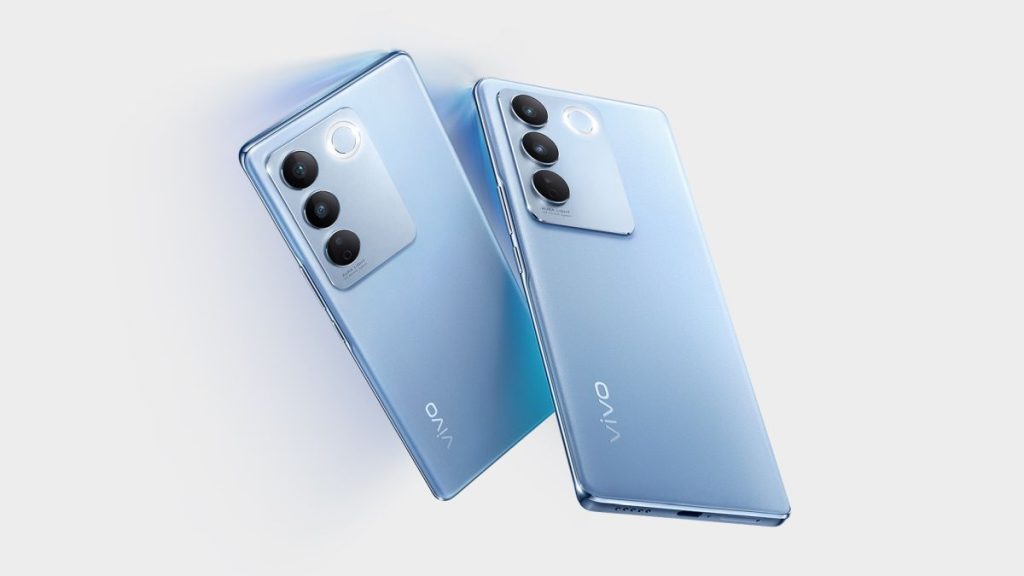
Vivo S17 series launch timeframe, chipset details tipped

Vivo is reportedly working on the Vivo S17e, Vivo S17, and Vivo S17 Pro. These devices will succeed the Vivo S16e, S16, and S16 Pro, which debuted in December 2022. A report that surfaced last month revealed some details about the upcoming smartphones, including their model numbers and some specifications. However, a new Weibo post by tipster Wisdom Pikachu has shed more light on the chipsets that will power the S17 trio and the expected launch timeframe.

As per the information shared by the tipster, the Vivo S17 series is expected to be announced at some point in May. Hence, its arrival is expected to coincide with the 618 online shopping festival in China, which will be held around June 18. The timing of the launch could be strategic, as it will allow Vivo to capitalise on the festival’s increased consumer spending.

Vivo VS16
Vivo VS16

OPPO is expected to announce the Reno 10 series in May in China. The tipster claimed that the upcoming Vivo S17 will rival the Reno 10 lineup. Hence, the S17 lineup is expected to launch in May, but we believe that it may debut by the end of the said month.

In the Weibo post, the tipster also mentioned three chipsets, such as the Snapdragon 778G, Dimensity 8200, and Snapdragon 8+ Gen 1. These chipsets may power the Vivo S17e, Vivo S17, and Vivo S17 Pro. Interestingly, the OPPO Reno 10, Reno 10 Pro, and Reno 10 Pro+ are also said to be equipped with the SD778G, D8200, and SD8+G1, respectively.

According to the leaked information that surfaced earlier this month, the Vivo S17e, S17, and S17 Pro have model numbers V2285A, V2283A, and V2284A, respectively. It also revealed that the Vivo S17 series will have common features, such as an AMOLED screen with curved edges, a color-changing rear shell, and an OIS-assisted main camera. The S17 lineup will come in RAM and storage options like 8 GB / 12 GB of RAM and 128 GB / 256 GB of storage. Additionally, the S17 Pro is expected to have a 16 GB RAM variant, catering to users with more demanding needs.

RELATED:

(source)

ChatGPT has created its own language, could be its first step for the AI takeover

Artificial Intelligence or AI has basically become an integral part of modern day life, with ChatGPT basically being close to becoming a household name now. However, the more the platform grows the more creepier instances are surfacing online. So let’s have a look at how the latest news hints at a possible AI takeover.

To keep things perfectly clear, ChatGPT is no Skynet from the Terminator and this news doesn’t imply that AI is getting out of hand, at least not yet that is. The popular AI based chatbox platform has just recently created its own language to extend entire conversations. It created this to extend its 8K limit conversations. Users of the platform found that GPT-4 was able to compress longer conversations in shorted forms thanks to a newly created compression language that one can utilize as a new prompt later on.

In simpler terms, ChatGPT is basically offering you a compressed form of the conversation, which you can use in a new prompt in the chat that will basically carry all the data from the previous conversation. Meaning, you are recreating your entire chat again. This doesn’t just let you continue your previous chats with the AI chatbot, but also technically extends your conversations beyond its total word limit.

ChatGPT

ChatGPT has a word limit that has a restriction of around 25,000 words, while other reports hint at around an 8,000 word limit. So there is a chance that your conversation with ChatGPT will get cutoff in the middle. For better context, the platform doesn’t simply create the compressed message on its own. So there is no AI doomsday yet with machines talking to one another in an unidentified language. Interestingly enough, this language has been dubbed as Shogtongue by gfodor on Twitter. Thanks to this, one can basically carry forward their month long conversation with the bot.

One needs to request it to compress the entire conversations, with the process also requiring a very specific set of instructions as well. According to writer Jeremy Nguyen, one needs to specify that the compression should be “lossless but results in the minimum number of tokens that could be fed into an LLM like yourself as-is and produce the same output.” He had also asked it to utilize different languages, symbols, and “other up-front priming.”

Notably, this language isn’t an epic sum total of all existing languages and is far from being perfect. Nguyen noted that GPT-3.5 is still unable to understand the compressed language and GPT-4 via API also has issues with decoding these conversations. So as of right now, the new language compression method works best with GPT-4, which is OpenAI’s most advanced version of the AI chatbot.

RELATED:

(Via)

Galaxy S23’s major camera update now rolling out in the US

Samsung is now rolling out the major camera-improving update for the Galaxy S23 series in the US. The update, which was previously released in South Korea, Europe, and India, is now available for carrier-locked and unlocked models of the Galaxy S23, Galaxy S23+, and Galaxy S23 Ultra.

The update, which comes with firmware version S91xUSQU1AWC8 for carrier-locked units and S91xU1UEU1AWC8 for unlocked models, includes the April 2023 security patch as well as all the camera improvements and fixes that Samsung previously detailed.

Galaxy S23 Ultra

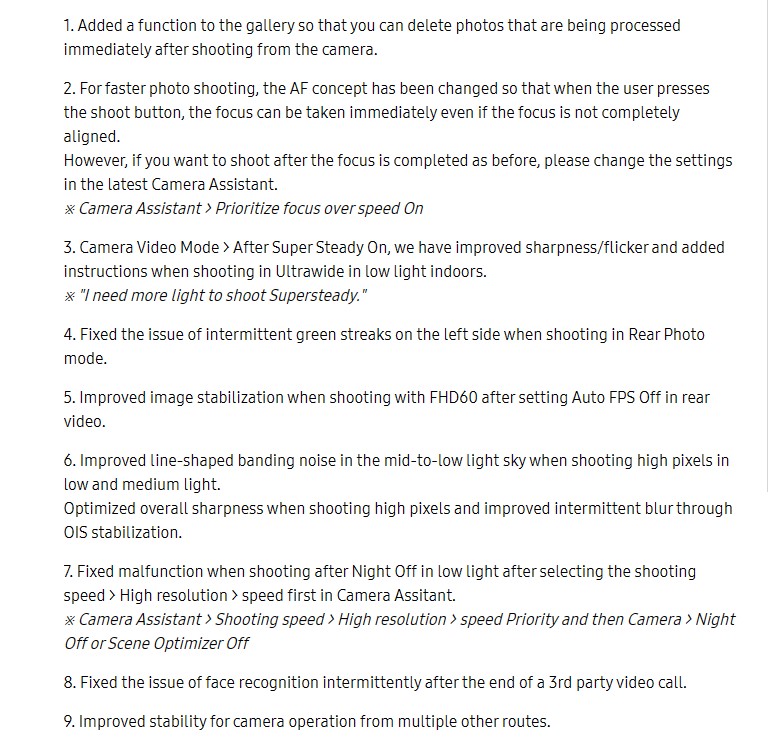
One of the major improvements included in the update is the addition of a feature to the gallery that allows users to delete photos being processed immediately after they are taken with the camera. Another improvement is the change in the AF concept, which enables faster photo capture by allowing users to take a photo even if the focus is not fully achieved yet.

The update also improves the clarity and flicker when shooting with the ultrawide lens in indoor low-light conditions after enabling Super Steady on the camera’s video mode. It also fixes issues such as the occasional appearance of a green line on the left side when taking photos in the rear photo mode and the intermittent failure of facial recognition after ending a third-party video call.

Furthermore, the update improves the stabilization of shaky footage when shooting in FHD60 with auto-FPS turned off in the rear video mode. It also improves the linear banding noise that occurs in low light conditions when taking high-resolution photos, optimizes the sharpness overall, and fixes occasional blurring caused by OIS stabilization.

Galaxy S23 Update Changelogs:

Galaxy S23 camera update changelogs

To get the update, users can check for it manually by navigating to their Galaxy S23/S23+/S23 Ultra’s Settings > Software update menu. With these camera improvements and fixes, Samsung continues to improve its Galaxy S23 series, making it a more attractive choice for users looking for high-quality smartphone cameras.

RELATED:

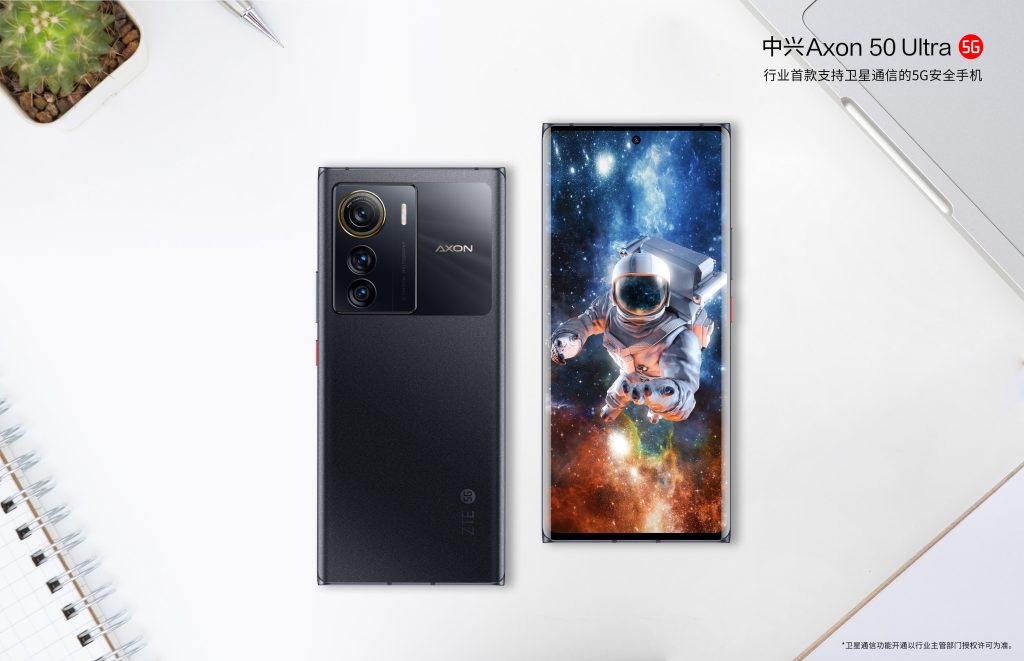
ZTE Axon 50 Ultra launched with two-way satellite communication, SD8+ Gen 1 chip, and more

As scheduled, the ZTE Axon 50 Ultra has been unveiled in China today. As the name suggests, it is the company’s latest premium flagship smartphone.

However, it does not come with the newest powerful chipset or a high-end mobile camera system. But it arrives with a feature that’s currently only offered by two consumer brands, namely Apple and Huawei.

ZTE Axon 50 Ultra

The ZTE Axon 50 Ultra is built around a 6.67-inch flexible curved OLED display. The 10-bit panel offers a resolution of 2400 x 1080 pixels (FHD+) and a 144Hz refresh rate.

The device is powered by a Qualcomm Snapdragon 8+ Gen 1 chip. Thus, it is limited to UFS 3.1 storage but uses LPDDR5x RAM.

On the rear, the handset sports a triple camera system. The setup includes an OIS-assisted 64MP Sony IMX787 primary sensor, a 50MP ultra-wide unit, and a 50MP telephoto snapper.

The main highlight of the phone is that it carries support for Beidou’s two-way satellite communication system. Thus, users can send and receive emergency messages when they are out of network coverage.

The smartphone houses DTS: X Ultra-supported dual stereo speakers. Finally, it draws energy from a 5,000mAh battery and can charge at a maximum speed of 80W.

Weirdly, ZTE hasn’t revealed the pricing and availability of its new handset.

RELATED:

Xbox PC Game Pass Expands to 40 New Countries, Nearly Doubles Global Availability

The fierce competition between Xbox and PlayStation continues unabated. After lagging behind its rivals in the eighth-generation consoles, Microsoft has made a comeback in the ninth generation with successful products. However, the company aims to stand out more with its services and offerings rather than just hardware. One of the most interesting services among these is Game Pass. Not content with limiting this service to just gaming consoles, Microsoft launched what could be described as the “Netflix of games” for PCs as well. Now, Xbox PC Game Pass expands to 40 new countries, nearly doubling its global availability. Here are the details…

Xbox PC Game Pass Expands to 40 New Countries

Xbox has announced the expansion of its PC Game Pass service to 40 additional countries, taking the total number of countries covered to 86. This significant expansion primarily focuses on regions in Europe, the Middle East and North Africa (MENA), and Central and South America. The move comes after Xbox began testing the PC Game Pass in these new territories back in February 2023.

Xbox Game Pass games

To celebrate the expansion, Xbox is offering a limited-time special welcome offer for new users, with pricing varying by territory. Furthermore, members of the Xbox Insider Program in these new regions will receive two months of PC Game Pass for free. This ensures that new users will have the same suite of benefits as existing PC Game Pass subscribers, such as access to Xbox Game Studios releases on day one, Bethesda’s back catalog, an EA Play membership, and exclusive content in Riot Games’ titles.

The cloud gaming service offered by PC Game Pass enables players to access games on less powerful hardware, reducing the upfront costs associated with playing PC games. The newly added territories that can now fully access PC Game Pass include Albania, Algeria, Bahrain, Bolivia, Bosnia and Herzegovina, Bulgaria, Costa Rica, Croatia, Cyprus, Ecuador, Egypt, El Salvador, Estonia, Georgia, Guatemala, Honduras, Iceland, Kuwait, Latvia, Libya, Liechtenstein, Lithuania, Luxembourg, Malta, Moldova, Montenegro, Morocco, Nicaragua, North Macedonia, Oman, Panama, Paraguay, Peru, Qatar, Romania, Serbia, Slovenia, Tunisia, Ukraine, and Uruguay.

This expansion reaffirms Xbox’s commitment to broadening its global reach and making gaming more accessible to players worldwide. With the addition of these 40 new countries, the gaming community can expect an even more diverse and rich experience on the Xbox PC Game Pass platform.

RELATED:

(via)

Stay Up-to-Date with Google Bard’s New “Experiment Updates” Page

Google’s work on artificial intelligence Bard continues at full speed. The company, which has been lagging behind ChatGPT, developed by OpenAI for a while, is preparing to change this situation with new features and updates. Recently, the company announced an ‘experiment updates’ page, where it will share innovations, developments, and fixes related to Google Bard. Here are the details…

Google Bard’s New “Experiment Updates” Page Offers Transparency on AI Development

The Google Bard, which was announced earlier this year, has been in a constant state of development. While Google has been actively tweaking its AI models, it has been challenging for users to know exactly what the service is capable of due to the lack of a centralized information hub.

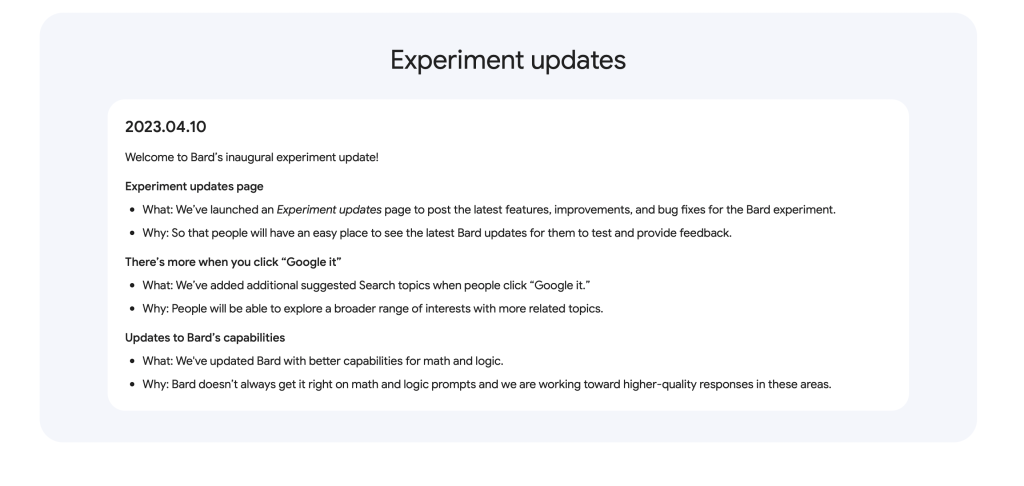
Addressing this issue, Google has recently launched a new “experiment updates” page to keep users informed about the latest developments in Bard, including new features and bug fixes. The update page offers a brief description of “what” and “why” for each posted update. According to Google, this page aims to provide “an easy place to see the latest Bard updates for users to test and provide feedback.”

This move towards openness is seen as a step in the right direction for the company, which aims to be more transparent about the development process of its AI technology. In the same post, Google has made two additional announcements. Firstly, they have introduced new search options when users click “Google it.” Secondly, the company has acknowledged issues with Bard’s math and logic skills, revealing that the AI doesn’t always provide the correct answers.

Google is currently working on fixing these issues, following the recent upgrade to a more advanced language model for Bard. Although the updates on the page are short and lack detailed information on how Google is implementing these changes, the transparency demonstrates the company’s commitment to keeping users informed about its AI development.

In a time when concerns about unregulated advancements in AI technology are growing, Google’s openness is likely to earn them trust points from both industry professionals and the general public.

RELATED:

(via)

Samsung sees 3 execs from its Indian public policy team quit

Samsung India has apparently seen three of its public policy executives quit in India within a single week. The news arrives from sources close to the matter, so here are all the details regarding this matter.

The sources told Reuters that the South Korean tech giant has seen three of its executives quit that were a part of its public policy team. However, this news also comes as Samsung is facing regulatory issues in the Indian market. For those unaware, a public policy team play an integral role in tech companies since they help the firms to balance local regulation issues in any given nation. As of right now, Narendra Modi’s government (Indian Prime Minister) is pushing for domestic electronics manufacturing.

Samsung

Furthermore, they have also been implementing stricter regulations on tech giants that operate within the country. As per sources close to the matter, Binu George that worked with the company’s corporate affairs and strategy, Surabhi Pant who worked with policy and public affairs, and Nikhil Kaura from the same team have resigned from Samsung within the last week. The three were a part of a seven member team that is headed by Aggarwal, who is a former bureaucrat that joined the company back in December.

He had previously also led public policy at Meta and Uber in India. These three executives have yet to respond to Reuters’ request for a comment. Similarly, Samsung has also decline to respond to this matter as well. The reason for the three execs quitting is still unclear, but it adds to the challenge that Samsung is facing in the region.

RELATED:

(Source)

Huawei Nova 11 series detailed specs and live images leaked ahead of launch

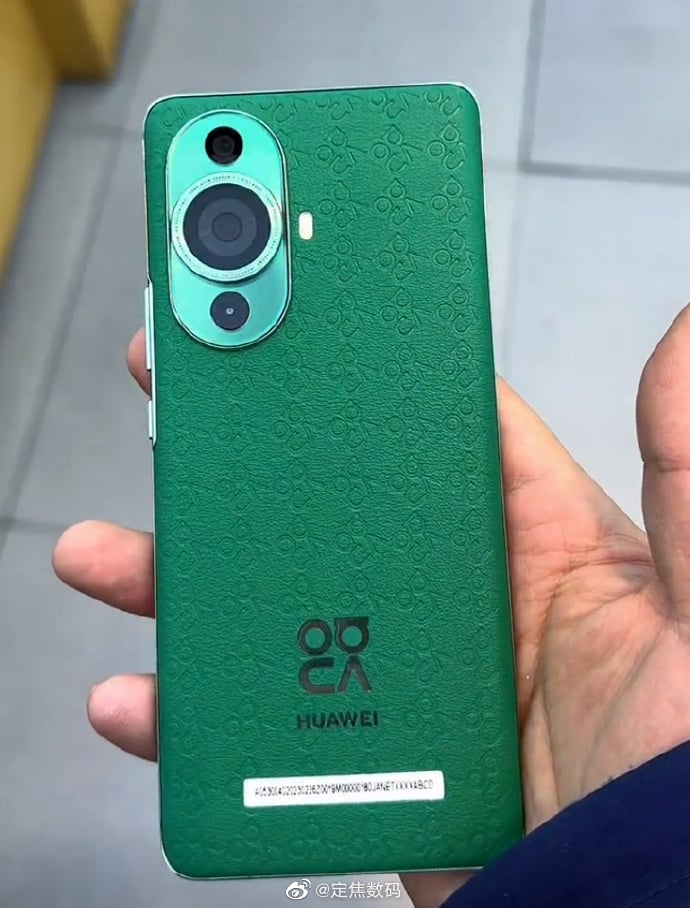
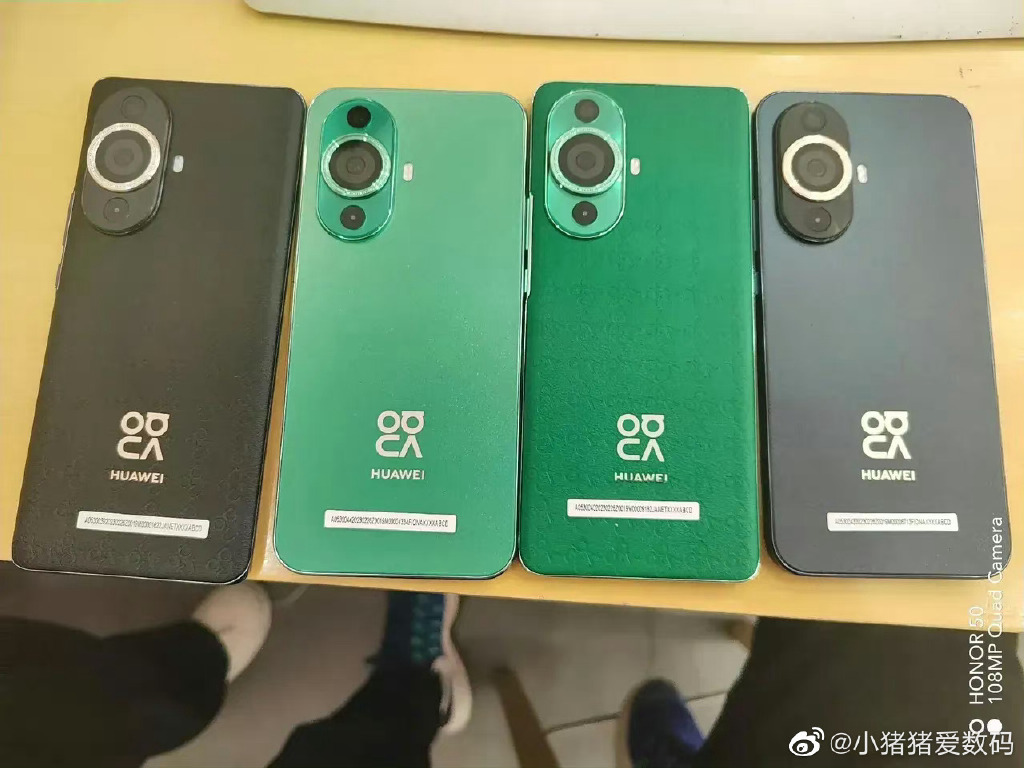
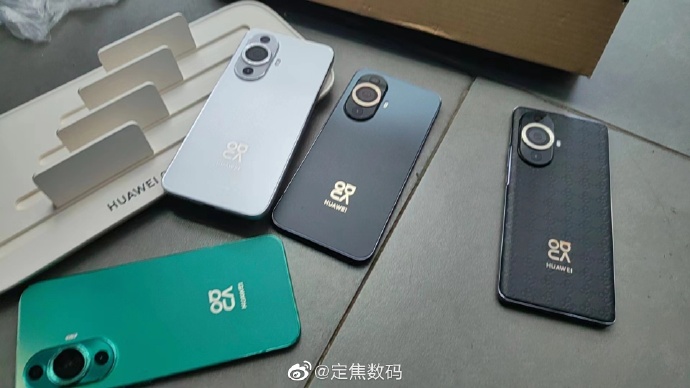
The much-awaited Huawei Nova 11 series is all set to be launched on April 17. Nova 11 Ultra variant is spotted in a live image which showcases a stunning design with the all-new “nova” embossing on the background panel, featuring an eye-catching green color. The camera module is arranged with a triple vertical lens and a unique large ring in the middle.

Huawei-Nova-11-Ultra-green-color-live-image

Huawei Nova 11 will consist of three variants: Nova 11, Nova 11 Pro, and Nova 11 Ultra. Popular leakster Digital Chat Station has leaked the detailed specifications sheet of all the Nova 11 models.

The Huawei Nova 11 will come in four colors and a 6.7-inch OLED panel. With a thickness of 6.88mm, it packs a 4500mAh battery with 66W Turbocharge 1.0. The phone has a punch-hole design with a 60MP front-facing camera that enables 4K selfie video recording. The phone features a triple rear camera system with a 50MP RYYB main lens, an 8MP ultra-wide-angle, and laser autofocus.

The Huawei Nova 11 Pro version sports a 6.78-inch OLED screen with curved edges and is 7.99mm thick. Similar to the standard version, it features a triple camera system and dual 60MP + 8MP ultra-wide-angle cameras on the front. The Pro version also comes with a 4500mAh battery powered by 100W Turbocharge 2.0.

The Huawei Nova 11 Ultra is identical to the Pro version in terms of specs, except for a few unique features. The Nova 11 Ultra comes with variable aperture technology, enabling immersive 10-stop aperture control, which helps to capture beautiful bokeh and bright images with a super-large aperture. Additionally, the Nova 11 Ultra features a satellite communication SMS feature, although it is yet to confirm whether it’s one-way or two-way.

All three models of the Huawei Nova 11 series feature Kunlun glass versions that offer drop resistance performance in all scenarios for increased durability.

The Huawei Nova 11 has 128GB/256GB/512GB storage options, while the Pro version comes with 256GB and 512GB storage. The Ultra version has only one option of 512GB storage.

RELATED:

(Source)

Huawei Enjoy 60X dummy leaks, 7,000mAh battery, 6.95″ display & more

Huawei is set to launch a new mid-range phone, the Enjoy 60X, in the Chinese market on April 17, and details of its specifications and design have already been leaked. As it bears the Enjoy branding, it is expected to be an affordable option for buyers.

Huawei Enjoy 60X

The Huawei Enjoy 60X is believed to be the STG-AL00 model that recently appeared on China’s TENAA certification database. Leaks have revealed that the phone will feature a large display and a powerful battery, placing it above the recently launched Enjoy 60. Here’s what we know about the phone so far.

Huawei

The smartphone’s dummy unit image shows it will have a wide notch and a 6.95-inch LCD display, 7,000mAh battery, and 512GB of storage. Previous leaks have mentioned that the display with be TFT LCD with a resolution of 720 x 1600 pixels and a 20:9 aspect ratio. The device will come pre-installed with HarmonyOS, which should enhance the phone’s user experience. The rear camera design features a round camera module, housing a 50-megapixel primary camera, an unknown auxiliary camera, and an LED flash.

According to other leaks, the Huawei Enjoy 60X will be equipped with the Kirin 710F chipset and will support 22.5W charging. The phone is expected to come in multiple configurations with 8GB RAM and 128GB, 256GB, or 512GB of storage. However, the price of the Enjoy 60X has not been disclosed yet.

We have previously covered a report that mentions that the Huawei Enjoy 60X will feature a 48MP primary sensor and a 2MP depth sensor, along with an 8MP selfie camera on the front.

Being a budget-mid range device, the smartphone is expected to be priced between CNY1,999 to CNY2,199 ($337). Stay tuned for the official announcement and release of the Huawei Enjoy 60X.

RELATED:

(Source 1,2)

WhatsApp is bringing a new Companion mode to Android Beta users

WhatsApp is rolling out a new feature called the Companion Mode for all of the beta users on the Android platform. The company had first introduced this feature back in 2022, and it is currently being tested.

WhatsApp

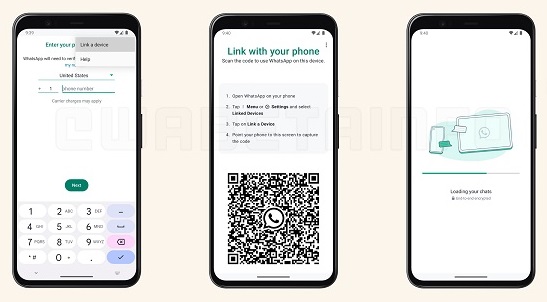
The popular chat messaging platform is rolling out the new feature of its app for Android beta users that are running the version 2.23.8.2 or newer. For those unaware, the Companion Mode basically adds another layer on the existing multi device support. This feature let you connect your WhatsApp account to another smartphone for easier access to your chats. It works even if your main device doesn’t have an active internet connection.

As of right now, Companion Mode is only available for the Android platform and let’s you connect a secondary Android device. To try this feature out, users need to download either the WhatsApp Messenger or Business app beta on their secondary Android phone. Following this step, you can select the option to ‘Link a device’ in the app while also running the app on their primary phone as well as going to Settings and then go to Linked devices.

WhatsApp

Scanning a QR code from this screen from your secondary phone will finally link the two devices. So now, you can access your chat history on both devices seamlessly. Keep in mind that this feature is still in the beta state. In other words, some aspects of the new feature is still unavailable. At the moment, you can can link up to four devices.

RELATED:

Select Xiaomi phones now come with 3 browsers

MIUI is the oldest surviving Android skin. For the unaware, it is Xiaomi’s first-ever product. Despite being on the market for years, it still does not offer longer support than newcomers like Samsung’s One UI.

Anyways, the company has now properly optimized the software for most devices, especially flagship and mid-range models. It even lets you uninstall more system apps than on any Android skin.

But now, for some reason, Xiaomi has decided to bundle not one but three browsers on select handsets. Let’s go through the details.

Redmi Note 12 pro_3
Redmi Note 12 Pro

Yesterday, I manually installed MIUI 14 on a Redmi Note 12 Pro Plus review unit loaned by Xiaomi India. To my surprise, the software is still based on Android 12.

However, I was more puzzled to notice the uninstallable Opera Browser in the app drawer. Then, earlier today, I came across this article by Xiaomiui citing Kacper Skrzypek as the source.

That’s when I realized that Xiaomi seems to have inked a deal with Opera to bundle the browser on its phones. Interestingly, this browser is limited to devices running Indian and Global versions of MIUI.

Thus, Xiaomi users in India now have to deal with two pre-installed browsers (Chrome and Opera) on their smartphones that are uninstallable. 

On the other hand, the situation is slightly different for ‘Global’ users as they get three browsers, the third one being Mi Browser. But on this version of MIUI, Opera Browser can be uninstalled.

So it looks like the uninstallable Opera Browser acts as a replacement for Mi Browser in India where the latter was banned in the country in 2020.

Do let us know your thoughts on these changes made by Xiaomi in the comment section below.

RELATED:

ChatGPT is Offering Rewards of Upto $20,000 for Finding Bugs

OpenAI, the maker of ChatGPT, has recently announced a bug bounty program to reward individuals who find flaws and bugs in the software. The company has teamed up with Bugcrowd, a bug bounty platform, to launch the program that offers rewards ranging from $200 for low-severity bugs to $20,000 for exceptional bug discoveries.

ChatGPT

ChatGPT is an AI chatbot that uses natural language processing to simulate conversations with users. Despite its advanced technology, it is still prone to bugs and other flaws. OpenAI understands this and believes that transparency and collaboration are essential in addressing this reality.

The bug bounty program is an initiative that invites the global community of security researchers, ethical hackers, and technology enthusiasts to help identify and address vulnerabilities in ChatGPT’s system. By incentivizing testing and offering rewards for bug discoveries, OpenAI hopes to attract more individuals to participate in the program.

Last month, the company had to temporarily shut down ChatGPT after a bug allowed some users to see the titles of other users’ chat histories. This incident highlights the importance of identifying and addressing vulnerabilities before they cause more significant issues.

For those who use ChatGPT extensively and have encountered bugs in the software, the detailed guidelines and rules for participation in the bug bounty program can be found on OpenAI’s bug bounty program page. The guidelines provide information on how to report bugs, the severity levels, and the rewards for each level.

Bug bounty programs have become increasingly popular in recent years, with companies such as Google, Microsoft, and Facebook offering similar programs. The main goal of these programs is to encourage security researchers to identify and report security vulnerabilities in software products.

By launching its bug bounty program, OpenAI is taking a proactive approach to identify and address vulnerabilities in ChatGPT’s system. This initiative shows the company’s commitment to maintaining the security and integrity of its software and the data of its users.

RELATED:

(Source, Via)