Advertisement

Chinese Autoflight Achieves World Record 250 Km Flight on Single Charge (Video)

Technology has been revolutionizing transportation for centuries, from horse-drawn carriages to cars, trains, and airplanes. However, recent advancements have brought a new mode of transportation to the forefront: “Flying cars,” in the form of drones. Chinese air taxi developer Autoflight has recently set a new world record for a vertical takeoff and landing aerial vehicle by completing a 250.3-kilometer flight on a single charge with its electric aircraft. Here are the details…

China’s Autoflight Claims World Record 250 Km EVTOL Aircraft Flight on Single Charge

Chinese air taxi developer Autoflight has set a new world record by completing a 250.3-kilometer flight on a single charge. The electric aircraft, named Prosperity 4, achieved the distance recently, and Autoflight has released a video of the entire flight, including vertical takeoff, fixed-wing cruise, and vertical landing.

The previous record for the longest flight by an eVTOL was 248.8 km, set by California-based eVTOL developer Joby Aviation in 2021. Prosperity 4, a five-seat vehicle powered solely by electricity, has a maximum takeoff weight of 2 tons and a maximum speed of over 200 kilometers per hour. It does not require airfield and runway facilities for takeoff and landing, and is quieter, safer, more reliable, and less costly than a helicopter, according to Autoflight.

The company’s president, Omer Bar-Yohay, said the firm is working to get the European Union Aviation Safety Agency’s airworthiness certification for the aircraft by 2025. Autoflight, which was founded in 2017, has an annual production capacity of 1,000 large eVTOL unmanned aerial vehicles at its manufacturing center in Kunshan, near Shanghai. The firm’s management hails from China, Europe, and the United States, according to its website.

This achievement is a significant milestone for the eVTOL industry, which is seeking to revolutionize urban air mobility with electric-powered aircraft that can take off and land vertically. With the ability to fly longer distances, eVTOLs could provide a more sustainable alternative to traditional helicopters, especially in densely populated areas where noise and air pollution are major concerns.

The record-breaking flight also demonstrates the potential of Chinese companies to compete in the emerging eVTOL market, which is currently dominated by American firms. As Autoflight continues to develop its aircraft and secure airworthiness certification, it could become a major player in the growing eVTOL industry. As more companies enter the market and develop new technologies, we can expect to see even more impressive achievements in the future.

RELATED:

(via)
Geely Founder With Majority Stake in Meizu, Launches DreamSmart Geared Towards Connectivity

Back in 2022, entrepreneur Eric Li, who founded Chinese automaker Zhejiang Geely Holding, purchased a majority stake in Meizu, a Chinese consumer electronics company through his venture, Hubei Xingji Shidai Technology. The purchase of a 79.09% stake in Meizu allowed the two companies to collaborate in areas such as software, while Meizu remained an independent brand. Now, Eric Li launched DreamSmart, a new venture intended to focus on global connectivity and communications.

Shen Ziyu, the current chairman of Meizu and vice chairman of Xingji Technology, revealed last year that companies can stand out in the crowded smartphone industry by offering unique products, particularly at the premium level. Drawing on his experience in the car industry, Shen acknowledged last year that overall car sales were declining, but new energy vehicles have shown a lot of promise.

Similarly, while there are plenty of low-end smartphone options, there are few choices at the premium end of this segment, and the homogenization of products is a pressing issue. Meizu’s Android-based FlymeOS has already set the brand apart, and the company plans to extend its software across a range of devices. Xingji Technology was developing a portfolio of next-generation smartphones, mobile devices, and wearable smart devices at the time that will utilize extended reality technologies.

Furthermore, as mentioned previously, the establishment of DreamSmart ( Xingji Meizu Technology Group), a holding company led by Eric Li, aims to meet the demand for enhanced human connectivity. It will create, invest in and support pioneering businesses that provide game-changing experiences, accelerating their development to converge information, communication, and transportation innovation. DreamSmart’s first move is to combine Xingjishidai’s advanced innovation with Meizu’s long-established experience in smartphone technology. This new powerhouse, called Xingji Meizu Technology Group, will focus specifically on China and Asia.

In addition to DreamSmart’s Asian operations, Li is developing a separate division to bring state-of-the-art technology to the rest of the world. DreamSmart will be headquartered in Singapore with Li as Chairman while continuing to serve as Chairman of Geely Holding Group. Li aims to invest in ideas and businesses that will enhance human lives.

RELATED:

(Source)

Alienware Launches the AW620M Gaming Mouse, Offering a 140-Hour Battery Life and 26000 DPI

Alienware is expanding its lineup of products designed for gamers. The company, which has established a reputation for itself with its high-end models, has recently unveiled a new wireless mouse. The Alienware AW620M wireless mouse is priced at $150 and comes packed with exciting features. Here are the details…

Alienware AW620M: The Wireless Gaming Mouse That’s Changing the Game

The Alienware AW620M wireless mouse is the latest addition to Dell’s gaming brand’s lineup of high-performance gaming accessories. One of the standout features of this mouse is its ergonomic design, which is specially prepared for right-handed players. However, it is worth mentioning that this is the company’s claim and we have not tried the product yet.

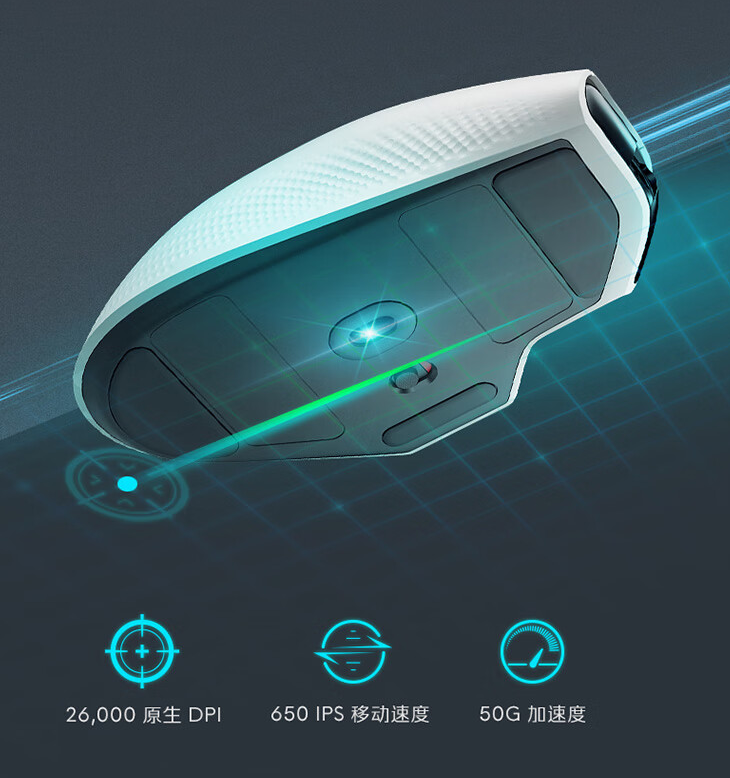
The Alienware AW620M also features a new generation of sensors with a DPI of 26,000, which supports 5 levels of DPI adjustment. A moving speed of 650 IPS, a maximum acceleration of 50G, and a service life of 70 million times. This level of precision and sensitivity makes it easier for gamers to aim and move their characters with precision. This is especially important for those interested in competitive gaming.

In terms of connectivity, the Alienware AW620M supports e-sports-level 2.4GHz wireless mode connection, which offers close to 0-delay operation and clicking. It also supports USB-C wired connection, which provides stable transmission. Battery life is also a key consideration for gamers. It can provide up to 140 hours of battery life when connected to a PC through a wireless connection, and a quick charge of 5 minutes can provide up to 10 hours of continuous gaming experience.

Alienware AW620M gaming mouse

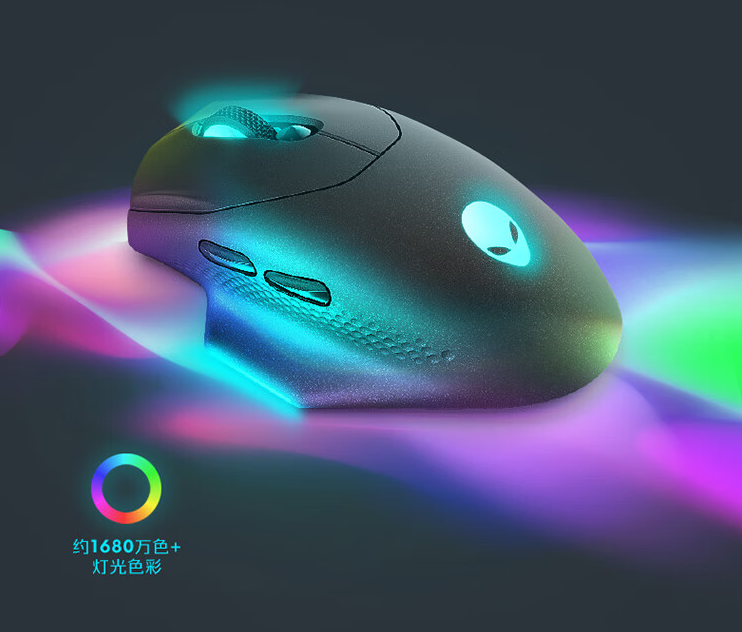
Alienware AW620M is equipped with 7 programmable buttons, which can be customized to suit the user’s preferences. Of course, the most important thing for gamers, “holy” RGB has not been forgotten here either. Three areas of the mouse provide RGB lighting effects, offering 16.8 million color combinations. Users can customize the lighting colors and effects through the official app. The price was announced as 999 yuan about 150 dollars.

RELATED:

(source)

Xiaomi 13 Pro Early Access Sale Starts Today at 12 PM in India

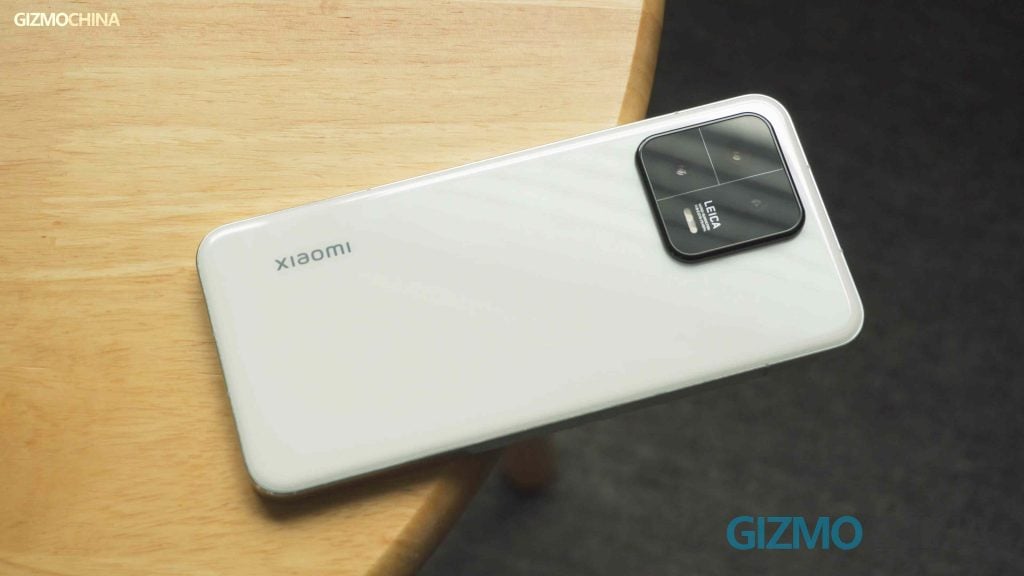
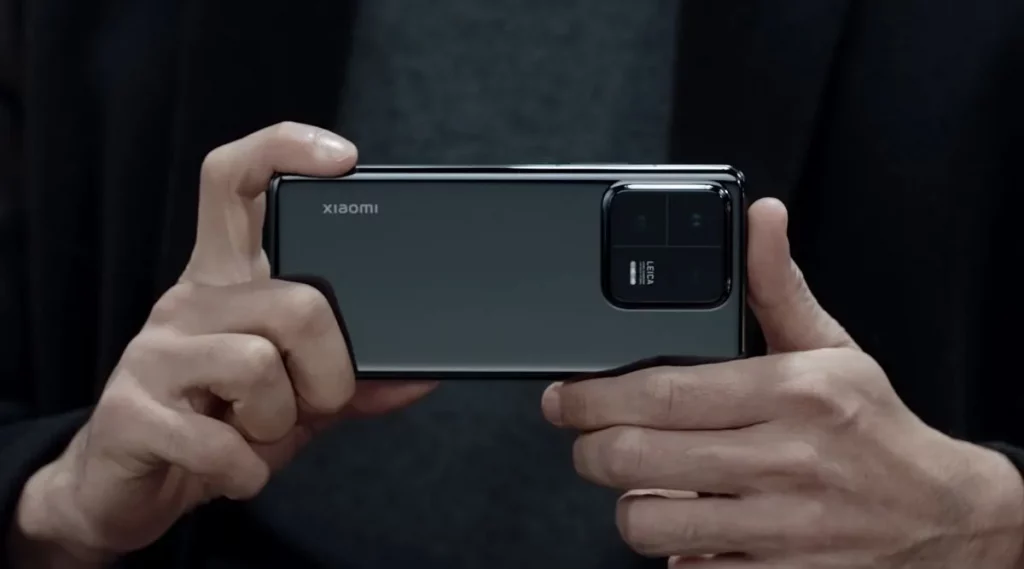
Xiaomi recently launched the Xiaomi 13 series on the world stage at MWC 2023. The brand also debuted the Xiaomi 13 Pro in India. It features cutting-edge hardware and software and is developed in collaboration with Leica for improved photography.

Starting today at 12 PM, the Xiaomi 13 Pro will be available to purchase in India via mi.com, Mi Homes, and Mi Studios.

Xiaomi 13 Pro price in India & launch offers

The price of Xiaomi 13 Pro in India is currently set at Rs 79,999 for the 12GB + 256GB variant. As part of the early access sale, customers can avail a flat discount of Rs 10,000 by using ICICI Credit and Credit EMI transactions. HDFC Credit Card holders can get an instant discount of Rs 8,000 with Credit and Credit EMI transactions. Additionally, the first few buyers of Xiaomi 13 Pro will receive an exclusive merchandise box.

Moreover, Xiaomi is also offering an exchange bonus of up to Rs 12,000 for Redmi and Xiaomi smartphones. Those exchanging devices from other brands can avail an exchange bonus of Rs 8000.

Xiaomi 13 Pro specs

The Xiaomi 13 Pro boasts a large 6.73-inch LTPO E6 AMOLED display with Quad HD+ resolution, 120Hz refresh rate, 240Hz touch sampling rate, and a peak brightness of 1900 nits. The display also supports Dolby Vision and has Corning Gorilla Glass Victus protection for added durability.

Xiaomi

Running on the latest Qualcomm Snapdragon 8 Gen 2 processor, the phone comes with up to 12GB LPDDR5X RAM and up to 512GB UFS 4.0 storage. It has a triple rear camera setup with a 50MP Sony IMX989 primary sensor, a 50MP ultra-wide-angle lens, and a 50MP telephoto camera. The front-facing camera is 32MP.

The device is powered by a 4820mAh battery that supports fast wired charging of up to 120W, wireless charging of up to 50W, and reverse wireless charging of up to 10W. It runs on MIUI 14 based on Android 13 out of the box. The global model is IP68 certified for water and dust protection.

RELATED:

Huawei Accused of Tracking Visitors Via Security Badges at MWC 2023, Company Responds

The recent accusation against Huawei has created a buzz in the tech industry, and many MWC attendees are not happy with the situation. Huawei, the Chinese tech giant, has been accused of tracking visitors who visited its booth at the most significant tech event, MWC 2023, held in Barcelona. The allegations against the company are not new. In recent years, Huawei has been considered a national security threat in the United States due to its close ties with the Communist Chinese government.

The allegation against Huawei’s tracking devices arose when some visitors failed to return their security badges, which were needed to access the Huawei booth. Upon further investigation, it was found that the plastic container of the badge contained a tracking device that looked suspiciously like a tracker. Nokia‘s new Senior Vice President of Europe, Rolf Werner, took his badge apart and displayed the circuits that could be used as trackers. The possibility of Huawei using low-powered Beacon technology to track visitors has also been discussed.

Huawei has denied the allegations, and the company spokesperson said, “The Huawei pass is used only in the booth and returned when visitors get out. There is no need to track location.” The company also mentions on the back of the badge the use of radio frequency (RFID) and Bluetooth technology to collect the swipe time, real-time location information, and the residence time information of the badge holders within the Huawei exhibition area. The information collected will be used to analyze the overall interests of the invitees in their products to enhance their service quality. Huawei added that they would protect the collected information according to their privacy policy.

The GSM Association (GSMA), which organizes MWC, commented that the suggestion of tracking devices is a serious allegation, and they are investigating the issue. The allegations against Huawei do not look good for the company at the moment, since an in-depth response clarification isn’t out yet. While Huawei has been successful in the smartphone industry, the allegations against the company’s security concerns have been a major issue. Huawei needs to provide a more detailed response to clear the air regarding the recent allegations against them.

RELATED:

(Source)

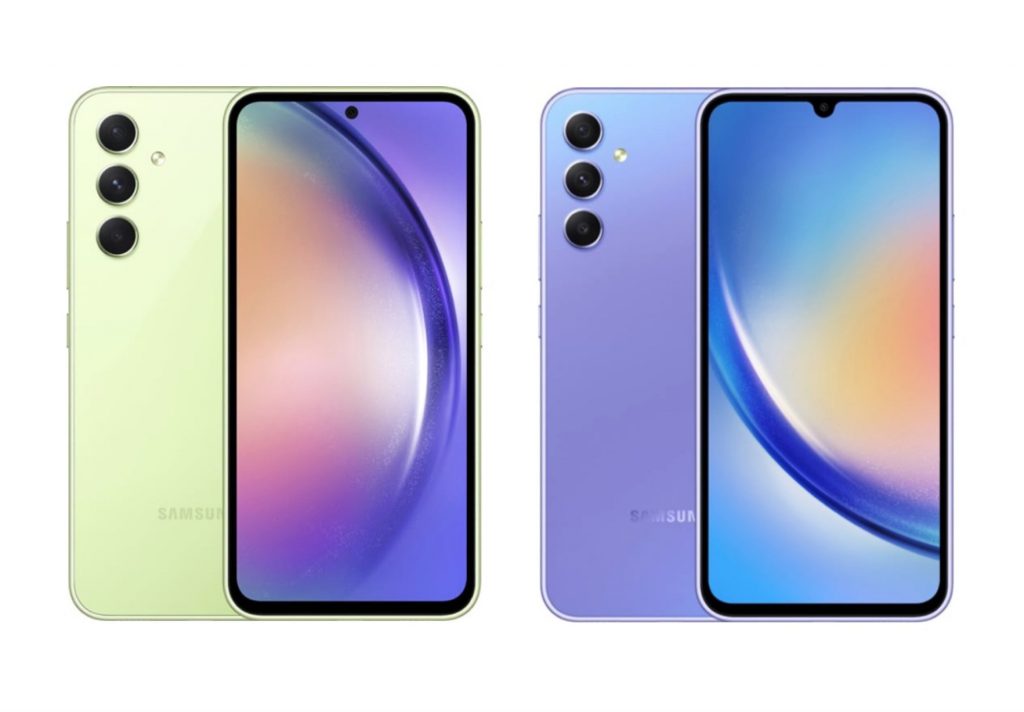
Samsung Galaxy A54 & A34 to Launch at the End of March in India

After launching the flagship Galaxy S23 series of smartphones earlier this year, Samsung is now prepping to debut its new midrange Galaxy A-series devices. A recent report suggests that the Galaxy A54 5G and A34 5G will debut on March 15 for the global market. Now, a new leak sheds some light on the Indian launch timeline.

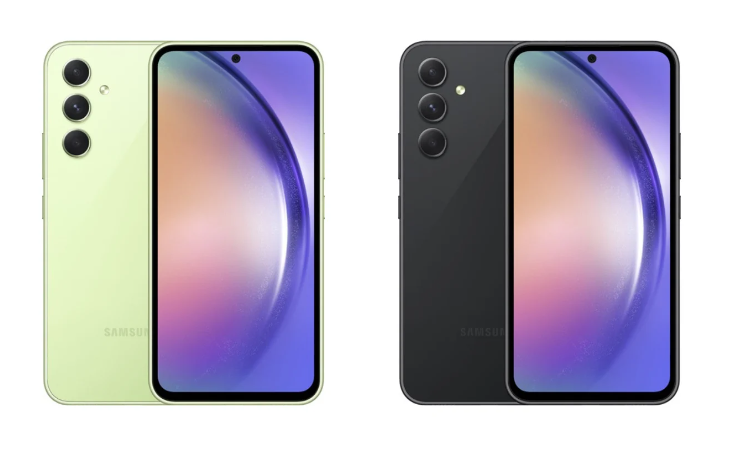
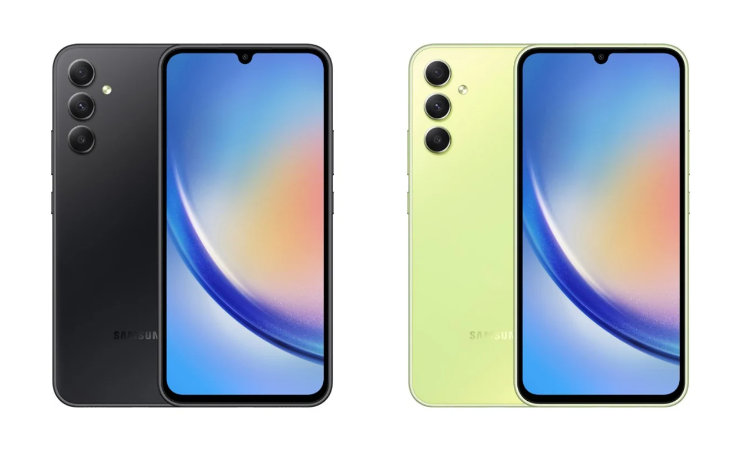
Samsung Galaxy A54 and Galaxy A34

According to tipster Debayan Roy, both the Galaxy A54 and A34 will launch in India around the end of March. Considering that Samsung devices usually arrive some days later in the sub-continent, this leak has a high chance of turning out to be true. As for what to expect from the two upcoming smartphones, you can check the details below.

Galaxy A54 5G specs (rumored)

The Samsung Galaxy A54 5G is expected to come with a 6.4-inch sAMOLED Full HD display, boasting a resolution of 2340 x 1080p, and a 120Hz display for smoother scrolling and gameplay. Under the hood, it will likely be powered by Samsung’s Exynos 1380 SoC, coupled with 8GB of RAM and storage options of up to 256GB.

In terms of its camera setup, the phone is anticipated to feature a primary 50MP sensor, complemented by a 12MP ultra-wide-angle lens and a 5MP macro lens for capturing detailed shots. On the front, it is expected to have a 32MP camera for high-quality selfies and video calls.

The Samsung Galaxy A54 is expected to feature an in-display fingerprint sensor to enhance its security. The phone will be powered by a 5,000mAh battery that supports 25W fast charging and is predicted to have an IP67 rating, providing resistance against dust and water.

Moreover, the device will come with dual SIM support, NFC, OTG, and a 3.5mm headphone jack catering to users’ varied needs. It will operate on OneUI 5.0, which is based on the Android 13 operating system, offering users an intuitive and user-friendly interface.

Galaxy A34 5G specs (rumored)

The Samsung Galaxy A34 5G is expected to have a 6.6-inch Full HD+ sAMOLED display with 2340 x 1080 pixels resolution and a 120Hz refresh rate. It may be powered by a MediaTek Dimensity 1080 SoC with up to 8GB of RAM and 256GB of storage. The phone is estimated to measure 161 x 78 x 8mm and weigh 199 grams.

Samsung

The device is anticipated to have a triple camera setup on the back, consisting of a 48MP primary sensor, an 8MP ultra-wide-angle lens, and a 5MP macro/bokeh lens. It will also have a 13MP front-facing camera for selfies and video calls.

The device is expected to come with a 5,000mAh battery with 25W fast charging support, OneUI 5.0 software based on Android 13, and an IP67 rating for dust and water resistance. Similar to the Galaxy A54, it will include a side-mounted fingerprint scanner, dual SIM support, NFC, OTG, and a 3.5mm headphone jack.

RELATED:

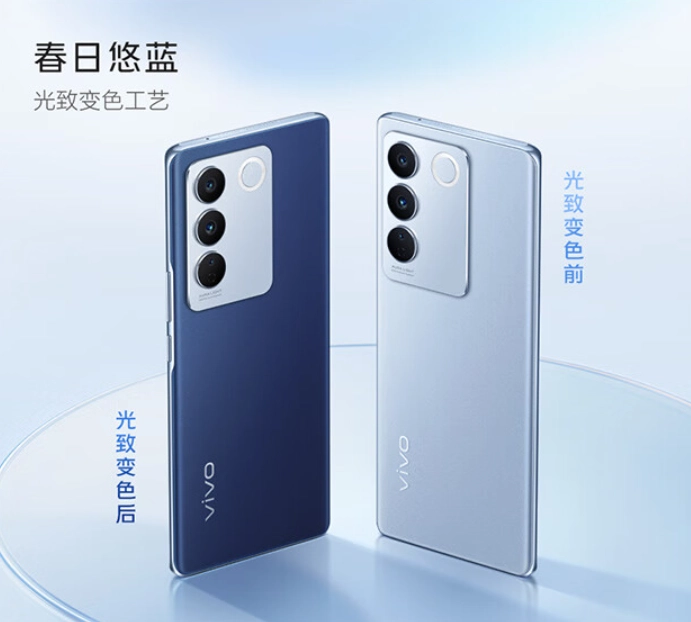
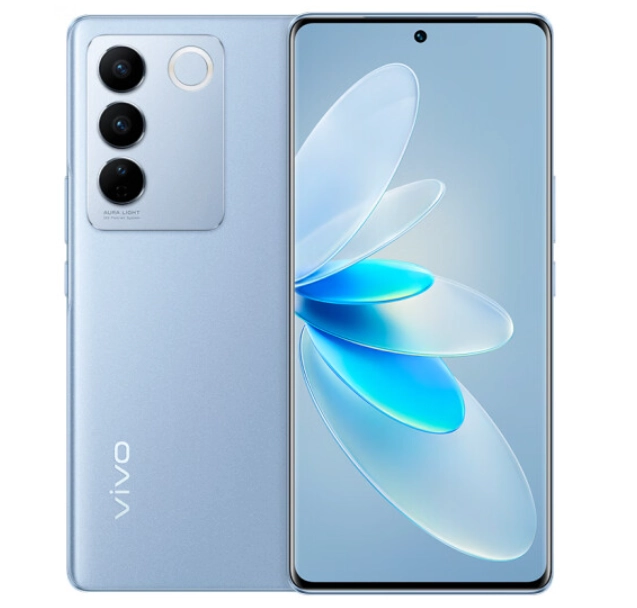
Vivo S16 Spring Blue Color Option Comes to China With Color Changing Technology

Back in December 2022, Vivo launched the Vivo S16 series in China. The series consists of three devices – Vivo S16, Vivo S16 Pro, and Vivo S16e. The company has now launched a new color scheme for the S16 model called “Spring Blue”.

Vivo

This color option comes with photochromic technology, which means that it is capable of switching colors. The AG glass back turns from light blue to dark blue when exposed to sunlight. This model is available in three configurations for the Chinese market. You can check the details below.

The initial sale price for a phone with 8GB RAM and 128GB storage is 2299 yuan ($333), down from the original price of 2499 yuan ($362). The 8GB RAM and 256GB storage variant is available at a first sale price of 2649 yuan ($383), originally priced at 2699 yuan ($391). Similarly, the 12GB RAM and 256GB storage option is offered at a reduced initial sale price of 2949 yuan ($427), while its original price is 2999 yuan ($434).

Vivo S16 specs

The Vivo S16 boasts high-performance features such as the Qualcomm Snapdragon 870 chip, LPDDR4X memory, and UFS 3.1 flash memory. It also incorporates a large 3001mm² gaming-grade VC vapor chamber and 34248mm² graphite to prevent overheating during extended gaming sessions.

Vivo

The phone features a 6.78-inch 2400×1080 OLED screen with a 120Hz refresh rate, and 300Hz touch sampling rate. Its has a peak brightness of 1300nit, and it supports 10bit color depth.

The front camera is 50MP, featuring autofocus and micro-slit fill light 2.0, while the rear camera comprises a 64MP main camera with OIS, an 8MP super wide-angle lens, and a 2MP macro lens, accompanied by a rear-mounted True Tone soft halo.

The Vivo S16 comes with a built-in 4600mAh battery that supports 66W fast charging, enabling it to charge up to 50% in just 19 minutes. It has a sleek 7.36mm thickness and weighs only 182g, supporting NFC and Bluetooth 5.2, and running the OriginOS 3 system based on Android 13.

RELATED:

(Via)
Nintendo Mario Day Sale Almost Here, Amazon Offers Discounts on Popular Titles

Nintendo games are renowned for their colorful and imaginative worlds, engaging gameplay, and iconic characters. From the classic Super Mario series to the more recent Animal Crossing and Zelda titles, Nintendo has been delivering unforgettable gaming experiences for decades. Their games often feature a perfect balance between challenging gameplay and accessibility, making them enjoyable for players of all ages and skill levels.

Mario Kart 8

With Mario Day coming up on March 10, Amazon is offering early deals on several Nintendo Switch games featuring the iconic character. Super Mario Odyssey and Mario Kart 8 Deluxe are both currently discounted, with Odyssey at 33% off and Kart at $39, down from its original price of $60. Another game, Mario + Rabbids Sparks of Hope, is now 50% off at just $30. If you’re a fan of Mario-themed titles, keep an eye out for discounts on other games like Super Mario Maker 2 and Mario Party Superstars, which are expected to be discounted closer to March 10th. 

Additionally, Amazon has lowered the price of Mario Kart Live: Home Circuit, a game that lets you create your own racetracks throughout your house and race with a camera-equipped kart controlled by either Mario or Luigi. Nintendo fans would hate to miss out on these discounts for first-party Nintendo games. Here’s a list of popular Nintendo games that will be discounted soon:

  • New Super Mario Bros. U Deluxe $40 (Original Price, $60)
  • Super Mario Odyssey $40 (Original Price, $60)
  • Mario Kart 8 Deluxe $40 (Original Price, $60)
  • Mario Party Superstars $40 (Original Price, $60)
  • Mario + Rabbids Sparks of Hope $30 (Original Price, $60)
  • Super Mario 3D World Plus Bowser’s Fury $40 (Original Price, $60)
  • Super Mario Maker 2 $40 (Original Price, $60)
  • Luigi’s Mansion 3 $40 (Original Price, $60)
  • Yoshi’s Crafted World $40 (Original Price, $60)
  • Mario Golf: Super Rush $40 (Original Price, $60)
  • Donkey Kong Country: Tropical Freeze $40 (Original Price, $60)

RELATED:

(Via)

A Pixel Watch Bug is Messing with Its Users’ Schedules

Smartwatches are a convenient tool to help you stay punctual and on top of your schedule. However, for some Pixel Watch users, their alarms have been going off late causing some frustration. One user on Reddit with the username “91114” reported that their alarm for 7 PM, set as a reminder to give their son milk, had been going off late for the past few days. Another user named “blaqice” mentioned that their alarm had gone off a few minutes before or after the set time, and they suspected that a recent update could have caused the issue.

Google Pixel Watch

While it’s not entirely clear what is causing the problem, it’s possible that the watch is in a deep sleep mode before the alarm goes off, making it difficult to rouse it on time. Unfortunately, setting a backup alarm on your phone may be necessary to avoid running late for important appointments.

One user named “zrobbs” said that they have had issues with the Pixel Watch alarm several times and now set a backup alarm on their phone as a precaution. It seems like the issue could be software-related, and we’re hopeful that a future update from Google will address the problem.

A possible solution that Google could implement is the Smart Wake feature found on Fitbit wearables. This feature attempts to wake you up during lighter sleep stages to avoid disrupting deep sleep and help you feel more refreshed. While it may not entirely solve the issue, it could be a helpful addition to the Pixel Watch.

It is quite plausible that Google will address the situation in the next few days and roll out an update to the Pixel watch to fix this issue. In the meantime, it’s best to set a backup alarm to avoid veering off schedule and possibly facing an unpleasant situation at your workplace.

RELATED:

(Via)
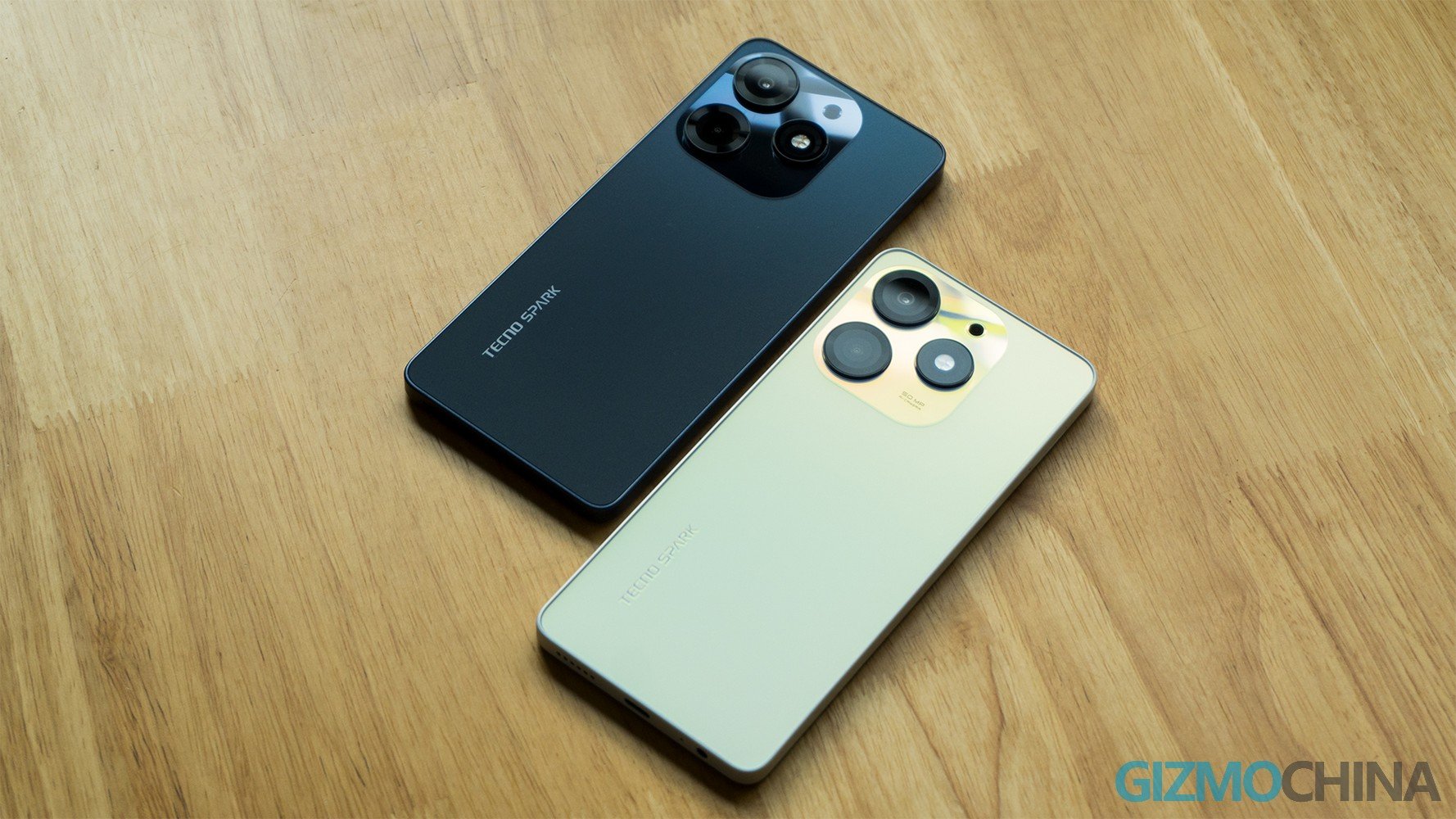
TECNO SPARK 10 Pro Unboxing & Hands-on

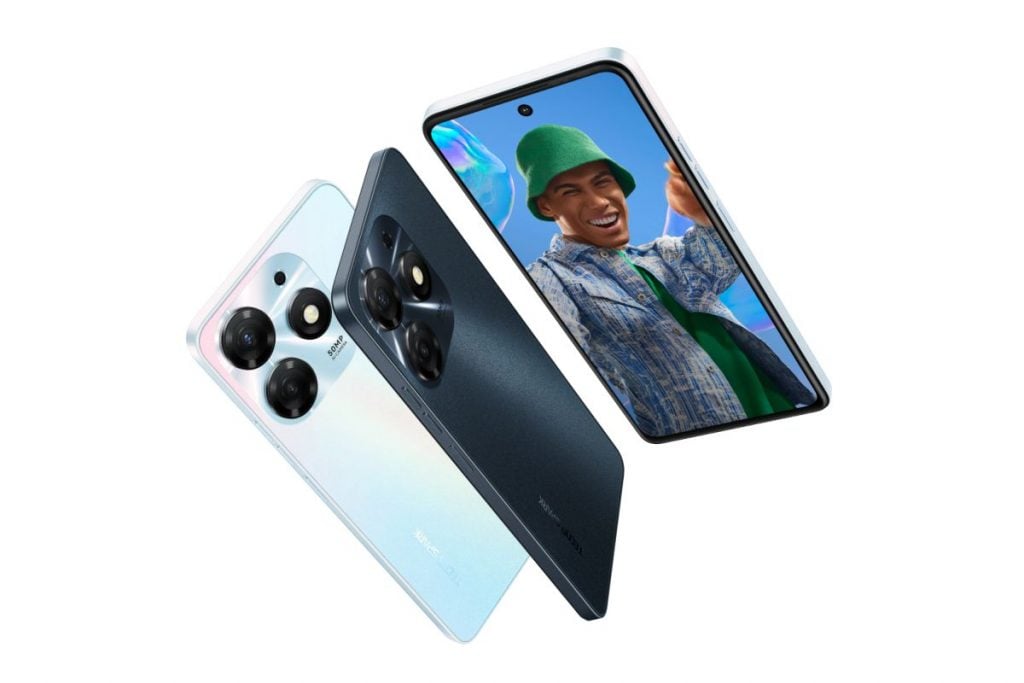
Many mobile brands choose to showcase their new phones at MWC 2023, and TECNO is no exception, as the SPARK series has finally added a new member. Although we were not able to be there, we still got this SPARK 10 Pro in advance.

The phone has not been officially released yet, so an in-depth review will need to wait until after the release to be created. But from the appearance, we can still see a lot of details that TECNO designed for it.

Unboxing

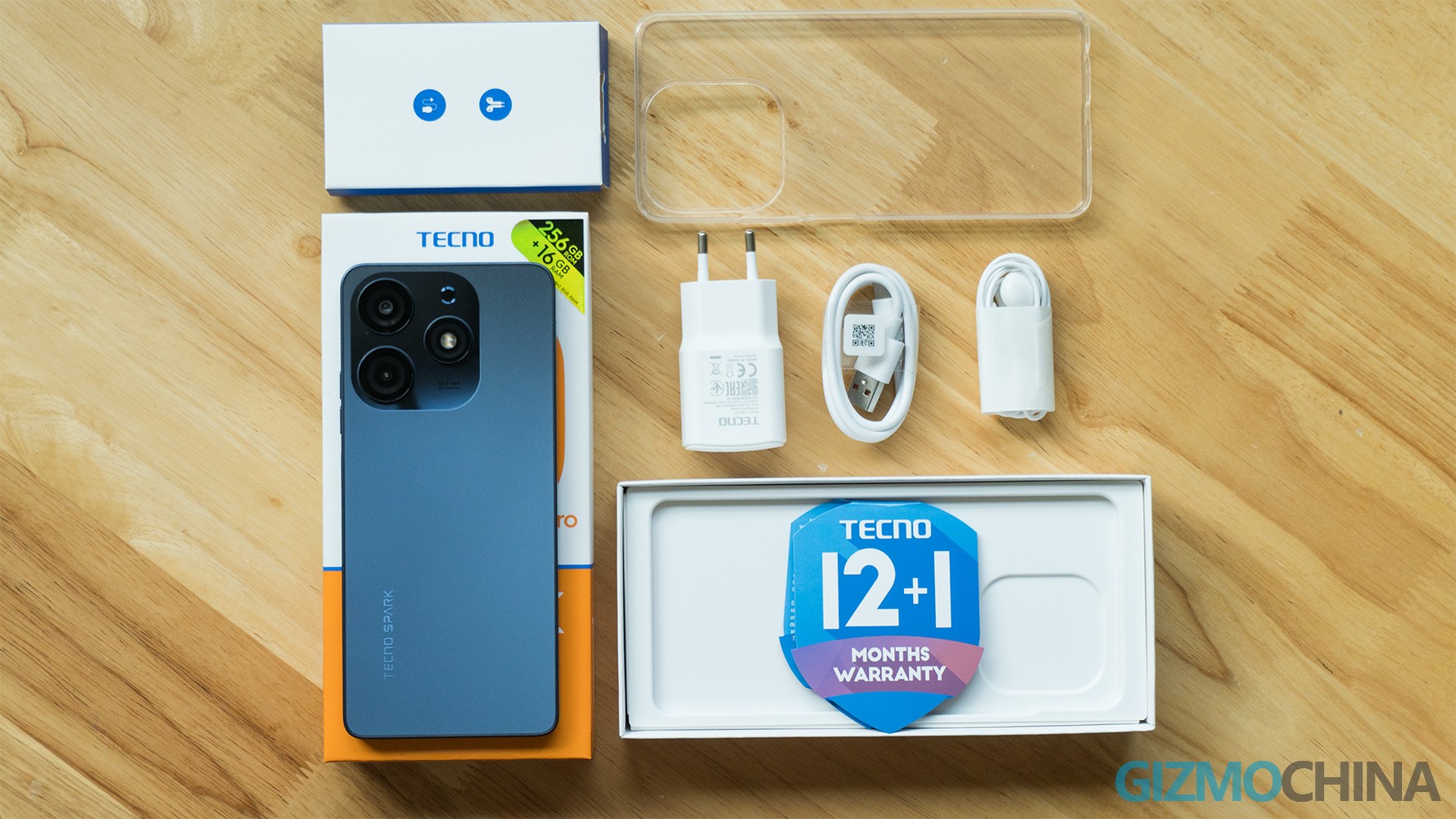
Like SPARK9 Pro, the box contains almost the same accessories. Card pin, earphone, charging cable, and 18w charger. The only difference is that the case has changed from PC to TPU, which means it has become more flexible.

Design

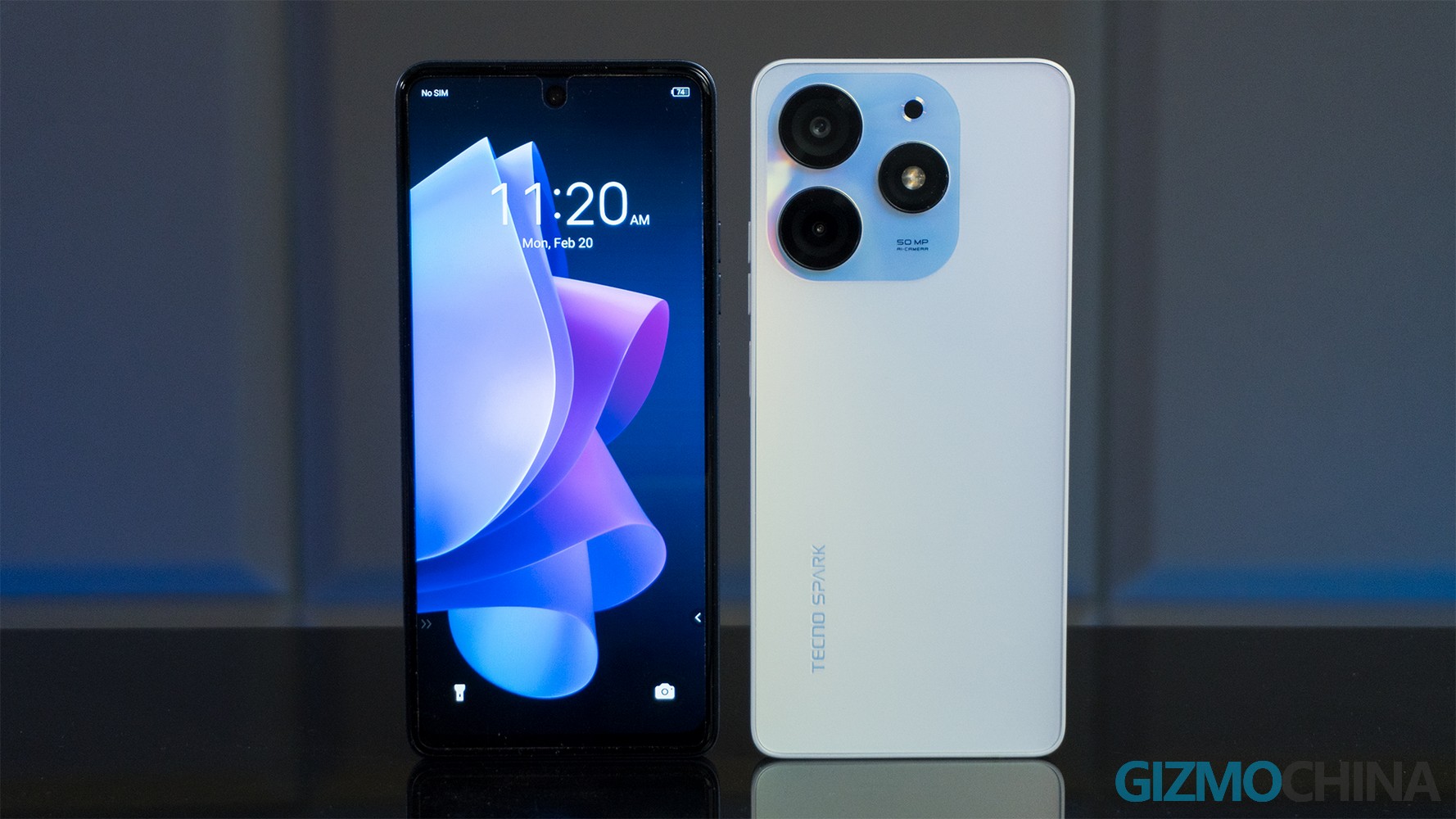
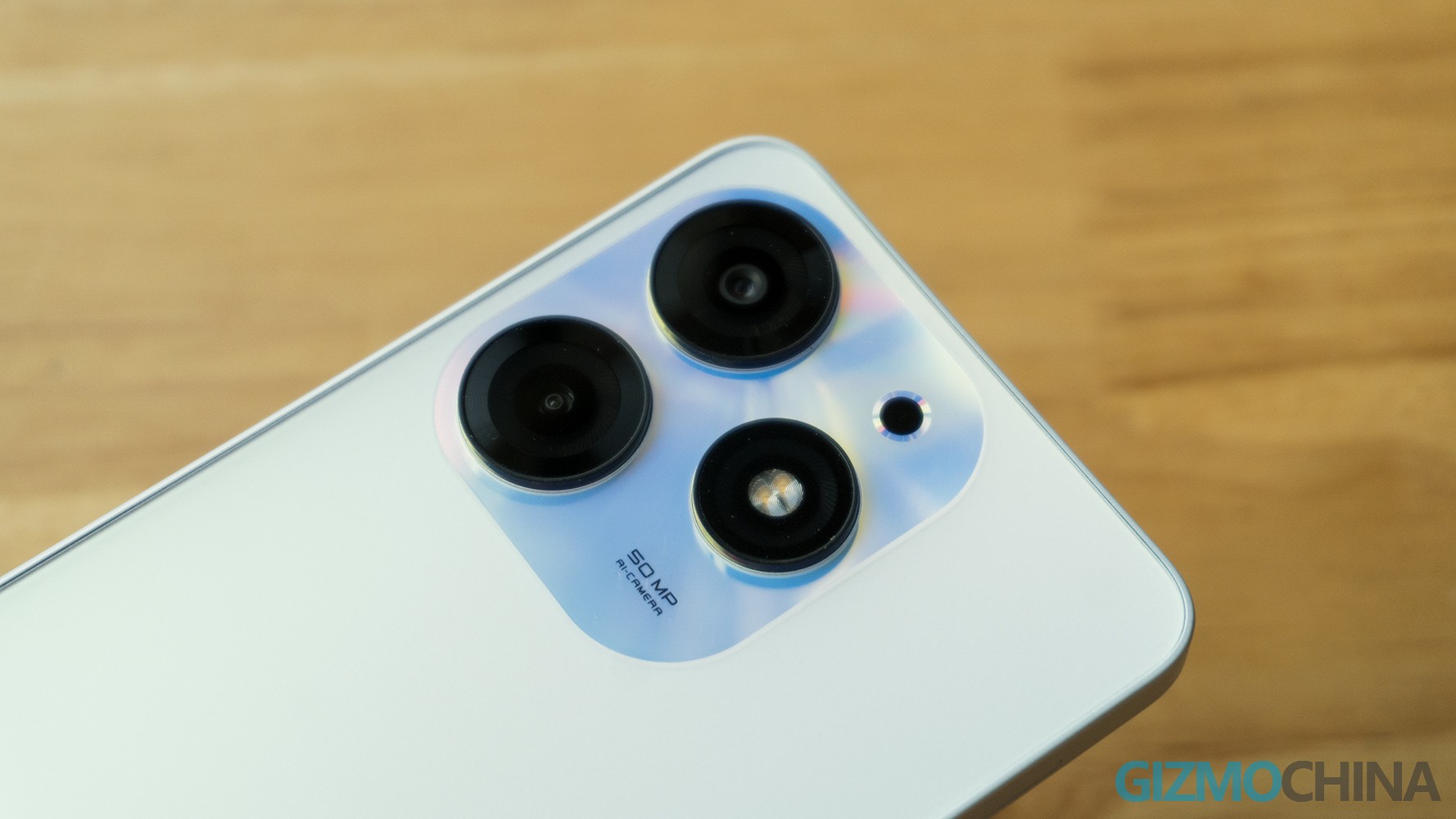
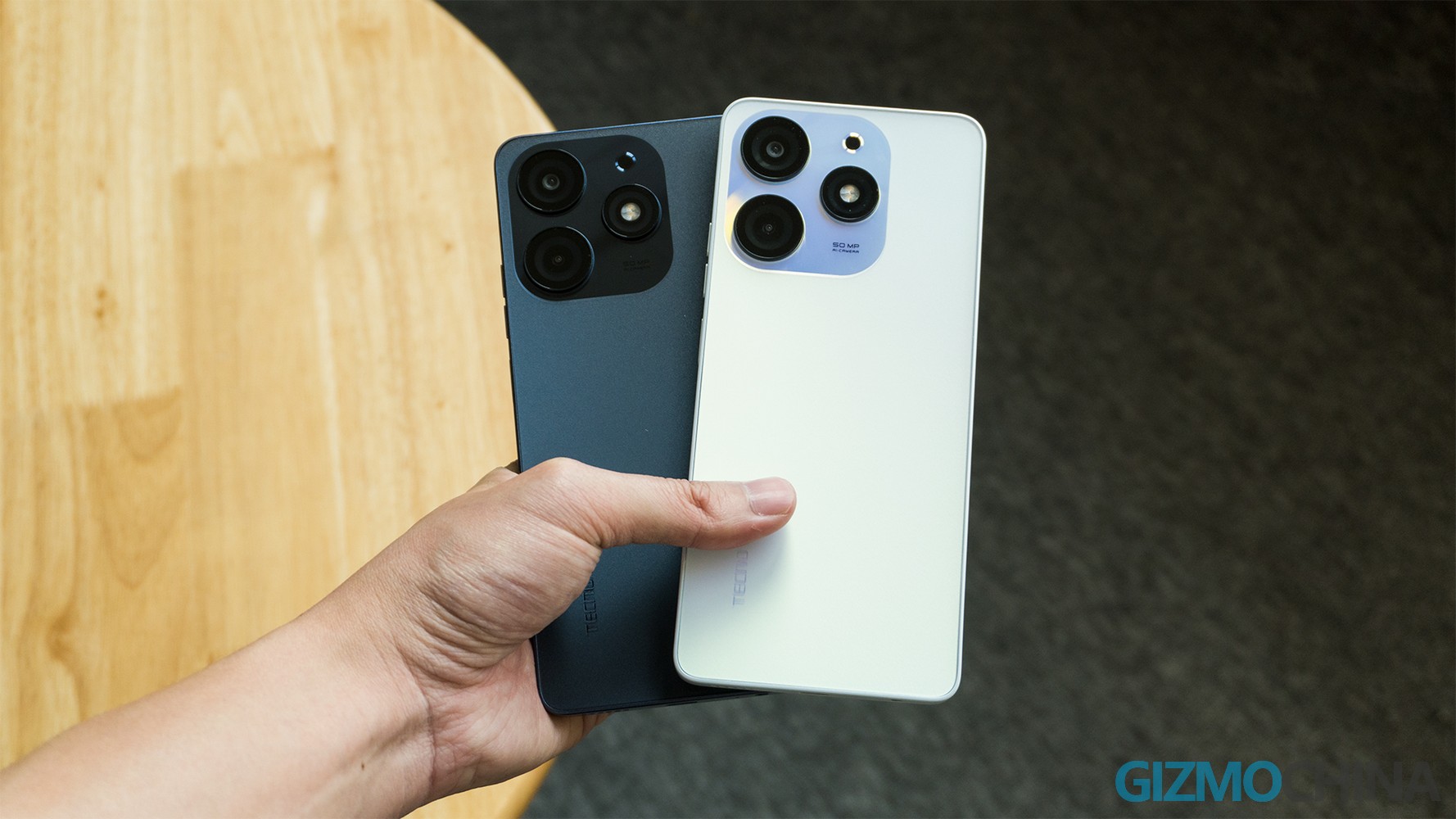
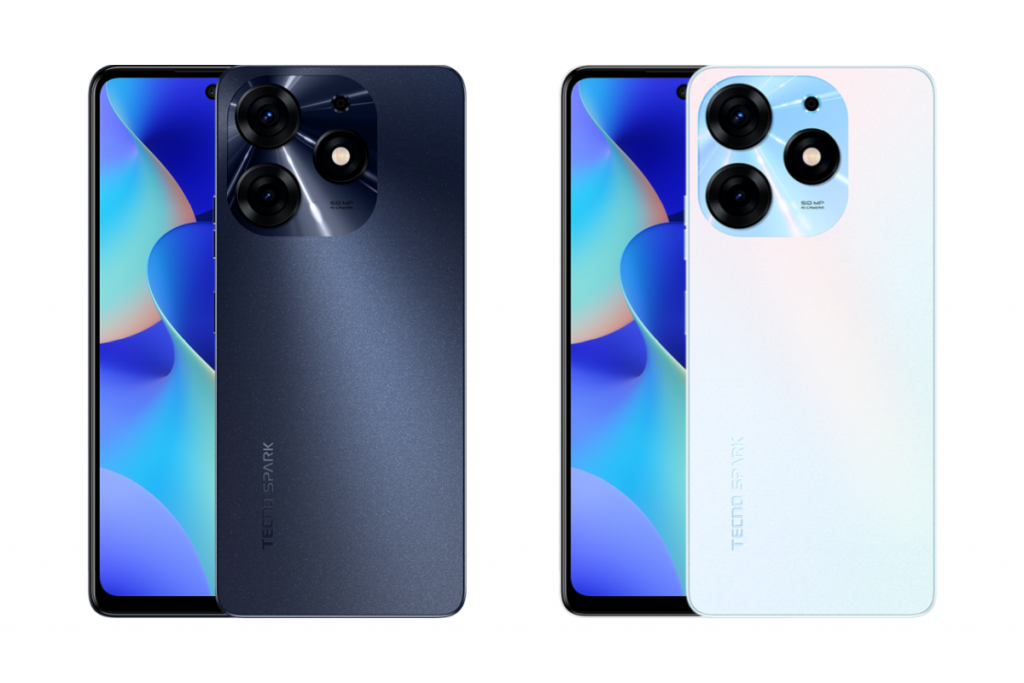
The design of SPARK 10 Pro is somewhat similar to its predecessor, but not quite. The most obvious change is the camera module, two circles have become three. But when you look closer, the lens has become one less. The circle on the right is actually the flash, and the small hole above it is just a decoration. Although there is one less lens, that lens is really not very important. I think it’s worth it if you can get a better main camera.

The back panel design is also made up of glossy and frosted, but the glossy area has been cut down, and only the lens module part is glossy. This time the back panel material has been upgraded, and the new Starry glass is more scratch resistant and very smooth to the touch. Unfortunately, there are only two colorways of black and white this time, green and blue do not appear on the 10 Pro.

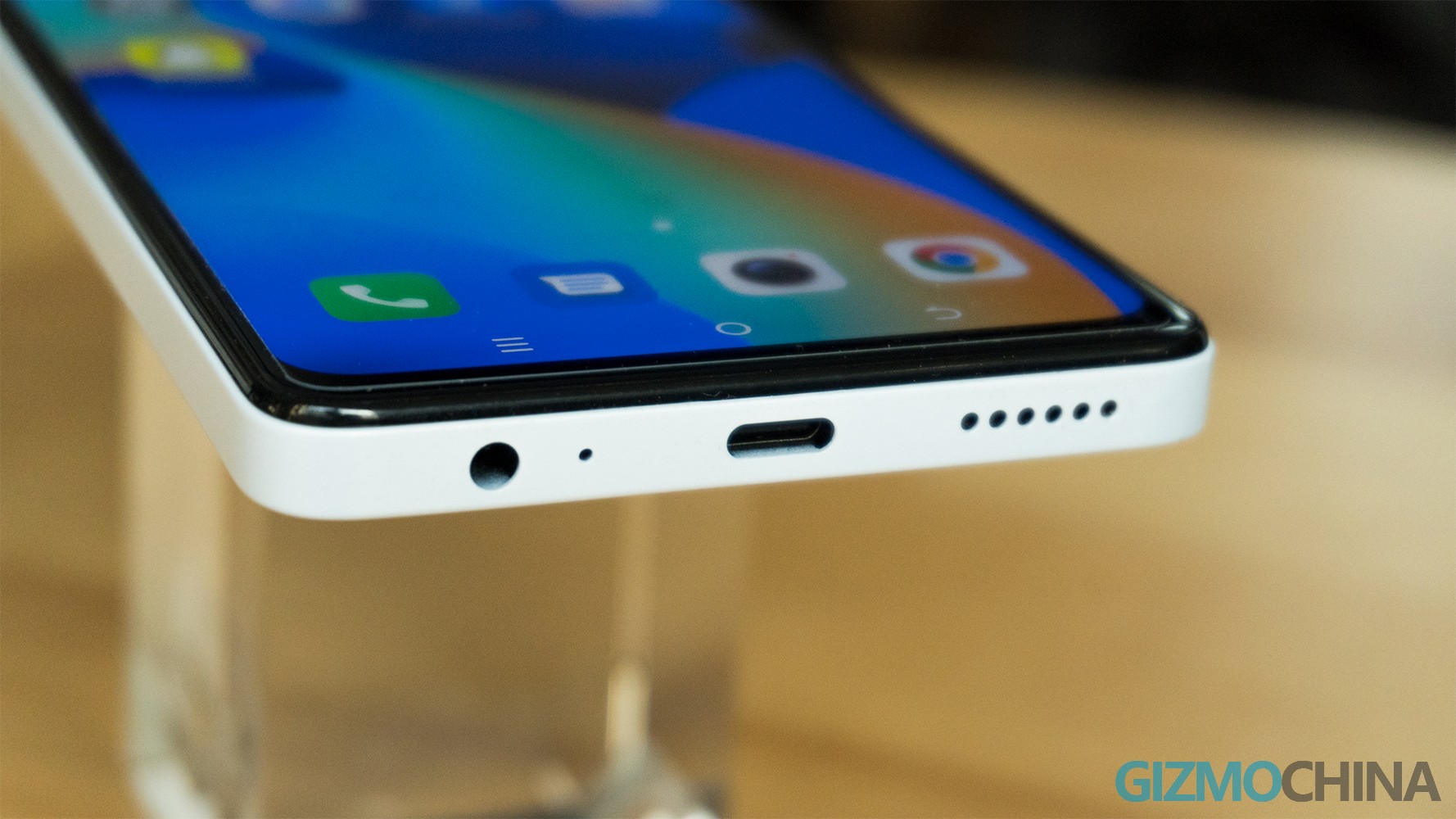
When you see the earphones in the box, you should be able to guess that the SPARK 10 Pro has a headphone jack. A TF card and a dual SIM card can be put into the SIM card slot together.

Tech Specs

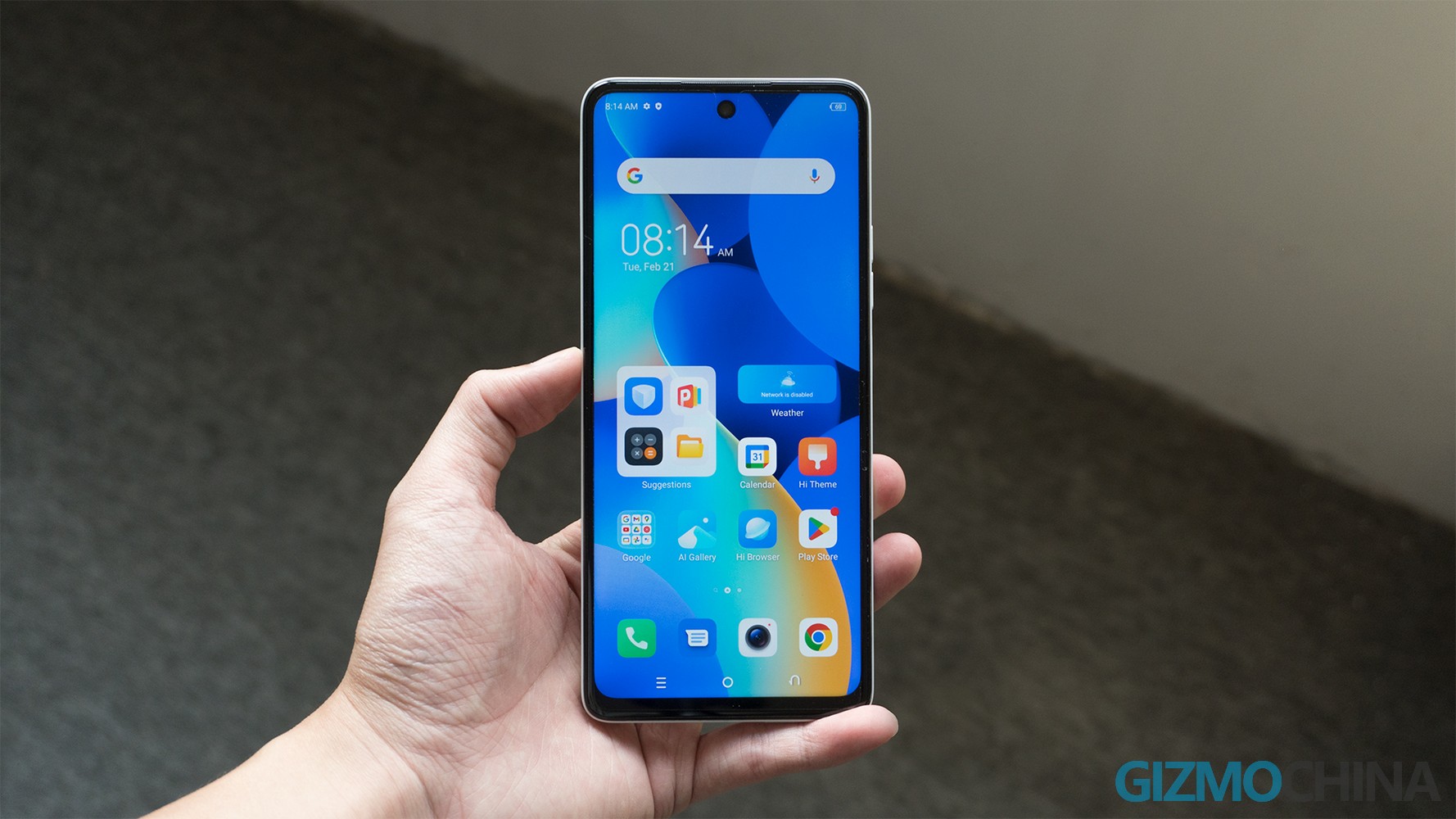
SPARK 10 Pro’s screen has also been upgraded compared to the 9 Pro. The 6.8-inch FHD+ 90Hz refresh rate makes the phone a better experience. The processor is the MTK Helio G88, which should be considered a regular level in the same price range as phones.

The rear camera is still 50 MP and the front camera is also 32 MP. The front flash is also retained, and it is also used as a notification light to inform you of unread messages. The battery capacity is 5000mAh, and the charging maximum power is 18w, which is the same as the charger.

Although we do not yet know how much the price of the SPARK 10 Pro is, from the magnitude of the upgrade to infer that it should be similar to SPARK 9 Pro. The main upgrade points are the screen and the new design style. Whether the new camera algorithm has been improved, we do not yet know. We will post a full review after the SPARK 10 Pro is released, so stay tuned.

Tecno Spark 10 Pro Launched with 6.8-inch 90Hz display, 32MP Front Camera, 50MP Dual Rear Cameras, and More

Tecno has quietly unveiled the Spark 10 Pro. The selfie-focused entry-level phone is now listed on Tecno’s website. Except for the price, the listing has revealed almost everything about the device. Here is a look at the entire specifications and features of the Spark 10 Pro.

Tecno Spark 10 Pro specifications and features

Tecno Spark 10 Pro
Tecno Spark 10 Pro

The Spark 10 Pro houses a 6.8-inch IPS LCD display that offers an FHD+ resolution of 2460 x 1080 pixels, a 20.5:9 aspect ratio, a 90Hz refresh rate, and a DCI-P3 color gamut. The device comes preloaded with Android 13 OS and HiOS 12.6.

On the front, it has a 32-megapixel camera with an LED flash. On the back, it has a 50-megapixel primary camera, an AI lens, and a quad-LED flash.

Under the hood, the Spark 10 Pro features the Helio G88 chipset, 8 GB of RAM, 8 GB of virtual RAM, and a 5,000mAh battery with 18W charging via USB-C. The power button located on its right edge is integrated with a fingerprint sensor. It offers other features, such as up to 256 GB of storage, dual 4G VoLTE, Wi-Fi, Bluetooth, NFC, and a 3.5mm audio jack.

Tecno Spark 10 Pro
Tecno Spark 10 Pro

The Spark 10 Pro has a glass back and measures 168.41 x 76.21 x 8.46mm. It comes in two color options: Starry Black and Pearl White. The handset is expected to arrive in two variants, such as 8 GB RAM + 128 GB storage and 8 GB RAM + 256 GB storage. The device is likely to have a starting price of Rs 10,000 (~$122) in India.

Checkout our post on unboxing and hands-on of the Spark 10 Pro.

RELATED:

Motorola Edge 40 Pro Renders Leaked, Launch Seems Imminent

Motorola is reportedly getting ready to put its flagship Edge 40 Pro phone on the market around the world. People think that the device will be a rebranded version of the Moto X40, which came out in China in December 2022. Well-known tipster Evan Blass has shared the leaked renders of the Edge 40 Pro. It appears that it will not take too long for the flagship phone to go official.

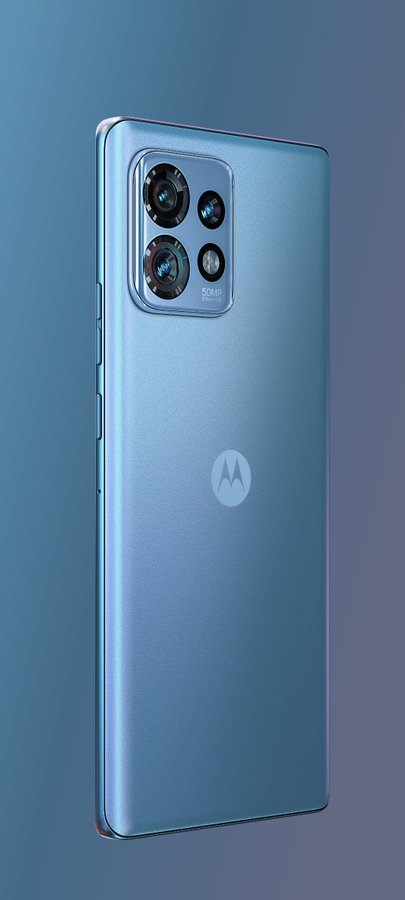
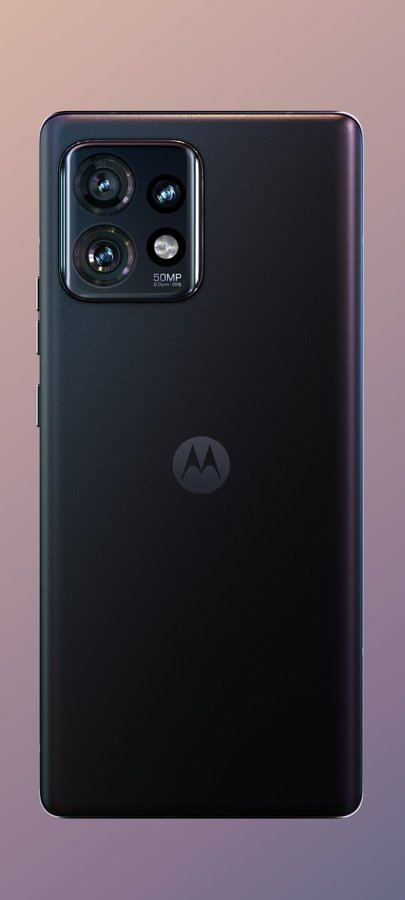
The images of the Edge 40 Pro show that it looks identical to the Moto X40, which is available in China. It will come in black and blue shades. As one of the images shows, the Edge40 Pro will be a water-resistant device.

Motorola Edge 40 Pro Specifications (Expected)

The Motorola Edge 40 Pro is expected to arrive with a 6.7-inch OLED display with curved edges. It will offer an FHD+ resolution and a 165Hz refresh rate. It will run on the Android 13 OS and MyUX UI.

The Snapdragon 8 Gen 2 chipset will power the device. It is likely to ship with up to 12 GB of LPDDR5 RAM and up to 512 GB of UFS 4.0 storage. The device is likely to house a 4,600mAh battery that supports 125W wired charging and 15W wireless charging.

The Edge 40 Pro will arrive with a 60-megapixel front camera. Its rear shell may feature an OIS-enabled 50-megapixel primary camera, a 50-megapixel ultra-wide lens with autofocus support, and a 12-megapixel telephoto camera. It is likely to cost 849 euros in the European market.

RELATED:

(source)

Vivo V27 Pro Goes on Sale in India, Read Price, Offers

On March 1, Vivo unveiled the Vivo V27 and V27 Pro in India. The vanilla model is scheduled to go on sale on March 23, whereas the sale is now up for purchase in the country through Flipkart, Vivo India’s online store, and offline stores.

Vivo V27 Pro price in India

The Vivo V27 Pro comes in three options, such as 8 GB RAM + 128 GB storage, 8 GB RAM + 256 GB storage, and 12 GB RAM + 256 GB storage. These variants are priced at Rs 37,999 (~$465), Rs 39,999 (~$489), and Rs 42,999 (~$526), respectively. The handset has been available for pre-orders since March 1, and starting today it is available for purchase.

Vivo V27 Pro
Vivo V27 Pro

The V27 Pro can be purchased in two colors: Noble Black and Magic Blue. Online buyers of the V27 Pro are eligible for a flat discount of Rs 3,000 (~$37) on HDFC, ICICI, and Kotak Mahindra bank, whereas those who buy the device from offline stores can get a cashback of as much as Rs 3,500 (~$43) with ICICI, Kotak Mahindra Bank, and HDB Financial Services.

Vivo V27 Pro specifications

The Vivo V27 Pro features a 6.78-inch AMOLED FHD+ curved display, a Dimensity 8200 chipset, LPDDR4x RAM, UFS 3.1 storage, and a 4,600mAh battery with 66W fast charging. It has a 50-megapixel front camera with autofocus and a 50-megapixel (Sony IMX766V, with OIS) + 8-megapixel (ultra-wide) + 2-megapixel (macro) triple camera unit. The handset offers other features like Android 13 OS with FunTouch OS 13 and an under-display fingerprint scanner.

The Vivo V27 is powered by the Dimensity 7200 chip. The rest of the specs of the V27 are identical to those of the Pro version. It starts at Rs 32,999 (~$404).

RELATED:

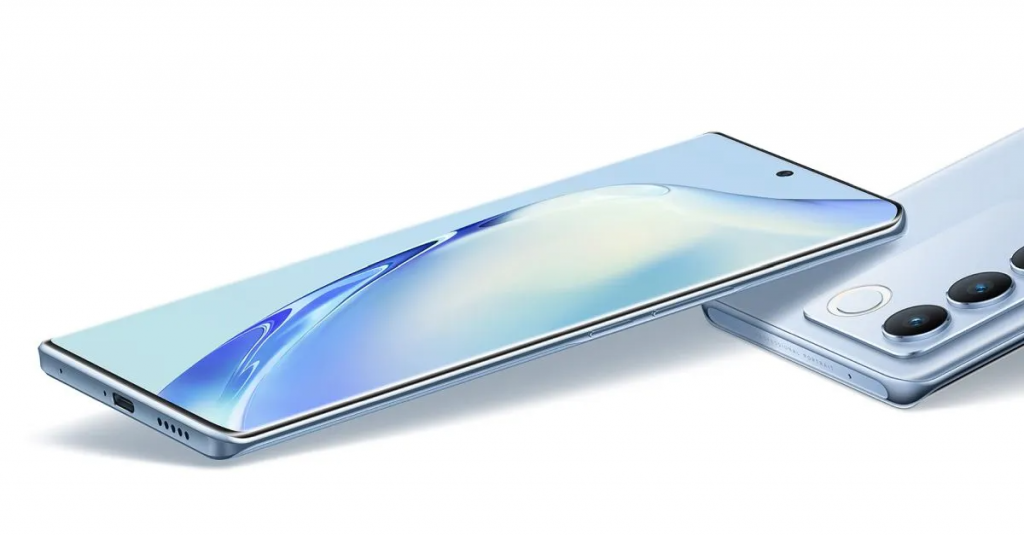
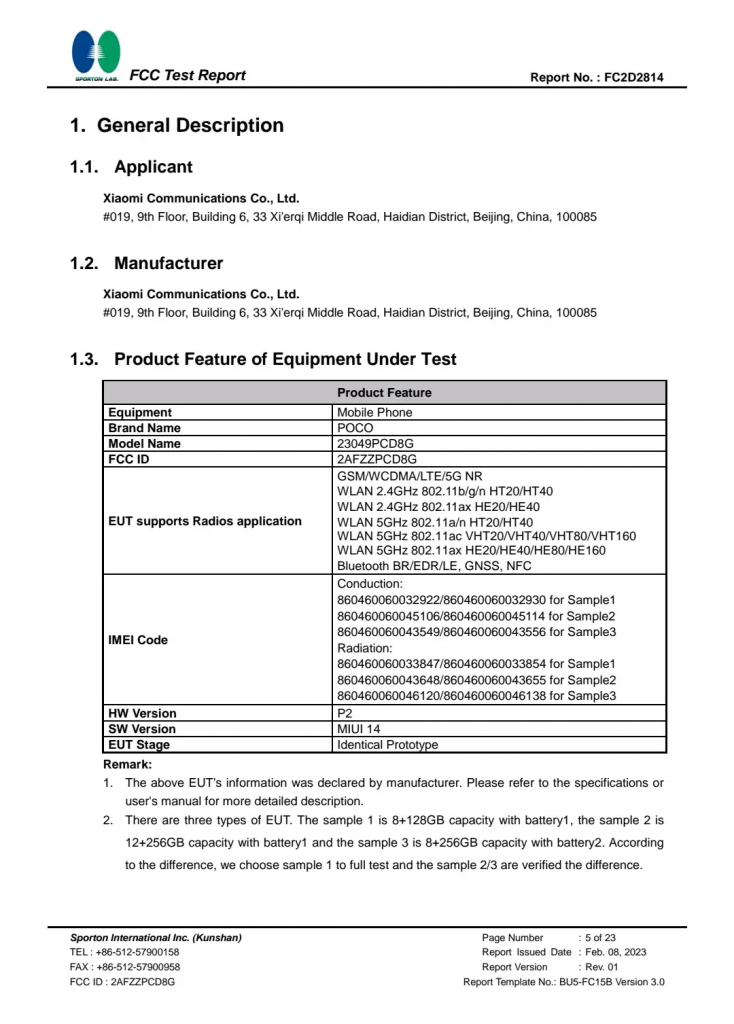
Poco F5 5G Variants Revealed, Key Details Emerge Via FCC Certification

Last month, a Poco device with model number 23049PCD8G was spotted with the “POCO F5” moniker in the IMEI database. The Indian variant of the device, with model number 23049PCD8I, was approved by the Bureau of Indian Standards (BIS) in February. The global edition of the Poco F5 (23049PCD8G) has now been approved by the Federal Communications Commission (FCC) authority. These certifications indicate that the Poco F5 will be launching soon in the Indian and global markets.

The FCC certification has revealed that the Poco F5 may arrive in three variants: 8 GB RAM + 128 GB storage, 8 GB RAM + 256 GB storage, and 12 GB RAM + 256 GB storage.

The device will come preloaded with the Android 13 OS with MIUI 14 on top. Some of the connectivity features that have been revealed through the certification include dual SIM, 5G bands (n1 / n5 / n7 / n38 / n41 / n77 / n78), NFC, dual-band Wi-Fi, Bluetooth, and an IR blaster.

Poco F5 FCC
Poco F5 FCC listing

The Chinese variant of the device has the model number 23049RAD8C. The device has already been certified by Chinese certification platforms such as MIIT and 3C.

Speculations are rife that the 23049RAD8C device will be called the Redmi Note 12 Turbo (or Note 12T) when it arrives in the home market. Reports have revealed that the Redmi Note 12T Turbo will arrive with specs like a 6.67-inch AMOLED FHD+ 120Hz display with an under-display fingerprint scanner, the forthcoming Snapdragon 7 Plus Gen1 chipset, up to 12 GB of RAM, up to 512 GB of storage, MIUI 14-based Android 13, and a 5,000mAh battery with 67W charging support. It may feature a 50-megapixel + 8-megapixel + 2-megapixel triple camera unit. The Poco F5 is likely to pack the same specs.

The Redmi Note 12 Turbo may launch in March, whereas the Poco F5 may debut in April.

RELATED:

Clone is Building Robot Clones of Humans in 2023

Robotic clones of humans are normally something you will only hear in science fiction stories, but in our current world where technology is advancing at an unprecedented pace, one company is making waves in the field of robotics today. Meet Clone Robotics: a cutting-edge tech startup that’s revolutionizing the way we think about androids.

Source: Clone Robotics

Founded in November 2021 by Dhanush Radhakrishnan and Łukasz Koźlik, Clone Robotics has a bold mission: to build low-cost androids that can perform all the common labour in daily life. Imagine having an android chef, maid, nurse, teacher or therapist at your service – that’s the future that Clone Robotics claims the company is working towards.

One of their most impressive products is the Clone Hand – a power-dense, biomimetic anthropomorphic robotic hand that can perform a wide range of manipulation tasks. As shared by the CEO, Dhanush on Twitter, the company is aiming towards making synthetic humans, starting with a 1:1 copy of the human hand.

This advanced piece of technology has the potential to change the way we interact with machines and could have far-reaching implications for industries such as healthcare and manufacturing.

But what sets Clone Robotics apart from other companies in this field? For starters, their focus on biomimicry – using nature as inspiration for their designs – sets them apart from more traditional robotics companies. Additionally, their commitment to keeping costs low means that their products could be accessible to a wider audience.

With its cutting-edge technology and ambitious vision, it’s clear that Clone Robotics is a tech company to watch out for. As they continue to develop new products and push the boundaries of what’s possible with androids, it will be exciting to see what they come up with next.

Speaking about robotics, Microsoft recently revealed their plans to integrate ChatGPT in the robotics field, which could have a major impact on the robotics industry, of which Clone Robotics is currently a part of. 

 RELATED:

(Source 1, Source 2)

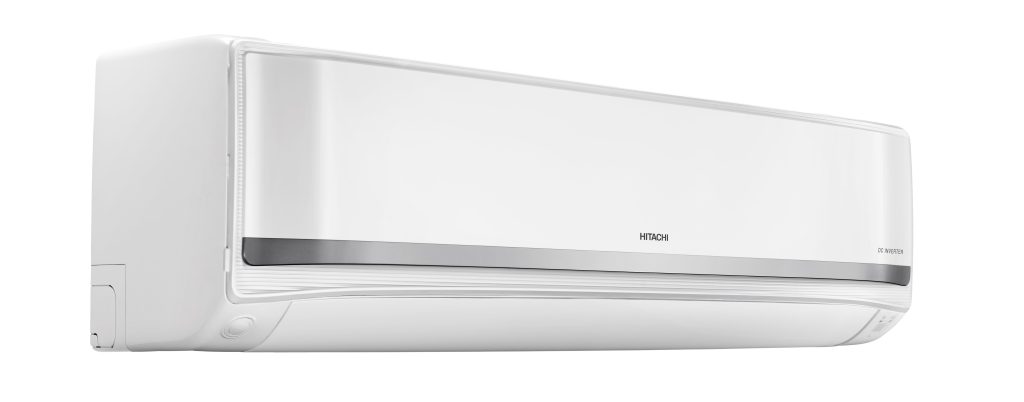
Hitachi airHome Series ACs With Frost Wash Technology Launched in India

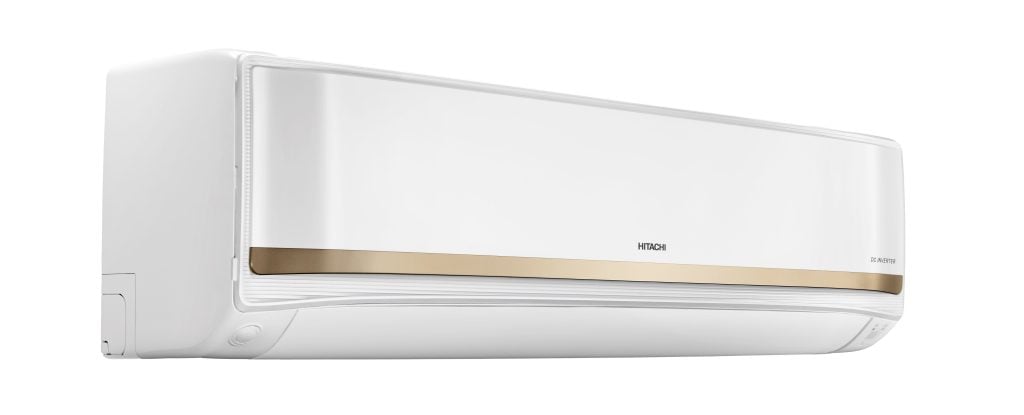
A new series of air conditioners have been unveiled by Johnson Controls-Hitachi Air Conditioning India Ltd. The Hitachi airHome series of air conditioners come with a track record of excellence and design innovation. The new Hitachi airHome series air conditioners come with frost wash technology and its ice clean feature eliminates mold, bacteria, viruses, and dust.

Hitachi airHome Series ACs

The Hitachi airHome series ACs are energy efficient with up to 15% energy savings. The air conditioners have an expandable inverter design that allows them to adjust their compressor’s RPM according to ambient conditions and load requirements. For this reason, expandable inverter ACs are more efficient than non-tropical inverter models. The airHome series’ 24m strong airflow distribution provides superior cooling in the room. It offers 5 fan speed options for convenient cooling for the modern Indian consumer.

There are several options available for consumers in terms of the ambience level. These include cool blue, comfort green, and warm red within a temperature range of 16-32ºC. In addition, the airCloud Home allows for the remote control of their ACs via their smartphone, digital device, or voice assistant. The Hitachi airHome ACs come with a built-in ionizer, AQtiv-Ion which releases negatively-charged particles to deactivate air pollutants. The ACs have Cooling, Heating, Dry, Fan, Circulation, and Auto modes.

The Hitachi airHome series ACs in India have a sleek remote controller with an artistic curve for improved aesthetics. It has an iconic wave design, night glow buttons, and colored buttons for easy access. The remote controller has a working range of 11 inches with 0.5ºC precision control. The AC’s design guarantees silent cooling throughout the room and users are reminded to clean the filter at regular intervals via the display.

Hitachi airHome Series ACs

The new Hitachi airHome ACs are priced from Rs. 27,900 (~$341) in India. They are available in major retail platforms across the subcontinent. Hitachi has a comprehensive service network for smooth pre-sales and after-sales support.

RELATED:

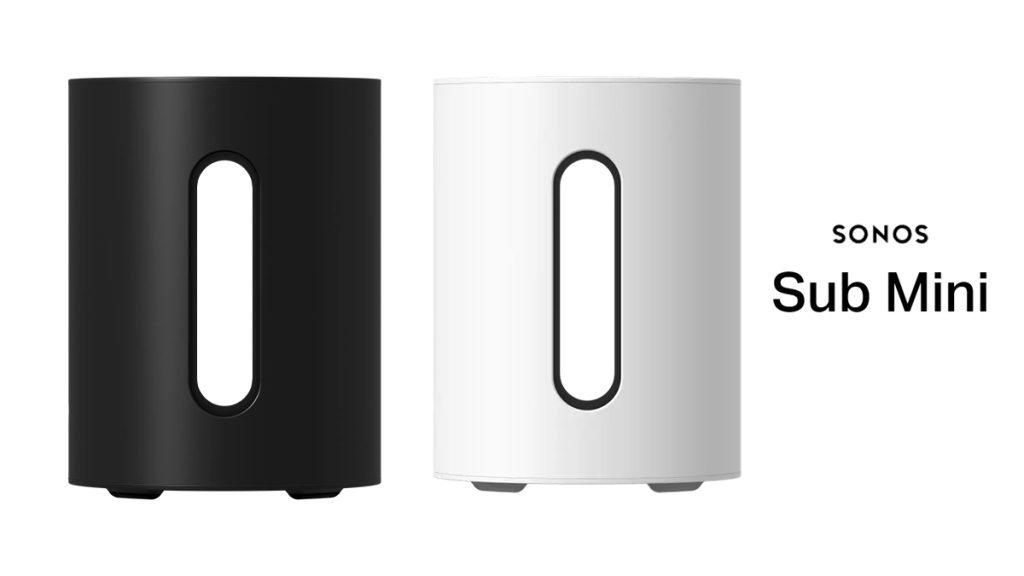
Sonos Sub Mini Wireless Subwoofer Launched in India for Rs. 59,999 ($734)

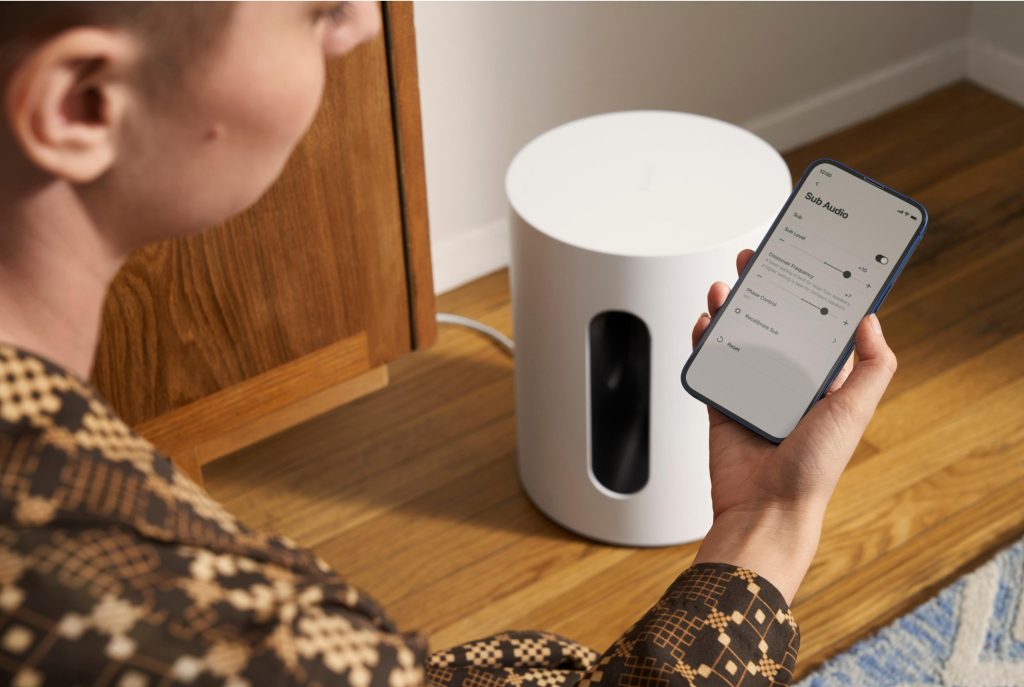
Sonos has unveiled its Sub Mini Wireless subwoofer with a compact and aesthetic design in India. The Sub Mini provides a powerful and balanced audio output and builds on the very successful Sonos Sub. The Sonos Sub Mini outputs rich and clear low-end sound and comes in a more compact design than its predecessor.

Sonos Sub Mini Wireless Subwoofer

The Sonos Sub Mini has a cylindrical shape and its size makes it fit snugly with the aesthetics of the room. It has dual custom woofers with advanced processing for deep, dynamic sound with minimal buzz, rattle, and distortion. The inward-facing woofers have a force-canceling effect that helps to eliminate sound distortion.

The advanced digital signal processing of the product delivers maximum bass response and full-toned, low-frequency output. You can easily pair the Sonos Sub Mini with other speakers like Beam, Ray, One, and One SL for an improved sound experience.

The Sonos Sub Mini wireless subwoofer is a perfect addition to your home sound system. It is easy to pair and can be added to the Sonos system with a few taps of the Sonos app. The integration into the Sonos sound system will help to create the ideal sound system to suit specific needs. True-Play finetunes the Sub Mini’s output by detecting reflections off walls and furniture. The device is equipped with a Class-D digital amp while the sealed cabinet neutralizes distortions leading to an enhanced bass response.

Sonos Sub Mini Wireless Subwoofer

The Sonos app provides EQ settings for the Sub Mini and the subwoofer has Wi-Fi and Ethernet support. The Sonos Sub Mini wireless subwoofer is available in black and white matte finishes. It is priced in the subcontinent at Rs. 59,999 (~$734) and can be purchased directly from sonos.com.

RELATED:

Xiaomi MIJIA Smart DC Inverter Floor Fan 1X Announced in China

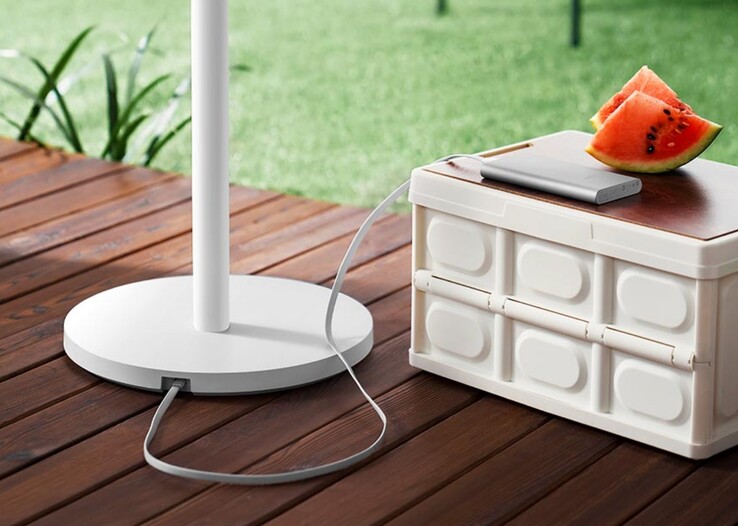
Xiaomi has announced the MIJIA Smart DC Inverter Floor Fan 1X in China. The new smart floor fan can be powered by a power bank via USB-C as well as through a wall outlet. There are over 100 settings for the smart floor fan controlled via the MIJIA app and Xiao AI voice commands.

MIJIA Smart DC Inverter Floor Fan 1X

The Xiaomi MIJIA Smart DC Inverter Floor Fan 1X offers personalized output to suit various scenarios. The fan has seven airfoil blades that deliver diffused cooling, as compared with direct cooling in other fans. You can control the speed, and direction of the van through the MIJIA app and the fan covers a 140º area up to 14 meters. The smart DC floor fan has a peak delivery rate of 24.5 cubic meters per minute. The noise level of the fan is also minimal with peak noise at 52.9dB. However, a Quiet mode is also available with the noise level down to 25.6dB for a peaceful sleep.

MIJIA Smart DC Inverter Floor Fan 1X

The MIJIA Smart DC Inverter Floor Fan 1X has an 18W Adapter that connects to the wall outlet to power the device or via USB-C. The Xiaomi Mi 10,000mAh power bank can power the fan for up to 22 hours on a full charge. The product is rated as a Class-1 energy-efficient device in China and weighs about 2.9kg. The launch price of the MIJIA Smart DC Inverter Floor Fan 1X is 329 yuan (~$48). There are no global availability details for the smart floor fan yet but it is expected to also launch in other markets.

RELATED:

Nubia Z50 Ultra Appears on Geekbench ahead of March 7 launch

A few months after the launch of the Nubia Z50 in China, the brand is now getting ready for the debut of the Nubia Z50 Ultra. The launch date is set for March 7, and the brand has already started showing off the attractive design of the device.

nubia

One of the main features onboard is a new and improved under-display camera which is the result of six years of polishing the technology. It will truly be interesting to see what this front camera is capable of, however, the performance also matters. And answering to that question, the device has appeared on Geekbench.

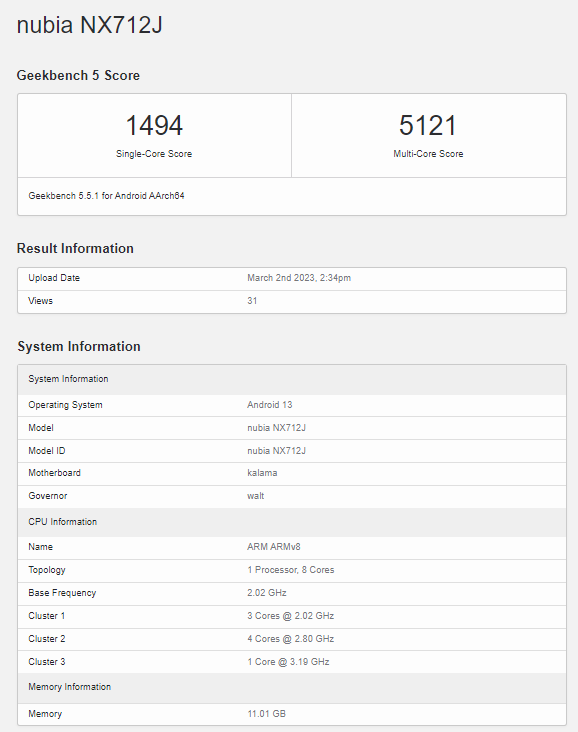
The Nubia Z50 Ultra (model number NX712J) is expected to be equipped with the Snapdragon 8 Gen 2 processor and 12 GB of RAM, as indicated by its Geekbench listing. Its operating system will be based on Android 13. When tested, the device achieved a single-core score of 1494 and a multi-core score of 5121 on Geekbench 5.

Through leaks and teasers, we already know that the Nubia Z50 Ultra will flaunt a boxy design with flat edges and a flat display. The snapdragon 8 Gen 2 chipset, paired with LPDDR5X RAM and UFS 4.0 storage will draw juice from a 5,000mAh battery that has 80W fast charging.

As for optics, the Nubia Z50 Ultra is rumored to have a 16MP under-display front-facing camera, which is claimed to be less noticeable compared to the cameras on the Axon 40 Ultra and Galaxy Z Fold 4. The selfie camera will have a customized 2μm micrometer. The phone may come with the Android 13 operating system pre-installed, along with the company’s MyOS 13 custom interface.

On the back, the Nubia Z50 Ultra is expected to feature a Sony IMX786 sensor as its primary camera, which can capture 64MP images with an f/1.6 aperture, 1/1.3-inch optical format, and OIS. The primary camera will have a narrower field of view than most smartphone cameras. Additionally, it will have a 64MP periscope lens with OIS and a third camera equipped with a 50MP sensor and a 14mm equivalent focal length, designed for ultra-wide-angle photography.

RELATED:

Microsoft Loosens Bing ChatGPT Limit to 8 Turns Per Conversation, Alongside New Turn Counter Feature

Microsoft has finally increased Bing’s ChatGPT limit to 8 turns per conversation, up from 6 last month, after much demand and feedback from its search engine community.

The rollout for the loosening of the chat limit is immediate, and all users who are within the Bing Preview will get the upgrade today. However, it still should be noted that the daily chat limit with Bing is 100 turns per day and that SERP (search engine result page) queries do not count towards the Chat limit imposed on Bing.

Microsoft Bing with 8 turn Chat Limit

As for other updates, a turn counter has been added to Bing Chat to indicate how much chat turns have been used in the conversation. The addition of the feature was because users found it difficult to anticipate when they will have to reset to a new topic, due to the conversation chat limit imposed by Microsoft.

The release notes from Microsoft also highlight that “Chat Tones” were added to the latest update release of Microsoft Bing. Chat Tones enable users with the ability to toggle the tone of chat from “Precise”, which focuses on shorter, more search-focused answers, to “Creative” which gives responses that are longer and more descriptive. The middle setting (“Balanced”) is somewhere in-between both Precise and Creative.

Bing users will notice a colour change in the UX between purple, blue, and green depending on which chat tone is selected. Microsoft states that the addition of Chat Tones is to let users decide the type of chat behaviour that best meets their needs.

Lastly, the new update also irons out some bugs and provides fixes to the current Bing ChatGPT. Microsoft states that it has improved some chat behaviours that previously would have unnecessarily constrained responses or made them appear defensive or adversarial. Bing’s responses should be more engaging and provide more elaborate observations after the update.

RELATED:

(Source)