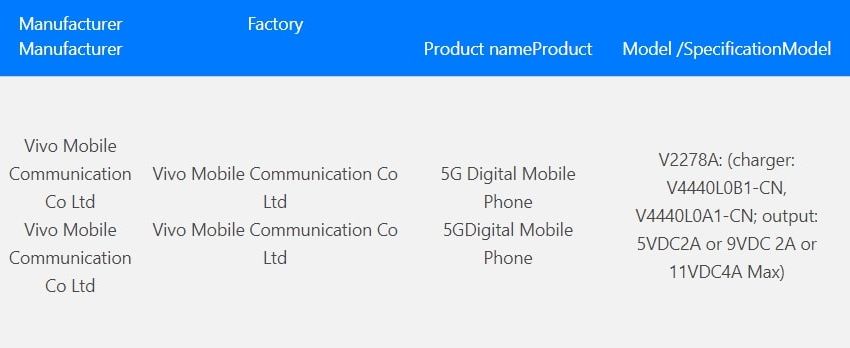
An upcoming Vivo phone with model number V2278A has appeared in the database of the 3C certification site. As usual, the listing has given us a hint on the fast charging capabilities of the device.
The V2278A’s 3C certification reveals that it is a 5G-capable device. It further reveals that the device may ship with a power adapter with model numbers V4440LOB1-CN and V4440L0A1-CN. The charger supports up to 44W fast charging.
V2278A 3C listing
Since the Vivo V2278A is expected to support 44W fast charging, it seems that it could be a mid-range phone. At present, there is no information on the other specifications of the device.
However, it appears that the V2278A may release in the Chinese market as a Vivo Y-series phone. To recall, a Vivo Y-series phone named the Vivo Y78+ 5G is also waiting in the pipeline to go official.
The Y78+ 5G was also spotted with a 44W charger at 3C last month. Hence, t is likely that the V2278A may debut in the market as a Y-series handset. In all likelihood, the V2278A smartphone may debut in the Chinese market at some point in May.
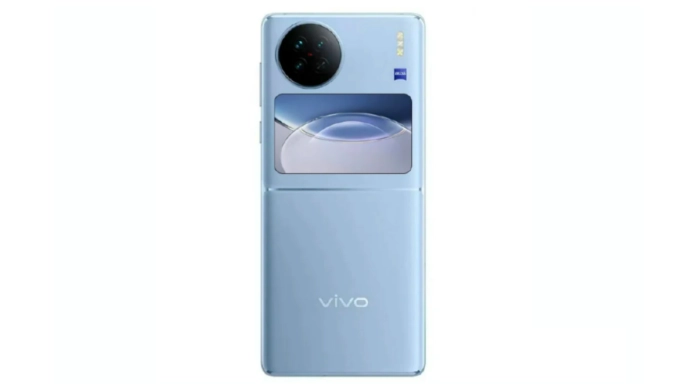
In related news, Vivo is all set to unveil the Vivo X Flip and Vivo X Fold 2 foldable phones in the Chinese market on April 20. The X Flip will be Vivo’s clamshell phone with a foldable screen, whereas the X Fold 2 will be the first-ever Snapdragon 8 Gen 2-powered foldable smartphone. The Vivo Pad 2 is also going to launch during the same launch event.
Honor has confirmed that it will announce the Honor X50i smartphone on April 21 in China. The launch date poster released by the brand does not reveal anything on the specifications of the device. However, it does give a hint about the rear camera module of the X50i. It reveals that its camera module will have an “8-like design.
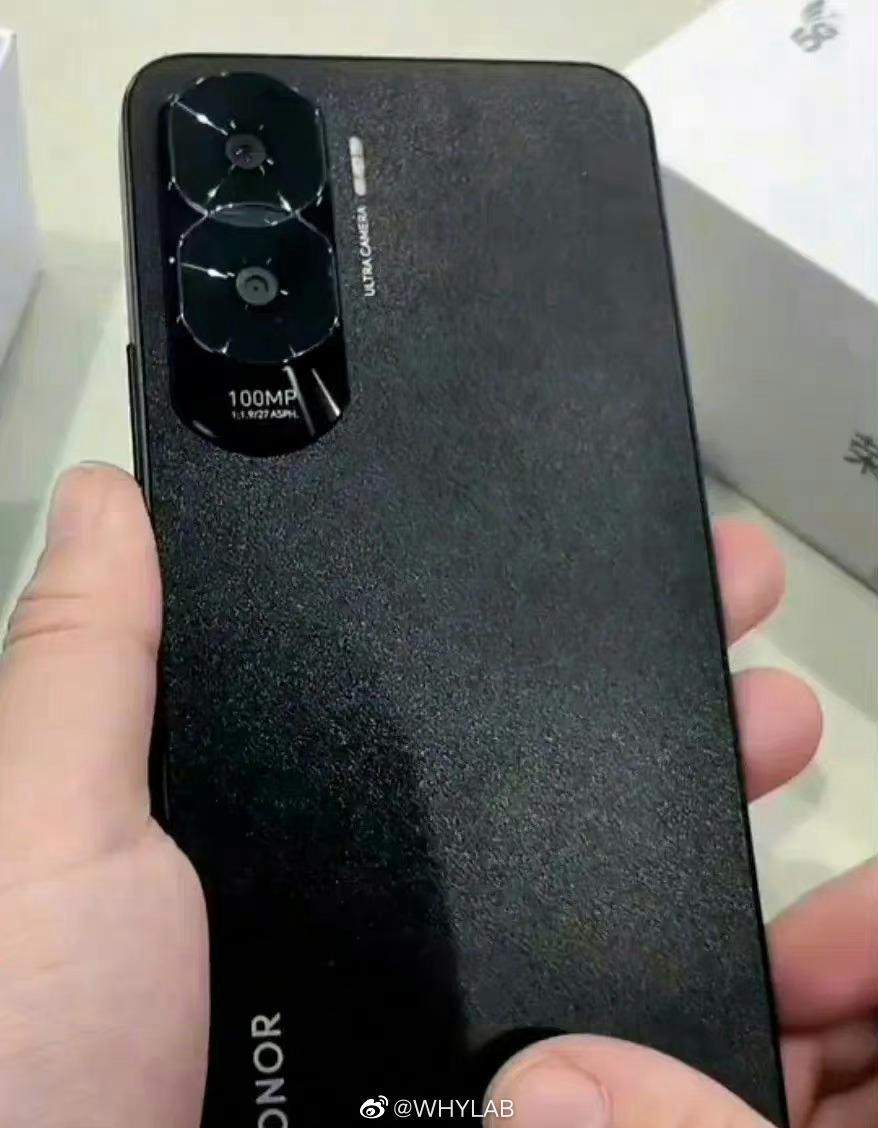
While Honor has not revealed anything about the Honor X50i, Chinese tipsters have already shared its live shots and key specifications on Weibo. Here is a look at the leaked specifications of the X50i.
Honor X50i launch date
Honor X50i specifications (rumored)
According to reports, the Honor X50i will arrive with a 6.7-inch IPS LCD panel with a centrally positioned punch-hole. It will support a Full HD+ resolution of 2388 x 1080 pixels and a refresh rate of 90Hz. It is likely that the device will come preloaded with Android 13 OS and the latest Magic UI.
Honor X50i live shotsHonor X50i live shots
The Honor X50i will arrive with the Dimensity 6020 chipset. The smartphone will come in three configurations, such as 8 GB RAM + 128 GB storage, 8 GB RAM + 256 GB storage, and 12 GB RAM + 256 GB storage. It will come equipped with a 4,500mAh battery that supports 35W fast charging.
On the front, the Honor X50i will have an 8-megapixel camera. Its back panel will be equipped with a 100-megapixel primary camera, a 2-megapixel depth sensor, and a triple LED flash.
There is no information on the price of the Honor X50i. At present, the X50i is available for reservations through online retailers in China. The leaked shots of the device revealed that it will arrive in blue and black colors. It remains to be seen whether it will be available in additional colours.
Vivo is gearing up to launch new foldable smartphones models soon. The new foldable phones include the Vivo X Fold 2 and the X Flip, which are set to release later this week. But prior to its launch, a new leak has revealed key specs of both of these models.
Vivo X Fold 2
The news arrives from known tipster Ishan Agarwal who shared the information with 91Mobiles. For those unaware, the Chinese smartphone maker is set to unveil the new X Fold and X Flip model on 20th April 2023. The X Fold 2 will sport a tall 8.03 inch primary display that folds like a notebook, similar to the Samsung Galaxy Z Fold models. This panel will feature a 4:3.5 aspect ratio, 120Hz refresh rate, HDR10+, and 360ppi. Meanwhile, its secondary display will be a 6.53 inch panel that has a 21:9 aspect ratio, 2,520×1,080px resolution, 120hz refresh rate, HDR10+, and 420ppi.
Talking about its dimensions, it is believed to measure 13mm (around 6mm when unfolded) in thickness and 280 grams in weight. Under the hood, the device will run on Snapdragon 8 Gen 2 SoC that will be paired with around 12GB of LPDDR5X RAM and 256GB or 512GB of UFS 4.0 internal storage. The X Fold 2 will be powered by a 4,800mAh battery pack that will support 120W wired fast charging and 50W wireless fast charging.
For photography, the Vivo X Fold 2 will reportedly feature a triple camera setup that consists of a 50 megapixel primary sensor (f/1.75 aperture), a 12 megapixel ultra wide angle lens (f/2.0) that has a 108 degree field of view, and a 12 megapixel portrait shooter with a 47mm focal length while the front has a 16 megapixel selfie camera. The device will also be available in multiple color options, namely Blue, Black, and Red, will likely feature an under display fingerprint scanner.
Vivo X Flip
The new leak also revealed key specifications of the upcoming X Flip model. As its name suggests, it will feature a clamshell folding design, similar to the Samsung Galaxy Z Flip models. Its primary display is a tall 6.74 inch AMOLED panel that has a 21:9 aspect ratio, 2,520 x 1080px resolution, HDR10+ support, 406ppi, and 120Hz refresh rate. On the other hand, it will also feature a 3 inch cover display. Under the hood, the device is equipped with a Qualcomm Snapdragon 8+ Gen 1 SoC that will be paired with 12GB of LPDDR5X RAM and 256GB or 512GB of UFS 3.1 internal storage.
The smartphone will be powered by a 4,400mAh battery pack that will support 44W fast charging. On the rear, the X Flip will feature a 32 megapixel primary camera (f/1.75) along with a 12 megapixel ultra wide angle lens with a 108 degree field of view (f/2.2). Meanwhile, the front will also house a 32 megapixel selfie shooter. The device will measure 8.2mm and weigh around 200 grams. It will also launch in multiple color options, namely purple, black, and gold shades. Other notable features include, under display fingerprint scanner for security and run on Android 13 OS out of the box.
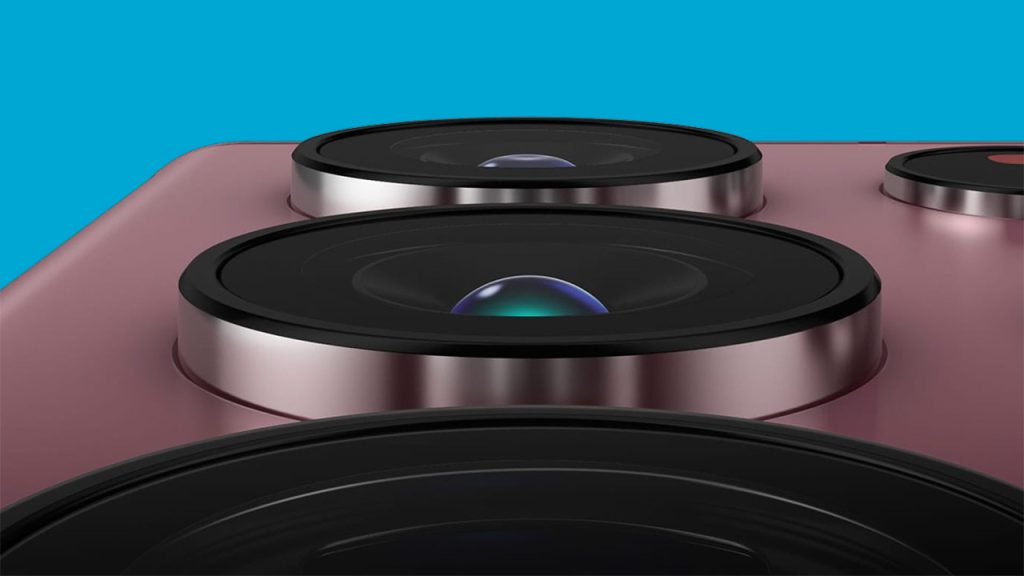
Mobile phones are getting better every day. We used to rely on them just for communication, but now they handle everything from financial transactions to immortalizing our precious memories. Camera advancements have even made expensive DSLR cameras unnecessary. As a result, camera performance is crucial for people looking to buy a new smartphone. Samsung recognizes this and is working to enhance performance through hardware and software upgrades. However, recent reports suggest that the Samsung Galaxy S22 series won’t include 360 Audio for video recording or 50MP/108MP RAW capture in the Camera App. Here are the details…
Samsung Galaxy S22 series won’t be getting 360 Audio while recording videos, and 50MP/108MP RAW Camera App capture
With each new release, Samsung has been adding new camera features to its flagship smartphones. However, the company does not just focus on hardware upgrades and also add new features to their older models through software updates. One of the best examples of this is the Samsung Camera Assistant app. However, the latest news seems to disappoint users a bit.
Over the past year, the Galaxy S22 series received support for Expert RAW, watermark features, Astronomical Hyperlapse, and more. The latest Galaxy S23 also comes with advanced features, with new 360 Audio and 200MP RAW camera shooting capability. Many Galaxy S22 users were expecting these innovations to arrive on their phones through future updates.
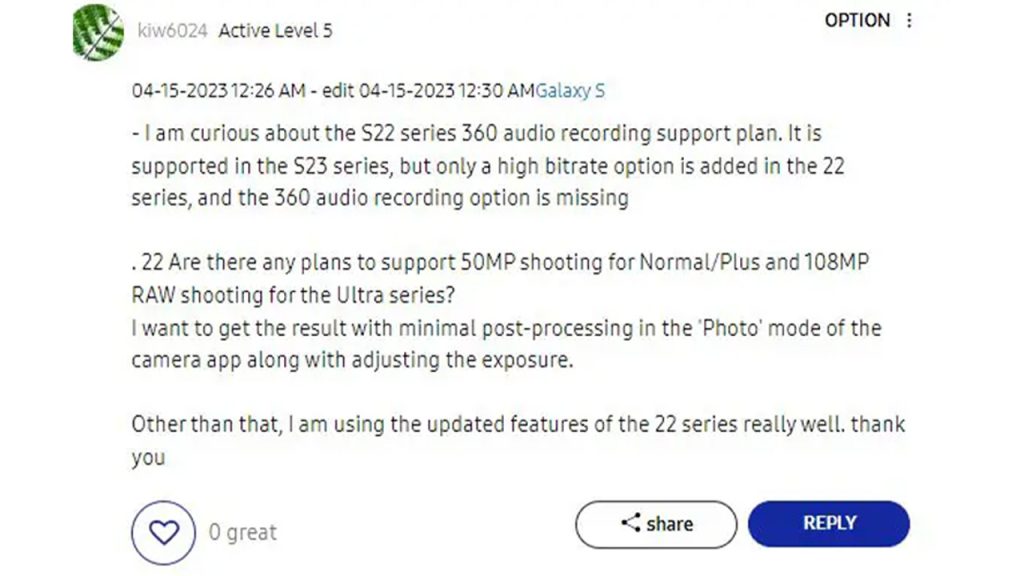
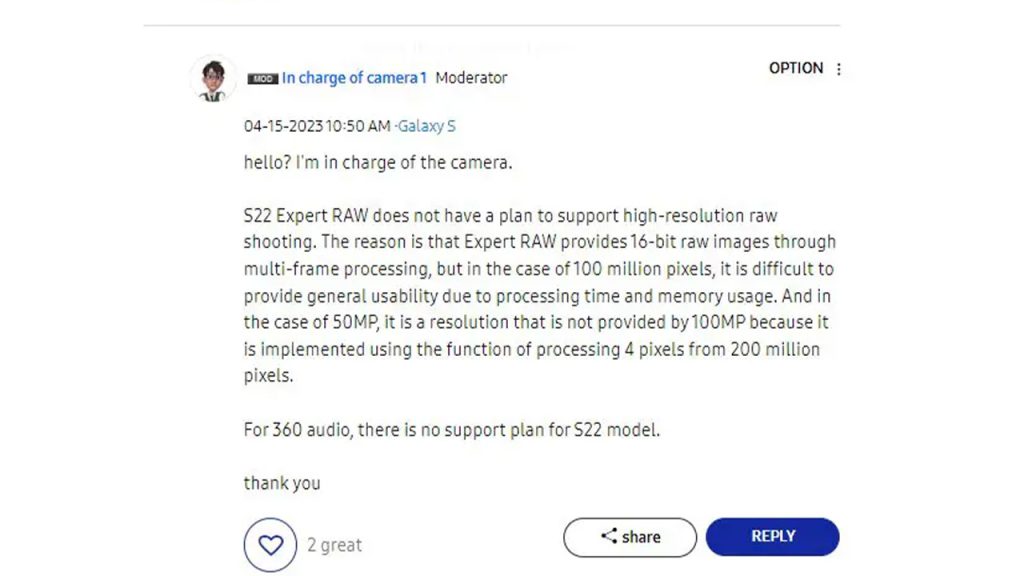
However, according to a statement from the head of the camera division on Samsung Community Korea, these plans have been halted due to technical limitations. While no specific reason was given for the absence of 360 Audio support, it was confirmed that there is no plan to introduce this feature to the Galaxy S22. Unfortunately, this situation will cause disappointment among many users, especially those who paid hundreds of dollars for the best Android phone just a year ago, only to face “technical limitations” after just one year.
In the images below, you can read the conversation between the relevant official and a Samsung user.
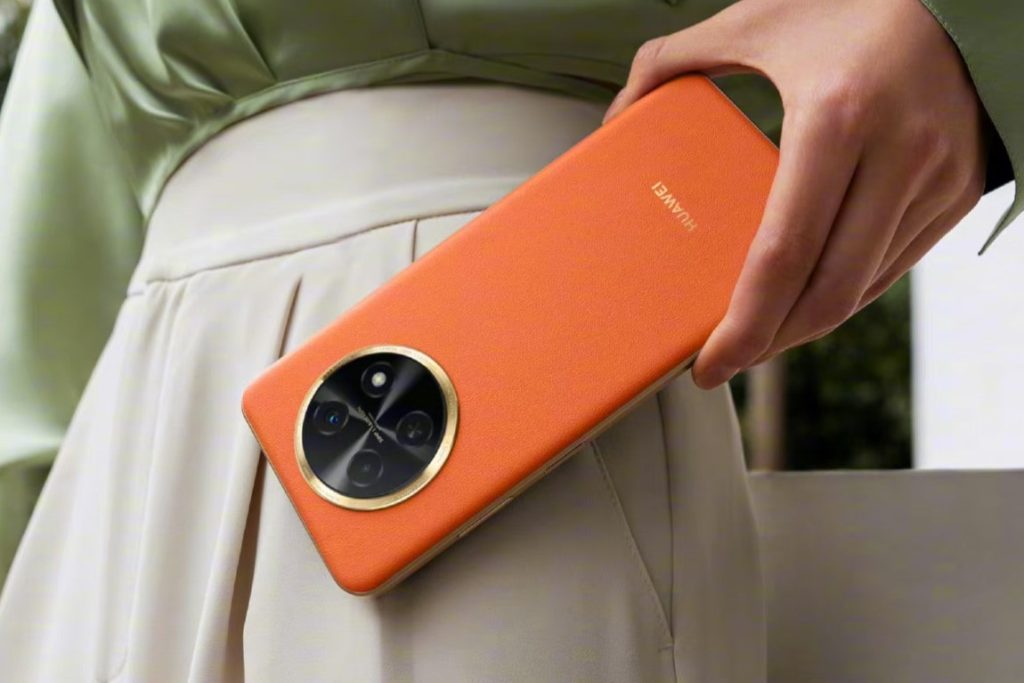
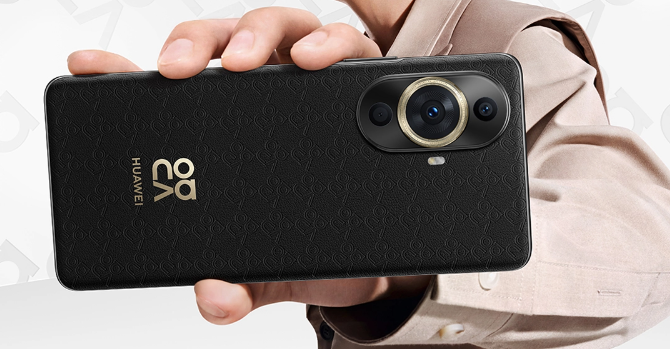
There are no handsets like this one on the market right now from a reputable brand. Let’s go through the features offered by it.
The Huawei Enjoy 60X is built around a large 6.95-inch display. This LCD panel has a resolution of 2376 x 1080 pixels (FHD+) and a 90Hz refresh rate. Interestingly, it also sports a wide notch at the top.
Just like its bizarre screen, the device is backed by a huge 7,000mAh battery. But the charging speed is only 22W. However, the phone can act as a power bank with reverse charging support.
Though it is powered by a Qualcomm Snapdragon 680 chipset, it looks like a premium smartphone with its circular camera ring and leather finish. The handset comes in orange, black, green, and silver color options.
Though the camera ring is giant, there are only a 50MP primary shooter and a 2MP depth sensor. Finally, the NFC-equipped phone boots HarmonyOS 3.
The Huawei Enjoy 60X arrives in 8GB + 128GB, 8GB + 256GB, and 8GB + 512GB memory configurations. These variants are priced at ¥1799 (~$260), ¥1999 (~$290), and ¥2299 (~$335), respectively. The device will be available for purchase from April 26.
Huawei has announced its latest fitness tracker, called the Huawei Band 8, in China. The product was announced alongside the Nova 11 series of smartphones, the Huawei Enjoy X mid-range phone, and the 2023 Huawei Matebook D 14 and MateBook D 16 notebooks. Here is a look at all the specifications, features, and price of the Band 8.
Huawei Band 8 specifications and features
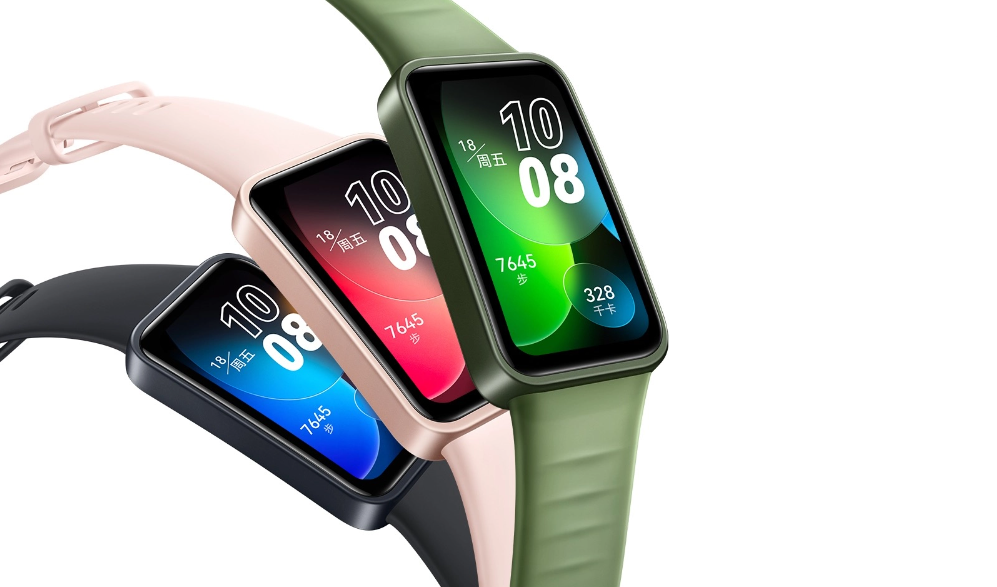
Huawei Band 8
The Huawei Band 8 is the company’s lightest and thinnest large-screen fitness tracker. The device weighs only 14 grams, which is slightly lighter than the previous generation, and has a thickness of 8.99mm. It is equipped with a 1.47-inch AMOLED screen that offers 368 x 194 pixels resolution and a screen-to-body ratio of 65 percent thanks to narrow bezels, and a 2.5D high-quality curved glass screen, providing an exquisite appearance. The Band 8 fitness tracker has over 10,000 watch face styles to choose from.
The Huawei Band 8 supports fast charging, where 5 minutes of charging provides 2 days of usage and 45 minutes for a full charge. The fully charged battery of the Band 8 can last up to 14 days, eliminating any concerns about the battery life. It is the first Huawei fitness band to come equipped with the HarmonyOS 3.1.
The Band 8 comes equipped with Huawei’s TruSleep 3.0 sleep monitoring technology, which has improved accuracy by 10 percent from previous generations. The improved algorithm provides professional and scientific sleep advice for users. The company has also launched the “Smart Sleep Improvement Plan” in collaboration with the China Sleep Research Association, to offer systematic and personalised sleep interpretation and improvement plans for users facing sleep problems.
The Band 8 has also received an upgrade in its heart rate algorithm with HUAWEI TruSeen 5.0 heart rate monitoring technology, which improves accuracy by 10 percent. It offers a 7-day resting heart rate feature, which provides a curve of the user’s resting heart rate over the last 7 days. With professional health management capabilities, Band 8 also supports automatic blood oxygen detection, heart health research, women’s health management, and all-day stress monitoring.
Huawei Band 8
In addition, it is Huawei’s first fitness tracker equipped with a smart negative screen. By swiping the screen to the right brings up the negative screen, where users can access smart scene information such as schedules, hotels, flights, and trains. The device can also transform into an access control card, traffic card, and smart flash card, becoming a “smart travel secretary” in seconds.
Huawei Band 8 price and availability
The standard version of the Huawei Band 8 is priced at only 269 Yuan (~$39), and the NFC version is priced at 309 Yuan (~$45). It will be available for purchase starting April 26 on Huawei Mall, major e-commerce platforms, and authorized experience stores. It comes in four colours: Magic Night Black, Cherry Pink, Emerald Green, and Vibrant Orange.
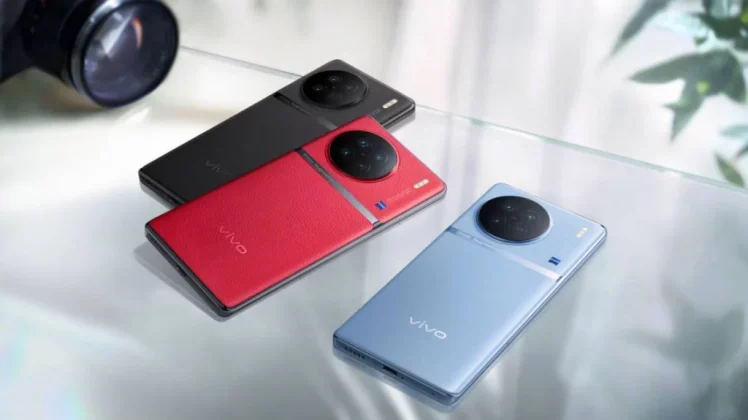
The wait is finally over for smartphone enthusiasts in India as Vivo announces the release of its X90 series. With an impressive lineup that includes the X90 and X90 Pro, these premium phones are set to debut on April 26. The Vivo X90 series is expected to offer cutting-edge features, top-notch performance, and an exceptional user experience. As the company’s latest flagship offerings, the X90 Pro will be the most advanced model, while the X90 will serve as the baseline flagship option.
Be the first to experience the Xtreme.
Mark your calendars as the #vivoX90Series launches on 26th April 2023 at 12 PM. Stay tuned for more!
Alongside the debut date, the brand has also revealed some of the specs of the Vivo V90 series. The smartphones are already available in select global markets, and based on the teased features, it is expected that the X90 series in India will boast the same specifications as the global models. Keep reading to know more about the X90 series.
Vivo X90 series specs
Vivo’s X90 and X90 Pro smartphones boast a stunning 6.78-inch OLED display with curved edges and a centrally-aligned punch-hole cutout. With an FHD+ resolution, 120Hz refresh rate, 1,300 nits peak brightness, and HDR10+ support, the display offers an unrivaled visual experience. Moreover, the in-screen fingerprint scanner adds to the convenience and security of these devices. Additionally, both the standard and Pro models are water-resistant, with IP64 and IP68 certifications respectively, offering added durability.
In the camera department, the Zeiss-branded triple rear cameras on both models capture stunning images. The X90 comes with an OIS-enabled 50MP Sony IMX866 main sensor, a 12MP ultra-wide unit, and a 12MP telephoto lens, while the X90 Pro boasts a 1-inch Sony IMX989 50MP primary sensor with an industry-leading f/1.75 aperture, a 50MP portrait unit, and a 12MP ultra-wide lens. The devices also feature a 32MP selfie snapper and several camera-related features to enhance the user experience.
Under the hood, the X90 and X90 Pro are powered by the Dimensity 9200 processor and come with up to 12GB LPDDR5 RAM and 256GB UFS 4.0 storage. The vapor cooling chamber onboard ensures efficient heat dissipation. The X90 is powered by a 4,810mAh battery, while the X90 Pro is backed by a 4,870mAh unit, both supporting 120W fast charging. Moreover, the X90 Pro model offers the convenience of 50W wireless charging. These top-of-the-line features make the Vivo X90 series an exciting addition to the Indian smartphone market.
Honor is reportedly working on the Honor 90 series of smartphones. Some reports have claimed that the Honor 90 lineup will be announced in May and made available for purchase just in time for China’s 618 (June 18) online shopping festival. Today, tipster Digital Chat Station shared key details of what appears to be the Honor 90 Pro.
According to the tipster, the topmost model in the Honor 90 series, which appears to be the Honor 90 Pro, will have the same core specifications as the predecessor model, the Honor 80 Pro. The 80 Pro is powered by the Snapdragon 8 Plus Gen 1 chipset. The same chip is likely to power the Honor 90 Pro.
Honor 80 Pro
The leak further states that the alleged Honor 90 Pro’s screen will support a 1.5K resolution and high-frequency dimming. As far as the display design is concerned, it will have curved edges and a cutout for housing dual front-facing cameras. It appears that the smartphone may retain the Honor 80 Pro’s 6.78-inch OLED that offers an FHD+ resolution of 1224 x 2700 pixels and a 120Hz refresh rate.
DCS also said that the Honor 90 Pro will have a SK5HP3 main camera, which will capture slightly enhanced photos than before. To recall, the Honor 80 Pro came equipped with a 160-megapixel primary camera. It is nothing but a custom version of the 200-megapixel Samsung SK5HP3 camera sensor. It is likely that the Honor 90 Pro will continue to feature the same 160-megapixel primary camera.
The other details of the Honor 90 Pro are yet to be revealed. The tipster claimed that it will be inferior to the OPPO Reno 10 Pro+, which is expected to feature the Snapdragon 8 Plus Gen 1 SoC.
Huawei just held a new launch event where it unveiled a number of new products. Although, the Nova 11 series of smartphones were undoubtedly the highlight of this event. So here are all the details regarding the latest upper mid range devices from the company.
Huawei Nova 11
The base model in the latest lineup features a shock resistant yet ultra thin body with a total width of just 6.88mm, which is quite impressive, and a weight of just 168 grams. The Chinese tech giant is also offering a high 93.8 percent screen to body ratio, while the device’s body offers a premium design with the use of metal on the camera ring as well as the sides of the smartphone. Huawei’s vanilla Nova 11 model will sport a flat 6.7 inch OLED display that arrives with Kunlun glass protection, 120Hz refresh rate, and FHD+ resolution.
Notably, the Nova 11 series in general is the world’s first mid range series of smartphones that feature satellite communication. Although, the base Nova 11 model only offers a one way communication via satellite. The Nova 11 lineup is also the brand’s first to feature XD Portrait camera technology for the front and rear image sensors. This allows it to take great portrait shots in different lighting scenes with great details to capture skin texture, shadow texture, accurate colors, and more to make the shots appear richer.
The Nova 1 is powered by a 4,500mAh battery pack that supports 66W fast charging. Under the hood, it is equipped with the 4G only Qualcomm Snapdragon 778G SoC that is paired with up to 512GB of internal storage. The front houses a 60 megapixel selfie camera that has an f/2.4 aperture, while the rear features a 50 megapixel primary sensor with an f/1.9 aperture, paired with an 8 megapixel ultra wide angle lens that has an f/2.2 aperture, and a laser autofocus.
Nova 11 Pro
The higher end Pro variant features much of the same features as the base model, but with certain upgrades. The Nova 11 Pro sports a taller 6.78 inch curved OLED display that has a 2652 x 1200px resolution along with Kunlun glass protection and 120Hz refresh rate. Under the hood, this model is also equipped with the 4G only Snapdragon 778G chipset that is paired with up to 512GB of internal storage. This model is also powered by a 4,500mAh battery pack that supports an impressive 100W fast charging rate.
For photography, it features a 50 megapixel primary camera that has an f/1.9 aperture, that is paired with an 8 megapixel ultra wide angle lens that has an f/2.2 aperture, and a 2 megapixel depth sensor. Meanwhile, the front houses a 60 megapixel selfie shooter that has an f/2.4 aperture along with an 8 megapixel portrait sensor that has an f/2.2 aperture as well. This dual camera setup aims to offer improved portrait shots even from the front cameras. Notably, the front camera offer up to 2x optical zoom and 5x digital zoom, while the rear camera can offer up to 10x digital zoom.
Nova 11 Ultra
Talking about the top end model, the Huawei Nova 11 Ultra is the flagship model in this upper mid range series. It sports a tall 6.78 inch curved OLED display that has a 2652 x 1200px resolution, Kunlun Glass protection, and 120Hz refresh rate. Similar to the two other models, this device is also powered by a 4,500mAh battery pack that supports 100W fast charging. Furthermore, it is also equipped with the 4G only variant of the Snapdragon 778G SoC. Although, this model is only available in a single 512GB storage configuration.
Notably, the Nova 11 Ultra is the world’s first mid range smartphone to offer variable aperture lens on its camera. On the rear, the primary camera is a 50 megapixel sensor that has a variable aperture ranging from f/1.4 to f/4.0 (variable aperture is also being offered on the new Xiaomi 13 Ultra that was launched today, which is a $1000 flagship phone). This is paired with an 8 megapixel ultra wide angle lens that has a f/2.2 aperture and a 2 megapixel depth sensor. On the other hand, the front features a dual camera setup like the Nova 11 Pro, with a 60 megapixel wide angle shooter with an f/2.4 aperture and an 8 megapixel portrait lens with an f/2.2 aperture.
All three models in the series run on Huawei’s proprietary HarmonyOS. Unlike the other two models, the Nova 11 Ultra offers two-way Beidou satellite messaging feature. This basically let’s users send a quick help message when stuck in an area with no ground network signal. The feature will allow for accurate tracking to ensure that rescue operations are quick and efficient. Keep in mind that the Kunlun glass protection being offered is said to be a lot more durable than even the Corning Gorilla Glass Victus 2.
Pricing, Color & Availability
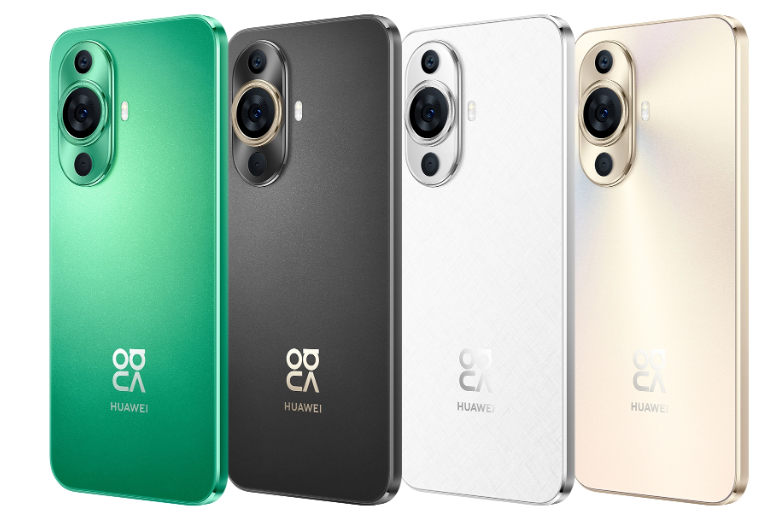
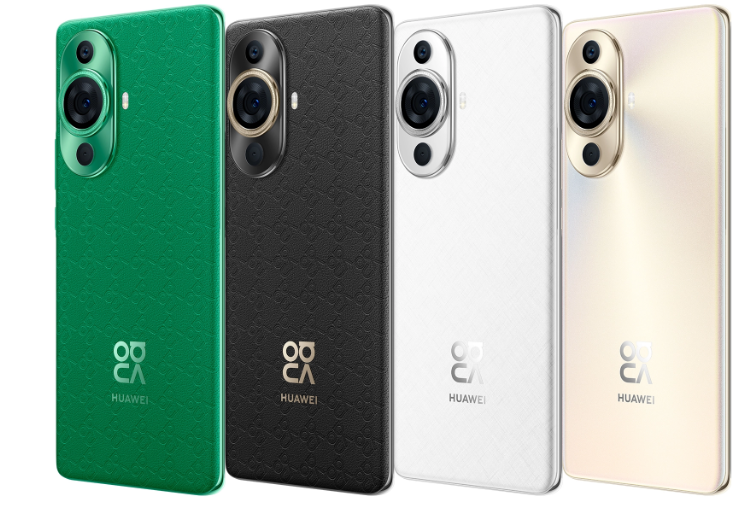
The Nova 11 series is available in multiple color and storage options. Its pre-sales will begin on 17th April 2023, with the full release set for 26 April 2023. The base model and the Pro version is offered in four color variants, namely Black, Gold, White, and No. 11 (Bright Green). Meanwhile, the Nova 11 Pro.
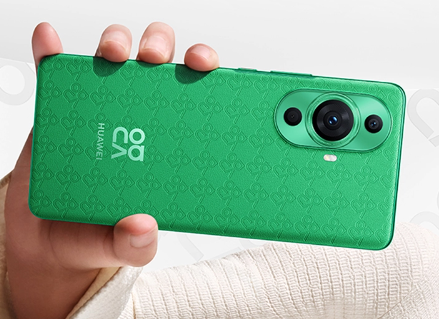
Meanwhile, the Nova 11 Ultra is only offered in a Black and No. 11 color option but these have a unique textured rear panel, which imitates the texture of the skin. The Huawei Nova 11 starts from 2,499 Yuan (roughly 363 US Dollars), while the Nova 11 Pro and Nova 11 Ultra start from 3,449 Yuan (roughly 502 US Dollars), and 4,449 Yuan (roughly 648 US Dollars) respectively.
The Poco F5 series is anticipated to go official in the coming days. The lineup is said to include two models, namely Poco F5 and Poco F5 Pro.
As per certifications and MIUI codebase, these devices are nothing but rebranded Redmi Note 12 Turbo and Redmi K60. Hence, they are expected to offer the same set of features.
However, according to a recent certification, the battery inside the Poco F5 Pro will be different from the one underneath the Redmi K60.
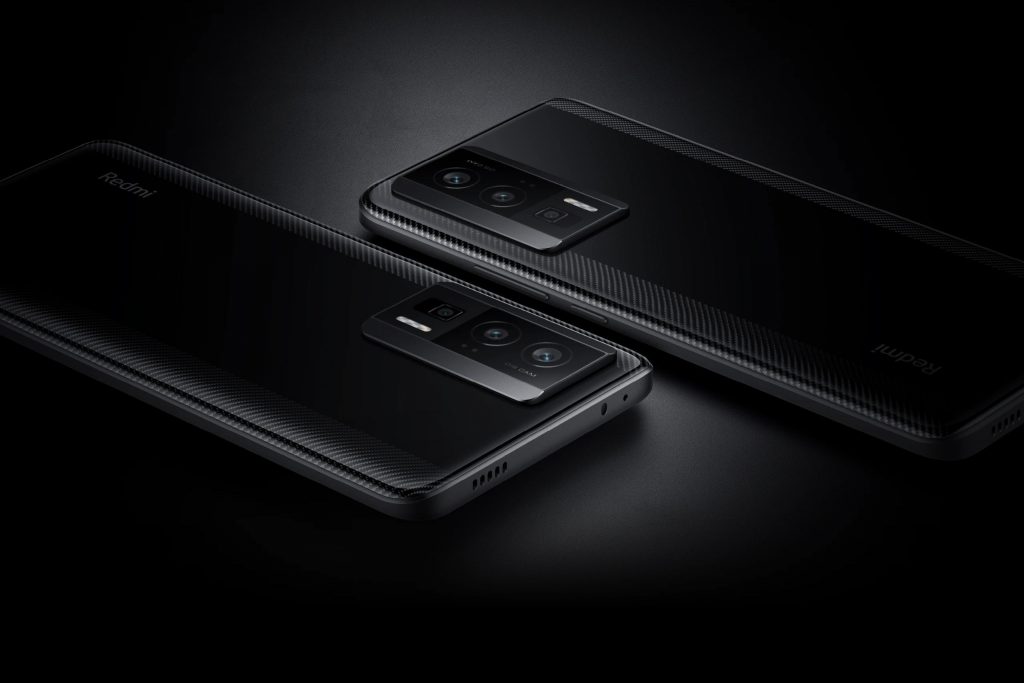
Redmi K60
The upcoming Poco F5 Pro will be fueled by a 5,160mAh battery. For comparison, the Redmi K60 has a larger 5,500mAh battery.
Apart from a change in the battery capacity, we think that the Poco version of the handset might also miss out on wireless charging. We are still awaiting confirmation on this.
Other than these minute changes, the Poco F5 Pro will most likely share everything else with the Redmi K60. Therefore, it should arrive with a Qualcomm Snapdragon 8 Plus Gen 1 SoC, LPDDR5 RAM, UFS 3.1 storage, and Android 13-based MIUI 14.
Other expected specs include a 6.67-inch QHD+ 120Hz OLED display, an OIS-assisted 64MP primary camera, dual stereo speakers, an IR blaster, a VC liquid cooling system, and an in-screen fingerprint sensor.
We are looking forward to the official announcement of the Poco F series’ launch date.
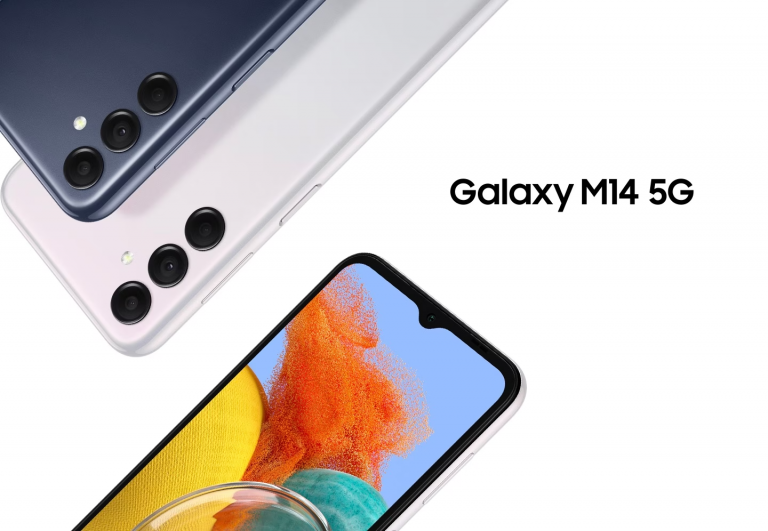
Last month, Samsung launched the Galaxy M14 5G smartphone in Ukraine. As scheduled, the smartphone has now arrived in India flaunting some impressive specifications backed by a large battery. Let’s take a look at the specs, features and pricing of this device in detail.
Samsung Galaxy M14 5G specs
The Galaxy M14 5G boasts a spacious 6.6-inch PLS LCD display with a refreshing 90Hz rate, offering an FHD+ resolution of 1080 x 2408 pixels. This device comes preloaded with One UI Core 5-based Android 13 OS, making it a modern and intuitive device.
This smartphone is powered by a 2.4GHz octa-core processor known as the Exynos 1330. It has 4 GB of RAM and 128 GB of internal storage, expandable with an external microSD card slot up to 1 TB.
The M14 5G is supported by a robust 6,000mAh battery with 25W fast charging, making it convenient for users who are always on the go. It comes with features such as dual SIM, 5G, Wi-Fi 802.11ac, Bluetooth 5.2, NFC, GPS, a USB-C port, a side-facing fingerprint scanner, and a 3.5mm audio jack.
It features a 13-megapixel front-facing camera, ideal for stunning selfies. The rear camera of the M14 5G offers a triple camera setup, including a 50-megapixel primary camera, 2-megapixel macro camera, and a 2-megapixel depth sensor. The primary camera allows users to capture full HD videos at 30 fps.
This device measures 166.8 x 77.2 x 9.4mm and weighs approximately 206 grams, making it a relatively lightweight smartphone. The Galaxy M14 5G’s design also features an Infinity-V notch design that complements its sleek look.
Price & availability
The Samsung Galaxy M14 5G comes in two storage options, with the base model featuring 4GB RAM and 128GB internal storage, available for purchase at Rs. 13,490. For those looking for a bit more storage, there’s also a higher-end variant with 6GB RAM and 128GB internal storage, priced at Rs. 15,490. Both options include a bank discount offer.
Customers can select from three different color options – Smoky Teal, Icy Silver, and Berry Blue. The device is set to hit the market on April 21, and is expected to impress with its advanced 5G capabilities and other impressive features.
Two weeks ago, Asus teased its upcoming handheld gaming console. What many took as an April Fools joke later turned out to be an actual console which the brand started sending out to promonent tech Youtubers (pre-production models) for their first impressions of the device.
Reports online had predicted that the new console will make its debut sometime in October this year, however, a new teaser from Asus suggests that the console could launch alot sooner than October.
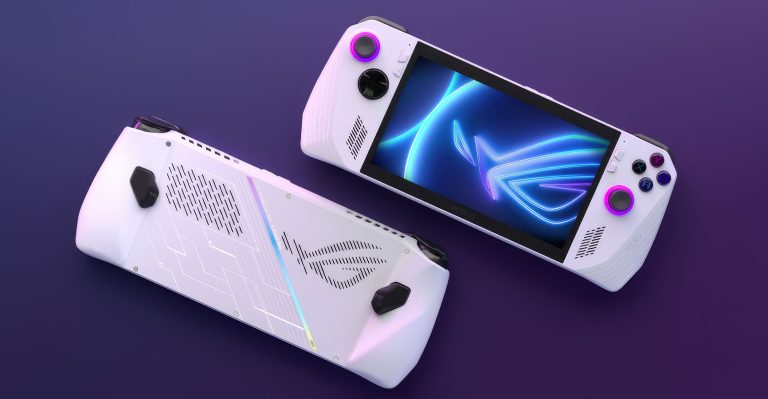
Asus has announced that its upcoming gaming handheld, the ROG Ally, will soon be available globally. However, the company seems to be giving priority to a North American launch, with Best Buy potentially serving as an exclusive retailer. The Phawx, a reliable source for handheld gaming news, has reported that ASUS is targeting a launch price of around US$650-US$700 for the ROG Ally, which is lower than the previous speculation of up to US$800. This means that the device will be priced competitively with the highest-spec Steam Deck model.
Asus ROG Ally specs: What we know so far
Asus is set to release the ROG Ally, a new handheld gaming console powered by a custom AMD Ryzen chipset and running on the Windows 11 operating system. The device will also have the capability to support external GPUs for more resource-intensive games.
According to YouTuber Dave 2D, the ROG Ally will feature a 7-inch touchscreen display with a Full HD 1080p resolution, a 16:9 aspect ratio, and a 120Hz refresh rate. The device is expected to be narrower, thinner, and slightly lighter than its competitor, the Steam Valve, weighing 608 grams and measuring 280mm x 113mm x 39mm.
Additionally, the ROG Ally prototype unit features some software customizations, including a fingerprint reader that is speculated to be used to switch between different accounts.
Tesla’s electric vehicles have disrupted the traditional automotive industry with their innovative designs, high-performance capabilities, and sustainable energy approach. With a range of models, including the popular Model S, Model 3, and Model X, Tesla has set the standard for electric vehicles, boasting impressive acceleration, advanced autonomous driving features, and cutting-edge technology. The automobile industry is abuzz with news of Tesla’s highly anticipated, cheaper electric car. With a price point of between $25,000 and $30,000, this new offering will have a huge impact on automakers, the car market, and buyers alike.
What’s driving down the cost of electric vehicles? While the expansion of the $7,500 U.S. tax credit and Tesla’s aggressive cost-cutting efforts have played a role, the root cause is car companies’ improving EV technology and crucial new manufacturing processes. As a result, more new models are hitting the market, making electric vehicles cheaper and more mainstream. Supply and demand will play a major role in the normalization of EVs over the next decade.
Tesla’s lower-priced electric car is expected to be a game-changer. If these new models catch on, they will solidify electric transportation as a mainstream consumer product, while also enabling Tesla and other EV startups to become mainstream automakers. Analysts believe that Tesla’s cheaper model will be a compact luxury car. In the US, the Biden administration is pushing for reforms to reshape the auto market in favour of electric vehicles faster than previously expected. With the average price of a new car in the United States at $48,763, a rise of 30% in the past three years, the argument that EVs are a product for only the wealthy sections of society may no longer hold water if these new models sell for much less than that.
In addition to Tesla’s new electric car, there are over 60 new electric models expected to hit the market in the next few years. Experts predict that most companies will compete fiercely in the compact sedan segment. While the regulations around tax credits for electric vehicles are increasingly complex, there are more financing options in the auto loan market than ever, designed for environmentally friendly vehicles.
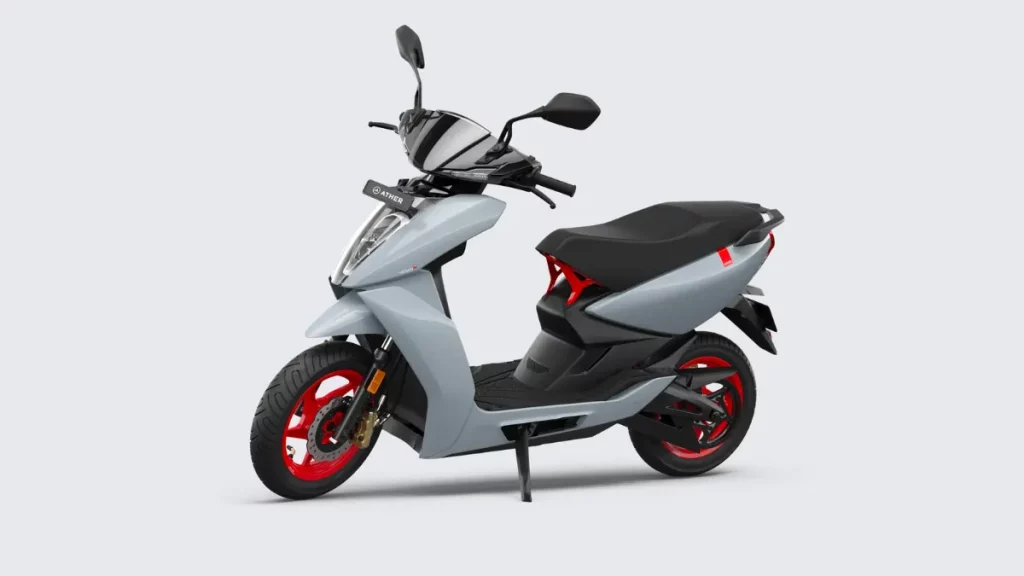
Ather Energy has made the Ather 450X electric scooter more accessible to the masses by introducing a more affordable variant priced just under Rs 1 lakh. While the entry-level model shares the same electric motor and battery pack as its premium version, some advanced features such as fast charging, riding modes, and connected technology have been left out. Moreover, the introduction of this variant marks the end of the Ather 450 Plus in the company’s stable.
The base variant of Ather 450X comes with a price tag of Rs 98,079 (ex-showroom New Delhi, after FAME II and state subsidies) and can be upgraded with more features using the Pro Pack, which costs an additional Rs 30,364. The Pro Pack-equipped Ather 450X comes with a 5-year/60,000km warranty for the battery pack, while the base variant gets a 3-year/30,000km warranty. Both variants come with a 3-year/30,000km warranty on the vehicle and the charger. The Ather 450X is available in six colour options, including True Red, Cosmic Black, Space Grey, Lunar Grey, Salt Green, and Still White.
Mechanically, the Ather 450X base variant remains almost identical to the premium version and features a 6.2kW motor and 3.7kWh battery pack. The electric scooter provides a claimed range of 143km and a top speed of 90kmph. However, the base variant does not support fast charging and could take up to 15 hours and 20 minutes to charge the battery fully. The entry-level model also misses out on ride modes, park assist, hill-hold assist, Bluetooth connectivity, GPS navigation, live tracking, and OTA updates.
The Ather 450X with the Pro Pack gets all these features, allowing for faster charging time of just 5 hours and 40 minutes. With the Pro Pack, the Ather 450X also gets a 5-year/60,000km battery warranty, in addition to the other warranties. The purchase of the Pro Pack is optional and comes at an extra cost.
OpenAI’s GPT-4, the AI system behind popular chatbot ChatGPT, has recently made headlines after a chemical engineer used it to propose a new nerve agent. The engineer, Andrew White, was part of a group of experts hired by OpenAI to explore the risks associated with deploying advanced AI systems in society. The group, called the “Red Army,” pushed GPT-4 to test its limits and understand its potential dangers. They tested the model’s ability to answer probing or dangerous questions related to toxicology, plagiarism, national security, and language manipulation.
While many of the testers raised concerns about the potential risks associated with linking language models with external knowledge sources through plugins, OpenAI assured the public that it has taken security seriously and tested the plugins before releasing them. The Red Army’s feedback was also used to retrain the model and address its problems before the wider rollout of GPT-4. However, despite OpenAI’s efforts to address the risks associated with the model, some members of the Red Army, such as Roya Pakzad and Boru Gollo, noted that GPT-4 still exhibits biases and discriminatory tones, especially when tested on gender, race, and language. Despite criticisms and complaints from technology ethics groups, OpenAI has launched a new feature called ChatGPT plugin, which allows partner apps to give ChatGPT access to their services, enabling it to place orders on behalf of users.
The development of GPT-4 and other advanced AI systems raises important questions about the potential dangers of deploying these systems in society. While they offer faster and more accurate tools for research and development, they also present significant risks to public safety and security. As such, it is crucial for companies like OpenAI to take proactive measures to address these concerns and ensure the responsible development and deployment of AI technology.
Slim mini-PCs are becoming increasingly popular due to their compact size and portability. These miniature computers can pack a lot of power despite their small form factor, making them a great option for those who need a powerful computing solution that doesn’t take up too much space. Moreover, their sleek design allows them to blend seamlessly into any workspace or entertainment setup, making them a great addition to any home or office.
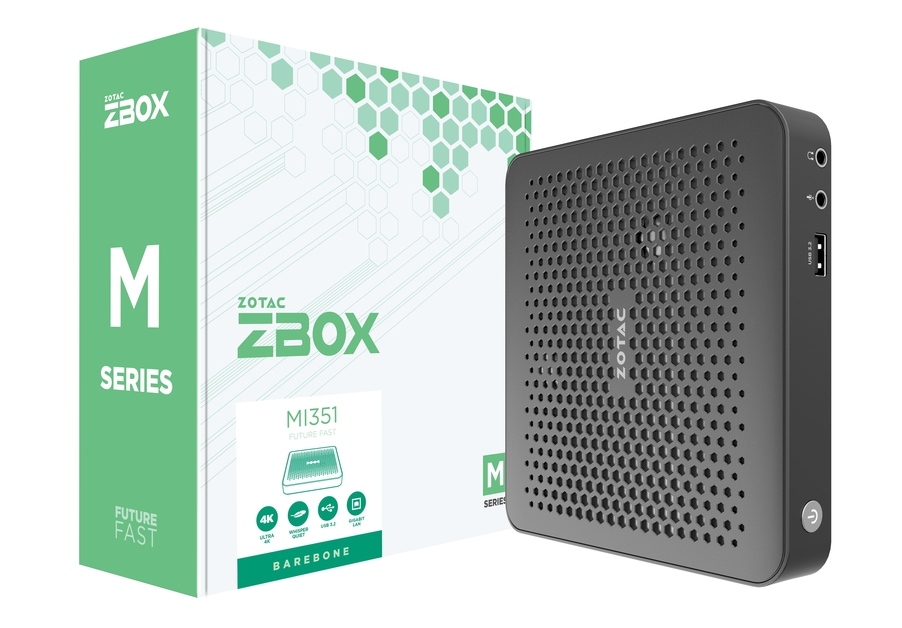
Zotac has launched its latest mini-PC, the ZBOX edge MI351, which is built on the powerful Intel Alder Lake-N processors. Despite its slim size of 149.86 x 149.86 x 27.94 mm, the mini-PC is packed with features that make it a great computing solution for both personal and professional use.
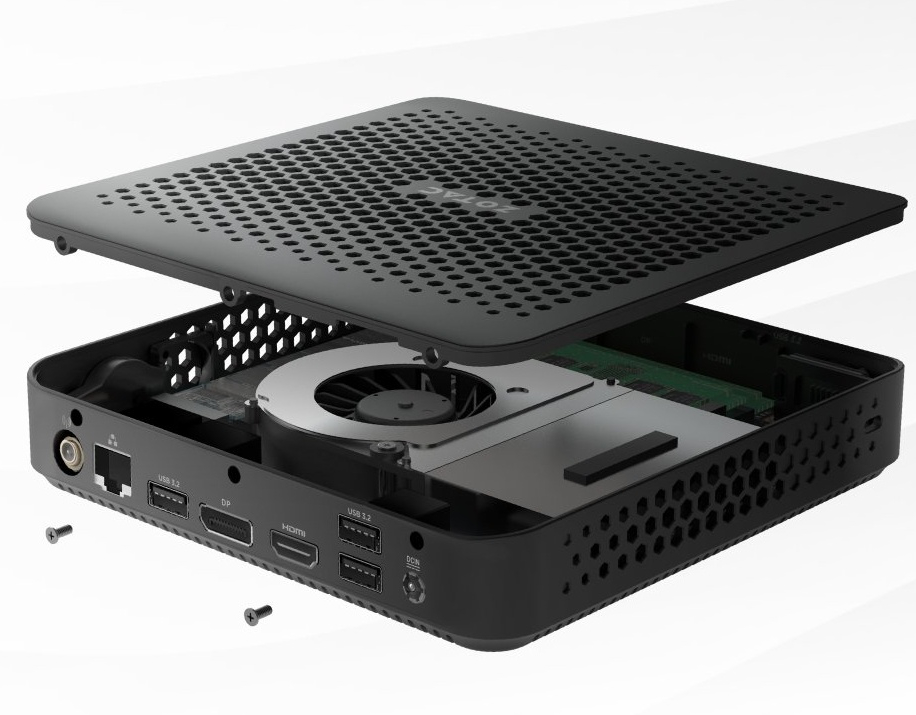
The ZBOX edge MI351 features 16 GB of replaceable DDR5 RAM, which can run at a speed of 4,800 MHz, making it perfect for multitasking and running resource-intensive applications. The mini-PC is also equipped with an easily accessible M.2 2280 slot, although Zotac has not yet confirmed whether this slot is PCIe 3.0 or PCIe 4.0 compatible.
To keep the processor in check during demanding tasks, the ZBOX edge MI351 comes with a small active cooling solution. The likes of Processor N100 and Processor N200 can boost to 25W during demanding tasks, hence a cooling solution is necessary to keep the processor at an optimal temperature. This ensures the longevity of the device and keeps it running efficiently.
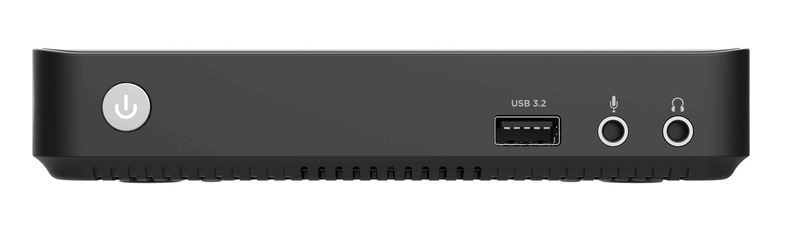
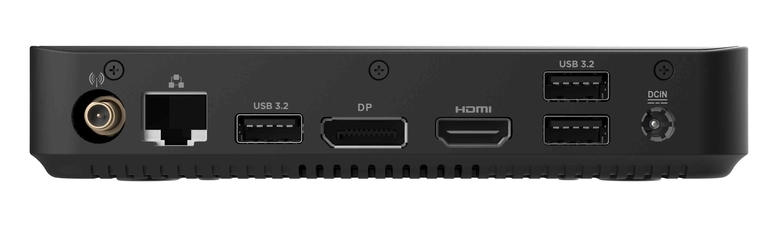
In terms of connectivity, the ZBOX edge MI351 features four USB 3.2 Type-A ports, DisplayPort 1.4, HDMI 2.0, Gigabit Ethernet connections, and 3.5 mm input and outputs. However, for some reason, Zotac has elected against including any USB Type-C ports. Zotac has not yet confirmed pricing or availability, but more details can be found on its website.
The MacBook Air is a line of ultra-thin laptop computers introduced by Apple Inc. in 2008. The first MacBook Air was a game-changer in the world of laptops due to its slim, lightweight design, and solid-state drive (SSD), which made it faster and more efficient than most other laptops on the market at the time. Since its initial release, the MacBook Air has undergone numerous updates and redesigns, with each iteration offering improved features and specifications. We have now reached the point where newer MacBook Air models are more powerful than slightly older MacBook Pro laptops, thanks to Apple’s M-series chipsets. As per latest reports, Apple may be gearing up to unveil its 15-inch Macbook Air soon, since the laptop is already undergoing compatibility tests with third-party App Store applications.
We already know that Apple will feature an M-series chip for the newest MacBooks, which will be the case for the 15-inch MacBooks as well. According to developer logs shared with Bloomberg, the 15-inch MacBook Air, known as “Mac 15,3” in the logs, will feature an eight-core CPU and a 10-core GPU, along with 8GB of RAM. These impressive specifications suggest that the new MacBook Air will come equipped with an M2 chipset, rather than Apple’s next-generation chip, as previously speculated. While the new MacBook Air is not expected to feature Apple’s M3 chip, Bloomberg’s Mark Gurman notes that “bigger changes to the Mac will come later with the release of an M3 chip.” Instead, the focus, for now, seems to be on the device’s compatibility with third-party apps, ensuring a smooth user experience upon its release.
The logs also revealed that the 15-inch MacBook Air will feature a display resolution that is “equal” to that of the 14-inch MacBook Pro, meaning that the new MacBook Air will have a less dense display as compared to smaller MacBooks. Nonetheless, the difference in display quality will most likely be minimal, and we know that Apple focuses on highlighting the stronger points of its products during its launches. With the announcement of macOS 14 expected at WWDC 2023, it’s only a matter of time before we get to see the highly-anticipated 15-inch MacBook Air in action.
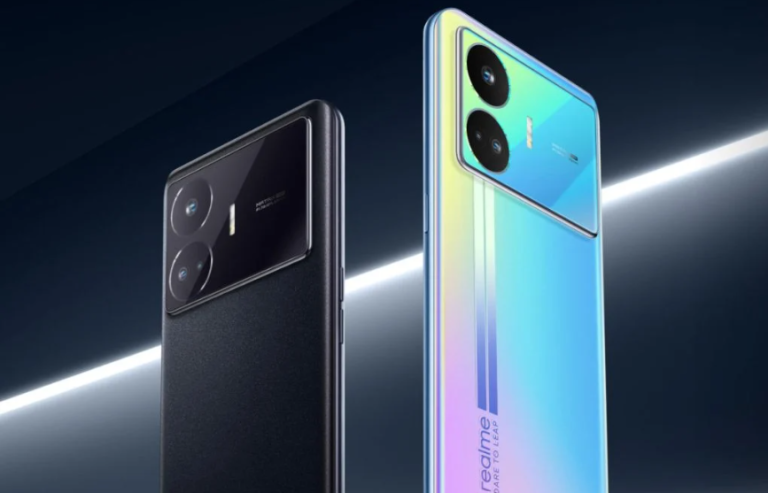
The mid-range smartphone market is experiencing a significant shift towards high-end specifications, including faster charging and larger internal storage options. According to a recent leak from Digital Chat Station, Realme‘s upcoming GT Neo-series smartphones may drop 8GB or even 12GB of RAM as the base model and introduce 16GB as the new standard. This report comes after the launch of the Realme GT Neo 5 SE in China which has a 16GB RAM + 1TB storage option. It is worth noting that storage and RAM used in the device are not the most cutting-edge available on the market today, however, this change may force other smartphone manufacturers to follow suit, resulting in a decline in prices for once hyper-premium specs.
The tipster also mentions the upcoming mid-range smartphones from Realme will also be standardizing 100W fast charging with a large 5,000mAh battery capacity. Previously, 100W charging was a feature reserved for flagship smartphones, but mid-range devices like Realme’s GT Neo 5 SE now have access to this technology. All of these above-mentioned features are present of the current Realme GT Neo 5 SE smartphone that consts around US$380 in China, making it a highly desirable option for consumers.
As the economy stabilizes and the recession decreases, smartphone manufacturers may have an easier time offering higher-end specs in mid-range devices. The decreasing cost of high-end components would make it more affordable for manufacturers to produce mid-range devices with top-of-the-line features.
The rise of high-end specifications in mid-range smartphones is excellent news for consumers who want affordable options without sacrificing performance. As more mid-range devices introduce premium features, the smartphone market’s future is intriguing, and we’ll undoubtedly see even more exciting developments in the coming years.
Google has long dominated the search engine arena, with a market share that exceeds 90% in most countries. This level of dominance has raised concerns about the company’s monopoly power, with some critics suggesting that it could stifle competition and harm consumers. Despite various antitrust investigations and lawsuits, Google remains the most widely used search engine worldwide, with billions of searches conducted on its platform every day. However, this may be the first instance in a long, long time when the search engine giant would have to worry about its market position, as Samsung may have considered making Bing its preferred search engine instead of Google.
Microsoft’s Bing has been playing catch-up to Google for years, but the integration of artificial intelligence (AI) chatbot ChatGPT’s technology into Bing has made it smarter than ever before. This spells a huge threat to Google, which failed to launch its own AI, Bard, in a spectacular way as compared to ChatGPT. The news about Samsung adopting Bing reportedly caused Google employees to enter panic mode. Google’s contract with Samsung currently earns the company an annual estimated revenue of $3 billion, and losing Samsung could result in missing out on an annual revenue of $20 billion if Apple follows suit and also switches to Bing as the default search engine on its devices.
Google is responding by accelerating its own AI technologies, with recently unveiled plans to offer a new AI-powered search engine that offers a more personalized experience than the existing one. Although Bard, Google’s own chatbot, has not been received as well as ChatGPT, the company remains obsessed with modernizing its search engine experience, which was worth $162 billion in 2022. In this rapidly evolving race of AI-oriented search engines, Google seems to be firing at all fronts, only because the competition has racked up a number of strong points as well. Time will tell if Google excels in this race, or is left behind, thanks to OpenAI‘s ChatGPT.
As the Google I/O 2023 event draws near, fans of the Pixel lineup have a lot to look forward to, even if the company’s foldable smartphone isn’t making its way to the market anytime soon. Apart from the company’s developer notes at the conference, the Pixel 7a is expected to be officially launched at the event, which is scheduled for May 10 next month. As the date of the expected unveil draws near, the company is reportedly making preparations ahead of launch, as leaks have indicated that Google is already shipping out the Pixel 7a devices to retailers, and all the devices are expected to be shipped within the next 14 days.
Pixel 7a is set to arrive at retail-stores within the next 14 days, so ready to launch @Google#IO2023. No new signs of the Pixel Fold (yet?).
And no, there is no “Jade” colour of the Pixel 7a, different to recent reports.
According to industry insiders, the Pixel 7a is rumoured to boast an impressive 8GB of RAM, which is an upgrade from its predecessor, the Pixel 6a. One of the most notable features of the Pixel 7a is its dual-camera setup, which is said to include a 64MP Sony IMX787 main camera sensor and a 12MP ultra-wide camera sensor, making it perfect for capturing high-quality images and videos. For selfie enthusiasts, the phone is expected to feature a 10.8MP front camera, the same as the premium Pixel 7 and Pixel 7 Pro.
In terms of display, the Pixel 7a is said to come with a 6.1-inch OLED display with a 90Hz refresh rate and Full HD+ resolution, providing a smooth and immersive viewing experience. The phone’s sleek and stylish design features the signature Pixel metallic visor-like camera module on the back, adding to its overall appeal. Under the hood, the phone is expected to be powered by Google’s custom-designed Tensor G2 SoC, delivering lightning-fast performance. Although there is no official word on the battery and charging speed details, it is speculated that the phone will support 5W wireless charging.
The Pixel 7a is set to run on Android 13 out of the box, making it one of the few phones to feature this exciting new operating system. While the pricing and availability details are yet to be announced, the leaked real-life images and design renders have created quite a stir among tech enthusiasts, leaving them eagerly anticipating the phone’s release.
We use cookies on our website to give you the most relevant experience by remembering your preferences and repeat visits. By clicking “Accept”, you consent to the use of ALL the cookies.
This website uses cookies to improve your experience while you navigate through the website. Out of these, the cookies that are categorized as necessary are stored on your browser as they are essential for the working of basic functionalities of the website. We also use third-party cookies that help us analyze and understand how you use this website. These cookies will be stored in your browser only with your consent. You also have the option to opt-out of these cookies. But opting out of some of these cookies may affect your browsing experience.
Necessary cookies are absolutely essential for the website to function properly. This category only includes cookies that ensures basic functionalities and security features of the website. These cookies do not store any personal information.
Any cookies that may not be particularly necessary for the website to function and is used specifically to collect user personal data via analytics, ads, other embedded contents are termed as non-necessary cookies. It is mandatory to procure user consent prior to running these cookies on your website.