Honor is gearing up to launch its all-new Honor Pad V8 Pro tablet in the market. The tablet is going to offer some powerful hardware specifications like the flagship MediaTek Dimensity 8100 5G chipset. Now, ahead of the official launch, key specifications of the forthcoming tablet have been leaked online. Known tipster Digital Chat Station on the Chinese microblogging platform Weibo has leaked the specifications of the Honor Tablet V8 Pro.
According to the tipster, the Honor Tablet V8 Pro will offer a gorgeous 12.1″ inches large display with 2560*1600 pixel resolution and a whopping 144Hz fast refresh rate support. The display refresh rate is surely going to work like a charm. Moreover, it has been said that it will be powered by the MediaTek Dimesnity 8100 5G chipset coupled with 8GB and 12GB of RAM options. The large screen needs a larger battery too, and the tablet is going to pack a 10050mAh battery.
Image credit- Digital Chat Station
The Honor has enabled the support for 35W fast wired charging for the battery. This would ensure that your battery charges at a faster rate. However, this is going to be quite slow as compared to smartphones, obviously because the battery size is larger here. The device is said to boot up on MagicOS 7.0 right out of the box. The tablet will measure the dimension of 277*178.95*6.8mm. So that was it about the specifications of the upcoming tablet shared by the tipster.
There are still unanswered questions regarding the camera department, build, and display type. However, we are confident that it will include an OLED display. A 50-megapixel primary camera sensor may be used in a dual rear camera setup on the back of the device. In any case, none of the information above has been officially confirmed, and we will have to wait quite a while to learn more about it.
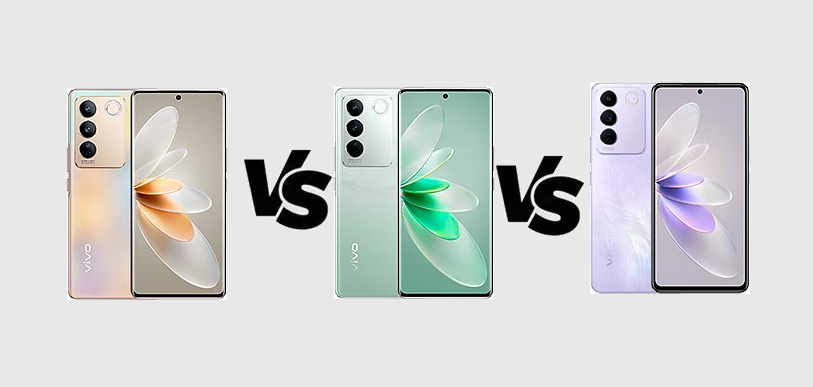
Vivo officially launched the new Vivo S16 series composed of midrange phones with amazing selfie capabilities. It is composed of three variants: the Vivo S16, the Vivo S16 Pro, and the Vivo S16e, each in a different price range and for different kinds of users. So, which one is the best for you? A lot of people are actually wondering, that is the reason why we are trying to answer the question. Here you can find a comparison between the Vivo S16, the Vivo S16 Pro, and the Vivo S16e which will hopefully help you.
Vivo S16 vs Vivo S16 Pro vs Vivo S16e
Vivo S16
Vivo S16 Pro
Vivo S16e
DIMENSIONS AND WEIGHT
164.1 x 74.8 x 7.4 mm, 182 grams
164.1 x 74.8 x 7.4 mm, 182 grams
162.5 x 75.8 x 7.7 mm, 188 grams
DISPLAY
6.78 inches, 1080 x 2400p (Full HD+), 388 ppi, AMOLED
6.78 inches, 1080 x 2400p (Full HD+), 388 ppi, AMOLED
6.62 inches, 1080 x 2400p (Full HD+), 398 ppi, AMOLED
Triple 64 + 8 + 2 MP f/1.9 + f/2.2 + f/2.4
50 MP f/2.5 front camera
Triple 50 + 8 + 2 MP f/1.9 + f/2.2 + f/2.4
50 MP f/2.5 front camera
Triple 50 + 2 + 2 MP f/1.8, f/2.4 and f/2.4
16 MP f/2.0 front camera
BATTERY
4600 mAh, 66W fast charging
4600 mAh, 66W fast charging
4600 mAh, fast charging 66W
ADDITIONAL FEATURES
Dual SIM slot, 5G
Dual SIM slot, 5G
Dual SIM slot, 5G
Design
The designs of the Vivo S16 and the Vivo S16 Pro are amazing. Despite being midrange phones, they almost look like flagships. They are extremely thin with a thickness of just 7.4 mm and they come with curved screen at the sides just as the most expensive Vivo phones. Further, they are also available in impressive color options. Last but not least, they come with a very high screen to body ratio thanks to very narrow bezels around the display. Unlike its siblings, the Vivo S16e has a flat display with thicker bezels around it, but the rear side is similar and it also comes in a very original Purple color option.
Display
These phones are equipped with very good displays, not flagship-class panels but still high-end screens with a great color reproduction and high refresh rate. The Vivo S16 and the Vivo S16 Pro have exactly the same display: an AMOLED panel with a diagonal of 6.78 inches, a Full HD+ resolution of 1080 x 2400 pixels, a 120 Hz refresh rate, HDR10+ certification, and an in-display fingerprint reader. The display of the Vivo S16e is different, but the specifications are at the same level: it has an AMOLED display with a diagonal of 6.62 inches, a Full HD+ resolution of 1080 x 2400 pixels, a 120 Hz refresh rate, HDR10+ certification, and an in-display fingerprint scanner.
Specs & Software
The Vivo S16 Pro has the best hardware and you can consider it as a high-end phone in terms of performance. It is powered by the new Dimensity 8200 chipset by Mediatek built with a 4 nm production process and running at a max frequency of 3.1 GHz. It is paired with up to 12 GB of RAM and up to 512 GB of native storage. The silver medal goes to the Vivo S16: it is fueled by the Snapdragon 870 mobile platform and the memory option in the most expensive configuration is the same: 12 GB of RAM and 512 GB of storage. The Vivo S16e is a mid-ranger with an Exynos 1080 chipset, up to 12 GB of RAM, and up to 256 GB of storage. The Vivo S16 and the Pro variant run Android 13 out of the box, while the S16e is still based on Android 11.
Camera
The Vivo S16 Pro sports the best camera department: it has as triple rear camera with a 50 MP main sensor (it supports optical stabilization), an 8 MP ultrawide shooter, and a 2 MP macro lens, as well as a great 50 MP selfie camera with a dual LED flash. The vanilla version replaces the 50 MP main camera with an inferior 64 MP sensor, but it retains OIS. The Vivo S16e has again a 50 MP main camera but it is an inferior sensor, it lacks an ultrawide shooter, and it comes with an inferior 16 MP selfie snapper.
Battery
All of these phones are equipped with the same 4600 mAh battery (and 66W fast charging), but the Vivo S16 Pro should be able to last more on a single charge because it has a more efficient chipset built at 4 nm.
Price
The vanilla Vivo S16 starts from $363/€340, the Pro begins at $427/€400, and the S16e starts from $299/€280. Which one would you pick?
Samsung will be refreshing its mid-range lineup in 2023 with a bunch of A series smartphones, including Galaxy A54 and Galaxy A34. The two smartphones could launch sometime in January, however, there’s no official announcement yet. Now, a new report claims the Korean OEM will also launch an F series smartphone in January. Here are the details.
91mobiles, citing industry sources, reports that Samsung is gearing up to introduce an F series smartphone in January, 2023. The publication isn’t certain of the smartphone’s name, but speculates it may be the Galaxy F14. The handset is said to debut in the first week of January and it will be sold exclusively through Flipkart and Samsung e-store.
Samsung Galaxy F13
Details about the Galaxy F14 are pretty short. The handset was recently spotted on the Bureau of Indian Standards (BIS) website with model number SM-E146B/DS. It is expected to be a 5G smartphone and will launch as the successor of Galaxy F13.
We should be learning more about the device in the coming days. The brand could announce the launch date of the Galaxy F14 pretty soon. Meanwhile, let’s check out the specs of its predecessor.
Galaxy F13 debuted with a 6.6-inch LCD display that offers an FHD+ resolution. The smartphone is powered by the Exynos 850 chipset, coupled with Mali G52, 4GB RAM, and up to 128GB on board. It comes with a microSD card slot as well as RAM expansion support.
Fueled by a large 6,000mAh battery, the device supports 15W charging. It has a side-mounted fingerprint sensor for security. For photography, the handset sports a triple camera unit on the back, with a 50MP primary sensor, a 5MP ultra-wide-angle lens, and a 2MP macro cam. On the front, there’s an 8MP shooter for selfies and video chats.
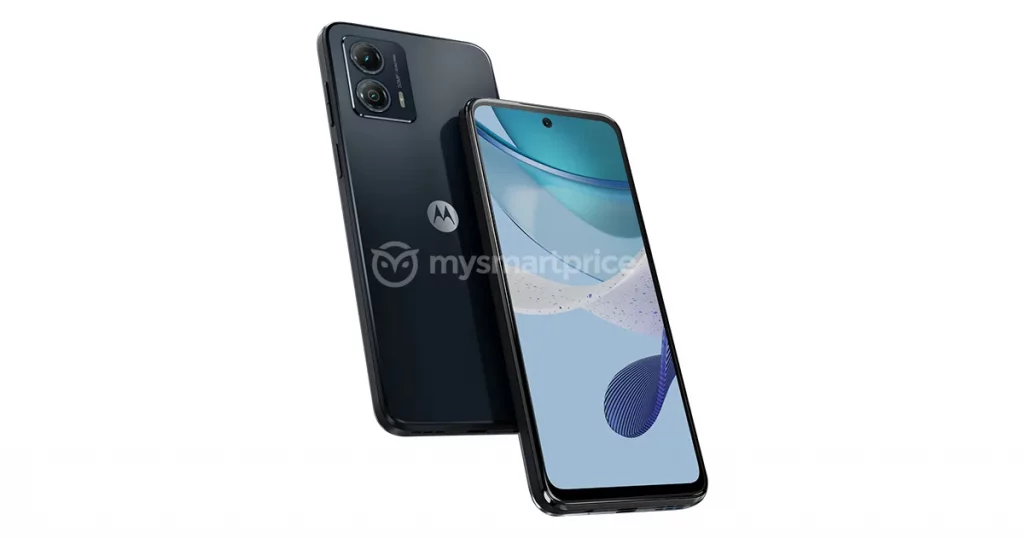
At least two new smartphones are expected to join Motorola’s G series soon – one is Moto G53 and the other Moto G13. Thanks to various leaks and rumors, we already know most about the former but the details about the latter are still pretty short. Motorola hasn’t revealed anything about the Moto G13 either. While we wait for an official word, MySmartPrice has shared some good-looking renders of the smartphone, which reveal its design as well as camera specs.
The Moto G13 will debut as a mid-range smartphone and it is rumored to launch in both 5G and 4G models. The 5G model could be limited to the North American region and folks in Asia may get the 4G version instead. As is the case with Motorola’s mid-rangers, this phone will likely have impressive specs for the price.
The handset’s specifications are still under wrap but the leaked images give us a good idea of its design. The Moto G13 has a flat back with a rectangular camera module. The two cameras are fitted in two circular rings – a design we’ve seen in a lot of mid-range and budget models launching in 2022. The text on the camera module says the device will have a 50MP primary camera.
It has flat sides with the right edge housing the power and volume buttons. There’s a USB Type-C port, a 3.5mm headphone jack, and a speaker grille on the bottom. On the front, the smartphone flaunts a flat display with thin bezels. The hole punch cutout on the top center nests the selfie camera.
Reports suggest the Moto G13 will arrive in multiple storage variants, such as 4 GB RAM + 64 GB storage and 4 GB RAM + 128 GB storage. It could pack a 5,000mAh battery with 10W charging support.
A few years ago, Honor has successfully targeted the market for budget smartphones. It comes as no surprise that the brand has a dedicated following among fans of affordable smartphones given the robust lineup of updates that are released each year. The Honor x7a, yet another entry-level smartphone, is now being brought to our attention. Before the device’s official release, renders and specifications of this multi-purpose entry-level smartphone have been leaked.
Complete renders of the upcoming Honor X7a have been leaked by the GadgetGang, courtesy of Steve from OnLeaks. The renders reveal the two different colour variants of the device; Ocean Blue and Midnight Black. Going through the renders, it will bring a waterdrop notch cutout on the front panel. On the rear, it will have a square camera cutout, inside which – there are two camera rings. One of them houses a primary camera and the other one houses a secondary and tertiary camera.
The power on/off switch and the volume control buttons are located on the right side of the device. There is nothing on the left side. The 3.5mm headphone jack, a microphone, a speaker grill, and a USB Type-C interface for charging and data transfer are all located on the bottom frame. Even with its entry-level status, the smartphone has a fairly nice appearance and finish. Just below the camera module on the left side, the Honor logo is vertically aligned.
The smartphone will include a 6.7-inch IPS LCD screen with a 60Hz refresh rate and HD+ 1600*720 pixel resolution, according to the specifications. It will be run on the MediaTek MT6765H processor. It will have four cameras on the back: a 50-megapixel primary wide sensor, a 5-megapixel secondary ultrawide sensor, a 2-megapixel macro sensor, and a 2-megapixel depth sensor. It will have an 8-megapixel front-facing selfie camera. It has a 5230mAh battery inside.
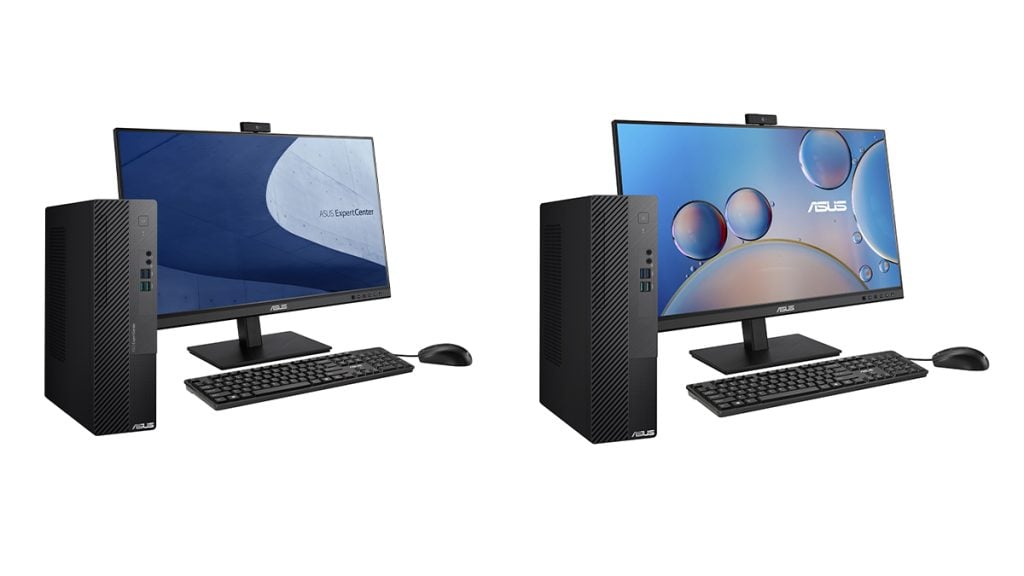
ASUS has launched two new desktop PCs in India. They are the ExpertCentre D500SD and S500SD. The former is aimed at the enterprise market whereas the latter is for consumer usage. However, both devices pack top-of-the-line specifications. Commenting on the launch, ASUS said “We are focused on delivering an all-around PC solution for our enterprise as well as retail consumers.” Read on to know what desktop PCs offer out of the box.
Both the ASUS ExpertCentre D500SD and S500SD have a similar design with a small form factor. The former is also military-grade MIL-STD-810H certified. Its thermal design is also optimised by discrete air chambers for the PC’s primary heat sources.
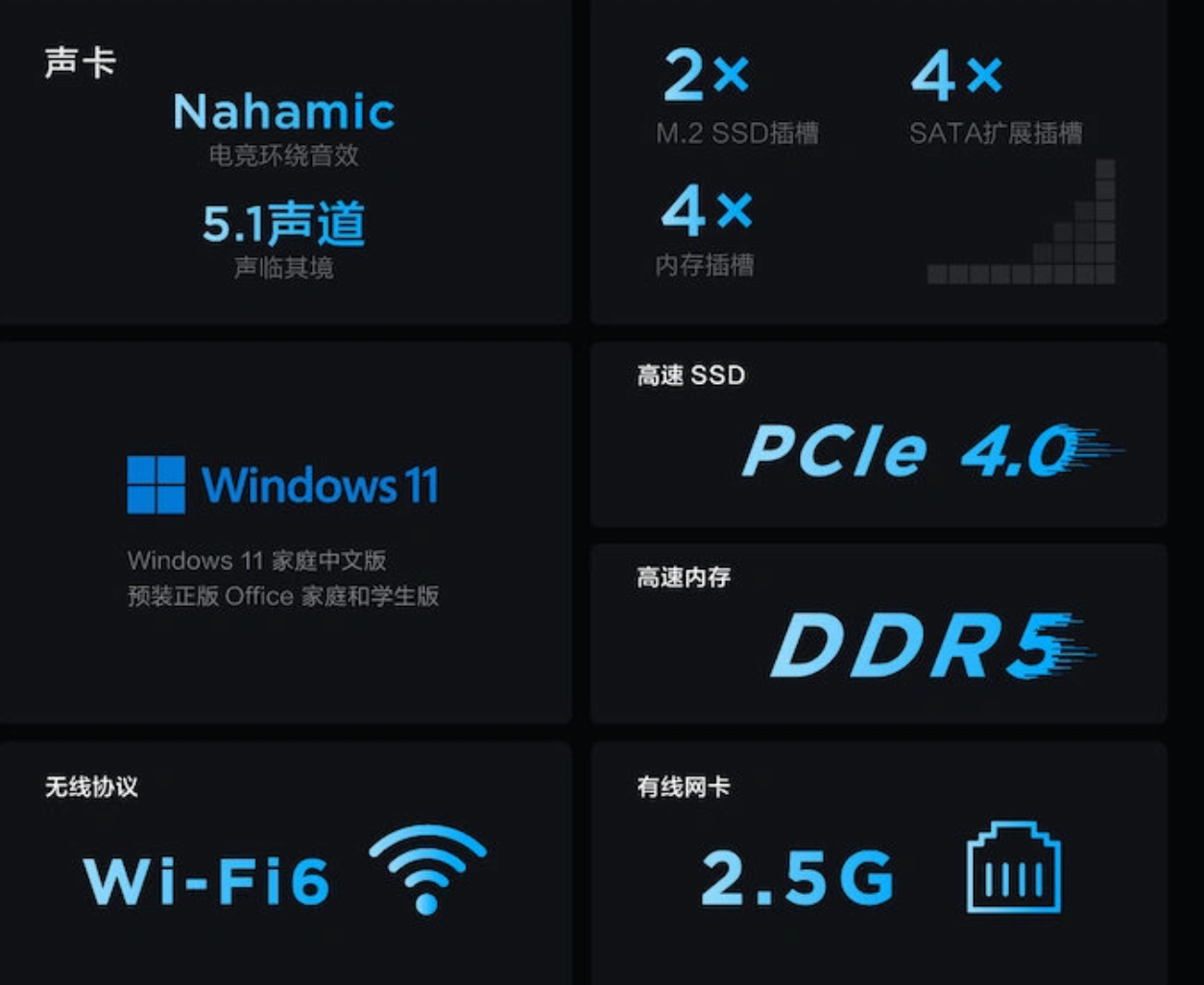
Under the hood, the ASUS ExpertCentre D500SD and S500SD house the brand’s proprietary motherboard with 100 percent solid capacitors and ASUS 5X Protection III technology. Both desktops are equipped with a 12th-generation Core i5 processor. There is an option to add a discrete NVIDIA GPU. The PCs pack up to 64GB RAM. The ExpertCentre duo pack hybrid storage comprising PCIe SSD and HDD slot.
Connectivity options on the ASUS ExpertCentre D500SD and S500SD include USB-C, USB 3.0, USB 2.0, HDMI, VGA connectors, WiFi-6, and Bluetooth 5.2 support. Both devices run on Windows Home OS and come with TPM 2.0.
The ASUS ExpertCentre D500SD and the S500SD start at Rs 34,790. Both come with a 3-year on-site warranty and can be purchased starting December 23rd at ASUS Exclusive Stores.
On December 27, 2022, Redmi will have a conference in China. The Redmi’s final launch will take place at this time, marking it as one of the biggest events of the year. It has been announced that a number of products, including the Redmi K60 series and Redmi Note 12 Pro Speed Edition, would launch at the same time. The brand teased certain surprise launches in addition to the Note 12 Pro Speed Edition. Now it appears that the company is also disclosing information on those surprise launches.
The Redmi Watch 3, Redmi Band 2, and Redmi Buds 4 Lite, three separate AIoT devices from the Redmi brand, have all been officially teased in a new teaser posted on the company’s official social media account. On December 27, 2022, the Redmi 2023 New Year Conference will take place. This is when all of these items, along with the K60 series, will be unveiled. The event may also see the launch of new products, and as of today, five different launches have already been confirmed.
When it comes to the teaser, showcases the aesthetics and design of all three products. A power or controller button is located on the right side of the Redmi Watch 3, which also has a green strap and flat frames. The Redmi Band 2 and the recently introduced Xiaomi Band have a similar appearance, and both have a flesh-coloured strap. The Redmi Buds 4 Lite is next, and it has a really unique design with a black and green colour scheme.
We don’t really expect these products to come with a heavy profit margin given that they are made by Redmi. All of the products, including smartphones, are likely to have very affordable price tags when they are released on the market. We really want to learn more about the official features and pricing of the gadgets, but we’ll have to wait until the launch to find out those details.
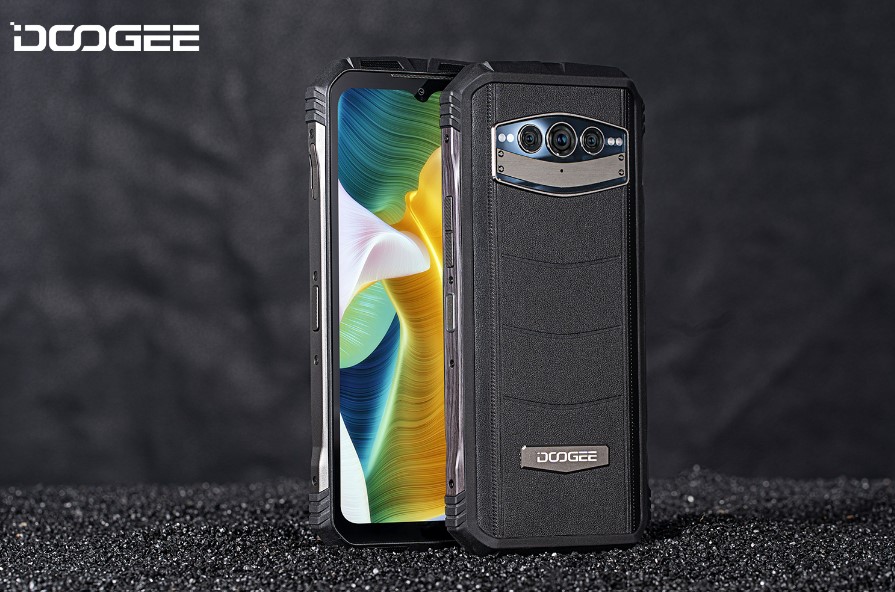
Yesterday Doogee the famous rugged smartphone brand launched three new and exciting products viz. The Doogee V30, Doogee S99, and Doogee T20 premium Tablet. The products come with premium features like e-Sim, a flagship processor, a massive 10800mAh battery, a 108MP camera, a 2K display, etc. All three products are available globally on AliExpress at discounted prices. So let’s check out the three new products from Doogee.
This premium dual 5G flagship phone from Doogee is the one and only rugged phone in the market that features an eSIM. With an eSIM, you can easily switch your sim cards during travel without worrying about connectivity. Another highlighting feature of this phone is its massive 10800mAh battery. The battery ensures that you have enough power to keep your phone running for a couple of days. Also with a 66W ultra-fast charger, you can easily and quickly charge your massive battery.
Doogee V30 features a 6.58-inch display with a 120Hz refresh. It is powered by MediaTek’s Dimensitty 900 chipset, an octa-core processor built with TMSC’s 6nm process tech. The phone comes with a base memory configuration of 8GB RAM + 256GB ROM, which can be expanded to 15GB by 7GB of virtual RAM and 2TB using a microSD card.
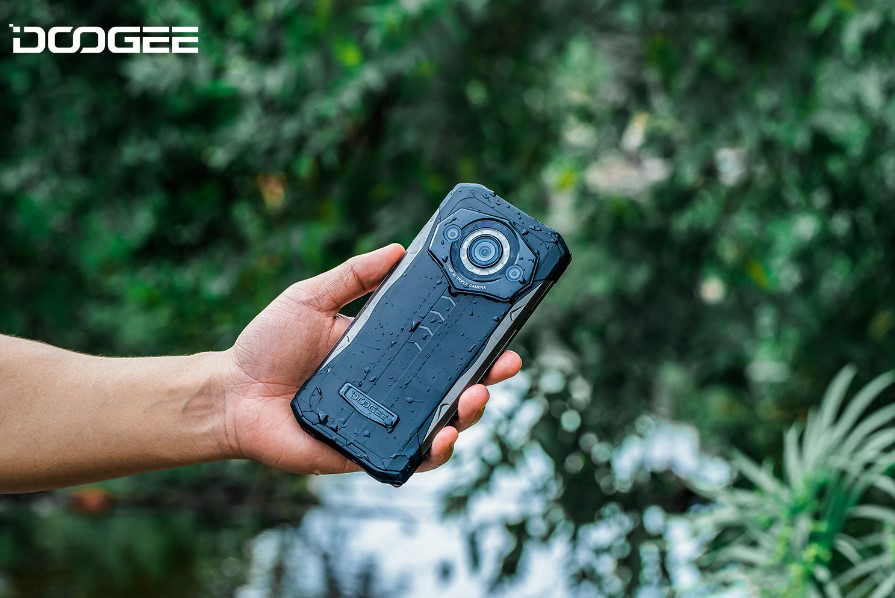
The rugged phone is IP68 and IP69K and MIL-STD-819H certified making it perfect for outdoor travel and extreme and harsh conditions. Unlike other generic rugged phones, Doogee V30 does not compromise on camera and comes with a 108MP primary sensor, a 20MP night vision camera, and a 16MP ultra-wide camera. For your selfies, you have a 32MP Sony sensor in the front.
Other interesting features include dual Hi-Res stereo speakers, NFC, L1+L5 dual-band GPS, corning gorilla glass 5, Android 12 OS, etc.
Unlike other rugged phones that compromise on camera features, Doogee S99 comes with a high-quality imaging system that can compete with other generic phones in the market. The device features a triple camera system with a 108MP ultra clear AI main camera, a 16MP ultra-wide and macro camera, and a never before seen 64MP night vision camera with two strong infrared lights. The powerful 64MP night vision sensor makes everything clear and visible at night and enables you to capture an accurate image in a 15 to 20-meter range. Rather than using a generic night mode, Doogee S99 uses a powerful 64MP night vision sensor, similar to those used in professional night vision devices.
The device not only features high-quality camera lenses but also focuses on aesthetics and comes with a beautiful, shining metallic galactic ring encircling the two LEDs and infrared lights. This ring combined with the sharp-edged camera base gives your phone a futuristic look.
Doogee S99 comes with a 6.3″ LCD FHD+ waterdrop display and runs on the MediaTek Helio G96 chipset. It features 15GB RAM (8GB+7GB Extended) and 128GB plus 1TB expandable ROM. The rugged phone also has a 6000mAh high-capacity battery that supports 33W thunder and 15W wireless charging.
The rugged phone comes with IP68 and IP69K certifications that make it water and dust-resistant and gives it 1.8-meter drop-to-concrete resilience. Other interesting features include NFC, a comprehensive navigation system backed by GPS, Glonass, Galileo, and Beidou, a side fingerprint sensor, etc.
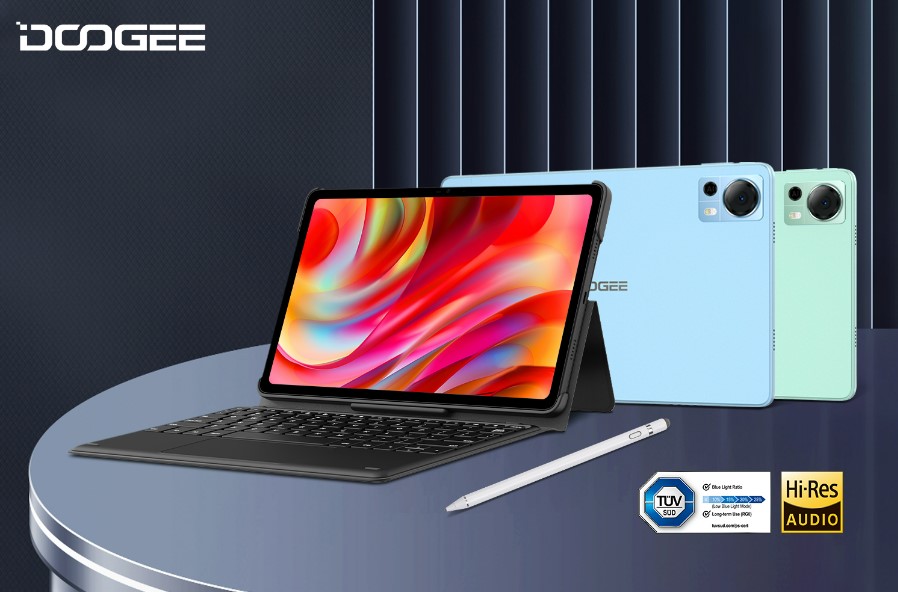
Building on the success of its first-ever tablet the T10, Doogee launched its second tablet the Doogee T20 with better and upgraded features than the T10. The tablet features a 10.4” 2K display with TÜV SÜD eye safety standards that reduces blue light emissions and saves you from digital eye strain. The tablet is run by a Unisoc T616 octa-core processor. It comes with a base memory configuration of 8GB RAM and 256GB storage that can be expanded to 15GB with 7GB of virtual RAM and 1TB of internal storage using a microSD card.
Doogee T20 is fueled with a massive 8300mAh battery and supports 18W fast charging. It runs Android 12 OS out of the box and comes with 4 Hi-Res stereo speakers with smartPA algorithm that leverage the box space to produce louder sounds. Other interesting features include a specific T20 stylus with a 2048 pressure sensitivity and magnetic pogo pins to instantly snap onto the keyboard.
Please note that the above price is region-specific and the final price may vary according to your shipping region, warehouse, and regional taxes. The discounts are available only on AliExpress. However, you can get more details about the product on Doogeemall.
For more information on such exciting deals and offers check out our deals hub.
The Redmi K60 family of smartphones, the company’s flagship model, is about to be released. Redmi K60e, Redmi K60, and Redmi K60 Pro smartphones are expected to be part of the K60 series. In addition to the Redmi K60 series, the brand has confirmed the release of the Redmi Note 12 Pro Speed Edition gadget. Anyway, prior to its official release, the K60 Pro smartphone’s display specifications have been revealed officially.
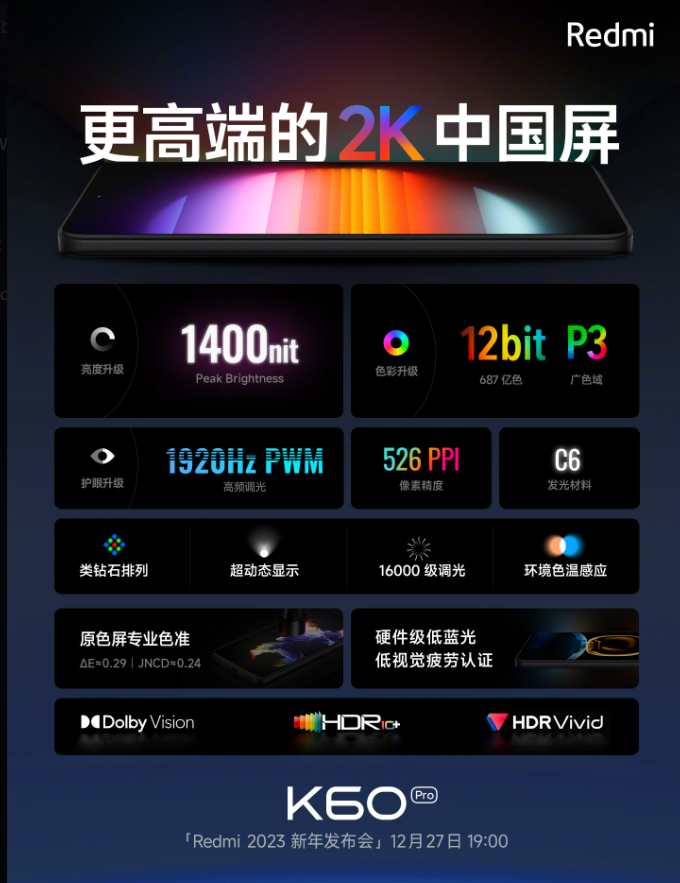
The full display specifications of the upcoming Redmi K60 Pro smartphone have been disclosed by Redmi on Weibo. The Redmi K60 Pro will sport a 2K QuadHD+ resolution screen, according to the post. It will support 12-bit colour coverage, which enables it to show up to 68.7 billion different colour shades. Additionally, the panel will support Display P3’s broad colour gamut.
The display will have 1920Hz PWM light control. Furthermore, it will offer hardware-level low blue light certification. The panel will feature Dolby Vision and HDR10+ certification in addition to having sharp 526PPI pixels. The K60 Pro’s display looks great, and the official information about its specifications is astounding. To learn more official information about the smartphone, let’s wait until its official introduction.
The device will come preinstalled with an Android 13 OS based on MIUI 14. It might have a 50-megapixel Sony IMX890 primary camera for photography. It will have a fingerprint scanner embedded in the display. The LPDDR5x RAM and UFS 4.0 storage will be included with the Snapdragon 8 Gen 2-powered phone. It will have a 5,000mAh battery and support 30W wireless charging in addition to 67W rapid charging.
Redmi is getting ready to introduce the Redmi Note 12 Pro Speed Edition, a new smartphone in the Note 12 series. The device will be performance-focused, as suggested by its moniker, and is powered by the Qualcomm Snapdragon 778G 5G chipset. It is among the most powerful midrange chipsets available. The manufacturer has also made some further changes to the gadget. In a few days, it will be launched. To learn more about the precise launch date, keep reading.
The Redmi Note 12 Pro Speed Edition smartphone’s launch date has been officially confirmed by Xiaomi on the Chinese microblogging site Weibo. The report also indicates that the phone would have an OLED display and be powered by the Qualcomm Snapdragon 778G+ chipset. The smartphone will officially debut on December 27, 2022, in the Chinese market. Nevertheless, the post also contains the phrase “More surprise, releasing in the event!” which implies that there may be other launches.
The Speed Edition of the device features a square highlighted area around the camera bump that contains the Redmi branding. The device was teased in the brand-new Green colour. The manufacturer has made an effort to give the gadget a brand-new look. It is possible to see the triple rear camera cutout and the frame’s flat corners. We do not foresee any other changes to smartphones beyond the CPU and display.
The Speed Edition smartphone is expected to include a 6.7-inch OLED display with support for 120Hz rapid refresh rate, Qualcomm Snapdragon 778G+ processor, up to 12GB of RAM and 512GB of onboard storage, MIUI 14 pre-installed based on Android 13, 50-megapixel triple rear cameras, and more. All of these, however, stand out as being based on rumours and expectations. More information will become available after the formal launch.
Lenovo has been on a release spree in the past few days. Most of the products that have been announced are expected to be showcased at CES 2023. However, the Chinese tech giant has launched a new PC that is presently on sale in China. The product is the Legion Blade 7000K 2023 Desktop PC. The tower PC is expected to go on sale on December 29 and that is exclusive to China. We don’t know when the company will release the product for the global market.
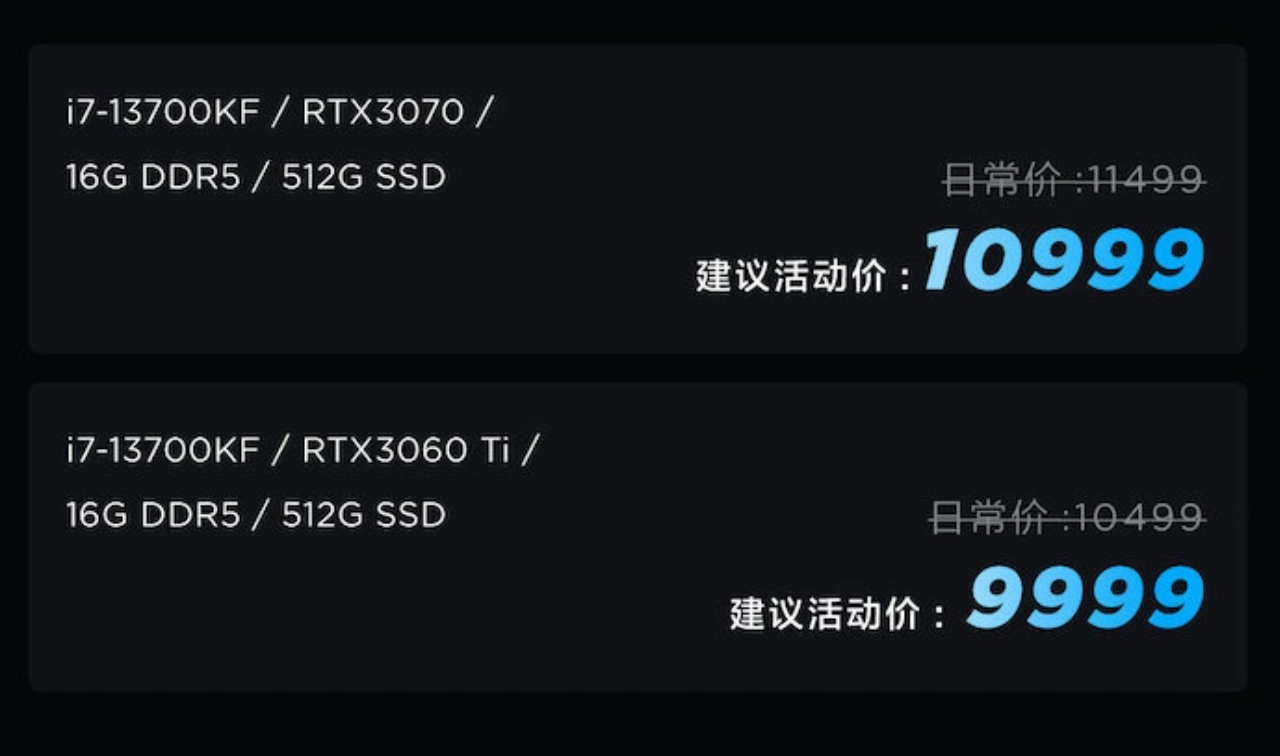
The Lenovo Legion Blade 7000K 2023 Desktop PC is equipped with the latest Intel Core i7-13700KF processor which pairs with the powerful NVIDIA GeForce RTX 3060 Ti and RTX 3070 Graphics cards. As a standard, both models come with 16GB RAM while there is a 512GB solid-state drive (SSD) onboard.
The Intel Core i7-13700KF processor was released in September 2022 and is based on Raptor Lake, Raptor Cove, and Gracemont architecture. The desktop processor is primarily aimed at home systems and has 16 cores and 24 threads. It is based on Intel 7 manufacturing technology, with a max turbo frequency of 5400 MHz and an unlocked multiplier. It supports DDR5-5600, and DDR4-3200 memory.
Data released by Lenovo shows that the Intel Core i7-13700KF processor has a base power of 181W but data on Intel’s website shows that the i7-13700KF has a base power of 125W and a maximum turbo power of 256W. On the Cinebench R23 platform the processor is said to have performed better than the 241W Core i9-12900K used on the previous-gen Lenovo Legion Blade 9000K tower PC.
As for the pricing, the Legion Blade 7000K 2023 desktop PC with Core i7-13700KF + RTX 3070 + 16GB + 512GB is priced at 10999 yuan ($1573). On the other hand, the model with Core i7-13700KF + RTX 3060 Ti + 16GB + 512GB is priced at 9999 yuan ($1430). Lenovo had earlier released the Legion 7000K 2023 with Core i5-13600KF and options of NVIDIA GeForce RTX 3070 and RTX 3060 Ti graphics card.
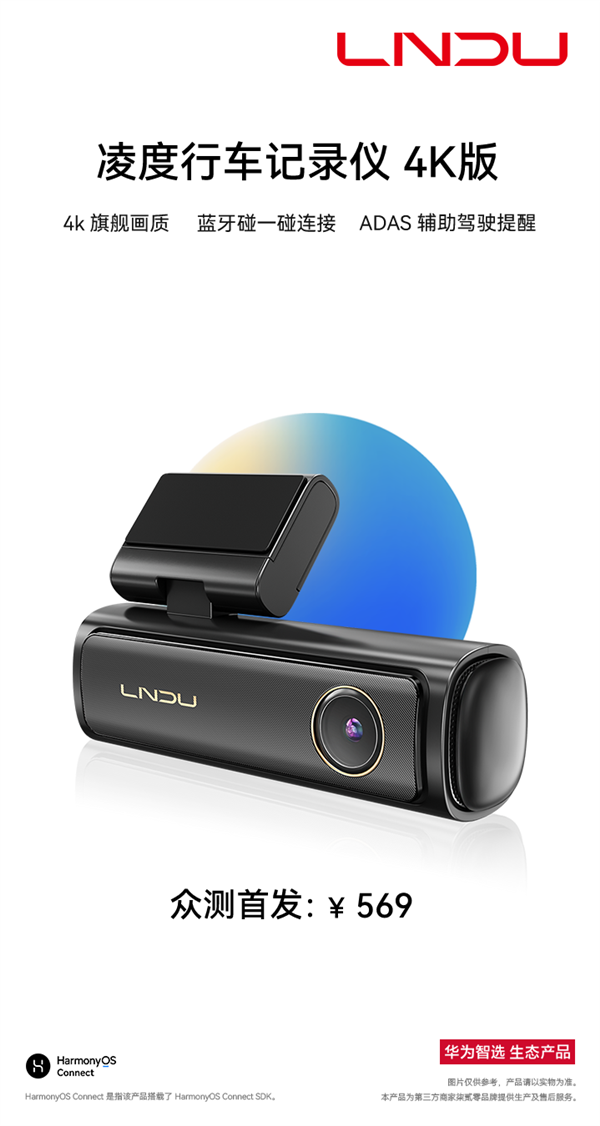
Chinese tech giant Huawei has teamed up with domestic startup LNDU to launch a new dashboard camera. The Huawei Smart LNDU 4K Dashcam is available in China for 569 yuan but that looks like a temporary price tag.
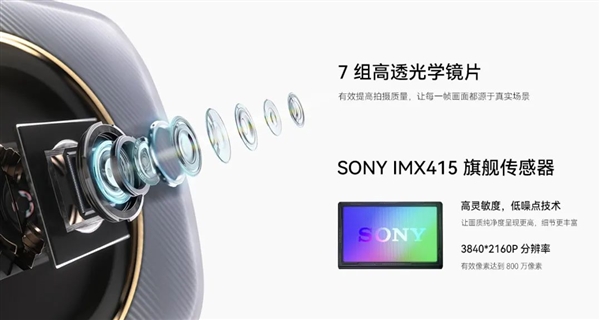
The Huawei Smart LNDU 4K Dashcam is equipped with a Sony IMX415 sensor, 7 sets of high-transmittance optical lenses, and a super large aperture of F1.75 to achieve 4K ultra-clear image quality. The dashboard camera supports the enhancement of picture quality in poorly lit areas. It comes with an effective pixel of 8 million, ensuring clear night vision and backlight as well as long-distance shots.
In most dashboard cameras, you’ll need to take out the memory card first, and then use the card reader to insert it into the computer to view the video. With the support of HarmonyOS Connect, users of the Huawei Smart LNDU Dashcam only need to turn on the Bluetooth of the mobile phone and touch it close to the device to pair their smartphones. In a few simple steps, the screen of the mobile phone will be used to view the live feed from the camera. Users can also share the video from their phones.
Thanks to the ADAS intelligent driving assistance function, when driving in an abnormal situation, the Huawei Smart LNDU 4K Dashcam will also initiate real-time lane departure warning, front car anti-collision warning, front car start reminder, and speed limit sign reminder, Pedestrian collision warning, all aimed at reminding drivers to pay attention to driving safety.
In addition, during the driving process, commonly used operating instructions can be realized through voice control, such as “I want to stop”, “I want to take a photo”, “turn on the recording”, etc. The voice prompt support ensures drivers won’t have to be distracted to manually operate the dashcam while driving.
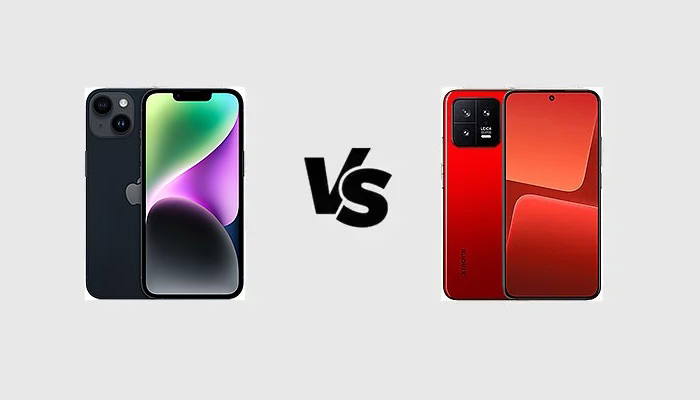
Compact flagships are becoming every day rarer and the most recent ones have bigger dimensions if compared to the older ones. But they still exist and they boast amazing performances. The latest one released is the Xiaomi 13, with the same hardware department as the Pro variant, but with inferior cameras, a smaller battery, and a smaller display. There is one single device that can be considered the best rival of this phone, at least until the release of the Samsung Galaxy S23. Naturally, we are referring to the iPhone 14 by Apple. Here you can find a comparison between the main specifications of the iPhone 14 and the Xiaomi 13.
Xiaomi 13 vs Apple iPhone 14
Xiaomi 13
Apple iPhone 14
DIMENSIONS AND WEIGHT
152.8 x 71.5 x 8 mm,
185 g
146.7 x 71.5 x 7.8 mm,
172 g
DISPLAY
6.36 inches, 1080 x 2400 pixels (Full HD+), OLED
6.1 inches, 1170 x 2532 pixels (Full HD+), Super Retina XDR OLED
5G, optional dual SIM, eSIM, IP68 certification, MagSafe, Face ID
Design
It is very hard to compete with an icon. A lot of people will prefer the design of the iPhone 14 as it is iconic and sports great build quality. The handset is made with a glass back and an aluminum frame, it has the classic notch and the classic camera module of the latest iPhones, as well as better water resistance: with its IP68 certification, it is able to go up to 6 meters deep underwater without damage. Last but not least, it is more compact than the Xiaomi 13 because it has a smaller display. With the Xiaomi 13, you actually get a new design including a flat display with a very high screen to body ratio, a glass back, and an aluminum frame. It has the IP68 certification, but its water resistance is inferior as it is able to go just 1.5 meters deep without damage.
Display
The Xiaomi 13’s display looks more interesting, even though you can actually get a better color reproduction with the iPhone 14. It sports an OLED panel with a wider diagonal of 6.36 inches, a Full HD+ resolution of 1080 x 2400 pixels, a 120 Hz refresh rate, Dolby Vision support, HDR10+ certification, and an in-display fingerprint reader. The Apple iPhone 14 has a Super Retina XDR OLED display with a diagonal of 6.1 inches, a Full HD+ resolution of 1170 x 2532 pixels, Dolby Vision support, and HDR10 certification, but its refresh rate is standard, with just 60 Hz.
Specs & Software
If we consider the performance of these two phones, the most important role is not played by the hardware but the operating system. They both feature flagship-class hardware departments, but the iPhone 14 is able to perform better because the iOS operating system has better optimization, even though the phone has inferior hardware. This said the iPhone 14 is equipped with an Apple A15 Bionic chipset running at a max frequency of 3.23 GHz, 6 GB of RAM, and up to 512 GB of native storage. With the Xiaomi 13, you can get a Snapdragon 8 Gen 2 mobile platform running at a max frequency of 3.2 GHz, up to 12 GB of RAM, and up to 512 GB of UFS 4.0 native storage.
Camera
The Xiaomi 13 is equipped with better cameras on the rear side. It has a triple rear camera including a 50 MP main sensor with OIS, a 10 MP telephoto shooter with 3.2x optical zoom, and a 12 MP ultrawide lens. Unfortunately, the iPhone 14 lacks a telephoto sensor: it only has a pair of 12 MP sensors, including the main camera and an ultrawide one.
The battery found on the Xiaomi 13 is much bigger if compared to the one found on the iPhone 14 by Apple: we are talking about a capacity of 4500 mAh against just 3279 mAh. However, the difference is not huge in terms of battery life because iOS 16 has better optimization in terms of energy consumption. However, there is a huge difference in the charging speeds because the Xiaomi 13 supports 67W fast charging and 50W fast wireless charging.
Price
The starting price of the Xiaomi 13 in China roughly translates into $584 or €550 at the actual change, while the iPhone 14 starts from $790 or €744. Which one would you choose?
Oppo started the ColorOS 13 beta program for the Oppo K10 Pro last month and now it’s the vanilla model’s turn to get the taste of the latest software. The company has started recruiting public ColorOS 13 beta testers for Oppo K10 5G in China. Here are the details.
Oppo K10 5G users in China can try out the beta build of the ColorOS 13. Those who’ll apply to the program will get the chance to test all the new features Google introduced with Android 13 as well as some ColorOS exclusive goodies. The beta registrations for the smartphone will be live until December 24.
Oppo will review the applications in batches within 5 working days after the end of the recruitment period. After review, the software will be pushed on the registered devices in batches. Before updating, users should back up important to avoid loss.
To apply, interested users need to head to Settings > About Phone > Top Version Information (above “Phone Name”) > Settings button in the upper right corner > Early adopters application > Upgrade public beta.
It goes without saying that the beta build is not the same as the stable version. It could carry a lot of bugs and cause issues that may hamper one’s daily usage. It is reported that some third-party applications are not fully compatible with the software.
As mentioned, the public beta recruitment is currently limited to the Chinese region. Oppo should start a beta program for the global market sometime next year. We’ll have to wait for the January update timeline to get a specific date.
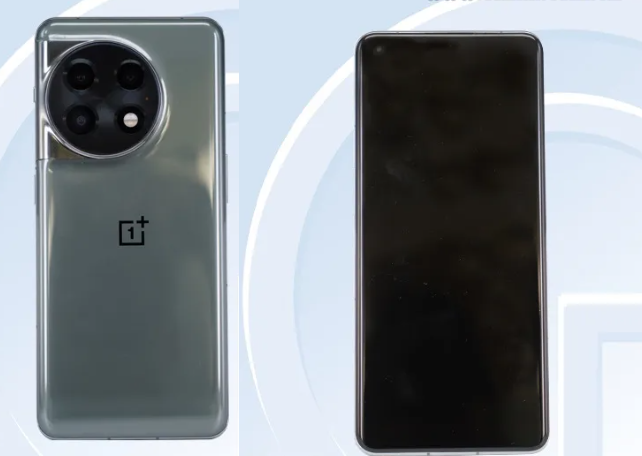
OnePlus is gearing up to introduce the OnePlus 11 in China. The launch seems imminent as the device was recently certified by the Chinese certifying authority TENAA. Its specifications were also revealed in the process. Now, the same certification authority has leaked live images of the upcoming flagship.
The design of the OnePlus 11 is not a mystery since the company has already revealed it via multiple teasers. However, we’ve only seen the back panel of the smartphone so far. Luckily, the leaked live images show the phone’s design from all sides.
As can be seen in the images, the back of the smartphone has a circular camera island with four circles – one houses the LED flash and rest three feature the cameras. There’s a Hasselblad logo in the middle of the island. On the right side, the phone features the brand’s signature alert slider alongside the power button. The volume rockers are located on the right edge.
The smartphone has a curved display with a hole-punch cutout on the right corner, which is a rare sight in 2022.
OnePlus 11 Specifications (Expected)
As mentioned, TENAA also revealed the specifications of the OnePlus 11 recently. As per the listing, the flagship phone will sport a 6.7-inch AMOLED display with a QHD+ resolution of 3216 × 1440 pixels, a 120Hz refresh rate, and a fingerprint sensor. It will measure 163.1 × 74.1 × 8.53mm and weigh around 205 gm.
Powering the smartphone will be a Snapdragon 8 Gen 2 SoC, paired with up to 16GB of RAM and 512GB of onboard storage. It will pack a 5000mAh battery with 100W fast charging support and run Android 13 out of the box.
Further, the OnePlus 11 will house a 50MP Sony IMX890 main camera, a 48MP ultra-wide-angle lens, and a 32MP telephoto unit on the back. On the front, it could have a 32MP selfie shooter.
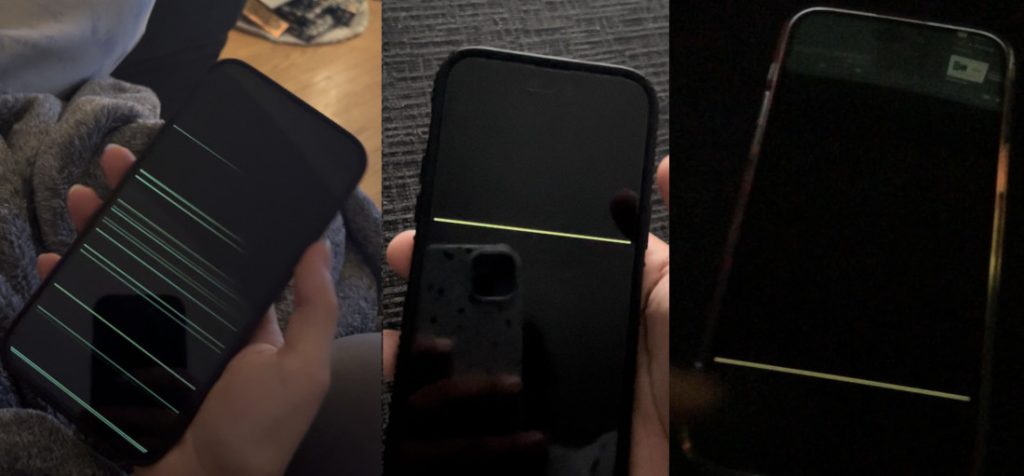
Apple could release an update for the iPhone 14 Pro that will fix a reported problem of horizontal lines on the smartphone. Some iPhone 14 Pro/ Pro Max users had reported horizontal lines that appear on their screens on startup. The lines appear randomly and disappear after a few seconds. These horizontal lines also appear when the iPhone is waking up and this was widely reported.
Apple claims that the problem is not a hardware issue but an iOS bug. Some users have reported taking their smartphones to Apple Stores for the resolution of the problem. There is also speculation that the bug is tied to iOS 16.2. However, it was also speculated that the problem extends to the previous iOS builds.
An Apple Support Representative reported on Reddit, Apple is aware of the problem and it will be resolved soon with an upcoming update. Part of the official Apple statement said that the issue was due to the drivers and it was not a hardware issue.
While the horizontal lines problem is not very prevalent, it creates concern for users. Some users have suggested some ways to get over the problem. Multiple users have reported on Reddit that turning off the AOD will resolve the problem. Another suggestion is to turn off the phone manually and reset the device. These suggestions are at best, stop-gap measures and a bug fix via an update remains the surest solution.
Apple is expected to provide more information on the issue and subsequently release the software update to fix the bug. It is unclear whether the horizontal lines issue is specific to Apple smartphone users in a particular region. If that is the case, then the update may be specific to the affected regions.
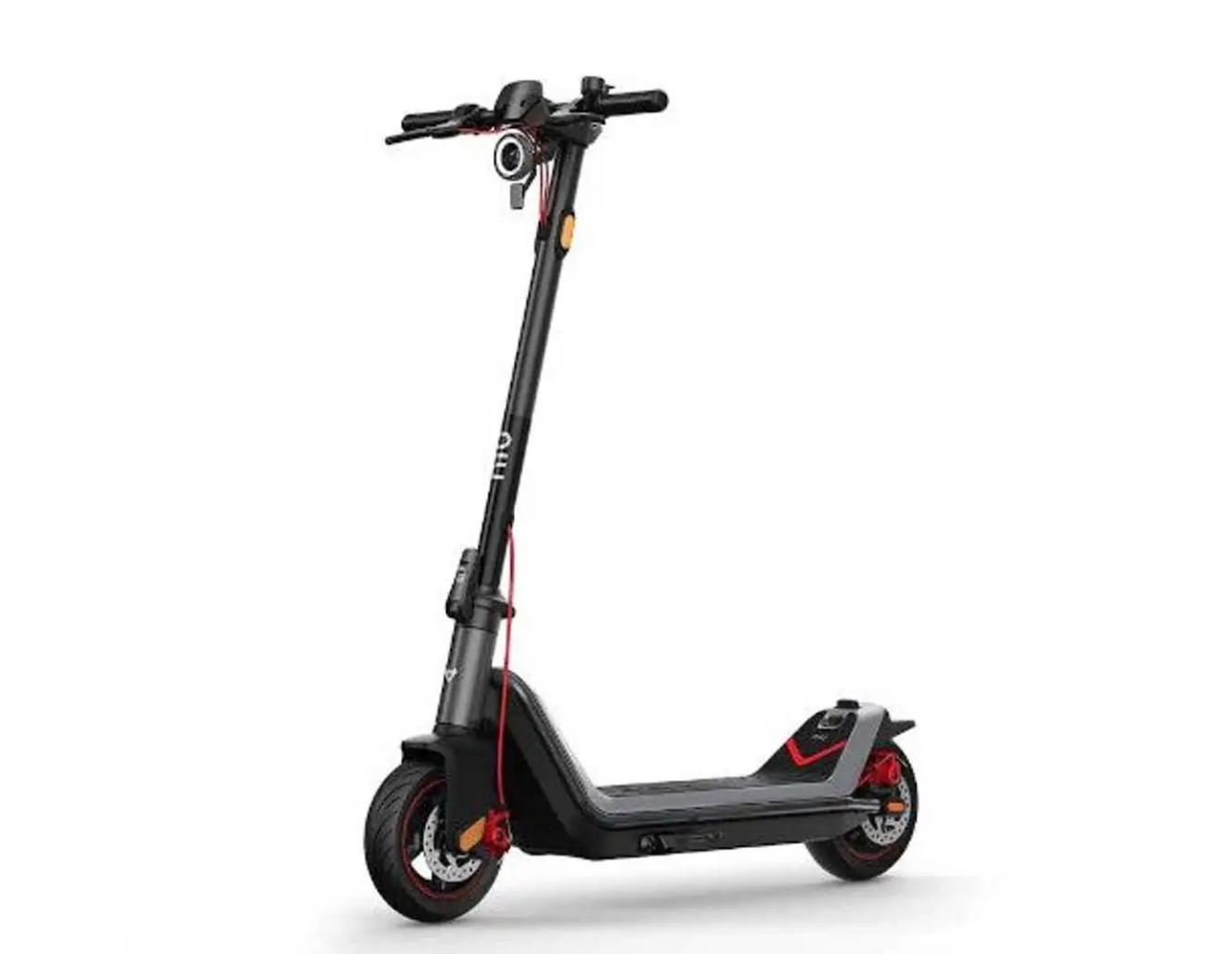
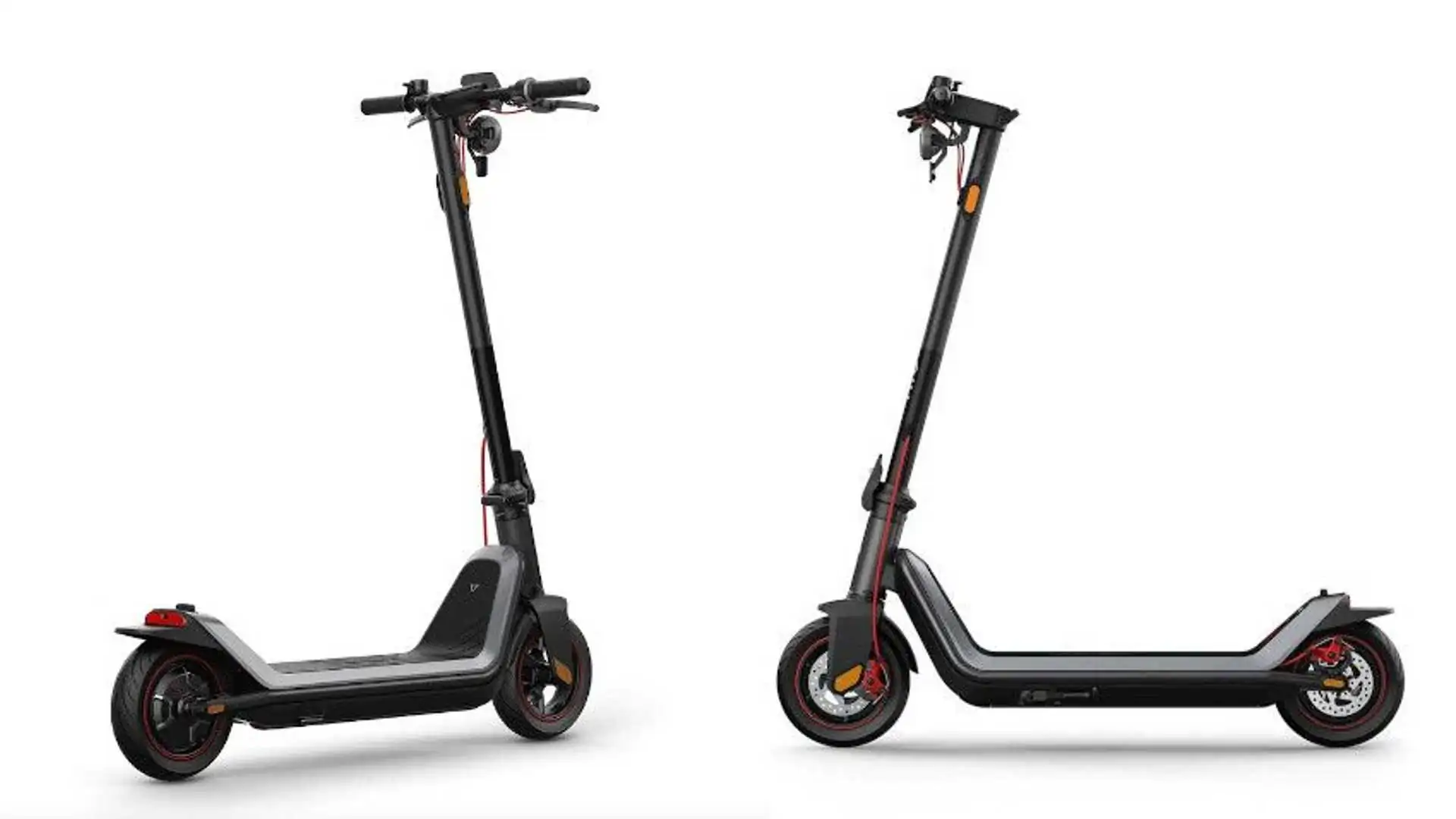
NIU has unveiled the KQi3 Max standing electric scooter with a long-distance range of 66km. The new KQi3 Max standing e-scooter can reach a top speed of 24km/h and it sports a lightweight design. NIU is a Chinese e-mobility startup with a growing portfolio of cutting-edge and innovative EVs.
The new NIU e-scooter comes with a comfortable design for good performance. A comfortable ride is something that is a difficult proposition with these small-wheeled e-scooters, especially on bumpy terrains. NIU however says the KQi3 Max comes well-kitted to deliver comfort. It has a 608.4 Wh (13Ah) battery and features four riding modes.
The riding modes are E-Save, Sport, Pedestrian, and a custom mode. The E-Save and Sport Modes have a maximum speed limit of about 14km/h and 24km/h respectively. The custom mode allows the user to set the riding parameters to suit the trip.
The NIU KQi3 Max e-scooter has a rear hub motor with a peak power of 450W. The e-scooter is thus powerful enough to climb terrains with a gradient projection of 25 degrees. The hard floorboard of the e-scooter provides sufficient space to place your feet while on the go. The floorboard also sits atop a sturdy frame housing the battery pack. The bike has a payload capacity of 120kg, which is quite decent.
The new NIU electric scooter is connectible to the NIU smartphone app. You can thus lock the bike from a distance using the app. You can also use the app to view ride data and moderate the scooters’ speed, settings, and other features. As per pricing, the NIU KQi3 Max e-scooter retails for €899 ($953) on Amazon. It is already on sale it comes with a two-year guarantee.
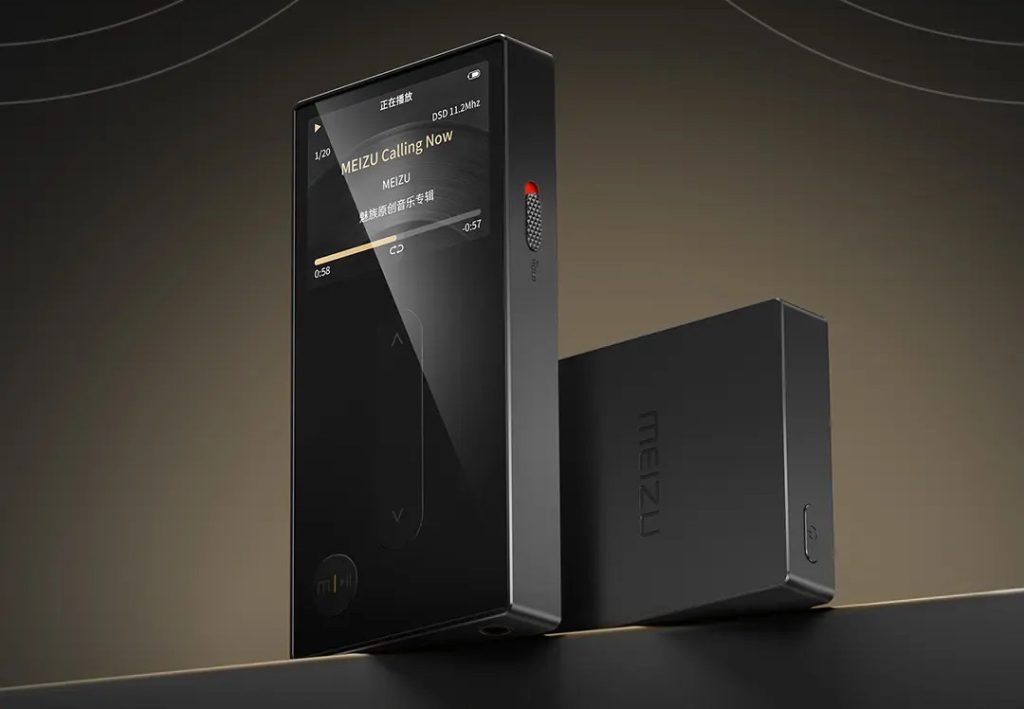
Chinese manufacturer Meizu has highlighted its lineup of products and activities culminating in a spring 2023 release. The company, during an event in China, provided some details of the Meizu M3 Pro high-res music player set for release in 2023. The teaser highlights some impressive features of the innovative Hi-Fi music gadget.
The M3 Pro portable music player comes with an integrated design and omits breakpoints. It features the classic design of Music Card and a return of the interactive mBack button. The new Meizu hi-res music player is also smoother to use, according to the company.
The Meizu music player is designed from premium glass and metal materials. It uses the Meizu-developed H1 Hi-Fi decoding chip offering excellent audio output. It offers 1-bit decoding and supports up to 11.2MHz oversampling for a truly immersive music experience. Original tuning is accomplished via the FlymeSound Classic Meizu acoustics.
The gadget will come with a display and 128GB of internal storage. You can also connect the device to your smartphones, PCs, and cars for Hi-Fi output. The Meizu M3 Pro is expected to be released in Q1 2023. It is currently still under development and we expect more details on the device going forward.
While the glimpses provided by the teaser are not definitive, it gives us an idea of the product. Meizu also informed the market that it had canceled the Meizu 19 Series. Rather, the Meizu 20 series will be unveiled. Meizu says that the new lineup is already at its testing stage. It will go into mass production thereafter and a Q1 2023 release is also projected.
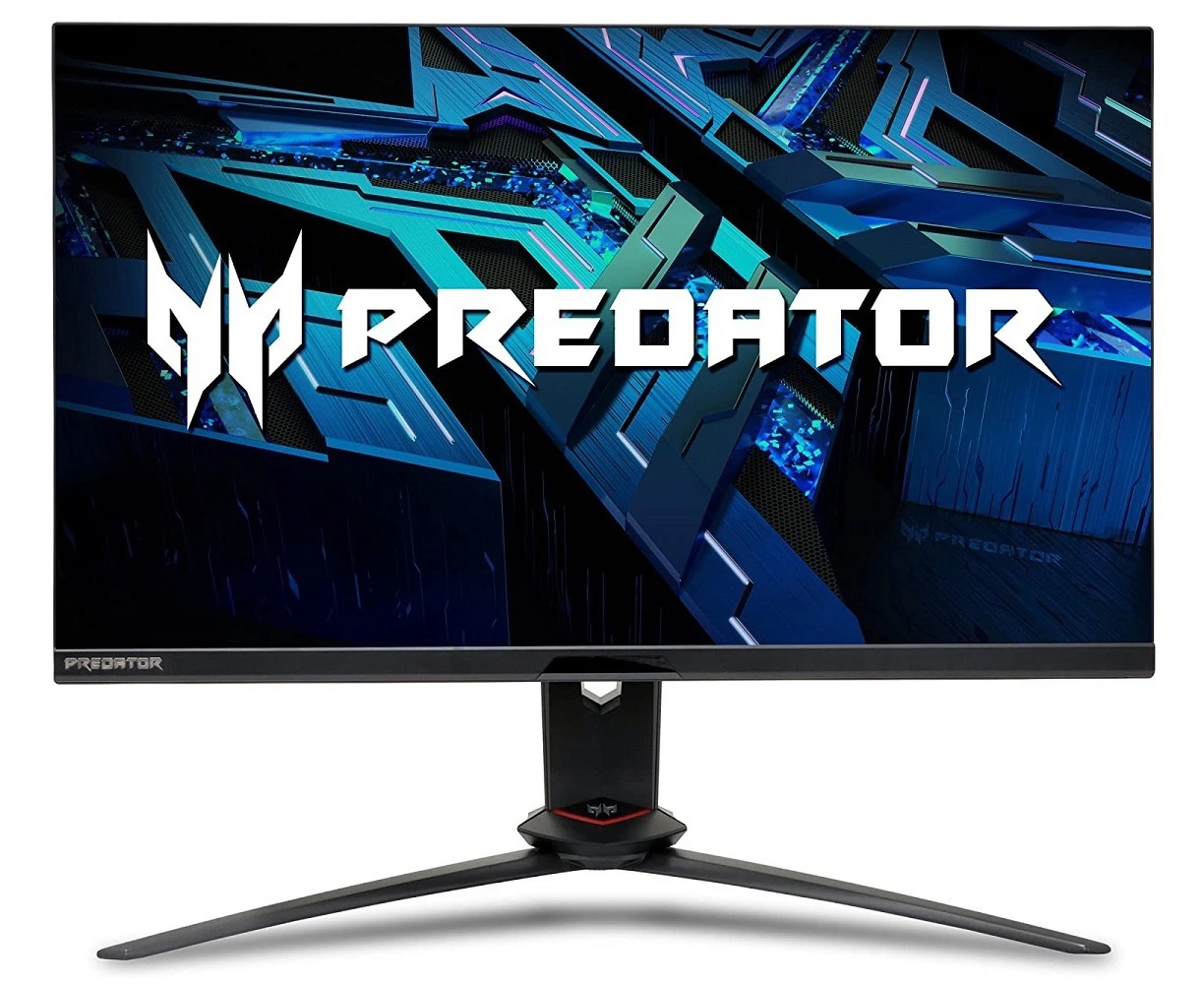
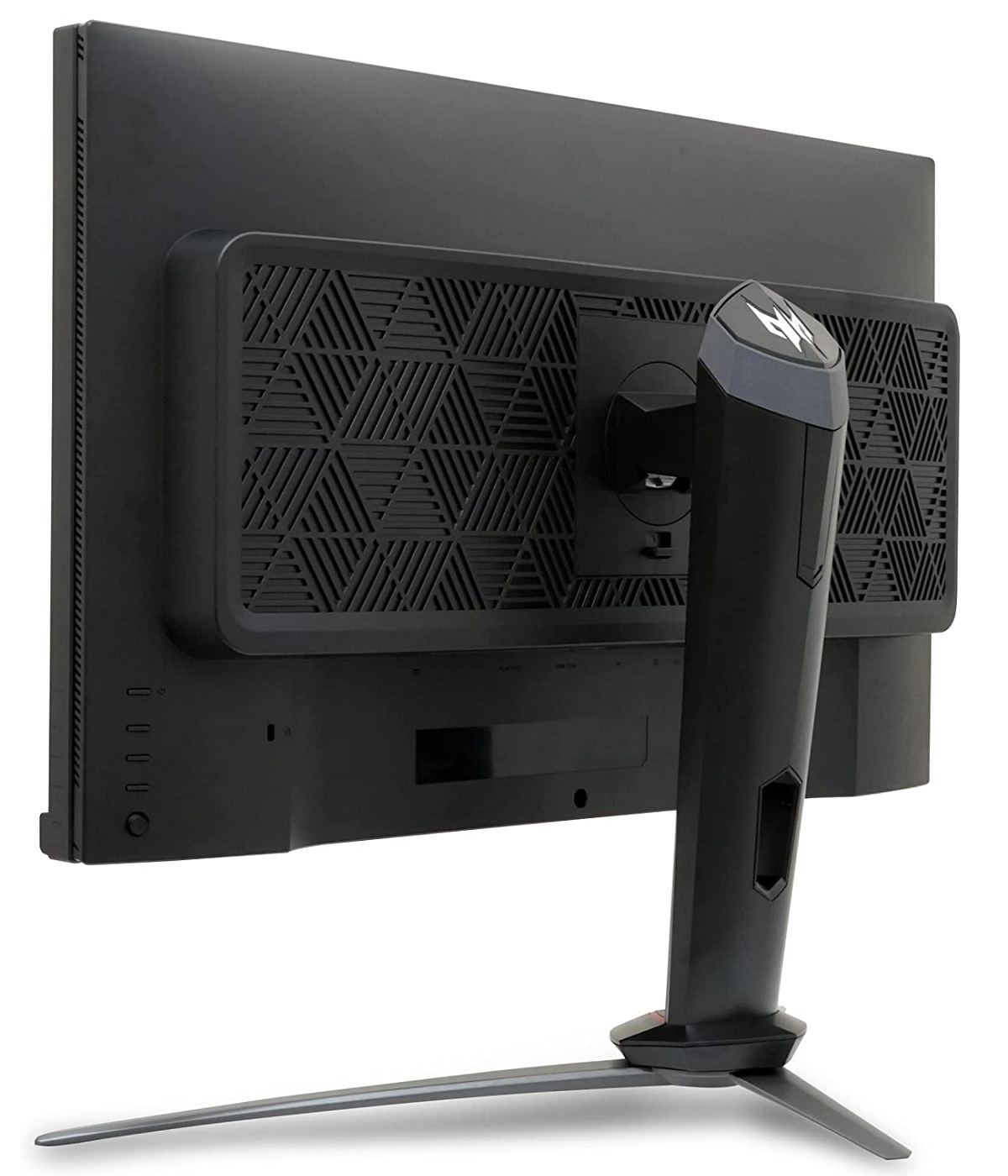
Acer has announced the Predator XB273U F monitor with a 2K, 360Hz display, and HDR 600 certification. The Predator XB273U F has a monster refresh rate and a 27-inch screen. The device has the AUO AHVA panel with a resolution of 2560 x 1440p. The effective maximum variable refresh rate (VRR) is 360Hz and it is equipped with an Nvidia G-SYNC module.
The Acer Predator XB273U F monitor supports AMD FreeSync and has a 1000:1 contrast ratio. It is a certified VESA DisplayHDR600 and offers a 95% DCI-P3 color gamut. Connectivity options for the monitor include DisplayPort 1.4 and HDMI 2.0, while dual built-in 2W speakers provide the audio backbone.
The Acer Predator delivers an 8-bit color depth and its high VRR could mean it can serve as a gaming monitor. As per its specs, it could compete with the ROG’s 2K 360Hz Swift PG27AQN monitor. The Swift PG27AQN has been launched in China at a starting price of 7,999 yuan (~$1,145). Like the Predator, the ROG monitor has a 27-inch display.
Acer has not provided pricing and release information for the Acer Predator yet. It is however projected that the new monitor will not be priced significantly differently from the ROG Swift. As per the release date, it is expected to debut in 2023. Global details for the monitor are also lacking at this time.
Acer continues to expand its lineup of high-performance laptops and gaming monitors. The Acer Global Press Conference 2023 event is scheduled for January 3 and a few big announcements are expected. Apart from laptops and monitors, Acer’s operations also include projectors, desktops, gaming chairs, and other accessories.
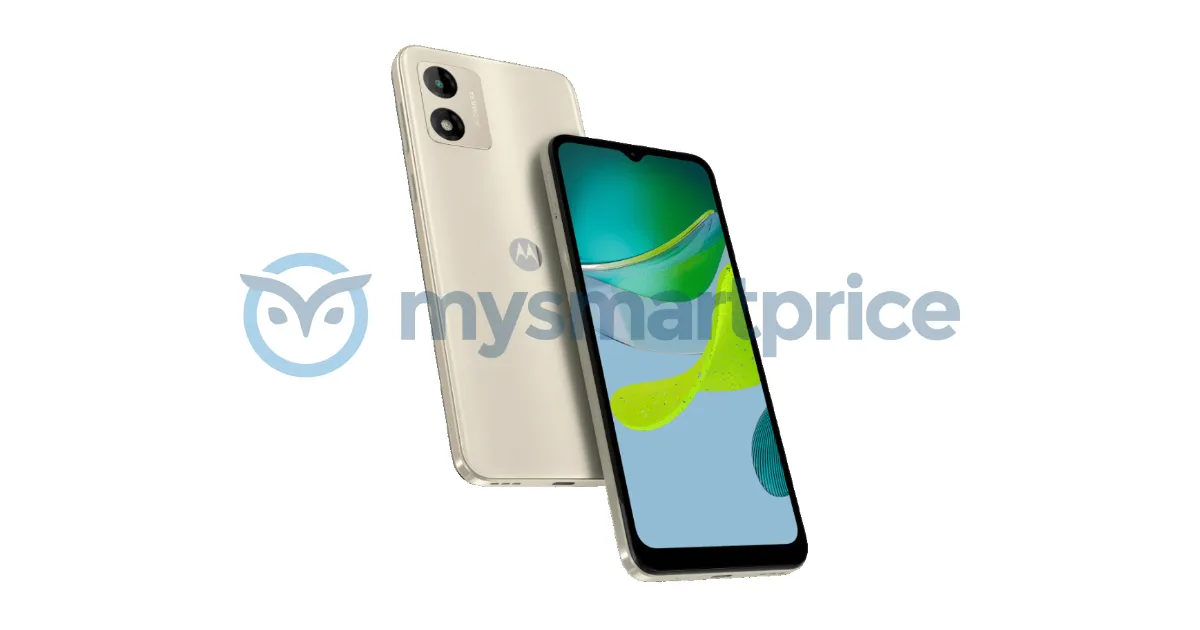
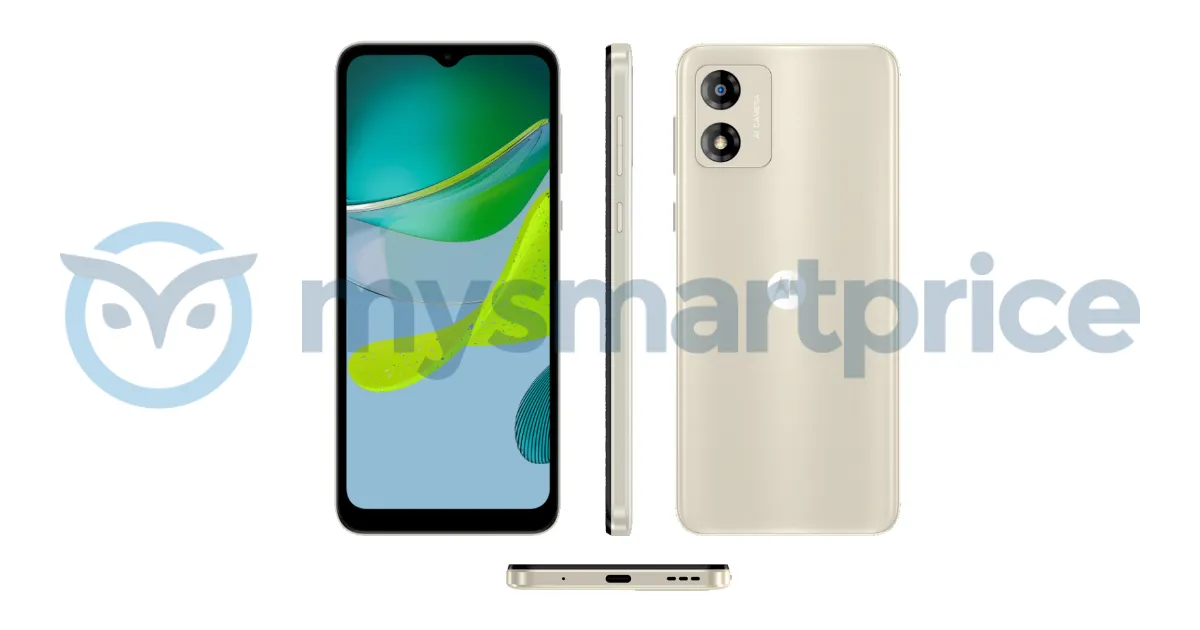
The Motorola Moto E series is quite popular in the budget segment and the next device to join the lineup is the Moto E13. The handset was recently spotted on the Geekbench website with a Unisoc processor. Now, folks at MySmartPrice have shared some detailed renders of the Moto E13.
Moto E13 is expected to launch soon in the Indian market as the brand’s latest budget smartphone. It will likely come with a capable camera, a decent display, and sufficient battery life. While Motorola has not revealed any details about the device, the leaked renders provide us with a good idea of what it will look like.
As can be seen in the renders, the device has a rectangular camera module with two circular rings. However, there’s only a single camera and the other cutout is for the LED flash. This is something we’ve seen on a lot of mid-range and budget smartphones launching in 2022. In the center, there’s the Motorola batwing logo.
The rear panel is curved and since this handset is budget-oriented, it will likely have a plastic back. On the right side of the device, there are the power and volume buttons. While the left edge carries the SIM tray. There is a USB Type-C port, a speaker grille, and a microphone cutout at the bottom.
The entry-level smartphone features a waterdrop notch display with thick bezels around the screen. It has an unsightly chin. Budget smartphones usually come with a 3.5mm headphone jack but that’s not the case with Moto E13.
As mentioned, the phone recently appeared on Geekbench with an ARM Unisoc T606 processor. The SoC has eight cores clocked at 1.61GHz. The benchmarking site reveals the smartphone will have 2GB of RAM and will run Android 13 out of the box.
We use cookies on our website to give you the most relevant experience by remembering your preferences and repeat visits. By clicking “Accept”, you consent to the use of ALL the cookies.
This website uses cookies to improve your experience while you navigate through the website. Out of these, the cookies that are categorized as necessary are stored on your browser as they are essential for the working of basic functionalities of the website. We also use third-party cookies that help us analyze and understand how you use this website. These cookies will be stored in your browser only with your consent. You also have the option to opt-out of these cookies. But opting out of some of these cookies may affect your browsing experience.
Necessary cookies are absolutely essential for the website to function properly. This category only includes cookies that ensures basic functionalities and security features of the website. These cookies do not store any personal information.
Any cookies that may not be particularly necessary for the website to function and is used specifically to collect user personal data via analytics, ads, other embedded contents are termed as non-necessary cookies. It is mandatory to procure user consent prior to running these cookies on your website.