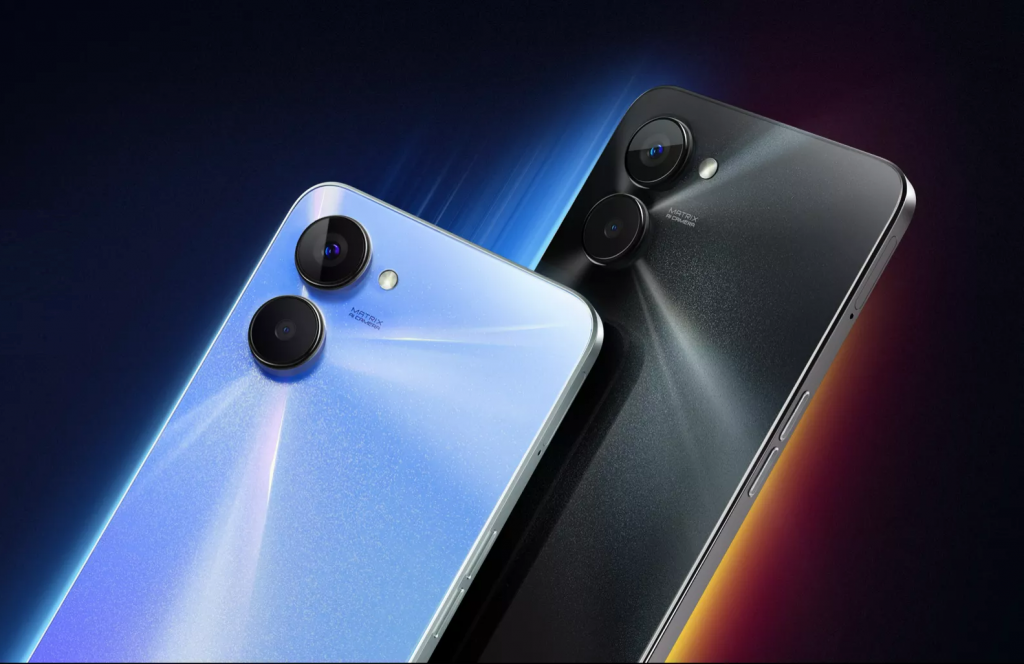
Infinix Note 12i 2022 has gone official in Indonesia. Some of the key features of the device include an AMOLED display, a MediaTek chip, and 50-megapixel triple rear cameras. It is a new version of the existing Note 12i, which debuted in May this year. Here is all the information on the specifications, features, and price of Note 12i 2022.
Infinix Note 12i 2022 specifications and features
The Infinix Note 12i 2022 features a 6.7-inch AMOLED display that offers a Full HD+ resolution of 1080 x 2400 pixels. The handset comes preloaded with Android 12 OS with XOS 10.6.
Infinix Note 12i 2022
The Note 12i 2022 has the Helio G85 chipset onboard. The handset offers 4 GB / 6 GB of RAM and 64 GB / 128 GB of storage. For additional storage, it has a microSD card slot. It is backed by a 5,000mAh battery with 33W fast charging. For heat dissipation, the device is fitted with a 6-layer graphene cooling system.
On the front, the Note 12i 2022 has an 8-megapixel selfie camera. Its back panel has a 50-megapixel main camera, a depth sensor, and an AI lens. It offers photography features, such as portrait mode, night scene mode, and 240fps slow-motion video shooting.
For security, it has a side-facing fingerprint sensor. The handset offers other features, such as dual speakers with DTS support, dual-SIM support, Wi-Fi, Bluetooth, GPS, a USB-C port, and a 3.5mm audio jack.
Infinix Note 12i 2022 price and availability
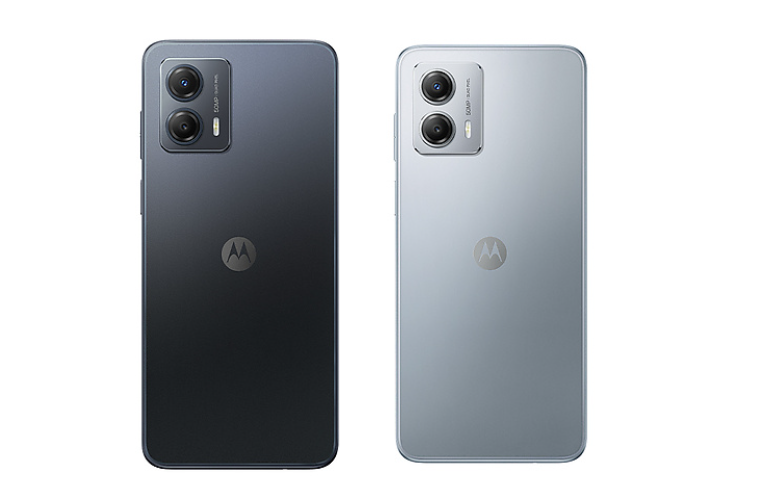
The Infinix Note 12i 2022 is priced at IDR 2,299,000 (~$151) in Indonesia. As can be seen in the image above, the handset can be purchased in Metaverse Blue, Force Black, and Alpine White. It is also expected to release in other Asian markets.
Xiaomi has launched a new 1.5HP Inverter Air Conditioner with power-saving capabilities as well as heating and self-cleaning functionalities. The new MIJIA air conditioner is capable of saving up to 91kWh of electricity compared to energy-efficient, wall-mounted air conditioners.
The Xiaomi air conditioner uses a fully enclosed rotary inverter compressor with a permanent magnet rotor. This allows the rotor to run smoothly and in an efficient manner. The air conditioner delivers a circulating air volume of 660m3/h and provides rapid heating and cooling according to the specified temperature. The Xiaomi 1.5HP Inverter Air Conditioner works optimally in rooms between 16-20 square meters. Its temperature and humidity dual function offers more comfortable temperature/ humidity changes.
The Xiaomi 1.5HP Inverter Air Conditioner is equipped with an automatic cleaning mechanism using hydrophilic aluminum fins. This enables the machine to automatically clean up dirt buildup, enhanced with an antibacterial and anti-mildew filter. The MIJIA 1.5HP air conditioner can be incorporated into the MIJIA smart home ecosystem and can be controlled using the MIJIA app as well as Xiao AI voice. The MIJIA app also provides a notification to the user when the air conditioner’s filter is blocked.
The original price of the Xiaomi 1.5HP Inverter Air Conditioner is 2,599 yuan (~$365). It is however being offered at a discounted price of 2,199 yuan (~$309) in China. It is available on Chinese retail platforms like JD.com, but global availability details are lacking.
Gaming phones became a huge niche, full of very powerful devices. After trying to conquer the sector with the Legion Duel phones, Lenovo decided to change strategy and launched the new Y series focused on gaming phones but with a design similar to traditional devices. The latest one is the Lenovo Legion Y70, packing incredible specifications but also focusing on the quality price ratio. Meanwhile, Asus launched the new Asus ROG Phone 6D: essentially a Dimensity Edition of its latest gaming phones series known as ROG Phone 6. Is it better to choose a fully gaming-centric phone or something more affordable and casual like the new Lenovo handset? We think there is no better way to answer this question than a comparison, so here is a comparison between the main specifications of the Lenovo Legion Y70 and the ASUS ROG Phone 6D.
5G, dual SIM, reverse charging, IPX4 water resistant, RGB logo, pressure sensitive zones
Design
As already mentioned in the intro paragraph, despite being a gaming-centric phone, the Lenovo Legion Y70 has a design similar to traditional phones. So no aggressive aesthetics, no silly LEDs, and no thick borders around the displays: it will be hard for you to distinguish it from normal devices. That is the reason why this device is perfect for those who search for a gaming phone but also need a normal device for daily usage and productivity. But if you are a professional gamer, then you should go for the Asus ROG Phone 6D. Just like all the most advanced gaming phones, it has an aggressive design and it includes an RGB logo on the rear side, as well as pressure sensitive zones you can use as gaming triggers, just like the controller of your favorite console. Further, this device is water resistant with the IPX4 certification and it has a more advanced cooling system.
Display
If you are looking for the best display for gaming out there, then you should go for the Asus ROG Phone 6D without thinking twice. It has an AMOLED display with a diagonal of 6.78 inches able to show up to one billion colors with a Full HD+ resolution, a 160 Hz refresh rate, and a peak brightness of 1,200 nits, as well as an in-display fingerprint reader. The Lenovo Legion Y70 comes with a great display too, but it is not able to compete with its rival. It has a 6.67-inch OLED panel with a Full HD+ resolution, a 144 Hz refresh rate, and the HDR10+ certification, as well as an in-display fingerprint reader. The advantage of this device is a more compact body and narrower bezels around the screen, thanks to the presence of a punch hole. But the display quality is inferior. Both the devices feature stereo speakers, but the Asus is the only one with a 3.5 mm audio jack.
Specs & Software
These two devices are powered by different processors, but they are two chipsets with similar performance. The Lenovo Legion Y70 has the Snapdragon 8+ Gen 1: currently the best chipset by Qualcomm. It is built with a 4 nm production process and it has an octa-core architecture composed of a Cortex X2 CPU running at a max frequency of 3.19 GHz, three Cortex A710 CPUs running at 2.85 GHz, and four Cortex A510 CPUs running at 1.8 GHz, as well as an Adreno 730 GPU. The Dimensity 9000+ is the best SoC by Mediatek. It is built at 4 nm and it sports an octa-core architecture composed of the same CPUs, but with different clock frequencies: 3.35 GHz, 3.2 GHz, and 1.8 GHz, respectively, paired with a Mali G710 MC10 GPU. What makes the difference is the cooling system, definitely better on the Asus ROG Phone 6D, while the Lenovo Legion Y70 provides a higher amount of internal storage: up to 512 GB. Both handsets run Android 12 out of the box.
Camera
These devices come with the same rear cameras: they have a 50 MP main sensor, a 13 MP ultrawide lens, and a 2 MP depth sensor. But the Lenovo Legion Y70 wins the camera comparison because of an additional element: optical stabilization. For the rest, they should provide a similar photo and video quality.
An important pro of the Asus ROG Phone 6D over its rival is definitely the battery life: it is equipped with a huge 6000 mAh battery, against just 5100 mAh found on the Lenovo Legion Y70. This means that the battery life of the ROG is way longer on a single charge. The charging speeds are similar, but the Asus features reverse charging.
Price
The starting price of the Lenovo Legion Y70 in the Asian market roughly translates into €440 at the actual change (or $430), while the Asus ROG Phone 6D debuted in the global market with a starting price tag of €1029 or $1008. The Asus ROG 6D wins the comparison.
Lenovo Legion Y70 vs Asus ROG Phone 6D: PRO and CONS
D-Fly has launched an Indiegogo campaign for the Dragonfly Hyperscooter. The new standing e-scooter features full-tilt steering and 4-wheel dual independent damped suspension. The Dragonfly can reach a top speed of 40km/h and achieve a peak power of 1.65kW on all its wheels.
London-based D-Fly describes its latest product, the Dragonfly Hyperscooter as a technological marvel. The brand says the Dragonfly represents a triumph of human ingenuity and innovation. It was developed with input from a rich in-house research team and comes with a modern design. D-Fly hopes to redefine the e-mobility space with the entry of the Dragonfly and it hopes to change the way people move around in cities forever.
The Dragonfly Hyperscooter has two 550W motors that deliver substantial power to its wheels. The scooter has a 3.5-inch digital screen that displays drive, battery, speed mode, and other information. The 10-inch pneumatic rubber tires of the Dragonfly provide balance during rides. It has a range of 80km on a single charge, with GPS tracking security also featured.
The Urban DF and DFX options are available for urban and off-road users respectively. The Dragonfly DF model is listed for $1,868 on Indiegogo while the DFX costs $2,241. The original price of the two Dragonfly Hyperscooter models is expectedly higher than their Indiegogo launch prices. The Indiegogo crowdfunding campaign for the D-Fly Dragonfly Hyperscooter will last till the end of October 2022.
Redmi is reportedly working on the upcoming Note 12 Series, which may initially include three smartphones—Redmi Note 12 Pro+, Redmi Note 12 Pro, and Redmi Note 12. Various leaks and rumors have already revealed a few details about the upcoming handsets. Now, months ahead of the launch, the three alleged Note 12 series smartphones have been spotted on the 3C certification site, and at least one of them could support ridiculously fast 210W fast charging.
Three purported Redmi Note 12 series smartphones have been spotted on China’s 3C certification site with model numbers—22101316UC, 22101316UCP, and 22101316C (via). These model numbers are said to belong to the alleged Redmi Note 12 Pro+, Redmi Note 12 Pro, and vanilla Redmi Note 12 respectively.
The listing suggests the top-tier Redmi Note 12 Pro+ could come with 210W fast charging. While the Note 12 Pro could support “only” 120W fast charging. The vanilla Note 12 model may feature 67W fast charging.
Recently, a 210W Xiaomi charger was also listed on the 3C certification site, which may debut with the Note 12 Pro+. Currently, the iQOO 10 Pro holds the title of the fastest charging smartphone in the market. The handset supports 200W fast charging, which can fully charge the smartphone in just 10 minutes (when the screen is turned off).
As per a recent report, the Note 12 lineup will include a 50-megapixel main camera, an 8-megapixel ultra-wide sensor + 2-megapixel macro/depth unit. The Note 12 Pro and Note 12 Pro+ are expected to come equipped with the Dimensity 1300 chipset. The Redmi Note 12 series is said to launch in China in the next couple of weeks and may go global in the next few months.
Indian automaker Tata has unveiled the Tata Tiago EV with a 315km range in India. It is an affordable four-wheeler EV and is the first of such to be priced below 10 lakh ($12,237). The Tiago EV comes in four trims and bookings will open on October 10 with the first deliveries in January 2023.
The Tata Tiago EV is much more expensive than its ICE equivalent in India. It comes with two battery packs and two charging options. The 19.2kWh battery pack delivers a range of 250km while the 24kWh option gives a range of 315km. The four trim options available for the Tiago EV are XE, XT, XZ+, and XZ+ Tech Lux. The EV batteries are rated IP67 for dust and water resistance with an accompanying warranty of 8 years/160,000km. The specs of the Tiago EV puts it in competition with the Tigor EV ARAI. The Tiago EV has the Ziptron high-voltage electric motor with up to 74hp/ 114Nm. The larger battery model can go from 0-60km/h in 5.7 seconds, while the smaller model achieves the same speed in 6.2 seconds.
The interior of the Tiago EV is similar to its ICE cousin. It however has blue accents and a leatherette steering wheel and seats. A rotary dial is also one of the changes in the new EV. The car lacks a spare wheel but comes with a puncture repair kit, with much of the 240L boot occupied by the battery pack. There are 45 connected car features in the Tiago EV through the ZConnect app. There are several other features that help to deliver a great driving experience inside the Tiago EV.
The XE trim is equipped with a 19.2kWh battery which can be charged via 3.3kW AC. The XT model comes with either a 19.2kWh or 24kWh battery with 3.3kW AC charging support. The other models (XZ+ and XZ+ Tech Lux) have 24kWh batteries with either 3.3kWh or 7.2kWh AC charging. The 19.2kWh/ 3.3kW model can be recharged in about 5 hours while the bigger battery model takes 6.33 hours to fully recharge.
The models with 7.2kW fast charging can charge fully in less than 4 hours. The pre-sale prices of the Tata Tiago EVs are between 8.49 lakh (~$10,389) and 11.79 lakh (~$14,428). Pre-sale of the Tata Tiago EV begins in India on October 10 and the prices may change after the pre-sale period.
Google is ready to unveil the new Pixel 7 and 7 Pro on October 6. Both phones have been in the news for quite some time now. We’ve already seen detailed specs leaks, unboxing videos, and eBay listings of the upcoming Pixel phones. In the latest development, the Pixel 7 and 7 Pro have been spotted on the Google Play console website, running Android 13. The listing also reveals some key specifications of the devices. Let’s have a look at the details.
The Pixel 7 and 7 Pro appeared on the Google Play console website with the codenames Panther and Cheetah (Via). The listing suggests the handsets will run on Android 13 out of the box. They will be equipped with a Google Tensor Soc (likely the Tensor G2), which has two Cortex X1 cores, two Cortex A76 cores, and four Cortex A55 cores. Both phones will also come with an ARM Mali G78 GPU.
Pixel 7 and 7 Pro renders
Further, the listing reveals the Pixel 7 will have a screen resolution of 1080 x 2400 (Full HD+) and the 7 Pro will offer a 1440 x 3120-pixel resolution (QHD+). The former will be equipped with 8GB of RAM, and the latter will have up to 12GB of RAM.
Previous reports suggest the Pro model will have a triple rear camera setup which will consist of the same 50MP main sensor, 12MP ultra-wide lens, and 48MP telephoto sensor as its predecessor. While the vanilla model will also come with the same 5OMP Samsung GN1 sensor and the 12MP Sony IMX381 ultra-wide sensor as the Pixel 6.
The Pixel 7 and 7 Pro are said to carry only mild upgrades as compared to the Pixel 6 series. The Tensor G2 chipset is reported to be the only major change. In any case, we are bound to know all the details on October 6.
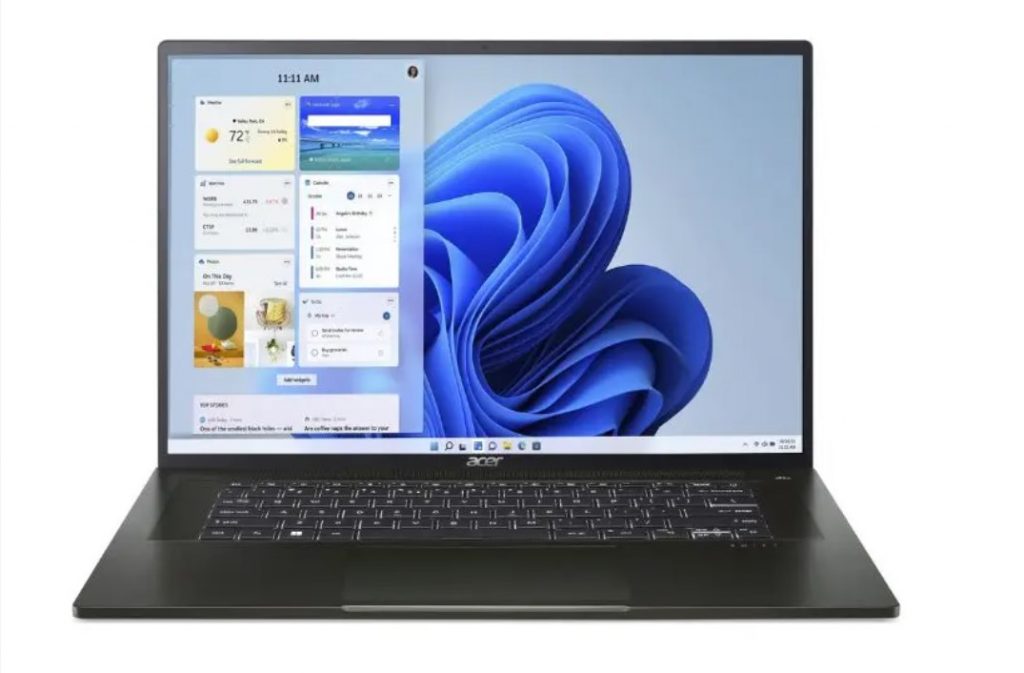
Acer has released its latest laptop from the Swift lineup in India. The Acer Swift 3 OLED comes with a 14-inch, 2.8K display and is powered by the 12th Gen Intel Core i7/ Core i5 processors. The new Acer laptop is effective and sports an impressive design. The release of the Acer Swift 3 OLED follows the earlier release of the Acer Aspire 5 with the Core i5 processor in the subcontinent.
The Swift 3 OLED panel offers a 90Hz high refresh rate, lifelike images, accurate color, and contrast reproduction, as well as VESA DisplayHDRTrueBlack 500 certification. The laptop also offers DCI-P3 100% color gamut. The EVO functionality in the Acer Swift 3 OLED enables intelligent and continual responsiveness, optimal battery charging, and usage. The laptop has an Intel Alder Lake-H CPU and a 1.4kg chassis. Rapid charging allows a 30-minute charge to yield up to 4 hours of activity.
The Acer Swift 3 OLED has two heat pipes and an air-inlet keyboard for optimized cooling of the PC. The laptops support Wi-Fi 6E connectivity, HDMI 2.1, USB4, and Bluetooth 5.2. The Swift 3 OLED offers 4K videos streaming, and quick file sharing. It has an FHD front-facing camera featuring temporal noise reduction (TNR) technology, supported by Acer PurifiedVoice with AI noise reduction. The camera produces high-quality images even in low-light situations. The Acer Swift 3 OLED has 500 nits of peak brightness and comes with TUV RHEINLAND EyeSafe Display Certification. It has a contrast ratio of 1 million: 1 and storage of 16GB+512GB.
The Swift 3 OLED laptops will be available in Luxury Gold and Steel Gray colors. The laptops are priced in India from Rs. 89,999 (~$1,101) and can be purchased from the Acer website and other retail platforms in India. A one-year International Travelers Warranty is offered for the Acer Swift 3 OLED.
Leaks and rumors about the upcoming OnePlus 11 series have started to appear. Just like this year, the new OnePlus flagship lineup could include three smartphones— The OnePlus 11 Pro, 11T, and 11R. The Pro model has already been making headlines and today, a new report is here with the full specifications of the OnePlus 11R smartphone. Here are the details.
MySmartPrice, in collaboration with OnLeaks, has revealed the full specifications of the upcoming OnePlus 11R. The handset will likely debut as the successor to the OnePlus 10R, which was launched earlier this year.
OnePlus 11R Specifications (Leaked)
As per the publication, the OnePlus 11R will feature a 6.7-inch Full HD+ AMOLED display that will offer a 1080 x 2412 pixel resolution and a 120Hz refresh rate. The handset will draw power from a Snapdragon 8+ Gen1 processor. To recall, the 10R was equipped with Dimensity 8100-Max. OnePlus 11R will be offered with 8GB/16GB RAM as well as 128GB/256GB storage options.
OnePlus 10R Prime Blue
As far as the cameras are concerned, the OnePlus smartphone is claimed to feature a triple rear camera consisting of a 50MP main camera, an 8MP ultra-wide angle lens, and a 2MP macro unit. While at the front, it will come with a 16MP selfie snapper.
Further, the device will be fueled by a 5000mAh battery and support 100W SuperVOOC charging. The charging speed is a downgrade as compared to the OnePlus 10R. The latter came equipped with a crazy 150W wired charger.
The leaked specs suggest the OnePlus 11R will not be as big of an upgrade. Its specifications are almost identical to those of its predecessor. However, OnePlus hasn’t confirmed any details about the device yet, so we suggest you take the above information with a pinch of salt.
Last month, Fitbit announced the Sense 2, Versa 4, and Inspire 3 in the global markets. Now, all three devices have arrived in India today. The Sense 2 and Versa 4 are smartwatches whereas the Inspire 3 is a fitness band. The new smart wearables from the brand arrive as the successor to the last generation devices. All three wearable offerings from Fitbit come with a six-month Premium subscription. Read on to know what the devices offer out of the box.
Fitbit Sense 2, Versa 4, Inspire 3 specifications and features
The Fitbit Sense 2 and Versa 4 are identical to each other. They come with a squarish dial with rounded edges and a thin, lightweight design. There is a physical button on the right side of the device.
On the fitness tracking front, the Fitbit Sense 2 and Versa 4 are equipped with a heart rate monitor, SpO2 sensor, skin temperature measurement, and also blood glucose tracker (in-app). Both wearable devices offer 40 fitness modes and more than 1,000 workouts. There is also a daily readiness score that is hidden behind the Fitbit Premium paywall. The only difference between the Sense 2 and Versa 4 is that the former also features a cEDA sensor i.e. continuous electrodermal activity scanning for accurate tracking of all-day stress. Additionally, the Sense 2 comes with a Body Response notification that recommends different ways to manage stress in the moment including mood logging, guided breathing, mindfulness sessions, on-wrist or in the Fitbit app.
The Fitbit Sense 2 and Versa 4 are equipped with a built-in GPS and Alexa voice assistant. Google has promised that Maps and Wallet apps will be available in future on both smartwatches.
As for the Fitbit Inspire 3, it resembles a regular fitness tracker. It is a small and light wearable device that is capable of monitoring a wide range of activities as well as heart rate, SpO2, sleep patterns, sedentary reminders, and stress.
Apart from the differences, the Fitbit Sense 2, Versa 4, and Inspire 3 are water-resistant up to 5 meters. They come with an always-on display and are compatible with Android as well as iOS. The Sense 2 and Versa 4 have a battery life of up to 6 six days with support for fast charging whereas the Inspire 3 is claimed to last up to 10 days on a single charge
Fitbit Sense 2, Versa 4, Inspire 3 price in India
The Fitbit Sense 2 comes in Grey Graphite, Mis Soft Gold, and White Platinum colours. It is priced at Rs 24,999. On the other hand, the Versa 4 carries a price tag of Rs 20,499 and is offered in Graphite Black, Pink Sand, and Waterfall Blue colours. Lastly, the Fitbit Inspire 3 comes in Midnight Zen, Lilac Bliss and Morning Glow variants and it costs Rs 8,999 in India.
All three wearables can be purchased from Amazon starting today.
Lenovo has launched a new tablet in India today. It is the M10 Plus (3rd gen) and arrives as the successor to the second generation. The latest offering packs significant upgrades over its predecessor. The device falls under the Rs 20,000 price bracket and competes against the likes of the Realme Pad X, OPPO Pad Air, Moto Tab G72, and more in the market. Read on to know what it offers out of the box.
The Lenovo M10 Plus (3rd gen) features a 10.61-inch display bearing a resolution of 2K pixels and offering 400 nits brightness. The screen supports Lenovo Precision Pen 2 and also has TUV Rheinland Low Blue Light Certification. The device comes with a dual-tone back panel design housing a single 8MP camera sensor. There is also an 8MP front-facing selfie snapper.
On the audio front, the Lenovo M10 Plus (3rd gen) is equipped with quad stereo speakers tuned by Dolby Atmos technology.
Internally, the Lenovo M10 Plus (3rd gen) is equipped with a Qualcomm Snapdragon 680 processor coupled with Adreno 610 GPU. It packs 6GB RAM and 128GB storage expandable up to 1TB via a microSD card slot. The tablet draws its power from a 7,500 mAh battery unit which is claimed to deliver 12 hours of usage. It runs on Android 12 OS with reading mode, Google kids space, and more.
Connectivity options on the Lenovo M10 Plus (3rd gen) include WiFi, Bluetooth 5.1, a USB-C port, and a 3.5mm jack.
The Lenovo M10 Plus (3rd gen) is priced at Rs 19,999 for the WiFi-only version whereas the LTE variant costs Rs 21,999. It is offered in Storm Grey and Frost Blue colours and can be purchased from the brand’s official website and Amazon.
Dell has launched a new 2-in-1 laptop in India. It is dubbed XPS 13 9315. The device is a flagship offering and packs powerful specifications. It is designed to meet work and everyday needs. Read on to know what the premium laptop offers out of the box.
The Dell XPS 13 9315 sports a 13-inch display bearing a 3K resolution, 100 percent sRGB colour gamut, and 500 nits brightness. It also supports touch functionality and is compatible with a stylus pen with 4,096 points of pressure sensitivity. The latter can be attached and charged magnetically to the edge of the laptop. It also comes with a built-in Tile feature that can notify and locate the pen on the map if the user loses it.
The Dell XPS 13 9315 comes with a zero-lattice backlit folio keyboard. It is detachable so that the user can use the device in tablet mode. The keyboard also supports three angle adjustments including 100 degrees, 112.5 degrees, and 125 degrees. The device comes with a 4K 11MP rear and 1080p 5MP webcam. There is also a fingerprint scanner embedded in the power button. On the audio front, the XPS 13 9315 is equipped with dual 4W stereo speakers.
Under the hood, the Dell XPS 13 9315 is offered in 12th generation Core i5 and Core i7 variants with 512GB and 1TB SSD storage respectively. Both configurations pack 16GB LPDDR4x RAM onboard. The device also has Intel Iris Xe GPU onboard. Software-wise, it runs on Windows 11 out of the box.
Connectivity options on the Dell XPS 13 9315 include WiFi-6E, Bluetooth 5.2, and two Thunderbolt 4 ports.
The Dell XPS 13 9315 costs Rs 1,39,990 for the Core i5 variant whereas the Core i7 model is priced at Rs 1,64,990. The laptop can be purchased from Dell.com and select exclusive stores.
Earlier today, the upcoming Motorola smartphone called the Moto G72 got leaked via an e-commerce website listing. Now, the device has made an appearance on Geekbench. So let’s take a look at its performance.
According to the listing, the Moto G72 comes with an octa-core processor with six cores running at 2GHz and two cores running at 2.2GHz. This is the MediaTek Helio G99 SoC. The device is listed with 6GB of RAM, confirming that it will likely have a 6GB + 128GB variant alongside the already leaked 8GB + 128GB model.
As for software, the device runs an Android 12-based operating system. Taking a look at the benchmark results, the smartphone scores 534 points on the single-core test and 1781 points on the multi-core test of Geekbench 5. The listing does not reveal any other details about the smartphone, so let’s take a look at what’s known so far.
Moto G72 specs
The Moto G72 will feature a 6.55-inch pOLED display with Full HD+ resolution and 120Hz refresh rate. Under the hood, the device will house the Helio G99 chipset paired with up to 8GB RAM and 256GB storage. Storage will be expandable by up to 512GB using a micro-SD card.
For optics, it will feature a 108MP primary camera, an 8MP ultra-wide unit, and a 2-MP macro snapper. A 16MP unit will be present for selfies and video calls. The device will feature a 5,000mAh battery with 33W fast charging. Other features will include Dolby Atmos tuned speakers, dual SIM support, Bluetooth 5.1, NFC, and a fingerprint scanner.
The smartphone is scheduled to launch in India on October 3rd.
Last night at fall event, Amazon launched a host of new devices including Kindle Scribe, Echo Auto, Alexa Voice Remote Pro, and a bedside smart lamp Halo Rise. The e-commerce giant also announced the third generation Fire TV Cube, fifth generation Echo Dot, and Echo Studio smart speakers. Out of all these devices, Amazon has only announced the Fire TV Cube (3rd gen) and Alexa Voice Remote Pro for the Indian market.
Amazon Fire TV Cube (3rd gen) specifications
The Amazon Fire TV Cube (3rd gen) arrives as the successor to last year’s version with several improvements. It is a squarish box-shaped streaming device that offers features of the Fire Stick TV as well as the Echo range of Alexa-enabled smart speakers. The third generation offering has the same design as its predecessor with four physical buttons on the top and a signature Blue colour lightning when it is turned on.
The Amazon Fire TV Cube (3rd gen) comes with support for cinematic 4K Ultra HD content along with Dolby Vision and HDR. It features Super Resolution Upscaling, a technology that uses software tricks to offer enhanced picture quality by converting HD content into 4K, improving the detail, contrast, and clarity of the display.
Under the hood, the Amazon Fire TV Cube (3rd gen) is equipped with a new 2.0GHz processor that is claimed to be 20 percent more powerful than the previous generation. It will offer faster app launch speeds thus offering a smooth and fluid streaming media player experience. The third-generation streaming device comes with WiFi-6 connectivity along with a LAN port. It also features an HDMI Input port allowing users to directly connect to other devices like compatible set-top boxes, soundbars, and more. There is also an additional USB port for easily connecting compatible webcams.
The Amazon Fire TV Cube (3rd gen) supports Audio Streaming for Hearing Aids (ASHA) allowing users to directly connect to compatible Bluetooth hearing aids. The streaming device has built-in speakers and a mic along with a hands-free Alexa feature that lets users control other devices by just giving voice commands.
Alexa Voice Remote Pro specifications
As for the Alexa Voice Remote Pro, it is a standalone remote for its Fire TV devices. The device looks like any other Fire TV Stick remote but packs a host of features. There is a Remote Finder that helps the user to find misplaced remotes easily by saying ‘Alexa, find my remote’ The device has two new customisable buttons to create a one-touch shortcut to favourite apps, channels, and anything Alexa can do.
The Alexa Voice Remote Pro also comes with motion-activated backlit buttons that automatically illuminate when the user picks up to remote in dark environments.
Amazon Fire TV Cube (3rd gen), Alexa Voice Remote Pro pricing
The Amazon Fire TV Cube (3rd gen) is priced at Rs 13,999. The Alexa Voice Remote Pro costs Rs 2,499. The former will be available for purchase soon whereas the latter is up for pre-orders starting today from Amazon.
The PICO 4 VR headsets with a 4K+ screen and 90Hz refresh rate have been unveiled in China. The new virtual reality headsets are incredibly thin and light. The PICO 4 weighs about 295g without its strap and batteries, which is significantly lighter than some of the common models on the market.
The PICO 4 lineup of VR headsets comes with a balancing design that reduces the pressure on the face when wearing the device. The rear battery compartment and anti-slip PU leather mean that the PICO 4 can be worn for extended periods without stress. The device runs on the Snapdragon XR 2 platform with two 2.56-inch screens. The screens support binocular resolution up to 4K+ and a maximum pixel density of 1200.
The new series of VR headsets have a Pancake optical path design and an optical resolution of 85.7%. The PICO 4 squares up nicely with the Neo 3 across several areas. It has a maximum field view of 105º with support for step-less electric interpupillary distance adjustment.
The PICO 4 has a 16MP RGB camera which provides a more picturesque view of the real world. There are four environmental tracking cameras on the fuselage which are precision cameras. The device features the HyperSense vibration handle and is equipped with a 50-500Hz broadband linear motor. The new SuperSkin foam of the VR headset closely fits with the user’s face and absorbs sweat for a more exciting user experience.
The PICO 4 has a 5,300mAh battery that can deliver up to three hours of usage and it is built into the back strap of the headset. The device comes with the PICO OS 5.0 operating system with several impressive features and a rich collection of VR applications.
The models are available as 8GB+128GB, 8GB+256GB, and 8GB+512GB options. Their prices are 2,499 yuan (~$347), 2,799 yuan (~$389) for the PICO 4, and 3,799 yuan (~$528) for the PICO 4 Pro VR headset. The top model in the lineup is the PICO 4 Pro which is expected to arrive later in the year.
Xiaomi launched the Redmi Note 11 Pro Plus 5G in India in March. The device debuted with MIUI 13 based on Android 11 despite being released in early 2022.
Now, six months after its release, the smartphone is receiving its first major update in the country. The latest software update for the handset finally bumps up the Android version to 12.
Xiaomi has started rolling out the much-awaited Android 12 update for the Redmi Note 11 Pro Plus 5G in India. The fresh system update for the phone arrives with firmware version V13.0.1.0.SKCINXM.
The official changelog does not mention anything about the new features. However, it does confirm that the software build comes with August 2022 security patches.
The OTA system update is currently being rolled out in batches. It should reach all users in the coming days.
All in all, even after months, the Redmi Note 11 Pro Plus 5G is running an outdated version of Android along with older security patches. At this pace, we are not sure if and when the device will be updated to Android 13.
Xiaomi’s software update rollout has slowed down recently. On the other hand, competitors like Oppo and Vivo have improved theirs by a long shot. In fact, currently, Xiaomi is the only major global smartphone brand to lag behind in terms of software support.
Though Xiaomi promises three Android updates and four years of security updates for most of its upper mid-range and premium devices, it has been slow in delivering the updates. Hopefully, the company improves itself before it’s too late.
Earlier today (29th September 2022), the China Communications Standards Association and others jointly announced a new standard for Universal Fast Charging in the country. A number of brands have also hopped on board, so here are the details.
The China Communications Standards Association has just released the first batch of 11 fast charging certifications. With this announcement, a number of Chinese smartphone makers have passed these certifications. This includes known names like Huawei, Oppo, Vivo, and Xiaomi as well. The new standard for universal fast charging was established to promote the development of the fast charging technology in terms of five major aspects:
To continue the improvement of fast charging solution and expanding its support for various applications.
Promote the transformation of fast charging group standards into a singular universal standards that will be valid on an industry scale.
This will also help track the progress of international fast charging standardization and even bring the Chinese group standards to the international standards level to bring China as the global standard for fast charging solutions.
Help promote more firms to adopt a unified fast charging standard.
And lastly, it will also help improve the third party certification and identification.
The new standard is called UFCS or the Universal Fast Charging Specification. This will soon be adopted by various smartphone manufacturers soon, with the aforementioned brands already being on board. One of the first new certifications introduced is for the 40W maximum power output for the first stage, with the second stage reaching the 65W charging mark. This is still not high as some of the fast charging options offered on some high end phones, but we can expect the standards to have these certifications soon.
The iPhone 14 Pro Max is the latest Apple flagship released a few weeks ago. The smartphone now sits atop the rankings of the DisplayMate smartphone display. It has taken the top position from the iPhone 13 Pro Max as the smartphone with the best display.
The iPhone 14 Pro Max obtained an overall A+ rating in tests, underscoring the tremendous display of the Apple 2022 flagship. The iPhone 14 Pro Max has a peak brightness of 2,300 nits and an infinite contrast ratio. Although Apple specifies a peak brightness rating of 2,000 nits for the iPhone 14 Pro Max, the tests revealed 2,300 nits giving it the lowest screen reflectance recorded by DisplayMate (4.5%).
The tests also revealed the highest contrast rating in ambient light. There are a few components of the tests that resulted in near-perfect scores. These components include color accuracy on white, absolute color accuracy, image contrast accuracy, intensity scale, and peak luminance.
The iPhone 14 Pro and 14 Pro Max models have displays produced by Samsung hence the upcoming Samsung Galaxy S23 Ultra may also have a stellar DisplayMate performance or even outshine the iPhone 14 Pro Max. Nonetheless, the Apple flagship continues to garner awards and plaudits for its innovative features.
Amazon recently held a hardware launch event where it debuted new products like the new Echo Dot, the 3rd generation Fire TV Cube, and more. Among these launches, Amazon also announced the new Amazon Kindle Scribe, which can be used for both reading and writing.
The Scribe comes with a glare-free matte screen and takes care of the writing part using a stylus, which the company just calls “pen”. So, let’s take a look at this new gadget’s details.
Amazon Kindle Scribe specs & features
The Kindle Scribe has a large 10.2-inch glare-free Paperwhite touch screen display with a pixel density of 300 PPI. It has a front light that adjusts automatically. The new Pen support, which adds more value to the e-reader, is the star of the show here. The pen does not require charging and magnetically attaches to the Scribe’s side.
The Kindle Scribe is available with either a Basic or Premium pen. The pen can perform a variety of tasks, including a highlighter tool, eraser tools, and an undo tool. The premium pen gets a dedicated eraser on top and a customizable shortcut button.
The Kindle also includes a new digital sticky note feature in Kindle Scribe, allowing users to easily add handwritten notes to books. To keep pages clutter-free, notes and highlights are automatically organized in one place. Users can also use a variety of templates to journal or take notes, such as to-do lists for task tracking and lined paper for meeting notes. All notebooks are automatically saved and backed up to the cloud for free, and they will all be accessible via the Kindle app in early 2023.
Another convenient feature is the “Send-to-Kindle” feature, which allows users to send documents (PDFs) from their PC or phone directly to the Kindle Scribe, which they can write directly on. Handwritten sticky notes can also be imported and created in Microsoft Word documents, web articles, and other document formats with adjustable font sizes and layouts. You will be able to send documents directly to Kindle Scribe from within MS Word beginning in early 2023.
Other than these features, the Scribe comes with the Kindle Store, giving users access to over 3 million titles. The device also includes parental control, adjustable warm light, auto page rotation, and Wi-Fi connectivity.
Pricing & availability
The Amazon Kindle Scribe, which starts at $339 for the base 16GB storage model, is now available for pre-order in the United States and will begin shipping later this year. The product will soon be available in other regions.
As the automobile industry sees a big shift to electric vehicles, India has become one of the major upcoming markets for EVs. Now, it is being reported Fisker is also planning on entering this region with its own electric offerings soon.
Henrik Fisker, the CEO of the American EV maker told Reuters that the brand has plan’s for the expanding to the Indian market. He stated that “Ultimately, India will go full electric. It may not go as fast as the US, China or Europe, but we want to be one of the first ones to come in here.” In other words, Fisker Inc will soon be one of the latest firms to enter the market with its own EV models.
So, there is a chance that the company’s electric SUV, the Ocean EV model, will be the first ever to reach the Indian market. Apart from the Ocean Electric SUV, Fisker also stated that it could launch smaller electric car models as well in India, such as the Pear EV. However, this is still just an early statement, and we have no way of knowing any details regarding pricing for these electric vehicles in the Indian market.
But, the senior executive was confident about producing the Pear EV locally in India by the year 2026. This would enable the company to bring down the overall cost of the vehicle to under 20,000 US Dollars, which would be around 17 lakhs INR in the region. Fisker’s Ocean EV is a bit more on the expensive side, with imported cards also being levied a 100 percent duty may make it an unpopular option for most people in India that are looking to buy an EV model. So localized manufacturing would take a while to reach the country.
We use cookies on our website to give you the most relevant experience by remembering your preferences and repeat visits. By clicking “Accept”, you consent to the use of ALL the cookies.
This website uses cookies to improve your experience while you navigate through the website. Out of these, the cookies that are categorized as necessary are stored on your browser as they are essential for the working of basic functionalities of the website. We also use third-party cookies that help us analyze and understand how you use this website. These cookies will be stored in your browser only with your consent. You also have the option to opt-out of these cookies. But opting out of some of these cookies may affect your browsing experience.
Necessary cookies are absolutely essential for the website to function properly. This category only includes cookies that ensures basic functionalities and security features of the website. These cookies do not store any personal information.
Any cookies that may not be particularly necessary for the website to function and is used specifically to collect user personal data via analytics, ads, other embedded contents are termed as non-necessary cookies. It is mandatory to procure user consent prior to running these cookies on your website.