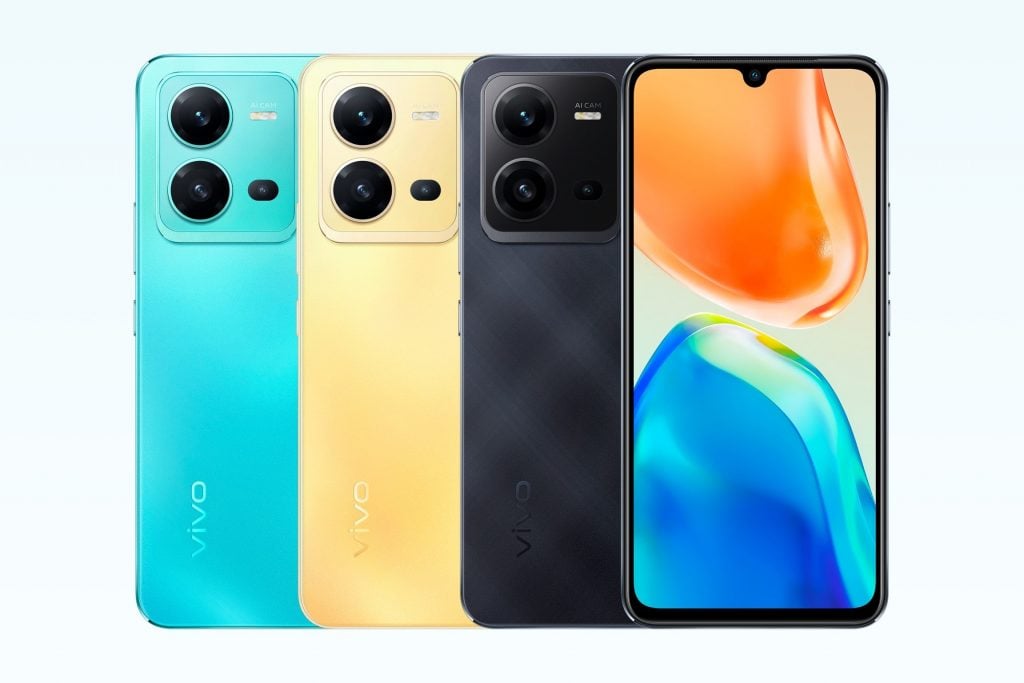
The Vivo V25 finally makes its way to India as scheduled. The device is now available in the market ahead of the festive season. It joins the Vivo V25 Pro in the country, which debuted in August. For the unaware, the vanilla V25 was first introduced in Southeast Asia last month.
Vivo V25 Price and Availability in India
The Vivo V25 will retail at the following price tags in India.
8GB + 128GB – ₹27,999
12GB + 256GB – ₹31,999
The smartphone is available for pre-order starting today (September 15) across offline and online channels. The company is offering multiple bank discounts and financing options.
Vivo V25 Specifications
The Vivo V25 features a color-changing fluorite AG glass panel like the Vivo V25 Pro. It also comes in a standard black color option. The color-changing variant changes from blue to gold color when sunlight or UV rays fall on it.
The handset is built around a 6.44-inch HDR10+ enabled AMOLED display with a resolution of 2404 x 1080 pixels (FHD+), a 90Hz refresh rate, and a dewdrop notch. It has a flat frame design and a rectangular camera island.
The device is powered by a MediaTek Dimensity 900 SoC and it boots Funtouch OS 12 based on Android 12. It neither has a 3.5mm headphone jack nor a MicroSD card slot. There are no dual stereo speakers either.
However, the phone offers a 50MP selfie camera with eye auto-focus support and an in-screen fingerprint sensor. On the rear, it has a triple camera system comprising an OIS-assisted 64MP primary shooter, an 8MP ultra-wide unit, and a 2MP macro snapper.
Connectivity options on the smartphone include dual SIM, 5G, dual-band WiFi, Bluetooth 5.2, GNSS, and USB Type-C (USB 2.0). It is backed by a 4,500mAh battery with support for 44W fast wired charging (charger included in the box).
Last but not least, the Vivo V25 measures 159.20×74.20×7.79mm in dimensions and weighs 186g.
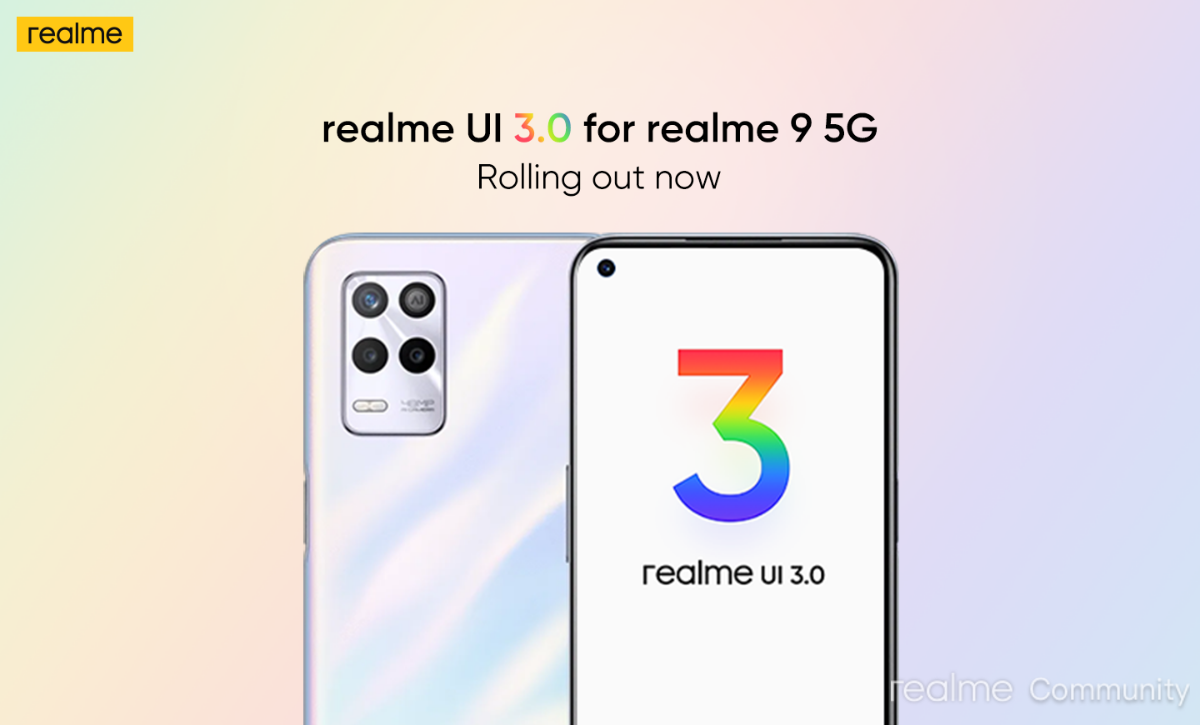
Back in July, Realme began testing Realme UI 3.0 open beta builds for the Realme 9 5G. Now, the brand has finally released the Android 12-based stable build for the device for regular users.
The Realme UI 3.0 stable update rollout will be released to Realme 9 5G users in batches, and to be eligible for the update, users will have to make sure that they are on the firmware version RMX3388_11.A.06 / RMX3388_11.A.07.
As usual, the update will be rolling out in badges, so it might take a few days before the update is made available on all devices. Realme has also listed some common issues that might occur after the update that the users will need to be mindful of. You can check them out below.
Common issues
a. After the upgrade, it may take a longer time to boot for the first time, especially if there are many third-party applications on your phone.
b. After the upgrade, in order to improve the system’s operation efficiency and eliminate potential safety risks, the system will perform a series of actions such as application adaptation, background optimization, and security scanning. So, the system will occupy more CPU, memory, and other resources, which may cause slight hanging and faster power consumption.
The new update will bring a new UI design to the device along with new features and increased performance and efficiency. Cameras will also get a few new options, and gaming will be smoother with more stable frame rates and less battery consumption.
Lenovo has debuted a new couple of new business laptops in the market called the K14 Gen 1 and Gen 1i. The company claims that these devices offer world-class collaboration and productivity capabilities. They come with a 720p webcam for work-from-home and meeting purposes and also feature a Privacy Shutter, which lets users shut the camera when not in use for added protection.
Lenovo K14 Business Laptop features and specs
The Lenovo K14 business laptops have a simple design language and a lightweight form factor that weighs less than 1.5kg. They are designed to meet the demands of modern businesses. Additionally, they contain features like Modern Standby, which enables users to quickly do normal tasks by waking the device from sleep in under a second. Modern remote workers may be productive all day long without plugging in a laptop thanks to devices with up to 10 hours of battery life.
The Lenovo K14 Gen 1i is a powerful machine with up to 11th generation Intel Core i7 vPro Mobile processors, up to 32GB DDR4 (3200MHz) memory, up to 1TB SSD and up to 1TB HDD storage. Users have the option of choosing Intel Iris Xe graphics. The AMD K14 Gen 1 version is not far behind at the same time. With a Ryzen processor, up to 512GB of SSD storage, and speedy DDR4 RAM, the laptop guarantees all-day productivity.
The laptop has four USB ports (two of which are USB Type-C), two HDMI ports, and WiFi 6. Along with the previously mentioned camera shutter, TPM chip, fingerprint reader, data encryption, and user authentication, Lenovo has also made security a priority.
Price & availability
The K14 Gen 1 and Gen 1i models from Lenovo are currently offered for Rs 65,000 and Rs 72,000, respectively.
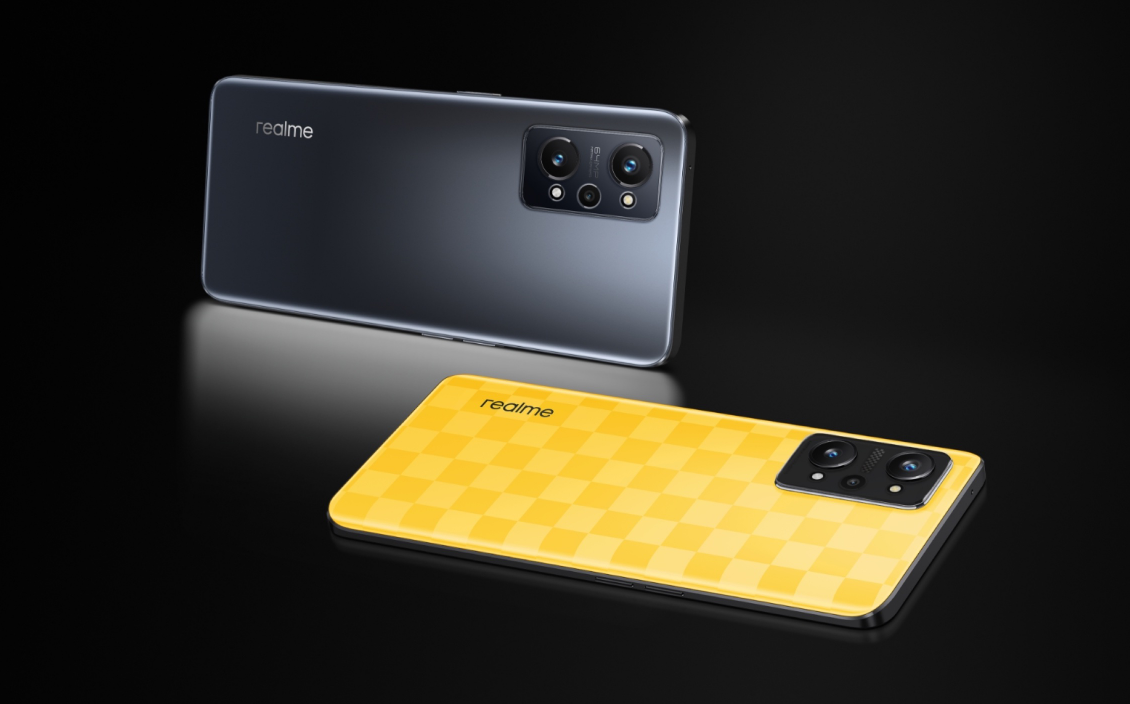
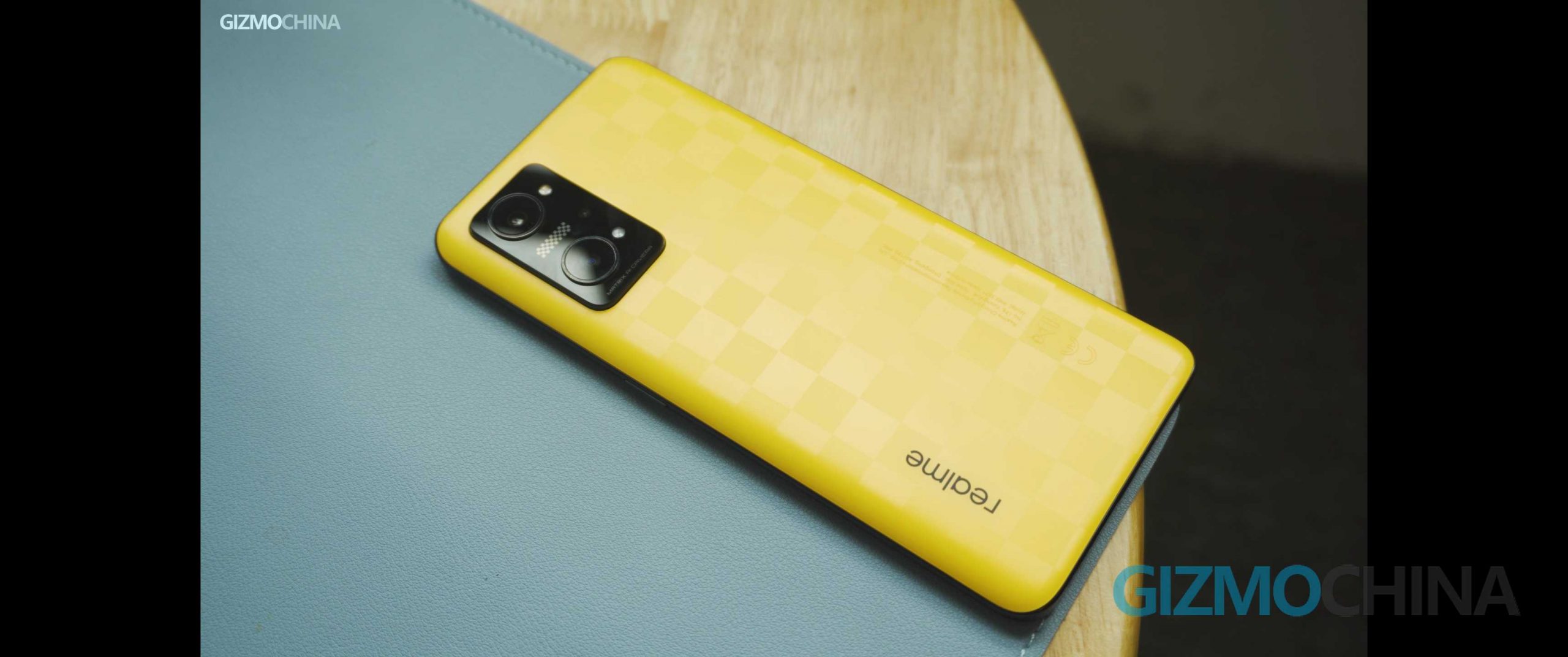
The much-awaited Indian launch of the Realme GT Neo 3T is scheduled for September 16. And ahead of the launch, Realme has announced that it will be offering a massive discount on the smartphone as part of its ongoing Realme Festive Days promotion.
The brand has claimed that at its debut, customers will be able to purchase the GT Neo 3T for up to ₹7,000 off on its retail price. This discount will make the device “the most affordable 80W charging enabled smartphone with Snapdragon 870”. Although the pricing of the device is still under wraps, considering these claims, we can expect it to launch at jaw-dropping prices.
Realme GT Neo 3T
Realme GT Neo 3T specs & features
The Realme GT Neo 3T has a 6.62-inch AMOLED E4 screen with a Full HD+ resolution and a refresh rate of 120Hz. It is powered by the Snapdragon 870 SoC and has up to 8 GB of LPDDR4x RAM, 5 GB of expanded RAM, and 128 GB of UFS 3.1 storage. It houses a 5,000 mAh battery with 80W fast charging support.
The phone has a triple-rear camera configuration for photography, including a 64-megapixel primary camera, an 8-megapixel ultrawide lens, a 2-megapixel macro camera, and a dual-LED flash. The device sports a 16-megapixel camera on the front for selfies and video calls.
Back in July, the device launched for IDR 5,499,000 (~$380) in Indonesia, which roughly translates to ₹30,000.
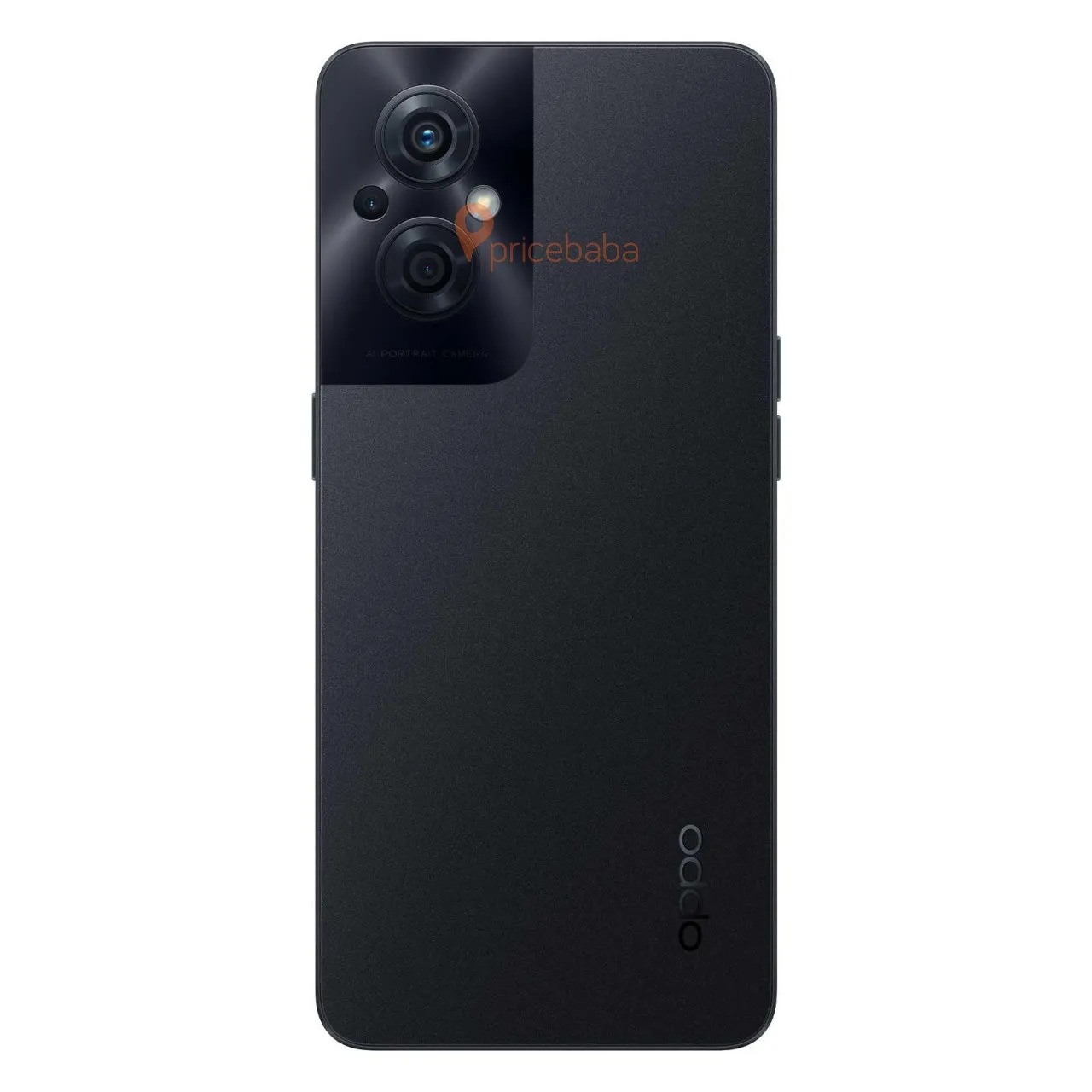
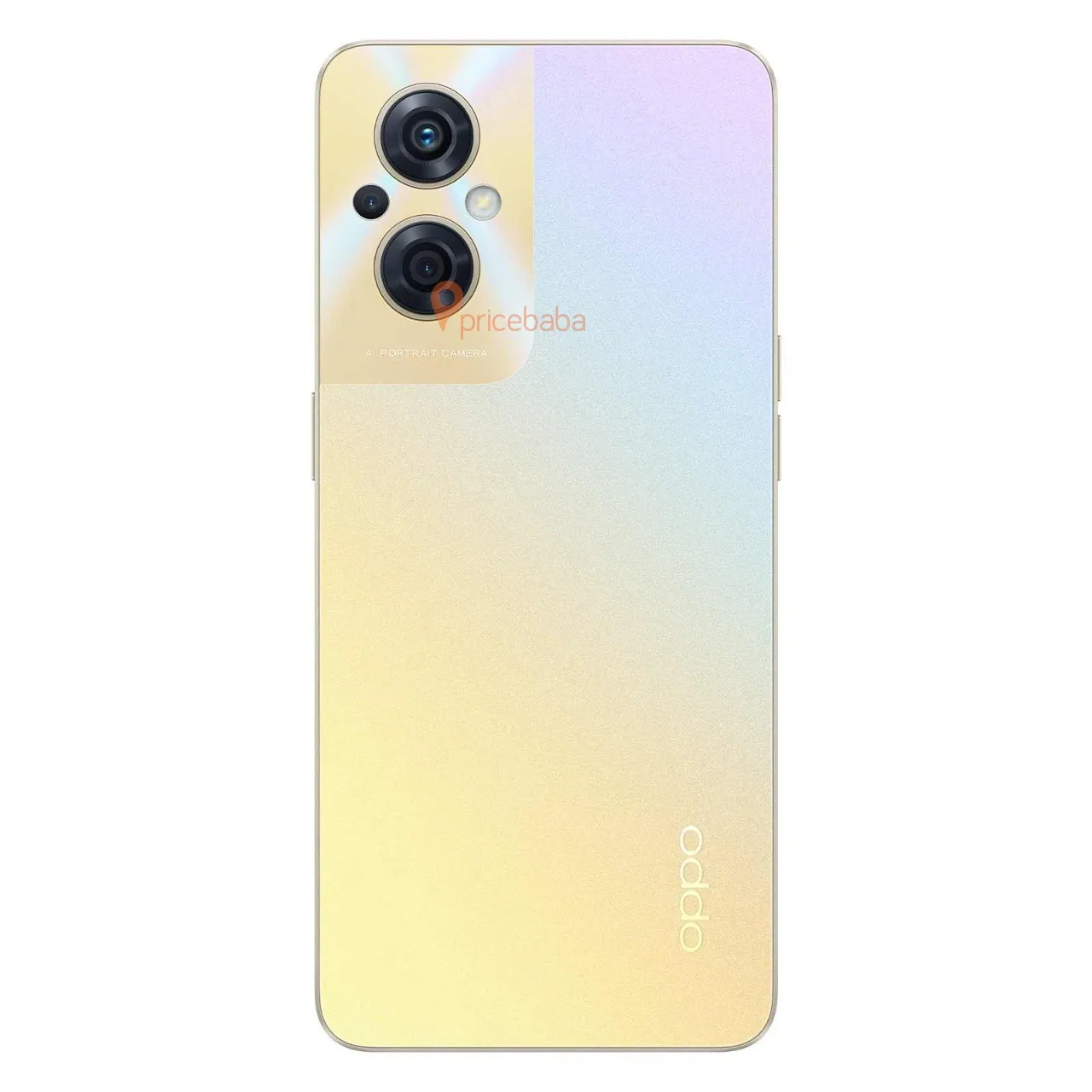
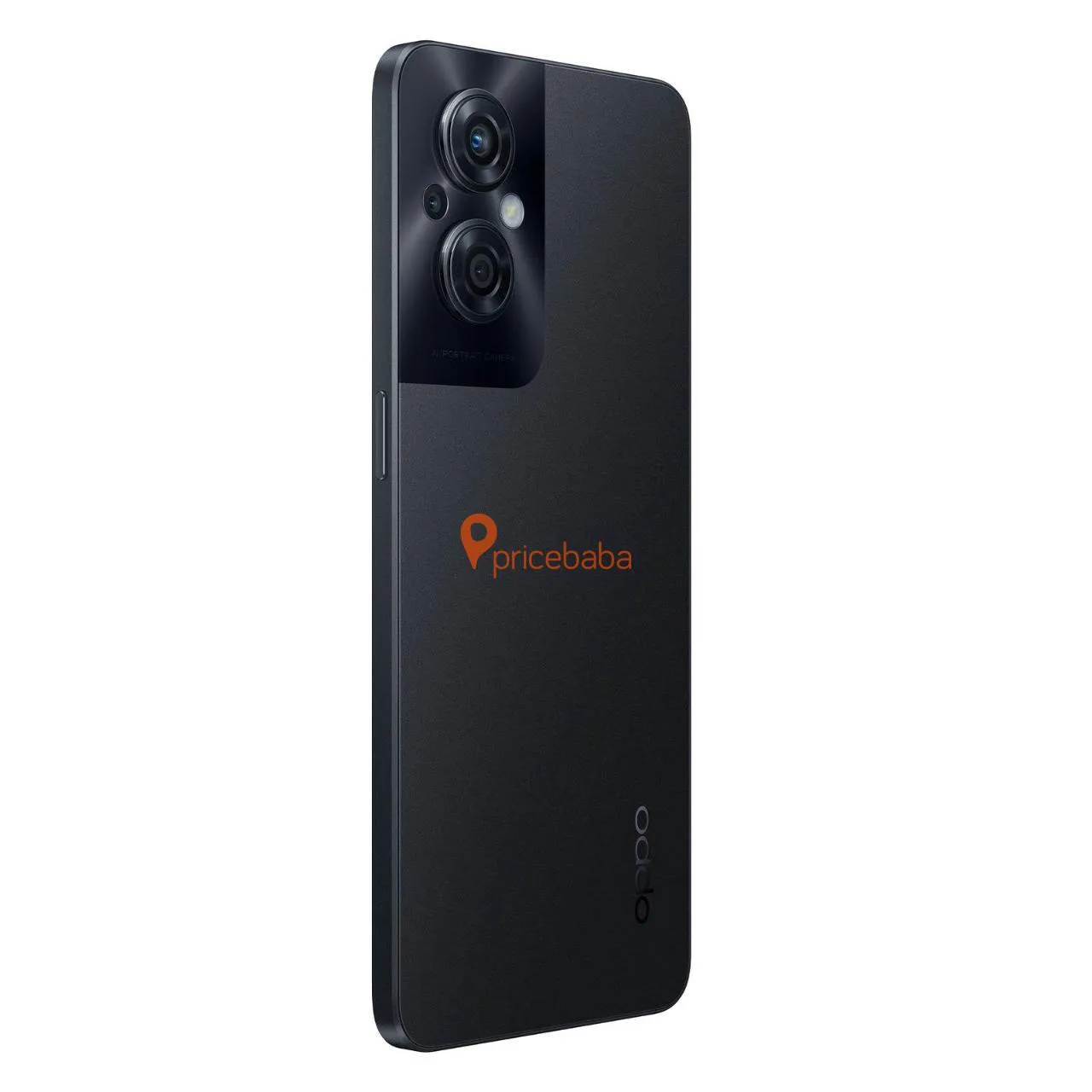
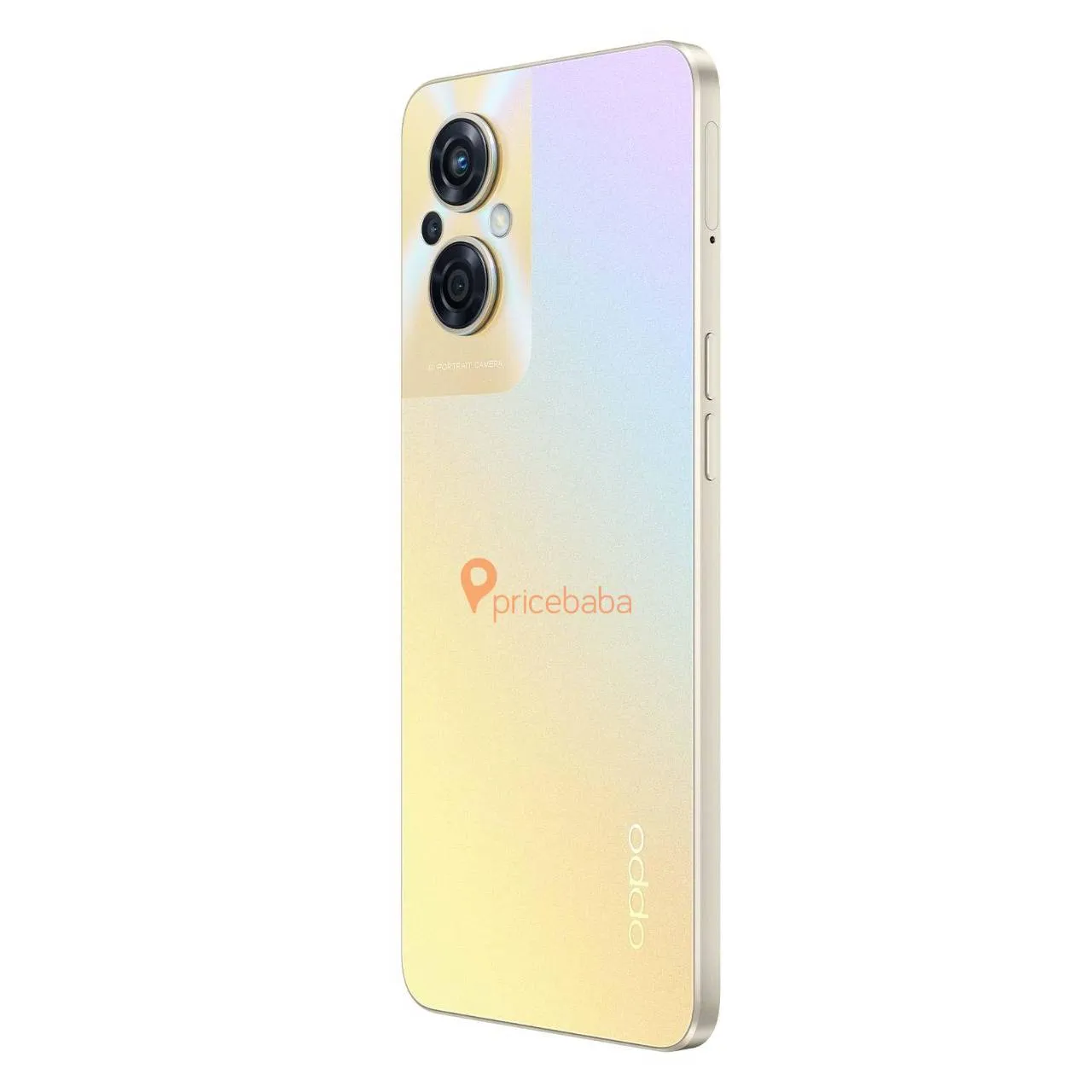
OPPO has confirmed that the OPPO F21s Pro series will debut later today. The series will consist of the F21s Pro and the F21s Pro 5G smartphones. Images and specs of the device have already leaked. A new report has now revealed the price point of the F21s Pro 5G, so let’s check it out.
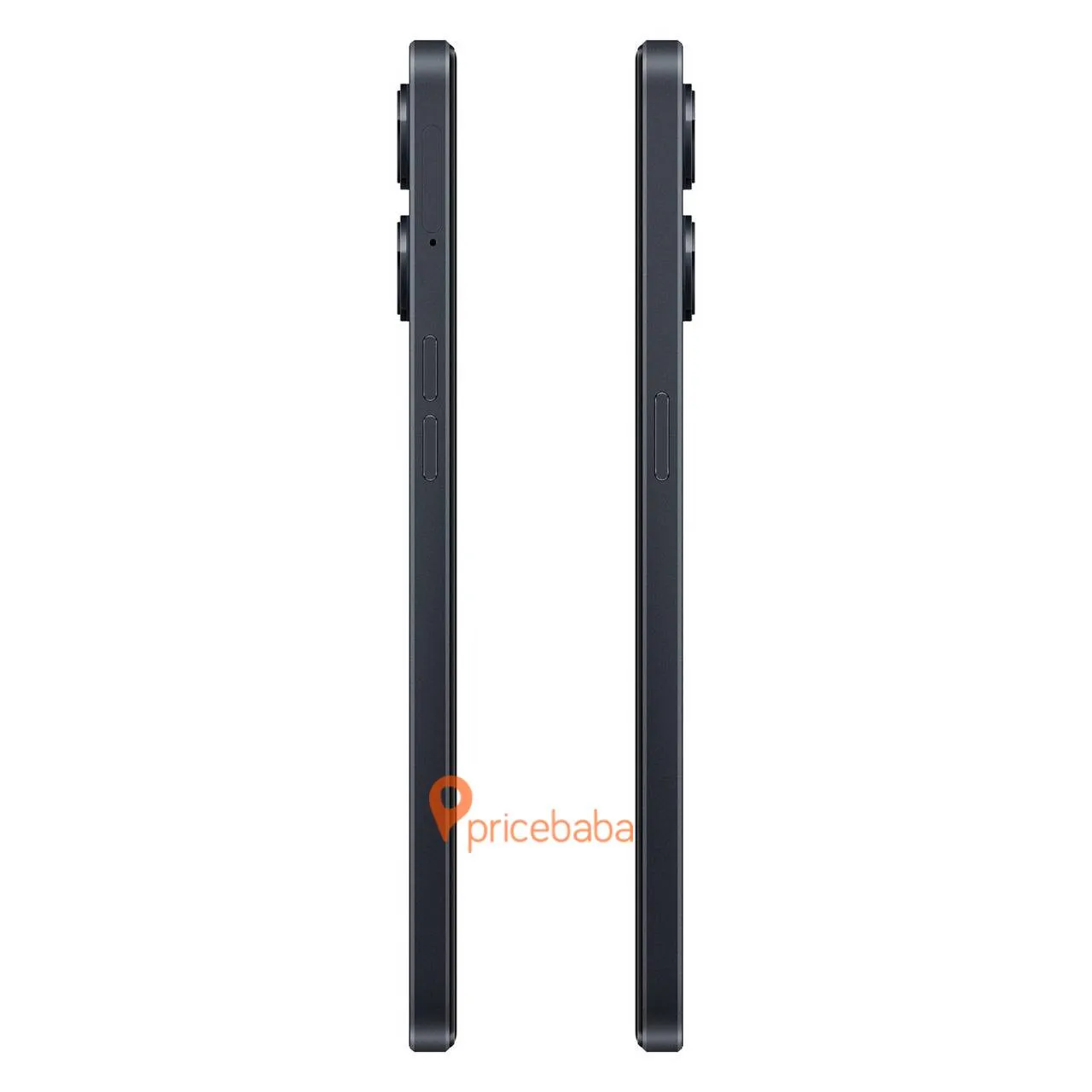
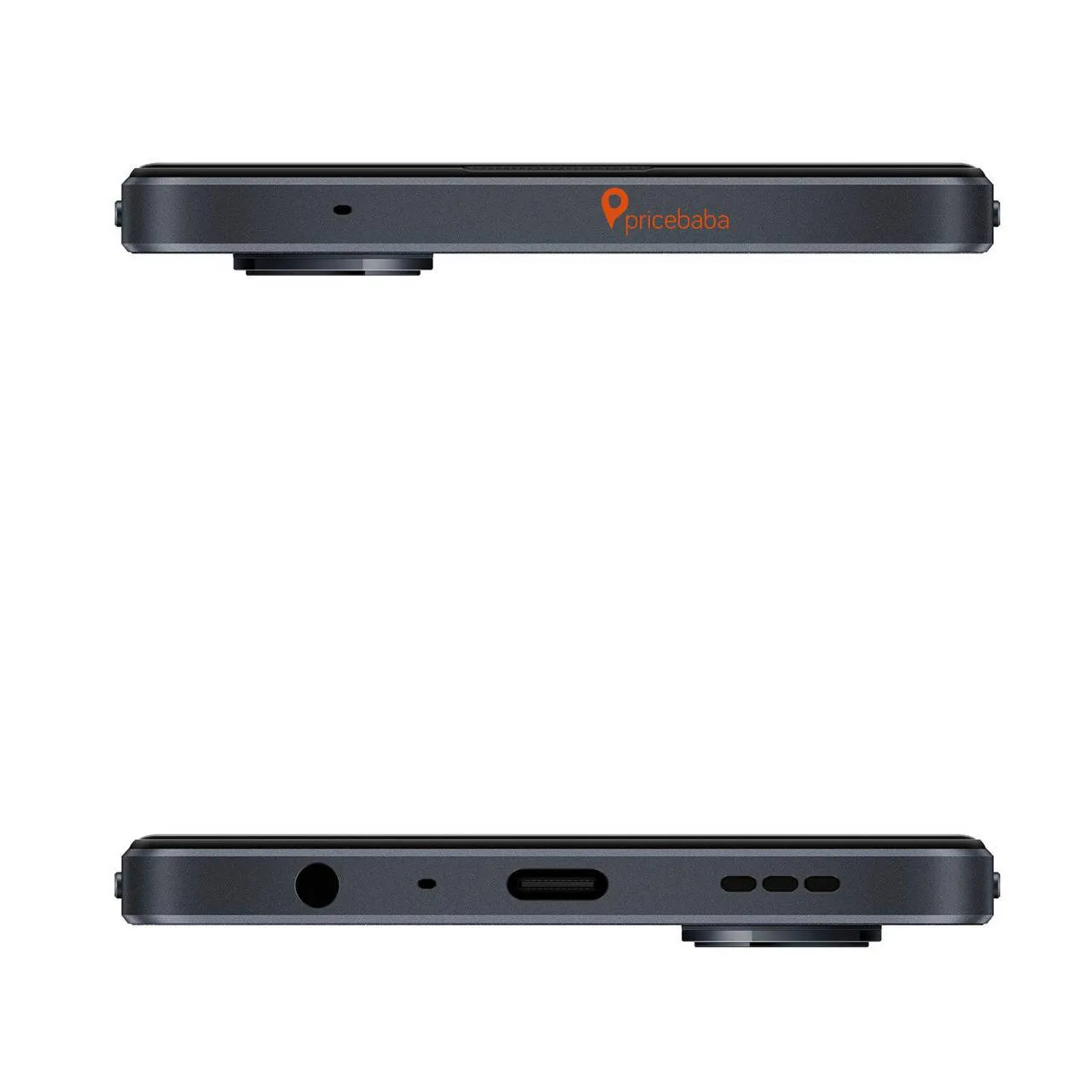
According to PriceBaba, the OPPO F21s Pro 5G will have a starting price of around Rs 23,000 to Rs 24,000. The publication credits tipster Paras Guglani (aka Passionate Geekz) for this leak. Other than that, the report also includes detailed renders and specs of the F21s Pro 5G. So let’s take a look.
OPPO F21s Pro 5G renders
1 of 6
OPPO F21s Pro 5G specs
The upcoming OPPO F21s Pro 5G will feature a 6.4-inch FHD+ AMOLED display. A previous report has revealed that the display panel will offer a 90Hz refresh rate.
It will be powered by an Octa-Core Qualcomm Snapdragon 695 5G chipset with a 2.2GHz clock speed, complemented by 8GB of RAM and 128GB of storage. On the software front, the device will boot ColorOs 12.1 based on Android 12.
For optics, the OPPO F21s Pro 5G will have three cameras: a 64MP primary sensor with an f/1.7 aperture, a 2MP macro sensor, and a 2MP depth sensor with an f/2.4 aperture. It will have a 16MP selfie camera up front with an f/2.4 aperture. Powering the device will be a 4,500mAh battery with 33W SuperVooc charging. Other features will include a dual Nano SIM slot with support for 2G/3G/4G/5G/VoLTE networks. Lastly, the device will weigh 181 grams.
Samsung remains the world’s leading smartphone manufacturer, and the company’s Galaxy S-series devices remain one of the most premium offerings from the brand. But, it’s been ages since we have seen any major design changes in the Galaxy S-series lineup.
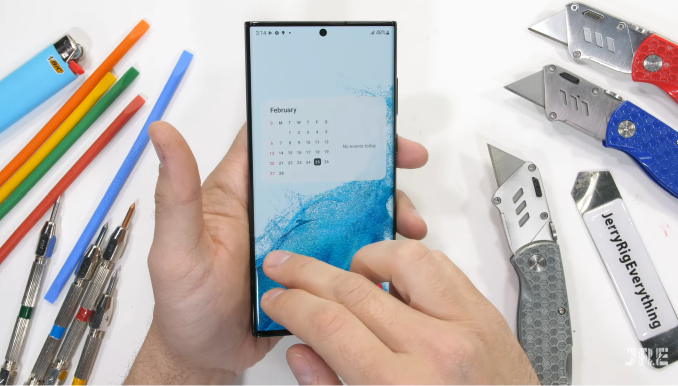
Now, it appears that the South Korean giant is planning to take a leap of faith and pull an Apple on its customers by removing an important feature of a smartphone. As per the latest report, the Galaxy S-series smartphones could come without any physical buttons.
Samsung Galaxy S22 Ultra
The report claims that the Samsung Galaxy S-series smartphone without any type of physical buttons could get launched as soon as 2025, which means that the Galaxy S25 series could be the first with such a major change.
It remains to be seen how the company plans to add functionalities of the volume rocker keys and the power button. There should also be an option to forcefully shut down or restart the phone if needed. If Samsung is planning to remove physical buttons, it must have thought about these and may already have solutions for them.
In the recent past, Apple removed the Escape key from the keyboard when it introduced the Touch Bar on the laptop. However, the company eventually caved in after a major backlash and re-introduced the physical Escape key button.
HTC also tried doing something similar, but the company did not completely remove the physical buttons. For the HTC U12+, the buttons on the device weren’t mechanical buttons; however, the user feedback wasn’t good, and it was one of the worst parts of the phone.
The Redmi K50i is available with an attractive offer on Croma in India. The device was announced with a starting price of Rs 25,999 (~$377) in July. However, it is now available with a discount of up to Rs 4,000 (~$50) on the retailer site. Continue reading to know the details of the offer.
Since launch, the Redmi K50i 5G has been available in two variants, such as 8 GB RAM + 128 GB storage for Rs 25,999 (~$377) and 8 GB RAM + 256 GB storage for Rs 28,999 (~$365).
Redmi K50i
During the ongoing Early Bird sale on Croma, the K50i is available with a flat discount of Rs 1,000 (~$13). HDFC Bank credit card users can get a discount of 10 percent (up to Rs 2,000) while purchasing the K50i. In addition, customers with ICICI credit card can take advantage of up to Rs 3,000 (~$37) cashback.
Hence, both variants can be purchased for as low as Rs 21,999 (~$277) and Rs 24,999 (~$314), respectively. It comes in three colors: Stealth Black, Quick Silver, and Phantom Blue.
Redmi K50i 5G specifications
The Redmi K50i 5G has a 6.67-inch AMOLED display that offers a Full HD+ resolution, a 20.5:9 aspect ratio, and a 144Hz refresh rate. It is powered by the Dimensity 8100 chipset, up to 8 GB of LPDDR5 RAM, and up to 256 GB of UFS 3.1 storage. It houses a 5,080mAh battery with 67W fast charging support.
On the front, the K50i has a 16-megapixel selfie camera. Its back panel features a 64-megapixel primary camera, an 8-megapixel ultra-wide lens, and a 2-megapixel macro camera. The handset boots to the Android 12 OS with the MIUI 13 on top. It has a side-facing fingerprint scanner.
Recent reports have claimed that iQOO may announce the iQOO Neo 7 in October in China. The arrival of the close at hand as iQOO Vice President appears to have teased the launch of new products. He is probably hinting at the arrival of the Neo 7 and the iQOO 11 series.
The iQOO 11 series is going to launch only after Qualcomm announces the Snapdragon 8 Gen 2 chipset. Since the iQOO 10 series was unveiled in January 2022, it seems that the iQOO 11 lineup may go official in the same month next year.
While the launch of the iQOO 11 series seems to be a couple of months away, it appears that the company may start rolling out the teasers of the iQOO Neo 7. Recent reports have revealed a lot of information about the Neo 7.
iQOO Neo 7 specifications (rumored)
The iQOO Neo 7 is likely to feature a 6.78-inch AMOLED E5 display that offers a Full HD+ resolution and a 120Hz refresh rate. For security, it may feature an under-display fingerprint scanner. The device is likely to be powered by the Dimensity 9000 Plus chipset. It may come with up to 12 GB of LPDDR5 RAM and up to 256 GB of UFS 3.1 storage. It will run on the Android 12 OS with the iQOO UI on top.
The Neo 7 may come equipped with a 16-megapixel camera for snapping selfies. Its rear camera setup will include a 50-megapixel Sony IMX766V main camera with OIS support. It could be accompanied by a. 13-megapixel ultra-wide camera and a 12-megapixel telephoto sensor. The Neo 7 could be backed by a 4,700mAh battery with support for 120W fast charging. At present, there is no word on the price of the device.
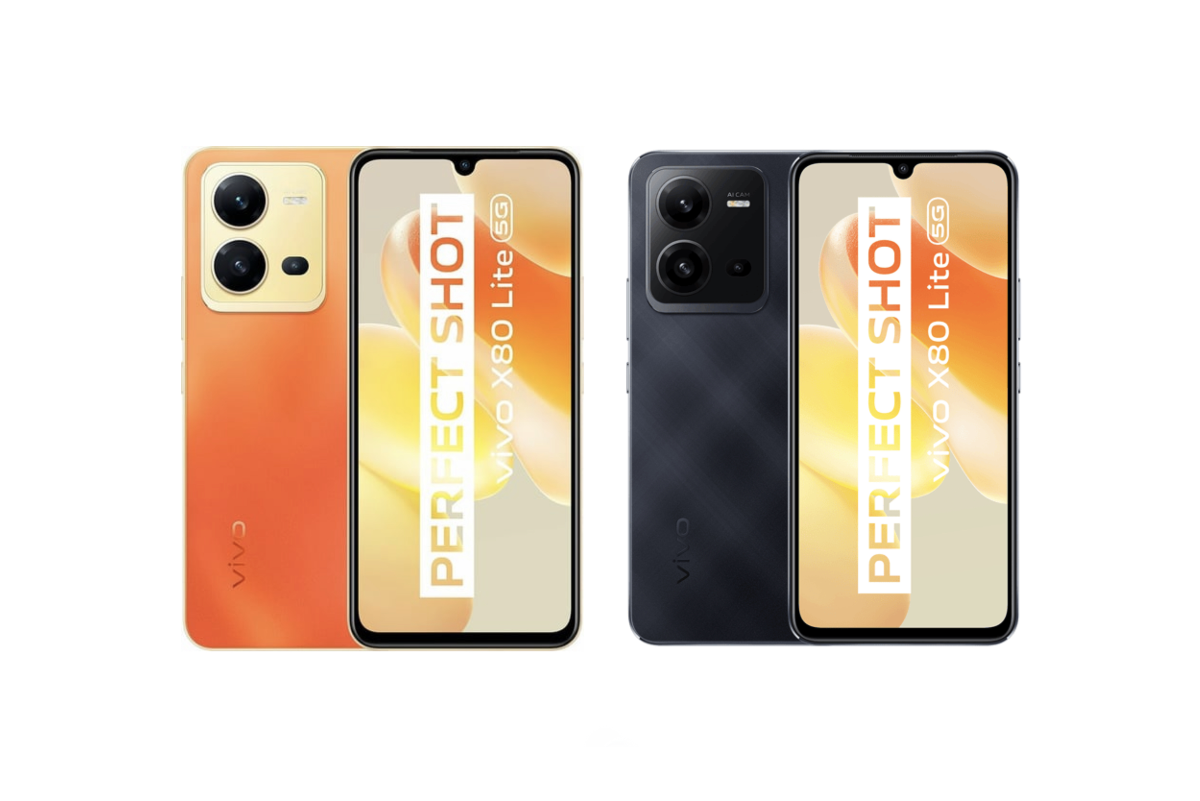
The Vivo X80 Lite is expected to launch soon in the global market. Ahead of the launch, the publication Winfuture.de has published a report to reveal its specifications and renders. It appears that it will not take too long for the X80 Lite to go official.
Vivo X80 Lite specifications (rumored)
The Vivo X80 Lite will sport a 6.44-inch AMOLED display that produces a Full HD+ resolution and a 90Hz refresh rate. The screen will be integrated with a fingerprint scanner. The display notch will house a 50-megapixel front-facing camera with an f/2.0 aperture.
Vivo X80 Lite render by Winfuture.de
On the back, the X80 Lite has an OIS-enabled 64-megapixel main camera with an f/1.79 aperture. It is accompanied by an 8-megapixel ultra-wide lens and a 2-megapixel macro camera.
Under the hood, the X80 Lite will feature the Dimensity 900 chipset. The device will ship with 8 GB of RAM and 256 GB of built-in storage. There will be a microSD card slot on the device for additional storage.
The X80 Lite will pack a 4,500mAh battery that supports 44W fast charging. It will run on the Android 12 OS with the FunTouch OS UI on top. It will offer the usual connectivity features such as 5G, dual-SIM, NFC, Bluetooth 5.2, and USB-C.
The design and specifications of the Vivo X80 Lite are quite familiar. The reason behind it is that it is a rebranded version of the Vivo V25 5G, which is available in the Asian markets.
Vivo X80 Lite price (rumored)
According to the publication, the Vivo X80 Lite will be available for 450 euros. As can be seen in the image above, it will be available in orange and black colors.
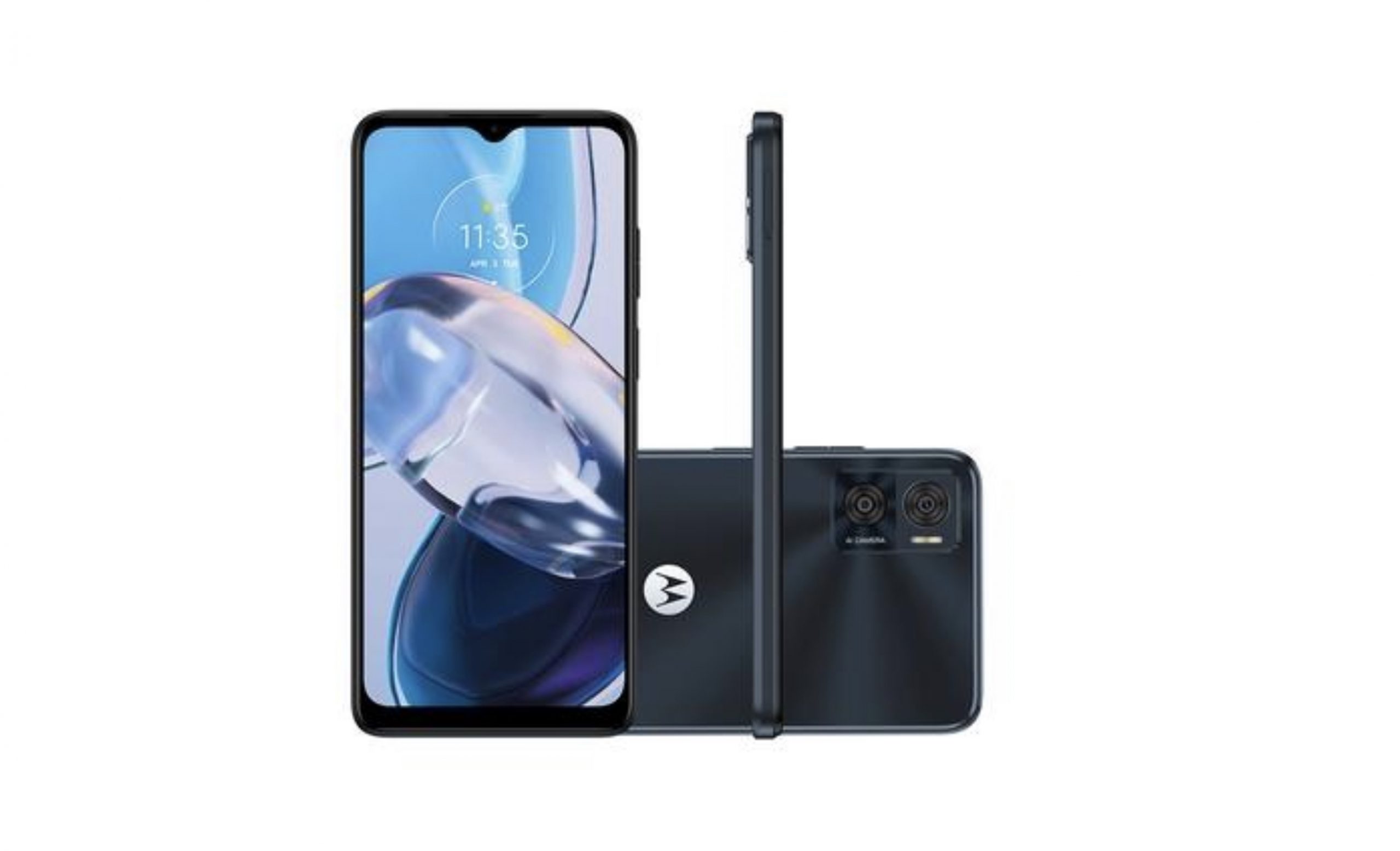
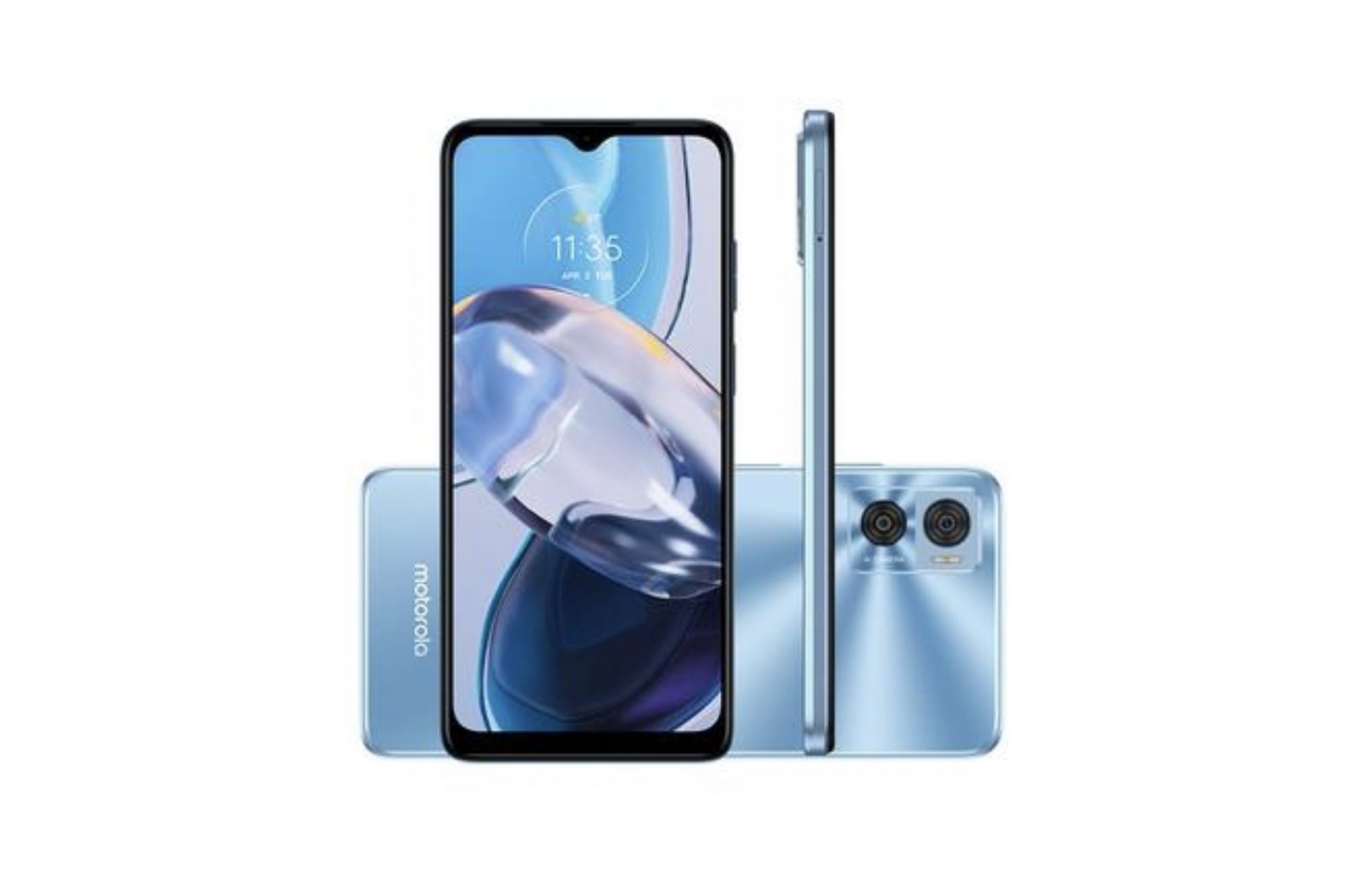
A recent leak claimed that Motorola would announce the Moto E22 on Sept. 16. The report revealed almost everything about the device, from its specifications to its price. Well-known tipster Roland Quandt has revealed that the Moto E22 is now listed on a Brazilian retailer site, Kabum. Here is all the information that has surfaced through the listing.
Moto E22 specifications
The retailer listing reveals that the Moto E22 has a 6.5-inch LCD display that offers an HD+ resolution of 720 x 1600 pixels, an aspect ratio of 20:9, and a refresh rate of 90Hz. The device comes preloaded with Android 12 OS.
The Moto E22 is powered by the Helio G37 chipset. The device will ship with up to 4 GB of RAM and up to 64 GB of storage. For more storage, it is equipped with a microSD card slot. It is backed by a 4,020mAh battery that supports 10W charging.
1 of 3
The E22 has a 5-megapixel front-facing camera. Its back panel has a 16-megapixel mani camera, a 2-megapixel depth sensor, and an LED flash. The device is equipped with Dolby Atmos-powered dual speakers.
The device offers connectivity features such as dual SIM, Wi-Fi 802.11ac, Bluetooth 5.0, GPS, FM radio, a USB-C port, and a 3.5mm audio jack.The handset has 163.5 x 74.6 x 7.99mm dimensions.
Moto E22 price
On Kabum, the Moto E22 is available in two configurations: 2 GB RAM + 32 GB storage and 4 GB RAM + 64 GB storage. There is no information on the price of the former, but the latter is listed for BRL 1,619 (~$225). It will be available in three colors: black, white, and blue. The E22 is now available for per-order on the retailer site. The listing reveals that its shipments will begin on Sept. 16.
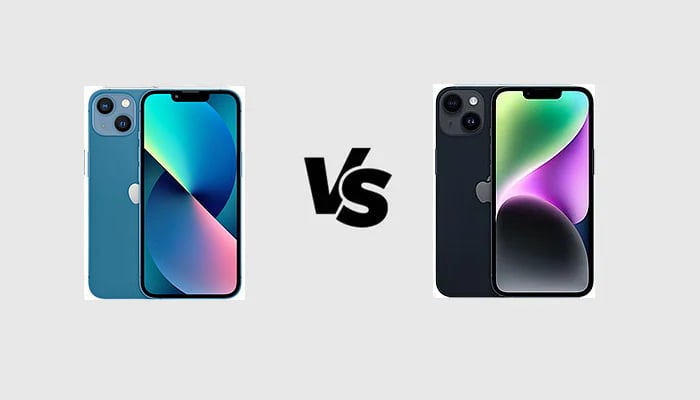
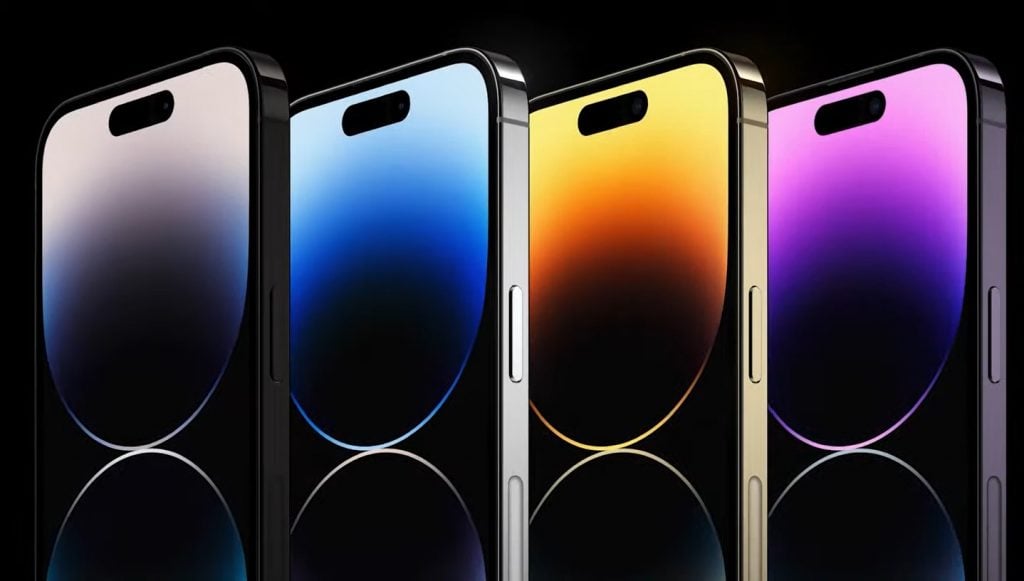
iPhone 14 officially went on sale and it will be available in several countries starting tomorrow. The new series by Apple brought to the market a higher level of differentiation between the standard variants and the Pro ones. But what did change between the new iPhone 14 and its predecessor? Well, a lot of people are wondering and the answer to this question is all but obvious. A lot of people are also wondering whether they should spend more to get the latest iPhone or they should save some money by purchasing the previous model as the new one does not bring so many changes. That is the reason why the question above deserves a dedicated article. This is a comparison between the main specifications of the iPhone 14 and the iPhone 13 that will tell you the differences between these two devices.
Apple iPhone 13 vs Apple iPhone 14
Apple iPhone 13
Apple iPhone 14
DIMENSIONS AND WEIGHT
146.7 x 71.5 x 7.7 mm,
174 g
146.7 x 71.5 x 7.8 mm,
172 g
DISPLAY
6.1 inches, 1170 x 2532 pixels (Full HD+), Super Retina XDR OLED
6.1 inches, 1170 x 2532p (Full HD+), Super Retina XDR OLED
It is very hard to distinguish the iPhone 14 from the iPhone 13 because they have more or less the same design. There are a few small differences, but overall, they are almost identical. The new model comes with a bigger camera sensor and a slightly thicker body, while the older one is slightly thinner and slightly heavier than the new one. For the rest, they are pretty much the same. They come with the same notch above the display and the same screen to body ratio, with symmetric and narrow bezels around the screen. The borders are flat just like all the iPhones starting from the 12 (with the exception of the latest SE). They come with a power key placed on the right side of the device and volume keys on the left. They are waterproof with the IP68 certification and you can put them underwater up to 6 meters deep for a max time of 30 minutes.
Display
The iPhone 13 and the iPhone 14 have exactly the same display. We are talking about a Super Retina XDR OLED panel, one of the best displays in terms of image quality but, unfortunately, with a standard 60 Hz refresh rate. So expect great quality, but do not expect the highest viewing smoothness. The display has a diagonal of 6.1 inches and a resolution of 1170 x 2532 pixels, as well as a 19.5:9 aspect ratio, the HDR10 certification, and Dolby Vision support. Just like all the latest Apple phones, it does not rely on a fingerprint reader for authentication but it supports 3D facial recognition thanks to the Face ID technology. The sensors for Face ID are placed in the notch above the display. The front glass is scratch resistant and it has an oleophobic coating.
Specs & Software
Despite their belonging to two different generations, the iPhone 13 and the iPhone 14 are powered by the same chipset. We are talking about the Apple A15 Bionic: an SoC built with a 5 nm production process and sporting an hexa-core architecture composed of two Avalanche CPUs (with high performance) running at a max frequency of 3.23 GHz, four Blizzard CPUs (with high efficiency) running at a frequency of 1.82 GHz, and a 5-core Apple proprietary GPU. But there is a difference in the hardware setups: the iPhone 13 has just 4 GB of RAM, while the iPhone 14 sports 6 GB of RAM. Another difference is the operating system: the former ships with iOS 15 out of the box (even though it can be updated to iOS 16), while the latter has iOS 16 out of the box, so it will get longer software support. The memory configurations available are three, with 128 GB, 256 GB, or 512 GB of internal storage.
Camera
At first glance, it looks like the iPhone 13 and the iPhone 14 have the same cameras, but if you dig deeper, you will find improvements on the iPhone 14. It comes with the same dual rear camera setup composed of a 12 MP main sensor with OIS and a 12 MP ultrawide camera, but the main camera of the 14 has a brighter f/1.5 focal aperture and it should be able to capture a higher level of detail with low light. The same is for the front camera of the iPhone 14, sporting a brighter f/1.9 focal aperture instead of f/2.2.
There is just a small difference between the batteries of these two phones, but the iPhone 14 wins again. It is equipped with a 3279 mAh battery, while its predecessor has just 3240 mAh inside. This results in a slightly longer battery life. The charging speeds do not change as both the handsets are able to reach 50 percent in 30 minutes, they support MagSafe and 15W Qi wireless charging.
Price
You need at least $999/€999 to purchase the iPhone 14, while you can easily find the iPhone 13 for less than €900/$900 thanks to the actual street prices. Would you spend more to get just iOS 16 out of the box, a slightly bigger battery and slightly better cameras?
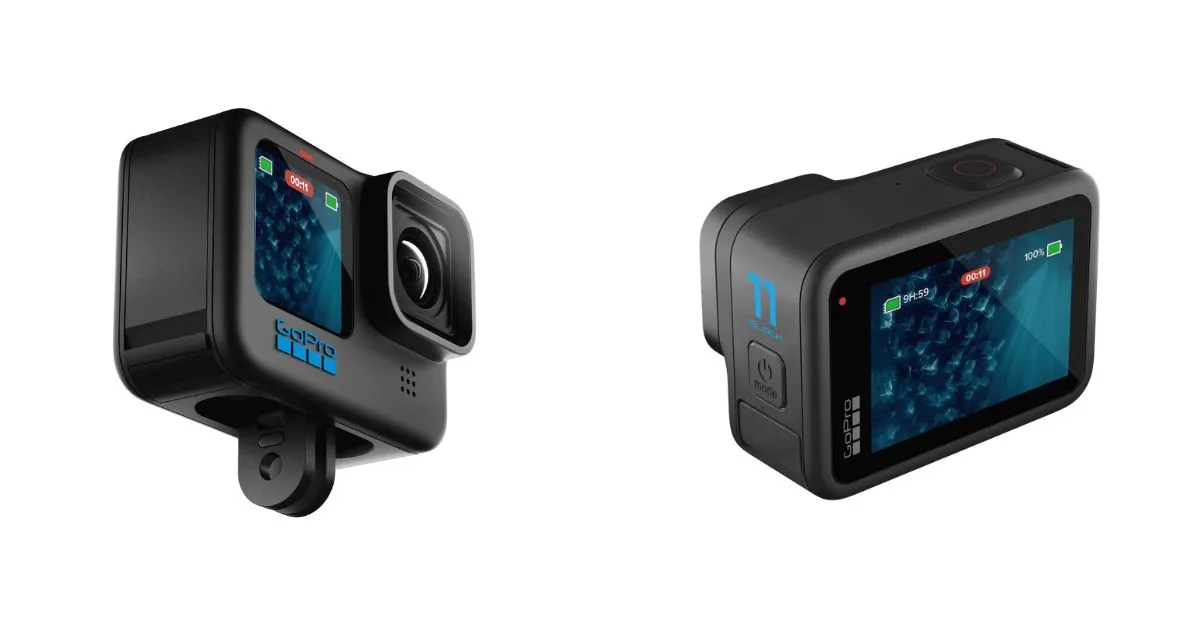
GoPro Hero 10 has announced two new flagship action cameras–the GoPro Hero 11 and Hero 11 Mini. They are the successors of the Hero 10 that was launched last year. The new cameras come with a larger sensor that can capture 8:7 aspect ratio photos and videos. Both devices have similar specifications, but the Mini one, as the name suggests, has a compact size. Let’s look at the details.
GoPro Hero 11 Black specifications
The GoPro Hero 11 Black comes with some impressive upgrades but its design is very similar to its predecessor. Just like Hero 10, it sports a 2.27-inch touchscreen display on the back and a color LCD display on the rear.
The camera comes with a new 27-megapixel sensor with a wider field of view. It will also allow users to capture 24.7-megapixel screen grabs. If we talk about video recording, the Hero 11 Black can shoot up to 5.3K videos at 60fps. It also supports 4k @ 120fps. Under the hood, it is powered by GoPro’s GP2 processor. The camera is also waterproof up to 10m.
The new camera also includes 10-bit color shooting; HyperSmooth 5.0 video stabilization with 360-degree Horizon Lock; new Timelapse modes for capturing star trails or car light trails; and a redesigned interface with Easy Controls for first-time users. The Hero 11 Black is backed up by a removable 1720mAh Enduro battery and can be charged through the Type-C port.
GoPro Hero 11 Black Mini specifications
As mentioned, the GoPro Hero 11 Black Mini is the same as the regular model in terms of specifications, but it comes with a new compact design. Also, it does not have a touchscreen display. The Hero 11 Black Mini is meant to be used in tighter and more constricted spaces and is claimed to be optimized for helmet mounting.
It will let you shoot up to 5.3K60fps cinematic video and capture 24.7-megapixel photos. In addition, the company claims the Hero 11 Black Mini is one of the most durable GoPro cameras as it is packed in a tough outer shell.
GoPro Hero 11 Black and GoPro Hero 11 Black Mini price
The GoPro Hero 11 Black price starts at $399 without a GoPro subscription. With the subscription, it costs $500. On the other hand, the Hero 11 Mini is priced at $300 (without a subscription) and $400 with a GoPro subscription. The Hero 11 Black will go on sale today through the company’s website, while the Mini model is expected to be available for purchase from October 25.
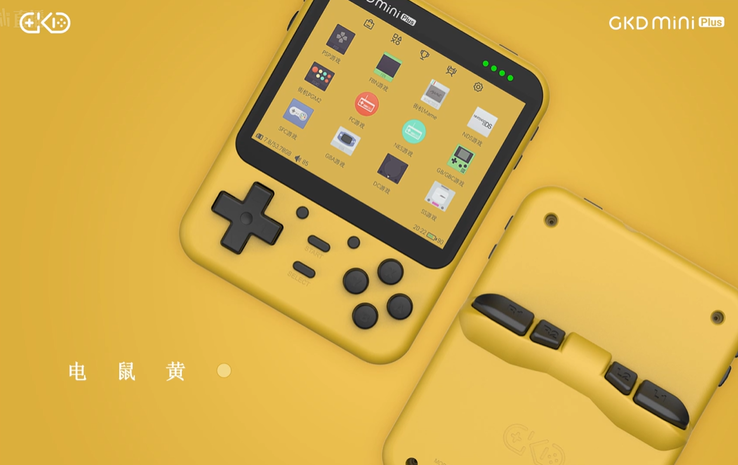
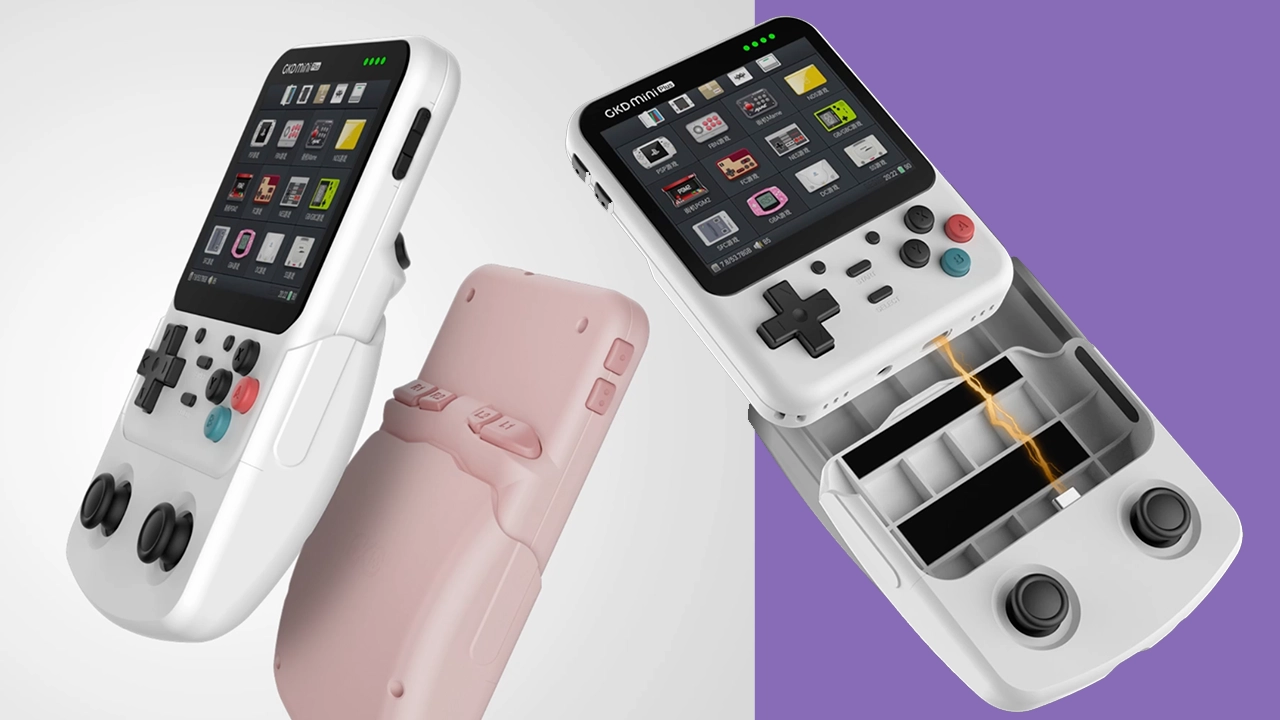
A retro-styled handheld gaming console is not something you see released often. The GKD Mini Plus handheld gaming console is one such device. The new device comes with a 3.5-inch display, a Rockchip RK3566 chipset, and a resolution of 640 x 480 pixels. The Mini Plus has a removable accessory with analog sticks and supports both Bluetooth and Wi-Fi connectivity.
The GKD Mini Plus is powered by the entry-level Rockchip RK2566 with four ARM Cortex-A55 CPU cores at 1.8GHz and a Mali-G52 GPU. It can play older titles from the Game Boy and Game Boy Advance consoles, reflecting its retro identity. It has 1GB RAM and a 3,000mAh battery. It also comes with several buttons together with quad shoulder buttons. You can charge the handheld via its USB-C port which is also a data transfer terminal. There are dual microSD card readers and a 3.5mm audio jack featured on the device as well.
The GKD Mini Plus detachable analog sticks can be plugged into the device via USB-C. The analog sticks were also featured in the Mini Plus Classic although GKD is silent on the release details of that variant. The GKD Mini Plus is retailed in China for 469 yuan ($67). There are no pricing details available for the GKD Mini Plus Classic at this time. The global availability of the Mini Plus is also unknown. Third-party retailers in China are some of the quick ways of buying the product.
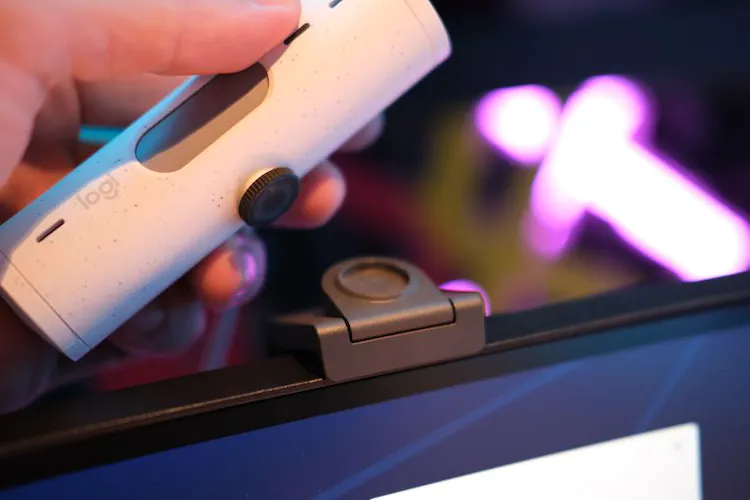
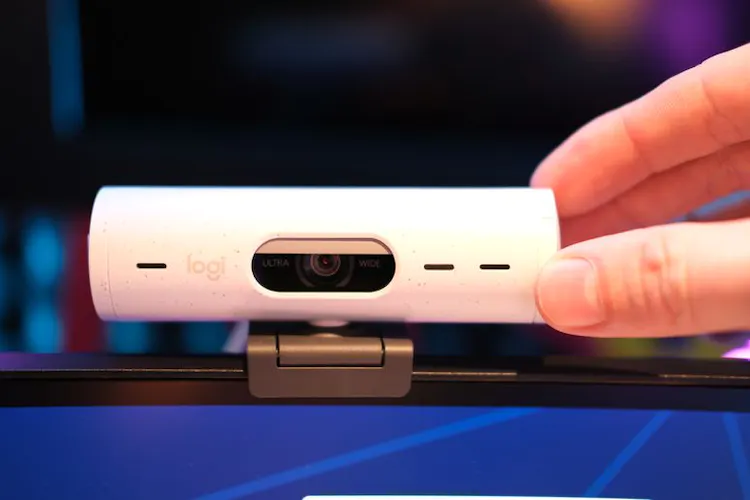
Logitech has unveiled its Brio 500 webcam with a built-in privacy shutter and a compact design. The privacy shutter in the webcam is neatly integrated into the device and it also features a Show Mode to broadcast what’s on your desk. The Brio 500 is however only capable of 1080p content unlike 4K webcams on the market.
The Logitech Brio 500 is an improvement on the classic Logitech C920 which also outputs 1080p. It features an upgraded sensor than its predecessor for better image quality. The webcam has a cylindrical design with a pair of beamforming microphones flanking the 4MP camera. The mics help to reduce background noise during calls for greater clarity. The privacy shutter can be brought down by turning a dial at the right of the webcam. You can also tilt the camera angle towards your desk to activate Show Mode. The 1080p resolution of the Brio 500 yields 30fps, but you can get a frame rate of 60fps when using 720p resolution.
The webcam’s field of view is 90 degrees but can provide tighter images at 78 or 60 degrees. It can automatically center on the person speaking and adjust the lighting in a dimly-lit environment. The Brio 500 has a magnetized mounting mechanism consisting of a standard plastic mount and the webcam attaches magnetically to the plastic mount. It can be rotated 360 degrees. Alternatively, a tripod mount can also be deployed for the Brio 500.
The Logitech Brio 500 webcam goes on sale this month at $129 via retailers like Amazon. Logitech will also release a new Bluetooth headset – the Zone Vibe 100 which is priced at $99.99. The Vibe 100 has up to 20 hours of battery life, while its mic arm can be muted by flipping it.
The Xiaomi 12T and 12T Pro have been in the headlines for quite some time now. Xiaomi fans are patiently waiting for the company to make an official announcement regarding the handset. But ahead of that, tipster Abhishek Yadav has revealed the Xiaomi 12T and 12T Pro could launch globally next week alongside the Redmi Pad and Redmi Buds 4 Pro.
Xiaomi 12T and Xiaomi 12T Pro
According to a recent report, Xiaomi 12T will come in 8GB RAM + 128GB storage and 8GB RAM + 256GB storage variants. Whereas the Pro model is said to debut in 8GB RAM + 256GB storage and 12GB RAM + 256GB storage options. The handsets could come in three colorways—Clear Blue, Cosmic Black, and Lunar Silver.
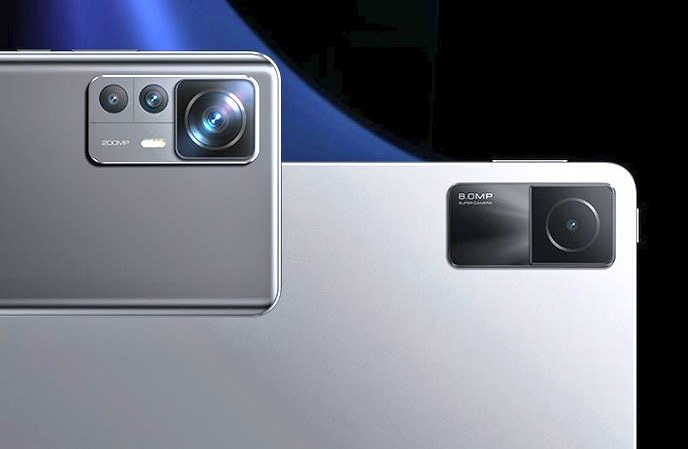
Xiaomi 12T Pro, Redmi Pad leaked image
The Xiaomi 12T Pro is expected to launch with Qualcomm’s latest Snapdragon 8+ Gen 1 SoC and sport a 6.67-inch AMOLED display that offers a 1,220 x 2,712 pixel resolution and a 120Hz refresh rate. It is also expected to flaunt a Samsung HP1 200-megapixel primary sensor that is paired with an 8-megapixel ultra-wide-angle lens and a 2-megapixel macro unit.
The lower-end Xiaomi 12T is expected to come with a 6.7-inch OLED display with a 120Hz refresh rate and HDR10+ support. It may be powered by a MediaTek Dimensity 8100 SoC. It is also said to feature a triple rear camera setup headlined by a 108-megapixel primary sensor.
Redmi Pad and Redmi Buds 4 Pro
The Redmi Pad is expected to be a mid-range tablet from Redmi. A recently leaked image revealed the device will have a flat back with an 8-megapixel camera without a flash. Rumors suggest it will come with an 11-inch 2K display and will be powered by a new MediaTek MT8781 chip, and a 7,800mAh battery with support for 22.5W fast charging.
The Redmi Buds Pro debuted in China back in May. They come with a 10mm dynamic driver and offer 35dB of noise cancellation with AI intelligent adjustment. It also features HiFi sound quality and virtual stereo sound. The Redmi Buds 4 Pro features 59ms low latency mode and comes with support for Bluetooth 5.2 connectivity.
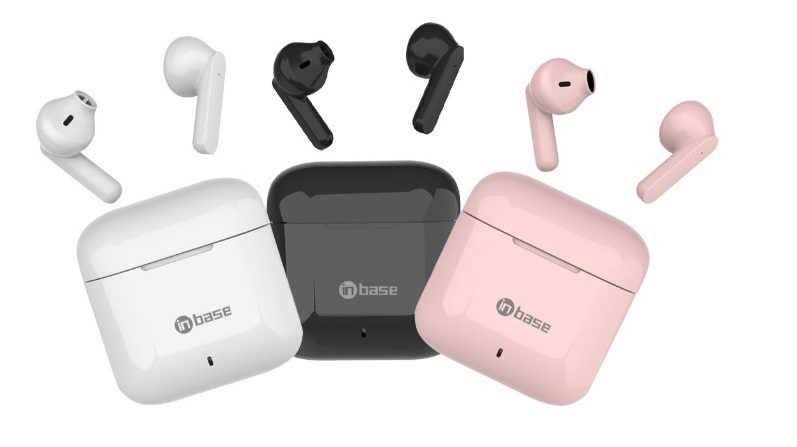
The Inbase Buds Mini Lite earbuds have been launched in India. The new earbuds are among the tiniest on the market and the case is as small as a matchbox. The Inbase Buds Mini Lite features 13mm drivers, up to 40 hours of playtime, and great audio output.
The Inbase Buds Mini Lite case is small enough to fit into your pocket due to some design changes. The petite size however does not reduce audio quality and battery life. The launch comes on the heels of the earlier release of the Inbase Urban Pro X and Urban Pro 2 earbuds. The TWS earbuds support Bluetooth 5.0 connectivity, have dual 13mm dynamic drivers and each earbud weighs 6g. Deep bass and crystal-clear audio is always delivered and comfort is assured even on the long haul. The buds are rated IPX5 and have capacitive touch controls. You can thus easily answer calls, modulate the volume, and use the voice assistant.
The Buds Mini Lite can pair instantly when the case is opened. The buds have a 30mAh battery that can play for 5 hours while the 200mAh battery in the case provides up to 35 hours. The device has a 300-hour standby time and can be charged fully within an hour.
The Buds Mini Lite is skin-friendly, ergonomically designed, and is offered at an introductory price of Rs. 1,299 (~$16). The price will subsequently revert to Rs. 1,999 (~$25) and the earbuds can be purchased from Amazon, Flipkart, and other leading outlets in India. The Inbase Buds Mini Lite can also be purchased from the Inbase website. A 6-month warranty is available for the earbuds while black, pink, and white colors options are available.
Xiaomi has launched the MIJIA Graphene Folding Skirting Board Electric Heater Ultra-Thin Model in China. The new electric heater is available for pre-order from September 14. The heater is rated at 2.22kW and can raise the room’s temperature by 5ºC in ten minutes. It can be folded in half making it compact for easy storage. The heater is 6cm thick and 1.5m long when unfolded. The heater’s panel can be folded at 90 degrees as well.
The MIJIA Graphene folding electric heater uses a 1.29m heating element made from graphene for more efficient heating. Xiaomi says the heating method provides comfort to the skin as the skin is not likely to be dried.
It maintains a constant temperature while an overheating protection switch is an added safety layer. Users can adjust the temperature via the heater’s touchscreen. You can also set a timer for up to 12 hours using the touchscreen. It can also be controlled by Xiao AI voice commands or the MIJIA app.
The Xiaomi MIJIA Graphene Folding Skirting Board Electric Heater is offered at an introductory price of 799 yuan ($115). The original price of the electric heater is 899 yuan ($130). Xiaomi has not provided any global availability and pricing details yet for the product. It is also unclear when the first deliveries will be made after the pre-order process kicks off.
Apple officially unveiled the iPhone 14 series at the “Far out” event held on September 7. And while people still wait to get their hands on the new iPhones, details about the upcoming iPhone 15 have already started to make headlines. A new report suggests the next generation A17 bionic, likely to be used in the iPhone 15 series, will be manufactured on TSMC’s 3-nm process node. In fact, Apple could be the first company to use this technology.
Nikkei Asia, citing sources, claims that Apple’s A17 Bionic chip that will be packed inside future iPhones will be made using Taiwan Semiconductor Manufacturing Co.’s latest 3nm process.
For the uninitiated, the “nm” (nanometer) parameter is the size of the transistors that make up a CPU and their distance from one another. The smaller the number (6nm, 4nm, or 3nm), the more transistors can fit on the chipset, making it more powerful, but also more difficult and costly to make.
The A17 processor will be available in the second half of 2023 and it will be used in the premium devices in the iPhone lineup slated for release in 2023, says the report. This means the non-pro models will likely be equipped with this year’s A16 chipset.
TSMC has claimed that the N3E (3nm process) will outperform the first iteration of the technology in terms of performance and energy efficiency. The process is also said to be more cost-effective than its predecessor.
As mentioned, the iPhone 14 series debuted recently. While all the models in the series come with new upgrades and features, it’s the iPhone 14 Pro and Pro Max that are stealing all the attention. They are equipped with the new A16 bionic chipset that offers some serious improvements in performance.
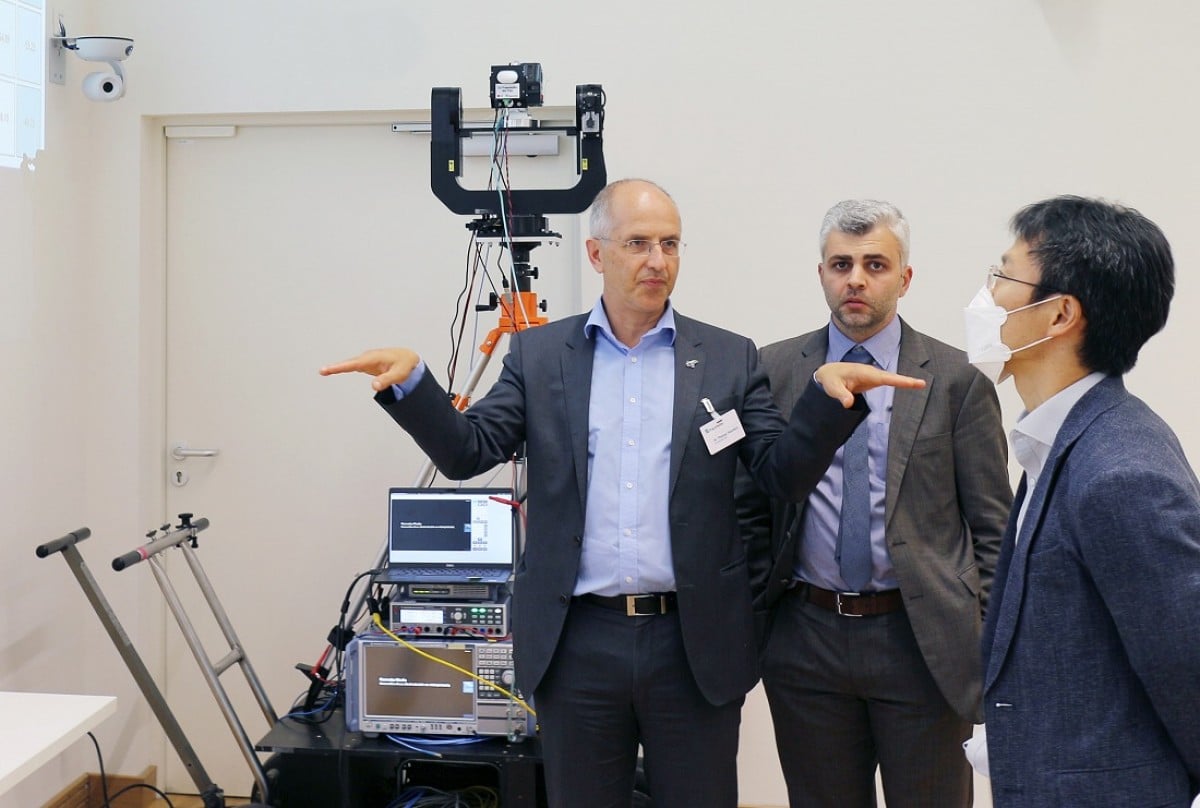
While 5G is still a distant dream for many users, companies have already started to work on the next-gen 6G connectivity. However, LG seems to be ahead in the 6G race. The South Korean company has successfully tested the wireless transmission and reception of 6G terahertz (THz) data at a frequency range of 155 to 175 GHz over a distance of 320 meters outdoors.
The test was conducted on September 7 at the Fraunhofer Heinrich Hertz Institute (HHI) in Berlin, Germany. It is an important step toward commercializing 6G THz in both indoor and outdoor urban environments, as the reference cell coverage of base stations for urban macro cells is around 250 meters outdoors, says LG.
The 6G technology, which utilizes ultra-wideband frequencies, has a relatively short range and can experience power loss during transmission and reception. To counter these, LG, Fraunhofer HHI, and Fraunhofer Institute for Applied Solid State Physics (IAF) have jointly developed a power amplifier capable of increasing transmission strength and a receiver low-noise amplifier that enhances incoming signal quality.
The multi-channel amplifier used in the recent demonstration has an output of more than 20dBm, an increase of more than 5dBm over the previous solution LG and Fraunhofer HHI & IAF used. The receiver was also fitted with a low-noise amplifier that greatly reduced the generation of noise during reception. LG’s latest module design incorporates these new technologies, making it capable of future IC (integrated circuit) fabrication to ease the path toward commercialization.
“With the success of our latest demonstration, we are one step closer to realizing 6G speeds of 1 terabit (TB) per second in both indoor and outdoor urban areas,” said Dr. Kim Byoung-hoon, CTO and executive vice president of LG Electronics. “LG will continue to cooperate with research institutes and industry innovators to further solidify its leadership in 6G technology. We expect 6G to be a major driver of future business and new user experiences, and there is no place we’d rather be than at the forefront of its development.”
Homegrown brand boAt has launched its first companion app called ‘boAt Hearables’. It has become the first company in India to offer a companion app for all audio devices under one roof. The app is available for Android users on Google Play Store. An iOS version is said to arrive in the coming months.
The boAt Hearables app offers variety of functions. It is capable of resolving problems with Bluetooth connectivity, MIC status, speaker status, and battery health in the user’s audio devices with a single click. The self-diagnostics mode is said to be an industry-first feature. However. It is currently available on the Rockerz 330 Pro and Rockerz 333 Pro, but we can expect more devices in the future. Additionally, users can customise the hearable’s button functions and also download over-the-air software updates.
boAt said that in the initial phase of the app’s launch, users can connect and configure their audio devices and troubleshoot any issues they face. The company has promised to add compatibility for all their oldest and newest personal audio devices. In the second phase, the brand will incorporate personalised audio profiles, custom EQ choices, integrated streaming services, and HD audio personalizer.
boAt’s Chief Product Officer Sameer Mehta said ‘We have always strived to develop product solutions which are fast, easy and can make the customer experience richer and better. In addition, we shall expand the product portfolio with app compatibility and shall ensure that every newly launched product shall be supported in the boAt Hearables App by Out of The Box.’
We use cookies on our website to give you the most relevant experience by remembering your preferences and repeat visits. By clicking “Accept”, you consent to the use of ALL the cookies.
This website uses cookies to improve your experience while you navigate through the website. Out of these, the cookies that are categorized as necessary are stored on your browser as they are essential for the working of basic functionalities of the website. We also use third-party cookies that help us analyze and understand how you use this website. These cookies will be stored in your browser only with your consent. You also have the option to opt-out of these cookies. But opting out of some of these cookies may affect your browsing experience.
Necessary cookies are absolutely essential for the website to function properly. This category only includes cookies that ensures basic functionalities and security features of the website. These cookies do not store any personal information.
Any cookies that may not be particularly necessary for the website to function and is used specifically to collect user personal data via analytics, ads, other embedded contents are termed as non-necessary cookies. It is mandatory to procure user consent prior to running these cookies on your website.