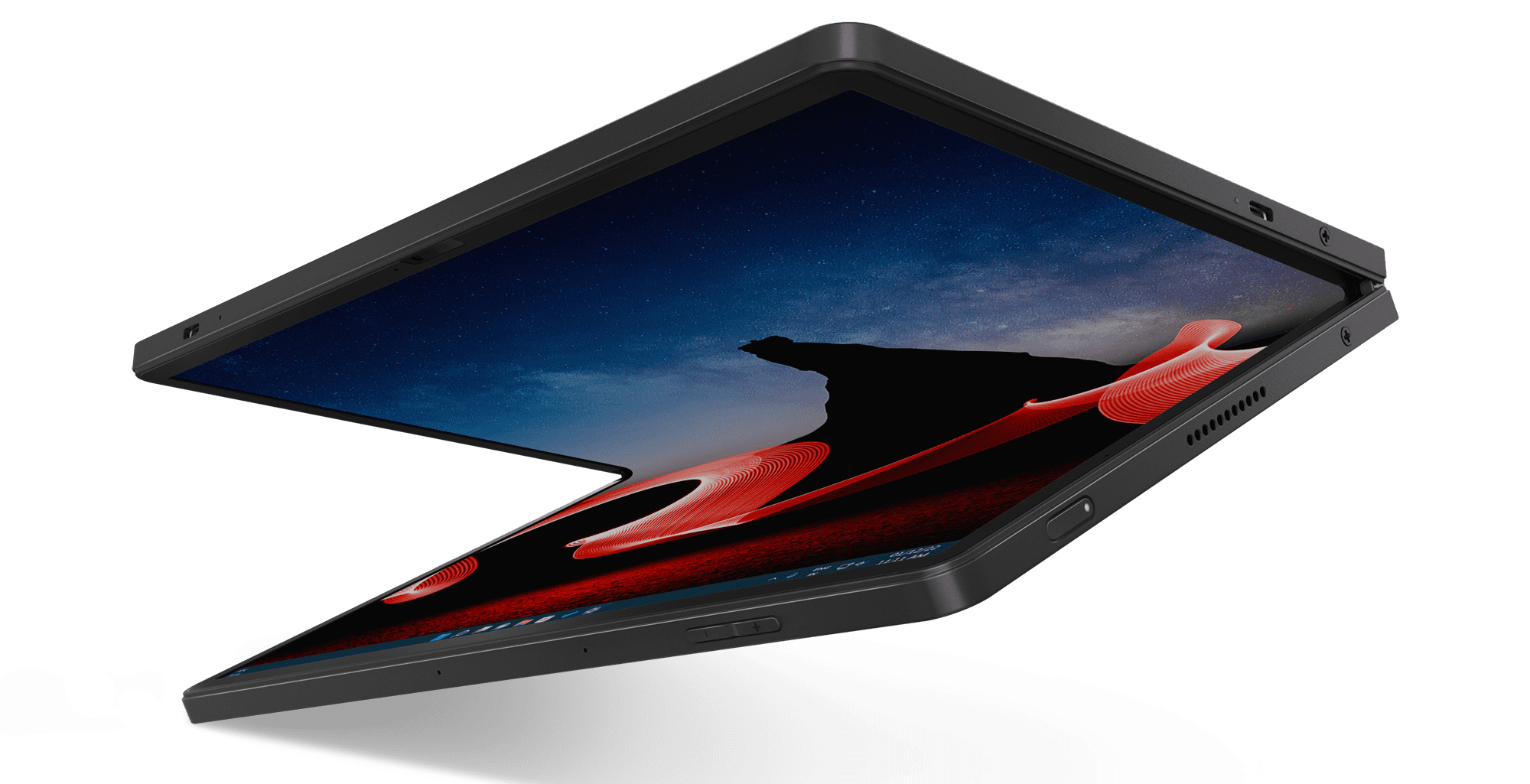
A couple of years ago, Lenovo had launched ThinkPad X1 Fold as the world’s first computer with a foldable display. Now, the company has announced a new version of the device, dubbed Lenovo ThinkPad X1 Fold Gen 2.
The first-generation product seemed like a proof of concept and after learning from the feedback, the company has announced this second-generation product. The company has upgraded or improved almost everything in this new device compared to its predecessor.
The highlight of the Lenovo ThinkPad X1 Fold is its display. The device features a 16.3-inch foldable Samsung OLED display with a screen resolution of 2024 x 2560 pixels. It offers 600nit brightness, 100% DCI-P3, Dolby Vision, and On-cell Touch with Pen support.
When folded, the device shrinks to a 12-inch display and can be paired with a Bluetooth keyboard, making it feel like an actual laptop. For comparison, the original X1 Fold had a 13.3-inch display which shrinks to 8-inch when folded.
Under the hood, the device is powered by the latest Intel 12th generation U-series Core i5 and Core i7 vPro processors, offering ten cores for better performance. It can be configured with up to 32GB of LPDDR5 RAM and 1TB SSD.
There are three USB Type-C ports, two of which support Thunderbolt 4. The company is also adding an option for a Nano-SIM tray for 5G Sub 6 with LTE. There are three speakers with Dolby Atmos.
The laptop features a 5-megapixel RGB+IR camera with an optional Intel VSC (Visual Sensing Controller) for security. It can auto-frame regardless of the tablet’s posture – landscape, portrait, laptop mode, etc.
It now comes with a larger and full-sized keyboard with a haptic touchpad. It is connected through Bluetooth 5.2 and is rechargeable via USB Type-C. The company has revealed that the laptop meets MIL-STD-810H standards for durability.
As for the pricing and availability, the Lenovo ThinkPad X1 Fold Gen 2 has a starting price of $2,499 and will be available for purchase from November this year.
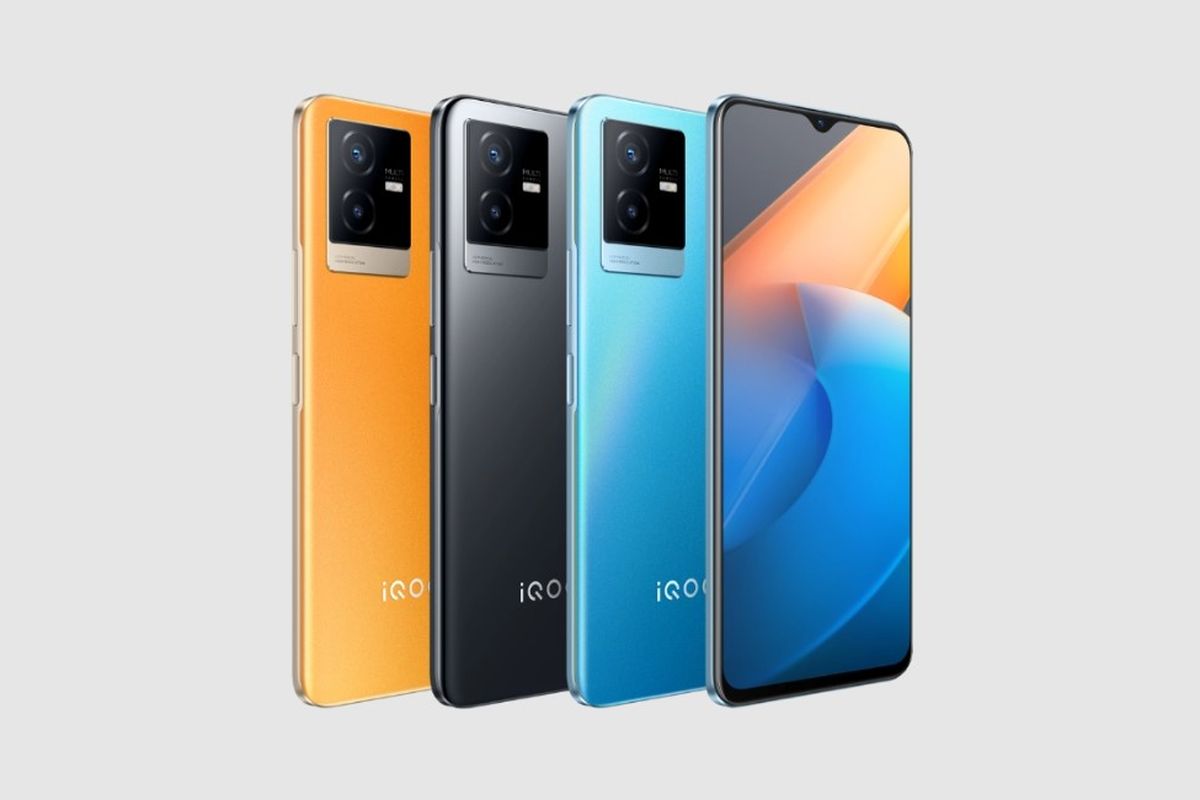
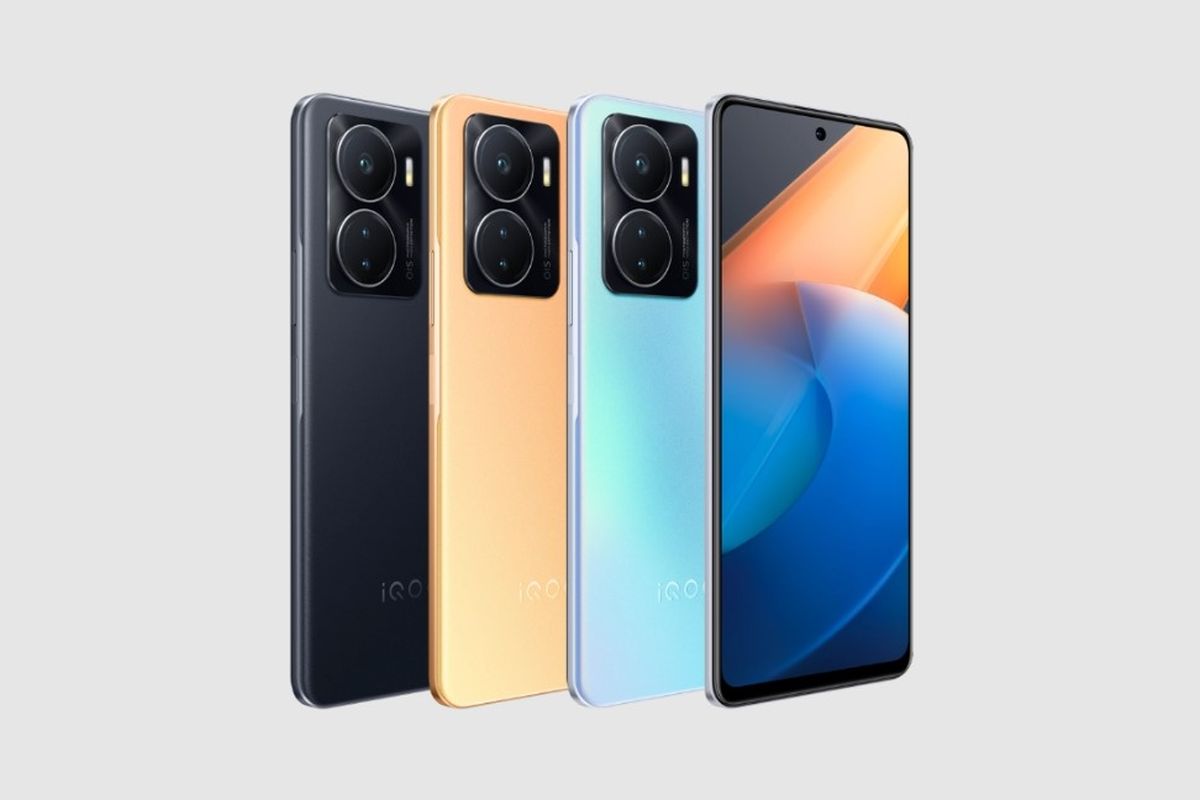
Vivo’s sister brand iQOO has officially launched the iQOO Z6 and Z6x mid-range smartphones in China last week. And today, both smartphones officially kick off their first sales in the country.
The iQOO Z6x is available in three colour options: Black, Orange and Blue. It is available in 3 memory configurations and the pricing for the iQOO Z6x in China is as follows:
6 GB + 128 GB – 1199 RMB (174 USD)
8 GB + 128 GB – 1399 RMB (203 USD)
8 GB + 256 GB – 1599 RMB (232 USD)
iQOO Z6x
The more premium iQOO Z6 meanwhile is available in three colour options: Jade Black, Golden Orange, and Star Sea Blue. The smartphone is available in 3 memory options and its pricing is as follows:
8 GB + 128 GB – 1699 RMB (247 USD)
8 GB + 256 GB – 1899 RMB (275 USD)
12 GB + 256 GB – 2099 RMB (304 USD)
iQOO Z6
For those who missed the launch announcement last week, here’s a quick rundown of the specs of the iQOO Z6 and Z6x.
The iQOO Z6 is a mid-range smartphone equipped with Qualcomm’s reliant Snapdragon 778G Plus SoC. Equipped with LPDDR5 and UFS 3.1 Enhanced storage, the smartphone does tasks relatively faster and better than its competing participants using the same processor onboard.
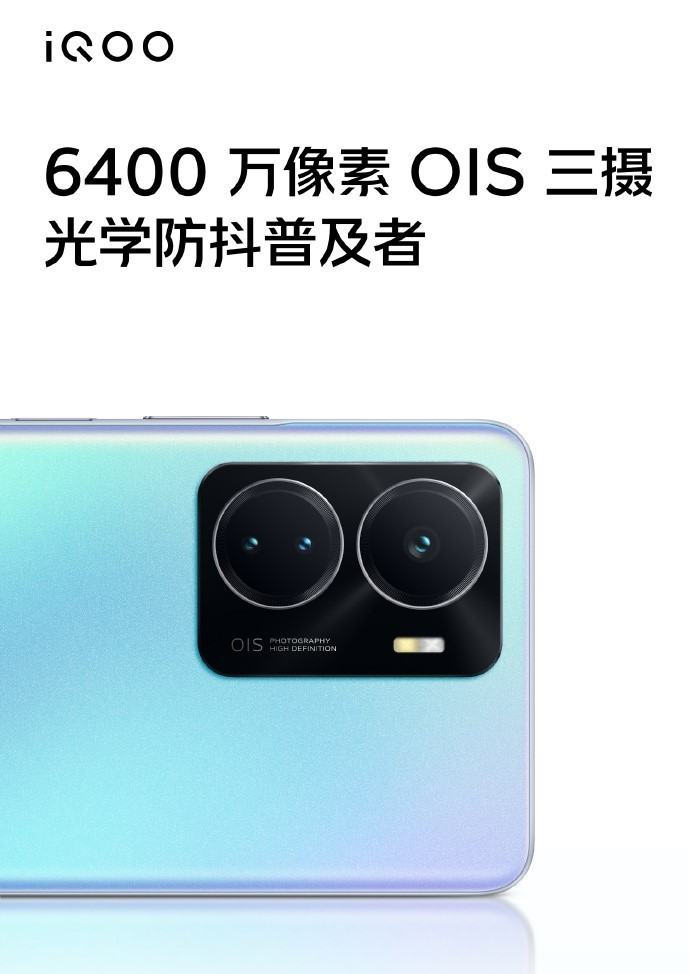
Coming to the screen, the iQOO Z6 has a 6.64-inch IPS LCD display with a centred punch-hole that houses the 8 MP selfie camera. Its display panel offers a 120Hx refresh rate, a Full HD+ resolution, and a 20:9 aspect ratio. The camera setup on the back is a triple camera setup with a 64 MP main camera with OIS stabilisation for better focus in photos and videos. It is coupled with a 2-megapixel macro camera and a 2-megapixel depth sensor.
It comes with a 4,500mAh battery that supports 80W charging and according to iQOO, the Z6 can go from 0 to 50 per cent in just 10 minutes.
iQOO Z6 with OIS camera setup
Its cheaper sibling, the iQOO Z6x meanwhile features the MediaTek Dimensity 810 chipset onboard. Built on TSMC’s 6nm process, the chipset is said to provide bring improved power efficiency to the device to last you the whole day. Meanwhile, for memory, the iQOO Z6x is equipped with LPDDR4X RAM and UFS 2.2 standard storage.
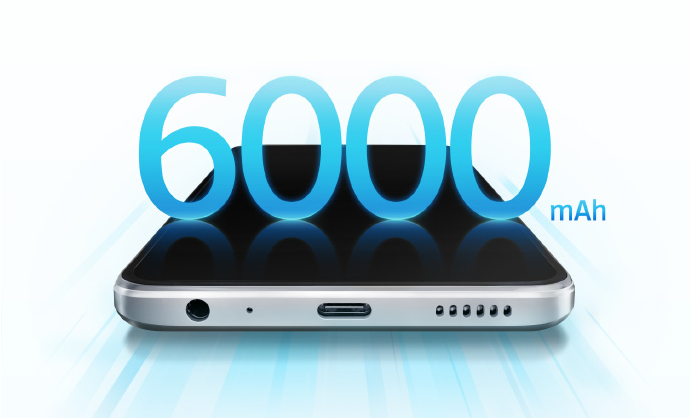
For the battery, the iQOO Z6x has 6000 mAh of battery, making it iQOO’s first smartphone to feature the humongous 6000 mAh battery cell. Coupled with 44W wired fast charging, the iQOO Z6x not only lasts longer but also recharges fast as well.
IQOO Z6x battery
The iQOO Z6x has a 6.58-inch IPS LCD display with a teardrop notch. It produces a Full HD+ resolution and a 144Hz refresh rate. It has an 8 MP selfie camera and its rear shell has a 50 MP (main) + 2 MP (macro) dual-camera system.
The iQOO Z6 and Z6x come preloaded with Android 12 OS with OriginOS Ocean UI on top. Both models offer common features like a side-mounted fingerprint scanner, face unlock, dual SIM support, 5G, Wi-Fi 802.11ac, Bluetooth 5.1, GPS, a USB-C port, and a 3.5mm headphone jack.
Apple is all set to launch the next-generation iPhone 14 series smartphones next week, and ahead of the official announcement from the company, almost everything related to the devices has leaked online.
There have been multiple reports about the price increase for the iPhone 14 lineup, but now a new report has surfaced online which indicates that the price increase will be lower than previously expected.
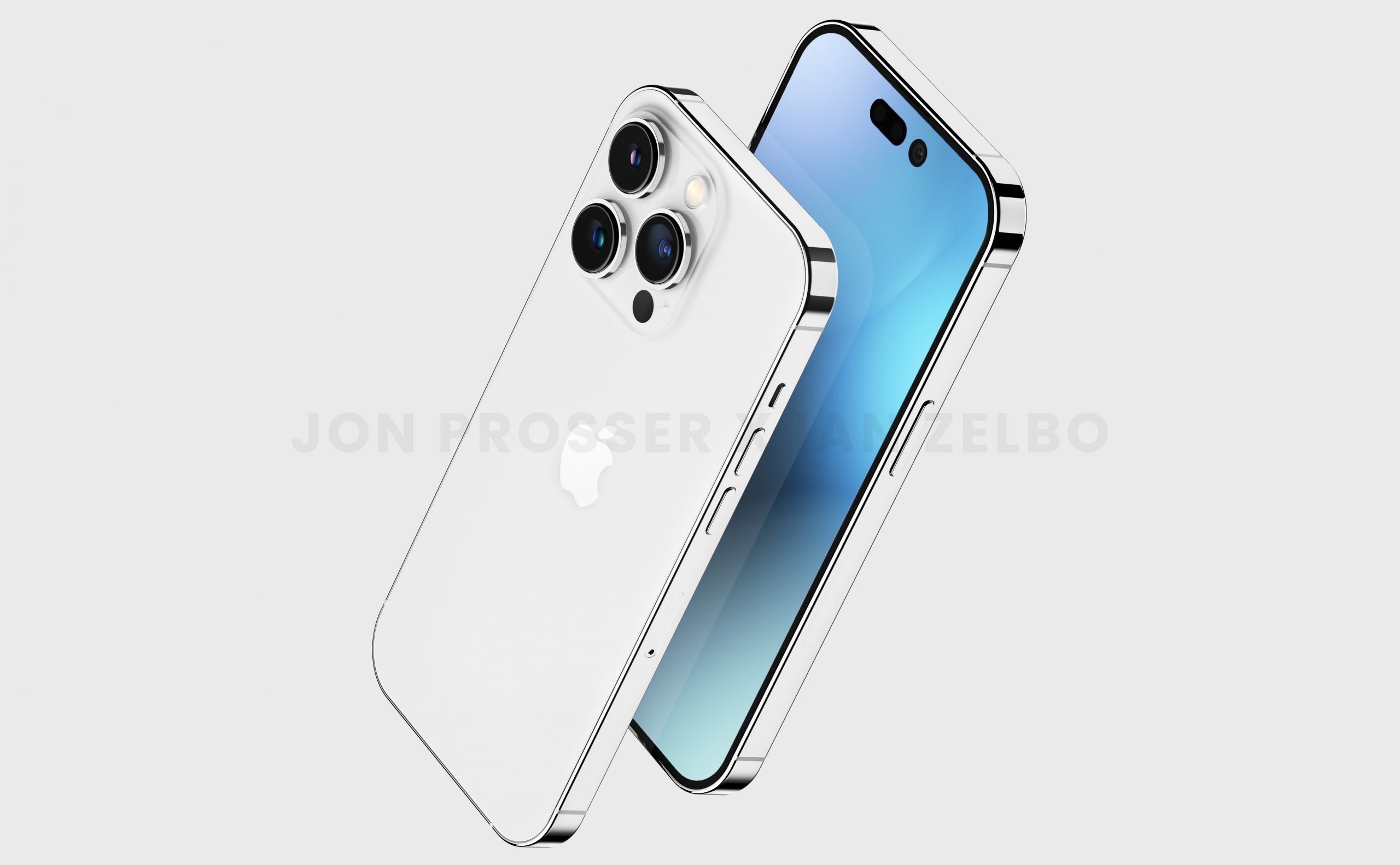
Apple iPhone 14 Pro Render
Earlier reports have claimed that the Apple iPhone 14 will cost $799 while the new iPhone 14 Max will be priced at $899. The Pro models are getting a $100 hike as the iPhone 14 Pro will cost $1,099 while the Pro Max model will be priced at $1,199.
The new report from TrenForce (via 9to5Mac) indicates that the iPhone 14 will continue to have a $749 starting price, with the iPhone 14 Max costing $849. The iPhone 14 Pro and 14 Pro Max are expected to be priced at $1,049 and $1,149, respectively.
The report adds that Apple might want to play safe and expects a smaller price increase given the current market conditions as the smartphone market is on a decline and the economy is tough.
Apple iPhone 14 and 14 Pro models will have significantly different internals, based on the reports. It is claimed that the non-Pro models will continue to be powered by the last year’s chipset while the Pro models will pack the new Apple A16 Bionic processor.
Recently, it was claimed that all the models of the iPhone 14 series would come packed with 6GB of RAM. There’s also a possibility that the company will ditch the 128GB storage model, and the starting point will be 256GB.
The Apple iPhone 14 Pro will be offered in five color options, including the standard Gold, Graphite, and Silver colors, and two new colors — Blue and Purple.
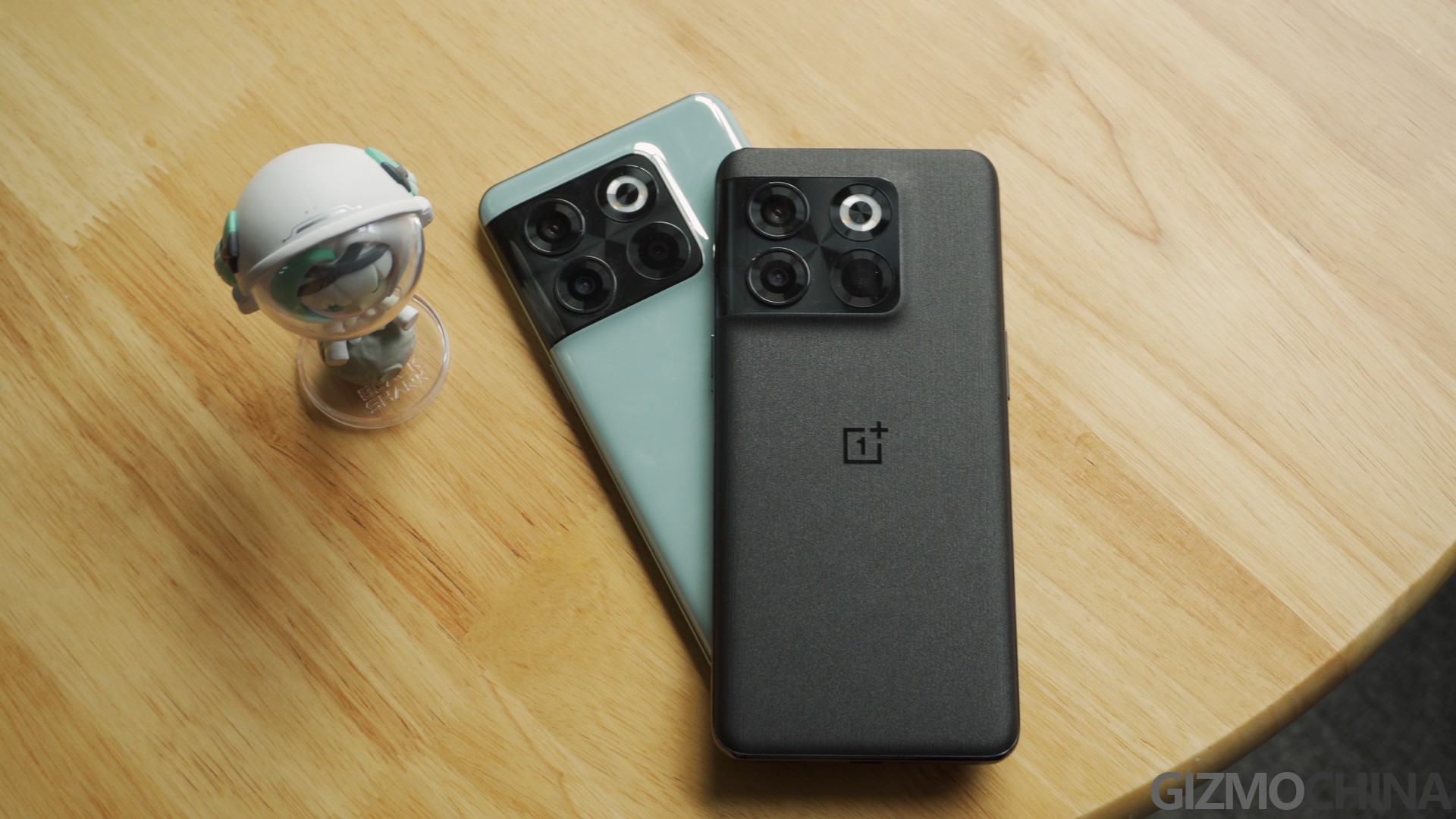
Last week, OnePlus released the OxygenOS A.06 update for the OnePlus 10T which brought multiple camera optimizations and system improvements. It also fixed a bug that sometimes prevented fast charging on the device. Now, the company is pushing out another update for India, the EU, and global regions.
The new update carries firmware number CPH2413_11.A.07 for India and CPH2415_11.A.07 for other global regions. It includes the August Android security patch, along with network and camera optimizations. So let’s take a look at the complete changelog provided by OnePlus.
System
Optimizes the screen touch experience when playing games.
Updates Android security patch to 2022.08.
Network
Optimizes Wi-Fi stability and improves the network experience.
Optimizes communication stability.
Camera
Optimizes the shooting effect of the ultra-wide lens in Night Mode.
Optimizes the shooting effect of Portrait Mode when using the front camera.
Optimizes the shooting effect of the camera in the backlight environment.
Other
Fixes the occasional crash in specific scenarios.
The update is being rolled out in badges, are all OnePlus 10T users are expected to receive the OTA notification in the coming days. You can also check if you have received this update, by going to Settings > System > System updates.
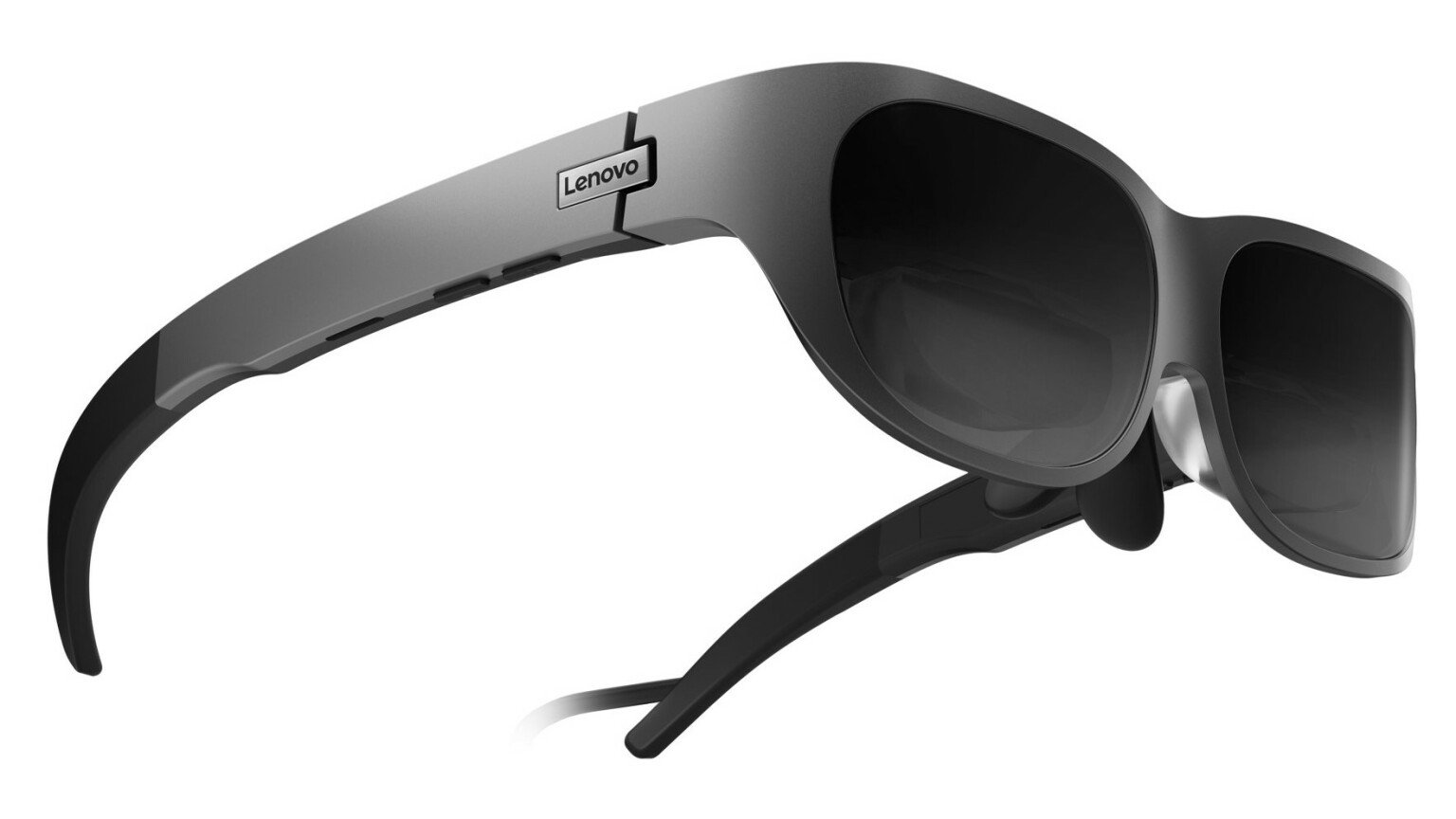
Many companies are working on AR glasses, and companies like OPPO and TCL already have a product in this category. In a similar category, Lenovo has announced a pair of display glasses named Lenovo Glasses T1 at the IFA tech show in Berlin.
The newly announced product from Lenovo isn’t AR-enabled, but it acts as a head-worn secondary display for computers and smartphones.
There’s a high-contrast Micro-OLED display with a Full HD screen resolution of 1920 x 1080 pixels. There are two displays, one for each eye, and it also comes with built-in speakers along with TUV Low Blue Light certification. The company also says that there’s an option for custom prescription lens inserts.
Unlike Lenovo’s ThinkReality glasses launched for enterprise users, there’s no computing taking place on the glasses. This means there’s no hand tracking or other such features, and everything is controlled by the device you plug the glasses into.
The Lenovo Glasses T1 comes with a USB-C connection, enabling it to work with a wide range of devices, including Windows, Mac, and Android smartphones. The company also includes a Lightning adapter for connectivity with iPhones.
Coming to the pricing and availability, the company has not yet revealed the price, but it has been confirmed that the Lenovo Glasses T1 will go on sale in the Chinese market later this year and will be available in other regions from next year.
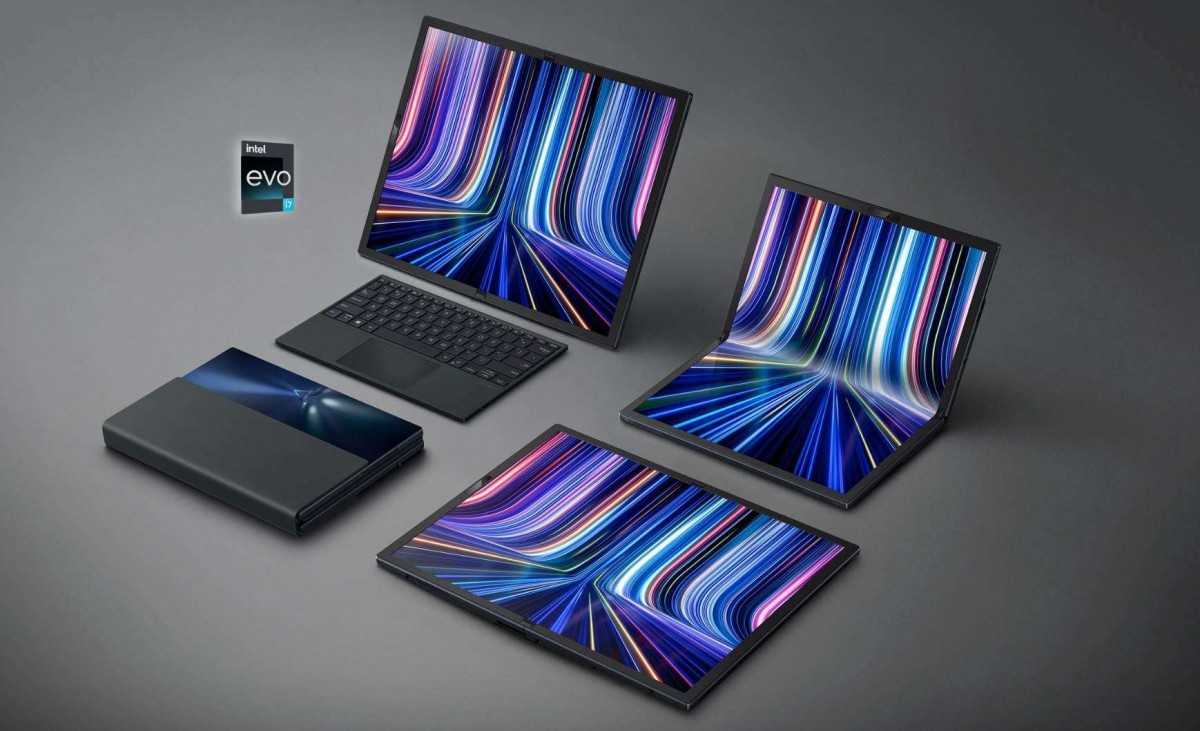
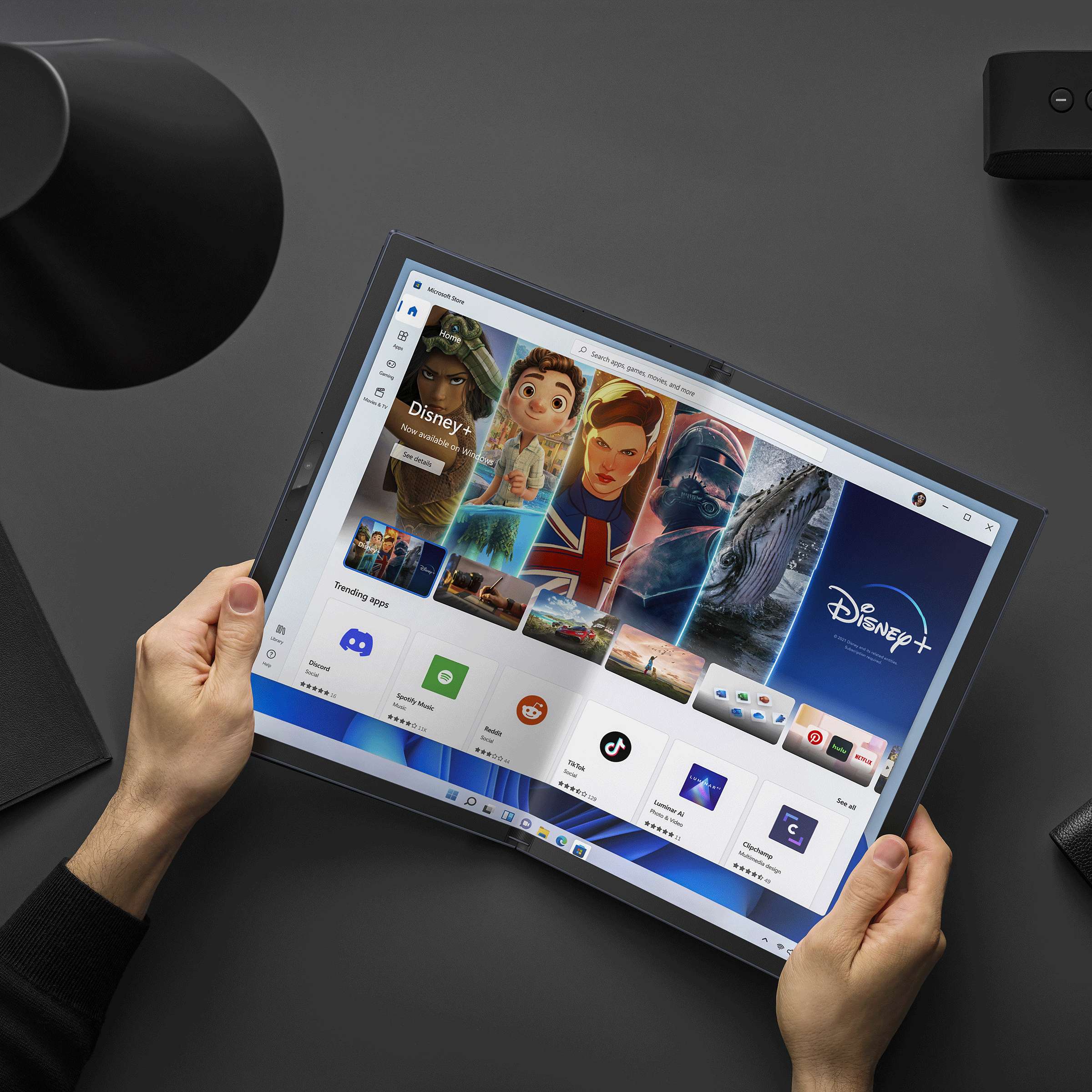
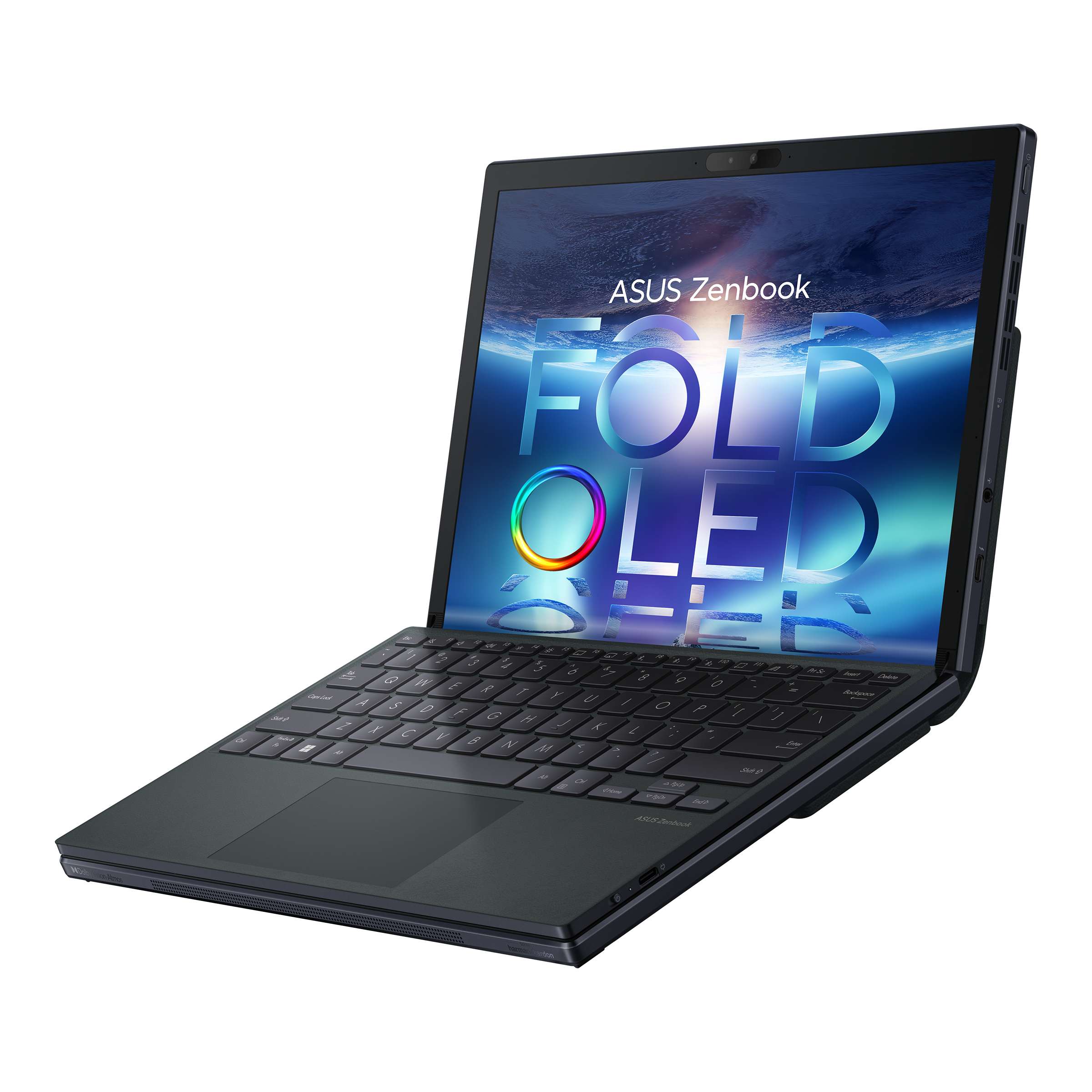
The ASUS Zenbook 17 Fold OLED was teased at the CES 2022 tech exhibition at the beginning of this year. Now, the company has officially announced the flagship notebook at the IFA 2022 event. The major attraction of the device is that it features a huge foldable screen, which allows users to use it as a huge tablet, a notebook, or a desktop PC.
ASUS Zenbook 17 Fold OLED specifications and features
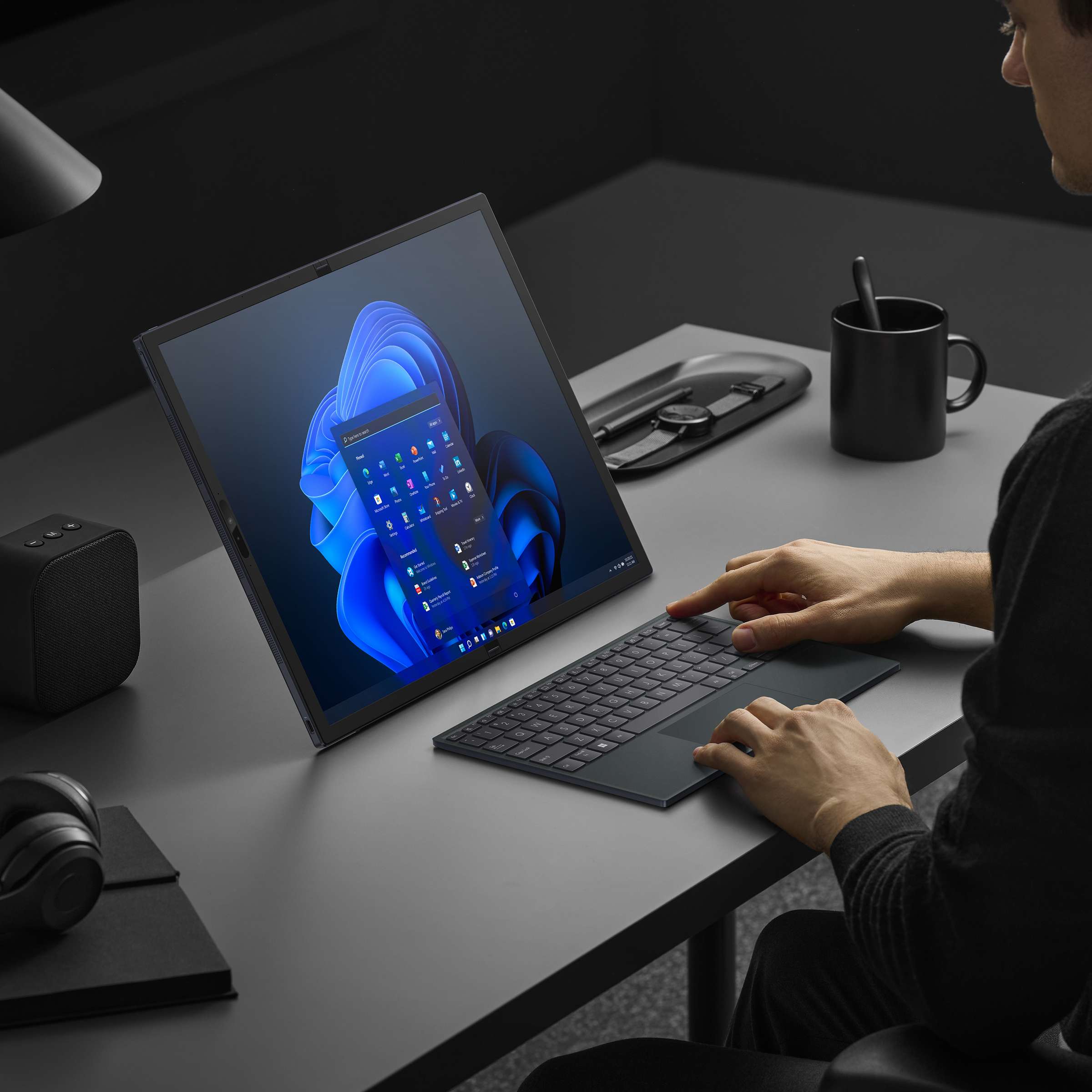
The Zenbook 17 Fold OLED features a 17.3-inch foldable OLED display that offers a resolution of 2560 x 1920 pixels, an aspect ratio of 4:3, and a peak brightness of 500 nits. When the screen is unfolded, it can stand by means of the kickstand available on its back. This makes it possible to use it as a monitor. When paired with a Bluetooth keyboard, it can function as a desktop PC.
ASUS Zenbook 17 Fold OLED
As shown in the official images, the screen can be folded in different ways. When used as a regular laptop with a physical keyboard, it offers a 12.5-inch screen with a Full HD resolution of 1920 x 1080 pixels. The notebook runs on the Windows 11 OS.
1 of 3
ASUS Zenbook 17 Fold OLED
ASUS Zenbook 17 Fold OLED
ASUS Zenbook 17 Fold OLED
The Zenbook 17 Fold OLED is powered by the 12th generation Intel i7-1250U processor, Iris Xe graphics, 16 GB of LPDDR5 RAM, and 1 TB of M.2 NVMe PCIe 4.0 SSD storage. The device packs a 4-cell battery, which can last for up to 9 ½ hours. The Zenbook 17 Fold OLED supports 65W charging. Lastly, it weighs 1.5kg.
ASUS Zenbook 17 Fold OLED price and availability
The Zenbook 17 Fold OLED is priced at $3,499 and comes in Tech Black color only. It will be available for purchase in Q4 this year.
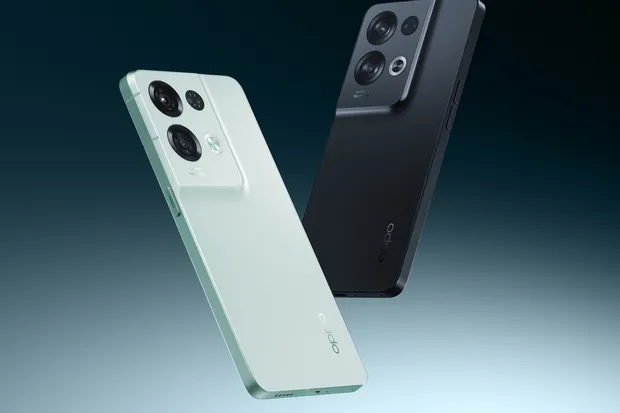
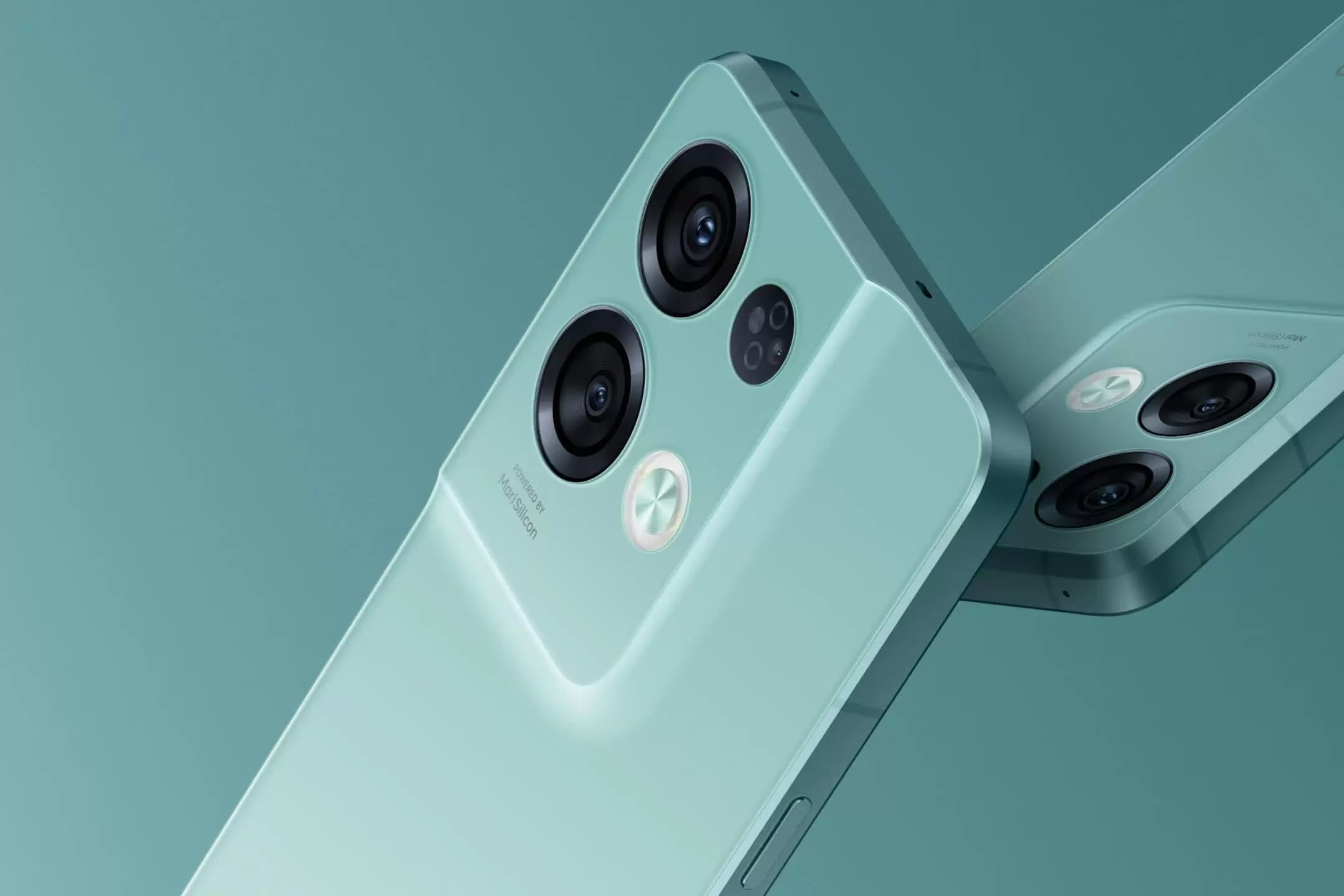
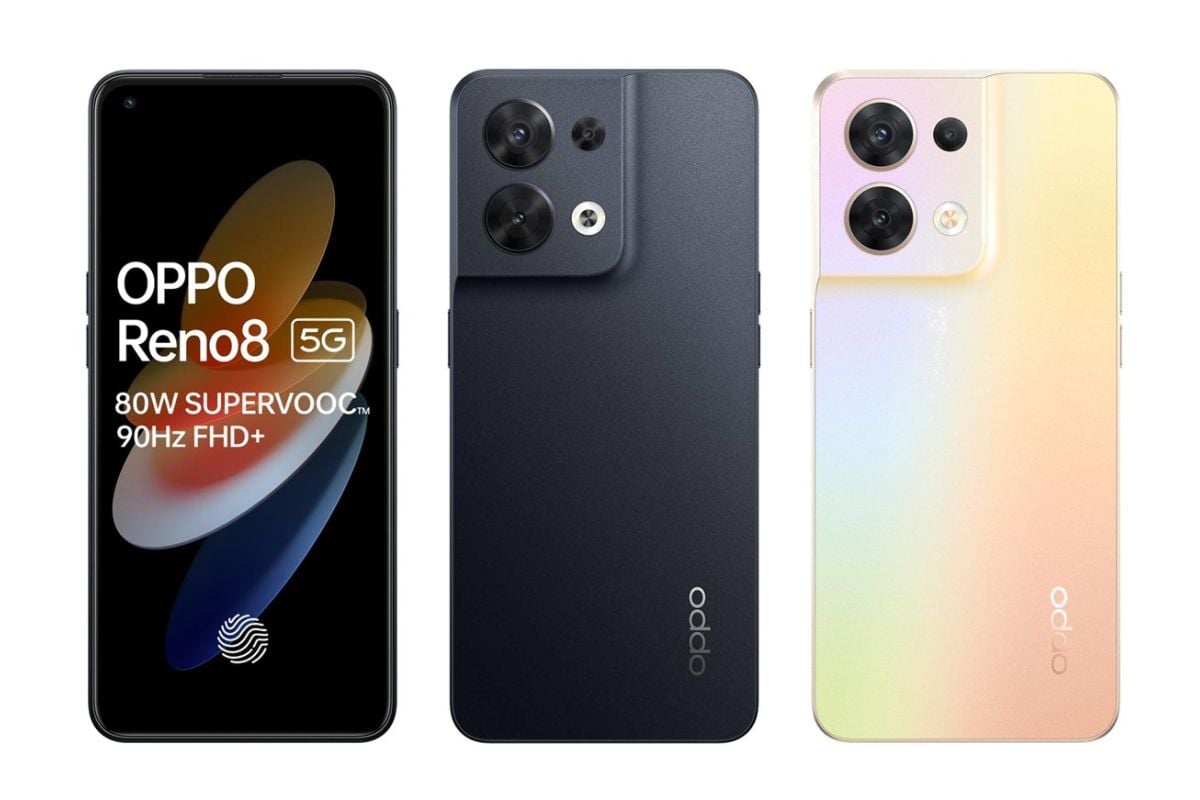
After launching in China and some global markets, the OPPO Reno 8 series of smartphones have finally arrived in Europe. A total of three smartphones have launched in the region namely the Reno 8, the Reno 8 Pro, and the Reno 8 Lite. So, let’s check out their specs, features, and pricing.
OPPO Reno 8 Pro
OPPO Reno 8, Reno 8 Pro specs & features
A 6.7-inch AMOLED screen with HDR10+ support and a 120Hz refresh rate is included in the Reno 8 Pro. On the other hand, the Reno 8 has a 6.4-inch AMOLED display with FHD+ resolution and a 90Hz refresh rate. However, the vanilla model lacks HDR10 support. Both models come with in-display fingerprint scanners.
Oppo Reno 8 Pro
Under the hood, the Reno 8 Pro features the Dimensity 8100-Max chipset whereas the vanilla model has the Dimensity 1300 chip. Both models are available in a single 8GB RAM + 256GB storage configuration.
OPPO Reno 8
Similar camera technology is included in both models, however, the Pro model performs better. Both devices have a 50MP Sony IMX766 primary camera sensor along with an 8MP Sony IMX355 ultra-wide sensor and a 2MP macro camera. A 32MP IMX709 sensor with an RGBW matrix is located at the front of the device for better low-light performance.
Both devices will operate on ColorOS 12.1, which is based on Android 12. Both devices have a 4,500mAh battery paired with 80W SuperVOOC fast charging. However, there is no wireless charging support.
OPPO Reno 8 Lite specs & features
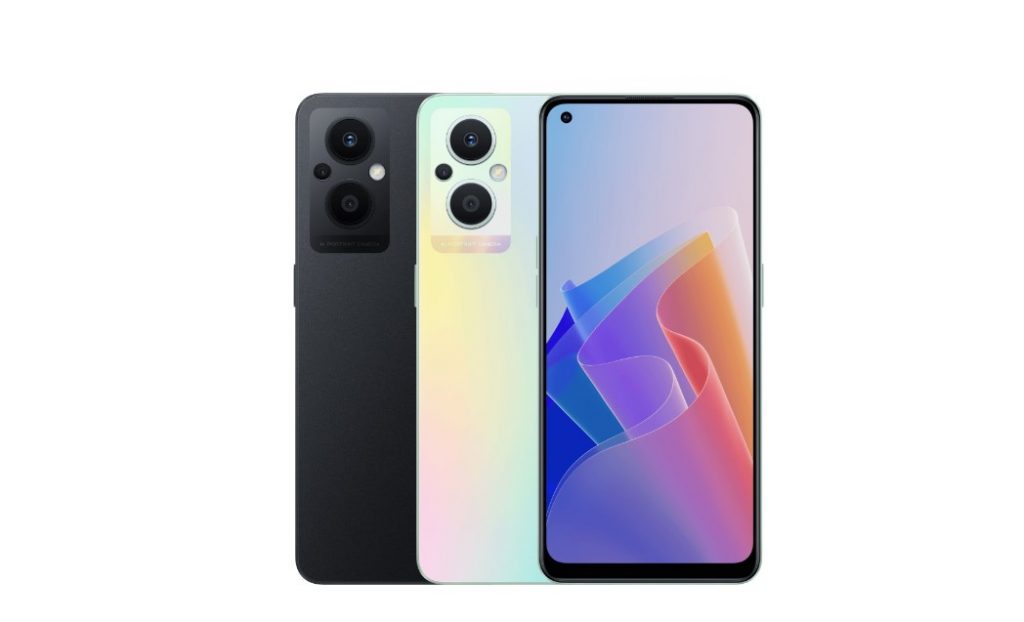
The OPPO Reno 8 Lite has a 6.43-inch AMOLED display with an FHD+ resolution and a refresh rate of 60Hz. The top left corner has a punch-hole cutout. The device includes an in-screen fingerprint scanner.
OPPO Reno 8 Lite
The Snapdragon 695 5G chipset powers the Reno 8 Lite. It has 8GB of RAM and 128GB of internal storage. RAM technology that can be expanded up to 5GB is available. The smartphone has a 4,500mAh battery that supports 33W rapid charging.
The OPPO Reno 8 Lite has a rectangular camera module on the back panel. It has dual orbit lights around the camera ring that shines when a notification comes in. A 64MP primary sensor is combined with 2MP depth and 2MP macro lenses in the camera configuration. A 16MP selfie camera is located on the front of the device.
The OPPO Reno 8 Lite 5G ships with ColorOS 12, which is based on Android 12. The device’s connectivity options include 5G, a USB-C port, a 3.5mm socket, WiFi, Bluetooth, and GPS.
Pricing & availability
The OPPO Reno8 costs €600 and comes with 8/256GB of memory. The Reno8 Pro is priced at €800 with the same 8/256GB option. UK customers can purchase the Reno 8 and Reno 8 Pro for £420 and £600, respectively.
The Reno 8 Lite costs €429 for EU customers and £319 for UK customers. The Reno 8 series will go on sale in the country starting September 1st. Early buyers will get a free pair of Enco X2 buds and an extended 3-year warranty.
Huawei, the Chinese-based consumer electronics tech giant, will launch its latest flagship smartphone series, the Huawei Mate 50 lineup next week Tuesday on September 6.
As we are only a week away from the launch of the smartphone series, Huawei has started to drip feed the highlighting features of the Huawei Mate 50 smartphones to its fans on its official social media accounts.
Huawei Mate 50 concept render
In an official Chinese social media Weibo post by the brand today, Huawei officially teases that the Huawei Mate 50 series of smartphones will feature ground-breaking battery endurance never seen before in a smartphone. The company advertises the feature with the slogan “Even when your phone has run out of battery, your phone still has the energy to go further”.
As reported earlier by ITHome, the Chinese news site cited industry sources that Huawei has developed an “emergency battery mode” in Harmony OS 3 designed for the Huawei Mate 50 series. Unlike competing ultra battery saver modes from its competitors, Huawei’s upcoming emergency battery mode can still allow users to scan QR codes and make calls even when the phone is supposed “out of battery”.
Source: Huawei
The technology scene in China has been speculating what Huawei’s emergency mode may look like. Some proposed the idea that the smartphone reserves 5 percent of the power for emergency calls and QR code scanning services: some proposed the idea to set the smartphone voltage to a very low level at a certain time before the power is turned off, such as setting the voltage from an idle 3.2 V to below 2.8 V, so as to squeeze out tens of hundreds of mAh of power for emergency use.
In simpler terms, the emergency battery mode has some examples where it could be useful for interested buyers. For instance, after the smartphone has run out of power, you can enable emergency mode and scan the nearest QR location code and enter a nearby electronics store to borrow a power bank.
The Huawei Mate 50 series is confirmed to be the first smartphone to feature Huawei’s next-generation Harmony OS 3 operating system, as well as the first Huawei flagship smartphone series to feature a flagship camera setup co-engineered with mobile photography brand XMAGE.
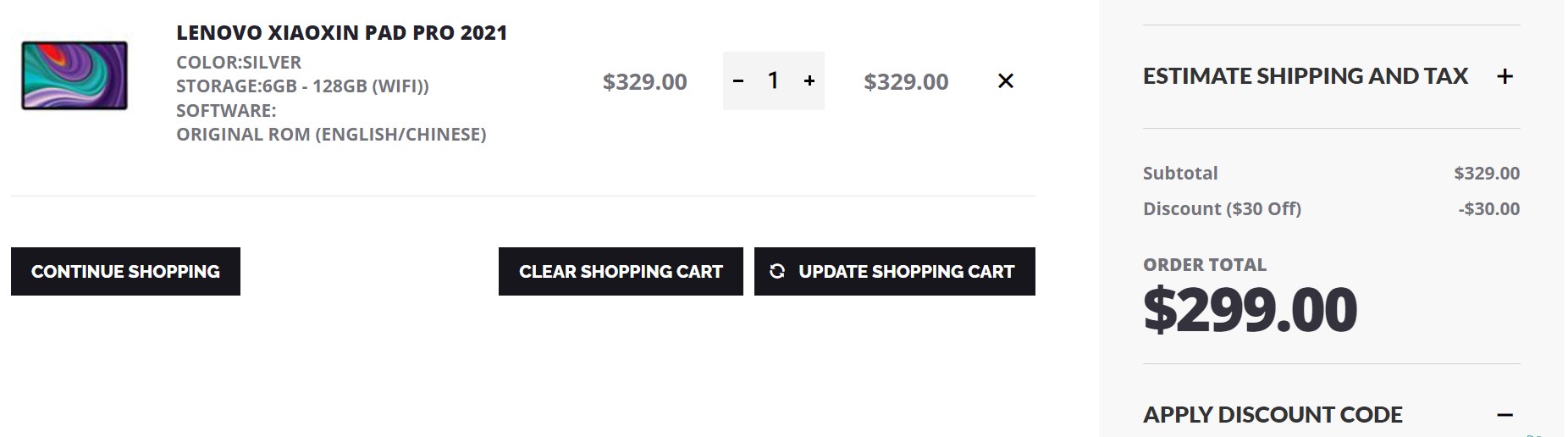
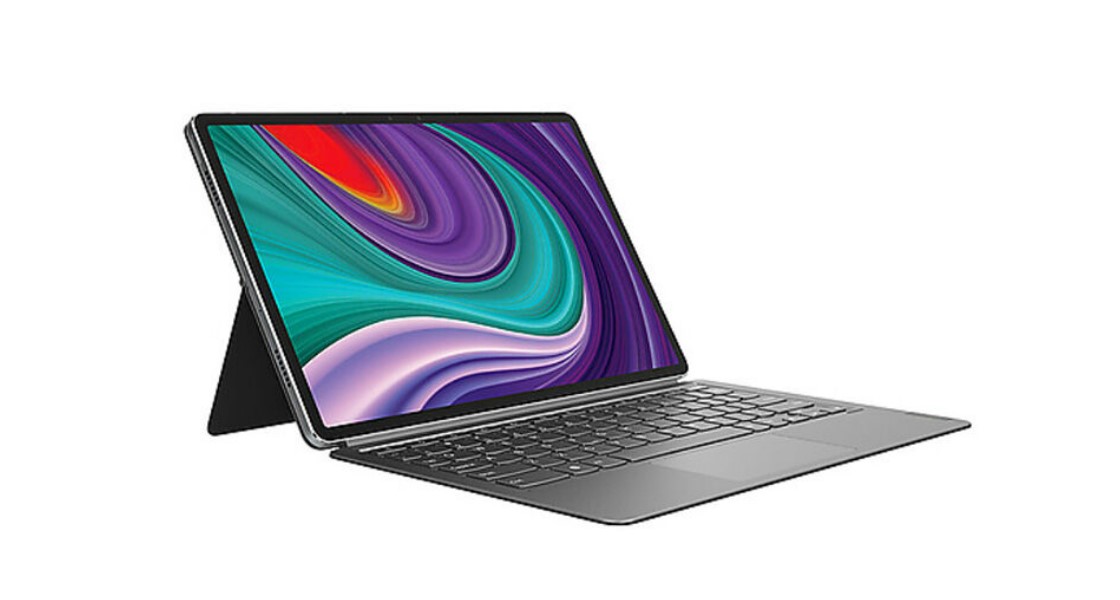
Lenovo XiaoXin Pad Pro 2022which retails for $599 is now available at a discounted price of $329 only. Moreover by using the coupon code: PP2021 you can get a further discount of $30. Thus you can buy the XiaoXin Pad Pro 2022 for as low as $299 only on Giztop. Please note that this is one of the lowest prices offered on this tablet.
Lenovo XiaoXin Pad Pro 2022 is a premium tablet that features an 11.2-inch, 2.5K OLED display with a 120Hz refresh rate. The tablet comes with two processor options viz. Snapdragon 870 Octa-Core Processor and MediaTek Kompanio 1300T chipset. You can choose between 6GB/ 8GB RAM options and 128GB internal storage.
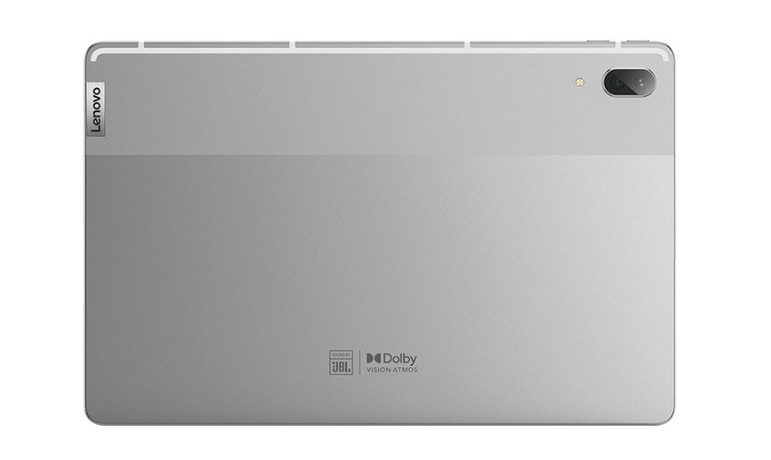
XiaoXin Pad Pro is fueled by a powerful 8200mAh battery that gives you up to 8 hours of non-stop usage on a single charge. You can choose between a 68W or 30W fast charger as per your need. The tablet features 4 JBL-certified speakers and 8MP front and 13MP rear cameras. You can now buy Lenovo XiaoXin Pad Pro 2022 for as low as $299 at Giztop. The tablet is available in Grey, Gold, and Silver color options.
For more information on such exciting deals and offers check out our deals hub.
Great news for tech lovers. Giztop is offering a Back to School Sale. Under this sale, you can get a 5% discount on all the products available on Giztop.com by using the coupon code: BTS2022. Please note that the coupon expires on September 15, 2022.
Giztop is a famous and trustworthy online retail shop that sells tech gadgets and accessories. You can find the latest and the most unique gadgets including smartphones, tablets, laptops, earphones, smartwatches, and more on giztop.com.
You can find the latest smartphones like Xiaomi 12S ultra, Xiaomi Mix FOld 2, Motorola Razr 2022, etc on Giztop. There are other additional deals and discounts for specific products available on the website. So be sure to check out your favorite gadget at Giztop to avail yourself of huge discounts.
For more information on such exciting deals and offers check out our deals hub.
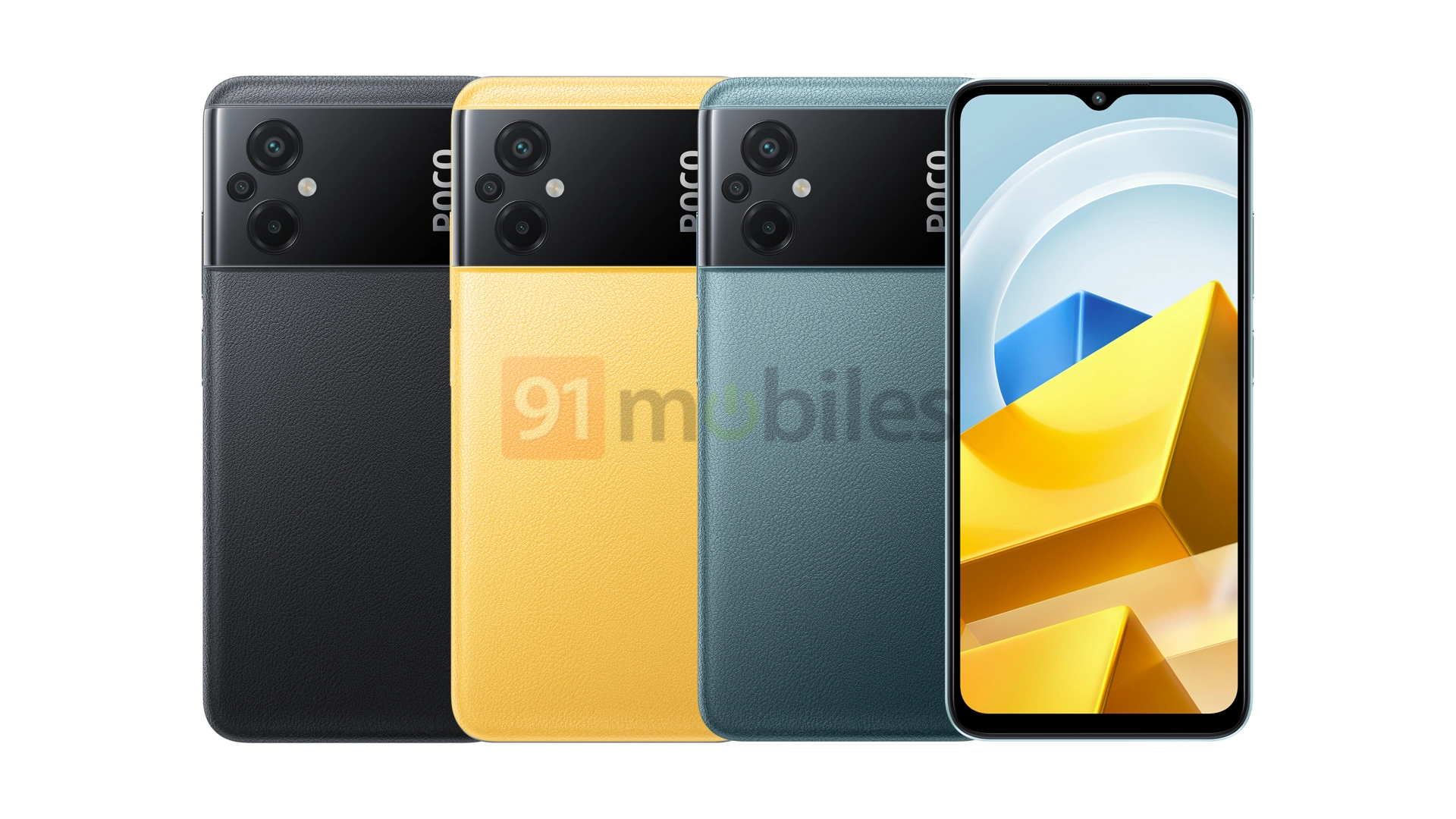
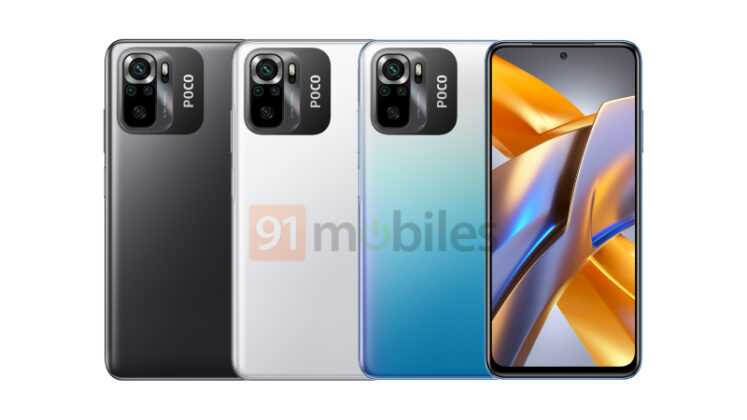
POCO is gearing up for the global launch of the POCO M5 series, which is scheduled for September 5th. The event will see the debut of the POCO M5 and the POCO M5s.
Ahead of the launch, a new report has emerged revealing the renders, storage variants, and pricing of the devices. So, let’s take a look.
POCO M5 render
According to the renders of the POCO M5, the device will be available in Black, Yellow, and Green color options. On the other hand, the POCO M5s will debut in Black, Blue, and White color options. The brand has already confirmed that the vanilla M5 will come with a MediaTek Helio G99 chipset and a 90Hz display. The M5s renders reveal the design of the device, giving credence to the rumors that the M5s will be a rebranded Redmi Note 10S.
Moving on to storage variants and pricing, the report states that the POCO M5 will be available in 4GB + 64GB and 4GB + 128GB configurations. The former is expected to cost EUR 189, while the latter will cost EUR 209. The POCO M5s, on the other hand, will be available in 4GB+64GB and 4GB+128GB configurations for EUR 229 and EUR 249.
POCO M5 specifications (rumored)
The M5 will come with a MediaTek Helio G99 chipset and a 6.58-inch LDC display with FHD+ resolution. A 5,000mAh battery with 33W fast charging is also expected.
It might have a side-facing fingerprint sensor for security and will likely run MIUI 13 based on Android 12. Other specifications are still under wraps.
POCO M5s specifications (rumored)
Assuming that the M5s is indeed a rebranded Redmi Note 10S, it will feature a 6.43-inch FHD+ AMOLED display. Under the hood, we can expect the Helio G96 SoC complemented by LPDDR4x RAM and UFS 2.2 storage.
For optics, the device will have a quad-camera setup made up of a 64MP primary, 8MP ultra-wide, 2MP macro, and 2MP depth sensor. Up front, we’ll get a 13 MP selfie camera.
Other features may include dual stereo speakers, a 3.5mm headphone jack, a dedicated MicroSD card slot, a side-mounted fingerprint sensor, an IP53 rating, a 5,000mAh battery, and 33W fast charging support.
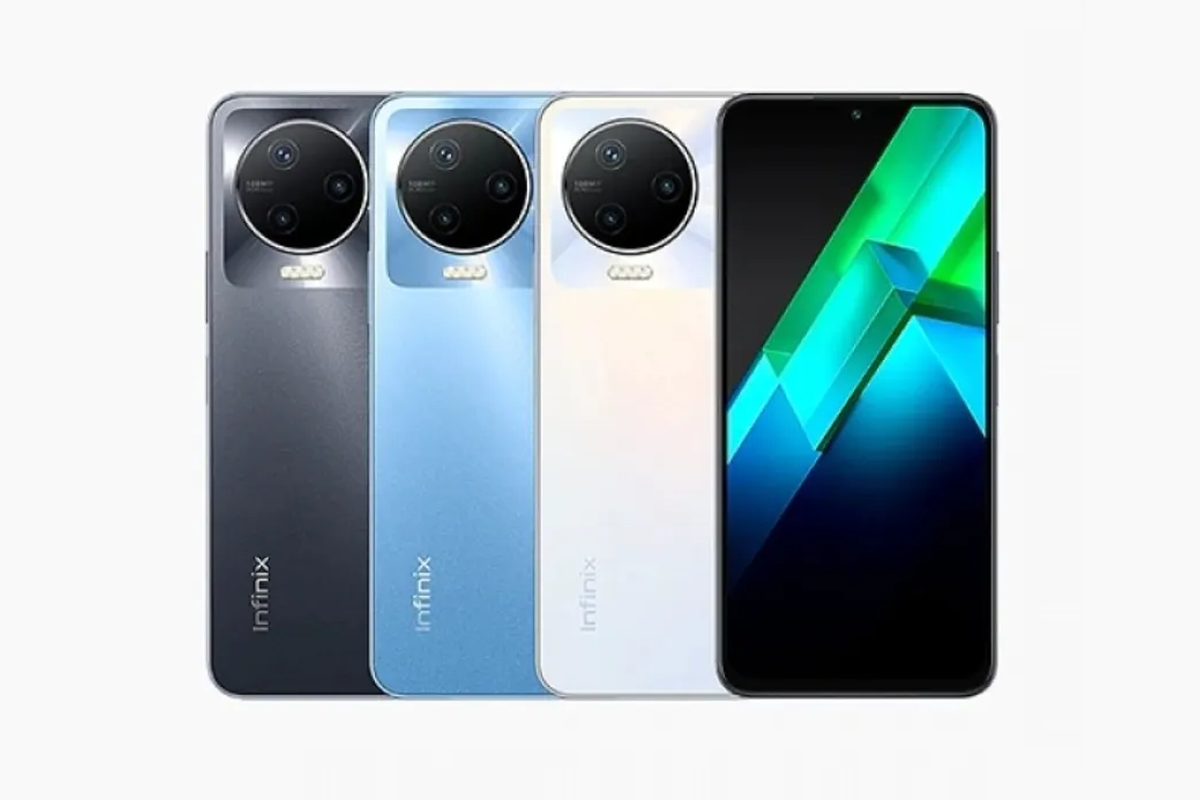
The Note 12 Pro 4G has arrived as India’s first phone powered by the Helio G99 chipset. It offers other exciting features, such as an AMOLED display, 108-megapixel triple rear cameras, and a big battery with fast charging support. The first sale of the device will be carried out at 12 pm (local time) on Flipkart today (Sept. 1).
Infinix Note 12 Pro 4G price, launch offers
The Infinix Note 12 Pro 4G is priced at Rs 16,999 (~$214). At this price, it offers 8 GB of RAM and 256 GB of native storage. It comes in Volcanic Grey, Tuscany Blue, and Alphine White colourways. Buyers of the Note 12 Pro 4G will get a free pair of Snokor XE 18 TWS worth Rs 1,099 (~$14) for Re 1.
Infinix Note 12 Pro 4G
In addition, buyers can get a Rs 1,500 (~$19) discount using debit and credit cards. There is 5 percent cashback offer available on Flipkart Axis Bank card. Customers can also redeem 500 supercoins while purchasing the Note 12 Pro 4G on Flipkart. Other offers include no-cost EMI on ZestMoney and debit card EMI.
Infinix Note 12 Pro 4G specifications
The Note 12 Pro has a 6.7-inch AMOLED FHD+ display with a teardrop notch. It is powered by the Helio G99 chip, 8 GB of RAM, and a 5,000mAh battery with 33W fast charging. The device runs on Android 12 OS with XOS 10.6 on top.
The device features a 16-megapixel selfie camera with a dual front-facing flash. Its back panel has a 108-megapixel main camera, a 2-megapixel depth sensor, an AI lens, and a quad-LED flash. It has other features such as a side-facing fingerprint scanner and a microSD card slot.
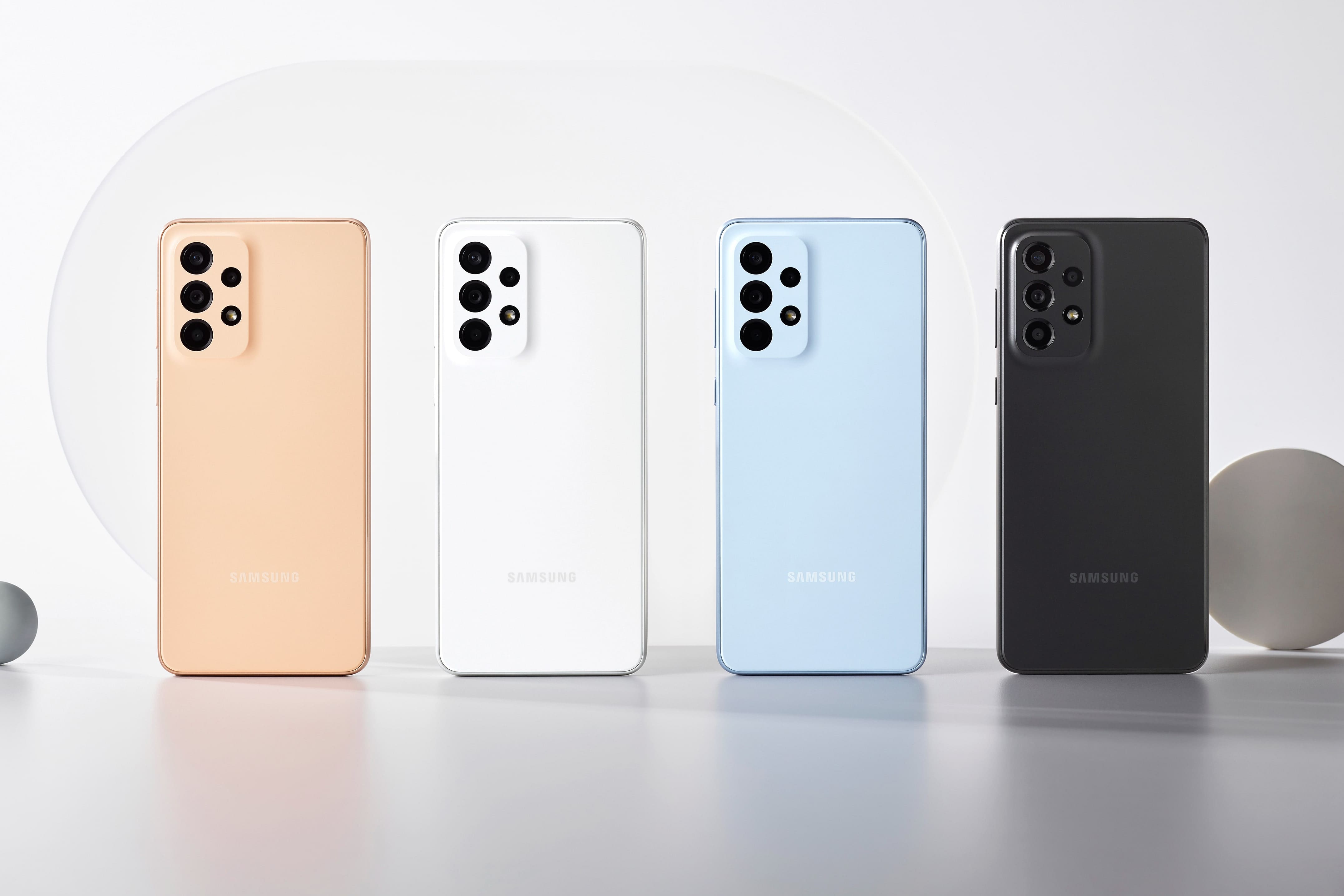
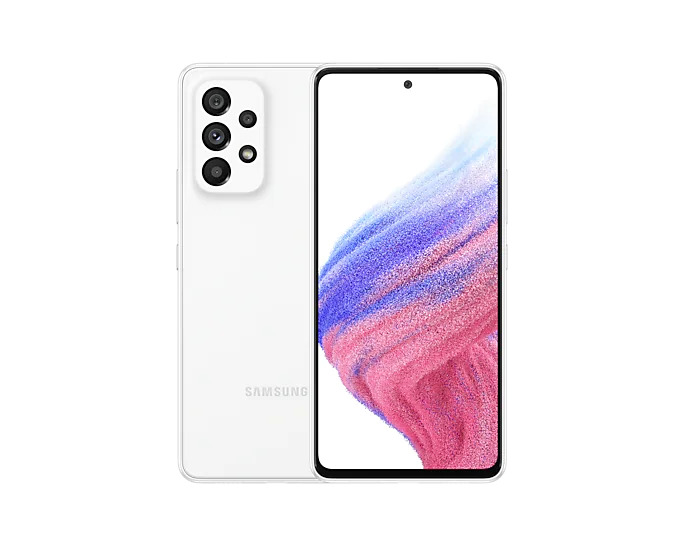
In March 2022, Samsung launched the Galaxy A53 5G smartphone in the Indian market. Currently, the device only comes in two configurations – 6GB RAM + 128GB and 8GB RAM + 128GB.
Now, tipster Abhishek Yadav has stated that the device’s 8GB RAM + 256GB storage variant will launch soon in India. It will be priced at ₹38,999 at launch. However, Samsung will provide ₹3,000 off as launch offers, effectively bringing its price down to ₹35,999.
Samsung Galaxy A53 5G specs & features
The Samsung Galaxy A53 5G features a 6.5-inch FHD+ SuperAMOLED Infinity-O display. It offers a 120Hz refresh rate, 800 nits of brightness, and Eye Comfort Shield compatibility.
The device is powered by a 5nm Exynos 1280 SoC with up to 8GB of RAM and 256GB of internal storage. The phone also features the RAM Plus feather, which allows an additional 8GB of RAM to be added via internal storage. It has a 5,000mAh battery and supports 25W rapid charging. The phone, however, does not come with a charging adapter.
At the back, it has a quad-camera system with a 64MP OIS primary lens with f/1.8 aperture, a 12MP ultra-wide lens, a 5MP depth sensor, and a 5MP macro lens. It includes a 32MP selfie camera with an f/2.2 aperture on the front.
It is water and dust resistant to IP67 standards and boasts Dolby Atmos-tuned speakers. In terms of security, it offers an in-screen fingerprint scanner as well as a facial unlock option. The phone comes pre-installed with One UI 4 (Android 12 OS) with Samsung’s Knox security.
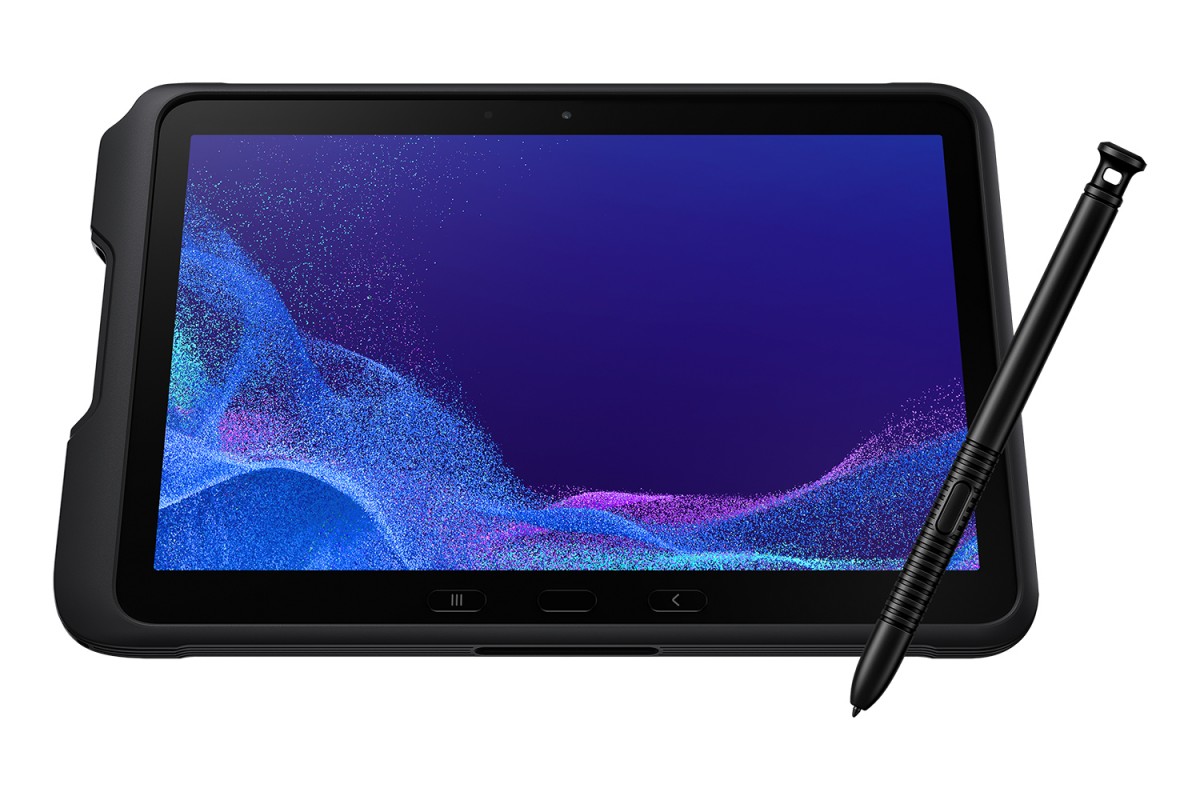
Samsung has quietly announced the Galaxy Tab Active 4 Pro tablet. It is a MIL-STD-810-compliant device, meaning that it can withstand extreme conditions. Furthermore, it is an IP68-certified product, which makes it resistant to dust and water. The Tab Active 4 Pro comes with an integrated S Pen. Here is all the information on the specifications, features, and price of the tablet.
Samsung Galaxy Tab Active 4 Pro specifications and features
The Galaxy Tab Active 4 Pro has a 10.1-inch TFT LCD display that offers a resolution of 1920 x 1200 pixels. The screen gets Gorilla Glass 5 protection. The official press release states that it is powered by a 6nm octa-core processor. However, it is known through its previously seen Google Play Console listing that it features the Snapdragon 778G mobile platform.
Samsung Gaalaxy Tab Active 4 Pro
The Tab Active 4 Pro comes in two configurations: 4 GB RAM + 64 GB storage and 6 GB RAM + 128 GB storage. It houses a 7,600mAh removable battery. It offers a No Battery Mode, which makes it possible to use the Tab Active 4 Pro by connecting to an external power source without a battery.
The tablet features an 8-megapixel front camera. Its back panel has an autofocus-enabled 13-megapixel camera with an f/1.9 aperture and LED flash. There is a physical key called the Active Key, which can be configured to launch any app.
The Galaxy Tab Active 4 Pro runs on the One UI flavored Android 12 OS. The tablet comes with Knox security, and it can be used with Samsung DeX or Standalone, which gives the tablet a desktop interface.It offers other features, such as dual SIM, 5G (sub-6GHz), Wi-Fi 6, Bluetooth 5.2, GPS, NFC, a microSD card, and a USB-C port.
The tablet has a thickness of 10.2mm and weighs around 675 grams. There is no word on the price of the device. Starting this month (September). Later this year, it will arrive in Asia, Latin America, North America, and the Middle East.
OPPO Reno 8 5G was unveiled in China in May 2021. In July, OPPO announced the Reno 8 5G alongside other products, such as the Reno 8 Pro 5G, the OPPO Pad, and the Enco X2 TWS earbuds. It has now also arrived in Europe along with its other siblings, like the Reno 8 Pro 5G and Reno 8 Lite. In Europe, early buyers of the Reno 8 trio will get a free pair of Enco X2 buds worth 199 euros and an extended 3-year warranty.
The Reno 8 5G is priced at Rs 29,999 (~$376) in India, £419 in the UK, and 599 euros in other European countries. It rivals similarly priced smartphones, such as the OnePlus Nord 2T 5G, POCO F4 5G, iQOO Neo 6 5G, and Nothing Phone (1). Here is a full review of the Reno 8 5G to see how it stacks up against its rivals.
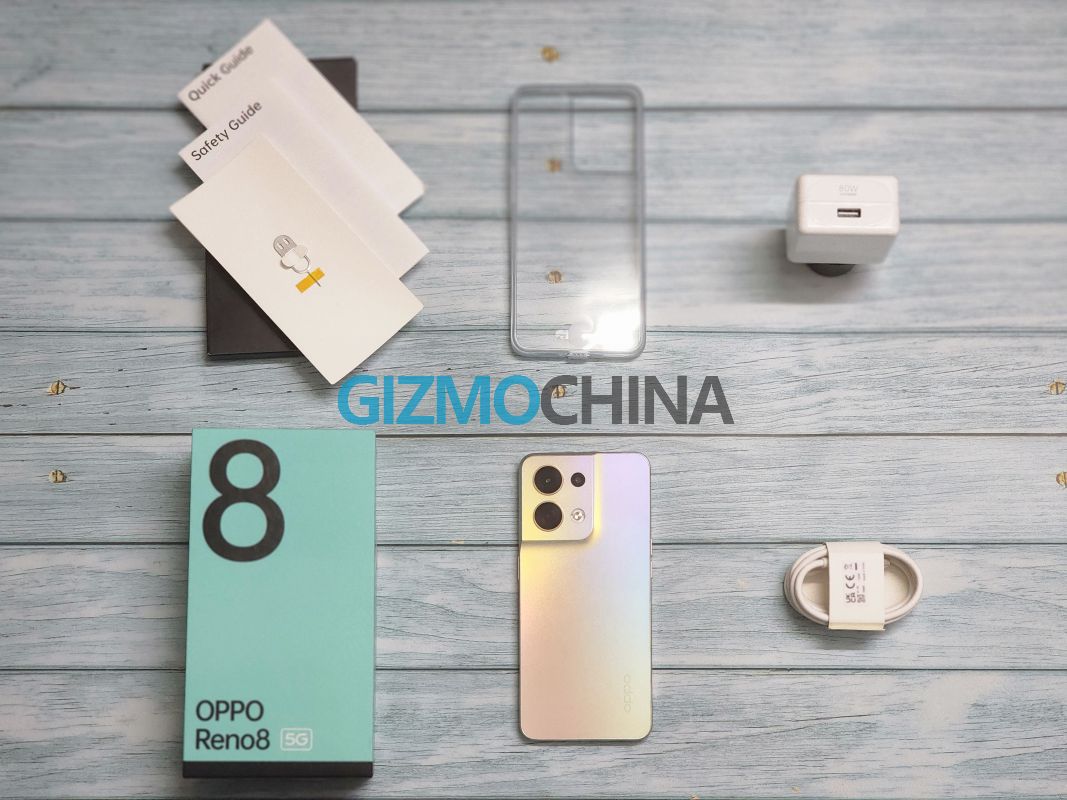
What’s in the box
OPPO Reno 8 5G what’s in the box
The retail package for the OPPO Reno 8 5G comes with the phone, an 80W SuperVOOC charger, a USB-C charging cable, a SIM ejector tool, a clear plastic case, and some paperwork.
Design and Display
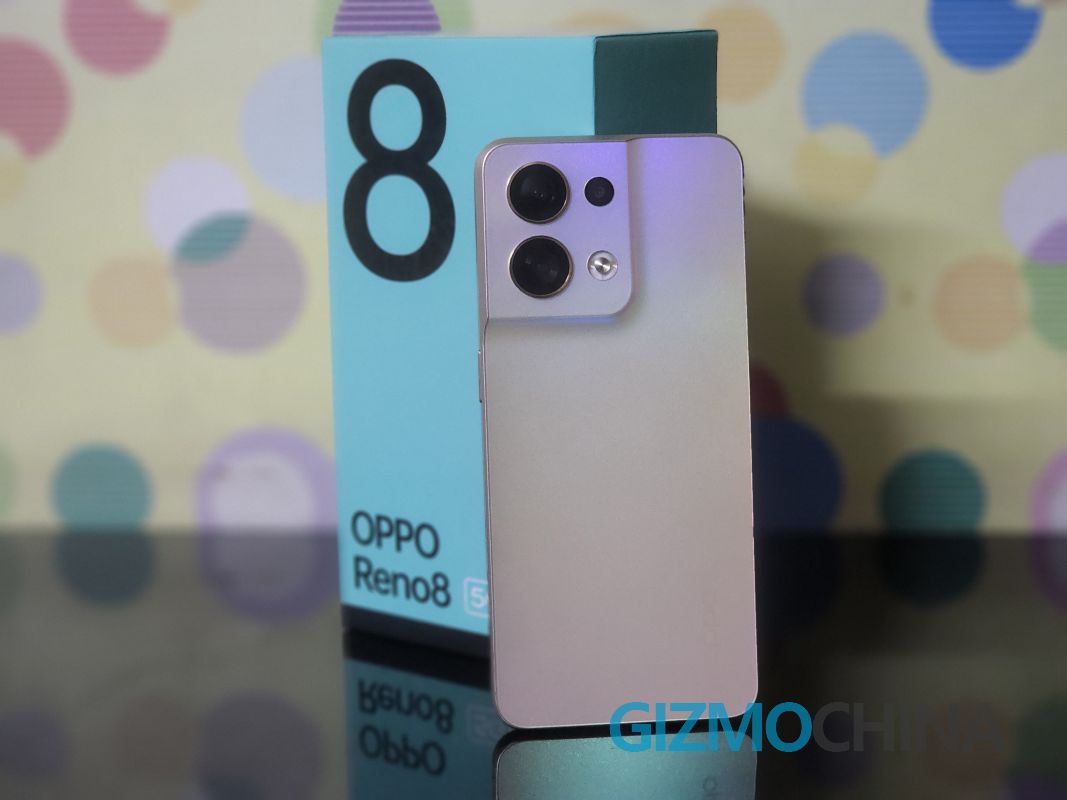
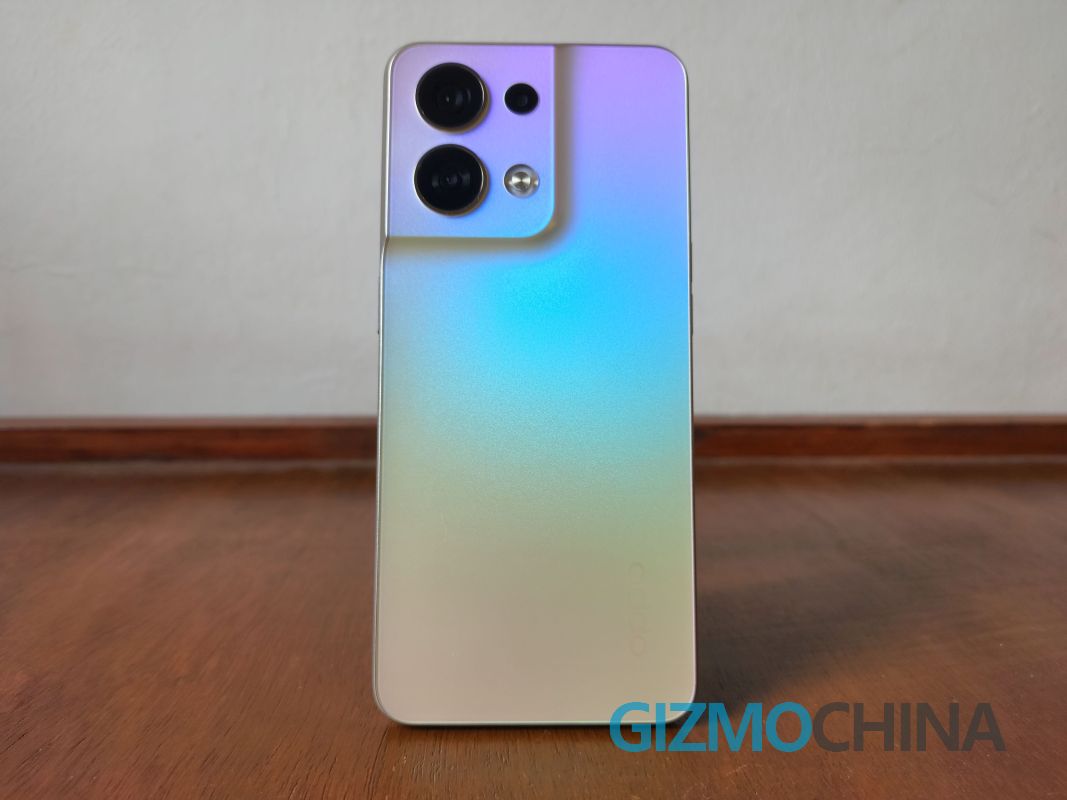
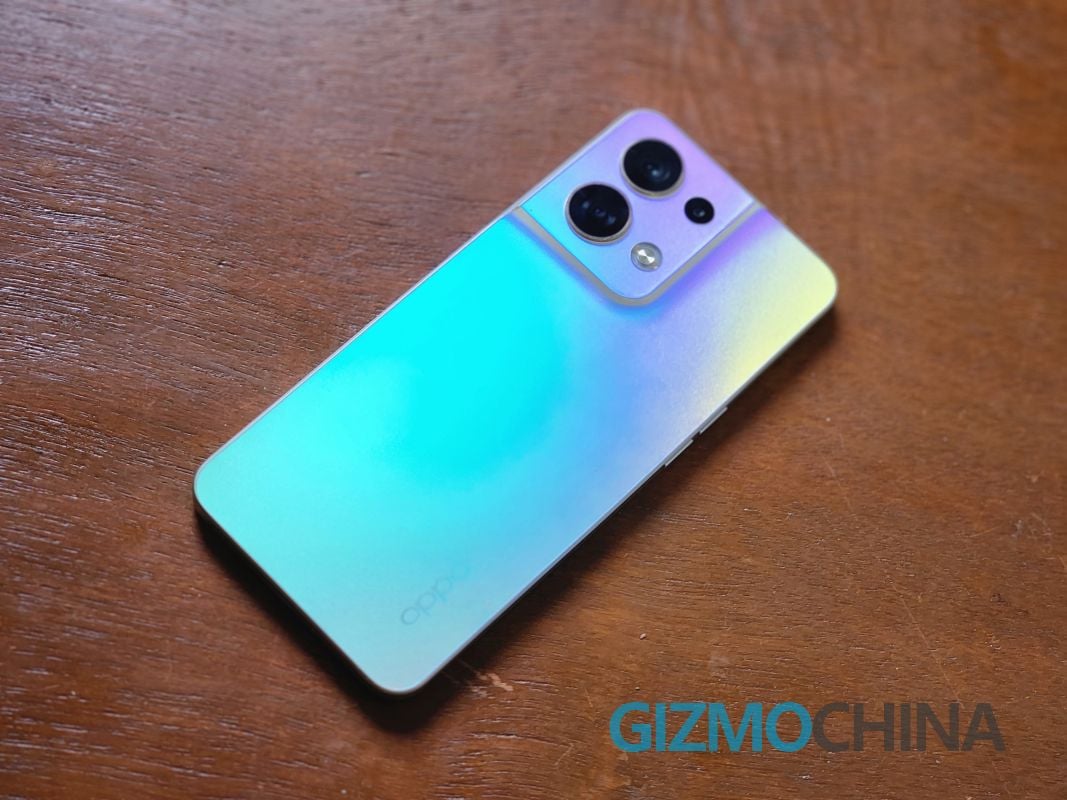
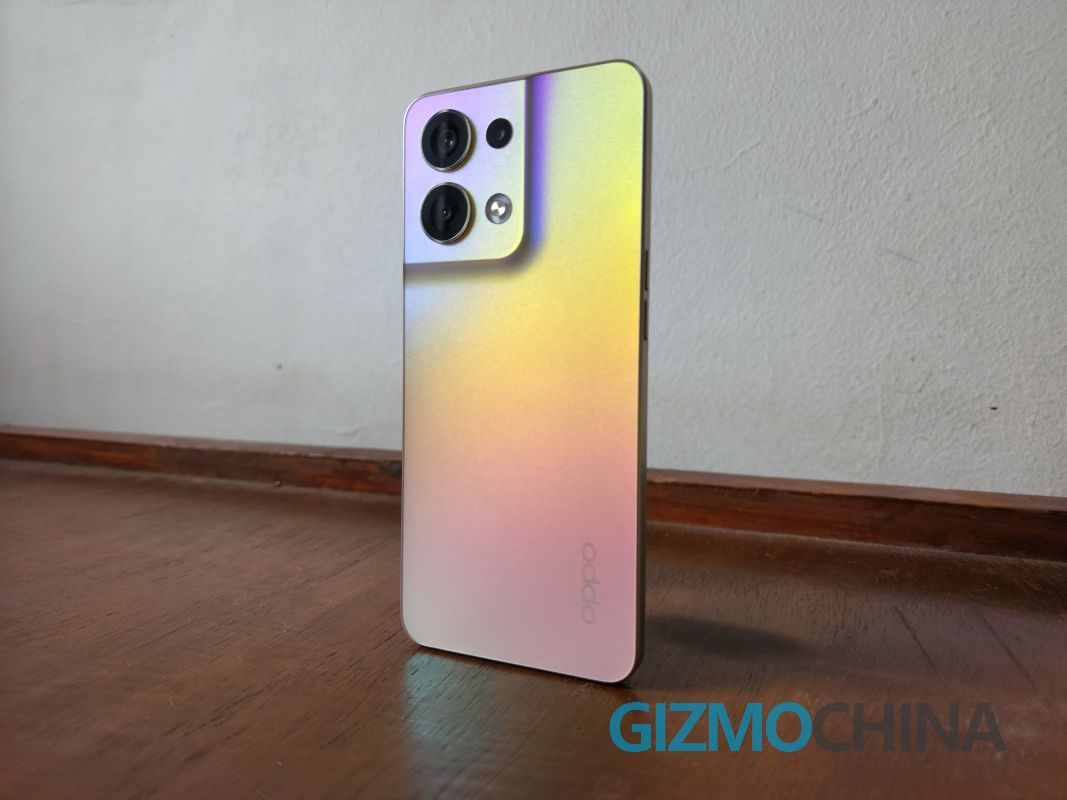
One of the major attractions of the OPPO Reno 8 5G is its design. As you can see in the images, I received the Shimmer Gold colour variant of the Reno 8 5G from OPPO. The Reno 8 5G has an attractive design, but readers should be aware that it has a polycarbonate back and frame. Some may think that the company should have offered a glass chassis on the Reno 8 5G considering its price.
But in my opinion, the Reno 8 5G’s color-changing rear shell is simply eye-catching and boasts a premium look. It shows different shades of gold, pink, blue, and green when viewed from different angles. I believe that the brand really knows how to make good-looking smartphones. Another good thing about the phone’s back is that it is resistant to fingerprint marks and smudges. However, it does appear a bit slippery.
1 of 2
OPPO Reno 8 5G
OPPO Reno 8 5G unboxing, first impressions
The Reno 8 5G has flat edges and a unibody design, meaning it does not have a separate camera module. The top edge of the device has a microphone, its right edge has a power button, and the volume buttons are placed on the left edge. The bottom edge has a SIM card slot, a microphone, a USB-C port, and a speaker grille. It lacks a 3.5mm audio jack and a second speaker for stereo output. These features were also unavailable on the Reno 7 5G.
The illuminated accent ring in the camera bump of the Reno 7 5G functions as a notification light. Sadly, there is no notification LED light on the Reno 8 5G. Weighing 179 grams, the Reno 8 5G is one of the most lightweight smartphones on the market in its price segment. It measures only 7.67mm in thickness. Apart from Shimmer Gold, it also comes in Shimmer Black.
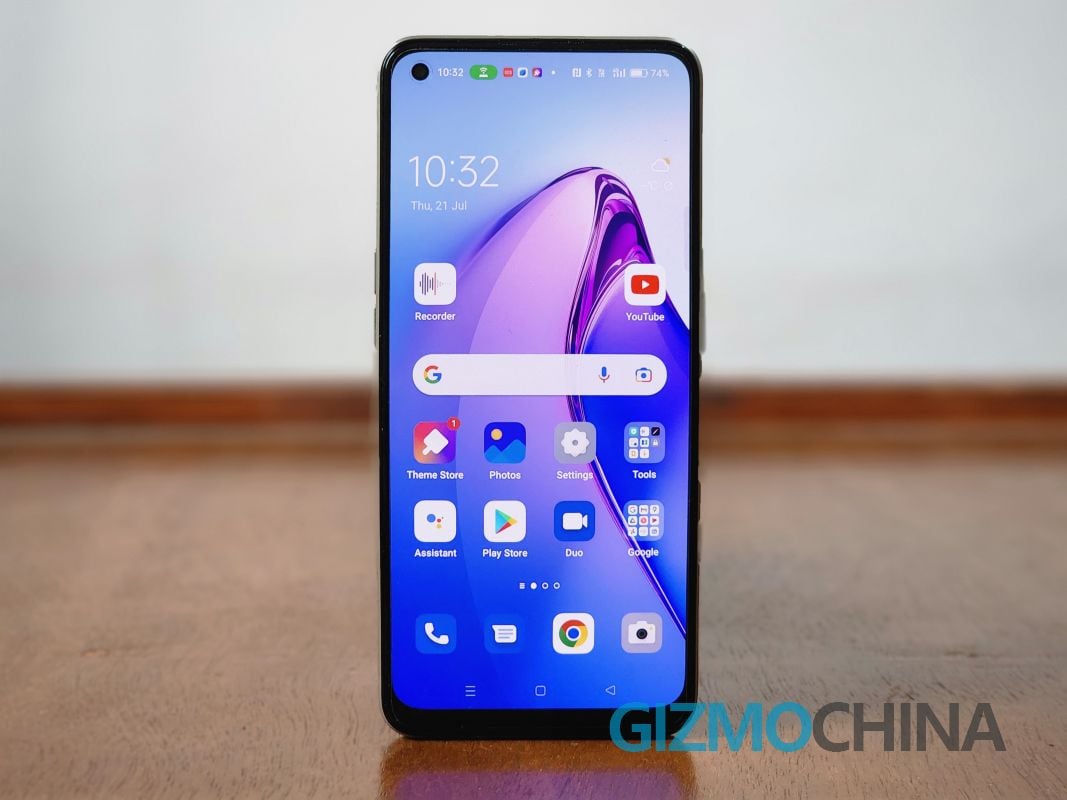
On the front, it has a 6.43-inch punch-hole display with an in-screen fingerprint scanner. It is an OLED panel, which comes with Gorilla Glass 5 protection. The screen supports a Full HD+ resolution, a 20:9 aspect ratio, a 90Hz refresh rate, and up to a 180Hz touch sampling rate. I used the device on a daily basis, and I did not find any issues with viewing the display in bright sunlight. The screen supports a peak brightness of 800 nits and the adaptive brightness feature works fine outdoors.
1 of 3
OPPO Reno 8 5G
OPPO Reno 8 5G
OPPO Reno 8 5G
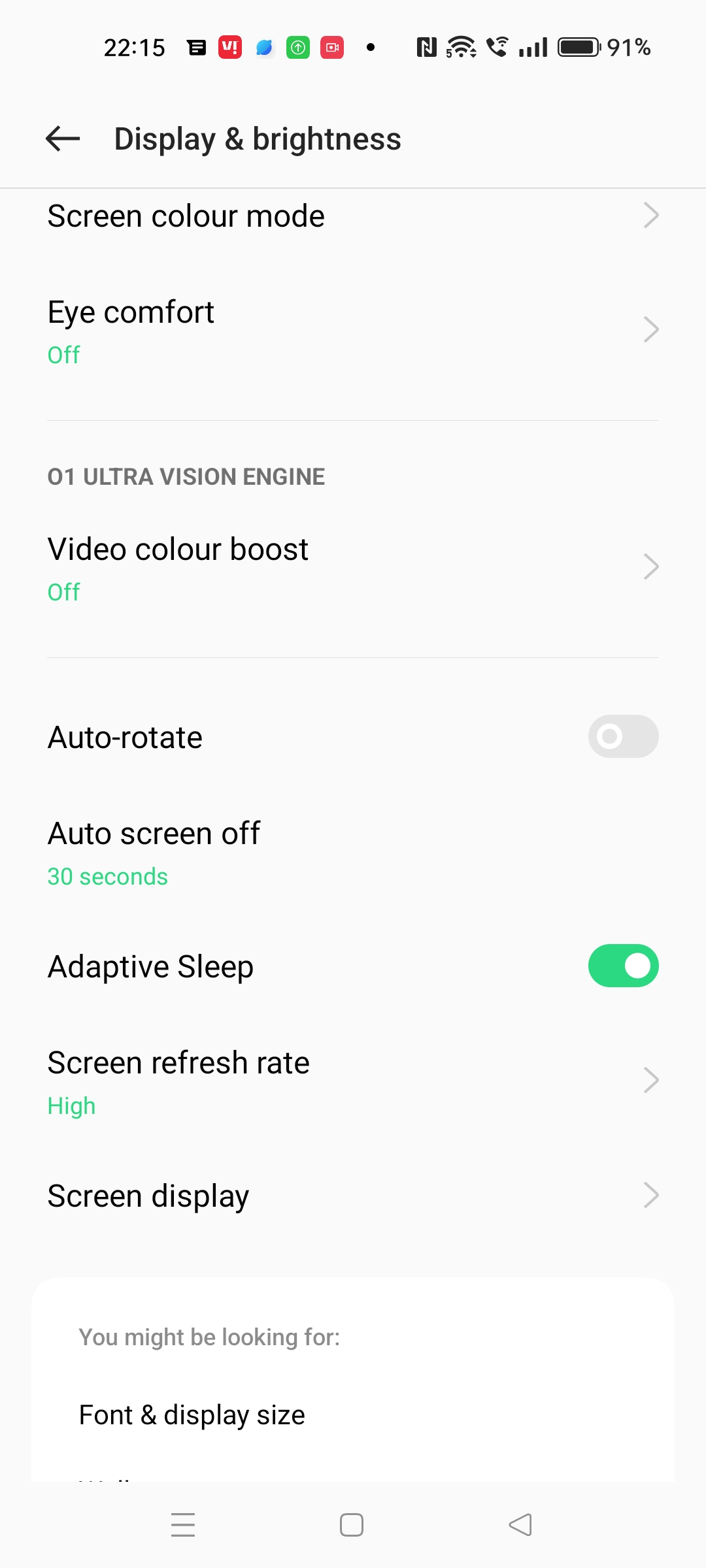
Users can navigate to Settings to access Light / Dark mode, Always-on Display, automatic brightness, eye comfort mode, options to select 60Hz or 90Hz refresh rate, and adaptive sleep function, which prevents the screen from going to sleep or auto-dimming while viewing the screen. There is O1 Ultra Vision Engine, which produces optimal colours while watching videos on the device.
The screen is integrated with an optical in-screen fingerprint scanner, which is quite responsive and rarely misreads. The device comes with Widevine L1 certification for viewing content on Netflix and Prime Video. So, what’s the downside of the display? It does not support a 120Hz refresh rate, and it has a thick-sized bottom bezel. While I can live with the latter, other users might not.
The sound output through the Reno 8 5G’s single speaker is quite loud and is almost equivalent to the sound output of the Galaxy S22 Ultra, which features dual stereo speakers. It supports SBC, AAC, aptX HD, and LDAC audio codecs.
Color OS experience
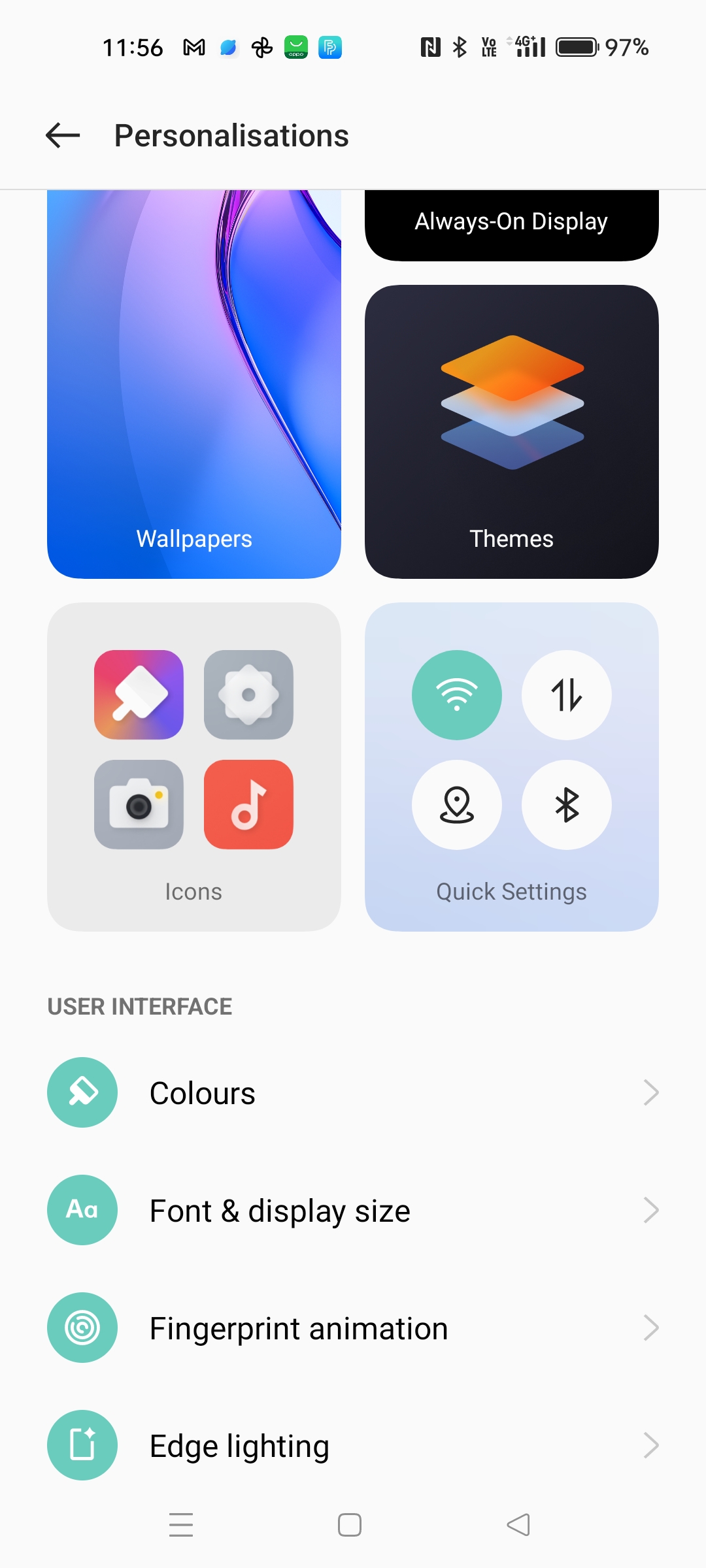
The OPPO Reno 8 5G is powered by ColorOS 12.1, which is based on Android 12. The OS experience is generally fast and fluid. I did not encounter any noticeable bugs or lags. One of the major highlights of the ColorOS is the customization options that it offers apart from the stock Android-like experience. There is a “Personalisation” section in Settings, where users can find customisation options for Always-on Display, wallpapers, themes, icons, quick settings, modifications for font and display size, fingerprint animation, and edge lighting.
1 of 5
OPPO Reno 8 5g display settings
OPPO Reno 8 5G ColorOS Personalisations
OPPO Reno 8 5G battery performance
OPPO Reno 8 5G FinShell Pay notifications
OPPO Reno 8 5G FinShell Pay notifications
When it comes to privacy, the Reno 8 5G offers features like Privacy Dashboard, Permission Manager, Camera / Microphone access toggle, and more. Air Gestures is another cool feature that lets users answer/mute calls, scroll up/down (only on Facebook/YouTube), and play/pause videos (YouTube). According to OPPO, “the AI System Booster adjusts automatically to keep your phone running smoothly, even after 3 years!” Only time can tell whether the device is able to keep up to the promise. My Reno 8 5G review unit received the ColorOS 12.1.1 update after using the device for a couple of days. Shown here is a screenshot of the changelog.
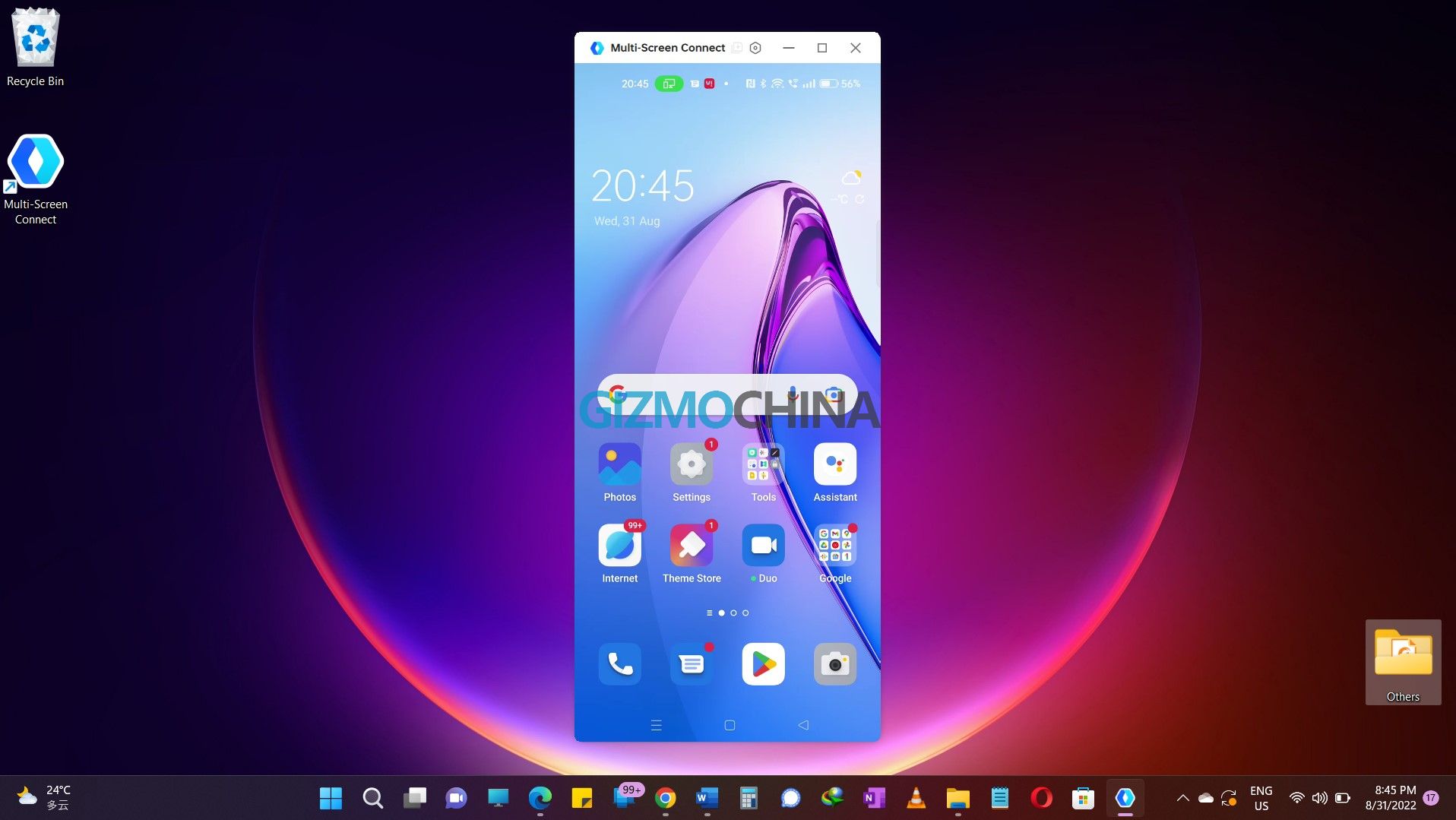
One of the less talked about features of ColorOS 12 is the inclusion of support for PC Connect. It allows users to view the Reno 8 5G’s screen on a paired PC. This feature allows users to view notifications, transfer / edit files, copy / paste text across the devices without physically using the Reno 8 5G. Although it does not a very smooth experience, it appears quite stable and sometimes even better than the Phone Link feature available on some of the high-end Samsung phones like the Galaxy S22 Ultra.
OPPO Reno 8 5G Multi-Screen Connect
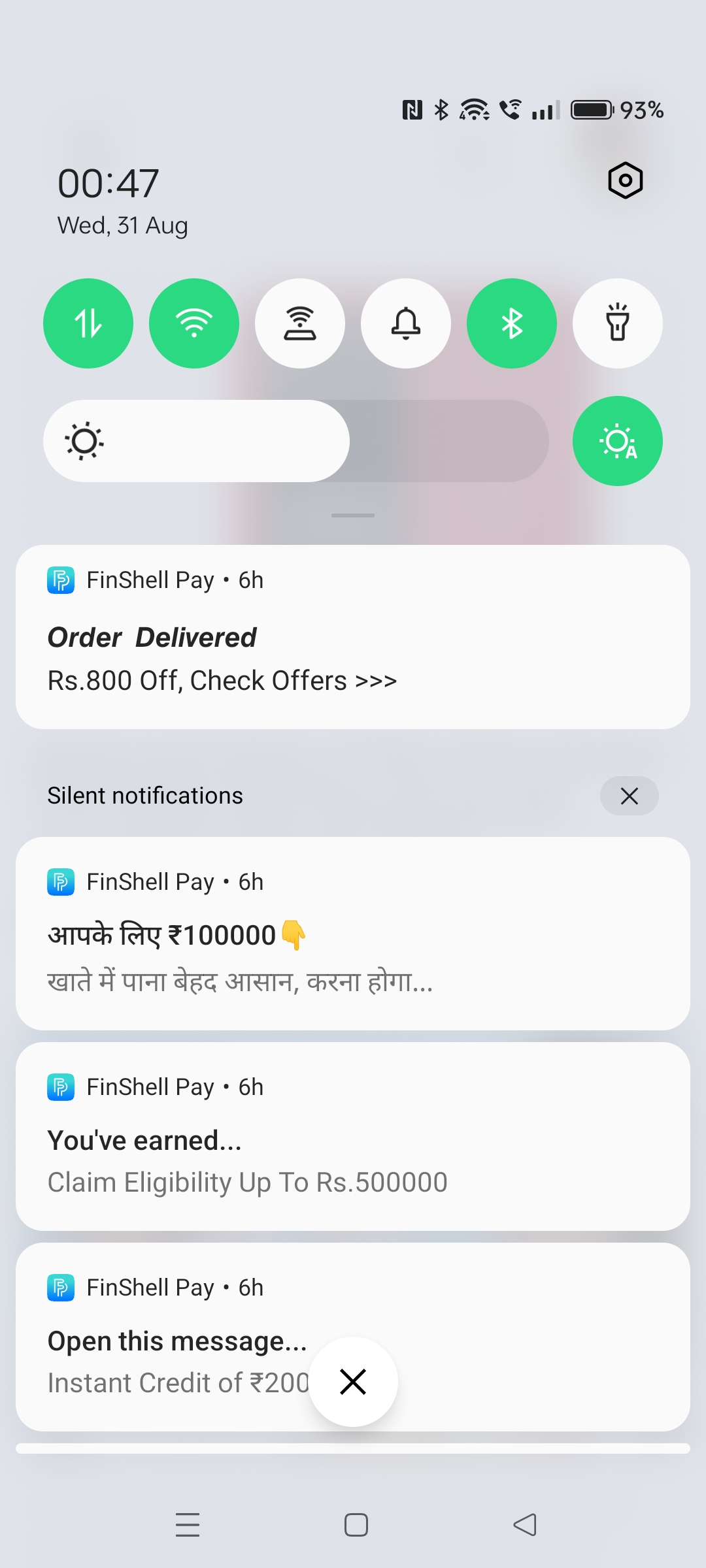
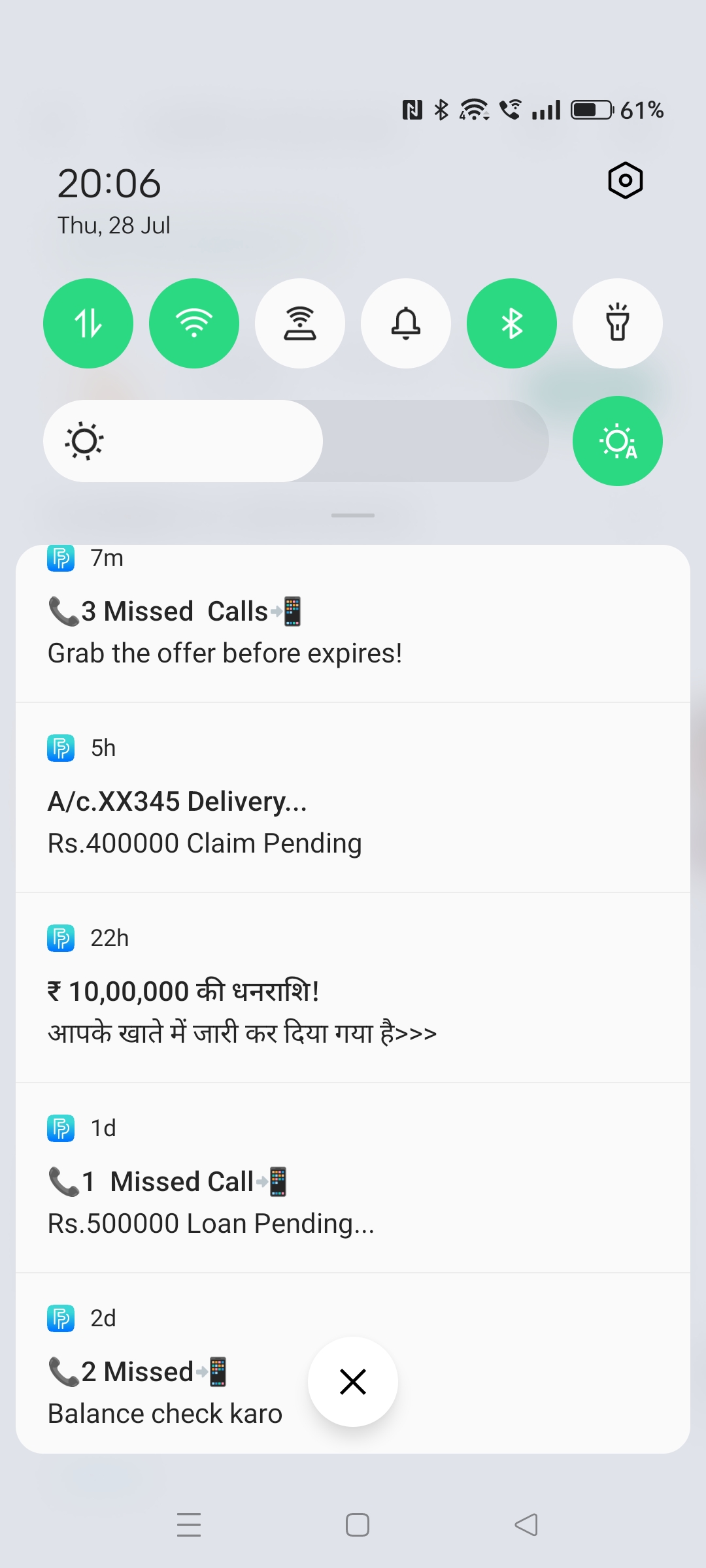
What I didn’t like about the OS is that it’s preloaded with some useless apps (bloatware). Some of the preloaded apps include Amazon, BYJU’S The Learning App, Facebook, FinShell Pay, Hot Apps, Josh, Moj, Netflix, ShareChat, and Snapchat. I found that OPPO’s FinShell Pay (check screenshots in the slideshow above) sends out shady notifications stating your order has been delivered or you have received money, even if you have never used the app. Some of the apps can be uninstalled, while others, like FinShell Pay, cannot be removed, but can be disabled.
OPPO recently unveiled the ColorOS 13 UI recently. The company has promised to begin the ColorOS 13 beta program, which is based on Android 13, in September. And the good news is that the Reno 8 series will be the first ones to receive the latest software upgrade. To be precise, the Reno 8 Pro will get it in September, whereas the Reno 8 will be treated with an update in October. It looks like the Reno 8 and 8 Pro will get ColorOS 13’s stable version about a month after the beta program starts.
The 6nm MediaTek Dimensity 1300 chipset, which slots itself between Snapdragon 778G and Snapdragon 870 in terms of performance, is present under the hood of the Reno 8 5G. The device ships with 8GB of LPDDR4x RAM and 128GB of UFS 3.1 storage. There is no microSD card slot on the device.
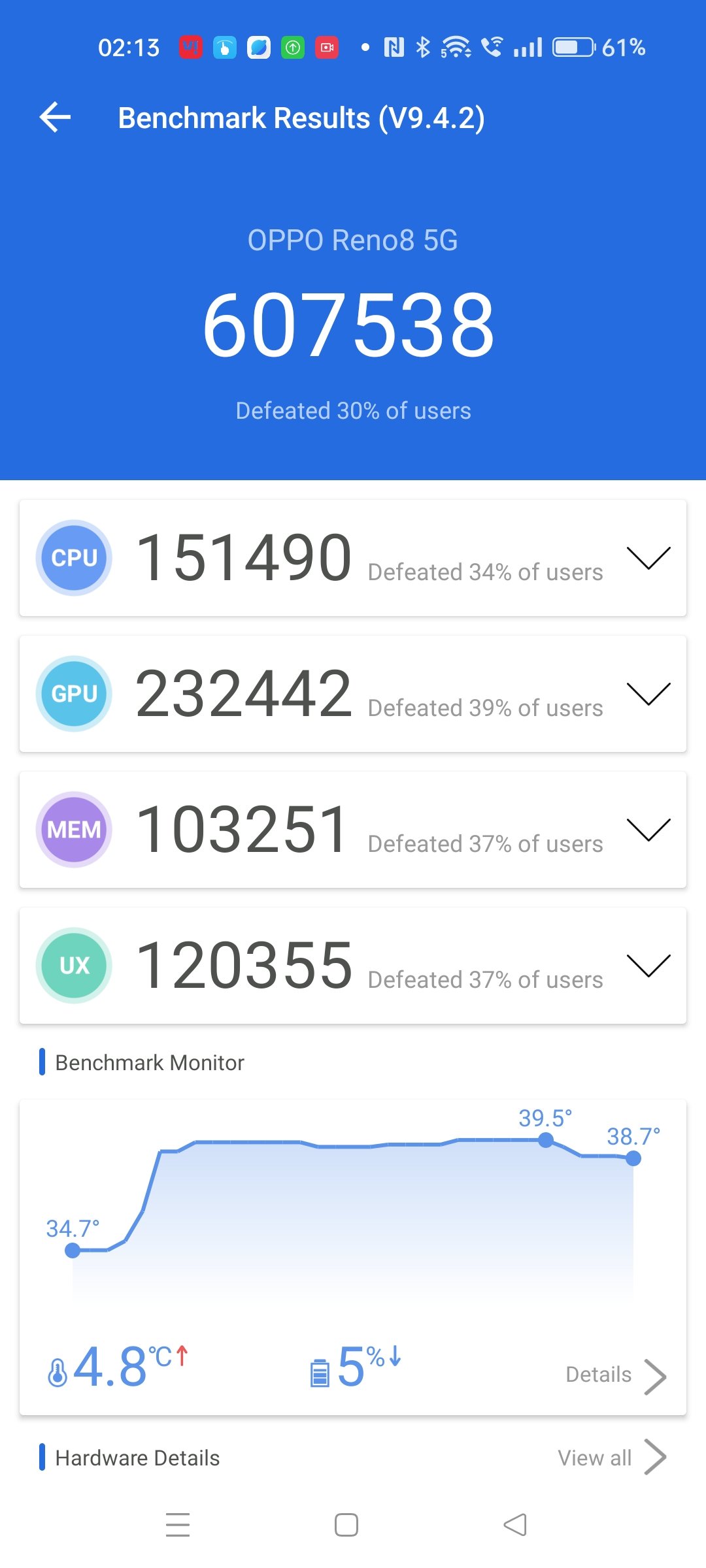
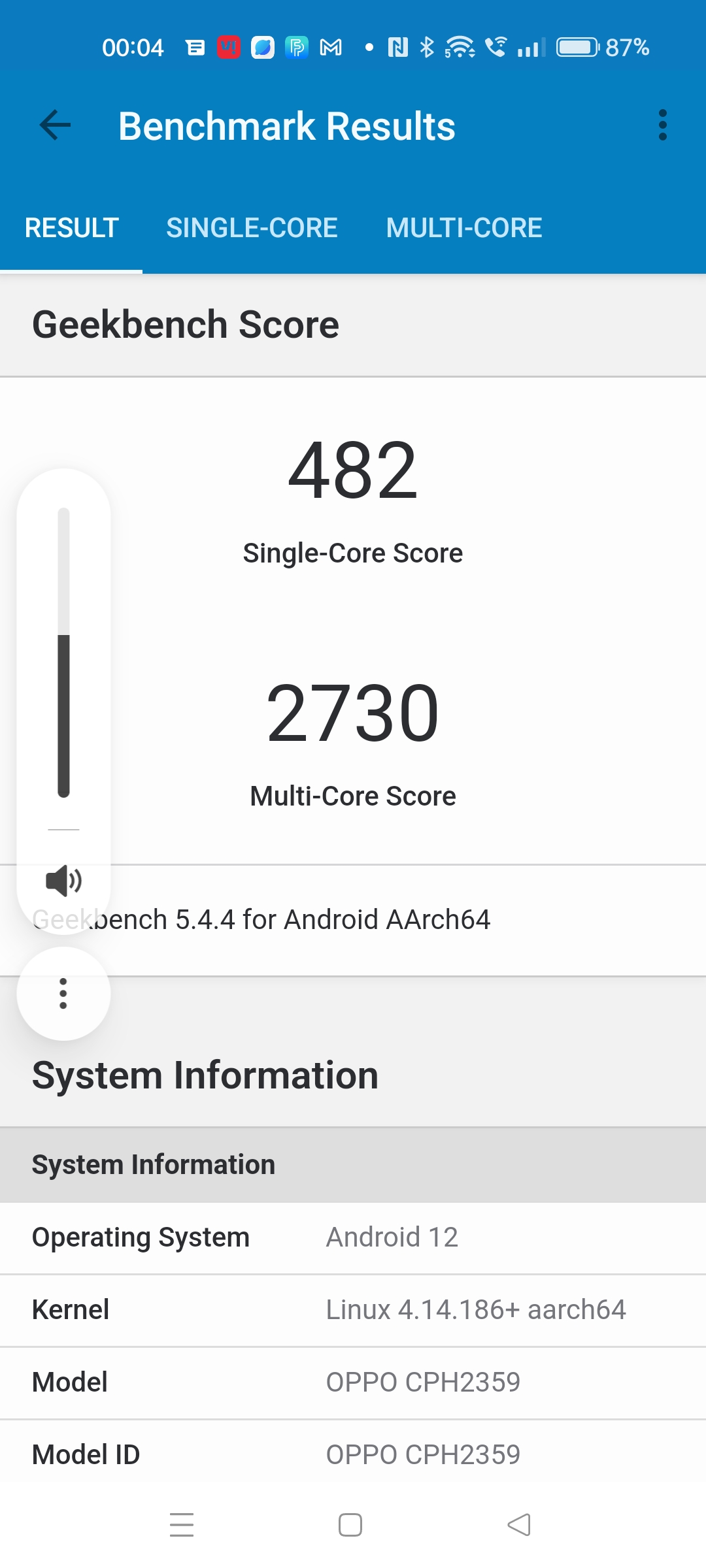
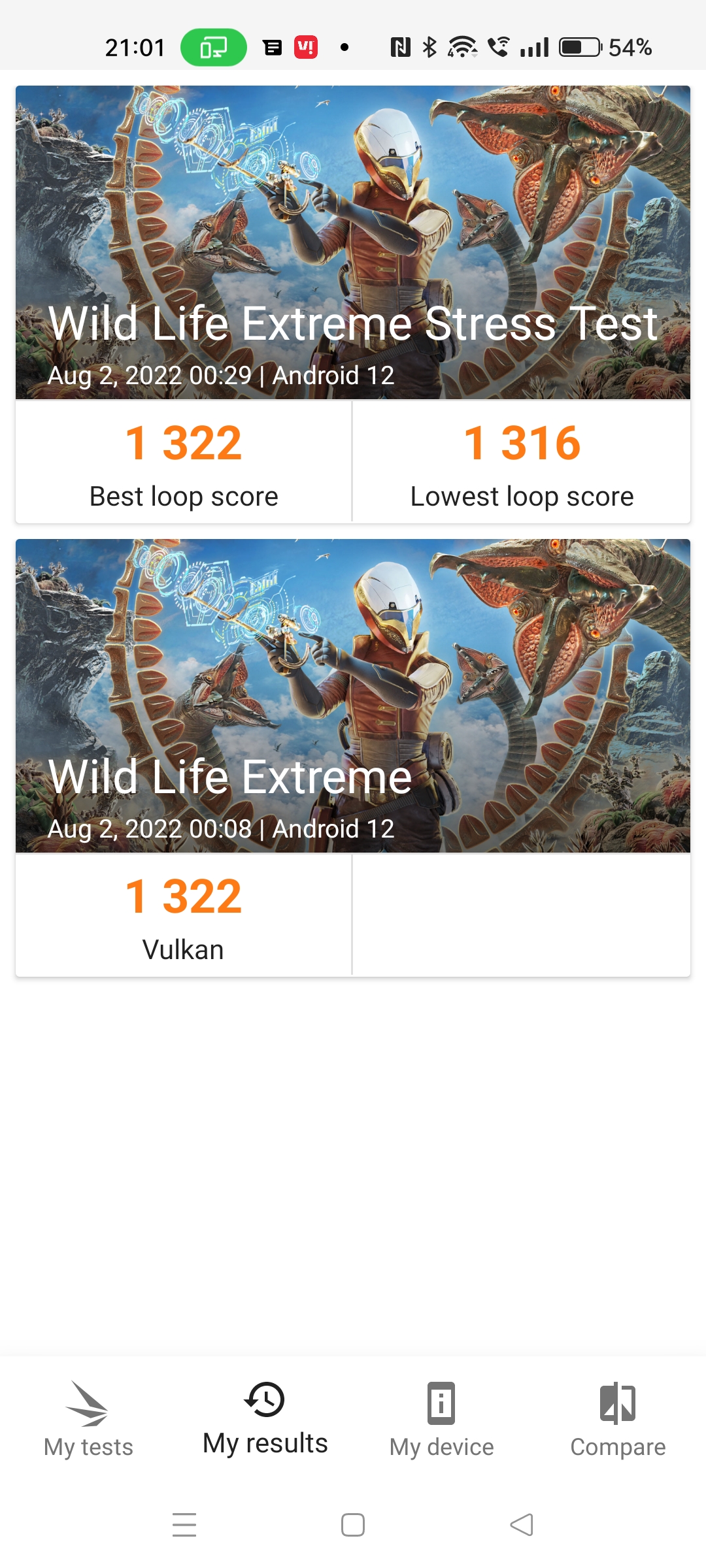
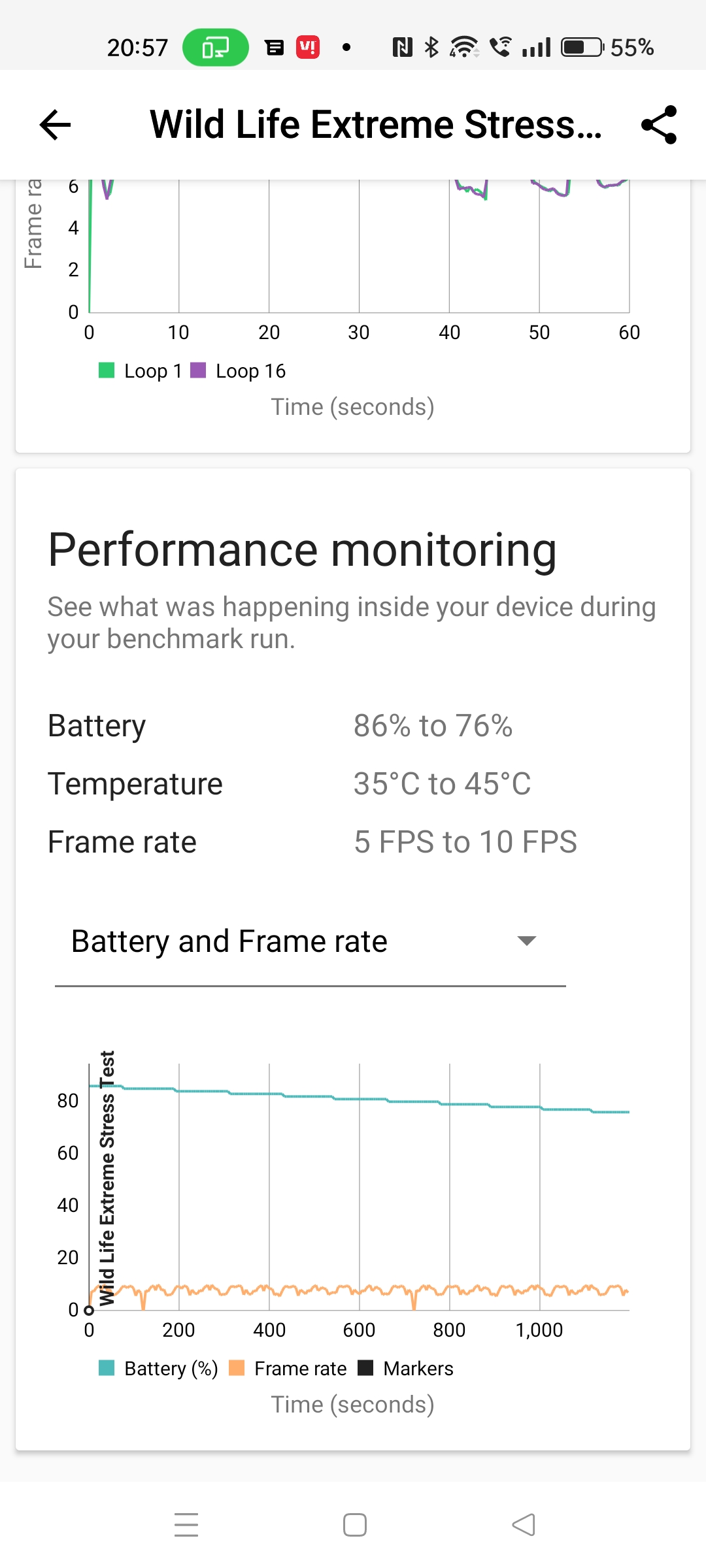
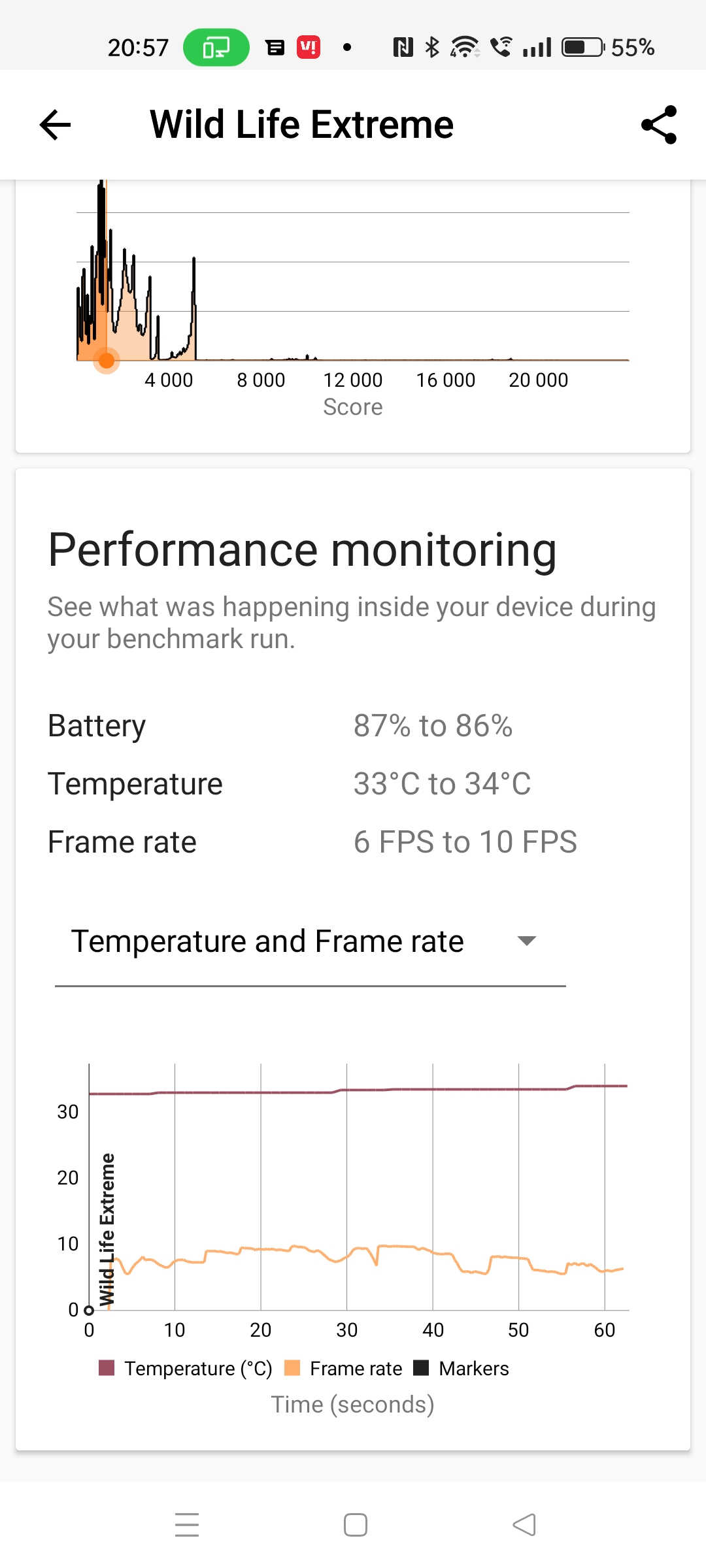
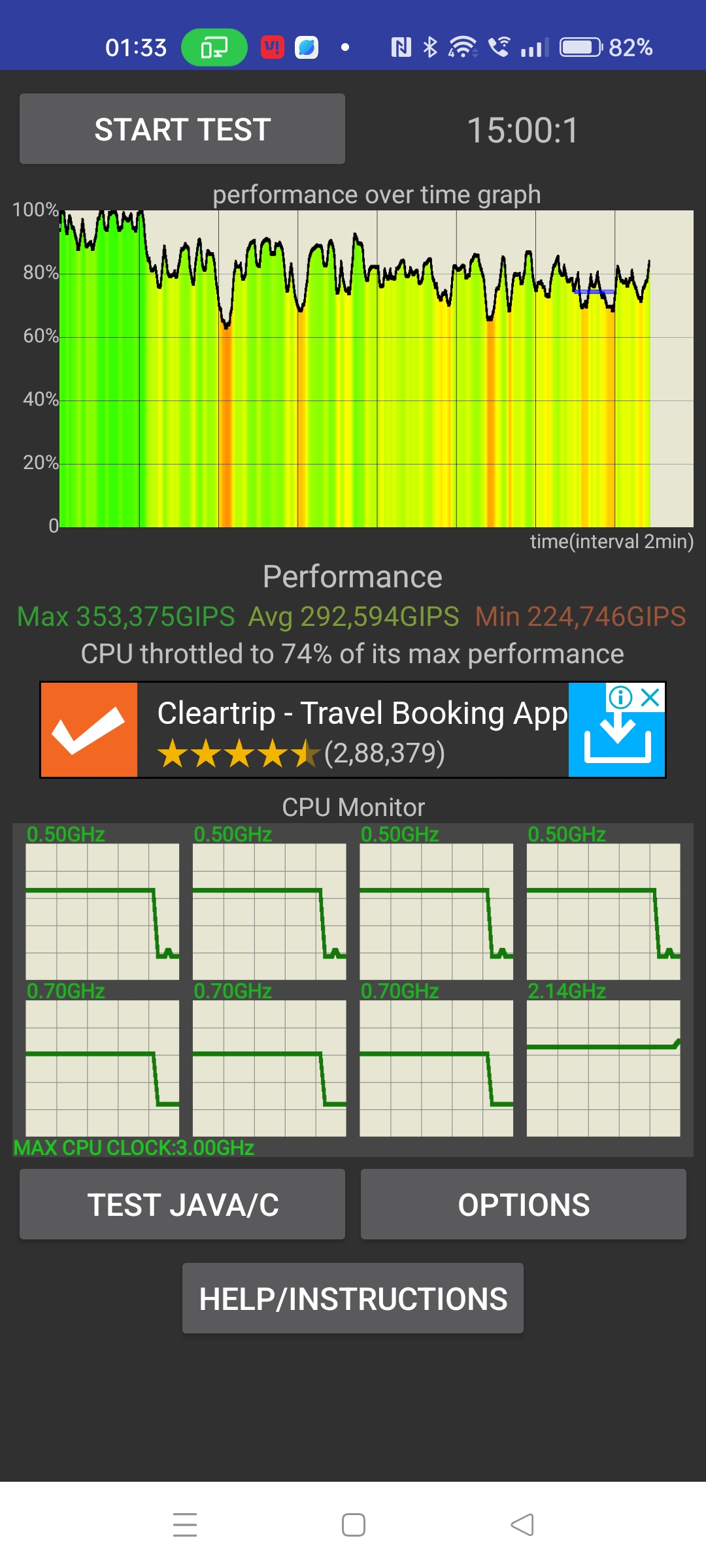
Moving on to the gaming capabilities of the OPPO Reno 8 5G. Even after playing BGMI continuously for an hour, there was slight heating or thermal throttling issue on the device. The Asphalt 9 also worked fine on the Reno 8G. However, it became a bit warm after playing for nearly an hour. For maintaining the internal temperature and heat dissipation, the device is equipped with a vapour chamber liquid cooling system. The x-axis linear motor does a decent job when it comes to in-game vibrations. Here is a look at the Reno 8 5G’s performance on benchmarking apps, such as AnTuTu, Geekbench, 3D Mark, and CPU Throttle test.
1 of 7
OPPO Reno 8 5G AnTuTu
OPPO Reno 8 5G Geekbench screenshots
OPPO Reno 8 5G 3DMark Test
OPPO Reno 8 5G 3DMark Test Wildlife Extreme Stress
OPPO Reno 8 5G 3DMark Test Wildlife ExtremeOPPO Reno 8 5G 3DMark Test Wildlife Extreme
OPPO Reno 8 5G CPU Throttle
OPPO Reno 8 5G battery performance
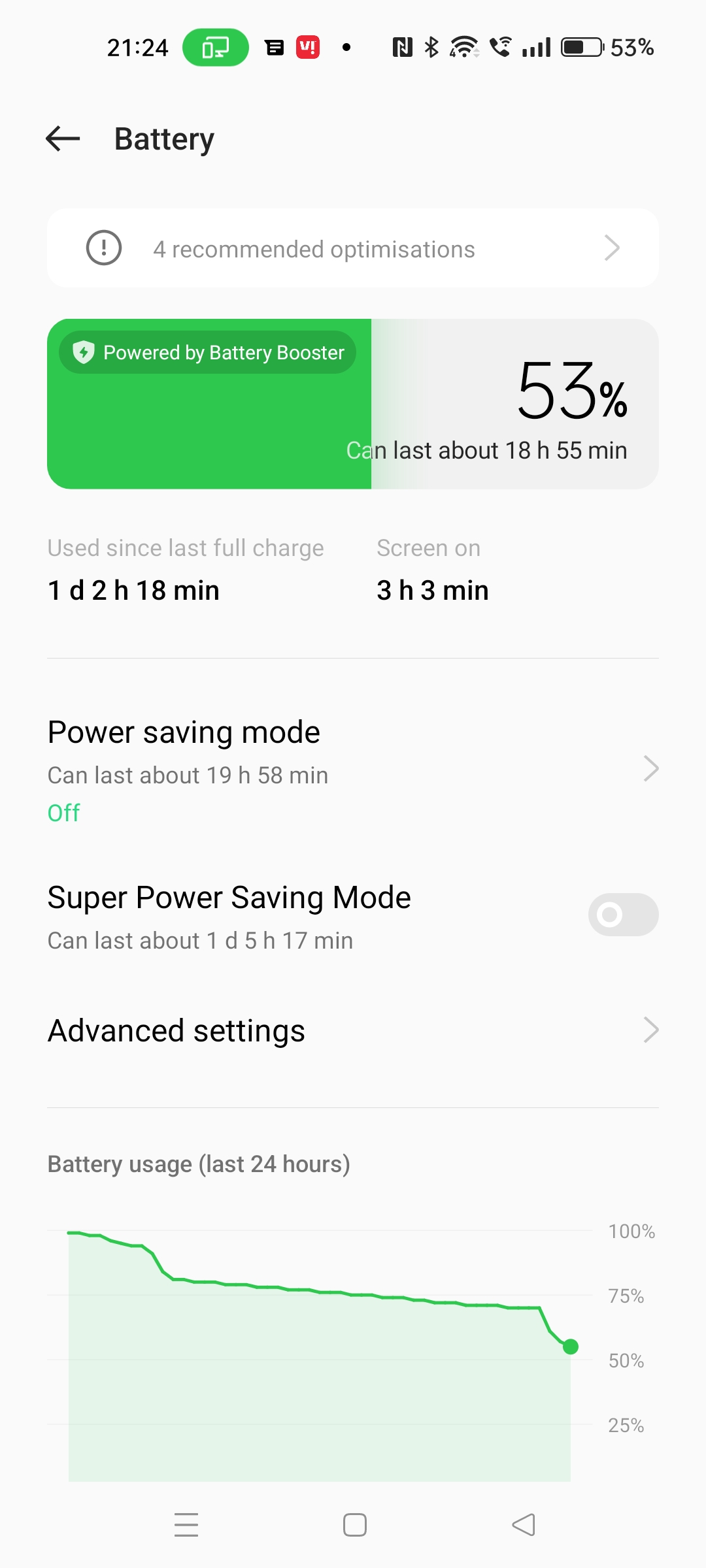
One of my favorite features of the phone is the support for 80W fast charging, which comes with 5-layer charging protection for safety. It took 35:22 minutes to fully charge the Reno 8 5G using the bundled 80W SuperVOOC charger. Subsequent charging revealed that the device took around 35 to 38 minutes to achieve a full charge. Once charged, it can easily last for a day or two, depending on the usage. If the phone is not in use for several hours, the battery does not drain easily. It offers around 7 hours of screen-on time. As can be seen in the screenshot, even at 53 percent battery level, it can last for 20 hours more. According to OPPO, its proprietary Battery Health Engine ensures 1,600 charging cycles (roughly 4 years) of peak battery performance on the Reno 8 5G.
Photography
The OPPO Reno 8 5G has two flagship cameras: a Sony IMX709 32-megapixel on the front and a rear-facing 50-megapixel Sony IMX766 camera with 1/1.56-inch sensor size and 1.0µm pixel size. The Reno 8 5G is the only phone in its price range with a front-facing camera with a 32-megapixel IMX709 lens from Sony. It is a custom-made lens made for OPPO with an RGBW filter, a 1/2.74 sensor size, a 0.8m pixel size, and an f/2.4 aperture. The selfie camera lacks support for autofocus.
What I miss on the Reno 8 5G is the support for OIS (Optical Image Stabilization). Its major rival, the OnePlus Nord 2T has the same 50-megapixel Sony IMX766 primary camera with OIS support. However, the OnePlus Nord 2T has a Sony IMX615 32-megapixel selfie camera. The Reno 8 5G’s rear camera setup has a 50-megapixel main camera, an 8-megapixel Sony IMX355 ultra-wide camera, and a 2-megapixel GalaxyCore GC02M1 macro camera.
1 of 7
OPPO Reno 8 5G main camera HDR-
OPPO Reno 8 5G main camera
OPPO Reno 8 5G ultra-wide shot
OPPO Reno 8 5G main camera with HDR
OPPO Reno 8 ultra-wide shot
OPPO Reno 8 5G main camera with HDR--
OPPO Reno 8 5G ultra-wide shot-
The photography modes available on the device include night mode, portrait mode, Pro mode, panorama, macro mode, time-lapse, dual-view video, sticker, text scanner, and Soloop templates. The camera app allows users to switch between ultra-wide (0.6x), 1x, and 2x zoom.
1 of 2
OPPO Reno 8 5G main camera (indoor)
PPO Reno 8 5G ultra-wide (indoor)
The 50-megapixel camera does a good job when it comes to snapping photos in daylight. There is no significant shutter lag while shooting in normal mode. However, it can take a second or two more when snapping photos in low-light conditions. The main snapper is equipped with all-pixel omni-directional PDAF for faster focus and DOL-HDR for better dynamic range. The quality of 2x zoom shots is almost the same as the standard 1x photos. In the Night mode, the Reno 8 5G took long-exposure shots, which came out good only when the subject did not move and when the device was held firmly.
1 of 10
OPPO Reno 8 5G main camera in low-light
OPPO Reno 8 5G ultra-wide in low-light (16:9)
OPPO Reno 8 5G main camera in low-light (!6:9)
OPPO Reno 8 5G main camera in low-light
OPPO Reno 8 5G main camera in low-light-
OPPO Reno 8 5G ultra-wide in low-light
OPPO Reno 5G main camera in low-light
PPO Reno 8 5G main camera in low-light with night mode
The ultra-wide shots come out similar to the shots taken by the main snapper, but they are captured with fewer details. As far as the macro camera is concerned, it only manages to capture some okayish images when there is sufficient light.
1 of 3
OPPO Reno 8 5G macro shot
OPPO Reno 8 5G macro shot
The Reno 8 5G offers features like AI enhancement, background blur, and plenty of filters while shooting 1080p videos at 30 / 60 fps. However, most of the filters work only while recording in 720p quality. When Ultra-Steady stabilization is selected, it can capture stabilized videos, but features like AI enhancement and filters are not available.
Again, AI enhancement, filters, and Ultra-Steady features are absent when Reno 8 5G is used to capture 30fps 4K videos. The device allows users to shoot photos while recording videos. It can shoot up to 960fps (720p) videos.
There is an Extra HD mode, which allows the Reno 8 5G to snap 50-megapixel shots and upscale them to 108-megapixel. However, the result is not that good, and it is always advisable to shoot photos at 50-megapixel for snapping high-quality images.
Coming to the selfie camera, the Reno 8 5G manages to capture impressive selfies in bright environments. The portrait shots come out with amazing background blur and accurate edge detection on the subject. It allows the user to adjust the blur effect. In dim-light conditions or indoors, the Reno 8 5G shot overexposed images while retaining the image quality. The available image editing tools can help in reducing exposure to achieve a more natural-looking result. When there is less light, the Reno 8 5G captures selfies with its screen flash automatically. The handset can shoot stellar selfie videos with background blur.
Verdict
It goes without saying that the strengths of the Reno 8 5G are its flagship cameras, smooth OS experience, fast charging, decent gaming performance, and attractive design. The device certainly misses features like a notification LED, OIS, and stereo speakers. Also, the handset is not suited for people who like to play CPU-intensive games.
However, I feel the pros manage to outweigh the cons of the Reno 8 5G. It is certainly one of the devices to recommend for people who are looking forward to purchasing a phone priced around Rs 30,000 (~$376) in India and £420 in the UK.
A new Chinese smartphone company, FreeYond, will soon unveil its first smartphone, called the FreeYond F9. The company is led by some of the former employees of Gionee, which went bankrupt in 2018. The F9 will be an affordable offering from the brand. TechGoinghas shared the first camera samples of the F9 to reveal its camera performance.
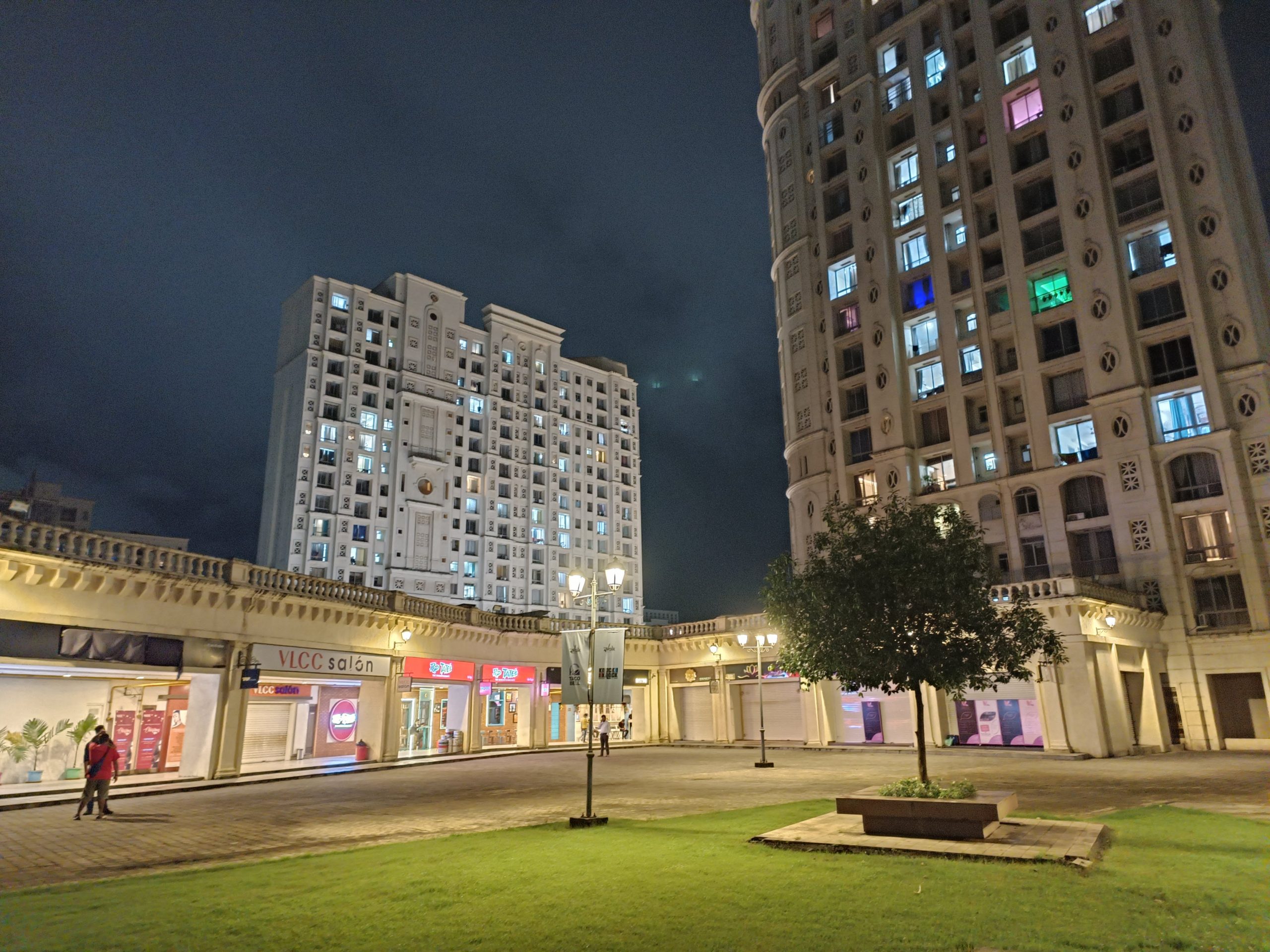
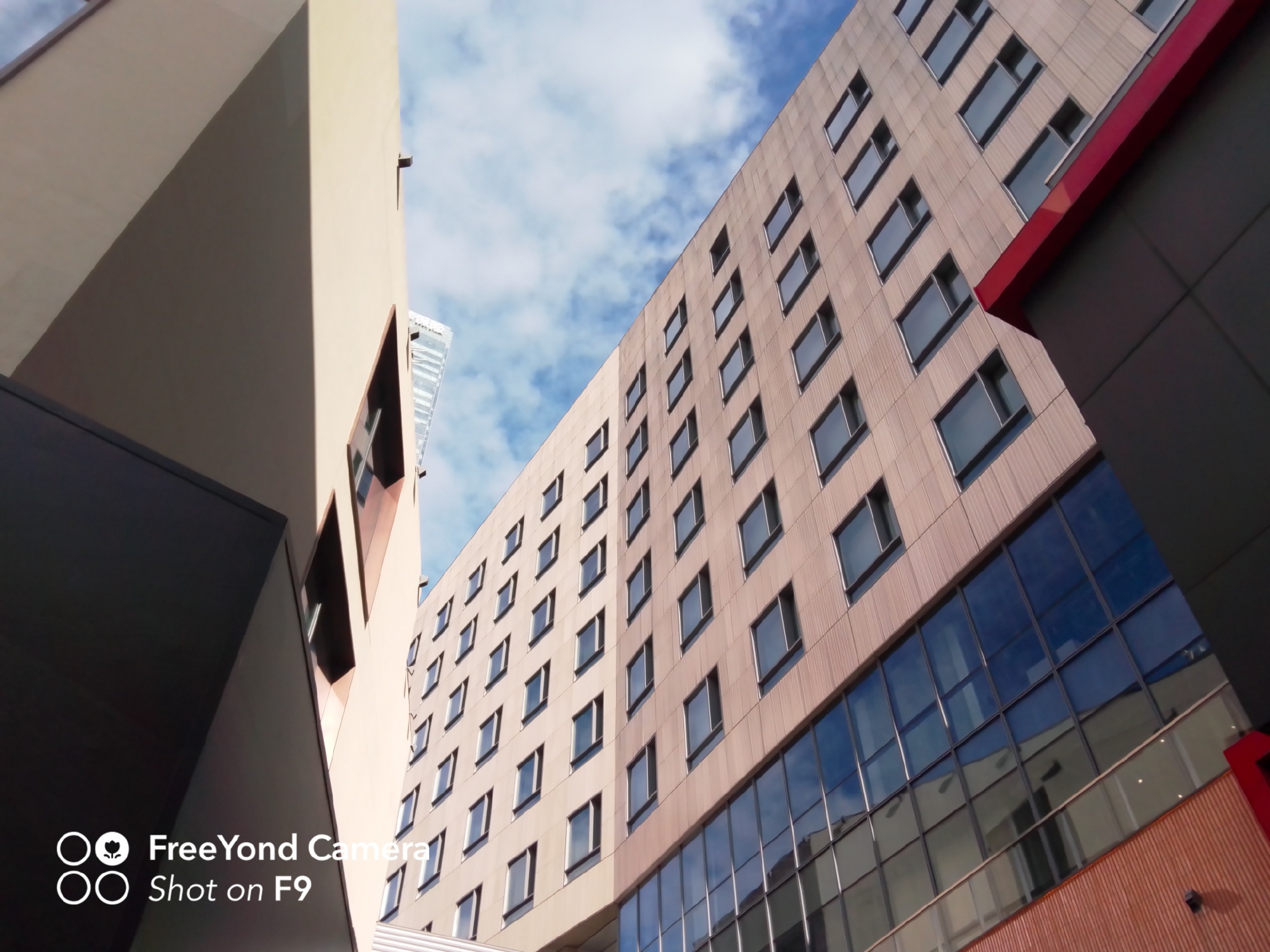
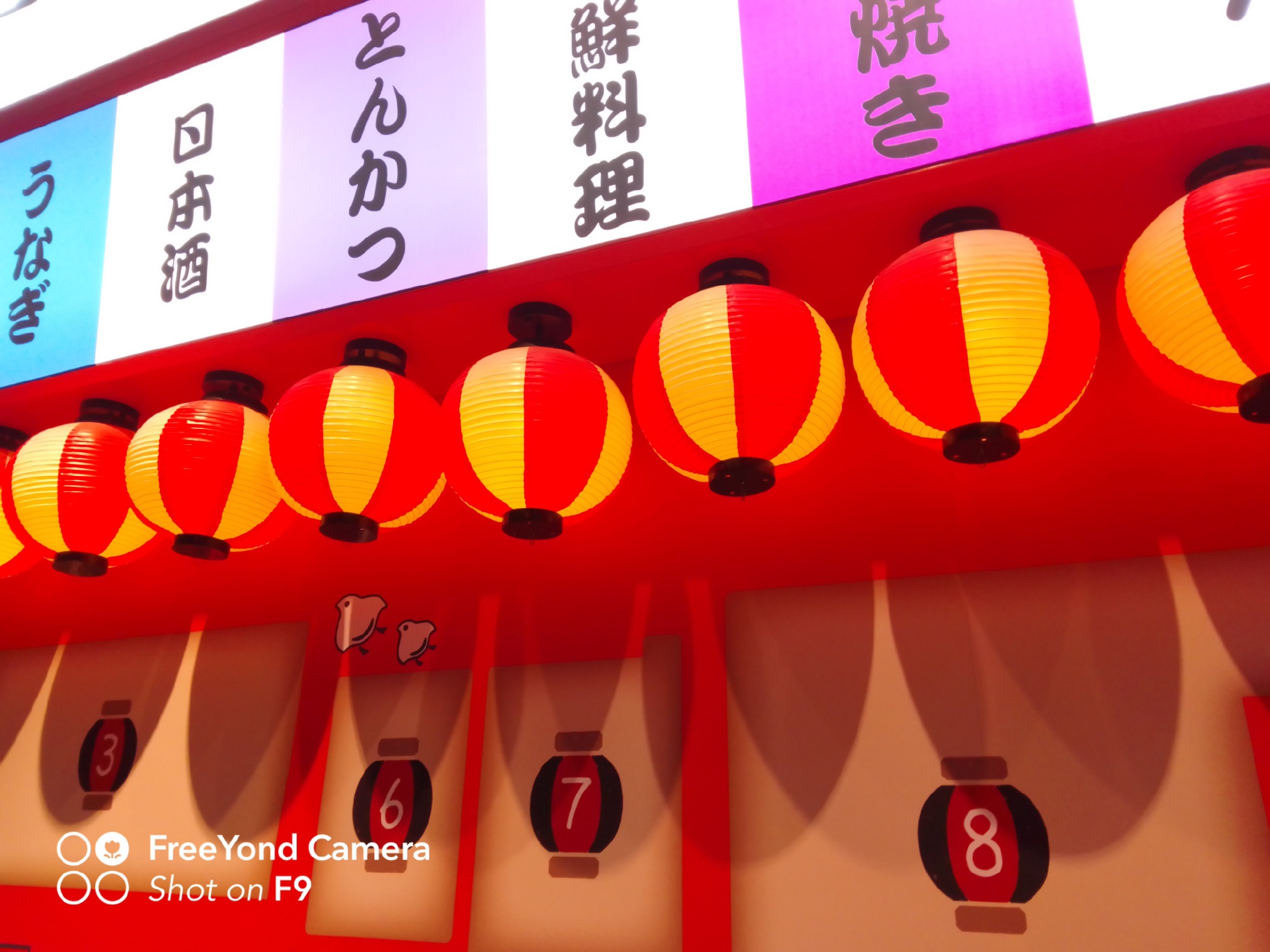
FreeYond F9 camera samples
Here are the camera samples of the FreeYond F9. All the images show that the device is capable of snapping decent shots when there is sufficient light. It is not clear whether the mid-ranger will be able to perform as well in low light.
1 of 8
FreeYong Y9 camera sample
FreeYong Y9 camera sample
FreeYong Y9 camera sample
FreeYong Y9 camera sample
FreeYong Y9 camera sample
FreeYong Y9 camera sample
FreeYond F9 specifications
The FreeYond F9 has a 6.5-inch display with a teardrop notch. It is an IPS LCD panel that offers a 20:9 aspect ratio and an HD+ resolution of 720 x 1600 pixels. It is powered by a 1.6GHz octa-core processor. The device has 2 GB of RAM, 64 GB of internal storage, and a microSD card slot for additional storage. The device runs on the Android 12 Go edition.
The F9 has a 5,000mAh battery that supports 10W charging. It has an 8-megapixel front-facing camera, and its back panel has a 13-megapixel main camera along with a 2-megapixel macro snapper. The device offers other features such as dual SIM support, 2.4GHz Wi-Fi, Bluetooth 4.2, GPS, a USB-C port, and a 3.5mm headphone jack.
FreeYond is a new smartphone whose founder and CEO is Yu Lei. He is the former vice president of Gionee. Its team members include Chang Shidan, former sales director of Gionee Group and CEO of the India branch; Qiu Zhimin, former financial director of Gionee Group; Yuan Xuanhua, former chief designer of Gionee Group; Gionee Group veteran , Li Jian, the former head of the Integrated Marketing Communication Center; Guo Xianqiu, the former head of the China business of TCL Communications, a veteran of the mobile phone industry, and the former vice president of Hexin Communications.
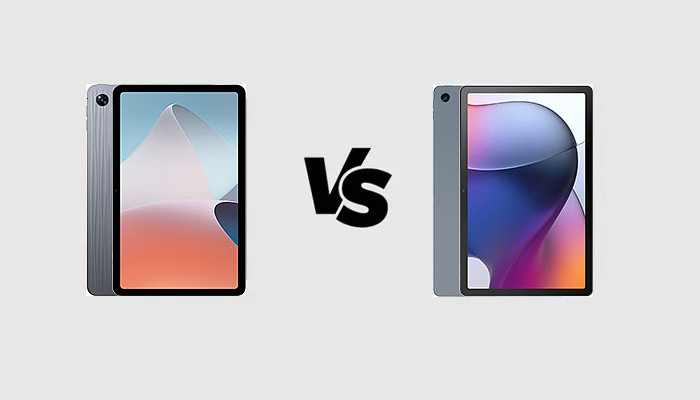
A bunch of hours ago, the OPPO Pad Air went official in the European market. It is the first OPPO tablet to hit Europe and it is also a device with a high value for money, thanks to its affordable price tag. But there is another tablet launched a few days ago representing a perfect competitor for the OPPO one. We are talking about the Motorola Moto Tab G62: Lenovo seems seriously intentioned to take on OPPO, Realme, and Samsung not only in the global smartphone market but in the tablet market as well. Is its new tablet good enough to challenge the best affordable tablets out there? In order to answer this question, after comparing the Motorola tablet to the Realme Pad, we decided to publish a comparison between the main specifications of the OPPO Pad Air and the Motorola Moto Tab G62.
If I had to choose between these two tablets, I would definitely go for the OPPO Pad Air without thinking twice. It has a very interesting design made of two elegant pieces and it is very curated. It is one of the most beautiful tablets you can choose and even one of the thinnest and most lightweight ones, with a thickness of just 6.9 mm and a weight of 440 grams. It has a very high screen to body ratio and one single camera placed on the upper left corner of the rear side. It supports the stylus for handwriting and drawing, so it is a very good tablet for productivity, even though it is an affordable model. Even though the OPPO Pad Air wins the design comparison, the Motorola Moto Tab G62 remains a beautiful device. It is made entirely of aluminum with the exception of the front glass: it has an aluminum back, an aluminum frame, and a very thin profile with a thickness of just 7.5 mm. Further, it has a water repellent body, so you can use it even in the rain. The screen to body ratio is high even in this case but this device does not support the stylus for handwriting and drawing.
Display
If you are looking for the best image quality, you should go for the OPPO Pad Air. It has an IPS LCD display, so nothing particularly amazing because the best displays are OLED. But it is able to show up to one billion colors, so you can get good color accuracy. The display has a diagonal of 10.36 inches, a Full HD+ resolution of 1200 x 2000 pixels and, as already mentioned, it supports the stylus. The display of the Motorola Moto G62 is inferior in terms of image quality, but it is a bigger panel, with a diagonal of 10.6 inches. It has a Full HD+ resolution of 1200 x 2000 pixels and IPS LCD technology. Both the tablets feature four stereo speakers for an improved audio experience, but they lack a fingerprint reader and you can only unlock them through a code or other traditional methods.
Specs & Software
Now, let’s talk about the hardware department. These are midrange tablets, and midrange tablets are usually inferior to midrange phones. So you should not expect blazing speeds and the highest performance, but these devices are always more than acceptable. They are powered by the Snapdragon 680 4G mobile platform by Qualcomm: a chipset built with a 6 nm production process sporting an octa-core architecture composed of four Kryo 265 Gold CPUs running at a max frequency of 2.4 GHz, as well as four Kryo 265 Silver CPUs running at a frequency of 1.9 GHz, and an Adreno 610 GPU. The OPPO Pad Air wins the hardware comparison because it provides a higher amount of RAM and internal storage: it offers up to 6 GB of RAM and up to 128 GB of UFS 2.2 native storage which you can furtherly expand with a micro SD, while the Motorola Moto Tab G62 stops at 4 GB of RAM and 64 GB of expandable native storage. These tablets run Android 12 out of the box, but the ColorOS for Pad found on the OPPO device is way better than the Motorola customized user interface.
Camera
Do you need a better rear camera? If so, then buy the OPPO Pad Air. It has the same 8 MP resolution as the Motorola Moto Tab G62, but thanks to a brighter f/2.0 focal aperture and a better camera algorithm, it is able to provide higher camera performance. On the other hand, the Moto Tab G62 by Motorola has a better 8 MP front camera.
The Motorola Moto Tab G62 is able to provide a longer battery life thanks to the presence of a bigger battery with a capacity of 7700 mAh.
Price
The OPPO Pad Air sells with a starting price of €213/$213 in the Indian market, while the Motorola Moto Tab G62 starts from €200/$200 at the actual change. Which one would you pick?
OPPO Pad Air vs Motorola Moto Tab G62: PRO and CONS
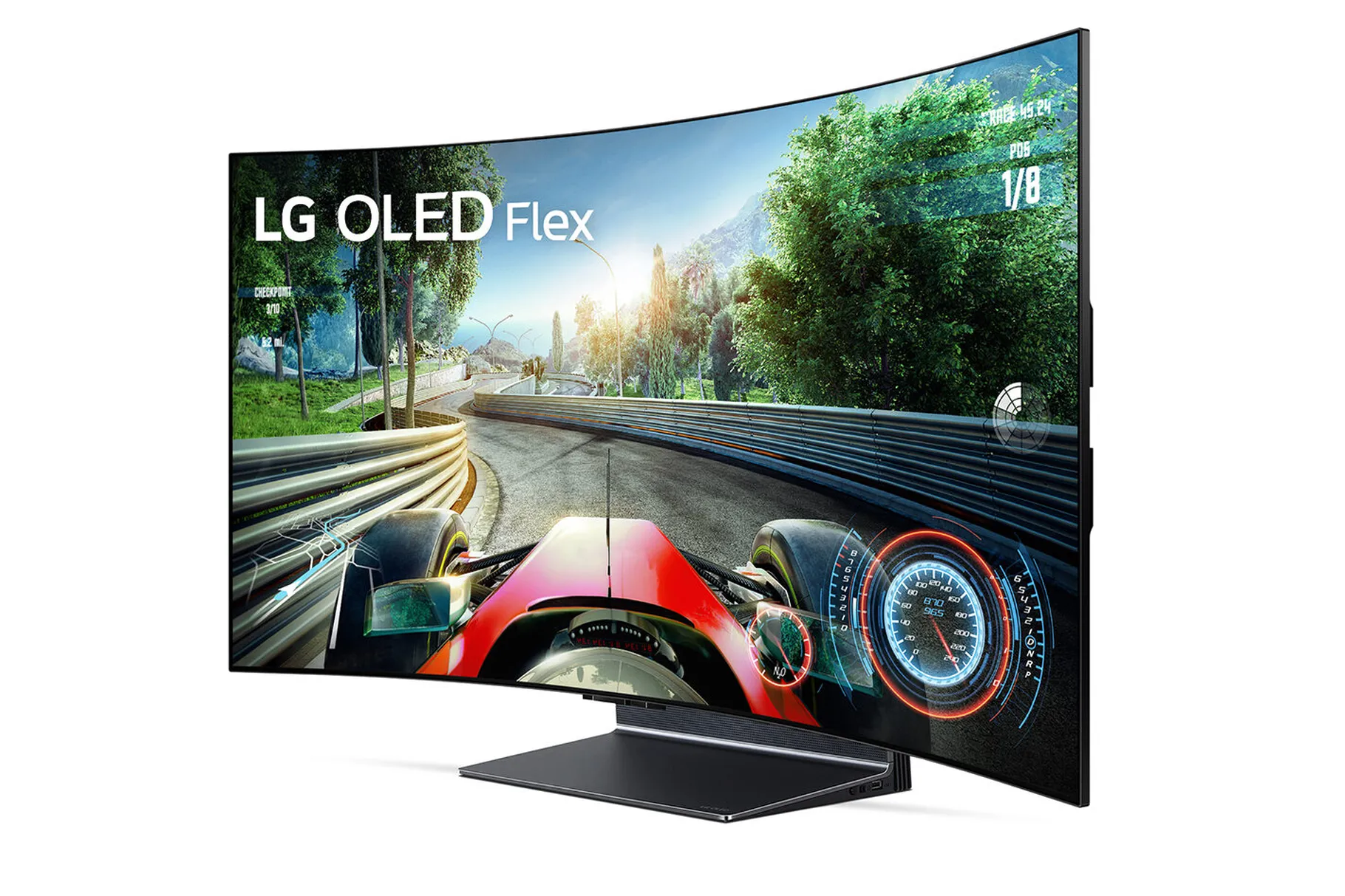
LG has unveiled its first bendable OLED TV, which can function as a flat or curved display. The LG OLED Flex is equipped with a 42-inch OLED panel as well as LG’s latest display technology that bends into a curved (900R) TV.
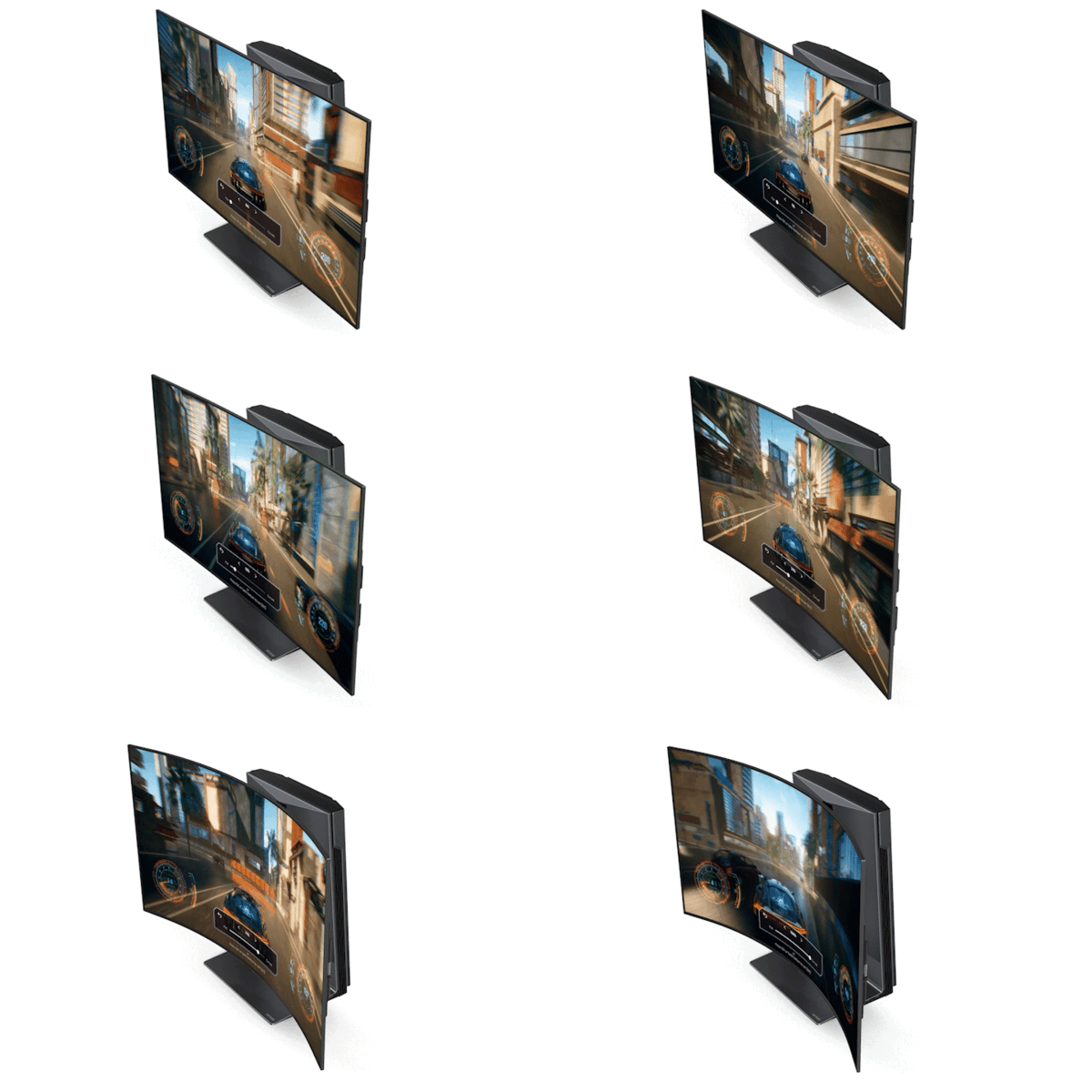
Curved displays are better suited for immersive gaming, whilst flat panels are better suited for watching TV broadcasts or streaming services. Using a special button on the TV remote, LG OLED Flex users can automatically bend and adjust the TV into its curved mode. (As opposed to certain morphing monitors, which require manual adjustment.) There are two settings, or owners can alter the display curve in 5% increments through 20 different levels.
The 42-inch bending display is aimed at gamers, thanks to a slew of capabilities that console and PC gamers would appreciate. The LX3 supports Dolby Vision gaming at 4K 120Hz and has all of the latest HDMI 2.1 capabilities like variable refresh rate (VRR) and auto low latency mode (ALLM). It also supports Nvidia’s G-Sync and AMD’s FreeSync technologies, which reduce tearing and stuttering during gameplay.
This TV certainly seems more like a huge monitor, and it even has a height-adjustable stand that allows you to tilt the image towards or away from you. There are also gaming settings that allow you to reduce the 42-inch display to 32- or 27-inch proportions if you don’t want to play specific games at full screen.
Gamers can also use LG’s Multi View mode to simultaneously view content from two different sources. So, you could use the LG Flex to play a PC or console game while simultaneously viewing a YouTube video streamed to the TV from a phone.
LG has not announced pricing or a release date for the OLED Flex TV. The LG Flex will be on show this week at IFA in Germany.
A new official video of the upcoming AYA Neo Slide handheld gaming console has been released by the company. The progress video indicates that the Slide is on track for its scheduled Q4 2022 release. The gaming handheld was announced in May 2022 and the new video followed its prototype release last month.
The AYA NEO Slide is powered by AMD’s Ryzen 7 680DU chipset with Zen 3+ CPU cores and a Radeon 680M iGPU. The SLIDE will likely square up with the GPD Win 4 and the display can be viewed from at least two angles. The video also reveals some design similarities with the Win 4 but the SLIDE comes with some unique features. You can orientate the SLIDE in a flat orientation or at a 45-degree angle. It is unclear whether the display supports other orientations and how this feature pans out during gaming. The AYA Neo Slide offers shallow keyboard keys while the display sits atop its chassis unlike the GPD Win 4. It is noted that what is known about the Win 4 are leaks, as official renders are yet to be available. The SLIDE will have an LPDDR5-6400 RAM and at least two color variants. The video also reveals USB-C connectivity, a microSD card reader, a 3.5mm headphone jack, and a gamepad layout.
The model is still at the prototype stage but is expected to be released in Q4 2022. AYA NEO has not provided other details including pricing and availability of the upcoming handheld.
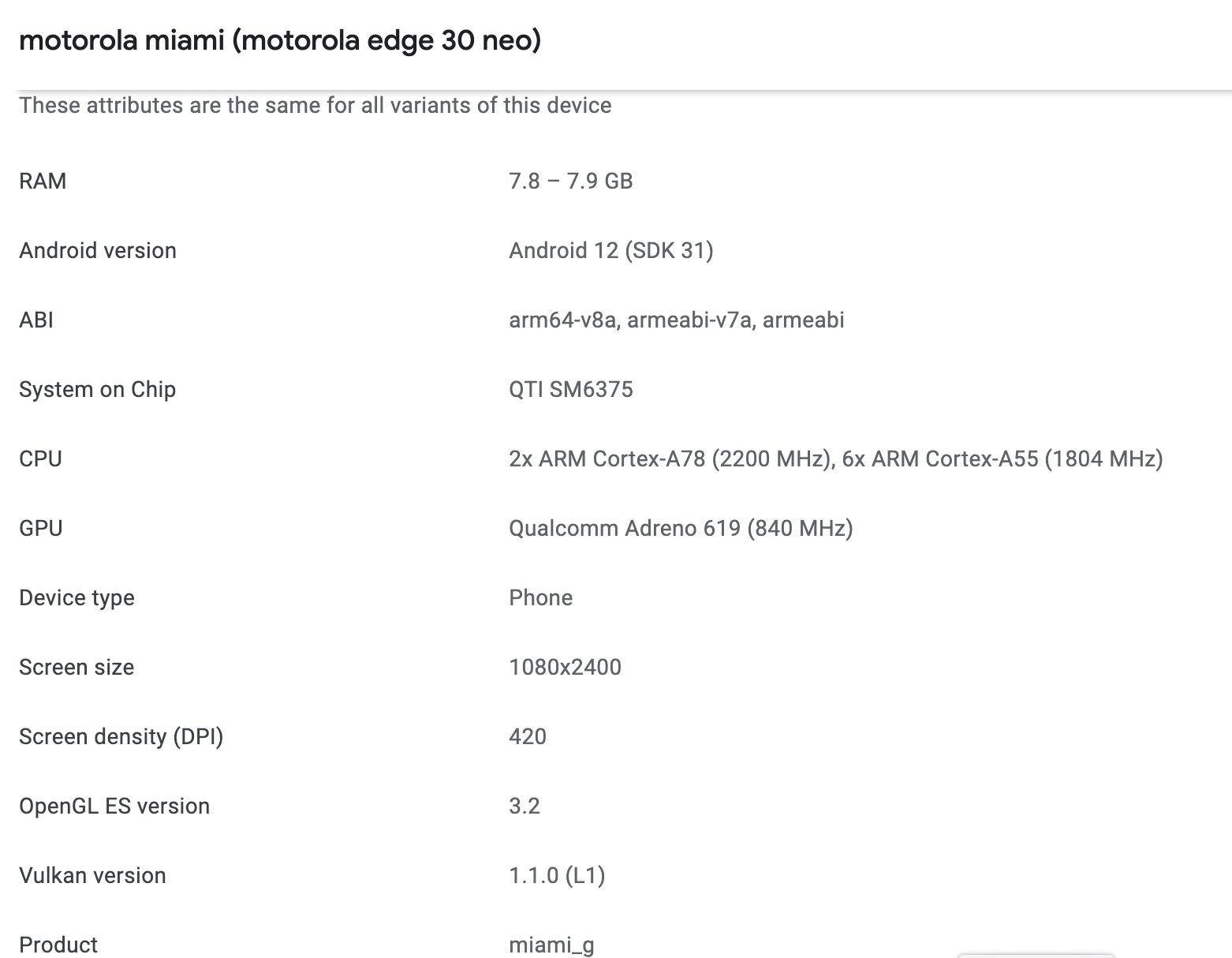
Motorola Edge 30 Neo is expected to launch in the first week of September. The details are yet to be officially announced by the company, but ahead of it, the Edge-series smartphone has been spotted on the Google Play console website, hinting at a few key specs. The listing suggests Edge 30 Neo will be equipped with Snapdragon 695 Soc, FHD+ Display, 8GB RAM, and more. Let’s have a look at all the details.
Tipster Mukul Sharma has spotted the Moto Edge 30 Neo on the Google Play Console website with the codename “Miami”. As per the listing, the device will be powered by a Qualcomm Snapdragon 695 SoC, coupled with Adreno 619 GPU. It will be equipped with a full-HD+ display with a hole-punch cutout, housing a selfie camera. It will run Android 12-based MyUX out of the box.
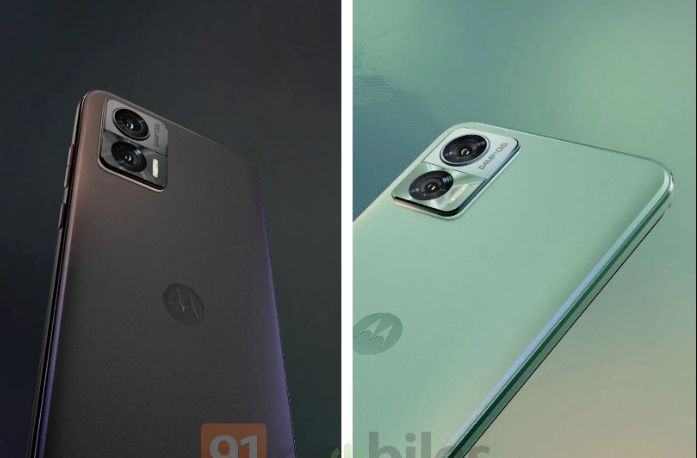
Recently, the renders of the Moto Edge 30 Neo surfaced online, which revealed the device will be offered in Aqua Foam, Black Onyx, Ice Palace, and Very Peri color options.
Further, the device is rumored to have a 6.28-inch P-OLED display offering a 120Hz refresh rate. It is said to have up to 8GB RAM and 256GB of onboard storage. For photography, it could feature dual rear cameras consisting of a 64MP main camera with OIS accompanied by a 13MP ultrawide sensor. It is expected to come with a 4,020 mAh and will support 30W charging.
As for the price, Moto Edge 30 Neo is expected to cost around 399 euros in Europe. As mentioned, Motorola is yet to confirm any details about the smartphone yet. We hope to learn more in the coming days.
We use cookies on our website to give you the most relevant experience by remembering your preferences and repeat visits. By clicking “Accept”, you consent to the use of ALL the cookies.
This website uses cookies to improve your experience while you navigate through the website. Out of these, the cookies that are categorized as necessary are stored on your browser as they are essential for the working of basic functionalities of the website. We also use third-party cookies that help us analyze and understand how you use this website. These cookies will be stored in your browser only with your consent. You also have the option to opt-out of these cookies. But opting out of some of these cookies may affect your browsing experience.
Necessary cookies are absolutely essential for the website to function properly. This category only includes cookies that ensures basic functionalities and security features of the website. These cookies do not store any personal information.
Any cookies that may not be particularly necessary for the website to function and is used specifically to collect user personal data via analytics, ads, other embedded contents are termed as non-necessary cookies. It is mandatory to procure user consent prior to running these cookies on your website.