A recent report has just revealed that AMD might be the very first customer of Samsung Foundry‘s cutting edge 3nm process technology. The news also arrives as Team Red sees great annual performance, which marked an impressive 65 percent growth over last year.
According to WccFTech, DigiTimes‘s sources close to the industry believe that TSMC’s (Taiwan Semiconductor Manufacturing Company) close relationship with the Cupertino based Apple has made AMD consider choosing Samsung for its 3nm orders. The company wouldn’t be the only chipmaking giant eyeing the South Korean Foundry, as Qualcomm is also supposedly interested in Samsung’s 3nm process nodes.
Reportedly, the primary reason for both major chipmakers is due to their dissatisfaction with TSMC’s relation with the iPhone maker. Regardless of these rumors, TSMC is set to begin production from its 3nm process technology in the first half of next year. Although, Apple is likely to be one of the, if not, the first customer of TSMC’s 3nm process as the Taiwanese firm is believed to give Apple preference in procuring semiconductors manufactured using its advanced technologies.
In separate report from IC Insights, the known American PC chip manufacturer also saw a great performance this year. AMD is expected to be placed at the top of IC Insight’s list of top ten semiconductor growth companies for 2021. In this year, the company is projected to see an annual revenue rise of an impressive 65 percent over last year. This implies that it would be bringing in 16 billion US Dollars in the fiscal year of 2021. Notably, the rise also arrives after a strong performance in 2020 as well, in which the company saw a 45 percent revenue growth YoY reaching 9.8 billion US Dollars.
Last year in December, Xiaomi announced the Xiaomi Mi 11 5GXiaomi Mi 11 5G as the world’s first phone powered by the Snapdragon 888. Hence, it is likely that the Chinese manufacturer may launch the Xiaomi 12 with the upcoming Snapdragon 8 Gen1 in December in China. Fresh information reveals that the mass production of the phone has already started.
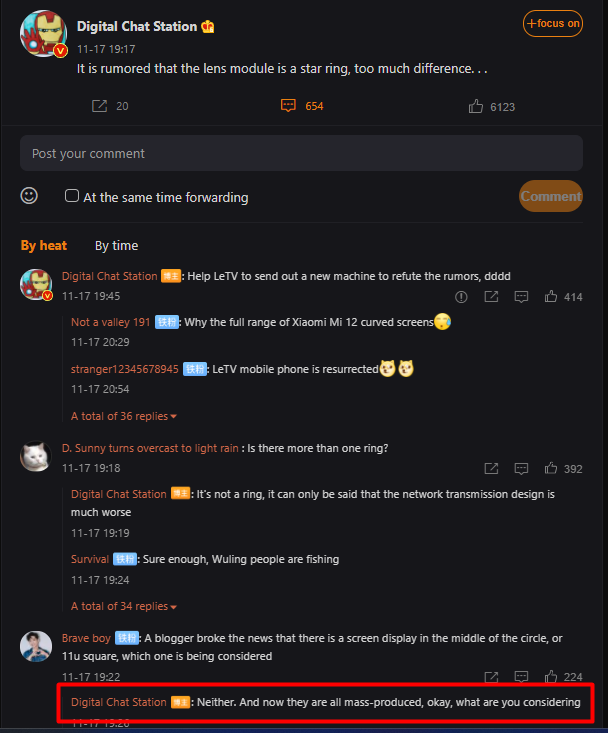
Current rumors have claimed that the Xiaomi 12 will feature a ring-shaped camera module. However, Chinese leaker Digital Chat Station claimed that the realm design of the Xiaomi 12’s rear camera is completely different from what’s being said. It seems that the Xiaomi 12 may sport a different camera rear design.
He also revealed that the Xiaomi 12’s mass production has started, which indicates that it could be one of the first phones to debut with the Snapdragon 8 Gen1 in December in the home market. Probably, the smartphone could be made available for purchase within this year or by early January in China.
It is believed that the model numbers 2201122C and 2203121C belong to the Xiaomi 12 series. The exact monikers of these devices are under the wraps. The global variant of the former phone with a 2201122G model number was recently certified with another 2201123G model by the EEC certification platform. The 2201122G model is also said to be heading to India since it has been spotted in the database of the BIS authority.
Xiaomi Mi 11 5G
In related news, a Xiaomi phone with 2112123AC has recently bagged TENAA and 3C certifications in China. This model is said to be equipped with the Snapdragon 870 chipset and 67W fast charging.
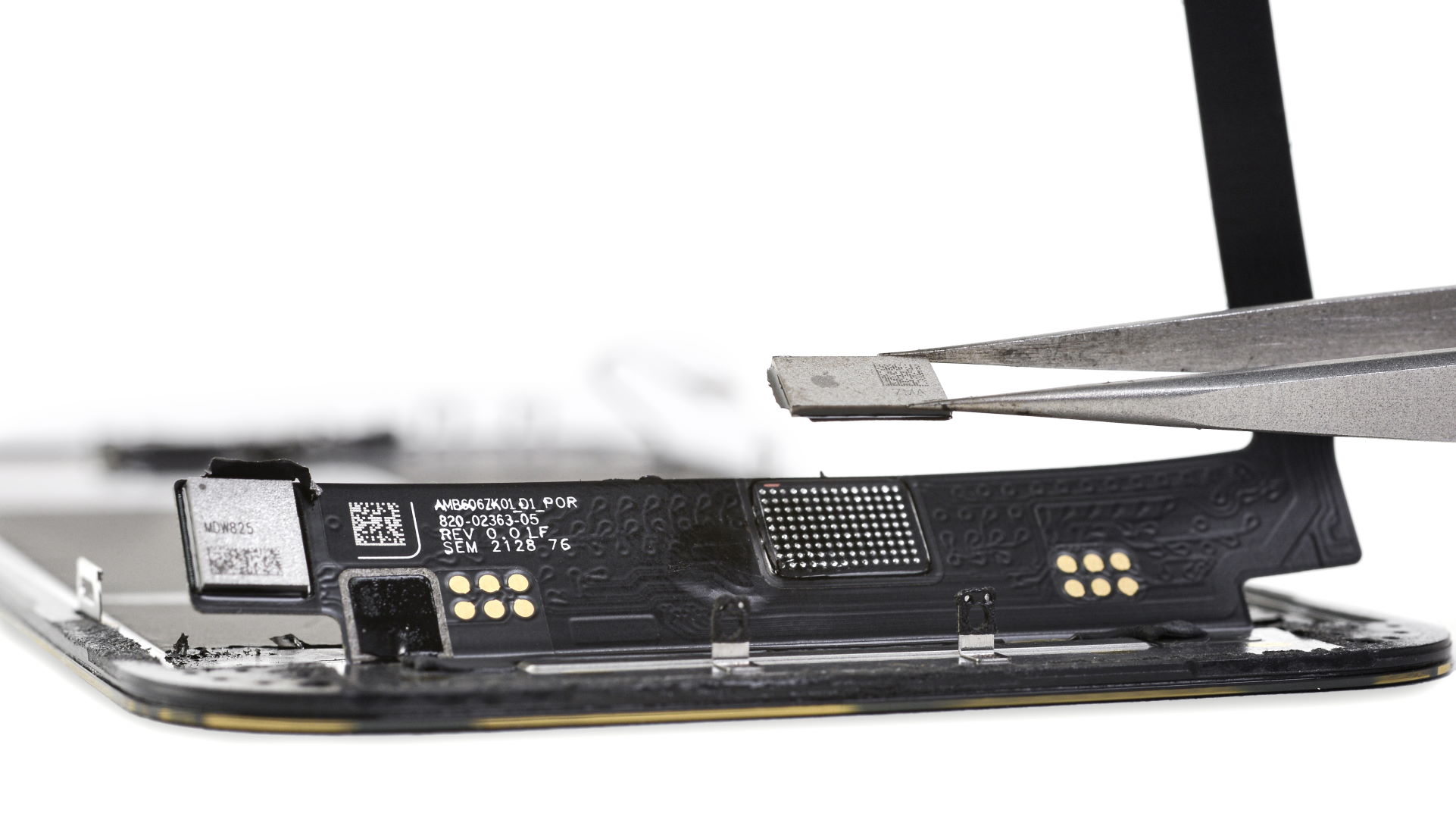
Apple gets criticized for actively trying users to stop getting their products repaired and for having absurd policies like disabling Face ID when the screen is repaired or replaced by someone other than Apple.
But now, in a step towards being more do-it-yourself repair friendly, Apple has launched a new Self Service Repair program that will enable users to repair some products themself using official Apple parts and tools.
This new repair option will be available to the users in the United States from early 2022 and is expected to be rolled in other regions later the same yet. Initially, the program will offer resources to fix iPhone 12 or iPhone 13 and soon after that, the company will add support for M1-powered Mac devices.
It has been revealed that in the first phase of the Self Service Repair program, Apple will be focusing on the core components likes the battery, camera, and display, while the other parts will be eligible later. So far, the company has not revealed how much the parts would cost but will be offering credit to customers who return used parts for recycling.
Apple adds that this program is for people with experience in repairing electronics and warns that the vast majority of people are better off getting service from professionals, whether at Apple stores or authorized providers.
The development comes at a time when the White House, the Federal Trade Commission, and multiple states in the United States have backed the right-to-repair measures that could force Apple and other companies to allow customer maintenance.
Huawei Maimang series of smartphones are exclusive to China Telecom. The carrier dropped the HUAWEI branding with the launch of Maimang 10 SE earlier this year. Four months later, details about the vanilla Maimang 10 emerge.
Maimang 10
According to WHYLAB, China Telecom has quietly released Maimang 10 in China. The handset will be soon available for purchase in the coming days. The device is expected to carry a price tag of ¥2,299.
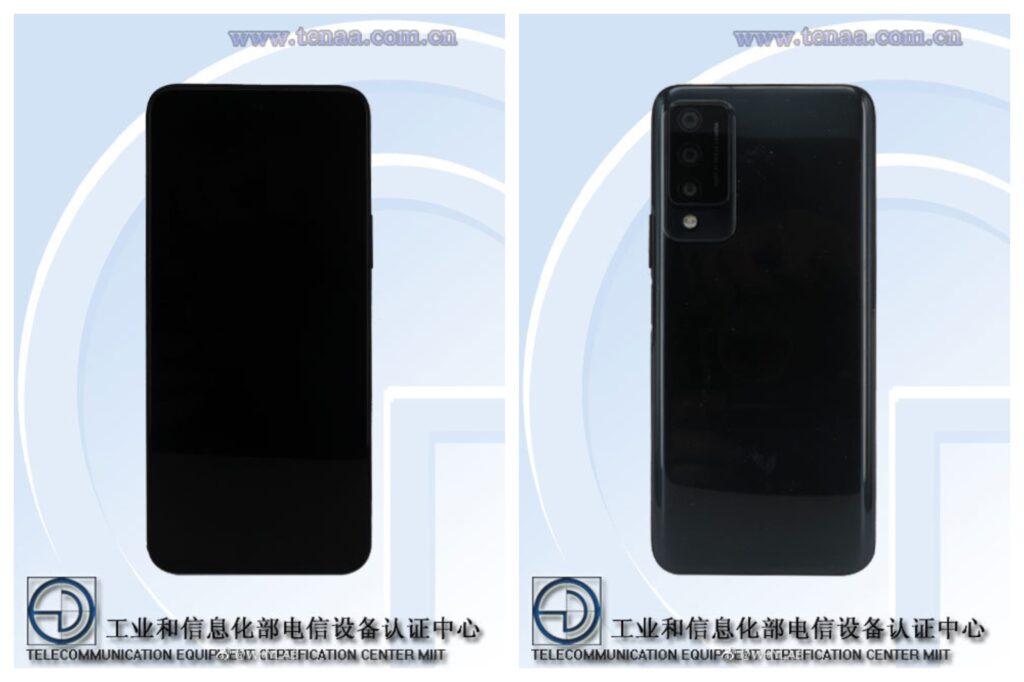
As per the phone’s TENAA certification, it is a tweaked version of yet another China Telecom-exclusive smartphone called NZONE S7 Pro, which went official at the end of June.
Maimang 10
The highlights of Maimang 10 include a 6.6-inch HD+ 90Hz display with a punch-hole, MediaTek Dimensity 720 chipset, 40MP + 20MP + 2MP triple rear camera setup, 16MP front-facing camera, 4,900mAh battery, 40W fast charging, 8.4mm thickness, and 179g weight.
The only major differences between the NZONE S7 Pro and the Maimag 10 are the camera setup and battery. The former features a 64MP main sensor paired with an 8MP secondary sensor and a 4,000mAh battery.
NZONE S7 Pro
Unfortunately, we couldn’t find the official renders of the handset. Even WHYLAB did not share it. This suggests that China Telecom might have announced the device internally.
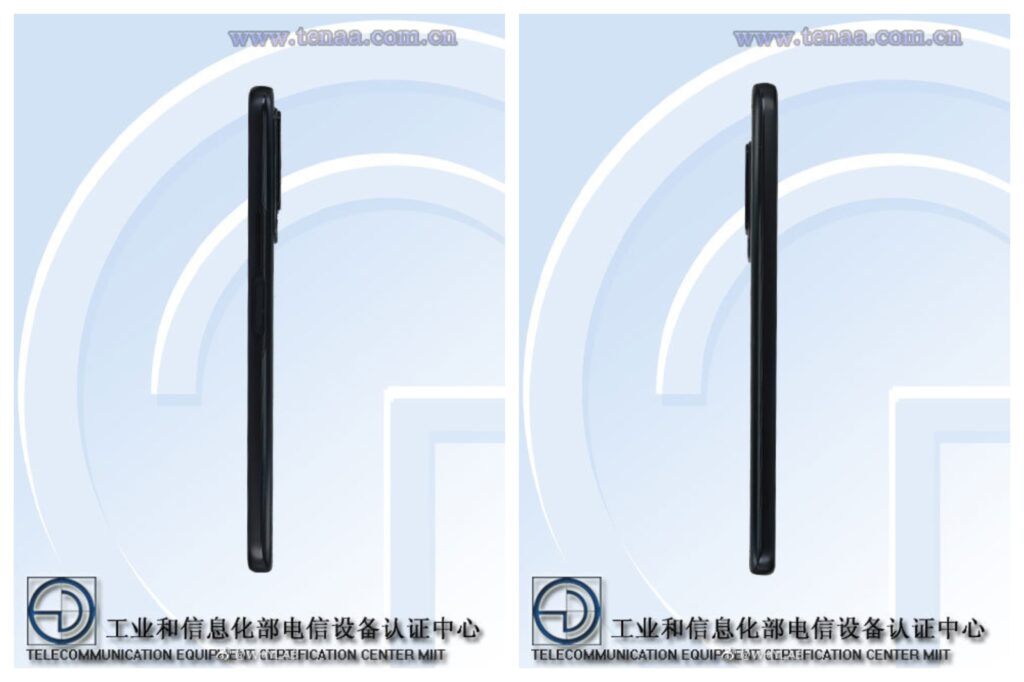
In order to have a good look at the phone’s design, we will have to wait until the smartphone gets listed online for pre-orders or sale. Until then, all we got are the low-quality images by TENAA.
At the 2021 Los Angeles Auto Show, electric vehicles startup Fisker has showcased the production version of its first EV — Fisker Ocean SUV. In terms of design, it seems quite similar to the first prototype that the company had unveiled at CES 2020.
It has been revealed that the Ocean SUVs will be manufactured using sustainable materials and the whole interior is made from recycled items. As mentioned by the company earlier, it also has a solar roof, which will be able to capture enough energy from the sun to power up to 1,500 miles of driving per year.
There’s a massive 17.1-inch touchscreen infotainment display that is positioned vertically by default but with just a touch of a button, the screen will rotate horizontally and enter what the company calls “Hollywood Mode.”
The Fisker Ocean SUV, which the company has described as dynamic and driver-centric, will come in three trims that span a broad range of price and range. The Sport edition will be the most affordable among the three, starting at $37,499. It will have 275 horsepower driven through the front wheels and stands as the entry to the Ocean lineup and will be offering 250 miles of range.
The second model is Ultra, which starts at $50,000 and comes with 540 horsepower, and offers 340 miles of range. The top-end model in the lineup is Extreme, it offers 550 horsepower and 350 miles of range. The cars are expected to be available for purchase by customers late next year.
Fisker says that all three versions of the Ocean SUV will be able to charge other electric cars or an owner’s home, which is a part of its larger mission of promoting clean energy.
DIZO, the sub-brand from Realme seems to be doing pretty well in the Indian market. The company’s new wearable device, the DIZO Watch 2, which was launched in September, sold 50,000 units within 15 days of its first sale.
Now, the company has revealed yet another milestone achieved by the DIZO Watch 2. It confirmed that the device has now crossed the mark of selling 100,000 units within 40 days of its first sale. The company adds that this makes it the fastest-selling product in the smartwatch history in India.
Coming to the specifications, the DIZO Watch 2 features a 1.69-inch TFT LCD touchscreen that offers 600nits brightness as well as customization using the 100+ watch faces. It has a metallic body that comes with support for 5ATM water resistance.
It supports 15 indoor and outdoor sports modes and comes with a step counter, sleep tracking, menstrual cycle tracking, heart rate monitoring, and blood oxygen level monitoring. It also enables checking notifications and rejecting phone calls while allowing you to control music playback as well as using the smartwatch as a camera shutter button.
The device is powered by a 260mAh battery and is claimed to offer 10 days of usage on a single charge. The DIZO Watch 2 comes in Classic Black, Dark Green, Mint Green, Silver Grey, Golden Pink, and Ivory White colors. The device is priced at ₹2,999 (~$40) but was available for ₹1,999 (~$27) for a limited time in India.
TD Tech is a licensee of Huawei hardware products. The company has so far released a single device called TD Tech N8 Pro (HUAWEI nova 8 Pro 5G). Its next handset is expected to be a rebadged HUAWEI Mate40E 5G. Ahead of that, the firm’s entire product lineup has leaked.
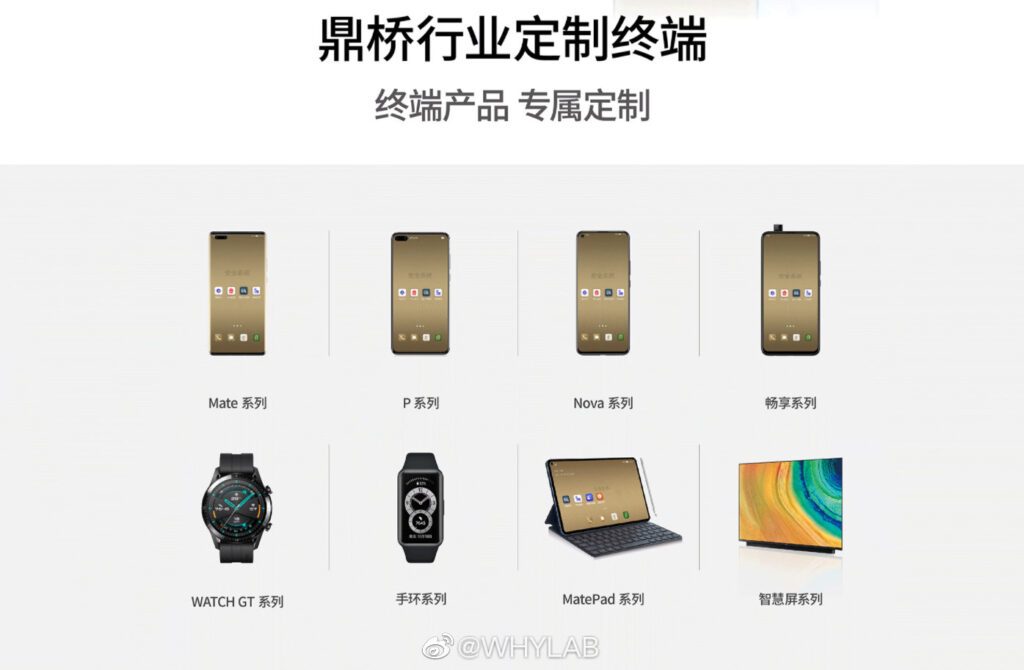
A media house called WYLAB has shared an image on Weibo detailing the product lineup of TD Tech. Up until now, we thought the company will be only releasing certain HUAWEI-branded smartphones. But that does not appear to be the case.
According to the picture, TD Tech will not only launch all the Huawei smartphone series, but also smartwatches, fitness trackers, tablets, and smart TVs. Here’s the entire catalog of products the lesser-known telecom equipment manufacturer is planning to bring to the market.
TD Tech Huawei Product Lineup
Smartphones
Mate Series
P Series
Nova Series
Enjoy Series
Wearables
Watch GT Series (Smartwatch)
Band Series (Fitness Tracker)
Tablets
MatePad Series
Smart TVs
Vision Series
Since the licensee does not use the ‘nova’ branding for its first self-branded Huawei smartphone, we think that it lacks rights for the trademarks. Hence, the products from the above-listed series will most likely use a different name.
Having said that, the launch timeline for these devices is a mystery for now. But we can expect them to debut one by one in the coming days.
Xiaomi’s sub-brand Redmi will be announcing the Redmi Note 11T 5G on Nov. 30 in India. According to well-known tipster Mukul Sharma, several other Xiaomi and Redmi devices will also debut soon in the Indian market. Here are some of the expected products that are expected to arrive in the country.
The Redmi Smart Band Pro, which is an updated version of the last year’s Redmi Smart Band is likely to launch soon in India. In fact, it is being speculated that it may go official alongside the Redmi Note 11T 5G on Nov. 30. Xiaomi recently unveiled the Redmi Watch 2 Lite in global markets. Probably, this smartwatch may also debut in the country before the end of this year.
China’s Redmi Note 11 will be rebranded as the Redmi Note 11 5G in India
It is unclear which other Redmi devices will be launching this year. The Redmi Note 11 series, which is expected to arrive with a refreshed design and different chipset as compared to its Chinese edition, may not launch this year.
Xiaomi India is expected to announce the Xiaomi 11T and 11T Pro flagship phones in India soon. A recent report claimed that the Pro model will debut this month in India. These phones were made official in global markets in September. Since the Chinese manufacturer had released Xiaomi Mi 10T and Mi 10T Pro in the country, the 11T series are also expected to make their way in the country.
Recently, TD Tech, a Chinese telecom equipment manufacturer, launched a smartphone called TD Tech N8 Pro. This handset is nothing but a rebadged HUAWEI nova 8 Pro 5G. The company itself has confirmed that it procures components from Huawei. As per new reports, the firm’s next phone will be a rebranded HUAWEI Mate40E 5G.
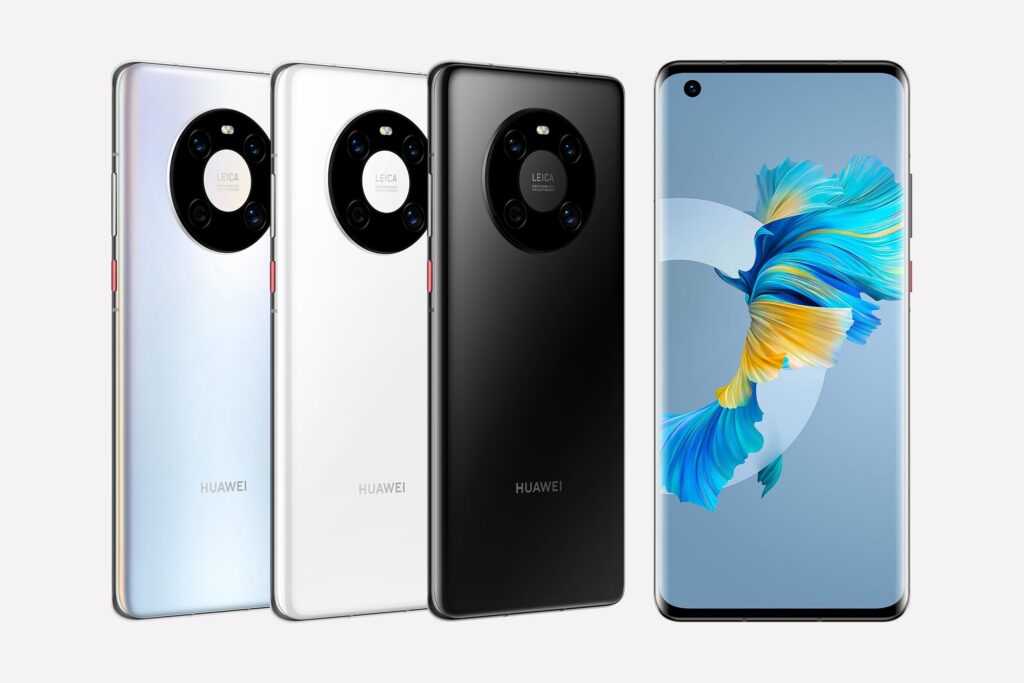
HUAWEI Mate40E 5G
Huawei has started licensing its hardware designs to other companies and TD Tech is one of those partners. The second self-branded smartphone from this firm is expected to be Huawei Mate 40E 5G.
The official name of the handset is a mystery, however, we know that it will bear model TDT-MA01. According to 3C certification, the device will support 40W fast charging but the required charger will not be included in the box.
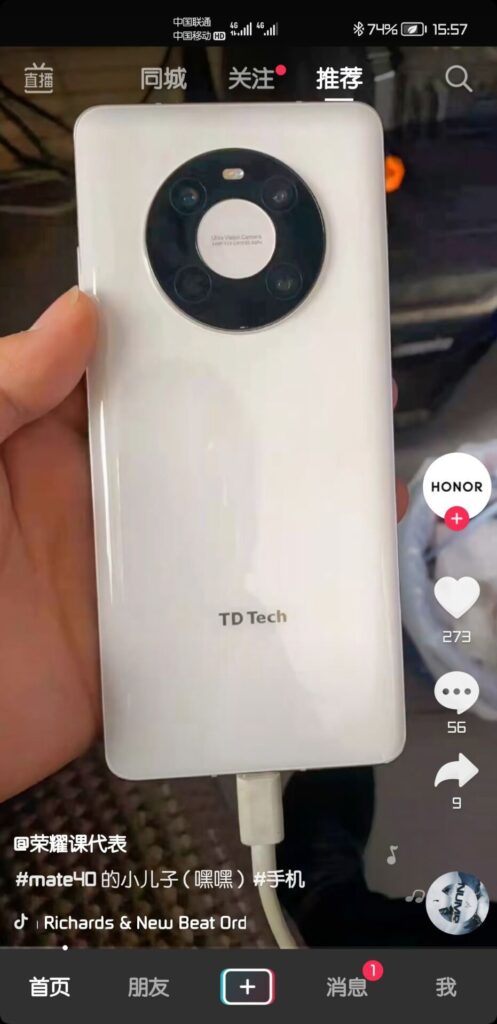
The phone has been also certified by TENAA, which clearly shows that it is a rebadged Huawei Mate 40E 5G. That’s not all, the device has also leaked in a TikTok video.
HUAWEI Mate40E 5G with TD Tech branding
A screengrab of this video displays the smartphone in white color with TD Tech branding and no Leica text. Instead, the camera ring says ‘Ultra Vision Camera’.
Unfortunately, the launch date of this phone is anyone’s guess at the moment. In fact, TD Tech N8 Pro itself is currently out of stock and it is said to hit the shelves again at the end of December.
What are your thoughts on these Huawei smartphones without ‘HUAWEI’ branding? Do let us know in the comment section below.
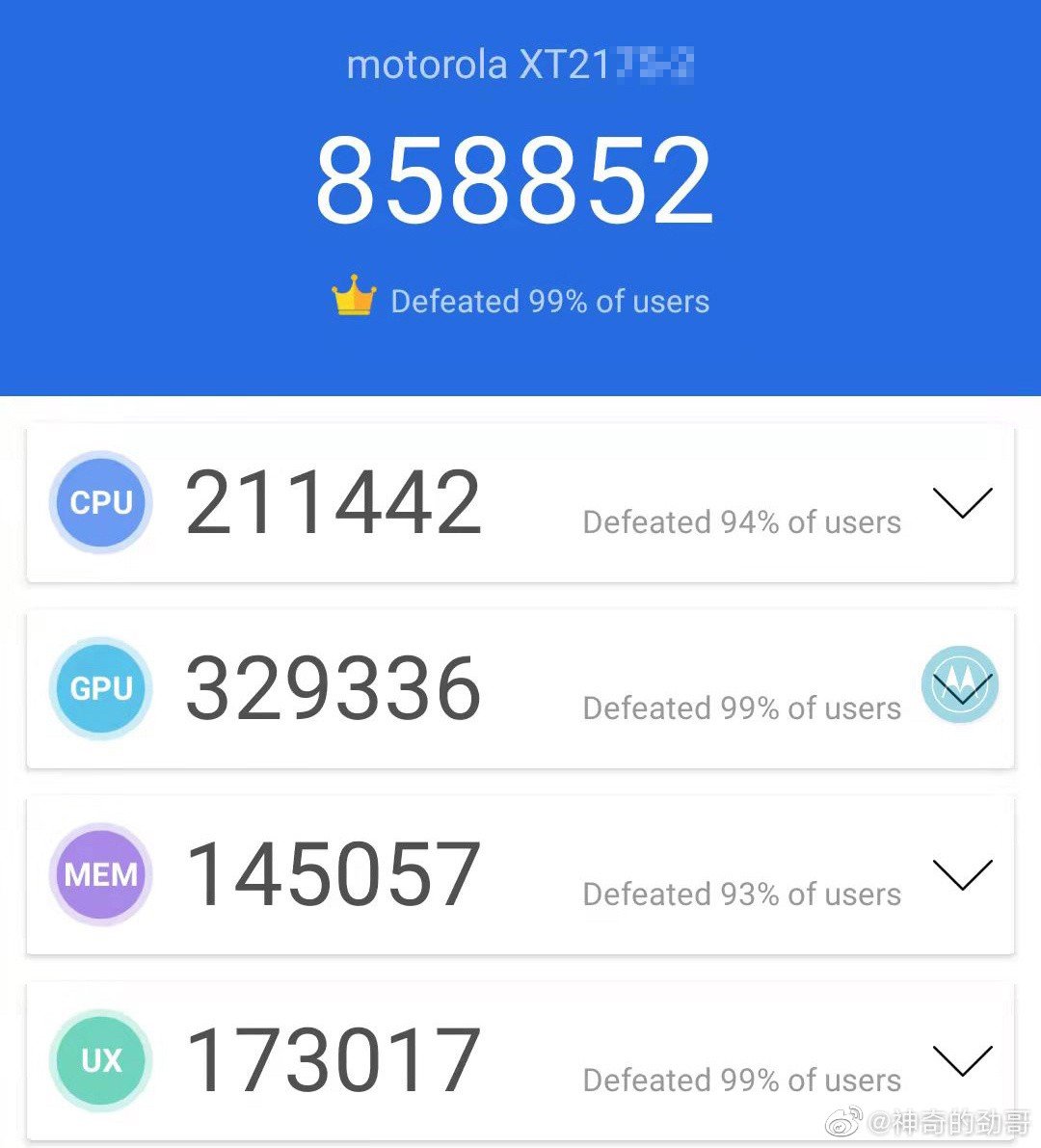
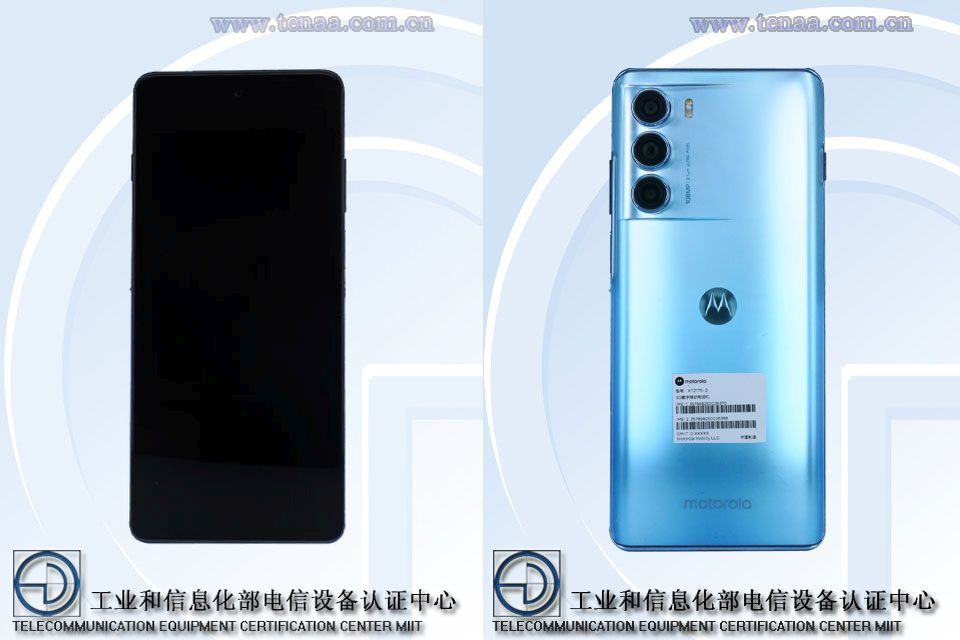
Lenovo’s General Manager for Mobile Phone Business Department, Chen Jin has shared a screengrab of an AnTuTu listing of the upcoming Moto Edge S30 flagship phone. The screenshot does not directly mention the moniker of the device, but the XT2175-2 model number confirms that it is indeed the upcoming flagship phone from Motorola. The XT2175-2 phone has recently been certified by the TENAA and 3C certification sites of China and is expected to launch in December with another flagship named Moto Edge X.
On AnTuTu, the Moto Edge S30 scored 858,852 points. The reason why it managed to score such a high score is that it is powered by the Snapdragon 888 Plus chipset. As can be seen in the screenshot, the Edge S30 scored 211,442 in the CPU test, 329,336 in the GPU test, 145,057 in the memory test, and 173,017 in the UX test. Reports have revealed that the smartphone will be released with the Moto G200 moniker in the global markets.
Moto Edge S30 specifications
The Moto Edge S30 has a 6.78-inch LCD panel that offers a Full HD+ resolution. It is expected to carry support for a 144Hz refresh rate. For selfies, it will feature a 16-megapixel front-facing camera, and its rear camera setup may include a 108-megapixel primary camera, a 13-megapixel ultrawide lens, and a 2-megapixel depth assist sensor.
Moto Edge S30 TENAA images
The Snapdragon 888+ SoC powered Edge S30 may come with up to 12 GB of RAM. The handset may offer users up to 512 GB of native storage. It may house a 4,700mAh battery that supports 33W fast charging. It comes preinstalled with Android 11. There is no information on the pricing of the device.
Motorola, which has established its presence in the budget segment, is now looking to take on other smartphone manufacturers in the premium category. Motorola is looking to launch a premium device pretty soon and now it has been confirmed by the company.
The Lenovo-owned brand has taken to social media to reveal that it will soon be launching a new smartphone powered by the Qualcomm Snapdragon 888+ chipset which will be focusing on offering an “incredible photography experience.”
The company shared these details through a teaser on social media platforms in Serbia, Romania, the Netherlands, and a few others. However, Motorola has not revealed the name of the device or when exactly it’s getting launched.
Given the previous leaks, the smartphone in question is likely to be the Moto G200. Another possibility is the Motorola Edge 30 Ultra aka Moto Edge X. However, as the Edge X is expected to be powered by the upcoming Snapdragon flagship SoC, the teased device is most likely to be the Moto G200.
The Moto G200 is expected to come with a display offering Full HD+ screen resolution and a 144Hz refresh rate. It will pack the Snapdragon 888+ SoC and 8GB of RAM, running the Android 11 operating system. The phone is expected to launch in China under a different moniker — the Motorola Edge S30 moniker.
Moto G200 renders by TechnikNews
In the camera department, the phone will have a 108-megapixel Samsung S5KHM2 primary camera, a 13-megapixel HI-1336 ultrawide camera which doubles up as a macro camera, and a 2-megapixel OmniVision depth sensor. On the front side, there will be a 16-megapixel OmniVision OV16A1Q front-facing camera.
The renders of the smartphone were recently leaked, revealing its design. It has a punch-hole cutout on top of the screen for housing the front-facing snapper. On the backside, the device has a camera module placed in the top-left corner. On the right side of the device, there are volume rocker keys and a power key.
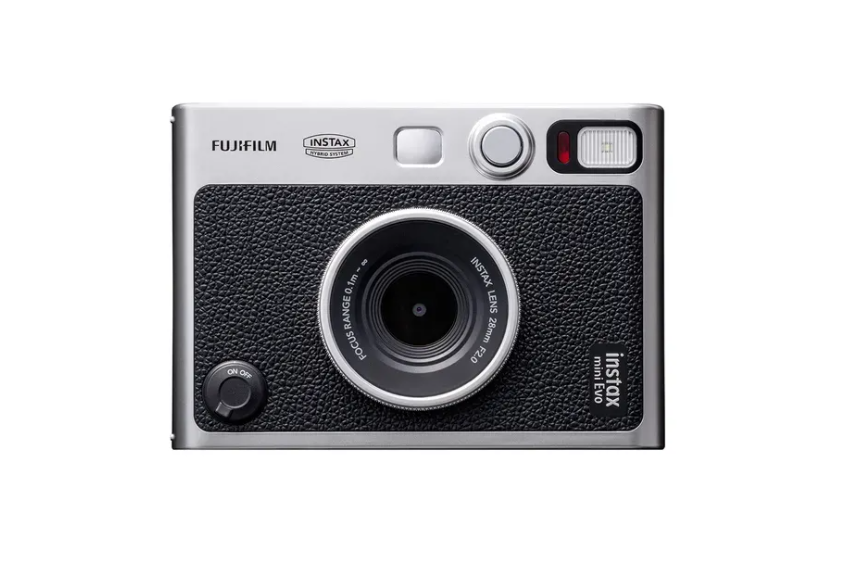
Fujifilm has announced a new digital camera dubbed Instax Mini Evo. The camera is capable of printing from with Instax Mini film. The company says the new Instax flagship was designed with an advanced and classic feel. It has several elements emblematic of the chequered past of cameras. These include a dial mounted on the top and a print control that looks like a film advance lever.
Like other hybrid Instax cameras, the Mini Evo has an LCD screen that can help you frame digital photos before printing. The 10 lens effects can be combined and applied to photos, and Fujifilm says its exposure resolution is twice that of previous models.
The Instax Mini Evo can also be used as a printer, which means that you can get photos from a smartphone and have them printed out. over wireless print-out photos. In the opposite direction, Fujifilm has added a new feature that allows you to save printed Mini Evo photos to your phone and embed the Instax frame so that you can share them as digital Instax snapshots.
Fujifilm will release the Instax Mini Evo for sale in Japan on December 3, and it will land in the US market in February next year. The camera is priced at $199.95.
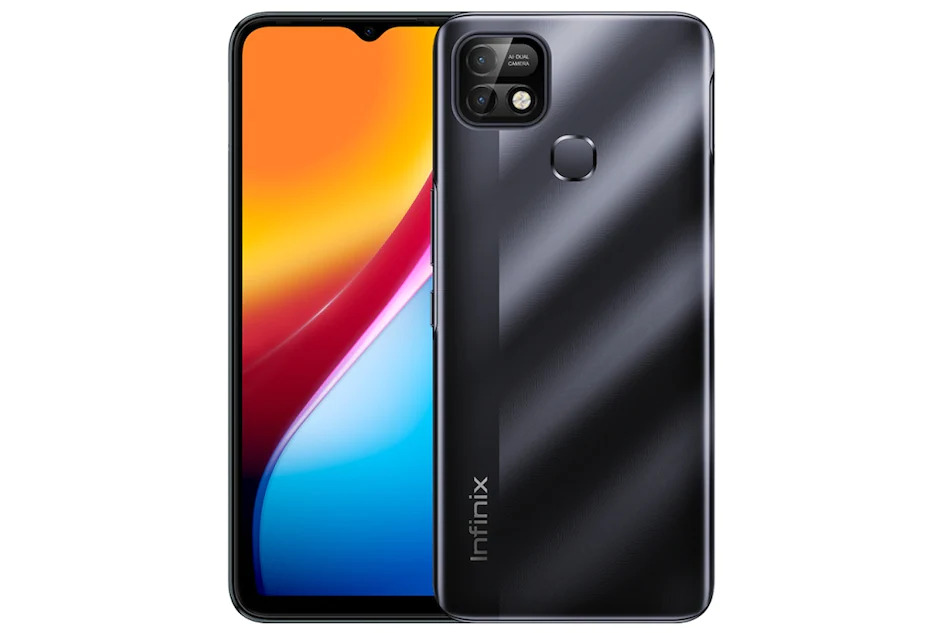
Infinix has been launching mid-range smartphones in the market and now the company has announced its latest entry-level offering, dubbed as Infinix Smart 5 Pro. This is yet another variant in the series that includes Smart 5 and the Smart 5A.
The smartphone features a 6.52-inch LCD TFT Full HD+ display that offers a peak brightness of 500 nits. Under the hood, the device is powered by an octa-core processor clocked at 1.6GHz which is likely to be UNISOC SC9863A.
It comes packed with 2GB of RAM and 32GB of internal storage. As for the camera department, the phone has a dual-camera setup on the back that includes a 13-megapixel primary sensor and a secondary depth sensor.
On the front side, the device features an 8-megapixel snapper for taking selfies and video calling. The phone also comes with a rear-mounted fingerprint sensor for added protection.
The phone is running the Android 11 Go Edition operating system out-of-the-box with XOS 7.6 on top. The device is powered by a bigger 6,000mAh battery which supports 18W charging and the company claims can deliver up to 67 hours of talk time or 88 days of standby time on a single charge.
The device comes in different color options — Black, Blue, Copper, and Green. In Bangladesh, the device is priced at BDT 8,898, which is approximately $104 and is available for purchase via Daraz. It was recently spotted listed on the e-commerce website XPark in Pakistan for the price of PKR 14,499 which is approximately ₹6,200 or $83.
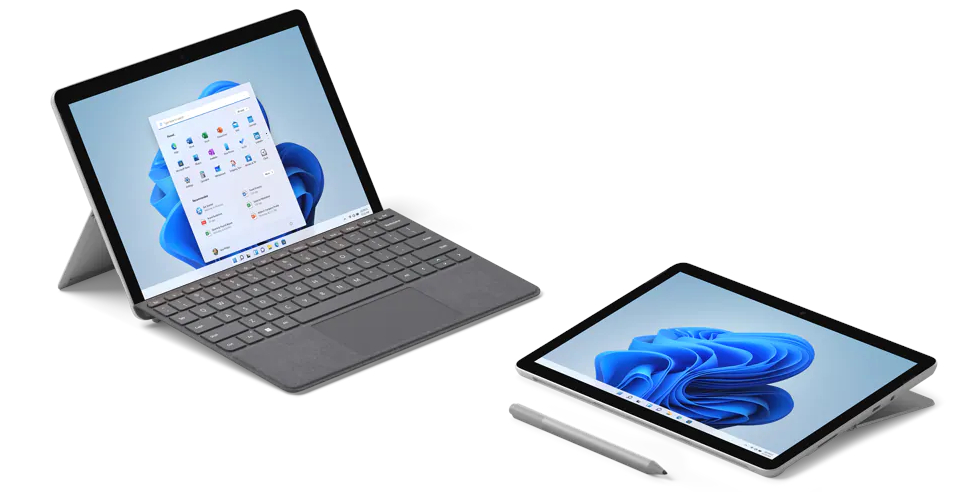
Microsoft‘s latest Surface Go 3 laptop which also doubles as a tablet has been unveiled for the Indian market. The gadget arrives with a starting price of Rs. 42,999 ($579). This is coming nearly two months after the two-in-one laptop was released for the global audience.
The Surface Go 3 is a lightweight device (net weight is about 544g) with a 10.5-inch PixelSense touchscreen that has a 3.2 aspect ratio. The adjustable kickstand enables the laptop to be used in multiple scenarios. It offers up to 8GB of RAM and up to 128GB of storage.
The 10th Gen Intel Core processors that are used in the Surface Go 3 are either the Dual-Core Intel Pentium Gold 6500Y or a Dual-Core Intel Core i310100Y together with the Intel UHD Graphics 615. There are several other impressive features in the Surface Go 3 like a 50MP front camera and battery life of up to 11 hours.
The Microsoft Surface Go 3 has a surface pen, runs Windows11 in Home and S mode. The Surface Go 3 supports Bluetooth 5.0 and Wi-Fi 6 technology. The laptop has several variants in terms of processor, RAM, and storage, the lowest-priced model is Rs. 42,999 ($579) while the highest-priced model is Rs. 62,999 ($848). The surface pen is sold separately but could be gotten for free when pre-ordered from Amazon India during the pre-order period.
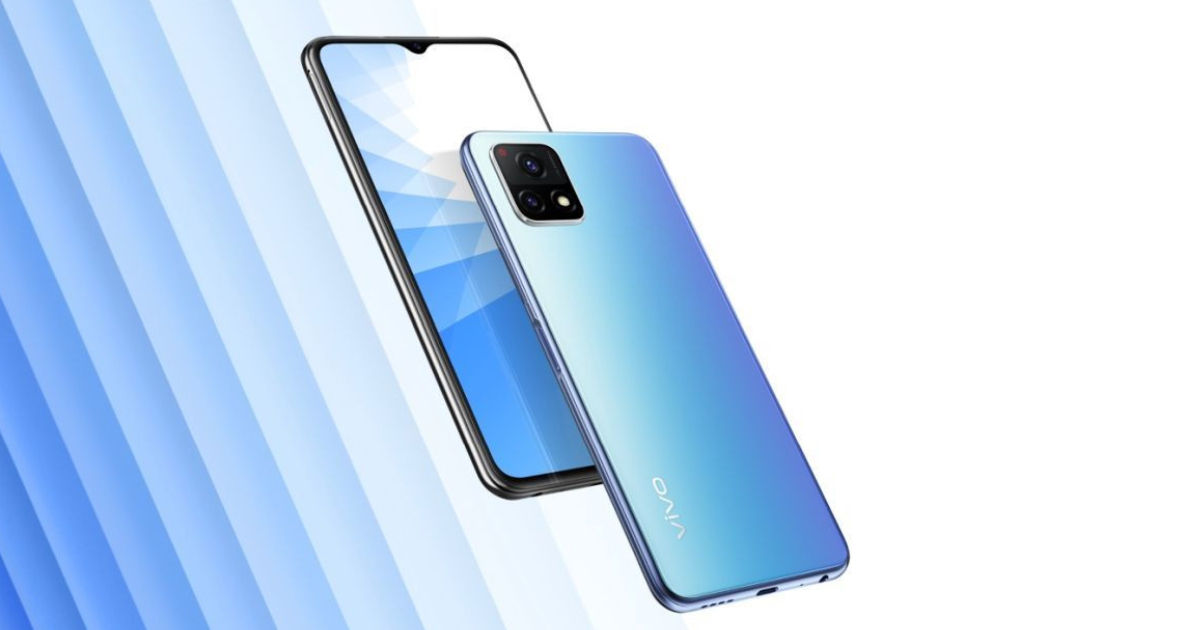
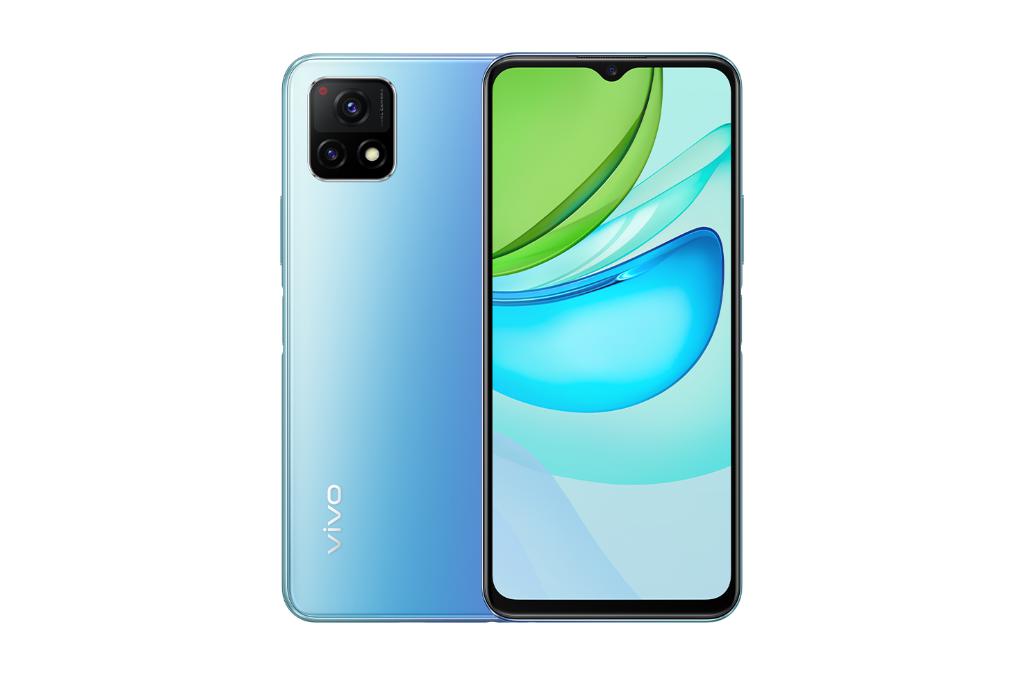
Vivo is all set to announce the Vivo V23e 5G smartphone in Thailand on Nov. 23. Ahead of the launch, reliable tipster Sudhanshu Ambhore has shared the official renders and configuration of the V23e 5G.
The Vivo V23e 5G will be arriving in two colours such as Sunshine Coast and Moonlight Shadow. It appears that the device will be available in a single variant featuring 8GB of RAM and 128GB of built-in storage.
Vivo V23e 5G Sunshine Coast
The V23e 5G has a waterdrop notch display on the front. It is likely that the device may retain the 6.44-inch AMOLED FHD+ display that was made available on the predecessor Vivo V21e 5G smartphone. The V23e 5G appears to be equipped with an in-screen fingerprint scanner.
Vivo V23e 5G Moonlight Shadow
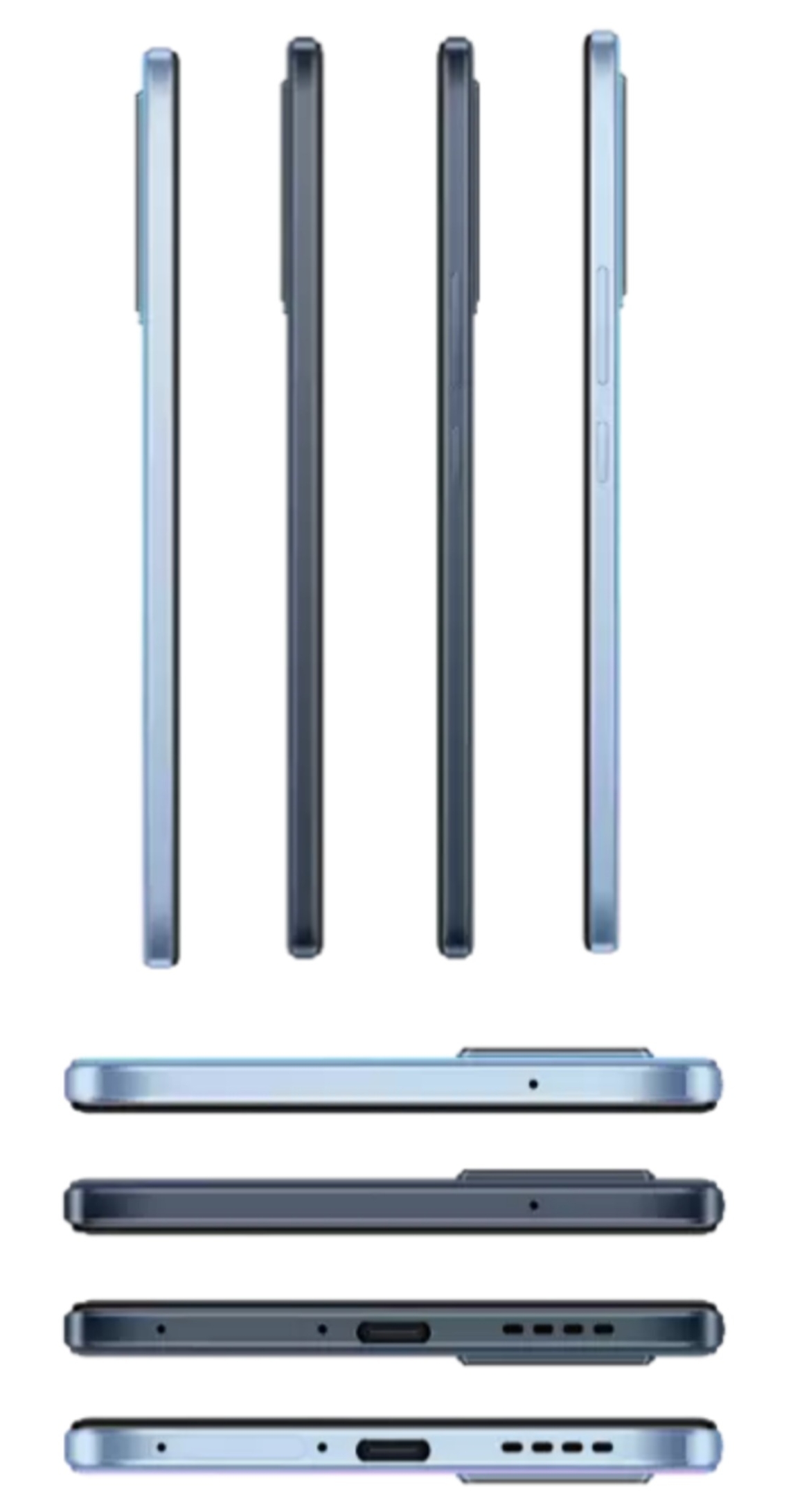
Vivo has confirmed that the Vivo V23e 5G will be sporting a 44-megapixel front-facing, which is an upgrade as the predecessor model featured a 32-megapixel selfie camera. The top edge of the device is fitted with a microphone, whereas its bottom is populated with a SIM card slot, another microphone, a USB-C port, and a speaker grille.
Vivo V23e 5G
The left side of the Vivo V23e 5G is barren. Its right spine has a volume rocker and a power key. While the V21e 5G had a 3.5mm audio jack, it will be absent on the successor model.
Unfortunately, there is no information available on the chipset, battery, and rear cameras of the V23e 5G. Hopefully, the rumor mill will spill more information on the device in the coming days.
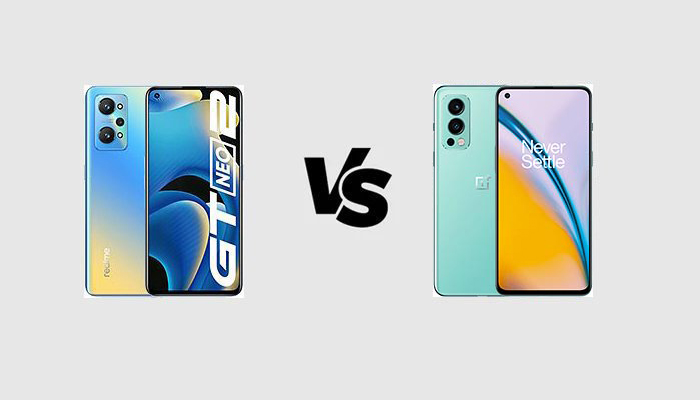
Realme GT Neo2 hitten the European market just in time for the Balck Friday with an outstanding launch deal. For a few days, it will cost just €369 in several European countries and this makes it a real best-buy in the flagship killer segment. Meanwhile, OnePlus Nord 2 5G debuted in the European market in a new Pac-Man Edition with a customized glow in the dark design and great surprises in the software, and it costs just €30 more than the normal version of the phone. If you are looking for a new flagship killer to purchase during this Black Friday period, maybe you are in the right place. This is a comparison between the Realme GT Neo2 and the OnePlus Nord 2 5G: two of the best flagship killers sold under €400.
Realme GT Neo2 vs OnePlus Nord 2 5G
Realme GT Neo2
OnePlus Nord 2 5G
DIMENSIONS AND WEIGHT
162.9 x 75.8 x 9 mm, 199.8 grams
158.9 x 73.2 x 8.3 mm, 189 g
DISPLAY
6.62 inches, 1080 x 2400p (Full HD+), Super AMOLED
Triple 64 + 8 + 2 MP, f/1.8 + f/2.3 + f/2.4
16 MP f/2.5 front camera
Triple 50 + 8 + 2 MP, f/1.9 + f/2.3 + f/2.4
32 MP f/2.5 front camera
BATTERY
5000 mAh, fast charging 65W
4500 mAh, fast charging 65W
ADDITIONAL FEATURES
Dual SIM slot, 5G
Dual SIM slot, 5G
Design
If we do not consider the Pac-Man Edition of the OnePlus Nord 2 5G, the Realme GT Neo2 has a more suggestive design with its creative color variants NEO Blue and NEO Green. But if you love Pac-Man, then you should definitely go for the Pac-Man Edition of the OnePlus Nord 2 5G sporting a glow in the dark design with the famous Pac-Man labyrinth hidden under the rear cover. The OnePlus Nord 2 5G also offers an additional advantage: it is more compact, thinner, and lighter than Realme GT Neo2 because it packs a smaller display and a smaller battery.
Display
The Realme GT Neo2 not only comes with a wider display (6.62 inches vs 6.43 inches) but also provides a better viewing experience. It comes with a higher refresh rate as it goes up to 120 Hz. However, for the rest, it does not differ so much from the OnePlus Nord 2 5G in terms of image quality. The remaining main specifications are the same: a Full HD+ resolution, the AMOLED technology, and an in-display fingerprint reader. These phones are also equipped with stereo speakers which can give you a good audio experience. Unfortunately, none of them features a 3.5 mm audio jack, so you have to buy either an adapter or use true wireless earbuds.
Specs & Software
If you need higher performances because you are a hardcore gamer, you must choose the Realme GT Neo2 because it is powered by a stronger processor: the Snapdragon 870 mobile platform paired with up to 12 GB of RAM and up to 256 GB of internal storage. You can get exactly the same memory configuration with the OnePlus Nord 2 5G, but the processor is weaker: we are talking about a Dimensity 1200 by Mediatek which is built with a better 6 nm production process, but it has lower CPU and GPU performance. The handsets run Android 11 out of the box and, despite they come with different UIs, the UX is very similar because OxygenOS is starting to be integrated with the ColorOS just like the Realme UI.
Camera
The best camera experience is offered by the OnePlus Nord 2 5G simply because it packs a better main camera on the rear side: it is a Sony IMX766 sensor with OIS and a 50 MP resolution, the same you can find on devices like OnePlus 9 Pro and OPPO Find X3 Pro. The OnePlus Nord 2 5G is even equipped with a better front camera sporting a 32 MP resolution, while Realme GT Neo2 has just 16 MP on the front.
The Realme GT Neo2 is the winner of the battery comparison because it packs a bigger battery: the capacity is 5000 mAh, while OnePlus Nord 2 5G has just 4500 mAh. Both the phones support 65W fast charging which needs from 30 to 36 minutes to bring their batteries from 0 to 100 percent.
Price
The Realme GT Neo2 has a starting price of €449/$508 discounted at €369/$418 for the Black Friday period in the 8/128 GB configuration. The same configuration of the OnePlus Nord 2 5G carries a price tag of €399/$450. Overall, the Realme GT Neo2 wins the comparison because of its amazing chipset, superior display, and bigger battery, but the OnePlus Nord 2 5G is a better camera phone.
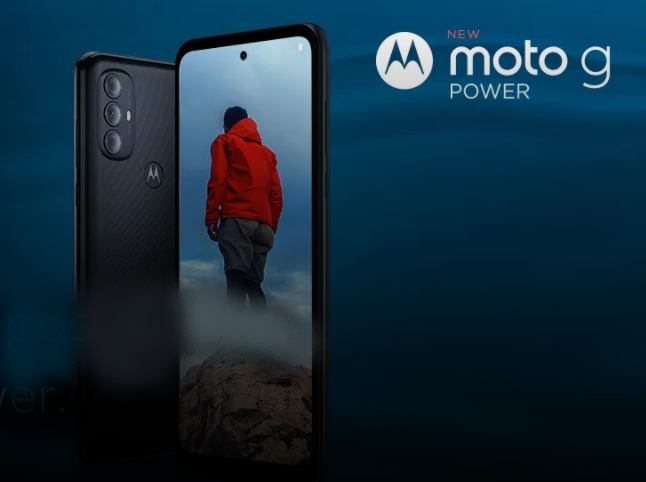
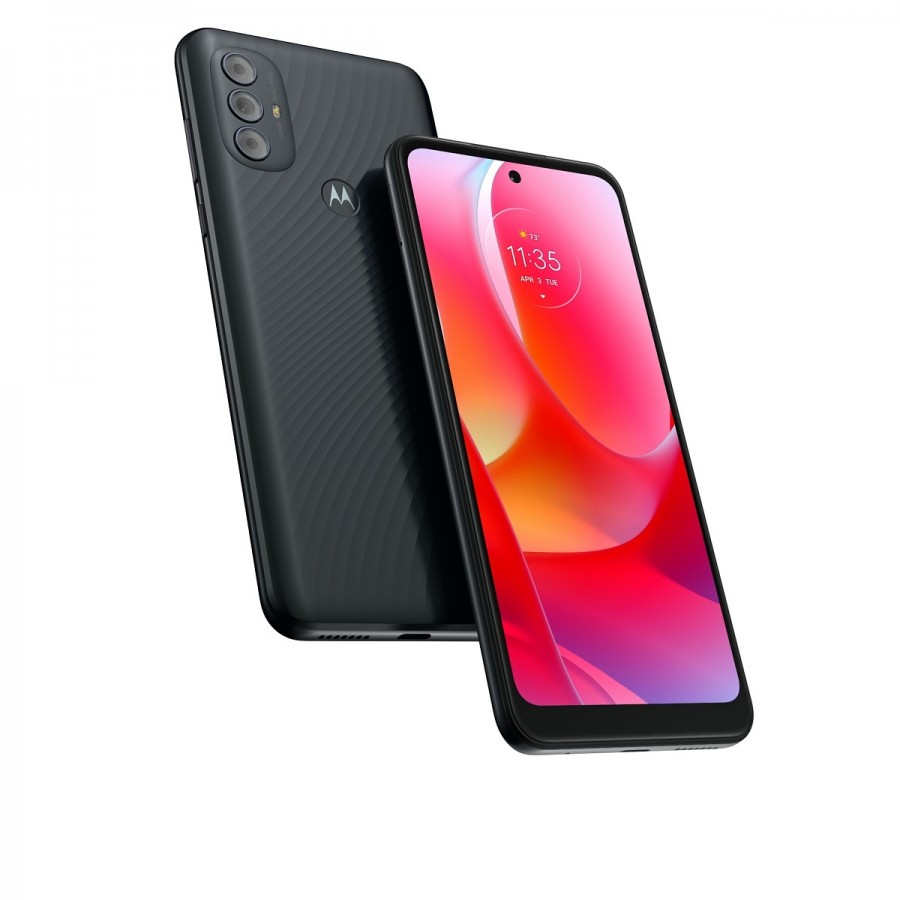
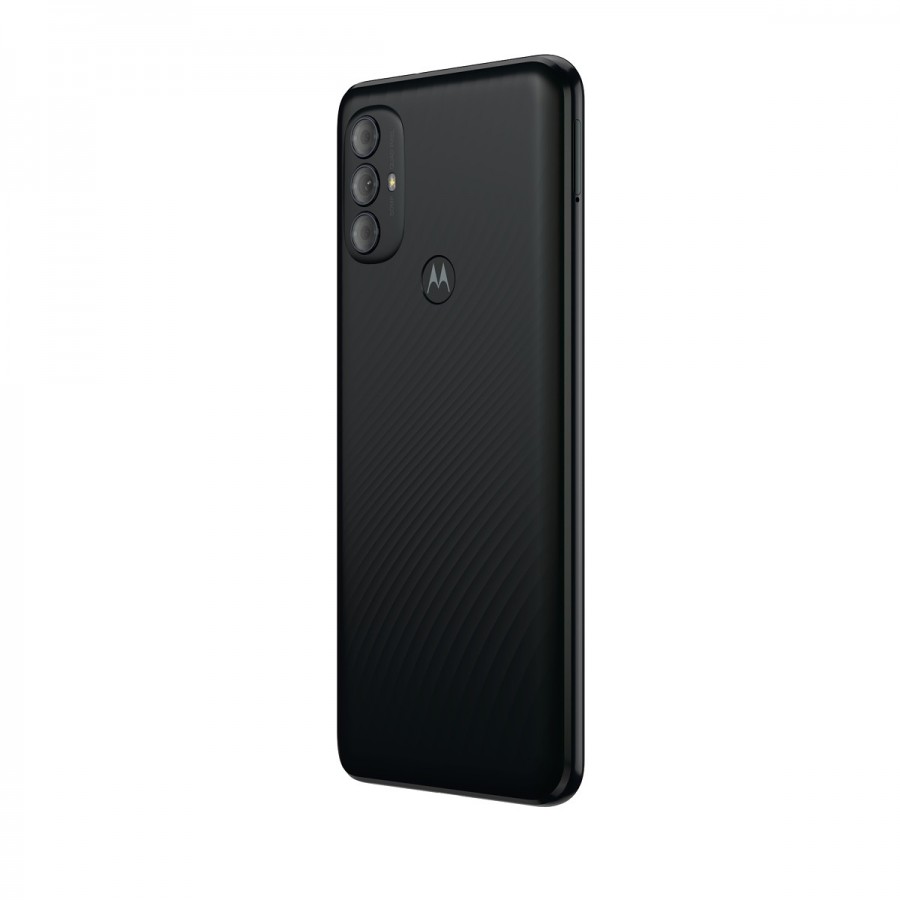
Lenovo-owned Motorola brand has finally taken the wraps off the Moto G Power (2022). The company announced the next-gen G-series smartphone via a blogpost but it won’t be going on sale any time soon. The Motorola Moto G Power (2022) is the successor of the Moto G Power that was launched in January this year. You may think Christmas came early but the company did state that the device won’t be shipping until next year.
In terms of specifications, the Moto G Power (2022) features a 6.5-inch IPS LCD screen with an HD+ resolution of 720 x 1600 pixels. The device will have support for a 90Hz refresh rate. It utilizes a punch-hole design with the cutout housing an 8-megapixel f/2.0 selfie camera.
At the heart of the G Power (2022) is a MediaTek Helio G37 processor paired with 4GB RAM, higher than the 3GB RAM which the G Power 2021 offers. The device also comes in 64GB and 128GB storage options. The storage can be expanded via a microSD card.
At the rear aspect, the G Power 2022 packs a triple camera setup consisting of a 50-megapixel main shooter teaming up with a 2MP macro shooter and a 2-megapixel depth sensor. The device crams a mammoth 5,000mAh battery under the hood with 10W charging. The smartphone will run on Android 11 OS from the go when it is launched next year.
The Motorola Moto G Power (2022) carries a price tag of $199 for the 4GB+64GB version while the 4GB+128GB variant will be sold for $249. The device will be available in a sole Dark Grove color variant.
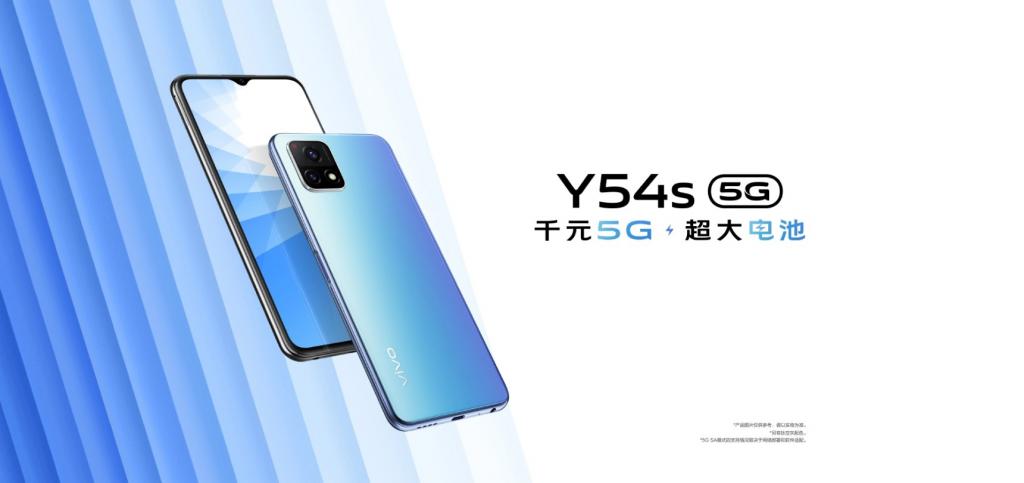
BBK subsidiary Vivo is one of the biggest brands out of China and you won’t have to look very deep to find out why. The brand has been consistent in releasing amazing smartphones ranging from budget models to premium mid-ranger and flagship models. In recent times, Vivo has released quite a number of Y series models and it seems the tech giant isn’t ready to rest. The Vivo Y54s has now joined the fray in China.
In terms of specifications and features, the Y54s sports a 6.51-inch IPS LCD screen with a waterdrop notch, 20:9 aspect ratio, and FullHD+ resolution. The display is surrounded by thin bezels giving the device an 89% screen-to-body ratio.
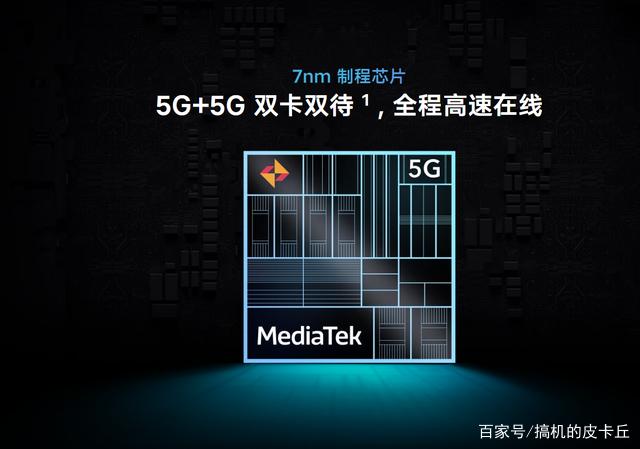
The budget smartphone arrives with support for 5G connectivity as it is powered by a MediaTek Dimensity 700 chipset paired with 6GB RAM. An extra 2GB of virtual RAM can be borrowed from the internal storage. The phone comes with 128GB of internal storage.
For optics, there is a dual-camera setup at the rear consisting of a 13MP main camera having an f/2.2 aperture and accompanied by a 2MP depth sensor. The camera setup is optimized to deliver features such as Portrait mode, Night mode, Time-lapse, slow-motion video recording, and several others.
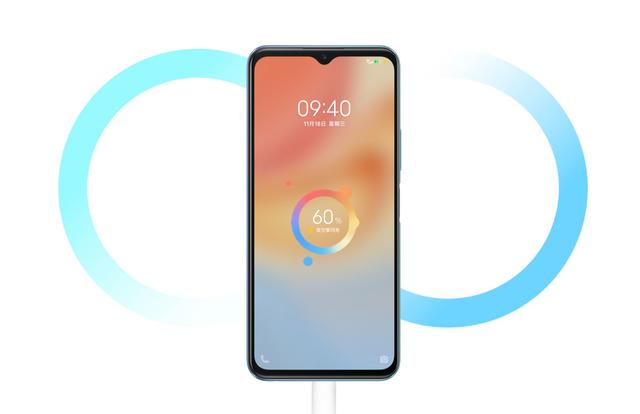
Keeping the lights on is a massive 5,000mAh battery having support for 18W fast charging. The device charges via a USB-C port and has a side-mounted fingerprint sensor as well as supports AI Face Unlock. The Y54s runs on Android 11-based OriginOS 1.0 and supports Bluetooth 5.1.
As for the price, the Vivo Y54s sells for 1,699 Yuan (~$266) in China. It is available in Titanium Gray and Lake Blue color options.
Android TV exists for a long time. But it is only now Google has started improving it. Last year, the operating system got a content aggregation service called Google TV, which is similar to Xiaomi PatchWall. Now, the search giant is slowly rolling out an easy way to install apps on this platform.
Play Store is the primary gateway for applications on Android for most users. Certified Android TV devices arrive with a specialized Play Store with apps optimized and developed specifically for the platform.
Browsing apps on the Play Store on a smart TV is a hassle. Google is trying to fix this after years by allowing users to install applications from their smartphones.
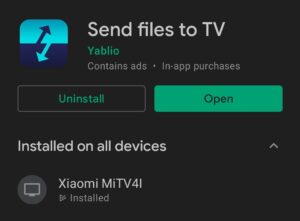
With the new server-side update, users can finally install an app on their Android TV devices from the Play Store on their smartphone. The option appears only for the applications that are available on Android TV.
The feature was first shared by a Reddit user called avigi, reports 9To5Google. We tried it ourselves and it works as intended. The only requirement is that the same Google account needs to be logged into both the smartphone and the Android TV device.
Unfortunately, since it’s a server-side update, the feature is still being seeded out to users gradually. It should be available for everyone in the coming days.
What are your thoughts on this new feature? In what other ways Google can improve the Android TV experience? Do let us know in the comment section below.
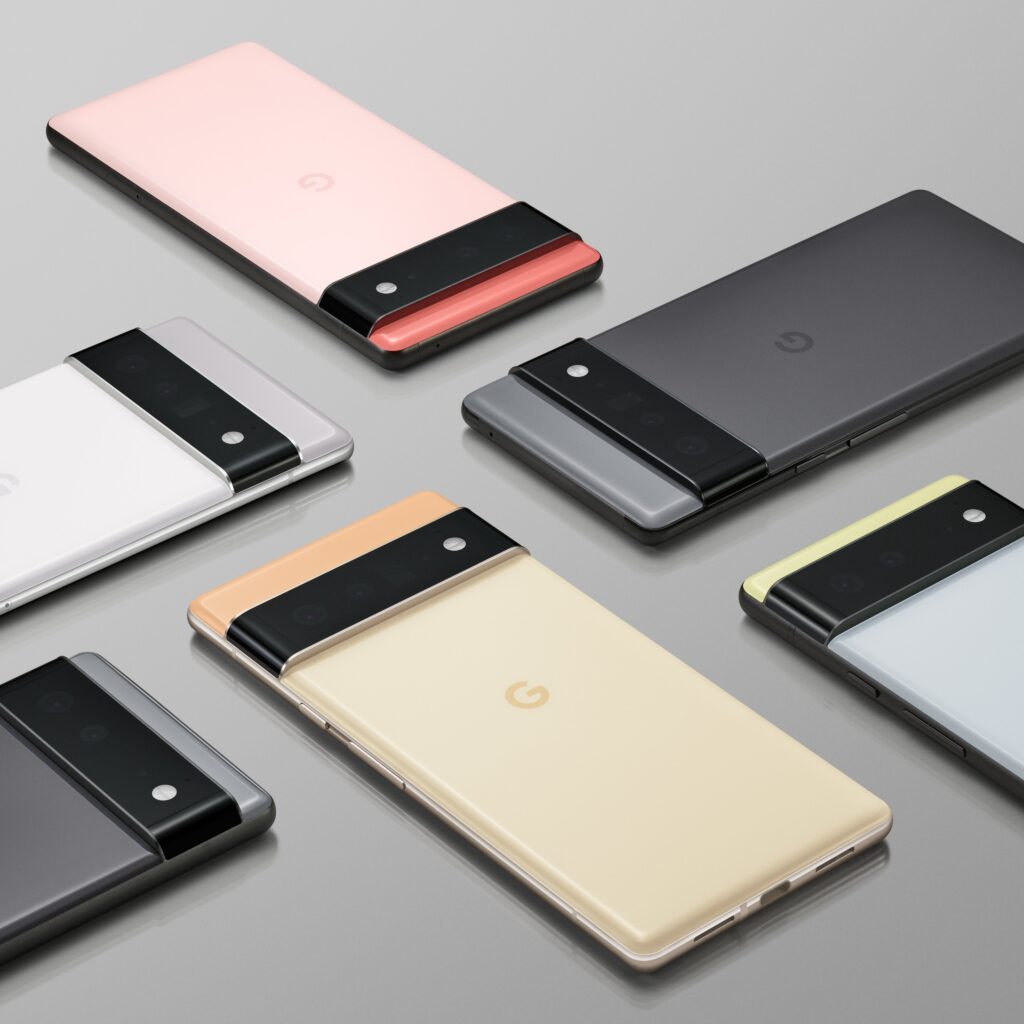
After its release in late October, owners of the new GooglePixel 6 series were quick to point out the sluggish fingerprint reader on the device and even called it unreliable in some cases. The November update provided by Google did not fix this issue.
Yesterday (16th November), Google surprised its users with a mid-month update (via). The OTA update (SD1A.210817.037 for global Pixels and SD1A.210817.037.A1 for Verizon variants) was relatively small in size, and Google has not provided a changelog with it. However, Verizon has provided a changelog which states, ‘The current software update improves the performance of your device’s fingerprint sensor.’
Post update, some Pixel 6 owners on Reddit have claimed that the sensor is working much better without any hiccups even while using a screen protector. In contrast, others have pointed out that the update has done little for them. They are using workarounds like registering the fingerprint twice to get better performance from the sensor.
Google initially claimed that the sensor was slow due to the enhanced security algorithms employed in the pixel 6 series. It is too soon to conclude the improvements claimed by Verizon while it is also yet to see if Google fixed another notorious issue of the fingerprint sensor breaking after the Pixel 6’s battery runs out.
We use cookies on our website to give you the most relevant experience by remembering your preferences and repeat visits. By clicking “Accept”, you consent to the use of ALL the cookies.
This website uses cookies to improve your experience while you navigate through the website. Out of these, the cookies that are categorized as necessary are stored on your browser as they are essential for the working of basic functionalities of the website. We also use third-party cookies that help us analyze and understand how you use this website. These cookies will be stored in your browser only with your consent. You also have the option to opt-out of these cookies. But opting out of some of these cookies may affect your browsing experience.
Necessary cookies are absolutely essential for the website to function properly. This category only includes cookies that ensures basic functionalities and security features of the website. These cookies do not store any personal information.
Any cookies that may not be particularly necessary for the website to function and is used specifically to collect user personal data via analytics, ads, other embedded contents are termed as non-necessary cookies. It is mandatory to procure user consent prior to running these cookies on your website.