It was reported around two weeks ago that Asus will not launch new smartphones this year. That speculation has now gained clarity after fresh comments from the company’s top leadership, outlining what lies ahead for its phone business and where priorities are shifting.
Asus confirms no expansion in smartphone product lines
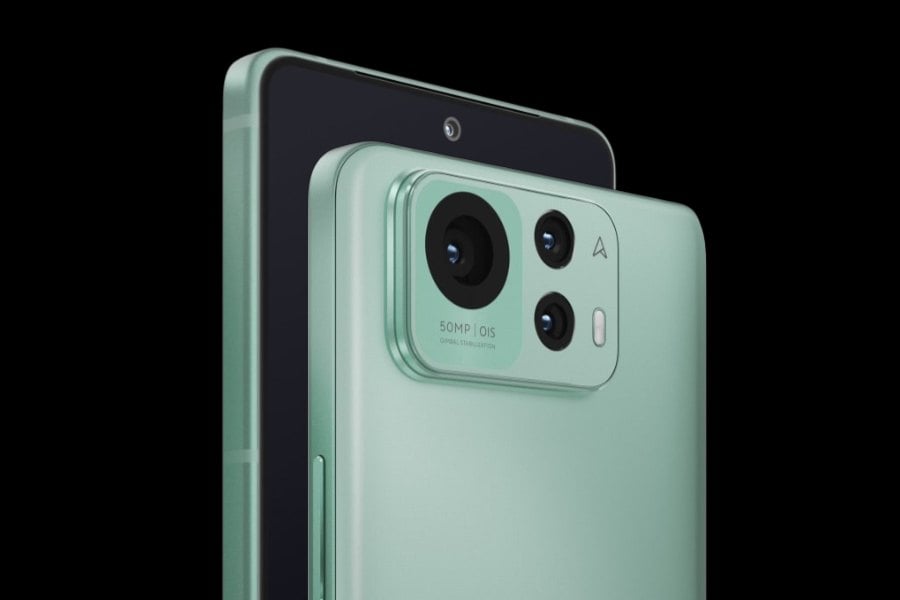
Asus ZenFone 12 Ultra
At Asus’ year-end employee gathering held at the Taipei Nangang Exhibition Centre, chairman Jonney Shih confirmed that the company will not expand its smartphone product lines. He stated that Asus will not add new phone models or introduce additional product categories within its phone portfolio. This effectively signals a pause on aggressive smartphone growth rather than a short-term delay.
Shih also clarified that existing smartphone customers will continue to be supported. Asus plans to maintain after-sales services and commitments to users who already own Asus smartphones. The focus, however, will not be on scaling volumes or entering new segments within the smartphone market, which has become increasingly competitive and margin driven.
Strategic shift towards AI-driven hardware and robotics
With smartphone expansion off the agenda, Asus is redirecting its attention towards artificial intelligence-driven hardware. The company plans to invest more heavily in AI-centric systems, including intelligent machines, robotics, and edge computing devices capable of operating with minimal human intervention.
Asus believes long-term growth will come from building what it describes as physical AI products rather than relying on consumer smartphone sales. This includes AI servers, enterprise-grade systems, and integrated platforms that combine hardware design with advanced AI software.
For smartphones, the shift means continuity without growth. Asus phones will remain supported, but they are no longer positioned as a primary growth engine as the company pivots towards an AI-first future.
For more daily updates, please visit our News Section.
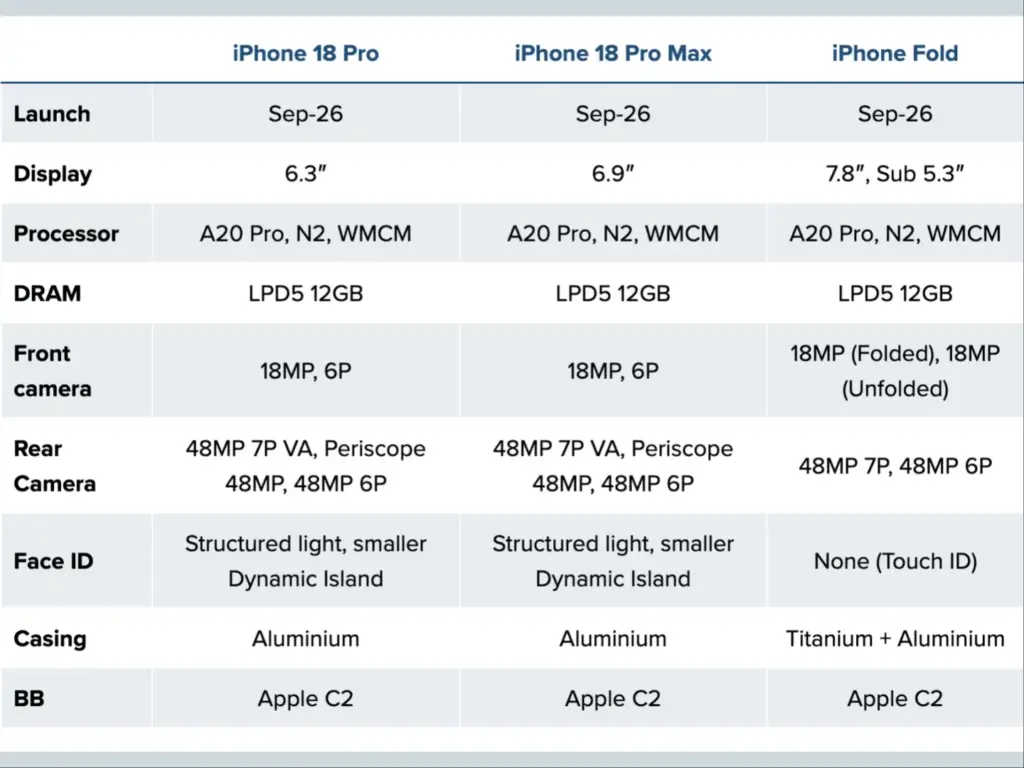
According to Apple analyst Jeff Pu, the company plans to launch the iPhone 18 Pro, iPhone 18 Pro Max, and its first foldable iPhone in September 2026, while pushing the standard iPhone 18 models to spring 2027. The details were shared with investors and later reported by outlets including 9to5Mac.
On the hardware side, all three high-end models are said to feature 12GB of LPDDR5 RAM and Apple’s next-generation A20 Pro chip, reportedly built on a 2nm process. They are also expected to use Apple’s in-house C2 modem, marking a further shift away from third-party connectivity solutions.
Screen sizes are tipped to remain at 6.3 inches for the Pro and 6.9 inches for the Pro Max. Camera hardware is said to include three 48MP sensors, including a periscope telephoto lens. Face ID stays in place, though under-display components could further shrink the Dynamic Island.
iPhone Fold lacks Dynamic Island
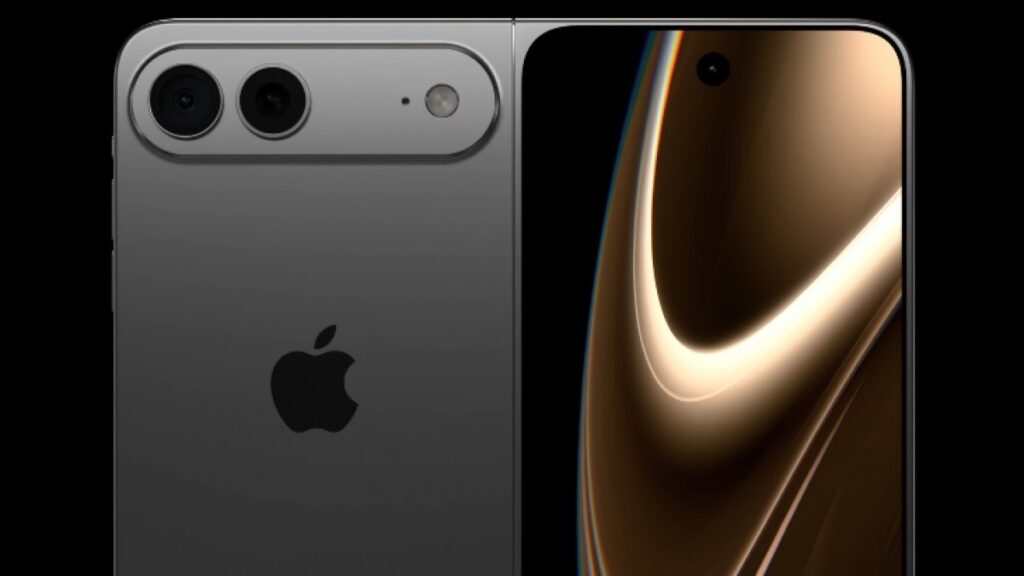
The bigger shift comes with the iPhone Fold. Apple’s first foldable is tipped to feature a 7.8-inch internal display paired with a 5.3-inch outer screen. Unlike the iPhone 18 series, it reportedly drops Face ID entirely and relies on Touch ID instead, possibly built into the power button. The body is said to combine titanium and aluminum, likely to balance durability, weight, and cost.
On the camera side, the foldable is expected to use a dual 48MP setup, likely consisting of a main and ultrawide sensor. Some earlier leaks have suggested Apple may skip a telephoto lens due to space constraints, which would not be unusual for the brand’s first-generation foldable.
While selfie cameras were previously rumored to jump to 24MP, Pu now claims Apple will reuse the 18MP sensor seen in the iPhone 17 lineup. The iPhone Fold is expected to include two front-facing cameras – one on the cover display and another on the inner flexible screen. The absence of a Dynamic Island and the switch to Touch ID could result in a cleaner, more immersive experience, something iOS users have been waiting for on larger displays.
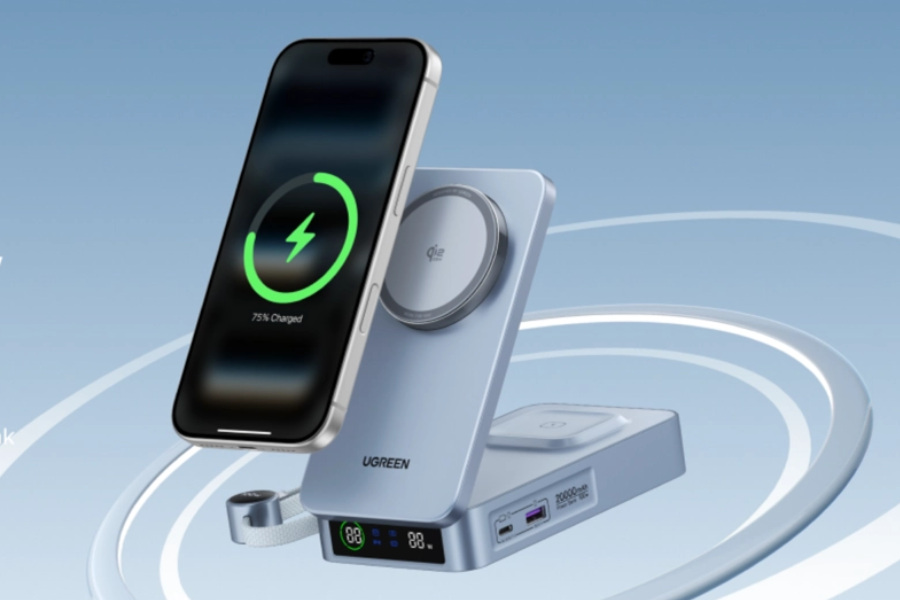
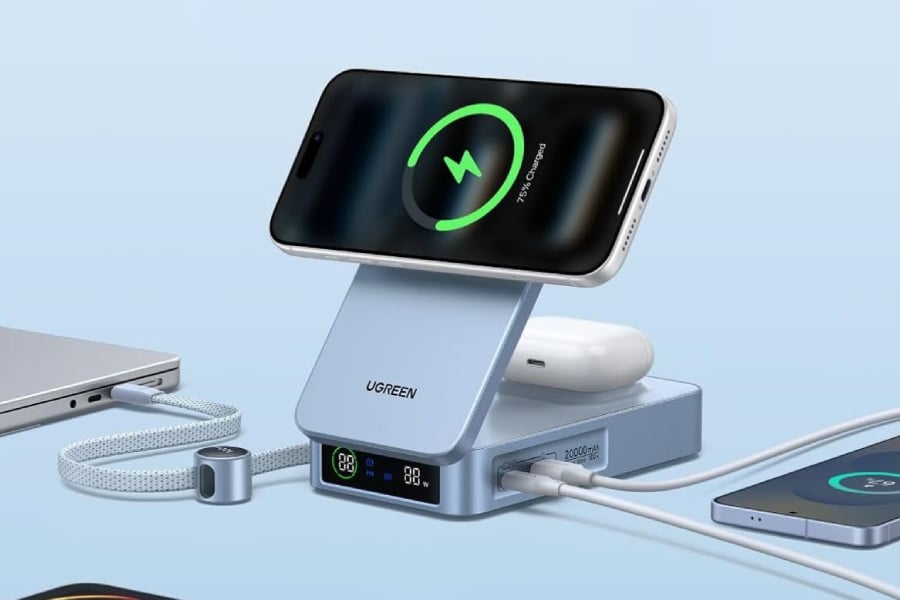
UGREEN is expanding its power bank offerings with a new model called the MagFlow 2-in-1 MagSafe. As the name suggests, the battery pack is MagSafe certified and can also be used as a charging dock for your phone.
At first glance, it looks like a regular high-capacity power bank, but UGREEN made sure it supports all the 2026 charging standards. It has Qi2 wireless charging, Apple’s latest magnetic charging standard, and can also function as a small desktop charging dock.
One of the more noticeable features is the digital display on the bottom. So you don’t have to rely on blinking LEDs guessing the battery level, instead you can look at the screen for remaining battery percentage and current output power.
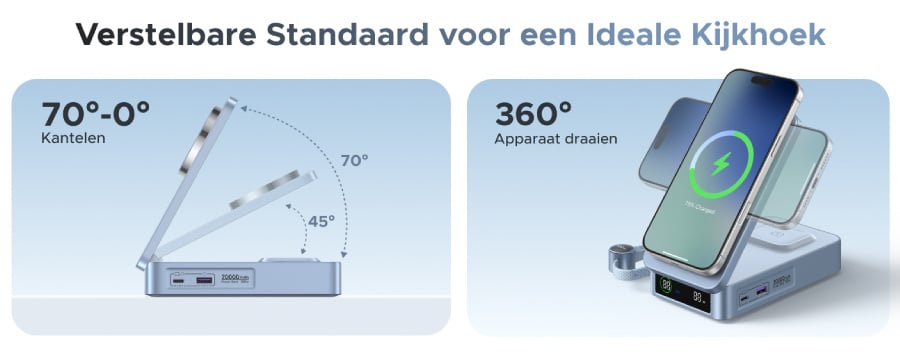
The front of the MagFlow power bank includes a Qi2 magnetic panel designed to attach directly to compatible smartphones. When the unit is unfolded, a second charging pad appears in the middle. This smaller pad can be used to wirelessly charge accessories like true wireless earbuds.
The top cover is adjustable as well, allowing the phone to be propped up at an angle so the screen remains visible while charging.
Battery size, portability, and price
In terms of performance, UGREEN says the main Qi2 panel can deliver up to 25W of wireless power, while the internal pad for earbuds supports 5W charging. The package also includes a USB-C braided cable capable of 100W output.
The power bank itself carries a 20,000mAh battery and can recharge at a maximum rate of 65W. Physically, the device measures about 14.8 x 8.1 x 4.15cm and weighs around 670 grams. Not exactly pocket-friendly but still portable.
For wired connections, there is one USB Type-C port and one USB Type-A port. The Type-A port offers up to 10W output, while the Type-C port handles higher power tasks.
The UGREEN MagFlow 2-in-1 MagSafe power bank is available in the EU for €140 or some $162. The company might expand its accessibility in other markets soon.
For more daily updates, please visit our News Section.
OnePlus’ entry into the foldable scene (in 2023) with the OnePlus Open was a breath of fresh air. The foldable had a sleek profile, solid performance, and software that felt more polished than most early-generation foldables.
So it looked like OnePlus was going to be the next big contender in this space after Samsung and Google.
Naturally, anticipation for the Open 2 was high. However, the company didn’t make this a reality in 2024, nor in 2025. Hopes were high for 2026, but recently, news broke that OnePlus is cancelling the Open 2 yet again this year.
As much as we, as foldable enthusiasts, are saddened by this news, it also means OnePlus missed a lot by cancelling the Open 2. And that’s exactly what we’re here to talk about.
1. The first Open was supposed to be the beginning, not the end
When the original OnePlus Open launched back in 2023, it caught a lot of people off guard.
OnePlus had spent years trying to stay competitive in the traditional smartphone market. But it was stuck in the loop of predictable Android phones. The Open was different. It was bold. It was premium. It was the company’s first foldable, and it actually felt like a serious attempt to compete with Samsung and Google.
Reviewers liked it. Users liked it. And for a moment, it looked like OnePlus had finally found a way to stand out again.
Naturally, people expected a sequel, and that’s how product cycles are supposed to work. You launch something interesting, learn from it, and then release a better version a year or two later.
Instead, OnePlus kept delaying the Open 2. Then rumors started piling up that it might be cancelled altogether. And now, in 2026, reports suggest that the device might not happen at all.
2. The foldable market didn’t wait around
One of the biggest problems with cancelling the Open 2 is simple timing.
Foldables used to feel like a gimmick—expensive, fragile, and maybe unnecessary. But over the last few years, they’ve slowly turned into a real category. Samsung has refined its Galaxy Z Fold line, Google’s Pixel foldables are now part of its main number series, and other brands like Honor have also pushed out surprisingly polished hardware.
The idea of a phone that unfolds into a small tablet doesn’t sound weird anymore. In fact, OnePlus was doing it right from the first generation. Unlike the tall aspect ratio of Galaxy Z Fold devices, the OnePlus Open has a noticeably wider screen that makes it feel more like a standard smartphone.
This was exactly the moment when OnePlus could have stepped in with a strong second-generation device and made another dent in the market.
3. OnePlus also had a chance to be more than “just another Android brand”
We knew the original OnePlus as a brand that shipped flagship specs without flagship prices. It built its entire fanbase around that idea. However, the brand slowly started to lose that identity when it began launching true flagships with flagship-level pricing.
And it’s not that OnePlus smartphones are bad. They’re exactly what you’d expect from a modern flagship. But if users have to pay flagship prices, many tend to prefer legacy brands like Samsung.
The Open, however, was one of the few recent products that had the potential to make OnePlus feel special again. Cancelling its sequel sends the opposite message.
4. A lot of potential improvements will never happen
The frustrating part is that the OnePlus Open 2 actually sounded promising.
According to leaks and reports, the device was expected to fix many of the original model’s shortcomings:
A thinner and lighter design
Better cameras with improved Hasselblad tuning
A newer flagship Qualcomm processor
Wireless charging
Stronger water resistance
Larger, brighter displays
So it looked like OnePlus was preparing a genuinely competitive foldable, not just a minor refresh.
Even if half of these rumors were true, the Open 2 could have been one of the more interesting foldables of 2026. Now, all that work, research, and anticipation amounts to nothing.
5. Cancelling products hurts more than people think
From the outside, cancelling a phone might seem like a practical business decision. But from a customer’s perspective, it’s very different.
People who bought the original OnePlus Open did so assuming it was the start of a long-term product line. They expected better software support, new accessories, and eventually a worthy upgrade path.
Now those buyers are left with no choice but to switch to another brand—willingly or not. This doesn’t just hurt foldable users; it hurts the brand as a whole. People who invest in foldables are often the same users willing to invest in ecosystem products. So, OnePlus is not only losing customers in the foldable side but also its ecosystem products.
6. The competition gets an easier road
The biggest beneficiaries of OnePlus’s cancellation of its foldable ambitions are Samsung and Google.
Without the Open 2 in the picture, the foldable market in many regions essentially goes back to being a two-horse race. Samsung continues to dominate by default. Google positions the Pixel Fold as the main alternative.
OnePlus could have offered something different—maybe cheaper, maybe better designed, maybe just more interesting. Instead, it chose not to play at all.
7. There are probably practical reasons
To be fair, OnePlus likely has its reasons.
Component prices have gone up. The smartphone market isn’t as healthy as it once was. Foldables are expensive to develop and risky to manufacture. Profit margins are thin.
From a spreadsheet perspective, cancelling the Open 2 might make perfect sense. But tech history is full of examples where playing it safe led to long-term irrelevance. Remember BlackBerry?
The companies people remember are usually the ones willing to take risks. So it shouldn’t matter even when the numbers don’t look great on paper.
8. The real loss is bigger than one phone
In the end, the OnePlus Open 2 isn’t just a cancelled gadget. It’s a missed opportunity for OnePlus to rebuild a strong brand identity instead of remaining just another smartphone company.
All we can do now is criticize the decision and hope OnePlus either reverses course or launches the Open 2 late—rather than never.
For more daily updates, please visit our News Section.
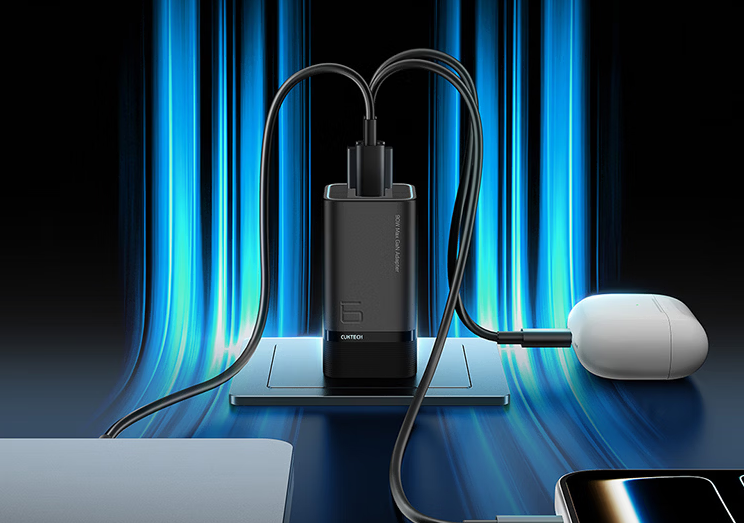
Cuktech has launched the 6 Mini GaN Charger in China. It will be available for purchase starting January 19.
Cuktech 6 Mini Specifications
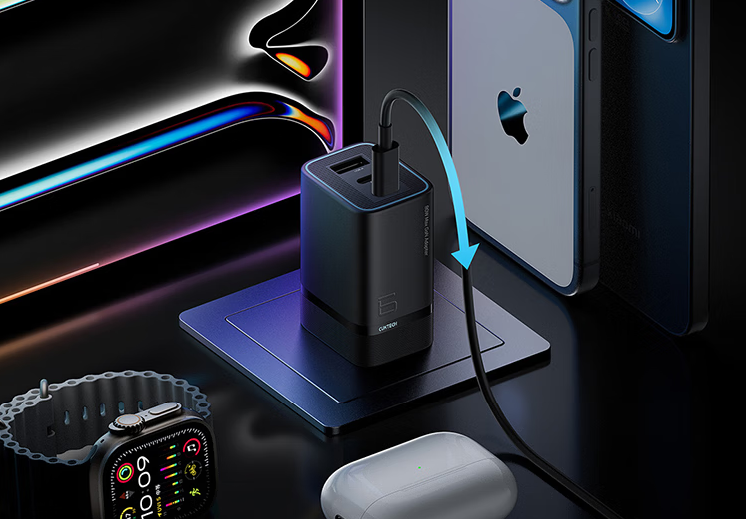
The Cuktech 6 Mini supports a maximum output of 90W through either of its two USB-C ports. The charger also includes a USB-A port that can deliver up to 22.5W. All three ports can be used simultaneously, with intelligent dynamic power distribution maintaining efficient and stable charging.
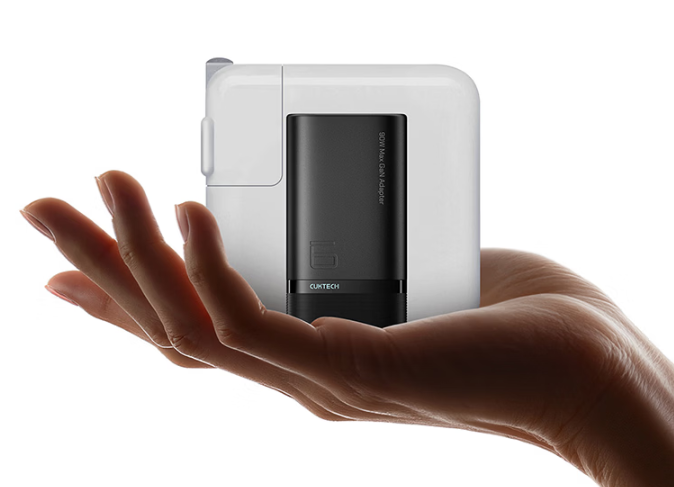
Cuktech claims a 50% size reduction compared to standard 90W chargers. The 6 Mini achieves a power density of approximately 1.14W/cm³, which represents a 171% increase over typical 67W PD chargers.
The charger is powered by a GaN chipset and features a thermal control system that uses dynamic temperature monitoring, internal potting, and aerogel heat dissipation. The system performs tens of thousands of temperature checks per hour to maintain safety during operation.
The 6 Mini supports a wide range of fast charging protocols, including Xiaomi HyperCharge, PD 3.1, PPS, AFC, FCP, and Huawei SCP. This allows it to charge a variety of devices from brands like Xiaomi, Redmi, Samsung, Apple, Huawei, Oppo, Vivo, and iQOO. It can also deliver up to 65W fast charging for laptops such as the MacBook Air and Windows-based ultrabooks.
The charger uses Cuktech’s self-developed ADC 2.0 adaptive fast-charging system. It detects device types and adjusts power output automatically when devices are plugged in or removed.
The bundled 240W USB-C to USB-C cable includes an E-Marker smart chip and is rated for high-current charging. It uses tinned copper cores and a braided design for improved durability. The charger also features a foldable plug and meets China’s safety standards. It includes nine layers of protection, covering over-voltage, over-current, short-circuit, surge, and static electricity scenarios.
For more daily updates, please visit our News Section.
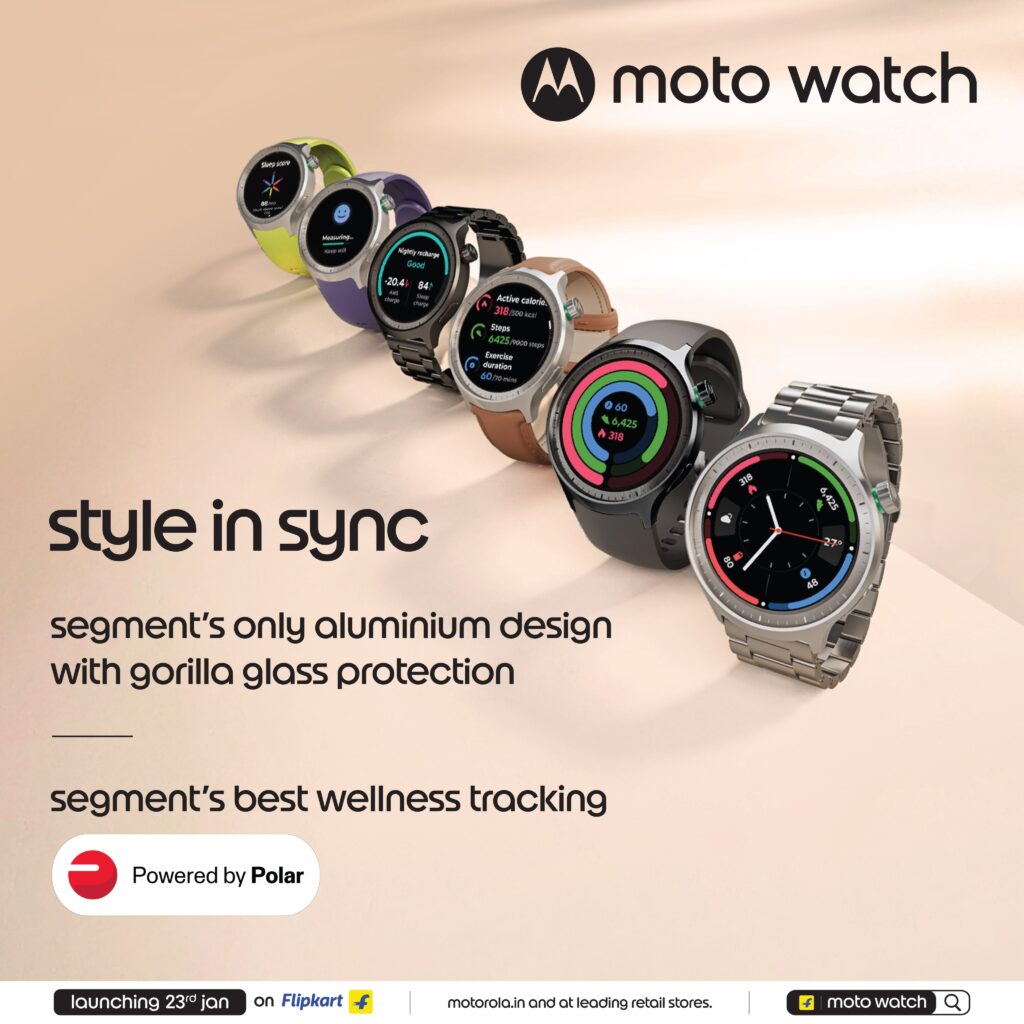
Motorola will launch the Moto Watch in India on January 23 alongside the Motorola Signature smartphone. The company showed off the watch at CES 2026 earlier this month.
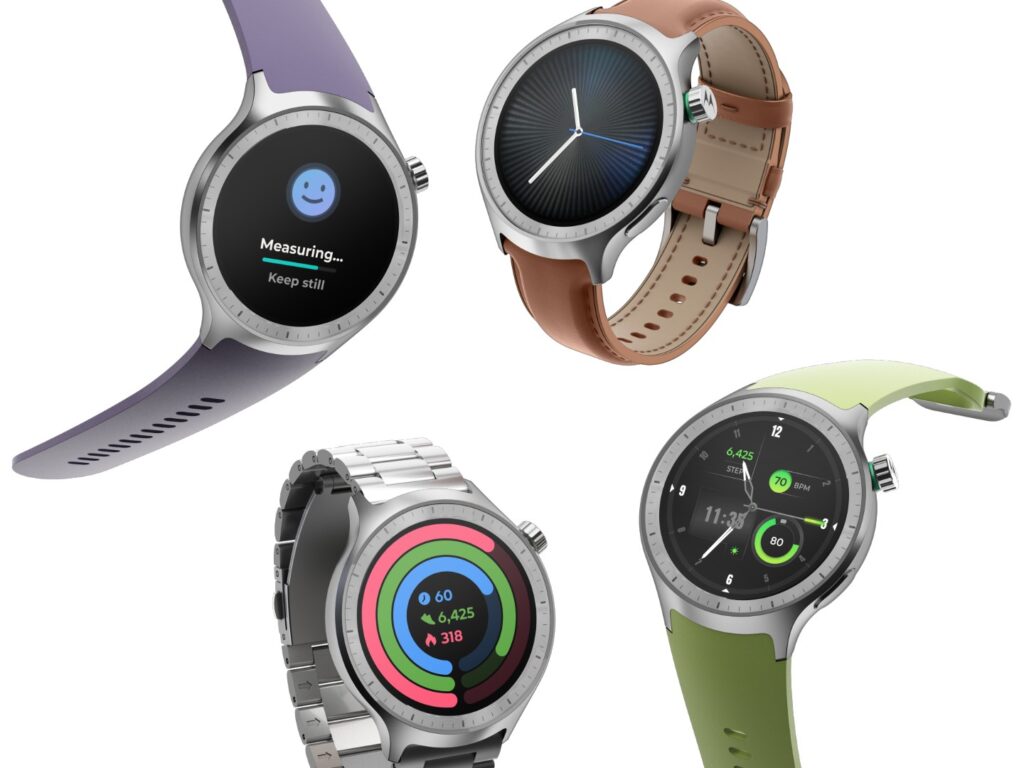
The smartwatch has a 1.43-inch OLED display inside a 47mm aluminum case. There’s a stainless steel crown on the side for controls. You can pick between silicone, leather, or stainless steel bands. The display has Gorilla Glass 3 protection. It’s IP68 rated for dust and water resistance, plus there’s a 1 ATM rating for shallow water.
Motorola partnered with Polar, a sports science company, for the fitness features. The watch tracks steps, heart rate, blood oxygen, stress, and sleep. It includes Polar’s features like Smart Calories, Nightly Recharge, and Activity Score. These focus on recovery and workout intensity instead of just numbers. You also get hydration reminders, medication alerts, and custom goals.
The watch has dual-frequency GPS and can handle phone calls through its built-in speaker and microphone. Motorola’s moto ai handles notifications and summaries, including a “Catch me up” feature on supported phones. The watch runs on Motorola’s own software, not Wear OS. You need Android 12 or later to use it.
Battery life hits 13 days with normal use or around 7 days with the always-on display turned on. Motorola says a five-minute charge gives you a full day of use.
The Moto Watch comes in Matte Black and Matte Silver. After launch, you can buy it on Flipkart, motorola.in, and at offline stores. In the US, the watch will be available starting January 22, 2026, with international availability beginning in February.
For more daily updates, please visit our News Section.
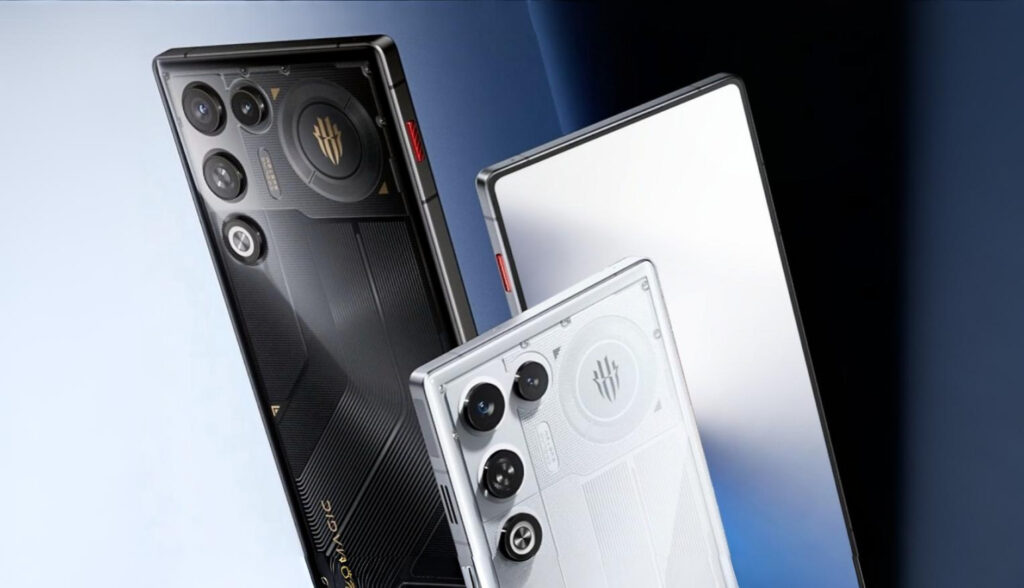
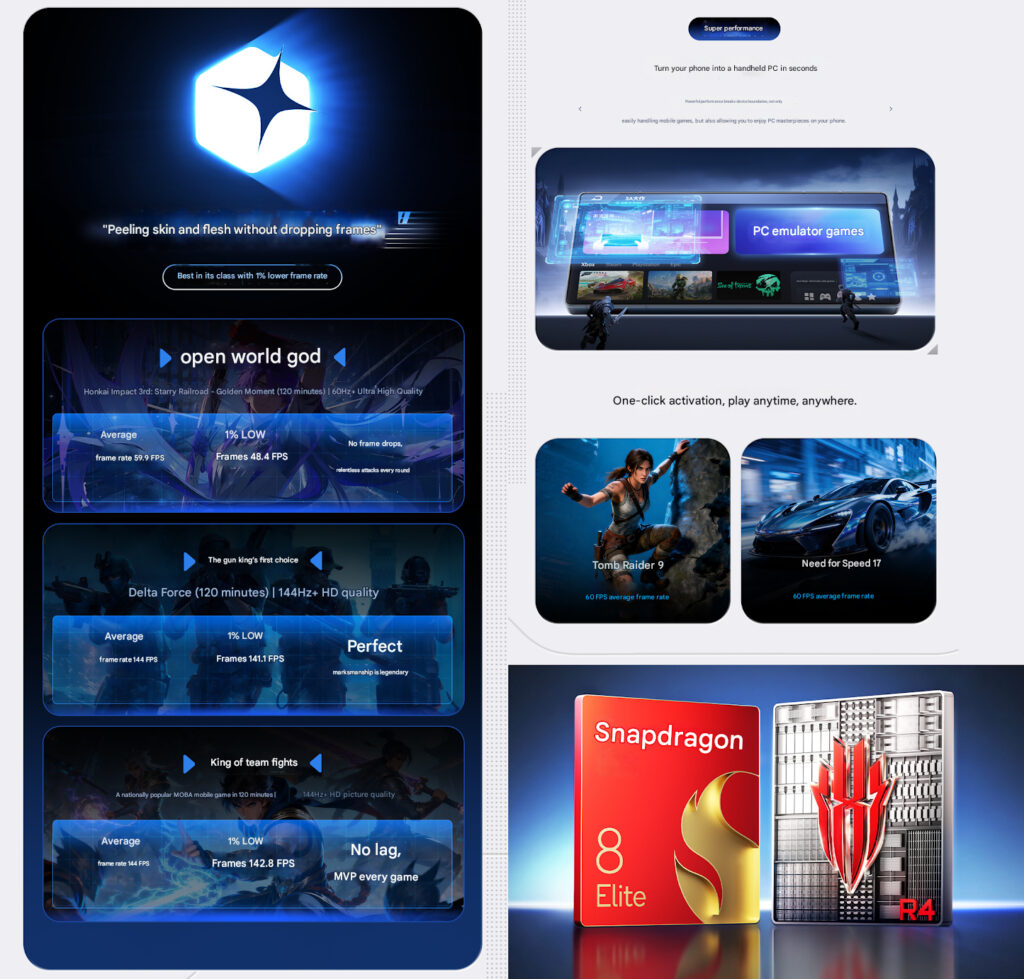
The RedMagic 11 Air is being positioned as the first “Air” model with an active cooling fan. The phone leans heavily on performance despite a slimmer profile than the RedMagic 11 Pro series.
The phone will be powered by Qualcomm’s Snapdragon 8 Elite chipset, paired with RedMagic’s in-house Red Core R4 gaming chip. According to the company, the secondary chip is meant to help with performance stability and power management during long gaming sessions. The 11 Air is also confirmed to use UFS 4.1 storage and what the brand refers to as “LPDDR5X Ultra” memory, though exact configurations haven’t been shared yet.
One of the more unusual claims involves PC game emulation. RedMagic says the 11 Air can run titles such as Tomb Raider 9 and Need for Speed 17 at an average of 60fps using a built-in emulator. As with most pre-launch performance figures, these numbers come directly from the brand and will need to be checked through independent testing.
RedMagic has also shared performance data for native Android games. The company claims Honkai Impact 3rd runs at a stable 60fps, while competitive titles like Delta Force and MOBA games can reach 144fps. It also says 1% low frame rates stay above 141fps, suggesting minimal frame drops under load.
On the hardware side, the phone features a 6.85-inch display with a 144Hz refresh rate and a near full-screen design, reportedly reaching a 95.1% screen-to-body ratio. RedMagiic says the 24,000RPM active cooling fan helps maintain performance during extended play. Shoulder triggers and support for the CUBE gaming engine are also included.
Previous reports point to a battery around 7,000mAh and a thickness of roughly 7.85mm. More details are expected ahead of the January 20 launch.
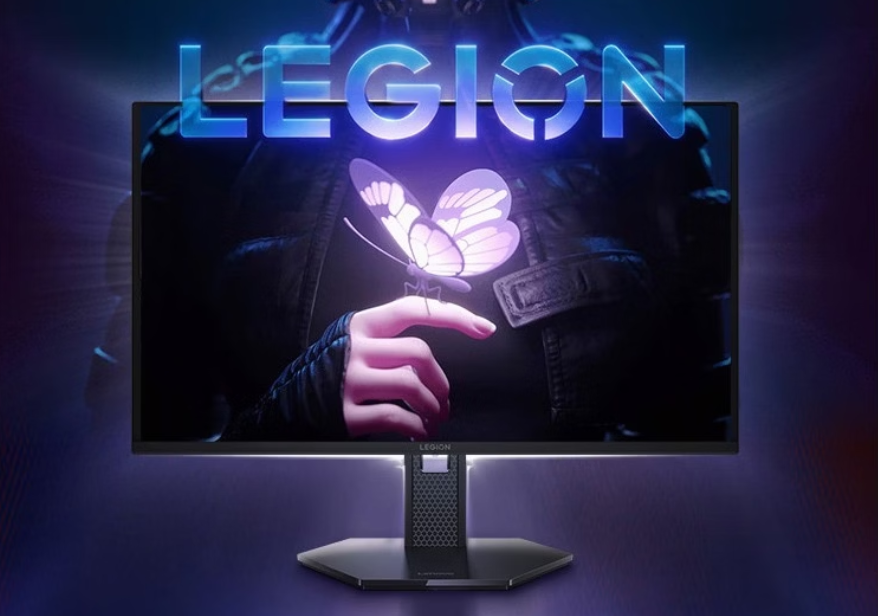
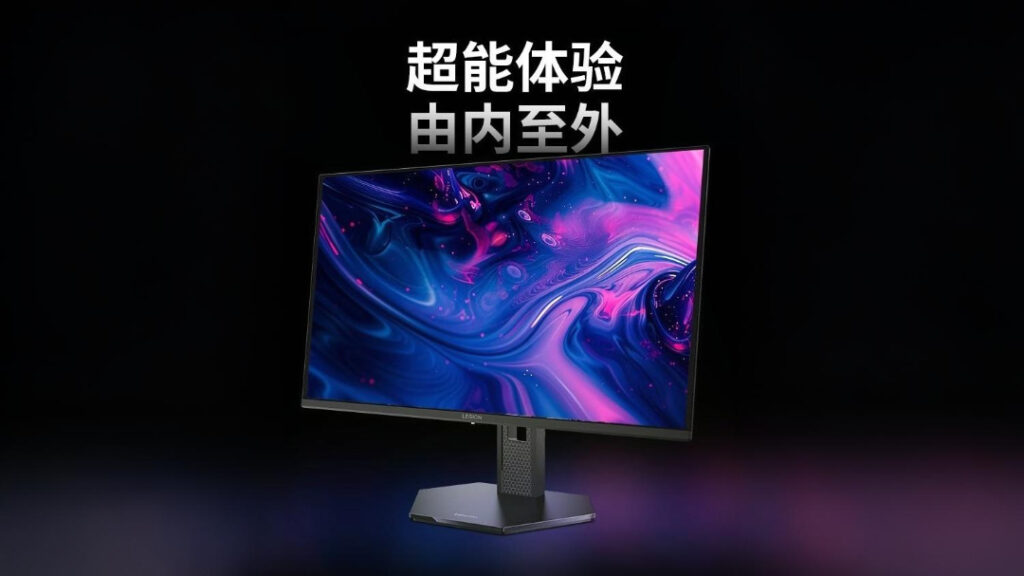
Lenovo has launched a new OLED gaming monitor under its Legion brand. The Legion 27Q-10 OLED is now listed on JD.com for 2,499 yuan ($358), offering a premium QHD OLED display with esports-focused specifications at a competitive price.
Lenovo Legion 27Q-10 OLED Specifications
The monitor features a 26.5-inch QD-OLED panel with a native resolution of 2560 × 1440 pixels. It uses a 16:9 aspect ratio and delivers wide viewing angles, typical of OLED panels.
Lenovo has equipped the monitor with a high 240Hz refresh rate and claims a 0.03ms GtG response time. It also supports AMD Adaptive Sync, which helps reduce tearing and stuttering during gameplay with fluctuating frame rates.
In terms of color performance, the Legion 27Q-10 OLED supports true 10-bit color depth. It covers 99% of both the sRGB and DCI-P3 color gamuts, offering accurate color reproduction for gaming, content creation, and media consumption. The typical brightness is rated at 200 nits, with a peak brightness of 400 nits.
Lenovo has implemented a next-generation OLED anti-burn-in system in the 27Q-10 OLED. This protection mechanism helps manage pixel wear and image retention, making the panel more suitable for extended usage sessions and static UI elements.
In terms of connectivity, the monitor includes two HDMI 2.1 ports and one DisplayPort 1.4. For ergonomics, it includes a stand that supports height adjustment, tilt, rotation, and pivot. Lenovo has included VESA 100 × 100 mm mounting support for users who prefer wall or arm setups.
In related news, Lenovo has recently launched the Yoga Pro 27UD-10 OLED monitor with a 4K 120Hz display, along with Dolby Vision and Dolby Atmos support, while AOC has introduced the Agon Pro AG276QSG2 gaming monitor featuring a 2K 360Hz panel and G-Sync Pulsar technology.
For more daily updates, please visit our News Section.
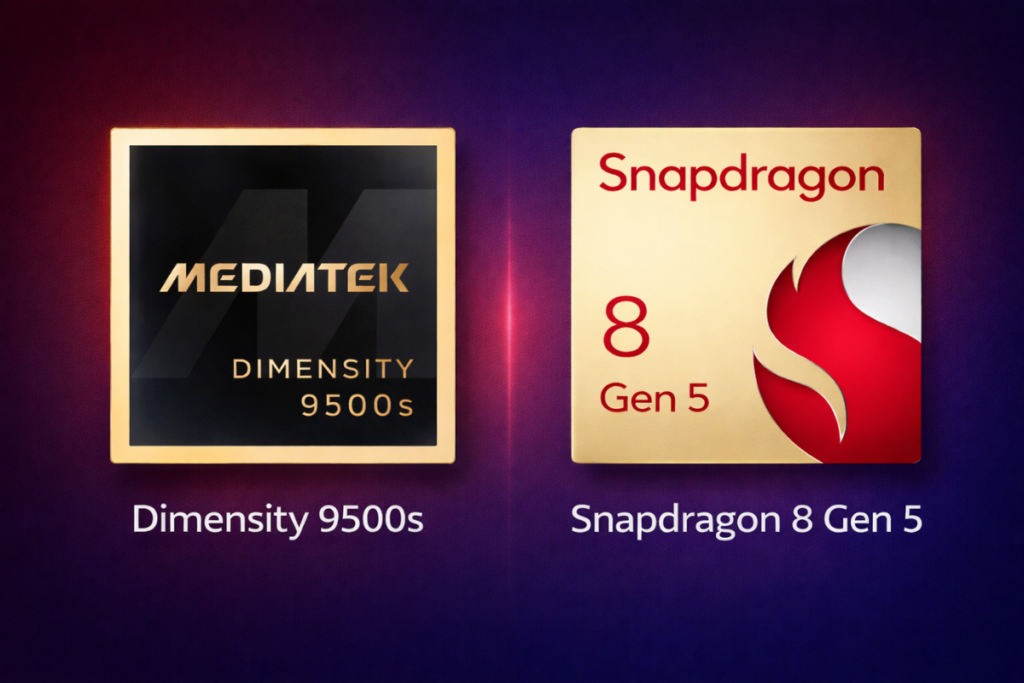
In September, MediaTek announced Dimensity 9500 as its most powerful smartphone chipset, and now we’ve an affordable version of it, dubbed Dimensity 9500s. This is still a flagship-grade chipset, promising excellent performance, power efficiency, and competitive AI capabilities.
The Dimensity 9500s would directly compete with the Snapdragon 8 Gen 5, which was announced in November. Both high-end chipsets target the same user segment, so it’s exciting to see how they stack up against each other.
Dimensity 9500s
Snapdragon 8 Gen 5
Announced
January 2026
November 2025
Process node
TSMC’s 3nm (N3E)
TSMC’s 3nm (N3P)
CPU
1 x 3.73 GHz — Cortex-X925 3 x 3.30 GHz — Cortex-X4 4 x 2.0 GHz — Cortex-A720
2 x 3.8GHz — Oryon (3rd gen) 6 x 3.32GHz — Oryon (3rd gen)
GPU
Immortalis-G925 MP12 ray tracing support MediaTek Adaptive Gaming Technology 3.0
Adreno 840 ray tracing support Snapdragon Elite Gaming features
NPU
MediaTek NPU Agentic AI support
Qualcomm Hexagon NPU Agentic AI support
Memory
LPDDR5x, up to 5.3 GHz
LPDDR5x, up to 4.8 GHz
Storage
UFS 4 + MCQ
UFS 4.1
Camera
Imagiq ISP (18-bit) up to 320MP single camera up to 108MP single camera at 30fps up to 36MP triple cameras at 30fps up to 8K/60fps video recording
Qualcomm Spectra triple AI ISP (20-bit) up to 320MP single camera up to 108MP single camera with zero shutter lag, 30fps up to 48MP triple cameras with zero shutter lag, 30fps real-time semantic segmentation (limitless) up to 4K/120fps video recording
Connectivity
3GPP Release 17 standard download speed: 7 Gbps (peak) Wi-Fi 7 (peak speed: 6.5 Gbps) Bluetooth 5.4
Dimensity 9500s vs Snapdragon 8 Gen 5: Who has the edge?
Both Snapdragon 9500s and Snapdragon 8s Gen 5 use TSMC’s 3nm process node, though there are some differences. The Dimensity chip uses N3E process technology, while the Snapdragon chip uses a more refined N3P node, offering slight improvements to performance and efficiency.
CPU performance
The Dimensity 9500s features an all-big-core CPU design, led by a Cortex-X925 prime core. The octa-core CPU also includes three Cortex-X4 performance cores and four Cortex-A720 power efficiency cores.
1 x Cortex-X925 at 3.73 GHz
3 x Cortex-X4 at 3.30 GHz
4 x Cortex-A720 at 2.0 GHz
In contrast, the Snapdragon 8 Gen 5 features a 2+6 CPU configuration with all third-generation custom-designed Oryon cores.
2 x Oryon cores (3rd-gen) at 3.8 GHz
6 x Oryon cores (3rd-gen) at 3.32 GHz
From the spec sheet alone, it’s difficult to say which chipset has a faster CPU. And unfortunately, we don’t have benchmark data for the Dimensity 9500s yet. It will take a while for the brand to launch devices with this new Dimensity chipset.
However, if I had to take a calculated guess, the Snapdragon 8 Gen 5 should offer faster CPU performance. That’s because this chip has the same CPU configuration as the flagship Snapdragon 8 Elite Gen 5, but with a slightly lower clock speed. That gap in clock speeds shouldn’t matter as much as the Dimensity 9500s using CPU cores a generation older than the Dimensity 9500.
GPU performance
For graphics rendering, the Dimensity 9500s uses Immortalis-G925 MP12 GPU. MediaTek hasn’t provided more details about the GPU, such as frequency, binning, etc. So, for now, it’s inaccurate to say it’s the same Immortalis-G925 GPU that’s been used inside the Dimensity 9400 and 9400+ chips.
We’ll have to wait for benchmark data or third-party teardowns for better clarification. However, I’m pretty sure the Dimensity 9500s would bring some GPU improvements, if not major upgrades.
The Snapdragon 8 Gen 5, on the other hand, ships with an Adreno 829 GPU with ray tracing support and a full suite of Snapdragon Elite Gaming features. We’ll run benchmark tests and update the data here to provide clearer insight into GPU performance.
AI capabilities
The demand for on-device AI capabilities, such as AI assistants, AI image/video editing, and generative AI, is stronger than ever. Both MediaTek and Qualcomm understand this, and therefore most of their new chips come with powerful NPUs.
The Dimensity 9500s has a MediaTek NPU with support for multimodal models and agentic AI. The NPU also helps with AI photo editing, AI summarization, and a wide range of tools for cameras, creativity, and productivity.
The Snapdragon 8 Gen 5’s Hexagon NPU also supports agentic AI, which can learn and adapt to your preferences over time for highly personalised recommendations. The AI also helps improve camera output and connectivity.
Camera & imaging
The Dimensity 9500s integrates an 18-bit Imagiq ISP. It’s a content-aware ISP, which uses advanced Super Resolution techniques to improve clarity, even at high zoom levels. The chip supports up to 320MP single camera and up to 8K video recording at 60fps.
In contrast, the Snapdragon 8 Gen 5 features a 20-bit triple AI ISP, with up to 320MP single camera and 4K/120fps video recording. The chip also supports up to 8K video recording, but at lower frame rates. Additionally, the 8 Gen 5 offers numerous photo and video features, including Truepic photo capture, Bokeh Engine, and Video super resolution.
Connectivity
Both chipsets offer excellent connectivity features, although there are several notable differences. For example, the Dimensity 9500s supports the 3GPP Release 17 standard, while the Snapdragon 8 Gen 5 supports the newer Release 18 standard with additional enhancements.
Over a 5G connection, the Dimensity chip’s download speed can go up to 7 Gbps, while the Snapdragon chip can reach even higher, up to 10 Gbps. The Dimensity 9500s makes a comeback with a higher peak Wi-Fi speed (6.5 Gbps vs 5.8 Gbps).
Dimensity 9500s vs Snapdragon 8 Gen 5: Conclusion
From the spec sheet, the Snapdragon 8 Gen 5 appears to have an edge over the Dimensity 9500s. However, note that specs alone do not give the complete picture. We’ll update this post once we’ve tested a device powered by a Dimensity 9500s for better clarity.
The Redmi Turbo 5 Max will be among the very first phones to feature the Dimensity 9500s chip. It’s expected to launch later this month. Meanwhile, click here to see how the Snapdragon 8 Gen 5 stacks up against the competition.
Beelink has revealed the SER10 Series mini PCs, replacing last year’s SER9 model, at the recent CES 2026 event. The new systems use AMD’s Ryzen AI HX 470 Gorgon Point processor instead of the previous Ryzen AI 9 HX 370 Strix Point chip. The performance gains are small across CPU, GPU, and NPU components.
The SER10 comes in two versions. The SER10 Pro has LPDDR5x memory soldered directly to the mainboard. The SER10 Max includes dual SODIMM slots, letting users upgrade the RAM themselves. This is the key difference between the two models.
Both versions get a major networking upgrade with 10 Gigabit Ethernet ports. The SER9 only had 2.5GbE. This makes the SER10 better suited for high-speed file transfers, home servers, and professional networking tasks.
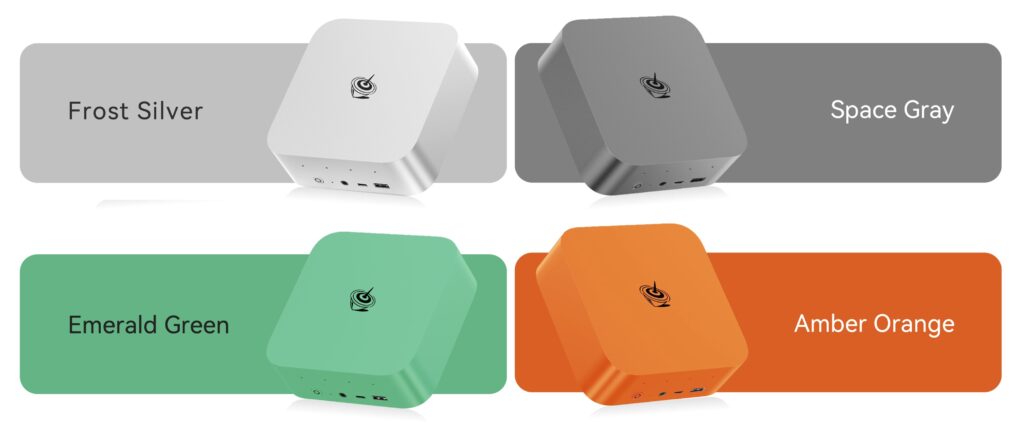
Beelink offers both models in silver or gray. The Pro model also comes in orange and green, which is uncommon for mini PCs, and quite eye-catching as well.
At launch, buyers can choose between two configurations: 32GB of RAM with 1TB of storage, or 64GB of RAM with 1TB of storage. These options apply to both the Pro and Max models.
Beelink hasn’t announced pricing or a release date yet. The company only says the SER10 Series is “coming soon.”
In other news, ASUS also previewed the ROG GR70 at CES 2026, a compact high-end gaming mini PC positioned between consoles and full desktop rigs. It is the first ROG mini PC powered by AMD’s Ryzen 9 9955HX3D processor running at 70W, paired with NVIDIA GeForce RTX 5070 or RTX 5060 Laptop GPUs with up to 115W Dynamic Boost.
For more daily updates, please visit our News Section.
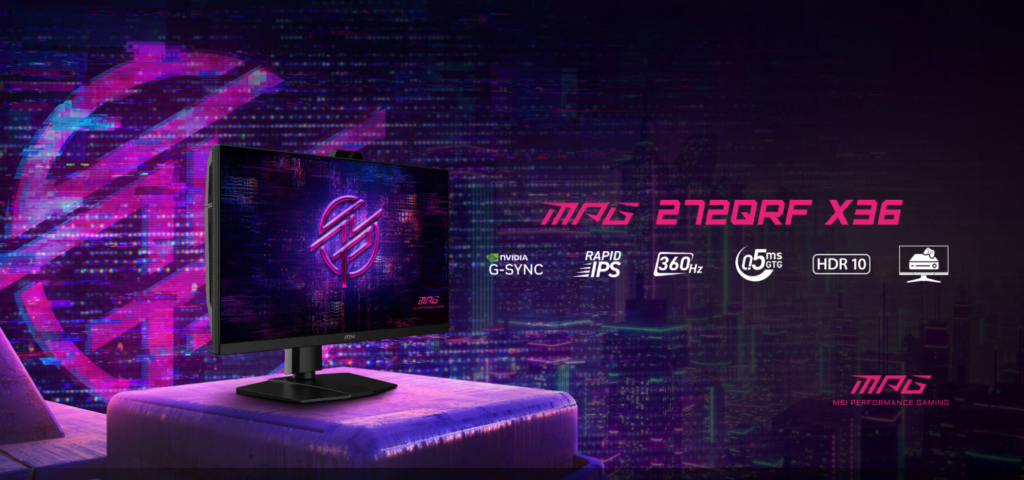
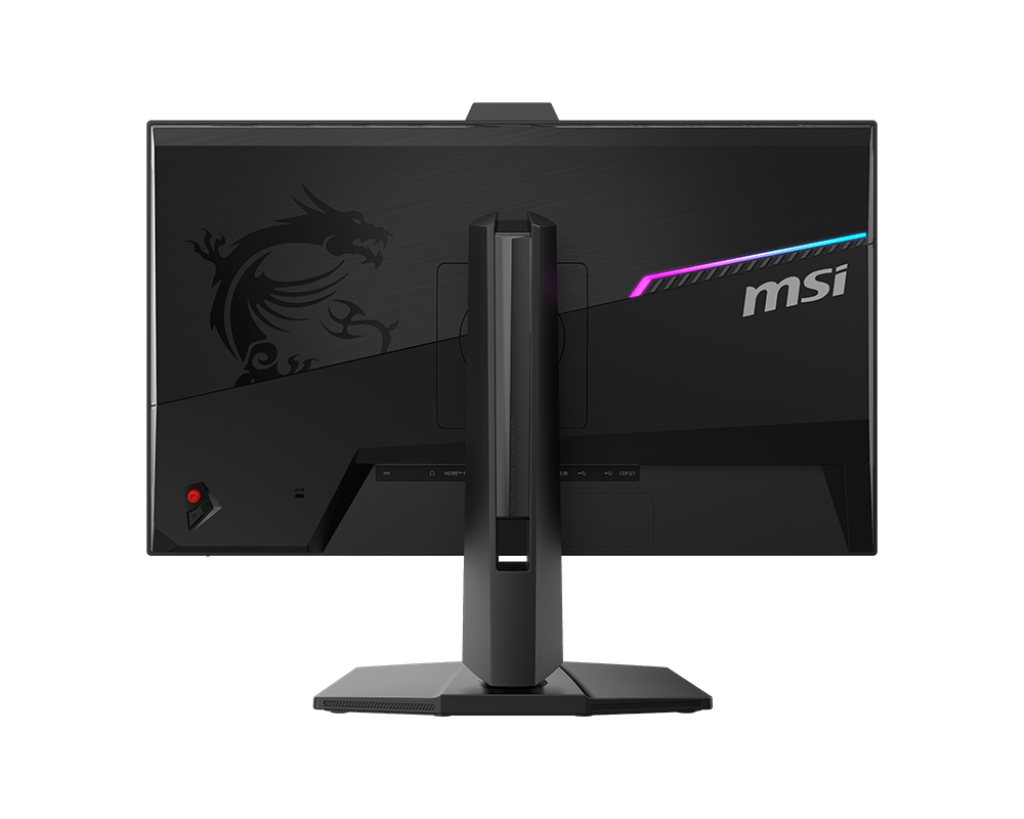
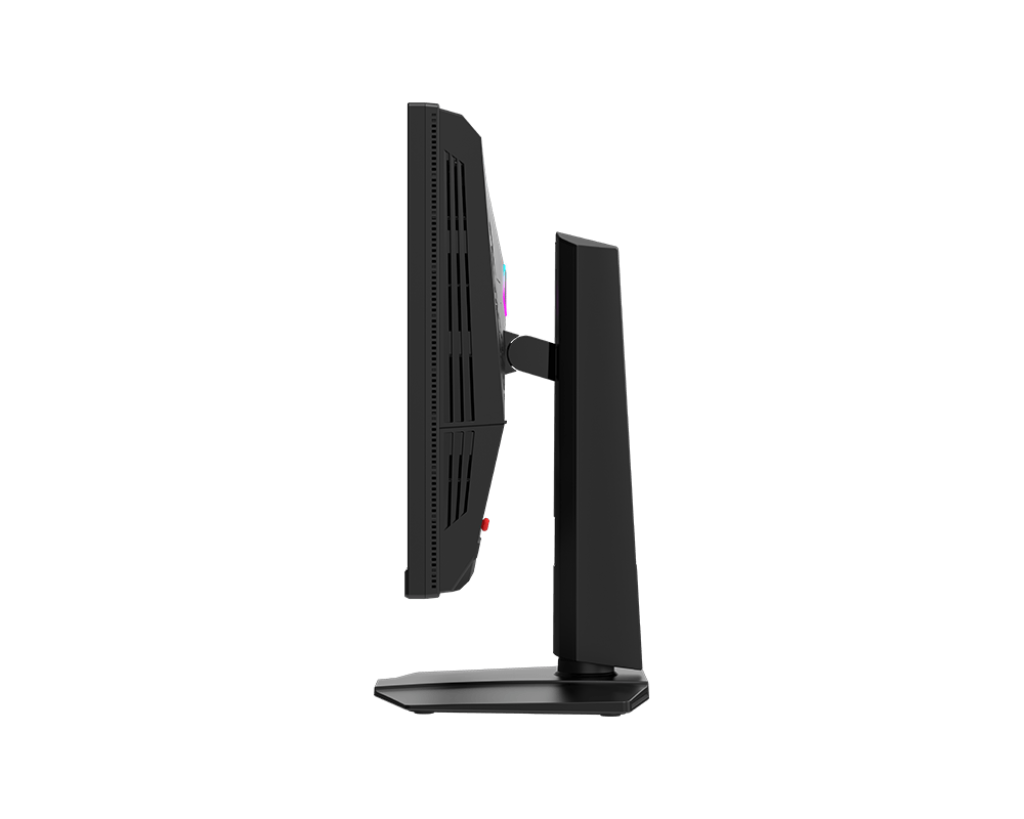
MSI and NVIDIA released the MPG 272QRF X36 G-SYNC Pulsar, a 27-inch gaming monitor built for esports. The Rapid IPS panel runs at WQHD resolution (2560 x 1440) with a 360Hz refresh rate.
The main feature is G-SYNC Pulsar technology. It uses variable frequency backlight strobing to deliver four times better motion clarity than regular displays. You still get G-SYNC’s smooth, tear-free visuals. This matters for competitive players who need to track fast movements accurately.
G-SYNC Ambient Adaptive Technology adjusts the display automatically using a built-in light sensor. It changes color temperature and brightness based on your room’s lighting. The monitor adapts in real time whether you’re playing in the dark or near a window. This reduces eyestrain and keeps visuals consistent. The display also provides accurate colors and low-latency HDR, meeting NVIDIA’s G-SYNC certification standards.
The monitor supports firmware updates directly from NVIDIA, so you can keep performance current. It offers detailed color customization and multiple aspect ratio options for different gaming setups.
There’s a 25 Mode that gives you pixel-perfect scaling at three specific resolutions: 2368 x 1332, 1920 x 1080, and 1280 x 960. Players who want a smaller screen format get sharp images without the blur that normally comes with non-native resolutions.
MSI is also pushing boundaries at the high end with the MEG X, a flagship monitor that combines elite hardware with controversial AI-assisted features. It features a 34-inch fifth-generation QD-OLED panel with a 3440 × 1440 resolution, 21:9 ultrawide aspect ratio, a 360Hz refresh rate, and a 0.03ms response time, placing it among the fastest gaming displays available.
What truly differentiates the MEG X is its display-level AI, which analyzes the video signal itself rather than relying on game software. This enables features such as on-screen character highlighting, reduced flashbang effects, dynamic brightness and contrast adjustments, digital zoom, night-vision-style viewing, and automatic switching between display presets based on the type of game being played.
For more daily updates, please visit our News Section.
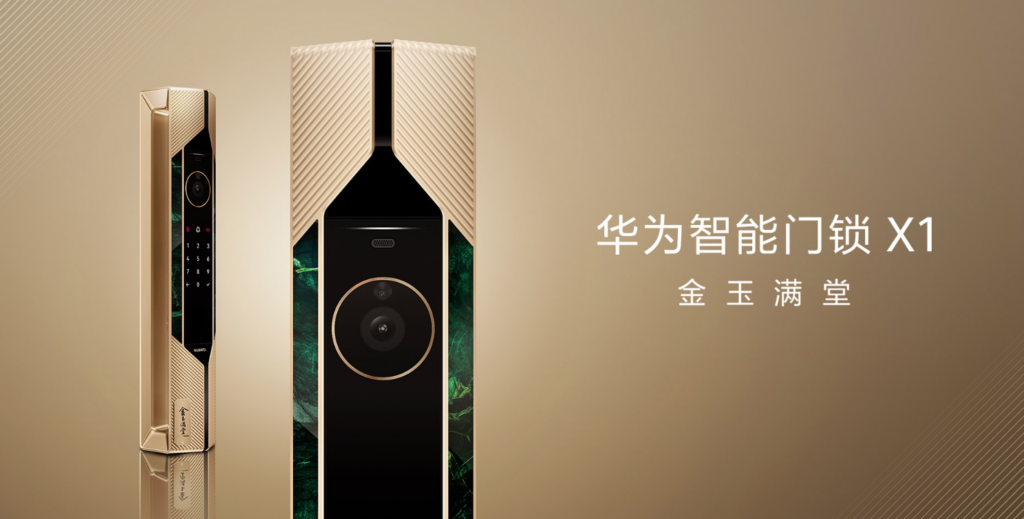
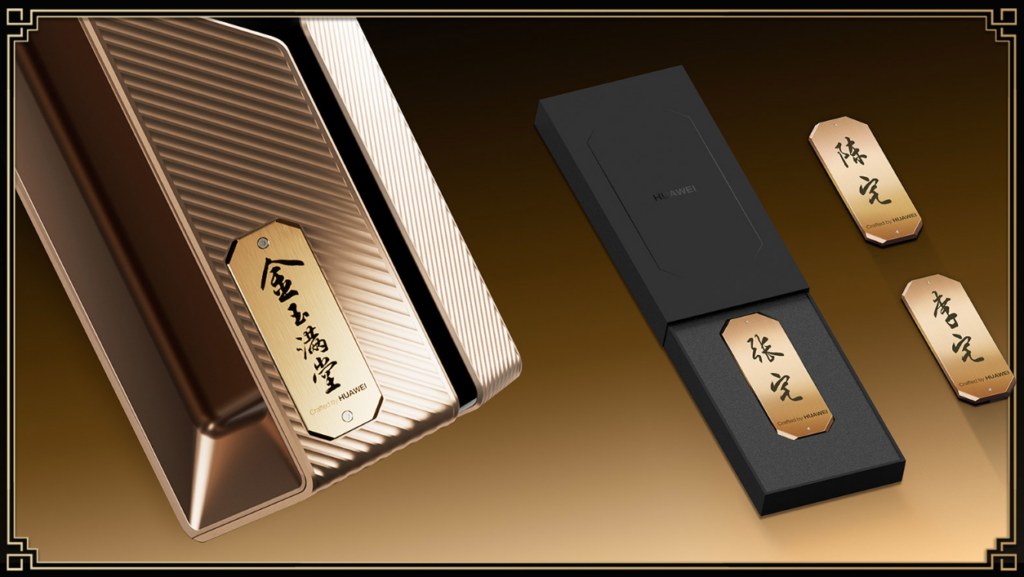
Huawei has launched the Smart Door Lock X1 Golden Jade Edition in China, with the product now listed on Vmall. The new version features a ceramic-textured body with a jade-like finish and includes a 24K gold-plated nameplate. The lock carries a standard price of 19,999 yuan ($2,870), while the introductory price is set at 14,999 yuan ($2,152).
Huawei has also introduced a matching decorative lock for dual-door installations, priced at 6,000 yuan ($860). This accessory does not include any smart functions and is intended purely for visual consistency in villa-style entrances.
Huawei Smart Door Lock X1 Specifications
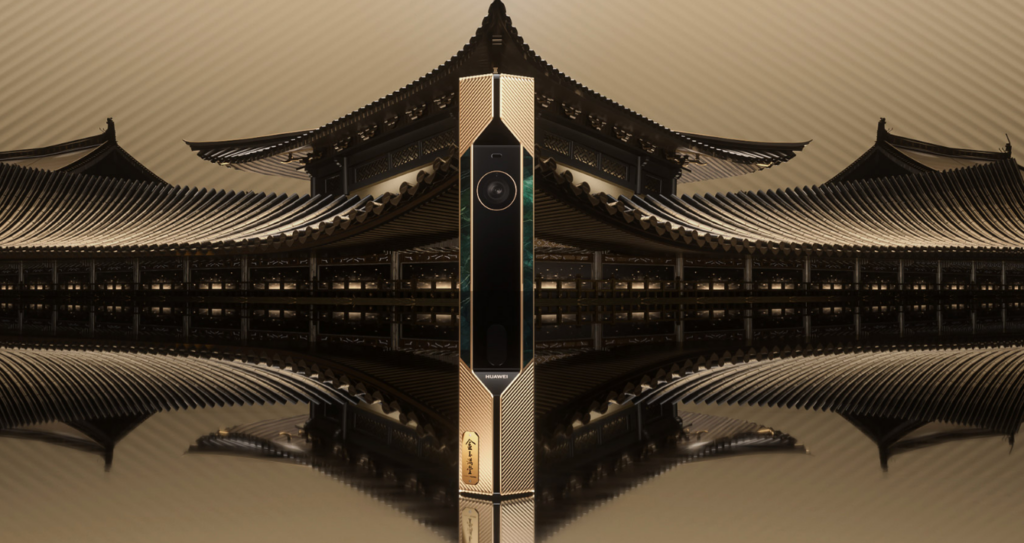
Huawei designed the Golden Jade Edition to resemble traditional Chinese palace dougong architecture. The lock’s exterior uses a smooth, ceramic-like coating, and the bottom plate includes space for personalized engraving. Despite its luxurious appearance, the lock retains full functionality as part of Huawei’s smart home ecosystem.
The lock supports multiple unlocking methods. It offers to unlock the door via face recognition, palm vein recognition, fingerprint recognition, passcodes, physical keys, and the Huawei Smart Life app. The lock also supports visitor passcodes and remote unlocking with dual-factor authentication.
The X1 runs on HarmonyOS 6.0 and connects via Wi-Fi (2.4 GHz) and Bluetooth 5.0. It integrates with HarmonyOS Connect, allowing interaction with Huawei Smart Screen displays, smart speakers, and other connected home devices.
The main power source is a built-in 10,000mAh lithium battery with a rated capacity of 9,500mAh. Huawei claims the battery can last approximately five to seven months under typical usage conditions. The system also includes a backup power solution using four AA batteries and a USB-C emergency charging port.
Huawei equipped the lock with a C-grade mechanical lock cylinder and a range of security features. These include virtual password input, anti-black-box unlocking, exit snapshot capture, loitering detection, a secure microkernel, and a dedicated security chip for boot authentication.
The product is compatible with standard wooden and security doors and supports all opening directions. The outdoor unit meets IPX5 standards and includes a sun-resistant coating.
In related news, the 2025 smartphone report card shows Huawei leading the Chinese market, while Apple tops global smartphone shipments.
For more daily updates, please visit our News Section.
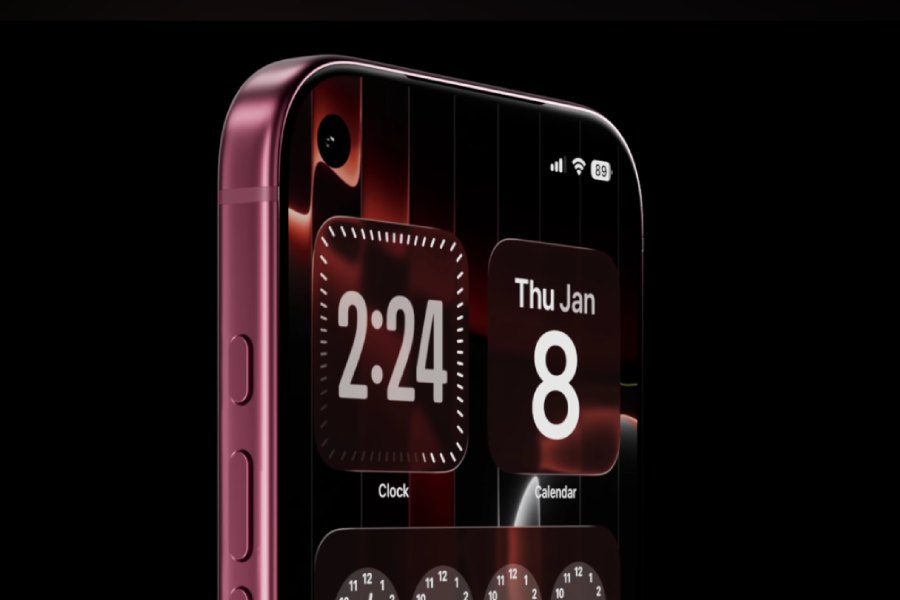
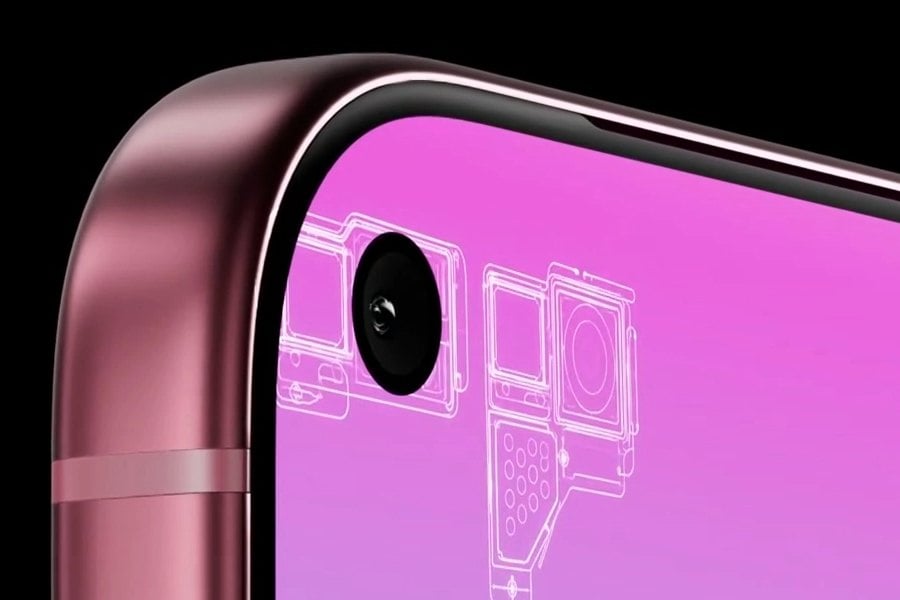
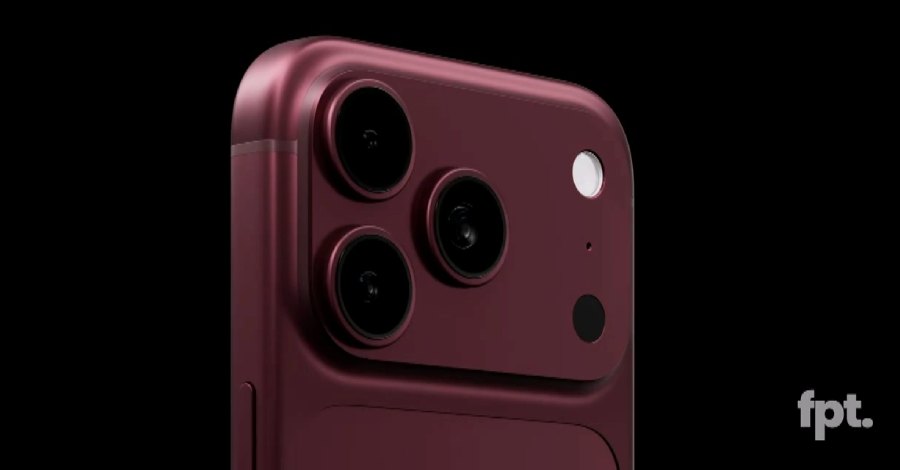
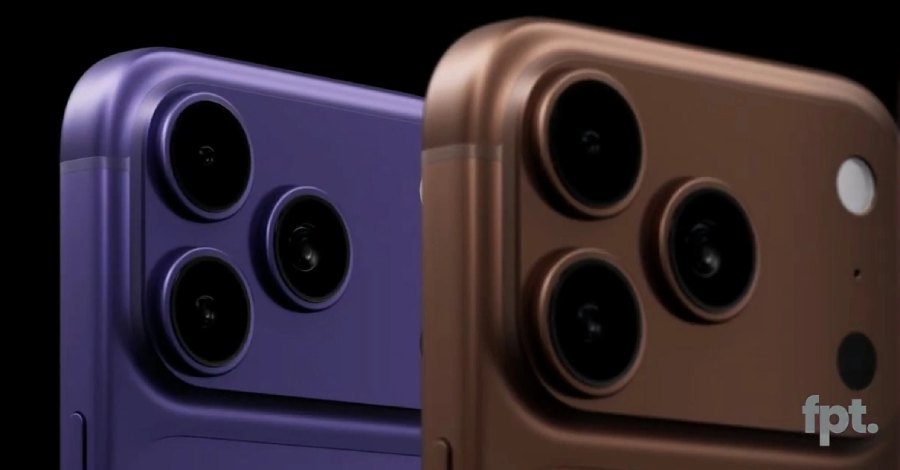
A new set of renders claims to show what Apple’s next flagship phone might look like. Jon Prosser (of Front Page Tech) released a video today presenting alleged design updates for the iPhone 18 Pro, along with three possible new color options: burgundy, brown, and purple.
At first glance, the most obvious tweak is on the front of the device. According to the renders, Apple may finally be ready to shrink the long-standing pill-shaped cutout at the top of the screen.
The images suggest that some Face ID components have been moved underneath the display, allowing the company to reduce the notch area to a single hole. The front-facing camera is also shown relocated to the top left corner of the panel.
Even with these hardware changes, Prosser claims Dynamic Island isn’t going anywhere. Instead, it will move along with the selfie camera to the top-left.
Dynamic Island has been the central part of iPhones for years now, and it still will be for the iPhone 18 series. Just that, the actual space it occupies on the screen could be less intrusive.
Variable aperture camera, C2 modem, and more
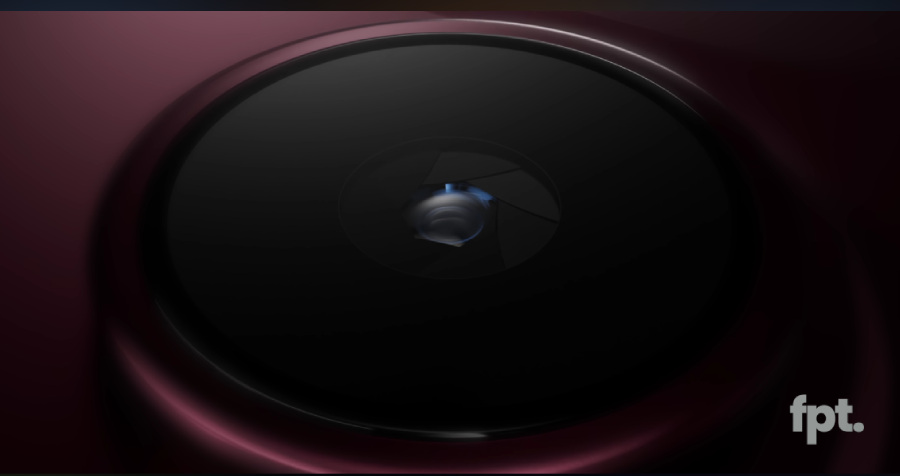
The back of the phone will be getting a more technical upgrade. Prosser claims that the main camera on the iPhone 18 Pro could include a variable aperture system.
Unlike current iPhones, which rely entirely on software to simulate depth-of-field effects, a variable aperture would let the lens physically adjust how much light enters. That would make it possible to create more natural background blur and better low-light shots without leaning as heavily on digital processing.
However, this feature might not come to every model. Prosser notes that Apple could reserve the variable aperture system exclusively for the larger iPhone 18 Pro Max.
Internally, the iPhone 18 Pro is expected to bring more significant changes. The device is rumored to run on Apple’s next-generation A20 Pro chip. Just as important is the long-awaited switch to Apple’s own C2 modem.
Another small but interesting adjustment could be to the camera control button. According to the video, Apple might drop its current capacitive sensing technology and replace it with a simpler pressure-based mechanism.
As with any early leak, none of this is confirmed, and Apple’s plans could easily change before the iPhone 18 lineup is officially announced. Still, the renders offer a reasonable preview of the direction Apple might be heading with its next-generation phones.
For more daily updates, please visit our News Section.
Casio has introduced another location-themed watch to its ever-expanding G-Shock lineup. This time the spotlight is on Harbin, the frigid capital of China’s Heilongjiang province, famous for its long winters and annual ice festivals.
The new model is officially called the Casio G-Shock GA-2100 Harbin City Edition (GA-2100AS-2APRH).
Casio G-Shock Harbin City Edition Overview
At its core, this is still the same GA-2100 that G-Shock fans already know. The watch keeps the slim octagonal case that made the 2100 series popular, along with the tough resin construction and hybrid analog-digital layout.
What makes the Harbin edition different is the visual theme built around ice and snow. Its strap has a distinctive cracked-ice pattern inspired by the way the Songhua River fractures when it first freezes each winter.
The strap also has the words “ICE CITY, on the lower band, while the back of the case is engraved with a silhouette of the city’s historic St. Sophia Cathedral. The watch head is navy blue in color, and the dial inside is in a semi-transparent blue theme.
Not just the watch, the packaging box also gets special treatment. The watch arrives in an acrylic box designed to look like a block of ice. Buyers also receive a small snowflake-shaped “G” pin as an added collectible touch.
Functionally, nothing has changed from the regular GA-2100. The Harbin edition includes an analog/digital display, world time, stopwatch, auto-calendar, double LED lights, and five alarms.
Also obvious is the fact that the watch can run for about three years on its standard battery. It is also 20 Bar water resistance, which means it can handle significant water pressure, equivalent to about 200 meters (660 feet) deep.
Casio plans to sell the GA-2100AS-2APRH in China for CNY 990 (about $142).
For more daily updates, please visit our News Section.
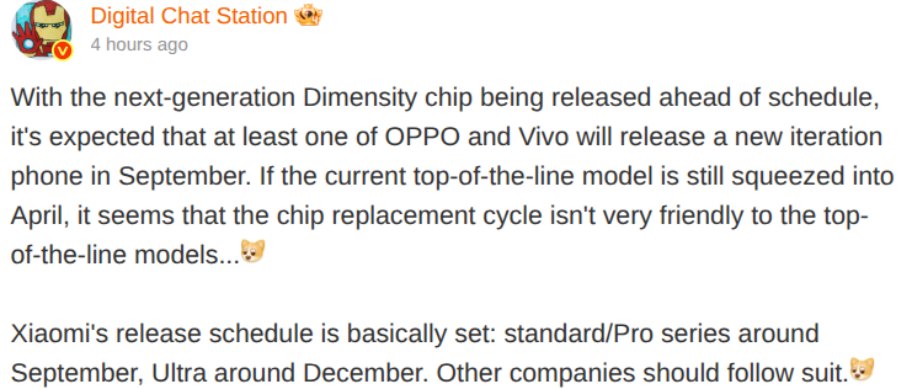
Both Oppo and Vivo are expected to launch their Ultra flagship phones from their current lineups in late Q1 or early Q2 2026. Once those devices arrive, we will have to wait for the next major chipset refresh before a new wave of flagships can debut.
This year, Qualcomm set the pace early by announcing the Snapdragon 8 Elite Gen 5 in early September. This allowed Xiaomi to unveil the Xiaomi 17 series in the same month.
MediaTek, however, debuted its Dimensity 9500 late in September. As a result, phones powered by that chip, including the Oppo Find X9 and Vivo X300 series, only arrived in October.
A new report now suggests MediaTek is preparing to change that timeline.
Dimensity 9600 early refresh makes Oppo and Vivo prepare their next flagship
According to the leak, the chipmaker is planning to launch its next flagship Dimensity processor in September only. As a result, at least one brand from Oppo and Vivo could launch their new-gen flagship powered by the Dimensity 9600 in the same month.
Word for this comes from tipster Digital Chat Station, who also claims that the current-generation Oppo Find X9 Ultra and Vivo X300 Ultra will launch in April.
Xiaomi, however, will not make any changes to its launch timeline. The company is expected to unveil the standard and Pro versions of the Xiaomi 18 (name is speculative) in September, followed by the Xiaomi 18 Ultra in December.
Xiaomi’s release of the 17 series early in September worked in its favor. September is also when Apple usually launches new iPhones.
Xiaomi going head-to-head with the iPhone 17 series by offering more competitive features helped the company win the battle in its home market.
Both the Xiaomi 17 Pro and 17 Pro Max have individually crossed the one-million-unit sales mark in China alone. Meanwhile, the iPhone has reportedly failed to make it to that list.
Vivo and Oppo bring their own set of hardware and software benefits, so it’s not much of a surprise if they want to go all-in on the competition. MediaTek’s earlier refresh for the Dimensity 9600 could give them exactly that opportunity.
For more daily updates, please visit our News Section.
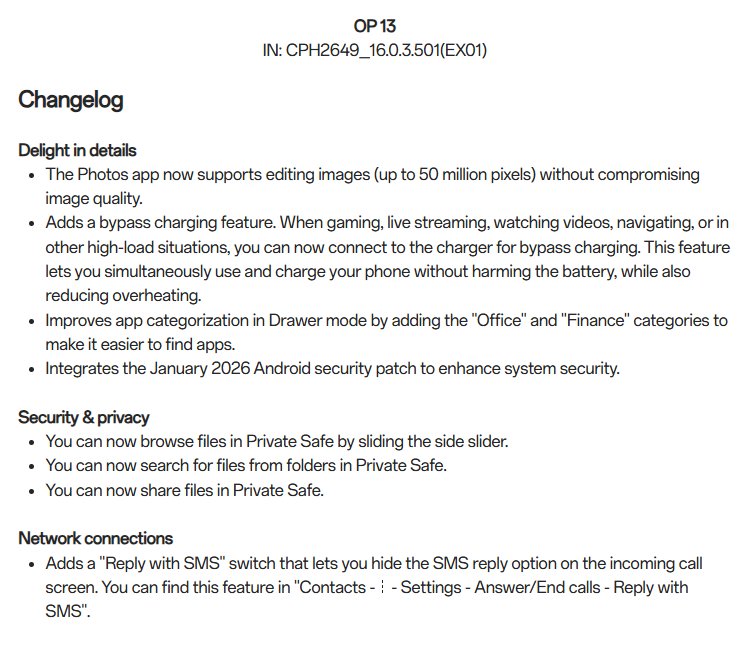
OnePlus started rolling out OxygenOS 16.0.3.501 (CPH2649_16.0.3.501 EX01) for the OnePlus 13 in India. The update brings several useful features focused on photos, battery life, and security.
Photos and Battery
The Photos app can now edit images up to 50 million pixels without losing quality. The update adds bypass charging, which works during gaming, streaming, video watching, and navigation. When you plug in your charger during these activities, power goes directly to the phone instead of the battery. This protects battery health and reduces overheating while you use the device.
Organization and Security
Drawer mode now includes “Office” and “Finance” categories to help you find apps faster. The update also includes the January 2026 Android security patch.
Private Safe Updates
Private Safe got three new features. You can browse files using a side slider, search for files inside folders, and share files stored in Private Safe.
Calling Feature
A new “Reply with SMS” switch lets you hide the SMS reply option when calls come in. Find it in Contacts, then Settings, then Answer/End calls, then Reply with SMS.
The update rolls out in batches. A small group gets it first, then more users receive it over the next few days.
For more daily updates, please visit our News Section.
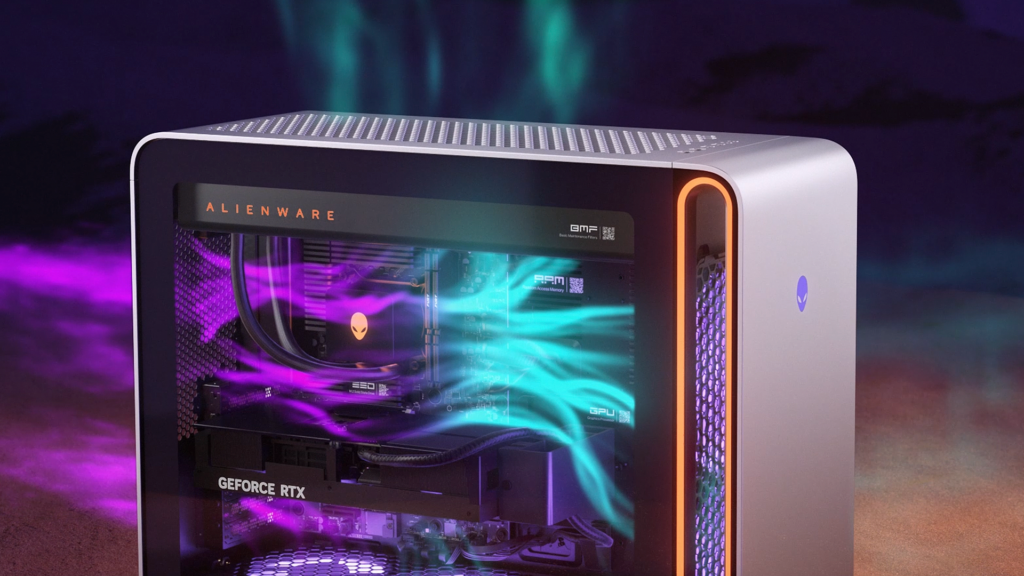
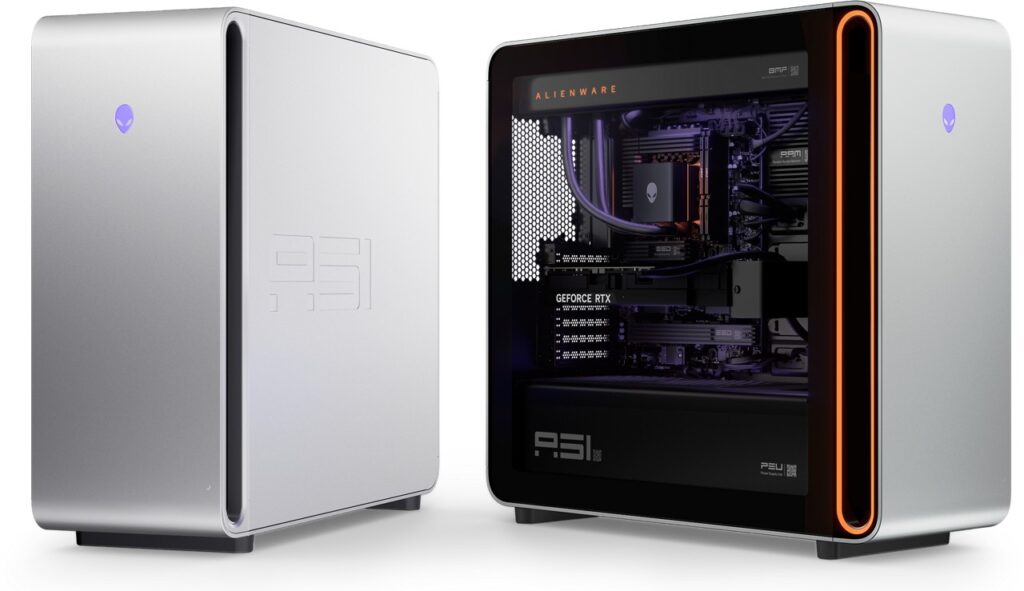
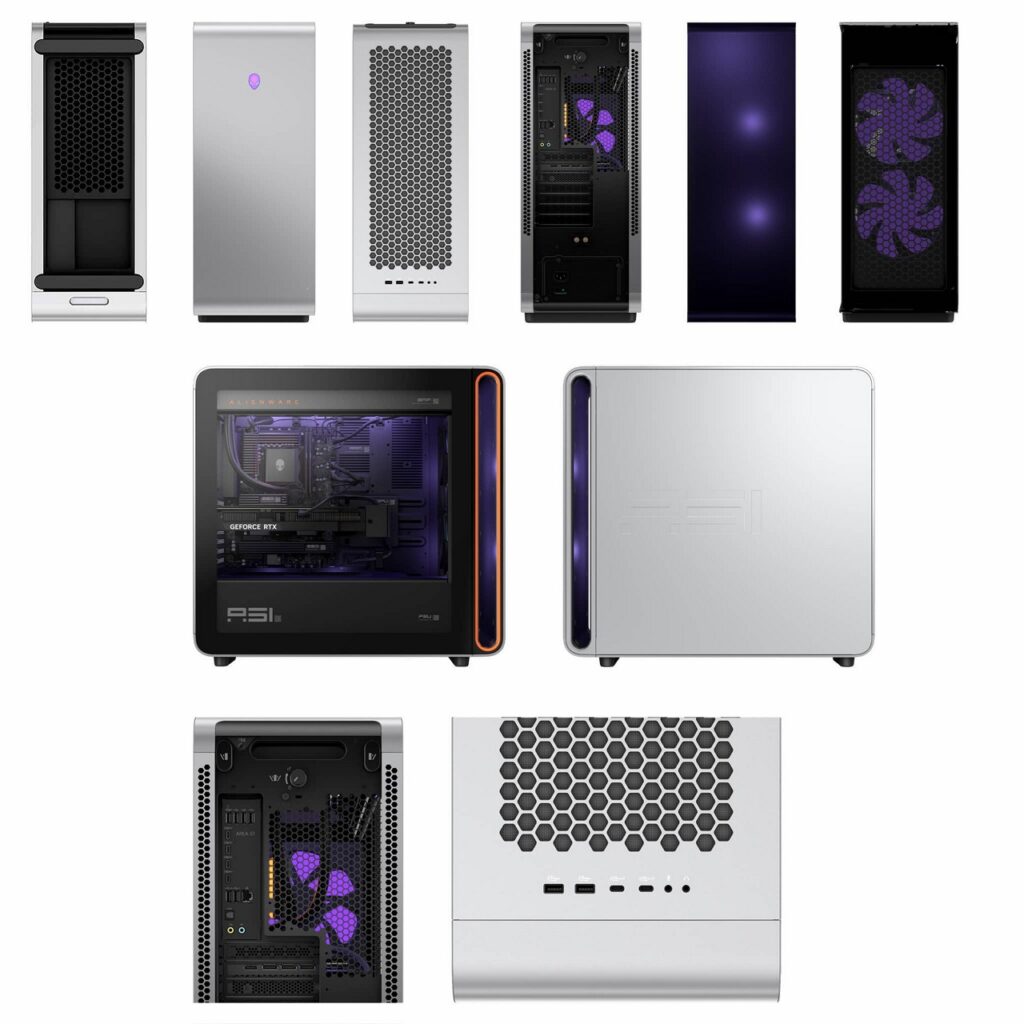
Alienware has unveiled an updated version of its Area-51 gaming desktop at CES 2026, showcasing the latest hardware upgrades. The iconic system, originally introduced in the late 1990s and revived in 2025 with a full redesign, is set to receive further enhancements in Q1 2026, including AMD’s Ryzen 7 9850X3D processor with 3D V-Cache technology.
The 80.5-liter chassis uses a positive pressure airflow design where fans direct air inward and exhaust through passive rear vents. This configuration runs 13% cooler, 45% quieter, provides 25% more airflow, and delivers 50% more processing power than systems from five years ago.
The desktop supports AMD’s Ryzen 9000 series processors, including the 9800X3D and 9950X3D with 16 cores and 144MB cache. The AMD X870E chipset motherboard includes 10+2+2 phase voltage regulation, PCIe Gen5 support, and accepts up to 64GB DDR5-6400 memory. Graphics card compatibility extends to 450mm length and four-slot width configurations.
Graphics options include NVIDIA’s RTX 50-series from the RTX 5070 to the RTX 5090 with 32GB GDDR7. The system supports over 200W processor power and 600W graphics power.
Storage configurations range from 1TB to 12TB using three M.2 slots and three additional drive bays for 2.5-inch and 3.5-inch drives. Liquid cooling includes 240mm and 360mm radiators, with 420mm expansion available after purchase.
The system includes MediaTek Wi-Fi 7, Bluetooth 5.4, 2.5G ethernet, and multiple USB ports including USB4 Type-C. A tempered glass panel displays seven programmable AlienFX RGB lighting zones.
QR codes placed throughout the chassis link to video guides for system upgrades and maintenance. Power supply options include 850W Gold-rated and 1500W Platinum-rated ATX12VO units. The desktop runs Windows 11 Home or Professional with Alienware Command Center software.
Dimensions measure 610.5mm length, 231.6mm width, and 569mm height, with maximum weight of 34.5kg.
For more daily updates, please visit our News Section.
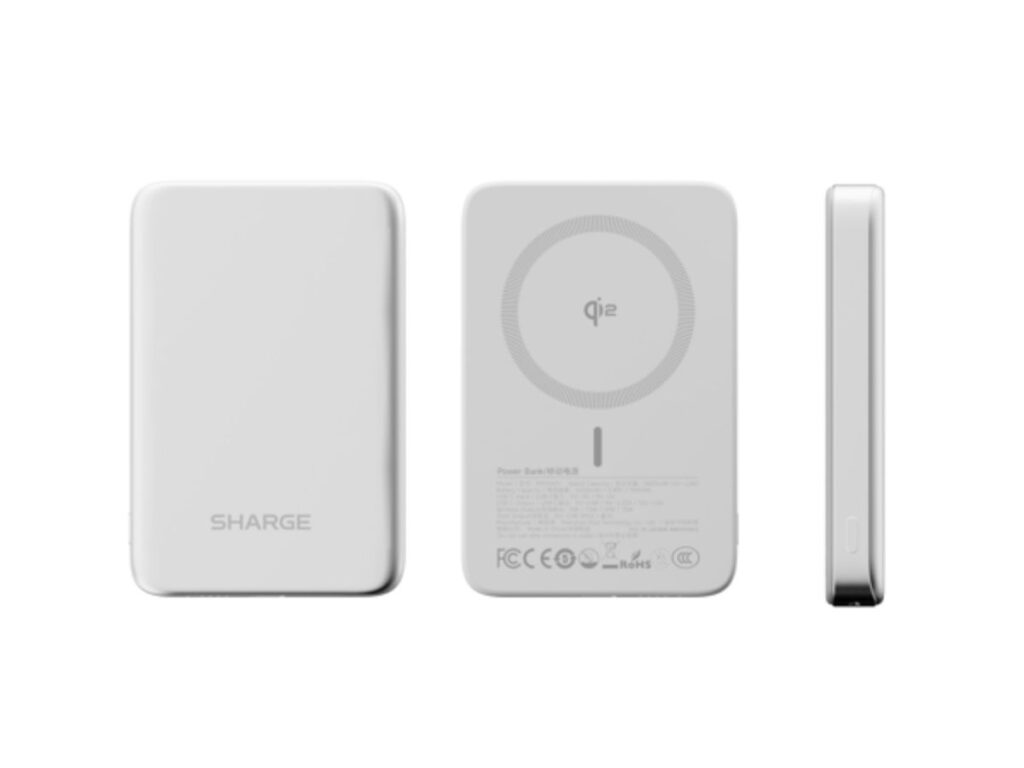
Sharge appears to be preparing a fresh magnetic wireless power bank that could join its growing lineup of portable chargers. Earlier this week, the brand unveiled a semi transparent 10,000mAh power bank with a 45W fast charging support and built-in cable. So let’s check out this new model.
Is This a New MagSafe Sharge Power Bank?
While the popular accessories maker has yet to make any official announcement, a new Sharge power bank just surfaced on the WPC certification website (Wireless Power Consortium). This model surfaced under two different model IDs. Looking at the listing, the upcoming accessory will be Qi2 certified and capable of providing 15W of wireless charging to supported devices. You can even see the magnetic attachment on the surface, which showcases its MagSafe ready design.
Sharge’s new slim power bank gets certified by WPC
Looking at the image in the database, this model could be a slim power bank. So we can also expect it to offer a lightweight build with magnetic charging. Apart from iPhones, the latest Google Pixel 10 series also benefit with the addition of the PixelSnap tech. Sharge hasn’t announced an official release date or pricing yet, and with only the certification entry and leaked images available, the exact specs remain under wraps.
In related news, Sharge recently launched the Loomos AI glasses with photography focused L1 and display driver S1. Back in December 2025, the brand also unveiled a massive 20,000mAh power bank with retractable cable, a display, and support for 165W wired fast charging. For those looking for portable storage, it had even released the Sharge Disk Pro, which is a credit card sized SSD sub with active cooling.
For more daily updates, please visit our News Section.
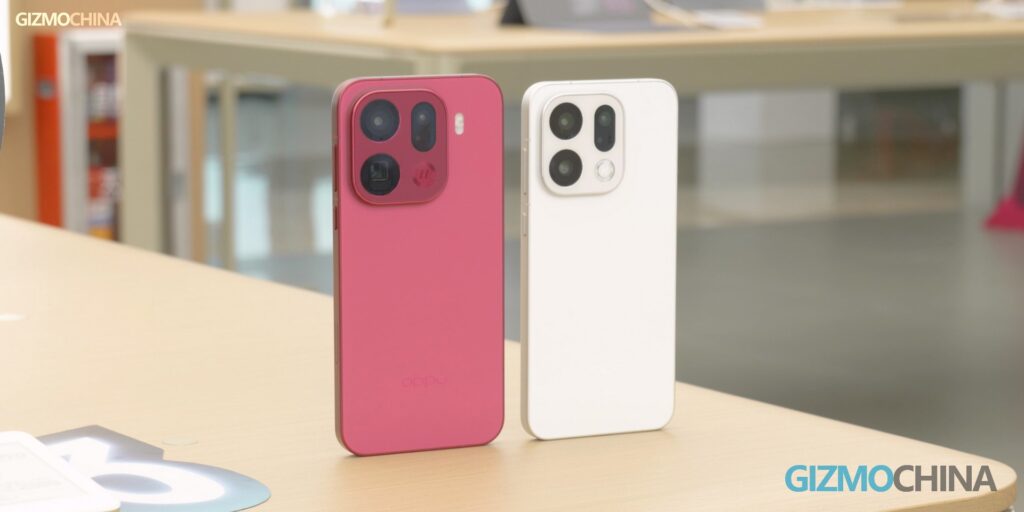
The Oppo Find X9 Pro has made a strong showing in DxOMark’s latest smartphone camera ranking, earning a position near the top. Oppo’s latest flagship has managed to enter the top 5 rankings for DxOMark’s camera testings, falling just below the Huawei Pura 80 Ultra (1st), Vivo X300 Pro (2nd), Oppo Find X8 Ultra and iPhone 17 Pro (tied for 3rd), and Vivo X200 Ultra (4th).
Oppo Find X9 Pro 5th Best Camera Phone: DxOMark
Oppo Find X9 Pro
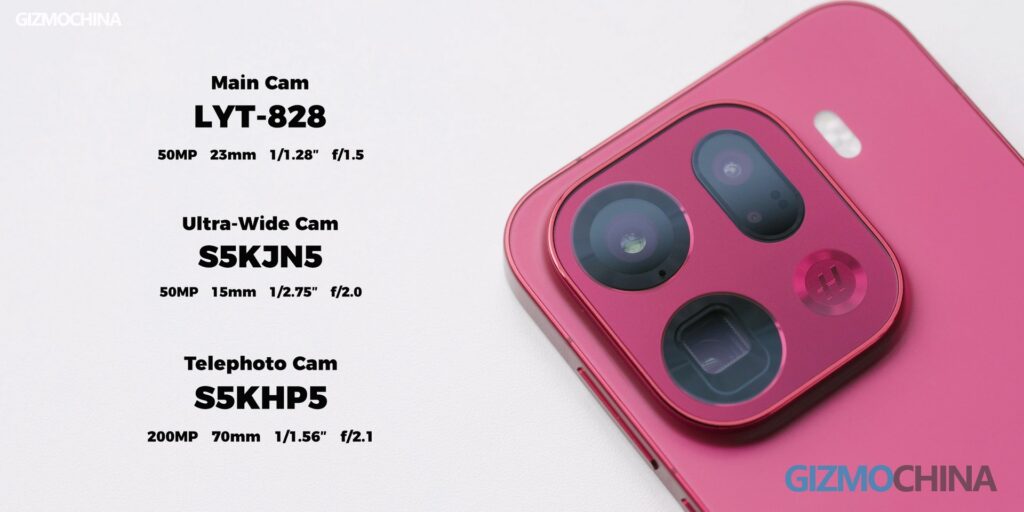
Oppo’s flagship camera setup on the Find X9 Pro blends a 50 MP primary sensor with optical image stabilization (OIS), a 50 MP ultra-wide camera, and a 200 MP telephoto lens with OIS, giving it a versatile setup. Oppo’s flagship camera setup on the Find X9 Pro blends a 50 MP primary sensor with optical image stabilization (OIS), a 50 MP ultra-wide camera, and a 200 MP telephoto lens with OIS, giving it a versatile range from wide landscapes to detailed long-range shots.
Video capture also impressed in areas like stabilization, offering smooth footage when recording on the move. It was also praised for its color consistency with natural tones and exposure. However, testers did note some challenges in low light, particularly with noise and autofocus tracking when conditions grew dim.
Find X9 Pro’s Camera System
Just recently, the Honor Magic 8 Pro achieved this spot in the DxOMark smartphone camera rankings, but it has now been displaced by the Find X9 Pro.While the Magic 8 Pro earned praise for its still photography, the Oppo’s blend of strong telephoto capability and stabilization helped give it an edge in the broader DxOMark scoring methodology.
For more daily updates, please visit our News Section.
Mini PCs have become incredibly versatile in 2026. You can find ultra-compact desktops that handle everything from basic office work to high-resolution AAA gaming. This guide breaks down the best mini PC options by use case, keeping to a budget price range (around $400-$500 for most categories). For high-end 2K/4K gaming picks, we’ll go slightly above budget since these inevitably cost more.
For basic productivity (web browsing, Office apps, video calls, and light multitasking), you don’t need an expensive setup. Budget mini PCs in the $300-$500 range easily handle everyday office needs. Look for modern energy-efficient CPUs (like Intel’s N-series chips or entry-level AMD APUs), at least 8-16GB RAM, and an SSD for quick performance.
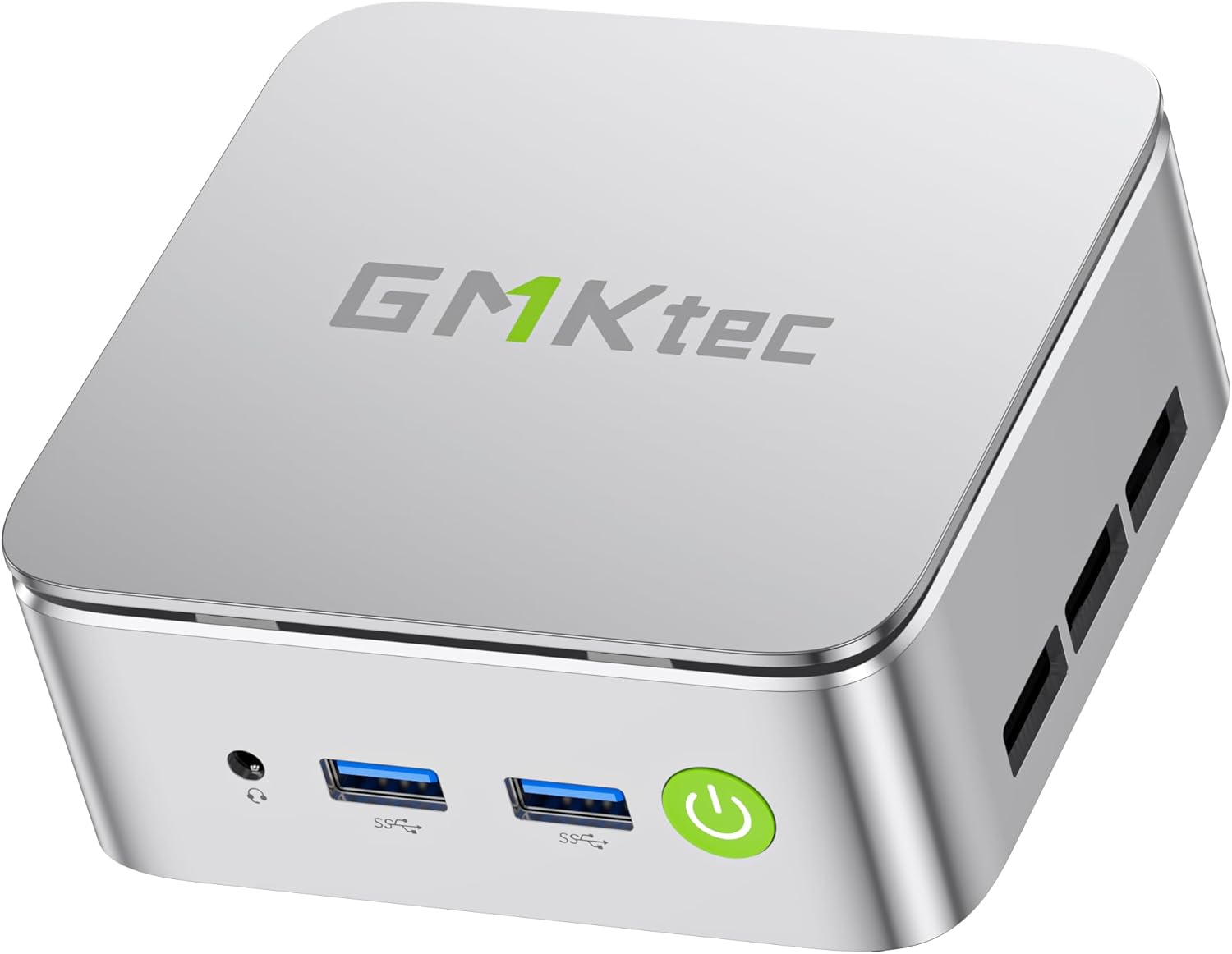
GMKtec NucBox G10 (AMD Ryzen 5 3500U) – A standout budget mini PC for office use. It packs a 4-core/8-thread Ryzen CPU with Radeon Vega graphics, 16GB RAM and up to 1TB SSD. TechRadar’s tests showed the G10 handled light duties like browsing, streaming, and office work very well for the price. It’s not powerful enough for heavy content creation, but for everyday productivity it’s a great little system that can be easily upgraded later.
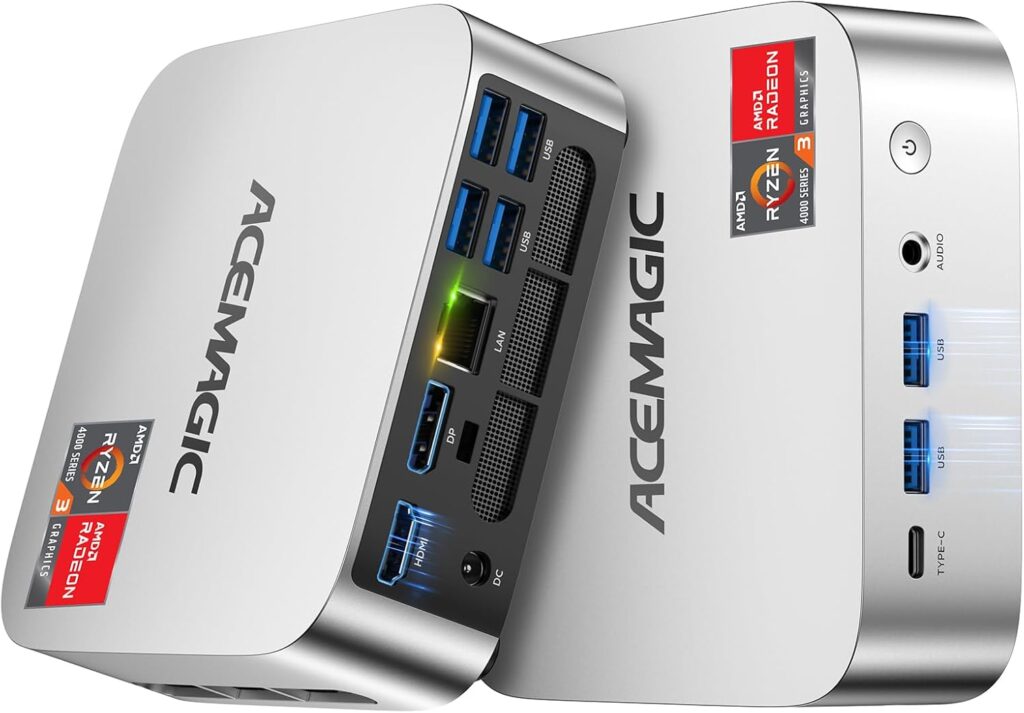
AceMagic V1
AceMagic V1 (Intel Processor N100/N150) – A compact Intel-based PC that’s a solid pick for work tasks. With a quad-core Alder Lake-N CPU, 16GB DDR4 RAM, and a 512GB-1TB SSD, it’s powerful enough for everyday productivity apps and dozens of browser tabs. At roughly $280-$300 it delivers reliable performance for most users’ needs.
2. Best Mini PC for a Home Media Server / HTPC
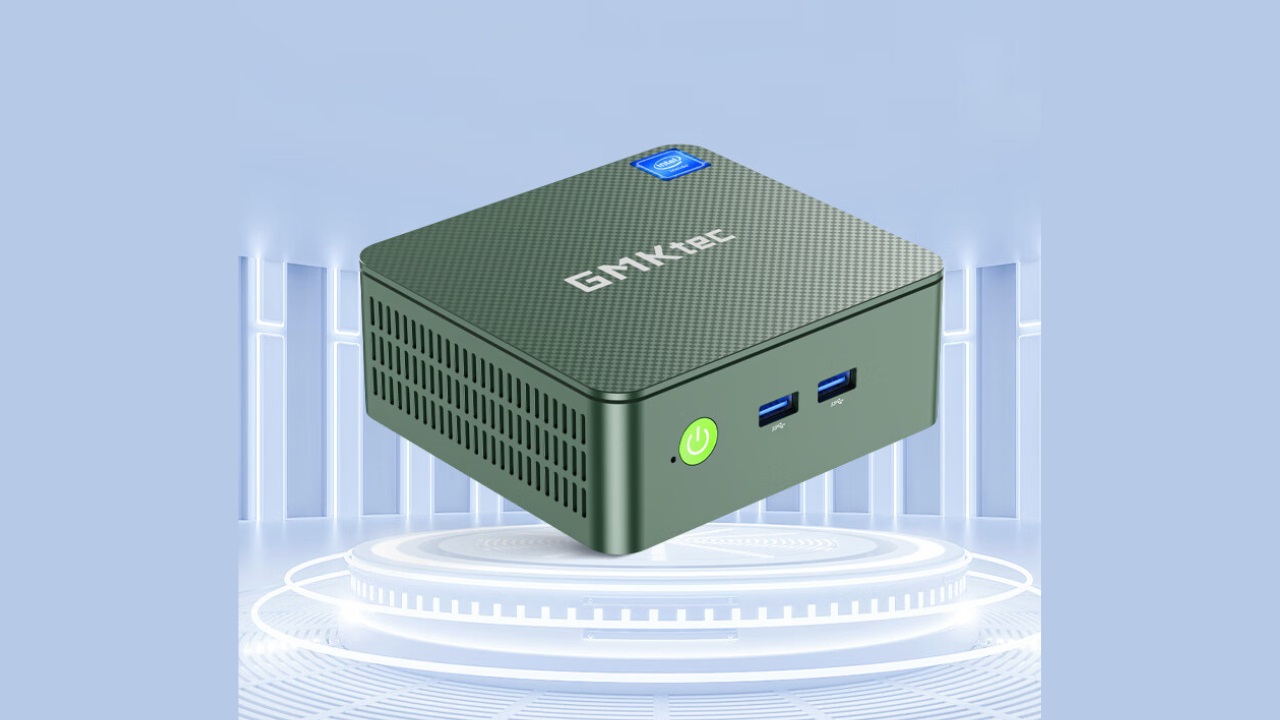
GMKtec G3 Mini PC
Turning a mini PC into a home media server (for Plex, streaming, or as an HTPC) is popular. Key factors are energy efficiency (for 24/7 uptime), strong video decoding/encoding hardware, and good connectivity.
Intel N100/N200 Mini PCs (e.g. GMKtec G3) – In real-world Plex server tests, an N100-based mini PC handled five simultaneous 1080p video transcodes with only around 35% CPU usage, thanks to Quick Sync video acceleration. These units excel at hardware transcoding of H.264, H.265, and VP9, perfect for streaming your movie library to multiple devices. They’re also fanless or very quiet.
Beelink SER5 Max (AMD Ryzen 7 6800U) – A more powerful yet still compact choice. This 8-core Ryzen APU comes with Radeon 680M integrated graphics. With 24GB RAM and 500GB+ NVMe SSD, it has triple 4K display outputs and 2.5GbE LAN, so it can drive multiple high-res screens or stream to many clients without network bottlenecks. At around $400-$500, it’s a versatile media hub that can double as a daily desktop.
3. Mini PCs for Casual Gaming (1080p on a Budget)
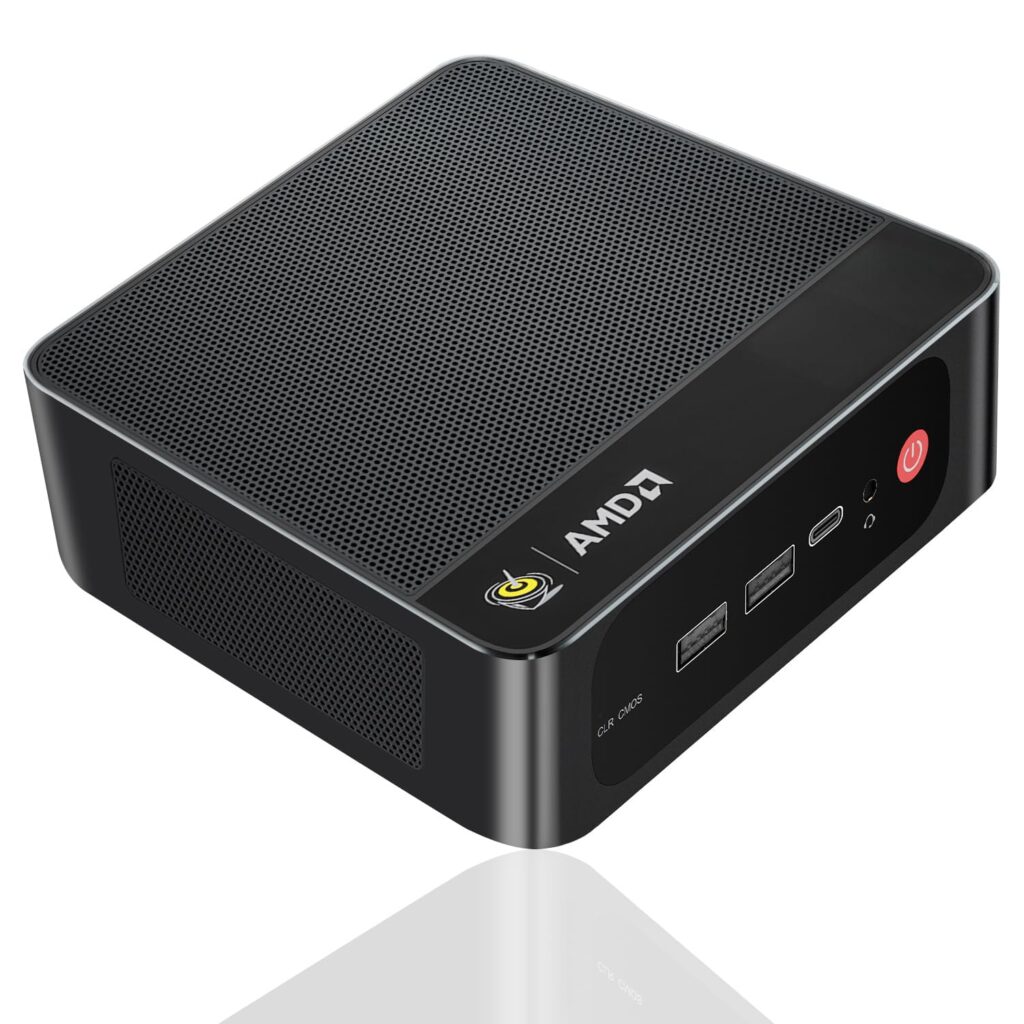
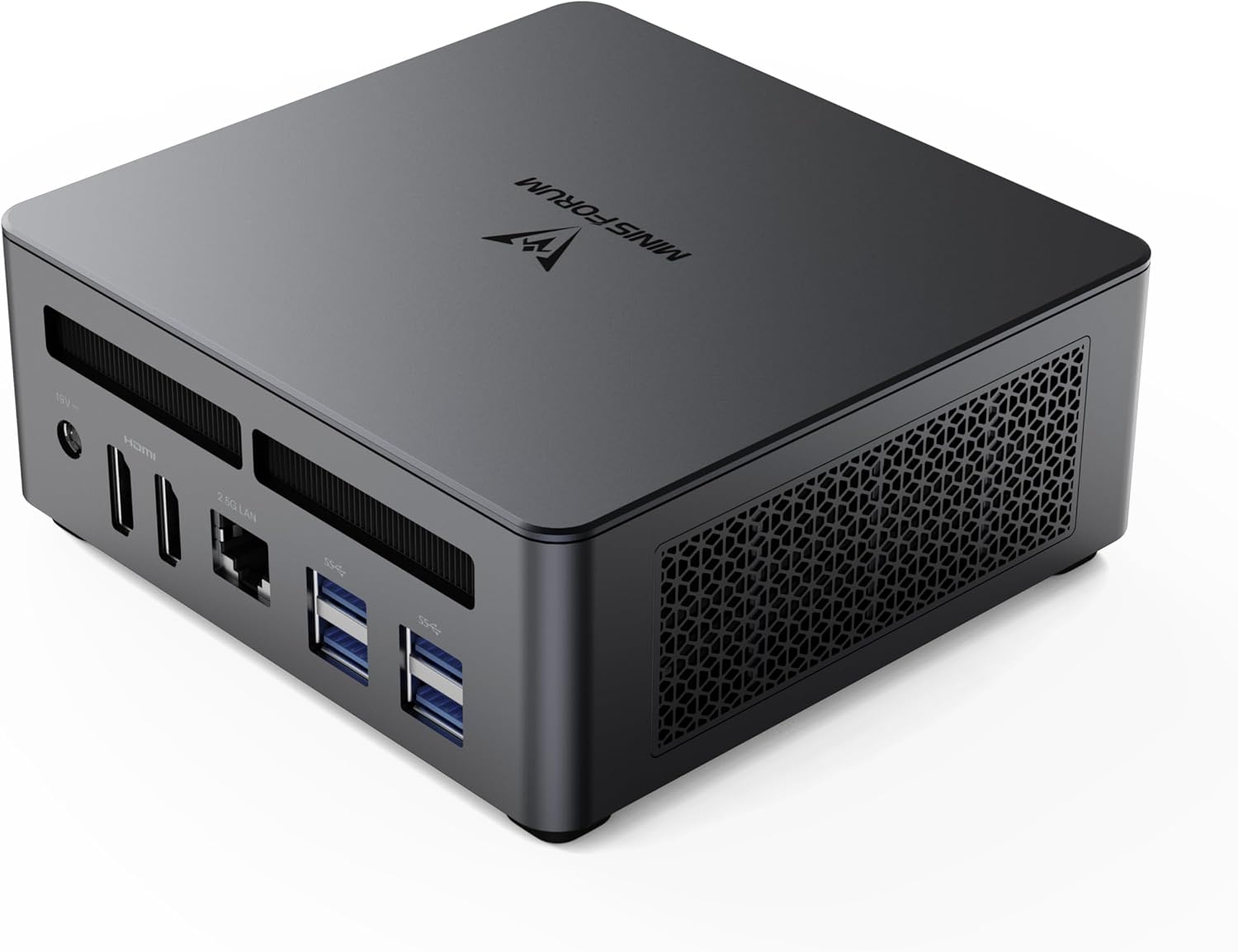
MINISFORUM Venus UM790 Pro Mini PC
2025-2026 has seen a new breed of powerful integrated GPUs that allow solid 1080p gaming in budget mini PCs. You’ll want at least an AMD Ryzen 7 or 9 APU (with a strong integrated Radeon GPU, like the 680M or 780M), or an Intel chip paired with Iris Xe or Arc graphics. 16GB of dual-channel RAM is a must.
Minisforum Venus UM790 Pro (Ryzen 9 7940HS, Radeon 780M) – One of the best budget gaming mini PCs according to PC Gamer. It uses AMD’s latest 8-core laptop CPU and the Radeon 780M iGPU. In testing, the 780M can run many games at 1080p medium-high settings: A Plague Tale: Requiem hit around 76 fps on high, and Doom Eternal blasted past 170 fps at 1080p ultra. The UM790 Pro comes as a fully built system (often 16GB RAM, 512GB SSD) in the $600 range, or as a barebones for under $500.
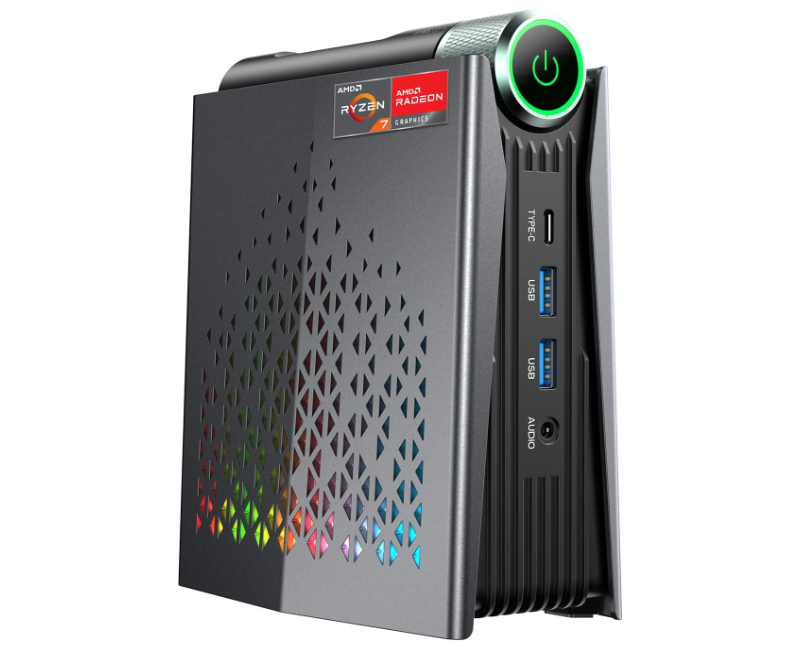
AceMagician S3A
AceMagician S3A / Kamrui AM21 (Ryzen 7 8745HS, Radeon 780M) – Both feature the Ryzen 7 7840HS-class processor with the Radeon 780M. The S3A gives 16GB/512GB for about $429, while the Kamrui AM21 doubles that to 32GB/1TB for around $520.
4. Mini PCs for 1440p (2K) Gaming (High-End Compacts)
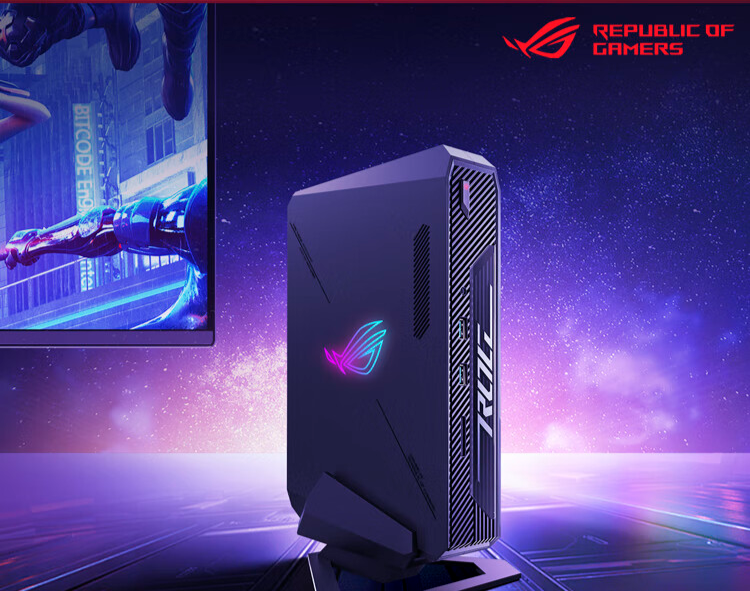
ASUS ROG NUC 970
Stepping up to 1440p gaming in a mini PC means spending closer to $800-$1200. At this tier, you’re looking at compact PCs that include discrete laptop GPUs.
ASUS ROG NUC 970 (Core Ultra 9 185H + RTX 4070 Laptop GPU) – The ROG NUC 970 pairs a 14-core Meteor Lake Intel CPU with an NVIDIA RTX 4070 Mobile (8GB) graphics card in a chassis only a few liters in volume. The RTX 4070 handles modern games at 1440p with high settings well above 60 fps. Even tough titles like Cyberpunk 2077 can hit around 75 fps at 1440p using Ray Tracing Ultra (with DLSS/FG on). Be prepared for a premium price (often around $1,999 fully configured).
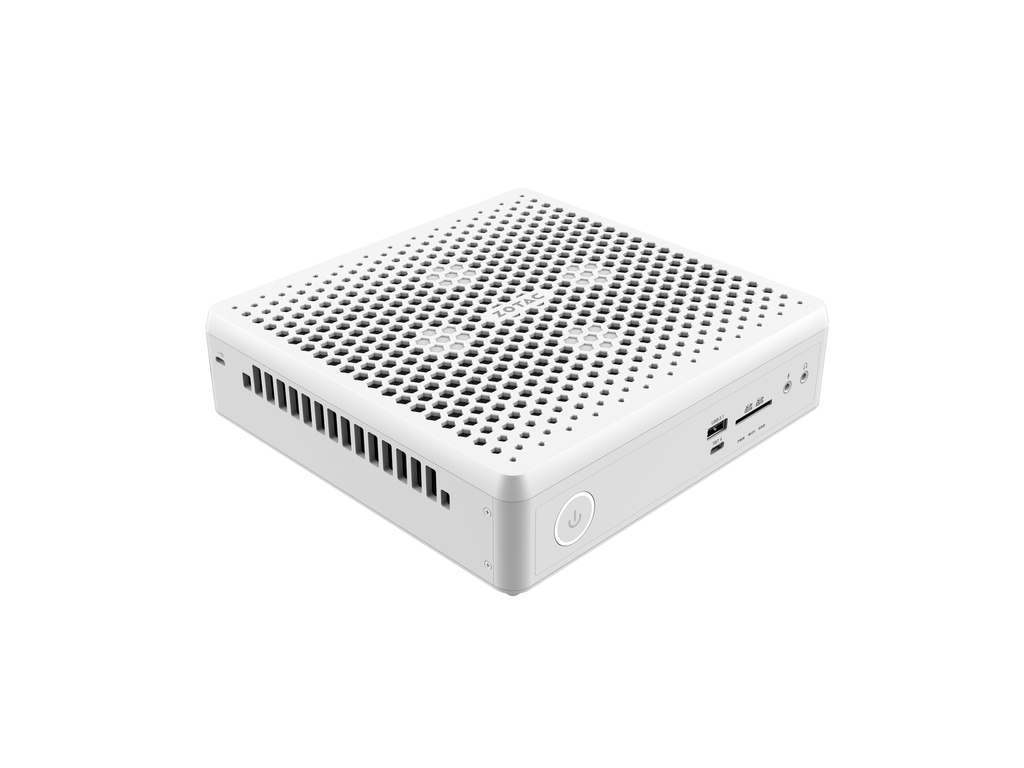
Zotac ZBOX Magnus EN374070C
Zotac ZBOX Magnus EN374070C (Core i7-13700HX + RTX 4070 Laptop) – A compact, unobtrusive 5.2L mini PC that delivers great 1440p gaming performance. With the 16-core i7 CPU and laptop RTX 4070, it matches the ROG NUC in pushing high frame rates at 1440p. The catch? The Magnus can get quite loud under full GPU load. It is Priced around $1,500 (barebones around $1,200).
5. Mini PCs for 4K Gaming
Asus ROG NUC 2025
Running the latest games at 4K resolution with high/ultra settings is extremely demanding, typically requiring a top-tier GPU. Achieving this in a mini PC is possible but firmly in high-end territory.
Asus ROG NUC 2025 (Core i7-14700 + RTX 4080) – The new ROG NUC crams a desktop-class RTX 4080 into a mere 3-liter chassis with advanced cooling. An RTX 4080-equipped mini can absolutely handle 4K gaming, rated for 60+ FPS at 4K in many games, especially with DLSS 3 upscaling. However, expect to pay a lot (likely $2,500+) for a fully configured system.
For most gamers, a mini PC that excels at 1440p is a better value. Pushing to 4K greatly reduces frame rates and raises costs significantly. At the $2000 price point you can build a system that will demolish games at 1440p and run them comfortably at 4K. You pay a hefty premium for squeezing this power into a tiny box.
We use cookies on our website to give you the most relevant experience by remembering your preferences and repeat visits. By clicking “Accept”, you consent to the use of ALL the cookies.
This website uses cookies to improve your experience while you navigate through the website. Out of these, the cookies that are categorized as necessary are stored on your browser as they are essential for the working of basic functionalities of the website. We also use third-party cookies that help us analyze and understand how you use this website. These cookies will be stored in your browser only with your consent. You also have the option to opt-out of these cookies. But opting out of some of these cookies may affect your browsing experience.
Necessary cookies are absolutely essential for the website to function properly. This category only includes cookies that ensures basic functionalities and security features of the website. These cookies do not store any personal information.
Any cookies that may not be particularly necessary for the website to function and is used specifically to collect user personal data via analytics, ads, other embedded contents are termed as non-necessary cookies. It is mandatory to procure user consent prior to running these cookies on your website.