LG, the South Korea-based electronics manufacturer is all set to launch its flagship smartphone under its G-series lineup, which is said to be called LG G7 ThinQ. Now, it appears that along with the flagship smartphone, the company is also gearing up to launch a mid-range Q-series smartphone — LG Q7.
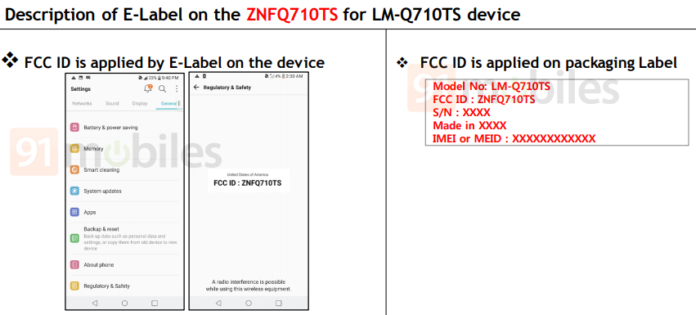
Ahead of the official announcement from the company, the LG Q7 smartphone has been spotted on the Federal Communications Commission (FCC) website. The listing reveals that the smartphone carries model number LG LM-Q710TS.
However, the FCC listing of the smartphone has not revealed anything about the specifications and features. Recently, LG applied for a certificate with Russia-based EEC for both the upcoming devices from LG — G7 ThinQ and Q7 and the company has reportedly received the certification, hinting that the phone is close to launching.
While specs and features related to the flagship smartphone LG G7 ThinQ has already been leaked, nothing much is known about the upcoming LG Q7 apart from its name. Based on the last year’s LG Q6, we are expecting the Q7 to be the mid-range smartphone and a watered-down variant of the flagship G7 ThinQ.
The South Korean company’s upcoming flagship smartphone LG G7 ThinQ is expected to come with a notched M+ LCD display with a panel said to be “twice as bright as the G6 and significantly more colorful.” It will be powered by Qualcomm Snapdragon 845 chipset and have up to 6GB of RAM. The phone is believed to feature an extra physical button to trigger an AI-enabled voice assistant.
The smartphone is expected to come with a dual rear camera setup with two 16-megapixel sensors, which will be a step up from the 16-megapixel + 13-megapixel combo setup on the LG V30. Based on the previous reports, the phone will also come with recording and playback support for HDR 10.
The South Korean company has already scheduled a launch event for LG G7 ThinQ on 2nd May in New York, followed by a domestic launch in Seoul on 3rd March. At the same launch event, the company is also expected to unveil LG Q7.
Hey, its Adam again, Asian tech editor at Gizmochina and photographer with Kung Fu Imaging, here to introduce you to a new flagship phone from Xiaomi. Has Xiaomi made an iPhone/Samsung Galaxy killer with it’s “S” version of the popular Xiaomi Mix 2, the newly released Xiaomi Mix 2S? Or is the hardware/software package not quite up to those lofty heights? When introduced March 2018 in Shanghai, Xiaomi made sure to showcase the capabilities of the Xiaomi Mix 2S compared with the top-tier flagships from the big boys, however, we are going to look more closely, and rate the Mix 2S on it’s merit alone.
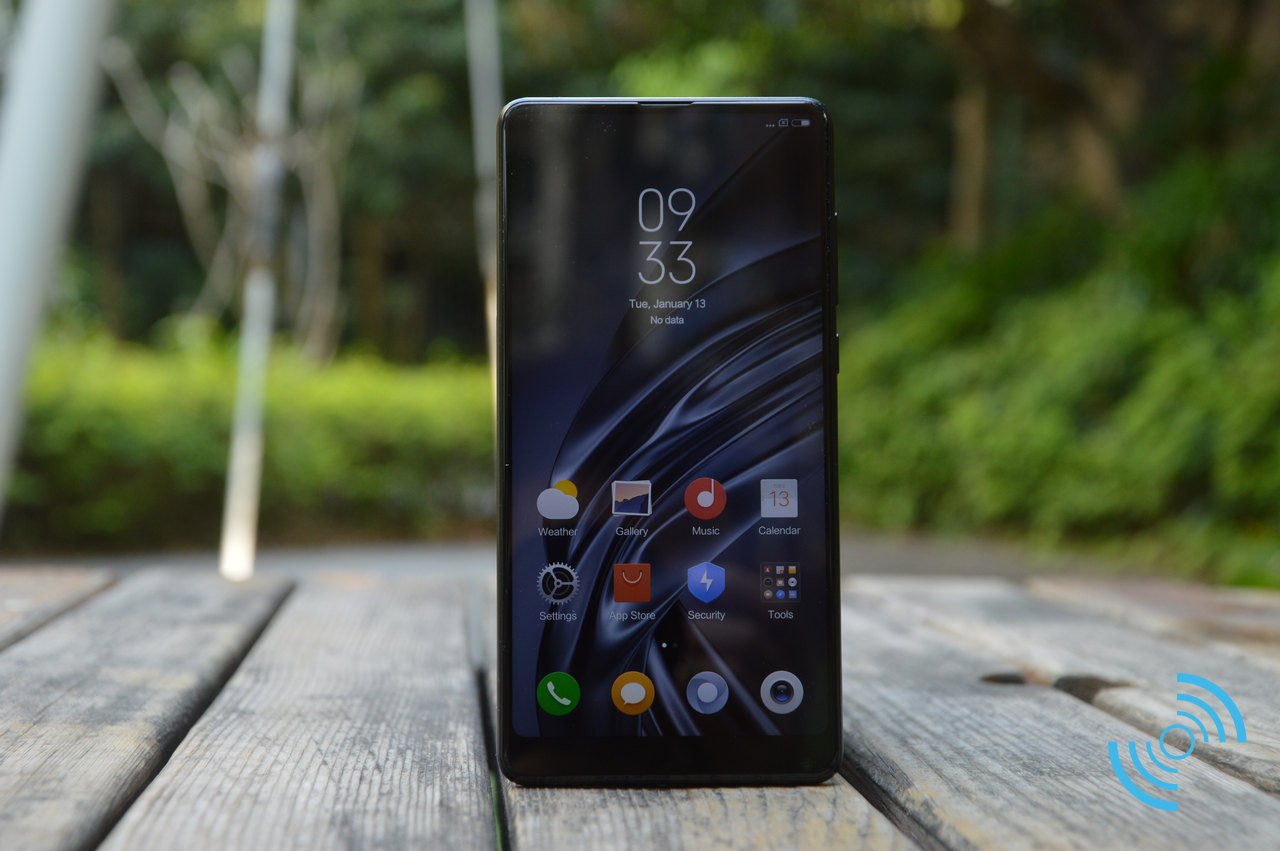
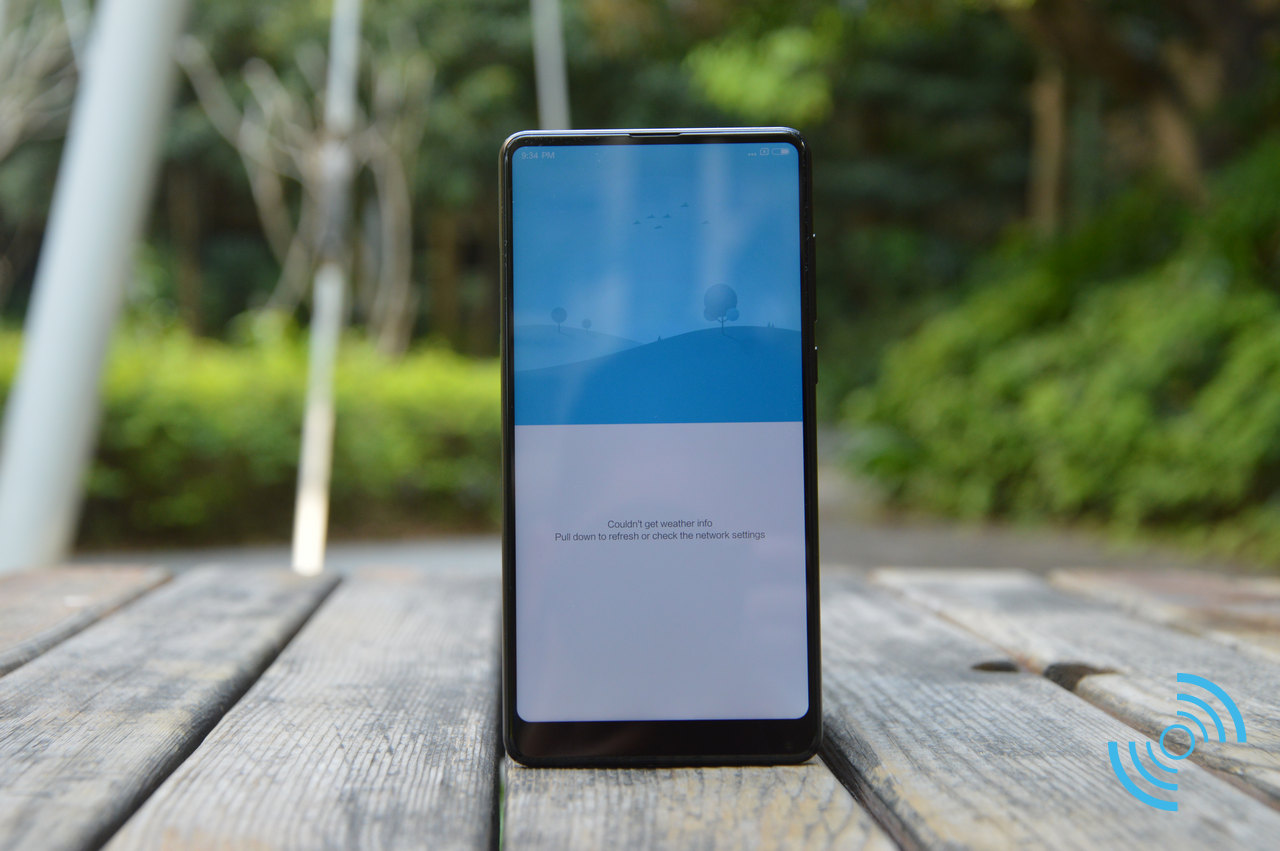
One thing I feel stands out at the beginning is the incredible, near bezel less screen design and ceramic construction. Although, the general design of the phone hasn’t changed much since last years Xiaomi Mix 2, the Gold edged Dual Camera is all new and worth taking a good look at.
What you get in the Box
The presentation is well laid out and, even a bit fancy with matte black box with shimmery lettering. Open up and you see a welcome message, open up past that and you see the phone on the left, with the included quick charger and USB to USB-C charging cable on the right side. Open up further and you’ll find some paperwork, and… Yup, a USB-C to 3.5mm dongle as the Mix 2 series devices ditched the 3.5mm audio jack. It’s a bit of an annoyance as the phone has NO weather or waterproof rating, so there’s little reason for removing the audio port other than following trends. We will all be wireless soon enough, however, so this is really just a minor adjustment.
Appearance
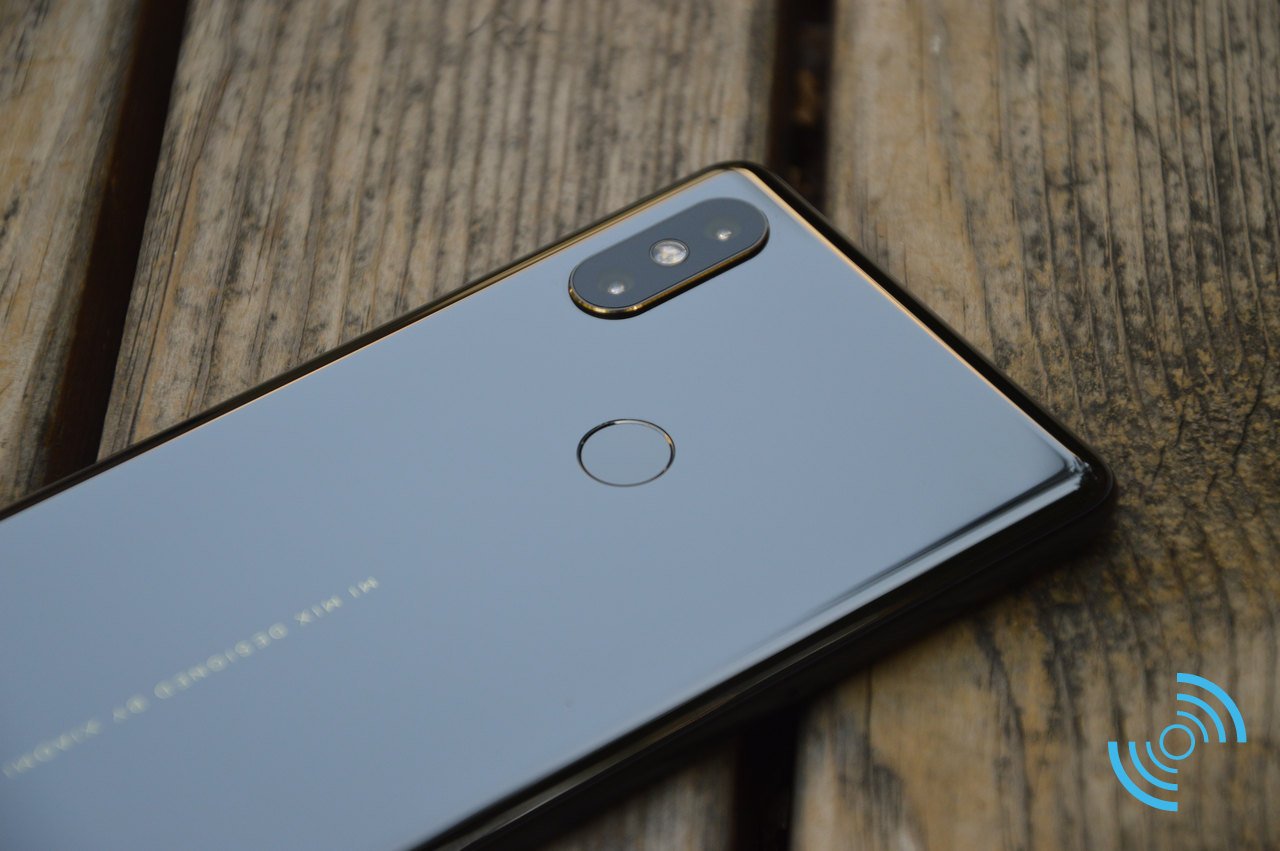
From first glance, this LOOKS like a premium device… and it is. It also looks nearly identical to last years Xiaomi Mix 2 in the front with the 5mp selfie camera on the bottom-right of the phone. The ceramic housing with metal frame is truly one of the best looking phones I’ve seen and the heft just FEELS premium in the hand. I’ve got a black version for review, and the device also comes in a nice shiny white model. The back of the phone is soooo smooth, and definitely attracts fingerprints and smudges quite easily. My tastes are a little less flashy, so using the included matte finish protective case gets rid of the shine and fingerprints, all the while flattening the back due to the gold accented dual-camera bump. I’ll share more about that camera later in this review.
With a somewhat compact body size of about 6 inches tall and 3 inches wide, with a minimal 8mm thickness, Xiaomi still found room for a massive battery. This battery will certainly help the 5.99 inch 1080 x 2160 18:9 form factor IPS LCD screen, with beautiful rounded corners, last as long, or longer, than many others with lower resolutions. Although I’d prefer an OLED display, I gotta say, the 403 ppi screen Xiaomi delivers below the Gorilla Glass 4 is bright, beautiful, and smooth in use, with little-to-no pixilation up close. I really like where, and how, Xiaomi placed the main headset speaker tucked in a small bezel at the top of the phone. It looks great, and the sound quality is seriously good. It even outputs a little sound when in speaker mode.
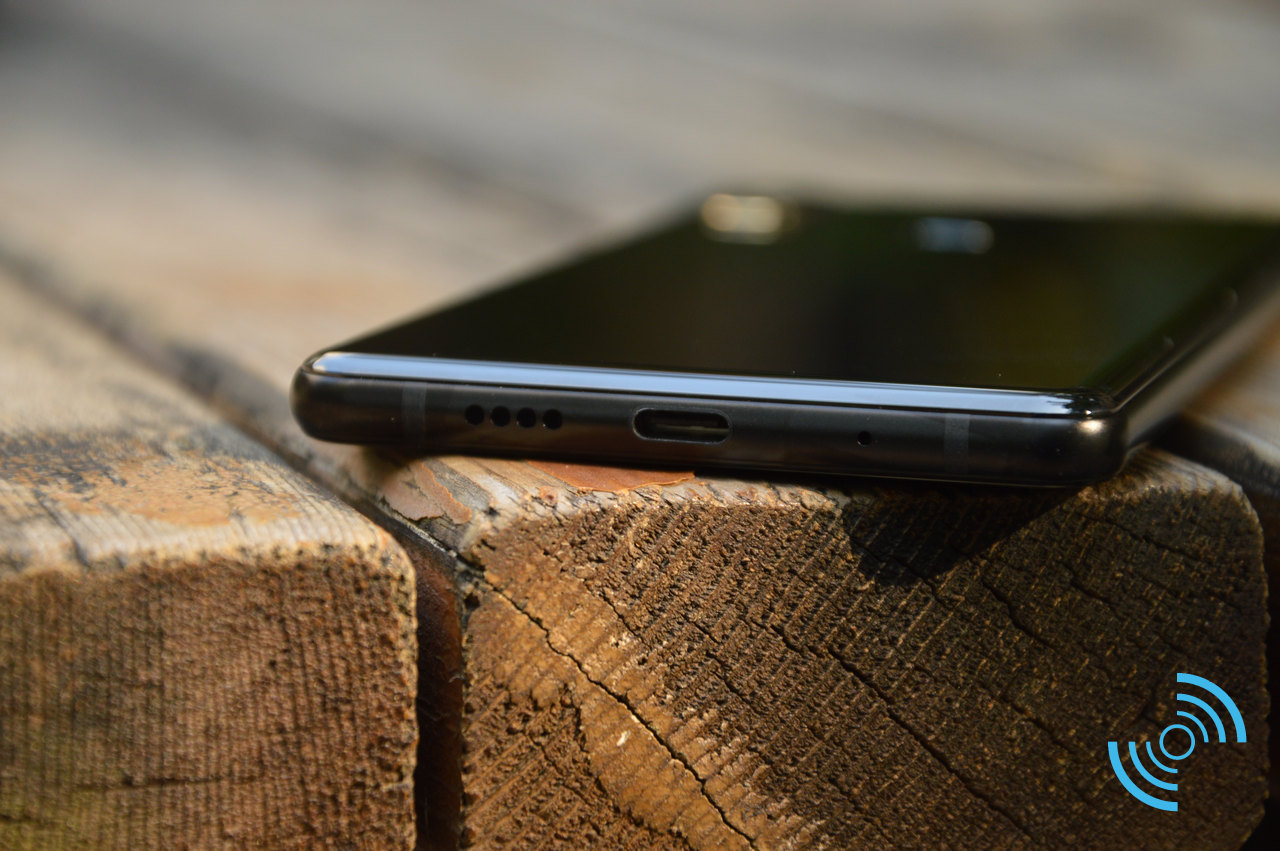
As this phone has no headphone jack, they make great use of the space with second speak… wait… nah… that space is taken by only the bottom microphone in the 2 mic Active Noise Cancellation that is common these days. The center of the bottom is the USB-C port for charging and a wired music connection and at the right is the speaker. I was a bit surprised at the quality and range coming from the single speaker port. Check this out… (Speaker sound vid.)
The shiny ceramic back of the phone has a single landscape orientation camera bump, trimmed in gold, that houses both rear cameras and a dual tone LED flash. In the center, about ¼ from the top of the device, is the fingerprint reader. I found the reader to be fast, and efficient and I used it more than the face unlock option, which I’ll go over later in this review. Halfway down the middle is the “Mi Mix Designed by Xiaomi” text branding in gold.
The left side of the Xiaomi Mix 2S has only a dual SIM card tray and there is no SD card storage expansion for this device.
The right side has the volume rocker and power buttons. Each of these are clicky and feel excellent to use, as a flagship should.
Hardware
The Xiaomi Mix 2S is going right to the top of the smartphone world with the MiUI 9.5 skin on top of Android 8.0 Oreo. All powered by a hardcore Snapdragon 845, which really beefs up the performance over it’s predecessor, the Xiaomi Mix 2. With industry leading 6 or 8gb of ram depending on the model (The 64gb and 128gb getting 6gb and the 256gb model getting 8 smoking gb) the Mix 2S should dominate the import phone market. My review unit is a 128gb model with 6gb of ram and, as you see here, it scored better than every phone but the recently released Galaxy S9… only losing out by a little. I’d imagine the 8gb version would sit right alongside, or above the best Android can offer. The performance of this device shows in scrolling through menus, super fast unlocking, be it with the fingerprint sensor or facial recognition, and taking any any app I throw at it with ease.
For all you chipset peepers out there this device has an octacore Kyro CPU and a blazing Adreno GPU. You get all of the best from modern connectivity you’d expect in a proper flagship including Bluetooth 5.0 and NFC with Qi wireless charging.
It’s excellent to have all of the hardware in the world, but if the software doesn’t work, your user experience will fail. Good news is that the Xiaomi Mix 2S designers paid attention to some well know fruit company and included a brilliant, and easy to use gesture system. To be honest, I was worried when I saw this phone doesn’t have a physical home button… But my worry vanished, and is making me want this style of interface on my daily driver. Swiping up to get to home, holding for a moment to get to multitasking… it’s just so smooth and natural! I really like some of the in-built animations, such as when swiping back and forth, you can see the page bending with your touch. Also, a nice touch is when deleting an app, the app kinda blows up. I like it.
If you aren’t a big fan of the gestures, you can still use the standard Android navigation system at the bottom of the phone but I feel you’d have to be a real android prude to not use the gestures. They made my experience better then without. No question.
There are some Xiaomi based customizations and options in the form of the MIUI lab and through a Mi account. With the lab currently offering the ability to learn more about an item just by touching the item on screen, and better gallery search options.
Setting up the Fingerprint scanner is simple as all you do is press your finger and lift it a few times and it’s set.
Setting up the facial recognition is quite similar. Simply place your phone in front of your face and it’ll take a quick scan. Then, next time when you want to unlock your phone, you don’t have to pick it up to access the fingerprint scanner on the back. I found the facial unlocking was pretty good, but not great… Especially in lowlight where it has some real difficulty. For the most part, I use the fingerprint scanner, but with enough light, the facial recognition unlock is speedy and fun to use. Additionally, I absolutely love the option to double tap the screen to wake, then the facial recognition takes over and near instantly unlocks the phone. It’s the best unlocking method, by far, on any phone I’ve used to date.
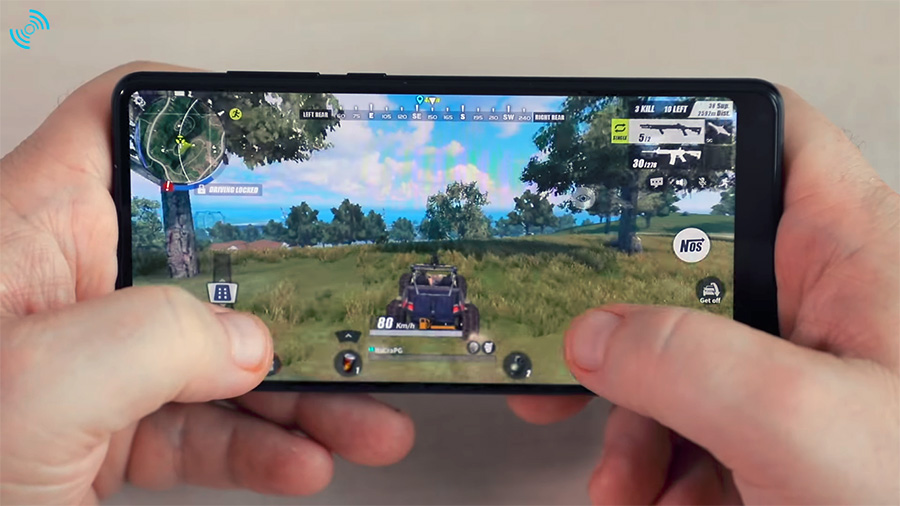
The phone was as expected from a modern super phone. The sound was crisp and detailed and others said the Active Noise reduction worked impressively, even when I was at a busy restaurant. Gaming is fantastic on the Xiaomi Mix 2S! Here are a few gameplay vids showing dynamism and fluidity only found in the best phones.
Camera
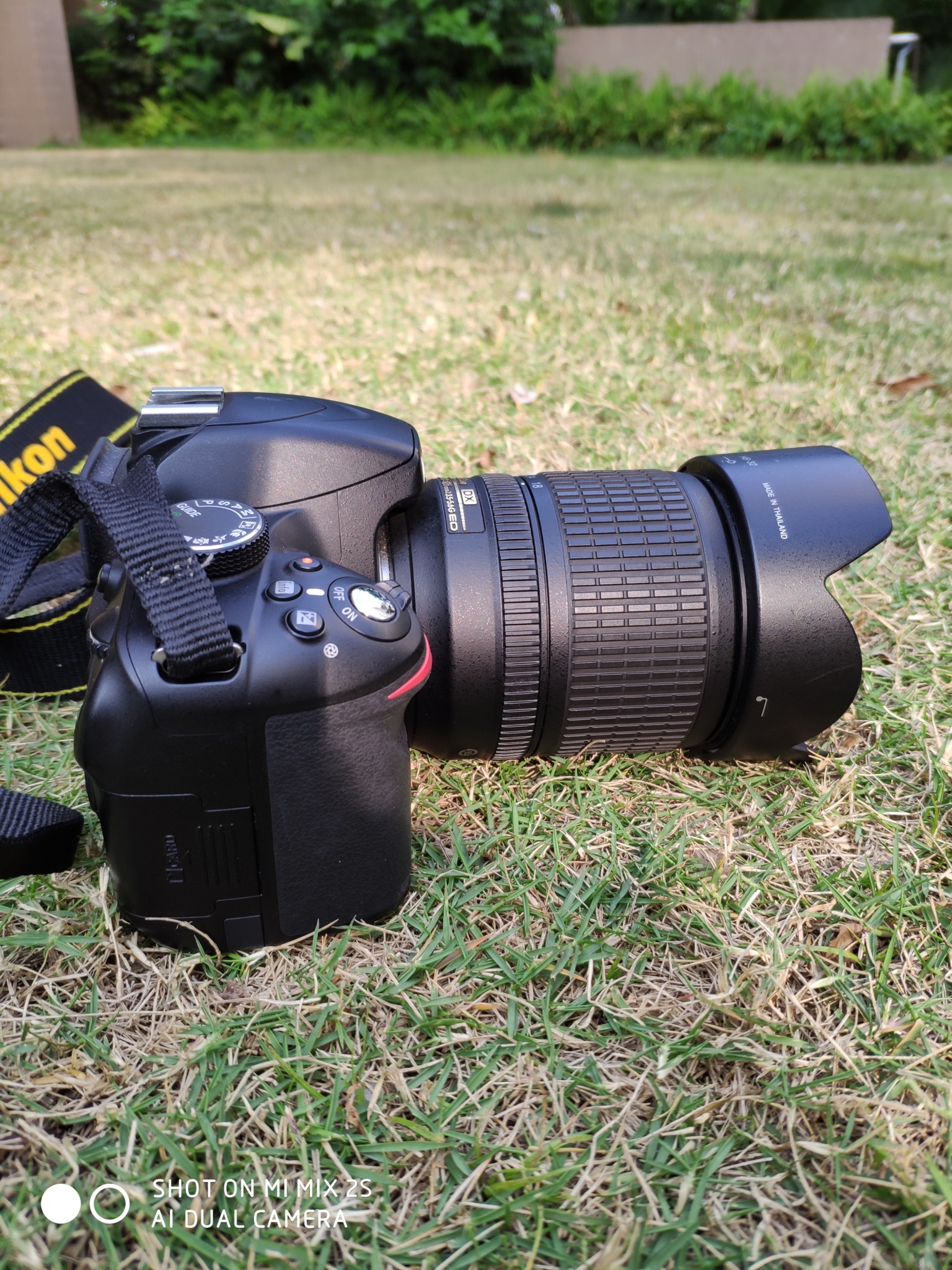
As a professional photographer, I’m quite excited for the largest, and most notable new feature to this “S” version of the Xiaomi Mix 2, the rear dual cameras. Both are 12mp with 1 having an f1/8 wide angle lens, and the other having an f/2.4 telephoto lens with a 2X optical zoom. There is 4-axis Optical Image Stabilization and even dual pixel autofocus. These should ensure some crispy and quick photos from a mobile device… But in practice, I wasn’t blown away. Let’s go over my experiences…
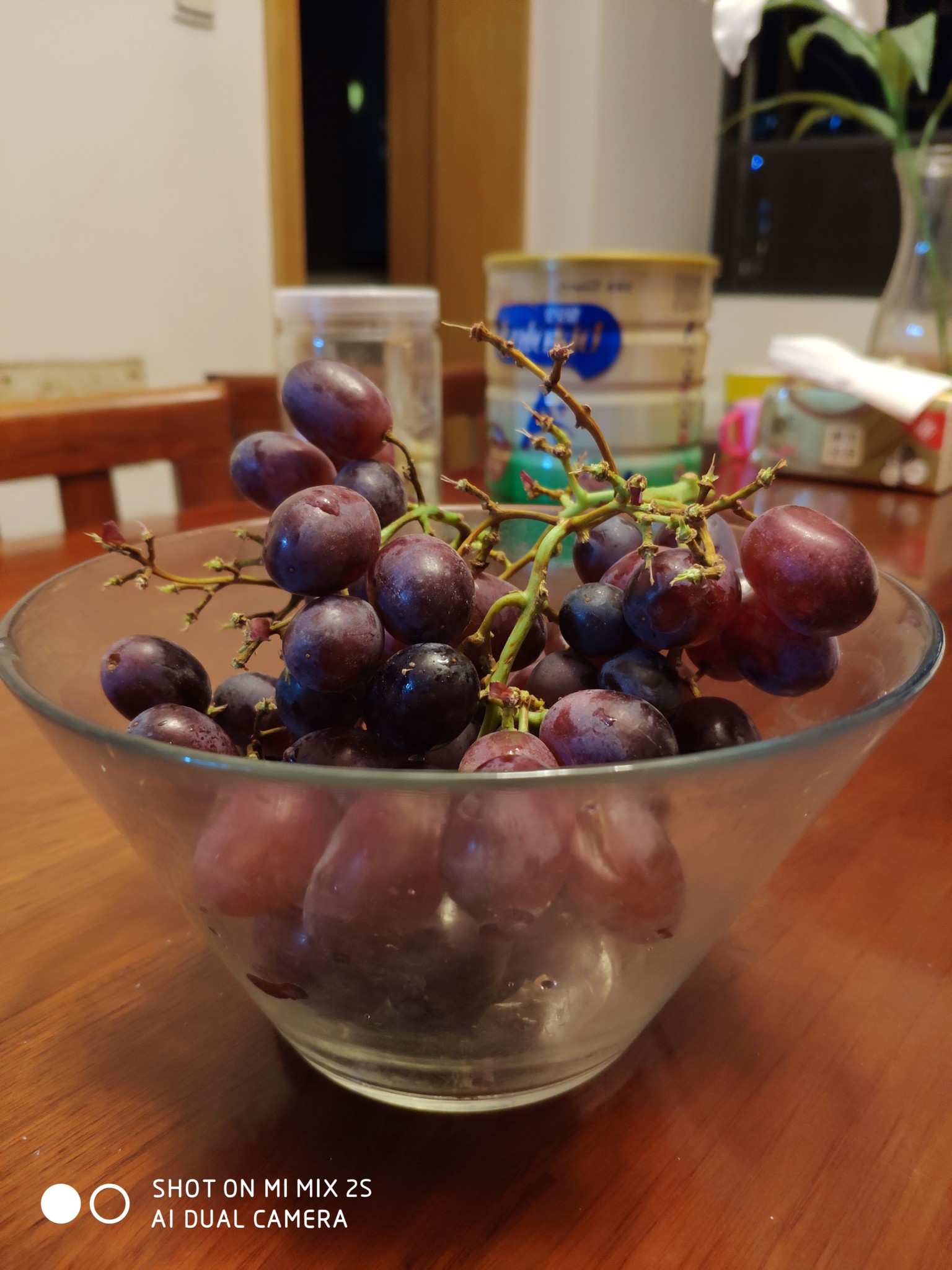
At the top of the standard photo mode, you have 5 options, flash, hdr, ai, filters, and settings/photo effects. The hdr mode does its best to try to optimize dynamic range by taking a few shots very quickly then using the shadow/highlight detail to make a more lifelike image. I find in practice it does add some range, but I think choosing the correct contrast mode will ensure more consistent images. More on that setting in a moment. The artificial intelligence mode is really a fine addition, and uses all of the phones processing power to scan a scene and pick an appropriate shooting mode be it landscape, portrait, or food. There’s actually 206 scenes and 25 modes that can be implemented automatically in ai mode. Pretty cool tech!
I’m really impressed with the sheer amount of customization available. Once you open the camera app on standard photo mode, you’ll be able to touch the top right corner to access the camera settings menu, along with a few photo effects, a timer, tilt-shift effect, straighten, group selfie, and beautify/beautify pro modes.
Let’s start with a few of my faves from the camera settings. I prefer the 16:9 ratio in the “camera frame” menu, although you Instagrammers may prefer the 4:3 choice. You can also take advantage of the entirety of the 18:9 screen for some groovy wide shots. Also, I prefer the “spot metering” option on the auto exposure settings menu and use the “lower” setting for Contrast so I can achieve the widest dynamic range and allow for greater flexibility in editing.
In video mode, you get the tome lapse and slow motion options as a secondary menu option. I feel those are better accessed in the main menu next to the video mode… maybe remove the “short video” mode. The settings here is where things get intense. Lots of options. Lots of new tech and codecs.
Of course this camera has image stabilization… but not in 4K. Here are a few examples of video, 1 in 4K and the other in 1080p with IS. Which do you prefer? I think the 4K capture looks great, and can benefit greatly from a mobile device gimbal to assist in stabilization, otherwise, I’d use 1080p, just for the 4-axis optical stabilization.
This is the first phone camera I’ve seen that can encode in the h.265 codec in addition to the h.264. H.265 generally offers better compression and higher quality video, but it’s not fully supported by many editing programs, so h.264 is the safer bet for most.
I chose the tap method for focus as I feel this is most intuitive. For time lapse movies, you get smoother videos at shorter intervals, but it takes up more space and speeds up the scene less. The longer intervals will move time far faster and can give a greater effect overall depending on your needs. This is a time lapse I shot using a mobile device gimbal to help in image stabilization. For the auto exposure settings, I chose spot metering again as it’s simple. Just touch on the screen what you wish to focus on and the exposure should be close.
The Slomo mode has 2 options, 240fps in 720p or 1080p. I didn’t see why anyone would choose the 720p mode… here’s a short video taken showing the travels of a fallen leaf… all in 1080p slomo.
The manual mode is pretty nice and useful when you wish to take full creative control over an image. It helps to understand how white balance, shutter speed, and iso work together. There’s no aperture setting option, so there’s no need to worry about it. I appreciate that if you take full control of focusing, there’s focus peaking to let you know what’s in focus. Not even my high end DSLR has that natively.
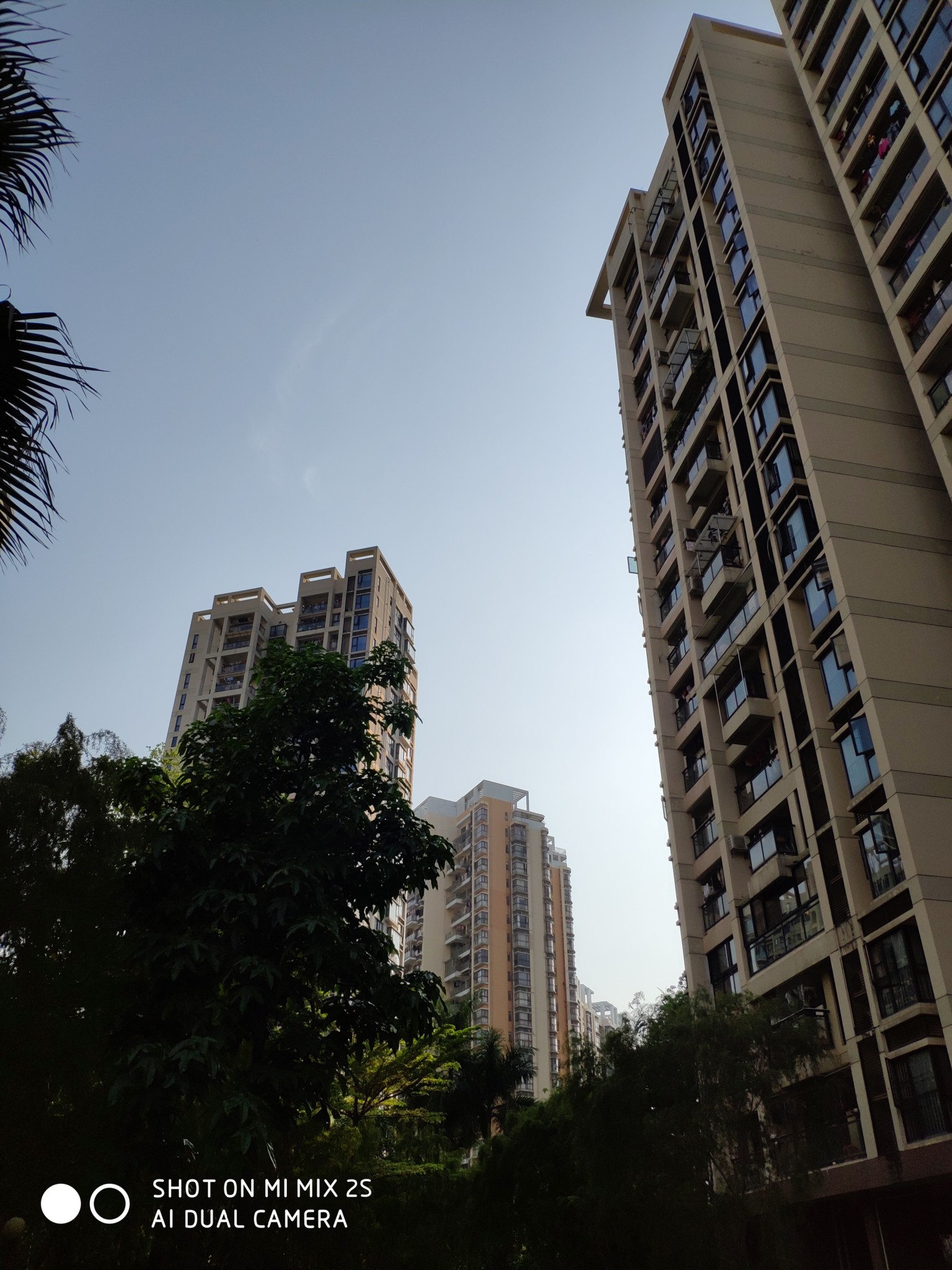
Now as to the dual cameras… the wide angle (or 1x) can focus closely, and with excellent precision, while I had some major focusing issues when in telephoto (or 2x) operation. The minimum focusing distance grows from about 4 inches in front of the camera with the wide angle to about a foot using the telephoto lens option. Here are a few shots showing the wide angle, then the telephoto in the same scene. You can see the cameras auto white balance changed when switching to telephoto mode, which, to me, gave a more pleasant image.
Low light images were not so bad if in wide mode due to it’s wider aperture lens, whereas in telephoto, the images muddied quite a bit. The 5 mp front camera seems to be a bit left behind compared to the rest of this device, and from many other phones on the market. It’s got a beauty mode that just does NOT look natural, and I don’t recommend it’s use unless you are at the top of Mount Everest and then, you’d take a selfie with whatever camera you have.
Final Comments
So did Xiaomi create the NEXT TOP FLAGSHIP?! They got extremely close, and if buying on value, this is certainly the premiere phone to buy at between 3000-4500 Chinese yuan. Its been an excellent few weeks getting to know this phone and it’s multitude of features that just make using the device a wonderful experience. I’m certainly looking forward to the next Mix phone to come as it’ll surely be killer!
Kernel source codes are important for the development of custom ROMs for devices. If the source code for a device is available, developers can keep releasing ROMs based on the latest version of Android even after the manufacturer has stopped releasing updates. The Mi Mix 2S source code comes just three months after the bezel-less flagship was released. The kernel sources correspond to the latest Android 8.0 Oreo. The device already has support for basic AOSP custom ROM as a result of Project Treble support but the released kernel source code will help to make sure that many bugs with an AOSP ROM can be resolved.
The kernel source code is presently available for developers who are interested in working on the Mix 2S to download on GitHub. The device isn’t very much available to buy globally but when it does, we expect development to pick up so that those who are interested to flash the custom ROM to do that.
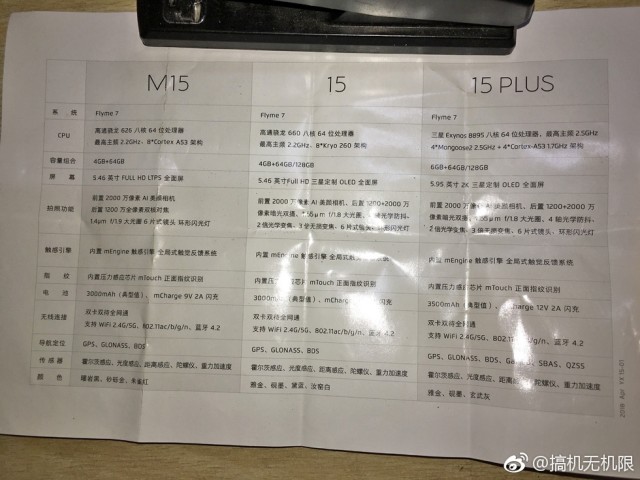
Meizu will be debuting the Meizu 15, Meizu 15 Plus and Meizu 15 Lite smartphones on April 22. The Meizu 15 trio will be unveiled to celebrate the 15th anniversary of the company. Today, a leaked document containing the entire specs of the Meizu 15 series has appeared on Weibo. Here is all the information that is listed on the leaked document:
Meizu 15 Plus
The Meizu 15 Plus features a 5.95-inch OLED display that supports QHD resolution. The Exynos 8895 SoC powers the smartphone along with 6 GB of RAM. It can be availed in 64 GB and 128 GB storage models. For photography, it features f/1. 8 aperture 12-megapixel + 20-megapixel dual camera setup. The primary sensor has a pixel size of 1.5µm. Its 3,500mAh battery supports mCharge 12V/2A fast charging.
Meizu 15
A 5.46-inch OLED display that produces Full HD resolution is available on the Meizu 15. The Snapdragon 660 SoC powers the smartphone along with 4 GB of RAM. It can be availed in 64 GB and 128 GB storage choices. It features the same dual camera setup that is available on the 15 Plus. It also supports mCharge fast charging for its 3,000mAh battery. The exact charging rate is not clearly visible in the leaked document.
Meizu 15 Lite (mentioned as M15 in the image)
The Meizu 15 Lite has a Full HD resolution supporting LTPS IPS LCD display of 5.46 inches. The Snapdragon 626 SoC is supported by 4 GB of RAM. It has a native storage of 64 GB. The dual camera setup of the 15 Lite features an f/1.9 aperture 20-megapixel sensor with a pixel size of 1.4µm and a secondary 12-megapixel sensor. A 3,000mAh battery enabled with mCharge 9V/2A fast charging powers the phone.
The common features available on the Meizu 15 trio include side-mounted fingerprint scanner, Flyme 7 skinned Android (most probably Android Nougat), Wi-Fi 2.4G/5G, 802.11 b/g/n, Bluetooth 4.2.
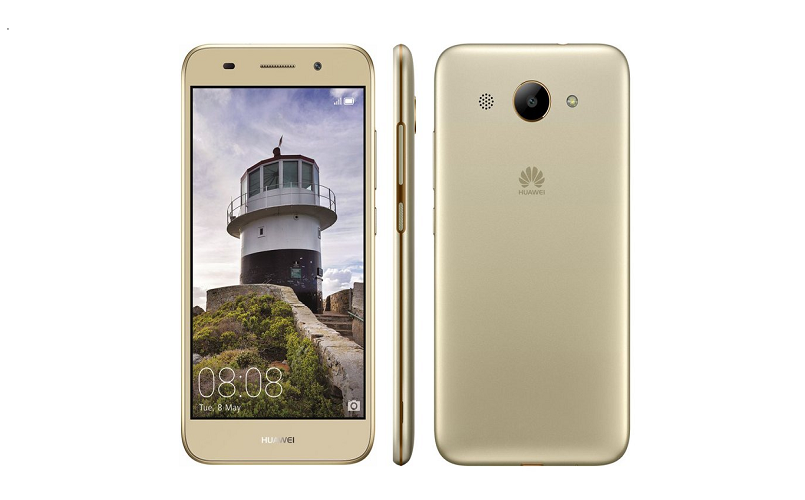
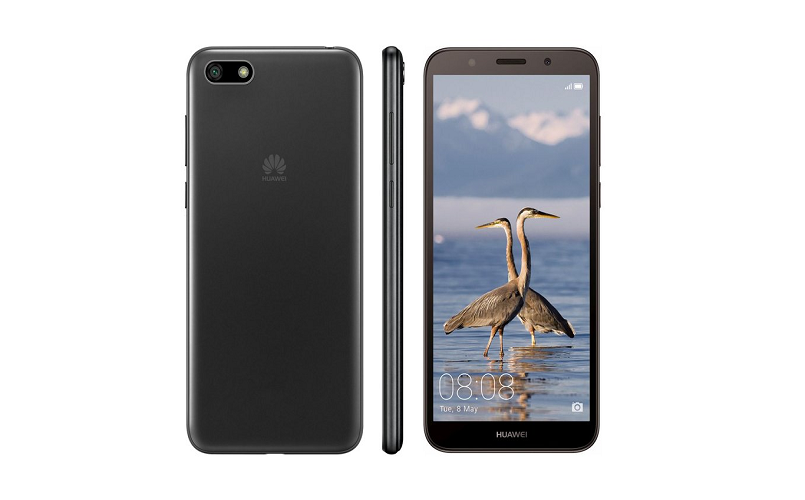
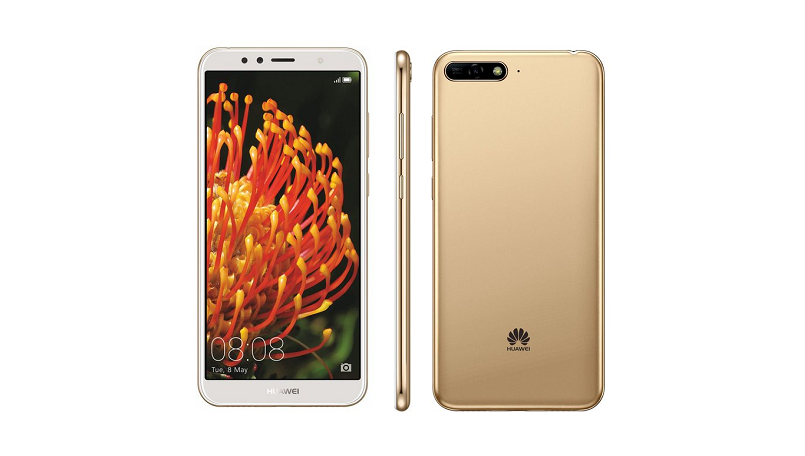
Huawei, after launching its flagship smartphones — P20 and P20 Pro, is now gearing up to launch a couple of budget smartphones. The images of the company’s three upcoming smartphones — Y3, Y5 Prime and Y6 (2018) have surfaced online.
Evan Blass has posted images of the Huawei’s budget Y-series of smartphones, giving us a glimpse at the design of Huawei’s Y3, Y5 Prime, and Y6 (2018).
In the leaked images, the Huawei Y3 2018 appears to have a metal finish design, but there’s a high possibility that the phone will have a plastic body. There are thick bezels surrounding the display, especially on the top and bottom and no fingerprint sensor appears on the device.
The volume rocker and power button are placed on the right side. On the back side, there’s a single camera, LED flash and a speaker grille. The leaked image doesn’t have capacitive navigation buttons, hinting that the phone will have on-screen buttons.
The Huawei Y5 Prime also appears to have been crafted out of metal. Compared to the Y3, the Y5 Prime seems to have a premium design language. There’s a single camera sensor on the back side, coupled with an LED flash.
Apart from these two, there’s Huawei Y6 (2018), which is expected to the premium device among the three. This device too could come with on-screen navigation buttons.
On the back side, the camera module is placed on the top-left corner. The camera sensor is placed along with an LED flash in a horizontal bar, giving it a look as if the phone carries a dual camera setup, although it doesn’t.
Surprisingly, there’s no fingerprint sensor on any of the three devices. However, there’s a possibility that the company could opt to offer a facial recognition feature. Even with face unlock support, the exclusion of a fingerprint sensor is an odd step.
While the specifications related to these devices have not been revealed in this new leak, previous leaked has revealed the specs of Huawei Y3. The phone is expected to carry a display with screen resolution of 480 x 854 pixels and powered by MediaTek MT6737 processor. It’ll have 1GB RAM and 8GB RAM, and will be running Android 8.1 Oreo and pack 2,200mAh battery.
The Huawei Y6 (2018) has already been announced by the company. However, the company has not yet revealed its pricing and availability details. The smartphone has a 5.7-inch HD+ display with 1440 x 720 pixels resolution and 18:9 aspect ratio. It comes equipped with Qualcomm Snapdragon 425 processor with 2GB RAM and 16GB internal storage.
There’s a microSD card support for up to 256GB. For the photography, it comes with a 13-megapixel rear camera with LED flash and a 5-megapixel front camera for selfies and video calling. Running on Android Oreo out-of-the-box with EMUI 8.0 on top, the device is powered by a 3,000mAh battery.
Finally, Honor 10 is among us, and we can place it as a more affordable version of the Huawei P20 since it shares a similar design and very similar specs to the latest Huawei flagship. The handset distinguishes itself from the competition due to its great quality-price ratio, just like Xiaomi Redmi Note 5 Pro which is already a best-seller of 2018, even though it was launched just two months ago. Will the Honor 10 beat Xiaomi Redmi Note 5 Pro in terms of sales and become a best-seller like the iconic Honor 8? In this Honor 10 vs Xiaomi Redmi Note 5 Pro comparison, we will discover if it has the potentialities to do it.
Dual 12 + 5 MP f/2.2 + f/2.0
20 MP f/2.0 front camera
BATTERY
3400 mAh
Fast charging 5V / 4.5A
4000 mAh
ADDITIONAL FEATURES
Hybrid Dual SIM slot
Hybrid Dual SIM slot
The bigger display without a notch found on the Xiaomi Redmi Note 5 Pro is great, but Honor 10 is definitely a more attractive handset if we talk about aesthetics (especially in its gradient hues). It has a much better design with its glass back and its notched front panel helping to reduce the overall dimensions of the phone. Honor 10 is more beautiful and also more compact than its opponent. Further, it has better performance thanks to a more powerful Kirin 970 chipset which is exactly the same as Huawei P20 and P20 Pro. On the other hand, Xiaomi Redmi Note 5 Pro has a more efficient chipset (the Snapdragon 636 by Qualcomm) and even a bigger battery.
So, if your biggest priority is battery, you should go for the Redmi Note 5 Pro. But Honor 10 wins again in terms of camera performance. It features a dual camera which supports AI in order to fine-tune parameters automatically and shoot perfect photos. The front camera is outstanding as well with its 24 MP, and it supports AI just like the rear cameras for selfie beautification. Xiaomi Redmi Note 5 Pro is far from being a bad camera phone, but we do not think it is at the same level.
Honor 10 is definitely a better device, but it has a higher price tag. Xiaomi Redmi Note 5 Pro has been launched in India first, with prices starting from $218. Honor 10 has just been launched in China and it costs about $414. So, Xiaomi Redmi Note 5 Pro definitely has a higher value for money.
Huawei Honor 10 vs Xiaomi Redmi Note 5 Pro: PRO and CONS
The Huawei P20 and P20 Pro flagship phones were unveiled in the last month through a launch event in Paris. After teasing the Indian launch for few days, Huawei has just confirmed that it will be debuting the P20 series on April 24 in India. Moreover, the new landing page that has surfaced on Amazon India suggests that the company will be launching only mid-range P20 Lite alongside the P20 Lite. There is no information on whether the country will be receiving the P20.
Huawei P20 Pro and P20 Lite Specifications
The Huawei P20 Pro and P20 Lite respectively feature 6.1-inch AMOLED display and 5.84-inch LTPS IPS LCD display. Both the phones feature a display notch like the iPhone X. The P20 Pro offers FHD+ resolution of 2240 x 1080 pixels whereas the P20 Lite produces resolution of 2280 x 1080 pixels.
The P20 Pro has Kirin 970 chipset, 6 GB of RAM and an internal storage of 128 GB. It features a 4,000mAh battery. On the other side, the Huawei P20 Lite features Kirin 659 SoC, 4 GB of RAM and 64 GB of storage. It receives power from 3,000mAh battery.
The P20 Pro features 40-megapixel + 20-megapixel + 8-megapixel triple rear cameras and a selfie camera of 24-megapixel. The P20 Lite has 16-megapixel + 2-megapixel dual camera setup and the same 24-megapixel selfie camera.
The Huawei P20 Pro is priced at 899 euros (~$1,106) whereas the P20 Lite carries a pricing of 369 euros (~$454). As of this writing, there is no information available on the pricing of the Huawei P20 Pro and P20 Lite for India.
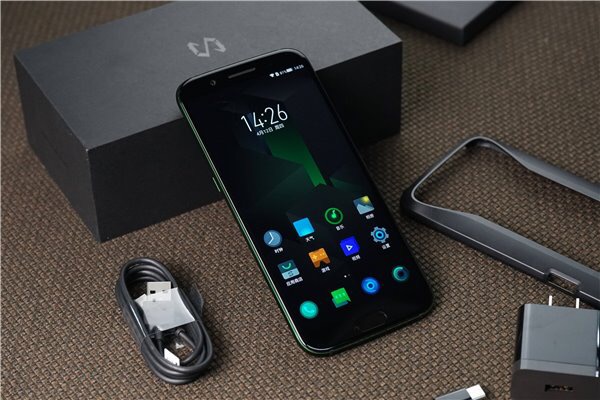
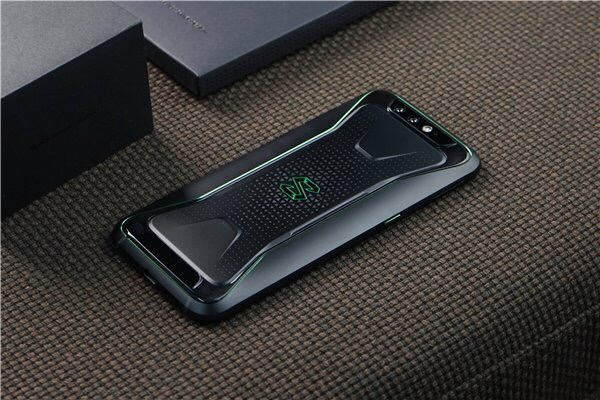
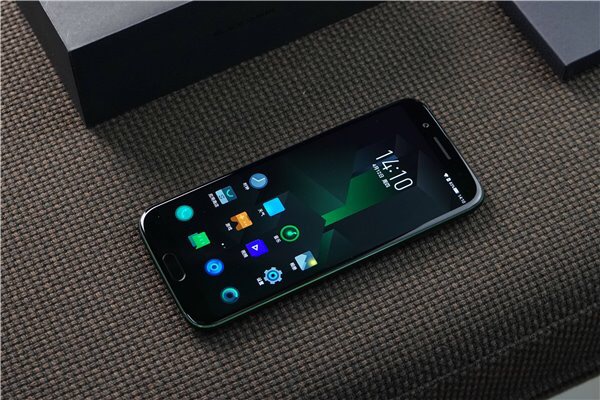
Earlier this month, Xiaomi-based Black Shark Technologies launched its first flagship gaming smartphone. The phone went on sale in China for the first time today, i.e. 20th April, and was sold out within seconds.
Wu Shimin, CEO of Black Shark Technology said that the company had not expected so much love and support for its first product. He further added that the company and its partners are researching ways to bump up their production capacity. He promised that the device will soon be available for purchase in short time.
According to the company’s website, the next sale for the Black Shark gaming smartphone is scheduled to take place on 27th April at 10:00 AM in China. The 6GB RAM + 64GB storage variant will be priced at 2,999 Yuan (~ $477) while the 8GB RAM and 128GB internal storage will cost 3,499 Yuan (~ $556). The company has also said that the first 50,000 buyers will also receive Black Shark Gamepad for free.
The Black Shark phone features a 5.99-inch InCell display that supports a Full-HD+ screen resolution of 2160 x 1080 pixel. The display delivers an aspect ratio of 18:9 and carries support for DCI-P3 color gamut. The MEMC intelligent motion compensation technology ensures smoother video quality while playing games on it.
Under the hood, the device is powered by Qualcomm‘s Snapdragon 845 chipset. At the launch event, Black Shark CEO Wu Shimin revealed that the device had scored 279,464 on AnTuTu. The 6GB RAM model has 64GB storage while the 8GB RAM model packs 128GB internal storage.
It comes with a multi-layer cooling system that includes high thermal conductivity copper alloy substrate, nano-composite graphite, heat pipe and liquid cooling that can bring down the temperature of the device by 8 degrees by improving the CPU cooling efficiency by 20 times.
The fingerprint sensor is located on the bottom bezel below the display. While gaming, the fingerprint sensor can be swiped to Shark Dock that includes handy features like silent mode, DND and more.
Coming to the camera department, the smartphone comes with a dual camera setup that features a 12-megapixel primary sensor with a pixel size of 1.25micron and a 20-megapixel secondary sensor with a pixel size of 1.0micron.
The dual camera setup is equipped with features like 6p lenses, dual-tone LED flash, PDAF, HDR, Portrait Mode and Panorama. On the front side, there’s a 20-megapixel camera with f/2.2 aperture and 5p lens that offers features like intelligent beauty and 4K video shooting at 30fps.
As of the software, the handset comes loaded with a gaming-focused JOY UI, which is a customized Android Oreo ROM that includes some core features of Xiaomi’s MIUI. The phone houses a 4,000mAh battery that is equipped with 18W fast charging support through Quick Charge 3.0 technology.
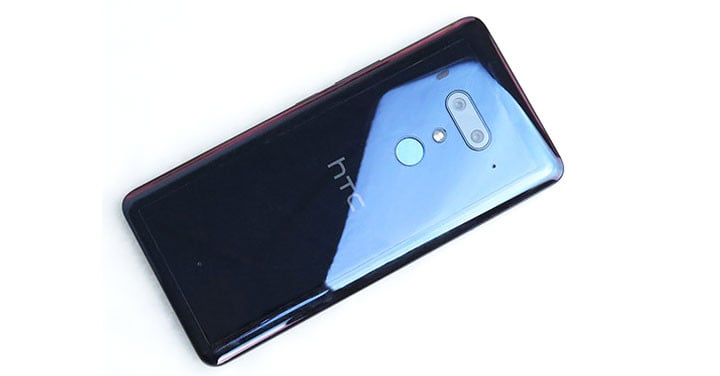
Even though HTC had launched two U-series flagship phones namely HTC U11 and U11+ phones in 2017, recent reports that the company would be only launching the U12+ this year. Fresh information coming from Taiwan claims that the country will be receiving the HTC Desire 12, Desire 12+ and U12+ in the coming month. Citing information received through its source, Taiwan’s ePrice has revealed that the HTC U12+ may hit the Taiwanese market by the end of next month or in the beginning of June.
The HTC U12+ that will be fueled by Snapdragon 845 is expected to arrive in 64 GB and 128 GB storage models. Like the U11+, it will be featuring a 6-inch display that may carry support for 18:9 aspect ratio. It is also rumored to arrive with dual rear cameras and dual front cameras.
The HTC U11 was released in the market on May 20 with a price tag of NT$ 24,900 in Taiwan. However, its cost was lowered to NT$ 21,900 (~$744) to celebrate the 20th anniversary of the company. The 128 GB model of the HTC U11+ that was launched later in 2017 had arrived in the home market for NT$ 21,900.
Fresh information reveals that the U12+ will be available for buying by the end of the next month or early June. The pricing for the 64 GB model is not known, but the 128 GB model is expected to land in Taiwan with a price tag of NT$ 24,900 ($846). Since the smartphone is now pegged to hit the market by the end of coming month, the company may unveil it in the second or third week of May.
Samsung’s Galaxy S9 series and Sony Xperia XZ2 have been available in the market since quite some time and the sales of the Huawei P20 and P20 Pro will start selling in Taiwan from May 1. Also, Taiwan’s ASUS ZenFone 5Z phone that is powered by Snapdragon 845 is a good competitor for the HTC U12+. Hence, it seems that if the U12+ arrives in the market at May end or early June, it may not be able to attract the market.
Do you think that the HTC U12+ will receive better reception than the U11+? Share us your views by posting your comments below.
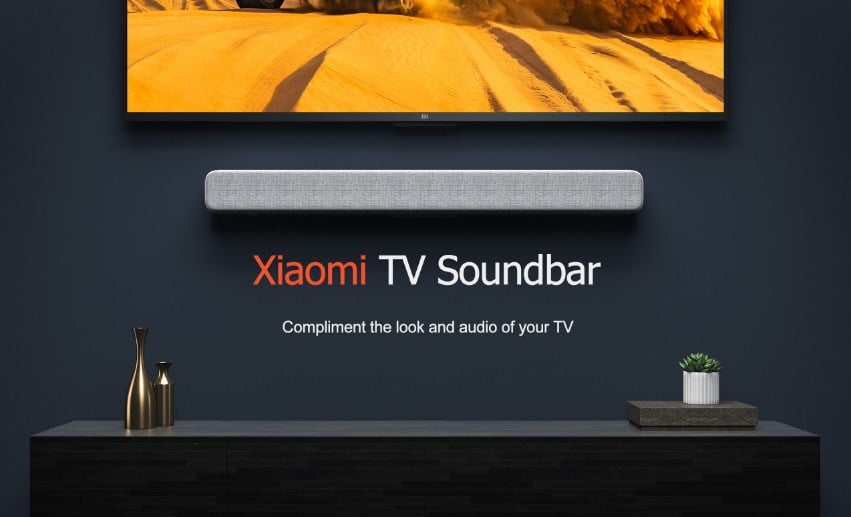
The Original Xiaomi 33-inch TV Soundbar is ideal for those who love to enjoy a cinema-like experience in the comfort of their homes. The wall-mountable device sports a fashionable design and boasts 5-way input mode, 8 speakers and an array of other awe-inspiring features.
The Xiaomi TV Soundbar would normally set you back $149.99 on Banggood. If you’re not willing to shell out that kind of money, we’ll tell you how you can save $30 on the TV Soundbar manufactured by the popular Chinese electronics and software company.
GeekBuying is offering a considerable discount on the Xiaomi TV soundbar’s original asking price in the form of a $30 off coupon code. In other words, you can bring your grand total down to just $119.99 by applying the coupon code ‘MISBAR30’ at the time of checking out.
The Xiaomi TV Soundbar supports a broad range of TVs that are currently up for grabs in the market. It sports simple exterior coupled with a concise, smooth design and a toned down Xiaomi TV sound.
It gives avid gamers a deeply engaging experience and a sense of surpassing. It offers a more rapid and stable connection via the Bluetooth wireless transmission. On top of that, the device features 8 sound units that reanimate true natural sound.
Note that the aforesaid coupon code will be valid for only 50 pieces, out of which 31 were already sold at the time of writing. You can head straight to this link in order to use the coupon code before it expires.
Recent reports have claimed that the Xiaomi Mi 7 could be the first Android smartphone to arrive with 3D facial recognition. The handset is rumored to debut in the first half of the year. However, a fresh report claims that the launch date of the upcoming Xiaomi flagship has been delayed to the third quarter of the year. The reason behind it is that that the Chinese manufacturer has encountered poor results with the 3D facial recognition feature.
Last year, Apple introduced the iPhone X with a notched OLED display. Many Android smartphone manufacturers such as Huawei, Vivo and OPPO have launched smartphones with notched display. Also, forthcoming flagship phones from OnePlus, LG and Xiaomi are also expected to feature iPhone X-like display design. The notch present on the iPhone X is larger than those found on Android phones. The reason behind it is that iPhone X’s notch houses an advanced 3D facial recognition system that includes different sensors and components such as infrared camera, flood illuminator, proximity sensor, ambient light sensor, front camera and dot projector. The notch also houses other components such as microphone and speaker. None of the Android phones launched so far feature 3D sensing technology like the iPhone X. However, the Mi 7 is speculated to arrive with the advanced facial identification feature.
Fresh information shared by Digitimes claims that the suppliers of 3D sensing modules are facing an issue with making the software and hardware required for 3-dimensional scanning of the user’s face. The modules are being developed through a joint effort of Qualcomm, Himax Technologies and Truly Opto-electronics.
One should be aware of the fact that the 3D sensing can only work on Android phones that are powered by Snapdragon 845 mobile platform. Since Samsung and Huawei make use of their home-brewed Exynos and Kirin chipsets respectively for their flagship phones, they are unlikely to launch the first Android phone with 3D sensing technology. The report claims that Samsung may launch a smartphone with 3D sensing in 2019. Hence, Mi 7 driven by SD845 that is now rumored to arrive a bit late could be first Android phone to feature it.
In the previous month, Vivo had launched the Vivo V9 smartphone with iPhone X-like notched design, Android Oreo and Snapdragon 626 SoC. Mahesh Telecom, a smartphone retailer from Mumbai, India has confirmed that the Chinese manufacturer has already launched a new phone called Vivo V9 Youth smartphone in India. It borrows its design from the Vivo V9 phone and since it is packed with toned-down specs compared to the V9, it comes with a comparatively lower price tag.
The Vivo V9 features a 6.3-inch notched display that supports Full HD+ resolution of 2280 x 1080 pixels. The Full View 2.0 display offers an aspect ratio of 18:9. It is fueled by Snapdragon 450 that includes a 1.8 GHz octa-core processor. The company had used the same SoC to power the discontinued Vivo V7+ smartphone from last year.
The SoC is accompanied by 4 GB of RAM and it comes with a native storage of 32 GB. For additional storage, users can make use of a microSD card on this phone. The handset receives power from 3,260mAh battery. It is pre-installed with Android 8.1 Oreo that is overlaid with the latest FunTouch OS 4.0 skin from Vivo.
The frontside of the Vivo V9 Youth features a 16-megapixel selfie camera whereas the backside is fitted with 16-megapixel + 2-megapixel dual camera setup. The camera lacks support for 4K video shooting, but comes with features like AI Beauty, Bokeh mode and AR stickers The rear panel of the phone is fitted with a fingerprint reader.
A previous report had revealed that the handset measures 154.81 x 75.03 x 7.89 and weighs 150 grams. The screen is protected by a layer of Gorilla Glass 3.
The Vivo V9 is selling with a price tag of Rs. 22,900 (~$348) in India. According to the retailer, the V9 Youth is now available with a price tag of Rs. 18,990 (~$287). Vivo is yet to make an official announcement on the launch of V9 Youth.
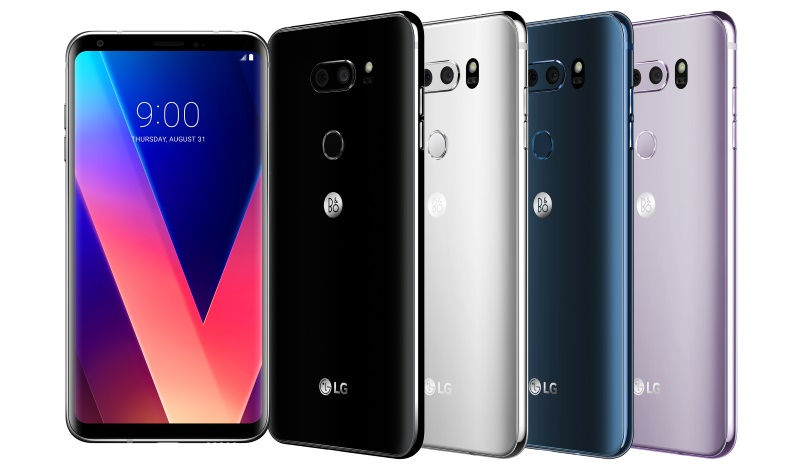
On May 2, LG will be launching the LG G7 ThinQ smartphone. Recently, it was reported that the South Korean company is also working on a smartphone called LG V35 ThinQ. Vital information on the specifications of the V35 ThinQ have already appeared in the recent past. Today, popular tipster Evan Blass has claimed that there will be another V-series smartphone this year and it will be called LG V40. He has also revealed that the V40 phone is codenamed as Storm.
V35 ThinQ (Emma) is arriving around the same time as G7 ThinQ (Neo/Judy), while V40 ThinQ (Storm) is the late summer / early fall flagship. https://t.co/dDLeTYwKEf
Blass has not revealed any information on the specifications of the LG V40. However, it is speculated that it could be arriving as a successor for the LG V30 phone from last year. The LG V30S ThinQ that was launched in February cannot be dubbed as the successor of V30 as both the phones carry similar specs.
The tipster has stated that the LG V40 will be unveiled by late summer or early fall this year. This suggest that the LG V40 may debut at the end of August or early September probably through IFA 2018 tech trade show in Berlin, Germany.
He is of the view that the LG V35 ThinQ that is codenamed as Emma will debut around the same time as G7 ThinQ. The LG V40 is likely to be packed with flagship specs and it could feature the Snapdragon 845. Hence, the phone may sport an iPhone X-like notched display.
The V35 ThinQ is rumored to arrive with an 18:9 aspect ratio supporting 6-inch OLED display. It will be equipped with 16-megapixel dual rear cameras that will bring some AI capabilities. It is also expected to feature 32-bit ESS Sabre 9228 quad DAC. However, there is no information available on its chipset and RAM. Also, the pricing details of the V35 ThinQ are still under the wraps.
The market is brimming with all sorts of vacuum cleaners that claim to keep your house clean and tidy. But these devices don’t come cheap and they are usually inefficient. If you’re looking for a powerful vacuum cleaner that comes in handy in day to day life without burning a hole in your pocket, look no further.
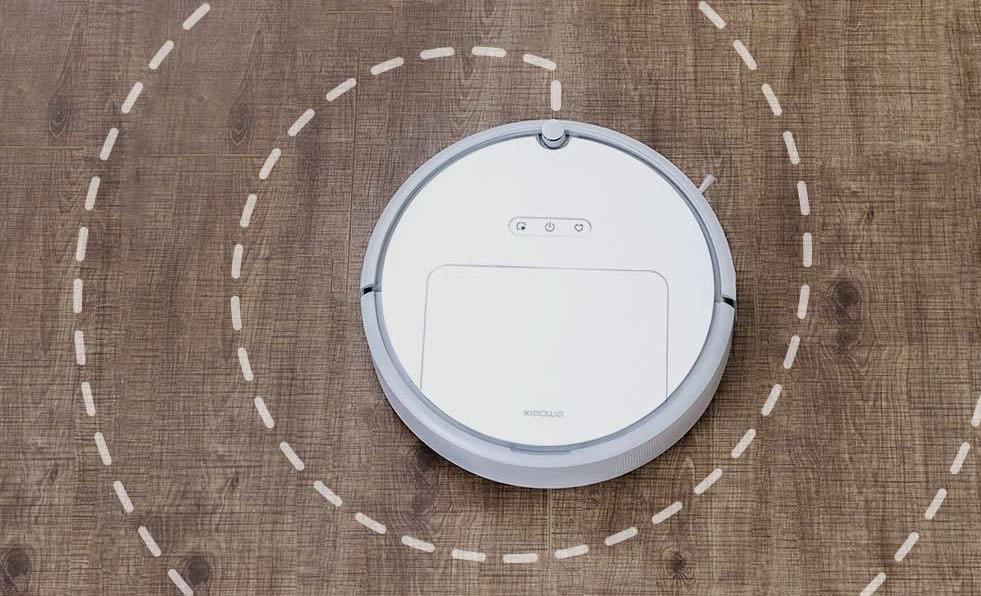
GeekBuying is giving a considerable 30% off on the Xiaomi Xiaowa Robot Vacuum Cleaner Youth Version for a limited period of time. The device normally sells for $399.99 on the site, but you can now get your hands on this robust vacuum cleaner by shelling out just $279.99.
Although the Xiaowa Robot Vacuum Cleaner is relatively less powerful than other Xiaomi-branded vacuum cleaners, it still boasts an impressive suction power up to 1600 Pa. The device has same brush system as its predecessors and it features a side brush along with the main one which bears a “tornado” design.
But if you’re on a tight budget and aren’t willing to shell out $279.99 on a vacuum cleaner, we have good news for you. GeekBuying is allowing cost-conscious buyers to save an additional $130 at the time of checking out.
All you need to do is apply coupon code ‘GVIGFRZR’ while checking out to bring your subtotal down to only $269.99. Note that the promotion is on the verge of wrapping up.
You can head straight to this link in order to take advantage of the GeekBuying promotion before it ends and use the coupon code before it expires.
Shenzhen-based manufacturer of high-quality electronic products, household appliances, and automotive accessories, BESTEK is offering big discounts on a broad range of products in the form of promo codes. Let’s delve straight into the details.
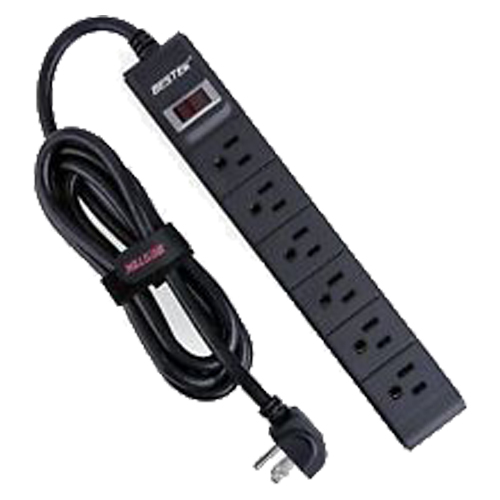
BESTEK 6-Outlet Surge Protector Power Strip
BESTEK surge protector power strip would ideally set you back $8.99 on the company’s official website. However, you can save a considerable amount of money by using promo code ‘AMVG10’ at the time of checking out. By applying the aforesaid promo code, you can bring your subtotal down to just $3.99. In other words, you save $5 on the item’s original asking price. You can visit this link to take advantage of the promotion before it ends.
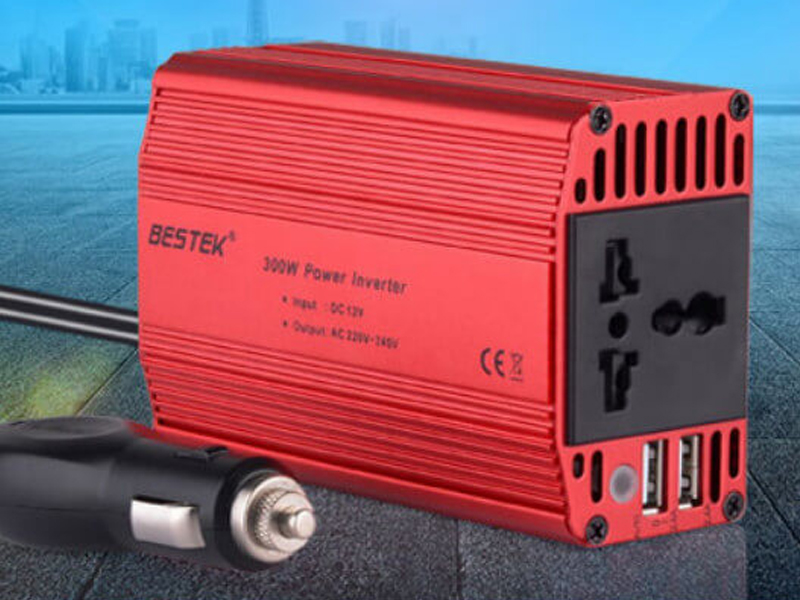
BESTEK 300W Power Inverter
The travel-sized inverter from BESTEK is perfect for adventure junkies who love camping and people who are always on the go. The power inverter usually comes bearing a price tag of $29.99 on the company’s official website. But if you aren’t willing to shell out that kind of money, you can apply promo code ‘ADGSH1’ at the time of checking out to reduce your subtotal to only $17. You end up saving $12.99. You can head straight to this link in order to take advantage of the promotion before it concludes.
BESTEK 75W Power Inverter
The compact and highly portable DC to AC power inverter can prove to be a great travel companion. It features a rotatable head that allows users to adjust its pivoting head, thus enabling them to use power from any direction. You can get your hands on the power inverter by shelling out $17.99 on BESTEK official website. You can use promo code ‘AGTYE8’ while checking out to save $8 and bring your subtotal down to only $9.99. You can follow this link in order to avail the deal before it comes to an end.
BESTEK 3-Socket Cigarette Lighter Power Adapter
The upgraded cigarette lighter boasts 3 sockets and 4 USB ports that lets car users use their portable appliances and charge their electronics products while driving. It normally sells for $26.99 on BESTEK official website. Much to the delight of cost-conscious buyers, BESTEK is giving them an opportunity to save $13 on the device’s retail price. Simply apply coupon code ‘APLHG3’ at the time of checking out and bring your subtotal down to just $13.99. You can follow this link to use the promo code which is likely to expire soon.
BESTEK Travel Adapter Voltage Converter
BESTEK converter is a universal plug adapter and it comes with multi USB ports that fit any country’s charging port. The device can be used to convert the overseas voltage from 220V to 110V.
The highly-useful converter is currently available for $39.99 on BESTEK official website. But you can lower your subtotal to only $23.99 by using promo code ‘ARYBV2.’ You save $16 simply by using the above-mentioned promo code. If you’re interested in buying the BESTEK Travel Adapter Voltage Converter at a discounted price, follow this link before the promo code lapses.
BESTEK 200W Power Inverter
Sporting an eye-catching coffee box design, the BESTEK 200W power inverter is ideal for car users during trips and in situations where the power is switched off for an emergency. The 5-in-1 power inverter comes with AC outlet and USB ports that can detect and charge your devices quickly and securely. BESTEK is selling the power inverter for $27.99 on its official website. But, you can drop your subtotal down to only $16.99 by applying coupon code ‘AQWDF9’ while checking out. You can visit this link and save $11 before the promotion ends.
BESTEK Surge Protector
The 12-outlet power strip has 5560 joules energy rating and on top of that, it is surge protected with coaxial protection. It not only protects your devices but also keeps your family away from electronic shock. You can buy the power strip if you’re willing to spend $29.99 on BESTEK official website. But if you’re on a tight budget, you can apply promo code ‘AINGY7’ to lower your subtotal to just $23.99.
You can visit this link in order to avail the deal before the promo code expires and the promotion wraps up. Note that the recently kicked-off promotion is slated to end on April 26th.
UPDATE: OnePlus reached out to us to confirm that the May 18 release date of the OnePlus 6 mentioned in the report is FALSE. So, we still don’t have an official date.
OnePlus 5T is only available in 64 GB storage edition on Amazon India. Its 128 GB edition has been out of stock since the beginning of this month. Hence, the rumor mill has been claiming that the arrival of the OP6 could be close at hand. A new report on Money Control, an Indian publication, claims that the OnePlus 6 will launch on May 18. It has also states that the smartphone is likely to be available with a pricing of Rs. 39,999 (~$605).
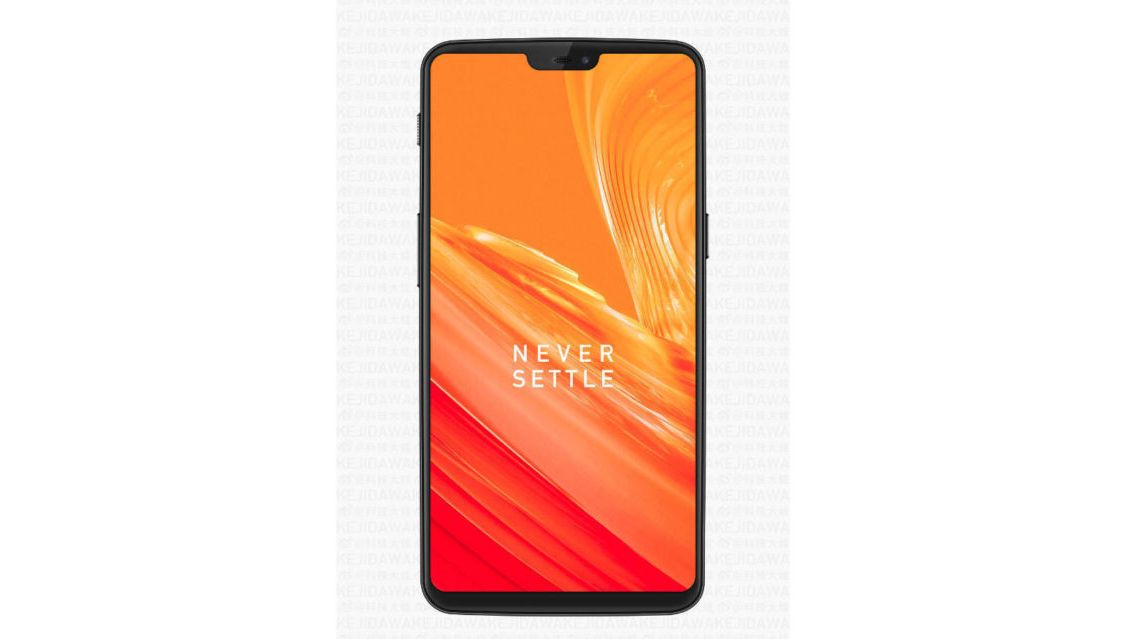
Based on the recent rumors and the teasers released by OnePlus, the publication claims that the OnePlus 6 will be sporting an iPhone X-like notch design. For people who do not like the notch, the handset will offer an option to hide it. It will be arrived with a waterproof body, but there is no confirmation on whether it will be IP67 or IP68 rated device.
OnePlus India has recently released a teaser that suggests that the company could be releasing a special edition OnePlus 6 with an Avengers theme. Even though the publication has speculated that OP6 could be priced at Rs. 39,999, it hasn’t clearly mentioned whether the pricing belongs to the base model or the one with highest configuration.
The 64 GB OnePlus 5T with 6 GB of RAM was launched with a price tag of Rs. 32,999 and the 128 GB model with 8 GB of RAM carried a pricing of Rs. 37,999. Recently, another Indian site that had accurately guessed the OP5T pricing last year had claimed that the OnePlus 6 will be available in three variants in India.
Last year, the OnePlus 5T was launched in China after it was made official in India. The Chinese manufacturer is known for launching its smartphone first in overseas countries before announcing it in China. A recent report had claimed that OnePlus 6 may go official in China on May 5. If the May 18 launch date is true for India, then the OP6 is may not get unveiled on May 5 in the home country but may become official after May 18.
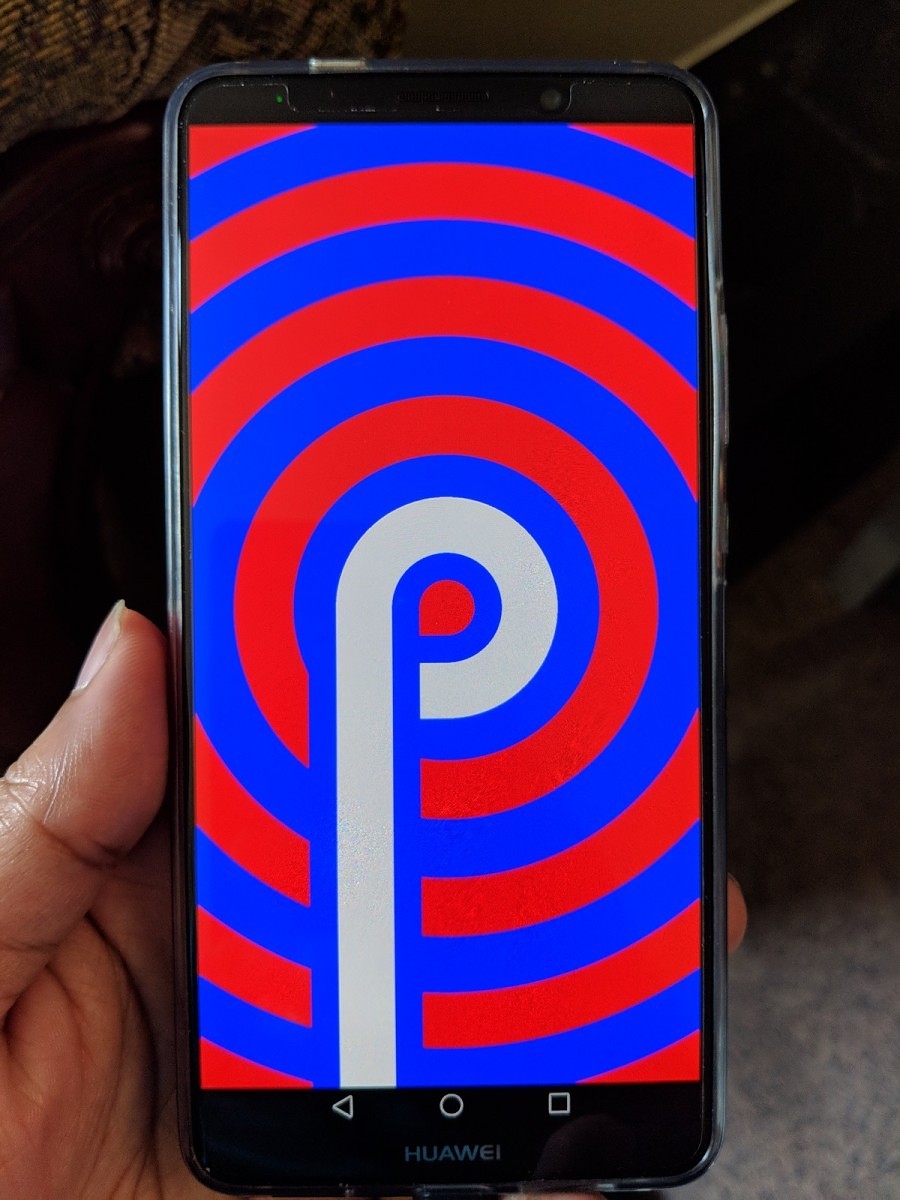
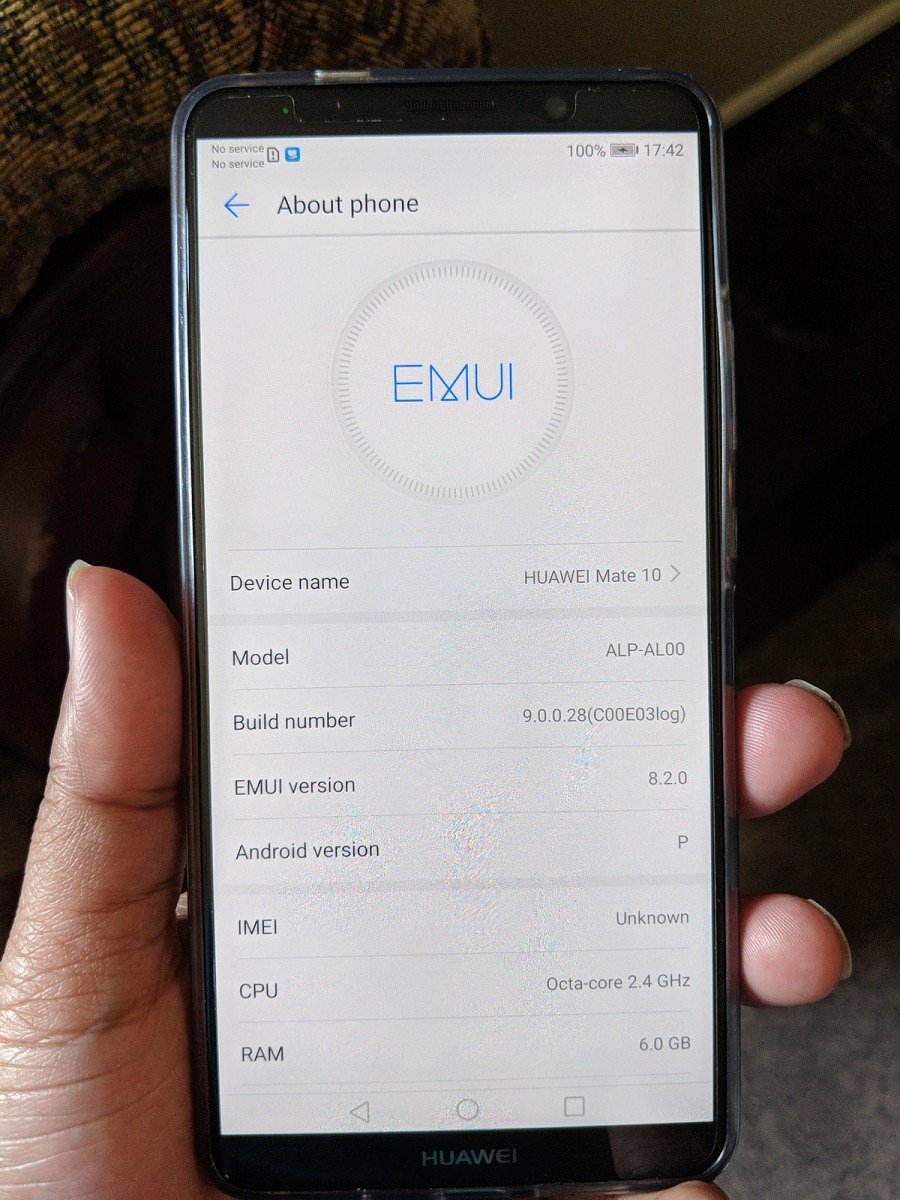
About a year after Huawei started testing Android Oreo on the Mate 9, new evidence suggests that the Chinese company is testing Android P on Huawei Mate 10 and 10 Pro. According to XDA Developers, the hi-tech giant has started testing the new version of Google’s operating system on the Chinese variant of the Mate 10 identified by the model number ALP-AL00. With the aid of a service called FunkyHuawei specialized in updating, rebranding, and unbricking Huawei phones, guys from XDA Developers have been able to rebrand a Mate 10 Pro to the Chinese variant of the Mate 10 and they managed to install the Android P test firmware.
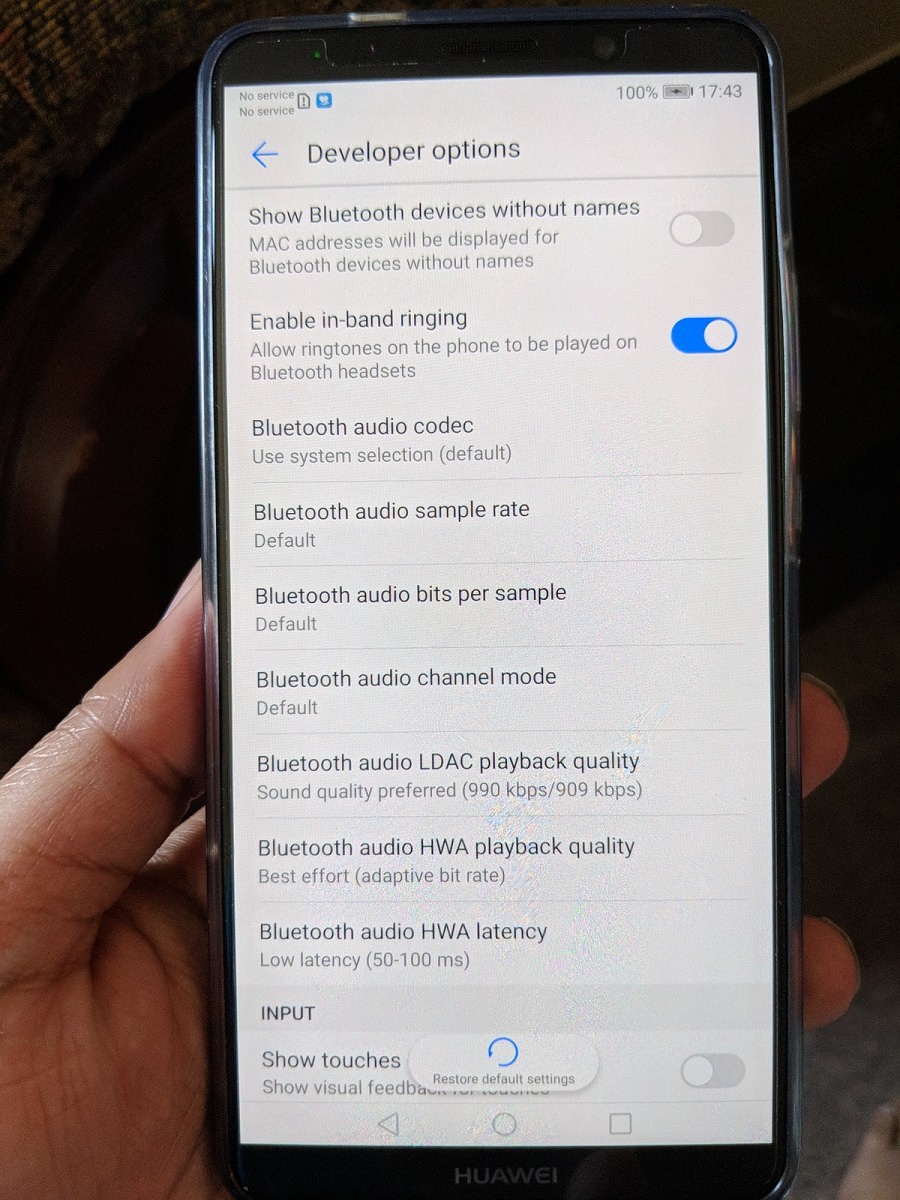
Three photos showing the build installed on the Huawei Mate 10 Pro have then been published. The first shows the Android P Easter egg, while the second shows the About screen, confirming that the testing firmware contains the EMUI 8.2 based on Android 9.0.0. However, it is likely that the final Android P release will be customized with EMUI 9.0. The third photo shows the Developer Options menu. The new user interface does not contain the changes noticed on the first Android P Developer Preview called Material Design 2, and neither the recently-leaked iPhone X-like navigation bar which replaces the multi-tasking key with a gesture.
But it is likely that the company should already be working on a similar navigation bar to include in the final build. Other things included in this firmware are Android P’s restrictions on apps that use non-SDK Java APIs, global actions for Accessibility Services, restrictions on third-party OMS overlays and text selection zoom. Currently, the first Developer Preview of Android P is only available on the latest Google phones: Pixel, Pixel XL, Pixel 2 and Pixel 2 XL. There are still no custom ROMs based on Android P for Huawei Mate 10 and all other handsets as there is still no source code available.
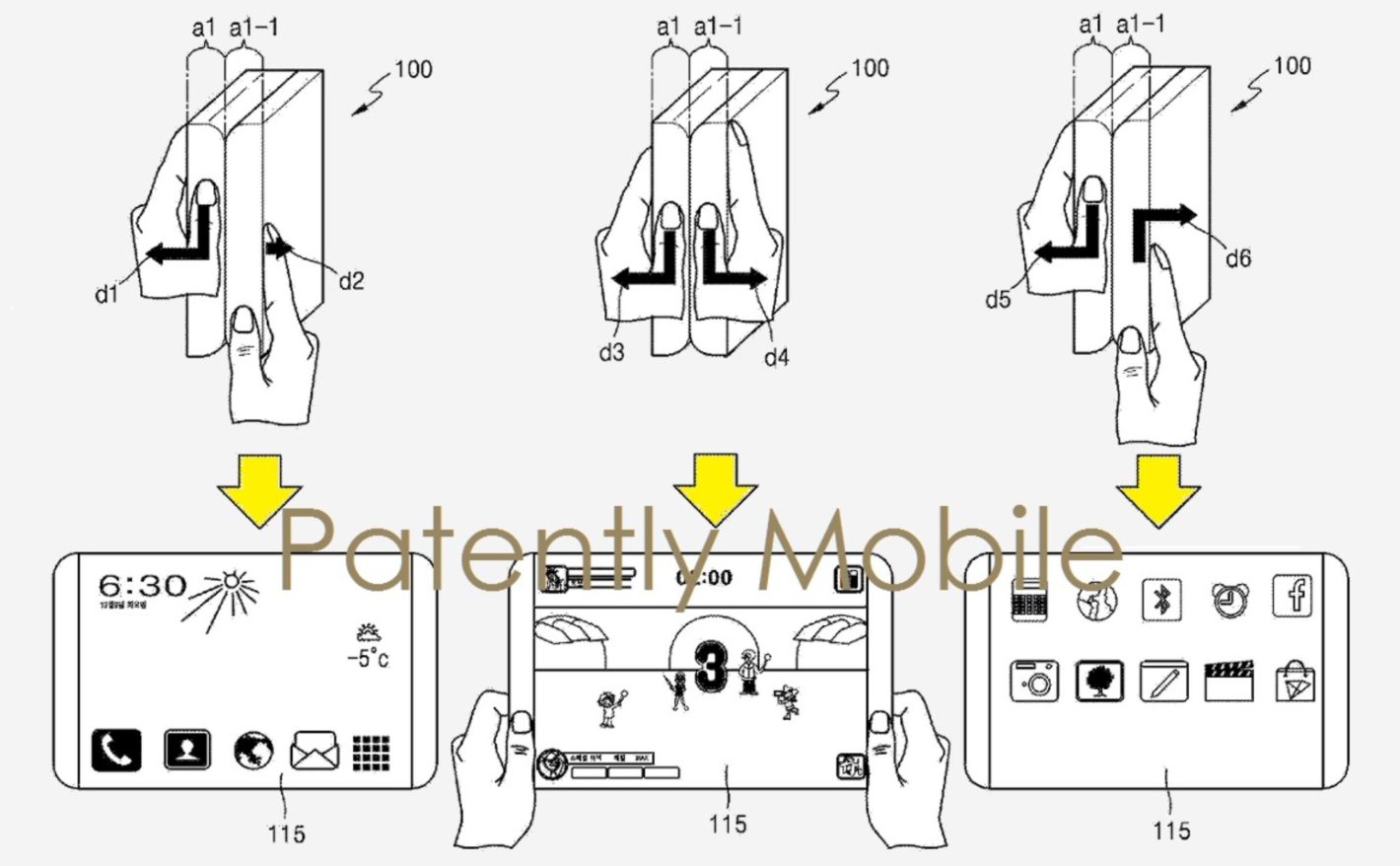
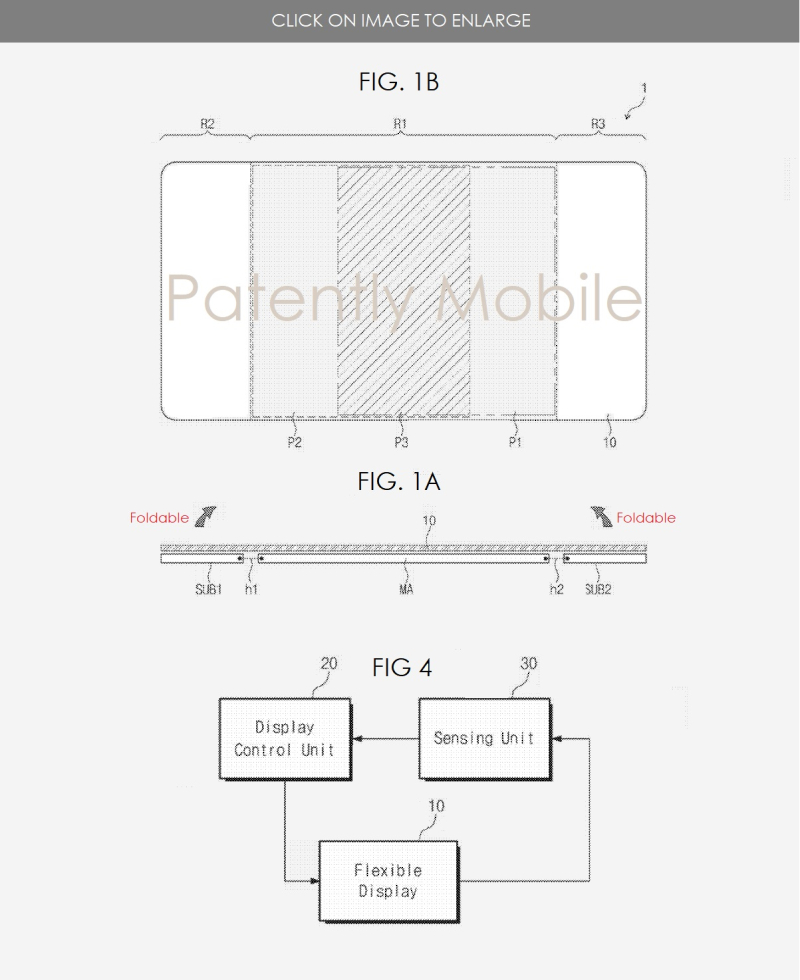
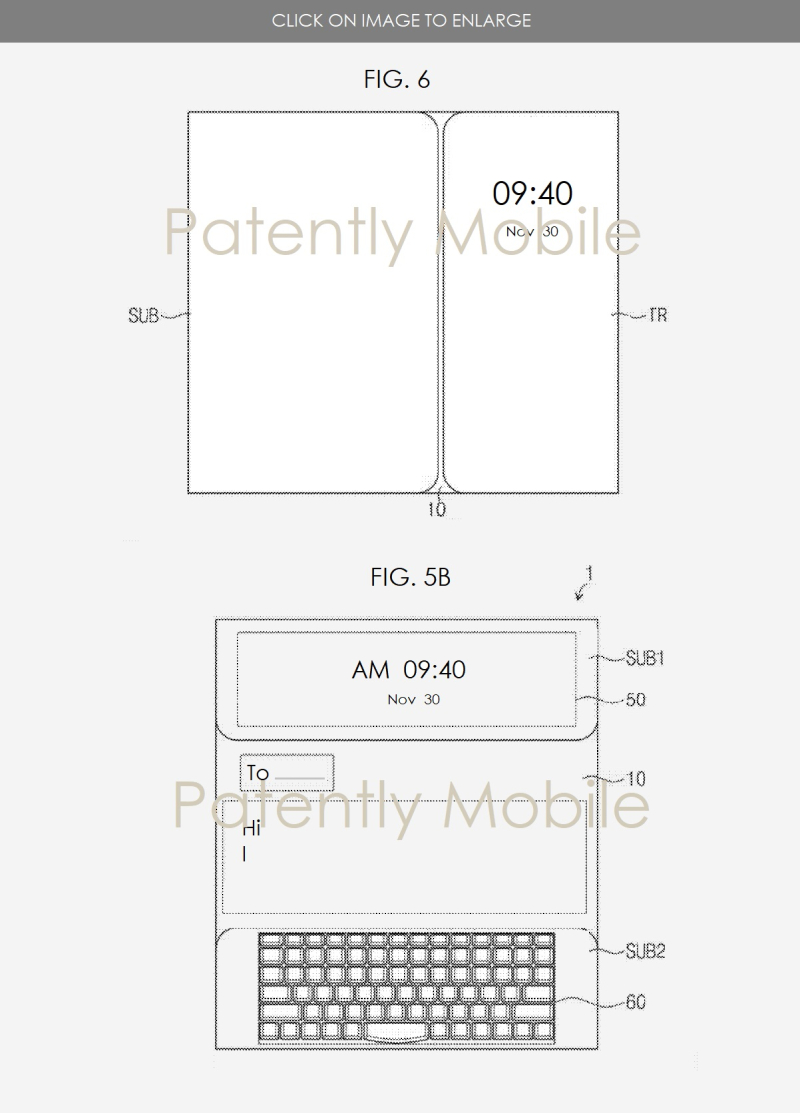
We have lost count of the number of patents Samsung have presently related to foldable phones. The Chinese OEM also has a design patent for a multi-fold tablet which was approved in September 2016. The global market leader received a fresh patent for a multi-fold tablet.
Just like the patented design from 2016, this new design also comes with a physical keyboard on the backside of one of the folding panels. The rear aspect of the foldable part of the screen that lacks a keyboard is capable of displaying notifications at a glance using an unspecified mechanism. The design is a multi-fold one where the device can be folded into more than two aspects, making it easy to carry around. It seems the functions are also multiple as Samsung mentioned in the patent documentation. Mention was made of cellular capabilities and specifically, it is stated that Samsung envisioned a tablet that would allow users to make phone calls without further details.
This new patent, no doubt, confirms that Samsung is still busy on the drawing board in trying to develop foldable electronics gadgets. We are yet to see anyone going commercial but that may happen soon. The Galaxy X foldable phone is tipped to launch next year even though the tech giant is yet to reveal a timeline for the launch.
Samsung‘s market share in two of the world’s largest smartphone market, India and China, has reportedly continued to slump. According to data compiled by Strategic Analytics, the Korean tech giant saw its share in China’s smartphone market slide to 0.8% in the fourth quarter of 2017 from a lofty of 20% share it commanded five years ago. The data also revealed Samsung shipped 9.8 million smartphones in China in Q4 2017 and this is noted to be the first time the Korean giant’s quarterly shipments fell below the 10 million-unit mark.
A breakdown of the statistics reveals that Sammy’s market share in China fell from 3.1% in the first quarter of 2017 to 2.7% in the second quarter and it went further south to 2% in the third quarters. For the entire 2017, the Korean vendor had a 2.1% share in China, which is just about one-fifth of the figures it posted in 2013. This year may not see an improvement despite the launch of the Galaxy S9 models as the company’s market share is expected to remain at 0.8% in Q1 2018. The hefty price tags of the models are likely going to discourage a lot of fans in China from picking up one. The midrange market has also slipped out of the grip of the Korean phone maker.
The same thing applies to India where the company also face stiff competition in the midrange segment from Chinese OEMs like Huawei, OPPO, Vivo and Xiaomi whose smartphones have equally high quality and are better priced than Samsung models. The company has been the top phone maker in India for six years but last year saw Xiaomi outperform the tech giant in the fourth quarter. Samsung share also fell from26.2% to 23.9%. Samsung still remains the largest smartphone maker globally but observers are of the opinion that the global market leader faces the prospects of a further drop in the Indian and Chinese market in the near future.
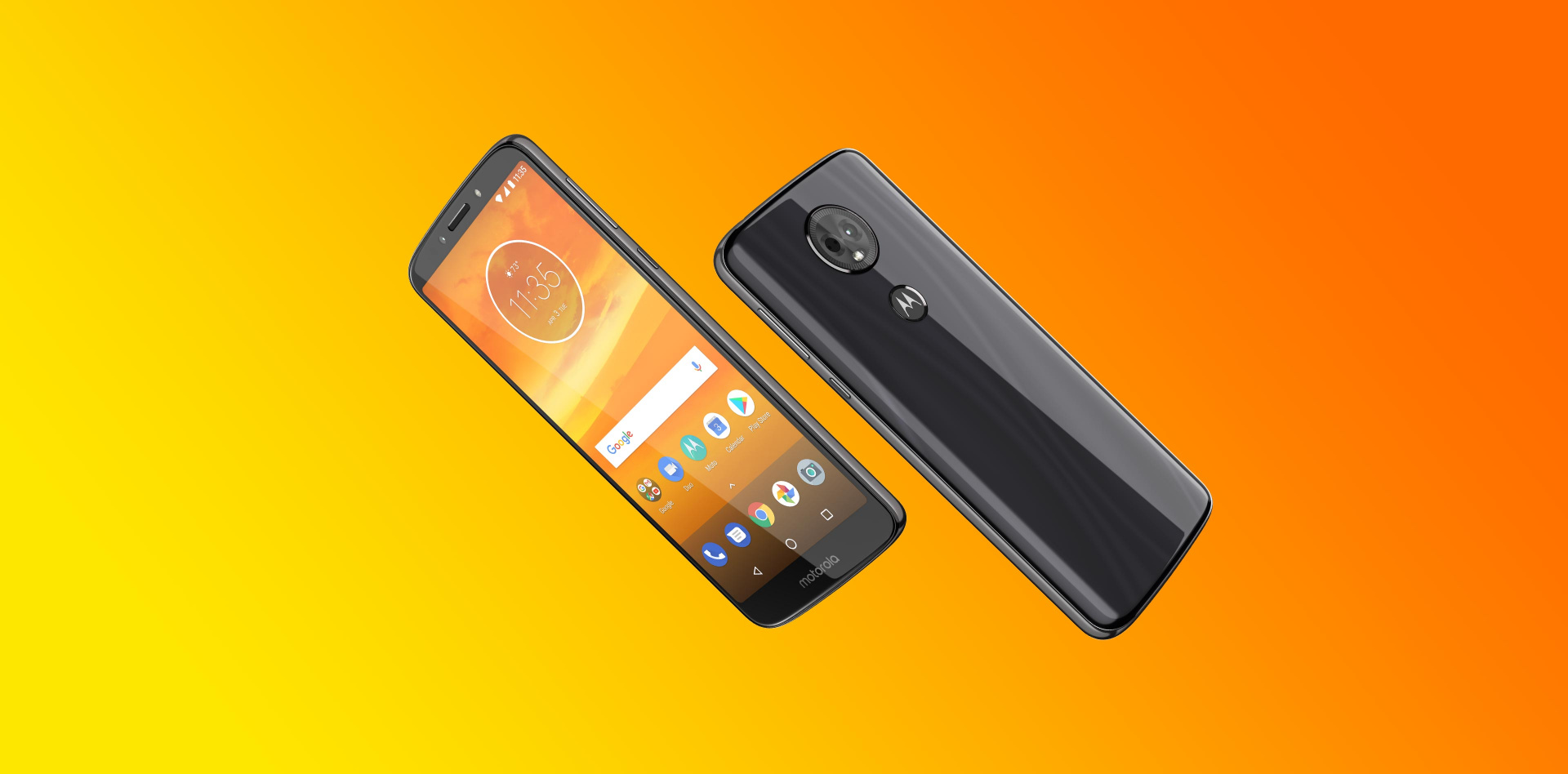
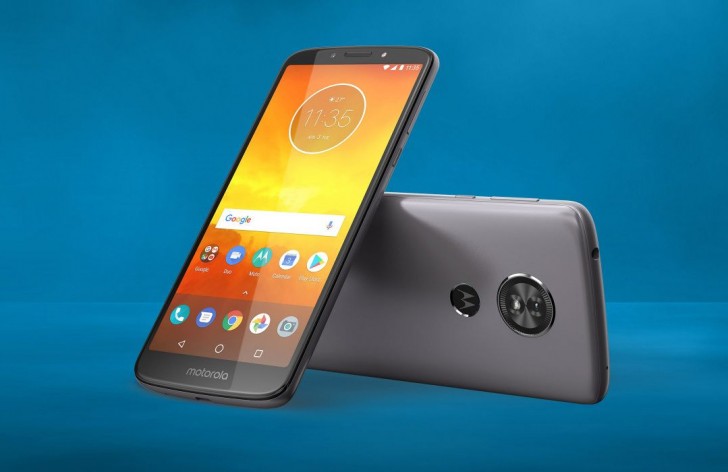
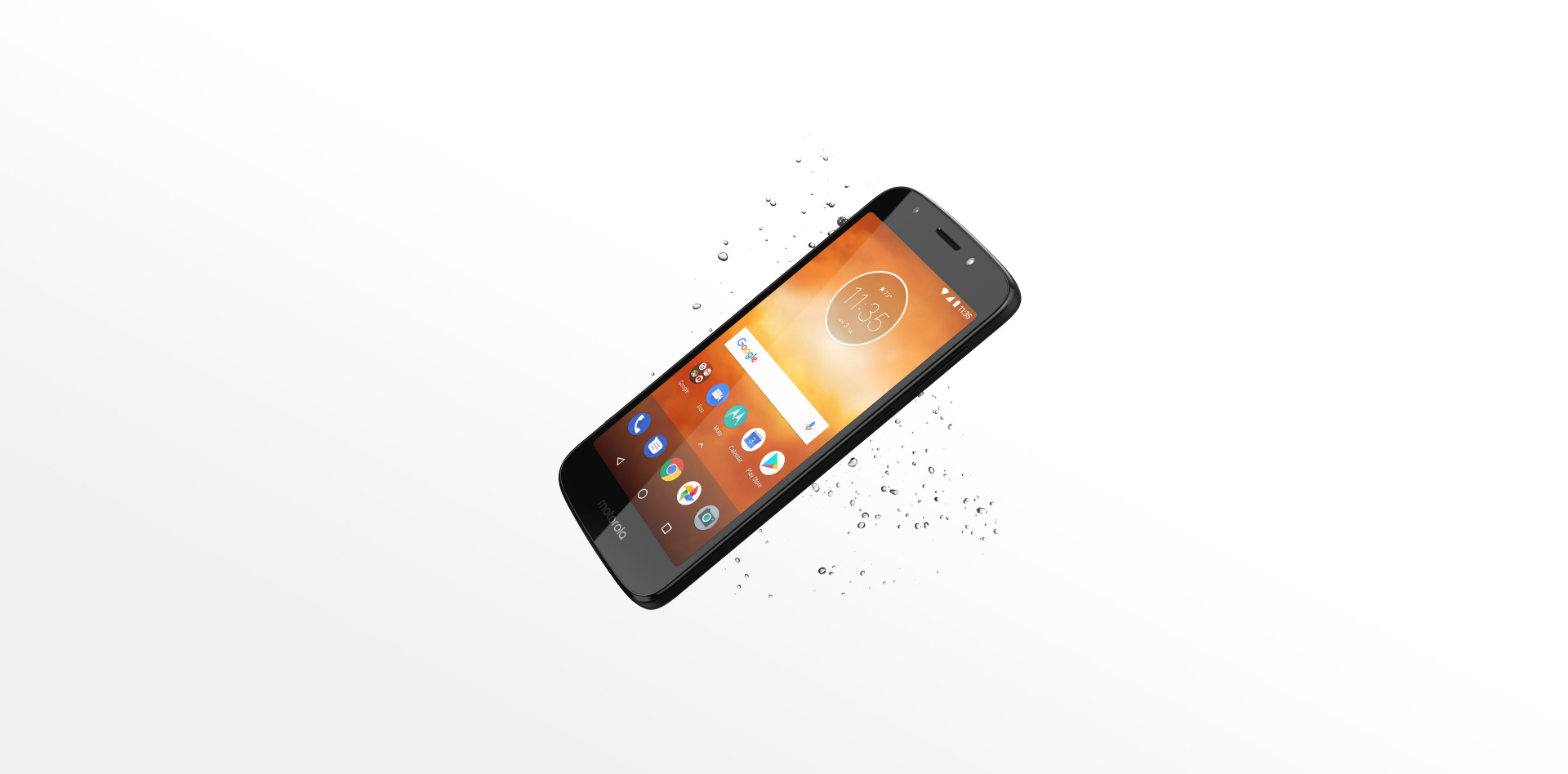
Other than the Moto G6 series launched today, we also got the Moto E5 series. The Moto E5 series includes the Moto E5 Plus which is the leader of the pack and the Moto E5 and Moto E5 Play.
The Moto E5 Plus is the biggest of all three. It sports a 6” display with a 1440 x 720 resolution and has polymer glass on the rear. It has 3GB of RAM and 32GB of expandable storage. A Snapdragon 435 processor is the chipset of choice.
Although the Moto E5 Plus looks like it has dual rear cameras, it only has one. It is a 12MP f/2.0 (1.25um) sensor. The hole beside it is home to a laser focus module. It also has an 8MP front-facing camera with a dedicated LED flash.
Other than the large display, another selling point of the Moto E5 plus is its massive 5,000mAh battery. It runs Android 8.0 Oreo.
The Moto E5 is smaller at 5.7” but has the same HD+ resolution. It is powered by a Snapdragon 425 SoC paired with 2GB of RAM and 16GB of expandable storage.
It has a 13MP f/2.0 sensor with a 1.12um pixel size as its main camera and a 5MP sensor as the front-facing camera. There is also a front LED flash.
The Moto E5 comes with a 4,000mAh battery which should be sufficient for more than a day.
The last is the Moto E5 Play. Just like the Moto E5, the rear is covered in polycarbonate. However, it is removable for access to the battery.
The display is 5.2” HD display and it comes with a Snapdragon 425/Snapdragon 427 depending on the market. RAM is 2GB and built-in storage is 16GB with support for expansion.
There is an 8MP f/2.0 sensor on the rear and a 5MP camera with flash sits above the display. It also has a fingerprint scanner buried under the Moto logo on the rear like its siblings.
Compared to the rest, the battery is small at 2,800mAh. It comes with a 10W charger and runs Android 8.0 Oreo.
We use cookies on our website to give you the most relevant experience by remembering your preferences and repeat visits. By clicking “Accept”, you consent to the use of ALL the cookies.
This website uses cookies to improve your experience while you navigate through the website. Out of these, the cookies that are categorized as necessary are stored on your browser as they are essential for the working of basic functionalities of the website. We also use third-party cookies that help us analyze and understand how you use this website. These cookies will be stored in your browser only with your consent. You also have the option to opt-out of these cookies. But opting out of some of these cookies may affect your browsing experience.
Necessary cookies are absolutely essential for the website to function properly. This category only includes cookies that ensures basic functionalities and security features of the website. These cookies do not store any personal information.
Any cookies that may not be particularly necessary for the website to function and is used specifically to collect user personal data via analytics, ads, other embedded contents are termed as non-necessary cookies. It is mandatory to procure user consent prior to running these cookies on your website.









 By applying the aforesaid promo code, you can bring your subtotal down to just $3.99. In other words, you save $5 on the item’s original asking price. You can visit
 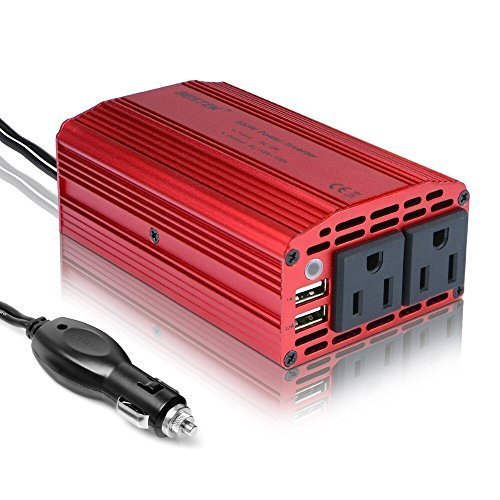 But if you aren’t willing to shell out that kind of money, you can apply promo code ‘ADGSH1’ at the time of checking out to reduce your subtotal to only $17. You end up saving $12.99. You can head straight to
 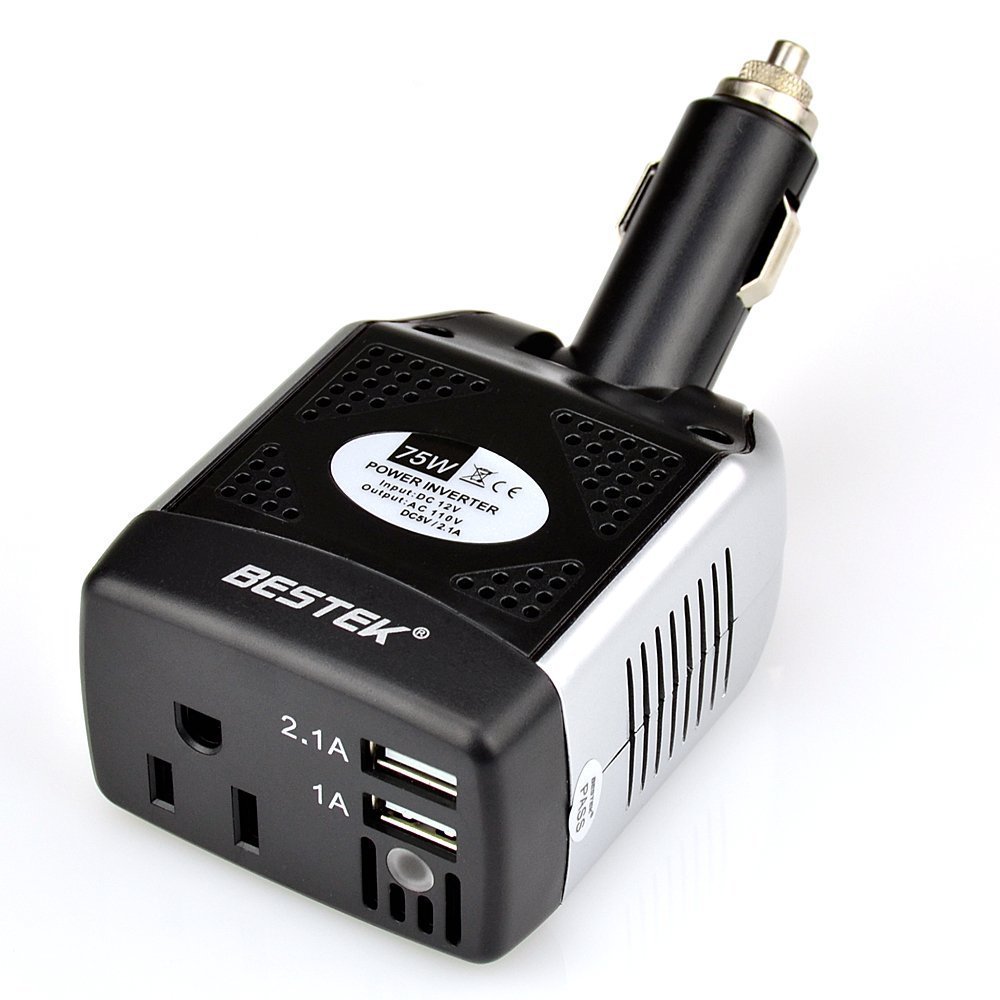 You can get your hands on the power inverter by shelling out $17.99 on BESTEK official website. You can use promo code ‘AGTYE8’ while checking out to save $8 and bring your subtotal down to only $9.99. You can follow
 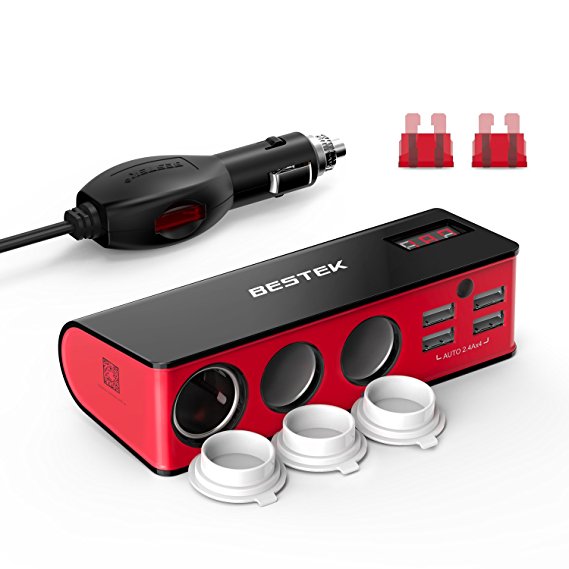 Much to the delight of cost-conscious buyers, BESTEK is giving them an opportunity to save $13 on the device’s retail price. Simply apply coupon code ‘APLHG3’ at the time of checking out and bring your subtotal down to just $13.99. You can follow
 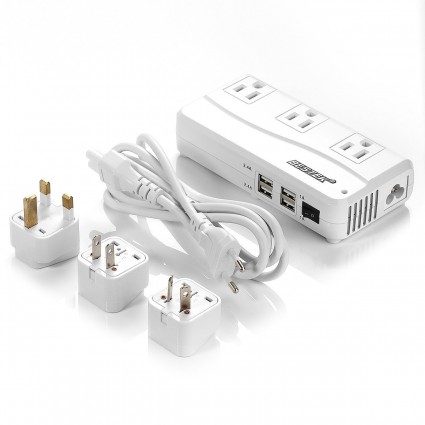 If you’re interested in buying the BESTEK Travel Adapter Voltage Converter at a discounted price, follow
 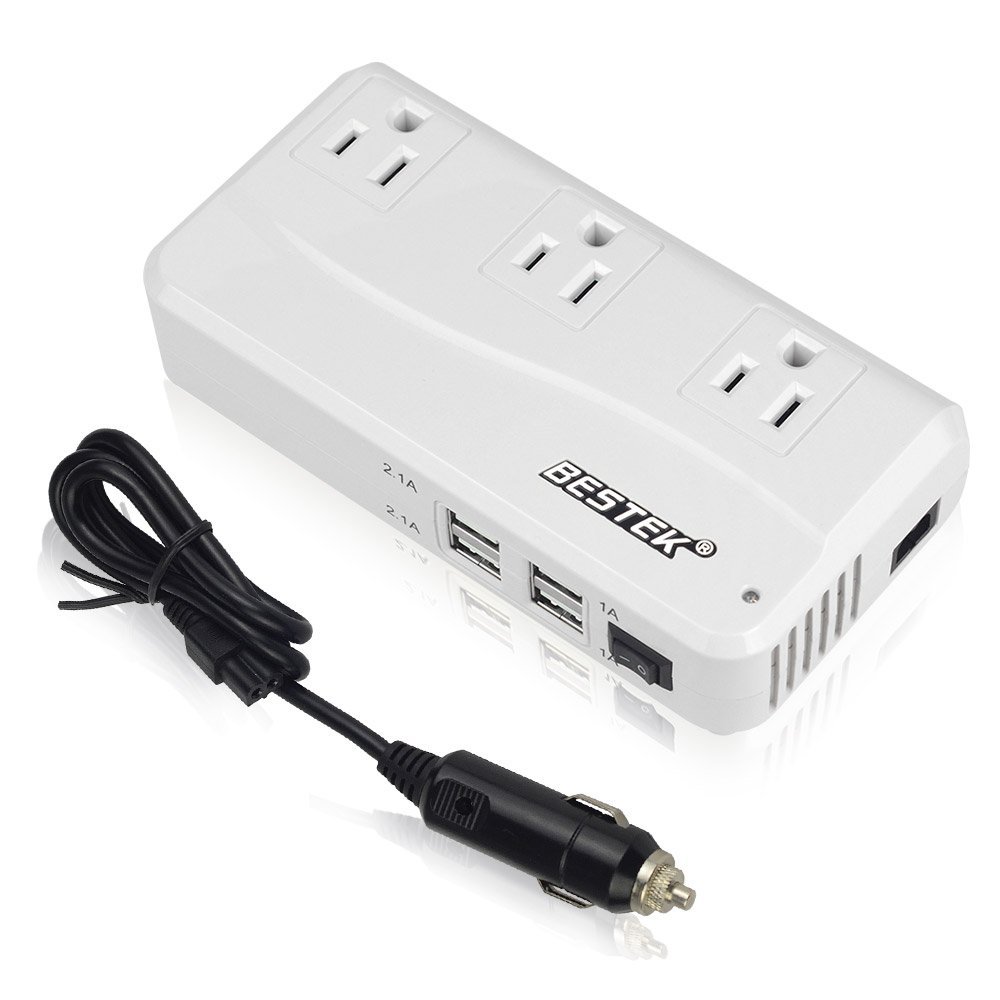 BESTEK is selling the power inverter for $27.99 on its official website. But, you can drop your subtotal down to only $16.99 by applying coupon code ‘AQWDF9’ while checking out. You can visit
 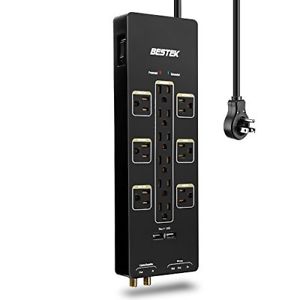 You can buy the power strip if you’re willing to spend $29.99 on BESTEK official website. But if you’re on a tight budget, you can apply promo code ‘AINGY7’ to lower your subtotal to just $23.99.