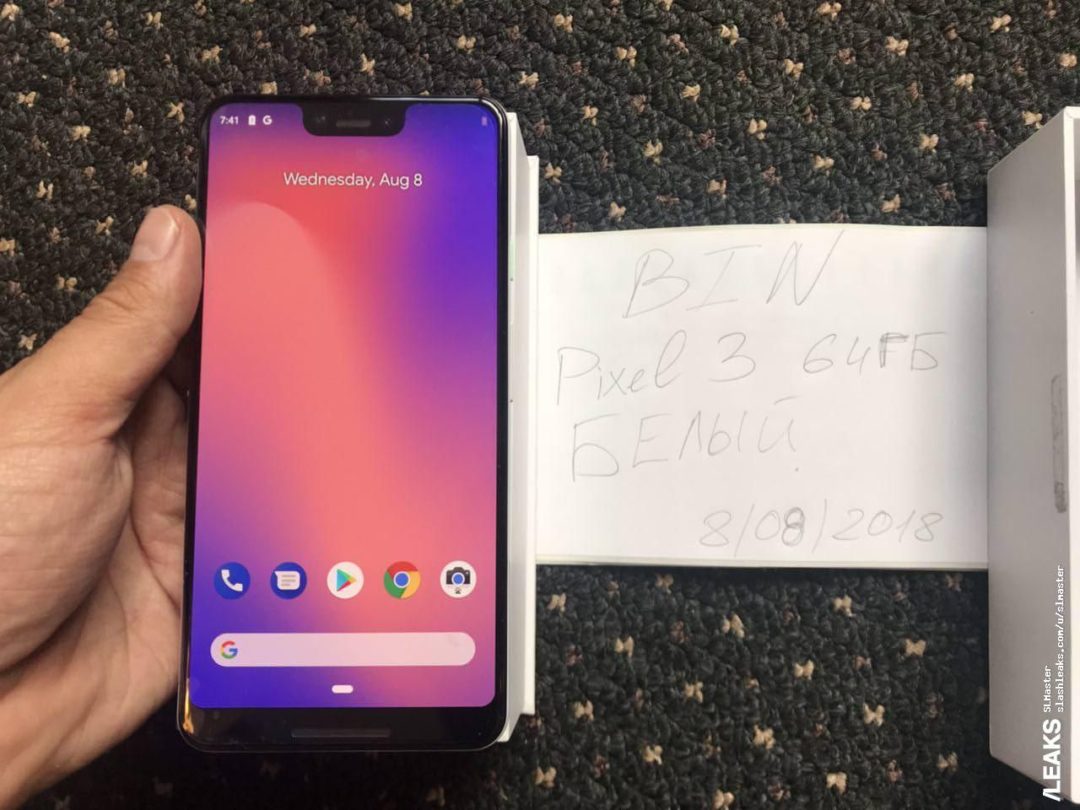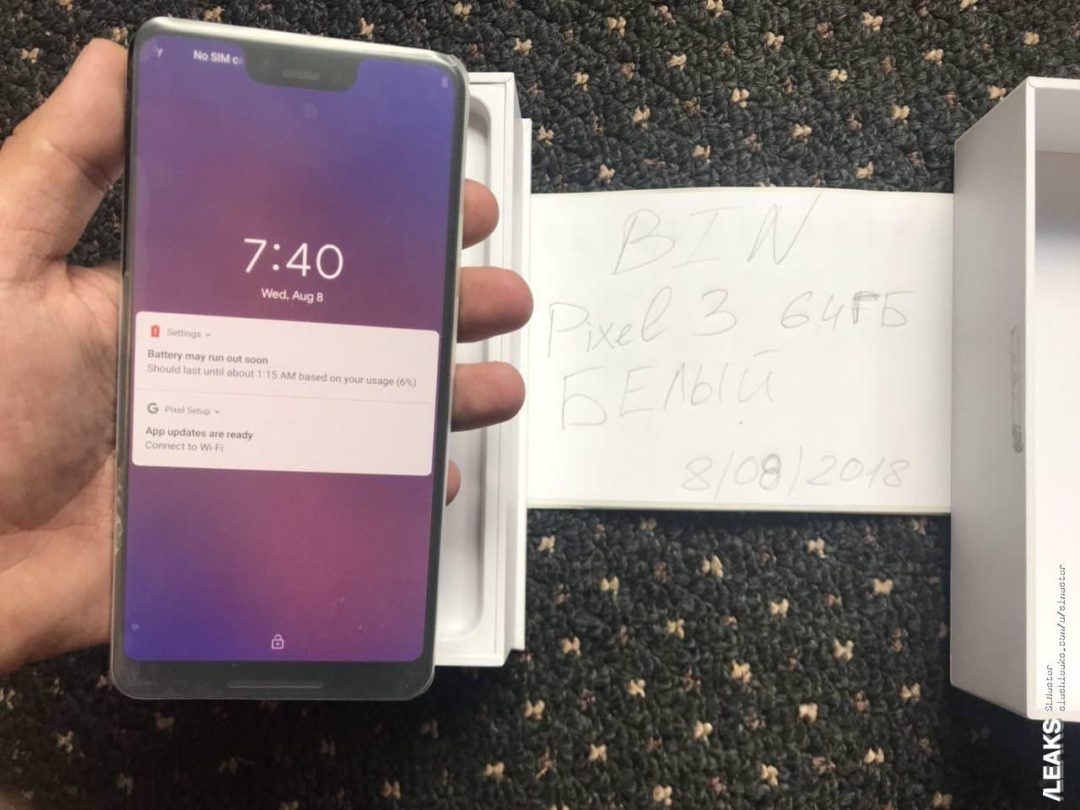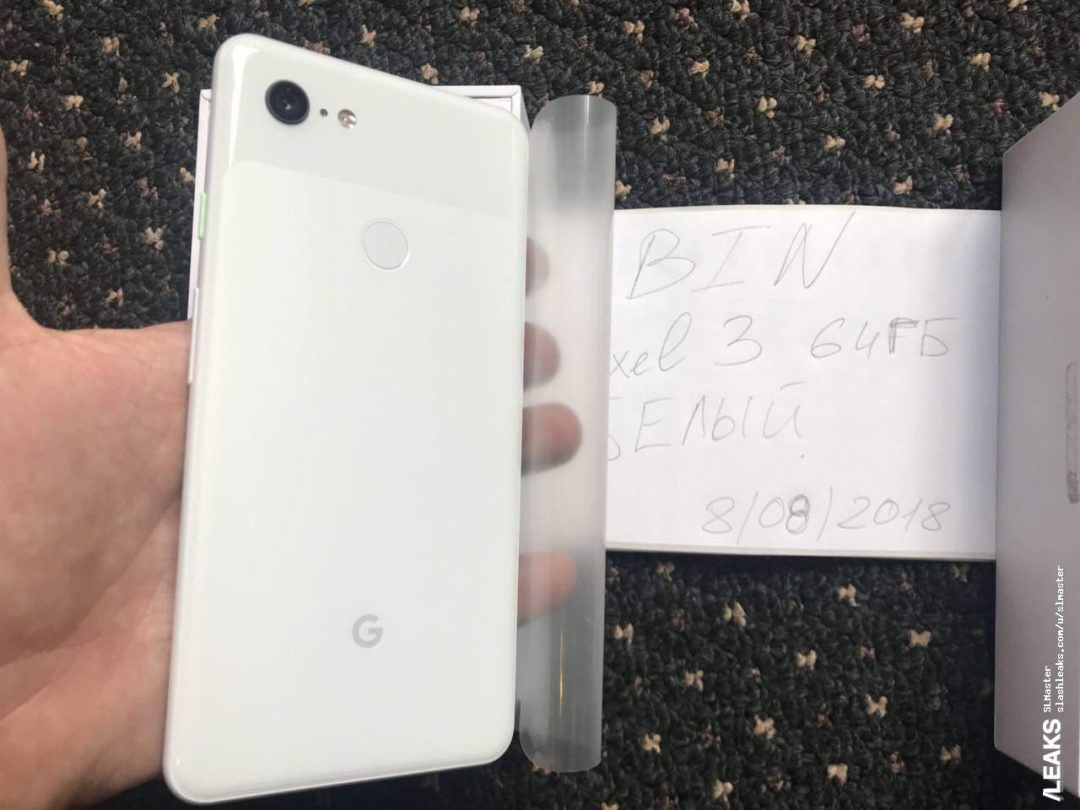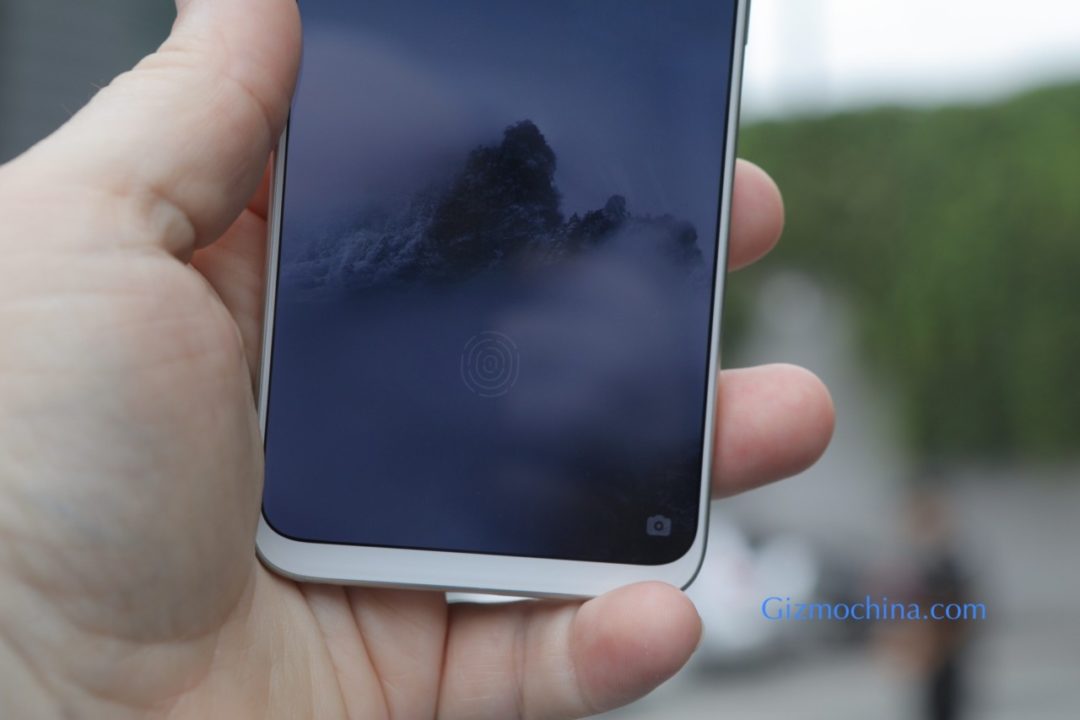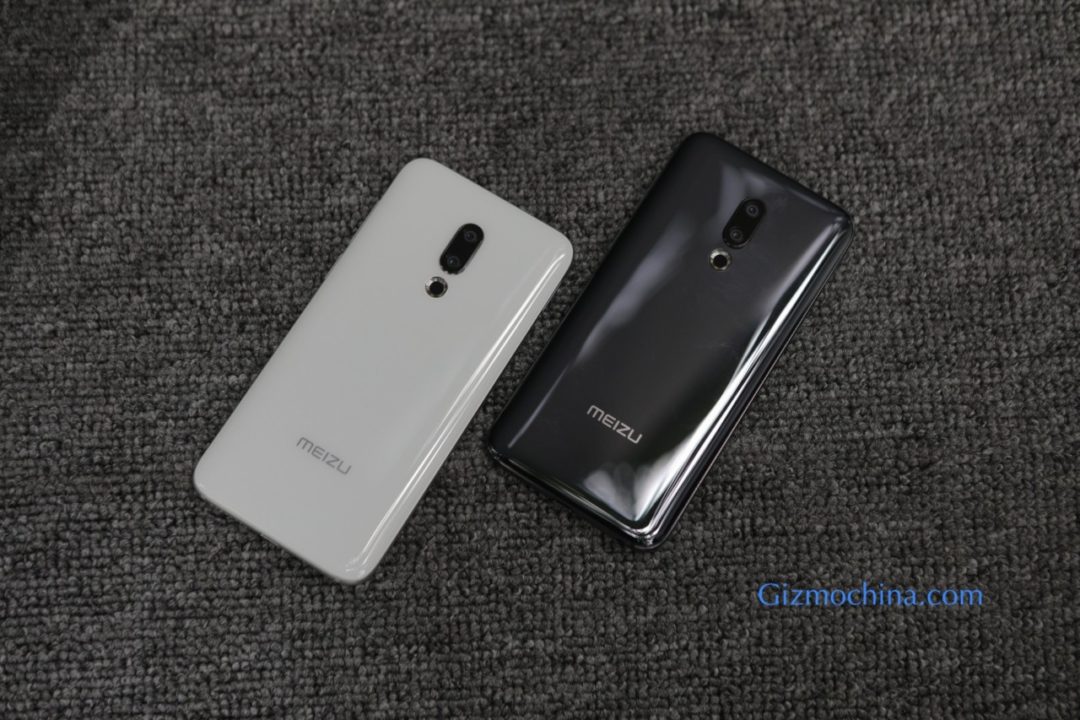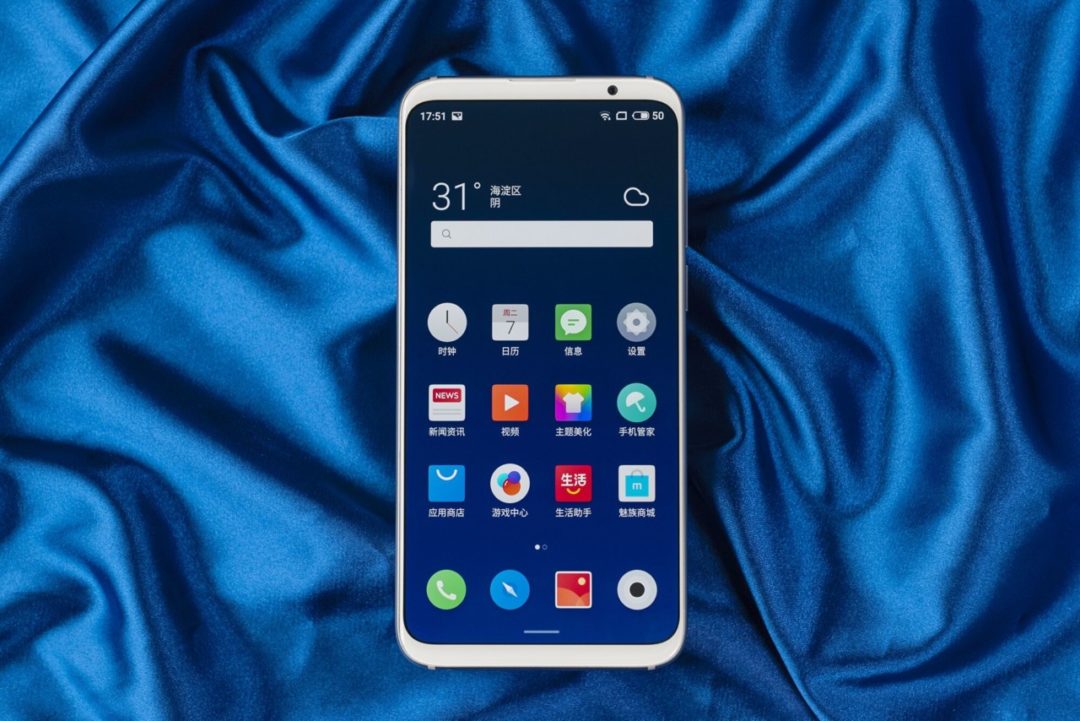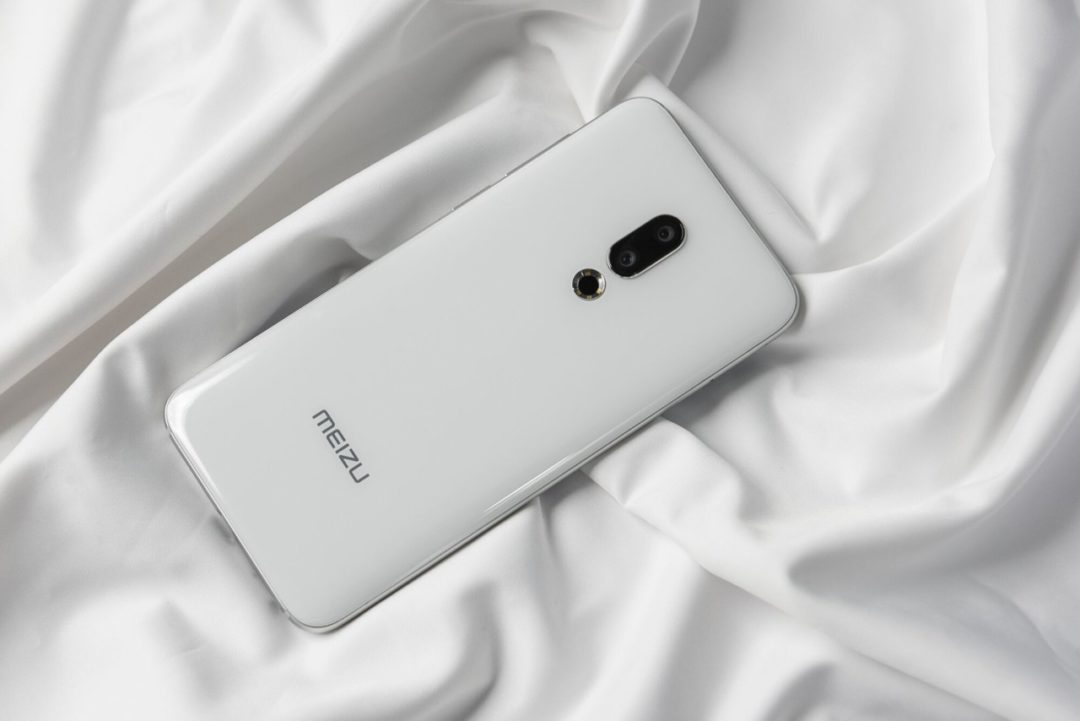
Fresh photos of the Nokia X phone that is slated to debut on May 16 have appeared on Weibo. These photos show that the first Nokia phone with notched display from HMD Global is already available for viewing in China before its official announcement. However, the company is yet to confirm on its specifications and pricing of the phone.
The rear view of the Nokia X reveals that it features a glass back. The vertical dual camera setup along with its dual-tone LED flash and a fingerprint scanner are all present in the top half of the rear panel of the Nokia X.
A 3.5mm audio jack can be found on the topside of the Nokia X. The left edge of the phone seems to be barren whereas the volume controller and power key are seated on the right edge. Previous leaks have revealed that it features a microUSB 2.0 port on the bottoms side.
The Nokia features a notch enabled display. The selfie camera and an earpiece seem to be packed inside the notch. The side bezels of the phone are thin, and the bottom bezel is thick enough to house the “Nokia” branding.
Previous reports have revealed that the Nokia X has a model number of Nokia TA-1099. The same model number has been spotted on the website China’s 3C authority and TENAA regulatory body. The TENAA listing of the Nokia X has revealed its entire specifications.
The Nokia X will be arriving with a 5.8-inch notched screen that offers an aspect ratio of 19:9 and Full HD+ resolution of 2280 x 1080 pixels. It is fueled by 1.8 GHz octa-core processor which indicates that it may be driven by Snapdragon 636. Previous leaks have claimed that the handset could be also available in MediaTek Helio P60 chipset version.
The handset is expected to arrive in RAM variants like 3 GB, 4 GB and 6 GB and storage editions such as 32 GB and 64 GB. It receives power from 3,000mAh battery. One of the dual camera sensors of the Nokia X is 16-megapixel. It features a selfie snapper of 16-megapxiel. The handset will come preinstalled with Android 8.1 Oreo. It is pegged to be available in colors such as black, silver, white and blue.
What do you think about the design of the Nokia X? Share us your views by posting your comments below.
Earlier this year, the U.S. government banned American firms from sales to ZTE for seven years. According to the U.S. Government, the step was taken because the company had failed to comply with a settlement related to ZTE shipping U.S.-made goods to Iran in violation of U.S. sanctions.
At the time, ZTE Corp issued a statement claiming that the U.S. ban will severely impact its survival and now it seems that the company is really finding it difficult to survive this ban. The China-based company has announced that it has ceased its main business operations to the ban issued by the United States.
The company further revealed that it is trying to figure out the best way forward. Recently, the company had announced that it has decided to more than double its investment for the Research & Development compared to what it spent on the same last year.
The development was in line with the company’s plan to support its ambitious goal of leading the 5G development. The company’s R&D expenditure last year stood at 12.96 billion yuan, which accounted for about 11.9 percent of the company’s operating revenue.
According to various reports, the company will specifically Research & Development investments for the products such as Pre-5G, 5G, high-end routers, SDN, OTN, and core chips.
Meanwhile, ZTE Corp has submitted an application to the U.S. Commerce Department’s Bureau of Industry and Security (BIS) seeking for the suspension of a business ban. While it is not clear what the company included in the application, the company has provided additional material at the BIS’s request.
Ordinarily, ZTE has no administrative appeal rights under agency regulations but the Commerce Department has reportedly agreed to hear the company’s appeal on an informal basis. While some analysts are positive the issue would eventually be resolved without ZTE serving the ban, some see the imbroglio as a negotiating tactic as both countries try to end a trade war initiated by the U.S.
The Taiwanese government has also ordered all of its companies that sell to ZTE Corp to suspend shipments until they obtain approval. MediaTek, a mobile chipset maker based in Taiwan, applied for the same and has been granted approval to sell components to ZTE Corp.
If you’ve desperately been looking for gift ideas for Mother’s Day, but can’t find a heartwarming gift that she’ll actually love, look no further. Even if you haven’t gotten her anything yet, GeekBuying is offering some unique gift ideas to make her feel special without burning a hole in your pocket.
GeekBuying recently unveiled its Mother’s Day Sale promotion wherein buyers can get up to a whopping 60% discount on a broad range of products. In a bid to facilitate the search process, these products have been split into multiple categories.
Home Essentials
A working, as well as a stay-at-home mom, spends a lot of time keeping the house clean and tidy. While there’s no dearth of products that come in handy in maintaining your home, these devices usually carry steep price tags.
Bearing that in mind, GeekBuying is offering a 36% off on the Xiaomi Mijia Roborock Vacuum Cleaner 2, which normally sells for $699.99 on the site. Thanks to the aforesaid discount, you can now get your hands on this powerful vacuum cleaner by shelling out just $449.99.
Aside from that, this category is crammed with all sorts of other products that you can buy at the considerably lowered price. On the downside, the promo is slated to end soon.
Top Tech
This category is brimming with Mother’s Day gift ideas for a mom who loves tech. For instance, you can preorder the Xiaomi Mi 6x smartphone for a discounted price of just $299.99.
This is a noteworthy reduction in the phone’s original asking price of $329.99. Alternatively, you can go for the Teclast F7 Business laptop, which is currently available at a slashed price of just $255.99 in the section. The 6GB RAM/64GB ROM version of the F7 laptop would normally set you back $405.99; however, GeekBuying is giving a 37% discount on its retail price. The site is also offering 29% off on the 6GB RAM/128GB ROM version of the laptop bringing its retail price down to just $299.99.
Health & Beauty
Being the backbone of a family, it is imperative for mothers to stay healthy and beautiful. GeekBuying is offering big discounts on a slew of health and beauty related products featured in this category.
Lining with this, you can buy the Xiaomi Lefan Cold Warm eye massager at a lowered price of just $58.99 on GeekBuying while it normally sells for $90.02 on the site. This is a 34% reduction in the device’s retail price and it will be valid for 6 days. Likewise, by shelling out just $56.99, you can buy the Xiaomi inFace Ultrasonic face cleaner which would normally set you back $80.12 on GeekBuying. This is a 29% discount which is slated to be valid until May 14th.
Wearables
This section comprises latest wearable technology including smartwatches, fitness trackers and lots more. More importantly, GeekBuying is offering noteworthy discounts on these devices which would normally set you back a pretty penny. The Makibes HR3 smart bracelet usually comes bearing a price tag of $30.99 on GeekBuying. But the site will be giving you an opportunity to buy the HR3 at a discounted price of only $19.99 for the next 6 days.
You can follow this link in order to check out more recommended products and avail the deal which is slated to end soon.
Moto Z3 Play is one of the upcoming Z series phones from Motorola. Since its predecessor was made official in June 2017, it is speculated that the Z3 Play will debut in the coming month. Leaked photos of the real handset have appeared earlier in this month to reveal its appearance. Its press render had also appeared in the previous month. Today, popular tipster Evan Blass has shared a new press render of the Deep Indigo color edition of the Moto Z3 Play to reveal its design from all angles.
As it can be seen in the below image, the Moto Z3 Play features a display that is surrounded by reduced bezels. Previous reports have claimed that it features a 6-inch screen that produces FHD+ resolution of 2160 x 1080 pixels and an aspect ratio of 18:9.
The top bezel has a selfie camera, but it does not seem to feature an LED flash for it that was seen in the predecessor model. Like the Z2 Play, its successor is also speculated to feature a 5-megapixel selfie camera.
The earpiece is also present on the top bezel. The chin of the device lacks the oblong fingerprint reader that was found on the Z2 Play. Instead, the bottom bezel features the “motorola” branding.
The Z3 Play seems to be fitted with a metallic frame and a glass rear. The left edge of the phone features a power key whereas the right edge has power up and down buttons followed by a depression for the side-mounted fingerprint scanner. The top edge of the phone a SIM /microSD slot tray and the USB-C port is available on the bottom side. The handset lacks a 3.5mm headphone jack.
The round-shaped camera module seated on the backside of the phone features a horizontal dual camera setup with a dual-LED flash placed below it. The dual camera system may include a primary sensor of 12-megapixel and a secondary sensor of 8-megapixel.
The company’s batwing logo is also present slightly above the center of the rear panel. The presence of 16-pin connector at the lower portion of the back panel suggests that it will carry support for new Moto Mods accessories as well as those ones that were designed for the Z2 Play.
Since the Motorola Moto Z3 Play has received approval from Federal Communications Commission (FCC) in the U.S., it seems that its arrival is close at hand. The handset will be powered by Snapdragon 636 SoC and 4 GB of RAM. Some regions may receive its 32 GB storage model while others may get it 64 GB storage variant. It is likely to be fueled by a 3,000mAh battery.
Lenovo Group VP Chang Cheng had recently teased that the company will be launching a new flagship phone in June. He had claimed that it would be arriving as the highest screen-to-body ratio smartphone ever. Today, Cheng has released a new teaser to confirm the name of the phone as well as its design. The smartphone will be debuting as Lenovo Z5 in the coming month and the new teaser suggests that it will offer a screen-to-body ratio of more than 95 percent.
Now that Cheng has confirmed the Lenovo Z5 moniker, it appears that the company has no plans to sell ZUK branded phones again. It is speculated that the Lenovo Z5 will be arriving to challenge Xiaomi that has launched comprehensive screen enabled smartphones like Mi MIX, Mi MIX 2 and Mi MIX 2S. The Z5’s sketch shows that it will offer largest screen space ever seen on a smartphone as it does not feature top and bottom bezels. The presence of antenna bands on the left edge of the phone suggests that it may feature a metallic chassis. The bottom bezel seems to feature a USB-C port.
According to Cheng, the company has achieved four technological breakthroughs and 18 patented technologies through the Lenovo Z5. He had previously stated that the company has managed to include a comprehensive screen on its next flagship phone by reducing the space taken by camera, bezels and antenna bands.
Since he has claimed that Lenovo Z5 has four technological breakthroughs, it appears that the phone may come with some advanced features like under-display fingerprint scanner, in-screen earpiece and flip-up selfie camera. As of this wiring, there is no information available on the specifications of the Lenovo Z5.
Lenovo had tried selling Motorola phones with ZUK UI onboard in the recent past in China. However, they were met with lukewarm response. The Chinese manufacturer has recently debuted the Lenovo S5 mid-range phone along with other budget phones like Lenovo K5 and K5 Lite. Moreover, the company has started the upcoming Lenovo Z5 flagship phone. This suggests that the company is now gearing to resurrect the Lenovo smartphone brand in China.
What do you think about the design of the Lenovo Z5? Share us your views by posting your comments below.
Xiaomi unveiled its long-awaited Mi A1 smartphone in September last year. As expected, the phone earned immense popularity among tech buffs after hitting the store shelves.
Much to the chagrin of cost-conscious buyers, the Chinese electronics and software giant attributed a relatively steep price tag to the Mi A1 smartphone. But if you have restlessly been waiting to buy the well-received smartphone without emptying your pocket, we have good news for you.
Banggood is currently offering a 14% off on the global version of the Xiaomi Mi A1 smartphone. While the phone would normally set you back $239.99 on the site, you can now get your hands on it by shelling out just $205.99.
In addition to getting this considerable discount, smartphone enthusiasts who are on a tight budget and aren’t willing to spend that kind of money on a handset can also use coupon code ‘5BGA164G’ to save an additional $32 at the time of checking out. In other words, you can bring your grand total further down to just $173.99 simply by applying the aforesaid discount coupon.
The Xiaomi Mi A1 smartphone propelled straight to skyrocketing popularity thanks to its awe-inspiring specs and features. It sports a big 5.5 inches LTPS IPS LCD capacitive touchscreen display bearing a screen resolution of 1080 x 1920 pixels.
The Mi A1 is housed in a robust aluminum frame and it comes with Corning Gorilla Glass 3 for added protection. The phone’s dimensions are 155.4 x 75.8 x 7.3 mm and it weighs in at 165 grams.
The hybrid dual-SIM smartphone is powered by a Qualcomm MSM8953 Snapdragon 625 processor and it packs an Adreno 506 graphics processing unit, under the hood. The Mi A1 offers 4GB of RAM and 64GB of internal storage that can be expanded up to 128GB.
On the photography front, the Xiaomi Mi A1 smartphone houses a 12-megapixel camera with 5-element lens, f/2.2 aperture and two-tone flash on the back. Up front, there’s a 5-megapixel camera with selfie timer, facial recognition and Beautify with 36 smart beauty profiles.
The phone runs Android 7 Nougat operating system and is backed by a non-removable Li-Ion 3080 mAh battery. Aside from that, it boasts a broad range of useful sensors including ambient light, gyroscope, accelerometer, proximity sensor, hall sensor, infrared, and even fingerprint sensor.
In order to check out the full specification and avail the deal, head straight to this link. It’s worth noting that the Xiaomi Mi A1 smartphone will retain its original asking price as soon as the promo ends. The discount coupon is likely to expire soon.
Xiaomi fans are now eagerly waiting for the arrival of the Xiaomi Mi 7 flagship. A recent report had claimed that the Chinese manufacturer may debut the Mi 7 phone and Mi Band 3 fitness tracker on the same day at the end of this month. New information that has surfaced today reveals that the company will be launching two smartphones by the end of this month. One of them is the Mi 7 while the other one is Xiaomi’s 8th Anniversary Edition smartphone. The new leak claims that the 8th Anniversary Edition will be the real highlight of the unveil event.
It was reported in the previous month that since Xiaomi is encountering poor results in 3D facial recognition feature for Mi 7, the company may launch it in the third quarter of this year. However, the mysterious new phone dubbed as Xiaomi’s 8th Anniversary Edition is now rumored to get unveiled by the end of this month, it seems that the company surprise its fans by launching it with 3D facial recognition feature. The report claims that Xiaomi’s 8th Anniversary Edition smartphone will be the first Android phone ever to feature 3D facial recognition.
Like the Mi 7, Xiaomi’s 8th Anniversary Edition phone is rumored to feature a notched display. It is likely that the Snapdragon 845 on the special edition phone will be accompanied by 8 GB of RAM.
The rumor mill has been speculating that Xiaomi will be launching Mi 7 Plus alongside the Mi 7. The Plus variant is expected to carry some advanced features compared to the Mi 7. It is likely that the Chinese manufacturer may launch the Mi 7 Plus as Xiaomi’s 8th Anniversary Edition with 3D facial recognition feature.
Xiaomi CEO Lei Jun has already hinted that the under-display fingerprint scanner feature will be available on the Mi 7. Hence, it may so happen that the Mi 7 may feature an in-screen fingerprint scanner while Xiaomi’s 8th Anniversary Edition may include 3D facial unlock only like the iPhone X.
Readers are advised to digest this report with a grain of salt. If the two phones are to debut by May end, Xiaomi may start teasing their features soon.
Remember the story of Coolpad’s lawsuit against Xiaomi for patent infringement? We all thought the case was dead since Coolpad’s CEO hinted that it was just to draw awareness to respecting intellectual property. Apparently, it isn’t dead as Coolpad through its subsidiary Yulong Computer Technology has reportedly filed a case before a Shenzhen court. The company released a publication announcing its lawsuit, making bare some details about it.
The publication highlighted that Coolpad discovered the unspecified violations and informed Xiaomi back in January and we brought you that report. It also claimed that Xiaomi was observed to have continued producing smartphones that violated its intellectual property. As a result, the company is formally applying to have the case heard by a court in Shenzhen.
The company is demanding a ban on the specific Xiaomi phones which infringes on the said patent. Now, the phones that could get banned include the Mi Mix, Redmi Note 4X, Mi 6, Mi Max 2, Mi Note 3, Redmi Note 5, Redmi 5 Plus and Mi 5X. Coolpad is also seeking compensation from Xiaomi for economic losses. If you care to know, the disputed patent is called“Method for Implementing Call Record Interface System of Multi-Mode Mobile Communication Terminal” with patent number ZL200610034036.7.
Reports indicate that Xiaomi is yet to receive the court papers. However, it is interesting to note the closeness of this suit to Xiaomi’s planned IPO which could see the company raise as much as $10 billion. It is likely that the case will be settled out of court in other to forestall any negative publicity it might elicit.
Xiaomi has continued the tradition of releasing value for money devices by unveiling the Redmi S2. The company seems to have perfectly understood that camera phones are usually very expensive and it has decided to release a device which can offer a strong camera experience in a price range in which it is very hard to find one.
In terms of price, at the moment, Xiaomi Redmi S2 is positioned exactly in the middle, between Xiaomi Redmi 5 Plus and Redmi Note 5 (China), even though the launch price of the base variant is the same as Redmi 5 Plus. In this comparison, we will highlight the differences between these three Xiaomi Redmi S2 vs Redmi 5 Plus vs Redmi Note 5 sub-$200 handsets.
Xiaomi Redmi S2 vs Xiaomi Redmi 5 Plus vs Xiaomi Redmi Note 5
Xiaomi Redmi Note 5 (also known as Redmi 5 Pro in the global market) is a step above Xiaomi Redmi S2 and Xiaomi Redmi 5 Plus. It has a better chipset, so it is a faster and smoother device in every scenario. Further, it comes in a variant with 6 GB of RAM, unlike its opponents. It also has a camera department which is more interesting than both Redmi S2 and 5 Plus, as well as a very long battery life. But it also costs more. If you can not afford the Redmi Note 5 or you want to save some money, then you end up having to choose between the Redmi S2 vs Redmi 5 Plus in China.
It is essentially a battle between camera and battery. While Redmi S2 offers a way better photo quality (both for the main setup and selfies with AI), Xiaomi Redmi 5 Plus has a way longer battery life due to its 4000 mAh lithium unit. Two other elements which may let you go for the former are its dedicated micro SD slot, a slightly more attractive design and Android Oreo installed out of the box. On the other hand, Xiaomi Redmi 5 Plus has a more detailed display thanks to its Full HD+ resolution.
Here are the Chinese listing prices for the base variants:
Xiaomi Redmi S2: $155/€130
Xiaomi Redmi 5 Plus: $155/€130
Xiaomi Redmi Note 5: $172/€144
Obviously, you can find Xiaomi Redmi 5 Plus and Redmi Note 5 at lower prices thanks to online street prices (via aliexpress).
Xiaomi Redmi S2 vs Xiaomi Redmi 5 Plus vs Xiaomi Redmi Note 5: PROs and CONS
Huawei P20 and P20 Pro were the first smartphones to launch with a glass backplate boasting gradient colors. One of the gradient hues launched is Aurora, which appears as a special combo of purple and green. The colors change depending on how the light reflects on the elegant glass back, and the Aurora gradient color is making the latest Huawei flagships literally iconic in terms of aesthetics.
But until now the Aurora color was only available with the Huawei P20 Pro. Now, the company has decided to launch even the less expensive Huawei P20 in the Aurora gradient color. The new color variant has been launched in China with a price tag of 4288 Yuan ($675). Sales officially started at 10:00 local time this morning. Huawei P20 Aurora is only available in its most powerful configuration with 6 GB of RAM and 128 GB of internal storage, but it still remains cheaper than Huawei P20 Pro which costs 4999 Yuan ($786).
Among the main differences between Huawei P20 and P20 Pro, there is a smaller display (5.8 inches) and a smaller battery (3400 mAh). The standard P20 ditches the triple camera setup, it has a 20 + 12 MP dual camera with a secondary B/W sensor and 2x lossless zoom.
Wear OS formerly known as Android Wear has been around for about four years. Since its existence, Google itself has not released a hardware for the wearable operating system. That may be changing this year.
Rumor has it that Google will announce a Pixel Watch alongside the 3rd generation Pixel phones later this year. The info comes from popular leaker @evleaks who said he was informed by a reliable source.
In the tweet, he also mentions a second-generation Pixel Buds. Quite a number of people may not be excited about this since the original Pixel Buds received negative reviews for build-quality and design. Nevertheless, we hope all the issues plaguing the original have been fixed.
The Pixel Watch is one device to look forward to later this year. Wear OS has not succeeded as much as Apple’s own watchOS, so it will be interesting to see what Google’s hardware take is like.
There is gonna be more than one, it seems. More like three.
The news doesn’t end there. Another popular leaker @rquandt commented on the tweet and adds that there will be more than one Pixel Watch. In his words “More like three”. Now, that is awesome news but don’t get too excited.
Sharp went official with the AQUOS R2 flagship smartphone in Japan on Wednesday but apart from the flagship model, the innovative tech company also launched the AQUOS Sense Plus.
Sharp AQUOS Sense Plus is an upgrade of the AQUOS Sense which was launched in October last year. Unlike the Aquos Sense which is basically an entry-level model, the Sense Plus is positioned in the mid-range segment. The AQUOS Sense Plus features a 5.5-inch IGZO display with a full HD+ resolution of 2160 × 1080 with an 18:9 aspect ratio. Thankfully, this isn’t another notch-totting smartphone as it doesn’t have a notch on the display. The device packs a front home button which will likely function as its fingerprint reader.
The device is powered by a Snapdragon 630 processor paired with 3 GB RAM while there is 32 GB of internal storage which is believed to be expandable. The AQUOS Sense Plus is equipped with a single camera sensor at the rear located at the top left corner while a LED flash is at the bottom of the camera.
Google has the Google Home, Home Mini, and Home Max. Amazon has a plethora of Echo devices. And Apple has the HomePod. Microsoft has…….nothing. Yes, the Invoke is powered by Cortana but it is a product by Harman Kardon.
There are rumors Microsoft may be building its own smart speaker. This may be as a result of two things – the Invoke being the only Cortana smart speaker in the market or Microsoft wanting to square up against Google and Amazon with its own product.
Documents have revealed that Microsoft is working with a Taiwanese company called Quanta on the smart speaker. The smart speaker is said to be powered by Qualcomm’s Snapdragon 212 – a SoC used for mobile devices originally (Nokia 2) but now making its way into IoT devices. It is based on ARM’s Cortex A7 architecture and clocked at 1.3GHz.
With respect to design, little or nothing is known for now as work is still in the development stage. However, one can presume, the speaker will have a cylindrical design as is common with most smart speakers.
HTC will launch a new smartphone on May 23. The phone is expected to be called the HTC U12+. If you are wondering what the new flagship will cost, then you should read to the end.
The pricing details for the HTC U12+ have been leaked ahead of the phone’s release. Although these prices are for HTC’s own country – Taiwan, they should provide an idea of what it will sell for in other markets.
The HTC U12+ will come in 64GB and 128GB versions. The 64GB version will be priced between NTD21,900 (~$736) and NTD22,900 ($769). If you want double the storage, it will cost you between NTD23,900 ($803) to NTD24,900 ($837).
The HTC U12 will have a 6” QHD+ screen, A Snapdragon 845 processor and 6GB of RAM. It will also have dual front and rear cameras, run Android Oreo out of the box and be IP68-certified.
LG has a new smartwatch coming soon. The new watch will run Wear OS and has model number LM-W315. Earlier this week it was seen at the FCC, now it has also been spotted on the Korean equivalent of the FCC.
It is still not known if this is the hybrid smartwatch LG is said to be working on or an entirely different watch. Nevertheless, we hope we’ll find out soon.
The LG LM-W315 is said to have a 1.2-inch screen, a Snapdragon 2100 processor, 768MB RAM and 4GB of internal storage. It will also have an IP-68 rating which means you will be able to swim or shower with the watch strapped on.
Sirin Labs is working on a Blockchain phone called Finney. Yesterday, it released the specifications of its phone which is unusual for most manufacturers. But Sirin Labs is not your conventional phone maker, so it is understandable as to why they’ll do this.
The Finney will have a 6” display with the trendy 18:9 aspect ratio. A promo video shows the phone will have a notch at the top. Sirin also says the display will have an oleophobic coating.
Qualcomm’s Snapdragon 845 will power the device along with 6GB of RAM and 128GB of expandable storage. It will have a single 12MP f/1.8 sensor on the rear with focus on low-light imaging. The front camera will be an 8MP f/2.2 85° wide-angle sensor.
The phone will run Sirin Labs’ own SIRIN OS which will be based on Android 8.1 Oreo. The secure open source OS will also be licensed to interested OEMs.
The battery will be bigger than 3000mAh with fast charging support. It will also have an ultra-secure fingerprint sensor, high-quality speaker, and “side-fire audio design”. Other features include Bluetooth 5.0, NFC A and NFC B, dual-band Wi-Fi, and support for 22 LTE bands.
The Finney will have glass on the rear (Corning Gorilla Glass), a metal frame, and an IP52 rating. It will sell for as much as $999.
Nubia‘s next-generation flagship which would be known as Nubia Z18 has been pretty regular in leaks lately. The device was teased recently by Nubia CEO Ni Fei on his Weibo account. The teaser poster confirmed that the Z18 will be equipped with Full Screen 3.0 design. The Nubia Z18 real machine has now appeared in a leaked picture, showing the device comes with a truly bezel-less display design. The top bezels and those at the sides are almost non-existent. However, we can’t see the bottom bezel but from the leaked schematics, we can tell that there is a considerable amount at the chin.
Recent reports have revealed that the model number of the upcoming Nubia Z18 is NX606J. The same model number was recently found benchmarked on Master Lu through which some of its key specs have been revealed in addition to its TENAA listing.
The Nubia Z18 is expected to feature a notch design on its display similar to the Essential Phone. The device, however, offers a higher screen-to-body ratio than what we have seen so far on recent notched display smartphones and even on previous Nubia models. The Z18 is also expected to feature a 5.99-inch display with an FHD+ resolution of 2160 x 1080 pixels. The device is powered by a Snapdragon 845 chipset paired with 6GB of RAM and 64 GB storage on one model. There will be a higher model with 128 GB of storage and 8 GB of RAM. It features a 3,350mAh battery and runs on Android 8.0 Oreo. The Z18 is also expected to feature a dual camera setup at the rear comprised of a 24-megapixel main sensor and it has a selfie snapper of 8-megapixel. The phone also packs a rear fingerprint scanner.
Sharp launched a new flagship model dubbed AQUOS R2 in Japan yesterday. Sharp AQUOS R2 comes with a beautiful full-screen design with a tiny notch at the top that looks like that of the Essential Phone. The notch houses the front-facing camera. There haven’t been many pictures of the AQUOS R2 since after it was launched. But we have been able to scoop up some cool hands-on pictures of the flagship that shows the device in all its glory.
The AQUOS R2 is no doubt a beautiful smartphone. We are not surprised because Sharp is working in a familiar terrain. The Japanese company is known for its sleek smartphones and the AQUOS R2 is a manifestation of that. The phone features a body made up of a metal fuselage and glass. The device comes with IPX5, IPX8 and IP6X ratings and measures 156 x 74 x 9mm, and weighing in at 181 grams. It comes in five colors such as Premium Black, Premium White, Aquamarine, Coral Pink and Rose Red.
The device sports a 6.0-inch IGZO display with a WQHD+ resolution of 1440 x 3040 pixels along with an aspect ratio of 19:9. There is an oblong-shaped physical home button at the tiny bezel on the chin. The home button also doubles as the fingerprint scanner.
The AQUOS R2 packs dual cameras at its rear aspect. The cameras are stacked vertically aligned in the left corner just like as we saw on the iPhone X, the Mi Mix 2s and other new smartphones. The dual camera setup includes a 16.3-megapixel super wide-angle camera with a 135-degree field of view for video shooting and a 22.6-megapixel camera for still images. It is the first phone in the world that makes it possible to shoot videos and still images simultaneously through their respective image sensors.
The LED flash is placed at the side of the main camera sensor. Apart from the cameras and flash, the other thing on the rear panel is the “AQUOS” inscription. The back panel is made entirely of glass while the sides are made from metal with well-chamfered edges.
The main specifications of the AQUOS R2 include a Snapdragon 845 mobile platform along with 4 GB of RAM and 64 GB of internal storage which can be expanded via a microSD slot. The device gets its interface from the Android 8.0 Oreo OS while a 3,130mAh battery keeps the light on. For enhanced multimedia experience on the AQUOS R2, it features Dolby Vision and Dolby Atmos.
There is still no word on its price tag and when it will go on sale. But we do hope this gets launched for the international market soon. The AQUOS R2 was among the leaked Sharp product lineup for Europe so there is no doubt it will launch abroad someday.
Blackberry isn’t a major player in the smartphone market anymore but the company still has some strong followership and of course, every now and then one or two models get released. The company released the KEYone last year and the smartphone enjoyed some bit of success in the market. That successful run may have prompted the company to commence work on a successor. Blackberry KEY2 is adjudged to be its successor going by the spate at which we see new leaks regarding a new BlackBerry-branded smartphone. Although the name of the device is yet to be officially disclosed, it is rumoured that it would be called KEY2.
Recently a live picture of the KEY2 surfaced online showing it would have the same physical QWERTY keyboard as well as square-shaped design as the KEYone. The phone was recently spotted on GeekBench bearing the model number BBF100-1. The KEY2 also got certified by China’s TENAA recently bearing the model number BBF100-4. And now, the Blackberry KEY2 has been listed at Wi-Fi Alliance and Bluetooth SIG. The model listed at Wi-Fi Alliance clutches the model number BBF100-6 while the Bluetooth SIG listing comes with model numbers BBF100-1, BBF100-2 and BBF100-6.
In case you don’t know, Wi-Fi Alliance and Bluetooth SIG are two regulatory agencies that provide new devices with the required certifications -Wi-Fi and Bluetooth certificates. Since the device is listed on their website, it is safe to say that it received both of them. This, no doubt, puts the KEY2 one step closer to launch. The KEY2 is a mid-range model and is expected to pack a Qualcomm Snapdragon 660 processor, coupled with 6GB RAM and 64GB internal memory.
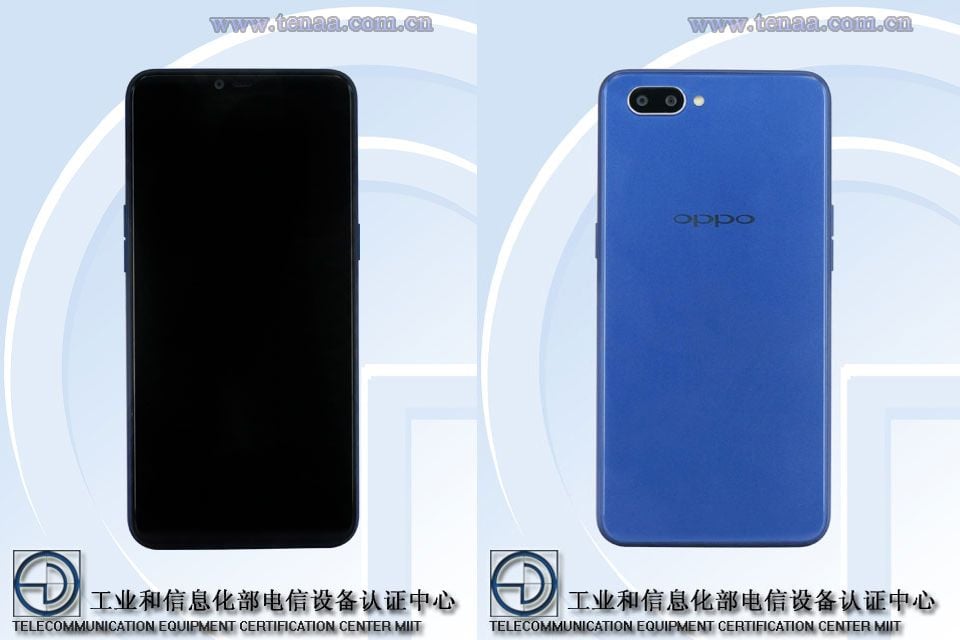
Xiaomi’s best selfie Redmi smartphone is here and it’s called the Redmi S2. The company has explained that the ‘S’ in the name stands for the ‘Selfie Series’ which kicks off yet another new sub-lineup in the company’s long list of smartphone releases. Xiaomi made it quite clear that the S2 is made for selfie lovers and it was no surprise that the initial half of the event was spent talking about its capable front shooter. It looks like the phone will compete directly with OPPO’s A3 and Vivo’s Y85 as the company compared these two with its new model multiple times during the event.
Usually, I would start the article with the design and other departments, but in this case, it’s best to talk about its front camera first.
Xiaomi Redmi S2 Front Camera & AI
If you are a selfie lover, Xiaomi has got you covered. The Redmi S2 is all about its front facing shooter. There’s a very good reason why Xiaomi is highlighting its front camera. It’s not just because of the hardware inside, but also the AI algorithms that ensure that your selfies turn out to be perfect.
On the hardware side, the Redmi S2 comes with a 16MP front shooter, which isn’t very big as compared to selfie centric phones of 2018 like the OPPO F7’s 25MP shooter. However, the front camera features large 2μm pixels which should deliver pretty good low light selfies. Well, to further aid its front camera in low light, you get a soft front flash as well, which Xiaomi claims mimics natural light.
Redmi S2’s AI Portrait Mode
On the software department, the Redmi S2 uses AI to perfect your selfies. There are two major AI modes, the AI portrait and AI beauty (makeup) mode which will ensure that you have beautiful selfies from its front camera. For example, the AI portrait mode can detect different aspects of a selfie to blur out the right areas. So, even if you are waving at the camera, the AI is smart enough to ensure that your hands aren’t blurred in the photo. Further, the AI makeup beauty mode will make sure that your lipstick, eye shadow and a lot of other features are given due highlight in your selfie, making it pop out well. And guess what, you get HDR on the front as well!
OPPO A3 vs Vivo Y85 vs Redmi S2
Now that we’ve talked about the ‘Selfie’ features of the Redmi S2, let’s move on to other departments.
Xiaomi Redmi S2 Design:
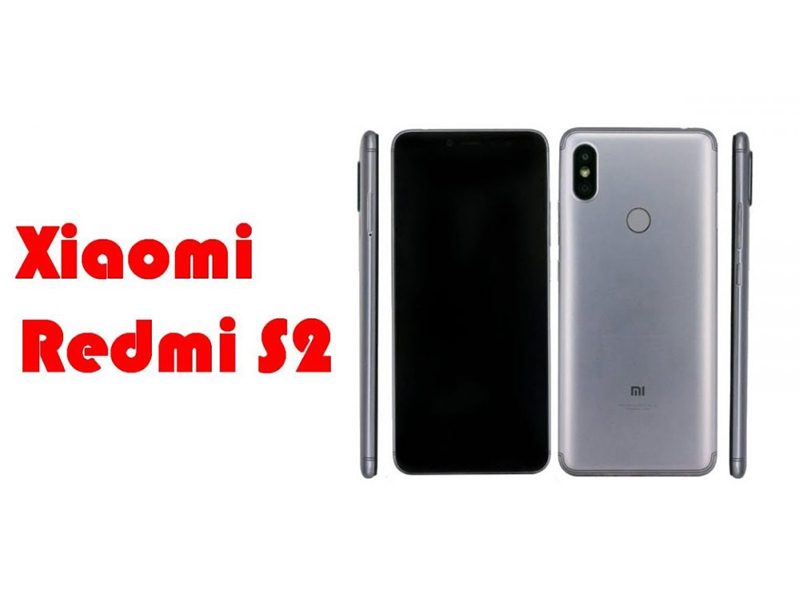
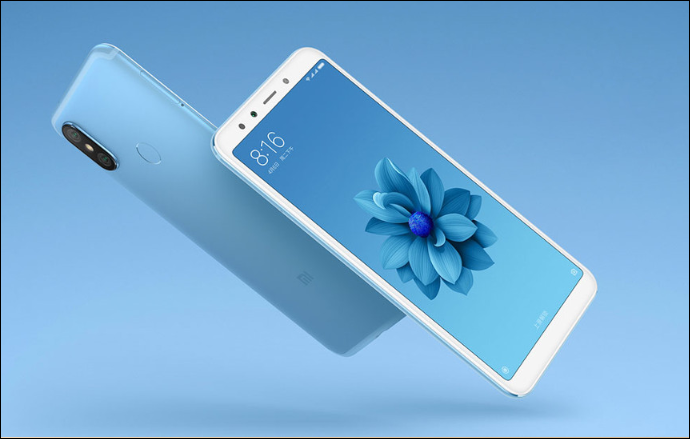
The Xiaomi Redmi S2 adopts the tall stature found on recent smartphones, thanks to its 18:9 5.99-inch display. The design is reminiscent of the recent Redmi phones, but the antenna lines are a bit different. The phone uses a 2 string U shaped antenna design, which could be inspired from OPPO’s R9S. If you remember, it had a three string design and was quite unique in its time. The back is made out metal and features a fingerprint sensor too. The bottom features a MicroUSB port and speakers, while the top has a headphone jack and infrared. There are three color options available, rose gold, platinum silver, and champagne gold.
Hoping to see a Red Redmi S2? Maybe we’ll get one later in the year.
Xiaomi Redmi S2 Hardware Specs:
Xiaomi Redmi S2 doesn’t have any surprises in this department. The phone features the tried and tested, kind of old, Snapdragon 625. Even in 2018, this particular Qualcomm chip manages to stand on its own as a capable processor for low-end mid-rangers. There are two storage variants available: 3+32GB and 4+64GB. If you find the ROM to be a bit low, just expand it using the dedicated MicroSD card slot (up to 256GB). The slot is similar to what we saw on the Redmi Note 5A, so you can use two SIM cards and a MicroSD card slot at the same time.
The display is of 5.99-inches with 18:9 aspect and 1440 x 720p HD+ resolution. To be honest, the display isn’t the phone’s biggest highlight. Coming to the rear camera, you get a 12MP + 5MP rear camera. The primary camera is said to be the same one used inside the Xiaomi Mi 6. The setup consists of a f/2.2 lens, PDAF, LED flash, facial recognition, AI portrait mode, and HDR.
Other features of the Redmi S2 include a 5V 2A 3080mAh battery, a rear placed fingerprint sensor, Face Unlock, Bluetooth 4.2, Infrared, and Wi-Fi n.
Xiaomi Redmi S2 Price:
The 3+32GB version of the phone will go on sale for 999 Yuan ($157) while the 4+64GB version will retail for 1299 Yuan ($204). The company will be throwing in a free TPU case with your purchase. The Redmi S2 will go on sale on May 17 on major online stores like mi store, Suning Tesco, Tmall, and even via offline stores in China.
The Redmi S2 by itself looks like a pretty good selfie focused phone. But if you are not a selfie fanatic, there are plenty of better options out there, even from Xiaomi. Redmi 5 Plus, Redmi Note 5 are all priced around the sub-1500 Yuan segment, so it looks like the S2 should cater to a niche audience in China.
We use cookies on our website to give you the most relevant experience by remembering your preferences and repeat visits. By clicking “Accept”, you consent to the use of ALL the cookies.
This website uses cookies to improve your experience while you navigate through the website. Out of these, the cookies that are categorized as necessary are stored on your browser as they are essential for the working of basic functionalities of the website. We also use third-party cookies that help us analyze and understand how you use this website. These cookies will be stored in your browser only with your consent. You also have the option to opt-out of these cookies. But opting out of some of these cookies may affect your browsing experience.
Necessary cookies are absolutely essential for the website to function properly. This category only includes cookies that ensures basic functionalities and security features of the website. These cookies do not store any personal information.
Any cookies that may not be particularly necessary for the website to function and is used specifically to collect user personal data via analytics, ads, other embedded contents are termed as non-necessary cookies. It is mandatory to procure user consent prior to running these cookies on your website.