The Black Shark Gaming Smartphone is a hotly anticipated device from one of Xiaomi’s funded companies. Earlier today, it was revealed that the phone will launch on April 13. That’s still 10 days away but you don’t have to wait that long to get a look at the device.
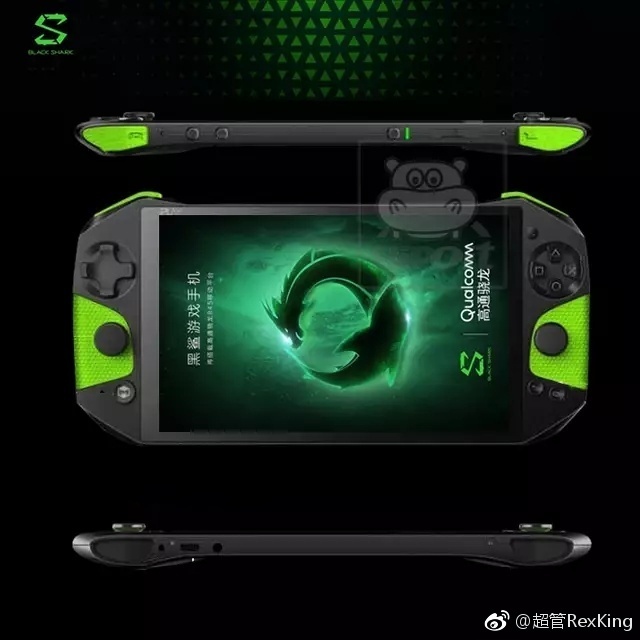
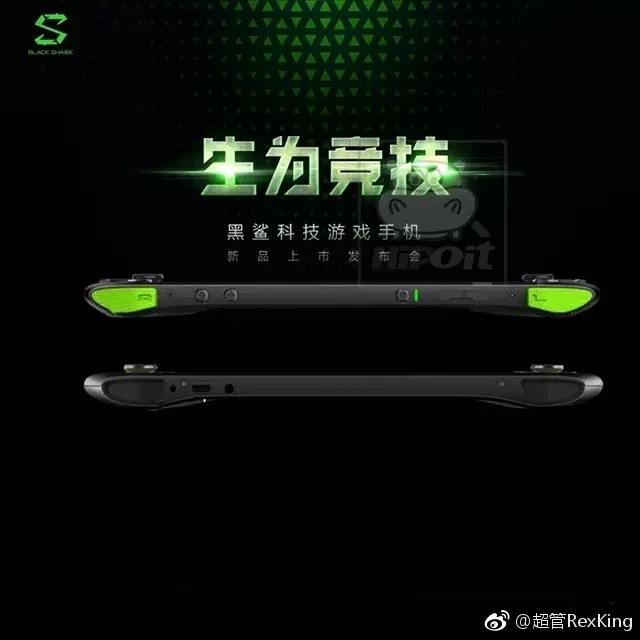
A user on Weibo has shared alleged promo photos of the Black Shark Phone. Combine the photos with some of the already leaked specs and there are only a few missing details including the price of the device.
The Black Shark Gaming Smartphone is black with a touch of acid green. The green color gives off a Razer vibe and can be found underneath the joysticks and on the trigger buttons. A LED beside the power button also has the same color.
The screen is wide enough for gaming and is flanked on the left by a D-pad, a joystick, and a smaller button we can’t make out its function. On the left are action buttons with the familiar triangle, square, circle, and X icons, another joystick and two unknown buttons.
The top of the Black Shark Gaming Smartphone is home to two shoulder buttons, volume control buttons, and a power button. At the bottom is a charging port and a 3.5mm audio jack.
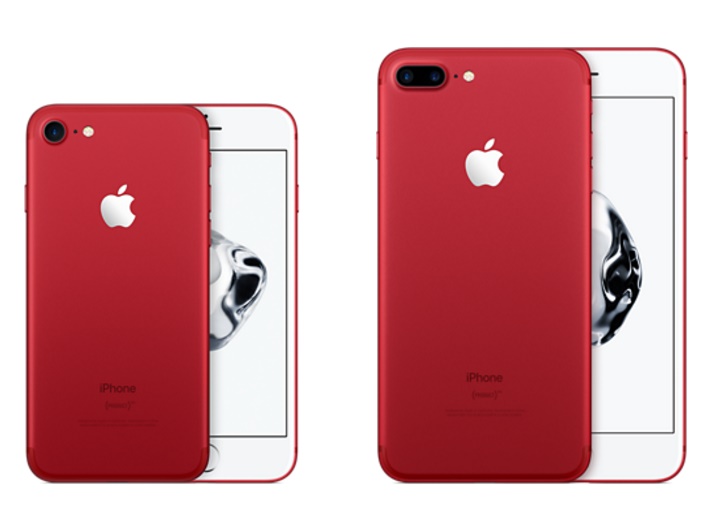
Remember the red iPhone 7 and iPhone 7 Plus? They made it to our list of favorite red phones for 2017. We hope to make another list for 2018 and even a list for blue phones too. We already have a few phones on the list already and we may be adding more soon. Unconfirmed reports say new red iPhone(s) is coming soon.
According to @OnLeaks, an unverified source “confirmed” that new red iPhone(s) is on the way and may be released this month. We don’t know if Apple is only releasing one new red iPhone or multiple. So we may get to see a red iPhone X, or a red iPhone 8/8 Plus or all three or just two. We do not know if Apple will be partnering with (PRODUCT)RED this time.
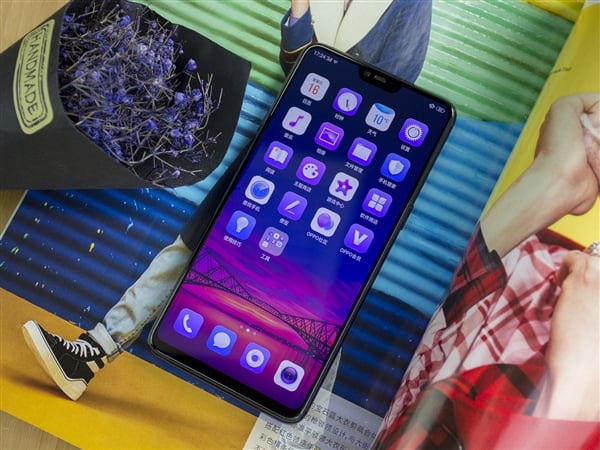
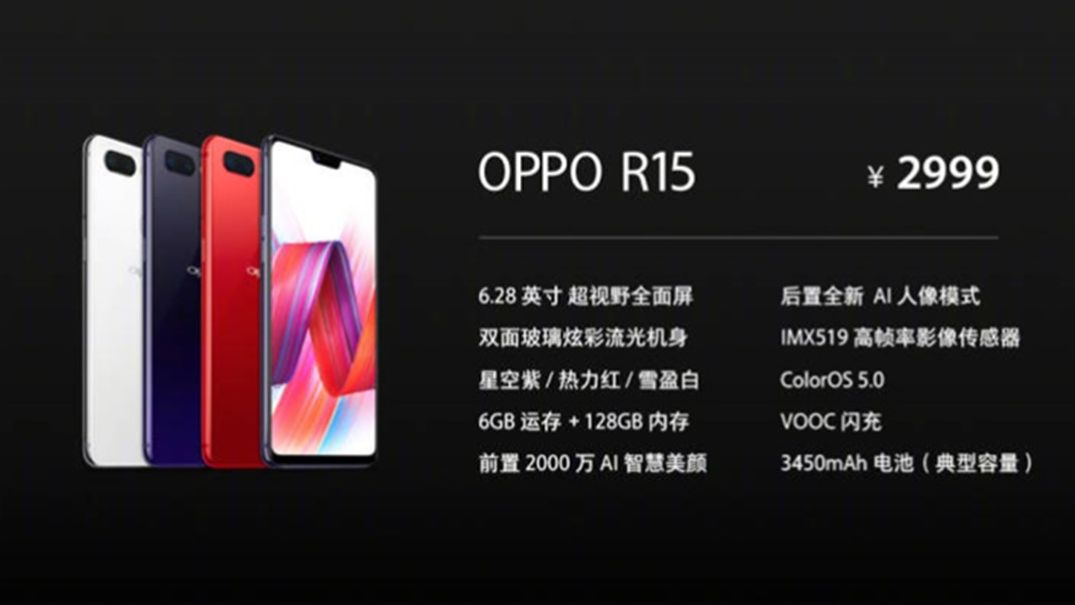
OPPO is among the top three phone makers in China presently in terms of smartphone shipments and still jostle for the top 5 spot in the global market. The company recently went official with OPPO R15 and R15 Dream Mirror Edition. Both new smartphones went on sale for the first time on April 1 and the official information from the BKK-owned OPPO indicates that the R15 has created a new sales record for the company in China.
A perusal of the opening day sales figures on the Jingdong, Tmall, and Suning showed a record sales exceeding that of the R11. However, we are not privy to the sales figures so as to make our independent analysis and comparison. OPPO’s models have always enjoyed good sales outing and the R15 seems not to be an exception. The trend has been a long streak right from the time of the OPPO R9. In January 2017, just two months after the R9S was released, OPPO revealed that it had sold almost 3 million units in China alone. The model was also crowned by Sino research as the top selling smartphone by a Chinese manufacturer. The first day sale of the R9s on Jingdong was broken by the R11 in just 40 minutes and the model did go on to record stunning feats in terms of sales volumes. That record may likely be shattered by the R15 considering its new design and amazing hardware lineup.
As a reminder, the OPPO R11 features a MediaTek Helio P60 chipset paired with 6GB RAM and 128GB storage on the topmost variant. The device pack a 3,450mAh battery with support for VOOC flash charge. The Dream Mirror edition is powered by a Snapdragon 660 chipset and comes in a Red and Ceramic Black variants. Another major feature of the R11 models is the use of a new 16MP Sony IMX519 sensor as its main camera sensor at the rear.
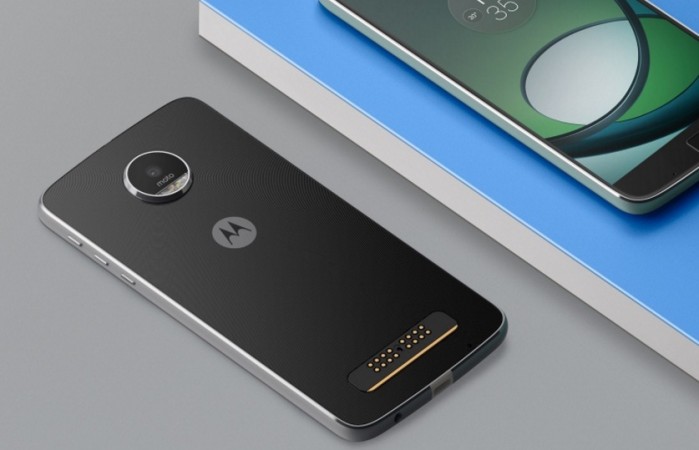
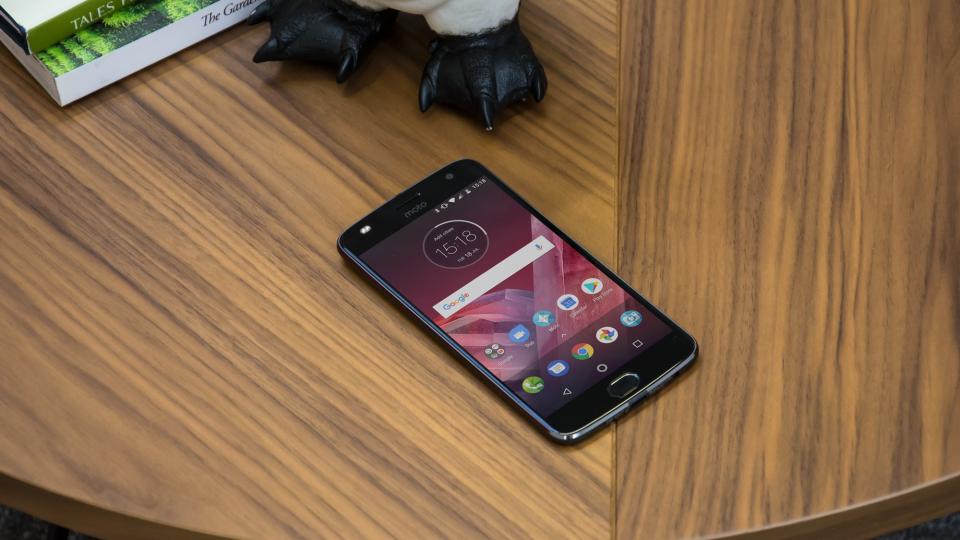
The Lenovo Moto Z2 Play is currently up for preorder on Banggood. The site is giving a considerable 20% discount on the black and gold color versions of the smartphone. Aside from that, we’ll tell you exactly how you can get an additional discount at the time of checking out.
The black color version bears a price tag of $382.99 on Banggood; however, you can now pre-order it for just $312. This is a considerable reduction in the device’s original selling price.
Likewise, the gold-tinted Moto Z2 Play has a retail price of $349.99 on Banggood, but now you can preorder it by shelling out just $279.99. But if that’s not a good enough reason for you to preorder the handset, here’s how you can get the smartphone without burning a hole in your pocket.
You can apply coupon code ‘4BGZ2P64’ in order to bring your grand total down to just $244.99. In other words, you end up saving $35 more apart from getting the discount offered by Banggood.
Alternatively, you can go for the black color version and save $35 by applying the aforesaid coupon code while checking out. This will reduce your grand total to $277.99.
However, it is imperative for you to bear in mind that the promo is slated to end soon. Moreover, the coupon code is likely to expire in due time as well. You can head straight to this link to take advantage of the discount and apply the coupon code before it ceases.
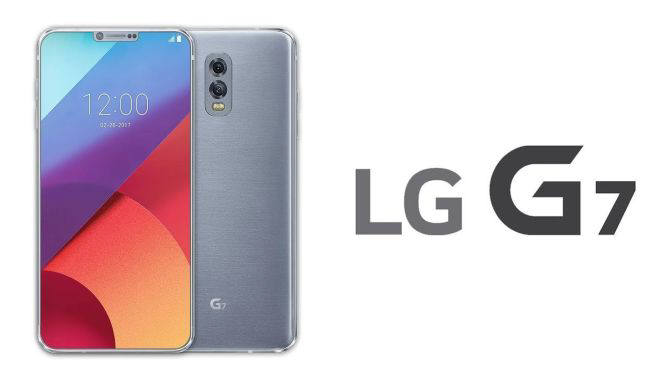
In February, LG had launched the LG V30S ThinQ smartphone packed with plenty of AI features as the improved version of the LG V30S from last year. A fresh tweet from well-known tipster Evan Blass reveals that the upcoming LG G7 would actually hitting the market as LG G7 ThinQ. Also, LG has confirmed to South Korean media that its next flagship phone will be announced by the end of this month and it will be hitting the shelves by mid-May.
The addition of “ThinQ” to the moniker of the LG G7 indicates that it will carry support for various AI features such as AI Cam and QLens. AI Cam can identify the subject and recommend the best shooting mode from options like portrait, food, pet, landscape, city, flower, sunrise and sunset. QLens can scan QR codes, bar codes and it is also rumored to support real-time language translation.
Recent reports have revealed that the right edge of the phone will feature the Power key whereas the left edge of the phone will be housing volume rocker and another physical button. The latter may provide quick access to Google Assistant, QLens and QVoice.
According to a South Korean publication, its next generation flagship will be announced in the home country in late April. Its reservations are expected to start one week later in South Korea and it is likely to hit the market in mid-May.
Rumors have revealed that the LG G7 will be featuring MLCD+ display that consumes 40 percent less energy than a typical LCD panel. Also, it is known for delivering up to 800-nits brightness. LG has confirmed to the South Korean media that since the smartphone will be featuring LCD panels instead of OLED, it will be carrying a cheaper price tag.
There are conflicting rumors about the dual camera setup of the LG G7. Some rumors have claimed that it will be fitted with f/1.6 aperture 16-megapixel dual rear cameras. However, others have claimed it could feature f/1.5 aperture dual camera sensors.
Like the V30S ThinQ and V30S ThinQ+, the 64 GB and 128 GB variants of the upcoming LG flagship may respectively arrive in the market as G7 ThinQ and G7 ThinQ+. The Snapdragon 845 mobile platform accompanied by 6 GB of RAM may power the phone. The South Korean company is also rumored to announce the LG Q7 mid-range phone alongside the LG G7 ThinQ.
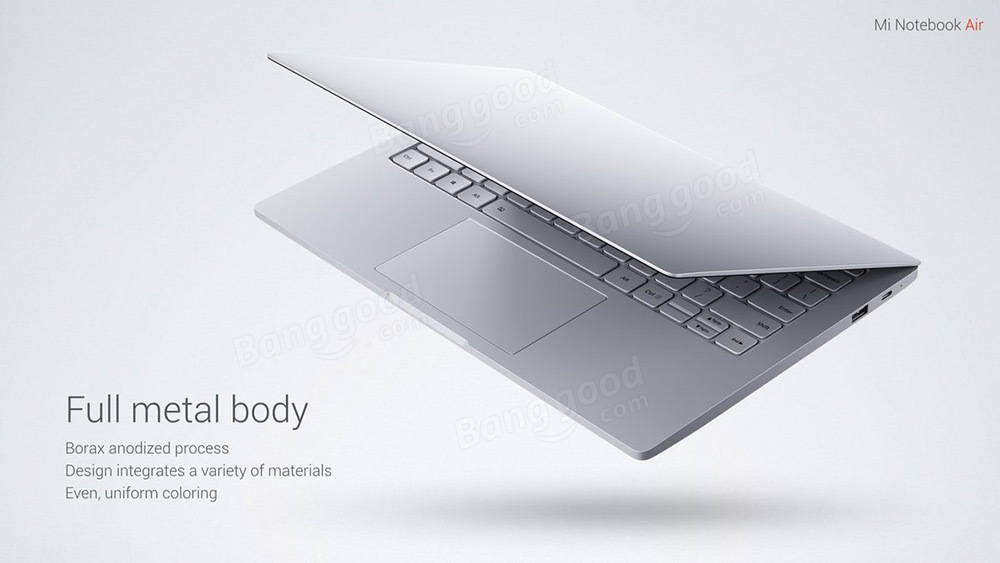
Equipped with a dedicated graphics card, the Xiaomi Mi Notebook Air is ideal for avid gamers who love 3D video games. Moreover, the device supports 3-screen display as well as dual 4K video playback.
On the downside, the Mi Notebook Air doesn’t come cheap. If you’ve restlessly been waiting to get your hands on a high-end gaming laptop without spending a lot of money, you’ve come to the right place.
The Xiaomi Mi Notebook Air normally sells for $1207.99 on GeekBuying, but much to the delight of cost-conscious buyers, the site is currently offering a 14% discount on the 8GB RAM/256GB ROM, Intel Core i5-8250U version of the gaming laptop.
In other words, you can now buy the Xiaomi Mi Notebook Air for $1038.99, but only for a limited period of time since the promo is on the verge of wrapping up. On top of that, we’ll even tell you how you can get an additional discount without breaking much of a sweat.
At the time of checking out, use coupon code ‘FUTXTUBE’ to save an extra $150. This brings your grand total down to only $1049.99.
Alternatively, you can use the coupon code, ‘GKBX92M’ while checking out in order to reduce your subtotal to just $1029.99. Simply by applying this coupon code, you end up saving $170.
It is imperative for you to bear in mind that the promo will end soon. Moreover, the Xiaomi Mi Notebook Air is likely to retain its original asking price once the promo ends and the coupon codes expire.
That being said, you can visit this link to take advantage of the promo and apply the coupon codes to save a considerable amount of money.
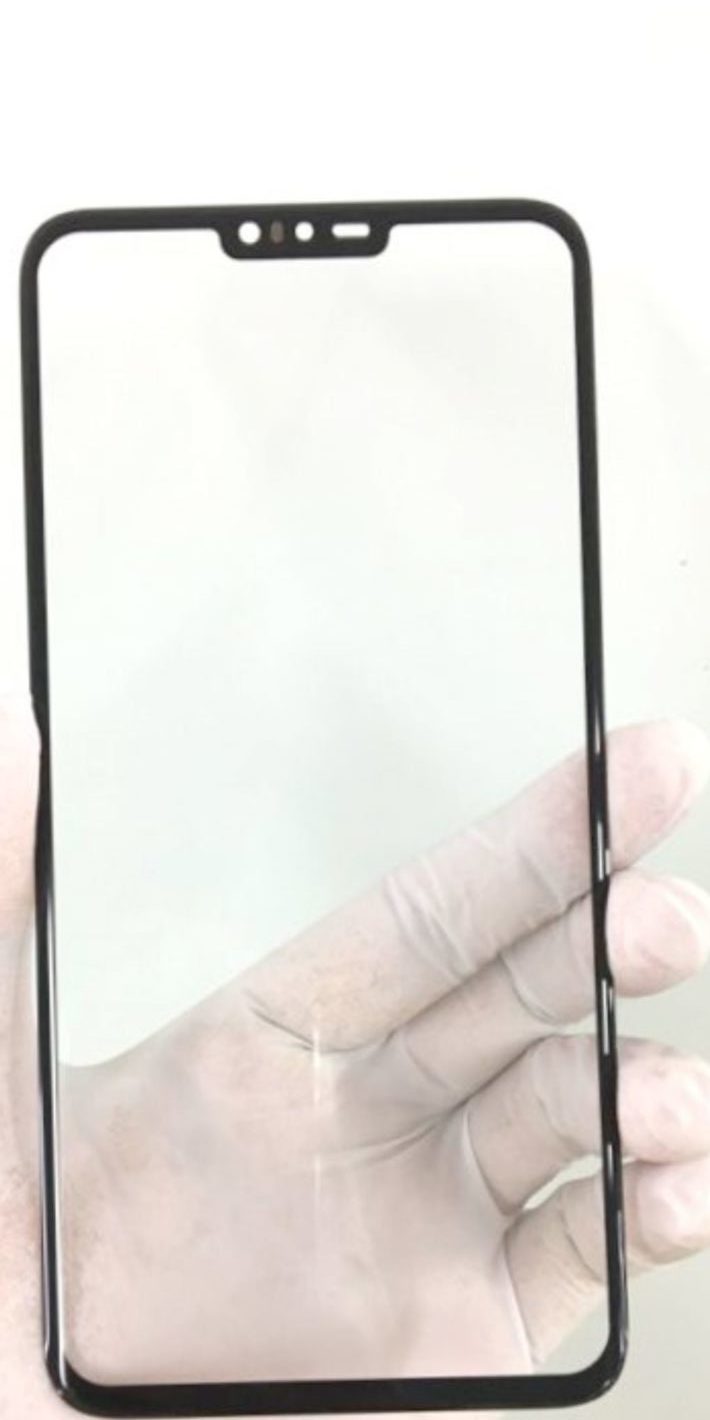
The LG G7 is expected to debut by the end of this month. Recent leaks have revealed that the smartphone would be equipped with a notched display. Today, an image of a front panel of the upcoming LG G7 has been shared by a tipster from Vietnam, the place where the South Korean company is said to be manufacturing the smartphone. The image reveals that the LG G7 will have a notch at the top and it will be offering a tall aspect ratio.
Recent reports have revealed that the LG G7 would be arriving with a 6.1-inch screen that will offer an aspect ratio of 19.5:9. It is speculated to support a high resolution of 3120 x 1440 pixels. As far as the display of the phone is concerned, a recent report had revealed that the smartphone would be available in LCD and OLED screen variants.
Rumors have it that the LG G7 with LCD display will actually feature a new kind of screen called M+ LCD (or MLCD+), a product by LG Display. Each pixel of the M+ LCD comprises of red, green and blue and white. Also, compared to the conventional LCD panel, it can emit more light and consume 40 percent less power. Recent reports have also claimed that the M+ LCD display of the LG G7 will produce brightness of up to 800-nits.
The Snapdragon 845 chipset is expected to power the LG G7. It is expected to arrive in 64 GB and 128 GB storage models that may respectively feature 4 GB and 6 GB of RAM. For photography, it may feature an f/1.6 aperture dual camera setup of 16-megapixel. Other speculated features of the LG G7 include IP68 certified chassis, HDR 10 support and 3,000mAh battery. Recent rumors claim that the LG G7 will be made official by the end of this month and it will be available for buying in May.
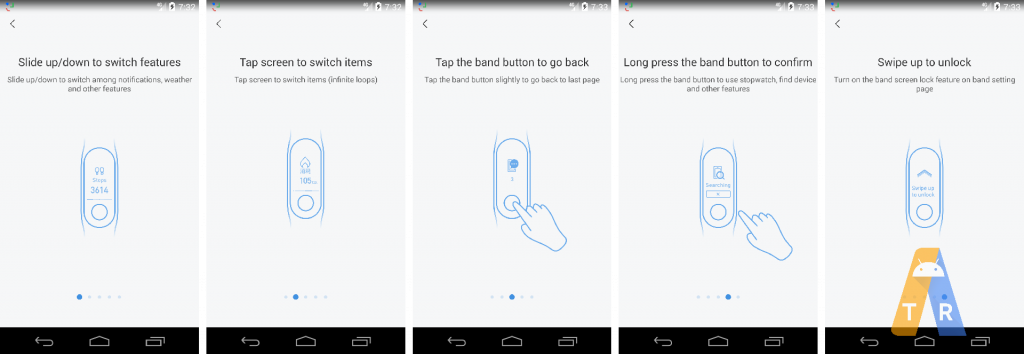
In the previous week, Huang Wang, the CEO of Huami Technologies had confirmed through a press meet that the company will be announcing the highly anticipated Xiaomi Mi Band 3 fitness tracker. Today, a leaked photo showing different screenshots of the Mi Band 3 fitness band has appeared. The leaked image reveals that Mi Band 3 will feature a touchscreen display and will carry support for some gestures.
As it can be seen in the first image, the Xiaomi Mi Band 3 will allow users to easily switch among notifications and other features by sliding up and down. Tapping on the screen will allow users to switch between different items through infinite loop.
Tapping the band’s capacitive key will allow users it use it as Back function to access the last page. Long pressing on the same key to confirm certain features like start searching for a device to pair or stop using the stopwatch and so on. Swiping up on the screen will let the users to unlock the Mi Band 3.
The source has claimed that the Mi Band 3 will be a significantly improved device than the Mi Band 2. This suggests that the device may house a colored display. Also, around a month ago, the Mi Band 3 had received Bluetooth SIG certification. It revealed that the device will carry support for Bluetooth 4.2. As of this writing, there is no information on the other specs of the Mi Band 3.
The Mi Band 2 was released in June last year as a successor for older Mi Band 1S and Mi Band fitness trackers. Hence, the Mi Band 3 is speculated to debut in the current quarter of 2018.
For the uninitiated, Huami Technologies is the company that manufactures AmazFit brand of fitness trackers and smartwatches and it also the maker of Xiaomi’s Mi Band fitness trackers.
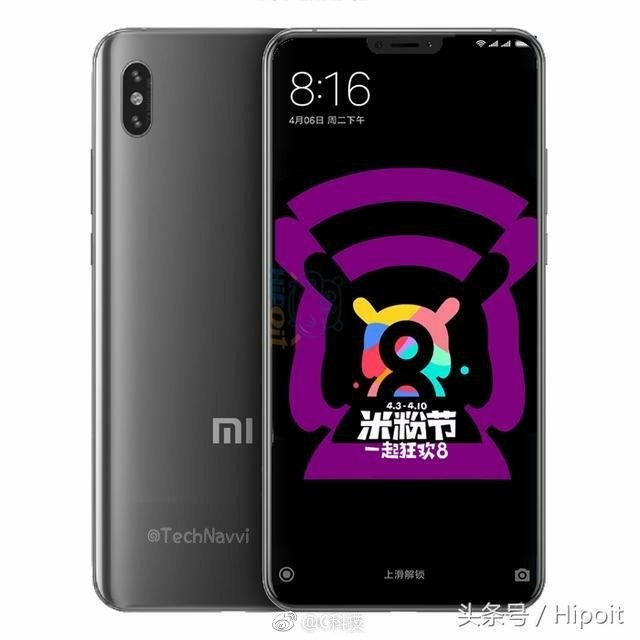
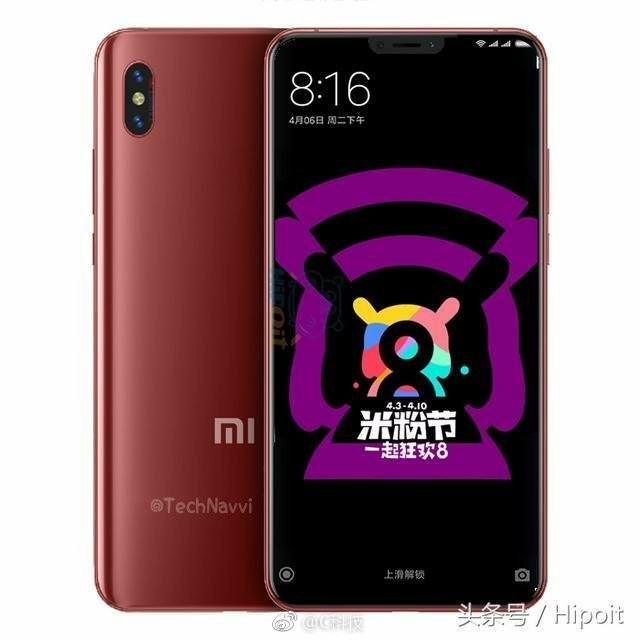
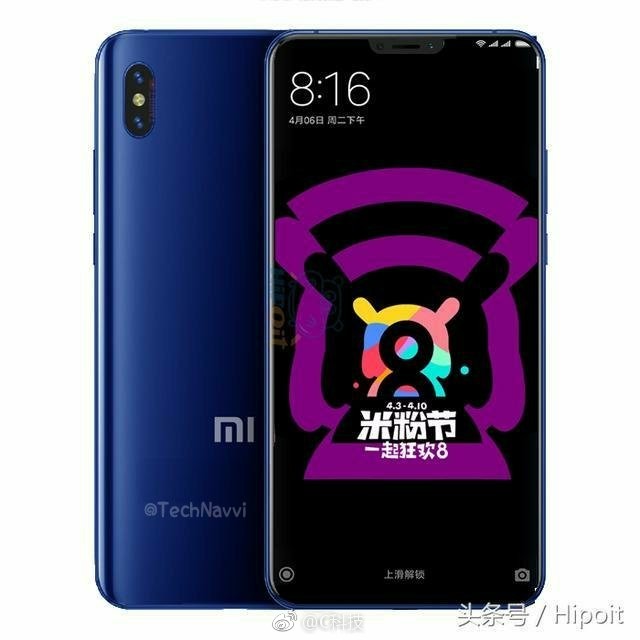
After launching the Mi MIX 2S smartphone last month, China-based Xiaomi is now gearing up to launch its next-generation Mi-series smartphone — Mi 7. The upcoming flagship smartphone’s realistic renders have surfaced online, revealing the phone’s design and a few features.
The leaked renders of the smartphone show that the Mi 7 will feature a notch on top of the display, similar to the Apple iPhone X. Further, it suggests that the phone will come with an under display fingerprint sensor, a technology introduced in Vivo X21 UD and Vivo Apex.
In the leaked render, there’s no traditional fingerprint sensor on the phone’s back panel or front. Also, no fingerprint sensor seems to have been placed on the side edges. Thus, it seems that the phone will come with an in-display fingerprint reader. We are also expecting the phone to come with a Face Unlock feature.
Unlike its predecessor, the smartphone will come with a metal back instead of the glass back panel. If this turns out to be true, then the Mi 7 will lack wireless charging support. If the Xiaomi Mi 7 supports wireless charging, it will either have a glass or ceramic back.
The earlier rumor revealed that the Mi 7 will support 7.5W wireless charging that is also available on Apple iPhone 8, iPhone 8 Plus and iPhone X smartphones. The company’s recently launched smartphone — Mi MIX 2S also supports wireless charging.
On the back panel of the Mi 7, the camera module is placed on the top-right side. It has a dual camera setup, with both lenses stacked vertically. An LED flash is placed between both the camera sensors. At the center-bottom, there’s a Mi branding. The volume rocker and the power button are placed on the right side.
The leaked render shows the smartphone in three colors — Grey, Red, and Blue. The company has not yet confirmed anything related to the upcoming flagship smartphone Mi 7. Since the company recently launched Mi MIX 2S, we expect the Mi 7 to launch after a couple of months.
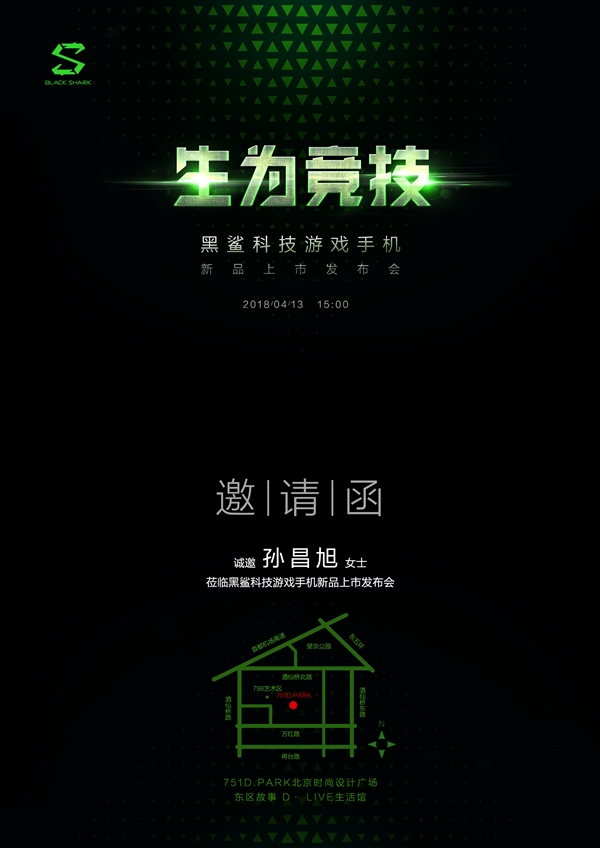
Black Shark Technologies, a recently established smartphone manufacturing firm funded by Xiaomi had recently confirmed that it would be soon unveiling a Snapdragon 845 mobile platform powered gaming smartphone. An official invitation poster that has surfaced today confirms that the Black Shark gaming phone would be launching on April 13.
The poster shown below invites Zhu Shangzu, a partner of Xiaomi’s investment department to the Black Shark event. This is a clear indication that the Xiaomi is backing the newly formed company. The invitation of the Black Shark’s upcoming gaming smartphone states that its launch event will be held on April 13 at 3 PM in China.
Plenty of details of the Black Shark gaming phone has already surfaced in the recent weeks. It was first spotted with “BlackShark” codename on AnTuTu around a month ago. It had also appeared on Geekbench with Snapdragon 845 SoC, 8 GB of RAM and Android 8.0 Oreo.
Leaked information that surfaced in the previous week had claimed that the handset would be arriving to the market in three variants such as 6 GB RAM + 128 GB storage, 8 GB RAM + 128 GB storage and 8 GB RAM + 256 GB storage. The Black Shark gaming phone will also carry support for Quick Charge 3.0 rapid charging technology. Like the Razer Phone, the Black Shark gaming phone is pegged to arrive with a 120Hz display.
As of this writing, there is no confirmation on the release date of the Black Shark gaming phone.
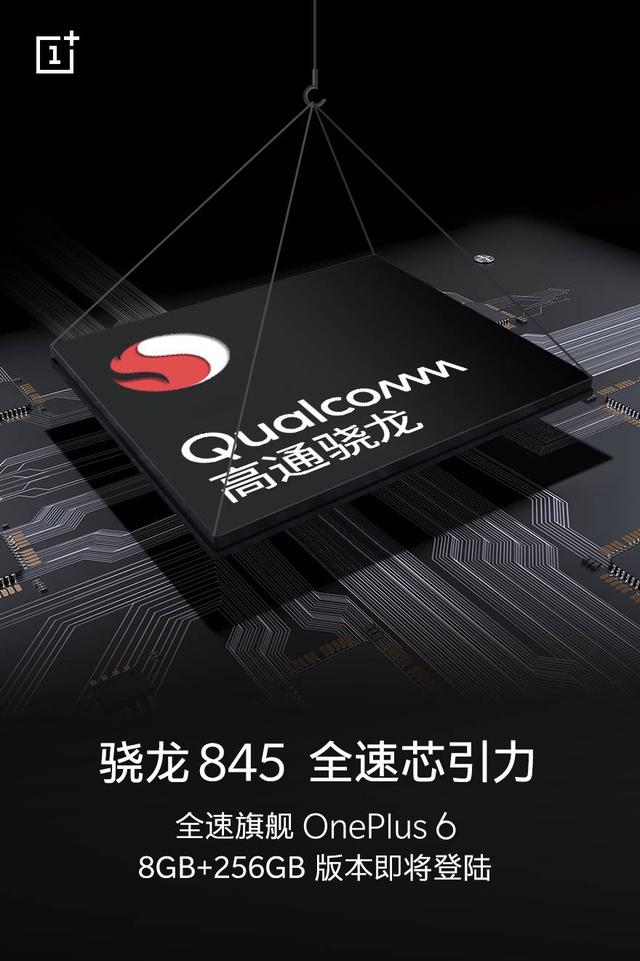
The OnePlus 6 is rumored to get announced as early as at the end of this month. It seems that the arrival of OP6 is getting closer since the company has released its first official teaser. Moreover, it has already released a poster that shows the key specs of the highest configuration variant of the OnePlus 6.
The new teaser released by none other than OnePlus CEO Pete Lau tells OnePlus fans to “6et ready” and it also carries the text “the speed you need.” The handset is already confirmed to feature the highly potent Snapdragon 845 mobile platform. Lau had recently confirmed that the OnePlus 6 would be arriving with a notched screen. A recently leaked image of the case of OnePlus also showed that the smartphone would be housing a vertical dual camera setup and a fingerprint reader on the back panel.
GizmoChina had recently reported that the OnePlus 6’s highest configuration model featuring 8 GB of RAM and an internal storage of 256 GB would be priced at 4,299 Yuan (~$697) in China. Today, the Chinese manufacturer has released a poster that reveals that the OnePlus 6 will be Snapdragon 845, 8 GB of RAM and 256 GB of storage. A leaked image from the previous month had revealed that the OnePlus 6 with the same storage, RAM and SoC would be coming to the U.S. with a price tag of $749.
The 128 GB and 64 GB storage variants of the OnePlus 6 are rumored to be respectively priced at 3,299 Yuan (~$525) and 3,799 Yuan (~$602). This could be the first time that OnePlus fans may see three storage variants of a OnePlus phone.
Lau had earlier claimed that the OnePlus 6 would be unveiled at the end of June. However, its recent teasers and its appearance at Wi-Fi Alliance and Geekbench suggest that it may get unveiled soon.
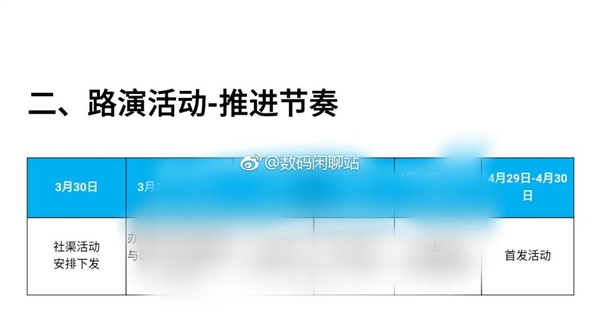
Meizu is gearing up to launch its anniversary edition smartphones, which includes Meizu 15, 15 Plus and 15 Lite. While everything related to the smartphones have already been leaked, the company has not yet announced the official launch date.
However, the latest report suggests that the Meizu 15 series smartphones will first go on sale in China from 29th April. Thus, we are now expecting the smartphone to get launched in the coming weeks.
According to the previous leaks, the smartphone will come with the traditional 16:9 aspect ratio display and not the trending 18:9 aspect ratio. The Meizu 15 is expected to feature a 5.46-inch Full HD display while the Meizu 15 Plus will come with a 5.95-inch 2K display.
Under the hood, the Meizu 15 Plus will be powered by Samsung Exynos 8895 processor with 4GB/6GB RAM and 64GB/128GB internal storage, while the Meizu 15 will be powered by Qualcomm‘s Snapdragon 660 processor and have 4GB/6GB RAM with 64GB/128GB onboard storage.
Both the devices — Meizu 15 and 15 Plus will feature the same camera configuration – 12MP + 20MP on the rear and 20MP on the front. Running on Android 7.1 Nougat operating system out-of-the-box, the phone will be powered by a 2,900mAh battery while the 15 Plus will pack 3,430mAh battery.
Along with this, the company will also be launching the Lite variant smartphone, which is said to come with a 5.46-inch display and powered by a 2.2GHz octa-core SoC but may not be the Snapdragon 660. The rear panel features a single camera but it has the same ring LED flash. The back is metal with a matte gold finish and visible U-antenna lines at the top and bottom.
It will come with 3GB, 4GB, and 6GB RAM variants with 32GB, 64GB, and 128GB of storage. Unlike the other two, there is storage expansion for an extra 128GB. Running on Android Nougat operating system, the smartphone will be powered by a 3000mAh/3050mAh battery.
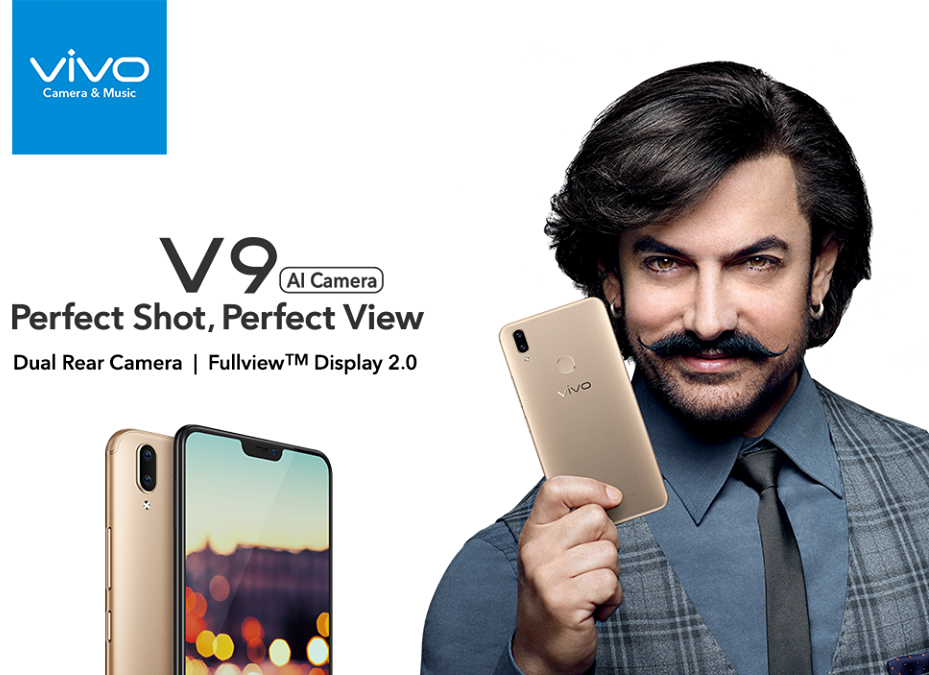
After launching Vivo V9 smartphone in India last week, the company put the phone up for sale in India today for the first time through its offline stores. Now, the phone will go on sale in India from 5th April through online as well as offline stores.
Earlier, the company had said that the Vivo V9 will be available for purchase online as well as offline. However, that was not the case as the phone was available through offline stores only, for a price of Rs. 22,900. The phone is still available for pre-orders through online retailers in India.
The Vivo V9 comes with a massive 6.3-inch IPS LCD FullView 2.0 display with 1.75mm slim bezels, 2280 x 1080 pixels screen resolution and 19:9 aspect ratio. There’s a layer of 2.5D curved Corning Gorilla Glass on top for protection from minor scratches.
Under the hood, the smartphone is powered by Qualcomm Snapdragon 626 processor that is clocked at 2.2GHz. The processor is coupled with 4GB of RAM and packs 64GB of internal storage. There’s also a memory card slot that supports up to 256GB of microSD card.
The device bears a dual rear camera setup at the back, consisting of a 16-megapixel primary sensor and a 5-megapixel secondary sensor coupled with f/2.0 and f/2.4 apertures, respectively and offers an ‘Ultra HDR’ mode. On the front side, it comes equipped with a 24-megapixel sensor with f/2.0 aperture.
Natural Light, Studio Light, and Monochrome are some of the AI feature made available on the front-facing camera. The Vivo V9 also comes with Face Access 2.0, which can be used to unlock the phone using facial recognition.
On the software front, the handset comes loaded with FunTouch OS 4.0 flavored Android 8.1 Oreo operating system. It also includes Game Mode, Picture-in-Picture mode and Split Screen mode. The smartphone receives power from 3,260mAh battery that unfortunately lacks fast charging capabilities.
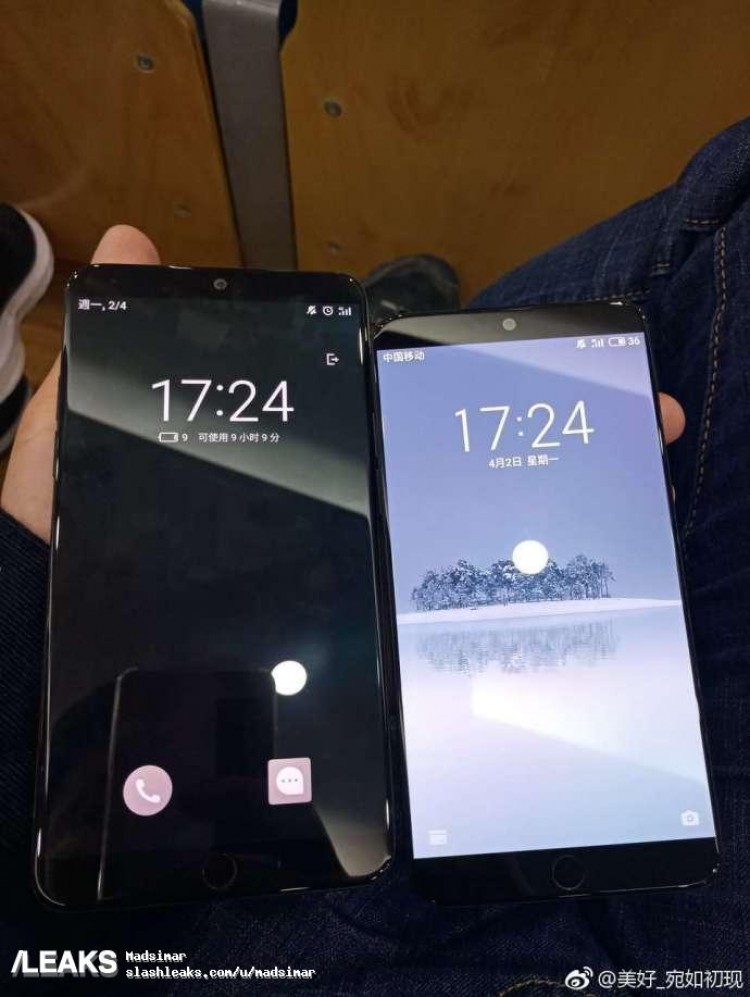
Last week, the Meizu 15 trio were seen on TENAA. Not only did we get to see the full specs, but we also got sample photos. If you want to feast your eyes on the real device, you can take a look at new live photos of the Meizu 15 Plus and Meizu 15 that have just surfaced online.
In the first image we see the Meizu 15 (R) and Meizu 15 Plus (L) side by side. Both have AMOLED displays with a 16:9 aspect ratio, but the Plus is larger at 5.95” as against 5.46” for the non-plus variant.
As shown by TENAA, there is a circle home button that doubles as the fingerprint scanner on both phones. At the same spot on the top bezel is the front facing camera, a 20MP sensor on the Meizu 15 and 15 Plus. Another photo shows just the front of the Meizu 15 with the screen unlocked.
[envira-gallery id=”182807″]
A third photo shows us the rear of the Meizu 15 Plus. We get a close look at the dual cameras – a 12MP + 20MP duo, and Meizu’s signature ring flash. The back is actually covered in glass with a brushed metal look. It is also reflective as there are light streaks visible on it.
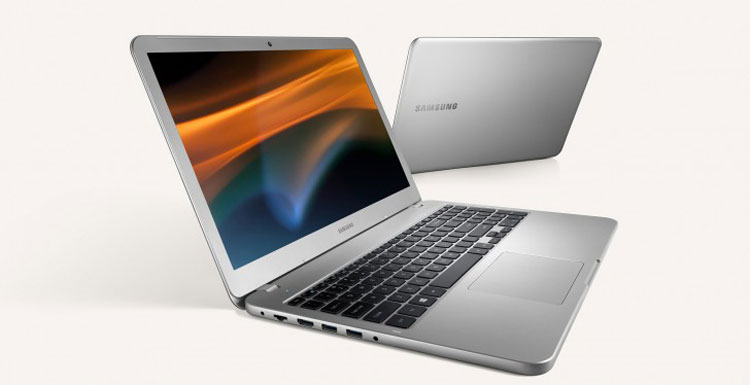
Samsung is not only about smartphones: the Korean giant has just announced three new laptops from the Samsung Notebook 3 and 5 series. These compact notebooks will not be sold at a very expensive price, but they will boast good specs, targeted at productivity. The first model belongs to the Notebook 3 series and it mainly distinguishes from the others due to its 14-inch display which can show images at an HD 720p resolution. It will be launched on the market in two variants which will differ for their CPUs. The cheaper will have a dual-core Intel 7th gen CPU, while the most powerful one will get a quad-core Intel 8th gen chipset. Both the versions will be equipped with an SSD and a 43 Wh battery.
Samsung Notebook 3 14″ will be 19.8 mm thin and it will weigh 1.68 kg. Samsung has also announced another laptop from the Notebook 3 series, but this one comes with a 15.6-inch monitor which has a 720p or a 1080p resolution depending on the variant that you will choose to buy. It comes in different versions with Intel 7th gen and 8th gen CPUs (dual-core and quad-core, respectively), an SSD, a 43 Wh battery and even a dedicated GPU: the Nvidia MX110 with 2 GB of dedicated memory.
At last, we got the Samsung Notebook 5 with a 15.6-inch monitor and a 1080p resolution. Even this one has been launched in two versions with Intel 8th gen quad-core and Intel 7th gen dual-core. Unlike the above-mentioned laptops, this one comes with an SSD and an additional hard disk which will give you more storage. Then, we got the Nvidia MX150 dedicated GPU and a 43 Wh battery. The weights of Notebook 3 15.6 and Notebook 5 15.6 are exactly the same: 1.97 kg. The laptops will be officially available to purchase in Korea starting from this month, while the global launch will happen sometime in Q2.
Xiaomi Mi Max 2 is definitely one of the most interesting Xiaomi releases of last year as it is the biggest device released by the company. But even though this is one of the most comfortable phones for productivity, it still haven’t received Android Oreo. The handset has been launched with Android Nougat and actually, it still runs Nougat customized with MIUI 8.5. But now, thanks to the most famous custom ROM, it is possible to install Android 8.1 Oreo on the phablet, which is the latest version of the operating system available if we exclude Android P Developer Previews.
An XDA Senior Member identified by the nickname ashwin007 has made a LineageOS 15.1 ROM based on Android 8.1 Oreo for the Xiaomi Mi Max 2. The ROM has not been made by the official LineageOS team and it does not meet the requirements of the official LineageOS, so you will not find this ROM on the official LineageOS ROM list. But, according to the developer, it is a stable ROM and almost everything works fine. Given that it is not an official update, if you want to try this ROM on your Xiaomi Mi Max 2 you have to flash it manually.
In order to flash LineageOS 15.1 based on Android 8.1 Oreo, you need to unlock the bootloader and flash the TWRP recovery mode. Then you need to flash the ROM and install the Google apps package called OpenGapps. To download the ROM, head to the link at the end of this article. At the moment, we still do not know when Xiaomi will decide to officially roll out Android Oreo on the Mi Max 2. Actually, the company is bringing MIUI 9.5 Global Stable update to 30 of its devices, but not all the handsets listed by the company will get an update based on Oreo.
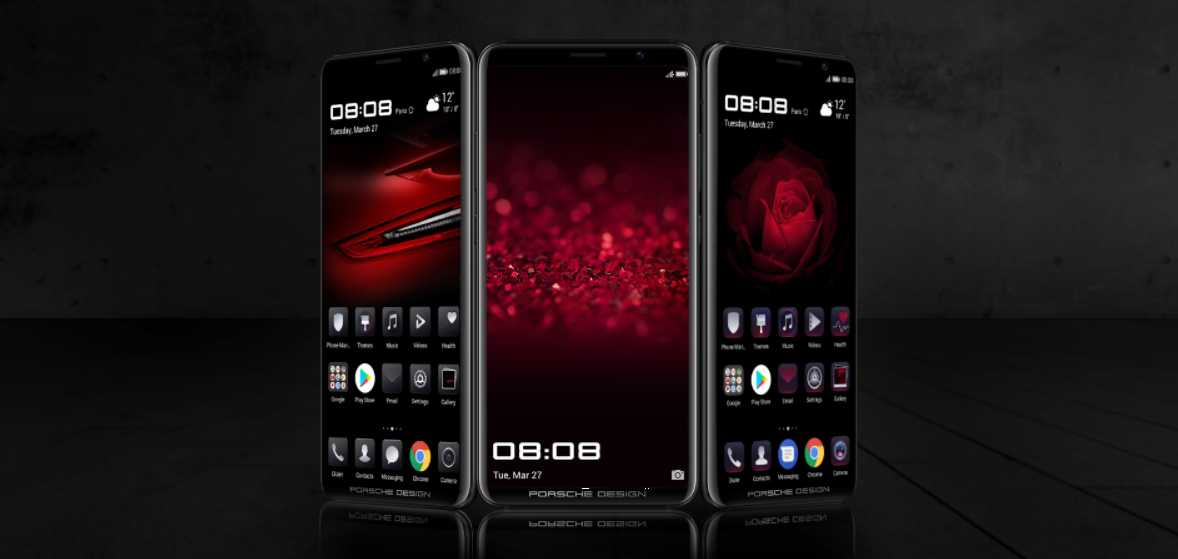
According to Korean industry reports, LG Display is supplying flexible OLED panels to Huawei for the first time ever. The displays supplied by the Korean giant are the ones of the new Mate RS flagship, which is actually the most powerful, innovative and expensive smartphone ever released by Huawei. It is a sort of crossover between the P20 Pro and the Mate 10 Pro, and its aesthetics have been realized in cooperation with Porsche Design. The panel supplied by LG Display is a curved edge-to-edge display with a size of 6 inches.
Unlike the P20 Pro, it does not have a notch and it shows images at a Quad HD+ resolution of 1440 x 2880 pixels, with an 18:9 aspect ratio. The flexible OLED display of Huawei Mate RS Porsche Design also features an in-screen fingerprint scanner just like the Vivo X20 Plus UD, thanks to the new chip unveiled by Synaptics. Even though there is an in-display fingerprint reader, the phone still sports an additional back-mounted fingerprint reader. The device has been launched with a starting price tag of about $2000 and it sports an octa-core Kirin 970 chipset, 6 GB of RAM and up to 512 GB of internal storage depending on the variant.
It even sports the same triple camera setup that you can find on the P20 Pro. The triple camera is composed of a 40 MP sensor with a f/1.8 aperture and OIS, a secondary sensor with a resolution of 20 MP (f/1.6) and a third 8 MP sensor (f/2.4). Currently, LG Display also supplies panels to LG Electronics and Xiaomi, while the OLED panel of the Apple iPhone X is supplied by Samsung. LG is expected to supply more OLED panels to Huawei in the future, even though more than 95 percent of the mobile OLED market is currently owned by Samsung. Huawei is actually the third smartphone brand in the world.
Google has partnered with a number of smartphone OEMs to release Android One powered entry-level smartphones since February this year. Fresh information that has appeared on an Indian publication states that the search engine giant is reportedly working on a mid-range edition of Pixel smartphone. It will be aimed towards India and other emerging markets.
India is one of the most important emerging markets in the world where there is tough competition between numerous brands in mid-range market. Google’s Pixel series of smartphones have always featured flagship specs, but new information reveals that the company is now prepping to launch a mid-range Pixel phone.
At least four senior industry professionals have stated that Google is planning to aggressively market its products in India to rival with Samsung, Apple and Amazon. According to them, the upcoming Google products that is expected to land in India include the mid-range Google Pixel phone, a new Google Pixel smartphone, premium Pixelbook laptop, Google Home smart speakers, and other smart products like doorbell, camera, alarm system, smoke detector and Google Wi-Fi in the next one year.
Trade meets were recently held in multiple locations such as Malaysia, the U.K and the U.S. in March. Some of the India retailers had also participated in these meetings. A leading retailer revealed that Google will be expanding its product portfolio in India along with Reliance Jio 4G and other mobile operators to realize the maximum potential of its products.
The executives have also revealed that Google would be releasing Google Home and Home Mini smart speakers to compete with Amazon Echo by the end of April. These speakers are expected to arrive with respective pricing of Rs. 9,999 and Rs. 4,499. They are expected to arrive with support for Hindi and 12 other regional languages.
The mid-range Pixel phone may hit India in July or August and the new Pixel phone with flagship specs may debut in India around Diwali season (November). As of this writing, there is no information available on the specs of this phone. There is a possibility that the budget-friendly Pixel phone may run on Android One. By releasing multiple products in India, Google aims to increase its offline presence and build its brand.
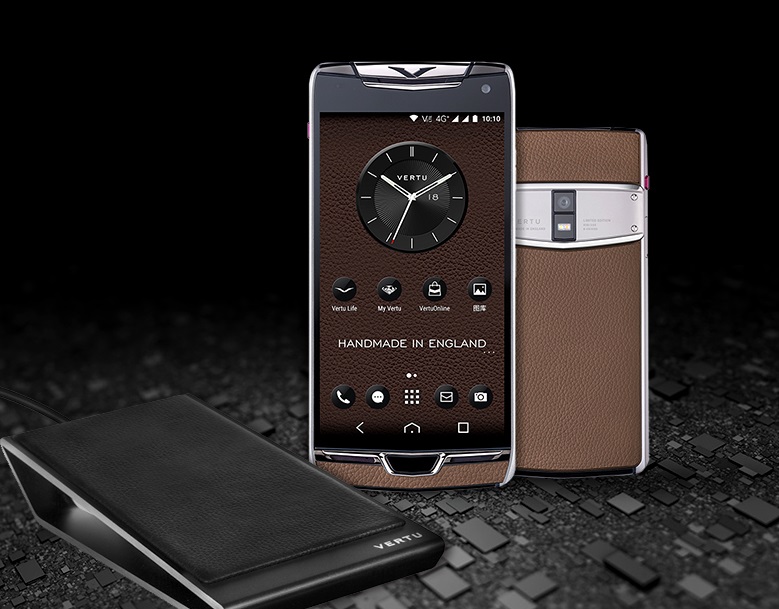
Before Vertu closed shop last year, it released the Constellation X in January. It was scheduled to go on sale in February but it didn’t. If you are still interested and have $6500 to waste, you can order for one starting April 12.
When the Vertu Constellation X was announced in January 2017, the specs were manageable but now, you are better off buying the Porsche Design Huawei Mate RS.
The Constellation X is a 5.5” phone with a QHD AMOLED display and a 140-carat sapphire glass covering it. There is a Snapdragon 820 processor with 4GB of RAM and 128GB of storage under the hood.
The primary camera is a 12MP sensor with a 1.55um pixel size. There is also a 4MP f/2.0 front facing camera. The phone runs Android Marshmallow, has NFC, a front-mounted fingerprint scanner, and dual front facing speakers.
It has a 3200mAh battery with support for Quick Charge via a USB-C 2.0 port. There is also support for wireless charging. The Vertu Constellation X is hand-crafted in England and is covered in Italian leather.
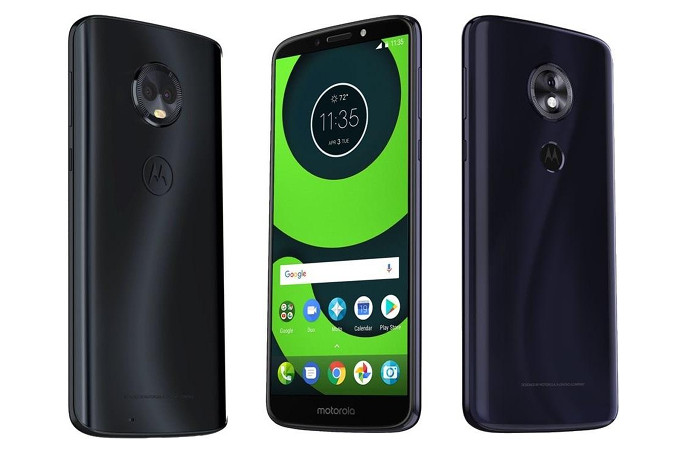
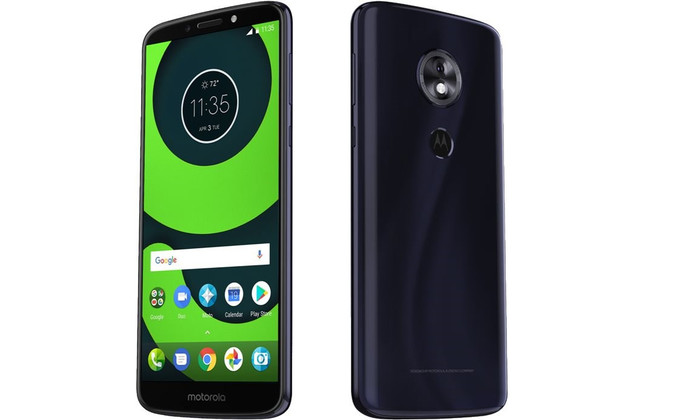
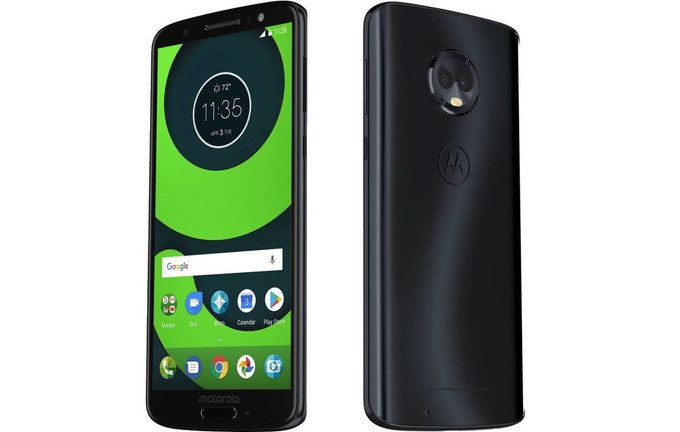
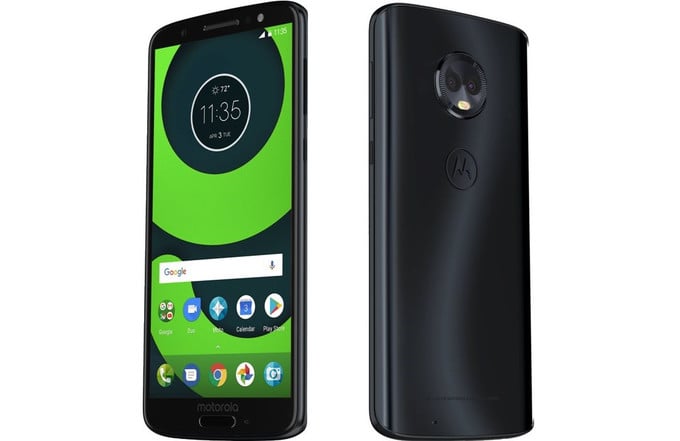
Rumors have it Lenovo-owned Motorola may launch the Moto G6 series in this month. Alza.hu, a retailer site from Hungary had recently listed the Moto G6, Moto G6 Plus and Moto G6 Play smartphones. The listings of these phones do not contain any information on their pricing. However, the Hungarian retailer has revealed the entire specifications of the upcoming G6 series.
Moto G6 Play
The Moto G6 Play is the lowest configuration phone in the Moto G6 series. It features a 5.7-inch IPS LCD display supports HD+ resolution of 720 x 1440 pixels as it offers an aspect ratio of 18:9. It is fueled by Snapdragon 430 mobile platform. Its 16 GB and 32 GB storage models include 2 GB and 3 GB of RAM. It also features a microSD card slot. As the above image shows, it does not feature a front-mounted fingerprint scanner. It seems to be embedded under the company’s logo on the rear side of the phone.
It has an LED flash enabled rear camera of 12-megapixel. The front-facing 5-megpixel camera is also coupled with an LED flash. Its other features include Android 8.0 Oreo, single-SIM/dual-SIM variants, 4G VoLTE, Wi-Fi 802.11 b/g/n, Bluetooth 4.2, GPS and 4,000mAh battery with fast charging support
Moto G6
The Moto G6 features a 5.7-inch IPS LCD display that delivers an aspect ratio of 18:9 and Full HD+ resolution of 2160 x 1080 pixels. The handset measures 154.5 x 72.2 x 8.3mm and weighs 162.3 grams. It features a front-mounted fingerprint reader.
The Snapdragon 450 mobile platform is present under the hood of the G6. Its 32 GB and 64 GB storage models are respectively packed with 3 GB and 4 GB of RAM. For additional storage, it features a microSD card slot.
The rear-mounted dual camera setup that includes a 12-megapixel sensor and a 5-megapixel secondary sensor is coupled with an LED flash. It has a front-facing 16-megapixel camera that is accompanied by an LED flash. Its other features are Android 8.0 Oreo, single-SIM/dual-SIM variants, 4G VoLTE, Wi-Fi 802.11 b/g/n, Bluetooth 4.2, GPS and 3,000mAh battery with Turbo charging.
Moto G6 Plus
The Moto G6 Plus is the most advanced phone in the G6 series. It has a 5.93-inch IPS LCD display that supports FHD+ resolution and 18:9 aspect ratio. It also features a front-mounted fingerprint reader. The Snapdragon 630 chipset that powers the Moto X4 smartphone from last year drives the G6 Plus. Its 32 GB model has 4 GB of RAM whereas the 64 GB model has 6 GB of RAM. For additional storage, it houses a microSD card slot.
It is packed with the same LED enabled 12-megapixel + 5-megapixel dual camera setup and 16-megapixel front-facing camera with LED flash that are found on the Moto G6 phone. Its remaining features include single-SIM/dual-SIM variants, 4G VoLTE, Wi-Fi 802.11ac (2.4 GHz and 5 GHz), Bluetooth 5.0 LE, GPS, GLONASS and 3,200mAh battery with Turbo charging.
The listings of the Moto G6 phones also show that they will be available for buying from April 3. However, Motorola is yet to confirm on the launch date of the Moto G6 series.
We use cookies on our website to give you the most relevant experience by remembering your preferences and repeat visits. By clicking “Accept”, you consent to the use of ALL the cookies.
This website uses cookies to improve your experience while you navigate through the website. Out of these, the cookies that are categorized as necessary are stored on your browser as they are essential for the working of basic functionalities of the website. We also use third-party cookies that help us analyze and understand how you use this website. These cookies will be stored in your browser only with your consent. You also have the option to opt-out of these cookies. But opting out of some of these cookies may affect your browsing experience.
Necessary cookies are absolutely essential for the website to function properly. This category only includes cookies that ensures basic functionalities and security features of the website. These cookies do not store any personal information.
Any cookies that may not be particularly necessary for the website to function and is used specifically to collect user personal data via analytics, ads, other embedded contents are termed as non-necessary cookies. It is mandatory to procure user consent prior to running these cookies on your website.

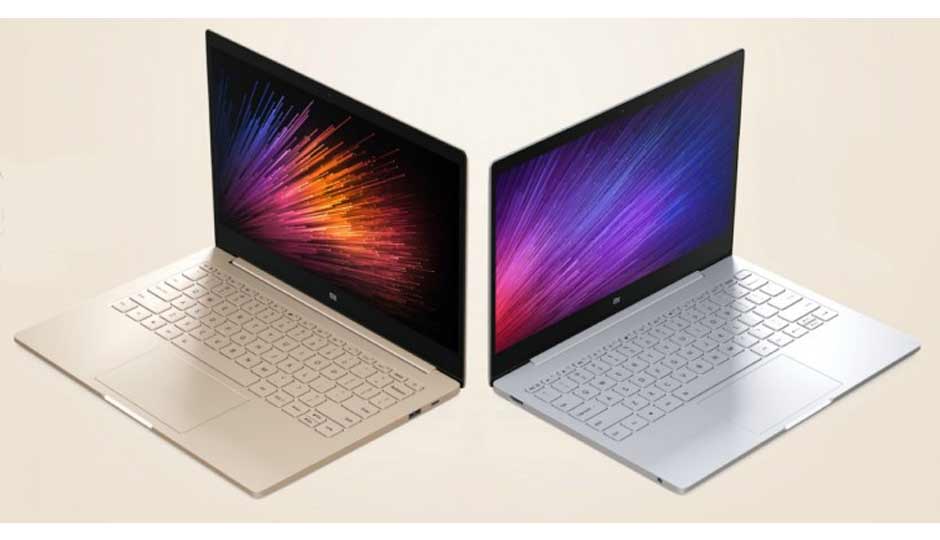 Equipped with a dedicated graphics card, the Xiaomi Mi Notebook Air is ideal for avid gamers who love 3D video games. Moreover, the device supports 3-screen display as well as dual 4K video playback.