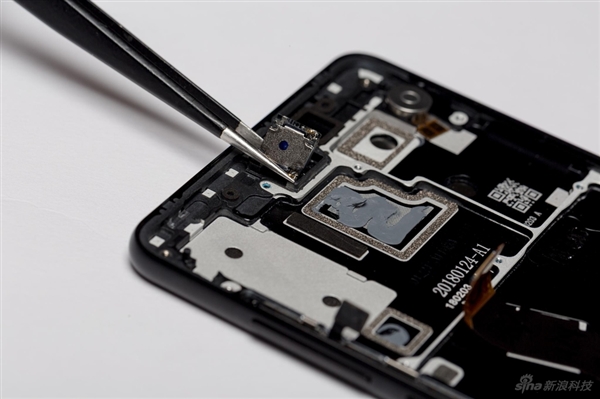
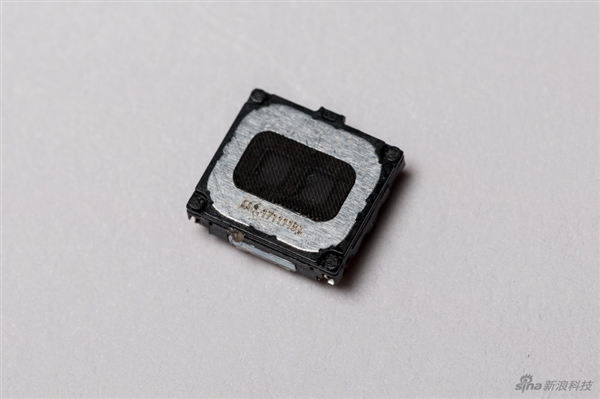
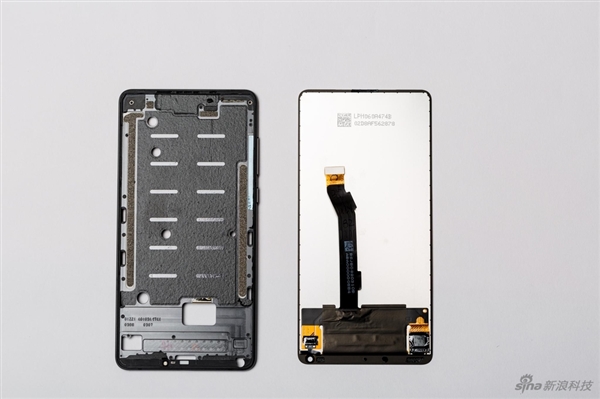
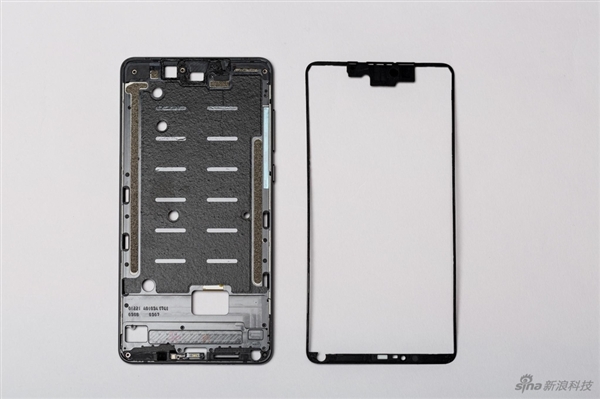
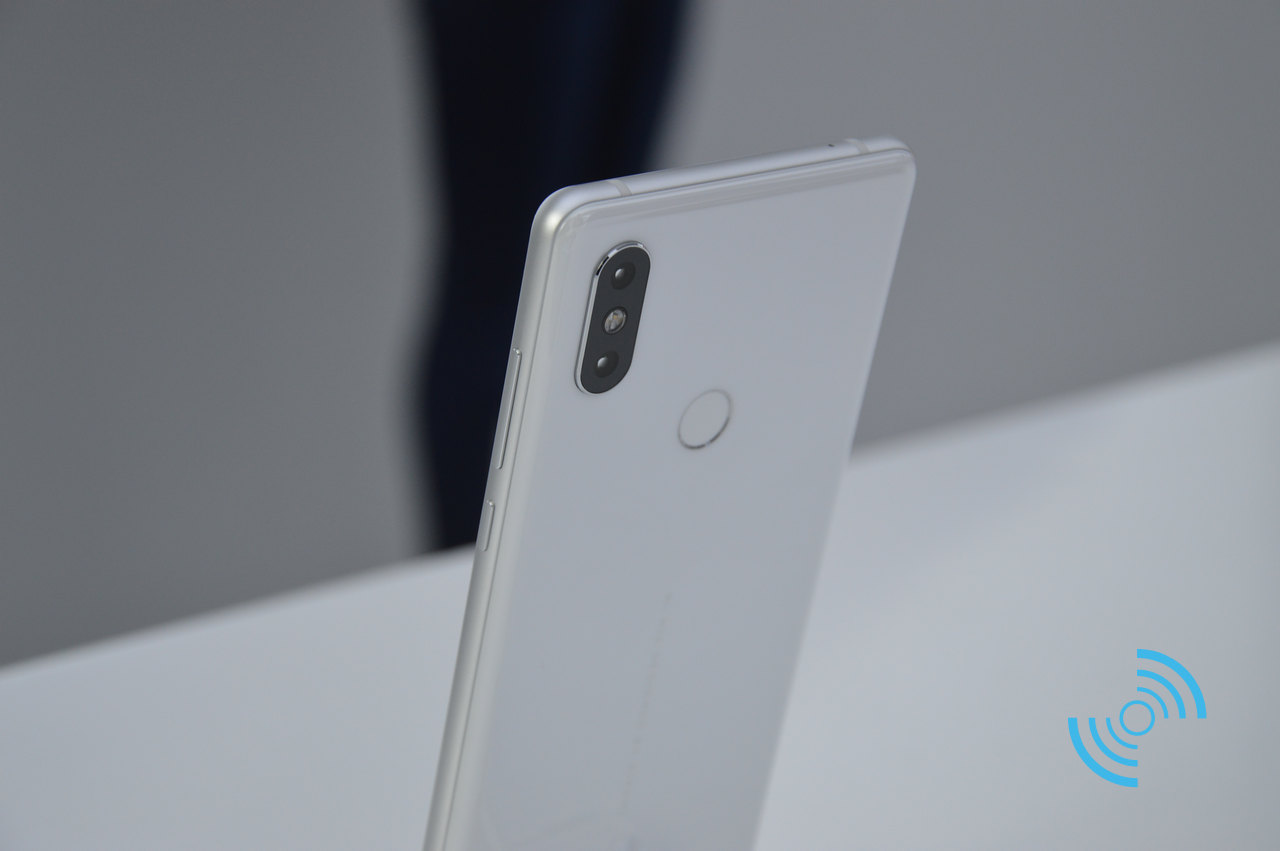
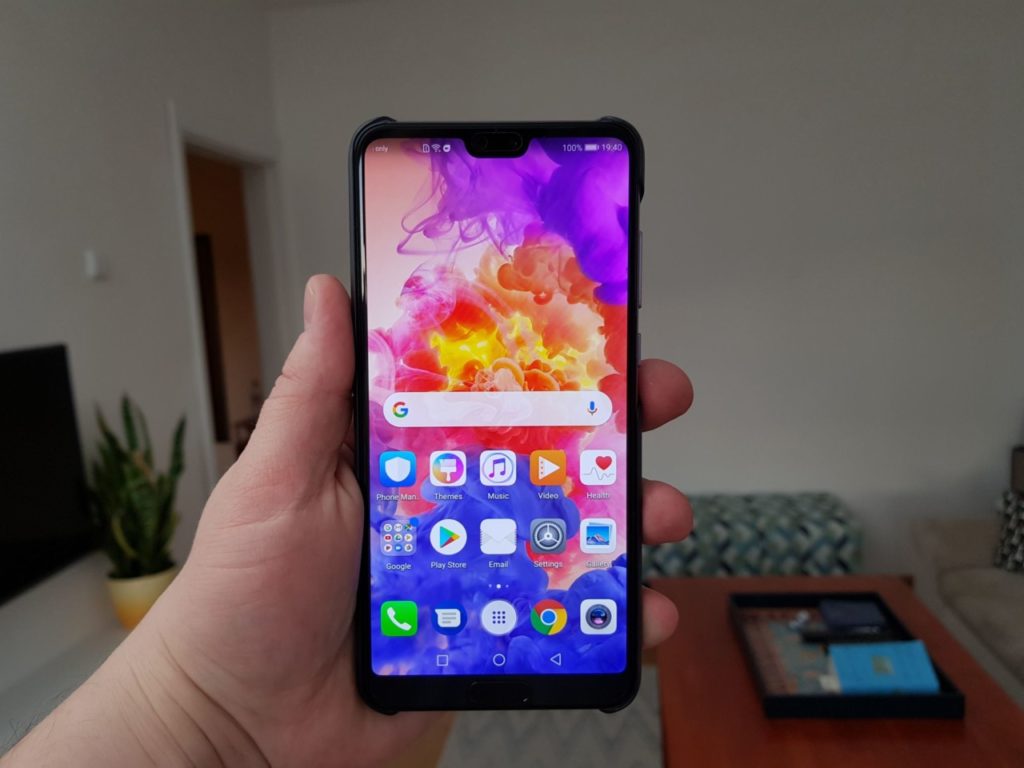
Black Shark Technologies, a newly formed smartphone manufacturing company, funded by Xiaomi, is soon going to launch a gaming smartphone. Now, the phone’s specifications have been leaked online, which is in line with the previous leak.
The smartphone will be available in three memory configurations — 6GB RAM with 128GB internal storage, 8GB RAM with 128GB onboard storage and 8GB RAM with 256GB internal storage. The company has already confirmed that the phone will be powered by Qualcomm‘s Snapdragon 845 processor, which powers most of the flagship smartphones launched this year so far.
Further, the report suggests that the phone will also support Qualcomm’s Quick Charge 3.0 fast charging technology. Specifications-wise, the smartphone seems very much similar to the Xiaomi Mi MIX 2S launched earlier this week. On the back of the phone, the company’s Black Shark branding will be there.
The device is expected to be running on Android 8.0 (Oreo) operating system out-of-the-box. While there is no more information available at this time regarding the phone’s display, the phone might come with a 120Hz display in order to compete with the Razer Phone that was released last year.
As of the phone’s launch, the phone is expected to get launched ahead of Xiaomi’s upcoming flagship smartphone — Mi 7. The phone, which will go on sale in the first half of this year, could get launched next month.
Last week, the company had revealed that the phone will come with “Shark Space” — a feature that is similar to the Game Center feature. Recently, Black Shark’s chief executive officer announced a lucky draw contest in which the company will select 3 lucky winners on 30th March who will then receive Black Shark gaming smartphone.
The company recently signed a cooperation agreement with JD.com for sales and promotions. Apart from Black Shark, ASUS and ZTE’s Nubia is also expected to launch a gaming smartphone.
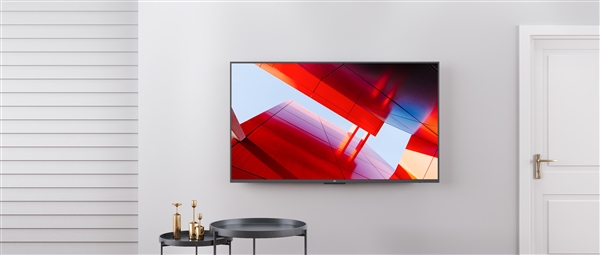
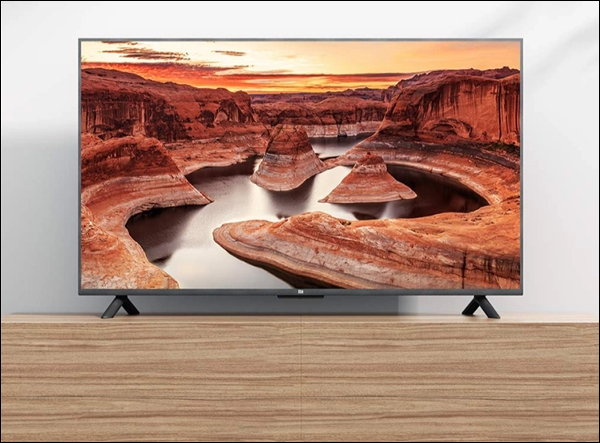
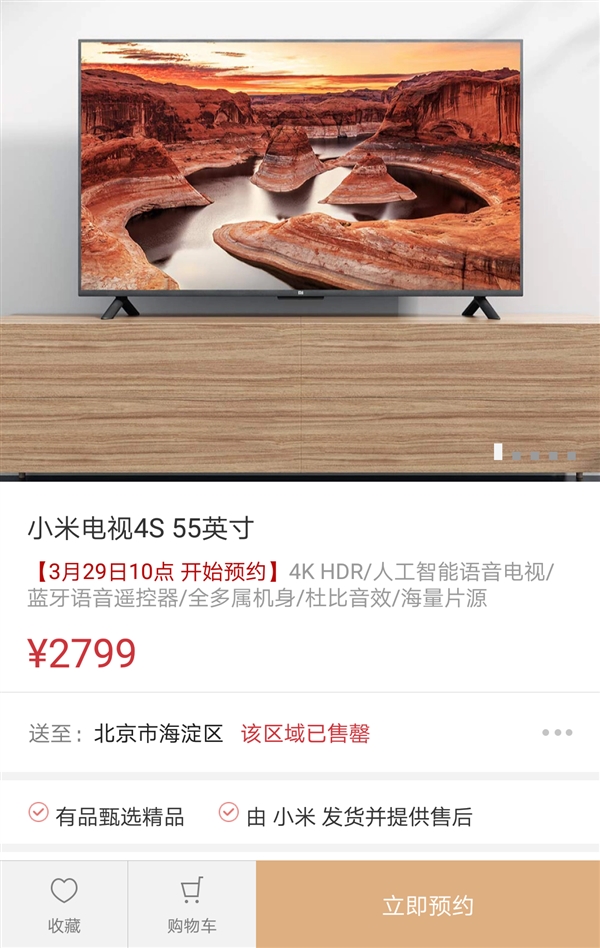
Xiaomi Mi TV 4 series include the Mi TV 4, Mi TV 4A and Mi TV 4C. Now, Xiaomi has added a new Mi Tv 4S model to the pack. The Xiaomi Mi TV 4S was launched alongside the 50-inch Mi TV 4C and comes sporting a 55-inch display screen. The new TV 4S also comes with a 2,999 Yuan ($477) price tag.
A number of Xiaomi products usually come with an “S” variant like the Mi Mix 2S and this signifies a close identity with the initial model, in this case, the Mi TV 4 but with some slight improvement in design and hardware. The Xiaomi Mi TV 4S 55-inch comes with a 4K screen resolution with a direct-lit backlight just like the Mi TV 4A. The device also comes with an 8ms dynamic response which is higher than the 6ms response time of the Mi TV 4A. The device also comes with an all-metal body.
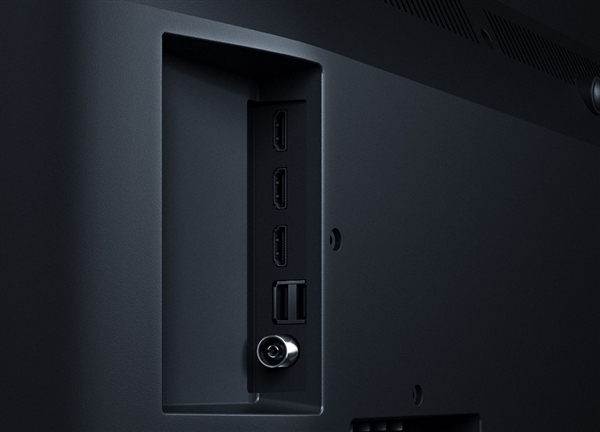
The Mi TV 4S also utilise the Amlogic T962 processor equipped with a quad-core A53 architecture clocked at 1.5GHz while the graphics is powered by a Mali-450 MP5 (450MHz) GPU. The processor is paired with 2GB of RAM and there is 8GB of storage onboard. This is similar to the hardware configuration of the Mi TV 4A. However, the interface on the TV 4S is located at the side. This interface includes three HDMI ports, two USB ports, one network ports, etc. The smart TV also supports HDR, Dolby sound and has a 28W speaker output (4A is 6W). There is also a standard Bluetooth remote control, PatchWall artificial intelligence voice system, and many more.
The XIaomi Mi TV 4S will go on sale from April 3 but is already open for reservation on Mi.com. The rice one again is 2,999 Yuan ($477), including shipping and this is 400 Yuan higher than the Mi TV 4A (55 inches) priced at 2599 Yuan ($413). The major difference is the metal body, the repositioned interface location and a more powerful speaker.
We all will have to begin saying goodbye to goo.gl as Google has revealed that it will be turning down support for the URL shortener starting from March 30, 2018. The tech giant also disclosed that from April 13, 2018, the goo.gl console will only be open to existing users to create short links. Existing users will also be able to view your analytics data and download your short link information in CSV format for up to one year, until March 30, 2019, when the service will be fully discontinued.
Not to worry though, previously created links will continue to redirect to their intended destination. Google suggests creating FDLs from now on or using other shortening services like Bitly and Ow.ly. FDLs are smart URLs that allow you to send existing and potential users to any location within an iOS, Android or web app.
Google URL Shortener, also known as goo.gl, is a URL shortening service which was launched in December 2009. The service was initially used for Google Toolbar and Feedburner but Google later launched a separate website goo.gl which was opened up to the public in September 2010.
Lenovo owned Motorola should announce the new Moto series in Q2 2018. There have been lots of leaks in the last 2 months and we already have an idea of what to expect. However, American online store, Frys, already has the Moto G6 and Moto G6 Play listed with lots of new information about both devices.
Moto G6
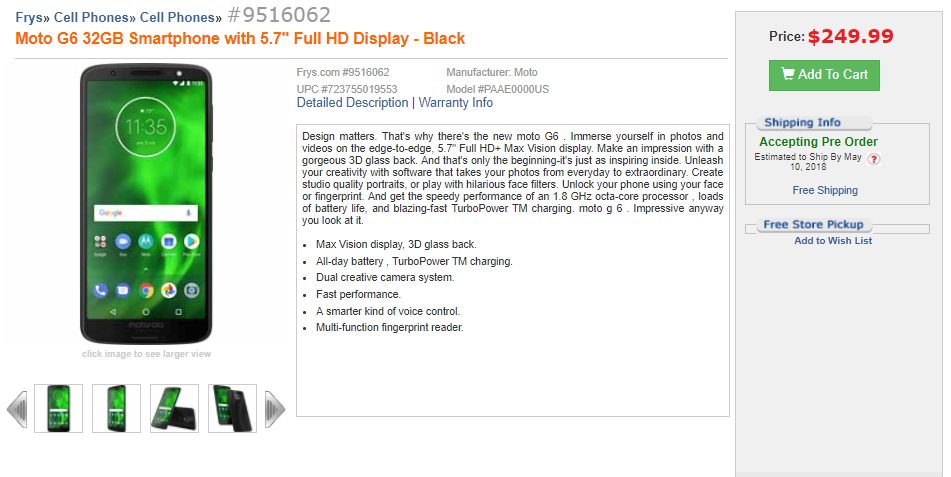
For the 6th-gen Moto G, Lenovo is switching to the trending 18:9 display and it has dubbed it Max Vision. The one on the G6 is 5.7” with a Full HD+ display with Gorilla Glass protection.
The back of the G6 has also gotten a redesign. Gone is the metal back and in its place is 3D glass. But not all has changed in the new Moto G6. For instance, it still comes with the series’ signature water-repellent coating.
The Moto G6 packs dual rear cameras but Frys doesn’t mention the pixel count for the sensors. It does say the front camera is an 8MP sensor with its own flash and also goes into detail about the new features of the camera software.
Selective focus and selective black and white are some of the old features that make a comeback but the new features are cool too. You can now add face filters in real time or pick a single color to pop while the others are black and white after taking a picture.
The camera also supports landmark recognition, object recognition, text scanning, and active photos which is just like live photos on iPhones. It also has support for Face Unlock.
The Moto G6 still has its fingerprint scanner in front and it does more than just unlock your phone. You can set it to unlock apps and also access websites with passwords on your laptop using a feature called Moto Key.
Motorola also says the fingerprint scanner can be used for navigation. Swiping to the left takes you back, a right swipe takes you to recent apps, a tap takes you home, and a long press locks the phone.
We all know Motorola phones run near stock Android with the addition of some pretty useful features. The famous Moto Actions are still there which lets you twist your wrist twice to unlock the camera or chop twice to turn on the flashlight.
But there is also Moto Display which lets you see new notifications or reply to messages without unlocking the phone. The Moto G6 will also never turn off the display as long as it senses that you are still looking at it. There is also a built-in blue light filter.
Frys doesn’t mention some key specs like the processor type and RAM but says it is a 1.8GHz octa core chip with 32GB of storage. This variant likely has 3GB of RAM.
The Moto G6 has a 3000mAh battery with support for TurboPower fast charging. It also has a FM radio, Dolby Audio, and a MicroSD card slot.
Frys says the Moto G6 is $249.99 and is expected to ship May 10. This means a launch should be scheduled for April.
Moto G6 Play
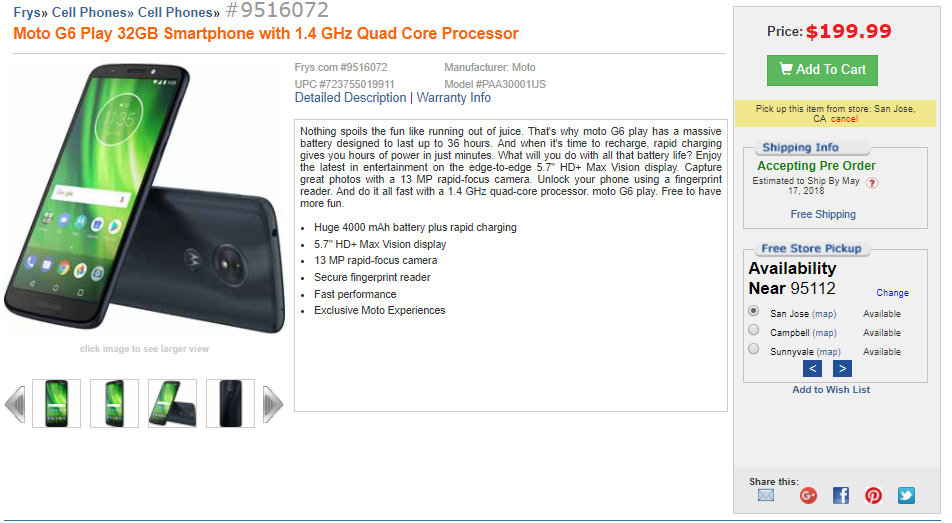
Lenovo is releasing a Play variant of the Moto G6 this year. It has a 5.7” 18:9 Max Vision display like the G6 but with a 1440 x 720 (HD+) resolution.
It has a 5MP front camera with LED flash and a beauty mode, while a 13MP sensor sits on the rear. Sadly, there is no mention of all the cool features of the Moto G6 like live filters, object and landmark recognition, portrait mode, and active photos.
The Moto G6 Play’s selling point is its 4,000mAh battery which Motorola boasts should last 36 hours on a single charge. The phone also has a fingerprint scanner, a microSD card slot, Dolby Audio, and supports Moto Experiences (Moto Display and Moto Actions). There is also a new voice assistant that lets you use your phone hands-free.
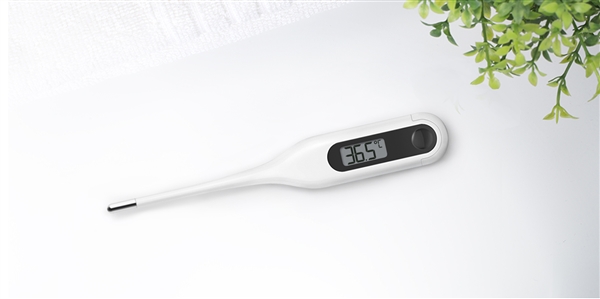
Xiaomi is known for its wide range of home products including thermometers, Hygrometers and others. Some of the products are released under its crowdfunding platform but are designed to meet Xiaomi’s quality standard. The Chinese tech giant has released yet another thermometer but this time it is an ultra-cheap product dubbed Seconds-test medical electronic thermometer Mijia custom version. The product comes at just 19.9 Yuan (~$3) which is considerably cheaper than other models with similar specification priced between 20 – 200 Yuan.
Compared to the traditional mercury clinical thermometer, the new Mi digital thermometer does not contain mercury, it is entirely digital. Thus, there won’t be any need for users to bother about damage caused by glass breakage or mercury leakage. The gadget is also manufactured using medical grade materials and has undergone stringent bio-compatibility tests. All these are to ensure that the materials are safe and harmless to the human body.
Talking about the design, the Mi Digital Thermometer comes with an 18.8mm LCD screen where the temperature reading is displayed boldly. This makes it easy for both the elderly and Children to easily read the temperature reading. The device also comes with a replaceable battery. The thermometer uses a high-precision thermistor and analog-digital conversion module giving it a measurement accuracy of ± 0.1 (35 °C -39 °C). The measurement accuracy is CFDA certified. The MIJIA custom thermometercan be used for subgingival and oral temperature measurement.
The gadget will be on sale from April 3 on Xiaomi Mall, YouPin, Jingdong, Suning and Mi Home.
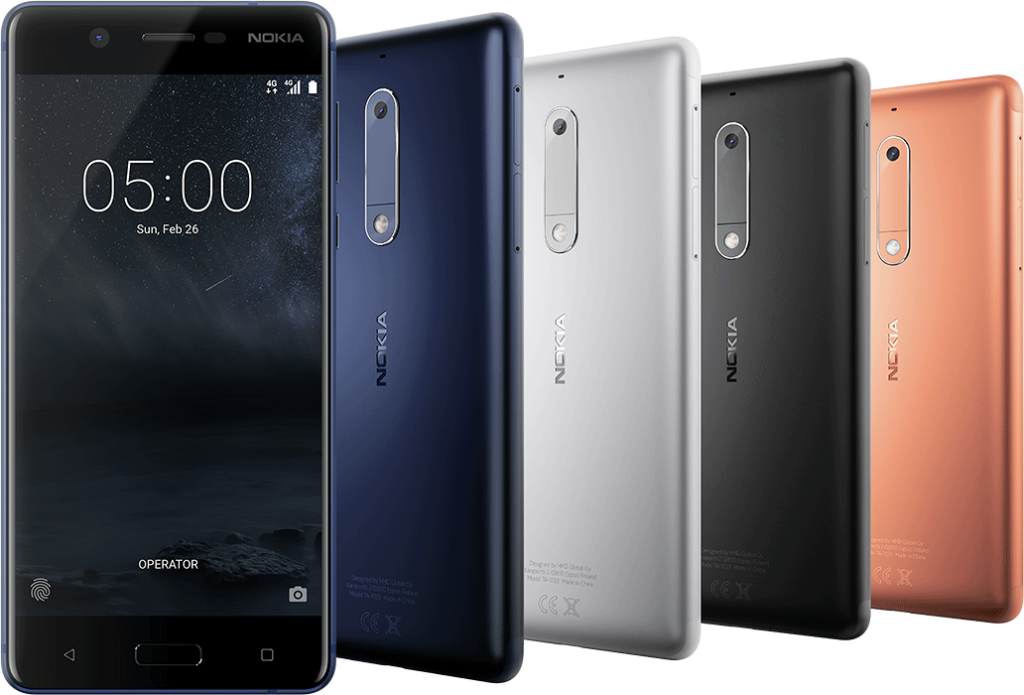
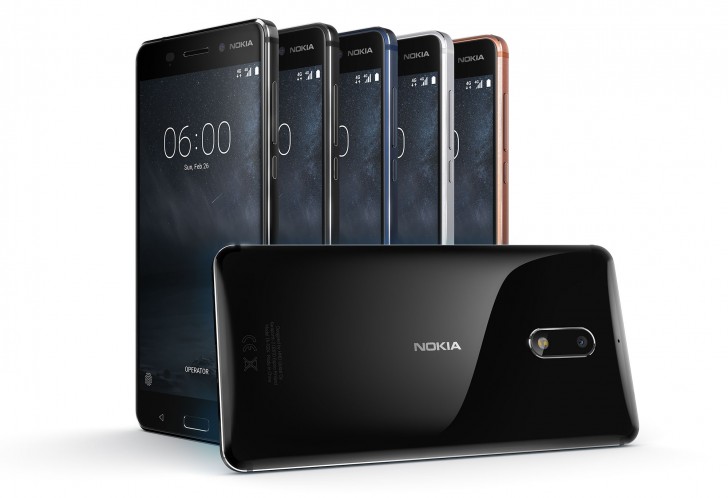
After rolling out Android 8.1 Oreo update last month, HMD Global has now started rolling out the update for the new version of Android Oreo for the Nokia 5 and Nokia 6.
Both the smartphones — Nokia 5 and Nokia 6, were upgraded to the Android 8.0 Oreo update earlier this year in January. Earlier this month, both devices received the March security patch update in select markets.
Currently, the update is rolling out to the Nokia 5 in India, Tunisia, and Indonesia. On the other hand, the update for the original Nokia 6 is only available in India at the moment. However, we expect more markets to get this new software update in the next few days.
The Nokia 5 Android 8.1 Oreo update is about 866.7MB in size, while the Nokia 6’s update is 933.8MB. The update package is downloadable only through an active Wi-Fi connection. You can check the availability of the update on your Nokia 5 and Nokia 6 by going to Settings > System updates.
The official changelog for the update suggests that it comes with battery saving navigation buttons, a revamped power menu, new settings menu, and Bluetooth battery percentage. It also brings the March security patches to the handsets.
Further, the update also comes with several core Android features such as Neural Networks API, Autofill framework updates, and a shared memory API. Besides, users can expect performance improvements and bug fixes, including a corrected hamburger emoji.
The Nokia 5 was launched last year in February and comes with a 5.2-inch HD display. The phone is powered by a Qualcomm Snapdragon 430 processor, coupled with 2GB/3GB of RAM and 16GB of inbuilt storage. The phone is backed by a 3,000mAh battery.
On the other hand, the Nokia 6 features a 5.5-inch Full-HD IPS display and is powered by Qualcomm Snapdragon 430 processor. It packs 3GB/4GB RAM and 32GB/64GB of inbuilt storage and is powered by a 3,000mAh battery.
HMD Global has scheduled a launch event in India on 4th April, where the company is expected to launch Nokia 7 Plus and Nokia 8 Sirocco in India. Both the phones were unveiled last month at Mobile World Congress.
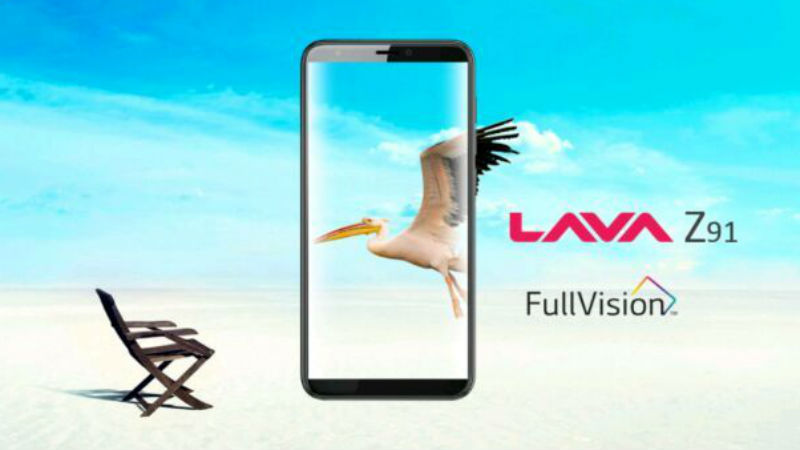
Lava has launched a new budget smartphone in the Indian market under its Z-series. Dubbed as Lava Z91, the smartphone is priced at Rs. 9,999, which roughly converts to $154.
The company has revealed that the Lava Z91 will come with a 2-year warranty and one-time free screen replacement offer. Further, buyers of the smartphone can also avail cashback worth Rs. 2,000 from Airtel.
The phone comes with a 5.7-inch HD+ display with screen resolution of 1440 x 720 pixels and a 2.5D curved glass on top. The phone features a full-screen display with 18:9 aspect ratio, in line with the current trend.
Under the hood, the budget smartphone is powered by a MediaTek MTK6739 processor along with 3GB RAM. It packs 32GB internal storage and comes with a microSD card slot, which enables users to further expand the phone’s storage capacity up to 128GB.
In the photography department, the smartphone comes with a 13-megapixel rear camera with f/2.0 aperture and an LED flash. While it does not feature a dual-camera setup, it offers a Bokeh mode. On the front side, there’s an 8-megapixel camera with a f/2.2 aperture for taking selfies and video calling.
The phone comes with a fingerprint sensor, placed on the back panel. It also comes with a Face Unlock feature for added security. The fingerprint sensor on the device can also be used as a shortcut to open applications.
The device is running Android 7.1 Nougat operating system out-of-the-box with the company’s Star OS custom user interface on top. The phone is powered by a 3,000mAh battery, which should be enough to last an entire day on a single charge.
Earlier this week, Lava launched its first Android Go edition smartphone — Lava Z50, which became the first Android Oreo (Go Edition) smartphone to go on sale in India. It is priced at Rs. 4,400 (approximately $68) in India and is available through offline as well as online stores.
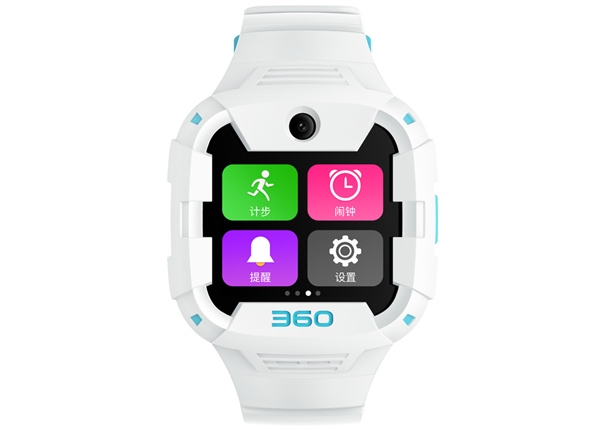
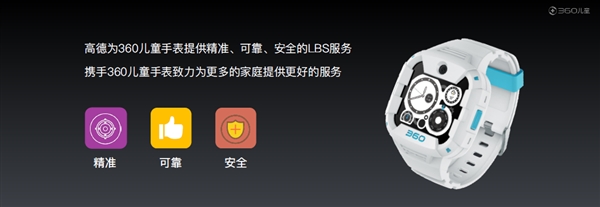
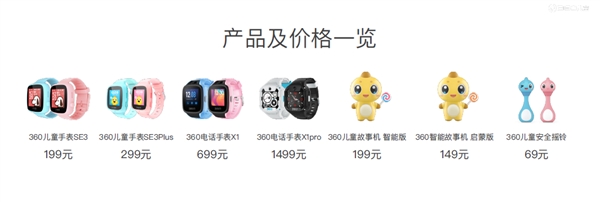
360 Mobiles is a company with many parts. Apart from its stride in the smartphone industry, the company is into software and antivirus sales and also has its line of smartwatches among other concerns. The Chinese company has not launched a total of seven new smartwatches under different series. The watches include X-series models for kids as well as SE series for Children, early education series and its main flagship 360 smartwatch X1 Pro. The prices for the watches range from 69 Yuan to 1499 Yuan.
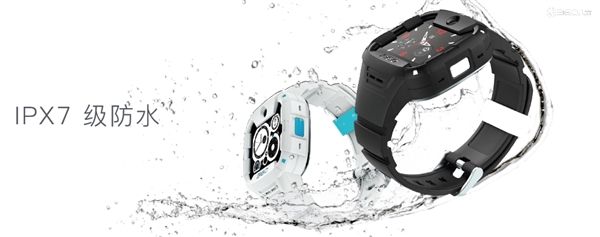
The stand out product is obviously the 360 Watch X1 Pro which comes with a 1,499 Yuan (~$238) price tag. The watch comes with an attractive square-shaped design with curved edges. The frame comes with a ceramic texture and the wristband is made from original TPU material manufactured by Bayer, Germany. The smartwatch also comes with an IPX7 waterproof and dustproof build as well as several sports functions.
Specs wise, the 360 Smartwatch X1 Pro is equipped with an AMOLED display screen with a resolution of 340 x 272 pixels. The smartwatch is powered by a Qualcomm Snapdragon wearable device custom chips. The device also comes with a 4GB flash memory. There is also a 2MP camera and 4G Network support. It wasn’t stated if the watch runs on Android OS but we don’t think so.
The 360 X1 Pro smartwatch also supports wireless Bluetooth music. Thus, it can be connected to a Bluetooth headset and can also be used to listen to songs, and supports various communication modes such as video calling and voice chat.
The 360 Watch SE3 comes with a 199 Yuan price tag while the SE3 Plus is priced at 299 Yuan. The prices of the other watch models are also revealed with the lowest being 69 Yuan. The products are presently open for reservation and will go on sale at 10 AM on April 3.
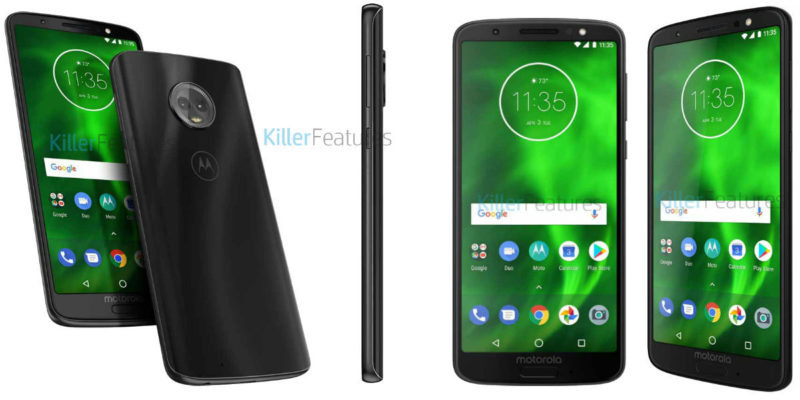
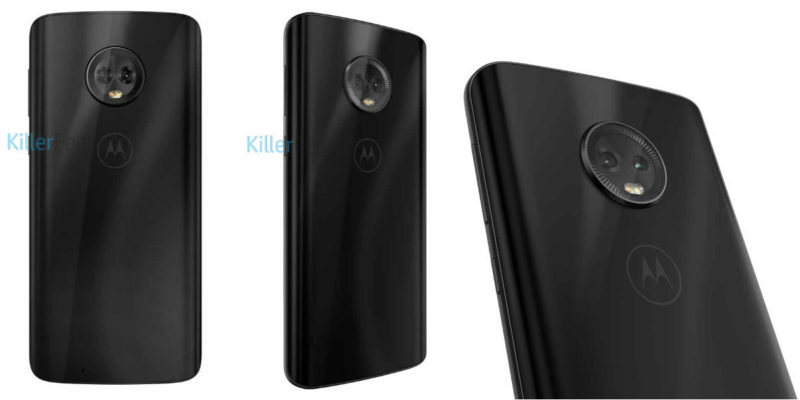
Motorola is expected to launch the Moto G6 and G6 Play sometime this year and we believe the launch is close by. The renders of the G6 have now appeared online along with the G6 Play. The images of the G6 are quite similar to the ones we saw on TENAA recently.
Moto G6 Render
Both the Moto G6 and G6 Play closely resemble their predecessors but let us highlight the differences between both models. The images show the Moto G6 lacks a rear fingerprint scanner but will instead pack a front fingerprint sensor. While the Moto G6 Play will come with a rear fingerprint sensor with the company’s logo also placed on the fingerprint scanner. Other than that, we seem to be looking at two devices with similar designs. Both devices utilize on-screen buttons, while the design of their rear-facing camera setups looks similar. But while the Moto G6 will hip with two rear-facing cameras, the G6 Play houses a single rear camera sensor.
As for the specifications, the Moto G6 is expected to feature a 5.7-inch FullHD+ display with 2160 x 1080p resolution and a dimension of 154.5×72.2×8.3mm. There will be an Octa-core processor clocked at 1.8GHz at the helm of affairs and that is believed to be a Snapdragon 450 chipset going by previous leaks. The processor will be paired with a 4GB RAM while a 3000mAh battery will keep the lights on. The device will also pack dual rear cameras comprising a 12MP main sensor + 5MP secondary sensor. There is no word yet on when the G6 line up will be officially unveiled.
On the other hand, the Moto G6 Play will sport a 5.7-inch HD+ (1440 x 720) display, and be fueled by the Snapdragon 430 64-bit quad-core processor. The device will also pack a 13-megapixel snapper at the rear while under its hood will be a massive 4000mAh battery. From the look of things, the Moto G6 will be costlier than its sibling. Check out the renders from below.
GearBest is giving massive discounts on a broad range of cellphone, smart watch phone, and other accessories as part of its latest EU Warehouse Ultimate Sale promo. Here’s a brief glimpse of what the recently kicked off promo has to offer.
G-W-5 Coupon Promo
This section features all sorts of drones and quadcopters that you can buy without burning a hole in your pocket. In addition to giving discounts on select items, GearBest is handing buyers an opportunity to save a considerable amount of money by using specific coupon codes. Here’s one example. The site is giving 9% off on Hubsan H501S X4 Brushless Drone, lowering its steep price tag to just $294.99 as part of its latest Flash Sale.
You can use coupon code ‘GB4thGW508’ to bring the drone’s selling price further down to $229.99. It’s worth noting that the above-mentioned coupon codes are valid only for a limited period of time.
G-W-5
Crammed with several items, this section offers cost-conscious buyers something to cheer about. GearBest is selling select products featured in this category at a heavily discounted price.
If you’ve been looking to get your hands on a powered packed phablet but are not willing to spend a fortune, you’ve come to the right place. GearBest is giving 20% off on Vernee X 4G phablet, which normally sells for $338.85 on the site.
The Flash Sale price will be valid for the 6GB RAM/128GB ROM version of the phablet. With only 36 pieces left for the Flash Sale, the promo is slated to come to an end in 6 days.
G-W-4
Gadget buffs haven’t been neglected either. You can find a slew of well-received devices in this division and more importantly, they come bearing slashed price tags.
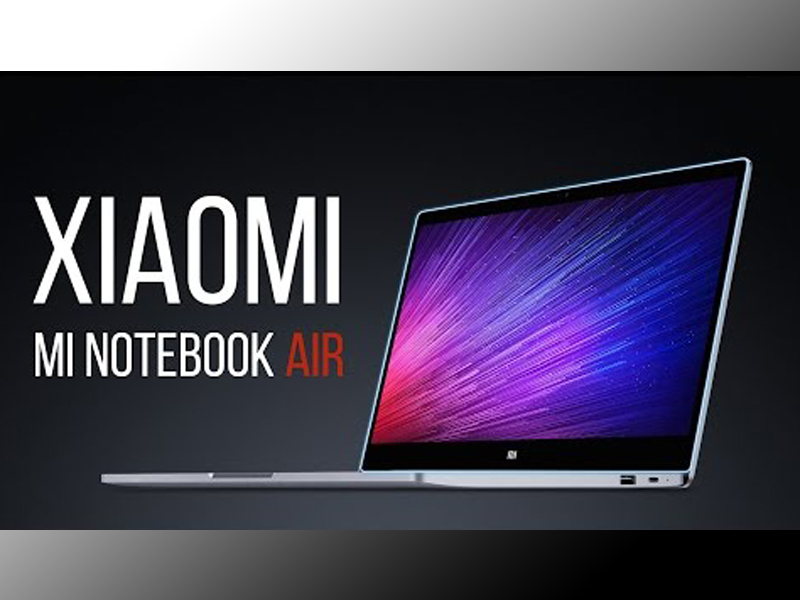
Lining with this, GearBest is giving 24% off on the $987.81 selling price of the Xiaomi Mi Notebook Air. As a result, you can buy the coveted laptop for just $749.44.
The aforesaid discount is valid for the 8GB RAM/256GB ROM/HD Graphics 620 version of the Mi Notebook Air. This promo is coming to end in 3 days but there were 100 pieces still left at the time of writing.
Aside from that, the site is giving 19% discount on GeForce MX150-equipped version of the device. You can now buy this version for a Flash Sale price of $788.44. However, the promo will end in 1 day and the Flash Sale will be valid only for the remaining 48 pieces.
You can simply click here to check out all the products carrying reduced price tags. It is imperative for you to bear in mind that the promo will be ending soon.
If you’ve restlessly been waiting to get your hands on tablet PC, networking related products, automobile or other electronic items without emptying your pocket, we have good news for you.
You can get up to 50% off on a broad range of electronic items thanks to the recently kicked off GearBest Mega Sale Electronics promo. Let’s head straight to the details.
First off, buyers can get 15% off on RC toys, 8% off on tablet PC and accessories, 10% discount on computers and networking items and 10% discount on consumer electronics. But that’s not all.
Apart from that, GearBest is giving massive discounts on other electronic items as well. In a bid to facilitate the search process, these products have been split into multiple categories.
MONSTER FLASH SALE
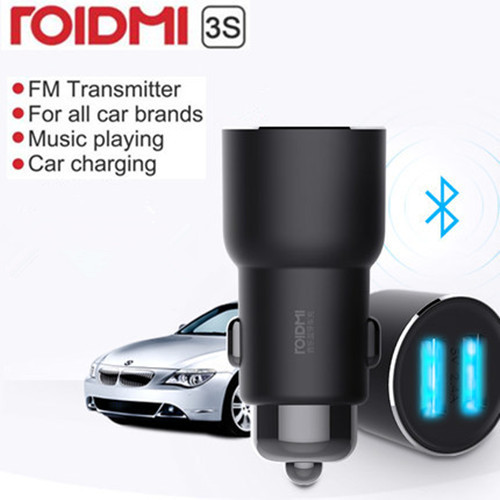
This category is brimming with heavily discounted electronic items. It includes Xiaomi ROIDMI 3S Bluetooth Music Car Charger, Excelvan 100 Inch Collapsible White Portable Projector Cloth Screen and lots more.
Among other items, this section features the Xiaomi Mijia Camera Mini Action Camera which you can buy for just $135.99. GearBest is giving 22% discount on the device’s original asking price of $174.24. On the downside, there were only 59 pieces left at the time of writing.
ULTIMATE BRANDS
This section comprises products manufactured by top brands such MeCool, Aqara, and Chuwi. You can simply click on the brand name to check out their latest deals.
For instance, Chuwi is currently offering flagship deals on tablet PCs and accessories, computers and networking and lots more. Likewise, MeCool is rolling out noteworthy discounts on computers and networking related products.
TOP 6 BESTSELLERS
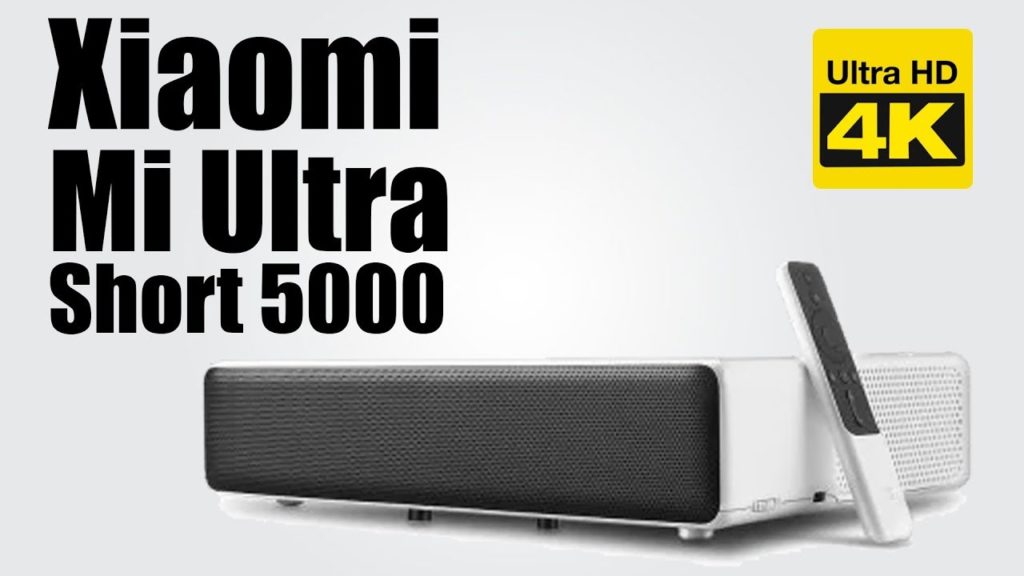
GearBest best sellers include Xiaomi Mi Ultra Short throw 5000 ANSI Lumens Laser Projector, The internal version of the Original Xiaomi Mi TV Box, the Original Xiaomi Mi Band 2 Smart Watch for Android iOS, and Teclast Master T10 Tablet PC Fingerprint Sensor. There’s Xiaomi ROIDMI 3S Bluetooth Music Car Charger, and MJX Bugs 2 B2W Brushless RC Quadcopter – RTF as well.
These well-received products can be bought at a slashed price for a limited period of time. In line with that, you can get a 44% discount on Xiaomi Mi Band 2 Smart Watch which usually sells for $38.98 on GearBest.
In other words, you can buy the Xiaomi-branded smart bracelet for just $21.99. However, the promo is slated to end in 3 days and there were only 79 pieces left at the time of writing.
TABLET & PCS
Gadget buffs, rejoice. GearBest is giving significant discounts on select tablet PCs, computers, laptops and lots more in this category.
The site is giving 13% off on the silver/white color version of the ALLDOCUBE iPlay 10 Tablet PC. This brings its original asking price of $153.91 down to just $133.99. You can buy the iPlay 10 tablet PC at a Flash Sale price for only a short span of time. On top of that, there were just 91 pieces remaining for the Flash Sale.
NETWORKING
This segment is crammed with all sorts of networking related items that have further been divided into several sub-categories such as TV Box and Mini PC, Computer Peripherals, Projector and Accessories and lots more.
You can get 34% off on WUXING LZS85 LCD Digital Graphic tablet which carries a price sticker of $13.70 without the discount. This power-packed device can now be yours if you’re willing to shell out just $8.99.
The discount is valid for the 8.5-inch version of the tablet. Moreover, the Flash Sale will end in just 2 days and there were 154 pieces still left at the time of writing.
ELECTRONICS
This section has lots of electronic products that have been split into different categories. GearBest is giving discounts on smartwatches, portable audio and video related products, video games and lots more. You can visit this link to check out rest of the deals before they come to an end.
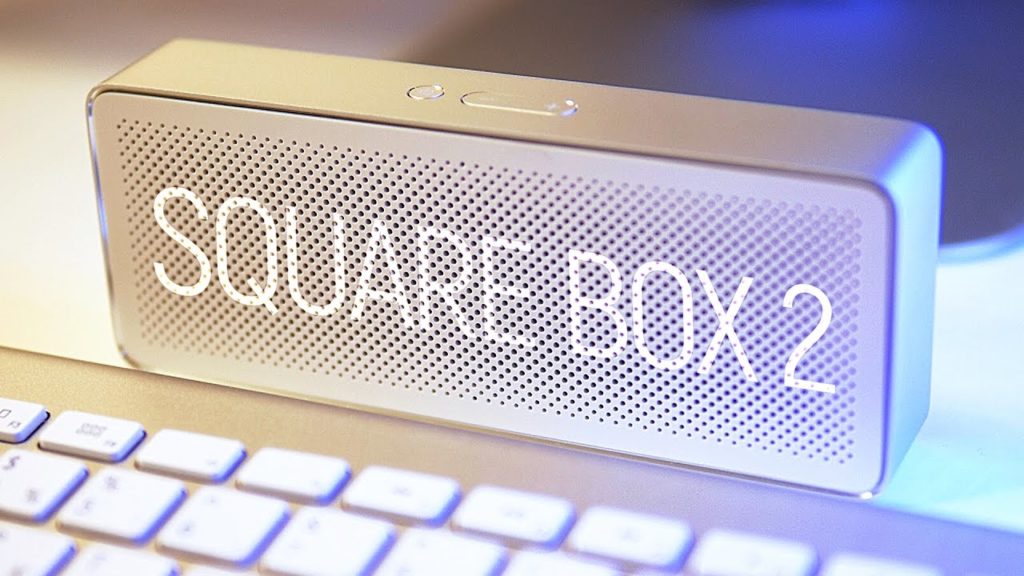
LightInTheBox is offering a considerable 30% discount on the Xiaomi Square Box 2 Bookshelf Speaker as part of its latest Lightning Sale. Let’s check out the details.
The Square Box 2 Bluetooth speaker normally sells for $39.99 on LightInTheBox. But thanks to the aforesaid discount, you can now get your hands on this Xiaomi-branded speaker by shelling out just $27.99 on the Chinese online retail company’s website.
Backed by a robust 1200mAh built-in battery, the Square Box 2 offers a standby time of 10 hours and it takes up to 3 hours to charge. In terms of connectors, it offers a 3.5mm AUX.
The Square Box 2 is ideal for people on the go and music lovers who like to start their day with melodious and pleasant music. Despite its compact size, the Bluetooth speaker packs dual driver units, under the hood.
Moreover, its finely detailed outlook design makes it a perfect partner during your spare moments. As if that weren’t enough, it also comes with a built-in microphone that allows you to answer or reject your phone call simply by pressing the speaker power button.
At the time of checking out, you can use coupon code ‘SQUAREMI6’ to save an extra $12.00. While this will bring your grand total down to just $15.99, the aforesaid coupon code will be valid for only 13 pieces.
You can head straight to this link in order to check out the full specification and take advantage of the Lightning Sale, which is slated to end in 4 days. It’s also worth noting that there were only 82 pieces remaining for Lightning Sale.
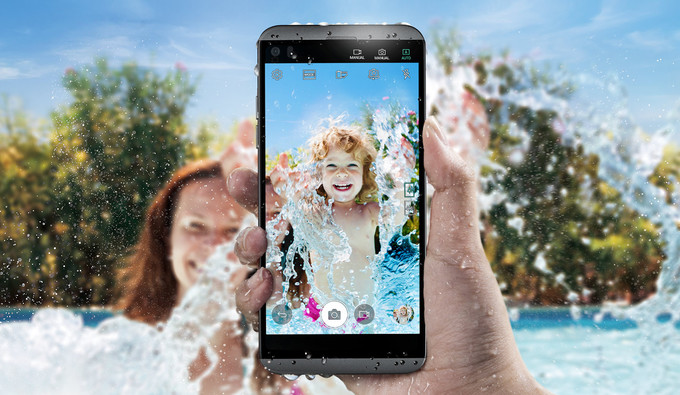
The Q-series from LG is a line-up of midrange phones focused on bringing decent specs for an affordable price. Until now, the Korean giant has launched two devices from this series: LG Q6 and LG Q8. According to a new trademark, an LG Q7 exists as well and it may be coming soon. The company has just filed a trademark for this phone at KIPO (Korean Intellectual Property Office).
Unfortunately, it is just a trademark of the name of the handset, so there is no detail about the specs of this device. What we know is that the Q6 is a sort of affordable version of the G6 flagship with low-end specs, while the Q8 can be considered a cheaper version of the V30. So, LG Q7 may be an affordable version of the LG G7, the upcoming flagship which will be the most important LG device of this year.
LG Q8
The LG Q6 comes with a 5.5-inch Full HD+ display, a Qualcomm Snapdragon 435 processor and 3/4 GB of RAM. LG Q8 is a high-end device with two displays (there’s a secondary 1.8-inch AOD screen), a Snapdragon 820 SoC and a wide-angle dual camera with resolutions of 16 and 8 MP.
Do you think the LG Q7 will be official before or after the G7?
Huawei, Friday, released its financial report for 2017 showing a net profit of 47.5 billion Yuan ($7.3 billion) for 2017. The net profit represents a 28.1 percent increase year-on-year. The company also recorded a gross revenue of 603.6 billion Yuan ($92.5 billion) which is a 15.7 percent increase over 2016’s gross revenue.
The financial report also revealed that Huawei’s annual investment in research and development (R&D) reached 89.7 billion Yuan ($13.8 billion) which represents a 17.4 percent increase over the company’s R&D spending for 2016. With this figure, Huawei’sR&D spending over the past decade has so far exceeded 394 billion Yuan ($60.4 billion).
In a recent statement, Ken Hu, Huawei’s Rotating Chairman noted that the Shenzhen-based company is on a new journey. He hinted that the company plans to continue increasing its investment in technological innovation, investing more than $10 billion into R&D every year. He also disclosed that Huawei will actively pursue open collaboration, attract and cultivate top talent, and step up efforts in exploratory research. The efforts are yielding the desired results, we must note. Huawei last year launched its Kirin 970 chip, the world’s first mobile processor with a dedicated Neural processing unit (NPU) for AI. Just this month, the company also released the Huawei P20 Pro with a triple camera setup which another first in the industry. Huawei’s smartphone lineup, from flagships to midrange models have received positive reviews.
In addition, the Chinese giant is also presently eyeing Cloud computing, Internet-of-Things (IoT) and 5G markets and have invested in such emerging technologies. To this end, Hu also predicted that in 2018, emerging technologies like IoT, cloud computing, Artificial Intelligence (AI) and 5G will see a large-scale application.
Other aspects of Huawei businesses also saw an increase in revenue in 2017. Huawei’s enterprise business generated 54.9 billion yuan ($8.4 billion) in revenue, an increase of 35.1 percent compared with 2016. Huawei’s Carrier business group generated 297.8 billion yuan ($45.7 billion) in revenue, an increase of 2.5 percent year-on-year. Huawei also set up a Cloud Business Unit in 2017, which launched 99 cloud services across 14 major categories, and over 50 solutions. The company also unveiled the Enterprise Intelligence (EI) platform and developed over 2,000 cloud service partners.
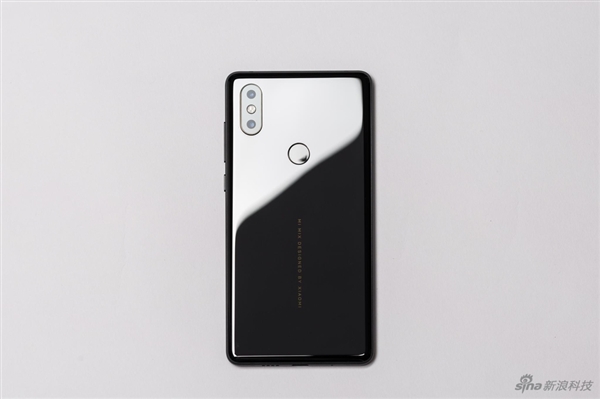
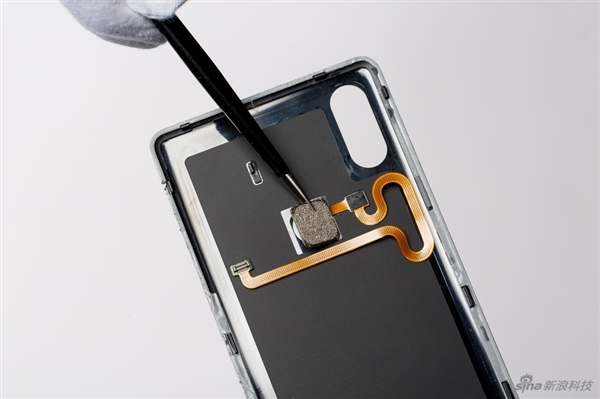
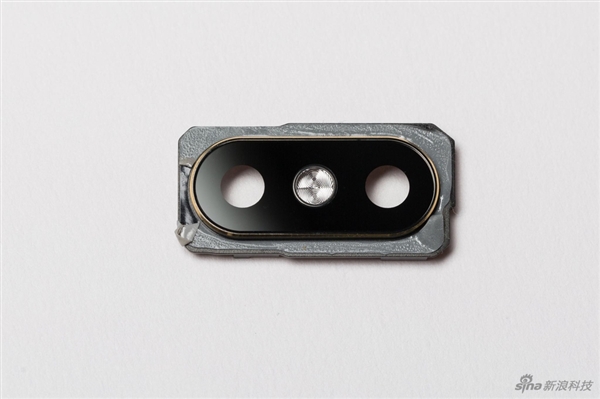
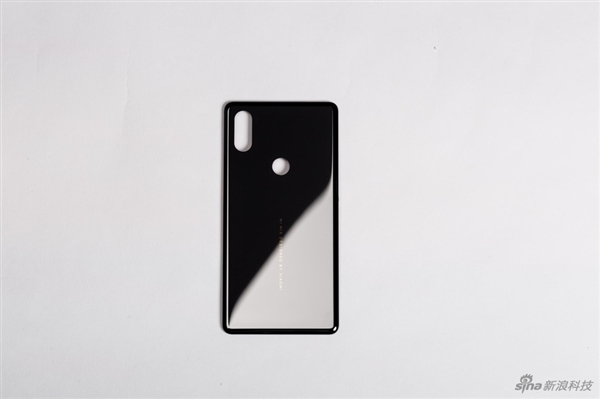
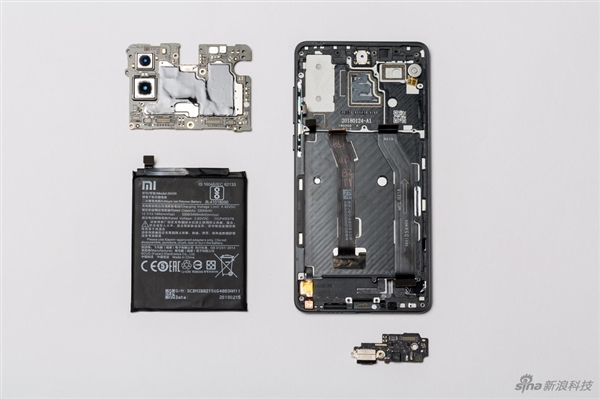
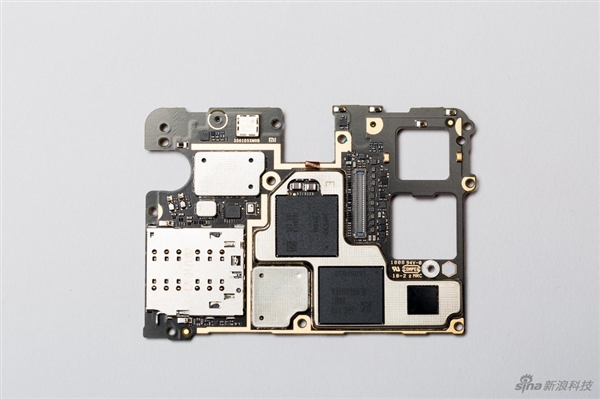
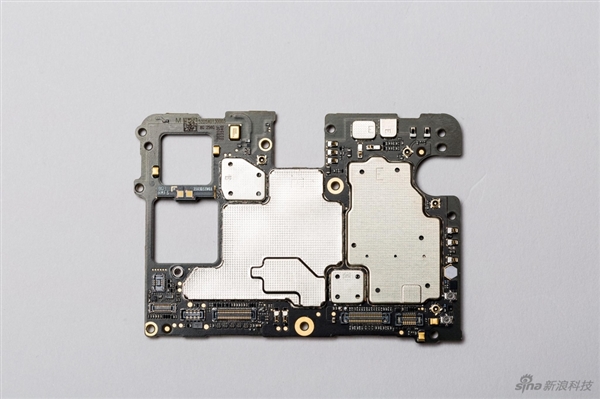
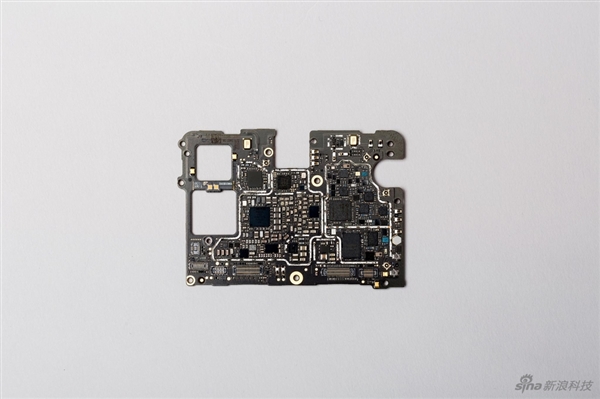
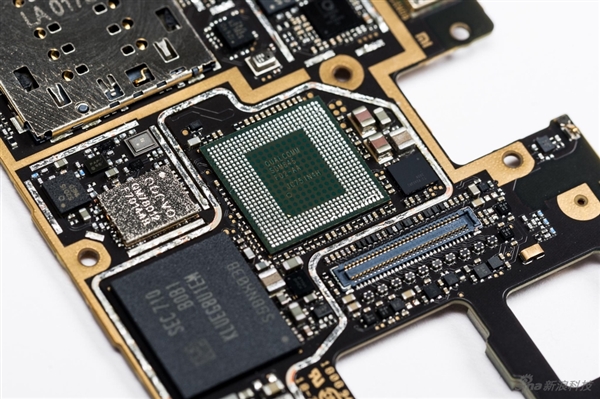
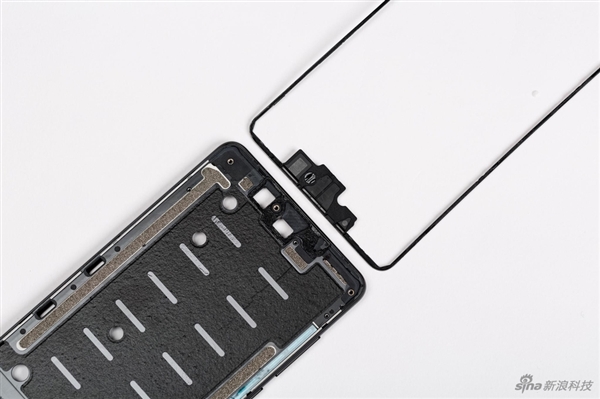
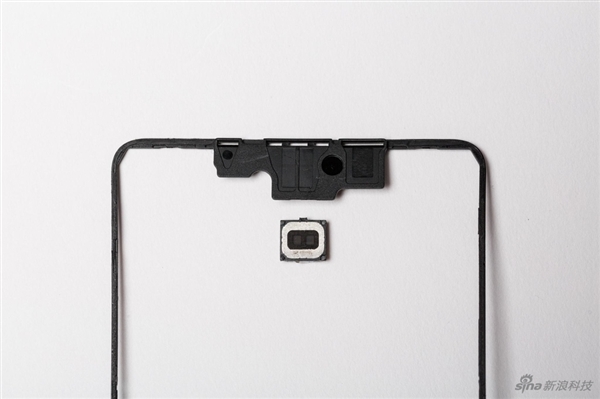
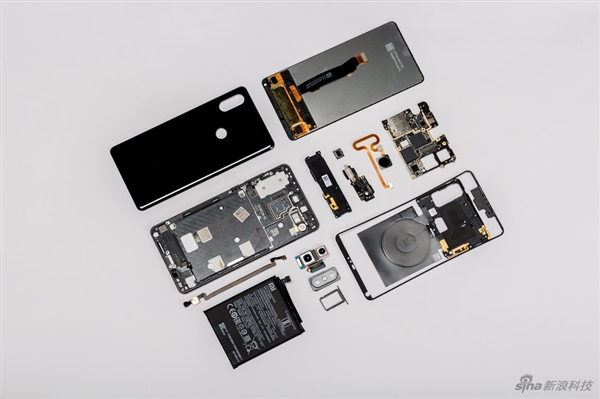
Three days ago, after a huge number of leaks, Xiaomi Mi Mix 2S was finally announced. Xiaomi decided not to embrace the notch design and has kept the flagship’s body original. However, it’s not very different from the original Mi Mix 2, probably because it is just an intermediate version between Mi Mix 2 and 3. Just three days after the announcement, the first teardown photos of this handset have surfaced, so we can finally see the internals of the phone besides its aesthetics.
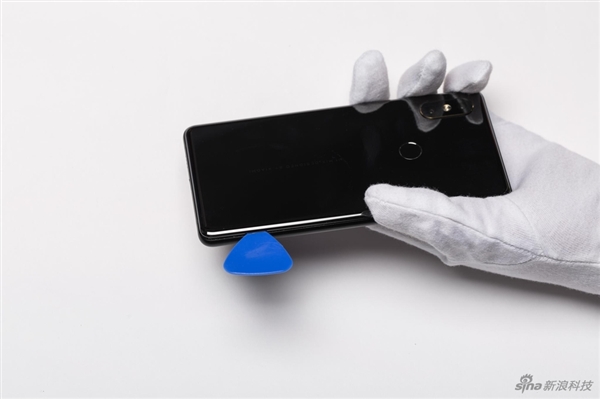
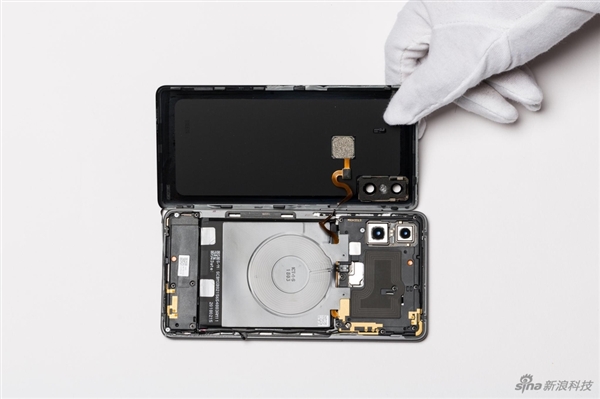
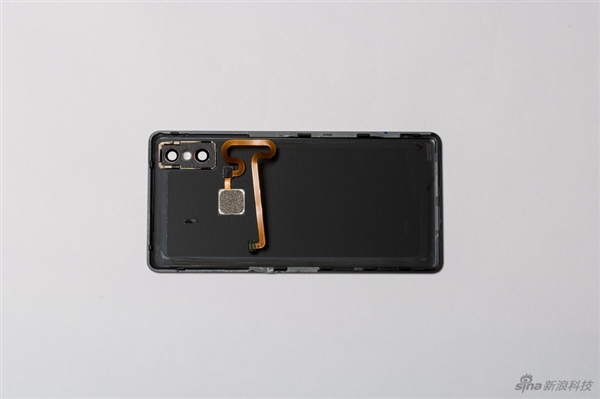
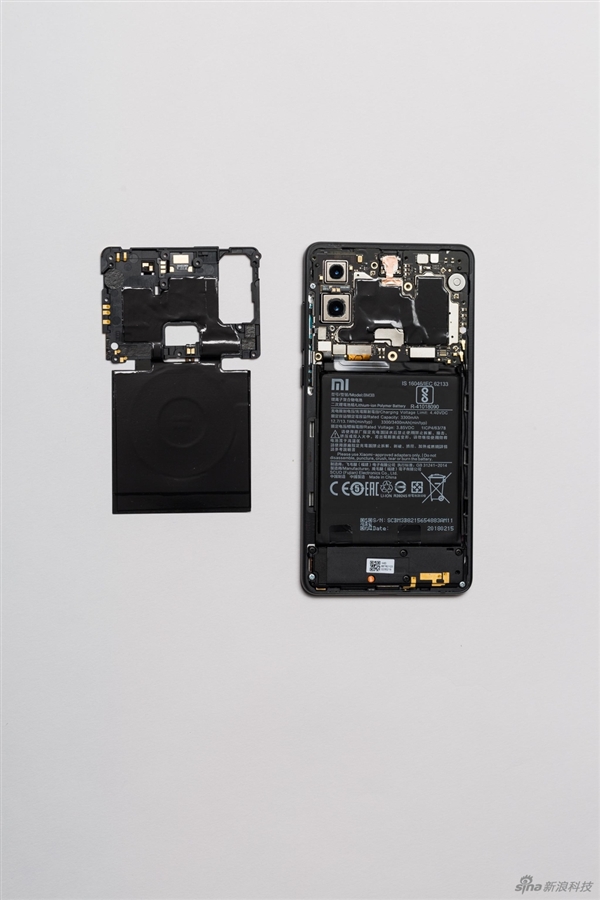
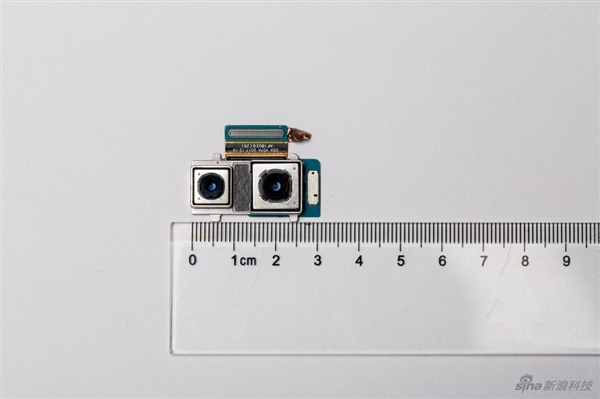
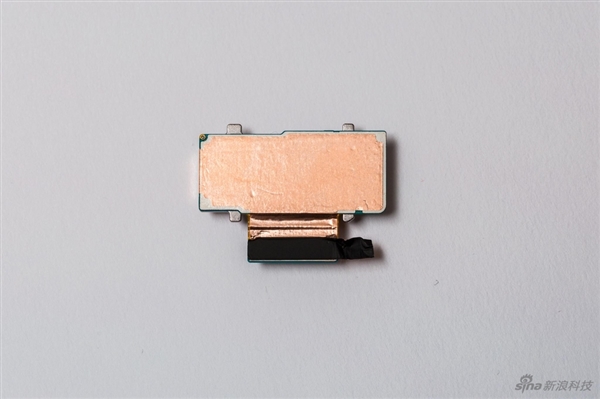
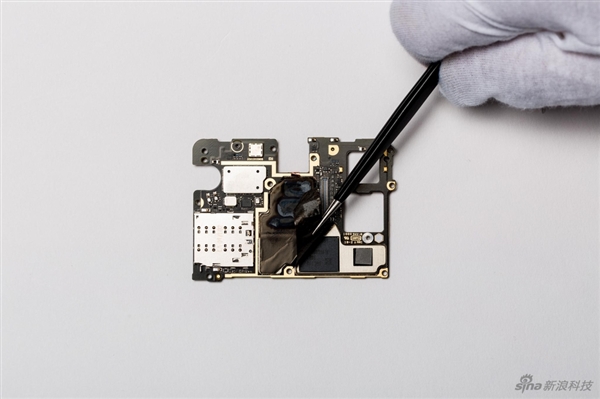
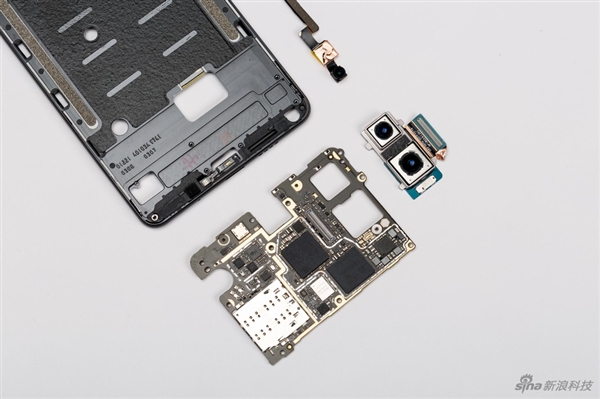
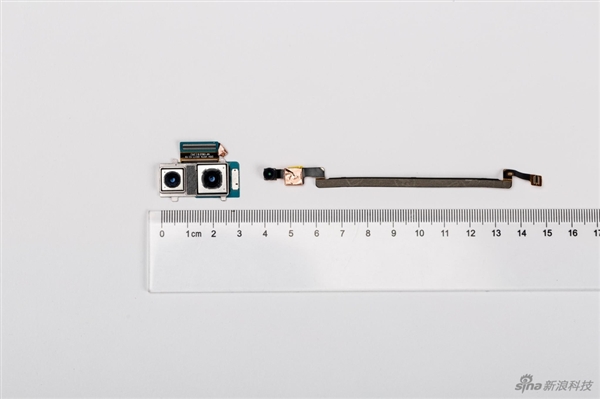
Given that it is not a waterproof device, backplate disassembly of the Xiaomi Mi Mix 2S is straightforward. Sealant has been applied to the internals of the ceramic back, so a bit of heating is needed to open the phone. After heating, the back cover can be separated from the rest of the device with a pick. Before removing the back cover completely, you have to pay attention to the fingerprint reader which is stuck to the backplate. So, you have to disconnect it first. In the below images, you can see the important components of the handset in detail.
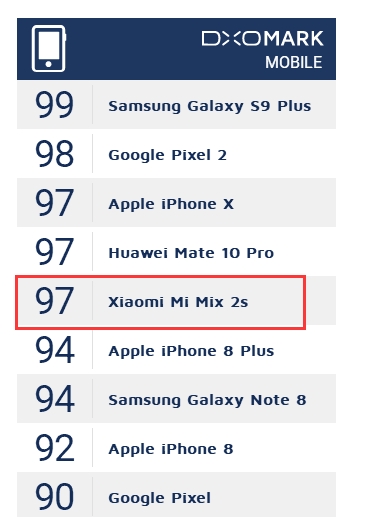
We can see the whole motherboard with Snapdragon 845 SoC, RAM and storage, as well as the dual camera module. Xiaomi Mi Mix 2S is a solid improvement over its predecessor, even though its design isn’t too different. It comes with a 5.99-inch display which shows images at a Full HD+ resolution of 1080 x 2160 pixels. The Snapdragon 845 chipset is paired with 6 or 8 GB of RAM and up to 256 GB of internal storage depending on the configuration. The 12 MP dual camera makes this device one of the 10 best camera phones according to DxOMark. At last, the battery comes with a capacity of 3400 mAh.
Xiaomi, often referred to as the Apple of China, is reportedly all set to make its debut on the Hong Kong stock exchange later this year. Completing a successful IPO is never easy, and neither is the road after an IPO. Companies get valued at billions of dollars overnight and Xiaomi’s expected valuation is as high as $100 billion, which would make it the biggest IPO ever. Everyone remembers how Alibaba’s $25 billion IPO surprised the market back in 2014 but Xiaomi could be an even bigger success story.
Xiaomi’s growth has been impressive so far, and the company is one of the top 5 smartphone manufacturers in the world. But the company’s success has been driven by its low-end and mid-range best sellers — a section of the market which has one of the lowest margins. To gain the confidence of its investors, Xiaomi needs to prove that it can take on the big players in the market as well. This is exactly why the Mi Mix 2S could be an important release for the company this year.
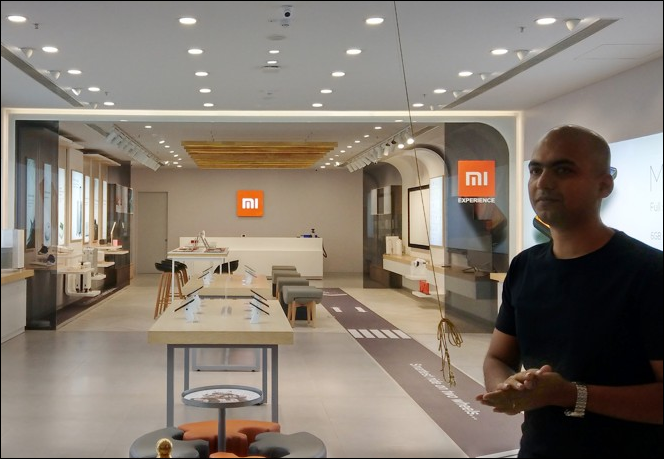
Xiaomi Mi Store India
Xiaomi flagships were big on hardware, but camera was one area where buyers were often left disappointed. As compared to competitors like Samsung, Apple, and even Huawei, Xiaomi’s camera performance wasn’t up to mark. This meant that despite its top of the line hardware, camera enthusiasts had to pick another brand flagship. I agree that the pricing justified the features and buyers were often willing to accept average camera performance for an overall great phone, but this further established the fact that only the big players were capable of delivering the best camera performance. Given that Xiaomi lacked the big bucks to spend on R&D unlike Samsung, Apple, or Huawei, this was going to be a big problem for its adoption in the high-end segment. In developed markets, this was an even bigger issue, as most high-end users are either Samsung or Apple loyalists.
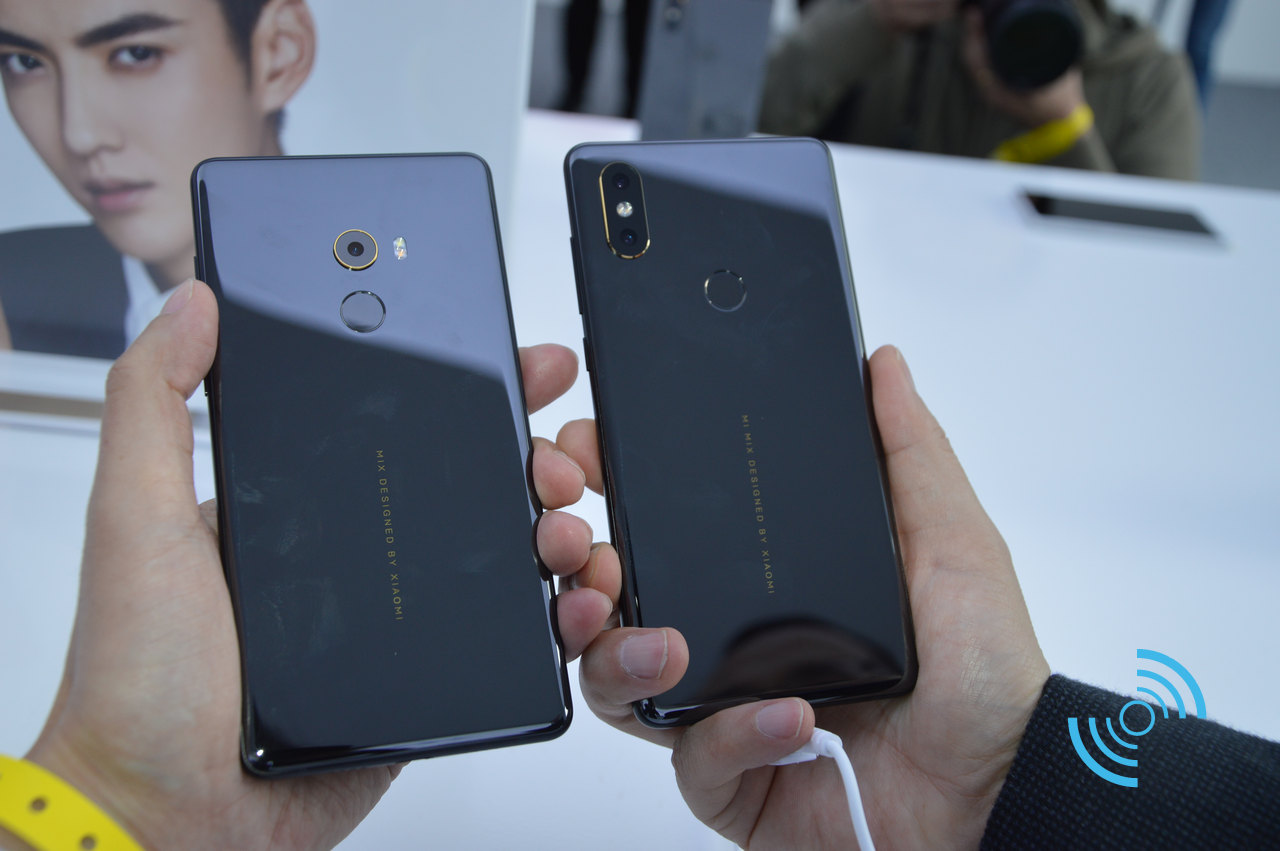
Mi Mix 2 (L) vs Mi Mix 2S (R)
So until now, the company didn’t have a flagship that could sway these loyalists. But things change with the entry of the Xiaomi Mi Mix 2S. On paper, the phone boasts of high-end camera hardware, a 12MP dual camera setup (wide angle + telephoto lens) with 1.4µ pixel size. That’s pretty large and could be pivotal in capturing brighter and clearer low-light photos. This along with a hardware level multi-frame noise reduction implementation will help Mi Mix 2S capture clear low-light photos.
At the Mi Mix 2S launch event, there were several instances where Xiaomi CEO Lei Jun gladly compared its newcomer with the iPhone X. In all instances, Mi Mix 2S won (not surprising given that it was Xiaomi’s event), including in the low-light performance category. Further, Xiaomi, like most other big brands is relying on AI to improve photos taken with the Mi Mix 2S. Scene recognition is going to be an important feature since it promises to make your photos better after identifying what’s in the picture. This basically makes your camera smarter as it knows where to increase saturation and where to reduce it to ensure you get the best shots. If this works as well as advertised on the Mi Mix 2S, it’ll definitely make the photos more lively, adjusted according to the scene.
Xiaomi has already cracked the Indian market, becoming the number one smartphone manufacturer in terms of shipments in the past couple of quarters. Now, it’s looking to take on other markets in Europe with a similar strategy. Offlines stores are becoming an important tool to improve brand awareness, and the company is slowly but steadily increasing its footprint in the European market. More Mi stores are coming up in countries like Spain and Italy and the company is already in talks with the biggest carrier in the region, Vodafone, confirms Global Spokesperson, Wang Xiang. With Huawei’s popularity expanding in Europe, Xiaomi will have to take on the brand’s flagships this year, the Huawei P20 and P20 Pro, with the Mi Mix 2S. Considering how the P20 starts at a whopping $800, while the Mi Mix 2S starts at around $525, the Mi Mix 2S could be an instant hit, even among those who are looking for a great camera performance.
The US market is a confirmed target for Xiaomi and Lei Jun has already said that we can expect a launch sometime by the end of 2018 or early 2019. The Mi Mix series would be key to take on the big players in the region. However, it’s likely that the company has a low key entry in the US with an initial offering of the Redmi Note series, bringing in the big guns later. Still, if it aims to compete in the high-end segment in the country, it would likely be via Mi Mix 2S or even Mi Mix 3 (a successor is expected later this year).
Unlike the Chinese, internationally, customers prefer a clean and non-invasive UI on their smartphones. In this regard, Xiaomi could slap Android One on the Mi Mix 2S for its entry into the US shores. It already has an Android One Mi A1 model and could extend its relationship with Google for the Mi Mix 2S too. Plus carrier tie-ups with AT&T, Verizon, Sprint, and T-Mobile would be pivotal for its success. The company is reportedly in talks with all the four major networks and in fact, Wang Xiang is said to have met with all of their executives. So we know Xiaomi is serious about cracking the US market.
With Huawei’s setback in the region after failed tie up with AT&T earlier this year and Trump’s efforts to remove Chinese influence from US soil, things are looking harder for Xiaomi in its plan to get into the US shores. The entry could likely be delayed, but one thing’s for sure — Xiaomi will continue to look at new markets and opportunities this year to expand its presence and prove its ability to generate sustainable profits to its investors.
The Mi Mix 2S is definitely the best smartphone released by the company till date and its camera performance further boosts our confidence in the company’s ability to take on the big conglomerates that dominate the market.
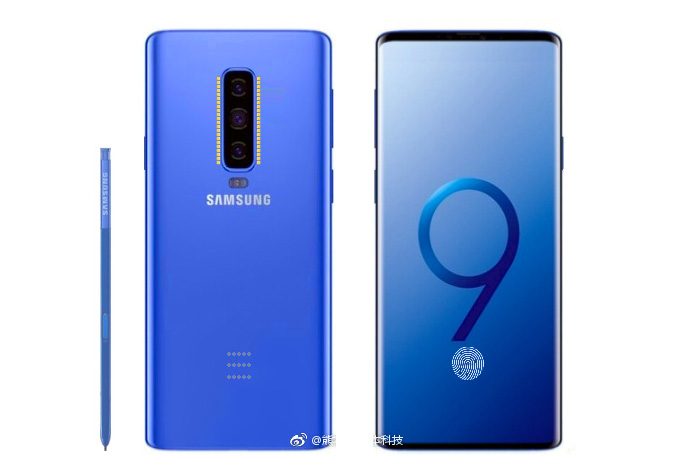
After launching the Galaxy S9 and Galaxy S9 Plus, Samsung is now gearing up to launch the next-generation Galaxy Note series smartphone — the Samsung Galaxy Note 9.
Recently, some country-specific website of Samsung listed the support pages for the Galaxy Note 9, which carries the model number SM-N960U. Now, as per the new reports, the smartphone could get launched earlier than planned.
If the latest reports are to be believed, then the Galaxy Note 9 could get launched in July or early August. The Samsung Galaxy Note 8 was unveiled in late August and went on sale in mid-September.
A fan-made render of the Samsung Galaxy Note 9
The report says that the prediction of the early launch of next-gen Galaxy Note series device is based on reports that Samsung Display will start making OLED screens for the Galaxy Note 9 in April. The report claims that the display production usually starts in June, thus putting the Galaxy Note 9 two months ahead of schedule.
If the phone gets launched early, the company could be looking to beat out Apple’s next-generation iPhone. Recently reports have indicated that Apple is planning to launch three iPhone this year, each with different screen-size and price segment. The early launch of Galaxy Note 9 could benefit the company in terms of sales.
The report also suggests that the upcoming Galaxy Note smartphone won’t feature an in-display fingerprint sensor. According to the previous reports, the under-display fingerprint sensor technology doesn’t match Samsung’s security standards. However, smartphone manufacturers like Vivo and Huawei have already jumped on this new technology.
Recently, the Samsung Galaxy Note 9 appeared on Geekbench, a benchmarking website, which revealed that the phone is powered by Qualcomm’s flagship chipset — Snapdragon 845 along with 6GB RAM. It is also said to be running Android 8.1 Oreo operating system out-of-the-box.
The device scored 2190 points in the single-core score and 8806 points in the multi-core score. These scores are similar to that of the recently announced Xiaomi Mi MIX 2s which is also powered by a Snapdragon 845.
The Galaxy Note 9 is expected to come with Infinity Display 2.0 with the same-sized 6.3-inch S-AMOLED screen with 18.5:9 aspect ratio. It is said to be available in three storage variants — 64GB, 128GB, and 256GB.
A recent report claims that the phone will come with a bigger battery than its predecessor. While the Galaxy Note 8 packs 3,400mAh battery, the Galaxy Note 9 is expected to draw power from a 3,800mAh battery.
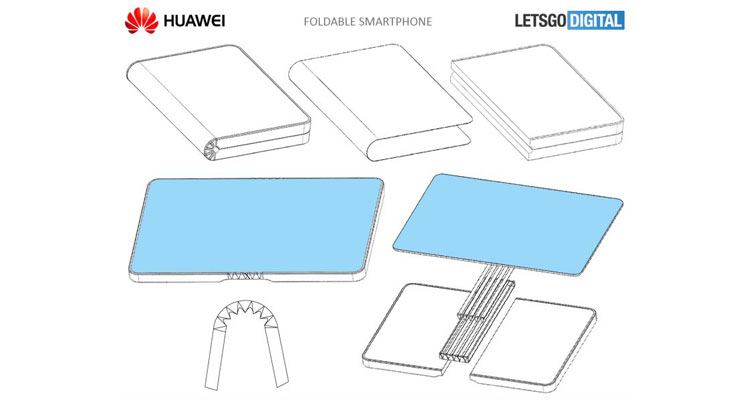
Foldable phones could be the future of the smartphones market. Given that smartphones are actually replacing PCs for several functions, people are always in need of bigger displays in order to make it comfortable to surf the web, watch videos and more. After Samsung and its alleged Galaxy X, even Huawei has filed a patent for a phone with a foldable display. The patent has been filed on September 19, 2017, but it has just been revealed on WIPO (World Intellectual Property Organization) website.
The Huawei foldable phone is way different from ZTE Axon M. It does not feature two separate displays, but one single display which can be folded. The mechanism is similar to the one of the Microsoft Surface Book. Thanks to this mechanism, the smartphone will be able to transform into a tablet while it is unfolded. While folded, it should obviously have the same dimensions as a normal smartphone. The patent does not show how the device will work while it is folded, so we still do not know if it will have an external display or just some indicators to show important info such as time, battery charge, and notifications.
A folding panel like that implies the presence of flexible glass or another material which does not break. At the moment, we do not know if and when this Huawei device will hit the shelves. It may even remain just a patent and we may be very far from the release of the first smartphone with a foldable display. According to recent declarations from Qualcomm, Samsung Galaxy X (the first phone with a foldable display by Samsung) will not see the light of day soon, and, due to difficulties encountered at realizing its foldable display, we may need to wait some years for its release.
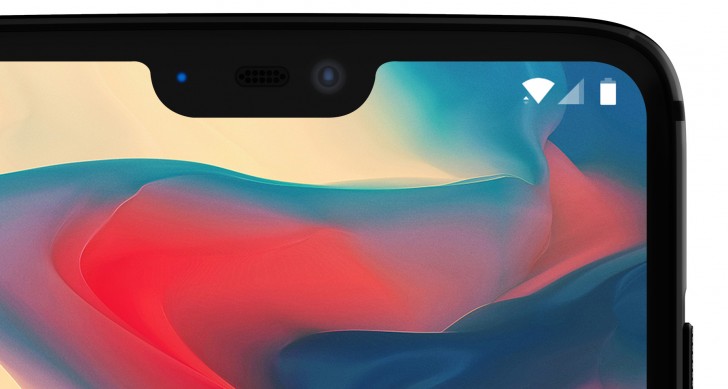
On March 28, OnePlus‘ CEO Carl Pei had published a tweet on Twitter which confirmed the presence of the notch on the upcoming flagship OnePlus 6. But now, it has suddenly disappeared, and Pei has left no reason for the deletion. The most reliable hypothesis is, obviously, the disappointment from fans. After Apple released the iPhone X, the notch has become a trend in the smartphone market. First Asus, then Huawei, took inspiration from Apple and released their main flagships of the year with a notch.
But a lot of people seem to hate the notch and its source of inspiration, Apple. Just to remind you, even OnePlus’ sister companies Oppo and Vivo (each of these companies is owned by BBK Electronics) have already released their most important devices with a notch. Given that Oppo R11S had the same design as the OnePlus 5T, fans realized that the upcoming OnePlus 6 was likely to have a notch especially after the release of the R15, and this post was just an opportunity to express their disappointment. In the post which has now been deleted, Carl Pei wrote: “Learn to love the notch” and linked his interview with The Verge.
Do you think Carl Pei deleted the tweet to re-design the phone after acknowledging disappointment from its fans? That’s highly unlikely! Note that OnePlus CEO did talk about why notch on a display makes sense in its online forums and the post is still up. So the notch is likely here to stay.
OnePlus 6 is expected to come with a display bigger than 6 inches and a Full HD+ resolution. Under the hood, there should be an octa-core Snapdragon 845 chipset by Qualcomm paired with 6 or 8 GB of RAM depending on the configuration which you will choose to buy. There should also be a dual camera with 16 + 20 MP resolutions.
This year, talks about OnePlus 6 has started quite early. We were the first ones to report that the OP6 could launch early in 2018, as early as March. While March is coming to an end, it won’t be surprising if the OnePlus 6 meets us sometime in April or May, much earlier than its usual launch in June.
Huawei announced its flagship smartphones — Huawei P20 and P20 Pro earlier this week at a launch event in Paris, France. Now, the smartphones are being teased by the company to soon launch in India.
The company has released a teaser image on its website which reads “Coming Soon In India.” While Huawei has not clarified which device is coming to India, the ‘O’ in the teaser hints at P20 Pro’s triple camera sensor setup.
It is likely that both the smartphones will be exclusively available through Flipkart in India. Huawei has a partnership with online retailer Flipkart in India, which sells the majority of Huawei‘s devices on its marketplace.
The Huawei P20 comes with a 5.8-inch Full-HD+ FullView display with 2244 x 1080 pixels screen resolution while the P20 Pro features a 6.1-inch OLED Full-HD+ FullView display with 2240 x 1080 pixels screen resolution.
Under the hood, both the devices are powered by the company’s own HiSilicon Kirin 970 octa-core processor, coupled with a dedicated NPU (Neural Processing Unit). The Huawei P20 has 4GB of RAM, whereas the P20 Pro comes with 6GB RAM. Both phones have 128GB of onboard storage and support microSD card slot for expanding the storage capacity.
As of the camera department, the P20 has a dual rear camera setup that includes a 12-megapixel RGB sensor along with a f/1.8 aperture and a 20-megapixel monochrome sensor along with a f/1.6 aperture. The Huawei P20 Pro, on the other hand, comes with a triple rear camera setup that has an 8-megapixel sensor with 3x optical zoom, which comes from a Leica telephoto lens, 40-megapixel RGB sensor, and a 20-megapixel monochrome sensor. On the front, both smartphones sport a 24.8-megapixel camera on the front.
Connectivity options on the device include 4G LTE, Wi-Fi, Bluetooth, GPS/ A-GPS, NFC, and USB Type-C. The smartphones run on Android 8.1 Oreo operating system based EMUI 8.1. The smartphones also support Google ARCore and include a 360-degree Face Unlock feature.
While the Huawei P20 packs a 3,400mAh battery while the Huawei P20 Pro has 4,000mAh battery. Both support Huawei SuperCharge — a fast-charging technology that is touted to charge 58 percent of battery in just 30 minutes.
The expected price of these new smartphones for the Indian market hasn’t been revealed yet. However, considering the European pricing for the P20 series, it is expected to be in the high-end range.
We use cookies on our website to give you the most relevant experience by remembering your preferences and repeat visits. By clicking “Accept”, you consent to the use of ALL the cookies.
This website uses cookies to improve your experience while you navigate through the website. Out of these, the cookies that are categorized as necessary are stored on your browser as they are essential for the working of basic functionalities of the website. We also use third-party cookies that help us analyze and understand how you use this website. These cookies will be stored in your browser only with your consent. You also have the option to opt-out of these cookies. But opting out of some of these cookies may affect your browsing experience.
Necessary cookies are absolutely essential for the website to function properly. This category only includes cookies that ensures basic functionalities and security features of the website. These cookies do not store any personal information.
Any cookies that may not be particularly necessary for the website to function and is used specifically to collect user personal data via analytics, ads, other embedded contents are termed as non-necessary cookies. It is mandatory to procure user consent prior to running these cookies on your website.





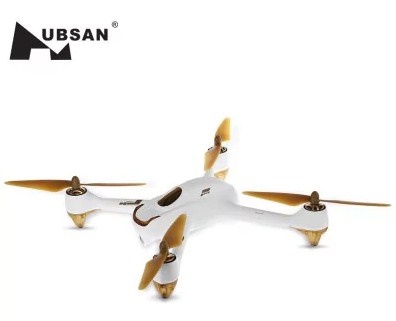 Here’s one example. The site is giving 9% off on Hubsan H501S X4 Brushless Drone, lowering its steep price tag to just $294.99 as part of its latest Flash Sale.

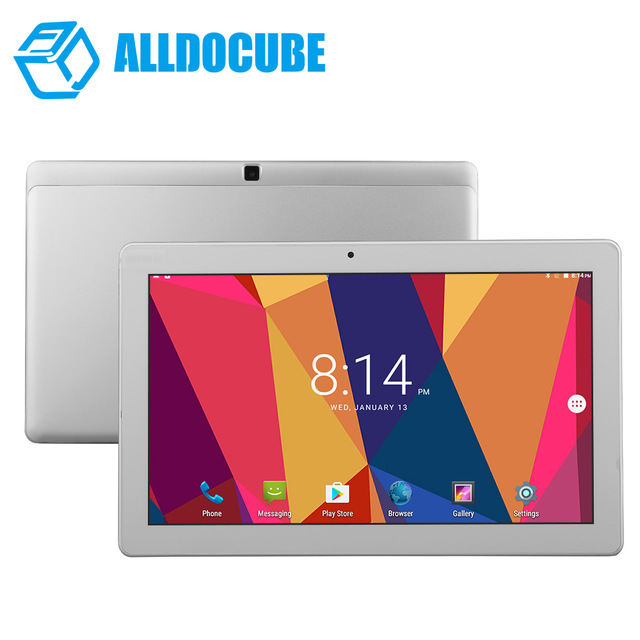 You can buy the iPlay 10 tablet PC at a Flash Sale price for only a short span of time. On top of that, there were just 91 pieces remaining for the Flash Sale.
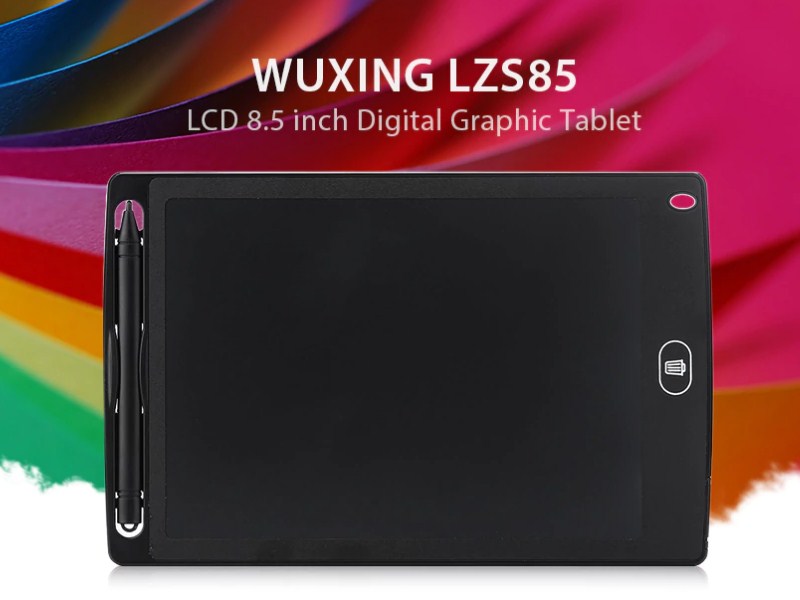 The discount is valid for the 8.5-inch version of the tablet. Moreover, the Flash Sale will end in just 2 days and there were 154 pieces still left at the time of writing.