Advertisement

New Retailers And Operators To Embrace Always-Connected Windows PCs Based On Qualcomm Snapdragon SoCs Announced

Always-Connected PCs are among the most important revolutions of the hi-tech world unveiled in the last year. They are a sort of crossover between smartphones and PCs, as they are Windows 10 laptops with smartphones capabilities. Thanks to their SIM Card slot, they can surf the internet through the 4G LTE connectivity and they do not need a Wi-Fi connection to stay always connected. Qualcomm has just released a list of new retailers and mobile operators who are going to support Always-Connected PCs based on Snapdragon SoCs.

always-connected

The carriers which will enable the 4G LTE connectivity for the Always-Connected PCs are CMCC (China Mobile Communications Corporation), Transatel (France), Cubic (Ireland), Telefònica (Spain), Swisscom (Switzerland), T-Mobile and AT&T (U.S.). Besides these operators, there will be the ones which have already been announced at the Consumer Electronics Show back in January. Further, the retailers who are selling the first Always-Connected PCs have been announced as well. They will be Amazon and Microsoft Store in the U.S. and Australia, JD.com in China, Unieuro in Italy, Boulanger and Fnac In France, and several stores in the U.K. (Asus Store, BT Shop, John Lewis, Microsoft Store, PC World).

Three different Always-Connected Windows 10 PCs based on Qualcomm’s chipsets have already been unveiled until now. We are talking about the Lenovo Miix 63 2-in-1 convertible laptop, the Asus Nova Go, and a new version of the Envy x2 by HP, which, according to the company, will offer a great battery life. Each of these laptops is powered by the octa-core Snapdragon 835 chipset, the best Qualcomm’s SoC of 2017. It has a max frequency of 2.45 GHz and it should run Windows 10 pretty well, even though it will not be at the same level as the best Intel Core i5 and i7 CPUs. All these PCs are expected to hit the shelves in 2018.

(Via)
Samsung Galaxy J5 and J7 (2017) Updated With The February Security Patch

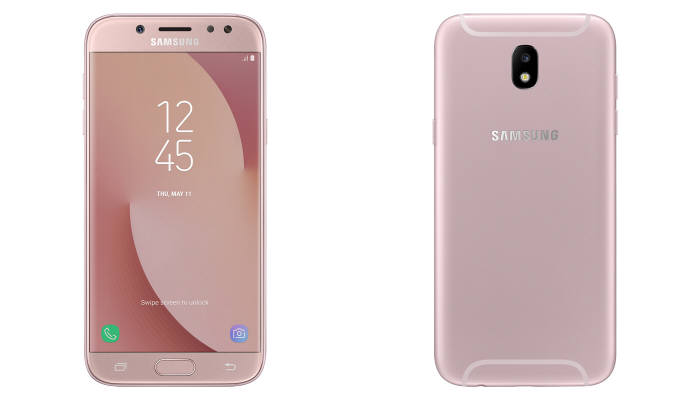
If you own a Samsung Galaxy J5 or a Galaxy J7 (2017), you may start seeing a new pop up on your notification bar. It is a new OTA update which focuses on security. The new firmware update contains the security patch from the month of February, so the latest one released by Google. In case you do not know, Big G releases these patches every month to fix the vulnerabilities of its operating system.

samsung-galaxy-j5-2017

The patch for the month of February is very important because it fixes Spectre and Meltdown, which are among the most dangerous vulnerabilities ever discovered on Android and Windows. The update for Samsung Galaxy J5 and J7 (2017) comes right after the one for Galaxy XCover 4 and Galaxy A5 (2017), and it should arrive soon to flagships as well (Samsung Galaxy S8 and Galaxy Note 8).

Besides the February security patch, the update also includes fixes for 16 vulnerabilities present in Samsung’s software. The new update brings the version number to J530FXXU2ARB2M on the Samsung Galaxy J5 (2017) and to J727UUEU3ARB1 on the Galaxy J7 (2017). It is also possible to manually download the two firmwares in case you want to flash them manually: to do so, just head to the links below.

(Source, Download (J7), Download (J5))

Honor View 10 and Huawei Mate 10 Pro Get The Official TWRP and LineageOS 15.1

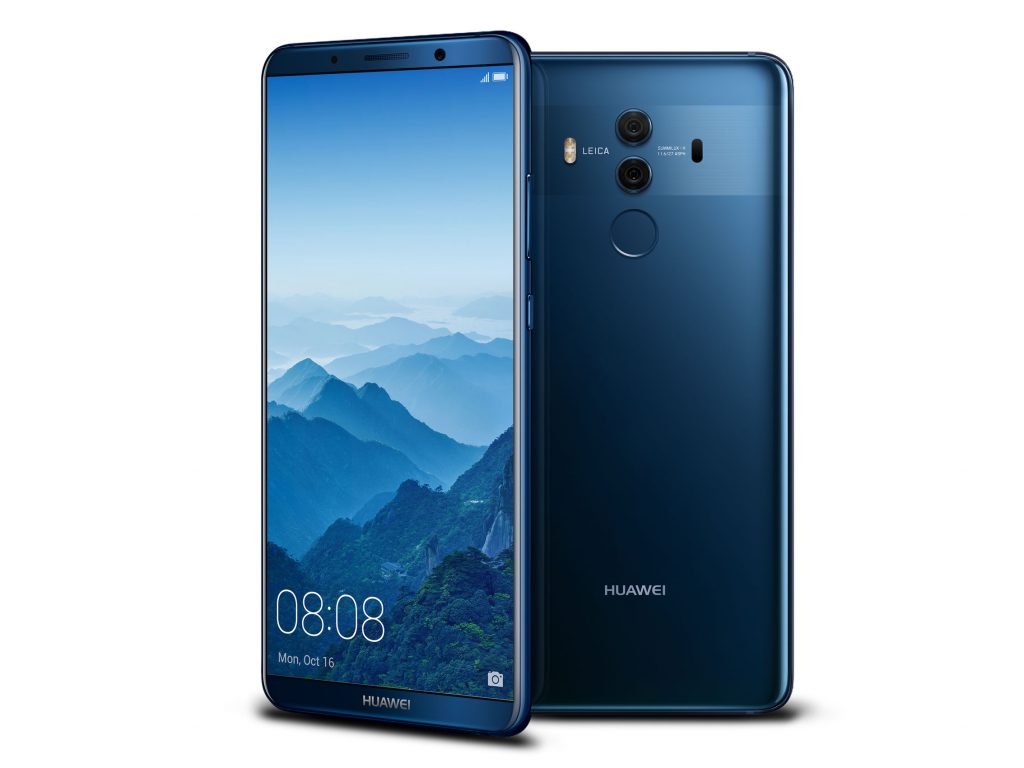
Smartphones with Snapdragon SoCs are considered the best ones for modding, as there are generally many more custom ROMs and recoveries for these handsets if we compare them with the smartphones with other chipsets. But this does not mean that modding cannot be done with other phones, like the ones by Huawei with their Kirin processors. The best flagships by Honor and Huawei: Honor View 10 and Huawei Mate 10 Pro, have just received the support to the official TWRP custom recovery and LineageOS 15.1.

huawei mate10 pro
Huawei’s latest flagship – Mate 10 Pro

Thanks to the official TWRP which is now possible to install on Huawei Mate 10 Pro and Honor View 10, these phones will be able to run many custom ROMs, and LineageOS 15.1 will be among the best ones that the users will be able to install. It is worth noting that the handsets also support Project Treble since they run Android 8.0 Oreo, and it means that AOSP ROMs can be easily ported to them. There is just an issue on LineageOS 15.1 for Honor View 10 and Huawei Mate 10 Pro: the wireless display feature does not work. So, if you install this custom ROM you will not be able to connect your device to an external monitor via Wi-Fi.

According to the developer who realized the ROM for Honor View 10 and Huawei Mate 10 Pro, all the rest of the features work properly. But keep in mind that it is not an official version, even though all the features present in the official release are included. The steps to install LineageOS 15.1 on the two high-end devices are slightly different from the usual. If you want to get all the instructions to install the custom ROM, just head to the source link below.

Will you try to mod your Huawei devices or the standard EMUI 8.0 based on Android Oreo is the perfect ROM for you?

(Source)

Sony Xperia Flagship Visits Geekbench With SD845, 4 GB RAM

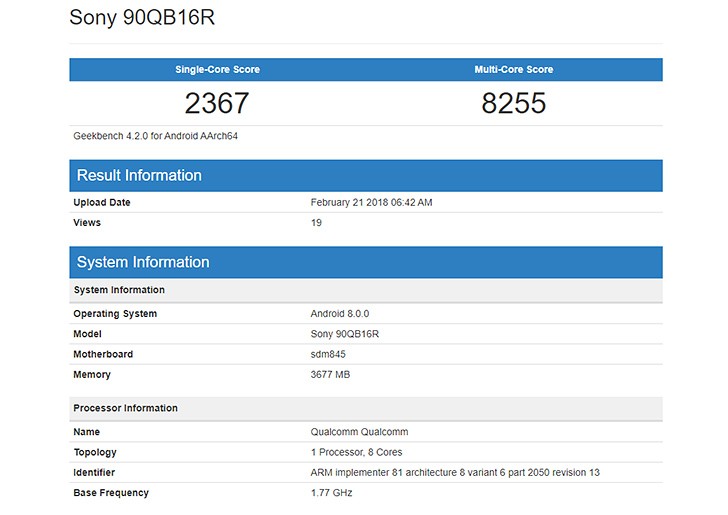
Another Sony Xperia flagship has been spotted in the database of the benchmarking platform Geekbench. It is the second time that we see a flagship from the Japanese company on Geekbench with exactly the same specs, but its model number is different from the one of the last sighting. The device which has been spotted on Geekbench in late December was identified by the model number H8266 and it was rumored to be the Xperia XZ2. Instead, the new device spotted has the model number 90QB16R: we may be talking about the Xperia XZ2 Compact.

It has exactly the same hardware side, but the scores obtained on Geekbench is slightly lower than the one obtained by the alleged Sony Xperia XZ2. In single-core performances, the H8266 has scored 2393 points, while the 90QB16R has scored 2367 points. In multi-core, the score for the first variant was 8300, while 90QB16R scored 8255 points. Both the phone have the octa-core Snapdragon 845 chipset by Qualcomm, the most powerful released until now, together with the Exynos 9810 which will be in the European version of the Samsung Galaxy S9. The SD845 is paired with 4 GB of RAM: these specs confirm the recent leaks.

The operating system installed on both the handsets is Android 8.0 Oreo, and it is obvious saw that we are talking about Sony devices which are among the first to be released with the latest Android versions. Sony Xperia XZ2 and XZ2 Compact will officially be unveiled in a few days, at MWC 2018 which will be held in Barcelona. They are expected to come with 18:9 displays as Sony has promised to abandon its OmniBalance design for its flagships. The fingerprint reader will be probably placed on the rear side, unlike the predecessors, just like the new Xperia XA2 series. A Pro version of the XZ2 is rumored to come alongside these devices, with the first 4K OLED display ever seen on a phone.(

(Via)

iOS 11.2.6 Update Fixes The Indian Character Bug On iPhones And iPads

One of the most dangerous bugs related to iOS devices and Apple PCs has been discovered recently. A simple Indian character forced iPhones to crash: this symbol from the Telugu language, if sent on a messaging application or via e-mail, is able to crash iPhones and iPads. In the worst cases, the character caused the devices’ to boot loop.

To recover their iPhones in bootloop, the users had to reset them in DFU mode via PC, by using iTunes. The reset caused the loss of all the data contained in the devices. But thanks to a new iOS update which has been rolled out by Apple, the issue is finally fixed. The new update brings the number of version to 11.2.6 and its size is 163.2 MB. It is just a minor update released to fix some bugs, so do not expect new features. But it is highly recommended to install it, because if someone sends you the specific Indian language character, you may see your device go in bootloop and you will not be able to do anything to avoid it.

According to the official changelog by Apple, the update to iOS 11.2.6 fixes an issue where using certain character sequences could cause apps to crash. It clearly refers to the Indian character bug, and it has also been confirmed on Twitter by users who have just installed the new update. There is just another detail in the changelog which says that the update fixes an issue where some third-party apps could fail to connect to external accessories.

(Via)
Xiaomi Redmi Note 5 Pro AnTuTu Score vs Mi 5 vs Mi 6 vs Redmi Note 5: SD 636 on Par With SD 820!

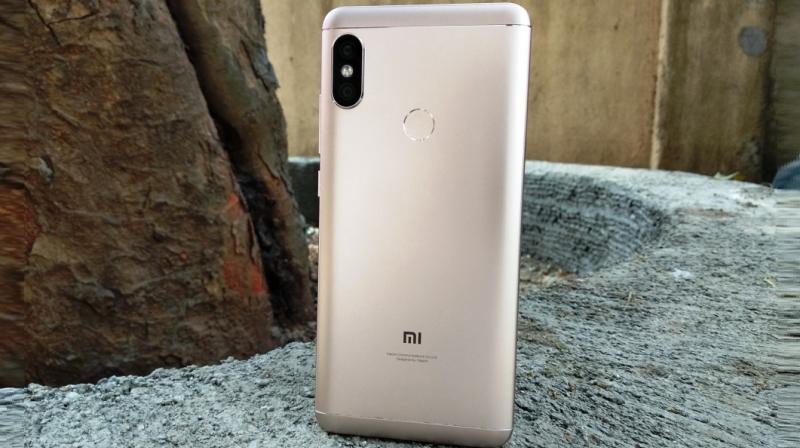
Xiaomi officially launched the Redmi Note 5 in India on February 14 and along with it came the relatively new Redmi Note 5 Pro. The Redmi Note 5 was Xiaomi’s first full-screen smartphone that featured a dual camera setup. Apart from that, the Redmi Note 5 Pro scored another first, being the first Xiaomi model and indeed the first smartphone globally to pack a Qualcomm Snapdragon 636 processor.Xiaomi Redmi Note 5 Pro

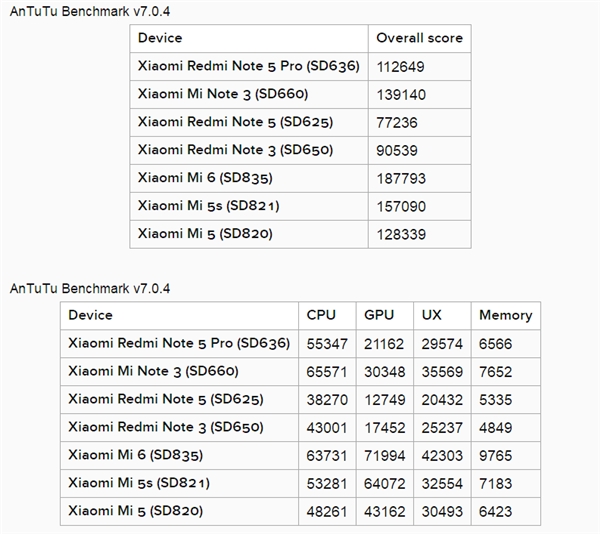
The performance of the Redmi Note 5 Pro has now been revealed and the performance of the CPU is something interesting. According to AnTuTu benchmark result and a couple of other benchmarking apps, the Snapdragon 636 chip onboard the Redmi Note 5 Pro is slightly more powerful than the flagship Snapdragon 820 processor. Snapdragon 636 is designed using the Octa-core Kyro 260 CPU architecture and is built on a 14nm silicon wafer. The mobile processor is clocked at 1.8GHz and is paired with an Adreno 509 GPU. The new processor also comes with support for Bluetooth 5.0. The CPU is composed of four large Cortex A73 cores and four Cortex A53 cores clocked at 1.6GHz.XIaomi Redmi Note 5 Pro AnTuTu

Now to the AnTuTu benchmark score, the Redmi Note 5 Pro scored 112,649 while the Mi 5 which runs on a Snapdragon 820 flagship chip scored 128,339 which is very close to the Note 5 Pro’s score. The Redmi Note 5 Pro overall score also surpasses those of the Snapdragon 650-powered Redmi Note 3 and the Snapdragon 625-powered Redmi Note 5 Pro. However, the Snapdragon 660 still remains king of the mid-rangers, pulling a higher score than the SD 636 and SD 820.Snapdragon 636

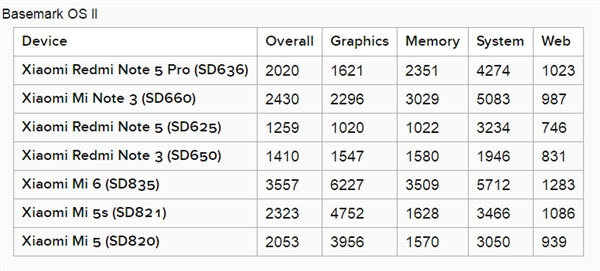
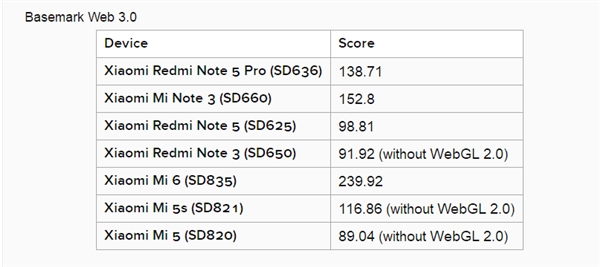
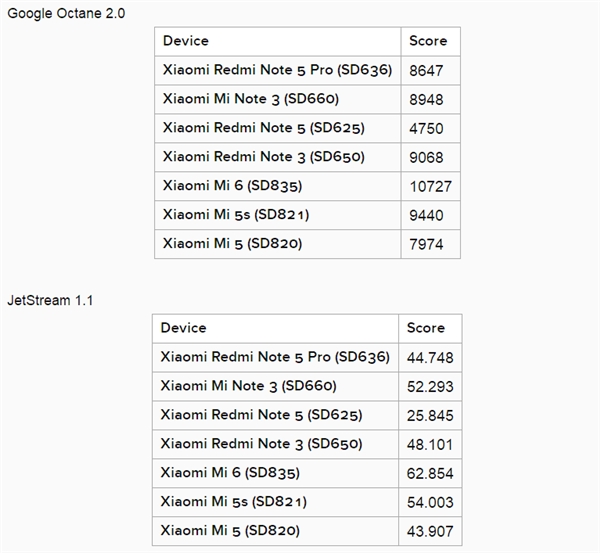
From the look of things, the CPU is very powerful but the device’s GPU seems to be deficient as that is what brought down the overall AnTuTu score of the Redmi Note 5 Pro. As a reminder, the Snapdragon 636 chipset comes with the Adreno 509 GPU. In other benchmark tests such as Basemark OS II, Google Octane 2.0 and JetStream 1.1 Java performance test, the Snapdragon 636 is almost on par with the Snapdragon 820 flagship SoC and in some test where the GPU is not tested, it surpasses the SD 820’s score. Thus, the new Qualcomm Snapdragon 636 processor holds the potential to be a great SoC but that GPU? Maybe it isn’t too bad after all, but it is a let down for such a powerful mid-range chip.

(source)Snapdragon 636 Redmi Note 5 ProSnapdragon 636 Xiaomi Redmi Note 5 Pro

CAT S61 Launches With Improved FLIR Thermal Camera & Snapdragon 630

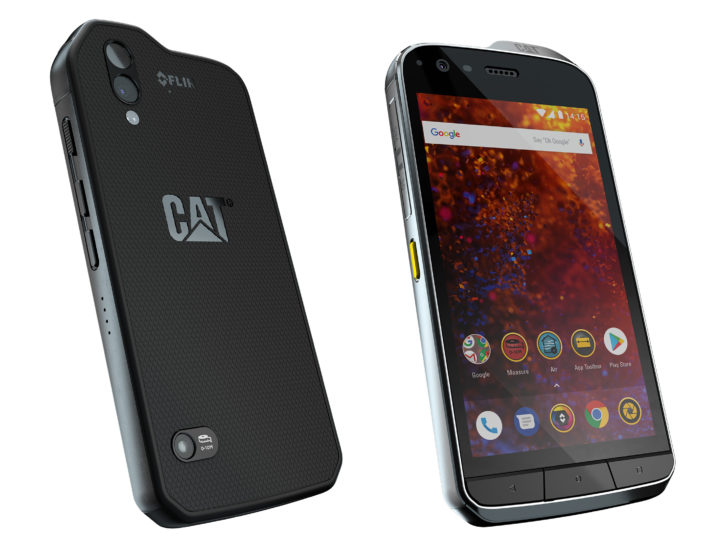
Cat has announced a successor to its S60 rugged phone. The new Cat S61 has an improved FLIR® thermal camera and an upgraded processor.

Cat S61 featured

The Cat S61 is manufactured by Bullitt Group. It has a 5.2” FHD display with Gorilla Glass 5 which has been optimized for outdoor use. There is a Snapdragon 630 under the rubberized back along with 4GB of RAM and 64Gb of storage.

The rear camera is a 16MP sensor and up in front is an 8MP sensor. The upgraded FLIR sensor can now read temperatures up to 400°C and also supports live-streaming.

A 4500mAh battery powers the phone and it has support for Quick Charge 4.0. It is also water resistant up to 3m for 60 minutes (including salt water) and has Mil-Spec 810G credentials.

The S61 also comes with an air quality sensor that can detect the level of volatile organic compounds (VOCs) in their environment. An alert system warns users when VOCs reach an unhealthy levels. The sensor is said to be capable of reading humidity and temperature too.

READ MORE: CAT S41 Rugged Phone With 5000mAh Battery Launched

Xiaomi Mi Band 3 On The Way, Gets Bluetooth Certification

We have been expecting a sequel to Xiaomi’s Mi Band 2 for more than a year but all we have got have been special editions. Today, we finally get our first confirmation of the existence of the Mi Band 3.

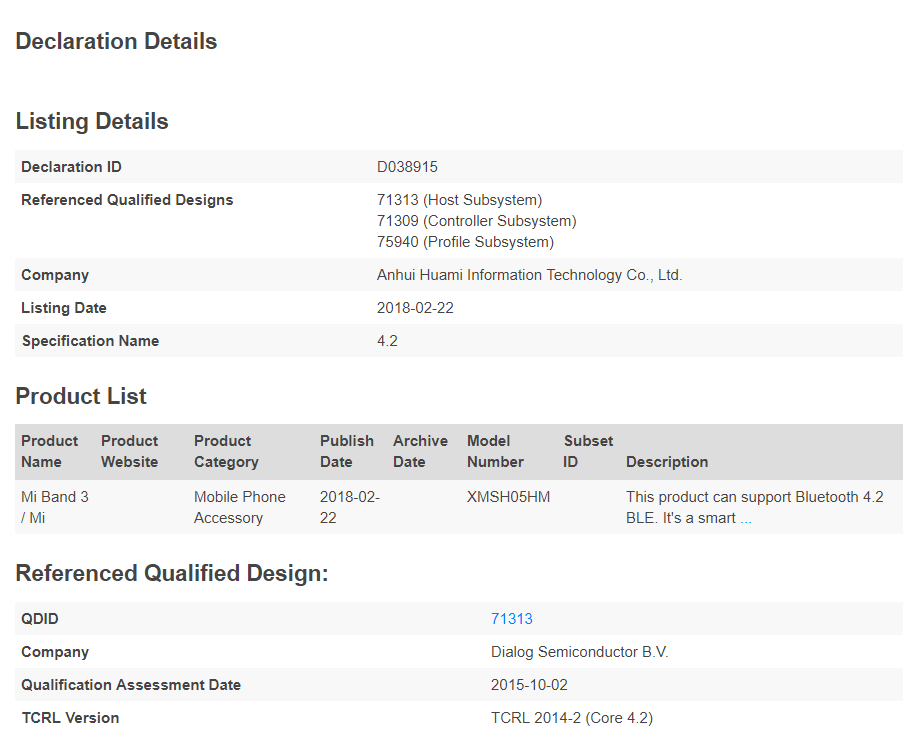
The upcoming fitness tracker just got Bluetooth certified earlier today. Although, the certification doesn’t reveal any key specs, we can still make out some important info.

Mi Band 3

The Mi Band 3’s model number is listed as XMSH05HM and is said to support Bluetooth 4.2 LE (Low Energy). Production is still handled by Anhui Huami Information Technology Co. Ltd (Huami).

A lot about the design and specifications of the Mi band 3 are still unknown but it should come with some of the default features such as a heart rate sensor, pedometer, and calorie counter.

READ MORE: Android Wear Oreo Update Now Available for These Six Smartwatches

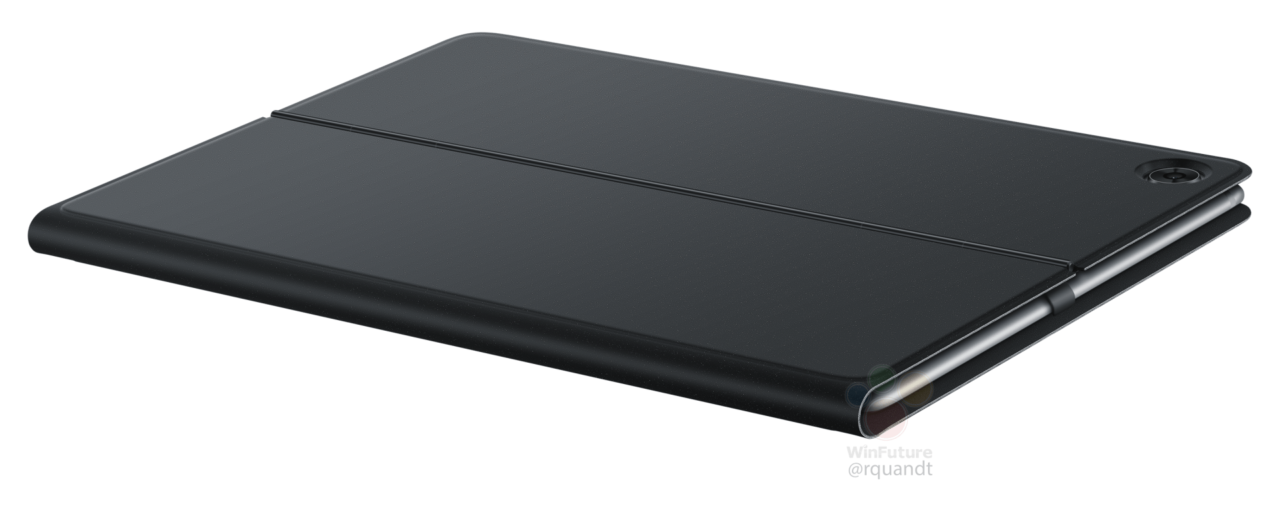
Huawei MediaPad M5 10 Pro Fresh Renders Appear with Key Specs Ahead of MWC 2018 Unveil

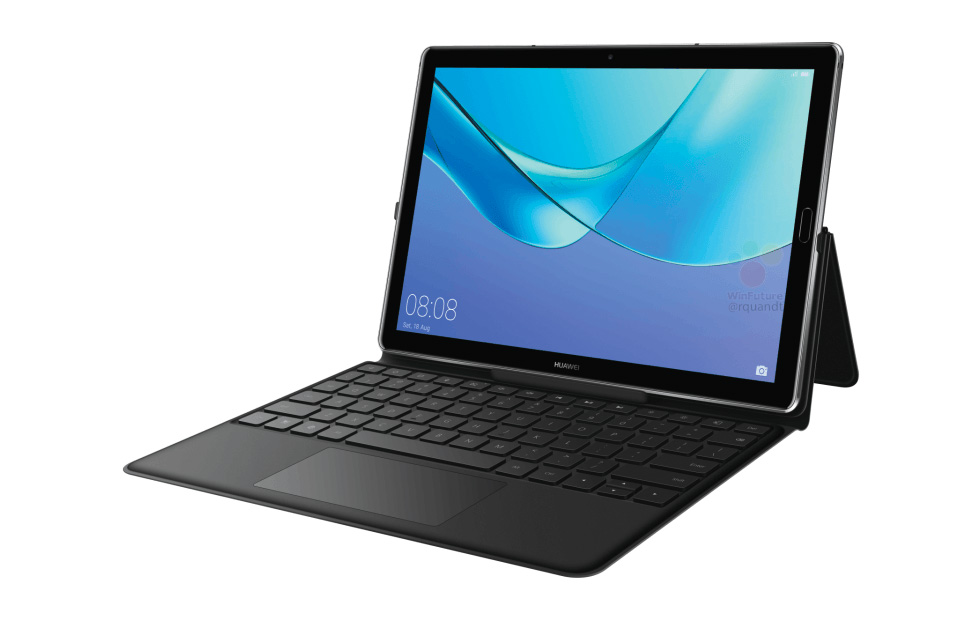
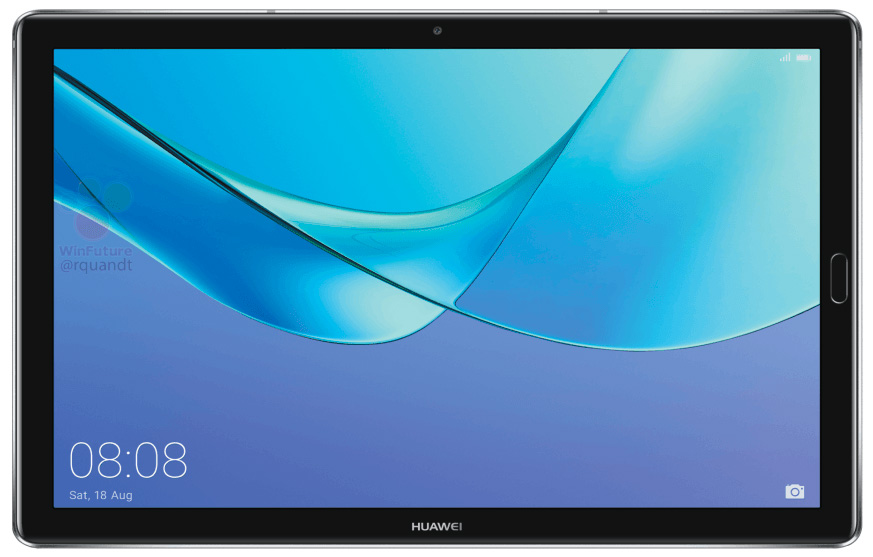
Huawei is expected to announce the MediaPad M5 8, MediaPad M5 10 and MediaPad M5 10 Pro at the Mobile World Congress (MWC) 2018 in the coming week. Popular leakster Roland Quandt has been consistently revealing leaked information of these tablets. Quandt has today shared fresh renders of the high-end MediaPad M5 10 Pro tablet.

The MediaPad M5 10 Pro is codenamed as Cameron Pro. According to the leakster, the 10-inch high-end tablet will be supporting screen resolution of 2560 x 1600 pixels. It indicates that it will be offering an aspect ratio of 16:10.

Huawei MediaPad M5 10 Pro in Case

Huawei MediaPad M5 10 Pro in Case

He has added the slate will be available in 32 GB and 64 GB storage models. Both the variants will be featuring 4 GB of RAM. Previous leaks have suggested that it features Kirin 960 chipset that powered the Mate 9 series and P9 series flagship phones. The device is expected to run on Android 8.0 Oreo.

Huawei MediaPad M5 10 Pro in Case

Huawei MediaPad M5 10 Pro in Case

Read More: Huawei P20 Multiple Live Shots Reveal Surprising Design, Lacks Triple Lens Camera

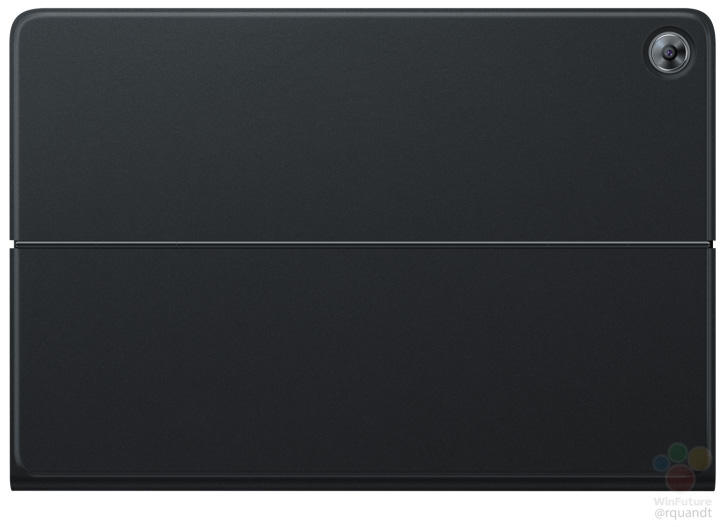
The MediaPad M5 10 Pro can be seen placed inside an official Keyboard Folio Cover. The leakster claims since there is a large cutout for the rear camera, it seems the tablet will possess impressive photography capabilities. The home button of the tablet is embedded with a fingerprint sensor. The leakster had revealed earlier in this month that the M5 10 Pro will carry support for M-Pen stylus and LTE connectivity. It is expected to launch with a price tag of 520 euros (~$639).

What do you think about the design of the Huawei Media Pad M5 10 Pro. Share us your views by commenting below.

(source 1, 2)


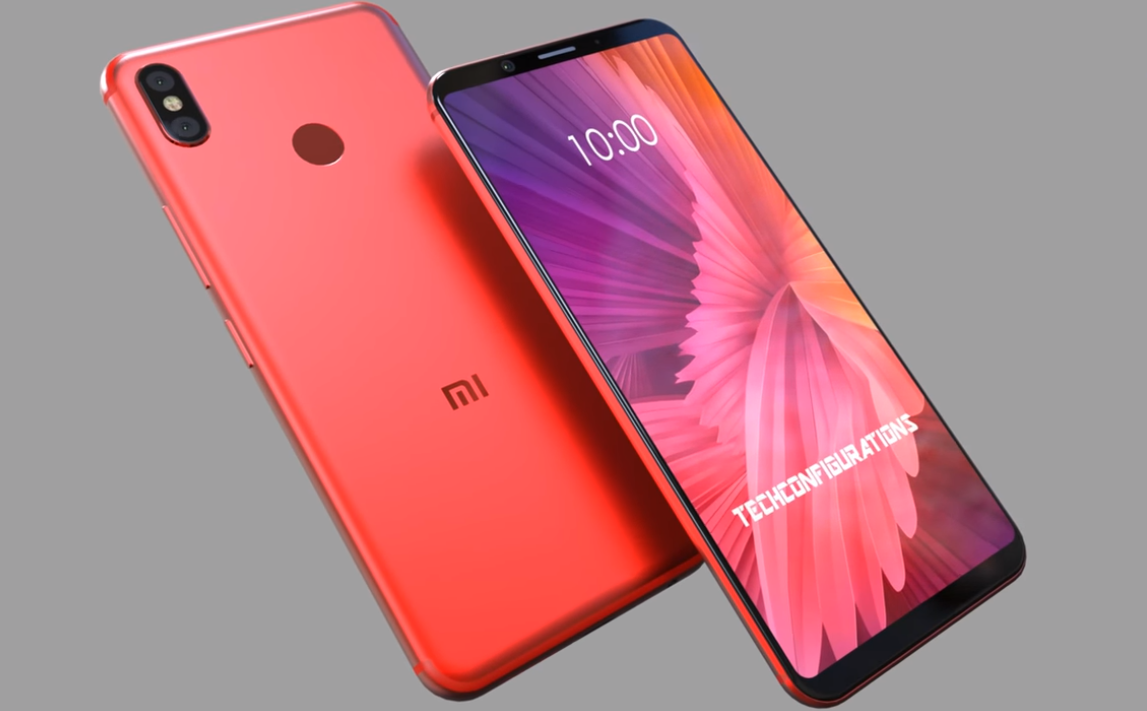
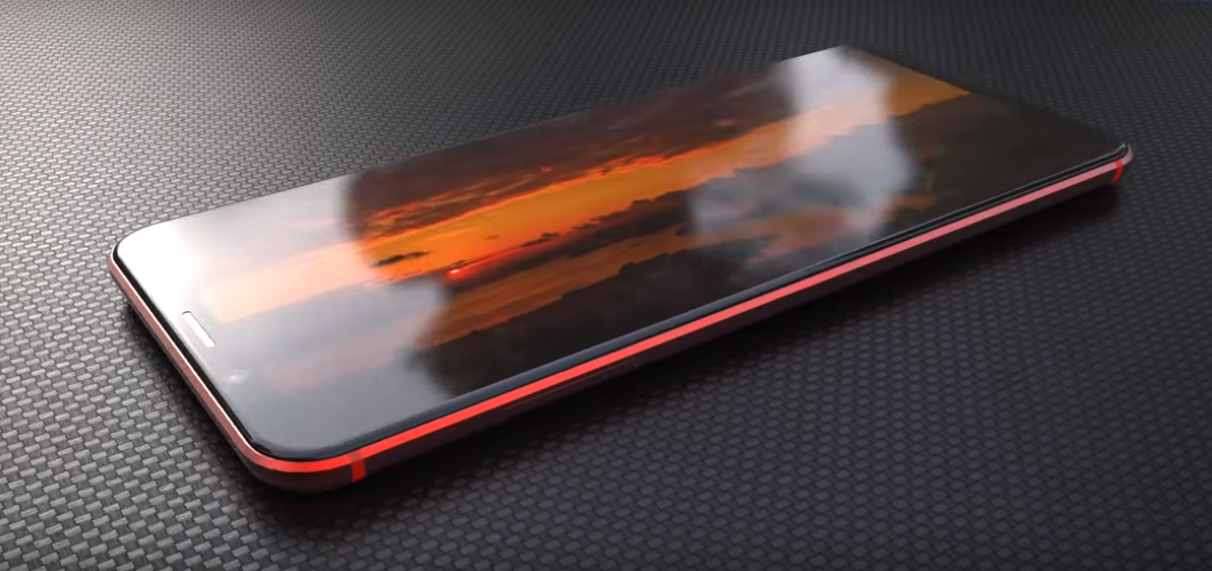
Xiaomi Mi A2 (6X) Concept Boasts Marvelous Full Screen Design

In September 2017, Xiaomi had launched the Mi 5X smartphone exclusively in China. The very same handset was made available internationally as Mi A1, the first Android One phone from Xiaomi. Rumors are rife that the company has already started working on Mi 6X. Previous leaks have already revealed what sort of design it will be arriving with. Just like Mi A1, the Mi 6X is pegged to launch internationally as Mi A2. Designers at Tech Configurations have created a concept model of the Mi A2 based on the rumors surrounding it.

Xiaomi Mi A2 Concept
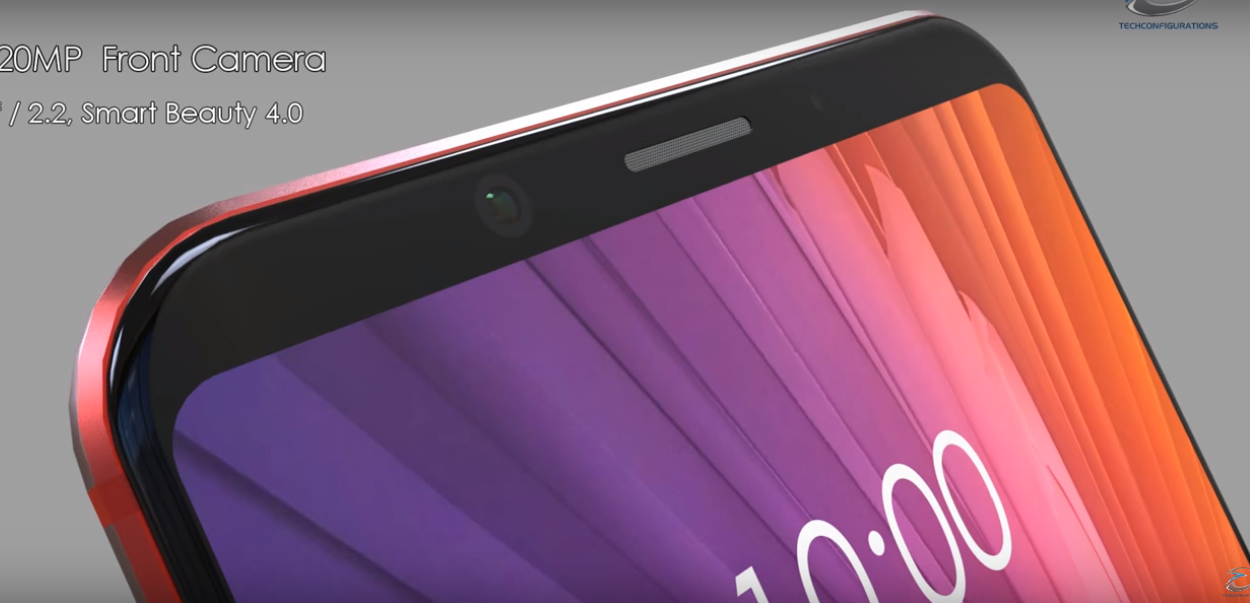
The Xiaomi Mi A2 concept model can be seen sporting a full screen design. The side bezels are thin, and the upper and lower bezels are thinner than Mi A1. The upper bezel features a 20-megapixel selfie camera that is coupled with an LED flash. It is equipped with f/2.2 aperture and Smart Beauty 4.0 like the Redmi Note 5 Pro for snapping enhanced selfie shots with AI.

Xiaomi Mi A2 Concept

Xiaomi Mi A2 Concept

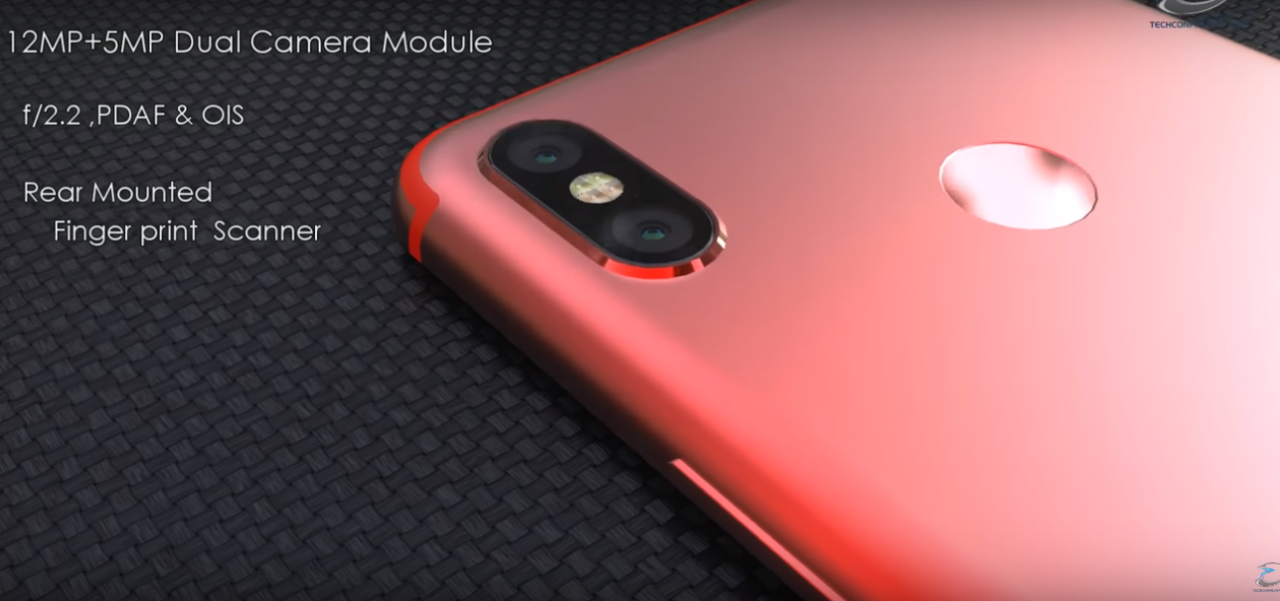
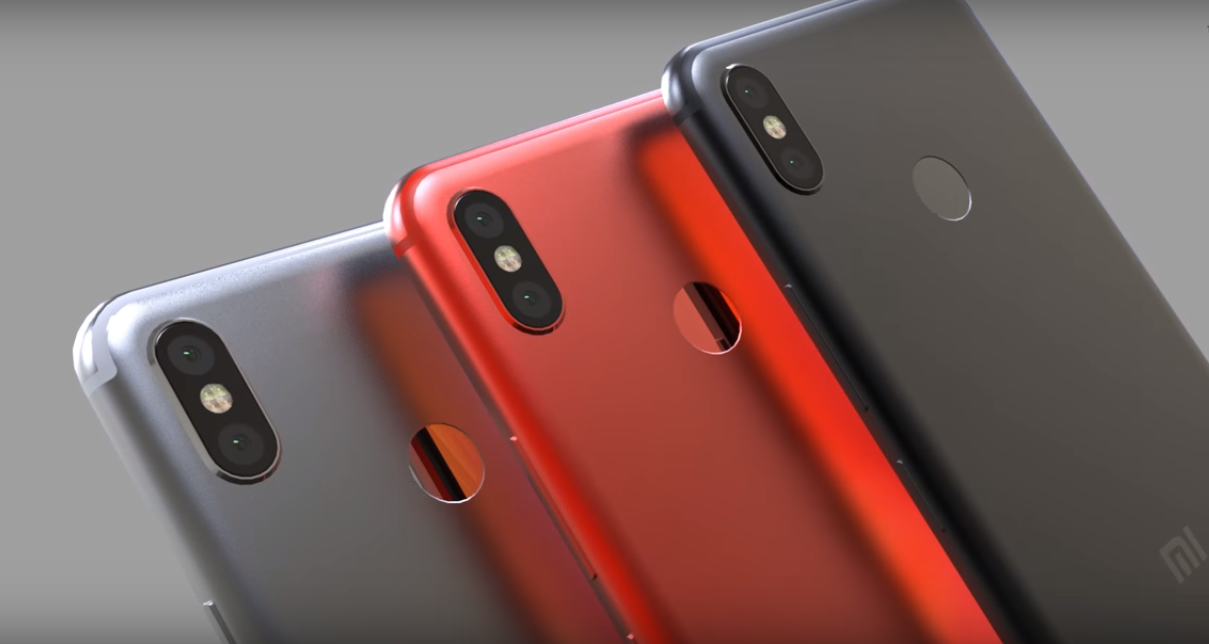
The antenna bands are located on the upper and bottom edges of the rear panel. The fingerprint scanner is also residing on the backside of the Mi A1 concept. The vertically arranged dual camera sensors are separated by an LED flash. It features a 12-megapixel sensor and 5-megapixel sensor. It is enabled with features like f/2.2 aperture lens, PDAF and OIS. The 6-inch display of the Mi A2 concept phone supports FHD+ resolution and 18:9 aspect ratio.

Xiaomi Mi A2 Concept

The Mi A2 concept model suggests that the actual device will be either powered by Surge S2, the upcoming in-house chipset from Xiaomi or the Snapdragon 636 that has been introduced through the Redmi Note 5 Pro. The 32 GB and 64 GB storage models of the Mi A2 concept phone respectively feature 4 GB and 6 GB of RAM.

Xiaomi Mi A2 Concept

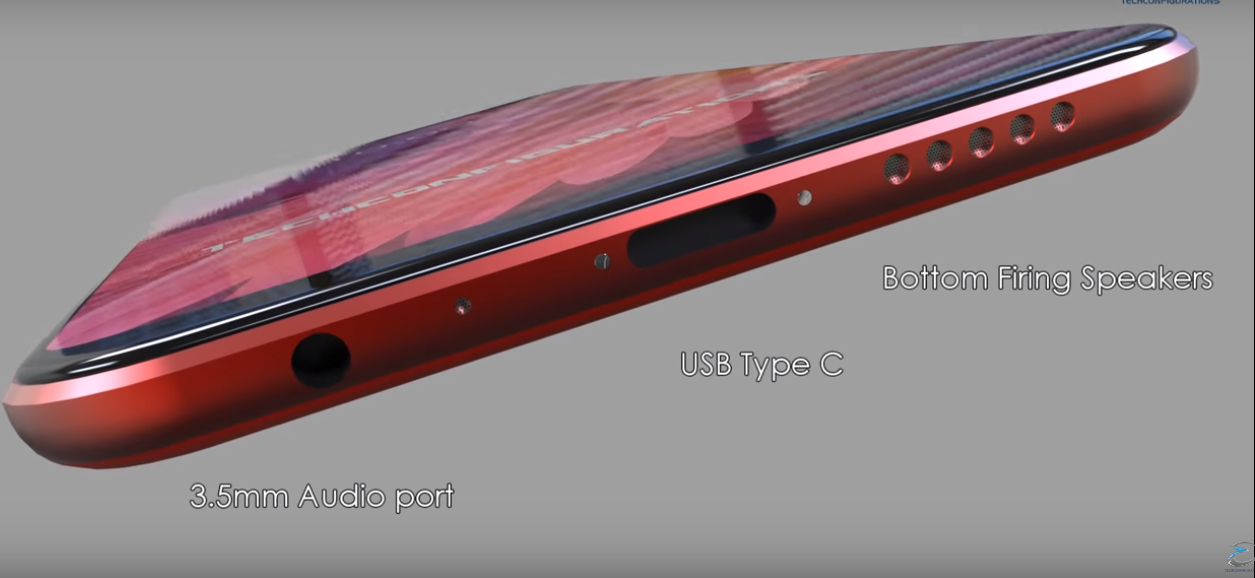
The bottom side of the phone features a 3.5mm audio jack, USB-C and an external speaker. The concept model has three color variants such as Silver, Red and Black.

Xiaomi Mi A2 Concept

As of this writing, there is no concrete information available on the launch date and pricing of Mi 6X (A2).

Do you think that the actual Mi A2 will look like the concept model shown above? Share us your views by posting your comments below.


ARM Technologies Announces iSIM for IoT Devices

Last year Apple launched the Apple Watch Series 3 with an embedded SIM (eSIM). The Pixel 2 and Pixel 2 XL also come with eSIMs. This new SIM technology replaces the current SIM cards we use. Yesterday, ARM introduced iSIM- a similar technology but for IoT devices.

The integrated SIM (iSIM) will provide a way for IoT devices to have cellular identities. The new technology is also said to be GSMA Embedded SIM Specifications compliant.

ARM iSIM

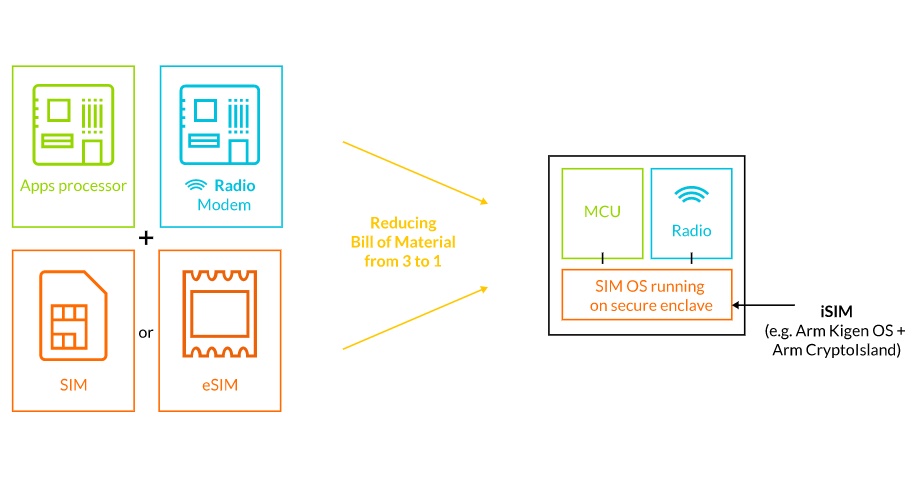
Wondering how it is different from eSIM? Unlike an eSIM which is separate from the device’s main chipset and modem, iSIM combines everything into a single SoC.

So you have the main processor, modem, and SIM as a single component. ARM says the SIM is stored in a secure enclave with enhanced hardware security like its Arm CryptoIsland.

The advantage this brings is a significant reduction in production cost.

READ MORE: GizmoChina Explains: How Does An eSIM Work?

Samsung Building New 7nm Foundry, Announces Partnership With Qualcomm for 7nm 5G Chips

Samsung’s semi-conductor and foundry business is one of its most profitable ventures. However, it didn’t get into the 7nm race early, leading to Taiwan’s TSMC getting the upper hand.

Samsung wants to play catch up and has announced the building of a new foundry which will use Extreme Ultra Violet (EUV) process for production of 7nm chips.

Samsung Semiconductors

The new foundry will be located in Hwaseong, Gyeonggi Province, South Korea, and will begin mass production next year.

In a related news, Samsung today announced that its partnership with Qualcomm will be expanded thanks to the new EUV process technology which will be used to manufacture Qualcomm’s 5G mobile chipsets next year.

The EUV process brings a number of advantages for chip production and performance. First, the chip is smaller than previous generation ones which means device manufacturers will be able to design much slimmer devices or increase battery capacities due to the additional space.

Samsung says the process technology also reduces the complexity associated with production and has a greater yield than 10nm FinFET process. Chips produced using the process will also have a 10% increase in performance and a 35% reduction in power consumption.

TSMC on the other hand will still use FinFET for its own 7nm chips. However, its early foray into 7nm production means that it will handle production of Qualcomm’s Snapdragon 855 chip.

READ MORE: Samsung Planning To Bring The Full-Screen OLED Design To Its Midrange Segment

As Qualcomm Raises Bid To Acquire NXP, Broadcom Lowers Its Offer For Qualcomm

About a week ago, the leaders of Qualcomm met with Broadcom’s team to discuss the $121 billion acquisition offer. While the results of that meet have not been made public, Broadcom now has a new offer for Qualcomm’s acquisition.

Broadcom has shaved off $3 per share from its takeover bid for Qualcomm, reducing the share’s pricing to $79 a share. However, the price still remains nearly 13 percent above Broadcom’s original offer of $70 per share.

This new offer comes after Broadcom objected to Qualcomm’s decision to raise its own bid for the acquisition of NXP Semiconductors to $44 billion. In response to this new offer, Qualcomm said that Broadcom had made “an inadequate offer even worse”.

Qualcomm logo

Qualcomm increased its offer price for NXP to $127.50 a share from $110 to increase support for the deal among NXP’s shareholders. The move seems to have worked as the company said that investors who roughly control about 28 percent of NXP’s shares, who had opposed the company’s initial offer as being too low, have now agreed to tender their shares.

Under the new terms agreed with NXP’s board, the deal with Qualcomm is contingent on 70 percent of NXP’s shares being tendered, instead of the 80 percent threshold in the earlier agreement. Once the threshold is reached, Qualcomm can take over the entire company through a “second-step” transaction mechanism.

In a statement, Broadcom said, “Qualcomm’s board acted against the best interests of its stockholders by unilaterally transferring excessive value to NXP’s activist stockholders.” The company also added that its bid would automatically rise again to $82 if Qualcomm failed to complete its purchase of NXP. Broadcom also criticized Qualcomm on Wednesday for not liaising with it before raising its NXP bid.

Read More: Chinese Phone Makers, Including Xiaomi, OPPO, And Vivo Are Against Broadcom’s Qualcomm Takeover Bid

However, Qualcomm defended its move to increase the value of the NXP deal, arguing that it would expand the company’s markets and offer cost savings. Research analysts now believe that this move raises the chances that the  San Diego-based chipmaker will buy NXP and lowers the chances of a Broadcom-Qualcomm deal.


Huawei P20 Multiple Live Shots Reveal Surprising Design, Lacks Triple Lens Camera

Huawei is rumored to debut the P20, P20 Lite and P20 Plus smartphones through a dedicated launch event in the coming month in Paris. In the previous month, a Spanish site had revealed several leaked shots of a prototype of the upcoming P20 Lite smartphone. Today, Android Authority has shared multiple live images of a prototype of Huawei P20.

The Huawei P20 Lite prototype sported an iPhone X-like notch enabled design. Hence, the Huawei P20 that is speculated to feature better specs than the P20 Lite was also expected to feature an iPhone X-style design. However, the images of the prototype of the Huawei P20 have revealed that it won’t be resembling the iPhone X.

Huawei-P20-prototype

Huawei-P20-prototype

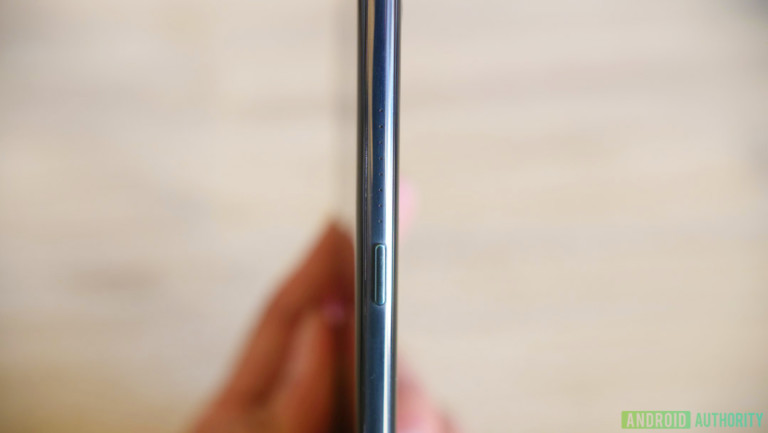
The leaked images show that the upper and lower bezels of the P20 are slimmer than the predecessor P10 smartphone. Its sides are almost non-existent. The left edge of the phone is barren whereas the right side features a Power key.

Huawei-P20-prototype

Huawei-P20-prototype

There are no physical volume buttons on the phone. Instead, it seems to feature some sort of touch indicators above the power key that can be swiped up and down for controlling volume.

Huawei-P20-prototype

Huawei-P20-prototype

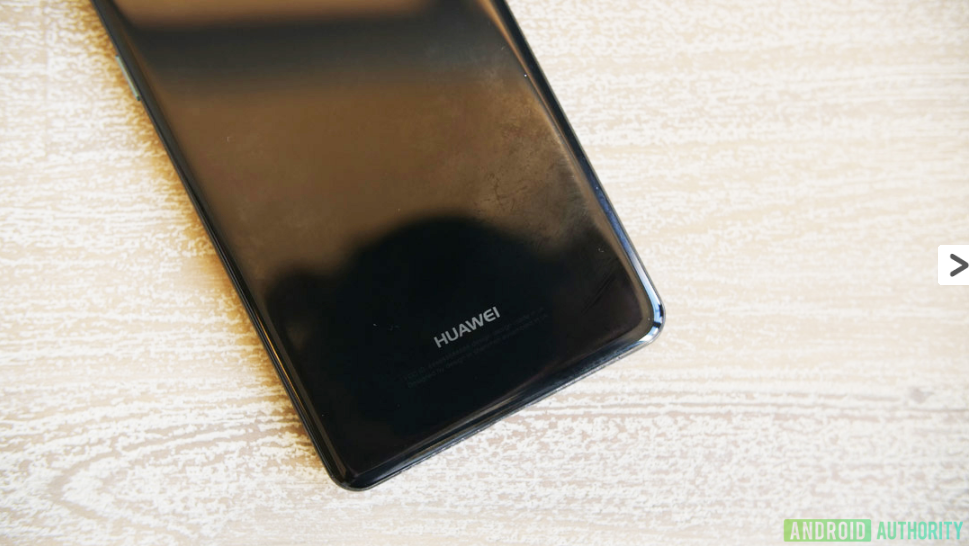
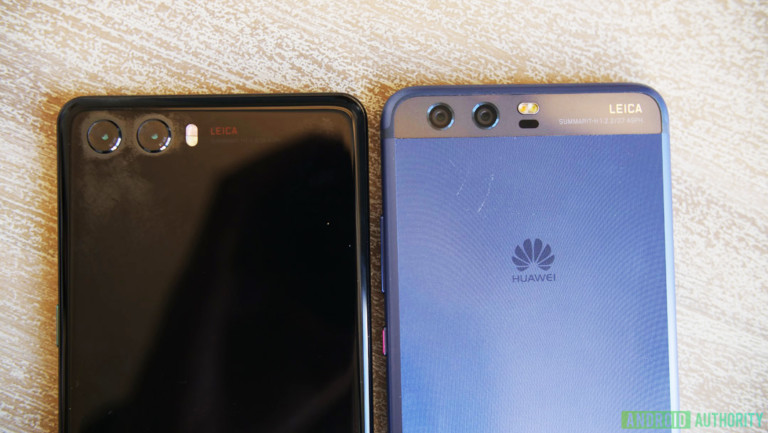
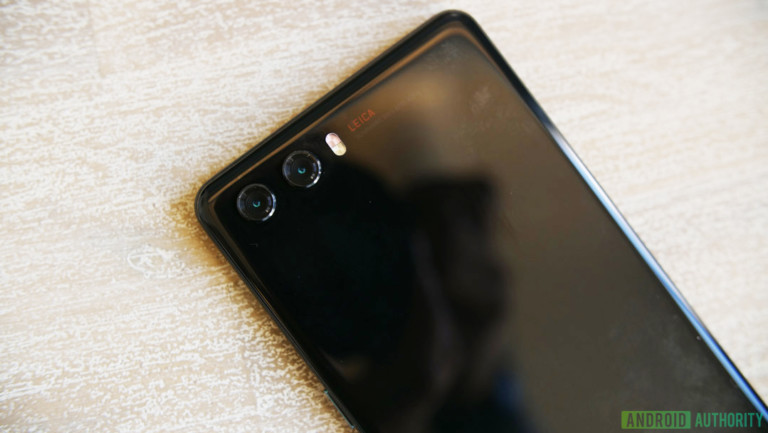
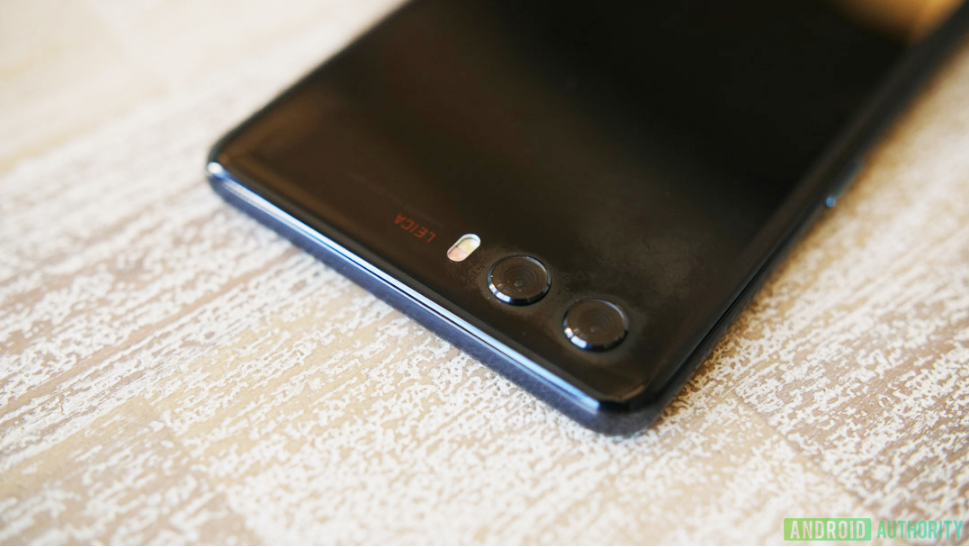
The back panel does not feature a separate camera housing like the P10. Also, it does not feature the rumored triple lens system. The Leica certified dual camera setup blends with the rear panel of the P20. The edges of the back panel are more rounded than P10 which indicates that the smartphone will offer better grip.

Huawei-P20-prototype

The publication has learned through its source that the P20 may arrive in regular and Pro variants. The regular model may feature dual camera setup whereas the Pro/Plus model may house triple camera module.

Huawei-P20-prototype

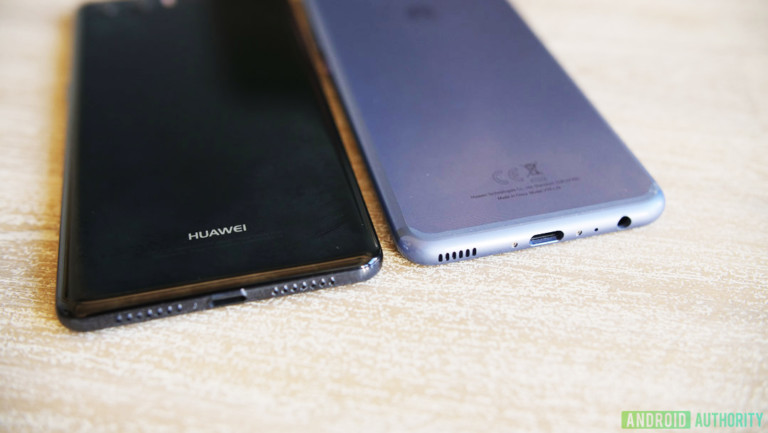
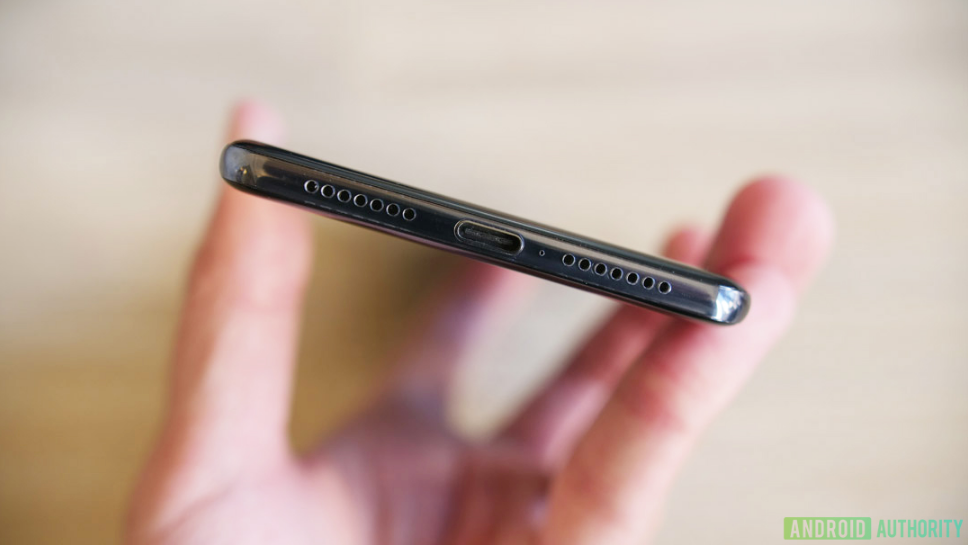
As it can be seen in the above images, the bottom edge of the P10 (device placed on the right) features an external speaker, a USB-C port and a 3.5mm audio jack. The prototype of the P20 features a pair of external speakers with a USB-C port placed in between. There is no confirmation on whether the extra speaker is functional. The handset does not feature a 3.5mm audio jack. The source of these photos did not reveal any information on the specs of the phone.

What’s your opinion on the design of the Huawei P20? Share us your views by posting your comments below.

Source

HTC Vive Business Edition VR System Launched In India

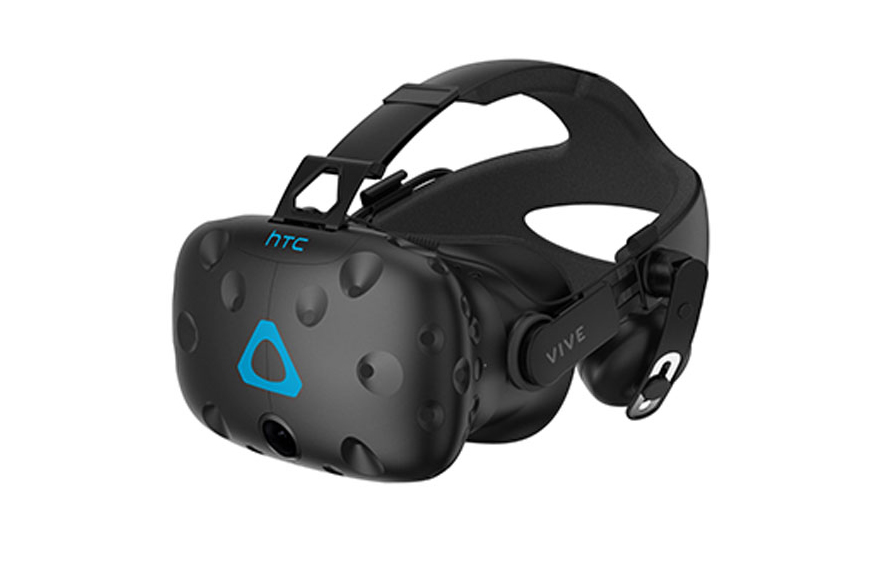
HTC, the Taiwanese manufacturer, has announced the launch of its latest HTC Vive Business Edition (BE) virtual reality headset in India. With this, the company seems to be aiming to cater to the enterprise audience that has virtual reality applications in the commercial market.

In India, the virtual reality headset comes at a price of Rs 1,26,990 (approximately $1953) and can be purchased from Amazon India as well as www.imonline.co.in. The company would also allow organizations to order Vive VR systems with additional services adapted for business and commercial environments.

HTC Vive Business Edition

The package contents for the HTC Vive Business Edition system includes Vive BE headset, two Vive BE controllers, two Vive BE base stations, 4 Vive BE face cushions, and a Vive BE 3-in-1 cable. The company is also providing 12-months limited warranty on purchase of the HTC Vive Business Edition in India.

Commenting on this, Faisal Siddiqui, President – South Asia at HTC, said:

Vive BE is reshaping the future of business operations by offering them a complete VR eco-system. Built to scale with growing business requirements, Vive BE delivers exceptional experience and innovative solutions that address the growing business needs of companies globally. As a part of our Vive focus in 2018 we plan to expedite the growth of our partner through application of Vive technology across key areas like gaming, entertainment, automotive, engineering and medical amongst others.

The device comes with a 3.6-inch dual-AMOLED display setup with a combined screen resolution of 2160 x 1200 pixels and a refresh rate of up 90Hz, 110-degree Field of View (FoV), and lens distance adjustment features.

It sports a Deluxe Audio Strap, making it easier to switch the headset between users. The headset comes equipped with several sensors, including G-sensor, SteamVR tracking, gyroscope, and proximity sensor. Connectivity options on the device include HDMI, USB 2.0, a 3.5mm headphone jack, Bluetooth, and Micro-USB Vive controller.

Read More: HTC Desire 12 Retail Box Leak Reveals Phone’s Specifications

Last month, at Consumer Electronics Show (CES 2018), HTC announced the Vive Pro and Vive Wireless Adaptor. The Vivo Pro comes with a dual front-facing camera and has also built a new head strap that includes “integrated high-performance headphones with a built-in amplifier”. The company has not yet released the full tech specs nor the pricing and availability details.


Huawei Enjoy 8 Seems to Have Received TENAA Approval, Full Specifications and Images Leaked

Huawei branded smartphones with model numbers LDN-TL10 and LDN-TL20 have been recently certified by TENAA regulatory body in China. It is speculated that these could be the two RAM and storage editions of the upcoming Honor Enjoy 8 or Huawei Y5 (2018) smartphone.

According to the TENAA listing, the dimensions of the alleged Enjoy 8 smartphone are 158.3 x 76.7 x 7.8mm and its weight is 155 grams. The handset seems to be housed a metallic chassis and it will be coming in color choices like black, gold, blue and rose gold. The fingerprint scanner is placed on the backside of the phone. Some of the specifications of the phone matches with the alleged Honor 7C that was recently approved by TENAA.

[envira-gallery id=”174796″]

The Enjoy 8 includes a 5.99-inch display that produces HD+ resolution of 720 x 1440 pixels. It is fueled by 1.4 GHz octa-core processor and 2,900mAh battery. Its LDN-TL10 variant features 3 GB of RAM and an internal storage of 32 GB. The LDN-TL20 includes 4 GB of RAM and 32 GB of native storage. Both the variants feature microSD card slot for additional storage.

[envira-gallery id=”174802″]

Read More: Huawei P20 Plus’ Triple Camera Sensor Revealed Up Close, Different Arrangement

The TENAA images show that only the LDN-TL10 is fitted with a dual selfie camera setup. Both the smartphones feature 8-megapixel front-facing snapper whereas their rear is fitted with 13-megapixel + 20-megapixel dual cameras. The handset is preloaded with Android 8.0 Oreo.

As of this writing, there is no information available on the launch date and pricing of the alleged the Enjoy 8. The Chinese manufacturer may announce it in the second quarter of this year.

(source 12)


LG K8 2018 And K10 2018 Series Smartphones Announced Ahead Of MWC 2018

Ahead of the Mobile World Congress in Barcelona next week, LG has announced its new K8 2018 and K10 2018 series phones, which includes K8 2018, K10 2018, K10+ 2018 and K10 α 2018.

According to the company, these new K-series phones are aimed at closing the gap between mass-tier devices and flagship offerings. The company says that these devices will go on sale in Asia, Europe, Latin America and the Middle East.

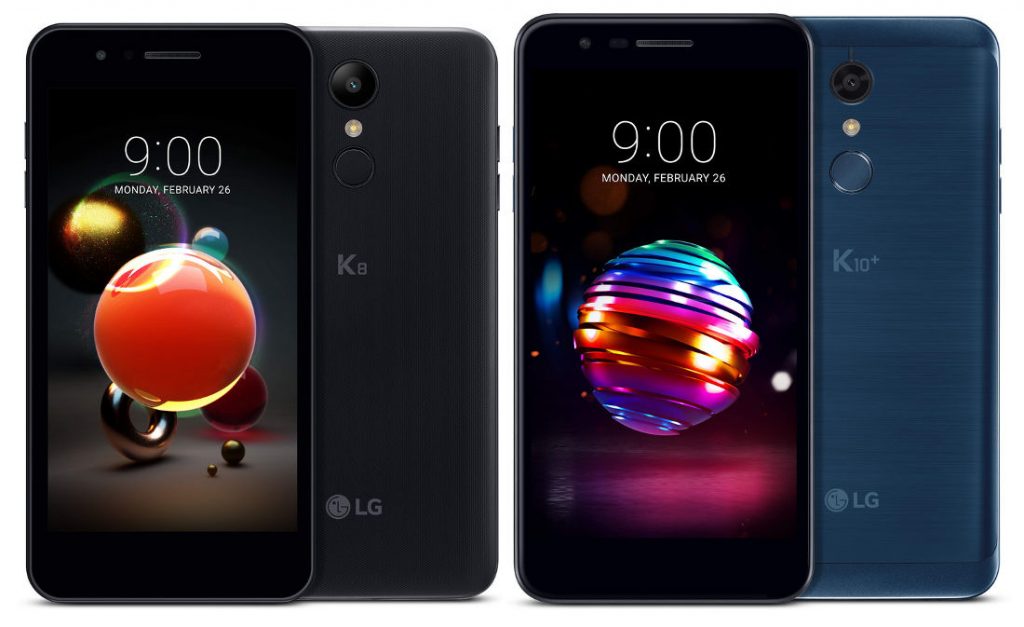
LG K8 2018 and LG K10 2018

It seems that the company is focusing on providing an improved camera setup with features such as high-speed autofocus and noise reduction for better low-light photography. The devices pack a new camera features called Flash Jump Shot that snaps a photo every three seconds, up to 20 photos and stitches them together into a GIF.

Further, both phones will have HD display with  2.5D curved glass design. The LG K8 2018 features a metallic design with metal U-frame, 5-inch On-Cell Touch IPS display, and sports a 13-megapixel rear camera with phase detection autofocus — same unit that is found in the flagship LG G6, along with an 8-megapixel front camera that supports Bokeh effect.

Under the hood, it is powered by a 1.3 GHz quad-core processor along with 2GB LPDDR3 RAM with 16GB (eMMC) storage. There’s a microSD card slot for expanding storage capacity up to 32GB. Running Android Nougat operating system, the phone is powered by a 2,500mAh battery.

On the other hand, the LG K10 2018 is the premium model of the two, featuring a 5.3-inch IPS HD display and a 1.5GHz octa-core processor. The phone will be available with 2GB RAM and 16GB of internal storage — same as the LG K10 α 2018. The LG K10+ 2018 packs 3GB RAM with 32GB onboard storage. All devices have a microSD card slot for further expanding the storage capacity.

As of the camera department, all three models of K10 2018 series come with an 8-megapixel rear camera and a 5-megapixel front-facing camera. It runs on Android Nougat operating system and is powered by a 3,000mAh battery.

Read More: LG V40 Concept Video Brings an SD 845 Chip, Bezel-less Design & In-Display Fingerprint

The LG K8 2018 and the LG K10 2018 series will be available in Aurora Black, Moroccan Blue, and Terra Gold colors. The devices will be showcased at LG’s booth in Hall 3 of Fira Gran Via from 26th February until 1st March.


Qualcomm’s Snapdragon 845 Features The Capability To Stream Music To Multiple Bluetooth Devices

U.S chipmaker Qualcomm unveiled it’s latest Snapdragon 845 mobile platform late last year and the new chips is set to debut onboard a smartphone at MWC 2018. Already, we have seen several benchmarks which indicate that the processor packs a lot of things to be excited about in terms of its graphics, camera support and AI processing. If you thought you have seen it all, you are mistaken as Qualcomm has now revealed a new feature that the SD 845 mobile platform would pack.Qualcomm

Qualcomm says Snapdragon 845 will come with a Broadcast Audio function, which will let users stream music to numerous Bluetooth devices simultaneously. So a group could listen to the same music via Bluetooth headphones, for example, or you could play a podcast throughout your house via multiple speakers. And with automatic retransmission and packet-loss concealment, the feature promises near-perfect synchronization.

Read More: Qualcomm Unveils Reference Design For VR Headset Powered by Snapdragon 845

As much as we know of, the this is an innovation that isn’t offered by any other mobile chips around presently. This sort of  one-to-many sound broadcasting pushes the capabilities of traditional Bluetooth in a way that makes it a viable alternative to platform exclusive smart speakers, especially if you’re a fan of multi-room playback. You won’t need to have multiple smart speakers like Home pods and Echos installed in several rooms around the house in order to listen to Classic FM on a Sunday morning while you move around the house. Also, you can enjoy that tune you’re listening to on your headset with a friend sitting close by without having to give up your headphone. Broadcast Audio lets users share and participate in sound in a way that brings people together, which is what music is all about. So it’s amazinging that this feature is coming with Snapdragon 845.

(via)

Xiaomi Mi Max 3 Will Feature 18:9 Display, SD660, Wireless Charging, Iris Scanner and More

Plenty of details of the upcoming Xiaomi Mi MIX 2S and Mi 7 flagship phones have been revealed through their firmware files in the recent past. Today, XDA Developers has revealed some of the key specs and features of the forthcoming Xiaomi Mi Max 3 mid-range phablet through its firmware files.

The first-generation Mi Max came with a 4,850mAh battery and the Mi Max 2 came with a bigger battery of 5,300mAh capacity. The firmware files of Mi Max 3 have revealed that it will be arriving with a behemoth battery of 5,500mAh capacity.

The Snapdragon 660 chipset will be powering the Mi Max 3. The original Mi Max came in Snapdragon 650 and 652 chipset variants. Hence, there is a possibility that the Mi Max 3 may also in arrive Snapdragon 630 chipset option, but there is no supporting evidence for it in its firmware files.

As rumors have claimed, the Xiaomi Mi Max 3 will indeed feature an 18:9 aspect ratio display. However, there is no confirmation on its exact size and the resolution that it will be supporting. It is a safe bet to assume that it will carry support for FHD+ resolution. It will be equipped with a rear positioned fingerprint scanner.

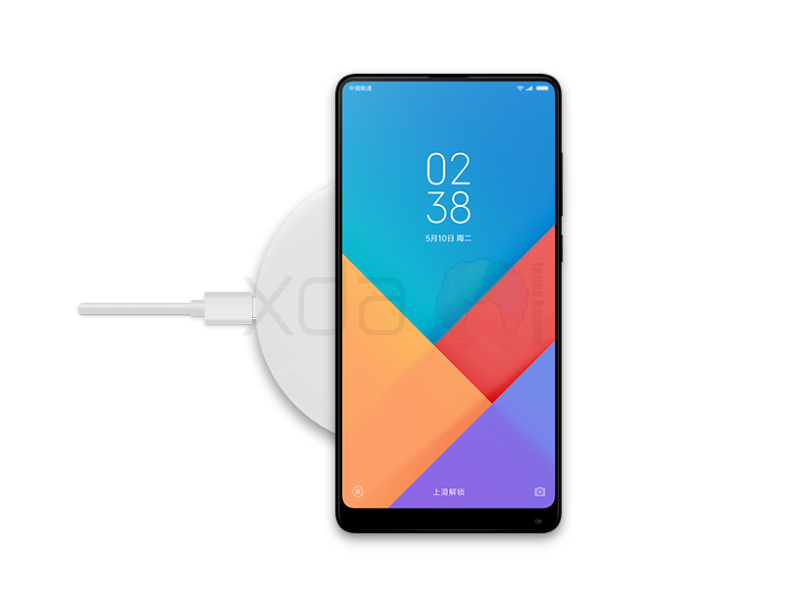
The firmware files of Mi Max 3 have references for wireless charging. For instance, there are some strings in the APK of MIUI Keyguard that contains text like “wireless charging has stopped”, “position offset” and “please reposition.”

Xiaomi had joined the Wireless Power Consortium last year which indicates that some of the phones from the company that will be released this year will carry support for Qi wireless charging. The first phone to feature it could be the Mi 7 and the next one could be the Mi Max 3. A help video and graphic on how to place the handset on the charging base for wireless charging has been also found in the firmware files. A demo image showing a generic device placed on wireless charging been has been also unearthed.

Xiaomi Mi Max 3_wireless_charge_picture

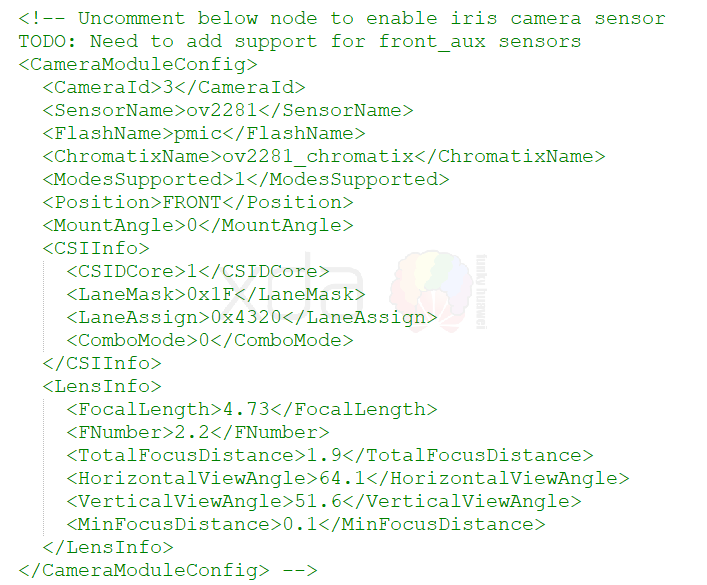
The back panel of the Mi Max 3 is expected to feature Sony IMX363 or an S5K217+S5K5E8 Samsung dual camera module. The frontside of the phone features S6K4H7 Samsung sensor and OmniVision OV2281 iris scanner. Since the lines related to iris recognition have been commented out, the company seems to be still deciding on adding this feature on Mi Max 3.

Read More: Xiaomi’s Upcoming Gaming Smartphone ‘Blackshark’ Spotted On AnTuTu, Reveals Key Specs

The firmware files suggest that the device is running on Android 8.1 Oreo. However, it could be a developer ROM. It may probably launch with Nougat flavored MUI 9. The other features that will be arriving on the Mi Max 3 include dual-SIM support, microSD card slot, IR blaster, LED light for alerts, aptX and aptX HD Bluetooth audio codecs by Qualcomm. The device lacks NFC connectivity. Lastly, it may feature dual speakers.

There is no information available on the launch date of Mi Max 3. Judging by the launch patterns of the predecessor models, it seems that the new phablet may get unveiled in May.

(source)


Alleged Honor 7C TENAA Listing Reveals Full Specifications, Images

Two variants of an upcoming Honor phone have been certified TENAA agency in China. The model numbers of the two variants are LND-TL40 and LND-TL30. It is speculated that these could be the variants of the rumored Honor 7C smartphone.

The Honor 7C can be seen wearing a metallic body with a fingerprint scanner placed on its rear. It measures 158.3 x 76.7 x 7.8 and weighs 164 grams. It is expected to arrive in color like black, gold and blue. It is a full screen design smartphone that is fitted with a 5.99-inch display that offers HD+ resolution of 720 x 1440 pixel. The screen will be delivering an aspect ratio of 18:9.

[envira-gallery id=”174784″]

The LND-TL30 has 3 GB of RAM and 32 GB of native storage whereas the LND-TL40 includes 4 GB of RAM and 32 GB of storage. Both the models are fueled by 1.8 GHz octa-core processor. These variants also feature a microSD card slot. It is equipped with a 2,900mAh battery.

The images of the LND-TL30 and LND-TL40 are identical except for the fact that the former features a dual selfie camera setup. The backside of both phones feature LED enabled 13-mgeapixel + 20-megapixel dual camera setup. These handsets feature a selfie camera of 8-megapixel. It is preinstalled with Android 8.0 Oreo.

[envira-gallery id=”174789″]

Read More: Huawei P20 Plus’ Triple Camera Sensor Revealed Up Close, Different Arrangement

It is speculated that the Honor 7C may arrive in the market as a lower version of the Honor 7X mid-range smartphone. There is a possibility that some markets may receive it as Honor V10 Play. Since the Honor 6C was launched in April in 2017, there is a possibility that the Honor 7C may get official in April this year.

(source 1, 2)