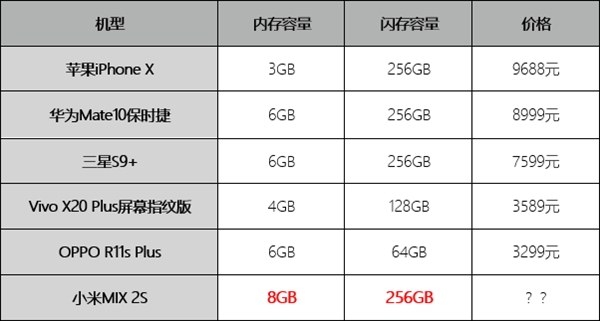
The Xiaomi Mi Mix 2s retail box sticker has just leaked and the leak comes with an interesting detail. The sticker shows the Mi Mix 2s will have a black Ceramic edition with 8GB of RAM and 256GB of storage. This is sort of a surprise because this will be the first time a smartphone with such combination would be coming out. We already know the Mix 2s would have an 8GB RAM variant but pairing it up with 256GB of native storage will be another major hit by Xiaomi.
The smartphone with an almost similar setup is the Huawei Mate 10 Porsche which had 6GB of RAM and 256GB storage as well as the Galaxy S9+ (6GB+256GB) variant. There is also the iPhone X variant with 3GB RAM and 256GB of storage. These models also coming at astronomically high prices, so it is pretty difficult to tell if Xiaomi will still maintain its affordable outlook on this version.
The Mi Mix 2s will feature a 6.01-inch FHD+ OLED Display likely supplied by Samsung with an 18:9 aspect ratio. The device will be powered by a Snapdragon 845 chip paired with a 6GB RAM on the standard version and an 8GB RAM on the topmost version. The device is also expected to pack a dual camera setup aligned vertically. The cameras will come with artificial intelligence and we expect the main sensor to be a 12MP Sony IMX363 sensor. There will also be a rear-mounted fingerprint sensor and a ceramic body among other features.
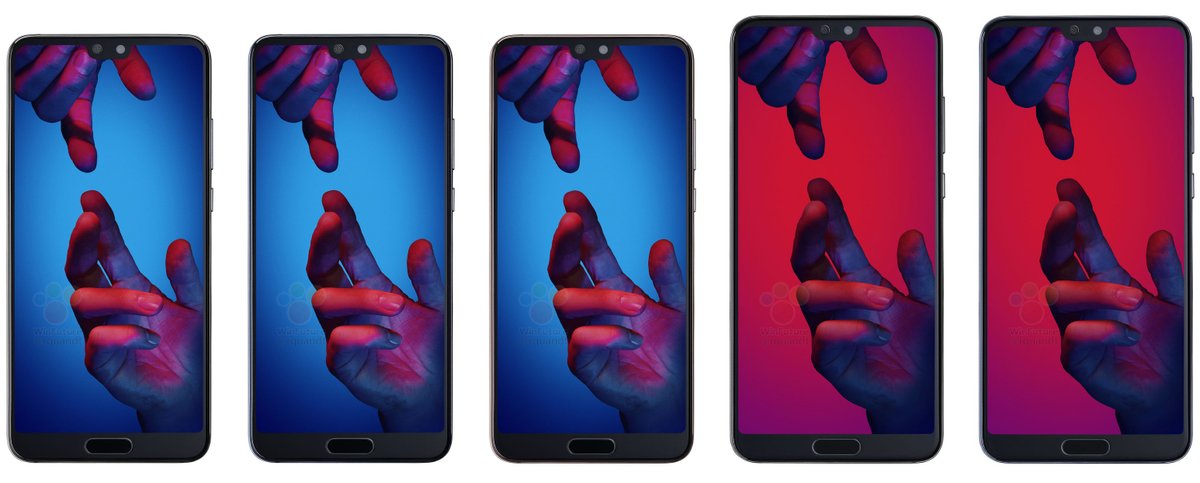
The biggest upgrade on Samsung’s new flagships are the cameras. Judging from Huawei’s adverts and teasers for its upcoming P20 series, the cameras are also the focus. A new leak has revealed that the Huawei P20 or Huawei P20 Pro will have slow motion recording.
A video shared on Twitter yesterday by @Ricciolo1 shows a slow motion advert for the Huawei P20. The particular device wasn’t specified since Huawei has been releasing teaser ads for the P20 series as a whole. But we know the P20 Lite is ruled out as it is already on sale and a review video posted online doesn’t mention the feature.
Huawei P20 and Huawei P20 Pro
That leaves us with just the P20 and P20 Pro. But it wouldn’t be a wild guess if we go with the latter. All the video ads have teased one major feature which is triple rear cameras and we know only the Huawei P20 Pro has triple cameras. Nevertheless, slow motion recording isn’t a feature exclusive to phones with triple cameras, so it won’t be unusual if the regular P20 gets it too.
There is no info as to the frame rate the phone can shoot in during slow motion neither is there a mention of the resolution. If we are lucky, we might find out before the 27th of March which is when Huawei officially launches the P20 series.
After announcing its new premium offer X21, Vivo has published an official teaser which reveals the date at which it will announce another smartphone: the Vivo V9. A new wonderful notched handset by the BBK-owned hi-tech giant is going to be showcased on March 22 in China. On the day after the official announcement, the company will hold an event in India in which it will reveal its pricing and availability in the Asian peninsula. Aesthetically, the V9 will be very similar to the X21.
According to an official image, it will have a tri-bezel-less display. Even though it will be a midrange it will offer an incredibly high screen-to-body ratio and an iPhone X-like notch which will house the front camera and the earpiece. The specifications of Vivo V9 have already been confirmed on the official site of the company, so we know almost everything about it. It will feature a 6.3-inch panel with a Full HD+ resolution of 1080 x 2280 pixels and a 19:9 aspect ratio.
Under the hood, it will sport an octa-core Snapdragon 626 chipset by Qualcomm, supported by 6 GB of RAM and 64 GB of internal storage expandable with a micro SD up to 256 GB. The micro SD slot will be a dedicated slot, so you will be able to use two SIMs and a micro SD at the same time. The fingerprint sensor will be placed on the back, but there will be facial recognition in case the sensor placement is not comfortable for you. The rear camera department will be composed of two sensors with resolutions of 16 and 5 MP, while the front camera will be a single snapper with a 24 MP resolution. With the dual camera setup, it will be possible to record 4K videos, while the selfie camera will support a beauty mode based on AI and AR stickers.
Full details of a yet-to-be announced phone from Huawei have been leaked online. The phone is the Enjoy 8E and it shares a close resemblance to the recently launched Honor 7C.
The Huawei Enjoy 8E has a 5.7” 1440 x 720 display. A Qualcomm Snapdragon 430 powers it along with 3GB of RAM and 32GB of storage.
Like the Honor 7C, it also has dual rear cameras in the same 13MP + 2MP configuration while a 5MP sits in front for selfies. There is an LED flash on both sides of the phone. A fingerprint scanner also sits on the back
The Enjoy 8E will run Android 8.0 Oreo out of the box and pack a 3000mAh battery that charges via a microUSB port. It is said to measure 152.4 x 73 x 7.8 mm and weigh 150g. It will also be available on March 30 for ¥1099 (~$173).
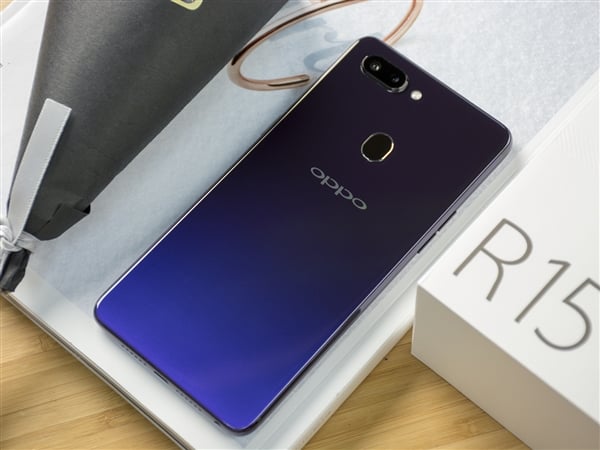
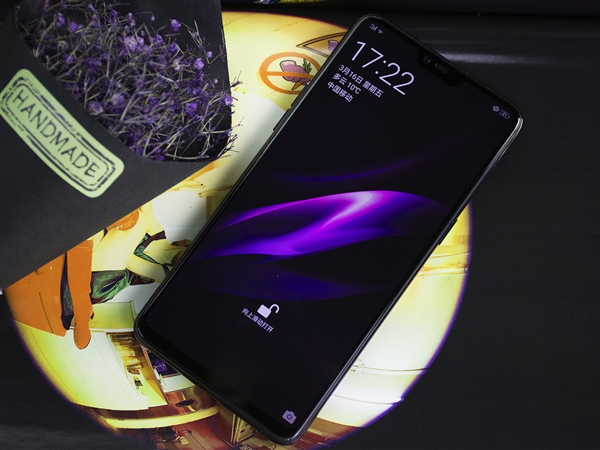
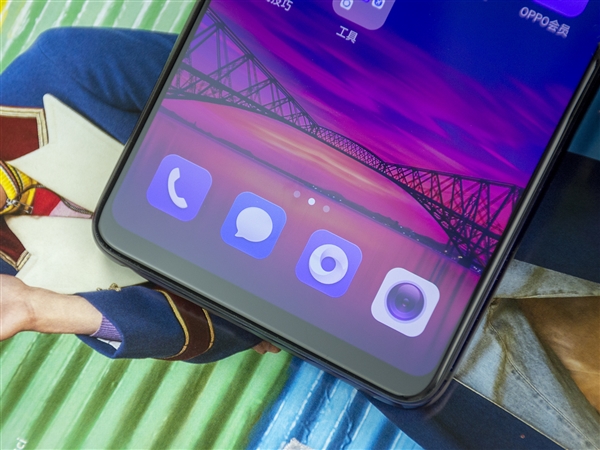
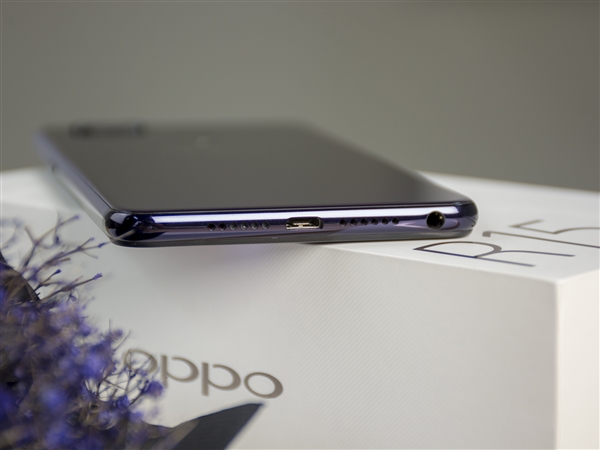
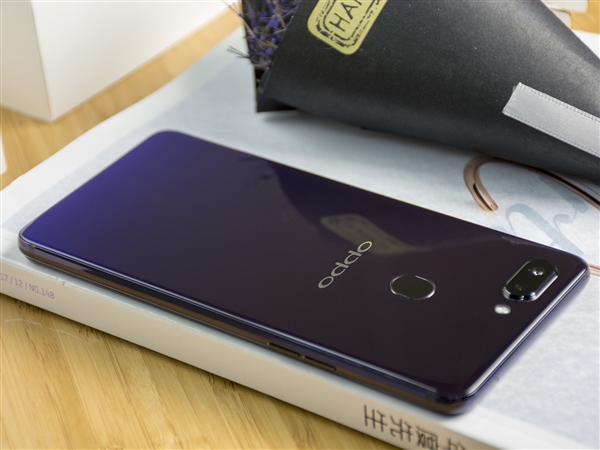
OPPO surprisingly took the wraps off the much-anticipated OPPO R15 and R15 Dream Edition. The smartphones were earlier revealed as launching on March 31. The launch date isn’t the only surprise attached to OPPO’s 2018 flagship model. The R15 models come with a notch display design which is one of the major highlights of its design. We have some hands on photos of the R15 which gives a clear view of the device captured from all angles.
The OPPO R15 features a 6.28-inch OLED Super View Full-Screen display. It offers a Full HD+ resolution of 2280 x 1080 pixels and an aspect ratio of 19:9. The notch isn’t too big and you still get a screen-to-body ratio of up to 90 percent. For sure, we can confidently say the R15 edges closer to being a truly bezel-less smartphone even though the notch may be a turn-off for some fans. In typical BBK fashion, we might see the OnePlus 6 coming with a similar design.
At the back, the OPPO R15 packs a dual rear camera setup aligned horizontally and located on the top left corner. The device also features a rear-mounted fingerprint sensor and a sleek 2.5D curved glass back. The device still made do with a USB 2.0 port but of course, it is integrated with OPPO’s custom VOOC fast charging. There is also a 3.5mm jack which seems to be going nowhere anytime soon. Check out more of the hands-on pictures below.
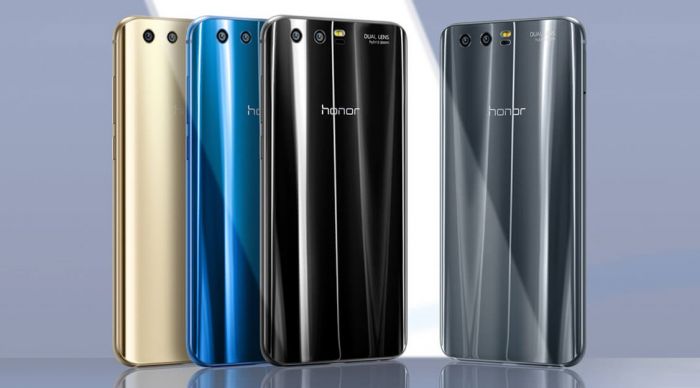
Honor 9 and V9 (V9 is the Chinese name for the Honor 8 Pro) were among the last Huawei devices featuring a standard 16:9 display. One of the main disadvantages of the latest full-screen Honor devices was the absence of the fingerprint reader on the front. The company had to place it on the back since there is no space on the front panel due to the bezel-less displays.
Honor 9
So, in order to make authentication more comfortable, the company has decided to bring Face Unlock on several of its devices. And soon even Honor 9 and V9 will get this feature. The confirmation has just arrived from Honor President Zhao Ming who announced that both these handsets will receive Face Unlock through a post on the microblogging platform Weibo.
The date on which the Face Unlock update will be rolled out has not been unveiled, but from the words of the President, we can understand that it should happen very soon. The software-based Face Unlock which will arrive on the Honor 9, V9 is not as safe as the Face ID found on the Apple iPhone X which relies on a hardware sensor. But it is still a fast and very comfortable method to unlock our handsets.
TWRP (Team Win Recovery Project) is one of the most important tools in the world of smartphone modding. It is a custom recovery which is used to flash custom ROMs on Android devices, to obtain root access and much more. Actually, this is the most famous and the most used custom recovery. Samsung Galaxy S9 and S9+ have just gained the official support to TWRP recovery. Usually, it takes quite some time for the team to release custom recovery for newly announced Android devices, but it has not been so with the latest flagships by Samsung.
For now, TWRP is only available for the variants of Samsung Galaxy S9 and S9+ which are equipped with an Exynos 9810 processor. So, we are talking about the European variants of the handsets. The U.S. versions with Snapdragon 845 are not supported yet. The custom recovery is identified with the codename starlte for the Galaxy S9 and star2lte for the S9 Plus. It is possible to download the official TWRP app for free on Play Store, or you can directly download the TWRP recovery mode for the two devices on the official website. Click here if you want to download TWRP for Samsung Galaxy S9 Exynos and here for the S9 Plus Exynos.
To flash TWRP you need to unlock the bootloader of your device. Samsung Galaxy S9 and S9+ have just hit the shelves all around the world. They offer an Infinity Display with a QHD+ resolution and a size of 5.8 and 6.2 inches, respectively. Among the most important features, there are cameras with a variable aperture which makes them adapt better to every light condition. While the Samsung Galaxy S9 comes with a single camera, the Plus variant has a dual camera on the rear side and even a higher quantity of RAM (6 GB).
Despite being one of the top laptop makers in the world, Lenovo hasn’t managed to do really well in the competitive smartphone market. The company has been operating under multiple brands in the past few years, including ZUK, Lenovo, and even Moto, after the company bought the brand back in 2014. ZUK is no more in China, and Motorola has little presence in the company’s domestic market. So, it makes sense that Lenovo is trying to bring back phones under its own brand name in China.
The Lenovo S5 is said to be an important smartphone for the company in the country. The phone will directly take on the Redmi Note 5 that was announced just a few days ago, with a reportedly better hardware and experience.
So here’s all you need to know about Lenovo S5 Specs and Features.
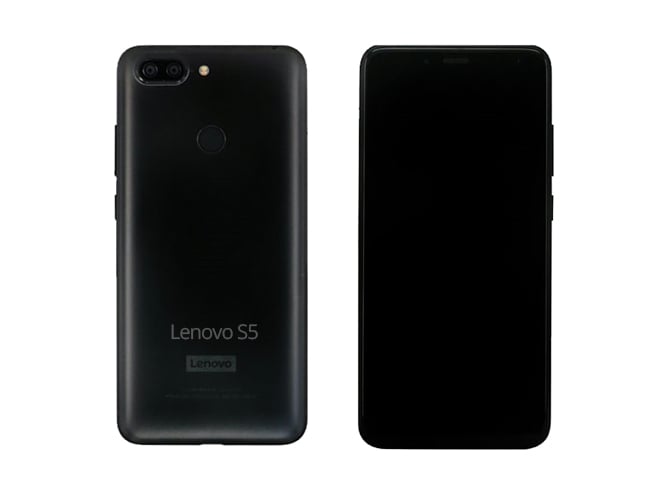
While the specs of the S5 haven’t been leaked as extensively as Xiaomi smartphones, a Lenovo model, K520 was recently certified on TENAA. The K520 is said to be the S5, so we can get the specs of the upcoming model from this TENAA listing.
As for the design, the phone will feature a full metal body in multiple color options, including a red one. The dual cameras will be placed at the back in horizontal arrangement and the fingerprint sensor will be located at the back too.
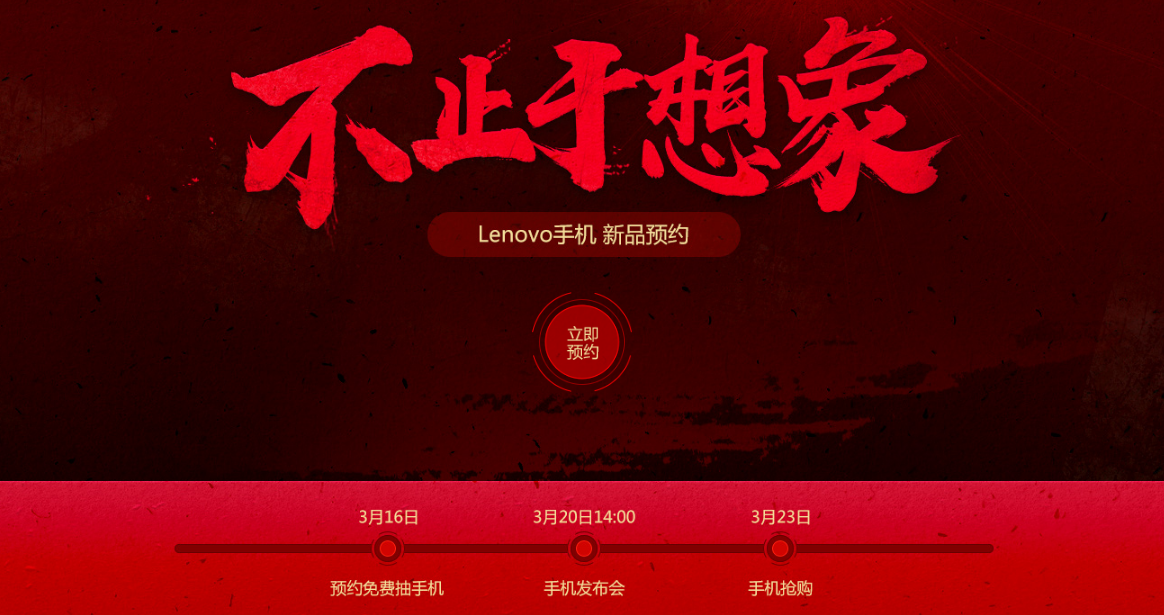
The Lenovo S5 will be officially announced tomorrow at 2PM China time and will go on sale on March 23. Reservations for the phone have already begun and should continue until a few hours before its first sale.
If the phone has Helio P60 on board, things could be looking quite competitive in the affordable mid-range market in China. It’s just a matter of few hours until we get official details.
Stay tuned to Gizmochina for more details tomorrow.
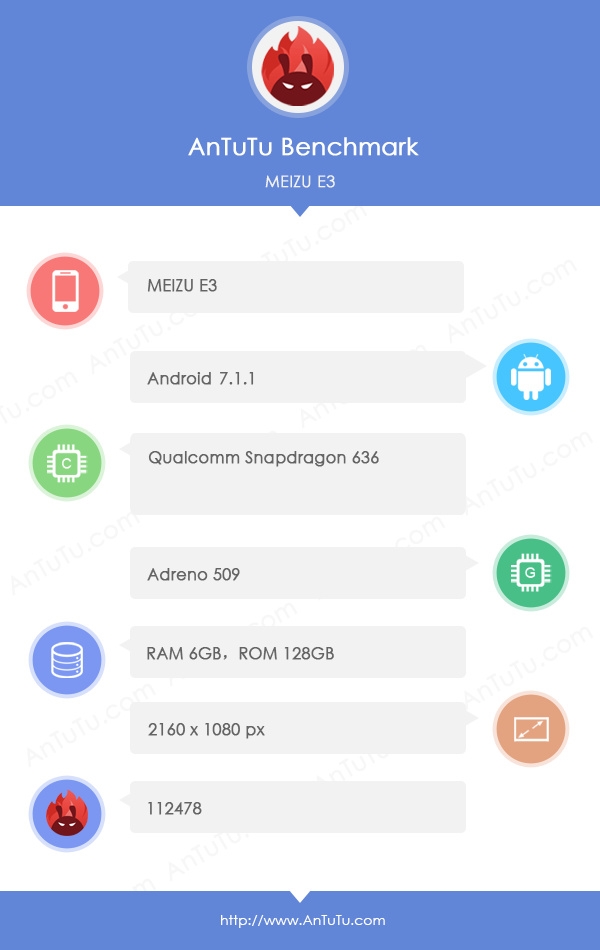
Last week, a report surfaced online that the upcoming Meizu E3 will be powered by the Snapdragon 636 mobile platform. AnTuTu just verified that news is accurate.
The Meizu E3 has been benchmarked and it not only reveals the processor but also some other features.
The Meizu E3 runs Android 7.1.1 Nougat. It is powered by the Snapdragon 636 with an Adreno 509 GPU. It also packs 6GB of RAM and 128GB of storage. AnTuTu also confirms the 5.99” display has a 2160 x 1080 resolution.
Qualcomm’s Snapdragon 636 and the 6GB of RAM sees the Meizu E3 score 112478 points on the benchmarking site.
After launching the Vivo X20 Plus UD and announcing the Vivo Apex smartphone, the Chinese smartphone manufacturer has today launched its new flagship smartphone — Vivo X21. The company has also announced another variant of the phone named Vivo X21 Screen Fingerprint.
The Vivo X21 comes with the traditional fingerprint sensor at the back of the phone while the Vivo X21 UD comes with an under display fingerprint sensor similar to the recently launched Vivo X20 Plus UD. Apart from this fingerprint sensor, rest of the specifications are same on both phones.
The Vivo X21 features a 6.28-inch Full HD+ display with 2280 x 1080 pixels screen resolution and an unusual aspect ratio of 19:9 because of the presence of a notch on the top side. The display covers majority portion on the front panel and has ultra narrow bezels around the display.
Under the hood, the device is powered by Qualcomm‘s Snapdragon 660 octa-core processor clocked at 2.2GHz. It packs 6GB RAM and comes in two storage options — 64GB and 128GB. The phone also supports microSD card slot, which enables users to further expand the phone’s storage capacity up to 256GB.
As of the camera department, the phone comes with a dual camera setup at the back which consists of a 12-megapixel camera lens and a 5-megapixel secondary lens with an LED flash. On the front side, there’s a 12-megapixel camera sensor for taking selfies and video calling. The camera comes with artificial intelligence and Vivo’s own Rubiks Cube technology.
The phone also supports face unlock feature. One of the interesting offerings of the phone is a smart assistant. The company has introduced Jovi, which is Vivo’s assistant based on artificial intelligence technology. For enhanced audio experience, Vivo has included AK4376A Hi-Fi chip.
Connectivity options on the device include 4G LTE, Wi-Fi 802.11 a/b/g/n/ac, Dual-band Wi-Fi (2X2MIMO), Bluetooth v5, GPS, and microUSB. The phone runs on Android 8.1 Oreo operating system with company’s own FunTouch OS 4.0 custom skin on top. Both versions of the phone are fuelled by a 3,200mAh battery.
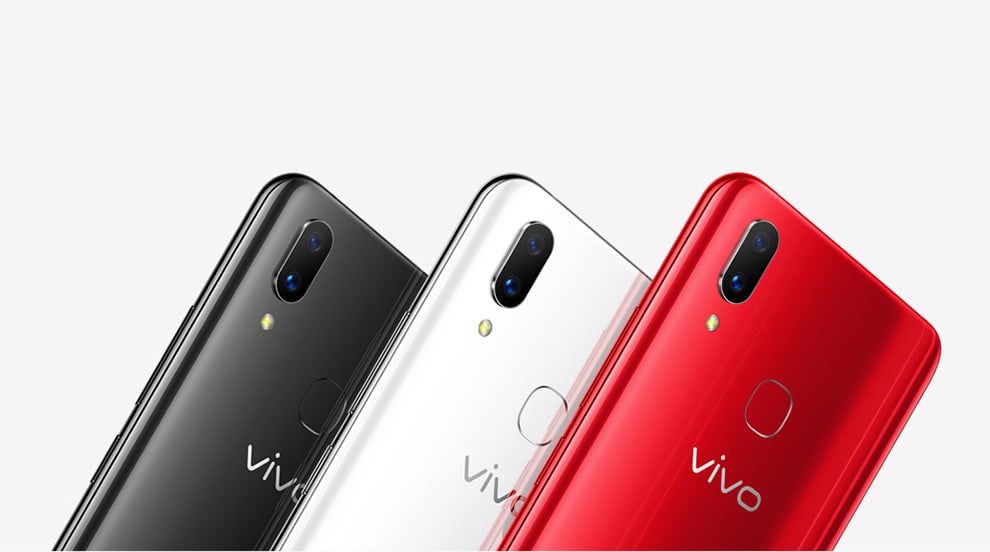
The Vivo X21 will be available in three colors — Aurora White, Drill Black, and Ruby Red. However, the Vivo X21 Screen Fingerprint version will be offered in only two colors — Drill Black and Ruby Red. It will be available from March 24th.
The 6GB RAM and 64GB storage model of the Vivo X21 is priced at 2898 Yuan (approximately $458) while the 6GB RAM and 128GB storage variant cost 3198 Yuan (approximately$505). The Vivo X21 Screen Fingerprint variant, which comes with 6GB RAM and 128GB internal storage is priced at 3598 Yuan, which roughly converts to $568.
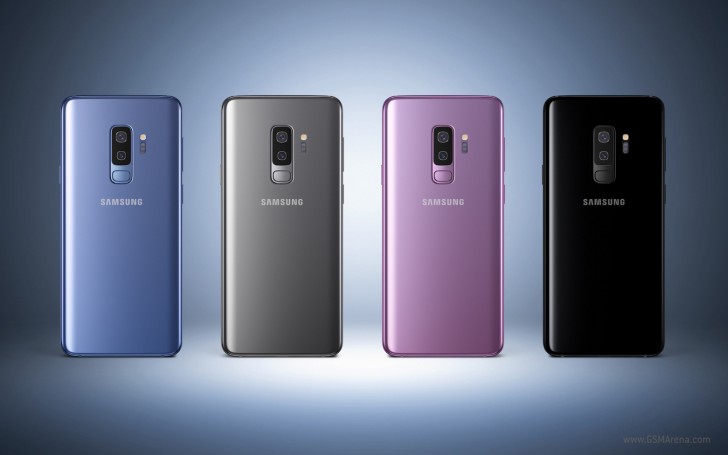
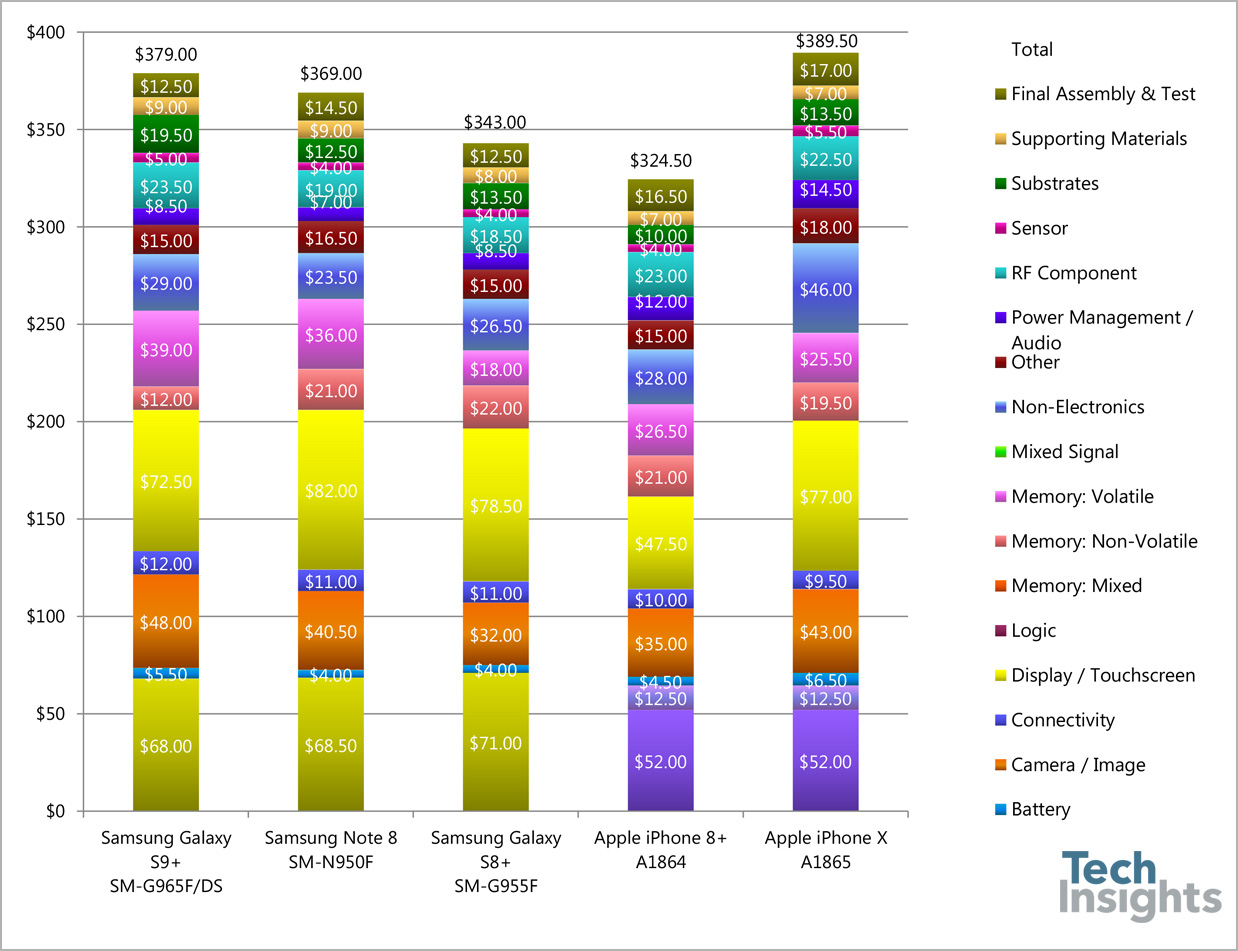
How much do you think it costs to build a Galaxy S9+ (Exynos)? Someone at TechInsights has made a chart comparing the cost of building Samsung’s latest flagship against other phones like the Galaxy Note8, S8+, iPhone 8+, and iPhone X.
The chart gives a breakdown of every major component that is in the phone and some of the details are surprising. Do note that the price of each material for each phone was taken when the device was initially analysed.
The display for the Galaxy S9+ costs $72.50 but for the S8+ it is $78.50. Both devices use practically the same display with a few minor changes but the display of the S9+ costs $4 less. Even the iPhone X’ notched display costs less than that of the Galaxy S8+.
Of all the devices, the Galaxy S9+ has the highest camera cost at $48. It is understandable for the S8+ and iPhone 8 Plus since they both have single rear cameras.
The Exynos 9810 which has an integrated LTE modem costs $68. It is slightly lesser than the Galaxy Note 8’s $68.50 price and more than the $64.50 price of the iPhone X and iPhone 8 Plus when you combine the price of the Bionic 11 chip ($52) and Qualcomm MDM9655 LTE modem ($12.50).
The Galaxy S9+ comes with a 3500mAh battery and that costs $5.50. The iPhone X’s smaller 2716mAh battery costs $6.50. The iPhone X also costs more in non-electronics – $46 as against the Galaxy S9+’ $29.
In summary, the Galaxy S9+ is Samsung’s most expensive phone yet in terms of components with the total bill of materials coming to $379.50. However, it is still less than Apple’s iPhone X which costs $389.50.
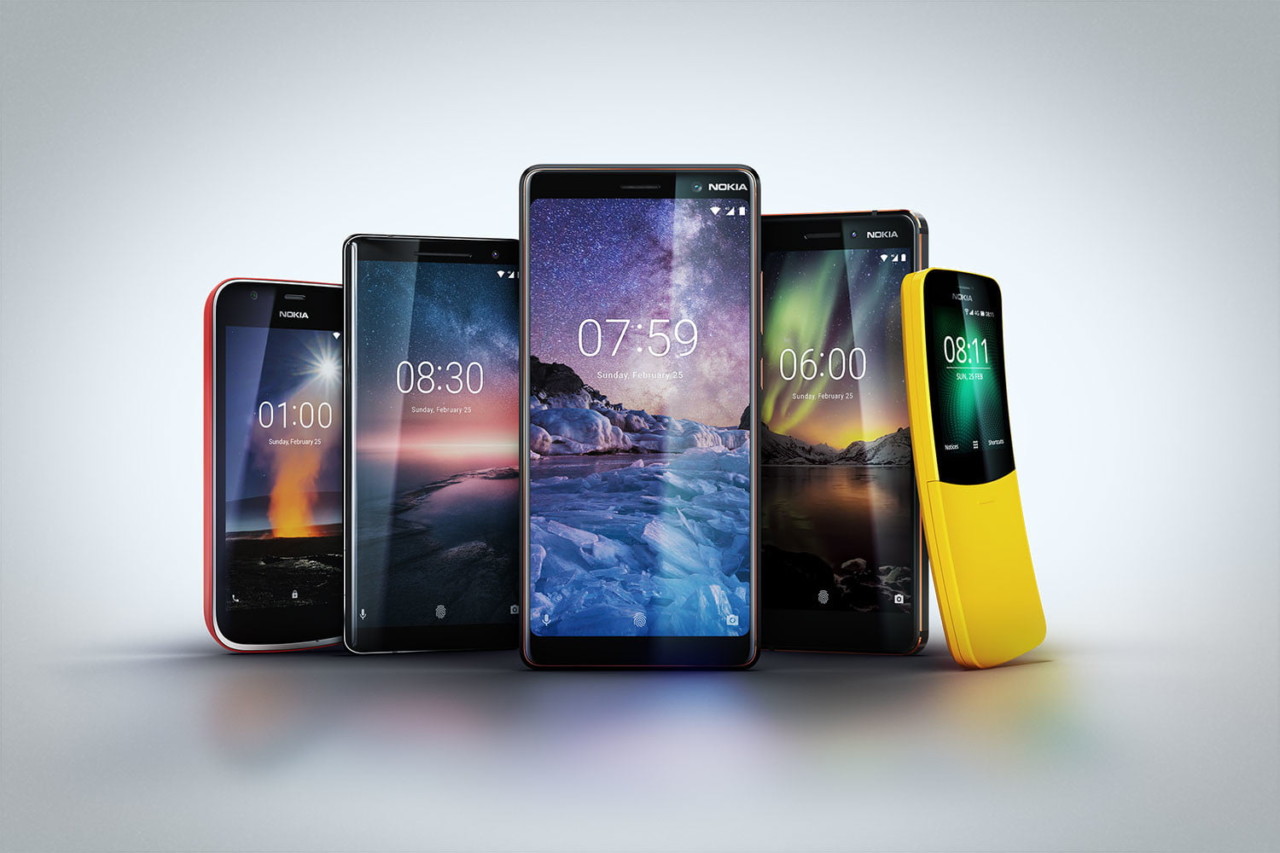
HMD Global had unveiled the Nokia 6 (2018), Nokia 7 Plus, Nokia 8 Sirocco, Nokia 1 and Nokia 8110 4G phones at the Mobile World Congress (MWC) 2018 in the past month. The company is now making these phones available in wider markets. Fresh information claims that the Finnish firm is prepping up to launch these phones in India starting from next month.
India is one of the top three markets through which HMD Global is generating its revenue. Hence, HMD Global CEO Florian Sieche is aiming to rank Nokia among the top five phone brands in the country. This year the company will be investing more on retail presence, consumer engagement and advertising.
HMD Global India head Ajay Mehta is of the view that offline channel is the core strength of the company. Hence, the firm will be aiming to increase the visibility of the brand this year by increasing the retail presence by 10 percent. He added that online sales is around 30 percent of market, but it is integral to sell its devices through e-commerce sites to become of the top ranking smartphone brands in India. At present the Finnish firm is in talks with its manufacturing partner Foxconn to ramp up the manufacturing of existing Nokia smartphones and feature phones in India.
Starting from April, the company aims to launch Nokia 8 Sirocco, Nokia 7 Plus and Nokia 6 (2018) and Nokia 1 phones in India. According to Sieche, India is a vast market for 4G feature phones. Hence, it is planning to launch the Nokia 8110 4G phone in collaboration with Reliance Jio in May. Both the firms will be aiming to sell the Nokia 8110 4G feature phone to around 500 million basic phone users of the country who have not upgraded to high-end smartphones.
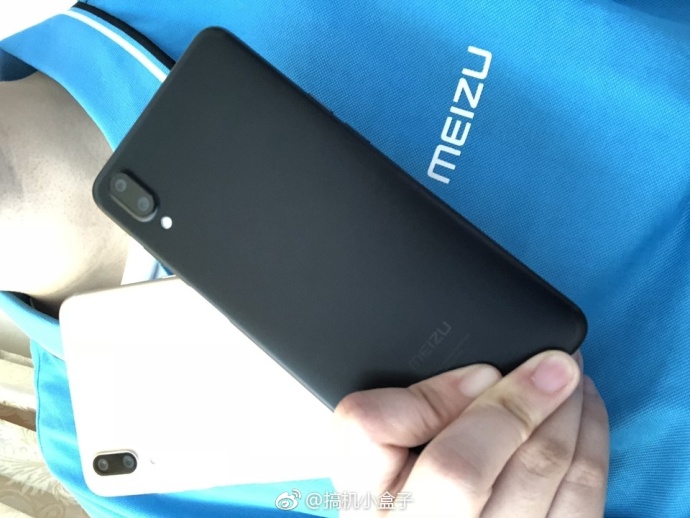
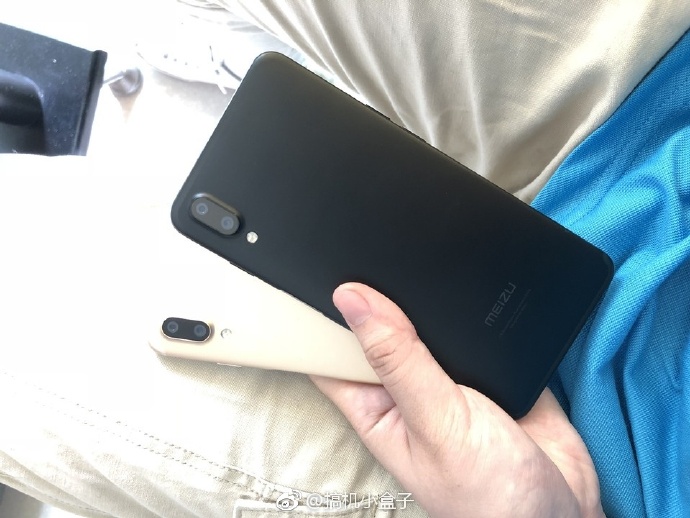
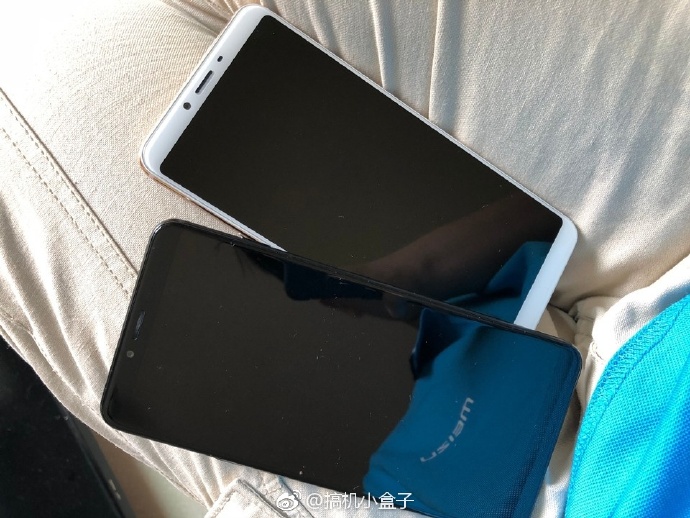
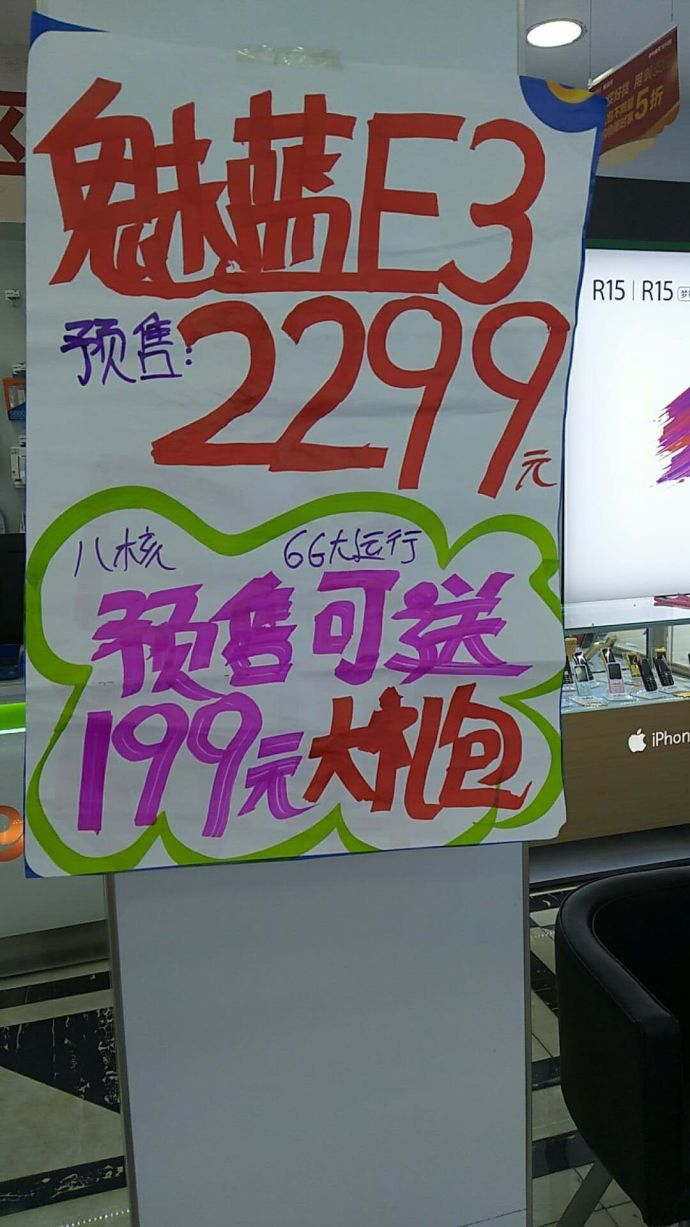
Meizu will be announcing the Meizu E3 smartphone on March 21. Leaked hands-on of the gold and black variants of the Meizu E3 have appeared on Weibo. These images show the entire front and rear design of the Meizu E3. Also, a leaked photo showing the pre-sale price of the phone has also appeared on the Chinese microblogging site. It reveals that the E3 may be coming with a costlier pricing compared to the predecessor Meizu E2 phone.
As it can be seen in the below images, the Meizu E3 seems to be wearing a metal unibody design with matte finish. The vertically arranged dual rear cameras are placed on the top-left corner of the rear panel. The “mblu by Meizu” branding that was seen in previously leaked photos are not present on the new images. The upper and lower edges of the phone feature the antenna bands.
The right edge of the phone features a Power key at the top followed by a depression for the side-mounted fingerprint reader. The volume rocker is placed on the left edge of the phone. The frontside of the Meizu E3 is mostly occupied by the 18:9 aspect ratio display. The upper bezel of the phone houses a selfie camera, an earpiece and some other sensors.
A recent report had claimed that the 32 GB and 128 GB storage models of the Meizu E3 would be respectively priced at 1,499 Yuan and 1,799 Yuan. However, a leaked photo showing the pre-sale price of the phone reveals that the Meizu E3 will be costing 2,299 Yuan (~$363). Interestingly, early rumors had claimed that the handset will be available with the same pricing. It appears quite expensive compared to the 1,299 Yuan (~$205) pricing of Meizu E2.
The Meizu E3 is expected to arrive with Snapdragon 636 chipset and 6 GB of RAM like China’s Xiaomi Redmi Note 5. The Note 5 highest configuration model featuring 6 GB RAM and 64 GB of storage carries a pricing of 1,699 Yuan (~$268) which is quite low than the Meizu E3’s 2,299 Yuan (~$363).
The E3 is pegged to feature a 5.99-inch display that will produce FHD+ resolution of 2160 x 1080 pixels along with an aspect ratio of 18:9. It may arrive with 20-megapixel + 12-megapixel dual rear cameras that may include the Sony IMX363 sensor. Its 32 GB model and 128 GB storage models may respectively feature 4 GB and 6 GB of RAM. It may house a selfie camera of 8-megapixel. A 3,300mAh battery coupled with 20W fast charging may power the phone. The company is also expected to launch Meizu E3 Special Kumamon Bear Edition on March 21.
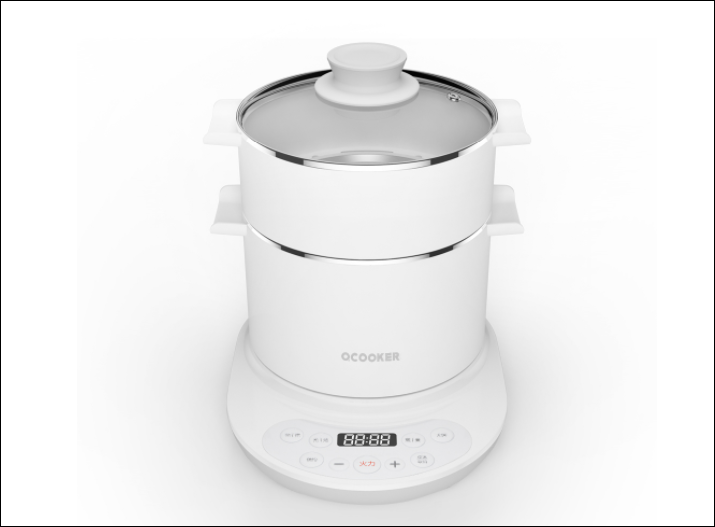
Xiaomi has launched the OCooker Multipurpose Electric Cooker under the crowdfunding platform. The interior cooking surface of the electric cooker is manufactured using 304 stainless steel. While the cooker comes with a split design where the pot is separate from the heating surface. This is quite different from the design of the first OCookr Kitcher cooker which has the pot integrated with the heating surface.
The OCooker electric cooker also comes with the ability to retain heat, making it possible to leave hot food on top of the hotpot and still meet it hot several hours later. There is also the ability to adjust the firepower or heat intensity. The cooker comes with control buttons for switching on and also increasing or decreasing the heat intensity.
Design wise, the hot pot uses a 2.0mm thick aluminium heating surface for efficient heat transfer. The heating surface also comes with two layers of non-water sticking coating which prevents corrosion. The stainless steel pot can b detached from the electric cooker and other pots mounted on top for other cooking purposes. For first time usage, the manufacturer advises that water is heated on the cooking pot and then thrown away in other to get it cleaned. Also, like all electric cookers, there is need to remove the plug from the wall-socket before cleaning.
The OCooker Electric cooker is priced at 199 Yuan (~$31) and is available on Xiaomi’s Youpin platform. The cooker is presently listed as sold out but we believe a new stock will arrive soon. If you are outside China, we can’t say when this product will be available to buy.
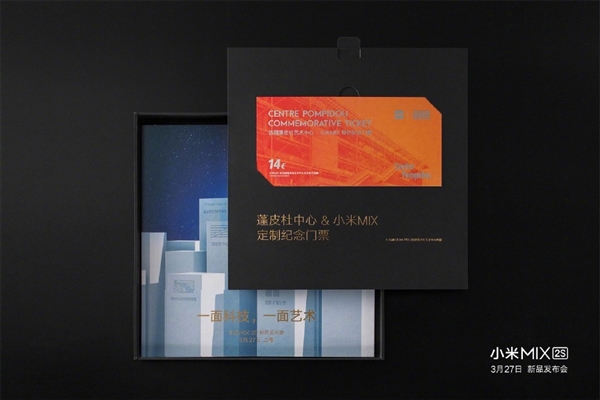
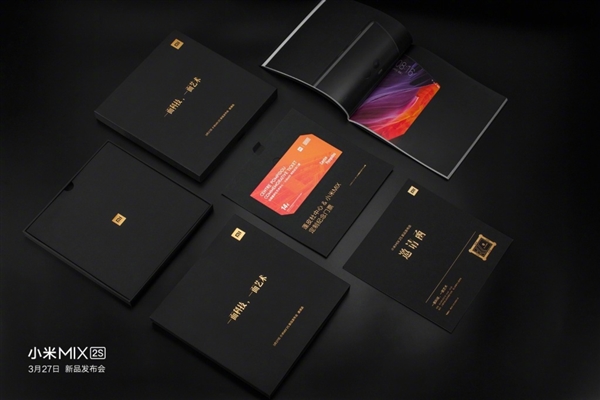
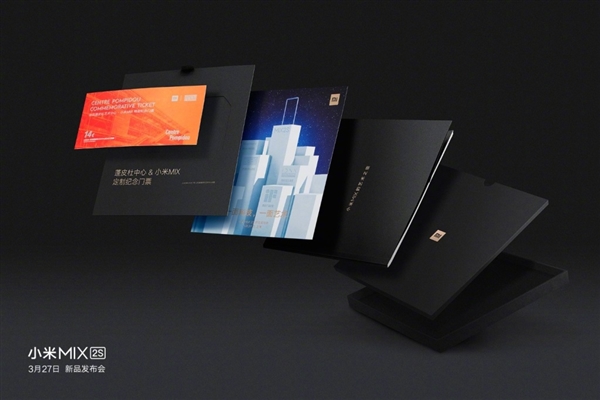
Images showing the Xiaomi brand ambassador Wu Yifan (Kris Wu) holding the Mi MIX 2S have been officially shared on the company’s Weibo account. There have been lot of speculations on the design of the Mi MIX 2S, but the official images that has been released on Weibo confirms what sort of appearance it will be arriving with. Also, the company has released special invitations for the March 27 launch event of Mi MIX 2S that includes special tickets to the Pompidou museum in France. The unveil event will be held at Shanghai.
The above images show that the appearance of the Mi MIX 2S will not be very different from the predecessor model. Hence, these images completely debunk the rumor that claim that Mi MIX 2S will be equipped with a notched display. Wu Yifan has been made to tactfully cover the bottom bezel of the phone in all the above images. Hence, the exact placement of the selfie camera cannot be judged. One of the recent reports had claimed that it could be placed at the center of the bottom bezel.
It appears that the major change that will be arriving on the MI MIX 2S is the presence of the highly potent Snapdragon 845 chipset. The other USP of the phone could be its AI driven dual rear cameras that will carry support slow-motion video shooting in Full HD quality. It is speculated that the Sony IMX363 could be the primary sensor of its dual camera setup.
The highest configuration model of the phone may feature 8 GB of RAM and a native storage of 256 GB. The other rumored features of the phone include wireless charging enabled 3,400mAh battery and MIUI 9 flavored Android Oreo OS.
The following images showing the invitation for the unveil event of the Mi MIX 2S have been also released on the official Weibo account of the company. Last year in December, the Mi MIX concept phone and Mi MIX 2 will added to Centre Pompidou museum in French. It is one of the prestigious museums of modern art in the world that houses masterpieces from Picasso and Duchamp. Along with the invitations, Xiaomi has also prepared special commemorative tickets for Centre Pompidou. It will be giving 10 round-trip Beijing-Paris tickets for free to let people the Mi MIX phones showcased at the Centre Pompidou museum.
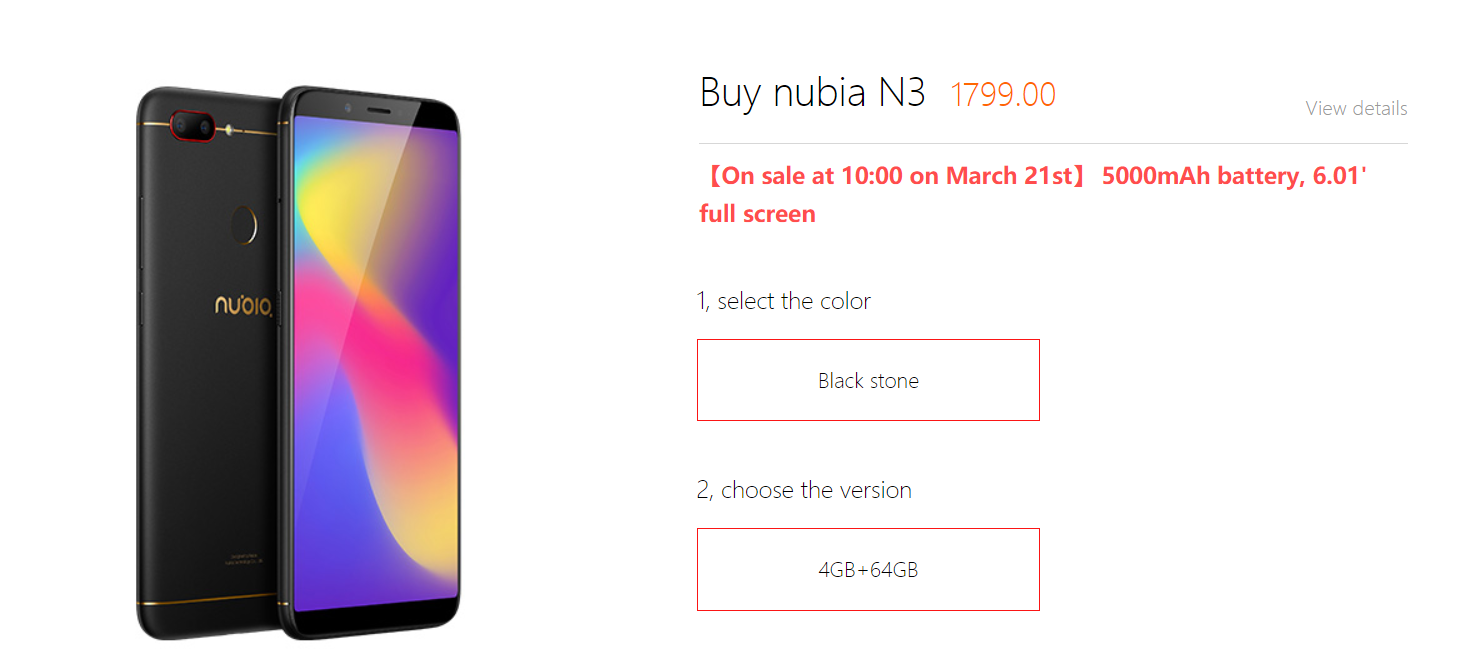
On March 8, the Nubia N3 was unveiled as the latest device in Nubia’s N-series. Like its predecessors, the N3 packs a 5000mAh battery and other specs that puts it in the mid-range category. However, a price tag wasn’t announced until today.
The Nubia N3 will sell for ¥1799 (~$284) according to the listing on the official Nubia online store. It will go on sale at 10 AM on March 21 and not March 24 as earlier reported.
Although the phone was announced in Obsidian Black, Space Gold, and Nebula Red, the official store has only the black variant listed.
The Nubia N3 has a 6.01” 2160 x 1080 display with 2.5D glass on top. It is powered by a Snapdragon 625 processor with 4GB of RAM and 64GB of storage.
It has a 16MP f/2.0 selfie camera and a 16MP + 5MP dual camera combo along with its NeoVision 7.0 camera software with features like time lapse and multiplicity photography. There is a hybrid dual SIM slot (nano only + MicroSD card). It also runs Nubia UI 5.1 specially made for the N3 and based on Android 7.0 Nougat.
GearBest’s Anniversary 4th Flash Sale is just around the corner. The site is giving a considerable 15% off on remote control toys, 10% off on consumer electronics and a 10% discount on computer and networking accessories along with coupon codes to get up to 50% off on a broad range of items.
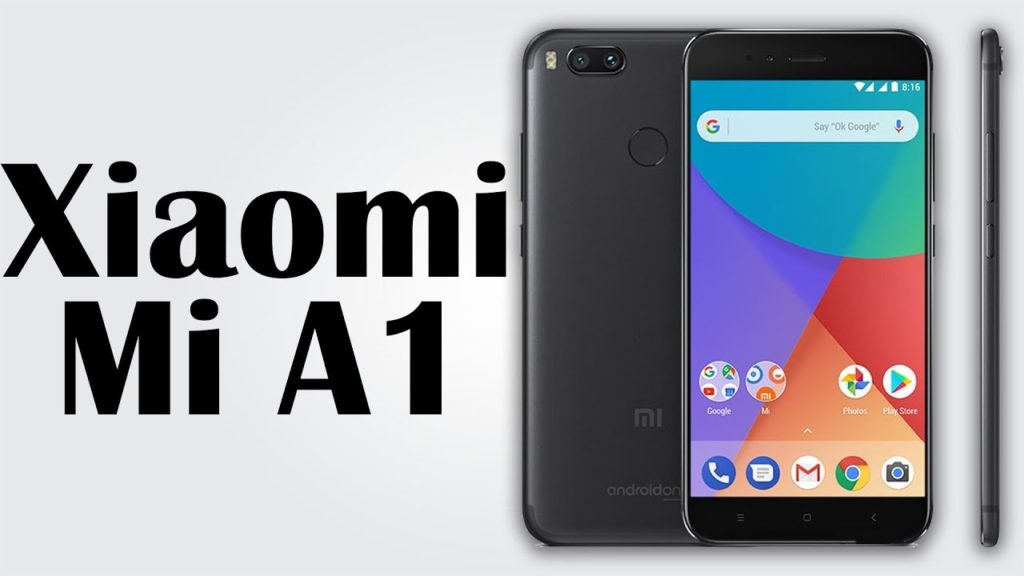
This segment features limited stock products that you can get your hands on for the lowest price at 02:00 UTC and 09:00 UTC on GearBest. For instance, you can get a 20% off on the original asking price of the Xiaomi Mi A1 4G phablet.
There’s also a 27% off on the black-tinted English version of the Xiaomi Huami AMAZFIT Sports smartwatch. In other words, you can now buy the device for just $125.24.
The red color version of the smartwatch, on the other hand, is up for grabs for only $99.99. This is a considerable 42% reduction in the device’s original selling price.
Birthday Boxes 4 You
In this category, you can buy the CUBOT X18 Plus 4G phablet at a lowered price of just $169.99. GearBest is giving 12% off on the black as well as blue color versions of the device. However, it’s worth noting that the discount will only be valid for 1 day.
Mega Vouchers
GearBest is giving buyers an opportunity to save $3, $8 and $20 on a slew of products in the form of coupon codes. For instance, the Alfawise S2 smartwatch, which normally sells for $34.67 on the site can be purchased at a discounted price simply by using the coupon code, ‘GB4th$3’ at the time of checking out.
Cool Add-Ons
If your order exceeds $60, you’d be eligible to get 1 add-on by paying an extra $1.44. If your order is over $100, you can get an add-on for only $8.44.
Brand Store
This section has further been divided into a broad range of brands such as Vernee, MSI, Oukitel, Teclast and lots more. Each brand features a few devices that you can buy without spending a fortune.
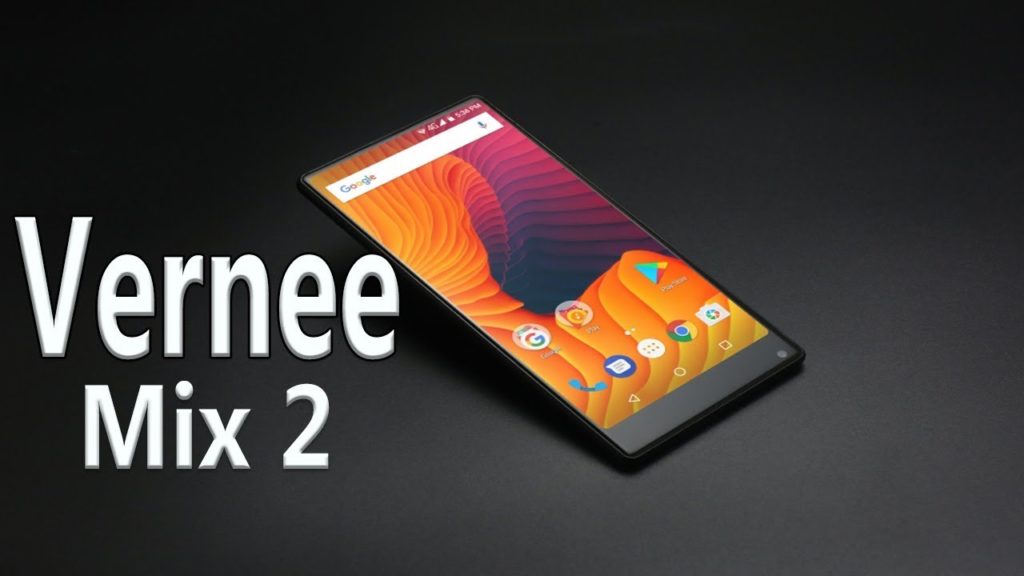
For instance, you can get 24% discount on the original quoted price of Vernee Mix 2 4G phablet, and bring your grand total down to just $215.99. It is imperative for you to bear in mind that the promo is slated to end in just 2 days and there were only 75 pieces left at the time of writing.
Epic Category Deals
This section of the promo has been split into multiple categories including mobile phones, consumer electronics, tablet PC and accessories, appliances, computer and networking, and apparel just to name a few. If you’re smartphone lover waiting to buy a high-end smartphone without spending a lot of money, you’ve come to the right place.
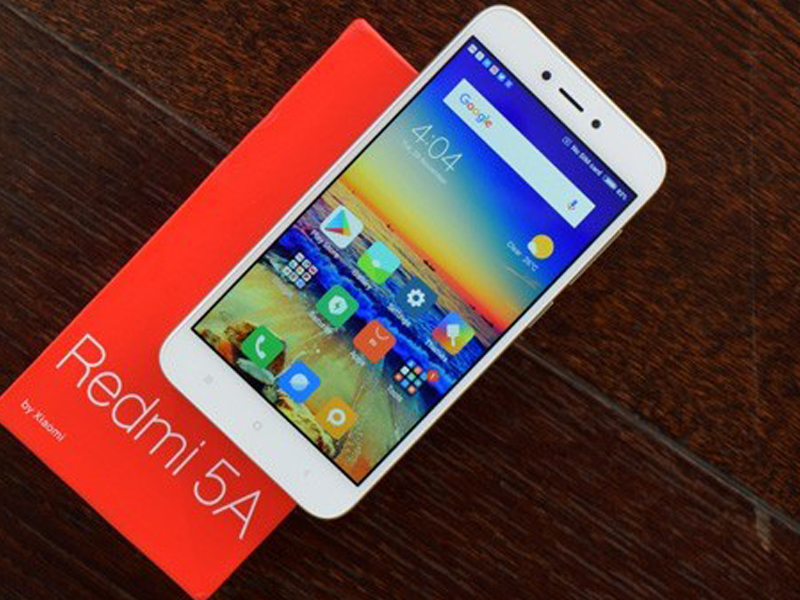
The aforesaid category is brimming with heavily discounted smartphones manufactured by popular handset makers such as Xiaomi, OnePlus, and ZTE. In this segment, you can get 19% off on the gray color version of the Xiaomi Redmi 5A 4G smartphone.
With the discount, you can buy the well-received Redmi 5A smartphone for just $94.99. In addition to the gray color version, there’s a golden and rose madder color version of the device as well.
You can visit this link in order to check out the GearBest promo before it comes to an end. You can follow this link for your GearBest shopping guide.
After rolling out Android Oreo for its premium segment devices, Sony has now finally started seeding Android Oreo update to its mid-range phones. The company has started rolling out Android 8.0 Oreo update for its XA-series of smartphones which consists of Sony Xperia XA1, Xperia XA1 Plus, and Xperia XA1 Ultra.
While the Xperia XA1 and Xperia XA1 Ultra were launched in Mobile World Congress last year, the Xperia XA1 Plus was launched in August last year during IFA in Berlin. All three devices run Andriod Nougat operating system out-of-the-box.
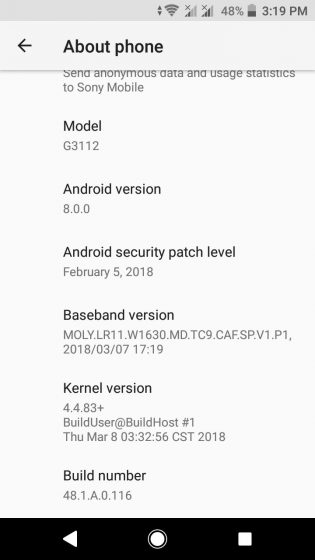
This new Android Oreo update for the Xperia XA1-series brings build number 48.1.A.0.116 and is about 884MB in size. The update also comes with the February security patch, which is disappointing given that March security patch is already available.
While the changelog for this new update is not available, we expect the update to have standard Android Oreo features, including notification channels, picture-in-picture mode, smart text selection, notification dots along with faster boot times and more. However, Sony had previously stated that the Android Oreo update will remove the Night Light feature for the Xperia XA1 series.
The Xperia XA1 has a 5-inch HD display whereas the Xperia XA1 Ultra has a 6-inch full HD edge-to-edge screen. Both smartphones are powered by MediaTek Helio P20 chipset. The XA1 has 3GB RAM and 32GB internal storage whereas the Ultra variant has 4GB RAM and 64GB storage. On the other hand, the Xperia XA1 Plus comes with a 5.5-inch Full-HD display and this one too is powered by Helio P20 processor having 3GB/4GB RAM and 32GB/64GB storage.
All three models feature a 23MP Exmor RS rear camera. The Xperia XA1 and Plus variant packs an 8MP front-facing camera while the Ultra variant packs a 16MP front camera with OIS. The Xperia XA1 comes with 2,300mAh battery whereas XA1 Ultra includes 2,700mAh battery. The Xperia XA1 Plus ships with a 3,430mAh battery that supports Quick Charge 3.0 and MediaTek Pump Express Plus 2.0.
Sony recently rolled out Android Oreo update for its Xperia R1 and R1 Plus smartphones in India. Recently, at this year’s MWC, the Japan-based company launched the successor of the XA1-series which includes Xperia XA2 and XA2 Ultra.
Lenovo VP Chang Cheng has been aggressively teasing the upcoming Lenovo S5 that will be made official tomorrrow. The Chinese manufacturer has already started receiving the reservations of the Lenovo S5 on its official website. It has also confirmed that the official sales of the phone will begin on March 23.
The description of the S5 phone on Lenovo’s site states that the handset will be equipped with dual rear cameras and full screen design. Also, the S5will be arriving with an affordable price tag. As of this writing, there is no official information available on pricing of the Lenovo S5.
Shown below is the new teaser that Cheng has added on his Weibo account. It reveals that the smartphone would be unveiled at 2 PM tomorrow in China. The Weibo post that accompanies it states that Lenovo S5 will be equipped with Smart Dual Camera.
A recently released teaser from the company had confirmed on some of the key features of the Lenovo S5 such as metallic chassis, full screen design AI smart engine, facial recognition, secure payment, long battery life and latest ZUI version. Cheng also recently claimed that the ZUI, a customized version of Android Oreo can produce smooth performance like iOS and it will also possess capabilities. The Lenovo VP had mocked the Redmi Note 5 by saying that the Lenovo S5 can deliver better performance. However, there are no details available on the chipset that will be fueling it.
It is speculated that the Lenovo K520 phone that was spotted on TENAA in the recent past could be officially announced as Lenovo S5. According to TENAA, the K520 phone features a 5.65-inch FHD+ display, 2 GHz octa-core processor, 4 GB / 6 GB RAM, 32 GB / 64 GB storage models and 3,000mAh battery.
Do you think that the Lenovo S5 will be a good competitor for China’s Xiaomi Redmi Note 5?
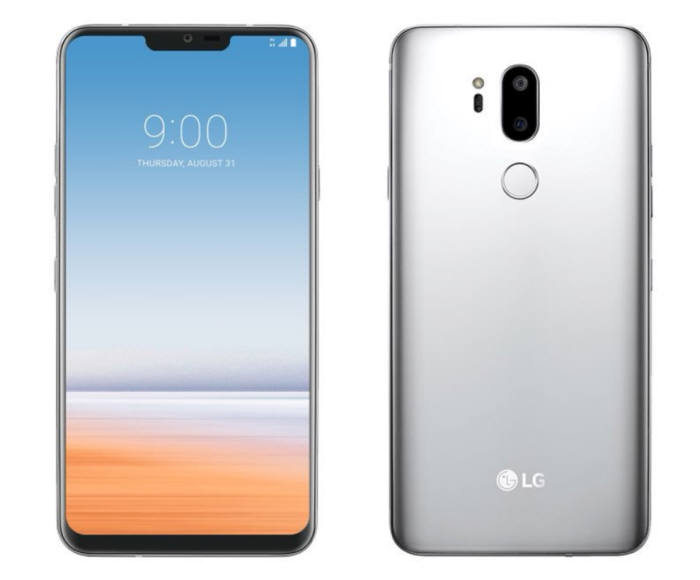
Thanks to their brilliant colors and deep blacks, OLED displays have become a trend in the smartphones market. Even though they are generally less durable due to issues like the burn-in effect, most users prefer them over the classic LCD panels. But if you are waiting for the next LG flagship and you love OLED displays, you may be left disappointed. The LG G7 will reportedly adopt a classic LCD panel. According to a Korean market analyst, the upcoming Korean flagship will not have an OLED display because the company needs to cut costs.
LG G7 Render By Benjamin Geskin
OLED display can be as much as 2x-3x costlier than LCD panels, which is why the latter is used in affordable smartphones. Even though LG generally makes good profit in the hi-tech market, LG Mobile is struggling; last year, the company shipped fewer units than in the previous year. The LG G6 did not have the expected success and it has been overshadowed by other flagships like the Samsung Galaxy S8. Another thing to note is that the G series have always had LCD displays, so it is not totally a surprise that LG G7 may not be equipped with an OLED panel.
According to the latest leaks, LG G7 will have a very high screen-to-body ratio with very narrow bezels and an iPhone X-like notch which will house the front camera and the earpiece. The device, which may not even be called as G7 since the company is expected to rebrand the lineup, revealing the device sometime in April or May. It will sport the best Qualcomm SoC: the octa-core Snapdragon 845 running at a max frequency of 2.9 GHz. In the meantime, the V30S and V30S+ ThinQ were announced at MWC 2018 and will hit the shelves with Snapdragon 835, AI and 6 GB RAM.
We use cookies on our website to give you the most relevant experience by remembering your preferences and repeat visits. By clicking “Accept”, you consent to the use of ALL the cookies.
This website uses cookies to improve your experience while you navigate through the website. Out of these, the cookies that are categorized as necessary are stored on your browser as they are essential for the working of basic functionalities of the website. We also use third-party cookies that help us analyze and understand how you use this website. These cookies will be stored in your browser only with your consent. You also have the option to opt-out of these cookies. But opting out of some of these cookies may affect your browsing experience.
Necessary cookies are absolutely essential for the website to function properly. This category only includes cookies that ensures basic functionalities and security features of the website. These cookies do not store any personal information.
Any cookies that may not be particularly necessary for the website to function and is used specifically to collect user personal data via analytics, ads, other embedded contents are termed as non-necessary cookies. It is mandatory to procure user consent prior to running these cookies on your website.