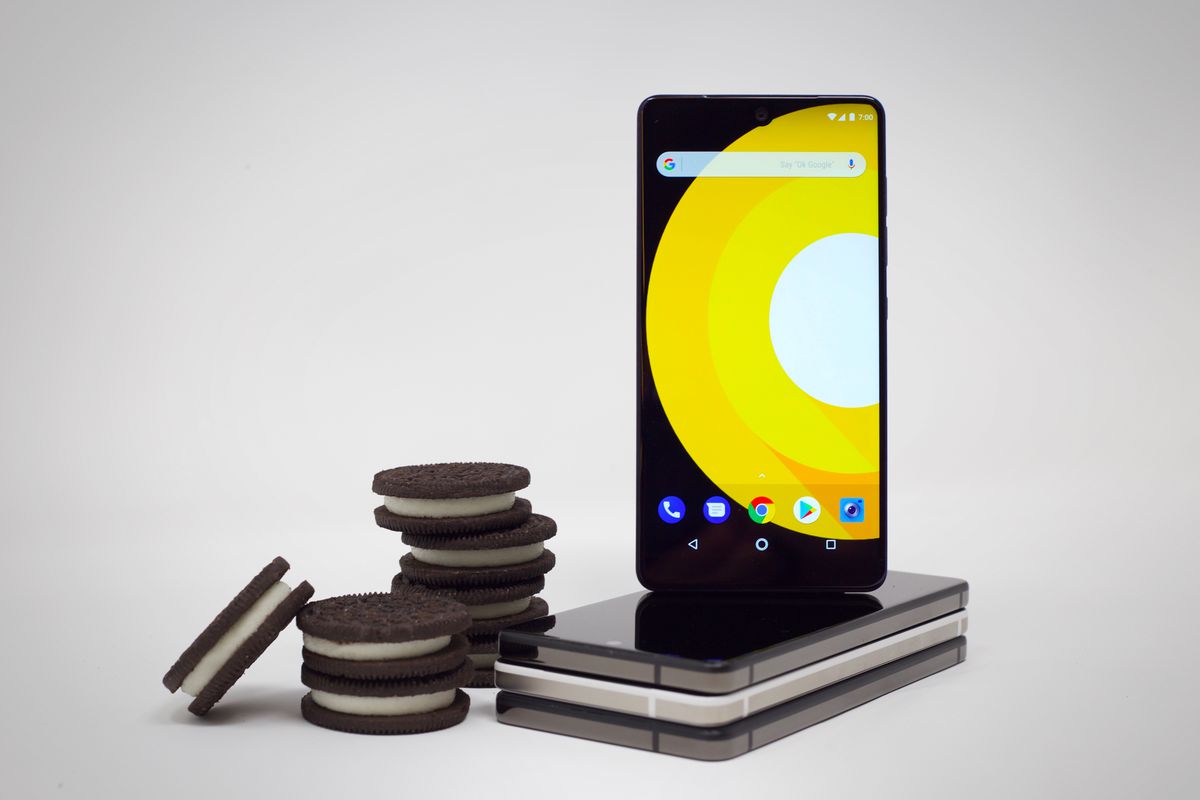
Keeping to its promise, Essential has begun rolling out a beta version of Android 8.1 Oreo for the Essential PH-1. Two weeks ago, it had announced that it would skip the Android 8.0 stable update as there are multiple issues with it. These issues are believed to have been fixed in Android 8.1, hence the reason for skipping 8.0.
The Oreo 8.1 beta update brings a number of new features such as dynamic calendar and clock icons. What this means is that the clock and calendar icons will show the time and date as the homescreen or notification bar.
The update also brings a beta fix for the slow-scrolling jitter that plagues the phone. Although Essential already released February’s security patch last week for those on the stable version, the beta update still includes it.
LeEco has been on the downward spiral for the past few years after its botched mission to enter the U.S and investment in Faraday Future. Since the financial crisis, LeEco has only released the Le Pro 3 AI edition which was unveiled in the second quarter of last year. Such was the hunger for a new model by fans that the presale hit 4.8 million in just 24 hours back then. LeEco models still sell like hot cake especially as they are offered at rock-bottom prices. Now, it seems LeEco is planning to release a new model which would adopt a full-screen 18:9 design.
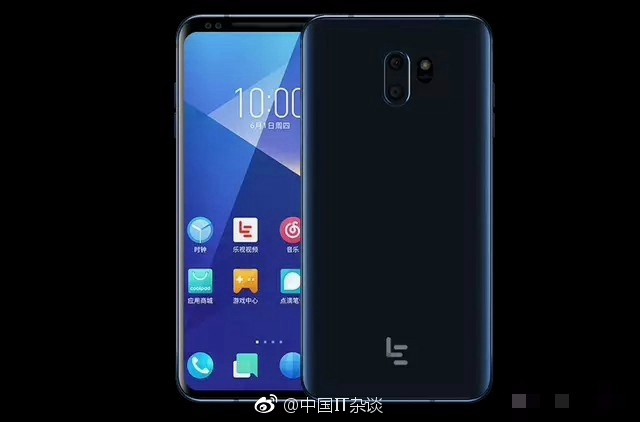
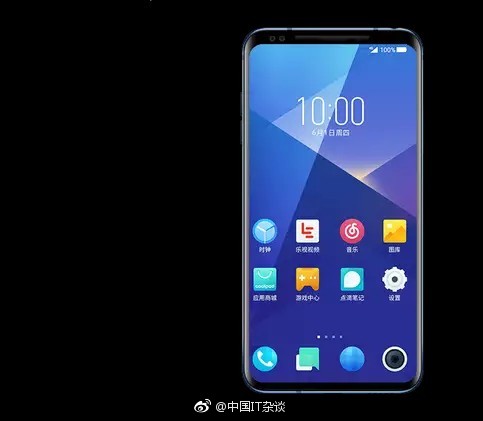
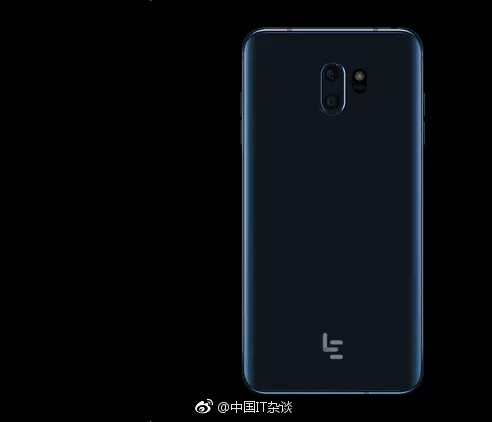
The renders of the LeEco full-screen model was recently spotted on Weibo with a full-screen design and it is said to go by the name Le X. Apart from utilizing a full-screen design with an 18:9 aspect ratio, the device also comes with curved edges at the front and back. The screen to body ratio is also very high.
Another notable feature of the model is the quad camera setup it seems to have. The LeEco Le X render shows a dual camera at the front and a similar dual camera setup at the rear. The rear cameras are stacked in a vertical direction with the LED flash sitting at the side. We can’t verify the authenticity of these renders neither is the Le X’s specification known as of this moment. It sure looks like a device worth looking out for. We’ll be on the lookout for more details on this.
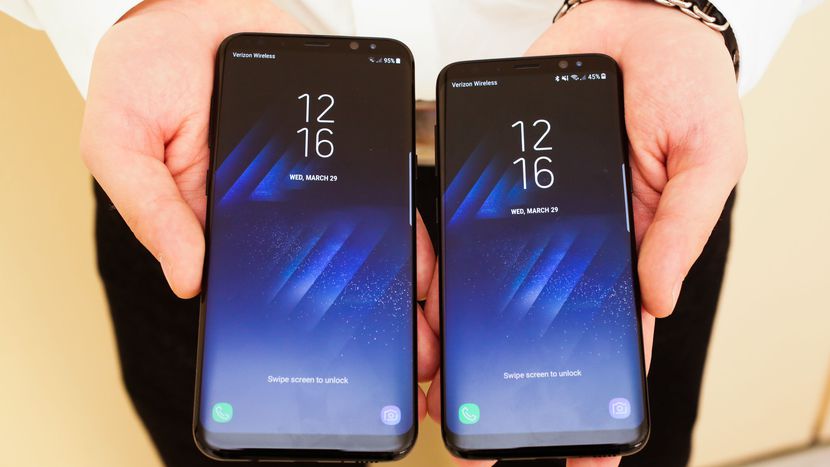
The Android 8.0 Oreo beta program was made available for Samsung Galaxy S8 and Galaxy S8+ in November 2017. It took over three months for the South Korean company to rollout the stable edition of Android 8.0 Oreo for the Galaxy S8 duo. However, the firm has abruptly halted the Oreo update for S8 and S8+ within a week of making it available.
Samsung’s servers had contained G950-FXXU1CRAP and G955-FXXU1CRAP Android 8.0 Oreo firmware files respectively for S8 and S8+ phones. However, these files are no longer available for download. As of this writing, there is no official announcement on why it decided to halt the Oreo update for S8 and S8+.
The aforementioned Oreo build was made available for users of Galaxy S8 duo in countries like Belgium, France, Germany, India, Norway, Poland, Turkey and the UAE who did not enroll in the beta testing of Android 8.0. The owners of Galaxy S8 and S8+ in Netherlands are slated to get the Oreo update in the coming week. As of this writing, there is no confirmation whether Samsung will be delaying it.
It is speculated that the South Korean company is preparing a new edition of Android 8.0 Oreo update for Galaxy S8 and Galaxy S8+. However, there is no timeframe available on the arrival of the new update.
Those who have already installed the update can continue to user their devices as Samsung has not released any official statement on whether the current build contains any bugs. The Android 8.0 Oreo update that was released for Galaxy S8 and S8+ in the previous week had also brought along Samsung Experience 8.0 UI.
Leaked information has revealed that the South Korean company will be releasing Android 8.0 Oreo to wide range of devices such as Galaxy Note 8, Galaxy W2018, Galaxy S8 Active, Galaxy S7. Galaxy S7 Edge, Galaxy A8 (2018), Galaxy A8+ (2018), Galaxy A3 (2017), Galaxy A5 (2017), Galaxy A7 (2017), Galaxy A8 (2016), Galaxy J7 (2017), Galaxy J7 Prime (2017), Galaxy J7+ (2017), Galaxy J7 Duos (2017), Galaxy J7 Max (2017), Galaxy J7 Neo (2017), Galaxy J5 (2017) and Galaxy J3 (2017). The upcoming Galaxy S9 and S9+ are expected to arrive pre-loaded with Android 8.0 Oreo flavored Samsung Experience 9.0.
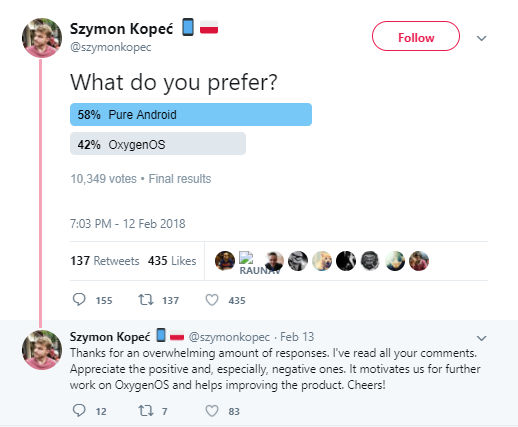
On Monday, a product manager at OnePlus decided to run his own poll by comparing OxygenOS to Pure Android. Initially, OxygenOS was leading the poll which prompted CEO Carl Pei, who was certain they’d win to tweet that the poll shouldn’t be deleted.
In what appears to be a perfect example of not counting your chickens before they are hatched, Pure Android bagged another win at the end of the poll. With a total of 10,349 votes, Pure Android secured 58% of the votes as against OxygenOS’ 42%.
Since several years, rumors have been claiming that Samsung is working on smart glasses. In 2014, it had trademarked the “Gear Blink” moniker in South Korea. At that time, it was speculated to debut as a smart contact lens that could be paired with a smartphone. The company has recently trademarked a new logo that seems to belong to its rumored smart glasses.
The logo likes a tilted human eye and it has an interesting description “computerized vision-assisted eyewear consisting of a camera / computer / display for capturing / processing / display an image,” and “computer hardware for analyzing and configuring vision-assisted eyewear.” This seems to be a hint that the arrival of the Samsung Gear Blink could be drawing near. However, since the trademark filing is unnamed, it is difficult to deduce what this product be.
There is a possibility that the above logo may not be related to smart glasses. It may belong to an upcoming product from Samsung’s health equipment business. The Mobile World Congress (MWC) 2018 tech expo is drawing near. One of the major highlights of the event is the announcement of the Samsung Galaxy S9 and Galaxy S9+ smartphones. There is no information on whether it will be showcasing the rumored smart glasses at MWC 2018.
The rumor mill has been talking about the existence of the Mi MIX 2S since the last quarter of 2017. When Xiaomi CEO Lei Jun had claimed at the Snapdragon Tech Summit 2017 in December that the next Xiaomi flagship would be powered by Snapdragon 845, the rumor mill had speculated that he could be talking about the upcoming Mi 7 smartphone. However, recent leaks have revealed that Xiaomi may launch the Mi MIX 2S before the Mi 7 smartphone. Newer reports have stated that the Chinese manufacturer may announce Mi MIX 2S smartphone at the Mobile World Congress (MWC) 2018 tech expo later this month. According to a fresh report on XDA, firmware files unearthed by a senior member of XDA Developers forum has confirmed that the Xiaomi Mi MIX 2S truly exists.
The firmware files contain numerous information of a smartphone that is codenamed as Polaris. Previous leaks have claimed that the Polaris is the codenamed of the upcoming Xiaomi Mi MIX 2S smartphone.
It has been found through the firmware files that the smartphone is fueled by Snapdragon 845 chipset and it is running on Android 8.0 Oreo OS. A good thing about this smartphone it is compatible with Project Treble. The handset is powered by a 3,400mAh battery. There is no information available on the exact size of the screen of the Mi MIX 2S. However, the publication claims that’s display supports 18:9 aspect ratio and FHD+ resolution of 2160 x 1080 pixels.
By decompiling MIUI camera app, it has been revealed that the Mi MIX 2S will carry support for scene recognition. Here are the scenes that the camera of the smartphone will be able to identify: doc (document), flower, food, sky, sunrise/sunset, cat, dog, green plants, night, snow, sea, autumn, candlelight, car, grass, maple leaves, succulent, building, city, cloud, overcast and backlight.
Rumors have claimed that Mi MIX 2S will be featuring Sony IMX363 camera sensor. The firmware files do contain some binaries for the sensor. Hence, the smartphone is likely to sport Sony IMX363 sensor. Other features that have been deduced through the firmware files are dual-SIM support, IR blaster and LED for notifications. The publication claims that the firmware is massive, and it is likely to contain more information on the Mi MIX 2S.
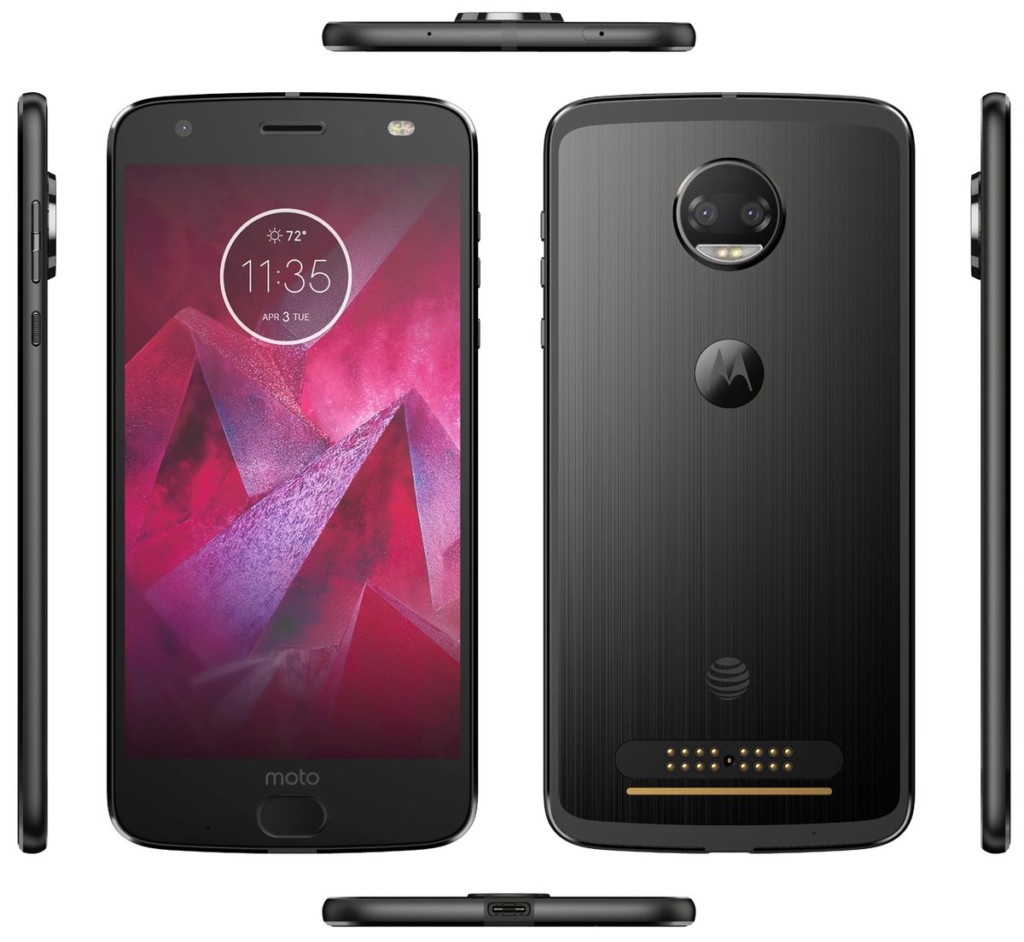
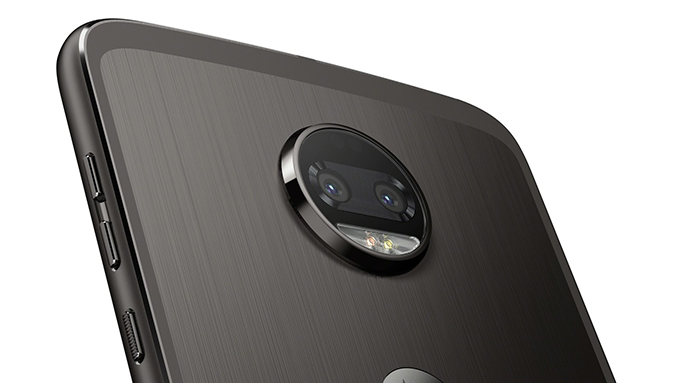
Lenovo-owned Motorola has launched the Motorola Moto Z2 Force smartphone in India. It has arrived in India nearly eight months after its official announcement. Like the predecessor model that was launched in October 2016, it carries support for MotoMods accessories and is packed with flagship specs. It is dubbed as a Limited Edition phone with the bundled battery pack MotoMod.
Moto Z2 Force Specifications and Features
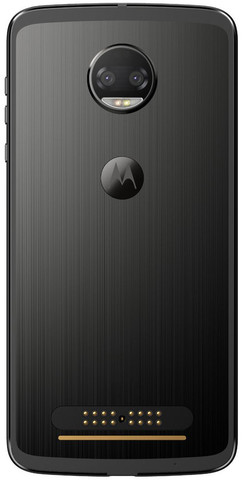
The Moto Z2 Force sports a 7000-series aluminum body that measures 155.8 x 76 x 6.1mm and weighs 143 grams. It has a brushed metal appeal and it comes in single color variant of Super Black. In other markets, it is also available in other colors like Fine Gold and Lunar Grey. It features a redesigned oblong-shaped fingerprint scanner enabled home button. The bottom rear of the back panel features the connector pins for attaching MotoMods accessories.
The ShatterShield display of the Moto Z2 Force mainly comprises of 5.5-inch P-OLED screen that offers Quad HD screen resolution of 2560 x 1440 pixels. The Snapdragon 835 chipset is present under the hood of the phone. The SoC is coupled with 6 GB of RAM. It has a native storage of 64 GB and it is also equipped with dedicated slot for adding a microSD card.
It is packed with Quick Charge 3.0 fast charging support enabled 2,730mAh battery. Users can simply attach the 3,500mAh TurboPower pack MotoMod for extra battery life. This MotoMod was launched with a price tag of Rs. 5,999 in India in December last year. The predecessor Moto Z Force had featured a larger battery of 3,490mAh capacity. The handset is pre-loaded with Android 7.1 Nougat and also features exclusive Motorola Experience such as Moto Voice and Moto Display.
The round-shaped camera module that has an iconic bump includes a pair of 12-megapixel RGB and monochrome sensors, dual-LED flash and laser autofocus. The Sony IMX386 is also present in the dual camera setup of Xiaomi Mi 6, a phone that was not launched in India. It features a selfie camera of 5-megpaixel that is equipped with its own LED flash.
Motorola has released new MotoMods accessories for the smartphone. However, the older MotoMods are also compatible with the new Moto Z2 Force. As far as connectivity is concerned, the Z2 Force provides its users with options like dual-SIM support, 4G VoLTE, dual band Wi-Fi with MIMO, Bluetooth, USB-C, NFC and GPS. There is no 3.5mm audio jack on the phone. Owners of the Z2 Force will have to use the same USB-C port for connecting the charger and earphones. For the convenience of the user, the company is providing a 3.5mm to USB-C adapter along with the phone.
Moto Z2 Force Pricing and Availability
The Moto Z2 Force has arrived in India with a price tag of Rs. 34,999 (~$548). The handset will be exclusively available for purchase through Flipkart and Moto Hub beginning at 12 AM tonight. Later on, it will be also made available through offline partners of Motorola.
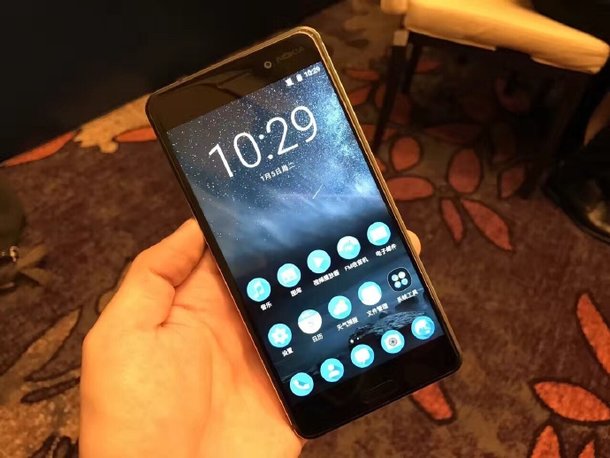
HMD Global has launched a new 4 GB RAM edition of the Nokia 6 in India. It is a Flipkart exclusive smartphone that will be available for purchase starting from Feb. 20.
The Finnish firm had launched the Nokia 6 smartphone in China in January 2017. China had received the 4 GB RAM edition of the phone. The company had launched the Nokia 6 featuring 3 GB of RAM and 32 GB of storage alongside other phones like Nokia 3 and Nokia 5 in India in June 2017.
Finally, the Nokia 6 4 GB RAM model has arrived in India. It is packed with 64 GB of native storage. One should be aware of the fact that it is not the new Nokia 6 (2018) smartphone that was unveiled in previous month.
The 4 GB RAM Nokia 6 would be carrying a price tag of Rs. 16,999 (~$269). It will be available with an exchange offer that will allow its users to avail a discount of Rs. 2,000 (~$31). Currently, the 3 GB RAM variant is available with a pricing of Rs. 14,999 (~$235).
As far as other specs of the Nokia 6 are concerned, it features 5.5-inch IPS LCD display that supports Full HD resolution of 1920 x 1080 pixels. The mid-range Snapdragon 430 chipset is present under the hood of the phone. It features an f/2.0 aperture 16-megapixel rear camera and an f/2.0 aperture front-facing camera of 8-megapixel. It includes a 3,000mAh battery. Dual-SIM support, microSD card slot, Wi-Fi, 4G VoLTE, Bluetooth, NFC, microUSB, 3.5mm audio jack and GPS are the other features of the Nokia 6.
Ahead of the Mobile World Congress, Qualcomm has announced its latest LTE model for mobile devices — Snapdragon X24, which is the successor of the Snapdragon X20 that was launched last year.
The most important thing about the Snapdragon X24 LTE modem is that it promises to reach top download speeds of up to 2Gbps. In comparison, its predecessor, Snapdragon X20 supports about 1.2 Gbps speed.
According to the company, the Snapdragon X24 is the first Category 20 LTE modem that supports such kinds of speeds. It is also the first 7nm process chip, promising potential power savings. However, it is unlikely to see those speeds in real life because of carrier-side problem.
While many service providers have begun working on gigabit LTE in earnest, the faster network still isn’t completely deployed. However, the improvements in the technology should still lead to faster speeds overall.
Qualcomm‘s Snapdragon X24 supports up to seven carrier aggregation and 4×4 MIMO antenna arrays on up to five aggregated LTE carriers — which allow for maximum of 20 concurrent LTE streams. The company claims that this functionality will allow for X24-equipped devices to connect to the entire range of spectrum bands available to carriers, increasing overall performance beyond what we currently have.
As the Snapdragon X20 modem has been integrated in the Snapdragon 845 chipset announced in December last year, there’s a possibility that this new Snapdragon X24 modem will be integrated in the upcoming mobile chipset from Qualcomm. In the announcement video, it seems that the company is hinting that the modem could be found in the commercial devices in the first half of 2019.
Qualcomm also announced two new software offerings — an SDK for its IoT LTE modem (MDM9206) and a set of “wireless edge” services for enterprise and industrial use. The software development kit is aimed at making it easier for device manufacturers to design applications for their products.
Samsung is launching the Galaxy S9 and Galaxy S9+ flagship phones on Feb. 25. The South Korean company has now begun to build the hype for its upcoming flagship phones as it has released three new promotional videos to teasers their features.
https://www.youtube.com/watch?v=JRncyWWBbQY
In the first video, everything is shown happing at a quick pace, but it slows down towards the end just before the appearance of the number “9”. It is quite evident that the South Korean company is teasing the slow-motion video shooting capabilities of the Galaxy S9 and Galaxy S9+ through this video. Slow-mo video shooting has been available on Samsung’s phones, but it seems it will be receiving an upgrade on the upcoming S9 duo.
https://www.youtube.com/watch?v=GFNwvbgJUlE
Everything appears dark in the second until the number “9” shows up. The image brightens up to indicate that the Galaxy S9 and S9+ duo will allow users to snap amazing photos in low-light conditions. Recent leaks have claimed that the Galaxy S9 duo will be featuring an f/1.5 camera sensor with variable aperture.
The third video shows the Korean model making different facial expression. However, just when the number “9” appears, his face turns into an animated emoji. This could be one of the features that will be made available on the Galaxy S9 and S9+.
A recent report had revealed that users will be able to make 3D emoticons through the front-facing camera on the S9 and S9+. Samsung is not the first company to introduced animated emoji. Last year, Apple had introduced 3D emoji dubbed as Animoji on iPhone X. Honor had also recently demonstrated its take on animated emoji recently.
What do you think about these upcoming features that will be arriving on the Galaxy S9 and Galaxy S9+? Share us your thoughts by posting your comments below.
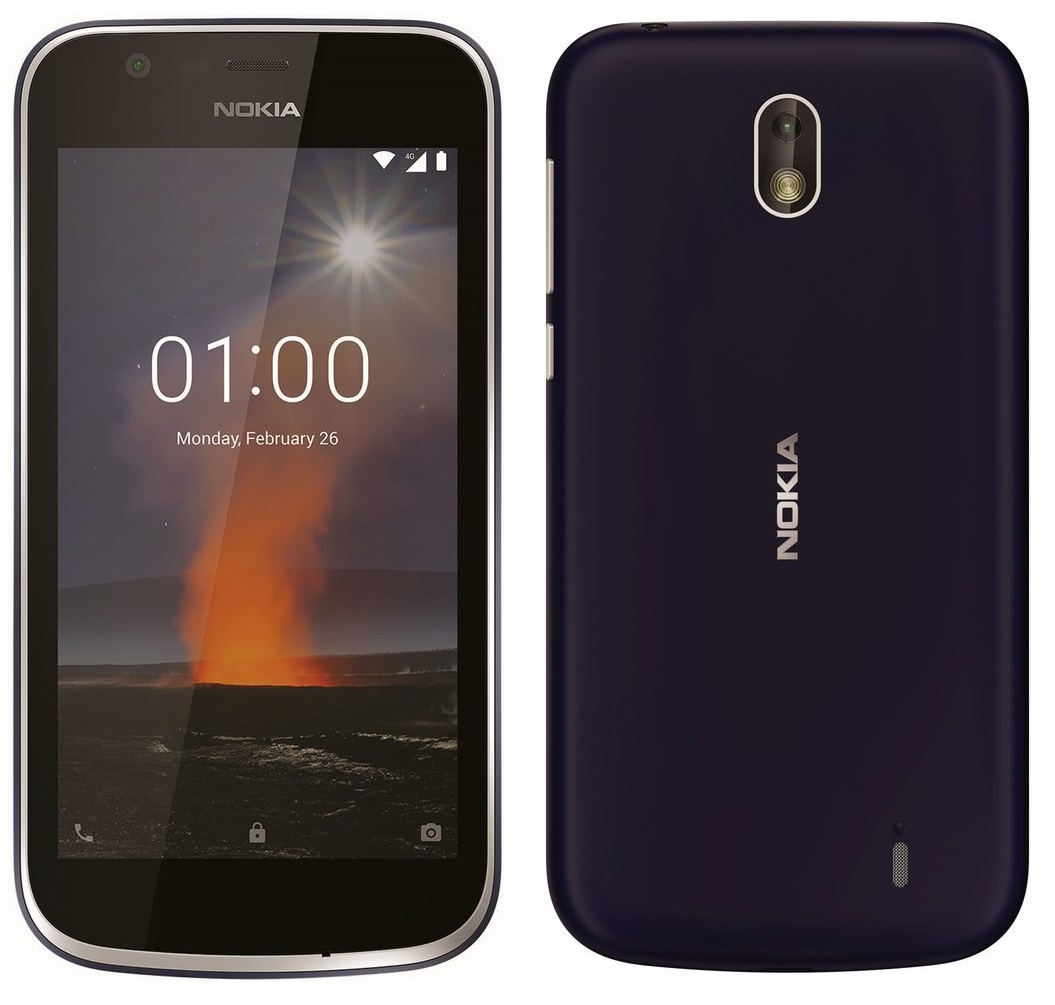
Back in December, an unpacked Nokia Camera app revealed a list of Nokia phones consisting of released models and some unreleased ones. Belonging to the latter category is the Nokia 7 Plus, Nokia 4, and Nokia 1.
The Nokia 7 Plus and Nokia 1 have appeared in the news more times since their first reveal and today we get to see the first official renders of both devices thanks to Evan Blass.
Nokia 7 Plus
The Nokia 7 Plus is familiar as it has appeared in a few leaked photos before but this new leak is much more different as it reveals a key info.
This new render reveals the Nokia 7 Plus will be an Android One device! Guess you didn’t see that coming.
Since, Nokia phones sold in China run a different version of Android from those sold in other countries, it is safe to presume that the Nokia 7 Plus that will be sold there won’t be the Android One variant which is why we didn’t know about it before.
So those first leaked images we saw of the Nokia 7 Plus which also listed the specs are those of the Chinese variant while this Android One Nokia 7 Plus is the international variant that will be sold outside China.
The Nokia 7 Plus is shown in white in the image above with orange accents around the dual Carl Zeiss lenses, the fingerprint scanner, and the display. The Nokia logo and the physical buttons are also orange.
We also get a closer look at the 18:9 display of the phone. As you can see, the corners are rounded.
Nokia 1
While the Nokia 7 Plus is an Android One phone, the Nokia 1 is rumored to be an Android Go phone. Android Go or Android Oreo (Go Edition) is a lightweight version of Android for phones with 1GB RAM or less which is what the Nokia 1 is expected to come with.
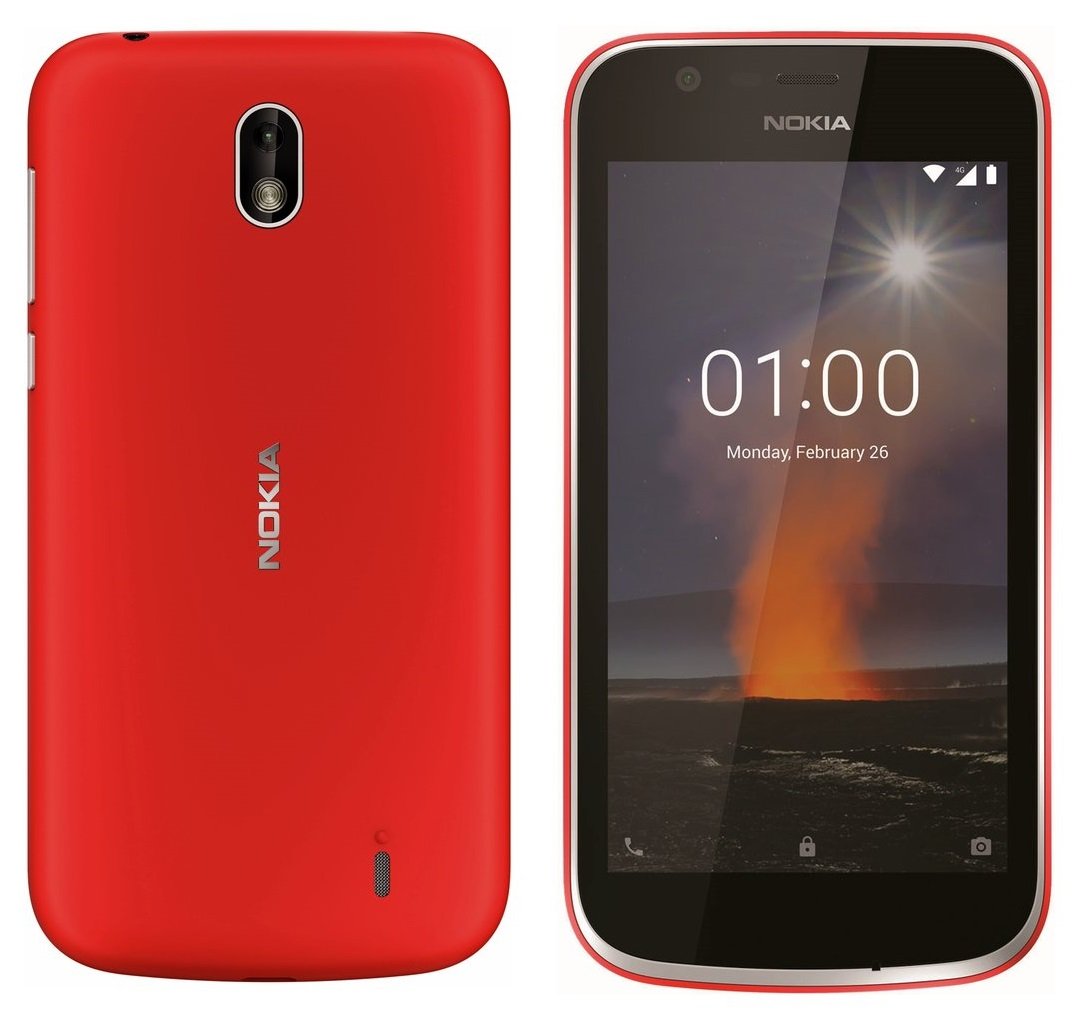
From the leaked render we can see the Nokia 1 isn’t going to get shortlisted for its looks. The bezels around the screen which we guess is between 4 – 5 inches are super huge like those on the first Android smartphones from years ago.
There is a front facing camera on the top left corner and beside it is a pill-shaped sensor. Sitting in the middle is the earpiece.
On the rear, the Nokia 1 is shown to have a single rear camera with a large LED flash. The camera sits in the middle of the phone. At the bottom right corner is an opening for the speaker.
While the phone isn’t attractive, it appears to be well made and should be able to take a beating.
The Nokia 1 is shown in two color variants – indigo and bright red. Both variants have silver accents around the bezels and rear camera. The buttons and Nokia logo are also in silver.
Nokia 7 Plus and Nokia 1 Launch Date
While this may be easy to miss, both phone actually tease their launch dates on the homescreen. For the Nokia 7 Plus, the date is Sunday, February 25, while for the Nokia 1, the date is Monday, February 26.
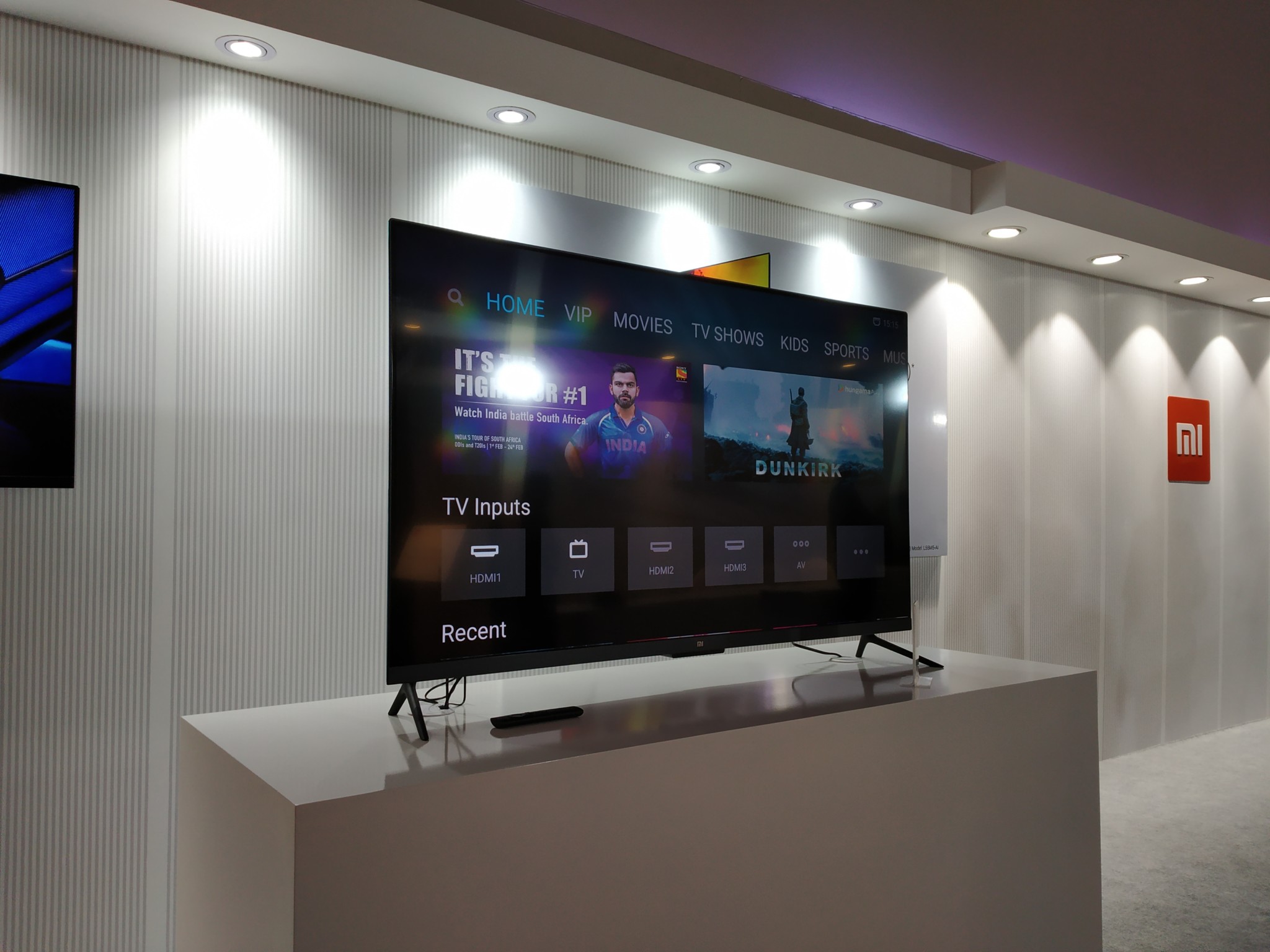
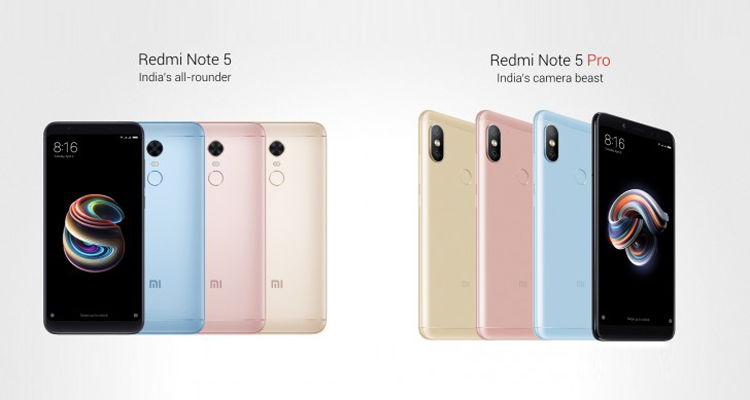
Xiaomi took the wraps off the Redmi Note 5 and the Redmi Note 5 Pro alongside the Mi LED TV 4 on February 14 in India. The Xiaomi Redmi Note 5 Pro was unarguably the stunner out of the two smartphones launched because this is the first time Xiaomi is unveiling the smartphone. The Redmi Note 5 had earlier been launched in China alongside the Redmi 5 but the Note 5 Pro is meeting with us for the first time.
The Redmi Note 5 Pro is the first Xiaomi model to feature a full-screen 18:9 design and dual camera. Talking about the cameras, the device comes with a superb combination of 12MP + 5MP sensors at the rear. Apparently, the promotional mantra for the device will be built on the cameras hence Xiaomi dubbed it as “India’s camera beast”. The camera samples for the Redmi Note 5 Pro have not been outed, thanks to GSMArena and they sure show a device with a powerful camera setup.
Let’s closely analyse the photos but before then, here’s the camera configuration. The Redmi Note 5 packs a 12MP primary sensor at the rear with a f/2.2 aperture teaming up with a 5MP camera with a f/2.0 aperture and it is a bokeh camera (depth of field lens). The bokeh effect is well utilised in the sample photo above where the “No Parking Zone” signpost was captured clearly while the surrounding areas were blurred out.
In addition, all the photos seem to come with realistic colours and the detail levels of each photo is pretty impressive. But we are not so impressed with the camera performance /in low-light conditions. The photos come with some level of photographic noise but that isn’t too noticeable except when the picture is zoomed. It may be too early to give the device a positive review but we hope to see a couple of more comprehensive reviews. Meanwhile, here are more sample photos of the Redmi Note 5 Pro.
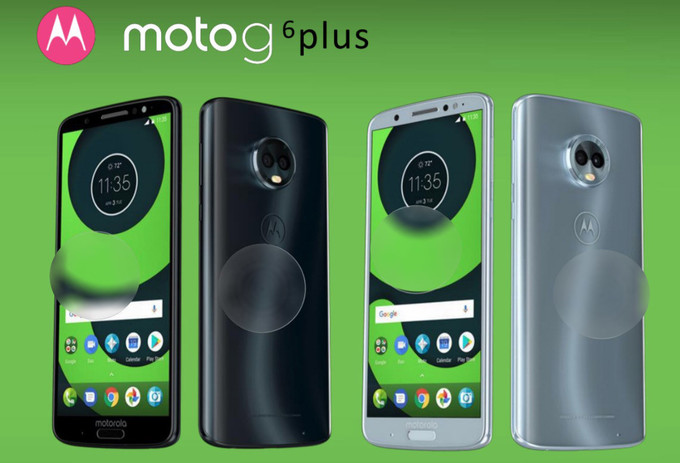
The Moto G6 series have been in the news a lot lately. Yesterday, it was confirmed that all three phones in the lineup will feature displays with an 18:9 aspect ratio. More leaks on all three devices have surfaced.
Moto G6 Plus
According to the source – Andri Yatim (@HeyAndri) who took to Twitter to reveal the details, the Moto G6 Plus will come with the Nexus 6′ 3250mAh battery. The Motorola-made Nexus 6 actually has a 3220mAh battery but 3250mAh isn’t far off, so we’ll give him a pass for that.
He also adds that the G6 Plus will be listed as the LNV-G6P. We believe LNV is short for Lenovo and G6P is of course G6 Plus. It will be powered by the Snapdragon 630, said to have undergone some tuning for battery life and GPU performance. Price for the Moto G6 Plus is put at Rs. 17,000 (~$265).
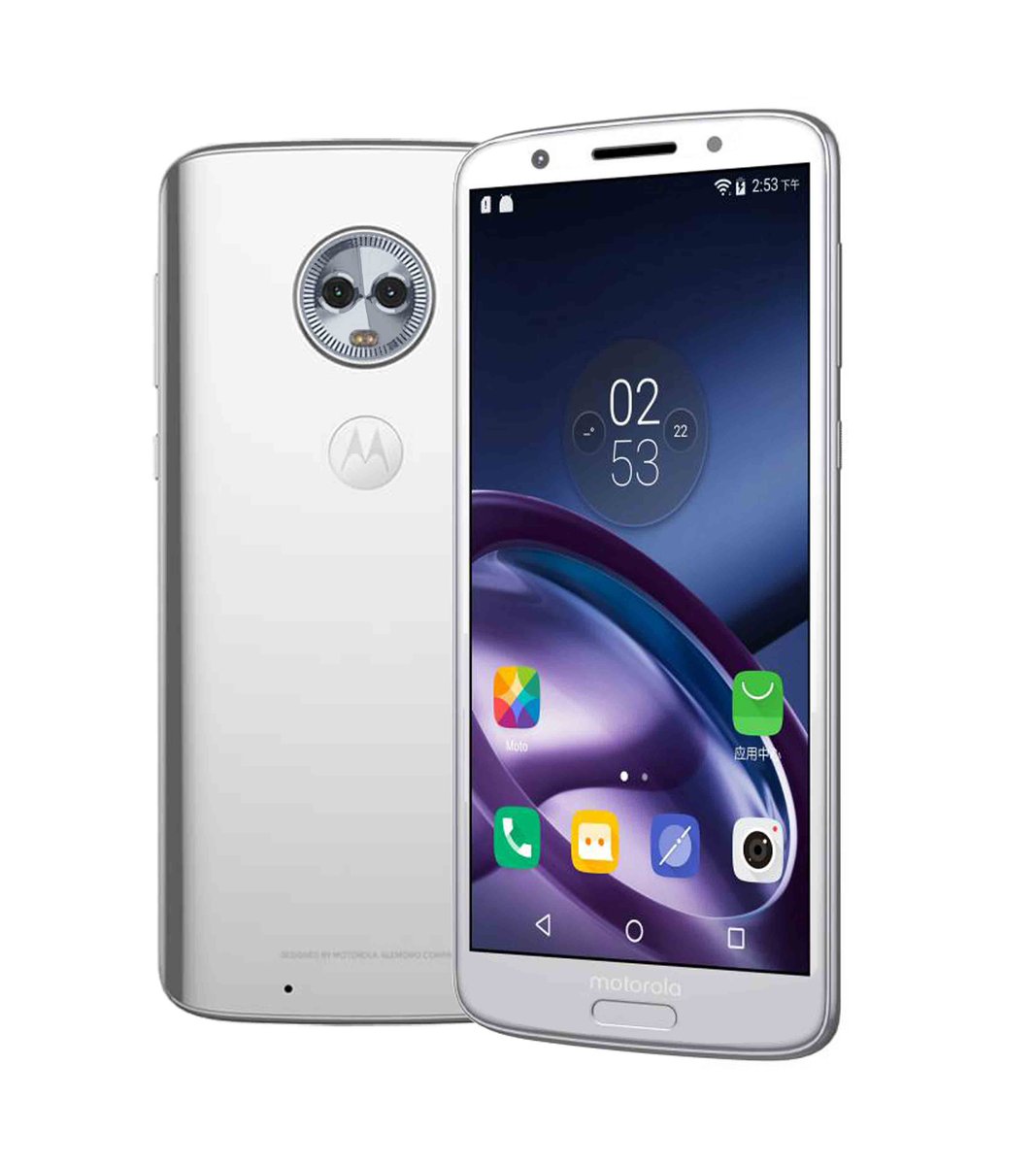
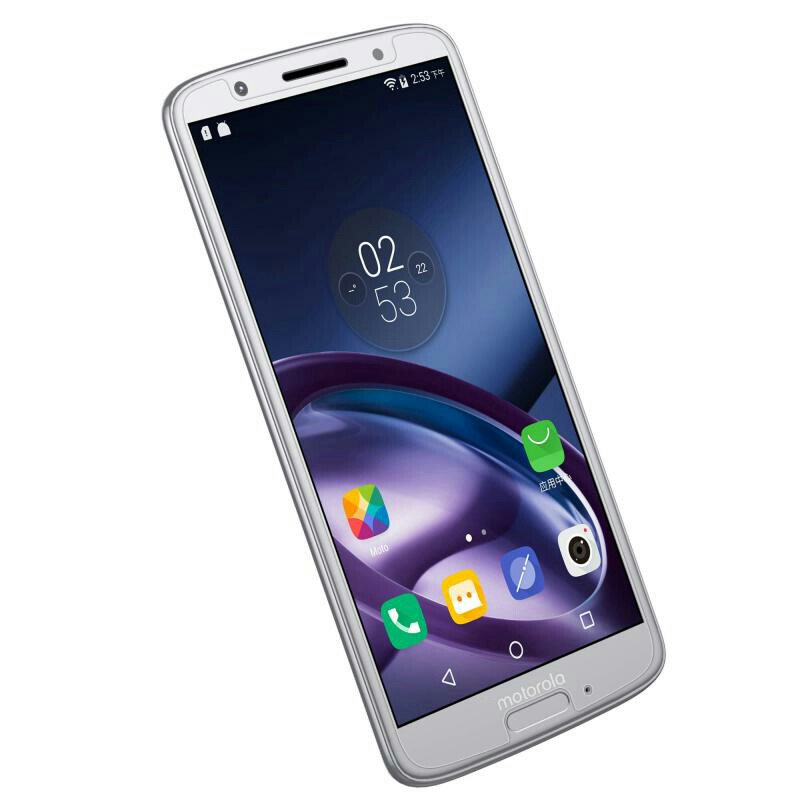
Moto G6 Press Render
Moto G6
For the Moto G6, we get to see two new press renders that show the phone in a new silver color variant, as well as some few specs, and a price tag.
The phone will come with the Snapdragon 450 mobile platform, have NFC, and have a 3000mAh battery. It will be be available in Q2 2018 with a Rs. 15,000 (~$234) price tag.
The new render is similar to the previous ones we have seen, save for the color which is silver. It has dual rear cameras with a near identical design as that of the Moto X4. The only difference is the position of the LED flash which is below the sensors in the Moto G6.
The back is said to be made of glass. A Motorola logo is beneath the cameras and a secondary mic lies at the bottom of the phone.
Moto G6 Press Render
The front of the phone also looks very much like that of the Moto X4 with a few changes. There are just two holes on opposite sides of the earpiece which house the front camera and a sensor. However, there are reports it will have a selfie LED flash.
One major change coming to the next gen Moto G phone is the shape of the home button/fingerprint scanner. It is still pill-shaped but has been made thinner and longer but still doubles as a fingerprint scanner.
The most awaited Xiaomi midrangers of the year have been finally announced: Xiaomi Redmi Note 5 and Note 5 Pro. While the second offers important improvements over its predecessors, the first is just a rebranded Redmi 5 Plus for the Indian market. In this Xiaomi Redmi Note 5 vs Redmi Note 5 Pro article, we will compare the specs of these phones and discover if the improvements of the Pro version justify its higher price, or if it is better to just stick to the standard version which is still a solid and reliable mid-ranger.
Dual 12 + 5 MP f/2.2 + f/2.0
20 MP f/2.0 front camera
BATTERY
4000 mAh
Fast charging 5V / 2A
4000 mAh
ADDITIONAL FEATURES
Hybrid Dual SIM slot
Hybrid Dual SIM slot
The main difference between Xiaomi Redmi Note 5 and Redmi Note 5 Pro is in the hardware side and the camera department. Under the hood, the standard version has the widely tested Snapdragon 625 SoC which has been the most used SoC of 2017 in the budget phones sector. Xiaomi Redmi Note 5 Pro comes with the new Snapdragon 636 which is more powerful and it has a better connectivity side on the paper, but it still has to be tested deeply as it is a new chipset. Further, the Pro version comes in a configuration with 6 GB of RAM which will offer a better multi-tasking experience compared with the Redmi Note 5 and its 4 GB RAM.
While Xiaomi Redmi Note 5 has a single 12 MP main camera (nothing special, just a normal midrange camera), Redmi Note 5 Pro has a dual camera setup on its rear side, which is composed of a primary sensor that is the same as the Redmi Note 5 and a 5 MP secondary sensor to capture info about depth and make a better bokeh effect. Redmi Note 5 Pro has a better front camera with a resolution of 20 MP, while the Note 5 has an average 5 MP snapper. The rest of the specs is exactly the same, but the price changes. The handsets have just been launched in India with a starting price tag of €125/$155 for the Xiaomi Redmi Note 5 and €176/$218 for the Pro version. In our opinion, the differences justify the price and it is worth buying the Pro version to get better performances and better photos.
Xiaomi Redmi Note 5 vs Redmi Note 5 Pro: PRO and CONS
While the adaptation of the latest version of the Android operating system is still very low, Google has already started working on the next update for its mobile operating system, Android P.
As it has been happening for last few years, the company is expected to unveil this new Android P operating system at the upcoming Google I/O developer conference later this year. And we now have information about what major features to expect.
According to a report from Bloomberg, which cites unknown sources aware of the development at Google, the company is going to offer lots of changes in the upcoming Android P version. One of the major change will be support for unique display types. This addition will enable manufacturers to debut new form factors such as foldable displays just like the Axon M or adopt the “notch” just like the iPhone X and the Essential Phone.
Further, the Android P update is also expected to have tighter integration with the company’s smart digital voice assistant — Google Assistant. This could be the version in which Google finally grants permission to third-party developers to integrate the Assistant into their own apps.
The report further adds that the Android P will come with a “dramatic redesign”. Some believe that this could be the Google’s way to “persuade more iPhone users to switch” to devices with Android P. This redesign could be referring to “Material Design 2” which has been reported a few times. Along with all these, we are also expecting improvements for the battery life performance in this upcoming Android update.
Finally, it states that the Android P’s internal code name is “Pistachio Ice Cream”. However, the final public name of the upcoming Android version is likely to be different. There are a lot of things we don’t know about regarding this new version but we expected to get to know a lot more at the Google I/O in May this year, where the company is expected to announce Android P.
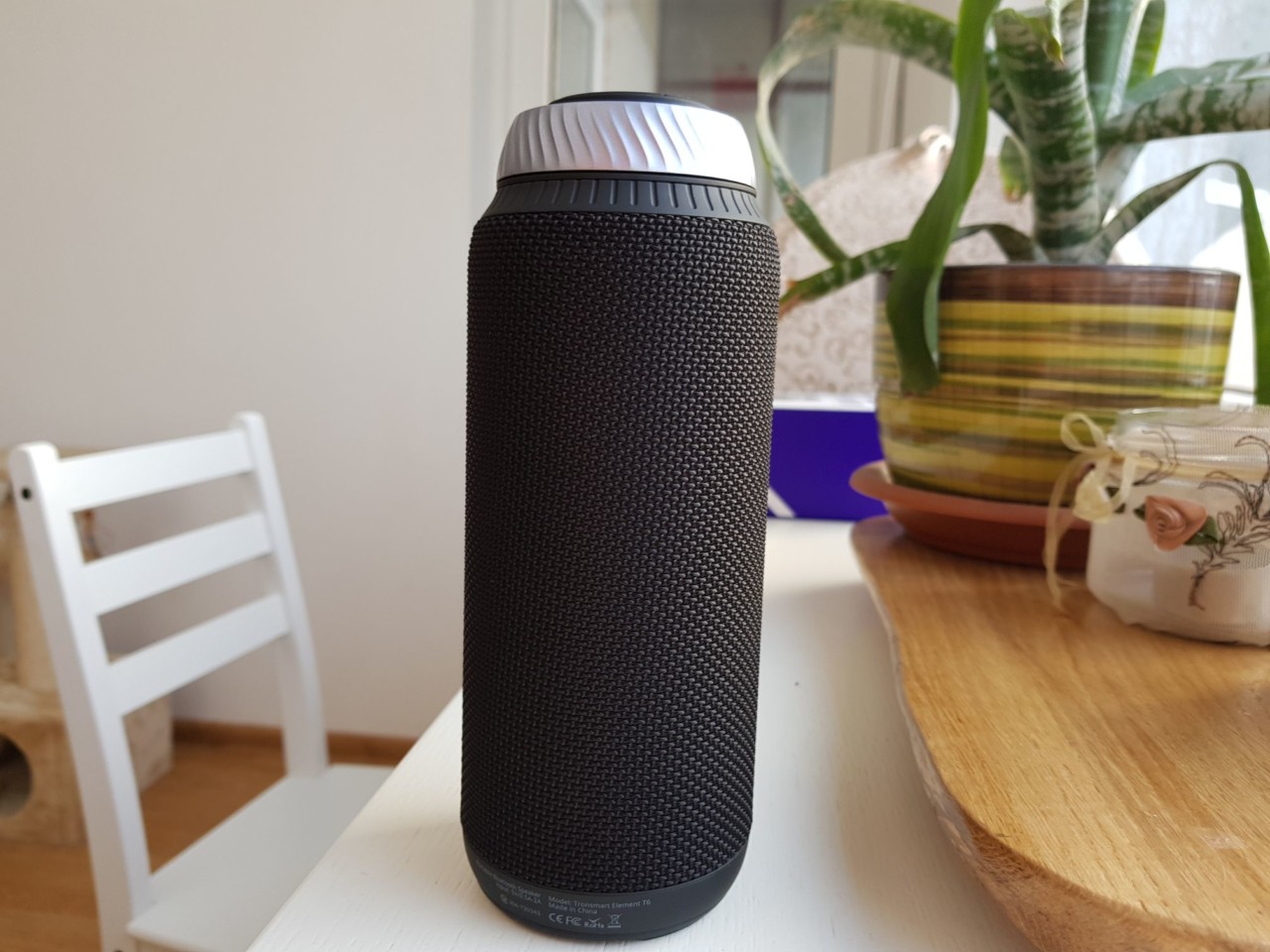
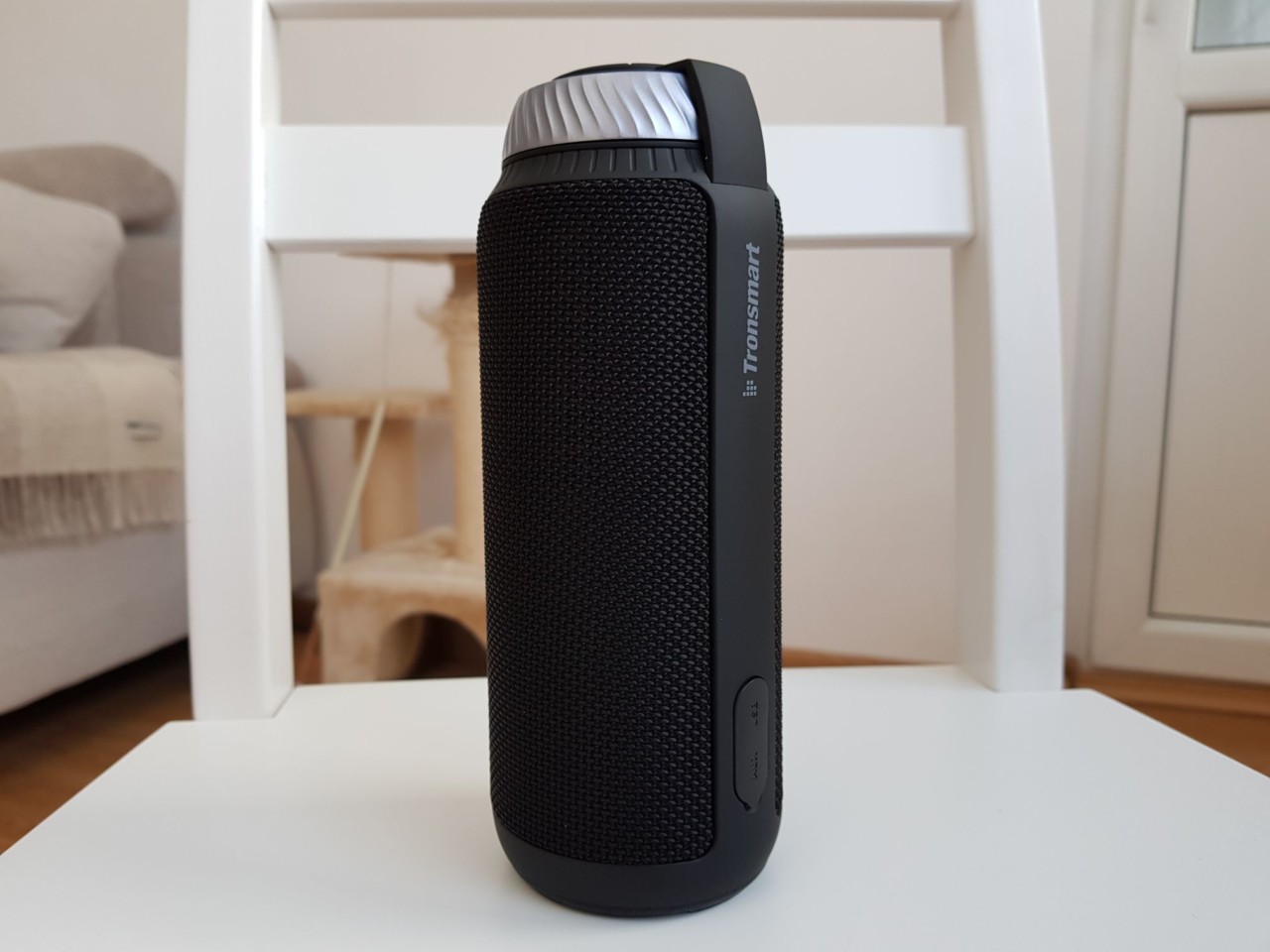
Tronsmart is known for making all sorts of gadgets. In fact, I’ve been using their USB charging hub for a couple of years now and it has been working fine. We just came across their latest budget Bluetooth speaker offering – the Element T6, which costs just about $42. Learn more in our full Tronsmart Element T6 Bluetooth speaker review.
DESIGN and FEATURES
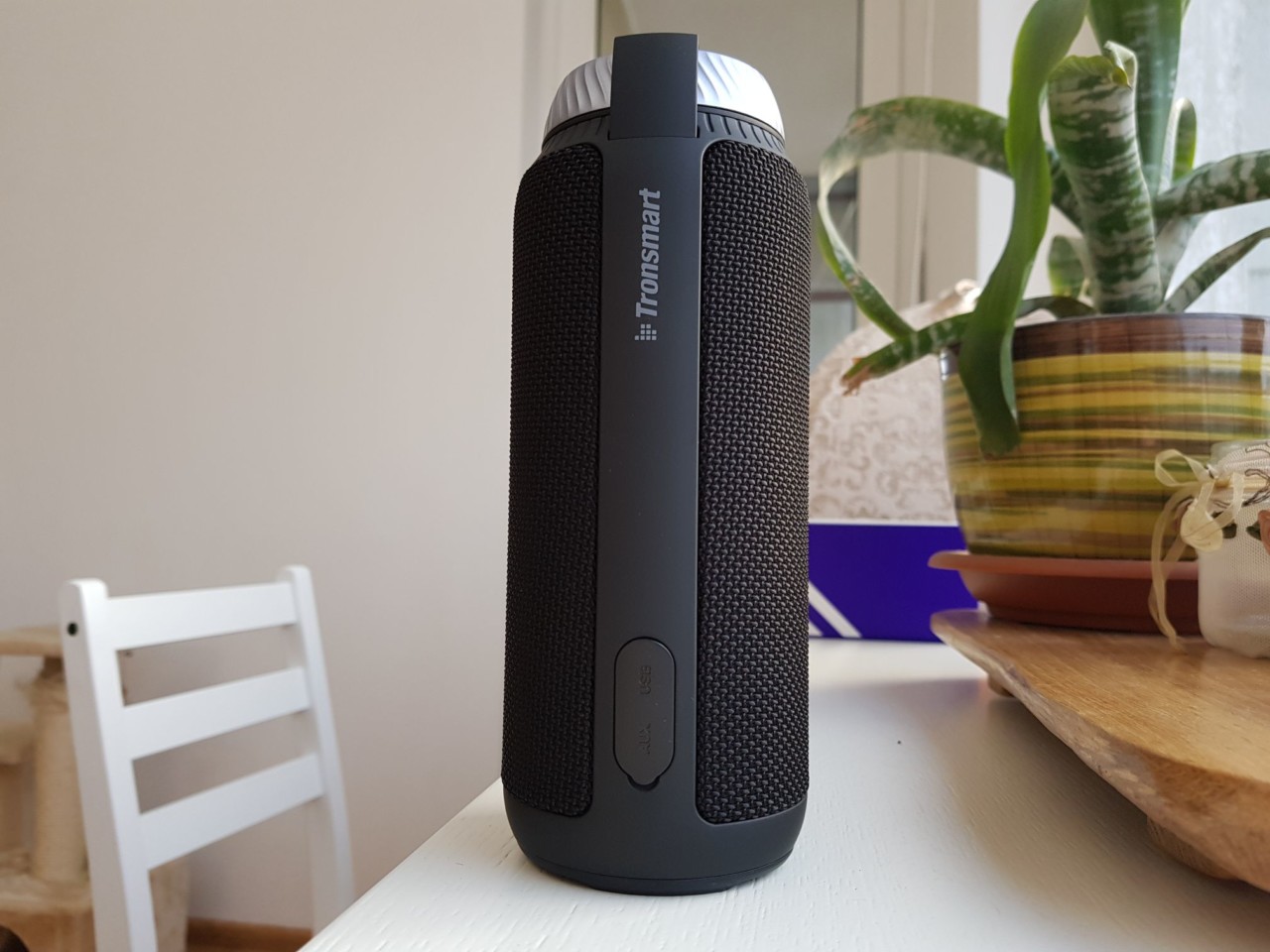
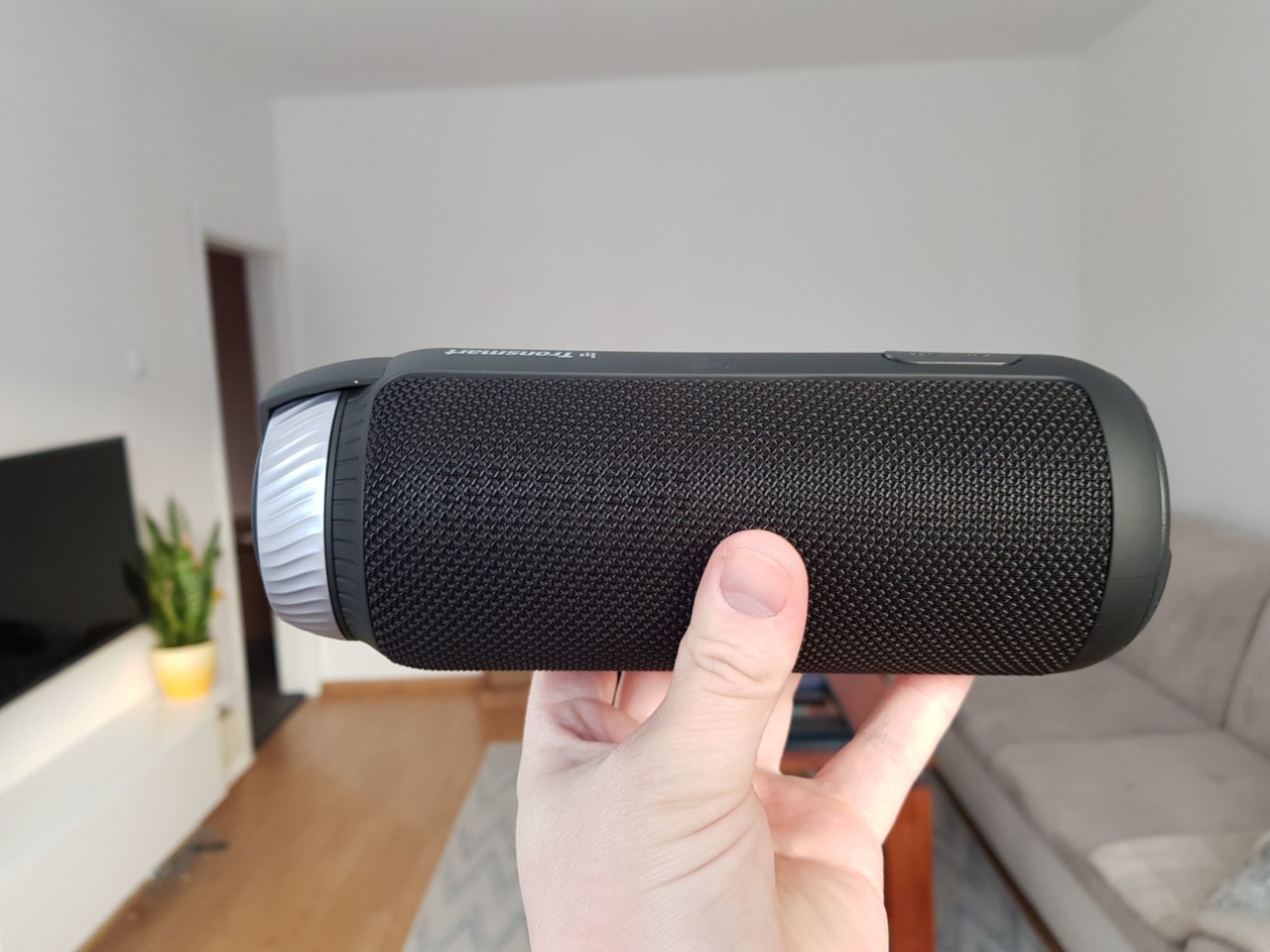
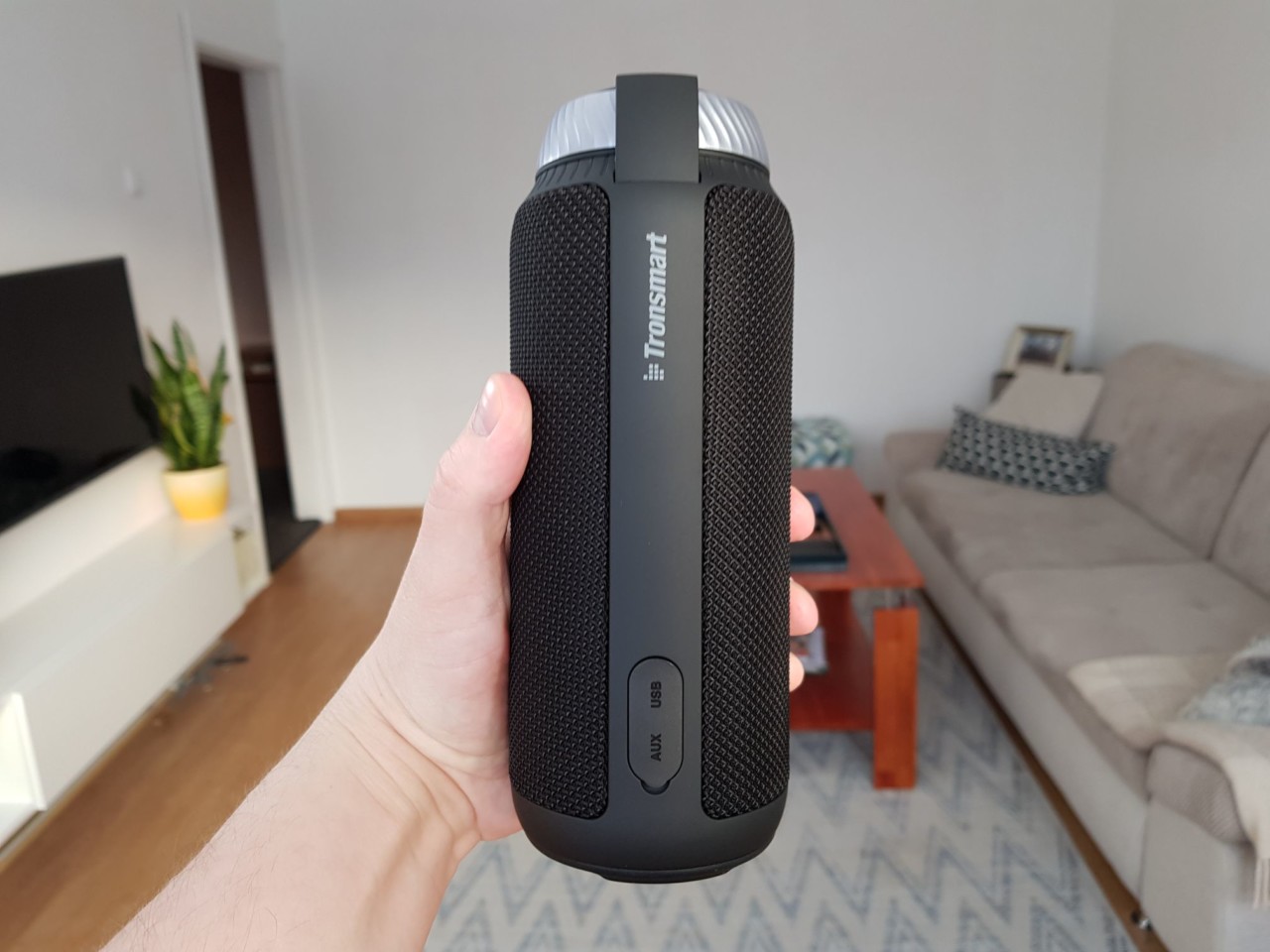
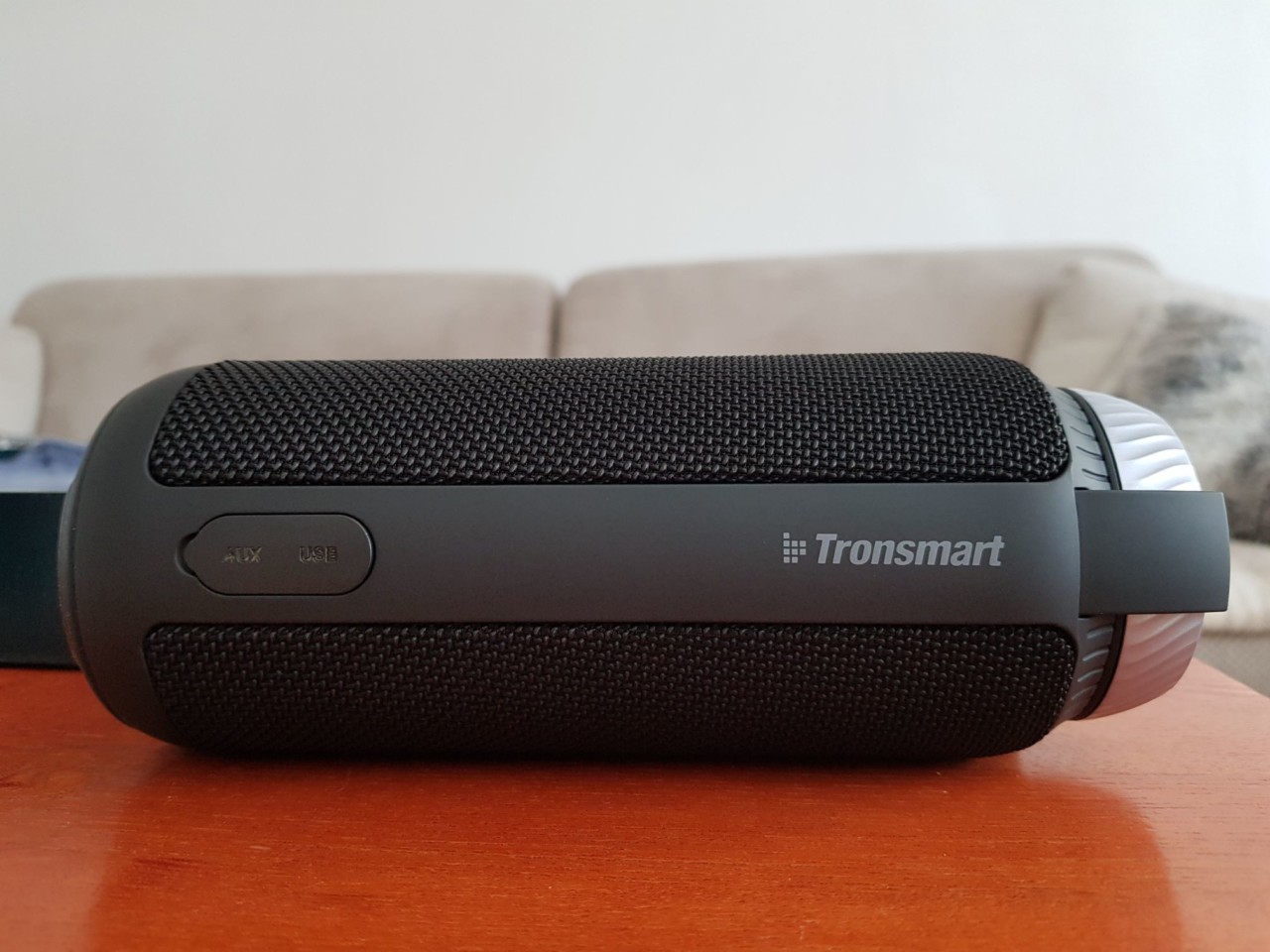
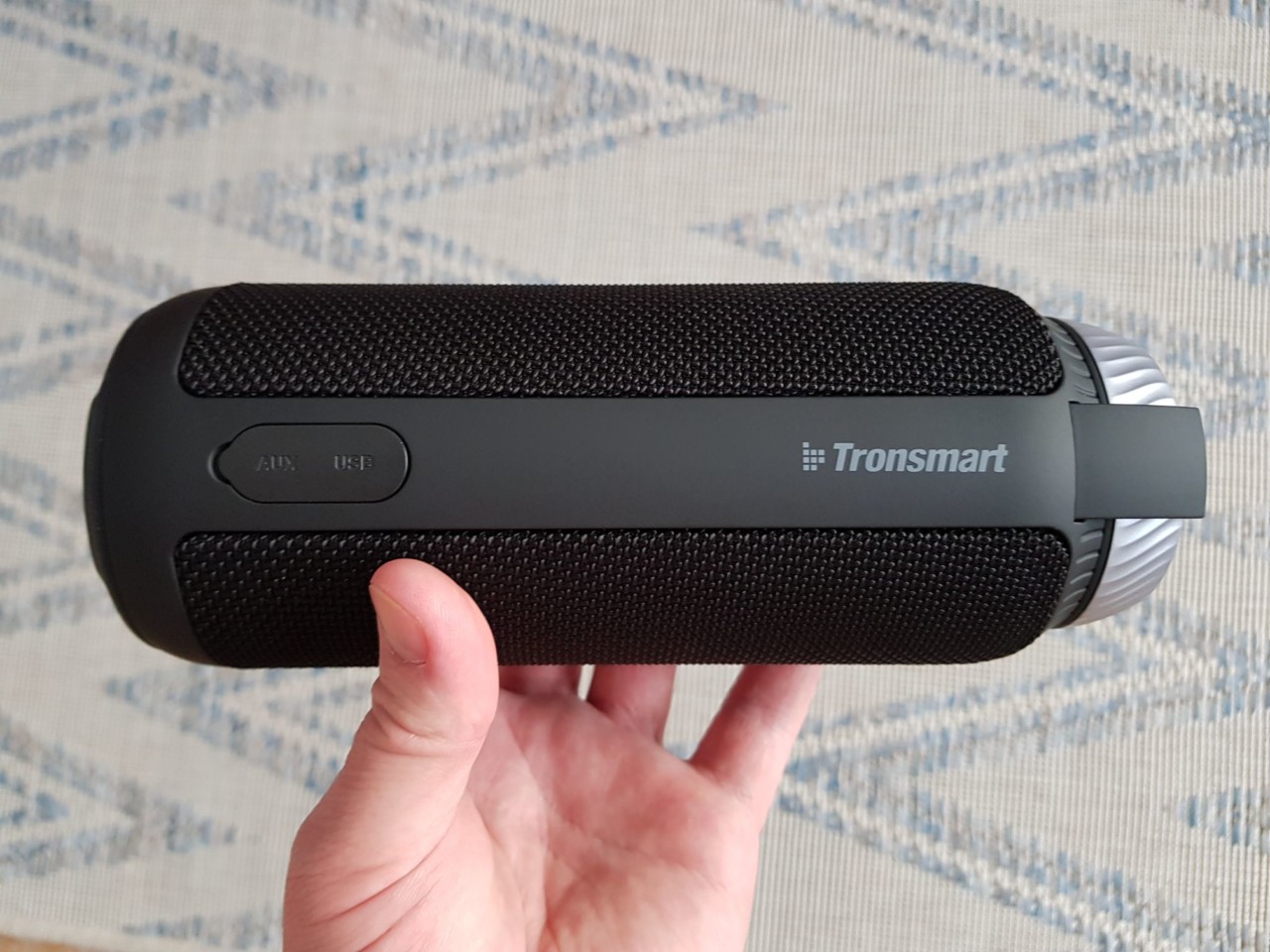
We have definitely seen this design before but the T6 looks nice nevertheless. This speaker uses a 360 degree sound design meaning that you don’t need to worry that much about positioning it in the right place.
The device is made of soft mesh fabric and rubberized plastic on the sides, top and bottom.
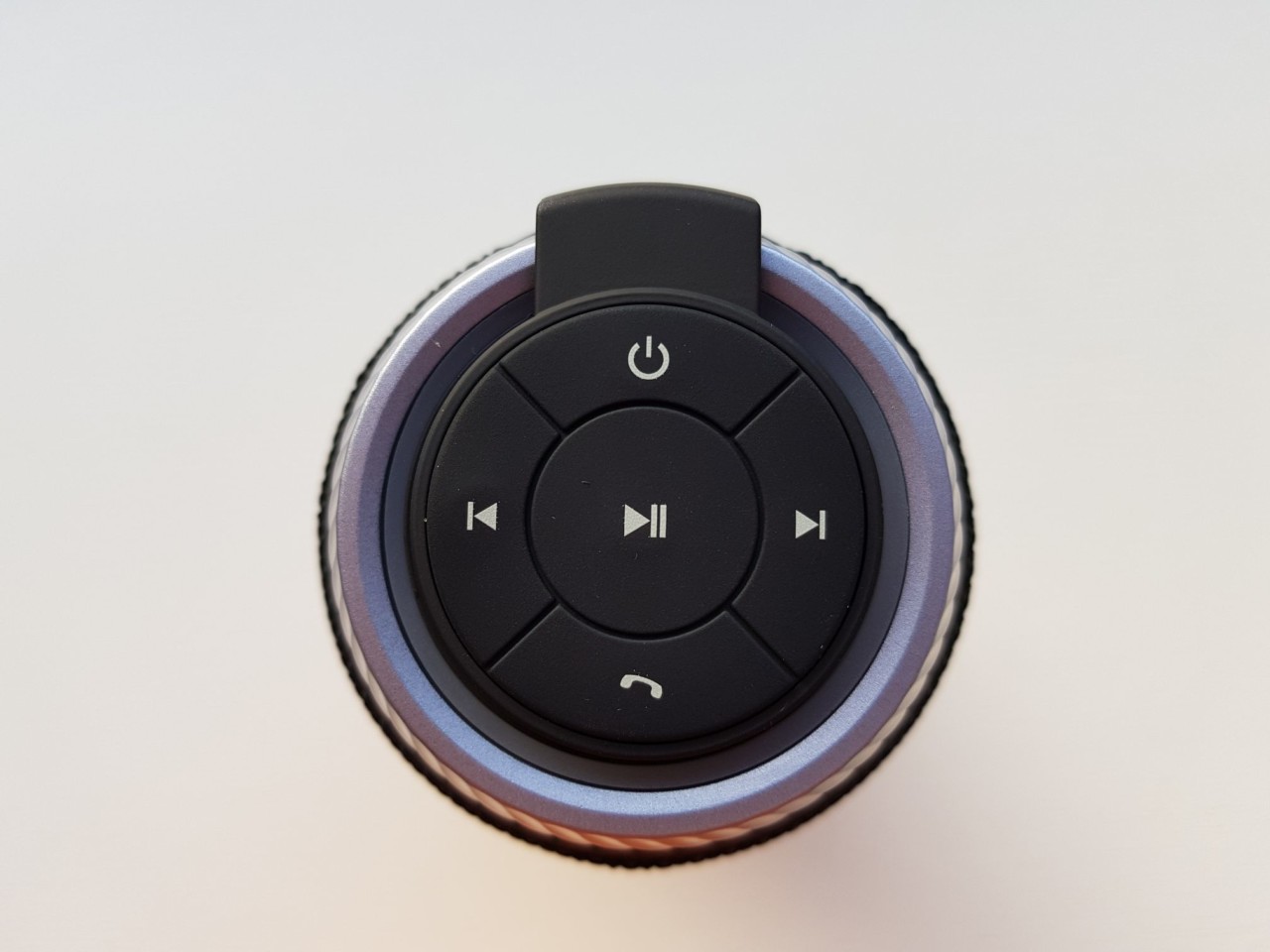
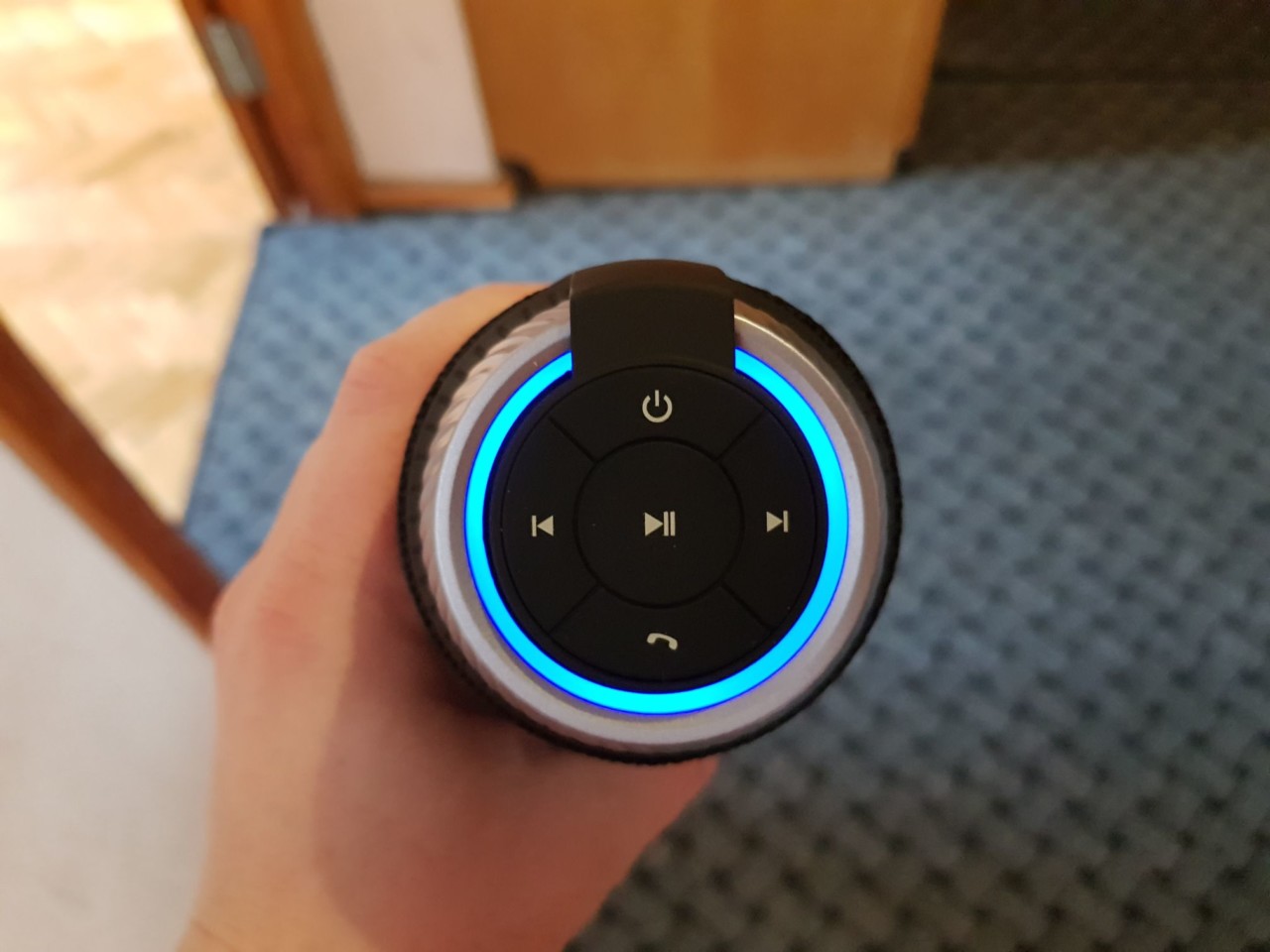
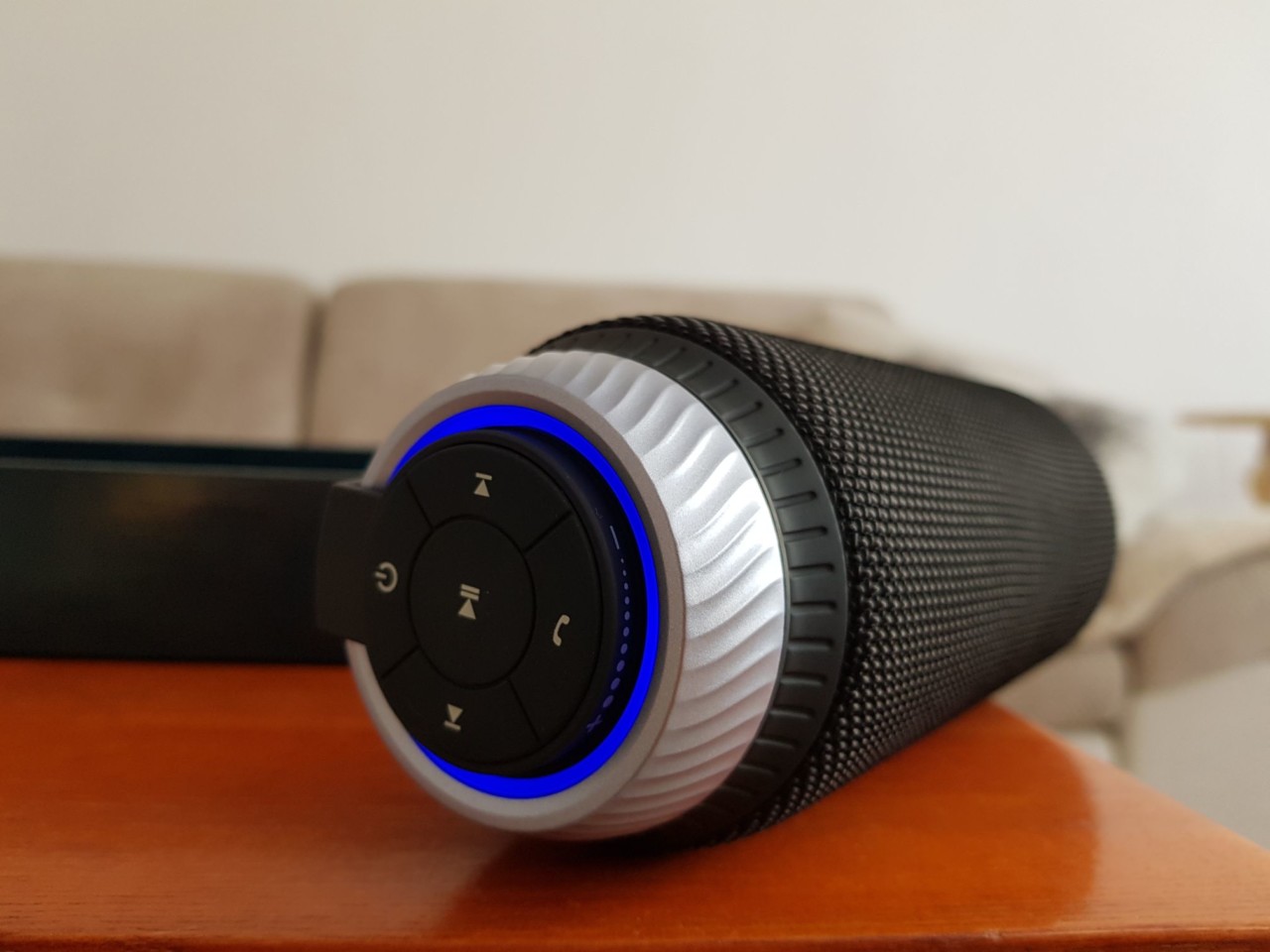
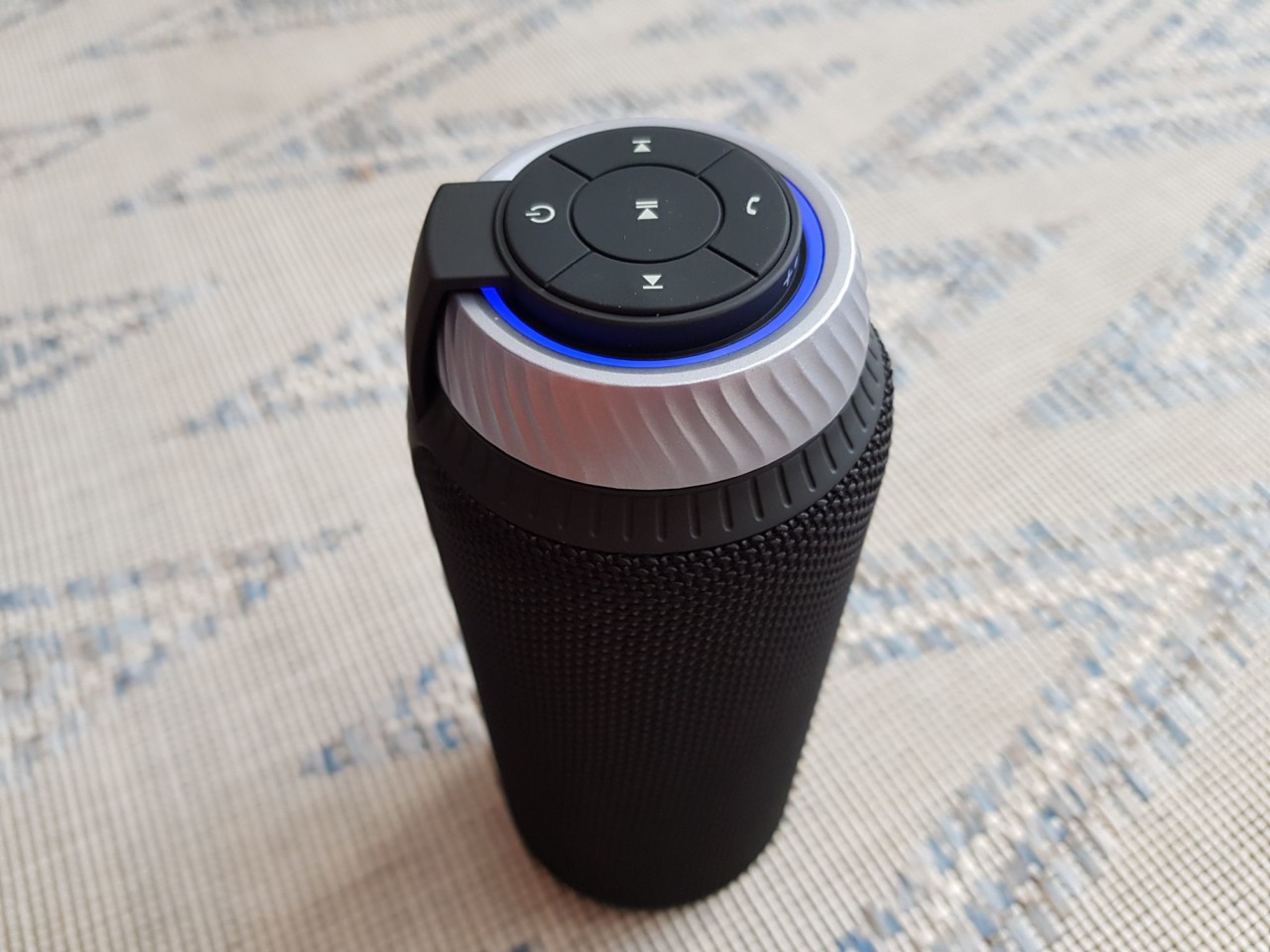
On the top, there is a control system including a nice dial that allows you to adjust the volume.
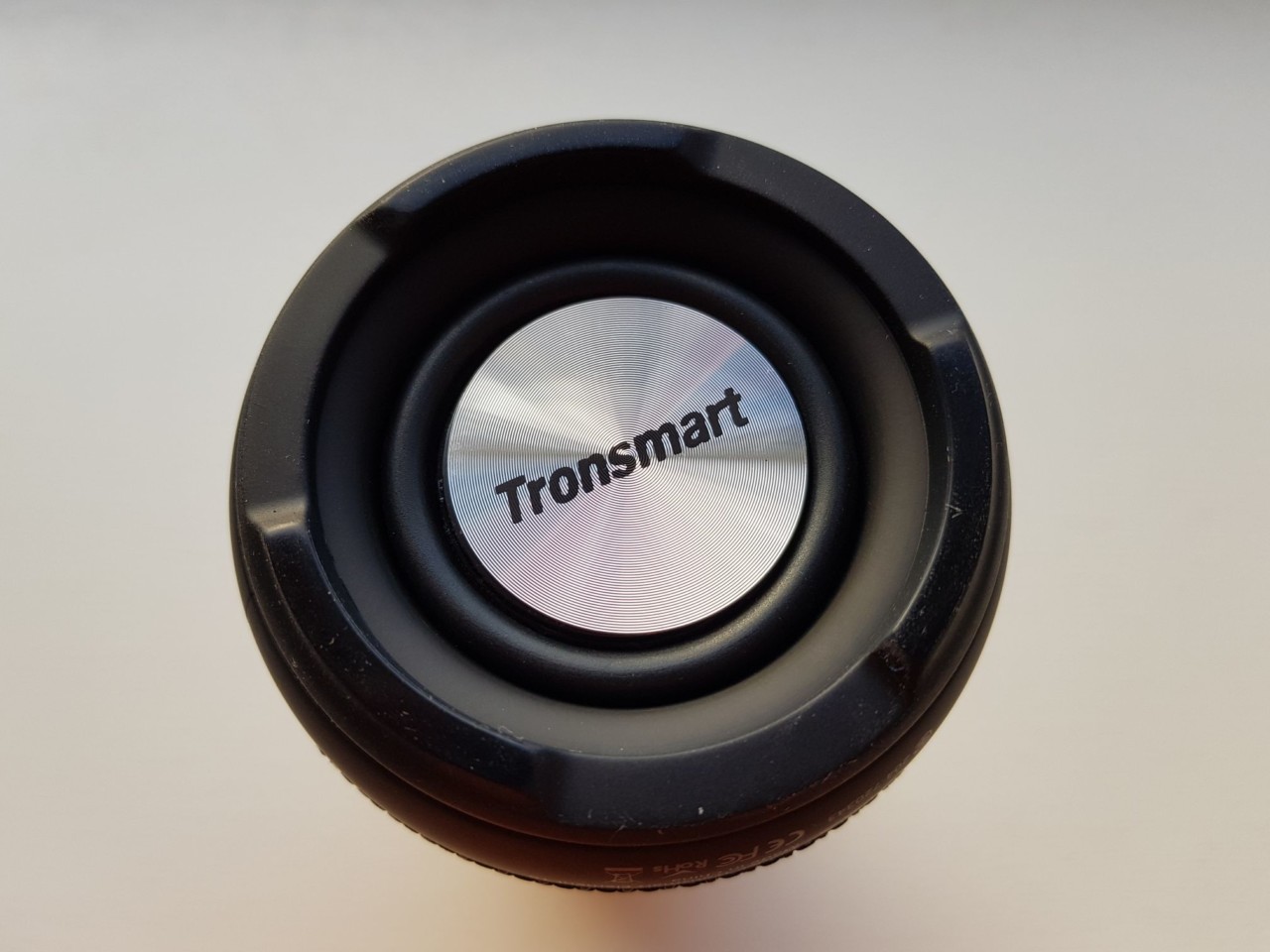
On the bottom, you can find a subwoofer to give you that extra amount of soft bass.
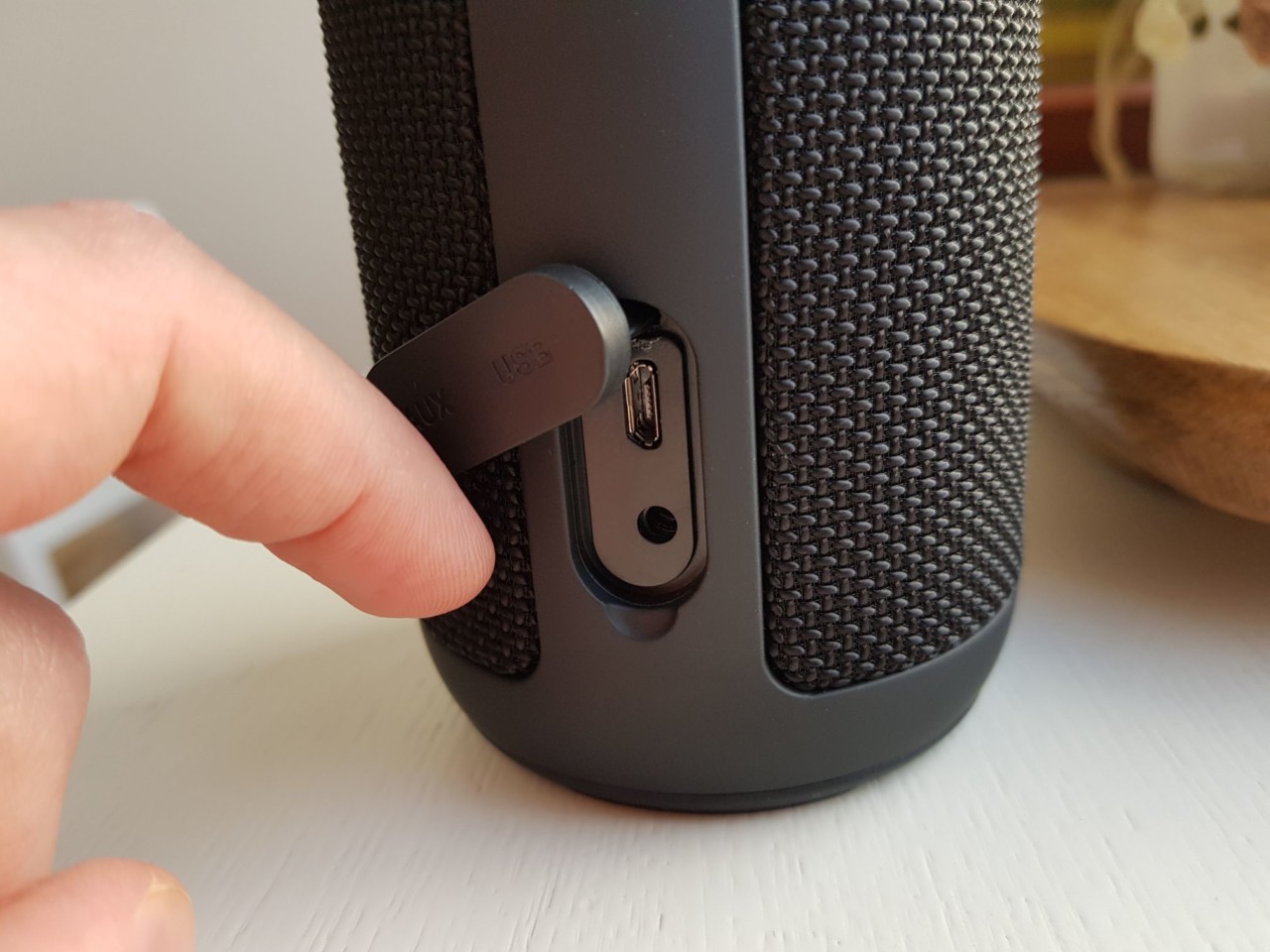
On the side, you can find a micro USB and AUX ports that are covered with a flap.
I would say that the overall build quality is excellent but I wish the volume dial was made of the same rubber material as the entire speaker. Also, you should know that the speaker is not water-resistant.Other than that, I have no complaints.
SOUND QUALITY
This speaker uses 25 Watt dual-driver that performs really well, especially considering the price of this device.
In terms of the sound quality, this speaker is all about loudness and a huge amount of soft, punchy and powerful bass.
Overall, I love the crisp and balanced sound. I may want to hear a little bit of separation between mids and highs but I may be too picky.
BATTERY LIFE and CONNECTIVITY
The Tronsmart speaker has a huge 5200mAh battery that lasts forever. During my test, I was able to achieve about 13 hours of battery life, which is close to the official claims of 15h.
It takes about 4 hours to fully charge the battery of the speaker. In terms of connectivity, I didn’t have any issues with the Bluetooth range.
CONCLUSIONS
The Tronsmart Element T6 is a solid budget Bluetooth speaker. We love its design, build, great battery life and of course, very good sound quality considering a low price. One complaint is that the speaker is not water resistant.
Other than that, we can easily recommend the Tronsmart Element T6 as it offers a lot of value for the price of about $42.
HTC is set to join the 18:9 full-screen trend with the HTC U12 but apart from the flagship U12, the company is also working on a budget model with such design. According to popular tipster Evan Blass earlier this month, HTC will launch a new entry-level model soon which goes by the codename Breeze. The tipster had revealed the specs of the device back then but didn’t mention the moniker it would adopt at launch. Evan Blass has now revealed in a new tweet that the entry-level device will be called HTC Desire 12.
The most notable feature of the HTC Breeze is the full-screen design it brings to entry-level models. The device is said to pack a 5.5-inch display with an 18:9 aspect ratio. The device is also expected to pack a MediaTek System-on-Chip backed by 2GB of RAM while there will be 16GB of internal storage.
On the camera aspect, the Desire 12 is expected to pack a 13MP rear camera while for selfies, there will be a 5MP shooter. Keeping the lights up will be a 2730mAh battery among other features. The device is also expected to come at an affordable price which would reflect its budget specs. No word yet on when the Desire 12 would hit the market.
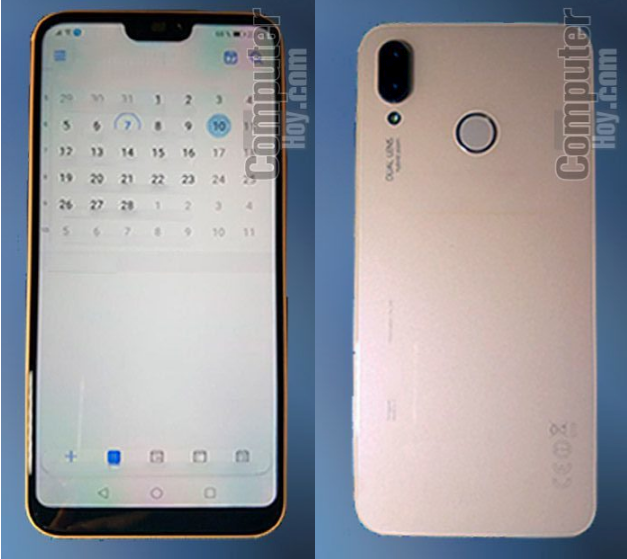
The Hauwei P20 Lite is speculated as the third family member of the P20 series smartphones that are pegged to get unveiled on March 27. The handset has already received approval by the Federal Communications Commission (FCC) in the U.S. earlier in this month. According to popular leakster, the P20 Lite smartphone would be releasing with Huawei Nova 3e moniker in select markets.
Rumors have it that the Nova brand was born out failed Pixel deal between Huawei and Google. Whatever may be the reason behind the birth of Nova brand that was introduced in October 2016, the Nova series of smartphones have been well received by the audience and critics. This could be the reason why Huawei could be launching the upcoming P20 Lite as Nova 3e in certain markets.
Huawei has been launching its smartphones with different names since quite a long time. For instance, the Huawei Mate 10 is available with monikers like Maimang 6, Nova 2s and Honor 9i in different markets. Hence, like the alleged P20 Lite, the rumored Nova 3e would be sporting a notch enabled full screen design with vertically stacked dual rear cameras. The higher configuration P20 and P20 Plus are speculated to arrive with triple camera lens.
The Nova 3e could be arriving with 5.8-inch display that will be supporting FHD+ resolution of 2280 x 1080 pixels. It will be fueled by homegrown Kirin chipset and 4 GB of RAM. It is expected to feature 32 GB of inbuilt storage and may come loaded with Android 8.0 Oreo. It may come packed with a 3,000mAh battery.
The Feb. 25 launch event of Samsung Galaxy S9 and Galaxy S9+ is drawing near. Previous leaks have revealed that the Snapdragon 845 chipset powered Galaxy S9 and S9+ smartphones will be heading to markets like the U.S. and China. The Exynos 9810 chipset variants of the Galaxy S9 duo are expected to be available in other markets. The Snapdragon 845 chipset model of the Galaxy S9+ was recently spotted on Geekbench. Today, the same smartphone has been found benchmarked on AnTuTu.
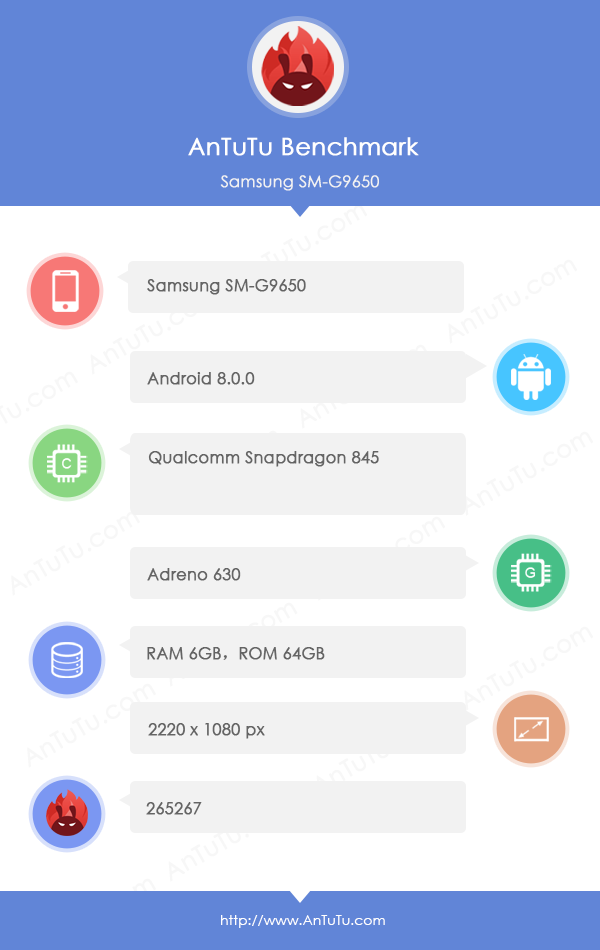
Previous reports have revealed that the Samsung Galaxy S9 has a model number of SM-G9600 whereas the larger Galaxy S9+ has a model number of SM-G9650. Hence, the Samsung SM-G9650 found listed on AnTuTu could be the Galaxy S9+ smartphone.
The below shown screengrab of the SM-G9650’s AnTuTu listing shows that the smartphone is powered by Snapdragon 845 chipset and 6 GB of RAM. It has an inbuilt storage of 64 GB and is pre-installed with Android 8.0 Oreo.
The screen resolution of the Galaxy S9+ as shown on AnTuTu listing is 2220 x 1080 pixels. It is actually the default screen resolution supported by the display of the S9+. The rumored 6.2-inch S-AMOLED Infinity Display of S9+ will capable of supporting a higher screen resolution of 2960 x 1440 like its predecessor.
The AnTuTu listing of the Galaxy S9+ has also revealed that it has recorded a very impressive average benchmarking score of 265,257. The Exynos 9810 chipset variant is said to be a bit more powerful than SD845 model. There is a possibility that the AnTuTu listing of the Exynos 9810 Galaxy S9+ may surface in the next few days.
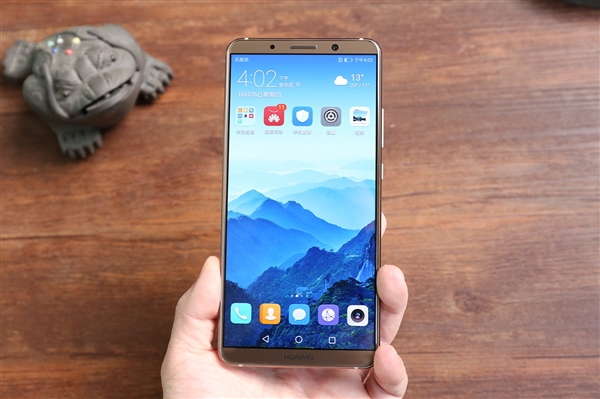
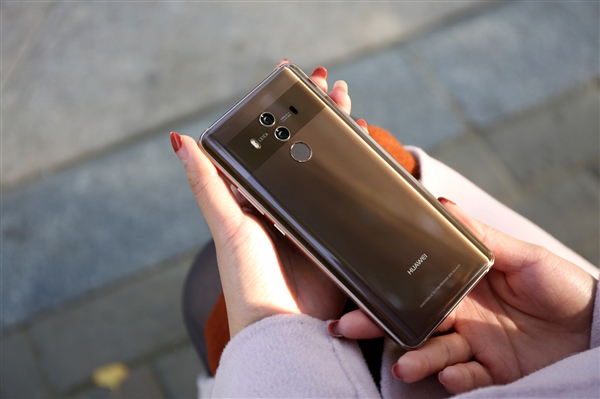
One of Huawei‘s best smartphones presently going by several genuine reviews is the Mate 10 Pro. The device not only comes with a spectacular design but also with a powerful specs lineup, including the AI-capable Kirin 970 chipset. Huawei recently launched the Mate 10 Pro in the U.S at CES 2018 but the device is not yet available to buy. The company recently kickstarted a beta testers programme for the device and that is the source of controversy presently rocking the company and its flagship.
According to an observation by 9to5Google, Huawei recruited people to write “fake” Mate 10 Pro reviews on Best Buy. Funny enough, the Mate 10 Pro doesn’t need a fake review when there are countless genuine reviews all over the net ranking the device high. That is as blunt as it can get but the fact is that the company recently launched a contest on its Facebook page where it asked participants to drop a comment on the Mate 10 Pro’s page on Best Buy stating why they want the Mate 10 Pro. The contest will see the winners get the chance to test the Mate 10 Pro, that is in the U.S. Apparently wanting to impress, most of the 108 respondents left glowing comments about the Mate 10 Pro which are supposed to be reviewed. Almost all of the reviews gave the Huawei flagship a solid 5-star rating with some allegedly branding the device as the “unbeatable smartphone of the year,” a “great new flagship phone,” and even a device that “puts Samsung to shame.” The thing is, the Mate 10 Pro is still on preorder and is yet to go on sale in the U.S. So, there is absolutely no way the respondents would have used the device in order to rationally review it except those residing outside the U.S.
Huawei has responded to the allegations that it sponsored the “fake reviews”, releasing a statement to clear the misconception. Hre is the official statement; “Huawei’s first priority is always the consumer and we encourage our customers to share their experiences with our devices in their own voice and through authentic conversation. We believe there is confusion around a recent social media post reaching out to recruit new beta testers. While there are reviews from beta testers with extensive knowledge of the product, they were in no way given monetary benefits for providing their honest opinions of the product. However, we are working to remove posts by beta testers where it isn’t disclosed they participated in the review program.”
This statement sounds logical but could be a way out of the negative publicity this would generate especially in a market where marketing and promotional tactics are expected to be based on facts and not hype. Huawei could do this in China and get away with it. We see it done by many OEMs on retail platforms and they get away with it. The move could also be a genuine but deceitful means of convincing more people to buy the Mate 10 Pro in the U.S. Huawei failed in its bid to sell the device via the two biggest carriers in the U.S where smartphone sales are usually tied to carriers. Since that move failed for political reasons bordering on U.S-China relationship, this could be a subtle way of selling the device on Best Buy. Huawei denies that was its intention and we’ll leave it at that because the Mate 10 Pro doesn’t need a fake review. The device has lots of positive reviews that places it above most of the flagship models in its class. You can check out our review of the Mate 10 Pro where it was given a 4.5-star rating.
We use cookies on our website to give you the most relevant experience by remembering your preferences and repeat visits. By clicking “Accept”, you consent to the use of ALL the cookies.
This website uses cookies to improve your experience while you navigate through the website. Out of these, the cookies that are categorized as necessary are stored on your browser as they are essential for the working of basic functionalities of the website. We also use third-party cookies that help us analyze and understand how you use this website. These cookies will be stored in your browser only with your consent. You also have the option to opt-out of these cookies. But opting out of some of these cookies may affect your browsing experience.
Necessary cookies are absolutely essential for the website to function properly. This category only includes cookies that ensures basic functionalities and security features of the website. These cookies do not store any personal information.
Any cookies that may not be particularly necessary for the website to function and is used specifically to collect user personal data via analytics, ads, other embedded contents are termed as non-necessary cookies. It is mandatory to procure user consent prior to running these cookies on your website.