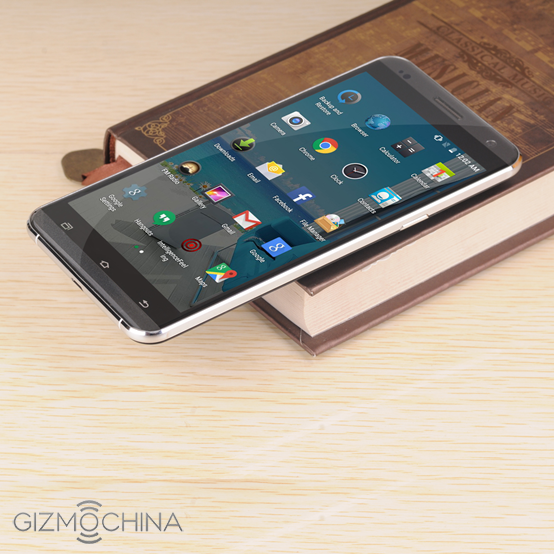
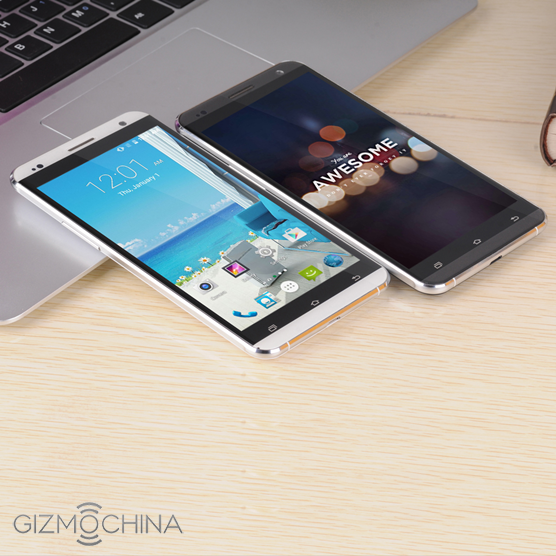
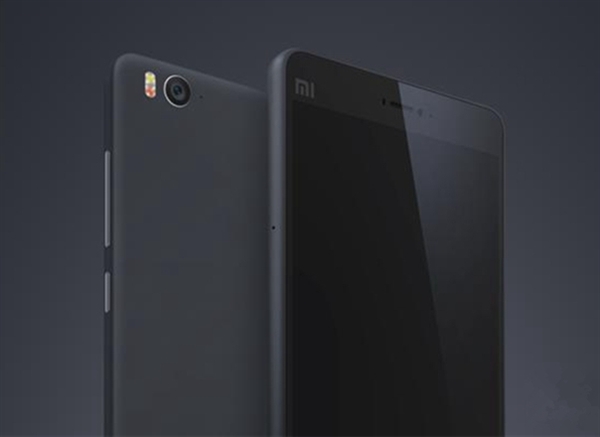
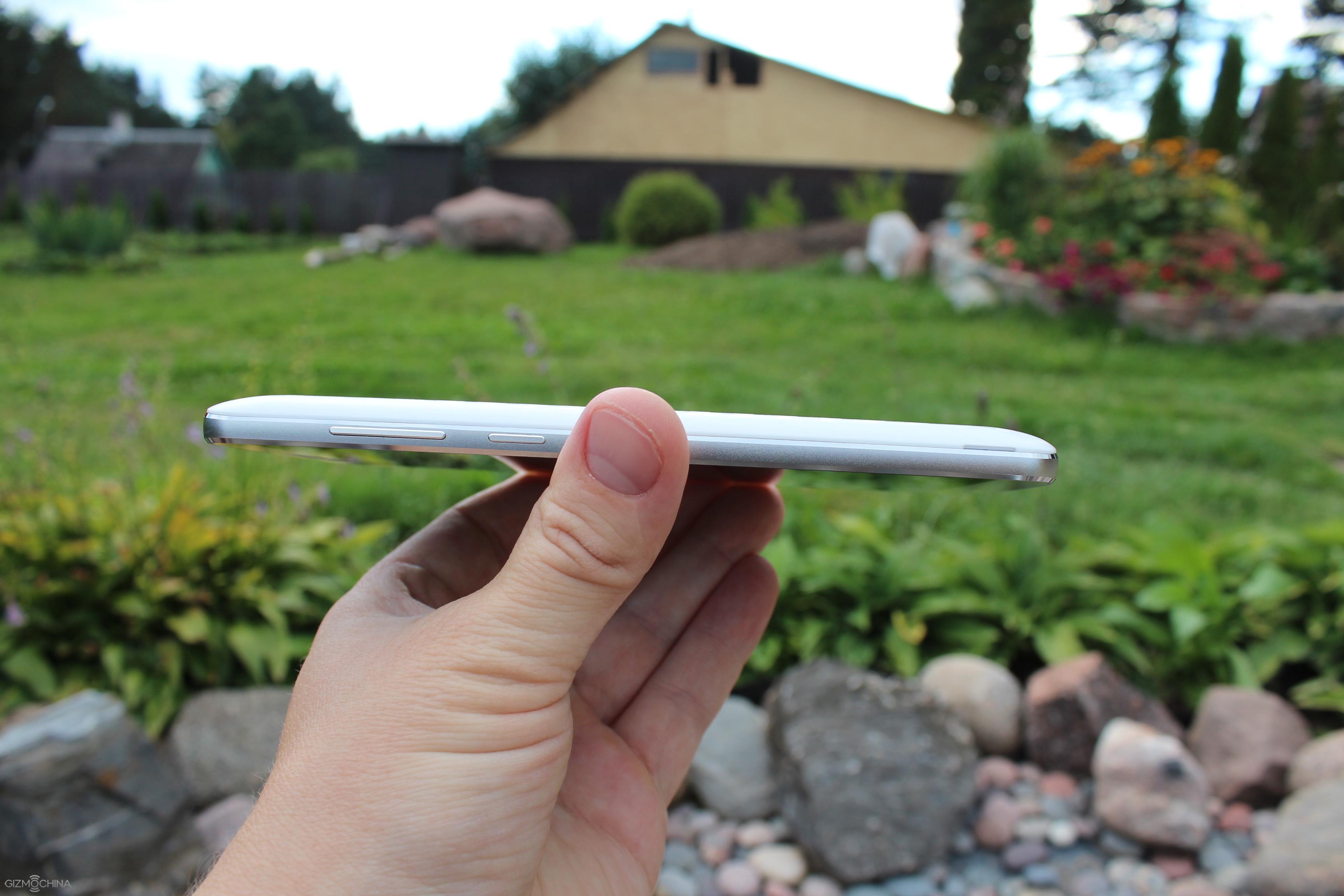
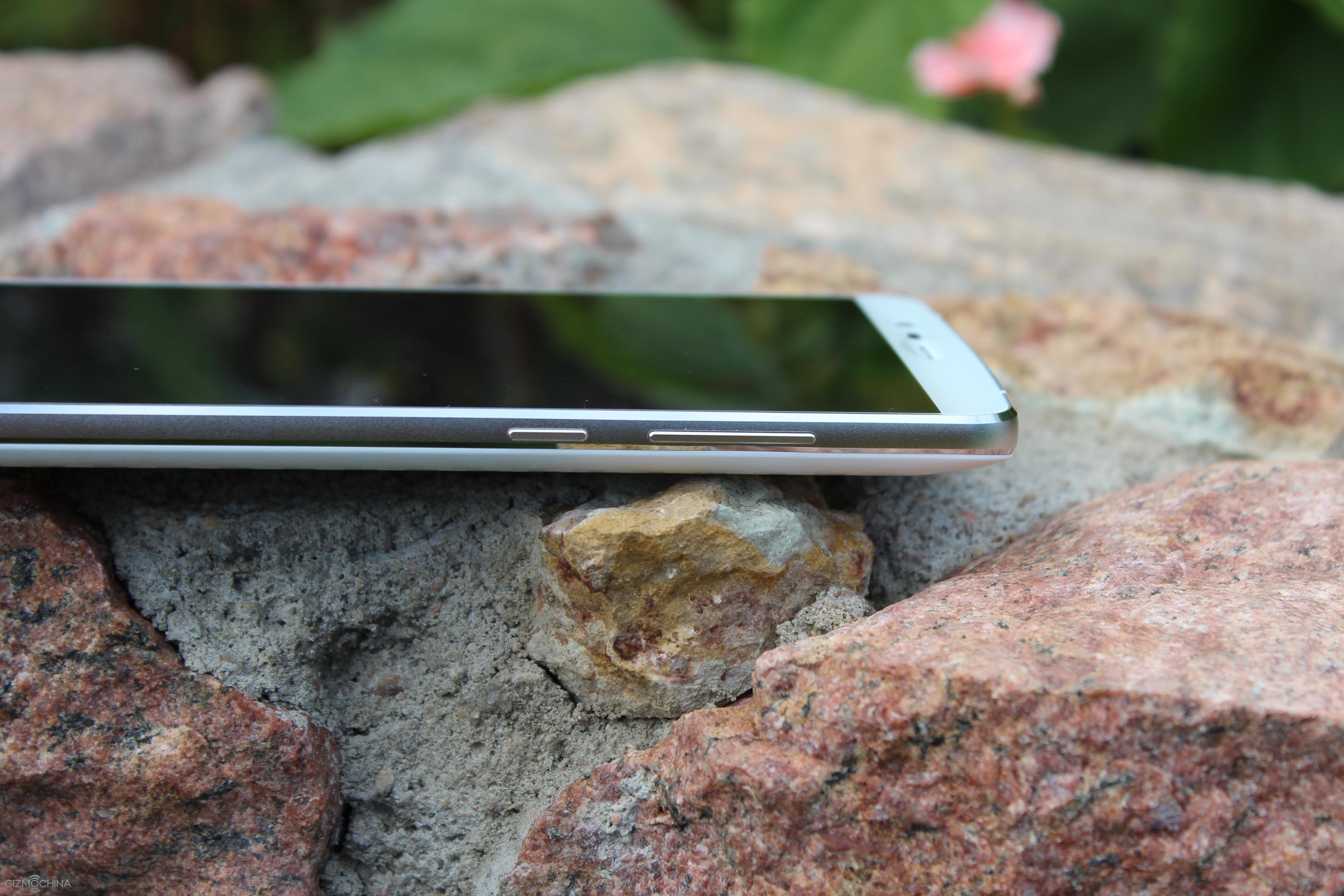
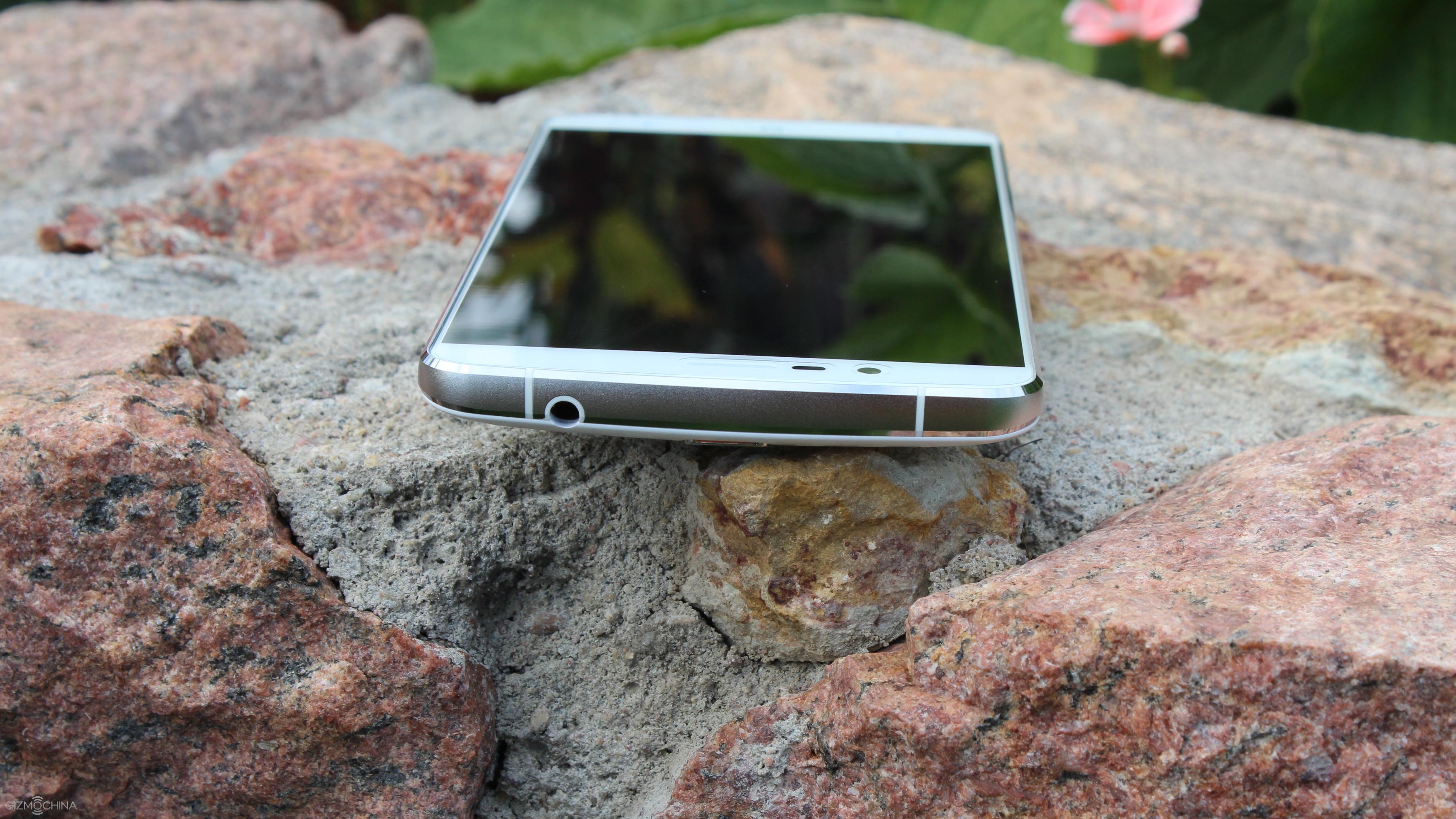
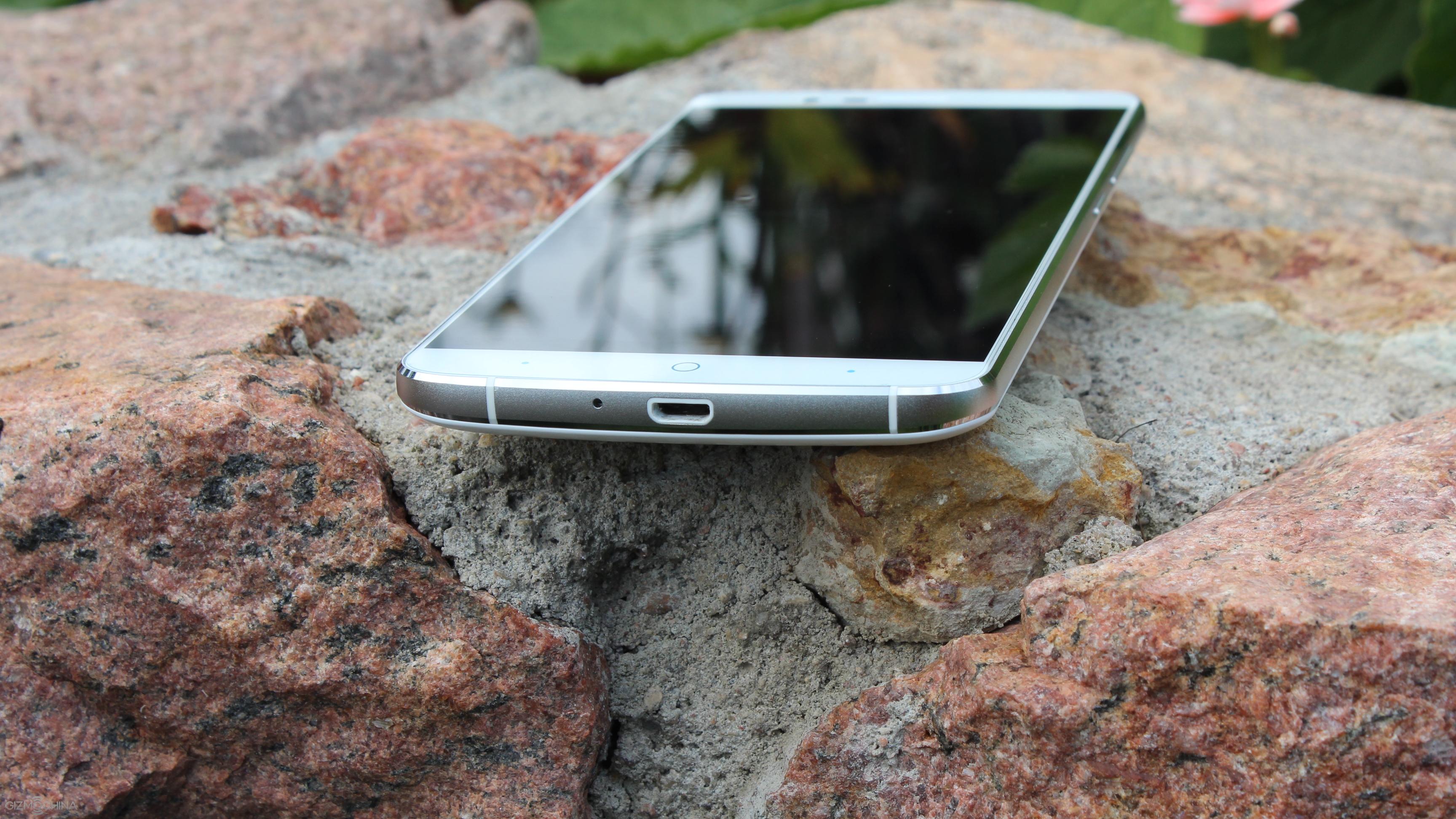
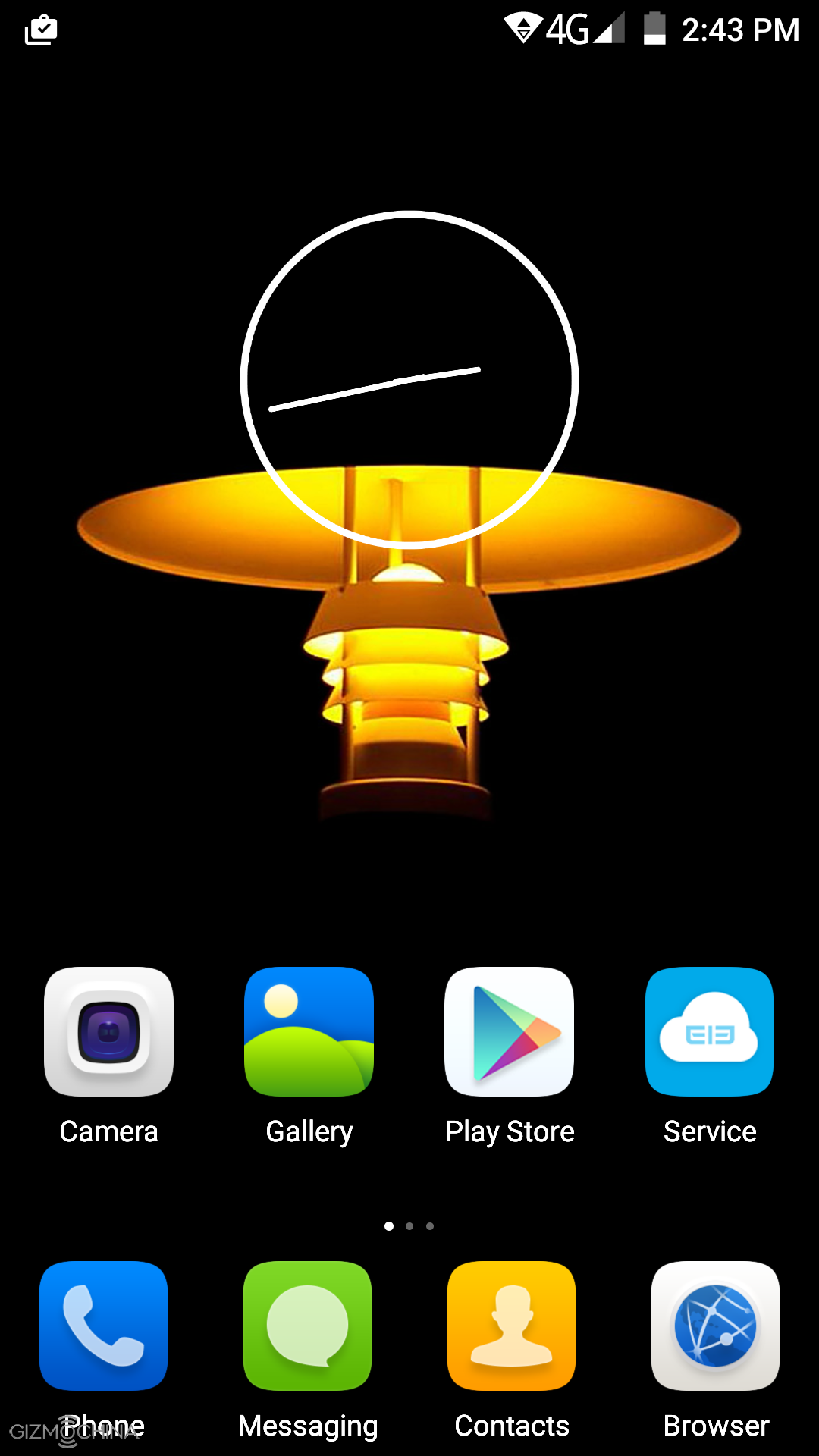
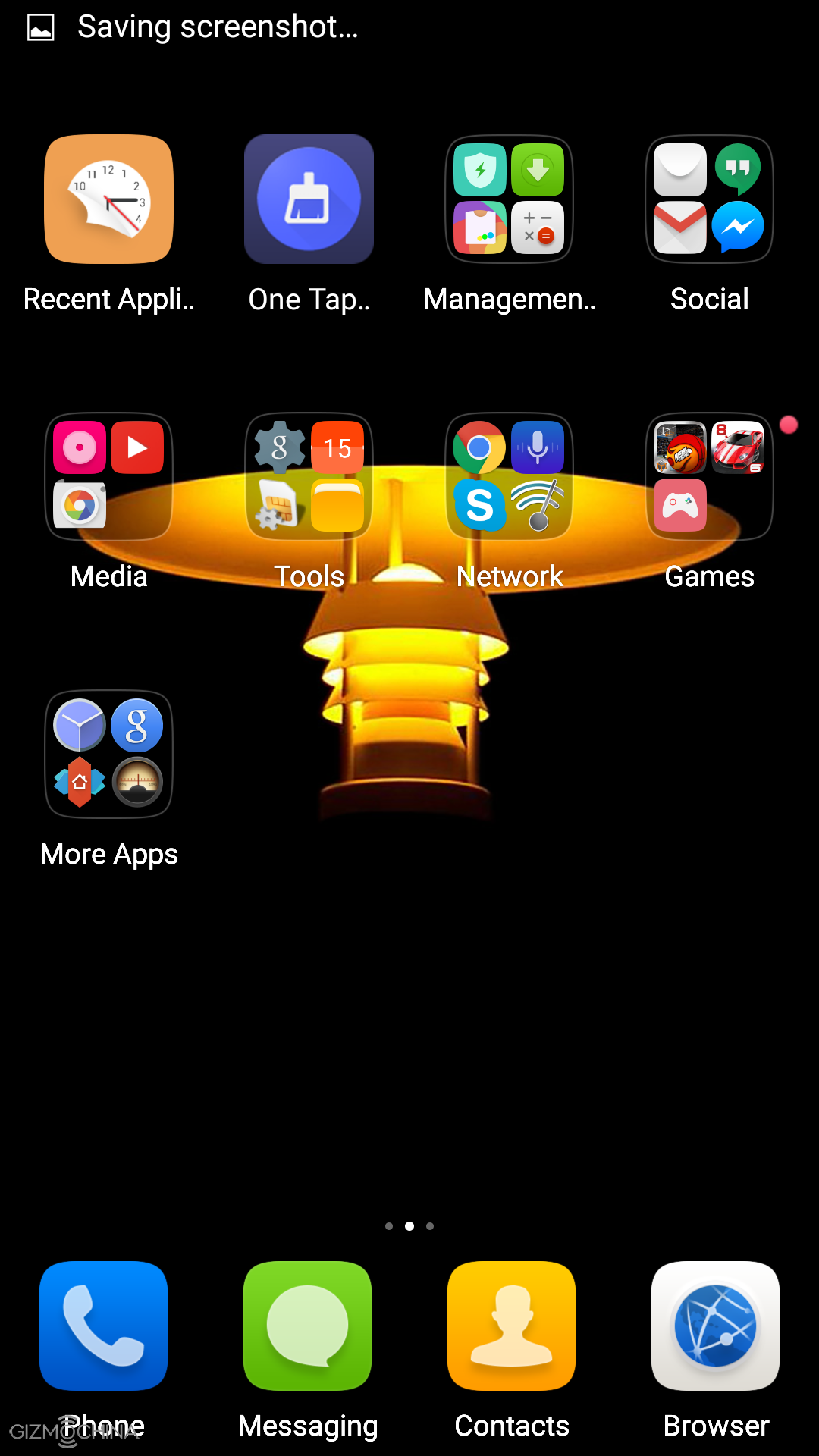
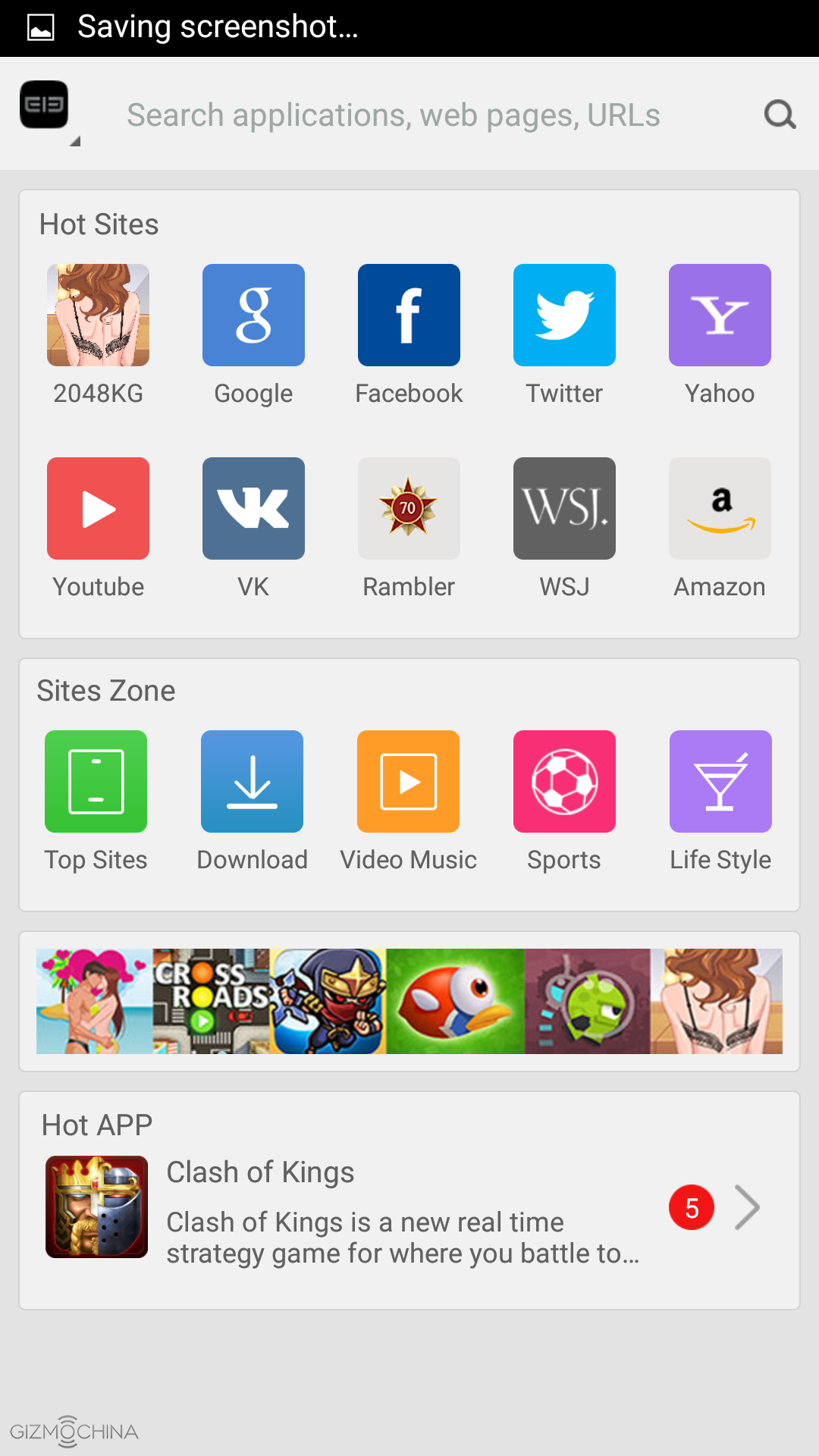
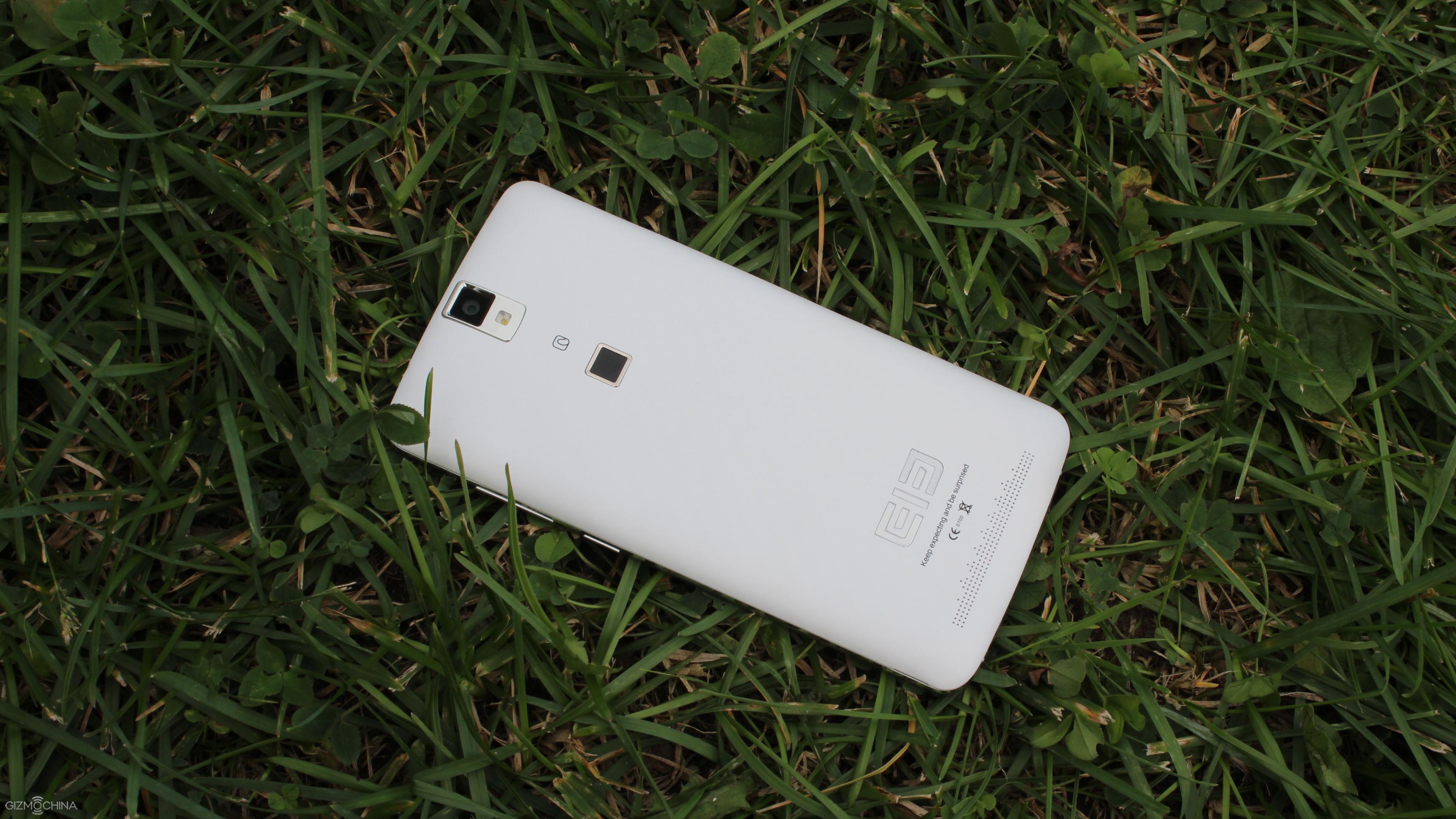
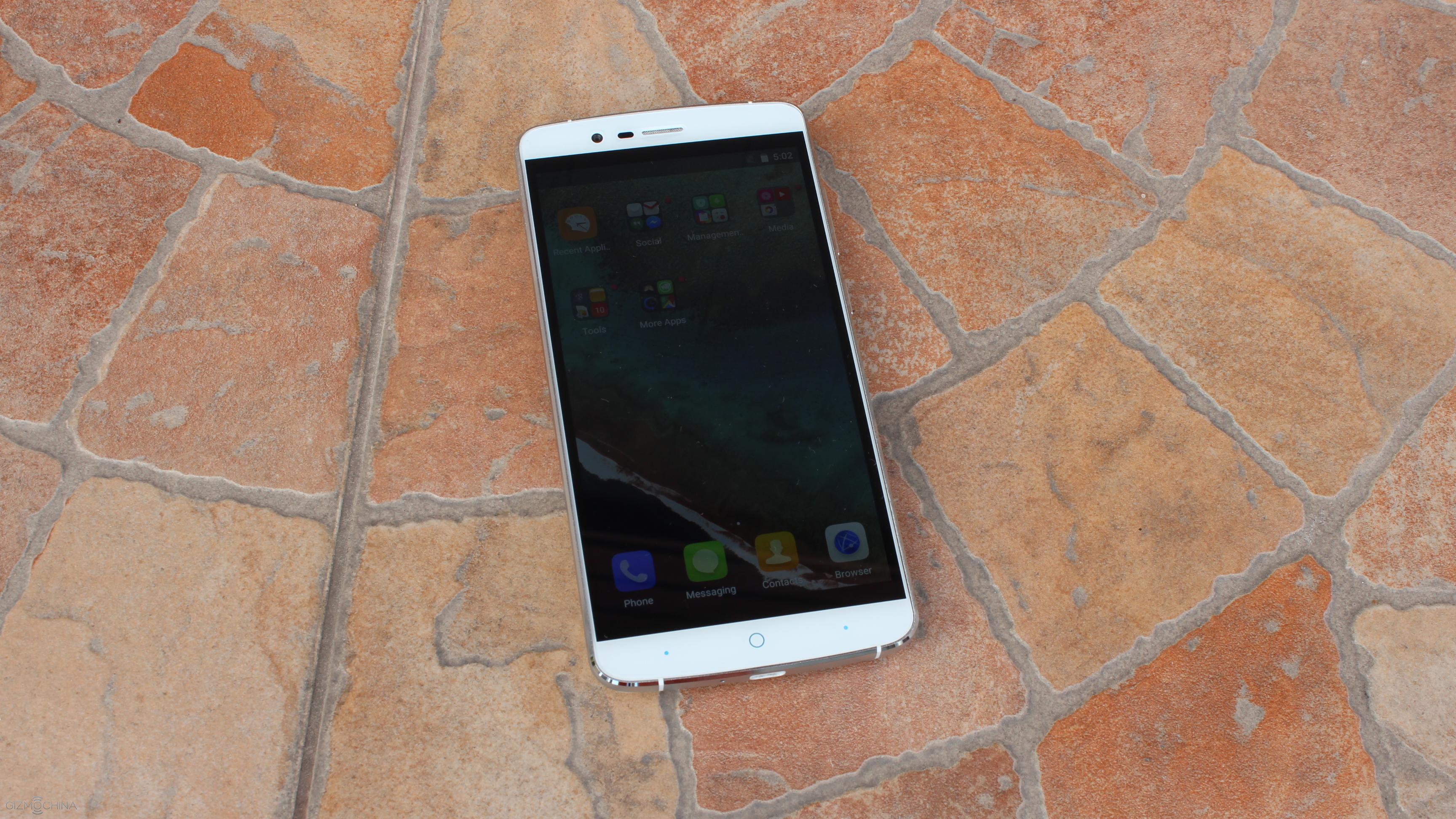
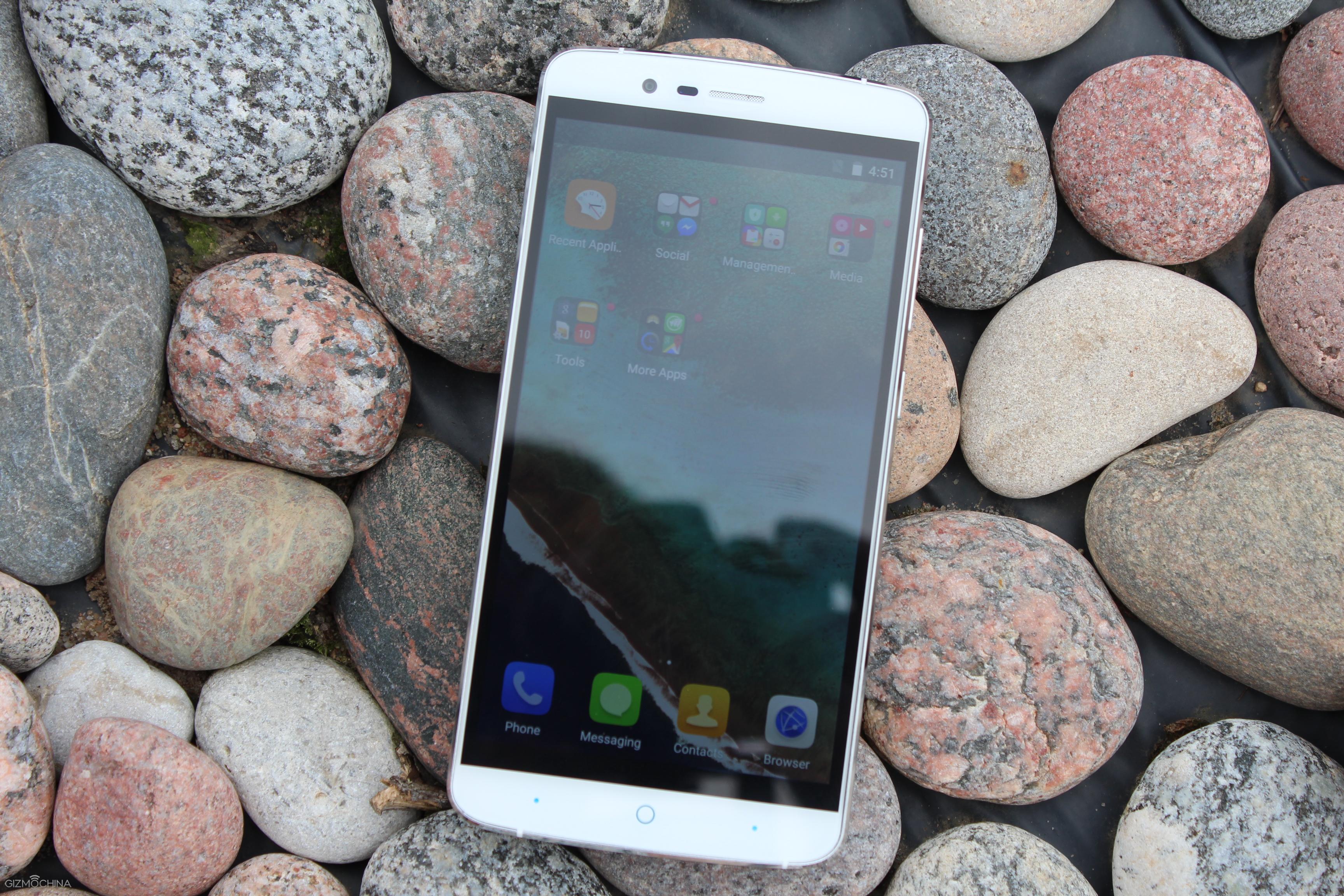
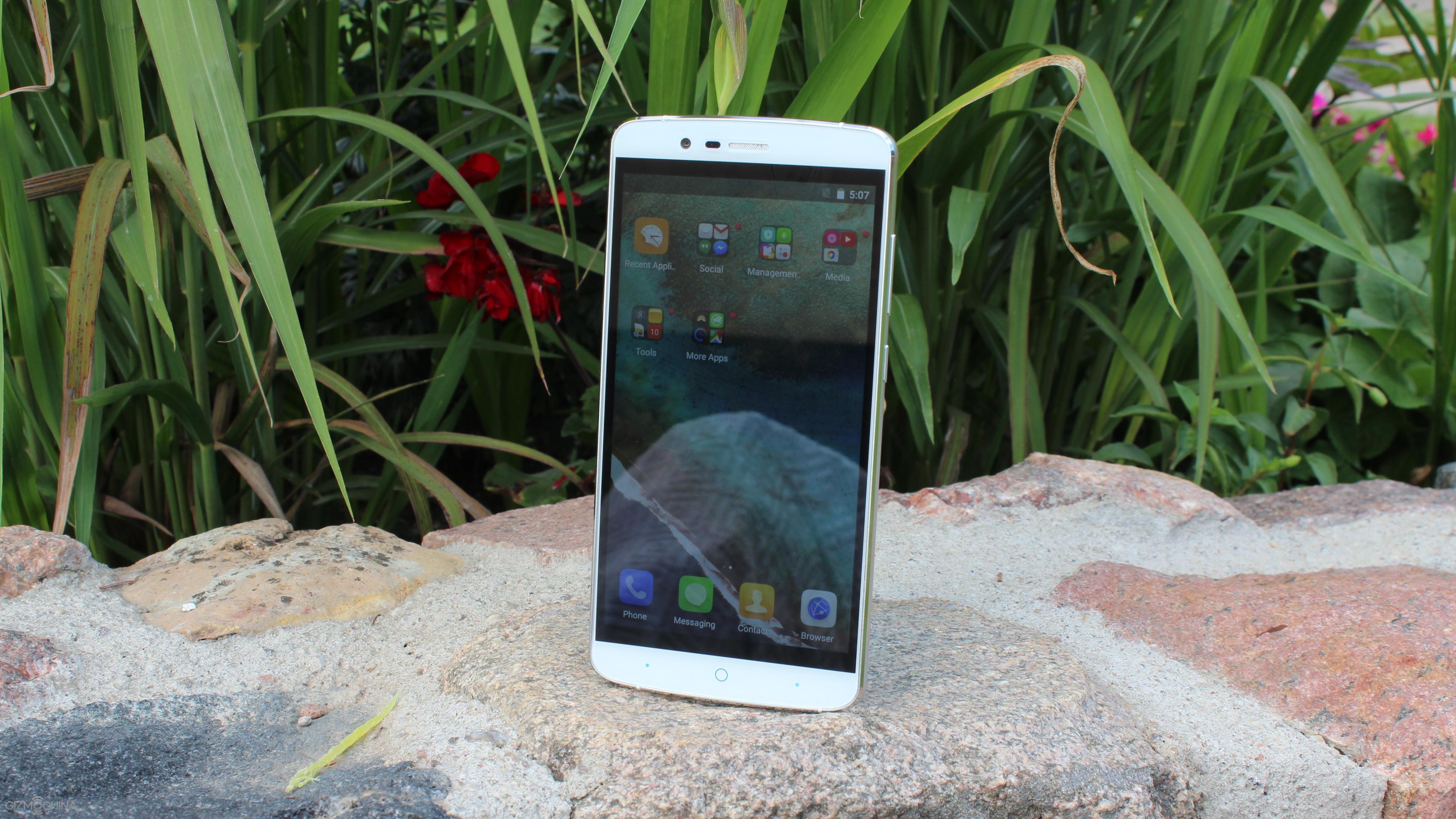
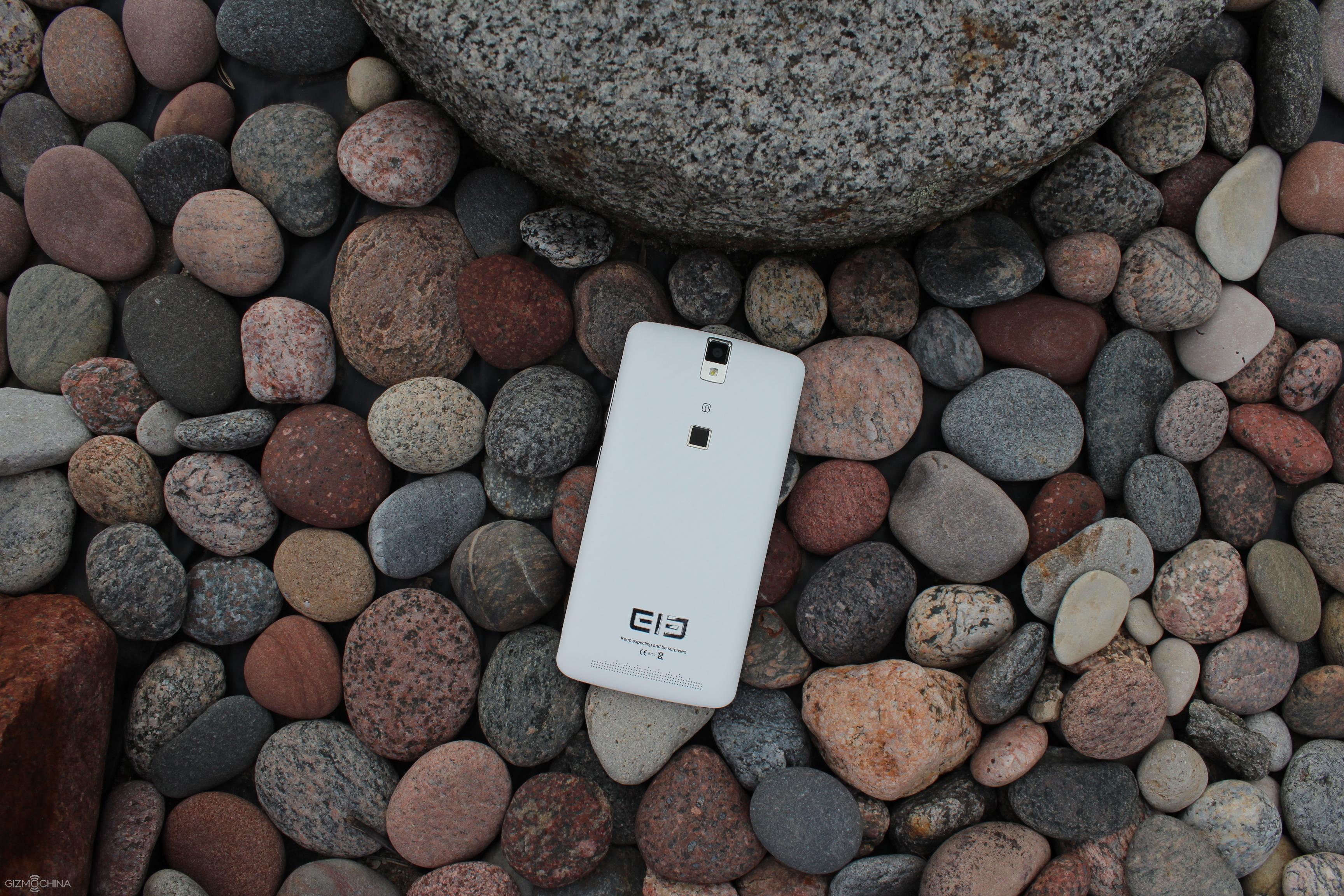
In the past few months, we have seen a couple of big battery smartphones from the emerging Chinese smartphone maker, VKWorld. The company reportedly has some good smartphones in store for customers in the coming weeks, one of those being the VKWorld VK700 Pro. The VK700 was a decent phone with good looks and super cheap sub $80 price tag. The company has now announced the upgraded version to this device, called as the VKWorld VK700 Pro.
The new model comes with a number of upgrades to set it apart from the old version. It looks like the company has focused on the looks, using Corning’s 3D curved glass on top of its 5.5-inch display. This setup is usually found only on premium smartphones, so it will be good to see it on a mid-range device. As for the other features, the VK700 Pro will come with a CNC frame with space grade aluminum alloy body, once again giving it a premium feel.
Apart from focusing on improving the overall design, VKWorld also has reportedly worked on durability. It is said that the phone will come with a tough body, strong enough to drive in nails on a wooden block, break walnuts etc. It looks like the company is trying to compete with the strong UMI Hammer smartphone with its new release.
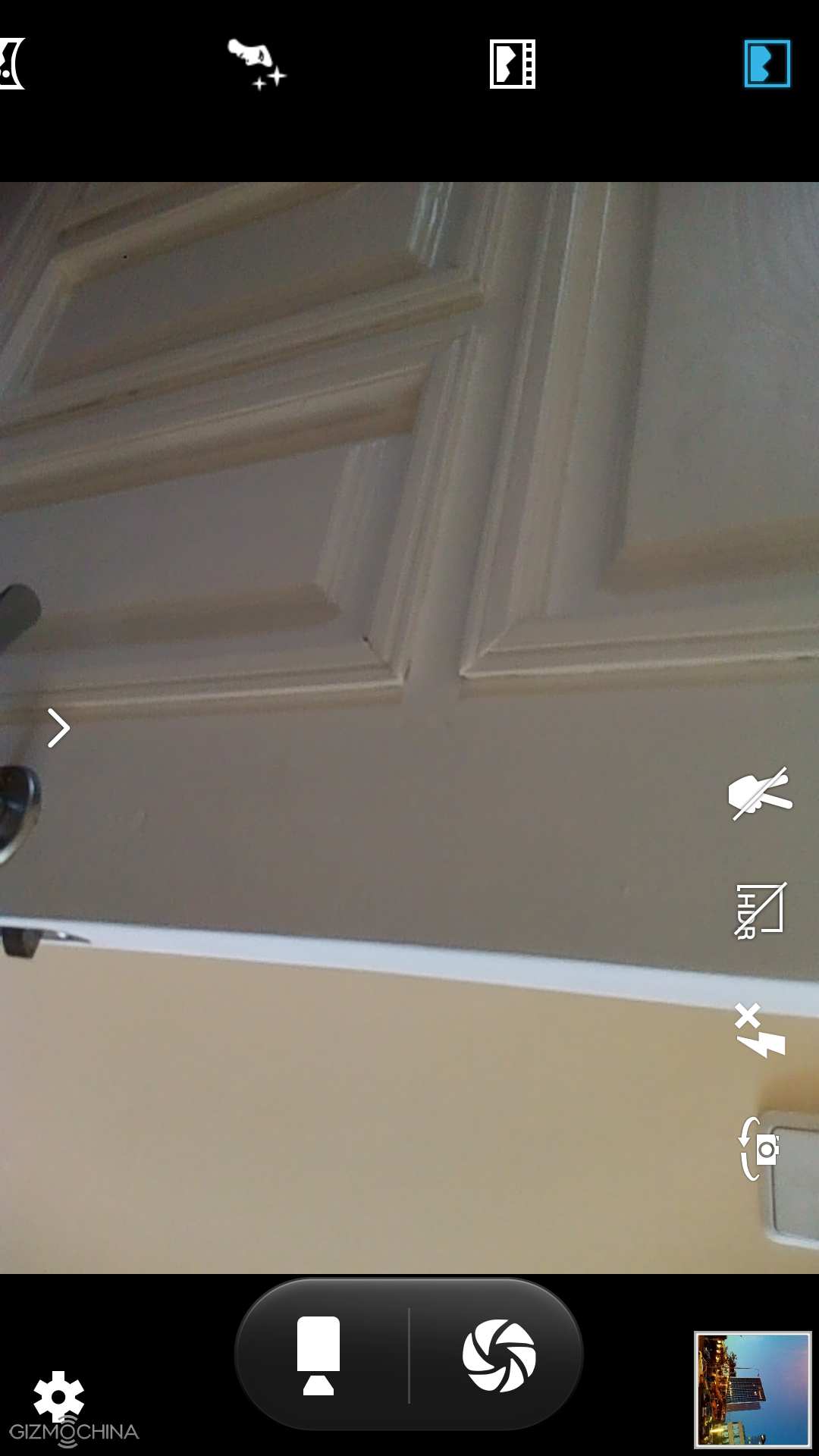
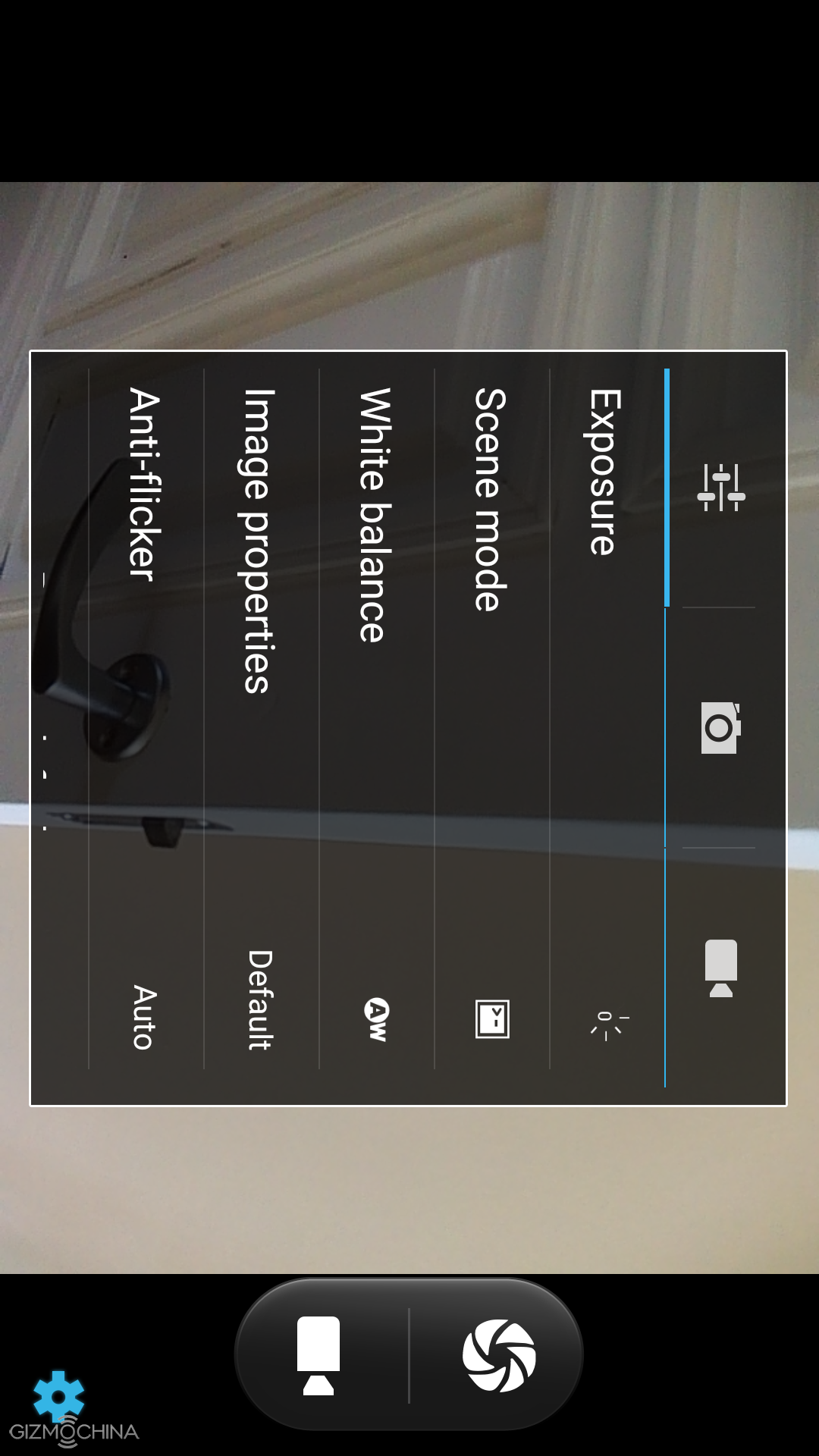
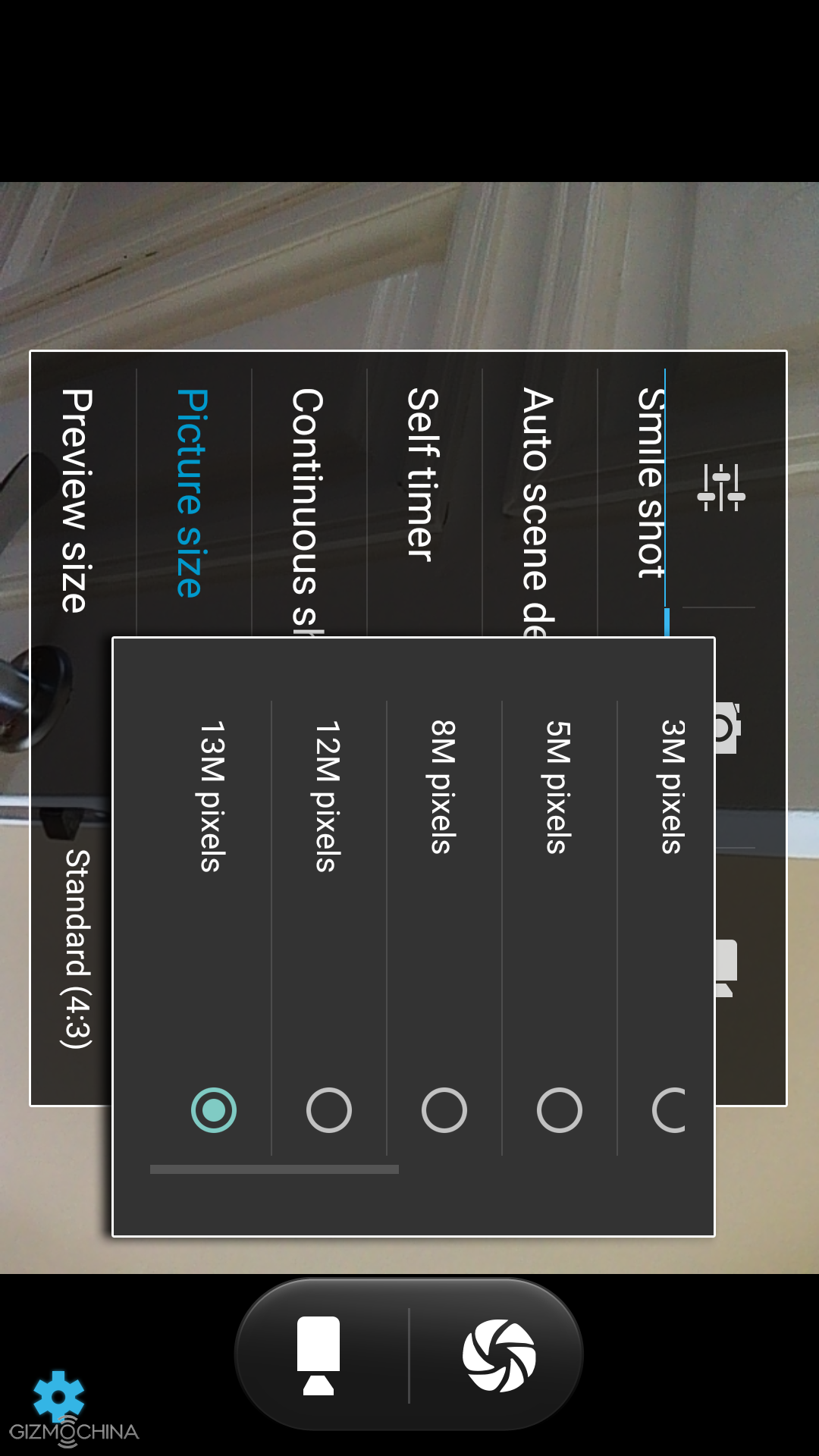
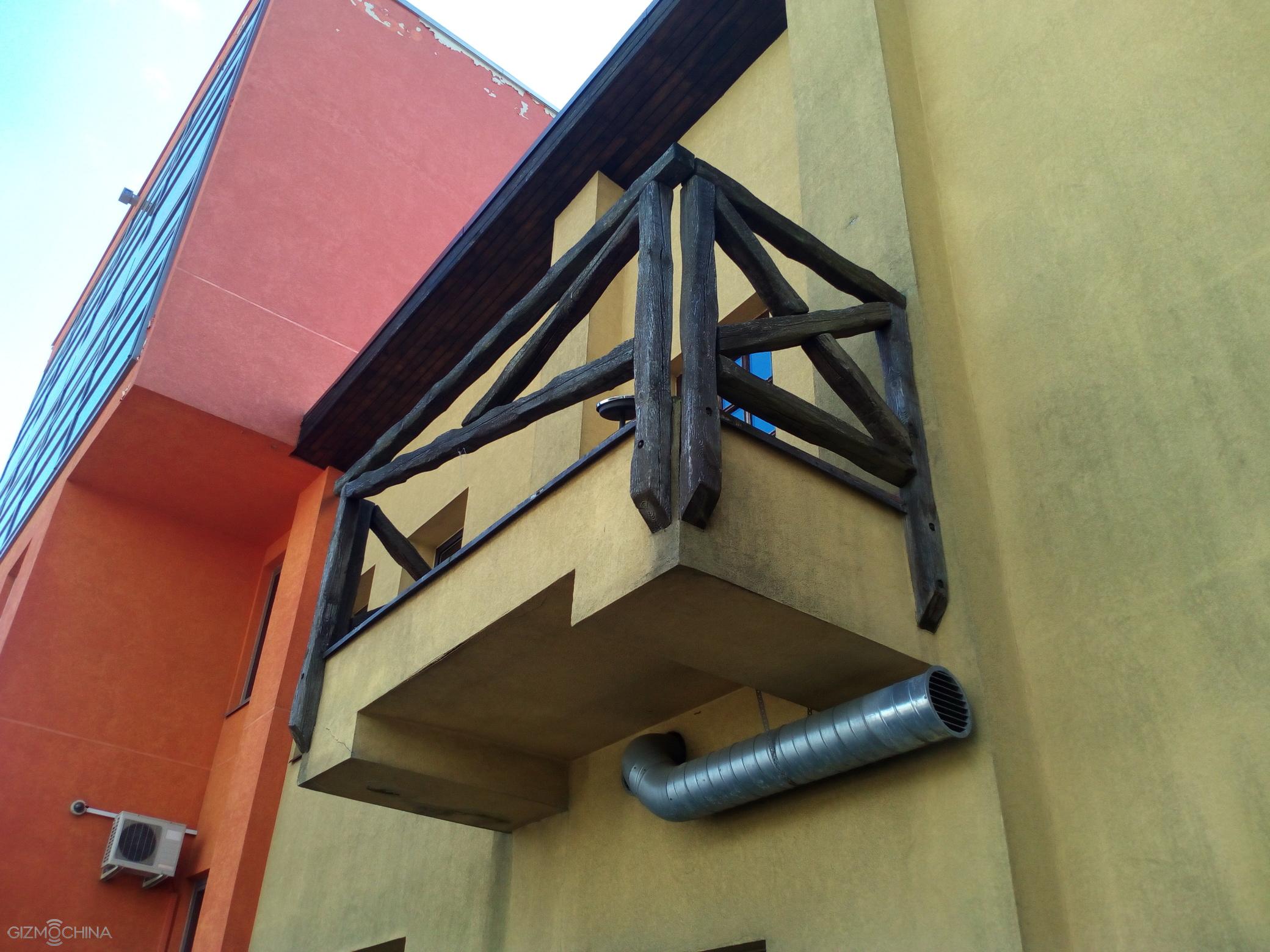
Other known specs include a 13MP camera at the back and a 5MP front facing shooter. Unfortunately, rest of the specs are still unknown. But considering the placement of the VK700 model, expect the new model to compete in the mid-range segment.
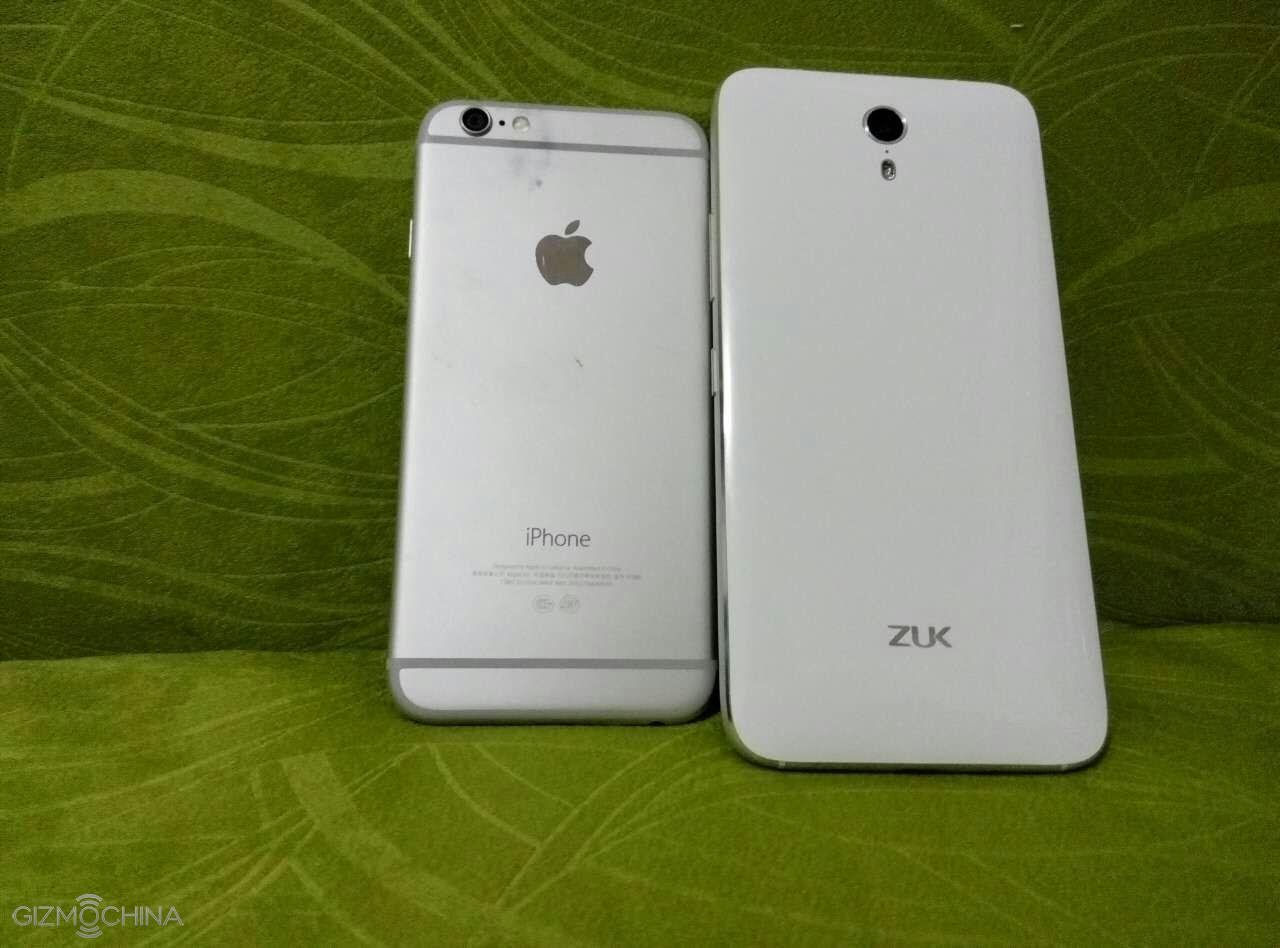
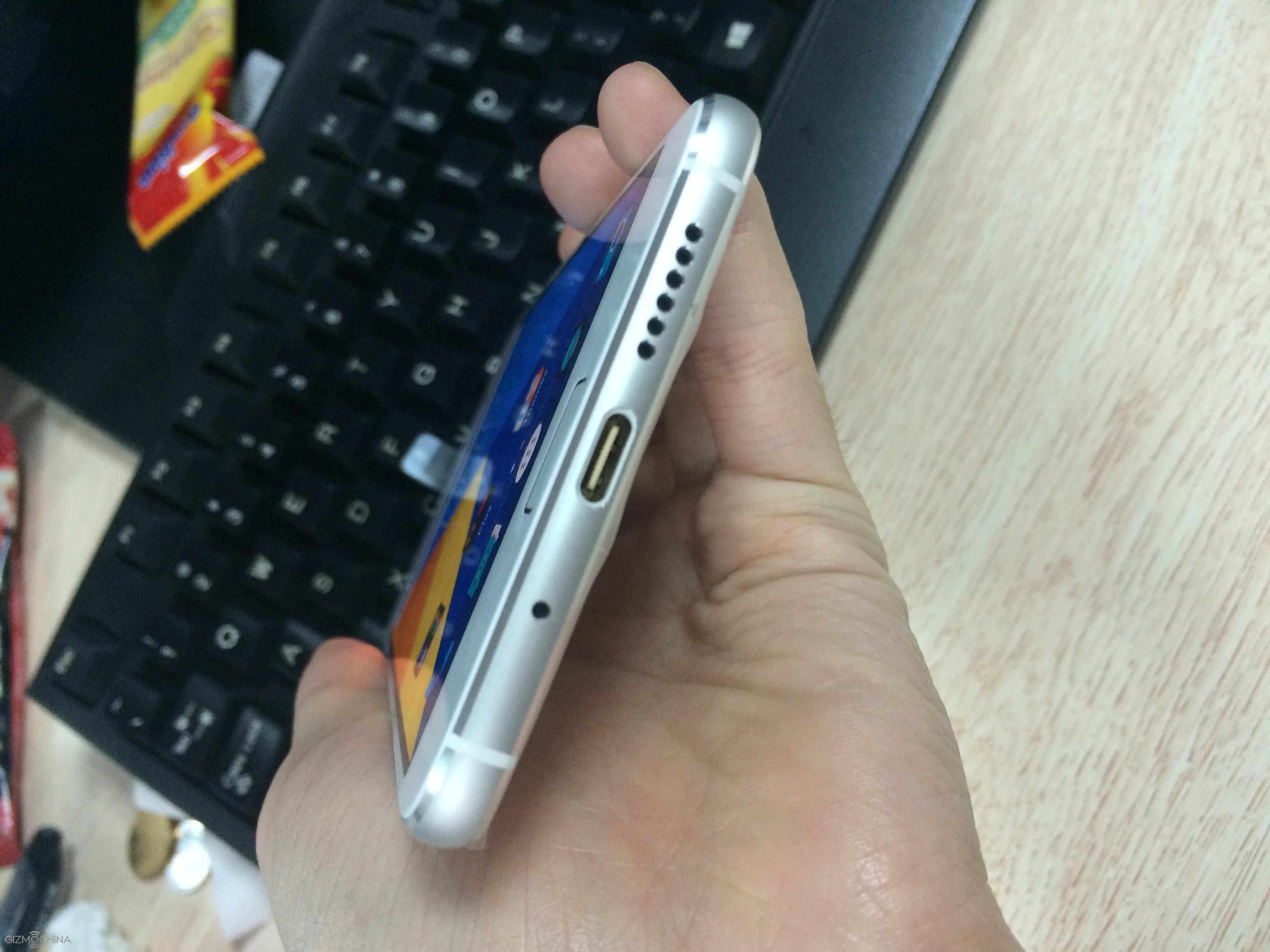
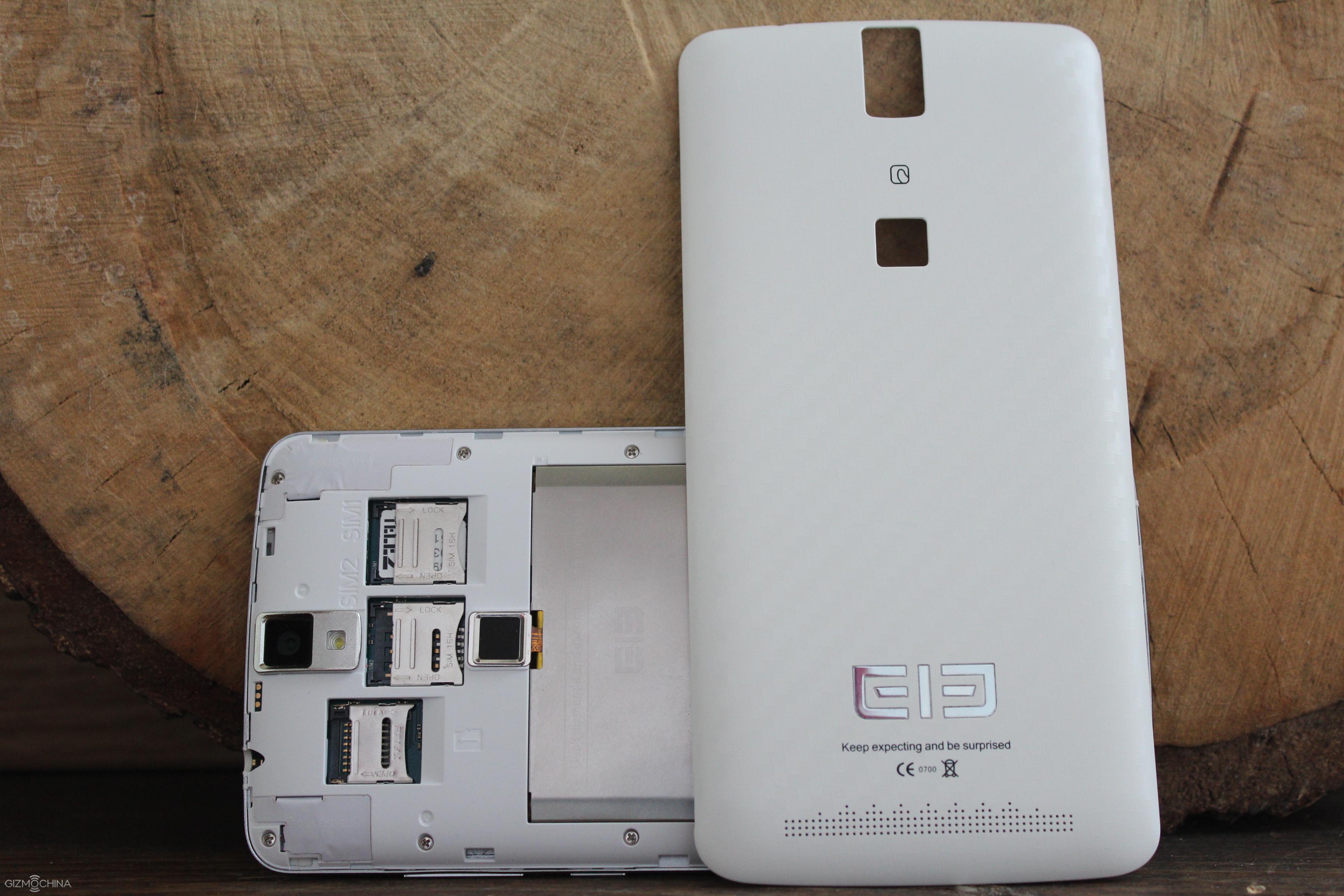
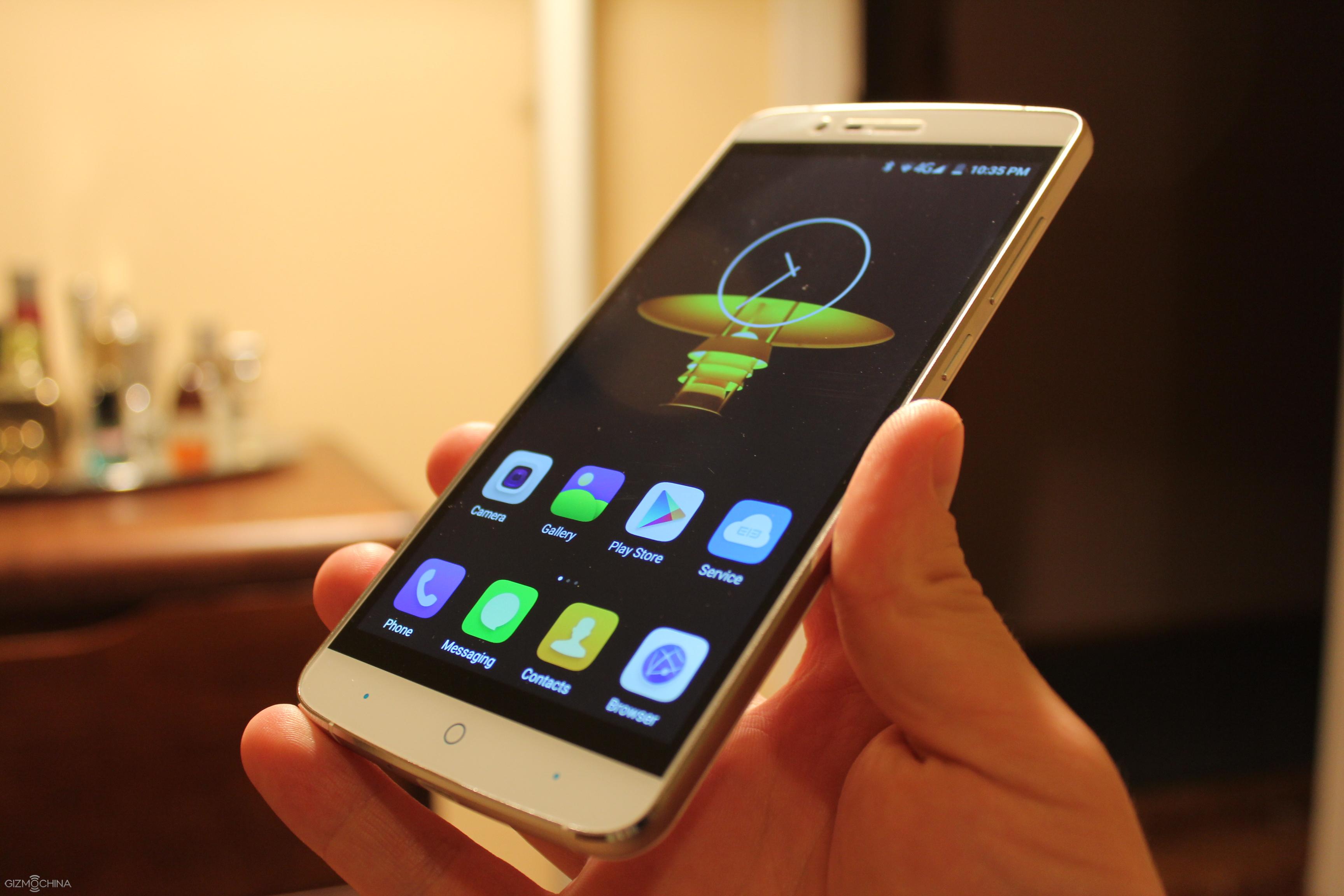
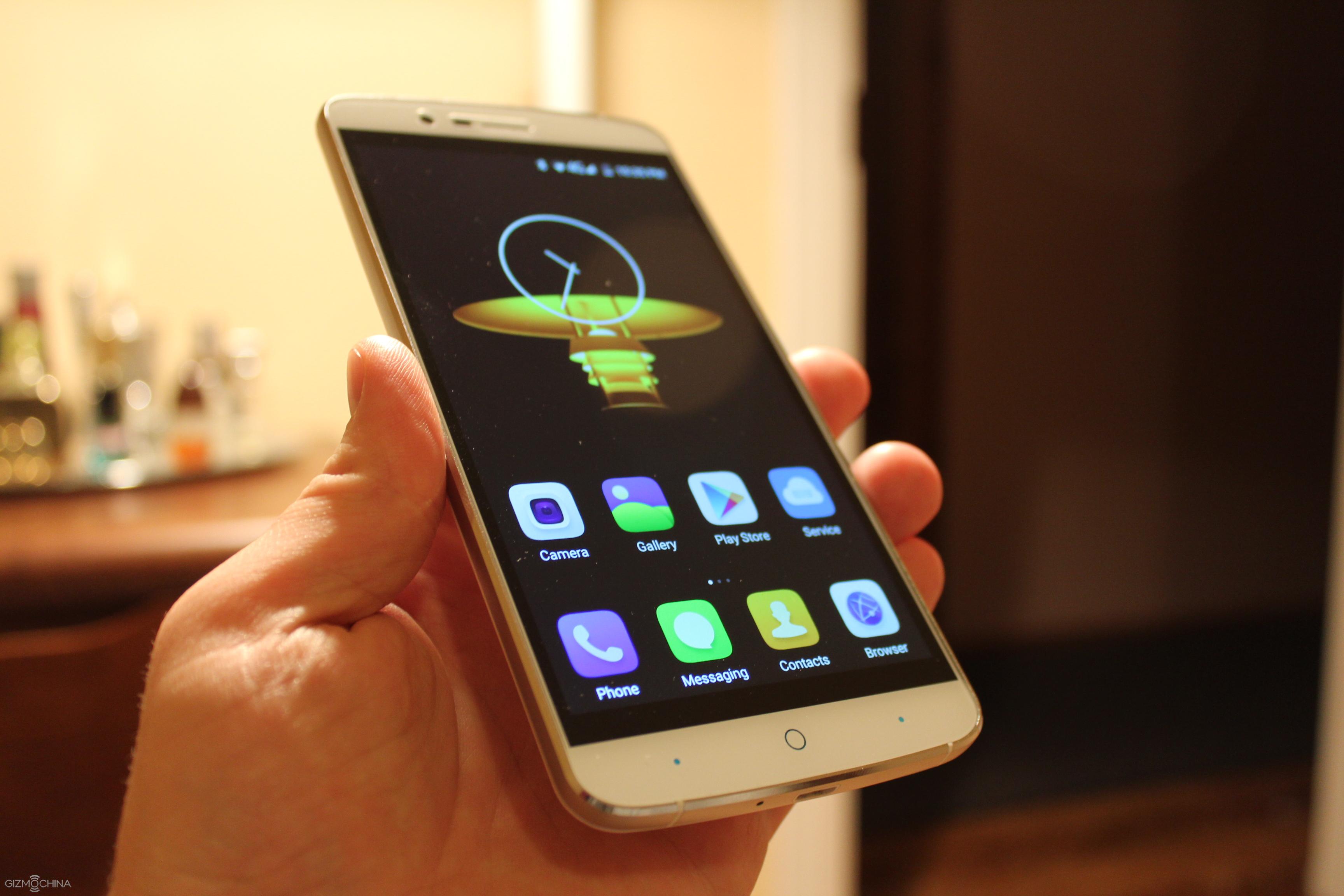
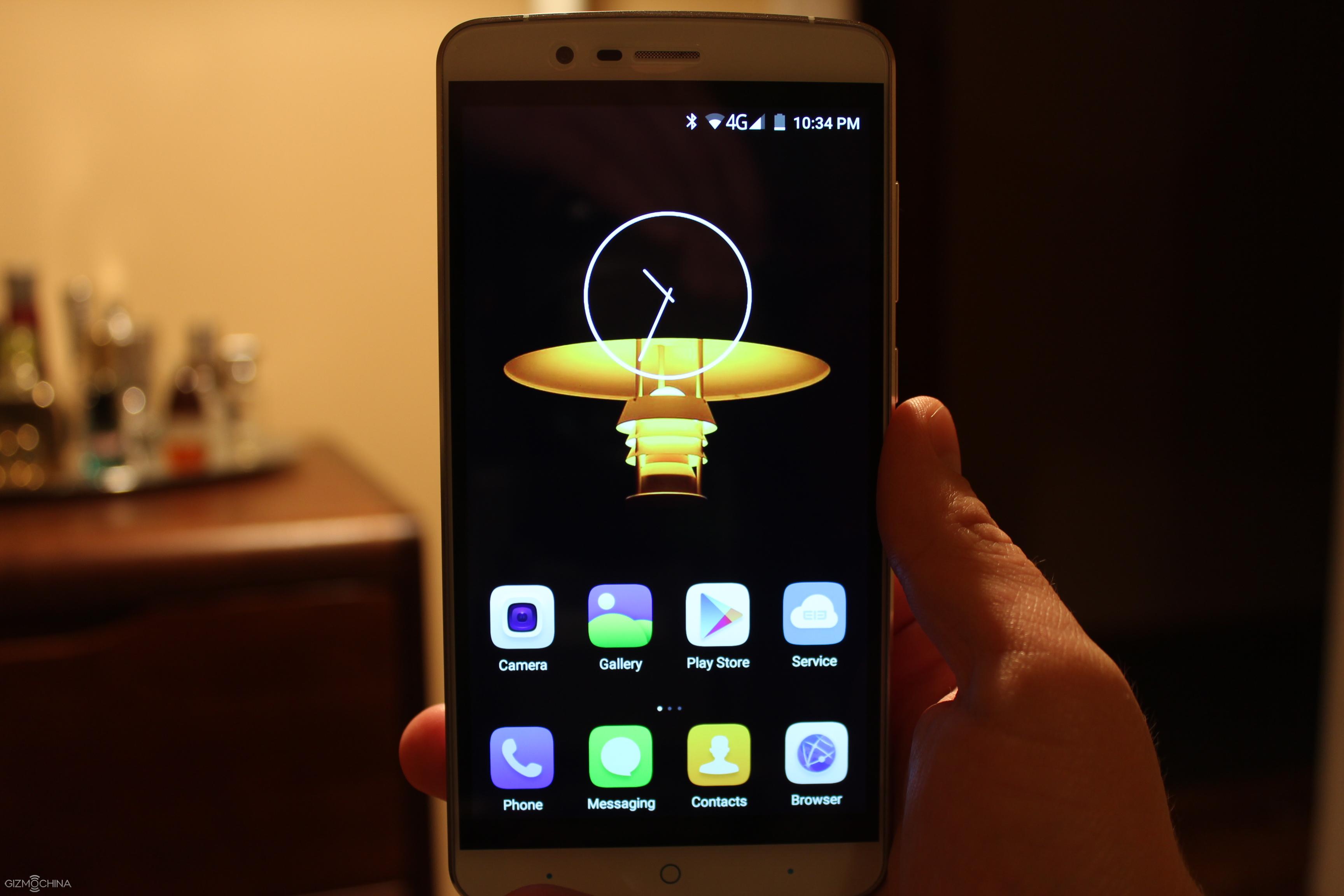
The smartphone, we are talking about the Lenovo ZUK Z1’s International version, the 5.5-inch phablet with an IPS FHD Display with 1500:1 contrast levels and 401 pixels per inch.
On the spec sheet, we have the Qualcomm Snapdragon 801 which is a quad-core CPU with 3GB RAM and Adreno 330. The 801 is based on the 64-bit architecture and will take advantage of Android Lollipop’s new ART Runtime.
The phone also boasts a 13-MP camera on the back with OIS (Optical Image Stabilization), which puts it in a category very few phones to have the feature, from Lenovo. The front is equipped with an 8-MP camera for crisp selfies.
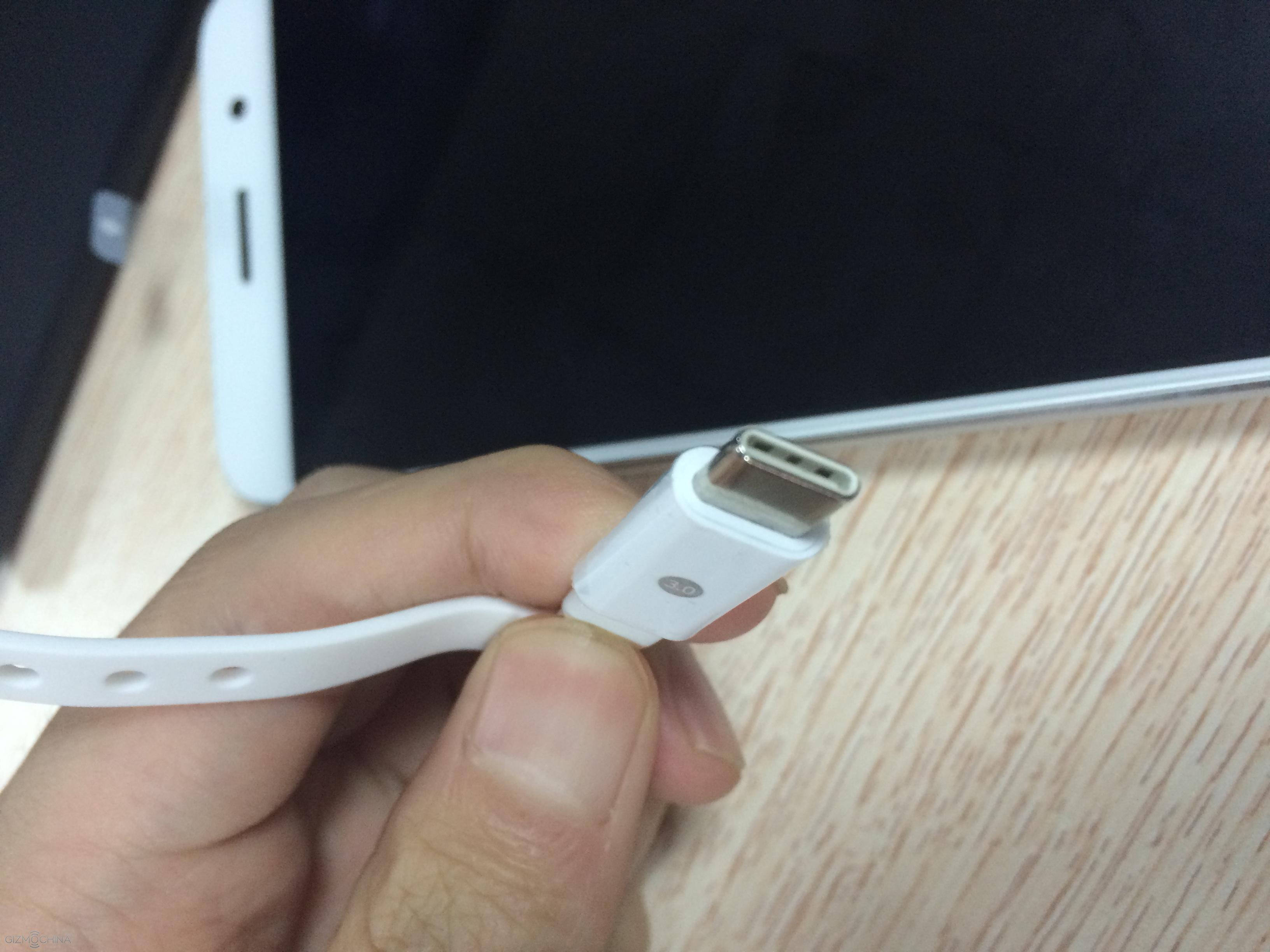
Other feature of the ZUK Z1 include 64-GB internal storage, USB Type-C connector, Bluetooth 4.1 LE (Low Energy), 4G connectivity for both the sims which are nano Sim size.
The main attraction of the phone is the HUGE 4,100-mAh battery which allows the phone to last more than one day on a single charge. Even with the large battery, the phone only weighs in at 180 grams.
One of the other things is the phone’s design itself. The ZUK Z1 resembles the iPhone in a lot of ways, as you can see from the pictures above. That is a good thing, making the phone familiar and wasy to handle. The Z1 has thin bezels, with chrome finishing on all the edges. The Z1 is available in white or Dark grey color options.
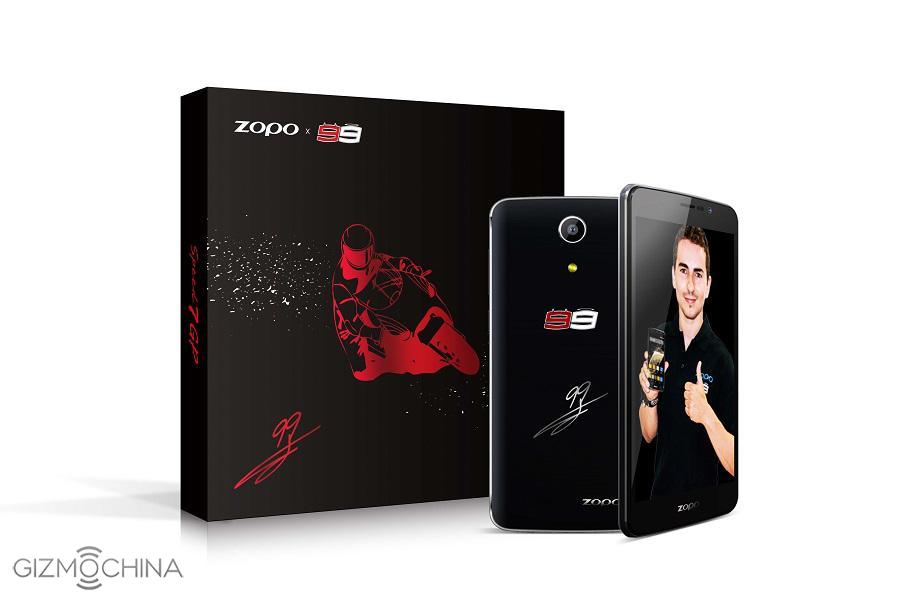
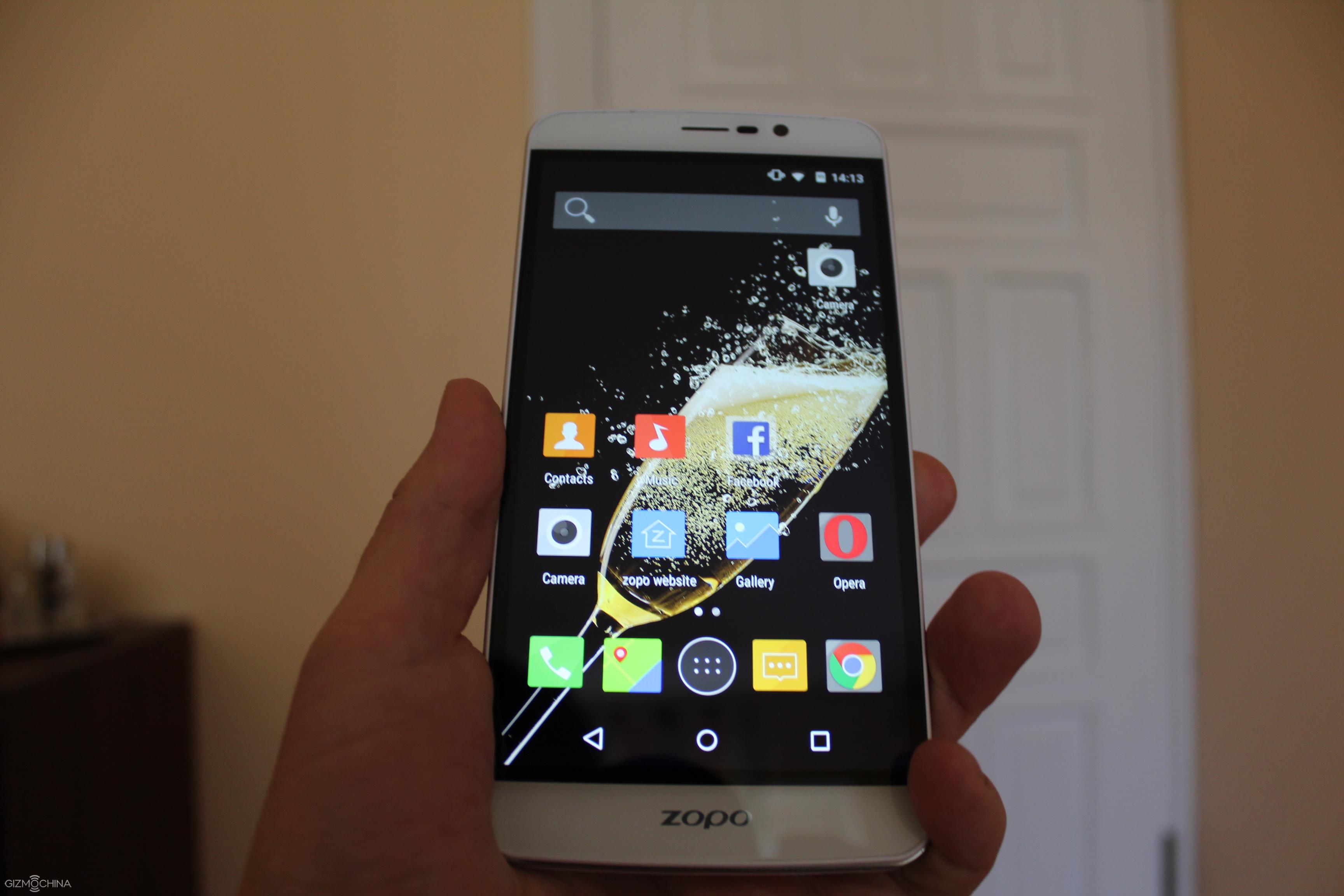
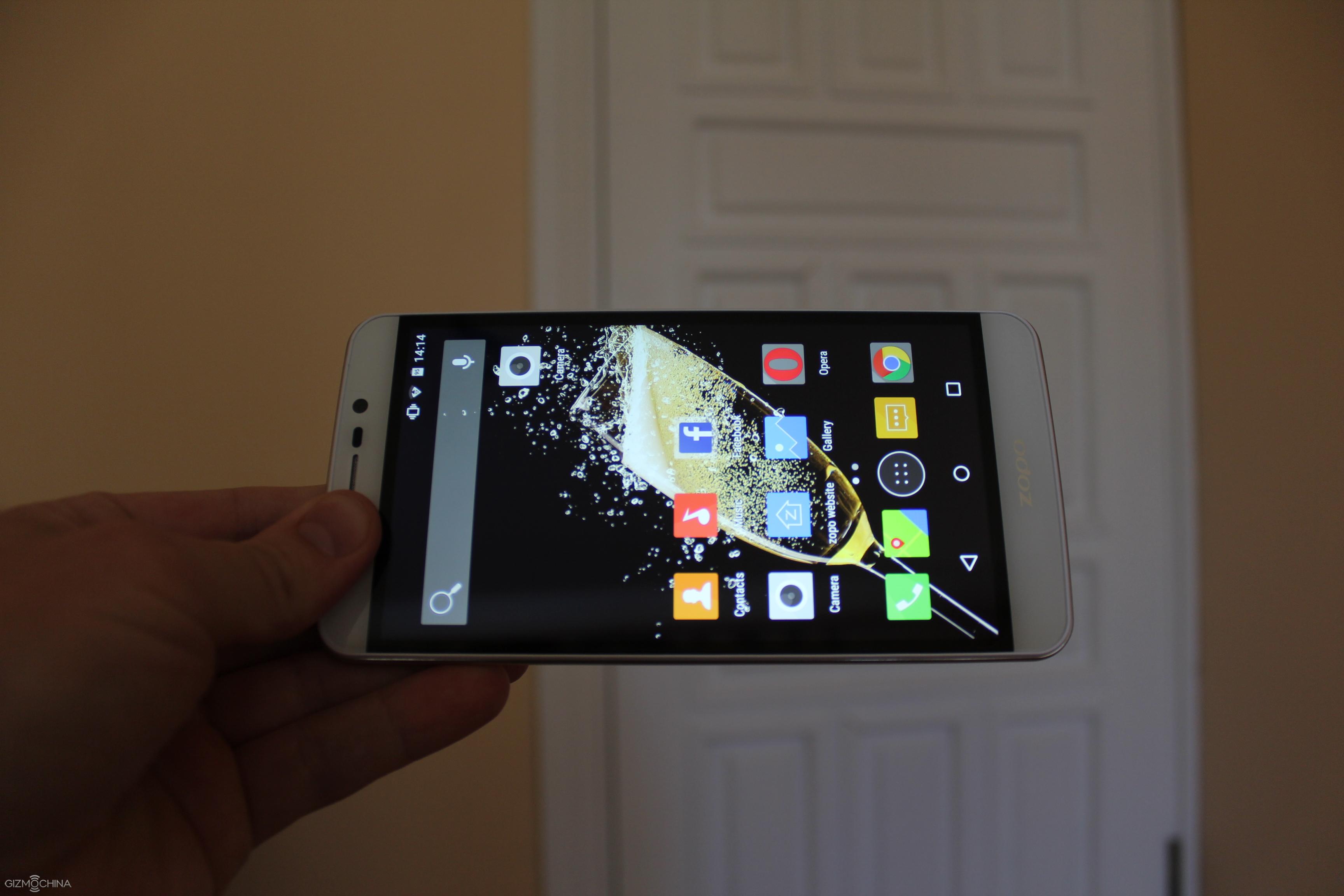
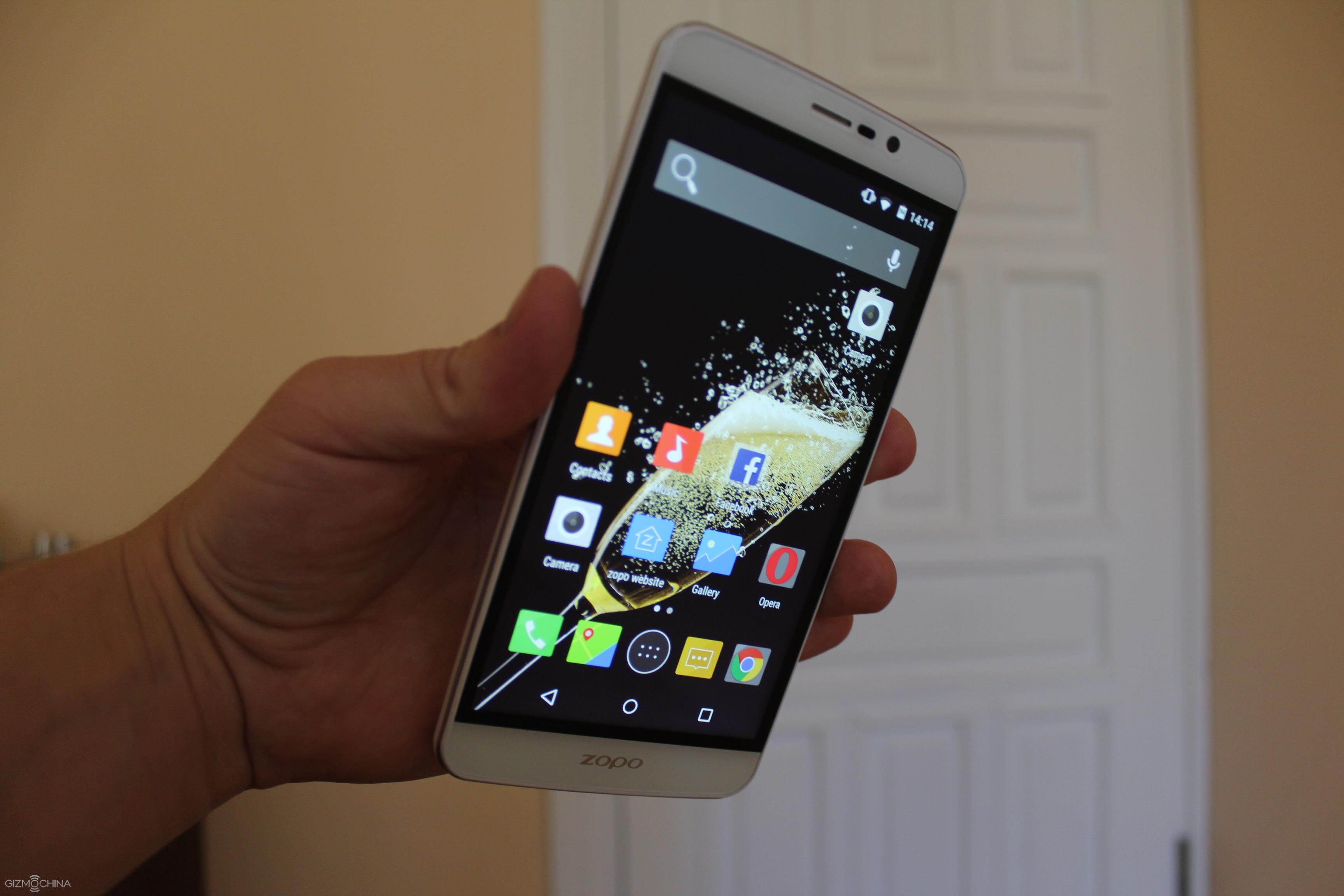
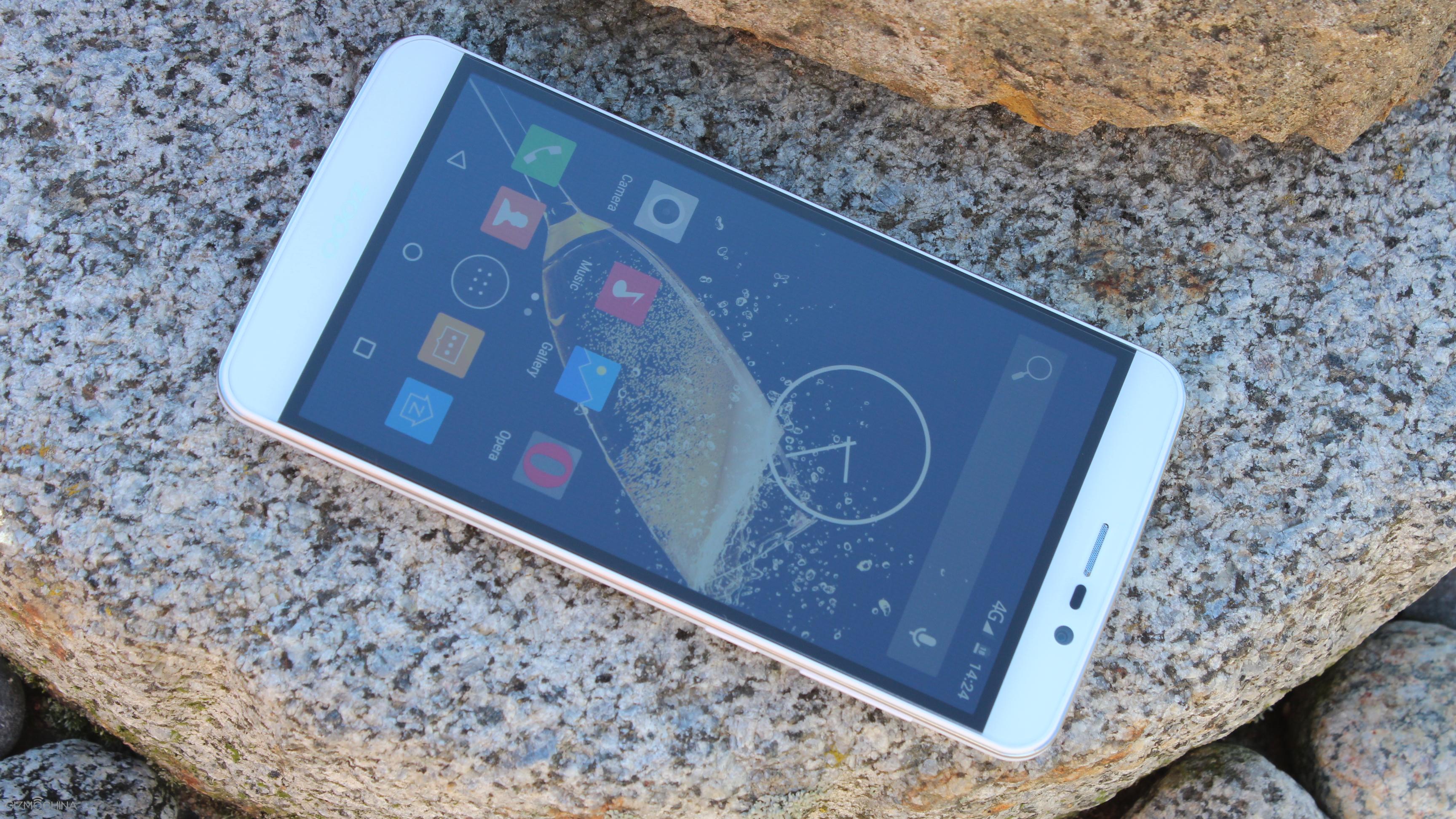
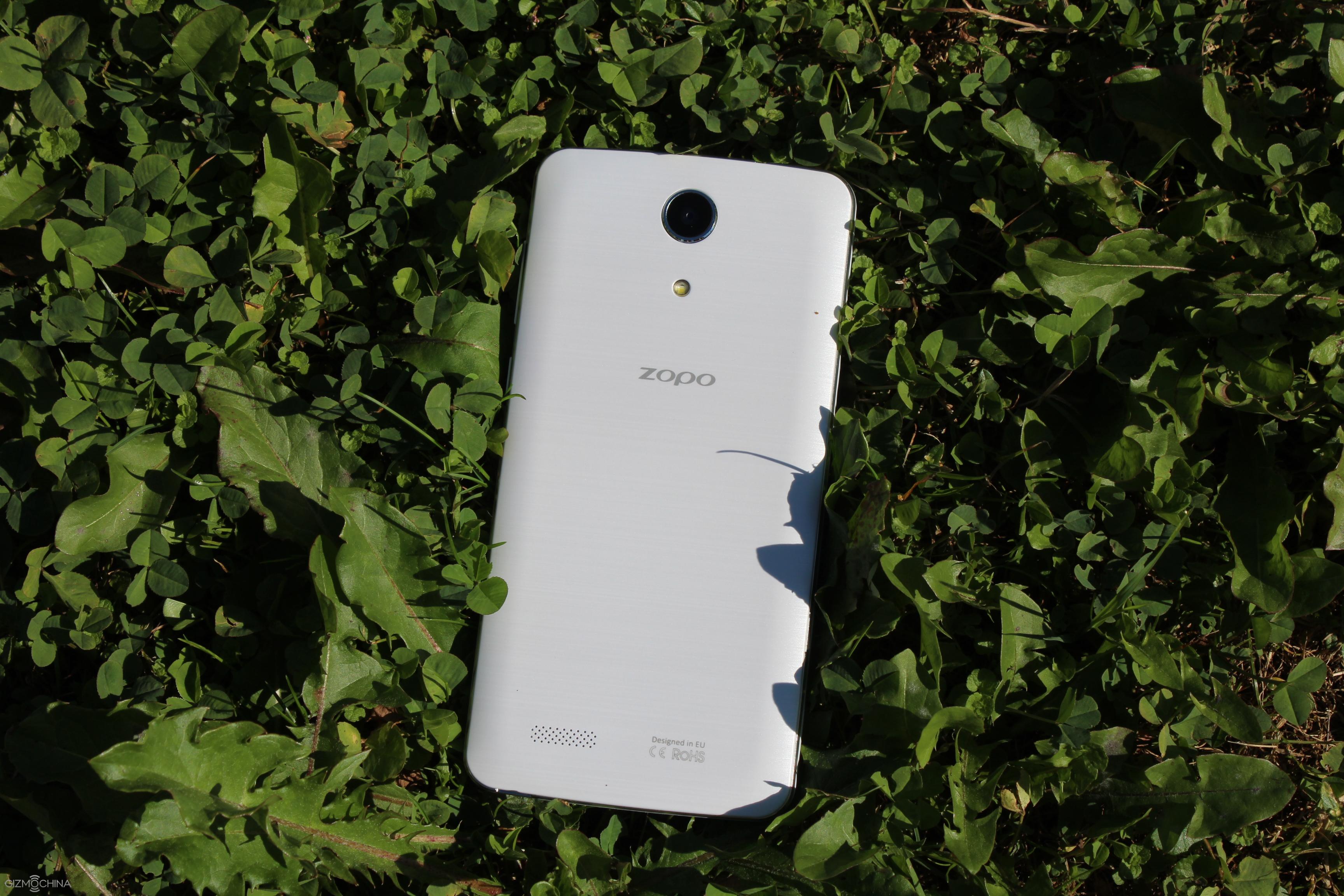
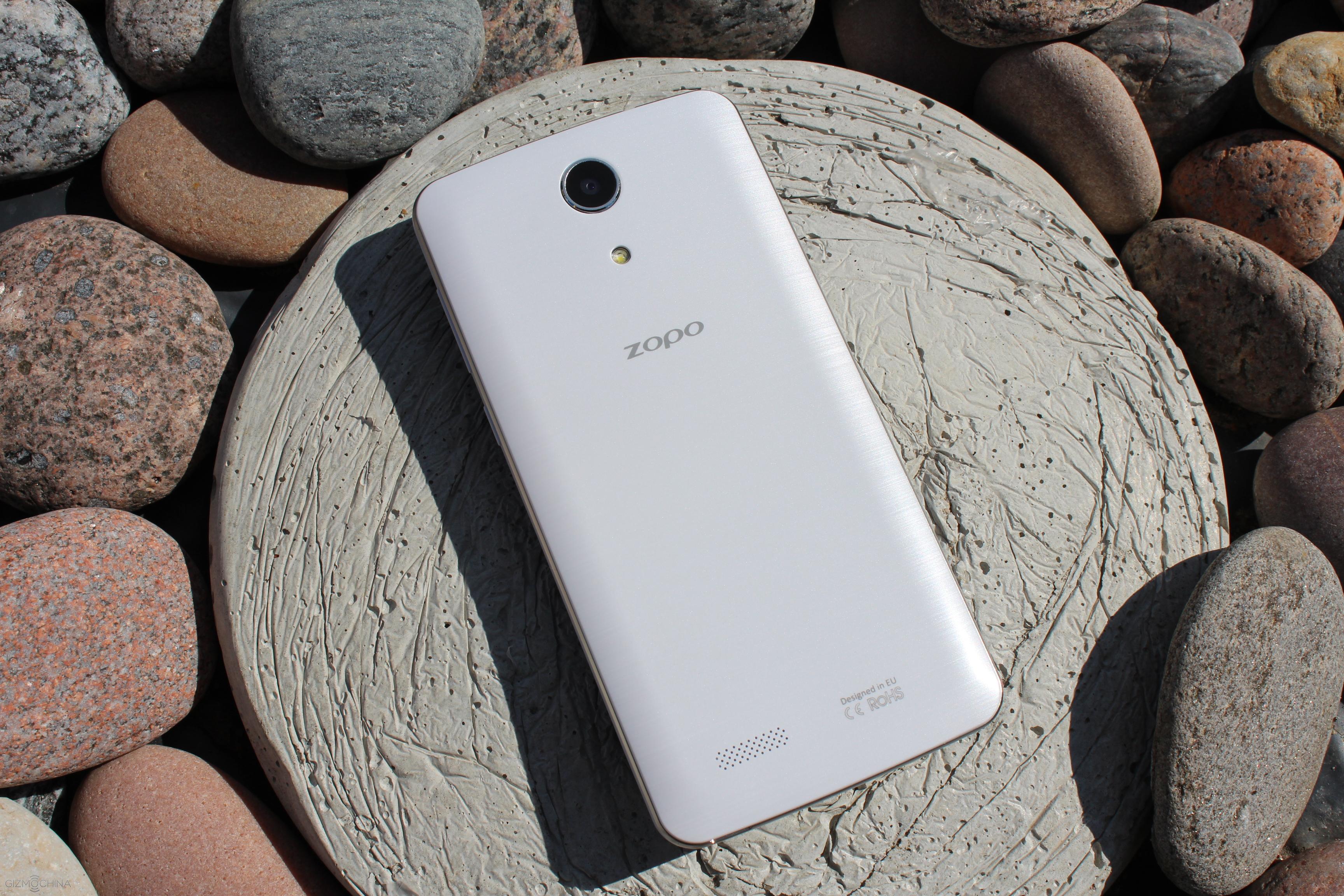
Zopo has just revealed a limited edition smartphone at a central fnac store in Barcelona. The ZOPO Speed 7 GP model phone is designed to be a Collector’s piece by featuring Jorge Lorenzo’s signature and his official racing number “99” logo on the back cover. Jorge Lorenzo is a two-time MotoGP World Champion and the brand ambassador of Zopo.
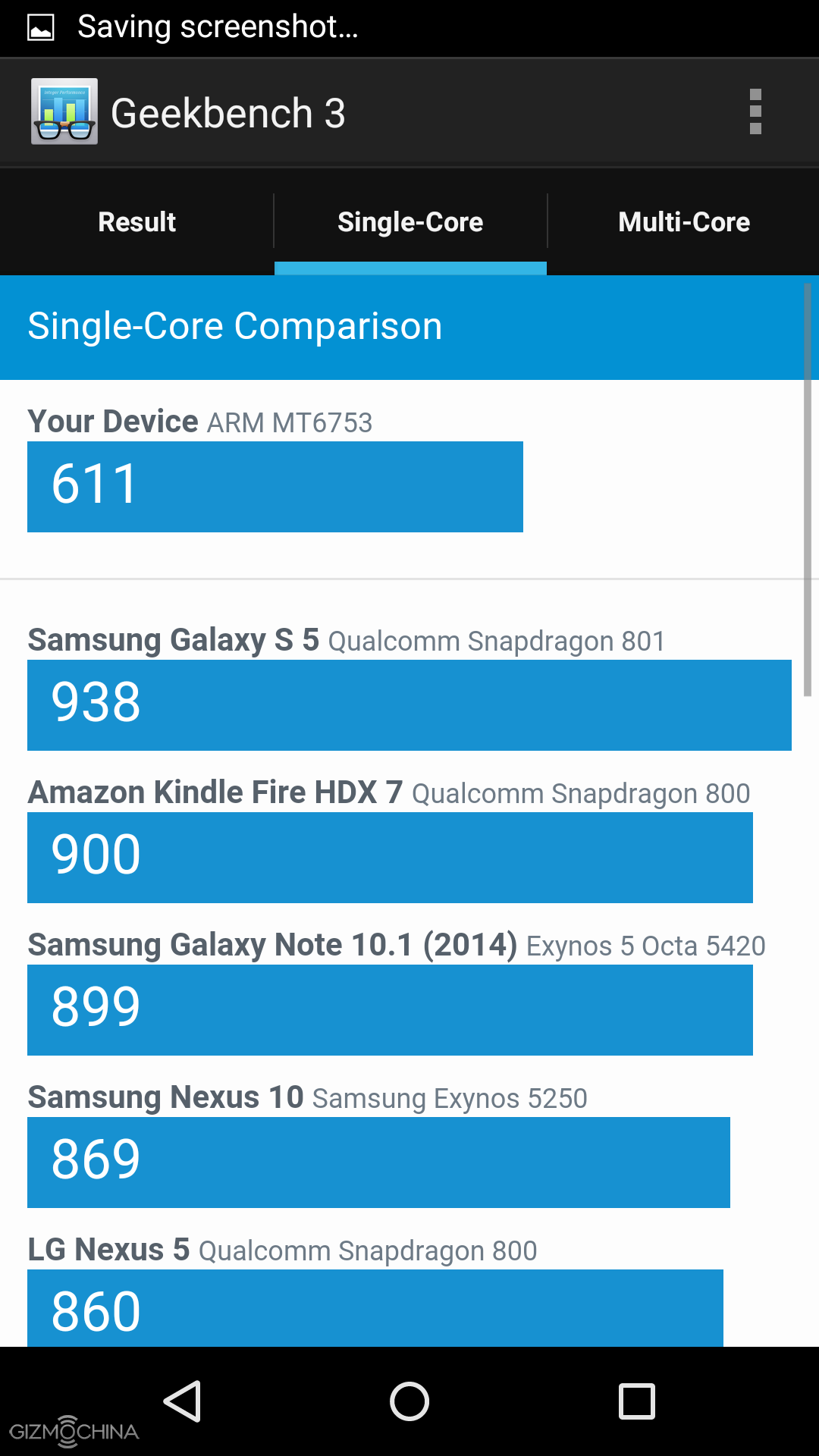
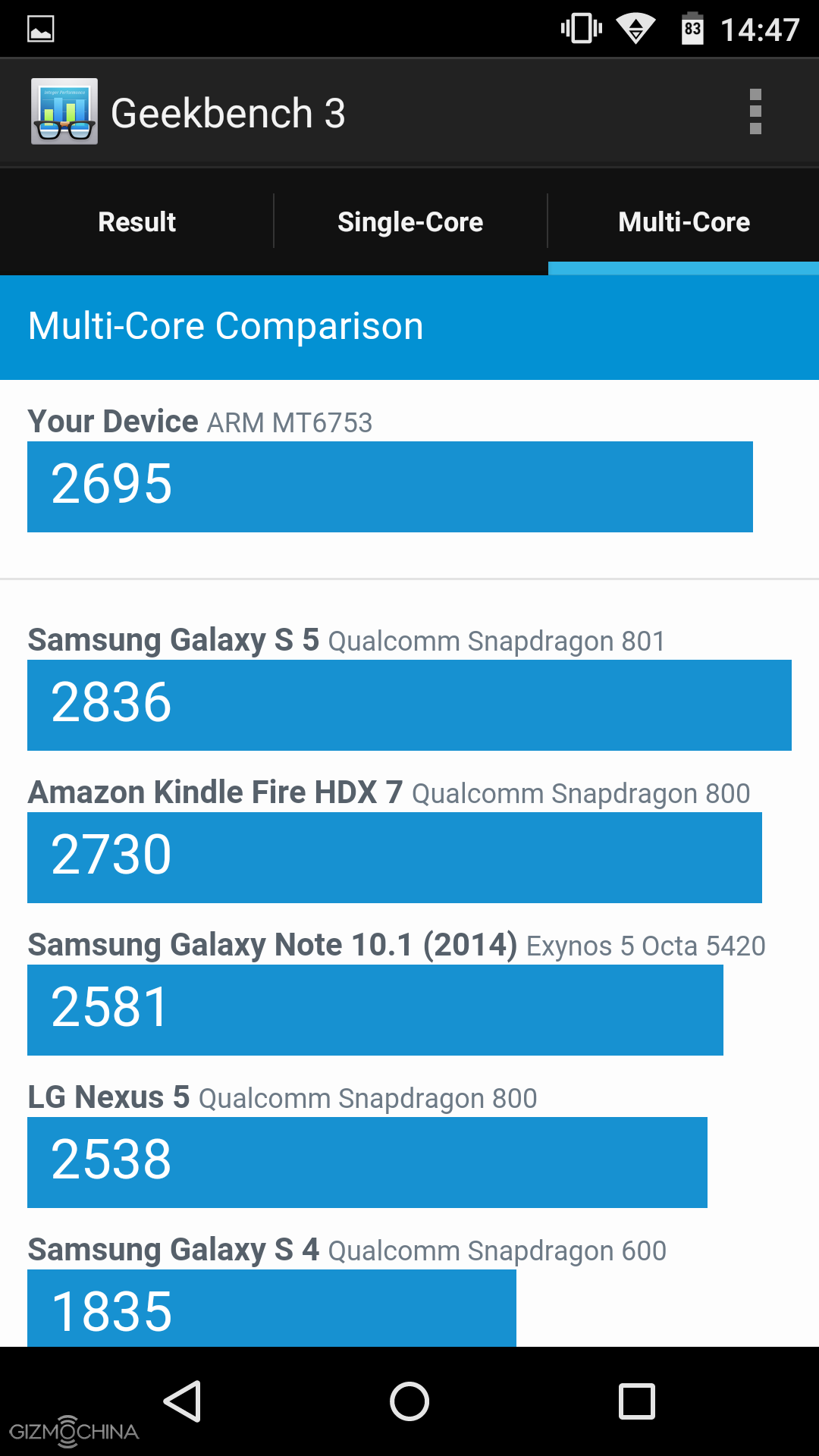
What fans were expecting was a Zopo device fitted with a Helio X20 processor but the Speed 7 GP comes with MT6753 processor from MediaTek. It has been reported that the exclusive Jorge Lorenzo limited edition smartphone ZOPO Speed 7 GP will be available for sale soon.
The Speed 7 GP contains a 64-bit octa-core CPU with a 3 GB that supposedly resembles the performance of the Spanish professional motorcycle road racer. To capture great moments in high resolution pictures, the 13.2 megapixels rear camera is made with a five piece lens. Then images will be stretched on 5.5 inch 1920 by 1080 resolution Full HD display. A 3000mAh battery is also indicated to be packed in the smart phone to support 33 hours of playing music or 300 hours of standby time. The luxurious limited edition Speed 7 GP also comes with specially designed earphones and a USB cable with the charger inside the motor race themed packing box.
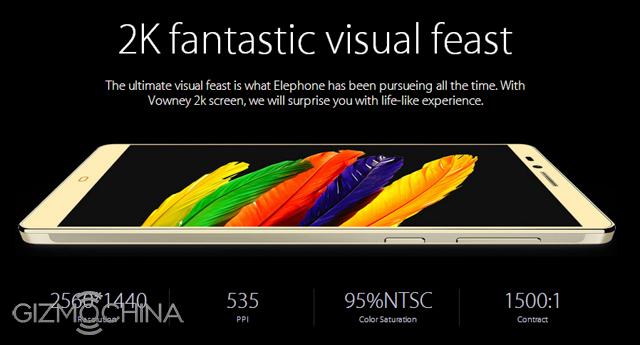
Today sees the Vowney official specs released, there will be two versions a light and high end variant.
The differences between the high end and lite handsets will be the screens and the Ram/ Rom configurations.
The Lite handset comes with a 5.5″ 1080P (1920*1080) display, 3GB RAM, 16GB ROM
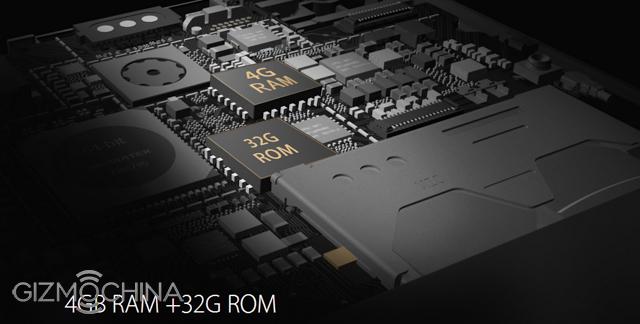
whilst the High End handset comes with a 5.5″ 2K(2560*1440) negative liquid crystal display for lower power consumption and improved response times, 4GB RAM and 32GB ROM
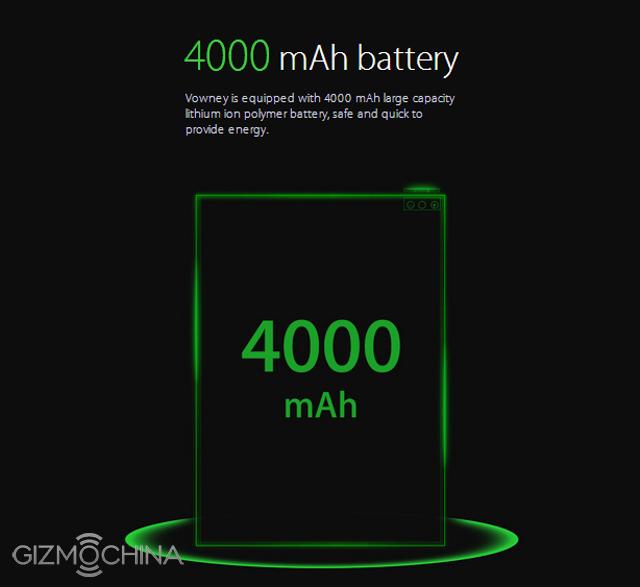
The other Elephone Vowney official specs confirm that both phones are identical in everything else, both include a 4000mAh battery with 2.5 hour quick charge (a real improvement over the P8000 andP7000 charge times).
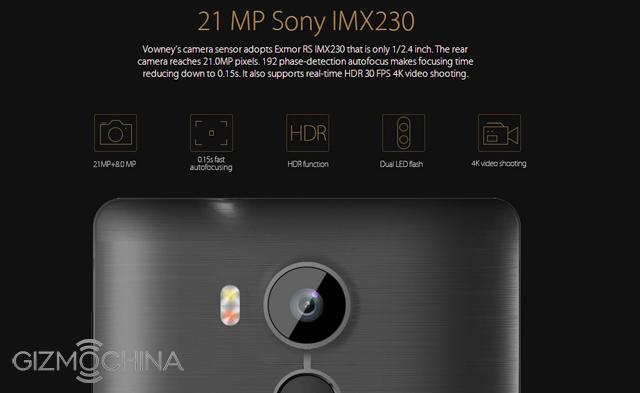
The phones will come with a 21MP Sony Exmor RS IMX230 rear camera with 192 phase-detection auto focus (with focus times of just 0.15 seconds) and support for 120fps slow motion video and real time 4K HDR recording at 30fps.
The rear camera has a dual tone flash, which should improve white balance and give a better tone to portraits etc.
The front facing camera is an 8mp unit for capturing a half decent selfie.
The phones have micro SD expandable memory slots (up to 128GB) giving the Lite version up to 144GB maximum whilst the high end version has a maximum storage of 160GB and the
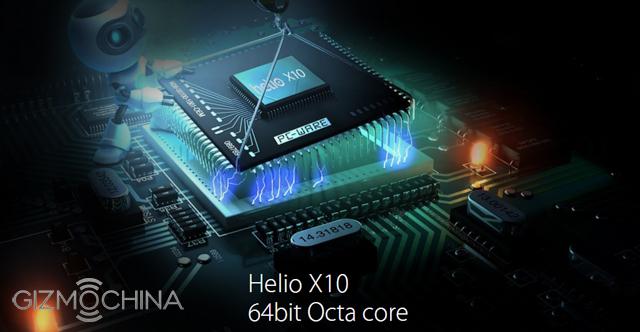
The handsets are running the new Mediatek Helio X10 (MT6795) Soc with 4 x A57 and 4x A53 with a GX6650 GPU, I expect that Antutu scores over 50,000 will be possible.
With all the advances that Mediatek have made on GPS on their previous 64bit processors, I can’t see any problems arising on the Vowney GPS, which features support for GPS/Glonass/Beidou.
Cellular coverage is good the Vowney supports 2G,3G and 4G on the following Bands:
GSM:BAND2 BAND3 BAND5 BAND8
WCDMA:BAND1 BAND8
FDD-LTE:BAND1 BAND3 BAND7 BAND20
TDD-LTE:BAND40
Wifi:5G
Lets hope that the release is imminent and that the phone lives up to the (long time coming) hype.
Xiaomi has once again confirmed via a new teaser that the Xiaomi Mi4C flagship will be announced on September 23. The phone is expected to come in two variants, one with 2GB RAM and 16GB of storage, while the other with 3GB RAM and 32GB of storage. Both the versions will be powered by the flagship Snapdragon 808 chipset. However, it looks like the Xiaomi Mi4C might have another storage variant as well.
According to Sun Peng, MIUI Senior Engineer, we may see a 64GB variant of the Xiaomi Mi4C in the coming weeks. He hinted that a 64GB version was possible via his official Weibo page earlier today. This is actually welcome news for users who always crave for more storage. Given the fact that the Mi4C won’t be coming with a MicroSD card slot, it becomes necessary to provide enough internal storage to store all your apps and data. So, a 64GB version at a slightly increased price isn’t a bad idea.
According to a report earlier today, the 32GB variant of the Mi4C could be priced around 1499 Yuan. Now, if this is the case, then we can expect the 64GB variant to be around 100-150 yuan higher. So, the retail price should be around 1599 Yuan which comes to $250 USD. That’s not at all a bad deal, considering the flagship Snapdragon 808 powers the device.
As for the other specs, expect it to be more or less the same as the Xiaomi Mi4i international edition. At the back, there will be a 13MP camera and a 5MP shooter at the front. The battery is expected to be higher than 3000mAh. As for the software, the Mi4C should run on the new Android 5.1.1 based MIUI 7 OS. There’s rumors about an infrared port as well.
We are not quite sure whether Xiaomi will announce the 64GB version along with the 16GB & 32GB variants. But since the event is just a few days away, lets wait and see whether we get to see this high-end storage version at the September 22 event.
Do you think companies should compulsorily announce 64GB internal storage variants for phones without SD card slots?
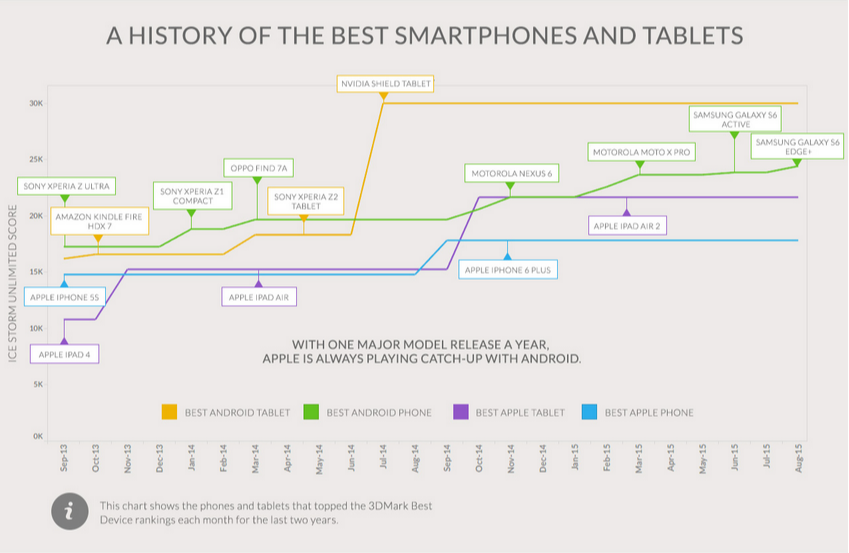
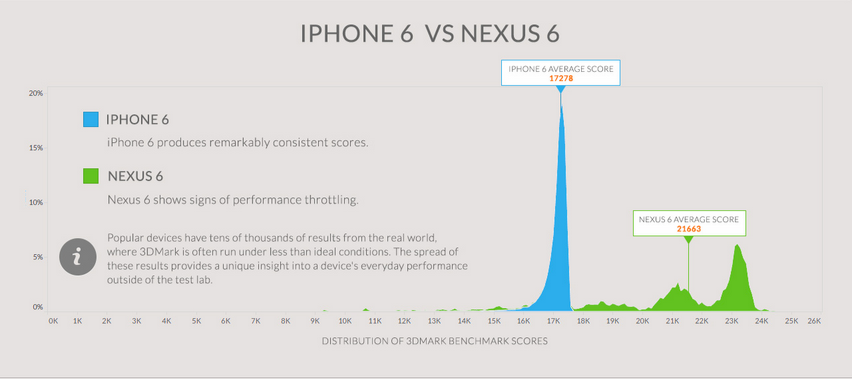
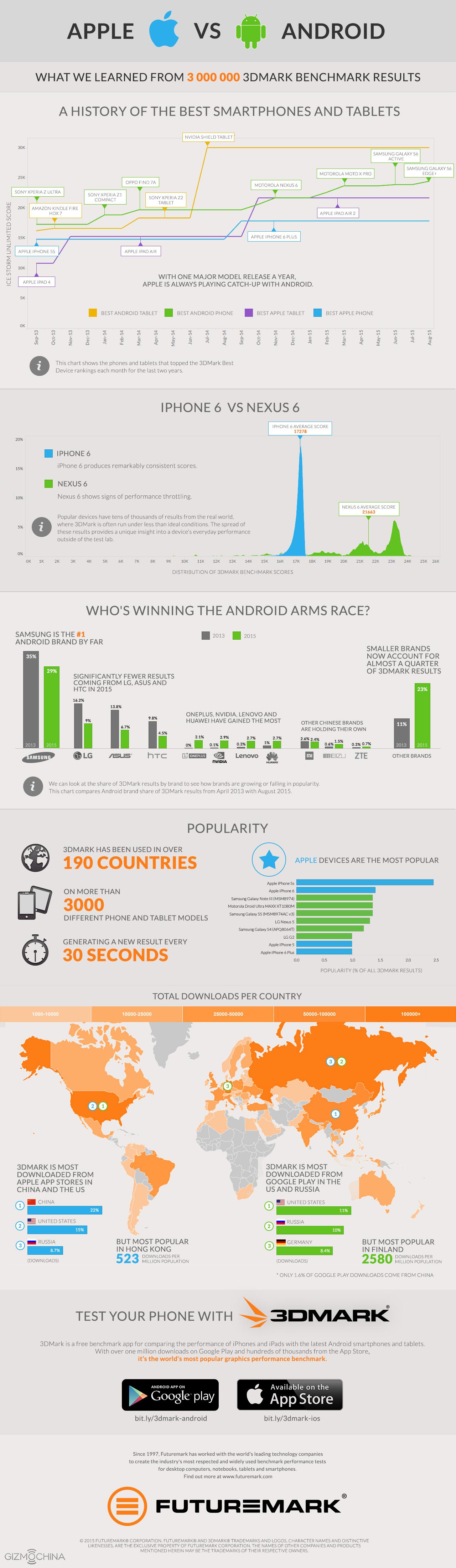
On the day the iPhone 6S was announced, Futuremark – the Finland based benchmarking company – generated a comparative report from two years of 3,000,000 bench mark results from 3DMark, the company’s benchmarking tool for multiple platforms. The report illustrated a chart of data gathered from September 2013 until August 2015.
Back in late 2013, the best apple phone was the iPhone 5S and the best Android phone was the SONY Xperia Z Ultra. The chart showed that Android phones were beating Apple phones by roughly 2000 points or around 20%. As the Samsung Galaxy S6 Edge + takes the lead in August 2015, Apple was competing by only presenting the iPhone 6 Plus. However, the Android technology has advanced three times from the Nexus to the S6 and the difference in performance score has got wider. Similarly, the Apple iPads are falling behind Android tablets like the NVIDIA Shield tablet. It looks Android technology will continue to beat Apple devices despite the 3DMark popularity pick up in recent times.
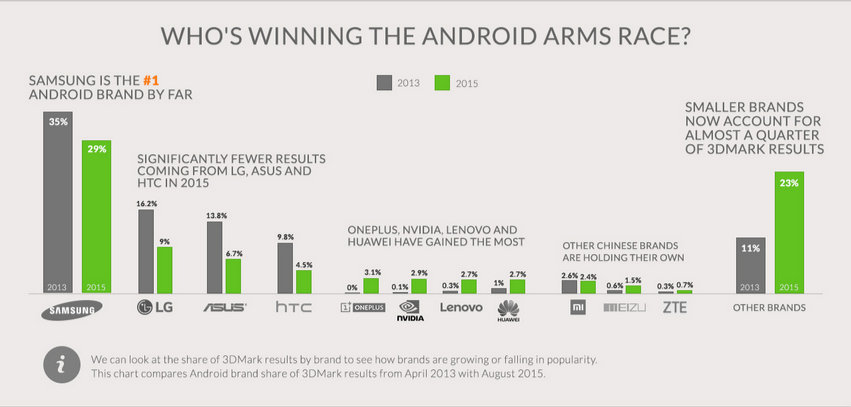
In the Android manufacturer comparison, Samsung has shown an almost one third share of 3DMark results. However, Samsung has shown a decline in 2015 as smaller brands account for almost a quarter of the results this year.
You can check out rest of the detailed infographic down below.
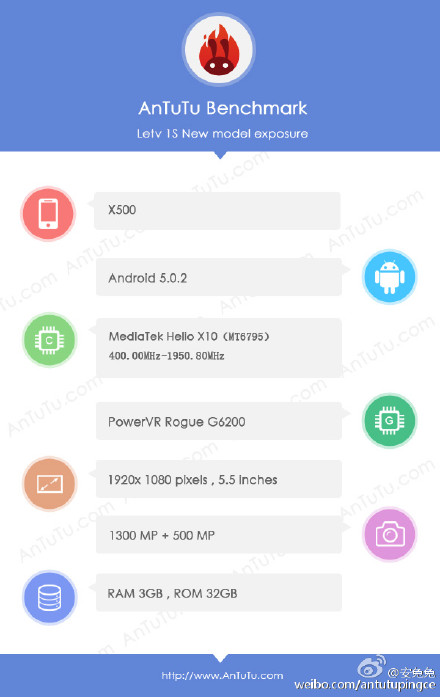
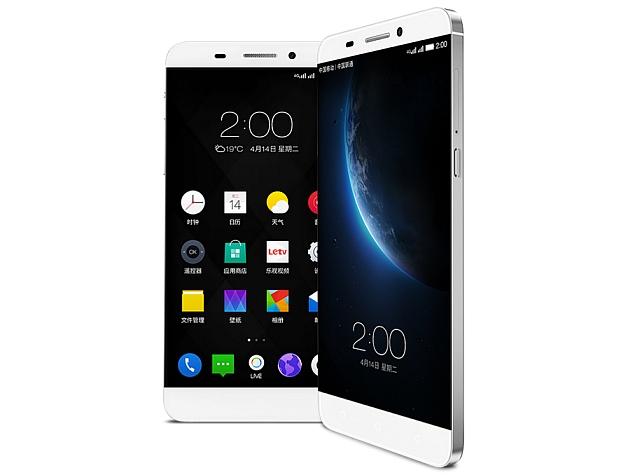
Just yesterday we came across the leaked back panel of an upcoming LeTV model. Now, we have spotted yet another LeTV smartphone with the model number X500. This particular model, most likely called as the LeTV 1S will be the upgraded version of the LeTV One that was announced back in April. As a result, the company might replace the old one with the X500, keeping a similar price tag to attract customers.
The specifications are said to be quite similar to the LeTV One. According to the AnTuTu benchmark listing, the phone will run on the octa-core Mediatek Helio X10 chipset. In case you remember, this is the same chip that powers the super cheap Xiaomi Redmi 2. There will be 3GB of RAM on board along with 32GB of storage. As for the display, you can expect the same 5.5-inch 1080p FHD panel on this new device. At the back, there will be a 13MP camera while up front, expect a 5MP shooter. For software, the phone is said to run on the Android 5.0.1 Lollipop platform with the company’s own skin on top.
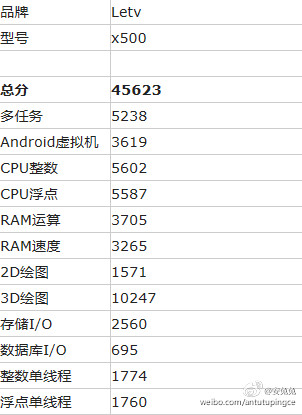
The listing shows that the phone managed to score about 45,000 on AnTuTu. Unfortunately, we still have no idea about the pricing of the LeTV X500 1S. If the company wishes to price it around the 999 Yuan mark (to compete with the Redmi Note 2), then the only upgrade we can expect is the fingerprint sensor. Also, you may see the memory cut down to 2GB. This coupled with the beautiful built quality will give it an edge over competitors.
original LeTV One
Another possibility is that the company could upgrade a few more things along with fingerprint ID and price it at 1499 Yuan. Following the launch, LeTV can reduce the pricetag of the original ‘One’ to 999 Yuan. So, the company essentially will have a cheaper option to compete with the Redmi Note 2 as well as a better specced version to compete with the likes of the Xiaomi Mi4C that’s coming on September 22.
Anyways, we will have to wait and see what LeTV plans to do with the new LeTV 1S X500 in the coming weeks.
Ever since Xiaomi announced the Xiaomi Mi4i mid-range flagship in India, the users in China have been eagerly waiting for its domestic version. We have been hearing a lot about this particular device in the past couple of months. Thanks to the TENAA listing, we even know the core specifications of the device.
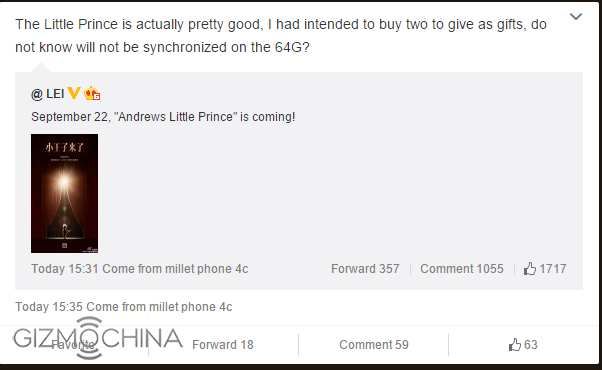
Earlier today, Xiaomi posted a new teaser on their official Weibo page, which confirms that the Xiaomi Mi4C will be announced on September 22. The company is calling it the “Little Prince”, which is kind of apt, given that the phone will feature quite impressive specs. We have not yet seen the next generation Xiaomi Mi5 model till now and we don’t expect to see it at least till the end of 2015. As a result, the Mi4C could be considered as an affordable flagship model that can succeed the Xiaomi Mi4.
One of the biggest changes between the Xiaomi Mi4i international version and the domestic version, Mi4C is the processor under the hood. The company is reportedly going with the flagship range Snapdragon 808 64-bit hexa-core chip on the Mi4C as compared to the less snappier Snapdragon 615 chip on the Mi4i. Apart from the powerful processor, the Mi4C is expected to come in two variants, 2GB RAM + 16GB of storgae, and 3GB RAM + 32GB of storage. Like the international version, the domestic version too will feature a 5-inch display with 1080p FHD resolution. At the back, there will be a 13MP camera while up front, you will get a 5MP front facing shooter. Under the hood, you can expect a 3000mAh + battery. As for software, the Mi4C should definitely come with the new MIUI 7 based on Android 5.1.1. There are also rumors about an infrared port on the device.
As you can see, the specs are flagship worthy and are enough to succeed the previous generation Mi4. As for the pricing, the phone is expected to retail at 1499 Yuan ($235) for the top-end 3GB + 32GB storage version.
So, what do you think? Is Xiaomi looking to succeed Mi4, with the brand new Mi4C flagship?
16GB (expandable via microSD card slot up to 64GB)
Elephone P8000 Review: UNBOXING
1 of 5
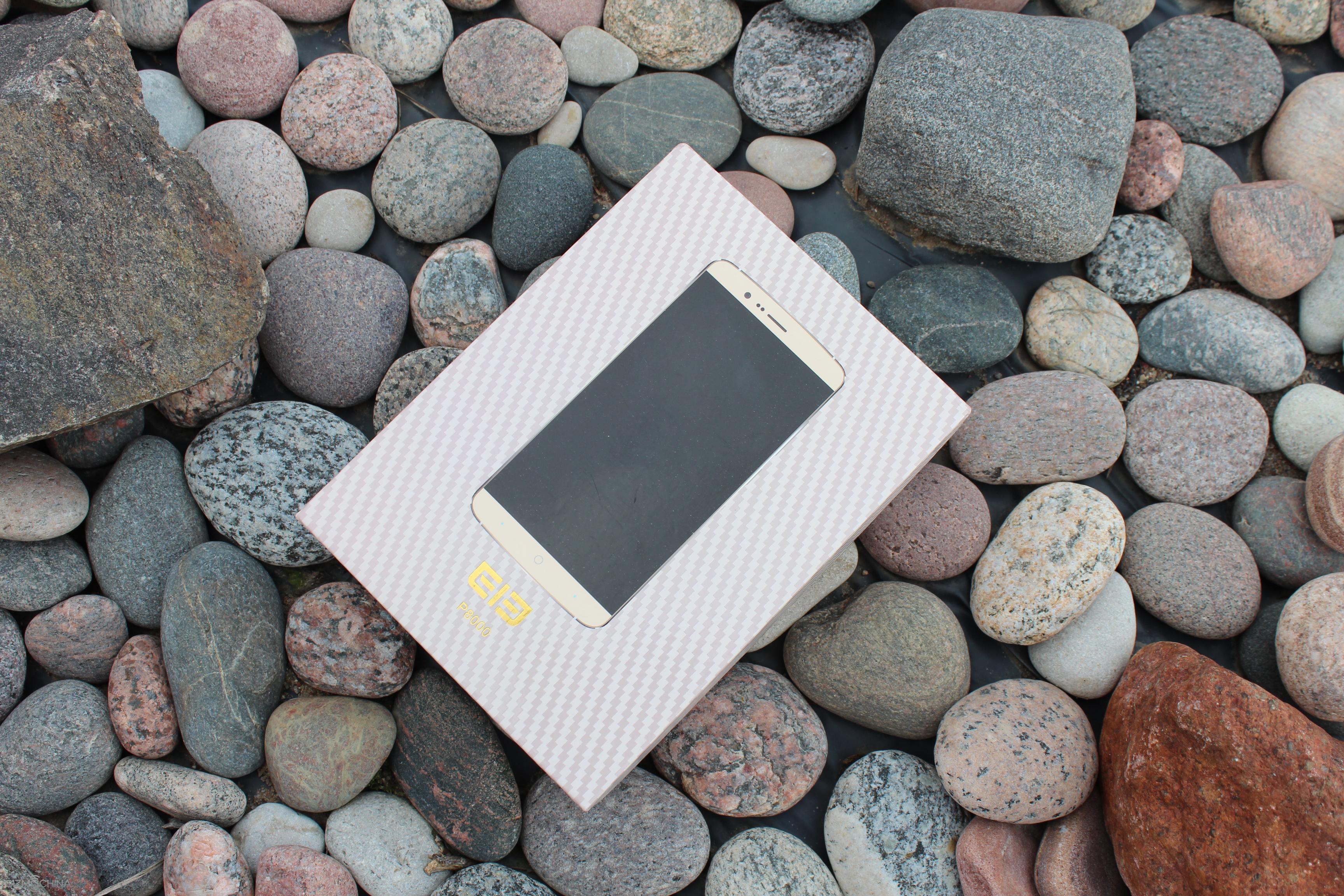
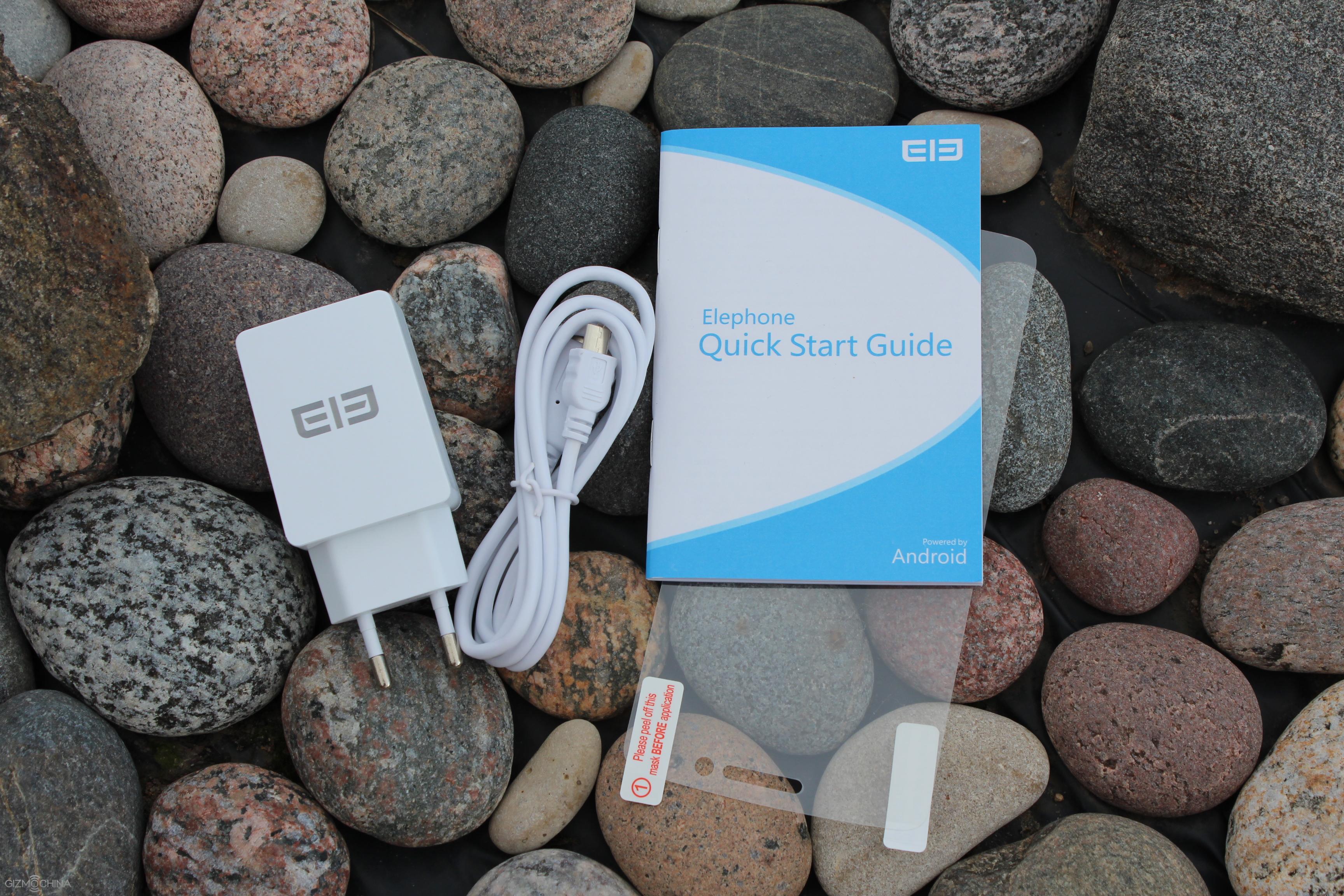
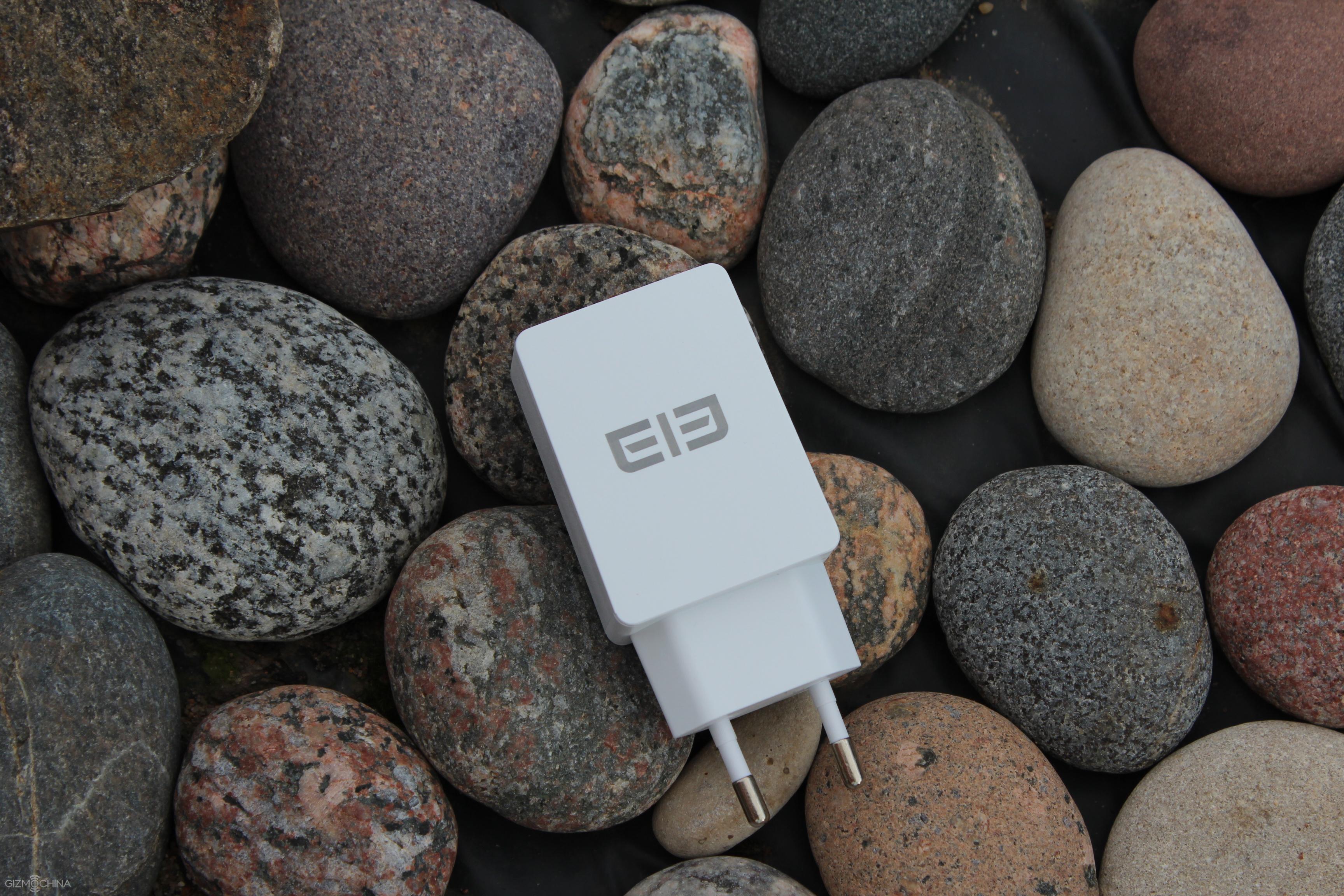
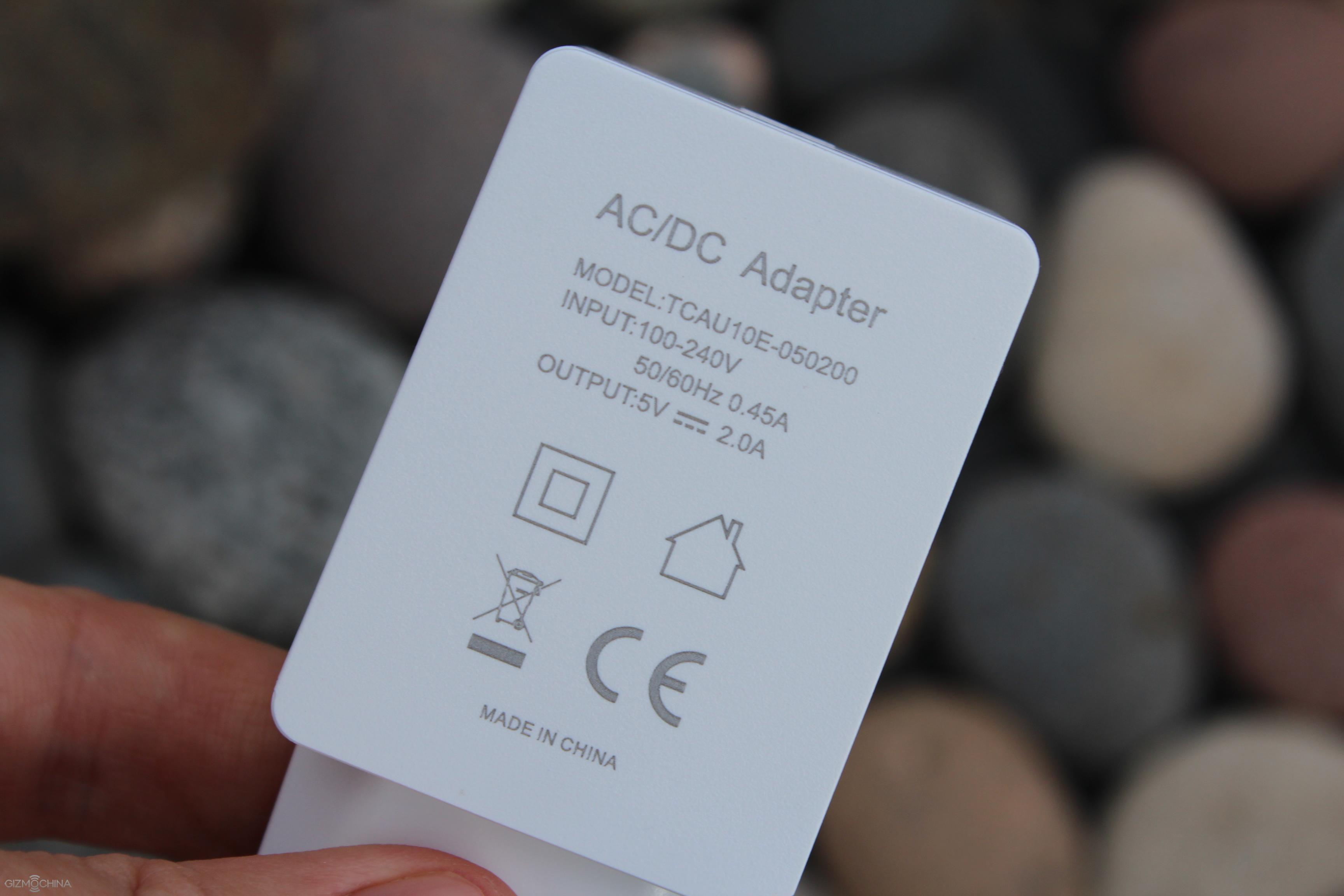
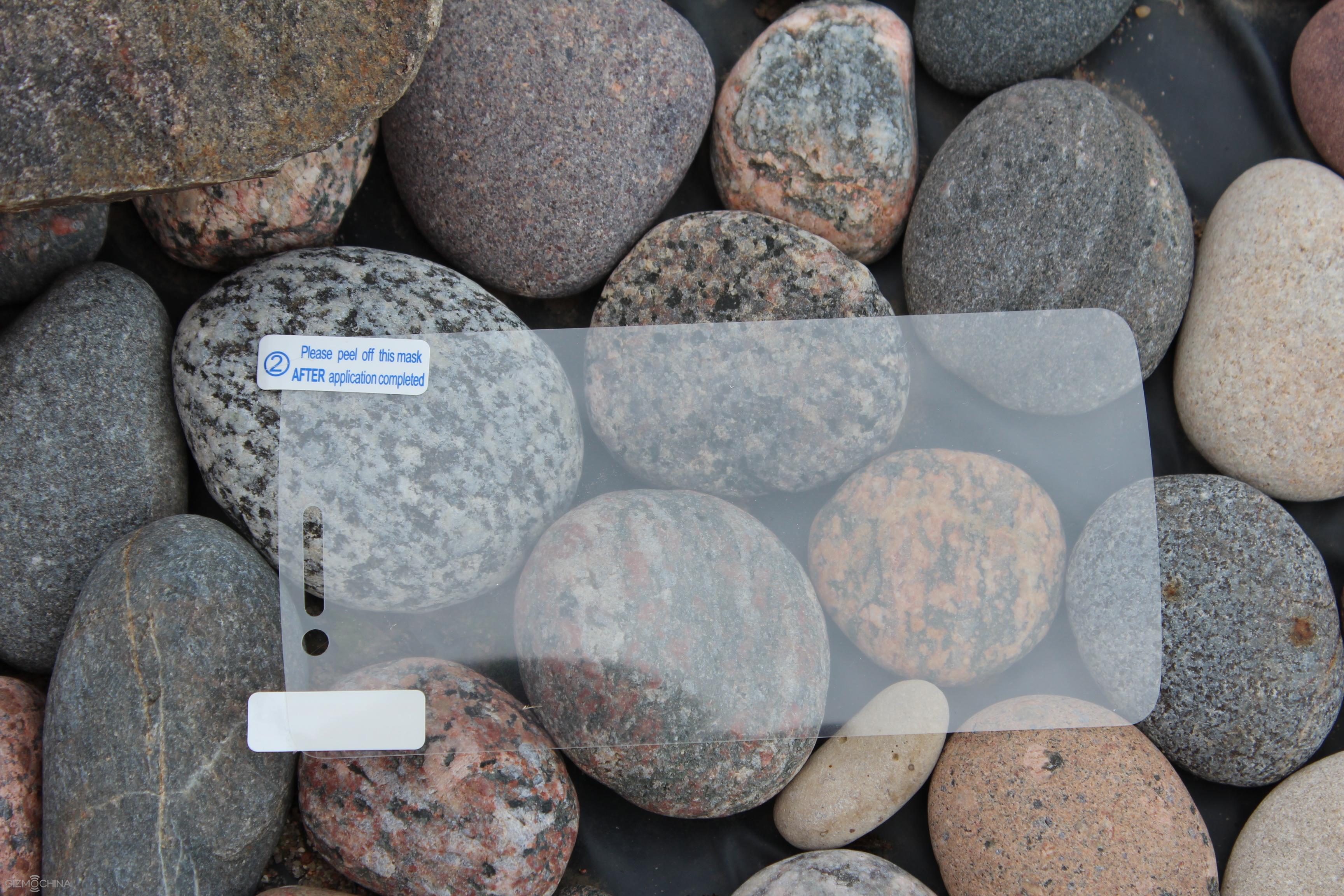
The phone comes in quite a huge box and the contents include a power plug, which has a quick charge feature, USB cable, a screen protector and some documentation.
Elephone P8000 Review: DESIGN
Once you take the phone out of the box, the first thing you will notice is that the phone is big due to its 5.5” display. Also, it is quite a thick device at more than 9mm due to its huge battery, which has the capacity of 4165mAh. It also adds some extra weight and you can definitely feel it in your hand but it’s not an issue for me.
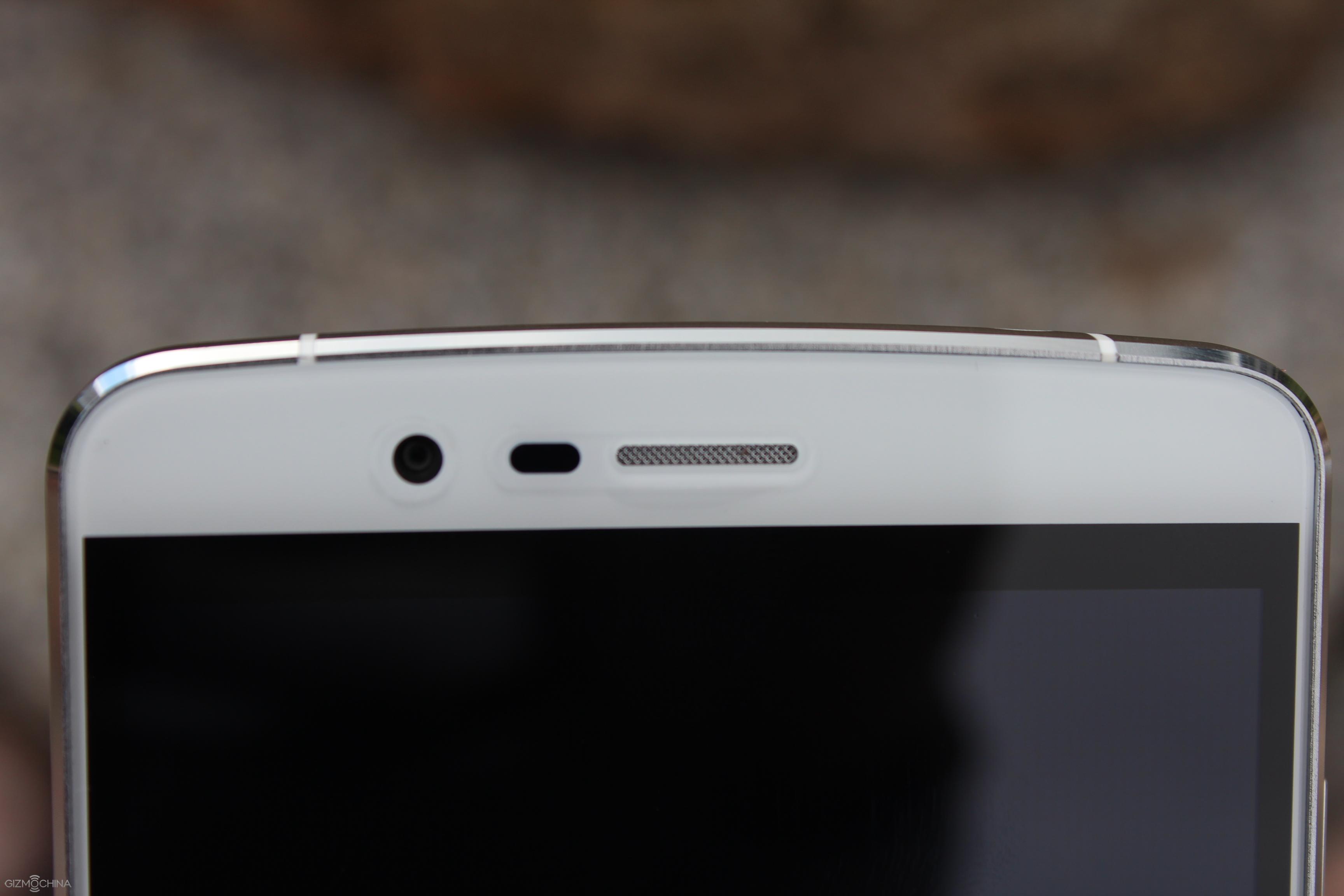
On the top side you can find a 5MP shooter, earpiece and a sensor light.
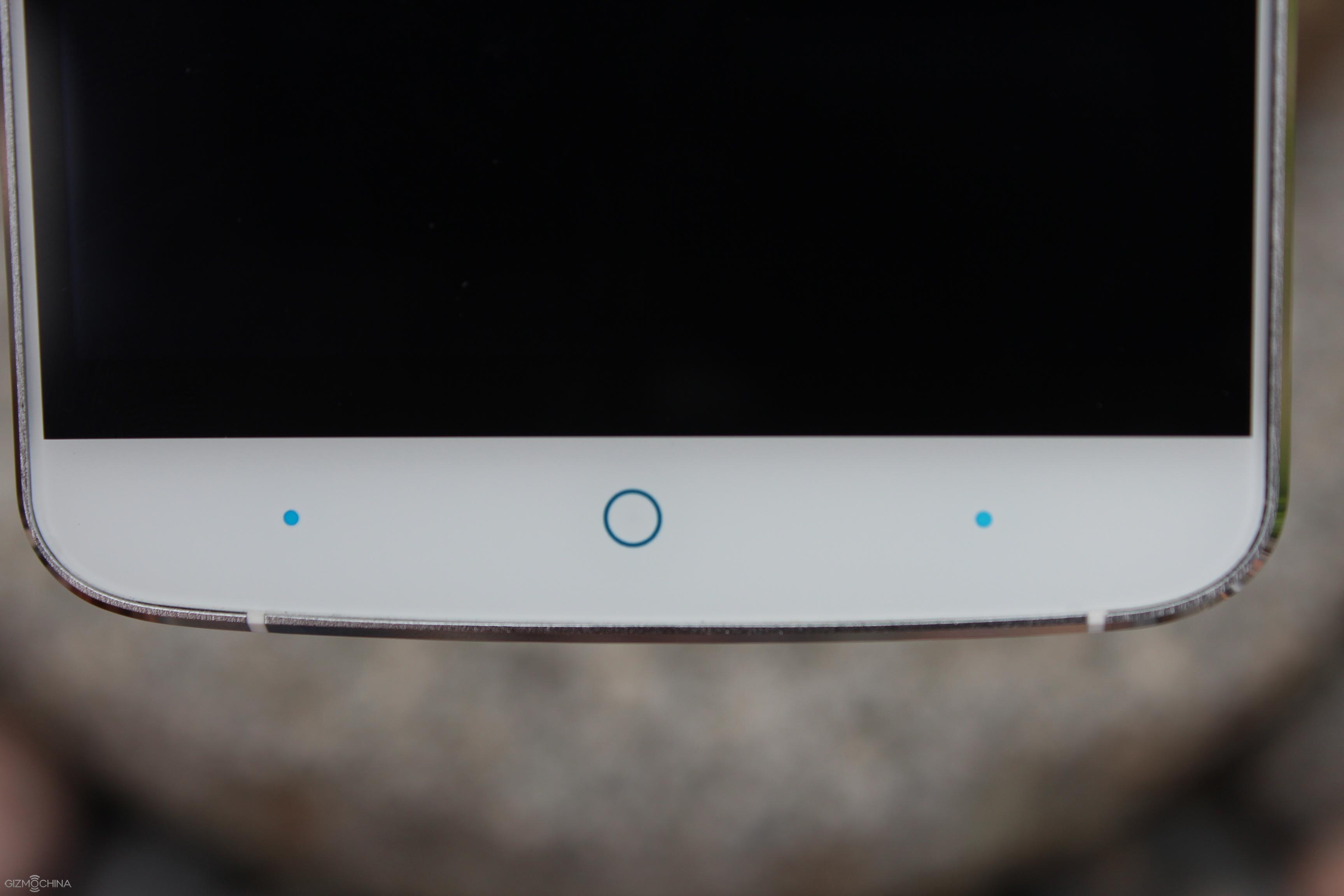
On the bottom there are 3 capacitive keys. The home button also has a notification LED with a nice pulsing effect but my review unit comes from the early batch and the phone does not have the LED.
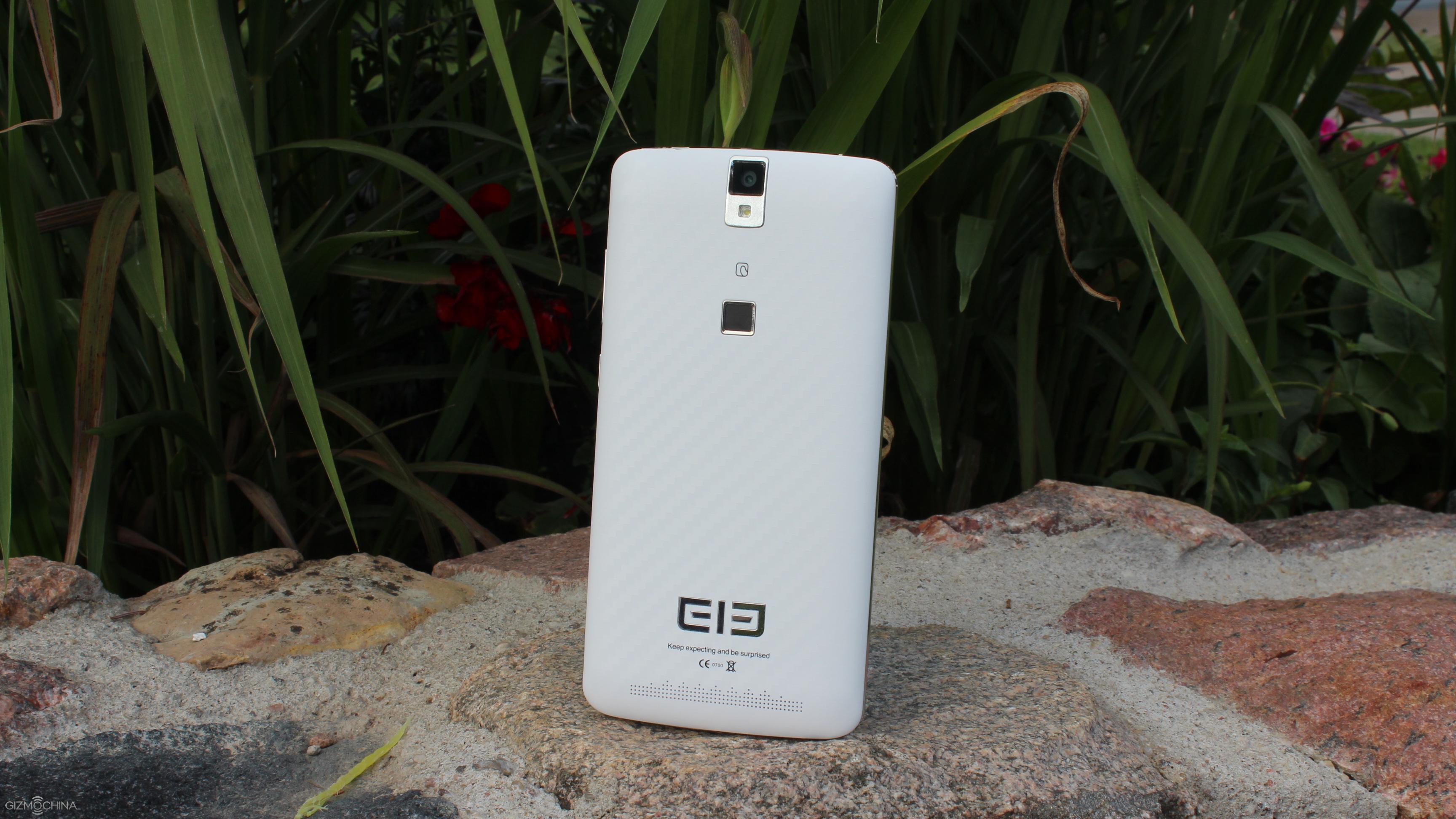
The back plate is made of plastic and it sports a faux carbon fibre finish. A 13MP camera with a single LED flash is here for photography and right below it you can find a fingerprint scanner.
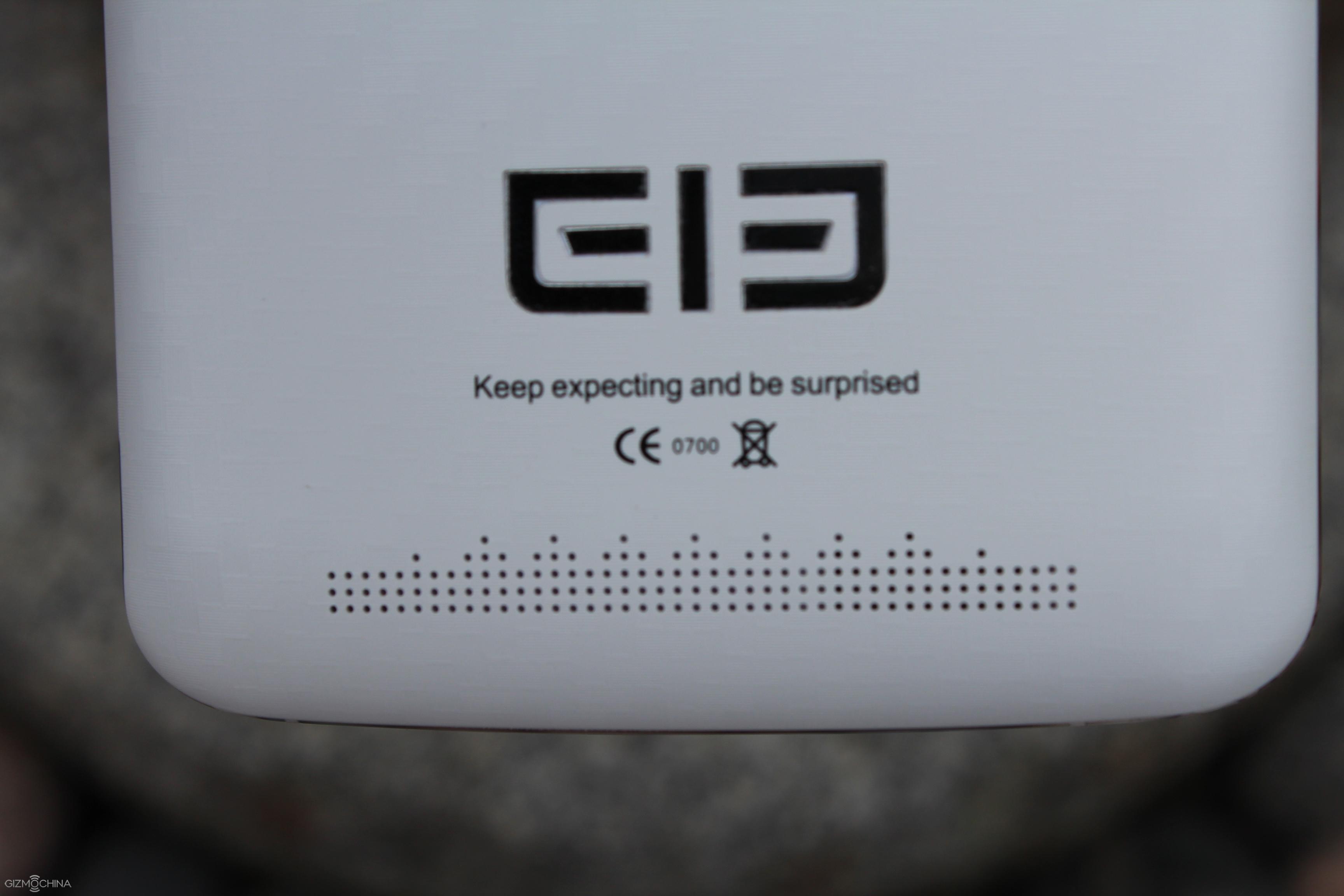
On the bottom there is a speaker grill.
The Elephone P8000 sports a metal band, which is going around the device and it adds a bit of a premium look and feel.
On the right side you there is a power key along with the volume rocker and they have a great tactile response.
On the top there is a headset jack and the bottom is the place of the micro USB port and the mic.
Under the hood you can find a non-removable 4165mAh battery, a microSD card slot and two micro SIM card slots. The first one has the 4G LTE support.
Overall, the phone has a good built quality and the choice of materials. For the price of just below $170, it is a solid looking phone.
Elephone P8000 Review: DISPLAY
The 5.5” display on the Elephone P8000 is sharp, has good viewing angles but the colours look on a colder side and sunlight visibility could be a little better. Still, it is a decent panel overall.
Elephone P8000 Review: USER INTERFACE
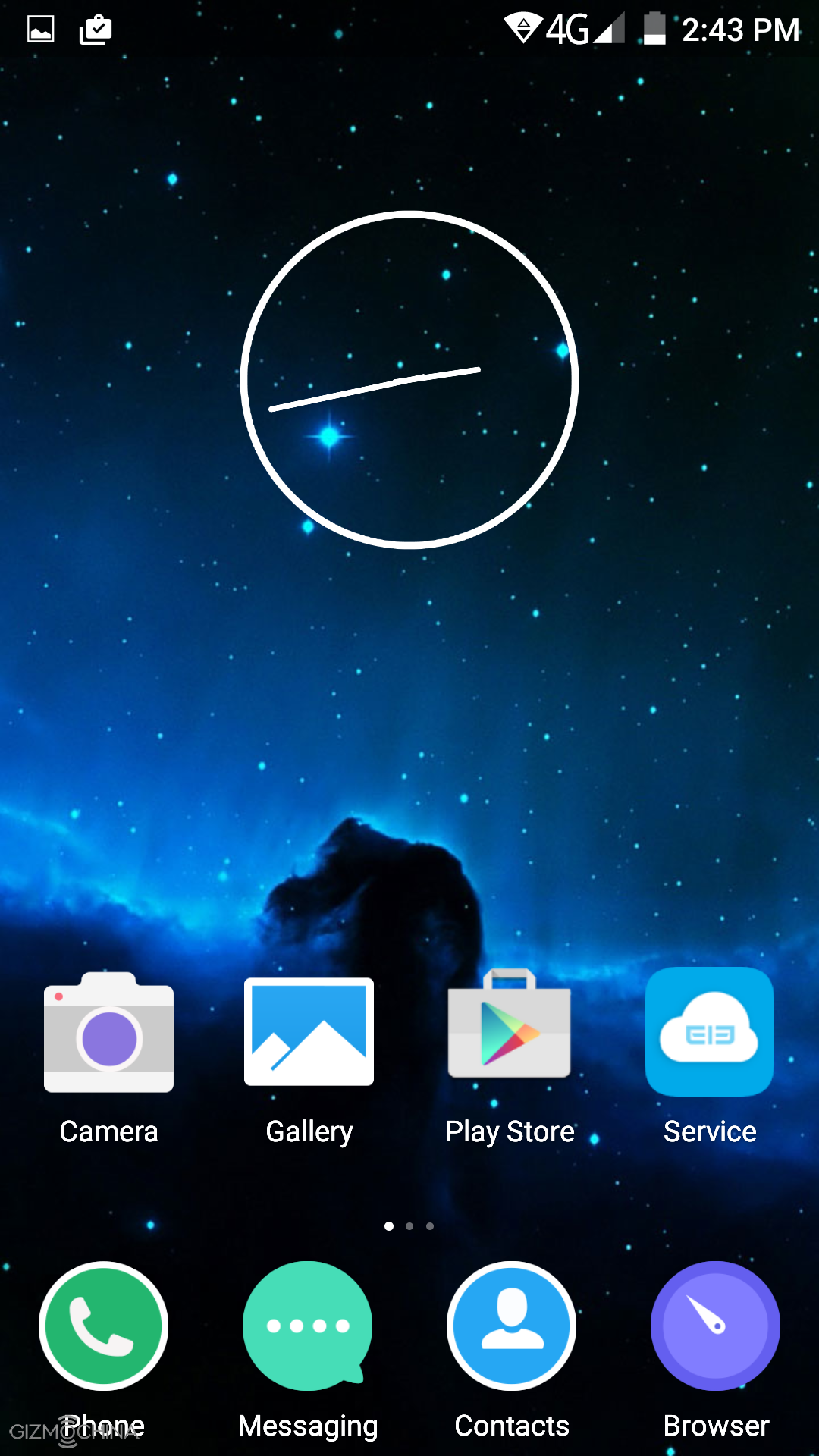
The Elephone P8000 runs on Android 5.1 with the Elephone’s skin on top of it. You are getting a pretty much stock Android experience with a little bit of customisation done by Elephone. Interestingly enough, they removed the app tray and all the apps sit on the home screens. It’s not a huge problem as you can easily install a third party launcher to fix that.
1 of 2
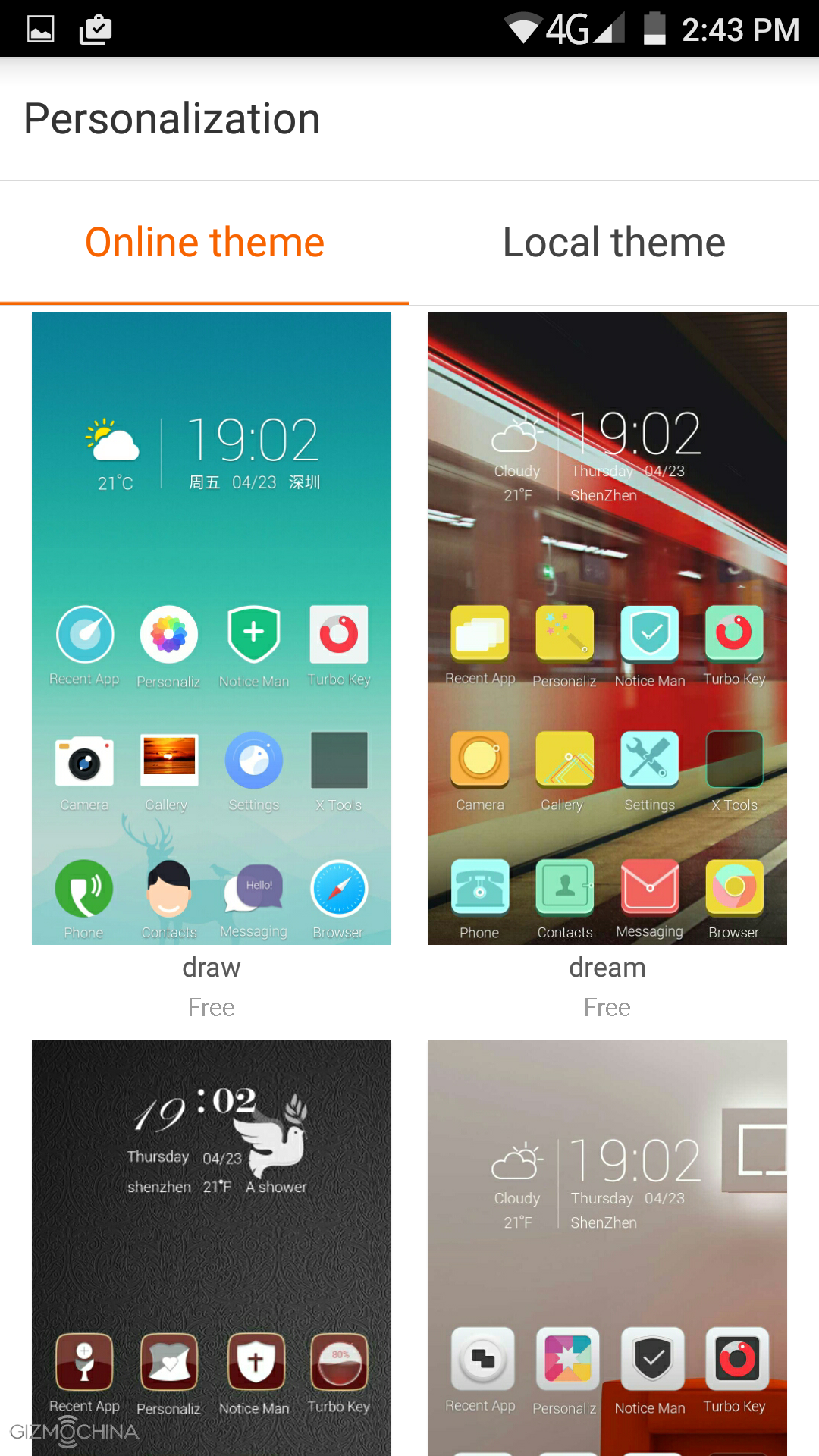
The phone does not have a lot of extra functionality but Elephone added some personalisation options like a theme engine. You can’t find a lot of themes to choose from but it is a nice touch for a budget device.
It is strange that there are no gesture controls, which were present on the Elephone P7000 but the company added some other little features. If you swipe down anywhere on the screen, it brings the search menu. However, you need to tap the address line to open up the keyboard.
If you swipe down, it brings a little menu, which is mainly designed for a quick customisation of the UI.
1 of 2
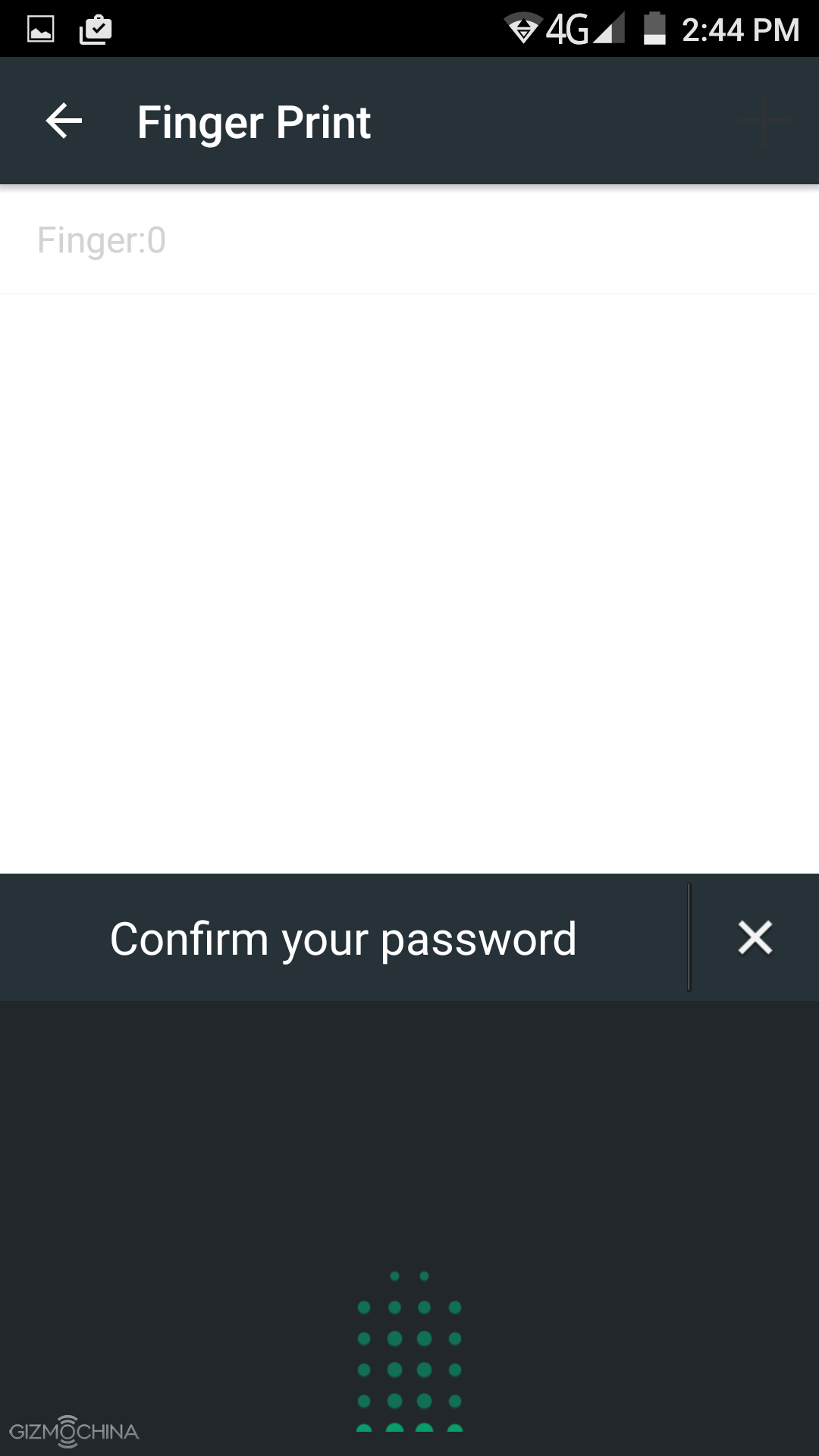
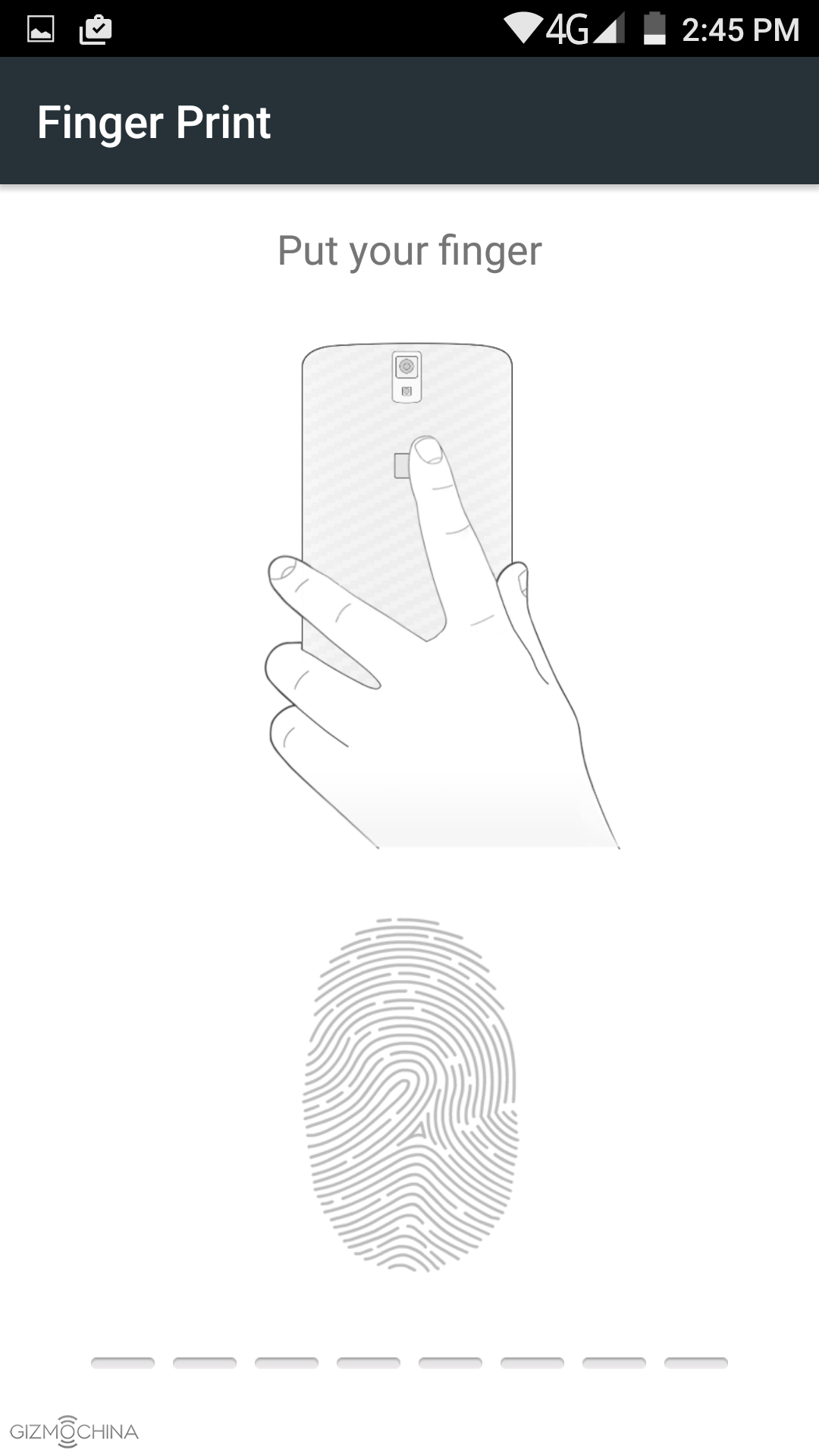
The phone also comes with a fingerprint scanner, which is easy to setup. It is placed on the back, which may sound weird but you can get used to it after a few days. At first, the fingerprint security was not very accurate but after a few software updates it improved. Well, it is definitely not the most accurate implementation but it is on par with other budget phones. A bad thing is that the scanner does not work right from the standby mode.
Overall, the UI is very fast and responsive and we need to say thanks to almost stock Android build.
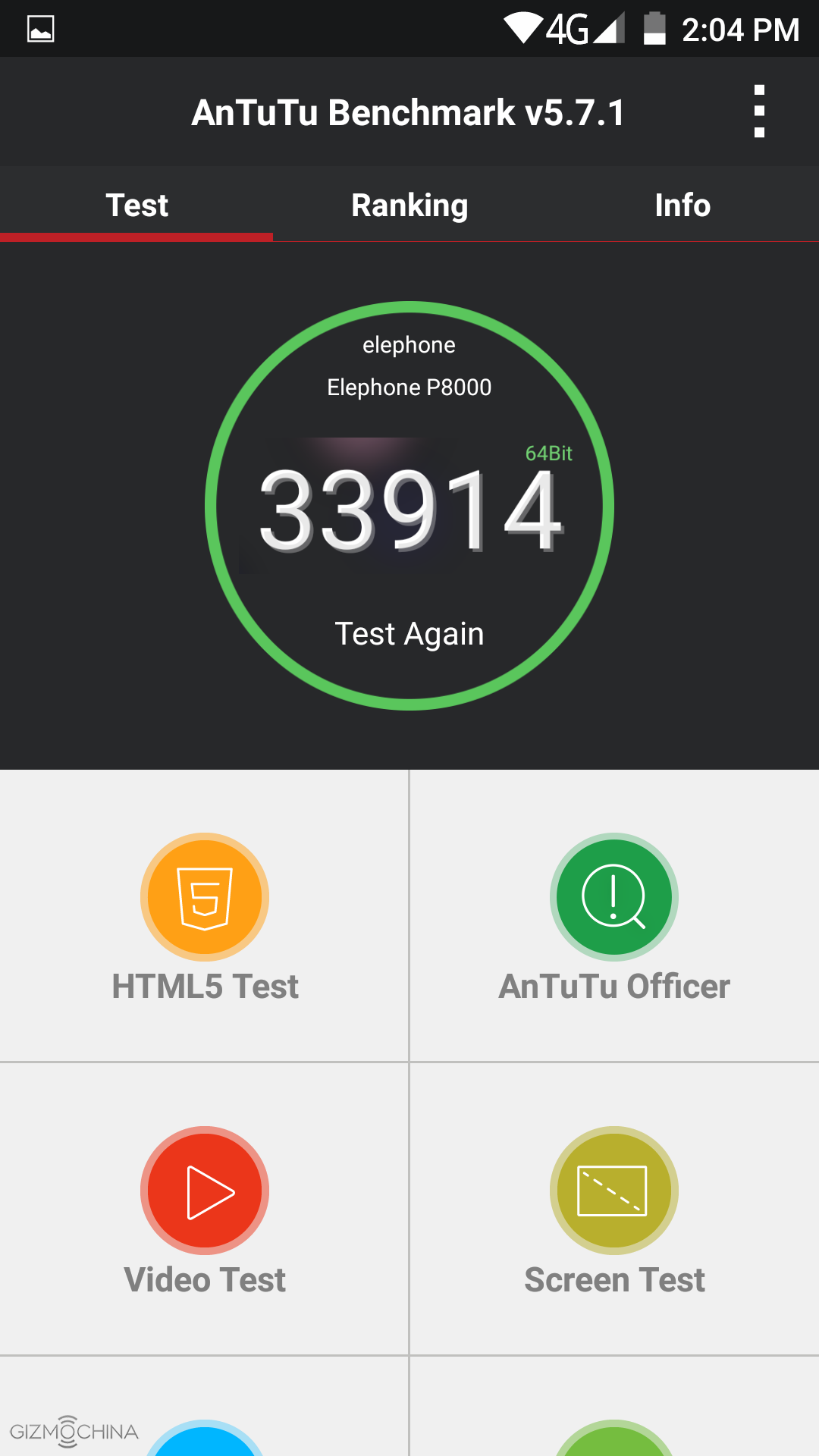
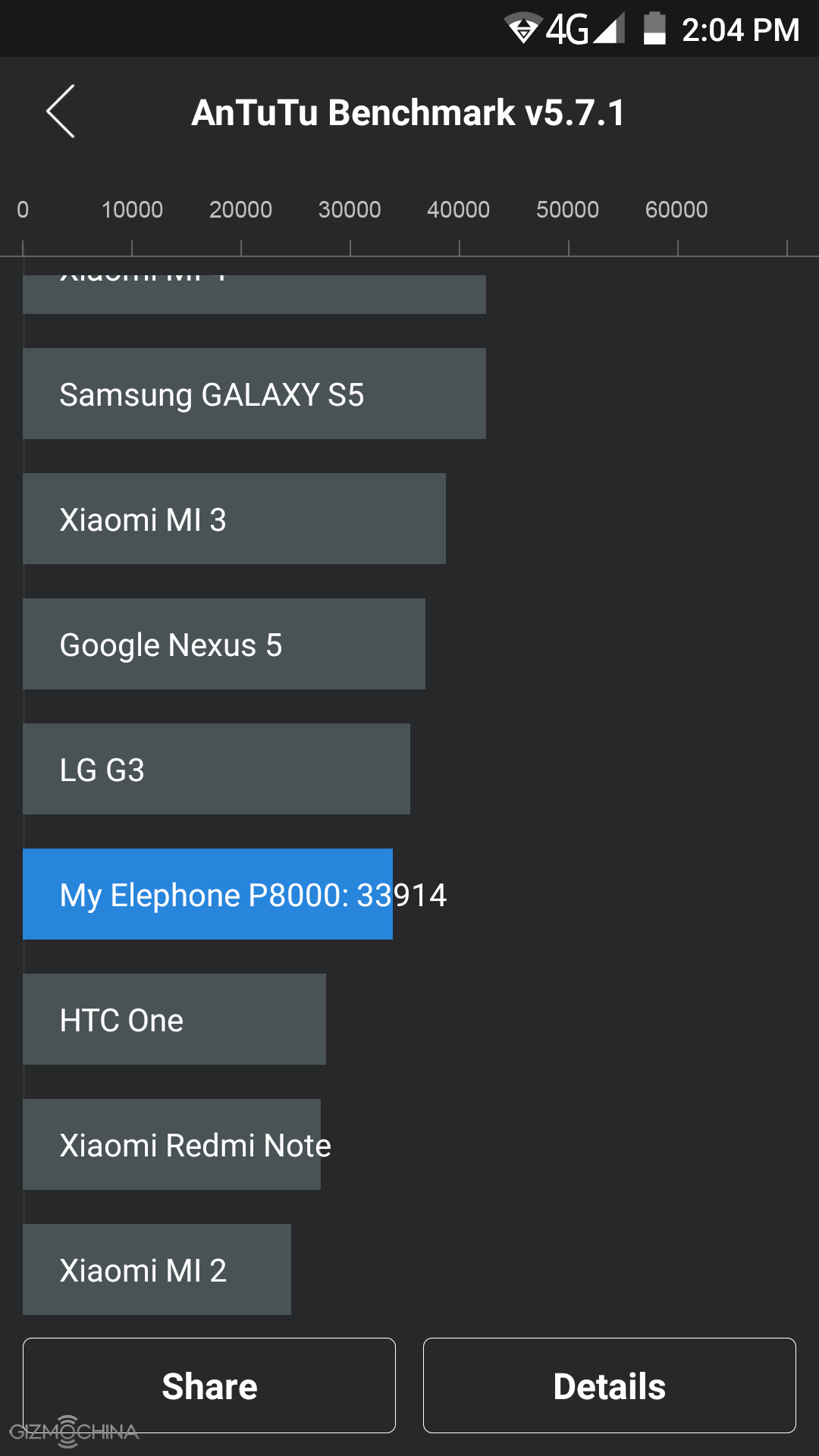
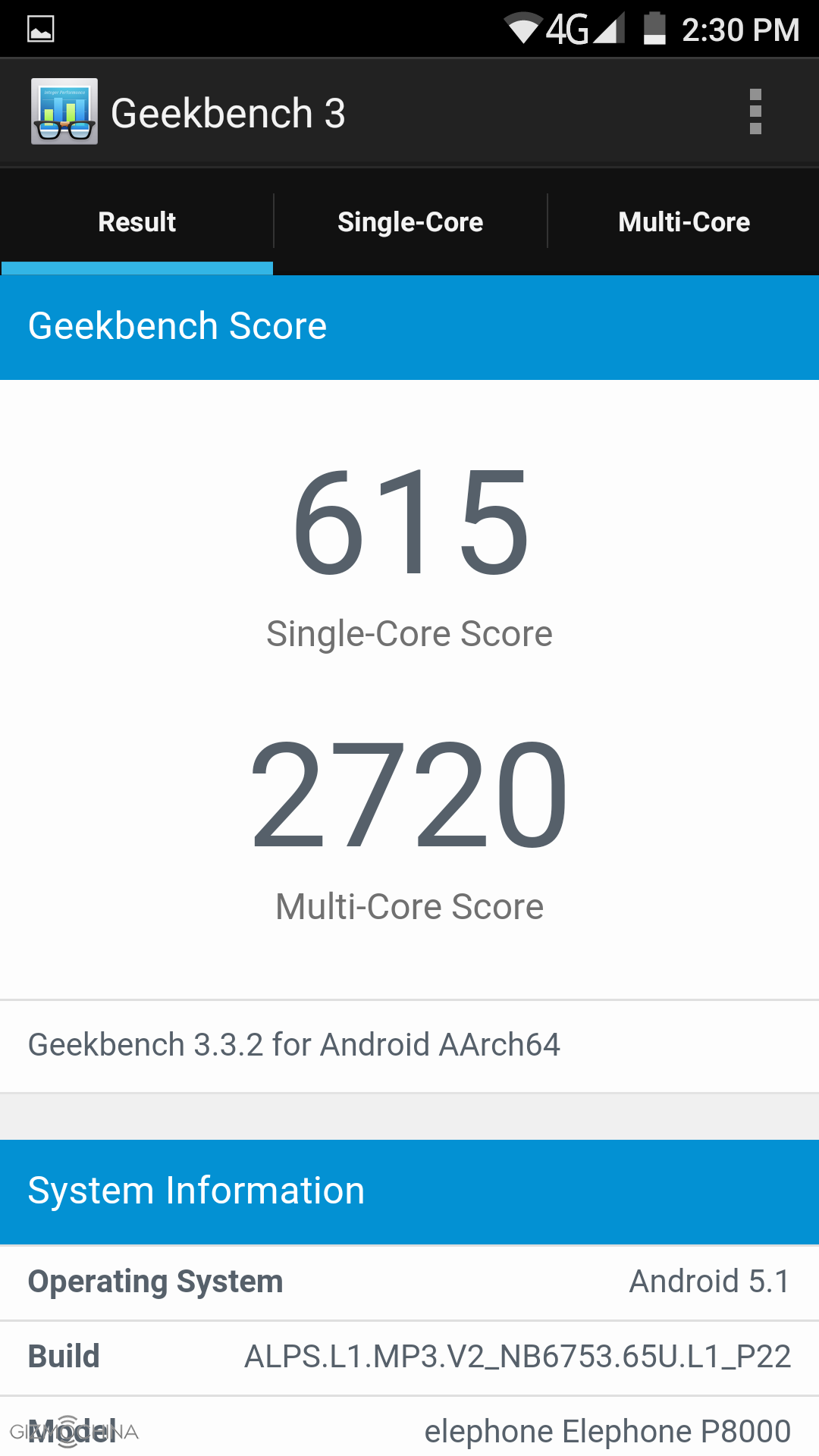
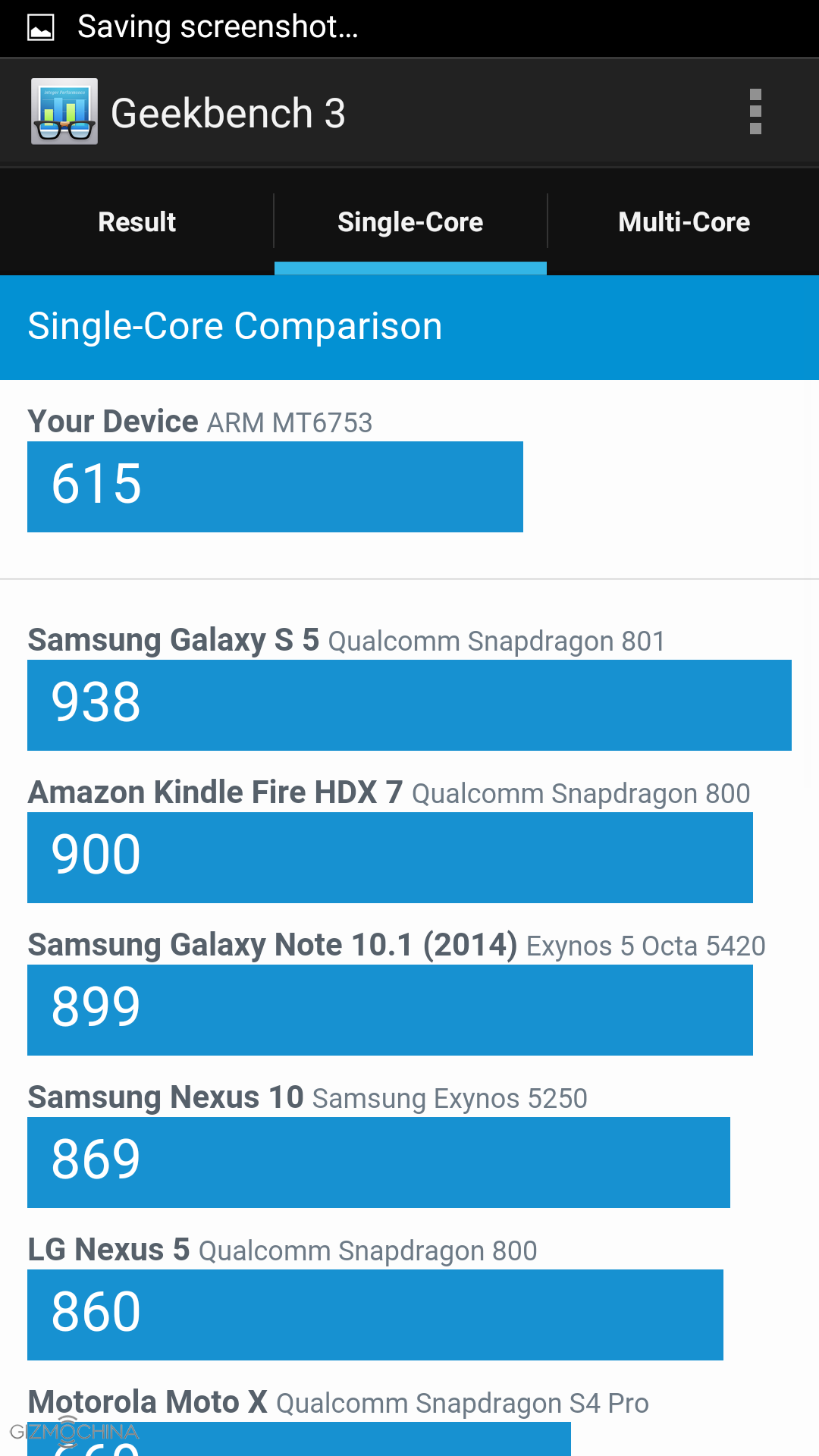
Elephone P8000 Review: BENCHMARKS
1 of 5
Elephone P8000 Review: HARDWARE and PERFORMACE
The Elephone P8000 comes with an octa-core MTK6753 CPU, which is clocked at 1.3GHz, 3GB of RAM and 16GB of expandable storage.
All the specs lead to a great day to day performance. However, some more intensive tasks like gaming are good but not great. You may still enjoy playing 3D games but keep in mind that you will face occasional stutter and some skipped frames. A good thing is that the phone does not heat up too much.
Elephone P8000 Review: MULTIMEDIA
Watching HD movies on a 5.5” screen is great and the playback is smooth. The phone comes with a stock Android music player app and the sound that comes out of the loudspeaker is pretty good. It is nothing exceptional as the sound lacks depth and the volume output could be louder but we are talking about a budget device here.
The sound via earphones is decent but the volume output is pretty low.
Elephone P8000 Review: CAMERA
As the majority of the budget Chinese phones, the Elephone P8000 comes with a stock Mediatek camera app.
Elephone P8000 Review: IMAGE QUALITY
The 13MP camera on the back is capable of producing some decent looking daylight images but camera is inconsistent as some of the shots may look out of focus or at least with soft corners. Also, the dynamic range adjustment is usually off.
Images taken indoors require a steady hand. If you manage to hold your hand steady you may produce some decent looking photos, but sometimes images come out blurry.
In low-light conditions camera struggles to capture details and there is plenty of noise.
Overall, you can capture some decent looking daylight images but photos taken indoors are a hit or miss, and the low-light shots do not impress.
The video quality is mediocre as on the majority of budget devices. The footage looks dull and there is a visible lack of details. Also, there is no continuous auto-focus. See the video review for a video sample.
Elephone P8000 Review: CONNECTIVITY
I don’t have any complaints about connectivity options as the call quality along with the signal reception are good, Bluetooth and wifi are also working fine. GPS is fast to get a position lock but it could be a tad more accurate and it is not on par with the phones, powered by Snapdragon chips.
Elephone P8000 Review: BATTERY LIFE
The 4165mAh battery sounds amazing on paper and I can say it delivers in real life. I was able to get over 5 hours of screen-on time even if I took a lot of pictures and played some games. If you are a light user, you may get 6 or even 7 hours of screen on time, which is not bad for a budget phone.
Elephone P8000 Review: CONCLUSIONS
The Elephone P8000 is a budget phone that costs just $170 and it has a great build quality, decent screen, good specs and fast day to day performance.
Also, you may get some good looking daylight images with its camera but not all the time. Other key features include an okay working fingerprint scanner, a good battery, dual SIM card slots with the 4G LTE support.
A few downsides would be that the phone is huge and heavy, the black borders around the screen don’t look cool at all and the UI lacks some extra features like gesture controls.
Other than that, the Elephone P8000 is a decent offering for the money.
Officially launched on the 27th of July the ZTE Axon Elite is on currently on pre sale until the 23rd of September.
Whilst I wait to get my hands on a review sample, lets take a look at the specs and see how it holds up against the current competition.
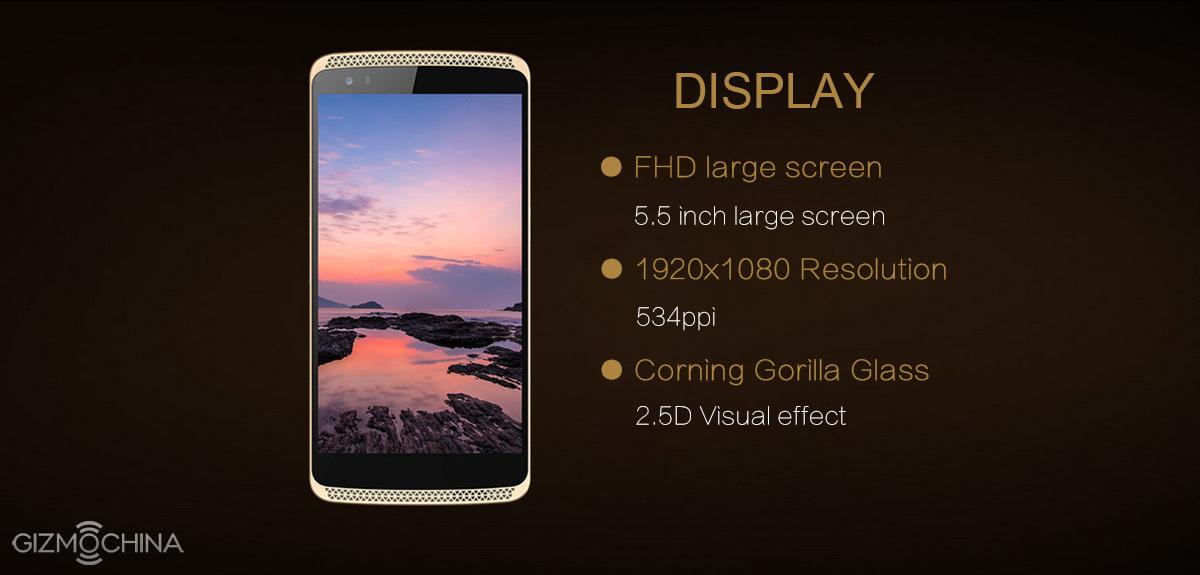
Screen wise the phone features a 5.5-inch IPS & OGS Full HD displayThe screen is covered by Corning Gorilla glass and has a 2.5D finish.
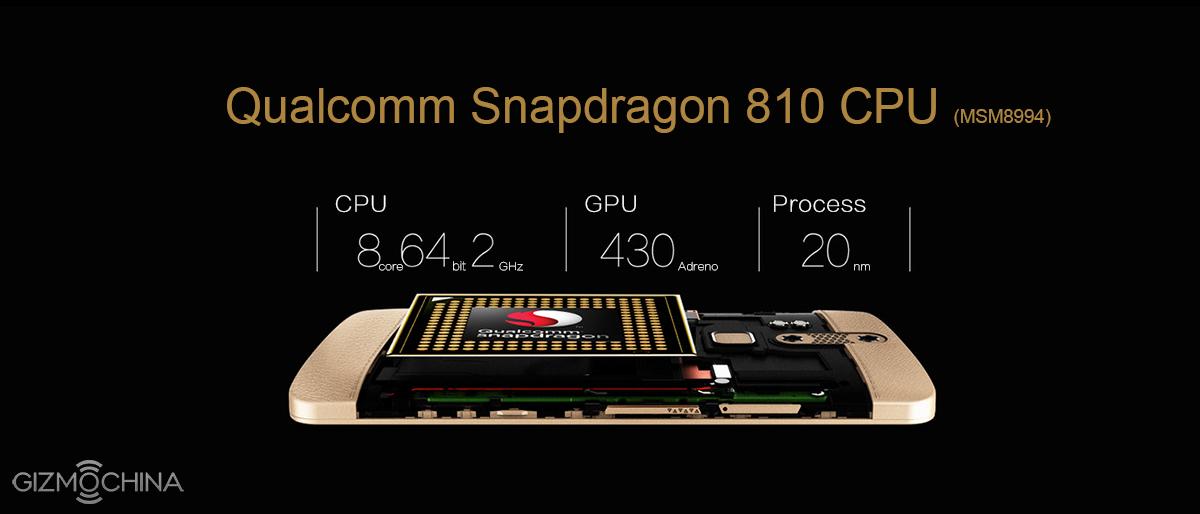
The processor on board is the much talked about (normally for the wrong reasons) Qualcomm Snapdragon 810 MSM8994 v2.1 Soc clocked at 2ghz and an Adreno 430 Gpu.
Qualcomm have spent a considerable amount of time and effort to reduce the overheating issues that plagued earlier versions of the chip and it has now reached a point where throttling should be kept to a minimum, the 810 is still very much a flagship Soc, currently outperforming all but the latest Samsung Exynox chips.
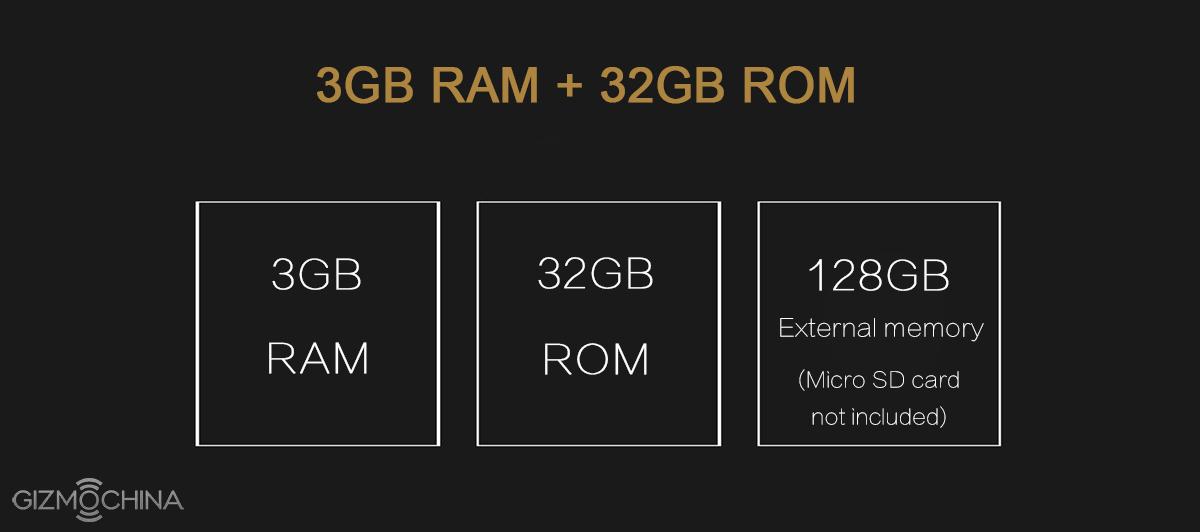
The phone comes with 3GB of Ram and 32GB Rom, storage is expandable via Micro SD (up to 128Gb)
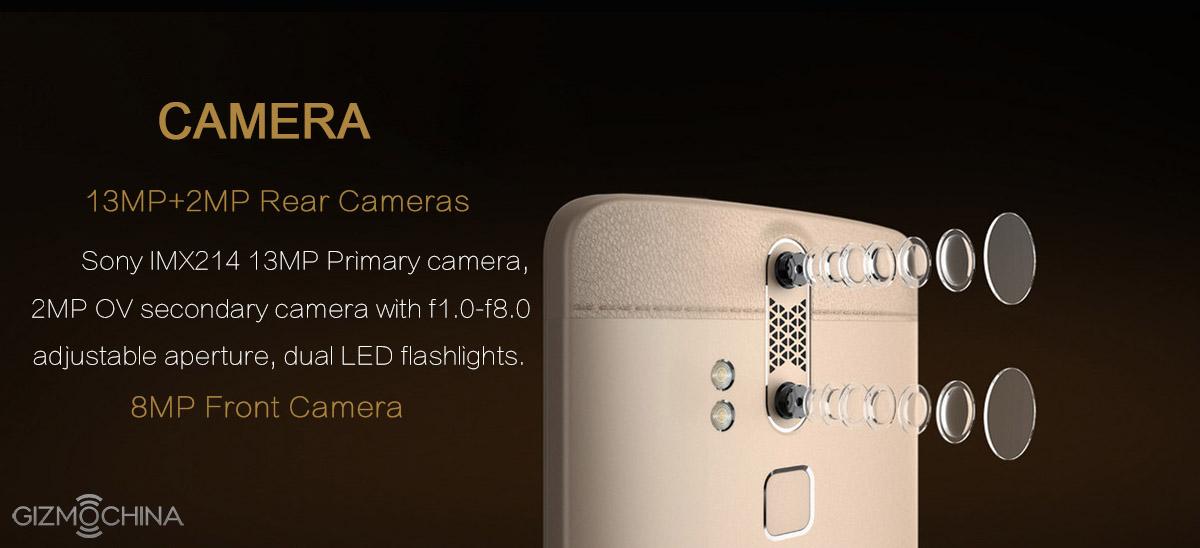
In a similar fashion to previous phones from HTC the ZTE Axon features dual rear cameras, the main camera is a 13mp Sony IMX214 unit whilst the second camera is a 2mp OV unit with variable aperture (f1.0 – f8.0) the rear of the phone features a dual LED flash setup, the front facing camera unit is an 8mp unit.
The advantage of the dual rear cameras is the ability to add depth to images in post processing, the out of focus areas can be changed at will, giving you the ability to adjust Bokeh or as ZTE call it Super Aperture to your own requirements and make subjects really stand out from their backgrounds.
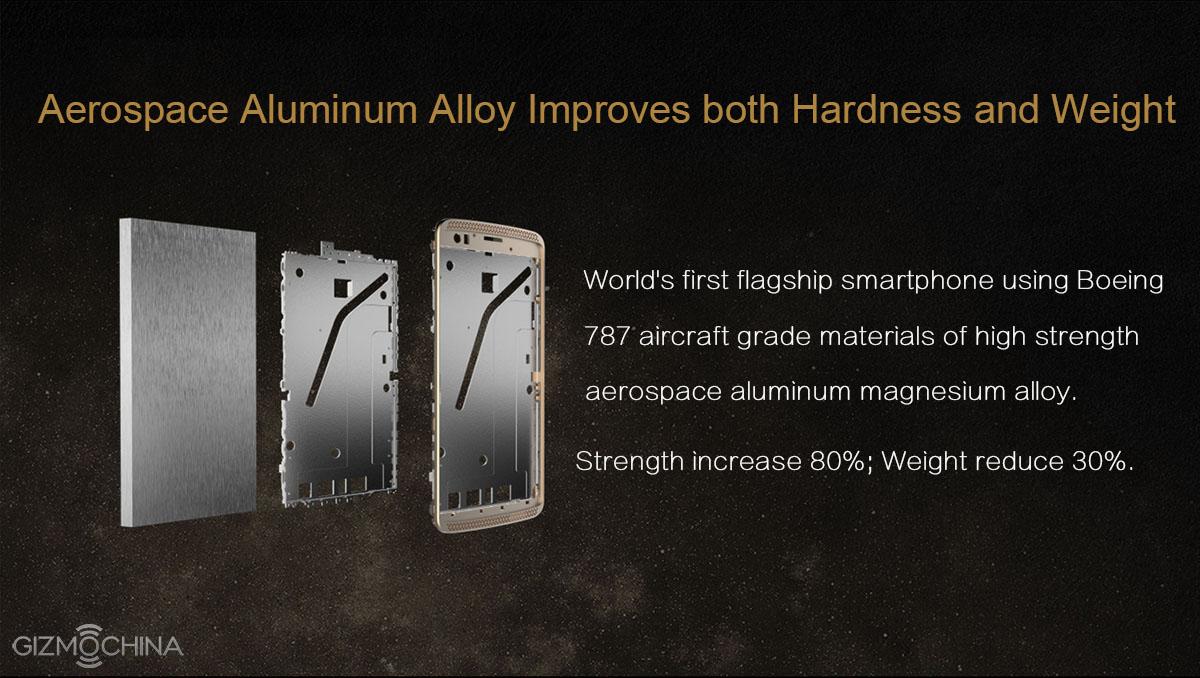
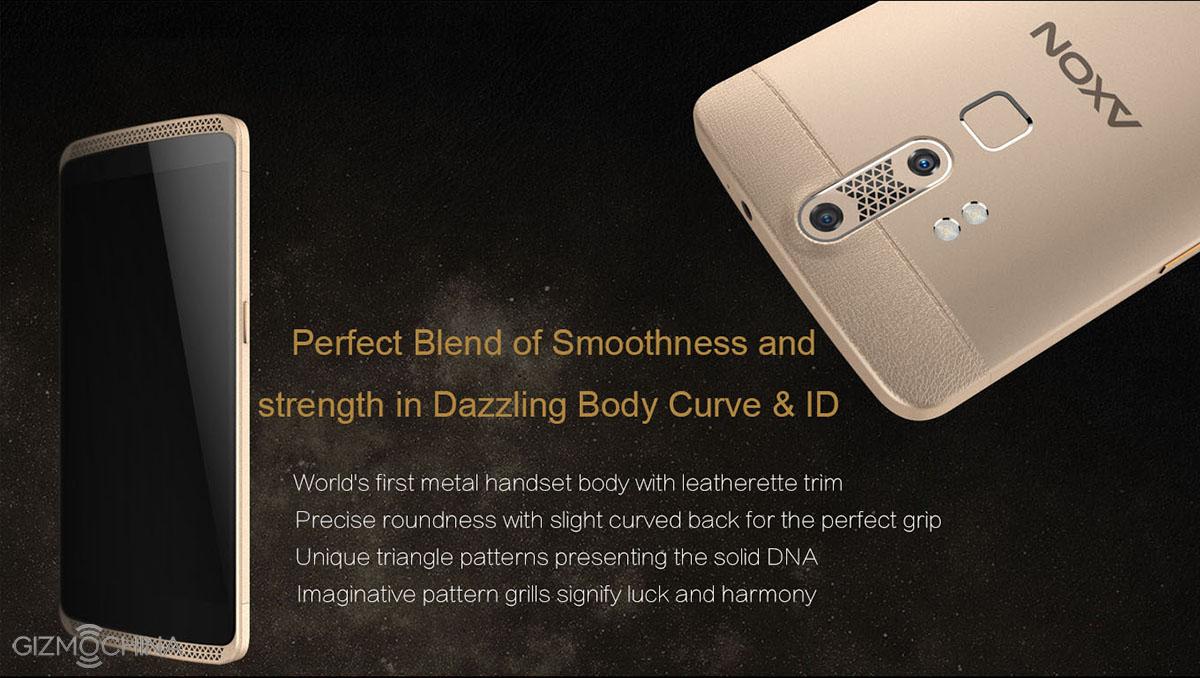
Build quality looks really good, the body is made from an aerospace grade aluminium magnesium alloy, which ZTE claim provides 80% increase in strength and 30% reduction in weight over standard aluminium.
Design wise the rear of the phone features an interesting leatherette finish at the top and a cool looking triangular design X design between the rear cameras.
The back of the phone is curved so should help to make the 5.5″ phablet a little easier to hold.
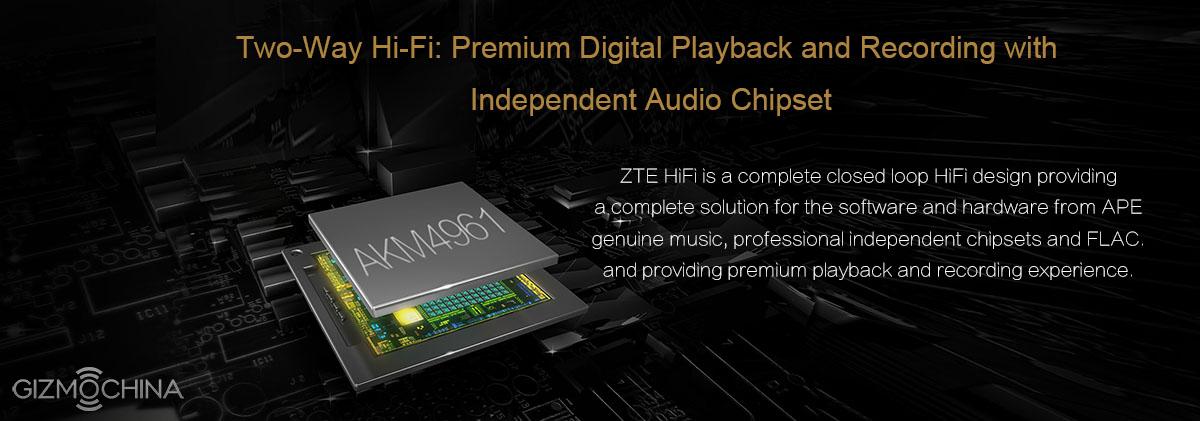
Audio is sorted out by an AKM AK4961 processor providing industry leading levels of performance of THD+N (-99dB) and 110dB dynamic range from the newly developed 32-bit advanced audio DAC and cap-less class G headphone amplifier.
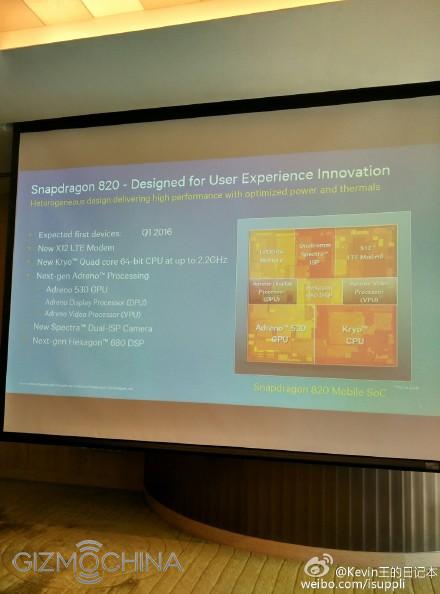
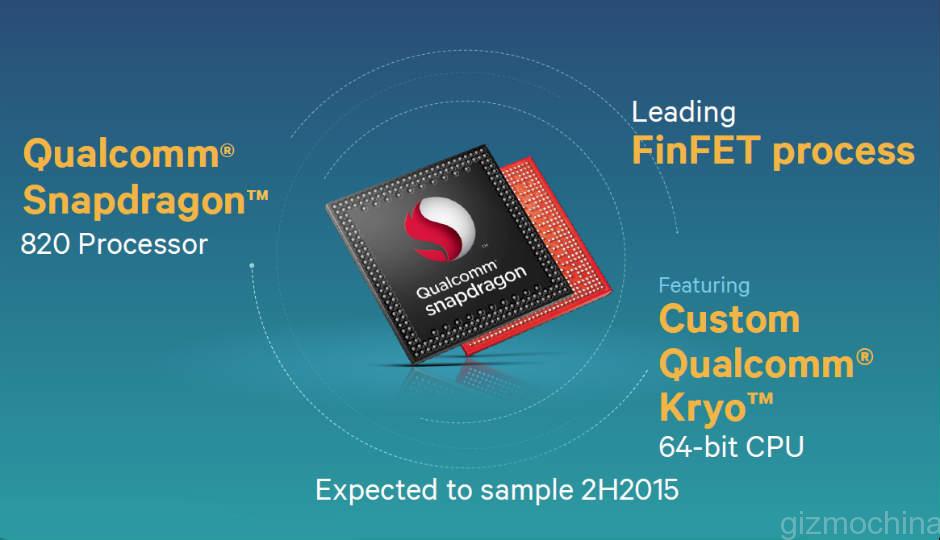
According to Qualcomm’s presentation, the first set of quad-core Snapdragon 820 chipset powered smartphones will only be available by Q1 2016. This means that if the Mi5 is using Snapdragon 820, we may only see it sometime early 2016. Xiaomi Mi5 and Samsung Galaxy S7 are expected to be the first phones based on the new Qualcomm chip.
In the past eight months, we have seen plenty of releases from Xiaomi, from high-end Mi Note lineup to the super cheap, Redmi Note 2. However, we have not yet seen the successor to the Xiaomi Mi4 model, which should have been announced last month. Although we expected Xiaomi Mi 5 to debut before the end of this year, if the company decides to use the Snapdragon 820 chipset, it most likely will, then we may have to wait at least till Q1 for the phone’s availability.
Snapdragon 820 is designed for user experience innovation with a heterogeneous design delivering high performance with optimized power consumption. The processor is composed of a new X12 LTE modem, a quad core 64-bit CPU with 2.2GHz clock speed. Next generation Adreno GPU with Adreno Display Processor and Adreno Video processor are also housed in the Snapdragon 820. Over all the processor boasts a 40% performance boost while power consumption is reduced by 30%.
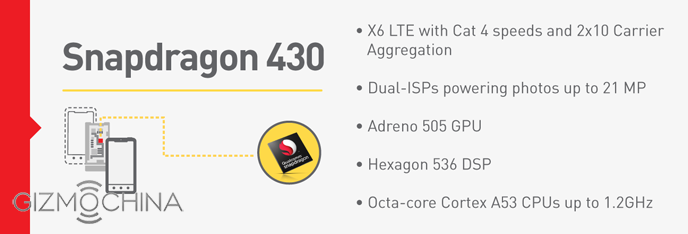
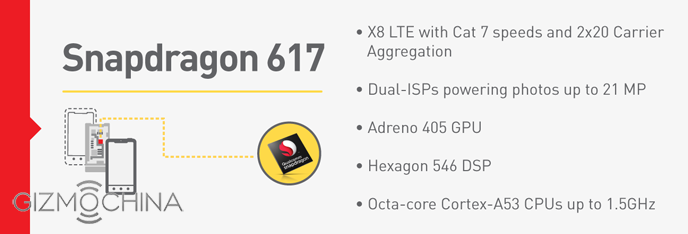
Today, Qualcomm has also announced the Quick Charge 3.0 followed by two processors the Snapdragon 430 and 617. These processors are intended to deliver high performance in next generation devices with an affordable price. Both processors are also going to support the brand new Qualcomm Quick Charge 3.0 technology which is able to accomplish four times faster charging speed than conventional charging technologies.
Snapdragon 617 will be the first to roll out of the factory on devices to be launched by the end of 2015. It integrates X8 LTE functions and supports high speed connections of 300 Mbps during download. However, the Snapdragon 430 is expected to be launched on devices in 2016. It is expected to be composed of X6 LTE with Cat 4 downlink speed of 150 Mbps.
It is now a trend for mobile devices to get smarter and larger. Users are interacting a lot with their devices and the devices consume battery power very fast. Charging has come to be one of the main activities in using today’s mobile devices. That is where Qualcomm comes to the rescue with a technology to charge devices with a reportedly four times faster speed.
The Quick Charge 3.0 is an improved version of its predecessor Quick Charge 2.0. Qualcomm claims that this new charging technology has an 80% faster charging speed than a normal charging apparatus delivered with a mobile device. Associated with the charging speed is an embedded algorithmic technology called Intelligent Negotiation for Optimum Voltage or INOV for devices to determine their own voltage demand. The Quick charge 3.0 also features a finer charging voltage selection in 200mV resolution ranging between 3.6 to 20 volts with a USB Type-C connection. Quick Charge 3.0 can charge a device from 0% to 80% in just 35 minutes!
The San Diego-based chip maker Qualcomm is promising to launch the Quick Charge 3.0 with one of their newest Snapdragon processors. Soon the long periods of time required for device charging will be history as users get used to this charging technology, meaning more time for interacting with your device while it is free from cords and plugs.
Guess what, Snapdragon 820, 620, 618, 617, and 430 support Quick Charge 3.0. This means many of the smartphones that we see next year would feature this fast charging tech.
Other sites have been speaking about the Elephone P9000 recently and providing specifications and images, based on an online retailers page, it would appear that the specs (Helio X20) and photos posted were in fact wrong.
I have today received official confirmation that the forthcoming Elephone P9000 will come in 3 variants all three will feature the Helio P10 MT6755 octa-core CPU as opposed to the Helio X20.
The MT6755 or Helio P10 boasts a big.LITTLE architecture built of ARM A53 cores running at a max speed of 2.0Ghz.
The SoC comes with a more powerful Mali T860 GPU and will support Cat 6 LTE and up to 21 mega-pixel camera sensors.
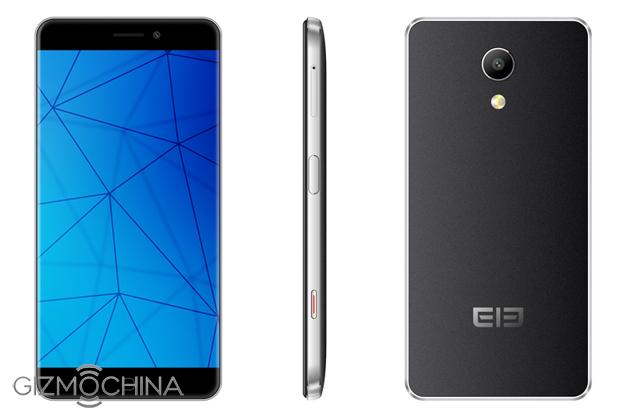
Something that will finally put some of the haters to rest is the differences between the three variants, for a while now people have been taking shots at Elephone for making phones with large black boarders hiding or disguising the screen bezels on their handsets.
Of the three variants one is finally going to be borderless (P9000 borderless), one will come with thin bezels (P9000 lite thin bezel) and the last one is made of (P9000C surprised low price )
Hopefully pricing wise the Elephone P9000 will follow the companies normal strategy, pack in lots of features but keep the prices low, this could finally make for an affordable bezelless handset!
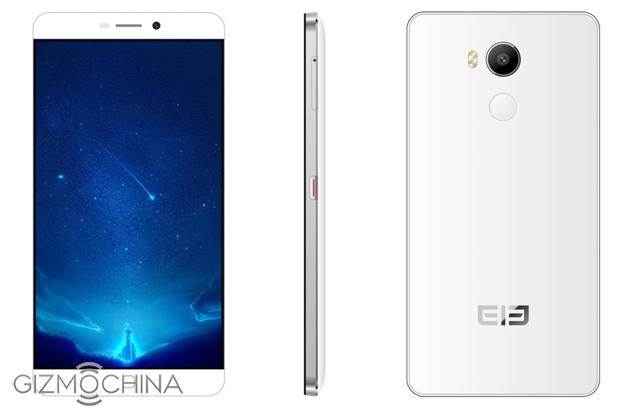
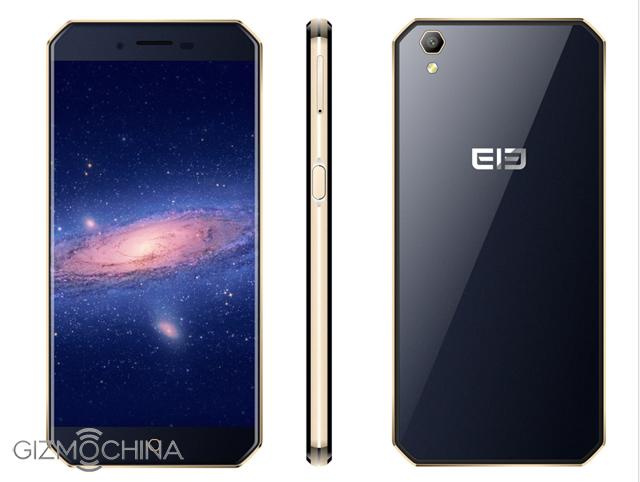
The pictures below show the designs, one is particularly distinctive, featuring 45 degree corners and what appear to be 2.5d front and rear glass panels with polygon shaped home button, camera and flash surrounds, the other two designs look really good but we will have to wait until the phone is seen in the flesh before making any firm decisions.
It will be interesting to find out what else will be included on the P9000, hopefully they will increase the camera resolution to 16mp+ and include OIS and or laser focusing along with 3gb+ of ram and 32gb or more of rom.
What do you think of the fact the Elephone P9000 will come in 3 variants will you be going for the borderless, lite or surprised low price version?
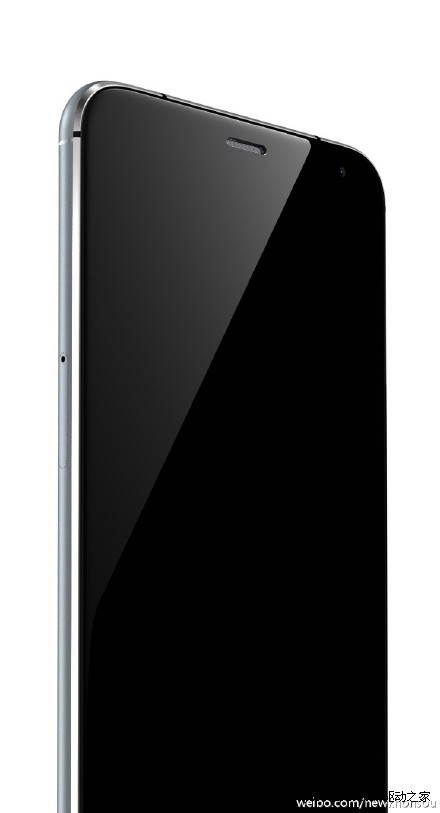
Meizu CEO Bai Yongxiang had earlier said that the company has decided to use a maximum resolution of of 1080p on its upcoming smartphones. This meant that the Meizu Pro 5 flagship that will debut next week on September 23 will also come with a 1080p display. We have already seen a lot of leaks, renders and bechmark results of the Pro 5 handset, however, we still weren’t quite sure about the phone’s display size.
Now CEO Bai has just made things a lot more clear, by saying that the upcoming flagship will come with a 5.7-inch display with 1080p resolution. According to him, anything more than 4.7-inches will not be comfortable to hold. As a result, it becomes necessary to add optimizations to improve user experience. Meizu Pro 5’s 5.7-inch display size will be ideal with the mBack physical home button at the bottom of the display. The company’s mBack button can reportedly understand how hard the user presses the button. A simple touch will take you one step back, while a harder press will take you to the home.
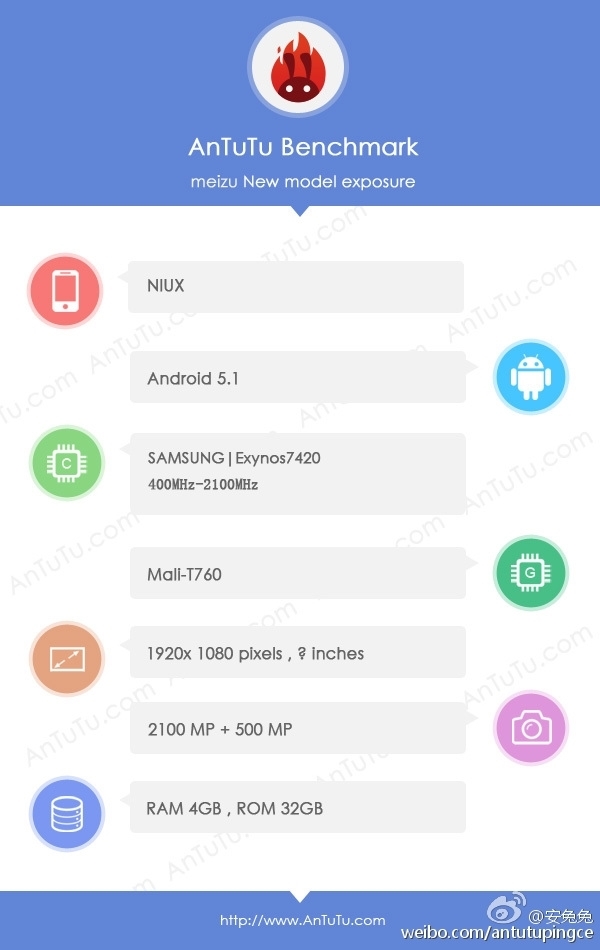
Now that the display size is also confirmed, we kind of know what to expect from the new Pro 5 flagship. The flagship is expected to come in two variants, one powered by the Exynos 7420 and the lower end variant powered by Helio X20 deca-core chip. There will be 3GB/ 4GB RAM options with 32GB / 64Gb of storage. As for the camera, you can expect a 21MP sensor at the back and a 5MP shooter up front. As for the software, the phone is expected to feature Android 5.1 Lollipop OS based on the new Flyme 5.0 UI. Flyme’s Chief Architect had already released a few screenshots of the new OS, which you can check out from this link here.
The Meizu Pro 5 flagship is expected to be one of the costliest handset from the company till date, with the pricing rumored to be above 3000 Yuan. But the phone is definitely turning out to be impressive. So, it would be interesting to see whether customers are willing to shell out such an amount for a Meizu device.
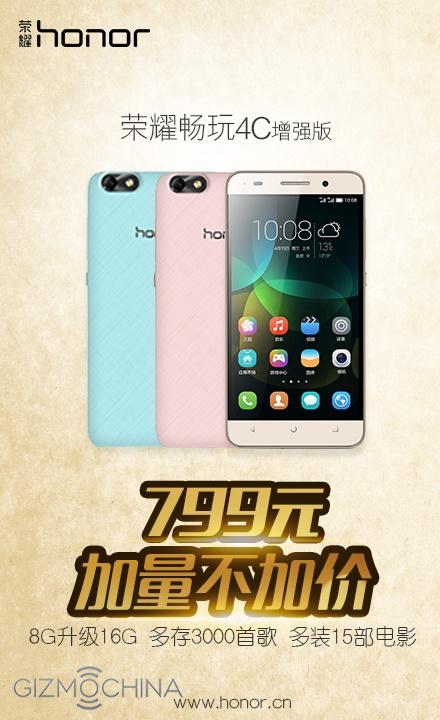
Back when Huawei announced its Honor 4C mid-range smartphone, the device came with good specs but with just 8GB of storage. This was quite disappointing as in this age, 8GB is often not enough for majority of users. So, it was welcome news when Huawei teased last week that Honor 4C was going to get a storage upgrade.
Well, when the company said that it was going to upgrade the storage to 16GB, we expected the pricetag to be around 50 Yuan more. However, surprisingly, Huawei has decided to offer additional storage for no extra cost. Yes, the Honor 4C with 16GB of storage will be available for the same price tag as before i.e. 799 Yuan.
We think its a great move from the company, keeping the same price as before. Now, the Honor 4C adds brings more value for your money. However, we are sure existing users of the 4C won’t be too happy with this news. They got just 8GB at 799 Yuan.
As for the other specs, the Honor 4C comes with a 5-inch 720p display, with 2GB of RAM and kirin 620 octa-core chipset under hood. There’s a 13MP camera at the back and a 5MP shooter up front. Finally, there’s 2550 mAh battery at the back.
So what do you think about Huawei’s decision to offer double the storage at the same price?
After announcing the three powerful smartphones back in April, LeTV’s smartphone department has been quite for the past few months. But last week, the company announced a premium version of its 6-inch LeTV Max version, with gold and pink color options and sapphire glass display. This particular version goes on sale today for an expensive price tag of 5888 Yuan.
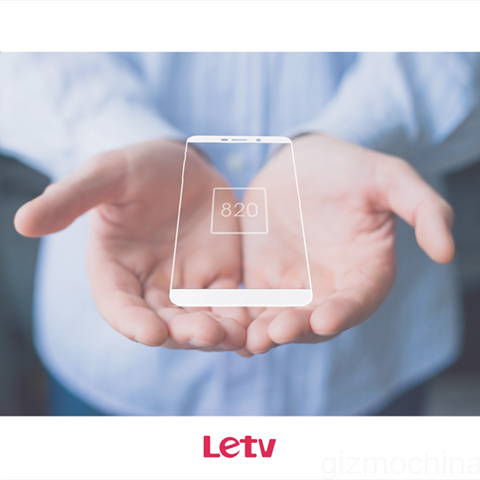
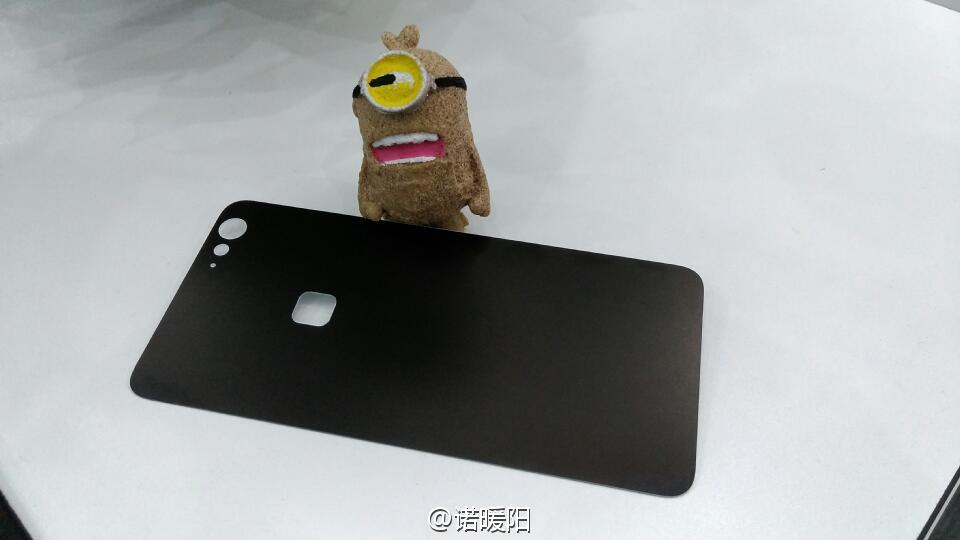
LeTV Hong Kong had teased a new smartphone with Snapdragon 820 under the hood via its official Facebook page some weeks back. Unfortunately, till now the company has not revealed any more details. However, earlier today, we came across a new leak which claims to be the back panel of the upcoming second generation LeTV handset.
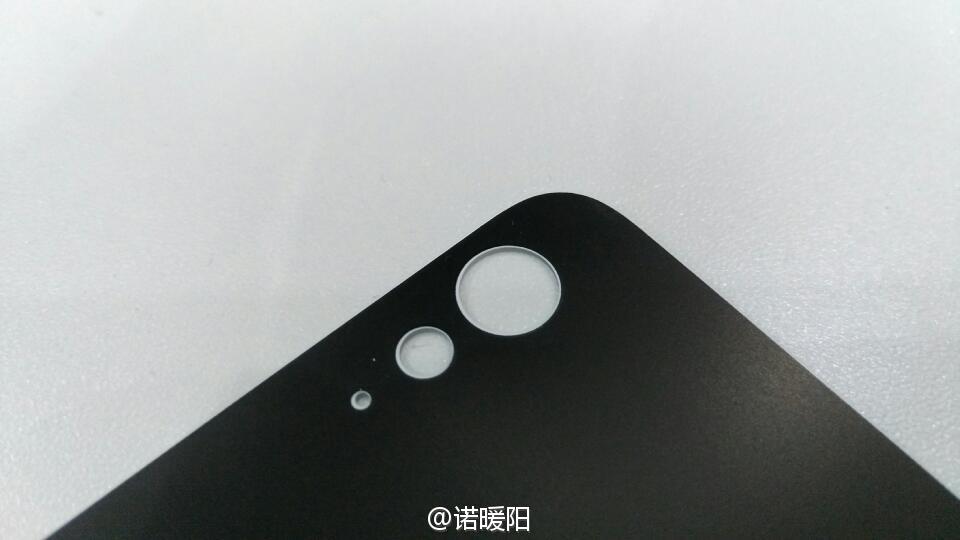
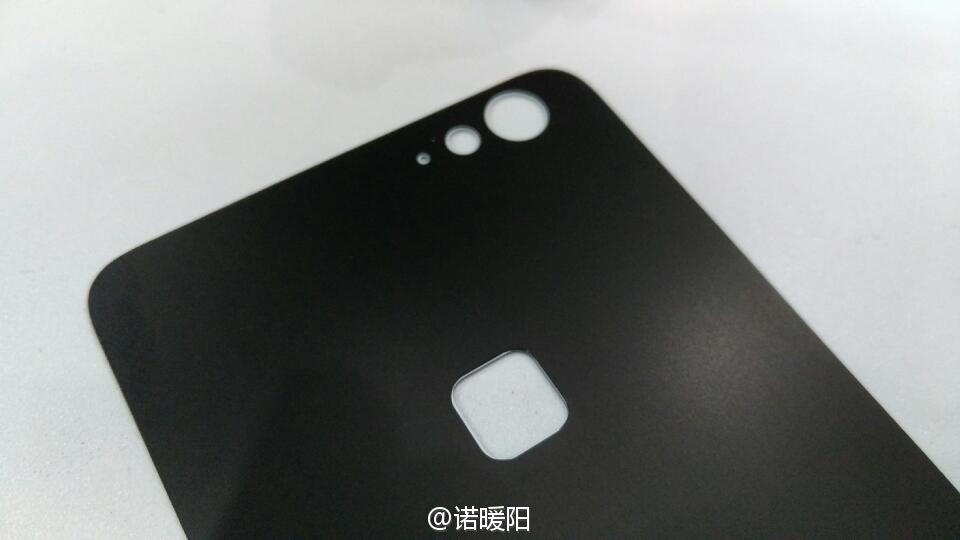
This is a much different design from the earlier generation models. The camera is located in the top right corner along with the LED flash and the microphone opening. Like we saw in the LeTV Max, the fingerprint sensor is at the center of the back panel. What’s even more interesting is that the panel doesn’t look like metal. From the pictures, it looks like plastic, so it could be a double glass design. Often companies that don’t use metal on their flagships go with double glass design. But it would be disappointing if LeTV uses such a double glass body, as the LeTV models were particularly known for their beautiful metal body design.
While the company is yet to officially confirm the existence of a second generation model, the earlier teaser from LeTV Hong Kong could hint that the new model will be powered by Snapdragon 820 chipset. And if this is the case, we would like to see the new Qualcomm Quick Charge 3.0 on the handset that can charge from 0-80% in just 35 minutes.
[socialpoll id=”2294895″]
Anyways, as always, we would advise you to take this news with a pinch of salt. We are not yet sure whether this is the actual rear panel of an upcoming LeTV model. So, lets wait for some more concrete information, before getting too disappointed.
14.6 x 7.1 x 0.85 cm / 5.74 x 2.79 x 0.33 inches / 170g
OS
Android 5.1
Storage
16GB (expandable via microSD card slot up to 64GB)
Zopo Speed 7 Plus Review: UNBOXING
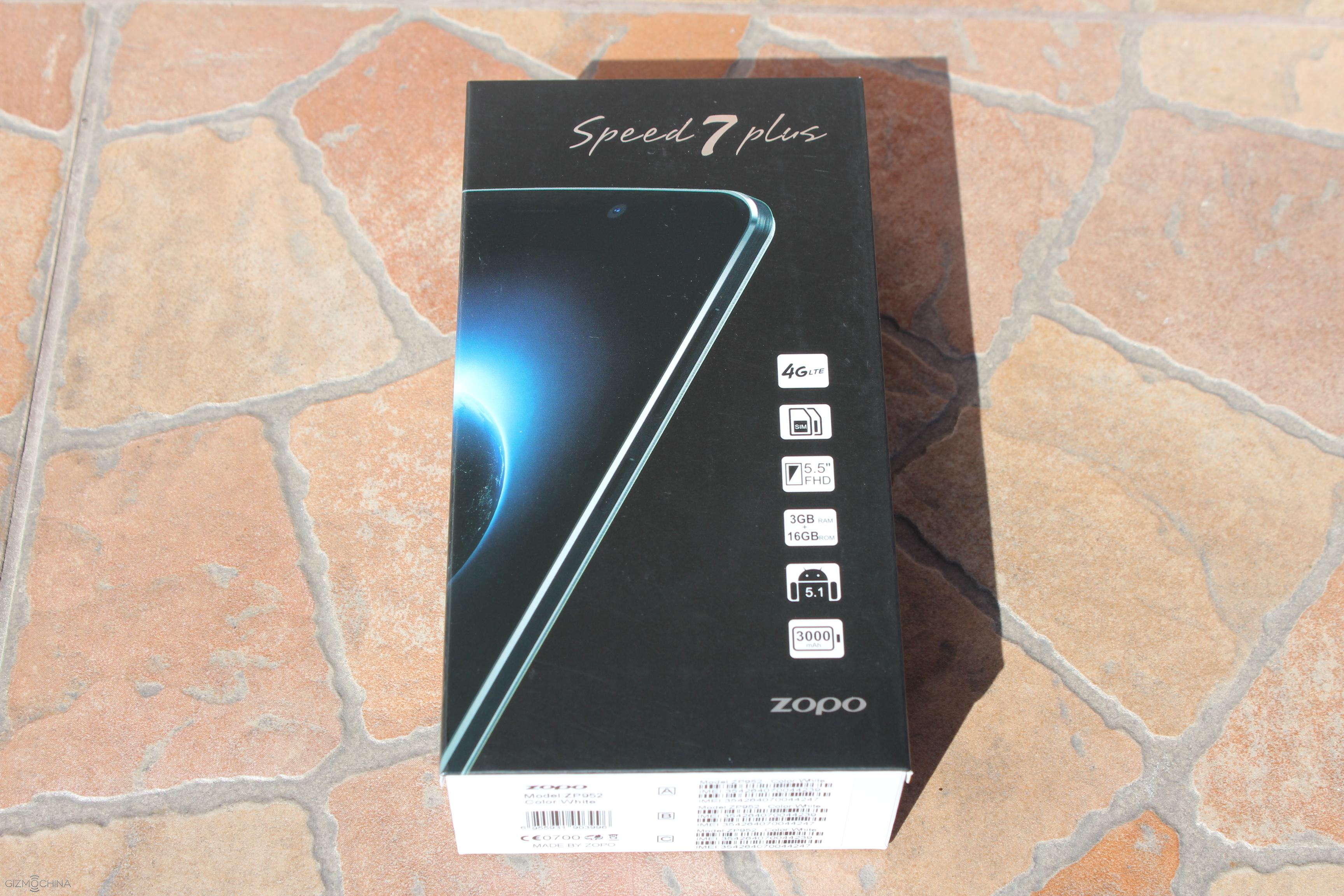
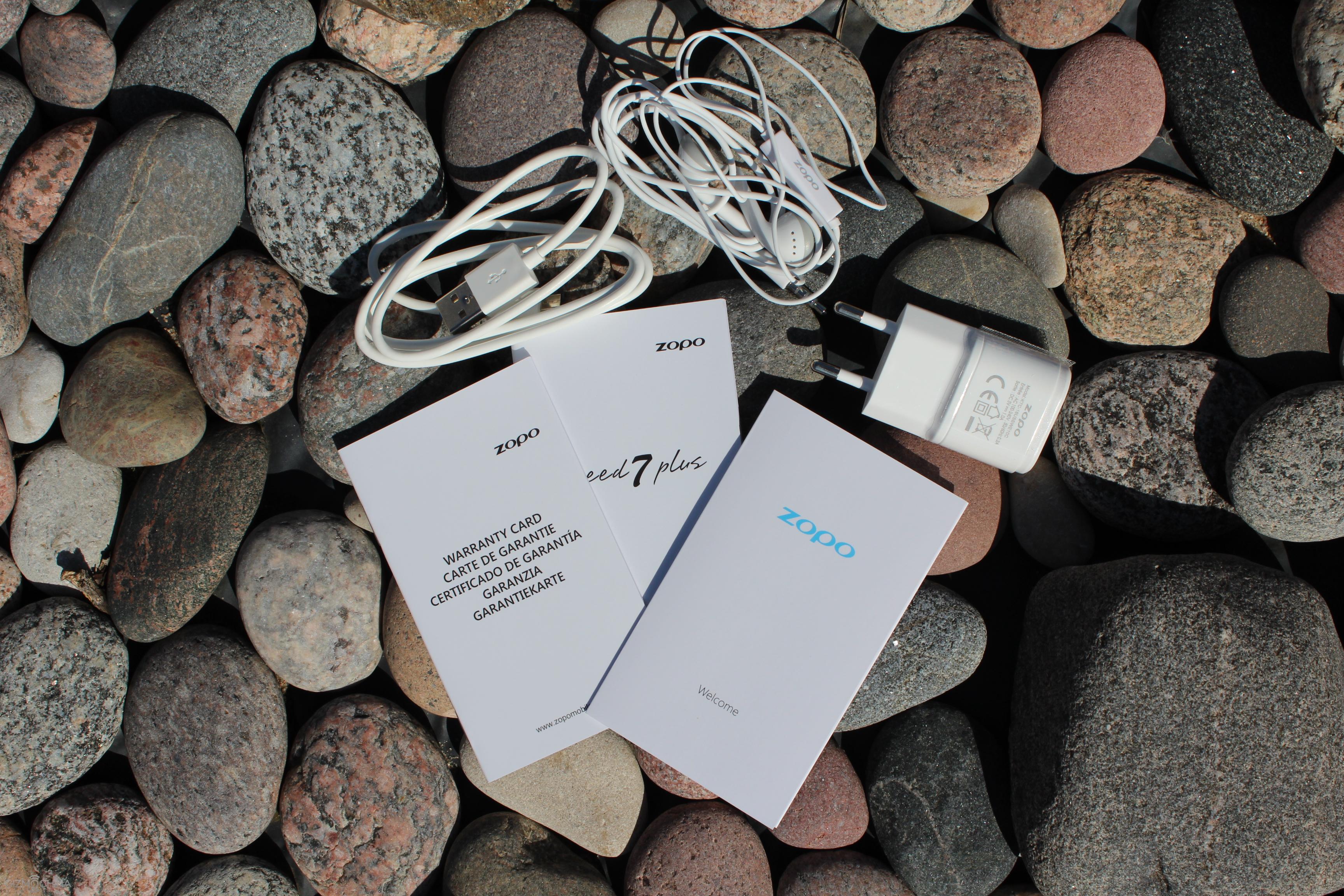
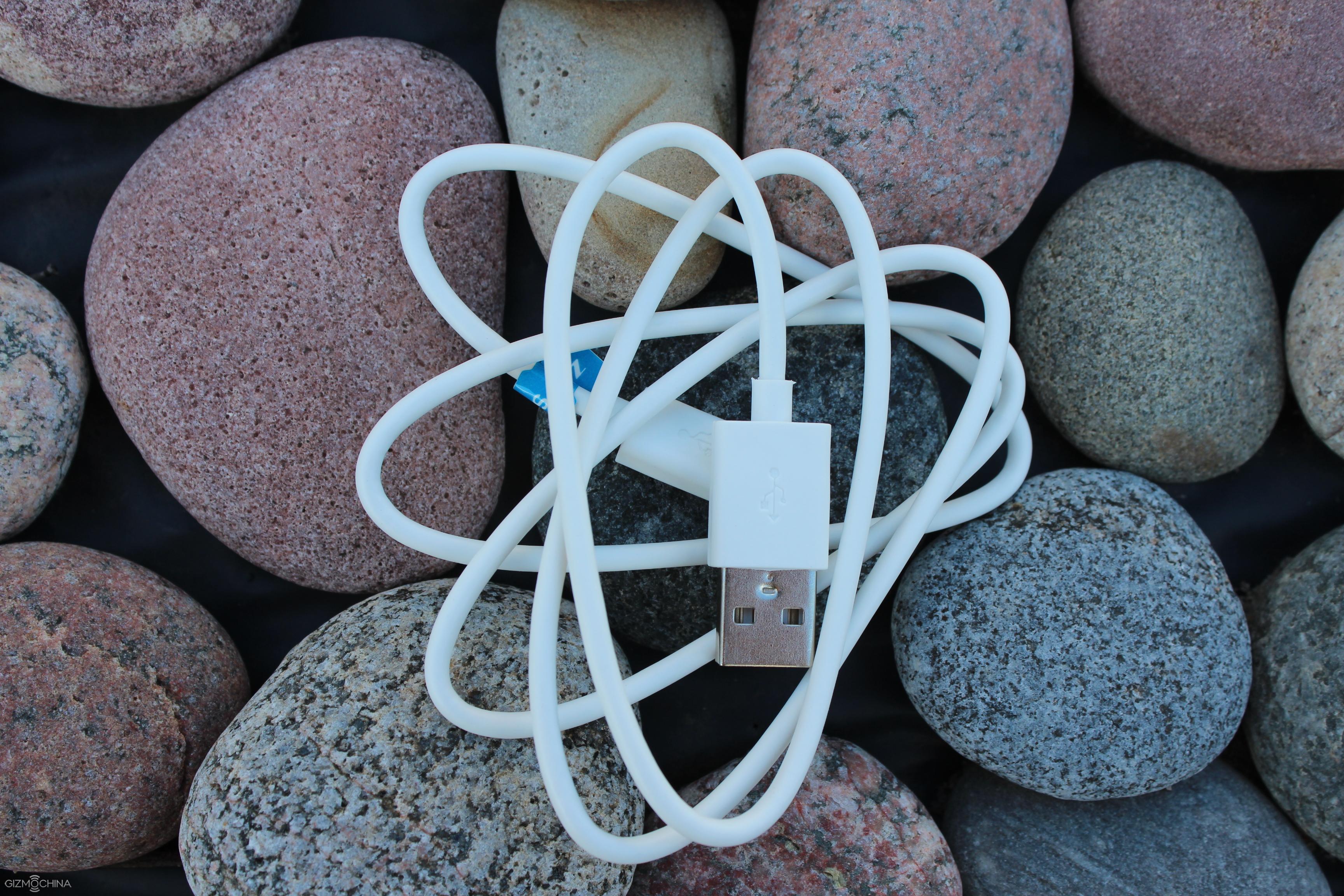
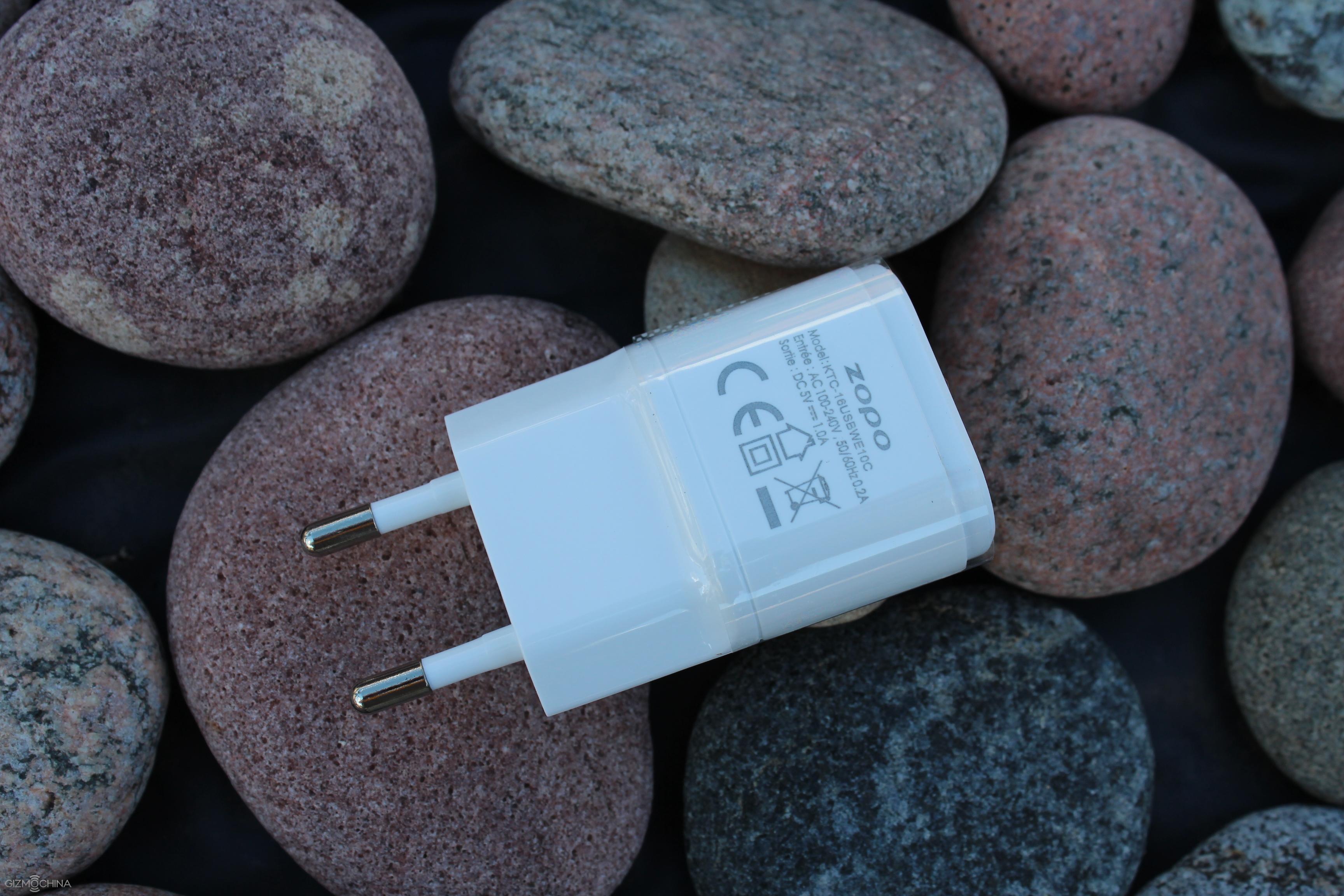
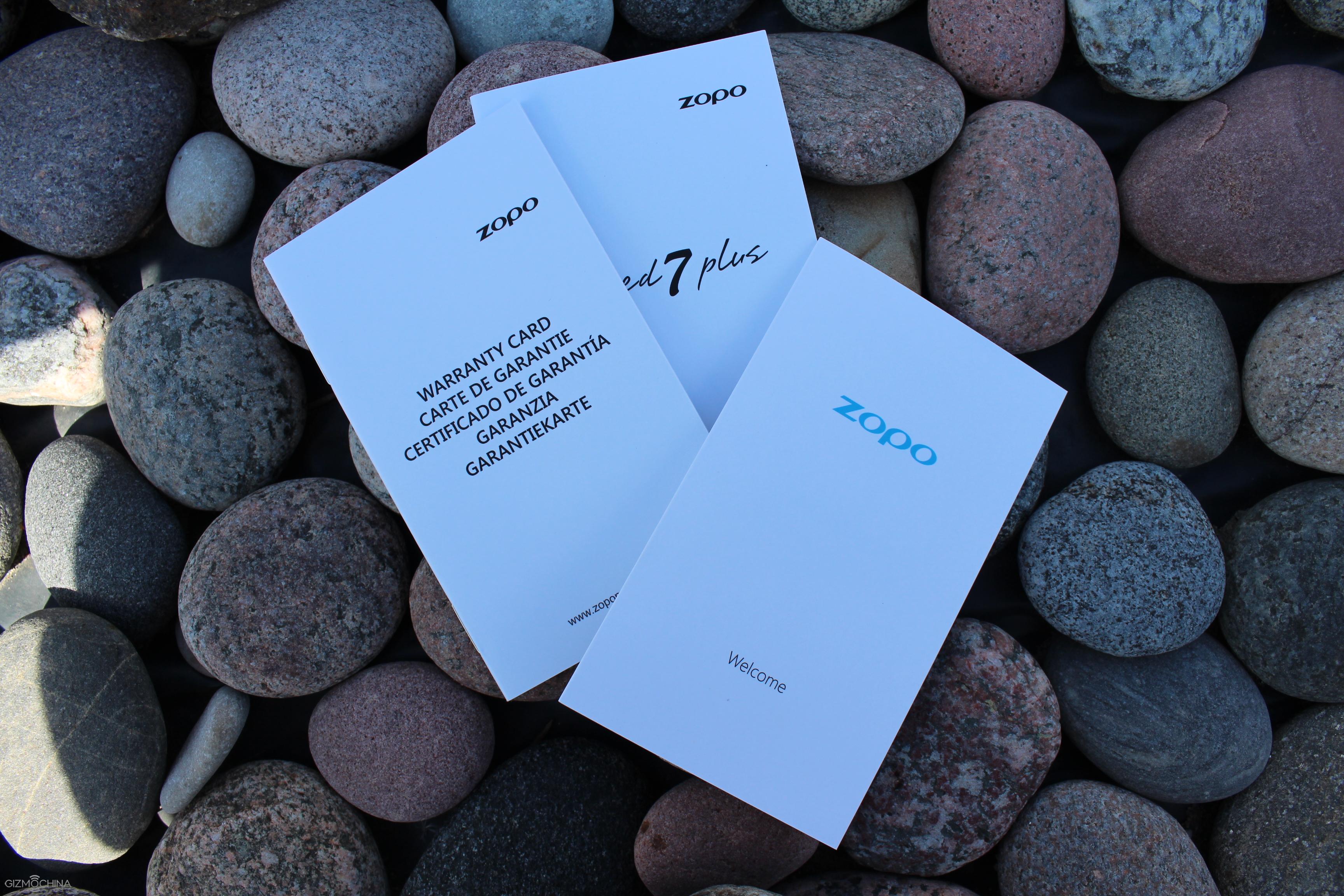
What you are getting in the box include the power plug, USB cable, a pair of headphones and some documentation.
Zopo Speed 7 Plus Review: DESIGN
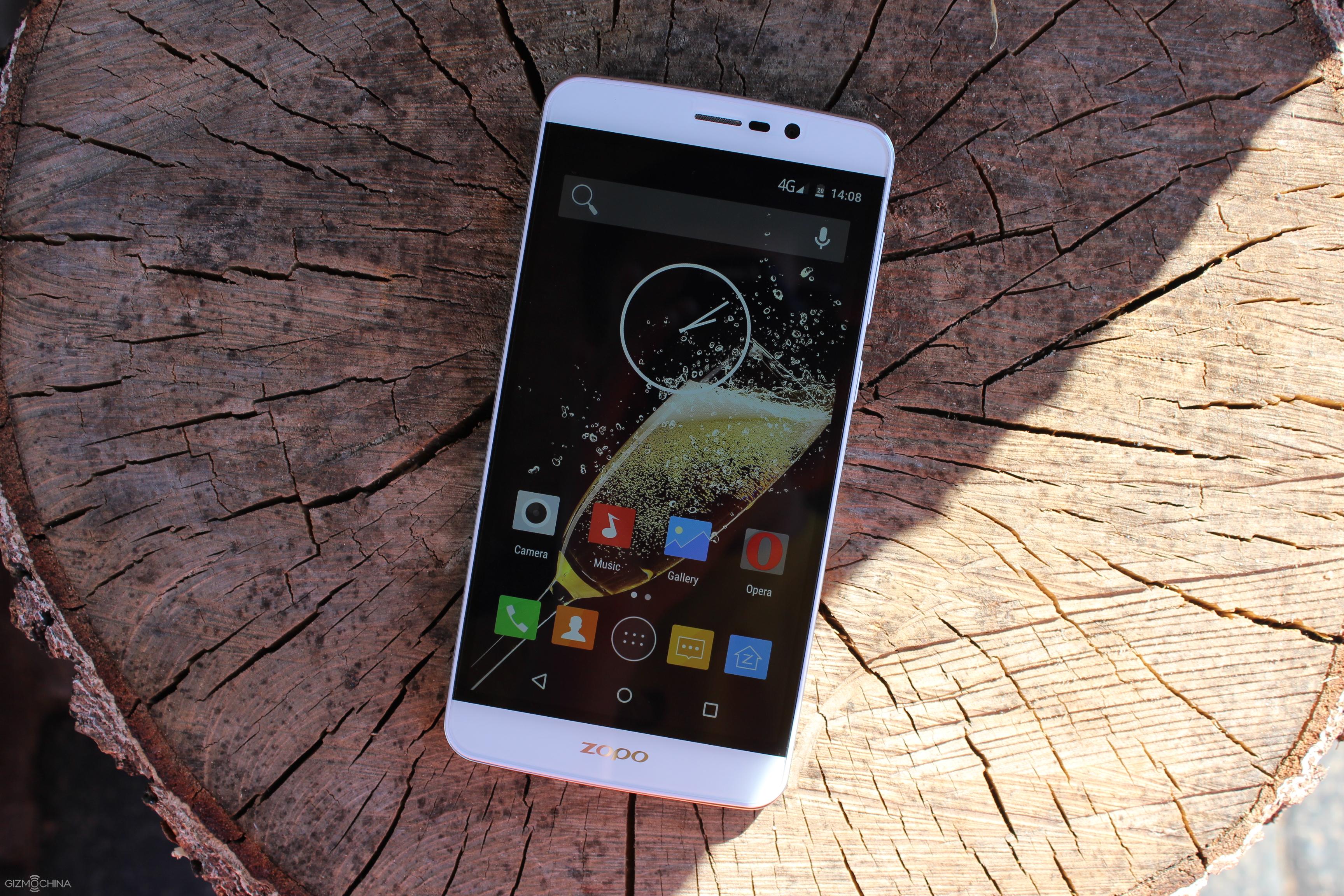
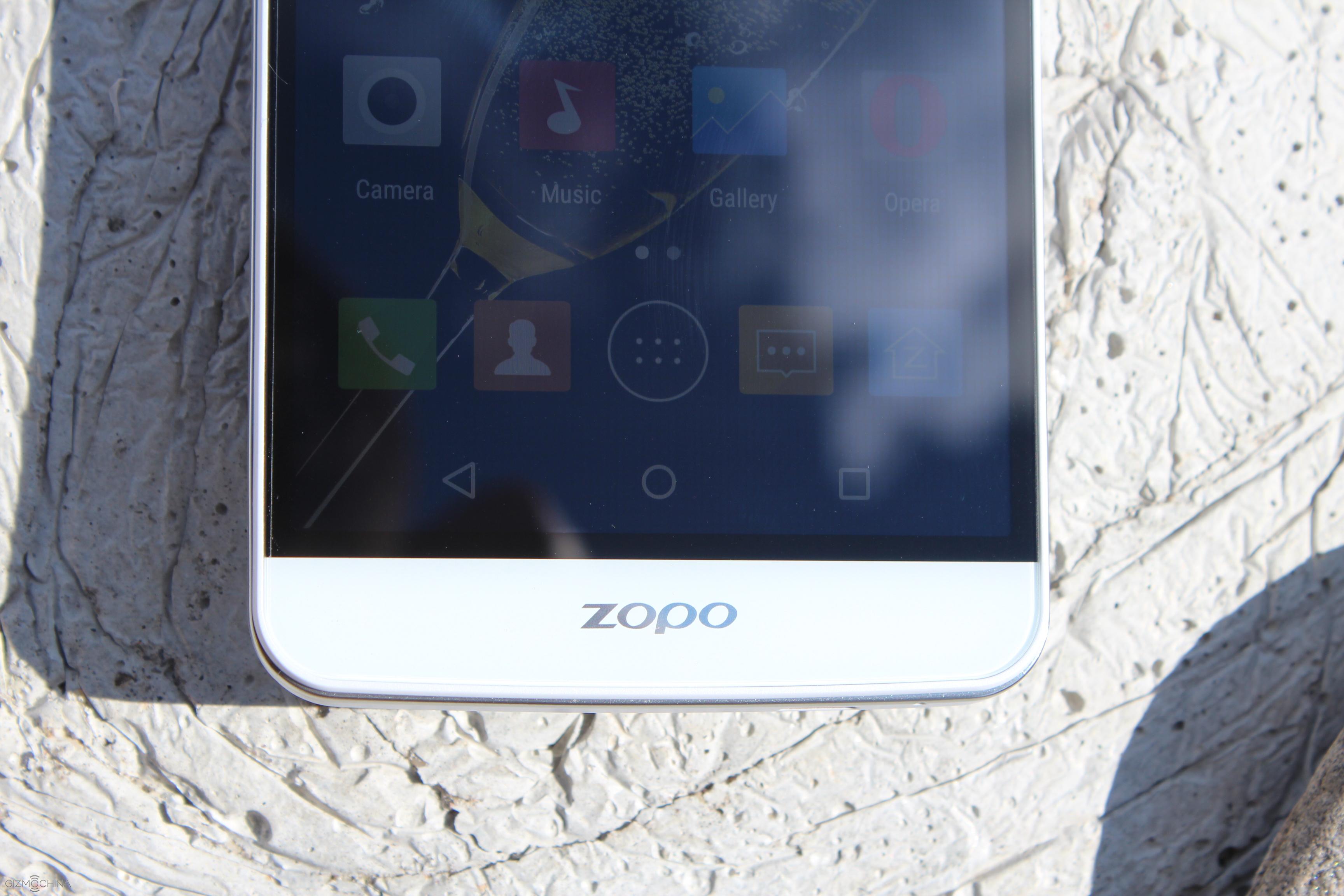
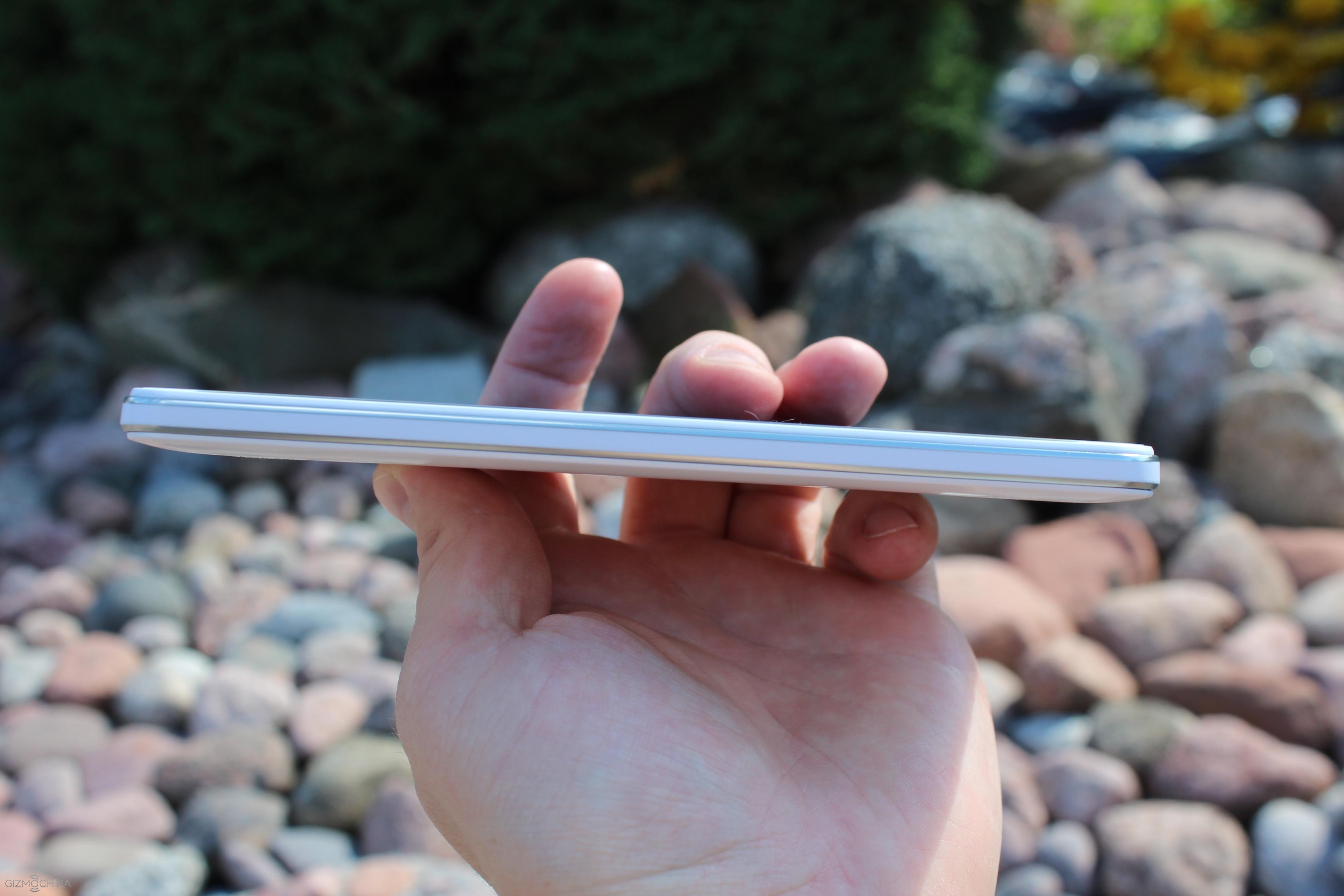
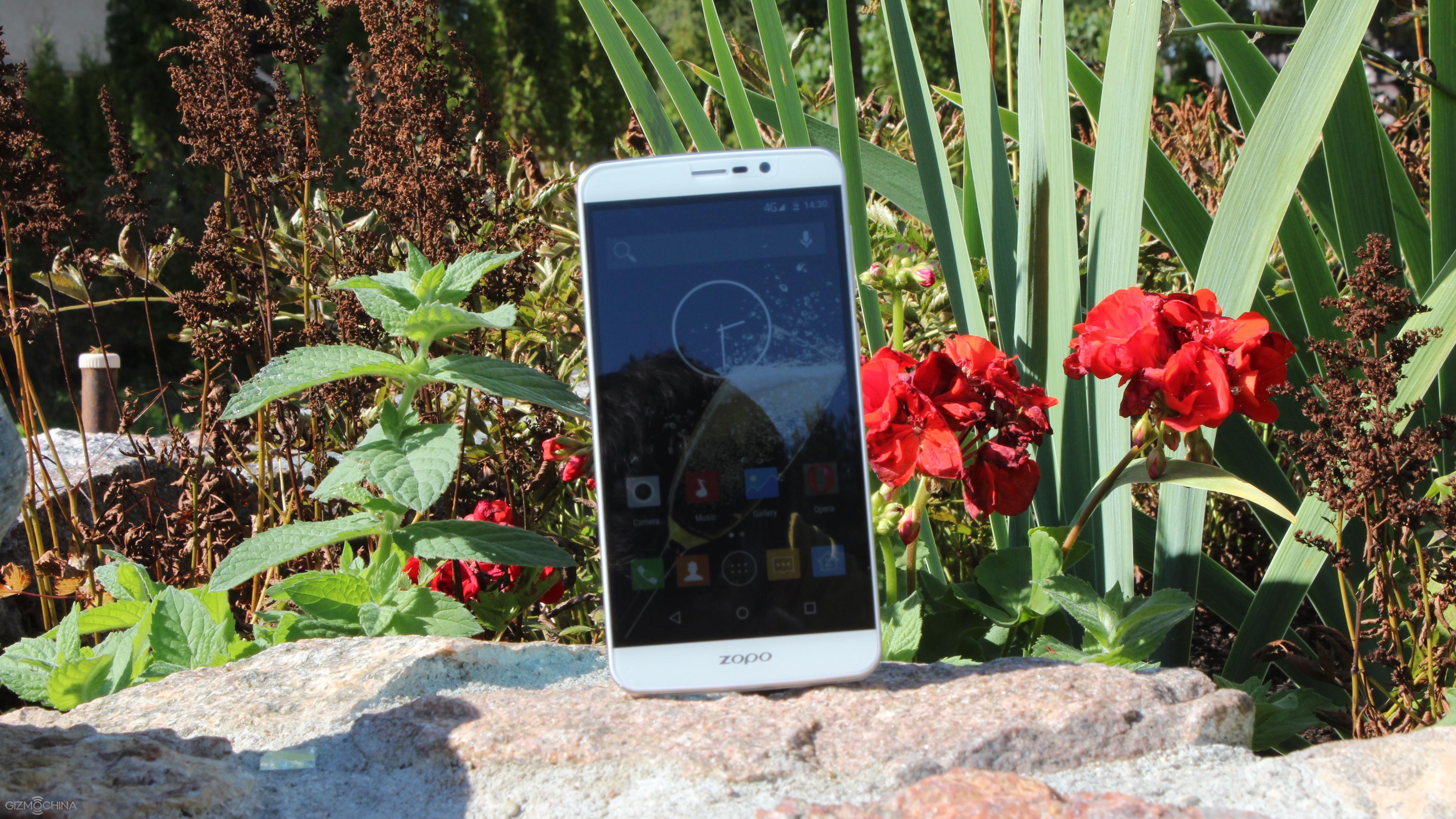
The Zopo Speed 7 Plus is not a small phone as it comes with a 5.5” display. A good thing is that the device is lightweight and sits comfortably in the hand but one handed operation is not that easy as on other devices with this size of the screen.
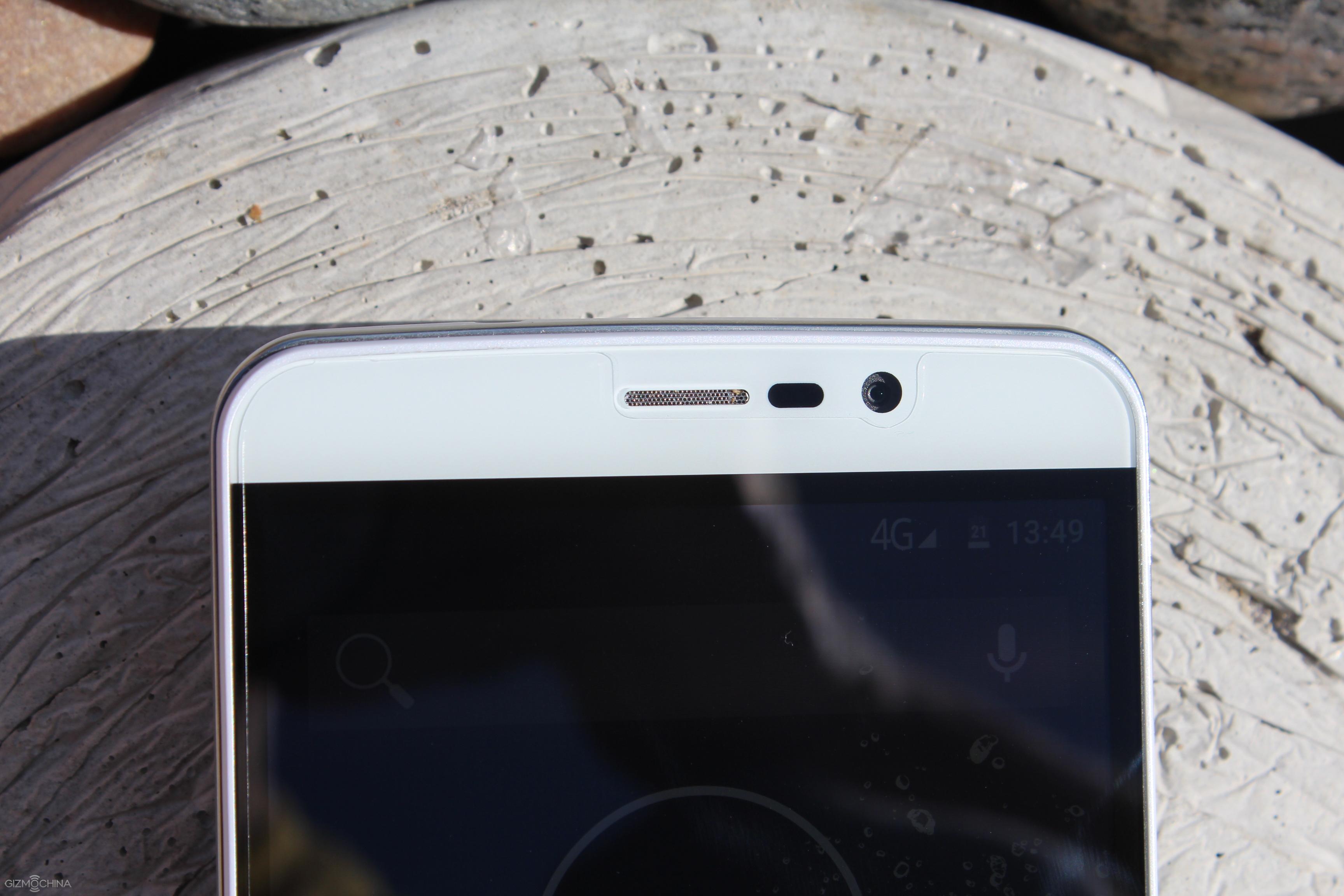
On the front you can find a 5MP shooter, earpiece, sensor light and a non-customisable LED light.
On the bottom side there are on-screen navigation buttons, which are, however, not customisable. This is what I don’t like as the back button is on the left side and it is hard to reach it when operating the device in one hand.
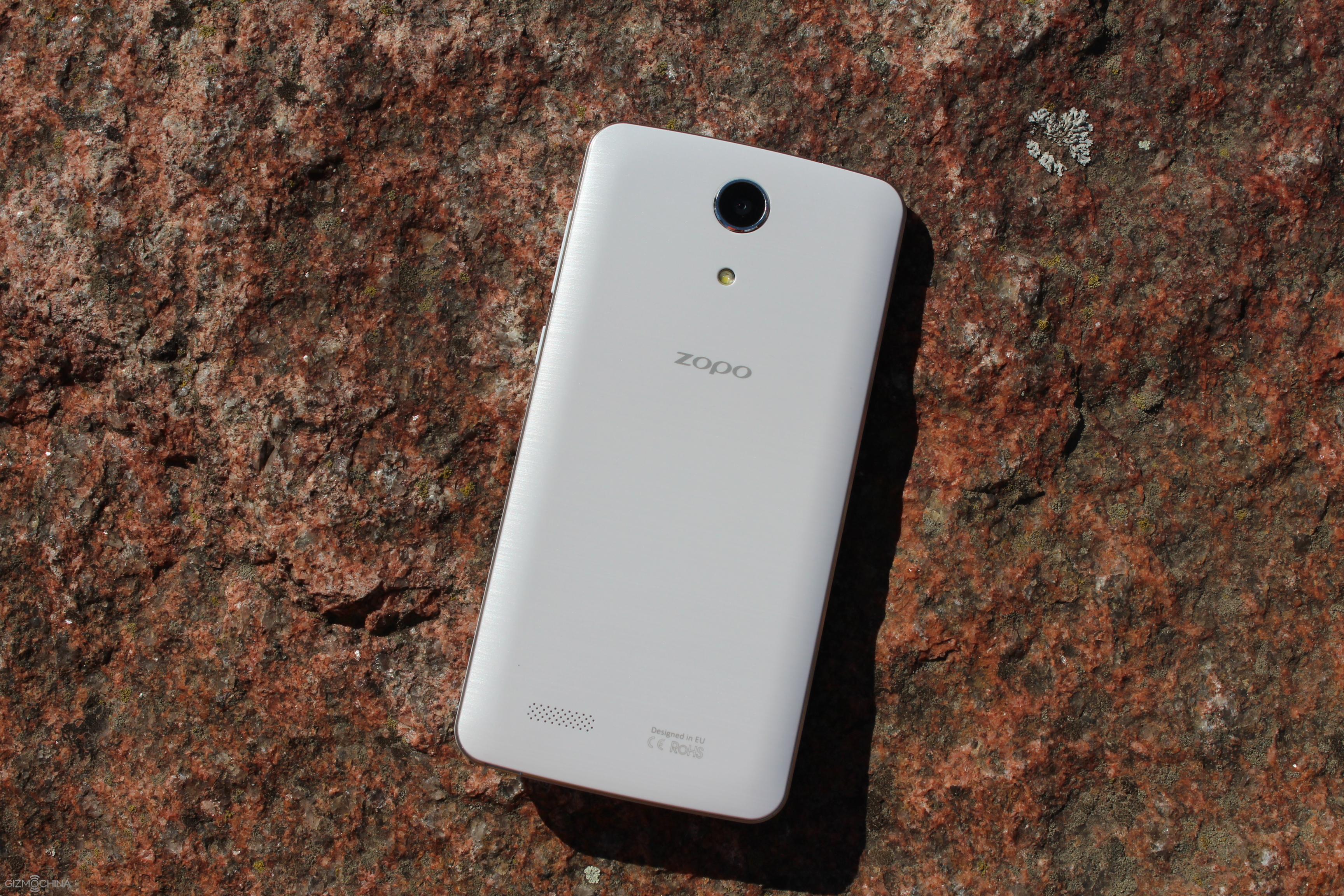
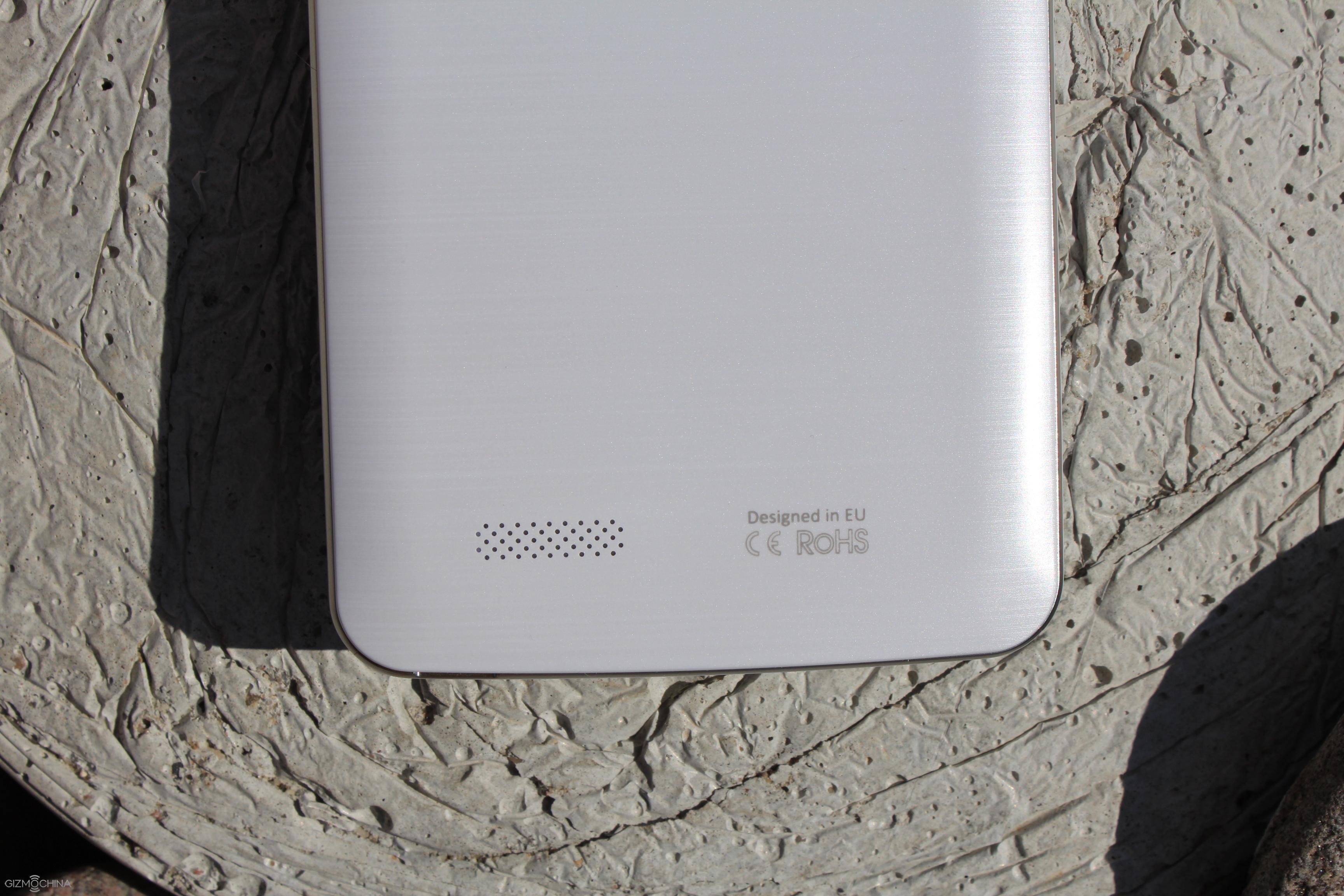
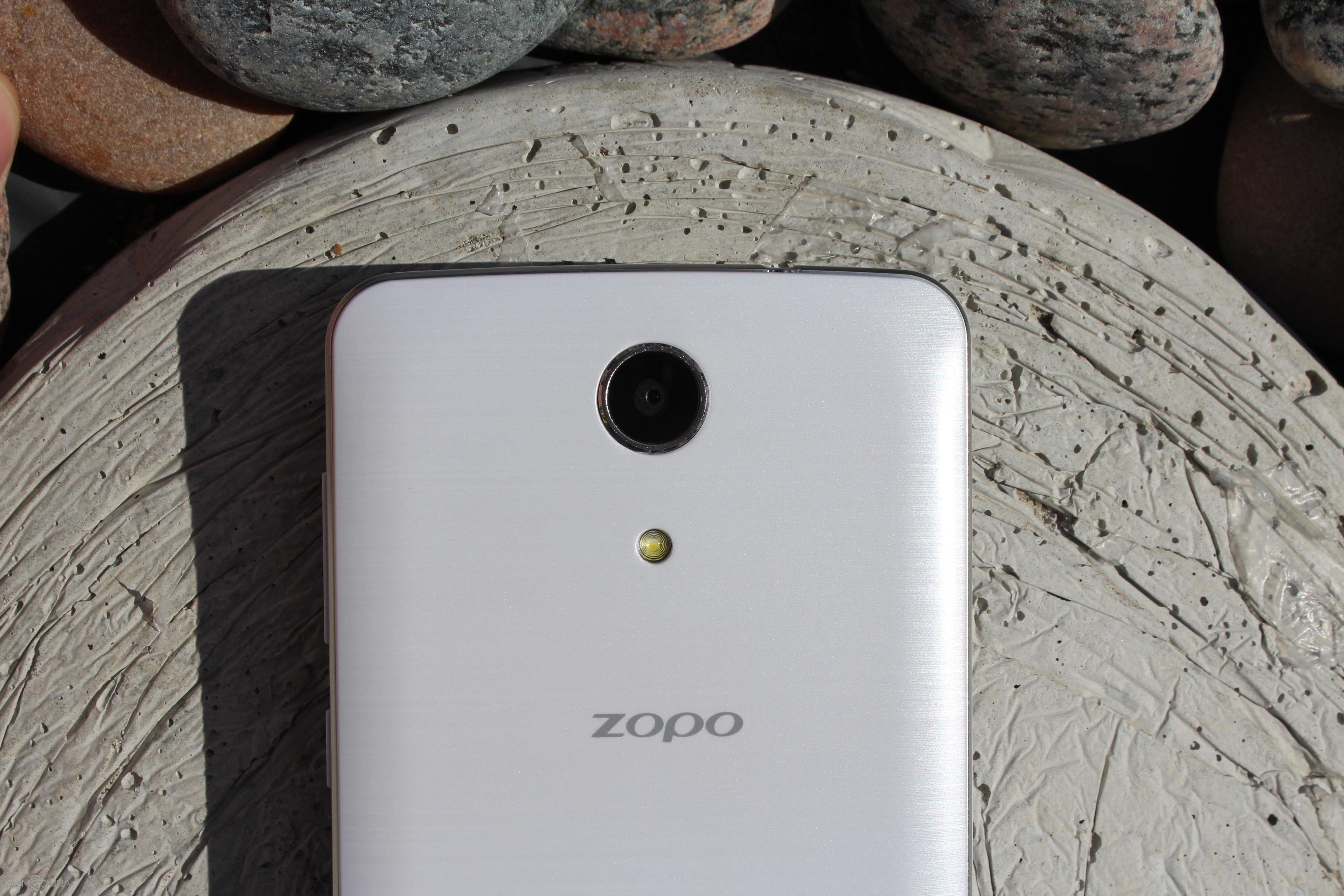
The back plate is made of plastic and there you can find a 13MP shooter, single LED flash on the top and the speaker grill on the bottom.
The sides of the phone are also made of plastic but they don’t feel cheap.
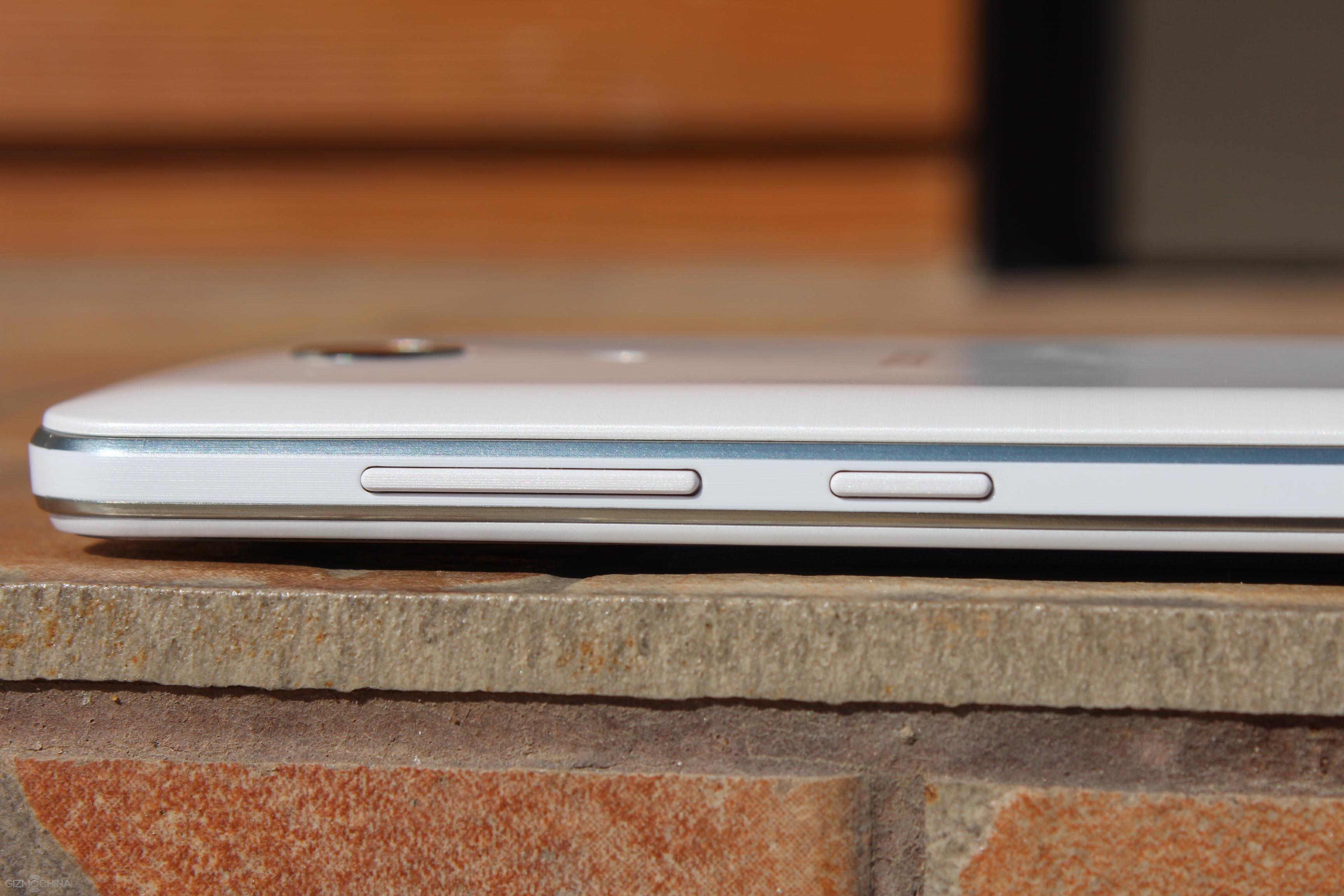
On the right there is a power button and the volume rocker and both of them have a great tactile feedback.
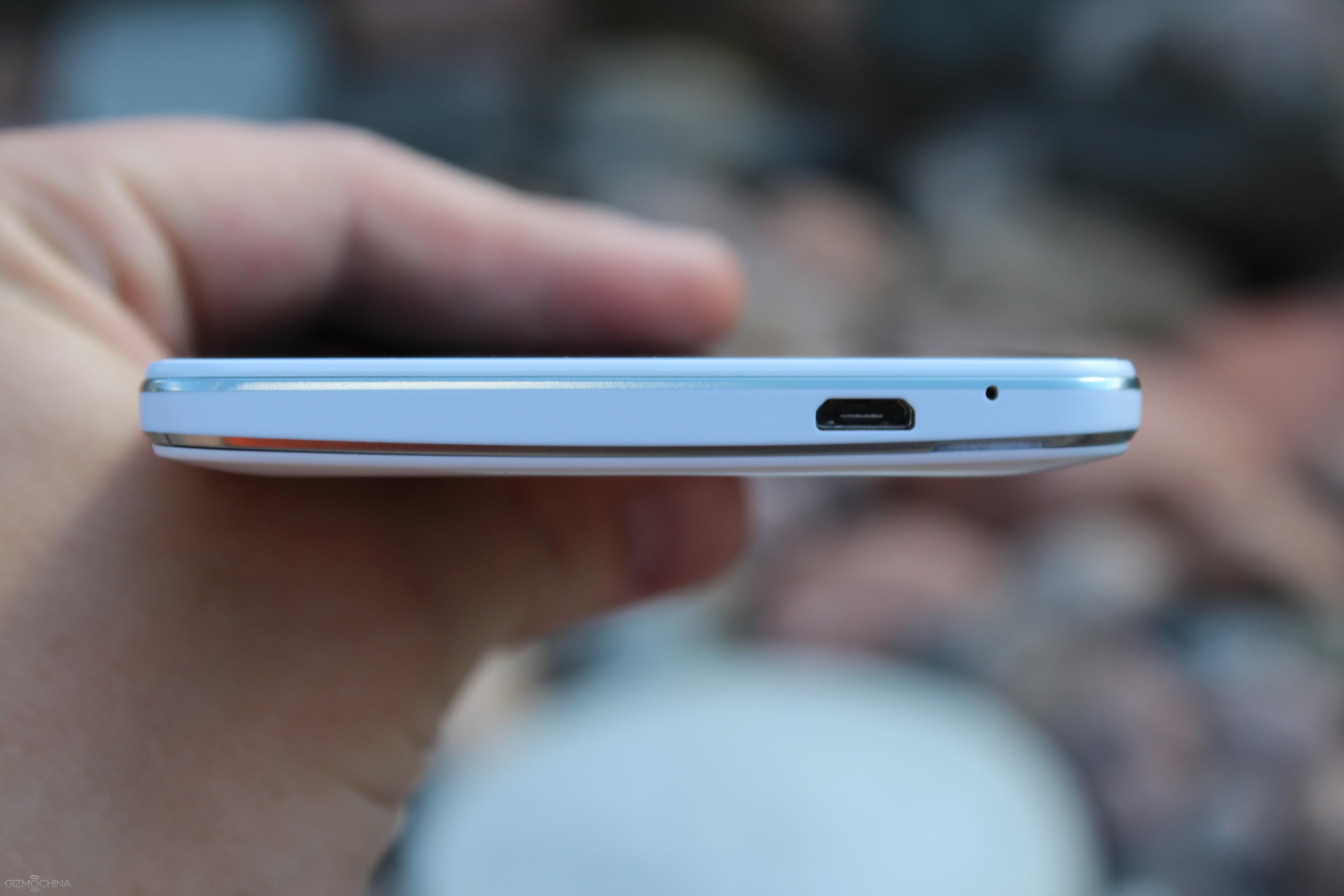
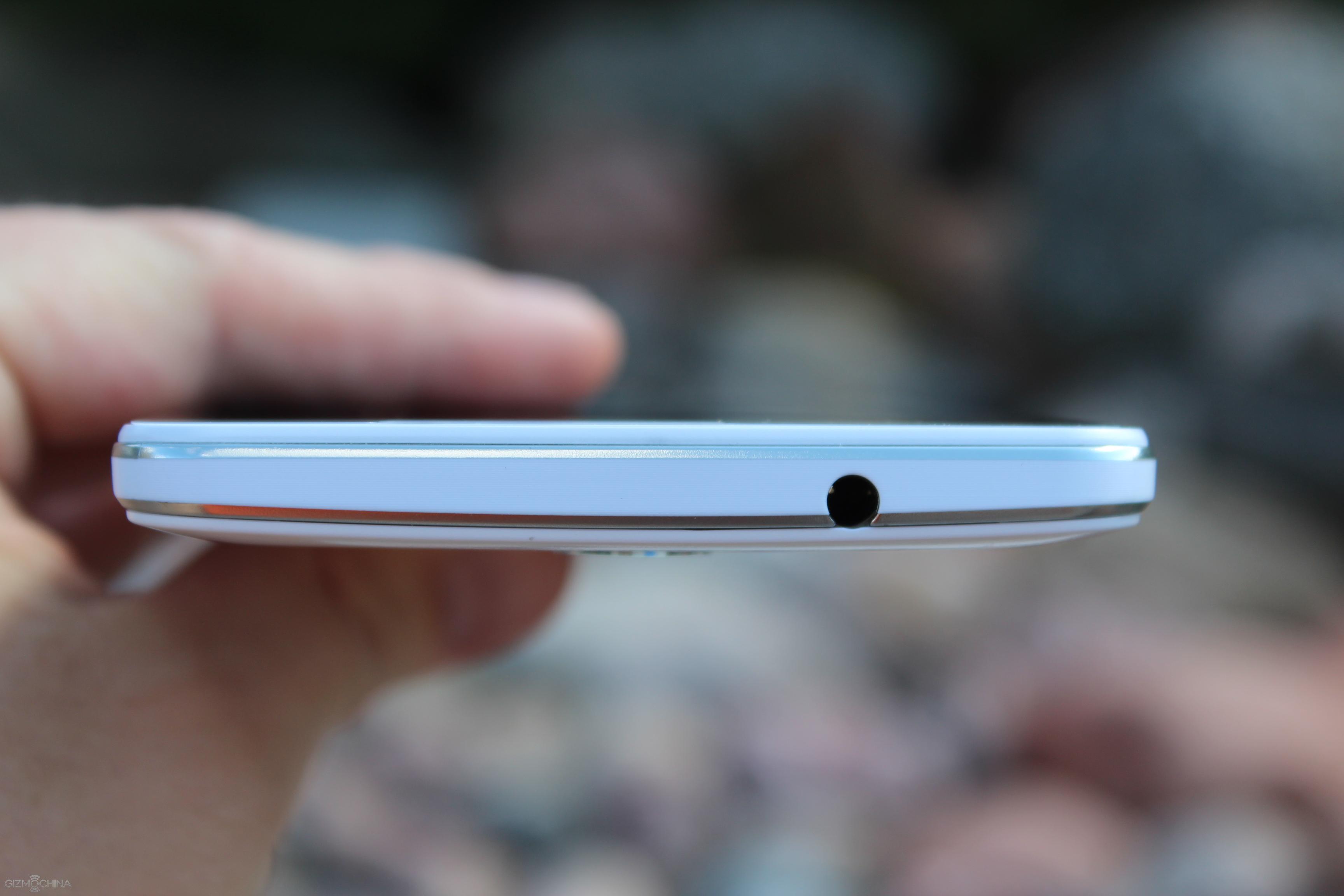
The micro USB charging port is on the bottom and the headset jack is on the top side.
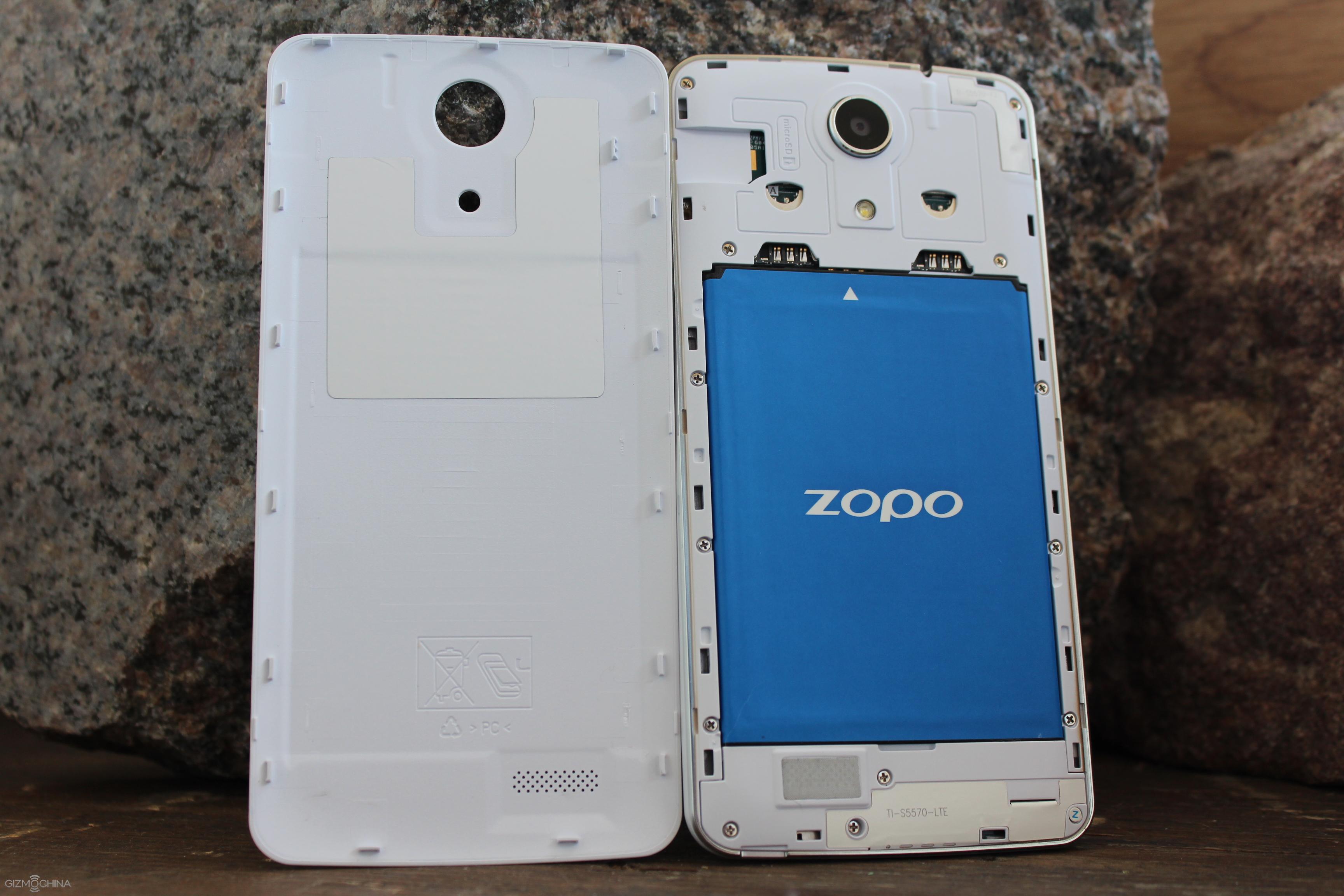
The back cover is very easy to remove and under the hood you can find a removable 3000mAh battery along with a microSD card slot and two micro SIM card slots. The first slot has the 4G LTE support.
Overall, the built quality of the Zopo Speed 7 Plus is solid and it doesn’t feel cheap. However, it is made entirely of plastic and a metal frame could have made this phone look and feel premium.
Zopo Speed 7 Plus Review: DISPLAY
The 5.5” display is sharp, vivid and has a decent sunlight visibility for a budget phone. Well, it is not the highest quality panel I’ve seen but it is not bad either.
Zopo Speed 7 Plus Review: USER INTERFACE
1 of 6
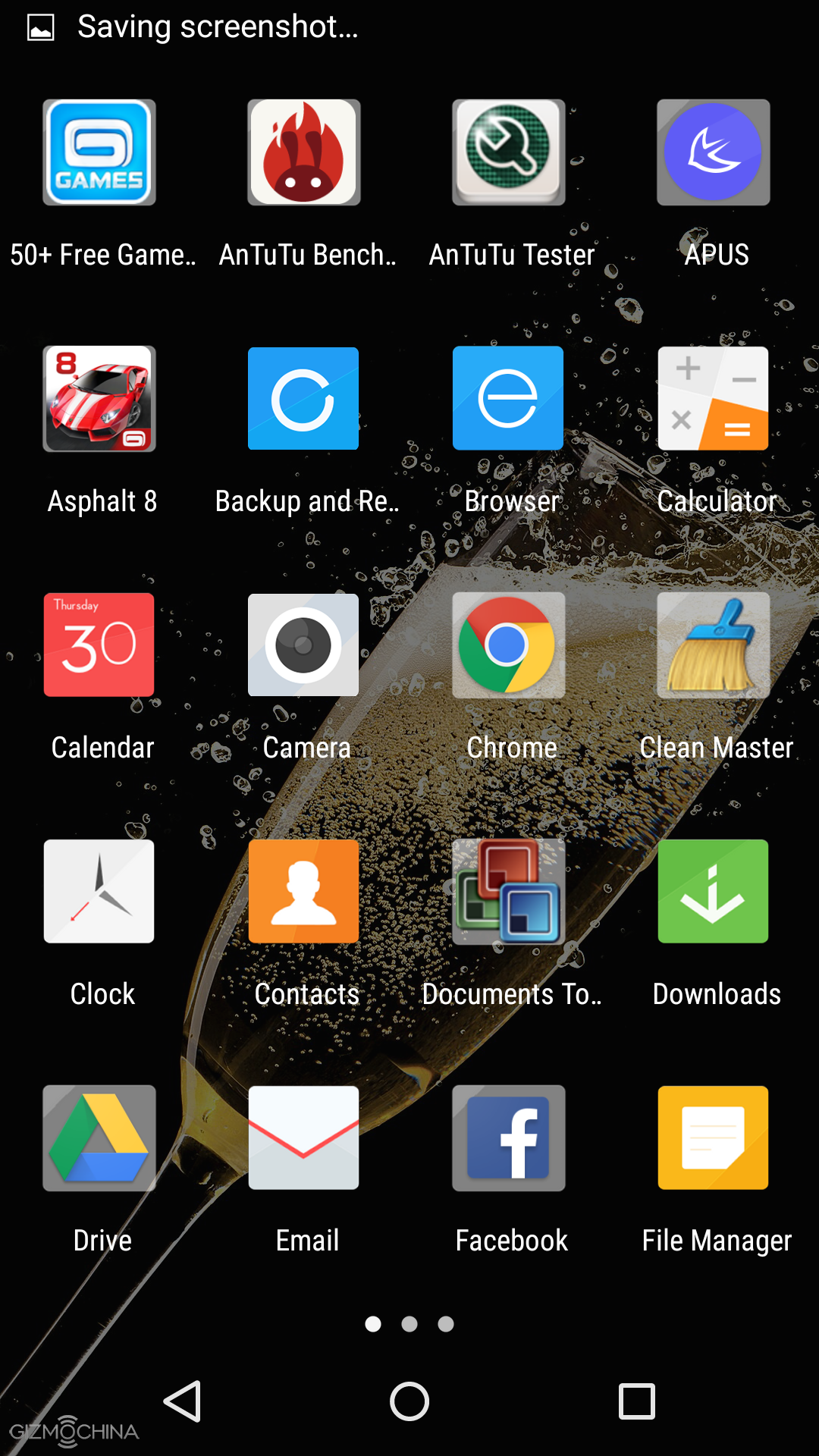
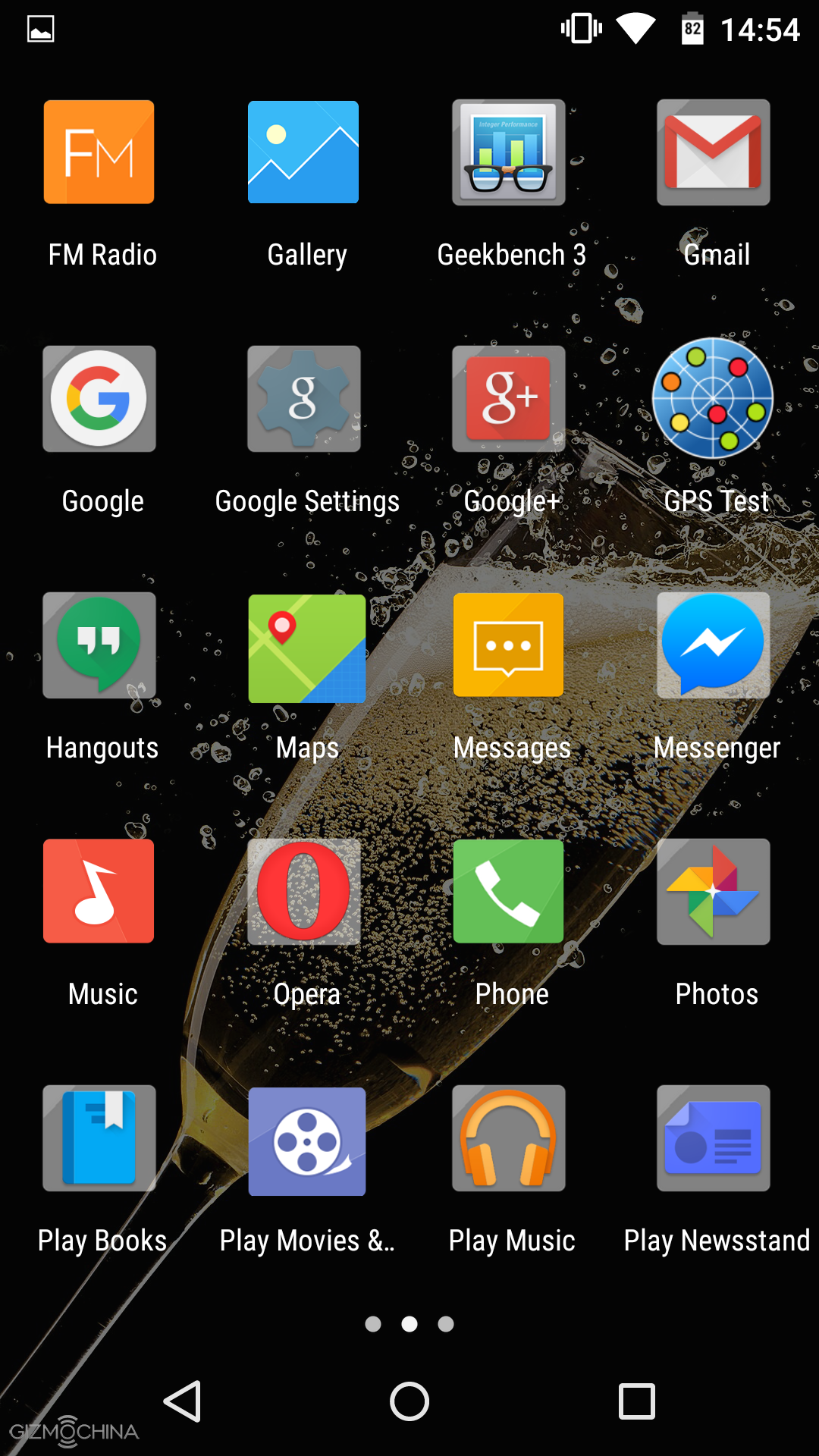
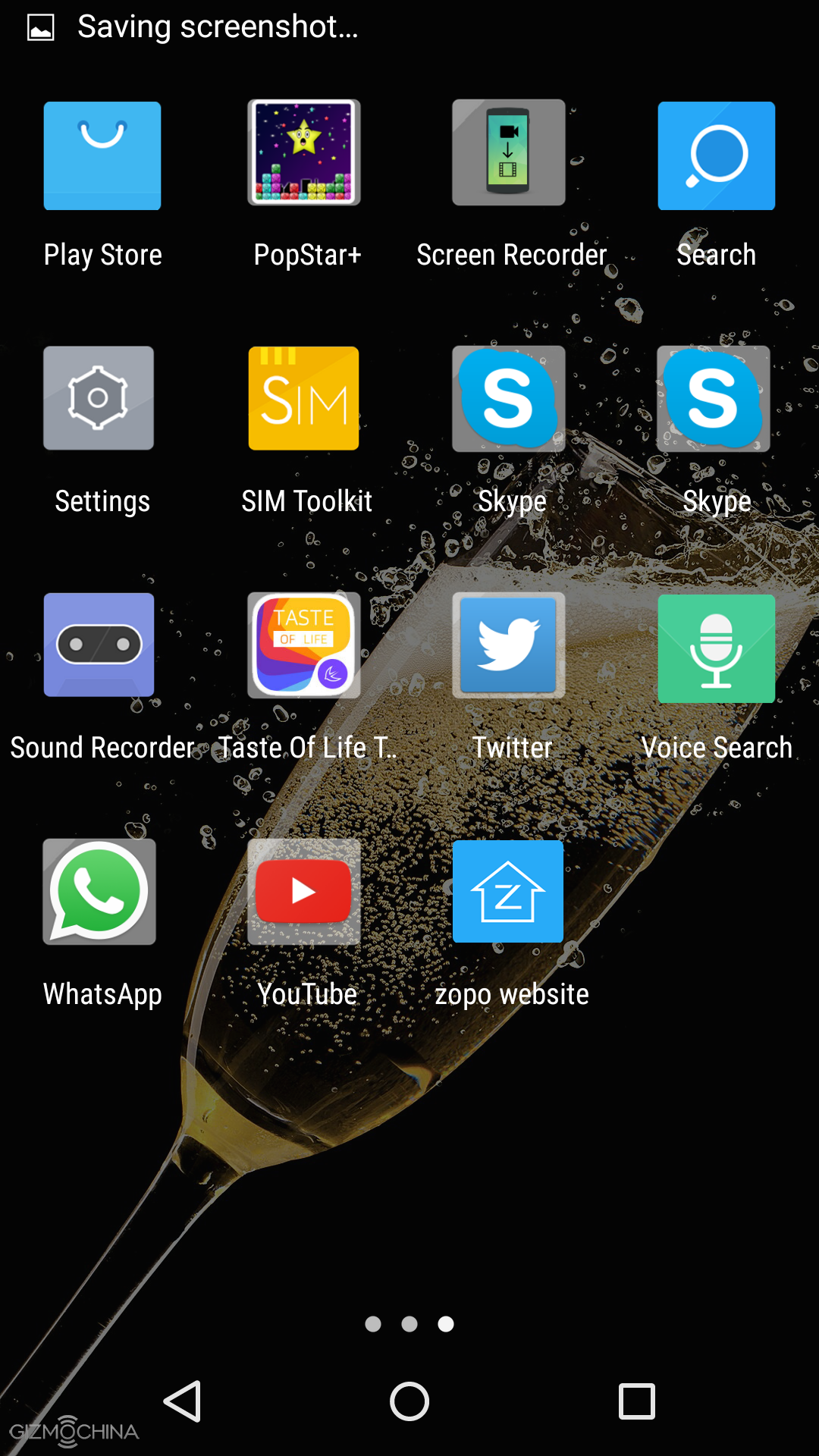
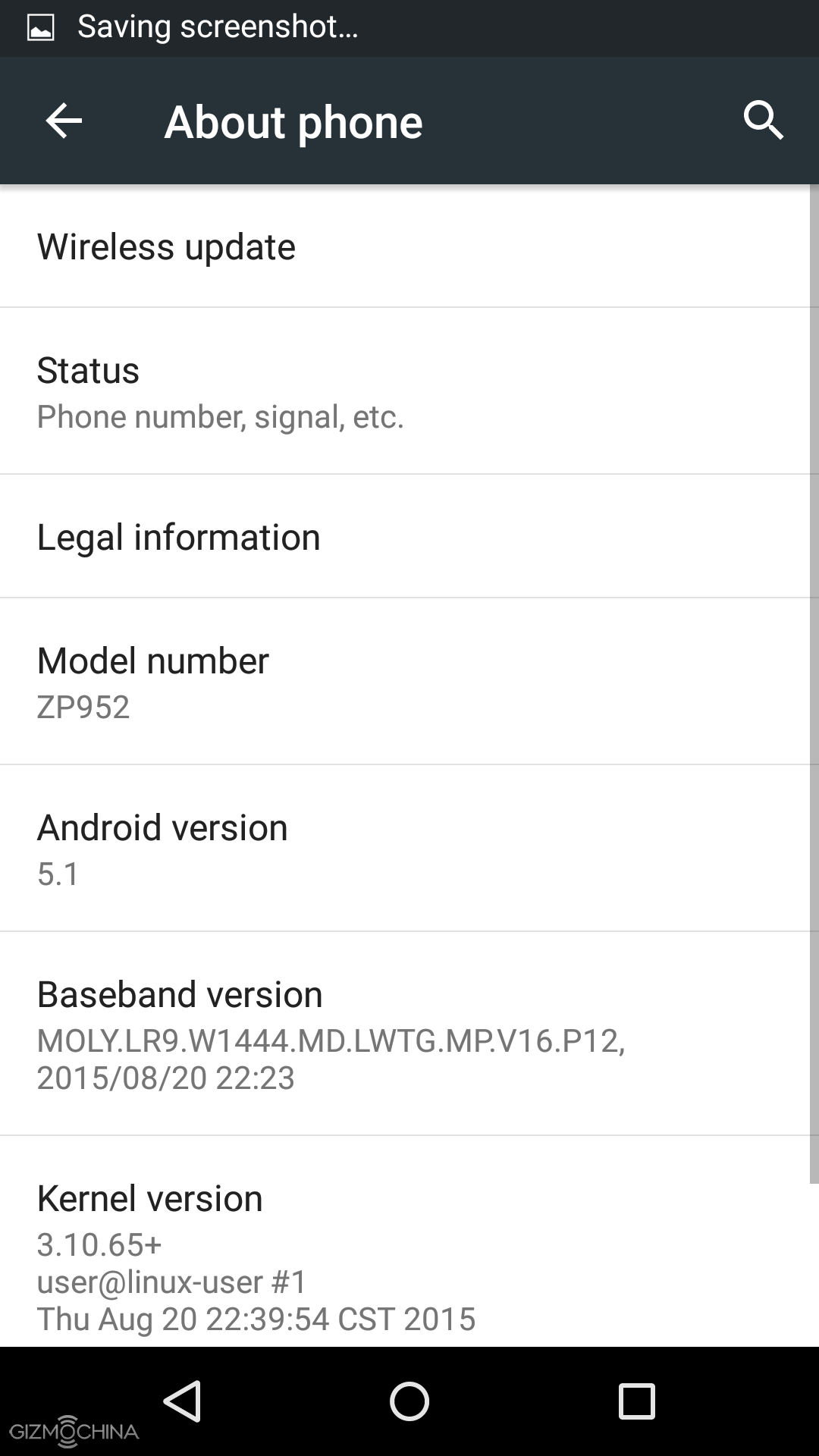
The Zopo Speed 7 Plus runs on Android 5.1 with a light Zopo skin on top of it, which on one hand brings some nicely designed icons and some additional functionality but on the other hand you are getting a few bloatware apps out of the box.
1 of 1
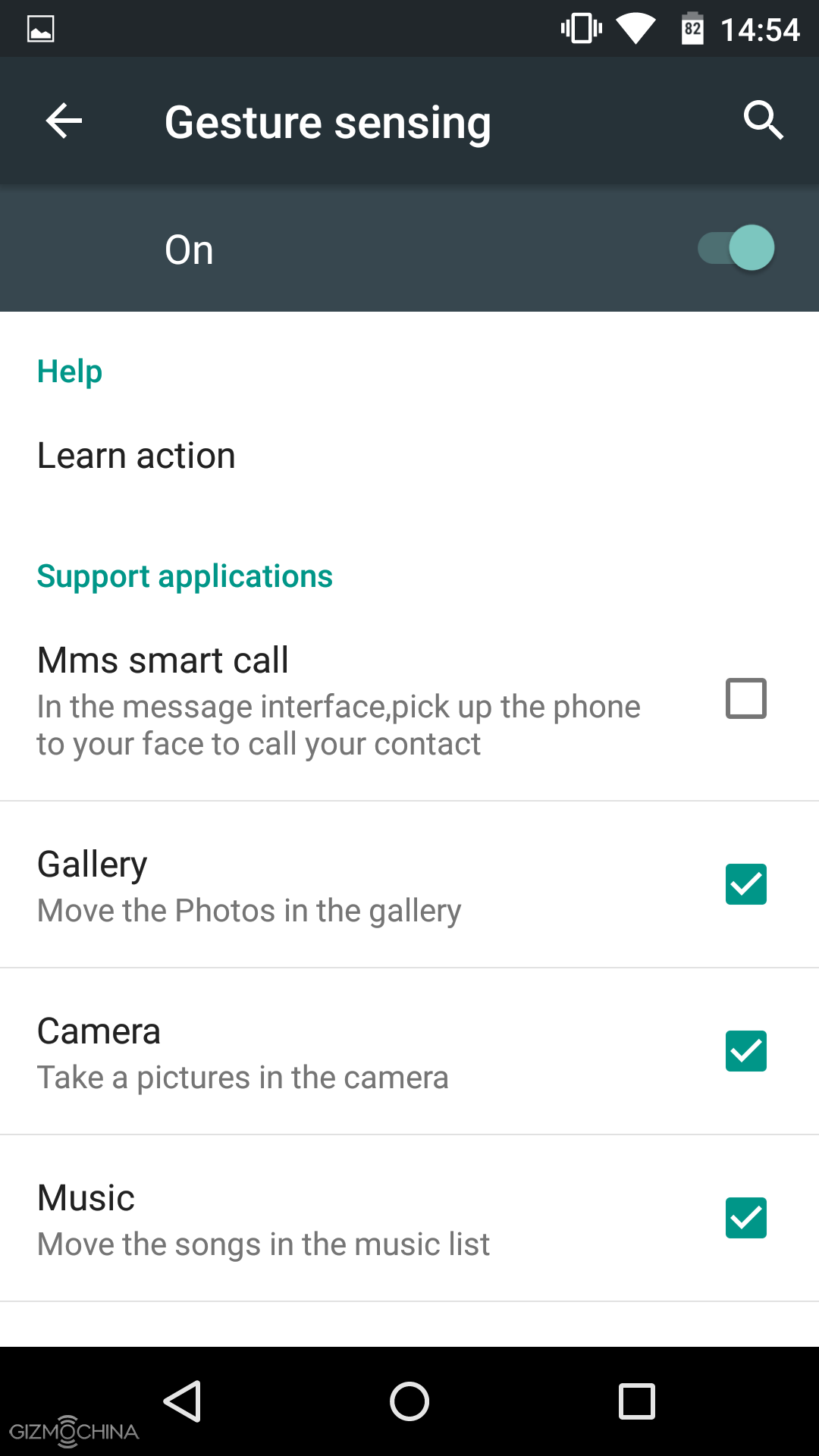
Zopo added some motion and gesture controls and most of them work good but I simply cannot recommend using the gesture controls since the phone cannot recognise accidental touches. What I mean is that the device kept unlocking in my pocket and it was really annoying as I accidentally called several people and even sent some text messages.
Other than that, the UI is very fast and smooth, I didn’t get any hiccups even with lots of apps running in the background and I’m happy with it overall.
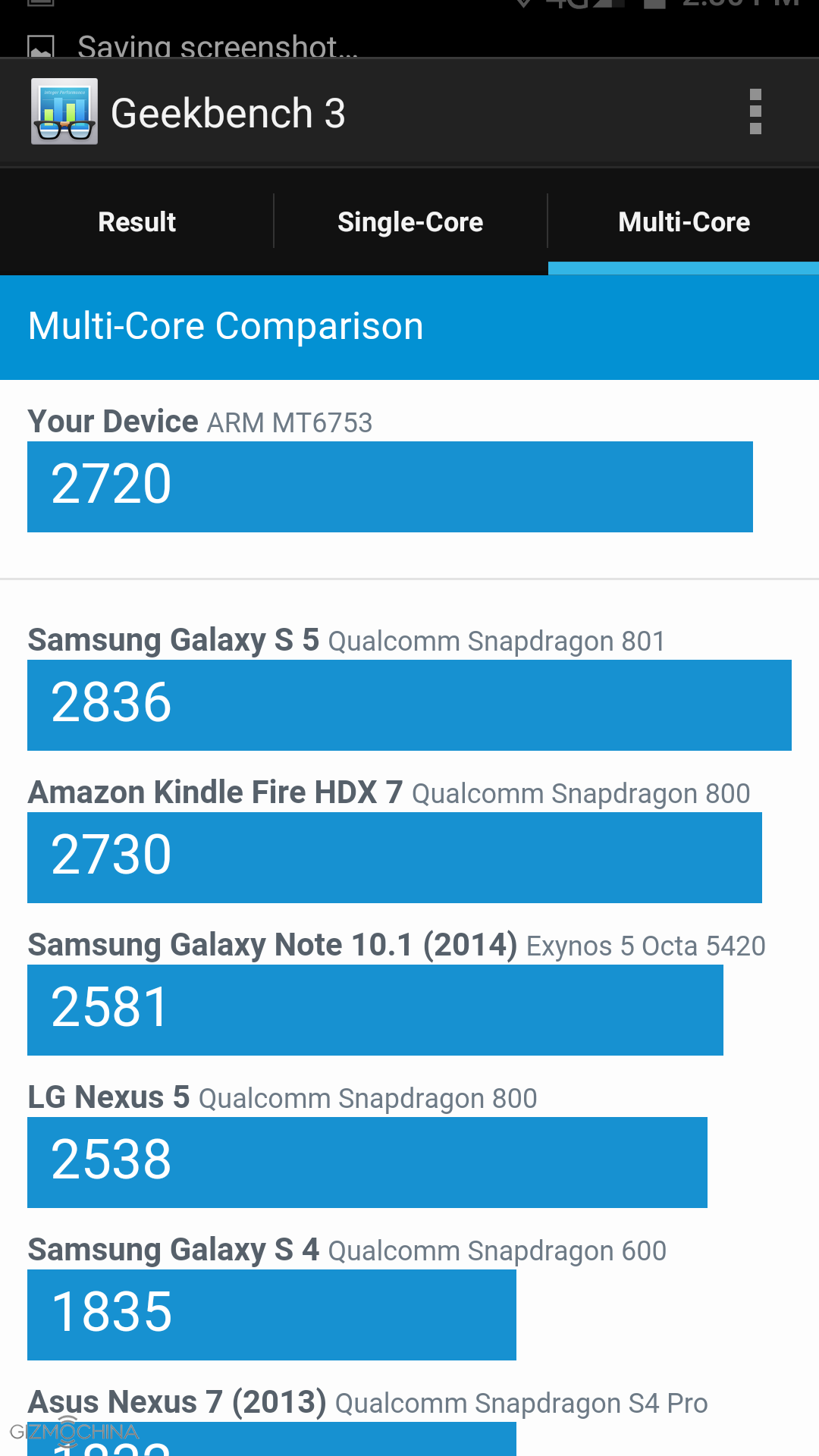
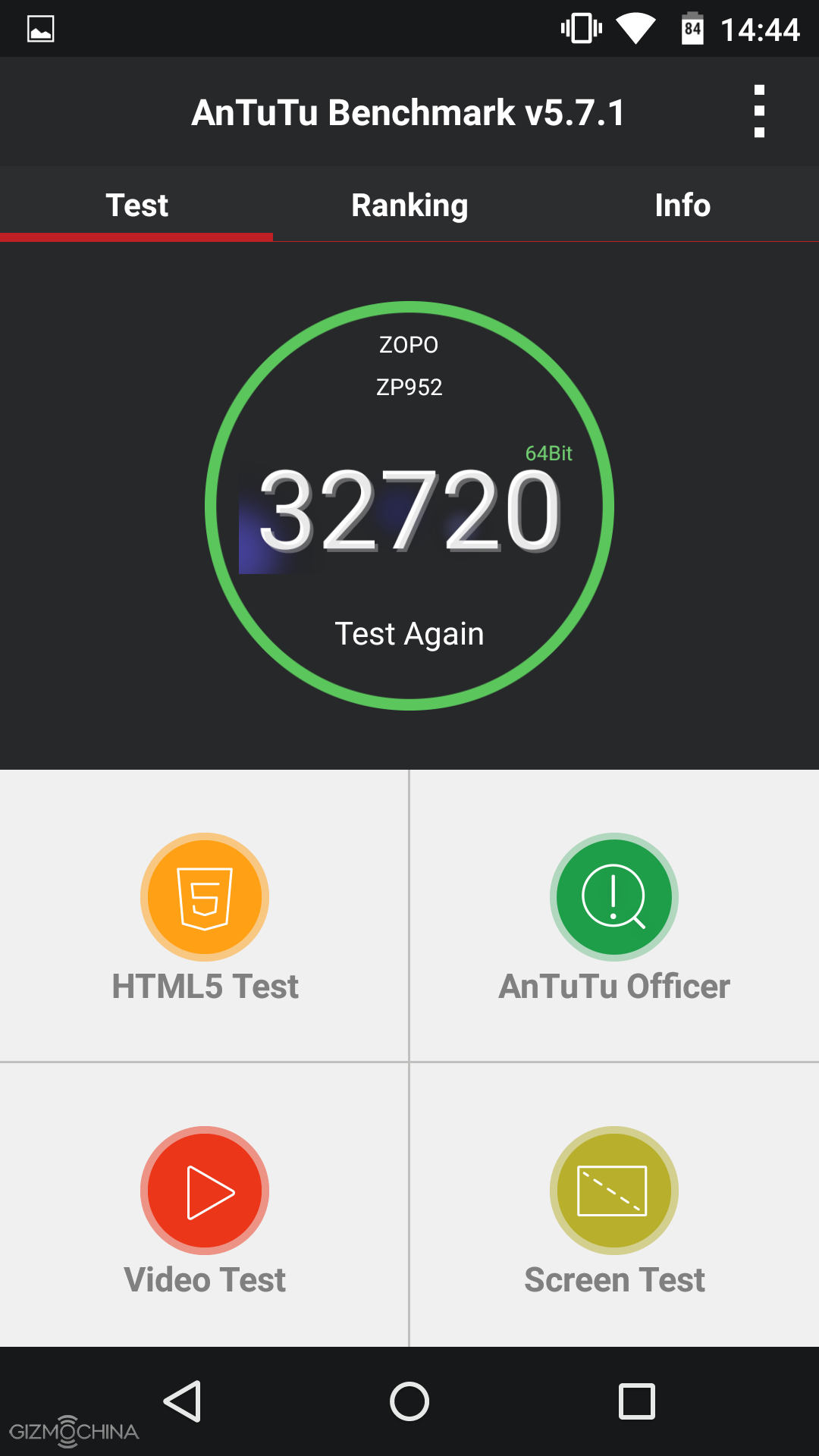
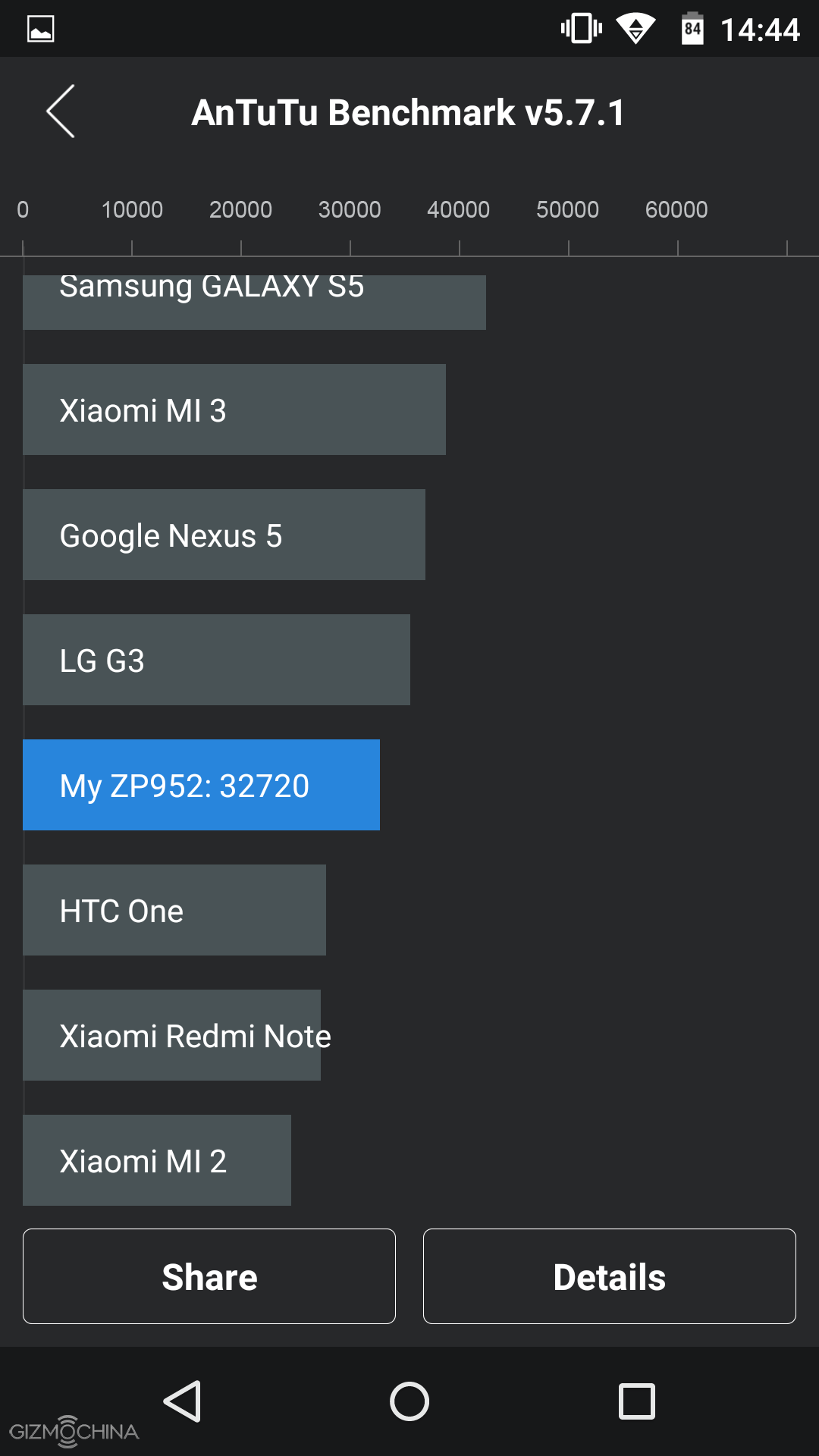
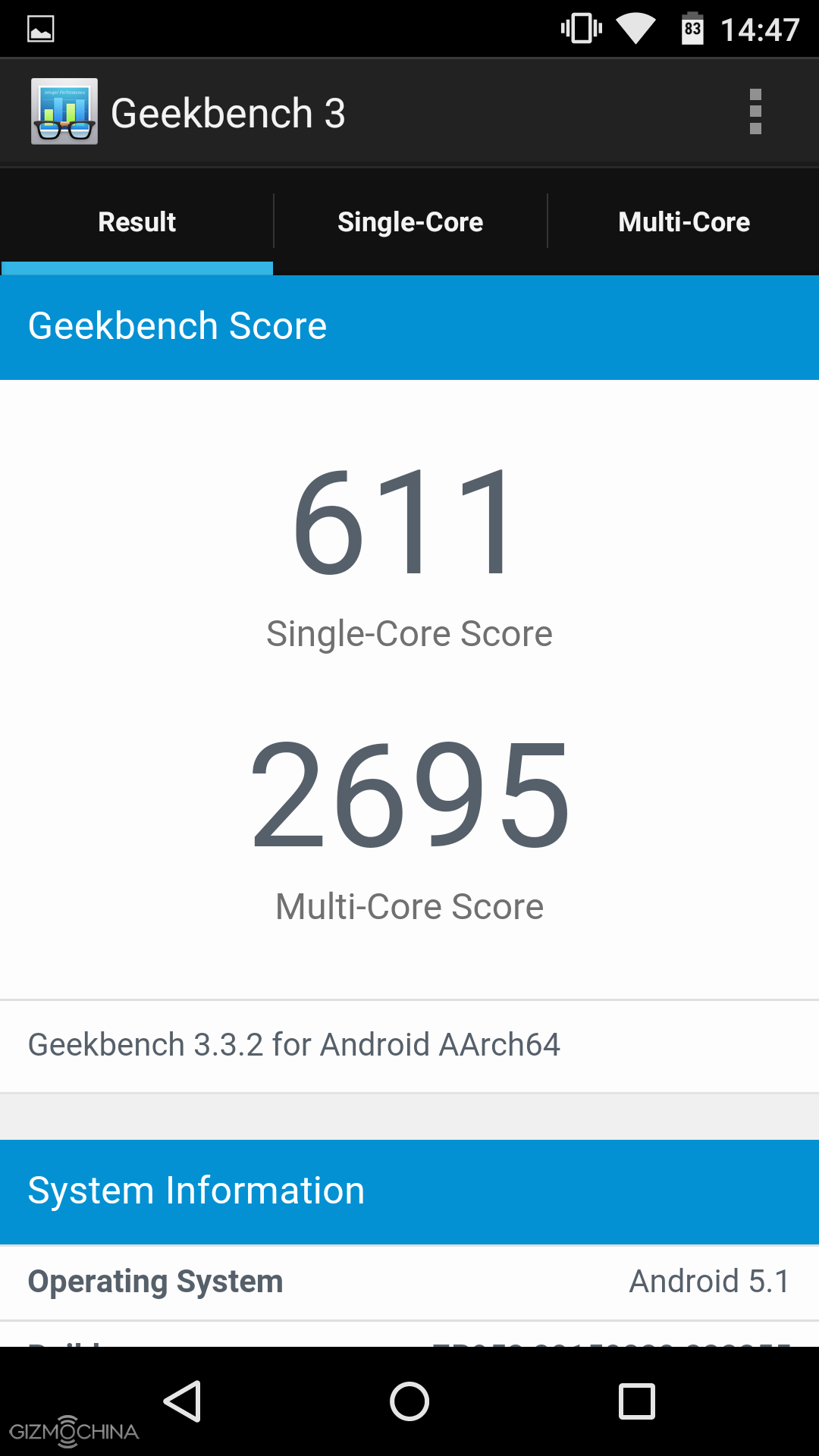
Zopo Speed 7 Plus Review: BENCHMARKS
1 of 5
Zopo Speed 7 Plus Review: HARDWARE and PERFORMANCE
The Zopo Speed 7 Plus is quite a powerful device as it has an octa-core MTK6753 chip with the clock speeds of up to 1.5GHz and it is coupled with 3GB of RAM, and 16 of expandable storage.
Graphically intensive games like Asphalt 8 work similarly like on other phones with the same specs. The performance is good but not great as there are some skipped frames and occasional stutter
A good thing is that the phone does not produce too much heat that it becomes uncomfortable to hold it in the hand.
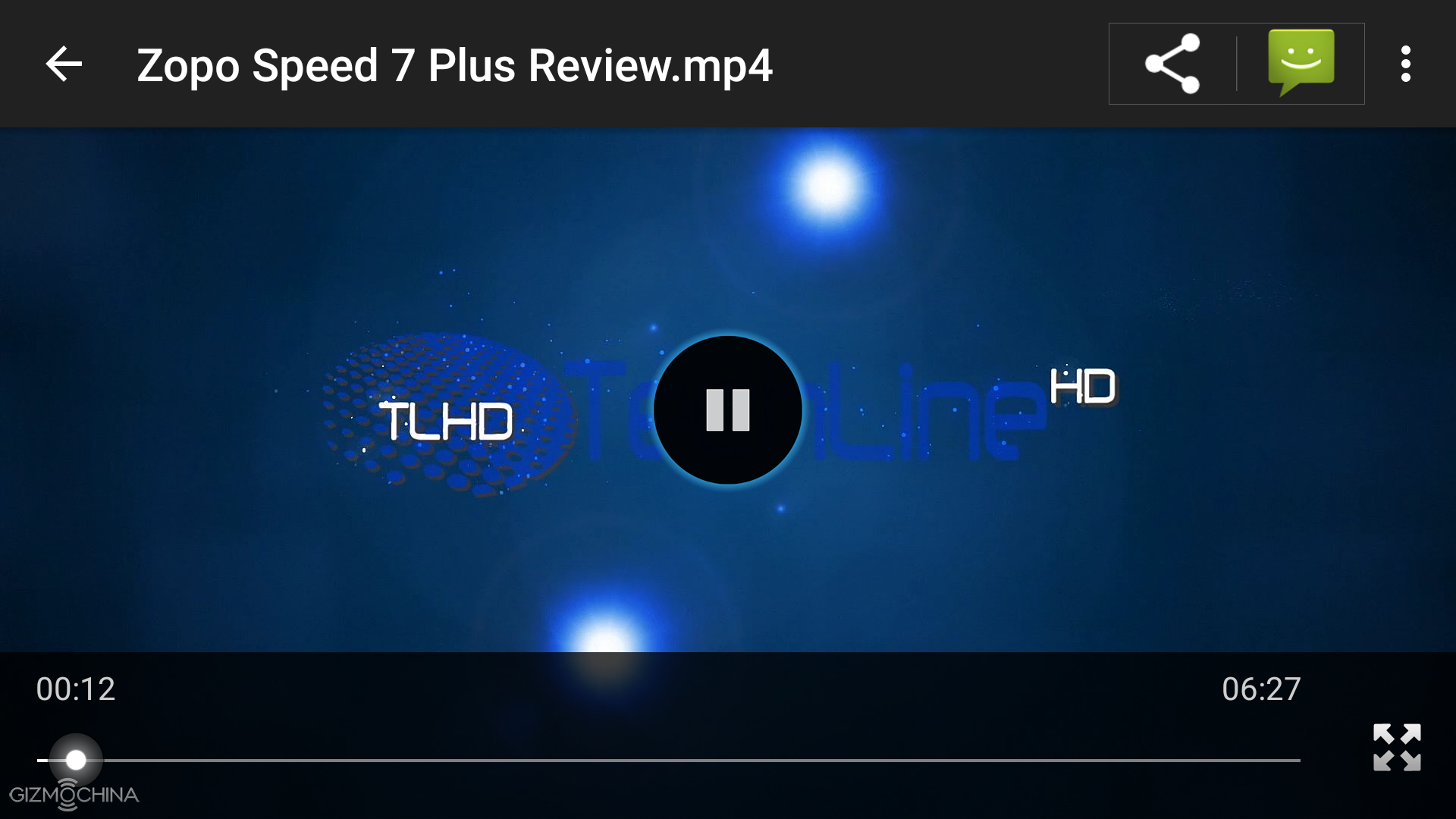
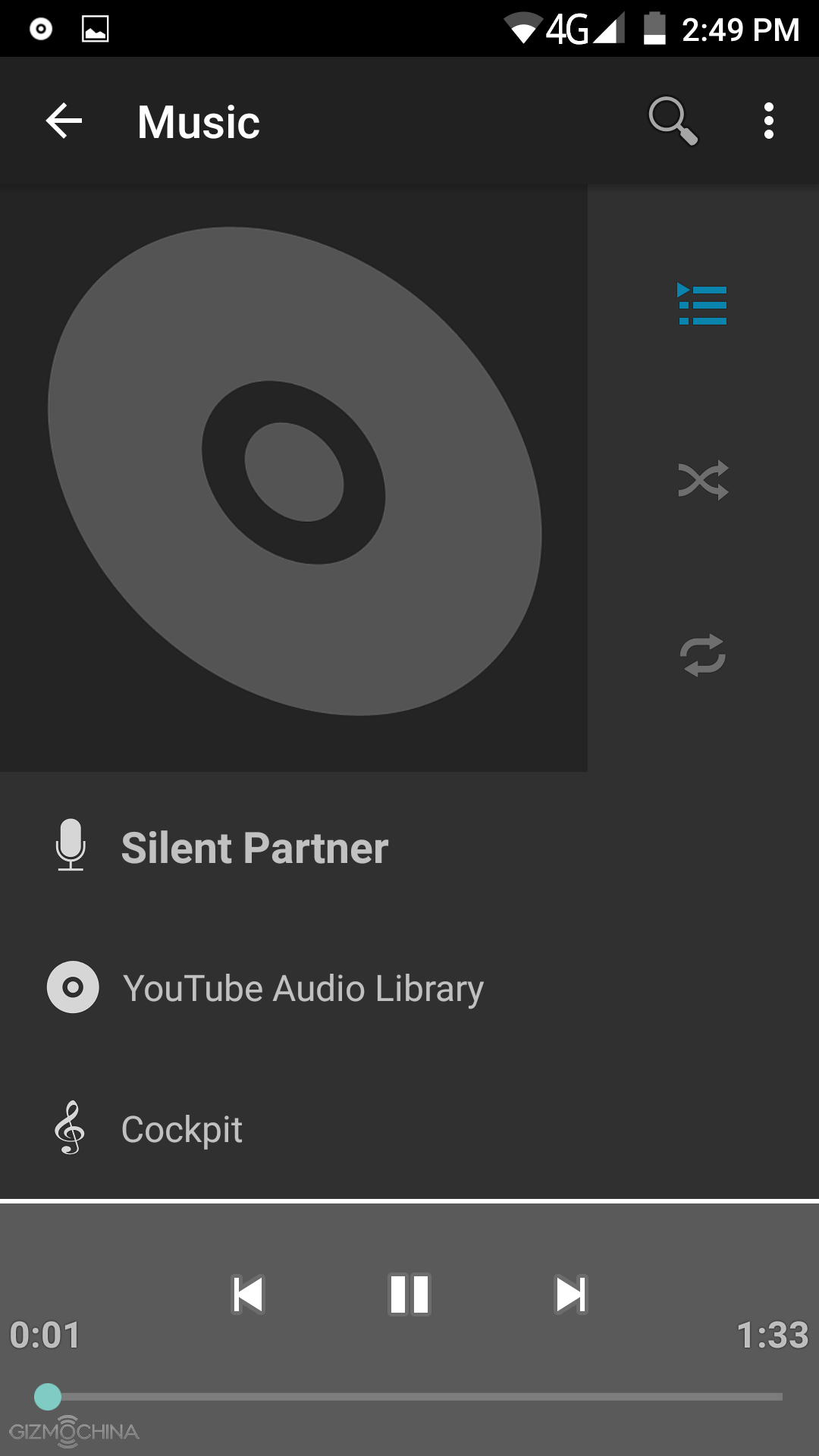
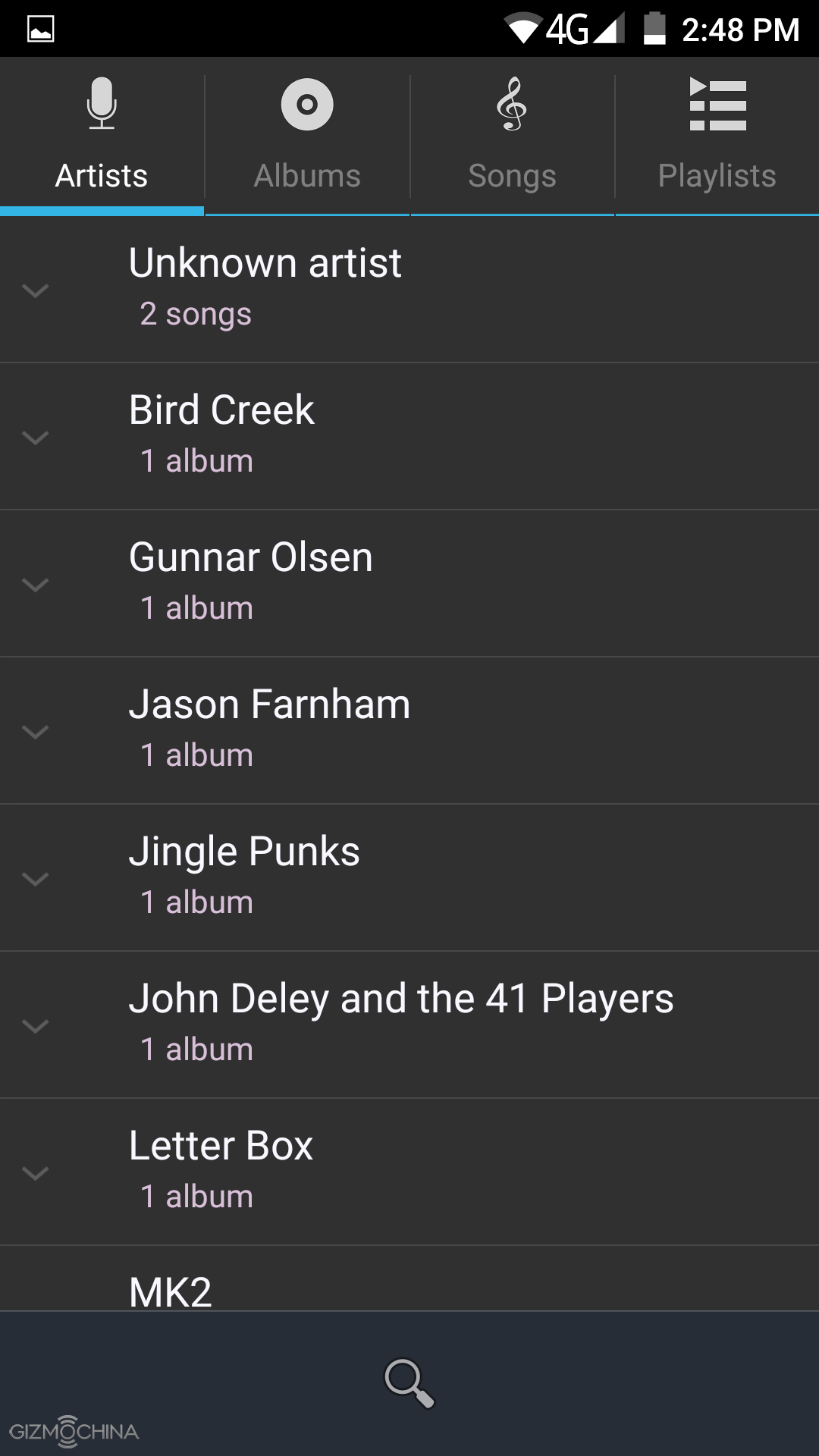
Zopo Speed 7 Plus Review: MULTIMEDIA
1 of 5
The multimedia experience is good overall. The video playback is nice and smooth and the sound quality via earphones is decent.
However, the loudspeaker could be louder and the sound quality does not impress as it lacks depth and the sound is a bit muffled. Anyway, this is common to the majority of phones in this price range.
Zopo Speed 7 Plus Review: CAMERA
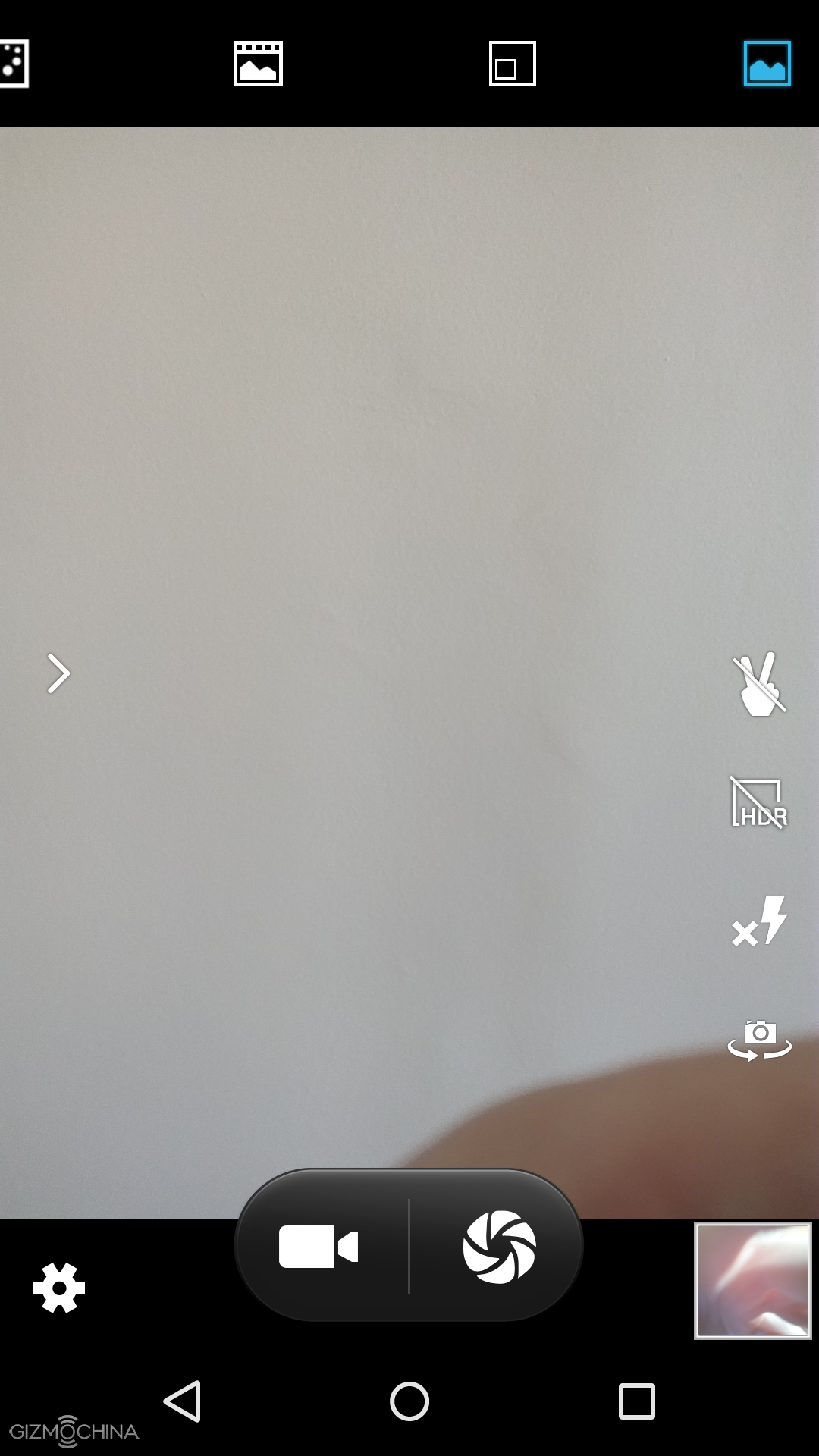
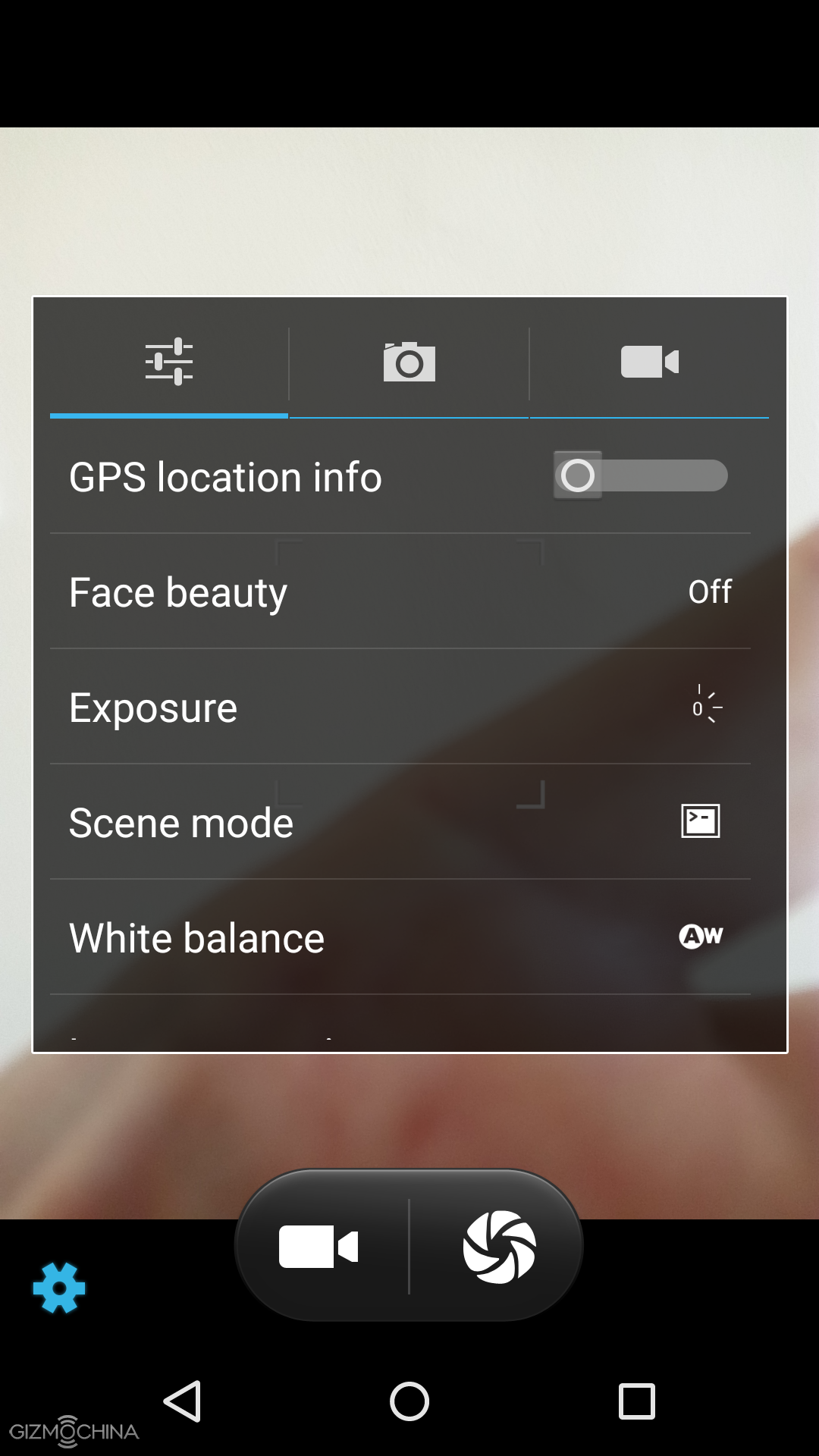
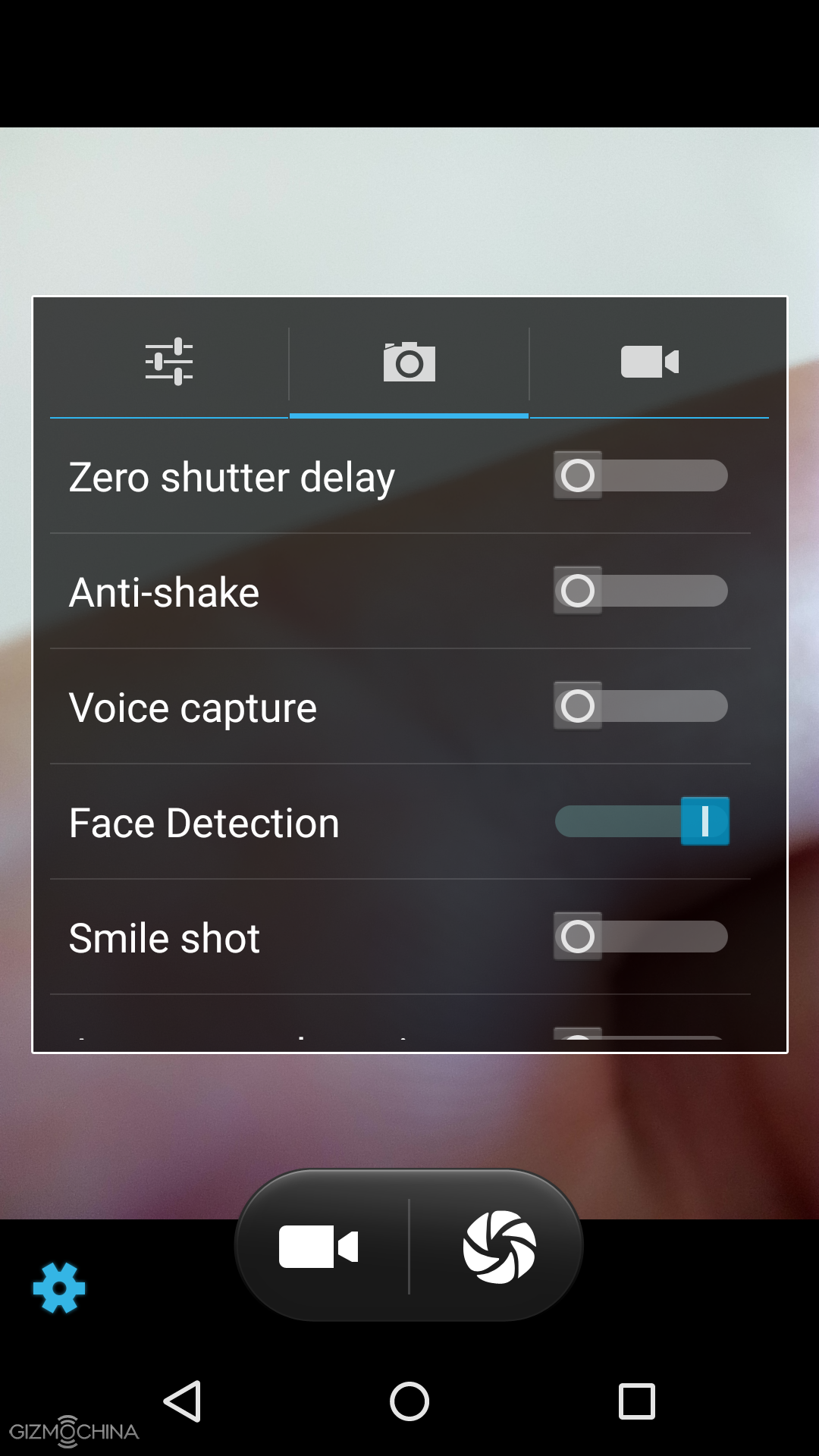
The phone has a stock Mediatek camera app with a few settings a shooting modes. However, there is one annoying bug that irritates me. Each time you want to enter the camera app, it shows the instructions how to use as the phone thinks you are opening the app for the first time.
Zopo Speed 7 Plus Review: IMAGE QUALITY
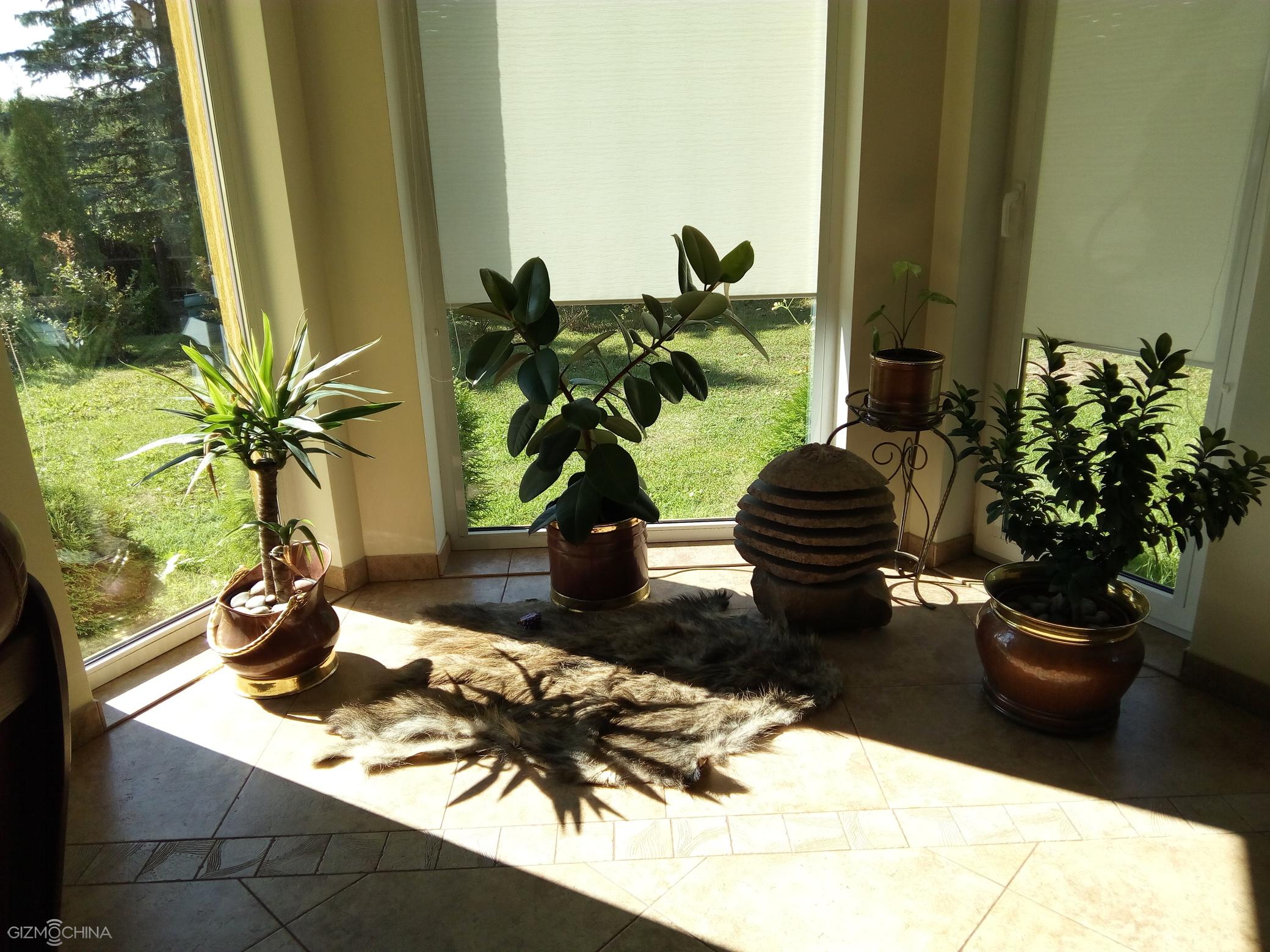
The daylight images produced by the Zopo Speed 7 Plus are actually pretty good. They have a good amount of details, colour reproduction is good but the dynamic range can be a hit or miss.
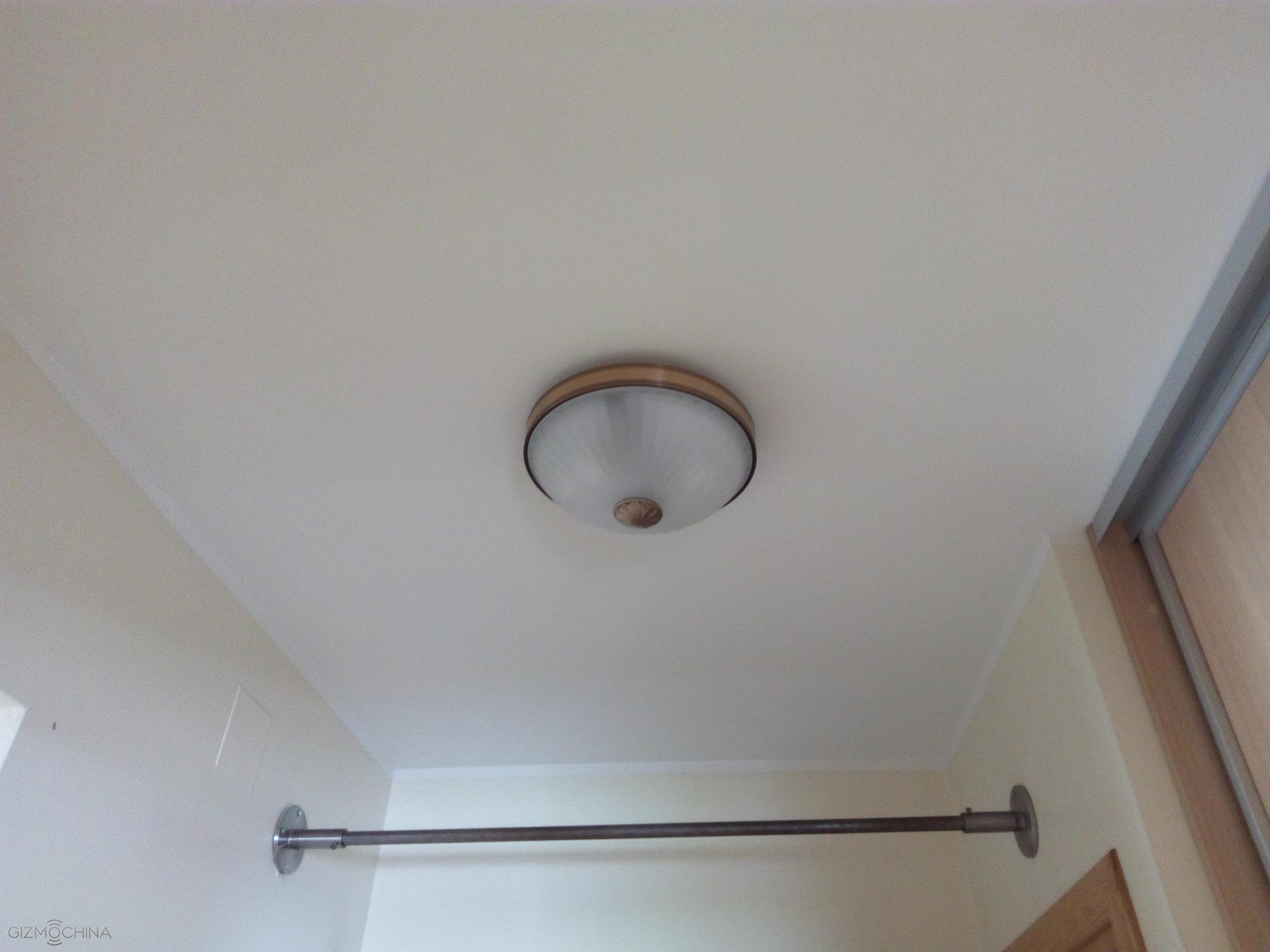
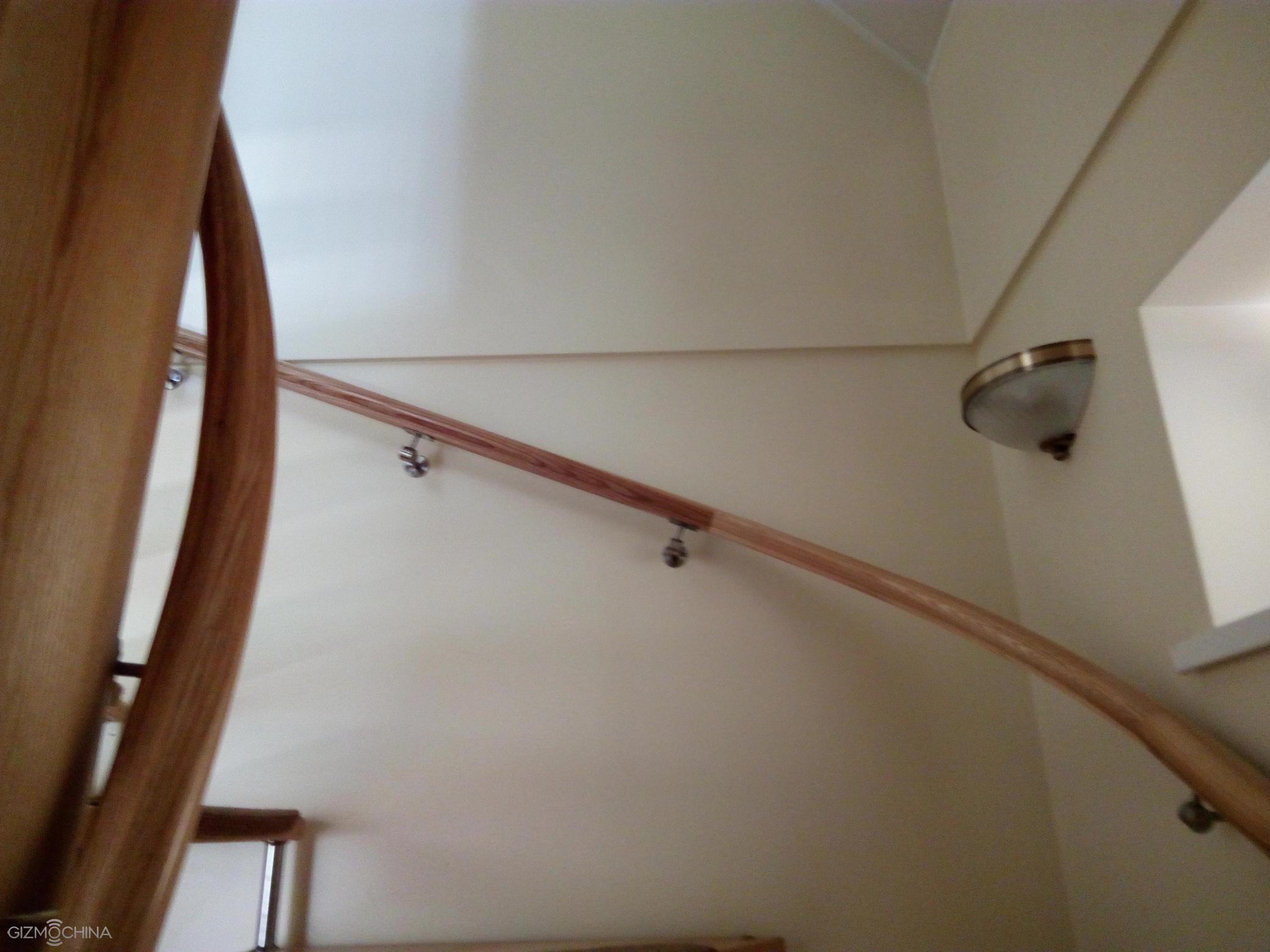
The pictures taken indoors look good when there is plenty of lighting but could be better in lower-light situations as there is less detail, a lot of noise and the shutter speed slows down.
The night pictures do not impress but some of the images look pretty good for a budget device.
The 1080p video quality is far from the best but it looks okay for a budget phone. The level of details could be better but I liked the colour reproduction, auto-exposure and the fact that the footage does not look very shaky. See the video review for a video sample.
Zopo Speed 7 Plus Review: CONNECTIVITY
I don’t have any complaints about connectivity options as the call quality along with the signal reception are good, Bluetooth and wifi are also working fine. GPS is fast to get a position lock but it could be a tad more accurate and it is not on par with the phones, powered by Snapdragon chips.
Zopo Speed 7 Plus Review: BATTERY LIFE
The 3000mAh battery performs great. I could get from 3 to almost 5 hours of screen-on time depending on what I did with the phone. If you are gaming or taking lots of pictures every day, you may get a 3.5 hours of screen-on time.
Zopo Speed 7 Plus Review: CONCLUSIONS
So there you have, the Zopo Speed 7 Plus. The phone has a solid built quality but it lacks premium materials like metal in its design. The IPS display is bright, vivid and has decent colour reproduction.
As far as the software experience goes, it is snappy and performs well but the out-of-box bloatware is something that may be annoying. A good thing is that you can easily uninstall everything.
The performance is okay but it could be better as the occasional stutter does not ensure the best gaming experience.
Also, with the Zopo Speed 7 Plus you are getting a decent camera, good battery life and the 4G LTE support.
However, I believe that this phone is a bit overpriced as there are some other similar offerings, which have the same specs or even some extra features like a finger print scanner and a metal frame in its design, which cost $30 or even $50 less.
Overall, despite a few software bugs and some other disadvantages, the Zopo Speed 7 Plus is a decent phone. Is it worth the extra cash, it is up to you to decide.
We wanted to say thank you for Comebuy.com for sending Zopo Speed 7 Plus for a review!
Xiaomi has broken another record by selling 1.5 million units of the Redmi Note 2 which was just launched a month ago. The smart phone was selling for 125 USD in its 16GB version and 156 USD in its 32 GB model. This has contributed to the record high sales and the projection indicates that the sales for the Redmi Note 2 might exceed 10 million by the end of 2015.
The slim design phone is equipped with 13MP rear camera for full HD great shots and 5MP front camera for a clearer video chats. The bright exterior colors of the cover options give users a wider array of selection. The eight Cortex A53 processor and the 2GB RAM together with the 5.5 inch 1080 pixels HD display create the astonishing user experience. The phone accepts dual Micro-SIMs that can be both 4G technology. The FM radio, the 4.0 Bluetooth and the 802.11ac Wi-Fi radio offer more connectivity solutions. The phone runs on MIUI 6 when unpacked from the box and the Android 5.0 with MIUI 7 skin upgrade is readily available for a manual update.
Unfortunately at the moment, it is reported that the Redmi Note 2 is only available for the Chinese local market. However, Xiaomi’s products are showing a huge potential to attract even larger number of buyers in the international market. The company is already expanding to the Indian market and also eying the US for the near future.
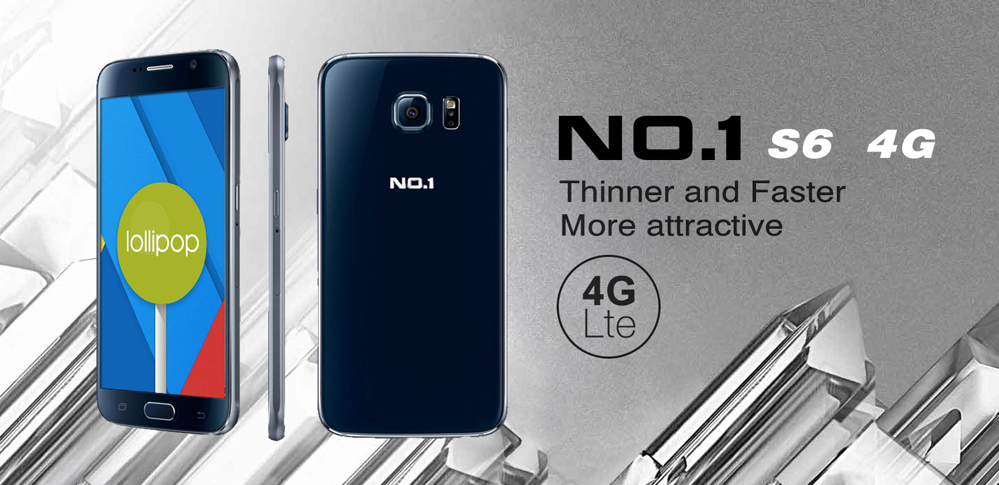
Just a few weeks after Samsung announced its Galaxy S6 flagship with a beautiful revamped design, No.1 announced a clone of their own, called as the No.1 S6i. Now, almost 5 months after the announcement, the company is back with an upgrade, the No.1 S6i 4G. As the name suggests, the highlight of this phone with be LTE connectivity in a beautiful design.
Most of the specifications remain the same, except for its slightly larger display. The No.1 S6i 4G comes with a 5.1-inch display instead of 5-inch on its predecessor. The resolution remains the same as before, i.e. 1280 x 720p. Under the hood, there’s the 64-bit MT6735 quad-core chip clocked at 1.3GHz. Thats enough for your everyday needs. There’s 1GB of RAM on board and 16GB of storage which unfortunately is not upgradable.
Given that its LTE connectivity is the biggest upgrade, here’s the supported networks.
The phone runs on Android 5.1 Lollipop OS and comes with a decent 2800 mAh battery. As for the body, its quite thin measuring just 6.8 mm in thickness. Its weighs only about 155 grams. At the back, there’s a 13MP camera while up front, you’ll find a 5MP shooter.
The company is yet to announce pricing and availability details, but stay tuned for more info.
We use cookies on our website to give you the most relevant experience by remembering your preferences and repeat visits. By clicking “Accept”, you consent to the use of ALL the cookies.
This website uses cookies to improve your experience while you navigate through the website. Out of these, the cookies that are categorized as necessary are stored on your browser as they are essential for the working of basic functionalities of the website. We also use third-party cookies that help us analyze and understand how you use this website. These cookies will be stored in your browser only with your consent. You also have the option to opt-out of these cookies. But opting out of some of these cookies may affect your browsing experience.
Necessary cookies are absolutely essential for the website to function properly. This category only includes cookies that ensures basic functionalities and security features of the website. These cookies do not store any personal information.
Any cookies that may not be particularly necessary for the website to function and is used specifically to collect user personal data via analytics, ads, other embedded contents are termed as non-necessary cookies. It is mandatory to procure user consent prior to running these cookies on your website.