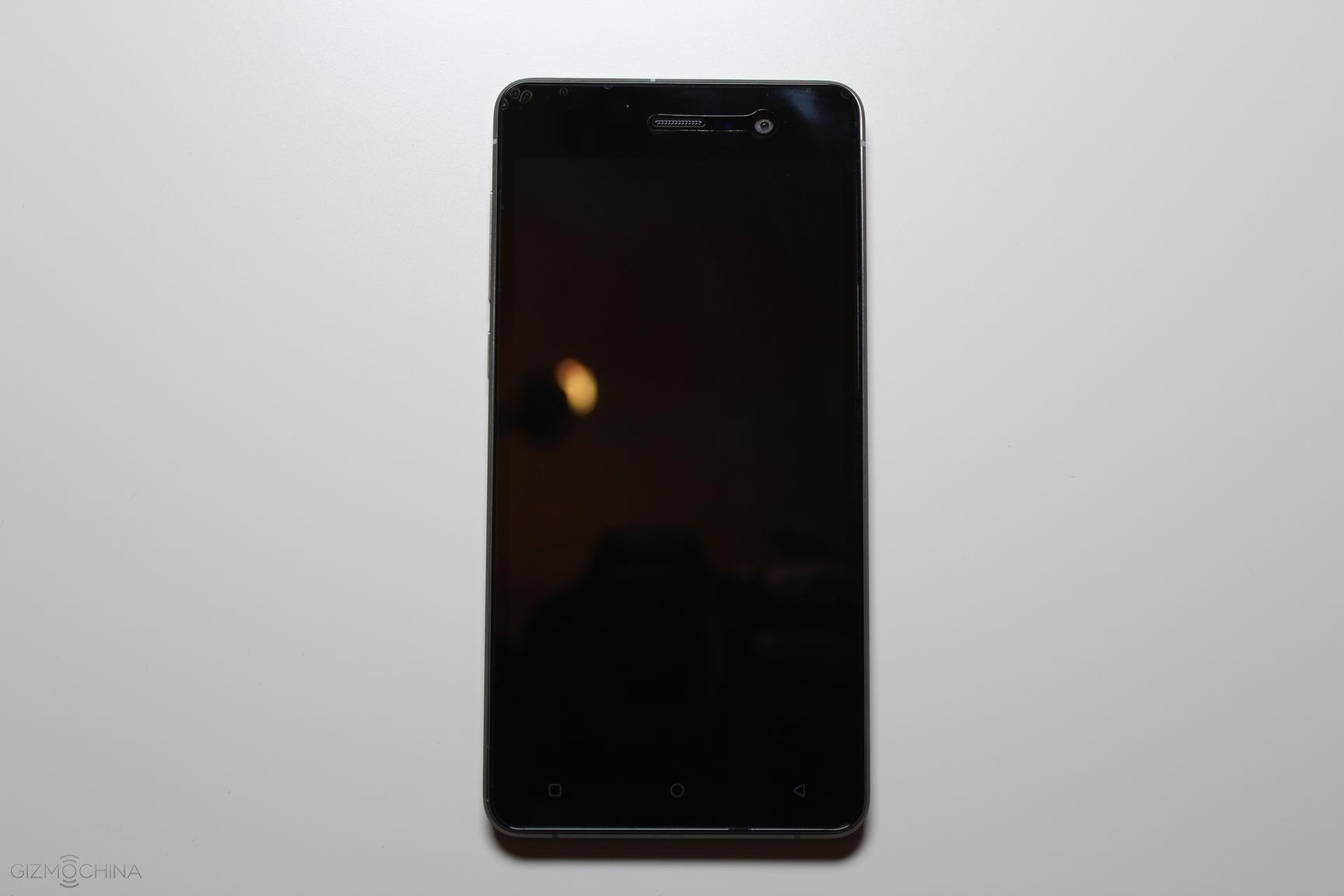
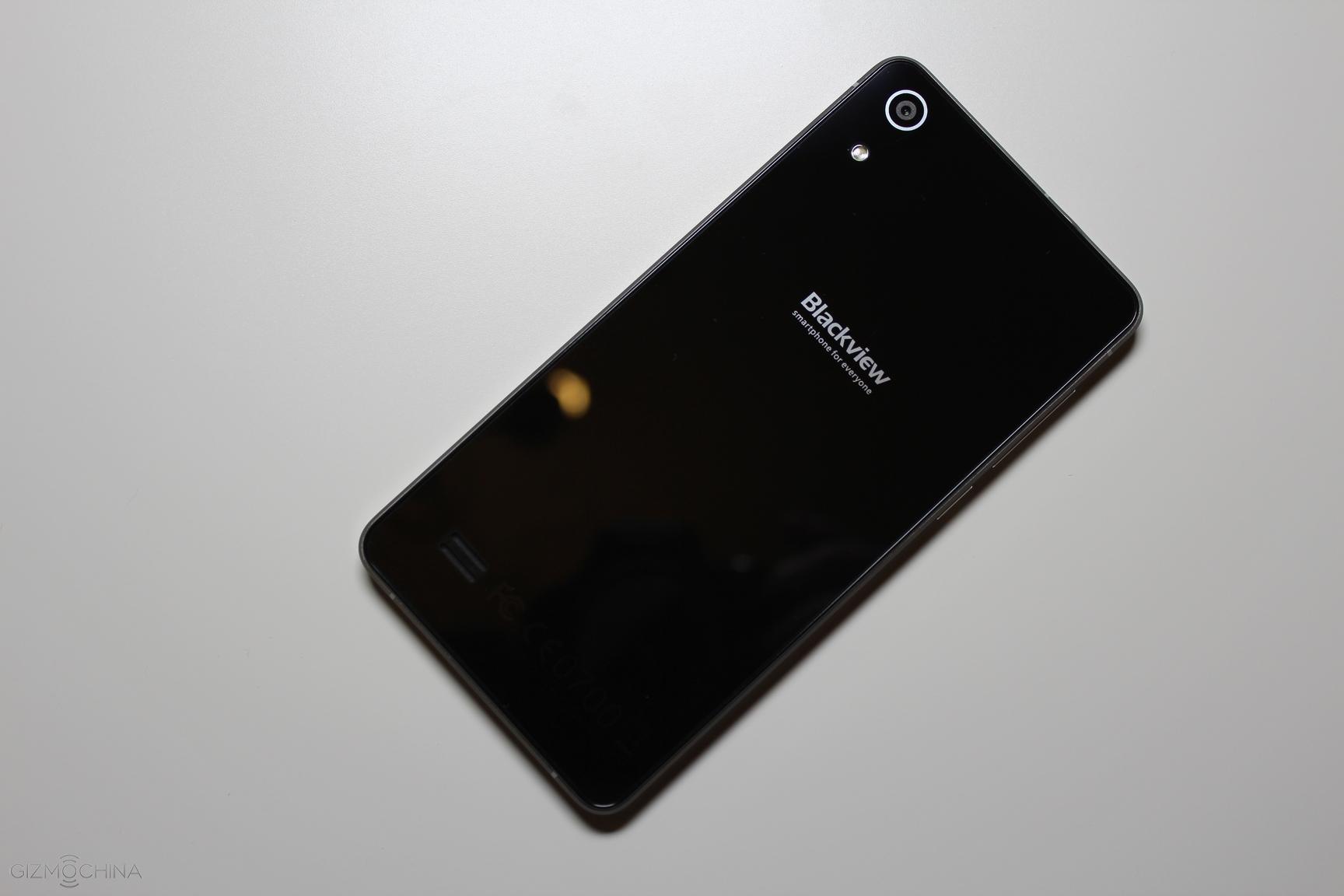
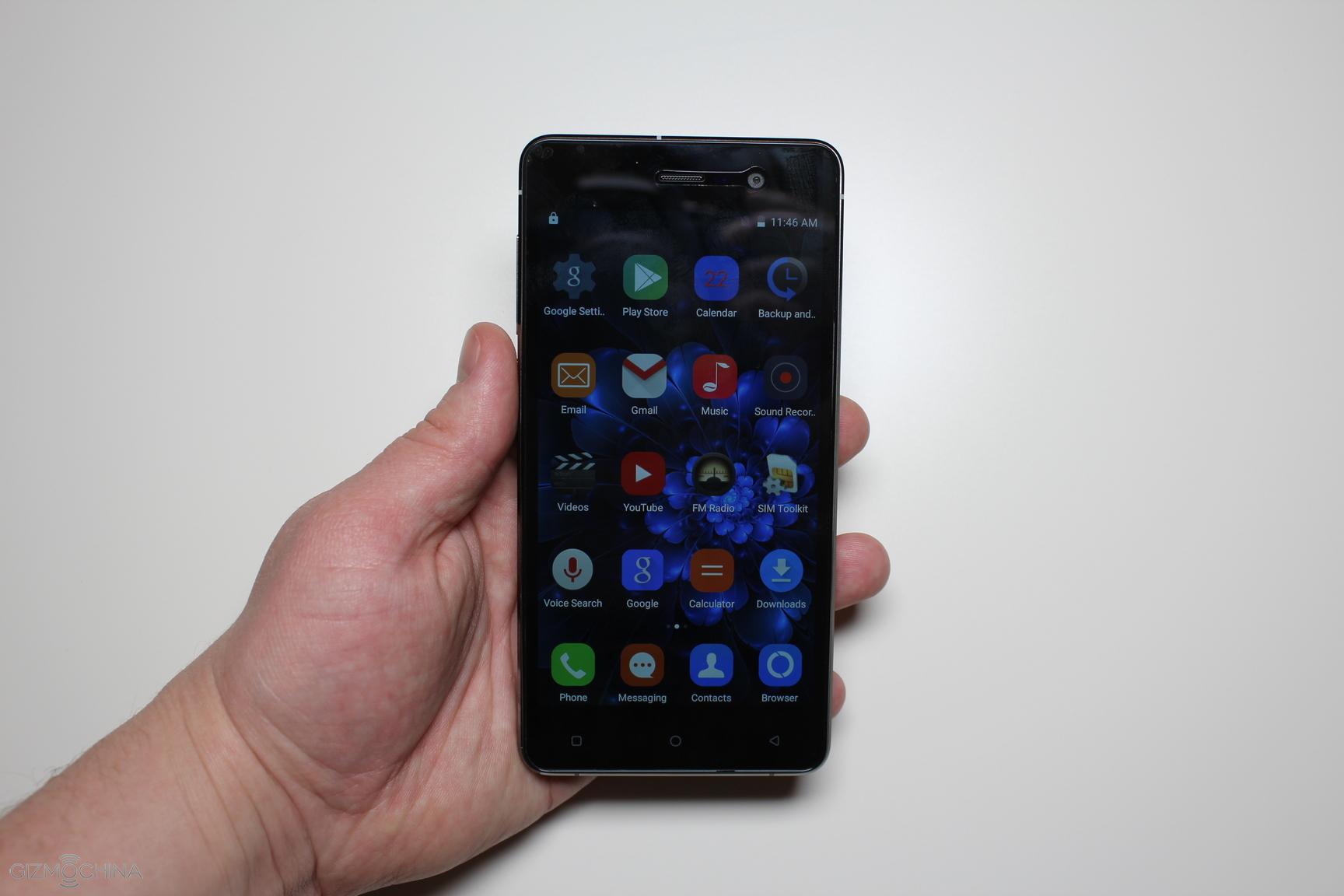
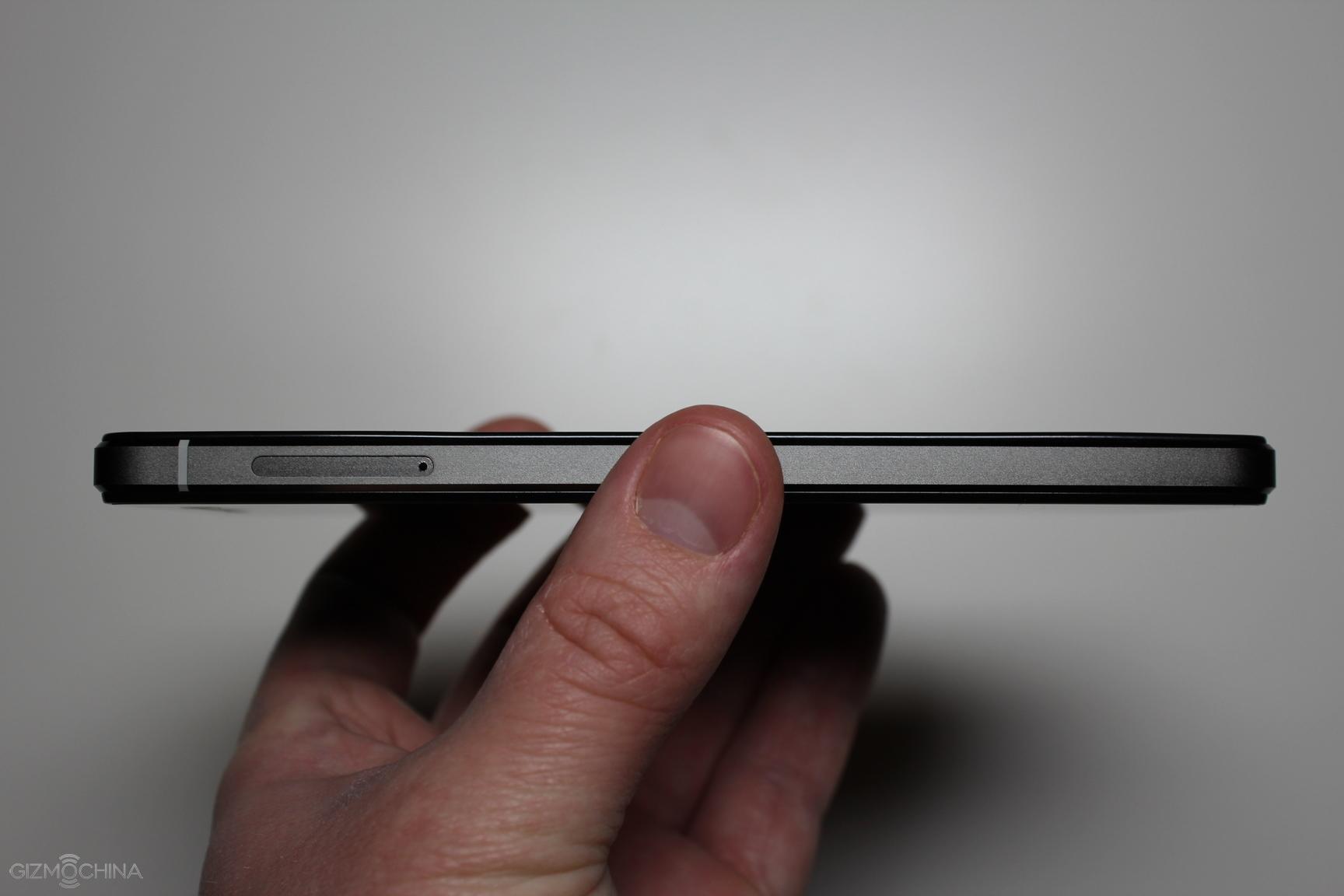
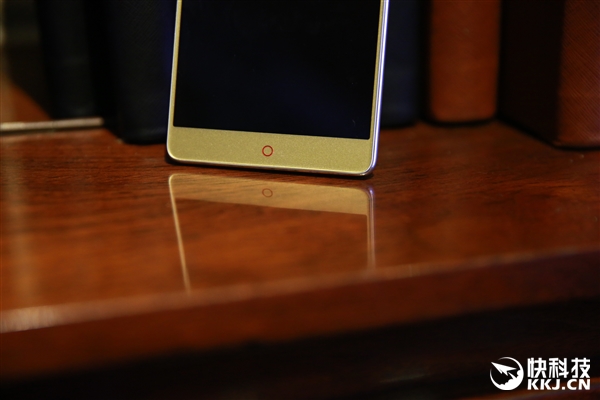
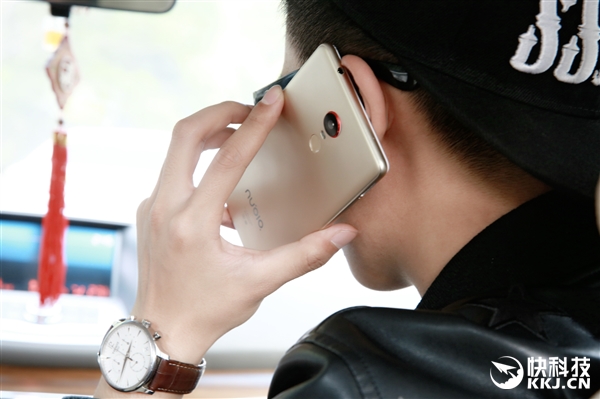
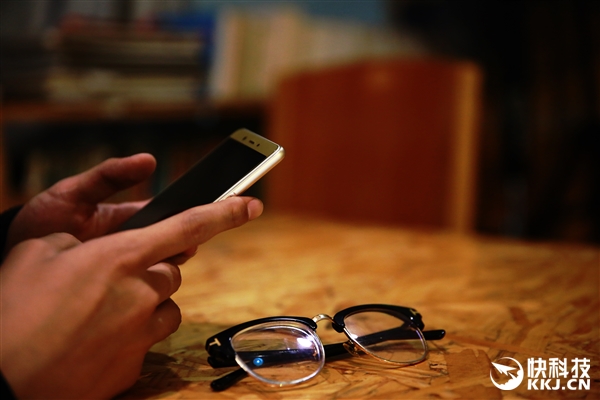
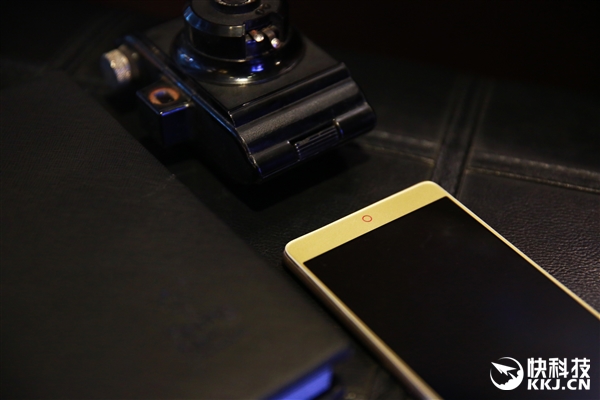
We have a huge variety of companies that release lots of smartphones every year (or ever month?). We love seeing the phones improve in every possible way but one thing is often left out – the battery life. There are a few ways of improving the battery life of a smartphone and Oukitel has made the biggest capacity smartphone yet. Find out more in the video review below.
16GB (expandable via microSD card slot up to 64GB)
Oukitel K10000: UNBOXING
I’ve reviewed a bunch of Oukitel phones in the past and I have to tell you that this is the most premium packaging the company has shipped their phone in so far.
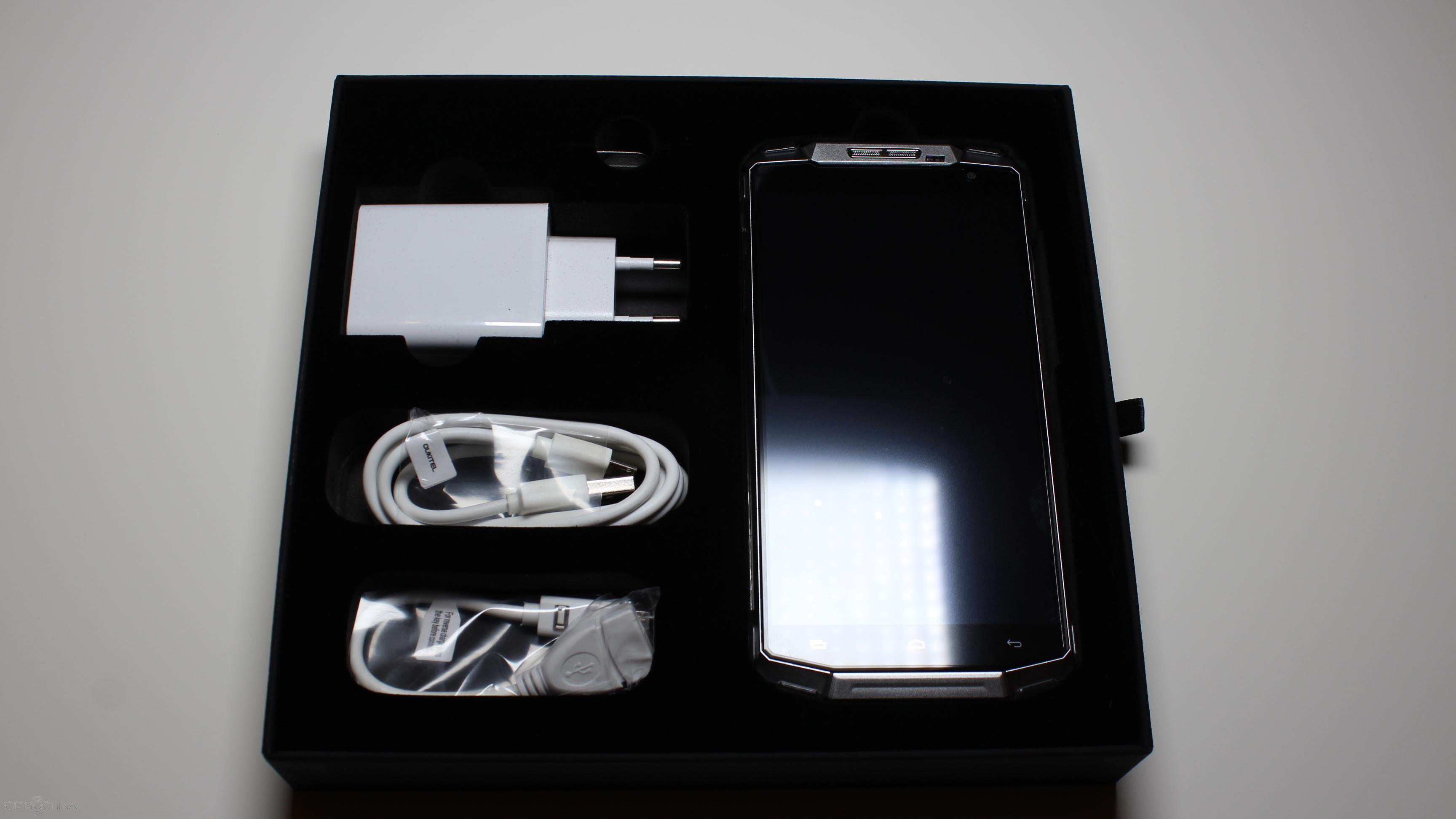
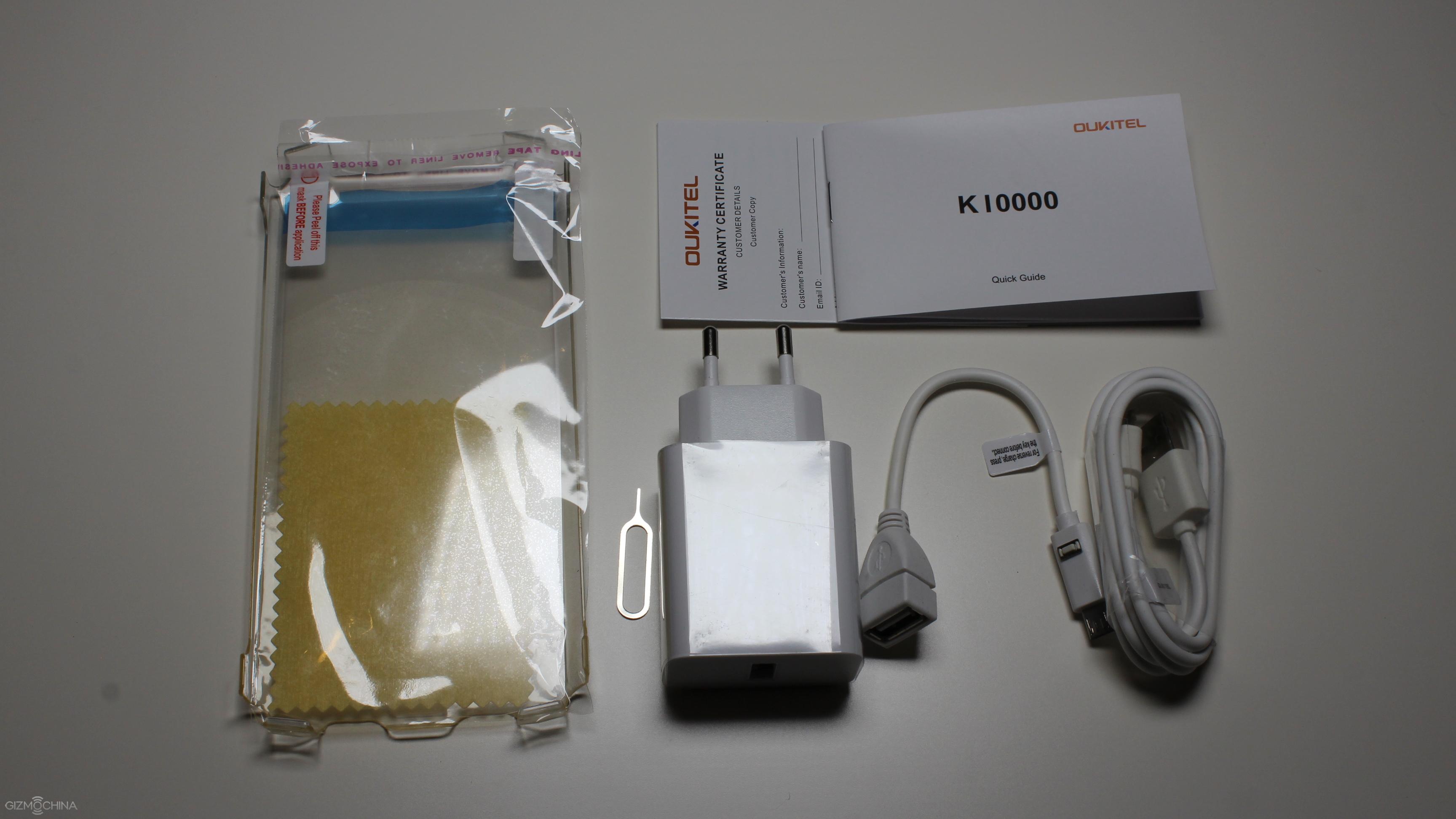
Everything’s packed neatly and what you are getting in the packaging include the micro USB cable, USB OTG cable if you want to connect some external devices to the phone, a fast charging brick, SIM ejector pin, a screen protector, some documentation and last but not least a plastic phone case, which is always a nice addition to have.
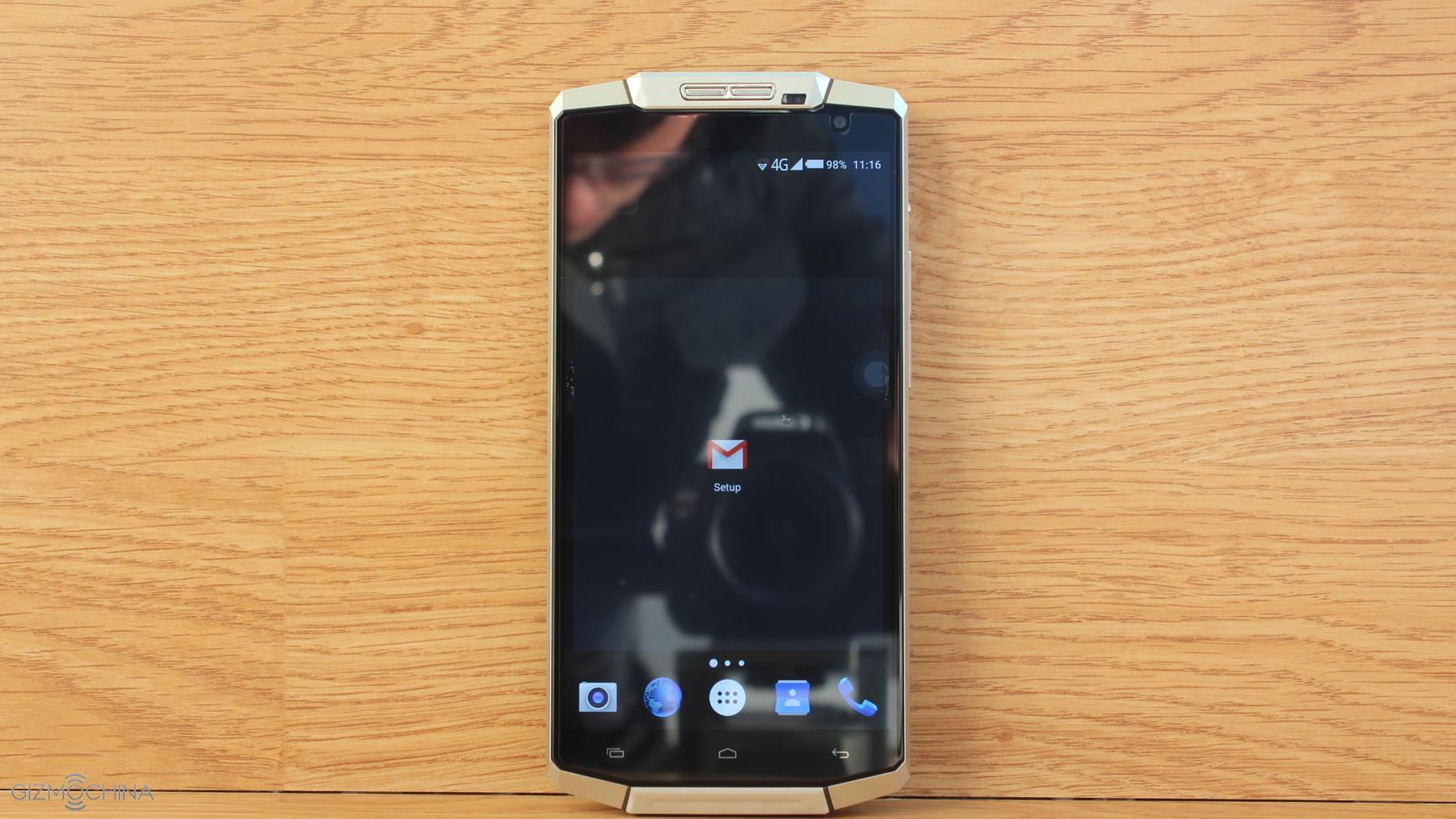
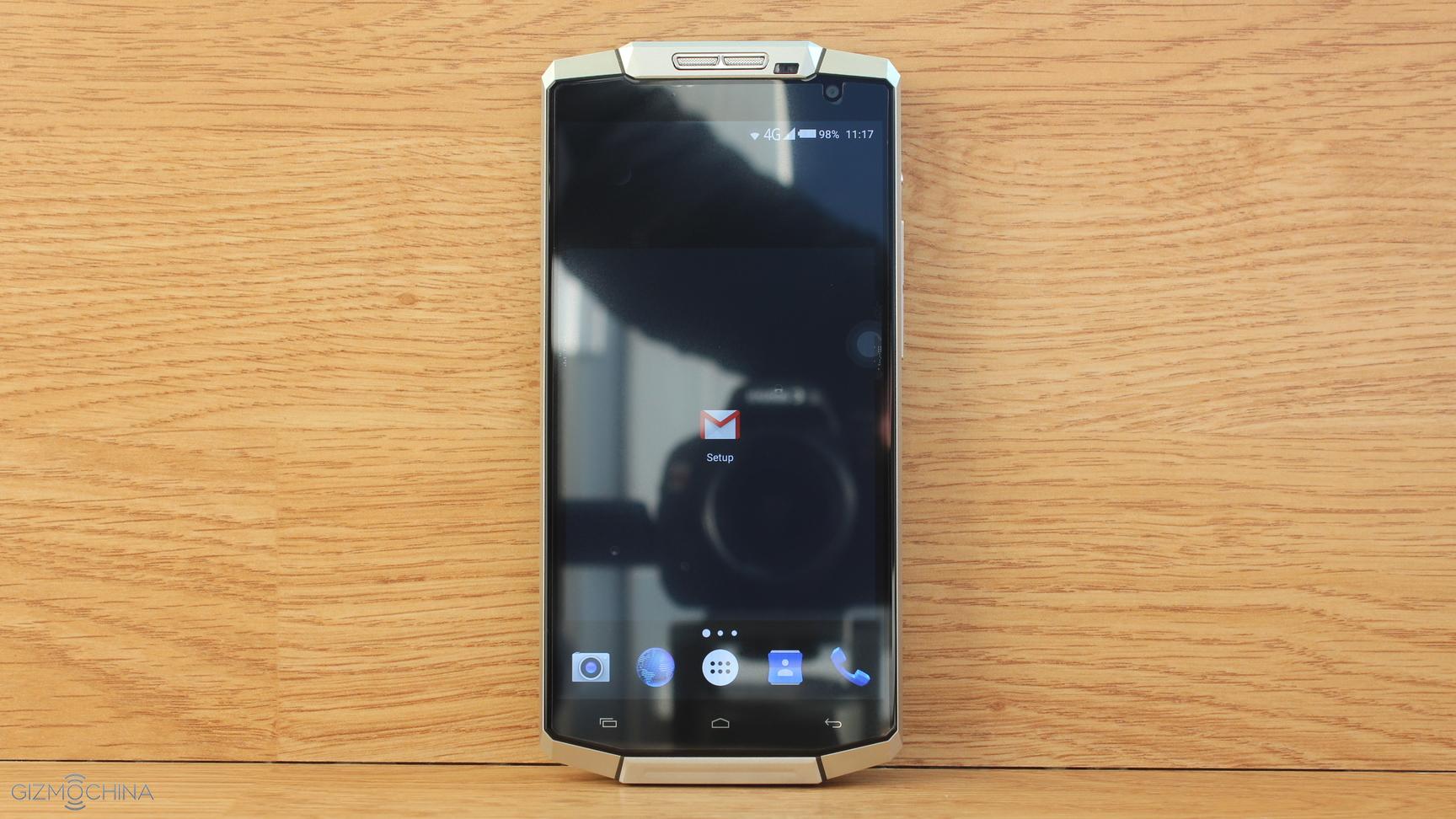
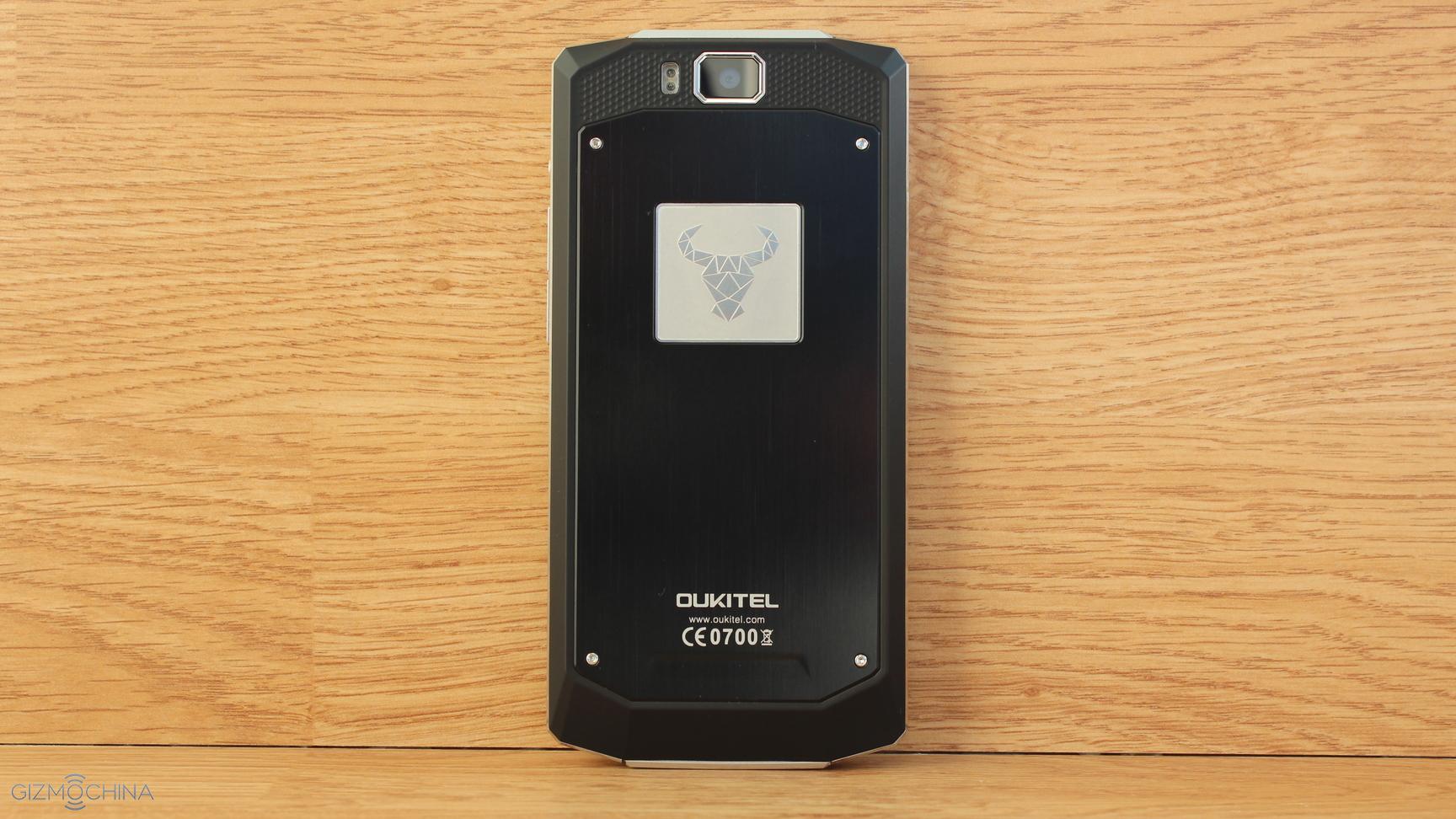
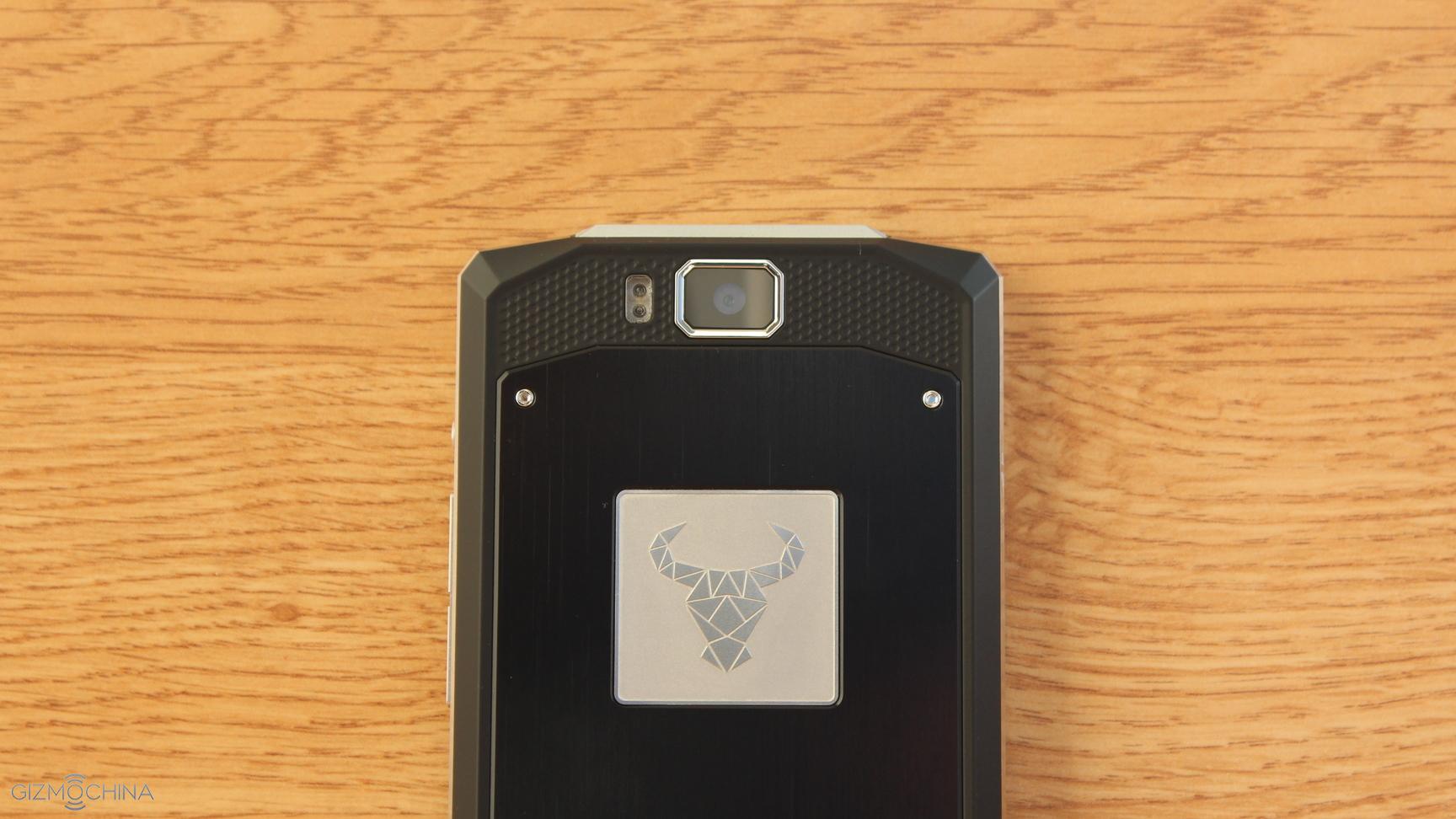
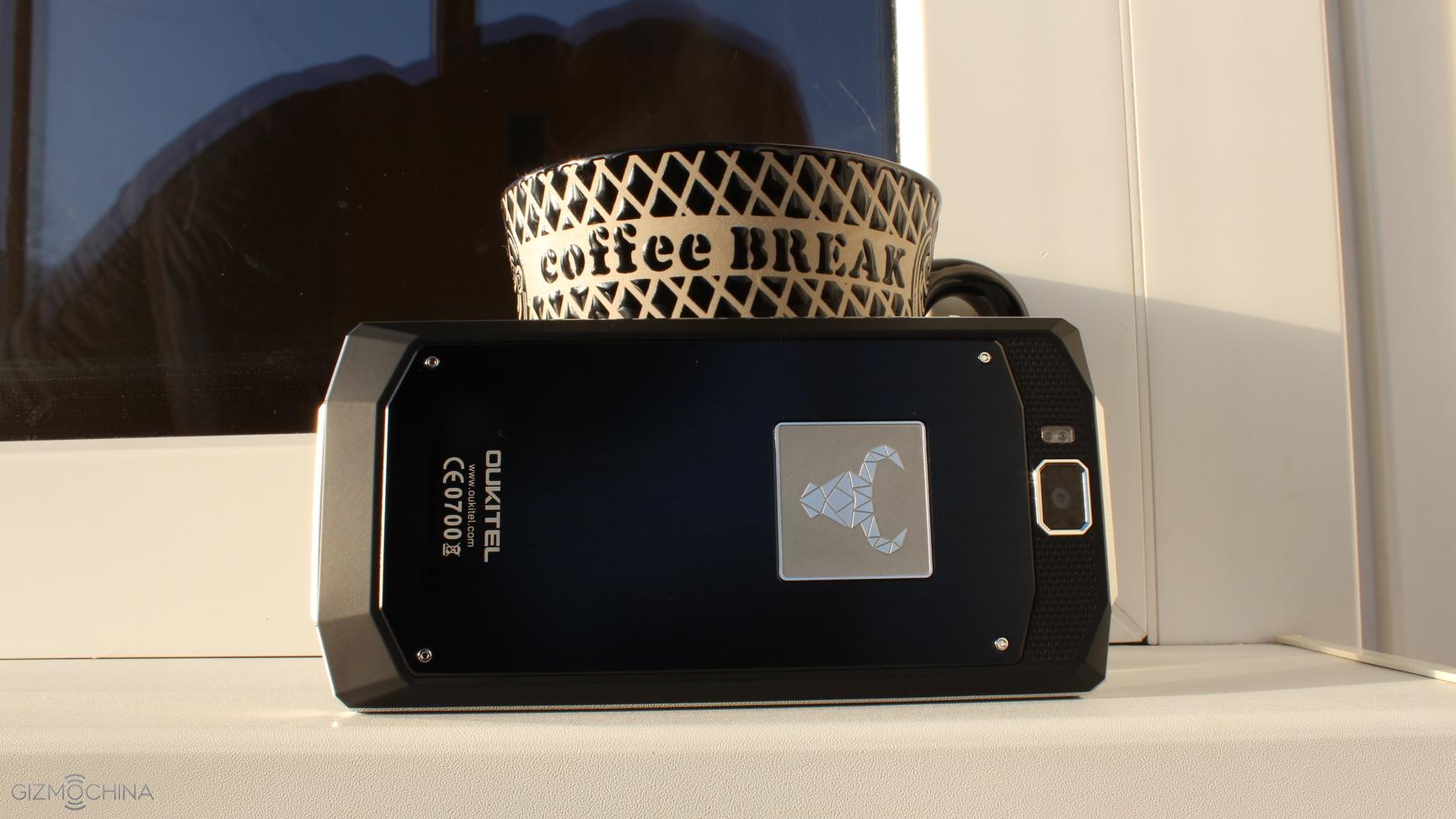
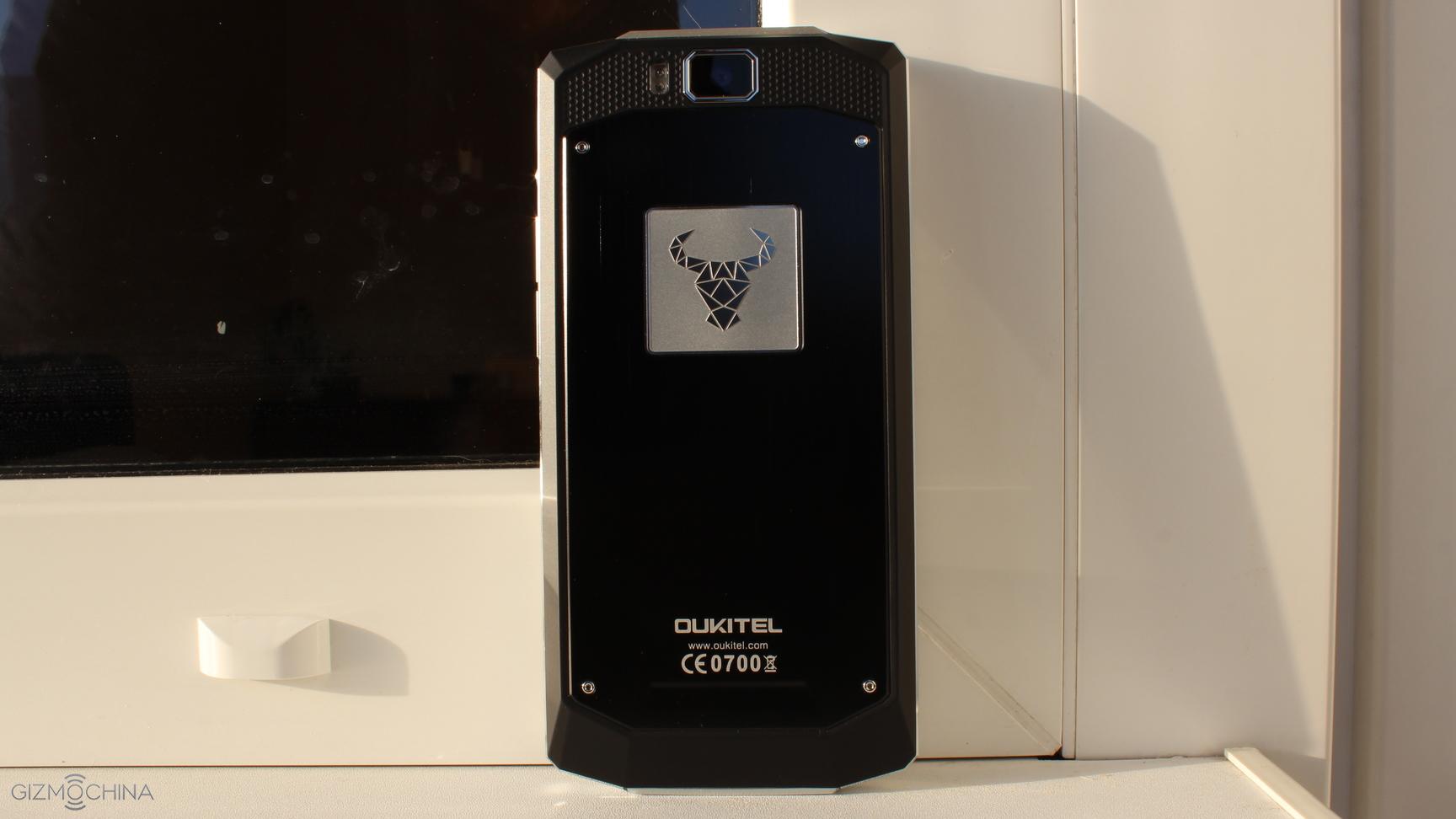
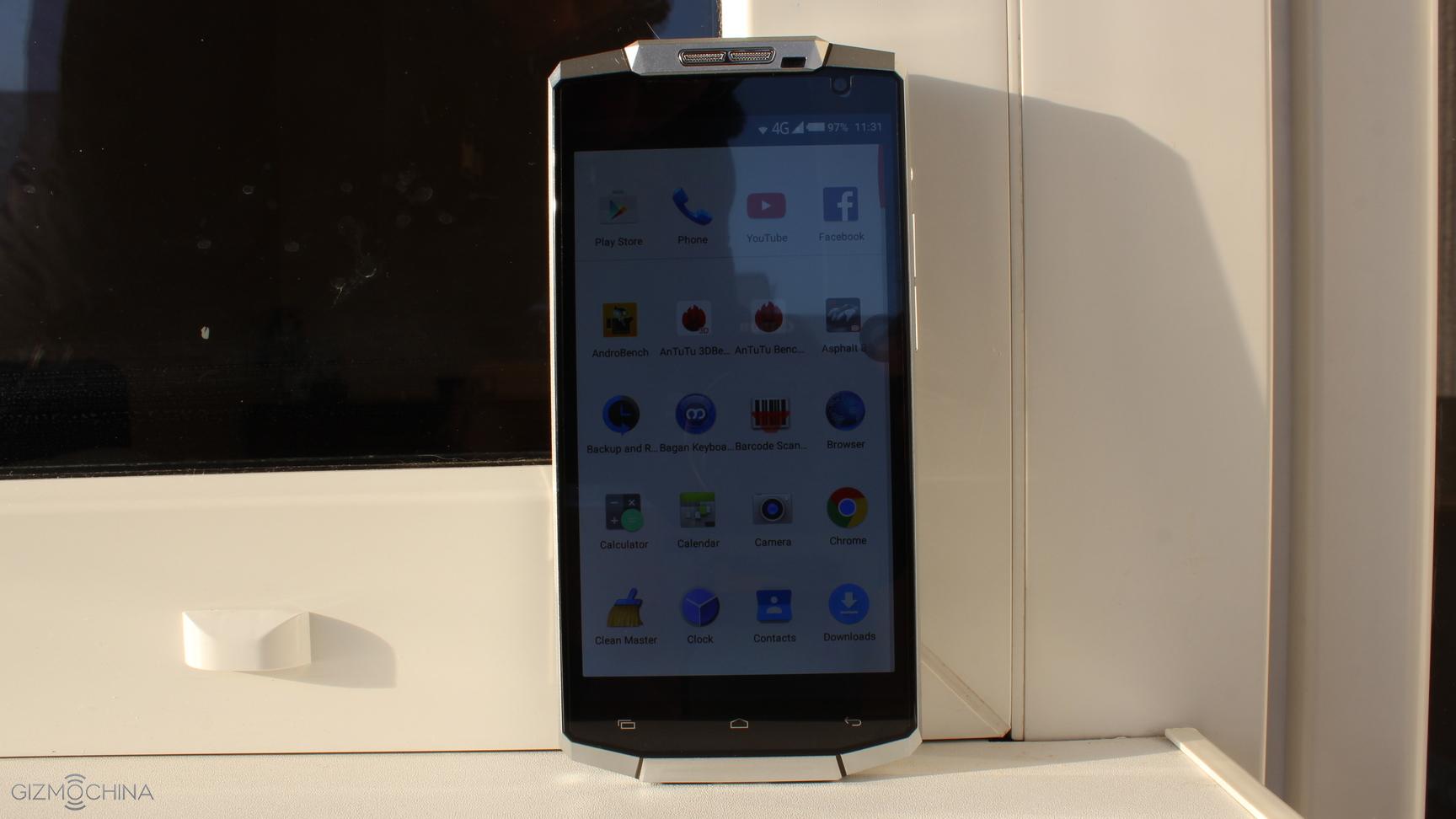
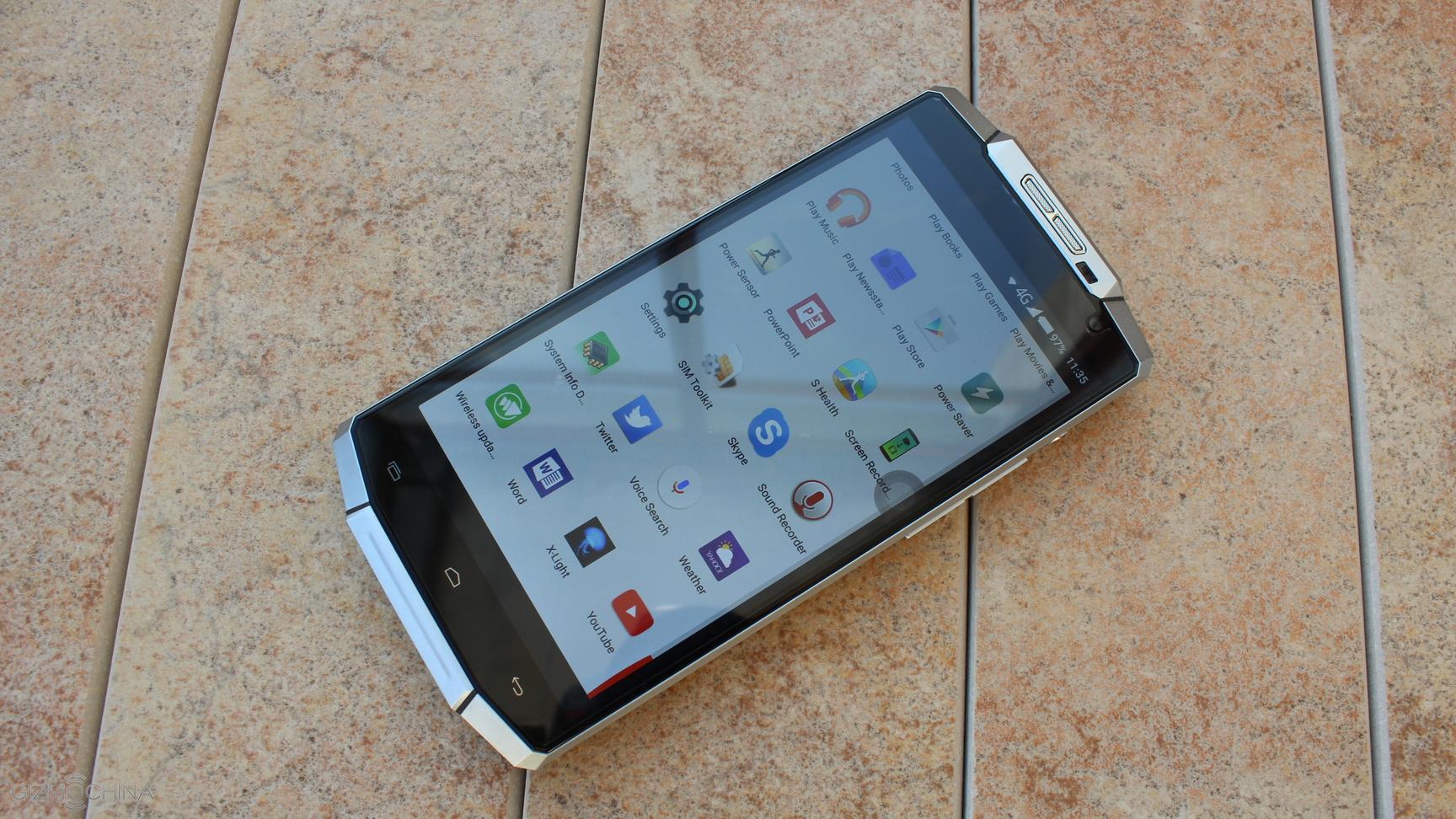
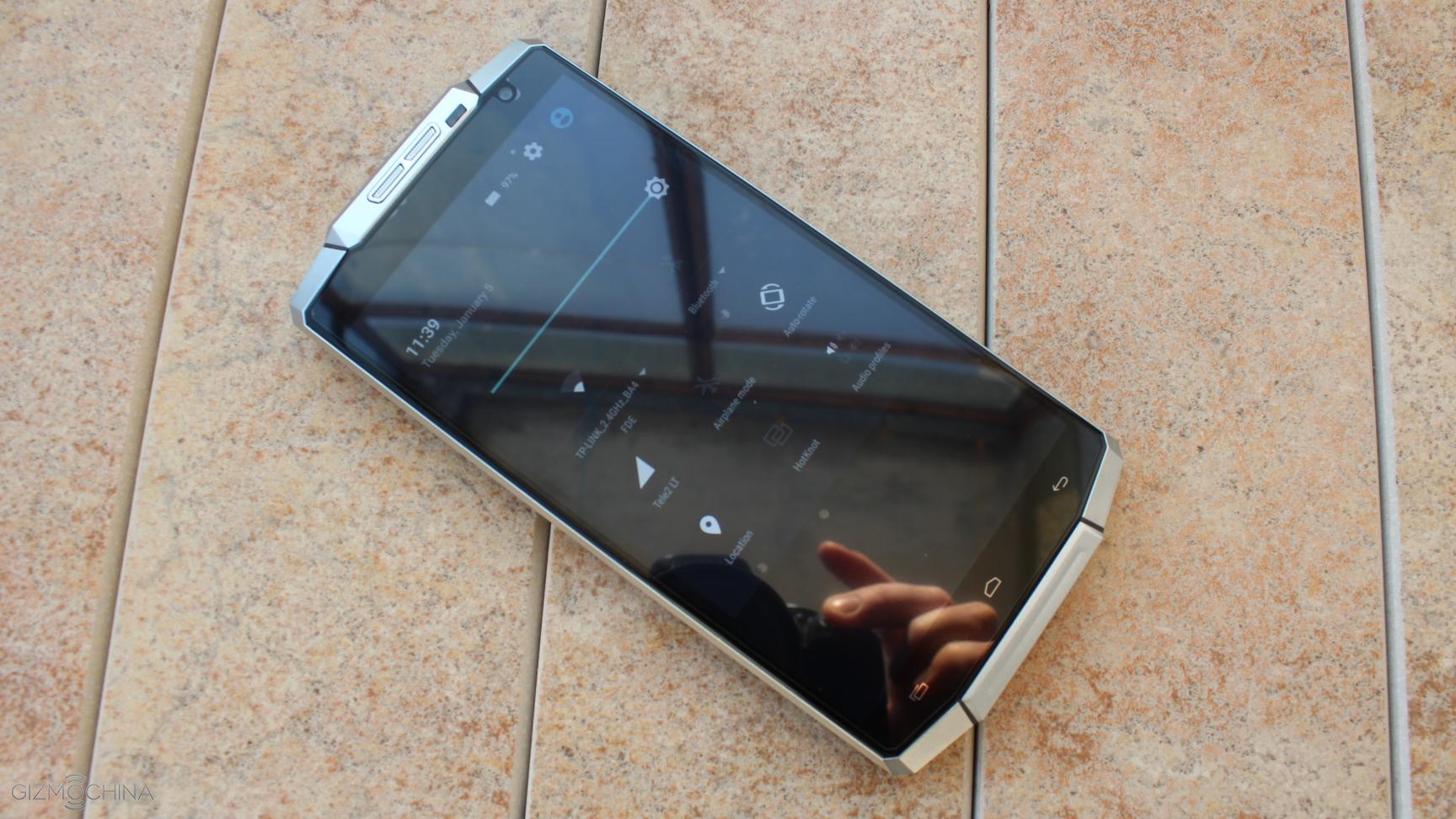
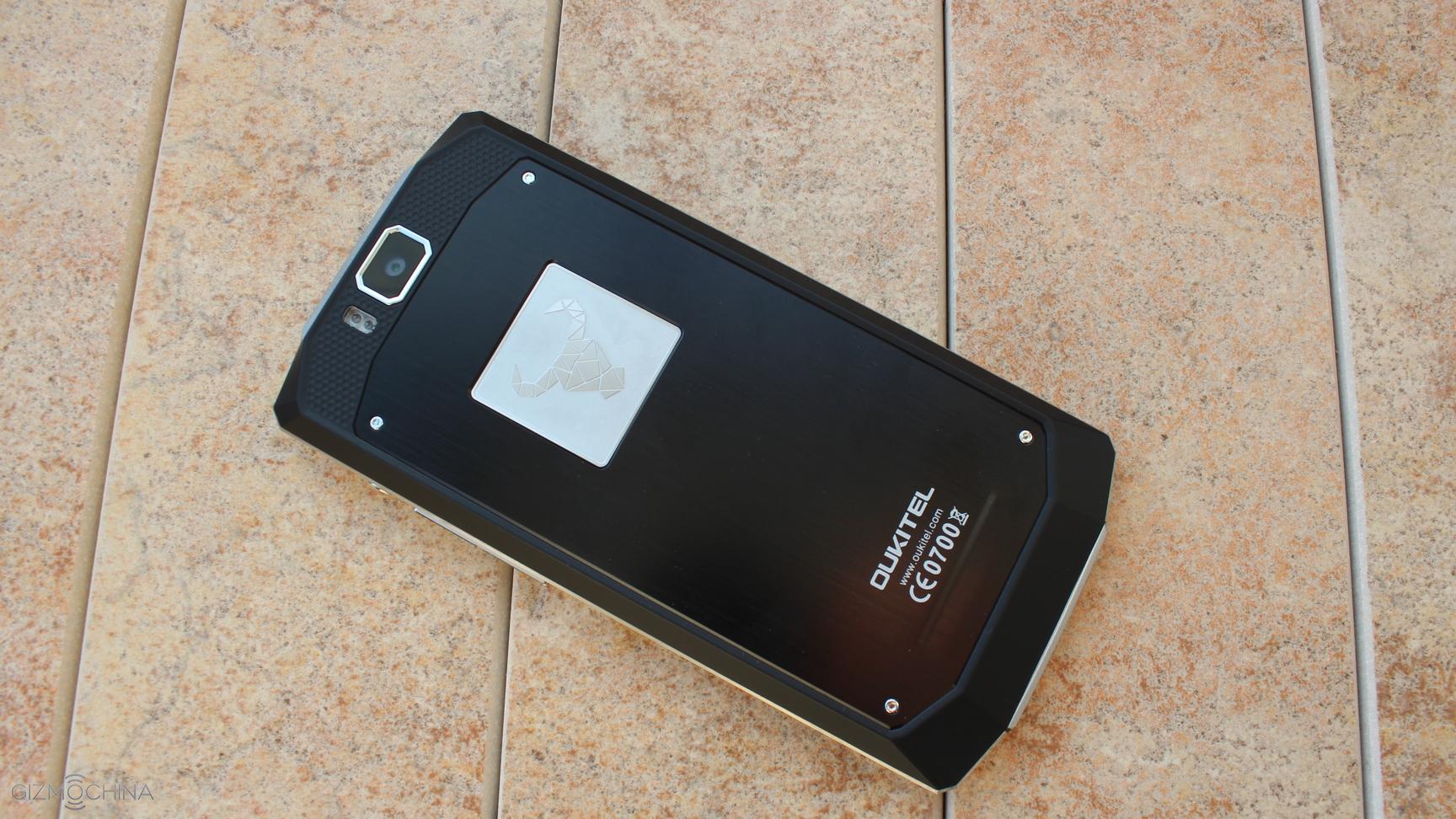
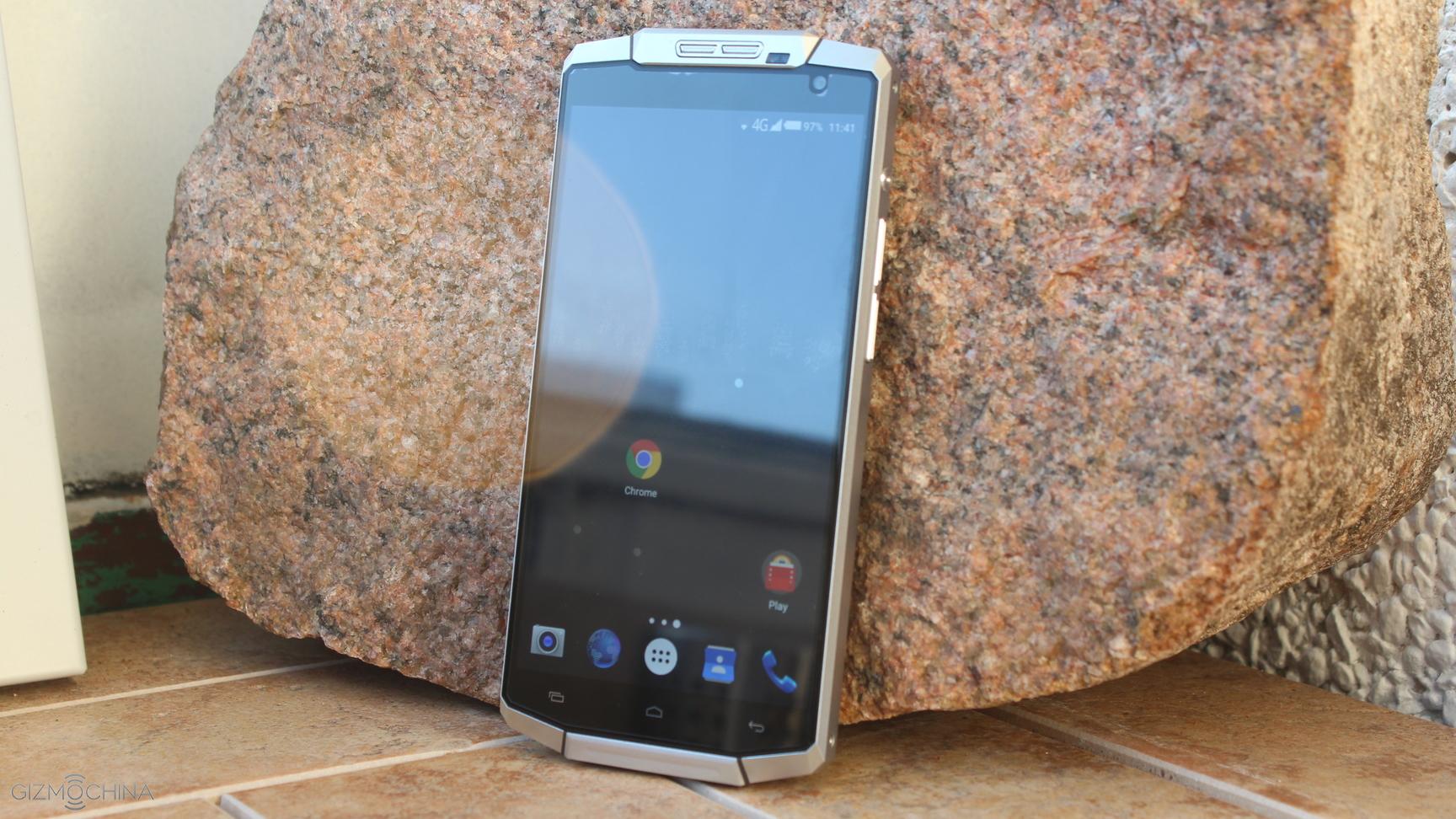
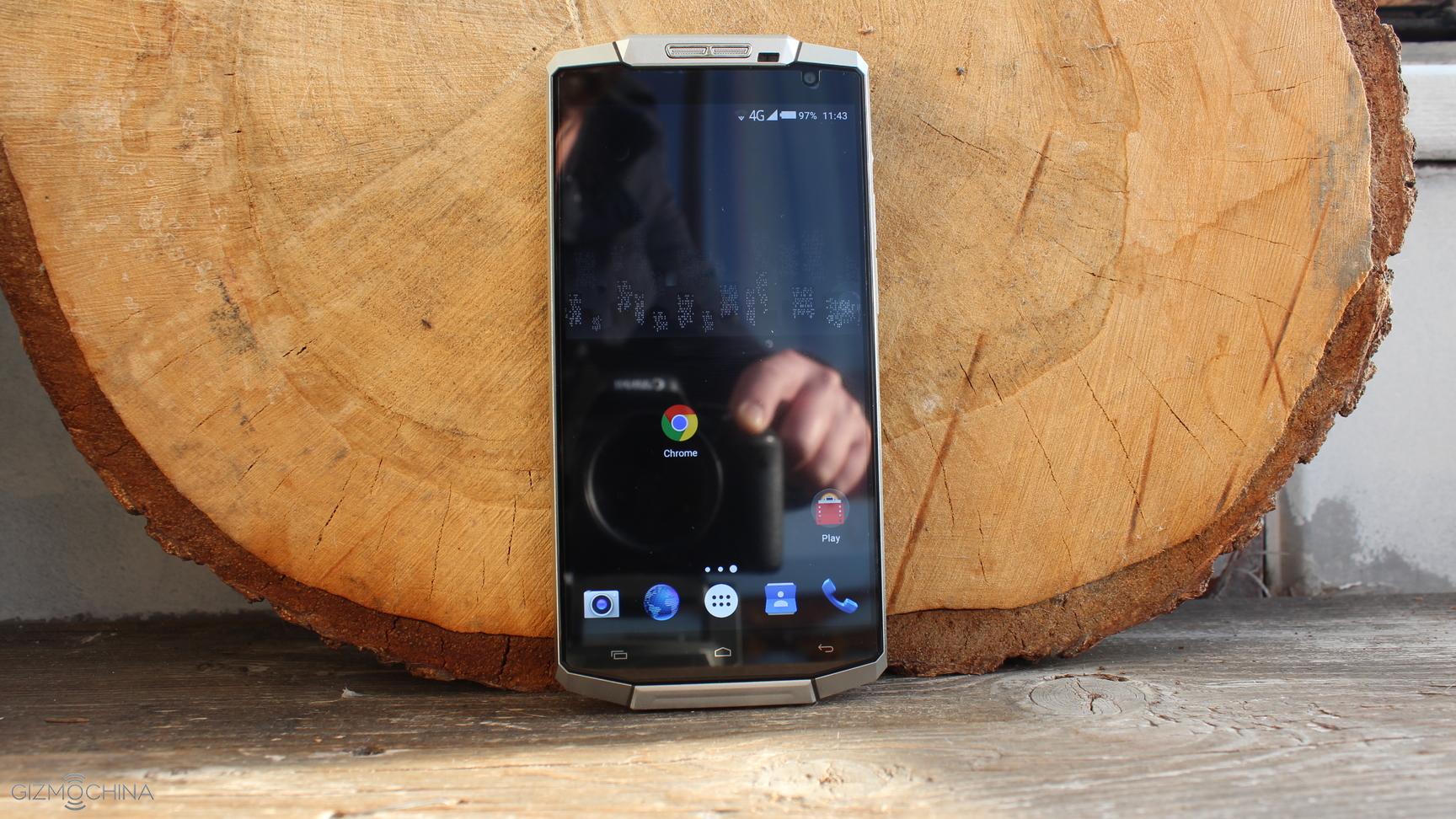
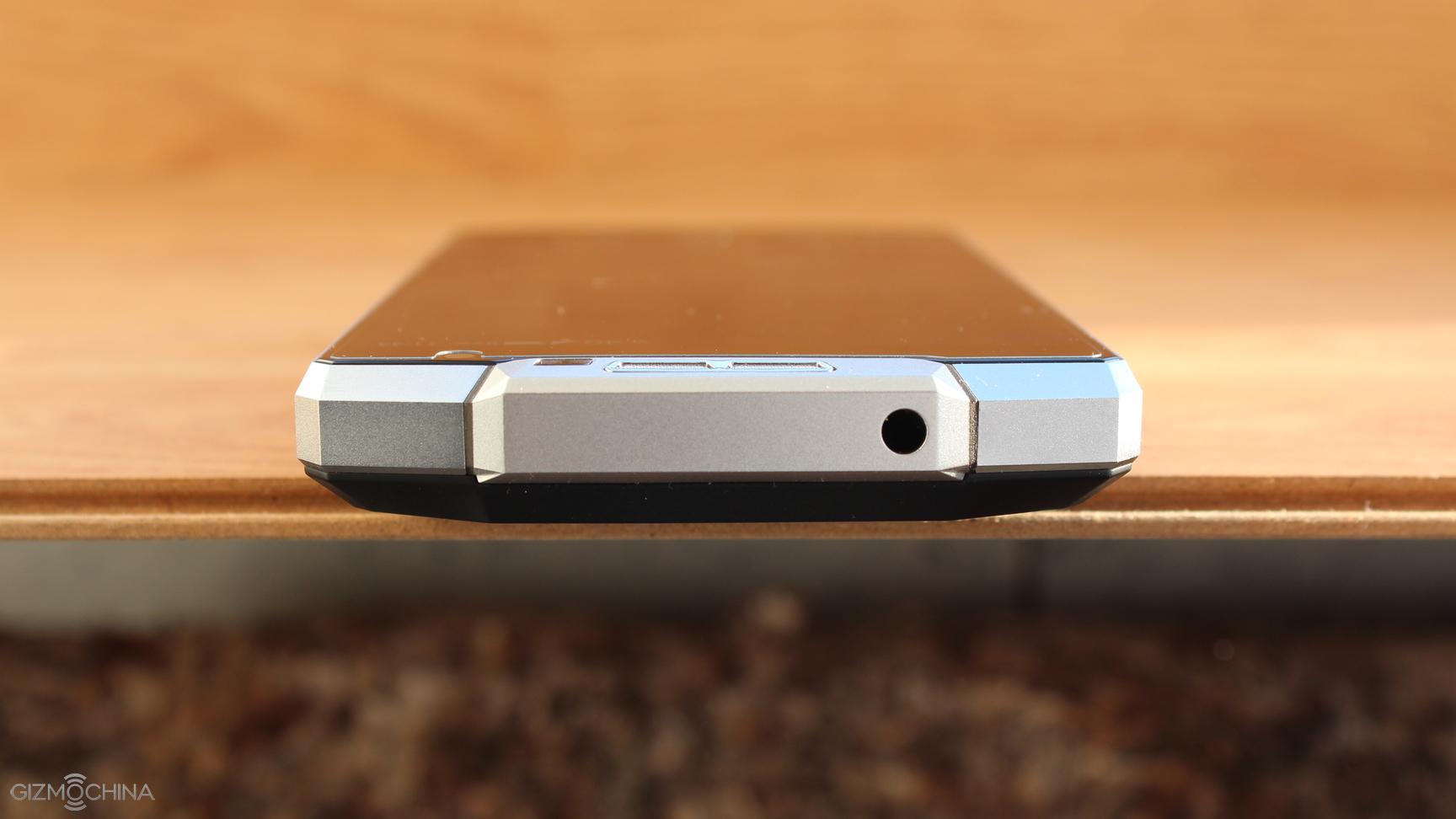
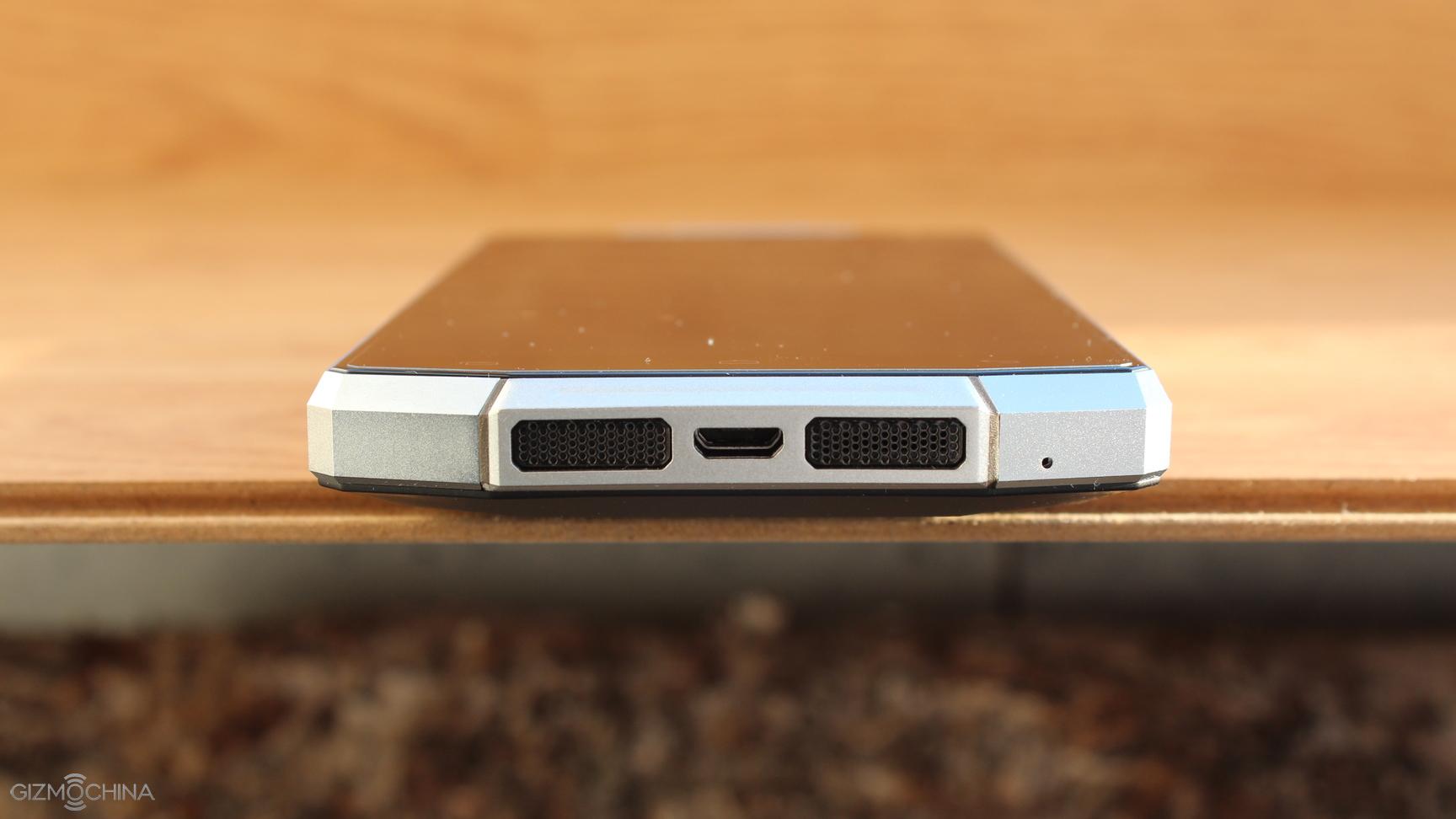
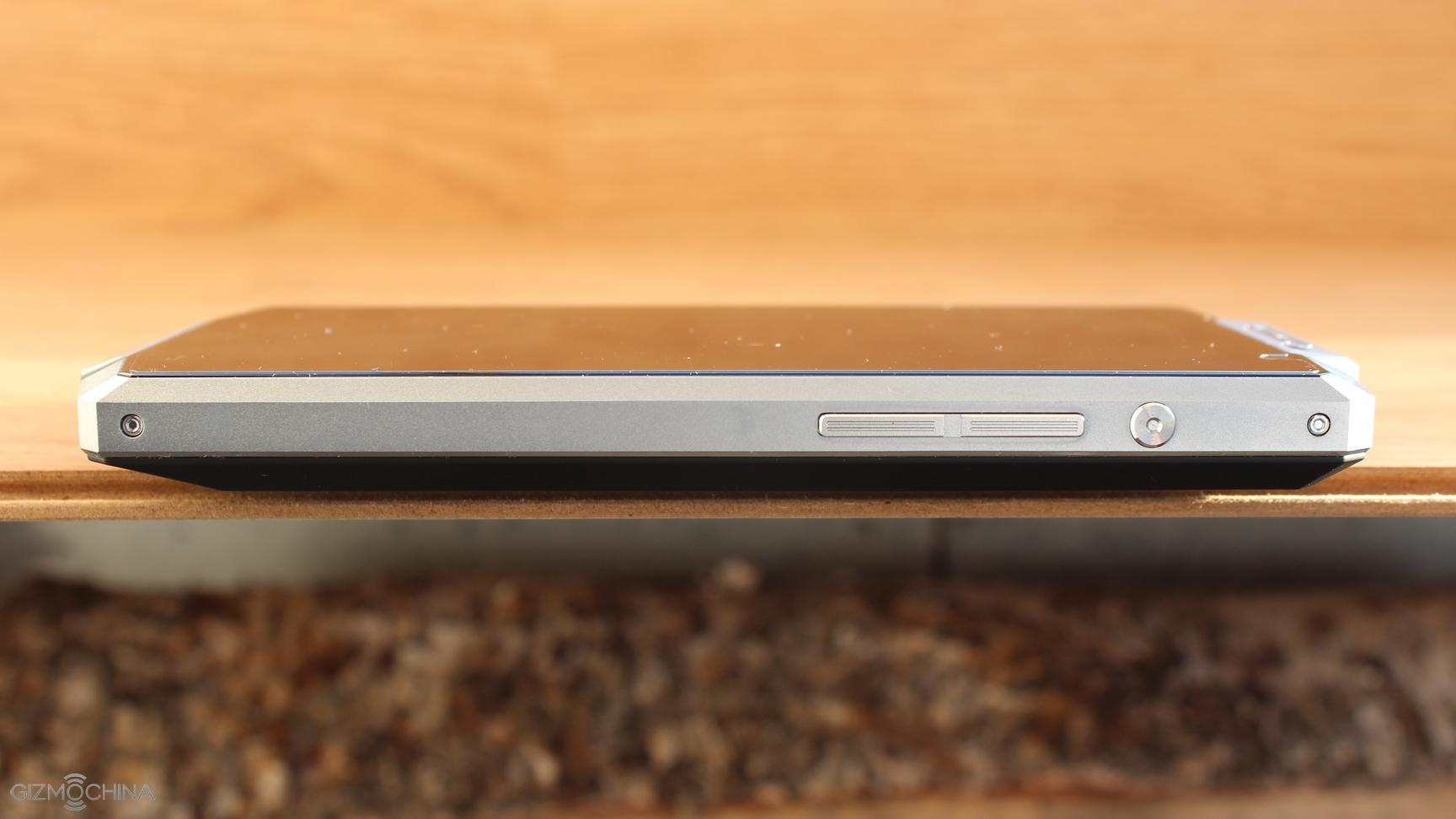
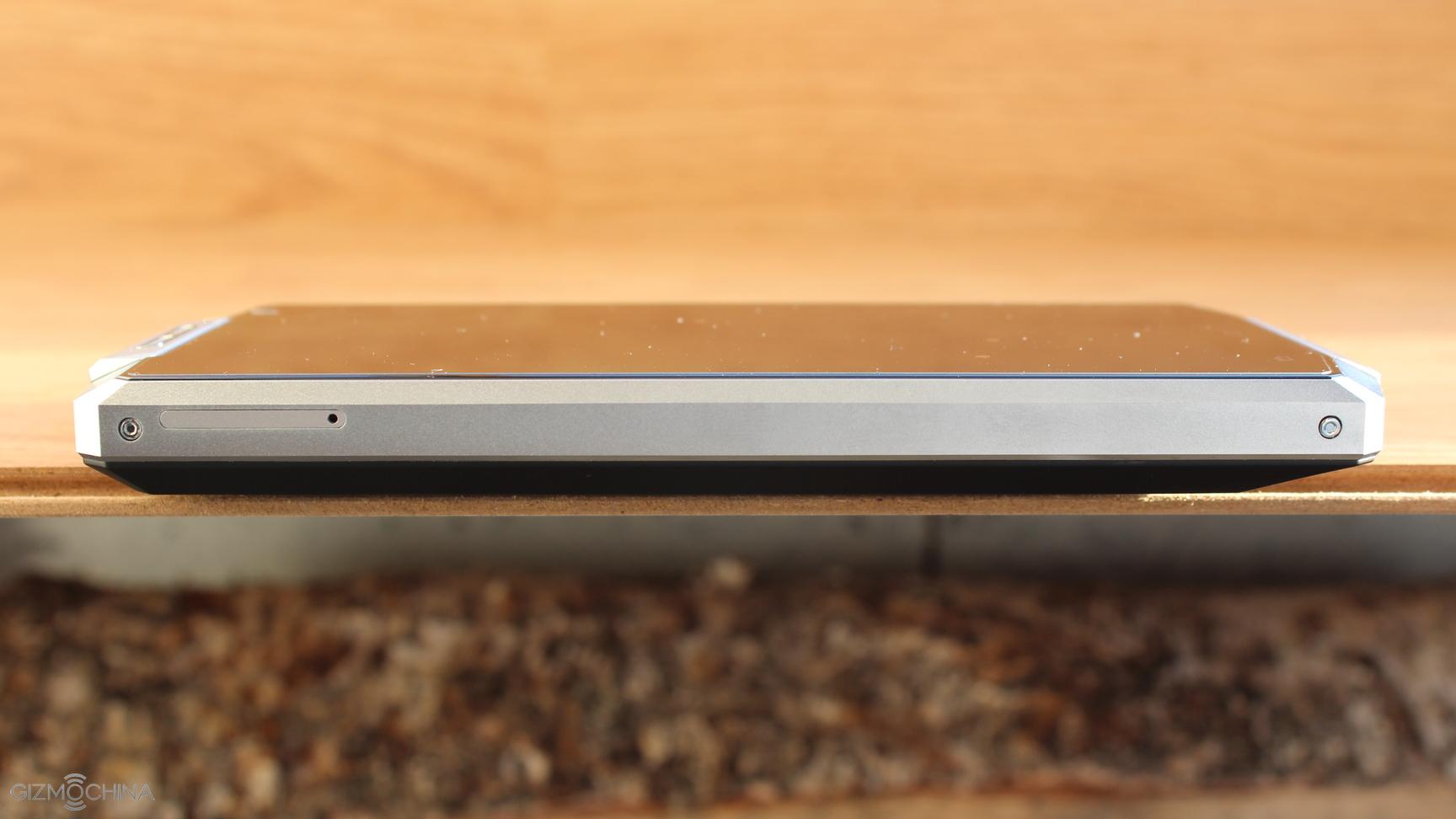
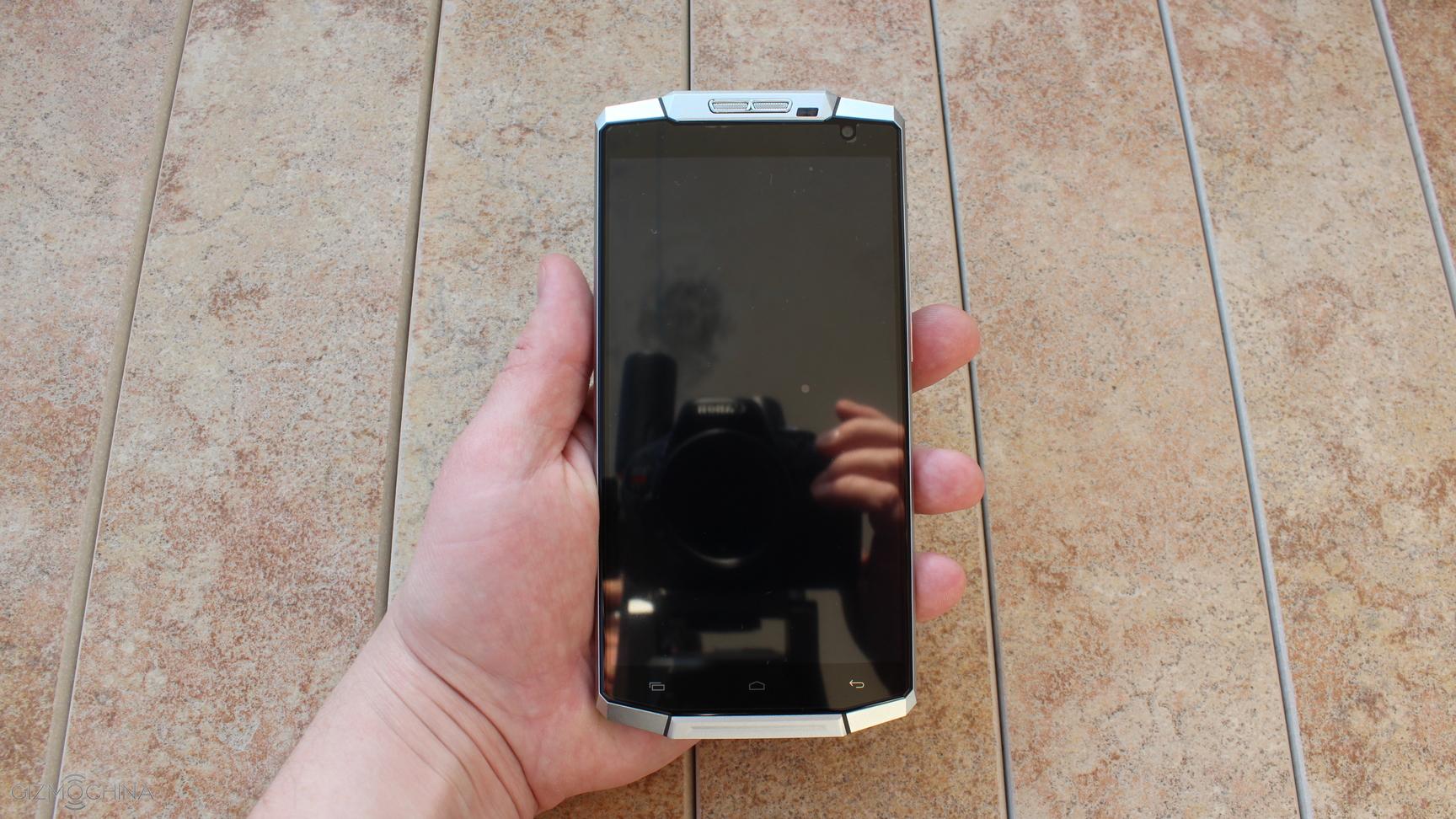
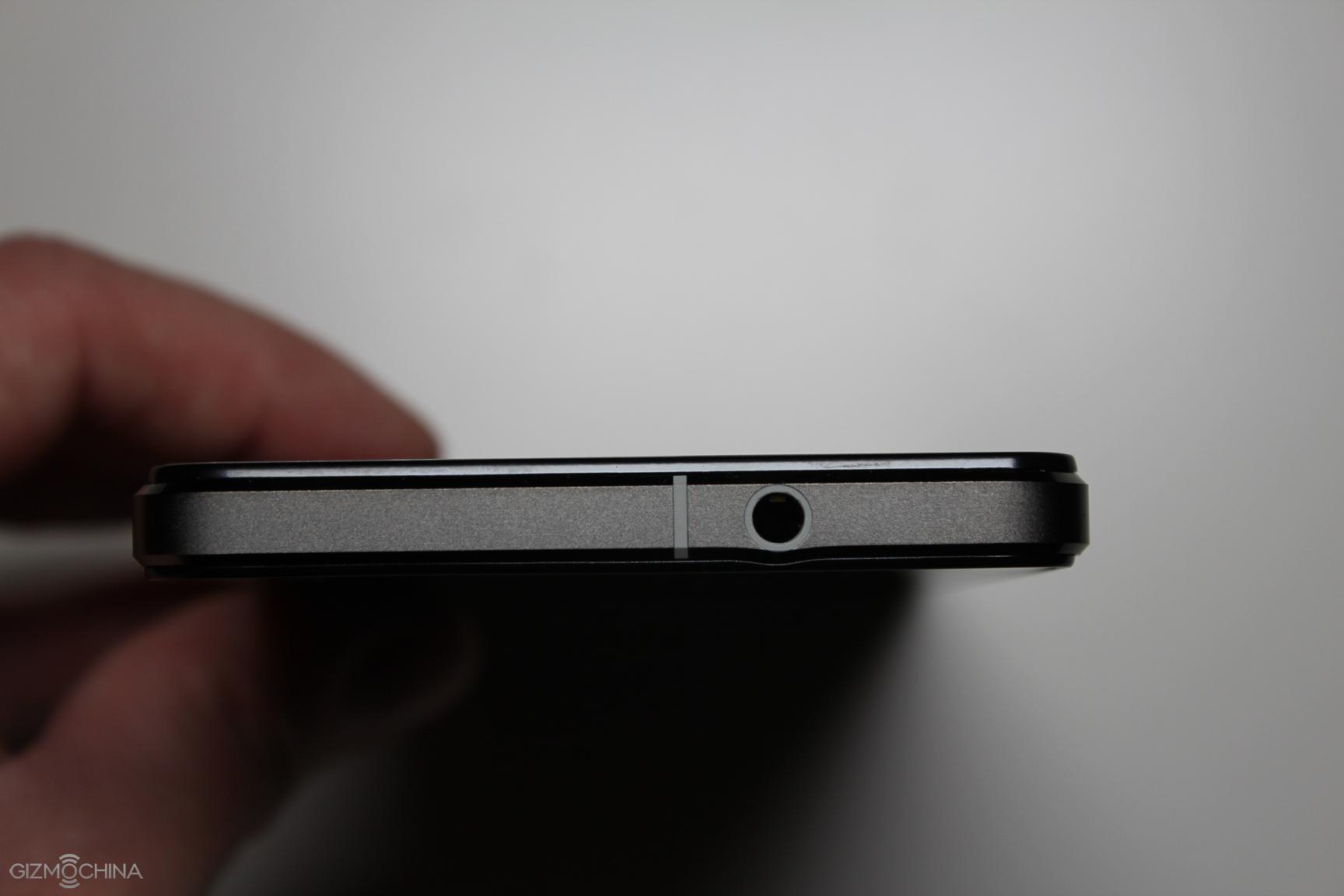
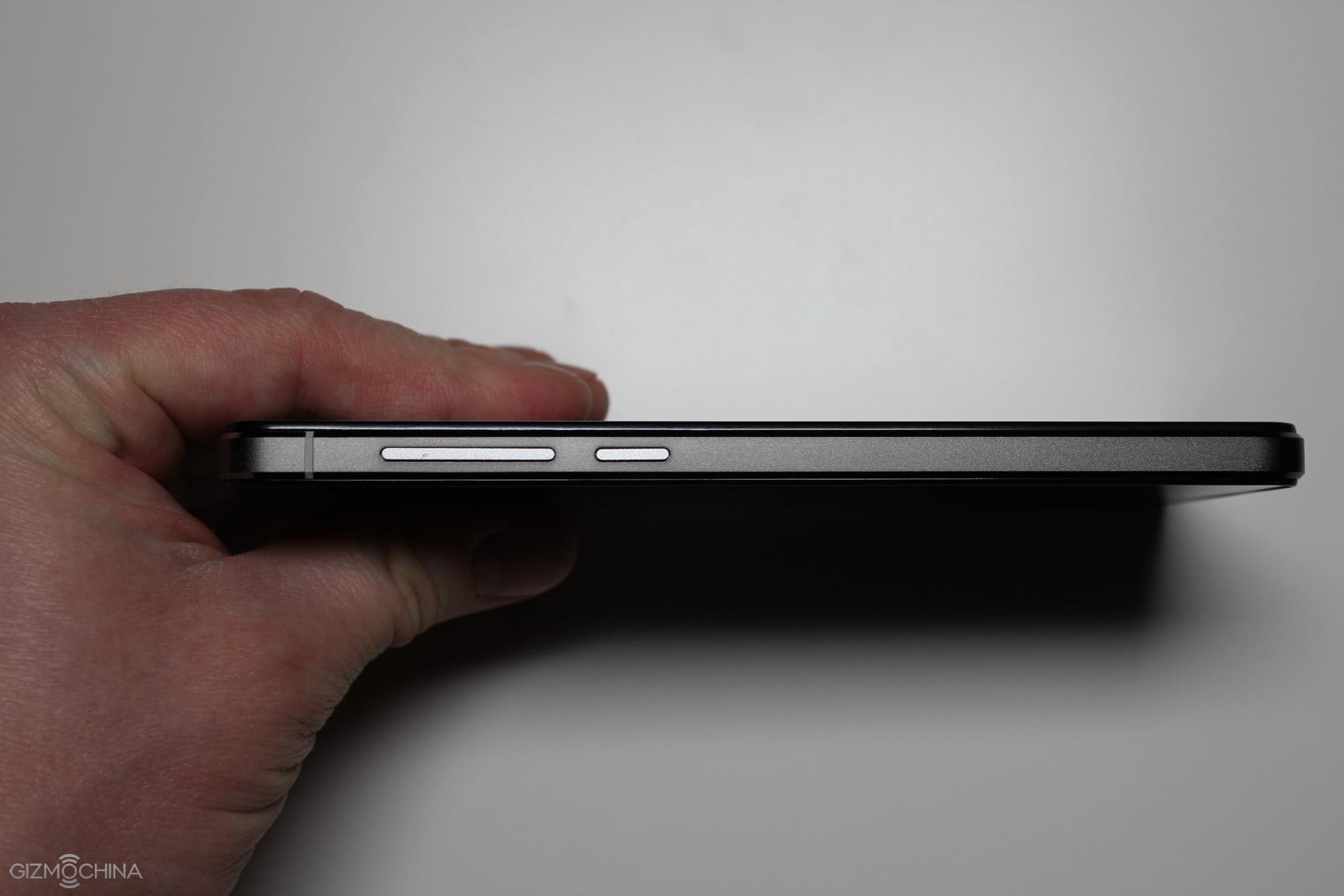
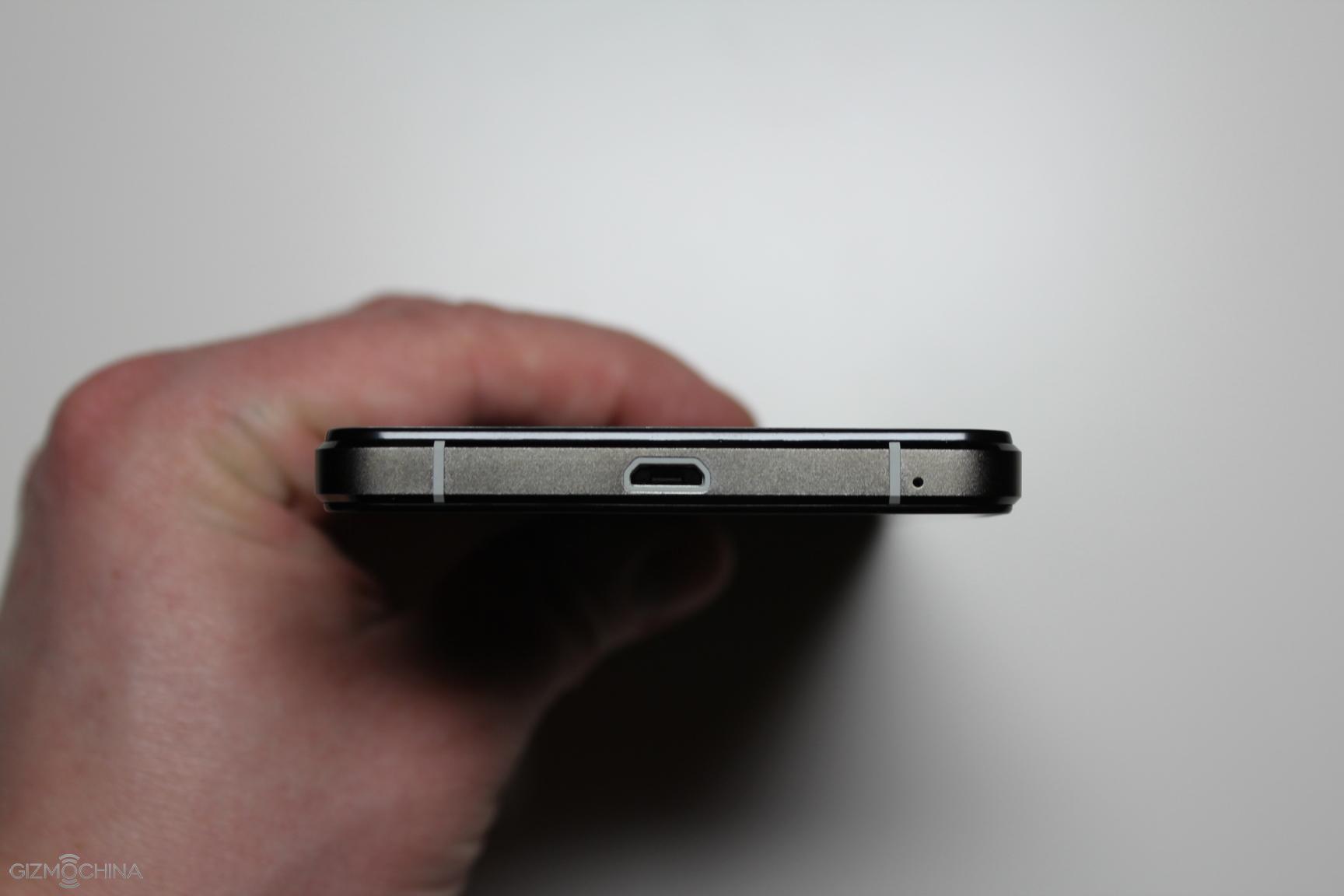
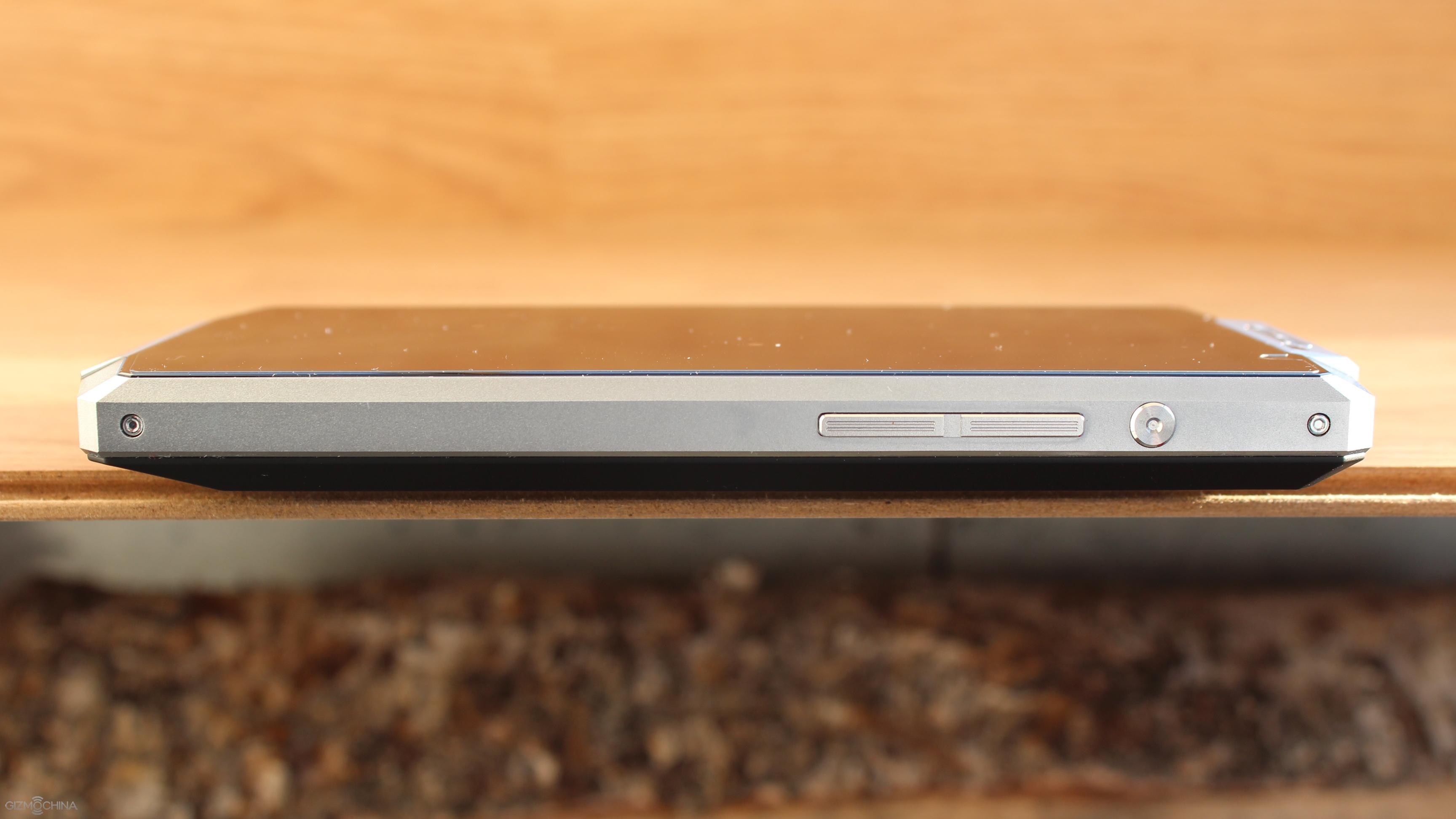
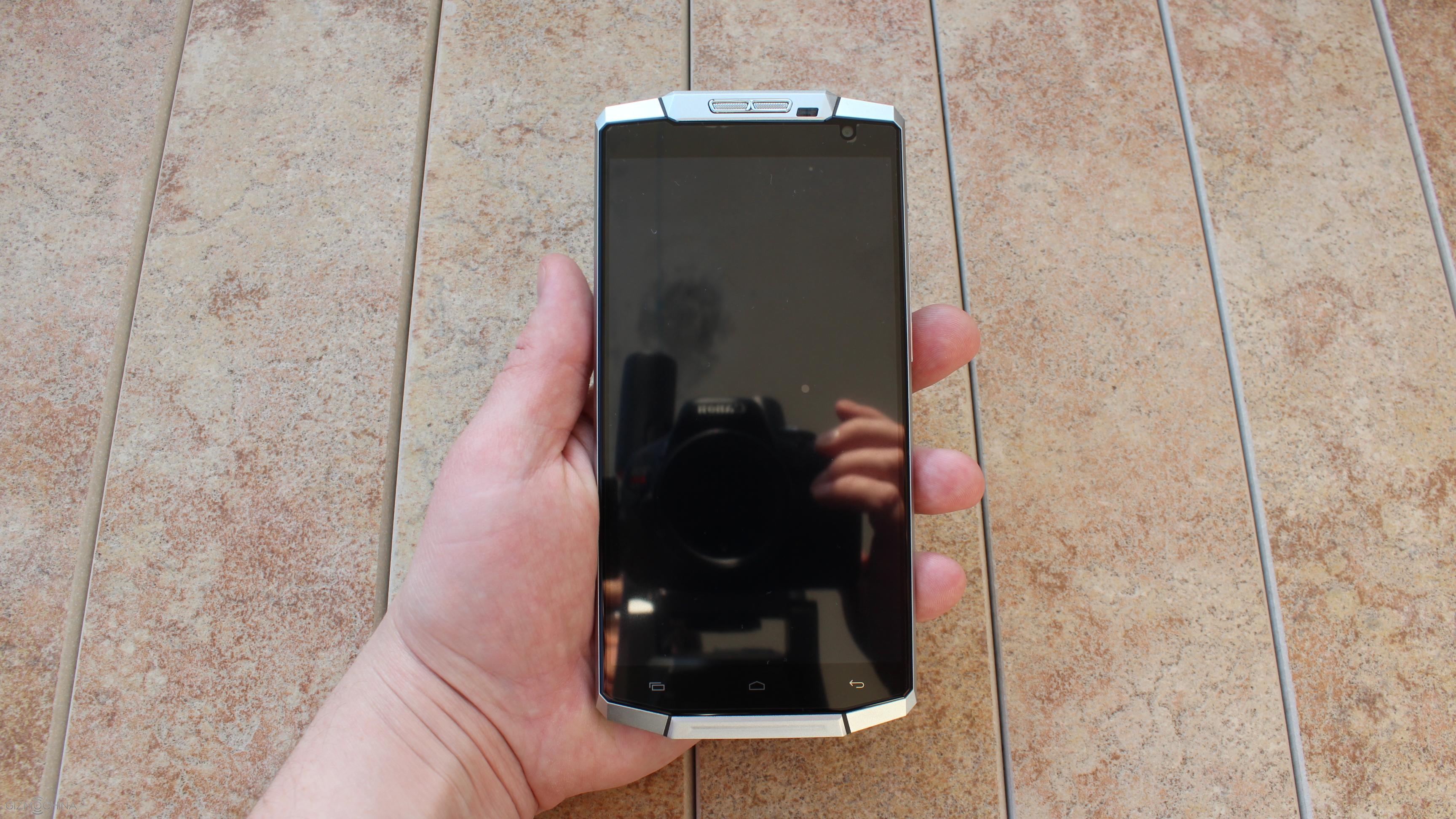
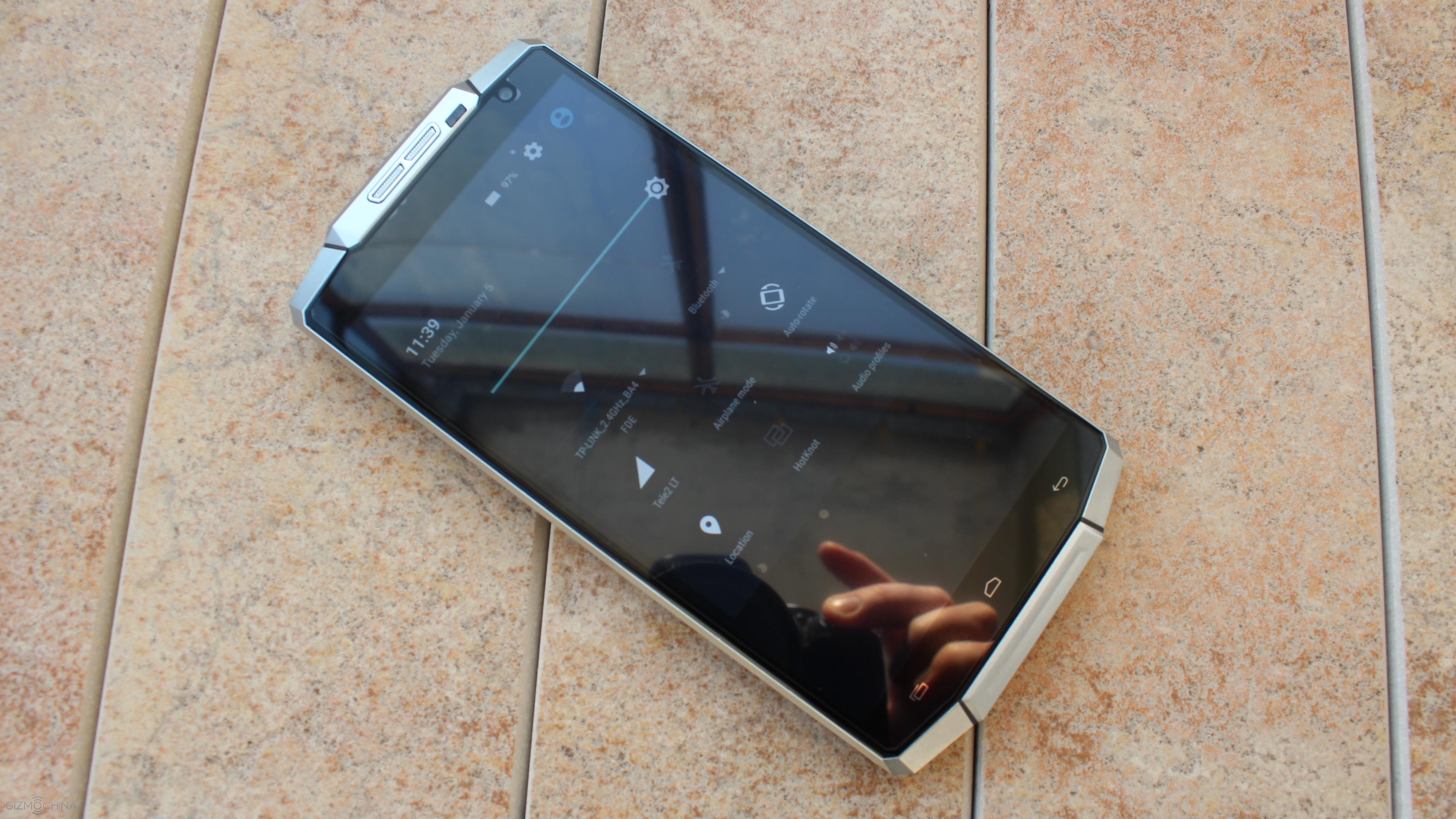
Oukitel K10000 in pictures:
The Best Smartphone Battery Life Ever? (2016): CONCLUSIONS
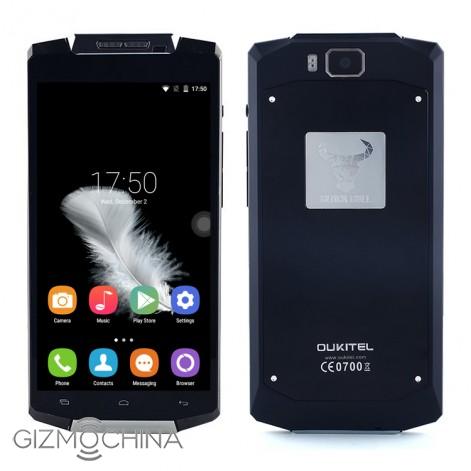
Oukitel K10000 is indeed a special smartphone. It has a very good build quality and exceptional design. Honestly, it looks like you could crush any other smartphone with it and Oukitel K10000 would not break. It is just humungous. Batterylicious.
However, to make the phone this cheap, the company could not implement the bleeding edge internals as the specifications are kind of a let down. Firstly, the 720p is becoming the thing of a past but the choice of it could be forgiven for the sake of breaking smartphone battery life record (Oukitel K10000 scored over 36 hours of screen-on time with auto-brightness setting on and dim screen feature off).
However, the choice of MTK6735 chip is kind of underwhelming. On the other hand, this phone was not designed with the spec-heads in mind and we believe it will definitely find the market.
Please let us know what you think in the comments section below.
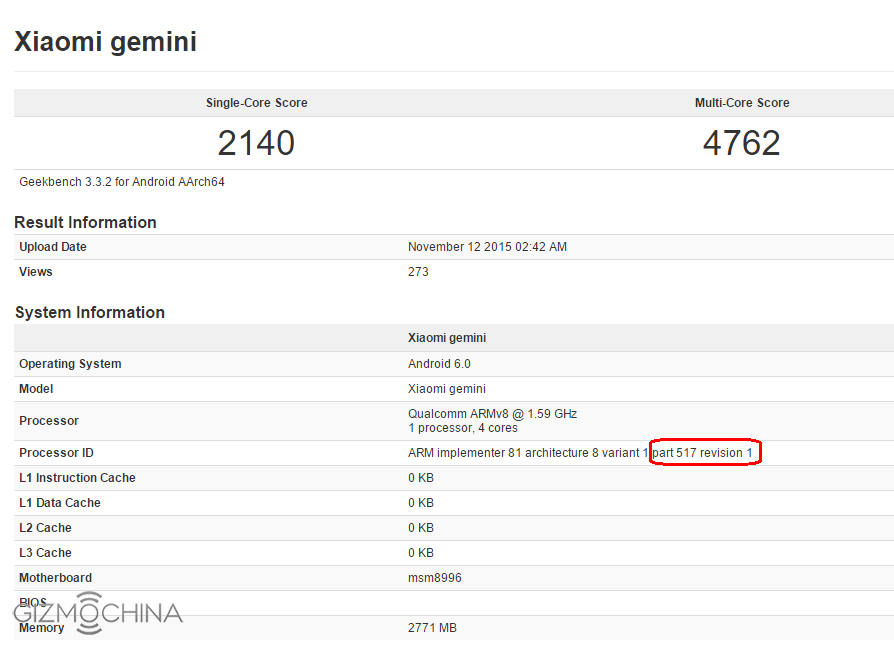
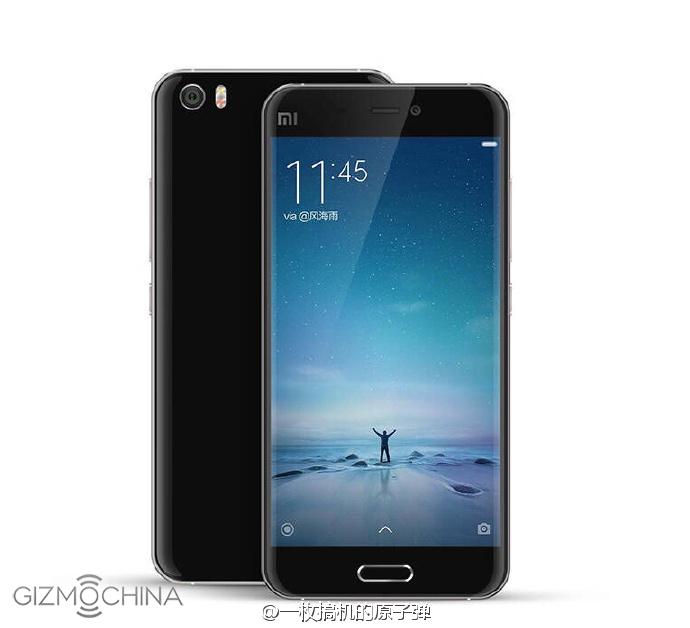
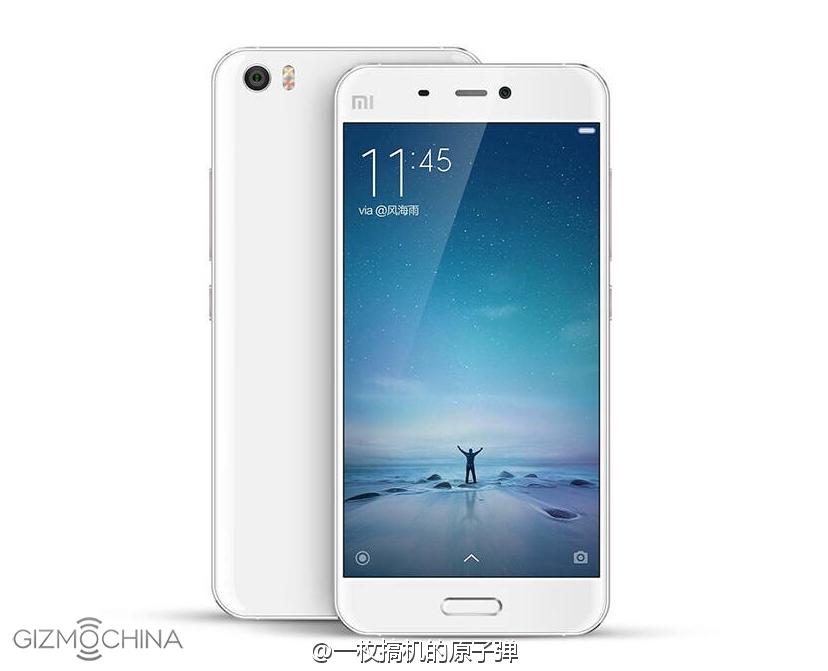
Last year, we saw a couple of smartphones hit Geekbench with Snapdragon 820 on board. One of those phones have already been unveiled, the LeTV Le Max Pro. The second one was a phone with the name Xiaomi Gemini which is most likely the Xiaomi Mi 5, since it’s confirmed to come with the new chip.
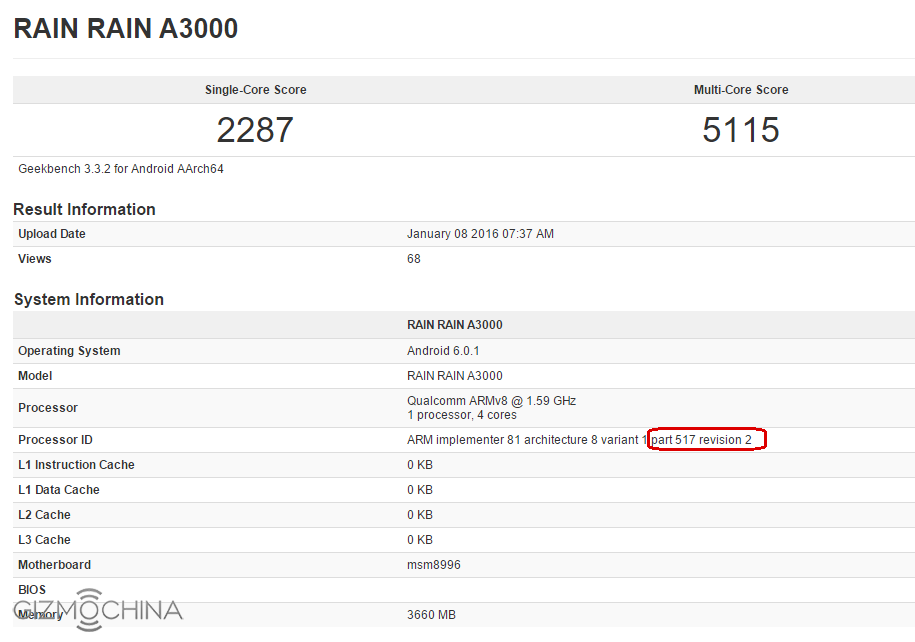
Now, another device has just been spotted on the benchmarking website Geekbench, featuring Snapdragon 820 under the hood. The device comes with a weird name, RAIN RAIN A3000 telling us nothing about its manufacturer. However, what’s really interesting is that it features the latest version of Snapdragon 820 chip under the hood. This is the revised (second revision) version of the chip, instead of the revision 1 variant found on the above two devices. The device featured 4GB of RAM. It also came with the latest version of Android, Marshmallow 6.0.1.
As for the scores, they are similar to the LeTV and Xiaomi Gemini models. In the single-core test, the phone scored 2287 points while, in the multi-score test, the device scored 5115 points. In comparison, Xiaomi Gemini which was spotted on Geekbench last month scored 2238 points in single-core test and 5174 points in multi-core test.
So which smartphone could be this RAIN RAIN A3000? Could it be the upcoming Galaxy S7 flagship? Although yet to be confirmed, the Samsung flagship is expected to feature this new chip, at least in one of the variants.
Unfortunately, at this moment, we can’t be sure of the manufacturer. But let’s wait for more details on the device in the coming days.
When it comes to smartphone batteries, not much has evolved in terms of the technology in the past few years. However, owing to the increasing demand for juice, manufacturers have started using bigger batteries on its phones. These days, you have the option to go for a large battery phone coming with around 6000mAh capacity, which is pretty large, and good enough for a couple of days easily. However, if you are one of the select few people who think 6000mAh is not enough, now you have a larger option as well.
Buy OUKITEL K10000 at $12 OFF. USE COUPON: ANTK10000 |BUY LINK |
OUKITEL recently unveiled its OUKITEL K10000 smartphone and many retailers have started accepting pre-orders for the device. The highlight of the phone is its humongous 10,000mAh battery that’s even larger than most tablet batteries we have seen recently. It’s actually enough to power the device for 5-6 days easily, which is probably more than anything you could ask for from a smartphone battery. It’s clearly targeted at those users who want their phone running for days without charging.
Naturally, with such a large battery, the company has added support for 9V/ 2A fast charging. Also, you can reverse charge other devices using your smartphone battery. So, it’s basically a powerbank that’s acting as your primary smartphone battery. Another question in your mind would be its size. Well, it’s quite large, measuring 13.9mm, but the gigantic battery compensates for its size.
Apart from the super large battery, the phone features pretty decent specs. It’s not the most powerful handset that we have seen at this price, but then it was never competing for its power. The OUKITEL K10000 comes with the MT6735P 64-bit quad-core processor clocked at 1GHz. The phone sports a 5.5-inch IPS display with 720p resolution. The screen to body ratio is reportedly 85%, which is pretty impressive. As for the RAM, you get 2GB on board and 16GB for internal storage. At the back, there is a 13MP camera sensor, while, up front, you get a 5MP shooter. The K10000 comes with Android 5.1 Lollipop OS right out of the box. Finally, the phone supports dual SIM dual standby with 4G LTE.
As I mentioned above, there are many handsets that feature better specs (except for battery) in this price range. However, for those who are looking for a phone with a gigantic battery, this is probably the only good option available in the market right now.
You can check out more details from the link given below. It’s currently up for pre-order at $199.99. But with the COUPON: ANTK10000 you can get it for $12 OFF i.e. $187.99.
Xiaomi has been aggressively expanding its reach internationally. This Monday, KT Corp. the second largest carrier in South Korea started the sale of Xiaomi smartphones. However, in just a matter of two days, the carrier has reportedly stopped the sale.
This was the first time a carrier started selling Xiaomi smartphones in the country. The sale was carried out by KT Corp. in partnership with Interpark Corp., an online website in the country. Although it’s unclear what’s the exact reason for the suspension of sales, uncited sources claim it was due to some “legal matters related to sales”.
Although the majority of smartphone sales in the country is dominated by the two domestic players, Samsung and LG, Chinese companies like Huawei have become quite popular.
This is not the first time we are hearing Xiaomi’s smartphone sales being suspended outside of China. Last year, Xiaomi was barred from selling any smartphones in India for a small period. The Chinese company reportedly infringed on Ericsson’s patents. But the company was soon allowed to sell Qualcomm’s Snapdragon-based smartphones in the country.
As Xiaomi eyes further expansion, it will have to overcome such obstacles for smooth operation.
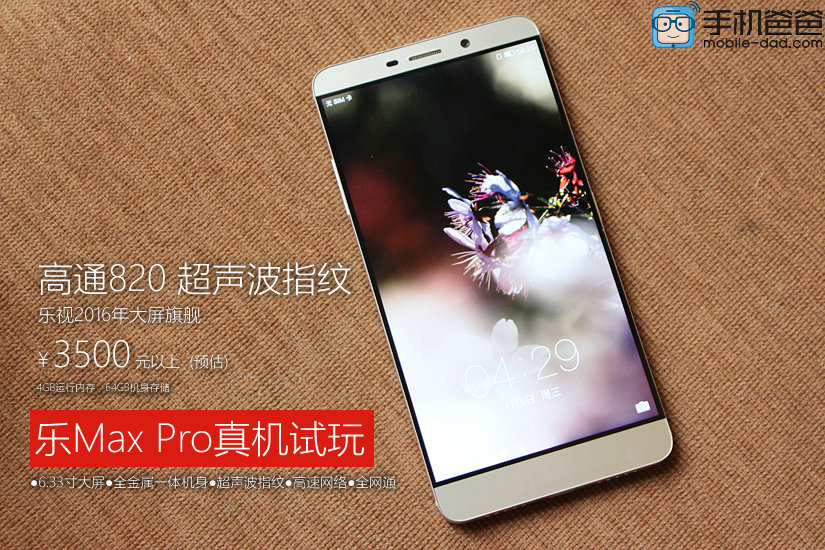
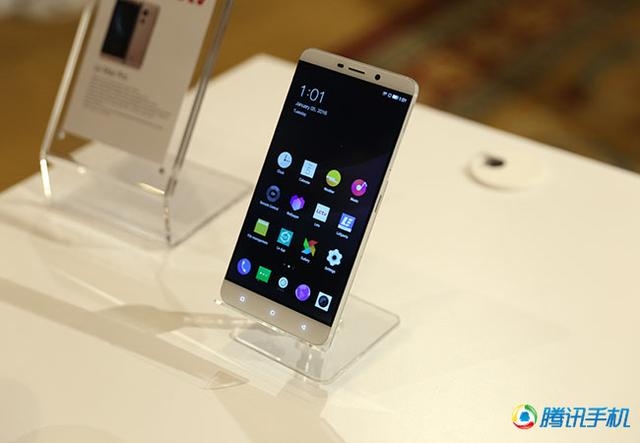
Ever since LeTV officially announced the first Snapdragon 820 powered smartphone in the market, namely the Le Max Pro, we have been waiting for answers to two important questions. First, the pricing and second, the availability. Looks like we have got a rough answer to the first question as a Chinese website seems to know the pricing of the Le Max Pro, at least in China.
The website revealed that the Le Max Pro will be priced at 3500 Yuan in China, which comes to around $535. That definitely doesn’t come in the affordable category, but with high-end specs like Snapdragon 820 and Sense ID, we anyways expected it to be costly.
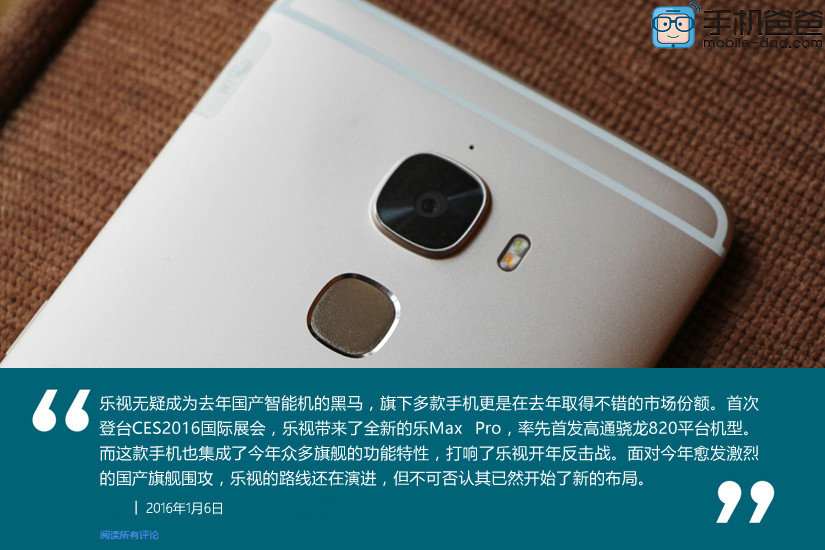
Apart from the first phone to feature Snapdragon 820 chip, the phone is also the first commercial device to come with Qualcomm’s Sense ID ultrasonic fingerprint sensor. This particular sensor is different from the traditional capacitive ones in the sense that it works even when it’s located under a sheet of metal, plastic, glass or any other material. Also, it’s relatively unaffected by things like dust and sweat, making it much more efficient.
Another important feature of the Le Max Pro is the support for the new generation Wi-Fi 802.11 ad standard. It adds a new frequency, 60GHz, in addition to 2.4GHz and 5GHz, which makes transfer speeds up to 4.6 Gbps possible.
Other specs of the device are also quite high-end. It comes with 4GB of LPDDR4 RAM, 6.33-inch 2K display, 32GB / 64GB / 128GB of internal storage options, 21MP rear camera and 3400mAh battery with Quick Charge 2.0.
As you can see, the phone sports flagship level specs. Considering these specs, would you be willing to shell out $535 for the Le Max Pro?
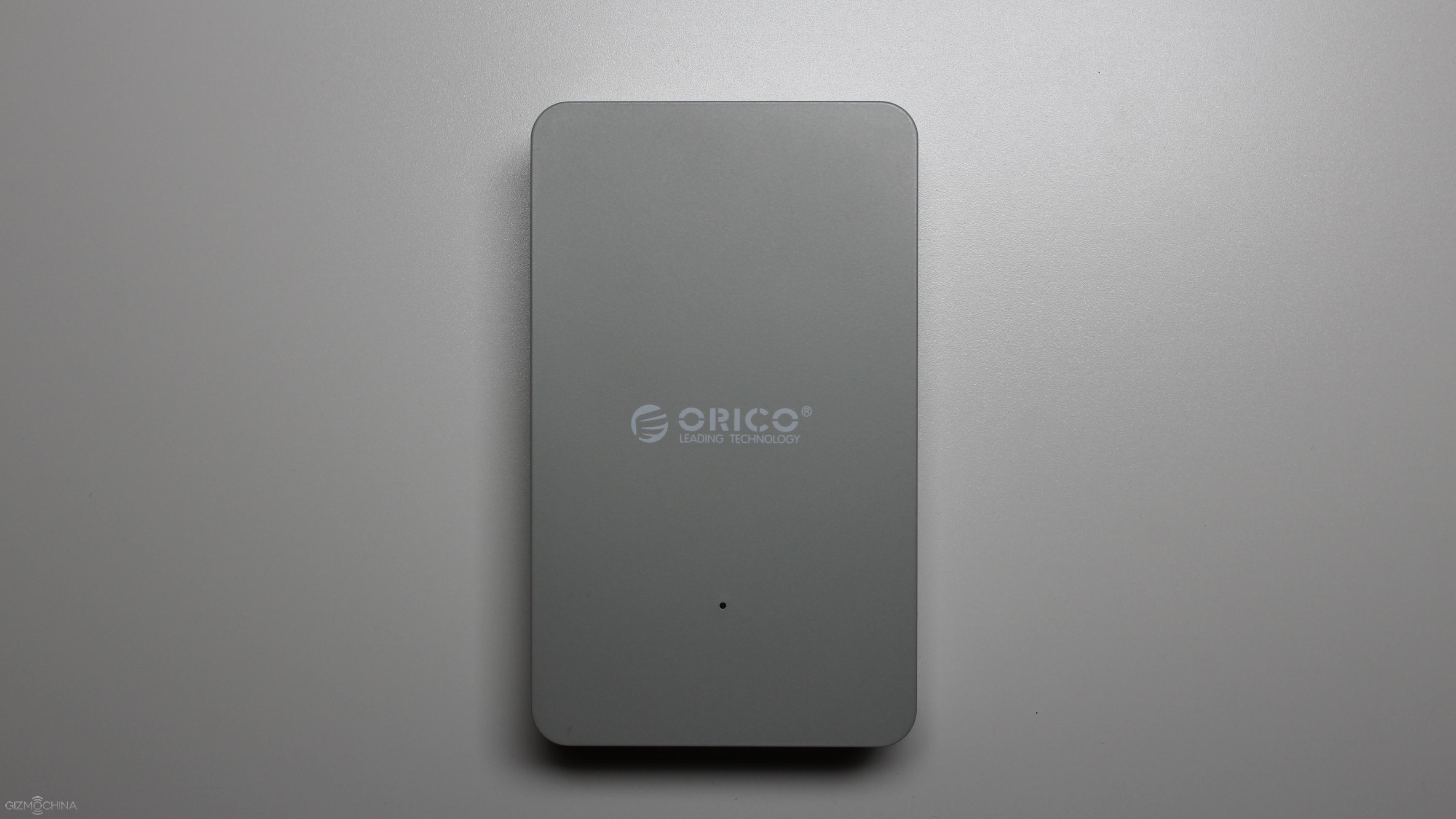
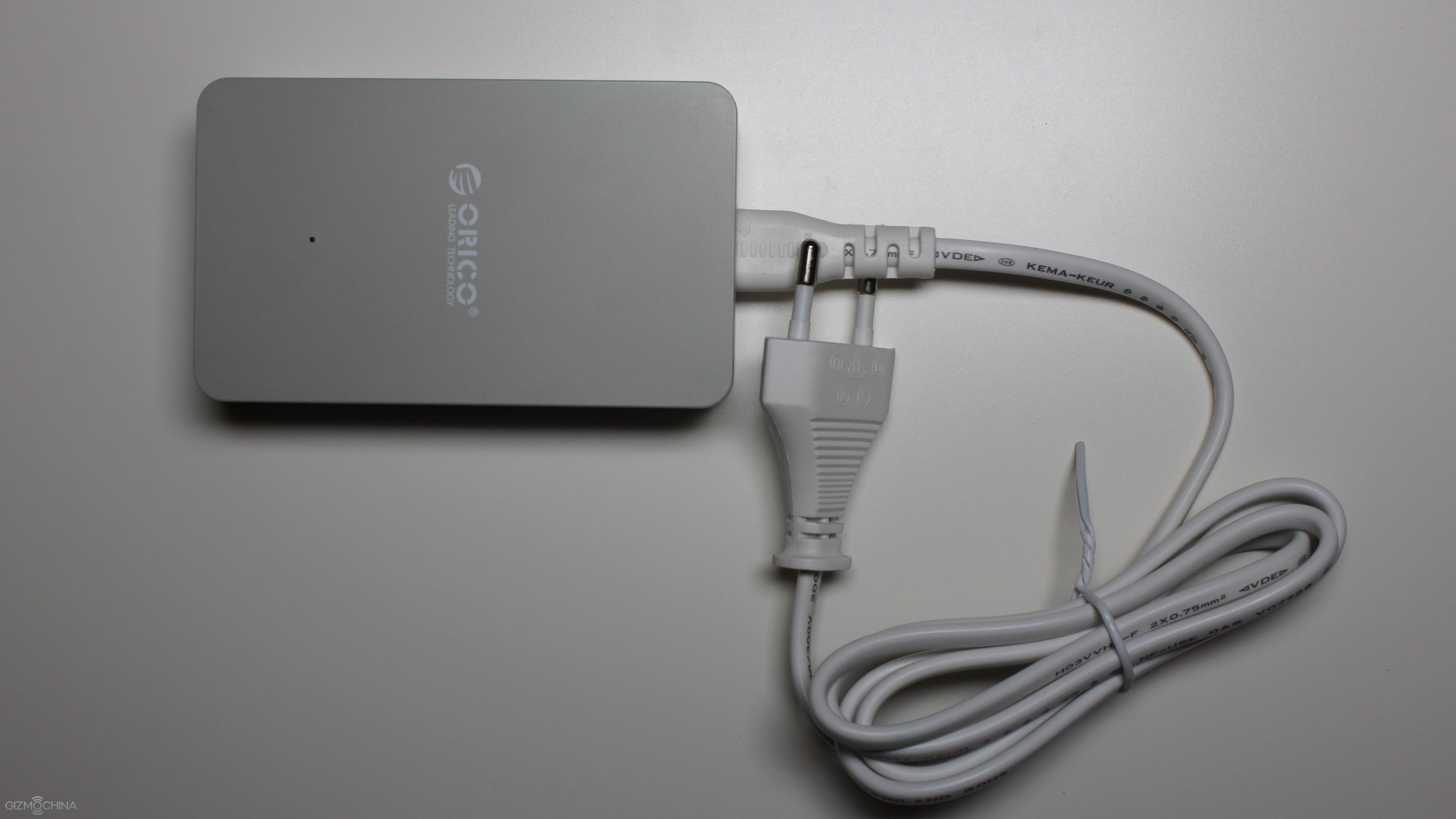
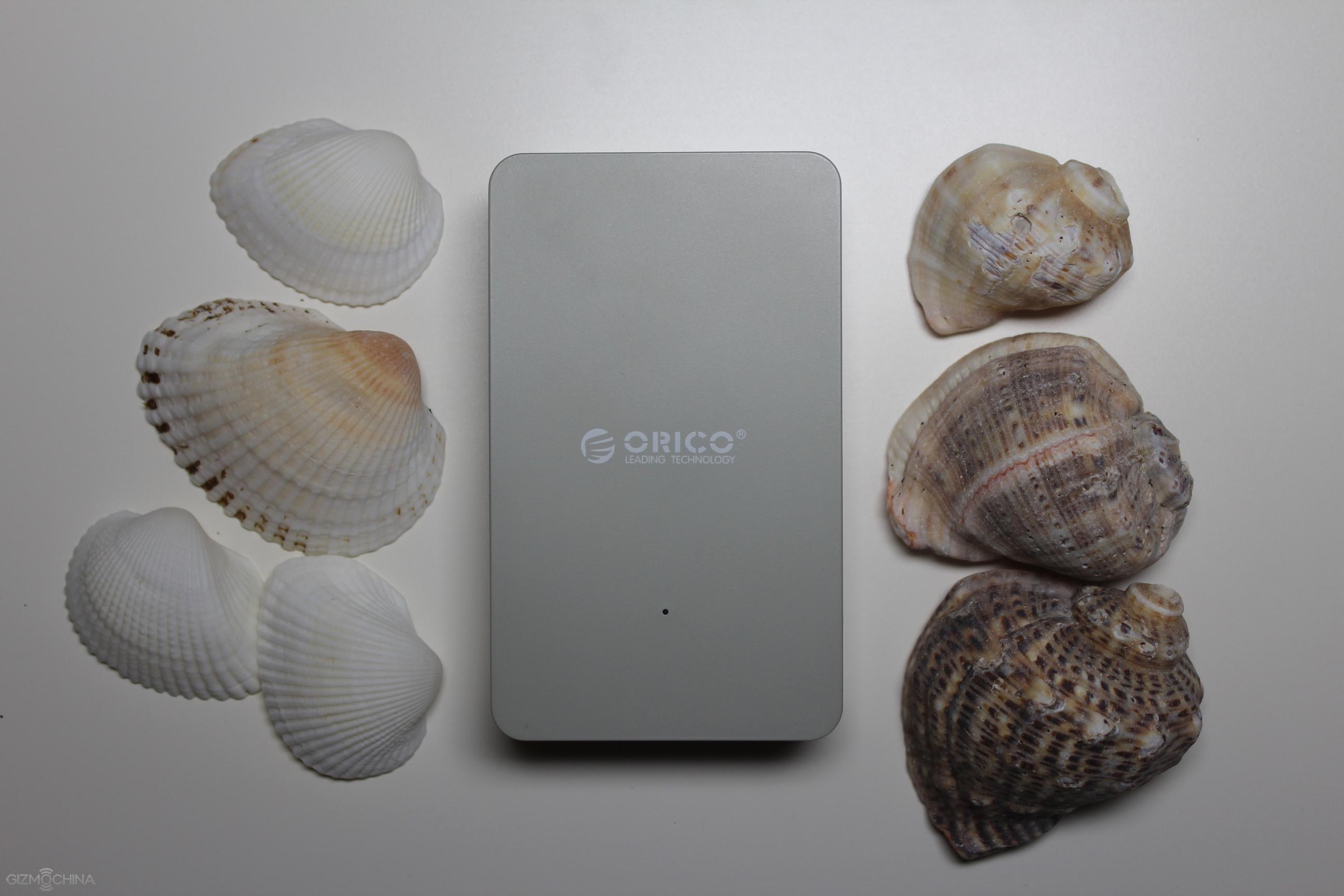
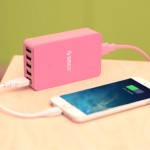
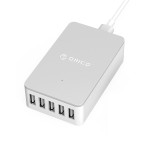
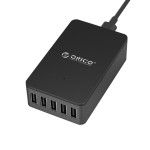
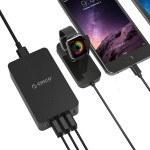
We all have plenty of devices but they have the same problem as their batteries die too often. Sure, all the gadgets come with the wall chargers but multi-port charging solutions help you reduce the mess on your table and save space while travelling. Today we have Orico Portable 5-Port USB Wall Charger in our labs. Find out more in our the full review.
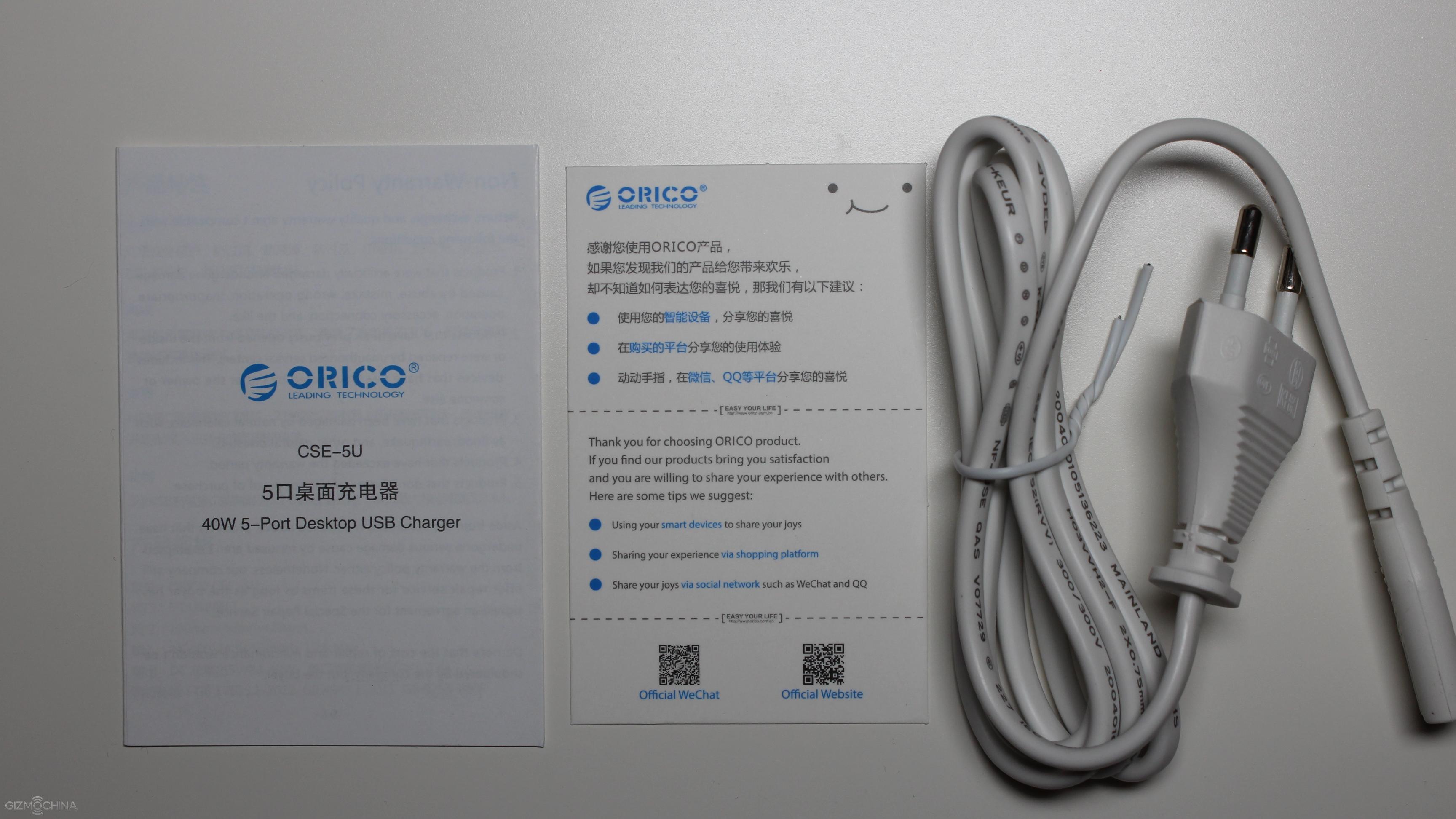
The device comes in a neat packaging and the contents include the power cord and instruction manuals.
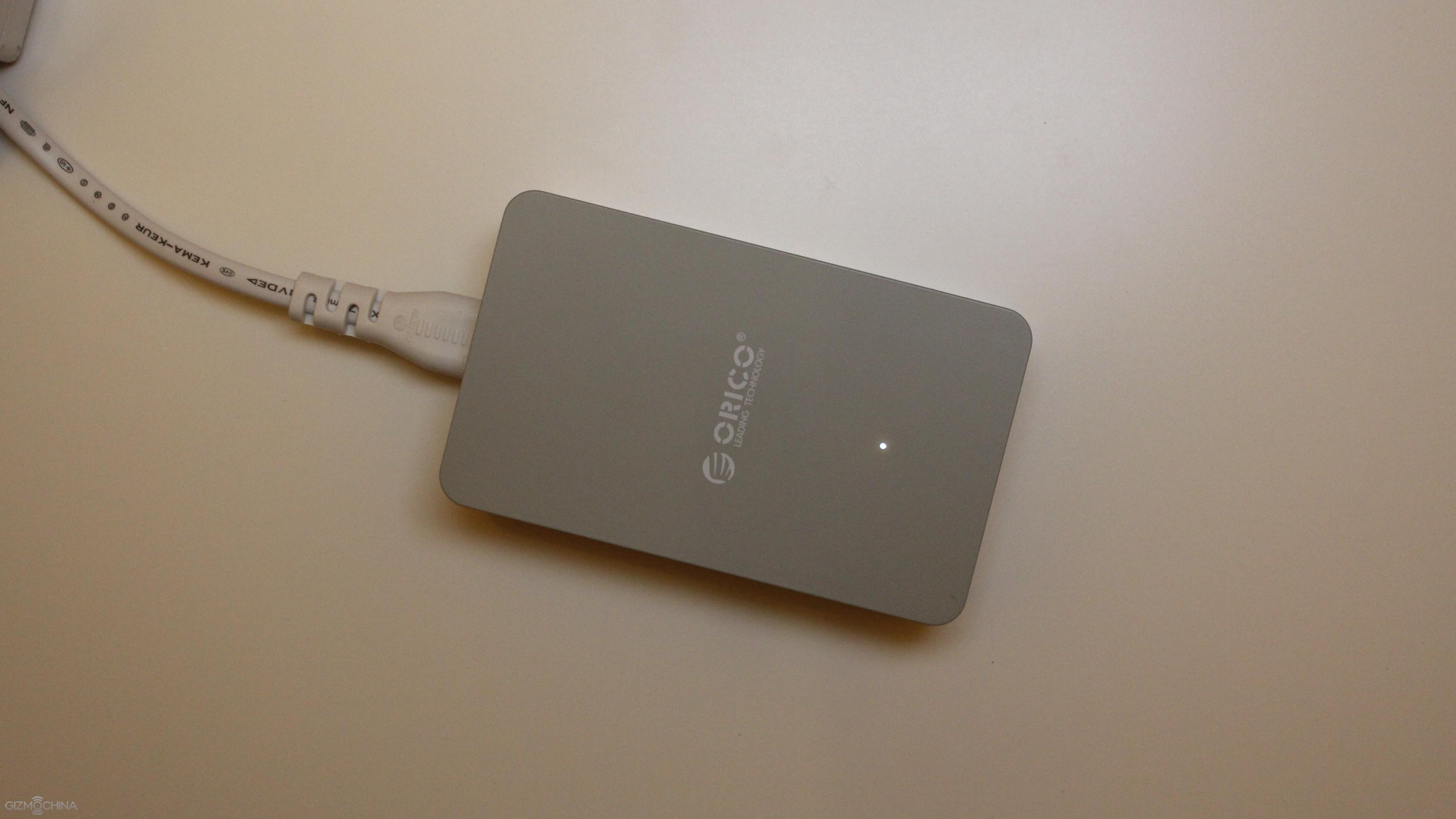
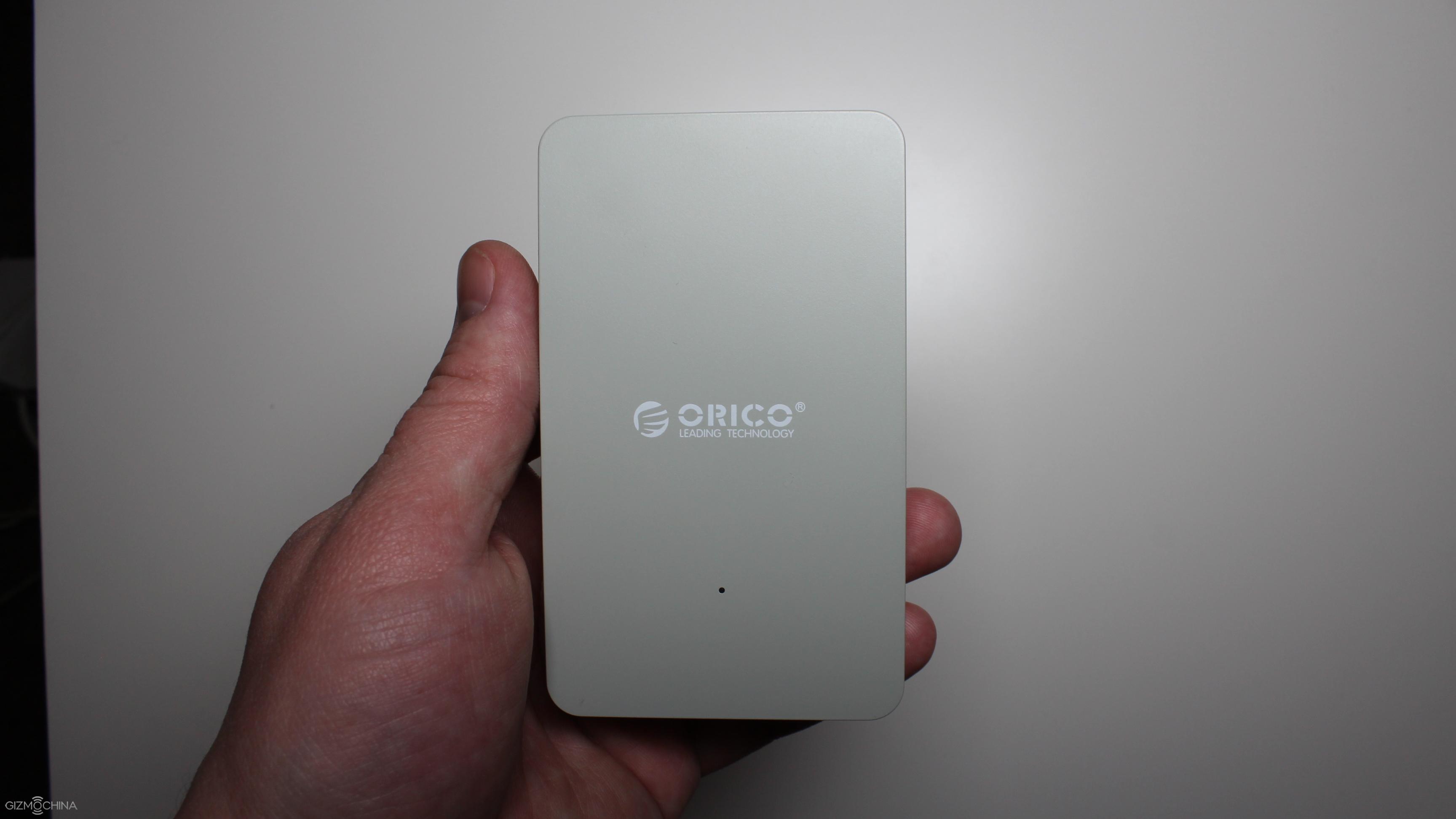
The Orico 5-port charger is made entirely of quality matt plastic and it very well constructed.
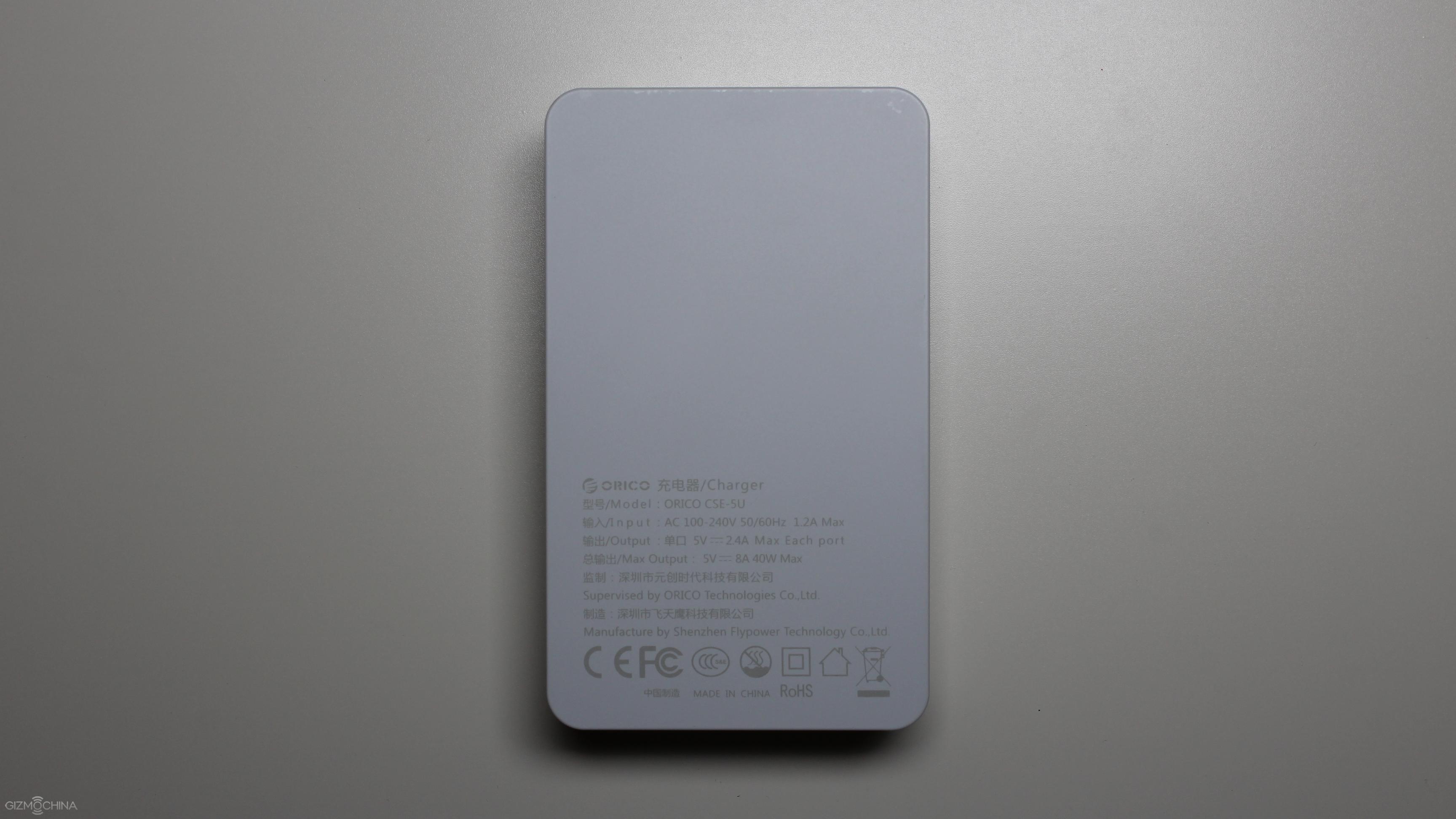
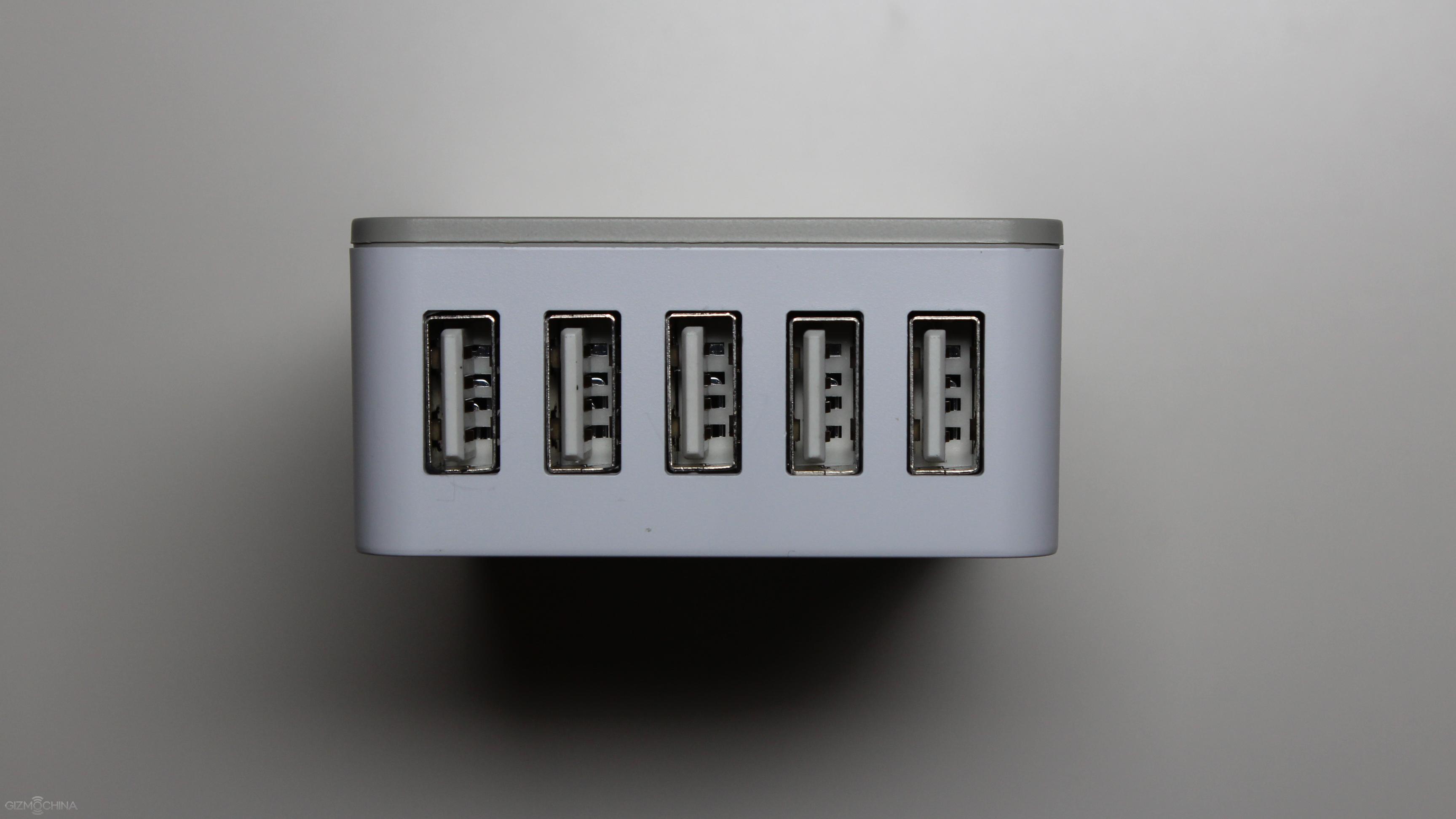
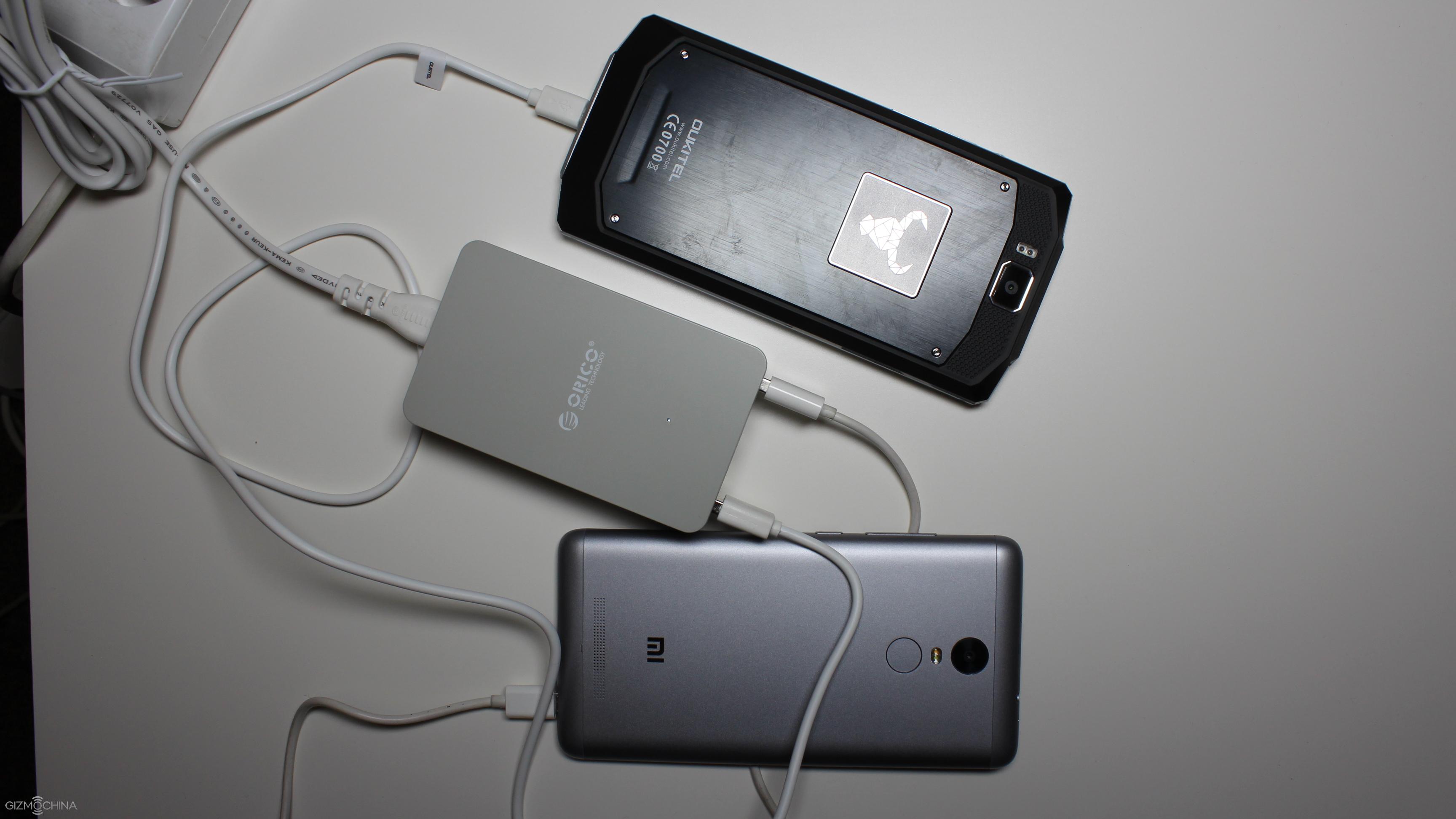
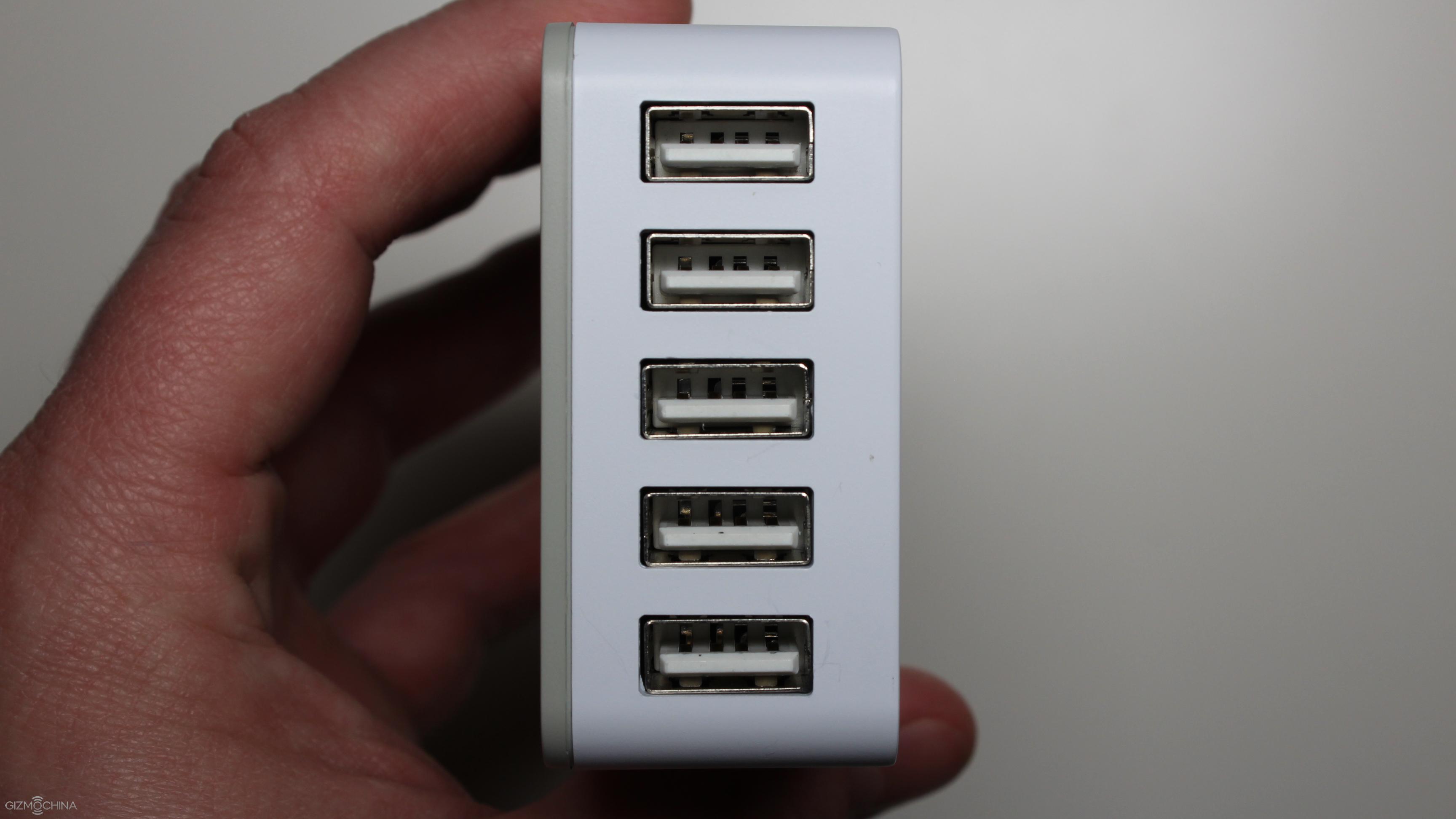
We have 5 USB ports and each of them have an output of 5V/2.4A or 40W of power output combined.
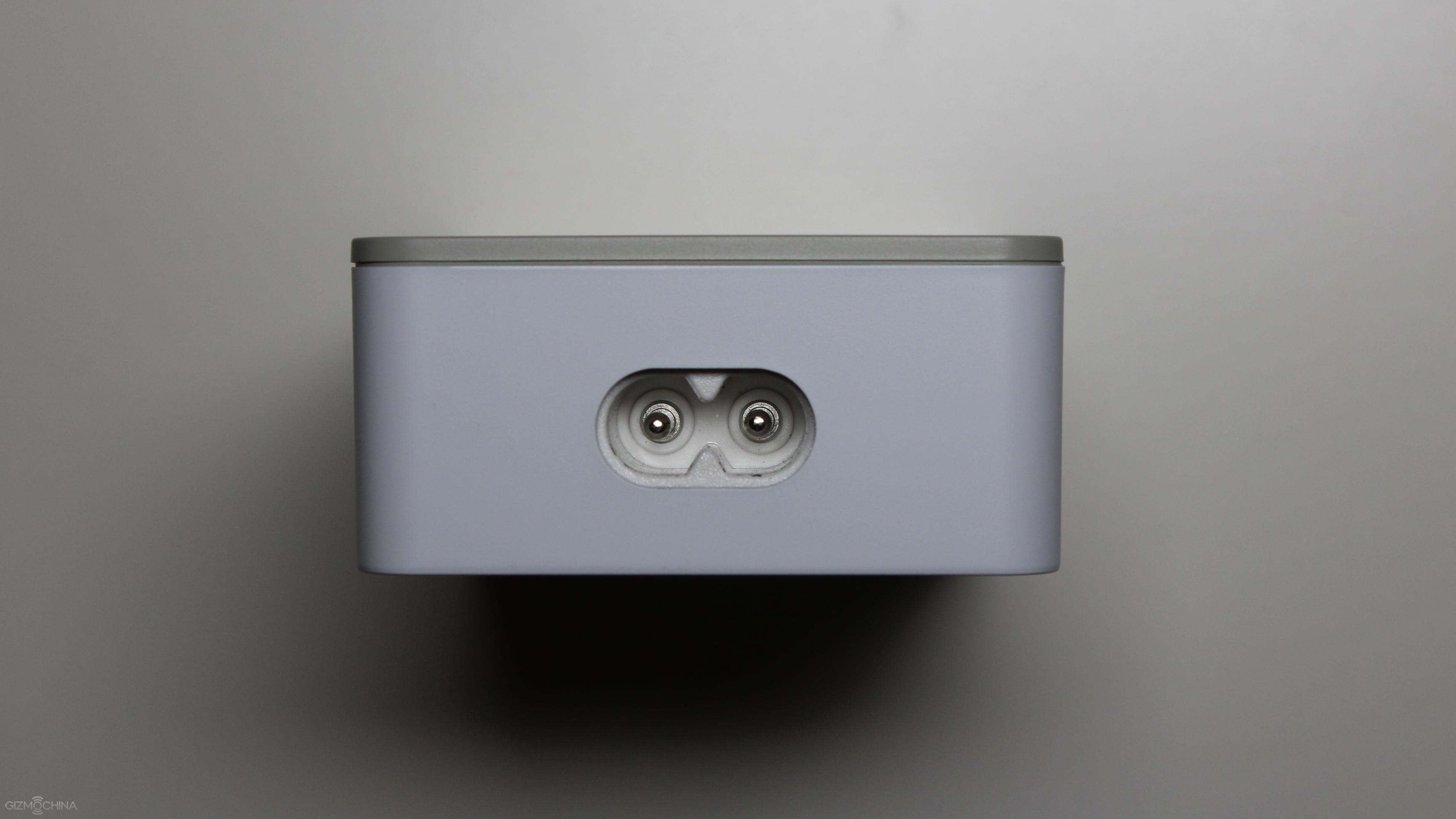
On the opposite side there is a power input port.
Once you power this 5-port USB charger up, a nice little LED lights up.
We have tested each port thoroughly to make sure they are all able to deliver advertised power output. While we did not measure them with a dedicated measuring tool but we took an empirical average user’s approach.
The results suggest that the Orico portable 5-Port USB wall charger is indeed capable of charging devices fast and it can even outperform some standard power plugs that have been shipped with gadgets.
It is worth mentioning that this device also has some technologies inside of it like synchronous rectification (it dramatically reduce charger rectifier losses, improves efficiency and reduces the heat of the charger).
As usual, the charger also has smart control chipsets which automatically detect the device you connected to provide a maximum charging speed.
ORICO Portable 5-Port USB Wall Charger Review: CONCLUSIONS
ORICO portable 5-Port USB wall charger is a great solution for those who are looking to improve their cable management or lose the power plugs of their devices. Also, it is indeed a great little travel companion.
Our test results suggest that this charger can definitely deliver fast charging speeds. Also, we did not have any issues with it like overheating.
The only downside of it is that there are no silicone pads provided, which always come handy to prevent a device from sliding on the table.
Blackview released their Omega model quite a while ago and right now they have a “Pro” version of it. Find out more in our unboxing and first impressions article.
Blackview Omega Pro: UNBOXING
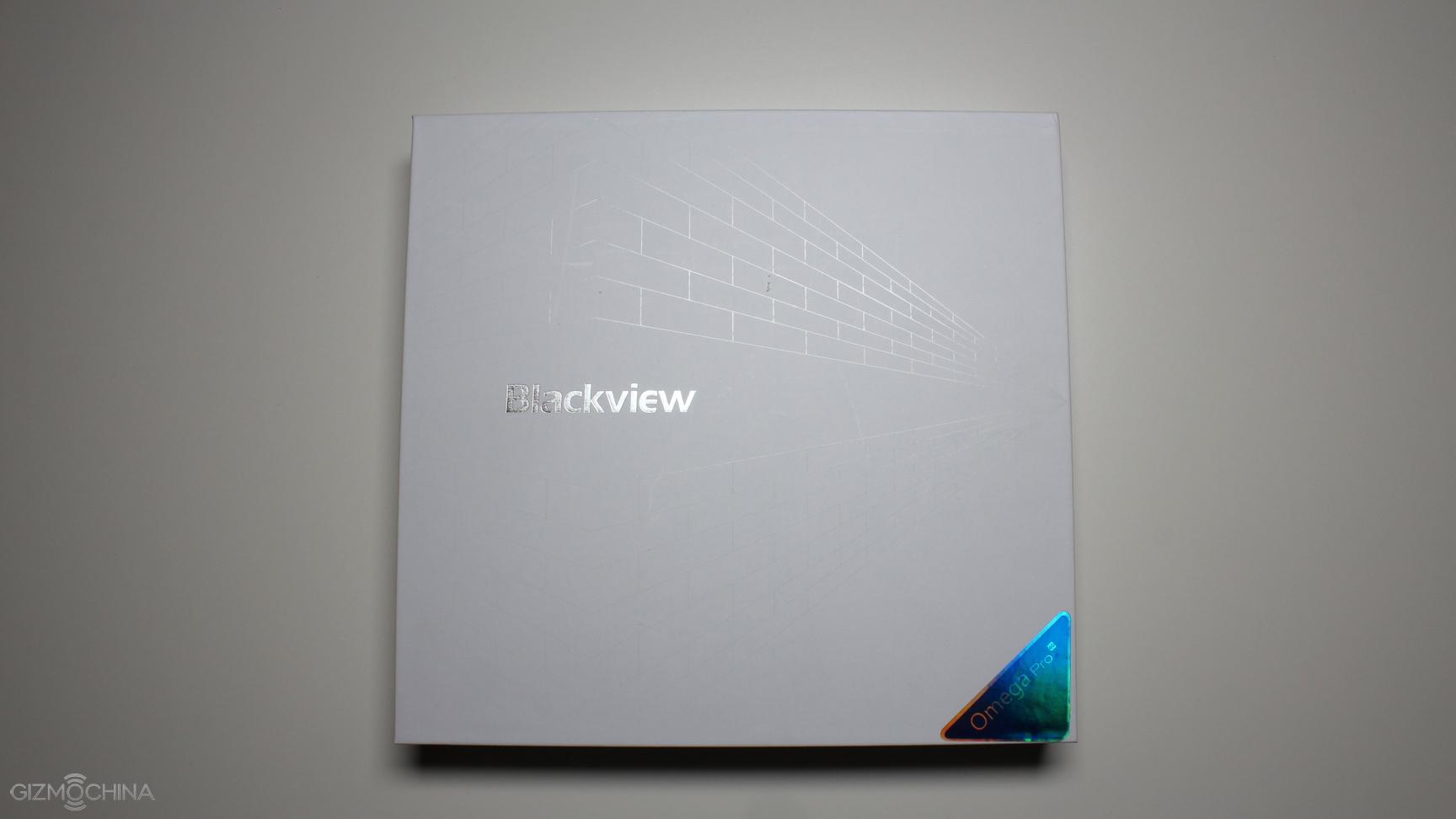
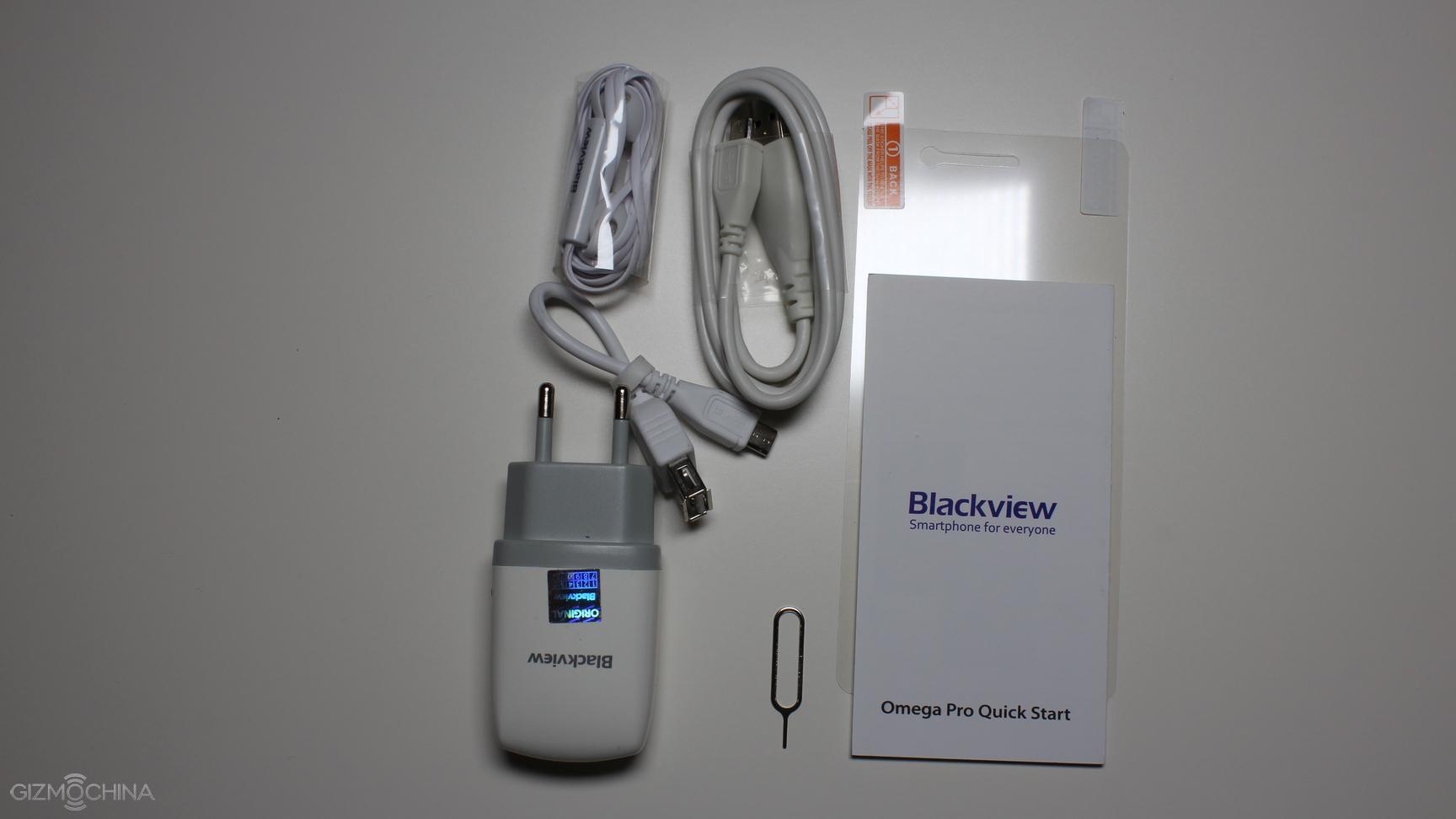
The Blackview Omega Pro comes in quite an elegant looking box and the contents include the micro USB cable, USB OTG cable if you want to connect some external devices to the phone, a charging brick, SIM ejector pin, a screen protector, some documentation and last but not least a pair of earphones.
Blackview Omega Pro: DESIGN
As far as design, we are looking at a glass and metal sandwich construction we’ve seen on a lot of phones. The glass covers both front and back, and it looks nice. However, it is a huge fingerprint magnet and all the smudges are make the phone look dirty very quickly on a black model.
Blackview Omega Pro is a compact phone as it sports only a 5″ display. Although we have already used to seeing a lot of devices with at least 5.5″ panels, I believe there is still a niche for compact phones.
Blackview Omega is surrounded by a metal frame, which is looks and feels high quality. The buttons feel nice and they have a great tactile feedback but they are located on the left side, which I personally hate. However, it is very subjective and some people may even prefer this kind of placement.
Blackview Omega Pro: FIRST IMPRESSIONS
My first impressions about this phone are kind of positive. It is well constructed, especially if we think of the price (less than $150). However, we have seen lots of well designed smartphones with a good build quality lately. Thus, it all comes to the day-to-day performance, battery life and a lot of other aspects that we care. We’ll spend a reasonable amount of time with this device to get all the questions answered. Stay tuned to Gizmochina.
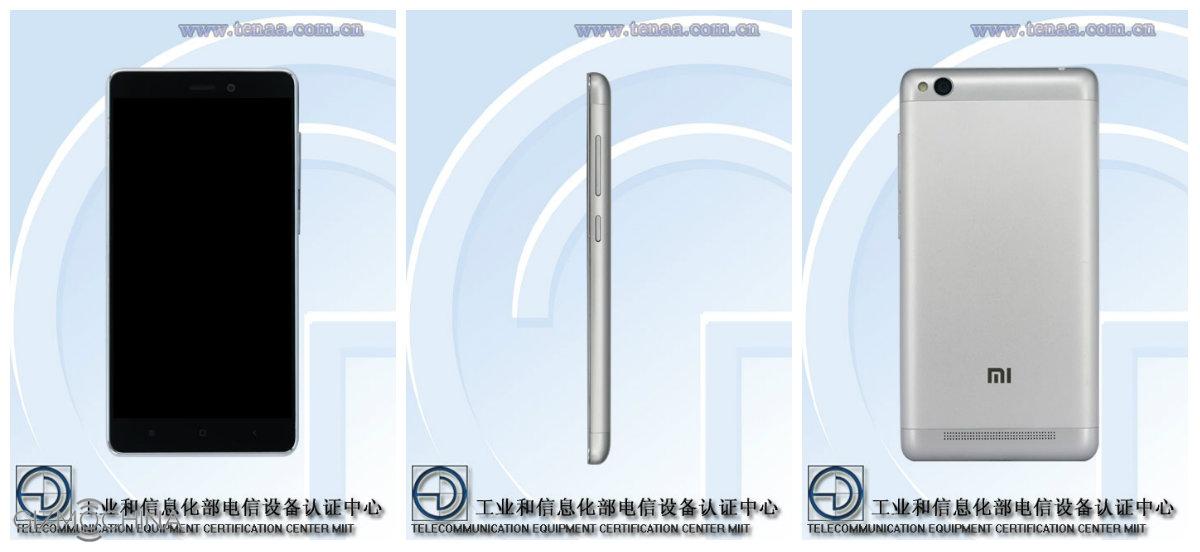
Back in December, we saw a new Xiaomi device on TENAA, which looked like the upcoming Redmi 3. Like always, TENAA revealed most of the specifications of the device, including a 1.5GHz octa-core processor. However, at that time, we were confused about the chip inside, whether it was the Helio P10 MT6755 or the usual MT6753. But it looks like the Redmi 3 won’t feature either of them, as IHS analyst Kevin Wang has revealed that the phone will feature Snapdragon 616 chipset.
A few hours ago, Kevin quoted a post from the Xiaomi co-founder Lin Bin, stating that the Redmi 3 comes with Snapdragon 616 inside. The new Snapdragon 616 chip is the upgraded version of last year’s Snapdragon 615. The chip comes with the same octa-core Cortex A53 cores but the clock speed is increased from 1.5GHz/ 1.0GHz to 1.5Ghz/ 1.2GHz. GPU is still Adreno 405. What’s new is the baseband which is the latest X5 LTE modem.
If the company keeps the price as low as 699 Yuan ($106), then Redmi 3 with Snapdragon 616, 2GB RAM and a unique plaid design metal body will turn out to be a pretty good deal.
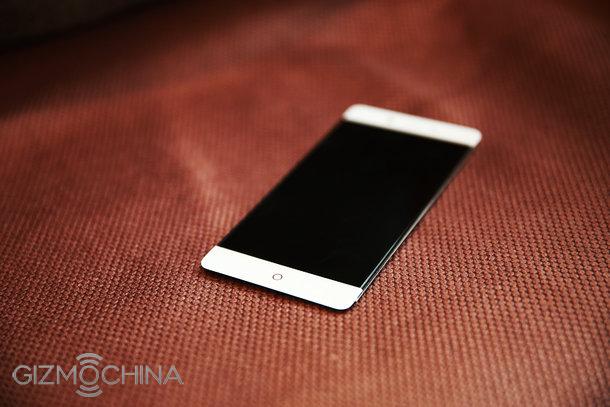
Looks like January is going to be an important month for Nubia. After rumors about a Jan 5 release of the Z11 turned out to be false, we were hoping that the company would release the device sometime soon. Yesterday, the company started sending out invitations for its January 18 event and we assumed it could be for the recently leaked Z11. But now, a few images of another handset have been leaked, most likely of the Nubia X8. So, we could see either of these devices at the event this month.
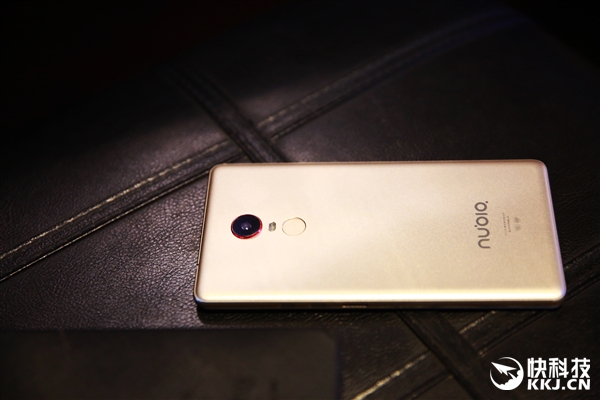
From the pictures, we can see that the Nubia X8 comes with an all metal body with a fingerprint sensor at the back. The leaked model actually reminds us of a phone that we had seen earlier. Remember, a few weeks back, we spotted an unknown Nubia model with fingerprint at a company event? Well, this looks like the larger model of that smartphone. Have a look at that leaked image from down below.
Today’s leaked phone looks large, which means it will most likely feature a gigantic 6.44-inch display like its predecessor, the Nubia X6. However, the resolution will reportedly be bumped up to 2K.
Another major highlight of the phone is going to the chipset inside. It is said that the phone will be coming with Snapdragon 820 quad-core SoC. And to support the high-end specs of the device, there will be a large 4500mAh battery on board.
The bezels of the phone look super thin and the screen to body ratio is also quite impressive. Looks like we are soon going to meet another beautiful Nubia flagship. Other details of the Nubia X8 is not known, but we will update you guys if anything more comes up.
Nubia has an official event on January 18, which means we will get to know very soon whether we meet the X8 or the Z11.
Meanwhile, you can check out more pictures of the beautiful Nubia X8 flagship from down below.
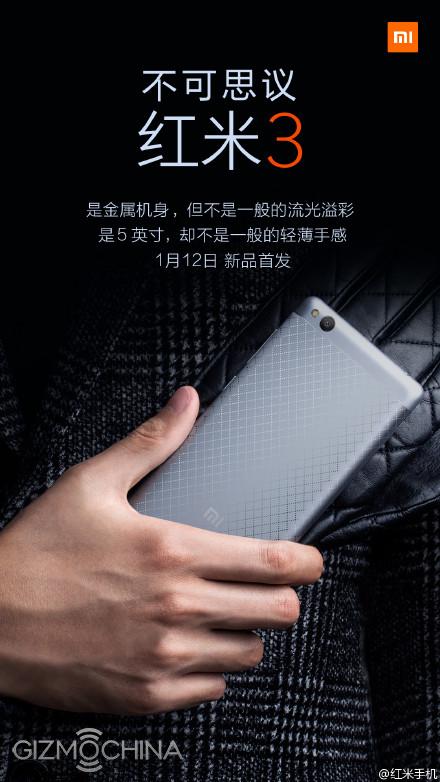
Xiaomi has a tradition of teasing its products a week or two before launch. However, for the Redmi 3 handset, the company decided to directly reveal the launch date as well as a couple of features of the device.
In a teaser released earlier today, Xiaomi confirmed that the Redmi 3 budget handset will be meeting us on January 12. We knew the release was around the corner given that the phone recently passed TENAA certification and was also spotted on the Chinese Radio Certification website. The teaser has confirmed that date, i.e. next Tuesday and also reveals that the phone will feature a 5-inch display.
Further, like the Redmi Note 3, the new Redmi 3 model will also come with an all metal body. But the back of the phone is quite unique, thanks to the plaid design. You can clearly see the rear shell design in the teaser.
As for the specs, back in December, the phone had hit TENAA, which revealed most of its specifications. The Redmi 3 model will reportedly come with a 5-inch HD 720p display with an octa-core processor clocked at 1.5GHz. While we are not quite sure of the chip inside, it could be either MT6753 or the new MT6755 Helio P10. Further, the phone comes with 2GB of RAM on board and 16GB of expandable internal storage.
The rear camera was of 13MP while up front, there was a 5MP selfie shooter. Like the Note 3, the phone is expected to come with a large battery, around 4000mAh. This would explain the 8.5mm thickness of the device. The phone supports 4G LTE networks with dual SIM dual standby. As for software, it should come with MIUI 7.1 based on Android 5.1 Lollipop OS.
Pricing is expected to be at 699 Yuan, which would make the device quite competitive. For more official details, we will have to wait for a few days more.
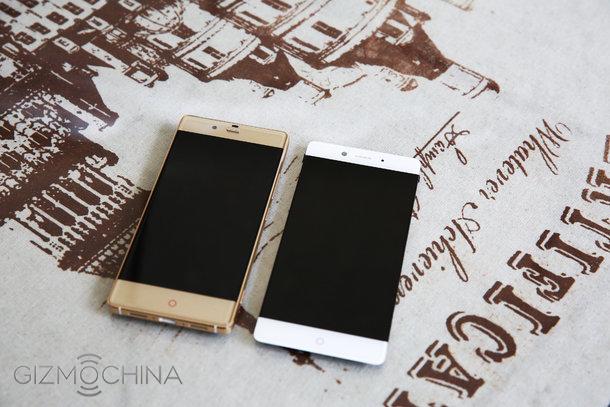
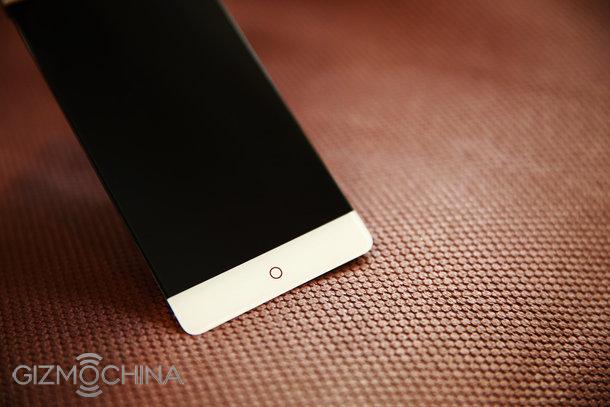
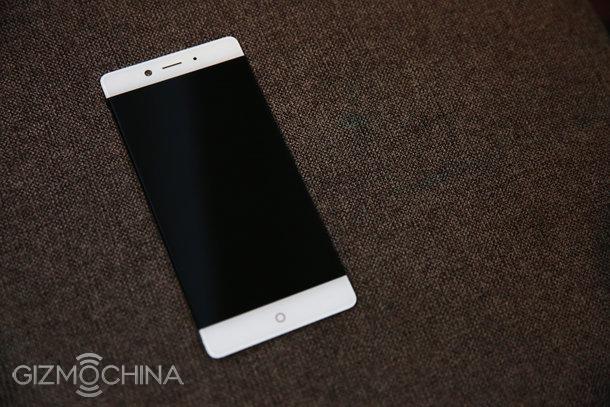
This year at CES 2016, we didn’t see any new release from ZTE’s subsidiary, Nubia smartphones. However, according to the latest information, Nubia does have a smartphone launch in plan and we will most likely meet the next generation Nubia Z11 flagship on January 18. In addition to this news, we have also spotted a few alleged pictures of the front panel of the handset, showing off its bezelless design in white color.
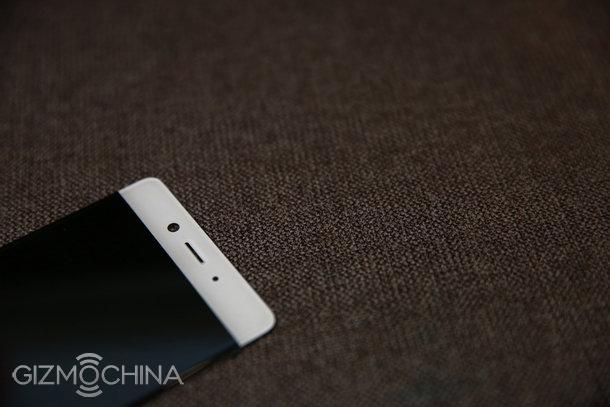
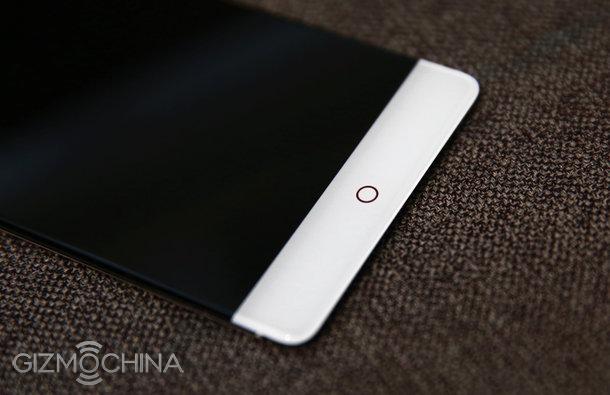
From the pictures leaked today, Nubia Z11 seems to continue with the design language of the previous generation Nubia Z9. We can’t see any borders, confirming the bezelless design, so it will most likely feature the company’s patented aRC (arc Refractive Conduction) technology. Also, in one of the images where the Z9 is directly compared with the Z11, we can see that the top and the bottom bezels have also been reduced, further increasing the phone’s screen to body ratio.
As for the specs, it is said that the ZTE Nubia Z11 will come with Snapdragon 820 processor with 4GB RAM and 128GB internal storage. The screen up front will most likely be from Sharp, much thinner than existing panels and will measure 5.2-inches diagonally. At the back, you can expect to see a 20.7MP rear camera while up front, a 13MP shooter. The phone should also come with a fingerprint sensor on board. As for the software, it should come with Android 6.0 Marshmallow OS right out of the box.
This would be the first smartphone from the company after SUNING invested in Nubia at the end of last year. Nubia is said to release the smartphone on January 18, which is just a couple of weeks away. So, we can expect a lot more information on the handset in the coming days.
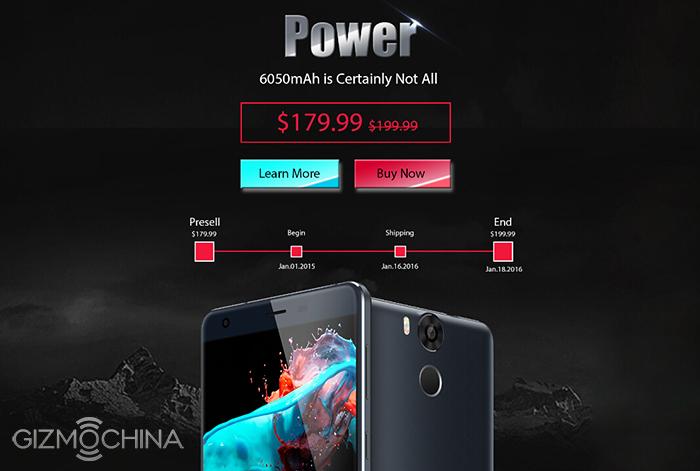
The new year’s first promotional campaign has come from Ulefone, who offers a USD179.99 special price during the pre-sale of its super battery flagship Ulefone Power, USD30 down from the original price.
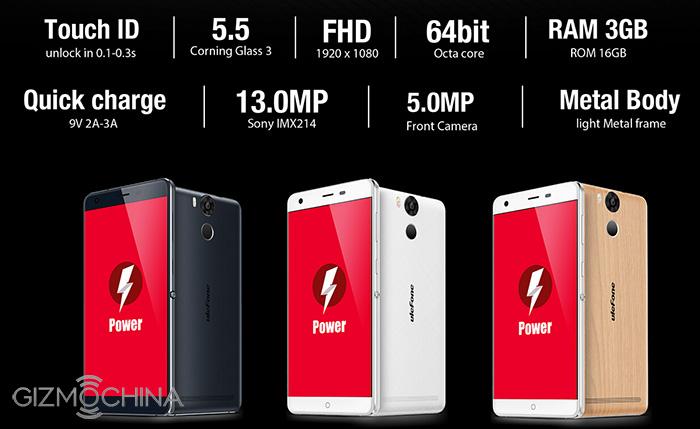
Ulefone Power was launched one week ago, featuring 6050mAh Sony li-polymer battery, which is said to support 75-day standby and 4-day light use on a 2-hour single charge from the 9V/2~3A quick charger. With OTG, the phone will also be able to charge other devices.
Other specs include MTK6753 octa-core 64-bit chipset, fingerprint scanner, 5.5-inch AUO 1080P LTPS display, 3GB RAM, Sony IMX214 13MP camera, infrared emitter, and shortcut camera starter.
Ulefone Power presale started from January 1 and will last until January 18, when the price will be increased to USD199.99, the normal price Ulefone really wants to sell the device for. The presale will possibly end before schedule if the 10,000 units in stock is sold out.
Ulefone will start shipping Ulefone Power in January 16 with Android 5.1 pre-installed and will upgrade the device to Android 6.0 in February.
Now that the Le Max Pro is official with Snapdragon 820, other smartphone manufacturers will be eagerly waiting to unveil their big flagship smartphones with this new Qualcomm chip. On top of that list is none other than the Xiaomi Mi 5, and today, an executive has confirmed that the Mi 5 will be featuring the Snapdragon 820.
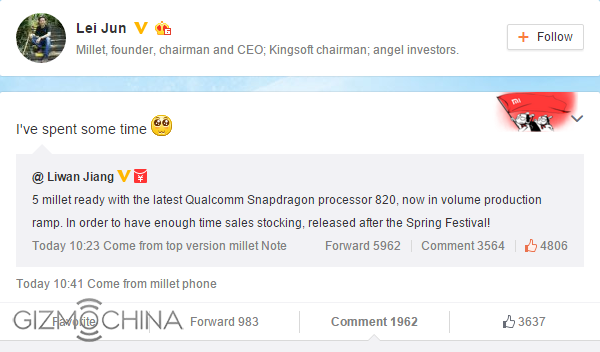
Liwan Jiang, the co-founder and Senior VP of Xiaomi revealed via his official Weibo account that the Xiaomi Mi 5 will be equipped with Snapdragon 820. He also adds that the production of the flagship will ramp up now so that the device is in stock soon after the Chinese Spring Festival, which is in February. So, it looks like the Xiaomi Mi 5 will be available to purchase soon after the phone is released officially. Hence, the company probably won’t be facing any stocking problems post its release.
After Liwan made this post, Xiaomi CEO Lei Jun quoted it and further added that he has been using the phone for some time. Earlier in an interview, Lei Jun had revealed that he had used the device and it was amazing. What’s even more interesting is that the post was made by an unknown Xiaomi device, which could be the Mi 5.
As for the specs, the phone will reportedly come with a 5.2-inch display with 4GB RAM, 16MP rear camera, 8MP front camera and a 3000mAh battery. Apart from Snapdragon 820 on board, rest of the specs are yet to be confirmed.
Since the phone has entered mass production, we can expect a lot more information in the coming days. So, stay tuned for more details.
Earlier today, LeTV officially announced the Le Max Pro flagship which is the first Snapdragon 820 powered smartphone in the world. The company revealed only some of the highlighted features of the device like Wi-Fi ad, and Qualcomm’s 3D Sense ID fingerprint sensor. The phone’s release date is not yet known, with the company adding that the release will happen sometime within the first half of 2016.
So, it’s likely that there will be a couple of other Snapdragon 820 powered smartphones that will make it to the market around the same time as Le Max Pro. Among them could be the Xiaomi flagship, Xiaomi Mi 5. The popular IHS analyst from China, Pan Jiutang has revealed via his Weibo account that Xiaomi Mi 5 along with the Vivo XPlay 5S featuring Snapdragon 820 will release by the end of February this year. This is in line with what we heard from Qualcomm Exec last year, that first batch of Snapdragon 820 phones will be available by Q1 2016. Other models featuring this new chip, like Le Max 2 will release later, sometime around May this year.
In another post, he also revealed that the Xiaomi Mi 5 most likely won’t feature Qualcomm’s Sense ID 3D fingerprint sensor. The company reportedly gave up on the sensor at the last minute. Instead, the phone will come with a traditional sensor. However, he adds that the company will probably release a model with Sense ID on board sometime in the second half of 2016. It could be the Mi Note 2, but it’s too early to say, so we better wait for some additional details.
Many readers were disappointed to see that Xiaomi Mi 5’s release was taking time. But given that the phone is expected to release by February end, it’s probably going to be one of the first Snapdragon 820 smartphones to be available in the market.
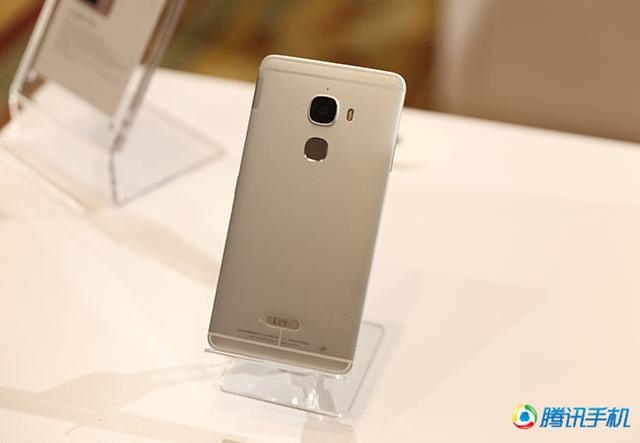
We have been hearing for months that LeTV will release the first Snapdragon 820 powered smartphone. And these rumors were bang on target as Qualcomm and LeTV announced the first Snapdragon 820 powered smartphone in the world, the LeTV Le Max Pro earlier today. We already know a lot about the device, thanks to the previous leaks, but now, we have some official details to add to it.
One thing to note here is that, despite the announcement this early, neither LeTV nor Qualcomm has revealed when the phone is going to be released. The only thing we know right now is that the phone will be available for purchase sometime in the first half of 2016. That’s a pretty vague time frame, so we will have to wait for more availability details.
Even in the specs department, there are many details that are yet to be announced. But what we know is that the phone will also be the first commercial handset to feature Qualcomm’s Ultrasonic Fingerprint Sensor called as Sense ID. Once again, the feature was rumored to debut with the Le Max Pro, so no surprises here. Qualcomm explains that the new Sense ID is much more reliable and secure than existing capacitive based fingerprint sensors. The main highlight of Sense ID is the use of an ultrasonic scanner to create extremely detailed 3D fingerprint maps. Plus, it works even under plastic, metal and other materials. This is why the sensor on the Le Max Pro works although it’s located under 400 micrometers of metal.
Another highlighted feature of the Le Max Pro is the support for the latest Wi-Fi 802.11 ad standard which is much faster than previous generations, since it adds a new frequency band, 60GHz. The phone is also officially confirmed to feature fast 4G LTE and Qualcomm’s Quick Charge 2.0. From what we can see, the phone looks the same as its predecessor, the Le Max featuring an all metal body.
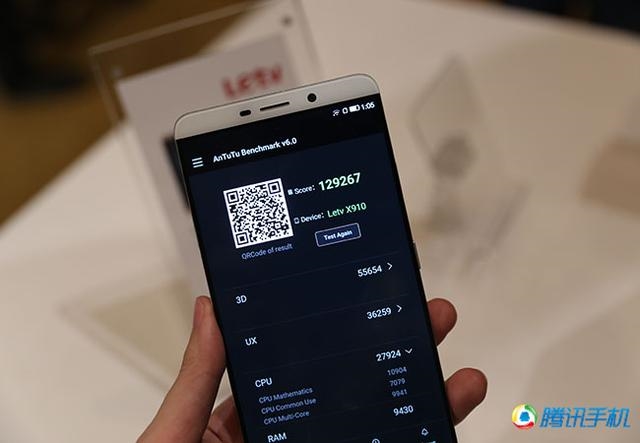
As for the other specs, we will probably get to know more at the CES event. According to rumors, the phone features a 6.3-inch 2K display with 4GB LPDDR4 RAM, 64GB storage, 21MP rear camera, and 3400mAh battery. AnTuTu performance is said to be impressive, scoring nearly 130K in the test.
Hopefully, we will get more information about the handset in the next couple of days. Stay tuned for more details.
If you are constantly thinking your phone’s battery dies too often, there is a phone that you have probably not heard of. This is the unboxing and first impressions video about the biggest battery phone in the world – Oukitel K10000.
I’ve reviewed a bunch of Oukitel phones in the past and I have to tell you that this is the most premium packaging the company has shipped their phone in so far.
Everything’s packed neatly and what you are getting in the packaging include the micro USB cable, USB OTG cable if you want to connect some external devices to the phone, a fast charging brick, SIM ejector pin, a screen protector, some documentation and last but not least a plastic phone case, which is always a nice addition to have.
Oukitel K10000: DESIGN and FIRST IMPRESSIONS
All right, the star of the show here is the phone, which has by far the largest battery capacity of whopping 10000mAh. Oukitel declares that the phone will last you 15 days of normal usage, which has never been achieved on any smartphone. Also, it features fast charge feature and thus you can fully charge the phone in 3.5h and you can even charge other phones with the included cable.
Naturally, this capacity makes the phone thick and heavy as its thickness measures at around 14mm and it weighs below 200g but I will tell the exact official dimensions in the full review.
My initial impressions about the Oukitel K10000 are that it is built like a tank and the craftsmanship is top-notch. It just feels that the phone would probably break the wall if you throw at it and not vice versa.
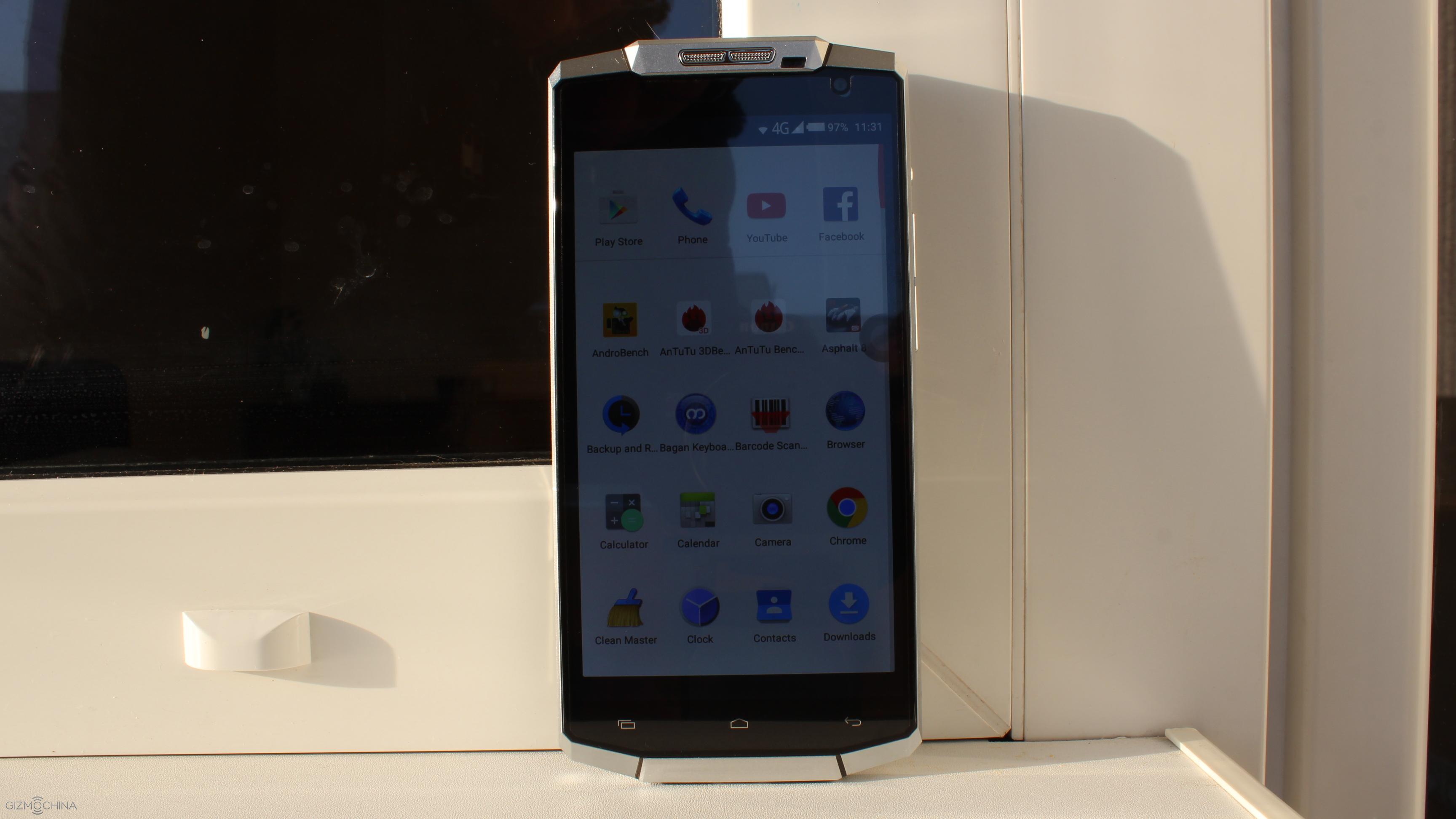
We have a 5.5” 720p display, 5MP selfie shooter, non-backlit capacitive keys and some other usual stuff on the front.
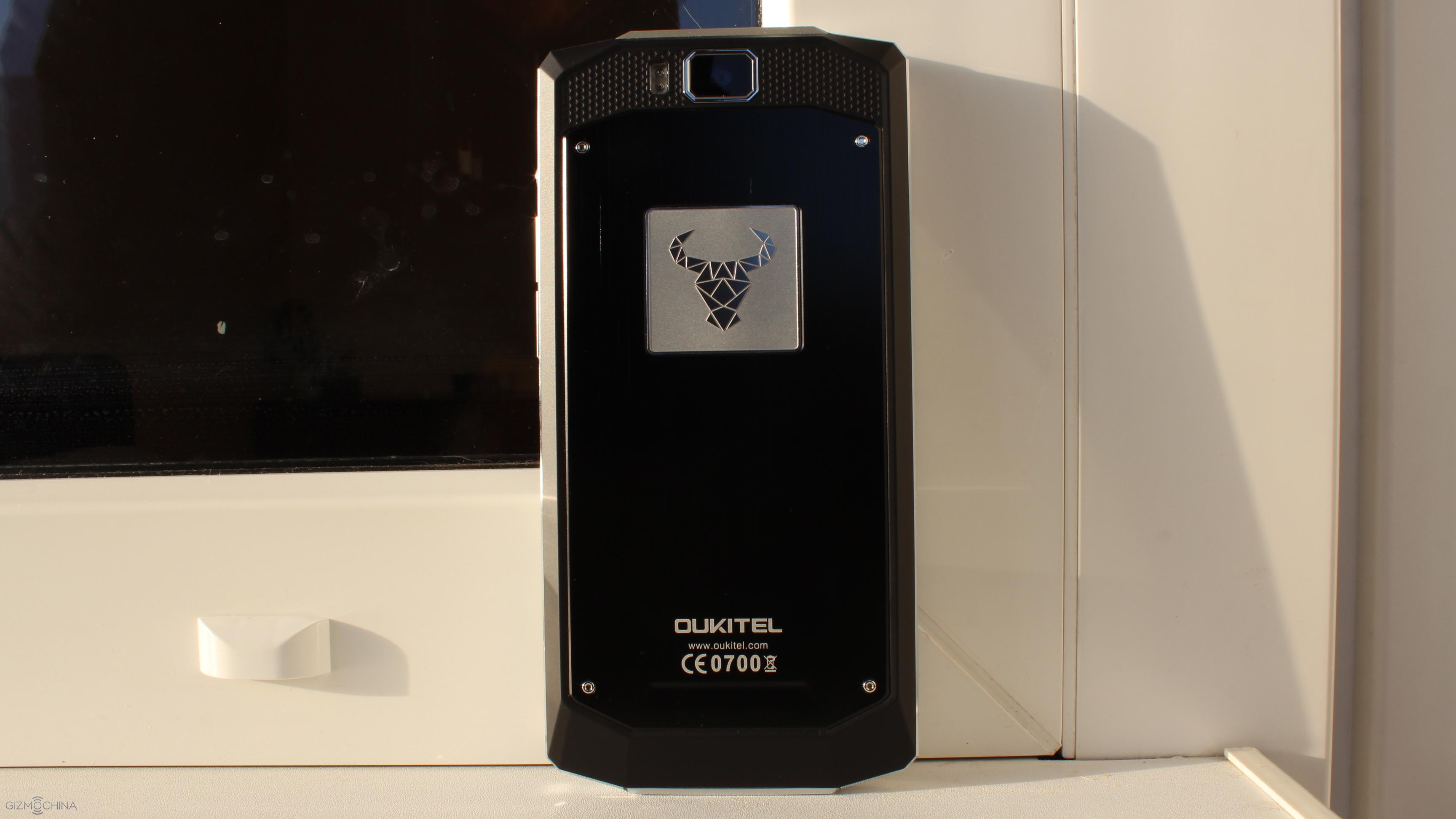
The back is made of metal and rubber materials, which look really nice. As far as optics, we are looking at the 8MP camera, which can take 13MP pictures.
The sides of the phone are made of metal and they definitely add a lot of premium look and feel.
As far as other specs go, they are not that impressive but hey, this is a battery centric device after all and it costs just around $200 and I will leave a product link down in the description.
We have a quad-core MTK6735 chip, 2GB of RAM, 16GB of expandable storage and Android 5.1 is running the show.
All in all, I’ve played with the phone for a few days already and so far I’ve been impressed. I used only 7% of battery through the entire day, which is amazing.
Original K4000 vs forthcoming K4000 Pro, lets see what Oukitel have improved.
Oukitel are all set to release the new improved K4000 Pro, lets have a look at the specs of both phones and see what improvements Oukitel have managed to make to the new handset.
The new K4000 Pro will be seen by many as more of a K4000+ the newer handset sees some styling tweaks and some under the hood enhancements that should make the original K4000 even better.
So whats not been changed?
Both the original K4000 and the newer K4000 Pro feature 5-inch HD displays (1280 x 720p resolution) and are powered by 1ghz Quad-Core 64bit Cortex-A53 Mediatek MT6735P processors, these are not the most powerful CPU’s but should do an ok job for most everyday needs.
Ram and Rom configurations are the same between both handsets with 16GB ROM and 2GB RAM and both feature the same camera pairing of 8.0 mega pixel (13 Mega Pixel interpolated) rear facing camera and 2.0 Mega Pixel (5 Mega Pixel interpolated) front facing camera.
Like the original K4000 the newer K4000 Pro will come with Android Lollipop 5.1, with a confirmed upgrade path to Android Lollipop 6.0 on the K4000 Pro.
Given that both handsets share a lot of components in common, it would be a fairly safe bet that the original K4000 will also see the upgrade to 6.0
USB OTG functions like reverse charging will also make a return on the K4000 pro, when used with an OTG cable.
So whats changed?
The original OUKITEL K4000 featured a large removable 4000mAh battery, whilst the K4000 Pro sees an increased to 4600mAh whilst still remaining removable.
In order to make maximum use of the battery without making charge times to long, Oukitel have increased the original K4000 charging from 5V/1.0A to 5V/1.5A this is a 0.5A increase in charging power and should see both the K4000 Pro and the K4000 fully charged within 3-3.5 hours.
Oukitel have also improved network coverage on the K4000 Pro, both handsets support the following bands, 2G(GSM850/900/1800/1900MH) and 3G(WCDMA 900/2100MHz) 4G FDD LTE B1/3/7/20 (2100/1800/2600/800MHz). the newer K4000 Pro adds one more band: B8 (900MHz).
There have also been a few structural changes K4000 pro, the screen is now 1.1mm thick, making the glass more durable and up to three times stronger, the K4000 Pro also has an improved corner design to its 2.5D CNC ARC craft metal design, that should help the phone to further resist damage when dropped.
Another improvement to the phone comes in the styling department, the Oukitel K4000 Pro now has a crocodile leather textured back cover, this should hopefully make the phone comfortable in the hand whilst also helping to reduce the chances of dropping the phone.
As soon as a review sample finds its way to me, I will do a full handset review.
So what do you guys think? does the Oukitel K4000 Pro have enough extras for you? are you a K4000 owner? would you consider purchasing the new model for its improved battery? or will you wait for the K6000 Pro? or perhaps one of the other great phones that are due this year.
Hopefully Oukitel will continue the strong push they had at the end of 2015 and will start to bring out more 2016 phones with processing power to match their impressive batteries.
For now please leave comments and questions below.
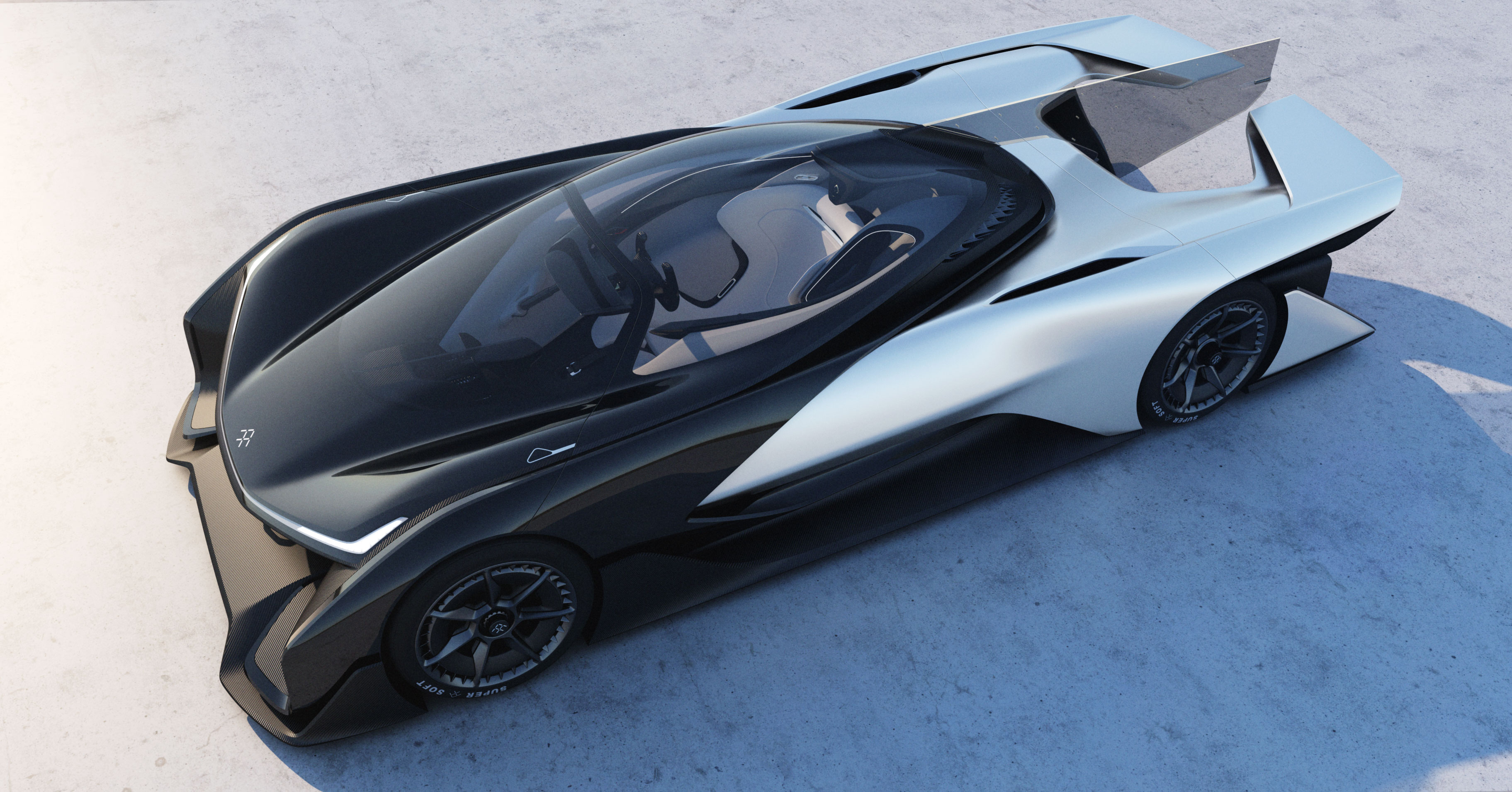
When it comes to electric vehicles, there’s probably no other company that can match Tesla’s technology right now. However, that doesn’t mean there won’t be any new entries in this niche industry. The start-up car manufacturer, Faraday Future revealed its brand new concept electric sports car, the FFZERO1 yesterday. This is the first time we are hearing about such a car from the company, as it has managed to stay away from the limelight since it launched 18 months ago.
This California-based company is backed by the Chinese billionaire Jia Yueting, who is also the founder of the media giant LeTV. The new model called the FFZERO1 features a 1,000 horsepower engine with maximum speeds of upwards of 200MPH (321KMPH). This concept car can accelerate from 0-60MPH in less than 3 seconds, thanks to its teardrop shape and aerodynamic tunnels which will ensure airflow into the engines to cool the batteries. Unfortunately, if you were hoping to see the car go into production, that’s probably not going to happen. The FFZERO1 is just an example to show what is possible.
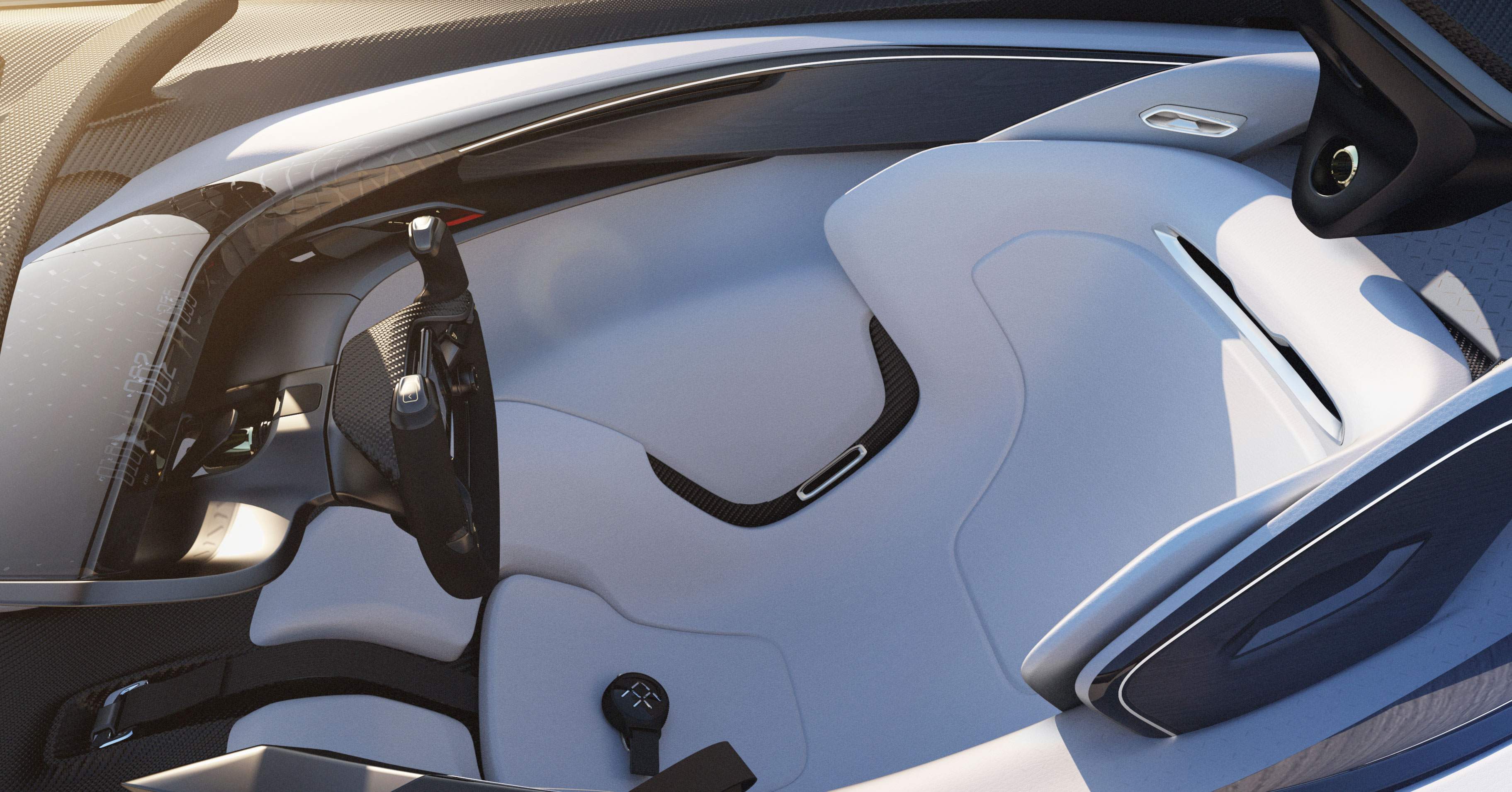
However, the technology will end up in other vehicles manufactured by the company. The company is also focused on the interior experience which it says will feature ultra-modern room design and user-friendly interface. It aims to be the future of the automotive industry and for this, has a total of 550 employees working on its projects, many of whom have been poached from rivals such as Tesla and BMW.
Well, the concept car looks futuristic, but since it’s not going to be manufactured, we will have to wait and see how the company plans to impress us in the coming years. Also, it would be interesting to see how LeTV fits in the future of Faraday Future. LeTV recently announced that it will showcase its connected car ecosystem in partnership with Aston Martin at CES this year, and we can expect a similar partnership with Faraday Future.
You can read more about Faraday Future from their official website.
The company AUSDOM is headquartered in Shenzhen, and mainly deals with IP cameras, car electronics and a few headphones. The AUSDOM M05 is an over-ear headphone for about $40 USD, which can be connected both via Bluetooth and a 3.5mm jack.
Packaging and content
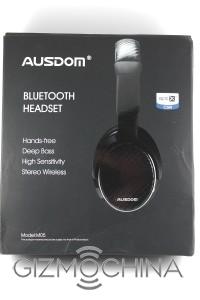
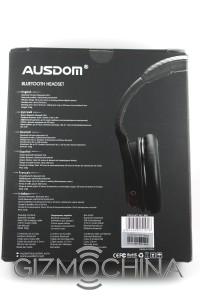
The packaging is a simple black box with the mapped headphones. On the back are the most important information.
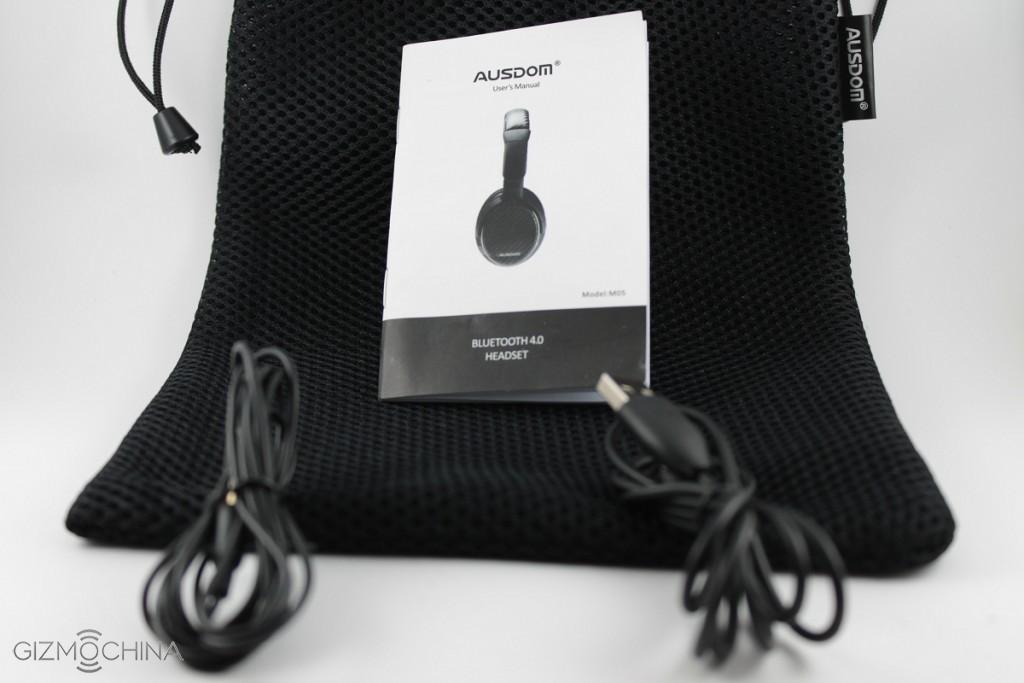
Accessories include a storage bag, a quick start guide (in German), a USB to micro-USB for charging and a 3.5mm jack cable. Which means that this headset also supports wired audio playback, which is very rare to see in headphones in this price range.
Material and Design
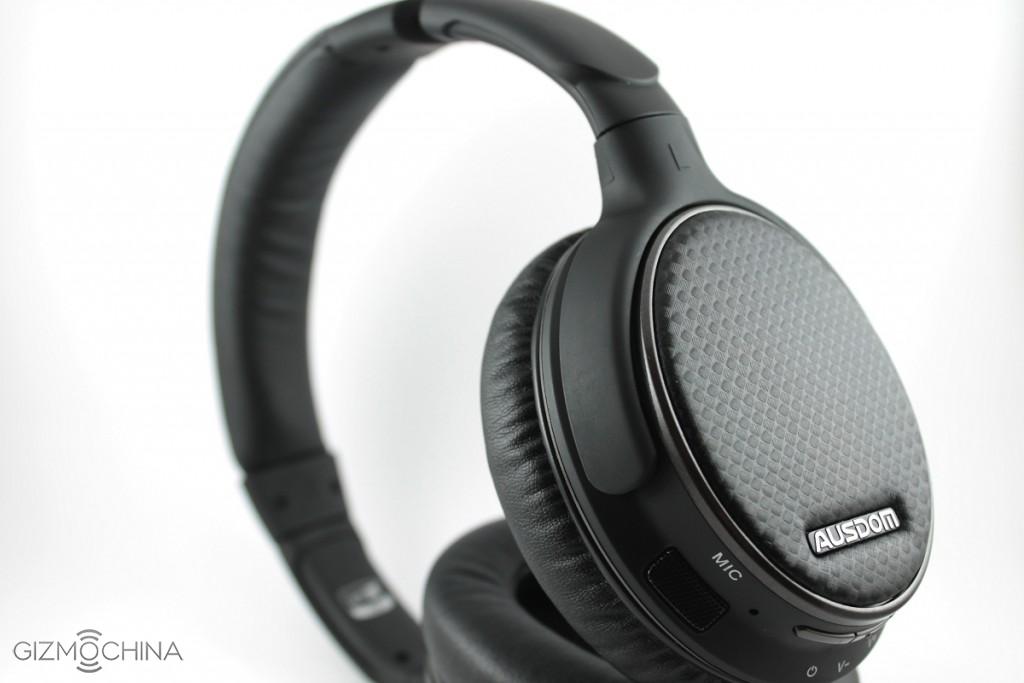
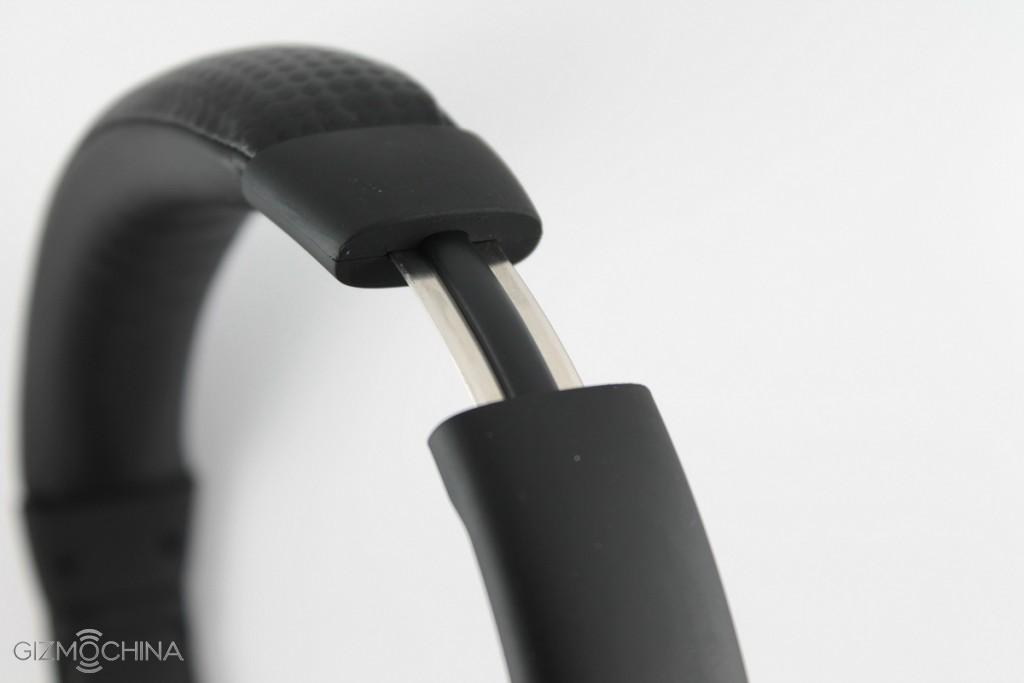
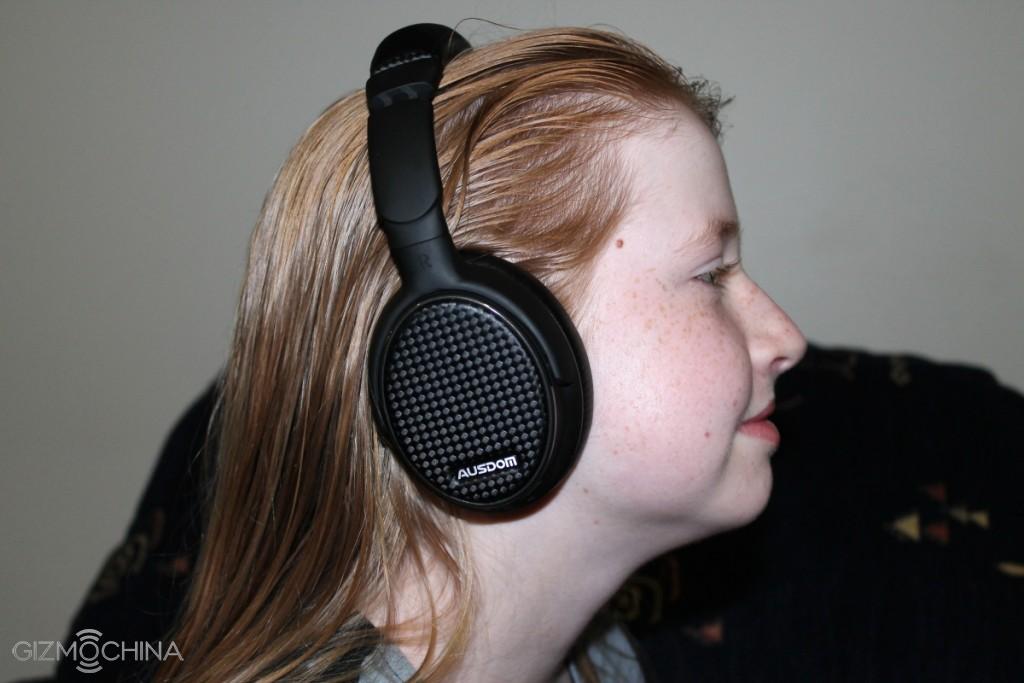
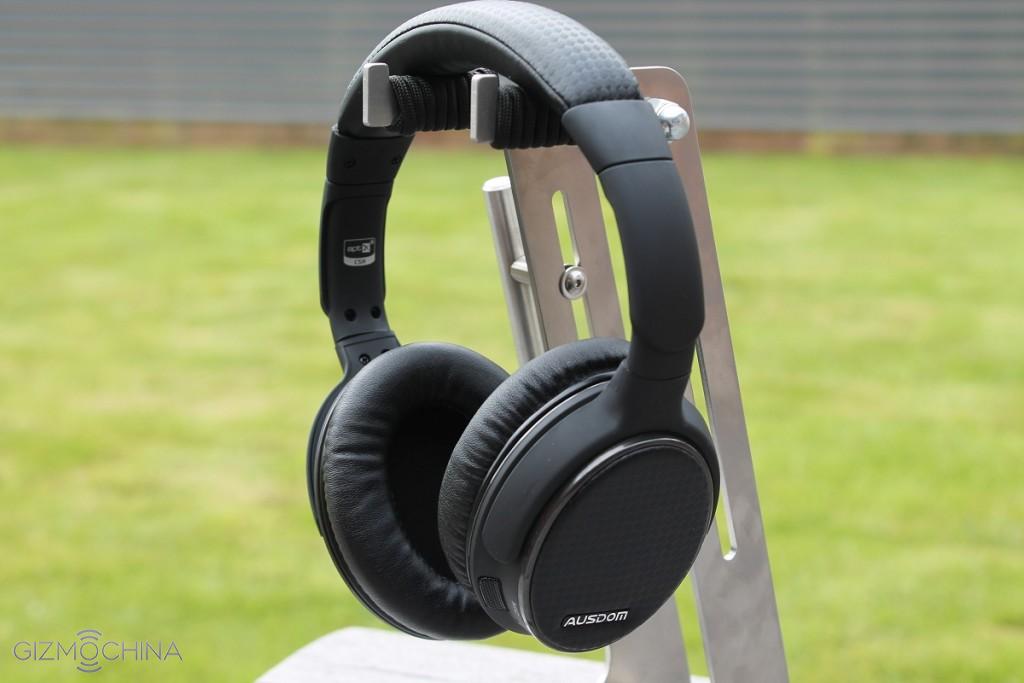
The AUSDOM M05 act really high quality and are well crafted. Especially the bracket is very robust but still flexible. The bracket on the sides is made of plastic, which is slightly roughened. Thus, it is not only high quality but also really feels like that. Like us itself very well built, and feels very good either when wearing it or just holding it, or left around the neck.
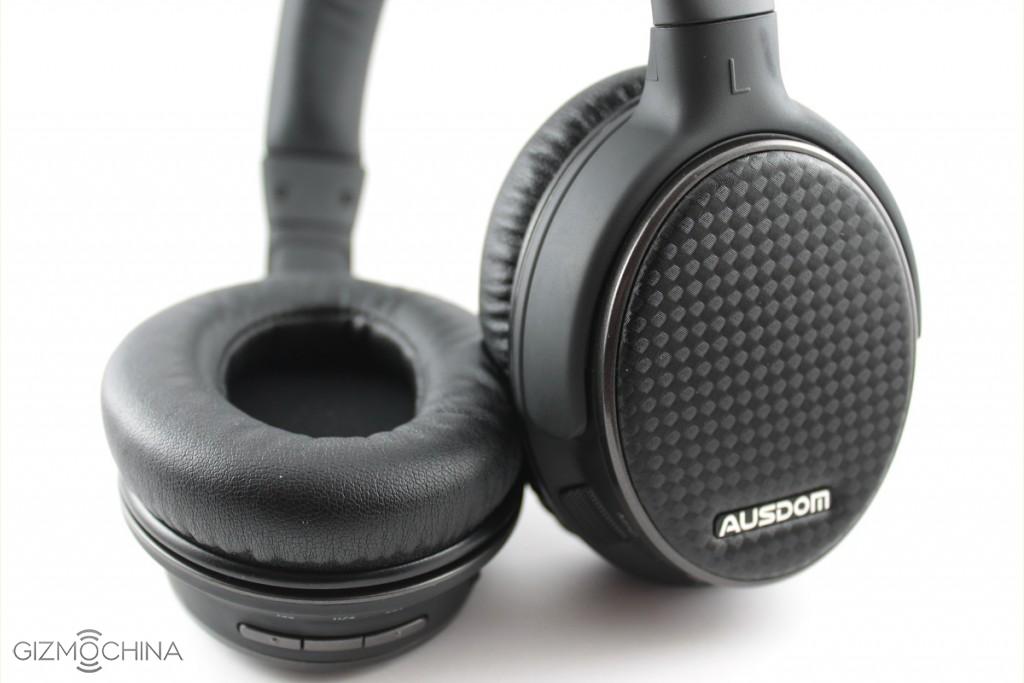
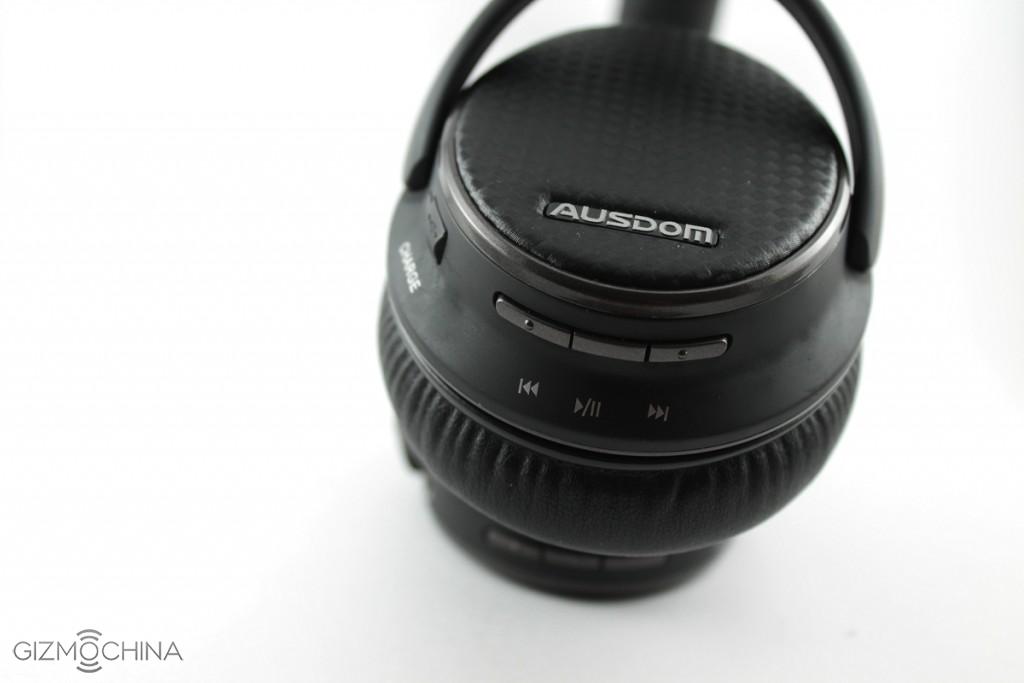
The bracket on the top side has a carbon-look but is made of soft foam as well as the inside of the strap. The transitions are all handled properly, here we have nothing to complain about. The earpieces on the sides are also provided with a soft carbon coating.
Here is a short demonstration of how flexible the headphones really are.
Comfort
The padded earcups is very comfortable to wear. According AUSDOM supposed to be a kind of artificial protein leather, whatever that is. The bracket can be pulled out sufficiently so that should really find the headphones on each head a proper fit. A proper fit is very important for longer sessions when one is working on a computer or out on a run.
The headphones have exercise on a very good fit without much pressure on the ears. The soft reference of the ear cups feels fluffy and comfortable.
The ear is completely covered, thus ensuring a good shielding of ambient noise.
Technical specifications:
Bluetooth 4.0 EDR
Hands-Free
built-in microphone
aptX Protocol Support
20 hrs. Playback or talk time
250 Std.Standby
3.5 mm jack
Frequency range 20-20.000Hz)
Function Keys
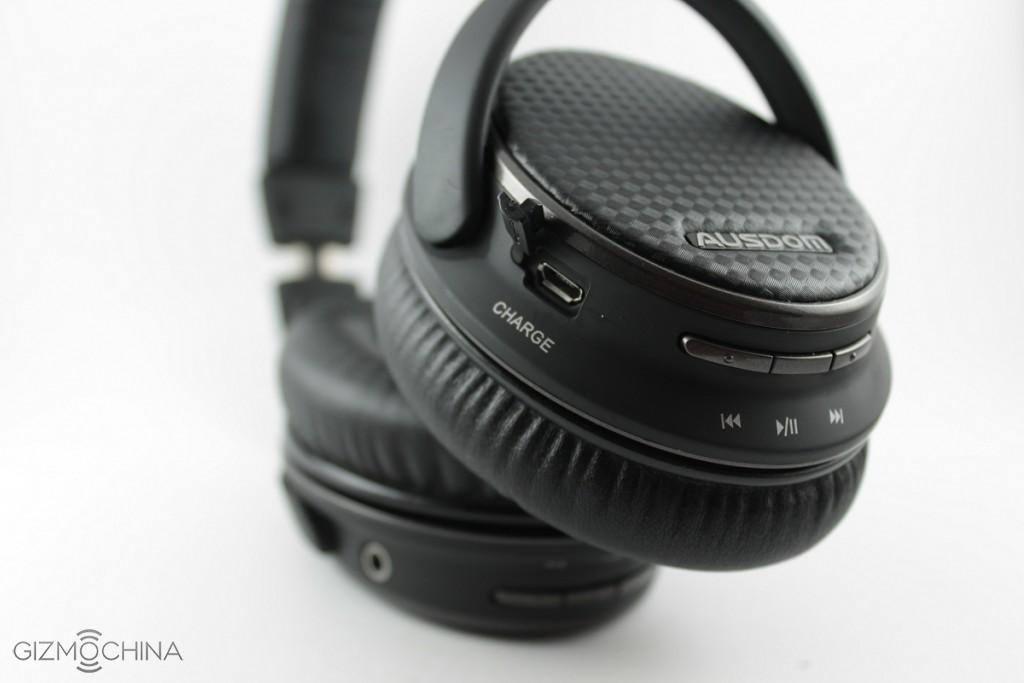
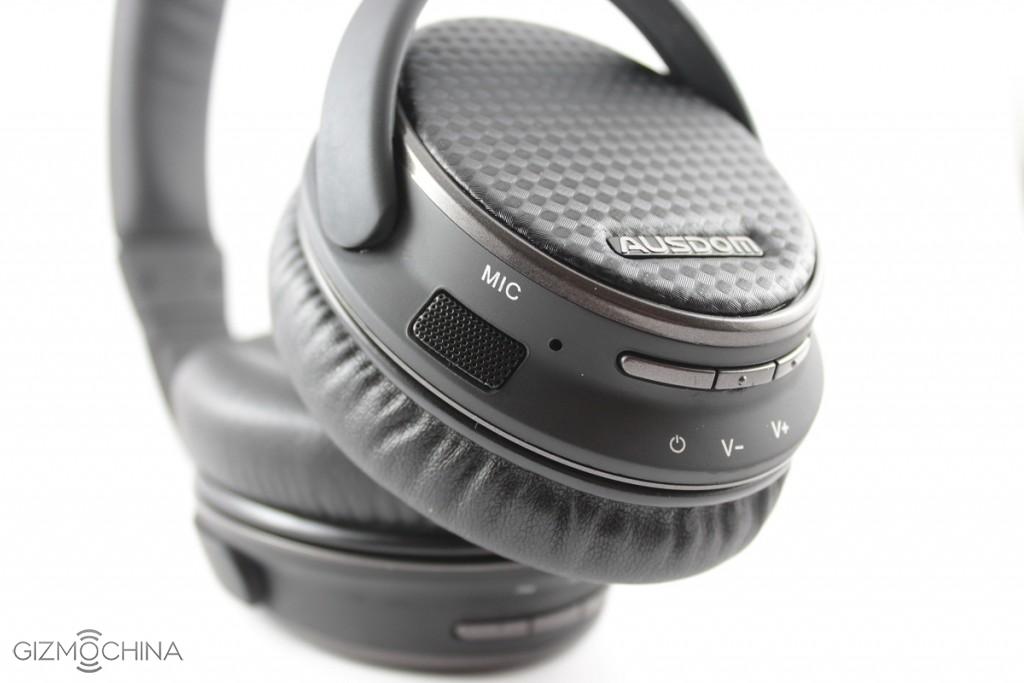
On the left side you will find the microphone behind a lattice, the on / power button and the volume loud and soft key. In addition then still beside the 3.5mm jack input.
On the right side then the microUSB input for charging, the Pause / Play and skip track buttons.
The coupling takes place via Bluetooth simplistic about the hold the Power button. A female voice in English has a friendly then out.Otherwise, all the keys worked perfectly in our tests and had a good pressure point.
Microphone
The M05 has additionally an integrated microphone. The supports all devices that can be connected via Bluetooth. But rather below average but to use it, the quality of the microphone to call quite suitable. But it puts more emphasis on good mic for long Skype sessions etc. one should seek something else prefer.
The sound
But as always, the most important thing – How is the sound and they are good what?
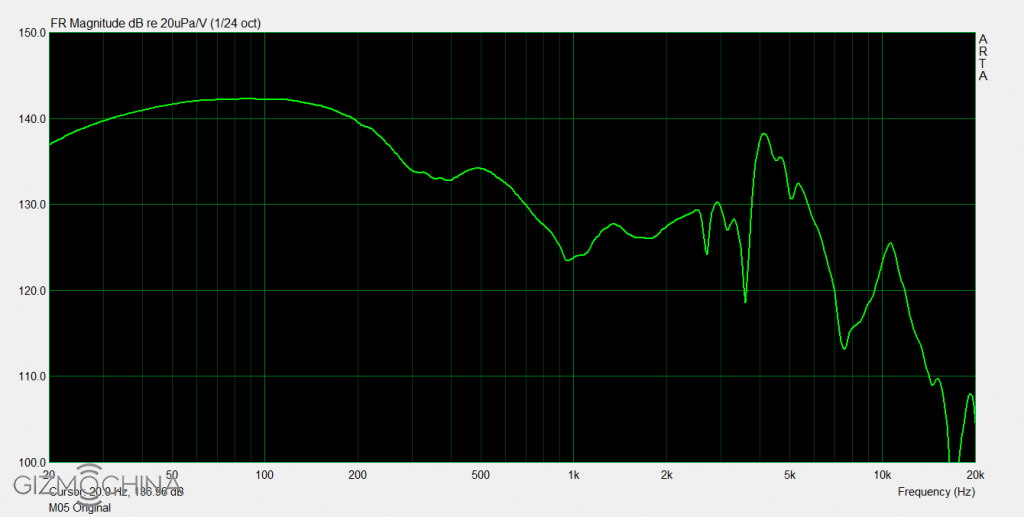
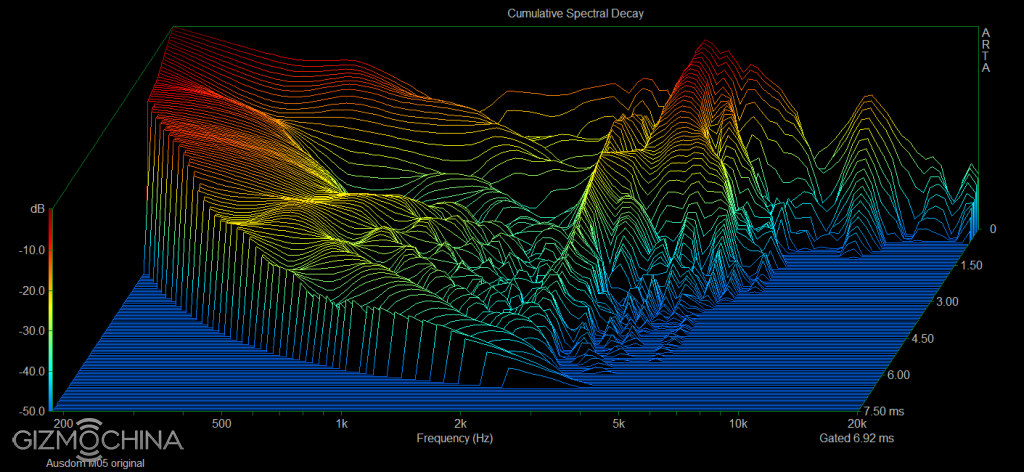
The sound of the M05 AUSDOM we would rather describe as average.Overall, they are very bassy, where unfortunately the mids and highs to go a bit lost. Especially because of the missing middle is something missing the dynamism but for people who love good bass, you may appropriately. The rest would then have been a neat equalizer countermeasures. You can not use the example in wide Xiaomi Headphones keep up but the games in a different league and are also more expensive. Overall, however, probably better than the Bluedio Turbine headphones but slightly worse than the cheaper Leme B20.
Conclusion and Recommendation
Our conclusion for Ausdom M05 headset is somewhat ambivalent. One must not forget, of course, that we are talking about a nearly $40 USD headphones. Overall, we lack at the sound of the balance and the dynamics of actually otherwise quite nice headphones. Here are the bass then too dominant. The microphone is unfortunately also not so great but that the M05 are very well made, very light and have a good comfort even during long listening sessions.
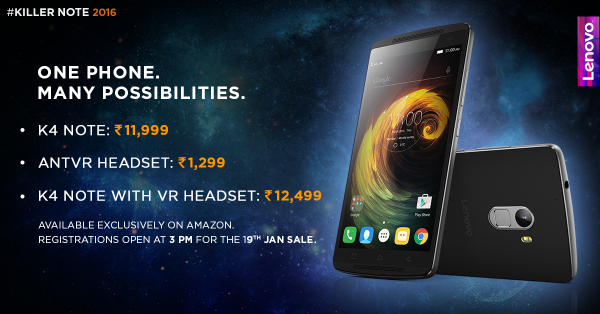
Just as promised, Lenovo has officially taken the wraps of the Lenovo K4 Note flagship in India. This is the successor to the popular Lenovo K3 Note mid-ranger that was unveiled last year. The new model comes with a lot of upgrades, in specs and design, making it worthy of the slightly higher price tag of Rs.11,999 ($180).
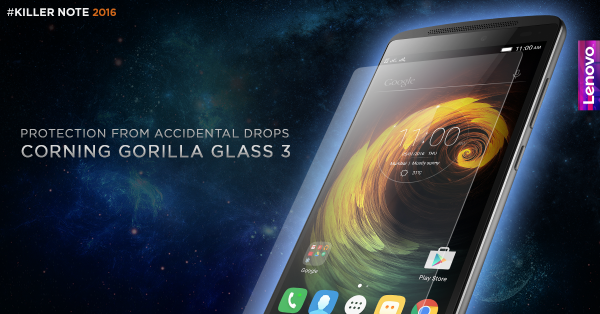
The Lenovo K4 Note features a 5.5-inch FHD 1920 x 1080 pixel resolution display with Corning’s Gorilla Glass 3 protection. So, there’s no 2K screen as previously rumored. This translates into a pixel density of 441 ppi with 178 degrees wide angle viewing. Instead of the MT6752 octa-core chip, the company has gone with the newer MT6753 chip from Mediatek clocked at 1.3GHz along with Mali T720 MP3 GPU. Further, you get 3GB of LPDDR3 RAM on board. As for the internal storage, you get 16GB which is further expandable via a MicroSD card slot.
The phone features a slightly curved design with a maximum thickness of 9.1mm. The overall body will be made out of metal and there will be a fingerprint sensor at the back. Also, you will find dual speakers right up front. The overall design seems to be inspired from the previously announced Vibe smartphones.
At the back, the Lenovo K4 Note comes with a 13MP f/2.2 aperture camera with dual LED flash and PDAF. Up front, you will find a 5MP shooter ideal for selfies. Lenovo has also upgraded the battery on the device, to a larger 3300mAh capacity one. This will reportedly be enough for up to 22 hours of talk time in a single charge.
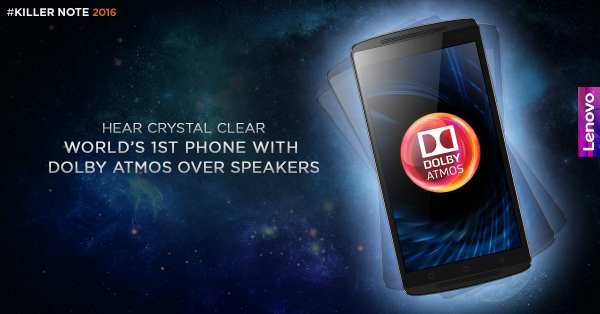
Among the other notable features are the 1.5W speakers which support Dolby Atmos, NFC, Bluetooth 4.0 LE, 4G LTE with dual SIM support, Wi-Fi 802.11 ac etc.
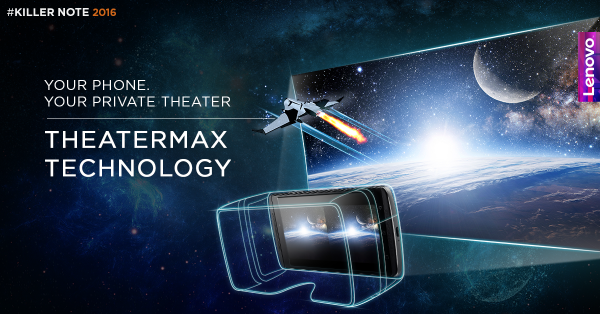
One of the additional highlights of the new Lenovo K4 Note is the ‘TheaterMax’ technology which can convert any normal multimedia content into VR. The company has also launched a VR headset in partnership with ANT VR for the phone, which costs Rs. 1299 ($20). Registrations start today from 3 PM IST exclusively on Amazon.in. The first batch available for sale will be for the K4 Note with the VR Bundle that will cost you Rs. 12,499 ($187). Not at all a bad deal, considering that you get a powerful phone along with a VR headset at this price.
We use cookies on our website to give you the most relevant experience by remembering your preferences and repeat visits. By clicking “Accept”, you consent to the use of ALL the cookies.
This website uses cookies to improve your experience while you navigate through the website. Out of these, the cookies that are categorized as necessary are stored on your browser as they are essential for the working of basic functionalities of the website. We also use third-party cookies that help us analyze and understand how you use this website. These cookies will be stored in your browser only with your consent. You also have the option to opt-out of these cookies. But opting out of some of these cookies may affect your browsing experience.
Necessary cookies are absolutely essential for the website to function properly. This category only includes cookies that ensures basic functionalities and security features of the website. These cookies do not store any personal information.
Any cookies that may not be particularly necessary for the website to function and is used specifically to collect user personal data via analytics, ads, other embedded contents are termed as non-necessary cookies. It is mandatory to procure user consent prior to running these cookies on your website.