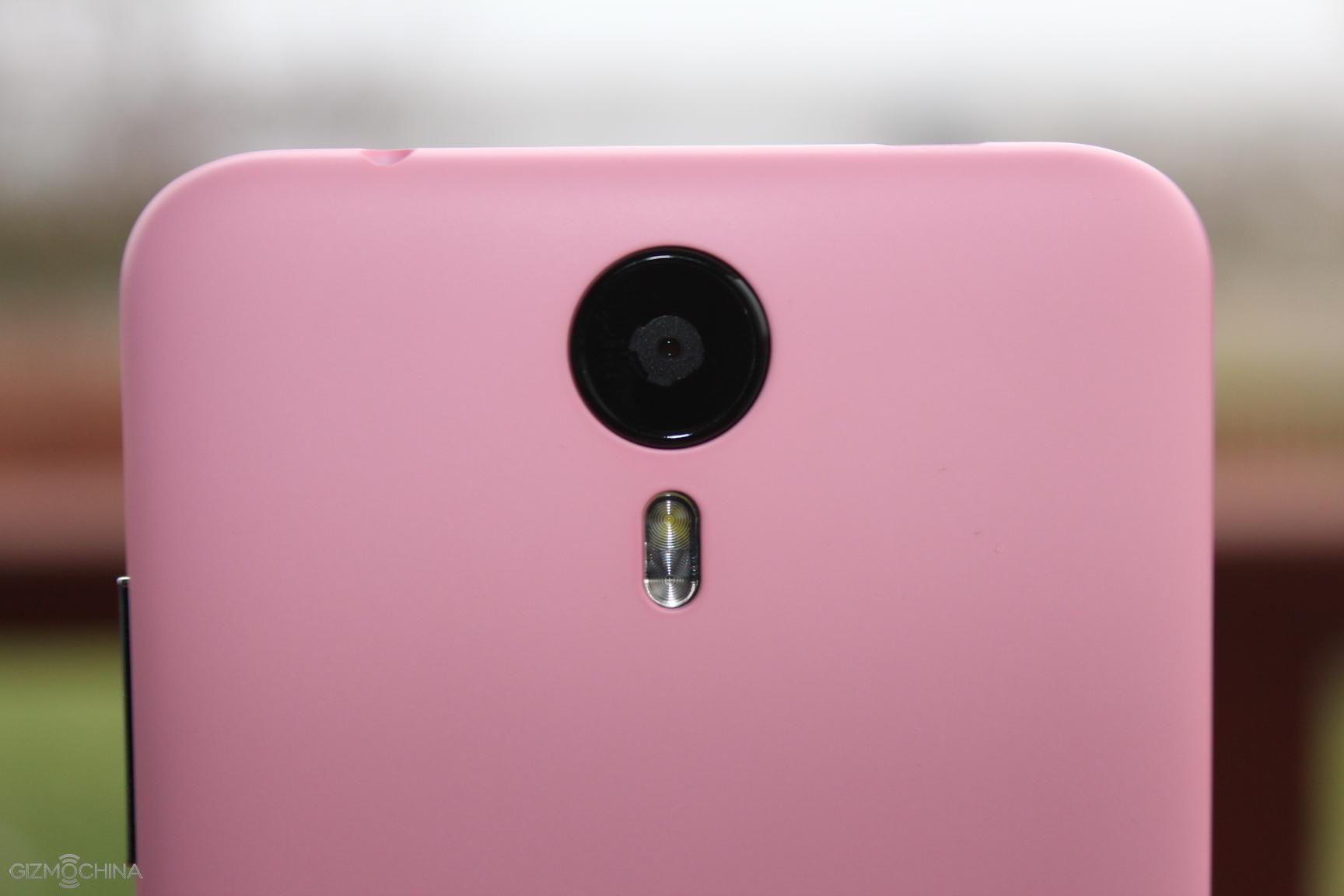
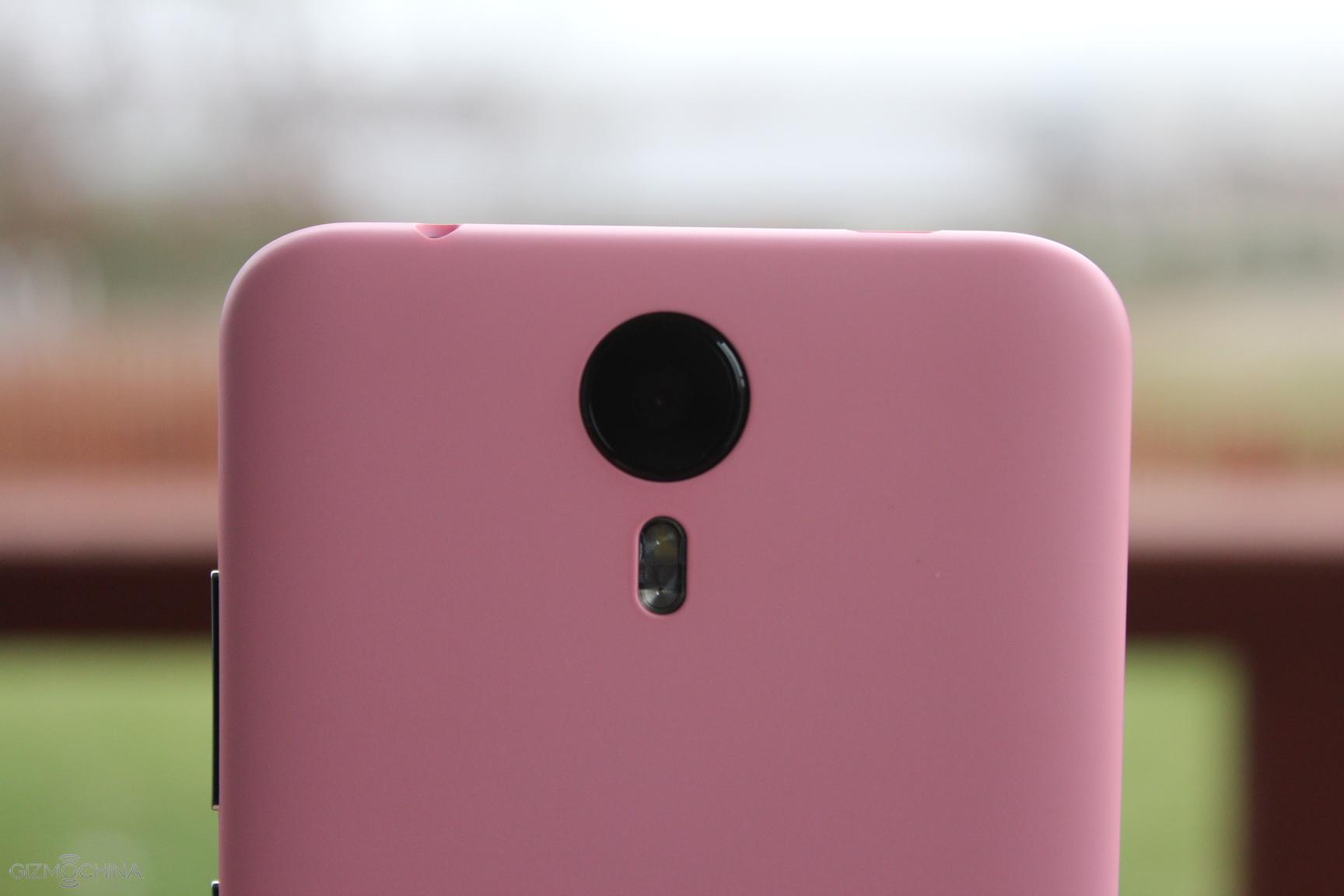
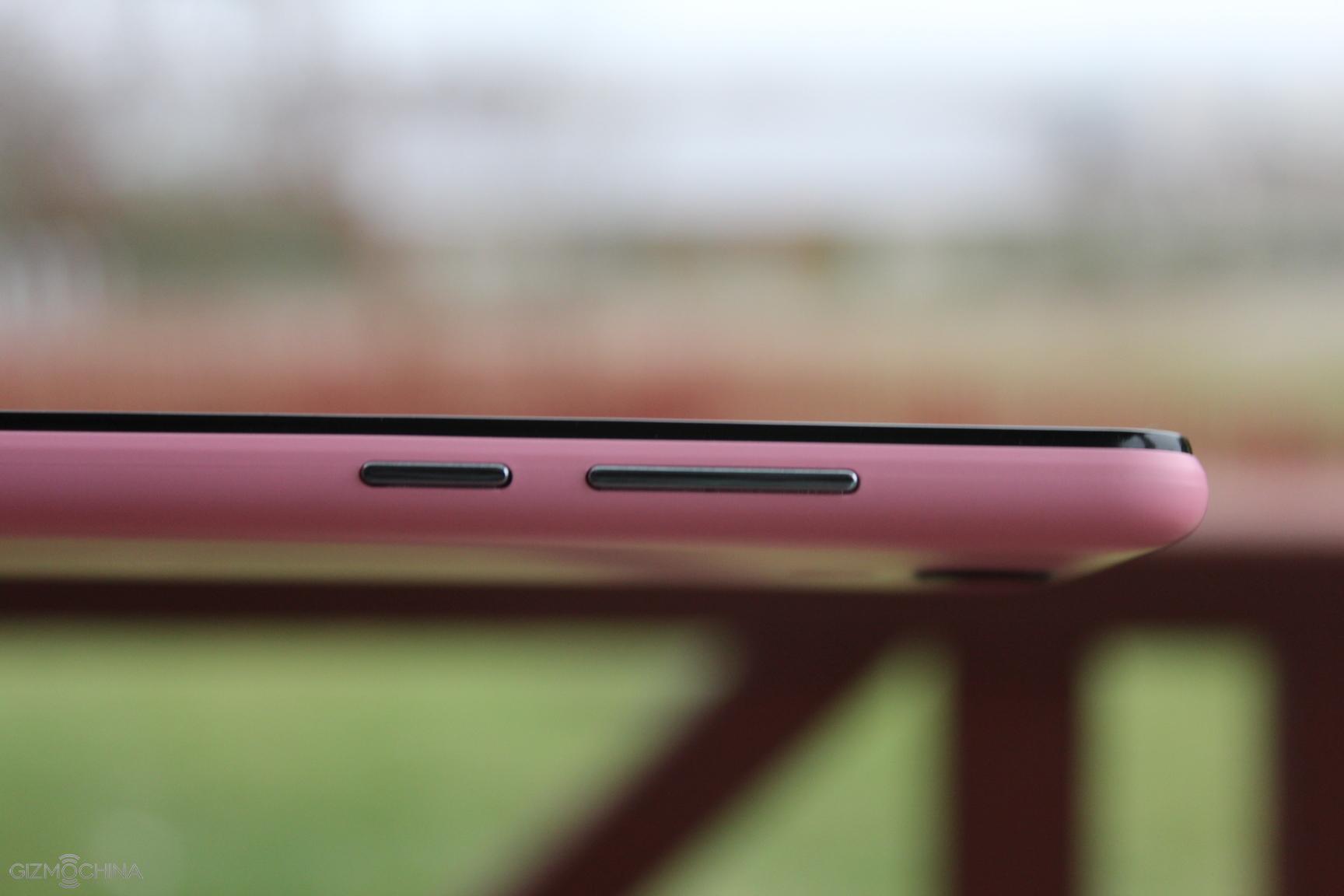
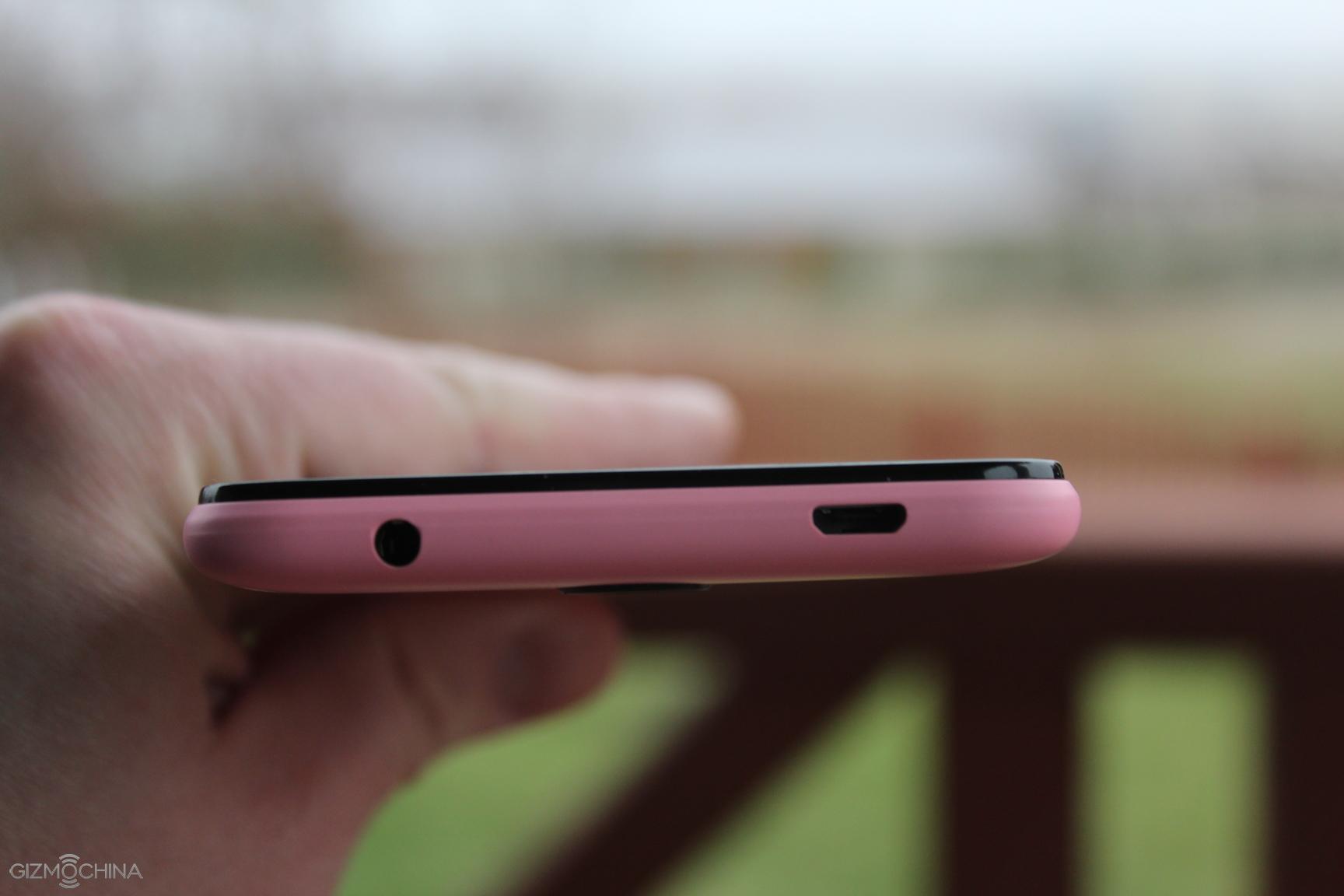
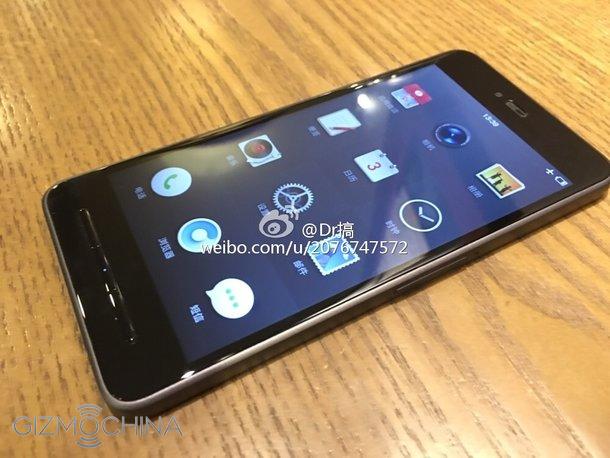
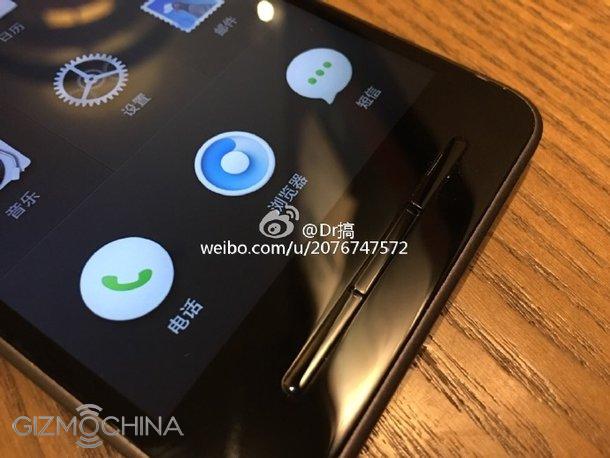
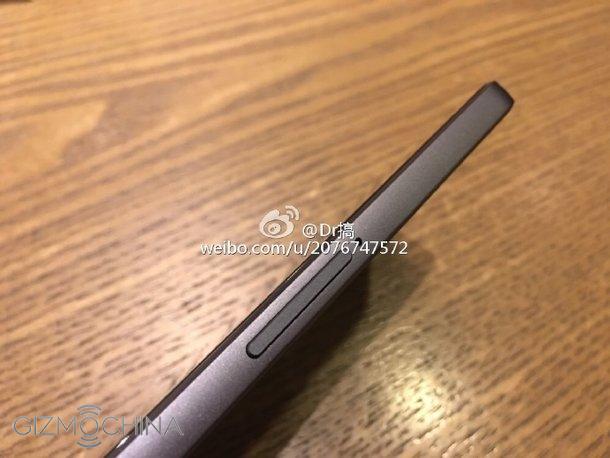
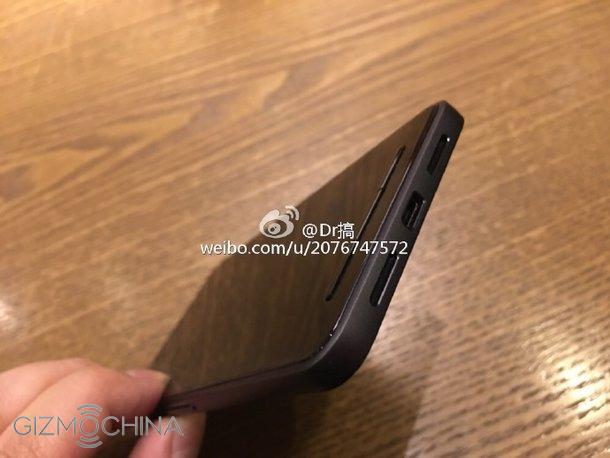
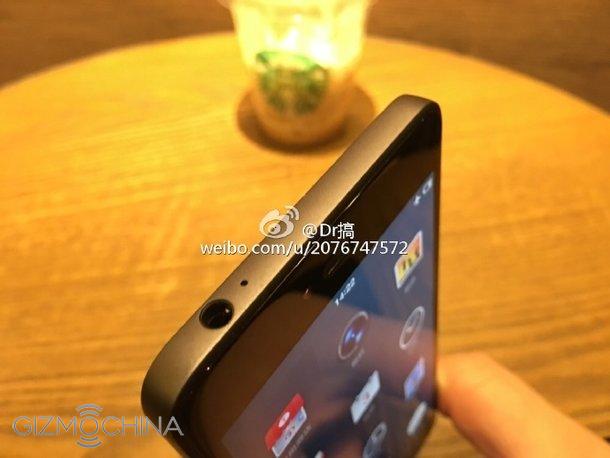
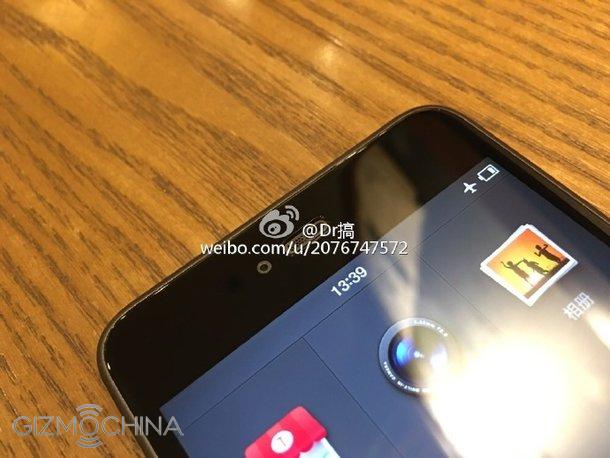
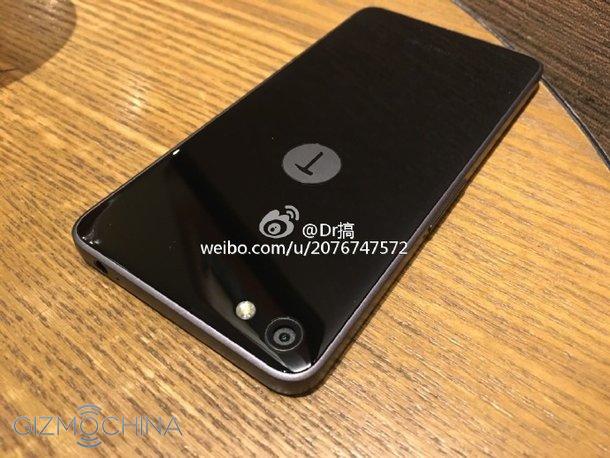
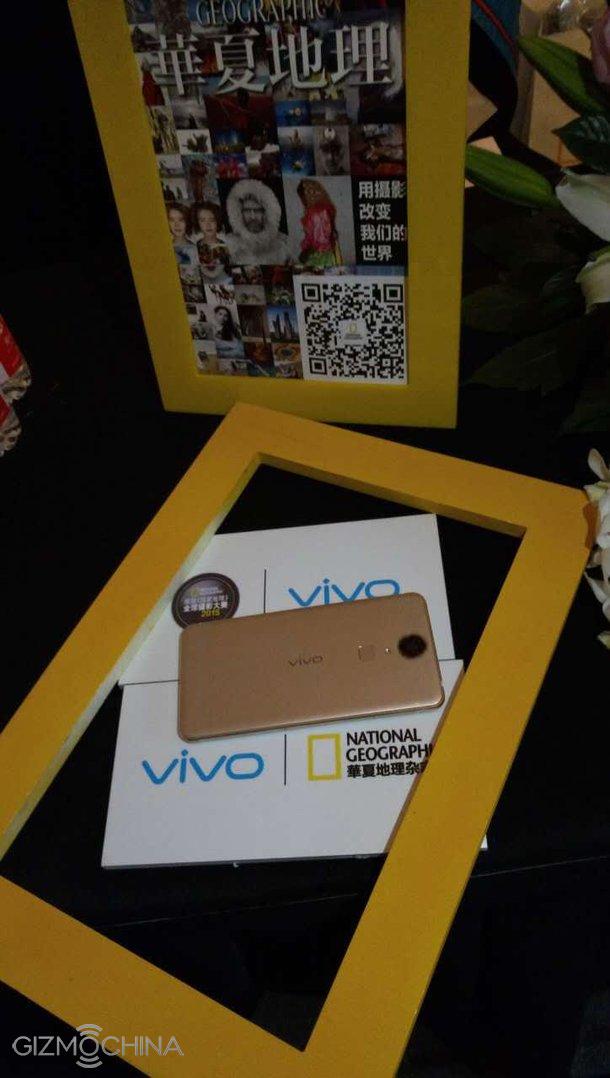
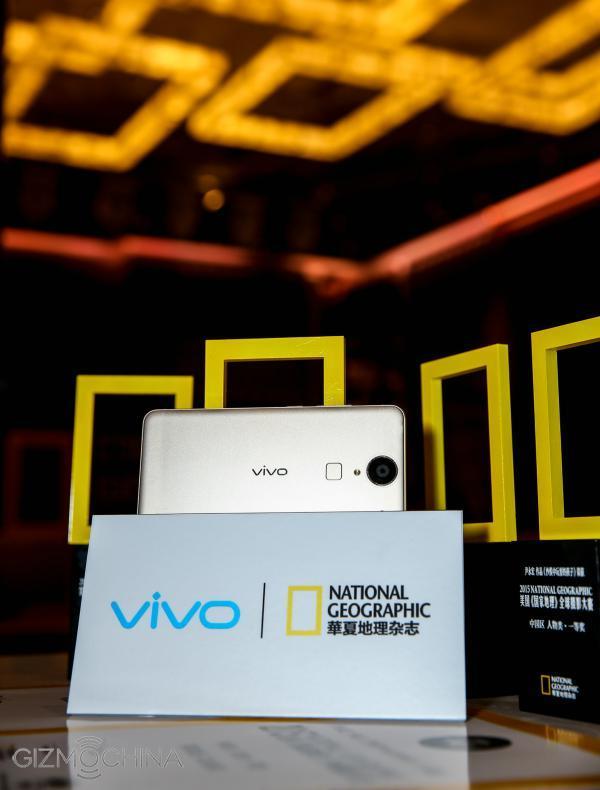
With build-in chip Yamaha YSS205, VIVO X5 is maximized its sound effect massively. Now let’s look at below functions of the legend chip Yamaha YSS205.
1. Real time sound-back-to-ear
When you are singing, your sound will be back to the earphone, the singer can adjust his/her status by their own sounds so that it can prevent the singer singing out of tune. As we can see in many concerns, singers would have a pair of earphone which is fitted in their ears. Actually, iPhone also has this function which is achieved by apps, and it would be delay when dealing with up-tempo songs, while VIVO X5 has solved this problem perfectly with build-in YAMAHA YSS205, you could almost ignore the time lag.
2. The reverberation sound effect
We know that the voice of amateur singers are a litter bit dull, so the sound effect of reverberation is very important for them. If you want the sound effect just like that you are in KTV, YAMAHA YSS205 could help you to achieve that effect. Though we can make it by visual functions of some softwares, but only VIVO X5 can integrate it by YAMAHA hardware. Therefore, its sounds are more clear and better.

When we are still enjoying our national holidays, the Ubuntu team ( @ubuntu ) has released its latest news about Meizu MX4 Pro. I believe that many people could guess what it is. Yes, Meizu is going to release its new product with Ubuntu Touch OS.
We have been heard many news about the cooperation of Meizu and Ubuntu since it released the last flagship product Meizu MX4, but after that both of them don’t have any moves. In fact, I am still can not confirm the reality of the source from Weibo. But the hardware parameters of leaked Meizu MX4 Pro could be truthful.
The Koobee Max 3 comes with a 5.5-inch screen with a 1920 x 1080 resolution, with very clear graphics and no grain whatsoever. It also has a built-in MediaTek MT6592 octa-core chipset with a frequency of 1.7GHz, as well as 2GB RAM and 16GB ROM. This processor was made using 28nm architecture and uses an octa-core ARM Cortex-A7 CPU. The Max 3 also has support for TD-LTE, FDD-LTE, TD-SCDMA, WCDMA, and GSM networks. As a matter of fact, you can see the word “TD-LTE” at the back. Take note that you can only access FDD-LTE and WCDMA networks in Hong Kong, Taiwan, Macau, and abroad.
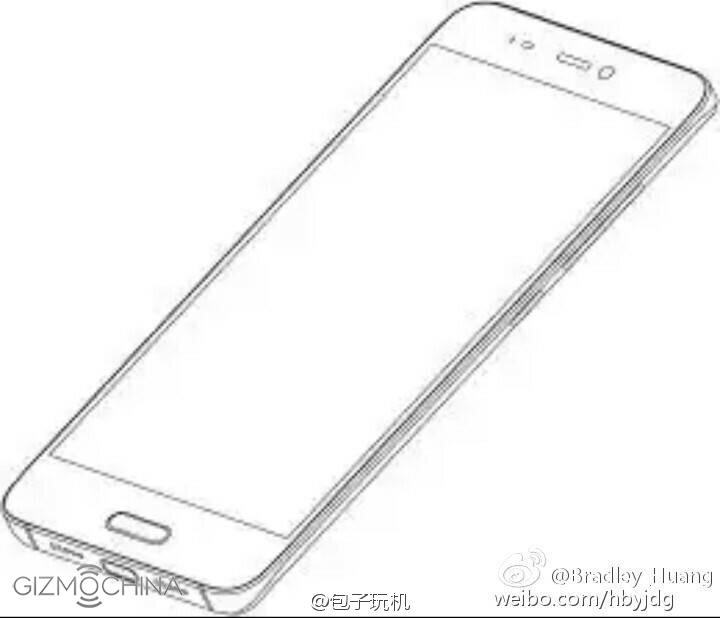
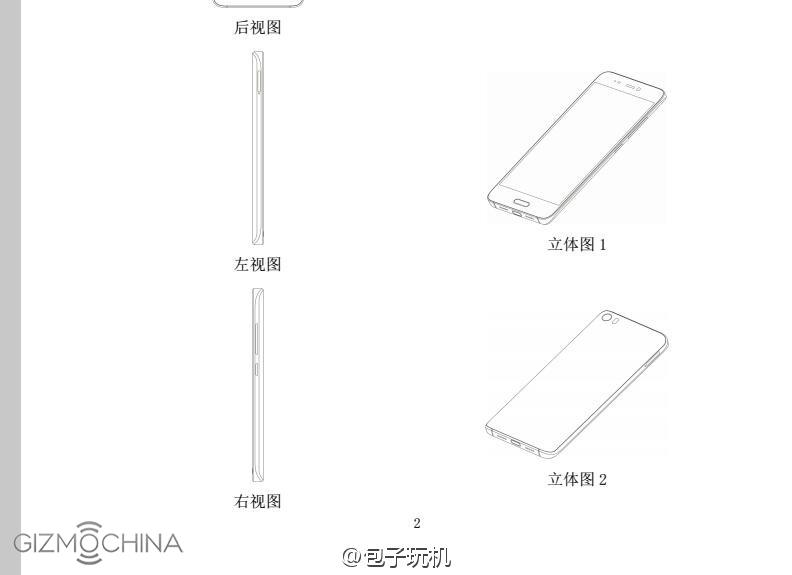
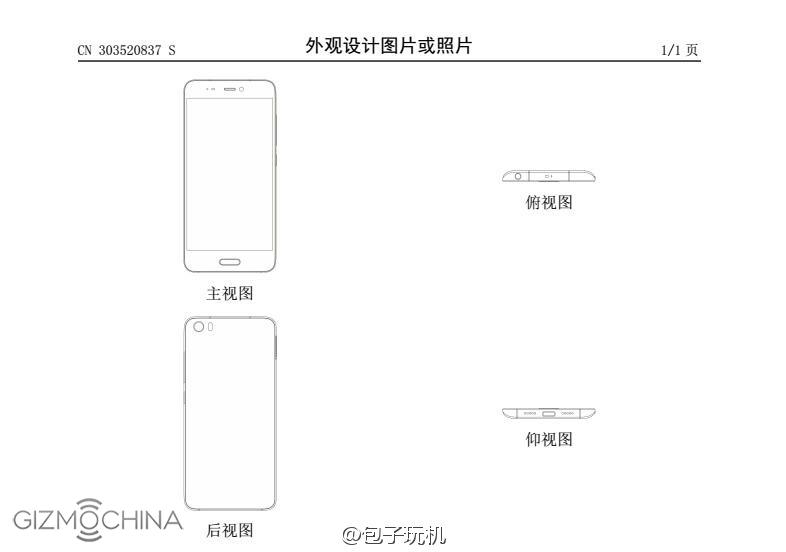
We have found several special pictures in the instruction book of Meizu MX4, which will probably be the coming released model Meizu MX4 Pro. As the pictures shown, the model is using square-shaped home button instead of circle-shaped as usual. The top of the model is equipped with sensor and front-facing camera, it seems that this model has two more holes than Meizu MX4.
Meizu had claimed earlier that MX4 Pro will featuring a fingerprint scanner. Generally speaking, the fingerprint scanner will probably be integrated in the home button just like the design of Sangsung Galaxy 5 and iPhone 5S. We can’t deny the design influence of Meizu M8, Meizu M9 and Samgsung 9100.
Although it seems that pre-orders for the Meizu MX4 have soared, it does not look like MX4 has been able to produce as much phones as anticipated. Still, today, the launch date of the upcoming Pro version has been announced. The MX4 Pro is set to be launched on October 28. According to insiders, another new product from Meizu will also be introduced at the launch.
Insiders guess that Meizu’s new heavy-hitter may cost less than 2500 RMB (407.28 USD), possibly around 2399 RMB (390.83 USD). As for its specifications, its predicted to be an octa-core chipset from Samsung and also have a fingerprint sensor like the Mate 7. Stay tuned for updates.
Three months after its launch, the ZTE Nubia Z7 has finally received its network license(which allows to be sold in China) from the Ministry of Industry and Information of China, and it looks like we’ll be seeing it soon. Priced at 3456 RMB (562.96 USD), the Z7 supports TD-LTE, LTE FDD, TD-SCDMA, WCDMA, cdma2000, CDMA 1X, and GSM networks as well as dual-SIM.
ZTE Nubia Z7
Hardware includes a 5.5-inch display screen with 2560 x 1440 resolution with RAM auto-refresh, the Snapdragon 801, 5mp/13mp dual-camera, 3000mAh unchangeable battery, 3GB RAM, and 32GB ROM. It also has support for 2-4G networks. The Z7’s 13mp rear-facing camera comes with a F2.0 aperture and OIS sensor.
Update: Oppomart accept pre-order now, here is the link: nubia z7
Yesterday, DOSS Alonso released a multi-colored Blue Tooth speaker called the DOSS Alonso A5. Let’s take a look at it. The design of this cone-shaped device is based on the re-entry capsule of the famous Shenzhou 7 spacecraft. The speaker is covered by black wires making it almost hard to imagine that this is a Blue Tooth speaker. Even though this is a “hornless speaker,” it has two 1.5-inch NdFeB magnetic components and a big low-frequency diaphragm. The Alonso A5 also has 72 LED lights that shine when turned on. The buttons are all located at the bottom side of the speaker. These include the power button and light switch. There are no volume or pause buttons. To adjust the volume, just swipe your hand on the logo at the top side of the cone. You can also pause the device if you press your hand on the logo. The speaker comes with 72 LED lights in three colors that can make a beautiful image. One LED light is equivalent to 1 pixel. The DOSS Alonso A5 can be connected to many current smartphones such as Apple’s, Android’s, and Windows’ by Blue Tooth. Once you turn on the speaker, it will search for the nearest smartphone which you can, then, connect it to. Next, we tested the sound quality by playing some music. The drumbeat is vivid and clear. Overall, it’s very good. There are no breaks or cracks in the sound.


It has been a big week for Meizu as more information has been released regarding the upcoming Pro version of the MX4. According to insiders, the MX4 will see its launch on October 28 and it will be Meizu’s last release of the year along with what is purportedly Meizu’s smart router. Hardware is said to include a 5.4-inch 2K screen, the Samsung’s Octa-Core Exynos 5430 chipset, 3GB RAM, a 20.7 megapixel camera, as well as a fingerprint sensor.
Vivo is designed as a camera phone, but Meizu MX4 got the latest Sony imx220, which cellphone has the better camera, the MX4 (20.7mp) or the Vivo Xshot (F1.8 aperture)? Let’s take a look at the following pictures.
Sample 1: Nankai University badge, Automatic mode
Meizu MX4
Vivo Xshot
These shots are of the school emblem of Nankai Univeristy which was founded in 1919. Back then, it was called the “Nankai Private School.” Premier Zhou Enlai was one of its alumni but only studied there for a short time.
The pixilation in both photos are both very good. The carving and rails are all very clear. However, the Vivo Xshot’s shot is slightly brighter than the MX4’s due to its larger aperture.
Sample 2: A statue of Mr. Yang Shixian, automatic mode
MX4
Xshot
There is more of a difference here than the last two photos. The MX4’s photo is a bit reddish but the Xshot has a more natural color. For me, the latter did a better job in capturing the image of the stature.

Sample 3: One corner of the school’s flower bed, automatic
MX4
Xshot
The picture taken by the MX4 looks really nice. The coloring looks more natural and the entire photo is very clear. In the Xshot’s photo, the yellow flower looks a bit dimmer, probably because of the aperture. It seems that having a big light aperture does not always help.
Sample 4: Tianjian University’s public bikes, automatic
MX4
Xshot
From Nankai University, we head straight north to Tianjin University’s grounds. Near the buildings are two rows of bicycles that the University loans to students. I did not see any problems with both photos. Both of them look very clear and natural.
Sample 5: Tianjin Water Park, maximum zoom
MX4
Xshot
These two photos were taken after doing a full zoom on both phones. Personally, I think the MX4’s shot looks better than the Xshot’s especially since the characters for “Water Park” look much more natural in the former.
Sample 6: The Zhou Enlai and Deng Ying Chao Memorial (Zhou Enlai’s plane), automatic
MX4
Xshot
The plane in these photos is Zhou Enlai’s personal plane that was given to him by the Soviets. He used this plane many times to travel to countries such as Vietnam and India.
There does not seem to be much of a difference between both photos. However, the MX4’s photo shows more of the plane than the Xshot’s. The size of the Xshot’s photo could be smaller. If you want to take full scenic photos, the MX4’s probably is probably your best choice.
The Zhou Enlai and Deng Ying Chao Memorial (a car given by the Soviets), automatic
MX4
Xshot
This is where the Vivo Xshot’s F1.8 aperture’s advantage shows. After taking in more light, it takes a bright and clear shot of the car. The MX4’s photo has a few dark spots in it, but does not have any noise.
Sample 7: Guestbook, macro mode
MX4
Xshot
I’ll just leave it up to you to say which one is better.
Sample 8: Haihe Square, automatic
MX4
Xshot
Conclusion: Meizu MX4 and the Vivo Xshot take pretty high-quality photos based on these shots. The MX4’s camera has improved a lot since being upgraded from having an 8mp lens in the MX3 to 20.7mp. Because of its F1.8 aperture, the quality of shots taken using the Xshot’s camera are bright and clear regardless of whether you are taking night shots or panoramic shots. Both are good and are worth buying.
One day before the end of September, a series of photos of a mysterious device were posted online, getting the attention of Pocket HiFi enthusiasts. There’s a strong possibility that these photos are Colorfly’s new Pocket HiFi in 2014.
Considering the size of the display it most likely to carry an OS for a smart device, probably Android. And colorfly used metal material on it, a sure sign of high end device of colorfly. Therefore, it has to be something more powerful than the Android. The device will carry a 4.7-5.2 inches touch screen, the gold metal design is totally different from the black or grey design in the mrket.
These photos were leaked from a factory in Guandong which has strong ties with Colorfly which produced the first pocket hifi in China, the colorfy C4.
A good camera phone requires good lens that can satisfy everyone who wants to take photos. Take the PIPO T8 phablet for example. Its camera is covered with a lens kit. Today, we are going to review the camera by taking photos with the lense kit.
I took shot outside the window for a start. As a 13 megapixel the picture quality is really good .
Then, I put the wide-angle lens on the camera and set a short focal length, creating a wider field of view. Compared to the original photo, the depth of focus is longer and the field of view is wider. It’s also still as clear.
To test the T8’s lens more professionally, we put on the fisheye lens which is considered to be an “extreme wide angle lens” since it has a very wide visual angle. Compared with the original, the photos taken with the fisheye lens are a bit more shaky. It has a longer depth of field and angular field of view.
Overall, the T8’s 13mp camera lens is excellent. These pictures prove exactly what its outer lens can do.
The Meizu MX4 has been one of the biggest hits this season since its launch on September 2 with its higher screen-to-body ratio, new Flyme upgrade, and excellent design. So what improvements have been made from the MX3? Here’s our comparison.
The MX4 looks bigger than the MX3 based on their measurements. The former’s are 144 x 75.2 x 8.99mm while the latter’s are 139.0 x 71.9 x 9.1mm. The MX4 also seems to be thicker than the MX3. The former’s screen makes up 80% of its front cover while the latter’s only makes up 74%.
The Meizu MX4 has kept Meizu’s classic small round circle home button except it’s bigger. Another difference is that while you can swipe your finger upwards on the MX3’s home button to unlock it, you have to double click the MX4’s screen to wake it up.
The design of the bottom sides of both phones are almost the same except that instead of using the MX3’s classic “panda” design (black front/white back), the MX4 uses a grey/black design.
The top sides for both phones are almost exactly the same except that the MX4’s antenna is more visible. Its signal is also stronger.
The MX4 sports a new 2mp front-facing camera with wide-angle lens, giving it a wider viewing range. Even though the MX3’s camera is also 2mp, they do not have a wide-angle lens. As a result, the quality of photos taken using the MX4 is much better than the MX3.
The MX4 sports a rear-facing 20.7mp Sony IMX 220 camera with an F/2.2 aperture. It also has dual-LED flash. On the other hand, the MX3 sports an 8mp camera with F/2.0 aperture and single LED flash.
The MX4 (8.9mm thickness) is only .2mm thinner than the MX3 (9.1mm).
You need a tool to open the MX3’s rear case. MX3’s back cover is much more difficult to take off. The batteries are not removable though.
MX4 uses the latest Flyme OS version — the Flyme 4.0 while the MX3 still uses the Flyme 3.8.
The Pioneer K88L phone, which costs 1799 RMB (293.04 USD), is one of the few 5-mode/13-frequency devices to use a processor from MediaTek. It also comes with an NFC function and Dolby Audio. It sports a 5.5-inch HD display screen, an octa-core processor, and 13mp camera.
Having said that, let us take a look at what this phone is made of. Behold! The Pioneer K88L tear-down!
This phone boasts a unibody design and you will need a tool to unscrew the rear case. Furthermore, the rear case and the phone’s body by a strong glue that makes it hard to separate them.
On the rear-case is a thermal graphite sheet which can temper the phone’s battery heat.
Here’s the NFC wire wrapped in a coil glued above the battery.
After unscrewing many bolts, you can take out the phone’s mid-frame.
The motherboard is located at the upper half of the phone where the battery takes up the most space.
The antennas are located on two corners of the phone.
Do you like to take nice scenic shots? Use the Pioneer K88L’s 13mp rear-facing wide angle camera (left). If you are vain and like to take selfies, use the 5mp front-facing camera (right).
Here’s the front side of the motherboard where most of the chips are hidden under a shielding case.
After taking off the shielding case, you can see the MT6169V chip in the middle.
At the upper part of the phone are the sensor and IC display chip.
The K88L supports Dolby Sound, and it’s all thanks to this.
And here’s all the components, from the motherboard and its chips to the cameras and cases.
Overall, just as you would expect from a Chinese cellphone company, Pioneer never forgets to add NFC chips and many others as well as producing such a sturdy phone.
Releasing so many cellphones is something to be expected from Lenovo. In China’s 4G Age, it’s no different. Soon, in partnership with China Unicom, they will release a dual-4G LTE cellphone that supports TD-LTE, FDD-LTE, and WCDMA/GSM networks.
Under the model number Lenovo A936, this new phone has already been listed in the Ministry of Industry and Information Technology’s website. The phone’s design is neat and clean. It is mainly white but also has a silver frame. Its measurements are 163.9 x 83.6 x 8.7mm.
The Lenovo A936 sports a 6-inch IPS screen with HD resolution. It has the biggest screen out of Lenovo’s 4G phones since the Z2 Pro. Its processor is a 1.7GHz octa-core chipset which is most likely the MT6592. It also has 1GB RAM and 8GB ROM and sports a 5mp/13mp dual-camera. Its operating system is the Android 4.44. It also supports WCDMA, TD-LTE, and GSM networks.
Recently, Twitter user, John Bernard, called Xiaomi the “fifth largest smartphone vender in Q2 2014” and that “three of the top nine” manufacturers “are now Firefox OS partners.”
But who is John Bernard? It turns out that he is the Global Director of marketing at Mozilla and is in charge of promoting devices that use the Firefox OS around the world. Even though he did not directly say that Xiaomi will also use the Firefox OX, why did he bring them up? Could it be that Xiaomi and Firefox have already formed a partnership?
Right now, Xiaomi’s star products are the Mi phone and Red Mi. If they managed to attract WP and Firefox OS, then they could expand their product line.
Recently, Subor’s new phone has been listed at China’s MIT under the model number, “Subor X7.”
Unlike the Subor X3 which mimicked the Mi 4, the Subor X7 mimics the Meizu MX3 in its panda design (black front/white rear) and having the round Home button located in the front panel. It is much bigger than the MX3, however.
Furthermore, the front camera lens and position are different from the MX3’s although there is not any clear information about that as of now.
Xiaomi is no longer just a cellphone company. They have released all kinds of devices from the Mi Box to the Mi TV, from the Mi Router to the Mi Band… Now, Xiaomi has ventured into the territory for smart home applicances and medical devices.
On September 25, Xiaomi, along with Silicon Valley-based iHealth, formally launched a smart blood pressure dock which is said to be “completely compatible” with the Red Mi Phone and only costs 199 RMB (32.14 USD).
The Xiaomi-customized iHealth Blood Pressure Dock (model number BP3) only requires users to download its corresponding App to use it. It offers a Cloud synchronization feature that allows sons and daughters to find out their parents’ blood pressure on time.
For many of those who are not familiar with iHealth, it first began a partnership with Apple and created Apple Health which released devices such as a blood pressure monitors, and devices that check your blood sugar levels, etc.
Xiaomi releasing an iHealth Blood Pressure Dock is not just a spur of the moment thing. This month, they invested $25,000,000 on iHealth starting a partnership with the them. This is why the iHealth device was first compatible with the Red Mi.
This device can be connected to a computer by USB connector to charge it. Because it has a 400mAh battery, it can be fully charged in less than half an hour with a 5V1A adapter. After using it 54 times within 24 hours, it is still 71% charged, so it should last for an entire month.
To adapt it for Android devices, iHealth replaced the Apple’s Lightning Connector with a Micro USB port. In addition, they also added a rotating dock due to the fact that different phones might have different locations for their ports.
The port may be a bit too low so users should watch it for a while after they put their phone there. If it is loose, you can just have the phone lean on the base so that it will not fall.
After inserting the phone on the dock, the reset button will automatically light up. If it is green, that means that the dock is fully charged. If it is red, it does not have enough power.
Some may wonder if this device can charge their phone. The iOS version can charge an iPhone but the Xiaomi version does not.
A rubber cable can be directly connected to the dock’s charging port.
Power port
There are instructions on the armband.
To use the iHealth blood pressure dock, you need to have an Android phone that is compatible with it. This version has been advertised as “completely compatible with the Red Mi, Red Mi 1S, and Red Mi Note, as well as the Mi 2S and above.” This is mainly because the Red Mi’s Micro USB port is place right in the middle of the front and fits perfectly when inserted in the dock.
Because Xiaomi allows data transmission by Micro USB not the Bluetooth like the iOS, it is compatible with recently released Android phones that are OTG-supported. The writer tried it with the OnePlus One, Vivo Xshot, and MX4, and all of them worked.
Next, we will show how to connect this device with the Mi 4.
First, download and install the iHealth App on your phone. Afterwards, when you place your phone on the dock, your phone will automatically start the App and immediately go to the “Start measuring” interface. It is all very simple and old folks should not have any problems following these instructions.
Wear the armband around 2cm from your elbow.
Conclusion
As Xiaomi’s second health-related smart device, the iHealth blood pressure dock is worth the price. There is practically no difference between it and the iOS version except that it is 1/4th the price of the later and has Xiaomi’s classic style.
Compared to using blood pressure devices with their own screens, using the iHealth blood pressure dock may seem a bit of complicated, but it is only the process of connecting your phone that is somewhat troublesome. When you connect it, the App automatically starts. After you familiarize yourself with the entire process, you should be done measuring your blood pressure in just 2 minutes. Older folks should have no trouble whatsoever using this.
As for the results, the results are shown more directly. Not only does it show high blood pressure, low blood pressure, and heart rate in different colors, it clearly takes note where they are in the graph, and suggest what you should eat or drink. This device supports Cloud synchronization. It can make a graph based on the entire week’s tests which helps you monitor any problems with your body.
The Pipo W3 uses the new 22nm Intel Atom Z3775D processor which has a frequency of up to 2.4GHz. It sports a 10.1-inch 1920 x 1200 IPS display screen and 5mp rear camera with autofocus. It also has 2GB RAM and 64GB ROM. Regarding internet specifications, this tablet has a built-in 3G internet card.
We use cookies on our website to give you the most relevant experience by remembering your preferences and repeat visits. By clicking “Accept”, you consent to the use of ALL the cookies.
This website uses cookies to improve your experience while you navigate through the website. Out of these, the cookies that are categorized as necessary are stored on your browser as they are essential for the working of basic functionalities of the website. We also use third-party cookies that help us analyze and understand how you use this website. These cookies will be stored in your browser only with your consent. You also have the option to opt-out of these cookies. But opting out of some of these cookies may affect your browsing experience.
Necessary cookies are absolutely essential for the website to function properly. This category only includes cookies that ensures basic functionalities and security features of the website. These cookies do not store any personal information.
Any cookies that may not be particularly necessary for the website to function and is used specifically to collect user personal data via analytics, ads, other embedded contents are termed as non-necessary cookies. It is mandatory to procure user consent prior to running these cookies on your website.