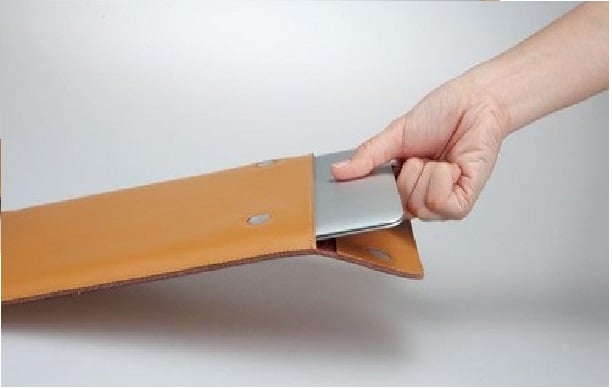
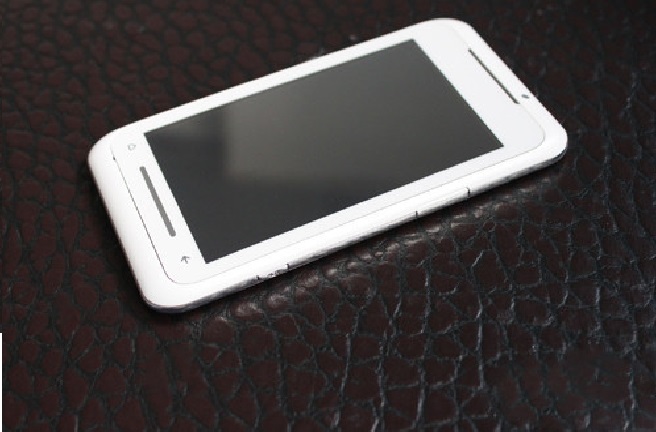
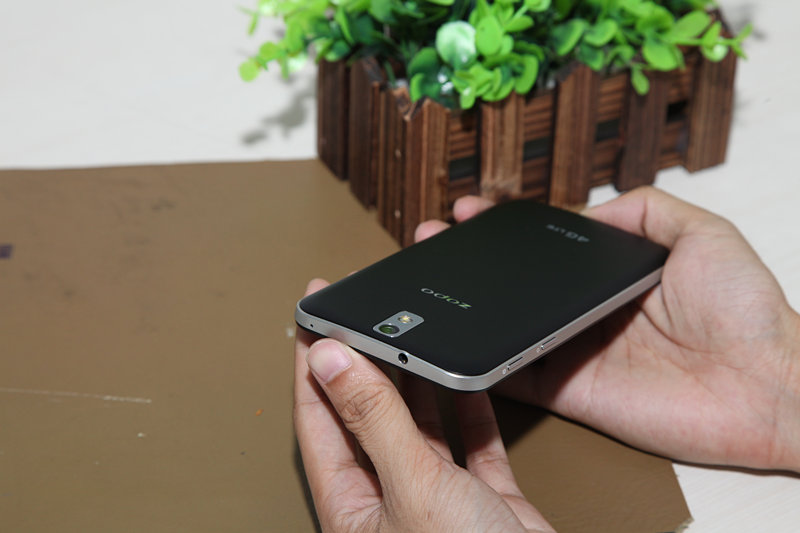
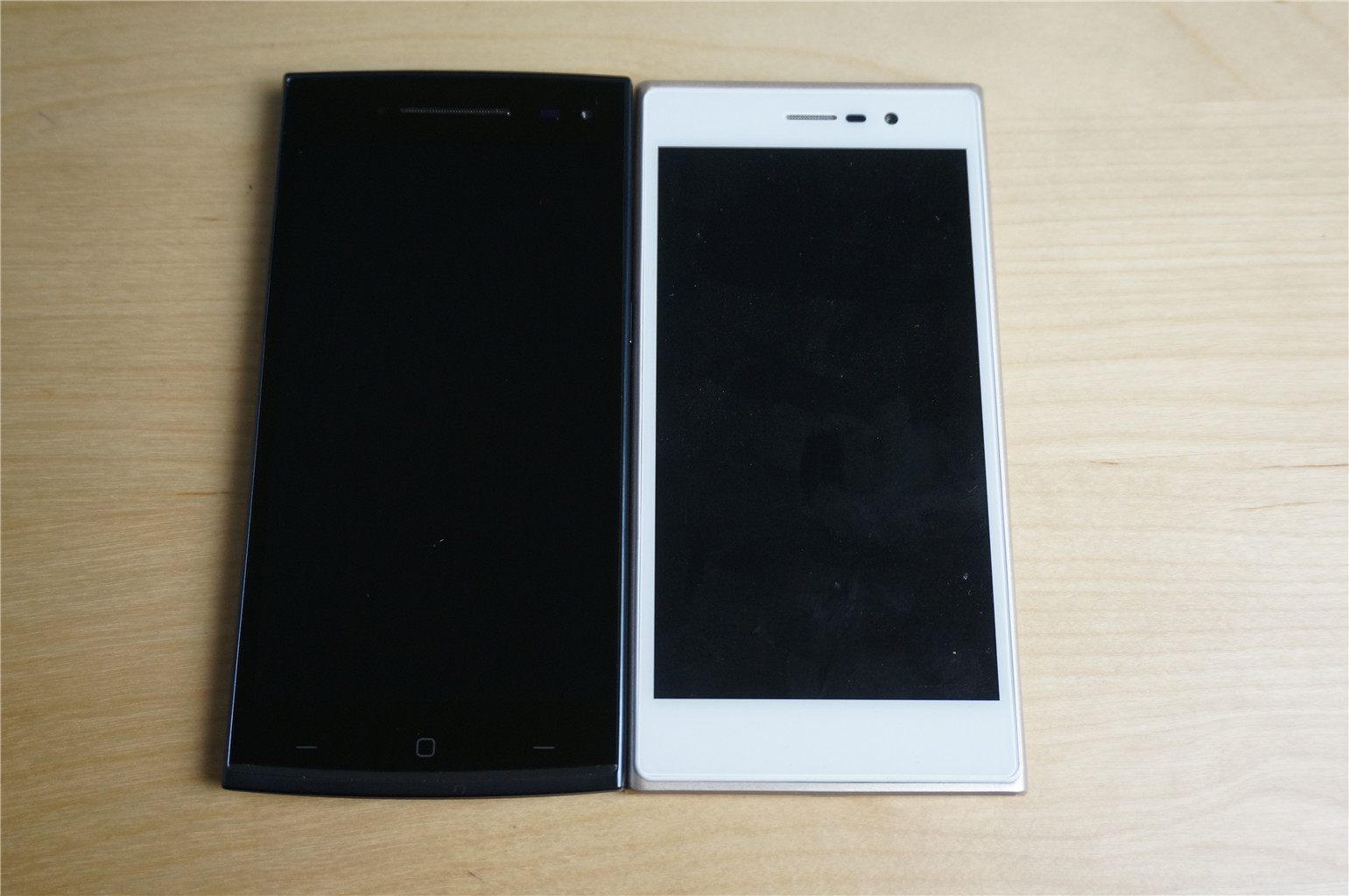
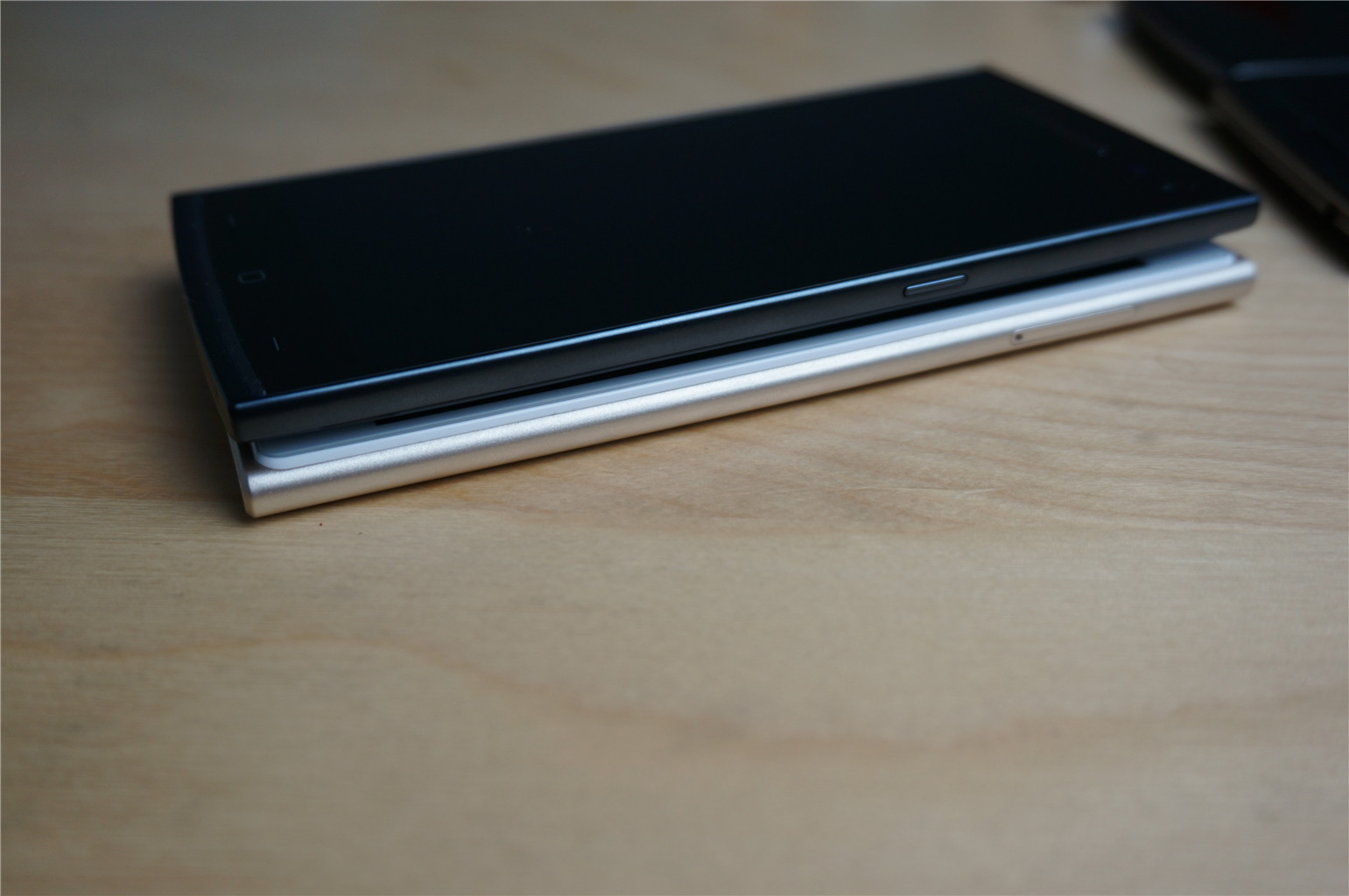
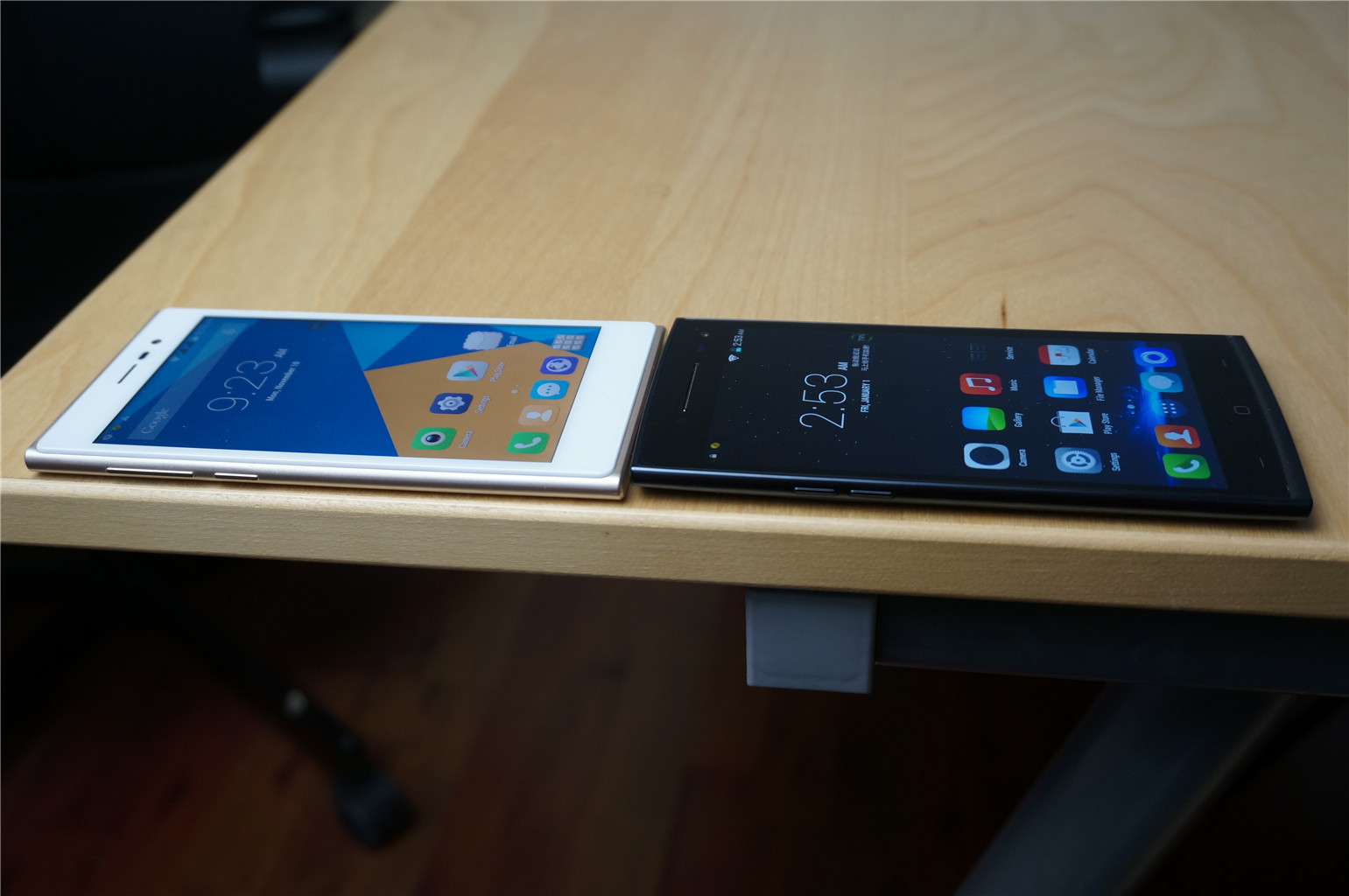
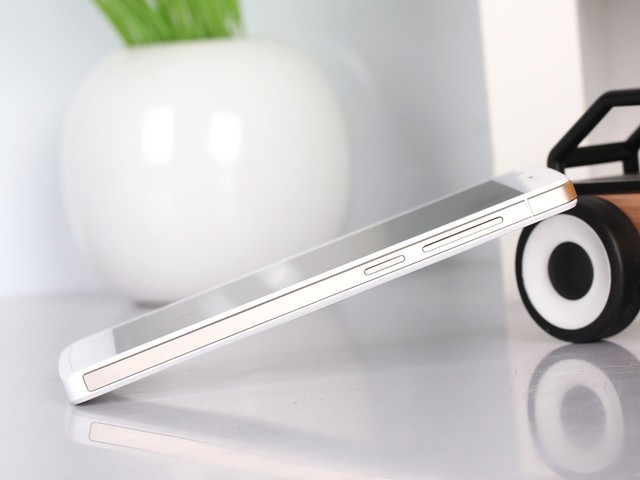
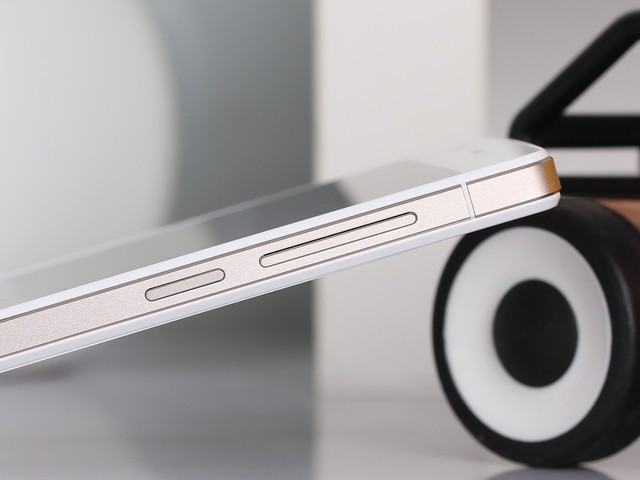
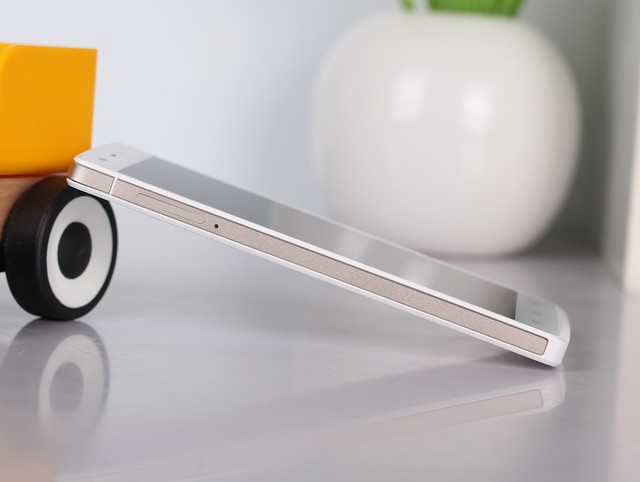
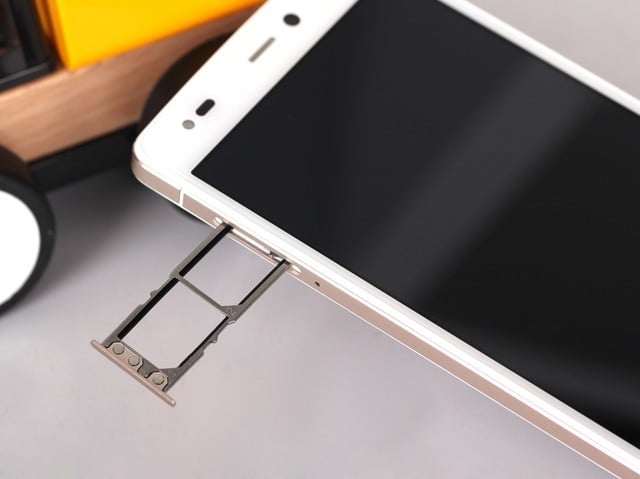
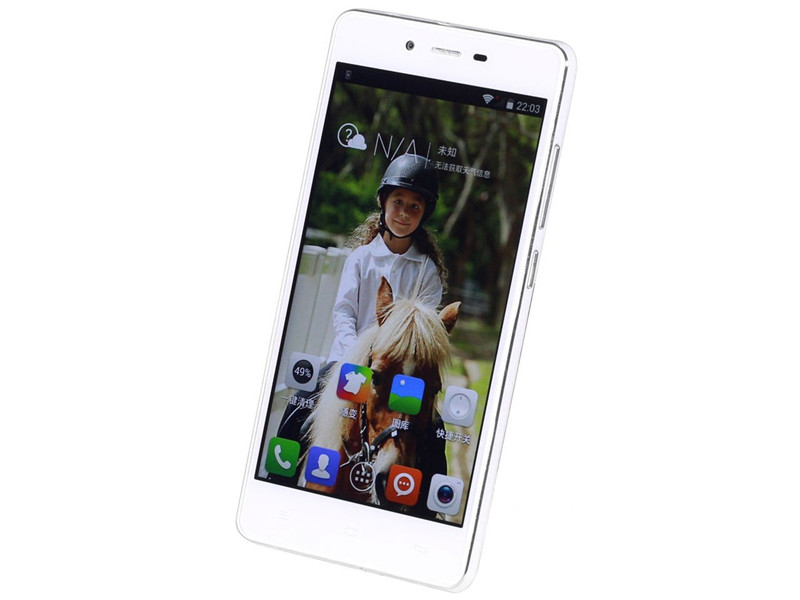
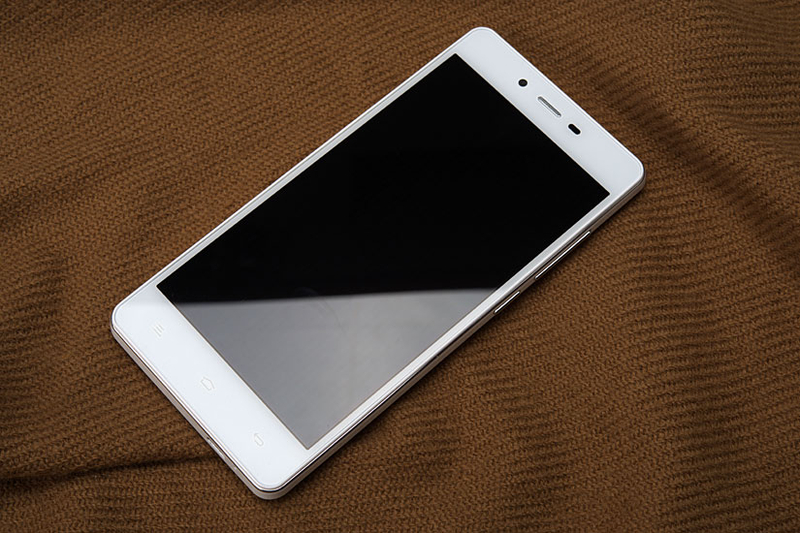
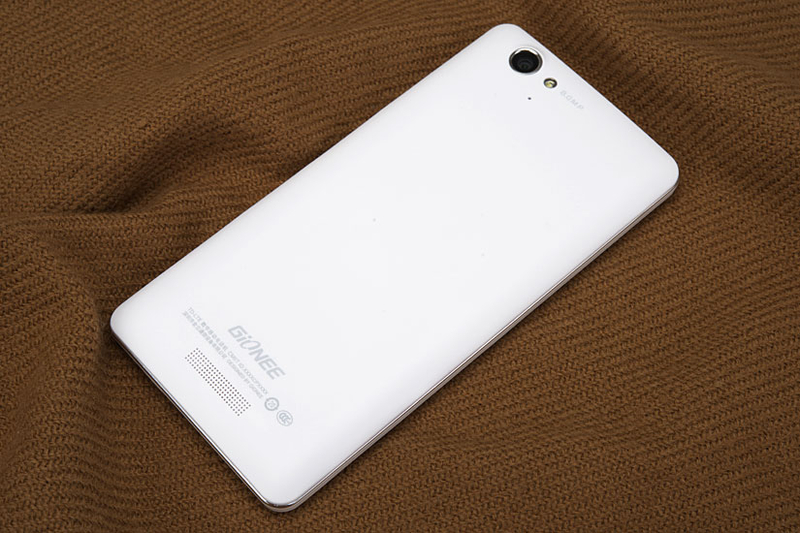
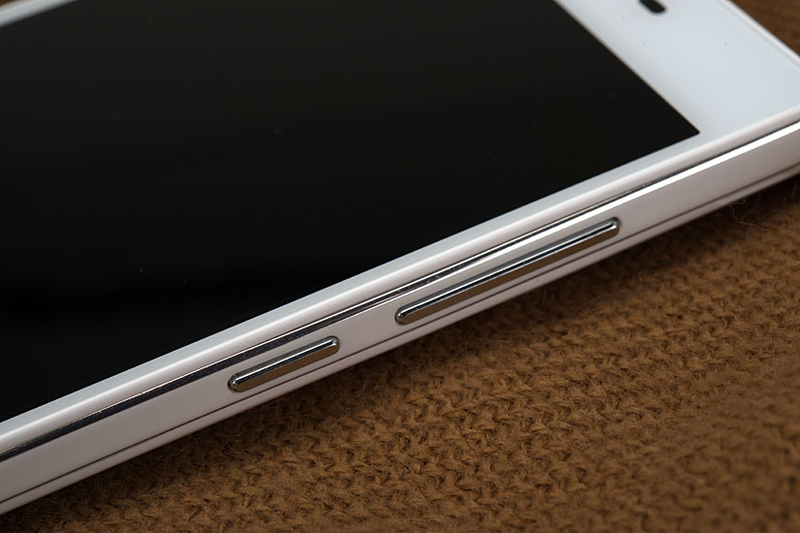
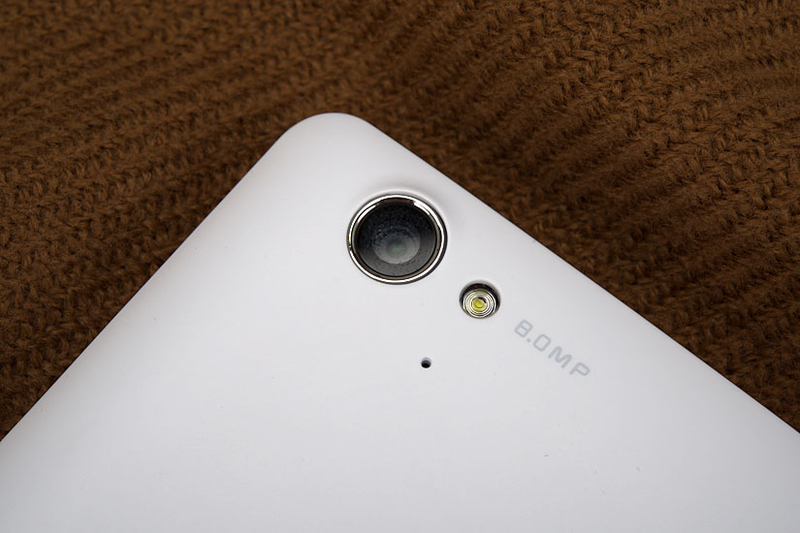
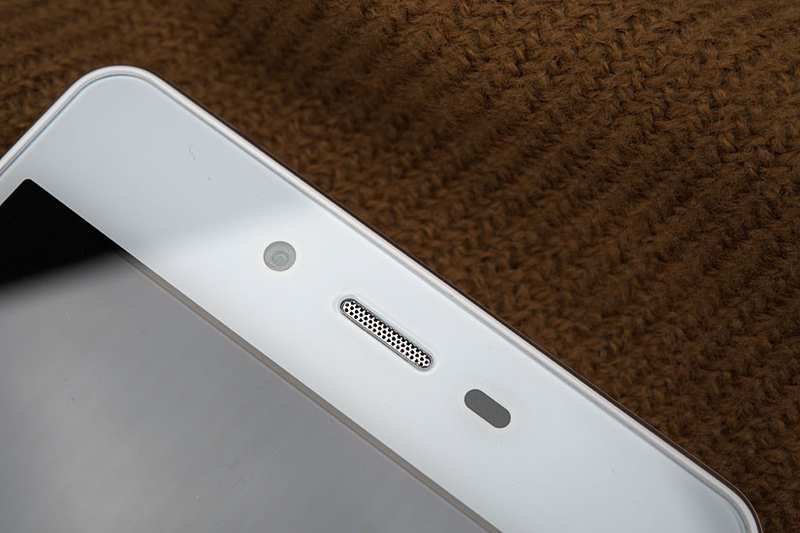
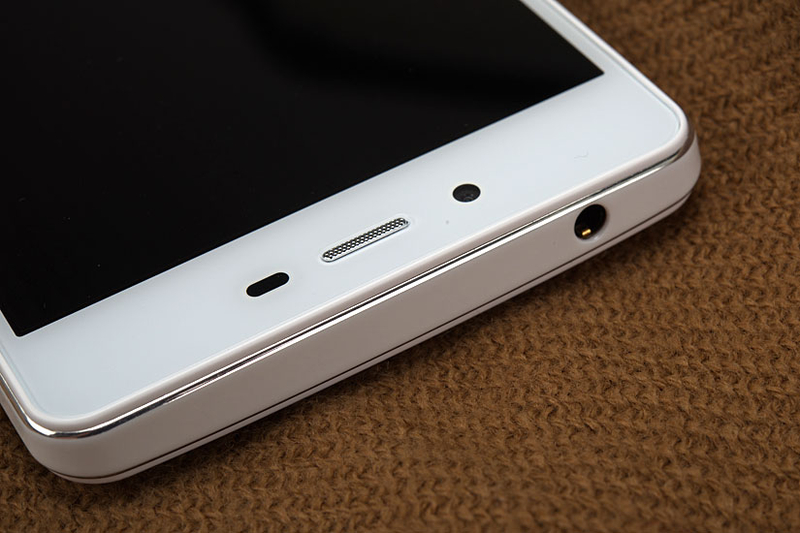
In the Smartphone era, consumers’ concerns are not only limited to the processor, memory, resolution and other configurations, but rather mostly care about the thickness of the phone body. The reason is that, with the development of the technology, the appearance of Smartphones almost have identical straight shape. Different brands can barely be distinguished from each other through the phone appearance. Hence the mobile phone manufacturers work hard on the body thickness. After all, becoming the world’s N°1 Slimmest mobile phone carries out a win-win solution that not only draws consumers’ attention to remember their own brand, but also increased the distinction level.
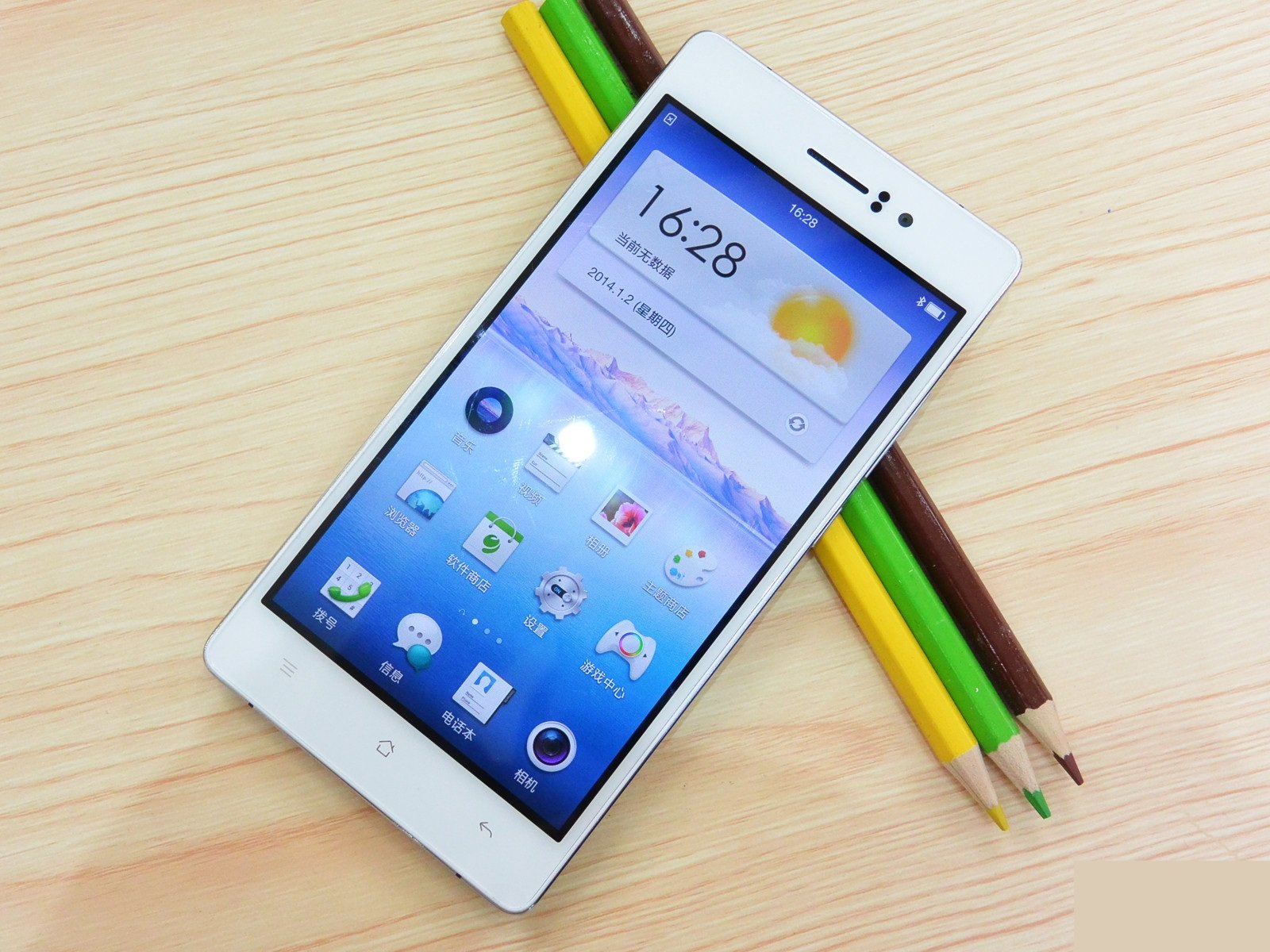
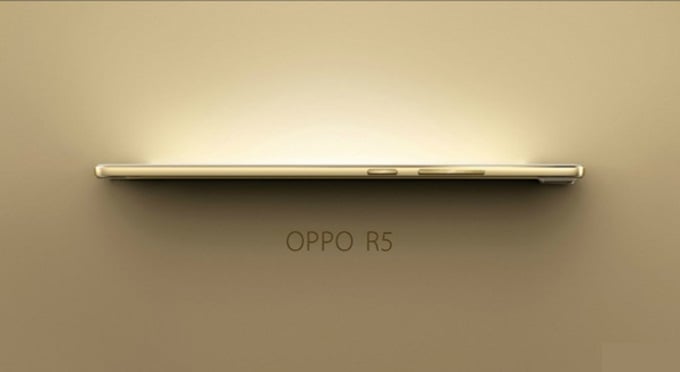
At the end of October 2014, OPPO released 2 models of supper Smartphone N3 and R5, which OPPO R5’s 4.85 mm ultra slim body broke the continuous record of Gionee ELIFE Series as the World’s thinnest Smartphone. Therefore, OPPO R5 officially leads Smartphone entering into 4mm era. Consequently this has triggered the discussion around the topic of phone thickness. Some people think the thinner phone is easier to carry while others worry that the slimness makes the phone more fragile. So being “ultra-slim” becomes a hot topic again in the mobile forums.
In fact, being ultra slim as a trend of Smartphone drives technology development and users’ needs take a big part of it. Without consumers support, manufacturers would not take the phone thickness as a vital factor in the market competition. In today’s mobile phone industry, most of the consumers still value more on the thickness, so the manufacturers are highly motivated in trying hard to become the “World N°1 Slimmest” Smartphone. However, at the time of R5 bringing us into the 4mm era, many people wonder if Smartphone will continue to slim down?
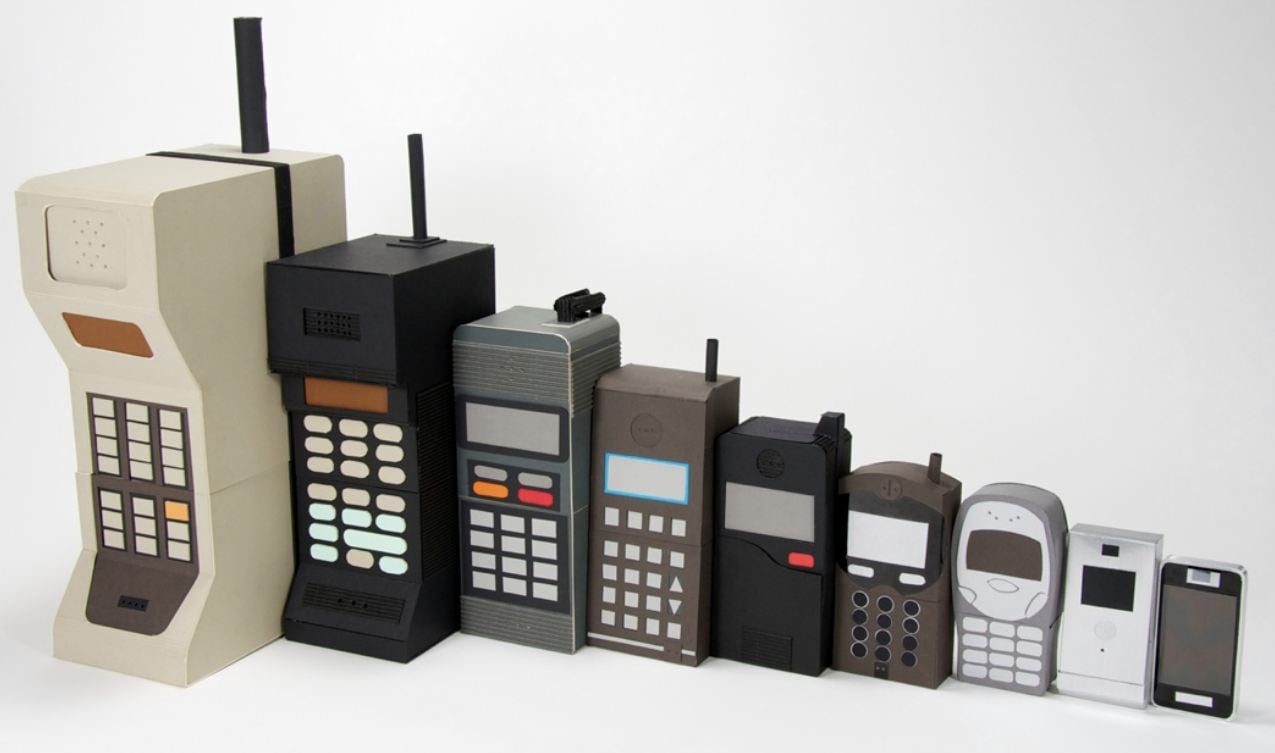
Last month at the OPPO new product launch, he has recalled the evolution history about ultra-slim mobile. At the earlier time in China when the mobile phone started to be introduced into the market, “Brick Phone” was the mobile communication terminal; its bulky body was impressive and inconvenient to carry with. So slimming down the thickness became an inevitable mission and development focus for the manufacturers back then. Certainly there are many ways to make phones smaller, besides slimming down the thickness; we can make the phone shorter, narrower etc.
Nevertheless, in the Smartphone era, making the phone shorter or narrower is difficult to achieve since the big touch screen mobile is the trend setting design in the consumer market. Being “slim” is the only way out that makes the big-screen phones easy to be carried with. This development direction is also for other electronic products such as notebook, iPad, monitors etc.
The common point for the Non-Smartphone and Smartphone periods is that manufacturers have been always endeavored to minimize the thickness to improve the portability and make it a true mobile communication terminal. Speaking of which, you might be interested to have an overview about the latest classic ultra-slim phone products in Chinese domestic market.
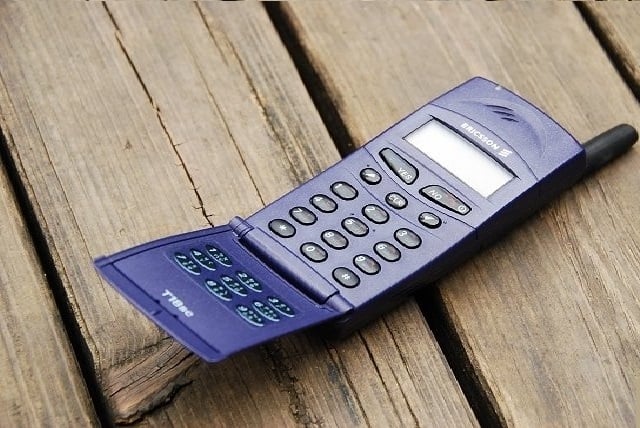
Firstly, at the time when mobile phone was seen as a luxury product, Ericsson launched T28SC with a thickness of 15.9mm, which is thinner than the antenna. It quickly became a must-to-have model for most of the mobile lovers. Later on, manufacturers turned the focus onto the built-in antenna technology development.
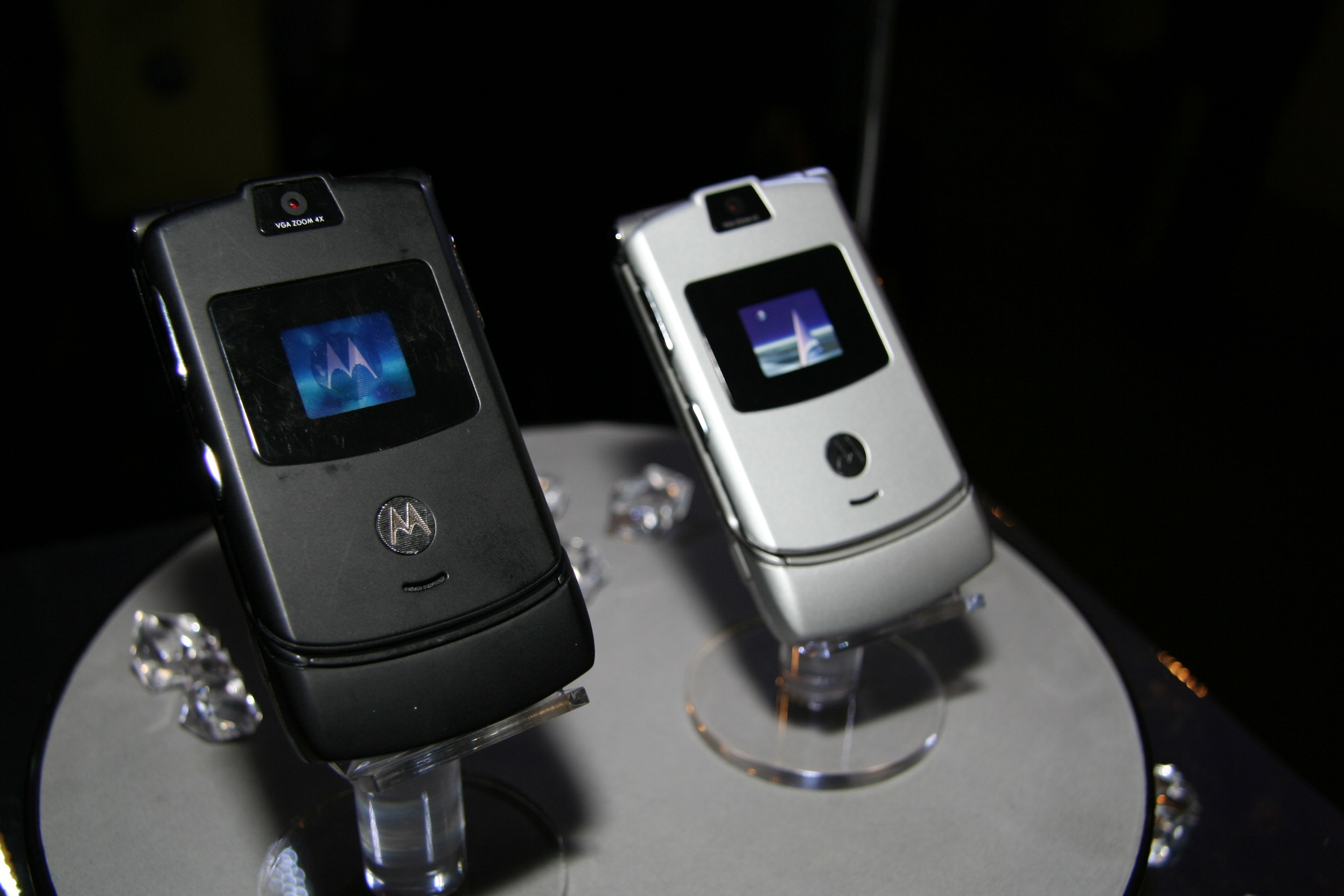
Secondly, Motorola V3 presumably was the most well-known ultra-slim model. The birth of V3 was the beginning of the mobile phone industrial design peak. Its 13.9mm thickness and the stylish flip appearance were still fresh in consumers’ memory. Nowadays, as long as people talk about the ultra-thin mobile phone from that time, Motorola V3 is always one of the sounding iconic roles
Few years after Motorola V3, other international brands have also released their ultra-thin mobile products, such as NECN900, Samsun X828, Toshiba TG01 etc, these models limited their thickness no more than 10mm that had unexpected repercussion national wide. With the continuous improvement of the intelligence system and straight touch screen, the thickness of ultra-slim mobile decreased from initial dozen mm to 4.85mm today. This achievement doesn’t come from finger flip, but rather based on over a decade development.
Finally, people may ask why the manufacturers work so hard to make the phone thinner and what the motive is. What the advantages are. Eventually the motive is to meet consumers’ need on the light weight and convenient portability. So a stylish light weighted ultra-thin Smart phone with a smooth hand touch feeling attracts a lot of consumers’ attention, meanwhile, it strengthens the brand awareness and becomes more competitive in the market.
As we all know that nothing is perfect. While the phone gets thinner, more problems come out; especially before the battery and screen changing their flexibility. So over slimming down the phone body will possibly impact on the hand feeling and quality. Apple has been doing great in this aspect by adjusting the thickness every two years. Even though it is not the thinnest, it feels good in hand. On the other hand, the phone will risk the issues like being broken, being bent and having short battery life if it is too thin.
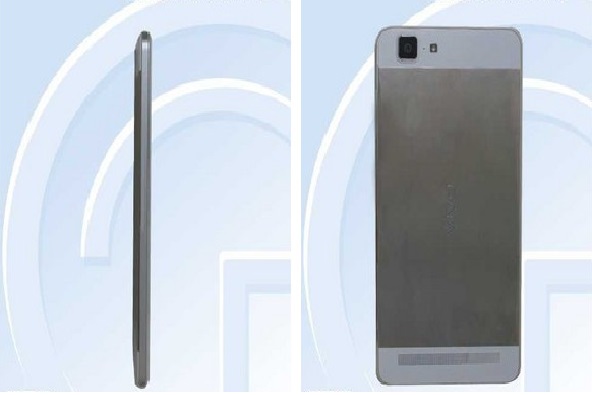
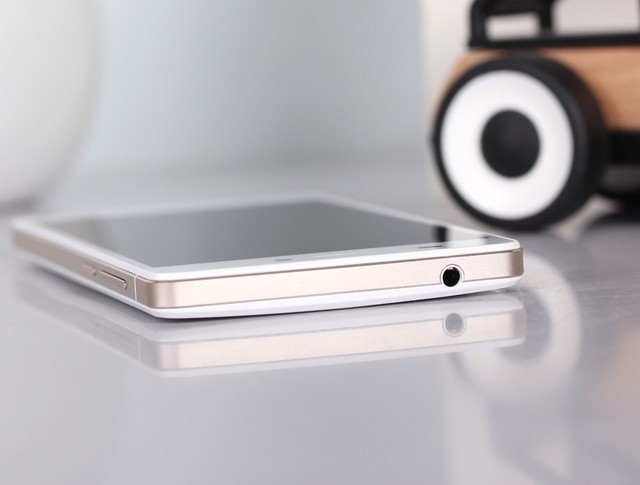
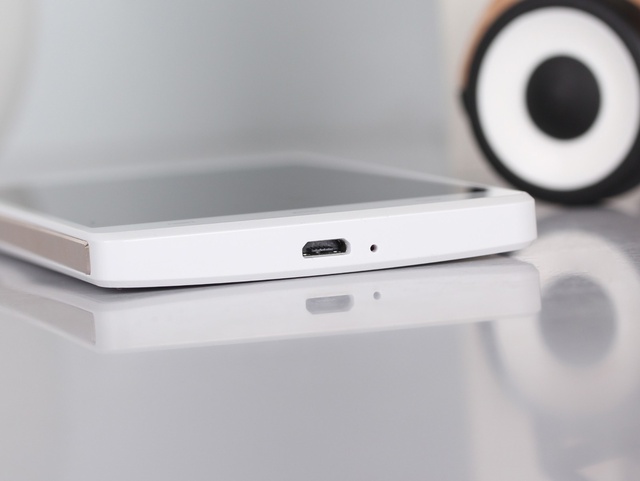
But for those manufacturers who pursue the perfection will definitely continue to develop much thinner Smartphone. Recently a new model namely Vivo X5 Max L has been granted the MIIT network license. According to the data shown on the websites, this phone body is only 4.75mm, which is the World’s thinnest phone so far. It is still unknown about the official launch date, but the thickness of this model has broken the current phone thickness records and is likely to refresh the limit constantly.
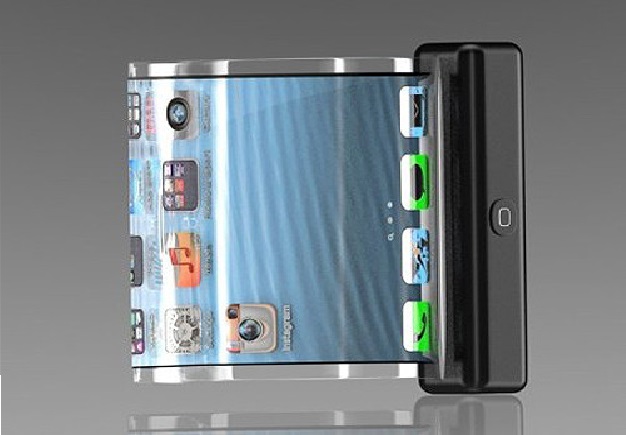
At this point, we presume that the thickness of 4mm is not the end of ultra-thin mobile phone. When the phone battery and screen can be bent like paper, Smartphone thickness will be even much thinner. By then, mobile phone might be like shown in the science fiction movies that you can wear on the wrist or put in the wallet like a business card. Regardless the phone should be much thinner or not, manufacturers should not ignore the users’ need as well as the technology development because these two factors are complementary to each other.
Very soon ZOPO will again try to expand to the smartphone indursty witth the ZP999 Lion Heart. The show-off product of this series will be the ZP999 Lion Heart, which is very well equipped and makes itself to be a high-end device by the chinese producer. Since the Xiaomi Mi4, the Oneplus One and the Meizu MX4 were already presented on the market as chinese flagships, we can definitly say that the ZOPO ZP999 Lion Heart exceeded all expectations. By the end of 2014 we are positively surprised by such a Lion Heart!
We recieved the ZOPO ZP999 Pro directly from ZOPO this morning, so we instantly do a review for you.
Technical Equipment
First some word about the specifications. The data sheet looks very persuasive. A 1080p-FHD-Display, 3 GB RAM and an Octa-Core MediaTek MT6595m processor. Also the great battery with 2.700 mAh and the camery make us hope for a very good performance. The processor by MediaTek is called MTK MT6595m and is the best SoC they have to offer.
Display
5,5” IPS-LCD, 1080p- 1080 * 1920 resolution (480 ppi )
Processor
MediaTek MT 6595m Octa-Core, PowerVR Rogue Han GPU with OpenGL ES 3.0
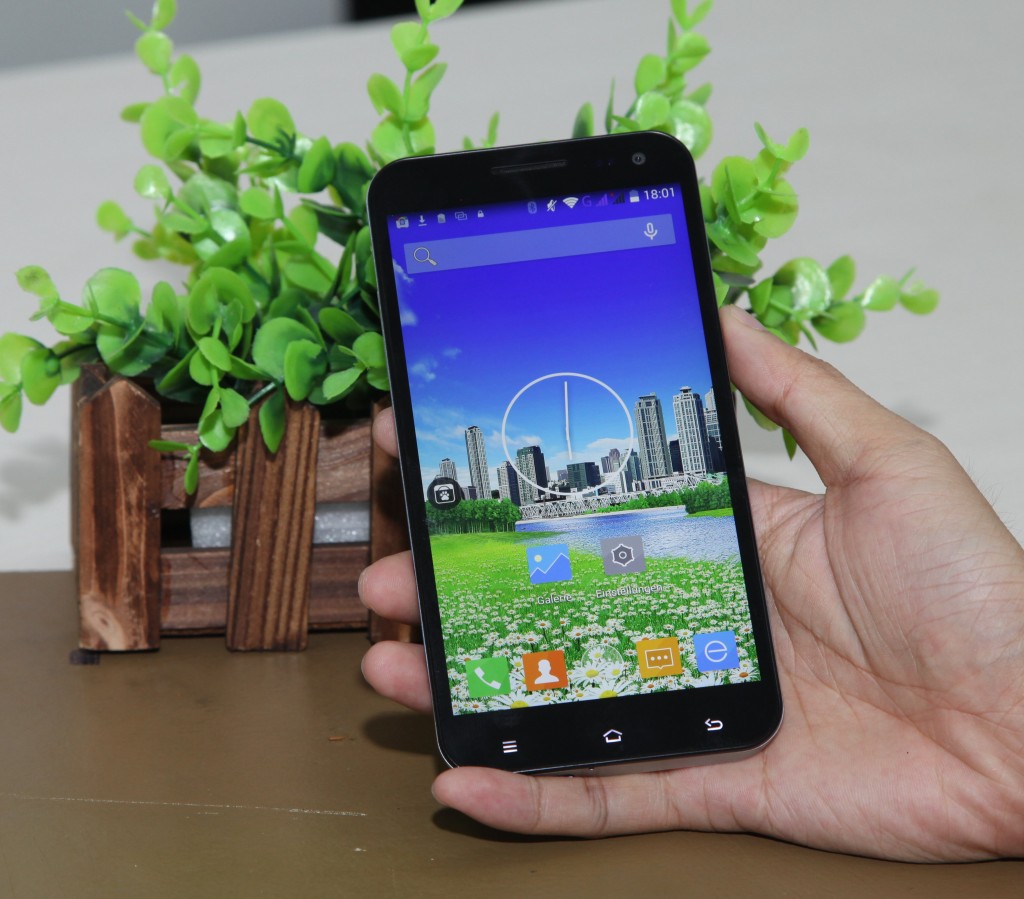
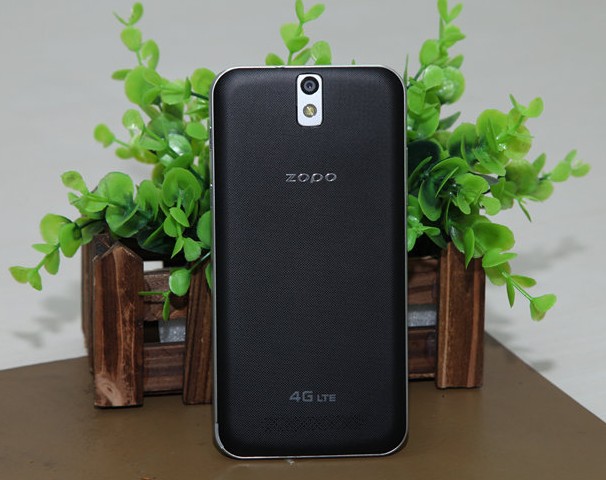
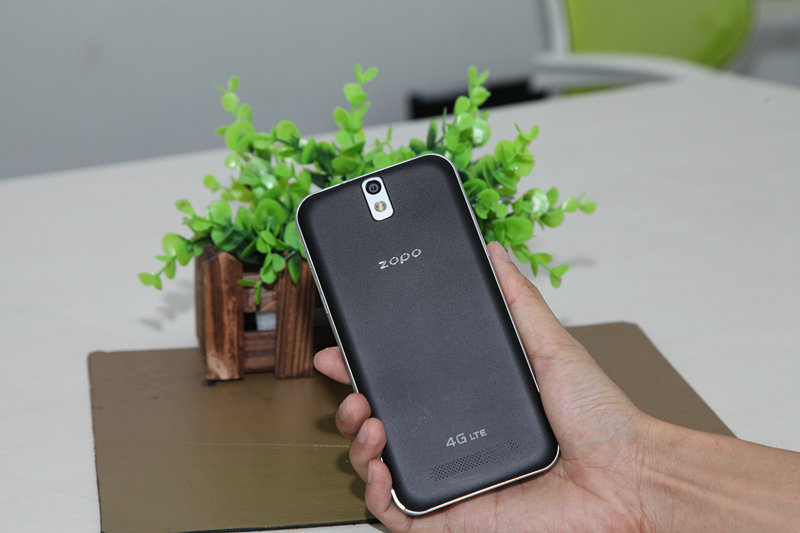
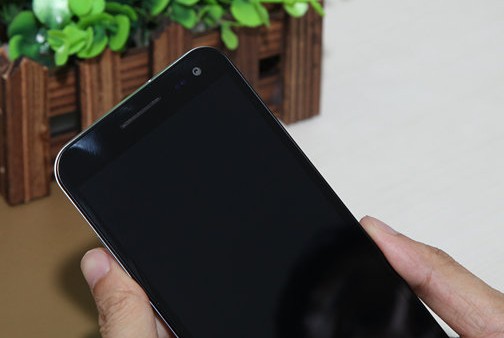
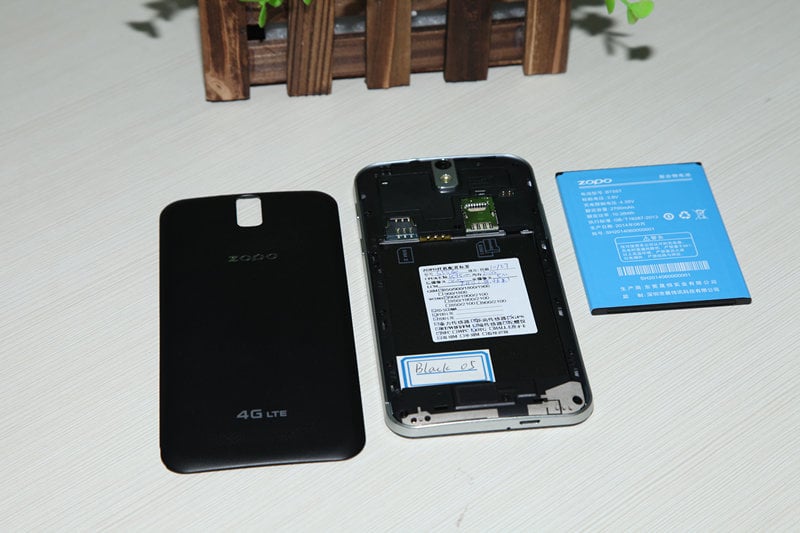
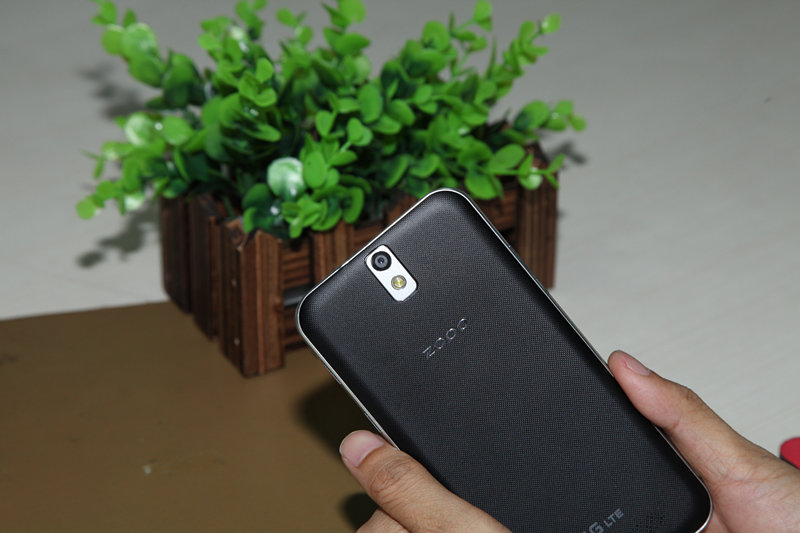
Just after the first sight one thought cought me: The ZOPO ZP999 Lion Heart looks like a mix between the Samsung Galaxy S4, the iPhone 4 and the Samsung Galaxy Note 3. The front consists completely of glass and looks like a big iPhone 4 without Home-Button, the recess fits the ZOPO-owned style with a ZOPO logo and 4g LTE, the design on the left and right hand side strongly reminds me of the Samsung Galaxy S4 and I personally have to think of the Samsung Galaxy Note 3 when holding it in my hand as a general feeling.
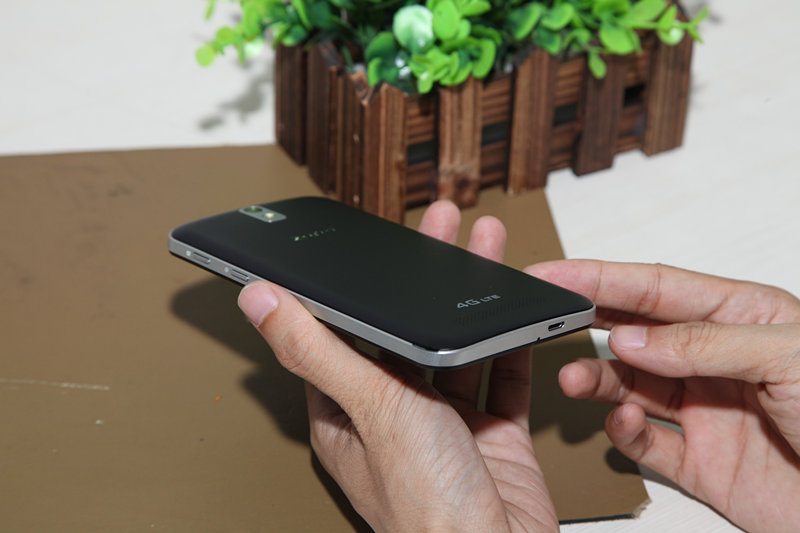
But in reverse this does not mean, that design, value and such things are not good, because actually it is the opposite: The device feels very valuable and solid due to the anti-skidding back and also the covers that are made of plasic make a good impression. Even though in my opinion the silver grey aluminium frame fits best to the whole concept. Still the size is pretty compact for a device with a 5.5“-display and can be handled very comfortably.
The ZP999 Lion Heart is mainly based on the rounded edges. ZOPO completely concentrated on rounded elements in this series, which made the competitive models very handy. For me this is more than Nizza, because for many years I rather hold smartphones in my fingers instead of the whole hand. But many users like to cover the device with their whole hand and then you defititely notice the rounded and handy edges.
Sharp or made-to-last
Just like the shell the display is also surprisingly good. 1920 x 1080 pixels on a 5.5 inch display result in a very sharp and crystal clear font and thanks to ClearMotion it is also very bright, so it can be read in daylight. Its white is quite nice and the angle stability also does a good job.
I can only criticize the value of the black colour, since it is much better in the competitive models – you can especially see that in dark surroundings. After all you can configure the colour-temperature as you like in the system configurations MiraVision by MediaTek.
Practically you will notive the sharp texts and pictures during FHD-films and gaming. Yes, I am convinced that the display of the ZP999 Lion Heart is one of the best there is.
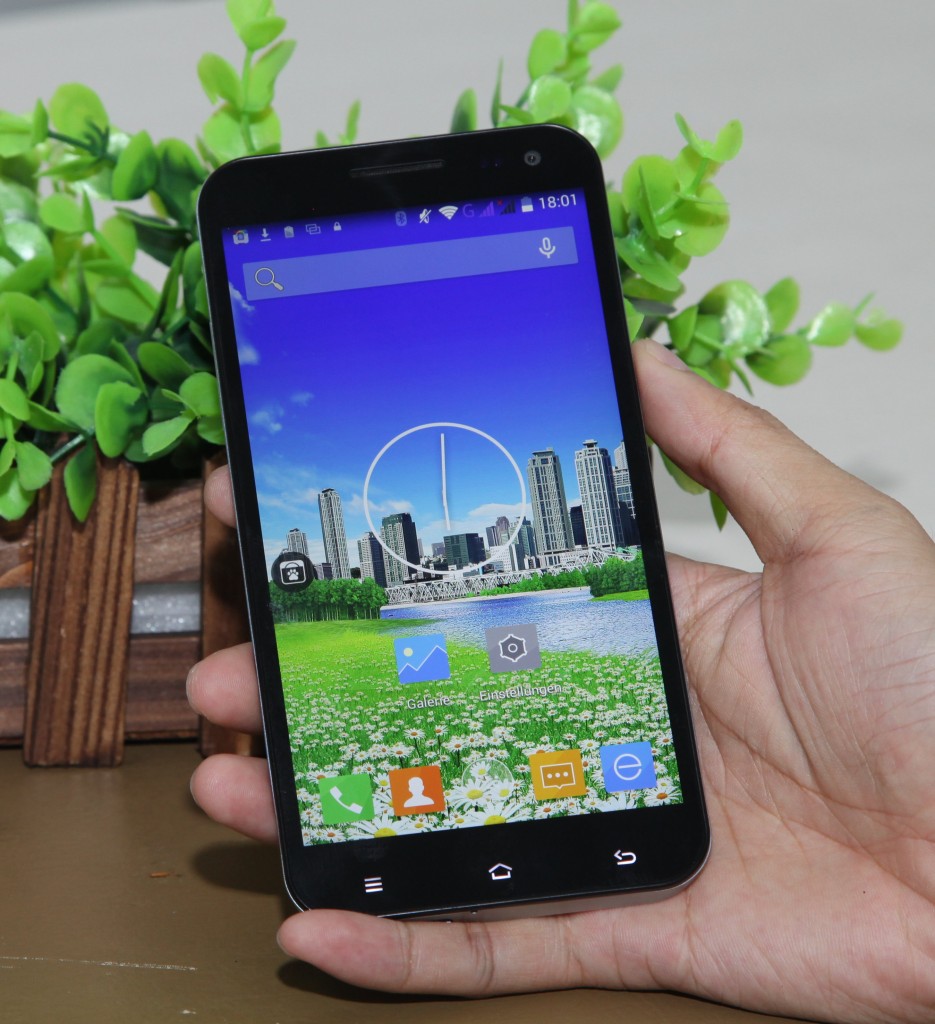
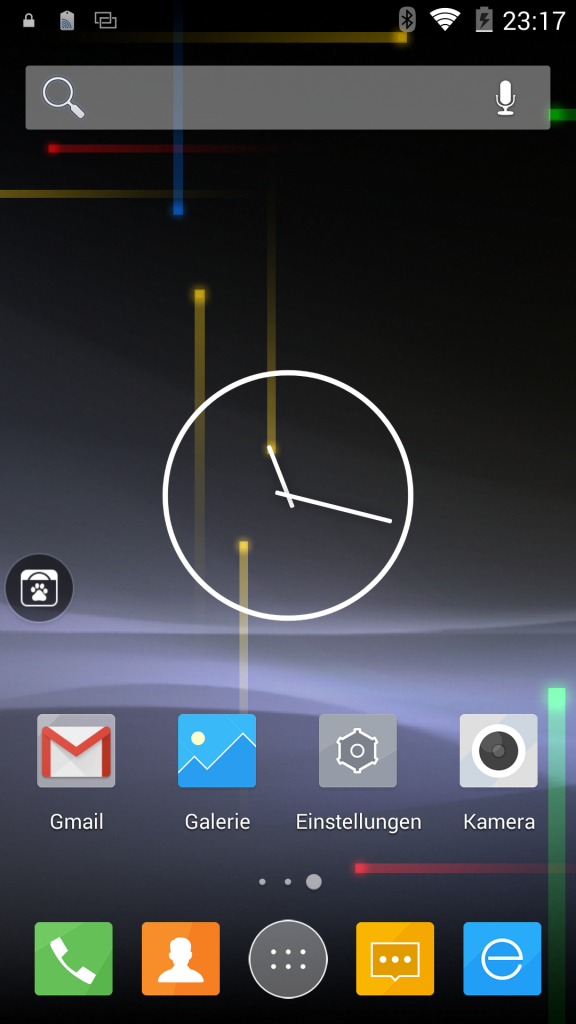
UI-Design by Flat Design
The ZOPO ZP999 comes with a pre-installed Android 4.4.2 and has been adjusted by ZOPO. The latter presents some functions, which indeed can by useful, but all this is put into a User Interface, which is designed by Flat Design. That definitly is a downside.
While Samsung, LG, HTC and so on constantly improve their own User Interface and modernize it optically, ZOPO did not do a good job on its ZP999. That is a pity, because it does look beautiful, but the interface is confusing and cluttered on some important parts. For example the notification bar. They almost did not change anything compared to the original Android OS 4.4.2.
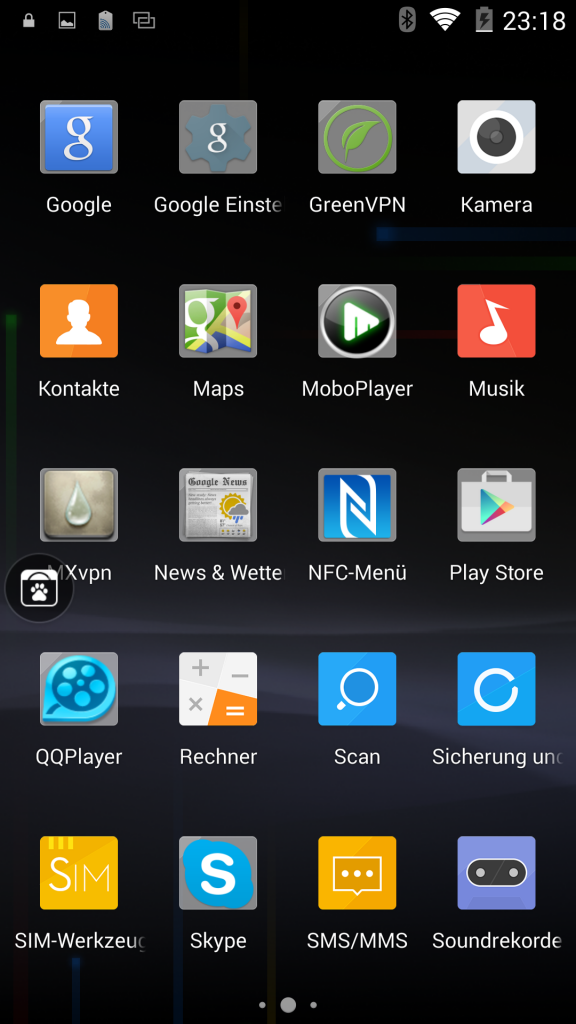
As it is with many Andoid-adjustments in asia the Asian OS also comes without an App-Drawer. Luckily the function is still available on the ZP999 Lion Heart, you can use it without any problem on Google Now Launcher.
Android OS can be useful
Some functions are useful in other areas. The telephone manager comes with an authorization control, which can be used to authorize App-Permissions very detailed. Furthermore you can use a control which does the same with App-Notifications.
When the smartphone is being moved, sensores start different actions as part of movement control, which is very nice. For example calls can be taken by holding the phone close to your ear. Sounds are muted when the ZP999 Lion Heart is put on the desk with the front side down. If you can not touch the phone, you can select apps or widgets by moving your hand in front of the camera or you can move pictures in the galery, take pictures, add songs to a playlist, control the browser. All this functions work very well, but can also be deactivated individually.
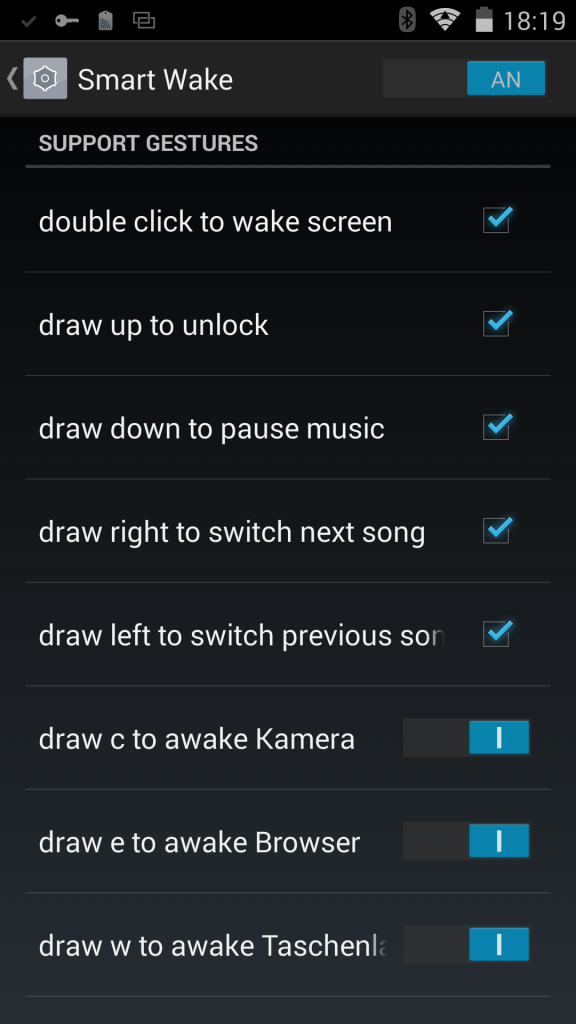
I like to use the Smart Wake Function. With a double click on the turned off display I wake the ZP999 Lion Heart and write „C“ on the display to use the camera, with „W“ I can use the torch. You can define the applications manually.
Smoothness – that is the question
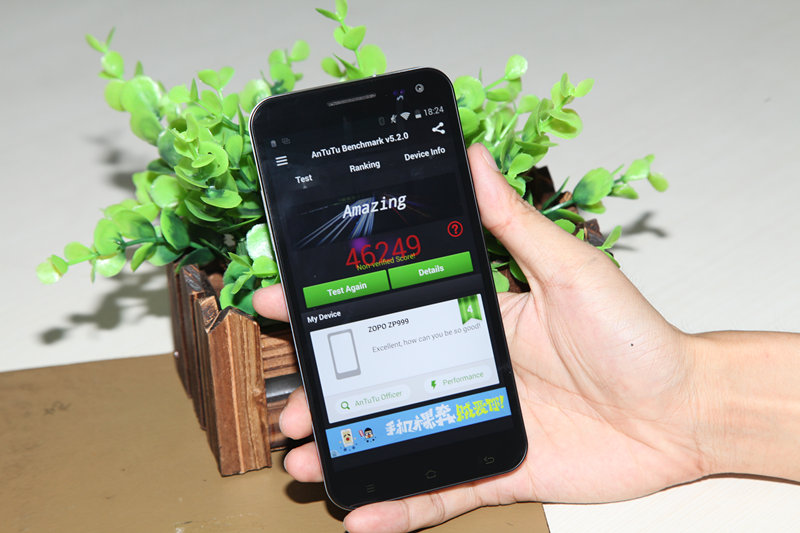
If you rely on the data sheet, you could think that the ZOPO ZP999 Lion Heart simply flies through the system. 3 GB RAM definitely are a huge number and also the MediaTek MT6595M Octa-Core 2.0 GHZ processor with top production is meant to have best values. I immediately startet a test on Antutu Benchmark v5.2.0 and the ZOPO Lion Heart gets unbelievable 46249 points (according to the last test it was reduced to 37416 points) and beats the HTC One M8T, Xiaomi Mi3 W, Samsung Galaxy S5 and Vivo Xplay 3S. The GPU of the device is by PowerVR Rogue Han and provides many points with the 3D-test, which earned 8214 points, then come the CPU Integer and Loat-Point with 4874 and 5195. Mulitasking is the highlight of the Lion Heart 6475 and the reason why it is a flagship.
So far so good, right?
Through most of the using-time the theory also meets the practical use. The device runs fine, but does not feel on top of the world. I really am no gamer, but just for interest I tried on the CPU how the processor works when gaming. I did not notice one single problem, Asphalt 8 is a lot of fun and runs very quickly.
Insofern also alles in Ordnung, oder?
Camera, Battery and Speakers
After only a few days I can not provide good information about the Battery. Also I only used the device in WLAN at home, so I can not rate the battery life in mobile data-connectivity. So I will not provide you with any results according to the battery, but I guess that in average you can use the smartphone one and a half days.
I am a little disappointed by the speakers. They sound very thin and since they are placed on the back, the sound goes into the wrong direction. When lying on the desk the sound also gets very damp. The sound of the Sony Xperia Z3 is way better.
NFC, HotKnot and Gaming performance
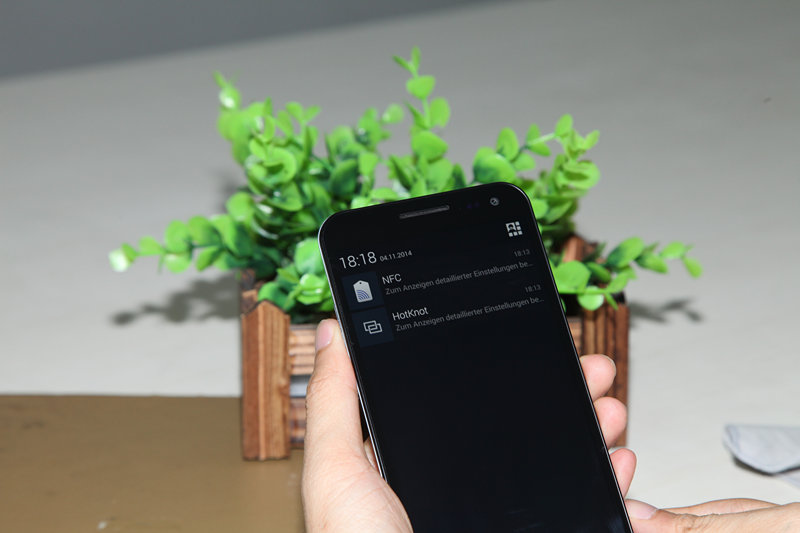
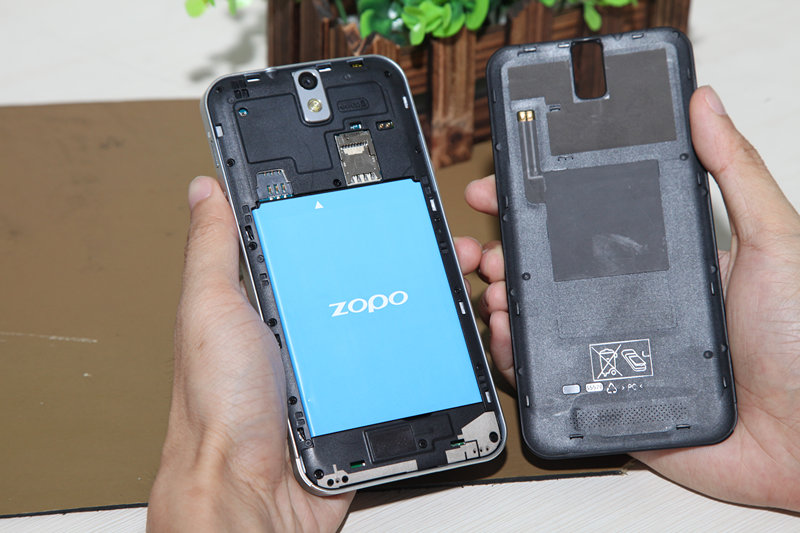
HotKnot works by the NFC chip on the back. With this function I share any website or app with my Sony Xperia Z3 with only one click. That is an interesting function, but I almost never use it to share files. I did not try to pay with my phone yet.
Result until now
After my first days with the ZOPO ZP999 Lion Heart I do like this device. The body is compact and nice, value and processing are just right, the battery seems to by fine, too. Furthermore the display has a good quality and the ZOPO-adjusted OS provides some interesting functions. The possibility of NFC, HotKnot and Mobil Paying did not appear to be available on any other chinese smartphone.
On the other hand the Android-adjustment is everything else but beautiful and the camera does not seem to be more than average. Videos can be captured in Full HD i.e. upto 1920 x 1080 pixel resolution at 60fps, since it comes with the MT6595M processor instead of the MT6595 processor which support 4K videos. The performance of the 3D-gaming and FHD-videos is perfect. Compared to the Meizu MX4 for 360 € and only 2GB RAM, the ZOPO ZP999 Lion Heart is available for about 300 € on China Online Shops – you have to recommend it with such a price. I do like the ZOPO ZP999, especially due to the quality case, which looks noble and well-done.
If I have more to say to the ZOPO ZP999 in the future or some aspects change (positively and negatively), I will present it in another report. You can leave questions and comments under this blog. I will try to answer them as good as I can.
We have seen a number of devices from both Elephone and Doogee in the past few months. However, Elephone’s G6 and the Doogee DG900 have been particularly popular among buyers. That’s why we decided to put the G6 against the Doogee Turbo2 DG900 to see which one comes out as the winner.
We will be comparing both the devices on a number of different aspects like design, battery life, display etc. So, without wasting any more time, lets take a look at the similarities and the differences between the two Chinese handsets.
DESIGN
The first thing you notice about a phone is its overall design and hence, it seems right to start with this category first.
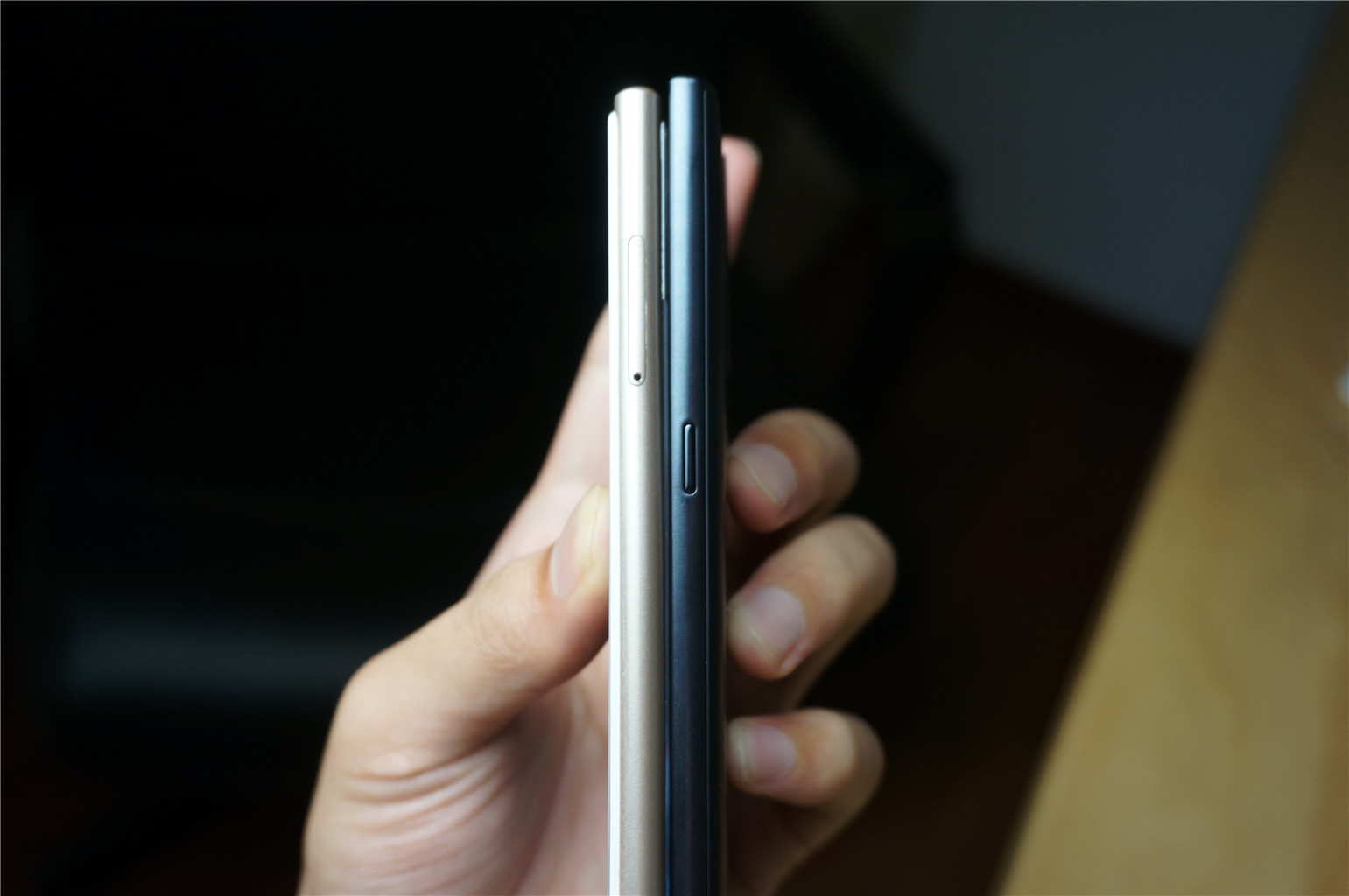
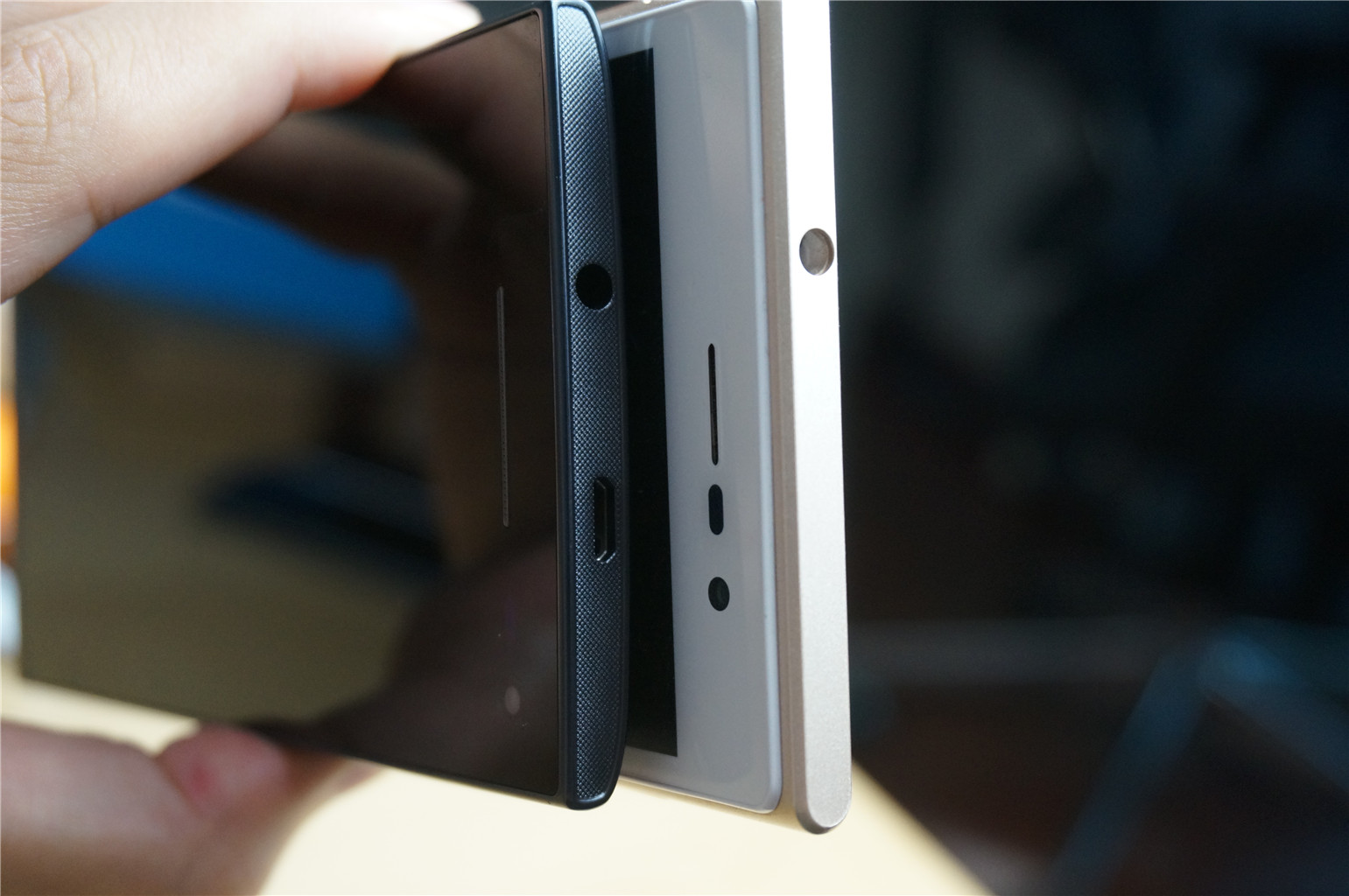
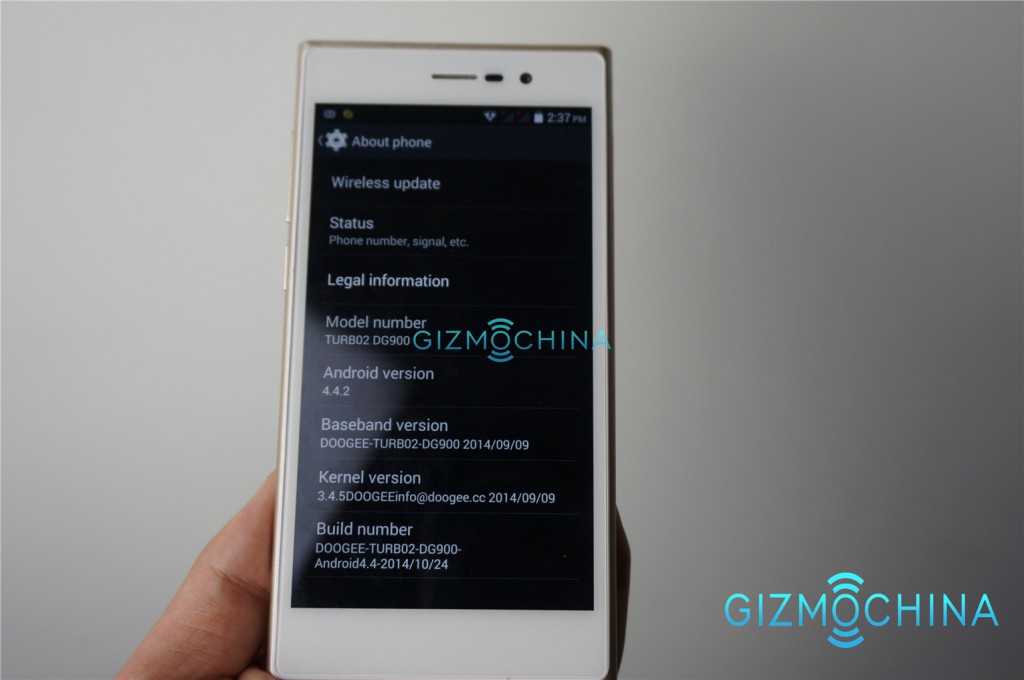
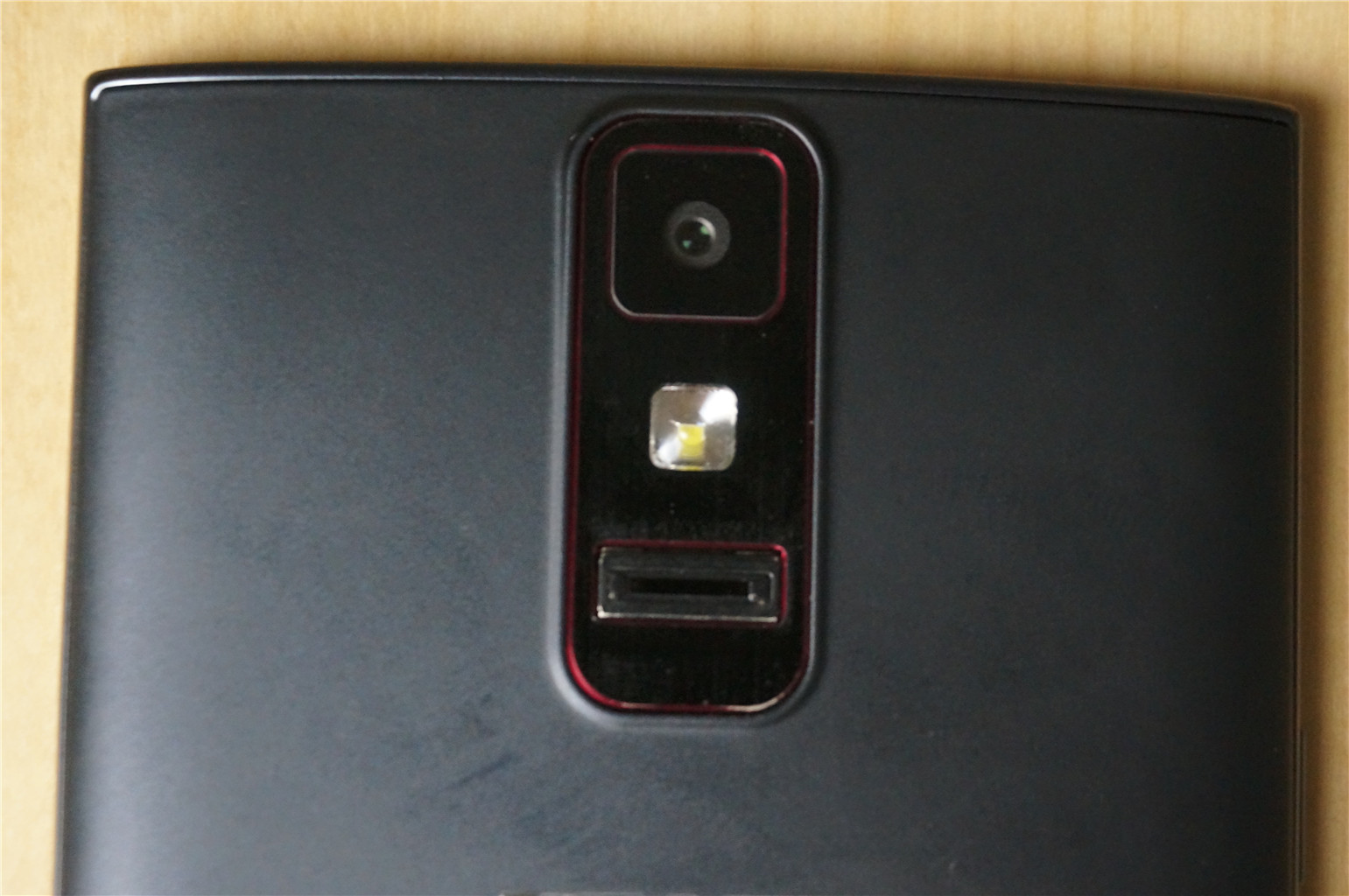
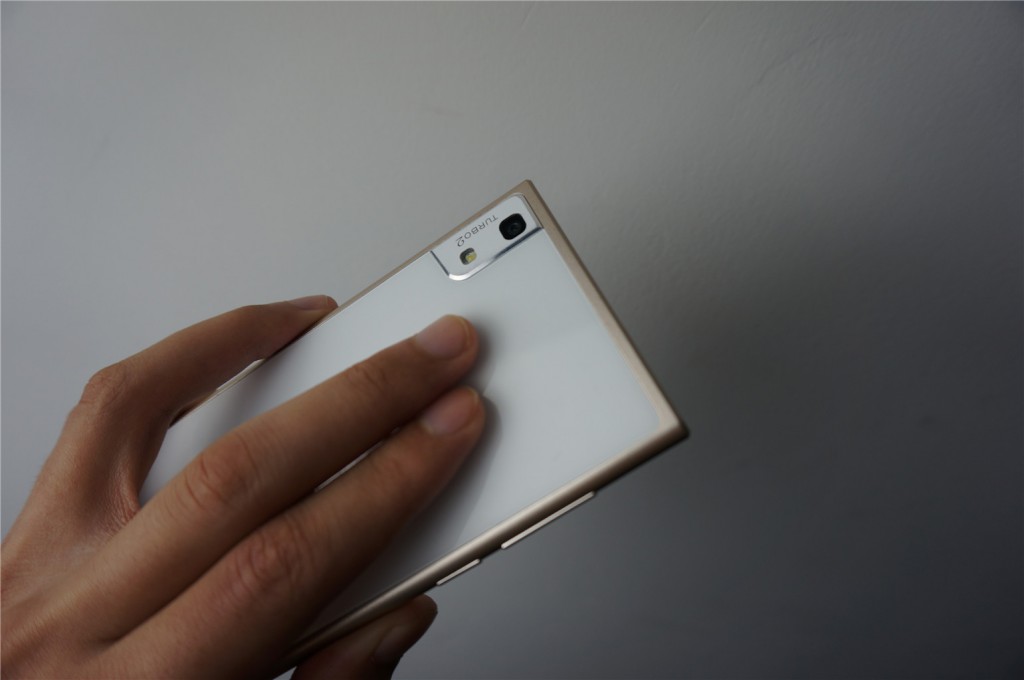
Elephone G6 and Doogee DG900 have two different design profiles, which make them harder to compare. While the G6 features a traditional design, that we have seen in many recent smartphones i.e. a rectangular body with soft touch plastic (quite similar to the OnePlus One), the Doogee DG900 comes with curved sides on a rectangular body. There are some additional lines on the back alongside the camera which gives it a distinct look.
So, on the design front, we can’t really pick out a winner. Both the devices are well built and looks premium too, hence we guess its a tie.
If you loved the OnePlus One’s design, you’ll love the G6. But if you like a Lumia kind of design, then you will most likely prefer the DG900.
DISPLAY
Now, lets take a look at the second most prominent part of a phone i.e. its display.
Both the smartphones come with a 5.0 inch display, however the resolutions are significantly different. Doogee DG900 comes with a higher Full HD 1920 x 1080 pixel resolution while the Elephone G6 just features a HD 1280 x 720 pixel resolution screen. So, DG900 is much more sharper than G6. However, even with a higher resolution screen, the colors on the DG900 looks washed out. On the other hand, Elephone G6’s display is more natural looking and rich in colors.
So even though the DG900 comes with a better resolution, we personally like Elephone’s 720p display. Therefore, this category goes to the Elephone G6.
There’s another reason we picked the G6’s display over DG900 but we’ll reveal that in the next section i.e. hardware.
Meanwhile, take a look at displays on both the devices. The left one is the Doogee DG900 while on the right is the Elephone G6.
HARDWARE & PERFORMANCE
Both the DG900 and the Elephone G6 sport similar hardware, but there are some areas where the DG900 has an edge over the latter.
Both come with Mediatek MTK6592 Octa Core CPU with Cortex A7 Cores clocked at 1.7Ghz. The G6 comes with a slightly better GPU– Mali 450 as compared to the Mali 400 found on the Doogee model. However, the DG900 comes with a much larger RAM module, a 2GB one unlike the 1GB found on the G6.
As for storage, you get 16GB on DG900 and 8GB on G6. Both have external memory card slots which support cards up to 64GB in size.
While the hardware on the DG900 is much better than on the G6, especially due to its 2GB RAM, the MTK6592 chipset on the Doogee phone struggles to power the Full HD 1080p screen. As a result, even with the extra RAM, on personal experience, we have seen that the G6 is much more responsive than DG900. There’s only a slight difference between the performance of the two, but its noticeable.
Also, with the extra pixels that the Doogee model has to power, the device gets heated up too pretty easily.
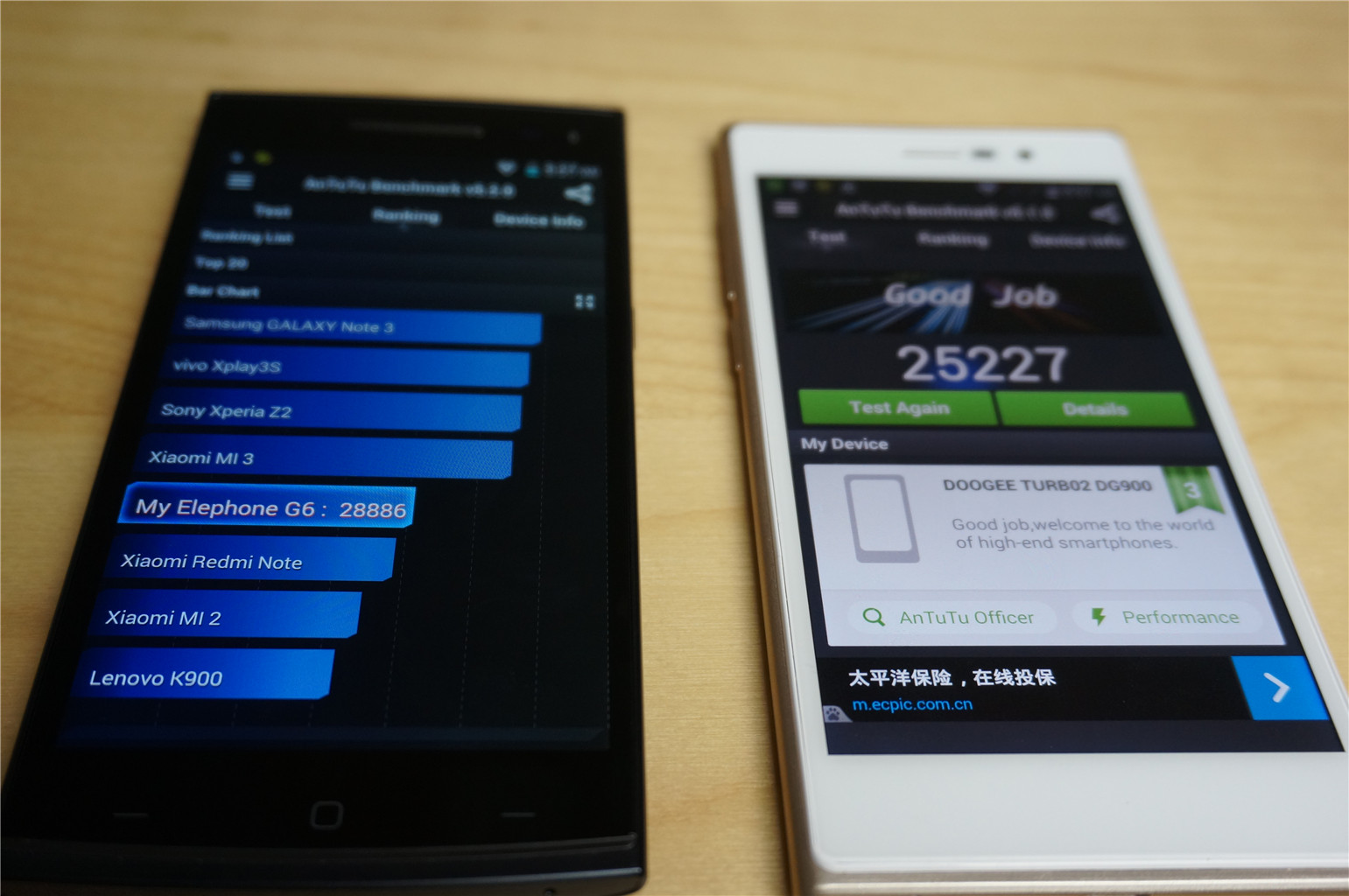
On our initial Doogee DG900 review, the Doogee DG900 scored well over 30,000 as compared to Elephone G6’s score of 25,886. However,to our surprise after a few days of usage, when we tested the phone again, the DG900’s Benchmark score fell to 25,227. That’s around 5000 points lower than the initial figure which worried us. Also, the phone became slower with use. It may have been an issue with this specific model but still we were dissapointed.
As a result, even with the better 2GB RAM onboard, we prefer the Elephone G6 when it comes to hardware and performance.
CAMERA
Camera is yet another important aspect of a smartphone and in this category, Doogee DG900 is slightly better than the G6. This is due to the fact that, DG900 comes with a 13MP Sony IMX135 sensor as compared to the 13MP found on the G6. For the front camera too, the former comes with an 5MP shooter while the latter comes with just a 2MP sensor.
Images from the DG900 are much better and natural looking than the G6. The images captured on the Elephone model are quite darker than the Doogee phone, so low light pictures especially look better on the latter.
We have included a few sample pictures below for comparison.
DG900
G6
DG900
G6
DG900
G6
DG900
G6
As you can see, the pictures captured by the G6 are not that bad and quite comparable to Doogee DG900, but still the DG900 takes better pictures majority of the time and hence, this section goes to the DG900.
BATTERY
The DG900 comes with a larger 2500 mAh battery as compared to the 2250 mAh one found on the G6. But in real time usage, Elephone G6 managed to squeeze in much more than 7 hours that we got from the DG900.
However, the Doogee model does have a fast charge feature which enables it to charge fully within 2 hours.
It hard to pick a winner in this category especially because of DG900’s fast charge feature. So, we leave that for you to decide what you want, a slightly better battery or a faster charging option.
CONNECTIVITY, SOFTWARE & FEATURES
Both the phones feature standard connectivity features like Wi-Fi, Bluetooth, GPS, AGPS, Proximity, Gravity sensors, 3G, Dual Sim support etc.
As for the software, both run on Android 4.4 Kitkat version.
However, the Elephone G6 does have an added advantage. It comes with a finger print sensor which clearly gives it an edge over the Doogee Turbo2 DG900. In fact, this particular features makes it a much attractive option than many other costlier alternatives in the market.
However, instead of a finger print sensor, the DG900 has a rear touch panel which can be used to open up the camera and click pictures.
OUR VERDICT
Both the phones have similar specifications with the Doogee DG900 having better specs in some areas. However, when it comes to real life performance, the cheaper Elephone G6 manages to match DG900’s performance. In fact, it’s even better than the latter in some areas like display, performance and battery life. Elephone G6 is priced at $119, which is almost $100 cheaper than Doogee DG900, if you don’t want to spent more for the same specs on a phone for it’s design, then Elephone G6 must be a good choice.
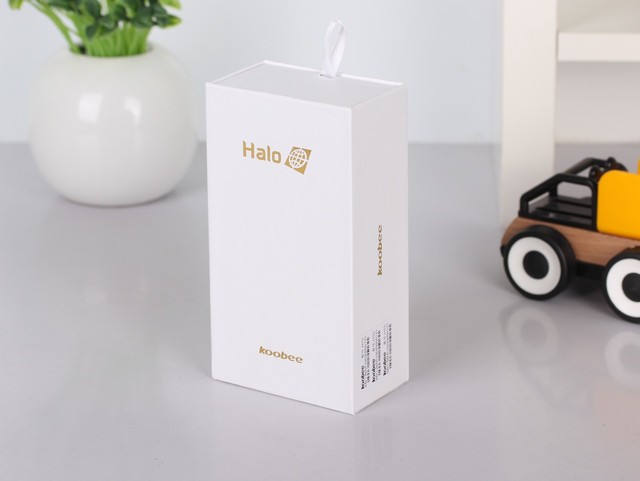
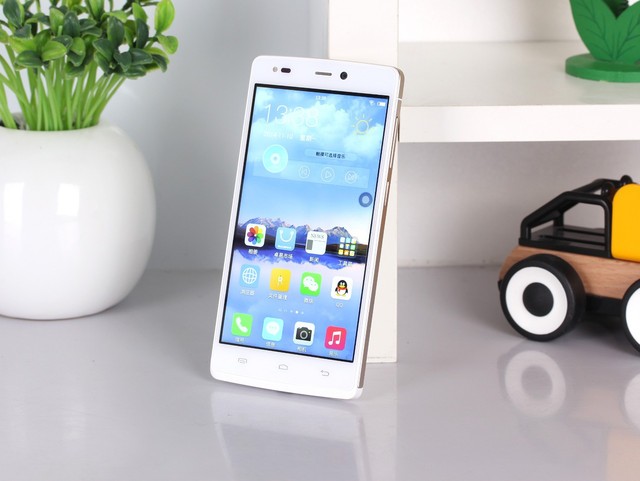
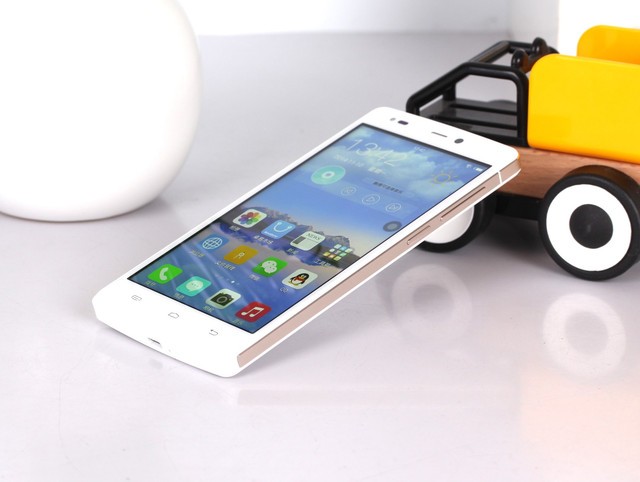
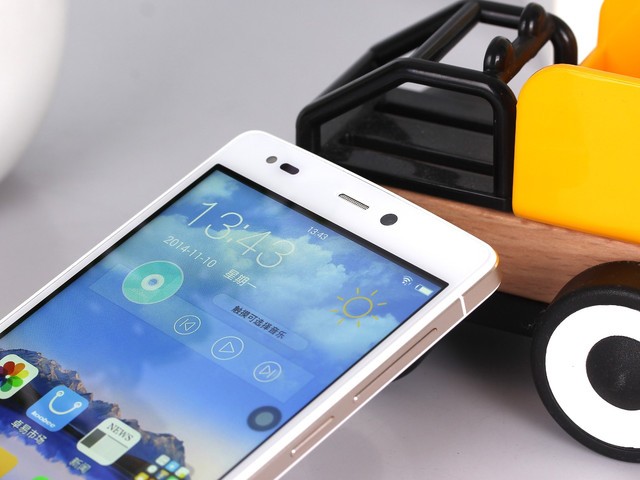
The Koobee H1S is not exactly a new cellphone in the truest since. Actually, it is just an upgraded version of the Koobee Halo, but the upgrades are very obvious as you would see after trying it out.
The Koobee H1S sports a 5-inch 720P (1280 x 720) IPS display screen. This screen is also backed up by OGS technology. The resolution and clarity are much better here.
Its dimensions are 141.8 x 70.5 x 8.6mm.
To let users take high-quality selfie shots, Koobee not only included an 8mp front-facing camera, but also an LED light as well.
The Koobee H1S’ rear-facing camera is also 8mp. Below it are another LED flash and noise-cancelling microphone.
The Cube H1S is dual-Micro SIM supported. It also supports TD-LTE networks.
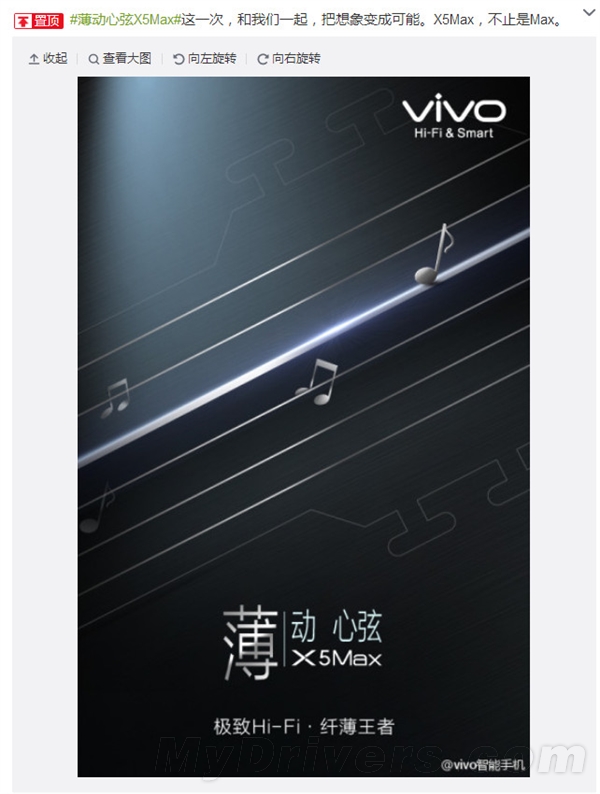
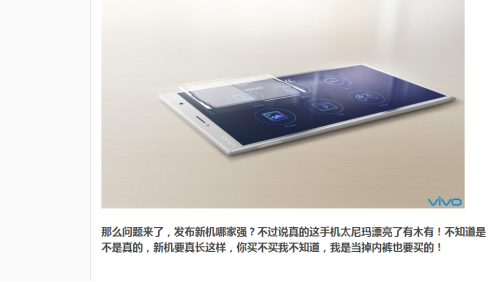
Today, Vivo has posted a promotional poster of its upcoming phone, the Vivo X5 Max. This phone had recently received its network license at the Ministry of Information and Industry Technology’s website and it might be the thinnest cellphone I have ever seen. According to its entry at the MIIT website, its dimensions are 153.9 x 78 x 4.75mm.With a thickness of 4.75mm, it is slimmer than the OPPO R5 which is 4.85mm thick.
As for its specifications, the Vivo X5 Max sports a 5-inch 1080p display screen and has a 1.7GHz octa-core processor (MT6752), 2GB RAM, 16GB ROM, a 5mp front-facing camera, and 13mp rear-facing camera. It also runs the Android 4.4.4 operating system. No word on its battery as of now. Reportedly, it may be launched this December.
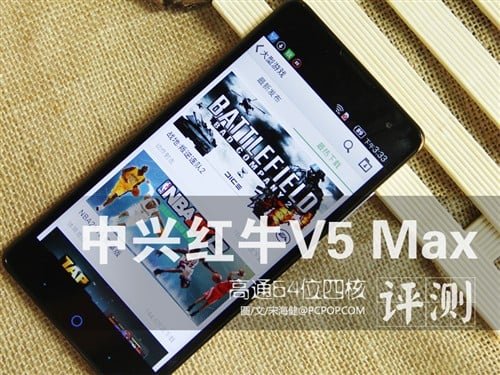
In this review, we take a look at ZTE’s latest release, the ZTE Red Bull V5 Max. Specifically, we take a look at how it fares when it comes to performance. First, let us take a look at its specifications.
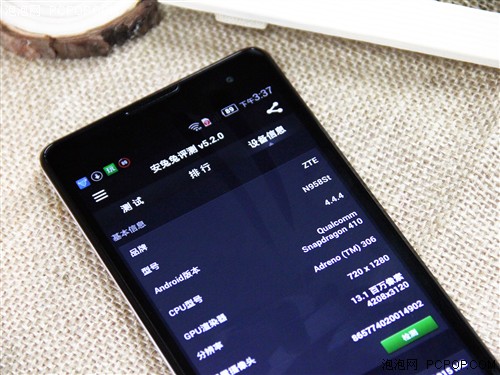
The ZTE Red Bull V5 Max uses Qualcomm’s first 64-bit chip, the Qualcomm Snapdragon 410 quad-core processor (1.2Ghz). It also uses the Adreno 306 GPU and has 2GB RAM, 16GB ROM, a 5.5-inch 1280 x 720 display screen, a 5mp front-facing camera, a 13mp rear-facing camera, and support for CDMA, SWCDMA, TD-SCDMA, and 4G networks. It also has support for dual-SIM card. It is powered by a detachable 3100mAh battery and runs the Nubia UI 2.5.
Regarding the display screen, the screen seems to work well with the processor without a lot of problems. The fluidity is really good.
Let’s now take a look at the benchmark scores. In the AnTuTu benchmark test, the ZTE Red Bull V5 Max received a benchmark score of 20772. In the Ludashi benchmark test, it got 24080. In the Nenamark test, it got 54.6fps. The Vellamo benchmark app is split into two chapters. The HTML5 chapter evaluates the device’s mobile web browser performance, while the Metal chapter evaluates the CPU performance. In the HTML5 test, it received a score of 1414, while in the Metal test, it got 650.
Now, how does it handle video games?
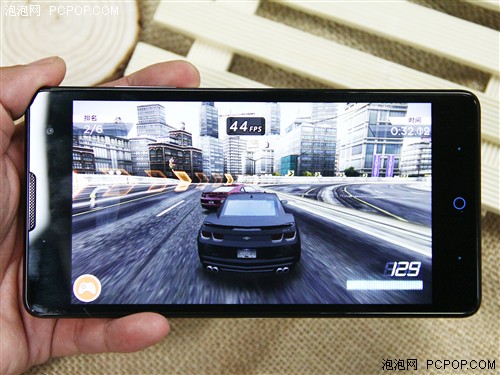
When playing “Need for Speed 17”, the reviewer thought the game worked well with the Red Bull V5 Max with its fluidity.
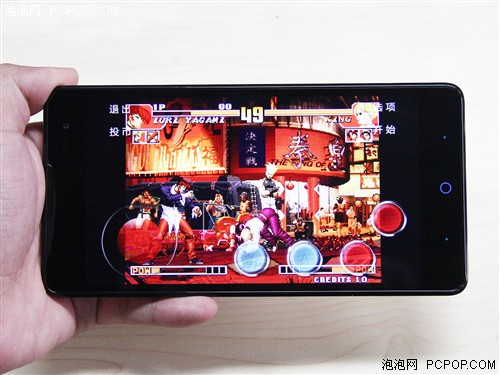
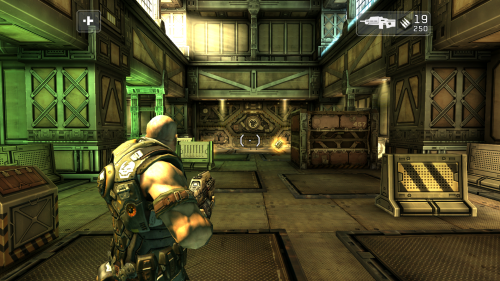
The ZTE was also able to run “King of Fighters ‘97” really well without any problems. Same goes with “Shadow Gun”.
Conclusion
The ZTE Red Bull V5 Max is a great smartphone when it comes to performance. Its benchmark scores may not be the best, but benchmark scores are only for reference. It works well with video games. I cannot say that it has disappointed me. In fact, it has exceeded my expectations.
The Nubia Z7 Max has been advertised as a cellphone that could “take pictures of the stars.” For its rear camera, it uses the 13mp Sony IMX214 CMOS with an f/2.0 aperture and the new NeoVision 4.0 camera software. It also supports dual 4G/3G networks. Now, you can get this phone in Amazon where the black and white editions are on sale for 1999 RMB and 2049 RMB, respectively.
The Nubia Z7 Max sports a 5.5-inch 1920 x 1080 SHARP display screen with a pixel density of 401ppi. It uses the Qualcomm Snapdragon 801 (MSM8974AC) quad-core processor (2.5GHz). It also has 3GB RAM and 32GB ROM which can be increased to 64GB with a TF card. Besides its rear-facing camera, it also sports a 5mp front-facing camera. Its OS is the Nubia UI 2.5. It is also powered by a 3100mAh battery that cannot be removed.
This Sunday, Chinese tablet company, Teclast, will lower the price of its Teclast X80h tablet from 150 EUR to 118 EUR. This device is known for running the Windows 8.1 operating system and its already competitive price.
The Teclast X80h is known for its great hardware. It has a 7.9-inch 1280 x 800 display screen. It uses the quad-corr Intel Atom Z3735F processor (1.3GHz) and has 2GB RAM DDR3L and 32GB ROM which can be expanded with a micro SD card. It weighs 367 grams and has a thickness of 7.9mm. It also has two HDMI cameras. As we have said earlier, it runs the Windows 8.1 operating system.
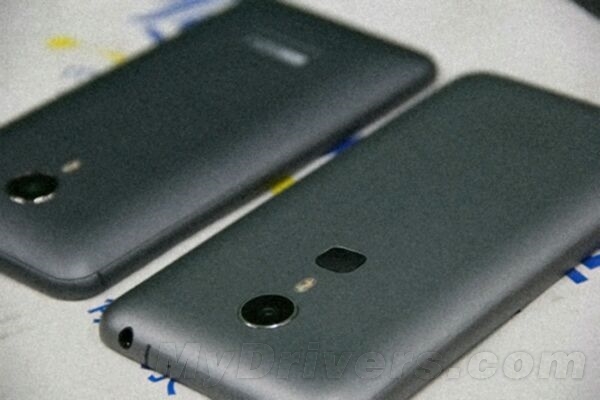
More information on the Meizu MX4 Pro has been coming out. Yesterday, a photo was leaked showing one of the MX4 Pro’s prototypes with the fingerprint sensor on the back. Obviously they passed on this as we now know that the fingerprint sensor is on the front. Meizu’s Senior Manager, Zhang Heng, said that putting the fingerprint sensor on the back would ruin the phone’s look, so they decided to put it on the front. He also revealed another piece of important information. One month after the MX4 Pro is launched (November 19), everyone can finally get their hands on Meizu’s latest phone. Hopefully, it won’t be too expensive. We’ll just have to wait and see.
Meizu MX4 made public debut on 2nd of September, but unusually it didn’t show up as a gesture of flagship Smartphone. It is powered by MTK6595 Octa Core Chip, which is a high-end chipset under Taiwan MediaTek. However, comparing with those true high-end products from Qualcomm and other brands, MTK still needs to keep up with their pace. We have heard people saying that
MX4 Pro is truly MX4.
With the release of MX4, Chinese Smartphone has changed its competition direction. Since the supply chains are becoming more and more open, the manufacturers can afford to use the best chip and screen, but meanwhile, the product homogeneity is getting more serious too. MX4 found a new way, which is to reinforce the aspects that consumers can really see and feel. The approach of using a good enough processor, upgrading the body material & the camera, decreasing the cost and lowering the price has apparently made a successful outcome in the current sales volume in the domestic market.
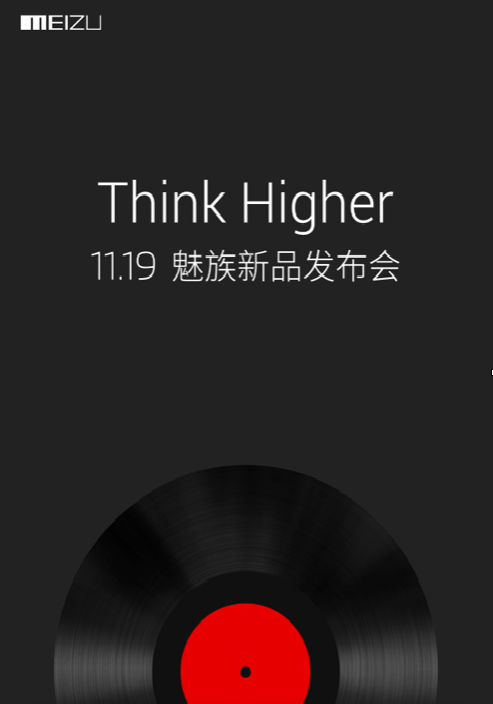
As a true flagship product, MX4 Pro has received a lot of attention. Today Meizu invited media for the upcoming release of this product on the 19th of this month. The slogan has been changed from “Think High!” to “Think Higher!”. So let’s brainstorm about what else MX4 would upgrade besides those configurations already exposed.
High Quality Audio
A black vinyl record is the invitation that MX4 Pro gave to Media for the new release. Does this imply Meizu would go for the high quality audio like Vivo?
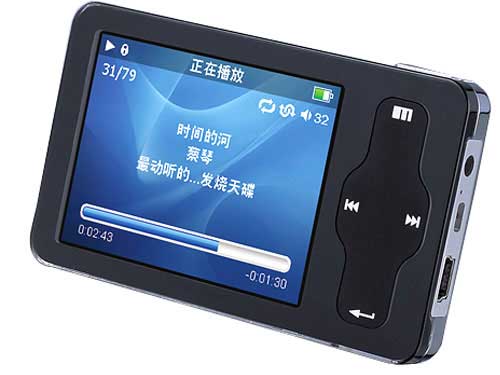
Meizu started with the media player; the founder, Mr. J. Wong, is a music lover. Before entering into mobile phone industry, Meizu MP3 has been highly appreciated by the consumers; the Meizu Fan Group (Mei You) also highly expects to have a top sound quality.
Meizu M6
After the switch to the mobile phone business, Meizu didn’t seem to well exert its past accumulated experience in audio technology. Although M9 was the earliest Android phone that supported Flac, APE lossless format and CUE splitter; however, in the era of MX, Meizu introduced a popular phone feature supporting coaxial audio output. Unfortunately Meizu sound quality was not satisfying until MX3 came into public sight. At the release of MX3, Mr. Yongxiang Bai finally shouted out loud the slogan of “return the sound quality”; that was the time Meizu mobile gradually went back to the right track of sound quality even though having some distance from Pro.
Meizu previous audio solution was relatively conservative, and not like Vivo adding desktop DAC to light and thin smart phones. The author believes that MX4 Pro will most probably make a change in this aspect.
Firstly, Meizu provides Flyme music service in collaboration with Domi Music. This got the music content done and enabled the play & downloads the lossless format music at any time you want. For such good quality music service, you need better hardware support
Meizu Flyme music player Home
Secondly, with the growing competition, Meizu not only needs to find out the differentiator among all the high-end products, but also requires keeping distance from MX4, except the already upgraded camera and processor. The audio is a good starting point, in which Meizu has previous rich experience in such technology with high appreciation, the success of making high-quality audio seem to fall into place.
Fingerprint? Payment?
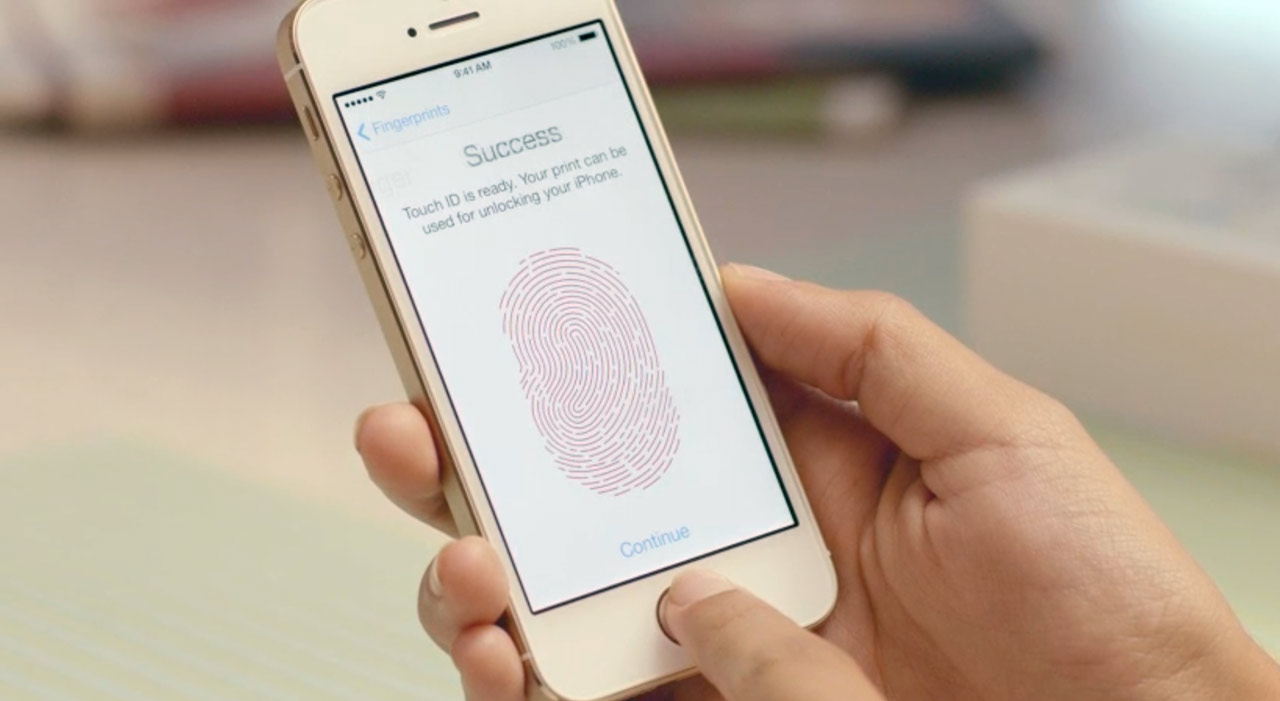
Following the popularity in smart phone personalization and mobile payment, adding high security feature like Fingerprint Identification Verification Method into smartphone is also a general trend. The touch ID in iPhone 5S has already demonstrated the perfect presence of fingerprint recognition technology. ApplePay is gradually getting through various aspects of mobile payments so that you can have a fluent payment process experience.
Touch ID
Meizu adding fingerprint sensor into MX4 Pro is final, shown on the photo the Home button has been changed from a small circle to a mechanical-like key similar to Galaxy S2. The author is not worried about the ultimate effect of the usage, because it’s been proven by Huawei Mate7 and OPPO N3 that push fingerprint related technology is mature. The author cares more about how Meizu will use it.
Meizu doesn’t have the capability of moving the entire payment chain, but its strength is that Meizu recently announced its upcoming cooperation with Alibaba in payment related business.
Alibaba, China’s biggest Ecommerce platform, managing Chinese people used most payment software PayPal. Alibaba and Meizu co-launched the MX4 powered by YunOS system, its selling point is to provide your life with more safe, more direct and more convenient services. The author has mentioned in his previous review that YunOS version MX4 will seamlessly integrate all services into mobile. This will be a win-win solution in favor of Alibaba & Meizu as well as phone users.
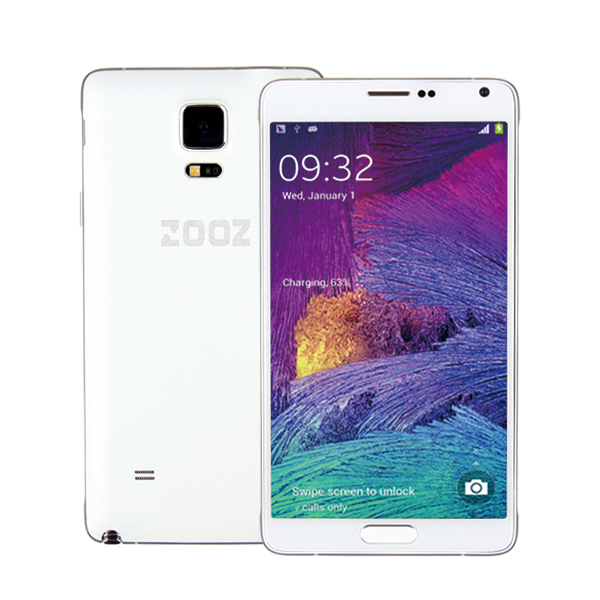
Love the new Galaxy Note 4 but can’t afford it? Well, you have an alternative, thanks to a Chinese company called ZOOZ.
This Chinese mobile phone manufacturer has only a handful of smartphones up its sleeve and most of them are clones of famous models. For example, we recently covered the ZOOZS5.5, the Xiaomi Redmi Note clone which retailed for just $99.
Today, we have yet another clone, the ZOOZ N910F which looks a lot like the recently released Note 4. While, as you may have guessed, the specifications and features of the device are no way near the original Note 4, the ZOOZ N910F does take its design cues from the Samsung flagship. In fact, the dimensions of the phone are exactly the same as the Galaxy Note 4 i.e. 153.5mm x 78.6mm x 8.5mm. The manufacturer has even included a stylus with the device, unsurprisingly called the S Pen.
The phablet comes with a MTK6582 1.3Ghz Quad Core CPU with 1GB RAM and 8GB internal memory which can be expanded up to 32GB via MicroSD card. On the front, there’s a 5.7 inch OGS 1280x 720 HD display along with a 5MP camera on top. On the back, the N910F has a 13MP sensor with LED flash.
The Note 4 clone comes with standard connectivity features like Wi-Fi b/g/n, Wi-Fi hotspot, Bluetooth 4.0+EDR, USB 2.0, GPS/ AGPS and FM Radio. It runs on Android 4.4 Kitkat version.
Unfortunately, you only get a 2600 mAh battery on the device, which a big let down considering the size of the display. So, battery life would naturally be less than average.
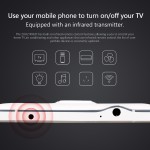
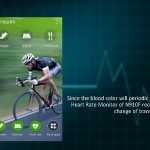
However even with just average specifications, there are some features which make the device interesting. First of all, like we mentioned above, there’s the capacitive pressure sensitive stylus called the S Pen. Then, there’s infrared remote control function which lets you control gadgets at home like the air condition, television sets etc. You also have a heart rate monitor which records your heart rate and oxygen level in your blood along with a sports pedometer.
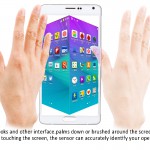
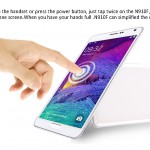
You can flip pages while reading an ebook with simple gestures on the N910F. Turning on the display too is quite easy as you just have to double tap on the screen.
Clearly, the ZOOZ N910F comes with plenty of features which are not usually found on phones in its class. The heart rate monitor along with the stylus especially are the two key selling points of the device.
Unfortunately, as of today, we don’t know the price or the availability of the device. But we will update more details in the coming few days.
So would you buy this Note 4 Clone if it sells for less than $140?
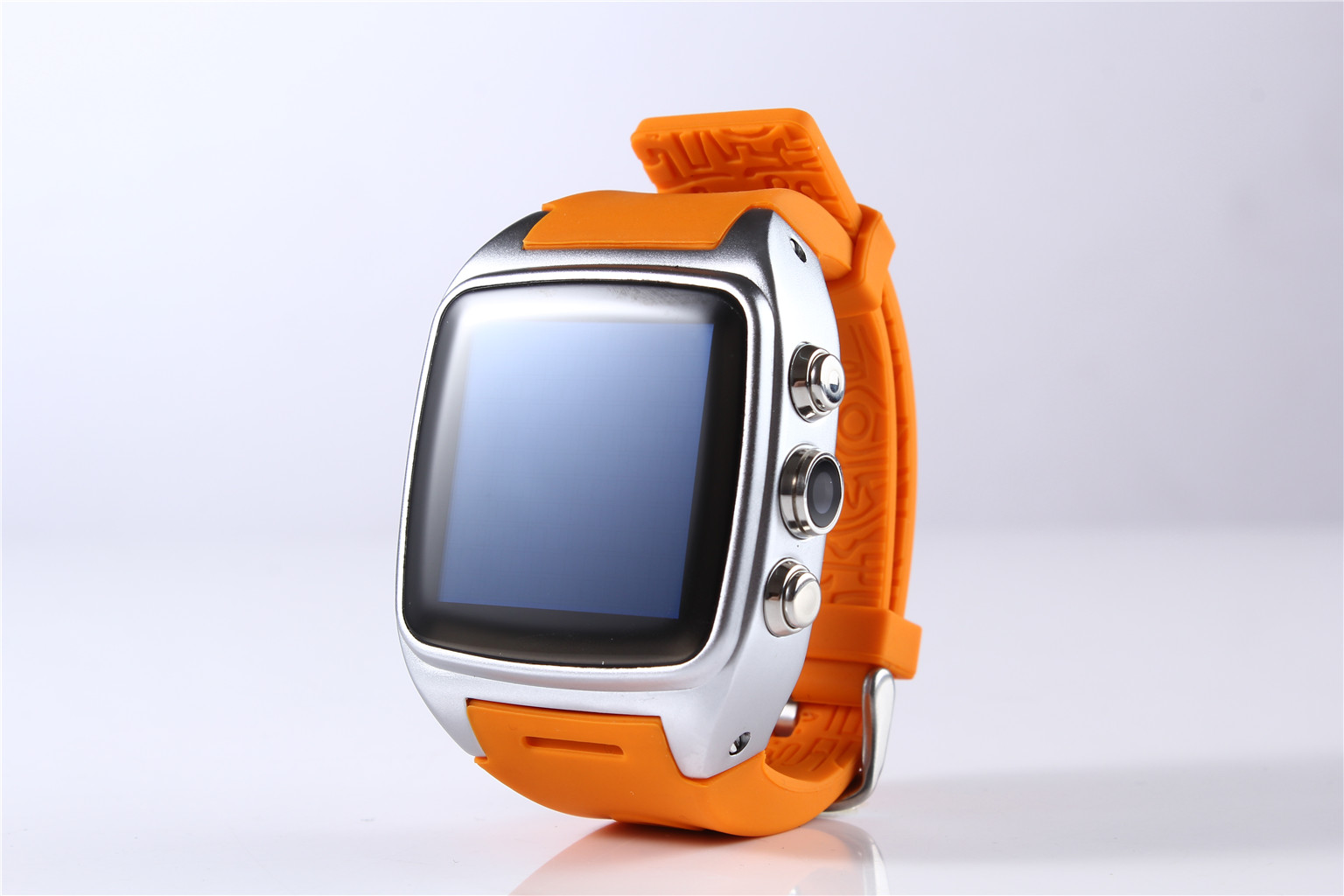
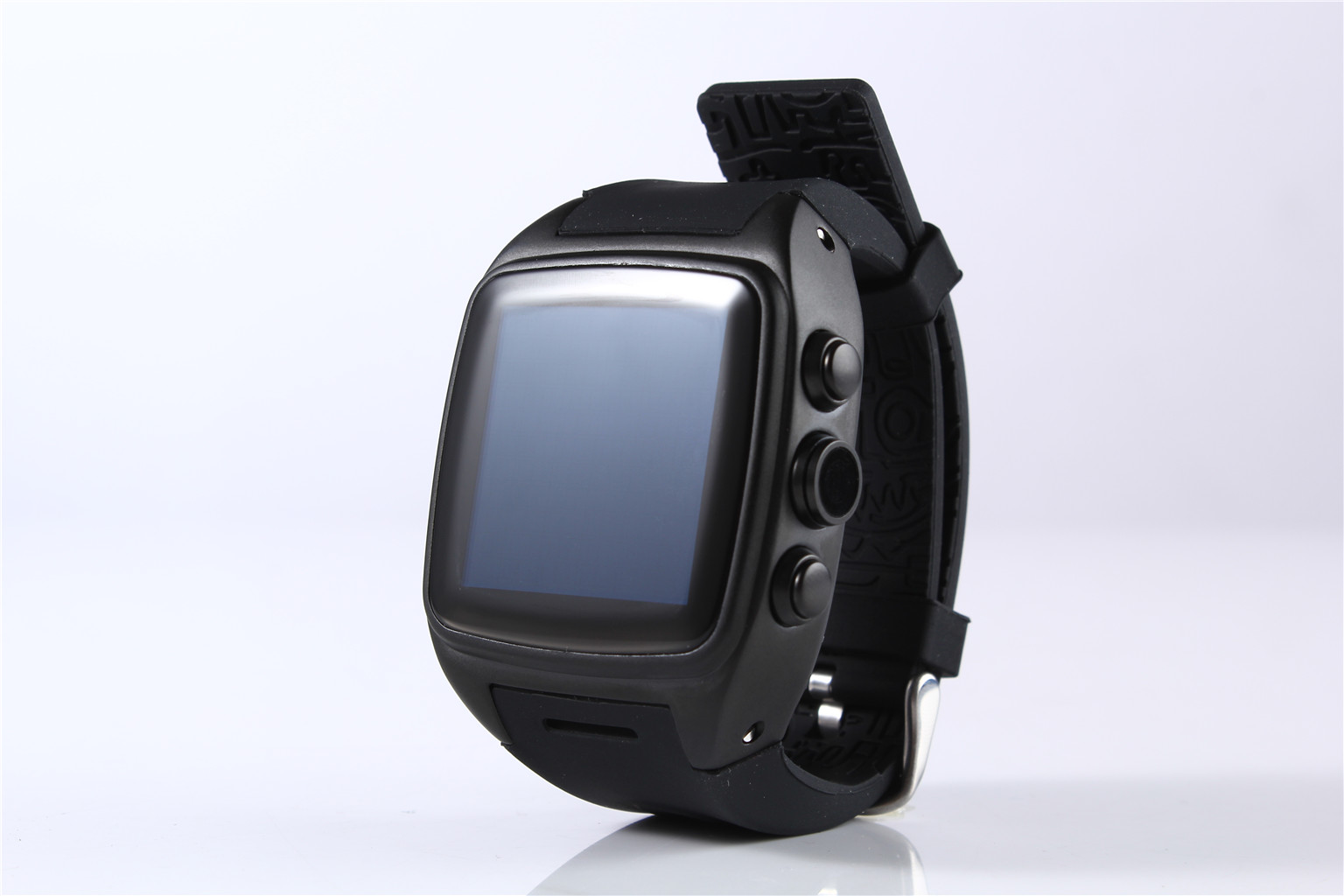
Imacwear is a relatively new company in the market specializing in wearable products. This HongKong based company has just announced a new standalone smartwatch called the Imacwear M7.
Imacwear M7 is a true standalone smartwatch designed to assist users in their everyday activity. The watch aims to replace your traditional smartphone with a much smaller and compact device. As a result, unlike other standalone smartwatches which are limited in their functions, the M7 comes with a number of features that you usually find only on a smartphone.
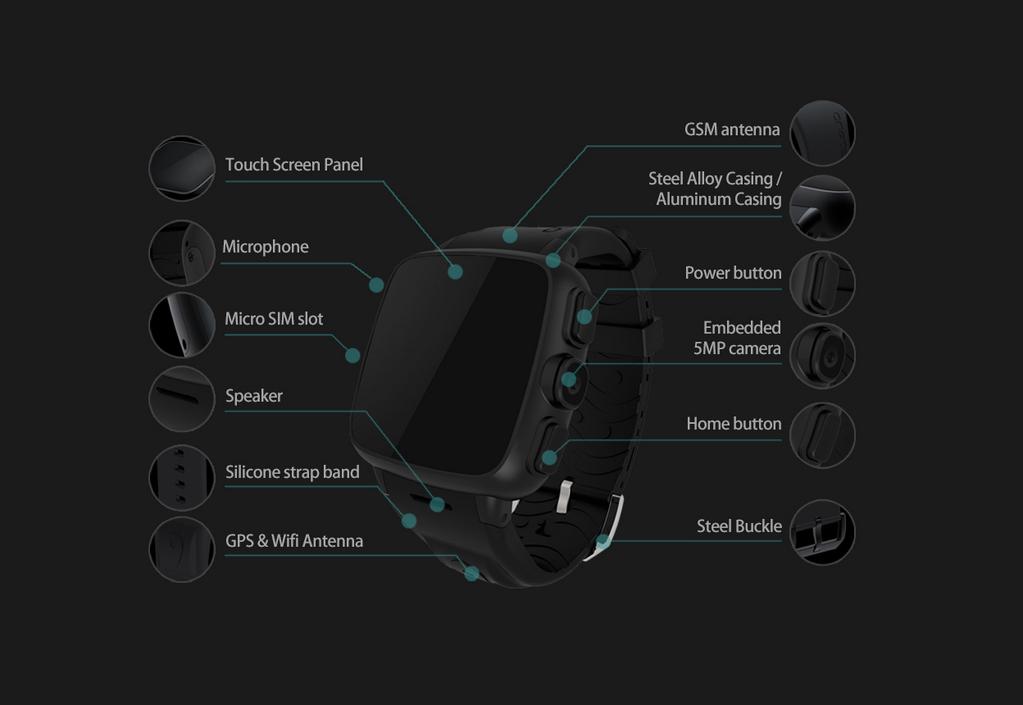
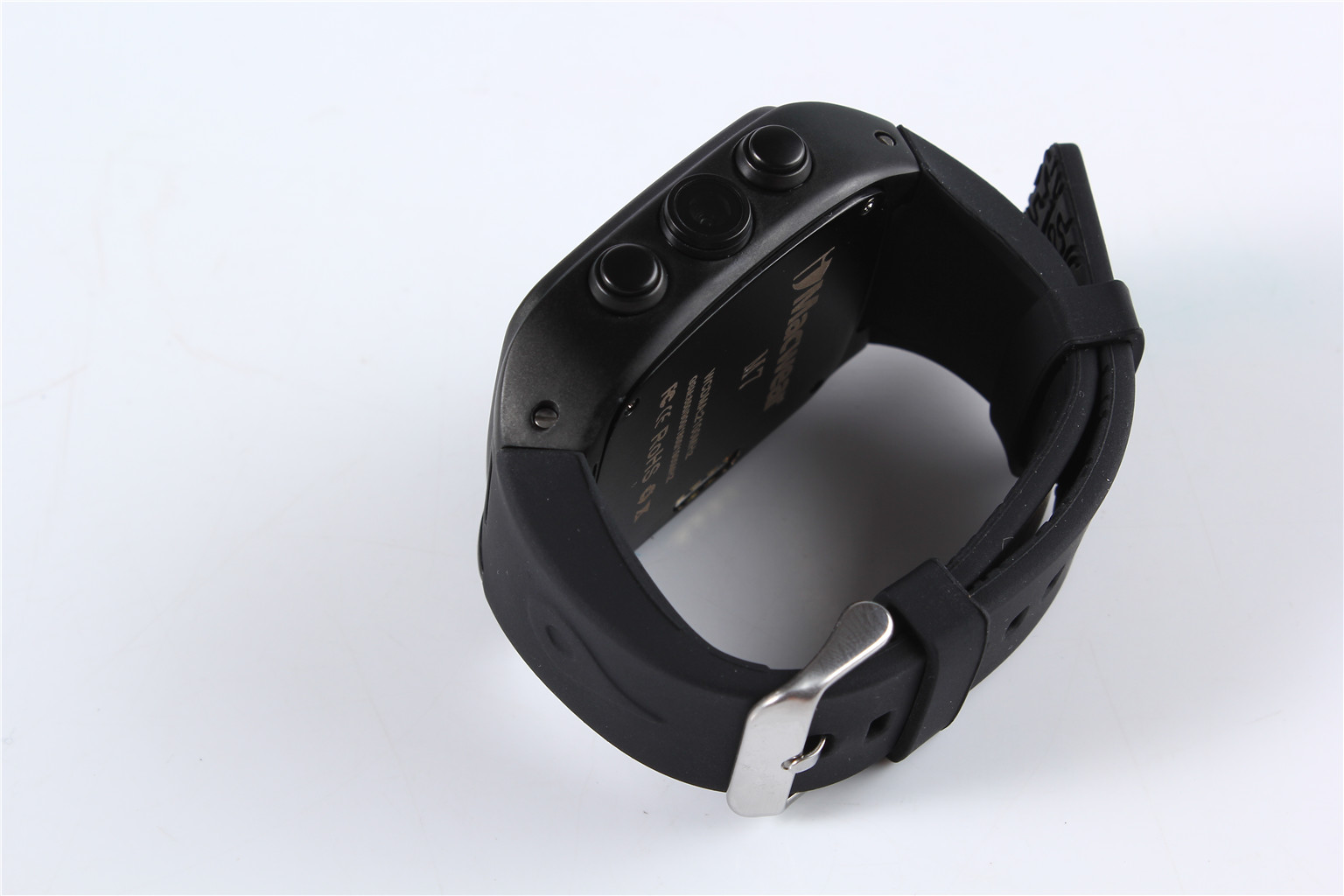
On the front, you have a 1.6 inch 2.5D touchscreen panel with a resolution of 240 x 240 pixels. That’s around the same size as most other smartwatches currently available in the market. On the side, you have two control buttons namely, the power button and the home button.
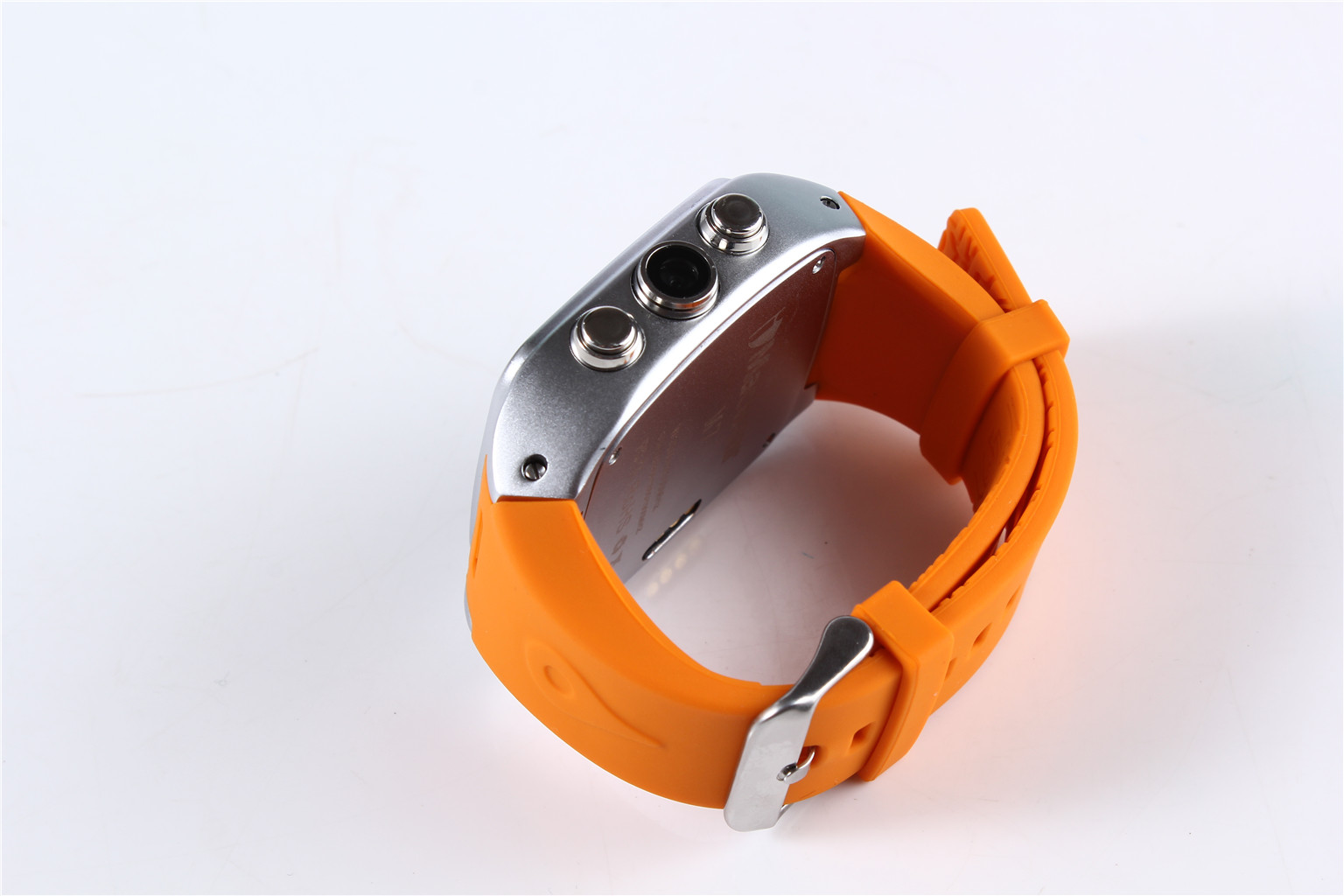
Inside, there’s a 1.3Ghz Dual Core processor along with 512MB RAM and 4GB storage. In between the two buttons on the side, there’s a 5MP camera. The M7 also comes with a much larger battery than its counterparts, a 600 mAh one. This definitely makes it one of the better smartwatches in the market in terms of battery life.
The smartwatch runs on a modified version of Android 4.2 Jellybean OS. Other features include a Micro-Sim slot with 2G and 3G support, speakers, steel alloy casing, silicone band, microphone and IP57 certification. As for connectivity features, the M7 comes with Wi-Fi 802.11 b/g/n, Bluetooth 4.0 and GPS.
Imacwear M7 looks like a tough smartwatch which can truly replace your smartphone.
The watch will be available for sale starting 20th this month for $159, which is much less than other competitors in the market with similar specifications.
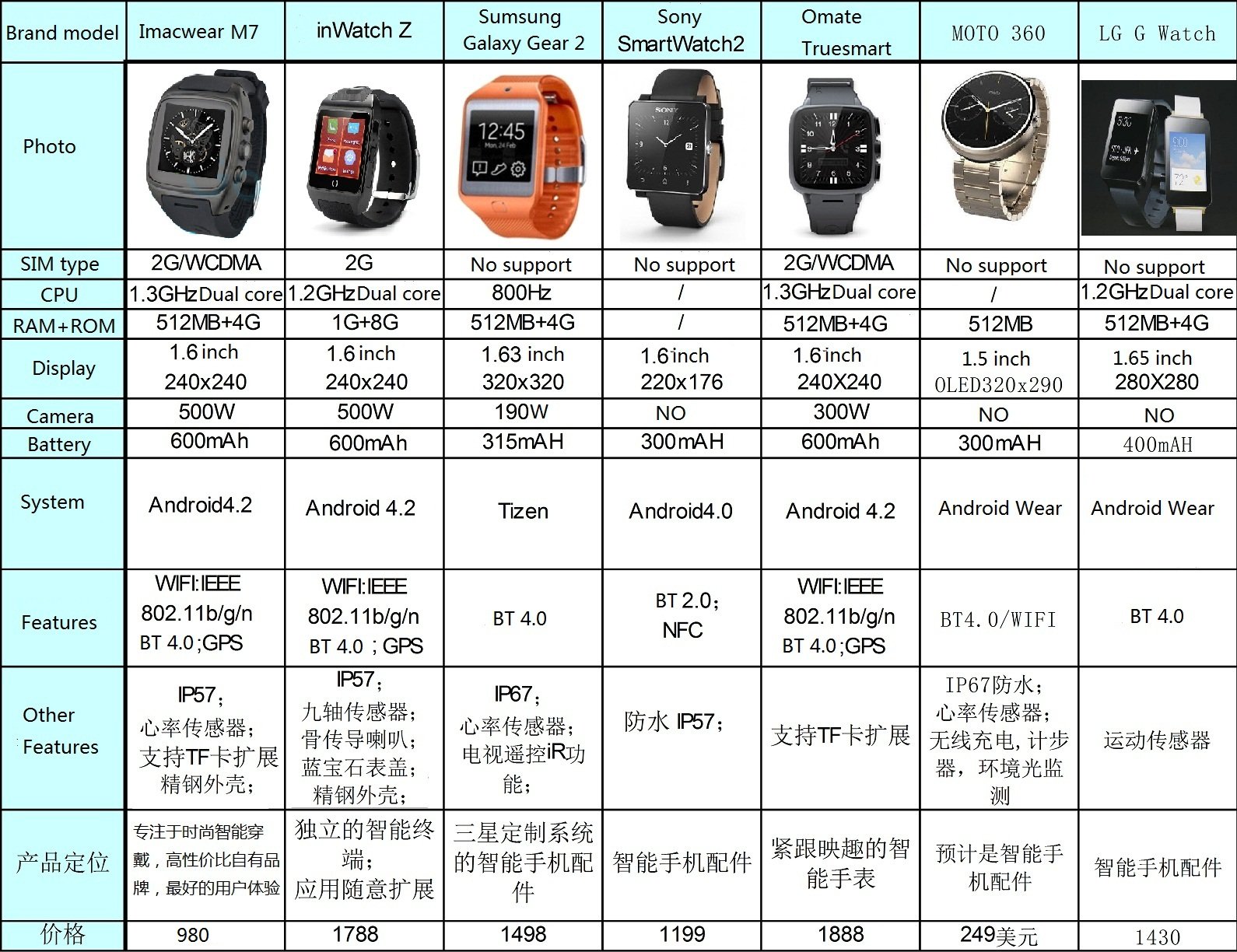
The table below compares the specification and features of Imacwear M7 with other smartwatches in the market.
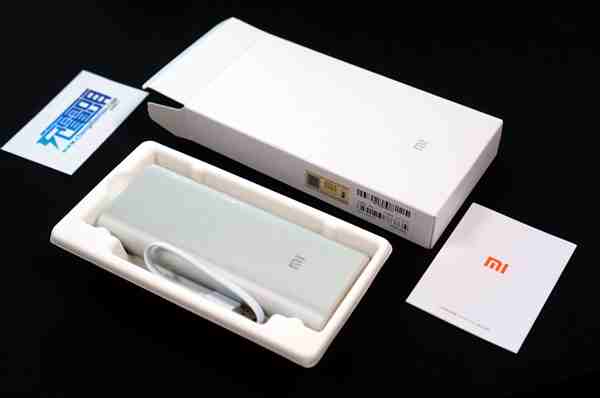
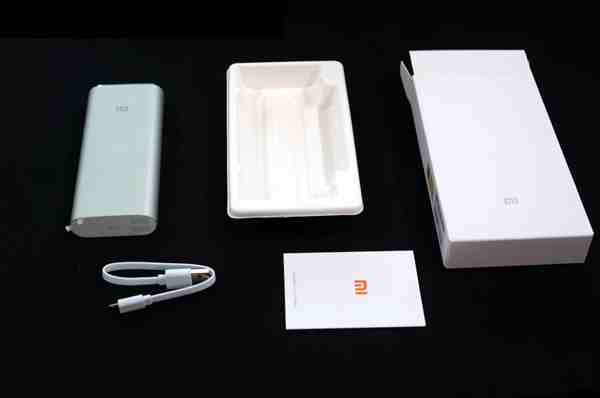
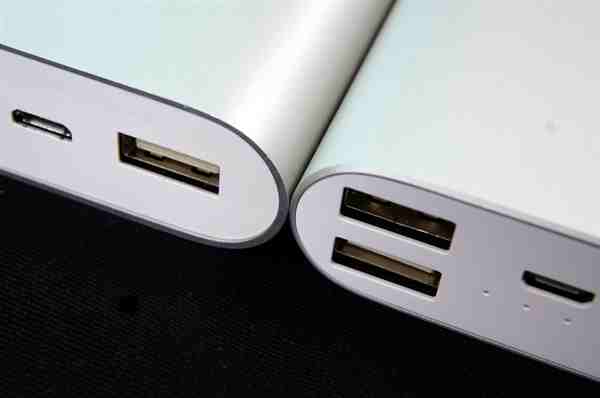
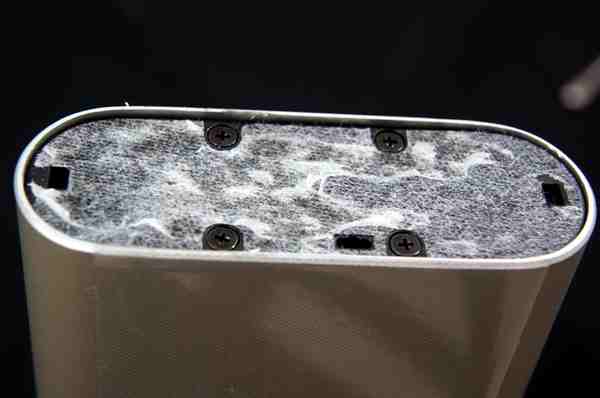
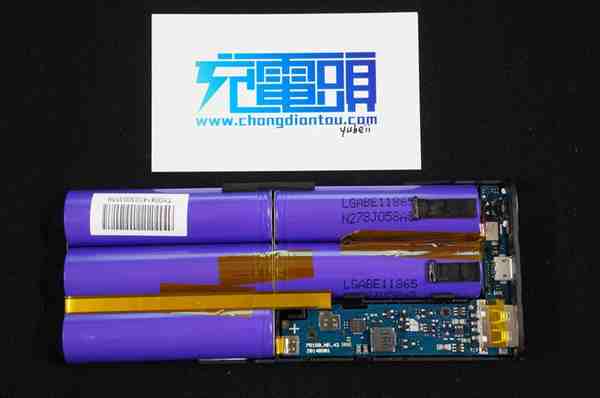
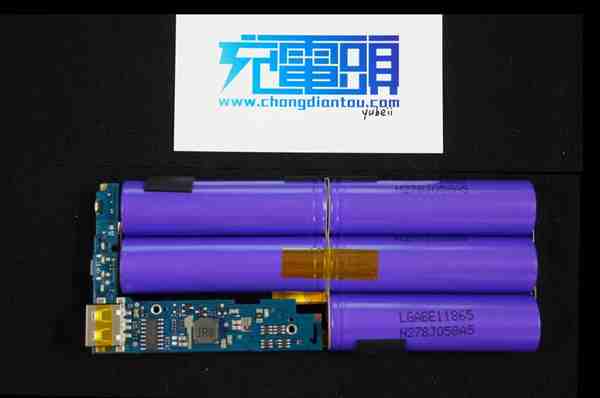
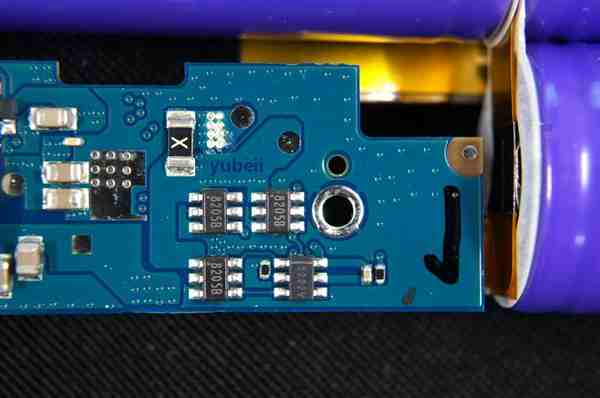
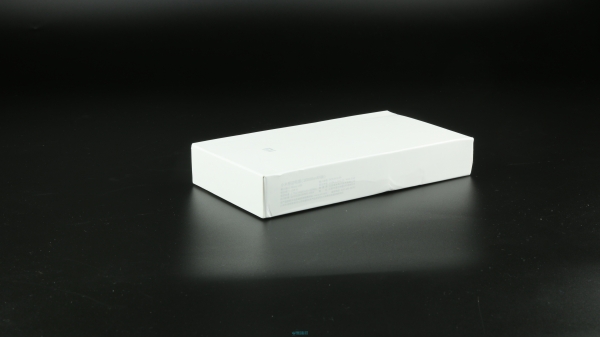
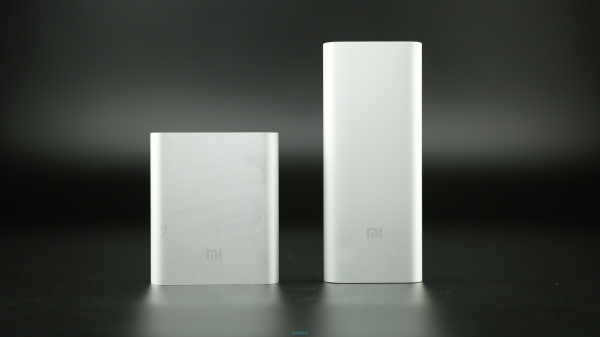
Xiaomi is known for producing cost-effective products. On November 11, they will release the Xiaomi Power Bank 16000mAh version and it will cost just 99 RMB (16.17 USD). Here is an unboxing of Xiaomi’s foray into the mobile battery industry.
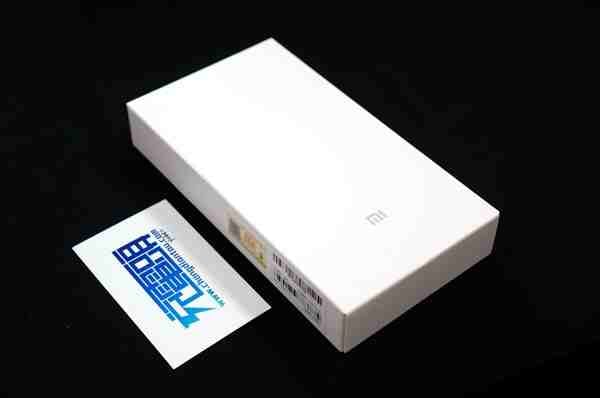
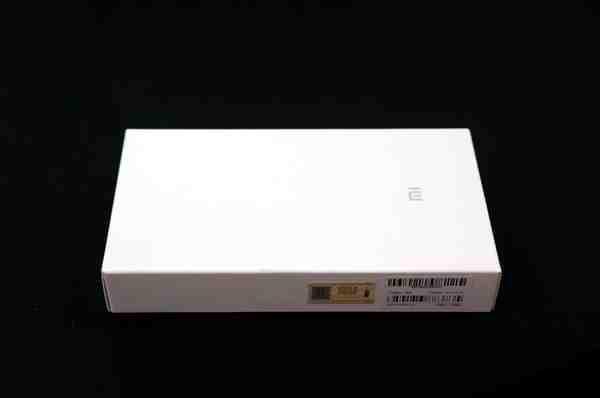
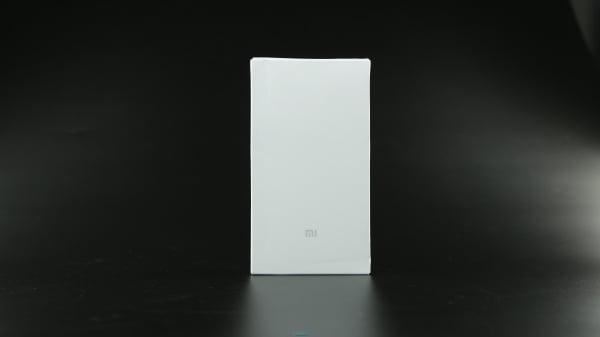
The Xiaomi Power Bank comes in a white box. The front side of the box has nothing on it except the Xiaomi logo at the bottom.
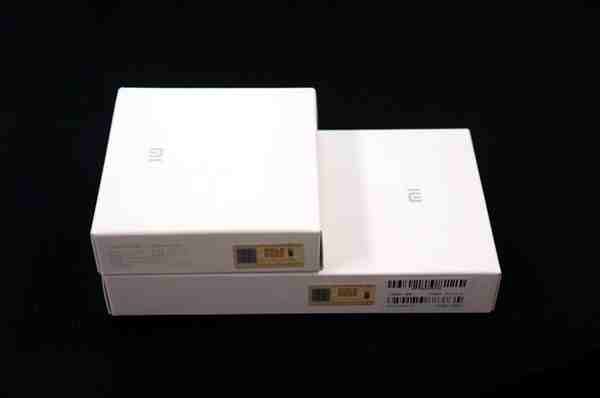
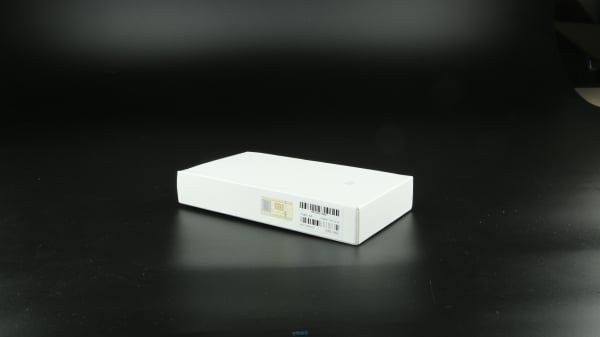
On the left side of the box are barcode labels and anti-fake stickers.
On the right side of the box are the specifications of the power bank.
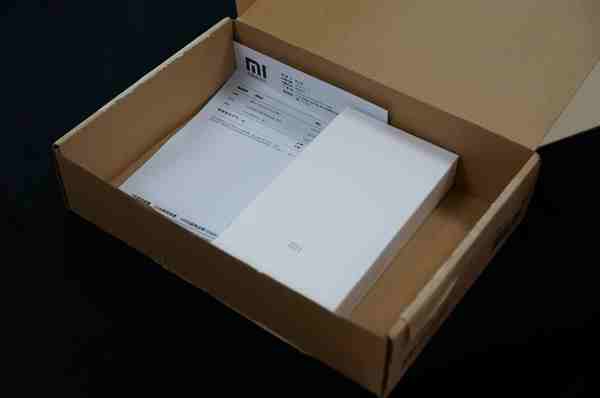
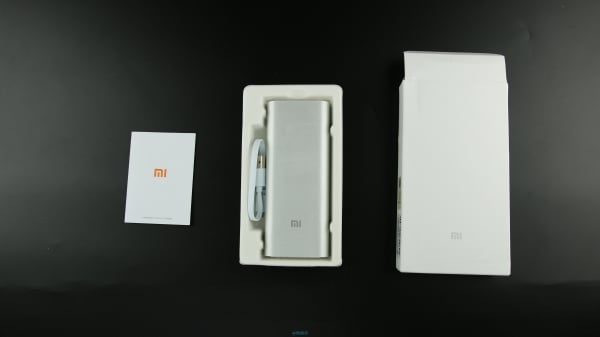
Besides the power bank itself, the package includes the manual and a USB cable.
The Xiaomi power bank 16000mAh version uses an aluminum case.
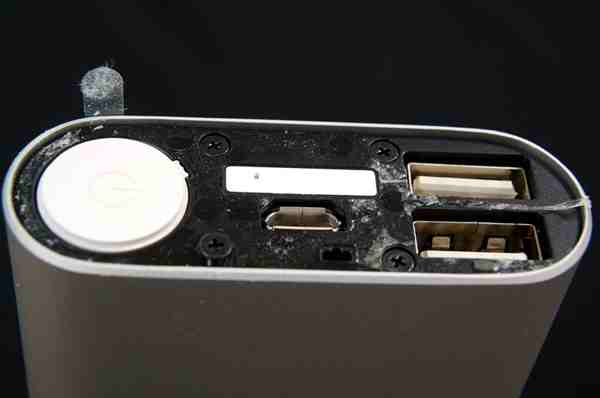
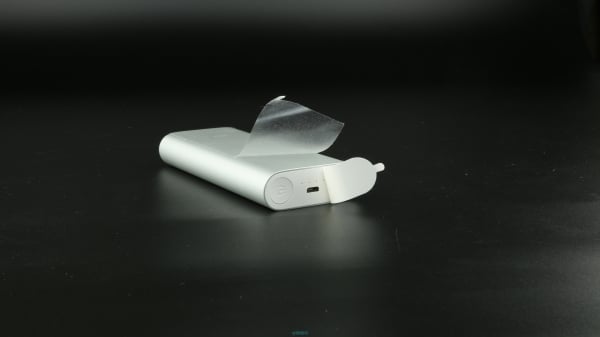
The body is covered with a sticker used to protect the power bank. Same goes with the USB ports.
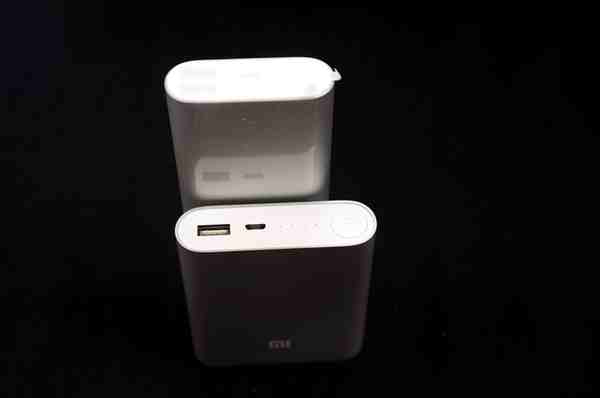
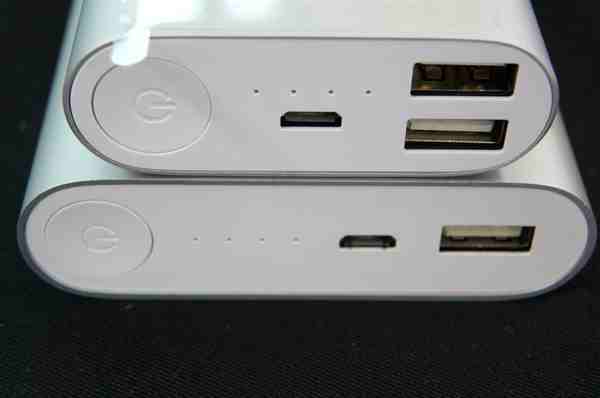
The 16000mAh version has two USB ports, which allows the user to charge two phones at the same time. It only comes with one wire.
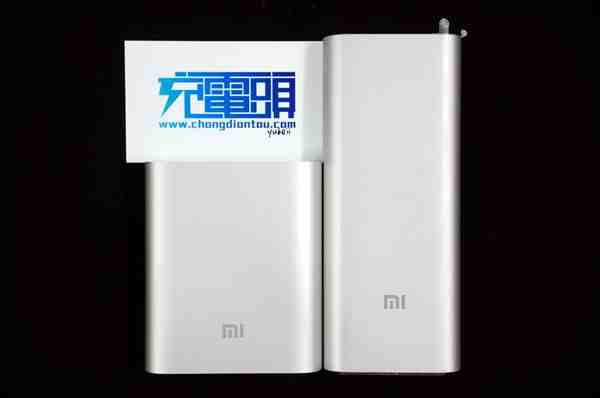
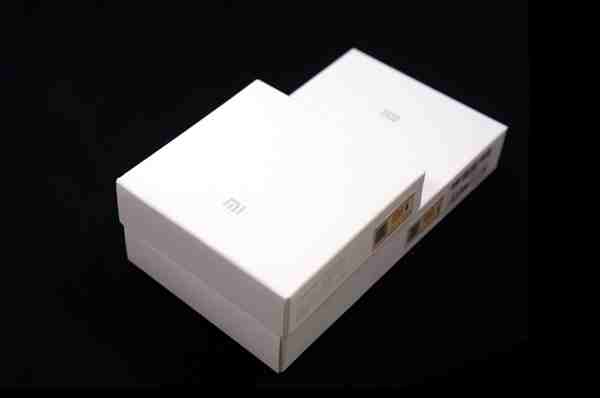
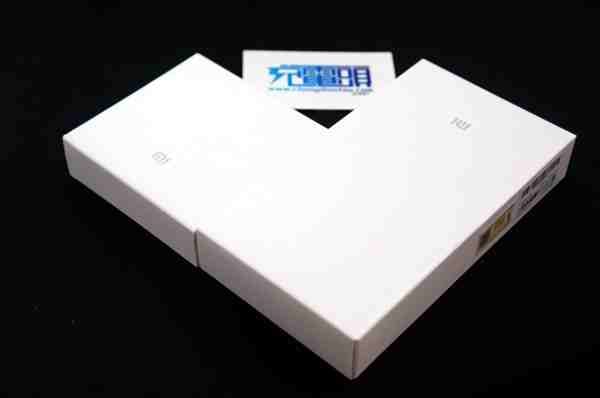
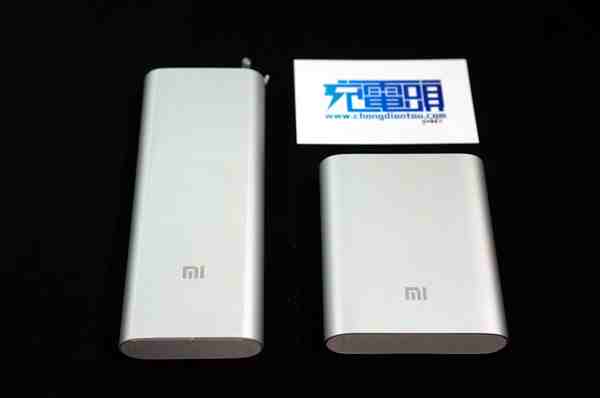
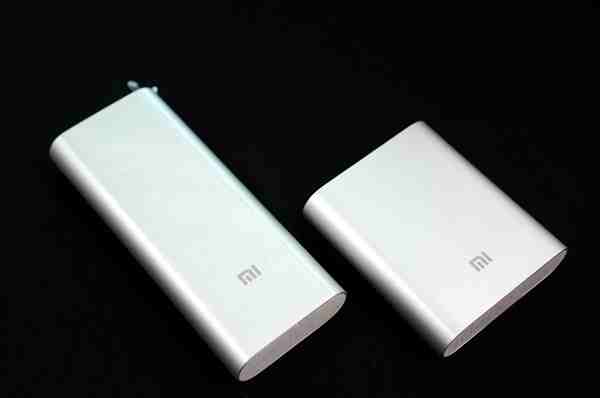
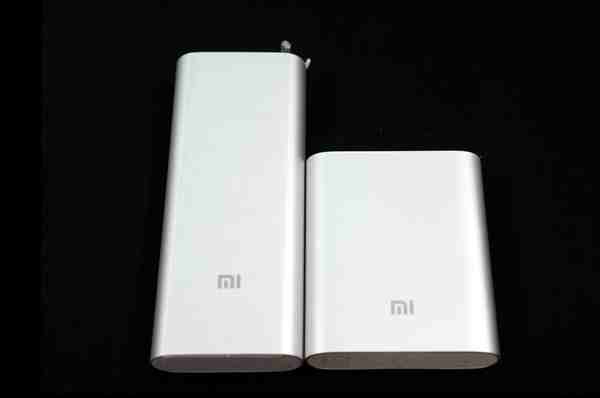
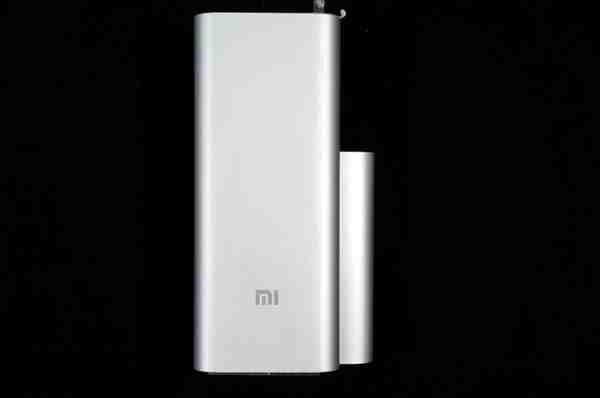
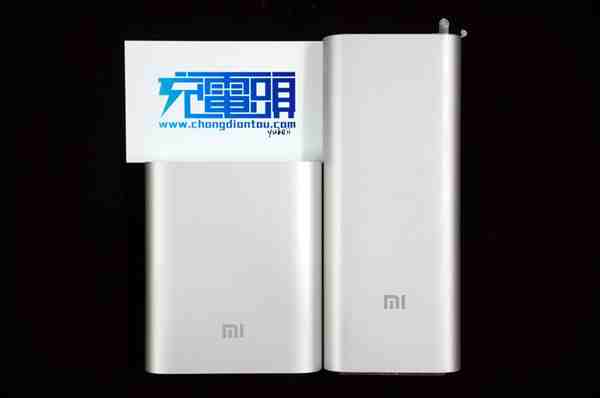
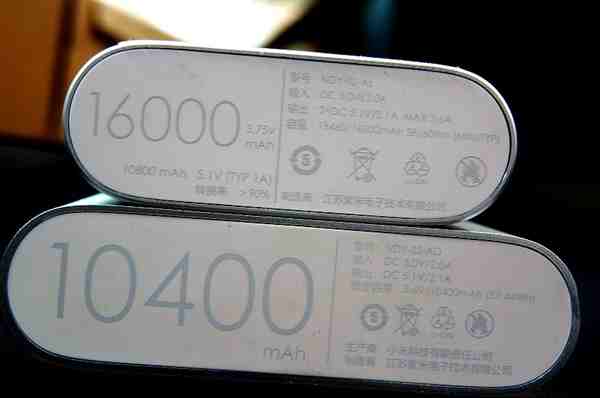
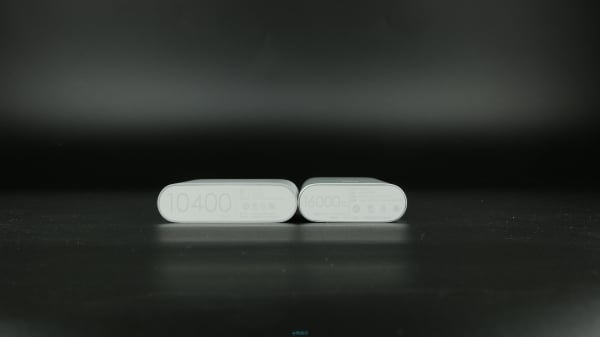
The 16000mAh version is slimmer than the 10400mAh version.
Not surprisingly, the 16000mAh version should last much longer than the 10400mAh version.
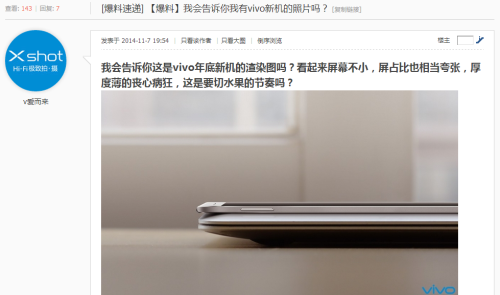
Not long ago, a phone with the model number “PD1305” was introduced in Vivo’s official forums, and based on its specifications, it looks like it will be the company’s heavy hitter for later this year. Recently, someone posted photos of this new phone in Vivo’s forums. From the pictures, it appears to have a very high screen-to-body ratio and has a very beautiful design. From Vivo’s product line, we can guess that this big-screened phone is the new Xplay phone.
Previous reports have said that this phone may have a 6-inch 2560 x 1440 display screen, the 2.7GHz Snapdragon 805 quad-core processor (APQ8084), 3GB RAM, and 32GB ROM. It also supports Micro SD expansion cards (up to 128GB).
Vivo has not issued an official response to these revelations, so stayed tuned for updates.
Today, industry analyst, Bo Jiutang, revealed that at the end of the year or early next year, Xiaomi will release two new devices, both of which are headed for the high-end market and may cost more than 1999 RMB (326.62 USD).
According to the supplier, Xiaomi’s two new devices will be “bigger and better looking” than the iPhone 6. We can only guess that these phones will have 5.5-inch display screens and the specifications must be really good. We will just have to wait and see.
On November 10 at 3:00PM, the follow-up to the Amoi Big V, the Amoi M1, will be formally launched online.
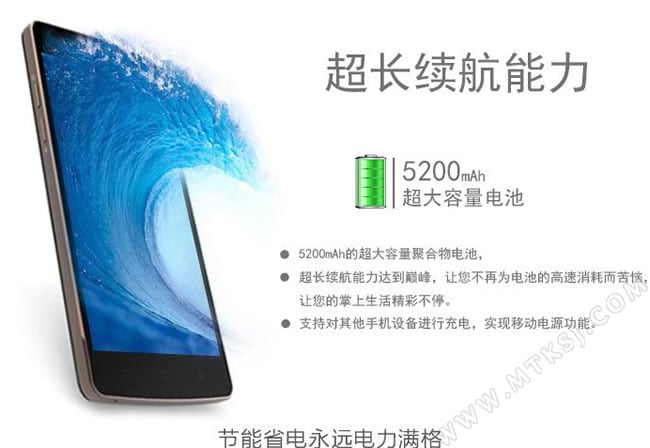
The Amoi M1 is not just a regular smartphone. There are two notable things about it. First, it has a battery supply of, at most, 5200mAh. To best make use of such a powerful battery, the operating system should have more upgrades. Second, it is Amoi’s first Android phone.
The Amoi M1’s specifications are nothing to scoff at. It has a 5-inch 720p display screen, a 2mp front-facing camera, 8mp rear-facing camera, 1GB RAM, 8GB ROM, and the MT6582 quad-core processor (1.3GHz). It also has support for rapid chargers, Hotknot, WCDMA and GSM networks, and dual-SIM cards.
If it is going to be launched on the 10th, then it looks like Amoi plans to put it on sale on November 11, and may cost 899 RMB (146.83 USD).
As cellphone features continue to become more advanced today, cellphones that can handle all kinds of tasks have already become an integral part of our lives. You can see people either checking out their Facebook or Twitter, or reading the news on their phones. As cellphone features become more powerful, they end up consuming more power. Same goes for screen sizes. The larger the screen, the more power is consumed. As a result, today, battery life has become a very important issue to consider when producing smartphones.
In this article, we analyze and compare the battery life of several cellphones such as the Huawei Mate 7, Nokia Lumia 830, Meizu MX4, the Xiaomi Mi4, OnePlus One, IUNI U3, Sony Z1, and the iPhone 5S.
First, I will explain the testing procedure. All the cellphones start out fully charged. With the screen brightness at maximum, the phone in silent, and WiFi connection turned on, the phones undergo these tests: 30-minute video streaming, playing 30-minute videos that were already in the phone (1080p H.264 AAC MP4, 11304kbps), 30-minute gaming, and 30-minute phone calls. Here are the results:
video streaming
uploaded video
3G gaming
phone calls
Power consumed
Battery supply
Huawei Mate 7
5%
8%
13%
9%
35%
4100mah
Meizu MX4
10%
9%
15%
10%
44%
3100mah
OnePlus One
8%
7%
11%
11%
37%
3100mah
Xiaomi Mi4
11%
10%
10%
12%
43%
3080mah
IUNI U3
8%
10%
21%
13%
52%
3000mah
Sony Z1
11%
12%
15%
9%
47%
3000mah
Lumia 830
14%
7%
11%
13%
45%
220mah
iPhone 5S
7%
6%
15%
10%
38%
1560mah
First of all, as you can see from the table, most of the Android phones have at least 3000mAh. Those with the highest battery supply obviously have the advantage. A good example of this is the Huawei Mate 7 which consumed the least amount of power. If regularly used with moderation, you can use it for two days and one night.
Second to the Mate 7 is the OnePlus One which has a battery supply of 3100mAh but with only 40% of its power consumed. This is very impressive.
The difference between the other phones is not too great. They can last for a day and one night. The one that consumes the most power is the IUNI U3 which has a 2K display screen. Despite the fact that it has similar specifications to the Xiaomi Mi4 and OnePlus One, up to 52% of its power was consumed in the tests, making it hard to use for a day.
According to the data, phone calls consume a lot of paper. Also, playing games on the phone consume more power than in actual video game consoles. One reason is definitely due to the upgrades done with the phone’s hardware and software.
Based on these results, we have no choice but continue to charge our phones everyday until battery technology has become much more advanced. However, the development of rapid charging technology has given us hope.
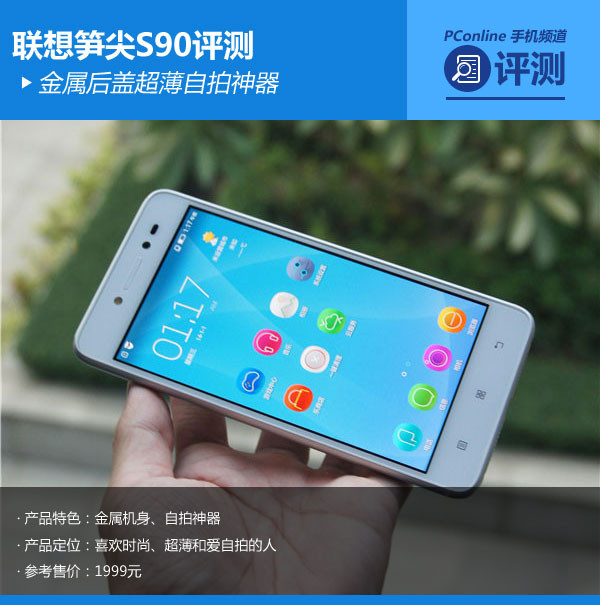
Let us start off this review of the Lenovo S9, otherwise known as the Lenovo Sisley, by talking about its specifications.
Lenovo Sisley Specifications
CPU
Snapdragon 410 (MSM8916), quad-core, 1.2GHz
RAM
1GB
ROM
16GB, Micro SD expansion card not supported
Display
5.0-inch, 1280 x 720, Super AMOLED
Camera
8mp (front-facing), 13mp (rear facing), both have LED lights
OS
Android 4.4.4
Dimensions
146 x 71.7 x 6.9mm
Weight
129g
Battery
2300mAh (cannot be taken off)
Connectivity
TD-LTE, TD-SCDMA, GSM
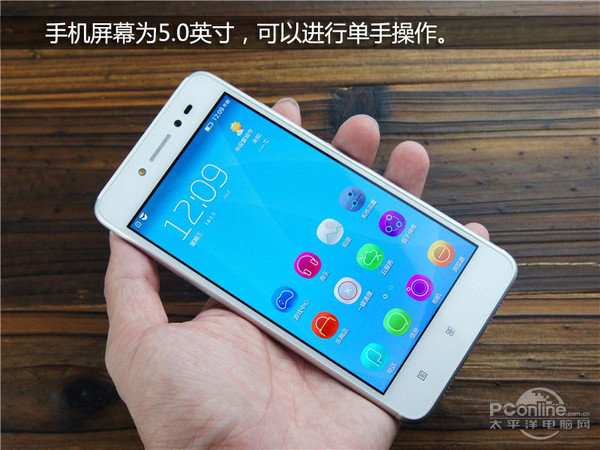
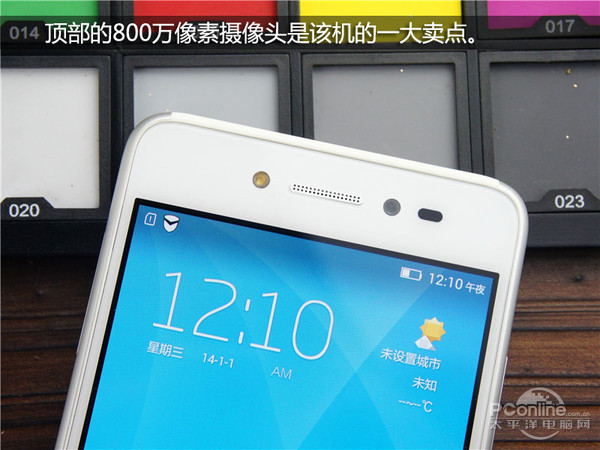
The Lenovo Sisley sports a 5.0-inch HD Super Amoled display screen (1280 x 720) that works excellently. Its 8mp front-facing is one of its selling points. It also sports a 13mp rear-facing camera. Both have LED lights respectively. The version being reviewed is the China Mobile version which supports TD-LTE. There is also a China Unicom version available.
Unboxing
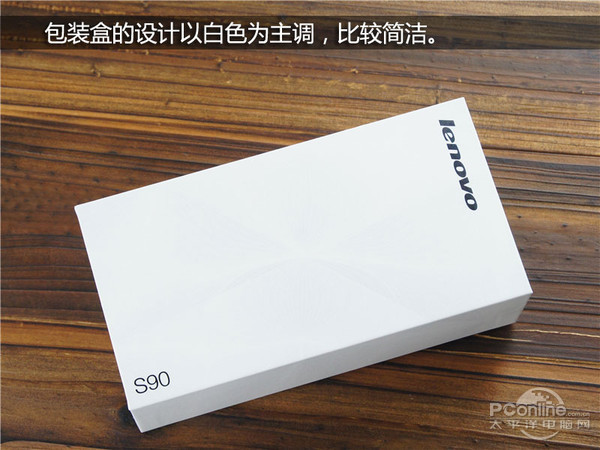
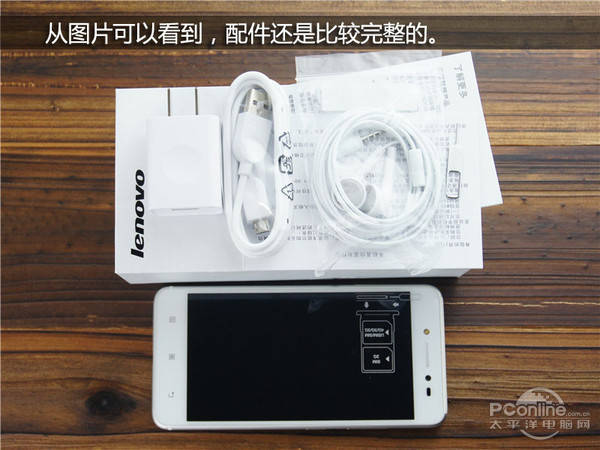
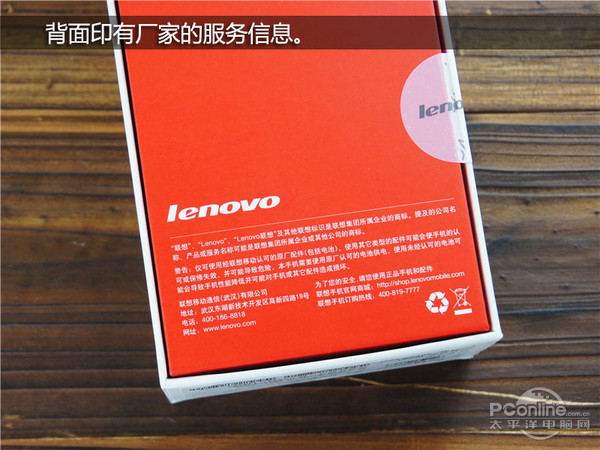
Besides the phone itself, the Lenovo Sisley’s package includes a charger, USB wire, earphones, SIM card, and manual.
The Front
Lenovo has made a lot of effort with the design of the Sisley. Its body is made of aluminium and its slimness also makes it easier to hold.
The Lenovo Sisley comes in silver, pink, grey, and gold, which should please many consumers. The version here is the silver version. As you can see, it has pretty round edges and corners. They are not too pointy and are comfortable to hold.
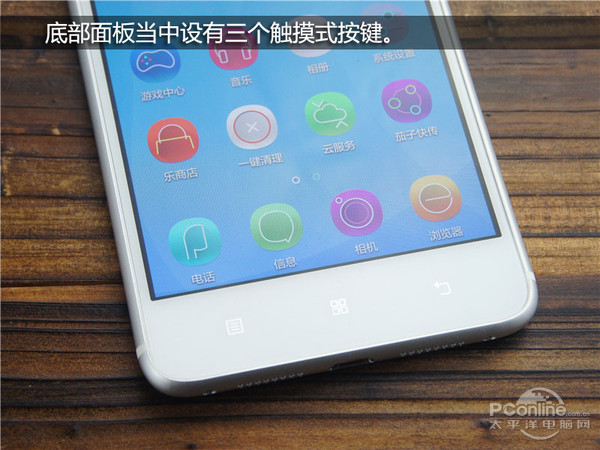
Below thescreen, from left to right, are three touch buttons: the Menu button, Home button, and Return button. They are pretty responsive but unfortunately, there are no background lights to use in the dark, which makes it hard to use at night.
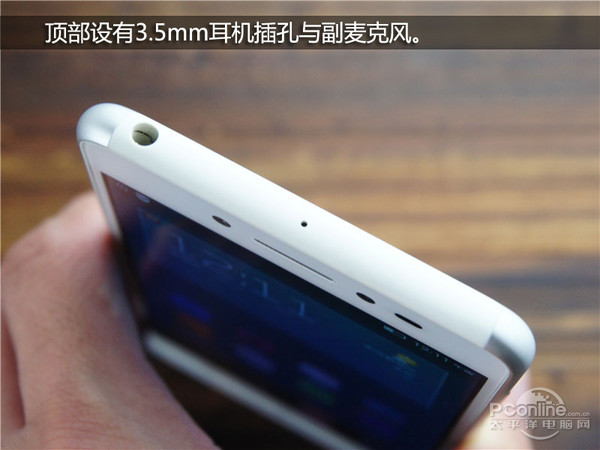
The top is covered with a plastic strip to protect the WIFI, GPS, Bluetooth, and low-frequency LTE antennas. There is also a 3.5mm earphone jack and microphone at the top.
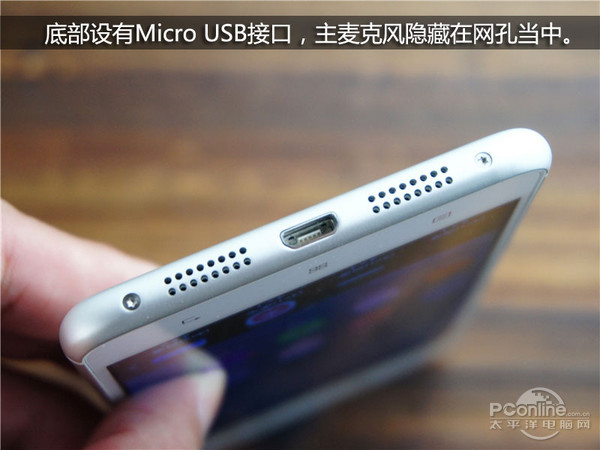
The Micro USB port is located in the middle of the bottom part. Beside it are two sets of holes, one of which is the speaker.
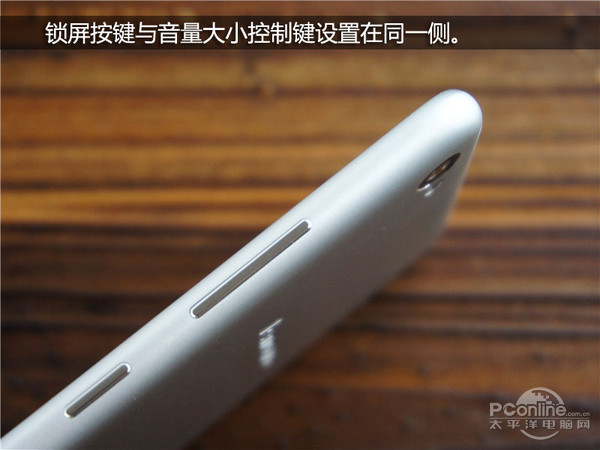
The volume switch and lock screen button are located on one side of the phone which is 6.9mm thick. This is considered pretty slim for a phone like this.
The back
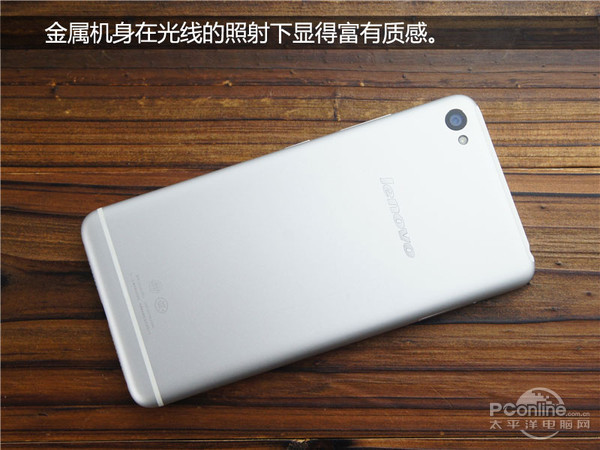
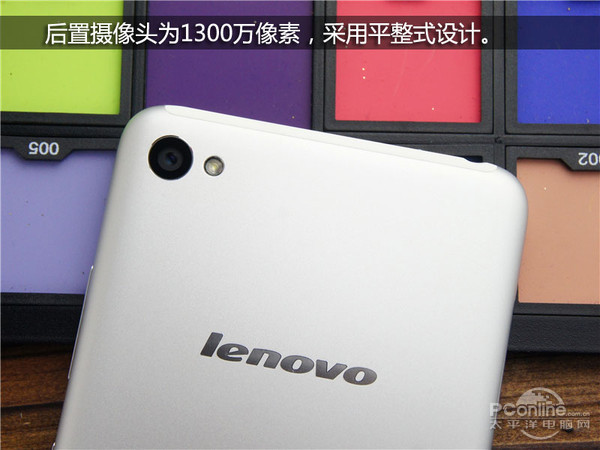
The Lenovo Sisley’s back has a very flat surface, which is rare among slim phones like this. It lowers the risk of the camera being scratched. Speaking of which, as said earlier, this phone sports a 13mp rear-facing camera. Beside it is an LED flash. You would be surprised at the kind of quality of photos it can take under dim light.
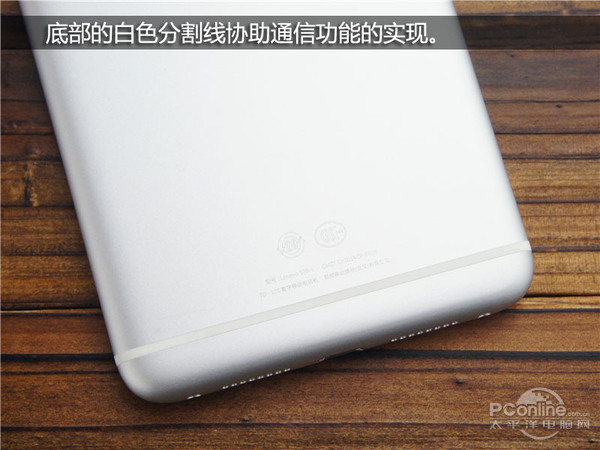
There is an LTE antenna band laid across the bottom of the phone that lowers the chances of the signal being blocked the phone’s metal case. This is very common among phones with a metal body.
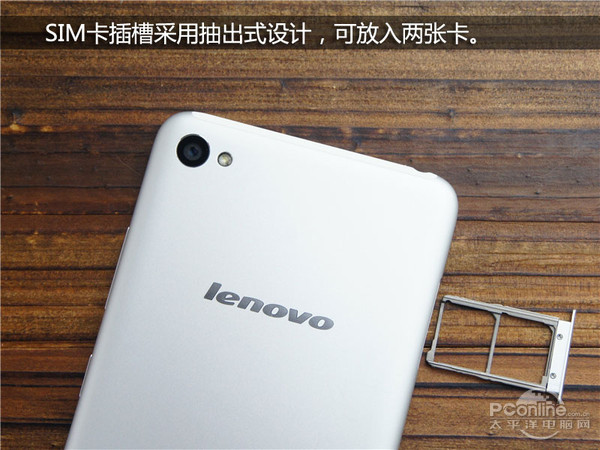
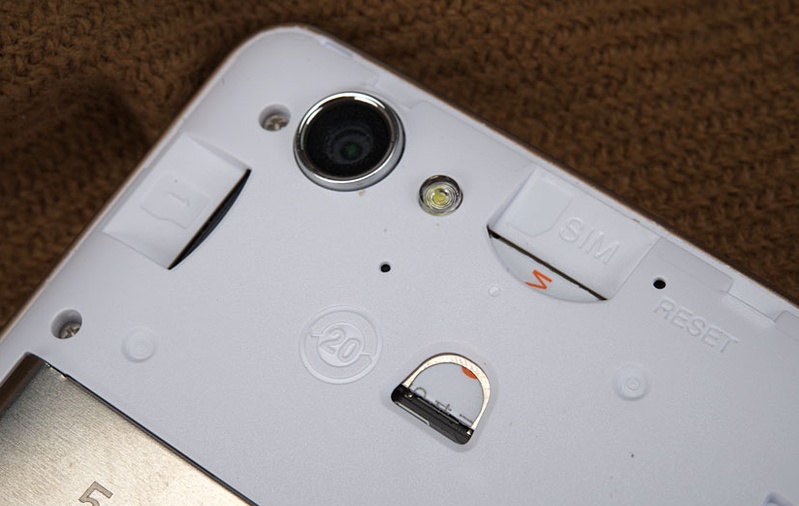
Like its predecessors, the Lenovo Sisley has support for dual-Micro SIM cards.
Display
The Lenovo Sisley sports a 5.0-inch HD Super Amoled display screen (1280 x 720). This screen has a contrast ratio of, at most, 30000:1, which is 30 times higher than that of a regular IPS display screen. Here are some shots of the Sisley’s screen. What do you think?
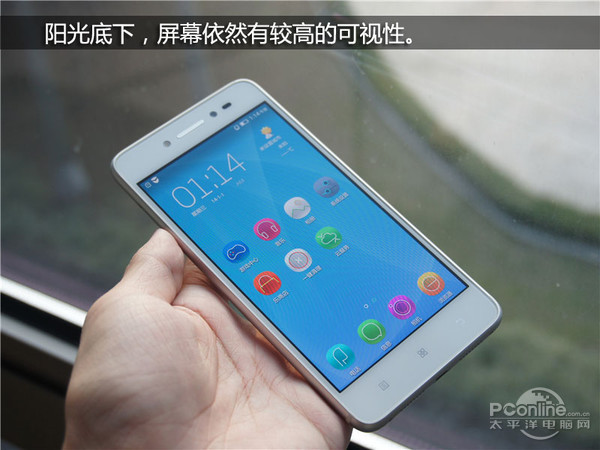
Even if you set the brightness pretty high, you can still look at it clearly outside during daytime.
The Lenovo Sisley shows the advantage of a Super AMOLED display screen with a wide gamut and high contrast ratio. The colors appear bright and vibrant.
Given its size and resolution, we can calculate that the Lenovo Sisley has a pixel density of 294ppi. Overall, the quality of the screen is impressive.
Vibe 2.0 (Android 4.4.4)
The Lenovo Sisley runs Lenovo’s new Vibe UI 2.0 which is based on the Android 4.4.4. Compared to previous versions, it has a completely new flat interface. The company has also further personalized the Vibe’s features, taking user experience to a whole new level.
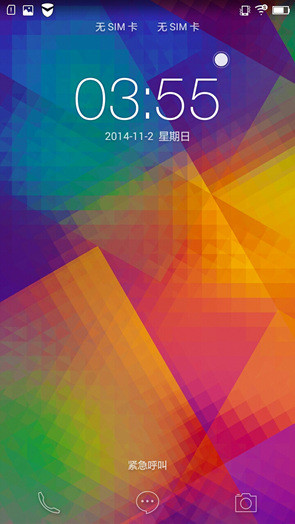
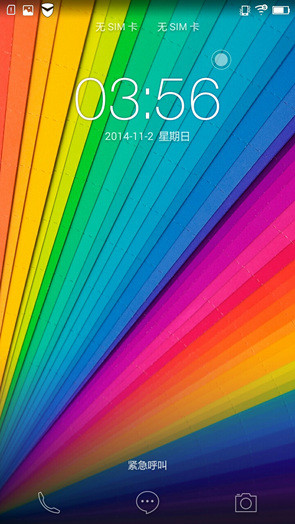
Lock screen interface
In the lock interface, swipe left to right to change the wallpaper. Swipe upwards to unlock the phone.
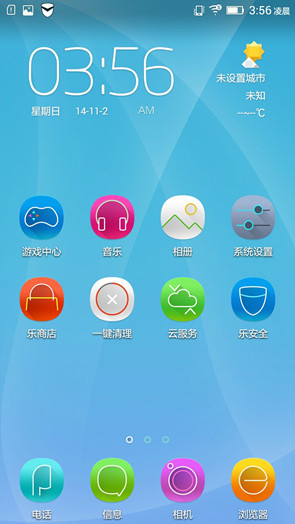
Home screen
All the apps are located in the main page. The flat icons and the use of many colors make the design of this OS look more appealing for younger users.
Notification bar, task manager
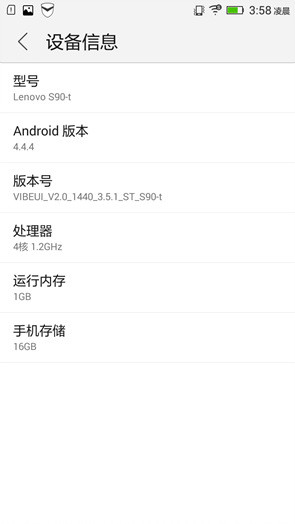
Settings menu, cellphone information
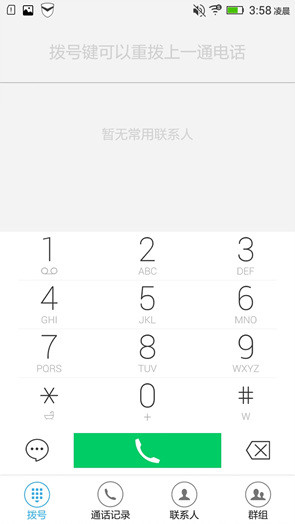
Phone call interface
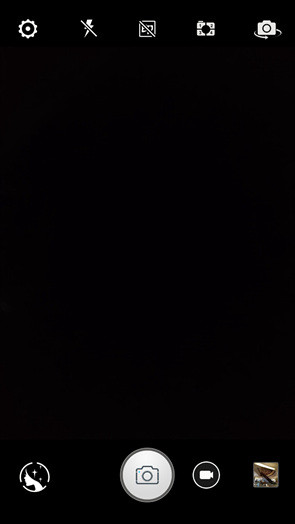
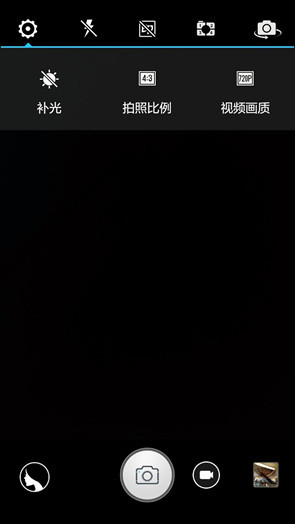
Camera
The Lenovo Sisley’s camera specs is one of the phone’s most important parts, especially its front-facing camera. It has 8mp and is 1/3.2 inches. The Sisley also sports a 13mp rear-facing camera. Both have LED flash.
The Lenovo Sisley runs Lenovo’s Super Camera 4.1 and has beauty enhancement etc. Users can use voice recognition, finger movements, and other actions to take selfies. They can even take selfie shots by blinking at the camera.
Thanks to the software used for the camera, these pictures turned out quite nicely. We can also see that the front-facing camera has a wider coverage area.
The rear-facing camera has a more practical interface and comes with many features.
The quality of the photos taken outside is pretty good and the saturation is high. The coloring looks good too.
Hardware performance
The Lenovo Sisley’s hardware is not that powerful but it is enough to satisfy the regular user’s needs. Here are the scores it got in several benchmark tests.
Ludashi cellphone review(22268)
Ludashi HTML5 review (14917)
Antutu (19596)
Linpack (108.592; 201.996)
Quadrant Advanced version (10680)
Vellamo (1377; 612)
Multitouch tester (5)
NenaMark1 (59.8fps)
NenaMark 2.4 (52.7fps)
Battery life
The Lenovo Sisley has 2300mAh battery which is not great, but works well with good OS upgrades. Usually, it can last for a day. I suggest that users bring a mobile cellphone battery back with them when they go out.
Conclusion
Although the Lenovo Sisley S90 does not have powerful hardware, this phone is still worth buying due to its design, camera features, and OS.
In Smartphone era, the battery life is always a main factor being criticized by users. A 2000mA battery equipped for a large screen smart phone can only last about 1 day, while a 3100mA large capacity battery can mostly maintain up to 2 days or so. Now many users need to carry an external backup battery to charge their mobile at any time. In view of this need, Gionee recently launched a new mobile phone Gionee Marathon M3, equipped with a 5000mAh battery supporting 30 days standby and bringing a longer battery life.
With the development of mobile phone battery industry, it is not difficult to equip a Smartphone with a battery more than 3000mA capacity; however, it is still very rare to find mobile phones with much bigger battery capacity. For average users, 1-2 days battery life can already satisfy their basic needs, but for frequent travelers or users with special needs, they may require their mobile phones having a larger capacity to increase the battery life.
Gionee Marathon M3 is powered with a 1.32GHz MT6582 quad-core CPU, 1G of RAM and 8GB of storage space, 5-inch display with 720×1280 resolution; the 5000mAh battery guarantees the long-lasting battery life with Android 4.4.
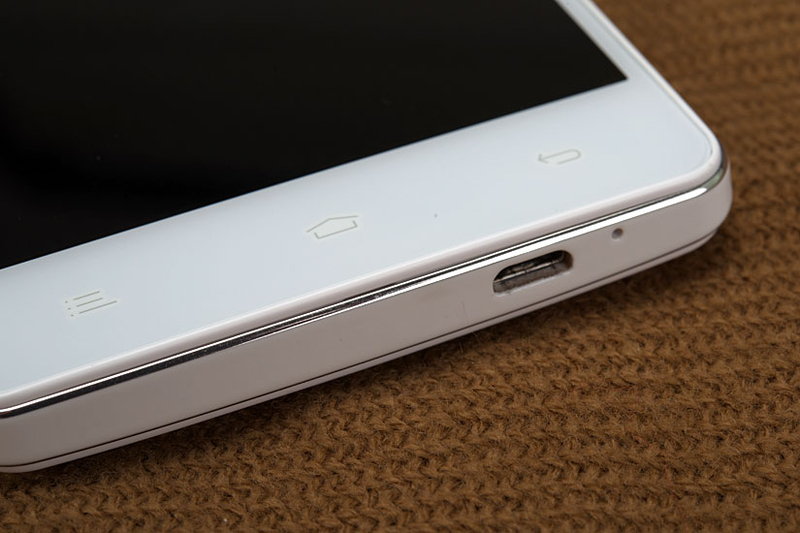
Gionee Marathon M3’s hardware design is relatively ordinary; due to the 5000mA battery, the body is thicker than other mobile phones on average. Gionee Marathon M3 has a 5-inch big screen that gives a very striking appearance.
Gionee Marathon M3’s back cover uses smooth skin-feel plastic; although the mobile phone is thick, however, the back cover adapts a gentle curvature giving a nice hand feeling.
Let’s take a closer look at Gionee Marathon M3‘s design
Gionee Marathon M3’s volume button and phone button are at the right side of the body. All the buttons use metallic-feel material.
Gionee Marathon M3 has a 8 MP rear camera and a single LED flash even though the camera is not on the high range.
Gionee Marathon M3 has a 2MP front facing camera.
Gionee Marathon M3’s headphone jack is at the top of the phone
You can use the OTG cable to provide power to another USB device you connect, since it has a 500mAh battery.
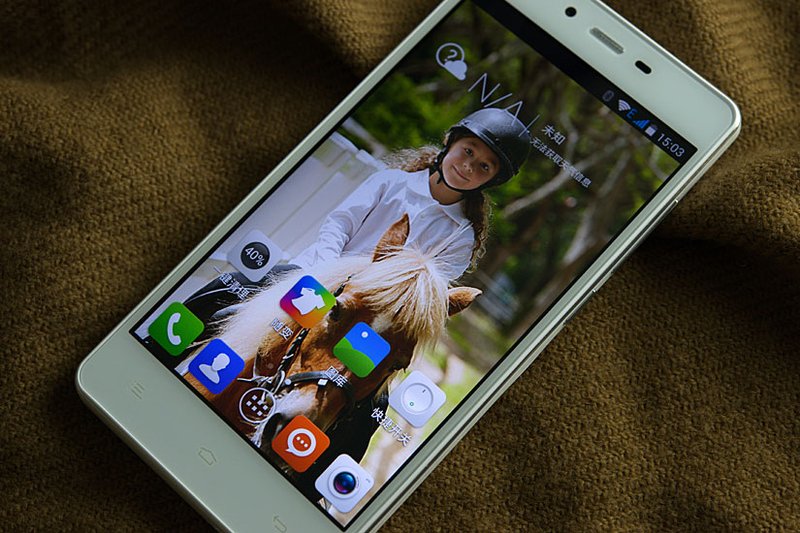
Gionee Marathon M3 features a 5-inch display with a resolution of 1280×720; The bezel is quite thin make people to use it onehanded easier.
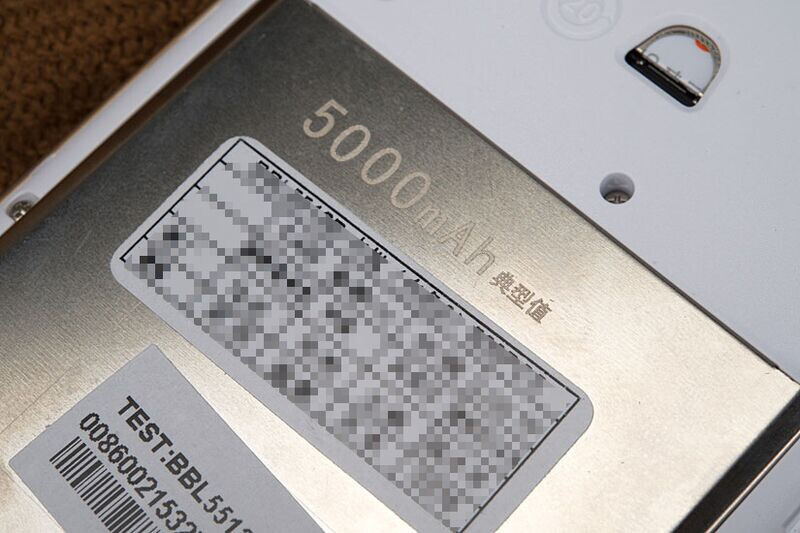
The most noticeable feature of the Gionee Marathon M3 is that it packs a massive 5000mAh battery. The company listing claims the battery can deliver up to 32.46 hours of talk time on 3G, and up to 51 hours of talk time on 2G networks, or 32.8 days of standby time.
Gionee Marathon M3 has connectivity options like 3G, GPRS/EDGE, Wi-Fi, GPS, Bluetooth and Micro-USB.
Gionee Marathon M3’s UI
Gionee Marathon M3 system is based on Android 4.4, there’s no quick start camera function on the unlock screen
Gionee Marathon M3’s entire system adapts typical secondary menu design. You can install shortcuts of various applications and plug-ins on the desktop; furthermore, the application menu and the whole system are similar to Amigo system that has many flat designs giving a smooth operation experience.
Gionee Marathon M3 Performance Test
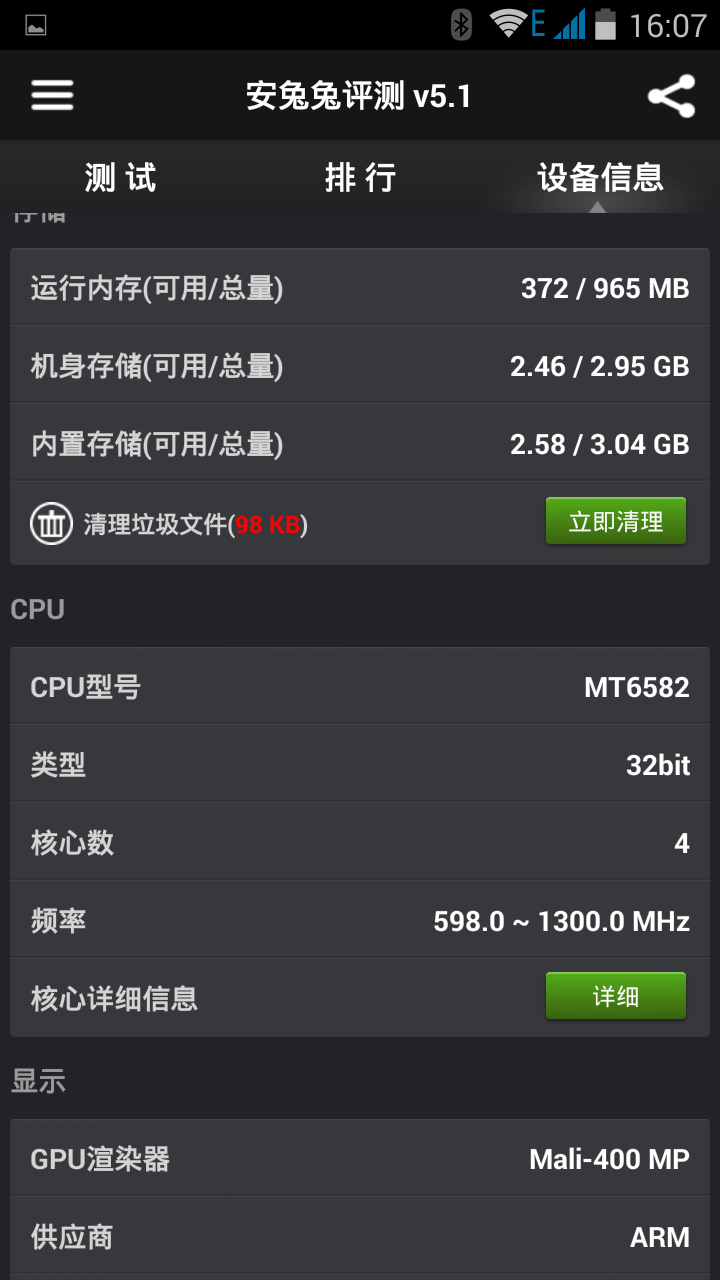
Gionee Marathon M3 is equipped with good hardwares, MT6582 CPU and 1GB RAM, which is very easy to cope with daily use.
Through AnTuTu hardware information, you will see Gionee Marathon M3 is equipped with 1.32GHz MT6582 CPU that adapts A7 architecture, 1G RAM and 8GB storage space, 5-inch big screen with 720×1280 resolution.
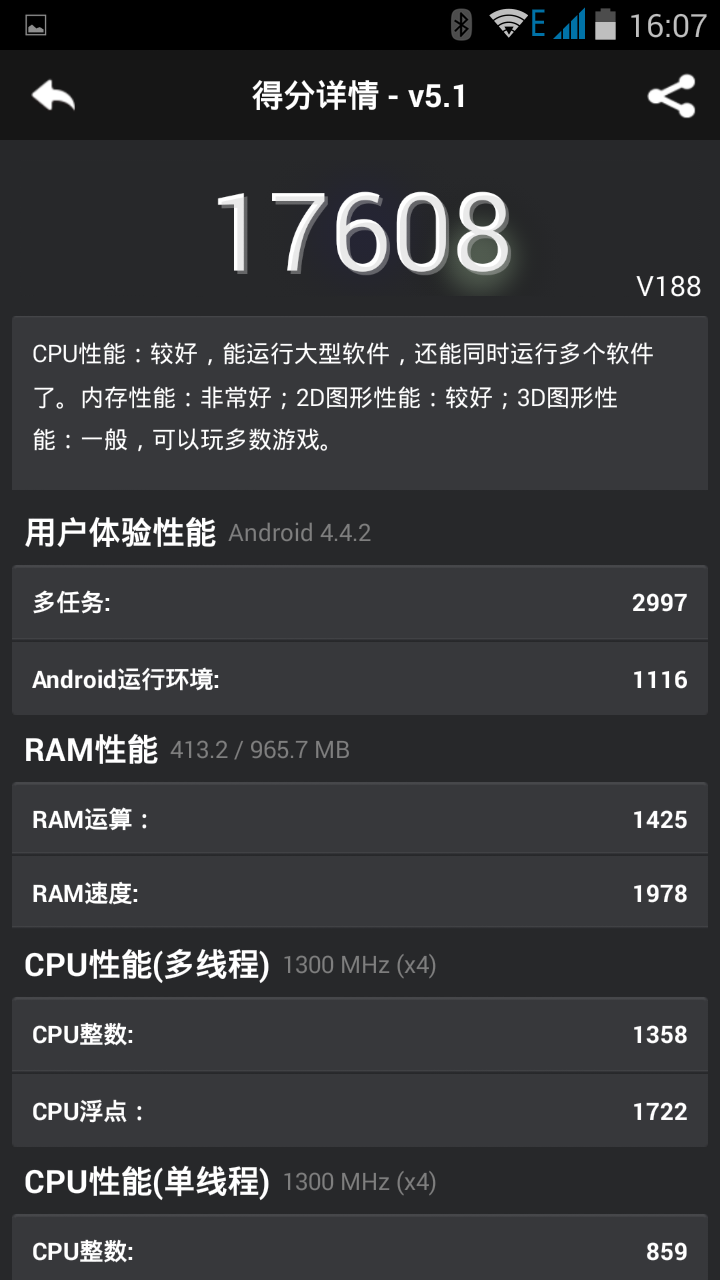
AnTuTu Benchmark Evaluation :
Gionee Marathon M3 is rated by AnTuTu Benchmark with 17608 scores. Thanks to the CPU with A7 architecture, this mobile phone has an excellent performance that handles everyday use easily as well as for games.
Gionee Marathon M3 Battery Test
Gionee Marathon M3’s 5000mA battery has a very large capacity. It is found during the test that Gionee Marathon M3’s battery has very powerful durability that it can be used normally for 3 days without need to recharging.
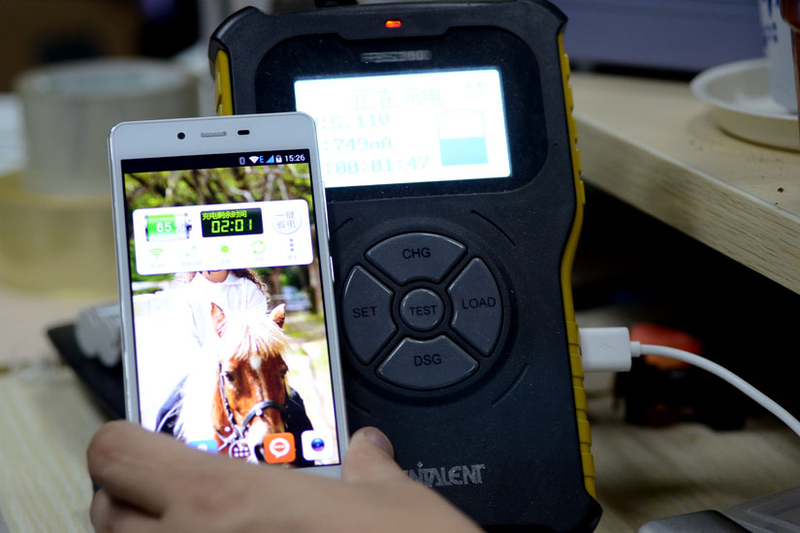
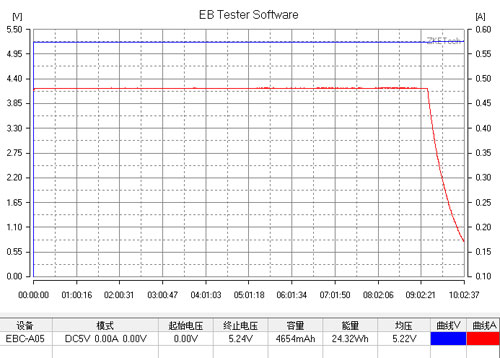
We use professional device to give a recharge test on Gionee Marathon M3, the result is V188’s battery capacity is 4654mAh. Due to the discrepancy may happen to the direct-charge mobile phones, therefore, Gionee Marathon M3’s battery capacity is about 5000mA.
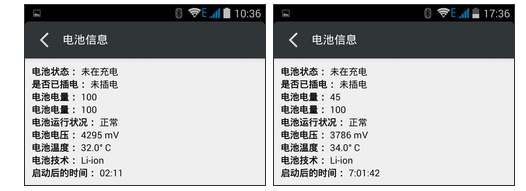
We use M3 to play 1080P video for continuous 7 hours; it consumed 55% of battery capacity. The rest 45% capacity will be far enough for those who like to watch video with mobile phone.
Gionee Marathon M3 Photo shooting Interface and resolution
Gionee Marathon M3’s photo shooting interface is relatively simple. On the top of the interface, you may choose different shooting modes and various effects.
Gionee Marathon M3 camera photo samples:
Gionee Marathon M3 has a better camera performance than expected, 8 MP camera brings a fine picture quality. When the light is enough, the photo color is very natural with great details; the minimum focusing distance of macro is about 5cm.
The verdict:
Gionee Marathon M3 is a mobile phone with large battery capacity, its 5000mA battery provides super long runtime and enables other devices recharging from it with an OTG Cable. The hardware equipments include a quad-core CPU and a 5-inch 720p display. Overall quality is satisfying. Gionee Marathon M3 is reasonably priced at Rs. 13,999, with a 5000mA battery greatly improved the mobile battery life. On top of that, Gionee Marathon M3 is an ideal choice for frequent travelers or users having special needs.
We use cookies on our website to give you the most relevant experience by remembering your preferences and repeat visits. By clicking “Accept”, you consent to the use of ALL the cookies.
This website uses cookies to improve your experience while you navigate through the website. Out of these, the cookies that are categorized as necessary are stored on your browser as they are essential for the working of basic functionalities of the website. We also use third-party cookies that help us analyze and understand how you use this website. These cookies will be stored in your browser only with your consent. You also have the option to opt-out of these cookies. But opting out of some of these cookies may affect your browsing experience.
Necessary cookies are absolutely essential for the website to function properly. This category only includes cookies that ensures basic functionalities and security features of the website. These cookies do not store any personal information.
Any cookies that may not be particularly necessary for the website to function and is used specifically to collect user personal data via analytics, ads, other embedded contents are termed as non-necessary cookies. It is mandatory to procure user consent prior to running these cookies on your website.