Lenovo has launched the Legion M6X series wireless gaming mouse, featuring two models with distinct specifications and price points. The M6X series includes the base model M6X and the enhanced M6X Pro. Both models are equipped with PAW sensors and are optimized for medium and small hands, weighing approximately 53 grams.
Specifications:
The M6X model is equipped with the PAW 3325 sensor and features a Huanuo dark black and white dot microswitch. It supports both wired and 2.4G dual-mode connectivity. This model is priced at 99 Yuan ($14) and is designed for gamers who require a reliable and affordable gaming mouse with essential features.
The M6X Pro model, on the other hand, comes with the more advanced PAW 3395 sensor and a Huanuo blue transparent dot microswitch. It offers wired, 2.4G, and Bluetooth triple-mode connectivity, providing more flexibility and convenience. This model is priced at 149 Yuan ($21), catering to gamers who seek enhanced performance and additional connectivity options.
Both models feature a built-in 450mAh battery and a lightweight design, making them easy to control and ideal for fast movements, particularly in first-person shooter (FPS) games. The mice are equipped with PTFE foot stickers for smooth movement and low friction, enhancing the gaming experience.
The M6X series is available in Phantom Black and Frost White color options. The mice are designed with an ergonomic “small waist” shape, allowing for a comfortable grip for medium and small hands. The M6X model provides a maximum DPI of 10,000 and the M6X Pro model offers up to 26,000 DPI. Both models include a Telink low-power chip for efficient power management and stable connections.
The Huanuo microswitches used in both models are eSports-grade, with the M6X model rated for approximately 30 million clicks and the M6X Pro model rated for approximately 80 million clicks. The mice also feature a gaming-grade Huanuo encoder for the scroll wheel and offer adjustable report rates of 125Hz, 250Hz, 500Hz, and 1000Hz.
The M6X series mice come with a charging cable, a wireless receiver, and a manual. They are designed to provide a stable connection with Lenovo’s LEGION AIPower wireless technology and Snow Energy power management, ensuring uninterrupted gaming sessions.
Availability
The M6X model will be available for purchase starting at 10:00 (CST) on May 31, while the M6X Pro model will go on sale at 10:00 (CST) on June 10.
Samsung is gearing up for another major product launch event this summer. While we are already expecting devices like Fold 6 and Flip 6, a fresh new a has revealed the full lineup we might see at the event.
Evan Blass, a well-known tech leaker, shared a list of upcoming Samsung products expected for release in 2024. The list includes the recently unveiled Galaxy Book 4 Edge and Edge Pro laptops powered by Qualcomm’s Snapdragon X processors.
It also mentions two new wireless earbuds, the Galaxy Buds 3 and the higher-end Buds 3 Pro. The most interesting entry on the list is the Galaxy Watch 7 Ultra.
There have been rumors of a premium smartwatch from Samsung for some time now, and this leak adds weight to it. While details are scarce, a previous report suggested that there is a Samsung watch in the works with a square dial and 32GB of storage, though it is unclear if this is the Watch 7 Ultra.
Nonetheless, the Ultra model will join the vanilla Watch 7 and is expected to run the latest Wear OS 5 with Samsung’s One UI Watch 6 on top. Samsung is also expected to launch a Galaxy Watch FE, likely a refreshed version of the Galaxy Watch 4 at a more affordable price point.
The company’s first smart ring, the Galaxy Ring, debuted late last year and could also see a wider release at the upcoming event.
Here’s the list of devices shared by the tipster:
Laptops: Galaxy Book 4 Edge and Edge Pro (already launched)
ASUS has refreshed its Vivobook S series laptops in India. The lineup includes the Vivobook S 16 OLED, S 15 OLED, and S 14 OLED. All three come with the latest hardware and notably OLED displays. The S 14 OLED is the base model whereas the S 15 OLED sits in the middle and the S 16 OLED is the most premium offering. Read on to know what these laptops offer out of the box.
ASUS Vivobook S 16 OLED, S 15 OLED, S 14 OLED specifications and features
The ASUS S 16 OLED and S 15 OLED have 16 and 15.6-inch displays bearing a 3.2K and 3K resolutions respectively. Both offer a 120Hz refresh rate, 600 nits peak brightness, and VESA-certified DisplayHDR True Black 600. The Vivobook duo feature a built-in speaker and microphone with smart amp technology.
The ASUS Vivobook S 16 OLED and S 15 OLED boast MIL-STD 810H military-grade durability. Both have a metallic chassis and a customizable RGB backlit keyboard. There is a precision touchpad and a copilot key. The laptops feature an FHD IR webcam with a privacy shutter.
Under the hood, the ASUS Vivobook S 16 OLED and S 15 OLED are powered with up to Intel Core Ultra 9 processors. There is Intel Arc graphics and Intel AI Boost NPU. Both machines pack 16GB RAM and 1TB SSD storage. They are backed by a 75WHr battery cell with support for 90W charging. Connectivity options on the devices include two Thunderbolt 4 ports, a Type-A port, a Type-C port, an HDMI 2.1 port, and a 3.5mm headphone jack.

Meanwhile, the ASUS Vivobook S 14 OLED also has a 14-inch OLED screen but with a downgraded WUXGA resolution and a 60Hz refresh rate. It also has military-grade durability. The laptop is equipped with an AMD Ryzen 5 7535HS processor with integrated AMD Radeon graphics. There is 16GB RAM and 1TB storage onboard. The rest of the features on this model are the same as the S 15 and S 16 OLED.
The ASUS Vivobook S 16 OLED starts at Rs 1,02,990 whereas the S 15 OLED starts at Rs 96,990. The Vivobook S 14 OLED retails at Rs 89,990. All three laptops are offered in Mist Blue and Neutral Black colors. They can be purchased from ASUS-exclusive stores as well as leading online and offline channels.
Honor has been rumored to be working on its first clamshell foldable phone, possibly called the Magic Flip or Magic V Flip, for some time now.
There’s not much we know about its specs or looks but a new leak by tipster Digital Chat Staiton suggests that the Honor Magic Flip will have the biggest battery among clamshell phones.
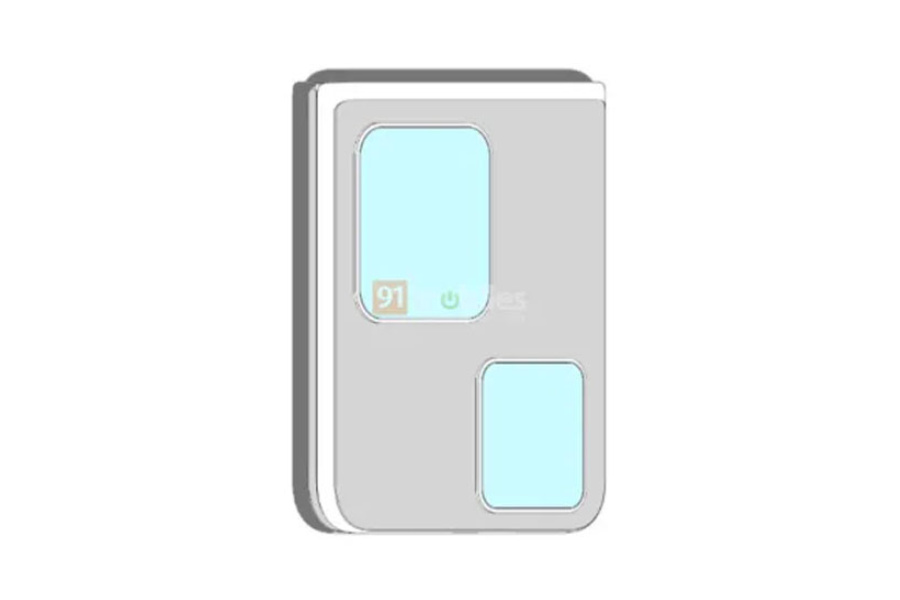
A big cover display is also on the card, which will also be one of the biggest in its category. The tipster also shared an image of the cover screen casing of the phone.
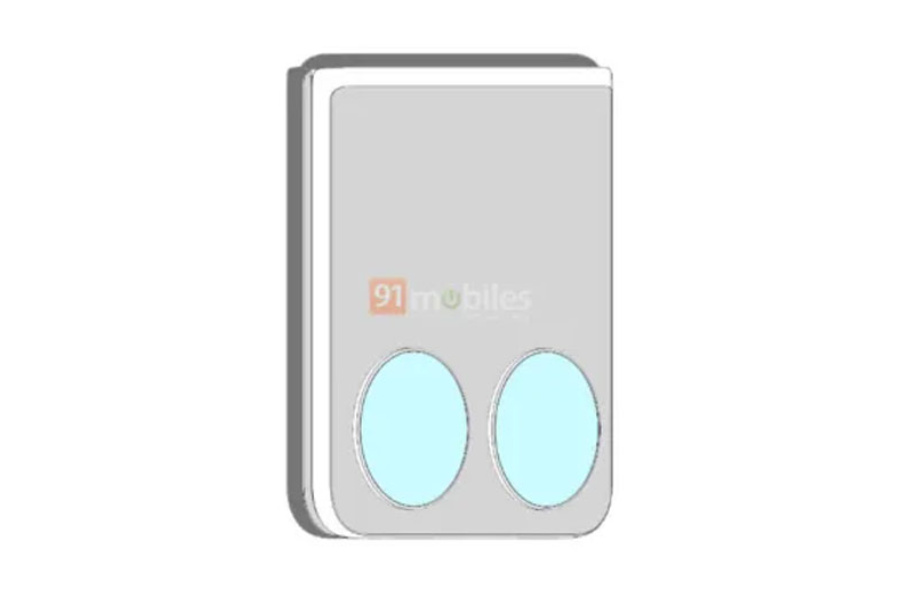
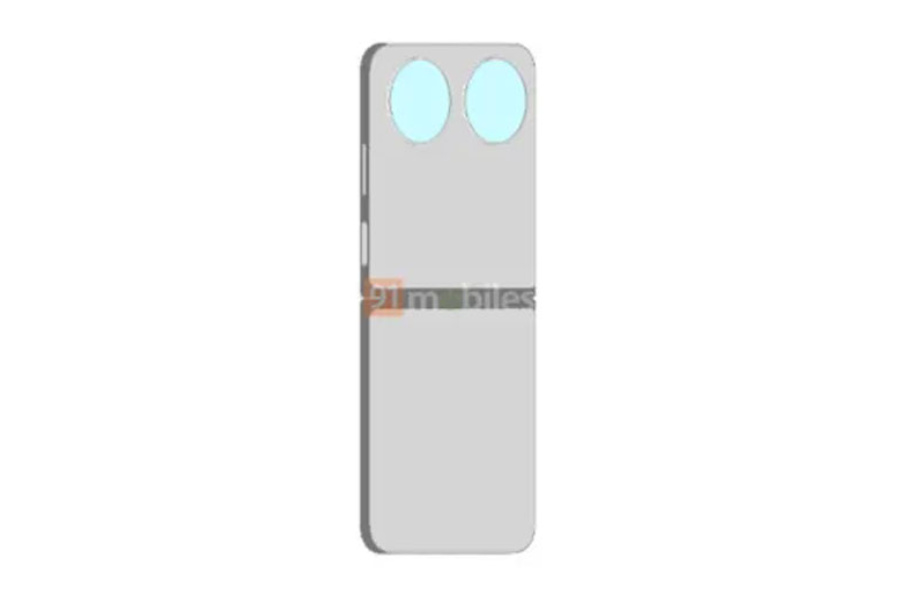
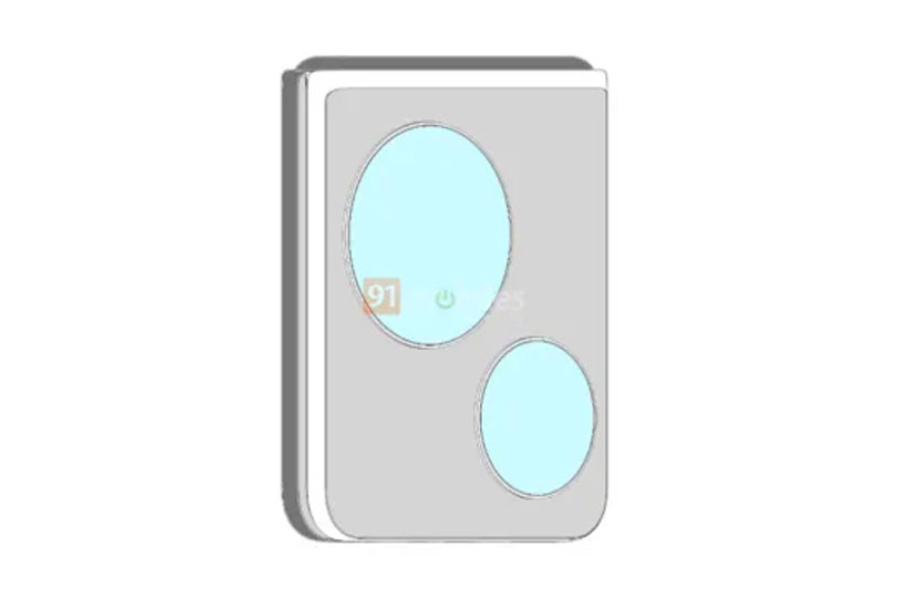
Although it doesn’t give away much, the camera module appears to have a circular design. The tipster also mentioned that the entire outer panel will be a screen with minimal bezels.
A mockup render of Honor’s flip foldable has appeared on Weibo. However, this design is not confirmed and might change.
Following the trend set by Honor’s first foldable, the Magic V, the Magic V Flip is expected to be among the thinnest flip phones available. Despite its slim profile, it will house a 4500mAh battery, which is notably larger compared to competitors like the Galaxy Z Flip 5, which has a 3700mAh battery.
Honor is set to launch the Honor 200 series this month, and the company might share the first teaser for the Magic V Flip at the same event. The device is expected to launch sometime in June.
With more details likely to emerge closer to the launch, the Honor Magic V Flip is definitely a foldable to watch out for.
Infinix has finally launched the GT 20 Pro smartphone in India a few weeks after its global debut. The brand markets this device as a gaming smartphone with its eye-catching looks and the Dimensity 8200 processor.
Infinix GT 20 Pro specs
The GT 20 Pro features a 6.78-inch FHD+ AMOLED screen with a high 144Hz refresh rate. The phone offers a 94.3% screen-to-body ratio, along with 2340Hz PWM dimming, a peak brightness of 1,300 nits, and full coverage of the DCI-P3 color gamut. It also has an in-display fingerprint sensor for security.
Under the hood, the phone houses the Dimensity 8200 Ultimate, coupled with the Pixelworks X5 Turbo gaming display chip that uses MEMC and Game Optical Optimization technology to achieve up to 120fps frame rates in games. It comes with up to 12GB of LPDDR5x RAM and 256 GB of UFS 3.1 storage. It draws power from a 5,000mAh battery with 45W fast charging. Software-wise, the device runs on an Android 14-based XOS 14 operating system.
Infinix has also put in a dual JBL speaker setup as well as an x-axis linear motor to improve the gaming experience. As for optics, the device has a 108MP primary camera with OIS support, paired with a couple of 2MP cameras and a 32MP front camera. Other features of the GT 20 Pro include Wi-Fi 6, Bluetooth, GPS, NFC, an IR blaster, and a USB-C port. It is rated for IP54 dust and water-resistant.
Pricing & availability
The Infinix GT 20 Pro is available in Mecha Blue, Mecha Orange, and Mecha Silver. It is priced at Rs. 24,999 for the 8GB + 256GB model and Rs. 26,999 for the 12GB + 256GB model. You can purchase it on Flipkart starting May 28th.
Infinix is also offering a free GT Gaming kit worth Rs. 5499 with the purchase, and buyers can get further discounts using ICICI Bank, HDFC Bank, and SBI cards or through a device exchange offer.
Vivo has just unveiled the Y200 GT and Y200t in the brand’s home market of China. The two smartphones are the latest mid-range entries from the company. But both of these sound awfully similar to one another. So what’s the difference and which one’s better? Let’s find out.
While the names are quite similar, there are various key differences between the two smartphones like their design and display. The Vivo Y200 GT and Y200t look quite different from the rear. A circular camera island is present on the Y200t while the Y200 GT comes with a squarish camera module. In terms of dimensions, the Y200 GT measures 163.72 x 75.88 x 7.98mm and weighs 194 grams, and the Vivo Y200t measures 165.7 x 76 x 7.99mm and weighs 199 grams.
Meanwhile, the front seems identical with a punch hole cutout, but both employ different panels. The Y200 GT sports a 6.78-inch AMOLED display that offers 1.5K resolution and a 144Hz refresh rate. Vivo’s Y200t, on the other hand, comes with a 6.72-inch IPS LCD panel that features an FHD+ resolution and a 120Hz refresh rate. The GT variant even houses an in-display fingerprint scanner, while the Y200t offers a side-mounted fingerprint scanner.
2. Specifications, Camera, & More
Both devices are equipped with Qualcomm processors, although, the Y200 GT is clearly superior in terms of hardware. It is equipped with the Snapdragon 7 Gen 3 SoC that is paired with up to 12GB of RAM and 512GB of internal storage. Under the hood, the Vivo Y200t features the Snapdragon 6 Gen 1 chipset but with similar RAM and storage configurations.
Both devices are powered by a massive 6,000mAh battery pack. However, the Y200 GT offers a faster 80W wired fast charging compared to the 44W charging on the Y200t. The duo also runs month Android 14 OS based OriginOS 4 custom skin out of the box. Other notable features include dual SIM, Bluetooth 5.2 (Y200t), and Bluetooth 5.4 (Y200 GT).
Only the Y200t offers a 3.5mm headphone jack, but the Y200 GT comes with an IR blaster. For optics, both phones feature a 50-megapixel primary camera and a 2-megapixel depth sensor at the back. But for video calls and selfies, the Y200 GT offers a 16-megapixel shooter and the Y200t packs an 8-megapixel sensor.
3. Pricing & Colors
While both devices target the mid-range category, these were launched in different price segments. The Y200t starts from just 1,199 yuan or roughly about 170 US Dollars (8GB + 128GB). Its top model (12GB + 512GB) maxes out at 1,699 Yuan or roughly 240 US Dollars.
The Y200 GT is a little more expensive and starts from 1,599 Yuan (~$225) for the 8GB + 128GB variant and the 12GB + 512GB top variant costs 2,299 Yuan (~$325). Vivo has launched the Y200t in Qingshan (blue) and Aurora (green) and the Y200 GT in Storm and Thunder color variants.
Apple‘s recent iPad Pro ad featuring close-up shots of creative tools being crushed drew criticism for its heavy-handed metaphor. Samsung didn’t miss the opportunity to capitalize on the controversy with a mocking ad of its own.
Now, Xiaomi is jumping into the fray, but for a different motive. The company made a similar ad to tease an upcoming phone launch in India.
On Tuesday, Xiaomi released a video on X (formerly Twitter) that closely resembles Apple’s ad in its setup. However, instead of objects being crushed, the crushing surface grinds to a halt midway and the video concludes with the text “Cinematic Vision,” with the “Ci” and “Vi” highlighted in red.
Those letters form the word “Civi” which is Xiaomi’s youth-oriented smartphone line. Xiaomi’s Civi phones have so far been exclusive to China, with the latest model being the Xiaomi Civi 4 Pro.
Though not officially confirmed, rumors suggest the Xiaomi 14 Civi will be the first Civi phone from the brand in India and it’s allegedly a rebrand of the Civi 4 Pro. If true, we can expect the phone to feature a 6.55-inch 1.5K (2750 x 1236 pixels) AMOLED display with a 120Hz refresh rate.
Powering the device will be Snapdragon 8s Gen 3 chip with support for LPDRR5X RAM and UFS 4.0 storage. As for the cameras, the rear will have a 50MP main, a 50MP telephoto, and a 12MP ultrawide lens while there will be a 32MP sensor on the front for selfies.

The device could come with a 4700mAh battery with support for 67W charging and will run on Android 14-based HyperOS out of the box.
Lenovo has announced two new laptops based on the Windows-on-Arm platform that will use the Snapdragon X Elite chipset – the Yoga Slim 7x 14 Gen 9 and the ThinkPad T14 Gen 6. Let’s take a look at the key details of the two new devices.
Yoga Slim 7x 14 Gen 9ThinkPad T14s Gen 6
Yoga Slim 7x 14 Gen 9
As the name suggests, the Yoga Slim 7x 14 Gen 9 is a slim machine measuring just 12.9mm. It weighs around 1.28kg. Within this thin and lightweight packaging, the machine manages to equip a 70Whr battery and also supports Rapid Charge Express technology that according to the company offers 3 hours of usage for 15 minutes of charging with the new power-efficient SoC.
The chipset also integrates Qualcomm’s Hexagon NPU which supports generative AI-based text-to-image capabilities, among other AI features.
Apart from that, the thin and light laptop boasts the integrated Adreno GPU, 16GB LPDDR5X RAM, 1TB PCIe Gen 4 M.2 SSD, 3 x USB-C ports (USB4 certification is pending for July 2024), and a 14.5″ 3K 90Hz OLED panel that reaches 500 nits in SDR content and 1000 nits in HDR content. For wireless connectivity the machine offers WiFi 7 and Bluetooth 5.3 support. It comes with a backlit keyboard with 1.5mm key travel.
The device is now available for pre-order on Lenovo’s website for $1,289 (~9,245 Yuan)
ThinkPad T14s Gen 6
Just like the previous one, it also powers the Snapdragon X Elite chip and also offers the generative AI capabilities. However, it offers you 32GB LPDDR5X soldered memory, 1TB M.2 PCIe Gen 4×4 SSD, but a smaller 58Whr battery pack that supports Rapid Charge (charges up to 80% within 1 hour).
The display has a 14″ WUXGA (1920 x 1200) IPS panel that goes up to 400 nits. This machine is 16.9mm in thickness but weighs 1.24kg, slightly less than the Yoga Slim 7x 14 Gen 9.
Speaking of ports, the ThinkPad laptop offers you more options:
2 x USB-C® 4, 40Gbps (supports power delivery & DisplayPort)
2 x USB-A, 5Gbps (1 always on)
HDMI® 2.1 (supports resolution up to 4K@60Hz)
Headphone/mic combo
Optional: Nano SIM slot
The ThinkPad T14s Gen 6 is also currently available for preorder on the company’s website for $2,699 (~19,337 Yuan).
Motorola is getting ready to announce its Razr 50 series of foldable smartphones soon. But ahead of any official announcement, the upcoming Razr 50 was spotted on a Chinese certification platform, revealing its fast charging rates. So let’s have a look.
Motorola Razr 50 Ultra visits 3C
The Razr 50 lineup is the latest generation of flip phones from the brand. Now, the Razr 50 surfaced on the 3C certification database carrying the XT-2453-2 model number. This listing confirmed that it will support 33W wired fast charging, which is similar to its predecessor. Just yesterday, we covered a leak that revealed the full design of the Razr 50 Ultra alongside its specifications and color variants.
Motorola’s higher-end Razr 50 Ultra was also spotted on the BIS platform in India a month ago. In other words, the release of the Razr 50 lineup could be right around the corner. Based on what we know so far, the Ultra variant sports a tall 6.9-inch pOLED display with 1.5K resolution and a 165Hz refresh rate. Meanwhile, its cover panel is a smaller 4-inch pOLED screen. Under the hood, it may be equipped with the Snapdragon 8s Gen 3 SoC, which is paired with 12GB of RAM and 256GB of internal storage.
A 4,000mAh battery pack may power this device. For optics, we can expect two 50-megapixel cameras on the rear and a 32-megapixel selfie shooter on the front. It will likely also run on the Android 14 OS out of the box. This is all the information we have at the moment, so stay tuned for more updates.
Infinix previously announced its upcoming GT Verse series. Now, it has officially unveiled two new products in this lineup, namely the Infinix GT 20 Pro and the GT Book. So let’s check it out the latest laptop, which features the iconic Cyber Mecha design and LED lighting.
Infinix GT Book Specs
The brand’s latest laptop sports a 16-inch anti-glare display with 1920 x 1200 resolution, 120Hz refresh rate, 300 nits of peak brightness, and a 16:10 aspect ratio. Under the hood, it is equipped with up to a 13th Gen Intel Core i9, which is paired with up to an Nvidia GeForce RTX 4060 GPU. It comes with up to 32GB of LPDDR5x RAM and up to 1TB of PCIe 4.0 SSD storage. This notebook runs on the Windows 11 OS out of the box.
The highlighting aspect of the Infinix GT Book is its Cyber Mecha design, which is common across the GT Verse procuts. It features a fully customizable RGB LED array called the Mecha Bar at the back of the laptop and a GT Control Center for lighting control. The keyboard also features a four-zone RGB keyboard. Thanks to a dedicated Game Mode, you can switch between three graphics power modes. This includes a Dedicated GPU, Dynamic, and Integrated GPU that can be accessed via MUX switch settings.
Infinix GT Book is powered by a 70Wh battery pack that supports 120W fast charging. Connectivity options include Wi-Fi 6E, Bluetooth 5.2, a USB 3.2 Gen 2, USB 3.2 Gen 1, USB Type-C, an HDMI 2.0 port, an SD card slot, and an audio jack. The laptop weighs 1.99 kilograms.
Pricing and Availability
Infinix launched the latest GT Book in two color options, Mecha Silver and Mecha Gray. It also arrives in multiple variants for different CPU and GPU configurations. So let’s check it out:
After a Geekbench listing showing off S19’s performance earlier today, a new leak has surfaced on Weibo shedding light on the design and specs of both the Vivo S19 and S19 Pro.
The leak comes from a tipster named Classmate Wu Datou, who shared what appears to be official marketing posters for the Vivo S19 series.
The first one shows that Vivo will change the rear design for S19 phones. The camera module takes on a new, elongated oval-ish shape that is completely different from the previous iterations.
While the poster doesn’t explicitly name the phone as either the S19 or S19 Pro, a second leak reveals both phones will have a similar design language. It also spills the beans on the camera specifications of upcoming smartphones.
The Vivo S19 Pro will feature a triple-camera setup on the rear. The main sensor will be a 50MP Sony IMX921 with optical image stabilization (OIS).
It is accompanied by a 50MP telephoto lens, also featuring OIS with 50x zoom capability. The telephoto lens uses a Sony IMX816 sensor, and the setup is rounded out by an 8MP ultrawide sensor. The front-facing camera on the S19 Pro is also rumored to be a 50MP sensor.
On the other hand, the standard S19 will sport a simpler camera setup. While it retains the 50MP sensor for selfies, the rear setup will feature a single 50MP primary sensor with OIS alongside an 8MP ultrawide lens.
The first poster also hints at a collaboration between Vivo and the Chinese television series “Fox Spirit Matchmaker” for the S19 series. However, details regarding this partnership are yet to be revealed.
Vivo has just unveiled a new smartphone from its popular Y series. The Vivo Y200 Pro finally arrived in India after weeks of teasers and leaks. Despite its mid-range pricing, this model features an impressively thin and light design, launching right after the Y200 GT and Y200t announcement. So let’s check it out.
Vivo Y200 Pro Specs
The latest phone from the Chinese brand sports a tall 6.78-inch 3D curved AMOLED display that offers Full HD+ resolution, a 120Hz refresh rate, 1300 nits of peak brightness, and a 105 percent NSTC color gamut. Under the hood, it is equipped with the Qualcomm Snapdragon 695 SoC that is paired with 8GB of RAM and 128GB of internal storage. Users can further expand storage by another 8GB via virtual RAM expansion.
For optics, buyers get a 64-megapixel main camera, a 2-megapixel bokeh sensor at the back, and a 16-megapixel selfie shooter on the front. A large 5,000mAh battery pack that supports 44W wired fast charging. It runs on the Android 14 OS based Funtouch OS 14 custom skin out of the box. One of the highlight aspects of this device is undoubtedly its 7.5mm body, which makes it the slimmest phone in this segment. Other notable features include an in-display fingerprint scanner, IP54 water and dust resistance, and OIS (Optical Image Stabilization) support.
Pricing and Availability
The Vivo Y200 Pro arrives in two color variants, namely Silk Green and Silk Glass. This model also comes with a new Silk Glass design. The lone 8GB + 128GB configuration of the Y200 Pro is priced at 24,999 INR (roughly 300 US Dollars) and it is currently listed for purchase on the Vivo eStore.
Yesterday, Vivo unveiled the Vivo Y200t and Vivo Y200 GT smartphones in China. The brand also unveiled the Vivo Y200, which is positioned higher than the above-mentioned phones. Here is a look at the specifications, features, and price of the Y200.
Vivo Y200 specifications and features
Vivo Y200
The Vivo Y200 measures 164.36 x 74.75 x 7.75-7.61mm and weighs 187-190 grams. The device has a 6.78-inch AMOLED display with a Full HD resolution of 2400 x 1080 pixels and a 120Hz refresh rate. For selfies, the device is equipped with an 8-megapixel front-facing camera, and its back panel has a 50-megapixel primary camera and a 2-meag-pixel depth sensor.
Under the hood, the Vivo Y200 has the Snapdragon 6 Gen 1 chipset. It comes with 8 GB / 12 GB of RAM and 128 GB / 256 GB / 512 GB of internal storage. The phone runs on Android 14, with a layer of OriginOS 4 on top.
The Y200 has a 6,000mAh battery with 80W fast charging. It offers other features, such as an in-screen fingerprint scanner, Wi-Fi 6, Bluetooth 5.1, and a USB-C port.
Vivo Y200 price
The Vivo Y200 is available in four configurations in China. These include: 8GB+128GB, 8GB+256GB, 12GB+256GB, and 12GB+512GB, which are priced at 1,599 Yuan (~$225), 1,799 Yuan (~$250), 1,999 Yuan (~$280), and 2,299 Yuan (~$325). It comes in three shades, such as black, white, and orange. The device is positioned higher than the Vivo Y200 GT, which features a 120Hz flat OLED screen and the Snapdragon 7 Gen 3 chip.
The Snapdragon 8s Gen 3 is a scaled-down version of the Snapdragon 8 Gen 3 flagship chipset (Snapdragon 8s Gen 3 vs 8 Gen 3 comparison) designed to cater the premium mid-range smartphone segment. Qualcomm’s key competitor, MediaTek, also has the Dimensity 8300 Ultra targeting the same segment. But how do these two chipsets stack up against each other? Let’s put the two chipsets to the test to see which one is better.
Snapdragon 8s Gen 3
Dimensity 8300 Ultra
Process Node
TSMC 4nm
TSMC 4nm
CPU Cores
8
8
CPU Architecture
1 x Cortex-X4 @ 3.0 GHz 4 x Cortex-A720 @ 2.8 GHz 3 x Cortex-A520@ 2.0 GHz
1 x Cortex-A715 @ 3.35 GHz 3 x Cortex-A715 @ 3.2 GHz 4 x Cortex-A510 @ 2.2 GHz
GPU
Adreno 735
ARM Mali-G615 MC6
NPU
Hexagon
MediaTek APU 780
Memory
Up to 24 GB LPDDR5X @ 4200 MHz
Up to 24 GB LPDDR5X @ 4266 MHz
Storage
UFS 4.0
UFS 4.0
Camera Support

Up to 200MP Camera Sensor Support Spectra 18-bit Triple Cognitive ISP 4K Videos @ 60 FPS
Up to 320MP Camera Sensor Support Imagiq 980 ISP 4K Videos @ 60FPS
Display
4K Ultra HD @ 60Hz
WQHD+ @ 120Hz
Connectivity
Snapdragon X70 5G Modem Up to Wi-Fi 7 Support Bluetooth 5.4 5G Support
MediaTek 5G Modem Wi-Fi 6E Support Bluetooth 5.4 5G Support
Snapdragon 8s Gen 3 vs Dimensity 8300 Ultra: Benchmarks
[Geekbench 6 scores]
Geekbench 6
Snapdragon 8s Gen 3
Dimensity 8300 Ultra
Single-core
2012
1356
Multi-core
5545
4476
[AnTuTu V10 scores]
AnTuTu V10
Snapdragon 8s Gen 3
Dimensity 8300 Ultra
CPU
371183
286452
GPU
536455
515523
Memory
368763
298289
UX
276644
248288
Total score
1553045
1348552
Clearly, the Snapdragon 8s Gen 3 outperforms the Dimensity 8300 Ultra in both Geekbench v6 and AnTuTu v10 benchmarking tests.
While benchmarking results are good for testing chip compatibility, they do not reflect real-world performance. Hence, you should also consider other factors before reaching a conclusion.
Snapdragon 8s Gen 3 vs Dimensity 8300 Ultra: CPU
Both are octa-core chipsets but have different core configurations and architectures. The Snapdragon 8s Gen 3 features a (1+4+3) core architecture, while the Dimensity 8300 Ultra has opted for a (1+3+4) architecture. This means the former has an additional performance core, while the latter has the advantage of an additional power-efficient core.
The Dimensity chip has a Cortex-A715 prime core clocked at 3.35 GHz, but the Cortex-X4 in the Snapdragon chip is more powerful and offers high single-threaded performance. Moreover, the SD 8s Gen 3 has more powerful Cortex-A720 cores (vs Cortex-A715 in Dimensity 8300 Ultra), and that too in higher numbers.
Compared to the Cortex-A510 (in Dimensity 8300 Ultra), the Cortex-A520 (in SD 8s Gen 3) is 22% more power efficient with an 8% performance uplift. Hence, the Snapdragon chip is more power efficient than the Dimensity one.
The CPU cores do not decide a device’s overall performance, as it also depends on factors such as GPU, RAM, and storage, which we’ll examine in the subsequent sections.
Snapdragon 8s Gen 3 vs Dimensity 8300 Ultra: GPU
The ARM Mali-G615 MC6 GPU (in Dimensity 8300 Ultra) has a slight edge over the Adreno 735 (in Snapdragon 8s Gen 3) in raw graphical power due to more cores. However, Adreno GPUs are reputable for being power-efficient while offering better performance.
Although the Dimensity 8300 Ultra might offer better GPU performance, it may not be as power efficient as the Snapdragon 8s Gen 3 is. Adreno 735 (in Snapdragon 8s Gen 3) offers a good mix of both performance and power efficiency.
Snapdragon 8s Gen 3 vs Dimensity 8300 Ultra: NPU
One of the key features of these two chipsets is their ability to run generative AI tasks without an internet connection. These octa-core chipsets support generative AI models with up to 10 billion parameters.
So far, only high-end phones from brands like Samsung and Google integrate generative AI. However, the Snapdragon 8s Gen 3 and Dimensity 8300 chipsets should bring these features to slightly cheaper models. But that’s totally up to smartphone manufacturers.
Snapdragon 8s Gen 3 vs Dimensity 8300 Ultra: Multimedia
The Snapdragon 8s Gen 3 features a Qualcomm Spectra 18-bit Triple Cognitive ISP, and the Dimensity 8300 Ultra has MediaTek Imagiq 980 ISP to convert raw data captured by the phone’s sensor into a final image.
While the Snapdragon chip supports up to 200MP single camera, the Dimensity chip supports a maximum of 320MP single camera. However, both chips can take 4K videos at 60 frames per second (FPS).
Both Snapdragon 8s Gen 3 and Dimensity 8300 Ultra have powerful imaging capabilities. However, you also need a high-quality camera sensor to take stunning shots.
Snapdragon 8s Gen 3 vs Dimensity 8300 Ultra: Display
Snapdragon 8s Gen 3-powered devices can have up to QHD+ resolution @ 144Hz or 4K Ultra HD @ 60Hz, while phones with the Dimensity 8300 Ultra chip can go up to WQHD+ @ 120Hz or FullHD+ @ 120Hz. Both chips support HDR10+.
Clearly, the Snapdragon chip supports higher resolution. But again, smartphone manufacturers decide the maximum display resolution of a device powered by either of these two chipsets.
Snapdragon 8s Gen 3 vs Dimensity 8300 Ultra: Connectivity
Both chipsets support necessary connectivity features such as 5G, Bluetooth 5.4, NFC, GPS, and NavIC, although they differ in terms of Wi-Fi support.
The SD 8s Gen 3 supports Wi-Fi 7, while the Dimensity 8300 Ultra supports up to Wi-Fi 6E. The Wi-Fi 7 technology (in Snapdragon 8s Gen 3) significantly improves the download/upload speed, latency, and congestion management. So, you can expect a faster and more reliable connection with the Snapdragon 8s Gen 3-powered phone, compared to Dimensity 8300 Ultra phones.
Snapdragon 8s Gen 3 vs Dimensity 8300 Ultra: Conclusion
Snapdragon 8s Gen 3 and Dimensity 8300 Ultra are powerful chipsets aiming to capture the mass premium segment. Both the chipsets have impressive benchmarking results and look good on the spec sheet. However, the Snapdragon 8s Gen 3 has powerful cores, offering additional performance advantage over the Dimensity 8300 Ultra. The latter one supports a higher camera resolution and a more powerful GPU.
The chipsets also have GenAI capabilities to perform AI tasks on-device without an internet connection.
Choosing one of these two chipsets boils down to your preference. However, the Snapdragon 8s Gen 3 has an edge over the Dimensity 8300 Ultra in almost every dimension.
OnePlus has rolled out the Android 15 Beta 1 update for the OnePlus 12 and OnePlus Open. While the first Android 15 Beta is not flawless, it offers security improvements and some minor UI changes. OnePlus 12 (review)has also received a new “Repair mode” functionality with the update, that makes it easy for you to protect your privacy while sending your phone for a repair.
Usually, you need to back up and erase all your data from your phone and before sending it to the technician. After the repair process, you need to reinstall all of it, which takes significant time and effort.
Repair mode in OnePlus 12 currently has room for improvement
OnePlus 12 users on the Android 15 Beta 1 update can now find the Repair mode functionality by going to Settings > System & updates > Repair mode. However, the implementation has still room for improvement.
Upon clicking on the Repair mode option, you will need to go through the setup process that will take you a minute or two before you land on the home screen as a separate user. When you exit the repair mode, the phone will erase all the data it has stored during the process and revert to the state it was in before.
We have already seen similar implementations from Samsung and Pixel. In fact, Samsung offered this functionality in OneUI 5 based on Android 13 which was called Maintenance mode. Google offered the feature as Repair mode to its Pixel devices starting with Android 14 QPR1.
While OnePlus‘s implementation of Repair mode is not as polished as we have seen with the other two brands, it’s still a good thing to have given the time and effort it saves. Hopefully, the company will fix the minor inconvenience before releasing and including it with the stable version.
Earlier this month, iQOO launched the budget-ranged Z9x 5G smartphone in the Indian market featuring a high refresh rate FHD+ display and a massive battery. Starting today, this device will be available to purchase in India, going up against other budget-range 5G phones like the Moto G64.
iQOO Z9x 5G price & availability
The iQOO Z9x is available in three configurations: 4GB + 128GB, 6GB + 128GB, and 8GB + 128GB. The 4GB + 128GB model is priced at ₹12,999, while the 6GB + 128GB and 8GB + 128GB models are priced at ₹14,499 and ₹15,999, respectively. There is a Rs. 500 coupon discount available for the 6GB + 128GB and 8GB + 128GB models. Additionally, all three models can be purchased with a Rs. 1,000 bank discount until May 31 with ICICI, HDFC, and SBI bank credit and debit cards.
iQOO Z9x 5G specs:
The iQOO Z9x 5G has a 6.72-inch LCD screen with Full HD+ resolution (2408 × 1080 pixels), a refresh rate of 120Hz, and can reach a brightness of 1000 nits. It features a central punch-hole design. The smartphone runs on the Qualcomm Snapdragon 6 Gen 1 chip, which is built on a 4nm process. It comes with several RAM options: 4GB, 6GB, or 8GB, paired with 128GB storage and an option to extend it via a MicroSD card. The operating system is Android 14-based Funtouch OS 14, with updates promised for two future Android versions and security updates for three years.
In terms of cameras, the iQOO Z9x 5G has a main 50MP camera with an f/1.8 aperture, along with a 2MP bokeh camera with an f/2.4 aperture, and it includes an LED flash. The front camera is 8MP with an f/2.05 aperture and supports portrait mode and live photo features. The battery capacity is 6000mAh, supported by 44W fast charging.
For security, there’s a fingerprint scanner on the side. The phone also features stereo speakers and hi-res audio support. There’s also a 3.5mm audio jack for headphones. Connectivity options include dual-SIM support, 5G, WiFi 5, Bluetooth 5.1, and several types of GPS. The phone is IP68 certified for dust and water resistance and has earned a TUV Rheinland certification for low blue light.
Adding to the growing pile of rumors surrounding the upcoming Vivo S19 series, the standard Vivo S19 with model number V2364A has now been spotted on the Geekbench benchmark database.
The listing reveals the Vivo S19 will be equipped with an octa-core processor codenamed “crow” with a 1+3+4 core configuration. This cryptic codename likely refers to the Qualcomm Snapdragon 7 Gen 3 chipset.
The benchmark results show a score of 920 points in the single-core test and 3,414 points in the multi-core test. While not flagship-level performance, these scores suggest the S19 should be capable of handling everyday tasks and some light gaming.
The Geekbench listing also hints that the phone will feature 16GB of RAM and will have Android 14 out of the box.
While the standard S19 has a more modest processor, leaks suggest the Pro variant will be equipped with a flagship-grade MediaTek Dimensity 9200+ processor.
Details are scarce about the vanilla S19, but the S19 Pro is said to feature a sizable 6.78-inch OLED display with a resolution of 1.5K (2800 x 1260 pixels).
There will be a triple-camera setup on the rear consisting of a 50MP main sensor, an 8MP ultrawide sensor, and a 50MP telephoto lens for capturing portraits. Selfies are expected to be handled by a 50MP lens.
Vivo S19 Pro was previously spotted on a 3C certification site with 80W charging support and rumor suggests a 5000mAh battery capacity. The S19 is said to house a bigger 6000mAh battery while the charging speed is same at 80W.
Samsung India has made some beneficial changes to its Samsung Care+ program, offering more value at no extra cost. Now, customers can make two claims per year under the revised program, covering both screen protection and accidental or liquid damage.
Samsung revises Care+ program with new benefits
Samsung Care+ benefits
For those who don’t know, Samsung Care+ is the official support program for Galaxy devices, providing complete coverage without depreciation. It offers the convenience of both walk-in and pick-up/drop-off options for registering claims. The program ensures that repairs are done by expert technicians using genuine Samsung parts, which helps maintain device performance and longevity.
At present, Samsung Care+ provides four different protection plans designed for various Galaxy devices, including smartphones, tablets, watches, and laptops. These plans start at Rs 399 and are supported by a network of service centres across the country.
Apart from confirming two claims per year under the revised Samsung Care+, the South Korean tech giant also claimed that the program also simplifies the claim process, eliminating the need for documentation, and prioritizes data privacy. Customers can monitor the status of their claims or repairs using an easy-to-use tracking system.
Samsung Care Plus can be availed through Samsung’s website, the Samsung Experience store, and the My Galaxy app available on Samsung devices. These upgrades to Samsung Care+ make it easier for Galaxy device users to keep their devices protected and in good working order.
In addition, Samsung has also announced the ‘Back to Campus’ campaign to provide attractive discounts for students. The new campaign brings offers on Samsung’s recent devices, such as the Galaxy Book 4 series of laptops, the Galaxy Tab S9 and Galaxy Tab A series of tablets, and the Galaxy S24 lineup, among other products.
Samsung has introduced special offers on select Galaxy Book, Galaxy Tab, and Galaxy smartphone devices under its new ‘Back to Campus’ campaign in India. The campaign, tagged ‘Show Them How It’s Done,’ aims to provide students with accessible technology solutions to support their academic and personal growth. Here is all the information about the new campaign aimed at the students.
Key highlights of Samsung’s ‘Back to Campus’ campaign
Samsung launches ‘Back to Campus’ campaign
Samsung’s new ‘Back to Campus’ campaign offers up to 10 percent off through the Student+ program, bank cashback of up to Rs 12,000 and upgrade bonuses up to Rs 8,000 on Samsung laptops, tablets, and smartphones. The company is also offering up to 24 months of no-cost EMI.
The campaign covers a range of devices including laptops, such as Galaxy Book 4, Galaxy Book 3, and Galaxy Book 2 series; tablets like Galaxy Tab S9 and Galaxy Tab A9 series, and smartphones, such as A-series and S-series.
Student Exclusive Offers
Galaxy Book 4 Pro 360: Available at a net price of Rs 153,990 to Rs 1,69,990. The Book 4 lineup features Intel Core Ultra processors and Intel Arc GPU for enhanced performance and visuals. It includes a Dynamic AMOLED 2X display with anti-reflective and Vision Booster features.
Galaxy Tab S9 WiFi 128GB: Priced at Rs 60,999, down by Rs 12,000. The series is equipped with a Dynamic AMOLED 2X display with HDR10+ support. It offers IP68 rating for water and dust resistance. Additionally, the bundled S Pen brings improved sensitivity for a better user experience.
Galaxy S24 (8GB+128GB variant): Starting at Rs 61,999 with a combined discount of up to Rs 13,000. The key highlight of the Galaxy S24 series is that it is Samsung’s first device to offer Galaxy AI with features like Live Translate, Chat Assist, and Circle to Search. These AI features are also available on Galaxy Tab S9 series through the One UI 6.1 update.
These offers are available on Samsung.com, select retail stores, and other online platforms starting May 17. For more details, visit the Samsung website or your nearest store.
Yesterday, there were a bunch of PC announcements in China and globally. We also saw the Redmi Pad Pro go global alongside a 100-inch affordable TV from Hisense.
Last month, Xiaomi introduced the Redmi Pad Pro in China, featuring a large display and a Snapdragon 7s Gen 2 processor. While it was anticipated that this tablet would be launched globally as the POCO Pad, Xiaomi has surprised everyone by releasing the Redmi Pad Pro in the European market instead.
Hisense introduces a 100-inch TV boasting a 144Hz refresh rate, available from 8,999 Yuan ($1,244). A cutting-edge offering that promises an immersive viewing experience at an attractive price point.
Apple is resorting to significant price cuts on its iPhone 15 lineup in mainland China to revive sluggish sales. Major online retailers like JD.com and Alibaba’s Tmall platform are offering the phones at new lows.
Chinese drone maker DJI has launched the Agras T50 and Agras T25 drones for agricultural applications. The drones are designed to deliver precision services in agricultural operations. The two drones are available in the global market.
Dell has expanded its laptop offerings with a new range of devices powered by Qualcomm‘s Snapdragon X Elite and X Plus processors. These models span across the XPS, Inspiron, and Latitude series, catering to various needs and budgets.
We use cookies on our website to give you the most relevant experience by remembering your preferences and repeat visits. By clicking “Accept”, you consent to the use of ALL the cookies.
This website uses cookies to improve your experience while you navigate through the website. Out of these, the cookies that are categorized as necessary are stored on your browser as they are essential for the working of basic functionalities of the website. We also use third-party cookies that help us analyze and understand how you use this website. These cookies will be stored in your browser only with your consent. You also have the option to opt-out of these cookies. But opting out of some of these cookies may affect your browsing experience.
Necessary cookies are absolutely essential for the website to function properly. This category only includes cookies that ensures basic functionalities and security features of the website. These cookies do not store any personal information.
Any cookies that may not be particularly necessary for the website to function and is used specifically to collect user personal data via analytics, ads, other embedded contents are termed as non-necessary cookies. It is mandatory to procure user consent prior to running these cookies on your website.