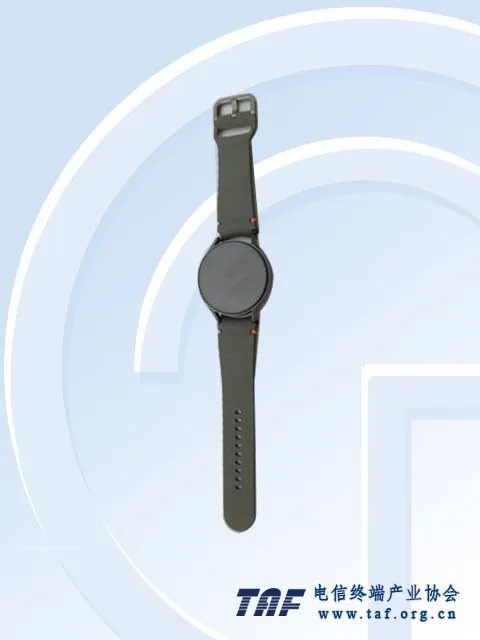
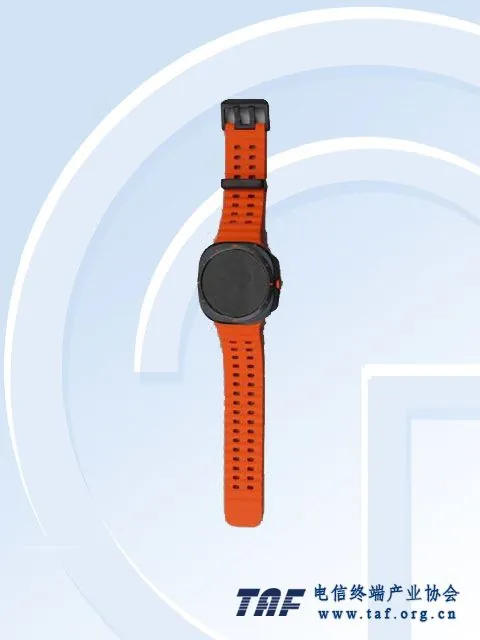
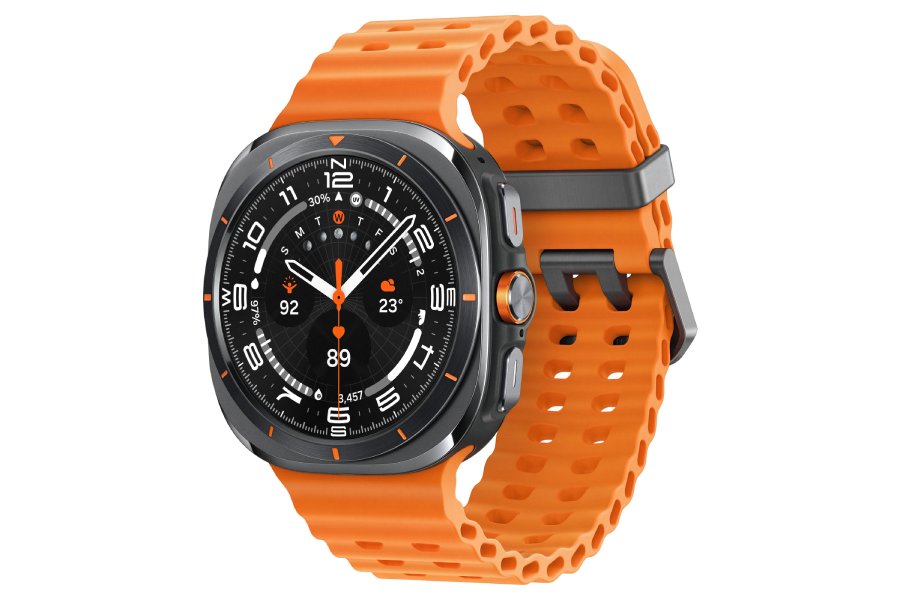
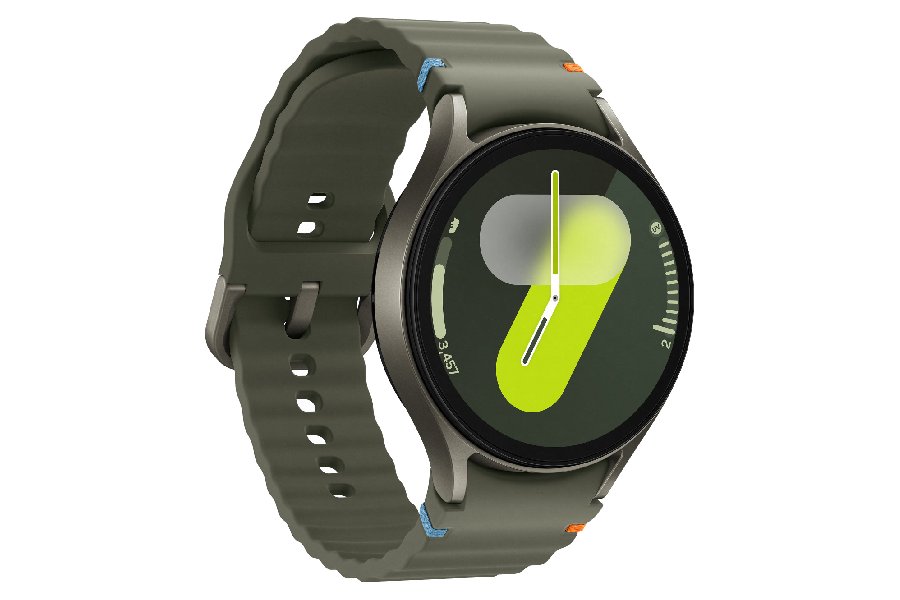
New images of Galaxy Watch 7 and Watch Ultra have surfaced. Many tech devices require governmental certification before launch, which often reveals key details about the devices before they are officially announced. Now, we can see the design of the Watch 7 and Watch Ultra through these real-life images. We call them “real-life” as they are not same as the previously revealed renders.
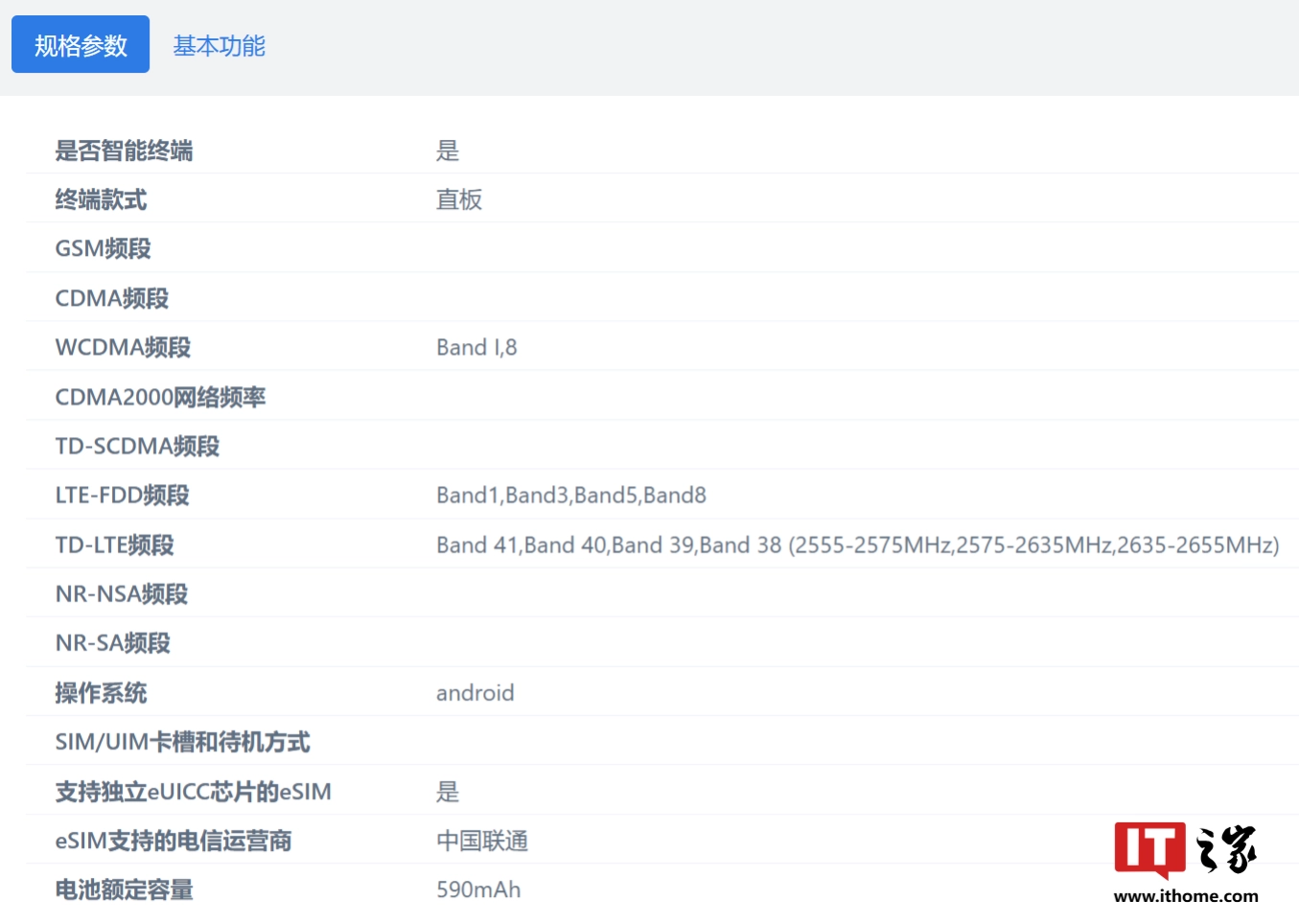
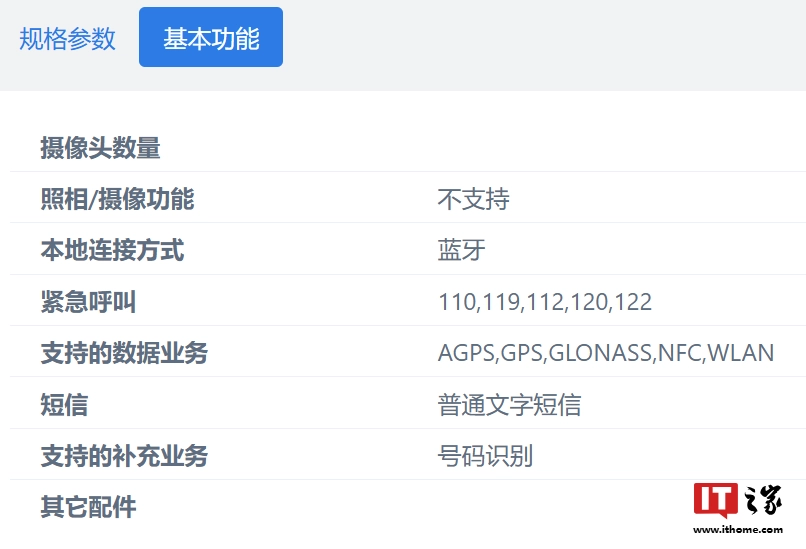
The Watch 7 was previously spotted on the MIIT website. Now, the ITHome team has discovered new images of the Watch 7 on the Chinese TAF website. While some specs may be specific to China, we don’t expect significant differences from the global model. One thing to note that the Chinese tech blog, ITHome calls the future smartwatch as “Watch 7 Ultra”. Samsung’s first watch with “Ultra” branding was known to “Watch Ultra” previously.
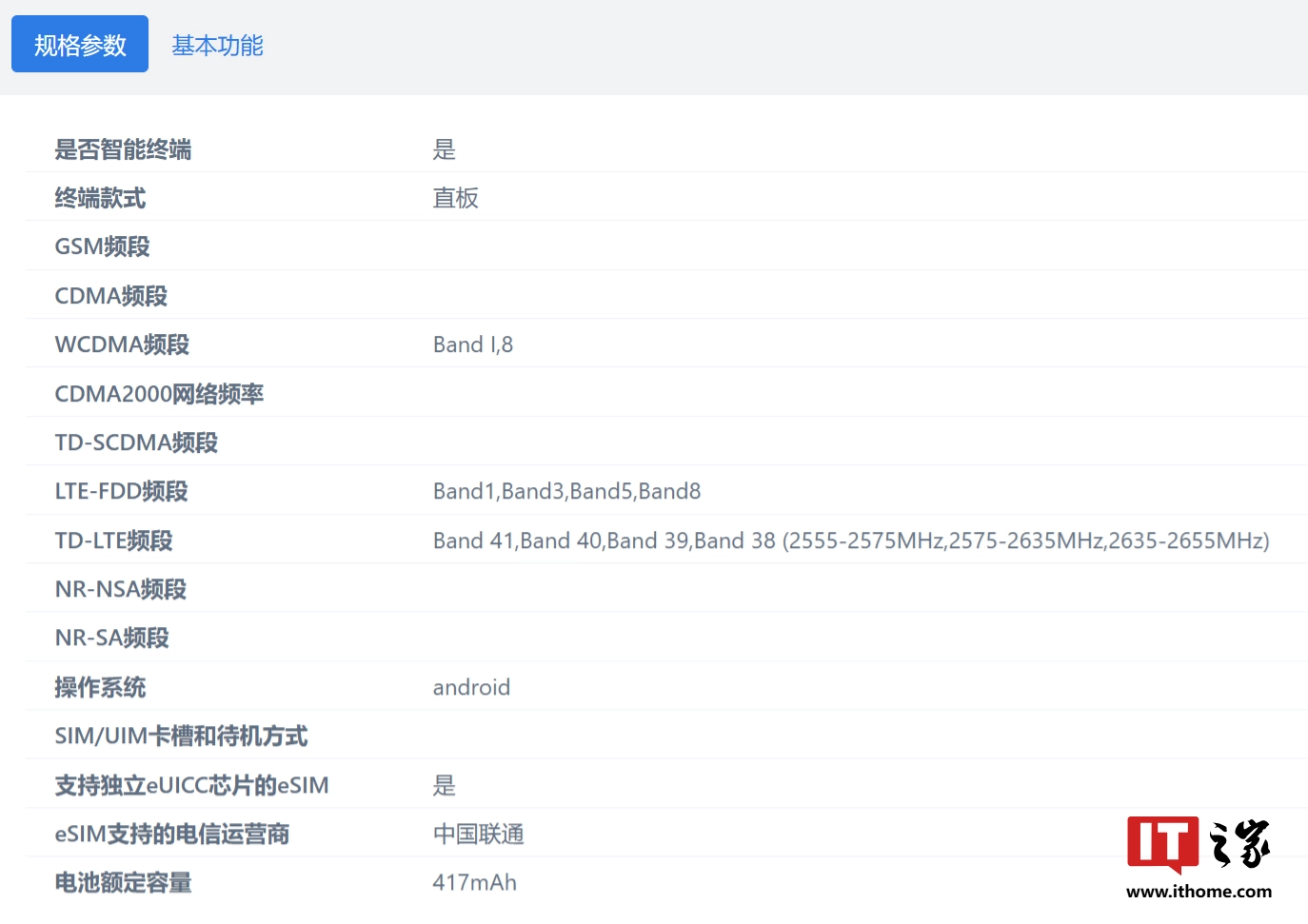
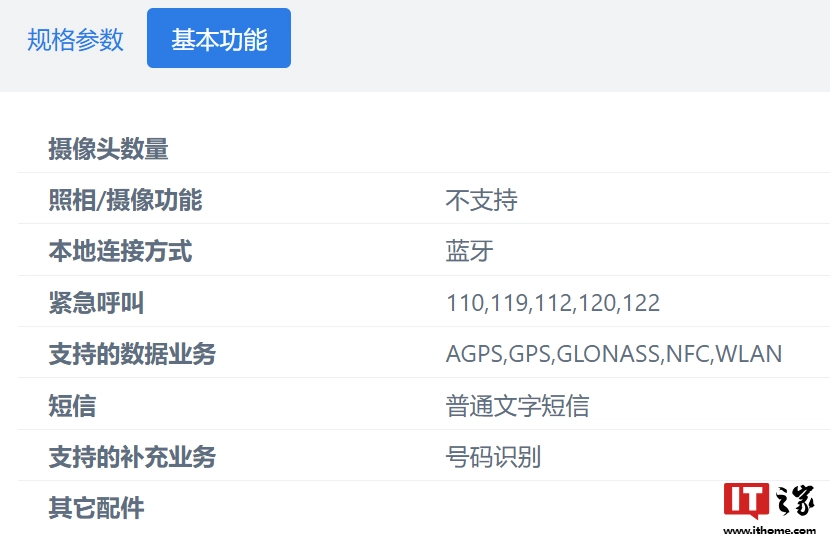
The regular Galaxy Watch 7 appears with model number SM-L3150, supporting WCDMA and LTE connectivity, and featuring eSIM support. The Watch 7 is listed with a 417 mAh battery.
Galaxy Watch 7 & Watch 7 Ultra TAF certificate
The Galaxy Watch Ultra with model number SM-L7050, is noted for having a much larger battery. Watch Ultra boasts a 590 mAh battery. Judging by the photos, the Watch 7 Ultra does not appear to be a gigantic smartwatch. Samsung has managed to fit a 590 mAh battery into a relatively compact body.
Google is expected to release the Pixel 9 series next month. According to a previous teaser, the phone could be launched on 8/13/2024. However, the Pixel 9 seems to have already been sold to a user in Algeria. The image of the phone reveals that there will be a pink color option this time. The real-life image also reveals the design language of the new Pixel.
Google to introduce a new back design that stands out from the rest once again.
Google has redesigned the unique island module of Pixel devices with the Google Pixel 9 series, which is in line with the previously revealed renders. The protrusion of the camera island is also significant. The Pixel 9 is now confirmed to come with a flat back panel and flat sides. While Google has moved away from its previous unique camera bar design, the new design is equally distinctive and stands out from the rest.
The Google Pixel 8 Pro offers a Bay color option which looks interesting. While Pink is not a widely used color for smartphones, it can be a contrasty option for the upcoming series.
Speaking of the pink color option, this is the first time Google is using it on their Pixel phones. This new color option will likely be targeted at female users. In recent years, Google has used colors like blue, green, rose, and mint, alongside the more traditional black and gray options in its phones.
On the inside, the Pixel 9 series will house the Tensor G4 chip, which reportedly features a configuration of 1×Cortex-X4 clocked at 3.1GHz, 3×Cortex-A720 clocked at 2.6GHz, and 4×Cortex-A520 clocked at 1.95GHz. The phone seen in the image is the 256GB model.
The Google Pixel 9 has already surfaced on Geekbench revealing the raw CPU power of the Tensor G4 chipset. The phone achieved a score of 1653 and 3313 in single and multi-core tests respectively.
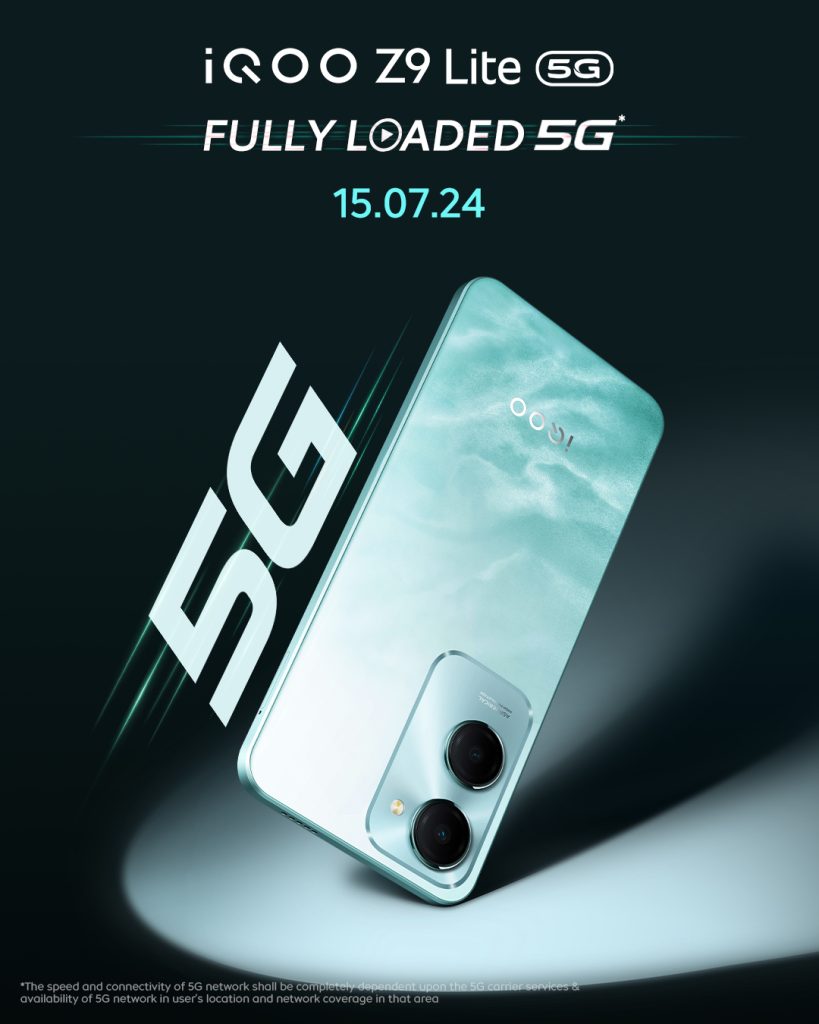
iQOO, the Chinese smartphone maker, is planning on launching a new 5G mid-range phone in India soon. The company’s iQOO Z9 Lite was just teased on an e-commerce platform, revealing some of its key specifications and launch date.
iQOO Z9 Lite launches in India on July 15
The upcoming smartphone was spotted on the Amazon microsite, confirming its July 15 launch date. Its mid-July release is in line with one of our previous reports. This leak suggested that a new blue and brown color variant are in the works. Looking at the teaser image, the Z9 Lite appears to have a textured finish and a dual camera setup at the back. That’s not all, the Amazon listing has confirmed a bunch of key hardware of the smartphone as well.
The iQOO Z9 Lite is equipped with the MediaTek Dimensity 6300 SoC, which is a 6nm based process. This processor confirms The company claims that the processor helped the Z9 Lite achieve 414K points on the AnTuTu V10 benchmark. For memory, you get 6GB of RAM and 128GB of internal storage. Unfortunately, this is all the information that was shared on the Amazon microsite. But recent reports have hinted that it is a rebranded version of the Vivo T3 Lite.
Just yesterday, the iQOO Z9 Lite visited the Google Play Console listing with the I2306 model number and an HD+ display. To recall, the Vivo T3 Lite sports a 6.56-inch LCD HD+ display that offers a 90Hz refresh rate, and 840 nits of peak brightness. It is powered by a large 5,000mAh battery pack that supports 15W wired fast charging. For optics, you get a 50-megapixel dual camera setup on the rear, while the front houses an 8-megapixel selfie shooter. So we can expect similar specs on the iQOO Z9 Lite as well. This is all the information we have at the moment, so stay tuned for more updates.
Earlier in April this year, Xiaomi joined the open-ear design TWS earphone bandwagon. Now, the brand is bringing the audio device to the global market. Xiaomi has confirmed this on its official X handle. The upcoming offering is called the Xiaomi OpenWear Stereo. The device will compete against the likes of the Huawei FreeClip (reveiw), Bose Ultra Open, and more in the market.
Xiaomi OpenWear Stereo launching globally
Xiaomi has not exactly revealed the launch date of the OpenWear Stereo in the global market. It will be available in White and Black color options. Meanwhile, CEO Lei Jun mentioned that the company is excited to bring its first open-ear audio product to the international markets.
The Xiaomi OpenWear Stereo is very much expected to be the same as its Chinese counterpart. The upcoming offering features an ergonomic ear hook-like design with the curved part fitting the ear comfortably and not invading the ear canal. There is a flexible nickel-titanium alloy wire that can be bent and adjusted. The earphones are IP54-certified dust and water-resistant.
The Xiaomi Open Headphones (as they are called in China) come with real-time perception of surrounding sounds that lets you stay aware of your environment. The earphones are equipped with custom 17 x 12mm drivers and DLC diaphragms. They also support LHDC codec and Hi-Res audio. Being open-ear design earphones, the Xiaomi Open Headphones feature an independent anti-leakage system so that sound doesn’t leak outside of the device. The 10mm anti-leakage sound unit improves privacy especially when on calls.
The Xiaomi Open Headphones are also equipped with a dual-microphone array and beamforming algorithm that eliminates environmental noise for clear-quality calls. The TWS earphones are capable of connecting to two devices simultaneously and are claimed to offer 7.5 hours of usage on a single charge which extends to 38.5 hours with the case.
The final piece of the Motorola Edge 50 puzzle has emerged, with the Motorola Edge 50 5G’s European debut and pricing gets leaked. Motorola had previously unveiled three models within the Edge 50 series: the Edge 50 Fusion, Edge 50 Pro, and Edge 50 Ultra. However, the regular model remained absent, until now. According to reports from 91mobiles, regular Motorola Edge 50 is expected to make its grand entrance in this month, July.
Motorola Edge 50 to arrive in Europe with €599 price tag (12GB + 512GB)
It’s no surprise that new leaks about the Motorola Edge 50 are emerging. We have already shared some of its specs with you. You can check out previously shared article on the Motorola Edge 50 specs and certificate here. The phone was previously spotted on the FCC. Now, its European market pricing has been revealed.
Motorola Edge 50 5G will be available in Europe for 599 EUR. This model features a RAM and storage configuration of 12GB + 512GB. Additionally, it will be available in green, peach, and grey colors. The phone is known to have a 5000 mAh battery with 68W charging capability. This is a significant increase compared to previously released Edge 40 with 4400 mAh battery, no improvement in charging speed though.
As scheduled, Oppo has launched the Oppo A3 smartphone in its domestic market of China. This launch comes after the brand debuted the Oppo A3 Pro back in April.
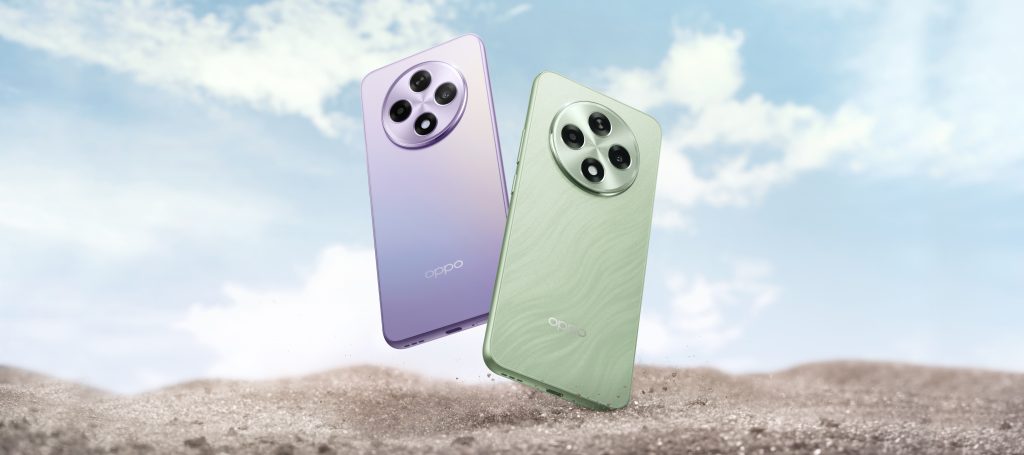
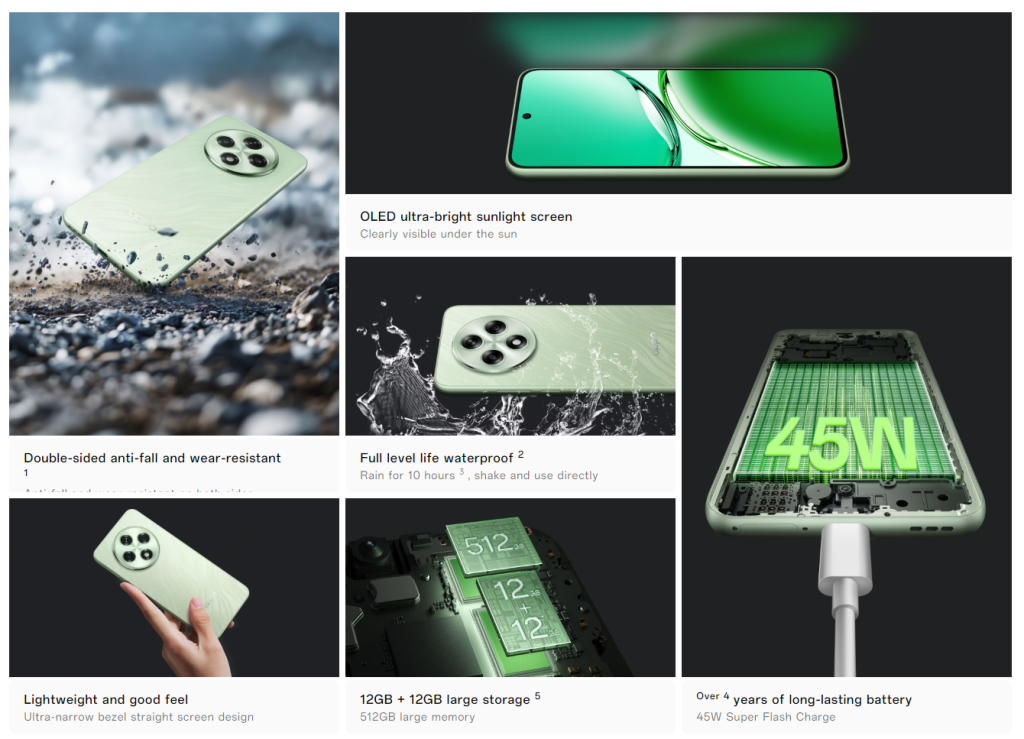
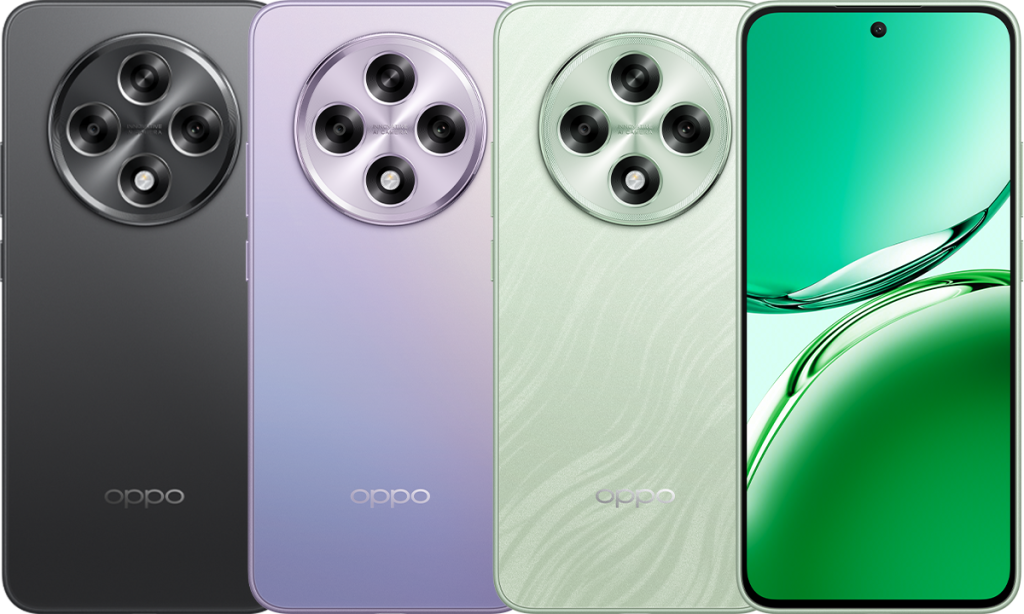
The Oppo A3 is available in three color options: Tranquillity Black, Aurora Purple, and Mountain Stream Green. The Mountain Stream Green variant features a wavy pattern on the back, reminiscent of grass swaying in the wind.
Oppo A3 specifications
The phone features a 6.67-inch Full HD+ AMOLED screen with a 120Hz refresh rate and a touch sampling rate of up to 240Hz. It has a peak brightness of 1200 nits and is protected by Corning Gorilla Glass 7i.
Powered by the Qualcomm Snapdragon 695 5G SoC and Adreno 619 GPU, the Oppo A3 offers smooth performance. It comes in two RAM options, 8GB and 12GB, with storage options of 256GB and 512GB. Storage can be expanded up to 1TB with a microSD card.
The rear camera setup includes a 50MP main sensor and a 2MP depth sensor. The front camera is 8MP. The phone includes an in-display fingerprint scanner, USB Type-C audio, and bottom-ported speakers. It supports 5G, dual 4G VoLTE, Wi-Fi 6, Bluetooth 5.1, and multiple navigation systems. The Oppo A3 has a 5000mAh battery with 45W SUPERVOOC fast charging.
Pricing and Availability
The Oppo A3 is priced at 1599 yuan (USD 219) for the 8GB + 256GB model, 1799 yuan (USD 247) for the 12GB + 256GB model, and 2099 yuan (USD 288) for the 12GB + 512GB model. It is available for pre-order and will go on sale in China on July 5th.
In related news, Oppo has also recently launched the Reno 12F 5G smartphone in Thailand, featuring a pretty similar design to the Oppo A3, and a Dimensity 6300 chipset. This device is expected to arrive in other global markets in the coming days.
The CMF Phone 1 is an upcoming smartphone from Nothing‘s sub-brand, CMF. Scheduled to launch on July 8, 2024, this budget-friendly option will compete with the Realme 12 Pro and OnePlus Nord CE 4 Lite. But is it worth the wait, or are the existing options already good enough? Let’s discuss this.
CMF has taken an unconventional approach to the launch of their upcoming Phone 1, revealing specifications a few components at a time over a nine-day period leading up to the official release on July 8.
So far, the company has confirmed that the phone will feature a 6.67-inch Super AMOLED display with a 120Hz refresh rate, HDR10+ support, and 2000 nits peak brightness. The display will also house a fingerprint scanner for biometrics.
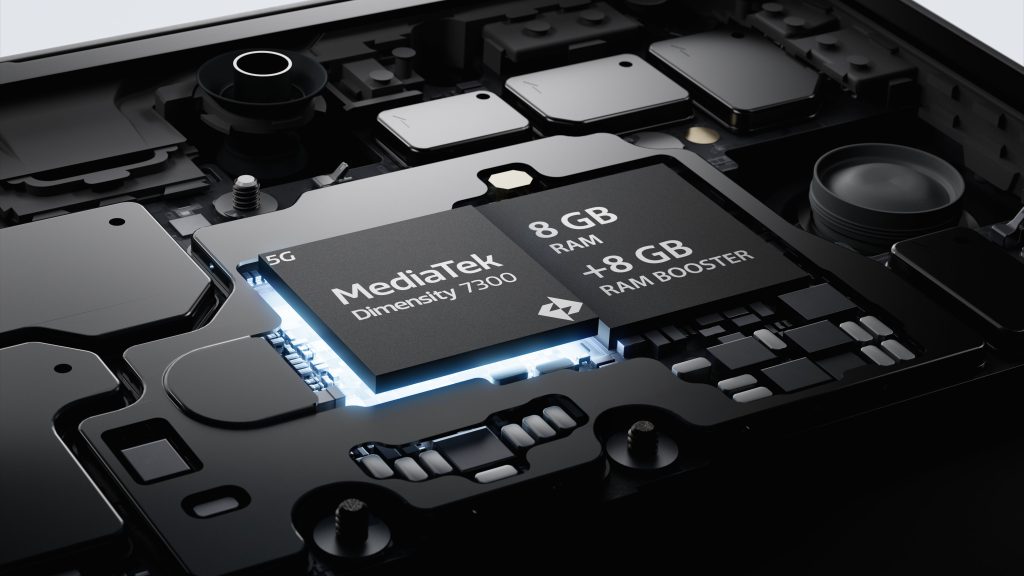
The device will be powered by a MediaTek Dimensity 7300 SoC, which the company claims will deliver a best-in-class user experience within its segment. CMF has also posted AnTuTu benchmark scores of 673,000, showing it performs better than the Snapdragon 782G, Dimensity 7050, Snapdragon 6 Gen 1, and Snapdragon 695, which are common processors in this price range.
The phone will come with 8GB of RAM in the base variant and will be pre-installed with Nothing OS. Unlike many budget smartphones that often come with pre-installed bloatware, Nothing OS offers a clean, near-stock Android experience, providing a user-friendly and bloatware-free interface.
As for the battery, the CMF Phone 1 will be powered by a 5000mAh cell, which the company claims can last up to 2 days of use or 22 hours of non-stop YouTube. Charging details are still under wraps.
2. Expected Specifications
Crucially, the company has not confirmed the camera details of the phone at the time of writing this article. However, leaks suggest a dual rear camera setup with a 50MP primary sensor, though there isn’t much information on the other sensors. The front-facing camera is expected to be 16MP.
Another mystery about the CMF Phone 1 is its design. The company has teased a few intriguing design elements. For instance, there appears to be a knob on the back of the phone, but it’s unclear whether it is functional or merely a design element.
Additionally, a short video clip shared by the company shows the phone’s back featuring a screw that can be opened and closed. While its functionality remains unknown as well, rumors suggest the screw might be part of a modular system called “Nothing Lock,” which could allow users to attach accessories to the device and even switch out the back panel with different ones.
Although there’s no official confirmation, the CMF Phone 1 is likely to have a polycarbonate build, as it is a budget phone. This material might feel less premium compared to glass backs but could result in a lighter phone. Color options are rumored to be black, white, and orange.
3. Who Should Wait for the CMF Phone 1?
While the company is mum on the pricing of the device, leaks suggest that the CMF Phone 1 will be priced under Rs 20,000 in India. If you prioritize affordability and a clean software experience, the CMF Phone 1 could be worth the wait.
The phone is confirmed to have the best SoC in its segment, feature-rich Nothing OS, and an OLED display with HDR10+ certification. Additionally, those who appreciate unique phone designs should keep an eye on what the CMF Phone 1 has to offer.
However, while waiting for the CMF Phone 1’s launch, it’s wise to consider the established players in the budget segment. Brands like Xiaomi, Motorola, and Realme offer various options with competitive features and price points. Comparing specifications and user reviews can help you make an informed decision.
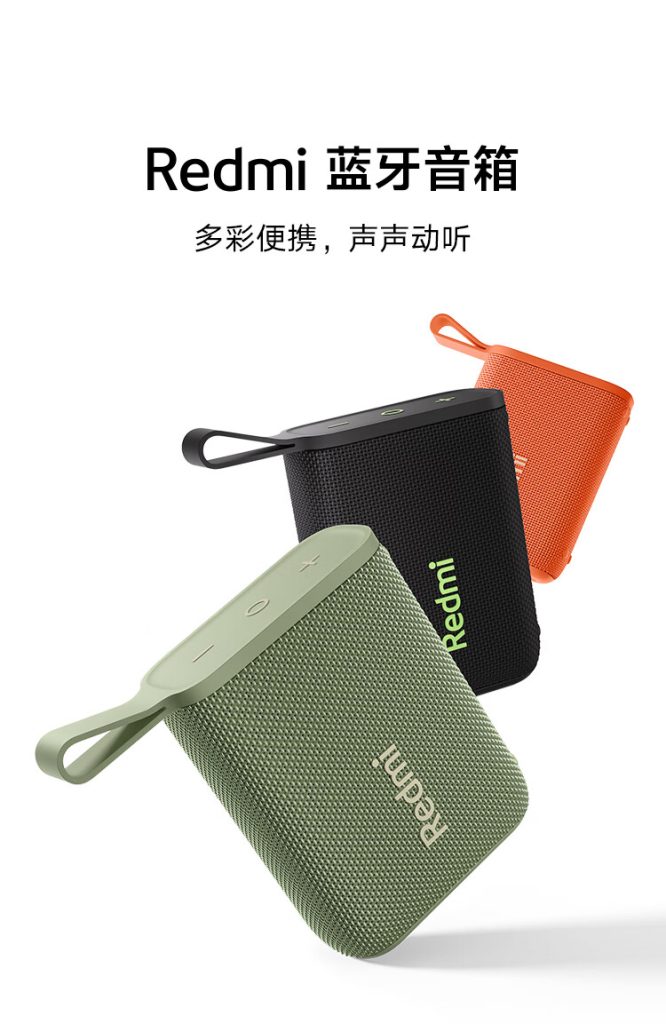
Xiaomi recently launched the Redmi Bluetooth Speaker in the Chinese market. The speaker comes in three colors: Black, Green, and Orange. The black version already went on sale last month. Now the green variant has hit the shelves on JD.com. It is priced at 99 yuan (roughly $14).
Redmi Bluetooth Speaker Specifications:
The speaker boasts a stylish design with a colorful exterior wrapped in a soft rubber material. This not only enhances aesthetics but also contributes to its durability.
The Redmi Bluetooth Speaker is built tough, featuring an IP67 dustproof and waterproof rating. This means it can withstand splashes, light rain, and dusty environments, making it ideal for outdoor adventures like picnics, hikes, or poolside gatherings.
Despite its pocket-friendly size, Xiaomi promises big sound. The speaker utilizes a dual-unit acoustic configuration with a 1.5-inch full-range driver. It also supports Bluetooth 5.3 for a stable and fast connection.
Battery life is rated at 5 hours on a single charge, which should be enough for most outdoor activities. The speaker utilizes a Type-C charging port for convenient refills.
The Bluetooth speaker also comes with an integrated strap, allowing you to easily hang the speaker from your backpack or clip it to your bike for on-the-go tunes.
For those seeking a more immersive audio experience, the Redmi Bluetooth Speaker supports True Wireless Stereo (TWS) interconnection. This allows you to pair two Redmi Bluetooth Speakers for stereo sound, doubling the volume and creating a wider soundstage.
The orange variant of the speaker will hit the market on July 15 at 10 AM (CST).
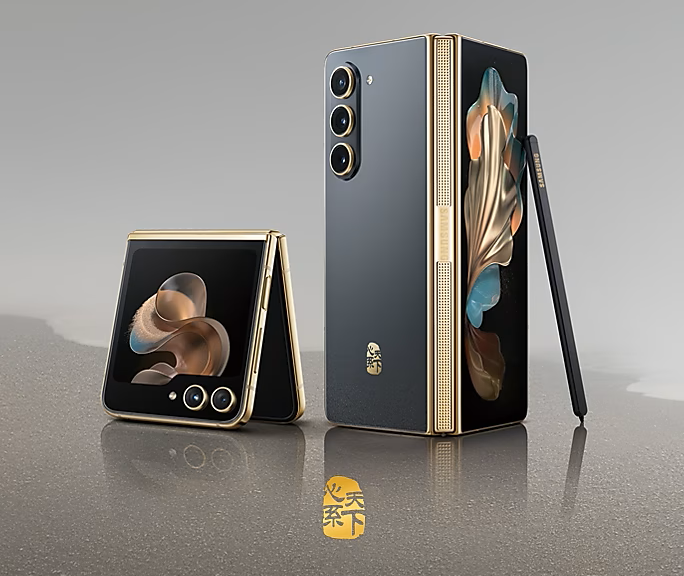
Samsung‘s next-gen flagship foldable smartphones are set to be announced soon and it seems that its Chinese variant is in the works too. The Samsung W25 was recently spotted in major certification in China. So here’s what we know so far.
Samsung W25 China launch near?
Samsung W24 & W24 Flip
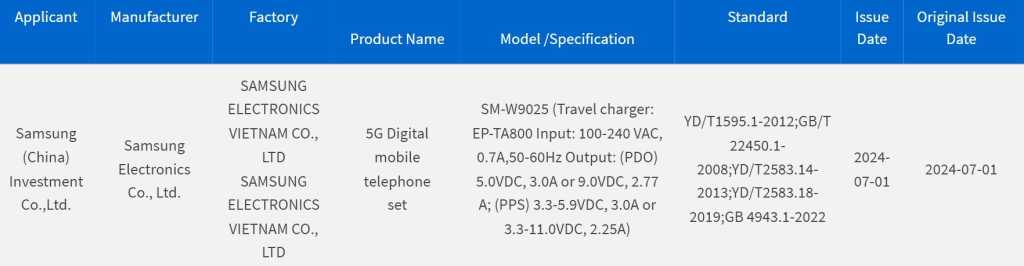
The South Korean tech giant is gearing up to unveil the Galaxy Z Fold 6 and Galaxy Z Flip 6 next week. These are expected to be rebranded as the Samsung W25 and W25 Flip in China. But ahead of any official announcement, the Samsung W25 has been spotted on the 3C certification (Via MySmartPrice). The upcoming foldable phone visited the online database with the SM-W9025 model number. Its charger also surfaced on this platform carrying the EP-TA800 model number, confirming support for 25W wired fast charging.
In other words, the charging speed isn’t getting any upgrade over its predecessor, the Samsung W24. The 3C certification does not reveal any other finer details regarding the W25 series, but we can expect its release timeline to be a bit delayed compared to the Galaxy Z Fold 6 and Z Flip 6. The last-gen Samsung W24 series was launched in China back in September 2023. So we can expect the W24 lineup to have a similar release timeline. Based on what we know about the Galaxy Z Fold 6, the new flagship foldable will feature a slimmer and lighter design.
It could even pack the high-end Snapdragon 8 Gen 3 SoC under the hood. Similar to the Z Fold 6, it should also come with dual displays. This includes a 7.6-inch Dynamic AMOLED 2x primary display, while the external screen has a 6.3-inch Dynamic AMOLED 2x screen. For those unaware, the Samsung W series is exclusive to China and this model would likely continue the brand’s collaboration with China Telecom.
Just last week, ASUS announced its latest Vivobook S 15 (2024) model in the Indian market. It packed Qualcomm’s new Snapdragon X Elite chipset and offered a bunch of AI features with Microsoft’s Copilot+ AI. Pre-orders officially kicked off today, and now, its official pricing has also been finally revealed.
ASUS Vivobook S 15 OLED Pricing
Pre-booking for this new notebook is live between July 2 and July 8. The ASUS Vivobook S 15 OLED will go on sale via the brand’s official website and Flipkart. The latter of which has now listed the device with its official price tag. The VivoBook S 15 OLED with 16GB of RAM, 1TB of SSD storage, Windows 11 Home, and the Snapdragon X Elite processor costs 124,990 INR (roughly 1,497 US Dollars).
Specs and Features
To recall, the Vivobook S 15 sports a 15.6-inch ASUS Lumina OLED display with a 3K resolution, a 120Hz refresh rate, 600nits of peak brightness, 100 percent DCI-P3 color gamut, and a 16:9 aspect ratio. You get an FHD webcam with an IR sensor for added security on the front. Under the hood, the Snapdragon X Elite is paired with its Adreno GPU. A 70Wh battery pack powers this device, which offers up to 18 hours of battery life. It supports fast charging as well, promising a 60 percent charge in just 49 minutes.
Connectivity options include two USB 3.2 Gen 1 Type-A ports, two USB 4.0 Gen 3 Type-C ports, an HDMI 2.1 TMDS port, a 3.5mm combo audio jack, a micro SD card reader, Wi-Fi 7, and Bluetooth 5.4. The body of the ASUS Vivobook S 15 OLED meets the US MIL-STD 810H military-grade standards. Other notable features include built-in speakers, Smart Amp technology, AI noise canceling, a backlit chiclet keyboard, and a dedicated Copilot Key.
Ahead of Samsung‘s next Unpacked event in Paris on July 10th, a leak has seemingly revealed pricing details for the upcoming Galaxy Watch 7 family, including the new Galaxy Watch Ultra.
The Galaxy Watch Ultra will reportedly come in a single size (47mm) with Bluetooth, Wi-Fi, and 4G connectivity. This top-of-the-line model is expected to sport a titanium case and boast three color options: Titanium Grey, Titanium Silver, and Titanium White. The leak suggests a price tag of €699 for the Ultra.
In contrast, the Galaxy Watch 7 will be available in two sizes: 40mm and 44mm. Both sizes are expected to utilize an aluminum case and come in two configurations – Bluetooth and Wi-Fi only, or Bluetooth, Wi-Fi, and 4G LTE. Pricing for the Galaxy Watch 7 starts at €319 for the 40mm Bluetooth and Wi-Fi version and increases to €349 for the 44mm variant with the same connectivity. Adding 4G LTE bumps the price to €369 for the 40mm and €399 for the 44mm.
While both Galaxy Watch 7 sizes share the same chipset, RAM, and storage capacity (2GB RAM, 32GB storage), there are some key differences. The 40mm model features a 1.3-inch display and a 300mAh battery, while the 44mm variant boasts a larger 1.5-inch display and a 425mAh battery. Both watches are expected to offer 50 meters (5 ATM) water resistance.
The Galaxy Watch Ultra stands out with its larger size, more durable titanium case, and a significant jump in water resistance to 100 meters (10 ATM). It also packs a larger 590mAh battery.
All the leaked models are expected to share some common features, including IP68 dust resistance, MIL-STD-810H durability certification, Bluetooth 5.3, dual-band Wi-Fi, NFC support, and dual-frequency GPS.
It’s important to remember that this is a leak, and official pricing may differ slightly. With the Unpacked event scheduled for July 10th, we shouldn’t have to wait long for official confirmation on pricing and availability details for upcoming Samsung wearables.
Realme has begun teasing the launch of its upcoming Realme 13 Pro series in India. The first teaser shows only a part of the phone’s camera module, keeping the overall design a secret.
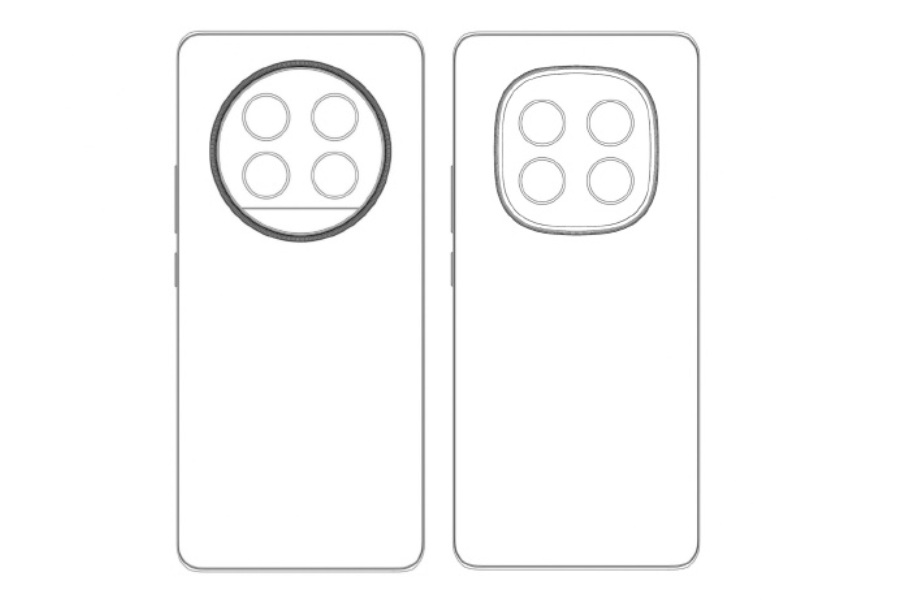
However, a tech insider known as Digital Chat Station has shared a design sketch revealing the back of the phone. The leak also includes a sneak peek of the upcoming Redmi Note 14 Pro series. Let’s discuss both.
So the Realme 13 Pro (left in the sketch) appears to retain a design similar to its predecessor, the Realme 12 Pro, featuring a circular camera island on the back.
In contrast, the Redmi Note 14 Pro series (right in the sketch) seems to be embracing a design overhaul. Unlike the Redmi Note 13 Pro, which opted for a camera lens arrangement on the left side of the phone, the Note 14 Pro appears to introduce a centrally aligned rectangular camera module.
Specifications for the Redmi Note 14 Pro are still under wraps, but a previous report suggests it will sport a 1.5K curved display with a centered punch-hole cutout for the front camera. The rear camera setup is rumored to be led by a 50MP main sensor.
Turning to the Realme 13 Pro series, leaks suggest both the Realme 13 Pro and 13 Pro+ will feature a 6.7-inch curved AMOLED FHD+ display with a 120Hz refresh rate.
They are also expected to run on Realme UI 5, based on the latest Android 14 operating system, and will reportedly come in four configurations: 8/128GB, 8/256GB, 12/256GB, and a top-tier option with 12/512GB.
Realme 13 Pro series teaser
Color options for the 13 Pro are speculated to be Monet Gold, Monet Purple, and Sky Green, while the Pro+ edition might be available in Monet Gold and Emerald Gold.
Further details about the Realme 13 Pro’s chipset, battery, and camera are yet to be revealed. However, leaks suggest the Realme 13 Pro+ might pack a 5,050mAh battery with support for 80W fast charging.
Samsung’s Galaxy AI has recently expanded its language capabilities to include 16 languages. Global collaboration and partnerships with academic institutions have made this significant achievement possible. A key player in this development was the Samsung R&D Institute India-Bangalore (SRI-B), the company’s largest research center outside of Korea.
Samsung Galaxy AI now supports Hindi language
Samsung’s core engineers from other Samsung Research centers visited Bangalore, India
According to Samsung, SRI-B led the development of the Hindi AI model, a complex undertaking due to the language’s numerous dialects, tonal variations, and frequent mixing with English words. The team tackled this challenge by utilizing a combination of translated and transliterated data, along with the expertise of native linguists, to ensure the AI accurately captured the unique phonetic structure of Hindi.
The Vellore Institute of Technology played a crucial role in providing a vast amount of curated audio data, including conversational speech, words, and commands, which was essential for incorporating Hindi, the fourth most spoken language globally, into Galaxy AI.
The collaborative efforts extended beyond India, with SRI-B working closely with other Samsung research centres worldwide to bring Vietnamese, Thai, and Indonesian to the Galaxy AI platform. The expanded language support in Galaxy AI, accessible through features like Live Translate, Interpreter, Note Assist, and Browsing Assist, enables users to enhance their language skills even offline.
In related news, Samsung will hold its next Unpacked event on July 10 for multiple markets. The event is expected to see the arrival of several new devices, such as the Galaxy Z Fold 6, Z Flip 6, Galaxy Watch 7, Galaxy Watch Ultra, Galaxy Buds 3 series, and Galaxy Ring. One of the major highlights of the event will be that these devices are expected to offer an enhanced experience of the Galaxy AI, which was introduced with the Galaxy S24 series of smartphones at the beginning of this year.
In today’s tech roundup, Realme has officially set the launch date for the highly anticipated GT 6 with Snapdragon 8 Gen 3 in China on July 9, positioning it against fierce competitors like the OnePlus Ace 3 Pro.
Apple settles the MacBook Butterfly Keyboard class action lawsuit, paying up to $395 per claimant.
The Galaxy S25 rumors are heating up, suggesting it might run Genshin Impact at a smooth 120 FPS.
Plus, get a glimpse into the future with Samsung’s plans for full-screen fingerprint recognition in the Galaxy Z Fold 7 and its first rollable device.
Dive into these stories and more in today’s roundup edition!
Realme has finally confirmed the Realme GT 6’s launch date for the Chinese market. The device, equipped with the Snapdragon 8 Gen 3 chipset, will debut on July 9. The performance-focused smartphone will compete with the likes of the OnePlus Ace 3 Pro and upcoming phones, such as the iQOO Neo 9S Pro+ and the Redmi K70 Ultra.
Apple recently updated a blog post regarding the MacBook Butterfly Keyboard class action lawsuit. The court approved the settlement on May 25th, 2023, after completing their review of claims. An order for payments was issued on June 27th, 2024, with eligible claimants receiving payouts by the end of August 2024.
Rumors surrounding the upcoming Samsung Galaxy S25 continue to show up. Earlier leaks suggested that the S25 might be powered by MediaTek’s Dimensity 9400 chipset, while other reports hinted at a slimmer design with rounded corners for the Galaxy S25 Ultra. Now, the latest rumor takes the S25’s capabilities to a whole new level, claiming that it will be capable of running Genshin Impact at a smooth 120FPS.
Samsung is about to release its sixth-generation foldables. However, a patent application from the company hints that they are already working on making future foldable and rollable foldables stand out from the competition.
Xiaomi announced the launch of the Xiaomi-MediaTek Joint Laboratory in Shenzhen, China. This laboratory focuses on five core capabilities and three main technical areas: performance, communication, and AI. Both companies aim to explore the underlying technologies to deliver superior products. The first flagship product from this new collaboration is the Redmi K70 Extreme Edition (aka. Redmi K70 Ultra).
Xiaomi also revealed that over the past three years, more than 18.6 million units of Redmi Dimensity flagship platform mobile phones have been shipped, and the Xiaomi Group has shipped a total of 680 million units of products using the MediaTek platform.
Xiaomi-MediaTek collaboration announced ahead of Redmi K70 Ultra launch
As far as the Redmi K70 Ultra is concerned, the device will come equipped with MediaTek’s latest flagship chipset, the Dimensity 9300 Plus. As per reports, the device will compete with three Snapdragon 8 Gen 3 phones, such as the OnePlus Ace 3, the Realme GT 6, and the iQOO Neo 9S Pro+. While the OnePlus phone has already launched, the Realme and iQOO smartphones are said to debut on July 9 and July 11, respectively, in China.
Redmi K70 Ultra specifications (rumored)
As mentioned above, the Redmi K70 Ultra will have the Dimensity 9300+ chipset. It is speculated that the topmost variant of the device will have 24 GB of RAM and 1 TB of storage. It is expected to feature a dedicated graphics engine for an enhanced gaming experience.
The K70 Ultra will house a 5,500mAh battery with 120W fast charging. The brand has already confirmed that it will be an IP68-rated dustproof and water-resistant device. Additionally, it is also expected to feature a metal middle frame.
As far as the launch is concerned, the Redmi K70 Ultra is likely to debut by the middle of this month (July) in China. The brand is yet to reveal the design of the smartphone.
iQOO recently confirmed that it will unveil the iQOO Neo 9S Pro+ smartphone on July 11 in China. In the Chinese market, the performance-driven phone will compete with devices like the OnePlus Ace 3 Pro and the Realme GT 6, both equipped with the Snapdragon 8 Gen 3. It will also compete with the Redmi K70 Ultra, which is expected to feature the Dimensity 9300+ chipset. Today, Jia Jingdong, Vivo’s vice President for Brand and General Manager of Brand and Product Strategy, took to Weibo to officially confirm the key specifications of the Neo 9S Pro+.
iQOO Neo 9S Pro+ key specifications
iQOO Neo 9S Pro+
Jingdong confirmed that the iQOO Neo 9S Pro+ will feature the Snapdragon 8 Gen 3 chipset, as well as iQOO’s self-developed Q1 graphics chip for an improved gaming experience. A specialized scheduling algorithm has been designed to intelligently allocate tasks between the Snapdragon and e-sports Q1 chips. The system automatically allocates more resources to the e-sports chip to enhance gaming performance when it detects a game. Additionally, a sophisticated power management strategy dynamically adjusts the power consumption of the two chips in various scenarios, thereby extending battery life.
Speaking of battery life, the iQOO Neo 9S Pro+ will pack a 5,500mAh battery that supports 120W fast charging. Despite housing a large battery, the device will maintain a slim profile of 7.99mm. The phone will come preloaded with the OriginOS 4.0-based Android 14.
For security, the iQOO Neo 9S Pro+ will be the company’s first sub-flagship phone to feature an ultrasonic in-screen fingerprint sensor. For those who don’t know, the Neo 9S Pro+ will arrive as an upgraded version of the Dimensity 9300-powered iQOO Neo 9 Pro, which was announced in December last year.
Compared to the Neo 9 Pro, the upcoming Neo 9S Pro+ will arrive with three major department improvements: chipset, battery size, and a new fingerprint scanning solution. Like the Neo 9 Pro, the 9S Pro+ will have a 50-megapixel (main, with OIS) + 50-megapixel (ultrawide) dual-camera system. The availability of the device in markets outside of China remains unclear.
Honor has officially confirmed that it will hold a launch event on July 12 in China. The event will see the arrival of multiple products, such as the Magic V3 and Magic Vs3 foldable phones, the MagicPad 2 tablet, and the MagicBook Air 14 laptop. Here is a look at what to expect from the upcoming Honor devices.
Honor Magic V3 specifications: What’s known so far?
Honor to hold launch event on July 12 in China
Honor recently confirmed that the Honor Magic V3 will be thinner and lighter than the Magic V2 from last year. To recall, the Magic V2, which featured the Snapdragon 8 Gen 2 chipset and a 5,000mAh battery, measures only 9.9mm in the folded state and weighs around 231 grams.
As per reports, the Magic V3 will have the latest Snapdragon 8 Gen 3 chipset and a bigger battery. It is also expected to support 5.5G cellular connectivity and two-way satellite communication. According to the device’s 3C certification, it may come with support for 66W fast charging. Unfortunately, the other details of the Magic V3 are under wraps.
Honor is yet to confirm the concrete details of Magic Vs 3, MagicPad 2, and MagicBook Art 14. It appears that, like the Magic Vs2, which debuted in October 2023, the Magic Vs3 will be an affordable offering. The predecessor model featured the Snapdragon 8+ Gen 1 chipset. Hence, it is likely that the Magic Vs3 may pack the Snapdragon 8 Gen 2 SoC. As far as MagicPad 2 is concerned, it will come equipped with AI defocus vision relief technology that reduces eye fatigue.
In related news, new Honor products are also expected to hit the Indian market soon. The Honor 200 and 200 Pro teasers have already started in the country, hinting that both devices may go official this month (July).
The FLYDIGI Vader 4 Pro Assassin’s Creed Variant is a limited-edition gaming controller that sets a new standard for gaming precision and customization. Designed by Flydigi, this model boasts an impressive array of features that cater to the needs of serious gamers. With an 800mAh battery and dual charging ports: Type C and Magnetic, this controller ensures long gaming sessions with minimal downtime. You can now get the special edition gaming controller for $99.99 on GeekWills.
One of the standout features of the FLYDIGI Vader 4 Pro Assassin’s Creed Variant is its adaptive triggers. These triggers are designed to adapt to various game scenarios, providing a more immersive and realistic gaming experience. The 1ms delay in response time means that in-game actions are immediate, making gameplay feel smooth and responsive. Additionally, the controller’s 1000Hz polling rate ensures swift and precise input, which is critical for competitive gaming where every millisecond counts.
Customization is a key advantage of this controller, particularly with its adjustable joystick tension. Gamers can fine-tune the tension from 40-100gf, allowing for a personalized feel that enhances comfort and control during intense gaming sessions. The force-adjustable lever joystick, equipped with a dedicated chip, delivers precise and linear control. With 12-bit sampling and less than 1% return to center, this joystick offers ultra-light resistance and precise centering, elevating the overall control and accuracy.
The hybrid D-Pad and Mecha-Tactile ABXY buttons combine the best of traditional and mechanical tactile buttons, offering a versatile and satisfying gaming experience. These buttons provide a tactile response that is both durable and reliable, ensuring consistent performance over time. The controller also features force-switchable vibration triggers, which mimic the feel of mouse clicks with a 0.3mm ultra-short key travel. This design allows for faster response times and more precise control.
One of the most compelling aspects of the FLYDIGI Vader 4 Pro Assassin’s Creed Variant is its multi-platform compatibility. It supports a wide range of devices, including Android, PC, Smart TV, Switch, and Xbox Steam, making it a versatile addition to any gaming setup. The controller offers multiple connection modes, including wired, Bluetooth, and 2.4G wireless dongle, ensuring stable and flexible connectivity options for various gaming environments.
The 800mAh battery capacity further enhances the gaming experience by supporting extended sessions without the need for frequent recharging. This means gamers can focus on their gameplay without worrying about battery life. Overall, the FLYDIGI Vader 4 Pro Assassin’s Creed Variant is a top-tier gaming controller that combines advanced features, high responsiveness, and multi-platform compatibility. It is designed to provide gamers with a highly customizable and precise gaming experience, making it a valuable tool for both casual and competitive players. Whether gaming on a PC, console, or mobile device, this controller delivers performance and precision that stand out.
Realme has finally confirmed the Realme GT 6’s launch date for the Chinese market. The device, equipped with the Snapdragon 8 Gen 3 chipset, will debut on July 9. The performance-focused smartphone will compete with the likes of the OnePlus Ace 3 Pro and upcoming phones, such as the iQOO Neo 9S Pro+ and the Redmi K70 Ultra.
Realme GT 6 specifications: What to expect?
Realme GT 6 China launch date
The Realme GT 6 will have a BOE S1 OLED panel that offers a 1.5K resolution, a 144Hz refresh rate, and a peak brightness of 6,000 nits. The flat screen will be integrated with a fingerprint sensor. It will run on Android 14 and Realme UI 5.0.
The above teaser, released by the brand, teases the camera module of the Realme GT 6. The rear camera setup of the phone may have an OIS-enabled 50-megapixel primary camera, an 8-megapixel ultrawide lens, a 2-megapixel macro camera, and a ring LED flash. For selfies, the GT 6 is likely to feature a 16-megapixel camera on the front.
Under the hood, the Realme GT 6 will have the Snapdragon 8 Gen 3 chipset, LPDDR5x RAM, UFS 4.0 storage, and a huge 5,800mAh battery with 100W fast charging. The highest variant of the device is expected to offer 24 GB of RAM and 1 TB of storage. Lastly, the GT 6 will have a metal middle frame and a glass back. While the company has already revealed the front design of the phone, it is yet to completely reveal its rear design.
In related news, Realme is also working on the Realme 13 Pro series of smartphones for the Indian market. It is likely that the Realme 13 Pro and 13 Pro+ may debut this month (July) in India. Readers can visit this post to learn about the key specifications of the 13 Pro series.
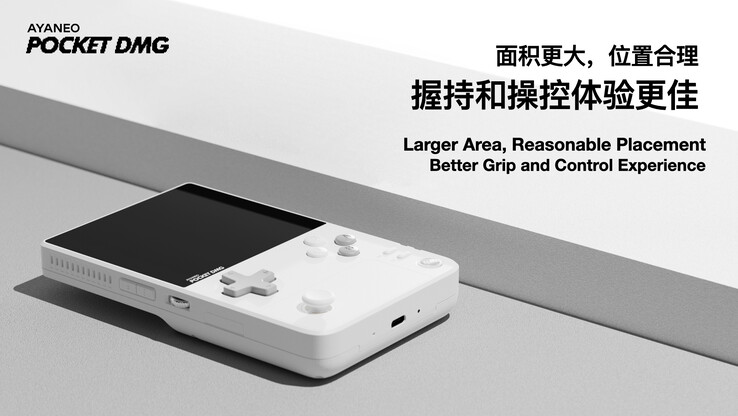
AYANEO recently launched the Pocket DMG vertical screen handheld game console in May. This console, available for pre-order now on their website with a 1,599 yuan down payment (final price not yet announced), has a design that throws it back to the golden age of gaming.
The handheld has a back button and a scroll wheel on the side
The Pocket DMG features a unique vertical layout with a retro aesthetic, complete with a back button and scroll wheel on the side for an authentic experience. Under the hood, it packs a powerful punch with a Qualcomm Snapdragon G3x Gen2 processor and an active cooling system to keep things running smoothly. This is the same processor available in the AYANEO Pocket S.
The display is a 3.92-inch, 1240×1080 OLED screen with a high pixel density of 419 PPI, offering sharp visuals in a compact size (75mm x 66.05mm). While the final price is still under wraps, AYANEO has hinted it will fall between 2,000 yuan and 3,000 yuan, making it a pretty attractive option for retro gaming fans.
We use cookies on our website to give you the most relevant experience by remembering your preferences and repeat visits. By clicking “Accept”, you consent to the use of ALL the cookies.
This website uses cookies to improve your experience while you navigate through the website. Out of these, the cookies that are categorized as necessary are stored on your browser as they are essential for the working of basic functionalities of the website. We also use third-party cookies that help us analyze and understand how you use this website. These cookies will be stored in your browser only with your consent. You also have the option to opt-out of these cookies. But opting out of some of these cookies may affect your browsing experience.
Necessary cookies are absolutely essential for the website to function properly. This category only includes cookies that ensures basic functionalities and security features of the website. These cookies do not store any personal information.
Any cookies that may not be particularly necessary for the website to function and is used specifically to collect user personal data via analytics, ads, other embedded contents are termed as non-necessary cookies. It is mandatory to procure user consent prior to running these cookies on your website.