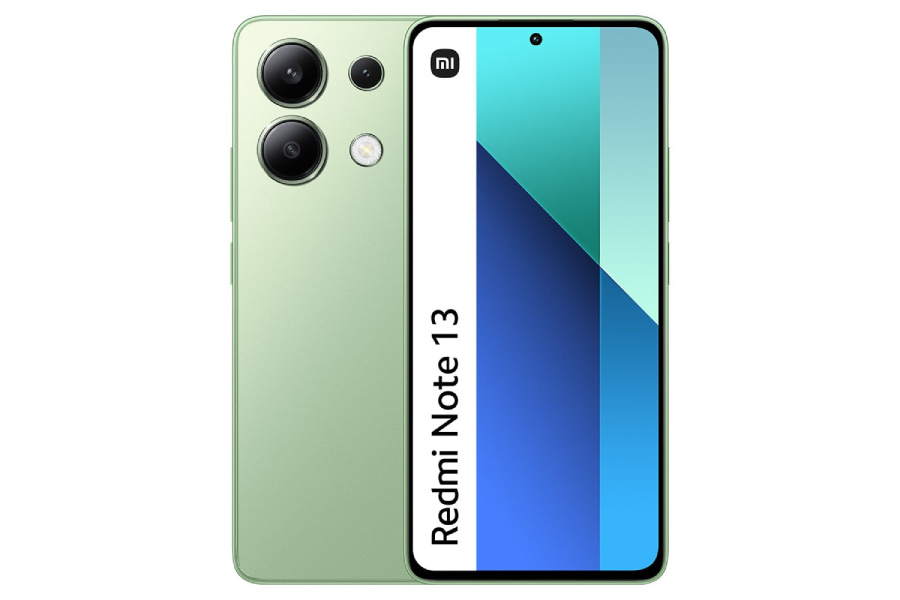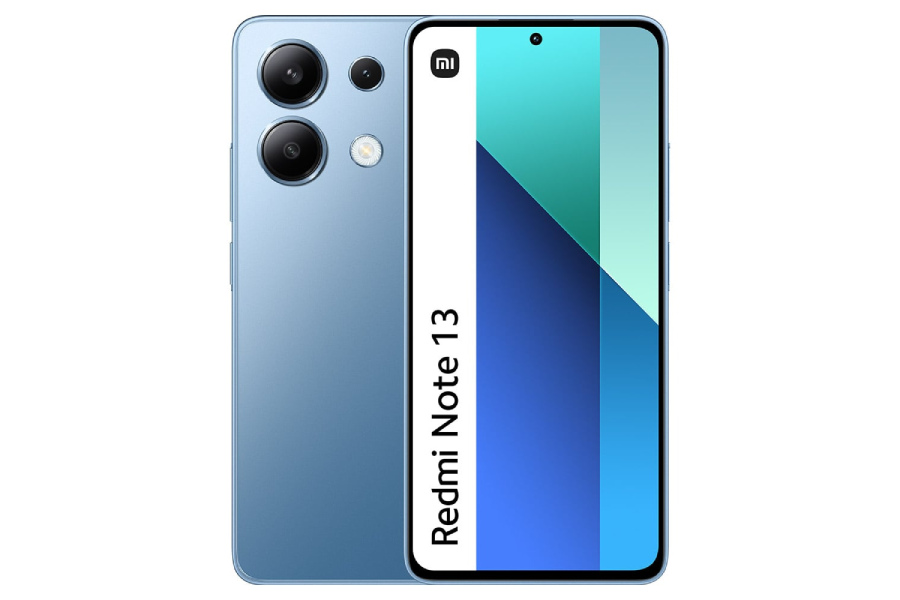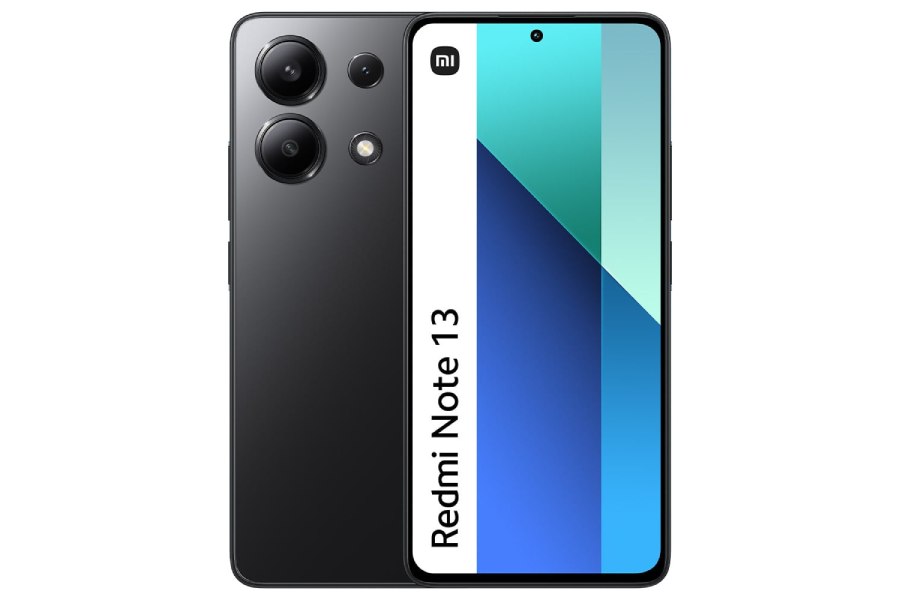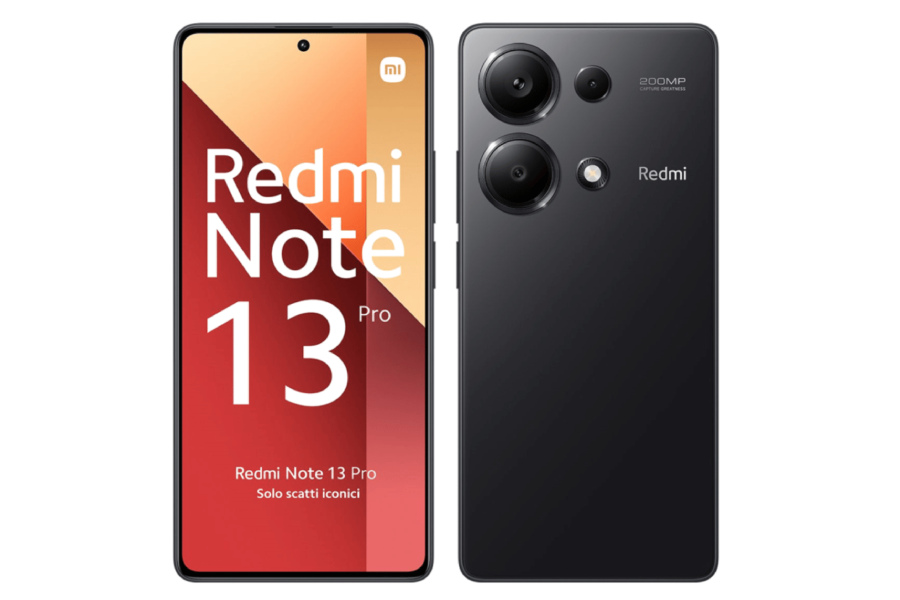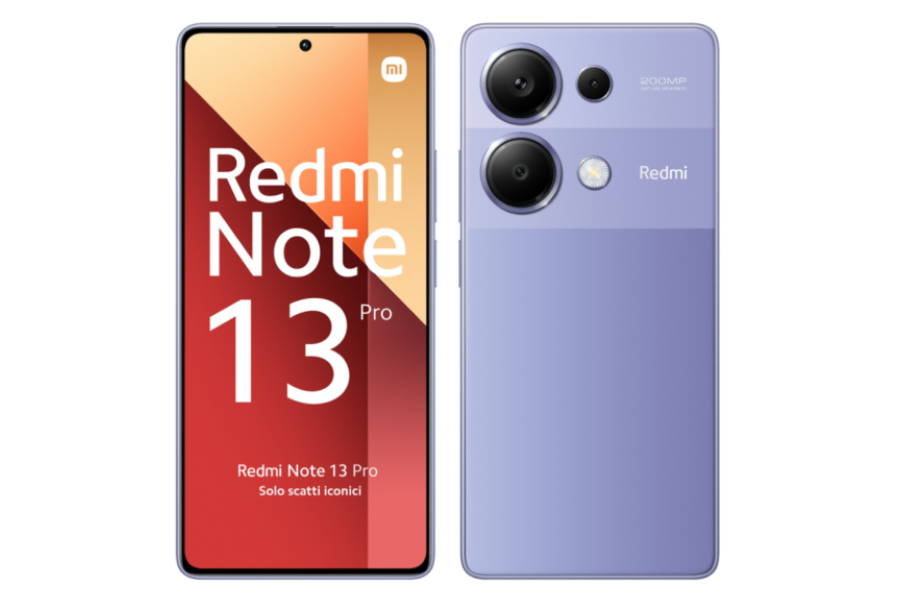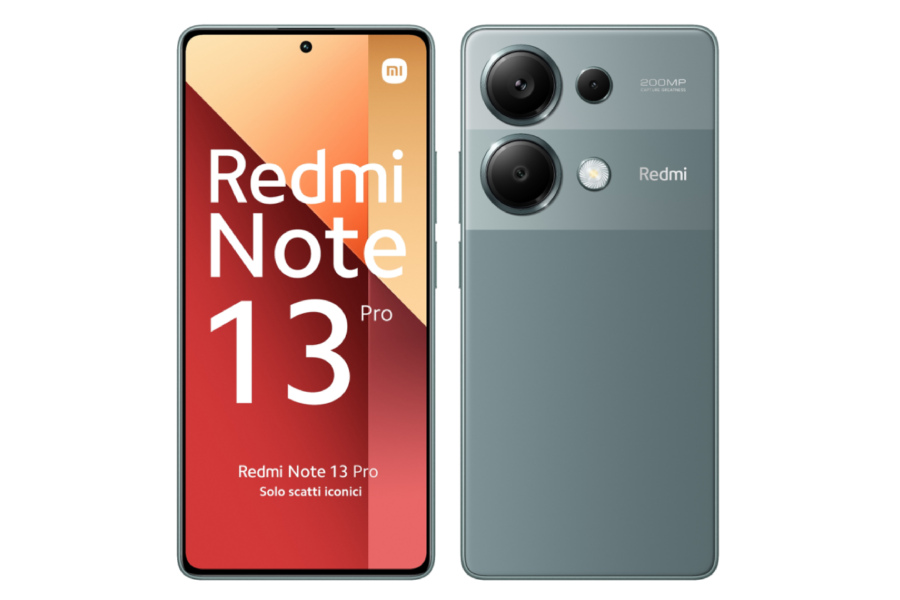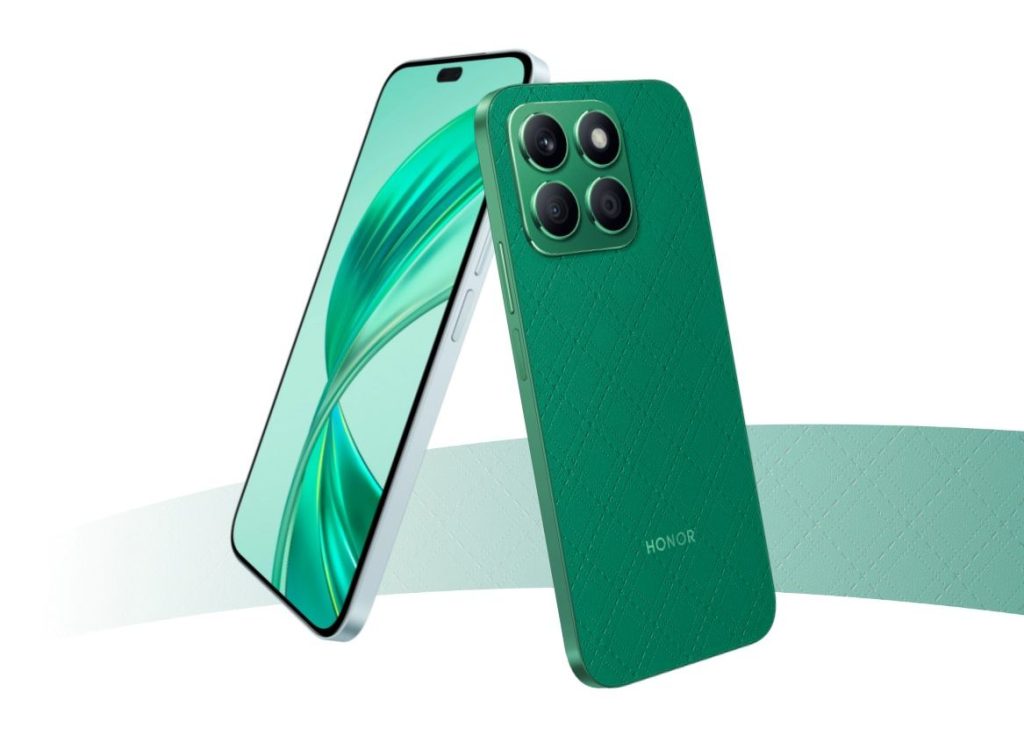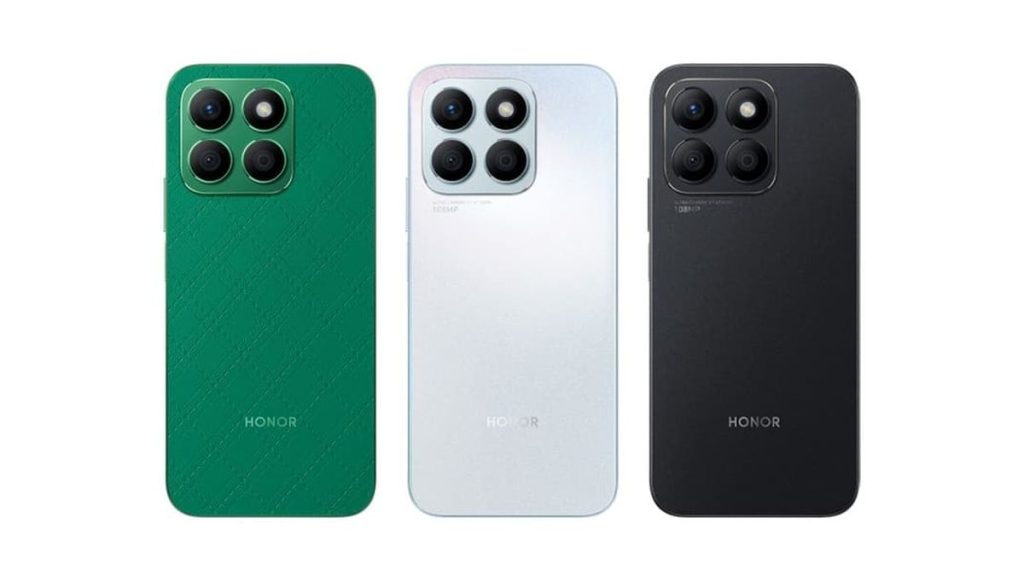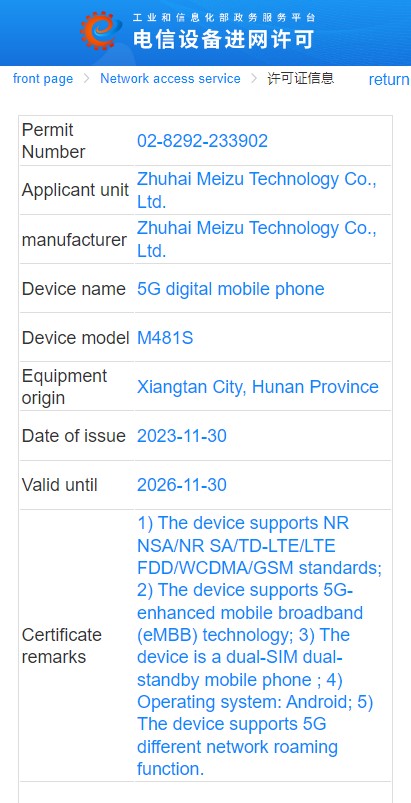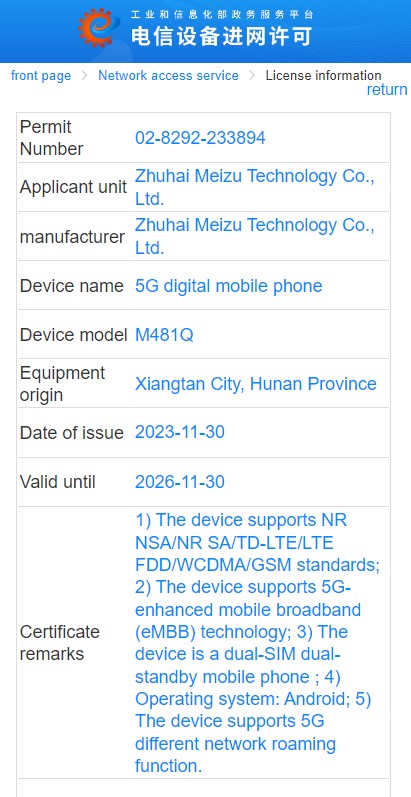
After a successful launch in China last month, the Redmi Note 13 series is all set to hit global markets. Comprising the Redmi Note 13, Redmi Note 13 Pro, and Redmi Note 13 Pro+, this series made quite a splash in its home market and is now ready to charm a worldwide audience.
Redmi Note 12 4G
Recent sightings of the Redmi Note 13 series on various certificationwebsites indicate a global and Indian launch is on the horizon. Adding an element of surprise, tipster @kacskrz revealed that the global version of the Redmi Note 13, particularly the 4G model, will run on a Snapdragon 685 SoC.
Interestingly, the global Redmi Note 12 series includes a Redmi Note 12 4G model which is also powered by the Snapdragon 685 SoC. So it’s most likely that we might get a slightly spiced-up version of that phone, or Xiaomi decides to cut down the Note 13 5G a bit in the camera department, slap on the Snapdragon 685 chip, and ship it.
Redmi Note 13 5G specs
For those curious about the Redmi Note 13 5G model, here’s what it offers. This phone boasts a 6.67″ AMOLED display with a resolution of 2400 x 1080 pixels and a 120Hz refresh rate for smooth operation. It comes with a dual camera setup at the back, including a 100MP main camera and an additional 2MP camera. Selfie lovers can make use of the 16MP front camera. The device is equipped with a sturdy 5000 mAh battery and supports 33W fast charging.
Under the hood, the Redmi Note 13 5G is powered by a MediaTek Dimensity 6080 SoC. It runs on MIUI 14, based on Android 13 OS, and offers up to 12GB of RAM and up to 256GB of storage.
The popularity of foldable phones is increasing day by day. Almost every month, we see one or two new additions to this generation. There are even rumors suggesting that Apple is working on a foldable iPhone. However, when we look at the current devices available in the market, two products stand out: the Oppo Find N3 and the Xiaomi Mix Fold 3. Each of these devices is nothing short of a technological marvel, making it a challenge for users interested in purchasing a foldable smartphone. We compared the features, design, prices, and capabilities of the Find N3 vs. Mix Fold 3 to answer the question, “which one is better?”
Oppo Find N3 vs Xiaomi Mix Fold 3 Specifications
Please don’t misunderstand us; both the Oppo Find N3 and the Xiaomi Mix Fold 3 are fantastic phones. As Gizmochina editors, we genuinely appreciate both brands and closely follow their products. Our content’s primary purpose is to guide those interested in purchasing a foldable smartphone and to clear up any confusion. Let’s begin our comparison by looking at the technical specifications of the Oppo Find N3 vs. Xiaomi Mix Fold 3.
As you can see, both phones actually have relatively similar technical specifications. This becomes the most confusing point for potential users when comparing the Oppo Find N3 and the Xiaomi Mix Fold 3. Both devices are equipped with the Qualcomm Snapdragon 8 Gen 2 processor and the Adreno 740 GPU. Furthermore, they share similarities in aspects like camera, battery capacity, storage options, and operating system.
Where Oppo stands out is in its display; the Find N3 features higher resolution screens both internally and externally compared to the Fold 3, allowing for sharper images. However, it’s worth noting that this advantage might be more on paper, as you might not notice a significant difference between the two models with the naked eye. Is the technical specification the most crucial factor to consider when buying a smartphone? Our answer to this question is no, especially when purchasing a foldable phone.
Find N3 vs Mix Fold 3 Design Differences
There are many different things to pay attention to, and design is at the top of that list. In standard devices, design’s importance isn’t as pronounced as before. The front of these devices is entirely made up of the screen, while the back is made of glass. What remains for us to discuss is the number of rear cameras and their arrangement and color. However, with foldable technology, the situation is quite different.
Let’s first take a look at the Oppo Find N3. When you first hold the device, it surprisingly feels like holding a regular phone. Thanks to the advanced hinge mechanism designed by the company, there is no gap where it folds, making it ergonomic. Speaking of ergonomics, the device has rounded edges on one side and sharp lines on the other.
This means that while it’s not a problem for right-handed users, left-handed individuals might face slight difficulties. Additionally, there’s a slider on the side for quickly silencing your phone, along with volume buttons and a power button that also serves as a fingerprint reader. In the back, there is a triple camera arrangement within a large island that resembles a tilted triangle.
Looking at the Xiaomi Mix Fold 3, we find a phone just as elegant as its competitors. Xiaomi has done an impressive job with the hinge, and by keeping the bezels on both the inner and outer screens as slim as possible, they wanted the Fold 3 to feel as close to a regular phone as possible when folded, and they’ve succeeded.
Like the Find N3, it features side-positioned volume buttons and a power button with integrated fingerprint sensor. Honestly, the absence of an under-display fingerprint reader in both models is a bit disappointing. However, it’s worth noting that this technology would increase costs. The Mix Fold 3 has four rear cameras and is equipped with a matte glass that doesn’t retain fingerprints.
Certainly, the main attraction of both models is apparent when the phones are unfolded. As mentioned above, the Oppo Find N3 transforms into a 7.82-inch tablet, while the Xiaomi Mix Fold 3 becomes an 8.03-inch tablet. Both models have a camera hole in one corner of the screen, but Oppo stands out in one aspect.
As you may know, foldable phones are equipped with very thin and flexible OLED screens. However, even though the display is flexible, there’s a noticeable crease when it’s folded. This issue is prevalent in the Galaxy Fold models and other devices. The Find N3, however, is one of the phones where this problem is least noticeable. It would not be wrong to say that this is a serious factor when making a decision.
Of course, these prices can vary depending on factors such as storage options. However, it’s a fact that the Oppo is $300 more expensive. Ultimately, the decision of which product is better is up to you. Everyone has their unique needs and budgets. However, considering that both devices are quite similar and there are only minor differences between them, I would probably lean towards the cheaper option if it were me.
Ever since the launch of the Pixel 6 series, Google has set its sights on besting the comparator Apple iPhone models. This year is no different as the Pixel 8 series is currently sitting on the best smartphone display throne while matching the audio performance of the iPhone 15 Pro. Now, DxOMark has finally revealed the camera test results of the Pixel 8 Pro.
In the DxOMark camera leaderboards, the Google Pixel 8 Pro achieved a score of 153 points, positioning it closely behind the iPhone 15 Pro Max, which scored 154 points. At the moment, the Huawei P60 Pro holds the top position with a leading score of 156 points.
As per DxOMark, the Google Pixel 8 Pro‘s camera system has some strong points. It does well in showing nice colors in different lighting, from bright outdoors to very dark conditions, for both photos and videos. It’s good at making skin tones look accurate in all lighting too. The camera focuses quickly and accurately in photos and videos. It usually gets the exposure right for subjects in photos and videos. It captures a lot of details when you zoom in and in close-up pictures.
The videos look steady in most lighting. The front camera also shows good colors and improved texture in close-up shots. The screen is easy to read in all conditions, and it shows nice colors. The camera does well with HDR videos, making them look bright and with good contrast. The phone’s touch controls are smooth and responsive when you’re browsing the web. The built-in speakers sound good and are better than older Pixel phones. Audio recordings sound natural, and recordings of concerts are better.
But, there are some drawbacks to the Google Pixel 8 Pro’s camera system. Sometimes, it can’t capture very fine details or loses some textures in pictures. In some cases, the background blur effect doesn’t work perfectly and shows errors. In low light, videos might have some visible graininess, and there can be differences in sharpness between video frames. The camera’s ability to zoom in on audio is limited.
Hisense has recently debuted the C1 TriChroma Laser Mini Projector in the global market after it was launched in China earlier this year.
Hisense C1 TriChroma projector
Hisense C1 TriChroma Laser Mini Projector specs
The Hisense C1 TriChroma Laser Mini Projector stands out as the world’s first projector to offer 4K resolution with a multicolored screen. With a brightness of 1350 ANSI lumens, it delivers a clear and vivid picture.
The projector covers an extensive 202% of the BT.709 color gamut and maintains excellent color accuracy with a △ E≈0.9 rating. Its 10-bit color depth allows for a wide range of colors, and it supports a refresh rate of up to 240Hz, coupled with MEMC motion enhancement technology. HDR 10+ decoding enhances the overall visual experience.
Powered by the MediaTek MT9669 SoC and equipped with 4GB of RAM and 64GB of internal storage, this projector ensures smooth and efficient operation. Its CMOS and ToF sensors enable auto-calibration, simplifying setup by automatically adjusting focus, tilting alignment, screen size, and orientation. Amazon Alexa voice control makes it easy to operate. MEMC motion smoothing further refines motion playback, creating smoother transitions.
The projector runs on the VIDAA Smart TV OS, providing access to popular streaming services like Apple TV, Netflix, and Disney+. It also offers compatibility with Miracast and Apple AirPlay for easy content sharing and supports Apple HomeKit for seamless integration with your smart home. The recommended projection size ranges from 80 to 150 inches, catering to various viewing preferences. With a low 12ms rated latency, it ensures responsive interactions.
Furthermore, the Hisense C1 TriChroma Laser Mini Projector features two 10W speakers equipped with Dolby Atmos and dts Hi-Res audio support, delivering high-quality sound. Its portable design, measuring approximately 9.7 x 7.1 x 8.5 inches and weighing 10.1 lbs, enhances its convenience and versatility for use in different settings.
Pricing & availability
The Hisense C1 TriChroma Laser Mini Projector is available for purchase in the United States through popular retailers such as Amazon, Best Buy, and ProjectorScreen.com, priced at $2,299. For customers in the United Kingdom, the device is offered at a cost of £2,199, and in European Union countries like Germany, it is available for €1,999.
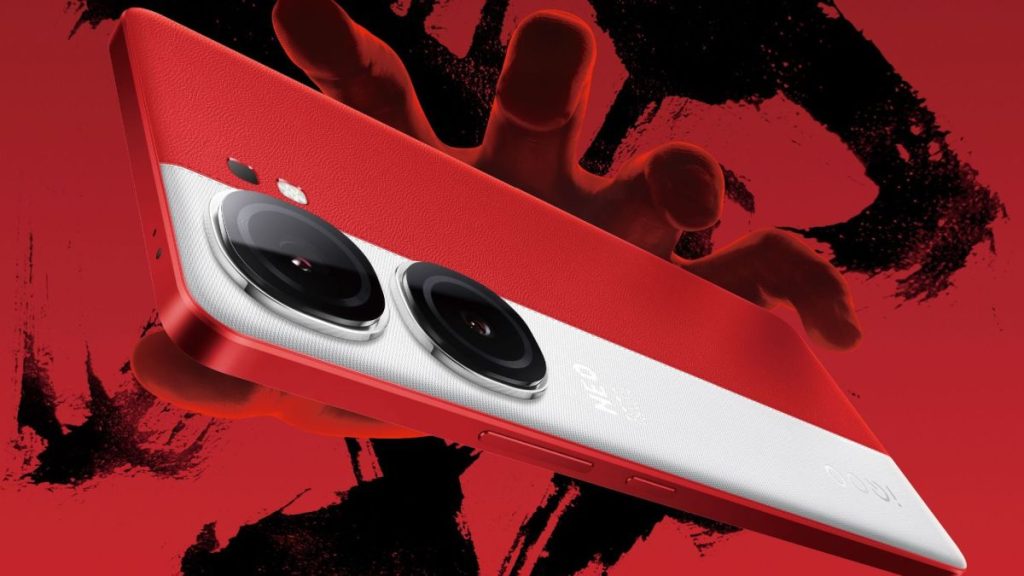
The iQOO 10 Pro, introduced in 2022 in China, was the first smartphone globally to feature 200W fast charging. Its successor, the iQOO 11 Pro, also boasted 200W fast charging support. Nevertheless, there are indications from reports about the upcoming iQOO 12 Pro that it will have reduced fast charging capabilities, with a 120W charging speed—still rapid but not as swift as 200W. A recent leak indicates that Vivo and its sub-brand iQOO might not offer 200W fast charging in their upcoming smartphones. Instead, they appear to be concentrating on augmenting the battery capacity.
Vivo has reportedly shelved 200W fast charging tech
iQOO 10 Pro
As per information from the tipster Digital Chat Station, Vivo has decided to put its 200W fast charging project on hold. Instead, the company is now preparing to introduce a 120W/100W fast charging system alongside a substantial battery of around 6,000mAh. He also mentioned that they will be incorporating specialized high-density batteries.
Recent reports have already disclosed details about the battery size and charging capabilities of the iQOO 12 and 12 Pro. From the available information, it appears that the above leak does not pertain to the iQOO 12 series but rather some other forthcoming Vivo or iQOO smartphones.
It is speculated that the iQOO 12 will house a 5,000mAh battery, whereas the 12 Pro will be backed by a 5,100mAh battery. Both devices are expected to support 120W fast charging, but the 50W wireless charging will only be available on the 12 Pro. Both models are expected to feature a 144Hz AMOLED display, Snapdragon 8 Gen 3, and 50-megapixel triple rear cameras. The iQOO 12 series is likely to debut on Nov. 7 in China.
The Indian smartphone market witnessed a 3 percent year-on-year decline in shipments in the third quarter of 2023, according to a report by research firm Canalys. However, the report also noted that the market is gradually recovering, thanks to improved consumer confidence and the introduction of new products.
Samsung remained the leading smartphone brand in India in Q3 2023, with a market share of 18 percent. The South Korean company shipped a total of 7.9 million units. Xiaomi followed closely behind with 7.6 million shipments, followed by Vivo, Realme, and Oppo in the top five positions.
All of the top five smartphone brands in India witnessed a yearly decline in shipments in Q3 2023. Xiaomi saw the biggest decline, with shipments falling by 17 percent. Samsung’s shipments fell by 3 percent, while Vivo’s shipments remained relatively flat. Realme and Oppo’s shipments grew by 6 percent and 16 percent, respectively.
Brands outside the top five like OnePlus, Infinix, Tecno, and Motorola saw impressive growth mainly due to expanding channel presence across India.
The entry-level smartphone segment performed the best in terms of shipments in Q3 2023, with new offerings offering 5G connectivity. Premium phones from Samsung and Apple also saw robust growth with attractive offers during the festive sales events.
Lava launched the Agni 2 5G smartphone in India earlier in May this year. It was offered in a sole Glass Viridian color option. Now the homegrown brand has announced two new stunning hues of the Agni 2 5G. The new variants are already available for purchase from Amazon. The Lava Agni 2 5G is a solid value-for-money smartphone with premium specifications under Rs 25,000 segment. Read on to know more.
Lava Agni 2 5G new color options
The Lava Agni 2 5G is announced in Heather Glass and Iron Glass color options. The former has a Purople-colored look whereas the latter has a Black / Greyish hue. The latest color options are in addition to Glass Viridian which is a Green color. The rest of the design and the core specifications of the newly announced color options remain the same. They are also available for purchase from Amazon priced at Rs 19,999.
The Lava Agni 2 5G has a curved AMOLED display measuring 6.78 inches with an FHD+ resolution and a 120Hz refresh rate. It is integrated with a fingerprint scanner. The back panel features a circular camera module housing a 50MP main sensor, an 8MP ultra-wide-angle lens, a 2MP macro unit, and a 2MP depth snapper. There is a 16MP front-facing selfie snapper.
Internally, the Lava Agni 2 5G is equipped with a MediaTek Dimensity 7050 processor coupled with 8GB RAM and 256GB storage. It has a cooling system for heat dissipation. The device draws its power from a 4,700mAh battery unit with support for 66W fast charging. It ships with pre-loaded Android 13 with guaranteed two years of OS updates.
Oppo Find N3 foldable is official with some highly sophisticated features to appeal to premium segment users. It is the company’s first horizontal foldable device to launch outside its home country. Apart from the premium hardware, the software stuns various industry enthusiasts with endless possibilities. Features like Boundless View, Canvas Shift, and Smart Split Screen instill new spheres of efficiency and user productivity.
Following the Global launch a couple of days ago, the Oppo China Software Product Manager, Zhu Haizhou revealed in a conversation on Weibo about the availability of “Boundless View” to old-generation smartphones and tablets. While pursuing the foldable users to try their Find N3, he unveiled that the Oppo tablets will receive the “Boundless View” feature but with slight changes. It will take time to optimize the feature for tablets.
Further, the feature will be expanded to the previous generation Oppo Find N series foldable smartphones.
The side-by-side editing feature which is part of the extensive “Boundless View” feature enhances the user productivity. The Smart Split Screen feature is supported by over 95% of popular apps.
We hope it may take a few months for Oppo to finalize the feature for its old foldable smartphones and tablets.
Oppo Find N3 Specifications
However, Oppo Find N3 is launched with a 6.31-inch 2484 x 1116px AMOLED panel on the outer side. The display offers a 10-120Hz refresh rate and 2800 nits peak brightness. The inner display measures 7.82-inch in Size and offers a 2440 x 2268 pixels resolution, 1-120Hz dynamic refresh rate, and same peak brightness. It comes with Snapdragon 8 Gen 2, 16GB LPDDR5X RAM, and 512GB storage.
There’s a 4803 mAh battery with 67W SuperVOOC charging. It bundles an impressive camera on the rear and the front side. A dual-selfie camera module consisting of a 20MP sensor and a 32MP cover screen camera is present. A triple camera sensor sits on the rear featuring a 48MP Sony LYTIA-T808, a 48MP ultrawide sensor, and a 64MP periscope lens for 6x hybrid zoom.
Oppo Find N3 is retailing for SGD 2,399 which roughly translates to INR 145,000.
Xiaomi is gearing up to launch its next flagship series, the Xiaomi 14. The company has already confirmed that the device will come with HyperOS and a Leica Summilix lens. Now, the official protective case for the Xiaomi 14 series has appeared on Chinese e-commerce platform JD.com.
The product page does not show the specific design of the case, but it does reveal that the Xiaomi 14 / 14 Pro is likely to get three cases: transparent, liquid silicone, and diamond leather.
Regardless, we have previously exclusively revealed the case for Xiaomi 14 Pro. The case has a camera module in the top left corner with four camera rings. Last year’s model only had three cameras, so this is a new development.
It is possible that the fourth camera ring could be for a Leica logo, but it is also possible that Xiaomi is adding a fourth camera sensor to the Xiaomi 14 Pro. This would be a significant upgrade over the previous model.
Additionally, the device is expected to have a 6.44-inch C8 OLED 12-bit display with a 1.5K resolution, 120Hz refresh rate, and 2,800 nits peak brightness. It will also have dual-stereo speakers, an IP68-certified body, and an IR blaster.
Under the hood, the Xiaomi 14 is rumored to be powered by the unannounced Snapdragon 8 Gen 3 processor coupled with LPDDR5x RAM and UFS 4 storage. It will also feature a large VC liquid cooling system for heat dissipation.
The launch date of the device has not yet been announced. We will keep you informed as soon as we have more information.
Facilitating users with latest and the advanced features is one primary advantage of Google’s Apps and services. Following the removal of the top search bar in the Messages for Android app, Google now added a Camera Icon or shortcut to the app bar. The new feature is currently enabled for a few users, and may soon made available for a wider audience.
The Camera Shortcut seems to serve the purpose of increased media usage in the Messages. It allows the users to quickly snap a picture and attach it to the message. Even the feature workflow first allows you to take a picture, and then asks you to “Select Conversation” from the UI.
In the future, we expect more features in the bar area. The feature seems enabled by the server-side switch, but make sure to update the Messages by Google app by heading to the Play Store. Also don’t forget to update the Play System.
Google is actively bringing new features to the Google Messages app including the Google Account integration for the web, a full home screen overhaul, and animated emoji support for Web clients. Apart from the smartphone and the Web client updates, the Google Messages app also added support for voice memos on Wear OS.
Google is bringing Wear OS support for more of its Services and Apps. The company pushed official Gmail and Google Calendar Apps for the Wear OS smartwatches.
Google is reportedly rolling out a new feature to back up RAW Photos on Google Photos App. The new feature is already rolling out to both the Android and iOS apps. RAW Photos are unprocessed images that carry more details and are used by professional photographers to grade or better edit the photos.
These days RAW Photos on smartphones have become standard due to extensive support from the respective camera apps. Unlike in the past, the Google Photos app by default uploads the RAW Photos to the Google Cloud. A notice appeared in the app stating, “Google Photos brings Ability to backup Raw Images.”
A dedicated RAW image badge appears on the Photos. However, the feature is currently spotted on the Pixel 8 series and is absent on Pixel Fold and other devices. Despite any official announcements from Google, the details about the new features, availability, and compatibility are currently unknown.
There are no settings or tweaks to stop the Photos app from uploading the RAW files to Google Storage. Even heading to the Storage option in the Photos Preference > Backup > Backup Quality does not avail any solution. With the available 15GB of free storage, the RAW Photos will surely fill up the storage pretty quickly. It is highly recommended only for photographers who use it for professional use.
Google Photos is rolling out several new user-centric features to amplify the overall experience. Recently, a revamped share menu was introduced in the Google Photos app which lets users send images, create a new album, and add new images to the album. The Giant even introduced desktop editing tools that let users choose different filters, and offer basic tweaks like changing brightness, saturation, HDR levels, etc.
JMGO has unveiled its Nano PTZ projector in China. The new JMGO Nano PTZ projector delivers up to 500 CVIA lumens brightness and outputs 1080p content.
Features
The projector is designed to be projected up or down by up to 127º. The maximum brightness of the projector however indicates that it is adequate for indoor use only, as JMGO already has a collection of high-brightness projectors.
The Nano PTZ projector has a laser light source and offers real-time adjustment. It is equipped with a three-color LED and has an estimated lifespan of 30,000 hours. The projector is compatible with Dolby sound effects and features automatic keystone correction. Other enhancement features on the Nano PTZ projector are autofocus, intelligent eye protection, and anti-blue light operation.
The new JMGO Nano projector runs on Luna OS 6.0 operating system with 32GB of storage. It supports HDR 10 decoding and wireless screen casting. It comes in a cream colorway and can be mounted in a variety of scenarios. Its angular versatility also makes the projector to be handy for different purposes.
Pricing & Availability
The JMGO Nano PTZ projector is now available on retail platforms across China including JD.com. The original price of the projector is 2,199 yuan (~$301) but its launch price is 1,799 yuan (~$246). There are no indications at this time on the availability of the projector in other markets. The global availability and pricing optics are expected subsequently.
Toyota has unveiled its latest EV van concept, the Kayoibako. The new concept van is a box on wheels that maximizes space with its impressive design. The Toyota Kayoibako concept EV van is a multipurpose EV inspired by shipping containers. The new concept EV van is part of Toyota’s lineup at the Japan Mobility Show 2023.
The Toyota Kayoibako EV Van reflects what the future of EVs should look like
The Kayoibako looks like a space cargo hauler and comes with a simple design that could fast-track its transition into a production vehicle for the most part. The interior and exterior are as simplistic as they can be. The Kayoibako is being primed as a highly modular vehicle platform that is configurable to suit an array of options. It can operate as a cargo van, a shuttle bus, a mobile retail kiosk, as well a shuttle delivery van. The van is 13ft long, about 6ft wide, and 6ft tall.
The Toyota Kayoibako EV van concept has a massive curved display across the upper dash area of the car. The infotainment utility of the car is bound to be tech-laden. The car uses cameras in place of rear-view and side mirrors for a more expansive view of your surroundings. It uses digital side mirrors which allows the car to easily navigate even tight alleys. The mirrors are integrated into the van’s dash display. The car however seems to have a low load floor which will enhance the loading of cargo without the need for a ramp.
It will be interesting to see Toyota transform some of its impressive concept offerings into production vehicles. The company has not stated any plans for the subsequent release of the Kayoibako EV in the near future.
Sony has announced the HT-AX7 Sound System in China. The Sony HT-AX7 is a sound system with detachable speakers and it was first announced for the global market in July this year. The product is expected to go on sale in November 2023.
Features
The two detachable rear surround modules of the speaker create a three-dimensional surround sound field at any time. The integrated visual design of the new Sony Bluetooth speaker makes it fit perfectly into several interior designs. It is equipped with Sony’s proprietary 360SSM technology. This allows users to enjoy a dome-styled sound field that fits the space without any adjustments.
The Sony Brick Audio HT-AX7 speaker offers an immersive sound output in enclosed spaces like your sitting and living rooms. It is equipped with two X-balanced speaker units on the front and uses an off-center design for improved sound clarity. The left and right sides of the speaker have a large-area diaphragm with dimensions of 49mm x 71mm. The diaphragm setup helps to improve the speaker’s low-frequency performance.
Pricing & Availability
The Sony HT-AX7 Sound System adopts a pancake-shaped rear design. The rear of the speaker has the sound unit placed upward to enhance the sound performance due to position changes. The new Sony speakers support Bluetooth connectivity and will be released in November. The price of the HT-AX7 Sound System is 3,990 yuan (~$545).
Toyota has finally revealed the Land Cruiser Se, a hushed debut that makes it the first all-electric vehicle in the Land Cruiser family. But there’s something very different about this electric SUV: it’s designed with the city in mind, rather than rugged terrains- a complete 180 from the OG Land Cruiser.
The vehicle’s low clearance indicates a city-centric design
It’s interesting to note that the company decided to reveal the Land Cruiser Se on a Friday night in the United States—a time generally reserved for news you’d rather sweep under the rug. What does Toyota want to say, or better yet, not say with this release timing?
One thing’s clear: this Land Cruiser aims to redefine what it means to be an electric SUV. Unlike its gas-guzzling predecessors, the Land Cruiser Se is putting a premium on smooth, battery-electric torque and noise-free city cruising. The monocoque design, touted for improved responsiveness, appears to be a departure from the hardy, off-road focus that the Land Cruiser name is known for.
Interestingly, this city-centric focus is further confirmed by the SUV’s specs. Measuring 202.0 inches in length, 78.0 inches in width, and 67.0 inches in height, its dimensions mirror those of the Grand Highlander. And if you look at the vehicle’s low-clearance and low-profile tires, you’d sooner imagine it tackling speed bumps in a mall parking lot than navigating through rocky terrain.
While Toyota has been really quiet regarding the details—no word on motor numbers, power, or battery size—it’s evident that the Land Cruiser Se is setting itself as an urban alternative in the electric SUV space. It’s a sleek, potentially premium-priced vehicle that aims to serve the city dwellers more than the weekend adventurers. What do you guys think about this EV? Share with us in the comments below!
Twitch’s latest announcement at TwitchCon in Las Vegas has the industry buzzing, or rather, twitching. The live-streaming giant will now allowing its users to stream their content on other platforms concurrently. While the company previously loosened its guidelines on cross-streaming to social media platforms like TikTok and Instagram, this is a significant change that opens doors for streaming across “any service,” unless the streamer is bound by an exclusivity contract with Twitch.
This seems like a move to retain its massive streamer base
On the surface, this move appears counterintuitive for Twitch. One would think that by allowing users to stream elsewhere, Twitch is essentially eroding its own viewer base. So why make such a drastic change? It’s likely a calculated risk to retain top talent in the live-streaming space.
In recent times, some big names such as Ludwig have ditched Twitch for competitor platforms like YouTube. By allowing creators more freedom to simulcast without strings, Twitch could be offering an olive branch, especially to mid-level creators who might be contemplating making a switch due to revenue concerns.
But there’s another angle to consider: by allowing more flexible streaming options, Twitch is actually broadening its outreach. Streamers can capture audiences on different platforms and potentially lure them back to Twitch. Plus, it reflects well on the company’s willingness to adapt. In the past few months alone, Twitch has updated its policies on off-platform harassment and even experimented with machine learning for chat moderation.
However, the new policy comes with its set of regulations. The guideline that the “Twitch user experience should not be compromised” on other platforms is ambiguous and leaves room for interpretation. It remains to be seen how Twitch will enforce this and what consequences await those who cross the line.
Vivo is about to launch a new smartphone in India called the Vivo Y200 5G. This new device is said to feature a mid-range Qualcomm CPU, paired with an AMOLED display and an OIS-supported main camera.
Ahead of the launch, Vivo has teased the Jungle Green color option for the Vivo Y200 5G smartphone. Looking at the teaser video posted on X (Twitter), it is quite clear that the phone will feature a sparkly finish. The same finish is expected for the Desert Gold color option as well. More information is expected to be confirmed as we get closer to the October 23 launch date. Till then, you can check out the rumored specs below.
Vivo Y200 5G specs
The Vivo Y200 5G is reported to feature a 6.67-inch AMOLED FHD+ display with a high 120Hz refresh rate. Under the hood, this smartphone is expected to run on the Snapdragon 4 Gen 1 chip, possibly with 8 GB of RAM and 128 GB of internal storage. It will operate on FunTouch OS 13, which is based on Android 13, and it can leverage up to 8 GB of virtual RAM. To ensure security, an in-screen fingerprint scanner will be included.
For photography, the phone will come with a 64-megapixel main camera with OIS support and a 2-megapixel bokeh lens. Up front, it will feature a 16-megapixel front camera. In addition, it’s worth noting that the Vivo Y200 5G will sport a ring-LED smart Aura flash. The device will be powered by a 4,800mAh battery that supports rapid 44W charging.
In a pivotal move, the U.S. Federal Communications Commission (FCC) voted 3-2 on Thursday, taking a significant step toward reinstating net neutrality rules that were rolled back during the Trump administration. This decision marks a turning point in the ongoing battle over internet regulations, igniting both celebration and criticism within the technology and telecommunications sectors.
The proposal, championed by FCC Chairwoman Jessica Rosenworcel, a Democrat, aims to reinstate open internet rules established in 2015. These rules prevent internet service providers from blocking or throttling traffic, as well as offering paid fast lanes, ensuring equal and unrestricted access to online content. The FCC’s move is in response to concerns that broadband providers might prioritize certain content over others, based on financial agreements, potentially creating a tiered internet experience.
Advocates of net neutrality argue that fast and reliable broadband is a fundamental societal necessity, necessitating government protection for households and businesses. Rosenworcel’s proposal seeks to enforce these principles with “enforceable bright-line rules,” ensuring fair access to online services for all users.
However, critics of the FCC’s decision, particularly within the Republican faction, view it as an overreach of administrative power. Commissioner Brendan Carr, the FCC’s senior Republican, contended that the broadband market is functioning well, pointing to increased speeds, reduced prices, and heightened competition in recent years. He urged the agency to reconsider its stance, arguing against unnecessary regulation.
The FCC’s move comes amid a broader industry shift. Under the Biden administration, reinstating net neutrality has been a top priority, diverging sharply from the policies of the previous administration. President Biden’s executive order in July 2021 encouraged the FCC to revisit and reinstate the net neutrality rules initially adopted under President Barack Obama’s tenure.
While the FCC’s decision is a significant milestone, it is not without challenges. The proposal will undergo a comment period extending into the new year before the final vote. Given the 3-to-2 Democratic majority, Rosenworcel’s proposal is expected to prevail. However, legal challenges are anticipated from opponents of the reinstated net neutrality rules, ensuring that the issue remains contentious and subject to ongoing debate.
As the internet landscape continues to evolve, the FCC’s move underscores the critical importance of defining regulations that balance the interests of consumers, internet service providers, and content creators, shaping the future of online accessibility and fairness.
In a bid to cater to the increasing demand from affluent Chinese families and corporate travelers seeking spacious interior car designs, Great Wall Motor (GWM) unveiled its latest offering, the Wey Gaoshan MPV. Launched on October 18, the Gaoshan series, which translates to “high mountain” in Chinese, is GWM’s inaugural venture into the multi-purpose vehicle segment. This move is a strategic response to the market’s growing appetite for larger vehicles, positioning GWM against competitors like BYD’s Denza D9 and other prominent players in the MPV market.
The Gaoshan MPV, now available in an Executive Extended Edition, boasts an impressive body length of 5405 mm and a 3275 mm wheelbase. Designed with corporate travelers in mind, this six-seater configuration offers an expansive interior space, measuring 3823 mm in length. Surpassing renowned models like the Mercedes-Benz V260L, Denza D9, Buick GL8 Century, Hongqi HQ9, Zeekr 009, Toyota Alphard, and Lexus LM, the Gaoshan’s extended edition promises unparalleled comfort and spaciousness.
Under the hood, the Gaoshan MPV employs a cutting-edge DHT plug-in hybrid system, combining a 1.5T turbocharged engine with an electric motor. This powertrain generates 115 kW from the engine and an additional 135 kW from the rear axle electric motor, resulting in an impressive total power output of 358 kW. The vehicle is equipped with a 37.96 kWh ternary lithium battery pack, ensuring a CLTC pure electric cruising range of 175 km.
Internally, the Gaoshan Executive Extended Edition offers a luxurious experience, featuring dual screens, all-electrically adjustable seats with heating and ventilation functions, and a premium Harman Kardon 20-speaker sound system. The vehicle also incorporates advanced voice interaction technology, enhancing the overall driving experience.
In contrast, the standard Gaoshan MPV, with dimensions of 5045/1960/1900 mm and a 3085 mm wheelbase, accommodates a 7-seater layout (2+2+3). Notably, the second row provides a maximum legroom of 1166 mm, while the third-row seat cushion height is 350 mm, offering a spacious and comfortable ride for all passengers. The third row can also be conveniently folded down to optimize cargo space.
Despite its remarkable features, the Gaoshan’s extensive body length may pose challenges in urban environments, particularly concerning parking. However, its unmatched interior space and advanced technology make it a formidable contender in the competitive MPV market.
AMD recently announced its fastest-ever GPU for a laptop called the Radeon RX 7900M. Now, Dell has announced Alienware M18 will be the first laptop to host this powerhouse of a GPU. Before we delve into the details about the laptop, here are a few things that make the RX 7900M GPU special.
According to AMD, the RX 7900M boasts superior performance when compared to the Nvidia RTX 4080 mobile GPU, with an average frame rate advantage of 7% and a substantial 27% boost in titles like Starfield. However, this enhanced performance comes at the cost of higher power consumption, as the RX 7900M can draw up to 180 watts, while the RTX 4080 mobile operates at a more conservative 110 watts. Additionally, the RX 7900M is equipped with AMD’s FidelityFX Super Resolution (FSR 3) upscaling technology, which significantly enhances frame rates in various games.
Dell Alienware M18 specs
The Dell Alienware M18 has an 18-inch display with options for FHD+ and QHD+ resolutions, offering smooth visuals with 480Hz or 165Hz refresh rates, respectively. It has a 3ms response time and decent brightness at 300nits. The display supports a wide color gamut (100% DCI-P3) and has a strong 1000:1 contrast ratio. Notably, it incorporates AMD FreeSync and Dynamic Display Switching.
Under the hood, the laptop is powered by an AMD Ryzen 7 7945HX R9 processor, featuring 16 cores and 32 threads with a generous 80MB cache. It can reach speeds of up to 5.4GHz, making it well-suited for demanding tasks. The GPU is the AMD Radeon RX 7900M, equipped with 16GB of GDDR6 memory. It delivers robust gaming performance but consumes 180W of power, reaching 200W with SmartShift Max.
In terms of memory and storage, the laptop can be configured with up to 64GB of Dual Channel DDR5 RAM running at 4,800MHz and offers substantial storage options, allowing for up to 8.5TB in a tri-storage configuration. The laptop’s battery capacity is 97Wh, supported by a 330W charging solution.
The laptop comes with a bunch of connectivity options, including Wi-Fi 6E, Bluetooth 5.2, Ethernet, various USB ports, HDMI 2.1, a mini-display port, and an SD card slot. It also incorporates features like Vapor chamber cooling for thermal management, Dolby Vision, Dolby Atmos for an improved audio-visual experience, an Alienware FHD camera, dual-array microphones, and support for Windows Hello for convenient security. The laptop also features Alien FX lighting and an Alienware M Series keyboard with RGB lighting, alongside a multi-touch gesture trackpad. In terms of size, it measures 319.9 x 410.3 x 25.1mm and weighs around 4.23kg.
Pricing & availability
Currently, Dell is selling the FHD+ model of the Alienware M18 laptop in the US with a starting price of $2,799.99. This model features 32GB RAM and 1TB storage.
We use cookies on our website to give you the most relevant experience by remembering your preferences and repeat visits. By clicking “Accept”, you consent to the use of ALL the cookies.
This website uses cookies to improve your experience while you navigate through the website. Out of these, the cookies that are categorized as necessary are stored on your browser as they are essential for the working of basic functionalities of the website. We also use third-party cookies that help us analyze and understand how you use this website. These cookies will be stored in your browser only with your consent. You also have the option to opt-out of these cookies. But opting out of some of these cookies may affect your browsing experience.
Necessary cookies are absolutely essential for the website to function properly. This category only includes cookies that ensures basic functionalities and security features of the website. These cookies do not store any personal information.
Any cookies that may not be particularly necessary for the website to function and is used specifically to collect user personal data via analytics, ads, other embedded contents are termed as non-necessary cookies. It is mandatory to procure user consent prior to running these cookies on your website.