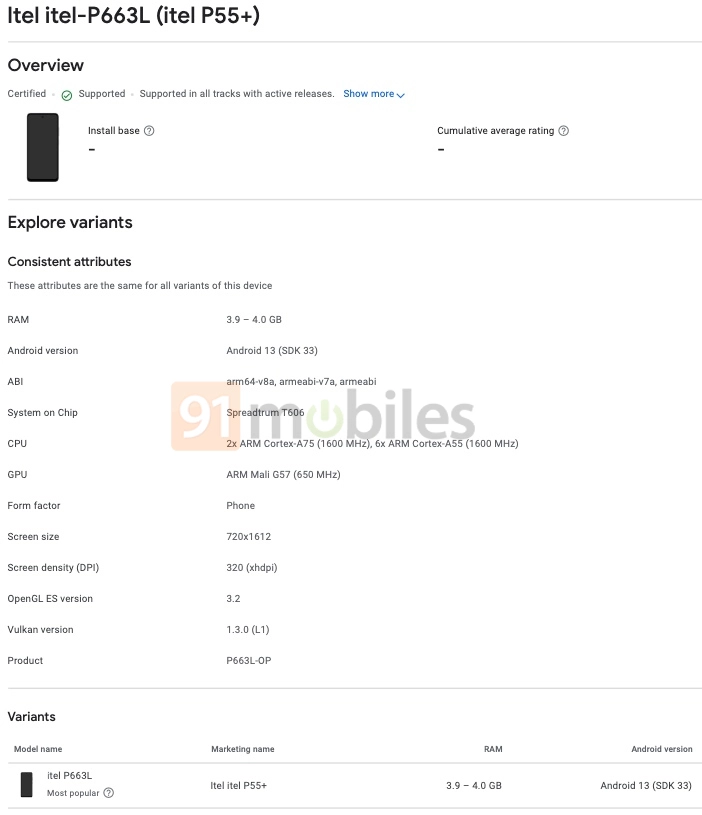
iTel launched the P55 smartphone in India in September this year. It is the cheapest 5G phone in the country priced at Rs 9,999. Now, it seems that the brand is working on a new variant of the device. The iTel P55+ has been spotted on the Google Play Console certification website. The listing reveals the key specifications of the device as well as hints at its imminent launch.
iTel P55+ appears on the Google Play Console
The iTel P55+ carries a model number P663L on the Google Play Console listing. It mentions a Unisoc T606 processor comprising of two Cortex-A75 cores at 1.6GHz and six Cortex-A55 cores clocked at 1.6GHz. The chipset is paired with Mali-G57 GPU onboard. The smartphone is listed with 4GB RAM onboard and it will ship with Android 13 OS out of the box.
The render of the smartphone on the Google Play Console certification appears blurry. But we can notice a waterdrop notch and a thicker chin at the bottom of the display. The listing also reveals a resolution of 720 x 1,612 pixels and a screen density of 320 dpi.
The rest of the specifications of the iTel P55+ remain a mystery. We can expect it to be slightly different from the P55. The latter features a 6.6-inch HD+ display with a 90Hz refresh rate. It has a side-mounted fingerprint scanner and a 50MP main camera on the back. The smartphone is powered by a Dimensity 6080 SoC paired with 8GB RAM and 128GB storage. The device is backed by a 5,000mAh battery cell with support for 18W fast charging.
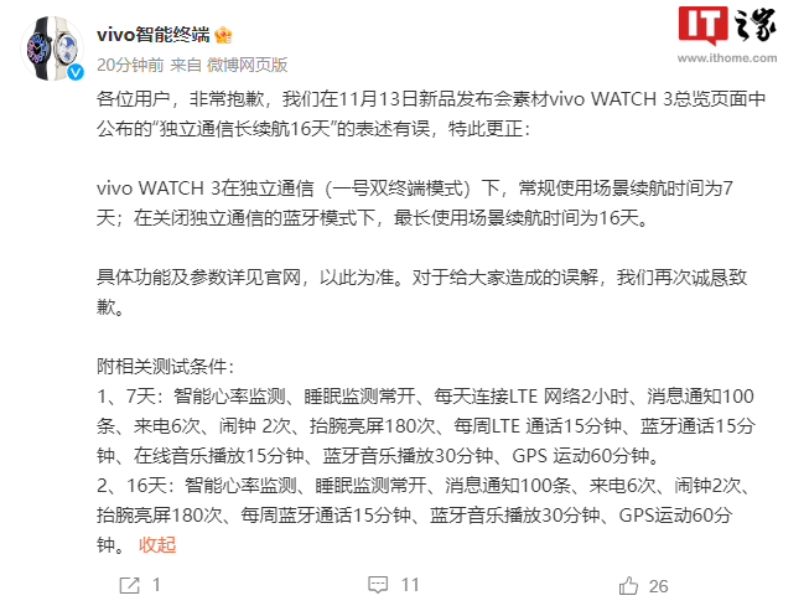
Vivo has acknowledged an error in its promotional materials for the new Vivo Watch 3 smartwatch. The company initially claimed that the watch could last up to 16 days on a single charge with eSIM in its promo materials. But it turns out that this figure is only achievable under specific usage conditions.
In a statement posted on its official Weibo account, Vivo said that the Vivo Watch 3 has a battery life of 7 days in normal usage scenarios. And, to achieve the 16-day battery life, users must use the watch in a more limited capacity.
Vivo provided detailed testing conditions for both battery life claims:
7-Day Battery Life:
Continuous intelligent heart rate monitoring
Always-on sleep monitoring
2 hours of daily connection to the LTE network
100 message notifications
6 incoming calls
2 alarms
180 wrist raises to activate the screen
15 minutes of LTE calls per week
15 minutes of Bluetooth calls
15 minutes of online music playback
30 minutes of Bluetooth music playback
60 minutes of GPS exercise
16-Day Battery Life:
Continuous intelligent heart rate monitoring
Always-on sleep monitoring
100 message notifications
6 incoming calls
2 alarms
180 wrist raises to activate the screen
15 minutes of Bluetooth calls per week
30 minutes of Bluetooth music playback
60 minutes of GPS exercise
Vivo has apologized for the error and has updated its promotional materials to reflect the correct battery life expectations.
The Vivo Watch 3 is available in two versions — a Bluetooth-only model for 1,099 yuan (approximately $152) and an eSIM version for 1,299 yuan (approximately $182). Both versions are available for pre-order now and will be officially launched on November 21.
As Black Friday approaches, adventure seekers and those needing reliable backup power are in for a treat with OUKITEL’s exciting Black Friday sale. Whether you’re gearing up for a weekend camping expedition or preparing for unexpected blackouts, OUKITEL has unveiled massive discounts and exclusive giveaways to make this Black Friday unforgettable.
Special Bonus:
For those looking to make a substantial purchase, OUKITEL is offering a generous incentive. Every order exceeding $3000 will include a complimentary OUKITEL CN505, a power station that typically retails for $269. This exclusive bonus ensures that customers not only secure powerful equipment but also enjoy substantial savings.
Flash Sale:
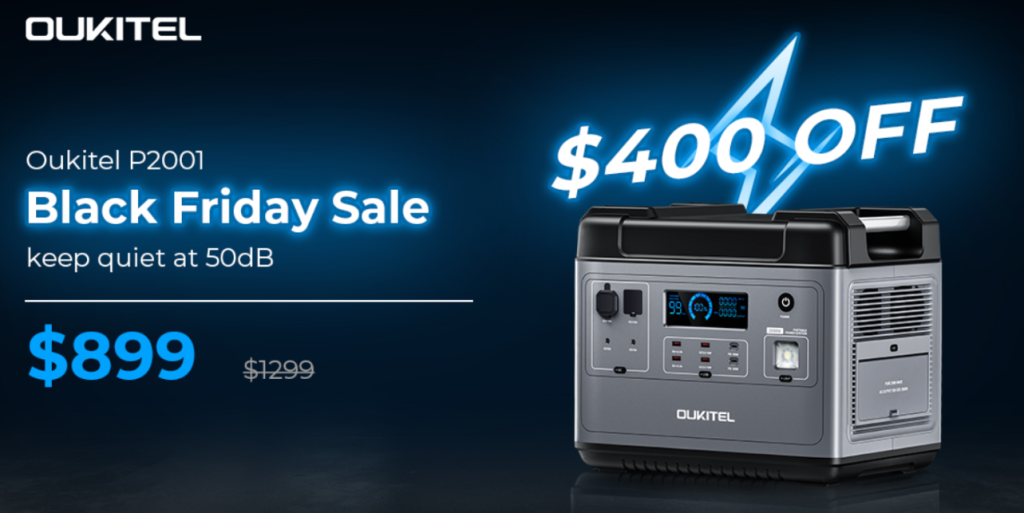
Subscribe now to take advantage of the limited-time flash sale on the P2001 power station. Priced at a remarkable $899 during this Black Friday event, subscribers will also receive free gifts with their purchase. This flash sale provides an excellent opportunity for customers to acquire top-tier power solutions at a discounted rate while enjoying additional complimentary items.
Store Discount:
Customers can further enhance their savings by placing an order during OUKITEL’s Black Friday sale and enjoying an additional 5% discount on the total amount at checkout. This store discount adds an extra layer of value, making it an opportune time to invest in OUKITEL’s reliable and cutting-edge power solutions.
Explore OUKITEL’s Black Friday deals before they expire. With massive discounts, exclusive giveaways, and limited-time offers, OUKITEL’s Black Friday sale in 2023 is a power-packed event that you won’t want to miss.
OUKITEL P5000 – Mobile Home Backup Power Station
For a limited time, the OUKITEL P5000 is available at a discounted price of $2,399, down from $2,999, allowing you to save $600. Additionally, the P5000 + PV400 bundle is on sale for $3,299, down from $3,999, offering a savings of $700. Don’t miss the opportunity to secure reliable and portable power at an unbeatable price.
The OUKITEL P5000 is a robust solution designed to meet the power demands of an average family for an entire day. Boasting an impressive 5,120Wh capacity, this portable power station ensures you can run most household appliances, making it indispensable for emergencies, RV trips, outdoor parties, and adventures.
Featuring durable wheels and a retractable handle, transportation is made hassle-free. The P5000’s versatility is not just limited to its mobility; it’s a reliable companion for various scenarios. In times of crisis, it provides essential backup power, while on outdoor excursions, it becomes the lifeblood of camping appliances and outdoor equipment.
OUKITEL P2001 – Power Solution for Vanlifers, RVers, and Campers
OUKITEL P2001 is available at a discounted price of $899, down from $1,299, allowing you to save $400. Additionally, the P2001 + PV400 bundle is on sale for $1,599, down from $1,899, offering a savings of $300. Secure your power independence with the OUKITEL P2001, a reliable and portable solution for various lifestyles and situations.
The OUKITEL P2001 emerges as an ideal companion for outdoor enthusiasts and those preparing for home emergencies. This portable power unit, designed for van lifers, RVers, and campers, offers a myriad of applications. With an impressive 2000Wh capacity, the P2001 stands ready to power essential home appliances such as laptops, routers, lights, and even aquariums.
Beyond its camping prowess, the P2001 proves invaluable during power outages, functioning as a reliable power bank. This versatile unit ensures you stay connected and powered up when it matters most.
For a limited time, the OUKITEL P1201 is available at a discounted price of $499, down from $799, enabling you to save $300. Additionally, the P1201 + PV400 bundle is on sale for $1,099, down from $1,299, offering a savings of $200. Don’t miss the chance to grab and go with the OUKITEL P1201, your reliable source of portable power for every adventure.
The OUKITEL P1201 is the epitome of convenience, offering a swift 80% charge in just 1.5 hours, making it the perfect companion for impromptu getaways and last-minute adventures. This portable power station is a must-have for camping, hiking, or any on-the-go activity.
Powered by LFP battery cells, the P1201 guarantees durability, allowing for over 3,500 usage cycles before reaching 80%. That’s nearly a decade of regular use, providing long-lasting reliability. With an impressive 1200W output, it effortlessly powers a variety of consumer electronics and accommodates up to nine devices simultaneously.
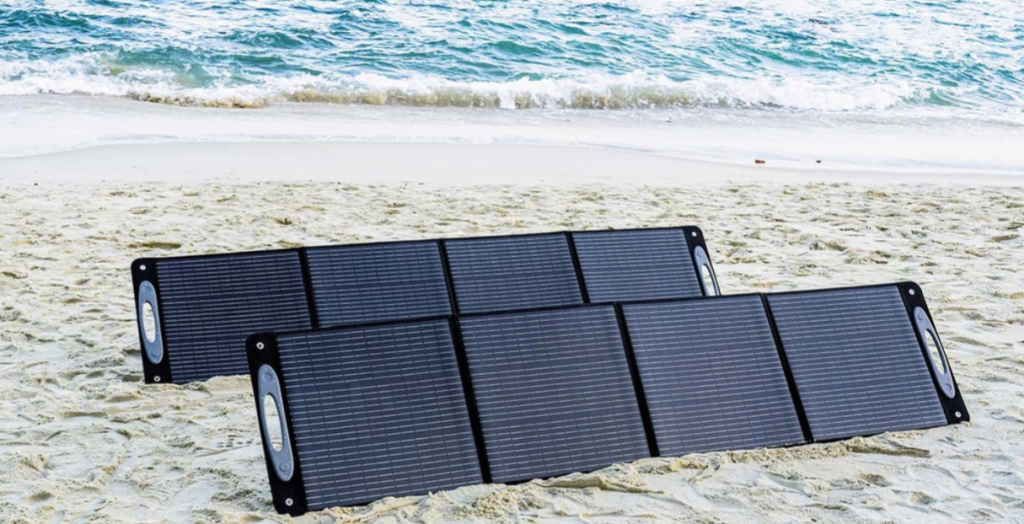
Harness the power of the sun with OUKITEL’s solar panels, available in two efficient models: PV200 and PV400. Crafted from monocrystalline cells, these panels boast up to 23% efficiency, ensuring optimal energy conversion. The ETFE coating and waterproof design guarantee durability, making them suitable for prolonged outdoor use.
Portable and foldable, OUKITEL’s solar panels provide a convenient source of free, clean power, whether at home or in the wild. Their compact design allows for easy transportation, ensuring you have a sustainable energy solution wherever you go.
The key difference lies in size, weight, and power output. Opt for the PV400 if you seek higher power production, keeping in mind that larger power capacity correlates with increased weight. Make a conscious choice to create a greener footprint with OUKITEL’s solar panels, the reliable and portable solution for clean energy in any environment.
OUKITEL, a visionary brand in the field of sustainable energy storage, endeavors to redefine lifestyles through innovative products. Dedicated to empowering users with cutting-edge solutions, OUKITEL’s mission is to integrate eco-friendly energy into both indoor and outdoor environments seamlessly. The brand extends its influence across more than 100 countries, earning the unwavering trust of millions worldwide.
Realme has been teasing some key features about the upcoming GT 5 Pro on its Weibo handle. The brand is yet to announce the launch date of the flagship offering but it is slated to debut by the end of this month. The smartphone has also bagged various certifications. It is expected to arrive as the successor to the GT 2 Pro that was announced in January last year. Now, ahead of the launch, the device has been spotted on the Geekbench benchmarking platform.
Realme GT 5 Pro surfaces on Geekbench
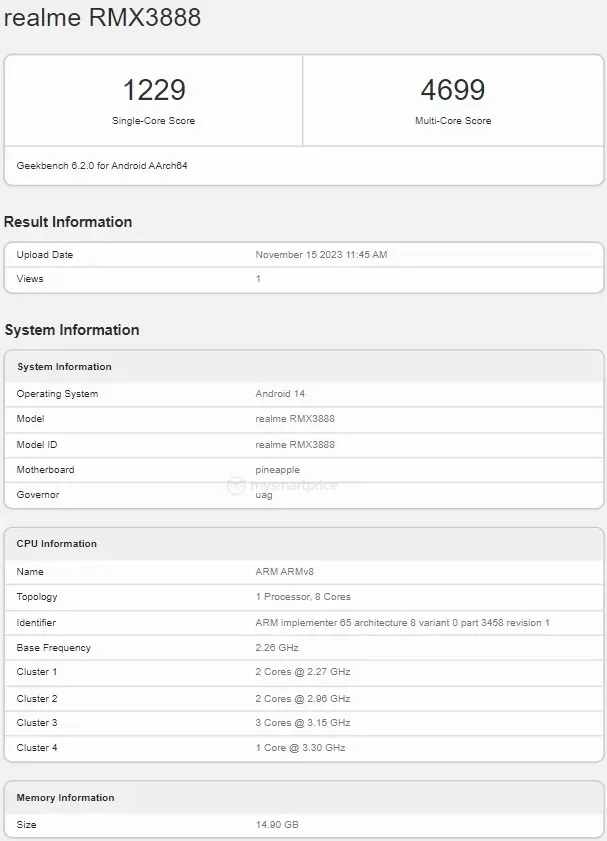
The Realme GT 5 Pro has been listed on the Geekbench database with model number RMX3888 which is the same as other certification listings. It has a motherboard codenamed ‘pineapple’ with four cluster configurations comprising of two cores at 2.27GHz, two cores at 2.96GHz, three cores at 3.15GHz, and a primary core ticking at 3.30GHz. This corresponds to the Snapdragon 8 Gen 3 chipset that is already confirmed to power the GT 5 Pro. The smartphone is listed with 16GB RAM onboard and we can expect more options at launch. The device will ship with Android 14 OS out of the box.
In the Geekbench’s single-core and multi-core tests results, the Realme GT 5 Pro scores 1,229 and 4,699 points.
As per teasers, the Realme GT 5 Pro will feature 3,000 nits peak brightness. It is touted to offer a new era for low-light telephoto images and is confirmed to have a Sony Lytia primary camera sensor. The upcoming offering is also confirmed to come with one of the largest heat dissipation system onboard. An alleged leaked live image of the Realme GT 5 Pro revealed a circular camera module on the rear that does not look too big. It houses four cutouts.
Earlier today, Oppo officially unveiled ColorOS 14 at its annual developer conference in China. Unlike the last two years, the company announced the new version of its mobile software late.
But it has started pushing stable builds for the first batch of devices from today itself. Let’s go through the details.
Oppo says that the ColorOS 14 stable update based on Android 14 is currently being rolled out to the following devices in China.
Oppo Find N2
Oppo Find N2 Flip
Oppo Find X6 Pro
Oppo Find X6
OnePlus 11
Oppo Reno 9 Pro
But outside mainland China, the update is only live for the Oppo Find N2 Flip and OnePlus 11. For the latter, the update arrives as OxygenOS 14 in global markets.
We expect the rollout to be faster than ColorOS 13 because Oppo has been continuously improving its software update delivery prowess every year. A lot more devices are already part of the ColorOS 14 beta program compared to the ColorOS 13 beta initiative last year this time.
Unfortunately, Oppo couldn’t be the first non-Google OEM to release the Android 14 stable update as that title belongs to Tecno. Anyways, it will probably be only second to Samsung in terms of rolling out the Android 14 update for eligible devices worldwide.
If you want to know all the new features introduced in ColorOS 14, check out our coverage on the same. You will also find the rollout timeline for eligible devices there.
Electric vehicle technology is rapidly advancing, becoming increasingly prevalent in the automotive industry. However, this progress has not yet spread to other transportation sectors. While the concept of electric flying cars has emerged, air and sea travel continue to rely heavily on fossil fuels. In an effort to address this issue, Rolls-Royce is exploring the use of Sustainable Aviation Fuel (SAF), a renewable fuel derived from waste, as an alternative to traditional jet fuel. This initiative aims to reduce the environmental impact of air travel and contribute to a more sustainable future for transportation. Here are the details…
Rolls-Royce Confirms All of Its Current Engines Can Run On 100 Percent SAF
Efforts to reduce the use of fossil fuels have been ongoing for a long time, primarily due to the limited nature of fossil energy and its presence in specific locations worldwide. One of the best alternatives developed over time is Sustainable Aviation Fuel (SAF), produced from renewable sources such as waste oils, vegetable oils, and algae.
SAF, set to be the future standard in the aviation industry, has been tested by blending it with jet fuel for a while due to efficiency concerns. However, Rolls-Royce has announced that its engines are ready to operate using 100% sustainable aviation fuel. The company conducted a series of tests to convince the world of this alternative.
In the tests carried out at Rolls-Royce’s facility in Canada, the Trent 700, 800, 900, 1000, XWB-84, XWB-97, 7000, BR725, and Pearl 700, 15, and 10X aircraft engines were used. The tests were concluded entirely successfully, and the CEO of the company, Tufan Erginbilgiç, made the following statements regarding the matter:
“Announcing that all our currently produced engines are compatible with 100% SAF is a significant step for both Rolls-Royce and the general aviation industry. This is also strong evidence of our commitment to achieving net-zero emissions by 2050 and supporting customers in reaching this goal.”
SAF indeed has the potential to revolutionize the aviation sector and phase out conventional jet fuels. However, whether it will become a true standard is currently uncertain. Who knows, perhaps electric aircraft engines will become much more sensible options when the time comes.
Learning from its competitors like Samsung and Honor, OnePlus and Oppo are finally here with inbuilt support for Microsoft Phone Link for cross-device connectivity. With OxygenOS 14 and ColorOS 14, the new feature will surely benefit the OnePlus users who often find it difficult to drag and drop files and sync messages and photos across a Windows machine and your phone.
OnePlus running Color OS 14 in China is also receiving support for Microsoft Phone Link Integeration.
OnePlus / Oppo + Microsoft Phone Link Integration
However, the support was already there as a third-party app, but this time Phone Link is seamlessly integrated with OxygenOS 14 and ColorOS 14 for more intuitive cross-device experiences. It will be “redefining how you work on anything, from anywhere, with any device.”
The users can set up the OnePlus device on new as well as Old Windows PCs by scanning a QR code. A quick setup will hardly take more than a minute, and the users will be able to enjoy some elevated features of the Windows Phone Link app.
Apart from managing photos, and notifications, replying to messages, and receiving calls, the integration will also enable the users to interact with the mobile apps using a PC. It will mirror apps side-by-side, paving the way to save time rather than picking up your phone again and again. Further, it supports direct display mirroring with your phone. It even supports cross-device copy-and-paste sync.
In the coming days, we expect instant hotspot support for the OnePlus devices too, as it is already available for Samsung Galaxy smartphones.
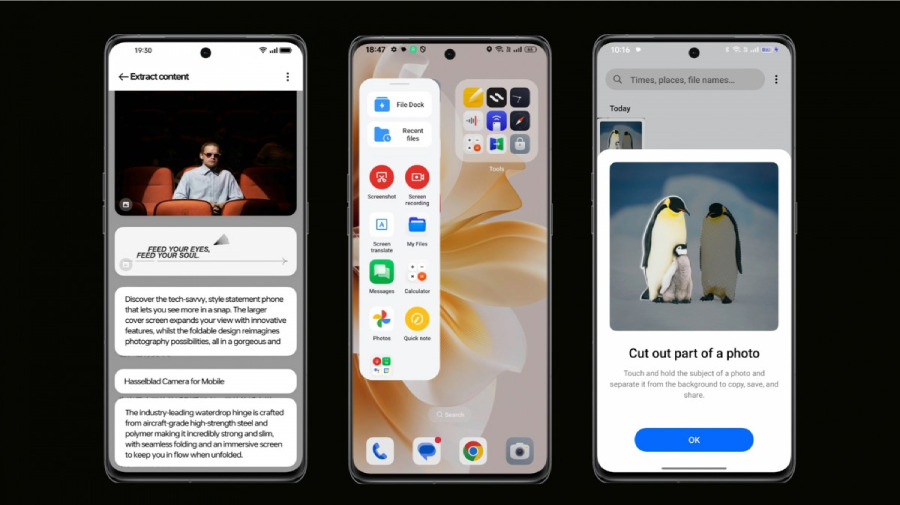
OxygenOS 14 and ColorOS 14 bring several other important features like File Dock, Notes 2.0, and Smart Cutout to enhance productivity and usability across the OnePlus smartphones.
Oppo has officially unveiled its latest operating system, ColorOS 14, bringing a host of new features and enhancements. The stable version is slated for release in mid-November, with the Oppo Find N2 Flip being the first device to receive it. Let’s talk about the features, and rollout schedule of Oppo ColorOS 14 in detail here.
Oppo ColorOS 14 Rollout Schedule
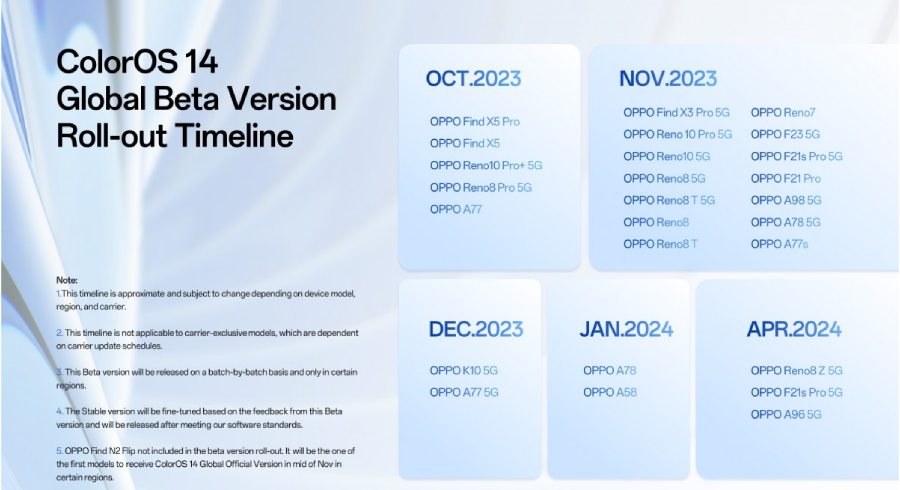
Here’s the detailed roadmap of the Oppo ColorOS 14 for the global audience.
Oppo ColorOS 14 Rollout Schedule
With that out of the way, let’s talk about the features of the new ColorOS 14.
ColorOS 14 Features
Refined Design and Personalized Experience
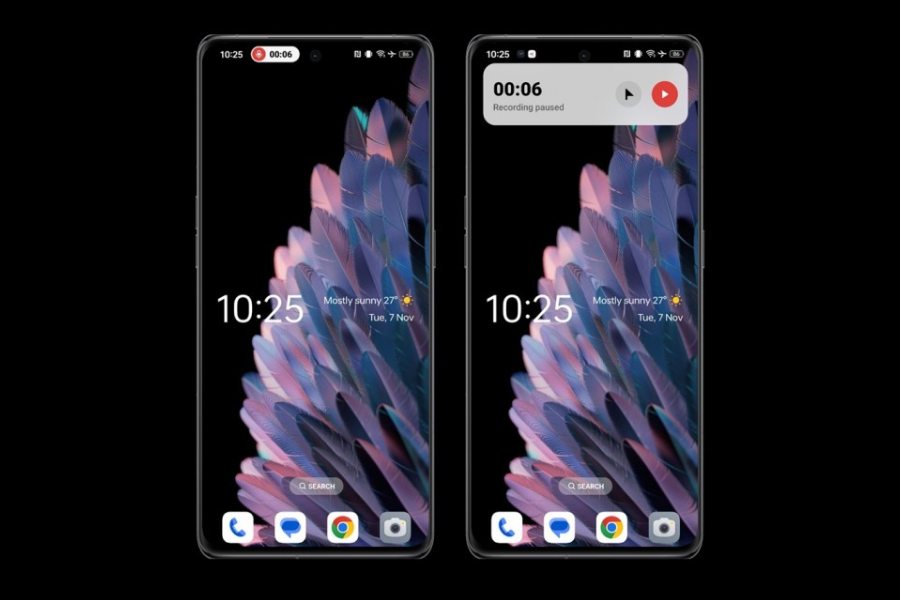
ColorOS 14 brings a polished and standardized user interface with its new Aqua Dynamic design. With this, common bubbles, capsules, and panels seamlessly blend into the status bar to provide functionality without cluttering the display.
Likewise, the Aquamorphic Colouring system dynamically adjusts the status bar and on-screen content to match the time of day, creating a more harmonious visual experience.
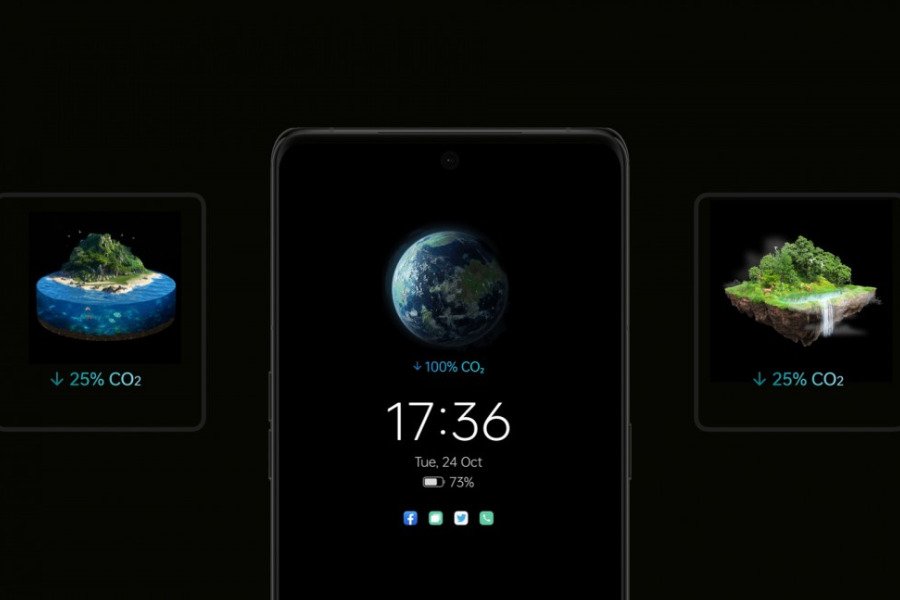
Oppo has also introduced a new Go Green style for the Always On Display, promoting a sense of eco-consciousness. Additionally, users can now incorporate Bitmoji stickers that adapt throughout the day based on location, activities, weather, and other contextual factors.
Performance Boost
ColorOS 14 also introduces an upgraded Trinity Engine, a three-pronged approach to enhancing performance and battery life. The three components are — ROM Vitalization, RAM Vitalization, and CPU Vitalization
ROM Vitalization effectively compresses app and file data, saving up to 20GB of storage on a typical phone. RAM Vitalization enhances the RAM management system, ensuring that background apps remain in RAM for smoother multitasking.
On the other hand, CPU Vitalization strikes a balance between chipset performance and power consumption, optimizing battery life.
Enhanced Privacy and Smart Features
Picture Keeper adds an extra layer of privacy by requiring additional permission to access specific photos and videos. Smart Image Matting can now crop out multiple people and animals from images and videos.
The new Smart Touch feature allows you to select text, images, and videos from various apps and store them in the File Dock, a synchronized clipboard accessible across ColorOS devices.
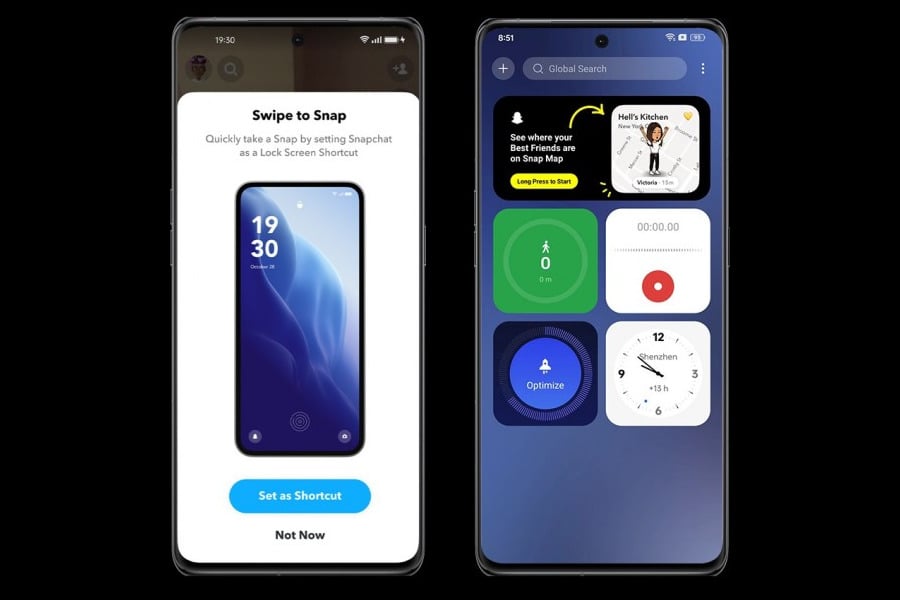
Snapchat users get special benefits with ColorOS 14. They can place a Snapchat shortcut on the lock screen for quick access and utilize a dedicated Snapchat widget on the Shelf for instant updates on new messages, statuses, and even the location of nearby friends.
Following multiple Closed Beta and Open Beta builds, the OnePlus 11 is finally receiving the OxygenOS 14. The update is gradually rolling out to the smartphone units in India and the users who are already on the Open or Closed Beta version are now receiving it. It will be made available to stable OxygenOS 13 users after the rollout for Beta Program participants is completed.
The firmware CPH2447_14.0.0.201(EX01) is rolling out with exciting new features and all the features of Android 14. It is advised to free up to 5GB of storage and up to 30% battery capacity on the smartphone for flawless OxygenOS 14 installation.
The stable OxygenOS 14 brings several new feature additions like Cross-device connectivity with Microsoft Phone Link and improves photo and video-related permission management. It even adds File Dock where the users can easily transfer content between apps and devices. Other smart feature to enhance smartphone efficiency includes Content Extraction and smart cutout. Below is the official changelog:
Full Changelog for OxygenOS 14
Pantanal Service

 • Adds Fluid Cloud, a way of interaction with morphing forms that allows you to view up-to-date information at a glance.

 • Adds cross-device support for Fluid Cloud. Now you can check the connection status of devices on your account at a glance.

Smart efficiency

 • Adds File Dock, where you can drag and drop to transfer content between apps and devices.

 • Adds Content Extraction, a feature that can recognize and extract text and images from the screen with one tap.

 • Adds Smart Cutout, a feature that can separate multiple subjects in a photo from the background for copying or sharing.

Cross-device connectivity

 • Improves Shelf by adding more widget recommendations.

Security and privacy

 • Improves photo and video-related permission management for safer access by apps.

Performance optimization

 • Improves system stability, the launch speed of apps, and the smoothness of animations.

Aquamorphic Design

 • Upgrades Aquamorphic Design with a natural, gentle, and clearer color style for a more comfortable color experience.

 • Adds Aquamorphic-themed ringtones and revamps the system notification sounds.

 • Improves system animations by making them even smoother.

User Care

 • Adds a carbon tracking AOD that visualizes the carbon emissions you avoid by walking instead of driving.
The update is currently limited to the users in India and will seed to other regions in the coming few weeks. In India too, it may take some time to reach each OnePlus 11 unit. Other OnePlus devices will soon follow the update schedule.
Black Friday is just around the corner, and major electronics brands have started announcing massive device price cuts. Earlier, a leaked report surfaced revealing that Microsoft will be offering the Xbox Series X for just €449, which is a massive €100 discount. Now, the report claims that the brand will be making the deal even sweeter.
In an updated report, Microsoft plans to lower the price of the Xbox Series X to €399.99, giving customers an extra €50 off and a total discount of €150 from the usual price. As a bonus, the company will include a €10 loyalty card, bringing down the actual purchase cost of the console to €389.99.
In related news, Xbox and Warner Bros. Pictures have joined forces for an exciting collaboration tied to the upcoming film “Wonka.” Gamers have the chance to win exclusive prizes, including a limited edition Wonka chocolate bar-inspired Xbox Series console with an edible chocolate controller. To participate, users can enter a limited edition Wonka prize draw by following Xbox on social media and retweeting the official giveaway tweet. The prize package, known as the “Box of Chocolates,” includes a unique Xbox Wireless Controller, and five chocolate truffle variations, each inspired by gaming themes. Additionally, Xbox is hosting interactive experiences at Microsoft Experience centers in New York, London, and Sydney, where visitors can solve a puzzle for a chance to win special Xbox giveaways.
In an announcement at the 2023 Xiaomi IoT Ecological Partner Conference, Xiaomi‘s Vice President, Lu Weibing, declared that the company has established the world’s largest consumer-level Internet of Things (IoT) platform. The impressive statistics revealed during the conference showcase Xiaomi’s progress in the IoT landscape. The company also revealed that its IoT platform Vela, is going open source.
Xiaomi’s IoT platform has reached 655 million connected devices
With an astonishing 655 million connected devices on the Xiaomi IoT platform, and over 13 million people using five or more Xiaomi IoT devices, the company has solidified its position as one of the key players in the IoT industry.
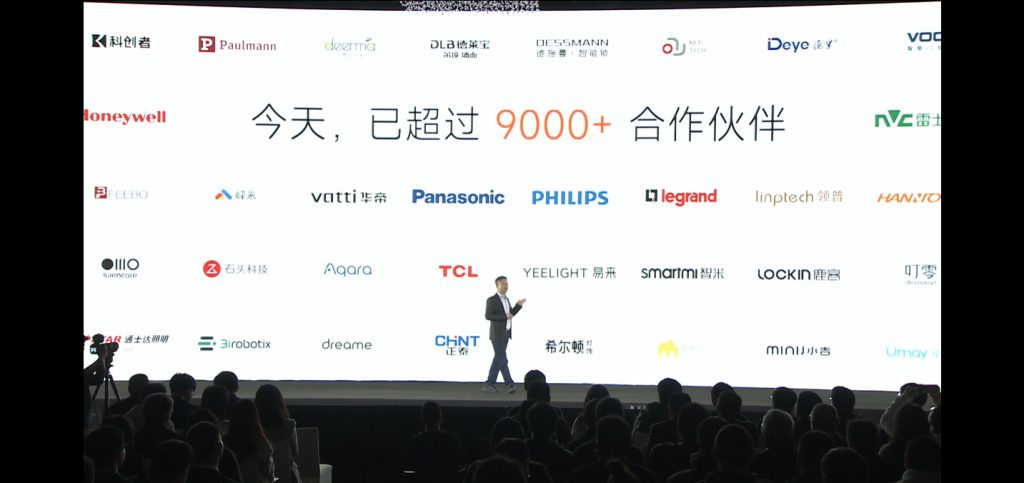
What sets Xiaomi apart is its commitment to openness and collaboration, evident in its vast network of over 9,000 IoT partners. These partnerships extend across more than 200 categories of products, demonstrating Xiaomi’s dedication to providing a diverse and comprehensive ecosystem for consumers. The Mi Home app, with 82.9 million monthly active users, and the Xiao Ai voice assistant, with over 110 million monthly active users, further underscore the platform’s popularity.
Xiaomi’s success is not solely attributed to its hardware innovation; the company has also played a pivotal role in reducing costs in the IoT industry, making smart devices more accessible to a broader audience. This commitment to affordability aligns with Xiaomi’s broader vision of embedding control technologies, particularly artificial intelligence (AI), in every device.
The goal is to infuse AI into every device, creating a seamless and intuitive user experience. Xiaomi envisions a future where its AI voice assistant, Xiao Ai forms the backbone of a powerful AI capability system.
Xiaomi’s open ecosystem for connectivity is a bold move in the competitive AIoT era. The company actively collaborates with various smart device manufacturers, internet companies, app developers, AI technology firms, and skill developers. By breaking free from the traditional ecological chain model, Xiaomi fosters an environment of innovation and collaboration.
The company’s accelerated expansion, with over 1,000 third-party products integrated into its IoT platform, demonstrates Xiaomi’s commitment to widespread adoption. Partnerships with global brands like IKEA and compatibility with voice assistants like Google Assistant and Amazon Alexa further solidify Xiaomi’s position as a formidable player in the evolving AIoT landscape. As the IoT industry continues to evolve, Xiaomi’s strategic openness and dedication to large-scale connectivity position it at the forefront of innovation and progress.
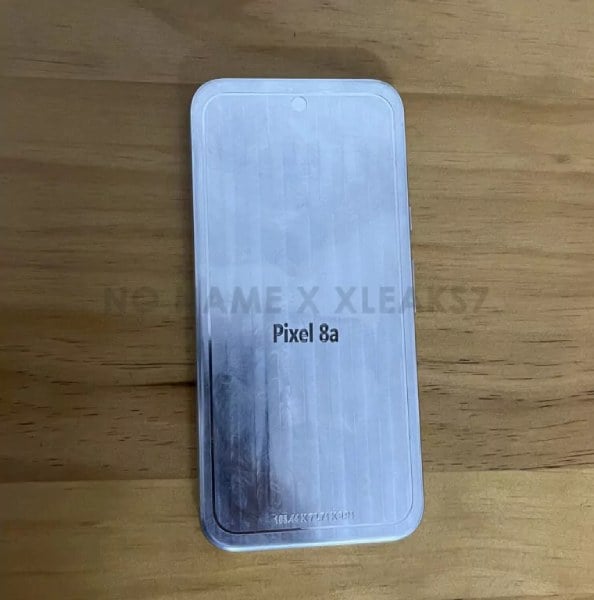
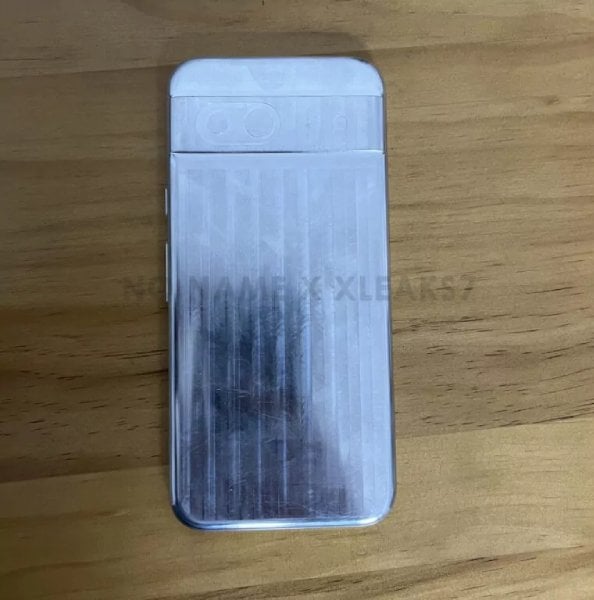
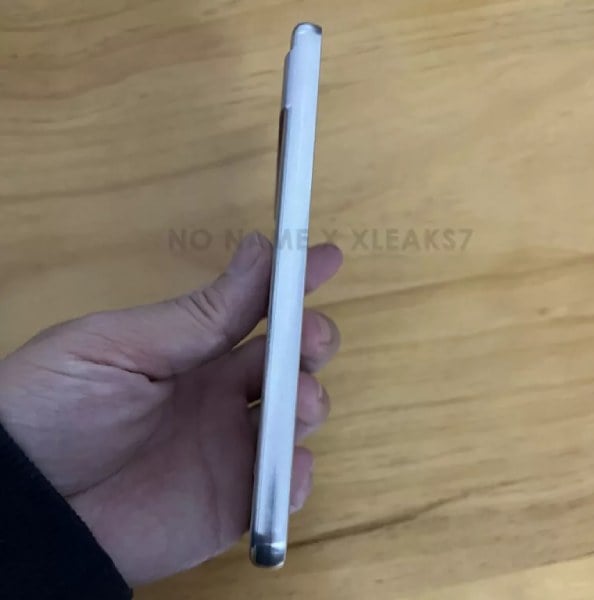
Google‘s Pixel 8a smartphone has been leaked in a new set of dummy unit images. These images, shared on LinkedIn by leakers No Name and xleaks7, reportedly depict dummy units of the Pixel 8a. The four photos showcase the front, back, and sides of the upcoming device.
The dummy units show the Pixel 8a with a more rounded design than its predecessor. The leakers also suggested that the device will be slightly slimmer, yet a bit longer than the Pixel 7a, measuring 153.44 x 72.74 x 8.94mm.
Pixel 8a (Front)Pixel 8a (Back)
The front of the dummy unit shows that the device will still have a punch-hole selfie camera, as well as some thick bezels. On the back, we see the Pixel’s signature camera bar, two sensors, and a flash.
Pixel 8a (Left)Pixel 8a (Right)
Meanwhile, the right side of the handset has the same power button and volume rocker that has appeared on other Pixel phones.
Similar to its A-series predecessors, Google’s Pixel 8a is expected to launch in the first half of 2024. The exact release date, however, remains unconfirmed. We expect to learn more in the coming months.
Earlier this year, Vivo released a smartphone called Vivo Y36 in multiple global markets. It comes in both 4G and 5G variants. Now, months later, the company has launched a different handset under the same name in China.
Unlike the original, the new Vivo Y36 only comes in a 5G variant. Also, it arrives with downgraded specs. Let’s go through the details.
Vivo Y36 (China) Specifications
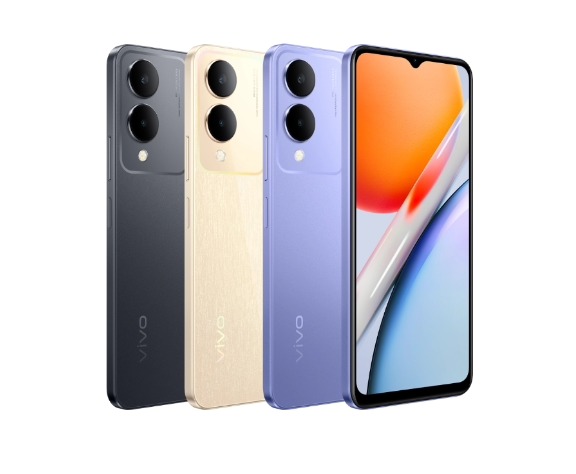
The Vivo Y36 for China not only differs in terms of specs but also design. It retains the rectangular island with circular cameras. But the LED flashlight is located below the cameras instead of to the right.
Further, the Chinese Y36 has a smaller 6.56-inch display compared to the 6.64-inch screen on the global Vivo Y36 5G. The panel even has a dewdrop notch as opposed to a centered punch hole.
Coming to the specs, the display only offers an HD+ resolution (compared to FHD) but retains a 90Hz refresh rate. It is powered by the same MediaTek Dimensity 6020 chip (previously known as Dimensity 700) paired with LPDDR4x RAM and UFS 2.2 storage.
The main and selfie cameras are downgraded to 13MP and 5MP sensors compared to 50MP and 16MP sensors on the global model. Anyways, the 2MP depth sensor makes a return.
The phone arrives with a 3.5mm headphone jack, a side-mounted fingerprint sensor, and Android 13. Finally, it is backed by the same 5,000mAh battery, however, the charging speed is lowered to 15W from 44W.
Vivo Y36 (China) Price
The Vivo Y36 is sold in the following five memory configurations in China.
6GB + 128GB – ¥1,399 (~$195)
8GB + 128GB – ¥1,599 (~$220)
8GB + 256GB – ¥1,799 (~$250)
12GB + 256GB – ¥1,999 (~$275)
12GB + 512GB – ¥2,399 (~$330)
The device comes in Space Gray, Galaxy Gold, and Fantasy Purple color options.
Last month, Crossbeats unveiled the Nexus smartwatch in India. Interestingly, the smartwatch features ChatGPT integration which makes it stand apart from the majority of smartwatches in India. Starting today, the watch is officially on sale and can be purchased via online channels.
Pricing & availability
The Crossbeats Nexus, priced at Rs. 5,999, is now available for purchase on the brand’s website in two stylish color options: Silver and Black. For those who choose to pre-order this smartwatch, exclusive benefits await. First and foremost, pre-order customers will receive a complimentary merchandise item signed by SKY. Additionally, to protect the Nexus watch, a free screen guard is included. The perks continue with an extended warranty of an extra 6 months at no additional cost, ensuring peace of mind for users. Furthermore, pre-ordering unlocks a 25% discount on selected True Wireless Stereo (TWS) products valued above Rs. 1999. Finally, on the day of purchase, customers can enjoy an extra 5% discount on the Nexus watch.
Crossbeats Nexus specs & features
The Crossbeats Nexus comes equipped with a 2.1-inch AMOLED display featuring a resolution of 320 x 384 pixels. Offering users a variety of choices, the watch boasts over 500 customizable watch faces. Noteworthy is the integration of ChatGPT technology. The device includes practical features like GPS dynamic route tracking and a dynamic island, along with an ebook reader for added convenience. Additional capabilities include an altimeter, barometer, and compass, with navigation facilitated by a user-friendly rotating crown. Communication is made easy with Bluetooth calling.
For health monitoring, the Nexus tracks heart rate, SpO2 levels, and sleep patterns, and also provides blood pressure monitoring. Connectivity is ensured with Bluetooth 5.3, making it compatible with iOS 10 and above as well as Android 5.1 and above. The watch boasts a battery life of up to 7 days and is available in Silver and Black color options.
Google has released the first beta build of Android 14 QPR2, a quarterly platform release that will eventually turn into the March 2024 update. The build is available right away for most Pixel devices as far back as the Pixel 5a.
The Android 14 QPR1 program hit Beta 2.2 at the beginning of November, but Google has decided to move on to QPR2 instead of releasing a stable QPR1 build in December.
Android 14 QPR2 Beta 1 Release Details
Feature
Value
Release date
November 15, 2023
Build
Pixel 5a devices: AP11.231020.013
Pixel 8 and 8 Pro devices: AP11.231020.014
All other devices: AP11.231020.013.A1
Emulator support
x86 (64-bit), ARM (v8-A)
Security patch level
November 2023
Google Play services
23.36.14
If you are already enrolled in the Android Beta Program, you should receive the update over-the-air today. If you are on Android 14 QPR1 2.2, you will move from that to this new QPR2 Beta 1 build.
Google shared the following fixes within this QPR2 update but has not yet provided a list of new features.
Fixed an issue that caused the package manager to crash when installing some apps. (Issue #303849830)
Fixed an issue that sometimes prevented users from submitting feedback using the Android Beta Feedback app. (Issue #307592531)
Fixed an issue that sometimes prevented a device from connecting to a 5G network when it was available. (Issue #306294357)
Smartphones are becoming increasingly powerful thanks to advancements in processor technology, particularly with the Snapdragon 8 Gen 3 and Apple A17 Pro. Just a few years ago, even the basic menu transitions on these devices were noticeably sluggish. Today, however, smartphone performance has reached a level where it rivals that of modern gaming consoles. This is not an exaggeration; for instance, the iPhone 15 Pro and 15 Pro Max can handle demanding PC and console games with ease. This performance boost is expected to continue, but it comes with a downside: overheating. To address this issue, Apple is reportedly planning to incorporate graphene cooling into the iPhone 16 series to effectively manage temperatures. Here are the details…
Apple’s Graphene Cooling Tech to Revolutionize iPhone 16
The iPhone 15 Pro models are known for their impressive performance. However, this power comes at a cost, as users have reported excessive heating issues that make the devices uncomfortable to hold. Some users have even joked about using their phones as cooking appliances due to the intense heat. While these issues don’t typically occur while performing light tasks like watching Instagram Reels, certain optimization problems in iOS 17 are believed to contribute to the overheating.
Fortunately, Apple is actively working to address these heating concerns and prevent them from occurring in the upcoming iPhone 16 series.
Apple is actively working on graphene thermal system of iPhone 16 Series to solve the heating problem existing before. And the battery of Pro series would change to metal shell, for the same reason.
According to the leakster KosutamiSan, Apple will address the heating issue by adding a graphene block to the iPhones. I want to emphasize that the company will not use any active cooling technology. In other words, iPhones won’t have fan-based cooling. Instead, graphene, being an excellent heat conductor, will prevent the temperature from getting out of control by absorbing heat from the processor.
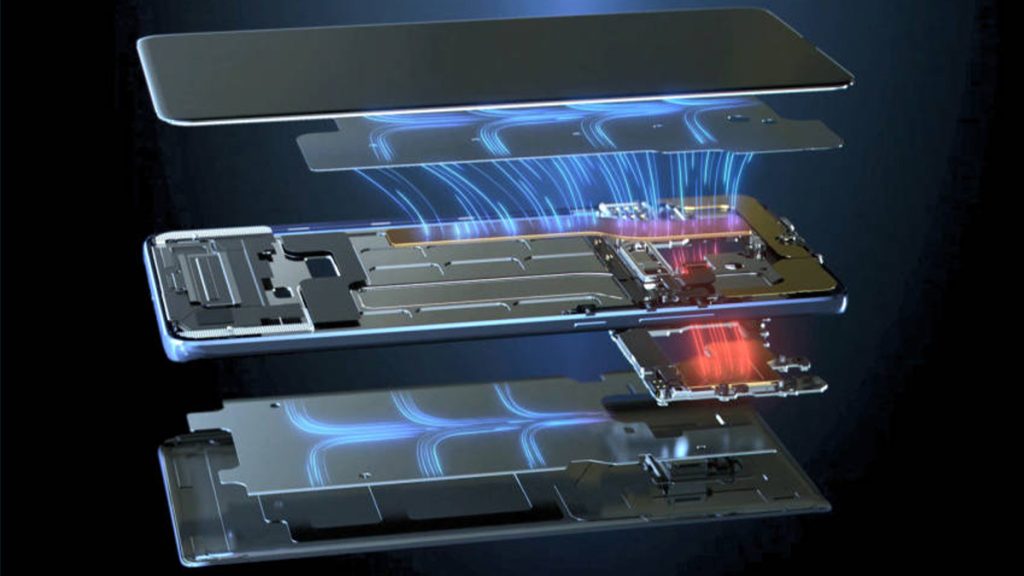
Graphene is a material with excellent heat conductivity. At room temperature, graphene has a thermal conductivity of 5000 watts/meter-kelvin. This is about 2 times that of copper and 3 times that of silver. While graphene cooling is a logical solution, it’s not the only thing that can be done. Apple continues to make its processors more powerful and efficient every year.
Example of a smartphone cooled with Graphene
To simplify, think of it like a car that goes faster than the previous model but consumes less fuel. Despite being more powerful, the processor consumes less energy, and the heating issue decreases somewhat. Unfortunately, it’s unclear if all of this will be sufficient for the iPhone 16. We have a 10-month period until September to see what Apple will achieve. Stay tuned to TeknoBurada for tech updates until then.
Xiaomi’s electric car, which was recently listed on the website of the Ministry of Industry and Information Technology, is likely to be manufactured in the company’s factory in Beijing. The car was previously thought to be manufactured by BAIC Group, but new information has revealed that Xiaomi will be producing the vehicle itself.
Xiaomi’s electric sedan will be manufactured in its own factory
Dubbed the SU7 (Speed Ultra 7), the car is a pure electric sedan that bears the Xiaomi trademark. While the manufacturing company is listed as BAIC Group Off-road Vehicle Co., Ltd., production will take place at Xiaomi’s self-built factory in Beijing.
This is evident from the address listed in the declaration information in CMIIT certification, which matches the location of Xiaomi Motor’s factory.
Industry insiders believe that Xiaomi may be temporarily using BAIC’s production qualifications to expedite the vehicle’s launch, while simultaneously pursuing its independent qualifications.
This strategy is not uncommon in the automotive industry, as it allows new entrants to bring their products to market more quickly.
Talking about the EV itself, it boasts a sleek and modern design, measuring 4997mm in length, 1963mm in width, and 1455mm in height. Its wheelbase spans 3000mm, providing ample interior space and a comfortable ride.
Powered by a lithium iron phosphate battery supplied by BYD’s FinDreams Battery, the sedan is equipped with an engine from United Automotive Electronics Co., Ltd., delivering a peak power of 220kW. You can learn more about Xiaomi’s upcoming sedan in a detailed article here.
Xiaomi is gearing up for the electric vehicle (EV) landscape with its highly anticipated model, the SU7. Recently, the first images of the SU7 emerged through a Chinese government regulatory agency, generating excitement ahead of its scheduled public debut in the first half of 2024.
In a strategic move, Xiaomi has chosen not to oversee the direct production of the EV. Instead, this responsibility has been entrusted to Beijing Automotive Industry Holding Co. (BAIC), a prominent government-owned Chinese car manufacturer. This collaboration, confirming earlier speculations, positions BAIC as the key manufacturing partner for Xiaomi’s foray into the competitive field of electric vehicles.
Lu Weibing, partner and president of Xiaomi Group, provided insights into the progress of Xiaomi Auto, revealing that it has surpassed expectations. The official release, slated for the first half of the coming year, is eagerly anticipated by both tech enthusiasts and observers within the automotive industry.
The Ministry of Industry and Information Technology unveiled the images of Xiaomi’s upcoming vehicle, the SU7. This sedan, speculated to feature coupe-like characteristics, showcases a distinctive design with a closed grille and sharp headlight modules at the front. The rear of the car is adorned with the iconic “Xiaomi” logo at the bottom left of the tail, accompanied by eye-catching continuous taillights. The declaration information specifies that the vehicle was submitted by Beijing Automotive Group Off-road Vehicle Co., Ltd.
Xiaomi’s venture into the automotive market aligns with the company’s broader strategy to establish itself as a key player across various technological domains. This strategic move underscores Xiaomi’s commitment to pushing the boundaries of innovation and diversifying its product offerings.
As Xiaomi Auto prepares for its official launch, the tech world eagerly anticipates the introduction of a new player in the electric vehicle landscape. The SU7, with its unique design and strategic manufacturing partnership, is set to contribute to the rapidly evolving EV market.
On Nov. 23, Honor is set to unveil the Honor 100 and 100 Pro in China. Following the announcement of the 100 series, the company will shift its focus toward the Magic 6 series of flagship phones, which is expected to debut in the first quarter of 2024. A new leak reveals that the Magic 6 lineup will feature a one-inch camera sensor, though it won’t be from Sony; instead, it will be sourced from another brand.
Honor Magic 6 series to flaunt OV50K OmniVision camera
Honro Magic 6 series’ leaked live shot
According to tech blogger and leaker Digital Chat Station, Honor is set to introduce the OmniVision OV50K one-inch main camera. There is strong speculation that this new camera will be featured in the upcoming Honor Magic 6, possibly starting with the Honor Magic 6.
In the world of smartphone camera sensors, the most formidable contender currently is Sony’s one-inch flagship sensor IMX989, utilized in some flagship camera models by Xiaomi and other manufacturers. It will be soon replaced by the Sony Lytia LYT-900, another one-inch camera sensor, which is likely to make its way on upcoming flagship phones, such as the Oppo Find X7 Pro, the Xiaomi 14 Ultra, and the Vivo X100 Pro+.
Honor’s Magic series has gained recognition for delivering exceptional performance, with models like the Magic 5 Pro and Magic 4 Ultimate consistently achieving top rankings in DxOMark photography benchmarks. The Magic 6 series, which is now tipped to feature the OV50K one-inch camera sensor, is also expected to offer a stellar photography and videography experience.
Recent flagship models like Xiaomi 14 and iQOO 12 have opted for OmniVision sensors in their primary cameras. This trend suggests a potential shift in the industry, with an increasing number of brands leaning towards adopting OmniVision camera sensors over the traditionally favored Sony sensors.
Returning to the Magic 6 series, a recent report revealed that it will come with support for satellite communication connectivity. The entire lineup may feature the Snapdragon 8 Gen 3 chip. It is speculated that the Magic 6 series may debut by the first week of February in China.
Red Magic is gearing up to launch the next-gen flagship series. Recently, the brand confirmed the news about the Red Magic 9 Pro Series on Weibo. As a result, the company will host the launch of the Red Magic 9 Pro gaming phone on the 23rd of November in China.
The company is now working to disclose some of the device’s most important features, as usual. It revealed its battery capacity and connection features with the unveiling of the poster today. An overview of the Red Magic 9 Pro’s current state of knowledge is provided below.
The Red Magic 9 Pro will be packed with a 6500 mAh battery with 80W fast charging technology. Moreover, the Red Magic 9 Pro will have 8.9mm thickness and it weighs around 229 grams.
Red Magic 9 Pro Series Lists at Geekbench, Key Specs revealed
Red Magic 9 Pro Series Specifications (Rumored)
Red Magic 9 Pro Series is confirmed to be powered by the Snapdragon 8 Gen 3 chipset. The device is anticipated to have a 6.8-inch display with FHD+ (2480*1116) resolution and a 120Hz screen refresh rate. It will feature a 6500 mAh big battery which will be providing more than two days and two nights of use with 80-watt fast charging.
Talking about its camera, the phone is expected to feature a 50MP GN5 OIS + 50MP JN1 rear camera. On the front, it will have an under-display selfie camera. Moreover, it will have an infrared remote control and NFC support. Additionally, it weighs around 229 grams which is 1g heavier than the previous generation and the thickness remains at 8.9mm.
The upcoming 9 Pro Series will be equipped with an RGB light with the industry’s first custom RGB fan lighting effect and new RGB gaming shoulder keys for all the operations. Subsequently, the flagship Series will have three color variants: Deuterium Front Transparent Silver Wings, Deuterium Front Transparent Dark Night, and Dark Knight Knight.
We use cookies on our website to give you the most relevant experience by remembering your preferences and repeat visits. By clicking “Accept”, you consent to the use of ALL the cookies.
This website uses cookies to improve your experience while you navigate through the website. Out of these, the cookies that are categorized as necessary are stored on your browser as they are essential for the working of basic functionalities of the website. We also use third-party cookies that help us analyze and understand how you use this website. These cookies will be stored in your browser only with your consent. You also have the option to opt-out of these cookies. But opting out of some of these cookies may affect your browsing experience.
Necessary cookies are absolutely essential for the website to function properly. This category only includes cookies that ensures basic functionalities and security features of the website. These cookies do not store any personal information.
Any cookies that may not be particularly necessary for the website to function and is used specifically to collect user personal data via analytics, ads, other embedded contents are termed as non-necessary cookies. It is mandatory to procure user consent prior to running these cookies on your website.