Advertisement

Samsung Galaxy S23 FE listed on TENAA with specifications and images

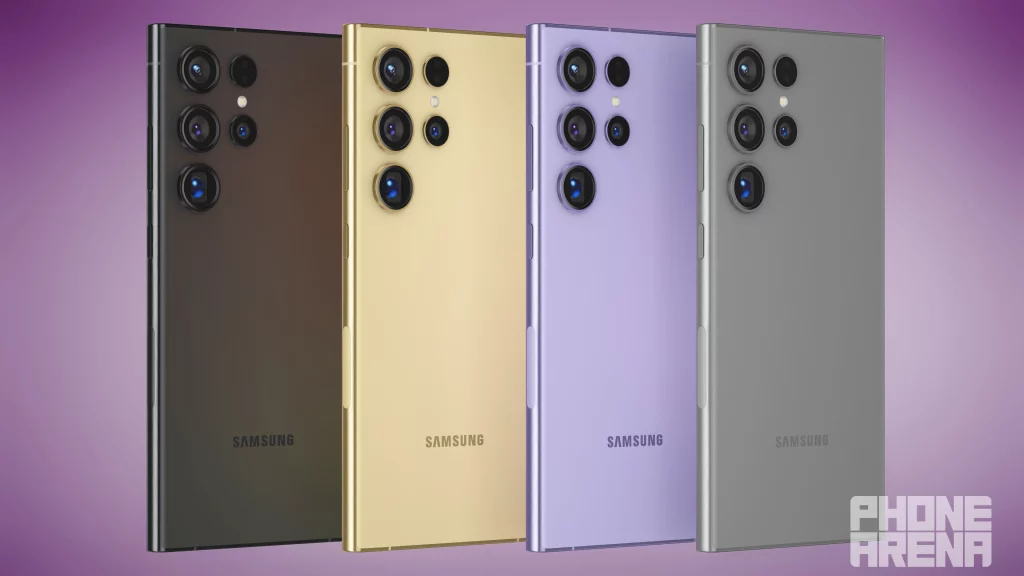
After a lot of rumors and leaks, it finally looks like the Galaxy S23 FE could launch soon. Reports suggest the device will be launching this quarter alongside the Galaxy Tab S9 FE and other products. While we wait for an official launch date, the fan edition model has been spotted on TENAA with its key specifications and images. Here are the details.

TENAA certification authority has revealed the Samsung Galaxy S23 FE will unsurprisingly look identical to the vanilla S23. However, the specifications of the fan edition model will be different. The authority reveals the handset features a 6.3-inch display with a 2340×1080 pixel resolution. The display supports 16 million colors or 8-bit color depth. You can also expect a 120Hz refresh rate on the smartphone.

It measures 158.0 x 76.5 x 8.2mm and weighs around 210g. Rumors have suggested that the S23 FE will come with either a Snapdragon 8 Gen 1 or an Exynos 2200 chipset, depending on the market. The device spotted on TENAA is certified with a Snapdragon chip with an octa-core CPU architecture and a 2.99 GHz peak frequency. It’s complemented by 8GB of RAM and storage options of either 128GB or 256GB.

For photography, the S23 FE could feature a triple-camera setup, headlined by a 50MP main camera, an 8MP sensor, and another 12MP camera. The selfie camera department may sport a 10MP snapper. Powering this device is a 4,370mAh battery, expected to support 25W fast charging, as revealed in the TENAA certification. On the software side of things, the Galaxy S23 FE will run on Android 13, layered by Samsung’s One UI 5.1.

RELATED:

(Via 1,2)

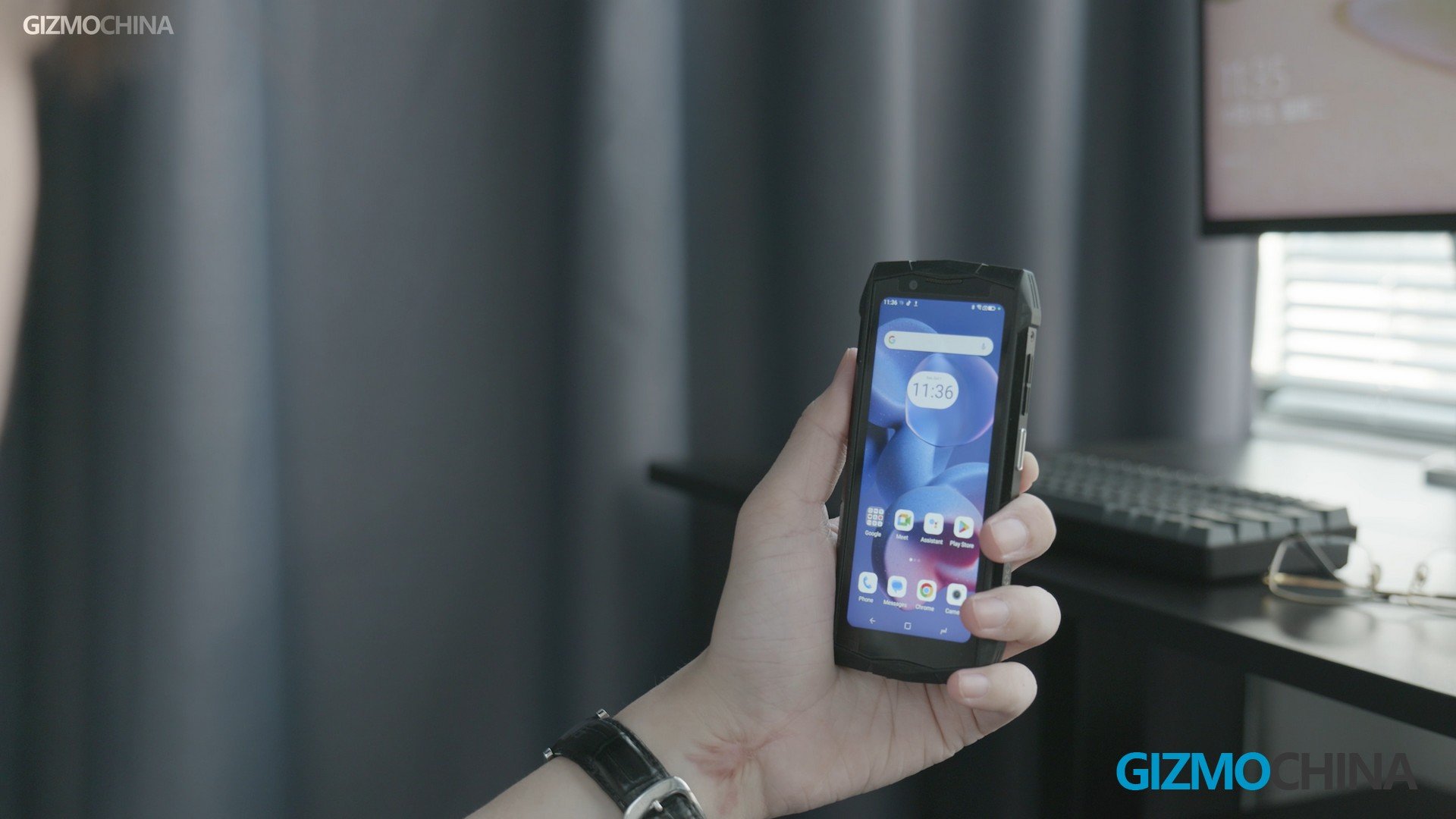
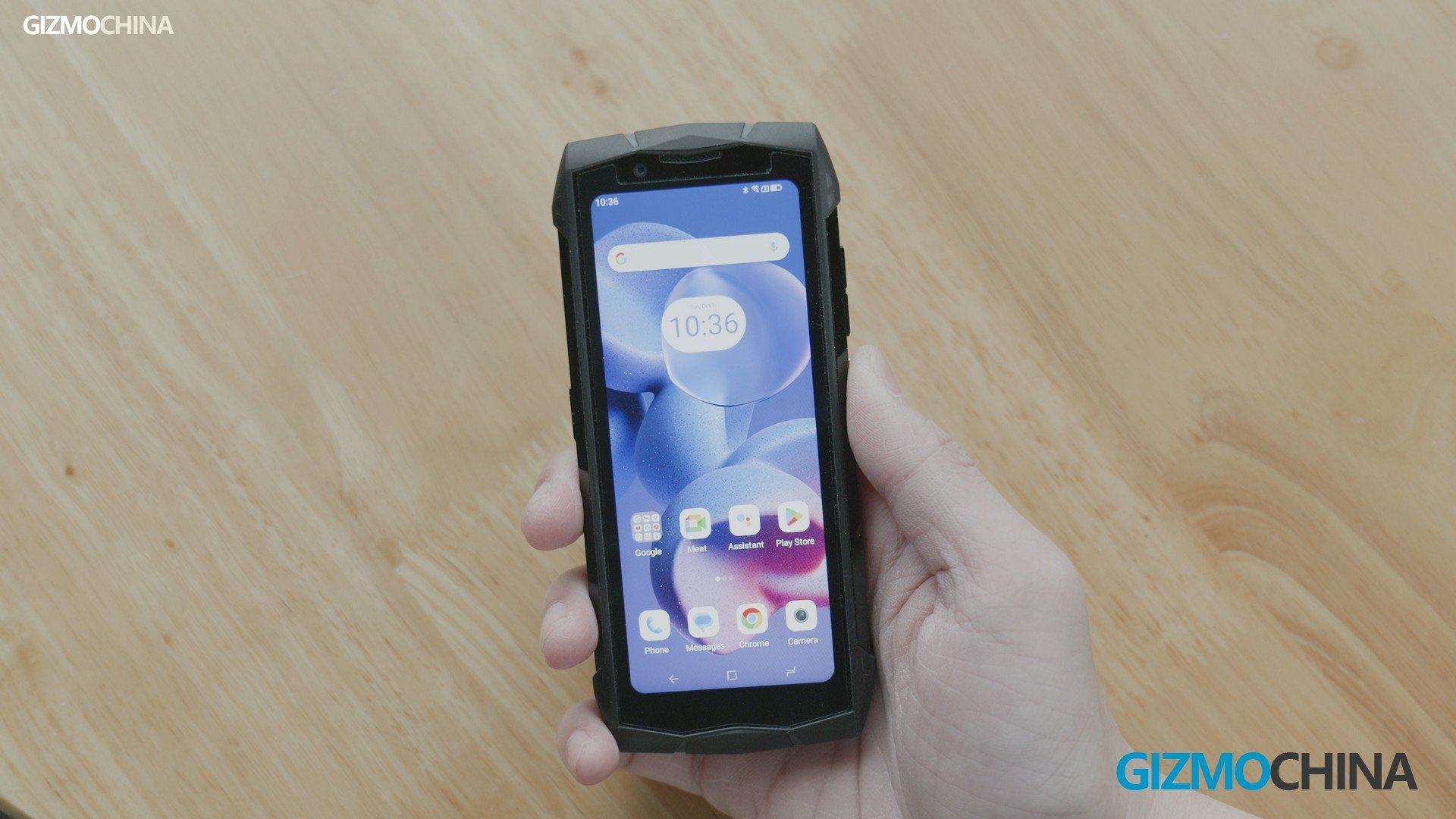
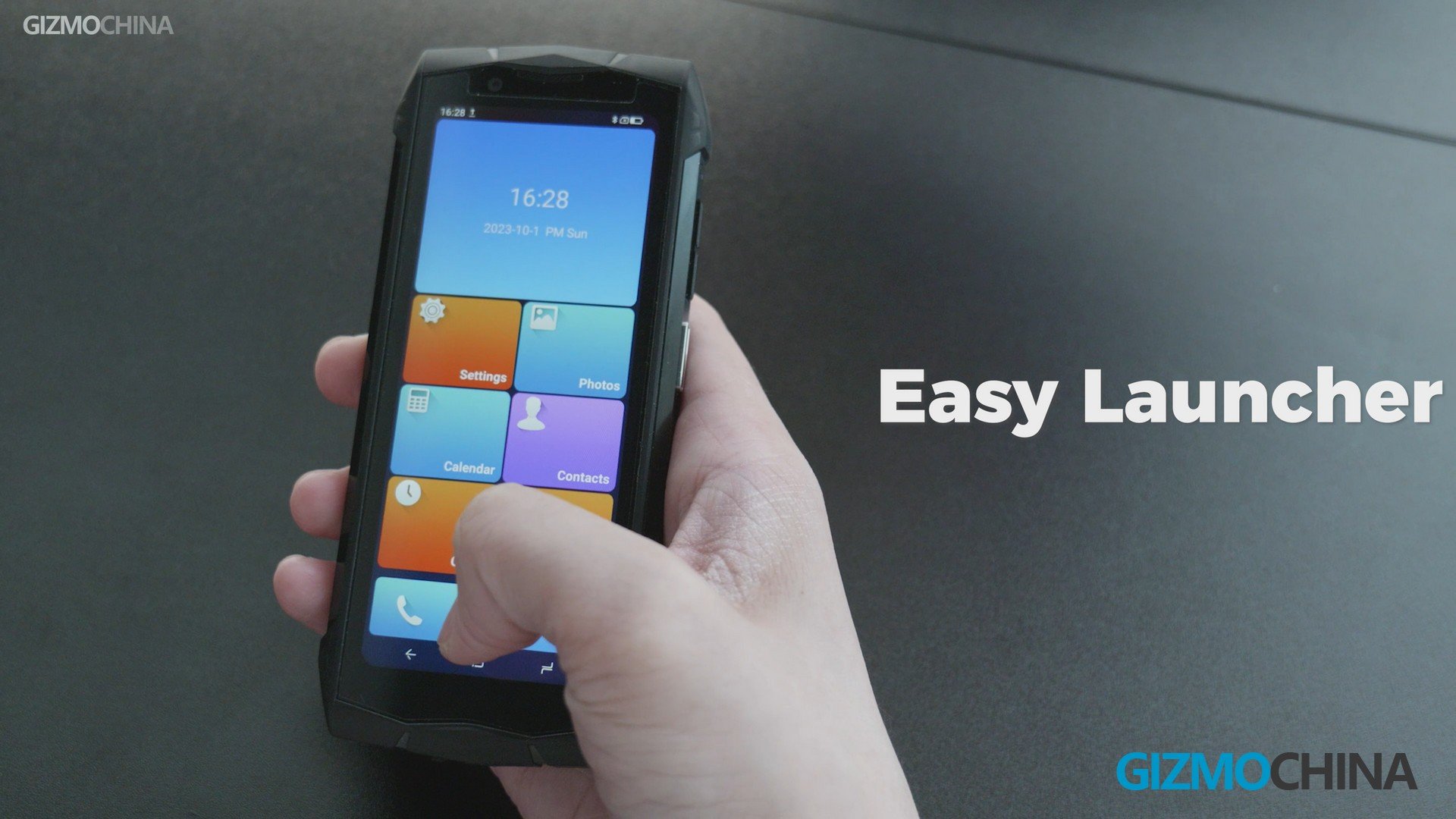
DOOGEE V31 GT Rugged Phone Review: Dual Stereo Speaker is necessary

Our old friend DOOGEE is launching a new phone again. Everyone knows that DOOGEE specializes in making different kinds of rugged phones. And this one, the DOOGEE V31 GT, is our star of the day. A budget-rugged phone, but with a few features that make it special.
Unboxing

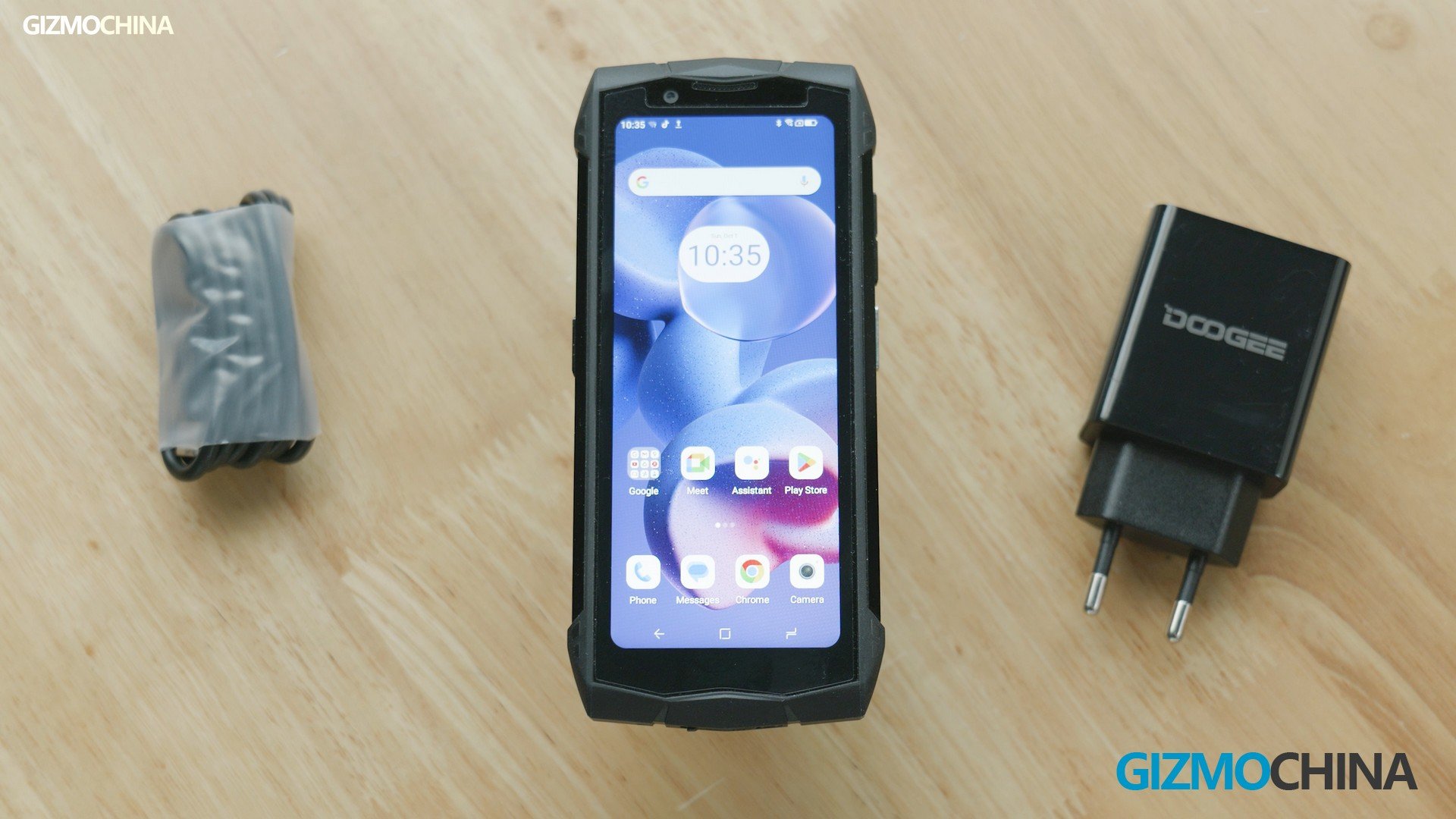
The accessories in the V31 GT box are rather basic, like the manual, warranty card, charger, and charging cable. Of course, there is also a protective film that comes with every DOOGEE phone and a kit for applying the film. The charger is 66W with a Type-C port and has a full range of charging protocols. I still love brands that are willing to include high-spec chargers.

Design

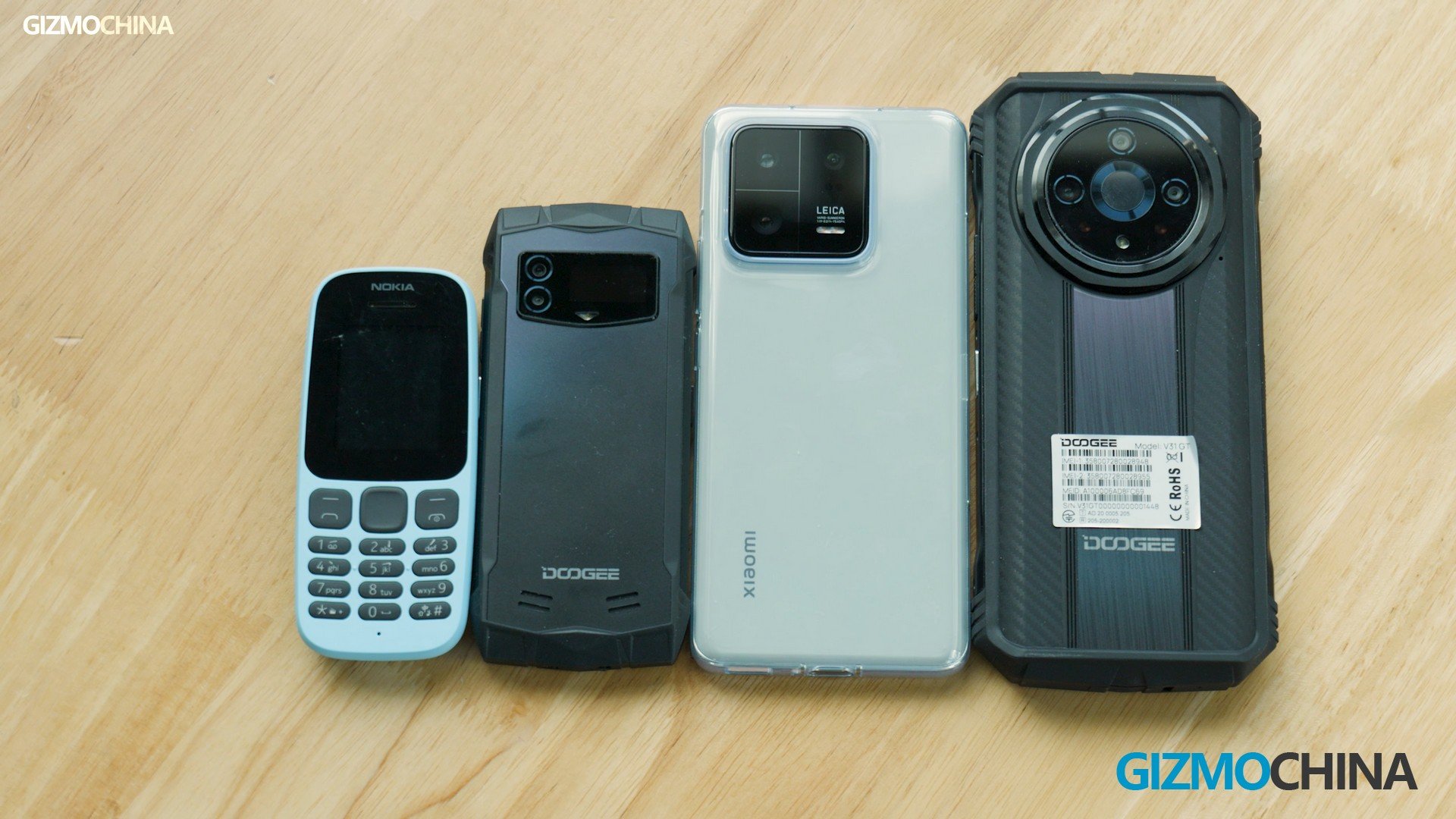
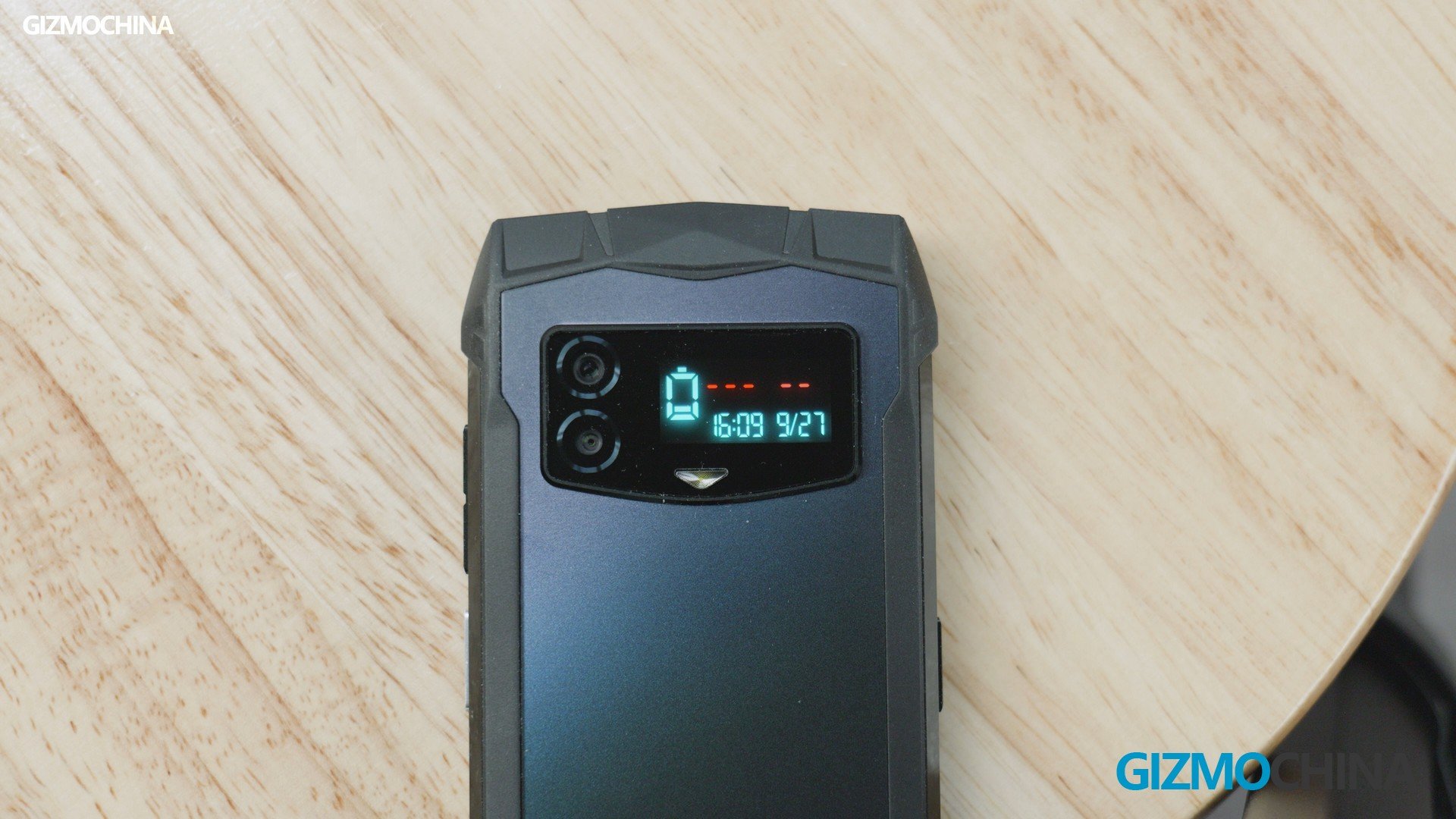
After reviewing many rugged phones, I realized that the biggest difference between them must and will be the design. Every rugged phone has its own unique design, the V31 GT is no exception. It uses the popular round lens module in the center, the back panel has a carbon fiber texture on both sides, and the frosted texture in the middle has a gradient color transition. If you look closely, the part near the lens module is on the whiter side.
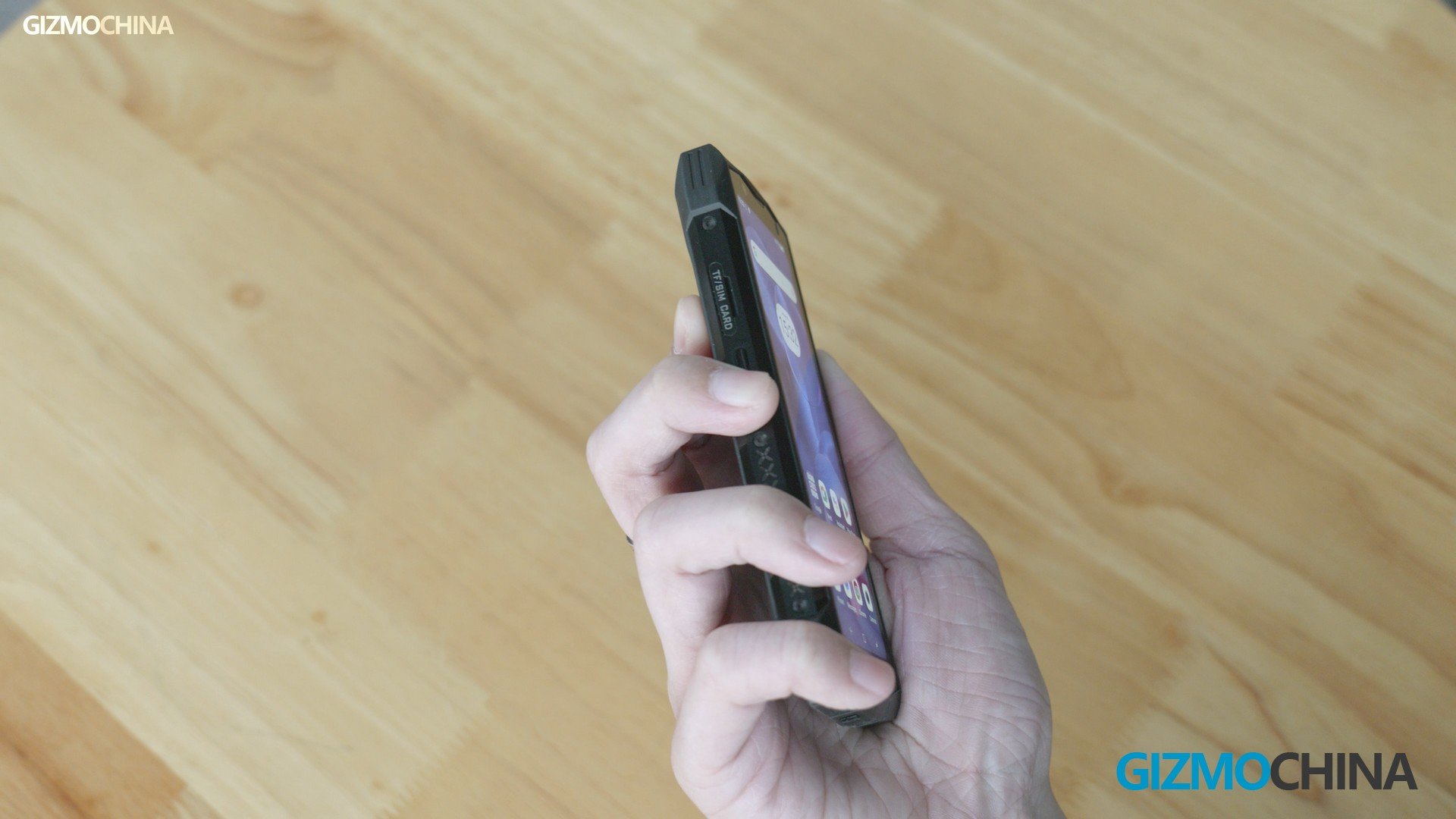
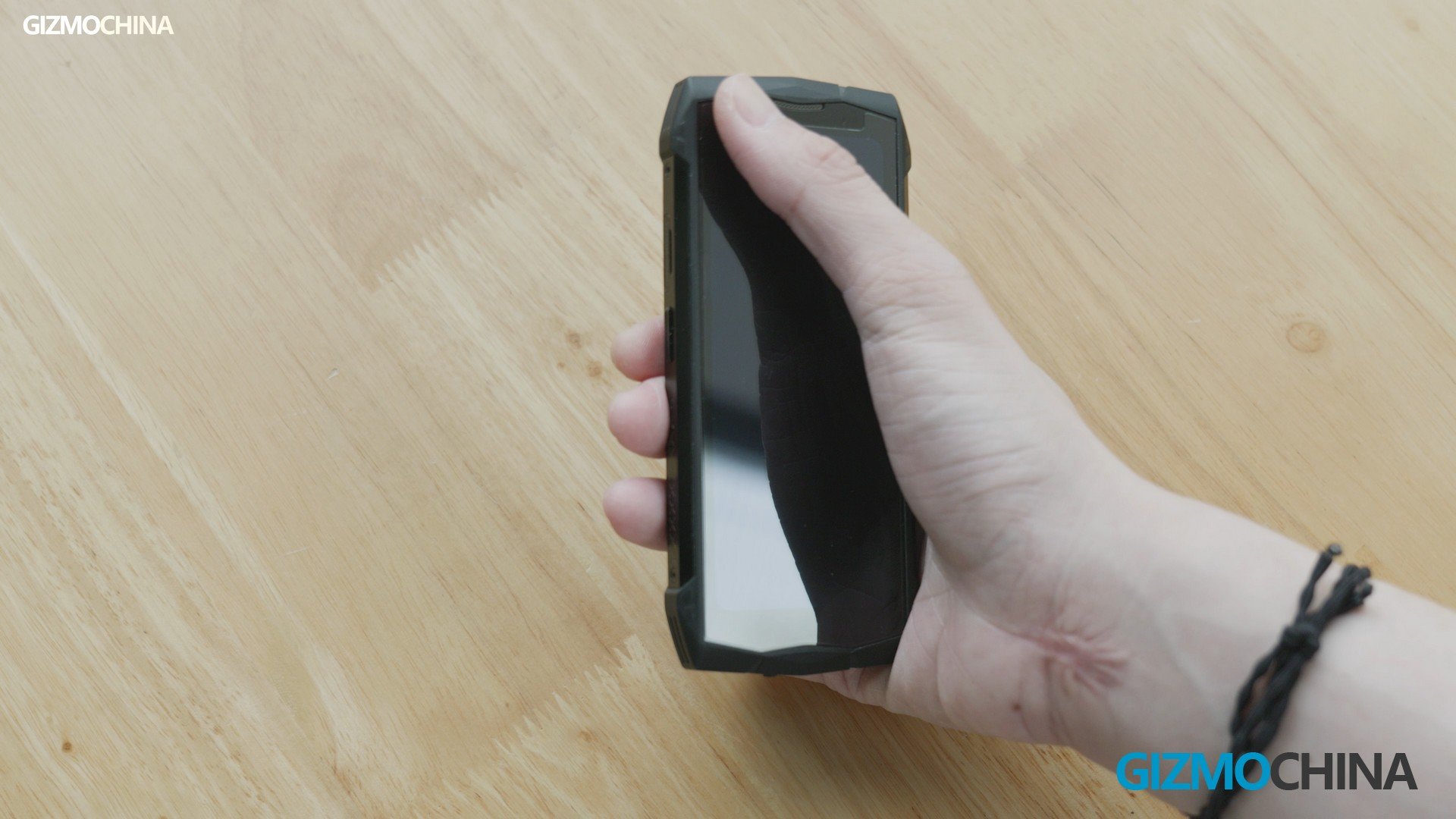
389g of weight is not light, but when you know that the battery capacity is 10800mAh, it doesn’t seem that heavy. The SIM card slot can be removed with your fingernail, it also supports 2 SIMs or 1 SIM 1 Micro SD Card. As a rugged phone, the V31 GT is also water and dust resistant certified of course.

So far, the V31 GT looks like an ordinary rugged phone, so what exactly is the special thing about it? The answer is the speaker. Its speaker is not on the frame, nor on the back. Instead, they are on the front, near the top and bottom sides of the display.

Speaker

Anyone who is familiar with rugged phones knows that most rugged phones don’t have stereo speakers, and the position of the speakers is also not so reasonable. But DOOGEE knows that for a good sound experience, dual speakers in the right position are necessary. That’s why the V31 GT is one of the rugged phones that can bring you a good audio experience, and it’s possible to play Dolby Atmos movies on this phone. These two front speakers are the key to making the V31 GT special.

Performance & Others

The processor of the V31 GT is MediaTek Dimensity 1080, which is a mid-range processor. You guys shouldn’t expect too much performance from it, DOOGEE can only ensure that you can run most apps smoothly most of the time when you’re not gaming.

About the gaming experience, as long as you don’t play big games like Genshin for example, other games will run smoothly. On PUBG mobile, it still manages to stabilize at 60fps at smooth graphics and doesn’t show signs of overheating.

The V31 GT comes with an FHD+ Waterdrop LCD Display. As I mentioned just now, it has a large 10,800mAh battery. With a power-saving processor, I’d say it should be fine for three to four days of use without recharging.

Camera

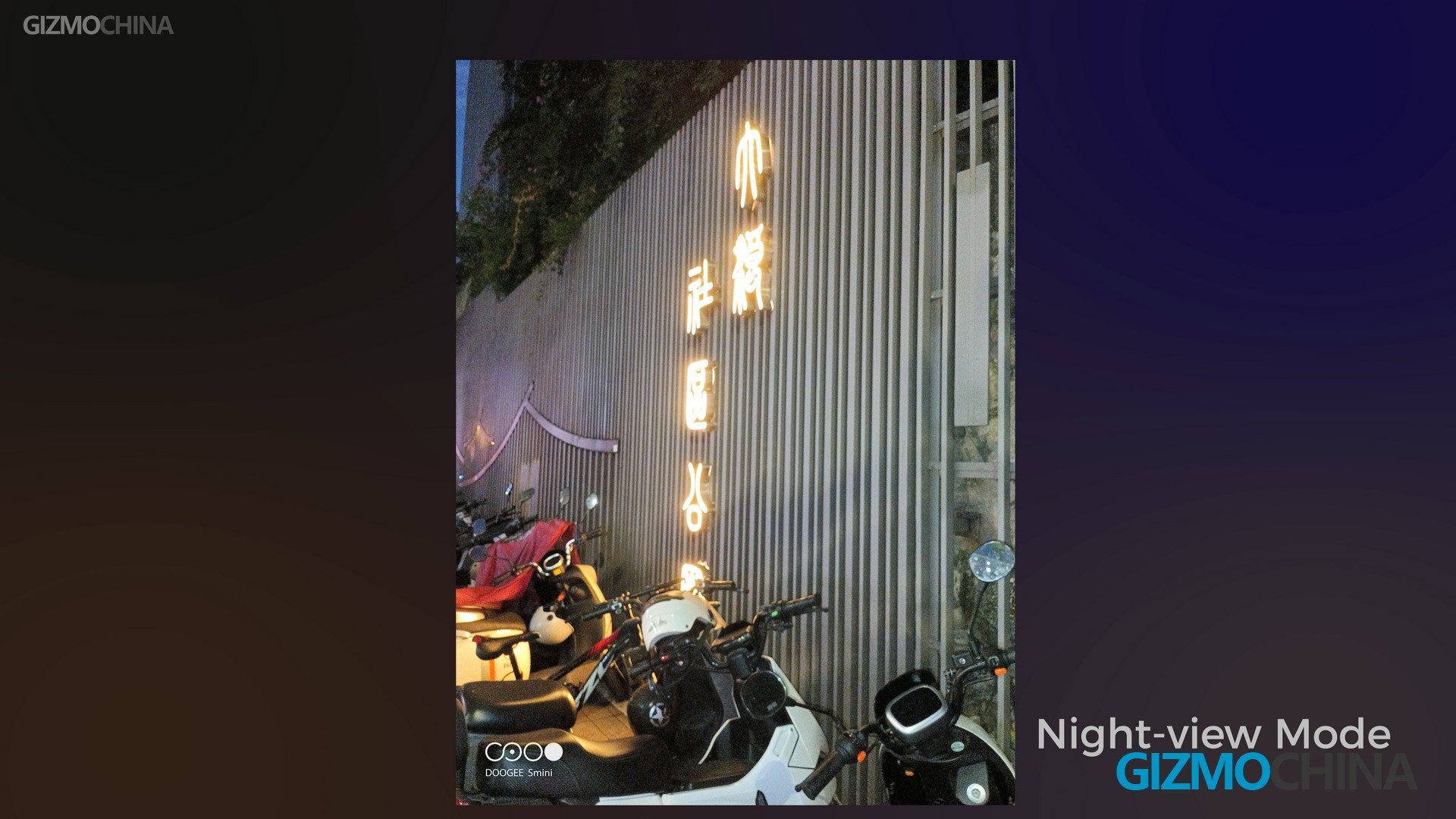
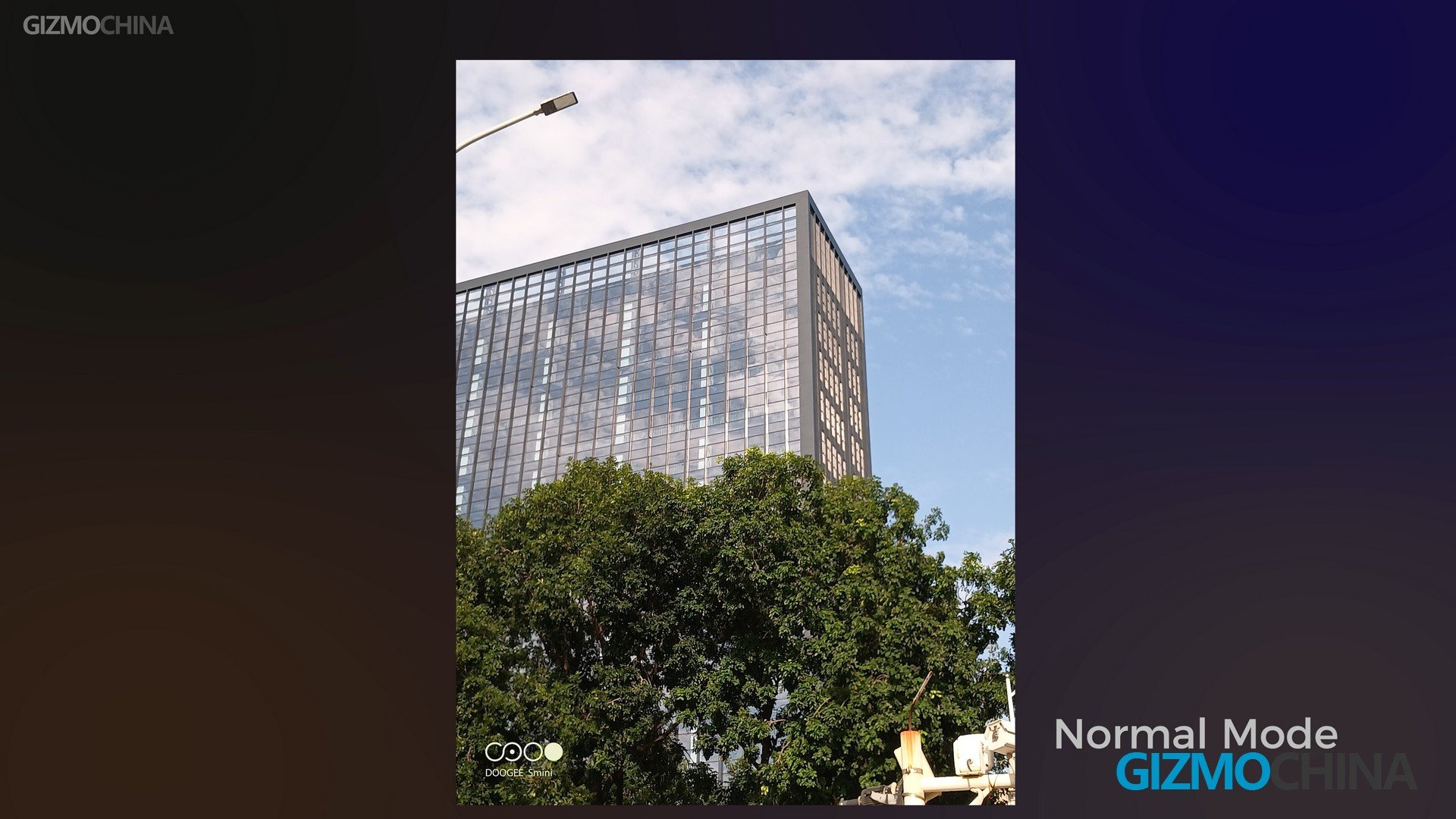
Another selling point of the V31 GT is the camera. It has a rare IMX 766 sensor for its main camera. It’s an excellent sensor that has been used in many flagship phones before. Most of the time the V31 GT performs well and has great clarity. The HDR mode requires to be manually turned on, and it does improve the dynamic range significantly. Night photos will be a bit more noisy than daytime ones, but it’s in the good class of rugged phones.

The V31 GT also has a Night vision camera and thermal imaging camera, with this phone you can get a lot of information without any light. For example, to confirm the presence of any living creature nearby, or to check the status of the device. These are also things that the V31 GT is good at.

Conclusion

DOOGEE V31 GT is sort of a basic rugged phone, but it has its own features. For example, the dual stereo speakers and the IMX 766 main camera. The V31 GT is aimed at those who are looking for speaker sound quality and great camera performance. If you are one of these people, then it’s the perfect buddy for you on the go.

Polaroid unveils I-2, its most advanced instant camera yet

Polaroid has just released its most advanced instant film camera yet, the I-2. This premium device offers users full creative freedom with its built-in manual controls, making it a great choice for photographers of all levels. So let’s walk through its specifications, features and pricing here.

Polaroid I-2 Launched

Polaroid I-2 Specifications

The I-2 stands out from other Polaroid cameras with its six different shooting modes, including automatic, aperture priority, shutter priority, self-timer, and multiple exposure. This gives users the flexibility to control as much or as little of the camera as they want, depending on their desired results.

Polaroid I-2 Design

In manual mode, users can set the shutter speed, aperture, and focus using the I-2’s highly accurate LiDAR ranging system. The camera also features an integrated OLED display that shows the user’s selected settings, as well as a built-in light meter for exposure.

The I-2 is equipped with a 3-element lens made of optical grade polycarbonate and acrylic, which Polaroid claims is its “sharpest ever lens.” It has a fixed focal length of 98mm and an aperture range of f/8-64. Additionally, the lens also has an anti-reflective coating and a 49mm filter thread that lets you attach filters (sold separately) to enhance your photos.

Polaroid I-2 Focal Length

The camera is fueled by an internal battery that can be recharged via USB-C. It has a lifespan of up to 15 packs of film, and it can use all three types of film that Polaroid currently sells: i-Type, 600, and SX-70.

As for the build and design, the Polaroid I-2 is a durable camera, thanks to its ABS and aluminium alloy exterior. There’s a built-in flash with a range of eight feet. And, not to forget, the camera also comes with Bluetooth connectivity and you can pair the I-2 with your smartphone via Polaroid app. 

Pricing and Availability

The Polarioid I-2 is available now for £599 GBP / $599 USD / €699 EUR. You can purchase it via company’s official site or via Amazon.

Related:

*Please Note: When you buy something using the links in our articles, we may earn a small commission at no cost to you.

Xiaomi launches Mijia Fruit and Vegetable Cleaner for 449 yuan ($61)

Xiaomi has introduced the Mijia Fruit and Vegetable Cleaning Machine, which is set to launch its crowdfunding campaign in four days. This innovative kitchen appliance is priced at 449 yuan ($61). Let’s check out the specs of this device.

Xiaomi Mijia Fruit and Vegetable Washing Machine

Xiaomi Mijia Fruit and Vegetable Cleaning Machine key features:

The washing machine offers versatility as it can be wall-mounted or placed on a countertop. It comes with dual cleaning heads that allow for the simultaneous washing of meat and vegetables, making the cleaning process quicker and preventing cross-flavor contamination.

Xiaomi Mijia Fruit and Vegetable Washing Machine

The device stands out with its variable frequency motor, which creates a powerful water flow for thorough cleaning, achieving an impressive cleaning efficiency rate of 94.8%. Moreover, it utilizes chlorine dioxide and light-based water ion purification technologies to effectively remove harmful contaminants like bacteria, pesticides, hormones, and heavy metals, all without the need for detergents.

The machine enhances its cleaning capabilities by generating high-energy microbubbles with strong adsorption properties. These microbubbles effectively dislodge sediment from hard-to-reach areas, improving water ion diffusion and purification. Additionally, it features a 34cm extra-large area electrolytic plate that releases a higher quantity of sterilizing ions, thereby increasing its purification effectiveness.

The device comes with smart connectivity and it offers multiple cleaning programs designed for different food items, with precise timings. Users can enjoy tailored wash cycles, ranging from 6 minutes for fresh fruits and grains to 15 minutes for hard-shell seafood. Meat and vegetables can be efficiently cleaned in just 8 minutes, ensuring convenience and effective cleaning.

Xiaomi Mijia Fruit and Vegetable Washing Machine

The device also offers drying and heating functions. Furthermore, it includes a ventilation feature that promotes fresh air circulation, effectively preventing bacterial growth.

RELATED:

(Via)

Samsung releases One UI 6 beta for Galaxy A54

Samsung has started to pick up the pace with its One UI 6 beta program. The flagship Galaxy S23 series has already received the One UI 6 beta 2 update last month, with reports about beta 3 also making rounds. Now, it seems Samsung is shifting its attention to the A series as Galaxy A54 has been added to the One UI 6 beta program.

Samsung Galaxy A54 users now have the opportunity to experience the One UI 6 beta version ahead of its official stable release. To participate in this program, interested users can simply enroll through the Samsung Members app on their Galaxy A54 devices. Once their application is accepted, they can proceed to install the One UI 6.0 beta update by navigating to the “Settings” menu and selecting “Software update.”

ONE UI 6 beta Galaxy A54

While the One UI 6.0 beta update is currently accessible in South Korea, it is expected to roll out to other markets in the near future. Since it is a build, users may face bugs and issues that might affect their usage. It is not recommended to install the beta update on your daily driver. In case you do, don’t forget to backup your existing data.

The One UI 6.0 Beta update includes a number of changes, including bug fixes and improvements. Samsung Health has been significantly enhanced, in line with the trend of One UI Watch 5.0. The Home screen of the app has been redesigned, and users can now customize their water cup settings. The update also includes fixes for various apps and features, such as S Pen, Repair Mode, Netflix, Multi-Window, and Music Share.

RELATED:

(Source) (via)

ROMOSS unveils 40000mAh power bank with 65W dual fast charging for 319 yuan ($43)

ROMOSS has launched a new addition to its portable power bank series called the Quick-Charge Pro version. This product is currently available for purchase at a price of 319 yuan ($43) on various e-commerce platforms.

ROMOSS Quick-Charge Pro power bank

This Pro version is part of a series that includes models with varying charging powers, but we’ll focus on this 65W variant. To provide some context, other versions in this lineup, such as the Air, Max, and Ultra, offer charging capacities of 30W, 100W, and 280W, respectively.

ROMOSS Quick-Charge Pro power bank key features:

The powerbank has a significant 40000mAh (148Wh) battery capacity, surpassing the 100Wh limit that requires airline approval for flight travel. Despite its high capacity, it maintains a relatively compact size, measuring around 162×81.1×60.5mm and weighing approximately 1020g, making it a portable option for its power capabilities. It comes with a carrying strap, allowing you to carry it conveniently when you’re on the go.

The power bank features 2 USB-A outputs, a bidirectional USB-C fast charging port, and a Lightning output, offering versatility for charging multiple devices. Importantly, it supports dual fast charging of up to 65W, making it compatible with laptops as well. When paired with a suitable 65W or higher charger, the power bank can fully recharge in approximately 5.5 hours.

The power bank can charge various devices multiple times, including the iPhone 14 Pro (7.3 times), Huawei Mate 50 (6.4 times), MacBook Pro 14 (M1) (2.0 times), and iPad Pro 11 (5.0 times).

A standout feature of the ROMOSS power bank is its integrated lighting system. It offers adjustable three-level brightness settings to meet various lighting requirements, such as power outages, late-night reading, or camping trips. This lighting feature can last for up to eight days on a single charge.

The power bank is offered in three appealing colors: Clear Water Green, Misty Silver, and Midnight Black.

RELATED:

(Via)

NVIDIA Partners with Tata Group to Develop AI Supercomputer, Cloud in India

U.S. chipmaker NVIDIA and Indian conglomerate Tata Group have announced a major partnership to accelerate the adoption of artificial intelligence (AI) in India. The announcement follows, the US chip designer’s collaboration with Mukesh Ambani’s Reliance Industries to develop India’s own foundation large language model trained on diverse languages and tailored for generative AI applications for the country. 

The partnership will see the two companies collaborate on several initiatives, including the development of an AI supercomputer, the creation of an AI cloud, and the upskilling of India’s AI workforce. 

Nvidia Partners Tata

The AI supercomputer jointly developed by Tata and Nvidia will be powered by the next-generation NVIDIA GH200 Grace Hopper Superchip, which is designed to deliver best-in-class performance for generative AI workloads. 

Tata Communications and NVIDIA will also develop an AI cloud in India that will provide critical infrastructure for the next generation of computing. Tata Communications’ global network will be combined with the AI cloud to enable enterprises to transfer data at high speeds, making the AI cloud accessible to businesses of all sizes.

On the other hand, Tata Consultancy Services (TCS) will use the AI infrastructure and capabilities to build and process generative AI applications. The cloud will provide a platform for enterprises to deploy and manage AI applications, and it will be powered by NVIDIA’s AI infrastructure.

NVIDIA will also work with TCS to upskill the country’s AI workforce. TCS will train its 60000 employees on NVIDIA’s AI technologies, and it will also develop AI-powered solutions for its customers.

The partnership between NVIDIA and Tata Group is a major boost for the AI ecosystem in India. The country has a large pool of talent and a growing demand for AI solutions, and this partnership will help to meet that demand.

Related:

(Via)

Google Pixel Watch 2 Confirmed To Launch In India, Teaser Reveals Key Specs

Google launched its first-ever smartwatch, the Pixel Watch last year. It was available in global markets, however, fans in India were left disappointed as the device did not make its way to the country. Not anymore, this is set to change this year as Google has made an official announcement about the wearable device for the Indian market. Yesterday, Google confirmed the availability and pre-order details of the Pixel 8 series smartphone in the country. 

Google Pixel Watch 2 India launch confirmed

Google announced on its official India Twitter handle that the Pixel Watch 2 will debut in the country on October 5. This is shortly after the company’s annual ‘Made by Google’ event that will take place on October 4 in New York. The smartwatch will be available exclusively on Flipkart which isn’t surprising since Google sells its devices on the e-commerce platform. However, the exact sale date and pricing of the device remain unknown. 

The Pixel Watch 2 will be Google’s first smartwatch for the Indian market. The search giant will compete in the premium segment against the likes of Apple, Garmin, and Samsung. It will also broaden the option of smartwatches for customers in the country. 

The 15-second teaser video shared by Google reveals the Pixel Watch 2 from all angles. It is similar to the last-generation offering. The teaser confirms a slightly redesigned rotating crown, a physical button, and a microphone hole on the side. There is a curved screen with an always-on display and a strap mechanism similar to its predecessor. The teaser video also reveals text under the surface of the Pixel Watch 2. It mentions the IP68 rating, 5ATM water resistance, heart-rate sensor, EDA (electrodermal activity for stress management), and more.

As per leaks and rumors, the Pixel Watch 2 is expected to come with a 384 x 384 pixel display resolution. It will reportedly be powered by a Snapdragon W5+ Gen 1 processor coupled with 2GB RAM. The upcoming offering is tipped to be backed by an upgraded 306mAh battery unit. Additionally, the smartwatch is also expected to support Ultra-Wideband (UW) connectivity that will offer a host of functions including finding devices, seamless media playback to Google devices, and unlocking cars using a digital car key. 

Related:

Ulefone Armor 22: Tested for Durability, Set to Launch on September 18

When it comes to smartphones, rugged phones have become indispensable tools for professionals working in demanding environments. These robust devices are designed to withstand harsh conditions, including extreme temperatures, water exposure, and rough handling. They find extensive use in industries like construction, agriculture, manufacturing, and outdoor adventures.

Rugged phones ensure uninterrupted communication, data access, and essential applications even in the toughest settings. Their durability and reliability enhance productivity, safety, and peace of mind for users who rely on their devices in challenging work scenarios. 

Ulefone is a brand known for its rugged smartphones and devices. And with the brand new Armor 22 rugged phone, the brand is set to transform our perception of rugged smartphones. So let’s delve into the details of the Armor 22’s features and its rugged capabilities.

Durability Test

The Ulefone Armor 22 is not your average smartphone. It has undergone rigorous durability testing to ensure it can withstand the harshest conditions life might throw at it.

Waterproof

Imagine a smartphone that not only survives but thrives when fully submerged in water for up to 30 minutes. The Ulefone Armor 22 meets the most stringent durability standards, boasting an IP68, IP69K, and MIL-STD-810G rating. Whether you’re caught in a sudden downpour or accidentally drop your phone in a puddle, the Armor 22 has got you covered.

Screen 

The Armor 22 also boasts remarkable screen durability. It can withstand the pressure of breaking many pieces of nuts without a single crack. Moreover, its screen remains crystal clear even when subjected to an electric drill for a few seconds. Say goodbye to the anxiety of a cracked screen.

Extreme Temperature Resistance

Extreme temperatures won’t faze the Ulefone Armor 22. It can survive being submerged in ice and even having a burning piece of paper placed on the screen. After enduring these extreme tests, the phone continues to function perfectly. It won’t turn into a brick under extreme conditions, ensuring you stay connected no matter where you are.

Built to Survive Drops

The Ulefone Armor 22 doesn’t just survive drops; it thrives on them. Even after being frozen into ice for several hours and falling from a height of over 1.5 meters onto a hard surface, the phone not only survives but also operates smoothly when picked up. Its rugged design is a game-changer for those who lead active lifestyles.

Impressive Specifications

Beyond its exceptional durability, the Ulefone Armor 22 packs a punch in terms of specifications. It boasts a 64MP wide-angle camera, a 64MP night vision camera with two IR LEDs, and a stunning 6.58-inch display with a 120Hz refresh rate and 2408 x 1080 FHD+. 

Powered by an 8-core MediaTek Helio G96 CPU, it comes with 8GB of RAM (with an 8GB virtual RAM expansion option) and 128GB/256GB storage choices. Plus, the 6600mAh large battery ensures your device stays powered throughout the day. Running on Android 13, it even features an IR Blaster for added convenience.

Launch Date

With the highly anticipated launch day just around the corner, the Ulefone Armor 22 is set to captivate a wide audience. Mark your calendars for September 18, 2023, as this rugged phone will be available for purchase on AliExpress. If you’re eager to own a smartphone that combines unmatched durability with top-notch specifications, make sure to check out Ulefone Armor 22. 

For more information on the product and its features, you can check out Ulefone’s official website.

X might be Displaying Unlabelled Ads to Users on its Platform

X, previously known as Twitter, is once again under scrutiny for not labeling ads on its platform. Users have spotted ads that don’t carry the typical “Ad” label, blurring the line between paid and organic content. This issue not only frustrates users but could also attract the attention of regulatory bodies like the FTC.

The company is going through a rough phase already, and this can further add to it

The silence from X has led to speculation about whether this is an intentional act or a technical glitch. Either way, the oversight raises questions about the platform’s commitment to transparency and could add to its ongoing challenges. Elon Musk, who now helms the platform, has already announced a 60% drop in ad revenue, blaming activist campaigns for the decline.

X Twitter

Transparency advocate Nandini Jammi, co-founder of the watchdog group Check My Ads, has been sharing examples of these unlabeled ads. Her group is encouraging users to report similar cases, emphasizing the need for accountability.

The lack of clear labeling could have a domino effect. It’s not just a user experience issue but could also dent advertiser trust. This comes at a time when the company has lost two key executives responsible for brand safety.

As X navigates these waters, the absence of a clear response on the unlabeled ads issue could be a telling sign of larger problems within the company. With dwindling ad revenue and a shaky executive team, this latest controversy could be a tipping point, forcing X to address its governance and operational issues more seriously.

RELATED:

(Via)

Volkswagen Unveils the ID.X Performance Electric Concept Car with 550 Horsepower

In a move that signals a shift from the conventional norms of performance vehicles, Volkswagen has taken the covers off its latest concept car, the ID.X Performance. The unveiling took place in Munich and indicates VW’s commitment to blend performance with sustainability, something rarely seen in the high-octane world of sports cars.

The car was unveiled in Munich, Germany

The ID.X Performance isn’t just a run-of-the-mill electric vehicle (EV). It’s an aesthetic powerhouse, deviating dramatically from its base model, the ID.7 sedan. The car greets you with an aggressive black grille and matching vents, but it doesn’t stop there. A red trim wraps around the car, adding a sporty flair that’s also eco-friendly, thanks to its carbon fiber diffuser.

Volkswagen

But the real magic is under the hood. The ID.X Performance is built on the MEB architecture that’s common in VW’s electric fleet. However, with twin electric motors, the car boasts an impressive 550 horsepower. Even with this extraordinary power, the vehicle doesn’t compromise on sustainability, maintaining a DC fast charging capacity of 200 kilowatts, just like its ID.7 counterpart.

While the concept itself hasn’t received the green light for production, it’s already creating ripples in the industry. With the ID.X Performance, Volkswagen isn’t just breaking the mold; it’s reshaping it. The traditional notion that ‘eco-friendly’ and ‘high performance’ can’t go hand in hand is being challenged, and that’s something to watch out for.

If you’re interested in this new breed of eco-conscious performance cars, you’ll find the ID.X Performance at the international ID. Treffen show in Locarno, Switzerland, until September 9. Whether this concept car will ever hit the roads is still up in the air, but it’s clear that Volkswagen is keen on pushing the envelope in the EV segment, especially when it comes to performance.

So, are we looking at the future of sports cars? Only time will tell, but the signs are promising.

RELATED:

(Via)

Apple iPhone 14 Emergency SOS Via Satellite Saves Two Hikers in New Zealand

While smartphones are rapidly advancing in terms of their capabilities, one essential feature that’s increasingly garnering attention is Apple’s Emergency SOS via satellite. Most recently, it aided the rescue of two stranded hikers in New Zealand’s Arthur’s Pass, as per a post by Canterbury West Air Rescue Service on Instagram. Although this marks the first use of the feature in New Zealand, it raises questions about the use of Personal Locator Beacons (PLBs) in outdoor adventures.

Satellite SOS services may become a staple feature in future smartphones

The satellite-enabled SOS function on the iPhone 14 allows users to alert authorities when they are in regions without any cellular connectivity. In New Zealand’s case, the hikers were caught off guard by a rising stream, rendering them immobile on a riverbank. The satellite feature helped them contact rescue services, who swiftly intervened.

However, Canterbury West Air Rescue Service highlighted the enduring importance of PLBs, despite the evolving technology in smartphones. “It’s pretty new technology so Personal Locator Beacons are still recommended on your travels,” they said.

In contrast, Huawei has been incrementally improving its satellite capabilities as well. The recently launched Mate 60 Pro allows customers of China Telecom to make calls via satellite, upping the ante in the ongoing smartphone race.

The value of Apple’s SOS feature is undeniable, especially with its inclusion in the forthcoming iPhone 15 series. Still, the incident in New Zealand should serve as a wake-up call for adventurers. While smartphones can be lifesavers in emergency situations, they are not a replacement for specialized equipment like PLBs, which are solely designed for emergency rescues. Battery life, for example, remains a concern; during a rescue, the user’s iPhone battery status is one of the first things the rescue team verifies. The bottom line? Always carry a Personal Locator Beacon when venturing into the great outdoors, even if your latest smartphone promises the moon—or, in this case, a satellite connection.

RELATED:

(Via)

Huawei Unveils Mate 60 Pro+ in China, Challenges U.S. Sanctions with Local Chipset

In a bold move against the tide, Huawei has recently expanded its new 5G smartphone lineup with the addition of the Mate 60 Pro+, set to be released on October 9th. The phone stands as a testament to Huawei’s resilience against the backdrop of U.S. restrictions, as it is engineered with its very own Kirin 5G chipset. Produced by China’s largest foundry, SMIC, the chip comes as a direct challenge to global semiconductor leaders.

The Mate 60 Pro+ can connect to two satellites simultaneously

While Huawei’s previous devices, the Mate 50 and P60 models, had to depend on Qualcomm‘s chips—modified to disable 5G due to the U.S. sanctions—the Mate 60 Pro and its advanced sibling are self-reliant. These new models not only offer 5G but an intriguing feature: satellite connectivity. The Mate 60 Pro+ takes it a notch higher, capable of connecting to two satellites simultaneously, adding a new dimension to the ‘always connected’ smartphone experience.

Mate 60 Pro

However, it’s important to note that Huawei still has some catching up to do. Its Kirin 9000s chip, while groundbreaking for Huawei, is still behind in the race. For instance, TSMC’s 3nm chip that powers the latest iPhones is more efficient and powerful than Huawei’s 7nm chip.

Although trailing behind industry leaders like TSMC and Samsung in chip innovation, Huawei is certainly not lagging in performance. Social media is buzzing with speed tests that show the Mate 60 Pro delivering 5G data speeds surpassing those of even high-end 5G phones. As Dan Hutcheson, an analyst with TechInsights, suggests, this is essentially a “slap in the face” to U.S. restrictions.

In a parallel development, Huawei also introduced the Mate X5, a book-style foldable phone. The phone will come with various storage options and a robust camera system, adding more ammunition to Huawei’s growing arsenal of tech products.

RELATED:

(Via)

Huawei launches the world’s first active air purifier using high-voltage static electricity

Huawei has launched its Smart Selection IAM Intelligent Disinfection Air Purifier X5 in China. The new model is being claimed to be the world’s first active air purifier that releases high-voltage static electricity.

Huawei Smart Selection IAM Intelligent Disinfection Air Purifier X5

The Huawei Smart Selection Air Purifier X5 can use nano-electricity field active killing technology for the protection of the air. It actively disintegrates harmful micro-organisms in a long-term manner. It also uses a high-energy dust collection strategy and sterilization electric field and an H13 filter layer. This provides a double-layer active sterilization structure and static high-voltage static electricity.

Huawei Smart Selection IAM Intelligent Disinfection Air Purifier X5

The new Huawei air purifier takes care of viruses, molds, bacteria, and any harmful agent. This is further accentuated by its generation of static electricity to break down and carbonize the cells. The air purifier also removes formaldehyde from the air with its dual formaldehyde removal system. It efficiently captures and decomposes formaldehyde with a 99.9% removal rate per hour. This ensures that the air in the entire apartment is kept fresh and clean. It also uses an extensive filter mechanism with the filter weighing up to 6kg.

Huawei Smart Selection IAM Intelligent Disinfection Air Purifier X5

The Huawei Smart Selection IAM Intelligent Disinfection Air Purifier X5 can be integrated into the Huawei smart home ecosystem. It supports Huawei smart speakers and Xiaoyi smart voice control. It is also compatible with HarmonyOS 2.0.0 smartphones for quick controls. The premium Smart Selection IAM Intelligent Disinfection Air Purifier X5 is priced at 7,499 yuan ($953). However, Huawei is offering the product during a limited launch period for 5,999 yuan ($762).

Related:

Xiaomi MIJIA Water Purifier Q800G with 2-in-1 water purification and instant heating launched in China

Xiaomi has unveiled the MIJIA Water Purifier Q800G in China. The new Xiaomi MIJIA water purifier comes with a 2-in-1 purification system and also offers instant heating. The device adopts 360-degree surround heating and can directly discharge hot water quickly. The water delivered by the purifier is filtered and drinkable, according to the company.

MIJIA Water Purifier Q800G

The new Xiaomi MIJIA water purifier Q800G offers several modes of water heating namely: normal temperature, milk, coffee, and boiling water modes. This offers different temperatures for heating the water between 25ºC and 95ºC. You can also use the MIJIA app to adjust the water temperature and water volume of each mode. The app also supports setting two custom modes which can be adjusted every 1ºC. The gadget’s water outlet button is a physical button for enhanced safety of use.

MIJIA Water Purifier Q800G

A touchscreen digital display is present in the Xiaomi MIJIA instant water purifier Q800G. The water quality and condition of the filter element can be viewed on the display. You can also adjust the water temperature and output from the touchscreen. The machine uses a new main RO filter element and an auxiliary RO filter element circulation fine filtration design. The filter element has an improved lifespan than its predecessor (up to 150%).

MIJIA Water Purifier Q800G

The ratio of pure wastewater is increased by 50% in the machine and it supports anti-clogging separation. The filter element can last up to 5 years. The device can uptake 2.15 liters of water flow per minute. The waste water from the machine can also be used for other tasks such as washing the dishes or mopping the floor.

The Xiaomi MIJIA water purifier Q800G is priced at 2,899 yuan ($368) in China. It can be purchased from online retail platforms in the country including JD.com. There are no details yet on whether the product will berth in overseas markets.

Related:

Reliance explores semiconductor manufacturing to address Chip shortages and tap into India’s growing market

Mukesh Ambani’s Reliance Industries is reportedly considering a significant entry into the semiconductor manufacturing industry, a move that could potentially alleviate supply chain concerns and meet the surging demand for chips in India. This development comes in response to the Indian government’s encouragement of semiconductor production within the country, offering capital benefits to promote the sector’s growth.

While no final investment decision has been made, early-stage discussions have been initiated with foreign chipmakers who may serve as technology partners. The names of these potential partners remain undisclosed, as both parties continue negotiations.

Reliance’s motivation to explore semiconductor manufacturing may be rooted in the desire to mitigate the impact of chip shortages on its telecommunications and electronics businesses. In 2021, the company postponed the release of a budget-friendly smartphone developed in collaboration with Google due to the global chip scarcity.

Furthermore, Reliance recognizes the vast potential in India’s burgeoning chip market. According to government projections, the national chip market is poised to expand to a staggering $80 billion by 2028, more than triple its current value of $23 billion.

With a market capitalization exceeding $200 billion, Reliance boasts the financial strength necessary for such a venture. The company’s track record of successful collaboration with the government positions it favorably to enter semiconductor production.

However, it’s worth noting that the history of the chip manufacturing industry in India has been challenging. Success in this field demands substantial expertise and technological proficiency. Therefore, securing a suitable technology partner through a joint venture or knowledge transfer agreement will be paramount to Reliance’s success in this endeavor.

While there is intent to explore this opportunity, no specific timeline has been set for Reliance’s potential investment in semiconductor manufacturing. Both the Indian government and Reliance have refrained from providing official comments on the matter.

Prime Minister Narendra Modi has previously expressed a vision for India to become a global chipmaker, although progress toward this goal has faced obstacles. India currently lacks semiconductor manufacturing plants, although companies like Vedanta and Taiwan’s Foxconn are exploring plans to establish facilities in the country.

Reliance’s potential entry into the semiconductor industry reflects a strategic move to secure a stable supply chain for its operations and tap into the growing chip market, aligning with India’s ambitions to become a key player in the global semiconductor landscape.

Related:

(via)

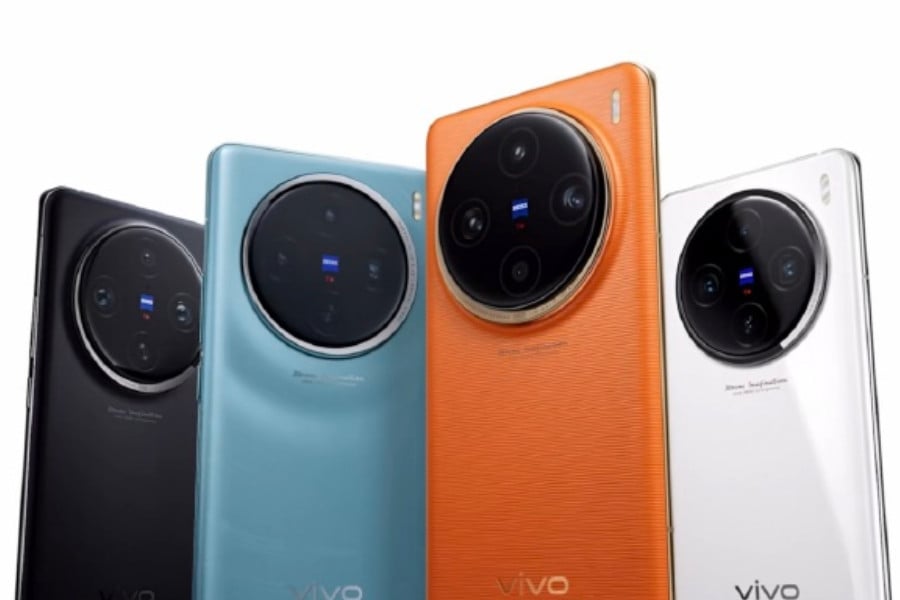
Vivo T2 Pro launching soon in India with MediaTek Dimensity 7200 SoC: Report

Vivo is reportedly looking to expand its mid-range portfolio in India. The company is apparently set to launch a new device in the T2 series, which already includes the Vivo T2 5G and Vivo T2x 5G. The new handset is called the Vivo T2 Pro, and true to its name, it will feature slightly improved hardware, highlighted by a new Dimensity 7200 SoC under the hood. Here are the details.

This news comes from 91Mobiles, which, citing sources, claims the handset has scored 600,000 on the benchmarking platform AnTuTu. Judging from the score and the chipset, we expect the Vivo T2 Pro to be priced as a mid-ranger above Rs. 20,000 in the Indian market.

Vivo T2
Vivo T2 5G

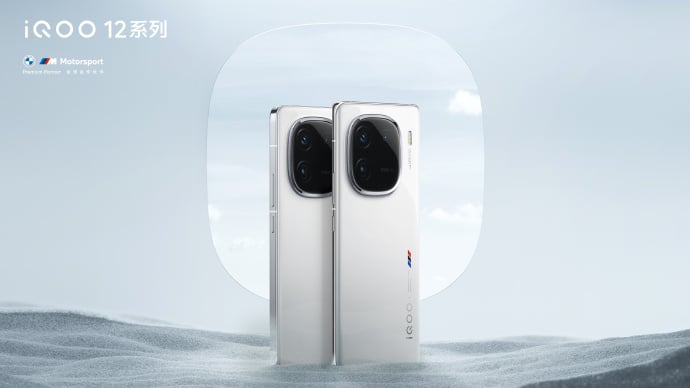
The outlet suggests that the Vivo T2 Pro could be priced similarly to the recently launched iQOO Z7 Pro, which also features the Dimensity 7200 chip and starts at Rs 23,999 in India. Further, it is reported the Pro model will come in two variants with 8GB of RAM and either 128GB or 256GB of onboard storage. It is expected to be available for purchase on Flipkart. Vivo also has a strong retail network so you may also be able to grab it from a store near you.

Vivo is yet to announce the launch date for the Vivo T2 Pro. We expect to learn more in the days to come. As a reminder, the Vivo T2 5G with a Snapdragon 695 processor costs Rs. 18,999 for the base 6GB RAM and 128GB storage variant. T2x featuring a Dimensity 6020 SoC starts at Rs 12,999 for the 4GB RAM and 128GB storage version.

RELATED:

(Source)

Zotac ZBOX PRO PI339 pico mini PC with Intel Processor N100 and 0.24L volume announced

Zotac has unveiled its very compact ZBOX PRO PI339 pico mini PC. The gadget is being propped as one of the tiniest Zotac PCs and it has dimensions of 114.8 x 76.0 x 27.11mm. The model features a single M.2 slot for storage and soldered RAM.

Zotac ZBOX PRO PI339 pico mini PC

The ZBOX PRO PI339 pico is a fanless mini PC and can be used for industrial control, digital signage, edge computing, and Internet of Things (IoT) applications. The mini PC has a volume that is about a quarter of a liter (0.24L). The mini PC is powered by the Intel Processor N100 and Intel UHD integrated graphics. It has a soldered RAM of either 4GB or 8GB LPDDR5(X). Additional storage resources can be added to the ZBOX PRO PI3. 39 pico via its M.2 PCIe 3.0 slots.

The new mini PC is equipped with two HDMI 2.0 ports with audio output support. It also has a Gigabit Ethernet jack and two USB-A ports with a transfer speed of 5 Gbps. Wireless connectivity options for the model include WiFi 6 and Bluetooth 5.2, while two wireless antennas are included in the box.

Zotac ZBOX PRO PI339 pico mini PC

The official pricing and release details of the Zotac ZBOX PRO PI339 pico have not been released yet. The product has however surfaced on a Singaporean online retailer’s listing with a $285 equivalent price tag. The official launch and pricing information for the mini PC is expected to be released soon.

Related:

Xiaomi Robot Vacuum E10C with 3.5kPa suction power unveiled

Xiaomi has unveiled its new Robot Vacuum E10C with a suction power of 3,500Pa to the global audience. The smart home device also provides three water flow settings and four power modes. Its 2,600mAh battery can deliver up to 110 minutes of runtime on a single charge.

Xiaomi Robot Vacuum E10C

The Xiaomi Robot Vacuum E10C has a rubber brush underneath its body and a side brush for picking up debris. The new Xiaomi smart home device has three cleaning settings and it is equipped with obstacle detection sensors. The robot can intelligently plan the most effective route for its operation with a zigzag cleaning path. It also intelligently adjusts the water flow as necessary during operations. The robot will intelligently return to its charging dock when its power is depleted.

Xiaomi Robot Vacuum E10C

The Xiaomi Robot Vacuum E10C can be connected to the Mi Home or Xiaomi Home app. This allows the user to adjust its settings, set a cleaning schedule, or monitor the progress of a cleaning task. It also provides voice notifications and also supports Amazon’s Alexa or Google Assistant. The new Xiaomi Vacuum E10C has a slim, circular design that allows it to navigate to inner areas in the room. It can move under furniture easily while its obstacle detection sensors allow it not to fall through the stairs.

There are no pricing details yet for the Xiaomi Robot Vacuum E10C. The launch date for the device has also not been provided by the Chinese tech giant. However, these details are expected to be released soon.

Related:

(source)

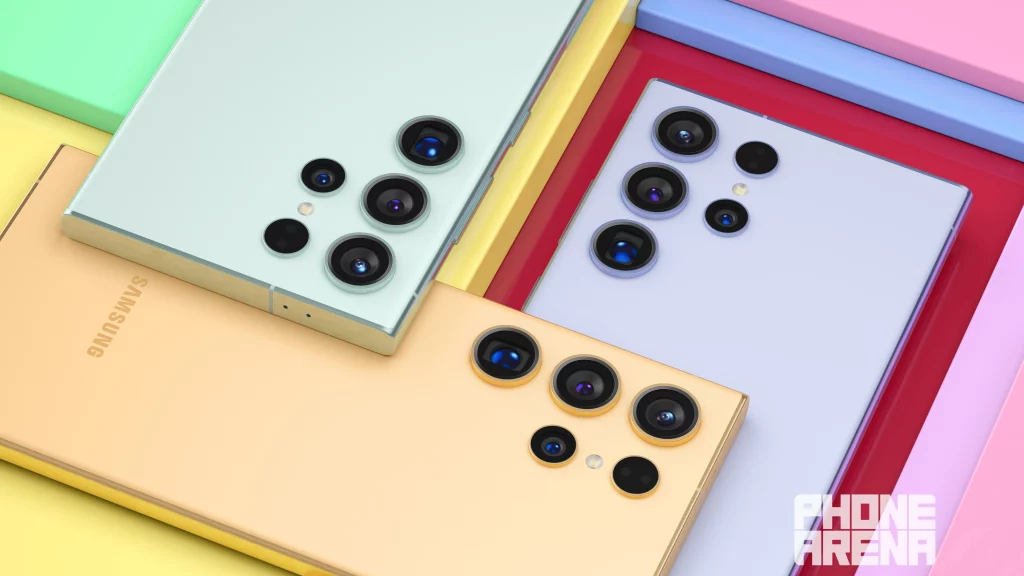
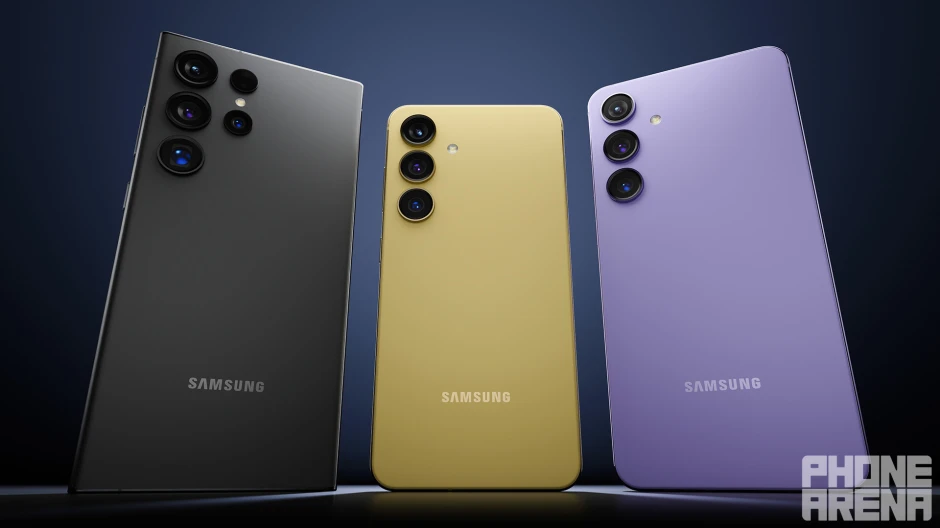
Rumor: Samsung Galaxy S24 Ultra to have 48MP zoom camera instead of 50MP

The next Samsung flagships are scheduled to launch next year in January, and we are already seeing a flurry of leaks revealing their hardware details. As usual, the Ultra model, the Galaxy S24 Ultra, is taking the spotlight. The smartphone is expected to debut with a stealthier camera system, possibly featuring a new 200MP camera sensor. The zoom camera department should also see some changes, with a tipster now suggesting a 48MP telephoto lens on the device.

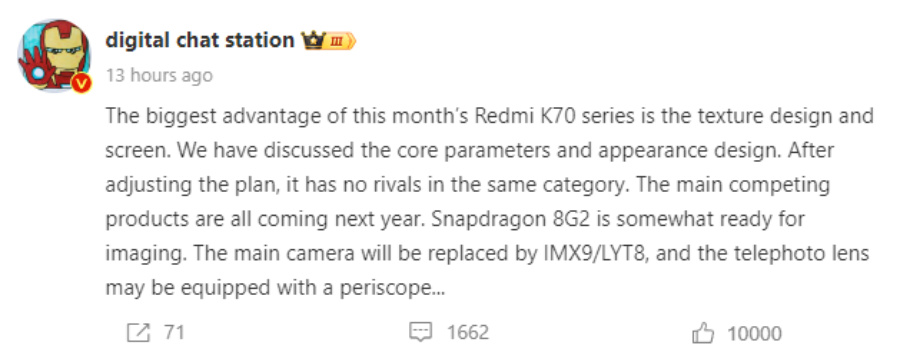
Tipster Itnyang (@hyacokr_itnyang), whose account is no longer found on Twitter/X, claimed that the Galaxy S24 Ultra will have to settle for a 48MP sensor with 5x zoom. The source said that Samsung had originally planned to use a 50MP sensor with 10x zoom, but abandoned those plans due to concerns about image quality.

Samsung Galaxy s24 Ultra zoom
We managed to capture the Screenshot of the now deleted X post

In a separate leak, tipster Ice Universe claimed that the Samsung Galaxy S24 Ultra will have a 50MP telephoto camera with 3x optical zoom. The sensor is said to be 1/2.52 inches, which is larger than the 1/3.52-inch sensor used in the Galaxy S23 Ultra’s 10MP telephoto camera. The same tipster also revealed that the Galaxy S24 Ultra will get the 200MP ISOCELL HP2SX camera sensor, a more optimized version of the ISOCELL HP2 used in the Galaxy S23 Ultra. It reportedly has an optical format of 0.7692 inches and an individual pixel size of 0.7 micrometers.

We might see an overall stealthier camera system on the Galaxy S24 Ultra. That said, the handset will bring other hardware improvements as well. For one, it is expected to feature a titanium frame, a brighter OLED panel, and a faster processor, which could be either Exynos 2400 or Snapdragon 8 Gen 3.

RELATED: