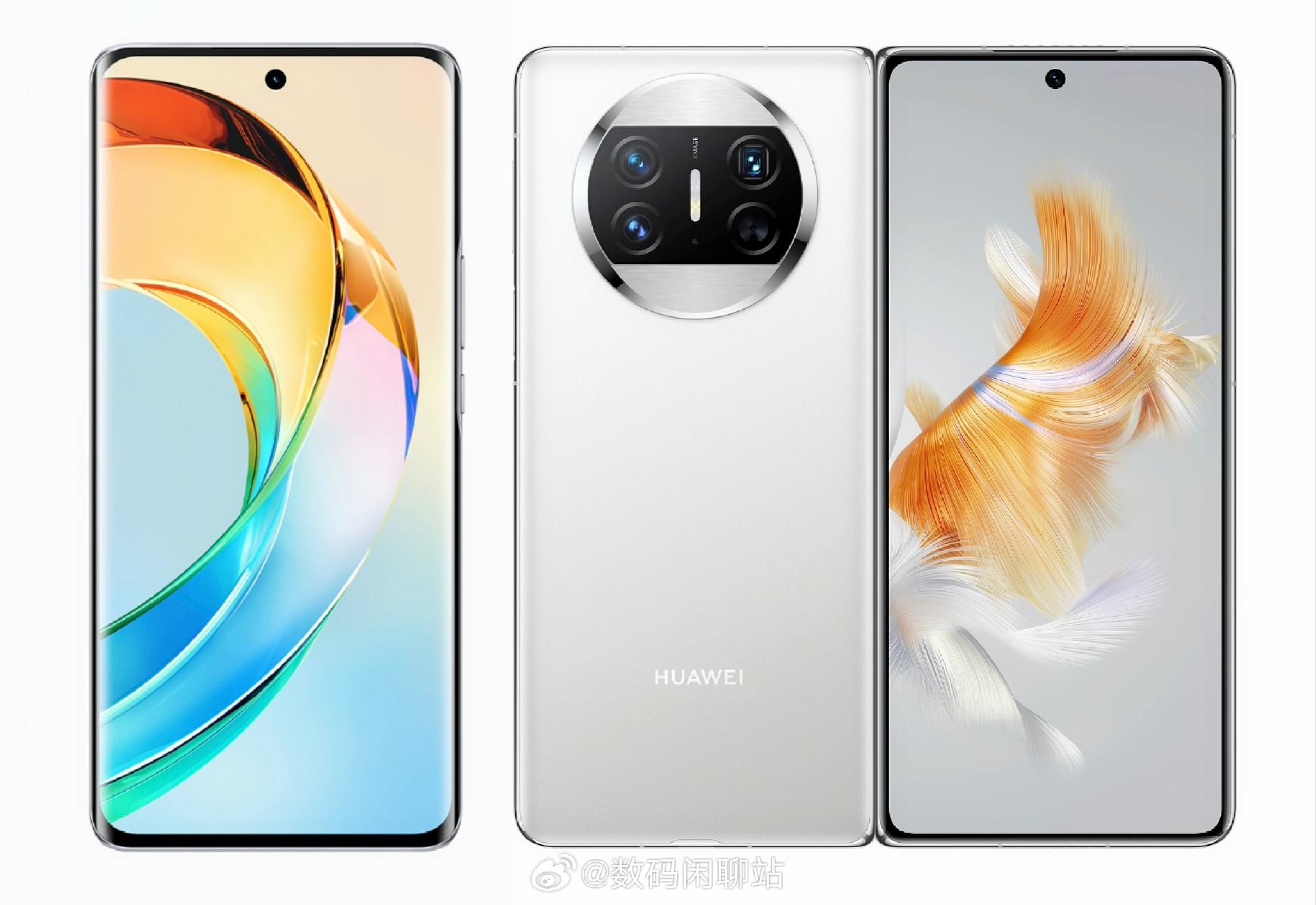
IFA the global consumer electronics trade show has commenced today in Berlin. It will take place till September 5. A host of brands have kicked off the event with various product announcements. Chinese brand Honor has unveiled two devices that comprise the Magic V2 foldable phone and the V Purse fashion-centric concept phone. The former was announced in the company’s home market but it is now releasing globally to compete against the Galaxy Z Fold 5. The specifications of the global variant are still the same as its Chinese counterpart.
Honor Magic V2 goes global, specifications and features
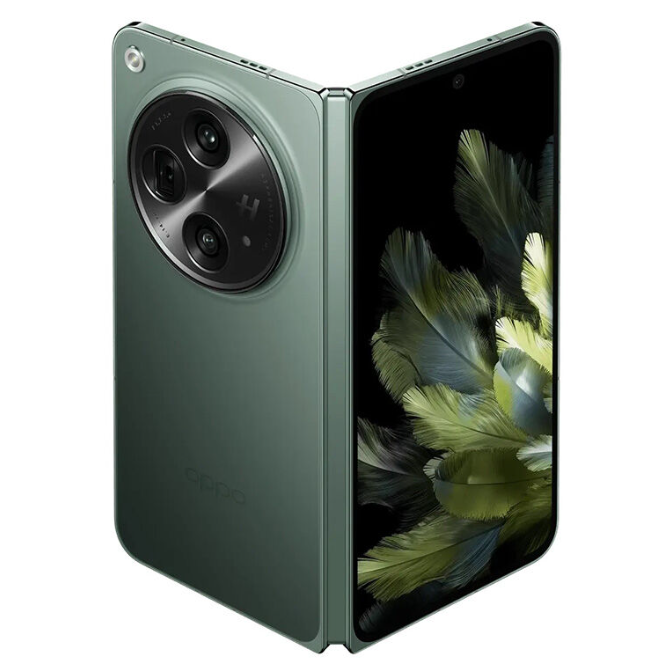
Honor Magic V2
The Honor Magic V2 is touted to be the slimmest folding phone measuring 4.7mm when folded and 9.9m when opened. It is also said to be lighter than the iPhone 14 Pro Max weighing just 237 grams. Honor claims that the foldable phone is equipped with a super-light titanium hinge and the brand’s proprietary hinge for withstanding more than 400,000 folds translating to 10 years of usage and 100 folds a day. The hinge also allows users to use the device in multiple angles. There is a side-mounted fingerprint scanner embedded in the power button.
The Honor Magic V2 has a 6.43-inch main exterior display with a resolution of 2,376×1,060 pixels whereas the interior screen measures 7.92 inches bearing a 2,344×2,156 pixel resolution. Both display panels are OLED supplied by BOE and feature a 120Hz LTPO refresh rate along with high-frequency PWM dimming for reducing eye fatigue.
The Honor Magic V2 sports a rectangular camera module on the rear. The setup comprises a 50MP primary sensor, 50MP ultra-wide-angle lens, and 20MP telephoto unit that supports up to 40x zoom. Both the inner and exterior screens have 16MP sensors for selfies.
Under the hood, the Honor Magic V2 houses the overclocked version of the Snapdragon 8 Gen 2 that is found on the Samsung Galaxy S23 series and Red Magic 8S Pro. The foldable phone packs 16GB RAM onboard and it is offered in 256GB, 512GB, and 1TB storage configurations. It draws its power from a 5,000mAh battery unit with support for 66W charging.
Honor has not announced the pricing of the Magic V2 for the global markets. It is expected to vary depending on the region. The device will hit the shelves no later than the first quarter of 2024 and has a waiting period of six months between the Chinese and global releases.
Earlier today, Lenovo launched the Legion Go handheld gaming console to compete against rivals like the Steam Deck and the ASUS ROG Ally. In addition to the handheld, the brand has also debuted a new flagship-grade gaming laptop called the Lenovo Legion 9i.
Lenovo Legion 9i specs
The Lenovo Legion 9i packs powerful hardware, however, its most impressive aspects are the display and the cooling system onboard. The machine comes with up to a 16-inch 3.2k resolution panel with Mini LED technology. It boasts a 16:10 aspect ratio, a high refresh rate of 165Hz, a 3ms response time, and outstanding color accuracy with 100% Adobe and DCI-P3 coverage. It can achieve an astounding 1200 nits of brightness and holds VESA DisplayHDR 1000 certification, along with Dolby Vision support. NVIDIA G-SYNC validation ensures tear-free gaming, and TUV Rheinland certification adds to its display quality.
Under the hood, it’s powered by a 13th-generation Intel Core i9-13980HX processor. Graphics are handled by an NVIDIA GeForce RTX 4090 Laptop GPU with 16GB GDDR6 memory, boasting a 150W+25W Boost and a 2370MHz Boost Clock. Additionally, it features an onboard AI Chip LA2 for enhanced performance. Memory options include 64GB of 5600Mhz Dual Channel DDR5 Overclocked Memory or 32GB of 6400Mhz Dual Channel DDR5 Overclocked Memory. Storage options go up to 2TB with a PCIe 4.0 NVMe SSD.
No matter how powerful a laptop is, it ultimately faces the wall of thermal throttling leading to reduced performance. To combat that, Lenovo has equipped the Legion 9i with an innovative integrated liquid-cooling system called the Legion Coldfront.
This system, developed in collaboration with Cooler Master, allows the laptop to deliver a powerful 230W TDP while maintaining a lightweight design of just 2.56kg (5.64 lbs). The liquid-cooling system focuses on cooling the GPU VRAM, kicking in when the GPU reaches 84°C to keep it cool during intense gaming sessions.
In addition to the liquid-cooling system, the laptop is equipped with an AI-tuned, triple-fan air-cooling system that incorporates an impressive 6,333 individual intake vents. This combination ensures that the Lenovo Legion 9i (16″) remains cool even during demanding gaming and content creation tasks. To offset the weight of the liquid-cooling system, Lenovo engineers designed a unique A-cover made from forged carbon chips.
This laptop is equipped with a large 99.99WHr battery that supports Super Rapid Charge, going from 0 to 70% capacity in just 30 minutes and reaching a full charge in 80 minutes. It comes with a 330W Slim Adapter or a 140W USB Type-C Power Delivery Adapter. The keyboard offers a comfortable 1.5mm key travel, Legion Spectrum Per-Key RGB lighting, 100% anti-ghosting, and swappable ceramic key caps for customization. The laptop features a 1080p camera with an E-Shutter for privacy.
In terms of connectivity, it includes a variety of ports, including Thunderbolt 4, HDMI 2.1, and RJ45 for versatile connectivity options. Audio is handled by 2 x 2W speakers with Nahimic Audio technology. It offers reliable wireless connectivity with 2 x 2 Intel Wi-Fi 7 (802.11 ax) and Bluetooth 5.1.
Pricing & availability
The Lenovo Legion 9i, featuring an Intel i9-13980HX processor, is anticipated to hit the market in October 2023 with a starting price of €4,499, including VAT.
Ever wanted to combine your phone and your purse into one stylish and functional accessory? Well, Honor has you covered with their new V Purse concept phone. It’s like a cross between a foldable phone and a clutch bag.
The device comes with a wraparound display that folds outward and interchangeable straps and chains so you can customize its appearance. Honor sees the V Purse as a way for electronic devices to be seen as fashionable accessories, “offering unlimited opportunities for self-expression”.
The Honor V Purse
That said, it’s still a concept phone rather than a functional purse. You can’t store items inside it, but sure, you can wear it like a purse using the detachable chain-link straps. Since the device features an outward folding screen—to complement this—Honor is offering the option to choose interactive and interchangeable wallpapers, so you can change them to match your outfit.
Honor has shown off a variety of wallpapers for the V Purse, including a furry one that responds to your touch and moves across the screen, giving the impression of petting a cat.
Another wallpaper is a “phygital” bracelet with charms that are actually interactive elements. For example, touching the camera charm will open the camera app, while touching the music note charm will open the music player. Not to forget, the screen is an always-on-display.
Honor says it has worked with top talent to design the AOD styles for the V Purse, including Burberry menswear design director Bram Van Diepen, contemporary artist Yunuene Esparza, dean of the China Academy of Art International College Yuan Youmin, and interdisciplinary artist Xiao Hui Wang. The brand also plans to open up the platform for AOD designs, so developers and designers around the world can create custom looks.
In addition to its stylish design, Honor has also made the V Purse environmentally friendly. They’ve used sustainable materials like vegan leather for the straps. It is also very thin, measuring just 9mm thick, which is even thinner than the company’s latest foldable, Magic V2.
Regardless, the company has not yet released many details about the V Purse’s hardware, as it is not yet in mass production. However, they did reveal that they have created a hinge that can withstand 400,000 folds.
As showcased at Computex in June, Asus GC-HPWR/HPCE is finally detailed via leaked documents. The new High Power Card Edge (HPCE) seems to replace the power connectors which are plagued with several issues on power-hungry new GPUs. The Asus GC-HPWR supports up to 600 of power, which will be detailed for the upcoming power-hungry flagship GPUs.
It can resolve the issue of melting power cables on high-power-consuming GPU cards including the latest RTX 4000 cards. The new HPCE could be the way forward, as the power rating is set to increase with the onset of PCI 5.0 video cards and may go beyond the present consumption charts. The HPCE connecter is currently tested for up to 200W with RTX4070, but it can support more than 400W of power.
More details are unveiled at the Bilibili World 2023 event in Shanghai, along with specifications and other details about HPCE. It can connect with the PCIe X16 slot on the upcoming Asus motherboards. However, the HPCE connector has 16 pins for power and 12 pins for a direct link to other peripherals on the motherboard. It is a kind of plug-and-play where users can easily plug in video cards with PCIe X16 and HPCE slots.
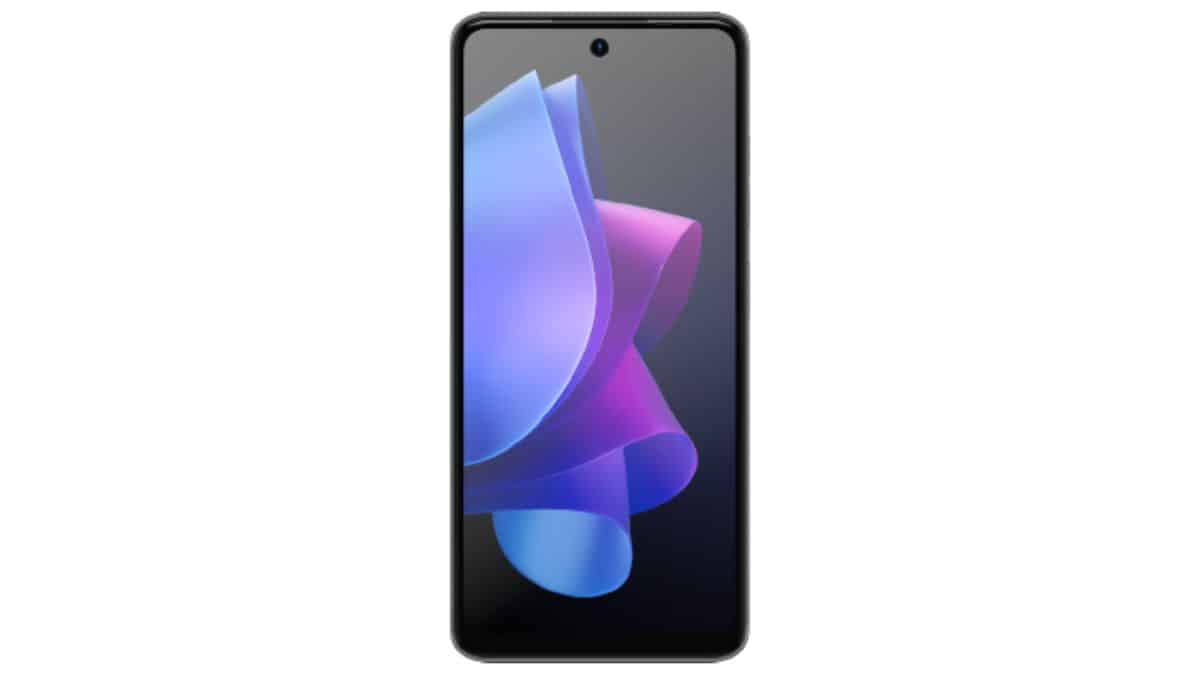
Such an approach is quite prevalent in the server market, but Asus seems to have ported it to the gaming market. Other brands could also jump onto the bandwagon of the new HPCE connectors to resolve power connector issues on the GPUs.
The new HPCE will surely end the reliability issues that are part of the 12VHPWR connector. Asus is currently supplying the connector compatibility on its motherboards, and it will be really interesting to see when others are coming with their consumer product. It is highly likely that we see broader adoption of such innovations which surely reduce customer’s plight.
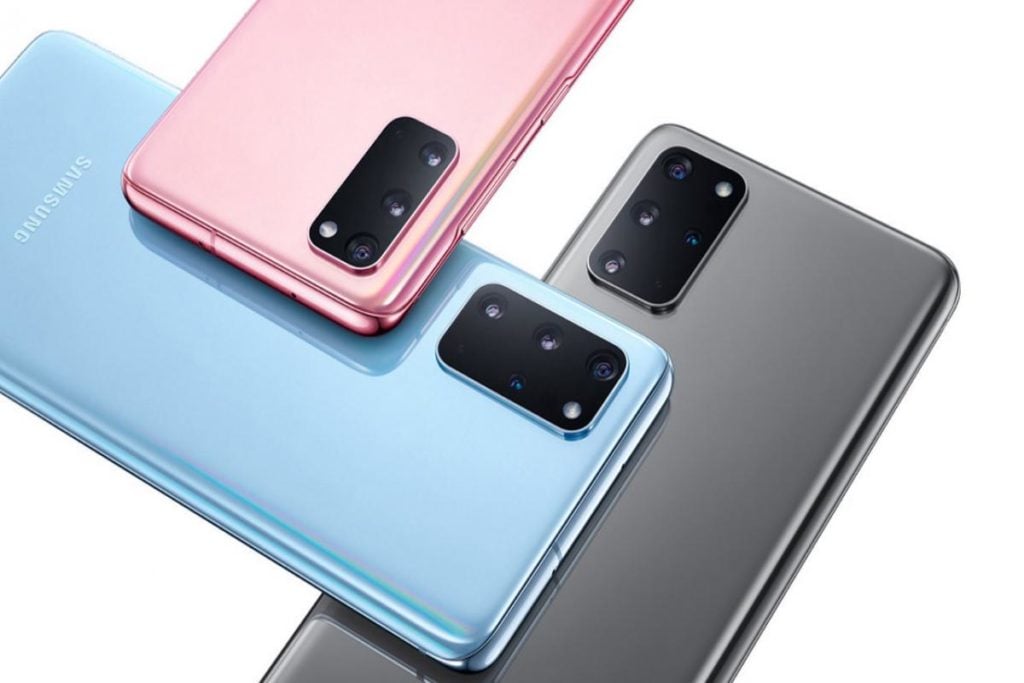
Earlier, we reported that India was supposed to receive the One UI 6 Beta set on August 29 but was delayed. Now, According to a recent post on X, Samsung has started rolling out One UI 6 Beta in India. This Android 14-based update will be available on Samsung Galaxy S23, S23 Plus, and S23 Ultra.
Those wondering about what the new update has to offer can check out the official change log below:
Quick panel
New Button Layout
Quick Settings has a new layout that makes it easier to access the most commonly used functions. Wi-Fi and Bluetooth now have dedicated buttons at the top of the screen, while visual features like dark mode and eye comfort have been moved to the bottom. Other quick settings buttons are in a customizable area in the center.
Instantly access the full quick panel By default, a compact quick panel with notifications appears when you swipe down from the top of the screen. If you swipe down again, notifications will disappear and the expanded quick control panel will appear. If you enable instant access to quick settings, you can view the expanded quick control panel by swiping down once the screen. If you swipe down from the left side, re-notifications from the right side of the top will be displayed
Lock Screen
Reposition your watch – You now have the option to reposition your watch to the position you want on the lock screen.
Home Screen
Simplified Icon Labels
App icon labels are now a single line for a cleaner and simpler look. Removed “Galaxy” and “Samsung” from some app names to make them shorter and easier to scan.
Font
New default font
One UI 6 has a new default font with a more elegant and modern look. You will see the new font if the default font is selected in the settings. If you use a different font, you will see it even after upgrading to One UI 6.

Quick access to brightness control
The brightness slider now appears by default in the compact quick panel when you swipe down once from the top of the screen for quicker and easier adjustment of brightness.
Improved album art display
When playing music or video, the album art will cover the entire media controller in the notification panel if the app playing the music or video provides album art.
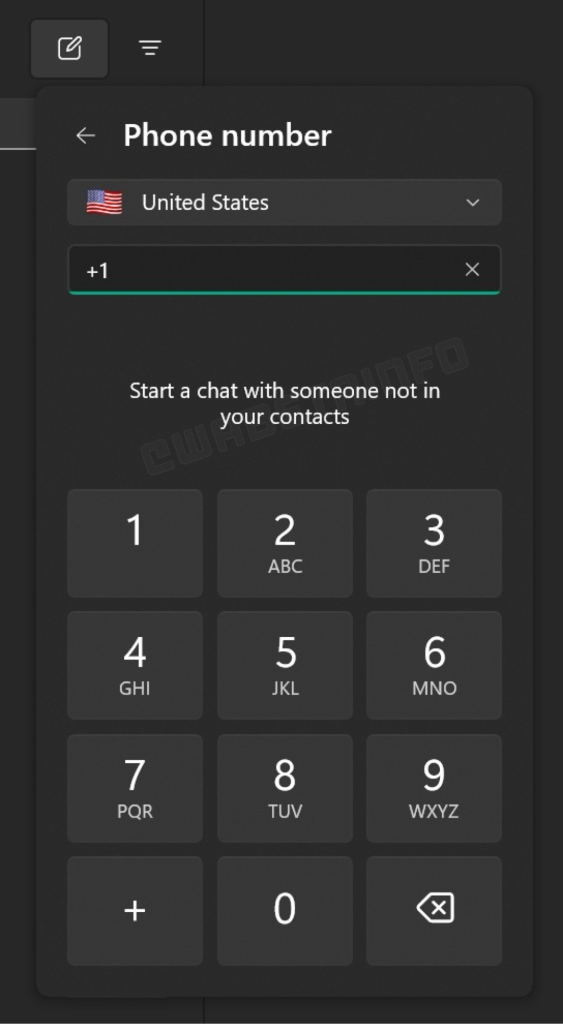
Improved notification layout
Each notification is now displayed as a separate card, making it easier to see each notification.
Sort notifications by time
You can now change your notification settings to sort by time instead of priority, so your most recent notifications are always at the top.
How to register for One UI 6 beta
If you wish to try out the One UI 6 beta on your compatible device, you can apply for it by following the steps below:
Install the Samsung Members App from the Google Play or Galaxy Store.
Login using your Account. (Note: You must have a Samsung Account to join the beta.)
You will be able to see a banner invite to the beta program.
Tap the banner and follow the One UI 6 beta registration.
After the registration, you will receive a notification to update, or users can go to Settings > Software Update > Download and Install to check for the update.
After downloading, the device will restart, and you can enjoy One UI 6.
Earlier, we reported that Borderlands 3 is making its way over on Nintendo Switch, which will launch on October 6. Many fans were waiting for this game to be launched on Nintendo Switch; however, that’s not all. According to a recent post on X (formally Twitter), Nintendo Switch has recently announced its Mario Red Edition OLED model available for pre-purchase.
Image by Nintendo
Nintendo Switch- OLED model- Mario Red Edition
The Nintendo Switch Mario Red Edition is inspired by one of the most popular video games, Mario. Based on the Mario theme, the console, Joy-Con controllers, and dock will arrive in red. This OLED model is designed to fit in your life by having three modes in one console:
TV mode will allow users to connect the system to the TV using the included dock and have a casual gaming experience.
If you wish to play without a TV, you can use the wide, adjustable stand to position the screen and detach the included Joy-Con controllers.
You can play the games on the 7-inch OLED screen in a more traditional way of Nintendo Switch.
Price and Availability
The Mario Red Edition is currently available for pre-purchase with a price tag of $349.99, and the shipping is expected to start in October. The box will include a Nintendo Switch Console-OLED model, Joy-Con controllers in Mario Red, a Joy-Con strap, a Nintendo Switch Dock, a Joy-Con grip, an HDMI cable, and the console’s AC adapter.
In related news, Denuvo, a DRM (Digital Rights Management) protection company, will now protect games launching on Nintendo Switch from piracy.
In a significant development, the Biden administration has initiated measures to restrict the export of Nvidia’s cutting-edge artificial intelligence (AI) computer chips to select countries in the Middle East. The announcement came through a regulatory filing made by Nvidia, the prominent AI technology company headquartered in Santa Clara, California.
Nvidia has earned a reputation as an AI powerhouse, primarily due to its advanced graphics processing units (GPUs) and semiconductors, which play a crucial role in powering and training AI platforms. The US government has now imposed export controls on Nvidia’s products, mandating the company to obtain permits before selling certain products to specified overseas customers. This move is driven by concerns that the advanced technology could potentially benefit adversaries such as China.
In a quarterly regulatory filing released recently, Nvidia disclosed these new export controls, shedding light on the company’s obligations to comply with the regulations. However, the specific countries in the Middle East subject to these export controls have not been explicitly mentioned in the filing, leaving room for speculation.
In response to these developments, the US Department of Commerce issued a statement emphasizing that it has not completely blocked chip sales to the Middle East. This clarification followed the disclosure that Washington had expanded export license requirements not only for Nvidia but also for Advanced Micro Devices (AMD), another major player in the field of artificial intelligence chips.
While the Commerce Department did not comment on whether new requirements were imposed on specific US companies, it is clear that both Nvidia and AMD are affected by the changes. As of now, neither company has confirmed whether they have applied for the required licenses or the status of their applications.
Export controls are typically put in place by US officials for national security reasons. Although a similar move last year signaled an escalation of the US government’s efforts to curb China’s technological capabilities, the specific risks associated with exports to the Middle East remain undisclosed.
It is worth noting that many of the restrictions on technology exports to China amount to a blanket denial of all licenses, reflecting the heightened scrutiny on sensitive technologies in today’s geopolitical landscape.
Biden administration’s decision to restrict Nvidia’s AI chip sales to certain Middle Eastern countries underscores the growing concerns surrounding advanced technology exports and national security. As the situation continues to evolve, industry watchers will closely monitor the impact of these export controls on the AI industry and international relations in the Middle East.
Huawei – China’s leading electronics maker silently launched its flagship device – Mate 60 Pro in China a couple of days ago. Initially, it felt Huawei missed the Chipset details, but it seems the company deliberately omitted these details in the official spec sheet. Huawei even declined to comment on the details after users and the tech community asked on social media. However, the details on a launched smartphone can never remain under wraps for so long as there are multiple apps that enable users to get full hardware details of the smartphone.
A similar approach is used by the tech community to know the full specifications of the Huawei Mate 60 Pro, especially the SoC details. So, based on the benchmarking tests that users or members of the tech community performed, the Huawei Mate 60 is powered with Kirin 9000s SoC which is built by HiSilicon – Huawei’s own chip design company. The CPU bundles a 12-core design including 2x A34 cores, 6x customized A78AE cores, and 4x A510 cores.
Kirin 9000s Specs (By Consumers)
The highest clock speed reaches 2.62GHz, according to AnTuTu. Further, it houses a Maleoon-910 GPU. As per benchmarks, the CPU scored 279,677, 225,491, and 194,615 points in CPU, Memory, and UX tests, respectively. The same chip attained a 1225 single-core score and 3295 points with the multi-core test.
These details are pulled by consumers, while HiSilicon’s official website did not publish any details about the Kirin 9000s. However, Huawei’s Chip maker designed a couple of 5G chipsets earlier including the Kirin 9000 and Kirin 9000e which were built on 5nm.
In a statement, Huawei didn’t name the new chipset, instead, they covered it as the “most powerful Mate model ever”.
What’s Odd?
Such silence from Huawei on the new chipset seems a bit odd and secretive. The situation raises several questions about Why there’s no reference to the SoC, and What company is cooking behind the scenes? Is it getting really difficult for Huawei to revive its smartphone business amid sanctions by the US.
Huawei went into trouble in 2019, when the US pressed sanctions on China, and further tightened the restrictions in 2020 impacted the Chinese electronics maker a lot. The advanced ICs built by Samsung Electronics and TSMC are not in the scope of Huawei. The only company that Huawei can rely on is Semiconduction Manufacturing International Corp (SMIC) but they have the capability to produce 14nm chips, and it is quite difficult for them to import advanced chip-making equipment to China due to sanctions.
There is a possibility, that somehow SMIC made these chips, which led Huawei to embed Kirin 9000s on the Huawei Mate 60 Pro. Or is there something that we are missing? Is there any secret that Huawei is trying to hide from the users?
Huawei’s Gain
Well, whatever the reason is, the stocks of all the supplier companies that supplied parts for Huawei Mate 60 Pro are rallying. The SMIC shares improved by 1 percent and is currently selling at HK$19.22. Similarly, the IC testing and packaging firm Jiangsu Changjiang Electronics Tech gained from the Huawei Mate 60 Pro launch. Other suppliers like Japanese Murata US-based Global Foundries and several other companies are gaining momentum in the stock markets.
Such a positive development from Huawei has even boosted the market. However, it may face some supply issues for its (unclaimed) new SoC in the future as per industry specialists.
Huawei Mate 60 Pro’s early release will help the company better measure people’s reaction towards the smartphone. Additionally, the Huawei Mate 50 was launched on September 12, just after Apple’s iPhone launch, and the Mate 40 series in October. At that time, Hauwei managed to surpass Samsung’s smartphone shipments in the global market. But, due to sanctions, Huawei lost all its consumers to other 5G smartphone brands.
Huawei Mate 60 Specifications
Huawei Mate 60 Pro made its official debut a couple of days ago. It is the maiden Huawei smartphone with a satellite Calling facility. The smartphone houses a 6.82-inch AMOLED display featuring an adaptive refresh rate of 1Hz-120Hz and a 300 Hz sampling rate. The display offers a Full HD+ resolution of 1260x 2720 pixels and 1440Hz high-frequency PWM dimming. It is protected with Huawei’s 2nd-generation Kunlun Glass.
The smartphone launched with 12GB RAM and up to 1TB storage options.
In the camera department, there’s a triple rear camera module having a 50MP sensor with OIS support, a 12MP ultra-wide lens, and a 48MP telephoto with OIS having 2.5x zoom. Further, there’s a 13MP ultrawide angle lens on the front with a 3D ToF sensor.
The smartphone’s 5000 mAh battery supports 88W fast charging, 50W wireless charging, and 20W reverse wireless charging support.
The smartphone will not launch globally as per the official statement from Huawei.
Truke, a German brand, has launched its latest TWS earbuds in India, Truke Q1 Plus. This follows the launch of the Truke Clarity 5 a few weeks ago. Let’s take a look at the specifications, features, and pricing of the Truke Q1 Plus earbuds.
Truke Q1 Plus Specifications
The Truke Q1 Plus earbuds feature a design similar to the Apple AirPods Pro. The case even has a metal-styled lanyard holster on the side, so you can easily attach a lanyard. The earbuds have 12mm titanium drivers that promise crystal-clear audio.
They also come with three preset EQ modes: Dynamic, Bass Boost, and Movie. The earbuds have a battery life of 10 hours on a single charge, and the case provides an additional 70 hours of battery life, for a total of 80 hours.
Likewise, the earbuds are easy to use with touch controls that let you control the volume, answer calls, and more. The earbuds also have quad mic technology and advanced noise cancellation to keep your conversations clear even in noisy environments.
There’s something for gamers too, as the buds come with an ultra-low latency of up to 45ms. This should mean a very little lag between the sound and the action on the screen.
Pricing and Availability
The Truke Buds Q1 Plus earbuds are already available for purchase at a retail price of just Rs. 999. It is available for purchase from Flipkart and Truke.in.
Vivo has just introduced the Vivo V29e smartphone in India, which boasts a Snapdragon 695 processor and an impressive 50MP front camera. Interestingly, a recent leak from tipster Paras Guglani hints that the remaining devices in the V29 series might be on the horizon.
As per a recent tweet made on X, the Vivo V29 5G series is on its way to India and other global markets. This is in line with the brand’s earlier announcement stating that the Vivo V29 5G will be launching in more than 39 countries including India.
The Vivo V29 5G is already available in Czech Republic. So it’ll be interesting to see if the brand will be launching the rumored Vivo V29 Pro model alongside it. So far, the Pro model has cleared BIS certification, meaning that Indian authorities have greenlit its launch in the country.
Vivo V29 specs
The Vivo V29 5G features a 6.78-inch 1.5K AMOLED display with a 120Hz refresh rate, supporting 1.07 billion colors and DCI-P3 color gamut. It has a Qualcomm Snapdragon 778G SoC, 12GB RAM (expandable to 20GB with Extended RAM), and 256GB storage. The phone runs on a 4,600mAh battery with 80W fast charging and incorporates an ultra-large VC Bionic Cooling System for efficient heat management. It operates on Android 13-based FunTouch OS 13.
The camera setup includes a 50-megapixel primary rear sensor with OIS, an 8-megapixel ultra-wide lens, and a 2-megapixel depth sensor, along with a ring LED flash. For selfies and video calls, there’s a 50-megapixel front camera with autofocus.
Lenovo continues to expand its product lineup. The company recently unveiled the ThinkCentre M90s Gen4 desktop and made a splash today at IFA 2023, a leading technology event. For example, the long-awaited and highly anticipated handheld gaming console named Legion Go was introduced for the first time at the show. Not stopping there, Lenovo also launched the Legion Glasses, which allow you to take the big screen experience with you wherever you go. Here are the details…
Lenovo Legion Glasses Specifications
Wouldn’t it be amazing if you could carry your monitor or television with you wherever you go, without feeling any weight? Lenovo aims to do just that with the Legion Glasses they introduced today. At its core, these glasses use augmented reality technology to let you carry your huge screen wherever you go, all thanks to a pair of sunglasses.
The Lenovo Legion Glasses feature a micro-OLED display with a resolution of 1920 x 1080 per eye, a refresh rate of 60Hz, and a 100-degree field of view. They are also equipped with a front-facing camera, two microphones, and two speakers. It’s worth noting that this device doesn’t have a lot of standalone functionality. To transfer the display, you’ll need a device with a USB-C connection.
The glasses are compatible with most Windows, Android, and macOS devices that have a USB-C port. The device be used to play games, watch videos, and access other applications. They also support head tracking and eye tracking, which can be used to control the cursor or navigate through menus.
Pricing & Availability
The Lenovo Legion Glasses are priced at $499. They are a good option for gamers who want to experience a more immersive gaming experience.
Earlier this month, the Jabra Elite 10 was spotted in leaked renders. Now, the company has finally launched its latest premium truly wireless earbuds. The Elite 10 is a pair of high-end earbuds that features top-notch specs and features. So let’s have a look.
Jabra Elite 10 Specs
The Elite 10 arrives as the most advanced TWS from the brand. Being a flagship grade model, the hearables feature Dolby Atmos and Dolby Head Tracking. The earbuds are equipped with 10mm drivers that cover a range between 20Hz to 20,000Hz. Oddly, Jabra decided to skip high-fidelity Bluetooth codes in favor of AAC and SBC support. However, the earbuds do offer Bluetooth 5.3 and Bluetooth Multipoint connection.
On a single full charge, the Elite 10 can last for up to 6 hours on a single full charge if ANC is turned on (Active Noise Cancellation). With the charging case included, the battery life rises to 27 hours. Furthermore, the earbuds take up to 3 hours to fully charge through wired or Qi wireless charging. It even offers IP57 water and dust resistance as well.
Jabra Elite 10 Pricing & Availability
Jabra has unveiled the new Elite 10 model in multiple color options, which include Cocoa, Cream, Gloss Black, Matte Black, and Titanium Black. The Danish company will sell the premium TWS earbuds for 249.99 US Dollars in the US, 229.99 Pounds in the UK, and 249.99 Euros in the Eurozone. It can be found listed on the company’s official website. The Elite 10 launch also arrives right after the brand announced the new Elite 8 Active earbuds.
In a surprising move, Huawei unveiled its Mate 60 Pro smartphone on August 30th, sending ripples through the semiconductor sector as the market reacted swiftly. The release, shrouded in mystery, has raised eyebrows and speculation in the tech world. With semiconductor companies like V-Test Technology and Maxic Technology surging by over 10%, it’s evident that the Mate 60 Pro has already made a significant impact.
The Mate 60 Pro’s starting price of $960 caught the attention of consumers, leading to the swift depletion of the initial batch of goods on the official website. What’s intriguing is that Huawei has been tight-lipped about the smartphone’s chip, leaving users and industry experts guessing about its capabilities, especially in terms of network support.
Rumors have begun to circulate, suggesting that the Mate 60 Pro might have achieved 5G speeds, an achievement typically reserved for 5G-enabled devices. User tests conducted on August 29th revealed download speeds exceeding 500Mbps, a feat that has historically been associated exclusively with 5G technology. In comparison, 4G technology maxes out at 100Mbps. Additionally, the Mate 60 Pro’s support for satellite calls and satellite information editing has added to its intrigue.
Prominent analyst Guo Mingji has shed light on the Mate 60 Pro’s impact on the industry, highlighting three key investment trends. Firstly, he notes the localization of semiconductors, particularly in RF and power-related areas, benefiting companies like Semiconductor Manufacturing International Corporation (SMIC) and Vanchip. Secondly, Guo emphasizes the growth of satellite communication providers among Android brands, with Hwa Creat emerging as a key player. Lastly, he underscores the improvement in the average specifications of high-end models’ optical systems, benefiting companies like Largan, Sunny Optical Technology, Will Semiconductor, SmartSens, and B.L Electronics.
However, it’s worth noting that Huawei’s self-developed chips still face numerous challenges, including yield rate and support for advanced semiconductor equipment. Some components, such as filters, SOI (Silicon on Insulator), and gallium arsenide, remain beyond the scope of localization.
The absence of critical details, including processor and network support, on the Mate 60 Pro’s spec sheet has ignited speculation. Some believe Huawei may be masking the absence of 5G connectivity due to sanctions and restrictions by sourcing chips domestically, potentially from China’s Semiconductor Manufacturing International Corporation (SMIC). However, these domestic chips may employ older architectures, which could impact overall performance and battery life.
As the tech world eagerly awaits further details and clarifications from Huawei, the Mate 60 Pro’s enigmatic launch could indeed be one of the most significant events of 2023, shaping the industry’s trajectory in unforeseen ways.
Earlier this year, Apple announced its first mixed-reality headset, the Vision Pro. The Vision Pro is not just an AR/VR headset, but a self-sufficient computer that offers a revolutionary way to interact with the world. Apple has also made sure that the Vision Pro is comfortable for people who wear prescription glasses. Users can use prescription lenses exclusively from Zeiss, which attach magnetically to the device. But looks like there’s also a software pairing process involved.
X (formerly Twitter) users @M1Astra shared a bunch of code snippets on a thread that shows the software pairing process of the optical inserts with the Vision Pro headset. The process listed is as follows (Via AppleInsider):
Restart Apple VisionPro with Optic Inserts installed, and have a code or order confirmation ready
Enter the passcode to enable Optic ID with the newly inserted Optical Inserts.
After a test to verify the user can look at a set of dots, the user will need to look at the pairing code.
A warning could appear stating that incorrectly installed or dirty Optical Inserts will affect input accuracy.
Setup may ask for what inserts are being used or to find the Optical Insert pairing code in the Health app.
Setup may ask the user to ensure no Optical Inserts are installed before setup.
Users can choose to continue setup even if issues are detected.
As Apple Insiders noted, the code snippets shared do not specify the order in which the prompts will appear. However, it seems that some of the prompts are related to the initial pairing process, while others may be related to switching or changing out the optical inserts.
Regardless of order, a pairing process may be required for Apple Vision Pro to know what optical inserts are being used in order to calibrate properly. Similar to how VR headsets need to be calibrated for each individual user. Thus, it won’t be as simple as taking the headset off one person and putting it on another.
User @M1Astra has also posted other threads about code referencing Apple Vision Pro. These threads include information about the headset’s intended age range (over 13 years old) and the fact that the Spatial Persona feature is still in beta, which means it may not be included in the initial release of visionOS.
Apple’s first mixed-reality headset, the Vision Pro, will be available for purchase in early 2024. It will cost $3,499 and will be available in the United States, Canada, and select European countries.
A couple of months ago, we reviewed the Rokid Max AR glasses acted as an excellent portable monitor. Since then I’ve been pretty much inseparable from it, whether it’s movie time before bed or a busy day on a business trip. It’s almost like the best companion I’ve ever had besides my phone.
Rokid Max AR Glasses need a station
However, it’s not perfect. Here I’m not trying to say it does anything wrong as a portable screen. Actually, if just take it as a portable screen in the pocket, I almost have no complaint: it has extremely easy connectivity and operation, a well-functional companion app with contents, a lightweight design, and more. About all these incredible features you can check out the review video I attach at the corner.
But as a part of a portable entertaining solution, it doesn’t come with a built-in battery but requires the phone to power it, and it doesn’t provide content on its own. So in that video, we mentioned that Rokid was bringing the Rokid station to global users, and we did super anticipate the powerful station. It should be able to work just as well as a compact TV box with a dedicated software system that is installed with multiple content platforms. And most importantly, it comes with a built-in battery for true portability!
So, a portable monitor in one pocket, with a portable TV Box in another pocket, is definitely the perfect solution as I can imagine.
Rokid Station Design
And now we finally can introduce the global variant of the Rokid Station to you guys. As you can see, it’s a pretty small device. It allows you to truly have the Android TV in your pocket.
I’m pretty sure that the Rokid Station is the most compact multimedia box that I’ve ever seen before. What’s impressive at first glance is the smooth design, which makes it perfect for holding and operating in a single hand. And the smooth curves with the slim body are greatly suited to any kind of storage, either in a backpack, handbag, or just in a jean pocket.
Inside the package, apart from the Rokid Station unit, you shall find a USB-A to -C cable for charging, a micro HDMI to USB-C cable for glasses connection, and of course, a user manual. And there’s a remote control powered by Bluetooth. But since we already have the Rokid Station with all the main buttons, there’s no problem if we keep it in the box. But probably when we cast the station to a standalone TV or monitor, the remote control might be helpful if we want to keep the station connected for power.
The Rokid Station looks more like a remote control of a smart TV and is even smaller in size, supporting Wi-Fi and Bluetooth connection. There’re 4 direction buttons with an enter key in the center and 4 more functional keys below. The power button and charging indicator are on the right, and the volume control is on the left, which feels like what a smartphone provides. The perfect size control makes all of these buttons easily reachable. And there’s tactile feedback when pressed, so generally you wouldn’t have to take off the glasses to find certain buttons while streaming content on the glasses. It definitely solves one of the biggest discomforts that I had when using the Rokid Max glasses with my phone, where sometimes I have to view down to my phone and confirm the operation unless I get into the AR mode.
At the bottom, there’re a couple of ports. A USB-C port for charging the Station’s 5000mAh battery, while the micro-HDMI port allows users to cast content to the glasses.
Android TV 12 OS & Software
The Rokid Station is a handheld portable Android TV box running Android TV 12. It’s extremely easy to set up the station with Google accounts, and you can select any available apps that you used to install on other devices. Based on its great portability, I think Android TV is the best option out of all the TV software. You can freely move to most areas of the world and enjoy the widest range of good software experiences offered by Google. For example, I can install amazon prime video, apple TV+, Disney+, ESPN, HBO Max, or the powerful Plex TV to manage cross-platform media content. All of them are available on GooglePlay Store.
But it’s a bit strange that the Rokid Station doesn’t support Netflix due to certification issue. So please note that if you are coming for a Netflix-ready device, the Rokid Station might not meet your needs. But you can still go for the Rokid Max glasses. With a phone that’s certificated by Netflix, the Rokid App also offers a great visual experience over watching Netflix content with the AR glasses.
Rokid Station + Rokid AR Glasses
The visual experience is quite stunning with the Rokid Station. With the Station connected, you can still maximize the 120Hz refresh rate and 1080P resolution of the Max Glasses. Operation and animation in eyes are smooth and responsive. And the wide color coverage of 106% sRGB also presents vivid images at all times that we might be not able to enjoy with most of our displays in life. It’s right in front of your eyes, stretched out on a nearly 200-inch screen at about 5m away.
The connection between the Glasses and the station is also perfect with a single cable. And in order to keep you free from the cable, its USB-C end is particularly designed to be curved. So even when I lied down, the glasses side with the cable didn’t cause any discomfort. And the combination of the Max glasses and the station has replaced my TV as my best companion before falling asleep.
Hardware Support
Now let’s check out the station’s hardware supports. It’s powered by a 64-bit Quad-core ARM CPU with 2GB Ram and 32GB Rom. Apart from the space occupied by the system. It still has about 24GB of local storage for app data and local media content.
How to expand storage & Install third-party apps
Well, the 32GB of storage without expandable storage is not generous for a media console, but thanks to the powerful GooglePlay Store on Android, I highly recommend you set up a private could storage or a private NAS solution, and install the corresponding management app on the Rokid Station, then you will get a portable TV Box with online private storage. You can not only pre-download your favorite media locally on the station while connected to the network but also find any available APK file beyond GooglePlay to install into the Station.
Separated TV Box for any displays and monitors
In addition to connecting directly to the glasses, it can also be used as a separate TV box with other displays. Even though I think the station+glasses combo is the best way to use it, you can still get a decent viewing experience on other displays. Of course, if your monitor supports USB-C video signal input, it all comes in handy. And it can also be a wonderful medium device to help you cast your phone’s screen to Rokid AR Glasses or other connected displays via Chromecast. So when you need to check out something on the phone screen while watching films with the station, it can switch the source seamlessly with just one click on your phone.
5000mAh Built-in Battery & Reverse charge
The battery life is also a surprise. The 5000mAh battery could power both the station and Rokid Max glasses for almost 5-hour use without recharging, which is far more energy efficient than watching TV at home. Furthermore, the visual experience presented by the Rokid Max glasses is even better than that of a 100-inch TV. And what’s crazy is that it can even work as a power bank that reversely charges other devices.
Verdict
So that’s all the important detail that we found on the Rokid Station. With the Rokid combo, I could watch movies, web series, and reviewed our creations in the waiting room, on the airplane, on a road trip, on the bed, and anywhere else. It is just like a perfect personal entertainment hub with a decent display, perfect for protecting your privacy and not disturbing others as well. So personally I think the combo could be a great investment and might be something that could inspire your life.
Rokid Station + Rokid Max Combo is available for pre-order now, check it out here and grab $20 OFF using code: GCROKID20OFF
The Sony Xperia 5 V has finally been launched. The device is the company’s latest flagship-grade smartphone, which features top-notch specs and features whilst offering a compact form factor. So here are all the details regarding its specs, pricing, and more.
Sony Xperia 5 V: Design & Display
The Japanese tech giant has just unveiled its second flagship smartphone for 2023. The Xperia 1 V dropped earlier this year, and now we have a slightly watered-down version of this device with the Xperia 5 V model. The compact smartphone measures 154 x 68 x 8.6 mm and weighs just under 180 grams.
In other words, it has gained 11 grams and is slightly thicker (2mm) than its predecessor. The rear retains a glass panel. The front sports a 6.1-inch OLED display that features an FHD+ resolution, a 21:9 aspect ratio, and a 120Hz refresh rate. This panel supports HDR as well. Unfortunately, it doesn’t feature an LTPO panel and only supports 120Hz or 60Hz refresh rates.
Sony Xperia 5 V: Specs & Camera
Under the hood, the device is equipped with the powerful Qualcomm Snapdragon 8 Gen 2 SoC that is paired with 8GB of RAM and 128GB of storage, which can be further expanded via a microSD card slot. A large 5,000mAh battery pack powers this device, which supports 30W wired fast charging and 18W wireless fast charging speeds. Other notable features include IP68 water and dust resistance, Corning’s Gorilla Glass Victus 2 on the front and back, LDAC and Hi-Res Audio support, full-stage stereo speakers, and Android 13 OS out of the box.
For optics, the Xperia 5 V features the same primary sensor as the Xperia 1 V. So buyers will find a 48-megapixel sensor that has a 1/1.35-inch optical format, a 24 mm equivalent focal length, OIS (Optical Image Stabilization), and autofocus support. Notably, the primary camera is the 52-megapixel Exmore T Main sensor, which has an effective 48-megapixel resolution. By default, the camera will capture 12-megapixel 24mm shots.
Sony also claims that the primary sensor can also offer 2x optical zoom. This camera is paired with a 12-megapixel ultra wide angle lens that has a 16mm focal length. It appears to be the same sensor used in last year’s Xperia 5 IV, which means it also offers dual-pixel autofocus. Meanwhile, the front also retains the Xperia 1 V’s 12-megapixel selfie shooter.
Sony Xperia 5 V: Pricing & Availability
Sony has announced the Xperia 5 V compact flagship phone in three color options. This includes Black, Blue, and Platinum Silver variants. The exact release date for this device is still unclear, but the device will likely be available from late September 2023. It will carry a price tag of 999 Euros.
Earlier this year, we reported that the Samsung W24 and W24 Flip were spotted on the 3C certification website. It was previously speculated that these smartphones would be launched in October. However, this year, Samsung has confirmed that it will hold the Samsung W series launch conference on September 15. Let’s check out the post.
According to a recent post on Weibo, Samsung Galaxy has officially confirmed that the Samsung W series will be announced on September 15. For those unaware, the Samsung W24 and W24 Flip are said to be rebranded versions of the Samsung Galaxy Z Fold 5 and Galaxy Z Flip 5, respectively. This W series will likely have similar specifications as the Z Fold 5 and Z Flip 5. Aside from the powerful specifications, the series has been in the news for its premium designs. It is also worth adding that the company, in partnership with China Telecom, has used the profits from the series for charity.
For those wondering what the hype is about the new model, we can check out the Galaxy Z Fold 5 specifications.
Galaxy Z Fold 5 Specifications
The Galaxy Z Fold 5 has a 7.6-inch display with an 1812 x 2176 pixels resolution. Under the hood, the device is powered by a Snapdragon 8 Gen 2 octa-core processor with 12GB RAM. This smartphone has three available storage options: 256GB, 512GB, and 1 TB. It operates on an Android 13 operating system accompanied by a 4400mAh battery.
Lastly, the Fold 5 comes with a rear triple camera setup having 50MP (wide), 10MP (Telephoto), and 12MP(ultrawide), while on the front, it is equipped with a 4MP(wide) and the cover camera is 10MP (wide).
Motorola has just unveiled its new lower-midrange smartphone in the Indian market called the Moto G84 5G. The device has many things going for it like a sleek and attractive design, eye-catching Pantone curated colors, and the fact that it only has one variant with 12GB RAM and 256GB storage. Let’s delve into the details.
Moto G84 specs
The Moto G84 5G comes with a 6.55-inch FHD+ pOLED display that has a fast 120Hz refresh rate and can get very bright at up to 1300 nits. It’s powered by a Snapdragon 695 processor with 12GB of LPDDR4x RAM and 256GB UFS 2.2 of storage, which can be expanded up to 1TB with a microSD card. It has a hybrid SIM slot, meaning you can use two SIM cards at a time or a SIM card and a microSD card.
This phone runs on Android 13 with My UX, providing a smooth and customizable experience. It has a 50MP rear camera with optical image stabilization (OIS) and an 8MP ultra-wide camera. On the front, there’s a 16MP camera for selfies. For security, it offers an under-display fingerprint sensor.
This phone supports 5G connectivity with 14 different 5G bands, as well as dual 4G VoLTE. It has Wi-Fi 802.11ac, Bluetooth 5.1, GPS, GLONASS, Beidou, USB Type-C, and NFC. Powering all this is a 5000mAh battery, and it supports 30W turbocharging to quickly top up your battery.
For audio, it has a 3.5mm audio jack, stereo speakers with Dolby Atmos support, and dual microphones. The Moto G84 5G is water-resistant with an IP54 rating, meaning it can handle a bit of water and dust. It’s relatively slim and lightweight, measuring 160 x 74.4 x 7.6mm and weighing 168.3g (Vegan Leather) or 166.8g (PMMA).
Pricing & availability
The Moto G84 5G, with its 12GB RAM and 256GB storage configuration, carries a price tag of Rs. 19,999. The phone comes in three color options: Marshmallow Blue, Midnight Blue, and Viva Magenta. It will be up for purchase on Flipkart starting September 8th. Additionally, there’s an initial offer of an instant discount of Rs. 1000 when using an ICICI Bank Credit card for the purchase.
The latest gaming handheld in the market is from Lenovo and it will take on the likes of the Steam Deck and ASUS ROG Ally. The company’s first handheld gaming console is dubbed the Legion Go, so let’s have a look at its specs, design, and pricing.
Lenovo Legion Go: Design & Display
The Lenovo Legion Go features detachable controllers that are housed on opposite ends of the display. Meanwhile, the rear features a built-in kickstand. There are various notable aspects regarding the controllers. They feature hall effect sticks to eliminate the infamous joystick drift issue and minimize dead zones while improving accuracy. Furthermore, the bottom of the right controller even features an optical sensor that enables it to act like a mouse for better precision in FPS titles.
The Legion Go features fully customizable controllers and you can even change the RGB lighting on the joysticks with the Legion Space software. Buyers can even customize settings and key mapping per game. On the front, the handheld sports a tall 8.8-inch PureSight display that has a 2,560 x 1,600 resolution, 16:10 aspect ratio, 500 nits of peak brightness, 97.3 percent DCI-P3 color gamut, and a 144Hz refresh rate. This is much higher than the 60Hz 7-inch LCD screen on the Steam Deck which only has a 1,600 x 800 resolution.
Lenovo Legion Go: Specifications
Under the hood, Lenovo’s first-ever gaming handheld features the AMD Ryzen Z1 and Ryzen Z1 Extreme, which are the same processors that power the ASUS ROG Ally. These chipsets are paired with 16GB of LPDDR5X RAM and 256GB, 512GB, or 1TB of PCIe 4.0 NVMe M.2 storage. Similar to the ROG Ally, it also runs on Windows 11, so the device is basically a portable handheld gaming PC.
The handheld is powered by a 49.2Wh battery pack, which is the average battery size of a gaming laptop and is 19 percent larger than both the Steam Deck and ASUS ROG Ally. Lenovo claims that the device can charge to 70 percent in just 30 minutes thanks to its 65W fast charging support. Notably, the individual controllers also house a 900mAh battery pack.
The Legion Go has a max TGP of 25W. You can enable this by heading using Custom Mode in the Legion Space software. On the other hand, Quiet Mode lowers the TGP significantly and even limits the fan noise of the device to just 25 decibels. Other notable features include a 3.5mm headphone jack, a microSD card slot for memory expansion, and two USB-Type C ports.
Lenovo Legion Go: Pricing & Availability
The Chinese tech giant’s gaming handheld has a starting price tag of 699 US Dollars. However, the brand hasn’t revealed the pricing for any of the other storage configurations. But we can expect the Ryzen Z1 Extreme to carry a higher price tag. It will be available for purchase in late October 2023, from the official Lenovo website and major retailers.
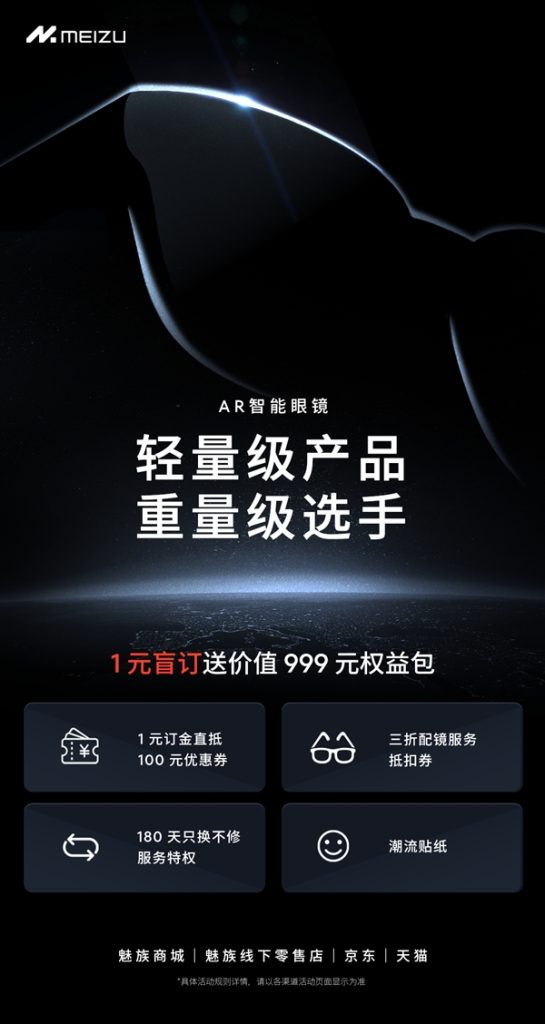
Like other Chinese smartphone brands, Meizu also seems to be working on its next flagship series, the Meizu 21. The lineup may include at least two models, such as the Meizu M21 and M21 Pro. A recent Weibo post by popular tipster Digital Chat Station revealed key details about the launch and design of the Meizu 21 series.
Meizu 21 series key details tipped
Meizu 20
Meizu has built a reputation for launching smartphones with impressive designs. A recent report claimed that the upcoming Meizu 21 series’ design will be a refined version of what was made available on the Meizu 20 lineup. As revealed by DCS, a notable addition to the phone’s rear design is an RGB ring LED flash. However, its specific function remains undisclosed. It is possible that this LED flash could illuminate in varying colors to signal different types of notifications.
The Meizu 20 and 20 Pro are powered by the Snapdragon 8 Gen 2 chip. The Meizu 21 series is expected to feature the more powerful Snapdragon 8 Gen 3, which will debut in October this year. Other reports have claimed that the Meizu 21 and Meizu 21 Pro will be equipped with a flat display and an OIS-enabled 50-megapixel primary camera. The Pro model is also rumored to feature a pericope telephoto camera.
The new leak also claims that the Meizu 21 series will launch earlier than its predecessor. To recall, the Meizu 20 series was announced at the end of March this year and was available for purchase in April. There is a possibility that the Meizu 21 series may launch a bit earlier, in the first quarter of 2024.
In related news, Meizu is also said to be working on the Flyme Auto software for vehicles. The Flyme Auto, which is based on Flyme OS 10, is expected to power the Geely car’s infotainment systems in 2024.
We use cookies on our website to give you the most relevant experience by remembering your preferences and repeat visits. By clicking “Accept”, you consent to the use of ALL the cookies.
This website uses cookies to improve your experience while you navigate through the website. Out of these, the cookies that are categorized as necessary are stored on your browser as they are essential for the working of basic functionalities of the website. We also use third-party cookies that help us analyze and understand how you use this website. These cookies will be stored in your browser only with your consent. You also have the option to opt-out of these cookies. But opting out of some of these cookies may affect your browsing experience.
Necessary cookies are absolutely essential for the website to function properly. This category only includes cookies that ensures basic functionalities and security features of the website. These cookies do not store any personal information.
Any cookies that may not be particularly necessary for the website to function and is used specifically to collect user personal data via analytics, ads, other embedded contents are termed as non-necessary cookies. It is mandatory to procure user consent prior to running these cookies on your website.