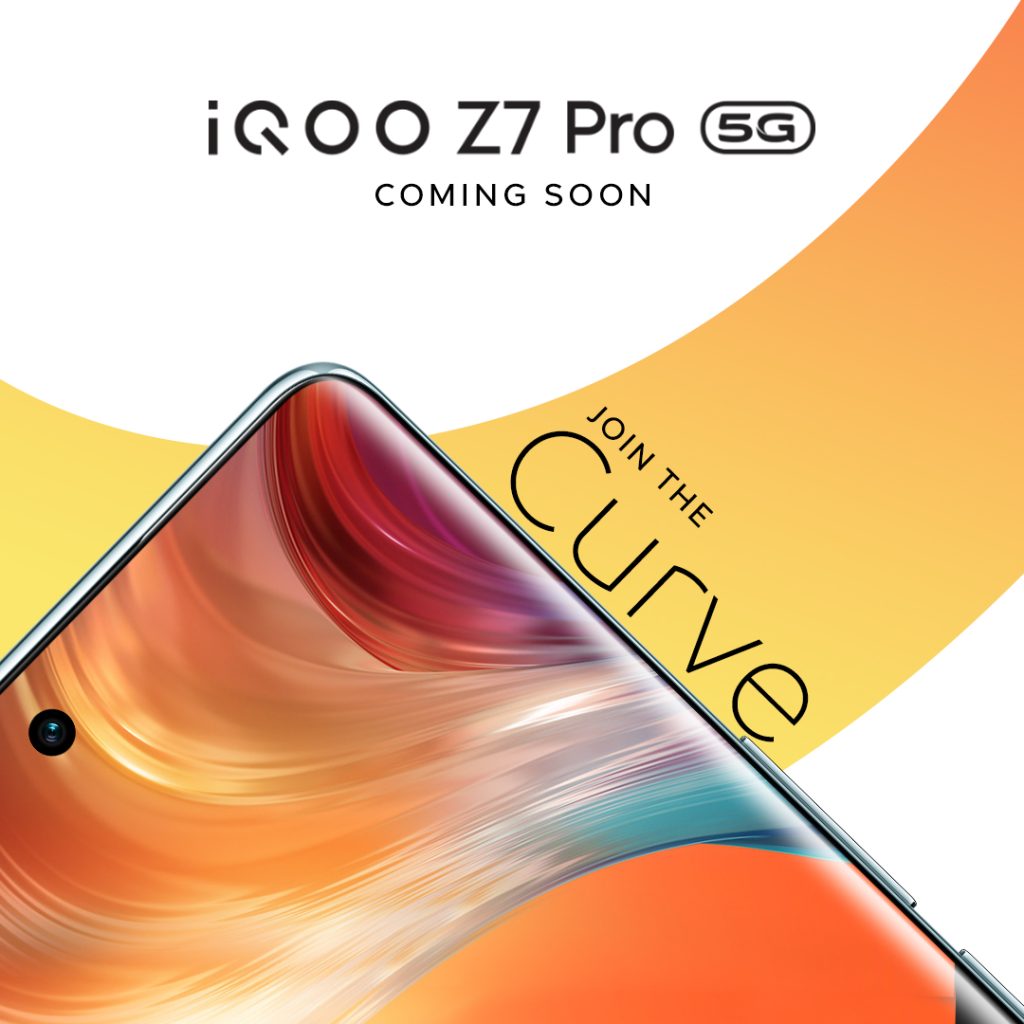
Vivo launched the Y36 series in Indonesia last month. It included the Y36 4G and 5G. Today the 5G variant has debuted in the Malaysian market. Now the smartphone is set to arrive in another market. The device has been spotted on UAE’s TDRA certification site. The smartphone is listed with model number V2248. The certification does not reveal any key details about the Vivo Y36 5G.
Vivo Y36 5G appears on TDRA
We can expect the Vivo Y36 5G to launch in the UAE market soon. The smartphone is also expected to pack the same specifications as its Indonesian and Malaysian counterparts. We will know more details about the pricing and availability in UAE in the coming weeks.
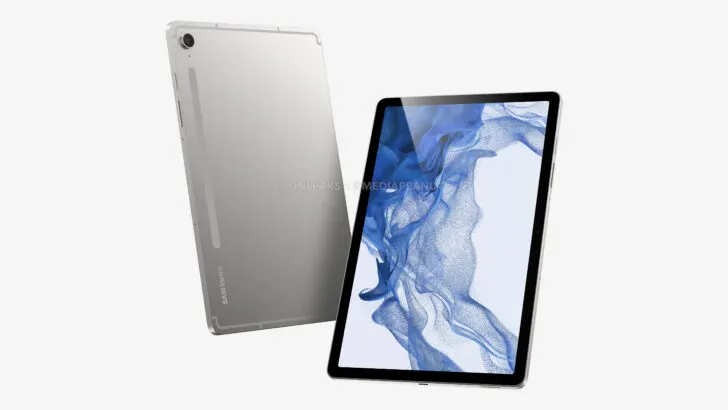
In Indonesia and Malaysia, the Vivo Y36 5G features a 6.44-inch LCD display with a center-aligned punch-hole cutout. It has a 90Hz refresh rate and an FHD+ resolution. There is a side-mounted fingerprint scanner embedded in the power button. On the imaging front, the Vivo Y36 5G’s dual camera setup of 50MP main sensor and a 2MP depth lens. There is a 16MP front-facing selfie snapper.


On the hardware front, the Vivo Y36 5G is equipped with a Dimensity 6020 processor. It packs 8GB RAM along with 8GB virtual RAM technology. There is 256GB onboard storage. The smartphone draws its power from a 5,000mAh battery unit with support for 44W charging. It runs on Android 13 OS out of the box.
In Malaysia, the Vivo Y36 5G carries a price tag of MYR 1,099.
Samsung is gearing up to launch its latest generation of flagship foldable smartphones soon. The company will be announcing the Galaxy Z Fold 5 and Galaxy Z Flip 5 for the global market next month. But ahead of its July launch, the Galaxy Z Flip 5 was also spotted on an Indian certification website.
Samsung Galaxy Z Flip 5 confirmed to launch in India
The South Korean tech giant’s Galaxy Z Flip 5 model was spotted on the BIS (Bureau of Indian Standards). This, in turn, confirms its Indian availability while also revealing its SM-F731B model number. But unfortunately, the certification does not reveal any other finer details regarding the upcoming smartphone. We already know that the Flip model will retain its clamshell folding design and a new cover display that is larger than any previous iteration.
Based on previous leaks, the device will sport a 3.4 inch cover screen on the rear along with a 12 megapixel dual camera setup. Meanwhile, the primary display is a 6.7 inch AMOLED panel that has a Full HD+ resolution that offers 120Hz refresh rate and a punch hole selfie camera. Under the hood, the Samsung Galaxy Z Flip 5 will be equipped with a custom Qualcomm Snapdragon 8 GEn 2 SoC that will likely be paired with 8GB of RAM and up to 256GB of internal storage.
A 3,700mAh battery pack is rumored to power the device, which will likely support 25W fast charging. Other notable features include, a side mounted fingerprint scanner, Android 13 OS based OneUI 5.1 out of the box, 10W wireless charging, and more. So stick around for more, as we will be covering the launch event in July.
Hearmo has launched three premium lifestyle smartwatches in the Indian market: the HearFit RS, HearFit VS, and HearFit REX. These smartwatches offer a range of features designed to enhance the user experience.
HearFit RS Features:
Starting with the HearFit RS, it boasts a 2.0-inch (UHD) Full View Display with a frameless design and Corning Gorilla glass for durability. With a resolution of 420X485 and 320PPI, the HearFit RS delivers vibrant visuals even in bright lighting conditions. It supports AI, games, and other features to provide a versatile experience. The smartwatch is also IP68 waterproof and dustproof, making it suitable for various conditions. It includes wireless charging and integrated Bluetooth calling, allowing users to answer calls on the go without distractions while running or driving. The smartwatch comes in GunMetal color, along with additional straps.
HearFit REX Features:
Moving on to the HearFit REX offers a sleek and stylish design with a crystal-clear 1.9-inch narrow display and a resolution of 240X280. It prioritizes health and wellness with features like heart rate monitoring and sleep tracking. The smartwatch has an IP67 waterproof rating and a zinc-alloy body for durability. It is available in colors such as Premium Black, Army Green, Cool Gray, or Rich Gold, allowing users to match their style easily.
HearFit VS Features:
Lastly, the HearFit VS, this smartwatch combines excellent design and craftsmanship in a lightweight and ultra-thin build. It features a 1.9-inch bezel-less display with a resolution of 240X285 and 201 PPI, offering a brightness of 600 Nits. The HearFit VS caters to individual styles with 100+ sports modes, a battery-saving mode, and multiple standby watch faces. It includes heart rate, blood pressure, and sleep monitoring features, and supports the FitCloudPro app. The smartwatch comes in Black color, along with additional straps.
Pricing and Availability:
The Hearmo HearFit RS is currently available at a launch price of Rs. 2,599, reduced from its original price of Rs. 8,999. The HearFit VS is available for Rs. 2,399, down from Rs. 6,999, and the HearFit REX is available for Rs. 1,699, reduced from Rs. 4,499. These smartwatches can be purchased from Amazon.in, the company’s official website, and other offline channels starting today.
Nothing is gearing up to launch the Nothing Phone (2) in July, ahead of the launch, the brand has confirmed some details about the device. The design of the Phone (2) also leaked online recently, however, Nothing Founder and CEO Carl Pei went out of his way and said that the renders are fake, however, leaked TPU cases say otherwise.
The leak has emerged on /LEAKS revealing the various cutouts for speaker vents, Type C port, and microphone. Another two cutouts can be seen on the rear side for the flash and camera module. The cutout all aligns with the previously leaked renders.
One noteworthy feature that has come to light is the reinforced corners, which offer protection against accidental damage from falls. Although Nothing has officially announced this feature, it is speculated that the Phone (2) may come with a protective cover that not only safeguards the device but also showcases Nothing’s iconic design.
Nothing Phone (2) specs & features
Nothing has made official announcements regarding the upcoming Nothing Phone (2), providing insights into its specifications. The device will feature a 6.7-inch AMOLED screen, with speculation suggesting a possible FHD+ resolution and a refresh rate of 120Hz, promising a visually immersive experience.
Confirmed details reveal that the Nothing Phone (2) will be powered by the Snapdragon 8 Plus Gen 1 chipset, ensuring powerful performance. Geekbench sightings have hinted at 12 GB of RAM and the device operating on the latest Android 13.
To deliver a productive and minimalist user interface, the phone will introduce Nothing OS 2.0, which will overlay the Android operating system. Nothing has committed to providing three major Android OS upgrades and three years of security updates, ensuring long-term software support.
The Nothing Phone (2) will come with a 4,700mAh battery, providing ample power for extended usage. However, details regarding its fast charging capabilities are yet to be disclosed. While specifics about the camera setup remain undisclosed, the device is known to feature sustainable materials and an aluminum frame, combining durability and eco-conscious design.
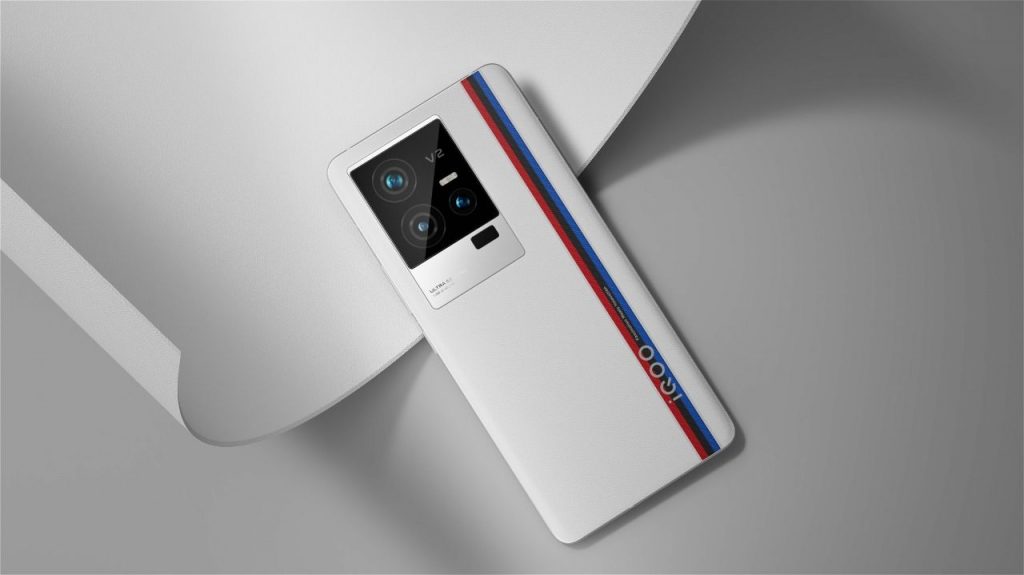
We already know that iQOO is working on a new iQOO 11s smartphone model. But now, a new leak has revealed another key detail regarding the upcoming 11 series device that will likely launch sometime next month. So let’s have a look.
iQOO 11s will reportedly skip the V2 ISP over an independent display chip
The latest information arrives from known tipster Digital Chat Station, who shared the details on Weibo (a Chinese microblogging website). In the online post, the tipster added that the iQOO 11s will take on the likes of the Realme GT Neo 5 Pro, Redmi K60 Ultra, and OnePlus Ace 2 Pro in the market. He further added that the iQOO 11s will not feature the Vivo V2 ISP, which its prototype model featured. Rather, the production model will be equipped with a dedicated display chip.
Apart from this, Digital Chat Station even revealed certain key specs regarding the iQOO 11s. The device will sport a tall 6.78 inch 2K E6 AMOLED display that has 144Hz refresh rate. Furthermore, it will feature a Sony IMX866V primary camera on the back as well as 200W fast charging rate support. The camera on the rear is the 50 megapixel shooter, while the smartphone is expected to be powered by a 4,700mAh battery pack.
Other notable features include, up to 16GB of LPDDR5X RAM, 1TB of UFS 4.0 storage, and Qualcomm Snapdragon 8+ Gen 2 SoC. Based on what we know so far, the device will launch sometime in early July, with its first sale likely kicking off by 8th July 2023. So stick around for more updates regarding this handset that will be the latest entry in the iQOO 11 series.
The Apple Sale Days has just kicked off on Amazon India and brings customers in the region some great deals on its latest smartphones as well. These new deals include the company’s latest iPhone 14 lineup that consists of the iPhone 14, iPhone 14 Plus, iPhone 14 Pro, and iPhone 14 Pro Max. So here are all the details.
Apple iPhone 14 & iPhone 14 Plus gets nearly a Rs 12,000 discount
The Cupertino based giant’s iPhone 14 starts for a price tag of 79,900 INR. But during the Apple Sale Days on Amazon, the base iPhone will be available for purchase for just 67,999 INR. Keep in mind that this is for the 128GB variant. Meanwhile, the 256GB and 512GB storage versions will go on sale for just 89,900 INR and 109,900 INR are being sold for just 77,999 INR, and 97,999 INR respectively.
This marks a notable discount since the base model saw a 15 percent discount, while the 256GB variant saw a 13 percent discount and the 512GB model saw an 11 percent discount. On the other hand, the iPhone 14 Plus which had a launch price of 89,900 INR is now on sale for around 76,900 INR for its 128GB model. Similarly, the 256GB model has a discounted price tag of 86,999 INR, and the 512GB model will be sold for 106,999 INR.
In other words, the iPhone 14 Plus has seen a 14 percent discount for the base model and 13 percent discount for the 256GB model. The top end 512GB model sees a near 11 percent discount. Apple Sale Days event also includes the iPhone 14 Pro and iPhone 14 Pro Max models as well. The iPhone 14 Pro had a launch price tag of 129,900 INR for its 128GB model but has a new discounted price of 119,999 INR. The 256GB model has new price tag of 134,990 INR.
The top end iPhone 14 Pro Max also saw a price drop down to just 127,999 INR, from its original 139,900 INR price tag. The 256GB variant of this device is available for 143,990 INR as well. Lastly, the 1TB iPhone 14 Pro Max saw a slight discount of around 7,000 INR as well. It is now being sold for 182,990 INR. Keep in mind that the Apple Sale Days event is only live till the 17th of June 2023, so check out these attractive deals before the sale event ends.
MSI recently showcased the Optix G274QPX 2K IPS gaming monitor with a 240Hz refresh rate and 1ms response time. The brand has now revealed a curved, Full HD+ gaming monitor called the MSI G24C4 E2. Let’s take a look at its specs and features.
MSI G24C4 E2 gaming monitor specs
With a 23.6-inch VA panel and a 1500R curvature, this monitor offers an engaging and encompassing gaming experience. It features a Full HD resolution of 1920×1080 pixels, ensuring sharp and detailed visuals.
The G24C4 E2 boasts a maximum refresh rate of 170Hz, providing smooth gameplay. Its 1ms response time ensures minimal ghosting and tearing, contributing to a crisp gaming experience. The monitor’s AMD FreeSync Premium technology works seamlessly with AMD GPUs to eliminate screen tearing and stuttering.
The built-in VA panel offers a 3000:1 contrast ratio, delivering deep blacks and vibrant colors. The monitor’s 8-bit color depth and 250 cd/m² luminance provide accurate color reproduction. While HDR support is not available, the monitor compensates with its visual performance.
In terms of connectivity, the monitor features two HDMI 2.0b inputs for Full HD resolution at a maximum of 144Hz. It also includes a DisplayPort 1.2a supporting Full HD resolution at a maximum of 170Hz. Additionally, a headphone jack is provided for audio output.
The G24C4 E2 comes with a tilt-adjustable stand and a VESA mount (100 x 100 mm) for flexible positioning. The inclusion of a blue light filter and flicker-reduced backlight helps reduce eye strain during extended gaming sessions.
With its sleek design and a weight of 5.5 kg without the stand, the G24C4 E2 is a stylish addition to any gaming setup. The monitor’s OSD allows control of the black stabilizer, enhancing visibility in darker areas of games. The frameless design adds to the immersion, especially when using multiple monitors.
Additional features include a wide viewing angle of 178°, ensuring accurate colors from any perspective. The Night Vision feature enhances visibility in dark areas, providing a competitive edge. While not explicitly mentioned, the monitor is HDR-ready, delivering a wider color gamut and improved contrast for a more immersive visual experience.
Pricing of the G24C4 E2 monitor is still under wraps, however, MSI has confirmed that it will be bringing these monitors to store shelves in the fourth quarter of 2023.
Oracle, the American commercial software giant, released its financial report for the fourth quarter of the 2023 fiscal year, showcasing robust growth. The company’s stock price soared to a record high at the close of trading and continued to rise by 3.5% in after-hours trading. In the midst of an ongoing tech recession in a lot of parts of the world, this is a major achievement.
Oracle’s Cloud Computing business had the biggest growth numbers
According to the financial report, Oracle’s total revenue for the quarter reached $13.8 billion, marking a 17% year-on-year increase. This surpassed analysts’ average forecast of $13.7 billion, demonstrating Oracle’s ability to surpass expectations. The net income, excluding special income, stood at $1.67 per share, outperforming analysts’ projection of $1.58 per share. Oracle’s cloud computing business specifically experienced impressive growth, with fourth-quarter revenue reaching $4.4 billion, a 54% increase compared to the previous year. The cloud infrastructure segment contributed $1.4 billion in revenue, growing by 17%, while cloud software sales rose by 45% to $3 billion.
Oracle CEO Safra Catz expressed confidence in the company’s future, stating that they anticipate that the company will surpass the current growth rate of the previous fiscal year in the upcoming year. Oracle has strategically expanded its cloud computing infrastructure to compete with industry leaders like Amazon and Microsoft. While the growth rates of these companies have slowed down, Oracle’s cloud computing business has thrived. The increasing demand for generative artificial intelligence in the market has significantly boosted Oracle’s cloud computing business. As evidence, generative AI startup Cohere recently secured $270 million in funding, with Oracle being one of the investors.
Following the release of the financial report, Barclays Bank analyst Raimo Lenschow predicted that Oracle’s stock price would continue to rise. The stock closed at a record high of $116.43 per share, representing a 42% increase since the beginning of the year.
Google Photos is a widely-used cloud-based photo management and storage service provided by Google. One of its standout features is its robust editing tools, which allow users to enhance and customize their photos with ease. Google Photos offers a variety of editing options, including basic adjustments like cropping, rotating, and straightening, as well as advanced editing features such as filters, exposure adjustments, and color correction. Additionally, users can leverage the app’s AI-powered tools, such as Magic Eraser to automatically enhance their photos or apply artistic effects.
Some of the advanced editing options will require Google One Membership
In an exciting announcement, the Google Photos team took to Twitter to unveil a host of new editing tools for Google Photos on the web. Previously available exclusively on the mobile app, these powerful tools, including Portrait Light, Portrait Blur, Dynamic, Color Pop, HDR, and Sky, are now making their debut appearance on the website. This expansion is set to enhance photo editing capabilities for users, allowing them to transform their images with greater flexibility and creative control.
However, it’s important to note that there are a few important considerations to keep in mind before diving into these new features. As Google has clarified on its help page, some of these tools will require a Google One membership when accessing the app on a computer. Additionally, to ensure a smooth experience, Google recommends that your computer is equipped with at least 4GB of RAM, and your browser is updated to the latest version. These system requirements are necessary to fully leverage the potential of the editing tools and ensure optimal performance.
Whether photographers are refining portraits with the advanced Portrait Light and Portrait Blur options, adding a touch of dynamism with the Dynamic feature, or making colors pop with Color Pop, the expanded toolset will help photographers to fine-tune their creative products with precision and ease.
After teasing for days, Xiaomi has finally launched the Xiaomi Pad 6 in India as planned. The latest tablet from the company is the successor of the Xiaomi Pad 5, which was introduced a year ago in the country.
The new tablet not only features a new design but also comes with upgraded specs. Customers can make the most of it with first-party accessories.
Let’s check out everything this product has to offer along with pricing and availability.
Xiaomi Pad 6 Specifications
The Xiaomi Pad 6 has an aluminum body compared to the plastic back of the Xiaomi Pad 5. Its camera layout on the rear resembles the one found on the Xiaomi 13 series.
The tablet flaunts an 11-inch display (LCD) with a resolution of 2880 x 1800 pixels (2.8K) and 309 PPI. The 10-bit panel supports up to a 144Hz refresh rate, a 240Hz touch sampling rate, and a 550 nits peak brightness level.
The screen can play HDR10 and Dolby Vision content. Users can also opt for Xiaomi Smart Pen 2nd Generation. The stylus offers 4096-level pressure sensitivity and up to 150-hour battery life.
Finally, the display is protected by Corning Gorilla Glass 3. Users can pair the tablet with the official case that has a kickstand to consume content.
The large screen on the tablet is coupled with quad speakers. A pair of two speakers are located on top and bottom of the product to provide a surround sound experience with Dolby Atmos.
Further, the Xiaomi Pad 6 is powered by a Qualcomm Snapdragon 870 SoC. The chipset is paired with LPDDR5 RAM and UFS 3.1 storage. It boots MIUI 14 for Pad based on Android 13.
There’s a 13MP camera on the rear and an 8MP front-facing camera. The front camera offers a feature called FocusFrame (a clone of Apple Center Stage) which is enhanced by a 4-mic array for video calls.
The tablet does not have cellular connectivity but it comes with WiFi 6, Bluetooth 5.2, and USB 3.2 Gen 1 (Type-C). It can be paired with the optional official keyboard accessory with 64 keys and 1.3mm key travel for productivity needs.
Despite measuring only 6.51mm in thickness and weighing 490g, the device houses an 8,840mAh battery. It can charge at a maximum rate of 33W and supports multiple charging standards, such as Qualcomm Quick Charge, USB PD (Power Delivery), and Xiaomi Fast Charging.
Xiaomi Pad 6 Price in India
The Xiaomi Pad 6 comes in two colors in India, namely Graphite Grey and Mist Blue. It carries the following price tags in the country.
6GB + 128GB – ₹26,999 (~$330)
8GB + 256GB – ₹28,999 (~$350)
The official accessories bear the following prices.
Xiaomi Smart Pen 2nd Generation – ₹5,999 (~$70)
Xiaomi Pad 6 Keyboard – ₹4,999 (~$60)
Xiaomi Pad 6 Case – ₹1,499 (~$20)
Both the tablet and the accessories will go on sale from June 21 via Mi.com, Xiaomi Retail, and Amazon India. Customers can avail of a ₹3,000 instant discount on ICICI Bank credit cards and credit/debit card EMI.
The launch of Apple’s Vision Pro has undeniably revolutionized the Extended Reality (XR) market. Offering a blend of high-end specifications and seamless integration with Apple’s ecosystem, it has swiftly positioned itself as a market leader, raising the bar for future competitors.
This article will explore the reasons why the Vision Pro stands apart from other XR headsets and why it will be challenging for competitors to measure up.
Women wearing Vision Pro vs Mark Zuckerberg wearing Meta Quest 3 / Illustration by Soumyakanti Ray
Apple Vision Pro vs Meta Quest Pro vs HTC Vive XR Elite
Unmatched Display Quality: A Visual Tour de Force
Apple’s Vision Pro is redefining display standards in the XR realm, thanks to the game-changing micro-OLED technology. This tech allows the Vision Pro to pack an astounding 23 million pixels across two displays, resulting in incredibly sharp images and vivid colors. Compared to an iPhone pixel, the Vision Pro has 64 times more details, offering a viewing experience like having a 100-foot screen in front of you.
In contrast, Meta’s Quest Pro uses mini-LED technology with advanced lens systems for better visual clarity. It also employs local dimming for more vibrant colors. But even with these enhancements, it doesn’t reach the pixel density of the Vision Pro. HTC’s Vive XR Elite, on the other hand, uses an LCD display providing a balanced, but less spectacular, visual experience.
Apple has always been at the forefront of chip innovation, and the Vision Pro is no exception. The dual-core version of Apple’s M2 chip powers the Vision Pro, setting a new benchmark in computational abilities far beyond any mobile-based processors used by competitors. The device also includes an additional R1 chip to process inputs from various cameras and sensors, creating an unprecedentedly responsive and immersive experience.
Comparative Highlights:
Vision Pro: M2 Processor with dedicated R1 chip for sensor input
Meta Quest Pro: Qualcomm Snapdragon XR2+
HTC Vive XR Elite: Qualcomm Snapdragon XR2
Vision Pro vs Meta Quest Pro and HTC Vive XR Elite / Illustration by Soumyakanti Ray
Comfort and Design: The Apple Aesthetic
Comfort and design have also been key areas of focus for the Vision Pro. Apple’s commitment to studying a wide range of head shapes to ensure a comfortable fit for a broad spectrum of users showcases a level of attention to detail that sets the Vision Pro apart. While competitors like the Quest Pro, and Vive XR Elite have also made strides in improving comfort, user experiences often vary.
Comparative Highlights:
Vision Pro: Custom-fit design based on diverse head shapes
Meta Quest Pro: Adjustable straps and spacers for eyewear users
HTC Vive XR Elite: Adjustable IPD and head strap, with optional face cushions
Interaction: Beyond Controllers
In traditional VR setups, the controllers are an essential part of the experience. They allow users to interact with the virtual environment, perform actions, and even experience haptic feedback that further immerses them into the VR world. However, these controllers, although functional, can sometimes prove cumbersome and disconnect users from a seamless experience.
With the Vision Pro, Apple has turned this paradigm on its head. Instead of relying on physical controllers, Apple has leveraged advanced hand tracking and gesture recognition technology to allow users to control their virtual environment. This means users can reach out, touch, grab, and manipulate virtual objects as naturally as they would in the real world.
Comparative Highlights:
Vision Pro: Advanced hand tracking, eye tracking, and gesture recognition
Meta Quest Pro: Physical controllers with optional hand tracking, eye tracking
HTC Vive XR Elite: Physical controllers with no advanced gesture recognition
Price: Reflecting Premium Quality
With a striking price of $3499, Apple’s Vision Pro has certainly established itself in the high-end segment of the XR market. This price is notably higher than the Meta Quest Pro, which costs $999, and the HTC Vive XR Elite, priced around $1,099. This high cost might make potential buyers take a step back and weigh their options.
Apple’s products have always come with a higher price tag. But it’s not just the product you’re buying – it’s the whole Apple experience. The company is known for making top-quality products with the latest technology. This justifies the higher price of the Vision Pro to an extent.
Still, a price of $3499 is a lot of money. Although it shows the premium materials and excellent quality of the Vision Pro, not everyone will be able to justify this expense. However, Apple is known for setting bold prices. The company is confident in its products and knows its loyal customers are willing to pay for the Apple experience.
Comparative Highlights:
Vision Pro: A high price that matches its top-notch features
Meta Quest Pro: Mid-range price with a good set of features
HTC Vive XR Elite: Mid-range price with a good set of features
Vision Pro vs Meta Quest Pro and HTC Vive XR Elite / Illustration by Soumyakanti Ray
Integration: The Apple Ecosystem Advantage
One of the key selling points of Vision Pro is its seamless integration with Apple’s mature and well-established ecosystem. This integration creates a fluid connection with Apple’s services and devices, allowing users to easily transition their digital life into the XR world. Users can tap into a vast selection of apps and games from the App Store, designed specifically for the XR platform, which significantly enhances the immersive experience offered by Vision Pro. The added advantage of iCloud services also allows for effortless data syncing and storage across devices.
Meta Quest Pro offers an evolving Meta ecosystem, but it doesn’t yet provide the level of integration or the variety of app and game selections seen in Apple’s ecosystem. On the other hand, the Vive ecosystem is mostly targeted at enterprise applications and may not offer the same range of consumer-focused apps, games, or seamless integration across devices like the Vision Pro.
Comparative Highlights:
Vision Pro: Comprehensive, mature Apple ecosystem
Meta Quest Pro: Developing Meta ecosystem
HTC Vive XR Elite: Vive ecosystem with a focus on enterprise applications
Security: Next Level Retina Recognition
Apple Vision Pro boasts a unique security feature: Optic ID. This system uses retina recognition to unlock the device, adding an extra layer of security and privacy for the users. This is a feature not seen in most of the competition, making the Vision Pro stand out even more.
Comparative Highlights:
Vision Pro: Optic ID (Retina recognition)
Meta Quest Pro: Standard passcode and device lock
HTC Vive XR Elite: Standard passcode and device lock
Personalization and Digital Representation:
When it comes to personalization, Apple Vision Pro has introduced the “Persona” feature. This digital representation uses advanced machine-learning techniques to mimic users’ facial expressions and hand movements in real time. This offers a new level of personalization and immersion not seen in other XR headsets on the market.
Comparative Highlights:
Vision Pro: Persona for real-time digital representation
Meta Quest Pro: Standard Avatar
HTC Vive XR Elite: Standard Avatar
Hardware Design:
The Vision Pro’s design shows off Apple’s attention to detail. Its custom aluminum alloy frame, the light seal made from soft textiles, and the 3D knitted headband add comfort while providing a sleek look. This level of aesthetic and functional design is a significant improvement over the standard designs of other headsets.
Comparative Highlights:
Vision Pro: Custom aluminum alloy frame, Light Seal, and 3D knitted headband
Meta Quest Pro: Plastic frame, foam padding
HTC Vive XR Elite: Plastic frame, foam padding
Apple’s Vision Pro: Raising the XR Bar
Apple’s Vision Pro has carved a unique niche for itself in the XR market. Its superior display, performance, and integration with the Apple ecosystem, along with the brand’s renowned commitment to design and comfort, have set it apart from the competition. While other XR devices offer considerable features at more affordable price points, the Vision Pro’s premium quality and unmatched user experience truly establish it as the new benchmark in the XR landscape.
The XR market is indeed dynamic and rapidly evolving, with the potential for competitors to rise to the challenge posed by Vision Pro. However, given Apple’s considerable resources and the remarkable technology it has displayed in the Vision Pro, this is likely to be an uphill battle. To truly compete, other companies will need to not only improve the technical specifications of their devices but also match Apple’s attention to user experience and ecosystem integration.
Tim Cook and Mark Zuckerberg / Illustration by Soumyakanti Ray
Innovation is a driving force in the tech industry, and competition often serves to benefit consumers. While we can’t predict the future, at this point, it’s safe to say that Apple has created a new standard in the XR market with the Vision Pro. It will be interesting to see how other tech giants respond in the months and years to come. But for now, the Vision Pro reigns supreme.
The introduction of the Apple Vision Pro XR headset has not just raised the bar—it’s created an entirely new one. In the competitive world of tech, this is no small feat. It’s clear that for any other company to catch up, it won’t be a simple task. The Vision Pro is more than just another product—it’s a challenge to the entire XR market to level up.
The much-awaited Xiaomi Pad 6 tablet has finally been launched in India. Along with the introduction of the Android tablet, Xiaomi has also unveiled the Redmi Buds 4 Active TWS earbuds in the Indian market. Let’s delve into the features, specifications, and pricing & availability details of the Buds 4 Active.
Redmi Buds 4 Active specs & features
The earbuds boast 12mm drivers, an improvement over the previous model’s (Redmi Buds 4) 10mm drivers, delivering enhanced audio performance. However, it is worth noting that the Buds 4 Active lacks active noise cancellation options found in the standard version.
While the standard Buds 4 Active offers active noise cancellation, normal, and transparent modes for ambient sound, the Buds 4 Active only provides environmental noise cancellation. Additionally, the Redmi Buds 4 Active possesses an IPX4 water resistance certification, whereas the Buds 4 boasts an IPX5 rating for dust and water resistance.
In terms of design, the Redmi Buds 4 Active showcases larger earbuds and a more rounded charging case compared to its predecessor. The device offers an impressive total operation time of up to 30 hours with the charging case, with the earbuds themselves providing approximately 5 hours of playback on a single charge.
What’s more, the Redmi Buds 4 Active supports rapid charging, allowing for up to 90 minutes of listening time with just 10 minutes of charging. With Bluetooth 5.3 connectivity and Google Fast Pair support, the earbuds ensure seamless wireless connectivity. They also feature touch controls, enabling users to control music playback, answer or reject calls, and activate low latency mode, among other functions.
Weighing a total of 42g, including the charging case, the Redmi Buds 4 Active boasts a 440mAh battery capacity in its case. It is offered in two color options: Bass Black and Air White.
Pricing & availability
The Redmi Buds 4 Active has a price tag of Rs 1,399 in India. However, the brand will also be offering an introductory price of Rs 1,199 for a limited time period. These earbuds will be available to purchase from mi.com, Amazon.in and Xiaomi retail stores starting June 20.
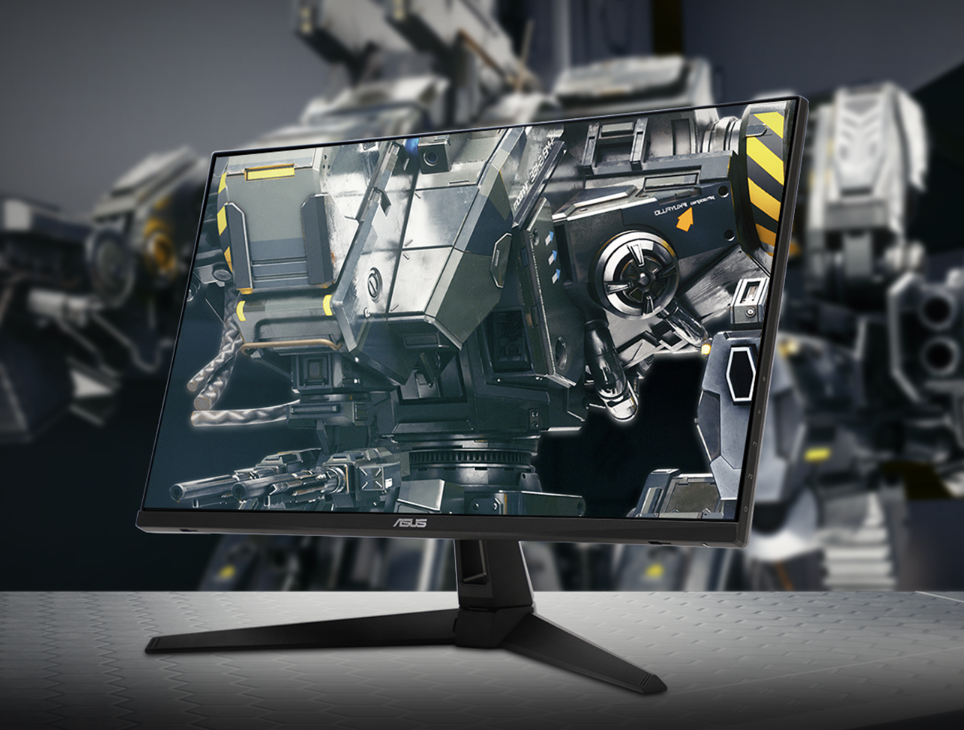
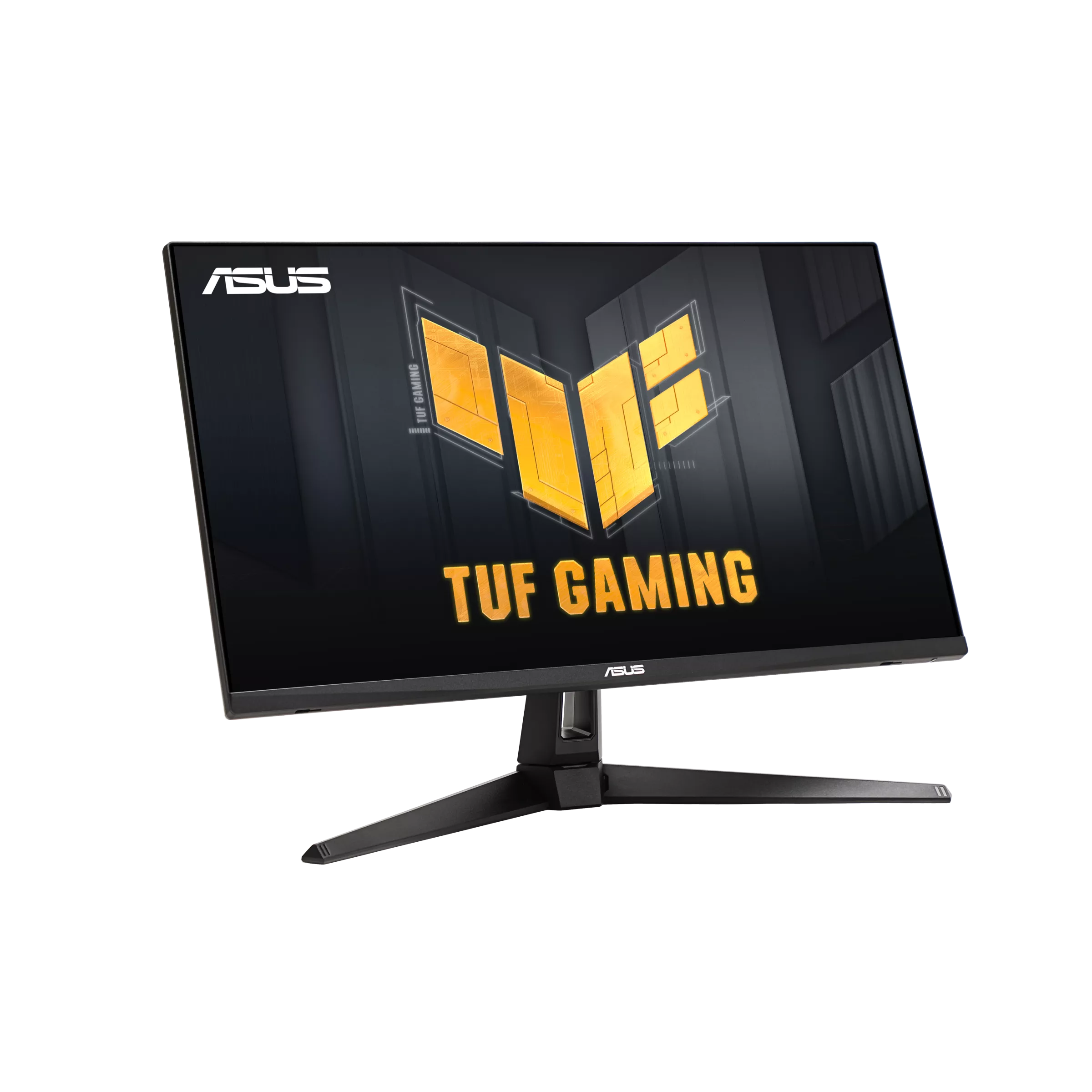
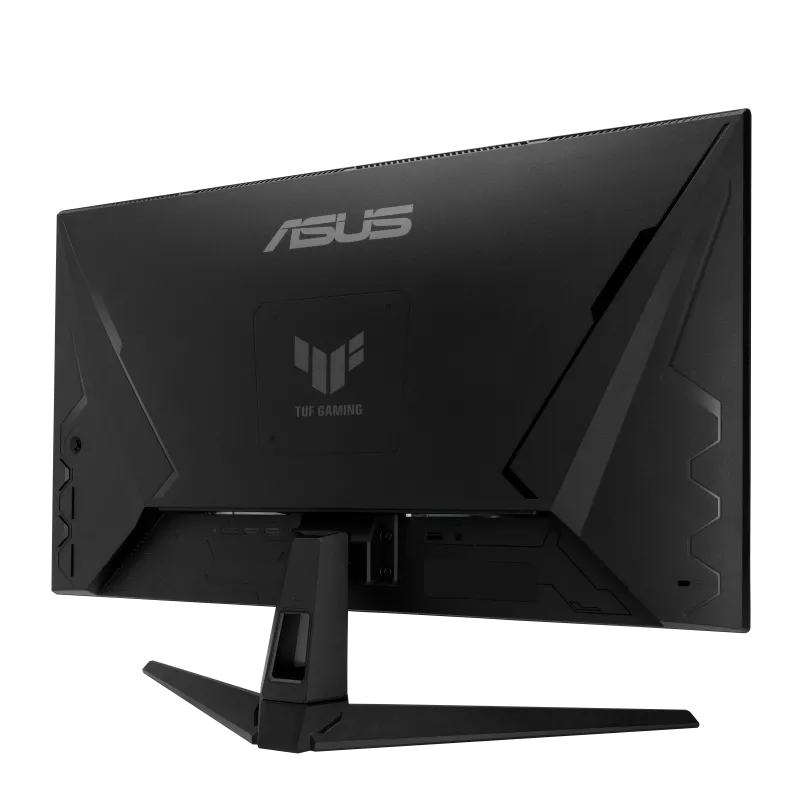
In a recent announcement, Asus introduced several fresh additions to its renowned ROG series of monitors. Among them were the impressive ROG Swift OLED PG47WDCD, the high-performance ROG Strix XG259QN, and the immersive ROG Swift PG38UQ monitor. Continuing to expand its product lineup, Asus has now revealed an affordable gaming monitor in their popular TUF series, known as the Asus TUF Gaming VG249Q3A.
Asus TUF Gaming VG249Q3A monitor specs
The Asus TUF Gaming VG249Q3A is an excellent option for gamers seeking a high-refresh-rate monitor with rapid response time. Boasting a 23.8-inch Full HD IPS panel, it delivers stunning visuals with a resolution of 1920 x 1080. With a refresh rate of 180Hz and a swift 1ms (GTG) response time, the monitor ensures smooth and blur-free motion during intense gaming sessions.
Enhancing the gaming experience, the monitor features ASUS Extreme Low Motion Blur (ELMB™) technology, which minimizes ghosting and motion blur by a remarkable 1ms. Additionally, AMD FreeSync™ Premium technology eliminates screen tearing and ensures a fluid gameplay experience with consistent frame rates.
With a wide 99% sRGB gamut, this monitor faithfully reproduces colors, making it an ideal choice for creative professionals and gamers who appreciate accurate and vibrant visuals. The adaptive-sync support dynamically adjusts the monitor’s refresh rate to match the graphics card’s frame rate, reducing stuttering and tearing for seamless gameplay.
The monitor also incorporates Shadow Boost technology, which intelligently brightens dark areas without sacrificing the visibility of bright areas. This feature enhances the details in shadows and dark scenes, allowing gamers to spot hidden elements with ease.
Having obtained VESA DisplayHDR 400 certification, the Asus TUF Gaming VG249Q3A is equipped to deliver high-quality HDR imagery, providing a more immersive and lifelike visual experience.
To protect the user’s eyes, the monitor incorporates flicker-free technology that eliminates flickering from the backlight, reducing eye strain during extended gaming sessions. Furthermore, the Blue Light Filter reduces the amount of emitted blue light, thereby minimizing eye fatigue.
The monitor’s ergonomic stand offers a range of adjustments, including tilt, swivel, height, and pivot, enabling users to find their optimal viewing position for maximum comfort during prolonged usage.
In terms of connectivity, the Asus TUF Gaming VG249Q3A features two HDMI ports and one DisplayPort input, providing flexibility for connecting multiple devices simultaneously.
While the pricing details of the monitor are still undisclosed, it is anticipated to become available in European markets during the third quarter of the year.
Xiaomi introduced the Xiaomi Civi 3 smartphone in China in May, marking their inaugural device to feature the Dimensity 8200-Ultra chipset. During its release, Xiaomi presented the Civi 3 in three different configurations, one of which boasts a storage capacity of 1 TB. While the other variants became available shortly after the Civi 3’s debut, the 1 TB storage model is available for purchase starting today in China.
As can be seen in the poster, the 1 TB variant of the Xiaomi Civi 3, which comes with 16 GB of RAM is priced at 2,999 Yuan (~$419). Its other variants, such as 12 GB RAM + 256 GB storage and 12 GB RAM + 512 GB storage, are priced at 2,499 Yuan (~$349) and 2,699 Yuan (~$377), respectively. The device comes in four colors: Rose Purple, Mint Green, Adventure Gold, and Coconut Ash.
Xiaomi Civi 3 1TB variant on sale
The Xiaomi Civi 3 is not available outside of China. It is speculated that the Civi 3 may launch with the Xiaomi 14 Lite name in the global market after a few months.
Xiaomi Civi 3 specifications
The Xiaomi Civi 3 has a 6.55-inch OLED display with curved edges and an in-screen fingerprint scanner. It supports an FHD+ resolution and a 120Hz refresh rate. The Dimensity 8200-Ultra powered device ships with LPDDR5 RAM and UFS 3.1 storage. The phone runs on Android 13 OS and MIUI 14.
Xiaomi Civi 3
The Civi 3 has a 32-megapixel (main) + 32-megapixel (ultra-wide) dual-camera system. On its back, it has a 50-megapixel (Sony IMX890, with OIS) + 8-megapixel (ultra-wide) + 2-megapixel (macro) triple camera unit. It houses a 4,500mAh battery with 67W fast charging support.
AI can create music from prompts using a combination of machine learning techniques and a vast dataset of pre-existing music. When given a text description of the desired music style, the AI algorithm analyzes patterns, structures, and characteristics from the dataset to generate a musical composition that aligns with the provided instructions. It learns the relationships between various musical elements such as melodies, harmonies, rhythms, and instrumentations and uses this knowledge to generate an original piece of music that reflects the desired style, mood, and genre. Through iterative training and fine-tuning, the AI becomes adept at creating compositions that resemble and emulate the musical styles it has learned from the dataset, offering a unique and AI-generated musical experience based on the given prompt. Now, Meta has done something of this sort, creating an AI that generates music based on prompts.
Meta’s MusicGen Library includes 10,000 high-quality Licensed Tracks
Considered the musical rendition of ChatGPT, MusicGen allows users to enter a brief text description of the type of music they want and the AI generates a 12-second track that aligns with their instructions. Although it may not replace the talents of musicians just yet, MusicGen offers a unique experience in the field.
While MusicGen’s instrumental capabilities are impressive, it’s important to note that the AI currently lacks vocal synthesis. MusicGen focuses solely on instrumentals (for now). This, however, doesn’t undermine the tool’s potential for creating decent background audio for videos or presentations. Who knows, a future update to MusicGen can include an option to generate vocals as well.
Meta’s commitment to legality is evident in their use of 10,000 high-quality licensed music tracks, combined with royalty-free songs from platforms like Shutterstock and Pond5. However, the growing popularity of generative AI has raised concerns about copyright infringement. Artists and labels have begun pursuing legal action against developers and platforms for the unauthorized use of their works. Meta may soon find itself in the crosshairs of these frustrated organizations as well. We’ll see how this fares for the company in the near future.
Skype is a popular communication platform that enables users to connect with others through voice and video calls, instant messaging, and file sharing. It was launched in 2003 and quickly gained worldwide recognition as one of the pioneers of internet-based communication. Skype allows individuals, businesses, and organizations to stay connected across different devices and operating systems, making it a versatile and accessible tool. With its user-friendly interface and reliable performance, it has been a go-to platform for personal and professional communication. The latest Skype Update fixes a lot of problems previously faced by its users while adding some new features to the application.
There is also an update for Bing Chat and Bing Toolbox
Among the notable additions is the ability to check real-time weather within the application, providing users with convenient access to weather information while staying connected. The call user interface has been enhanced to make it easier for users to differentiate between Skype and regular mobile phone calls. Additionally, Skype-to-Skype calls can now be directly added from the Calls tab, streamlining the calling experience. The Phone tab has been revamped to display essential details such as the user’s Skype number, credit balance, available international calling subscriptions, and Skype Credit top-up options.
Furthermore, the update brings improvements to Bing Chat, allowing users to click on prompts and seamlessly enter the chat interface with Bing, where they can explore related content. With each interaction and every Skype client launch, users will encounter different randomly displayed prompts.
The update also includes an upgrade to Bing Toolbox, located in the upper right corner of Bing Chat. Through Bing Toolbox, users gain access to an assortment of content spanning various fields such as education, social media, travel, creativity, entertainment, language, sports, and technology. This comprehensive toolbox enhances the versatility of the chat interface, providing users with an integrated platform to explore and discover relevant information while staying in touch with their connections on Skype.
Generative AI can summarize information for someone by utilizing its ability to understand and process large amounts of data. Through advanced natural language processing and machine learning techniques, generative AI can extract key points and relevant details from a given text or dataset. It then synthesizes this information into a concise and coherent summary, capturing the main ideas and important aspects while maintaining the context and overall meaning of the original content. By automating the summarization process, generative AI enables the efficient extraction of essential information, providing individuals with a condensed and easily digestible overview of the original material. Now Amazon seems like it wants to use this technology to assist its users as they shuffle through reviews on the website.
The AI-generated summary will be labelled so that Users are not Misdirected
Recent news unveiled Amazon’s latest experimental feature, integrated into their shopping app, which utilizes AI technology to summarize customer reviews, providing a quick overview of consumer sentiments towards specific products.
This feature employs AI algorithms to generate concise summaries of customer feedback, highlighting the aspects that users appreciate or find unfavourable about a particular item. With an indicating keyword accompanying these summaries, users will be informed about the source and reliability of the information.
Amazon’s spokesperson, Lindsay Shanahan, confirmed the ongoing testing of this feature, expressing the company’s dedication to extensive investments in generative AI across all their business avenues. Amazon has long been at the forefront of leveraging AI and machine learning to offer targeted advertisements and personalized recommendations. However, the recent surge in generative AI technology, popularized by OpenAI‘s ChatGPT chatbot, has sparked this renewed interest in AI experimentation worldwide.
This innovative approach not only streamlines the purchasing journey but also empowers customers with valuable insights into products they are considering, ultimately enhancing the overall customer experience. With Amazon CEO Andy Jassy affirming the potential of generative AI and large language models to revolutionize every aspect of customer interaction, this feature is a testament to Amazon’s commitment to continuous innovation and customer-centricity.
Infinix Note 30 VIP has gone official. It is the newest member of the Note 30 family, which already includes members like the Infinix Note 30i, the Note 30 (4G), the Note 30 5G, and the Note 30 Pro. The entire series focuses on delivering a top-notch charging experience. The Note 30 VIP arrived as a successor to the Note 12 VIP, which offered 120W fast charging. Here is all the information on the specifications, features, and price of the device.
Infinix Note 30 VIP specifications and features
Infinix Note 30 VIP
With a 5,000mAh battery inside, the Infinix Note 30 VIP packs 500mAh more battery than its predecessor. While the wired charging has been reduced to 68W charging, it offers an impressive 50W wireless charging.
The Note 30 VIP is also equipped with Infinix’s bypass charging technology. It allows charging current to bypass the battery at 30 percent and directly powers the motherboard, reducing overheating during charging and gaming. Infinix claims it can lower the temperature by 7 degrees. In addition, the battery of the Note 30 VIP exceeds the industry standard, retaining 80 percent capacity after 1,000 charge cycles, giving users peace of mind for at least 3 years.
Infinix Note 30 VIP
Moving on to the display, the Infinix Note 30 5G VIP features a 6.67-inch AMOLED FHD+ 120Hz display with a peak brightness of 900 nits. It is powered by the Dimensity 8050 chip, which is paired with 12 GB of RAM and 256 GB of built-in storage.
In terms of photography, the Note 30 VIP features a 32-megapixel front-facing camera. On the back, the device is equipped with a 10-megapixel primary camera and a pair of 2-megapixel snappers. It is equipped with other features, such as JBL-tuned dual speakers, an in-screen fingerprint scanner, a Z-axis linear motor, and an IP53-rated chassis.
Infinix Note 30 VIP price
The Infinix Note 30 VIP is priced at $299 in the global market. The device comes in two shades, such as Magic Black and Glacier Blue.
Twitter, which has been limiting features for users who don’t pay for the service, is now working on yet another feature that will restrict access to some features that are currently available for free of cost.
As per the latest news, the microblogging platform is working on limiting the number of direct messages or DMs that a user can send if that user isn’t a premium Twitter Blue subscriber.
It is being reported that the company will limit the number of DMs to 30 for the free users, which is currently set at 500 DMs per day. With such a move, it seems that the company aims to nudge users to become paid subscribers of Twitter Blue, a premium subscription service from the platform that offers more features.
Some of the features that are available to Twitter Blue subscribers include the ability to undo tweets, write longer tweets, pin tweets at the top of the profile, and access some of the exclusive content, among others.
It’s noteworthy that Twitter hasn’t officially announced this change of limiting the number of DMs for free users, but the feature appears to be currently under testing and could be rolled out in a few days.
Recently, it was confirmed by Elon Musk that the company is working on releasing an update that will restrict the ability to send DMs to only those who follow the sender. Only verified users or Twitter Blue subscribers will be able to send DMs to the users who are not following them.
OnePlus Nord 3 is expected to debut in markets like India and Europe in July. Reports have revealed that it will be a tweaked version of the OnePlus Ace 2V that was announced in China in March of this year. A new report by Winfuture.de has revealed many of the official images of the Nord 3 before its official announcement.
OnePlus Nord 3 design
OnePlus Nord 3
The leaked renders show that the OnePlus Nord 3 will have a punch-hole display on the front. On the back, the device will feature dual LED flash units and three cameras housed inside dual camera rings. Its top edge has a microphone, an IR blaster, and a speaker, and its opposite features a SIM slot, a microphone, a USB-C port, and a speaker. The left side of the phone features a volume rocker, whereas its right edge is equipped with an alert slider and a power key.
OnePlus Nord 3 specifications (rumored)
The OnePlus Nord 3 is equipped with a 16-megapixel front camera and a triple camera unit consisting of a 50-megapixel main camera (with OIS), an 8-megapixel ultra-wide camera, and a 2-megapixel macro camera. In contrast, the Ace 2V features a 64-megapixel primary camera with OIS. Other specifications are reported to be the same for both phones.
The Nord 3 will feature a 6.74-inch AMOLED display that supports an FHD+ resolution of 2772 x 1240 pixels and a 120Hz refresh rate. It will be powered by the Dimensity 9000 chipset and have up to 16 GB of RAM. It will arrive with 128 GB / 256 GB of storage and pack a 5,000mAh battery with 18W charging. For security, it has an under-display fingerprint scanner.
The OnePlus Nord 3’s price is not known yet. The report claims that, although the device will arrive in Europe, it will not be available in Germany due to an ongoing dispute with Nokia. According to tipster Snoopy Tech, the Nord 3 will arrive in two configurations, such as 8 GB RAM + 128 GB storage and 16 GB RAM + 256 GB storage. As can be seen in the leaked renders, it will be available in black and green colors.
We use cookies on our website to give you the most relevant experience by remembering your preferences and repeat visits. By clicking “Accept”, you consent to the use of ALL the cookies.
This website uses cookies to improve your experience while you navigate through the website. Out of these, the cookies that are categorized as necessary are stored on your browser as they are essential for the working of basic functionalities of the website. We also use third-party cookies that help us analyze and understand how you use this website. These cookies will be stored in your browser only with your consent. You also have the option to opt-out of these cookies. But opting out of some of these cookies may affect your browsing experience.
Necessary cookies are absolutely essential for the website to function properly. This category only includes cookies that ensures basic functionalities and security features of the website. These cookies do not store any personal information.
Any cookies that may not be particularly necessary for the website to function and is used specifically to collect user personal data via analytics, ads, other embedded contents are termed as non-necessary cookies. It is mandatory to procure user consent prior to running these cookies on your website.