Humankind has always been fascinated with space, and it seems that as soon as we figured out how to leave orbit, we started sending things up there. It began with animals, and soon we even sent Luke Skywalker’s lightsaber up there (Via NASA), although some might argue it belongs there. More recently, Chinese astronauts have taken the flagship Huawei P50 Pro to space and have seized the opportunity to share some selfies as well. Let’s take a look.
Huawei P50 Pro says Hi from the Space
The Huawei P50 Pro smartphone recently made its way to space, specifically to the International Space Station (via Huawei Central). A Chinese astronaut, presumably responsible for taking the phone there, shared some pictures from the Space Station, showcasing the P50 Pro in his hand. The dual camera ring design of the phone is clearly visible in the images.
These images might suggest that the smartphone is capable of functioning even in space, but that is unlikely. Modern smartphones are designed to be used in Earth’s atmosphere, and while certain functions like the camera and touch may work, there is no chance for signal reception and calling. Also, the phone is pictured within a controlled atmosphere of the space station. Take it to outer space and it will likely destroy itself with its own heat due to lack of cooling.
To remind you, the Huawei P50 Pro was launched in July 2021 with 4G connectivity. It gets a 6.6-inch OLED display with a 120 Hz refresh rate screen and 300Hz touch sampling rate. The device is powered by Qualcomm Snapdragon 888 4G processor and runs pre-installed EMUI 12 out of the box. Fueled by a 4360mAh battery, the handset supports 66W wired and 50W wireless charging.
Artificial intelligence technology is constantly evolving. One of the most visible examples of this is in the chatbots we use in our daily lives. Google Bard is one such AI bot, and it recently received a major update. This update allows Bard to curate and display relevant images in response to user queries. This new feature is a significant improvement over previous versions of Bard, which only provided text-based responses. Here are the details…
Google Bard Image-Based Response Feature Helps Users Find Information Faster and Easier
Google Bard has received a major update that allows it to curate and display relevant images based on user queries. This new feature is a significant improvement over previous versions of Bard, which only provided text-based responses. Images can be used to provide a visual representation of concepts and ideas, which can be helpful for understanding complex topics.
For example, if a user is searching for information about a historical event, Bard can display images of the event, such as photographs or paintings. This can help users to better understand the event and its significance.
The new image-based response feature is available in English at this time, but Google plans to expand support for other languages in the future. The feature is also currently in beta, so it may not always be available or may not work perfectly. However, it is a promising new development that has the potential to make Bard a more powerful and versatile tool. So How does it work?
Bard’s image-based response feature is powered by Google’s vast image database. When a user asks a question, Bard searches the database for relevant images. Bard then displays the images to the user, along with a brief description of each image.
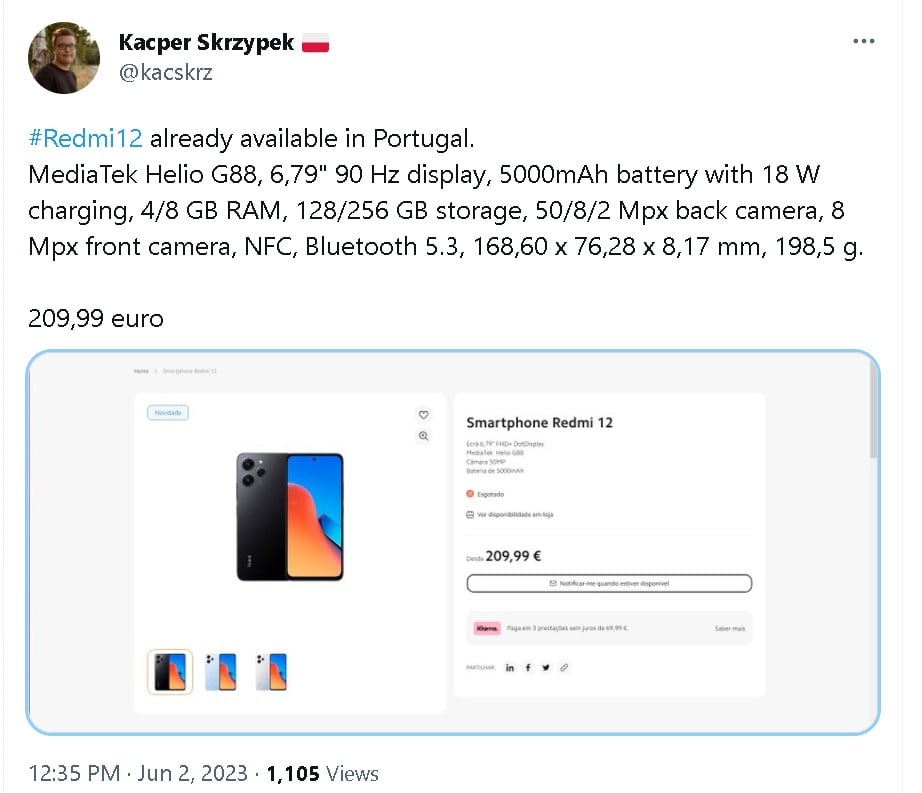
Redmi 12 has been spotted on Xiaomi’s Portugal website. The listing reveals the key specifications and the pricing of the smartphone. It was spotted by Kacper Skrzypek. It’s worth noting that Xiaomi has not officially revealed the details of the device. The Redmi 12 is expected to be the successor of the last year’s Redmi 11. Read on to know what the listing reveals.
Redmi 12 specifications and features
The Redmi 12 comes with a 6.79-inch display bearing a center-aligned punch-hole cutout. It bears an FHD+ resolution and a 90Hz refresh rate. The device features a side-mounted fingerprint scanner embedded in the power button. The back panel of the phone has three camera sensors and an LED flash unit without any camera module.
On the imaging front, the Redmi 12’s triple rear camera setup comprises a 50MP main sensor paired with 8MP and 2MP lenses. Up front, there is an 8MP selfie snapper.
Under the hood, the Redmi 12 is equipped with a MediaTek Helio G88 processor. It is offered in 4GB and 8GB RAM options along with 128GB and 256GB storage variants. The smartphone draws its power from a 5,000mAh battery unit with support for 18W fast charging. Software-wise, it runs on Android 13 OS out of the box.
In Portugal, the Redmi 12 is listed with a price tag of €209.99 and we assume this is for the base variant. The smartphone is offered in Blue, Silver, and Black color options. It is not available for sale yet.
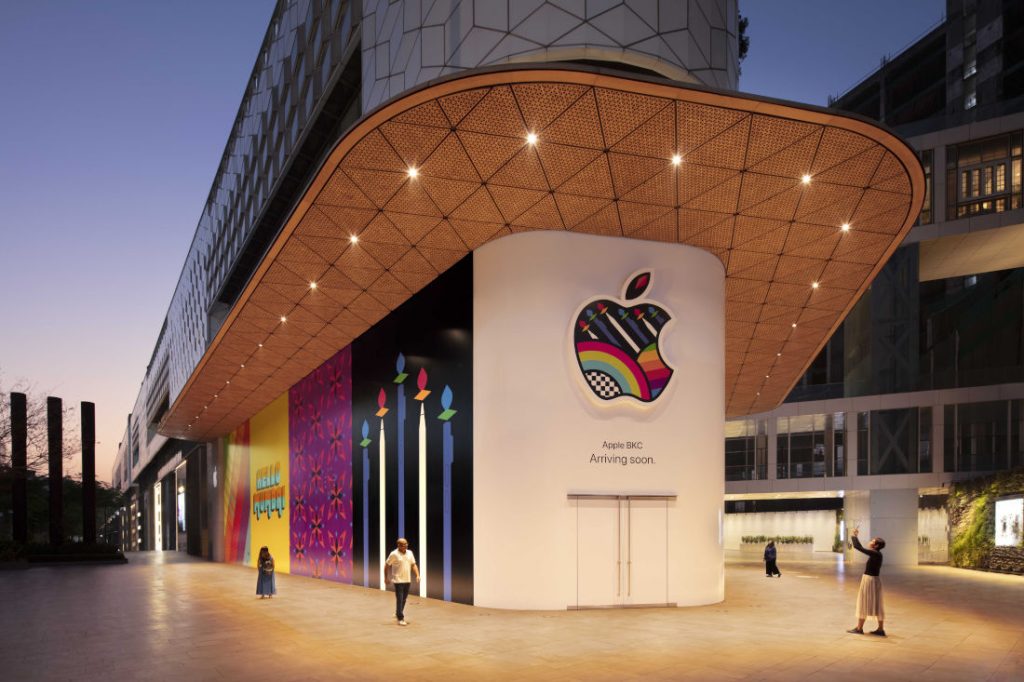
Apple opened two retail stores in India in April this year. These located at Mumbai’s BKC and Delhi’s Saket received a strong response from customers. As per a recent report, the Cupertino-based tech giant’s newly established retail stores have generated billings worth ranging between 22 – 25 crores already. In a new development, Apple is planning on bolstering its offline footprint with new stores in the country.
Apple plans to open three new stores in India
As per Bloomberg’s Mark Gurman, over the course of the next four years, Apple is planning to open, relocate, and revamp a total of 53 stores globally. Out of this, the brand is reportedly looking to expand its retail chain with 27 new stores. The company aims to double down on the markets in the Asia-Pacific region.
As for the Indian market, Apple plans to open three physical stores in the country in the next few years. These will be established in Mumbai and Delhi. The company has shortlisted the locations for the new stores. The third Apple store is expected to be opened in Mumbai’s Borivali in 2025. The fourth store is planned to be in Delhi in DLF Promenade Mall in 2026. It is also said to be the brand’s second-largest retail store in India after Apple BKC. Lastly, the fifth store is reported to come up in Mumbai’s Worli area in 2027.
Going by the timeline, it seems that Apple will be launching three back-to-back offline stores in India from 2025 – 2027.
Apple has been breaking records in the Indian market as the brand also saw an all-time iPhone revenue record in the country. Apple’s retail expansion in India seems to be a part of its bigger plan as the company is also pushing to ramp up iPhone manufacturing in the country.
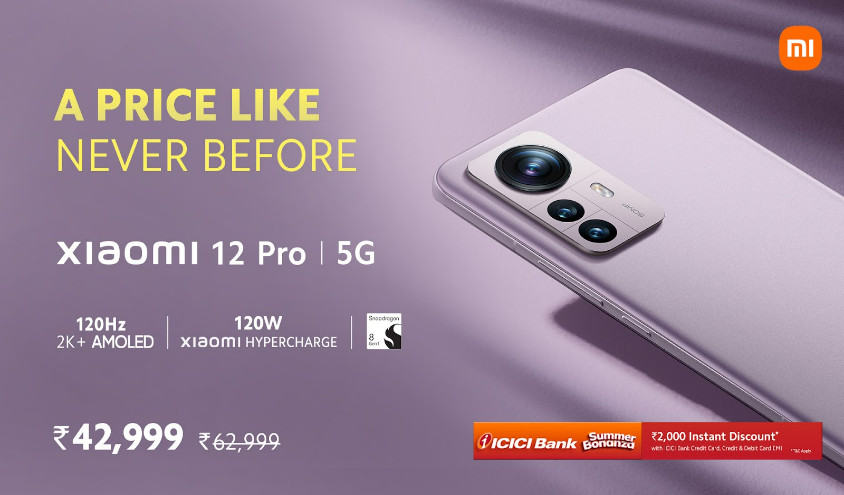
Yesterday, Xiaomi permanently slashed the price of the Redmi K50i and Redmi Note 12 5G. Now the Chinese brand has announced a permanent price cut on the Xiaomi 12 Pro and Redmi 12C smartphones. The flagship Xiaomi 12 Pro is getting the second price cut after the first one of Rs 10,000 earlier this year when its successor i.e. the Xiaomi 13 Pro debuted in the country. Read on to know the revised prices below.
Xiaomi 12 Pro and Redmi 12C get a permanent price cut
Post the first price cut in February this year, the Xiaomi 12 Pro’s price has been slashed permanently for the second time. This time, the smartphone’s price has been reduced by Rs 8,000 on both RAM and storage configurations. The revised price is also reflected on the brand’s official website as well as on Amazon.
The Xiaomi 12 Pro 8GB + 128GB and 12GB + 256GB variants were available for Rs 52,999 and Rs 56,999 respectively. These are now priced at Rs 44,999 and Rs 48,999 respectively. Additionally, Xiaomi is also offering flat Rs 2,000 instant discount for ICICI, HDFC, SBI, and Axis Bank credit cardholders. There is also Rs 2,000 additional exchange bonus above the base value of old smartphone. This should bring down the effective price of the Xiaomi 12 Pro.
The Redmi 12C was launched in March this year. The 4GB + 64GB and 6GB + 128GB options were priced at Rs 8,999 and Rs 10,999. Only the base variant has got a price cut of Rs 200 making it available for purchase at Rs 8,799.
In an effort to boost sales and generate excitement around its latest flagship products, Apple hosted an exclusive live-stream shopping event in China. The event aimed to showcase the highly anticipated iPhone 14 and other products and offer exclusive discounts to Chinese consumers. This innovative approach to marketing highlights the growing popularity of live-streamed shopping events in the retail industry.
In sync with China’s highly anticipated ‘618’ shopping festival, which is regarded as the country’s second most significant e-commerce event following Singles’ Day, Apple strategically planned its live-streamed shopping event. The timing aligns with the festival’s momentum, allowing Apple to capitalize on the heightened consumer enthusiasm and spending during this period.
Apple made its debut on Tmall, going live on May 31, at 7 p.m. China time. The event showcased a lineup of 24 of Apple’s newest products, featuring highlights such as the iPhone 14 Pro, Apple Watch, and AirPods.
The live-streamed event on Tmall drew an impressive viewership of around 1.3 million, indicating a strong interest among the audience. Additionally, the studio received an overwhelming response with approximately 300,000 likes, reflecting the positive reception from viewers. These numbers highlight the significant engagement and enthusiasm generated by Apple’s first-ever live-streamed sales event in China.
This live event acted as a teaser, building anticipation among consumers and setting the stage for Apple’s participation in the ‘618’ Shopping Bonanza. For the e-gala event, Apple has made extensive preparations by stocking up on a wide range of iPhone models. The brand has allocated almost 550,000 units of iPhone 14 Pro and 14 Pro Max, along with 190,000 units of iPhone 14 and iPhone 14 Plus. Additionally, they have ensured the availability of over 50,000 units of iPhone 13 and 13 mini.
This ample stock of iPhones showcases Apple’s anticipated demand during the e-gala and ensures that the customers have ample choices and options to explore during the shopping extravaganza.
As part of the festival promotions, Apple is providing attractive discounts on its products. Customers can avail of a discount of CNY1,500 (USD211) on the iPhone 14 Pro. Furthermore, Apple is reducing the prices of the iPhone 14 Pro 128GB and the iPhone 14 128GB by CNY1,000. In addition to the iPhones, the Apple Watch Series 8 is also being offered at a discounted price, with a reduction of CNY400.
These enticing discounts, as listed on Apple’s Tmall store, are aimed at attracting customers and boosting sales during the festival period. It presents an opportunity for consumers to purchase Apple’s latest offerings at more affordable prices, further enhancing their shopping experience.
With revenue of approximately US$17.8 billion in the first quarter for the Greater China region, Apple experienced a slight decline of nearly 3 percent compared to the previous year. However, the tech giant’s participation in the ‘618’ shopping festival through its innovative live-streamed event signifies its commitment to reigniting growth and engaging Chinese consumers, as it aims to boost sales.
What is Live Stream Shopping?
China’s live-streaming shopping trend is experiencing a remarkable surge in popularity, with consumers increasingly turning to online platforms to shop for a wide range of products. In this unique retail format, e-commerce platforms collaborate with live streamers, who showcase products and engage with viewers in real time, creating an interactive shopping experience. This innovative approach has revolutionized the way consumers shop, as they can conveniently browse, ask questions, and make purchases without leaving their homes.
With China’s live-streaming shopping market showing no signs of slowing down, it is expected to continue reshaping the retail landscape in the years to come.
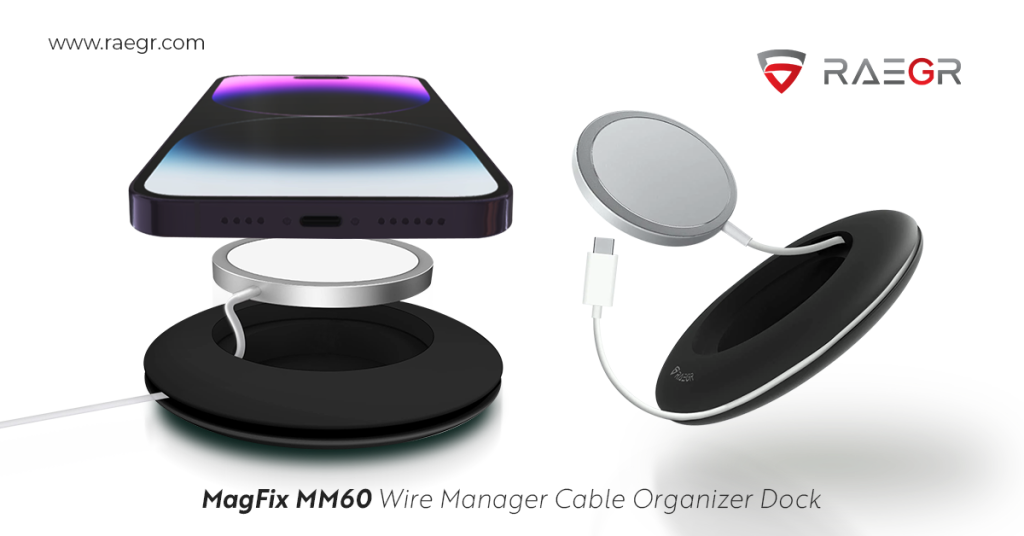
RAEGR has launched a new device in India. The latest offering from the accessory maker is the MagFix MM60 Cable Organizer Dock. It is a silicone protective case that is compatible only with Apple MagSafe chargers. Read on to know more about the device below.
RAEGR MagFix MM60 Cable Organizer Dock features
The RAEGR MagFix MM60 is a circular-shaped dock with a high-quality silicone protective case. It is comfortable to touch, does not slip, and can be washed thoroughly. The case features a compact form factor and weighs just 36 grams making it easy to carry everywhere. The housing of the dock is in such a way that it ensures the highest level of compatibility with the MagSafe charger. The silicon bracket also makes the MagSafe sit with a better grip on the tables.
The RAEGR MagFix MM60 Cable Organizer Dock also has a space inside the groove for the cable that is not in use to be tucked away. This ensures that the cable remains untangled and free from damage. The dock also ensures that the charger remains safe from any damage.
Alongside Apple’s MagSafe charger, the RAEGR MagFix MM60 Cable Organizer Dock is also compatible with RAEGR MagFix Arc M920. The brand says that the charger case is fully protected to ensure stable performance and long-lasting service. It will not interfere with the performance of the charger.
The RAEGR MagFix MM60 Cable Organizer Dock carries a price tag of Rs 799. It is available for purchase from the brand’s official website and Amazon.
The Samsung Galaxy S23 Ultra is one of the best Android smartphones on the market. It has a lot of features and is priced to reflect its status as a flagship device. In the USA, it costs $1199.99. We believe that the value of the phone exceeds its cost. However, recent research shows that the cost to Samsung to produce the phone is much lower than we might think. Here are the details…
Samsung Galaxy S23 Ultra Costs a Fraction of Its Retail Price
Before we get started, it’s important to understand that there’s a big difference between the cost of making a smartphone and the price that consumers pay for it. When calculating the cost of making a phone only cost of parts and materials is considered. However, other factors such as R-D logistics, marketing, personnel costs, and pre and post-sales services are not included. So, before you accuse Samsung of having a high profit margin on their phones, keep all of these factors in mind.
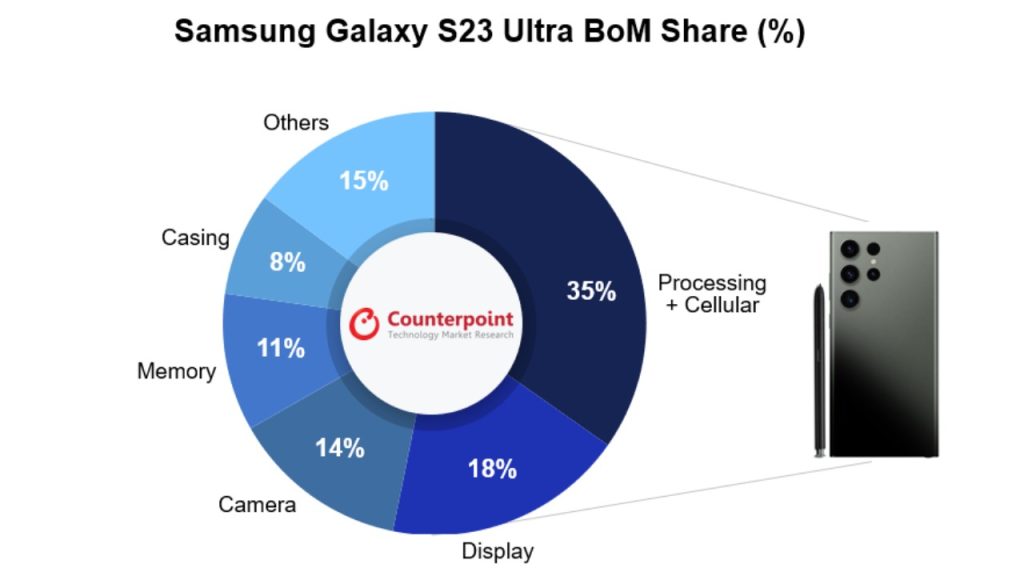
According to the latest reports, the total cost of materials for the base model of the Galaxy S23 Ultra is $469. This includes the cost of the SoC, display, camera, memory, and other components. The report also breaks down the cost of each component in more detail. The SoC, which is the brain of the phone, accounts for the largest share of the cost, at $35. The display comes in second at $28, followed by the camera at $25. Memory and other components make up the remaining costs.
So, why does the Galaxy S23 Ultra cost so much? The answer is simple: it’s a premium device that’s packed with cutting-edge technology. The high-performance SoC, large and bright display, and powerful camera system all contribute to the high price tag.
BYD the Shenzhen-based electric vehicle (EV) manufacturer, achieved a remarkable milestone in May, delivering a total of 240,220 electric cars. This figure surpasses the company’s previous record of 235,200 units set in December.
This notable feat includes both electric vehicles (EVs) and plug-in hybrid electric vehicles (PHEVs). The popularity of the BYD Dolphin model played a significant role in this success, as sales soared by an impressive 377% year-over-year to reach 30,679 units. The surge in demand for the Dolphin reflects the growing preference for eco-friendly transportation options among consumers and is a testament to BYD’s strong position in the EV market and the increasing demand for electric vehicles in China.
Also continuing its impressive streak, Li Auto, the leading premium electric vehicle (EV) manufacturer in mainland China, achieved a new sales record for the second consecutive month. In May, the Beijing-based automaker delivered a remarkable 28,277 units to domestic customers. This accomplishment follows their previous sales milestone of 25,681 units in April, making Li Auto the first homegrown premium EV maker to surpass the 25,000 mark.
In May, Guangzhou-based Xpeng reported a notable increase in deliveries, with a total of 6,658 cars being handed over to customers. This represents an 8.2 percent rise compared to the previous month. Among the major electric vehicle (EV) manufacturers in China, Nio was the only one to observe a month-on-month decrease, with sales dropping by 5.7 percent to 7,079 units.
The varying sales performances of these two prominent EV builders highlight the dynamic nature of the Chinese EV market and the competition among manufacturers to secure a larger share of the growing demand.
Why are EV makers in China giving up on the Price War?
Last month, both BYD and Li Auto decided to discontinue offering discounts on their vehicles, marking the end of a price war that originated from Tesla’s actions in October. These two prominent Chinese automakers were previously involved in the competitive pricing battle, but have now chosen to shift their strategies and move away from aggressive discounts.
In late October and early January of this year, Tesla ignited a price war by offering significant discounts on its Shanghai-produced Model 3 and Model Y vehicles. The situation escalated further in March and April when several companies went as far as slashing prices by up to 40 percent on their vehicles.
Surprisingly, the lowered prices did not result in an increase in sales as anticipated by the carmakers. Instead, budget-conscious consumers opted to postpone their purchases, anticipating further price reductions in the future. This response from consumers highlights the complex dynamics of the Chinese market and the cautious approach taken by buyers who are keen on securing the best deal possible.
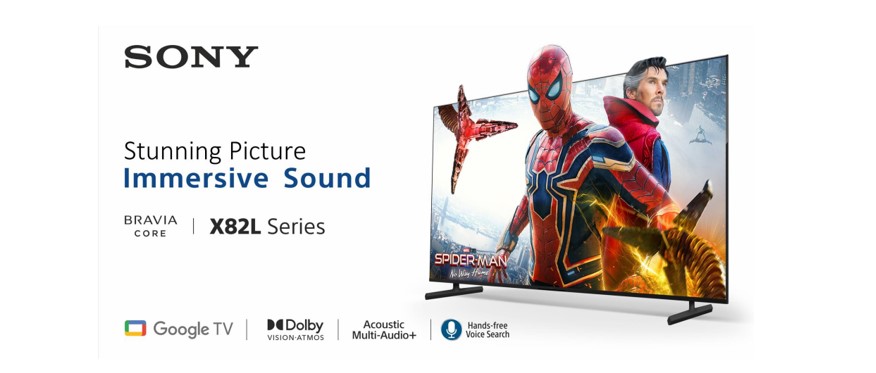
Sony has launched the Bravia X82L TV series in India. In April this year, the brand announced the Bravia X70L, X75L, and X80L televisions in the country. The latest X82L televisions come with flagship specifications and features. Read on to know what they offer out of the box.
Sony Bravia X82L TVs specifications and features
The Sony Bravia X82L televisions come in 55, 65, and 75-inch screen sizes. It offers a 4K resolution and support for HDR formats. There is a 4K HDR picture engine and Triluminous Pro algorithm. The televisions are IMAX Enhanced certified that offer stunning visuals and immersive sound experience.
On the audio front, the Sony Bravia X82L is equipped with an X-balanced speaker with Dolby Atmos and spatial sound. The televisions feature X-Protection PRO technology that are dust and humidity resistant as well as safeguarded against lightning strikes and power surges.
The Sony Bravia X82L is equipped with a 4K HDR picture engine. The Bravia Core app provides access to a large library of Sony Picture’s movies that are available to stream in near 4K Blu-ray technology with Pure Stream. The TVs feature variable refresh rate, auto-low latency mode (ALLM), auto HDR tone mapping, and game mode with PS5 for an immersive gaming experience. There is Bravia Cam that offers gesture controls, proximity alerts, and protected privacy. The Bravia X82L runs on Google TV OS with hands-free voice search and access to apps and games. There is also support for Chromecast, Apple AirPlay, and HomeKit.
Connectivity options on the Sony Bravia X82L include four HDMI 2.1 ports, an Ethernet port, two USB ports, and a headphone jack.
The 55-inch Sony Bravia X82L is priced at Rs 91,990 whereas the 65-inch variant costs Rs 1,24,990. The price of the 75-inch model has not been announced yet. The televisions are already available for purchase from Sony centres, major electronics store, and e-commerce portals.
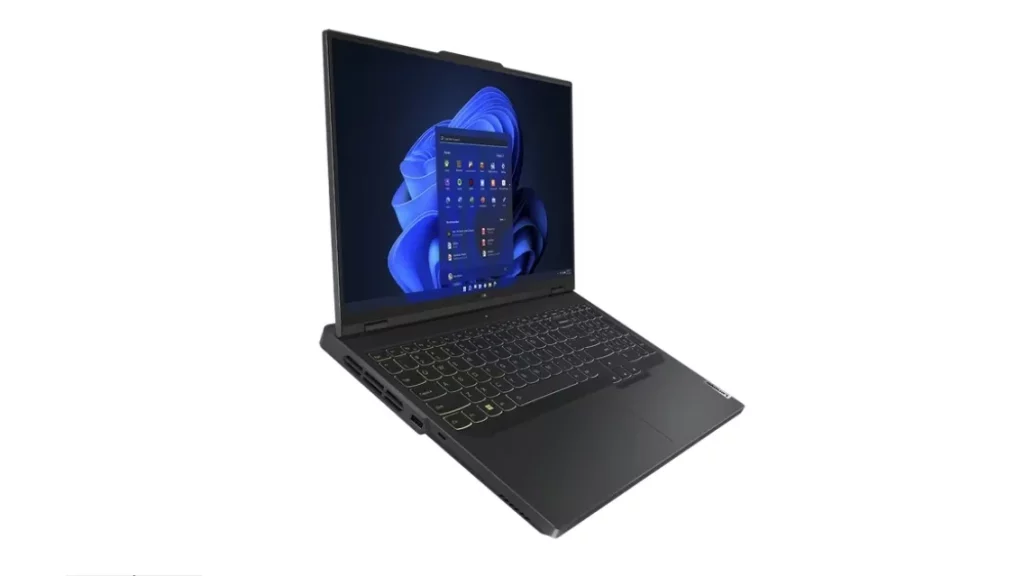
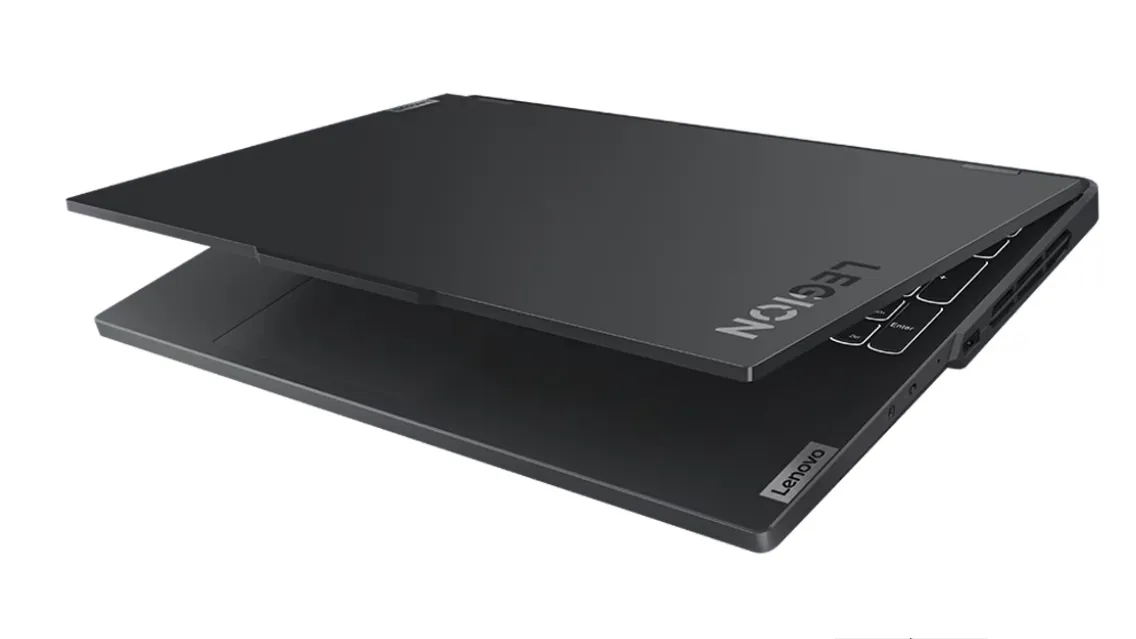
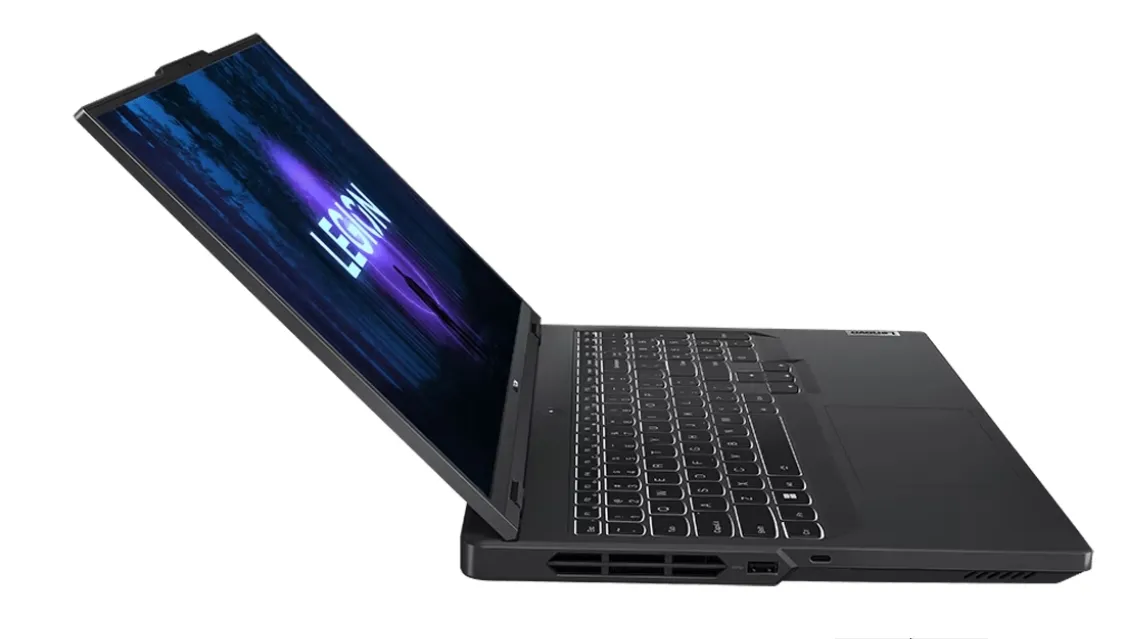
Lenovo recently launched the Blade 7000K 2023 desktop PC in China. The brand has now launched the latest Lenovo Legion Pro gaming laptops in India. The lineup has a total of four models: Legion Pro 7i, Legion Pro 7, Legion Pro 5i, and Legion Pro 5. Let’s explore them in detail.
One notable aspect of the series is the customization option available to buyers, allowing them to personalize their configurations according to their preferences. The Legion Pro 5i serves as the most affordable variant, with a starting price of Rs. 1,72,990, while the Legion Pro 7i begins at Rs. 2,86,200.
The Legion Pro 7i and Pro 7 models offer higher performance compared to the others, featuring options for up to 13th Gen Intel Core i9-13900HX or AMD Ryzen 9 7000 processors. These models also come with NVIDIA GeForce RTX 4090 Laptop GPU with 16GB GDDR6 memory and support up to 32GB DDR5 RAM.
On the other hand, the Legion Pro 5i and Pro 5 gaming laptops are equipped with up to 13th Gen Intel Core i7-13700HX or AMD Ryzen 7 7745HX CPUs. They offer up to 32GB DDR5 RAM and up to GeForce RTX 4070 Laptop GPU with 8GB GDDR6 memory.
To enhance the gaming experience, the laptops feature the Lenovo Legion AI Engine+, powered by the LA-2Q AI chip. This technology optimizes gameplay by leveraging system sensors to maximize FPS and improve performance over time.
The laptops come with a 16-inch IPS display boasting a resolution of 2560 x 1660 pixels, a 240Hz variable refresh rate, and 500 nits brightness. Additional features include support for 100% RGB, Dolby Vision, and NVIDIA G-SYNC, providing gamers with vibrant visuals. Storage options include up to 2TB of SSD storage, and the laptops come preloaded with Windows 11 Pro.
In terms of connectivity, the laptops offer various ports including USB-C 3.2 Gen 2, USB-A 3.2 Gen 1, HDMI 2.1, and Ethernet (RJ45) ports, catering to different connectivity needs.
Pricing & availability
The Legion Pro 5i laptops are available at a starting price of Rs. 1,72,990, making them the most affordable option in the series. On the other hand, the Legion Pro 7i laptops begin at Rs. 2,86,200 for the base model.
Three brands have confirmed to launch new smartphones in the next few days. One of them will debut a premium model, while the remaining two will announce mid-range handsets.
The companies we are talking about are Xiaomi, Realme, and Samsung. The latter two will release their new phones in India. On the other hand, the former will be announcing its device for multiple international markets.
Except for the Samsung phone, the other ones are already official. These devices are expected to be the same as their original variants sold in China.
With that out of the way, let’s take a look at all the handsets launching in the next few days.
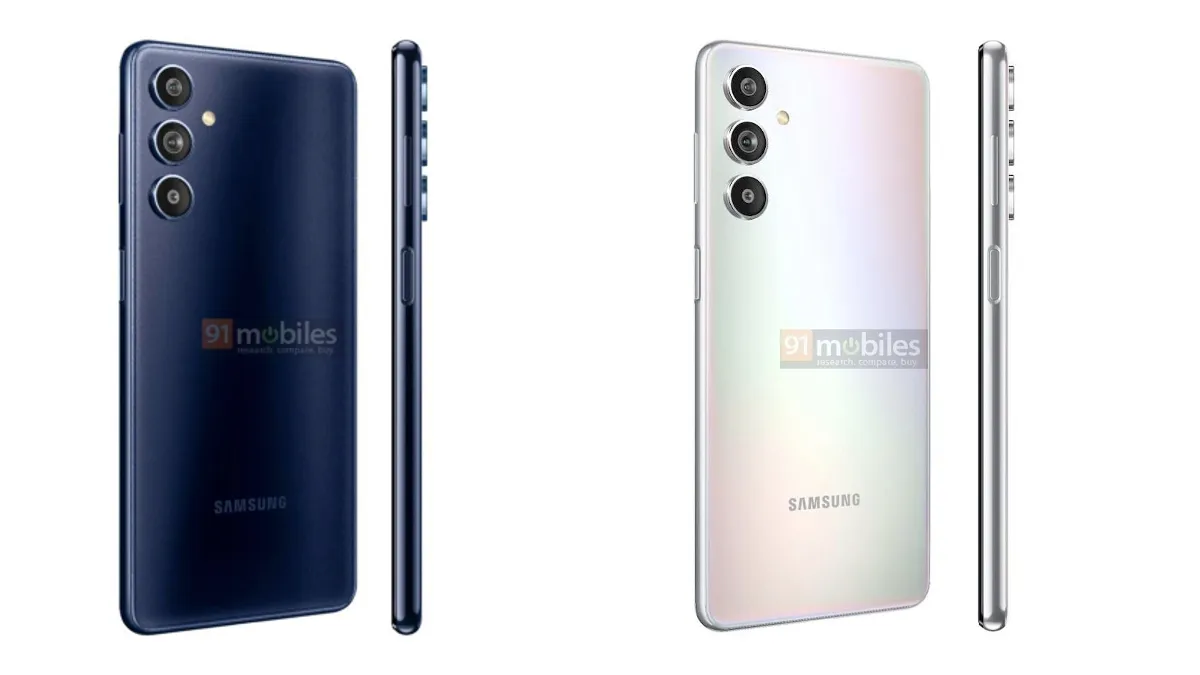
The Samsung Galaxy F54 is scheduled to launch in India on June 6 (Tuesday) at 3 PM IST. As per leaks and teasers, the phone will be a rebranded Galaxy M54.
The device will arrive with a 6.7-inch 120Hz Super AMOLED Plus display, an Exynos 1380 chip, a 6,000mAh battery, and 25W charging support. It will feature a 108MP primary camera, a side-mounted fingerprint sensor, and a microSD card slot.
Interestingly, the handset is said to receive 4 Android updates and 5 years of security updates.
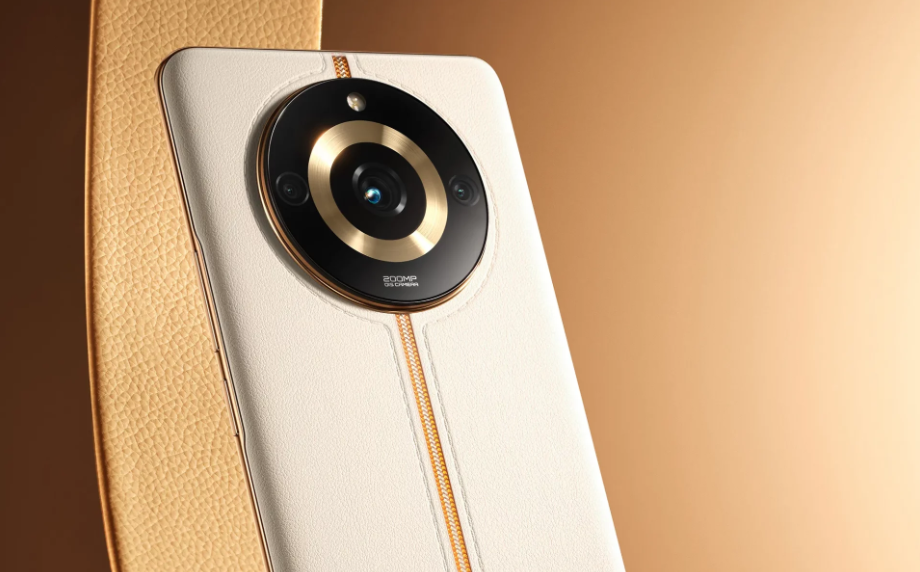
The duo comes with a 120Hz curved OLED display, a MediaTek Dimensity 7050 SoC, dual stereo speakers, an in-screen fingerprint sensor, and a 5,000mAh battery. The two phones come in optional leather versions.
Finally, the pro plus offers a 200MP camera and 100W charging compared to a 100MP camera and 67W charging on the pro.
3. Xiaomi 13 Ultra
The Xiaomi 13 Ultra will be announced for global markets on June 8 (Thursday). It is the most-premium slab smartphone from Xiaomi to date.
The handset arrives with a 120Hz LTPO QHD+ OLED display, a Qualcomm Snapdragon 8 Gen 2 chipset, an IP68 rating (dust and water resistance), dual stereo speaker, and USB 3.2 (Type-C). It is backed by a 5,000mAh battery with support for 90W wired charging, 50W wireless charging, and 10W reverse wireless charging.
Most importantly, the smartphone sports a Leica-powered quad-camera system. This setup comprises a 50MP 1-inch main sensor and three other 50MP sensors for ultrawide/macro, 3.2x telephoto, and 5x periscope.
Do you remember the Dangbei Mars Pro we tested a year ago? It was not only impressive as a laser projector but surprisingly cheaper than other laser models. But after all, it’s still a high-end projector with a decent build and excellent performance, and there are still many people who’re more looking at budget projectors.
For those who need a not-that-pricy projector, today I would like to introduce you to the Dangbei Neo Smart Projector: a lightweight, compact, Netflix Officially Licensed, and much cheaper projector than Mars Pro. I think this projector will probably be the choice of most people.
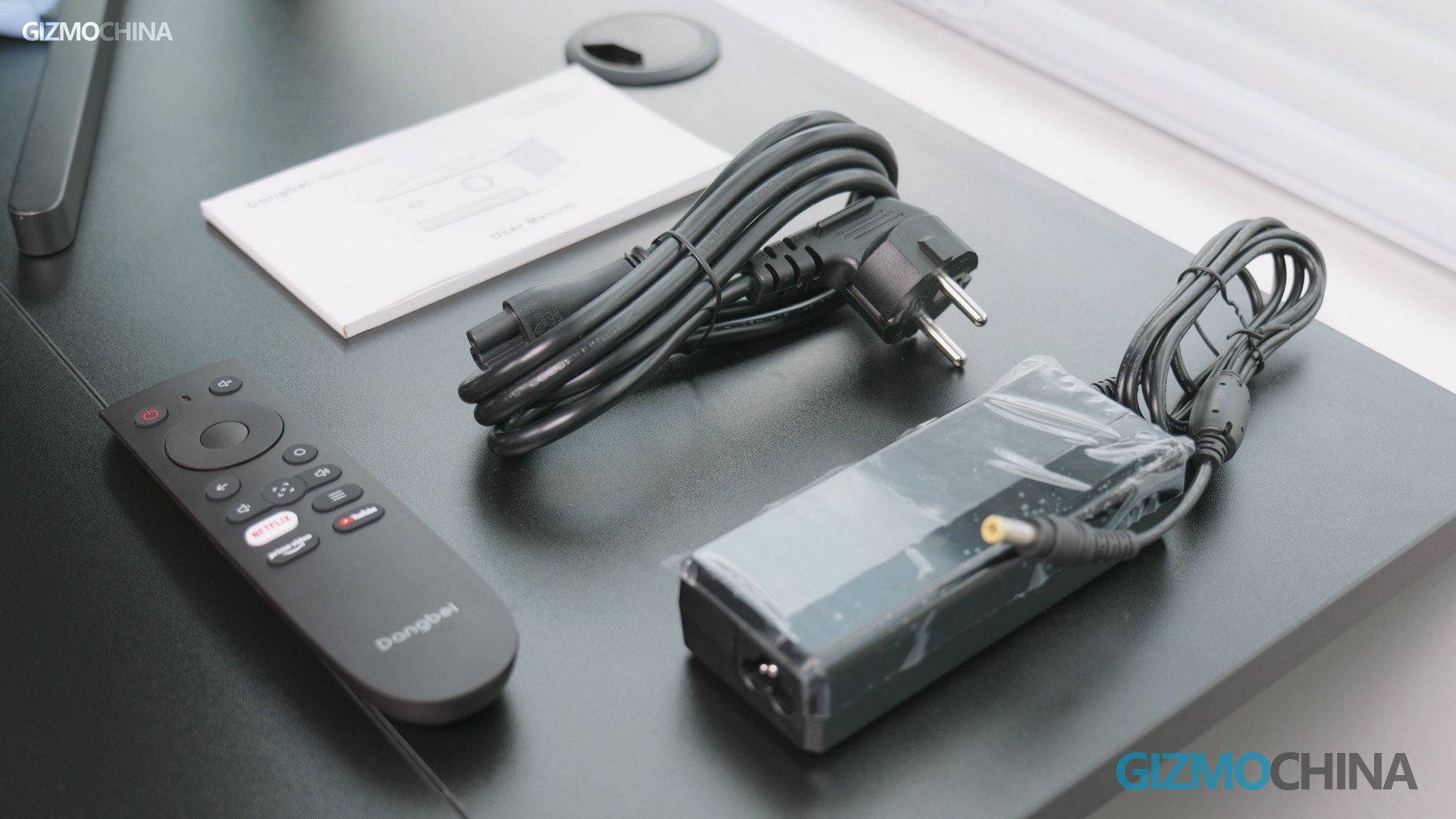
Because Dangbei Neo is not Dangbei’s most high-end projector model, the package offers the most basic accessories. A manual, a power cable, a power ad, an apter and a remote control.
Design
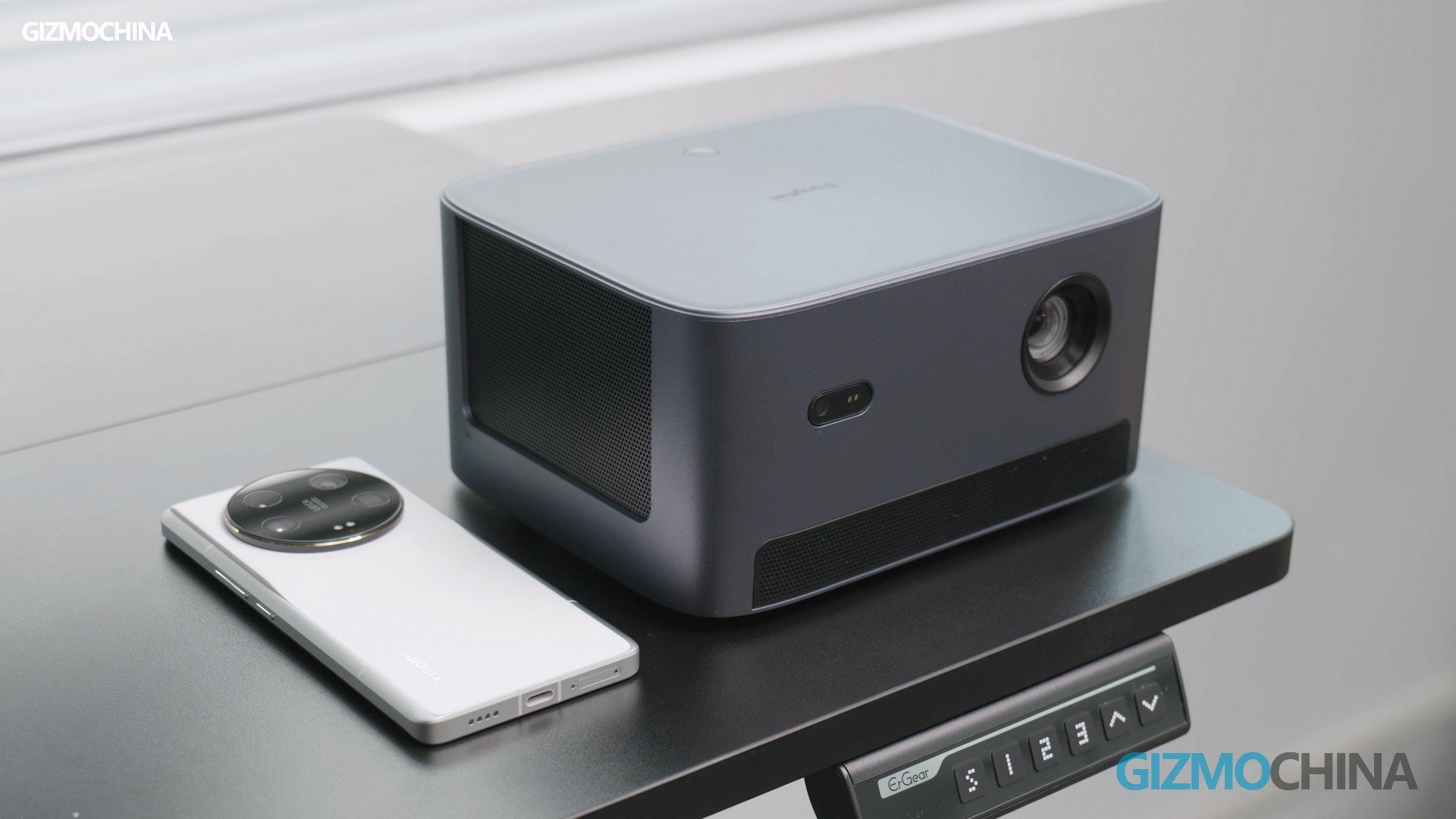
When you look at the Dangbei Neo, you should easily guess its main selling point, portability. The small size allows you to take it with you wherever you go. With a size of about two cell phones plus a weight of 1.4kg, I can easily lift it with one hand. Even if you stuffed it into your backpack, it wouldn’t be a burden to you at all. I think it would be a lot of fun if we carry it out for camping, such as watching films with it at a field party.
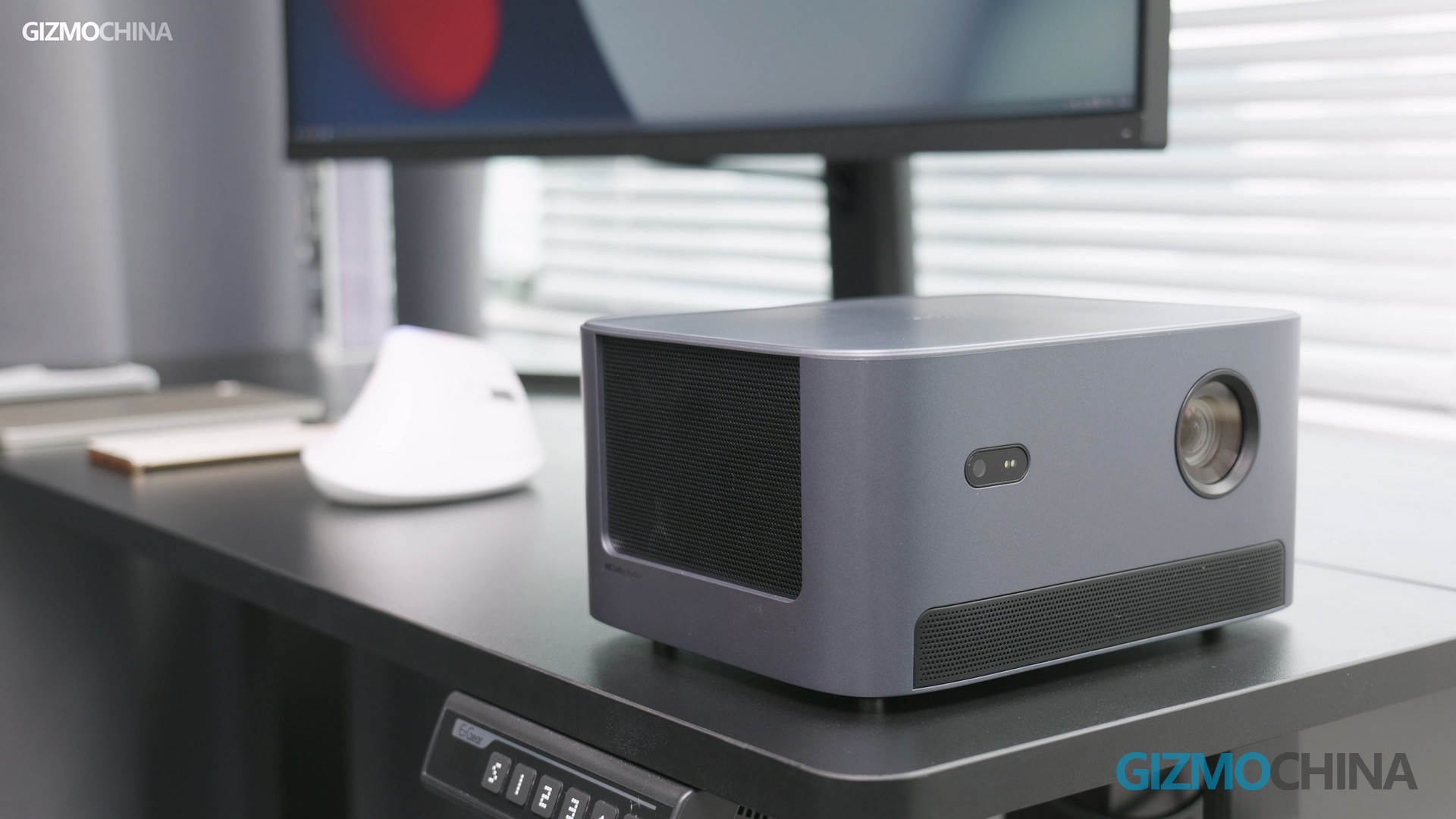
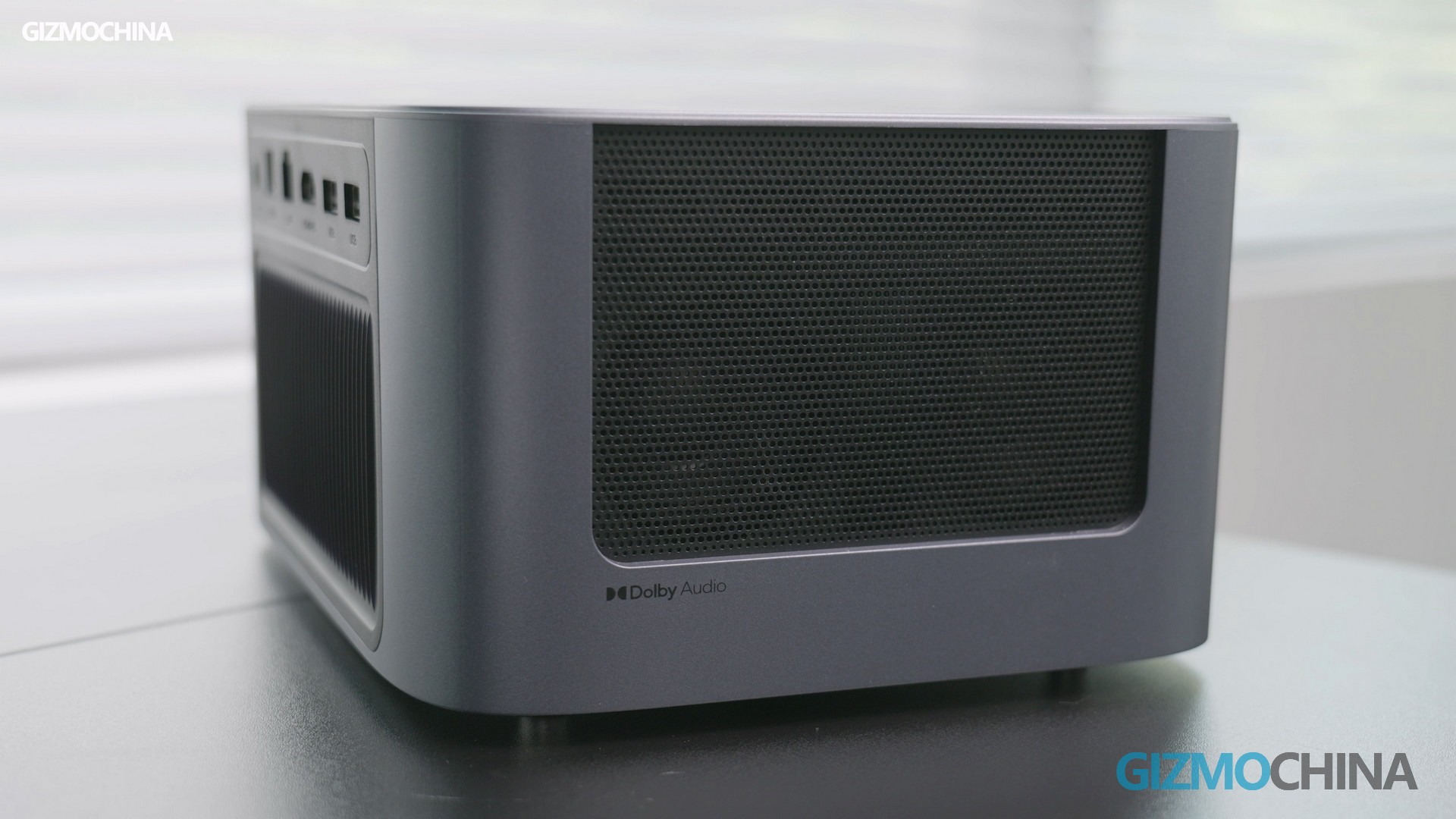
The Dangbei Neo is designed like a mini version of Mars Pro. We got the same rectangular shape with rounded ends. The shell with a matt finish looks and feels very much like metal, but not as heavy as metal. There is its lens and focus module at the front, a power button at the top, and you can see the heat sink and speaker at the sides.
The reason why Dangbei doesn’t compress its size further is that the high-brightness projector has high special demands for heat dissipation. The Neo’s proper size combined with a solid built-in fan allows it to keep the noise below 24 dB. The dual 6w speakers are also DOLBY Audio certified, which is enough to ensure your most basic audio and video experience.
Interfaces
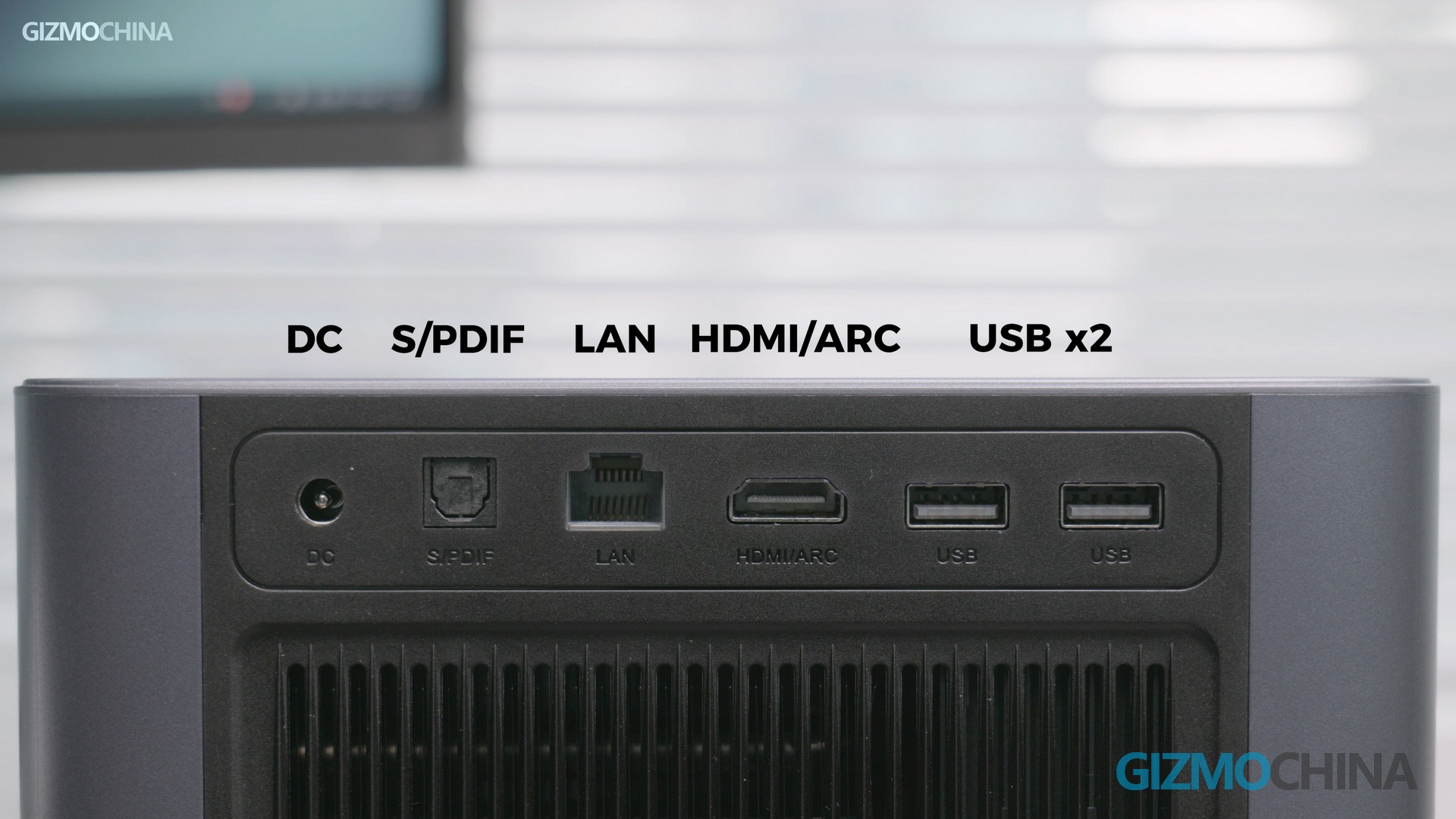
All of the I/O ports on the Dangbei Neo are on the back. Two USB ports, one HDMI port with ARC support, one LAN port, one S/PDIF, and power interface. Although the Dangbei Neo is only a mid-range projector, it only lacks a headphone jack compared to the premium Dangbei Mars Pro. It is still very expandable.
System& Function
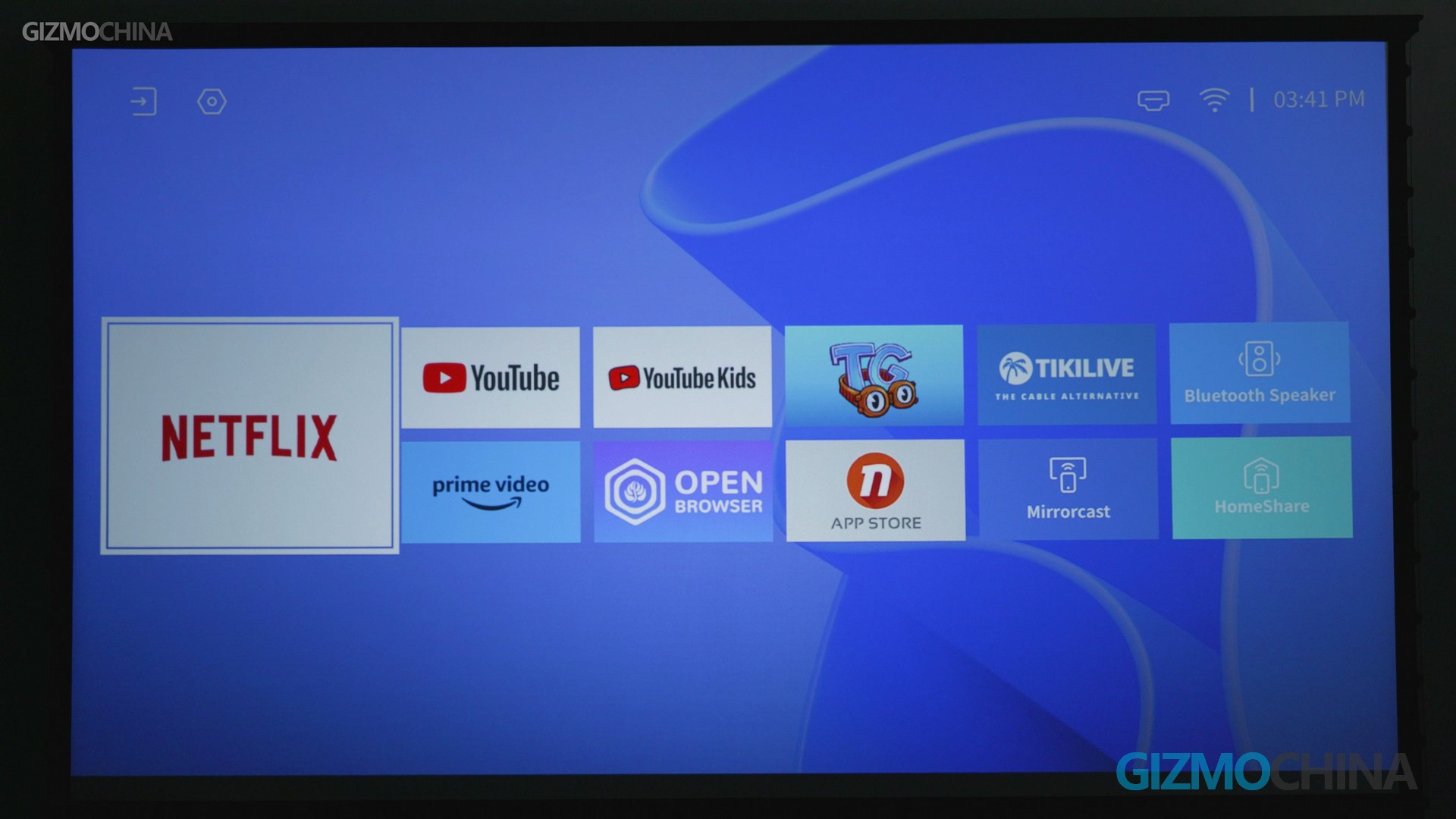
Dangbei Neo’s system is different from Mars Pro’s and got simplified a lot. The home page is almost showing all it can do. The Neo comes with NETFLIX, Amazon Prime Video, and YouTube pre-installed. In addition, the projector supports installing apps from App Store on the home page but it’s not available for app installation from other sources.
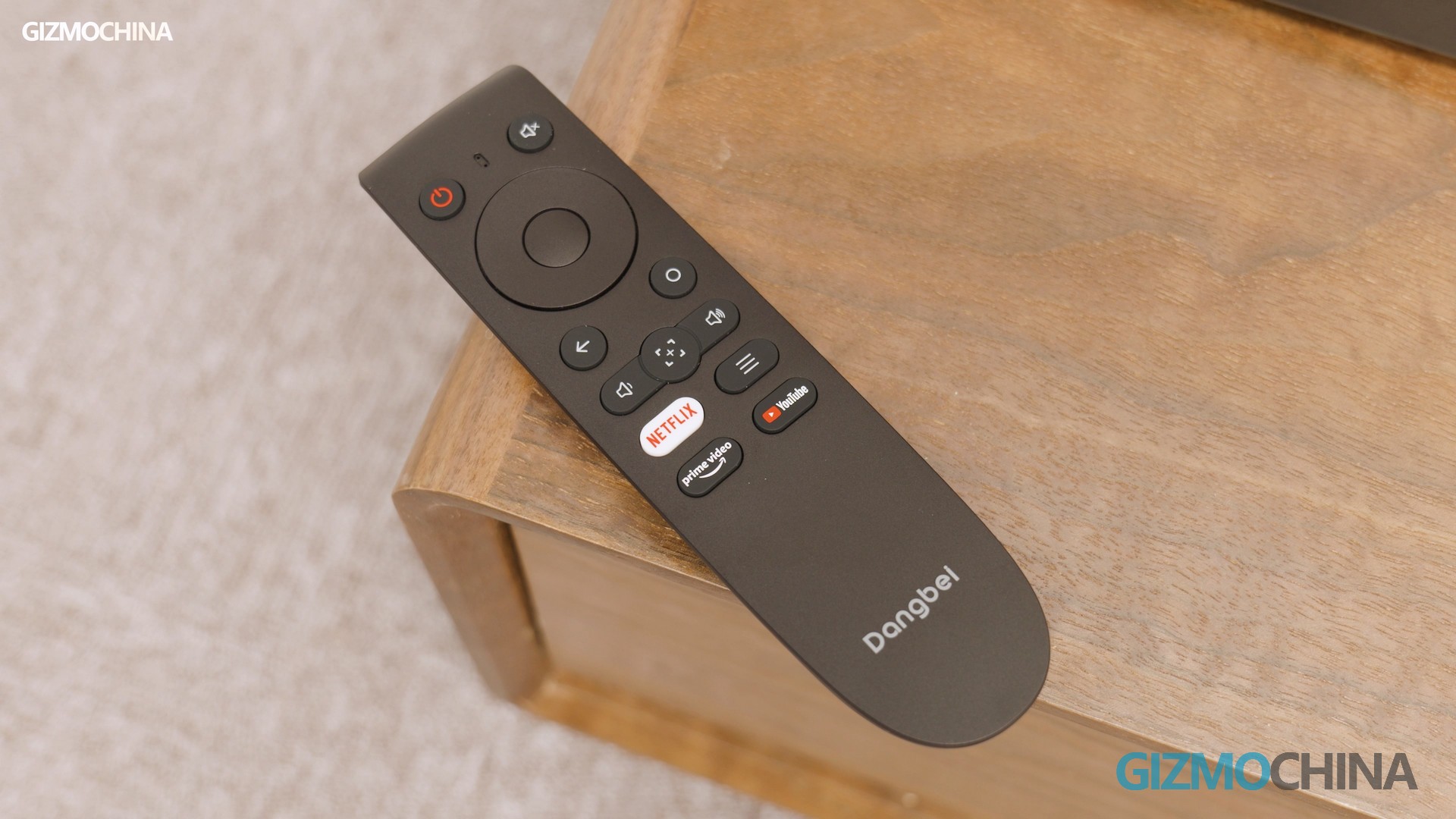
Settings also include the basic Auto keystone, auto-focus, and zooming. The Neo’s remote control is also quite special, especially the three buttons at the bottom, which are printed with the three pre-installed applications on the home page. You can access various streaming services with one click. Obviously, the main target of this projector is people who like to watch streaming media and programs. Now you can watch videos from anywhere in the world.
Image quality
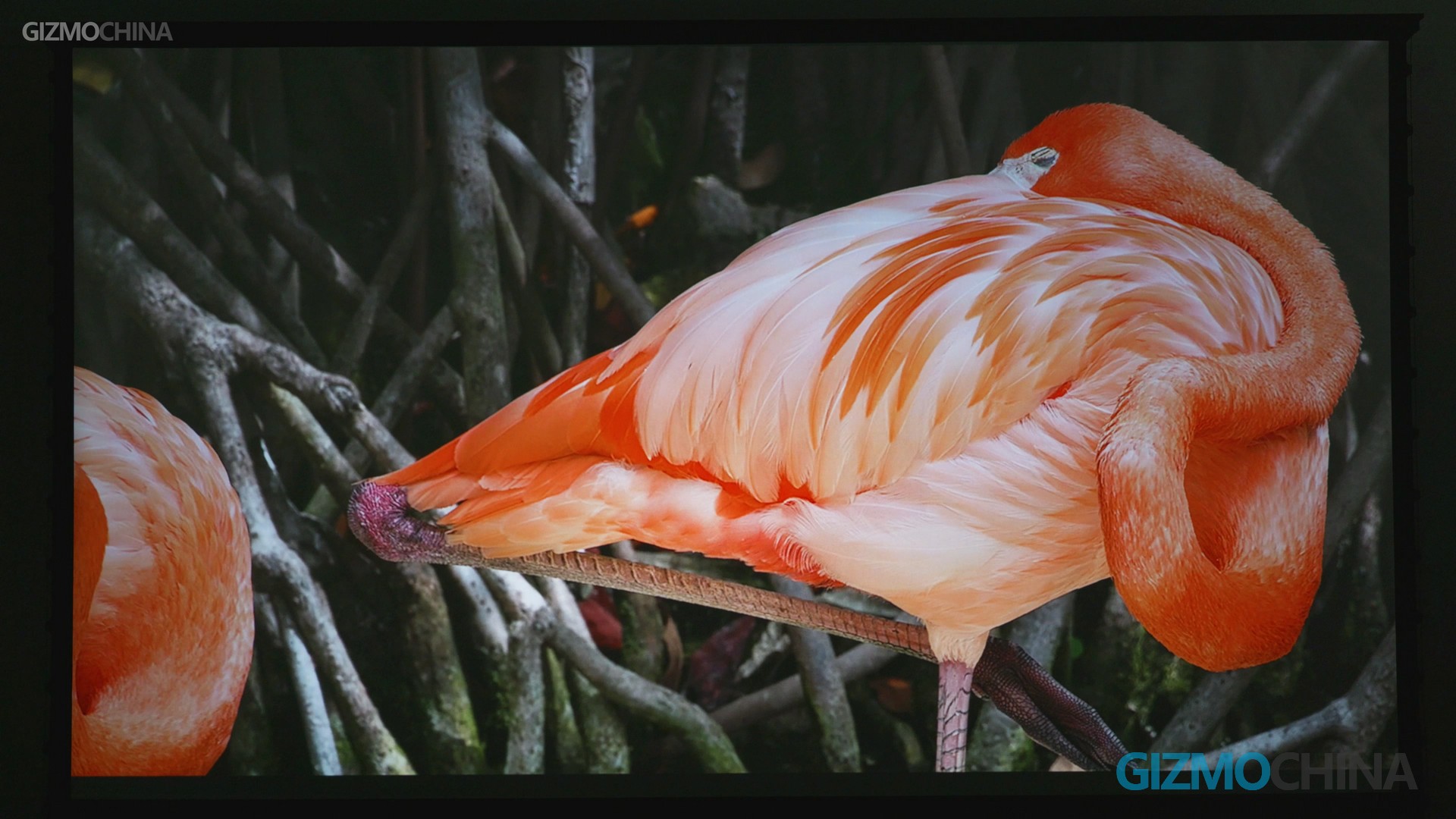
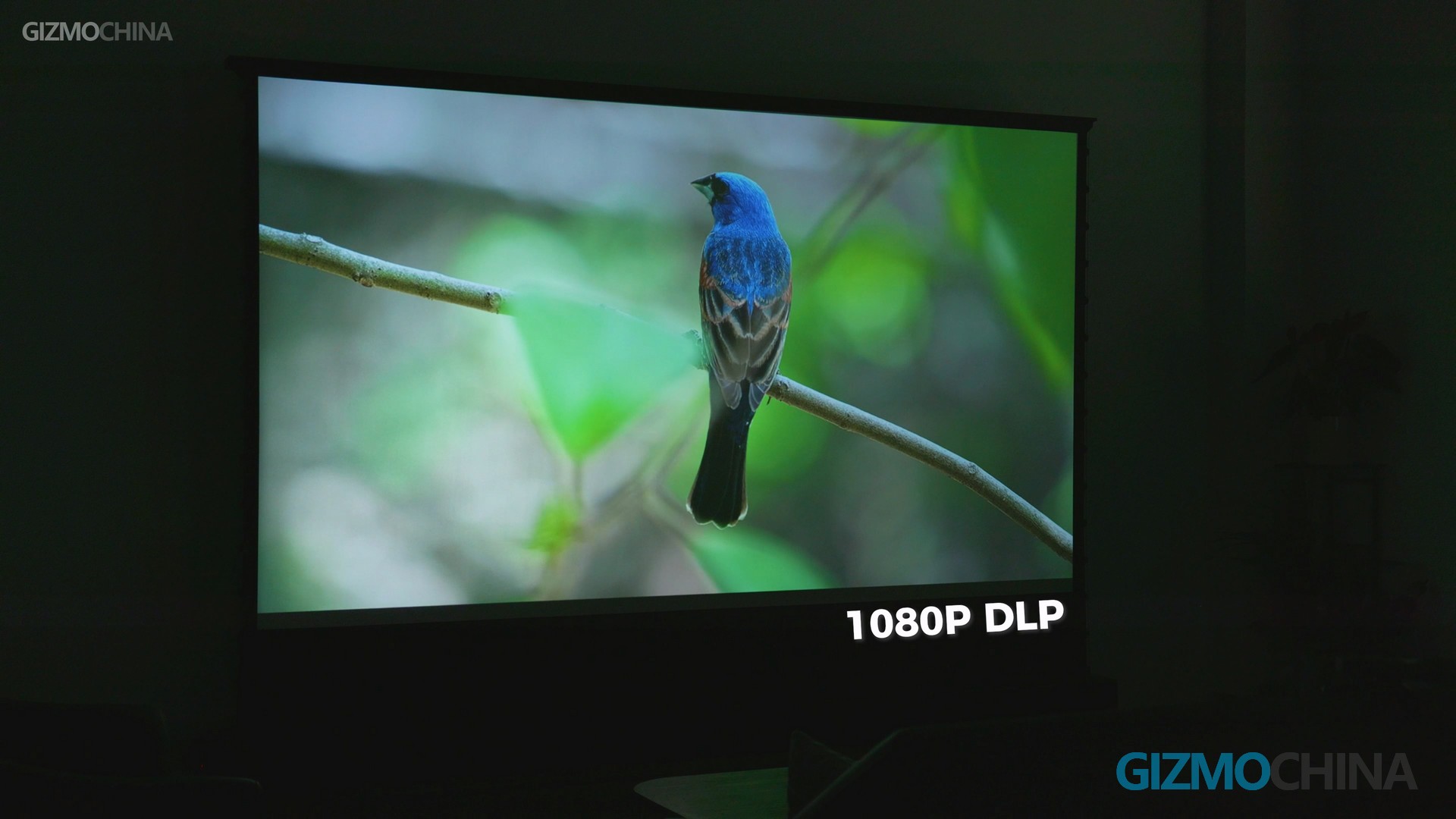
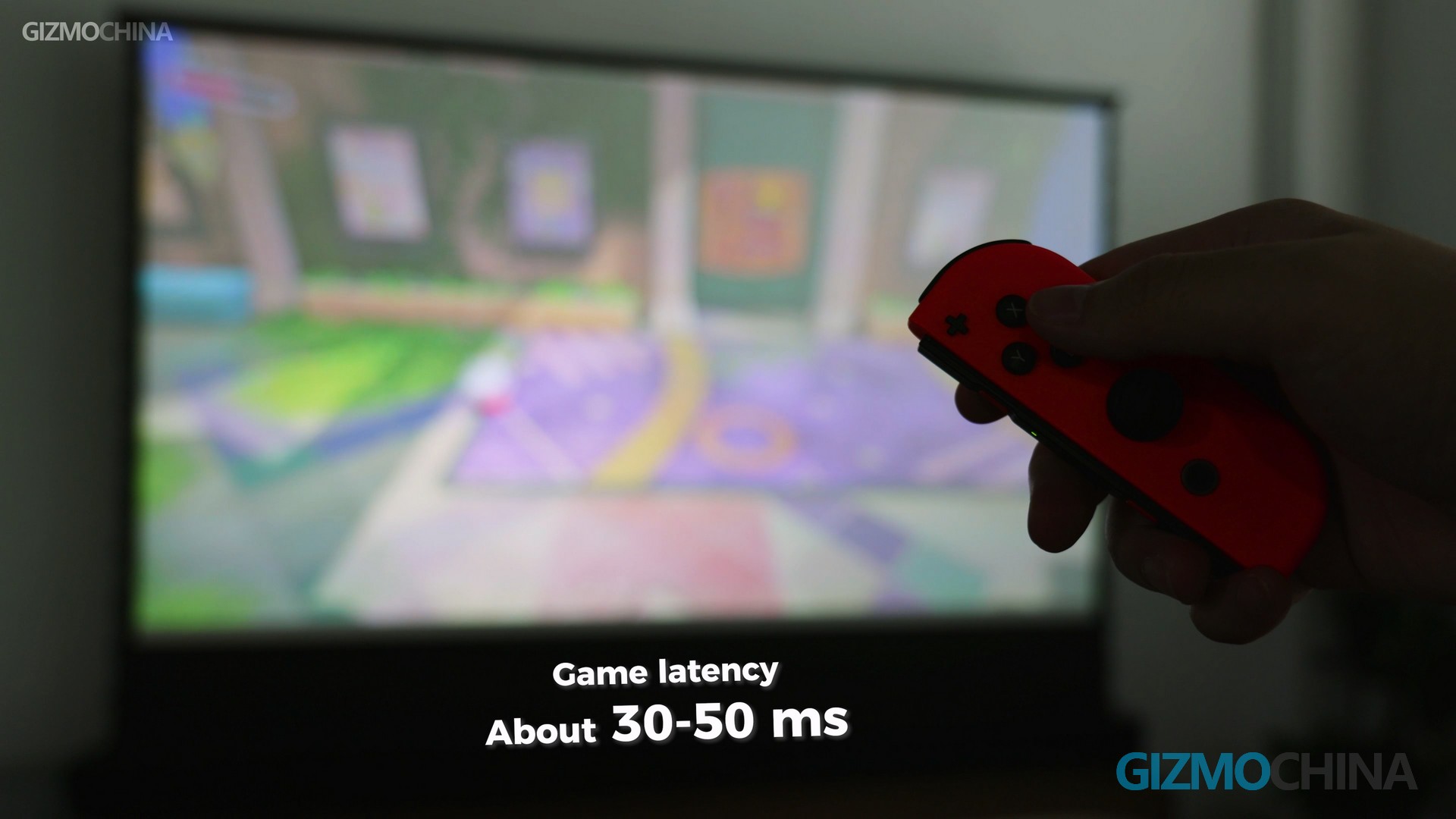
In addition to watching streaming media, you can also use HDMI to connect to your computer or console such as Switch. Although the size got smaller, the Neo doesn’t really compromise its image quality. The projector’s native resolution is 1080P, and it is a DLP projector. The biggest advantage over other LCD projectors is that it has much better-projected quality. The brightness uniformity of the projected image is better, and there will be no typical problem we found on most LCD projectors that the cornered brightness is lower than the center. And the clarity will be better than LCD projector in the same resolution.
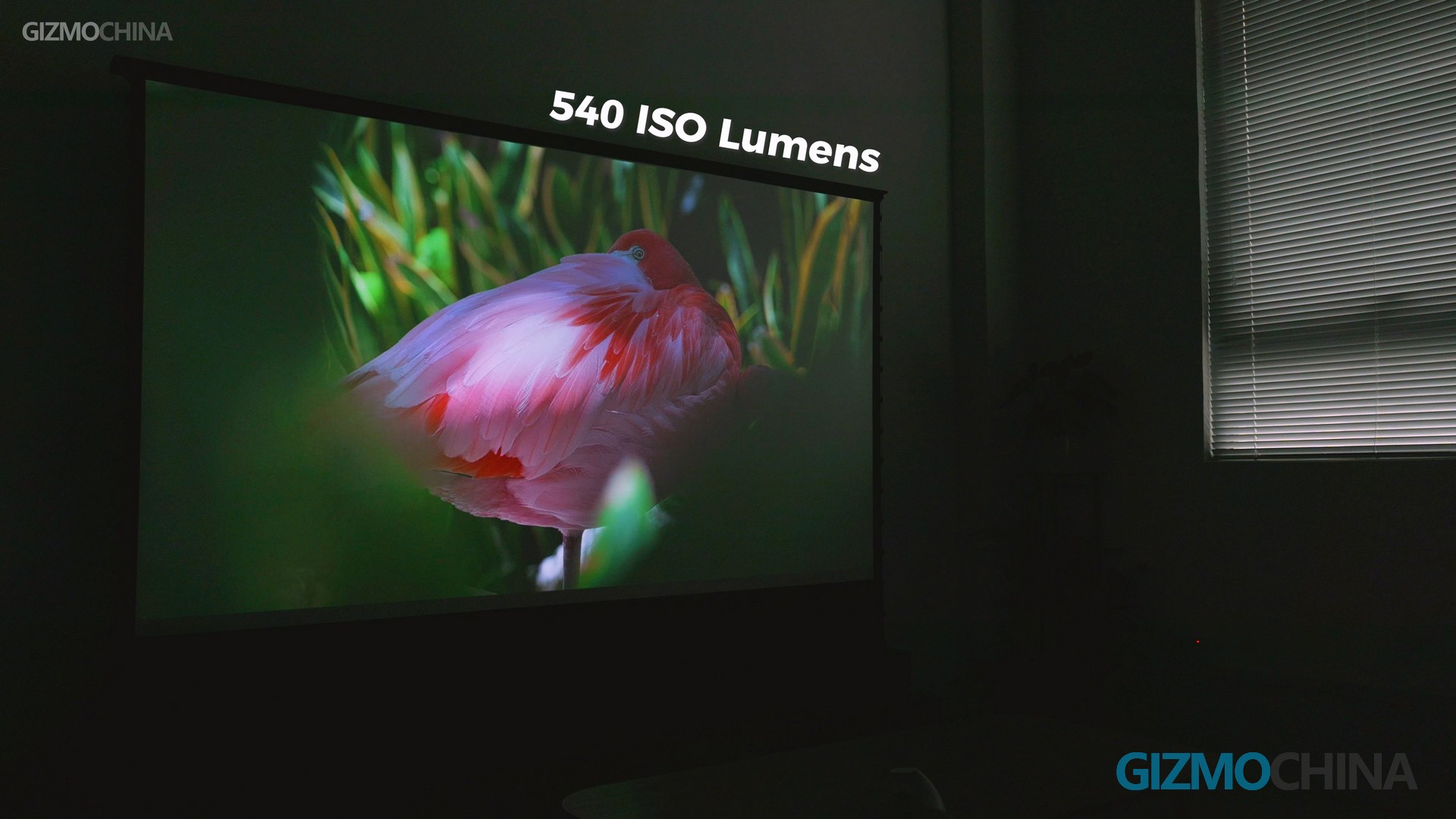
Another advantage of a DLP projector is that it has a very long lifespan. 3000 hours means that even if it is used for 8 hours a day, it can last for 10 years. The Dangbei Neo has a maximum brightness of 540 ISO Lumens. Although it doesn’t sound like a great figure, the experience is actually much better because it doesn’t have inflated figures like ANSI Lumens.
If it’s your first time using a projector, you must know that any projector is better used in a low-light environment, otherwise, the visual effects will be greatly reduced. A great detail that is the speakers also support custom bass and treble. I will play a clip from an episode in the review video, you can feel the image and sound quality by yourselves.
Conclusion
The Dangbei Neo’s position is very clear: it is designed for people who need to take projectors out and people who like to watch streaming videos or local media. Of course, it is also impressively versatile even at home in place of a TV, or just for an open-air movie. As long as your needs for projectors are not that high, Dangbei Neo should be able to surprise you.
If you do have higher demands for image quality and brightness, the Dangbei Mars Pro that we tested would be a better choice. Anyway, you can find more information about it down below this video. Hope this video help.
Android 14 has apparently rolled out a new BatteryManager API on its latest iteration, which let’s you check your smartphone’s battery health. This function would also bring a number of other useful features and insights, so here are all the details.
Android 14 could add a phone battery health checking feature
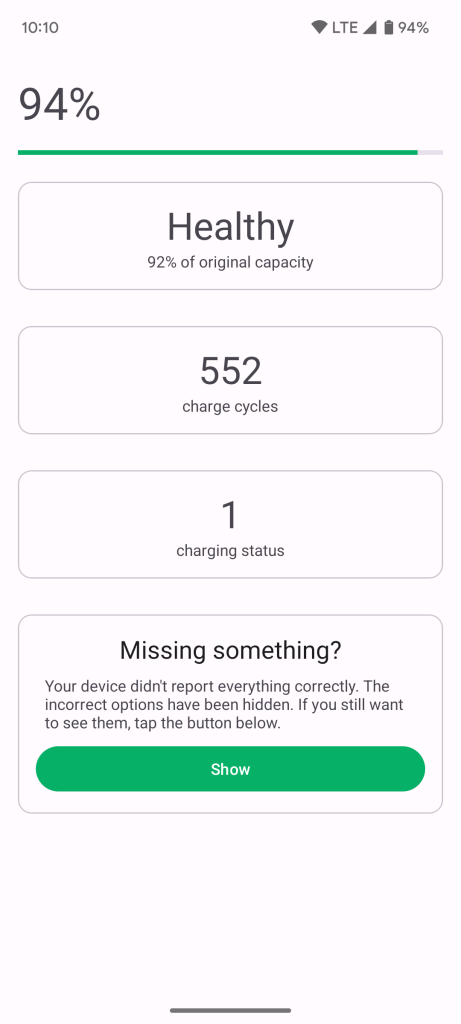
The news arrives from Esper.io’s Mishaal Rahman who stated that the new APIs are built to offer useful information such as cycle count, charging status, manufacturing date, date of first use, charging policy, and most importantly, the state of battery health. As of right now, the new BatteryManager API is only available on Google’s Pixel smartphones that are running on Android 14 Beta 2 or higher.
Thanks to this API, developer @narektor created an open source battery health app called Batt. This let’s you provide users with battery health statistics. But keep in mind that the data of the battery health provided may not be completely accurate. Although, this does create a framework that implies that Google will eventually release a battery health tracking feature of its own that will likely be found in the Settings app.
Unfortunately, it is also likely that the company may skip the feature entirely on the upcoming Android 14 iteration and add it into Android 15. This feature has been highly requested by many for sometime now, so we can expect it to hit the live built sometime in the future. So stick around for more updates.
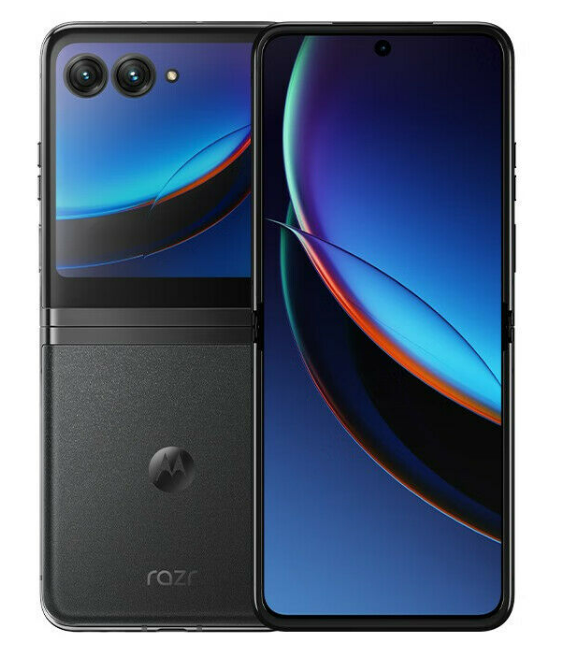
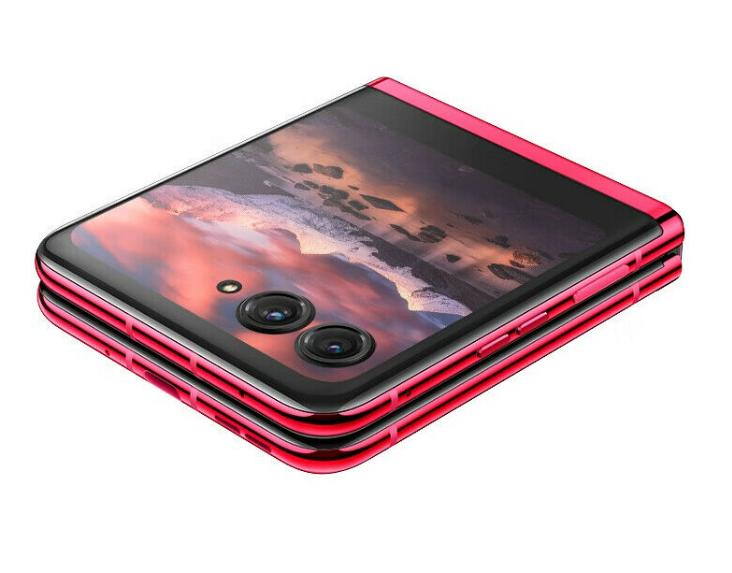
Motorola Razr 40 Ultra the latest premium foldable smartphone from Motorola is now available on Giztop. You can get the phone for a starting $999 only.
Motorola Razr 40 Ultra features a 6.9-inch foldable P-OLED 165Hz FHD+ inner screen and a 3.6-inch P-OLED external display. Powered by the latest Snapdragon 8+ Gen 1 processor and Adreno 730 GPU, the phone comes in multiple memory variants viz. 8GB / 12GB LPDDR5 RAM and 256GB / 512GB UFS 3.1 internal storage.
Motorola Razr 40 Ultra is fueled by a 3800mAh battery and supports 33W fast charging. It has dual rear cameras with a 12MP main sensor and a 13MP wide-angle camera. For your selfies, you have a 32MP sensor in the front. Other features include a side-mounted fingerprint scanner, Wi-Fi 6E, MYUI 6.0, etc.
You can now buy Motorola Razr 40 Ultra foldable phone for $99 on Giztop. Please note that this price is applicable to the base variant only. The phone is available in Black, Blue, and Red color variants.
For more information on such exciting deals and offers, check out our deals hub.
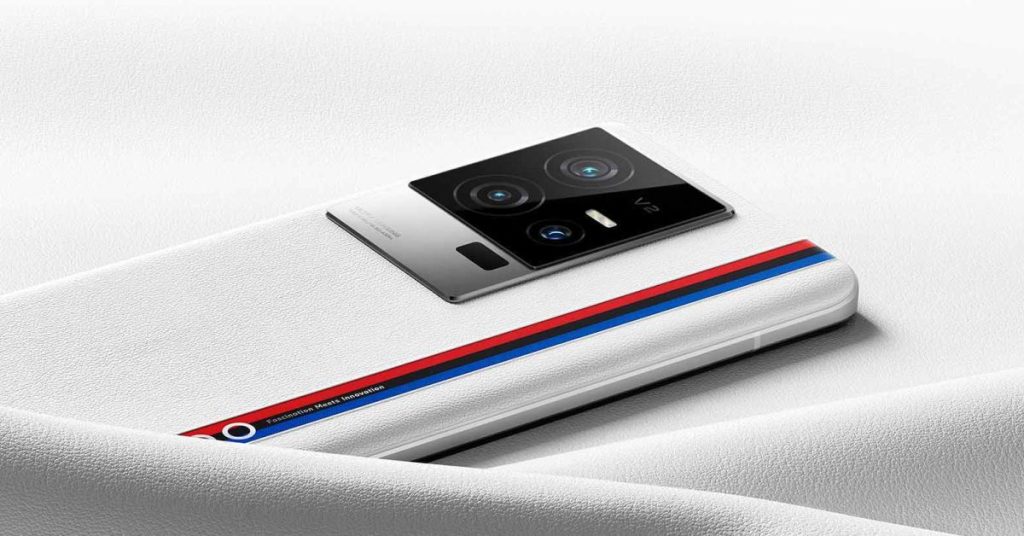
Vivo‘s sub-brand iQOO is expected to add a new device to the series 11 series called the iQOO 11s. Key specifications of the device have already leaked. Now, a known tipster on the Chinese microblogging site Weibo (via. TechGoing) has tipped off the sale date of the iQOO 11s.
According to tipster Panda is Bald, the iQOO 11s is scheduled to be available for purchase in China starting from July 8. However, it remains uncertain whether the device will be launched a few days earlier or specifically on that date. Additionally, there is no information regarding its release in international markets. Let’s take a look at the specs of the new device.
iQOO 11S leaked specs
iQOO 11 5G
According to reports from DCS, the iQOO 11s is positioned as a flagship smartphone emphasizing high-performance capabilities and fast-charging capabilities. It is rumored to feature an overclocked version of the Snapdragon 8 Gen 2 processor, utilizing a 4nm process and offering a higher-core frequency. Initial speculations suggested that the device might come with a Dimensity 9200+ SoC instead. While the battery capacity remains unknown, it is expected to support 200W fast charging.
The iQOO 11S is expected to retain the E6 AMOLED display with a 2K resolution and an impressive 144Hz refresh rate. Furthermore, it is rumored to feature the same 50MP primary rear camera equipped with a V2 ISP imaging system.
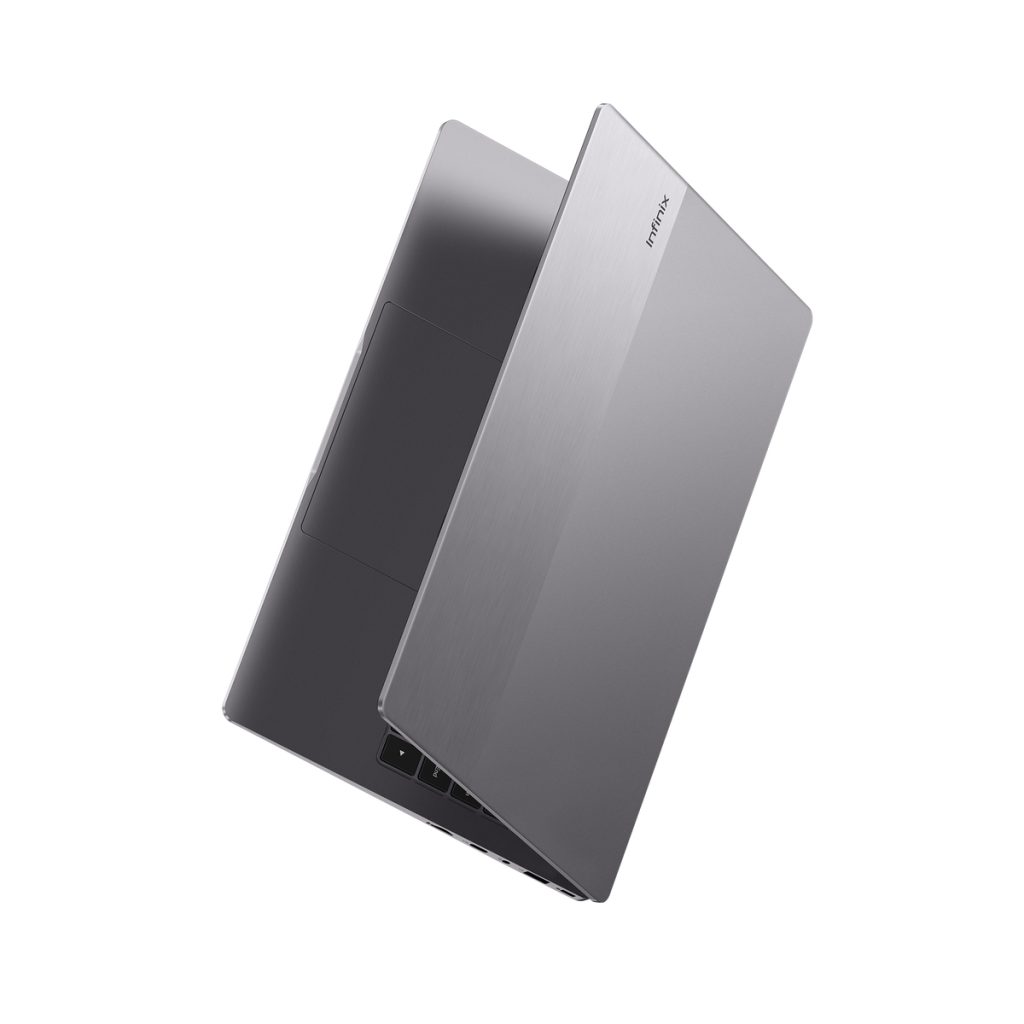
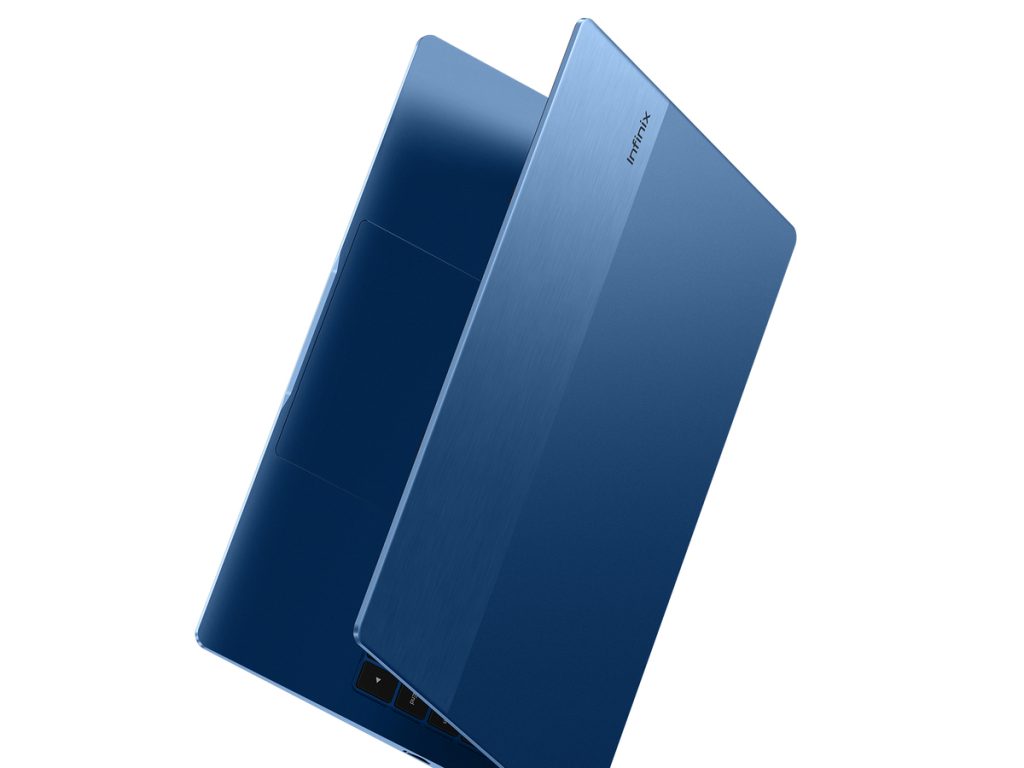
Infinix has just launched the new INBook X2 Slim laptop in the Indian market, expanding its notebook portfolio in the region. The latest model arrives with an ultra thin form factor and some notable upgrades over its predecessor. So here are all the details.
Infinix INBook X2 Slim: Display & Design
The company’s latest notebook arrives as a laptop that seeks to offer premium design and specs while maintaining a great value. In other words, it features a premium design and display with capable processors without breaking your bank. The laptop weighs just 1.24 kilograms and measures just 14.8mm in thickness. Even the bezels are ultra thin, measuring just 4.7mm. Infinix has launched the INBook X2 Slim in multiple eye catching colors, including a new Red, Green, Silver, and Blue variants.
This makes it the slimmest and lightest laptop in this segment. It features a lightweight aluminum metal body. This makes it quite portable, which is great for students or working professionals that require productivity on the go. On the front, the laptop sports a 14 inch FHD display that offers 300 nits of peak brightness. Furthermore, this panel will even arrive with 100 percent sRGB color gamut support on its IPS display. The brand promises great viewing angle, clarity, and sharpness on this model.
Specifications
Under the hood, Infinix INBook X2 Slim can be equipped with 11th Gen Intel Core processors like the i3, i5, and i7. The higher end processors are also capable enough for taking on intensive tasks like video editing, light gaming, and more. These processors are paired with different RAM and storage configurations, with the top end model features 16GB of RAM and 1TB of internal storage. Another major upgrade over its predecessor is the addition of a high capacity 50Wh battery pack that promises to offer 11 hours of web browsing and around 9 hours of video playback.
The laptop is offered with a 65W USB Type C port based charger. Other notable features include, 720P camera with Dual LED Flash, NVMe PCIe 3.0 SSD storage, DTS Audio from its Stereo speakers, and 1.0 Cooling system that will help keep the temperature in check. For connectivity, the device supports WiFi 5, Bluetooth 5.1, two USB 3.0 ports, USB Type C port, one SD card slot, and 3.5mm headphone jack.
Pricing & Availability
The Infinix INBook X2 Slim is set to go on sale starting on June 9 from Flipkart. It will be offered in 6 different variants, so let’s have a look at their pricing:
i3 (8GB+256GB) – 27,990 INR (with all offers included)
i3 (8GB+512GB) – 30,990 INR (with all offers included)
The competition is heating up in the virtual reality world. Just days before Apple’s expected reveal of its first mixed reality headset at WWDC 2023, Meta has announced its Quest 3 VR headset. This new headset, which boasts a 40% slimmer profile compared to the Quest 2, is set to launch this fall. A 128 GB version will be available for $499.99 and an unspecified price for the 256GB model. Here are the details…
Meta vs. Apple: The Battle for Mixed Reality Dominance
Meta, has been working on virtual reality for a long time. For instance, the company purchased Oculus VR for $2 billion in March 2014. If we consider that this technology still has some shortcomings today, we could say that nine years is quite old. Since then, the social media giant, which has introduced a few headsets and brought the concept of the Metaverse into our lives, now about to face a very strong competitor.
Apple’s mixed reality headset has long been in the news with ongoing leaks. Although nobody has a clear idea of what it will be like, the consensus is that Apple is expected to succeed in this field. As you know, the tech giant is more interested in being the best at doing something rather than being the first. It seems that this situation may have scared Meta a bit, as they suddenly announced the Quest 3 VR headset in a released video.
Quest 3 Features New Design, Improved Performance, and More for an Immersive VR Experience
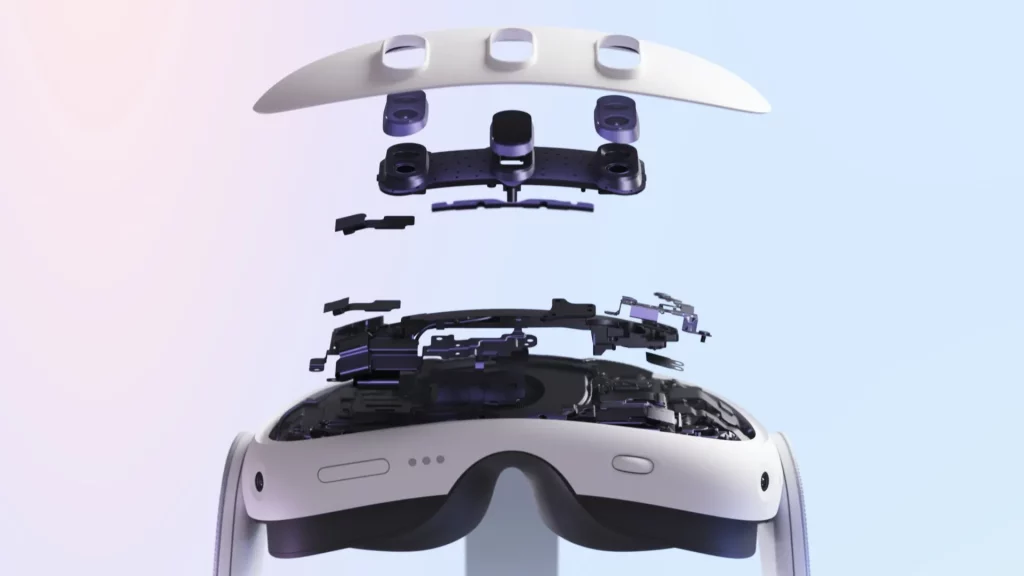
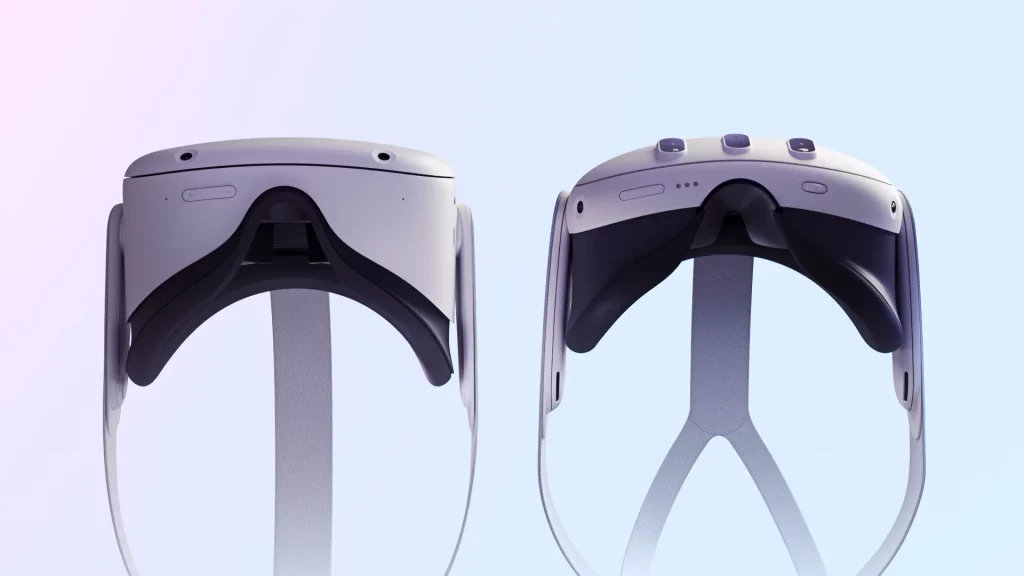
At first glance, the Quest 3 doesn’t seem drastically different from its predecessor. However, it actually brings significant innovations in both design and technical terms. According to the company’s claim, the headset is more ergonomic, lighter, and equipped with a more powerful processor and higher resolution. This opens the door for a more comfortable and realistic gaming experience. The Quest 3 is also compatible with Quest 2’s games, allowing users to continue playing their favorite titles on the new headset. Meta also announced a price reduction for the Quest 2 starting from June 4th. The 128 GB model will be available for $299.99 and the 256 GB model will be priced at $349.99.
Microsoft is gearing up to bring a bunch of new games in its Xbox Game Pass. The company plans to add a number of new exciting titles in the game pass over the course of this month. So let’s have a look.
Microsoft brings new games to Xbox Game Pass
The American tech giant is set to bring in eight new games on its vast library of video games on the Xbox Game Pass. These games will be added within the first half of this month. Just today (1st June 2023), the brand has brought in two titles in the game pass. Back on May 30, the company brought in Chicory: A Colorful Tale and Farworld Pioneers. And now, the Xbox Game Pass will offer Car Mechanic Simulator 2021, Slayers X: Terminal Aftermath: Vengeance of the Slayer, and The Big Con.
Furthermore, Microsoft will add the Amnesia: The Bunker and the Hypnospace Outlaw on June 6. Similarly, the Rune Factory 4 Special and Stacking will be brought onto the platform o June 8. Following this, Dordogne will be added to Xbox Game Pass on June 13. On the other hand, titles Bridge Constructor Portal, Chorus, Maneater, Mortal Shell, Serious Sam 4, and Total War: Three Kingdoms will be leaving the Game Pass on June 15. So over the next couple of weeks, there are plenty of fun titles are being added that gamers should definitely check out.
Qualcomm has confirmed the dates for its annual Snapdragon Tech Summit, which will be held from October 24th to 26th this year. Notably, the event is scheduled a month earlier than its usual timeframe. The highly anticipated summit is expected to serve as a platform for Qualcomm to unveil its flagship Snapdragon 8 Gen 3 chip, showcasing the company’s latest advancements in mobile technology.
Although the brand has not revealed any details officially, leaks have already emerged regarding the upcoming Snapdragon 8 Gen 2 chip. Rumors suggest that the upcoming Snapdragon 8 Gen 3 (SM8650) SoC will feature an updated architecture, shifting from a “1+2+2+3” setup to a “1+5+2” configuration. This change is expected to introduce a more powerful performance core with a higher frequency. Additionally, the chip will reportedly be manufactured using the TSMC N4P process, known for its advanced capabilities.
The Snapdragon 8 Gen 3 is rumored to consist of 1 x Cortex-X4 prime core, 5 x A720 performance cores, 2 x A520 power efficiency cores, and an Adreno 750 GPU. Notably, according to reputable leaker Ice Universe, the Adreno 750 GPU is anticipated to deliver significant performance improvements compared to its predecessor, the Adreno 740. It is also rumored to feature a 10MB L3 cache, up from the 8MB L3 cache found in the previous iteration.
Other than that, the performance of the new chip has also been revealed. According to a Geekbench listing, the Snapdragon 8 Gen 3 scored 2563 points in GeekBench single-core test and 7256 points in the multi-core test. Both of these scores are quite impressive, however, the jump in the multi-core test scores compared to the Snapdragon 8 Gen 2 SoC shows some serious improvements coming our way. In contrast, the device achieved an impressive AnTuTu score of 1,712,271, with the CPU contributing 331,292 points and the GPU contributing 853,295 points.
We use cookies on our website to give you the most relevant experience by remembering your preferences and repeat visits. By clicking “Accept”, you consent to the use of ALL the cookies.
This website uses cookies to improve your experience while you navigate through the website. Out of these, the cookies that are categorized as necessary are stored on your browser as they are essential for the working of basic functionalities of the website. We also use third-party cookies that help us analyze and understand how you use this website. These cookies will be stored in your browser only with your consent. You also have the option to opt-out of these cookies. But opting out of some of these cookies may affect your browsing experience.
Necessary cookies are absolutely essential for the website to function properly. This category only includes cookies that ensures basic functionalities and security features of the website. These cookies do not store any personal information.
Any cookies that may not be particularly necessary for the website to function and is used specifically to collect user personal data via analytics, ads, other embedded contents are termed as non-necessary cookies. It is mandatory to procure user consent prior to running these cookies on your website.