Moondrop, a well-known electro-acoustic brand from China known for its high-quality in-ear monitors, has launched a new and improved version of its mid-fi segment, called the Moondrop Blessing 3. This model is the third generation of the popular “Blessing” series and boasts a premium build with six advanced hybrid drivers on each side.
The highlight feature of the earbuds is the newly developed 3D-printed acoustic cavity structure, along with the innovative HODDDUS technology (Horizontally Opposed Dual Dynamic Drivers Unit System) that creates a physical band-pass filter, which allows for acoustic customization.
Moondrop has carried over the physical and electronic crossover technology from its previous generation and has made further improvements to enhance sound performance for the Blessing 3 IEM. With these improvements, the mid-high response and lower-end rumble have been effectively enhanced, ensuring an impressive and satisfying sound experience for audiophiles. The low-impedance, high-sensitivity design of the earbuds ensures that users can enjoy a high-resolution audio performance from any source.
The Moondrop Blessing 3 IEM features ear shells made of a high-quality, skin-friendly resin material that is lightweight and ergonomically designed to ensure a comfortable listening experience for long period. The earpiece has a stunning appearance, with stainless steel metallic face covers that add a touch of premium style.
Moondrop has collaborated with top brands in the industry for 3D printing that ensures the earbuds are of the highest quality. The IEM is designed with precise crossovers, proper driver implementation, and accurate craftsmanship, resulting in a consistent full-frequency band response. Overall, the Moondrop Blessing 3 is an eye-catching, beautifully designed earbud that delivers outstanding sound quality in a stylish earpiece.
The Moondrop Blessing 3 comes with a high-quality stock cable and features an interchangeable cable design with universal 0.78mm 2-pin connectors. With a single-ended 3.5mm termination plug, the earbuds can be connected to any source for universal compatibility. Despite the improved design, architecture, and added features, the Moondrop Blessing 3 is available at the same price as the previous models, making it an excellent choice at $319.99. For more information, check out the product details.
Key Features:
Six-driver hybrid configuration on each side.
Dual 10mm dynamic driver units along with four high-performance balanced armature driver units on each side.
Specially developed 3D-printed acoustic cavity structure
HODDDUS (Horizontally Opposed Dual Dynamic Drivers Unit System) for horizontal placement of dual dynamic driver units
Specially designed to maintain the magnetic structure and the airflow of both drivers, to produce a powerful lower-end response
Improved energy conversion efficiency and reduced nonlinear distortion
Xiaomi has been selling smart televisions in India since 2018. The first three models in the country shipped with software based on AOSP.
Following that, the company began to use Android TV in the region. Just last month, it released its first Fire TV-based television in India.
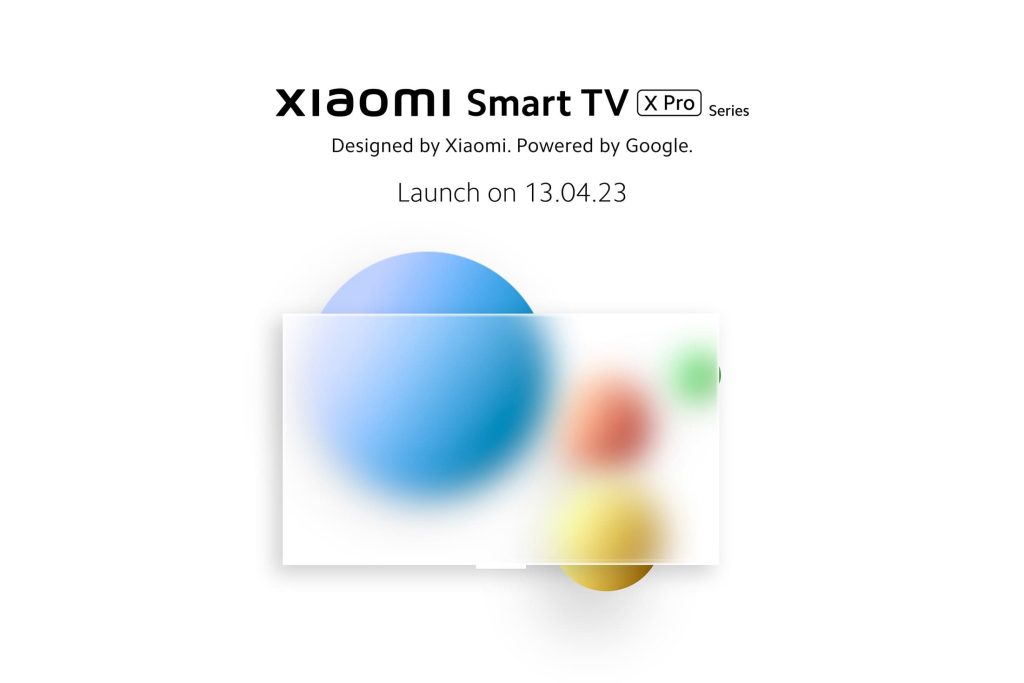
Now, Xiaomi is set to launch its first Google TV-powered television in India. Let’s check out the details shared by the brand so far.
Xiaomi India will be holding its Smarter Living 2023 event on April 13. At this conference, the company has now confirmed to debut the Xiaomi Smart TV X Pro series.
This new television will boot Google TV OS. The company is promoting this upcoming TV as ‘Designed by Xiaomi. Powered by Google.’
As per the teaser page on Mi.com, the device will come with a metal bezel-less design and a larger screen-to-body ratio. It will be equipped with a 4K panel with support for HDR10+ and Dolby Vision IQ.
The television will house 40W speakers with support for Dolby Atmos and DTS: X. Finally, it will ship with a voice-control-enabled Bluetooth remote control.
Although the brand hasn’t revealed it yet, the TV will likely arrive in multiple sizes. Going by the last year’s Xiaomi Smart TV X series, the Pro version should be available in 43-inch, 50-inch, and 55-inch models.
E Ink has just launched a brand new product for its commercial enterprises. The company has unveiled the new Kaleido 3, which is built for outdoor applications thanks to its latest color ePaper technology. So let’s have a look.
As the name suggests, the new product is specifically built for outdoor applications. The new Kaleido 3 features print color ePaper technology is designed for Digital Out of Home (DOOH) advertising signage. Thanks to the new technology, it is suitable for outdoor use in varying temperature range. Despite being made for outdoor use, it still offers dynamic color display capabilities to offer poster like visual quality.
All of this and the E Ink Kaleido is still a low carbon and eco friendly display solution. As per official notes, “Building on E Ink Kaleido’s technology, E Ink has dedicated itself to developing wide-temperature color ePaper technology suitable for outdoor applications, which can meet customers’ expectations for dynamic display, energy saving, environmental protection, and non-light pollution in outdoor advertising.” The Kaleido 3 Outdoor also utilizes an RGB color filter array on a black and white electronic paper film to create a warm and colorful display, offering 4,096 colors on its 42 inch display size.
The E Ink Kaleido 3 Outdoor outputs vivid color image information and clear text to provide a comfortable viewing experience. Notably, the Kaleido 3 has an impressive operational temperature range between -15°C to 65°C. This makes the device versatile enough to be used in areas with extreme temperatures withou the need for expensive and high energy consuming heating or cooling mechanisms. This, in turn, also reduces its overall power consumption.
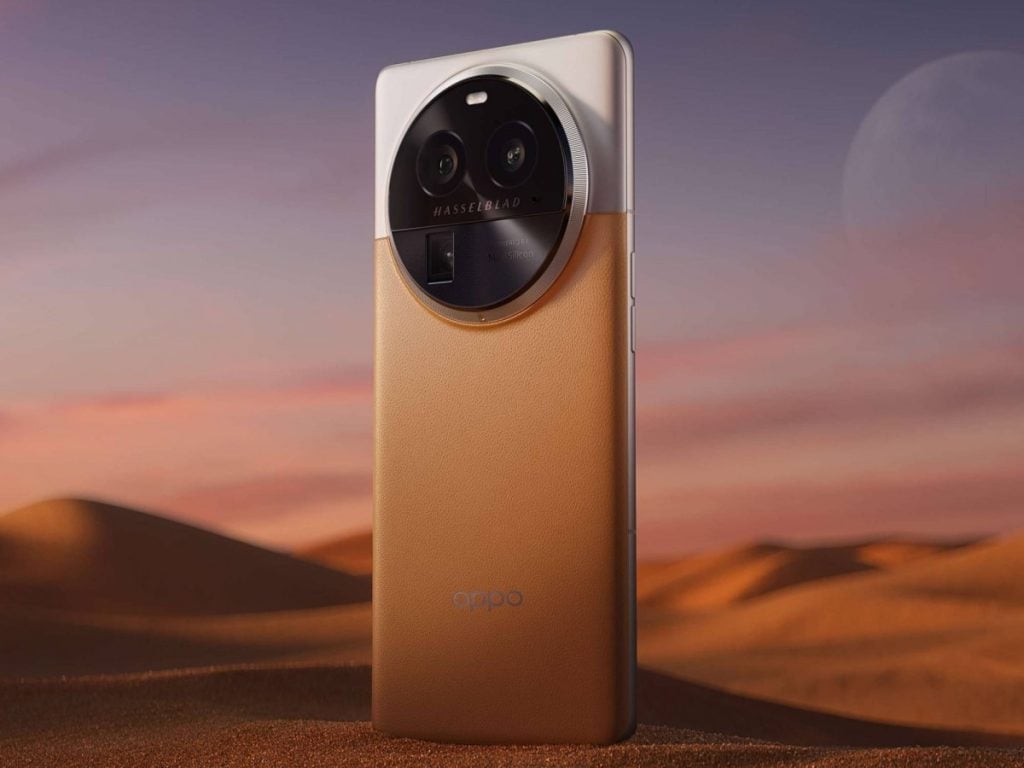
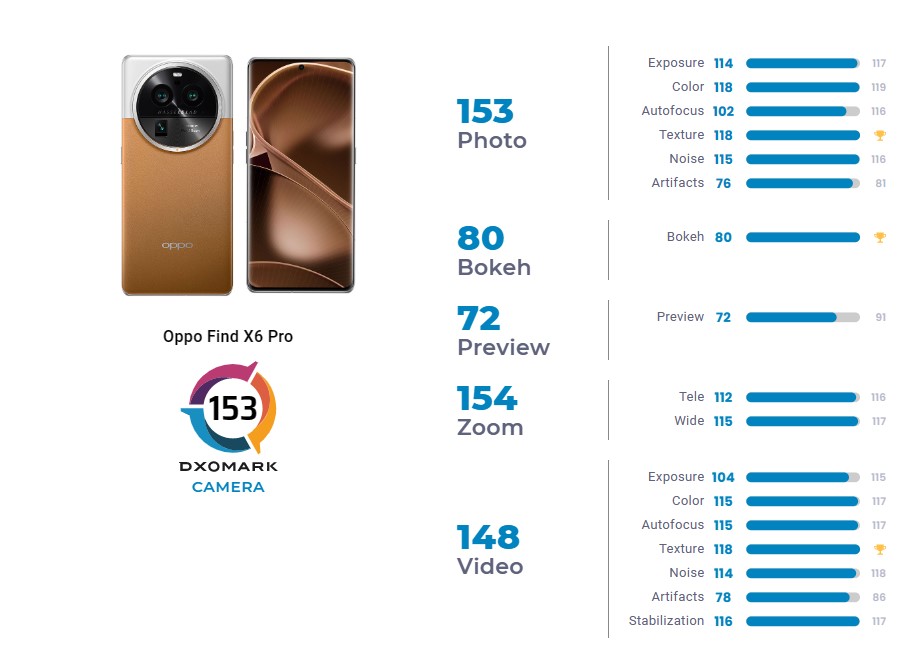
The OPPO Find X6 Pro has impressed the smartphone camera industry with its remarkable DxOMark image score of 153, securing its place as the top-ranked smartphone on the DxOMark global image ranking list. The phone has surpassed Honor Magic5 Pro and Huawei Mate 50 Pro, which were the top contenders for the crown until now.
DxOMark experts praised the OPPO Find X6 Pro for its balanced and exceptional performance in all photography sub-items such as photos, videos, zoom, and bokeh. The camera’s accurate exposure, excellent texture, and noise balance have been hailed as a breakthrough in mobile photography.
Moreover, DxOMark noted that the OPPO Find X6 Pro performed exceptionally well in low-light shooting scenes, scoring the highest points among all smartphones. The phone’s large sensor camera module helps preserve details in the scene under all lighting conditions while controlling noise to deliver good image quality both day and night.
The standout feature of the OPPO Find X6 Pro’s camera is its three-camera setup, including a 1/1.56-inch ultra-sensitive periscope telephoto lens, a 1-inch large bottom wide-angle lens, and a free-curved ultra-wide-angle lens. All three lenses boast the industry’s strongest light sensitivity, providing users with a remarkable photography experience.
Furthermore, the OPPO Find X6 Pro utilizes new photon matrix technology, which improves the dynamic range of light and dark tones by eight times compared to traditional technology, resulting in natural light and dark tones.
Despite these impressive achievements, DxOMark noted that the phone lacks contrast in backlit portraits, and sometimes exposure is unstable in photos and videos, which occasionally leads to unnatural skin color imaging. Nonetheless, the OPPO Find X6 Pro remains an excellent choice for anyone looking for the best smartphone camera experience available in the market.
The Xiaomi Smart Band 7 NFC was unveiled last May alongside the regular Band 7 in China. Almost a year later, this wearable has been now listed on the company’s global website. Thus, we can expect its release in select international markets in the coming days.
The NFC version of the Xiaomi Smart Band 7 (review) offers two additional features. It comes with support for contactless payments (compatible with Mastercard and Visa) and Amazon Alexa as it has a microphone.
Since the vanilla version officially retails at €59.99, the NFC variant should not be cheaper than this. For comparison, the Mi Smart Band 6 NFC from 2021 was introduced at just €54.99.
Apart from the aforementioned differences, the Xiaomi Smart Band 7 NFC is the same as the Xiaomi Smart Band 7. Hence, it sports a 1.62-inch AMOLED display with a resolution of 490 x 192 pixels and 326 PPI. The screen supports touch input and 500 nits peak brightness level.
It houses a 3-axis accelerometer, a 3-axis gyroscope, a PPG heart rate sensor, and an SPO2 sensor. It arrives with over 110 fitness modes, heart rate monitoring, sleep tracking, blood oxygen level monitoring, stress tracking, menstrual cycle monitoring, and more.
The wearable uses Bluetooth 5.2 connectivity to pair with smartphones via the Mi Fitness app (formerly Xiaomi Wear). Last but not least, the 5 ATM water-resistant device can last up to two weeks on a full charge.
Apple has experienced a significant drop in Mac shipments during Q1 2023, with a 40.5% decline compared to the same period in 2022, according to market intelligence provider IDC. This decline has led to a reduction in Apple’s worldwide PC market share, which fell from 8.6% to 7.2% between Q1 2022 and Q1 2023. Here are the details…
Apple’s Mac Shipments Plunge Over 40%, Worse Than Major Rivals
While all five of the largest computer makers, including Apple, ASUS, Dell, HP, and Lenovo, witnessed double-digit drops in first-quarter shipments due to weaker demand and ongoing inventory challenges, Apple’s decline was the most significant among them. This downturn was not entirely unexpected, as Apple CFO Luca Maestri had anticipated double-digit declines in Mac and iPad sales for the March quarter.
Company
1Q23 Shipments
1Q23 Market Share
1Q22 Shipments
1Q22 Market Share
1Q23/1Q22 Growth
1. Lenovo
12.7
22.4%
18.3
22.8%
-30.3%
2. HP Inc.
12.0
21.1%
15.8
19.7%
-24.2%
3. Dell Technologies
9.5
16.7%
13.7
17.1%
-31.0%
4. Apple
4.1
7.2%
6.9
8.6%
-40.5%
5. ASUS
3.9
6.8%
5.6
6.9%
-30.3%
Others
14.7
25.9%
19.9
24.8%
-26.0%
Total
56.9
100.0%
80.2
100.0%
-29.0%
Apple CEO Tim Cook also acknowledged that the challenging macroeconomic environment had negatively impacted iPhone, Mac, and Apple Watch sales. Probably the current drop in shipments marks the end of the COVID-driven demand era, signaling a temporary return to pre-pandemic patterns. Despite heavy discounting, IDC researcher Jitesh Ubrani expects elevated inventory levels to persist until the middle of the year, and potentially into the third quarter.
While PC manufacturers are expected to struggle in the short term, IDC anticipates growth to rebound by the end of the year. The weakened demand presents an opportunity for PC manufacturers to reevaluate their plans and address supply chain issues. Apple, for instance, has started to encourage suppliers and assemblers to move their operations beyond China. This period of adjustment could prove beneficial for the company in the long run.
Apple’s shares closed down over 1.5% on Monday, and the company is set to report its March quarter earnings on May 4th. As Apple faces these challenges, stay tuned to Gizmochina for further updates on Apple’s market performance and strategies.
Google is apparently working on a solution to deal with all the unwanted calls one has to deal with on a day to day basis. The company is working on a method to effectively deal with all spam or robocalls with the use of AI (Artificial Intelligence).
As of right now, the Search Engine tech giant already offers Call Screen feature on its Pixel series of smartphones to help deal with this issue but this only deals with the issue to a certain extent. However, it appears that Google is looking to build a more capable technology that will better help users avoid these spam/robocalls thanks to conversational AI. According to a new report, the Jonathan Eccles, the Group Product Manager of the Phone by Google app talked about how the brand wants to solve problems related to unwanted calls on the latest episode of the Made by Google Podcast.
The company is seeking to tackle this issue with conversational AI. He stated that “Multi-step, multi-turn conversational AI could open a lot of interesting doors in terms of creating this protective and helpful layer at the front of every incoming call.” The official further added that the group product manager has hinted that this feature might be arriving in some form or the other later this year.
The Call Screen feature on Pixel smartphones already use AI at the moment. Although, Google is likely looking to further improve this system with AI technology. Unfortunately, this is all the information available regarding this matter but we can expect to hear more about such a feature around the time of the Pixel 8 series launch.
Huawei is preparing to launch a new smartphone in its Enjoy series, the Huawei Enjoy 60X. The smartphone will boast a huge 6.95-inches IPS LCD display. The device is expected to pack in some impressive features such as a powerful processor and a high-quality camera system.
The official social media handle of Huawei has confirmed the launch date of Huawei Enjoy 60X. The device will officially launch in China on April 17th, 2023 at 14:30 local time. The teaser shared by the brand also confirms the whopping 7000mAh battery of the device. It would also come with a premium leather back to give it a unique feel. Further, the Nova 11 series will also launch alongside the Enjoy 60X in the same launch event.
The Enjoy 60X boasts a 6.95-inch TFT LCD display featuring a resolution of 720 x 1600 pixels and a 20:9 aspect ratio. It is powered by the Kirin 710A chipset, combined with 8GB of RAM and either 128GB or 256GB of internal storage. The phone operates on HarmonyOS 3.0, which is Huawei’s proprietary operating system.
With a battery capacity larger than any other smartphone model in Huawei’s current product line, the Enjoy 60X is designed to meet the needs of users seeking a device that can sustain prolonged usage for both daily tasks and entertainment. It is expected to exceed the capabilities of the Enjoy 60, which has a 6000mAh battery. The device is anticipated to be priced at approximately CNY1,999 ($307) for the base variant and CNY2,199 ($337) for the higher variant. The phone will be available in black, blue, and gold colour options.
In addition to its powerful battery, the Enjoy 60X will feature a dual rear camera setup with a 48MP primary sensor and a 2MP depth sensor, along with an 8MP selfie camera on the front. It will support dual SIM cards and 4G LTE connectivity and also offer 22.5W fast charging.
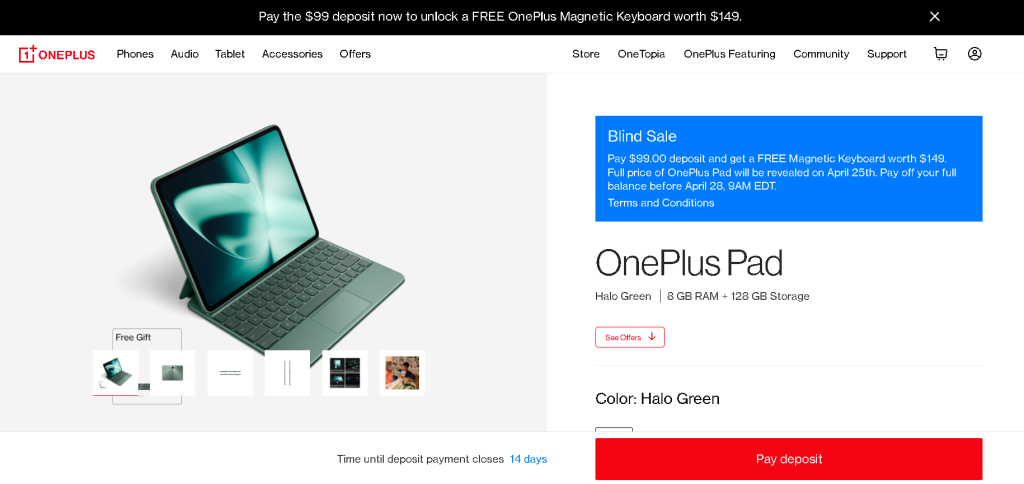
Earlier in February this year, OnePlus launched its first-ever tablet called the OnePlus Pad. However, the brand did not announce the pricing and availability of the device at the event. Last month, OnePlus had announced April 10th as the pre-order date of the OnePlus Pad in several countries. Now, the brand has started taking up reservations for the tablet in the US, Europe, and UK markets. Additionally, OnePlus has also revealed early bird offers and they are live on the official website (links below).
As a part of the launch offer, OnePlus is offering either a Magnetic Keyboard or Stylo at free of cost for those who pre-book the tablet now by paying $99 / €99 / £99. The Magnetic Keyboard is valued at $149 / €149 / £149 whereas the Stylo is worth $99. Buyers will be able to choose between the two accessories depending on the market region. Additionally, European customers will be eligible for a free SuperVOOC 80W adapter worth €39 if they buy the tablet between April 25th – April 28th.
It’s worth noting that the OnePlus Pad pre-orders will be live till April 25th, 10:59 AM CEST. The brand has confirmed that it will finally reveal the full price of the tablet at 11 AM CEST on April 25th. The deposit is fully refundable for interested customers who pre-book the tablet. However, if they wish to purchase the OnePlus Pad, the remaining balance payment has to be made before April 28th, 10:59 AM CEST to secure the tablet and the aforementioned freebies. Shipments of the tablet will commence fron May 8th.
According to the OnePlus website, the OnePlus Pad is listed in a sole 8GB + 128GB RAM and storage configuration and a Halo Green colour.
To recall, the OnePlus Pad packs an 11-inch LCD display bearing a 2.8K resolution and a 144Hz refresh rate. It is powered by a Dimensity 9000 SoC coupled with up to 12GB RAM and 256GB onboard storage. The tablet is backed by a 9,510mAh battery unit with support for 67W charging.
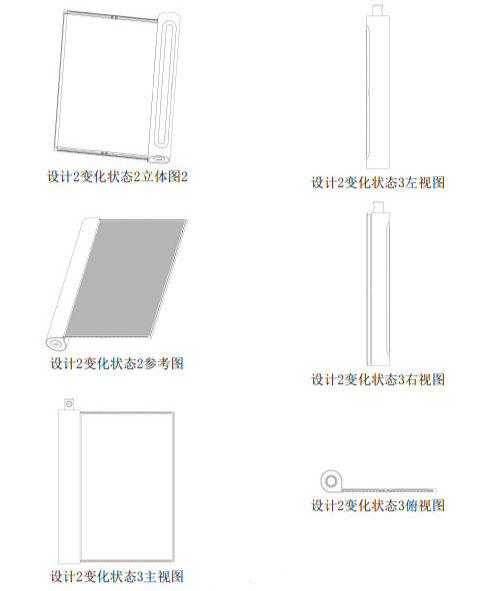
A new Xiaomi patent has just surfaced online. This has revealed that the company is possibly working on a unique smartphone that features a rolling display that appears like a scroll. So here are all the details.
The Chinese tech giant’s latest patent was spotted with an application number CN307959735S. This design patent also showcases the appearance of this smartphone. The documentation carries design sketches of the device. Looking at these images, we can see that the smartphone features a columnar part on one side that houses the flexible display. This housing component has a peculiar scroll like shape that is likely due to the display that rolls into it.
In other words, it might also function similar to a scroll, with the display being pulled/rolled out of its housing. While it is interesting to imagine that Xiaomi is working on such a product, it is clear that this is still a conceptual design and not a gadget ready for mass production. Unfortunately, finer details like specifications are still unclear although this patented rolling smartphone might also feature a pop up camera module.
This isn’t the first time we’ve seen such a futuristic device and we’ve already seen rollable TV’s from LG. So a rollable phone for the mass market shouldn’t be too far ahead in the future. The design is quite interesting but the structural integrity and actual usability is still doubtful. So stick around for more updates.
Xiaomi is one of the largest consumer electronics brands in the world. While the company is predominantly recognized for its smartphones, the brand has a significant presence across numerous categories in China and elsewhere. It is known for several diverse products, such as a smart pedestal fan, walkie talkie, Xiaomi smart air conditioner, Xiaomi electric scooter, and many more. Today, Xiaomi has launched a new product under the Mijia brand – the Mijia Nylon Polarized Sunglasses.
The Mijia Nylon Polarized Sunglasses are equipped with nylon polarized lenses that utilize O6 layered lens technology, effectively filtering out 99.9% of UV rays and 99% of polarized light. In addition, these lenses enhance contrast and visual clarity, and are scratch-resistant and anti-reflective, ensuring superior optical performance. The sunglasses are designed to provide ample protection against harmful UV rays, glare, and polarized light, while also offering a lightweight and comfortable fit.
The frame of the sunglasses is made of 304H stainless steel and TR90 material, which are durable, flexible, and corrosion-resistant. The sunglasses have a rimless design that gives them a modern and minimalist look, and they weigh only 18 grams. Additionally, the rear frame of the sunglasses is designed to fit comfortably around the ears, claims the brand.
These sunglasses are available in black color and have a cat-eye shape that is suitable for both men and women. They are packaged with a protective case and a cleaning cloth to ensure the longevity of the product. The price of the Mijia Nylon Polarized Sunglasses is set at CNY 199 ($30), and they can be purchased on Xiaomi’s official website and other online partner platforms in China.
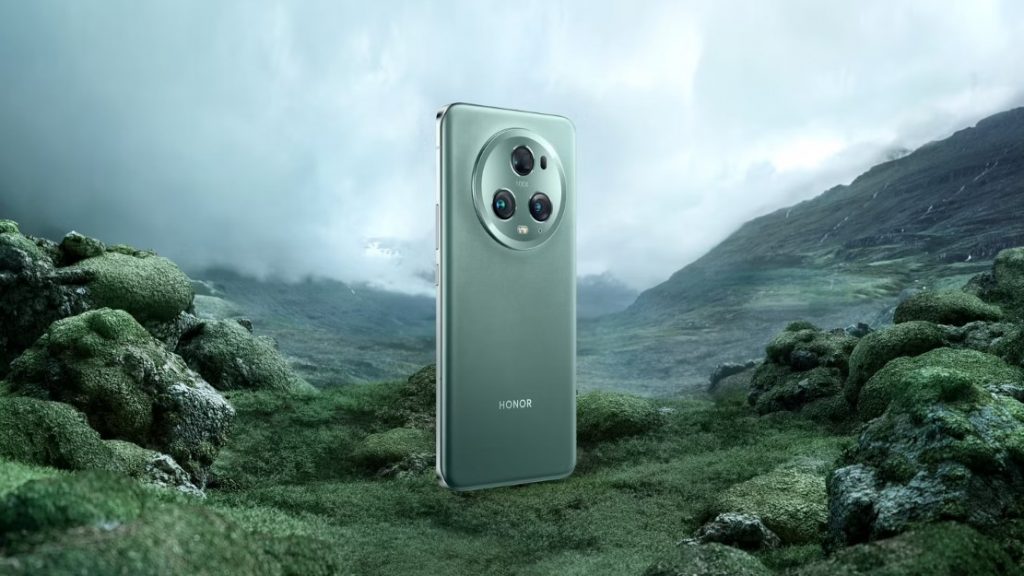
Honor introduced its latest flagship device, the Honor Magic 5 Pro, in early March. Although the device was released in China, it has not yet been made available in other parts of the world. Recently, Honor launched the phone in the UK, announcing its price and release date.
Starting from April 19th, the Magic5 Pro will be up for grabs in two distinct hues of green and black and will be priced at £949.99. The company has also confirmed its availability in various other regions such as the EU, Latin America, and Asia-Pacific markets in the near future. Let’s check out what the device has to offer.
Honor Magic 5 Pro specs
The Honor Magic 5 Pro features a stunning 6.81-inch LTPO OLED display with a resolution of 2848×1312 pixels. The display is curved on all four sides, which Honor calls the ‘Quad-Curved Floating Screen’, and boasts gesture support. It has a 1Hz-120Hz Dynamic refresh rate with up to 1,800 nits of peak brightness, providing an immersive viewing experience. The panel has a 19.54:9 aspect ratio, a pixel density of 461 ppi, and supports HDR10+ and is IMAX Enhanced certified. Additionally, the display has been rated No. 1 by DxOMark.
Under the hood, the Honor Magic 5 Pro is powered by the Snapdragon 8 Gen 2 chipset, paired with 12GB of LPDDR5X RAM and 512GB of UFS 4.0 storage. The device packs a 5,100 mAh battery with 66W wired fast charging support and 50W wireless SuperCharge support, making it ideal for people who are always on-the-go.
The Honor Magic 5 Pro boasts a triple-camera setup that consists of a 50 MP primary camera with OIS support and an 8P lens, a 50 MP ultrawide shooter with a wide 122-degree FOV and an f/2.0 aperture, and a 50 MP Periscope telephoto camera with OIS, 3.5x optical zoom, and 100x digital zoom. The camera system is assisted by a 3D ToF laser, a multi-spectrum sensor, and a flicker sensor, making it ideal for photography enthusiasts.
On the front, the phone has a pill-shaped notch that houses a 12 MP selfie camera with an f/2.4 aperture and a 3D depth sensor. The device runs on Android 13 with the MagicOS 7.1 skin on top. Lastly, the Honor Magic 5 Pro weighs 219 grams and measures 8.77mm thick, making it sleek and easy to carry around. Overall, the Honor Magic 5 Pro is a top-of-the-line smartphone that offers excellent features and specifications.
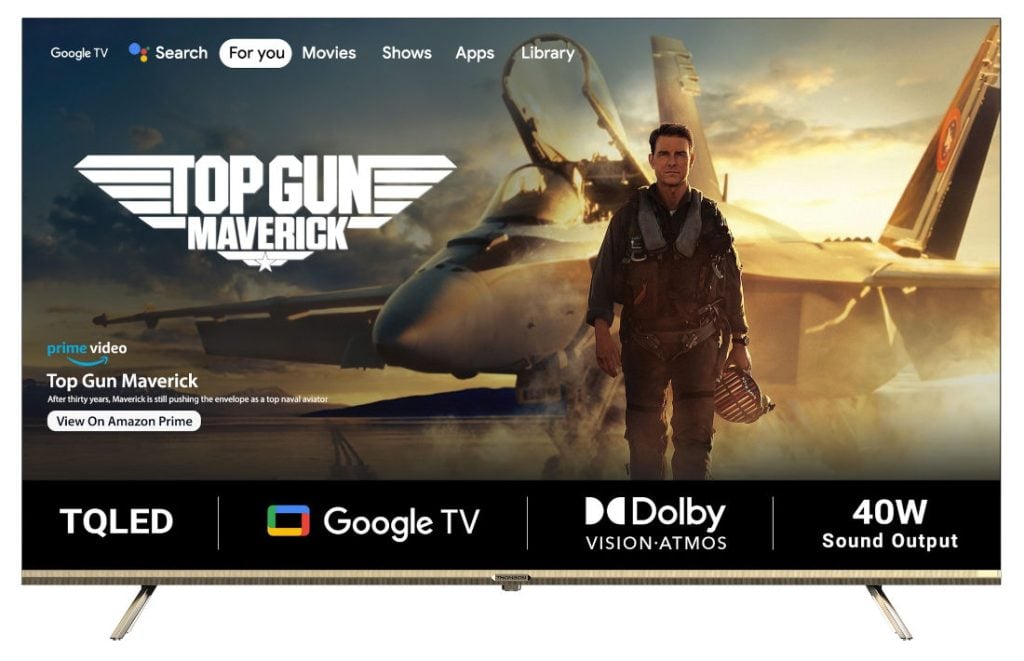
Super Plastronics, the brand licensee of Thomson Televisions in India, has launched a new television in the country. The latest offering is a part of the brand’s OATHPRO Max series. It packs a host of specifications and features. Read on to know what it offers out of the box.
The Thomson OATHPRO Max series TV features a 65-inch IPS display bearing a 4K resolution of 3,840 x 2,160 pixels. It offers 550 nits brightness and supports HDR10+ and Dolby Vision. There are multiple viewing modes. The television has a bezel-less design and a metallic stand. On the audio front, the Thomson TV is equipped with 40W stereo box speakers and Dolby Atmos.
Under the hood, the Thomson 65-inch TV is equipped with a 1.5GHz quad-core MediaTek A53 processor. It packs 2GB RAM and 16GB onboard storage. The television runs on Google TV with various OTT apps like Netflix, Amazon Prime Video, Disney+ Hotstar, and more. There are some features like adult and child profiles, personalised content, and smart home control.
Connectivity options on the Thomson 65-inch TV include dual-band WiFi, Bluetooth 5.0, three HDMI ports, two USB ports, and an Ethernet port. The television also comes with a voice remote with dedicated hotkeys for Netflix, Prime Video, and YouTube.
The Thomson 65-inch TV costs Rs 43,999. It will be available for purchase from Flipkart during Summer Saving Days Sale that starts on April 13th.
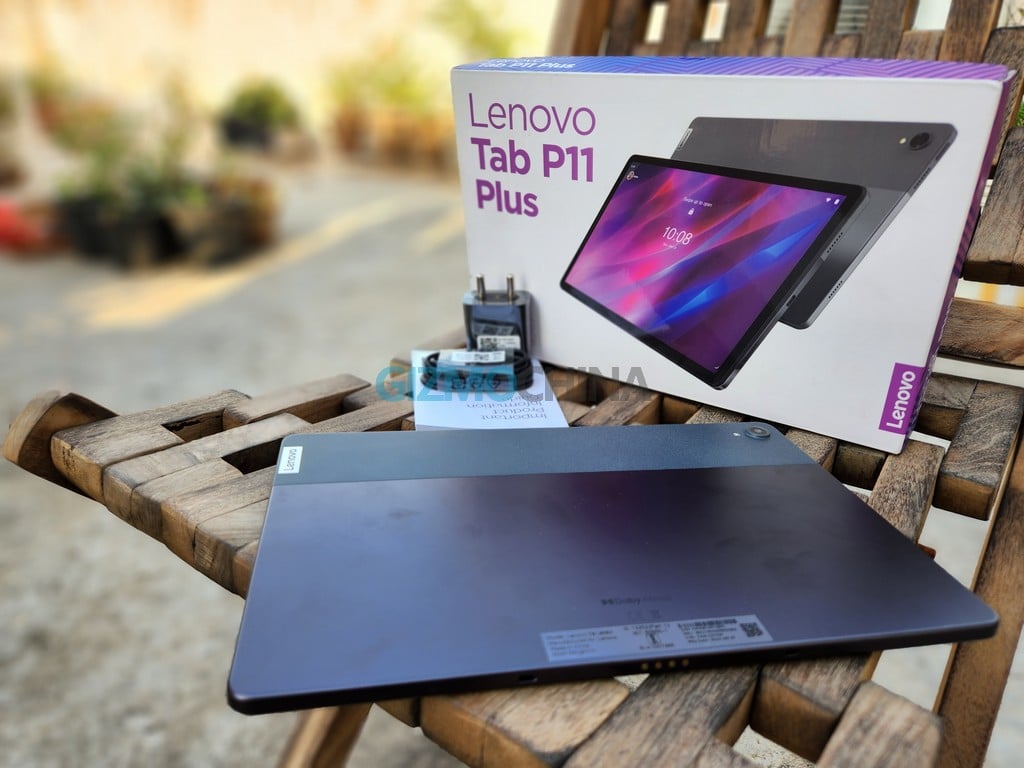
Lenovo continues to dominate the Indian tablet market, holding approximately 36 percent of the market share, owing to its extensive range of devices catering to various segments and its unmatched value-for-money proposition. The Lenovo Tab P11 Plus, which was launched in India in July 2022, is one such device that offers unbeatable features at an affordable price.
The tablet is placed between the Tab P11 and the Tab P11 Pro (see review) and costs Rs 26,499 ($323). After waiting for a considerable time, I managed to acquire a unit to provide our readers with a comprehensive and impartial review of the tablet.
What’s in the box
The Lenovo P11 Plus has the following items included in the package:
Lenovo Tab P11 Plus tablet
20W charging adapter
USB to USB-C charging cable (1 meter)
Memory card tray pin
Quick Start Guide and Safety Warranty
Please note that the tablet does not include a Stylus pen or back cover in the package. However, these items can be purchased separately. For those wondering, the tablet accepts the same keyboard as the Pro model, while it supports Lenovo Precision Pen 2 stylus.
Design and Display
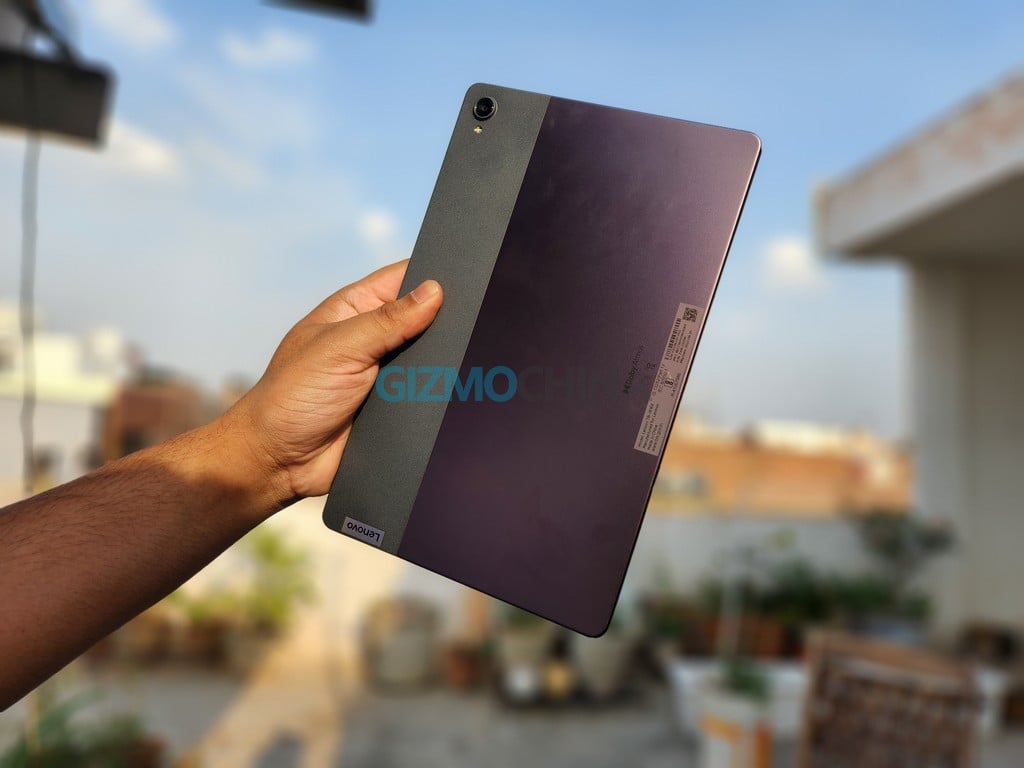
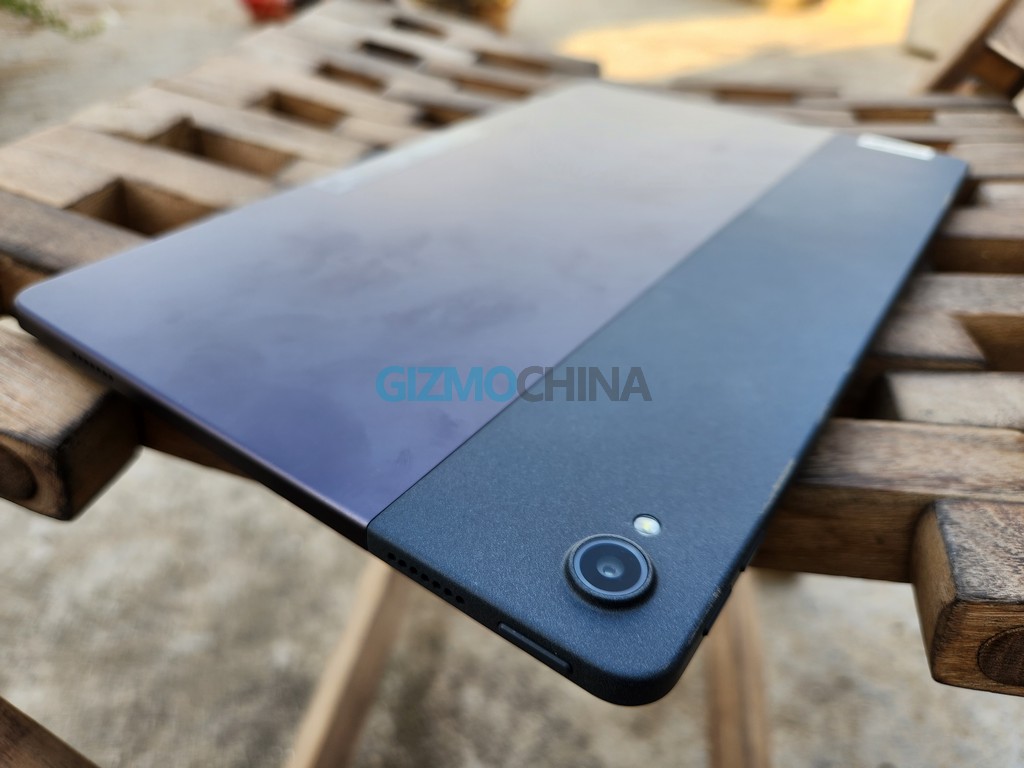
The Tab P11 Plus boasts a distinctive back panel made of a combination of rubber and aluminum. This design element provides a comfortable grip for landscape mode usage during activities such as video watching or gaming. However, it is important to note that the aluminum portion of the back panel is prone to fingerprint smudges.
Other than that, the tablet follows a standard design template with flat edges, a single camera on the back, and an overall slim finish. The tablet’s top portion is equipped with mics, volume buttons, and a microSD card slot. On the right-hand side, users can find the USB-C charging port and two speakers, while the bottom section features pogo pins for keyboard connectivity. Additionally, the right-hand side has two additional speakers and a power button. It weighs less than 500 grams and is only 7.5 millimeters thin.
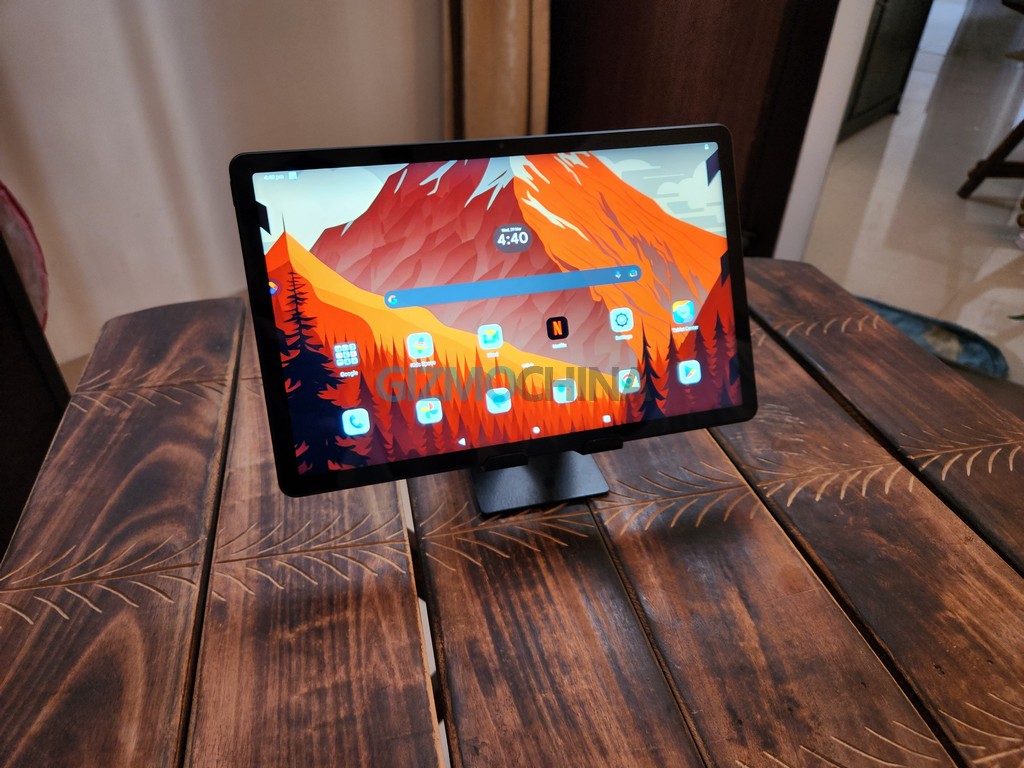
Flipping over to the tablet’s front, users are greeted with an 11-inch IPS panel with a 2K resolution (2,000 x 1,200) and thin bezels surrounding all four sides, resulting in an impressive screen-to-body ratio of around 82%. In landscape mode, the bezels offer ample grip to prevent unintentional screen touches while holding the Tab P11 Plus. The display offers 60Hz refresh rate, 400 nits peak brightness, a 5:3 aspect ratio, and 212 pp pixel density. It comes with HDR support which means users can watch HD streaming content on OTT platforms like Netflix, Prime Video, Disney+ Hotstar, and Hulu.
Given that it covers 70% of the NTSC color space, the tablet is capable of reproducing vibrant colors with decent accuracy and sharpness. Thanks to its TÜV Rheinland Full Care Display Certification, users can view the display for extended periods without experiencing eye fatigue while working or watching videos.
The centrally located 8MP front-facing camera further adds to the tablet’s usability, as it eliminates the awkward webcam experience that occurs when the camera is situated on the shorter side of the device.
The JBL quad speakers on the Tab P11 Plus deliver an enjoyable audio experience, particularly for watching videos or playing games, thanks to their optimization with Dolby Atmos. While the bass output could be improved, the speakers are more than capable of providing satisfactory audio quality, eliminating the need for external speakers while viewing shows or movies.
Performance
Despite potential worries about the MediaTek Helio G90T chipset’s release in 2019, it exceeds expectations in terms of performance. With its ARM Mali G76 GPU and MediaTek’s HyperEngine, gaming performance at this price point is excellent. The device also boasts speedy 6GB LPDDR4x RAM and 128 GB UFS 3.1 storage, which can keep up with app switching and gallery scrolling. Moreover, the device has an external storage slot that supports up to 1TB of microSD card, providing ample storage space.
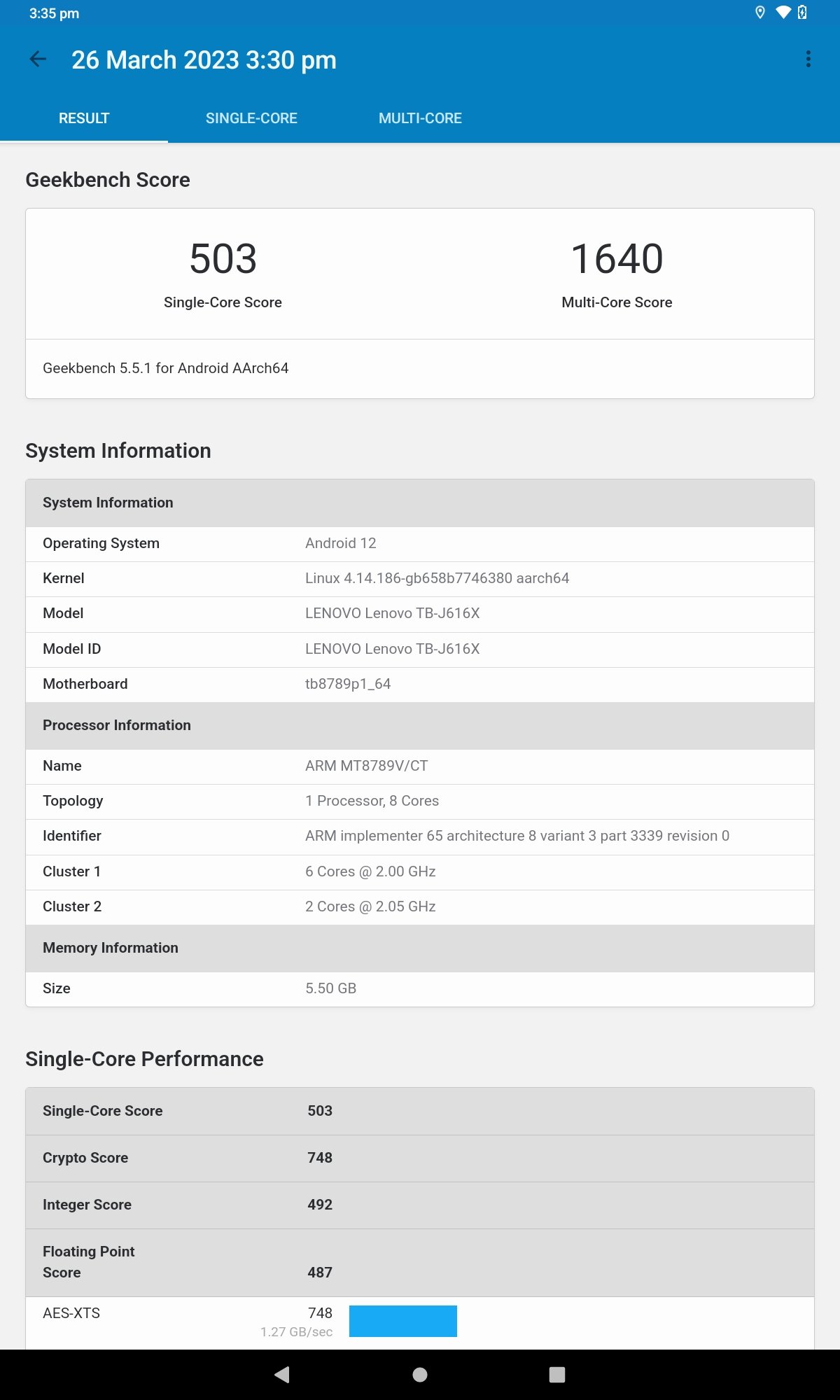
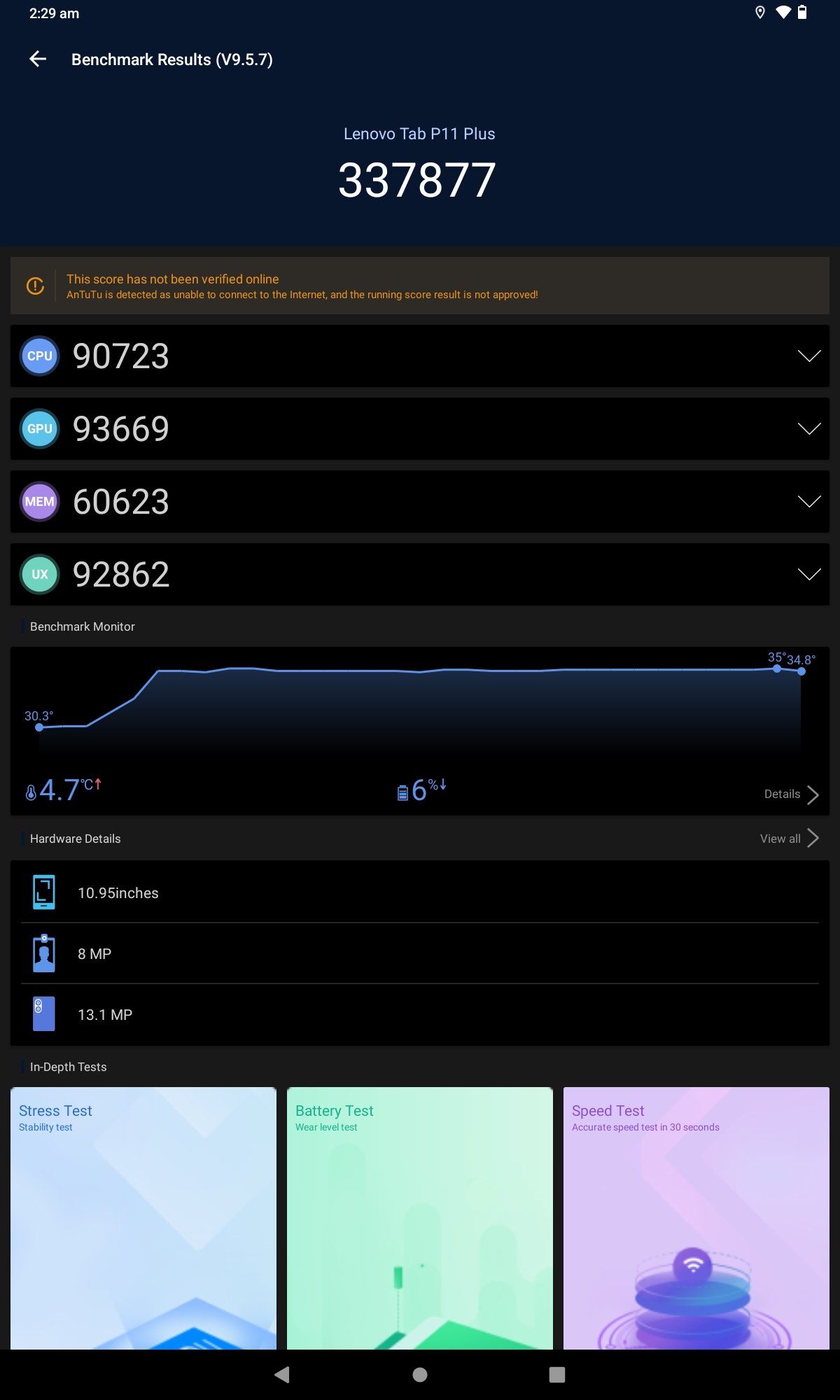
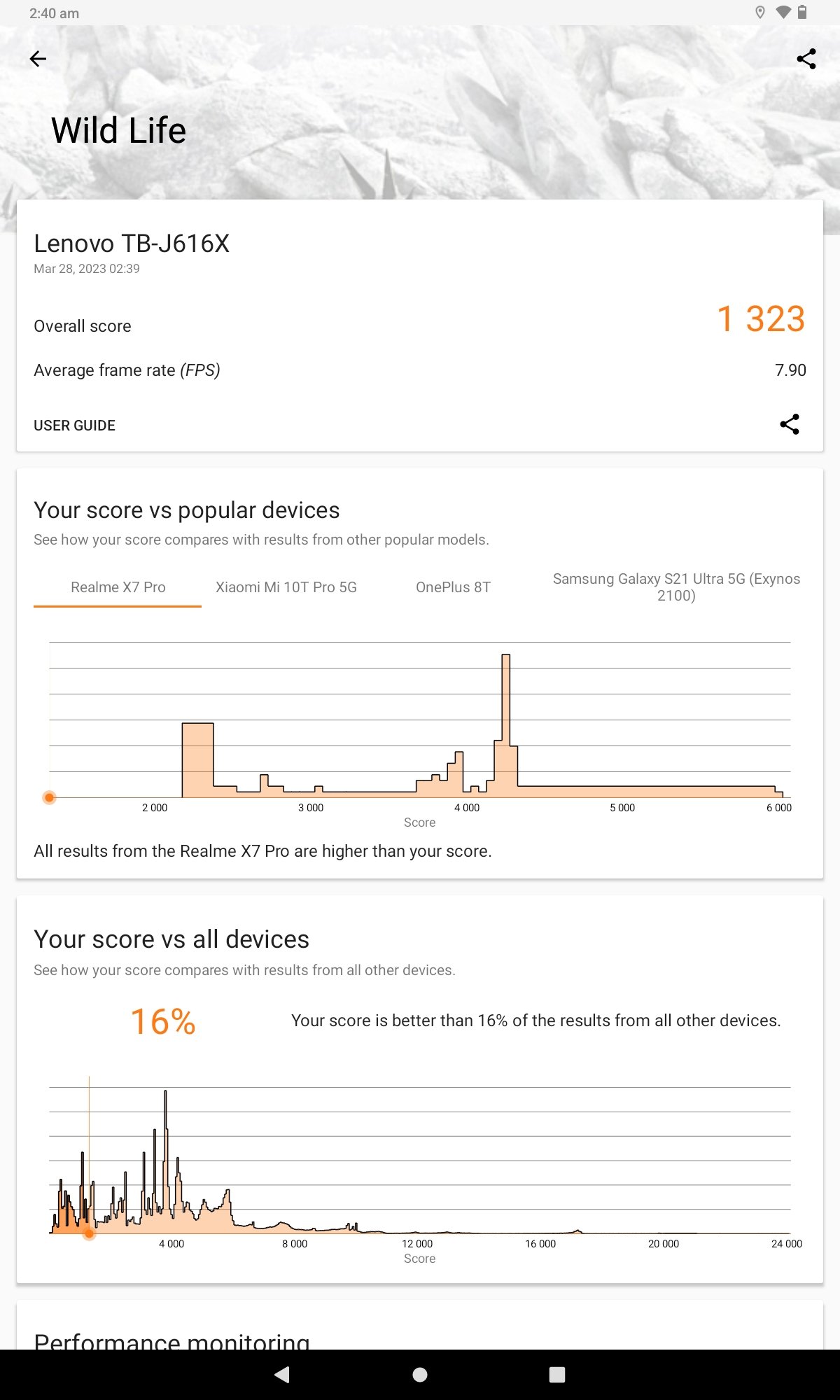
Lenovo Tab P11 Plus GeekbenchLenovo Tab P11 Plus AnTuTuLenovo Tab P11 Plus 3D Mark
The tablet’s performance is not affected when using multiple applications at the same time or switching between them. For basic computing tasks, the overall user experience is smooth and satisfactory. The Helio G90T chipset performs similarly to the Snapdragon 750G, which is found in devices like the Galaxy Tab S7 FE. In Geekbench 5, the P11 Tab Plus achieved a score of 503 points in the single-core test and 1640 points in the multi-core test. It also achieved a score of 337,877 points on the AnTuTu benchmark test.
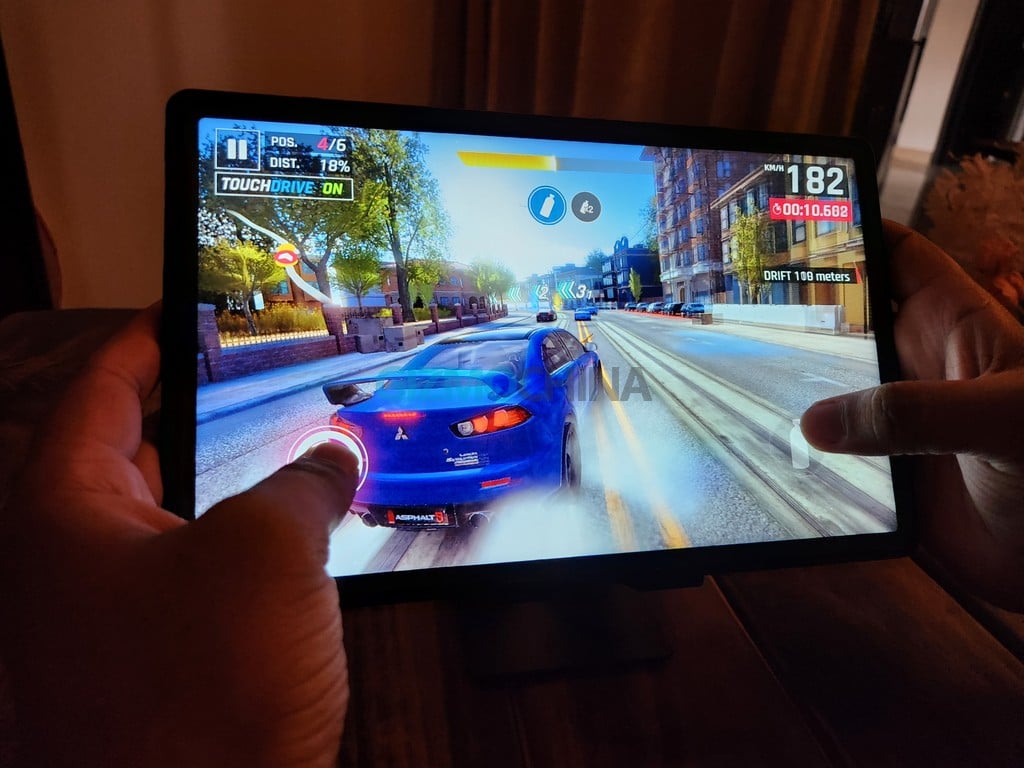
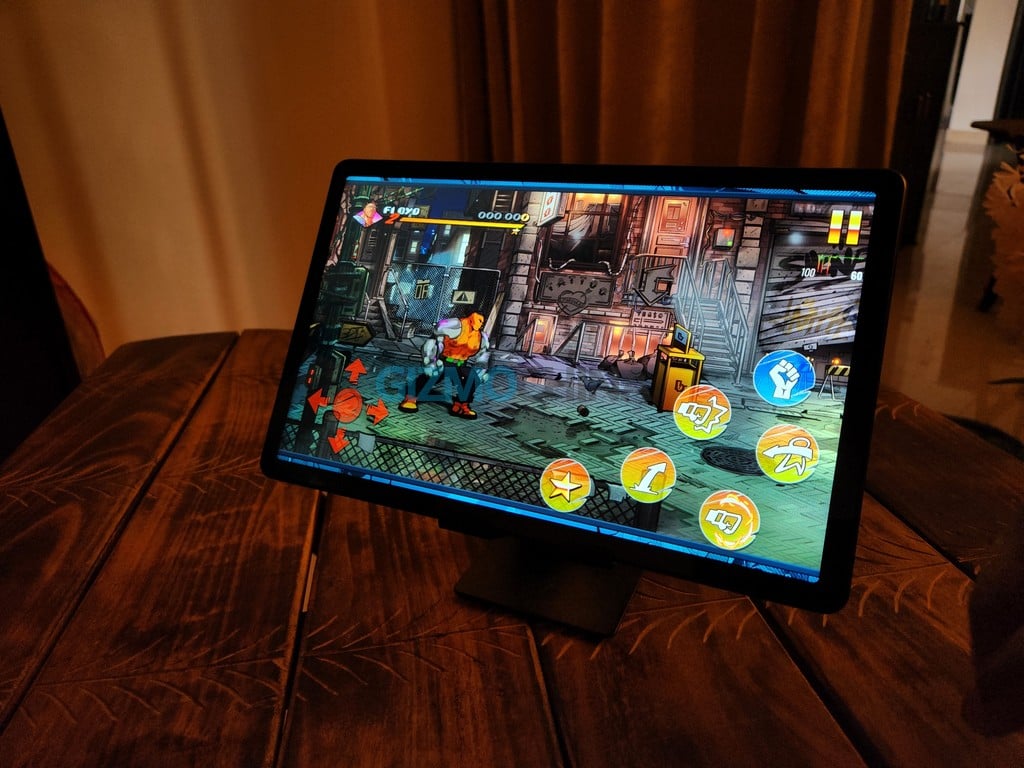
Playing games such as Asphalt 9 and NFS No Limits on the tablet is a breeze, but in more demanding games like Call of Duty: Mobile, some frame drops may occur. It’s possible to run PUBG Mobile at high framerates with HD graphics on this device. Personally, I spent most of my time playing Streets of Rage 4’s Android port, which ran smoothly at 56-62 FPS on high settings. While gaming, the tablet may warm up a bit, but it’s not uncomfortable. Moreover, the heating takes place in the top center, away from the sides where your fingers are positioned during gaming.
Battery
With moderate usage, the tablet’s 7,700 mAh battery should last a full day. I personally tested the device by streaming HD shows over Wi-Fi with the brightness set to maximum. After approximately 8 hours of use, the tablet finally powered off. In case of low battery, the Tab P11 Plus offers 20W fast charging, which can provide several hours of battery life in just 15 minutes. The device can be charged up to 85% within two hours, while the remaining 15% requires an additional hour.
Software
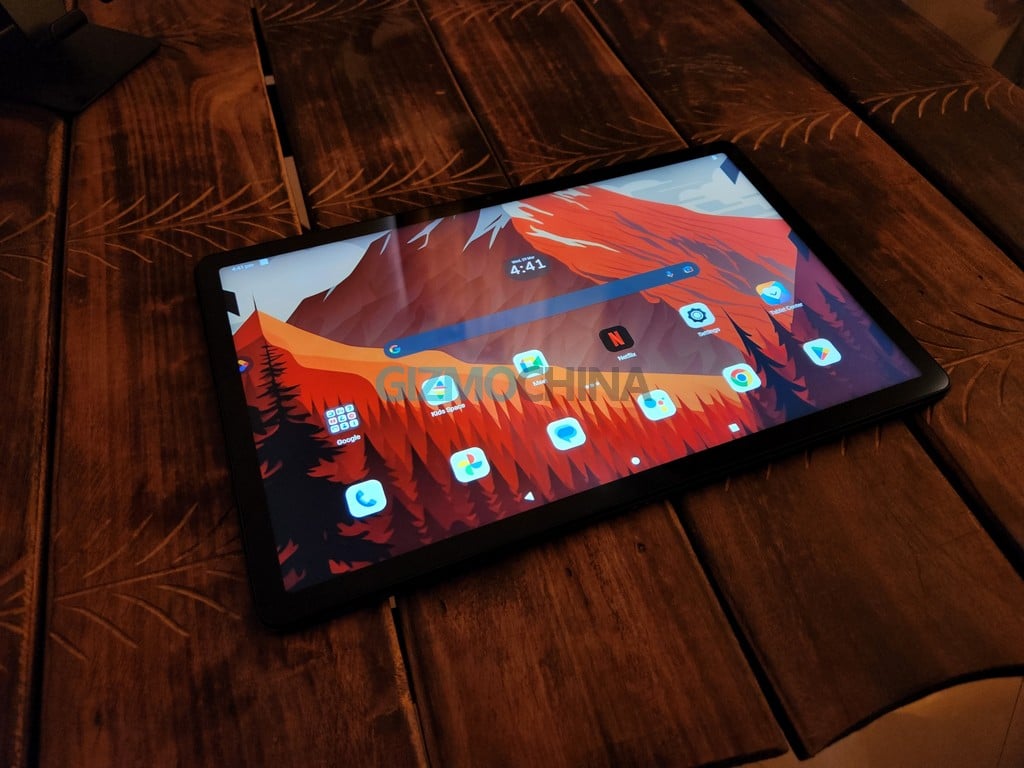
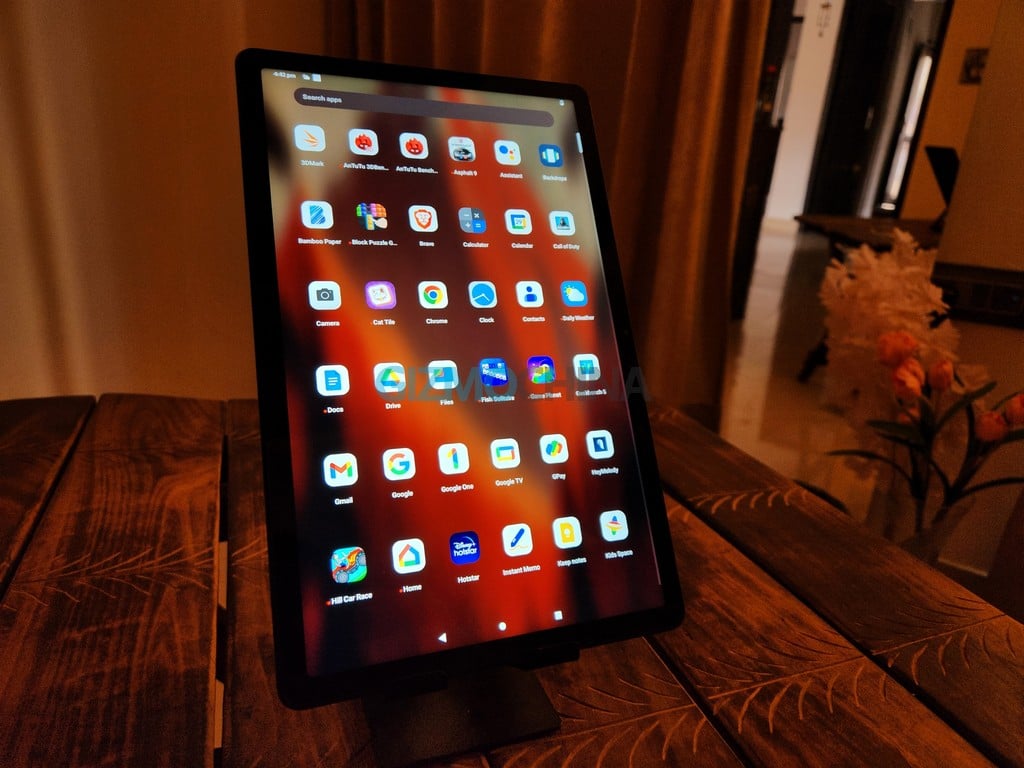
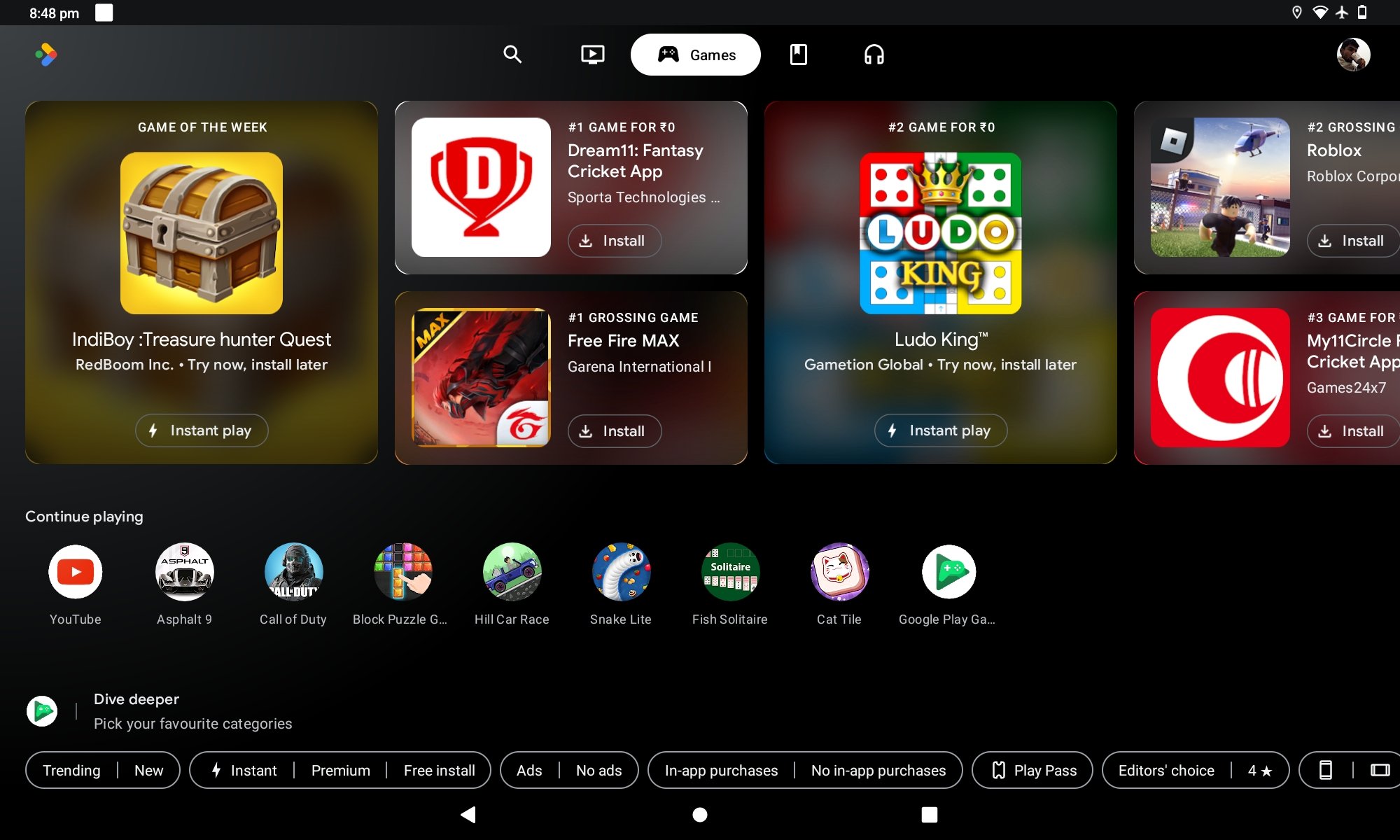
Coming to the software, the tablet was running Android 11 when I got my hands on it, however, the Android 12L (Android version optimized for large-screen devices) update is already out for the device. The operating system is clean and doesn’t come with much bloat, although there are some lightweight games like Fish Solitaire, Block Puzzle Guardian & Snake lite pre-installed on it. An issue that stood out to me while using the tablet was an ad that appeared upon launching a pre-installed Lenovo app. Nevertheless, after updating to Android 12, I have not experienced this problem again.
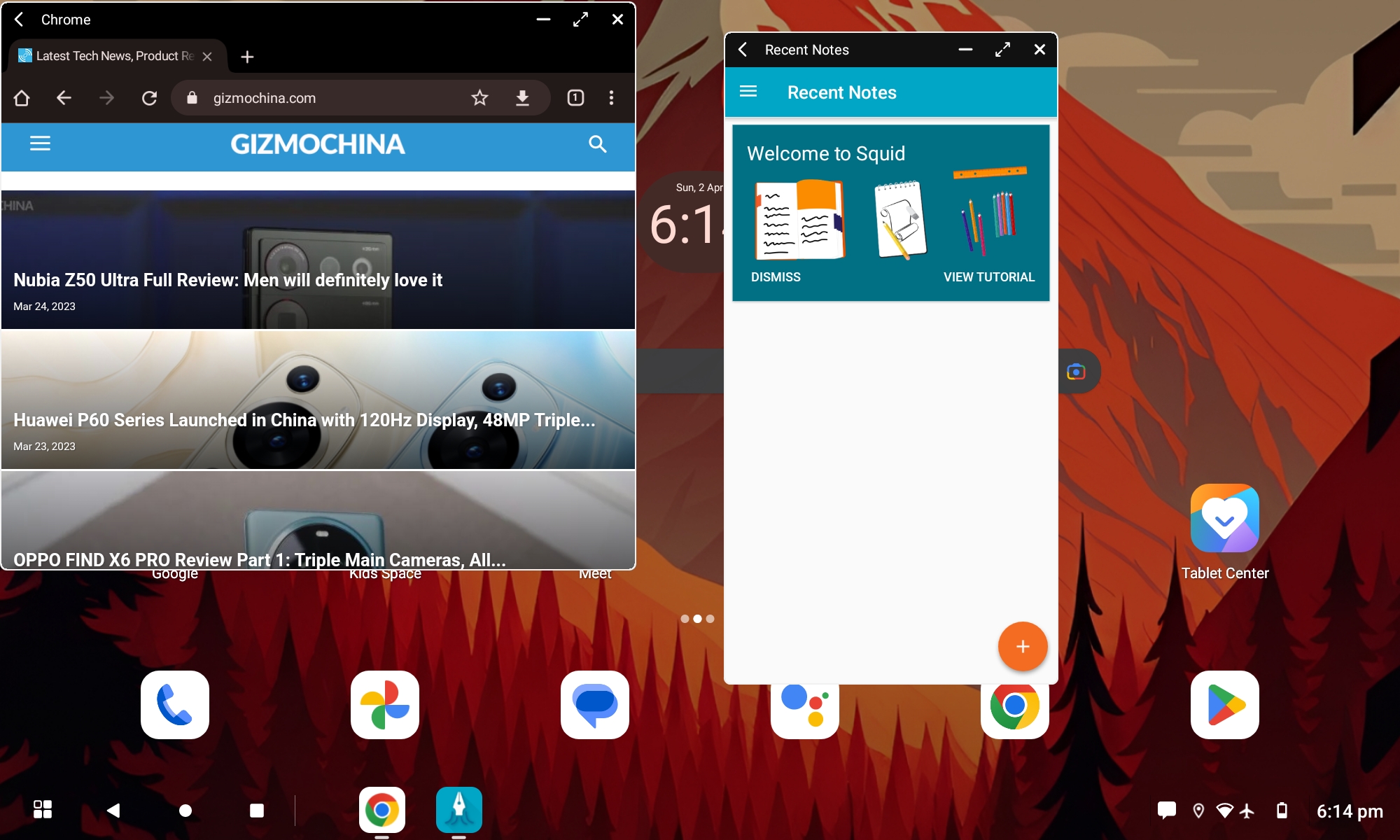
Lenovo Tab P11 Plus Productivity ModeLenovo Tab P11 Plus Productivity Mode
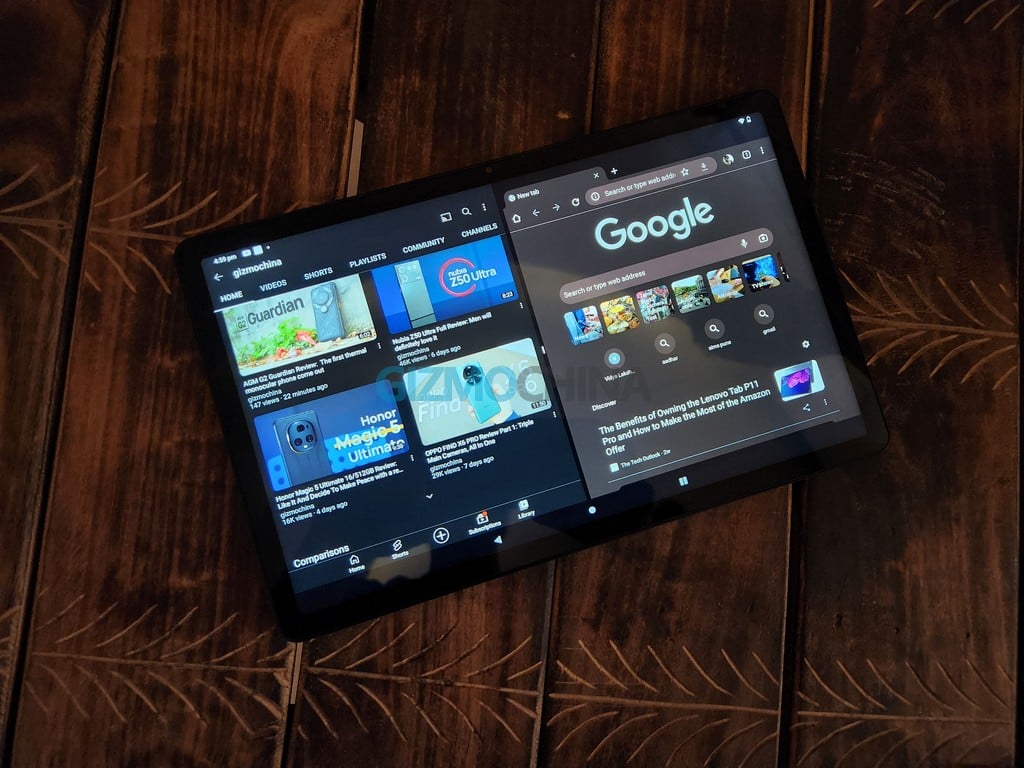
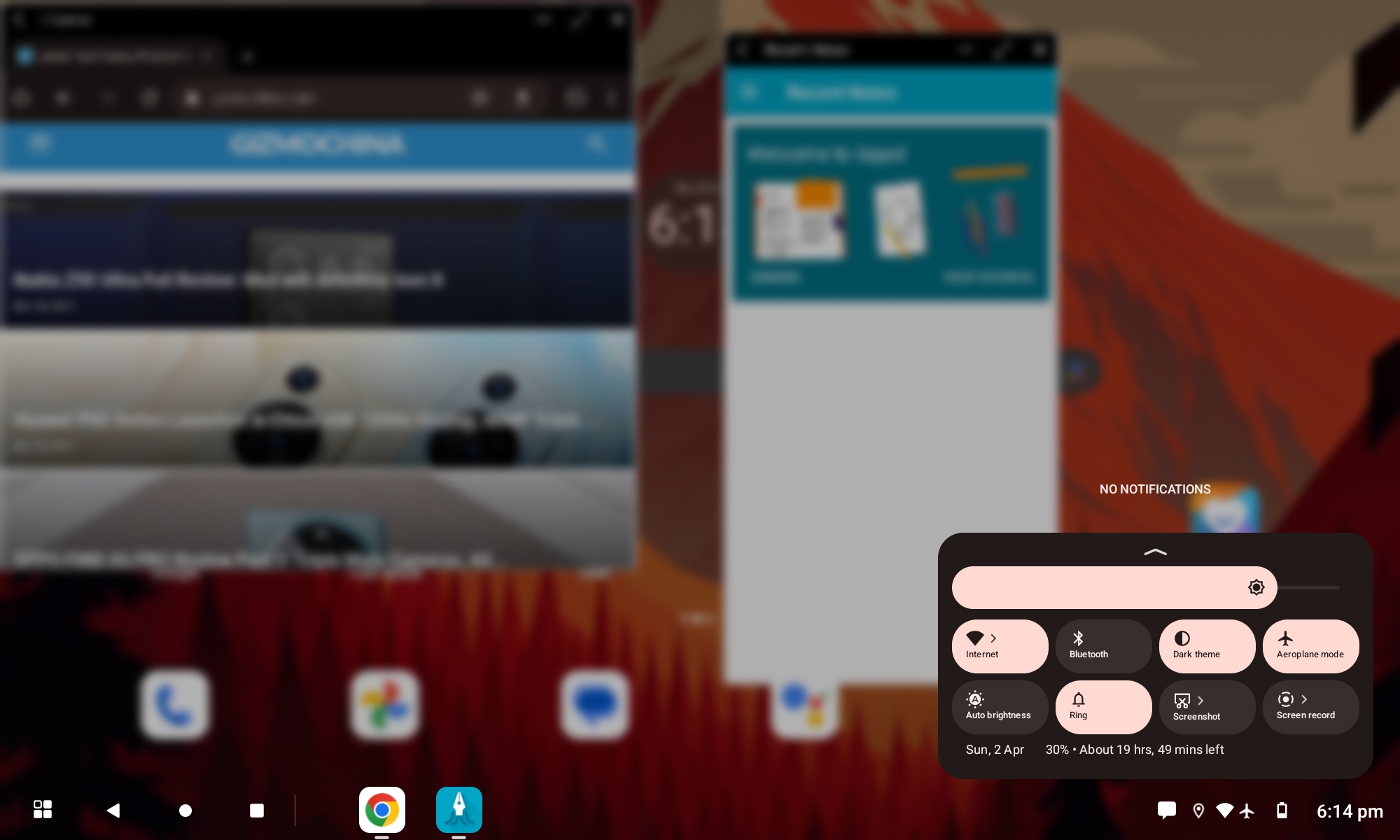
The tablet’s split-screen mode is decent as it allows users to resize apps, but there is no gesture shortcut to activate it. However, the most impressive feature of this tablet is its productivity mode, which transforms the tablet OS to resemble and function like a Windows PC. In this mode, there is a taskbar, desktop icons, and the ability to open and switch between multiple apps, much like a Windows PC. One downside to this mode is that resizing apps can be a bit clunky. Nevertheless, this issue was easily resolved by connecting a mouse using a USB-C dongle.
Lenovo Tab P11 Plus Google Entertainment SpaceLenovo Tab P11 Plus Google Entertainment Space
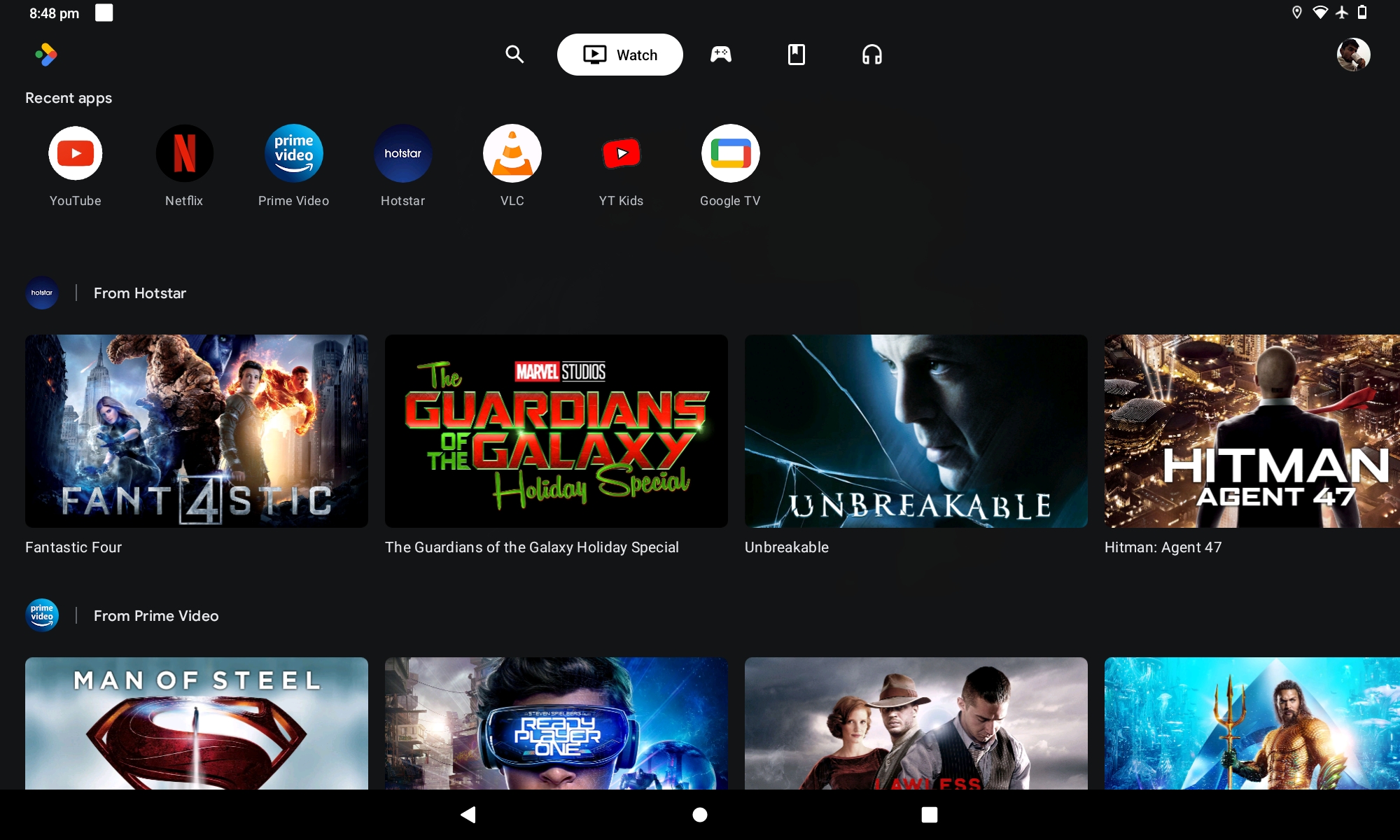
The tablet also incorporates Google Entertainment Space and Kids Space. Google Entertainment Space, for those unfamiliar with it, is a response from Android to Apple’s tvOS. It’s a customized interface that replaces the Google Discover panel and offers a carefully selected range of streaming shows, books, and games. Although it’s still relatively new, Google keeps adding support for more streaming services to the mix.
Meanwhile, Kids Space is another feature that comes in handy, especially for parents. It simplifies the process of adding all of your child’s accounts to the tablet, and Google suggests a variety of fun and educational games, books, and YouTube videos based on your child’s interests. With robust parental controls, you can regulate your child’s exposure to specific content and even set limits on how much time they can use the tablet.
Cameras
The camera setup on the Tab P11 Plus comprises a 13 MP sensor for the rear camera and an 8 MP sensor for selfies. In good lighting conditions, the rear camera produces adequately sharp and detailed images for a tablet in the budget mid-range category. However, the sharpness of the 13 MP photos is low, especially in low-light conditions.
Normal modeHDR ModeHDRa mode2x Zoom sample2x Zoom samplePortrait mode sample
On the other hand, the 8 MP front-facing camera located in the bezel above the screen performs well in photo mode and can produce decent images suitable for quick selfies and video calls. However, the low resolution of the camera means that the detail reproduction in photos is not one of the Tab P11 Plus’s strong points.
Connectivity and Other Features
The face unlock feature on the Lenovo Tab P11 Plus is highly efficient, quickly recognizing the user’s face and granting access to the device. However, in low-light conditions, the feature may fail to identify the user’s face, prompting the need for a passcode or pattern to unlock the device.
In terms of connectivity options, the device boasts Wi-Fi 802.11ax, Bluetooth 5.1, GPS, and a USB-C port with DP-out. It also supports USB OTG. Regrettably, the device lacks a 3.5mm audio jack, which could prove to be a significant inconvenience for users who prefer using wired earphones or headphones. During my testing of the Tab P11 Plus, I found that it provides 4G SIM support. While the calling experience was satisfactory, the most significant benefit of this functionality is the ability to use the tablet with cellular data, without being dependent on Wi-Fi connectivity.
Verdict
Having used the device for nearly a month, I have little to criticize about it. The operating system runs exceptionally smoothly, the display is perfect for enjoying media content, and the SoC performs admirably for casual gaming, delivering satisfactory frame rates. Moreover, the tablet boasts an impressive battery life and can serve as a basic computing device when paired with a keyboard and a mouse. However, it is important to note that while it can handle basic computing tasks, it is not designed to replace a laptop.
The Tab P11 Plus (Amazon link) could be a great pick for those seeking a device primarily for media consumption, with the added benefit of light gaming and basic computing capabilities. However, to make the most of its computing features, it is recommended to purchase a keyboard folio along with the tablet.
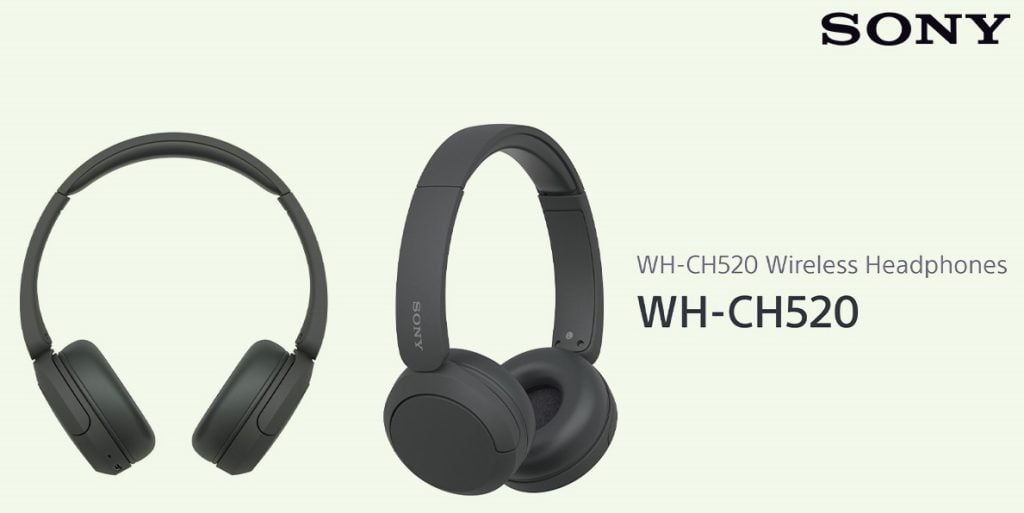
Last month, Sony launched WH-CH720 over-ear wireless headphones in India. Now the Japanese brand has announced a new headphone in India. The latest offering is the Sony WH-CH520 and it is a toned-down version of the previously launched model. Read on to know what it offers out of the box.
The Sony WH-CH520 is an on-ear wireless headphone with an adjustable headband and circular-shaped soft earpads for a comfortable fit. The right ear cup has power and volume buttons along with a USB-C port.
On the audio front, the Sony WH-CH520 is equipped with a 30mm dynamic driver. It features the brand’s DSEE technology that is capable of upscaling audio even when it is compressed. Users can customize sound and adjust settings via the Sony Headphones app. The audio device comes with a built-in microphone for hands-free calling and voice commands.
The Sony WH-CH520 is claimed to deliver 50 hours of battery life along with support for fast charging. It comes with Bluetooth 5.2 connectivity with Swift Pair and Google Fast Pair features for quickly connecting to devices. The headphones can also be connected to two devices simultaneously.
The Sony WH-CH520 carries a price tag of Rs 4,490. It is offered in Black, Blue, Beige, and White colors. The audio device can be purchased from Sony Exclusive Stores, Sony Online Store, major offline stores, and e-commerce portals starting today.
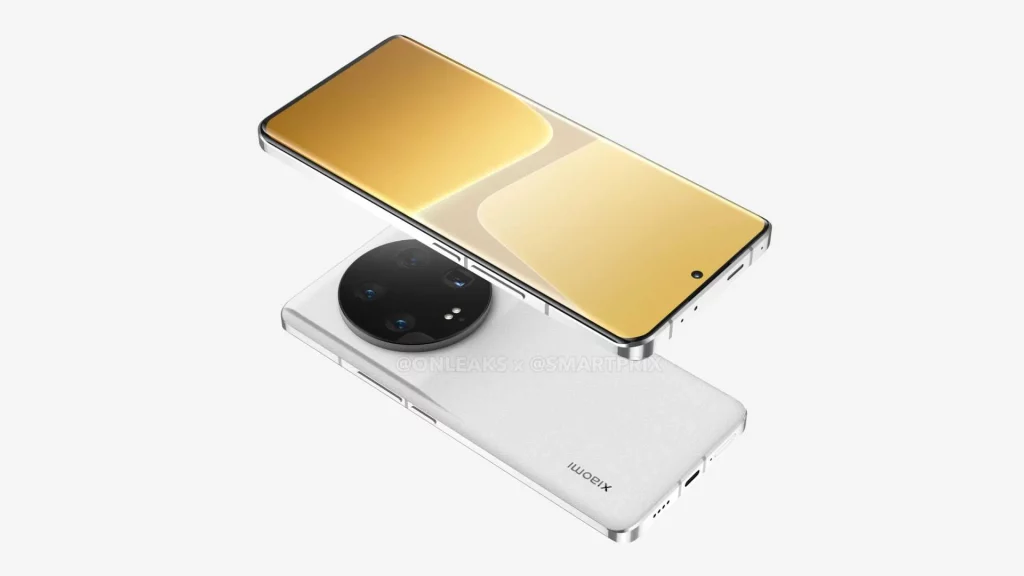
Xiaomi 13 Ultra is confirmed to launch in China later this month. As per our previous report, the smartphone is expected to debut in the home country on April 18th. Now the upcoming flagship has appeared on leaked renders shared by reputable tipster Onleaks in collaboration with SmartPrix. The renders reveal the design of the smartphone along with some key specifications.
As per the leaked renders, the Xiaomi 13 Ultra looks quite bulky. It has a boxy form factor with power and volume rocker buttons located on the right side. The back panel has a large protruding camera module (like the recently launched Find X6 Pro) housing four sensors and an LED flash unit. The island is missing Leica branding, however, the smartphone is already confirmed to come with the legendary camera maker’s technology. The back panel seems to be uneven as the top portion is elevated and starts to blend in with the lower portion just below the camera island. The rear panel also has curved edges.
On the front, the leaked renders of the Xiaomi 13 Ultra reveal a curved display with a center-aligned punch-hole cutout and thin bezels. There is a speaker grille and two more cutouts, possibly for an IR Blaster and a secondary microphone at the top. The bottom of the phone houses a SIM tray, a speaker grille, and a USB-C port.
Onleaks says that the Xiaomi 13 Ultra will boast a 6.7-inch AMOLED curved display bearing a resolution of 2K pixels and a 120Hz refresh rate. Dimension-wise, the phone will measure 163.18 × 74.64 × 9.57mm. The upcoming offering’s White color variant is tipped to have a leather-like finish on the back panel.
NIO has announced that it will be officially unveiling its latest electric vehicle models during the Shanghai Auto Show 2023 event later this month. One of the highly anticipated unveiling is undoubtedly the ES6 Electric SUV model, so here are all the details.
The Chinese automaker will be unveiling the new vehicles under the theme “New Episode” at Shanghai Auto Show 2023 on April 18. During this event, the brand is set to announced six models from its second generation technology platform. The all new ES6 Electric SUV will be making its debut at this conference. Alongside this model, the company will also be unveiling the 2023 NIO ET7 electric sedan, ES8, EC7, ES7, and ET5 as well.
The innovative N-Box Enhanced Entertainment Console and AR glasses will also be available for demonstration on the EC7 model. Furthermore, NIO will also demonstrate the third generation Power Swap Station and 500kW Power Charger. This technology basically represents advancements in making recharging as convenient as refueling through the deployment of NIO’s battery charging and swapping network. The company is also letting visitors experience this new charging technology and swapping network on the interactive charging map.
Users can even select their preferred locations for the upcoming Power Swap Stations at the event. Apart from the new electric vehicles, NIO will even unveil products from its lifestyle brand, NIO Life, along with launch crossover collections in collaboration with designers. Keep in mind that the Shanghai Auto Show 2023 will be held from April 18 to April 27.
The Huawei Nova series is set to be unveiled on April 17th. The series is expected to consist of three variants – Nova 11, 11 Pro, and 11 Ultra. Popular leakster Digital Chat Station has leaked most of the key specs of the Nova 11 Ultra.
According to sources, the Huawei Nova 11 Ultra is expected to be equipped with a powerful Qualcomm Snapdragon 778G 4G chipset. While it was previously tested with Snapdragon 8+, the 778G is a more budget-friendly option that will allow for a more affordable price point for consumers.
One of the most notable features of the Huawei Nova 11 Ultra is its 6.78-inch screen with curved edges, which boasts a high resolution of 2652 x 1200 pixels. The device will also have a 120Hz refresh rate, along with a 1440Hz PWM high-frequency dimming display.
In terms of the camera, the Huawei Nova 11 Ultra will retain its impressive 60MP + 8MP dual front-facing cameras, which are expected to be housed in a pill-shaped cutout on the top left corner of the screen. The front camera will also have 2X telephoto zoom.
On the rear, the device is equipped with a triple rear camera system that features a 50MP lens with an RYYB color array for bright images. The main camera will also have variable aperture technology, while the second camera is an 8MP ultra-wide angle lens for wide-scene photography. The device will also have a macro camera.
Powering the device is a 4500mAh battery that can be recharged with a 100W super-fast charger. The device itself measures 7.99mm in width and weighs 188 grams.
Those who opt for the top variant of the Huawei Nova 11 Ultra will also have access to Kunlun glass and satellite communication SMS features, while the device will also come in a green plain leather version with “nova” embossing all around the background.
The iQOO Z series was introduced in India in mid-2021. The brand has released multiple models in the lineup since then.
These budget smartphones are priced between ₹15,000-₹25,000 (~$180-$300). Recently, the company took wraps off the iQOO Z7 in India, which carries a retail price of ₹18,999 (~$230).
This sub-₹20,000 (~$250) device tries to be the best 5G smartphone in its price segment. It offers almost all the features that people look for, such as an AMOLED display, an OIS-enabled camera, fast charging, and more.
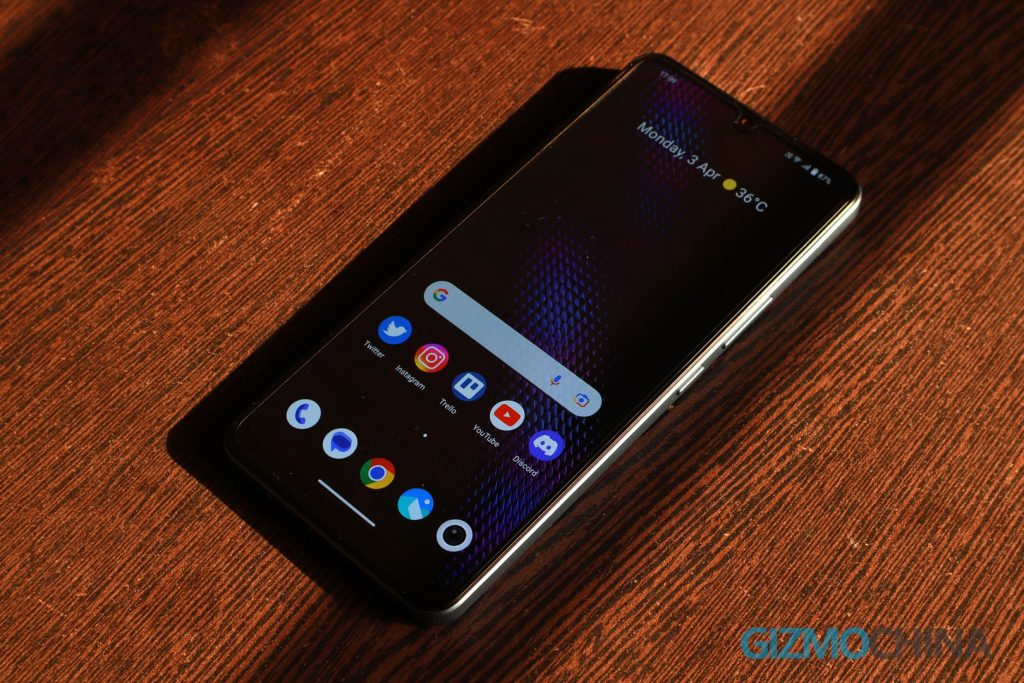
The product sounds so good that even I bought one for my father on the first day of the sale. At the same time, iQOO India also loaned me a unit to try the phone myself.
After using the device for weeks, I came across things that you won’t find on the spec sheet. These are probably one of the few reasons that might have helped the brand to price this handset very competitively.
You may have read multiple reviews or watched videos on iQOO Z7 by now. Hence, I have expressed my thoughts as simply as possible. I hope this helps you to decide whether this handset is meant for you.
Performance
The iQOO Z7 is different from other phones in its price segment. Though it is mostly targeted at youth looking for an affordable smartphone for gaming, I believe it is also an ideal device for elders at the same time.
The phone is powered by a MediaTek Dimensity 920 chipset. Thus, it is more powerful than any smartphone under ₹20,000 (~$250) in India.
Further, the Android 13-based FuntouchOS 13 software for this device is well-optimized. All I can say is that it is smooth and I did not encounter stutters. There are no visible frame drops in animations and any annoying bugs.
I don’t game much, except for Pokemon Unite every now and then. It is not a resource-hungry game like Genshin Impact but it does require a stable internet connection and a good touch sampling rate.
The handset does not disappoint as I could play the game at 60fps in the ‘High’ graphics setting. There are minute frame drops but that will not affect anyone’s gaming sessions.
Since I have Jio 5G coverage in my area, I was on 5G most of the time. The phone does not heat up and provided me stable 5G download speeds of up to 1.8Gbps.
Display
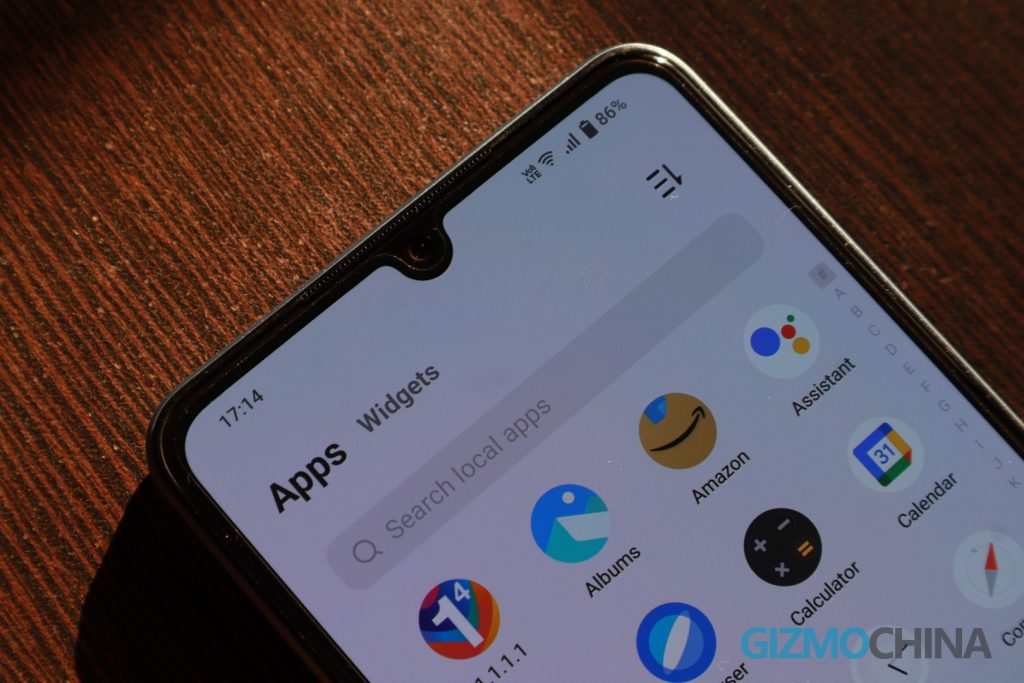
The front of the handset is fitted with a 6.38-inch AMOLED display sporting a dewdrop notch. The panel offers a resolution of 2400 x 1080 pixels (FHD+) and a 90Hz refresh rate.
The screen outputs punchy colors and deep blacks. It is rated to provide up to 1300 nits peak brightness but that’s just a local-level maximum brightness level during HDR playback. In normal usage, it is bright enough both indoors and outdoors under direct sunlight.
All in all, the display is good for the asking price, however, I did not like the default ‘Smart Switch’ refresh rate implementation. The screen switches to 60Hz in most of the apps. Thankfully, you get an option to force 90Hz.
The most complained thing about iQOO Z7’s display on the internet is its thick bezels and waterdrop notch in 2023. But however, I did not mind them at all. These little things did not hinder me in my day-to-day usage.
Cameras
I am a bit disappointed with the device’s cameras. The rear 64MP camera delivers good shots during the daytime and average shots under good indoor lights as well.
But once the sun sets, the camera struggles, which is common among budget smartphones. I could say the same for the selfie camera and video recording.
There’s no ultra-wide camera, which is sometimes useful while fitting more people in a group shot or clicking pictures of landscapes. However, I have to add phone’s portrait mode is excellent.
[envira-gallery id=’529054′]
Other Features
The speaker on the iQOO Z7 is below average as I have seen better speakers on smartphones priced under ₹20,000 (~$250). That said, the speakers do get loud, but the sound quality isn’t great. The haptics is also average, which is passable as it is typical on inexpensive handsets. But, you get a 3.5mm headphone jack, a hybrid MicroSD card slot, and a reliable in-screen fingerprint sensor on the device.
The best as well as the worst thing about this phone is its design and build. It is lightweight at 173g and thinner at 7.8mm despite housing a 4,500mAh battery, which can last a full day (and even more) and charges fully within an hour with the included 44W charger. It is very comfortable to hold for a longer period of time.
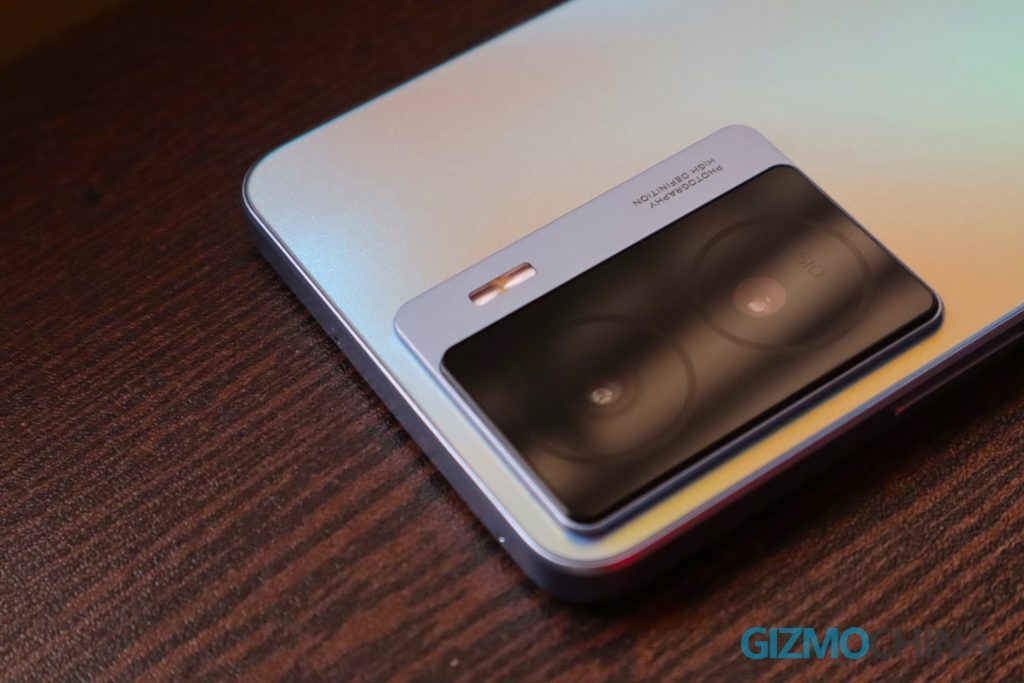
However, the camera island is quite large. Thus, it is very difficult to keep your fingers away from it. It is more attracted to smudges than any handset in the segment. You will have to wipe the glass clean almost every time while using the camera. Not a deal breaker, but personally, I would have preferred a better camera design.
The transparent case included in the box does very little to protect the camera module since it comes with a big cutout for the island. Personally, I would suggest getting a third-party case that offers protection for the camera island.
[envira-gallery id=’529057′]
Funtouch OS 13 Ads Can Be Annoying
Talking about the elephant in the room, though I praised the software earlier, let’s see some of its drawbacks.
Before I talk about the negatives, let me clear one thing first, I have no problem with the functionality and design of Funtouch OS 13.
What annoys me is the poor implementation of promotions (ads). I love to try, use, and even recommend certain first-party applications provided by OEMs, especially their app stores. But on iQOO Z7, I would not recommend doing this.
This is the first time I haven’t used a first-party app store on a smartphone in a long while. Because the first-party app store is the reason why you will always see a full-page app recommendations screen every time you install an application from Google Play Store.
The only way to fix it is by clearing the cache and data of ‘V-Appstore’ and never opening it again. Similarly, I would recommend turning off notifications on all first-party system apps, like Browser, iQOO.com, and others. In fact, don’t even use them as they spam you with notifications throughout the day.
Promotions (commonly known as ads) enable brands to price their smartphones very cheaply. I don’t mind them but only until a point. A company would want its customers to use its first-party apps but there’s no way you can use them on iQOO Z7 without having to go through unnecessary spam.
As I mentioned earlier, I have always been a strong advocate of OEM’s first-party applications. But not for this device, at least in its current state. I hope iQOO finds a solution to implement promotions in the right way.
Verdict
Despite its shortcomings, the iQOO Z7 is a solid package for under ₹20,000 (~$250). It is suitable for all types of users, whether they be youth or adults.
It is probably the best bang for the buck budget 5G smartphone in India right now. If you could forego the drawbacks discussed above, you won’t be disappointed with your purchase.
Unfortunately, you cannot try the phone at your nearby stores since it is sold exclusively online via Amazon and iQOO.com. Also, there’s no Vivo version of this handset so far, unlike last year’s iQOO Z6 series and Vivo T1 series.
If you still have doubts or queries, feel free to drop them in the comment section below. I will get back to you as soon as possible.
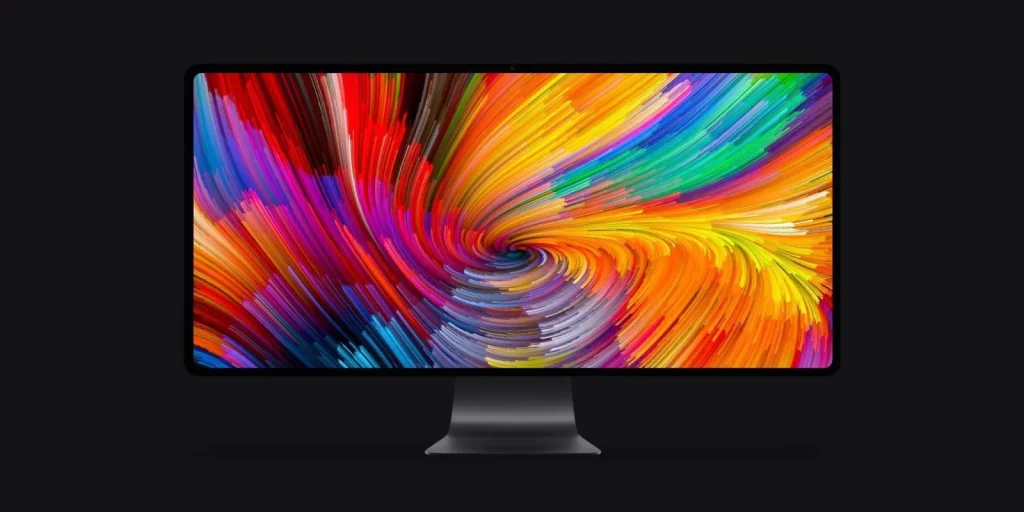
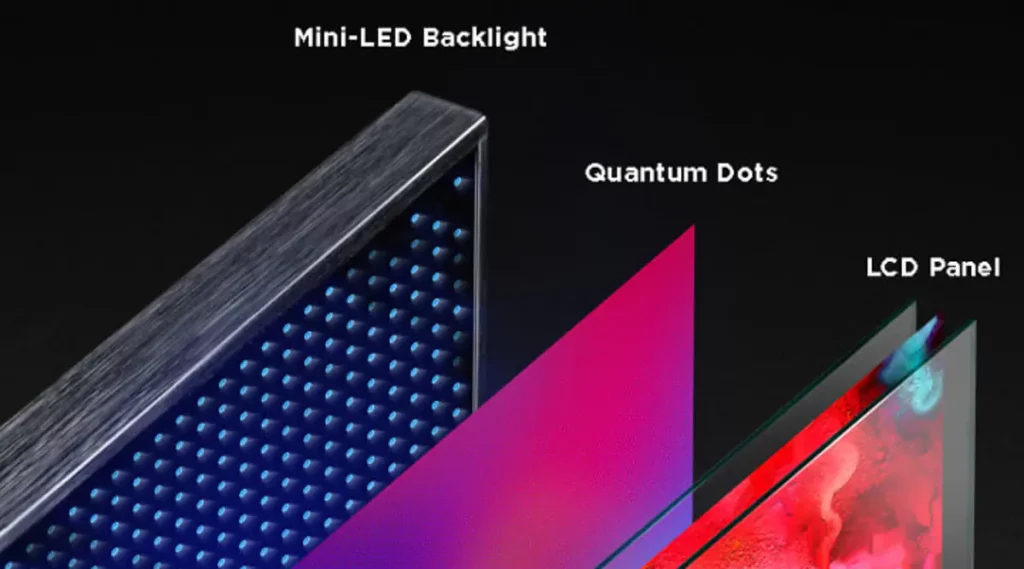
Apple fans may be disappointed to hear that the tech giant has decided to put the brakes on its rumored 27-inch external monitor with ProMotion and mini-LED backlighting. Ross Young previously predicted that the monitor would be released in 2022. However, it appears that Apple has decided to cancel the display, at least for now. Here ae the details…
Rumored Apple 27-Inch Display With ProMotion No Longer Planned
In his tweet shared exclusively with paying subscribers, Young mentioned that Apple had shipped some display panels for the monitor last year. However, the reason for the sudden cancellation remains unknown, leaving consumers and analysts wondering if Apple will ever revive the project or let it fade away. The anticipated display was rumored to support ProMotion technology, enabling refresh rates of up to 120Hz.
Given the 27-inch size, it could have been a next-gen version of the Studio Display or possibly a new model sandwiched between the Studio Display and the high-end Pro Display XDR. Apple’s current Studio Display, released in March 2022 alongside the Mac Studio, starts at $1,599 and boasts a 5K resolution but lacks ProMotion. The monitor has not seen any hardware updates since its launch.
Young has a solid reputation for accurately predicting display-related details about Apple products. In the past, he correctly reported that ProMotion would be featured in the iPhone 13 Pro, 14-inch, and 16-inch MacBook Pro models. He also accurately predicted the sixth-generation iPad mini’s 8.3-inch display upgrade and numerous other details.
As of now, Apple has not commented on the matter, leaving fans and industry watchers in the dark about the fate of the rumored 27-inch ProMotion display. We’ll be sure to keep our readers updated on any developments or official statements regarding this intriguing and potentially game-changing display technology. But as always, if there is a development, you can follow it on Gizmochina.
We use cookies on our website to give you the most relevant experience by remembering your preferences and repeat visits. By clicking “Accept”, you consent to the use of ALL the cookies.
This website uses cookies to improve your experience while you navigate through the website. Out of these, the cookies that are categorized as necessary are stored on your browser as they are essential for the working of basic functionalities of the website. We also use third-party cookies that help us analyze and understand how you use this website. These cookies will be stored in your browser only with your consent. You also have the option to opt-out of these cookies. But opting out of some of these cookies may affect your browsing experience.
Necessary cookies are absolutely essential for the website to function properly. This category only includes cookies that ensures basic functionalities and security features of the website. These cookies do not store any personal information.
Any cookies that may not be particularly necessary for the website to function and is used specifically to collect user personal data via analytics, ads, other embedded contents are termed as non-necessary cookies. It is mandatory to procure user consent prior to running these cookies on your website.