Advertisement

Realme GT Neo 3T Review: Great Value For Money

Realme just globally launched a new variant in its GT series, which is the Realme GT Neo 3T. We have to say, the Realme’s GT Neo series is really coming on strong this year. Thanks to the early-released Dimensity 8100 chipset, the Neo 3 has become one of the most popular models on the market, while the Neo 3T is like its balanced variant featuring another sub-flagship chipset, the Snapdragon 870. Meanwhile, the other high-end configurations are pretty comparable to flagships, such as the 120Hz AMOLED E4 display, 5000mAh large battery, and 80W fast charge. 

WHERE TO BUY
Get the Realme GT Neo 3T  @Amazon EU or @AliExpress  @Realme Store[/su_box]

Now let’s take a closer look at its actual performance and check out whether it’s as good as the GT Neo 3. 

realme GT Neo 3T Review 14

realme GT Neo 3T Review: Design & Display

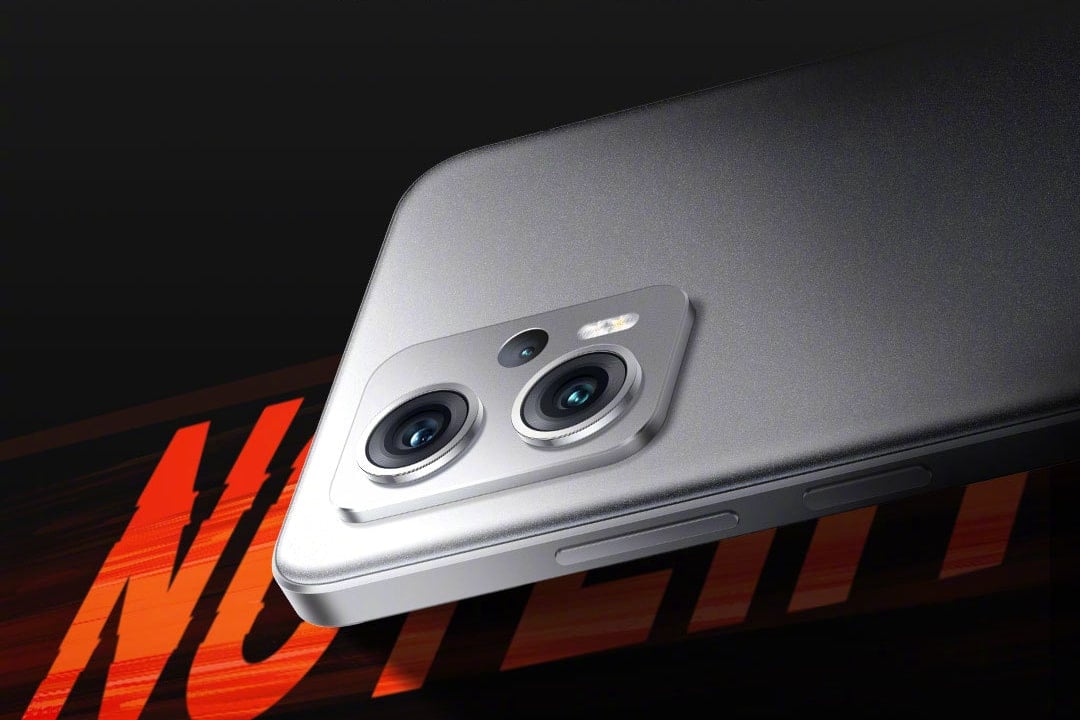
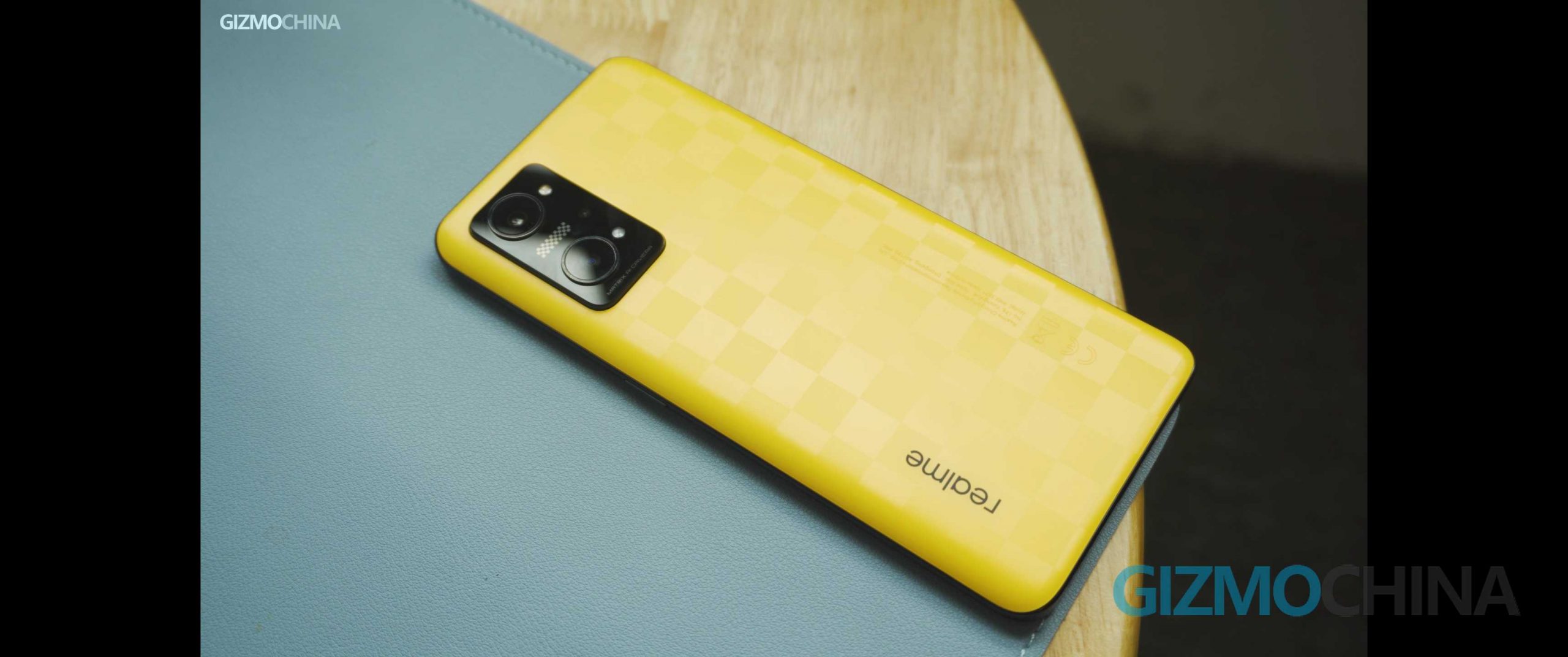
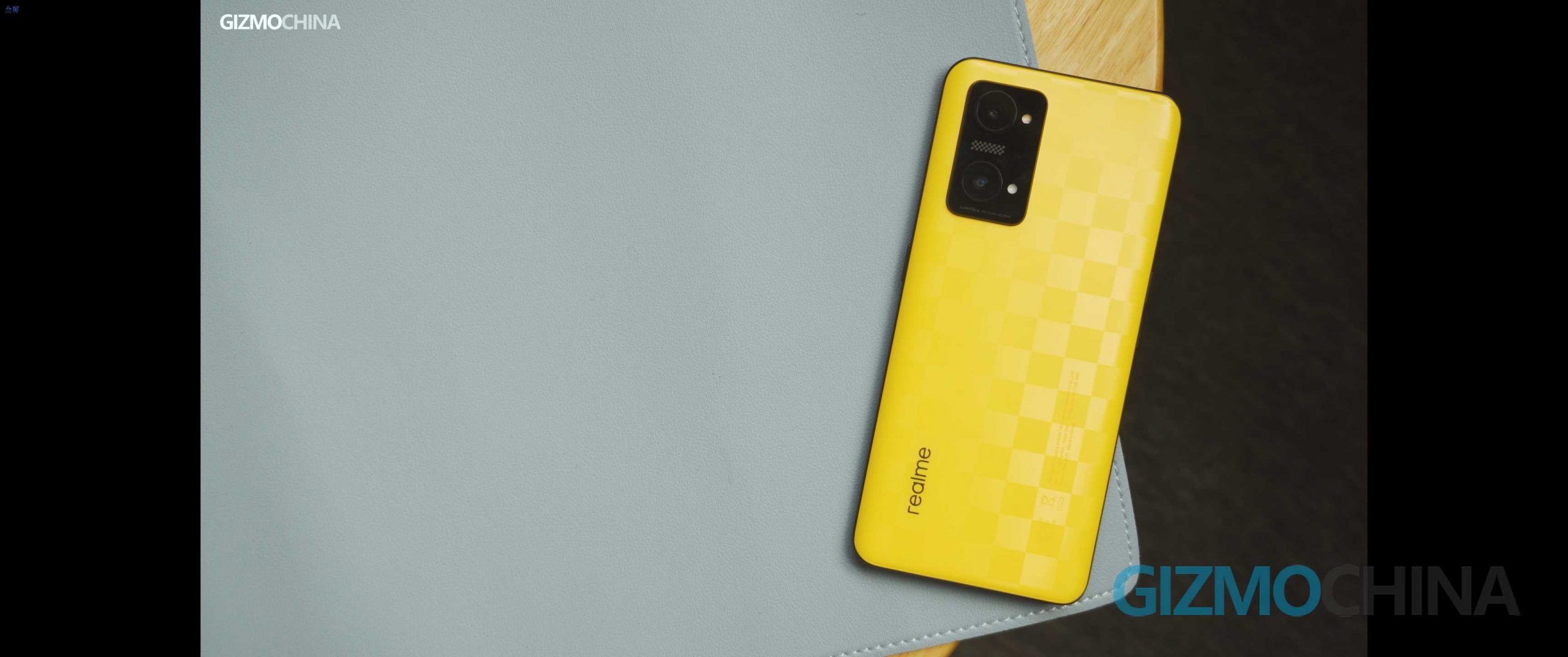
Realme has been releasing new models with interesting design detail. The GT Neo 3T is also impressive. With the Neo 3T, realme has gone one step further by giving users a distinctive "checkerboard" design. When I got my hands on the model, to be honest, it looks surprisingly good! And personally, I think the camera module also looks much better than what we have on the GT Neo 3. The Neo 3T has a more vibrant and neater look on the back with a stronger design. But at the same time, the matte checkered pattern doesn’t look fancy. On the contrary, it looks pretty low-profile without flaunting the design. The pattern only appears to be visible under certain light angles. 

realme GT Neo 3T Review 19

Apart from the yellow model we have, there’s another Grey and white checkerboard variant for option, which is even more classical in visual design. 
realme GT Neo 3T Review 16

Well turn it around, and you will see the 6.62-inch 120Hz flagship display. The Neo 3T is one of the few mid-range models using Samsung’s top-notch E4 panel, which is still widely seen on flagship models. For colors, the display can cover 100% P3 Gamut and 106% NTSC colors with good support for HDR content. Its brightness adjustment is pretty smooth.

realme GT Neo 3T Review 13 It’s equipped with dual ambient light sensors, supporting 16000 levels of brightness adjustment. Even when the intensity of light keeps on changing, it can seamlessly adjust to the most comfortable brightness for the eyes, and the whole process is very smooth. And thanks to the amazing peak brightness, I’m pretty happy that I could use the phone in strong sunlight. 

The Neo 3T also comes with dual-speakers for stereo sounds. Meanwhile, the phone also got certificated by both Dolby Vision and Hi-Res Audio.

realme GT Neo 3T Performance & Gaming

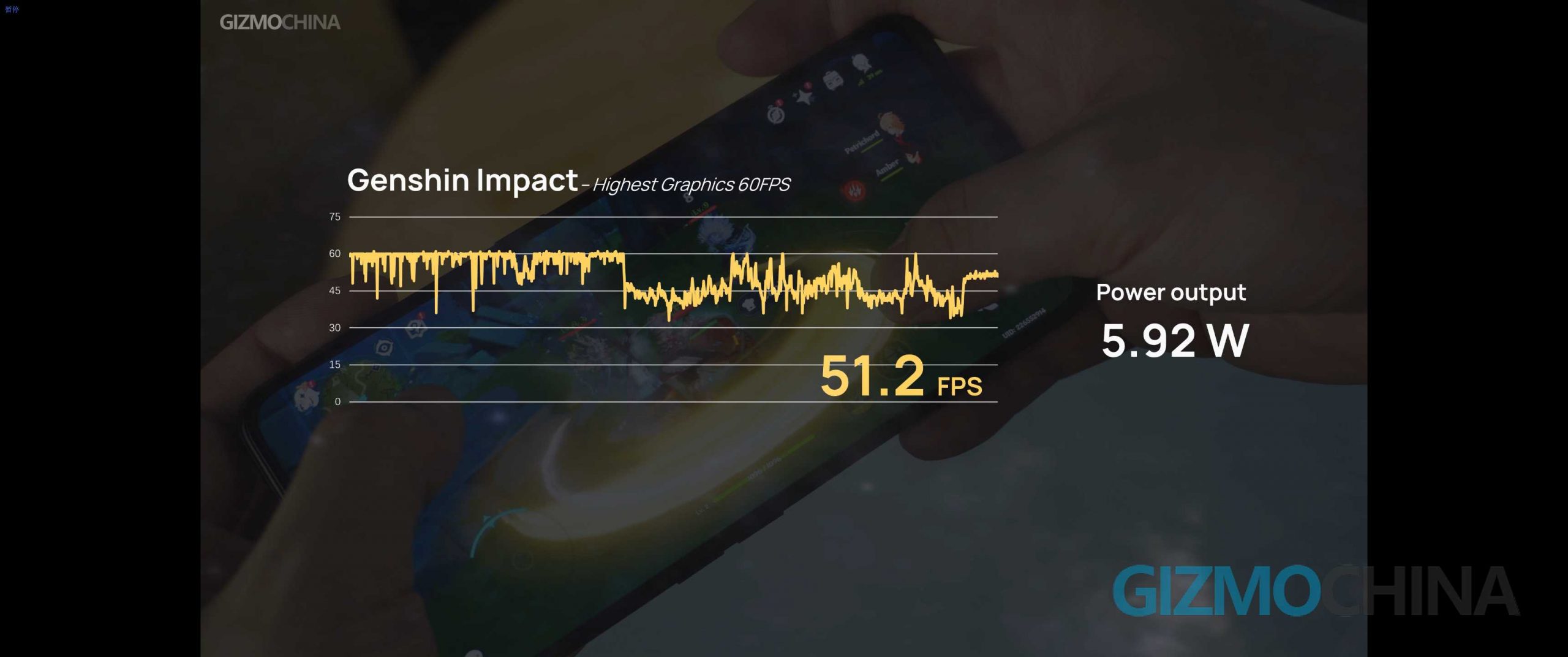
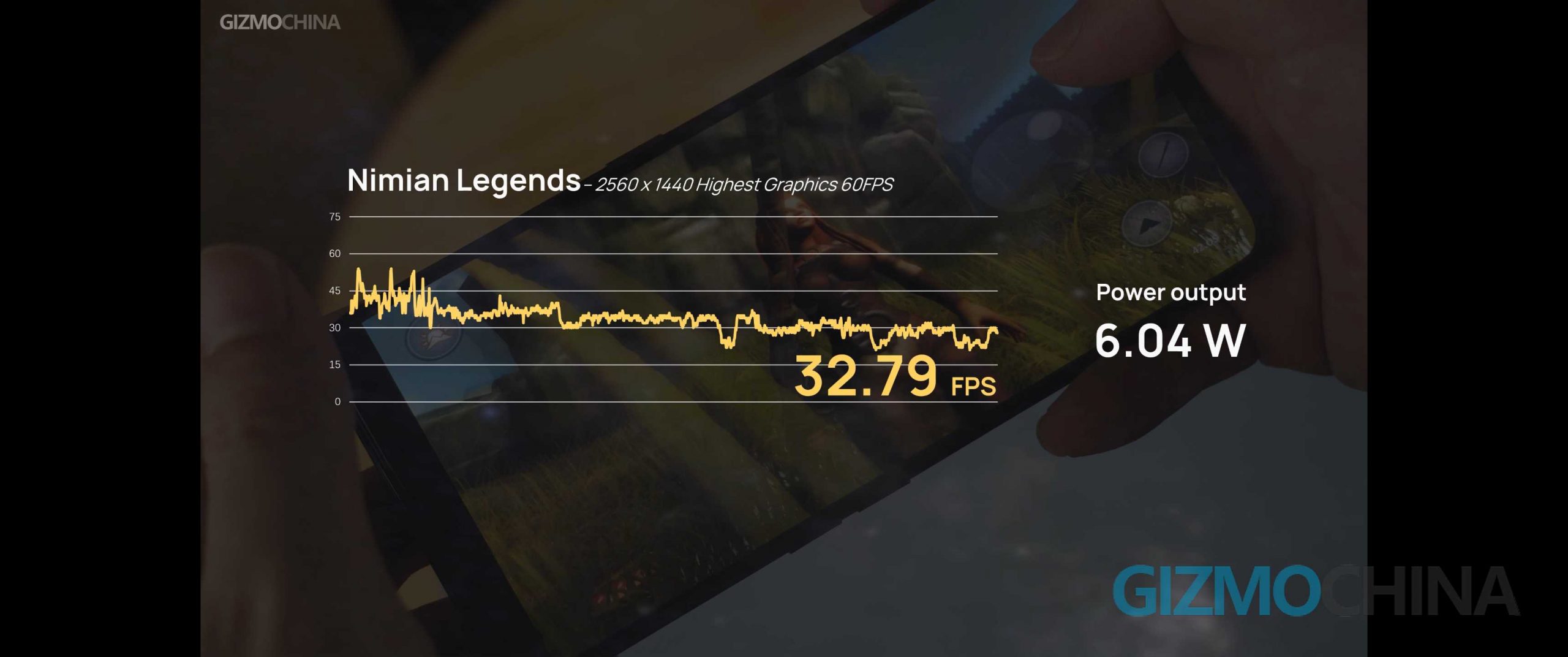
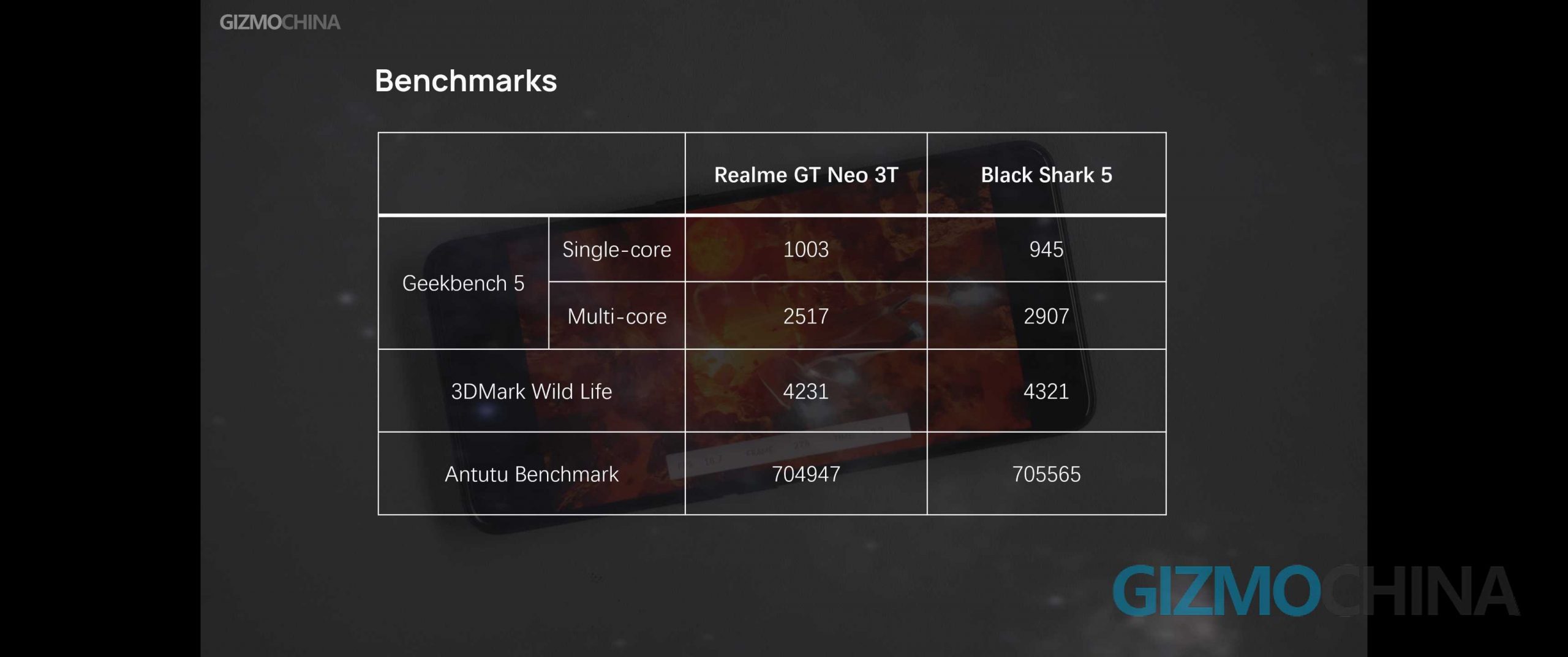
In terms of hardware, compared to the Neo 3, the biggest difference is the chipset used. Although we know the fact that the Snapdragon 870 is not as powerful as the Dimensity 8100, it’s still one of the most popular high-end chipsets for smartphones. But we can still see the 870 chipsets on latest gaming phones, such as the Black Shark 5. We’ve done some performance tests and gaming tests on the Neo 3T, so you guys can check it here.
realme GT Neo 3T Benchmark 10  

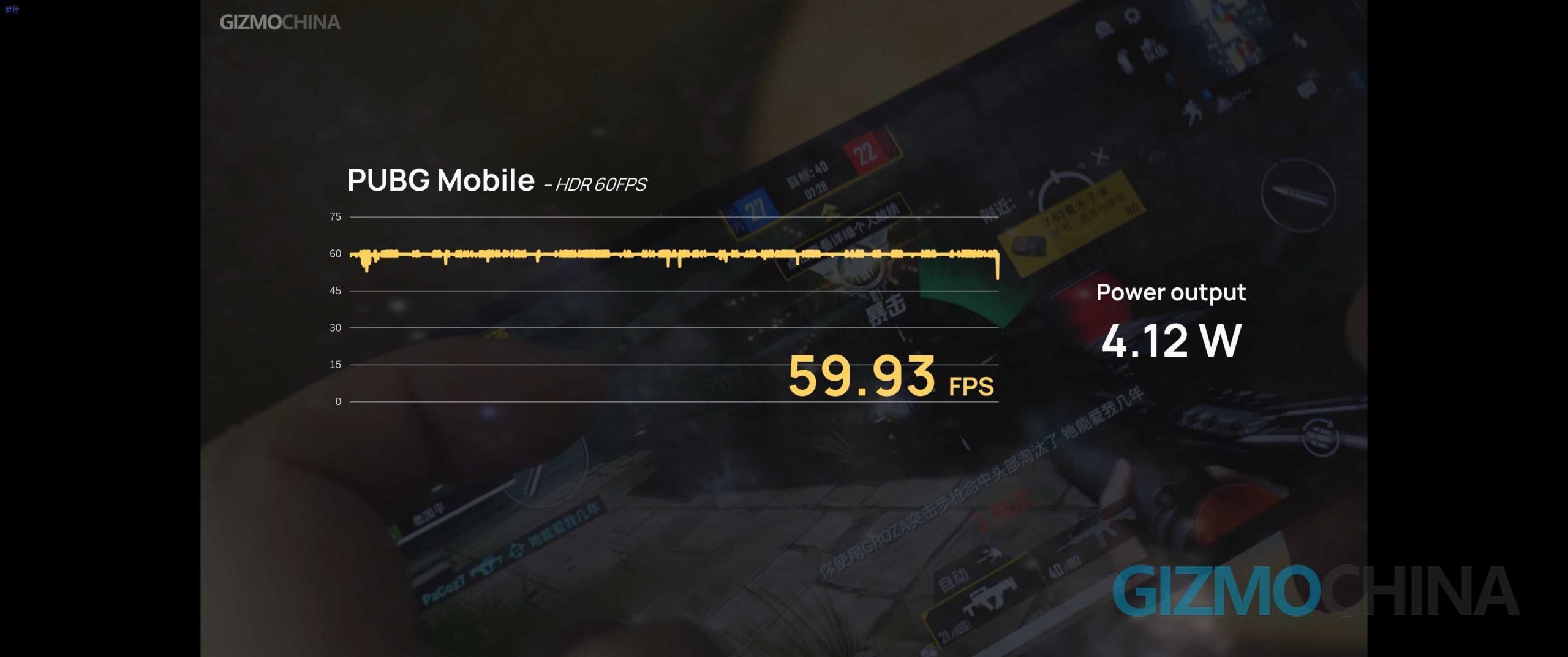
So in the results, what most surprised us, however, is not the performance, but its effective cooling effect. And just note that the phone weighs 195g, but they did cram multiple cooling materials into such a compact body. After playing PUBG Mobile for 30 mins, the temperature was still acceptable and caused no obvious throttling on performance.   
 

realme GT Neo 3T Cameras

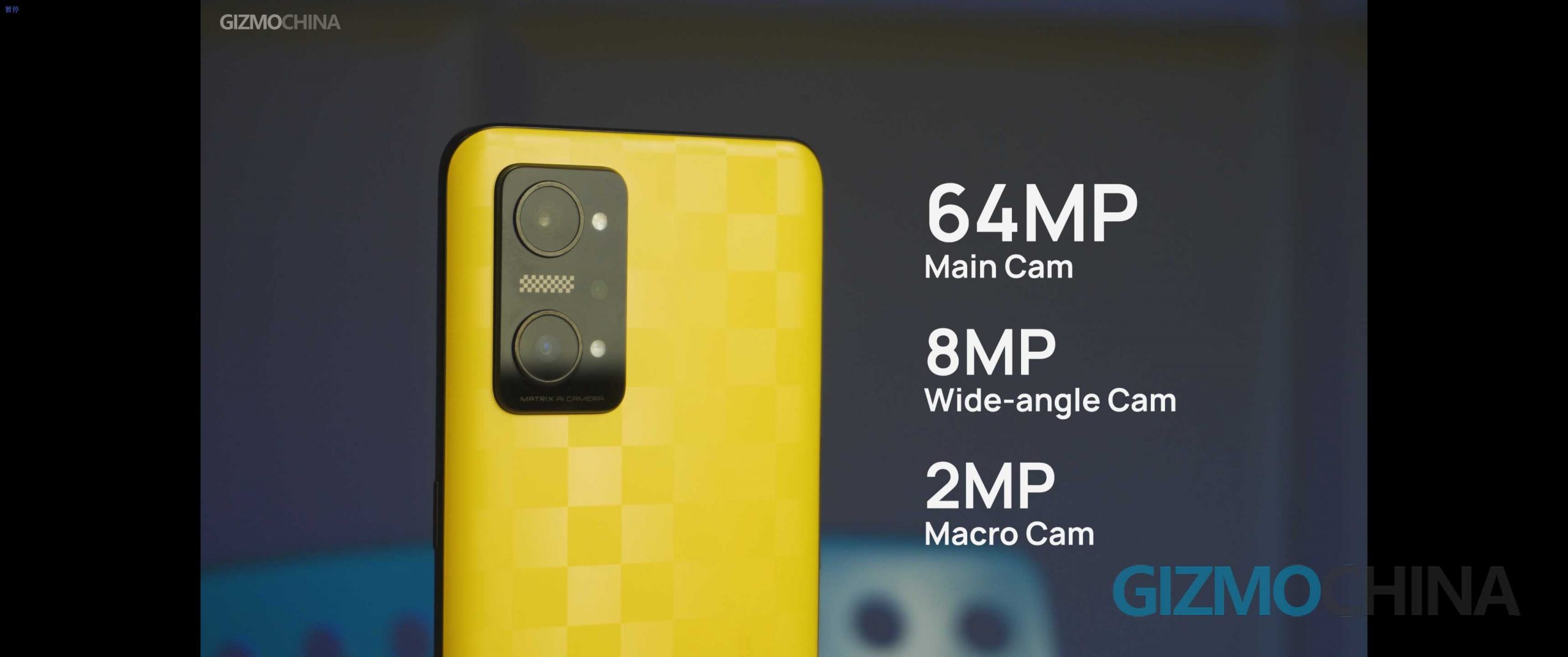
The Realme GT Neo 3T features a triple camera system, led by the 64MP main lens. The other two cameras are the same as the Neo 3 standard model, including an 8MP wide-angle camera and another 2MP Macro lens.
realme GT Neo 3T Review 05

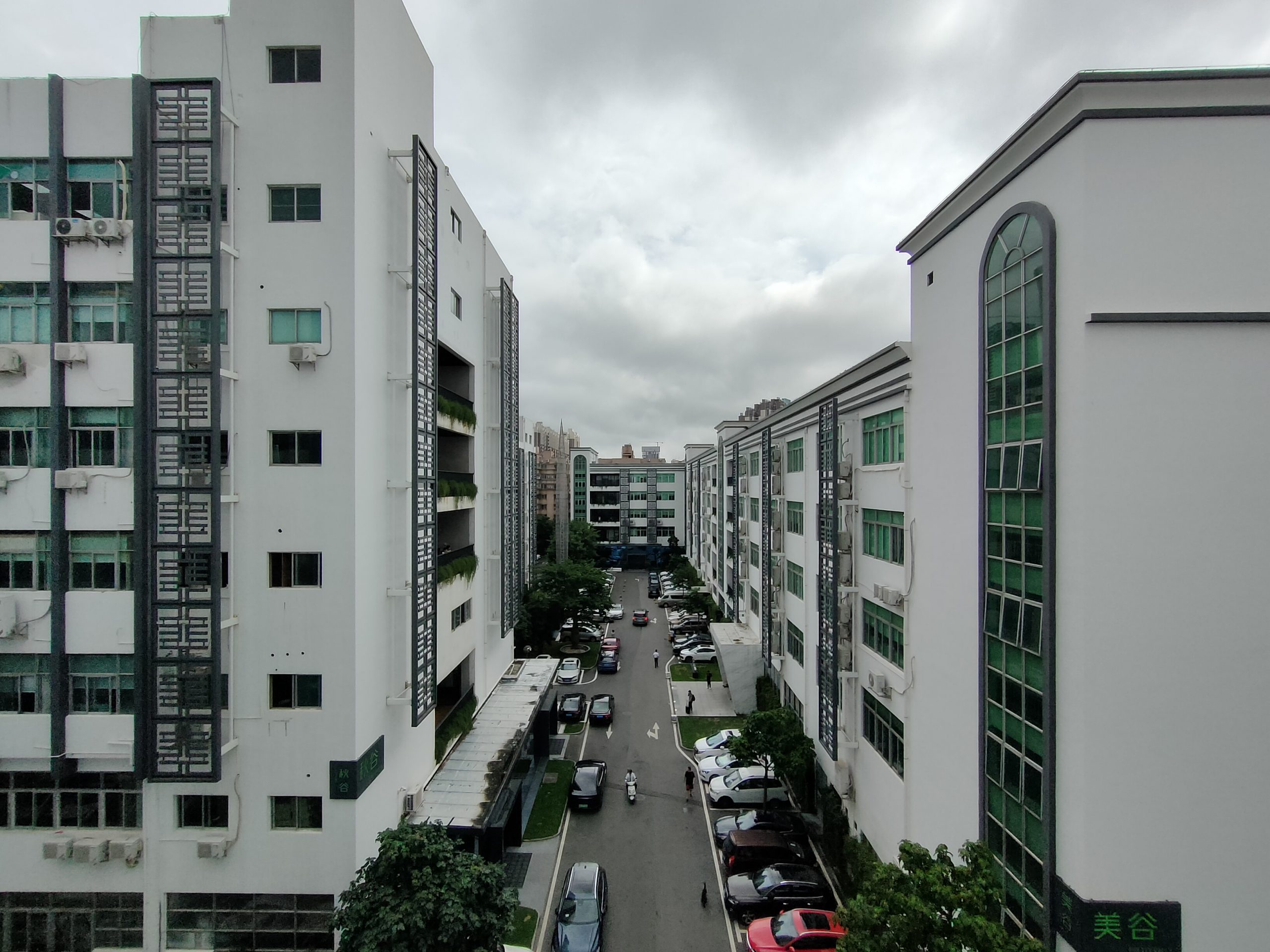
Let’s look at some samples. The 64MP main camera no doubt produces the best image with rich detail. The samples’ color looks bright and vivid with good contrast. And the good dynamic range is also impressive.


In low lights, the 64MP sensor could maintain relatively good control of complex light, and the overall brightness got well improved without losing much detail of bright subjects. Even in extremely dark scenes, thanks to the noise control, we still can get relatively pure image with better brightness.

As for the other two lenses, we couldn’t really see the differences from the GT Neo 3’s. So we are not gonna waste time here. You can check the samples here or just watch our review video about the GT Neo 3. 

realme GT Neo 3T Battery & Charging

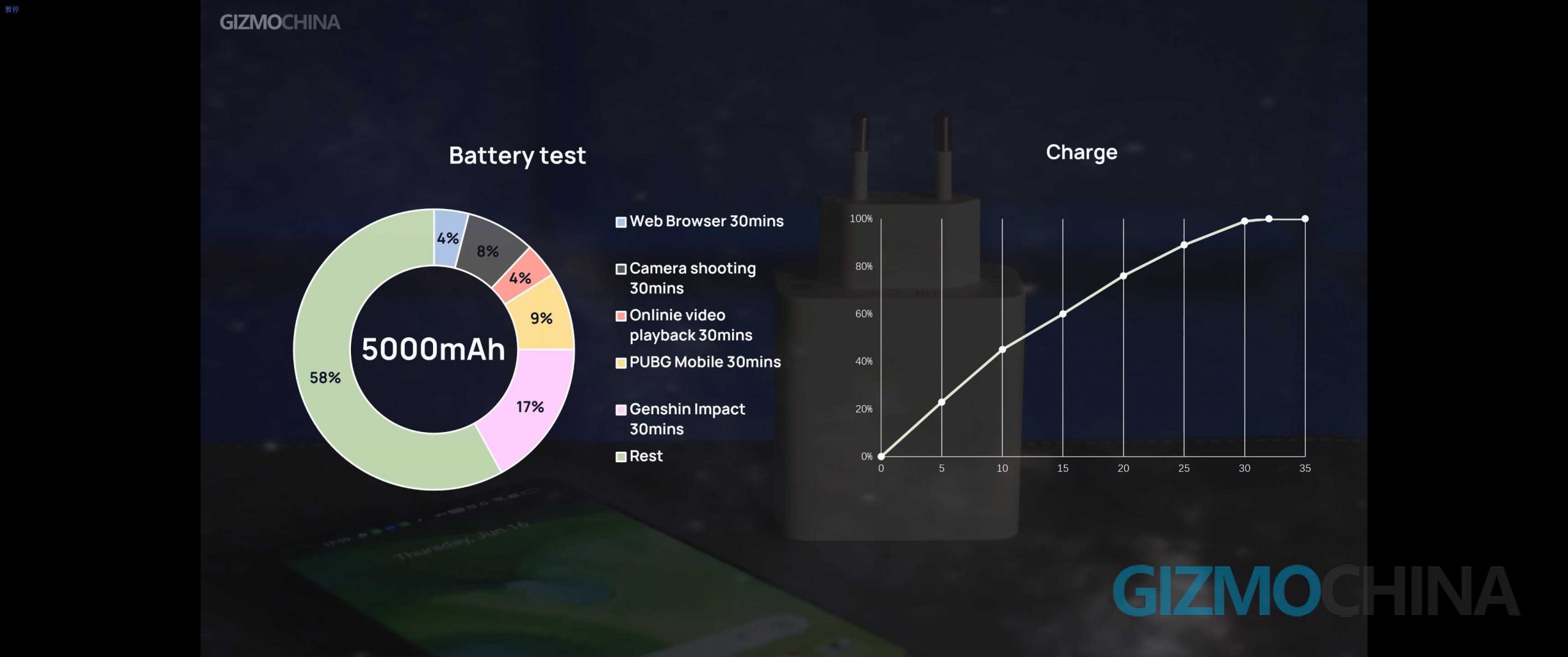
The GT Neo 3T has a 5000mAh large battery, which can easily support a full-day use even for heavy use. For charging, the Neo 3T uses the same 80W fast charging as the GT Neo 3, which is also the leading high-power charging at its price. In the charging test, the phone can be charged to 50% in just 12 minutes, and the large battery can be fully charged in about 31 minutes. 
realme GT Neo 3T Review 04

As for software, the global version of the GT Neo 3T runs the Realme UI 3 based on the Android 12 platform. And the global Neo 3T no doubt supports all the Google Apps in the play store. You don’t even have to download them yourself, the phone has almost all the Google apps pre-installed. 
realme GT Neo 3T featured Review 01

The Realme GT Neo 3T is likely to be one of the next favorites on the market. The top-notch display powered by the 870 chipset brings smooth operation and a pretty good gaming experience. The new pattern design with checkerboard elements brings fresh and vibrant imagination. If you are not in need of the best mobile photography, but at the same time want better performance on a limited budget, the Neo 3T will be a great option for you. 

WHERE TO BUY
Get the Realme GT Neo 3T  @Amazon EU or @AliExpress  @Realme Store[/su_box]


* Please Note: When you buy something using the links in our articles, we may earn a small commission at no cost to you.


Apple gains a huge share of smartphone brand switchers, iPhone 13 sales still robust

Apple leads the race when it comes to customers switching between two smartphone brands. According to new data from US carrier channels, 73 percent of the representatives said that the Cupertino-based tech giant gains the most switchers while only 16 percent goes to South Korean brand Samsung. 

Apple iPhone 13 Pro Green Color

43 percent of the representatives said that they would switch from Android to iOS on the basis of software while 51 percent added that the overall rate of switching between the two OS was about even. Only 5 percent chose Android over iOS. This indicates that Apple is getting a lion’s share of smartphone brand switchers. The iPhone recorded a 66 percent market share for AT&T, 60 percent at Verizon, and 57 percent at T-Mobile respectively. This is said to be better than the previous years. 

The iPhone 13 and iPhone 13 Pro series that debuted in October last year are still selling better than the past generations of Apple’s smartphones. Unfortunately, the sales numbers remain unknown. Across all carrier channels, the iPhone 13 was the top model with a 25 percent share in May followed by the iPhone 13 Pro Max with 16 percent and iPhone 13 Pro with 13 percent. The iPhone 13 Mini clocked a 2 percent share whereas other iPhones accounted for 4 percent. Carrier representatives added that the iPhone SE 3 sales were weak. 

Apple is expected to launch its next-generation flagship iPhone 14 series in September this year. 

Related: 

Tecno Pova 3 to launch in India on June 20 – what we know so far

Last month, the Tecno Pova 3 smartphone made its debut in the Philippines. The device has also been teased to launch in India through an Amazon microsite. Now, Tecno India has tweeted out a new teaser for the device hinting at an imminent launch.

In the latest teaser, the brand hints that the Pova 3 will debut in three days, i.e on June 20. The main attraction of this device is its Mammont-sized 7000mAh battery that comes coupled with a decent budget mid-range spec sheet.

Tecno Pova 3 specifications (expected)

Tecno has already teased a bunch of the Pova 3’s key specifications. The specs that are still under wraps are expected to be the same as the Philippines variant.

Tecno POVA 3

According to the teaser, the Pova 3 will have a massive 6.9-inch Full HD+ LCD display panel with 90Hz refresh rate. It will have a centered punch hole for the front camera and noticeable bezels going around the display.

Tecno Pova 3

Under the hood, the smartphone will rock the MediaTek Helio G88 chipset with an octa-core processor and the Mali G52 GPU onboard. The device will be offered with 6GB RAM that can be virtually expanded up to 11GB (6GB + 5GB virtual). For storage, the smartphone will offer 128GB of internal capacity and a microSD card slot to expand the storage even further. As we know, the device will come with a gigantic battery pack of 7,000mAh capacity, which will be paired with 33W fast charging.

Coming to the optics, the teasers have revealed that the device will have a 50-megapixel primary sensor. Other than that, the device is expected to bring two more 2-megapixel sensors on the back making a triple camera setup. On the front, the POVA 3 will likely have an 8-megapixel selfie shooter.

Apart from this, the device is confirmed to feature a Z-Axis Linear Motor for rich haptics and vibrations along with a dual stereo speaker setup for immersive audio. More details about the Pova 3 will be revealed at the launch event on June 20, so stay tuned.


RELATED:


Briton files a £750m lawsuit against Apple over battery throttling issue

A Briton has filed a lawsuit against Apple alleging battery throttling of older iPhones. The legal claim by consumer rights advocate Justin Gutmann is worth £750 million ($927 million). Gutmann is seeking reimbursement for the over 25 million affected iPhone users in the United Kingdom. He claims Apple took a secret decision to slow down older iPhones in 2017.apple india

Justin Gutmann stated that Apple made older iPhones to be slower in coping with software updates. An undocumented battery management update released in January 2017 led to the slow performance of older iPhones. This was to prevent the devices from shutting down without warning. Apple did not provide users with an option of disabling the battery management setting. In addition, the company did not warn users that their phones were being deliberately throttled. Gutmann alleged that the throttling was meant to mask the fact that the older iPhone batteries couldn’t cope with the new update demands.

Gutmann launched the claim against Apple at the Competition Appeals Tribunal. The claim, if successful, will cover the 25 million older iPhones in the UK that were affected. The affected phones included the iPhone 6, 6 Plus, 6S, 6S Plus, and SE. Others were the iPhone 7, 7 Plus, 8, 8 Plus, and the iPhone X. Gutmann said Apple ought to have initiated a battery replacement program or admit that the update was unsuitable for older devices. Rather, the company allowed users to install the update knowing that it will worsen their device’s performance.

Gutmann says Apple was unethical in its approach to the issue as it ought to have come out clean to its customers. The concealment meant that some users experienced significant slowdowns in their devices. He says he was pursuing the case on behalf of millions of iPhone users across the UK. He also hopes that the case will spur dominant companies to review their business models and desist from such unwholesome conduct.

It was after a year that Apple had acknowledged the throttling issues. It claimed that the update was meant to address the problem of older phones shutting down. It claims it never set out to intentionally shorten the life of the affected phones. Apple continues to grapple with a litany of lawsuits challenging various aspects of its operations. This new lawsuit adds to the list. If successful, older iPhone users in the UK could get up to $30 from Apple.

RELATED:


(source)


Realme to locally manufacture laptops and tablets in India by 2023, will focus on 5G enabled phones under Rs 15,000 segment

Realme has extended its partnership with KHY Electronics to locally manufacture audio products in Noida. It is also in talks with other Indian contract manufacturers to bring a host of other audio and wearable devices to the country according to the company’s top executive Madhav Sheth. 

REALME BOOK- featured laptop 2

Realme is also planning to manufacture laptops and tablets in India by early 2023. The brand has started discussions with three potential partners. Currently, OPPO, Wingtech Mobiles, and DBG Technology manufacture smartphones for Realme while Bhagwati and Videotex make smart TVs for the brand. Sheth said that the investment in expanding the local production and future plans to develop the manufacturing ecosystem will create over 1000 jobs. 

Sheth told ET that Realme has invested Rs 26.7 crore in KHY just to make one product and it will continue to invest further. The company will aim to bring 6-8 products in the audio category before the end of 2022. The executive also added that consumers are looking at the second screen on the top of their health/fitness requirements which is driving the growth of smartwatches. Realme plans to bring audio and smartwatches to India. 

About smartphones, Sheth also said that Realme will now focus on bringing more 5G-enabled phones in the Rs 10,000 – Rs 15,000 price segment. 90 percent of the brand’s smartphone portfolio in the above Rs 15,000 segment will come with 5G connectivity. 

Related: 

POCO X4 GT appears on UAE’s TDRA database ahead of global launch

POCO is gearing up to launch the POCO X4 GT along with the POCO F4 5G globally. The launch event is scheduled for June 23rd, however, the complete spec sheet and renders of both the devices have already leaked.

POCO X4 GT

Now, ahead of the launch, tipster Mukul Sharma has spotted the POCO X4 GT on the TDRA certification website confirming that the device will be made available in the UAE.

POCO X4 GT specifications (rumored)

The POCO X4 GT is essentially a rebranded Redmi Note 11T Pro 5G (China-exclusive) with a few tweaks, therefore, we already know all of its key specifications. The device is expected to come with a 6.6-inch LCD display with a Full HD+ resolution of 1080 x 2400 pixels. The panel offers 120Hz refresh rate, 650 nits of typical brightness, and comes with Corning Gorilla Glass 5 protection.

Redmi Note 11T Pro+
Redmi Note 11T Pro+

Under the hood, the smartphone will house a MediaTek Dimensity 8100 chipset paired with the  Mali-G610 MC6 GPU. The X4 GT will be offered with up to 8GB of RAM and up to 256GB of storage. The device will also house a large 5,080mAh battery with 67W fast charging support and will operate on Android 12-based MIUI 13 for POCO.

Coming to optics, the device will have a triple camera unit on the back consisting of a 64-megapixel primary sensor paired with an 8-megapixel ultra-wide lens, and a 2-megapixel macro sensor.

Other than that, the device will offer dual SIM slots, Wi-Fi 802.11ac, Bluetooth 5.2, and NFC. It will also come with a 3.5mm audio jack.


RELATED:


Upcoming Smartphones: Poco F4 5G, Realme C30, and more

Unlike the last few weeks, there are going to be multiple smartphone launches next week. A total of four brands have scheduled events to debut new products.

These brands are Tecno, Realme, Samsung, and Poco. The first three will be announcing a single phone each. While the last one has confirmed to announce two handsets.

All these smartphones are new models, except for one. This odd one out is making its way to a new market.

With that of the way, let’s take a look at all the phones that are set to launch next week.


Upcoming Smartphones Next Week


1. Tecno Pova 3

Tecno Pova 3
Tecno Pova 3

The Tecno Pova 3 went official in the Philippines in late May. The device is now heading to India on June 20. It is expected to go official at around 12 PM IST in the country via a press release and social media posts.

The main highlight of this smartphone is its humongous 7,000mAh battery. This cell supports 33W fast charging and 10W reverse charging.

The handset offers a 6.9-inch FHD+ 90Hz display (LCD), a Mediatek Helio G88 SoC, up to 6GB + 128GB memory configuration, a 50MP + 2MP + 2MP triple camera system, an 8MP selfie camera, dual stereo speakers, z-axis linear vibration motor, and Android 11.


2. Realme C30

Realme C30
Realme C30

The Realme C30 is scheduled to launch in India on June 20. The phone’s global debut will happen via a live stream, which will start at 12:30 PM IST.

The handset will arrive with a revamped design featuring multiple stripes and a single 13MP camera on its rear panel. It will be powered by a Unisoc T612 chipset and will get its juice from a 5,000mAh battery.

Other features of this device will include a 6.58-inch FHD+ display sporting a dewdrop notch, 5MP selfie camera, MicroUSB port, 3.5mm headphone jack, Android Go Edition, and 10W charging.


3. Samsung Galaxy F13

Samsung Galaxy F13 launch
Samsung Galaxy F13

Samsung has confirmed to announce the Gallaxy F13 in India on June 22. The phone will be made official at 12 PM IST. It could get unveiled in a live stream or just a press release accompanied by social media posts.

Talking about features, the South Korean electronics giant has revealed that the device will arrive with an FHD+ LCD screen, 6,000mAh battery, and 15W charging support.

Since the handset is said to be a rebranded Galaxy M13, it will likely come with an Exynos 850 SoC, 50MP (wide) + 5MP (ultra-wide) + 2MP (depth) triple camera setup, and an 8MP selfie camera.


4. Poco F4 5G

POCO F4 5G
Poco F4 5G | Source: WinFuture

The Poco F4 5G will be the biggest launch next week. The smartphone will go official in multiple markets, including India, on June 23 via a live stream on Youtube. The stream will begin at 8 PM GMT+8 (5:30 PM IST).

According to teasers and leaks, the successor of the Poco F3 5G will be a rebranded Redmi K40S with a different primary camera. Some of its main highlights will be Qualcomm Snapdragon 870 SoC, Dolby Vision-supported 6.67-inch FHD+ 120Hz AMOLED display, Dolby Atmos-supported dual stereo speakers, and 67W fast charging support.

The device will also come with features like VC liquid cooling technology, LPDDR5 RAM, UFS 3..1 storage, 64MP (wide, OIS) + 8MP (ultra-wide) + 2MP (macro) triple camera system, 20MP selfie camera, x-axis linear vibration motor, side-mounted fingerprint sensor, IR blaster, IP53 rating, and a 4,500mAh battery.


5. Poco X4 GT 5G

POCO X4 GT
Poco X4 GT | Source: WinFuture

The Poco X4 GT is set to go official alongside the Poco F4 5G on June 23. The event will be live-streamed on Youtube from 8 PM GMT+8.

The handset will be a tweaked version of the Redmi Note 11T Pro. A reliable tipster says that the device will come with a Mediatek Dimensity 8100 SoC, 6.6-inch 120Hz LCD screen, 64MP + 8MP + 2MP triple camera system, 20MP selfie camera, 5,080mAh battery, and 67W fast charging.

Unlike the Poco F4 5G, the Poco X4 GT may not release in India. Because the phone is expected to debut as Redmi K50i in the region.


RELATED:


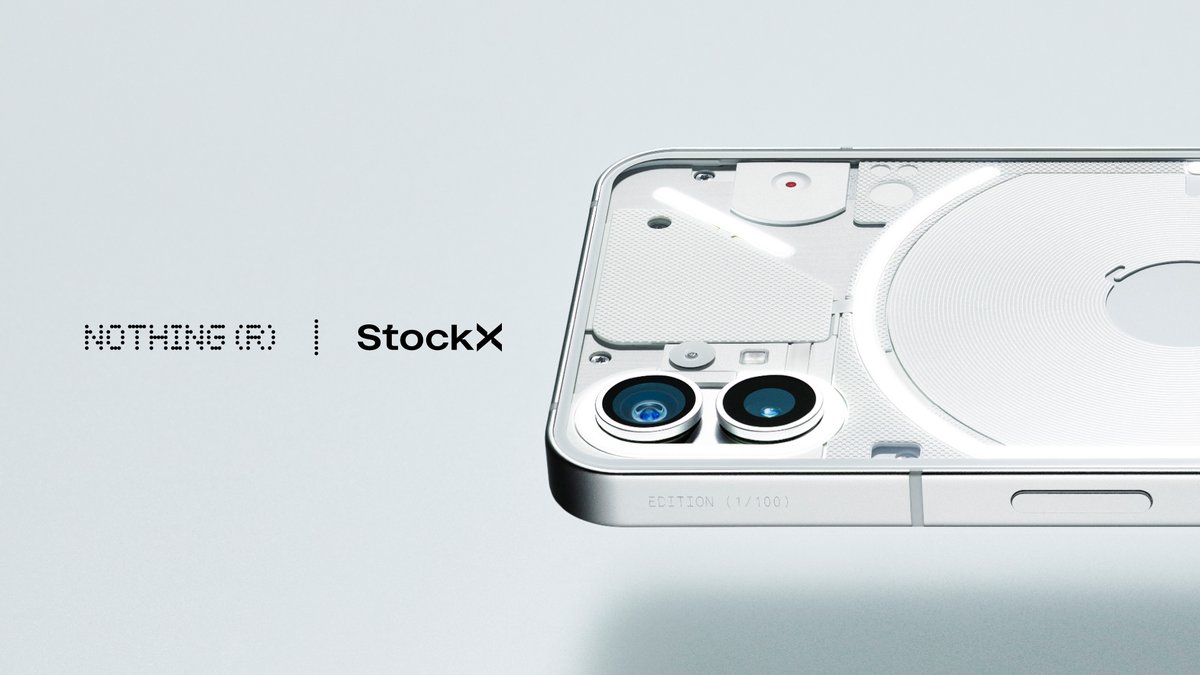
First 100 units of the Nothing Phone (1) will be auctioned on June 21

Accessories maker Nothing has expanded its operations into smartphone production. The company is set to launch its first smartphone, the Nothing Phone 1. Nothing is partnering with StockX to auction the first 100 units of the Phone 1 on June 21.Nothing Phone 1

The StockX auction of the Nothing Phone 1 will precede the official unveiling of the smartphone. The auction will last between 0900 ET on June 21 and 0900 ET on June 23. Only persons who have registered a StockX account are allowed to enter the auction. Upon their log-in, users can then place their bid on the StockX product page during the live auction.

The Nothing Phone 1 sports a uniquely refreshing design and comes with a transparent back panel. The smartphone’s LED illumination also adds to the beauty of the device. The Nothing Phone 1 is probably powered by the Snapdragon 7 Gen 1 chipset and will run on the Android 12-based Nothing OS. It has a mid-frame made from recycled aluminum and the phone supports wireless charging. Nothing is assuring its salivating customers that the Phone 1 will offer a premium front look and seamless connectivity to other Nothing devices.

As per the StockX auction process, the top 100 bids will get a unit each of the Nothing Phone 1. Users will only be charged when their bids fall inside the top 100. Successful bidders will thereafter receive their serialized Nothing Phone 1 within 5 weeks. Customers from South Korea and Mexico are specifically exempted from the auction.

RELATED:


Boat Xtend Sport Smartwatch with 700+ Active Modes Launched in India at Rs 2,499 ($32)

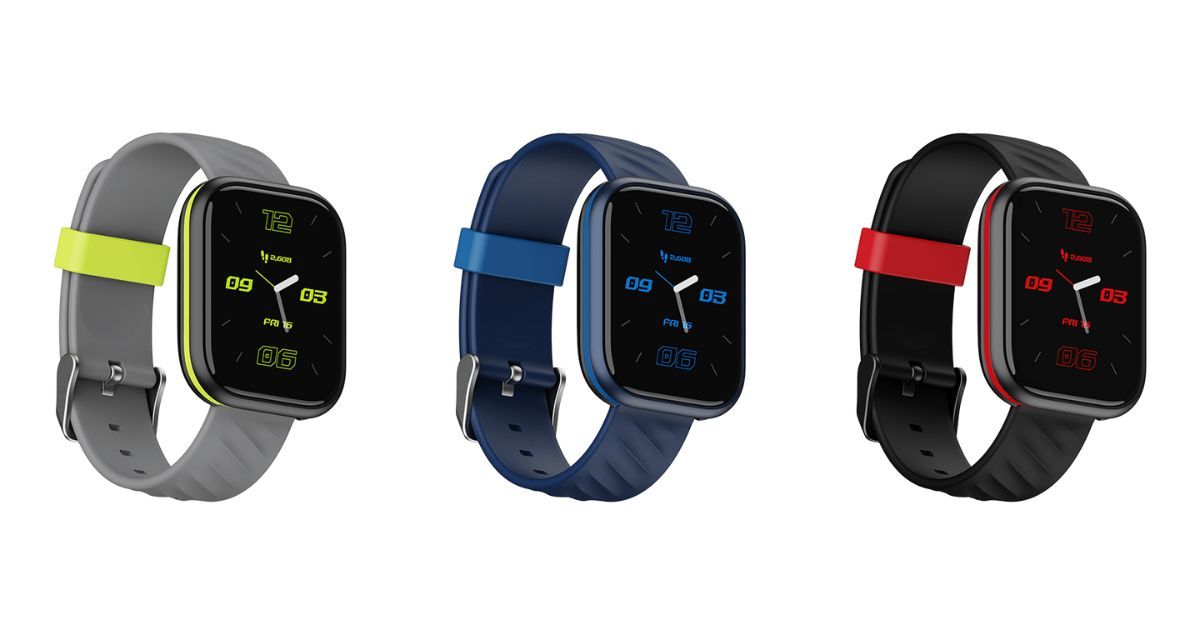
Boat Xtend Sport smartwatch has launched in India as the latest addition to the company’s growing portfolio of smart wearables. The smartwatch sports over 700 Active modes which include sports and extracurricular activities such as jogging, swimming, painting, ballet, and much more. It comes with heart rate and blood oxygen level monitoring. The Boat Xtend Sport Watch has an IP67 dust and water resistance rating and comes with a number of watch faces to choose from.

Boat Xtend Sport Features and Specifications

Boat Xtend Sport features a 1.69-inch LCD touch display with one physical button on the side. It has a sleek design with sweat-resistant silicone straps. The most advertised feature of this watch is the 700+ Active Modes. This includes running, swimming, boxing, karate, cricket, badminton, football, table tennis, Pilates, and others.

Boat xtend sport

The company claims that Xtend Sport is also capable of tracking low and moderate-intensity activities such as Cooking, Skateboarding, Meditating, Playing Instruments, and Gardening.

The Boat Xtend Sport packs a 200mAh battery that gives the smartwatch a battery life of up to seven days. It comes with Boat’s ASAP charge and can be fully charged in just half an hour, as per the company.  The watch also has 24×7 heart rate monitoring, sleep, and SpO2 monitoring built-in. It also comes with IP67 dust and water resistance.

Boat-Xtend-Sport-2

It can perform functions like media control, show phone notifications, alarms, reminders, camera control, and more. Other interesting features of this watch include 100+ watch faces, curated controls, live cricket scores, sedentary alerts, and others.

Boat Xtend Sport Price and Availability

The boAt Watch Xtend Sport is available in Ashen Grey, Classic Black, and Cool Blue color options and has an introductory price of Rs. 2499. It can be purchased from Amazon and boAt-lifestyle starting today, 17th June.

Related:

Huawei MateBook 16s with Core i9-12900H processor and 16GB RAM goes on sale in China

Huawei recently launched its flagship laptops for this year in the form of the Huawei MateBook 16s which was available for pre-order in the Chinese market earlier this month.

Now, the company has officially started selling the top-end model in China. This model, powered by the Core i9 processor, is priced at 8,799 yuan which is about $1,313.

Huawei MateBook 16s

The Huawei MateBook 16s comes equipped with a 16-inch display that offers a screen resolution of 2520 x 1680 pixels, a 3:2 aspect ratio, and a 90 percent screen-to-body ratio. It also has 300 nits of brightness and a 1500:1 contrast ratio along with support for a 100% sRGB color gamut.

Under the hood, this model is powered by the 12th generation Intel Core i9-12900H processor which has 14 cores and 20 threads. It offers a turbo frequency of up to 5GHz and supports LPDDR5 memory.

It has a soldered 16GB of RAM, meaning that the RAM cannot to switch out for the upgrade. As for the storage, the SSD provided on the laptop is an NVME PCIe SSD which Huawei didn’t specify the generation.

The device comes with a fingerprint sensor on the power button for biometric security. As one of Huawei’s flagship offerings, it features an upgraded 1080p wide-angle front-facing webcam for video calls, 4 microphones to ensure call quality is clear, and front-facing dual stereo speakers for a better multimedia audio experience.

The Huawei MateBook 16s is powered by an 84Wh battery and charges up to 135W via USB-C. It has two USB-A 3.2 Gen 1 ports, one full-function USB-C port, one Thunderbolt 4 USB-C port, one HDMI 2.0 port, and one 3.5mm headphone jack.

RELATED: 

Xiaomi Band 7 Receives BIS Certification, India Launch Soon

Xiaomi Band 7 which might have the marketing name Mi Smart Band 7 has recently received Bureau of India Standards (BIS) certification, hinting that the fitness band may launch very soon in India. The band has already been unveiled in China last month with a bigger screen and a slew of health monitoring features such as heart rate monitoring and SpO2 measurement. Recently the smart band has also been spotted on NCC and IMDA. Moreover, its European pricing also got leaked.

As initially spotted by tipster Mukul Sharma, the non-NFC version of the Xiaomi Band 7 (Mi Smart Band 7) has gained BIS certification with model number M2129B1. As usual, the BIS listing does not reveal any specifications of the fitness band. However, it hints that the Xiaomi Band 7 India launch might just be around the corner.

Mi Band 7

As mentioned, the smart band was also spotted on Infocomm Media Development Authority (IMDA) and NCC certification sites. In addition, Xiaomi Band 7’s European prices have also been leaked. The leak revealed that the fitness band will cost somewhere between €50 to €60.

The Xiaomi Band 7 has already launched in China last month so, we know all of its features. Let’s have a look at it.

Xiaomi Band 7 Specifications

The Xiaomi Band 7 sports a 1.62-inch AMOLED display with a 192 x 490-pixel screen resolution, 326 PPI pixel density, and 500nits of peak brightness. It comes with an Always-On display (AOD) feature and also has dynamic Mars wallpaper just like the one available on the MIUI 13.

Its design is almost similar to the previous generation, Mi band 6, and weighs only 13.5 grams. It also boasts features like Xiao AI assistant and carries support for 120 sports modes including four professional sports modes with functions such as activity tracking, data analysis, and more for all-around guidance.

The Xiaomi Band 7 is claimed to deliver up to 14 days of battery life on a single charge and is certified to be 5ATM waterproof. Moreover, it carries a magnetic port for charging.

Related:

“Made in India” smartphone shipments grew 7% YoY in Q1 with Oppo in the lead: Report

The “Made in India” smartphones have witnessed a decent 7% percent increase in shipments in the first quarter of 2022, as per a report. India’s local smartphone manufacturing ecosystem stayed resilient despite the global component shortages. The credit for the growth goes to increasing smartphone demand as well as increasing exports in the country. Various initiatives by the Indian government to increase local manufacturing have also played a huge role.

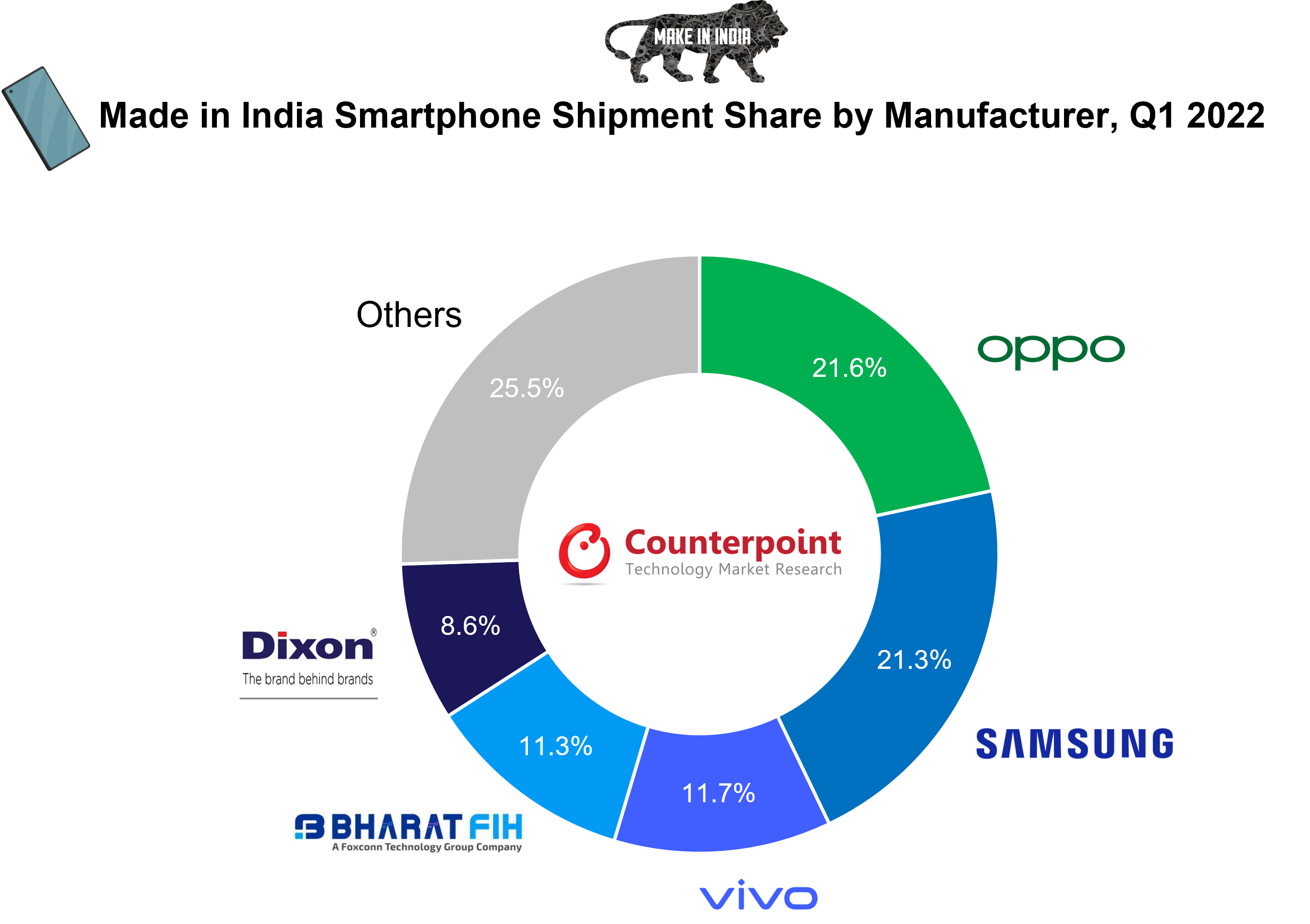
A report by market research firm Counterpoint says that the ‘Made in India’ smartphone shipments rose 7% YoY in Q1 2022 to reach over 48 million units.

Oppo became the largest contributor to the “Made in India” smartphone shipments in the first quarter of 2022 with 10.36 million shipments that helped it achieve a market share of 21.6 percent, the report states. Oppo is followed closely by Samsung which shipped 10.22 million units taking the second spot with a market share of 21.3 percent.

Counterpoint-Research-Made-in-India-Smartphone-Shipments-Q1-2022

The third-party EMS (electronic manufacturing services) providers managed to hold a 42 percent share in local manufacturing, recording a 4 percent YoY growth in terms of shipments. Bharat FIH was the largest EMS provider in Q1 2022 with an 11.3 percent shipment share, followed by Dixon Technologies with an 8.6 percent share.

As mentioned, the increase in shipment is due to increasing smartphone demand as well as soaring exports in the country. Moreover, the Government of India also deserves some credit for the growth of shipments.

“The government’s focus has been to make India a manufacturing hub. It has taken a lot of initiatives in this direction. The Production Linked Incentive (PLI) scheme for mobile handsets proved to be an accelerator for local manufacturing,” said Research Analyst Priya Joseph. “Similar PLI schemes have been introduced by the government in other strategic sectors, such as solar, semiconductors, automotive and electronic products. In the current times of uncertainties triggered by the pandemic, war, and other factors, the government feels it is important to have a resilient economy that can sustain such shocks,” Joseph added.

Related:

Samsung Galaxy F13 Launch Date in India Set for June 22, Key Specifications revealed

Samsung has announced the launch date of the Samsung Galaxy F13 in India. This mid-range smartphone is set to launch on June 22 at 12, Noon. The South Korean giant has also disclosed some of the key specifications of this Galaxy phone. The Galaxy F13 carries an FHD+ LCD screen, 6000mAh battery, and 15W fast charging support. Let’s have a look at all the available details.

Today, a microsite went live on Flipkart that confirms some of the key features of the Samsung Galaxy F13 and also reveals the launch date of the phone. As per the microsite, the Samsung Galaxy F13 will launch in India on June 22 at 12 Noon. The smartphone may get sold exclusively through Flipkart.

Samsung Galaxy F13 launch

Samsung has confirmed that the Galaxy F13 will feature an FHD+ LCD display. In addition, the smartphone will be fueled by a large 6000mAh battery and support 15W charging. The handset will also come with an “auto data switching” feature which will let you make and receive calls or use data from your secondary SIM, even when the primary SIM has no network. The smartphone will feature 8GB RAM but the possibility of other memory variants cannot be ruled out.

Samsung-Galaxy-F13-features-teaser

Previously, the smartphone surfaced on Geekbench which shed light on its processor. The listing revealed that the smartphone will be powered by an Exynos 850 SoC paired with 4GB of RAM.

Rumor has it that Galaxy F13 is a rebranded Galaxy M13 model. If it’s true, the F13 could feature a triple rear camera setup consisting of a 50-megapixel primary sensor, a 5-megapixel ultra-wide-angle lens, and a 2-megapixel depth sensor. On the front, it could sport an 8-megapixel camera for selfies.

Related:

Samsung Galaxy XCover 6 Pro, Tab Active 4 Pro to debut on July 13

Since May, the rumor mill has been actively leaking information about the Galaxy XCover 6 Pro. Samsung has now released an official confirmation that it will be announcing the XCover 6 ro as well as the Tab Active 4 Pro on July 13 for the global markets. Here is all the information that is known about the two rugged devices.

Galaxy XCover 6 Pro, Tab Active 4 Pro launch date

Samsung Galaxy XCover 6 Pro specifications (rumored)

The Galaxy XCover 6 Pro will be a 5G-ready rugged smartphone that will feature a removable 4,050mAh battery. It will house a 6.6-inch TFT display that offers an FHD+ resolution and a 60Hz refresh rate. The dew-drop notch on the display will house a 13-megapixel selfie camera.

The rear camera setup of the Galaxy XCover 6 Pro will feature a 50-megapixel main camera. It will be coupled with an 8-megapixel or 12-megapixel ultra-wide lens. The Snapdragon 778G chip is likely to power the XCover 6 Pro. The device will ship with 6 GB of RAM and 128 GB of storage. It will come preinstalled with Android 12 OS with One UI on top.

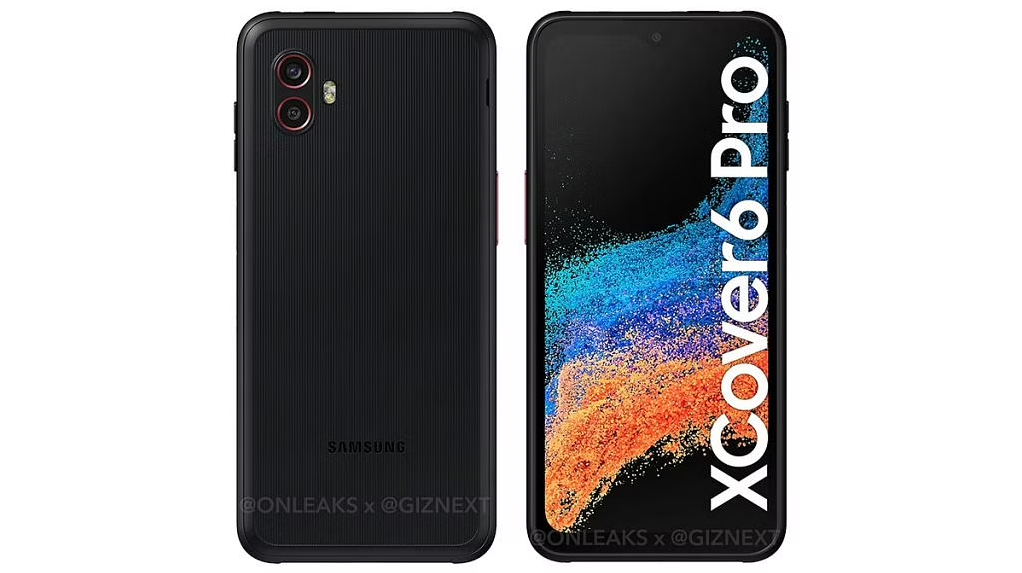
Samsung Galaxy XCover6 Pro
Samsung Galaxy XCover6 Pro | Image via Giznext

The leaked renders of the Galaxy XCover 6 Pro have revealed that its right edge will have a volume rocker and its left spine will have a power button. Its bottom will feature a speaker grille, a USB-C port, and a 3.5mm audio jack. The shell of the device seems to be made out of hard plastic for durability. The textured lines on the back will promote better grip. The device weighs around 235 grams and has a thickness of 10mm.

Samsung Galaxy Tab Active 4 Pro

The specifications of the Galaxy Tab Active 4 Pro are under wraps. The official image reveals it has thick bezels and rugged construction. It carries support for the S Pen stylus.

RELATED:

POCO F4 5G, POCO X4 GT full specifications, renders leaked before launch

On June 23, POCO will be announcing the POCO F4 5G and the POCO X4 GT smartphones for the global markets. Ahead of the launch, Winfuture.de has published the official renders of both smartphones. In addition, it has also shared the specifications of both devices.

POCO F4 5G specifications (rumored)

The POCO F4 5G will arrive with a 6.67-inch AMOLED display that offers an FHD+ resolution, up to 120Hz refresh rate, and 1,300 nits of brightness. The display will be protected by Gorilla Glass 5. The Snapdragon 870 chipset will power the POCO F4 5G. It should come with 8 GB of RAM and 256 GB of built-in storage in Europe.

POCO F4 5G
POCO F4 5G

It will feature a 20-megapixel front camera, and its rear-facing camera setup will be headlined by a 64-megapixel camera. IT will be coupled with an 8-megapixel ultra-wide lens and a 2-megapixel macro camera. It will pack a 4,500mAh battery that supports 67W fast charging. It has a polycarbonate rear and measures around 8mm in thickness. The device weighs 195 grams.

Shown above are the color variants of the device. Yes, the POCO F4 5G is the rebranded version of the China-exclusive Redmi K40S smartphone.

POCO X4 GT specifications (rumored)

The POCO X4 GT will come with a 6.6-inch LCD panel that produces a Full HD+ resolution of 1080 x 2400 pixels, up to a 120Hz refresh rate, and 650 nits of brightness. It will also feature Gorilla Glass 5 protection for the screen. The device will be equipped with the Dimensity 8100 chipset, 8 GB of RAM, 256 GB of native storage, and a 5,080mAh battery with 67W rapid charging support.

POCO X4 GT
POCO X4 GT

It will have a 20-megapixel front camera, and its back panel will be fitted with a 64-megapixel (main) + 8-megapixel (ultrawide) + 2-megapixel (macro) triple camera unit.

The POCO F4 5G and X4 GT will run on Android 12 OS and have POCO’s own UI on top. Both smartphones will come with connectivity options, such as dual SIM slots, Wi-Fi 802.11ac, Bluetooth 5.2, and NFC. The X4 GT will also feature a 3.5mm audio jack.

The POCO X4 GT will be a tweaked version of China’s Redmi Note 11T Pro 5G. It is unclear when it will launch in India. However, the POCO F4 5G will debut in worldwide markets as well as India on June 23.

RELATED:

POCO X4 GT launch date confirmed, could be a rebranded Redmi phone

POCO will be holding a global launch event at 20:00 GMT+8 on June 23 to announce the POCO F4 5G flagship phone in India and worldwide markets. POCO’s Global Twitter handle confirmed that it will also be announcing the POCO X4 GT along with the POCO F4 5G.

The POCO X4 GT has been in the rumor mill for the past few weeks. Xiaomi’s sub-brand Redmi announced the Redmi Note 11T Pro in China last month. Reports suggest that the X4 GT will be a tweaked version of the Note 11T Pro.

POCO X4 GT specifications (rumored)

The POCO X4 GT will feature a 6.6-inch LCD screen with a punch-hole design. It will support a Full HD+ resolution and a 144Hz refresh rate. The device will boot to the Android 12 OS and MIUI 13. For security, it will arrive with a side-mounted fingerprint sensor.

Redmi Note 11T Pro series

The X4 GT will be fuelled by the Dimensity 8100 chipset and 6 GB / 8 GB of RAM. The device will come with 128 GB / 256 GB of UFS 3.1 storage. To keep the lights on, it will house a 5,000mAh battery with 67W fast charging support.

The front of the POCO X4 GT will feature a 20-megapixel camera. Its rear camera setup will have a 48-megapixel main camera, an 8-megapixel ultrawide lens, and a 2-megapixel macro camera. It will also offer other features such as an X-axis linear motor, NFC, and JBL stereo speakers.

The only difference between the POCO X4 GT and the Redmi Note 11T Pro seems to be in the primary camera department. To recall, the Redmi phone features a 64-megapixel main camera. At present, there is no information on the price of the X4 GT.

RELATED:

Motorola Edge 30 Fusion, Edge 30 Lite, G32, E12 price and color variants leaked

Motorola has a handful of smartphones waiting in the pipeline to go official in different markets. Reputed tipster Steve Hemmerstoffer and publication Compare Dial have teamed up to leak the price and color variants of the Razr 3. The duo have also collaborated to reveal the same information about other Motorola phones, such as the Edge 30 Fusion, Edge 30 Lite, Moto G32, and Moto E12.

Motorola Edge 30 Fusion price, variants, and color

The report reveals that the Edge 30 Fusion will come in a single trim of 8 GB RAM and 128 GB storage. It will come in Black shade only and carry a price tag of 679 euros While it is speculated to arrive with the unknown Dimensity 900U, there is no word on its other specifications.

Motorola Logo Featured

Motorola Edge 30 Lite price, variants, and color

The Edge 30 Lite will only be available with 8 GB of RAM and 128 GB of storage. It will be priced at 399 euros and sold in multiple shades, such as Silver, Veri Peri, and Moonless Night. Rumors have it that it will come with a 6.28-inch pOLED FHD+ 120Hz display, a 32-megapixel front camera, 64-megapixel + 13-megapixel dual rear cameras, a 4,020mAh battery with 30W fast charging, and Snapdragon 695.

Moto G32 price, variants, and color

The Moto G32 will come with 3 GB of RAM and 32 GB of storage. It will be priced at 229 euros and come in Silver and Grey colors. It is rumored to pack specs like a 6.5-inch IPS LCD HD+ 90Hz display, an 8-megapixel front camera, 16-megapixel + 2-megapixel + 2-megapixel triple rear cameras, a 5,000mAh battery, and Unisoc T606.

Moto E12 price, variants, and color

The Moto E12 will be an entry-level model offering 2 GB of RAM and 32 GB of storage. It will cost 139 euros and will be available in Dark and White colors. The specs of the E12 are under wraps.

RELATED:

Motorola Razr 3 price, color variants leaked, likely to launch in July

Motorola is reportedly working on the Razr 3 clamshell phone. Reports have revealed that unlike predecessor models, which featured upper mid-range chipsets, the Razr 3 will come equipped with the latest Snapdragon 8+ Gen 1 flagship SoC. Steve Hemmerstoffer, a reliable tipster, has collaborated with Compare Dial to leak the Razr 3’s price and color options.

The Motorola Razr 5G was announced with a price tag of 1,399 euros. The new leak shows that the official price of the Razr 3 in Europe will be 1,149 euros, making it more affordable.

Motorola Razr 3 hands-on image
Motorola Razr 3 hands-on image | Source: Evan Blass

While Motorola is expected to make the Razr 3 available in multiple colors in future, initially it will be available in Quartz Black shard only. A previous report claimed that there could be a Tranquil Blue color variant. However, it appears that it may not be available at launch in Europe. The Motorola Razr 3 is expected to debut in July in China. Later, it will also arrive in Europe and other markets.

Motorola Razr 3 specifications (rumoured)

Codenamed “Maven,” the Razr 3 will feature a 6.7-inch FHD+ 120Hz foldable screen with a punch-hole design on the inside. It will arrive with a 3-inch cover display. For selfies, it will come with a 32-megapixel snapper. Its rear shell will feature a 50-megapixel main camera and a 13-megapixel ultra-wide lens.

Reports have claimed that Motorola may release the Razr 3 with  Snapdragon 8 Gen 1 and Snapdragon 8+ Gen 1 chipset variants. It will arrive with 12 GB of RAM, up to 512 GB of storage, and a 2,800mAh battery. The device will come preinstalled with the MyUX flavored Android 12 OS. For security, it will feature a side-facing fingerprint scanner.

RELATED:

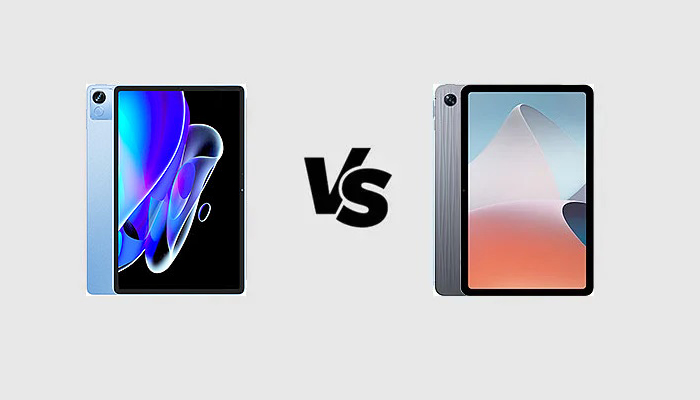
Realme Pad X vs OPPO Pad Air: Specs Comparison

Last month Realme launched its third tablet: after the vanilla Pad and the Pad Mini, the Chinese giant came up with the Realme Pad X. A lot of people thought it was gonna be its first flagship tablet, but it is still a midrange device. However, it is the most powerful tablet released by the brand until now. A few days before, the OPPO Pad Air went official: in this case, we are talking about the second OPPO tablet which is also its first affordable tablet. Indeed, while Realme focused on the entry-level segment, the first OPPO tablet is actually a high-end model. Now, both the companies released a new model in May with midrange specifications. But which one is the best? This comparison between the specifications of the Realme Pad X and the OPPO Pad Air will give you the answer.

Realme Pad X vs OPPO Pad Air

Realme Pad X OPPO Pad Air
THICKNESS AND WEIGHT 7.1 mm and 499 grams 6.9 mm and 440 g
DISPLAY  10.6 inches, 1200 x 2000p (Full HD+), IPS LCD 10.36 inches, 1200 x 2000p (Full HD+), IPS LCD
PROCESSOR Qualcomm Snapdragon 695 5G, octa-core 2.2 GHz Qualcomm Snapdragon 680, octa-core 2.4 GHz
MEMORY 4 GB RAM, 64 GB – 6 GB RAM, 128 GB 4 GB RAM, 64 GB – 4 GB RAM, 128 GB –  6 GB RAM, 128 GB – micro SD slot
SOFTWARE  Android 12, Realme UI 3.0 Android 12, ColorOS
CONNECTIVITY Wi-Fi 802.11 a/b/g/n/ac, Bluetooth 5.1, GPS  Wi-Fi 802.11 a/b/g/n/ac, Bluetooth 5.1, GPS
CAMERA Single 13 MP f/2.2
8 MP f/2.0 front camera
Single 8 MP f/2.0
5 MP f/2.2 front camera
BATTERY 8340 mAh, fast charging 33W 7100 mAh, fast charging 18W
ADDITIONAL FEATURES Stylus support, reverse charging Stylus support

Design

The OPPO Pad Air has a stunning and original design. It comes with a rainbow stripe with several colors and a brilliant texture, as well as a flat texture for the rest of the rear panel. It is definitely one of the most beautiful tablets released this year and it is even better than the vanilla OPPO Pad which comes with superior specifications. The Realme Pad X is not disappointing as it comes with a very thin design just like the OPPO tablet, as well as narrow bezels around the display. But the OPPO Pad Air is not only more beautiful but even more compact and thinner than its rival. So the OPPO tablet wins the design comparison. However, note that the Realme Pad X comes in a special variant with a checkered design which you could like if you like sports cars or you are a young person loving aggressive and gaming-centric aesthetics.


Display

If you are looking for the display with the most advanced image quality, then you should go for the OPPO Pad Air without thinking twice. Unfortunately, both these tablets come with IPS LCD displays instead of AMOLED panels, so you should not expect an amazing color reproduction. But the OPPO Pad Air comes with a panel that is able to show up to one billion colors, so it is above-average if compared to the other LCD displays out there. The display has a diagonal of 10.36 inches and a Full HD+ resolution of 1200 x 2000 pixels. The Realme Pad X comes with a wider 10.6-inch display, but it looks like it cannot show one billion colors and it stops at 16 million. The resolution is exactly the same: Full HD+ with 1200 x 2000 pixels. Both the tablets support a stylus for handwriting and drawing and they have four stereo speakers for an improved audio experience, but they lack a 3.5 mm audio jack.


Specs & Software

The most satisfying hardware department belongs to the Realme Pad X for a simple reason: it has a better processor. We are talking about the Qualcomm Snapdragon 695 5G mobile platform built at 6 nm and running at a max frequency of 2.2 GHz, with two Kryo 660 Gold cores and six Kryo 660 Silver cores. Even though the SoC is called Snapdragon 695 5G, the Realme Pad X does not support 5G connectivity as the chipset is not bundled with a modem. The Snapdragon 695 5G is paired with up to 6 GB of RAM and up to 128 GB of internal storage. The OPPO Pad Air loses the battle because it sports an inferior Qualcomm Snapdragon 680 4G mobile platform (even in this case, there is no cellular connectivity), but on the other hand, it features a micro SD slot in order to expand the internal storage. Both the tablets run Android 12 out of the box customized by the same user interface, even though with different names (ColorOS and Realme UI).


Camera

If you are in search of the best camera, then the Realme Pad X is a better option for you. It has a better rear sensor with a 13 MP resolution: not comparable to the sensor found on Android phones (even the entry-level ones), but good for a tablet. Even the front camera is better if compared to the OPPO Pad Air, with an 8 MP resolution and a 105° FOV.


Battery

The Realme Pad X is the tablet offering the longest battery life simply because it has a bigger battery: the capacity is 8340 mAh against just 7100 mAh found on the OPPO Pad Air. Even the charging technology is superior because it features 33W fast charging, while the OPPO tablet stops at 18W.


Price

The starting price of the Realme Pad X for the Chinese market is $190/€180, and that is exactly the same starting price as the OPPO Pad Air. So which one is the best? Well, the OPPO Pad Air has a better design and a superior display, but for the rest, Realme Pad X wins: it has superior cameras, a better chipset, and even a bigger battery with a faster charging tech.


Realme Pad X vs OPPO Pad Air: PRO and CONS

Realme Pad X

PRO

  • Better chipset
  • Faster charging
  • Wider display
  • Bigger battery
  • Better camera

CONS

  • No micro SD slot


OPPO Pad Air

PRO

  • More compact
  • Better design
  • Micro SD slot
  • More configurations

CONS

  • Inferior chipset
  • Smaller battery


RELATED


Anker 625 Solar Panel with 100W power output unveiled for $329.99

 Anker last year announced that it had become the world’s number one digital charging brand, quoting retail sales stats from Euromonitor International. That may not be far from the truth as the company seems to have got accessories to charge all devices (both wired and wireless charging). The Chinese brand has now launched a new solar charging panel dubbed Anker 625 Solar Panel.Anker 625 Solar Panel

Anker 625 Solar Panel is capable of delivering 100W power a portable device that comes with an adjustable kickstand and offers a 23% solar energy conversion rate. The Anker 625 Solar Panel can be carried comfortably using the carrying handle and the device has USB-C and USB-A ports for direct charging.

Anker says that its 625 Solar Panel can charge a power station via its XT-60 output even under cloudy conditions. The Anker 625 Solar Panel comes with short-circuit and overvoltage protection built into the system. Anker’s proprietary Suncast technology uses smart sunlight alignment to deliver optimal performance for the gadget. The solar panel can be used with Anker’s lineup of power stations providing quick charging for the models.Anker 625 Solar Panel

The USB-C and USB-A ports built into the Anker 625 deliver charging speeds of 15W and 12W respectively. The two ports can be used simultaneously while also charging a power station. The solar panel weighs less than 5kg and it is foldable. It can thus be moved easily and deployed quickly. The package includes a solar charging cable and XT-60 to DC7909 connector.

The Anker 625 Solar Panel has dimensions of 20.7 x 18.5 x 3.4 inches when folded and it costs $329.99 on Amazon. The Anker 625 Solar Panel is a great camping tool in combination with power generators. It is globally available on Amazon with separate shipping costs.

RELATED: