A new report has revealed interesting information regarding Xiaomi‘s plans for its future smartphone models. The company has apparently been testing USB 3.0 and even DP tests for its handsets, which hints that it will soon adopt the latest standards.
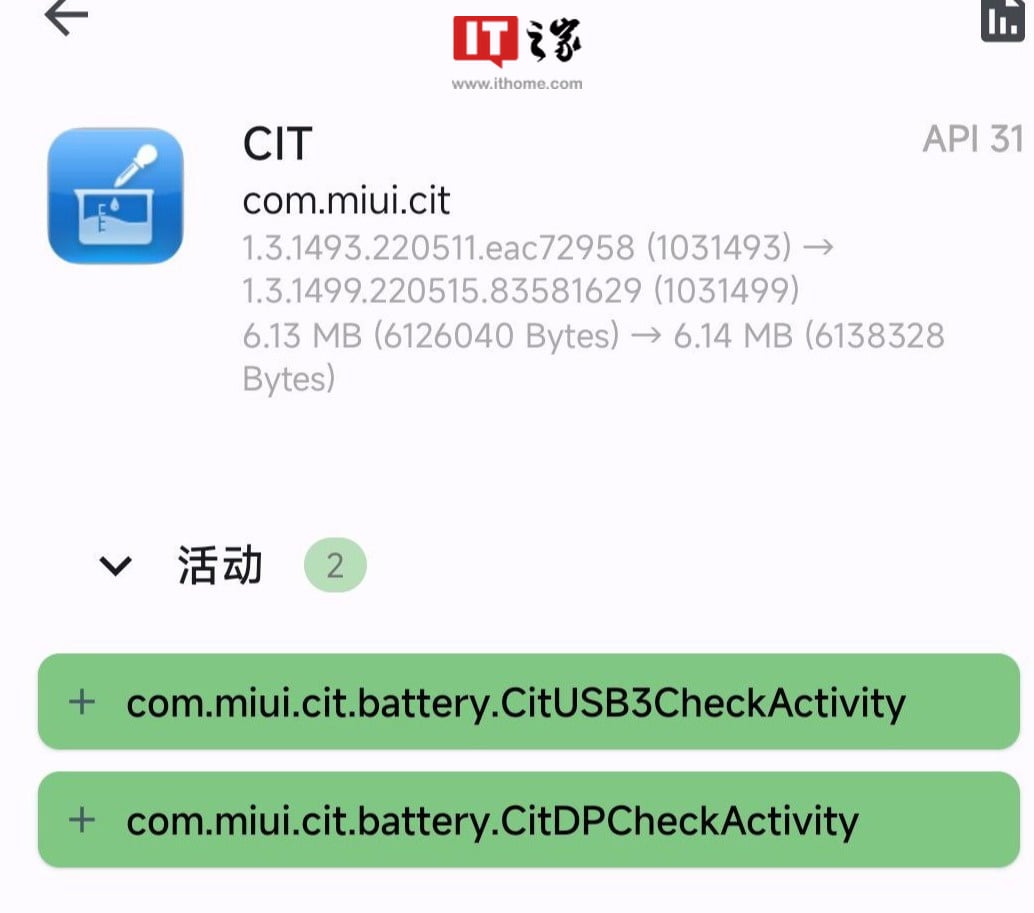
The news arrives from sources close to the matter (Via ITHome) who stated that the Chinese tech giant is planning on bringing USB 3.0 support for its new products. In the new report, a screenshot of CIT was also shared. For those unaware, CIT is a hardware test tool for Xiaomi devices. By clicking on the Kernel version multiple times in the Settings, users can enter and perform functional tests on various hardware.
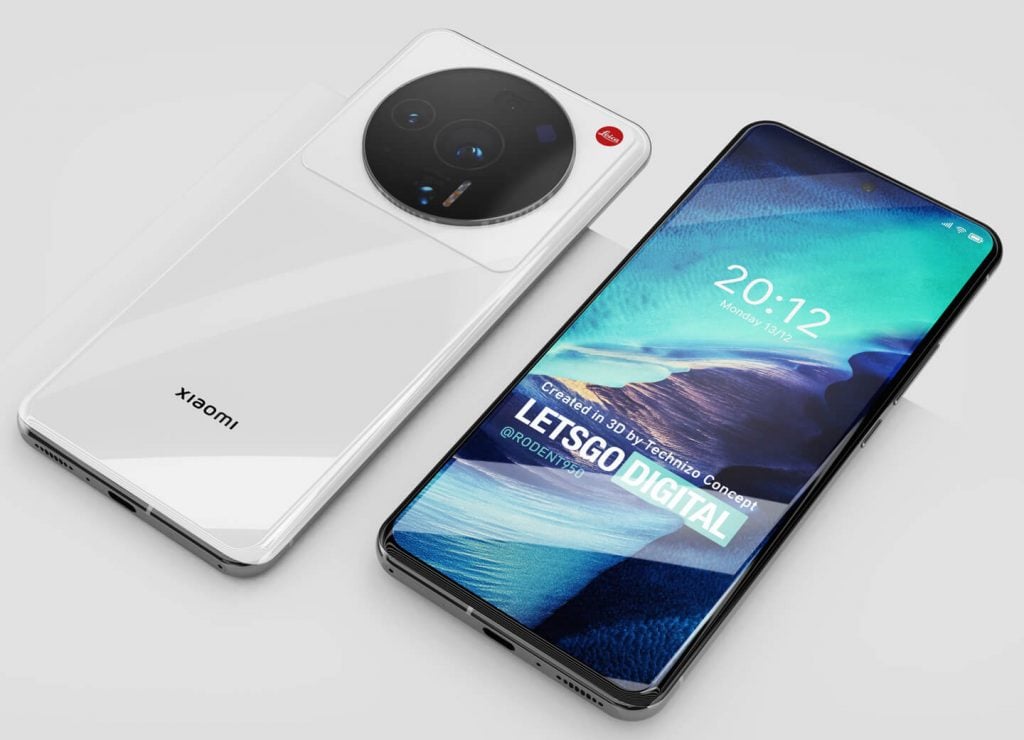
In other words, the company is working on finally bringing the latest standard for its phones. The brand has been notorious for not using USB 3.0 standard for years on its flagship lineup. So it seems that this might soon not be the case anymore. With the Xiaomi 12 Ultra launch being just around the corner, it won’t be surprising if this model is the first to adopt the USB 3.0 standards.
Keep in mind that this is still just speculation at the moment, so take this report with a pinch of salt for now. We will be providing updates when additional information is available regarding this matter so stick around for more updates.
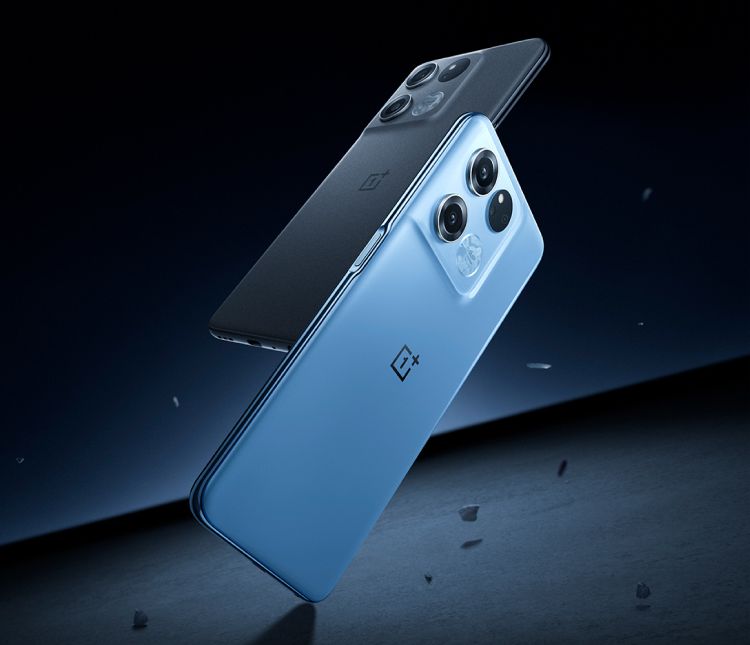
While OnePlus is gearing up to launch the Ace Racing Edition smartphone in China later today (17th May 2022), the company is apparently also planning on soon releasing the same model in the Indian market as well.
According to known tipster Mukul Sharma, the Chinese smartphone maker might launch the OnePlus Ace Racing Edition in the Indian market soon. The tipster added that the upcoming handset was spotted on the brand’s official India website. In other words, this basically confirms that the Ace Racing Edition is making its way to the region. Although, considering that the original Ace model was launched as the OnePlus 10R for the Indian market, we can expect the Racing Edition to likely be renamed as well.
Talking about the upcoming device itself, the Racing Edition will come in two color option, namely Gray and Blue. The handset hasn’t been officially announced yet, but we have a fair idea regarding its possible specifications. It is expected to sport a 6.59 inch Full HD+ resolution with an IPS LCD panel that has a 120Hz refresh rate. Under the hood, the device will be equipped with a MediaTek Dimensity 8100 Max paired with up to 12GB of RAM and 256GB of internal storage.
OnePlus Ace Racing Edition
A large 5,000mAh battery pack will power the device, which supports 67W fast charging. For photography, it will feature a triple camera setup on the rear, including a 64 megapixel primary sensor, an 8 megapixel ultra wide angle lens, and a 2 megapixel depth sensor. On the front, the device houses a 16 megapixel selfie shooter. The device will likely run on Android 12 OS out of the box, so stay tuned as we will be covering the China launch later today.
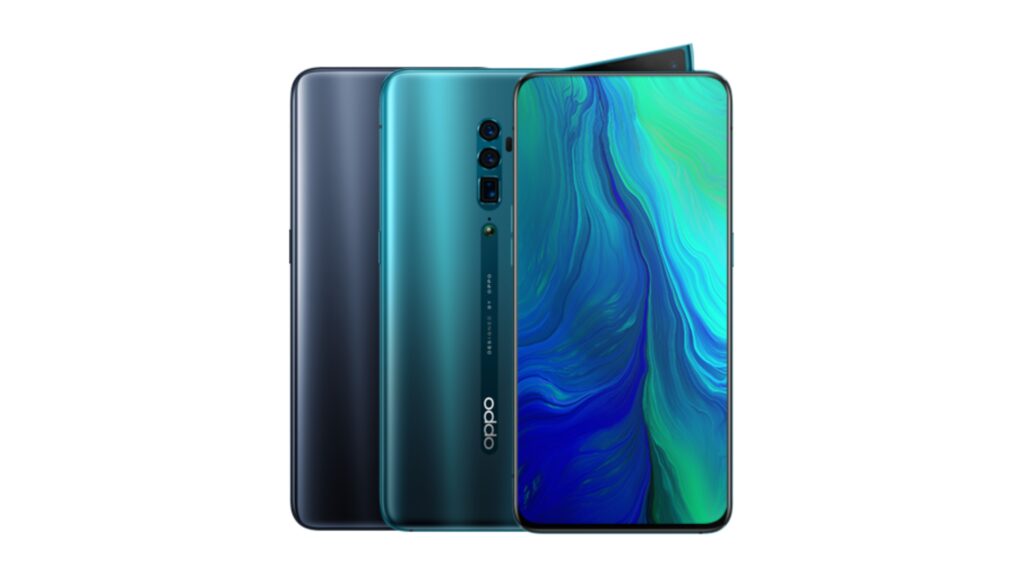
Oppo has almost finished rolling out the Android 12-based ColorOS 12 update for eligible smartphones worldwide. The devices that are left are either budget models or very old flagships. The Oppo Reno 10x Zoom and Oppo Reno Ace come under the latter category. Users of these two phones can finally try Android 12 via a beta program.
Oppo Reno 10x Zoom
According to schedules (China and global) shared by Oppo earlier this month, the ColorOS 12 beta initiative based on Android 12 for Oppo Reno 10x Zoom and Oppo Reno Ace is supposed today (May 17). However, the company had already openedregistrationsyesterday (May 16) and the window closes today itself for the first batch.
The beta program is also applicable to the special edition models. Hence, even users of Oppo Reno FC Barcelona Edition (customized Reno 10x Zoom) and Oppo Reno Ace Gundam Edition can apply for Android 12 beta testing.
The only requirement is that the users should be on the following firmware builds.
All they have to do is navigate to Settings > Software Update > Gear Icon > Apply for Beta version > Update Beta Version and follow on-screen instructions. Selected applicants will receive the beta software via OTA.
There’s no official word on the release date of the stable update yet. However, we can expect it to arrive in a month or two.
Having said that, Android 12 is the third and the last major software update for the aforementioned smartphones. They are the first-gen Oppo smartphones to receive three Android updates.
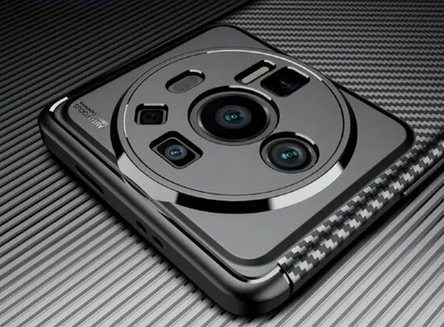
While the Xiaomi 12 series had first been launched in China back in 2022 end, the company has yet to release its true top of the line model, the Xiaomi 12 Ultra. Now, a new report has revealed leaked live images, which hints at the device’s rear camera design.
The news arrives from @SlashLeaks who shared the image on Twitter. Looking at this image, we can see that the rear panel of the Ultra variant is quite different from the other models within the same flagship lineup. The rear features a large circular camera module that is also a bit raised. This circular module has a total of seven cutouts, not including the LED flash. In other words, we expect the primary sensor to be a 1/1.1-inch lens that could be the Sony Exmor IMX800.
Furthermore, this will be paired with a telephoto lens and an ultra wide angle lens. We might also see a dedicated zoom lens as well, similar to the Samsung Galaxy S Ultra models. Notably, the leaked image of the rear panel is in green color and also appears to have a leather like texture finish. The front of the device is expected to house a 48 megapixel selfie shooter, while the rear packs a 50 megapixel primary camera.
The ultra wide angle lens may be a 48 megapixel sensor, along with another 48 megapixel periscope lens, and a LiDAR sensor, and more. As of right now, finer details regarding the upcoming handset is still unclear, although we have reported on various leaks in the past. So stick around for more updates regarding this smartphone.
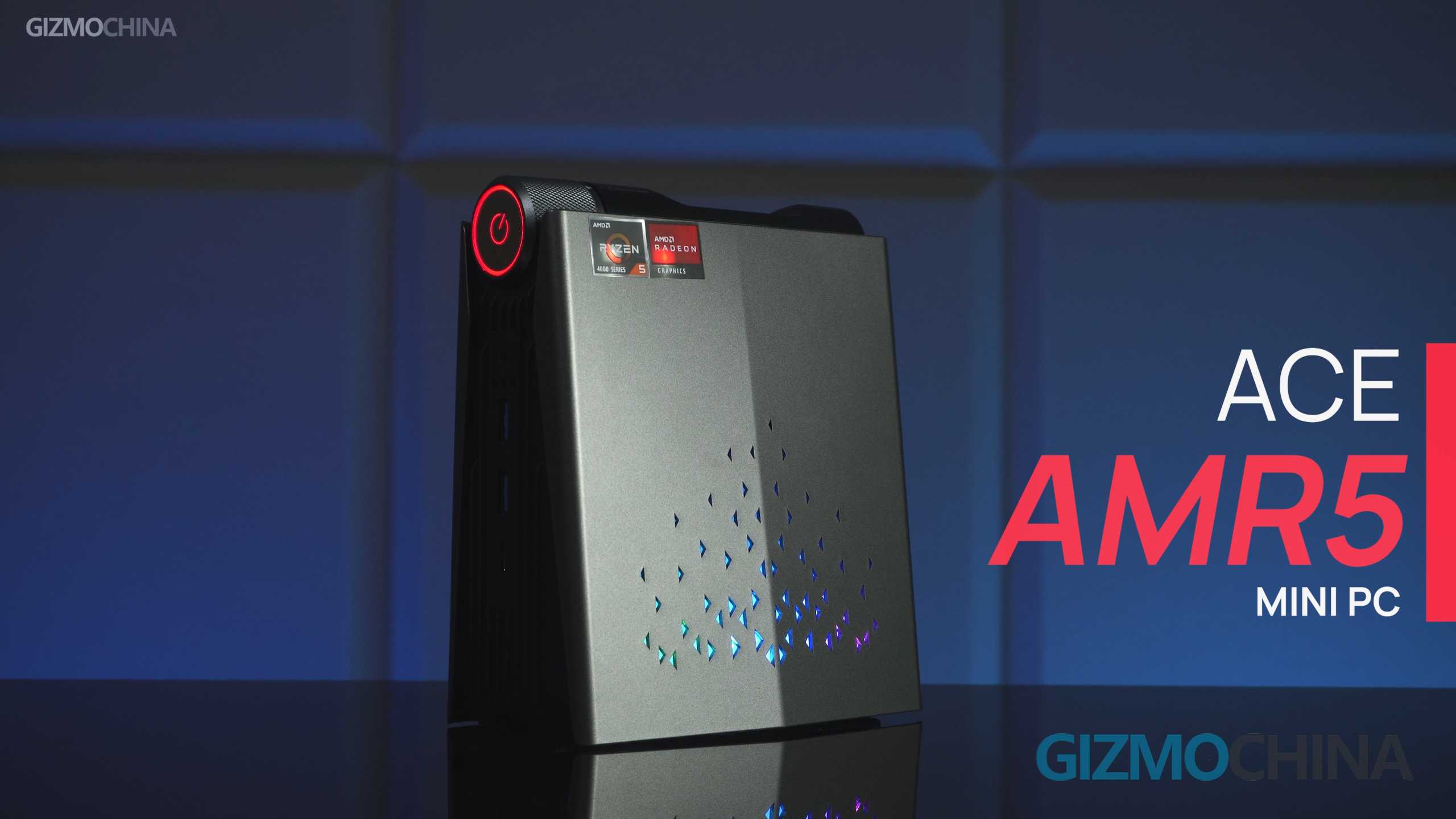
Recently we found an impressive mini PC just launched via Kickstarter, which is the Ace AMR5. It’s one of the few mini PCs that offer a unique design and emphasize high power draw as well. It’s powered by an AMD Radeon 5 4500U CPU and offers a kit for you to assemble yourself.
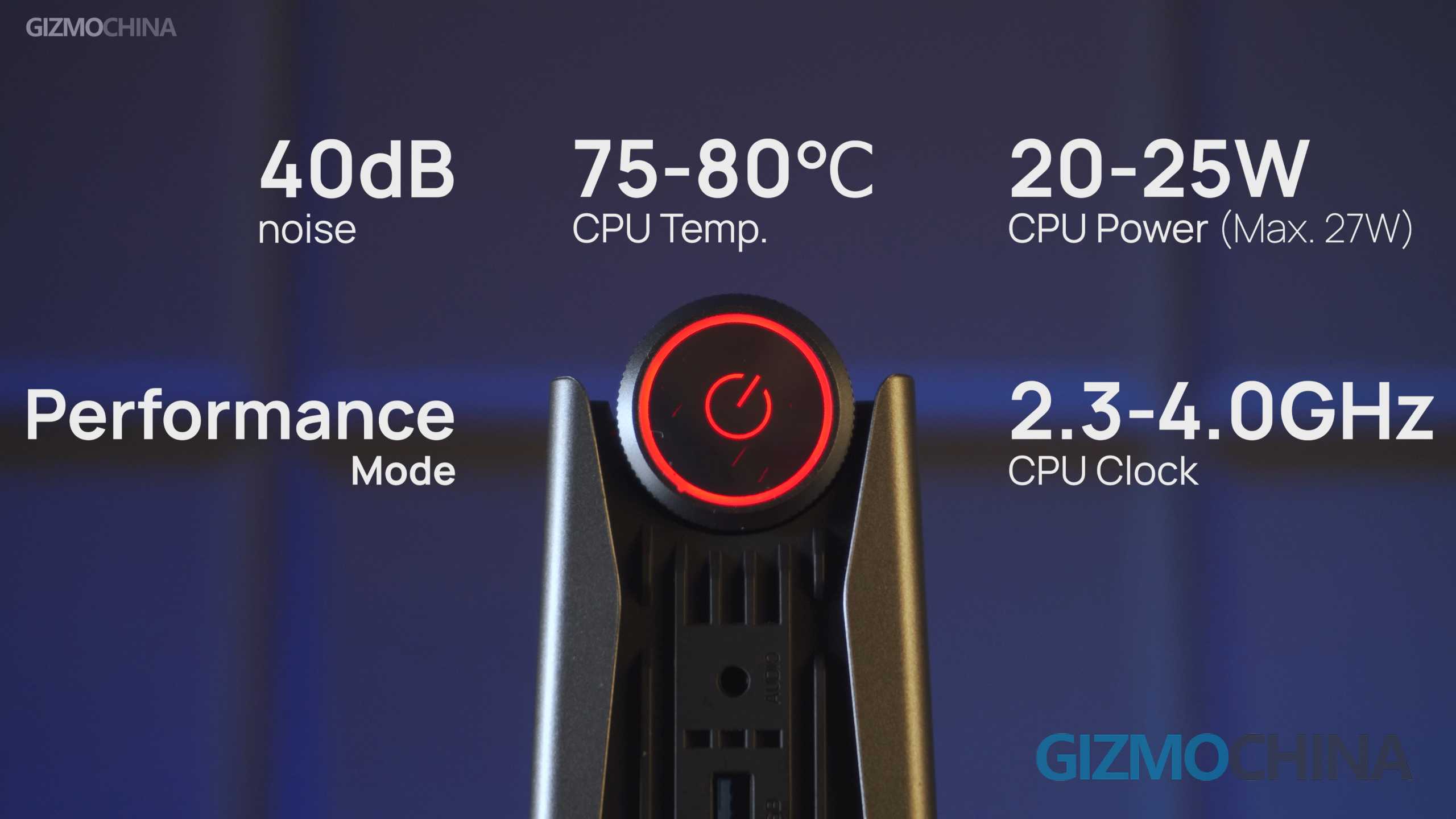
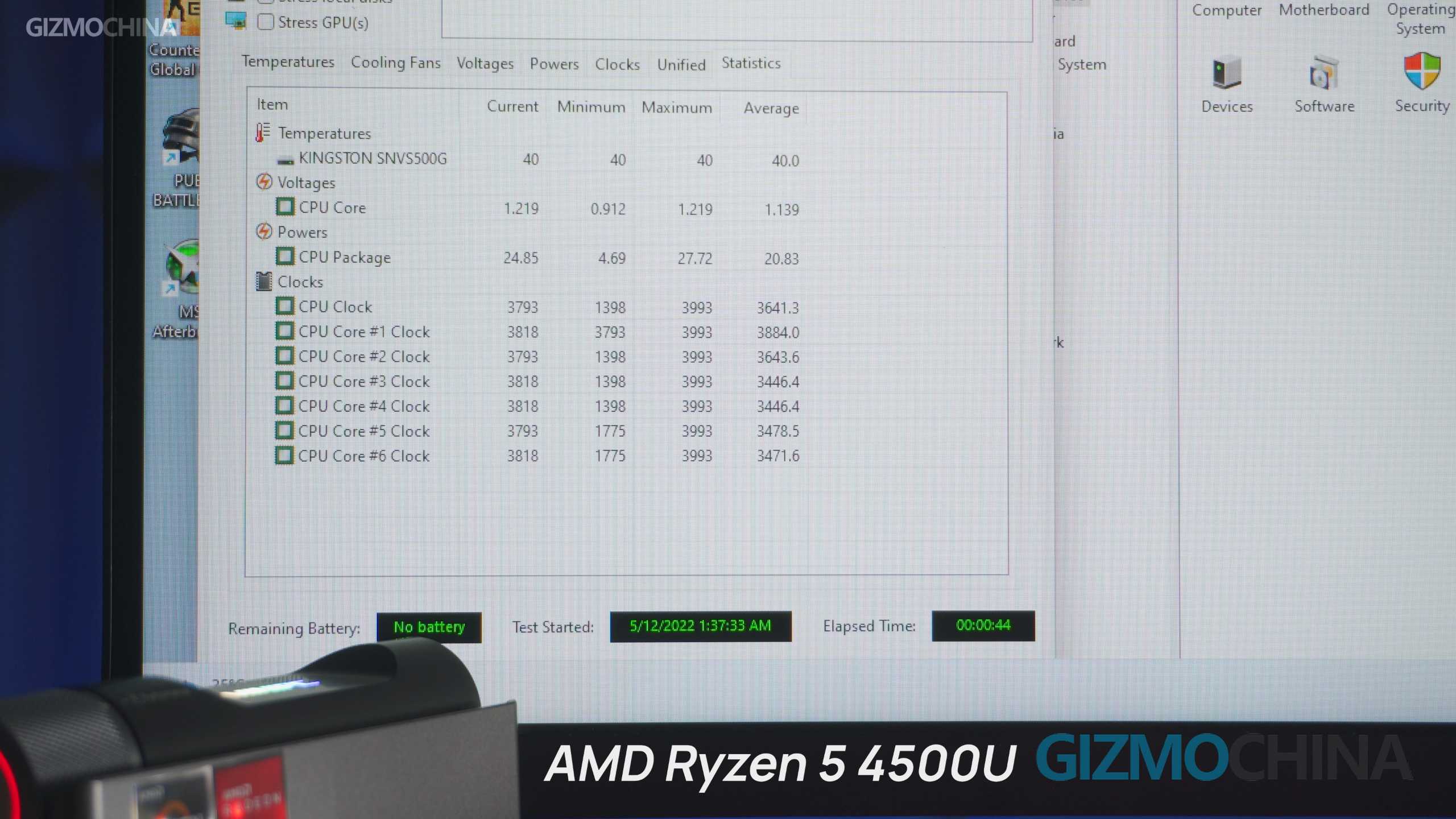
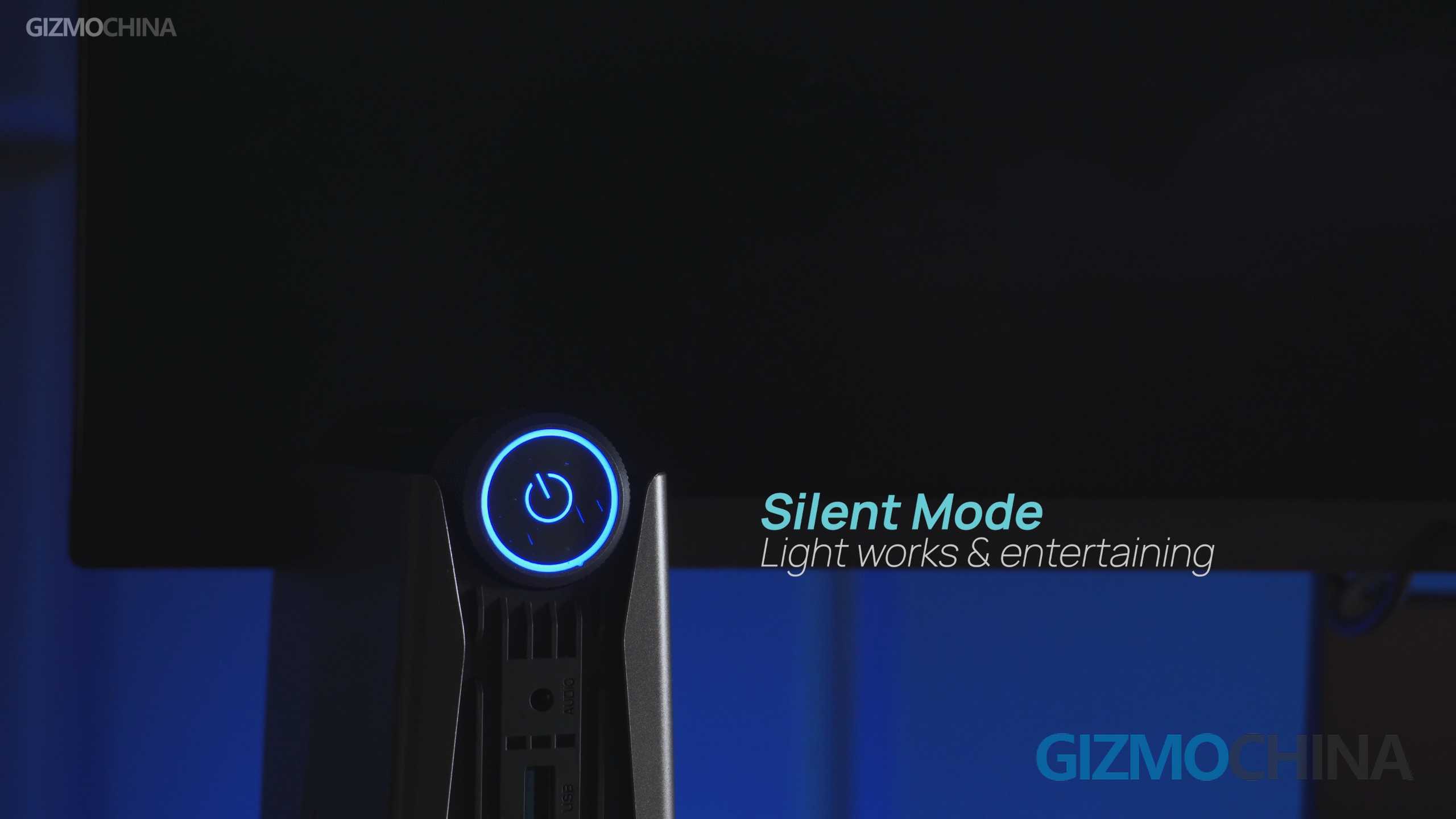
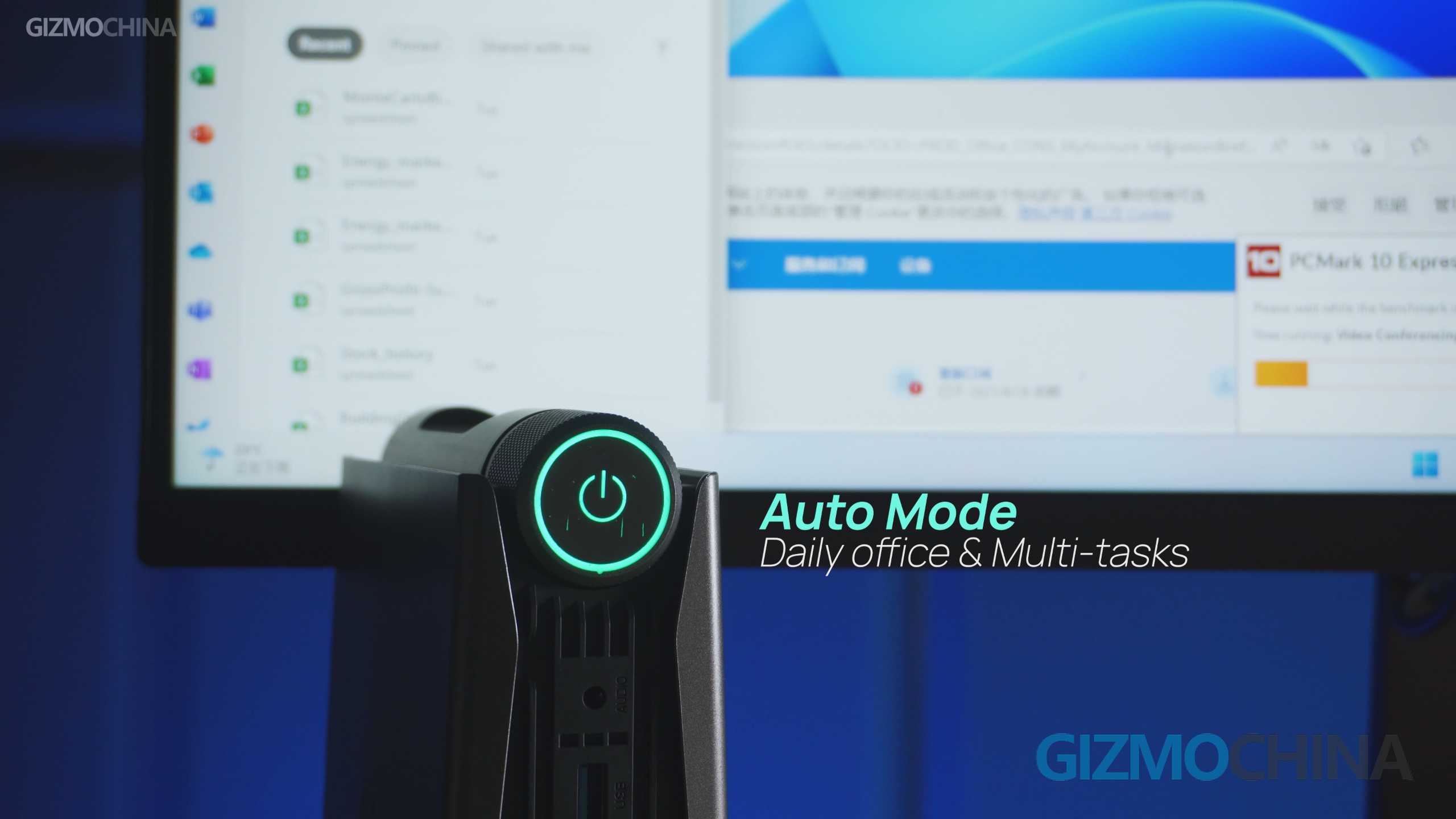
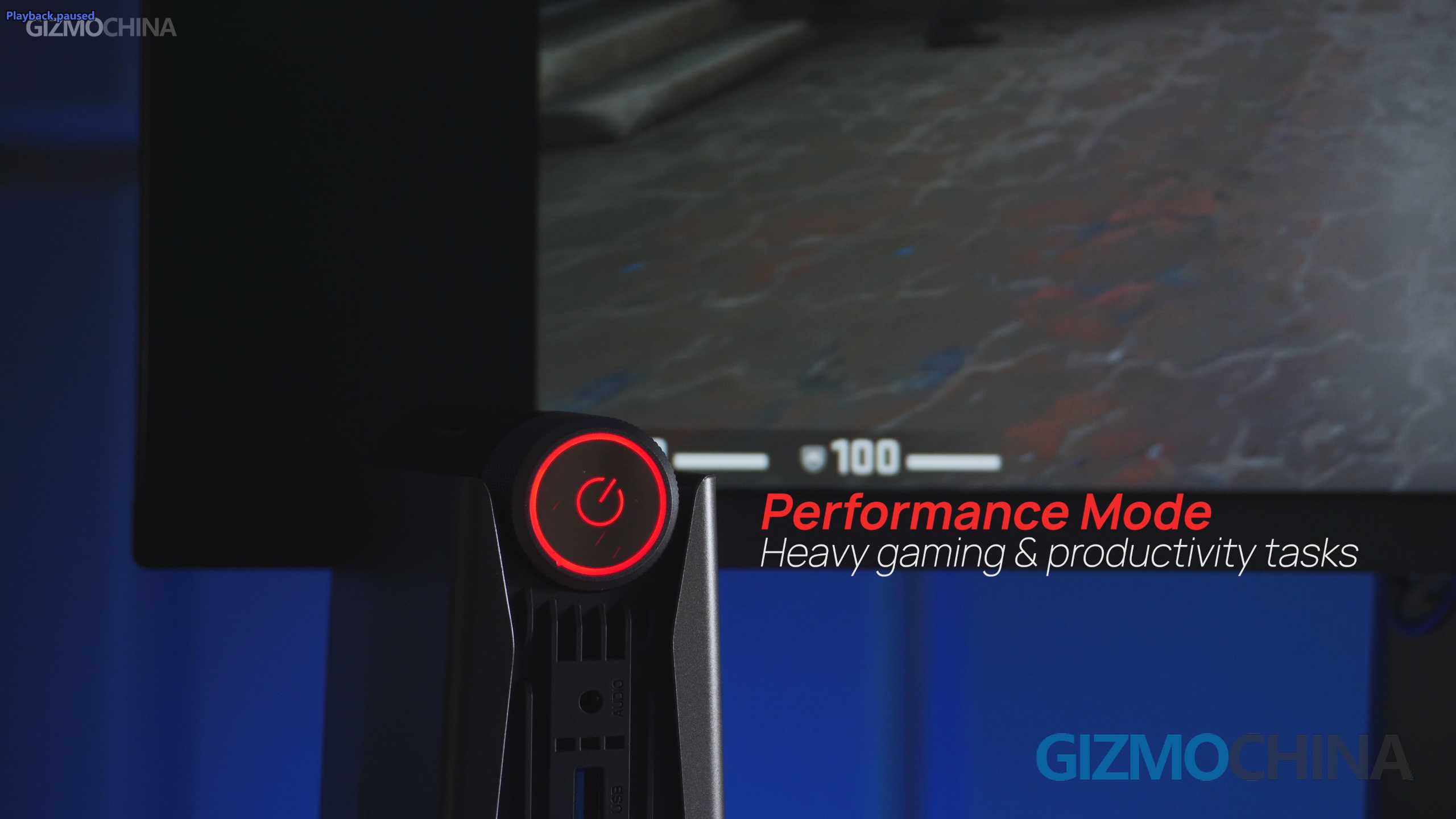
Its most innovative design is that the mini PC features three different modes for performance, including Silent, Automatic, and Performance modes. With the most intense performance mode generating just around 40dB of noise and a CPU temperature of around 75℃, the CPU power could be driven up to a stable range between 20W and 25W. In our actual test, sometimes the CPU could even be boosted up to 27W, which is really insane for the AMD CPU. We’ve seen so many gaming laptops and Windows devices featuring the 4500U, but none of them could achieve such performance output.
So how does such a compact PC become one of the best carriers for the CPU? Let’s check out its design first.
To be honest, the Ace AMR5 looks too much like a gaming device. Most mini PC models on the market are either cubic or cuboid, but the AMR5 adapts a design style that we only see on gaming PCs.
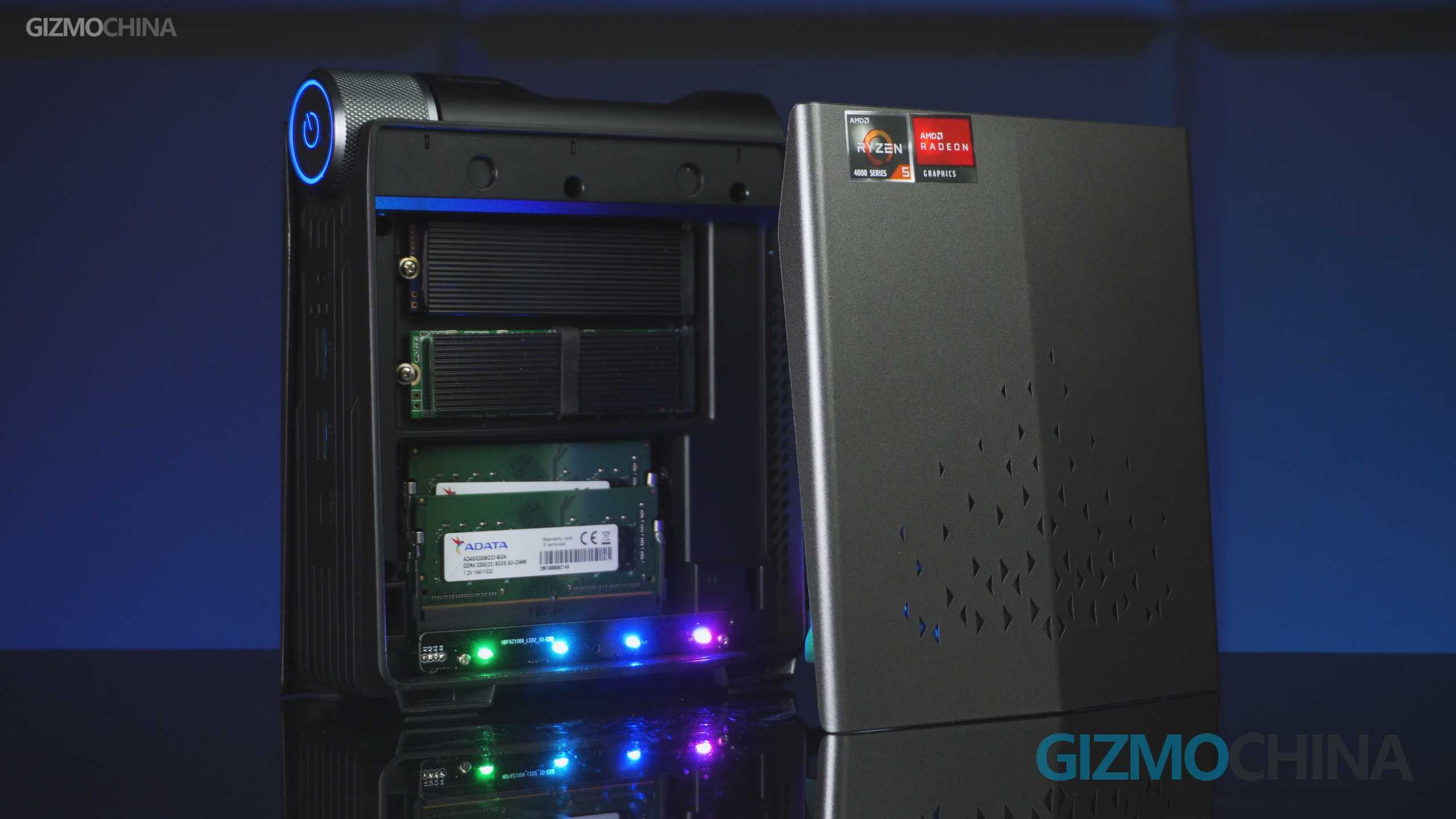
For example, it’s not common to see RGB lights on a mini-PC. Although it’s not exactly a novel design, the dual-side lighting elements do make it look more futuristic. And one magnetic side cover is removable, which allows users to conveniently access the storage and memory and upgrade the components as they want. It offers dual-channel memory slots and dual M2 SSD storage slots. The first thing we did when we got the mini PC was to add 16GB 3200MHz dual-channel memory and an extra 500GB SSD, which is more than enough to make it comparable to the expandability of some standard PCs.
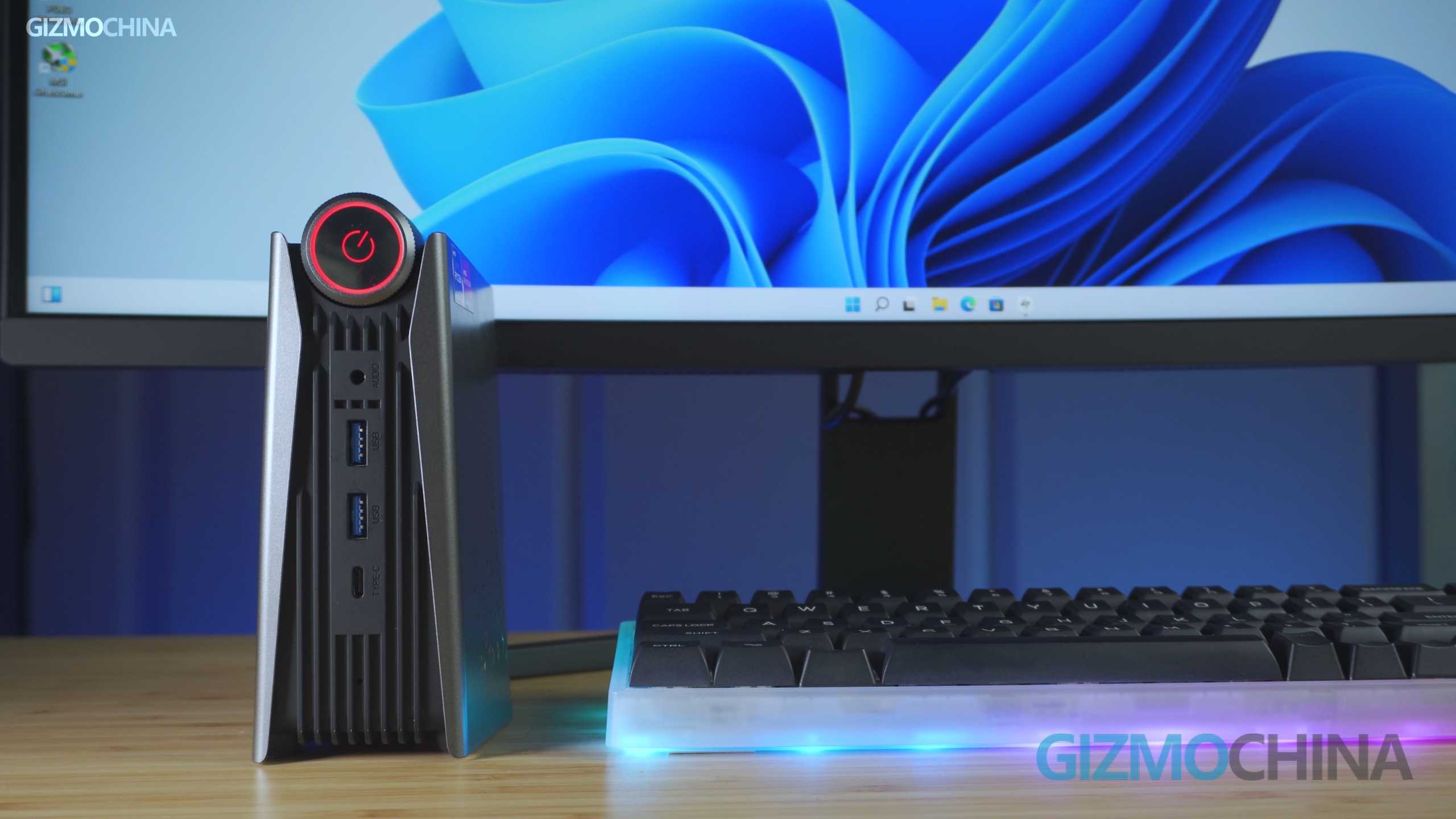
On the other hand, the rigid design with such great expandability doesn’t compromise its ultra-compact size. And I really like the standing design. The exquisite appearance makes it a good decoration for your desktop. And thanks to the standing design, it doesn’t take up much space when placed on the desktop.
Another surprising thing is its connectivity. It’s equipped with Wi-Fi 6 and Bluetooth 5 for wireless connection. In addition, it has an incredible variety of interfaces, which are even more than some standard PC motherboards provide.
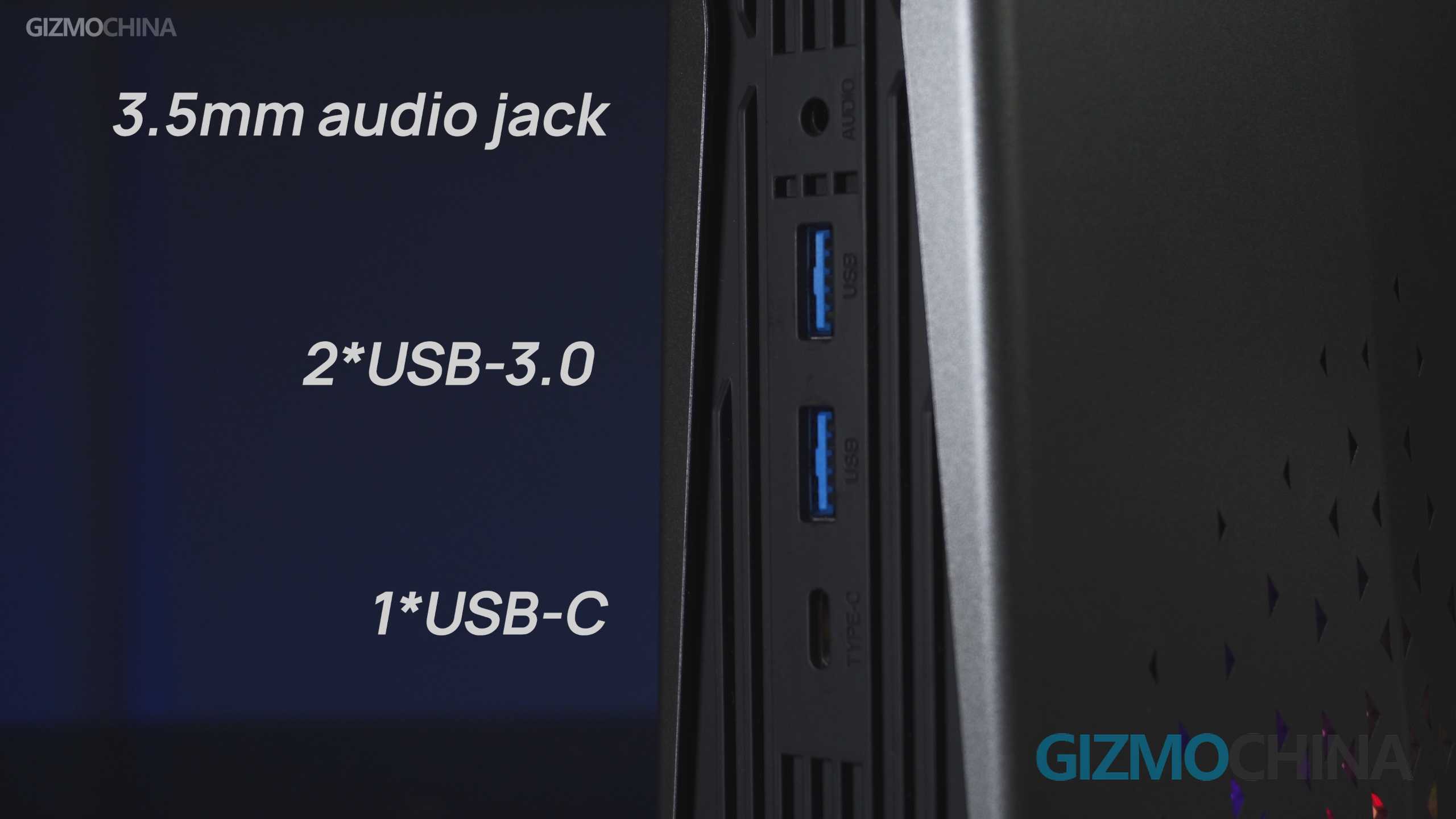
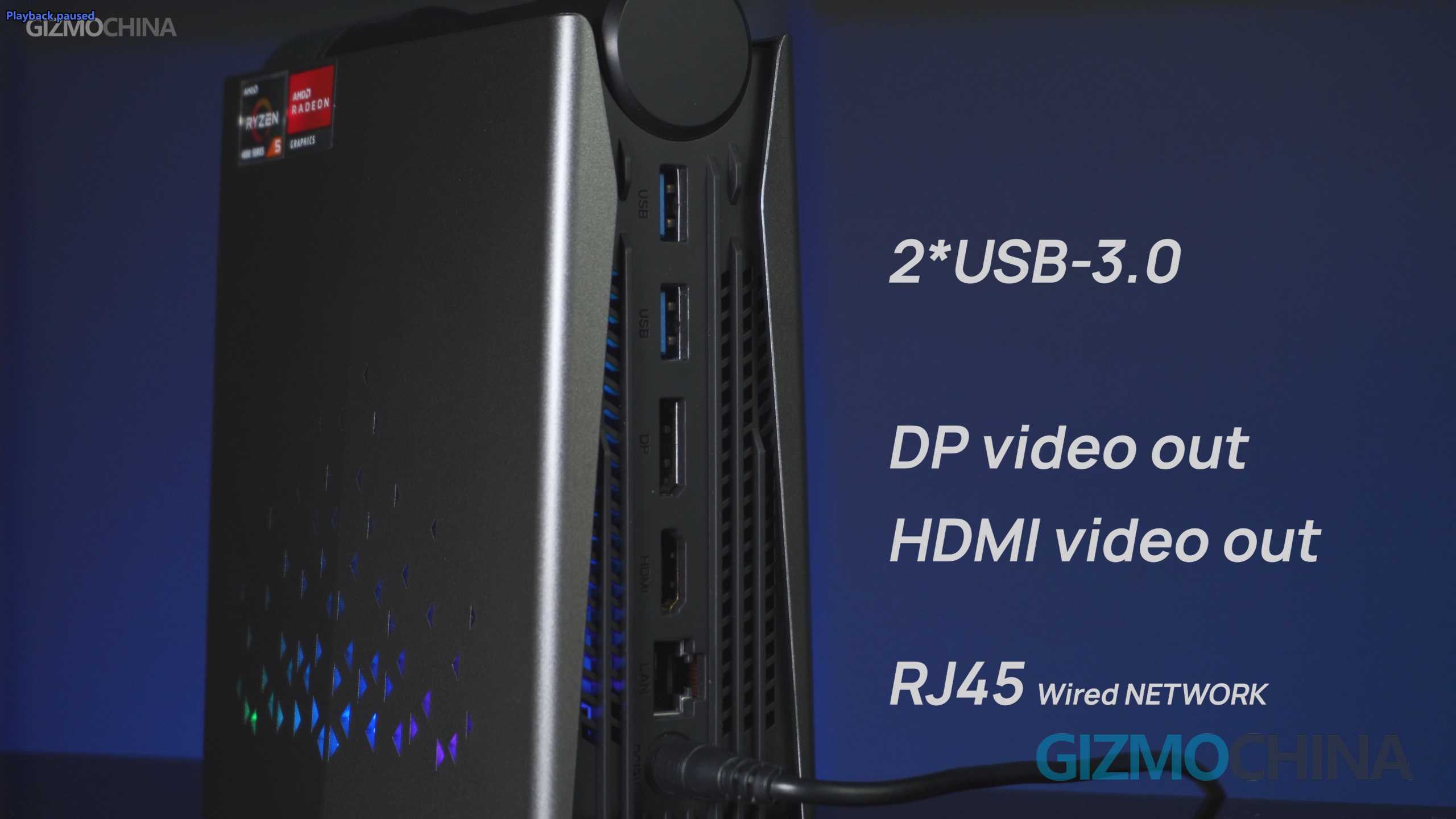
On the front side, you can see a 3.5mm audio jack, 2 USB-3 ports, and another USB-C port, while on the back, there are 2 more USB-3 ports, a DP, and an HDMI port for video out, and an RJ45 port for wired network connection. It’s hard to believe they crammed so many interfaces into such a small and light body.
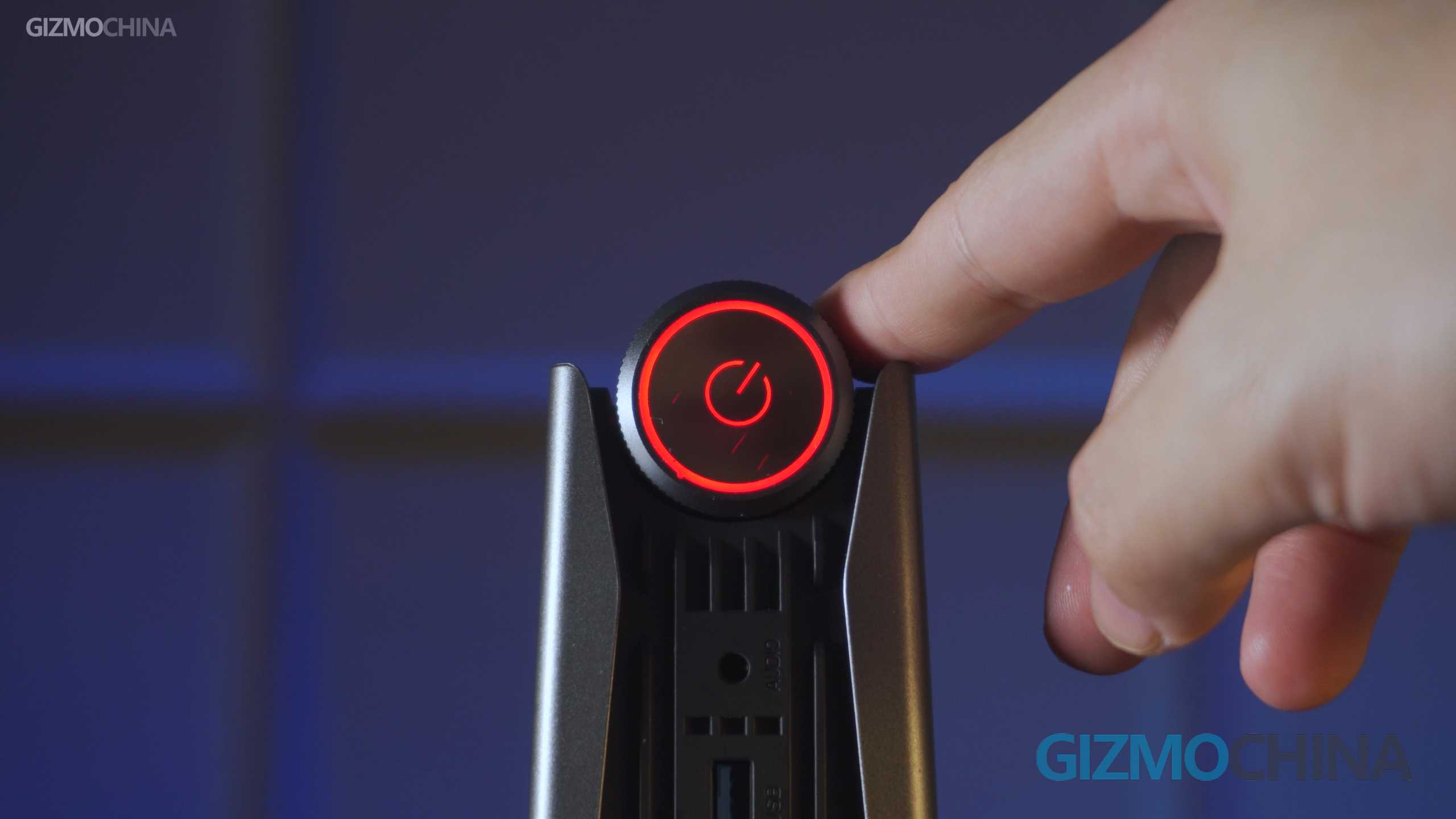
The power button is also quite special. In addition to an on or off switch, at the same time, it also can act as a rotatable knob with switching performance modes. For daily use, the silent mode is enough for light entertainment like web browsing or watching movies. It would work in silence to help users stay focused and maintain a relatively low running temperature. And the Automatic mode is suitable for daily work like office kit. It can offer better peak performance for multitasking, but generate a slightly louder noise. The last is the performance mode, which is prepared for heavy productivity and gaming.
The AMR5 features the AMD Ryzen R5-4500U processor and Radeon Vega Graphics, which are widely seen on many slim laptops. The 6-core and 6-thread processor features a 2.3GHz base and 4.0GHz boost, alongside 8MB of L3 cache. And the 6 Vega GPU compute units clocked up to 1500MHz. Most model running the chip generally is with a default TDP of 15W. But over the AMR5, its power can stably boost up to 25W under the performance mode. Let’s kick this one off with a look at Cinebench R20. As we expected, the chip does very well in this benchmark, particularly when looking at multicore performance.
In its 25W configuration, it’s able to compare to Intel’s i7-8750H and pretty close to the i7-9750H one. Just know that the intel CPUs both run at the 45W configuration. It also easily beats the other two Gen10 Intel’s mobile i7 chips with the same 25W power.
1 of 3
Meanwhile, the 4500U is capable of video encoding with x265 instructions. Although its efficiency is not comparable to our expensive working PCs, the AMR5 seems to be a good start to trying heavier productivity tasks on an ultraportable PC.
Even for gaming, the compact AMR5 also exceeded our expectations. Even though, we still suggest you guys use 720P resolution in most mainstream games on the AMR5. For example, in CS:GO, it runs the fps benchmark at an average frame rate of 140fps under a 720p resolution. Even in PUBG with the 720p, The mini PC could still maintain a frame rate at around 60fps. To conclude, the good GPU performance also makes the 4500U suitable for light gaming, whether that’s casual games at modest settings, or even some higher performance titles at low settings.
And thanks to the DP video out port, we’re allowed to get the super high refresh rate of 200Hz on Redmi’s latest budget gaming monitor.
Or if you just want a portable PC for productivity tasks, the mini PC is still a decent option. In PCMark 10, the results were also impressive.
All things considered, as a portable PC, the AMR5 is an impressive mid-range low-power machine for modern life. It clearly opens our imagination for more uses for the category of mini PCs. When compared to similar models, it can easily stand out with its unique appearance.
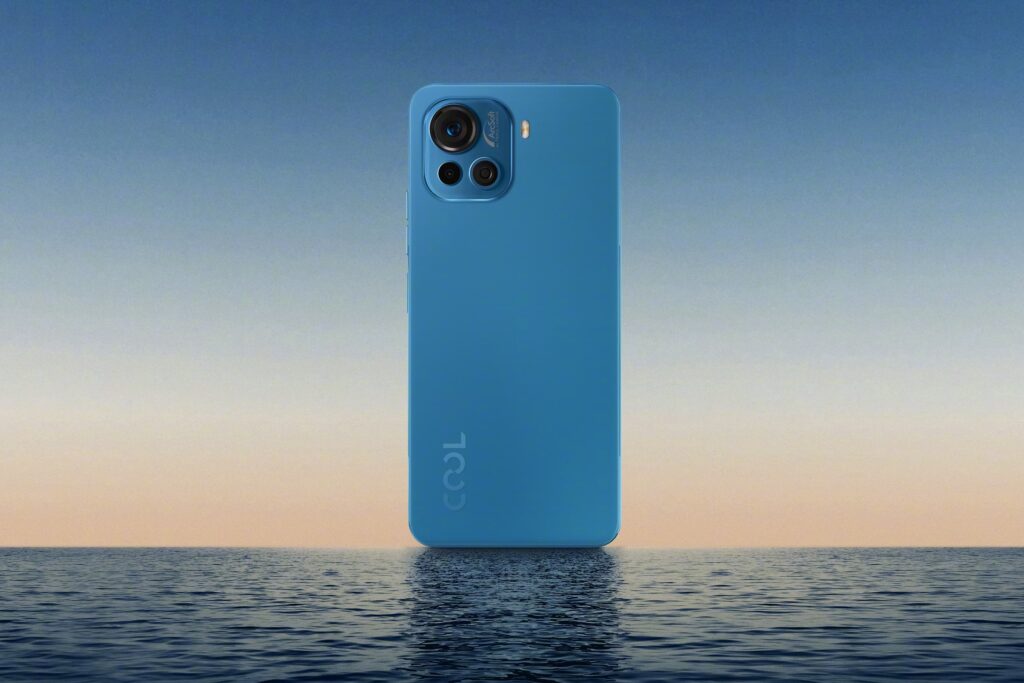
Coolpad may soon release a new smartphone in China. An upcoming phone with model number CP07 has been certified by 3C and TENAA. The listings paint a clear picture of this yet-to-release device.
Coolpad Cool 20 Pro
According to 3C, the forthcoming Coolpad smartphone will carry support for 18W fast charging. However, it will not ship with a charger.
Further, TENAA says that it will be powered by a 5G-enabled chipset featuring a 2.2GHz octa-core CPU. The SoC will be coupled with 4GB/6GB/8GB RAM and 128GB storage.
The phone will flaunt a 6.58-inch TFT LCD panel with a resolution of 2408 x 1080 pixels (FHD+) and 16.7 million colors. It will measure 163.02 x 74.75 x 8.28mm in dimensions and weigh 180g.
On the rear, it will house a 50MP primary camera. Whereas, on the front, it will sport an 8MP camera.
Last but not least, the handset will get its energy from a 4,400mAh battery and will be available in three colors, namely black, white, and blue.
As of now, Coolpad hasn’t teased the launch of any new smartphone. Since the device has now received two important certifications, we can expect the company to announce the launch date in the coming days.
China is one of the world’s leading countries for cashless payment as a report in March 2020, indicated that 83 percent of transactions within are through mobile payment apps, the highest cashless adoption rate for a country in the entire globe. To put into perspective, China has a staggering figure of 776 million mobile cashless payment users, which is more than all population in the European continent combined.
Thus, it is no surprise that the country’s central bank, the Bank of China, is currently conducting a pilot project of Digital RMB, to fully replace the RMB paper notes. The Digital RMB is an app available to download in China via the iOS App Store or Android app stores in the country, and the app even supports devices as old as Android 5 Lollipop.
Digital RMB app
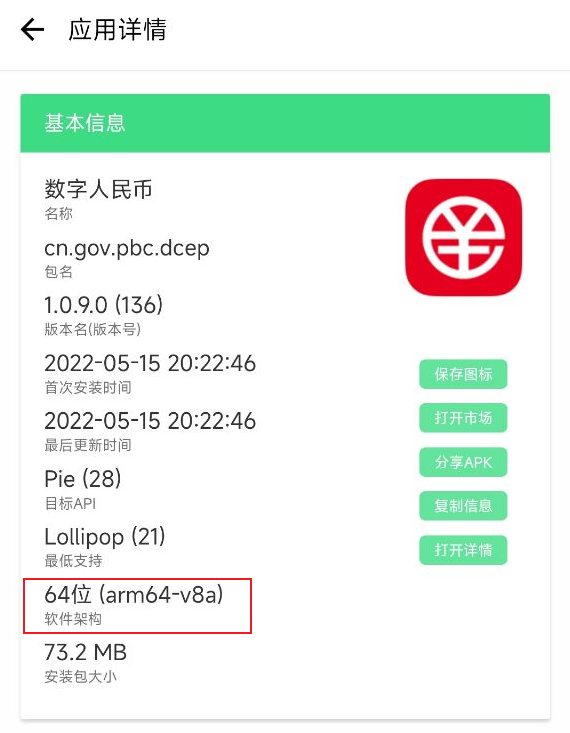
Recently, the well-renowned Chinese tech media site, ITHome, reported the Digital RMB app (pilot version) has received several welcomed quality-of-life software improvements. The latest version of the app is 1.0.9.0, and is now available on iOS and Android from today onwards. The Digital RMB app changelog is as follows:
Smaller overall app size
Faster startup times
Faster load times
Software Improvements on PIN-less Biometric Transactions
Upgraded from a 32-bit application to a 64-bit application
The Digital RMB (Pilot Version) app is an official legal digital currency that is just like your normal RMB paper notes. China is looking forward to transitioning to Digital RMB as the country’s official currency in the future.
64-bit support for Digital RMB Pilot. Source: ITHome
The app allows users to create wallets within the app, send and request currency within the app, and allow seamless transactions via QR codes, whether it be sending money to friends or family, or paying for goods and services to a business. And since Digital RMB is set to be the future official currency, merchants in the future must all be using the Digital RMB if they want to earn officially legal money.
Digital RMB App
However, the Digital RMB is still within its pilot testing stages. But earlier in March 2022, the Bank of China did announce the good news that the Digital RMB project will be expanded to more cities within the country like Tianjin, Chongqing, Guangzhou, Guangdong, Fuzhou and Xiamen in the near future. The institution also announced that Beijing and Zhangjiakou City in Hebei Province will be converted into pilot cities for the Digital RMB pilot project as well after the 2022 Beijing Winter Olympics and Winter Paralympics are completed.
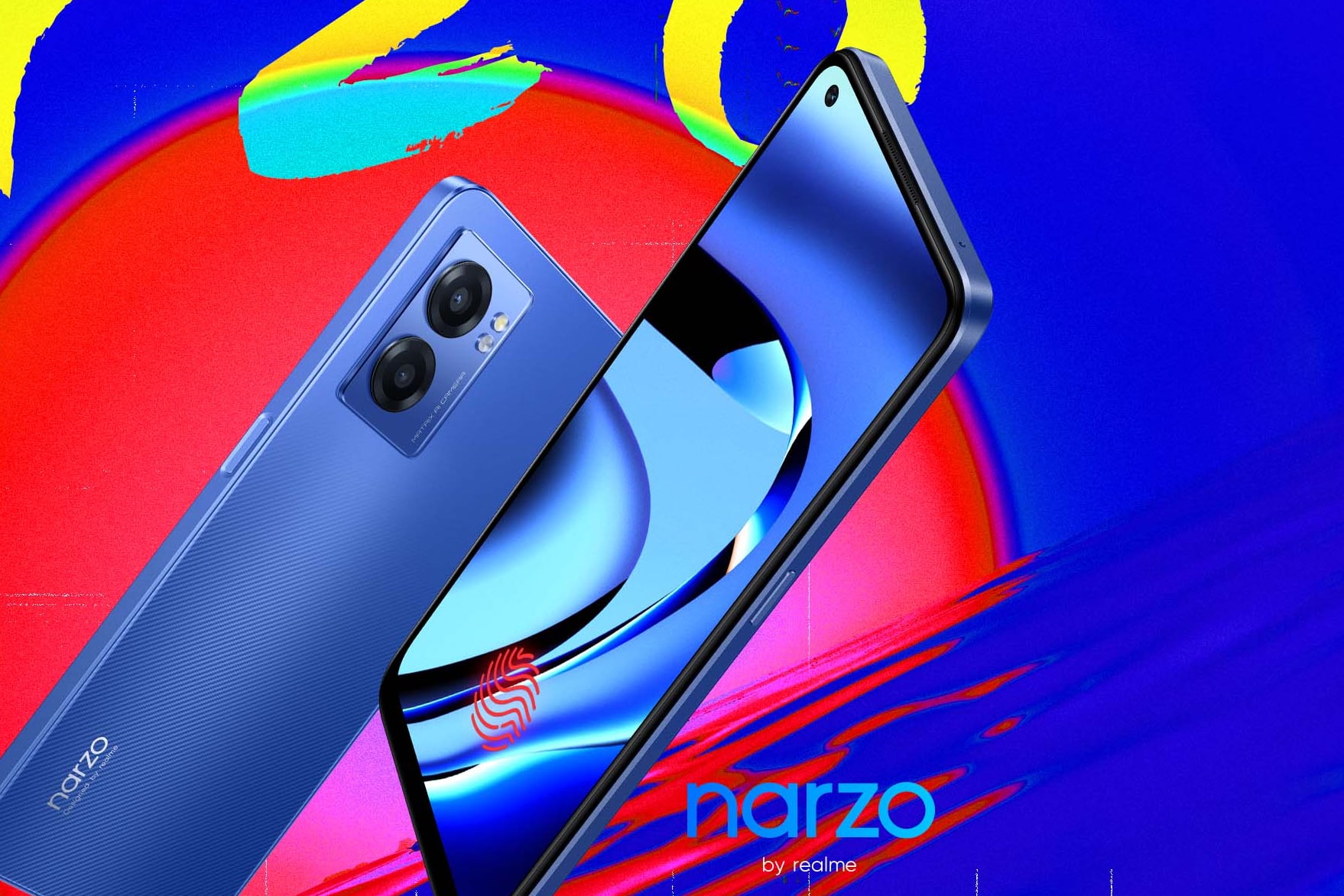
Realme is all set to launch its two new smartphones in the Indian market, dubbed Narzo 50 5G and Narzo 50 Pro 5G. The company has already confirmed that the launch will take place at a digital event scheduled for 18 May. Here’s how you can watch the event live.
How to watch the Realme Narzo 50 5G Series launch Event?
The Realme Narzo 50 5G series launch event will take place on 18 May at 12:30 pm IST. As per the official announcement, the event will be live-streamed on Realme’s YouTube channel, and Facebook page.
You can watch the Realme Narzo 50 5G Series launch event by clickinghere
The company is targeting the mid-range market with the new Narzo 50 5G series. The new series will be an Amazon exclusive and will also be available on the company’s official website.
What to expect from the upcoming event?
Realme is expected to unveil the Realme Narzo 50 5G alongside the Realme Nazro 50 Pro 5G in the upcoming event.
The Realme Narzo 50 5G is said to feature a 6.6-inch full-HD+ display and is likely to be powered by a MediaTek Dimensity 810 5G processor. It may arrive in 6GB+128GB and 8GB+128GB storage variants. The smartphone is expected to feature a dual rear camera setup with a 48-megapixel primary lens and a 2-megapixel lens. While on the front, it could get an 8-megapixel snapper for selfies. The phone may be fueled by a 5,000mAh battery.
If we talk about the Realme Nazro 50 Pro 5G, the handset is expected to sport a 6.4-inch full-HD+ display and could be powered by a MediaTek Dimensity 920 5G SoC. It may be offered in 6GB+128GB and 8GB+128GB storage options. As far as the cameras are concerned, the Narzo 50 Pro 5G is expected to carry a triple rear camera setup consisting of a 48-megapixel primary lens, 8-megapixel lens, and a 2-megapixel lens. It could get a 16-megapixel snapper on the front. It may pack a 5000mAh battery.
Oppo is trying its hands on tablets. The company recently announced the OPPO Pad in China and quietly followed it up with the latest Oppo Pad Air. The Chinese tech giant aims to dominate the mid-range tablet market with its new offering. Oppo Pad Air was made available for pre-orders yesterday in China. Today, it is reported that it has entered the testing phase in Asian and Eurasian countries, hinting at an imminent launch.
Tipster Mukul Sharma revealed in a tweet that the internal testing of the OPPO Pad Air has started in various Asian and Eurasian countries and it will be unveiled soon. He also believes that the India launch of the tablet is near.
[Exclusive] I can confirm that the internal testing of the OPPO Pad Air has begun in various Asian and Eurasian countries. The tablet will soon be launched outside of China as well. To add to it, yes, Indian launch is highly likely. Feel free to retweet.#OPPO#OPPOPadAir
Previous reports have suggested that the new tablet will come with support for the Oppo pencil. The company is yet to reveal any details of the device. However, a reliable tipster has leaked its major specifications. Let’s take a look at it.
OPPO Pad Air specifications (rumored)
As per the leakster, the tablet will feature a 10.36-inch LCD display offering a resolution of 2000 x 1200 pixels. It will carry support for a 60Hz refresh rate. The device will be powered by Snapdragon 680 chipset. The chipset reveals that it will be a 4G-ready device.
OPPO Pad Air
Oppo Pad Air will have a 7,100mAh battery with support for 18W fast charging. It will feature Dolby Atmos tuned quad speakers. The leakster did not reveal any information regarding the camera. However, from the design, it is evident that the tablet will house a single camera on the back.
As for the price, the leakster revealed that the tablet will come with a price tag of 1,000 Yuan (~$147).
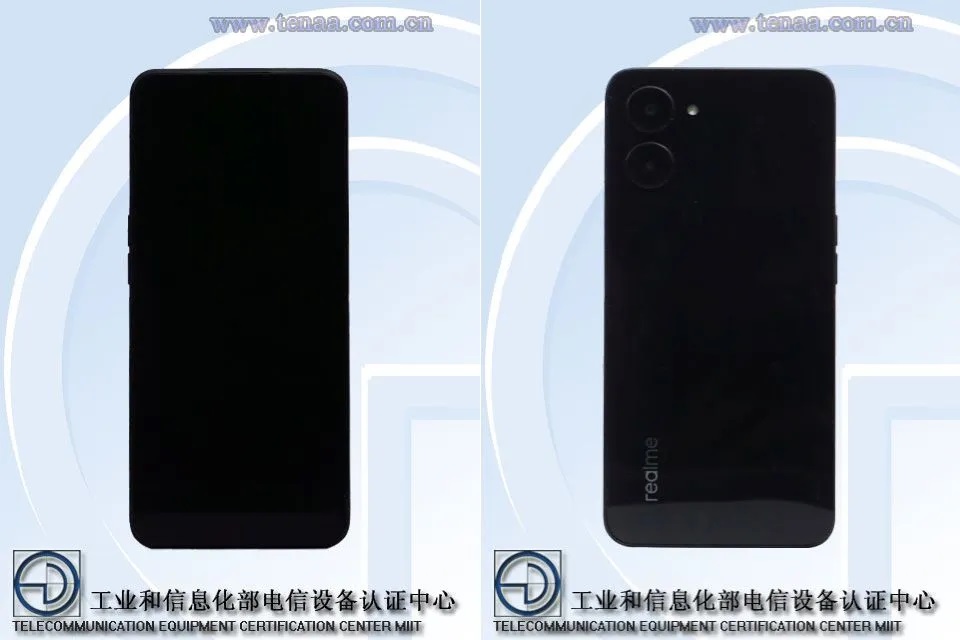
It was recently reported that Realme could be planning to launch the Realme V23i smartphone in China. A new device from the brand with the RMX3610 model has bagged certification from the TENAA authority in China today. Reliable tipster WHY LAB has claimed that this device will be arriving in China with the Realme V21 5G name.
Realme V21 specifications (rumored)
The TENAA listing of the Realme RMX3610 reveals that it has a 6.5-inch display that offers an HD+ resolution of 720 x 1600 pixels. The device has a 5-megapixel front-facing camera. The camera module available on its back panel has a 13-megapixel main camera and a 0.3-megapixel auxiliary camera.
Realme RMX3610 TENAA images
The RMX3610 is a 5G-ready device powered by a 2.2GHz octa-core processor. The handset will arrive with up to 8 GB of RAM and up to 256 GB of internal storage in China. It is unclear whether it will come equipped with the Android 12 OS. The smartphone packs a 4,890mAh battery, but there is no word on its fast-charging capabilities.
The device lacks a fingerprint scanner, which indicates users will have to rely on face unlock for biometrics. The smartphone has 164.4 x 75.1 x 8.1mm dimensions and weighs around 184 grams. It will come in black and blue colors. With TENAA certification in tow, it is expected to go official in the next few days in China.
The Realme V23i is also expected to launch soon in the home market. The device is expected to arrive with a 6.56-inch LCD HD+ screen, an 8-megapixel front camera, and a 13-megapixel + 2-megapixel dual-camera system. It will be powered by the Dimensity 700 chipset, have 8 GB of RAM, and a 5,000mAh battery. The device is expected to offer users up to 256 GB of native storage.
Samsung is among the handful of smartphone companies that manufacture its own chipsets. The South Korean giant has a lineup of processors under the Samsung Exynos brand, ranging from flagship chips to budget or mid-range.
Recently, there were reports that the company will increase the usage of its own chips in the Samsung Galaxy smartphones. It was also rumored to be working on a dedicated chipset for the flagship devices.
Now, a new report coming from Korea claims that Samsung Electronics’ Device Solutions (DS) Division has started the development of an Application Processor (AP), especially for the Samsung Galaxy series smartphones.
Although Samsung has been making Exynos chips for years now, the company has not yet made a processor dedicated to the Galaxy range of smartphones which the company has now decided to work on.
This is similar to what Apple does with the A-series chips, which power devices only from Apple. However, the new AP from Samsung isn’t expected to be available until 2025. Optimization focused on a single product line instead of having a general configuration will definitely help Samsung offer better performance and low power consumption.
So far, the company has been using chips from Qualcomm and MediaTek along with its own Exynos lineup. However, most of the flagship smartphones from the brand come powered by the Qualcomm Snapdragon chipset and its Exynos chips, depending on the region.
Apart from a dedicated chip for its own smartphones, Samsung is also focusing on expanding the market share of Exynos chips and has decided to adopt its own chips on more and more smartphones coming from the brand.
China’s largest carrier China Mobile is known for selling smartphones under a brand called Nzone. These devices are developed by Huawei. Hence, some of these handsets are rebadged or tweaked versions of existing Huawei phones.
Nzone S7 Pro 5G
The telecom giant is now expected to release a new smartphone as a mysterious model has appeared on TENAA. The listing of the device discloses most of its features.
First and foremost, the upcoming Nzone-branded handset will bear model number SP210. It will be powered by a chipset featuring a 2.2GHz octa-core CPU. The SoC will be paired with 8GB RAM and 128GB/256GB storage.
The phone will house a 50MP triple camera setup on the rear and a 16MP front-facing camera. It is listed to arrive with support for 10x optical zoom. However, we believe that it could be a typo as Nzone smartphones are usually either budget or mid-range models.
Further, the device will sport a 6.7-inch IPS LCD screen with a resolution of 2388 x 1080 pixels (FHD+) and 16.7 million colors. Unsurprisingly, it will have support for 5G connectivity and will be backed by a 4,900mAh battery.
The handset will measure 163.29 x 74.7 x 8.372mm in dimensions and weigh 195g. It will be available in four colors, such as black, white, green, and blue.
China Mobile is yet to tease the arrival of the aforementioned smartphone. Hence, it is not known when the phone will be officially presented.
POCO has made its name in the mid-range and budget segment. The company has captured a huge market share in Asian countries, especially in India. The Chinese tech giant recently launched the M4 Pro and now it is gearing up to refresh its entry-level segment with the launch of a new C-series smartphone. The device in question is the Poco C40 which recently bagged NBTC and BIS certification.
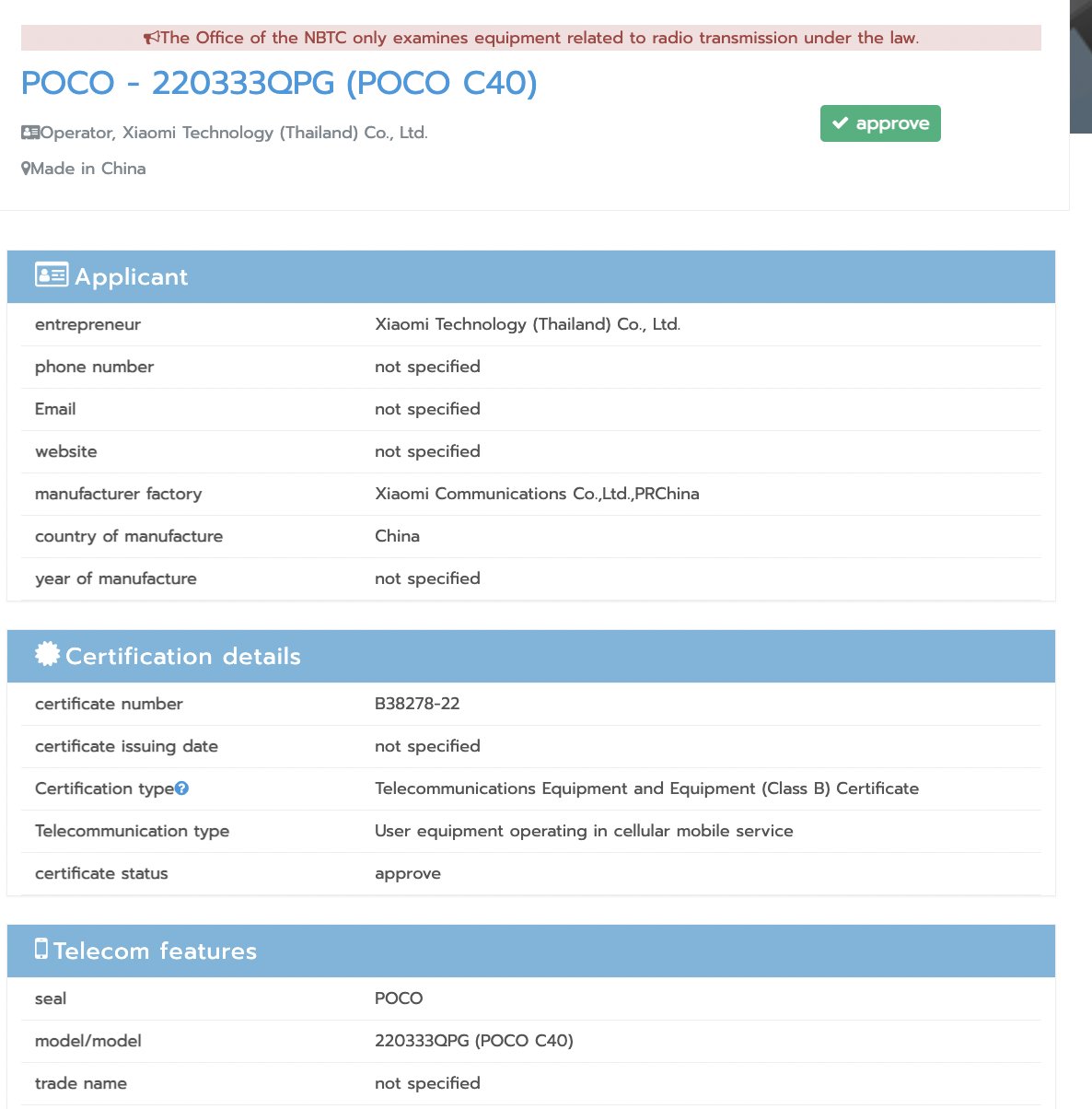
As initially spotted by Mukul Sharma, POCO C40 has visited the National Broadcasting and Telecommunications Commission (NBTC) Thailand site with the model number 220333QPG and the name “POCO C40”. The same device has also appeared on the BIS India site. The listing does not reveal the specifications of the smartphone but it indicates that it might be launched soon.
It is worth noting that a device with the same model number was also spotted on the FCC certification site. The FCC listing revealed some key specifications of the smartphone. As per the listing, POCO C40 is likely to run MIUI 13 based on Android 12 out of the box. However, it is possible that the handset may carry a lite version of the MIUI software skin. The POCO C40 will carry support for WiFi 2.4GHz and 5.0GHz. The listing also confirms that the smartphone will only have 10W charging. It will measure 167.18 x 76.87mm (length x width).
Previous reports have suggested that the POCO C40 will be powered by an unusual JR510 processor manufactured by China’s JLQ technology. Moreover, the smartphone is expected to carry a 6000mAh battery and a dual-camera setup on the back.
POCO has not confirmed any details about the device, however, judging from the specs, it is likely to be priced under $128. The smartphone will see daylight later this year.
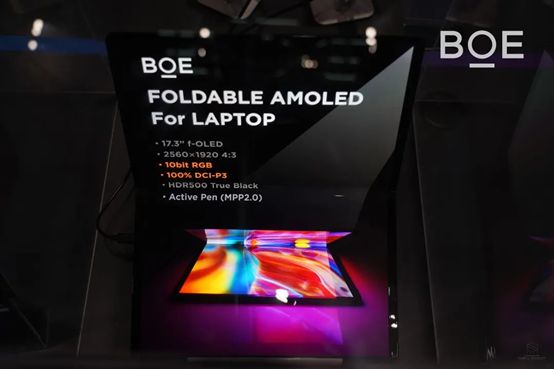
SID display week was organized recently in San Jose, USA. Many companies including Samsung, Visionox, and TCL showcased their best display technologies but the Chinese display manufacturer, BOE, stole the show with its unique 17.3-inch foldable AMOLED display for laptops.
BOE’s foldable display, the world’s first and largest of its kind, drew a large number of visitors at the exhibition. The display features a 100% DCI-P3 color gamut and ultra-slim bezels. It has a 4:3 aspect ratio and offers a 2560 x 1920 resolution. Moreover, the f-OLED display comes with 10bit RGB and HDR500.
For the unversed, f-OLED is BOE’s one-of-a-kind flexible OLED technology solution. It comes in several forms such as full-screen display, foldable display, and rollable display. It can be integrated with multiple features such as under-display fingerprint recognition, under-display camera, and biometrics. Hence, opening up a whole new world of flexible displays.
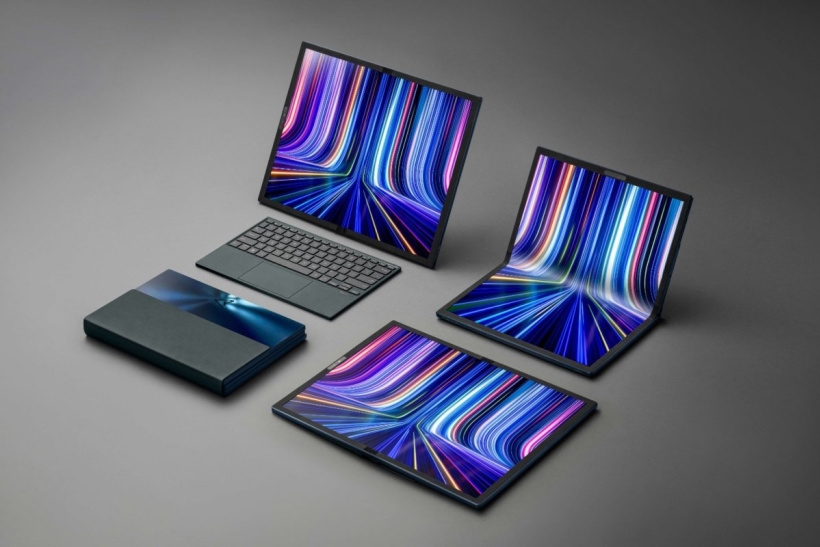
BOE revealed that the new f-OLED displays will be supplied exclusively to ASUS for the ZenBook 17-Fold OLED laptop launching later this year. BOE also won the award for Best Technology Demonstration for its 17.3-in. foldable OLED display.
ASUS ZenBook 17-Fold
The company also showcased the world’s largest 95-inch 8K OLED display at the exhibition. This display is created using high-end TFT technology and a white OLED vapor deposition process. The display delivers pixel-level light management and maximum HDR image quality, demonstrating the company’s technological supremacy in large-sized OLED displays.
Aside from BOE, TCL also revealed some impressive display technologies. It unveiled its 34-inch WQHD R1500 curved Mini LED display designed especially for e-sports. The Mini LED display offers a 21:9 ultra-wide aspect ratio, a 165Hz high refresh rate, and a fast-responding HVA screen with a smaller halo.
HMD Global, the company making Nokia-branded smartphones, has already announced a list of smartphones getting the Android 12 operating system update with the timeline. Now, the Nokia 2.4 is receiving a new update.
As per the latest reports, the Nokia 2.4 budget smartphone, one of the brand’s cheapest devices, has started getting the Android 12 update.
While HMD Global has not officially announced the rollout of this update, reports are confirming that the update is indeed being released. It is currently available for smartphones in France and Pakistan.
The update is about 1.75GB in size and comes with the April 2022 security patch, which is good given that it’s currently mid-May when the update is being released. Although it’s limited to a few regions right now, we expect it to be available to other regions soon.
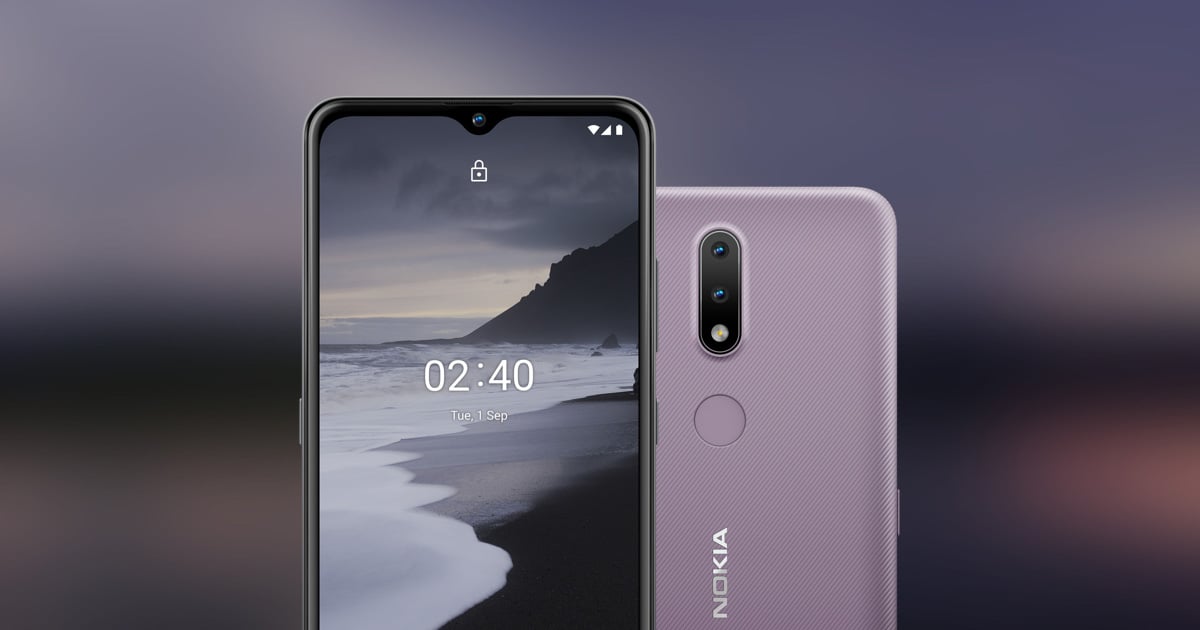
The Nokia 2.4 features a 6.5-inch HD+ display with a waterdrop notch that houses a 5-megapixel selfie camera. It is powered by the Helio P22 processor and is available in 2GB RAM and 3GB RAM variants with 32GB and 64GB of expandable storage respectively.
There are two cameras on the back of the phone – a 13MP main camera and a 2MP depth camera. It also has a rear-mounted fingerprint scanner, FM radio, and a 4500mAh battery that charges via a microUSB port.
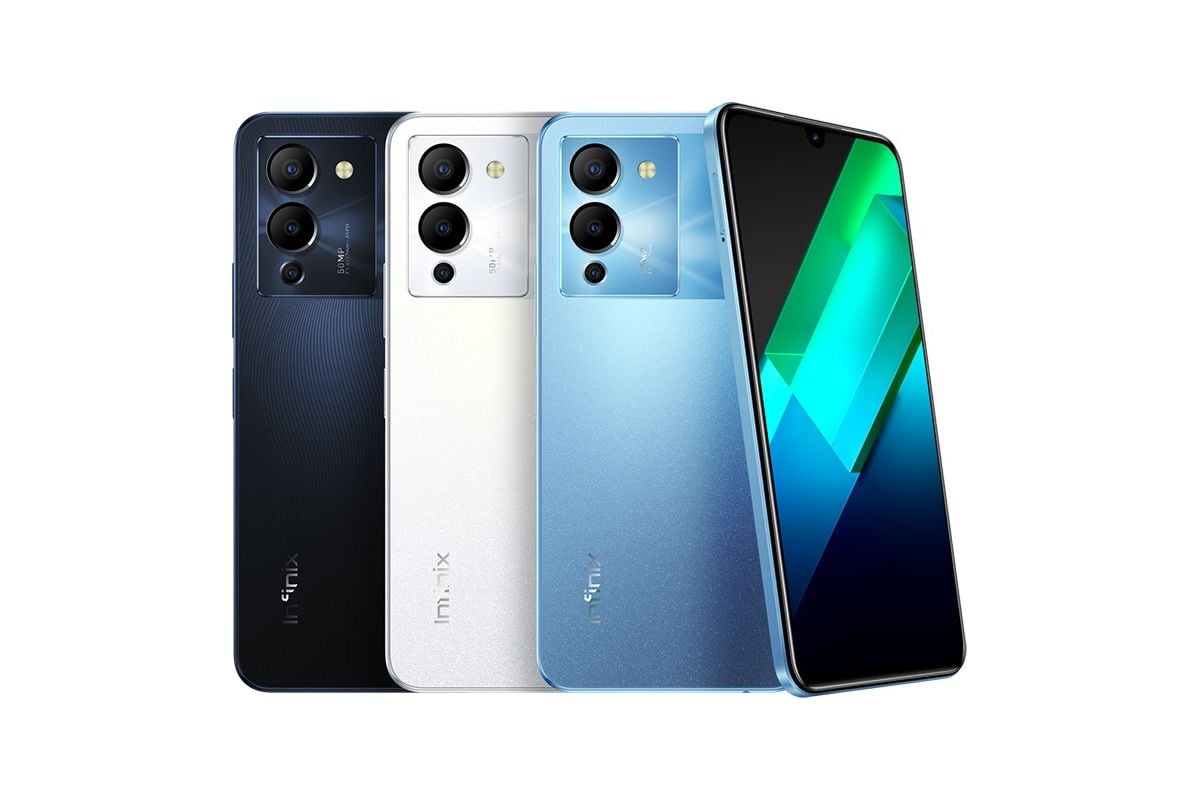
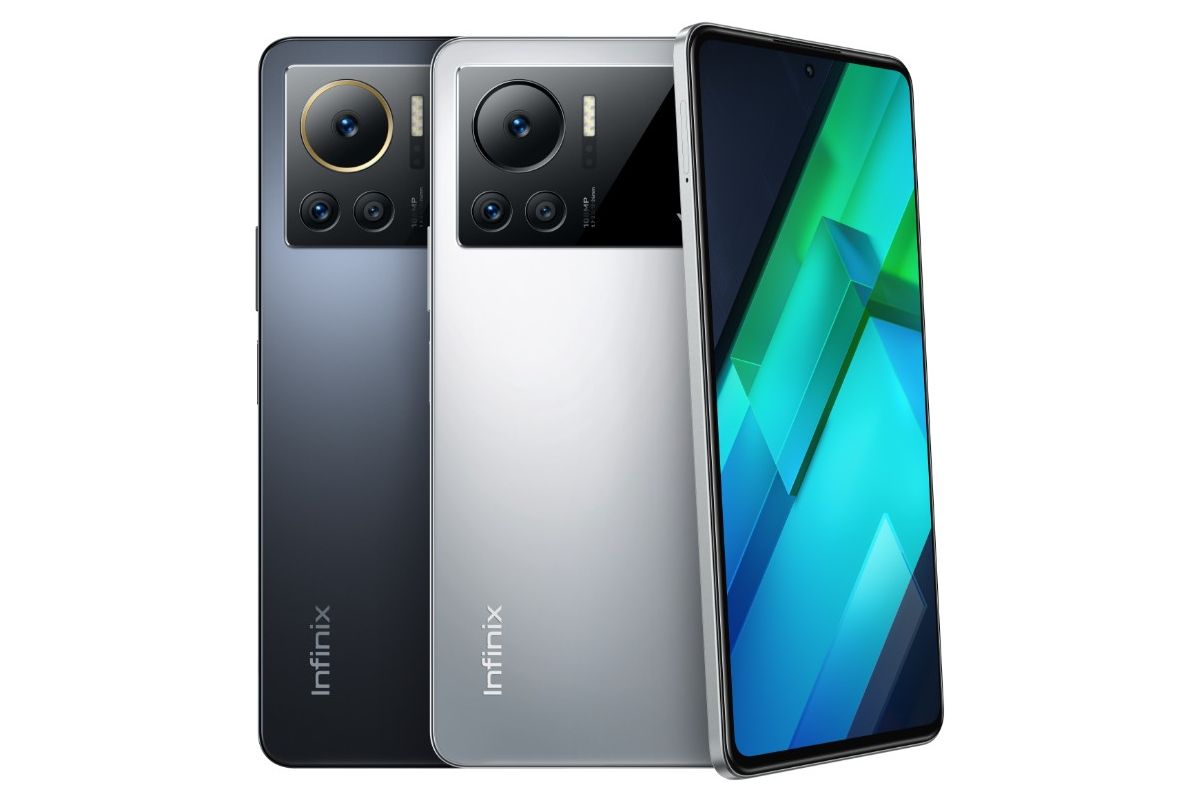
After announcing the Note 12 and Note 12i, Infinix is back with two new smartphones called the Infinix Note 12 VIP and Note 12 (G96). The major highlight of the Note 12 VIP is that it carries support for 120W fast charging. In addition, it offers other attractive features such as a 120Hz display and a 108-megapixel primary camera. Here is all the information on the specifications, features, and price of both smartphones.
Infinix Note 12 VIP specifications and features`
To begin with, the Infinix Note 12 VIP features a 6.7-inch AMOLED display that produces a Full HD+ resolution. It carries support for a 20:9 aspect ratio, a 120Hz refresh rate, a 360Hz touch sampling rate, 10-bit colors, and 100 percent DCI-P3 color gamut. The company claims that it offers a 93.1 percent screen-to-body ratio.
Infinix Note 12 VIP
The Note 12 VIP is powered by the Helio G96 chipset and 8 GB of RAM. It comes preinstalled with Android 12 OS, which is overlaid with XOS 10.6. It packs a 4,500mAh battery that supports 120W Hyper Charge technology. It takes only 17 minutes for the phone to go from zero to 100 percent. A 10-minute quick charge will allow the smartphone to offer 6 hours of gaming time and 5 hours of video playback on YouTube.
According to Infinix, the Note 12 VIP and its charger are equipped with 103 protection features and there are 18 temperature sensors inside the device. Even after 800 charge cycles, its battery will retain 85 percent of its capacity. In addition, the Note 12 VIP is fitted with 9 layers of graphene and a vapor chamber for heat dissipation.
The Note 12 VIP has a 16-megapixel front-facing camera. Its back panel has a 108-megapixel main camera, a 13-megapixel ultrawide camera, an AI lens, a laser autofocus system, and a quad-LED flash unit.
Infinix Note 12 (G96) specifications and features
The Infinix Note 12 (G96) is packed with specs similar to the original Note 12, which is equipped with the Helio G88 SoC. It has a 6.7-inch AMOLED FHD+ display that offers 10-bit colors and a 60Hz refresh rate.
Infinix Note 12 (G96)
The Helio G96 powered smartphone comes with 8 GB of RAM. It draws power from a 5,000mAh battery that carries support for 33W fast charging. For heat dissipation, it has 10 layers of graphene, but lacks a vapor chamber.
The Note 12 (G96) has a 16-megapixel selfie camera. Its rear-facing camera unit has a 50-megapixel main camera and a 2-megapixel depth helper.
The Infinix Note 12 VIP and Note 12 (G96) offers some common features such as dual speakers with DTS support and 5 GB of extended RAM. The VIP model comes equipped with dual X-axis linear motor. While Note 12 (G96) sports a slim profile of 7.8mm, the Note 12 VIP measures 7.89mm in thickness.
Infinix Note 12 VIP, Note 12 (G96) price and availability
The Infinix Note 12 VIP is priced at $300, and it comes in Cayenne Grey and Force Black colors. On the other hand, the Infinix Note 12 (G96) carries a price tag of $200. It can be purchased in colors, such as Sapphire Blue, Snowfall (white), and Force Black.
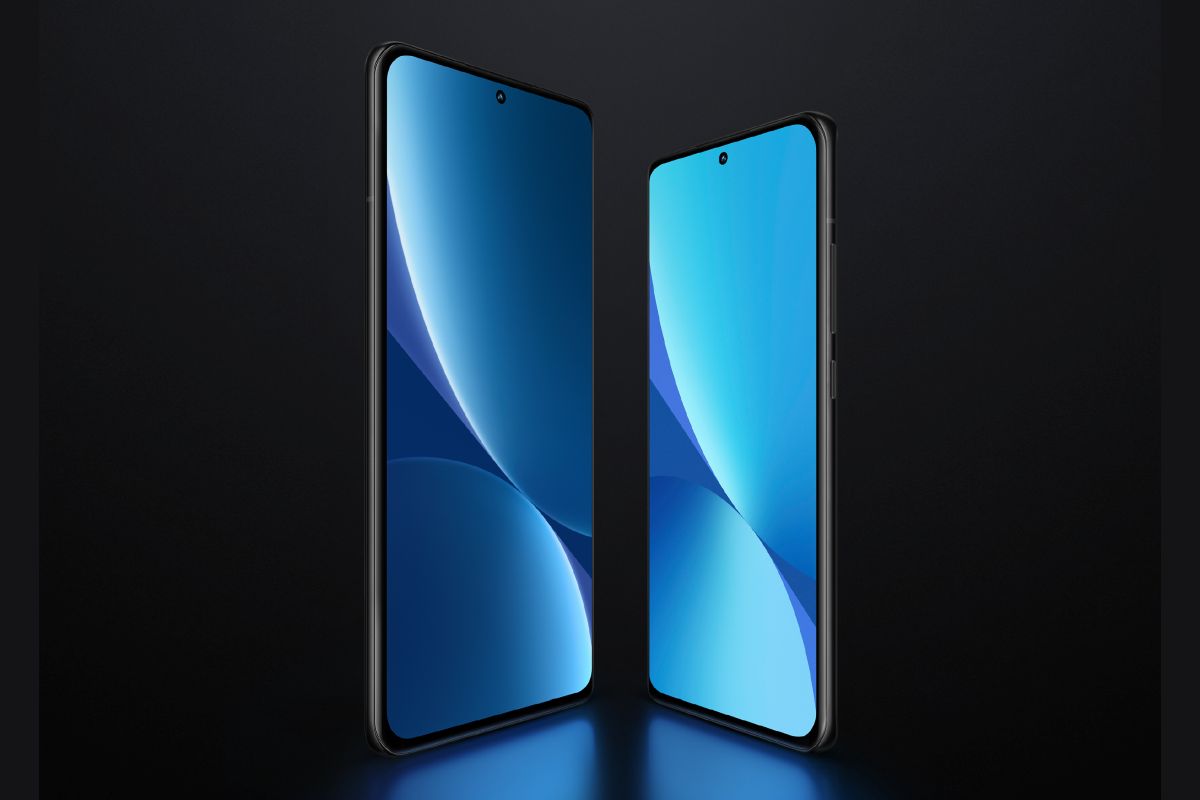
Xiaomi is reportedly working on the Xiaomi 12S series of smartphones. The lineup may probably include two models: the Xiaomi 12S and the Xiaomi 12S Pro. Today, reliable tipster Digital Chat Station shared key details of an unnamed device. It seems that he may have spilt information about the Xiaomi 12S and 12S Pro flagships.
According to the tipster, the market will see the arrival of some flagship phones with smaller displays. One of them has a curved edge display that offers an FHD+ resolution, a 120Hz refresh rate, a centrally positioned punch-hole, and a friendly size. It appears that the tipster could be talking about the Xiaomi 12S here.
Xiaomi 12 Pro and Xiaomi 12
The rear-facing triple camera unit of the Xiaomi 12S will feature a 50-megapixel main camera. The device will be equipped with a new hardware-level algorithm for a better photography experience.
The larger sibling of the same device, which seems to be the Xiaomi 12S Pro, will sport a 2K display. This device may come equipped with some improvements to the display. The Snapdragon 8 Gen 1 Plus chipset is expected to power the Xiaomi 12S and 12S Pro smartphones.
A recent report suggested that the Xiaomi 12S Pro may arrive in two CPU variants. The first one could be equipped with Snapdragon 8 Gen 1 Plus mobile platform, whereas the second variant could be driven by the Dimensity 9000 SoC. Hence, it appears that the 12S Pro could be Xiaomi’s first flagship powered by a MediaTek chipset.
In related news, three new Xiaomi phones with model numbers 2203121C, 2206123SC, and 2206122SC have bagged CMIIT certification. These devices are expected to launch in China with the Xiaomi 12 Ultra, Xiaomi 12S, and Xiaomi 12S Pro names, respectively.
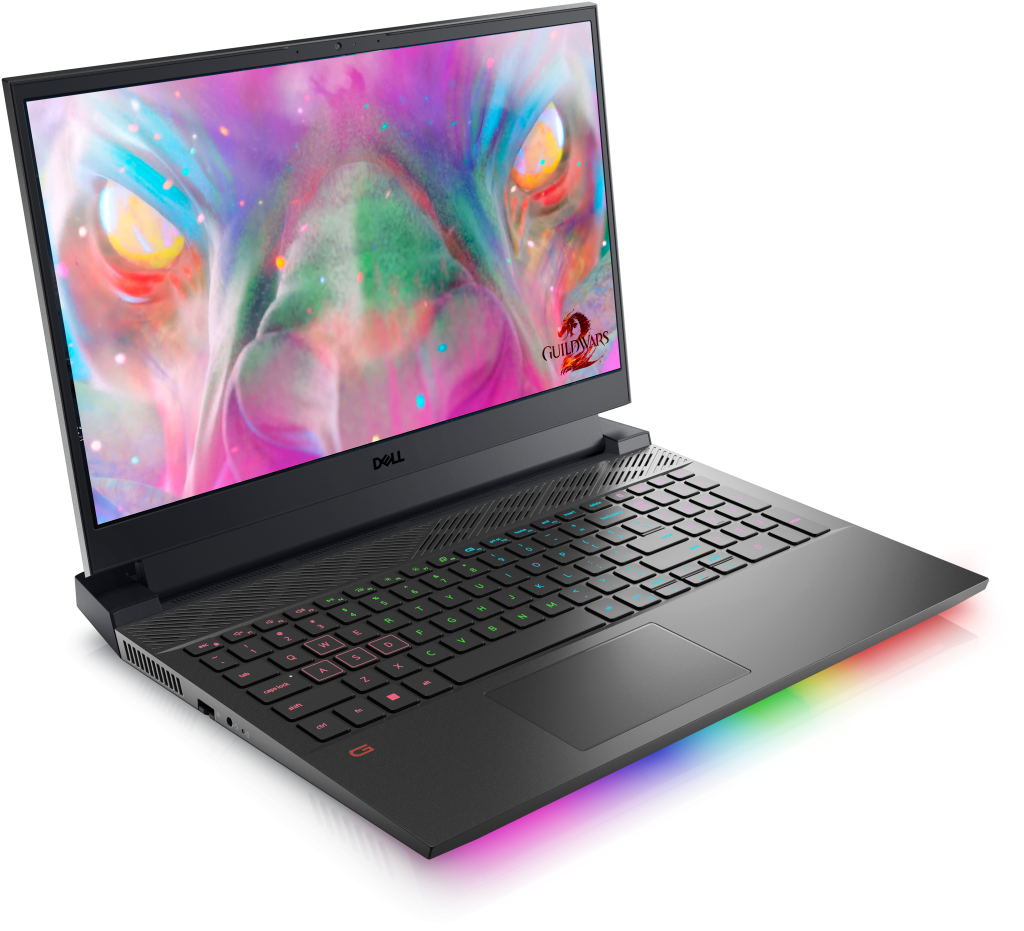
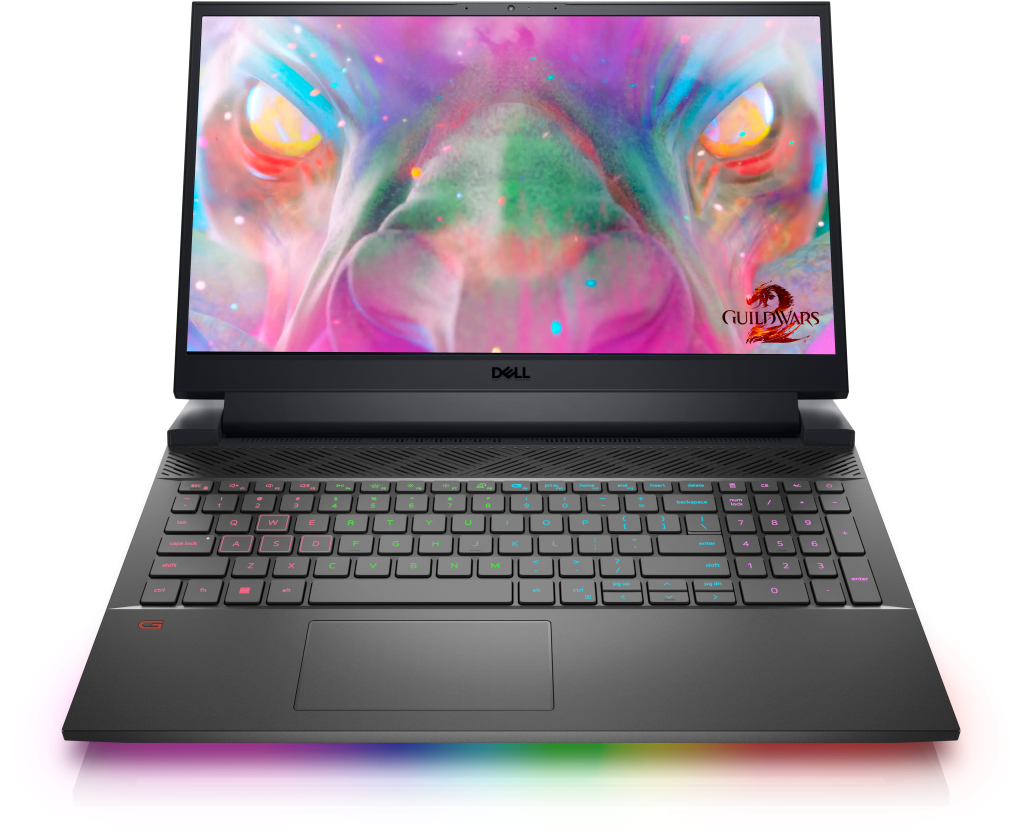
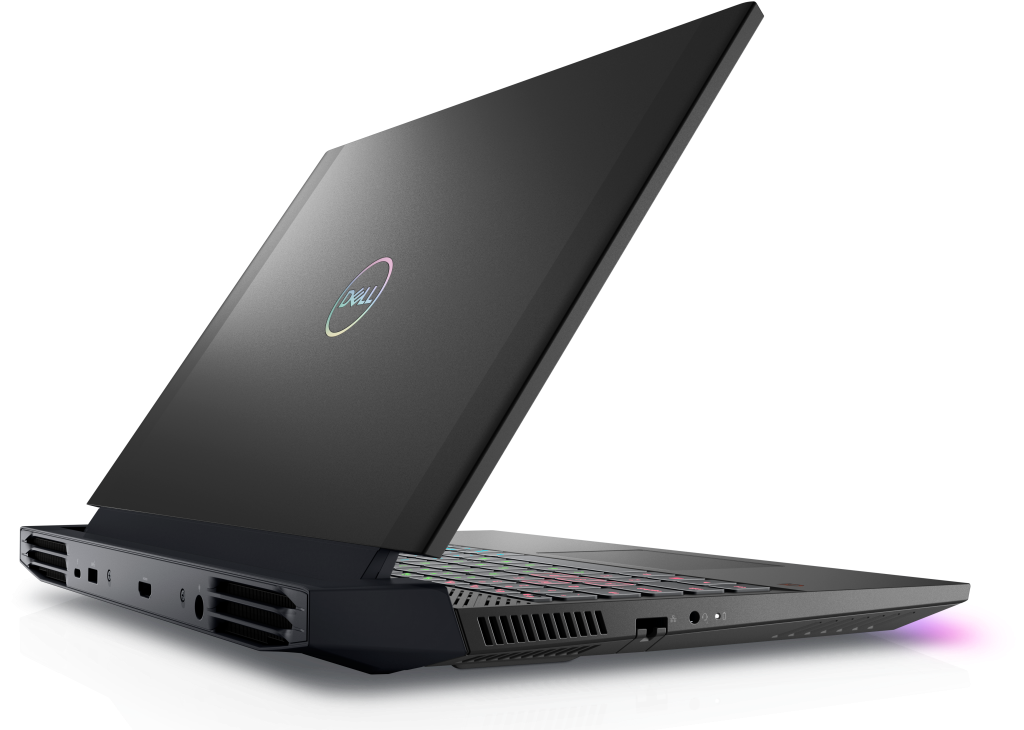
Dell has unveiled two gaming laptop models to the Indian market. The Dell G15 and Dell G15 SE gaming laptops are priced starting from Rs. 85,990 (~$1,105) for the G15 5520 and Rs. 118, 990 (~$1,529) for the G15 5521 SE.
Both laptops come with several gaming-focused features that will likely draw the attention of gaming enthusiasts in the subcontinent. Both models have the 12th Gen Intel Core i5 and i7 processors, and NVIDIA GeForce RTX GPU. Both models also sport 15.6-inch screens but with different display configurations. The Dell G15 5520 has an FHD IPS display with up to a 165Hz refresh rate. On the other hand, the G15 5521 SE has a Quad+HD IPS display with a 240Hz refresh rate.
The Nvidia GeForce RTX 3070 Ti GPU has an 8GB GDDR6 graphics memory. The RAM/ storage configuration for both gaming laptops is 16GB/ 512GB. Dolby Audio is also present in the new Dell G15 lineup of gaming laptops. Dolby Audio provides 3D gameplay with 360-degree audio and voice booting technology. The laptops also come with a design that helps to deliver a great gaming experience for gamers. The Alienware Command Center enables control of both hardware and software for enhanced performance.
The two Dell G15 lineup of gaming laptops have an array of ports featured in the laptop. They include USB 3.1 Gen 1, Thunderbolt 4, HDMI port, USB-C port, and an Ethernet port, among others. The laptops have an RGB backlit keyboard with a numeric keypad and G-key. Connectivity is via Wi-Fi 6.0 and Bluetooth 5.2. Both models are available in India from Dell Exclusive Stores (DES), the Dell website, as well as retail outlets across the country. The Dell G15 5520 comes in dark shadow grey color while the special edition model (G15 5521 SE) is offered in Obsidian black color.
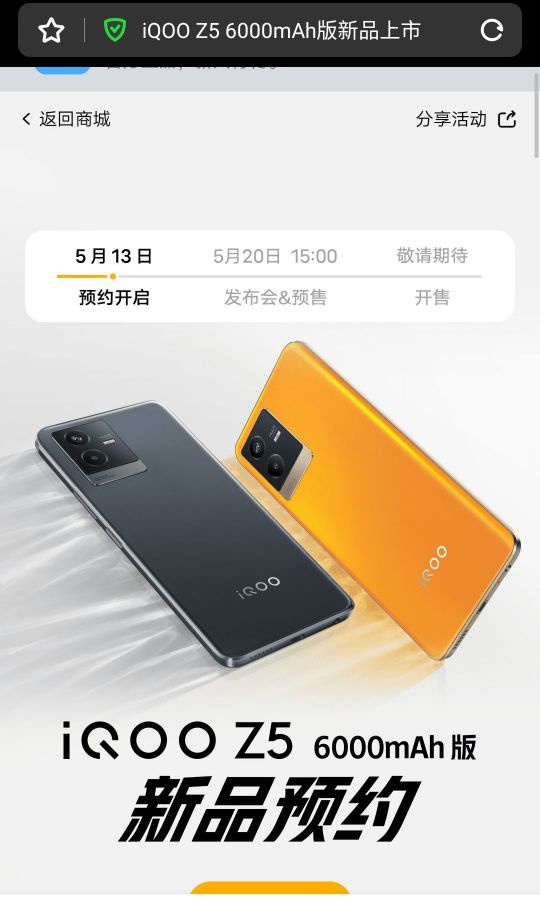
Earlier this month, it was reported that a new iQOO Z5 series phone is on the way in China. Now the iQOO Z5 6000mAh version is indeed confirmed to launch on May 20th. The upcoming offering’s reservation page has gone live revealing that it will go on pre-booking from May 13th with sales commencing from May 20th from 3 pm local time.
iQOO already offers the Z5 and Z5x in China. The upcoming iQOO Z5 6000mAh will be the third addition in the Vivo sub-brand’s Z-series.
As per the reservation page, the iQOO Z5 6000mAh version will come with a different design on the back. It has an iQOO Neo6-like horizontal camera module housing dual sensors. The power and volume rocker buttons are located on the right side of the device and the smartphone is seen in Black and Orange colours. A speaker grille, USB-C port, and a 3.5mm jack are located at the bottom.
Apart from this, the reservation page doesn’t reveal any additional information about the upcoming iQOO Z5 6000mAh variant. As per tipster Digital Chat Station, the smartphone is expected to come with a 6.58-inch FHD+ LCD display. Due to a big 6000mAh battery, the device will measure 9.21mm in thickness. It is tipped to support 44W fast charging. The iQOO Z5 6000mAh version is also reported to be powered by a processor that is competitive to MediaTek’s Dimensity 8000 chipset.
We will learn more details about the iQOO Z5 6000mAh variant on May 20th which is just a few days away.
Google and Samsung have collaborated to build a new platform called Health Connect. It is an API (application programming interface) that will enable syncing of users’ health data between Android apps and devices.
Health Connect will allow developers to securely access data from different programs to sync and track it across apps and devices. This should make it easier for users to manage their health and fitness data across various platforms.
Health Connect supports over 50 data categories, including exercise and sleep, as well as vitals like heart rate and blood pressure. To guarantee that users have complete control over their data, the new API offers centralized privacy settings that make it simple to provide authorization to the apps with whom they want to share their on-device data.
“We’re working alongside Google and other partners to realize the full benefits and potential of Health Connect,” Samsung Executive VP TaeJong Jay Yang said in a press release. “I’m excited to confirm that Samsung Health will also adopt Health Connect later this year. With users’ permission, this will enable app developers to take advantage of accurate and optimized data measured on Galaxy Watch for Samsung Health and use it in their apps as well”, he added.
Health Connect is an open-source beta program and can be assessed by all the developers. Google also announced that it has been working with developers including MyFitnessPal, Leap Fitness, and Withings as part of an early access program.
The new partnership by Samsung and Google shows their willingness to deliver holistic health solutions to the users. It will be interesting to how developers use Health Connect to empower users’ data and provide more health benefits.
We use cookies on our website to give you the most relevant experience by remembering your preferences and repeat visits. By clicking “Accept”, you consent to the use of ALL the cookies.
This website uses cookies to improve your experience while you navigate through the website. Out of these, the cookies that are categorized as necessary are stored on your browser as they are essential for the working of basic functionalities of the website. We also use third-party cookies that help us analyze and understand how you use this website. These cookies will be stored in your browser only with your consent. You also have the option to opt-out of these cookies. But opting out of some of these cookies may affect your browsing experience.
Necessary cookies are absolutely essential for the website to function properly. This category only includes cookies that ensures basic functionalities and security features of the website. These cookies do not store any personal information.
Any cookies that may not be particularly necessary for the website to function and is used specifically to collect user personal data via analytics, ads, other embedded contents are termed as non-necessary cookies. It is mandatory to procure user consent prior to running these cookies on your website.