Advertisement

Vivo Pad vs Xiaomi Pad 5: Specs Comparison

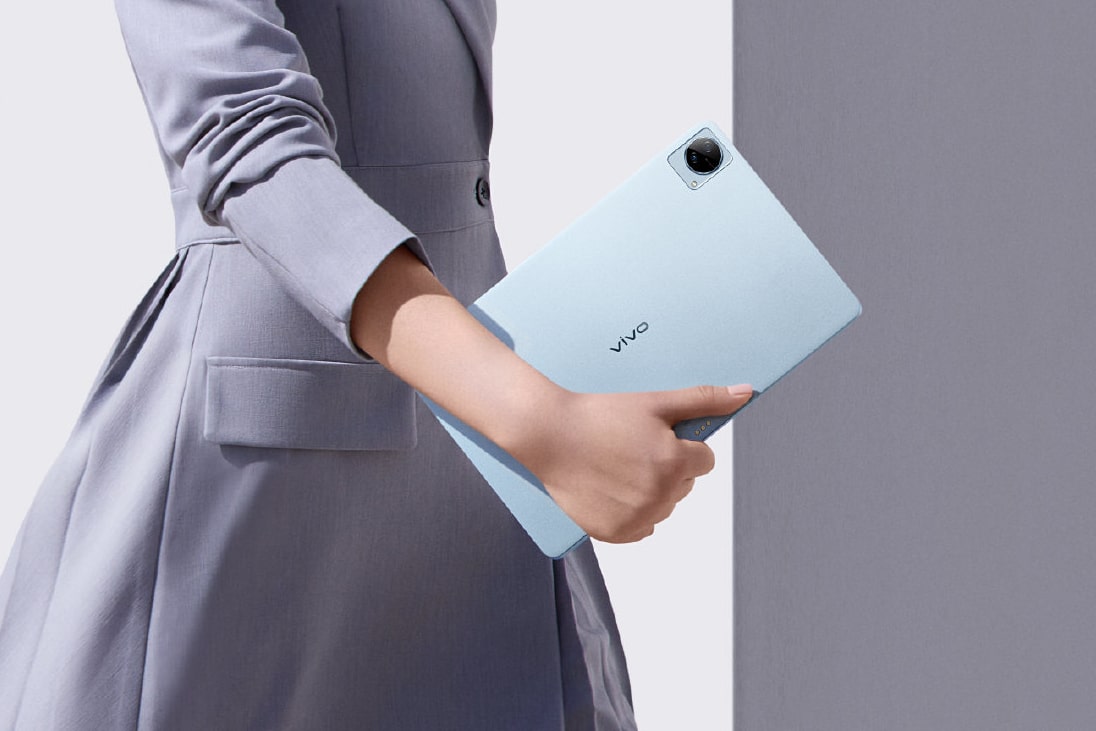
Vivo officially entered the tablets market with its first device: the Vivo Pad. Despite being its first tablet, it comes with high-end specifications, including the 5G connectivity, but it is not the most powerful tablet out there in order to provide a great quality price ratio as well. Just like the Xiaomi Pad 5: another high-end tablet available at great prices. This comparison between the specifications of the Vivo Pad and the Xiaomi Pad 5 will hopefully help you to make the best choice and let you understand which of these tablets offers the highest value for money. After reading the comparisons, you can let us know your opinion by using the comment box below.

Realme Pad vs Xiaomi Mi Pad 5

Vivo Pad Xiaomi Mi Pad 5
DIMENSIONS AND WEIGHT 253.2 x 164.7 x 6.6 mm, 489 grams 254.7 x 166.3 x 6.9 mm, 511 g
DISPLAY  11 inches, 1600 x 2560p (Quad HD+), IPS LCD 11 inches, 1600 x 2560p (Quad HD+), IPS LCD
PROCESSOR Qualcomm Snapdragon 870, octa-core 3.2 GHz Qualcomm Snapdragon 860, octa-core 2.96 GHz
MEMORY 8 GB RAM, 128 GB – 8 GB RAM, 256 GB 6 GB RAM, 128 GB – 6 GB RAM, 256 GB
SOFTWARE  Android 12, OriginOS HD Android 11, MIUI
CONNECTIVITY Wi-Fi 802.11 a/b/g/n/ac/ax, Bluetooth 5.2, GPS  Wi-Fi 802.11 a/b/g/n/ac, Bluetooth 5.0, GPS
CAMERA Dual 13 + 8 MP f/2.2 + f/2.2
8 MP f/2.0 front camera
Single 13 MP f/2.0
8 MP f/2.0 front camera
BATTERY 8040 mAh, fast charging 44W 8720 mAh, fast charging 33W
ADDITIONAL FEATURES Optional 5H, stylus support, keyboard support, reverse charging Pen support, keyboard support

Design

The Vivo Pad and Xiaomi Pad 5 come with a great design. They both have very narrow bezels around the display, as well as a very thin and lightweight body. The Vivo Pad wins the comparison because it comes with better materials: it has an aluminum unibody design, while the Xiaomi Pad 5 has just an aluminum frame, while the rear side is made of polycarbonate. Further, the Xiaomi tablet is thicker and heavier than the Vivo rival. Both the devices support a keyboard and a stylus for handwriting and drawing. They have no audio jack and no fingerprint readers.

 

Display

It looks like the Xiaomi Pad 5 has a better display. It is an IPS LCD panel, but it provides great image quality thanks to advanced specifications. This panel comes with a diagonal of 11 inches, a Quad HD+ resolution of 1600 x 2560 pixels, one billion colors, a 120 Hz refresh rate, the HDR10 certification, and Dolby Vision. The display is paired with four stereo speakers. The Vivo Pad has an 11-inch display as well, with a 120 Hz refresh rate, the same Quad HD Plus resolution, and the HDR10 certification (further, you get four stereo speakers here as well). But this panel does not show up to one billion colors and it lacks Dolby Vision support.


Specs & Software

The most advanced hardware department belongs to the Vivo Pad. It is fueled by the Snapdragon 870 mobile platform built at 7 nm, with a max frequency of 3.2 GHz and 5G connectivity. The chipset is paired with 8 GB of RAM and up to 256 GB of internal storage. The Xiaomi Pad 5 is powered by a weaker Snapdragon 860 chipset and it lacks 5G connectivity. So you not only get lower CPU and GPU performance, but you also have to renounce cellular connectivity. Vivo Pad runs Android 12 out of the box customized by OriginOS HD, a special version of the OriginOS customization developed to take advantage of the tablet’s form factor. The Xiaomi Pad 5 is still based on Android 11, customized by MIUI 12.5.


Camera

If you are looking for a superior camera department, then choose the Vivo Pad. Both come with a pretty nice (for a tablet) 13 MP camera, but the Vivo tablet adds an 8 MP ultrawide sensor making the camera setup more versatile. These tablets are able to record 4K videos with the rear camera and 10880p videos with their 8 MP front cameras.


Battery

The Xiaomi Pad 5 is equipped with a bigger 8720 mAh battery and its battery life is longer. On the other hand, the Vivo Pad charges quicker not only because of its smaller battery but also because it supports 44W fast charging. You can even use it as a power bank thanks to reverse charging.


Price

The starting price of the Vivo Pad for the Chinese market roughly translates into €360/$388 at the actual change, for the base variant with 8 GB of RAM and 128 GB of internal storage. The Xiaomi Pad 5 sells for €350/$377 in its base variant with 6 GB of RAM and 128 GB of native storage, but it is available at better street prices. The Vivo Pad wins the comparison because it has a better chipset, 5G connectivity, an ultrawide camera, and faster charging. But the Xiaomi Pad 5 actually comes with a better display (even though it remains an IPS panel) and a bigger battery. Further, it is available at better prices, so it can let you save money if you do not need an ultrawide camera and 5G.



Vivo Pad vs Xiaomi Mi Pad 5: PRO and CONS

Vivo Pad

PRO

  • Better chipset
  • 5G
  • Ultrawide camera
  • Faster charging
  • Reverse charging

CONS

  • Smaller battery


Xiaomi Mi Pad 5

PRO

  • Bigger battery
  • One billion colors
  • More affordable

CONS

  • Inferior hardware and camera


RELATED

WhatsApp will soon let you hide your ‘Last Seen’ status from specific contacts  

The social networking space has been subject to fluid developments of recent. WhatsApp may be implementing another modification on its platform that will restrict access to a user’s Last Seen status. WhatsApp has kicked off some modifications, as indicated in its latest developer version of the app on iOS.WhatsApp Logo

The latest beta release of WhatsApp is on iOS, and it contains an option that will allow the user to limit specific contacts from seeing their Last Seen status. The Last Seen status provides information to determine whether a message sent from another contact has been viewed by the recipient. You can use it to find out whether a contact may have possibly read your message. It is currently possible to disable the feature completely, otherwise, it limits access to only persons on your contact list. The new measure will enable users to pick out specific contacts and prevent them from seeing their Last Seen status.

The new option present in WhatsApp iOS beta version 22.9.0.70 is tagged My Contacts Except, under the Last Seen button on the Privacy settings. The flipside of this new option is that you can also not see the Last Seen information of the individuals in your exception list. There are a few other privacy and general modification that will be implemented in the latest update of the app. This includes more granular privacy controls relating to profile photos and the about section.

Beta testing for the new update of WhatsApp is believed to have commenced both on Android and iOS. This could indicate that the working version of the app could be available in the shortest time. WhatsApp has not made any new details available on these features at this time.

RELATED:


(source)


Dimensity 8000 Max almost surpasses the market-favourite Snapdragon 870 on Geekbench 5

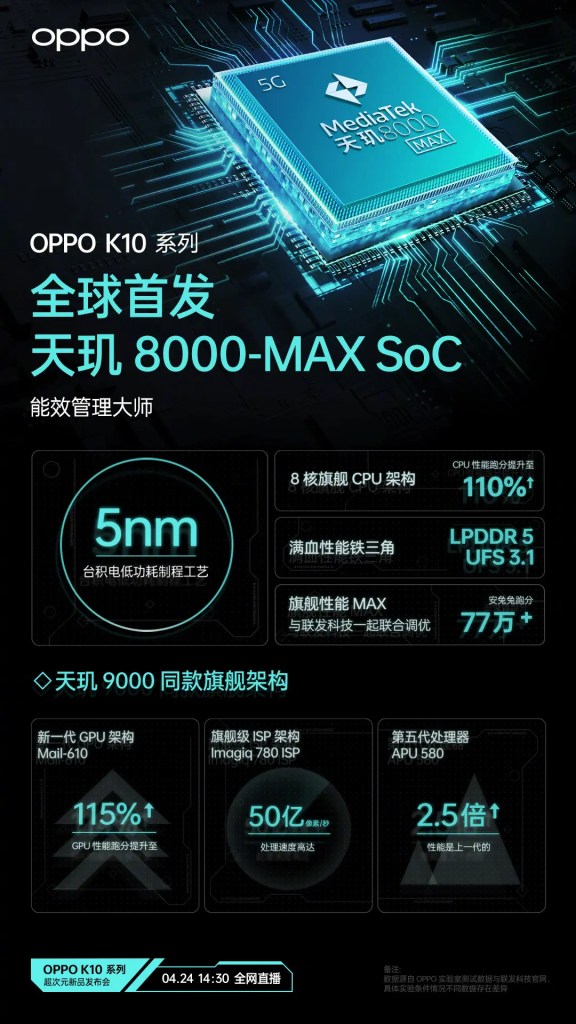
A few weeks back, MediaTek announced the Dimensity 8000 and 8100 chipsets in the market for mid-range phones. However, new teasers incorporate a mention of the Dimensity 8100 Max chipset, an unannounced version of the 8100. Phones that will be arriving with this chipset will be the upcoming OnePlus 10R and OnePlus Ace. While we’ve heard about the 8100 Max variant of the chipset, a new benchmark shows off the results of its sister processor, the Dimensity 8000 Max. And interestingly, as per the scores on the benchmarking platform, the chip beats the last year’s market-favorite Snapdragon 870 to some extent.

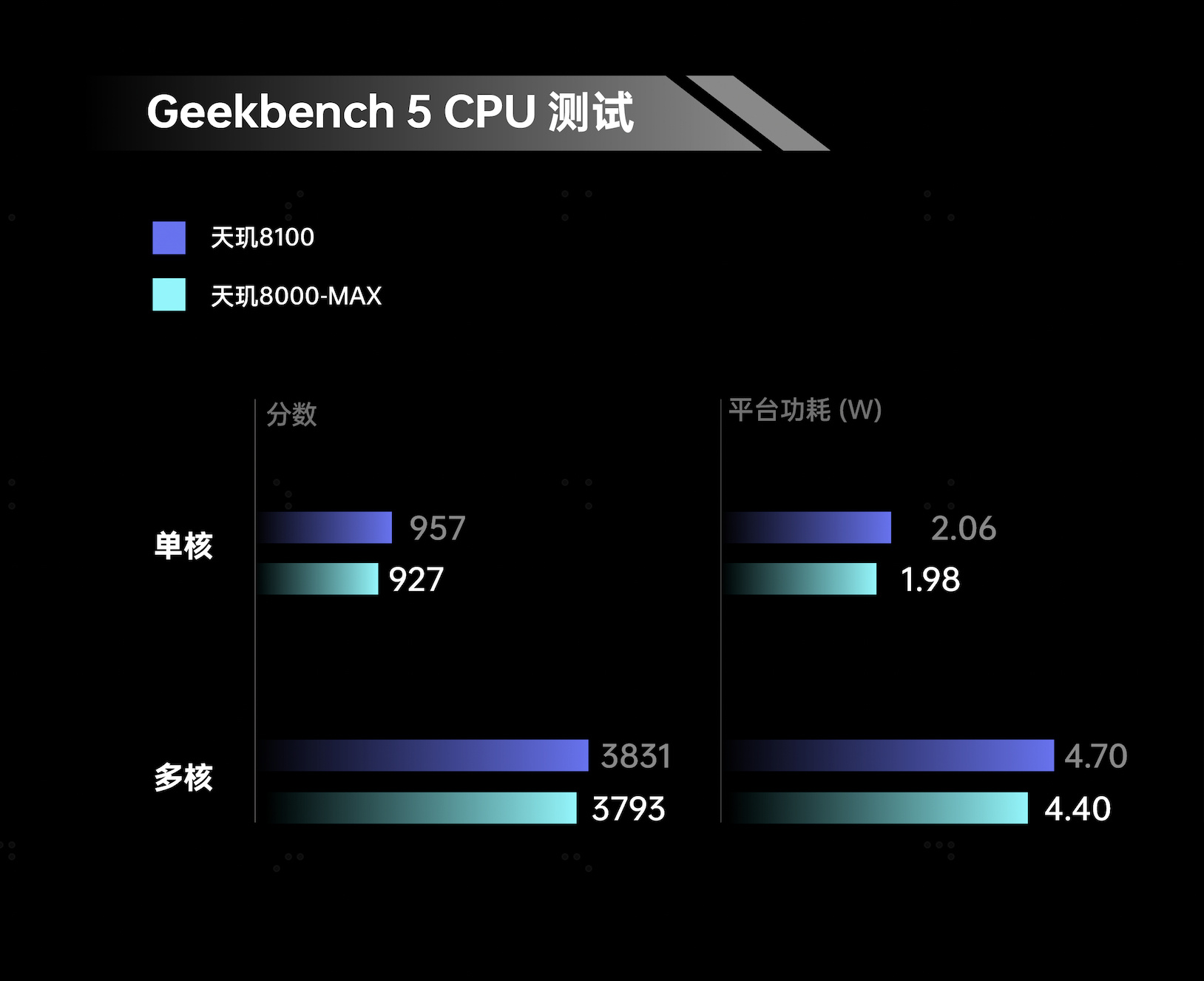
Oppo has shared the official benchmark scores of the Dimensity 8000 Max chipset (via Digital Chat Station). The test was performed on the upcoming Oppo K10. The 5nm chipset has shown impressive results. It has only a 0.1GHz lower frequency than the Dimensity 8100 and has marched ahead of the Snapdragon 870.

Dimensity 8000 Max

The chipset has 927 points in the single-core department and 3793 points in the multi-core department on the Geekbench version 5. This is somewhat lower than the 1028 single-core points and higher than the 3391 multi-core points of the Snapdragon 870 (tested on Redmi K40S/POCO F4). In comparison to the Dimensity 8100, it falls a little short. The 8100 has 957 single-core points and 3831 multi-core points.
Dimensity 8000 Max

Apart from the performance, the 8000 Max also offers healthy power consumption. The Dimensity 8000-Max’s specs are now known. The chipset is based on TSMC’s 5nm process. It is an octa-core chipset with four Cortex A78 high-performance cores and four Cortex A55 economy cores. It has a frequency of 2.75GHz, a Mali-610 GPU, and a MediaTek 580 APU.

RELATED:

Vivo has two new T-series phones in the pipeline, here’s what you can expect

Vivo kicked off its T-series in India with the release of the Vivo T1 5G. The brand is now expected to release another device – the Pro version of T1 – and if leaks are something to be believed, its launch is expected to be right around the corner. Now, however, 91Mobiles reveals that there will be two Vivo phones coming to the Indian market under the T-series.

Vivo is tipped to release two new smartphones under the T-lineup in India. The monikers of the phones are unknown, but one of the phones could be the Vivo T1 Pro if we are to be guessing. The publication, however, leaves no naming as such in their story. As for the pricing, two of these phones are said to arrive under Rs. 25,000(~$328) price range in India.

Vivo T1 Pro 5G

Vivo T1 Pro 5G is an upcoming Vivo T-series phone

It is worth noting that the Vivo T1 Pro is in the pipeline for Vivo. The smartphone is expected to come with Snapdragon 778G SoC, making it a 5G compatible device. The device’s Geekbench scores showed 790 points in the single-core department and 2865 points in the multi-core department.

The device has 8GB of RAM, and we expect it to arrive with either 128GB or 256GB of storage. There will be FunTouchOS running on the phone, with Android 12 OS beneath it.

Although the brand is keeping things on the down-low at the moment, we expect the company to drop teasers in the coming weeks, followed by a release later this year.

RELATED:

OPPO K10 5G spotted on Geekbench with Dimensity 8000 SoC & 12GB RAM

Earlier today, OPPO announced that their upcoming K10 series smartphones will debut in China on April 24. The K10 series will consist of two models, namely the OPPO K10 5G and the K10 Pro 5G. Ahead of its launch, the OPPO K10 5G has been spotted on Geekbench revealing some of its key features.

OPPO K10

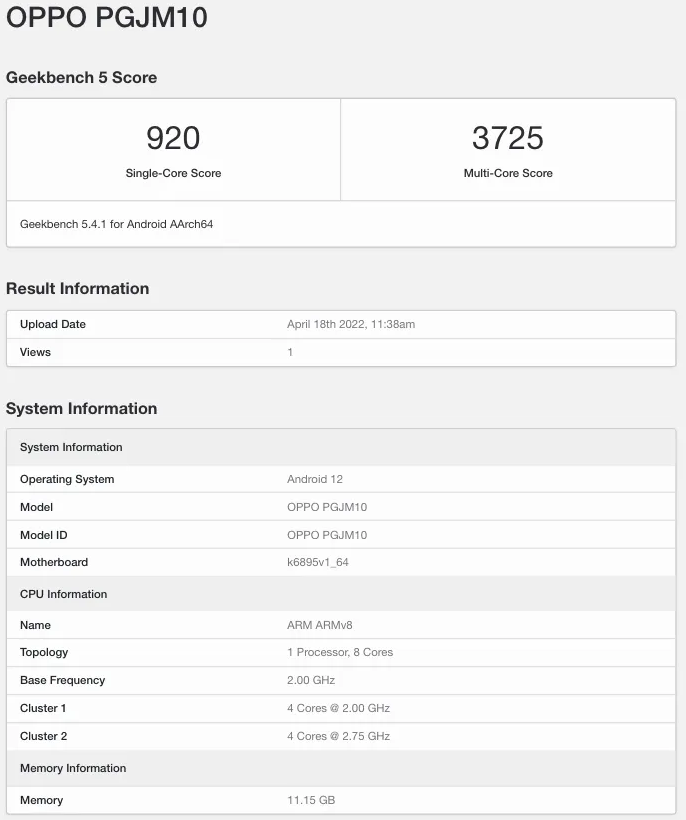
According to the Geekbench database (via MySmartPrice), the OPPO K10 5G with model number PGJM10 has an octa-core processor arranged in two clusters of four cores each. The high-performance cores are clocked at 2.75GHz, while the other four cores have a max clock speed of 2.00GHz. Further, the listing reveals that the SoC has the Mali G610 MC6 GPU onboard.

Going by this information, it is clear that the device houses the Dimensity 8000 SoC. Other than that, the listing reveals that the OPPO K10 5G has 12GB RAM onboard and runs Android 12 out of the box. Coming to its benchmark scores, the device scored 920 points in the single-core test and 3725 points in the multi-core test of Geekbench 5.

OPPO K10 Specifications

OPPO K10 5G

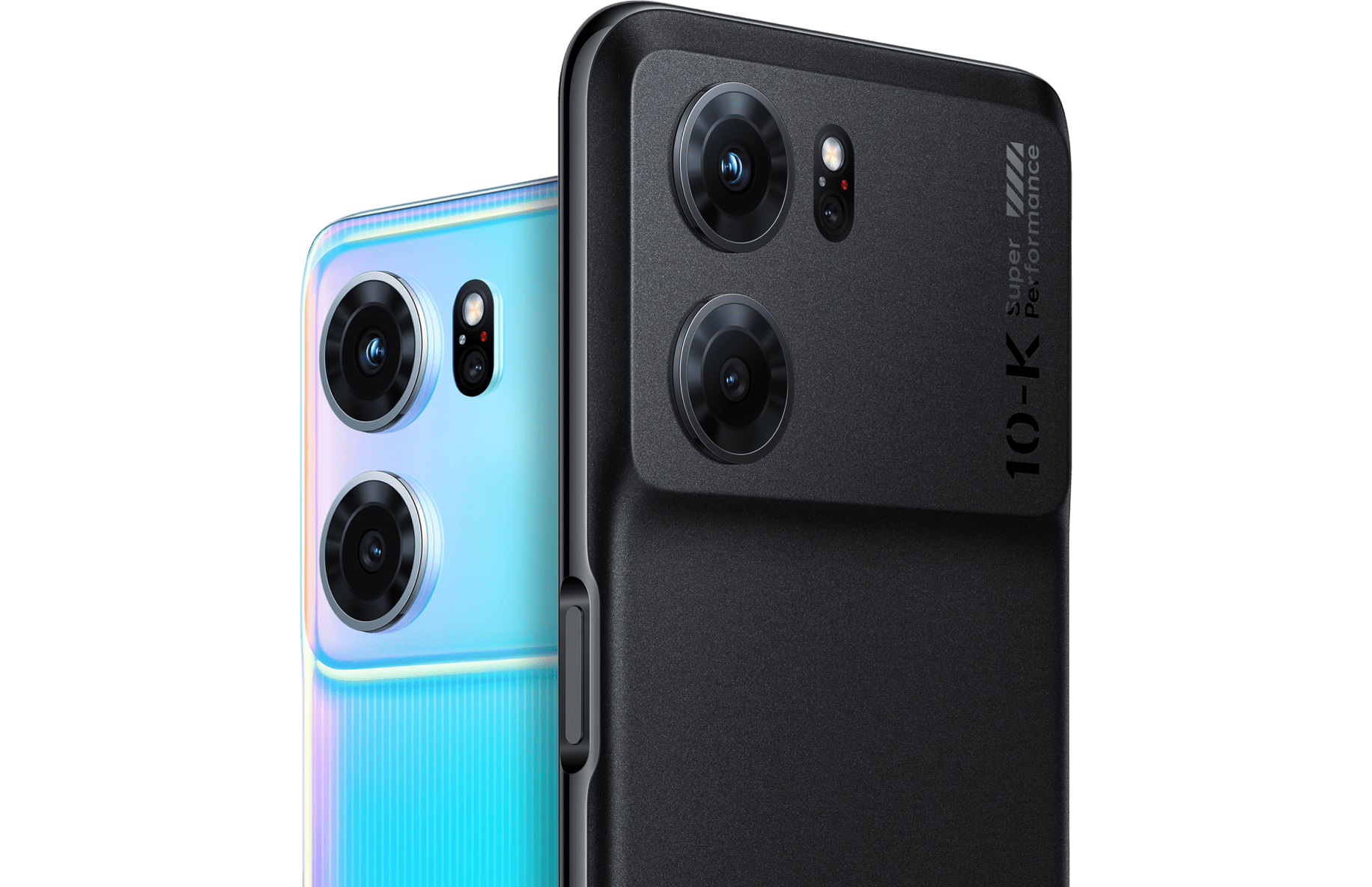
An earlier report from today has revealed that the OPPO K10 5G is confirmed to launch in China with the Dimensity 8000 Max SoC. The device will come equipped with a diamond VC liquid cooling system for heat dissipation. It will also come with an X-axis linear motor.

Other than that, previous certification listings and leaks have revealed that the device will come with a 6.59-inch FHD+ display panel with a 120Hz refresh rate. The top left corner of the screen will come with a punch-hole cutout for the 16MP selfie camera.

For optics, the device is said to feature a triple camera setup with a 64MP main sensor, an 8MP ultrawide sensor and a 2MP macro lens. Powering the device will be a 5000mAh battery with support for 67W fast charging. The device will weigh 205 grams and measure 164.3×75.8×8.7mm.

It will come in two color options – Blue and Black.


RELATED:


Get Fitbit Sense Smartwatch at a Heavily Discounted Price of $168

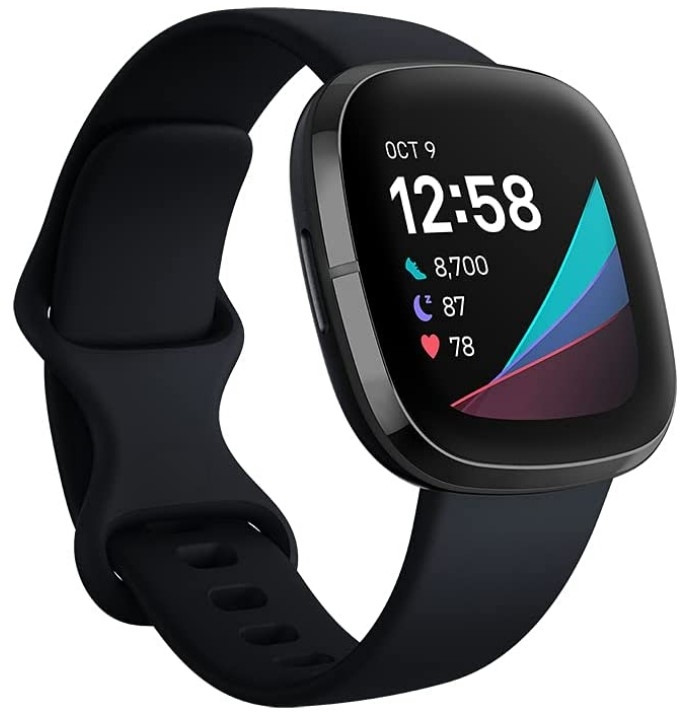
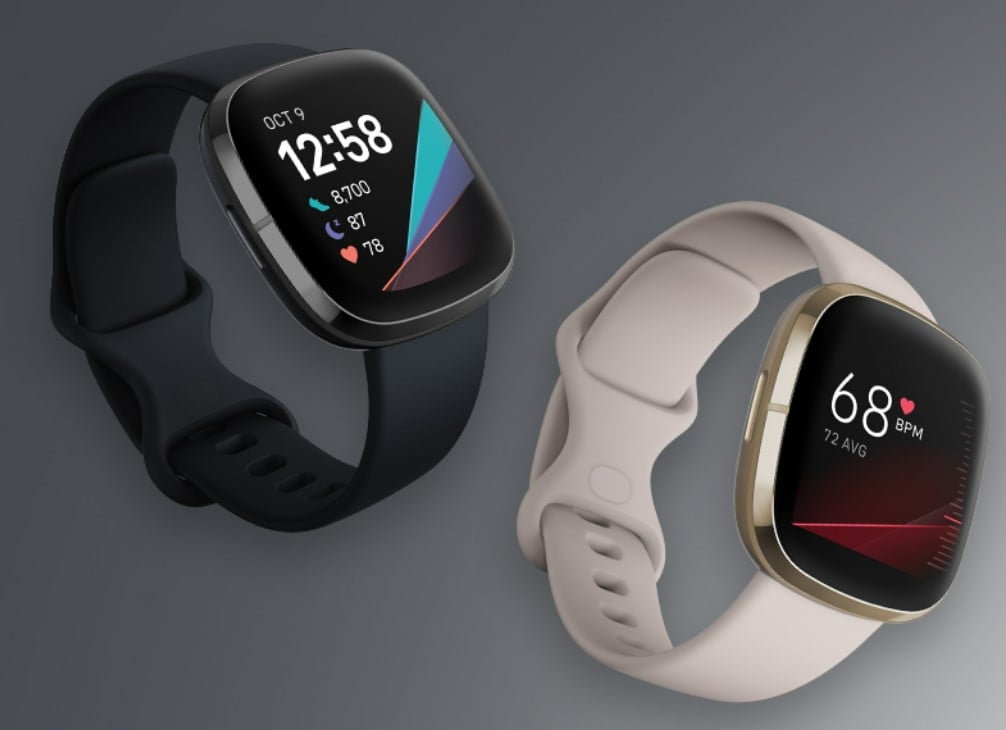
Fitbit Sense Smartwatch which generally retails for $250 is now available at a discounted price of $168.25 only on Amazon US. Please note that this is the lowest price yet, given by the Fitbit Store on Amazon US. The price includes the 20% page clip-on coupon. This is a limited-time offer.

WHERE TO BUY

Fitbit Sense Smartwatch

Fitbit Sense Smartwatch 

Fitbit Sense Smartwatch

Key Features:

  • State of the art Stress management 
  • Compatible ECG app – monitor heart health
  • Skin Temperature
  • Blood Oxygen level monitor
  • Built-in GPS
  • Voice assistant – Alexa and Google assistant
  • Optimize your sleep
  • Battery: up to 6 days on a single charge
  • Reminders and notifications
  • Control your smart home devices using voice commands
  • Colors: Black, Silver, and White Gold

Fitbit Sense Smartwatch

Generally retailing for $250 you can now buy the Fitbit Sense Smartwatch for a discounted price of $168.25 only at Amazon US. Please note that this price is applicable to the Black color variant only. However other color variants are also available at a discounted price. 

For more information on such exciting deals and offers check out our deals hub.

Huawei MatePad Paper e-ink tablet gets a white-coloured variant

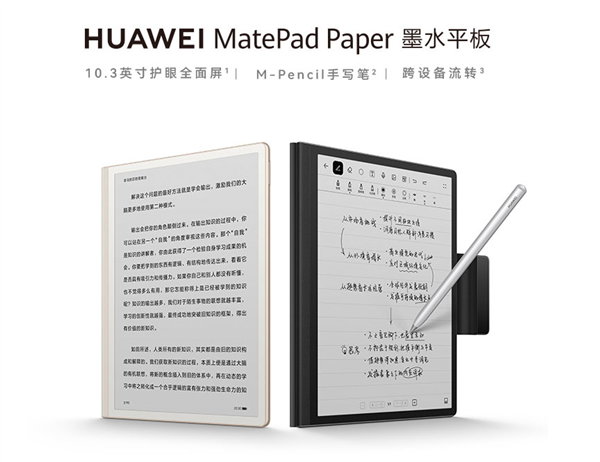
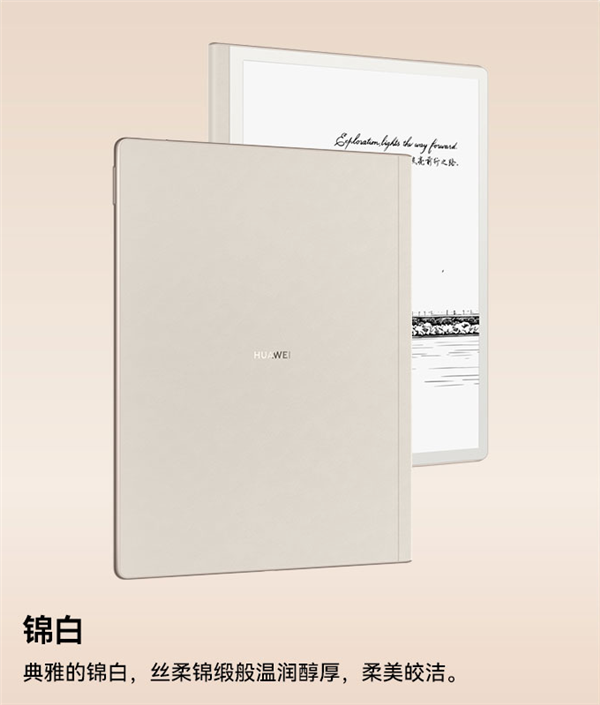
Huawei first announced the MatePad Paper at the Mobile World Congress 2022. The e-ink tablet was later launched in China and has since gone on sale. The MatePad Paper was only available in a black-coloured variant. That has now changed as the Chinese tech giant has launched a white-coloured version of the MatePad Paper. Huawei MatePad Paper e-ink tablet

Compared with the black model, the white model provides a silky velvet-like warmth and mellow feeling, which is softer and brighter. The new model is now on pre-sale on Jingdong (JD.com) with a discounted price of 2899 yuan (~$455).

As a reminder, the Huawei MatePad Paper is equipped with a 10.3-inch grayscale screen with a resolution of 1872 x 1404 pixels and an aspect ratio of 227 PPI. The tablet comes with low blue light, no flicker, wide viewing angle, and sunlight-readable paper-like characteristics, which can provide a more comfortable reading experience. It is also the world’s first TÜV Rheinland paper-like paper. Shows certified ink flats.

The product provides functions such as split-screen notes, handwriting-to-text, and voice-to-text, and effectively improves the complex and slow input of text on ink screens, and the difficulty of page switching.

At the same time, Huawei MatePad Paper is equipped with the second-generation M-Pencil stylus which supports 4096 pressure sensitivity, and smooth follow-up. The optimal delay is only 26ms, and the writing is very smooth.

As an e-book reader, the device packs trimmed down bezels on the top, bottom, and right edges while the left edge is slightly wider to give the outlook of a book that is opened. As a result of the reduced bezels, the device features a screen-to-body ratio of 86.3%.

In terms of the processor, the MatePad Paper is powered by a Hexa-core processor paired with 4GB of RAM and 64GB of internal storage. The slate comes with WiFi 6+ and Bluetooth 5.2 support.Huawei MatePad Paper e-ink tablet

Keeping the lights on is a 3625mAh battery that is touted to deliver up to 28 days of battery life on standby. It also comes with 22.5W fast charging which Huawei claims can deliver up to 6 days of reading with just a 1.5-hour charge. It supports reverse charging. The device also features fingerprint recognition as the power button doubles as the sensor.

In Europe, the tablet is available for €499 while in China, it starts at 2999 yuan ($472) for the 4GB+64GB WiFi-only variant.

RELATED:


OPPO K9x Smart TV with a 65-inch 4K display, 60Hz refresh rate launched

OPPO is still a rookie in the smart TV market, having launched its first smart TVs – the OPPO TV S1 and R1 smart TVs in October 2020. Since then, a couple of models have been released enjoying rave reviews from users. The company has now launched the OPPO K9x Smart TV in China with an RRP of 2499 yuan (~$349). The smart TV is presently on pre-sale for just 2199 yuan (~$345). oppo

In terms of display, the OPPO K9x smart TV uses a 65-inch LCD 4K screen with a resolution of 3840×2160 pixels. The TV comes with support for a 60Hz refresh rate, 1 billion colors, 70% NTSC color gamut, 280nit brightness, and delta E≈2.

The smart TV is powered by a Quad-core MediaTek chipset paired with 2GB of RAM while there is 16GB of internal storage. The chipset brings support for dual-band Wi-Fi. The TV is also equipped with built-in 2-unit speakers having a 20W power rating. It also features support for Dolby sound and can be used as a screen sound.OPPO K9x Smart TV

At the same time, OPPO K9x has a self-developed AI PQ algorithm, supports frame-by-frame optimization of image quality in all scenes, and has a display-level color accuracy in the same range as flagship smart TVs.

The K9x smart TV runs on the latest-gen ColorOS TV and one of the major highlights of the TV is that there is no boot advertisement. Thus, it boots fast without undue waiting time. The operating system also brings support for mobile phone and Pad screen projection and supports up to four mobile phones for simultaneous screen projection. Mobile phone call notifications will not be displayed on the TV to protect user privacy and security.OPPO K9x Smart TV

In addition, the TV has a built-in children’s mode, which supports TV online classes, children’s exclusive content, children’s mode settings, and built-in AI fitness personal education.

RELATED:


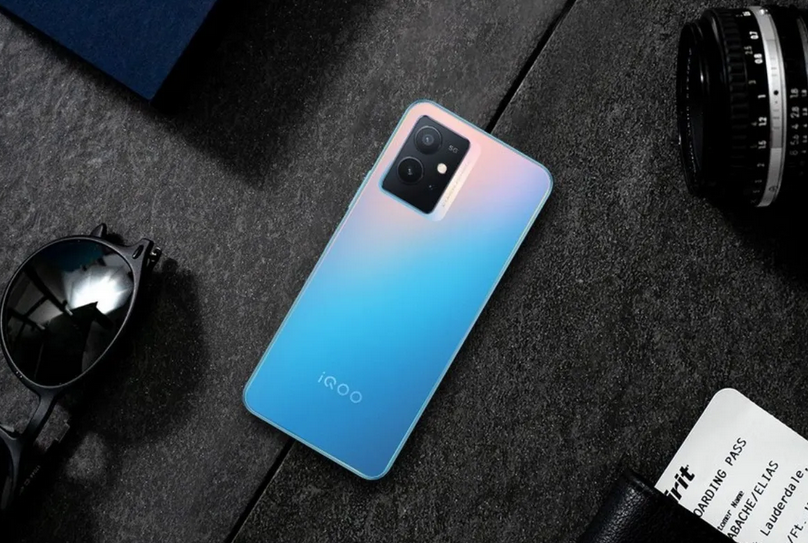
iQOO could follow the trend of launching 4G & 5G variants of a single phone model: iQOO Z6 4G leaks!

Xiaomi, Realme, and POCO, for some time, have been offering a mix of 4G and 5G variants of a single phone model. Xiaomi started this with the Redmi K30, which was available in 4G as well in 5G variants, Realme followed the suit with Realme 7’s 4G/5G versions, and POCO continued it with the POCO M4 Pro 4G and 5G. Now the latest to hop on the bandwagon is iQOO with its iQOO Z6. A tipster has now hinted that after the iQOO Z6 5G, the iQOO Z6 4G could be the next to enter the budget market.

The tipster Paras Guglani has revealed the moniker – iQOO Z6 4G and has shared the charging speed of the phone. It appears that the device won’t disappoint as it is said to have 44W fast charging support. This is way higher than the iQOO Z6 5G’s modest 18W charging speed.

iQOO
iQOO Z6 5G

Such betterment of the specs is likely to be seen on the 4G variants of a phone as opposed to the 5G models, mainly because companies save a lot by employing a 4G chipset instead of using 5G counterparts.  This time around, iQOO seems to do the same by using some 4G chipset, however, it is unclear at the moment which 4G chipset will the brand use in the upcoming iQOO Z6 4G.

Apart from this, there are no specifications to look at, nor there is any release date as of yet. It is to be noted that this is just a tip and not an official confirmation from the brand. That being said, we recommend our readers take the above information with a grain of salt.

RELATED:

All the Vivo launches from last week: Vivo X Fold, Vivo Pad, & Vivo X Note

Last week, Vivo entered three new product categories on the same day. They are foldable, tablet, and phablet. The first devices in these three categories are officially called Vivo X Fold, Vivo Pad, and Vivo X Note respectively.

All of them come with high-end features. The foldable and the phablet even carry premium price tags to match their specs. However, the tablet falls under the mid-range price segment like most flagship tablets from Chinese OEMs.

Let’s take a look at these products one by one.


Vivo’s first foldable, tablet, and phablet are finally here


1. Vivo’s First Foldable – Vivo X Fold

Vivo X Fold

At first look, one can clearly say that the Vivo X Fold is inspired by the Samsung Galaxy Z Fold series. But Vivo’s foldable arrives with a better set of features, like dual ultra-sonic in-screen fingerprint sensors, an alert slider, and flagship-level cameras.

Though it is not water-resistant (IPX8) like the Galaxy Z Fold 3, it flaunts a vegan leather rear finish like the Huawei Mate X2 and its hinge is rated to last for 300,000 folds. It is also powered by a custom-made Qualcomm Snapdragon 8 Gen 1 SoC paired with LPDDR5 RAM and UFS 3.1 storage.

Talking about screes, the primary internal foldable Samsung E5 AMOLED display measures 8.03-inch in size and has a 2K resolution, up to a 120Hz refresh rate, and a 4:3.5 aspect ratio. On the other hand, the 6.53-inch external Samsung E5 AMOLED display has a resolution of FHD+, up to a 120Hz refresh rate, and a 21:9 aspect ratio. Both the screens support HDR10+ standard and feature a punch-hole for a front-facing camera.

As far as cameras are concerned, there’s a 50MP Samsung ISOCELL GN5 primary sensor with OIS, a 12MP 2x telephoto shooter, an 8MP 5x periscope snapper with OIS, and a 48MP ultra-unit. These cameras are covered by Zeiss lens and T* coating. Finally, there are two 16MP front-facing cameras.

The device boots Android 12-based OriginOS Ocean. It is backed by a 4,600mAh battery with support for 66W fast wired charging, 50W fast wireless charging, and 10W reverse wireless charging

The Vivo X Fold is priced at ¥8,999 and ¥9,999 for 12GB + 256GB and 12GB + 512GB memory configurations. It can be availed in either blue, black, or gray color options.


2. Vivo’s First Tablet – Vivo Pad

vivo Pad

Just like the tablets from Xiaomi and Oppo, the Vivo Pad is built around an LCD panel and a Qualcomm chipset. It features an 11-inch screen with a 2.5K resolution and up to a 120Hz refresh rate. The display supports Dolby Vision and Vivo Pen stylus input.

It is powered by a Qualcomm Snapdragon 870 SoC coupled with LPDDR5 RAM and UFS 3.1 storage. It runs OriginOS HD based on Android 12. It is backed by an 8,040mAh battery with support for 44W fast charging.

The tablet comes with a dual-camera system on the rear comprising of a 13MP primary sensor and a 13MP ultra-wide unit. There’s also an 8MP front-facing camera and Dolby Atmos-supported quad speakers.

Other features include an aluminum build, support for a keyboard accessory via a magnetic connector, WiFi 6, Bluetooth 5.2, NFC, and USB 3.1 (Type-C). The product arrives in three colors, such as blue, black, and white.

The Vivo Pad is priced at ¥2,499 and ¥2,999 for 8GB + 128GB and 8GB + 256GB memory variants respectively.


3. Vivo’s First Phablet – Vivo X Note

vivo X Note

The Vivo X Note is huge and has a good set of high-end features. However, it is not a replacement for the Samsung Galaxy Note series. Because it lacks support for a stylus.

The phablet sports a 7.0-inch Samsung E5 AMOLED display with a QHD+ resolution, up to a 120Hz refresh rate, and LTPO 3.0 technology. The screen has a 21:10 aspect ratio, a large ultrasonic fingerprint sensor, and its peak brightness can reach up to 1500 nits.

The handset is powered by a Qualcomm Snapdragon 8 Gen 1 chipset paired with LPDDR5 RAM and UFS 3.1 storage. It also comes with a Vivo V1 chip for image processing. On the software front, it boots OriginOS Ocean based on Android 12.

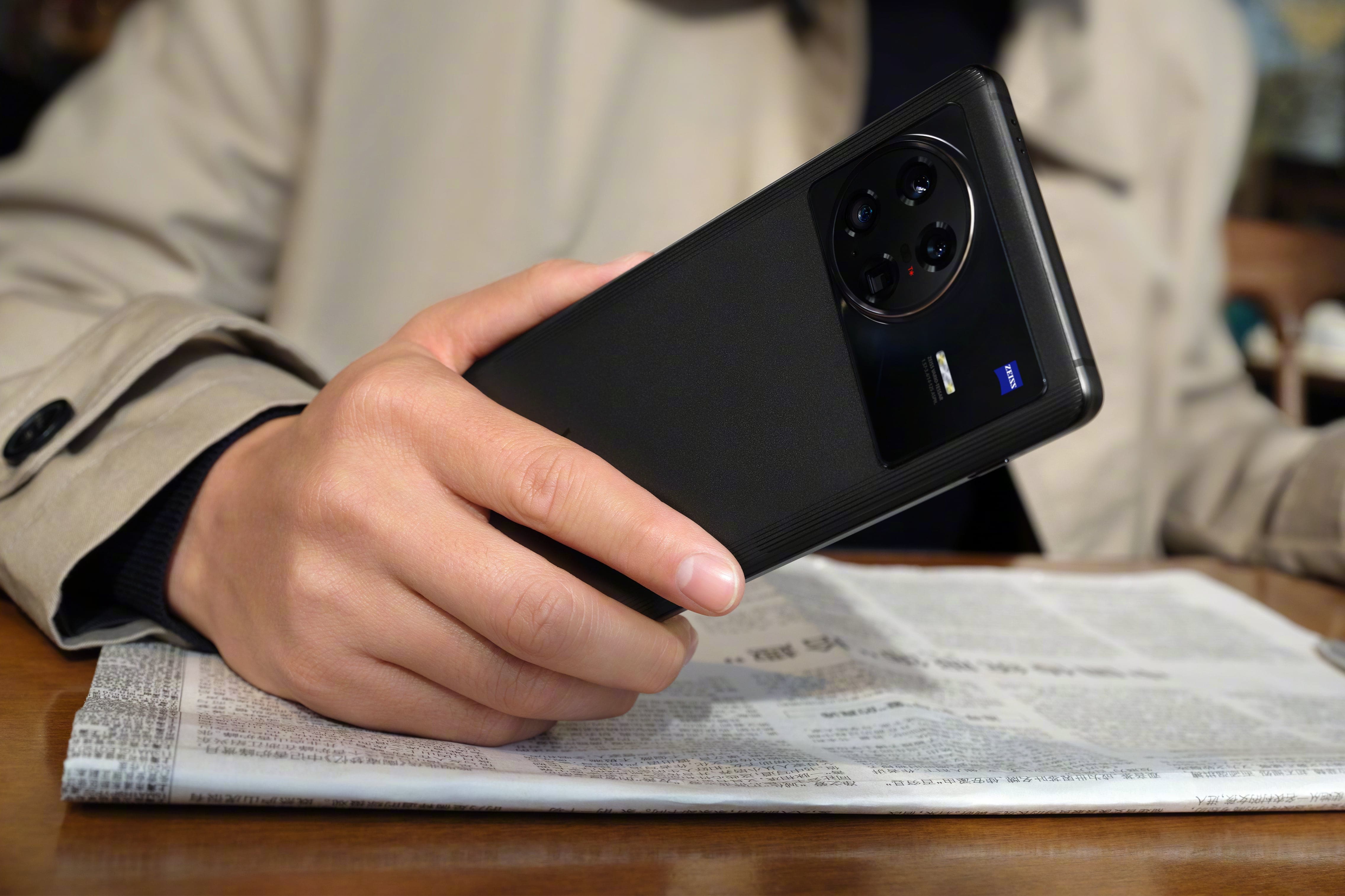
For photography and videography, it uses a quad-camera system on the rear with a Zeiss lens and T* coating. The setup includes a 50MP Samsung ISOCCELL GN1 primary sensor with OIS, a 48MP ultrawide unit, a 12MP 2x telephoto shooter, and an 8MP periscope 5x camera with OIS. On the front, there’s a 16MP snapper.

Other features include an IP68 rating for dust and water resistance, dual stereo speakers, IR blaster, vegan leather rear finish, 5,000mAh battery, 80W fast wired charging, 50W fast wireless charging, and 10W reverse wireless charging.

The Vivo X Note arrives in 8GB + 126GB, 12GB + 1256GB, and 12GB + 512GB memory configurations priced at ¥5,999 and ¥6,499, and, ¥6,999 respectively. It can be availed in either black, blue, and gray color variants.


RELATED:


Realme Q5 spotted on Geekbench with Snapdragon 695, 8GB RAM ahead of launch

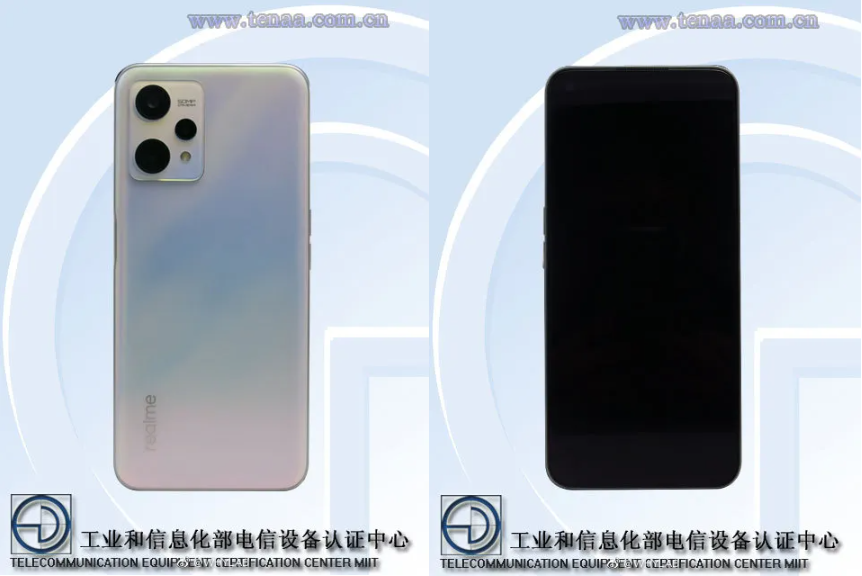
Earlier today, the Realme Q5i went official in China featuring the Dimensity 810 5G SoC and a 13MP dual camera setup. The Realme Q5 and Q5 Pro are scheduled to launch on April 20th in China.

Realme Q5

Ahead of its launch, the vanilla Q5 has been spotted on various certification databases, including TENAA. Now, the device has made an appearance on Geekbench just days before its launch.

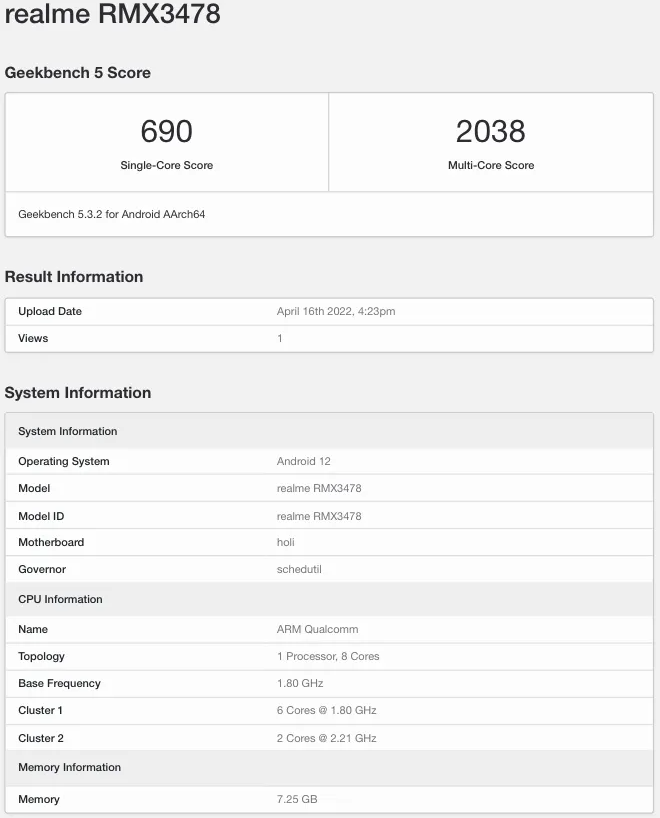
According to a Mysmartprice report, the Realme Q5 with model number RMX3478 has been spotted on the Geekbench benchmark database, revealing information about its processor, RAM, and operating system.

Realme Q5 Geekbench

The benchmark listing reveals that the Realme Q5 has an octa-core processor in a 2+6 cluster formation. The two performance cores are clocked at 2.21GHz, while the remaining six cores are clocked at 1.80GHz. The motherboard of the device has the codename “holi”, which implies that the device is running Qualcomm’s Snapdragon 695 5G enabled SoC. Other than that, the listing reveals that the Redmi Q5 has an 8GB RAM capacity and runs Android 12 out of the box.

Coming to its benchmark scores, the handset has scored 690 points in the single-core test of the Geekbench 5, while in the multi-core test, it achieved a score of 2038 points.

Realme Q5 Specs

Realme Q5 Pro
Realme Q5 Pro

So far, leaks and certifications have revealed that the device will sport the mid-range Snapdragon 695 chipset, with a large 4890mAh and 65W SuperVOOC fast wired charging.

The screen of the Realme Q5 is a 6.58-inch LCD panel with a Full HD+ resolution. The model opts for a side fingerprint scanner instead, and still retains the 3.5mm headphone jack in 2022. Software-wise, the device will be running on Realme UI 3.0 based on Android 12 out of the box.

For the cameras, the device is sporting a triple rear camera setup with a 50MP main shooter, with two 2MP macro and depth sensors.

The device is expected to be made available in 6GB/8GB/12GB RAM variants, with 128GB or 256GB storage onboard. The only color option for the Realme Q5 we have seen so far is the glossy silver option, but Realme is expected to reveal more color options at the launch event.


RELATED:


OnePlus Ace Roundup – Design, Specifications, Color Options, and More

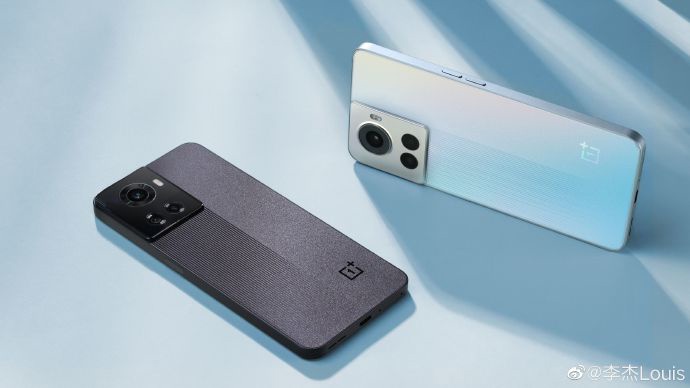
Last week, OnePlus unveiled the OnePlus Ace smartphone through multiple teasers. Scheduled to launch on April 21st in China, the device has had many of its specs confirmed by the brand or leaked online through tipsters, so let’s look at what this device has in store for us.

Display & Design

OnePlus Ace

Design-wise, the smartphone is quite distinct from the previous OnePlus devices. It features a design inspired by straight lines and has a flat-edged frame with rounded corners. The rear panel has a two-tone design on the back with multiple straight verticle lines providing texture. The camera island of the device also comes with a unique look, occupying the top-left edge of the back panel to house the triple camera and LED flash.

Additionally, to make the device easier and more comfortable to hold, the brand has also included a subtle edge arc on the back using “2.5D step processing.” OnePlus has officially revealed that the Ace measures 8.2mm in thickness and weighs 186 grams.

On the front, the device features a flat E4 AMOLED display measuring 6.7-inches. The panel is said to have a Full HD+ resolution with a 120Hz refresh rate and HDR10+ support. The screen has a punch-hole cutout in the top center for the front camera.

Specs

OnePlus Ace

The OnePlus Ace is confirmed to feature the MediaTek Dimensity 8100 SoC under its hood coupled with LPDDR5 RAM and UFS 3.1 storage. Rumors state that the smartphone will come in two memory variants — 8GB RAM with 128GB internal storage and 12GB RAM with 256GB internal storage. The device will run Android 12-based OxygenOS 12 out of the box and will have a 4,500mAh battery coupled with jaw-dropping 150W SuperVOOC fast charging. With this charging solution onboard, users will be able to charge their devices from 0% to 100% in less than 17 minutes.

Cameras

OnePlus Ace
OnePlus Ace

Going by the leaks so far, the OnePlus Ace’s triple camera setup is said to be headlined by a 50-megapixel Sony IMX766 primary sensor. Accompanying the primary sensor, the phone will likely bring along an 8-megapixel Sony IMX355 ultra-wide lens, and a 2-megapixel macro sensor. On the front side, the smartphone will have a 16-megapixel Samsung ISOCELL S5K3P9SP lens for taking selfies and video calling.

Price &  Availability

The OnePlus Ace is set to launch on April 21 at 7:30 PM (CST) in China. The device is confirmed to come in at least two color options namely Black and Blue. Pricing and first sale details of the device are still under wraps so we will have to wait for the official launch for more information regarding that.

Relatedly, OnePlus has made it clear that the OnePlus Ace will only launch in China. Outside of China, the device will come with the OnePlus 10R moniker and feature the Dimesity 8100-Max chipset rather than the Dimensity 8100.


RELATED:

Vivo X80 official renders revealed in full glory ahead of launch

Yesterday, a poster of the upcoming Vivo X80 Pro was spotted in a Chinese retail store ahead of its launch. The poster revealed the rear design of the smartphone along with confirming the presence of Vivo‘s V1+ ISP chip on the device.

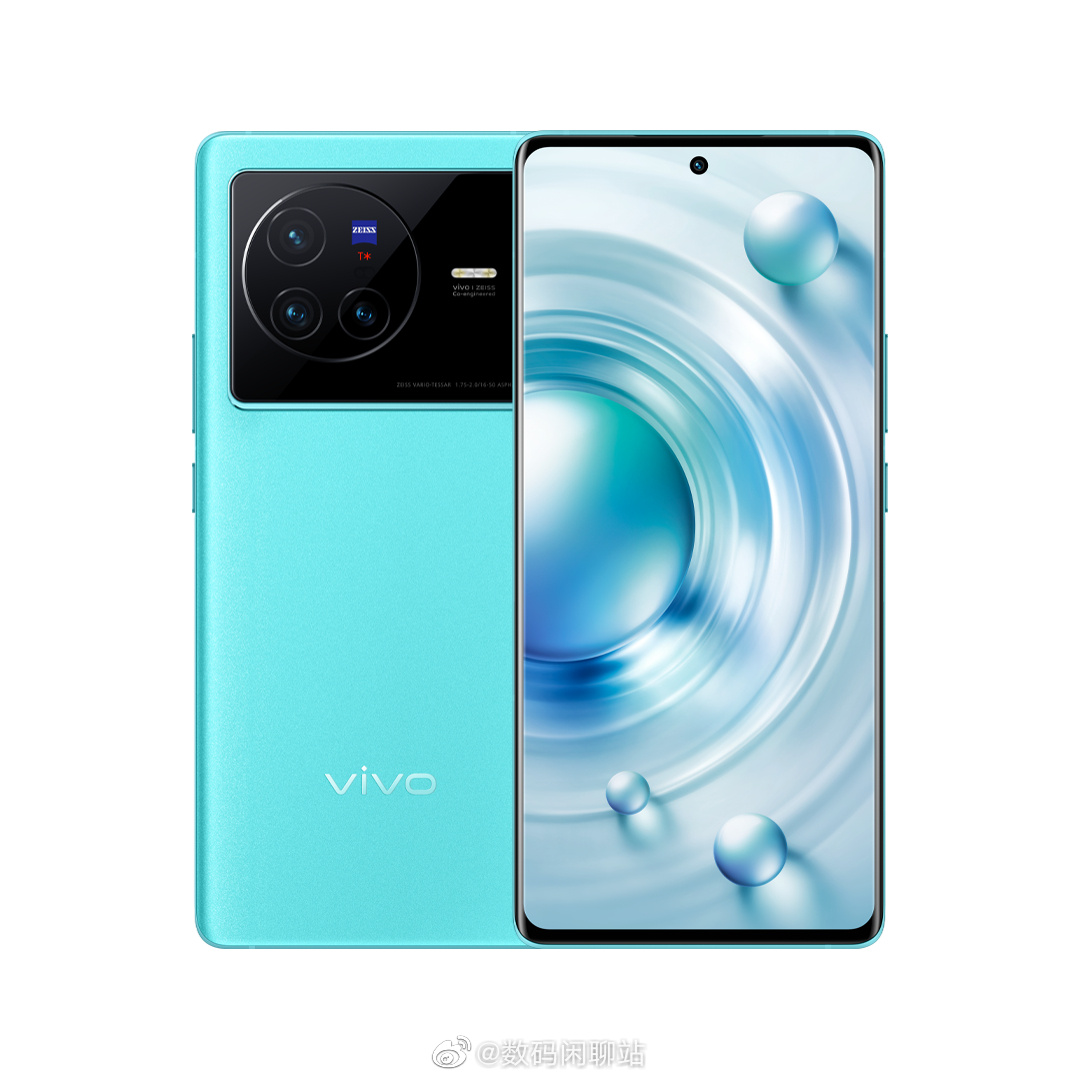
Now, popular Weibo tipster DigitalChatStation has revealed “official” renders of the vanilla Vivo X80 model showcasing its front as well as rear panel design.

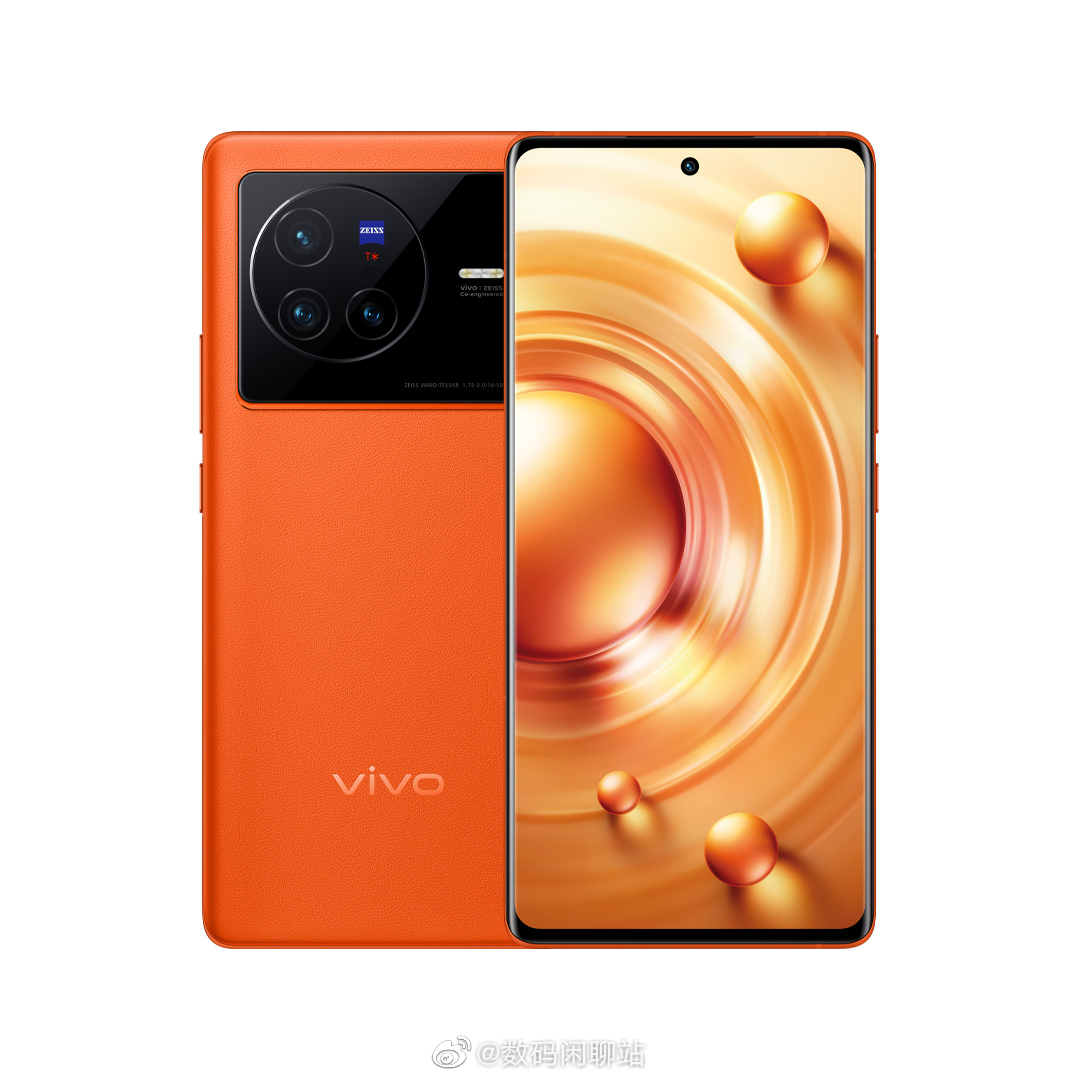
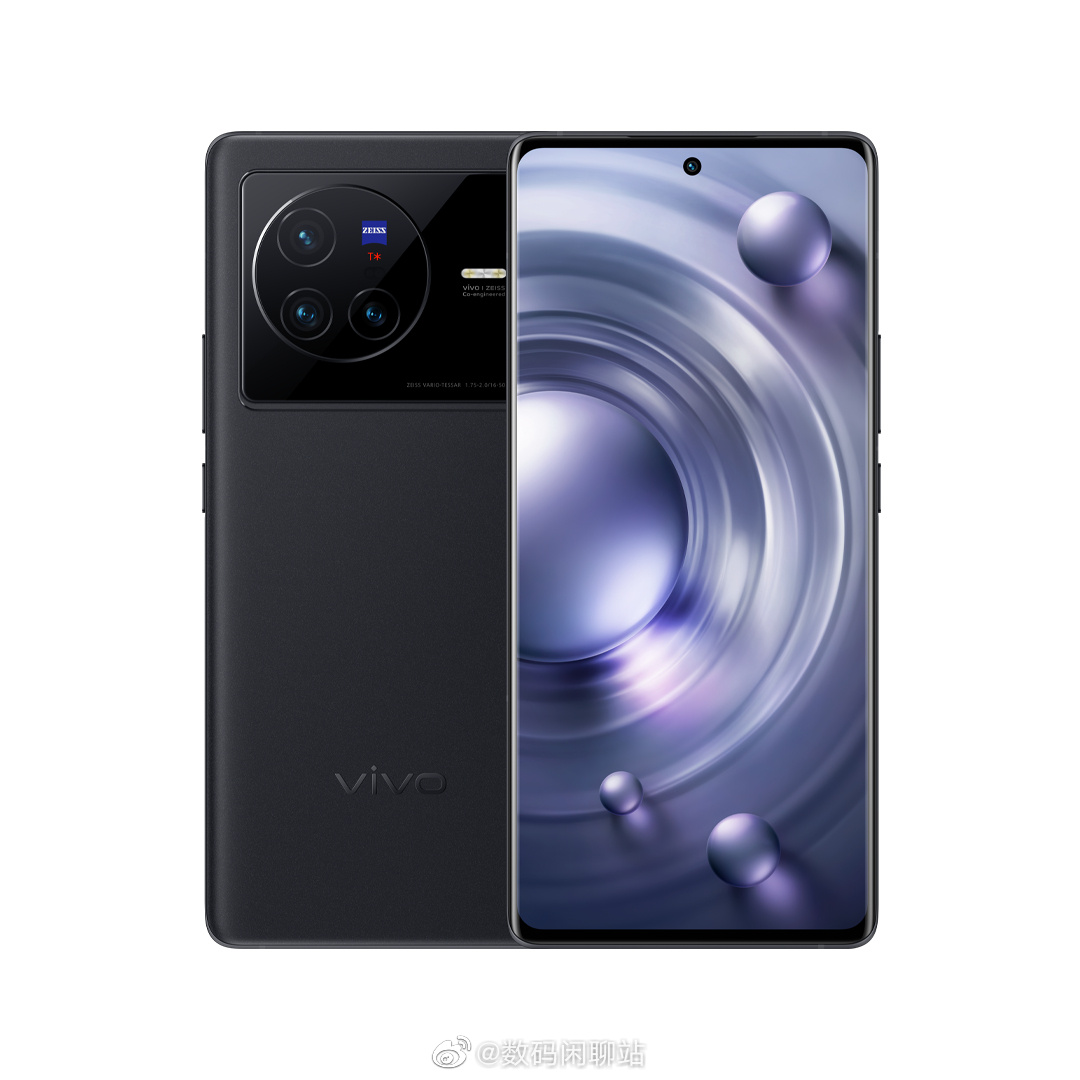
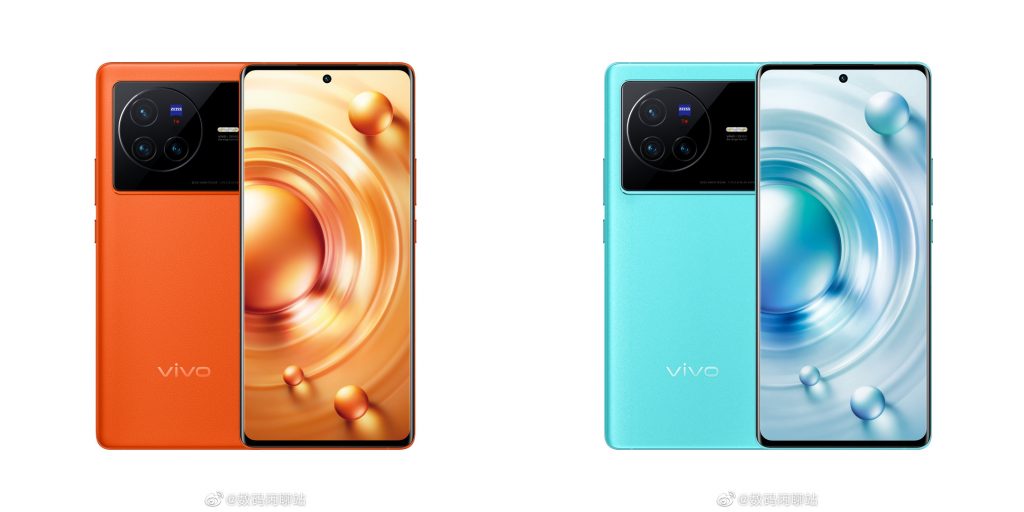
The device features a rectangular camera module on its rear with a circular island housing the ZEISS branded triple-camera system. On the front, the device features a curved display panel with super slim top and bottom bezels. The display also has a centered punch-hole cutout for the selfie camera. Other than the design, the renders reveal three color options for the upcoming Vivo X80 – Orange, Black, and Light Blue.

The device is expected to make its Chinese debut on April 25, along with the Vivo X80 Pro and the X80 Pro+ models. So far, rumors have revealed some of the specs of the Vivo X80 smartphone, which we have listed below.

Vivo X80 Specs (Rumored)

Vivo X80

The vanilla X80 is said to come with a 6.78-inch FHD+ AMOLED display with a 120Hz refresh rate and 400PPI pixel density.

The device will come with the Dimensity 9000 SoC paired with up to 12GB of RAM and 512GB of UFS 3.1 storage. The device is expected to house a 4500mAh battery with 80W fast charging support and run Android 12-based OS out of the box.

Coming to optics, a previous leak states that the Vivo X80 will have a triple camera setup on the back, headlined by a 50MP Sony IMX886 main lens with OIS. The sensor will be 1/1.56 inches and will adopt an RGBW arrangement. The other two lenses present on the camera module are expected to house a 12MP ultra-wide camera and a 12MP portrait lens with 2x optical zoom. On the front, the handset will likely sport a 32MP selfie snapper.


RELATED:


Huawei aims to be the first smartphone brand to be fully invested in the automobile industry: Exec

A couple of days ago a known automobile blogger @WuPei interviewed Yu Chengdong, the CEO of Huawei BG and CEO of Smart Car solutions. In the interview, the official was asked about the company’s plans for the automobile market, so let’s take a look.

Huawei

During the interview (Via ITHome), Wu Pei asked Yu Chengdong a number of questions, with one of the key ones being whether the official believed that Huawei’s success in the smartphone industry can be reflected within the automobile industry as well. In response to this, the Chinese tech giant’s executive stated that it is very likely since he believes that the three cornerstones to its success in the mobile industry are experience, quality, and brand.

The company already has experience within the automobile industry over its long years of partnership with carmakers. Apart from this, it will also ensure quality under its brand image. Yu Chengdong further added that Huawei’s aim is to be the first smartphone brand to be fully invested in the automobile market. The company has a notable goal since nobody remembers the one that comes second, as per the executive.

Huawei-AITO-M7-Front
Huawei AITO M7

For those unaware, Huawei has been working on diversifying its business operations after its mobile unit saw a decline due to sanctions by the US government. One of the new key areas of focus was automobiles. The company has already patented a number of technology related to the next generation of self driving technology and other related systems. So, it is clear that the brand has major plans for the future within the automobile segment.

RELATED:


Xiaomi Civi 1S Roundup: Launch Date, Specs, Price, Design

Xiaomi has confirmed to launch the Xiaomi Civi 1S in China later this week. The second device in the Civi series is not the successor to the original (Xiaomi Civi) but rather an updated version. 

For the unaware, Xiaomi Civi is a new lineup of smartphones from the company targeted at the female audience in China. The first Xiaomi Civi phone was announced at the end of September.

With that out of the day, let’s take a look at all the details available about the Xiaomi Civi 1S in this article. We will be not only discussing the launch date but also its design, leaked specs, and expected pricing.

Xiaomi Civi 1S


Xiaomi Civi 1S Launch Date

The Xiaomi Civi 1S will be unveiled at an event on April 21 in China. The conference will kickstart at 2 PM CST. The event will be live-streamed on Weibo and other well-known Chinese video streaming platforms


Xiaomi Civi 1S Design

Xiaomi has officially revealed the design of the Xiaomi Civi 1S. The short video teaser and promotional renders suggest that the device will look identical to the original Xiaomi Civi.

The handset will house a rectangular rear camera island. The sensors will be placed in a triangular fashion with a large primary sensor at the top and two secondary sensors below it.

The phone’s rear panel will have a sparkling finish and the frame will be made of metal. Finally, it will also retain the curved display from the original model.


Xiaomi Civi 1S Specifications

Multiple tipsters have disclosed the specs of Xiaomi Civi 1S and their details align with one another. First and foremost, the handset will flaunt a 6.55-inch LTPO AMOLED panel with up to a 120Hz refresh rate. The screen will sport a resolution of FHD+ and a centered punch-hole.

Further, it will be powered by a Qualcomm Snapdragon 778G Plus SoC paired with 8GB/12GB RAM and 128GB/256GB storage. For comparison, the original Xiaomi Civi features a non-LTPO AMOLED display and a Qualcomm Snapdragon 778G chipset.

The cameras on the Xiaomi Civi 1S will be different from the original Xiaomi Civi. The newer model is said to arrive with a 32MP Sony IMX616 selfie camera instead of a 32MP Samsung ISOCELL GD1 sensor.

The rear camera system will include a 2MP monochrome sensor instead of a 2MP macro snapper. The setup will consist of an OIS-enabled 64MP Samsung ISOCELL GW3 primary shooter and an 8MP Sony IMX355 ultra-wide unit. The original Xiaomi Civi does not come with OIS.

Though the upcoming smartphone will be backed by the same 4,500mAh battery as the older model, it could have support for 67W fast charging instead of 55W fast charging. 

On the software front, the Xiaomi Civi 1S will boot MIUI 13 based on Android 12 out of the box. Whereas, the original Xiaomi Civi debuted with Android 11-based MIUI 12.5 and was updated to MIUI 12.5 Enhanced Edition and Android 12-based MIUI 13.


Xiaomi Civi 1S Expected Price

The original Xiaomi Civi was introduced at ¥2,599 (8GB + 128GB), ¥2,899 (8GB + 256GB), and ¥3,199 (12GB + 256GB). Even after nearly 7 months, the phone is currently retailing at the same price.

However, it is worth noting that it received a limited-time discount a couple of months back. Also, even now, retailers are offering discount coupons of their own.

At present, we are not sure if Xiaomi has plans to discontinue the original Xiaomi Civi after the launch of the Xiaomi Civi 1S. If that’s the case, then we can expect the upcoming smartphone to cost the same. If not, it could be priced a bit higher than the original model.


RELATED:


Realme GT2 RAM, storage & color options tipped ahead of Indian launch

Earlier this month, Realme debuted its flagship GT2 Pro smartphone in India. The device comes with the latest Snapdragon 9 Gen 1 SoC and an impressive camera system. The company has also confirmed the launch date of vanilla Realme GT2 in the country. Now, ahead of the launch, rumors about the device have started to surface online.

Realme GT2

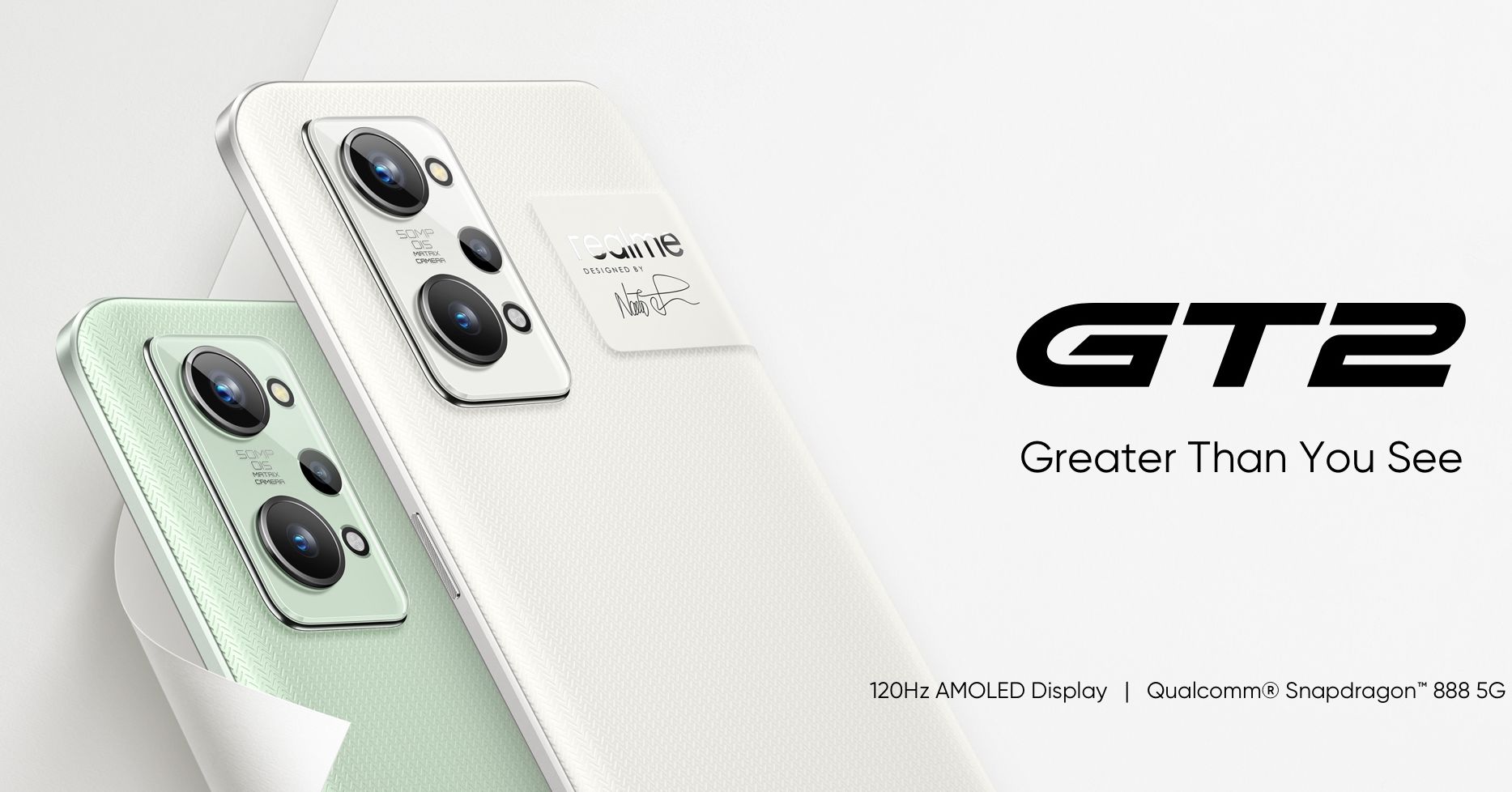
In a recent Tweet, tipster Mukul Sharma revealed a few details about the vanilla Realme GT2 Indian variant before its launch. The tipster states that the GT2 will come in Paper White, Steel Black, and Paper Green color variants in the country. Additionally, he also informs that the device will be available in two memory variants – 8GB + 128GB & 12GB + 256GB.

As for the launch date of the device, the company has confirmed that it will debut on Realme’s fourth anniversary on May 4th. The Realme GT2 is already official in China and other global markets so we know all of its specs and features.

Realme GT2 specifications

Realme GT2

The Realme GT2 has a 6.62-inch AMOLED screen that offers a Full HD+ resolution, a 120Hz refresh rate, an in-screen fingerprint scanner, and Gorilla Glass 5 protection. The device features a 16-megapixel selfie camera, and its back panel has a Sony IMX766 50-megapixel primary camera with OIS support, an 8-megapixel ultrawide camera, and a 2-megapixel macro snapper.

The Snapdragon 888 SoC is at the helm of the Realme GT2. In India, it may come with up to 12 GB of LPDDR5 RAM and up to 256 GB of UFS 3.1 storage. It will boot to the Android 12 OS with Realme UI 3.0 on top. The GT2 packs a 5,000mAh battery that supports 65W fast charging.


RELATED:


Apple iPhone production at risk over lockdowns in China

Recently, China implemented a local lockdown in Zhengzhou city. This region is close to an Apple iPhone manufacturing site, which has raised concern for the company’s smartphones supply chain.


Apple

According to a Bloomberg report, certain areas in the Zhengzhou Airport Economy Zone have been put under a quarantine zone. In other words, people living in the area are not allowed to move outside of their homes. Furthermore, this Airport Economy Zone is also where Foxconn’s largest iPhone assembly plant is located. For those unaware, the Taiwanese company is the Cupertino based giant’s largest iPhone supplier. So, the local lockdowns may very well impact the production of iPhones.

Notably, the lockdowns arrive after employees have begun going through mandatory COVID testing. Additionally, the country has been implementing lockdowns in an attempt to curb the spread of coronavirus outbreaks. While the iPhones haven’t been directly affected so far, there is already a shortage issue with MacBooks. Apple’s other suppliers like Pegatron and Quanta had also recently halted production on the eastern side of China due to these quarantines.

Apple

Just last month, even Foxconn had been forced to stop production for several days from its Shenzhen facility after a city wide lockdown was imposed. And now, it seems that a similar incident might occur again due to rising cases of COVID. Although, it remains to be seen if production halts in this region as well.

RELATED:


Realme Pad Mini spotted in new video & Flipkart, may launch with GT Neo 3

Just a few days ago, we had reported on the Realme Pad Mini being spotted on the company’s official website in India, which hinted at its imminent launch. Now, the upcoming tablet has also been spotted on Flipkart and in an official company video as well.

Realme

For those unaware, the Chinese brand launched the Pad Mini in the Philippines a couple of weeks ago. Now, it seems that the Indian launch is also just around the corner. The new tablet was spotted on the company’s official website, and has even made an appearance on Flipkart, with its own microsite which says “Coming Soon”. In other words, we can expect to see new teasers and additional information to surface soon. With the Realme GT Neo 3 launch being just around the corner, it is also highly probable that the brand launches the tablet alongside the new handset.

Apart from this, the device was also spotted on the brand’s official #AskMadhav episode on YouTube. These are short videos in which the company’s official answers questions from its customers. In the latest video in the series, the executive can be seen holding an Android tablet. Talking more about the Realme Pad Mini, it sports a large 8.7 inch LCD display that has a resolution of 1340 x 800 pixels and minimal bezels on the sides.

Realme

Under the hood, the tablet is powered by an entry level UNISOC T616 SoC that is paired with Mali G57 MP1 GPU. This chip is paired with either 3GB of RAM and 32GB of internal storage or 4GB of RAM and 64GB of internal storage. On the rear, it houses a single 8 megapixel camera while the front has a 5 megapixel selfie shooter. A large, 6,400mAh battery pack powers the device, which also supports 18W fast charging.

RELATED:


OnePlus Buds N full specs leaked ahead of launch, offers 12.4mm drivers, 30hrs battery, & more

OnePlus is gearing up to launch a number of new products in India. One of these products includes the new Buds N truly wireless earbuds, which is set to launch on April 21 alongside the Bullets Wireless Z2 and OnePlus Ace. But prior to its launch, a new leak has revealed the Buds N’s complete specifications.

OnePlus

The news arrives from known tipster Mukul Sharma and it revealed finer details regarding the Buds N, which is also rumored to be the rebranded Nord Buds. Looking at the leaked specs, the new earbuds will feature 12.4mm ultra large drivers and even come with an IP55 protection rating. Furthermore, the earbuds will reportedly offer 30 hours of battery life.

Notably, the charging case houses a USB Type C port for charging and has a 480mAh battery pack. On the other hand, each individual bud is powered by a 41mAh battery as well. Other features include Bluetooth 5.2 and Dolby Atmos support. Apart from these specifications, Stufflistings also revealed the color options for the upcoming earbuds. The new Buds N will apparently arrive in a Moonlight White and Twilight Black variants.

OnePlus

As of right now, that is all the information about the new hearables shared by the tipster. Since the Buds N are a rebadged Nord Buds, we can expect both TWS earbuds to feature identical specifications. The Buds N are slated to be released on April 21 in China, meanwhile, the Nord Buds are set to be announced in India on the 28th of April 2022 in India. So stay tuned for more updates, since we will be covering both launch events later this month.

RELATED:


OPPO A55s 5G launched in China, offers Dimensity 700, 5,000mAh battery, 13MP triple cameras

Last week, OPPO announced the OPPO A57 5G smartphone in China. Now, it has silently taken off the covers of the OPPO A55s 5G handset. While it is from the Snapdragon 480 powered OPPO A55s, which was announced in November last year, it offers the same specifications and design as the OPPO A55 5G that was announced in January 2021.

OPPO A55s specifications and features

The OPPO A55s 5G has a 6.5-inch IPS LCD screen with a teardrop notch. The screen produces an HD+ resolution of 720 x 160 pixels, a 60Hz refresh rate, a 60Hz touch sampling rate, and 480 nits of brightness. The device’s power button is integrated with a fingerprint scanner.

OPPO A55s 5G
OPPO A55s 5G

The Dimensity 700 chipset, along with 6 GB / 8 GB of RAM, is present under the hood of the OPPO A55s 5G. The device offers 128 GB of internal storage and a microSD card slot. The handset boots to the older Android 11 OS and ColorOS 11.1. While it packs a 5,000mAh battery, it only supports 10W charging.

The OPPO A55s 5G has an 8-megapixel camera for snapping selfies. The rear camera setup of the device has a 13-megapixel main camera, a 2-megapixel depth sensor, and a 2-megapixel macro camera.

OPPO A55s pricing and availability

In China, the OPPO A55s with 6 GB RAM and 128 GB storage costs 1,099 Yuan (~$172). Its 8 GB RAM + 128 GB storage edition, on the other hand, costs 1,199 Yuan (~$188). The device is now available for purchase on the home market in colors like Brisk Blue, Rhythm Black, and Temperament Gold.

RELATED: