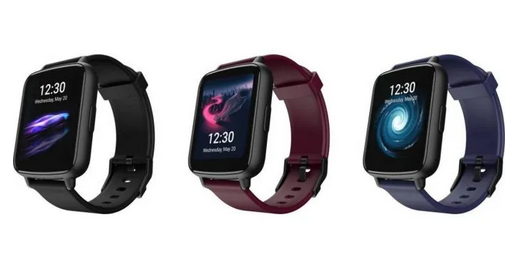
boAt has just launched another new product in India. The company has launched a new smartwatch, which is dubbed the Wave Neo. It is the latest wearable product from the company, so let’s have a look.
The latest smartwatch from the brand sports a 1.69 inch display that has a 550 nits of maximum brightness, 454 x 454 pixels resolution and a 2.5D curved glass screen. Since it is a modern day smartwatch, it offers the usual health related sensors for heart rate monitoring, SpO2 blood oxygen tracking, sleep monitoring, and even a stress tracker as well. You also get an accelerator and the Wave Neo supports 10 sports modes including walking, running, climbing, yoga, basketball, cycling, hiking, skipping, badminton, and swimming.
The new smartwatch can even track regular daily activities as well, like step count, distance traveled, calories burned, and others. boAt Wave Neo weighs just 35 grams and offers up to 7 days of battery life on a single full charge. Other features include call alerts, alarms, music and camera controls, Bluetooth connectivity, SMS, weather update, and IP68 dust and water resistance as well.
The company has launched the Wave Neo in multiple color options, which includes a Black, Blue, and Burgundy variants. This model is currently listed on Flipkart, which is a popular e-retailer in India. It will go on sale on 12 pm noon IST on 27th May 2022 and has a price tag of 1,799 INR (roughly 23 US Dollars).
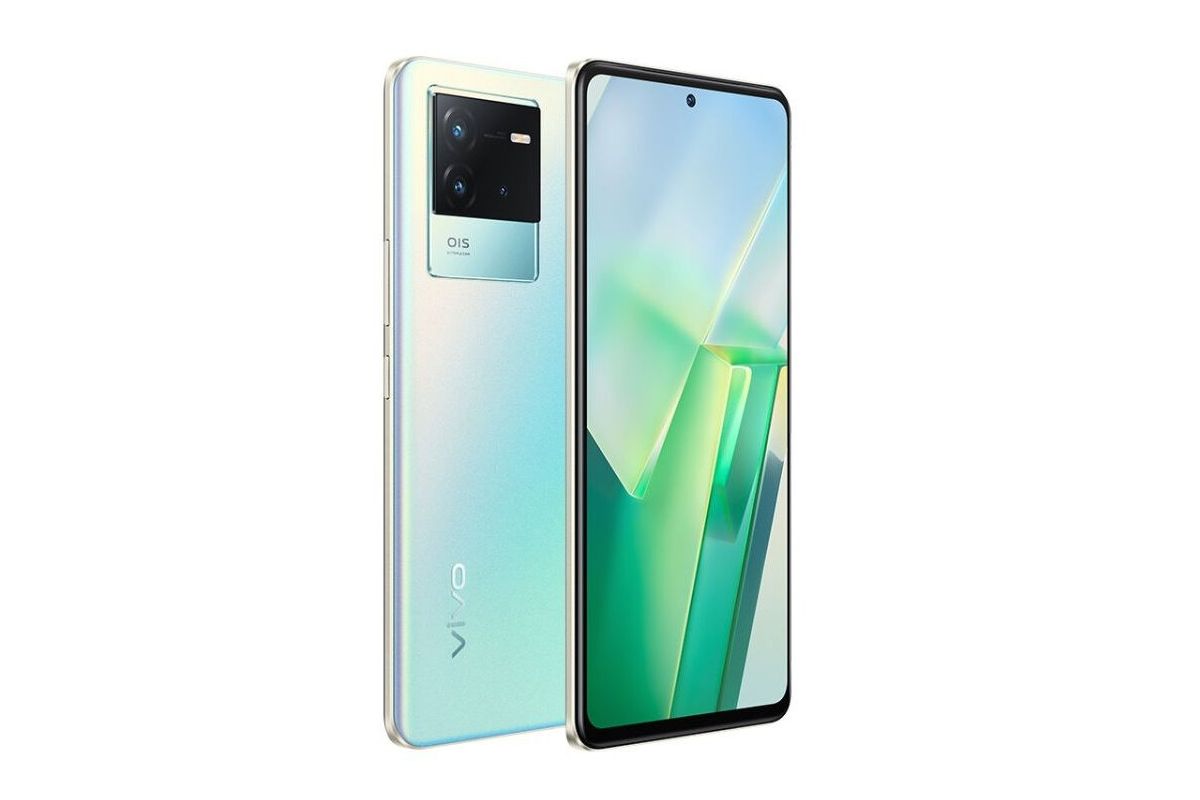
Vivo is gearing up to launch its T2 series of smartphones in China soon. While we have previously reported on the base T2 model, the latest report has revealed some key details regarding another model within the same lineup.
The news arrives from known Weibo tipster Digital Chat Station who revealed important specifications of the upcoming T2X smartphone. As per the tipster, this model will be a budget handset that will priced under 1,000 Yuan (roughly 150 US Dollars). But despite its price tag, the Chinese smartphone maker will focus on offering capable performance and battery life. On the front, the Vivo T2X will reportedly sport a 6.58 inch LCD panel that has a Full HD+ resolution.
The rear panel features a dual camera setup that has a 50 megapixel primary sensor and a 2 megapixel secondary sensor. Meanwhile, the front houses a 16 megapixel selfie shooter. Under the hood, the device is expected to be equipped with a MediaTek Dimensity 1300 SoC. The tipster added that the model will be powered by a massive 6,000mAh battery pack that supports 44W fast charging out of the box.
The T2X will measure 9.21mm in thickness and weighs around 202 grams. This model will likely be launching alongside the base T2 model on June 6. For those unaware, the Vivo T2 packs a Snapdragon 870 SoC and supports 80W fast charging. It will also sport a 120Hz OLED display on the front while the rear has a 64 megapixel triple camera setup.
As scheduled, Realme has officially launched the Realme Pad X in China today. The latest tablet from the brand is its first in its home country. It is also the most advanced tablet released by the company so far.
The Realme Pad X has a different design compared to the original Realme Pad and Realme Pad Mini. It arrives with a better set of features. Let’s take a look at its specs along with pricing and availability.
Realme Pad X Design
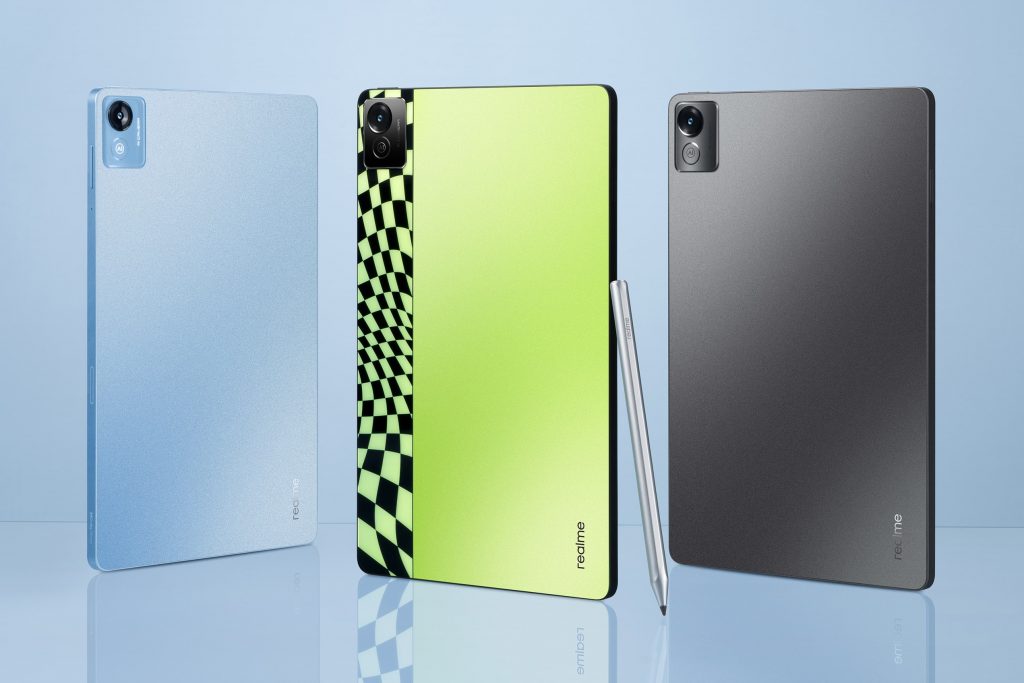
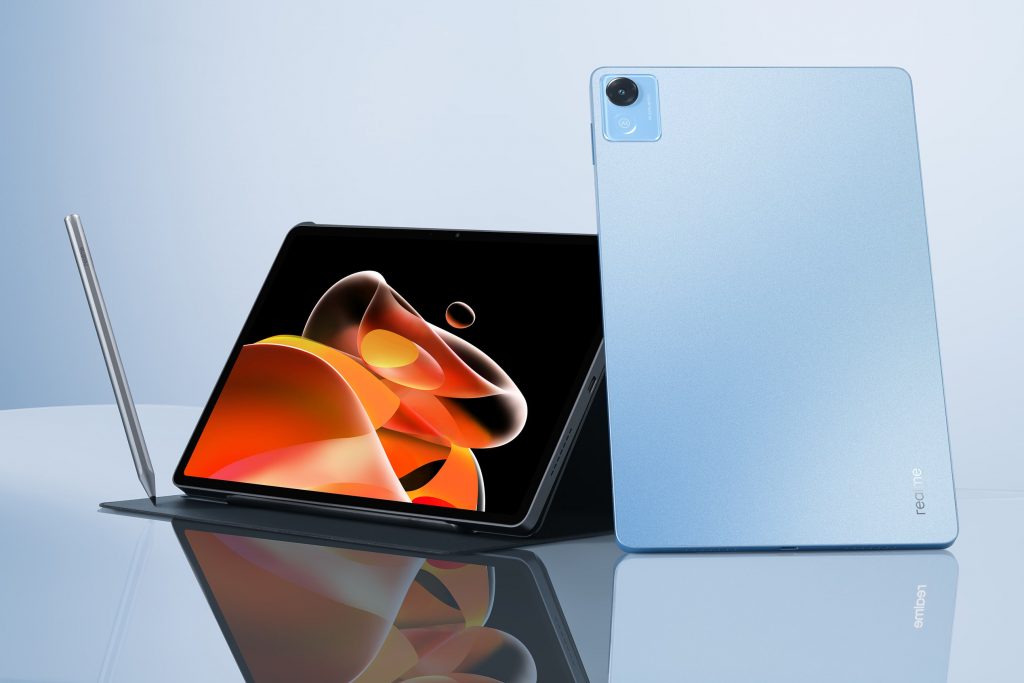
The Realme Pad X sports a flat frame design similar to the Apple iPad Pro and iPad Air. It measures 7.1mm in thickness and weighs 499g.
It comes in two standard colors, such as Star Grey and Sea Salt Blue. It can be also availed in a dual-tone finish called Bright Chessboard Green.
The device houses a single rear camera which is placed on a rectangular island. Whereas, the front camera is located on the right bezel.
As far as buttons are concerned, the volume rocker is on the right side, while the power key is on the top.
Since it features quad speakers. There are four speaker grilles — a pair at the top and the bottom respectively. Then, there’s a USB Type-C port at the bottom and a TF card slot on the left.
Realme Pad X Specifications
The Realme Pad X flaunts an 11-inch display with a 2K resolution and 16.7 million colors. The LCD panel supports sunlight mode (450 nits peak brightness level), DC dimming, and a TÜV Rheinland-certified hardware-level blue light filter.
The screen has support for stylus input. The official optional stylus charges magnetically on the side of the device and supports 4096 levels of pressure sensitivity. Customers can also opt for the official keyboard accessory featuring a 1.3mm key travel.
The tablet is powered by a Qualcomm Snapdragon 695 SoC and comes in a sole WiFi-only version. It boots Realme UI 3.0 for Pad based on Android 12 and offers software features, such as PC Connect, split-view, and Apple’s center stage-like functionality on the front camera.
It houses quad speakers with support for Dolby Atmos and Hi-Res Audio. For optics, it arrives with a 13MP rear camera and a 105° front-facing front camera.
Finally, the product gets its juice from an 8,340mAh battery and supports 33W fast charging.
Realme Pad X Price and Availability
The Realme Pad X will retail at the following price tags in China.
4GB + 64GB – ¥1,299 ($193)
6GB + 128GB – ¥1,599 ($237)
On the other hand, the official accessories will be sold at the following price tags.
Magnetic Stylus – ¥499 ($74)
Smart Keyboard – ¥399 ($59)
Folio Case – ¥99 ($15)
The pre-orders for the tablet start today at 4 PM CST. The first sale is scheduled for 8 PM CST on May 31. During which, a ¥100 discount will be offered on the device.
There’s no official word on the product’s availability outside China yet. However, an alleged BIS listing suggests that it could make its way to India and possibly other markets as well.
Realme GT Neo 3 Naruto edition has just been launched in China and it looks pretty awesome. As the name suggests, the smartphone has been designed in collaboration with the popular Anime & Manga series “Naruto”. The specifications of the smartphone are the same as the Vanilla Realme GT Neo 3 launched last month but the design is fresh and interesting.
The GT Neo 3 Naruto edition sports design elements that match the appearance of the popular Anime Character “Naruto Shippuden”. The smartphone comes in orange color with a black partition matching the iconic jumpsuit of Naruto. The handset has a large camera island with a metallic grey hue that stretches the entire width. Next to the camera sensor, there’s a leaf symbol that represents Konohagakure (Naruto’s Village) along with the realme x Naruto branding right below it.
But wait, we haven’t talked about the coolest part yet! The Realme GT Neo 3 Naruto edition comes with a Naruto Scroll bag. The bag resembles the Sage Scroll that Naruto carries around. The Naruto Scroll bag can even be opened, however, we are unsure whether it can be used as a small duffle bag for carrying things or it’s just for show.
In addition, the smartphone’s accessories including the power adaptor, Charging cable and sim ejector tool also come with a Naruto inspired design. The smartphone will likely have Naruto inspired theme, which means the app icons and wallpaper will give you all Naruto vibes.
Realme GT Neo 3 Naruto edition Features
The specifications of the smartphone are the same as the Realme GT Neo 3. It sports a 6.7-inch full-HD+ display with a 120Hz refresh rate, a 1,000Hz touch sampling rate, and HDR10+ and DC dimming support. The handset is powered by a MediaTek Dimensity 8100 5G SoC, paired with up to 12GB of LPDDR5 RAM.
The smartphone comes with a dedicated display processor to enhance picture smoothness and is claimed to lower power consumption. It also features stainless-steel vapor cooling technology for heat dissipation.
For photos and videos, the smartphone features a triple camera setup on the rear, with a 50-megapixel Sony IMX 766 sensor (with OIS, 4K, night mode, and more) paired with an 8-megapixel ultra-wide-angle lens and 2-megapixel macro sensor. On the front, there is a 16-megapixel snapper for selfies and video calls.
The device is fueled by a 4500mAh battery and supports 150W UltraDart fast charging technology (150W model) making it one of the world’s fastest charging phones. You can check the detailed specs of the smartphone here
Realme GT Neo 3 Naruto edition Price and availability
Realme GT Neo 3 Naruto edition has been launched in a single 12GB+ 256GB variant and comes at a special price of 2799 Yuan which roughly converts to $415. The smartphone’s pre-sale starts today at 16:00 CST and its first sale will commence on May 31.
Samsung, the world’s smartphone manufacturer and a dominating player in the Indian smartphone market, is planning to gradually exit the high volume but low-value feature phone business in India.
A new report from Economic Times, citing people aware of the development, claims that the last batch of Samsung feature phones for the Indian market is set to be manufactured by its partner Dixon by the end of this year.
Samsung is among the two major MNCs contributing to the Indian government’s Production-Linked Incentive (PLI) scheme. The report adds that the company is mandated to get sops only on the production of handsets worth over ₹15,000 factor price.
The South Korean giant will exit the low-value feature phone business in India to instead focus on the mid-range, upper or premium mid-range, and premium smartphones. Basically, it is aiming at devices costing ₹15,000 (~$193) or more.
Feature phone shipments in the Indian market declined by 39 percent year-on-year in the first quarter of this year. This resulted from multiple factors, including supply chain issues and low demand due to high retail inflation.
Samsung was the leading brand in the feature phone segment in the Indian market but has now fallen to the third spot with a 12 percent market share. Itel is now leading the market with a 21 percent market share, and Lava grabs the second position with 20 percent share.
Google has been working on its foldable smartphone for the past few years, but the company hasn’t officially confirmed this upcoming device. While most of the leading smartphone makers already have a foldable smartphone, Google is yet to debut its model.
Now, if the latest report is to be believed, then it appears that there will be a long wait before we get to see the Google Pixel Fold smartphone. It is being reported that the company is again postponing the device’s launch.
As per the report, the upcoming Google Pixel Fold, which is also rumored to launch as Google Pixel Notepad, won’t be making its debut anytime this year. The report hasn’t mentioned the new launch timeline for the foldable smartphone.
This is the second time we are hearing about Google planning to cancel or postpone the launch of its first foldable device. Last year, in November, there were rumors about Google canceling the phone over concerns about competition with the Samsung Galaxy Z Fold and Galaxy Z Flip lineup. Later, in January this year, there were reports that the technology giant had made some changes to the phone and is not back on track to get launched.
Google is now said to have again postponed the launch of the Pixel Fold because the company is not happy with the current version of the device. It remains to be seen if the device goes through another round of changes before making a debut sometime next year or if the product gets canceled.
While most of the leading smartphone manufacturers have launched their own foldable smartphones in the market, Samsung continues to dominate the market. The South Korean giant already has a few generations of foldable phones in the market and is now gearing up to launch the Galaxy Z Fold 4 and Galaxy Z Flip 4 in the coming months.
Last year, Xiaomi launched the Pad 5 series tablets in the Chinese market, which recently made their debut in India. Now, the company to gearing up to launch its successor models in China in the coming months.
As per the latest report, the upcoming Xiaomi Pad 6 tablet will be launched in China in August this year. Currently, there’s no more information available for the exact launch date and the sale date for the device.
Another report from tipster Mukul Sharma claims that Xiaomi has now started testing the upcoming Xiaomi Pad 6 with model number 22081283G in Europe and also added that the tablet could launch by July end or in August.
The upcoming Mi Pad 6 was allegedly spotted at the EEC certification center with the model number 22081283G (L83). It is also being reported that another tablet from Redmi with the L81A model has also been spotted.
It is speculated that Xiaomi and Redmi are gearing up to launch at least four new tablets in the market — L81, L81A, L82, and L83. One of these will be the Redmi device, while the other three could be variants of the Xiaomi Pad 6.
The report adds that the company will switch the processors and the Xiaomi Pad 6 series will be powered by MediaTek chipsets instead of the Qualcomm Snapdragon series processors found in its predecessors.
As of now, not much is known about these upcoming tablets from Xiaomi and Redmi, but we expect to get more information in the coming weeks and months as the products could go official in a couple of months.
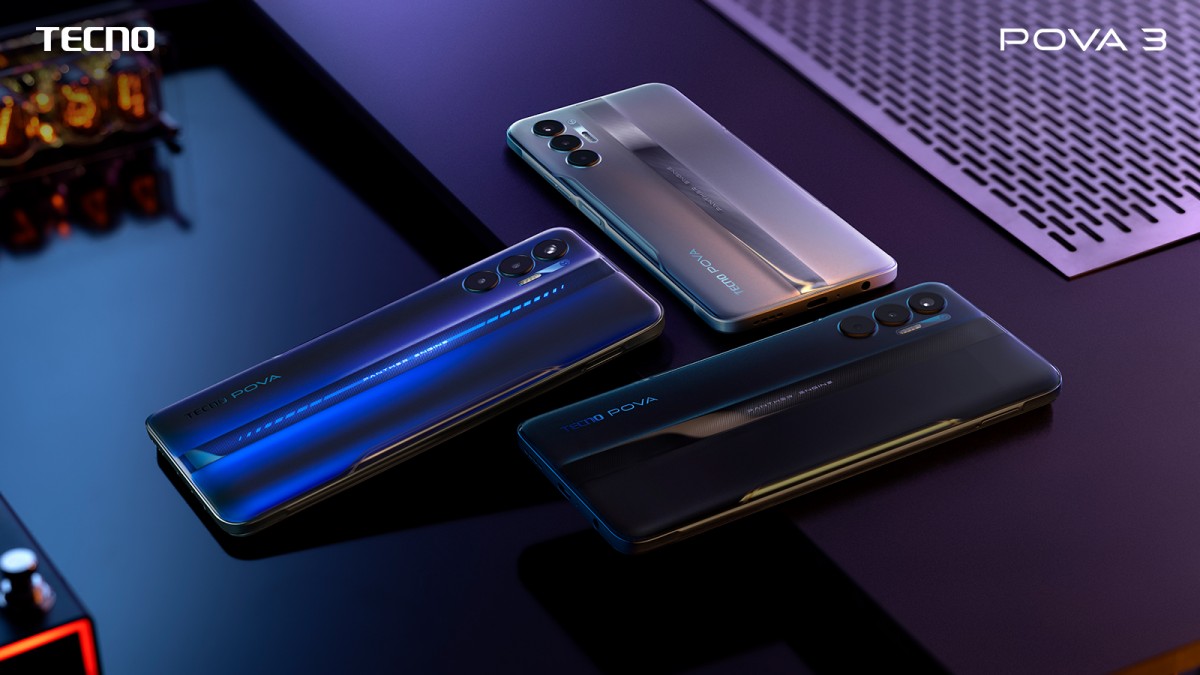
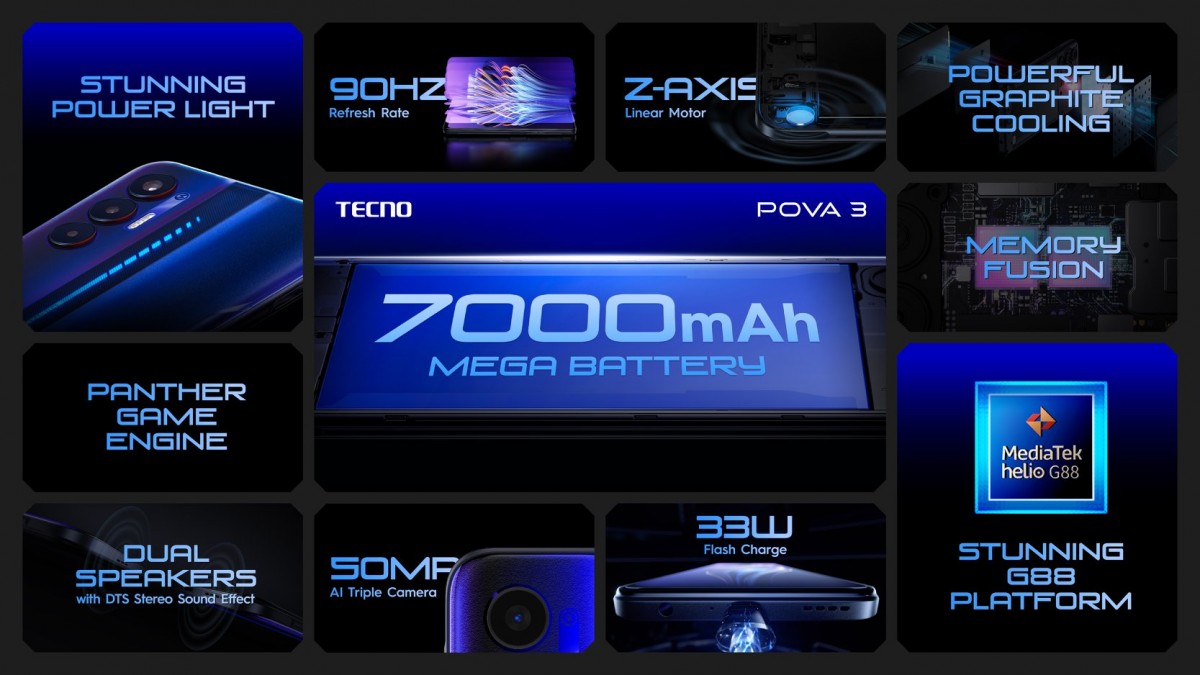
Tecno has unveiled its latest smartphone in the Philippines. The Tecno Pova 3 comes with a mammoth 7,000mAh battery, a 6.9-inch LCD with a 90Hz refresh rate, and two RAM options. The Pova 3 is priced from PHP 8,999 (~$172) and comes with Android 11 OS.
The Tecno Pova 3 packs a 50MP main camera, two 2MP auxiliary sensors, and an 8MP selfie shooter. The smartphone is powered by MediaTek’s Helio chipset with RAM/ storage configurations between 4GB/64GB and 6GB/128GB. The storage of the Tecno Pova 3 is expandable via a microSD slot.
The Pova 3 is signposted by its powerful battery which can last up to 48 hours on a single charge. Some battery enhancement features are also available in the Tecno Pova 3. They include reverse charging and Super Power Saving Mode. The reverse charging function can deliver 10W charging for other devices. Charging the Pova 3 is via its bundled 33W charger, with up to 25W charging speed.
The Pova 3 has an FHD+ LCD screen, a side-mounted fingerprint scanner, and stereo speakers. The HiOS is also available in the Pova 3, together with Android 11.
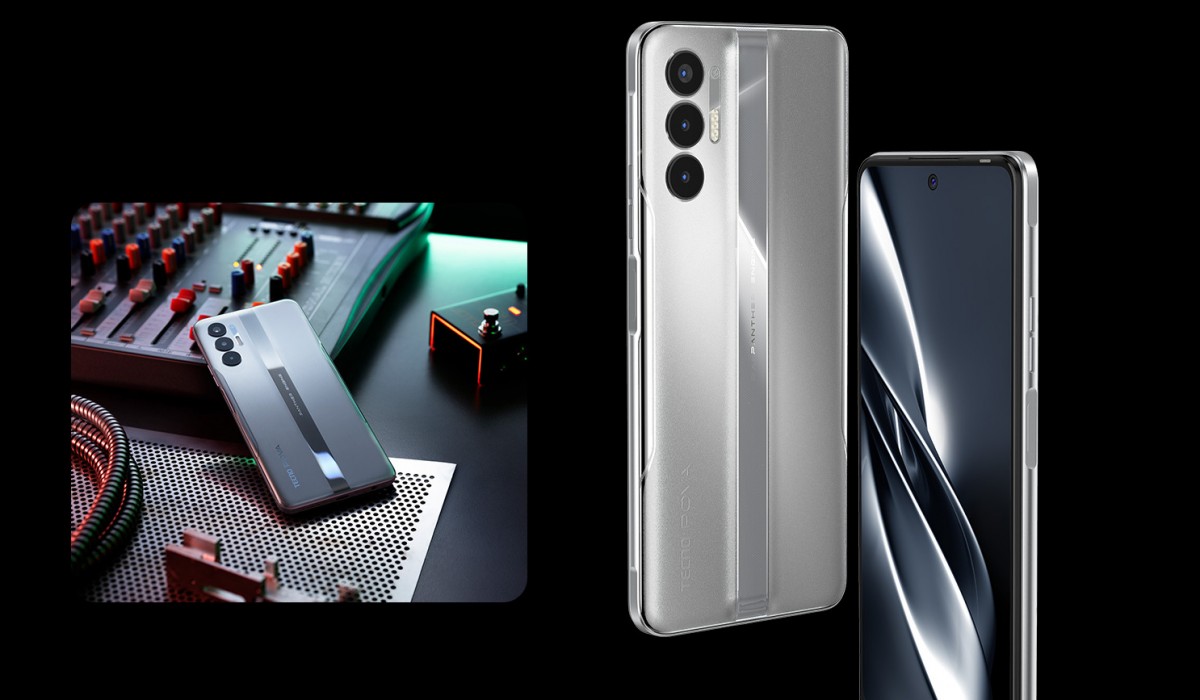
The smartphone is available in three color variants and the top model will sell at PHP 9,399 (~$180) in the Philippines. The Tecno Pova 3 will subsequently be available in other markets after the Philippines launch.
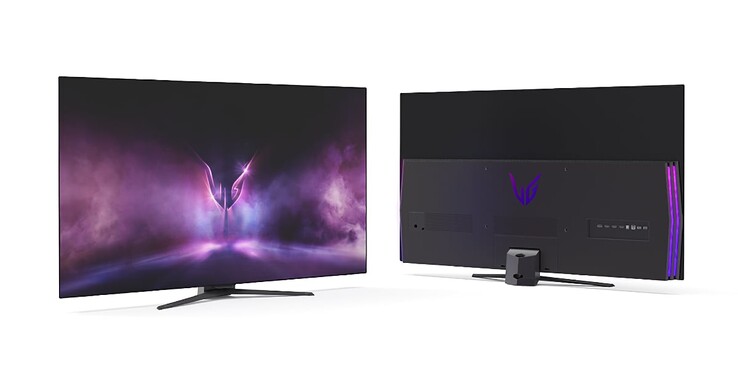
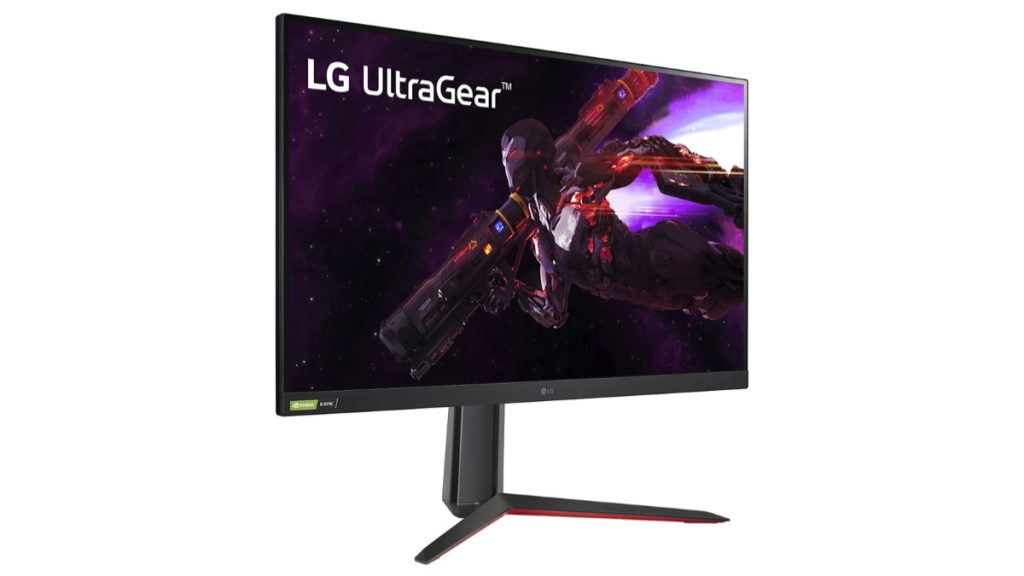
LG Electronics has announced its new lineup of UltraGear Gaming Monitors offering up to 260Hz refresh rates and ATW polarizer technology. The models include 32GQ850, 32GO950, and 48GO900 UltraGear Monitors.
The 2022 LG UltraGear lineup of gaming monitors come with a refined design. They also offer cutting-edge display technology to go with high refresh rates. The new LG gaming monitor offerings are bound to catch the fancy of the gaming market. The 32GO950 model has a 4K Nano IPS display with the ATW polarizer guaranteeing an accurate color output. The 32GQ850 gaming monitor features a QHD Nano IPS display with ATW polarizer technology as well. The display refresh rate of the 32GQ850 model is between 240Hz and 260Hz. On the other hand, the 48GO900 model sports LG’s first OLED display for the UltraGear brand.
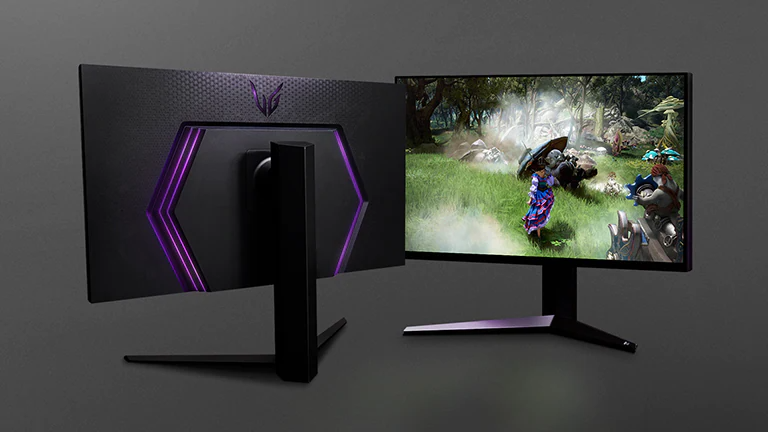
The new LG UltraGear Gaming Monitors have angular stands, Hexagon lighting, and HDMI 2.1 support. The HDMI rating allows for variable refresh rates and rapid 4K gaming both on PCs and game consoles. The picture quality on offer in the new LG lineup of gaming monitors is very high. The monitors also offer super-fast response times via the Nano IPS display technology. The 32GO950 and 32GQ850 are both 32-inch monitors while the 48GO900 sports a 48-inch screen.
The three LG UltraGear Gaming Monitors will offer an immersive gaming experience for gamers with their revolutionary features. In addition, the 48GO900 model comes with a user-friendly remote and a sleek but sturdy stand.
The gaming monitors come with a 4-pole headphone jack, as well as X surround sound. The new LG gaming monitors will be available in Japan, North America, Europe, and Asia sequentially. Pricing and other release information are lacking at this time.
Realme is all set to launch its first-ever European store on 28 May 2022 at Lurdy Ház shopping mall in Budapest, Hungary. The smartphone company which was founded in 2018 is becoming popular all over Europe making it one of the key players in the market.
The full product range of the brand will be available in this store. In addition to smartphones, AIoT products will also be on offer in the 62-square-meter store, so those interested can view and purchase Realme smartphones, earphones, and smart home devices, among other things. Additionally, there will be discount offers on select products on 28 May 2022, while stocks last.
Product
Price
Discounted Price
Realme Buds Neo 2
2,990 HUF
10 HUF
Realme 8 4/64
84,990 HUF
49,990 HUF
Realme GT Master Edition 6GB + 128GB
129,990 HUF
89,990 HUF
Realme GT 2 Pro 12GB + 256GB
299,990 HUF
249,990 HUF
Realme Book Prime
399,990 HUF
349,990 HUF
Realme Smart TV 4K 50"
174,990 HUF
149,990 HUF
Realme Buds Air 3
19,990 HUF
14,990 HUF
Realme Watch 2 Pro
25,990 HUF
19,990 HUF
Realme LED Smart Bulb 9W
4,990 HUF
2,990 HUF
Realme LED Smart Bulb 12W
5,990 HUF
3,990 HUF
Realme Smart Camera 360°
16,990 HUF
9,990 HUF
The first realme store opened in August 2020. Madhav Sheth, the Former CEO of the brand, announced in 2021 that another 300 exclusive stores are planned to be opened in the future.
This leap was made possible essentially by the introduction of its GT 2 smartphone series, which debuted in March 2022 and delivered more than users expected in every way: due to the introduction of the model, the manufacturer has moved to several major European cities with so-called “Pop-Up Stores”. During March, fans of the brand could take part in exclusive events in Cologne, Paris, and Madrid, among others. Now the brand is finally all set to introduce its first permanent store on the continent.
Realme continued to deliver one of the best value products among varied ranges, from entry-level to flagship smartphones; and the commitment paid off in Europe 2022 Q1 where Realme achieved 177% annual growth.
The company could see more robust growth with the launch of the Realme 9 series and the upcoming Realme GT NEO 3 series in Europe.
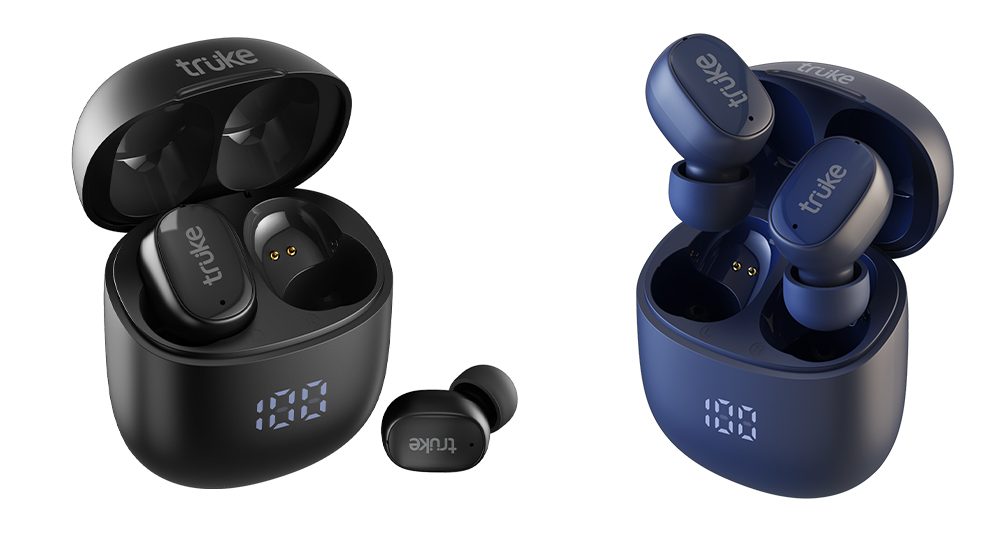
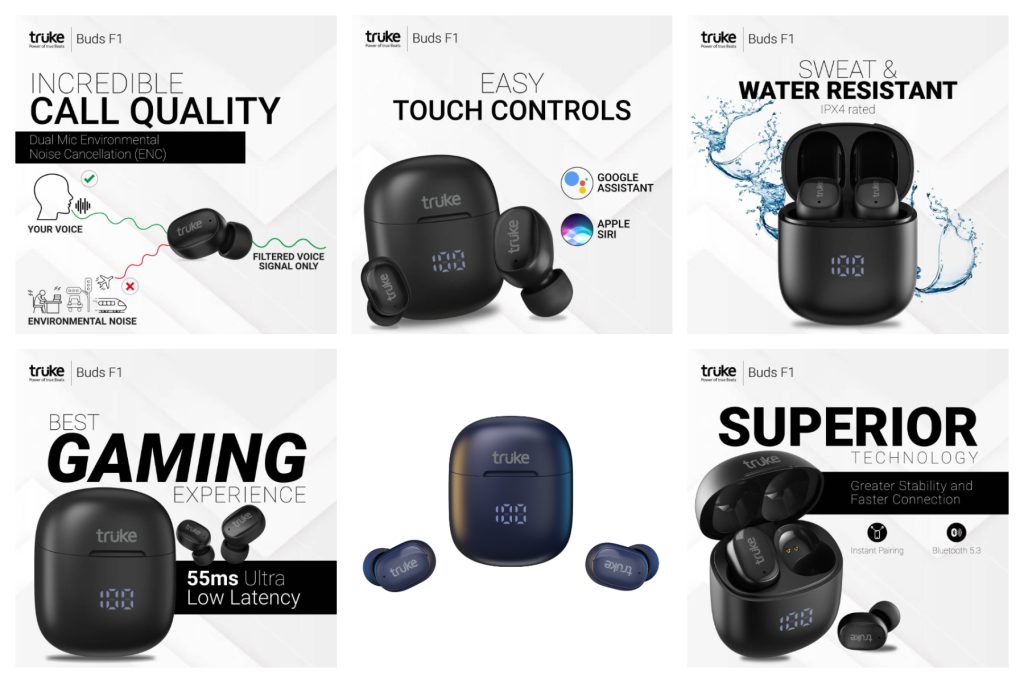
Audio accessories manufacturer Truke has launched its latest TWS earbuds in India. The Truke Buds F1 has been unveiled packing some decent features and at an introductory price of Rs. 899 (~$12). The new earbuds feature the latest Bluetooth 5.3 connectivity, 55ms low latency mode, and a two-day (48 hours) battery life.
The Truke Buds F1 unveiling in India is coming on the heels of the earlier release of the Truke Buds S2. The Buds F1 comes with instant pairing technology and faster connectivity via Bluetooth 5.3. The new TWS earbuds feature environmental noise cancellation utilizing dual mics. The Buds F1 comes with an ergonomic design and it can operate for up to 48 hours on a single charge. The earbuds as a standalone device offer 10 hours of playtime, with full charge achieved within 90 minutes.
The Truke Buds F1 is well suited for gaming applications due to its 55ms ultra-low latency mode. The new earbuds also offer enhanced comfort via a raft of added features. These include Easy Access through touch controls and high-fidelity audio output via the AAC Codec. The audio output is further accentuated by the 6mm composite speakers of the device.
The earbuds come in two colors namely black and blue. They are compatible with Google Assistant and Siri, while the design supports IPX4 water resistance. Truke is offering a 1-year warranty for the Buds F1, and the introductory offer of Rs. 899 (~$12) is valid till May 26. Thereafter, the price will revert to Rs. 1,299 (~$17). The Truke Buds F1 can be purchased via Flipkart and the Truke’s website.
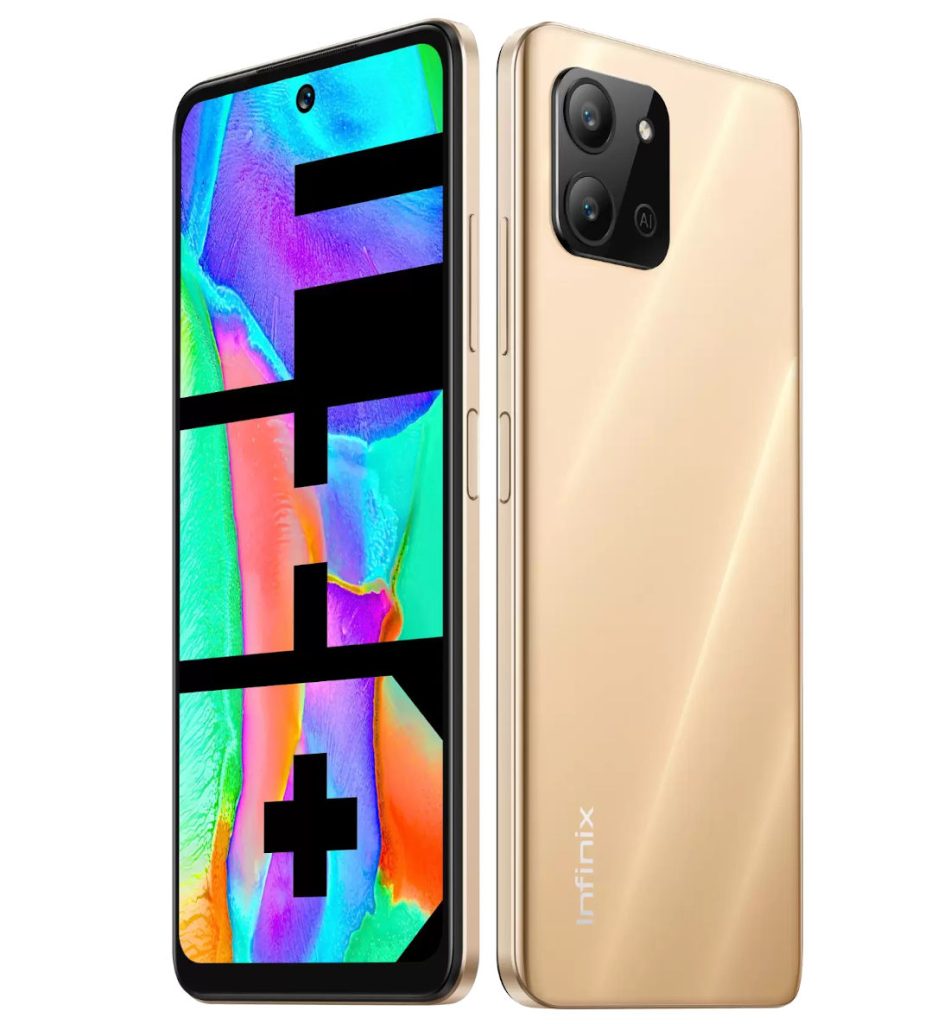
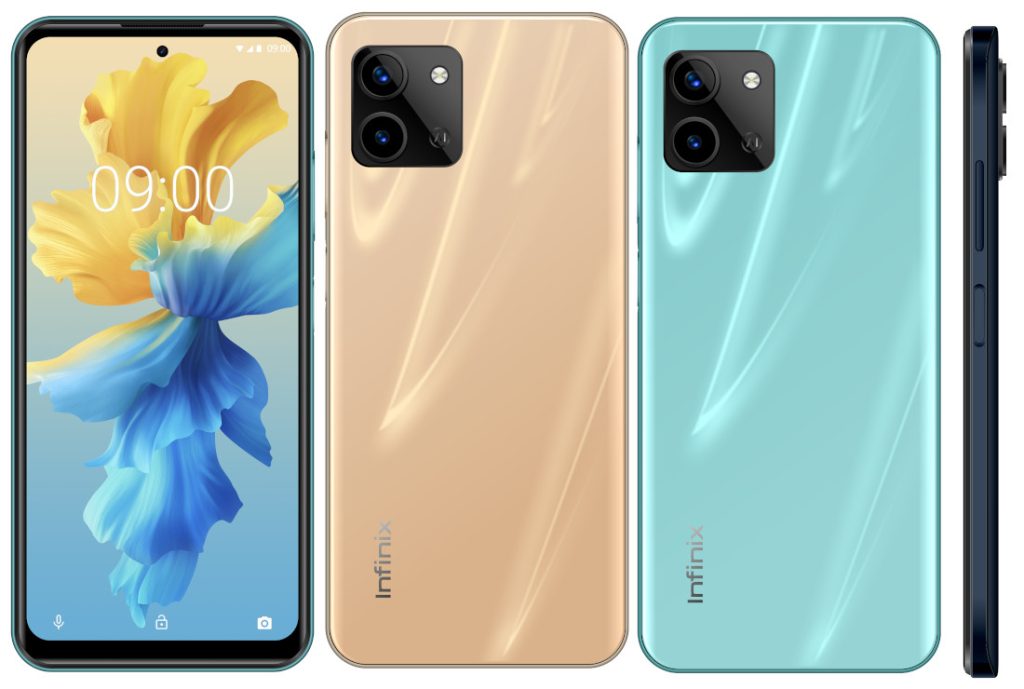
Infinix has launched a Sunset Gold color variant of the Hot 11 2022 for the Indian market. This follows the launch of the refreshed Hot 11 2022 model in India last month. While the Aurora Green and Polar Black models were available at the launch, the Sunset Gold variant was not available.
The Infinix Hot 11 2022 Sunset Gold variant will sell at Rs. 9,999 (~$129) with a 4GB/64GB RAM/ internal storage configuration. The original Infinix Hot 11 was released in 2021 and the refreshed Hot 11 2022 comes with a Unisoc T610 chipset. The Infinix Hot 11 2022 has a 6.7-inch FHD+IPS LCD screen with Panda King glass protection. The model runs on Android 11 out of the box, and its memory is expandable to 1TB.
The camera setup of the Infinix Hot 11 2022 has a 13MP rear camera, a 2MP depth sensor, and an 8MP camera inside the punch hole. It also has a side-mounted fingerprint scanner and a 5,000mAh battery that supports 10W USB-C charging.
The Infinix Hot 11 2022 supports 4G VoLTE network connectivity, Bluetooth 5.1, Wi-Fi 802.11 ac, and GPS+GLONASS. It is powered by the Octa-core 12nm Unisoc T610 chip. The Unisoc SoC has dual Core Cortex A75 and six Core Cortex A55 at 1.8GHz, paired with a Mali-G52 GPU. The Infinix Hot 11 2022 Sunset Gold version is available via Flipkart.
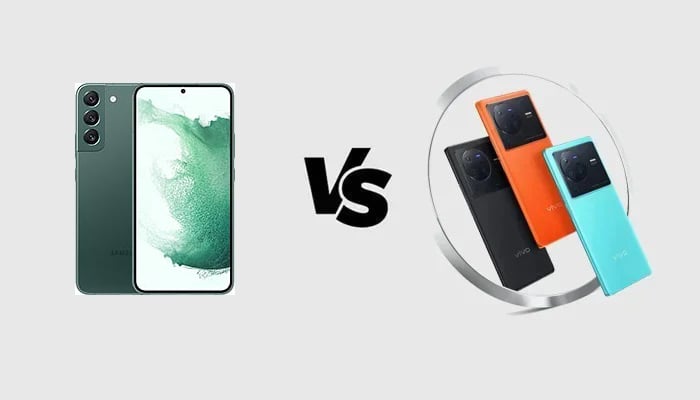
Vivo X80 Pro just became global and it is ready to compete with the best flagships out there. It is definitely a great phone, even though there could be a better variant and it might be launched sometime in the second half of the year. Meanwhile, the Vivo X80 Pro is currently the most advanced Vivo phone for the global market and maybe it will soon hit Europe as well. That is the reason why a comparison between this device and the most important flagships from other brands may be very useful in this period. For this comparison, we chose the Samsung Galaxy S22+ because it is the most advanced Samsung flagship in the same price range as the Vivo X80 Pro.
Samsung Galaxy S22 Plus vs Vivo X80 Pro
Samsung Galaxy S22 Plus
Vivo X80 Pro
DIMENSIONS AND WEIGHT
157.4 x 75.8 x 7.6 mm, 195 g
164.57 x 75.3 x 9.1 mm, 215 g
DISPLAY
6.6 inches, 1080 x 2340 pixels (Full HD+), AMOLED
6.78 inches, 1440 x 3200 pixels (Quad HD+), AMOLED
PROCESSOR
Qualcomm Snapdragon 8 Gen 1, octa-core 3 GHz or Samsung Exynos 2200, octa-core 2.8 GHz
Mediatek Dimensity 9000, octa-core 3.05 GHz or Qualcomm Snapdragon 8 Gen 1, octa-core 3 GHz
The design of the Samsung Galaxy S22 Plus is amazing: it is very original and even different from most of the other flagships out there. The camera module is the most beautiful thing, but the phone also comes with great materials: glass for the front and back protected by Gorilla Glass Victus Plus, and aluminum for the frame. But the Vivo X80 Pro is a perfect rival for this device even when it comes to the design. Its curved screen makes it very elegant, even though not everyone may like its huge camera module. Further, it comes in two color variants with ceramic and leather backs. On the other hand, the Samsung Galaxy S22 Plus is thinner and lighter, as well as a more compact phone. Both the handsets are waterproof with the IP68 certification.
Display
Despite Samsung being the main display manufacturer in the Android world, if you are looking for the most advanced display, then you should go for the Vivo X80 Pro. First of all, it has a wider display, with a diagonal of 6.78 inches. Further, it comes with the LTPO 3.0 technology enabling an adaptive refresh rate from 1 to 120 Hz and very low energy consumption. Last but not least, it sports a higher Quad HD+ resolution with 1440 x 3200 pixels. The display is superior when it comes to the smoothness control and even when it comes to the level of detail. A weak point of the Vivo X80 Pro is the dimension, because it has a bigger display, while the Samsung Galaxy S22 Plus is definitely thinner and more compact.
Specs & Software
The Samsung Galaxy S22 Plus and the Vivo X80 Pro are powered by the Snapdragon 8 Gen 1 mobile platform built at 4 nm and running at a max frequency of 3 GHz, but there is a variant of the Samsung flagship for select markets which is equipped with an inferior Samsung Exynos 2200 built at 4 nm and running with a max frequency of 2.8 GHz. So, if you live in certain regions such as Europe, the Vivo X80 Pro will be a better option for you. There is another thing to say: the X80 Pro comes with up to 12 GB of RAM, while you get just 8 GB of RAM with the Galaxy S22 Plus. Both the handsets run Android 12 out of the box, but the Galaxy is likely to get longer software support thanks to actual Samsung upgrade policies guaranteeing more years of updates (Vivo currently stops at three years for the global market).
Camera
The best camera phone in this comparison is the Vivo X80 Pro and there is no doubt about this. First of all, it has a better main camera with a brighter f/1.6 focal aperture and laser autofocus. Further, unlike the Samsung Galaxy S22 Plus, it sports an 8 MP periscope camera with 5x optical zoom. Last but not least, it has a better 48 MP ultrawide sensor.
The Vivo X80 Pro is equipped with a bigger battery and, even though it has a bigger display with a higher resolution, it is likely to last more on a single charge in a lot of scenarios. Further, it charges quicker thanks to 80W fast wired charging and 50W fast wireless charging. So this handset offers both longer battery life and faster charging speeds.
Price
Samsung Galaxy S22 Plus has a starting price of about €1000/$1065 in the Indian market and Europe, while the Vivo X80 Pro is still not available in Europe and it costs about $1031/€968 in the Indian market. The Vivo flagship is actually a superior device thanks to its better display, superior cameras, bigger battery, and faster charging, while the Galaxy S22 Plus will get longer software support. Which one would you pick?
Samsung Galaxy S22 Plus vs Vivo X80 Pro: PRO and CONS
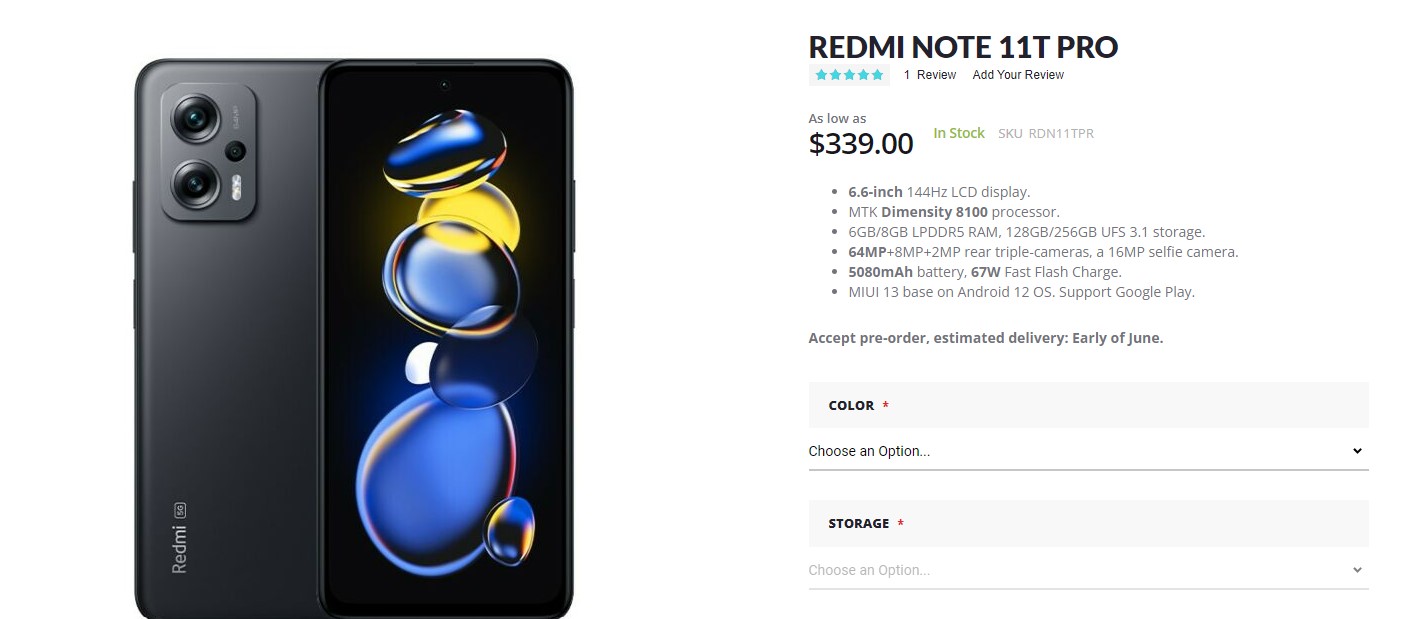
Redmi Note 11T Pro features a 6.6″ LCD display and supports a 144Hz refresh rate. Powered by the MTK Dimensity 8100 chipset, the phone comes in multiple memory variants viz: 6GB / 8GB LPDDR5 RAM and 128GB / 256GB internal storage.
Redmi Note 11T Pro comes with professionally tuned dual JBL speakers and a 3.5mm headphone jack and supports Dolby Atmos. It features a triple rear camera setup with a 64MP main camera and 8MP + 2MP secondary cameras. For the selfie camera, you have a 16MP sensor in the front.
The phone is fueled by a 5080mAh battery and supports 67W fast charging. It runs the Android 12 OS-based MIUI 13 and comes with interesting features like a side-mounted fingerprint sensor, AI face unlock, infrared sensors, etc.
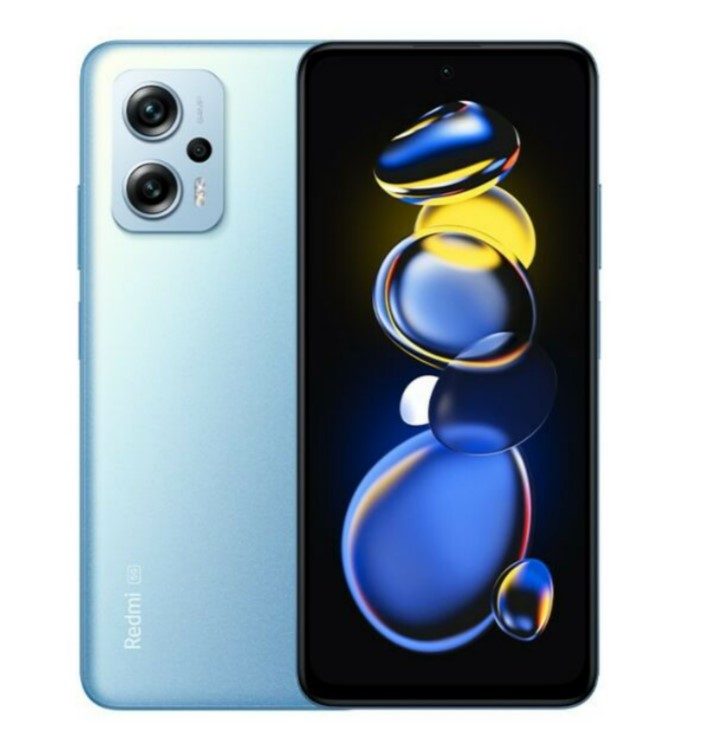
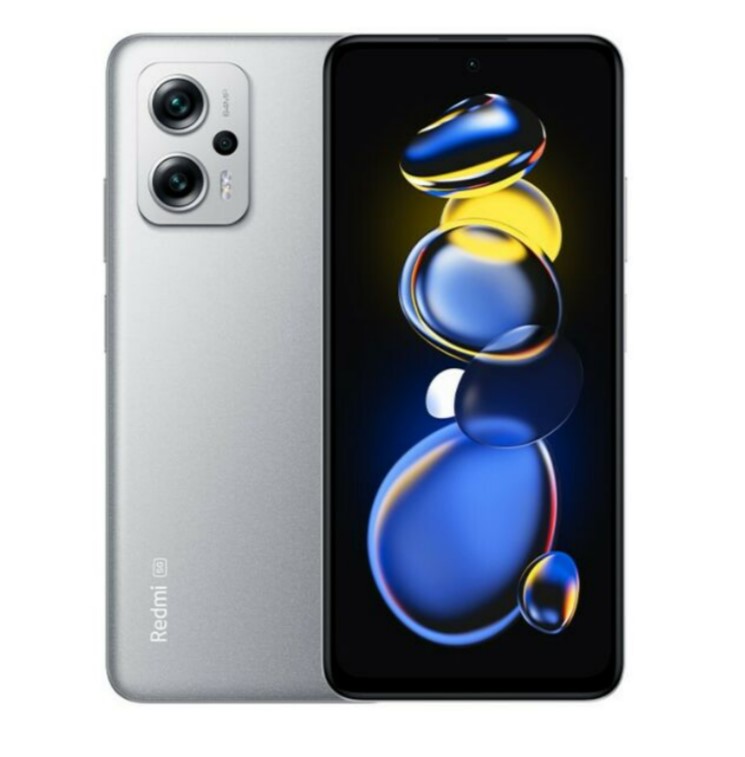
Giztop is now accepting pre-orders for Redmi Note 11T Pro. The smartphone comes in Black, Silver, and Blue color variants and can be pre-ordered for a starting price of $339 only.
For more information on such exciting deals and offers check out our deals hub.
Xiaomi’s sub-brand Redmi is working on multiple new devices intended for the global market. Among them is the Redmi 10 Prime Plus 5G smartphone which is said to soon launch in the Indian market.
Redmi 10 5G
According to a previous report, the Redmi 10 Prime Plus was spotted on the BIS certification site with a 22041219I model number. The smartphone has now been spotted by Xiaomi Firmware Updater indicating that the device might soon debut in India.
Tipster Kacper Skrzypek has previously claimed that the smartphone will be a rebranded Redmi Note 11E that debuted earlier this year in China, so we have an idea of what to expect from the smartphone.
Redmi 10 Prime Plus specs (expected)
Redmi Note 11E 5G
The device will come with a 6.5-inch Full HD+ panel with a 90Hz refresh rate and a waterdrop notch. Under the hood, the device will likely have an octa-core MediaTek Dimensity 700 processor LPDDR4X RAM, and UFS2.2 storage.
The smartphone could feature a 5,000mAh battery pack and 18W fast charging support and will likely have Android 12-based MIUI 13. For optics, the smartphone will have a dual-camera setup on the rear featuring a 50-megapixel rear shooter and a 2-megapixel portrait sensor. On the front, the device will likely house a 5-megapixel sensor for selfies and video calls. We also expect the smartphone to bring a fingerprint scanner, a dedicated micro-SD card slot, and a 3.5mm audio jack.
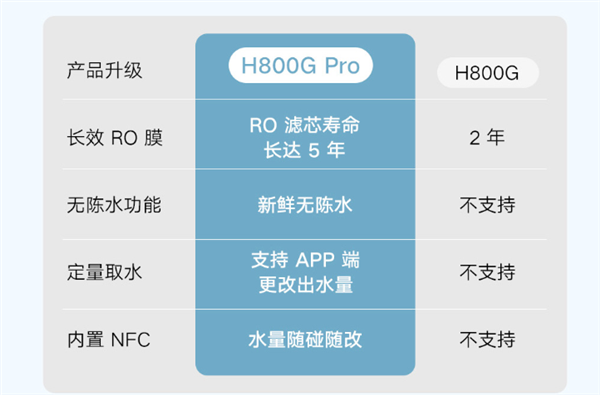
Xiaomi has a long line of smart water purifiers within different price points to cater to the water purification needs of the various segments of the market. The tech giant has just launched the Xiaomi Water Purifier H800G Pro in China. The product comes with an 1899 yuan (~$283) price tag, making it quite affordable.
The Xiaomi Water Purifier H800G Pro adopts the mainstream flux design of its predecessors. It has a water output speed of 2.12 L/min and can fill a 150mL water cup in 4.3 seconds, meeting the daily needs of households.
The H800G Pro adopts two composite filter elements, integrates six-stage filtration, and adopts reverse osmosis (RO) filtration technology, which can effectively filter rust, bacteria, and heavy metals such as lead, cadmium, and mercury in tap water. It has a pure wastewater ratio of 2:1 which meets China’s water efficiency standard.
The water purifier’s reverse osmosis (RO) filter element can be used for up to 5 years before replacement, reducing the running cost by up to 40% as the RO filter element costs 899 yuan (~$134), almost half the price of the purifier.
Furthermore, the Xiaomi H800G Pro adopts a side-pulling filter element that can be taken out after one turn and one pull within 3 seconds. Thus, the element can easily be changed when need be.
The water purifier is designed to ensure the drinking water remains safe as it enters automatic flushing mode after the water is left unused for a period of time. The process involves the filtered pure water flowing back to the RO membrane to flush the membrane and replace the concentrated water deposited in the filter element. This process prevents the concentrated water from being positive which can reduce the TDS value of the head effluent.
The Xiaomi water purifier H800G Pro also comes with a quantitative water outlet module. The gadget can be connected via the NFC tap to the Mijia app from where users can change the water output, and monitor the real-time water output, inlet water quality and temperature, water consumption, and other parameters.
Ptron Bassbuds Wave true wireless earbuds have been launched in India. These are part of Ptron’s popular Bassbuds series of wireless earbuds. Equipped with digital signal processing (DSP) ENC technology, Ptron Bassbuds Wave filter out ambient noise from the background for a clear calling experience. These earbuds also come with a dedicated 50ms low latency Movie mode which is claimed to offer zero lag between the visuals and audio.
Ptron Bassbuds Wave specifications and features
Ptron Bassbuds Wave TWS earbuds are equipped with 13mm dynamic audio drivers. The earbuds feature DSP technology for Environmental Noise Cancellation and have an in-ear design that offers passive noise cancellation. Ptron Bassbuds Wave comes with a unique fin-shaped structure that naturally adjusts to the ear, ensuring a secure and comfortable. It sports a matte finish and is rated IPX4 for sweat and water resistance.
Ptron Bassbuds Wave TWS feature Bluetooth v5.3 connectivity with one-step pairing for an uninterrupted connection. The company claims that the earbuds have an efficient transmission range of up to 10m. The earbuds feature smart touch control for toggling between the in-built music and movie modes. The touch controls can also be used to pick up calls and activate the voice assistant.
Each earbud comes with a 40mAh battery while the charging case packs a 300mAh battery. Ptron Bassbuds Wave are claimed to offer a total playback time of up to 40 hours with the case. The charging case supports USB Type-C fast charging and can provide up to three hours of playback time with a 10-minute charge. The earbuds take 1.5 Hours to charge completely.
Ptron Bassbuds Wave Pricing and availability
Ptron Bassbuds Wave TWS earbuds come at an introductory price of Rs. 999 on Amazon. The regular price of the earbuds will be Rs. 1299. The Bassbuds Wave TWS earbuds are currently available in three color variants — Black, White, and Grey.
The company mentioned in the press release that the first 100 customers will get the earbuds at a special price of Rs. 99. So, head over here if you are interested.
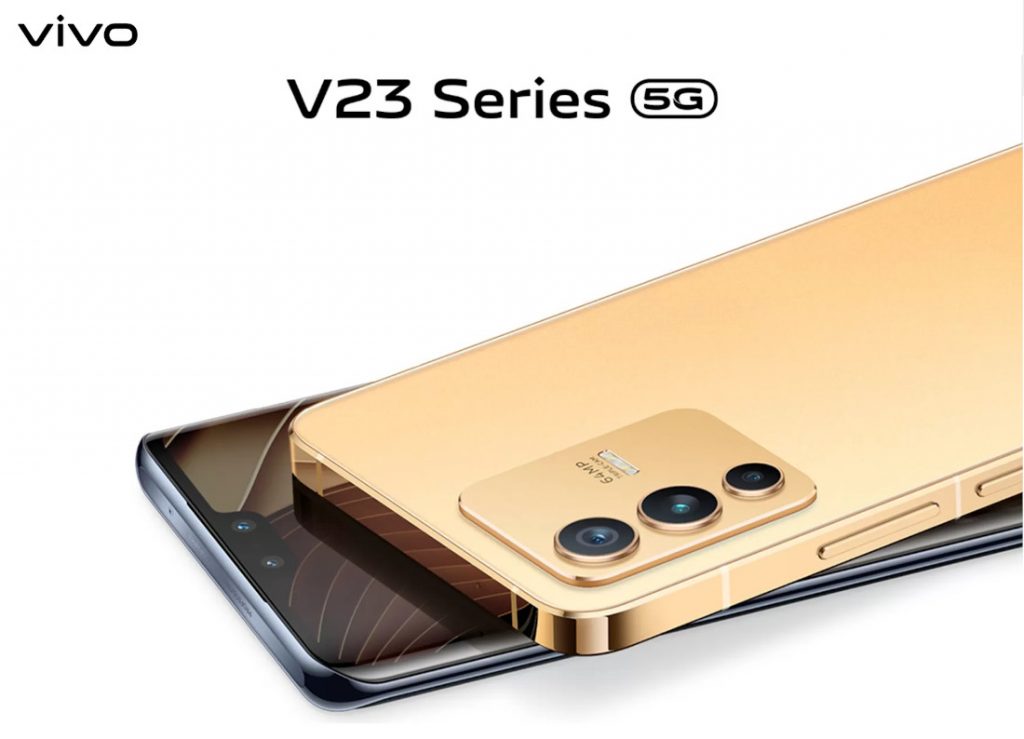
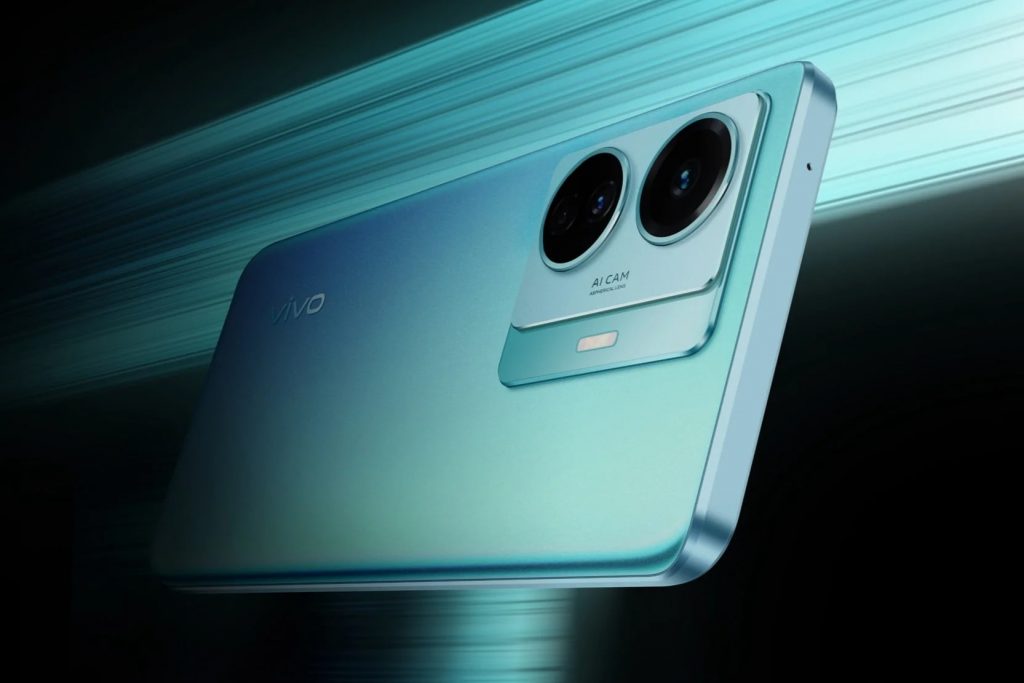
Earlier this year, Vivo launched the V23 5G series midrange devices in India. This included the Vanilla V23 5G and the V23 5G Pro. Now, it appears that the Chinese smartphone maker plans to introduce yet another V series device in India dubbed the Vivo V25 Pro 5G.
The device has been spotted by 91mobiles on the IMEI certification database. The listing reveals that the smartphone has a V2158 model number and also confirms the Vivo V25 Pro 5G moniker. Further, the publication states that the device will be available in three memory and storage configurations – 8GB/128GB, 8GB/256GB, and 12GB/256GB. Currently, there is no other information available on the smartphone, however, we can look at its predecessor, the Vivo V23 Pro 5G to get an idea of what to expect from the device.
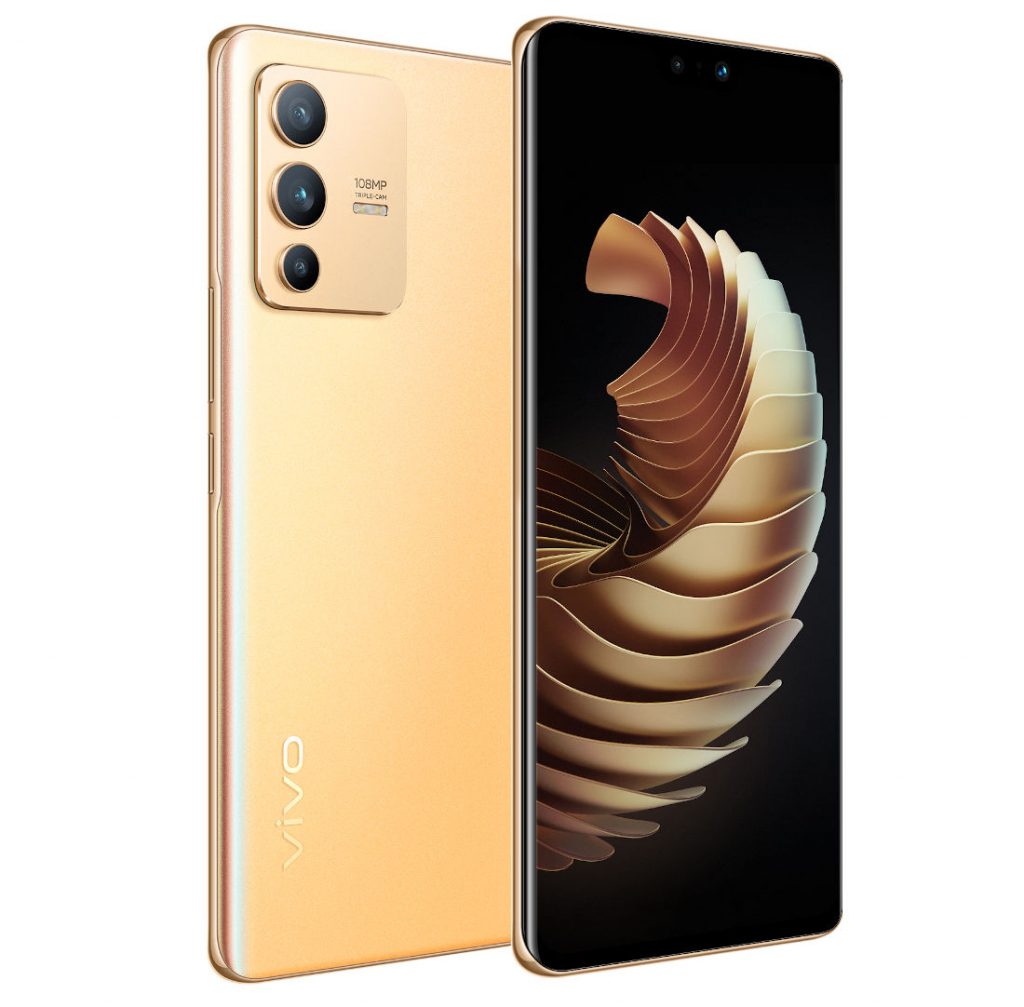
Vivo V23 Pro 5G specs & features
The V23 Pro 5G comes with a 6.56-inch FHD+ Curved AMOLED featuring a 90Hz refresh rate, HDR10+ support, and an in-display fingerprint sensor.
For optics, the smartphone offers an impressive dual-camera setup on the front with a 50-megapixel sensor coupled with an 8-megapixel ultrawide sensor and a dual-tone flash. On the rear, the device offers a 108-megapixel primary sensor, an 8-megapixel ultra-wide lens, and a 2-megapixel depth sensor.
Under the hood, the device houses a Dimensity 1200 SoC paired with up to 12GB of RAM and 256GB of storage. It has a 4,300mAh battery and offers 44W fast charging support. The smartphone operates on Android 12-based FunTouch OS 12 and is quite sleek at 7.36mm thick.
Chinese tech giant Lenovo yesterday held a product launch conference where it announced the Legion 9000X notebook. The company also launched the Legion H5 Wireless Gaming Headset. The product is an affordable gaming headset with a price tag of 299 yuan (~$44).
The Lenovo Legion H5 Wireless Gaming Headset is equipped with a 50mm driver unit that is guaranteed to deliver vivid bass and good sound clarity. The headset uses an artificial leather design coupled with woven mesh earmuffs that can isolate noise. This is apparently the only level of noise cancellation you can get on the headset. The earmuffs also confer some level of comfortability and are breathable, ensuring you don’t get all sweaty while wearing the headset.
The Legion H5 headset is equipped with Bluetooth 5.0 connectivity and there is a 3.5mm jack for switching to wired headset mode. The headset also comes with multi-platform compatibility and supports virtual 7.1 sound effects, and stereo surround sound. It also packs a detachable microphone which can be closed with just a click.
In terms of battery life, there is no mention of the battery capacity but the headphones are touted to offer up to 24 hours of music play back on a single charge.
The Lenovo Legion H5 wireless gaming headset is available in black and white colors. The headphones are presently up for pre-orders and will go on sale in China on June 24. We don’t know if the company will launch this product for the global market but it promises to be a hot-selling product if it does launch overseas considering the pocket-friendly price tag and decent specs lineup.
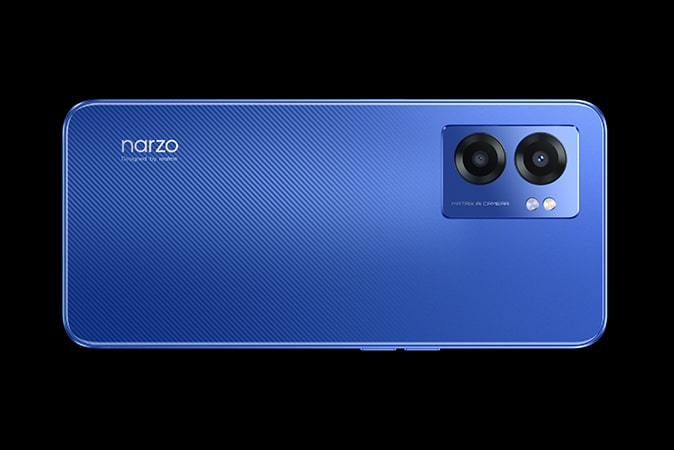
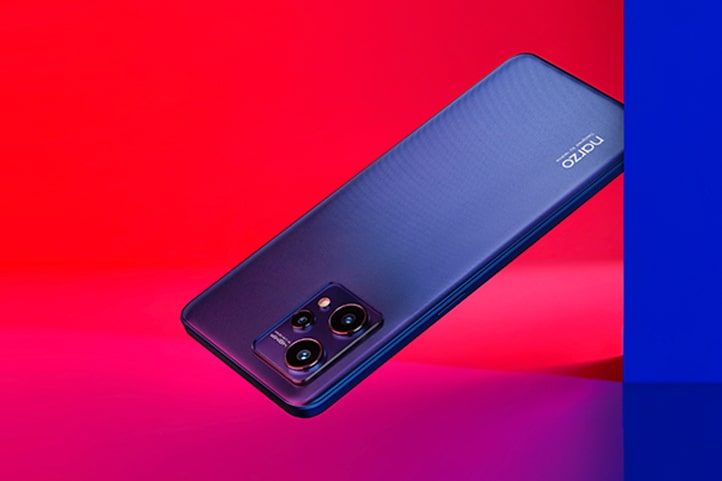
Last week, Realme announced the Realme Narzo 50 Pro 5G in India. The smartphone is a cheaper version of Realme 9 Pro Plus 5G. It is more affordable as it arrives with a downgraded primary camera and slower charging support.
Apart from the differences mentioned above, the Realme Narzo 50 Pro 5G is the same as the Realme 9 Pro Plus 5G in terms of features. Even their design is similar, except for the colors.
The main highlight of the Realme Narzo 50 Pro 5G is the Mediatek Dimensity 920 chipset present underneath it. The device is currently the cheapest smartphone with this chip in India. The silicon is paired with LPDDR4x RAM and UFS 2.2 storage
Further, it flaunts a 6.4-inch AMOLED display with a resolution of 2400 x 1080 pixels and a 90Hz refresh rate. The panel has an in-screen fingerprint sensor with heart-rate monitoring support and its peak brightness can reach up to 1000 nits.
The phone houses a triple camera setup on the rear comprising a 48MP primary sensor, an 8MP ultra-wide unit, and a 2MP macro snapper. For selfies and video calls, it uses a 16MP shooter nested in the punch-hole located at the display’s top left corner.
The handset boots Realme UI 3.0 based on Android 12. It gets its juice from a 5,000mAh battery and carries support for 33W fast charging.
Other features include a VC (Vapour Chamber) cooling system, Dolby Atmos-supported dual stereo speakers, 3.5mm headphone jack, x-axis linear vibration motor, 7.99mm thickness, and 181g weight.
The device is priced at ₹21,999 and ₹23,999 for 6GB + 128GB and 8GB + 128GB memory configurations respectively. It can be purchased in either Hyper Black or Hyper Blue color options.
For some reason, you don’t like the Realme Narzo 50 Pro 5G. For such people, we have compiled a list of competitors you can look for.
These alternatives are from five different brands. Some of them are cheaper, while others are slightly costlier. They are different from one another and offer a unique experience of their own.
With that out of the way, let’s take a look at the Realme Narzo 50 Pro 5G’s competition in India.
The Best Realme Narzo 50 Pro 5G Alternatives in India
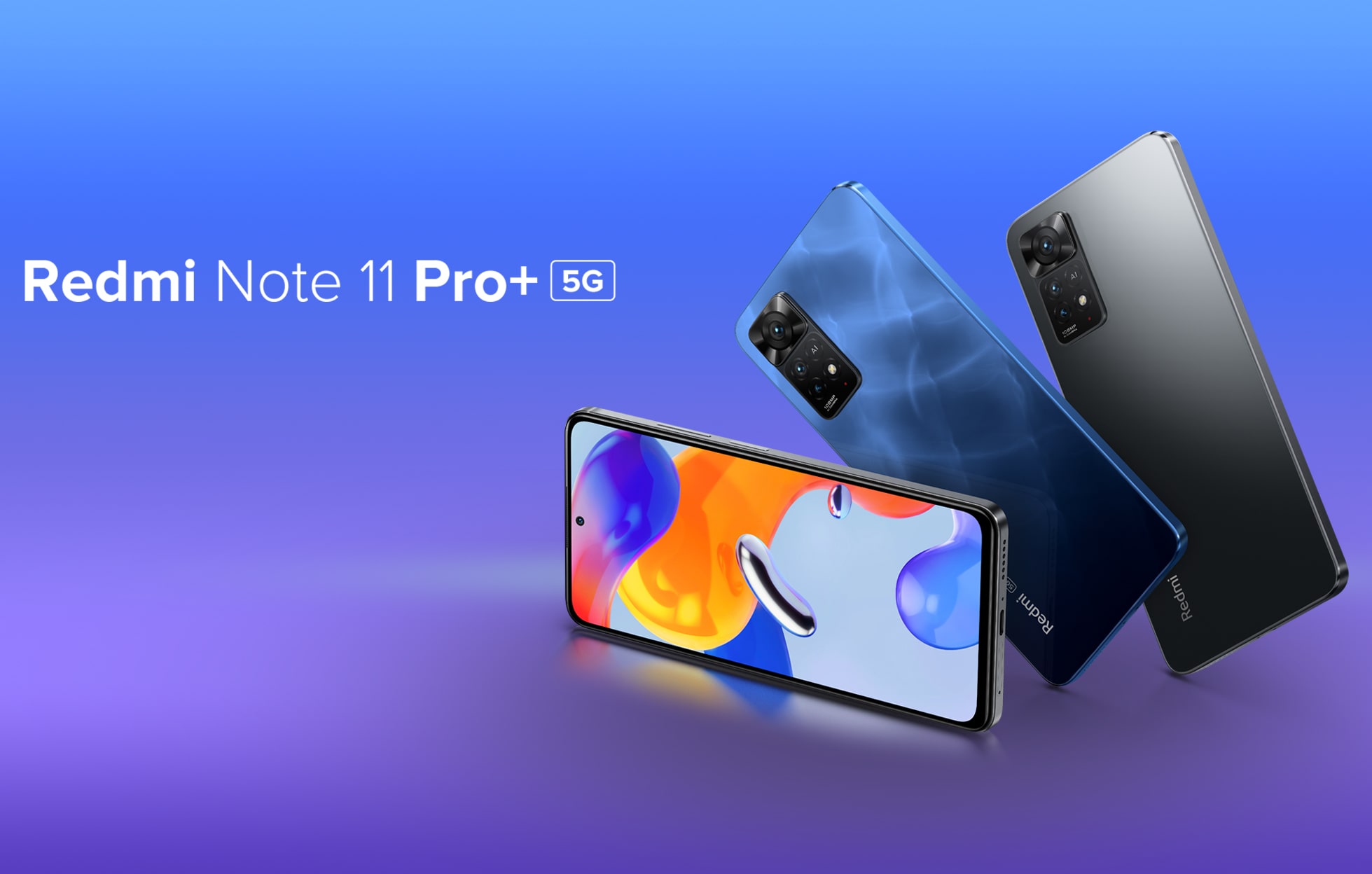
The Redmi Note 11 Pro Plus 5G is the biggest competitor of the Realme Narzo 50 Pro 5G. Because the Redmi Note brand is quite popular in India. Also, the device is cheaper.
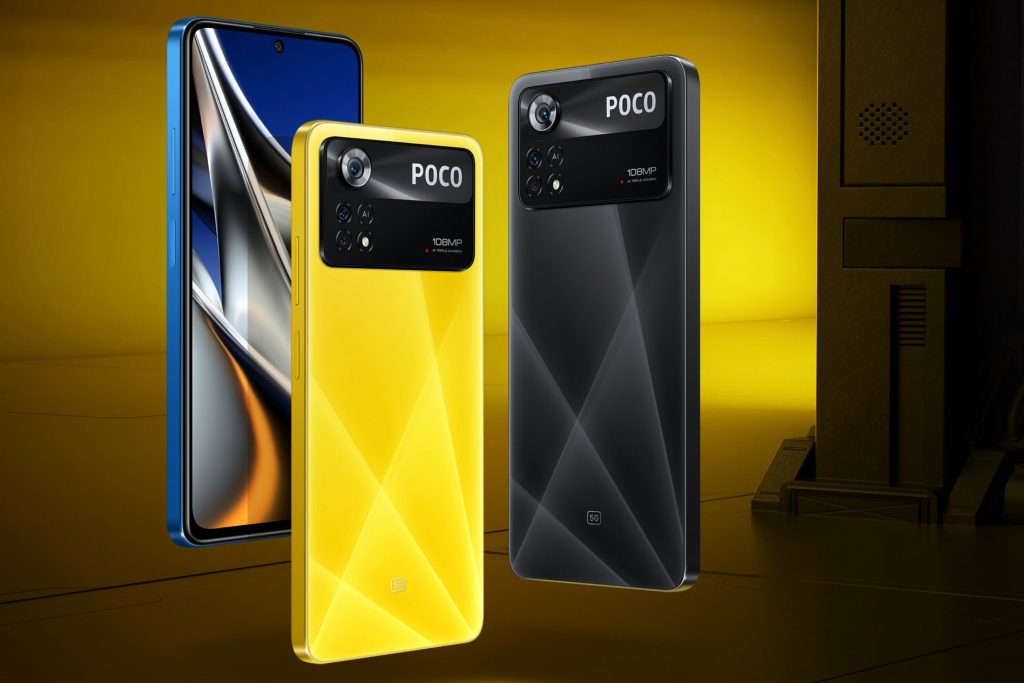
The Redmi handset retails at ₹20,999, ₹21,999, and ₹24,999 for 6GB + 128GB, 8GB + 128GB, and 8GB + 256GB variants respectively. The same phone is also sold as Poco X4 Pro 5G in the region and it is even more affordable.
The Poco model comes in 6GB + 64GB, 6GB + 128GB, and 8GB + 128GB versions for ₹18,999, ₹19,999, and ₹21,999 respectively, For a chepaer price tag, it starts at lower storage and sports a 64MP primary camera instead of a 108MP sensor.
The main highlights of these smartphones include a 6.67-inch 120Hz AMOLED display with up to 1,200 nits peak brightness level, Qualcomm Snapdragon 695 SoC, liquid cooling technology, dual stereo speakers, z-axis linear vibration motor, IP53-rating, IR blaster, 67W fast charging, and more.
2. iQOO Z6 Pro 5G / Vivo T1 Pro 5G
If you are looking for gaming, then the iQOO Z6 Pro 5G is probable the best phone in this segment. The device is also sold as Vivo T1 Pro 5G. The iQOO model is exclusively available on Amazon, while the Vivo version of the handset can be bought from either Flipkart or offline stores across India.
These smartphones are exactly the same inside out, except for colors. They even cost the same. They are up for sale at ₹23,999 and ₹24,999 for 6GB + 128GB and 8GB + 128GB memory configurations respectively. The iQOO version of the phone also comes in an 8GB + 256GB variant priced at ₹28,999.
They come with a Qualcomm Snapdragon 778G chipset, VC (Vapour Chamber) liquid cooling system, 4D game vibration support via linear vibration motor, 6.44-inch 90Hz AMOLED display with 1300 nits peak brightness level, 4,700mAh battery, 66W fast charging support, and more.
3. Oneplus Nord CE 2 5G
The Oneplus Nord CE 2 5G does not have any specialty. It even ships with a similar software as the Realme Narzo 50 Pro 5G as OxygenOS and Realme UI are based on ColorOS. But you get less bloatware.
It is powered by a slightly less powerful Mediatek Dimensity 900 SoC. However, you can get 65W fast charging support and dedicated fast charging support.
Other features include a 6.43-inch FHD+ 90Hz display with HDR10+ support, a 64MP primary camera, a 16MP selfie camera, a 3.5mm headphone jack, a 4,500mAh battery, and more.
The handset retails at ₹23,999 and ₹24,999 for 6GB + 128GB and 8GB + 128GB memory configurations respectively.
We use cookies on our website to give you the most relevant experience by remembering your preferences and repeat visits. By clicking “Accept”, you consent to the use of ALL the cookies.
This website uses cookies to improve your experience while you navigate through the website. Out of these, the cookies that are categorized as necessary are stored on your browser as they are essential for the working of basic functionalities of the website. We also use third-party cookies that help us analyze and understand how you use this website. These cookies will be stored in your browser only with your consent. You also have the option to opt-out of these cookies. But opting out of some of these cookies may affect your browsing experience.
Necessary cookies are absolutely essential for the website to function properly. This category only includes cookies that ensures basic functionalities and security features of the website. These cookies do not store any personal information.
Any cookies that may not be particularly necessary for the website to function and is used specifically to collect user personal data via analytics, ads, other embedded contents are termed as non-necessary cookies. It is mandatory to procure user consent prior to running these cookies on your website.