The Chinese autonomous driving company WeRide has recently announced that it has officially begun unmanned minibus Robobus service at Guangzhou International Bio Island. However, different from the electric autonomous vehicles till now, this minibus gets rid of all traditional controls like the steering wheels, throttles, or brakes pedals.
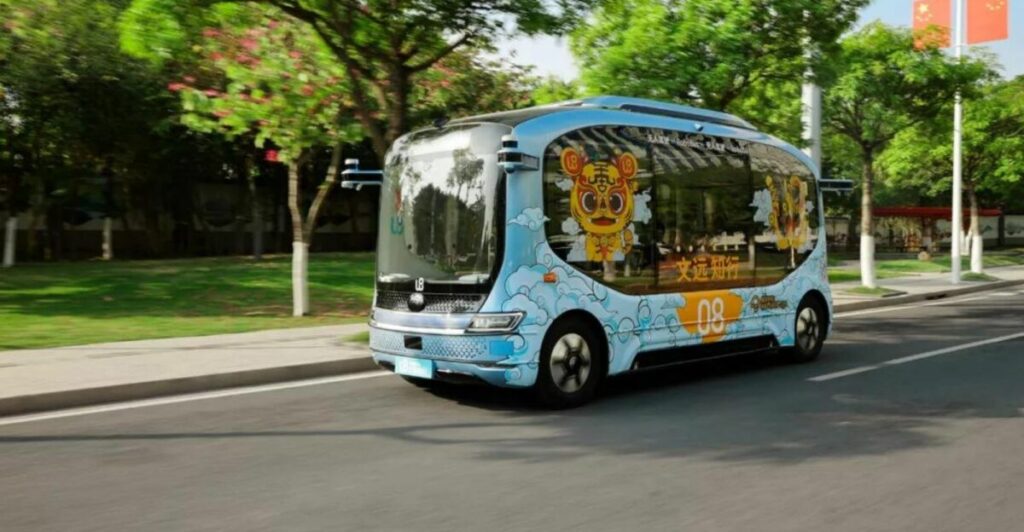
According to a report by Pandaily, WeRide has officially begun operations of their unmanned Robobus service at Guangzhou International Bio Island. WeRide has introduced the new service after two years of successful operations of their Robotaxi commercial service (China’s first) in the region.
The Robobus is a pure electric vehicle and has a top speed of 40 kilometers per hour. It can achieve safe and stable unmanned driving services along urban roads, expressways, and tunnels in rush hours and under inclement weather conditions.
After thorough research and investigation of the daily traffic on Guangzhou International Bio Island, Robobus has opened two operating routes in its first phase and will further offer services throughout the entire island.
Robobus operates 7 days a week, from 8:00 a.m. to 10:00 p.m., Monday to Friday. On Saturday and Sunday however, the bus operates from 9:00 a.m. to 6:00 p.m. Additionally, Passengers can view real-time locations and the running status of the vehicles on their “WeRide Go” app.
Robobus vehicles will initially have volunteers who will help first-time passengers to understand and familiarize themselves with the autonomous vehicle’s workings. And WeRide support center will monitor the vehicles in real-time. The bus also has a brake button located inside for emergency situations.
The concept of the pure electric Robobus seems genuinely intriguing and is sure to be a better, eco-friendly alternative to fossil fule based public travel. However, the absence of manual controls is a bold step by the company and thus WeRide will have to uphold high safety standards to gain public trust.
RELATED:
- Hydrogen-powered electric bicycles are here! But are they the future of transportation?
- GAC Aion LX Plus electric SUV with 1,000km range to launch on Jan 6
- BYD’s electric buses start rolling off the production line in New Zealand






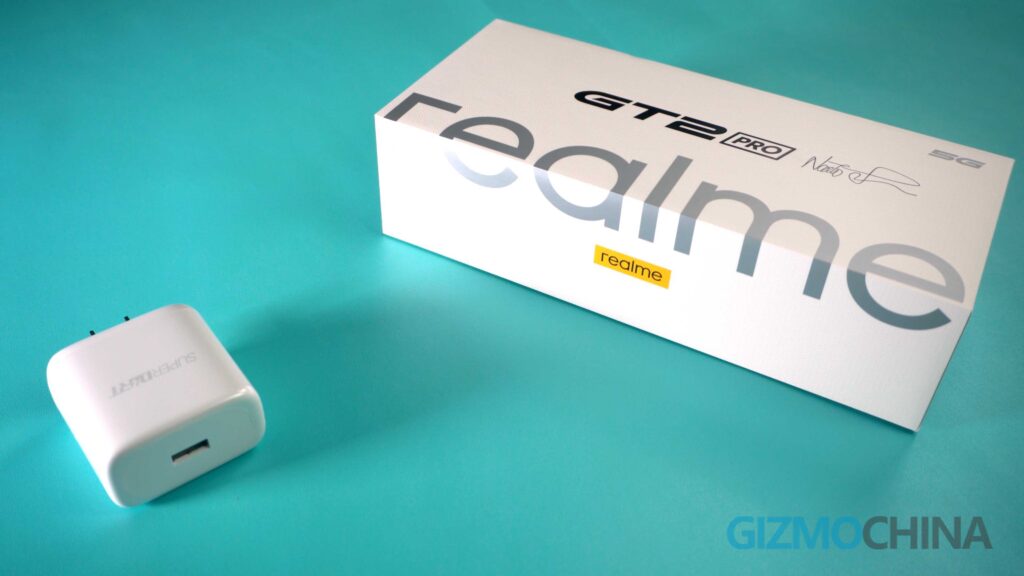
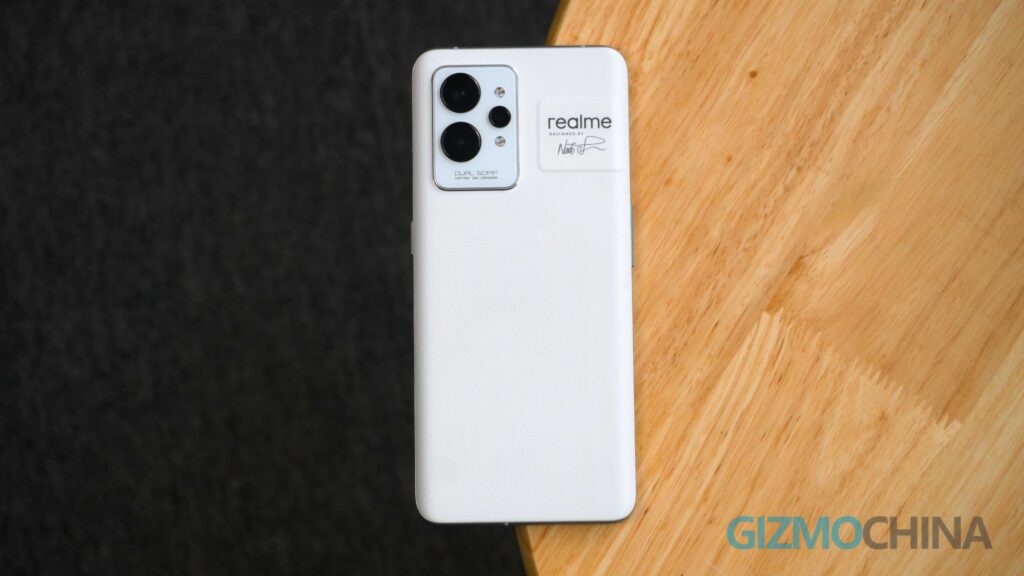
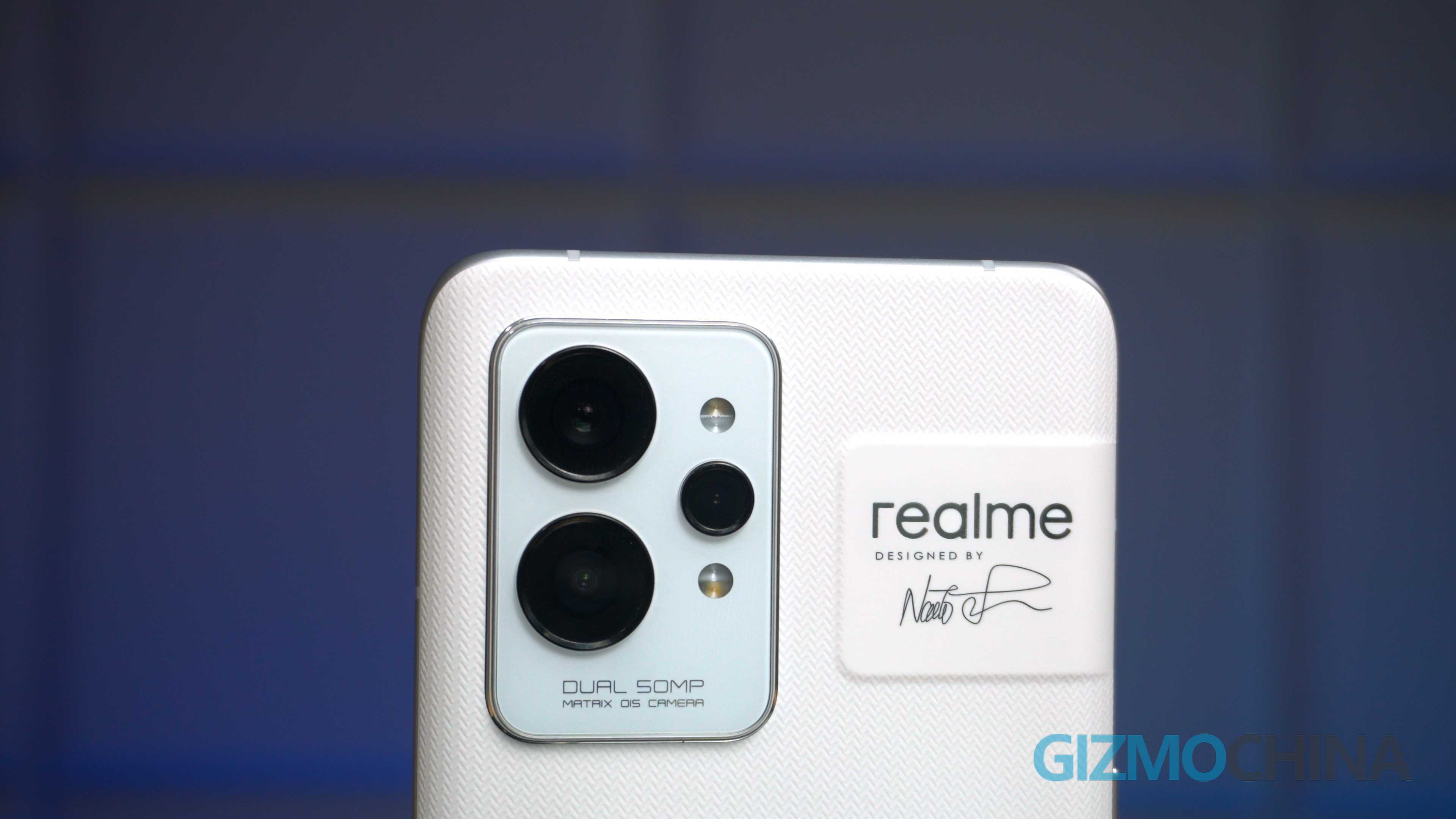
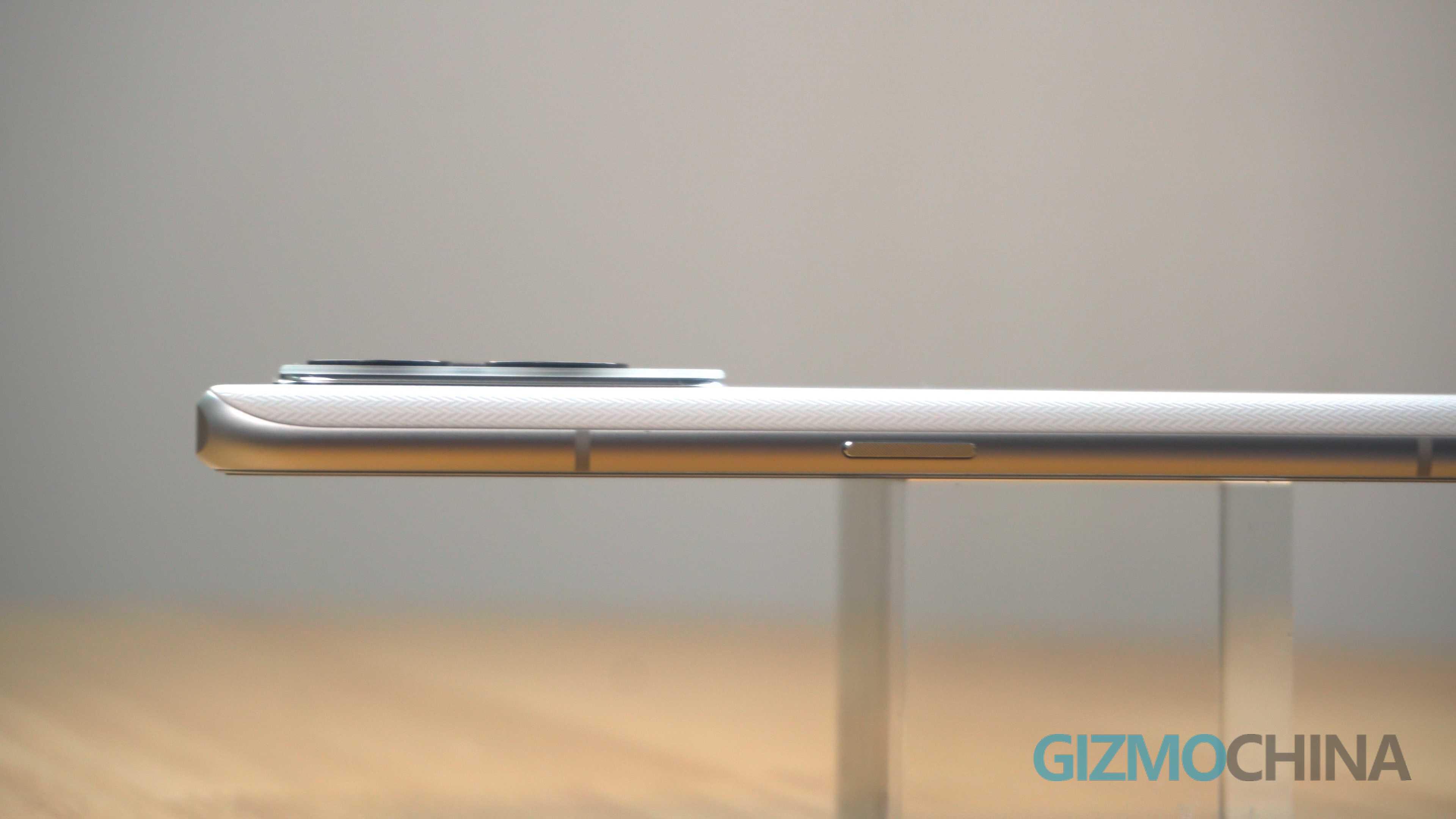

 The camera features multiple modes like movie mode, dual-view video, portrait, microscope among others. But what had us most interested was the 50MP 150 degrees ultra-wide camera, which holds the record for widest ever ultrawide camera. And we were quite surprised by the additional field of view it provides compared to other flagship ultra-wides. We clicked a couple of shots with the ultra-wide as well as the 2MP microscopic lens which came out to be crisp and detail-rich.