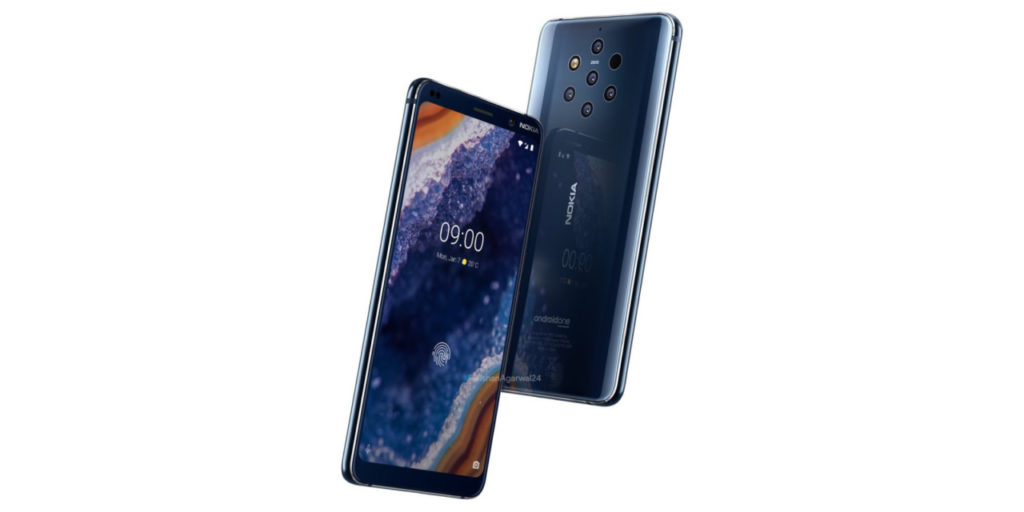
HMD owned Nokia went official with Nokia 9 Pureview couple of weeks back. It followed with the announcement of other Nokia smartphones such as Nokia 210, Nokia 1 Plus, Nokia 3.2 and Nokia 4.2. Among all these, Nokia 9 Pureview is the only high-end device featuring the first ever rear Penta camera module. It’s available across various countries for over a week now and even few issues have sprawled up. To ensure a great experience while using Nokia 9 Pureview, HMD has announced that an update is in works for two major bugs.
While talking about the new update, Juho Sarvikas, Chief Product Officer at HMD Global, acknowledged the unreliable in-display fingerprint sensor issue. He emphasized that the company will try to improve the experience by mending the bugs. Since launch, many users also complained about the camera app crashes on low battery. The cause behind sudden app crashes is either related to low voltage or switching of the device’s profile.
“With more users out there, we’ve seen a few camera crashes due to battery voltage drop when charge is low. We will address this,” wrote Sarvikas.
Nokia has not confirmed any other detail about the software update. However, going with the company’s track records, we need not wait for long.
Additionally, Nokia 9 Pureview is currently available in the US and some European countries. Its launch in India and China is still pending.
As far as the specifications are concerned, Nokia 9 Pureview comes with a 5.99 inch Quad HD POLED display and Corning Gorilla Glass 5 protection. Its display carries 18.5:9 aspect ratio and an in-screen fingerprint sensor. The company has packed a Penta-camera module on the smartphone which houses a five 12 megapixel sensors – three monochrome sensors and two are RGBs. All sensors concurrently shoot images and later compile together for a better final output. A 20-megapixel selfie shooter is present on the front side.
The device is powered by a year old Qualcomm Snapdragon 845 SoC coupling 6GB RAM and 128 GB internal storage. IP67 certified Nokia PureView is water and dust resistant, and packs a USB Type-C port, ditching 3.5 mm audio jack.
It is now retailing across various countries at a price of $699.
5G will be one of the most important technological revolutions of 2019, or so it’s being said. It will not just be about increasing the connection speed, as this new generation of technology will change the way people use the internet and every connected device. In the mobile devices sector, chipmakers have already released their first 5G modems for mobile phones. Just look at the Snapdragon X50 by Qualcomm or the Balong 5000 recently released by Huawei. But we are yet to see a 5G-enabled device in the market. Here, you will find all the 5G-ready phones that are already official as well as every 5G phone that is actually expected to debut in 2019.
Announced 5G smartphones
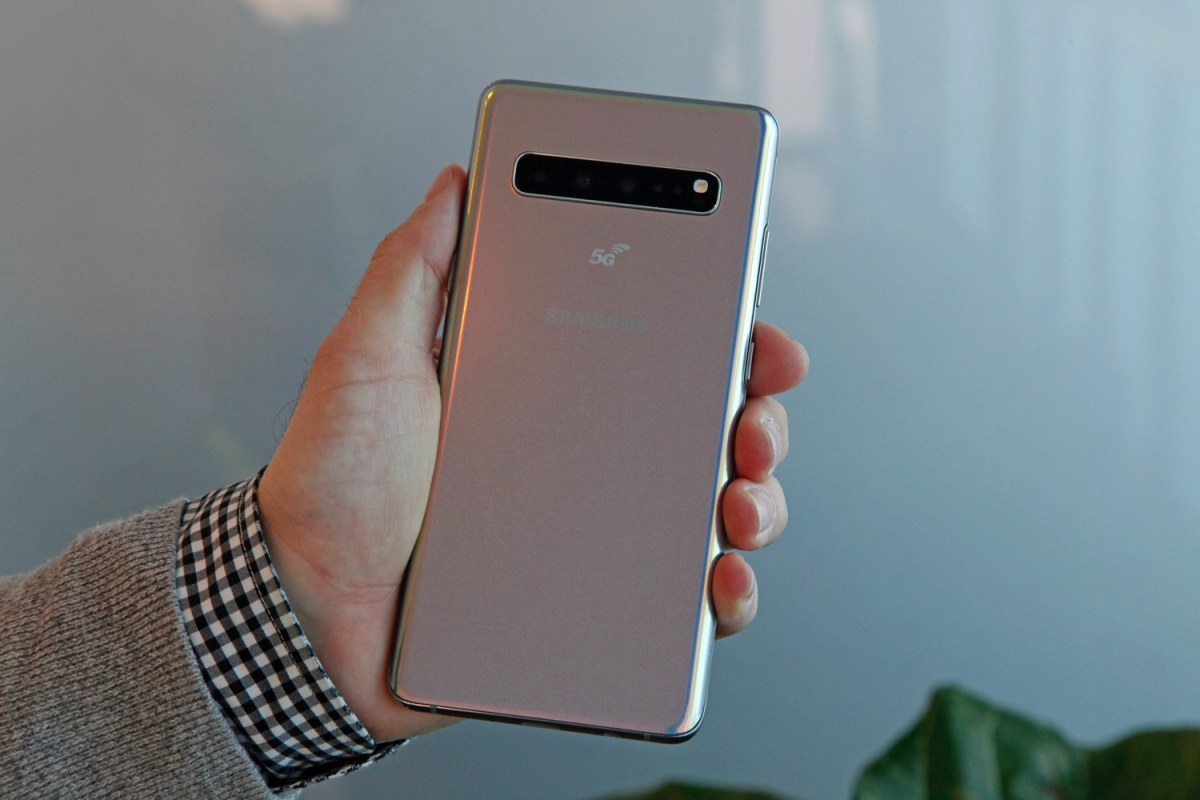
Samsung Galaxy S10 5G
The 5G version of the Galaxy S10 is currently the most powerful smartphone ever released from the Korean giant and it will be among the first 5G phones to hit the global market. It will come in two versions: one with the Exynos 9820 chipset for the European market and another with the Snapdragon 855 for the U.S. market. It is not a smartphone for everyone as it will be costly. It sports a huge 6.7-inch display and a big 4500 mAh battery, as well as the most impressive camera department ever seen until now, with 4 sensors on its rear side.
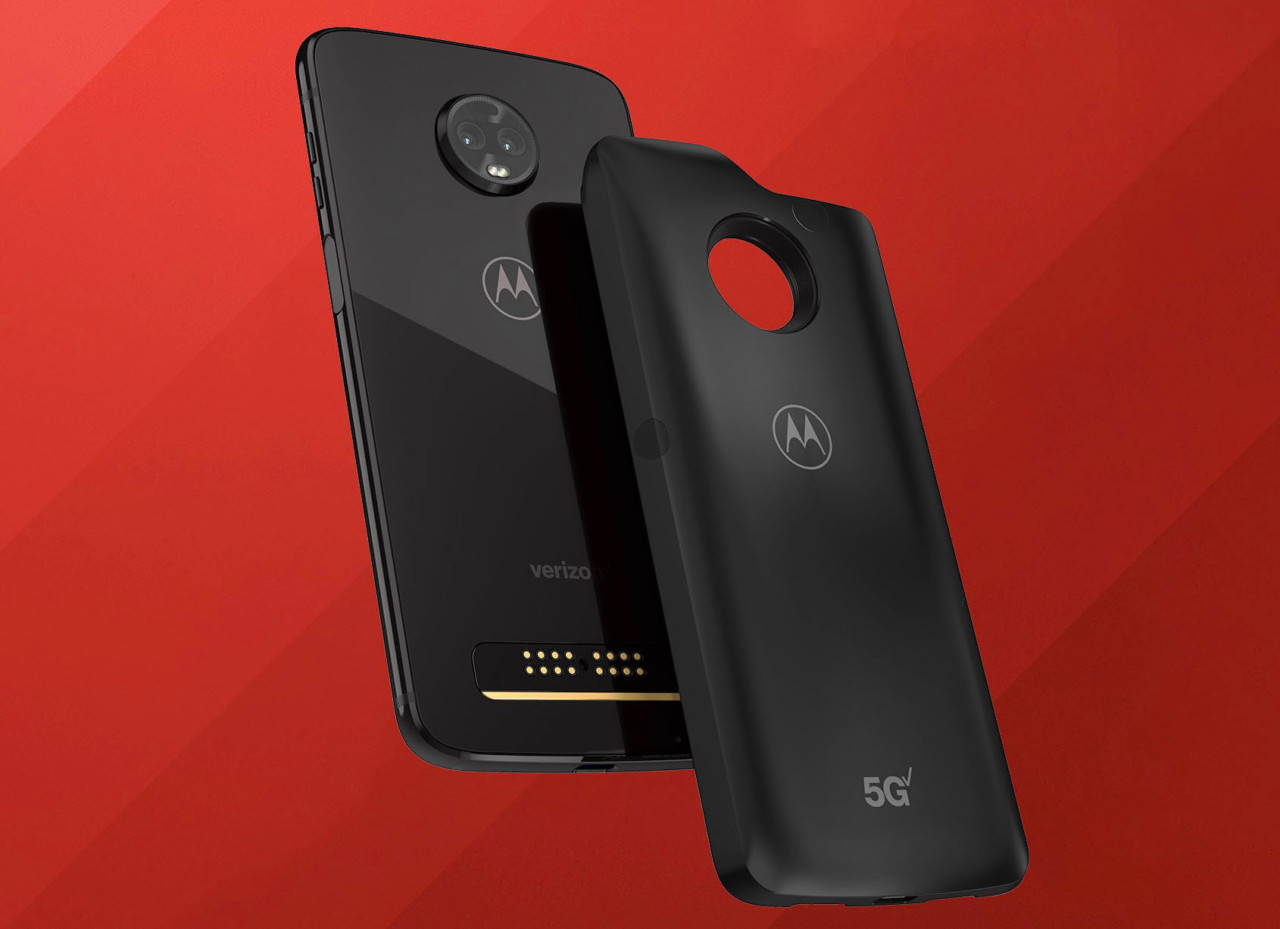
Motorola Moto Z3
Motorola Moto Z3 was released in 2018 and, to be honest, it is not a 5G phone by default. But we included it in our list because it will support the connectivity thanks to an additional accessory that will be released has finally been released this week. We are talking about a special Moto Mod that can be stuck on its rear side. The additional module will probably have its own Snapdragon 855 chipset and it will even contain an additional battery to improve the battery life of the Moto Z3. The Moto Mod will also be compatible with other supported Motorola devices.
Xiaomi Mi Mix 3 5G
Xiaomi announced the 5G version of the Mi Mix 3 back in December, but it still hasn’t hit the shelves. It will be officially launched in May. It is the vanilla Mi Mix 3 with the addition of the Snapdragon 855 chipset and a Snapdragon X50 modem that is not present on the standard version. The modem, paired with the Snapdragon 855 fusion platform, enables the new connectivity and its blazing speeds. This version will be available in the memory configuration with 10 GB of RAM and 128 or 256 GB of internal storage. Obviously, the price will be higher than the vanilla Mi Mix 3: it will cost €599 in the European market, as announced during Mobile World Congress.
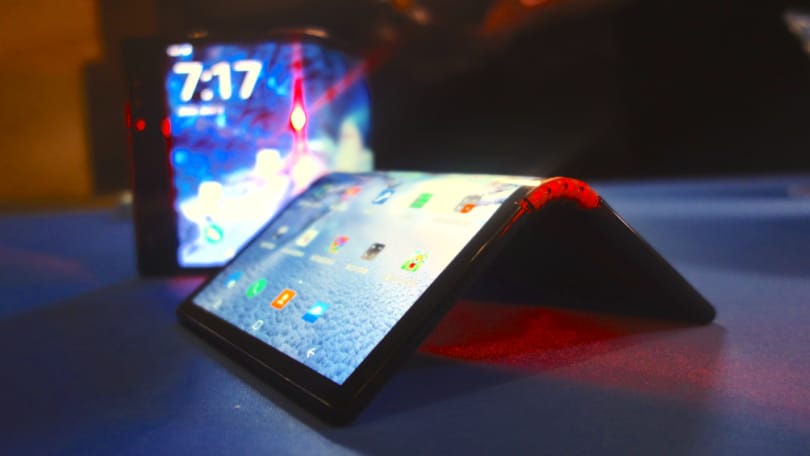
Royole FlexPai
Royole FlexPai is the world’s first phone with a foldable display. Everyone thought that Samsung would announce the world’s first foldable phone, but it was not so and the Galaxy Fold debuted months after. Royole FlexPai is also a 5G-ready phone, but it still does not support the new technology. The company confirmed that Royole FlexPai will get the support to the new connectivity with a software update that will be rolled out when necessary. Indeed, as for now, carriers still did not enable the new networks, so it would be kinda useless.
Huawei Mate X
Samsung officially unveiled its first 5G phone less than a month ago, and Huawei did not just watch its rival taking all the glory. The Chinese company unveiled its first 5G smartphone, which is also its first foldable smartphone, at MWC 2019. We are talking about the wonderful Huawei Mate X, which, according to the first polls, is even more appreciated than the first Samsung’s foldable phone. Unlike the Samsung Galaxy Fold, this device will come with an external foldable display instead of an internal one. So, the same display will be used as both a smartphone and a tablet screen. The device is powered by a Kirin 980 chipset paired with a Balong 5000 5G modem, that is actually the fastest 5G modem ever mounted on a mobile phone. It is able to reach connection speeds up to 4.6 Gbps. The only faster modem is the Snapdragon X55 which can reach up to 7 Gbps, but there still isn’t any phone with this modem. Huawei Mate X will hit the shelves in the summer, after the Samsung Galaxy Fold which will go in commerce starting from May.
LG V50 ThinQ
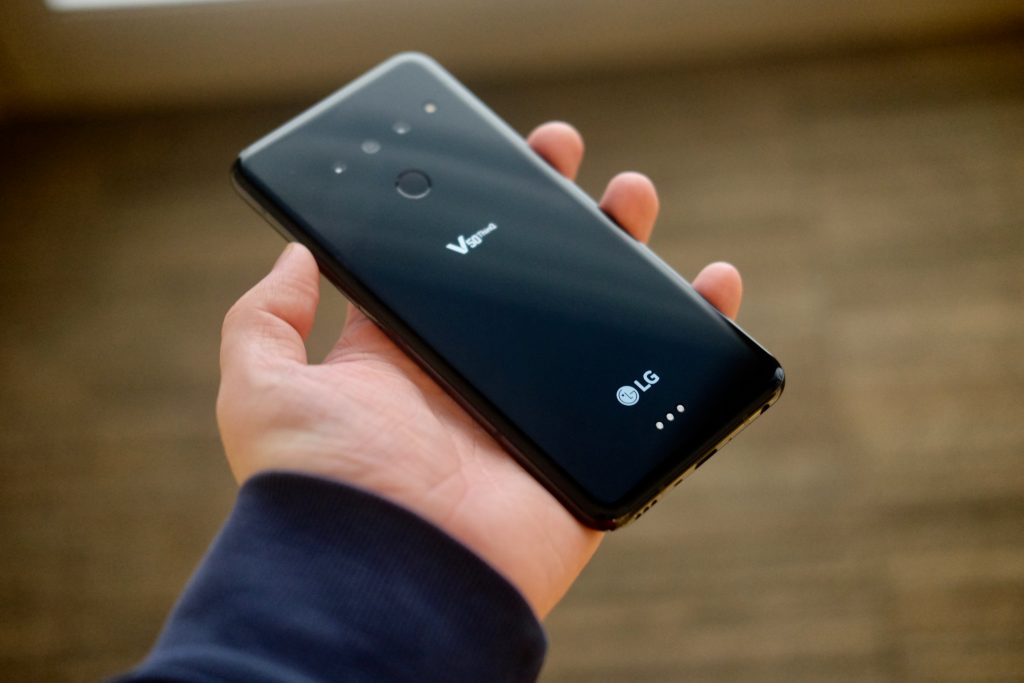
LG‘s first 5G smartphone will be the V50 ThinQ and it was officially announced at MWC 2019 on February 24. For the first time, the Korean company launched a flagship from the V series alongside another flagship from the G series. Just like every upcoming 5G phone with the Snapdragon 855 platform, it will include a Snapdragon X50 modem. It is equipped with a 6.4-inch display and it boasts a total of five cameras: three on the back and two on the front, including wide angle sensors and a telephoto lens for 2x optical zoom. Alongside the Snapdragon 855 chipset, there are 6 GB of RAM and 128 GB of internal storage. The battery has a capacity of 4000 mAh and it supports both fast charging and wireless charging.
ZTE Axon 10 Pro 5G
ZTE‘s latest flagship was the Axon 9 Pro and it was the one and only flagship phone released by the company in 2018. Now, the Chinese giant has finally unveiled another flagship, and it is a 5G smartphone. ZTE officially announced the handset at MWC 2019 and its name is Axon 10 Pro: the natural successor of the Axon 9 Pro. As you probably expected, under the hood there is a Snapdragon 855 chipset and a Snapdragon X50 5G modem. It comes with a standard waterdrop design and a 6.47-inch display, and it is waterproof with the IP68 certification. Its rear side houses a triple camera setup with a main 48 MP sensor, a 20 MP ultrawide lens and an 8 MP telephoto sensor. There is also a big 4000 mAh battery. We do not expect it to be affordable, but it will be surely less expensive than Samsung’s and Huawei’s 5G flagships.
Vivo Apex 2019
Just like the sister companies Oppo and OnePlus, Vivo will bring its own 5G smartphone to the market, but we do not know where and when. Some reports hinted at a launch in the market during 2020, so we are still far from its final release. For now, the first 5G phone by Vivo is still a concept phone: we are talking about the Vivo Apex 2019 unveiled less than two months ago. It is the company’s first holeless phone, it does not even have a USB-C port for charging (it relies on a magnetic MagPort), nor does it have any physical keys.
Upcoming 5G smartphones
Honor
A report recently hinted at the fact that even Huawei’s sub-brand Honor is planning the release of a 5G phone. Honor is no more just a “cheaper” version of Huawei and the arrival of its first 5G phone was even hinted by Honor’s president in a recent interview. Unfortunately, at the moment we do not have any info about its specs and there are no leaks about it, but its imminent arrival in in the next couple of years is obvious.
OnePlus
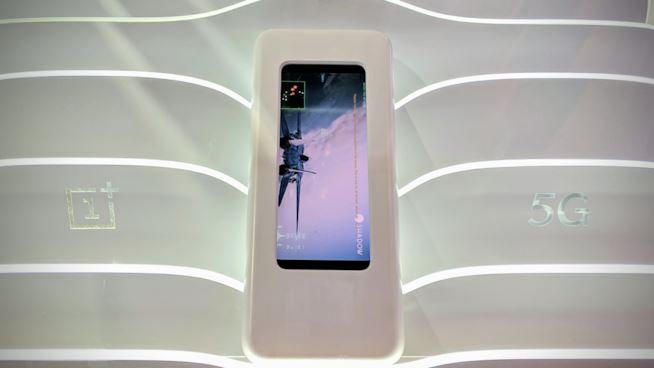
Even OnePlus will unveil its first 5G smartphone soon, but surprisingly, it is not supposed to be the OnePlus 7 as everyone expected. Instead, it is supposed to be a concept phone. According to the CEO, the phone will be costlier than any OnePlus handset released until now, but it was already expected. It may hit the shelves with a higher price tag of around $200 to $300 than other OnePlus devices. Not excessive, but still high. The Chinese company showed off a prototype of its first 5G phone at MWC 2019 with the support to cloud gaming. However, the phone was enclosed in a big case and we could only see its display. A screen which distinguishes from other models with its ultra tall 21:9 aspect ratio. The phone will be most likely powered by the Snapdragon 855 chipset.
Sony attended MWC 2019 with its whole line-up of smartphones of 2019. Sony Xperia 1 is the flagship, Sony Xperia 10 and 10 Plus are the mid-rangers and Sony Xperia L3 is the entry-level device of the line-up. Of these devices, none comes with support for 5G connectivity. It boasts a 4K display and it will be powered by the Snapdragon 855 SoC. It is even the first Sony smartphone with a triple rear camera. But it does not have a Snapdragon X50 5G modem inside.
But Sony still showed a prototype 5G phone at MWC 2019: it is internally known as the AG-1 and Sony said that it has no correlation with its first finalized 5G phone. The company also said that it is investing a lot on 5G, but it did not give an official launch date for its first 5G phone and only stated that it will arrive in the near future. The prototype was equipped with the Snapdragon 855 chipset and the Snapdragon X50 5G modem with the support to sub-6GHz and mmWave technologies. It had a 21:9 display just like the Xperia 1.
Oppo
Even the Chinese manufacturer, Oppo showcased a smartphone with this new connectivity at MWC 2019. Just like most of the 5G phones out there, it will be powered by the Snapdragon 855 chipset. The phone may even come with the new 10x zoom technology patented by the company which will allow zooming up to 10x without losing detail. The company said it was the world’s first smartphone manufacturer to finalize a 5G data connection on a phone back in 2015, and they were also the first to make a 5G group call on WeChat.
So these were the 5G smartphones showcased, released or coming your way in the near future. It is worth noting that despite 5G support, it would still take quite a while for this tech to be mainstream. So while we are excited about these phones, understand that support for 5G is more like future proofing your smartphone rather than guaranteeing that you’ll enjoy the benefits of 5G the moment you get the device.
Have we missed out on any particular manufacturer or phone? Do let us know. Also, which model are you most excited about?
The Korean giant launched its new Galaxy S10 series – Galaxy S10, Galaxy S10+, and Galaxy S10e last month in New York. Later the devices were officially made available in China, Hong Kong, India, US, Europe, and other markets. It comes with Qualcomm Snapdragon 855 in the US and the Exynos 9820 SoC in other countries. Recently, XDA Developers figured that Galaxy S10 kernel source code carries some information about the Samsung’s next Galaxy flagship device.
Samsung Galaxy Note 10’s code-name is discovered in the source code carrying information about 5G network connectivity. Precisely, the code-name which was revealed by a notable tipster, Ice Universe long time ago is referenced in the defconfig file of the Galaxy S10 running Exynos 9820. The reference can be seen in the commented lines of code where beyond0 refers to the Samsung Galaxy S10e, beyond1 is the Galaxy S10 (uncommented), beyond2 is the Galaxy S10+ and beyondX substitutes the Galaxy S10 5G. The last but not the least is davinci5G which is expected to be a 5G Samsung Galaxy Note 10. It is possible that the Galaxy Note 10 will bear “davinci5G” code-name.
According to reports, Samsung rumored to announce new Exynos 9825 processor especially for Galaxy Note 10. There is no more information about the processor, but the launch possibility is quite high if we compare it with Samsung’s previous years’ records. We expect it to carry a few improvements over the Exynos 9820 including higher clock speeds. Samsung Galaxy Note 10 renders appeared last week carrying four rear cameras, and it gave us a promising look resembling Galaxy S10 series.
ASUS has announced two new smartphones for the mid-range category. Both phones were unveiled in Brazil yesterday and are powered by the Qualcomm Snapdragon SiP 1, a new processor borne from a collaboration between Qualcomm Technologies (a subsidiary of Qualcomm Inc.) Universal Scientific Industrial (Shanghai) Co., Ltd. (USI) and the Brazillian government.
Image Source: Tudocellular via Manchikoni.com
Snapdragon SiP 1
First, let’s talk about the Snapdragon SiP 1. The SiP 1, where SiP is short for System in Package, is a new processor that integrates all the main components into a single package. So you have the application processor, modem, RF front end, audio codec, RAM and storage in a single package.
The advantage is a smaller motherboard which means thinner devices. The extra space can be used for a bigger battery or more components such as an extra camera or a dedicated MicroSD card slot. It has been reported that RAM and storage can be changed in the same SiP.
The SiP 1 is said to have the same specs as the Qualcomm Snapdragon 450. It is a 14nm chipset with eight cores clocked at 1.8GHz with an Adreno 506 GPU.
ASUS Zenfone Max Shot
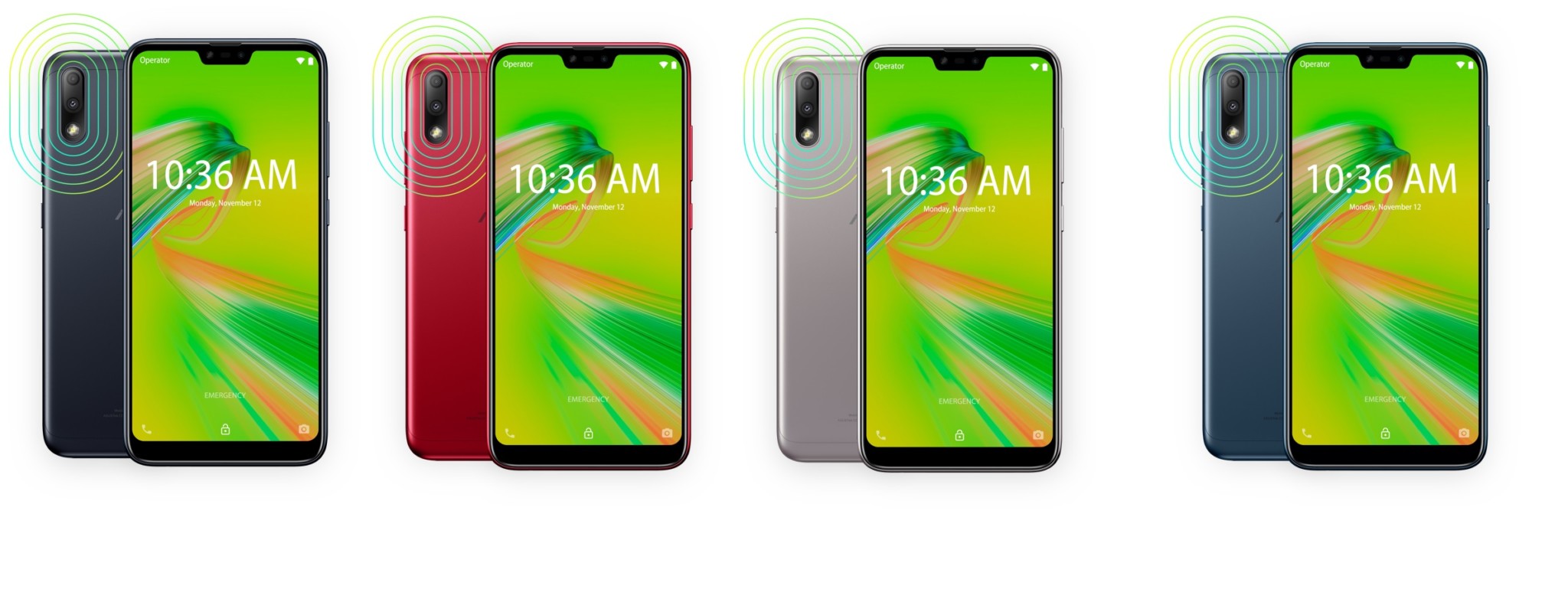
The Zenfone Max Shot has a 6.26-inch FHD+ display with a notch at the top of the screen. It comes in two variants – 3GB RAM + 32GB and 4GB RAM + 64GB.
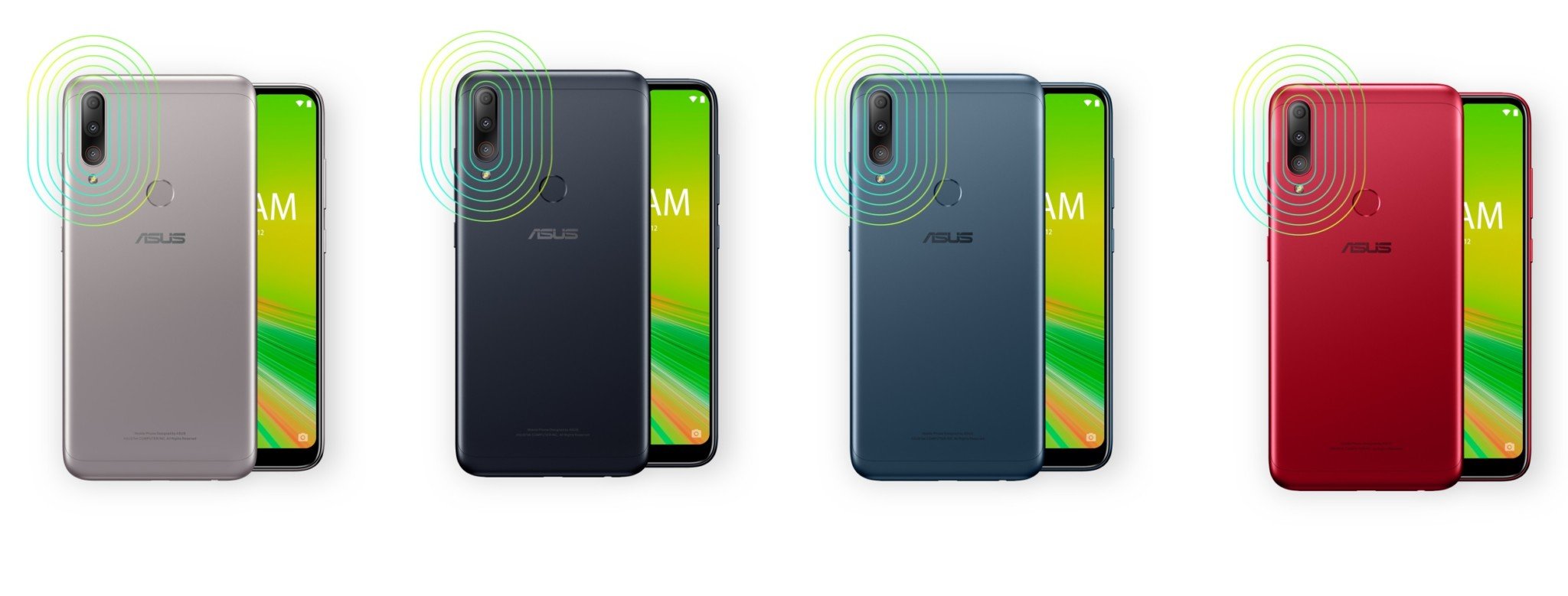
On the back of the phone are a 12MP Sony IMX486 f/1.8 primary sensor, an 8MP 120° ultra wide-angle camera, and a 5MP depth sensor. An LED flash sits below the triple camera setup. There is also a rear-mounted fingerprint scanner. The front of the Zenfone Max Shot is home to an 8MP selfie camera with its own LED flash. The cameras have AI features such as scene recognition.
The phone runs Android 8.1 Oreo which is disappointing but ASUS says Android Pie will be released for it in the future. The Max Shot packs a 4,000mAh battery under its metal back and charges via a MicroUSB port (10W max). It is available in red, blue, silver, and black.
The Zenfone Max Shot is priced at BRL 1,349 (~$352) for the 3GB RAM variant and BRL 1,699 (~$445) for the 4GB RAM variant.
ASUS Zenfone Max Plus M2
The Max Plus M2 shares most of its specs with the Max Shot. However, it comes with just 3GB of RAM and 32GB of storage. It also has only two rear cameras – the 12MP Sony IMX 486 primary sensor and the 5MP depth sensor. There is a rear-mounted fingerprint scanner too. The selfie camera is also the same as that of the Zenfone Max Shot and so is the battery capacity.
The Zenfone Max Plus M2 comes in red, black, blue, and silver and will sell for BRL 1299 (~$339). Both phones are already available for purchase on the official ASUS Brazil website.
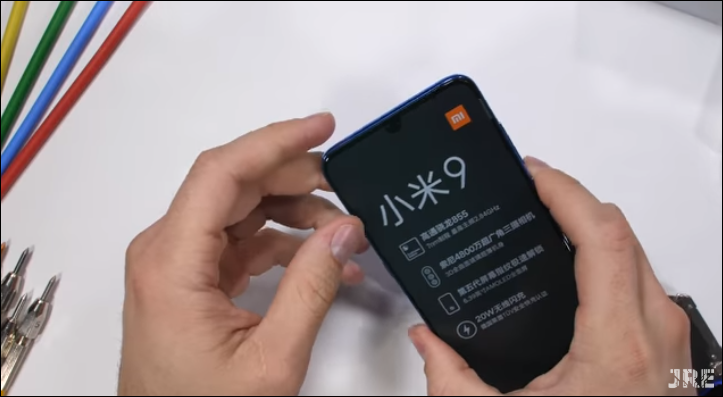
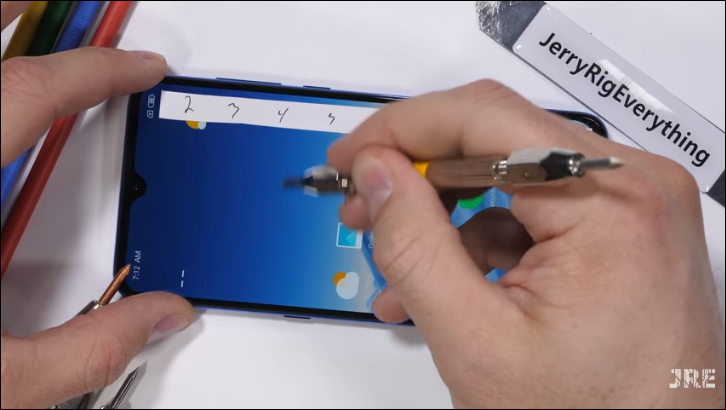
Just the same way DXOMark has come to gain wide acceptance as a dependable camera benchmark platform, Zack Jerry’s JerryRigEverything YouTube channel has also become renowned for its genuine durability test. Zack has got his hands on the latest Xiaomi Mi 9 flagship. subjecting it to the scratch, burn and bend tests. The Mi 9 is promoted as a solid model with durability at its heart and the device passed the test in flying colours.
The test began with the scratch test and the display and glass back survive being scratched with a knife without any mark. When subjected to the Mohs scale, the screen scratches at a level 6 while level 7 shows deeper grooves. The Mi 9 is promoted to have a Sapphire Glass protection on top of the rear cameras and Zack also checked that out. While the name is confusing since the material is either glass or sapphire, it is possible Xiaomi has found a way to combine sapphire and glass. On the Mohs scale, Sapphire scratches at level 9 but the glass on top of the Mi 9’s rear camera scratches at level 6 just like the display. Another theory is that this is an inferior Sapphire glass since it was tested and confirmed to be sapphire.
The OLED display on the device survives the burn test in an impressive manner. So too the frame survives the bend test, as it was bent from bak and from the front without any part snapping. In all, the Mi 9 is a durable flagship device in terms of the hardware. The device is pretty impressive when the searchlight is beamed on its internals. It packs a powerful Snapdragon 855 chipset as well as a 48MP Sony sensor as its main camera in a triple camera arrangement. You can check out the entire video from below.
Towards the end of last month, HMD Global released the Android Pie update for the Nokia 3.1 Plus. Today, it has announced the update is also available for the Nokia 3.1.
To celebrate @AndroidAuth recognizing us for the best pie delivery in the industry, it is our pleasure to cater you a very special serving 😋🍰! Your premium companion, Nokia 3.1 now offers the sweetest experience with Android 9, Pie! Nokia smartphones get better with time! pic.twitter.com/Wa9bIaJBxt
The Nokia 3.1 launched with Android 8.0 Oreo out of the box. Android Pie will bring a new UI, new navigation, adaptive battery, and adaptive brightness.
The Nokia 3.1 was released last May. It has a 5.2-inch 1440 x 720 display covered with Gorilla Glass. It is powered by the MediaTek MT6750 processor which is paired with 2GB/3GB of RAM and 16GB/32GB of expandable storage. It has a single 13MP rear camera and an 8MP selfie camera. The phone packs a 2,990mAh battery. HMD Global released a successor called the Nokia 3.2 at MWC 2019 last month.
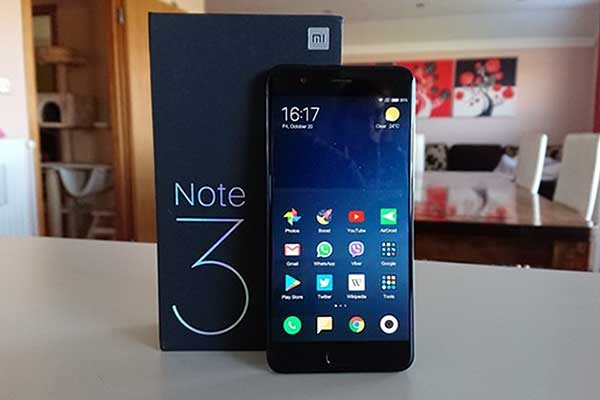
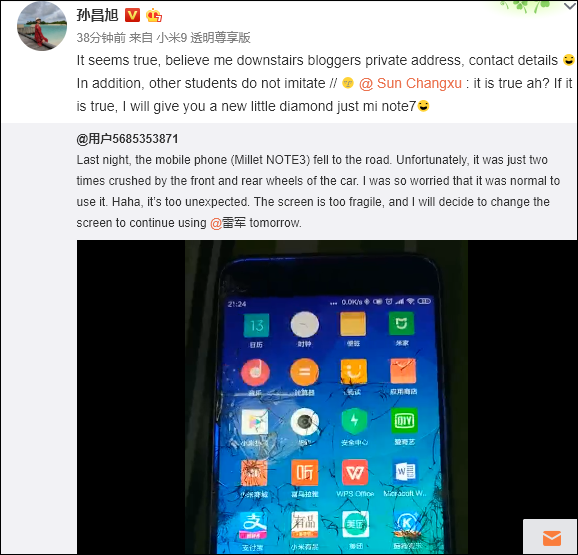
Xiaomi is known for its cheap smartphones but despite their pocket-friendly price tags, the phone maker doesn’t compromise on quality. A testament to the quality of Xiaomi’s phone is the recent incidence that revealed on China’s Weibo where a Mi Note 3 was smashed by a car but still continued working.
We have seen cases of flagship phones that survived scathing conditions like falling down from tall buildings and still functioned. But then, the Mi Note 3 isn’t a flagship phone but a premium mid-range model. The story has it that the phone fell on the road and the front and rear tires of the car went over the phone. Although the screen was shattered, the display wasn’t affected. Even the touchscreen panel that was shattered could still function perfectly in that state.
The Mi Note 3 was launched way back in September 2017 and utilises a four-curved glass body with the same technology as Xiaomi 6. It features a stainless steel mid-frame manufactured from the 7-series aviation aluminium alloy. Although the device packs a bigger display than the Mi6, the weight is relatively lighter than the Xiaomi Mi 6. The metal frame may have played a role in the device maintaining its structural integrity after the assault by the car tires. Luck has smiled on the chap, though, as Xiaomi has offered to send him a Redmi Note 7. The Mi Note 7 is touted to have a stronger display that may even survive such incidence.
The Huawei Nova 4 launched as Huawei‘s first phone with a punch hole display and the world’s first phone with the 48MP Sony IMX586 sensor.
The phone was announced in two variants – a high-end model with a 48MP primary rear sensor and a standard model that has a 20MP primary rear sensor. Both have 8GB of RAM and 128GB of storage. Huawei has now announced a 6GB RAM variant which also has a 20MP primary rear camera.
The new variant is priced at ¥2799 (~$416) and comes in Red, Black, White, and Blue. It is already available for purchase on Vmall.
The 6GB version of the Huawei Nova 4 has a 6.4-inch IPS LCD display with a 2310 x 1080 resolution. It is powered by the Kirin 970 and runs EMUI 9.0.1 based on Android 9 Pie. It has a rear-mounted fingerprint scanner and packs a 3,750mAh battery.
The Vivo X27 is scheduled to go official on March 19. It is speculated that the Vivo X27 will be available in two chipset versions. The Chinese manufacturer has recently confirmed some of the key specs of the phone. Through a recent Weibo post, it has shared couple of official renders of the phone to reveal its design in full glory.
Vivo X27 Official Images
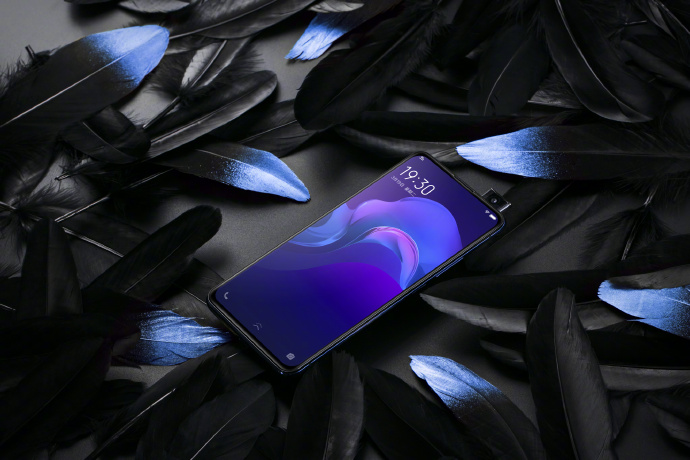
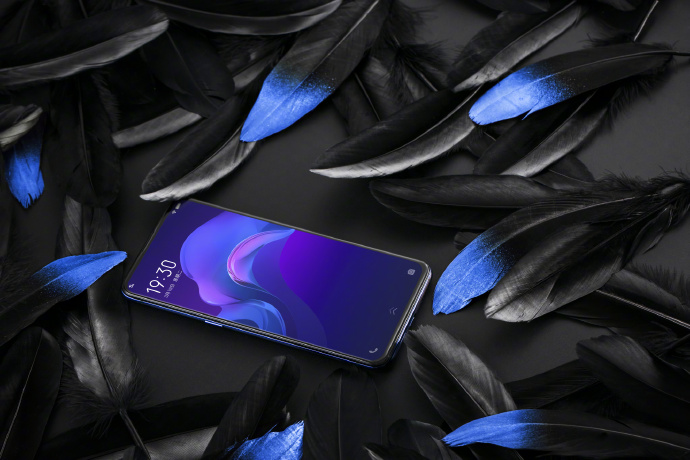
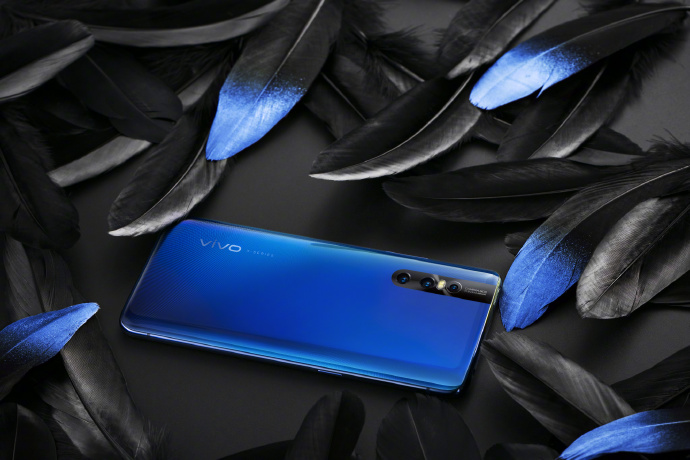
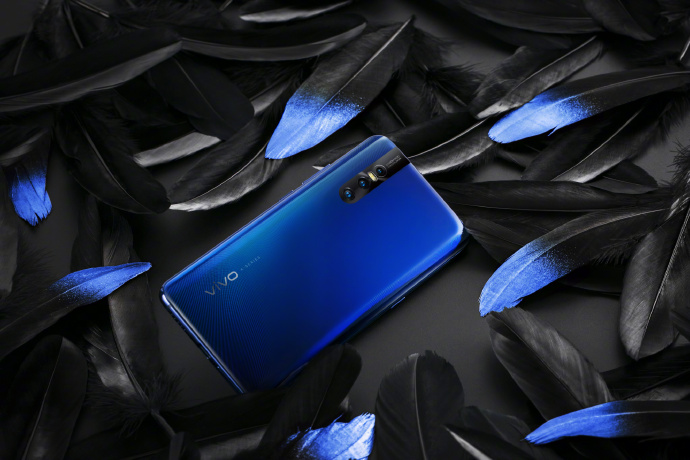
The Vivo X27 renders confirm that its design is identical to the Vivo V15 Pro that was announced in India recently. The company has confirmed that it will be available in China in two colors like Pink Gold and Blue Feathers.
The rear shell of the phone lacks a fingerprint scanner. Like the predecessor models, the Vivo X27 will be equipped with an in-display fingerprint reader. The AI triple camera module that includes an LED flash between the primary and secondary camera sensors can be found at the top-left corner of the glass back of the phone.
The frontside of the phone is fitted with a notch-less display. There is a pop-up selfie camera placed on the top edge of the device.
Vivo X27 Specifications
The Vivo X27 is expected to arrive with a 6.39-inch Super AMOLED display that offers full HD+ resolution of 1080 x 2340 pixels. The FunTouch OS 9 UI flavored Android 9 Pie OS will come preloaded on the device.
The Vivo X27 will be equipped with a selfie shooter of 16-megapixel. The rear side of the phone is expected to feature Sony IMX586 48-megapixel + 13-megapixel + 5-megapixel triple camera unit. It is likely to arrive with a 4,000mAh battery that is tipped to support 22.5W fast charging.
Vivo X27 Two Variants and Price
The lower edition of the Vivo X27 is rumored to be fueled by Snapdragon 675 SoC. The chipset could be supported by 6 GB of RAM. It may arrive with an inbuilt storage of 128 GB. It could be priced at 3,198 Yuan (~$476).
The Snapdragon 710 could be the driving force of the higher model. The SoC will be coupled with 8 GB of RAM. It will include an internal storage of 256 GB. This variant may carry a price tag of 3,598 Yuan (~$535).
Meizu’s ride in the smartphone industry has been quite bumpy. Initially, the company went head-on with Xiaomi and its smartphones but soon, the recently listed company picked up pace, fueled by its global expansion. On the other hand, Meizu is still struggling to do well in China. Internationally, things are even worse. While I didn’t want to start the article painting a bad picture for Meizu, this is reality right now. But we shouldn’t write them off yet. They have a lot of fighting spirit and their smartphones in recent times have shown promise. What I like about the company is that they usually have a unique take to their products and often resist following the norm. And that’s what makes them special.
Today, Meizu has turned 16. It’s been a long journey for them so far, founded and steered by Jack Wong since 2003. In the past 16 years, they have achieved a lot of milestones. So, let’s take a quick look at some of the most important moments for the company so far.
Meizu was founded by Jack Wong on March 14, 2003. The company started off as a MP3 manufacturer since Mr. Wong had previous experience in this industry.
Meizu is headquartered in Zhuhai, a beautiful city known for its golf resorts and theme parks. This is unlike other tech companies who are usually based out of industrial cities like Shenzhen (OnePlus, Huawei, ZTE) or Dongguan (OPPO, Vivo) or even Beijing (Xiaomi, Smartisan).Zhuhai (source: Chinadaily.com.cn)
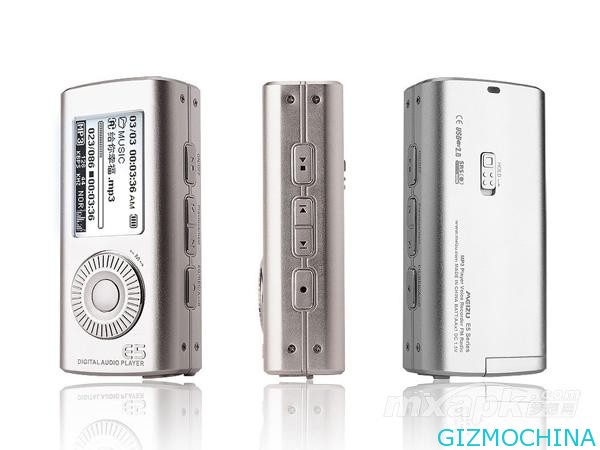
Meizu’s MP3 Players quickly became popular. The company made its name from its M series, which quickly rose to fame. This was followed by the popularity of its M6 Mini MP4 player. Turns out, we have a very old article about Meizu’s MP3 player journey, you can check it out here.
While it’s unverified, it’s said that Meizu had made 30 MP3 Players in total but decided only to release 10 players in the market. The rest were scrapped because Jack Wong didn’t think they were good enough.
After their tremendous success in making MP3 and MP4 players, Meizu released their first touchscreen smartphone, M8 in 2008. The phone was similar to the iPhone and turned out to be successful leading to long queues in front of its stores. Note that the phone was running Windows CE.
Meizu’s first Android smartphone came in 2011, under the Meizu M9 brand name. This was another phone which was quite popular, with people lining up overnight outside its stores just to get hold of a unit.
In 2012, Meizu announced the first model in their new MX series, called Meizu MX. The phone came with a quad-core processor with the company’s own Flyme OS skin on top.
In the same year, Flyme 1.0 was released, the company’s own take at Android skins. You can read more about the evolution of Flyme OS here.
In 2013, Meizu released the World’s first 128GB ROM smartphone, the Meizu MX3.
In March 2015, Meizu partnered with Canonical to release the Meizu MX4 Ubuntu edition. There was another Ubuntu edition model released, Meizu Pro 5 Ubuntu, in 2016.
In the same year, (2015) Meizu unveiled its innovative mBack physical button. One button replaced all other capacitive buttons for navigation. It was indeed an innovative solution for UI navigation.
In 2018, Meizu released the Meizu 16th series, a lineup of high-end smartphones. The phone was popular for its design which didn’t adopt the trending notch design.
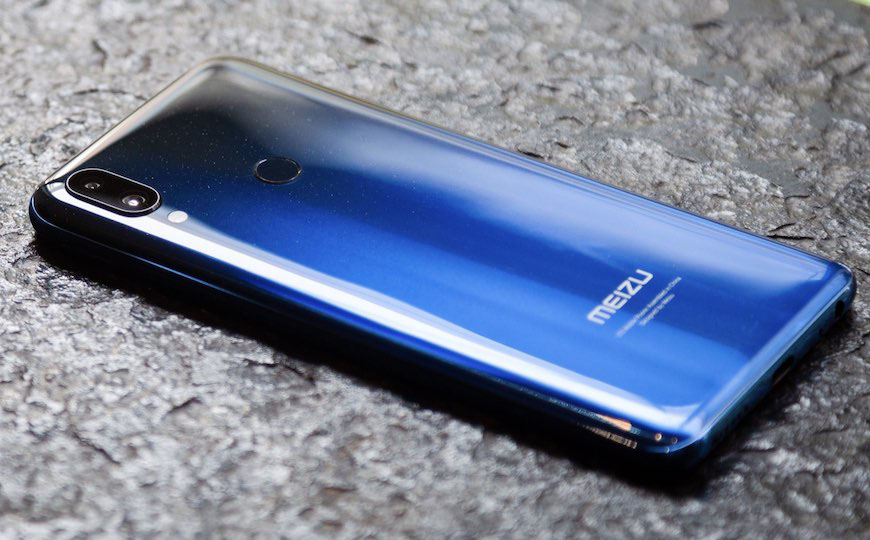
The company’s most recent launch is the Meizu Note 9. The phone was announced earlier this month and comes with a 48MP camera. Oh yes, the phone has a waterdrop notch.
As you can see, Meizu has a lot more to boast about in the first half of its existence than its second. The company has been trying out a few things in the past few years, but things haven’t really worked out well. For example, there was this beautiful Meizu Gravity speakers which had a floating design but got a lot of bad press for failing to ship to its Indiegogo backers. The company made it available nearly two years later.
Further, the Meizu Zero, a completely port-less, hole-less smartphone concept turned out to be a marketing failure. The phone was being showcased at MWC, but hardly got any press. Well, the phone did look and feel beautiful but it was basically overshadowed by all the big launches out there. Not to mention that their crowdfunding campaign failed to get enough backers.
Meizu’s recent smartphones are still pretty good. However, the company doesn’t really know how to market and promote its smartphones. This has been a very big issue for the company over the past few years, especially when companies like OPPO, Vivo, Huawei, and even Xiaomi have mastered the art of promoting their smartphones.
With the entry of OPPO and Vivo in the value for money segment, things are further going to be harder for Meizu. It will definitely be a tough road for the company from here on but I hope the company learns from its mistakes and continues to make good quality smartphones for its fans.
Huawei has unveiled the Huawei Nova 4e smartphone today through a launch event in Beijing, China. It’s a budget-friendly phone that comes with triple rear cameras and an amazing frontal camera of 32-megapixel. Also, it comes the smartphone offers a high screen space through its waterdrop-style notched display design.
Huawei Nova 4e Specifications and Features
The 3D glass-bodied Huawei Nova 4e measures 152.9 x 72.7 x 7.4mm. It comes in color variants such as White, Black and Blue. The IPS LCD display of the smartphone that measures 6.15 inches delivers full HD+ resolution of 1080 x 2312 pixels. With a small u-shaped notch on the display, the Nova 4e offers an aspect ratio of 19.5:9. The TUV Rheinland certification ensures that the eyes of the Nova 4e users are safeguarded from harmful blue rays.
The 4 GB and 6 GB RAM are fueled by Kirin 710 chipset. It comes with a native storage of 128 GB and it also carries support for additional storage through microSD card. The Android 9 Pie OS skinned with EMUI 9 custom UI is available on the device. There is a GPU Turbo 2.0 onboard for accelerated graphics performance.
The front camera of the Nova 4e is of 32-megapixel. Apart from snapping beautified images, the selfie snapper can also capture brighter shots in dim-light conditions. Placed on the glass back of the phone is a triple camera unit that includes a 24-megapixel primary sensor, a 120-degree 8-megapixel wide-angle lens and a depth sensor of 2-megapixel. The AI driven triple cameras are designed to capture stunning photos in darker environments.
There is a rear-mounted fingerprint scanner on the Huawei Nova 4e. It also carries support for AI face unlock. The smartphone is packed with a 3,340mAh battery that is coupled with 18W fast charging. The usual connectivity features such as dual-SIM support, 4G VoLTE, Wi-Fi 802.11ac, Bluetooth 4.2, USB-C and 3.5mm audio jack can be found on the Nova 4e.
Huawei Nova 4e Price and Release Date
The Huawei Nova 4e has come to China in two models such as 4 GB RAM + 128 GB storage and 6 GB RAM + 128 GB storage. These phones are respectively priced at 1,999 Yuan (~$297) and 2,299 Yuan (~$342). The smartphone is now available for pre-orders in the home market. It will be hitting the shelves on March 28. Last year, the Huawei Nova 3e was released as P20 Lite in European nations and some other countries. Hence, the Nova 4e is expected to go official P30 Lite in Europe and some other markets.
After launching its custom user interface EMUI 9 based on Android 9 Pie operating system, China-based Huawei has been trying to push the new interface to as many smartphones as it can. After rolling out the update to the majority of the recently launched smartphones of Huawei and Honor, it is now planning to release EMUI 9 to older devices.
The company has today announced through its official Weibo account for EMUI that the new beta update for the Honor 9 Youth Edition, Honor 9i, Honor Play 7X, Huawei Enjoy 7S, Huawei Enjoy 8 Plus, and five other smartphones will soon roll out and the public beta recruitment is currently underway.
To recall, EMUI 9.0 comes with several changes in the UI which Huawei says makes it “Simple, Enjoyable and Consistent.” The changes include new gesture controls which aid users to quickly navigate, multitask and open the AI assistant.
It also comes with a new password manager capable of auto-filling passwords using ID verification from the fingerprint scanner or via facial recognition. Last month, the company also introduced support for two profiles in the facial recognition feature.
The EMUI 9 also comes with GPU Turbo 2.0 which reduces the touch response of the phone by 36 percent and adds a new app assistant. It brings support for four more games: Vainglory, Arena of Valor, Rules of Survival, and NBA 2K18. These are in addition to PUBG and Mobile Legends: Bang Bang which also carries support for the second generation version of GPU Turbo.
Since EMUI 9 is based on Android Pie, it also gets navigation gestures. Among other features, the Android Pie also comes with Adaptive Battery which makes use of machine learning technology to improve the phone’s power management.
If you have been waiting with bated breath to get your tech greedy hands on the One Netbook One Mix 2S Yoga Pocket Laptop without spending a lot of money, we got good news for you.
One Netbook has teamed-up with Chinese online store GeekBuying to offer its well-received One Mix 2S Yoga Pocket Laptop at an unbeatable price. While you’d normally end up shelling out a whopping $837.99 on the coveted laptop, you can now buy it for a considerably reduced price of just $669.99 on GeekBuying.
In addition to taking full advantage of this 20 percent discount, you can apply coupon code GIZ_VLYHASDI and get an extra $140 off. You can bring the already reduced asking price of the One Netbook One Mix 2S Yoga Pocket Laptop further down to just $659.99 by applying the aforesaid coupon.
On top of that, GeekBuying users are eligible for a slew of free gifts such as the One Netbook One Mix 2S HDMI Male to Male, One Netbook One Mix 2S In-ear Headphone, One Netbook One Mix 2S Wipes and lots more. As far as features are concerned, the One Netbook One Mix 2S Yoga Pocket Laptop offers the following:
7-inch touchscreen display with 1920×1200 pixels resolution
Intel Core M3-8100Y, Dual Core, up to 3.4GHz processor
Intel HD Graphics 615 GPU
8GB DDR3 + 256GB PCI-E SSD
Microsoft Windows 10 OS
6500mAh Large Battery
The ‘One Netbook One Mix 2S’ promotion page also features a wide range of other devices that have been included in the ‘More Devices’ category. This section includes the Teclast M89 tablet PC, Alldocube Cube M5 phablets etc. More importantly, all items added to this section carry heavily discounted prices.
For the sake of an instance, you can avail a 39 percent discount on the Teclast M89 which usually retails for $245.99. Thanks to the discount, this feature-laden table PC can now be yours for just $149.99.
You can visit this link to check out the promotion page and grab the discount, which will be valid for the first 100 pieces only. Note that the promo ends in just three days.
Huawei, the China-based smartphone manufacturer, has had a wonderful run in terms of smartphone sales in the past couple of years. It has also managed to establish its presence in the premium smartphone segment, thanks to its Mate and P-series devices.
The company hasn’t shied away from experimenting with smartphone design. It recently launched its first foldable smartphone — Huawei Mate X, which has a tri-fold design. Now, the company is reportedly considering a smartphone with dual displays.
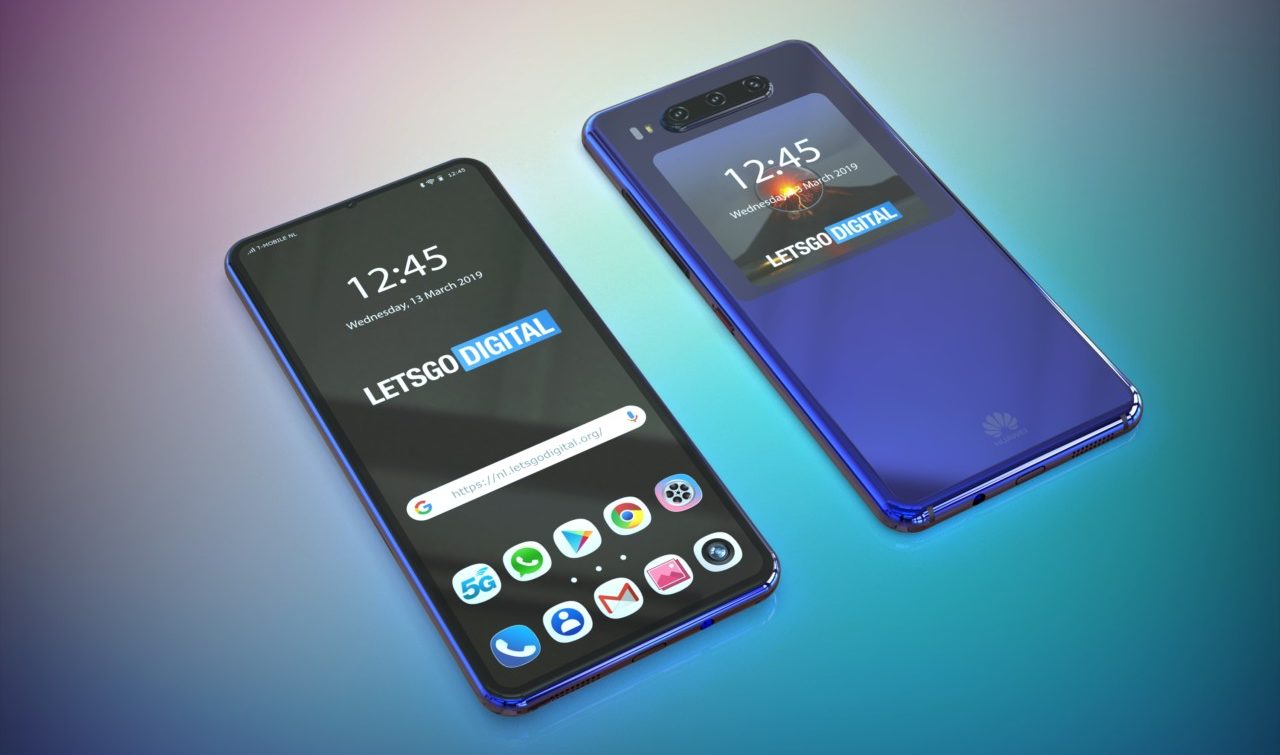
A new patent from Huawei has been published by EUIPO (European Union Intellectual Property Office) and the WIPO (World Intellectual Property Office), which was filed on 28th November 2018. The patent shows a smartphone with a secondary display on the back panel. LetsGoDigital has created 3D renders of the same to give a better look at the device.
It shows a smartphone carrying a triple camera module in the top-center position, with sensors arranged horizontally, along with an LED flash and laser autofocus. It seems that the phone has a periscope zoom support, similar to what is expected in the P30-series.
Just below the camera module, there’s a mini display which could be helpful in taking high-quality portrait shots or selfies with the phone’s advanced cameras. However, other smartphone makers have already launched smartphones with dual displays, including Vivo Nex Dual Display and Nubia X.
Thanks to the secondary display on the back panel for helping in taking selfies, there are no camera sensors on the front panel, allowing the company to offer a full-screen display without any kind of notches or a sliding mechanism.
Meanwhile, Huawei is all set to launch its latest flagship smartphone series — Huawei P30, which also includes P30 Pro and P30 Lite. The launch event is scheduled to take place on 26th March in Paris, France. The company is also launching its Huawei Nova 4e smartphone today in China.
Looking for a tablet PC that comes with the latest fingerprints Identification but doesn’t cost a bomb? The Alldocube Cube X Tablet PC might just fill the bill.
Equipped with a newfangled feature that enables its users to lock and unlock their laptops with their fingers, the Alldocube Cube X is simply an irresistible tablet PC.
Moreover, it boasts an impressive array of other features. Its top-end specs, make the Cube X a big hit among tech buffs who are willing to spend whatever it takes to get their hands on this feature-laden tablet PC.
Much to the chagrin of those living on a tight budget, the Alldocube Cube X tablet isn’t easy on the pocketbook. In order to make the coveted tablet PC available to its cost-conscious users, GeekBuying has teamed up with Alldocube to offer the Cube X tablet PC for a lowered price.
While the Cube X Tablet PC would normally set you back a pretty penny on both online as well as offline stores, you can now buy it for only $335.99 on GeekBuying. This is a significant 27 percent drop in the device’s original asking price of $459.99. But there’s more for you to cheer about.
In addition to taking full advantage of the aforesaid discount, you can use coupon code GJJUPMMH and get an extra $60 off. In other words, you can bring the already reduced retail price of the Cube X tablet PC further down to just $325.99 simply by applying the aforesaid coupon at the time of checking out.
An absolute bargain at this price, the Alldocube Cube X tablet PC comes with the following features:
10.5 inch 2K Screen with 2560×1600 pixels resolution
6.9mm ultra-thin all-metal unibody design
MTK8176 Hexa Core, up to 2.1GHz processor
IMG GX6250 GPU
AKM Hi-Fi chip premium theater-quality sound
4GB RAM, 128GB ROM
Android 8.1 Oreo OS
Dual Band 2.4GHz / 5.0GHz WiFi
Fingerprints identification
You can head straight to this link to check out the full specification and grab the discount, which will be valid for the silver color version of the Cube X tablet PC. Note that the promo is slated to end in three days.
Google has released the first beta edition of the Android Q for all the Pixel phones that have launched so far such as Pixel 3 XL, Pixel 3, Pixel 2 XL, Pixel 2, Pixel XL and Pixel. The beta build can be installed on the Pixel devices by enrolling in the Android Beta Program first.
Previously, the first preview build of predecessor Android versions were installable only through manual processor since it was aimed towards developers. However, the Android Q first preview can be received over-the-air. The Android Q Beta 1 is aimed towards the developers for testing their apps for the new version of Android. Coming to the Pixel phones, the original Pixel smartphones have already received the promised 2-year Android OS updates. Hence, it is surprising the arrival of Android Q for Snapdragon 821 powered Pixel and Pixel XL phones from 2016.
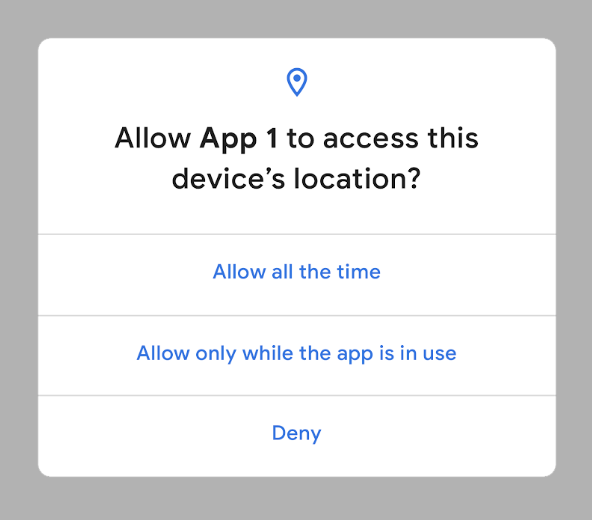
In May, Google will be holding its I/O 2019 conference to announce the key features of the Android Q. The successor of Android P comes with a new permission management setup for tracking location that provides users three options for apps to access device’s location all the time or allow it while the app is in use or deny.
Controlling apps that access photos, videos and audio files have become easier to manage on Android Q. Also, apps are required to use the system file picker inside the Downloads folder so that users can choose which files can be access by the app. The new version of Android prevents apps for opening activities in the background. Just as Android 9 Pie came with different kinds of display notch designs, the Android Q has been designed to better manage the contents on devices with foldable screens.
Also, the access to sensitive information such as IMEI number and serial number will be restricted on Android Q. The Wi-Fi stack in the new OS comes has been rebuilt to deliver enhanced privacy and performance. There will be a high-performance mode with low latency so that users can take advantage of stutter-free Wi-Fi connectivity while playing games, video and voice calls.
Other features of Android Q include new codecs such as AV1, Opus encoding and HDR10+ on supported devices, revamped Sharing Shortcuts, improved ART runtime and Dynamic Depth open source format that allow third-party apps to apply specialized burs and bokeh options.
Google will be releasing six beta editions of Android Q. The first one will come in March and the second one will be arriving in April. The third build will be released in May and the fourth will be rolled out in June. These four builds are mainly meant for testing while the Beta 5 and Beta 6 are release candidates. The final edition of the Android Q OS is scheduled to arrive within Q3 this year.
The design of the Huawei P30 and P30 Pro flagship phones have been revealed through their leaked renders that had surfaced in the previous month. Fresh renders that have been shared by WinFuture.de reveal that the P30 Pro will be arriving in a very attractive red color. Also, the new images have also revealed some key features of these phones.
Huawei P30 Pro Sunrise Red
Previously seen renders of the Huawei P30 and P30 Pro had revealed that it would be available in colors like Black, Aurora, and Ice White. However, the new renders show that the P30 Pro will be available in another color called Sunrise Red. The top portion of the new color is lighter and has an orangish appeal and it appears red towards the bottom.
The Sunrise Red option that will remain exclusive to the Huawei P30 Pro may not be available in all markets where the phone releases. The other images show that the P30 Pro will not be featuring a 3.5mm audio jack. On the other side, the bottom edge of the Huawei P30 will be featuring an external speaker, a USB-C port, a microphone and a 3.5mm headphone jack. The antenna lines are also noticeable on the bottom edge of the P30.
Huawei P30 and bottom
The antenna bands are also visible on the top edge of the Huawei P30 and P30 Pro. Also, the P30 Pro will be featuring an IR blaster on the top edge of the device. The P30 handset won’t be featuring it.
Huawei P30 Pro top and bottom
Huawei P30 and P30 Pro Specifications
The Kirin 980 powered Huawei P30 and P30 Pro will respectively feature 6.1-inch flat OLED and 6.5-inch curved OLED displays with waterdrop notch design. The P30 will be coming with 6 GB of RAM and 128 GB of storage whereas the P30 Pro will have 8 GB of RAM and 128 GB of storage. Both phones are expected to carry support nanoSD card slots. The P30 Pro is also expected to come in 256 GB and 512 GB storage models.
These phones are rumored to be fitted with 32-megapixel front-facing cameras. The triple cameras of the P30 may support 5x loseless zoom. The P30 that features an additional ToF (Time of Flight) sensor in its quad camera setup is expected to deliver 10x loseless zoom. The P30 Pro may offer 40W fast charging whereas the P30 may come with 22.5W rapid charging. There is no accurate information available on the batteries of these devices.
The pricing of the P30 and P30 Pro are still under the wraps. These phones along with the P30 Lite are slated to go official on March 26 through an unveil event in Paris, France on March 26.
Smartphone owners usually spend a lot of money on mobile phone accessories in order to either enhance the appearance or boost the overall performance of their handsets. Keeping in line with that, the market is rife with all sorts of wireless chargers, batteries, Bluetooth headsets, phone cases etc.
If you are looking for cost-effective mobile phone accessories and parts that do not compromise on quality, Sunsky’s got your back! The popular mobile phone accessories whole-selling website is giving its users a chance to grab up to 40 percent discount on a wide selection of mobile repair and replacement parts.
The promotion page that features a slew of highly useful items has been split into multiple categories so that users can find the product they’re looking for without breaking a sweat. More importantly, all items included in the aforesaid categories carry heavily discounted prices. For the sake of an instance, the ‘Special Offer’ category includes the Front Screen Outer Glass Lens for Xiaomi Redmi Note 6 Pro(Black) that would normally set you back $0.65, but thanks to a 40 percent discount, you can now buy it for just $0.39. Aside from that, you can grab great discounts on the rest of the products included in this section.
iPhone users looking for repair or replacement parts for their feature-laden mobile devices can head straight to the next category called ‘iPhone Series Parts.’ You can buy spare parts for your iPhone 8 Plus, iPhone 7, iPhone XR and other well-received iPhone branded phones without emptying your pockets.
Samsung Galaxy’s loyal fans haven’t been ignored either. The promotion page features a ‘Galaxy Spare Parts’ category, wherein users can get their hands on various spare parts for their Galaxy J6, Galaxy J5, Galaxy J4+, and Galaxy S7 Edge phone just to name a few.
Likewise, Huawei phone owners can check out the ‘Huawei Spare Parts’ section. Here you can buy a myriad of spare parts such as a SIM card tray, back camera lens, charging port board, back facing camera etc. at considerably reduced prices.
The rest of the sections include spare parts for Xiaomi, OPPO, Vivo mobile phones. Moreover, you can buy repair tools at lowered prices as well. You can visit this link to check out the promotion page and take full advantage of the discount before the promo ends.
Xiaomi‘s Black Shark gaming phone recently got a rival in the sleek Vivo iQOO that was launched a couple of weeks back. In other to continue to maintain its grip of the market, the company is expected to rejig the gaming phone lineup with the Black Shark 2. The company has already revealed that the Black Shark 2 will be launched on March 18. Ahead of the official launch, the reservation page for the flagship gaming rig has gone line on lack Shark’s official store.
The Black Shark 2 reservation page affords interested buyers to indicate their interest before it goes official. In that way, they will be notified when the pre-order starts or it goes on sales. The price for the model is just listed as 9,999 yuan which is apparently a place holder. The actual price will be revealed when it is launched. The variants and colour options are also not revealed in the listing. We’ll have to stay put till the launch date.
The Black Shark 2 is expected to feature Qualcomm’s Snapdragon 855 chipset and will have up to 12GB RAM, likely on one of the variants. This much was revealed when the device appeared on GeekBench a week back. The device has also appeared on AnTuTu showing there will be a variant with 8GB of RAM and 128GB internal storage. The gaming phone will also come with a display resolution of 2340 x 1080 pixels. It will run Android 9.0 Pie out of the box.
It looks like Xiaomi fans are in for a treat. The Chinese smartphone manufacturer has teamed up with Banggood to offer two of its well-received smartphones at reduced prices. Moreover, we’ll show how you can save extra money at checkout.
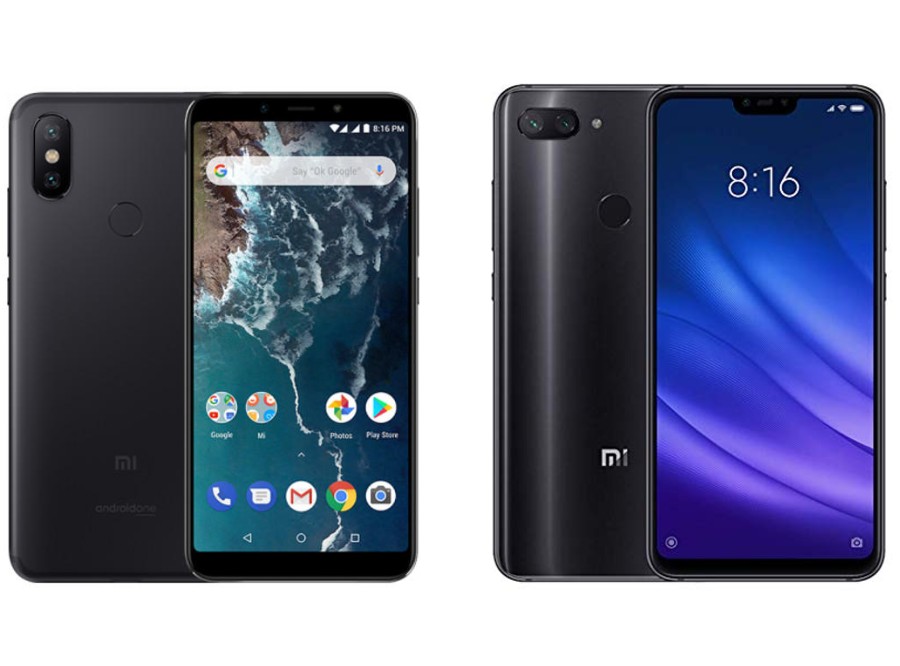
Xiaomi Mi A2 Smartphone (4GB RAM, 64GB ROM)
The Xiaomi Mi A2 smartphone was made available to the public back in July last year. Even months after hitting the store shelves, the phone continues to garner huge popularity among smartphone lovers.
Taking the phone’s undying demand into consideration, the Chinese electronics giant is now offering the Mi A2 smartphone at a reduced price on Banggood. The aforesaid variant of the phone that ships with 4GB of RAM and 64GB of internal storage would normally set you back $309.99, but you can now buy it for only $229.99 on Banggood. You can extend this 27 percent discount by applying coupon code 3BGA24CL.
The coupon helps you save $60 by reducing the retail price of the Mi A2 smartphone to just $169.99 before you place your order. You can visit this link to grab the discount before the promo comes to an end. Note that the coupon will only be valid for 60 pieces only.
Launched in September 2018, the Mi 8 Lite is quite an irresistible smartphone that usually sells for $299.99. In a bid to make the Mi 8 Lite available to those living on a tight budget, Xiaomi is now offering the well-received handset for a reduced price of only $228.49 on Banggood. This is a noteworthy 24 percent drop in the device’s original asking price of $299.99. On top of that, you can use coupon code 3M8LCL and bring the already lowered asking price of the Mi 8 Lite smartphone further down to just $198.79. In other words, you can get an extra $29.7 off simply by applying the coupon during the checkout process.
You can visit this link to avail the discount, which will specifically be valid for the black color version of the phone for a limited period of time. It is also worth noting that the coupon is slated to expire soon as well.
We use cookies on our website to give you the most relevant experience by remembering your preferences and repeat visits. By clicking “Accept”, you consent to the use of ALL the cookies.
This website uses cookies to improve your experience while you navigate through the website. Out of these, the cookies that are categorized as necessary are stored on your browser as they are essential for the working of basic functionalities of the website. We also use third-party cookies that help us analyze and understand how you use this website. These cookies will be stored in your browser only with your consent. You also have the option to opt-out of these cookies. But opting out of some of these cookies may affect your browsing experience.
Necessary cookies are absolutely essential for the website to function properly. This category only includes cookies that ensures basic functionalities and security features of the website. These cookies do not store any personal information.
Any cookies that may not be particularly necessary for the website to function and is used specifically to collect user personal data via analytics, ads, other embedded contents are termed as non-necessary cookies. It is mandatory to procure user consent prior to running these cookies on your website.




















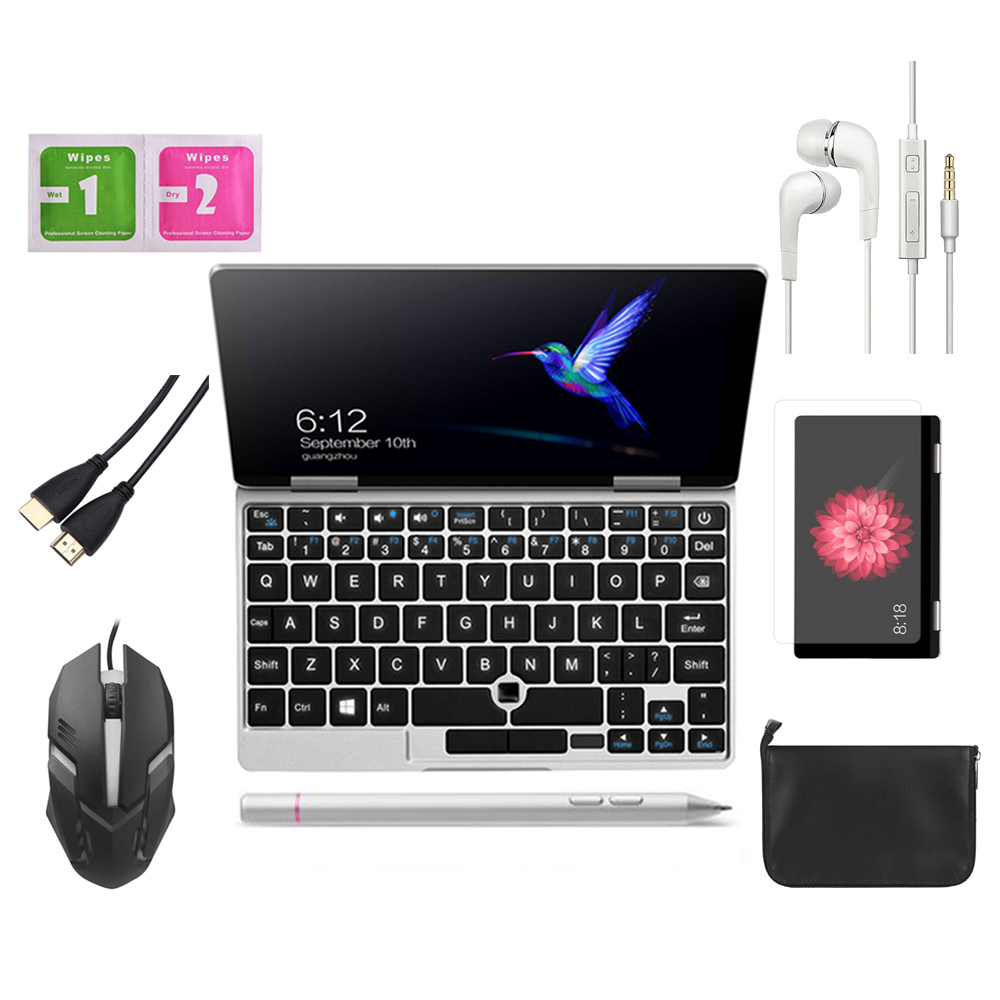 As far as features are concerned, the One Netbook One Mix 2S Yoga Pocket Laptop offers the following: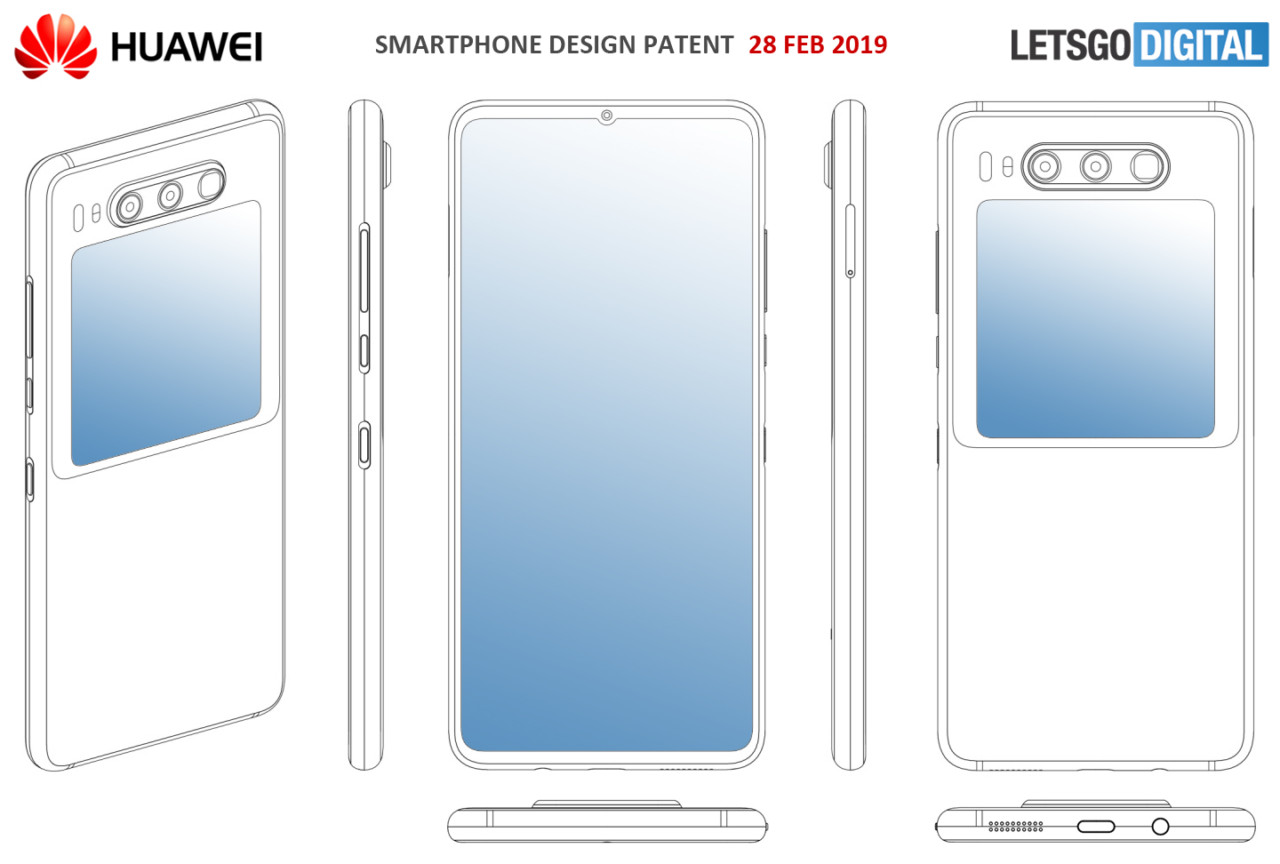







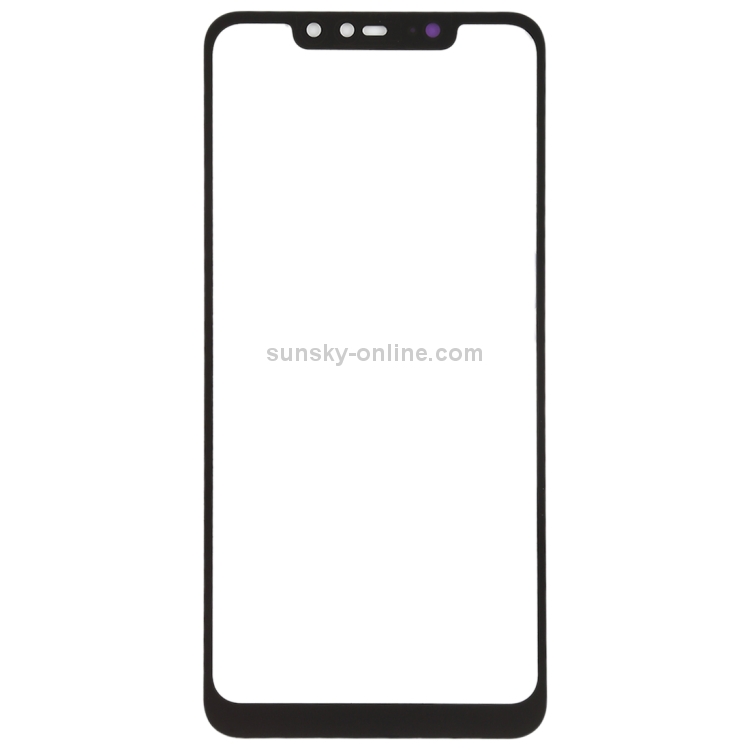 For the sake of an instance, the ‘Special Offer’ category includes the Front Screen Outer Glass Lens for Xiaomi Redmi Note 6 Pro(Black) that would normally set you back $0.65, but thanks to a 40 percent discount, you can now buy it for just $0.39. Aside from that, you can grab great discounts on the rest of the products included in this section.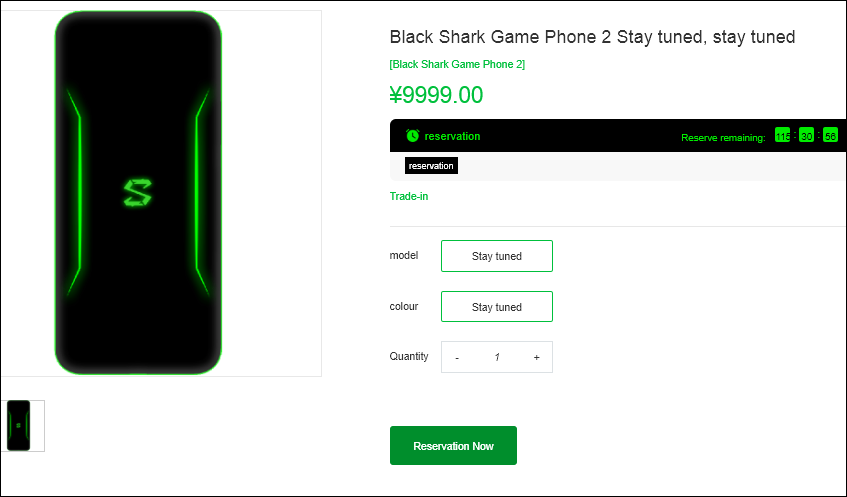

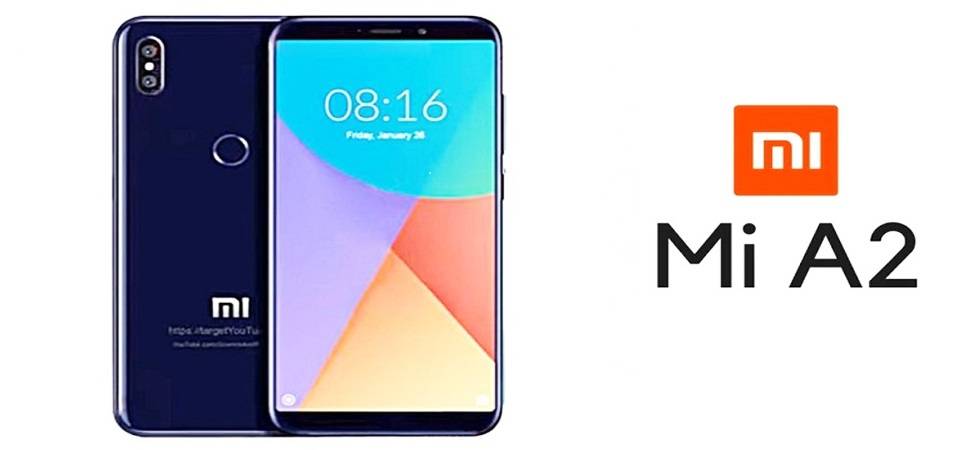 The aforesaid variant of the phone that ships with 4GB of RAM and 64GB of internal storage would normally set you back $309.99, but you can now buy it for only $229.99 on Banggood. You can extend this 27 percent discount by applying coupon code 3BGA24CL.
 This is a noteworthy 24 percent drop in the device’s original asking price of $299.99. On top of that, you can use coupon code 3M8LCL and bring the already lowered asking price of the Mi 8 Lite smartphone further down to just $198.79. In other words, you can get an extra $29.7 off simply by applying the coupon during the checkout process.