The latest ranking we saw showed Huawei is the number one smartphone vendor in the whole of China. That practically translates to more persons using Huawei phones than any other brand. The company has now launched a package that looks to utilise this popularity to the satisfaction of customers and also to promote the brand. The package is called the enterprise customization service and it has officially been launched on VMall.
The services this business will offer includes customized content, boot logo, boot animation and others. Huawei is of the opinion that by modifying the boot logo and animation to suit a particular corporate identity, it can spread corporate culture and enhance cohesion. The customisation will also enable the phones to come with pre-installed office software or customised apps. This will improve office efficiency and also ensure information security.
The service is currently offered at a promotion price of 0.01 yuan per device with a minimum of 100 units per set and this offer will be open until June 30, 2019. The supported models eligible for this service include the Enjoy series, Mate series, P series, Nova series and others.
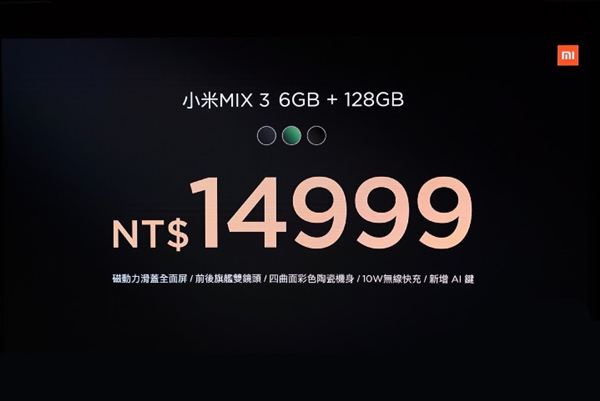
Xiaomi held a conference in Taiwan and during the event, the company took the wraps off the flagship Mi Mix 3 for the Taiwanese market. The launch will avail fans of the brand in the local market the opportunity to get the 6GB+128GB version which is the only one launched. Interestingly, the model comes with a rather affordable price tag of NT$14,999 (~$486).
The Mi Mix 3 is a 6.39-inch device with a display aspect ratio of 19.5:9 and screen ratio of about 93.4%. The high screen ratio, the biggest on any Xiaomi phone was made possible as a result the lack of a selfie camera at the front. Instead, the device utilises a sliding design. The Mi Mix 3 slider has been proved to be an advanced technology and one which won’t fail anytime soon. A tech geek claimed to have subjected the slider to up to 600,000 times without any hassle. Xiaomi on its part claims the slider has a service lifespan of 300,000 slides.
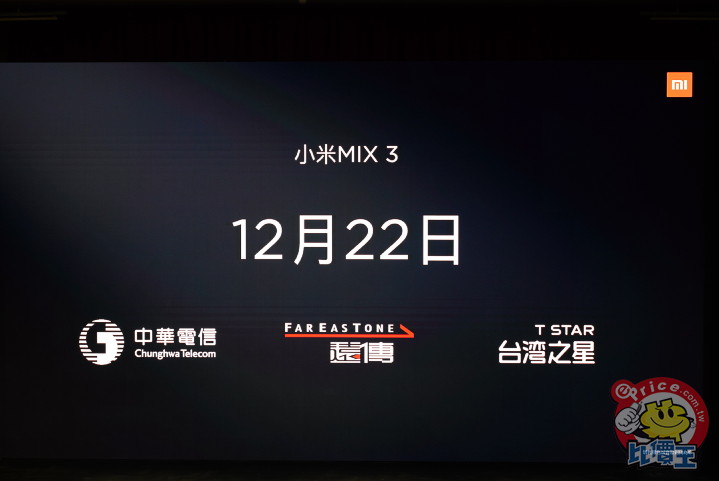
The Mi Mix 3 has at its heart a Qualcomm Snapdragon 845 chipset and as stated, Taiwan gets only the 6GB RAM + 128GB storage version, at least for now. Other specs include a 32oomAh battery, a 12MP+12MP dual rear camera setup as well as a 24MP+2MP dual camera. The device will go on sale on December 22.
Xiaomi‘s partner Huami has announced a new software update for its smart wearables which will usher in a couple of new features. The update is version 3.0.12.0 and it brings a new skipping rope feature under the sports mode. The update also adds a new dial-style watch face known as “Mechanical Metal”. In addition, for users in China, the update brings support for Zhengzhou Green City transport card which can be used right away. Huami also says the wearing detection algorithm is optimized to improve the accuracy of identifying the wearing state.
The new skipping exercise mode, as the name implies, will come in handy during skipping exercise by keeping count of the number of swings the user makes. The user can then set targets and as usual, the smartwatch notifies them when the target is met. This is an additional mode to the 11 sports mode that is available on the latest Amazfit Verge smartwatch.
The bus card support for Zhengzhou city is definitely exclusive to the Amazfit Verge which as launched this year with NFC. The Verge could be seen as Huami’s first complete smartwatch as it is not sports-centric like the Pace and Stratos. Already, the smartwatch supports the transport cards of up to 165 cities in China covering over 20,000 public transport routes. The Zhengzhou city transport card makes it 166 cities.
The Huawei Nova 4’s launch is still a few days away but a new leak gives us a closer look at the phone and also reveals some new details. The leak is a set of press renders of the phone in all the color variants it will be available in.
The Nova 4 will be the first Huawei-branded device to come with a hole-in-display panel a.k.a punch hole selfie camera similar to the Galaxy A8s and the Honor V20. The press renders show off the color variants of the phone.
[envira-gallery id=”227627″]
The Nova 4 will come in classic black, gradient red, gradient blue, and a gradient white variant similar to the Honor 10 GT Lily White. All variants have black bezels.
The Huawei Nova 4 will have triple rear cameras – two in a single housing and the third housed separately. One of the three rear cameras is a 48MP sensor. It will also have a rear-mounted fingerprint scanner.
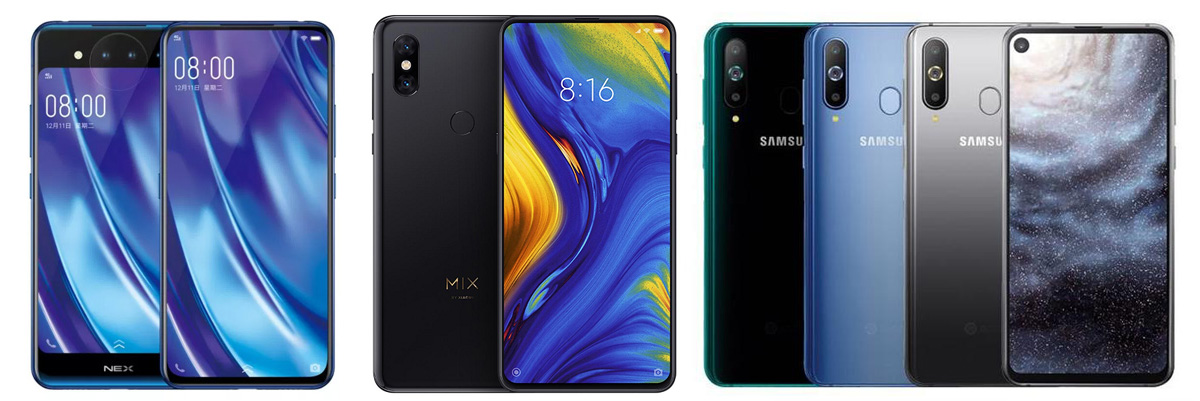
We are doing a lot of comparisons between innovative smartphones in the last period because smartphones manufacturers, after a long period of stagnation, started to make devices with impressive new features and technological breakthroughs. Vivo NEX Dual Display, Xiaomi Mi Mix 3 and Samsung Galaxy A8s are perfect examples of this kind of device and this is a specs comparison which will let you find out which is the best.
Vivo NEX Dual Display Edition vs Xiaomi Mi Mix 3 vs Samsung Galaxy A8s
Vivo NEX Dual Display Edition
Nubia X
Oppo Find X
DIMENSIONS AND WEIGHT
157.2 x 75.3 x 8.1 mm, 199 g
157.9 x 74.7 x 8.5 mm, 218 g
158.4 x 74.9 x 7.4 mm, 173 g
DISPLAY
Front display: 6.39 inches, 1080 x 2340p (Full HD+), Super AMOLED
Rear display: 5.49 inches, 1080 x 1920 pixels (Full HD), Super AMOLED
6.39 inches, 1080 x 2340p (Full HD+), Super AMOLED
Triple 24 + 10 + 5 MP, f/1.7 + f/2.2
24 MP, f/2.0 front camera
BATTERY
3500 mAh, fast charging with fast charging 22.5W
3200 mAh, fast charging with Quick Charge 4.0
3400 mAh, fast charging
ADDITIONAL FEATURES
Dual SIM slot, dual display
Dual SIM slot, slider design
Hybrid Dual SIM slot
Design
With these devices, Vivo, Xiaomi and Samsung adopted three different solutions to get rid of the notch and thick bezels. Vivo NEX Dual Display opts for a dual display which makes people use the rear camera setup as a camera for selfies too, Xiaomi Mi Mix 3 has a slider design with cameras and sensors all included in a pop-up slider, and Samsung Galaxy A8s features a hole in the display for the front camera. There is not a solution which can be defined better than each other, but I would personally go for the Xiaomi Mi Mix 3 because of its better materials: 7000 series aluminum for the frame and ceramic for the back.
Display
Xiaomi Mi Mix 3 has probably the best display when it comes to viewing quality, but Vivo NEX Dual Display has two displays and that is why I would choose it. The secondary display allows for a better power saving as well as a more comfortable one-handed use. Samsung Galaxy A8s has the most disappointing display, it is the only last-gen smartphone from the Galaxy A series to sport a classic IPS panel instead of a Super AMOLED one.
Hardware/Software
Under the hood, Xiaomi Mi Mix 3 is a true flagship with the most powerful components, at least in its most expensive version. It comes with Qualcomm Snapdragon 845, up to 10 GB of RAM and up to 256 GB of internal storage. Vivo NEX Dual Display has exactly the same hardware except for the internal storage which is 128 GB, while Samsung Galaxy A8s is just an upper-midrange device with its Snapdragon 710, but it is the only one to sport a micro SD slot to expand the internal storage. All these devices come with custom user interfaces based on Android Pie out of the box.
Camera
Unfortunately, we still had no chance to test the cameras of Samsung Galaxy A8s and Vivo NEX Dual Display, so we can not give any verdict about their camera department. But we know that Xiaomi Mi Mix 3 is among the best camera phones out there even though it does not have a triple camera like its opponents. So it will be very hard to beat. Further, it has an impressive dual camera for selfies.
Battery
Xiaomi Mi Mix 3 has a too small battery which disappointed us in some scenarios. 3200 mAh is not enough for a flagship released in the second half of 2018 (unless it comes from Sony). Vivo NEX Dual Display has 3500 mAh and on the paper, it should provide the longest battery life thanks to its smaller secondary display with a low energy consumption. But Samsung Galaxy A8s always optimizes its midranges’ batteries very well, so it may even be that it will last more than its rival from Vivo if the company did a particularly good job.
Price
You can get a unit of Xiaomi Mi Mix 3 globally for just €560, Vivo NEX Dual Display costs $720 in China, while we still do not know the price tag of Samsung Galaxy A8s. With the actual information, Vivo NEX Dual Display is the most convincing handset, but we still have to test it and evaluate Galaxy A8s’ value for money to give a final judgment. Which one would you pick basing on the specs on the paper?
Vivo Y83 Pro smartphone was originally launched in India in August earlier this year for a price of Rs. 15,990 (approximately $224). Last month, the company received Rs. 1,000 price cut, bringing down the phone’s retail price to Rs. 14,990 (~$210).
Now, the Vivo Y83 Pro has received yet another price cut of Rs. 1,000 (~$14) and the phone is now available for purchase in India for Rs. 13,990 which roughly converts to $196. The phone is available at the updated pricing through offline stores but online stores — Amazon and Flipkart — still shows the older pricing, but we expect them to update the pricing in a couple of days.
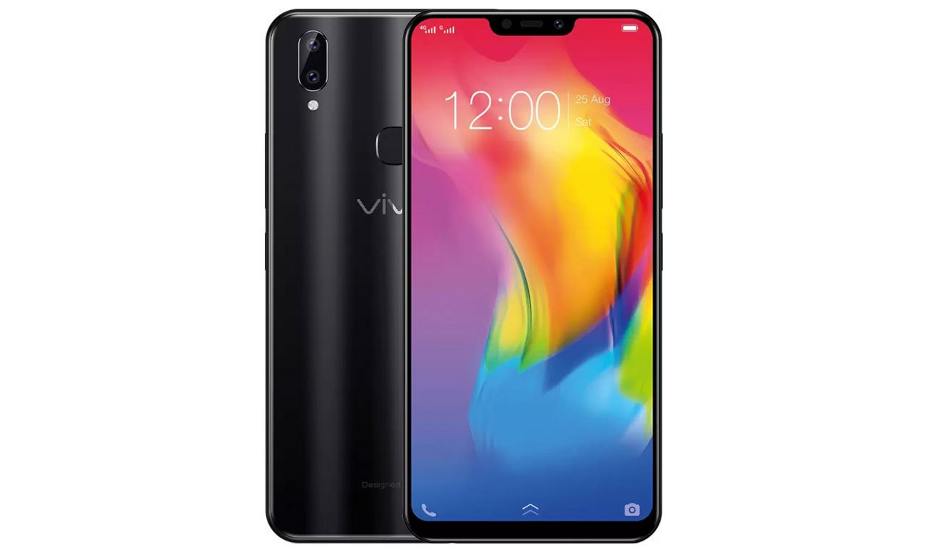
The Vivo Y83 Pro features a 6.2–inch HD+ FullView 2.0 IPS display with screen resolution of 1520 x 720 pixels and 19:9 aspect ratio with a notch on top of the display. Under the hood, the device is powered by Mediatek‘s Helio P22 octa-core processor.
The device packs 4GB of RAM and 64GB of internal storage. There’s also a microSD card slot which enables users to further expand the storage capacity of the device up to 256GB.
In the camera department, the handset sports a dual rear camera setup with a 13-megapixel primary sensor and a 2-megapixel secondary sensor. On the front side, the phone comes with an 8-megapixel selfie camera, and an AI Face beauty feature.
The phone has a rear-mounted fingerprint sensor for added security. On the software front, the device is running Android 8.1 Oreo operating system out-of-the-box and is powered by a 3,260mAh battery.
Ulefone is already encashing from huge sales from their mid-range affordable Android smartphones. The new teaser from Ulefone has revealed that Ulefone Armor 6 is coming our way with the support for 5G. It will use the new MediaTek M70 baseband which was released on December 6th in China. Ulefone Armor 6 would be the world’s first rugged device that would come up with the 5G support.
Ulefone Armor 6 is powered by an Helio P60 chipset which also carries the first generation AI chipset. Further, Armor 6 is coupled with 6GB RAM module and 128 GB internal storage which will provide better performance than the Google Pixel 3. Its ruggedness will match the quality of its predecessor, which we just witnessed in the Violent test yesterday.
In the camera department, it will carry dual shooters on the rear side of 21 megapixels + 13 megapixels. The dual camera will allow users to get the bokeh effect, portrait mode and various other useful features. On the front side, there’s a single 13-megapixel camera for selfies.
Ulefone Armor 6 will carry immersive and intelligent 6.2-inch notch display which will feature HD+ resolution. In order to sustain all day usage, Ulefone has added a massive 5000 mAh battery along with a slim body and comfortable grip.
Currently, details regarding its availability and pricing are not yet out. It is expected to surface in January 2019 in cooperation with China mobile.
Well, it is excellent news for the Ulefone fans who want to own the rugged Armor 6 that it is coming with 5G support. So, how many of you have already started to wait for the Ulefone Armor 6?
Xiaomi sent a memo to its workers today announcing changes to its organizational structure. The memo focuses mainly on changes in Xiaomi’s China office, giving the country’s business arm a new head and new top executives. This is the second organizational restructure this year. The first was in September.
Co-founder, Wang Chuan will now head Xiaomi China
In the memo, Xiaomi says it is creating a China business region formed from what used to be originally known as Sales and Service Department China that will be headed by Wang Chuan. Mr. Chuan is a co-founder who is also a Senior Vice President and Chief of Staff of the Xiaomi Group. Part of his previous responsibilities also covered development and implementation of strategies along with the CEO. His new role is as President of Xiaomi China.
The memo also says it is appointing Zhang Jianhui as the Vice President of China and he will be responsible for offline sales. Li Mingjin will also hold the position of Vice President and will be responsible for online sales. Both will report to Wang Chuan.
Apple’s iPhones are powered by in-house processors. Up until the iPhone 7, they also used Imagination’s PowerVR GPU before switching to their own in-house GPU starting with the iPhone 8. That move put Imagination Technologies out of business as Apple was their primary client. Now Apple’s next move is to ditch third-party modems and develop its own and recent hirings further confirm that plan.
According to Apple Insider, Apple put up a job listing at the beginning of December for a cellular systems architect in San Diego. For those who don’t know, San Diego is the headquarters of Qualcomm, a chip and modem manufacturer that has a few scores to settle with Apple with respect to patent infringement.
The job listing is one of many in the past few years that confirm Apple is developing its own cellular modem that will power its phones. Back in 2014, Apple employed a minimum of 30 employees who had worked for Qualcomm and Broadcom. It also hired a former VP of Qualcomm who now heads their chip department and another executive named Bernd Adler, who worked for Intel’s modem team.
In a major announcement, Asustek Computer Inc. has revealed today that CEO Jerry Shen will leave his position by the end of this month. Shen, who has been at the helm of Asus for more than ten years, will vacate the position for SY Hsu and Samson Hu who will act as co-CEOs moving forward in 2019. The Asustek CEO will then be directing his experience towards a new venture in the AI and IoT segment reported DigiTimes. Asus will be a key partner in the new company with 30 percent stake in Shen’s new venture.
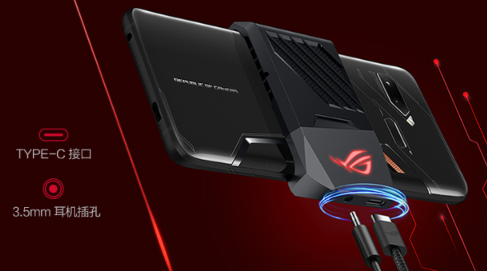
ASUS ROG Phone
Following the announcement, Asustek chairman Jonney Shih has praised the departing CEO as “the best CEO in the world”. Jerry Shen has had an engineering background from which he rose to the position of CEO and always held close ties with media.
The board of directors at Asus have agreed to the co-CEO management model as they believe SY Hsu and Samson Hu will work together effectively. With the new changes, Asus will also be shifting its smartphone strategy in the coming year. The report said that Asus will focus more on gamers and power users.
Asus has been lagging in the AI and IoT (Internet of Things) department so far, and the new move seems to be a step to improve in that direction. With many big corporations investing heavily in AI, Asus will spend a maximum of NT$10 billion on developing its own AIoT business. The fund will be aimed at strategic investments and mergers/acquisitions and reach a position of leadership in three years.
Meizu has been on a reviving spree recently after it announced the current flagship Meizu 16th/16th Plus in China. The smartphone maker has rejuvenated its Indian presence after a long time by unveiling the aforementioned flagship along with some of its other products. However, it’s a bit of a surprise that the Meizu 15/15 Plus wasn’t a very old device when its successor was launched in China. Now, the company has officially revealed today that old buyers of the Meizu 15/15 Plus will be getting an extra three months of extended warranty.
Meizu made the announcement that in Guanwei today and there’s an official poster that says the offer is for old buyers who register the two devices between December 13, 2018, to January 13, 2019. Owners can visit the official Meizu website to register for the respective offer to avail it.
Furthermore, Meizu has also dropped the price of the Meizu 15/15 Plus by 800 Yuan starting December 7. The Meizu 15 is now priced 1498 yuan ($218) while the Meizu 15 Plus is now 1798 Yuan ($262). If you know the Meizu 15/15 Plus specifications, that is not a bad deal at all. Interestingly, sales numbers on Meizu official website, Meizu Tmall official flagship store, Meizu Jingdong official flagship store and Suning Tesco’s for the 15/15 Plus increased by 528 percent year-on-year on December 7, suggest media sources in China. For more info on Meizu 15 specifications, check out this article here. As for our Meizu 16th review, you can check out the below video!
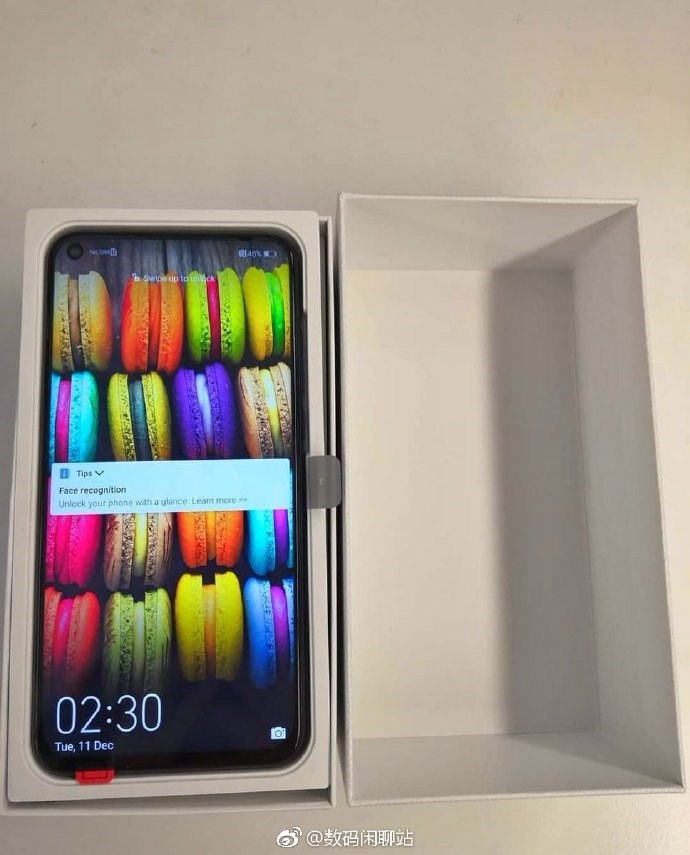
More leaks of the Honor V20 keep pouring in and a new one has surfaced that shows the front of the phone. It also confirms a feature of the phone.
The Honor V20 is shown in its retail box but the angle the picture was taken doesn’t give us a good look at the packaging. The only thing we can make out is that it is a white box and not cyan.
The phone is powered on, so we can see how big the hole for the camera is and it’s clearly not as big as that of the Samsung Galaxy A8s. The image does confirm the Honor V20 will support face unlock as you can see there is a prompt that says you can unlock your phone with a glance.
The Face Unlock feature on the Honor V20 is definitely not as sophisticated as that found on the Honor Magic 2 or the Mate 20 Pro, so it won’t work in the dark and can’t be used for payments.
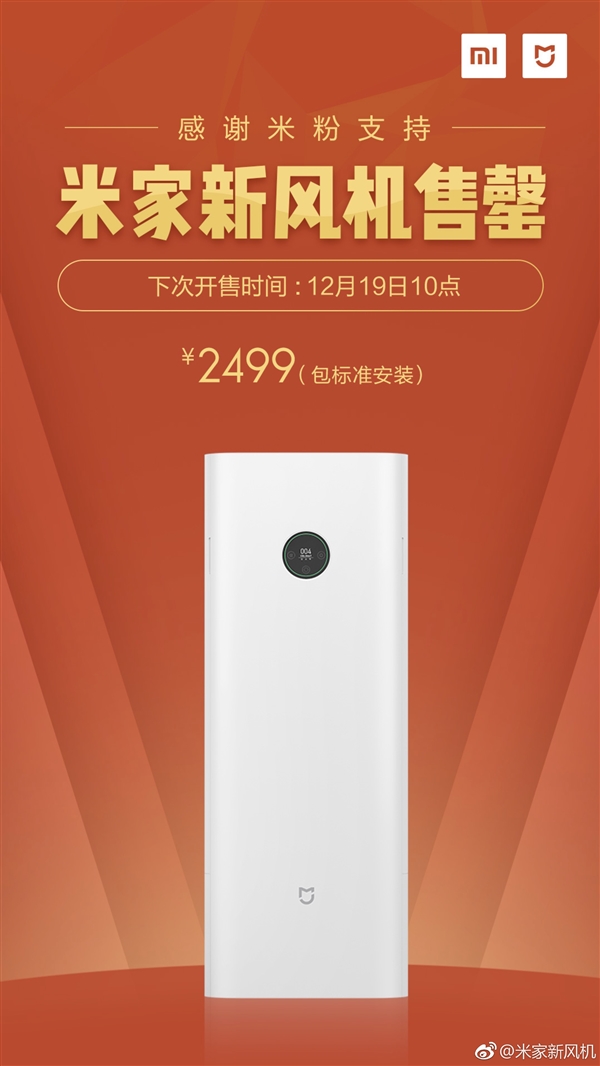
Xiaomi first launched the MIJIA Air Purifier/Ventilator last month in China during its Double 11 live broadcast. We had thought the device will go on sale during 11.11 but that didn’t happen. Rather the gadget was put on sale for the first time yesterday as part of 12.12 promotion. The device comes with a price tag of 2499 yuan ($343) and was apparently out of stock in no distant time. The device will go on sale again on December 19.
In case you want to know more about the Mijia Air Purifier/Ventilator, here are some details. The gadget looks very much like the Mi Air Purifier Pro, with a physical display at the front. However, an added features than the Mi Air Purifier Pro and that is the ventilator. The device will not only purify the air inside the room but will also ventilate the room. It has an elongated cube shape but isn’t designed to stand on its base. Instead, it is mounted on the wall and the wall mount will be carried by Xiaomi’s installers with a special equipment that would neatly create an opening on the wall. Apart from the wall bracket that will be used to mount the gadget to the wall, a round hole needs to be drilled at the back where a 16cm diameter pipe will pass outside to convey clean air from outside into the home. This will ensure the room is well ventilated.
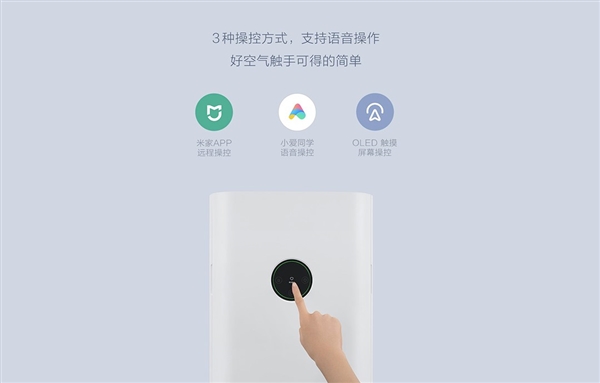
The smart home gadget is said to also come with three independent filtration layers to remove allergens, PM 2.5 particulate matter, carbon dioxide, formaldehyde, dust and other pollutants in order to keep the air inside the room clean. The air purifier can filter as much as 300 cubic metres of air per hour. It uses electricity but the consumption is so low that you don’t have to bother about the electricity bills accumulating. In addition, it features an OLED panel at the front which can be used to control the gadget. Apart from the touchscreen controls, the gadget can also be controlled via the Mi app. In addition, the Mi Air Purifier/Ventilator comes with Xiaomi’s Xiao AI voice assistant for voice prompt control. This will obviously be useful for Chinese speakers. Soon, Xiaomi may start integrating Google Voice on its smart home gadgets as it strives to gain ground outside China.
Information that had surfaced at the end of the previous month had revealed that the China-based Gionee may soon shut down its operation since it is on the verge of bankruptcy. In India, Gionee had launched the Gionee S11 Lite and Gionee 205 smartphones in April. Since April, the Twitter and Facebook accounts of Gionee India have been inactive. However, the Indian wing of the company has confirmed through Flipkart that it will be launching two new phones in the country.
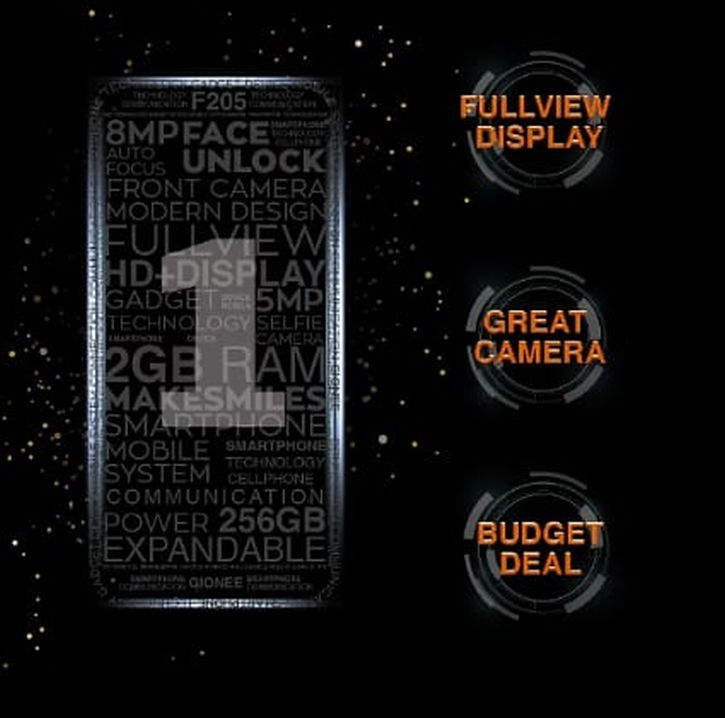
As it can be seen in the below image, the three main features of the first smartphone are full-view display, great camera and budget deal. Some of the specs of the smartphone has also been revealed. It includes 8-megapixel autofocus enabled camera, face unlock, HD+ resolution, 5-megapixel selfie camera, 2 GB RAM and expandable storage.
The name “F205” is also mentioned at the top. Moreover, all the aforementioned specs match with the Gionee F205 smartphone that was announced in April with a price tag of Rs. 8,999. This suggests that the company could re-launching the smartphone. Hopefully, the handset will be arriving in the market with a reduced pricing.
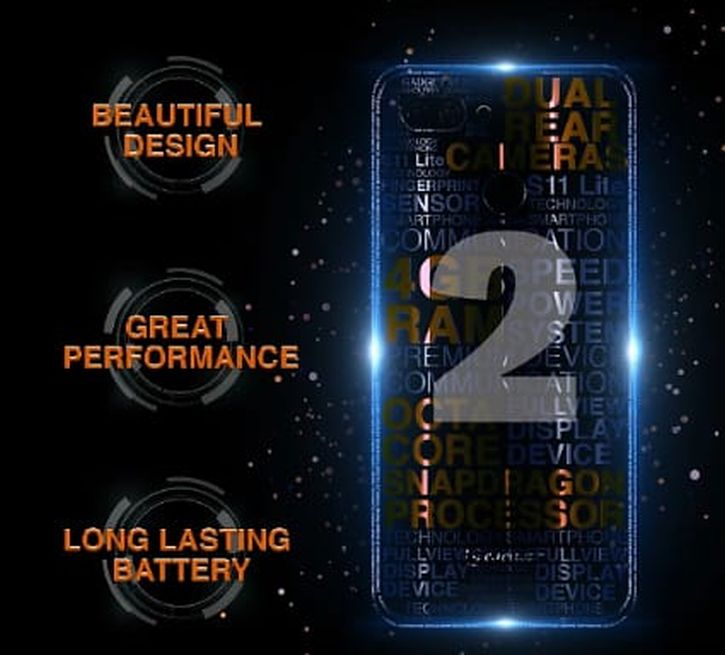
Coming to the second phone, its salient features are beautiful design, great performance and long-lasting battery. The smartphone is equipped with features like horizontal dual camera, a rear-mounted fingerprint scanner, 4 GB of RAM, full view display and Snapdragon octa-core processor.
The “S11 Lite” moniker is also mentioned in the launch teaser which indicates it could be also relaunched in India alongside the F205 handset. The Gionee S11 Lite was unveiled in India in April with a price tag of Rs. 13,999 which was too expensive for the specs it offered.
In July, some reports had claimed that Gionee may sell its Indian operations to Arvind Vohra who was the former Gionee India CEO and minority shareholder and is one of the promoters of Indian smartphone brand Karbonn Mobiles. As of this writing, there is no fresh information available on it.
Samsung is soon going to launch an all-new M-series for budget and mid-range smartphones in the Indian market. As per the reports, the South Korean giant will launch two phones under its M-series, which could possibly be named Galaxy M10 and Galaxy M20.
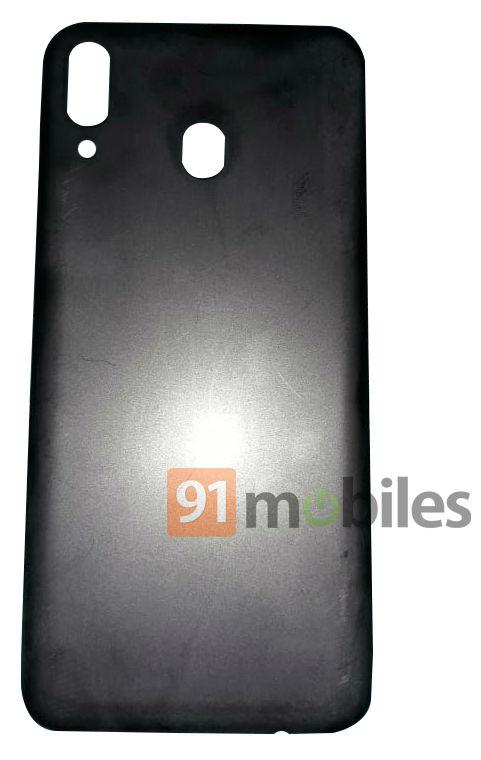
Ahead of the official announcement, a couple of images of the Galaxy M20’s cover shows that the phone will come with a dual rear camera setup and a 3.5mm headphone jack at the bottom. Earlier, an image leaked online showcasing the phone’s front panel which revealed that it will have a notched display.
The camera sensors are placed vertically in the top-left corner along with an LED flash. There’s also another cutout in the top-center position, which possibly is for the fingerprint sensor. It is expected to come with a USB Type-C port at the bottom.
The Samsung Galaxy M20 is rumored to be powered by the Samsung’s own Exynos 7885 upper mid-range processor, coupled with 3GB RAM and 32GB of onboard storage. The device is said to feature a Full-HD+ screen resolution of 1080 x 2340 pixels with an unknown screen size and will be running Android Oreo operating system out-of-the-box.
The company has reportedly started mass production of both the smartphones in India, suggesting that the official launch of the Galaxy M10 and Galaxy M20 is imminent. Recently, we reported that the smartphones will be priced aggressively to win the highly-competitive budget smartphone segment in India.
According to the report, the Samsung Galaxy M10 could be priced under Rs. 10,000 (approximately $142) while the Samsung Galaxy M20 could be priced around Rs. 15,000, which roughly converts to $213. Considering the aggressive pricing, it won’t be surprising if Samsung keeps the M-series as an online-only smartphone series.
While the company has not yet revealed the launch date or availability information of the Galaxy M10 and Galaxy M20 smartphones, we expect the phones to go official early next year, possibly during CES 2019 or MWC 2019.
Yesterday, MediaTek announced its latest processor called the Helio P90. If you are wondering which manufacturer will first launch a phone powered by the new processor, then look no further than Blackview, the Chinese rugged phone maker.
In an email sent to us, Blackview says MediaTek’s new processor which boasts of a higher AI performance than Qualcomm’s Snapdragon 855 and Huawei’s Kirin 980 processors, will first appear in its phones. The phone maker also revealed the phones are the Blackview BV9700 and the BV9800 and they should launch in the first quarter of 2019.
The Helio P90 is a 12nm octa-core processor with its cores arranged in a 2 + 6 format. The two cores are high-performance Cortex-A75 cores clocked at 2.2GHz while the six cores are power-efficient Cortex-A55 cores clocked at 2.0GHz. MediaTek has also ditched the Mali GPU for a PowerVR GM 9946 GPU clocked at 960MHz.
The biggest selling point of the chipset is its AI feature. The chipset is the most advanced AI chipset by the Taiwanese chip maker thanks to its APU 2.0 AI architecture, which boasts four times more processing power than the previous generation P-series processors. It brings features such as 5-person human pose tracking, 3D pose tracking, full-body avatar AR, secure and accurate facial recognition, and multiple object and scene recognition.
Other features of the new chipset include Google lens and ARCore support, support for up to 8GB LPDDR4x memory, support for 21:9 displays with resolutions up to 2520 x 1080, Bluetooth 5.0, Cat. 13 LTE, 4×4 MIMI, 3 Carrier Aggregation, single or dual camera bokeh etc. So expect a lot of these features on the Blackview BV9700 and BV9800 when they are announced next year.
OnePlus is known to release special editions of its flagship smartphones and the latest OnePlus 6T has got the same treatment in India. After unveiling the OnePlus 6T Mclaren edition globally on Tuesday, the company took the wraps off the same phone in India the next day. Officially, the phone will retail for Rs. 50,999 which is way higher than the priciest OnePlus 6T variant (8+256GB ~ Rs. 45999).
At its heart, the OnePlus 6T McLaren edition is the same model that was launched back in October. The big difference in hardware is the 10GB of RAM and 256GB of internal storage. This makes it the first OnePlus smartphone to feature 10GB of RAM memory. Another big addition is Warp Charge 30. This is the new 30W charging from the company and promises a day’s usage in just 20 minutes. Considering how we are already big fans of the Dash Charging tech from the company, this takes fast charging to a whole new level. The remaining specs are the same as the regular 6T model.
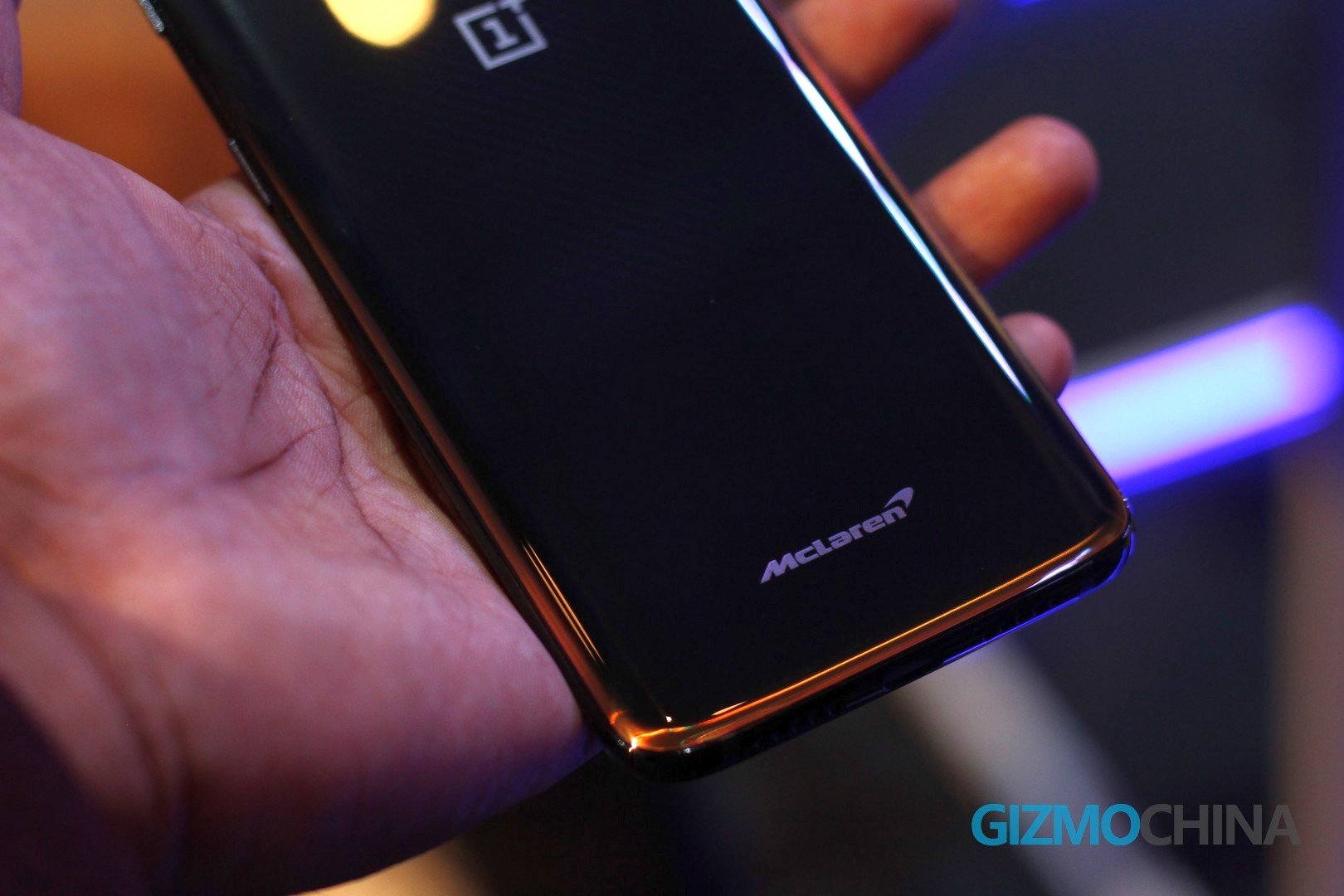
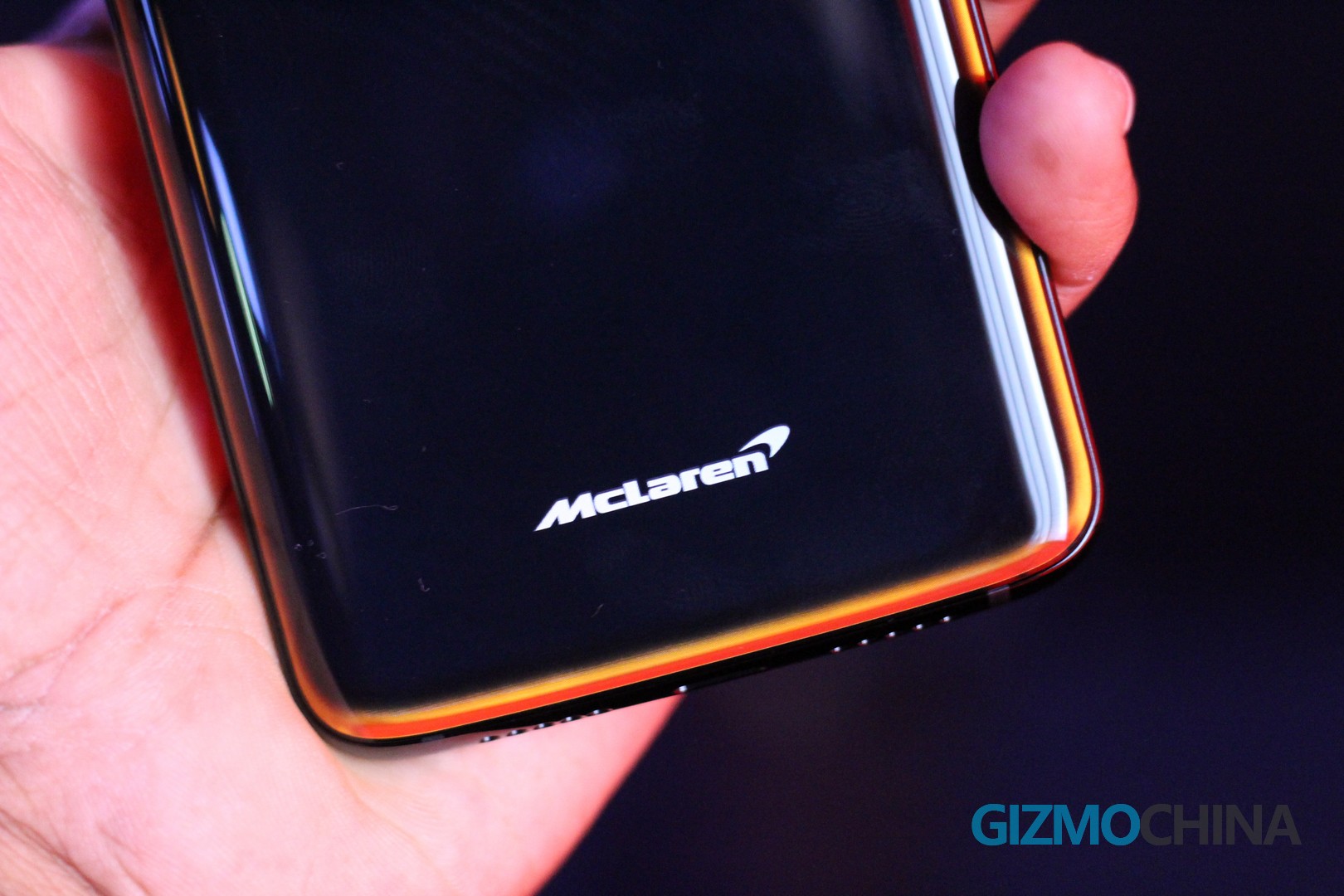
Coming to the exterior, the OnePlus 6T McLaren edition features the iconic Papaya Orange color accents on the phone’s back. The accents continue to the sides as well and slowly fade away. Note that the orange accents pop out nicely only in certain lighting conditions. So, it’s not like the accents are extremely bright. Further, there’s the McLaren logo near the bottom half of the back of the device to reveal its true identity. Apart from the orange accents, another big highlight of the McLaren edition is the carbon fiber texture that runs underneath the glass back. At certain angles, the texture really pops out well. It’s quite reflective as well, similar to the Mirror Black model of the regular 6T.
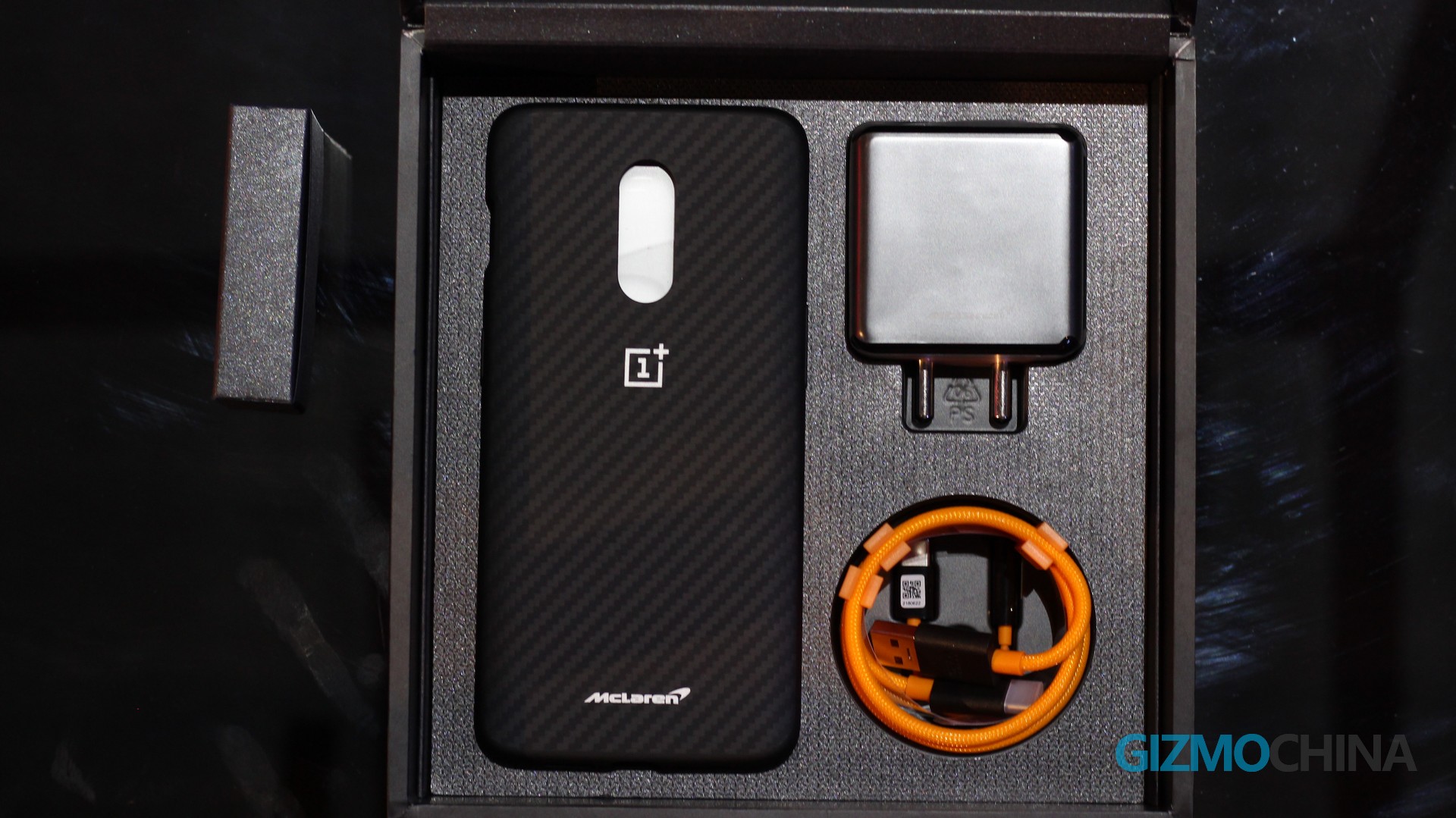
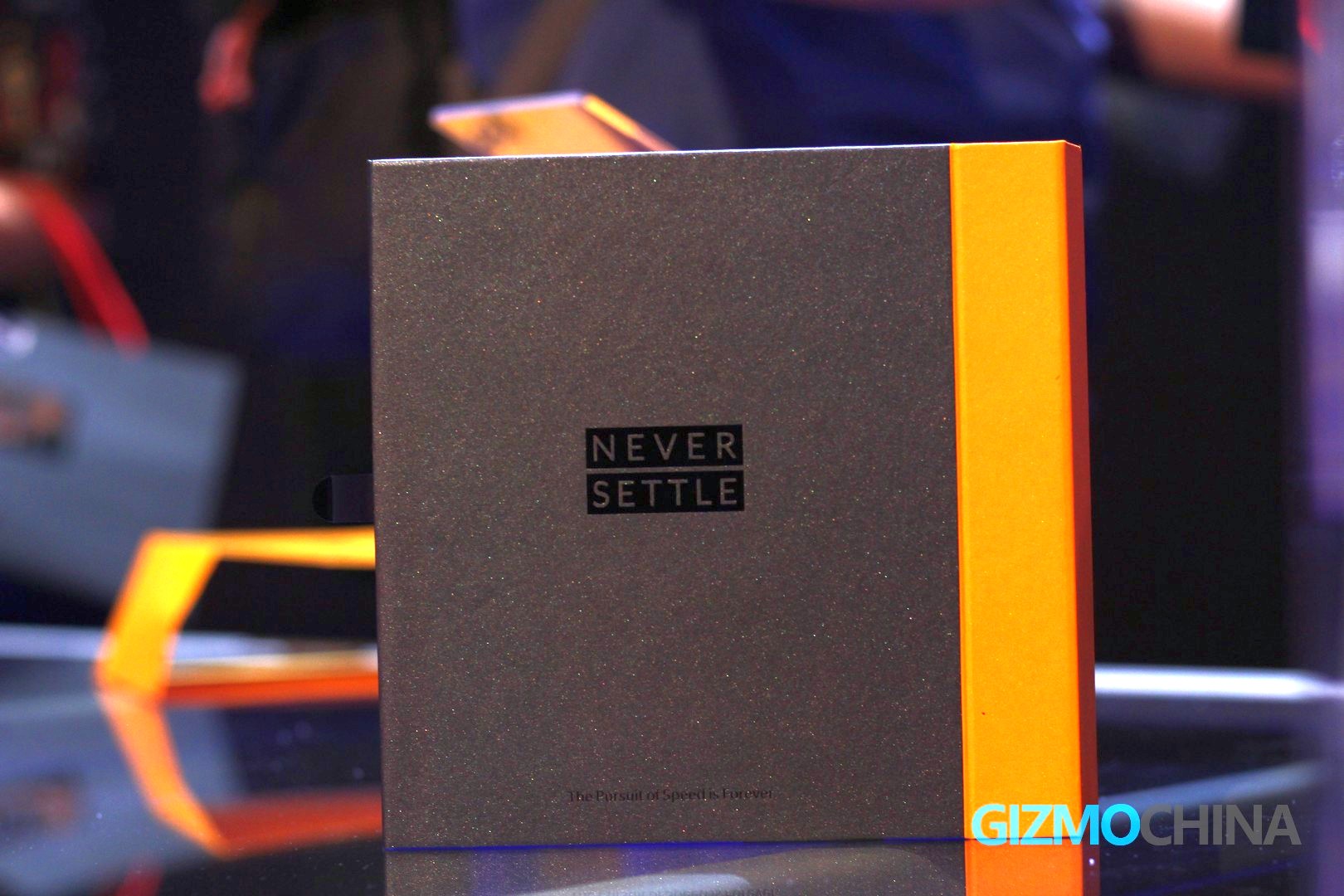
The exterior design additions are pretty subtle and on first glance, you could easily mistake the OP6T McLaren edition as the regular version, especially if you don’t look at the bottom half of the back. But what makes the McLaren edition really worth the money (if you are a McLaren fan), is the goodies that come inside. In the box, there’s an acrylic desk piece with McLaren carbon fiber logo, a carbon fiber case, and an AR-enabled Salute to Speed high-quality book that highlights the motor racing and smartphone history of the two manufacturers. Even the power cable and brick have McLaren design elements. The power cable, in particular, is special because it comes in the same iconic papaya orange color and has a braided cable design. Even the USB Type-C to 3.5mm headphone adapter has the same color. The power brick too features the McLaren logo as well as orange accents.
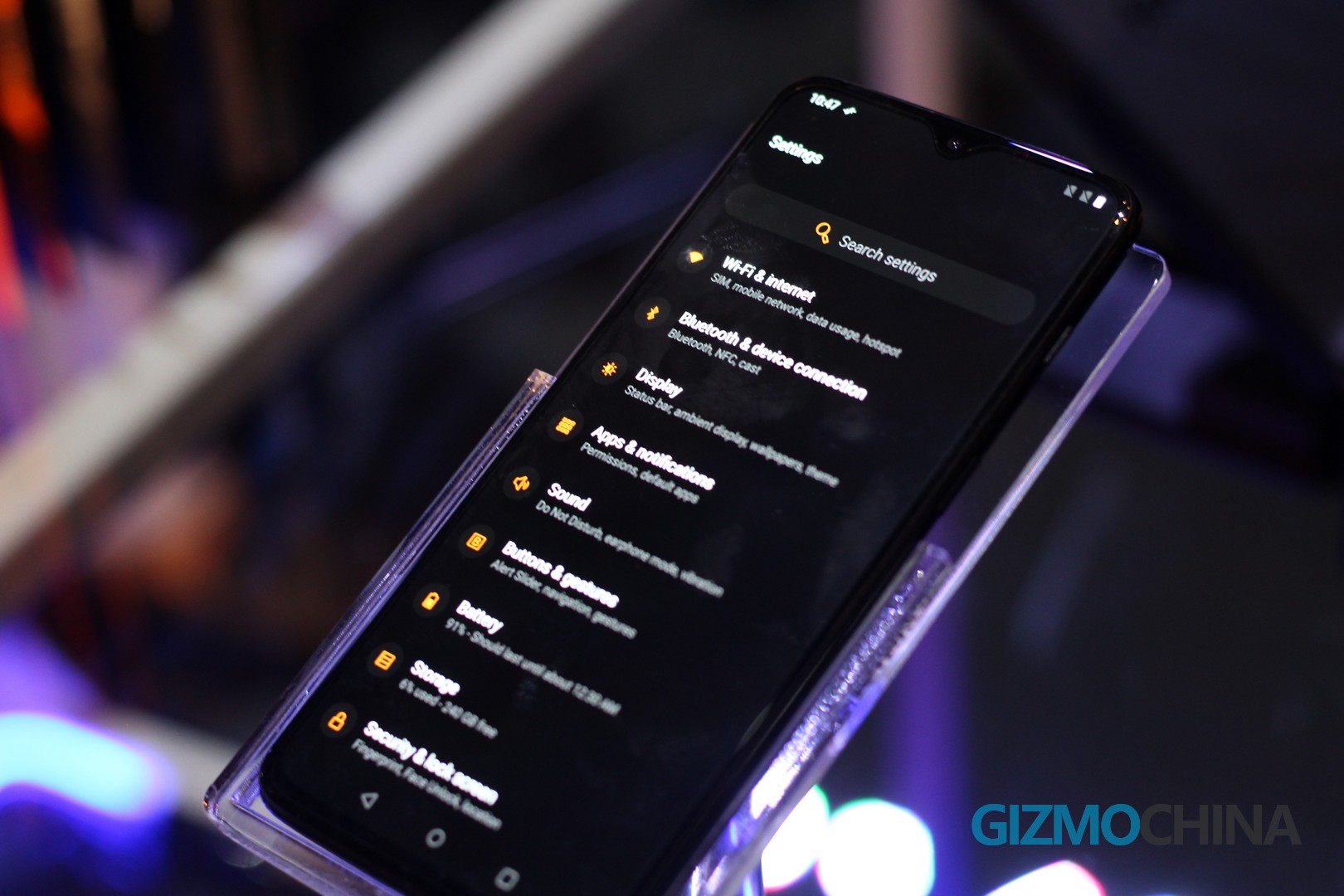
There are certain McLaren inspired elements in the software as well. In certain parts of the phone, like the settings menu, the phone comes in papaya orange accents. Overall, if you are a McLaren fan, you are in for a treat.
For others, it’s really going to be hard to justify the additional cost.
However, it’s worth noting that the OnePlus 6T McLaren edition is still way cheaper than OPPO’s Lamborghini edition or Huawei’s Porsche design edition. So, if you ever wished to get hold of performance automaker inspired flagship edition, this might be your cheapest bet.
Full OnePlus 6T McLaren Edition hands-on images below!
Samsung is known to produce the best OLED panels in the smartphone industry. Samsung Display International (SDI) supplied the first set of OLED panels Apple used on its flagship phone – iPhone X. The company was also responsible for the OLED panels on this year’s iPhone XS and XS Max. Unfortunately, the cost of the OLED panels took a good chunk of the overall production cost so Samsung is reportedly offering a more affordable option.
The affordable option which Samsung is touting for the next-gen iPhone XS Max doesn’t really mean the OLED panels would be of low quality. As a matter of fact, the panel known as Y-Octa panels were used on the Galaxy Note 9, S9 and S9+ and they make use of the in-cell touch technology. The technology allows for thinner, lighter, much cheaper. The cheaper panel will allow Apple to be more flexible with the XS Max pricing next year.
The source familiar with the industry also disclosed that the Y-Octa panels were offered by Samsung for the production of the 2018 iPhones but that didn’t go down well with Apple due to the yield. The yield may have increased tremendously hence the decision to use it on the iPhone XS Max 2019.
The long-rumored Vivo NEX successor has finally hit the store shelves. Contrary to previously surfaced reports that suggested it will come bearing the NEX 2 moniker, the new Vivo-branded phone is dubbed Nex Dual Display Edition.
The reason behind the Chinese technology company giving its new phone that name is quite simple to understand. The Vivo NEX Dual Display Edition has two displays, one placed at the back and the other located on the front. However, it does not bear a striking resemblance to Yotaphone or the Meizu Pro 7.
The other unique selling point includes the 3D TOF stereo camera that the phone houses. Unlike its well-received precursor, the Vivo NEX, this Dual Display Edition phone does not feature a pop-up camera. Apparently, Vivo has dumped that design style or is gearing up to launch another model with the pop-up camera design next year.
The phone packs a powerful Qualcomm Snapdragon 845 processor, under the hood. You can get your hands on the blue and purple color versions of the Nex Dual Display Edition on Giztop. The device ships with 10GB of RAM and offers a hearty 128GB of onboard storage for you to save your favorite content. Both the aforesaid color versions will set you back $899 on Giztop. The Vivo NEX Dual Display Edition sports a mammoth 6.39-inch Super AMOLED bezel-less display with a screen resolution of 1080 x 2340 pixels and an aspect ratio of 19.5:9. According to Vivo, the phone will have a screen ratio of 91.63 percent.
On the photography front, the Dual Display Edition phone houses a 12.0MP+2.0MP and time-of-flight (TOF) 3D triple camera setup. The 2.0MP snapper will be used for low-light shots, while the TOF camera will be used for facial recognition and measuring distance and capturing great selfies. The Lunar Ring houses the dual camera sensors and there are two extra soft LED lights included on the Lunar Ring that activates at the time of taking selfies.
Moreover, the phone runs Funtouch OS 4.5 based Android 9.0 Pie operating system and is backed by a robust 3500mAh battery that supports the 10V/2.25A fast charging feature. There’s a fifth-gen in-screen fingerprint scanner that can unlock the phone in 0.29 second.
You can follow this link to check out more details about the Vivo Nex Dual Display Edition and buy it on Giztop, the official partner of popular technical blog GizmoChina.
Huawei Nova 4 will be unveiled on Dec. 17 as the successor of the Nova 3 smartphone that was announced in July this year. The Huawei Nova 3 had arrived with a notched screen and it featured dual rear-facing cameras and dual front-facing cameras. The Nova 4 will be offering a higher screen-to-body ratio than its predecessor since it is expected to feature an in-screen camera hole display design. Also, it will be equipped with a single rear camera on the front and a vertical triple camera module on the rear. A recent leak had revealed that the Huawei Nova 4 will be featuring a 48-megapixel rear camera. The Chinese manufacturer has shared an image of the Honey Red version of the Nova 4. The image confirms that the smartphone will be indeed arriving with a 48-megapixel rear camera.
The Huawei Nova 4 Honey Red edition has a gradient color appeal. It is red at the top which gradually becomes purple towards the bottom. The handset features a fingerprint reader on the rear shell which seems to be made out of glass. The “48-megapixel AI Camera” words are etched below the LED enabled triple camera system. The Huawei branding is placed towards the bottom.
The Huawei Nova 4 is expected to land in China in standard and high versions. The high version will be including a 48-megapixel main sensor that will be accompanied by 16-megapixel and 2-megapixel sensors. The standard version will be featuring a 20-megapixel sensor, a 16-megapixel lens and a 2-megpixel sensor. The rest of the specifications of the standard and high versions of the Nova 4 are expected to be same.
The 6.4-inch display with support for full HD+ resolution of 2310 x 1080 pixels is rumored to be present on the Nova 4. It is expected to offer tall aspect ratio of 19.25:9. The display hole of the phone is pegged to contain 25-megapixel camera.
The Kirin 970 chipset that powered the Nova 3 will also fuel its successor along with 8 GB of RAM. The handset may come with an inbuilt storage of 128 GB. The Nova 4 is speculated to borrow the 18W fast charging enabled 3,750mAh battery from the Nova 3 handset. It will be also equipped with support for 4G LTE. Apart from Honey Red, the smartphone is also rumored to arrive in other color gradient options such as Fritillaria White, Bright Black and Suyin Blue. The pricing of the smartphone is still under the wraps.
We use cookies on our website to give you the most relevant experience by remembering your preferences and repeat visits. By clicking “Accept”, you consent to the use of ALL the cookies.
This website uses cookies to improve your experience while you navigate through the website. Out of these, the cookies that are categorized as necessary are stored on your browser as they are essential for the working of basic functionalities of the website. We also use third-party cookies that help us analyze and understand how you use this website. These cookies will be stored in your browser only with your consent. You also have the option to opt-out of these cookies. But opting out of some of these cookies may affect your browsing experience.
Necessary cookies are absolutely essential for the website to function properly. This category only includes cookies that ensures basic functionalities and security features of the website. These cookies do not store any personal information.
Any cookies that may not be particularly necessary for the website to function and is used specifically to collect user personal data via analytics, ads, other embedded contents are termed as non-necessary cookies. It is mandatory to procure user consent prior to running these cookies on your website.













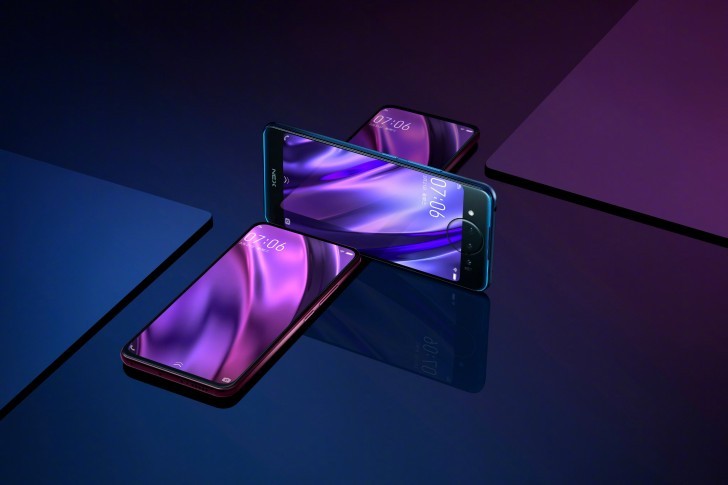
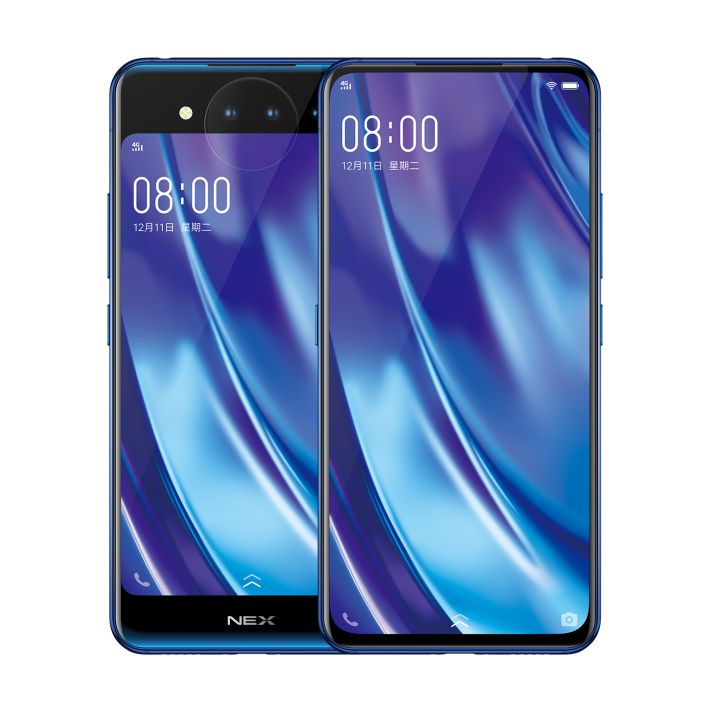 The Vivo NEX Dual Display Edition sports a mammoth 6.39-inch Super AMOLED bezel-less display with a screen resolution of 1080 x 2340 pixels and an aspect ratio of 19.5:9. According to Vivo, the phone will have a screen ratio of 91.63 percent.