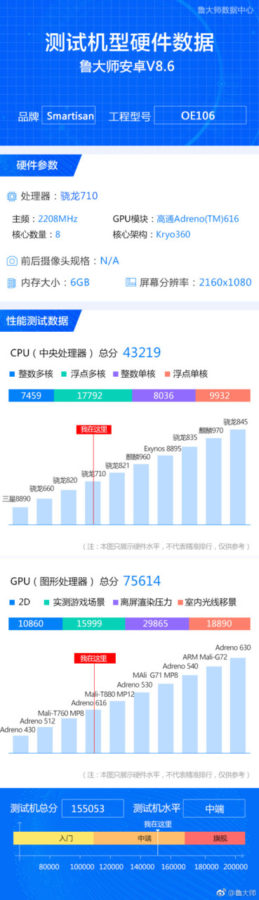
Around three months ago, Smartisan had launched the Snapdragon 845 powered Smartisan R1 phone in China. The handset was recently spotted in the top 10 list of best performing Android smartphones by AnTuTu for the month of July. Recent reports have claimed that the Chinese manufacturer is now working on an upper mid-range phone called Smartisan Nut Pro 2S that will be fueled by Snapdragon 710. The rumor mill has also revealed that the Nut Pro 2S has a model number of OE106. The same smartphone has today appeared on Chinese benchmarking platform Master Lu to reveal some of its key specs.
As it can be seen in the image below, the appearance of the Smartisan Nut Pro 2S on Master Lu has revealed that its display will carry support for Full HD+ resolution of 2160 x 1080 pixels. This suggests that it will be sporting a notch-less screen that will produce 18:9 aspect ratio. The Snapdragon 710 SoC is present under the hood of the smartphone along with 6 GB of RAM. It is recorded an overall score of 155,053 on Master Lu benchmarks.
The information of the Nut Pro 2S that have surfaced through its Master Lu listing corresponds with the specs that were recently mentioned on its box package. The configuration on the box had revealed that the phone will be arriving with 12-megapixel + 5-megapixel dual camera, 16-megapixel selfie snapper and Smartisan OS based Android.
The Smartisan Nut Pro 2S seems to be an upgraded version of Nut Pro 2 phone that was unveiled in November 2017. The handset is equipped with 5.99-inch FHD+ display with 18:9 aspect ratio, Snapdragon 660, 4 GB / 6 GB of RAM, 32 GB / 64 GB / 128 GB /256 GB of internal storage, 12-megapixel + 5-megapixel dual camera, 16-megapixel front camera and 3,500mAh battery.
The arrival of the Smartisan Nut Pro 2S seems to be close at hand since the smartphone has also already received 3C authority. Probably, the handset may go official later this month.
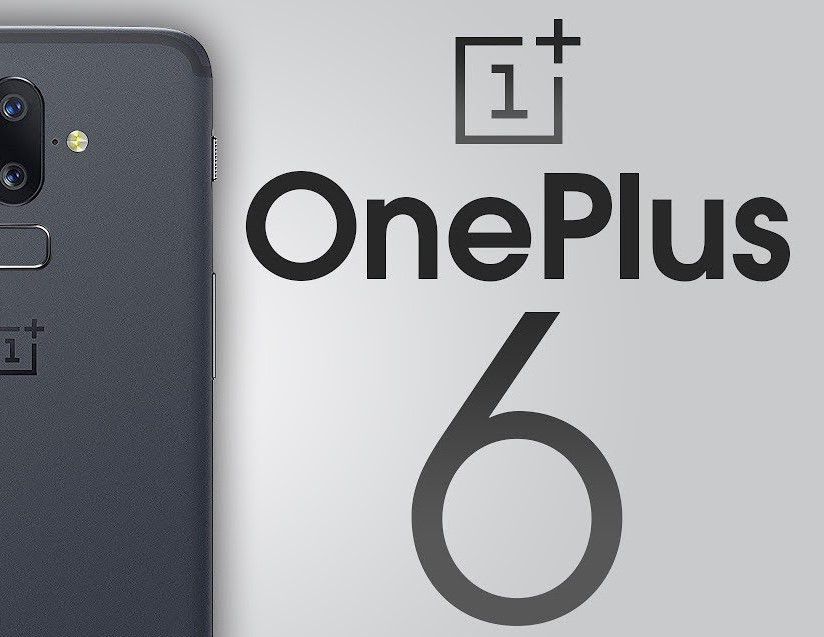
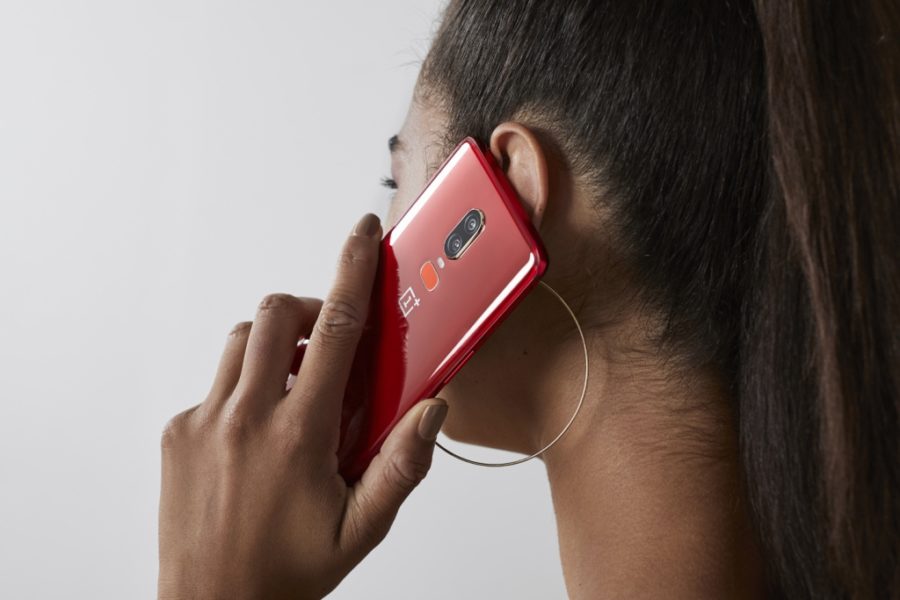
The OnePlus 6 garnered huge popularity among tech buffs after hitting the store shelves earlier this year. The feature-laden phablet sports a mammoth 6.28-inch touchscreen display with a screen resolution of 1080 X 2280 pixels, giving users an unparalleled big screen experience.
Despite its skyrocketing popularity, the OnePlus 6 has failed to sweep cost-conscious buyers off their feet due to the steep price tag it carries, but that’s about to change. In a bid to make the OnePlus 6 purchasable by those who are on a tight budget, GearBest is now offering a big discount on the phablet’s retail price.
While the OnePlus 6 would normally burn a hole in your pocket, you can now buy it at a heavily reduced price of just $589.99 on GearBest. The Chinese online store is offering a considerable 22% off on the phablet’s original asking price for a limited period of time.
On top of that, you can apply coupon code GB$MPO128 to save an additional $20 while placing your order. This will help you bring your already discounted grand total further down to just $569.99.
The aforesaid discount will be valid for the mirror black color version of the OnePlus 6 phablet, but you can also get 21% off on midnight black and silk white color versions as well. An absolute bargain at this price, the OnePlus 6 packs a powerful Qualcomm SDM845 Snapdragon 845 processor along with Adreno 630 GPU, under the hood.
The device offers 8GB RAM of RAM and a hearty 128GB of onboard storage to ensure you never run out of space for storing your favorite content. On the photography front, the OnePlus 6 houses a 16.0MP + 20.0MP dual camera setup on the back and a 16.0MP front camera for selfies.
You can follow this link in order to check out the full specification and avail the discount. Note that the promo is slated to end in 4 days and there were only 76 pieces remaining for the Flash Sale at the time of writing.
After months of leak, Samsung has officially announced the Galaxy Note 9 smartphone. The hands-on images of the phablet have revealed that the Note 9 sports a very similar design like the Galaxy Note 8. The only noticeable design changes that have arrive on Note 9 are repositioned fingerprint scanner and reduced side bezels. The S Pen and the innards of the phone are praiseworthy. However, when it comes to appearance, it seems more like an upgrade rather than a successor model. Soon after the launch of Galaxy Note 9, Huawei released a new tweet through which it hints that the upcoming Mate 20 series will be arriving with overhaul improvements.
We took a leap when we launched the #HuaweiP20Pro, we're all about real upgrades that will make a difference everyday like a triple lens camera with 40mp, 5x zoom and much more. Imagine what will come next… pic.twitter.com/AjUS86YHyK
In the below tweet, the Huawei P10 Plus with dual cameras can be seen on the left and on its right is the Huawei P20 Pro with its triple lens camera. Huawei calls the P20 Pro as a real generation upgrade because of the new features such as triple camera system with 40-megapixel lens and 5x optical zoom. The tweet seems to be poking fun at Samsung because the Galaxy Note 9 and Note 8 not only resemble each other but also, they also feature dual rear cameras. The tweet ends with the text, “image what will come next…” which is clear indication that the successor of Mate 10 series will also be real generation upgrade.
Huawei has already started teasing on the features of the upcoming Mate 20 and Mate 20 Pro smartphones. Earlier this week, the Chinese manufacturer had teased that the Mate 20 will be arriving with a larger than P20 Pro and Mate 10 Pro. Hence, it is speculated that Mate 20 duo may feature 4,200mAh battery.
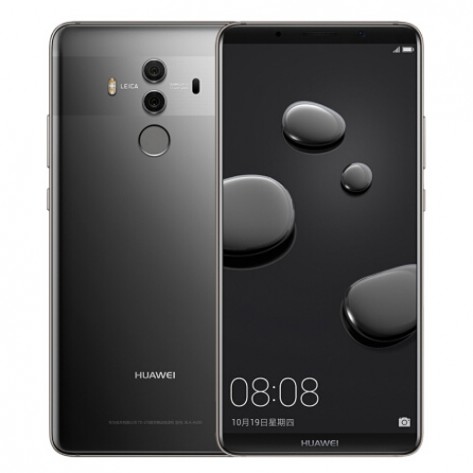
The Mate 10 and Mate 10 Pro are equipped with dual rear cameras. It is speculated that the Mate 20 and Mate 20 Pro will both arrive with triple cameras. A recent report had claimed that the Mate 20 may sport 2-megapixel + 20-megapixel + 8-mgeapixel triple camera setup whereas the Mate 20 Pro could be coming with 40-megapixel + 20-megapixel + 8-megapixel triple cameras.
The other rumored features of the Huawei Mate 20 Pro include in-display fingerprint scanner, 3D structured light module for 3D face scanning and notched display. The Mate 20 Pro may sport a 6.9-inch OLED screen whe Mate 20 could be coming with 6.3-inch OLED display with a conventional fingerprint scanner on its rear.
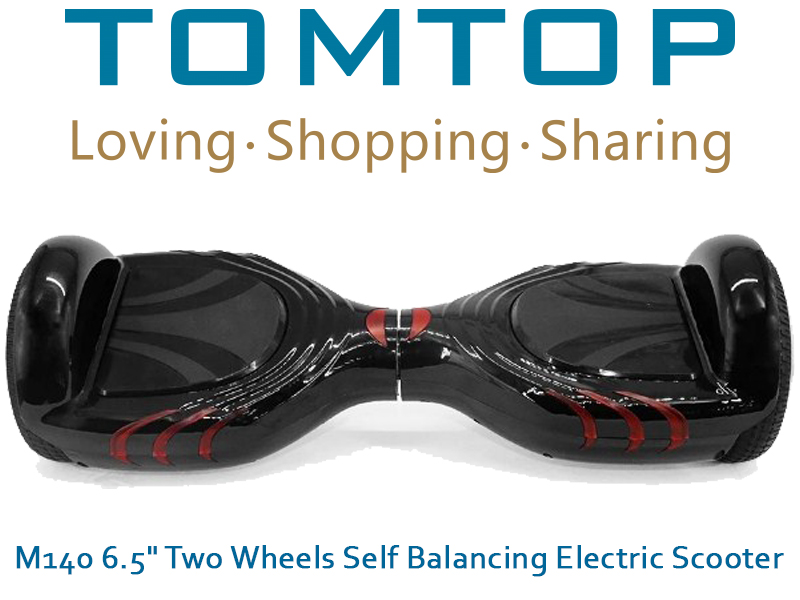
Powered by a 250W motor, the M140 is an irresistible electric scooter that features two wheels for self-balancing. Despite its modest outward appearance, the M140 can reach a top speed of 15km per hour with a maximum range of 8-12 km.
If you’ve been waiting to get your hands on the M140 without spending a lot of money, we got good news for you. TomTop is presently doling out a noteworthy discount on the feature-laden self-balancing electric scooter’s original asking price for a limited period of time.
While the M140 electric scooter would normally set you back $328.07 on online stores, you can now buy it at a reduced price of just $149.99. This is a big 55% reduction in the scooter’s retail price and this limited offer will be valid for the black and camouflage color versions of the device.
An absolute bargain at this price, the M140 electric scooter can connect to a smartphone via Bluetooth technology, allowing you to listen to your favorite music while riding. It comes with uber cool LED lights that give you improved safety at night. Moreover, the scooter is an ideal gift for a friend or family member since learning and controlling it is quite easy.
If you’re interested in checking out more details about the M140 electric scooter and taking advantage of the aforesaid discount, you can follow this link. It is worth noting that limited offer Flash Sale will only be valid for 21 days and there were only 497 pieces remaining at the time of writing.
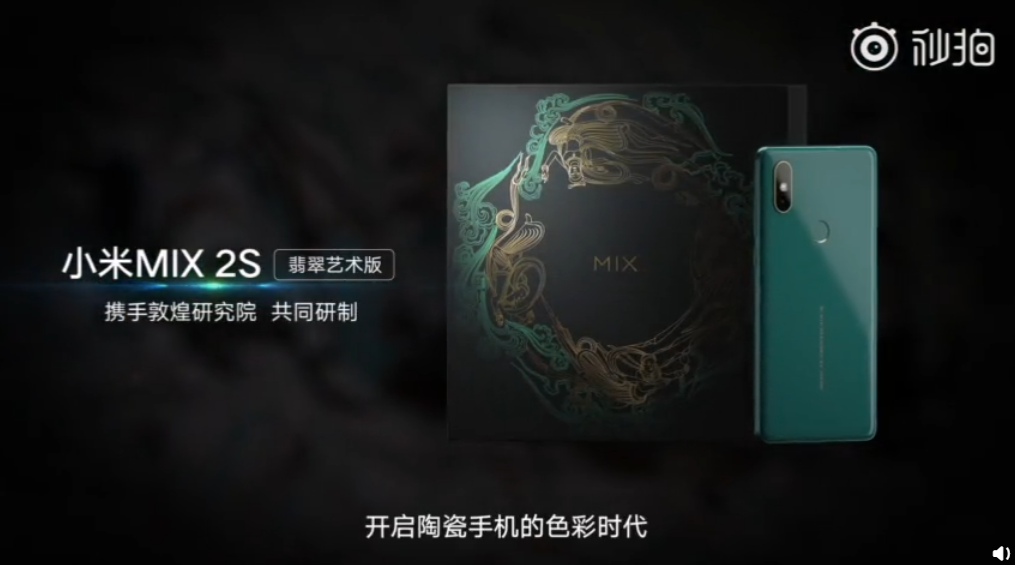
After teasing the launch of a new variant of Mi MIX 2S, Xiaomi has today officially announced a new Mi MIX 2S Emerald Green color variant. The smartphone will be available for purchase in China from 14th August.
Xiaomi partnered with Dunhuang Research Institue to jointly develop this new Mi MIX 2S Emerald Green variant. The company says that it was inspired by the natural gemstone color of the Dunhuang murals.
While there’s a change in the design, the phone’s specifications remain the same. It features a 5.99-inch IPS LCD Full Screen 2.0 display that offers a screen resolution of 2160 x 1080 pixels. The screen delivers 18:9 aspect ratio and carries support for DCI-P3 color gamut.
Under the hood, the device is powered by Qualcomm flagship Snapdragon 845 chipset coupled with Artificial Intelligence Engine (AIE). The Emerald Green variant of the Mi MIX 2S packs 8GB RAM and 256GB of internal storage.
The Mi MIX 2S is the first phone in the series to feature a vertically aligned dual camera setup. It features an f/1. 8 aperture 12-megapixel Sony IMX363 wide-angle lens as the primary sensor, which is coupled with a 12-megapixel secondary telephoto lens that carries support for 2x optical zoom. There’s an 8-megapixel selfie camera with artificial intelligence features.
The front camera of the Mi MIX 2S also works as face unlock feature. There’s also a fingerprint reader on the back panel for added security. The connectivity features available on the device include dual-SIM, USB-C, Bluetooth 5.0, GPS, dual-band Wi-Fi 802.11ac, and NFC.
It comes with built-in AI-based voice assistant. Running on Android 8.1 Oreo operating system out of the box with the company’s own MIUI 10, the handset is fuelled by a 3,400mAh battery with Quick Charge 3.0 fast charging support.
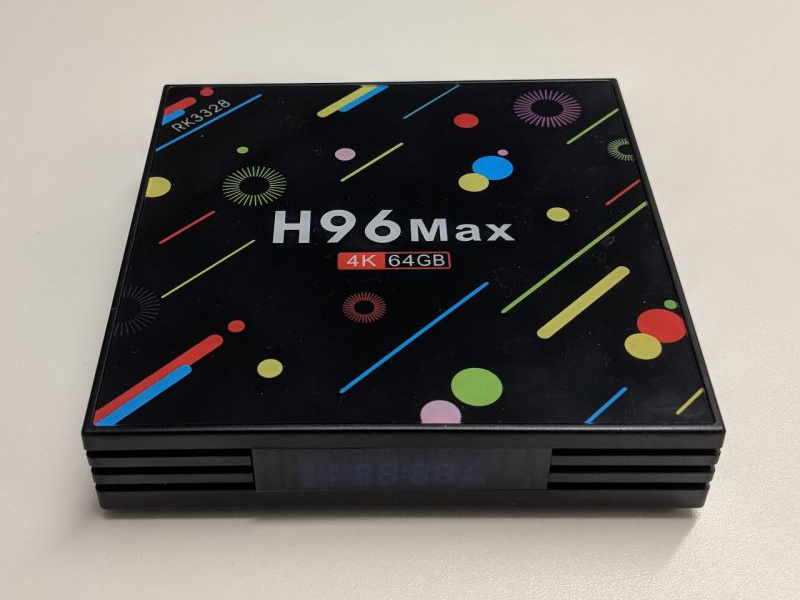
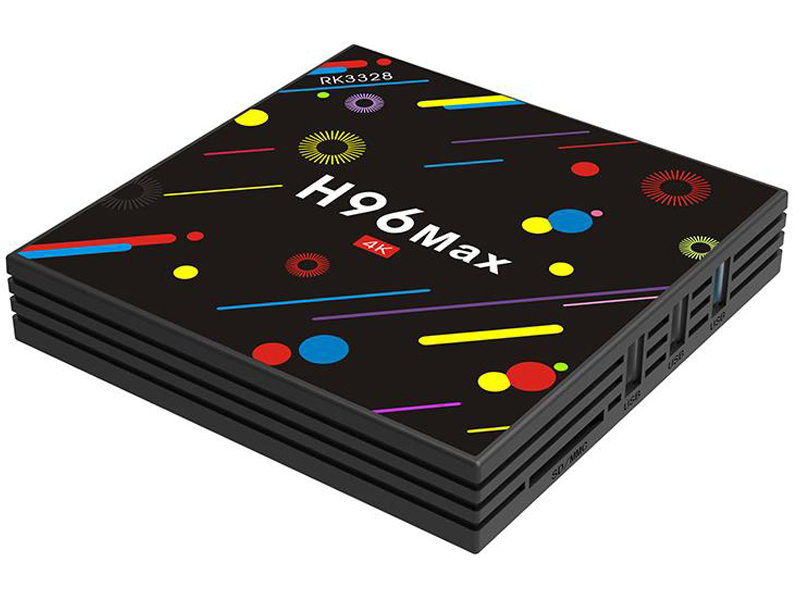
Deemed as one the best value Android boxes available in the market today, the H96 Max H2 RK3328 fuses a large amount of storage capacity and system memory with competitive pricing and a modernistic Android build. Outfitted with an impressive array of features, the H96 Max H2 RK3328 offers ample capacity for users who fancy installing a lot of apps locally.
Despite sporting a simple design, the H96 Max Plus RK3328 is quite a compelling TV Box that packs a powerful RK3328 Quad-Core 64bit Cortex-A53 processor along with an equally robust Penta-Core Mali-450 Up to 750Mhz+ GPU, under the hood. You can choose between 4GB RAM + 32GB ROM, and 4GB RAM + 64GB ROM versions.
Much to the delight of those who have restlessly been waiting to get their hands on the H96 Max Plus RK3328, both the aforesaid versions are now up for preorder bearing heavily discounted price tags on Banggood. Let’s check out the details.
H96 Max Plus RK3328 TV Box (4GB RAM + 32GB ROM)
There’s a 37% off on the H96 Max Plus RK3328 TV Box with 4GB of RAM and 32GB of onboard storage. This version would normally retail for $69.81 but thanks to the prevailing discount, you can now preorder it a cheapened price of just $43.99 by following this link.
This massively reduced price will be valid only for the first 100 pieces. The next 300 pieces will come bearing a price tag of $44.99. The remaining pieces, on the other hand, will be available to buyers who are willing to shell out $45.99 on a TV Box. H96 Max Plus RK3328 TV Box (4GB RAM + 64GB ROM)
Banggood is giving 37% off on the slightly bigger, 4GB RAM + 64GB ROM version of the TV Box. While it would usually set you back $85.17 without a discount, this variant can now be preordered at a discounted price of just $53.99.
This price will increase to $54.99 as soon as the first 100 pieces are sold out. The raised price will be valid for the next 300 pieces while the remaining units will be sold for $55.99. You can visit this link to avail the discount before the promo comes to an end.
Sony Xperia XZ3 is the upcoming flagship phone from the company that is heavily pegged to get announced at the end of this month. Multiple leaks have revealed the specifications of the smartphone in the past few months. The Xperia XZ3 was also found listed on the website of a U.K retailer in July. One of the rumors have claimed that the handset could be equipped with a single 48-megapixel camera on its rear. However, a leaked specifications sheet that has surfaced now states that it will be equipped with dual rear cameras.
The Xperia XZ2 came with 4 GB of RAM, but the successor model is expected to arrive with 6 GB of RAM. It will have an internal storage of 128 GB and a microSD card slot for additional storage.
The Xperia XZ3 will be powered by Snapdragon 845 SoC. The 5.7-inch display that supports FHD+ resolution of 2160 x 1080 pixels and an aspect ratio of 18:9 that is available on the XZ2 will be also arriving on the successor handset. The handset will be packed with Quick Charge 3.0 enabled 3,240mAh battery.
The leak also reveals that the Xperia XZ3 will be thinner and lighter than its predecessor as it is expected sport to measure 10.1mm in thickness and weigh 183 grams. The XZ2 has a thickness of 11.1 and it weighs 198 grams.
Some rumors have claimed that Sony may not launch the aforementioned handset as Xperia XZ3 as it does not contain overhaul improvements when compared to its predecessor phone. Hence, it is speculated that the smartphone could be called Xperia XZ2s. As stated above, the handset is slated to get unveiled at IFA 2018. Hence, it is advisable to wait for further reports to confirm on the moniker of the phone.
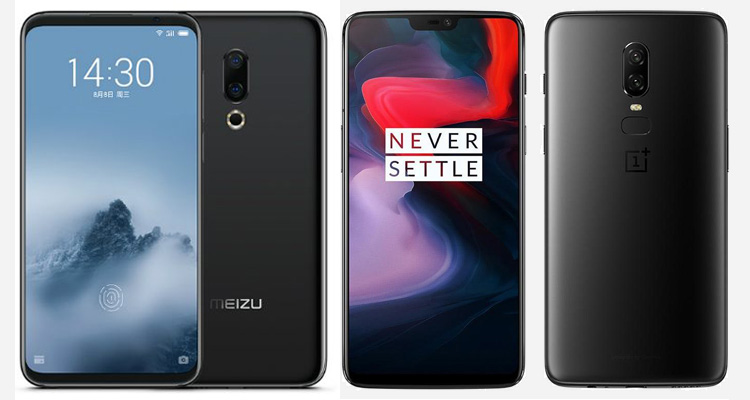
The Meizu 16 duo is finally official and one of the best ways to understand if it is worth buying one of these devices is comparing them with the best flagships out there. Given that the Meizu 16 has been launched in China with an aggressive price tag, we will compare it with one of the most wanted “affordable” flagships from the market today: the OnePlus 6. Is the Meizu 16 the king of Chinese flagships or is it still far from competing with this global best-seller? This is a Meizu 16 vs OnePlus 6 specs comparison where we try to figure things out.
Meizu 16 vs OnePlus 6
Meizu 16
OnePlus 6
DIMENSIONS AND WEIGHT
150.5 × 73.2 × 7.3 mm,
152 grams
155.7 x 75.4 x 7.8 mm,
177 grams
DISPLAY
6 inches, 1080 x 2160p (Full HD+), 402 ppi, 18:9 ratio, Super AMOLED
Despite the absence of a notch, Meizu 16 is still a very compact device with extremely thin bezels (hands on). Indeed, it is even smaller than the OP6 which is equipped with a notch. Further, it has an impressive design thanks to its ceramic-like glass back. When it comes to aesthetics, I would personally pick the Meizu 16 due to its originality, as the company has managed to release an outstanding device even though it has not followed the notch bandwagon.
Display
The display sizes are similar, with OnePlus 6 being a bit taller due to its notch. Both feature a Super AMOLED panel and a Full HD+ resolution, and there are no noticeable differences in the viewing quality. Both are high-end panels but they can not compete with the ones of the top flagship phones as they lack QHD+ resolution and HDR compliance. However, you still make a great choice if you buy one of these devices for its display.
Meizu 16 vs OnePlus 6: Specs & Software
Both Meizu 16 and OnePlus 6 are equipped with the most powerful Qualcomm SoC in the market: the octa-core Snapdragon 845 which reaches a max clock frequency of 2.8 GHz. And both come with 6 or 8 GB of RAM depending on the variant. So, even from the performance point of view, they are very similar. Note that Meizu 16 is the only one to feature a liquid cooling system, so it should provide better gaming performance in long gaming sessions.
Also, for software Meizu’s Flyme OS isn’t as popular as OP’s OxygenOS. Further, OP6 is confirmed to receive Android Pie update very soon (by fall 2018) whereas we are not sure when Meizu will update its flagship to the new Android OS.
Meizu 16 vs OnePlus 6: Camera
Without testing the Meizu 16 (it has just been announced), we can not give a definitive verdict about cameras. But on the paper, OnePlus 6 seems to be better, except for the fact that it does not feature a laser autofocus mechanism, unlike its opponent. OP6 has a brighter aperture (on both sensors) and a very efficient OIS even in 4K videos. We doubt that Meizu 16 will reach the same level in every environment.
Battery
OnePlus 6 has a bigger battery. So, even on the battery life side, it should be a better handset. It should last for an entire day without issues if you don’t stress it too much. We do not believe that Meizu 16 will have a disappointing battery life, but it is unlikely that it will reach its opponent’s level due to its 300 mAh less capacity.
Meizu 16 vs OnePlus 6: Price
OnePlus 6 wins in most categories above even though the Meizu 16 may look more innovative with its design and in-display fingerprint reader. But Meizu 16 has a more affordable price, at least in China (as for now it is China exclusive). You can get the Meizu 16 for just $395 in China, while OP6 started from $500. With the actual prices, Meizu 16 definitely has a better value for money.
If you’re a lover of all things electronic, you’ve come to the right place. GeekBuying is giving noteworthy discounts on a slew of electronic items that would normally set you back a pretty penny.
Moreover, GeekBuying is offering fast and free shipping as well. As if that weren’t enough, the Chinese online store is doling out 10% off on newly arrived items in the form of the coupon code FBGALGBB.
Buyers have an opportunity to save a considerable amount of money on a broad range of feature-laden smartwatches, power-packed graphics cards and other computer-related accessories such as the Razer BlackWidow X Standard Wired Gaming Mechanical Keyboard.
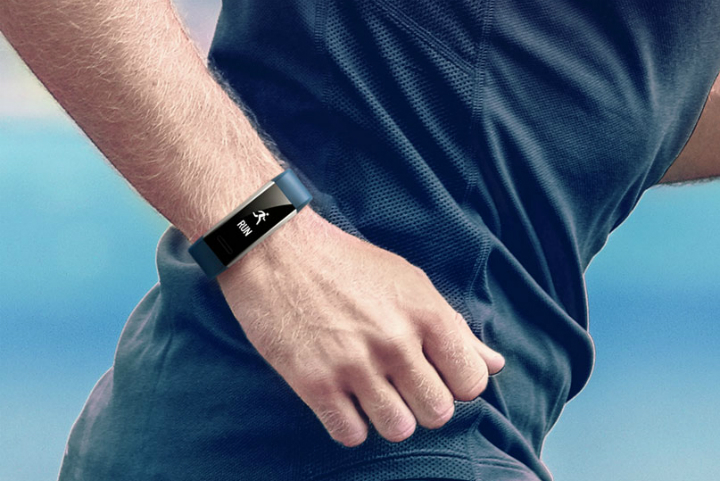
For instance, you can get a noteworthy 45% off on the Huawei Band 2 Pro GPS Smart Bracelet which normally sells for $109.99. Thanks to the aforesaid reduction in the device’s retail price, buyers can now get their hand on the highly useful bracelet at a reduced price of just $59.99.
On top of that, you can save an extra $6 simply by applying the above-mentioned coupon code while placing your order. This will reduce your already discounted grand total to just $53.99.
While you can save up to $50 on items shipping from a warehouse located in Germany, you can get 10% off for WeeLoop-branded items that will be shipped from Italy warehouse. Keeping in line with that, GeekBuying is giving 25% off on the WeLoop Neo Smart Bracelet, which would normally carry a price tag of $126.99.
With the discount, the coveted smart bracelet is up for grabs at a lowered price of just $94.99 for 1 day. Note that the discount will only be valid for the black color version of the device.
Likewise, you can get up to 46% off on items shipping from Spain warehouse and equally noteworthy discounts on a slew of PL stock that will be shipped from Poland warehouse. You can visit this link to check out all the product and avail the discount before the promo ends.
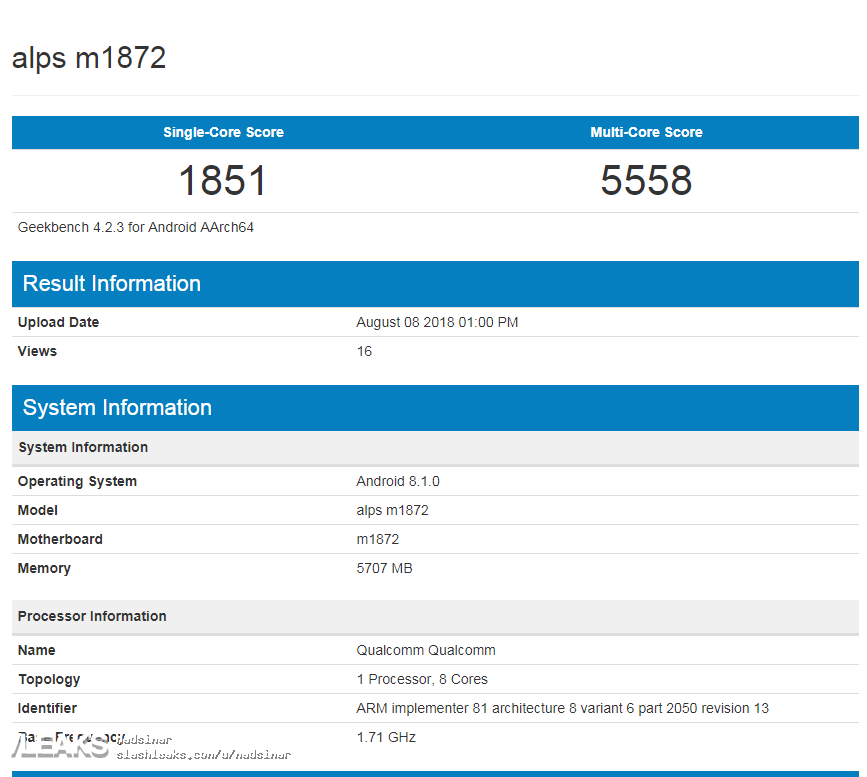
Meizu is prepping a smartphone to take on the Xiaomi Mi 8 SE and its called the Meizu 16X. It won’t be packed with flagship specs. However, its will be an upper mid-range phone driven by Snapdragon 710. A new Meizu phone labelled as “alps m1872” has surfaced on Geekbench. The benchmarking site has not revealed the processor that will be powering the smartphone. However, the CPU of the phone has a clocking speed of 1.71 GHz, it appears that it could be the Meizu 16X.
The alleged Meizu 16X that has appeared on Geekbench is running on Android 8.1 Oreo. The SoC is coupled with 6 GB of RAM. In the single-core and multi-core tests of Geekbench, the smartphone has respectively scored 1851 and 5558. One of the recent Geekbench listing of Xiaomi Mi 8 SE that features Snapdragon 710, 6 GB of RAM and Android 8.1 Oreo shows that it has scored 1839 and 5882 respectively in single-core and multi-core tests. This suggests that the Meizu 16X will be arriving as a good rival for the Mi 8 SE.
The Meizu 16 and Meizu 16 Plus that were unveiled on Aug. 8 came with in-display fingerprint scanner enabled 18:9 aspect ratio S-AMOLED screens. Since the Meizu 16X is not a flagship phone, it is unlikely to arrive with in-screen fingerprint reader. A leaked photo of the Meizu 16X that had surfaced in the recent past had revealed that it would be arriving with a notched screen. Jack Wong, the CEO of Meizu has said that the display of the Meizu 16X will be larger than that of Mi 8 SE.
Wong has also confirmed that the company will be announcing the Meizu 16X in September. It will be priced between 1,500 Yuan (~$218) and 2,000 Yuan. (~$292).
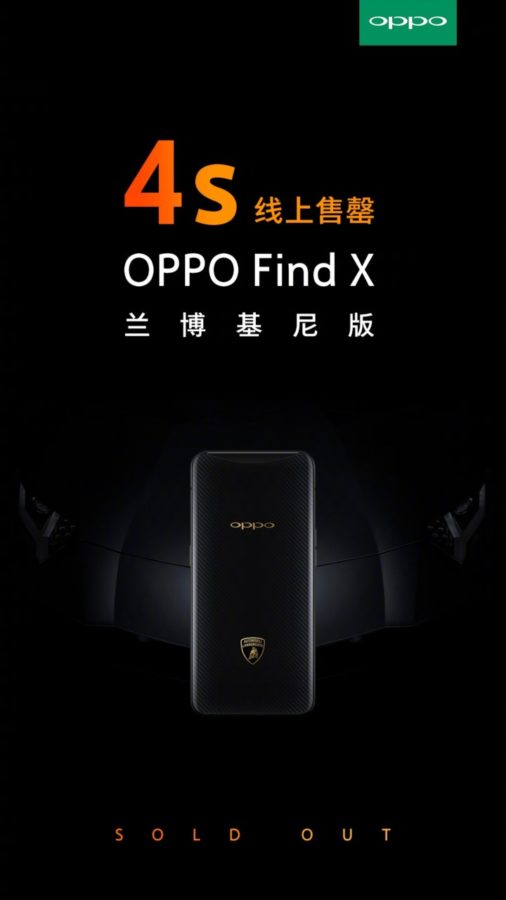
Oppo Find X Lamborghini Edition, the premium offering from the company of its flagship Oppo Find X smartphone, went on sale today in China for the first time. Priced at 9,999 Yuan, which roughly converts to $1,460, the phone was sold out within just 4 seconds.
The Lamborghini Edition doesn’t just have Lamborghini’s logo slapped on the back panel. It comes with a special retail box and the included case, charger with braided cable, and a pair of earphones are also Lamborghini-branded.
The phone comes with a 6.5-inch Full-HD+ OLED display with 19.5:9 aspect ratio. The display dominates the front side of the phone and it is touted as the world’s first smartphone to come with a screen-to-body-ratio of 93.8 percent.
Under the hood, the Oppo Find X Lamborghini Edition is powered by Qualcomm Snapdragon 845 processor along with 8GB RAM and 512GB internal storage. It comes with a unique automatic sliding mechanism for the camera sensors. According to the company, the slide-out mechanism pops out in just 0.5 seconds.
For the photography, the smartphone comes equipped with a dual camera setup that consists of a 16MP + 20MP sensors on the back with OIS and AI features. On the front side, there’s a 25MP for taking selfies. It comes with multiple 3D portrait lighting features and Omoji, which is OPPO’s own take on the iPhone X’s emojis.
The smartphone doesn’t have a fingerprint scanner, instead, it comes with O-Face (3D face unlock) which OPPO says has a failure rate of 1/1,000,000 compared to that of a fingerprint scanner which is 1/50,000. The device runs on Android 8.1 Oreo operating system with ColorOS on top. The Lamborghini Edition’s user interface has also been customized compared to the UI on the other variants of Find X.
The phone’s software will learn usage habits, preload common applications, and make the app start faster. It also features a smartphone voice assistant. The device is backed by a 3730mAh battery, which supports Oppo’s custom Super VOOC fast charging technology.
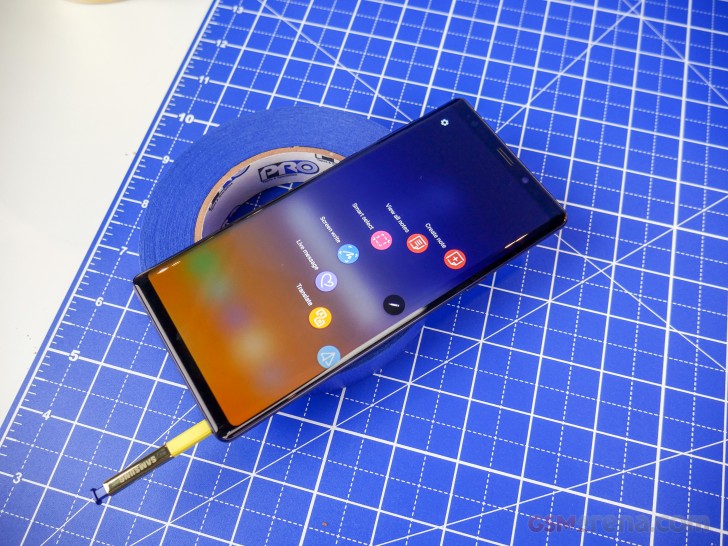
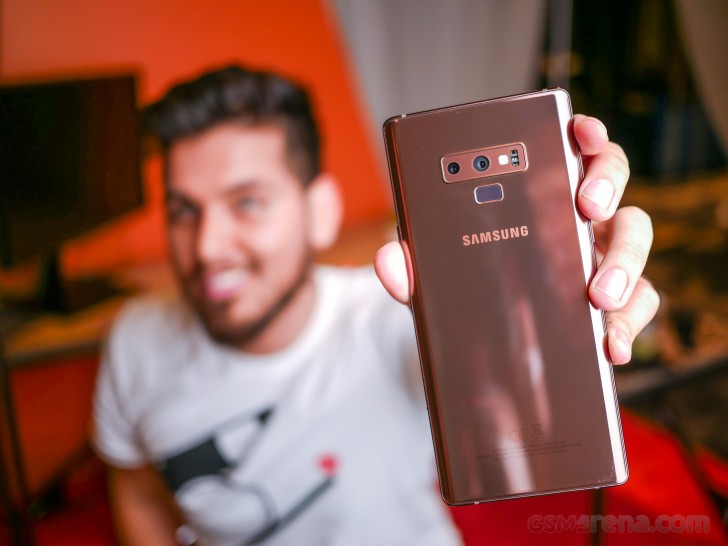
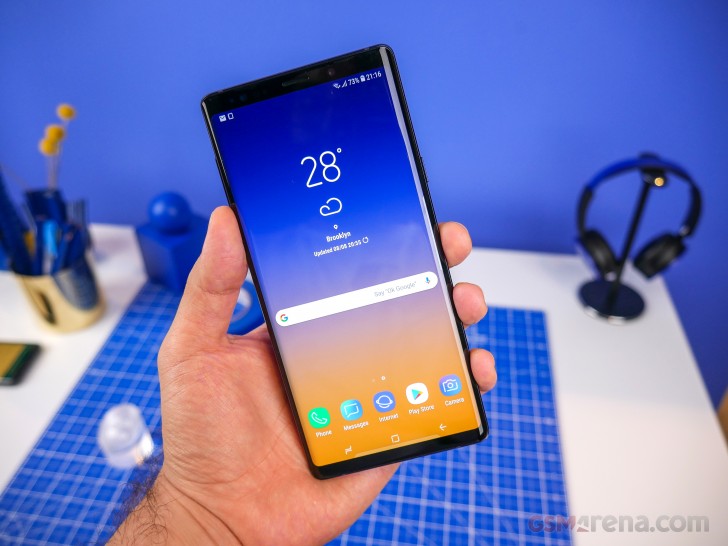
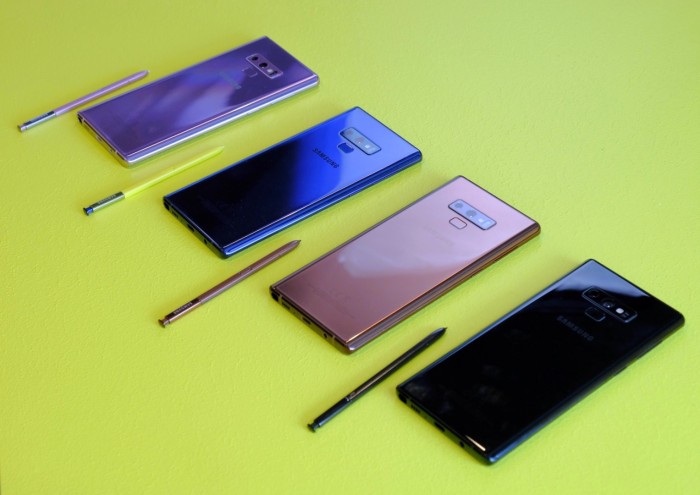
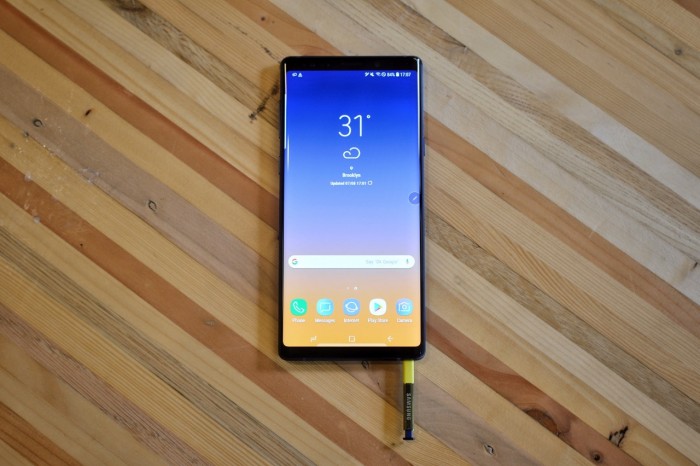
Samsung Galaxy Note 9 is now official as the successor of the Galaxy Note 8. The Note 9 largely resembles its predecessor in terms and as numerous leaks had revealed before is launch, the only major change in its appearance is the re-positioned fingerprint scanner. Here are some of the hands-on images of the Galaxy Note 9 to find what improvements has Samsung brought on it this year.
Design and Display
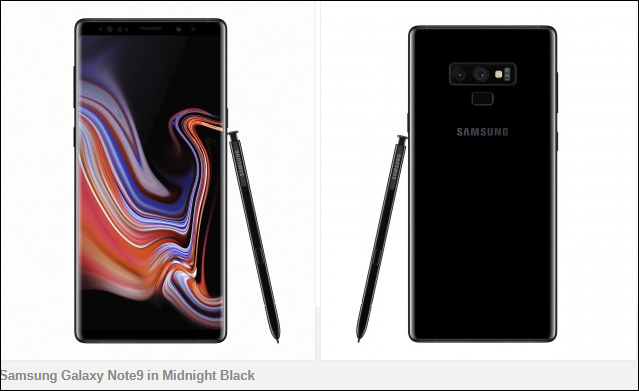
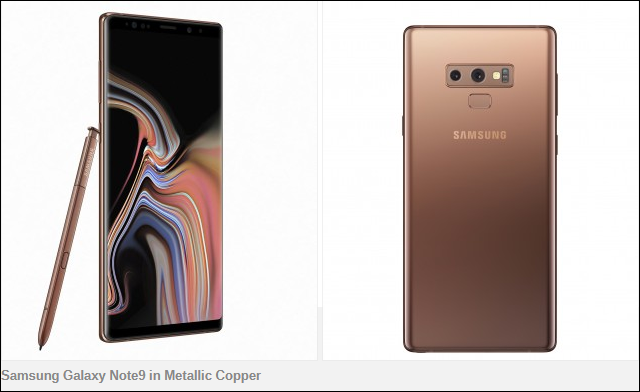
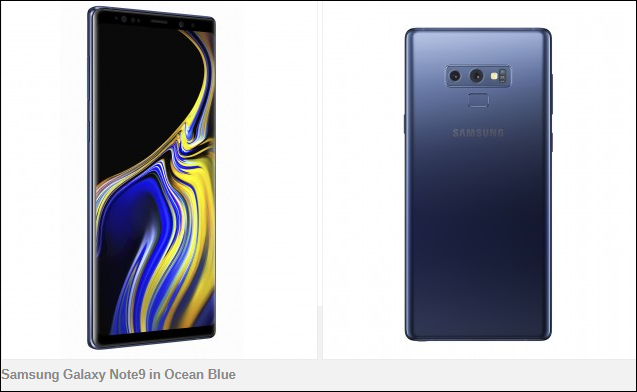
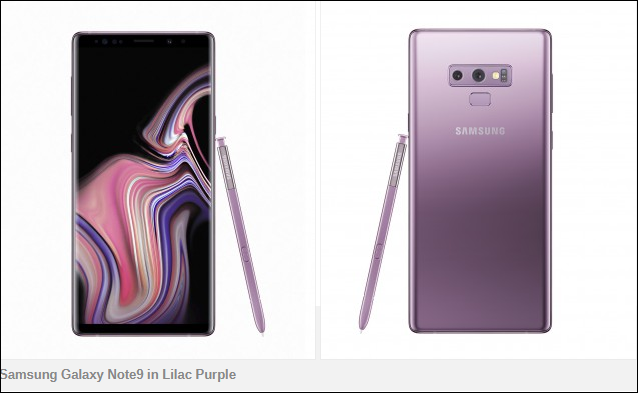
The Galaxy Note 9 may look like the Note 8, but there are few design changes that have been introduced on it. The engineers at Samsung have reduced the bezels even more and cut down the thickness of the metallic frame of the Galaxy Note 9. Ocean Blue, Lavender Purple, Midnight Black and Metallic Copper are the color variants of the smartphone. Among these, only the Note 9 features a yellow colored S Pen. The other hues of the smartphones come with same colored stylus.
The Galaxy Note 8 measured 162.5 x 74.8 x 8.6mm and weighed 195 grams. The dimensions of the Galaxy Note 9 are 161.9 x 76.8 x 8.8 and it weighs 201 grams. Compared to the predecessor, the Note 9 is slightly wider and heavier probably because a larger battery of 4,000mAh capacity. The Note 8 included a 3,300mAh battery.
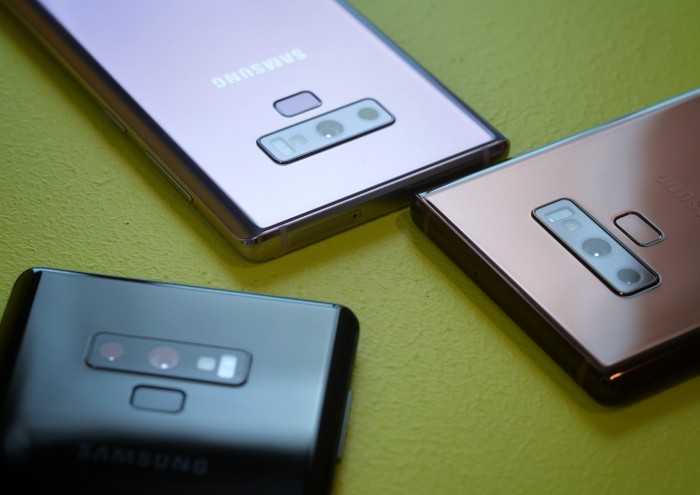
Moving to the backside of the phablet, its fingerprint scanner is now separated from the dual camera which reduces the risk of touch camera lenses while unlocking it. The rest of the rear panel appears simple. The glass back of the phone easily attracts finger marks.
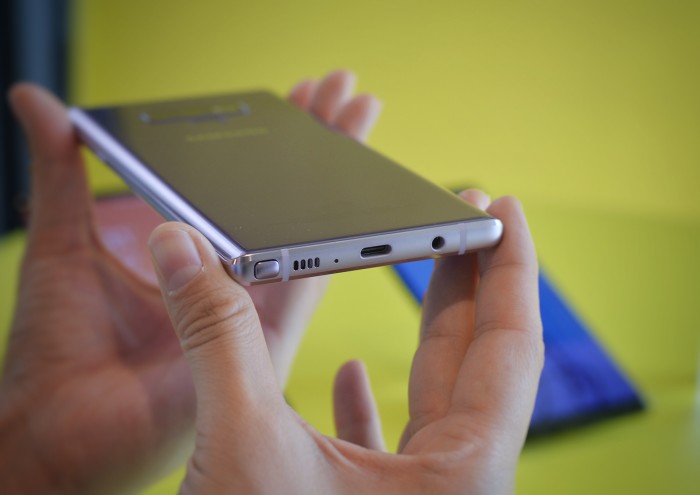
The bottom edge of the Galaxy Note 9 is quite crowded as it features S Pen slot, external speaker, USB-C and 3.5mm audio jack. Even though there are many openings on the Note 9, it is an IP68 rated waterproof and dustproof device. The overall appearance of the smartphone is sleek.
The Samsung Galaxy Note 9 features a 6.4-inch Super AMOLED display that is curved towards its left and right edges. The elongated 18.5:9 Infinity Display is one of the attractive features of the Note 9. The QHD+ resolution screen produces vibrant colors and offers good viewing experience.
Hardware
The Galaxy Note 9 is packed with improved internals. Depending on the market, the Note 9 is powered either by Exynos 9810 or Snapdragon 845. The base model features 128 GB storage + 6 GB RAM and the highest configuration variant include 512 GB storage + 8 GB RAM. Samsung has also installed a huge water-cooling system inside the Note 9 to keep the internal temperature under control.
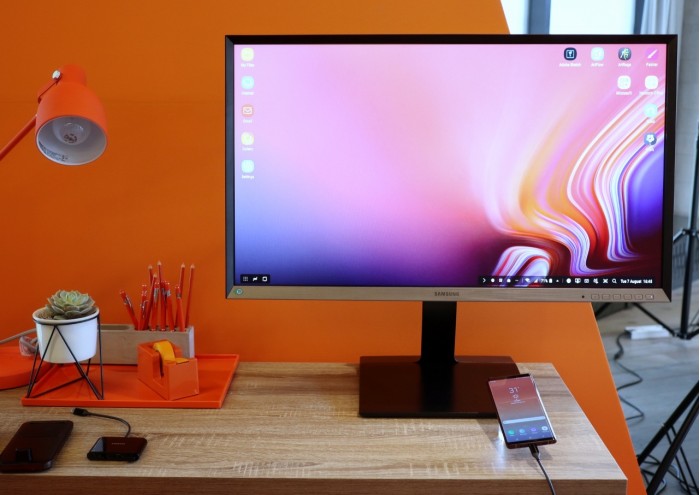
The 4,000mAh battery of the smartphone carries support for Quick Charge 2.0. The Galaxy Note 9 users can take advantage of desktop PC experience by using a small dongle that connects to HDMI. can It no longer needs a DeX dock to work.
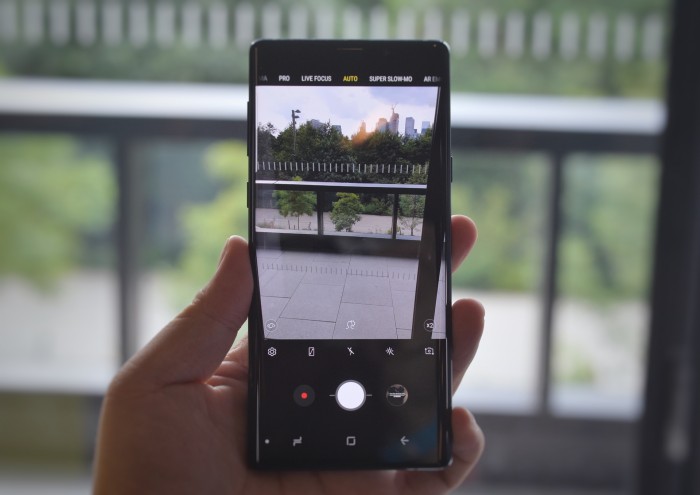
The OIS enabled dual 12-megapixel rear camera with variable aperture that is available on the Galaxy S9+ has been added on to the Galaxy Note 9. It features a front-facing camera of 8-megapixel. The camera samples of the Note 9 will soon surface to reveal how good is it photography prowess compared to its rivals.
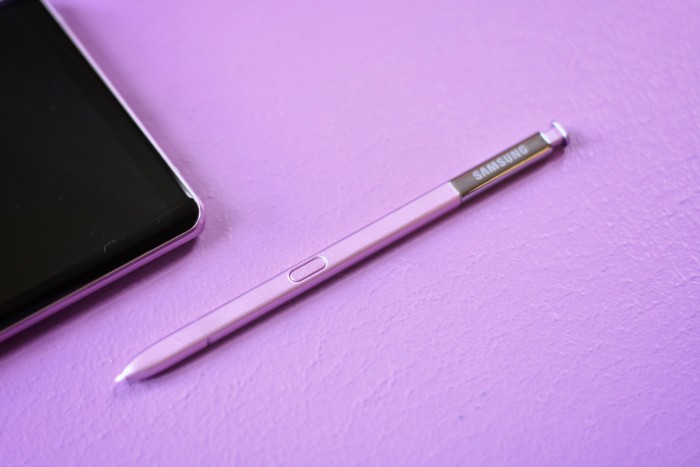
The Bluetooth Low Energy (BLE) enabled S Pen that makes it possible to use it from up to 30 feet away is one of the USPs of the Galaxy Note 9. The S Pen button works like a remote control key which can be used for clicking next or previous during a presentation, browse albums on the music player, play or pause during a video and so on. Instead of a battery, the S Pen includes a supercapacitor which can be charged. By charging it for 40 second, it can deliver a battery life of 40 minutes.
In the U.S., the 128 GB and 512 GB editions of the Galaxy Note 9 are respectively priced at $999 and $1,249. Its pre-orders will begin on Aug. 10 and its shipping date is Aug. 24.
Top-end electronics gadgets and peripherals usually cost a bomb, especially if they have popular brand tags. If you’re looking to get your hands on electronic items such as a smartphone, tablet or even a wearable device, you will probably end up spending a lot of money.
But much to the delight of budget-conscious buyers, CooliCool is currently doling out big discounts on a broad range of electronic items. Dubbed as ‘Back to School,’ the unmissable promo will be offering the lowest price online.
The discounted products have been grouped into different categories to help buyers find exactly what they’re looking for without breaking much of a sweat. We’ll divulge details about some of these sections while shedding light on a few discounted products.
The first category, ‘Hot Smartphone Connects the World’ is crammed with all sorts of smartphones that you can buy without emptying your pocket. The phones featured in this section are from top brands such as UMIDIGI, DOOGEE, Xioami, and Nokia.
For the sake of an instance, the BLACKVIEW BV9500 smartphone that normally sells for $349.99 online is currently up for grabs at a dropped price of just $289.99. Likewise, you can avail a 16% off on the Xiaomi Redmi Note 5 smartphone’s retail price of $249.99. Thanks to the discount, you can buy the Xiaomi-branded phone at a reduced price of just $209.99.
The next section, ‘EU Warehouse Saves More Time’ comprises a slew of smartphones that will be shipped from Europe. More importantly, the devices included in this section are available at a heavily discounted price.
The well-received ELEPHONE S8 usually sells for $399.99 online, but the Chinese online electronics store is offering a noteworthy 48% off on the phone’s original asking price. As a result, the S8 is now available at a lowered price of just $209.99 on CooliCool.
Tablets are highly useful devices whether you’re a frequent traveler, a business person or a student. Taking its versatility into consideration, CooliCool is giving buyers an opportunity to get their hands on popular tablets at a discounted price.
The discounted tablets have been added to the ‘Tablet PC for Better Study’ category. The section features top brands such as Voyo, Teclast, Alldocube, Binai, and Onda. While some tablets carry 15% discount, a slew of other tablets including the BINAI G808 PRO bears a considerable 36% off.
If you’ve restlessly been waiting to get your hands on a high-end wearable without emptying your pocket, you’ve come to the right place. As part of it’s recently kicked off promo, CooliCool is giving significant discounts on select smart watches and wristbands.
Aside from that, there are exceptional discounts on earphones, RC quadcopters and a myriad of other products. You can follow this link to check out the rest of the products and avail the discount before the promo ends. Note that the promo is slated to end on August 17th.
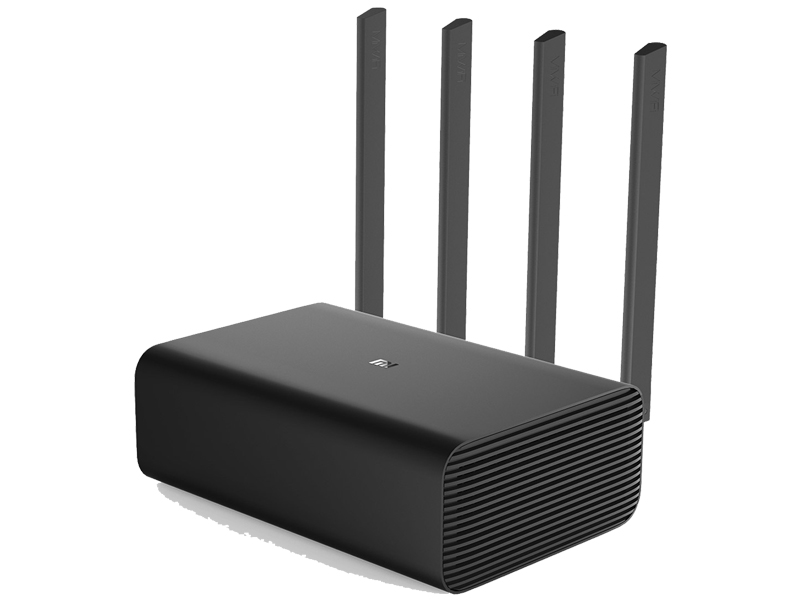
Sporting an elegant aluminum alloy metal design, the Xiaomi Mi Router Pro is the next generation of Mi Routers that boast radically enhanced performance coupled with four external omnidirectional antennas for stronger Wi-Fi coverage. Moreover, it supports the 802.11a / b / g / n / ac wave2 wireless protocols that allow multiple connections simultaneously.
Amid the increasing demand for a secure and robust network, the market is brimming with all sorts of wireless routers, but they’ll set you back a pretty penny. If you’re looking to buy a WiFi Router online at the best price, you’ve come to the right place.
We’ll show how you can save a considerable amount of money on the Mi Smart Router Pro’s retail price during the check out process. Let’s delve straight into the details. The Mi Smart Router Pro normally sells for $114.99 on Banggood, but if you aren’t willing to shell out that kind of money on a WiFi Router, just apply coupon code ‘f04e87’ to get a 10% off. You can save $11.50 with the help of the aforesaid coupon and reduce your grand total to just $103.49 without breaking much of a sweat.
Aside from offering wide space coverage and faster speed, the Mi Smart Router Pro is a future-ready WiFi router. You don’t even need to worry about getting extenders in addition to the router to get it by your apartment walls.
You can check out more details about the feature-laden Mi Smart Router Pro by heading straight to this link. It is imperative for you to bear in mind that the aforesaid coupon is likely to expire soon.
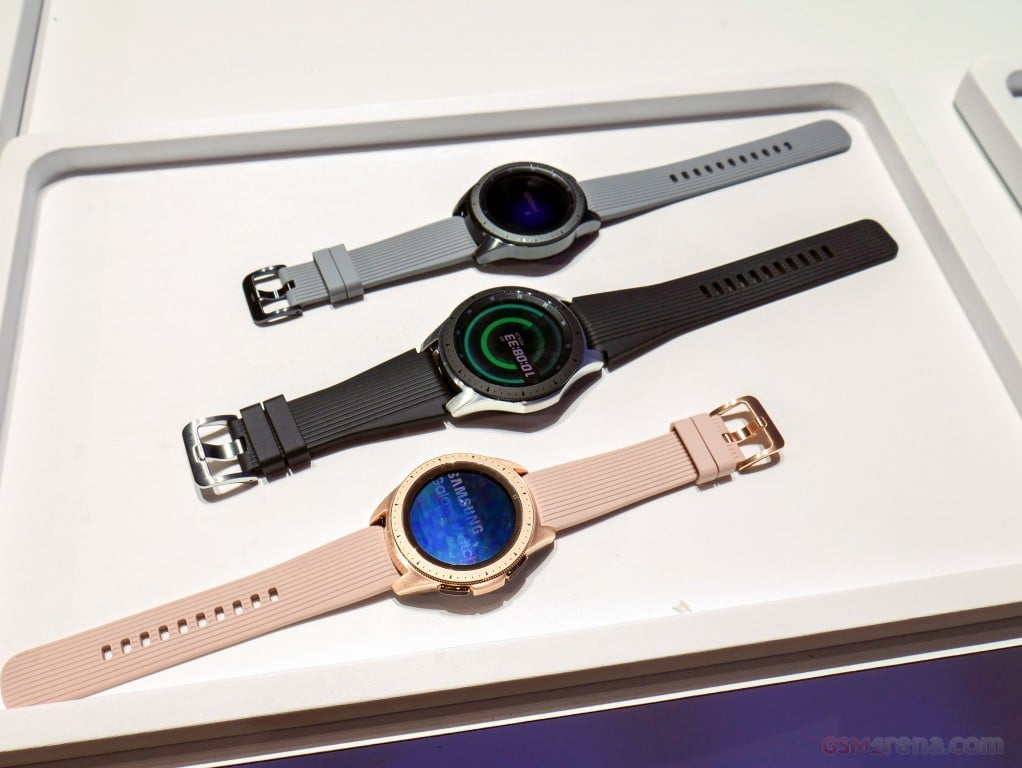
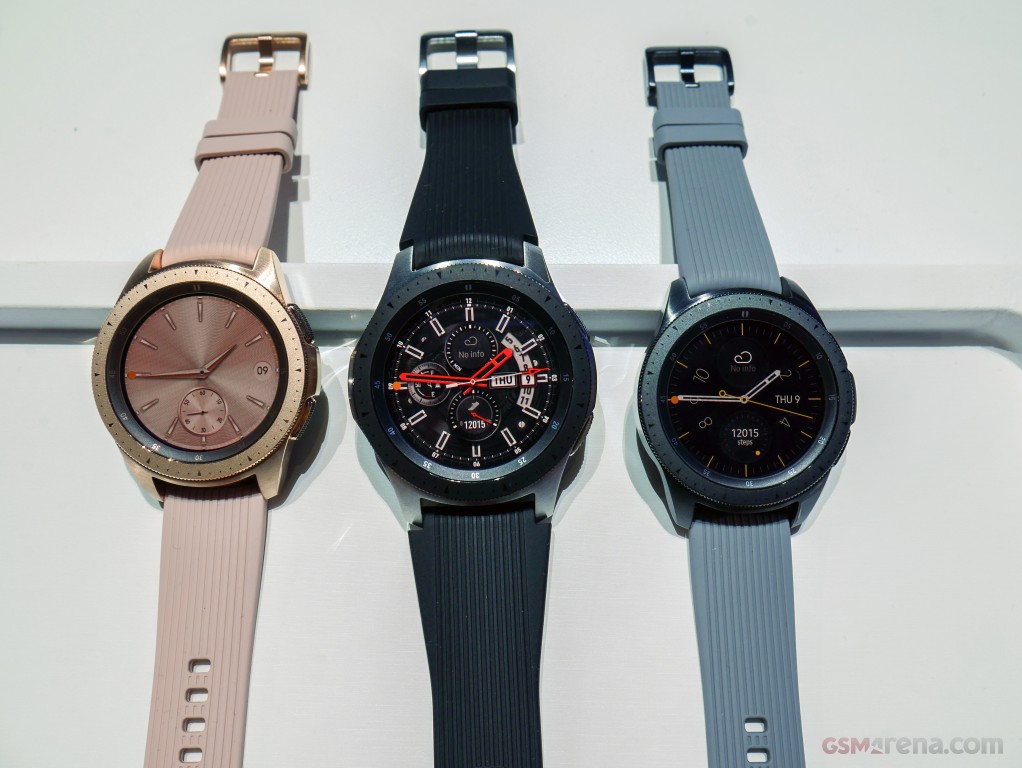
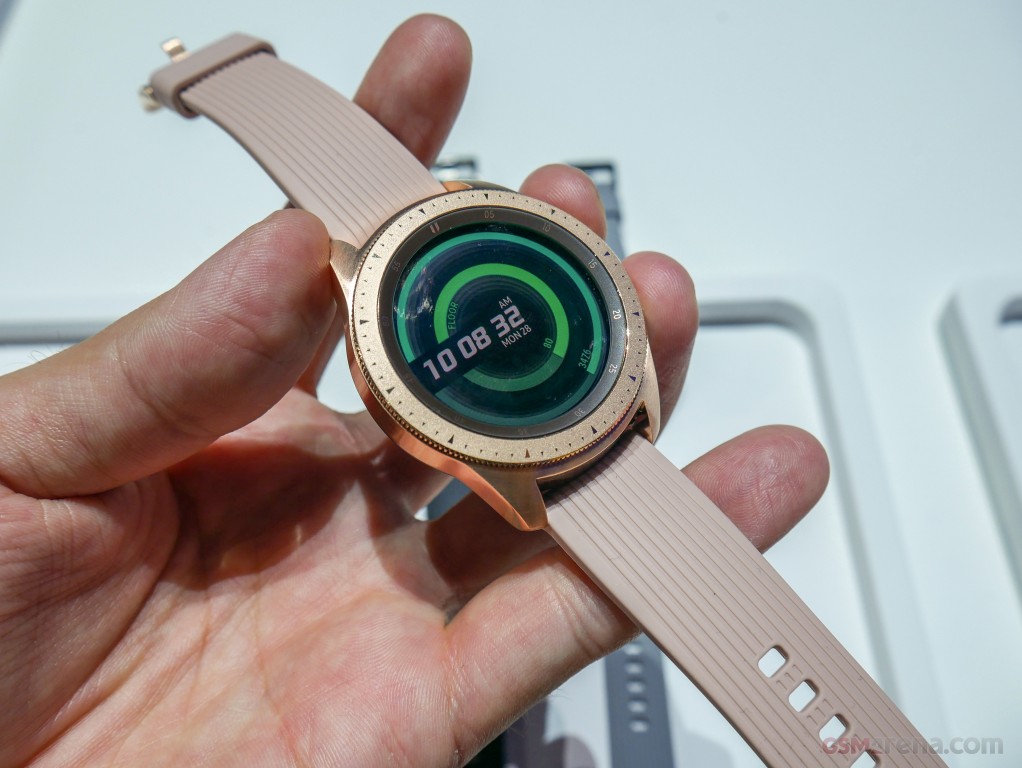
Alongside the Galaxy Note 9, Samsung also launched a new line of smart wearables which it called Galaxy Watch. We can’t say if Samsung has finally killed the Gear series but the new smartwatch looks like a successor to the Gear S3 without bearing the name Gear S4. It features a circular bezel just like on the Gear S3, which can be rotated in order to navigate through the Tizen interface. Yes, Samsung still sticks with the Tizen operating system for the new smartwatch. This effectively put to rest rumours of the Galaxy Watch running on Android Wear.
Talking of the design, apart from the circular rotatable bezel, the Samsung Galaxy Watch is available in two sizes. There is a 46mm version which is the same size as the Gear S3 and a smaller 42mm option as well. The 46mm model comes with a 1.3-inch display size and there is a 1.2-inch display on the 42mm version. Both screens are equipped with Gorilla Glass DX+. Not only that, the 46mm version is equipped with a 472mAh battery while the smaller 42mm Galaxy Watch variant packs a smaller 270mAh battery. You don’t need to worry about the smaller battery as Samsung still claims both models are built to last for several days.
Apart from packing a smaller battery and screen size, the two versions are available in both Bluetooth and LTE models. Both models are equipped with GPS for accurate tracking. They are both also equipped with 4GB of inbuilt storage but their RAM sizes differ. You get 1.5GB of RAM on the LTE models while the Bluetooth versions come with just 768MB RAM.
All models will come in three casing colours for buyers to choose from – Midnight Black, Rose Gold and Silver. There will be a large variety of bands to choose from. The Samsung Galaxy Watch also comes with an IP68 water resistance with an additional 5ATM pressure rating. The Galaxy Watch is also drop resistant. On the software end, the Galaxy Watch is capable of tracking 39 different types of workouts in addition to sleep and stress levels tracking.
As for the price, the Galaxy Watch LTE model with 46mm size is priced at $400 while the 42mm model is priced at $375. On the other hand, the Bluetooth model comes in at $350 for the 46mm size while the 42mm version costs $330. It will be available in the U.S on August 24. The Galaxy Watch will hit South Korea next on August 31 and will be available in other markets on September 14.
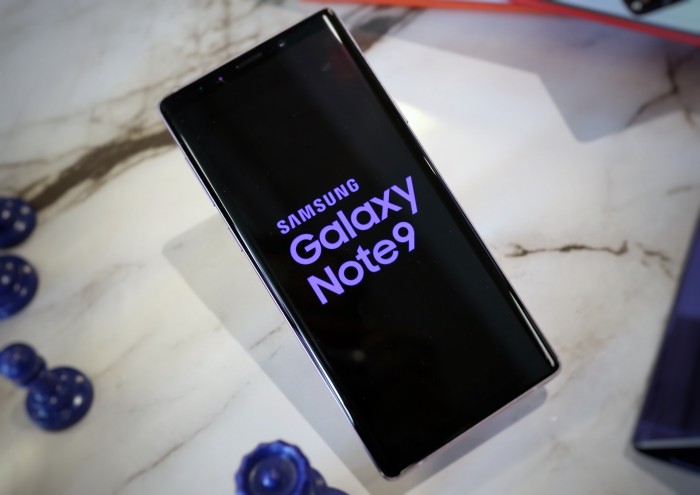
Samsung Galaxy Note 9 is before us! As expected, the flagship phablet was unveiled during the Galaxy Unpacked event held in New York earlier today. The Note 9 was the main attraction of the event which also saw the launch of a new Galaxy home speaker and Galaxy Watch.
Samsung Galaxy Note 9…Image Credit: GSMArena
Samsung Galaxy Note 9 Design, Specs & Features
The Samsung Galaxy Note 9 bears a strong resemblance with last year’s Note 8 but it comes with a number of useful improvements that makes it worth buying. The rear design of the Note 9 is markedly different from the Note 8. It packs a horizontally aligned dual sensor with a dual-tone LED flash. This time around, the rear fingerprint sensor is placed under the dual cameras. Unfortunately, the device doesn’t feature an on-screen fingerprint sensor but the rear-mounted one is highly sensitive.
One of the upgrades is the bigger 6.4-inch Super AMOLED display with an 18:9 aspect ratio which is slightly bigger than the Note 8’s. The display shares the same 1440 x 2960 pixels resolution with the Note 8. The display is HD10 compliant and comes with support for Always On Display. This is further complemented with a massive 4,000mAh battery which is 20% bigger than the Note 8’s battery. The battery also supports fast charging.
The device is equally equipped with an Exynos 9810 chipset just like the Galaxy S9 and S9+. We also expect Samsung to release a Snapdragon 845-powered variant in some markets. The processor teams up with 6GB of RAM and 128GB of storage on the base model. The top end model comes with 8GB of RAM and 512GB of internal storage. Both storages can be expanded via the microSD card slot.
On the camera end, the Galaxy Note 9 sports a 12MP dual-aperture f/1.5-2.4 wide and 12MP f/2.4 telephoto cameras. Both sensors have Optical image stabilization (OIS) as well as Samsung’s new Intelligent Camera which enables the phone to detect scenes, optimize colors and contrast as well as detect flaws such as a smudgy lens or subject that has closed his eyes. The front camera is still an 8MP f/1.7 selfie snapper. Other features of the new Note 9 includes an IP68 water-resistant body and stereo speakers.
In addition, the Note 9 packs an improved S Pen which is the first Bluetooth-enabled digital pen. The S Pen can also be used as a remote shutter for the camera with a range of 10 meters and a battery power of about 30 minutes. The battery can also withstand up to 200 clicks and the S Pen now has support for three inputs; short press, long press and double press. It can be recharged in just 40 seconds by simply placing it in its holster cramp on the side of the phone.
Another upgrade on the Galaxy Note 9 is the DeX mode which has been updated. Users will no longer require a DeX Dock and a physical keyboard and mouse to utilise the mode. The Note9 can enter DeX mode through a single USB-C to HDMI cable and while in DeX mode, the phone is fully functional as a keyboard and trackpad.
Pricing and Availability
The Samsung Galaxy Note 9 will be available in four different colour variants; Ocean Blue, Midnight Black, Lavender Purple and a new Metallic Copper. As for the price, the 6GB+128GB Galaxy Note 9 variant costs $999 while the 8GB+512GB model will sell for $1,250. The device has gone on pre-order in the U.S, U.K and Germany. The sales will commence on August 24.
Chinese electronics company TCL Corp is well known overseas as a result of its ownership of the Blackberry and Alcatel brand name. But the company has a wide catalogue of products beyond smartphones to its name. It is well known as a manufacturer of home appliances in China and that is where this news focuses on. The home appliances maker has disclosed that it plans to shore up the technology innovation related to its refrigerator and washing machine products and to also manufacture intelligent products tailored to meet consumers’ demands.
A statement credited to Wang Xianju, general manager of TCL’s white goods department hinted that the company will continue to push forward with its Double Plus strategy. Double Plus strategy represents intelligence plus internet and products plus services, with a focus on technological innovation and users’ involvement.
TCL’s home appliances form the bedrock of the company. This year, over 1 million washing machines were sold in the first half of the year, according to the company’s official data. This ensured a 16.6 per cent increase in its revenue Year-over-Year. The company launched an all-in-one air-cooled refrigerator featuring fast cooling, narrowed temperature differences, energy savings and low noise output. In addition, TCL also released a dirt-free washing machine which protects clothing from dirt within washing machines and cross-contamination from other garments. TCL’s all-in-one inverter air-cooled refrigerator features fast cooling, narrowed temperature differences, energy savings and low noise output.
TCL’s brand management centre manager, Zhang Xiaoguang also disclosed that it aims to become a global leader in smart products manufacturing and internet services. He disclosed that the company is positioning itself to compete with international brands with a global vision and pattern, and accelerating Chinese brands’ efforts to go global in the new era. Earlier on, TCL’s CEO, Li Dongsheng had disclosed that it will continue to explore markets in Europe and North America by strengthening its market share and brand influence. He further stated that the company will ramp up its investment in key emerging countries such as India, Russia and Argentina to establish local industrial capacity.
The two consumer products which the company focuses hold some prospects. According to stats from Beijing-based consultancy, All View Cloud (AVC), refrigerator sales revenue in the domestic market reached 54.9 billion yuan ($8 billion) from January to June, up 7.1% year-on-year. While sales of household washing machines peaked at an estimated 31 million units in the first half, representing an increase of 3.4% compared with the same period last year.
Android 9 Pie was officially announced on Monday, 6th of August, two weeks earlier than the August 20 date it was expected to launch. The new version of Android started rolling out to Pixel devices immediately after the announcement, and in what can be termed a pleasant surprise, to the Essential Phone too.
I own the Essential Phone and have already updated my device to Android 9.0 Pie. So I’m going to share the new features the update brings to the phone.
First, if you own an Essential Phone and haven’t received the update, you should head to the settings menu and manually check for the update. I didn’t get a notification for the update myself but the update was available immediately I checked.
The update is about 1GB and you may want to switch to a Wi-Fi network if you are on cellular data. Once the update is done, you should restart your phone for the changes to take effect. Just before we dive into the new features, do note that the update comes bundled with August’s security patch even though it still shows as July. Essential has provided an explanation for that. It turns out they failed to update the patch string.
Our Android Pie release DOES include August security patches. In our enthusiasm to get it to you as soon as humanly possible, we forgot to update the security patch string. It will be corrected in our next release. In the meantime, enjoy a slice of pie served up by Elyse. pic.twitter.com/7Rpprzeeb4
The biggest change you will notice after restarting your device is the new navigation mode. Gone are the back, home, and recent apps buttons and in their place is a new pill-shaped button and a small “back” arrow. Thankfully, Google has provided the option for users to switch to the previous navigation system. However, the icons are now like the ones on the Pixels.
If you want to go check your recent apps or switch between apps, all you have to do is swipe the pill icon upwards. Doing that brings you to the second visual change.
In Android Pie, Google has switched from vertical arrangement to a horizontal layout. You can scroll between open apps by dragging the pill button but I find scrolling through the apps itself faster and better. Apps can be closed by swiping them upwards.
Getting into split-screen mode has changed too since there is no more recent apps button. Entering into split-screen mode now is still pretty simple as well.
Can you see the icons above each app when you open the recent apps menu? Tap on it and a menu will show up. The menu includes app info, split screen, and pin. Apps that don’t support split screen won’t have the option listed. Select the split screen option and the selected app goes to the top half of the screen. You can select the second app from the rest of the open apps.
To quickly switch between apps, just drag the pill button to the far right and it’ll take you to the previous app.
Adaptive Battery and Adaptive Brightness
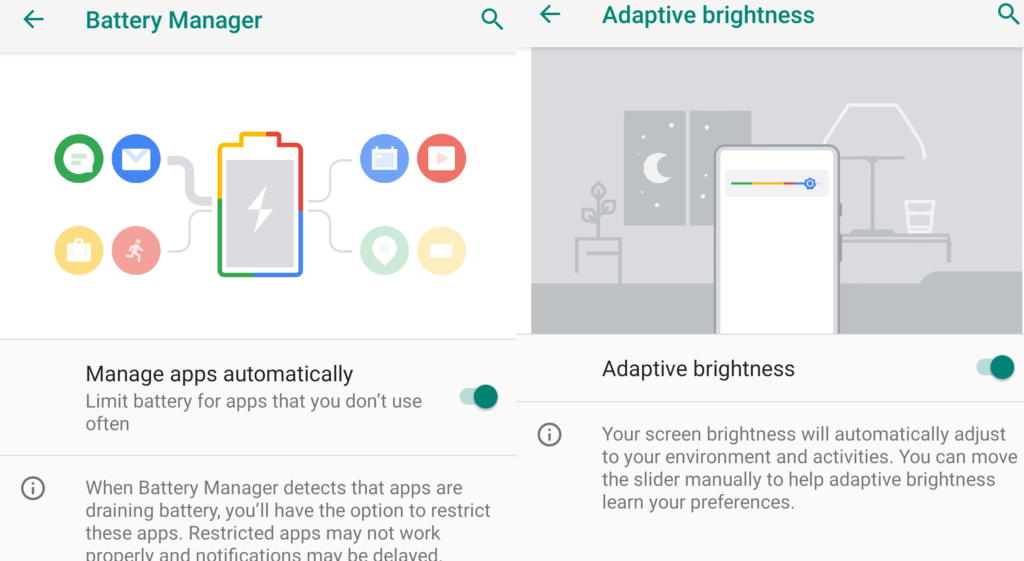
These are two of the main features that come with Android Pie. Adaptive battery uses AI to improve your battery life. What it does is study your usage pattern and limits the resources allocated to infrequently used apps. This is supposed to improve battery life.
Adaptive Brightness also uses AI to automatically adjust brightness. The phone studies your environment and usage pattern to adjust display brightness. The system also studies the manual adjustments you make to the brightness slider.
Notification Shade and Quick Settings Menu
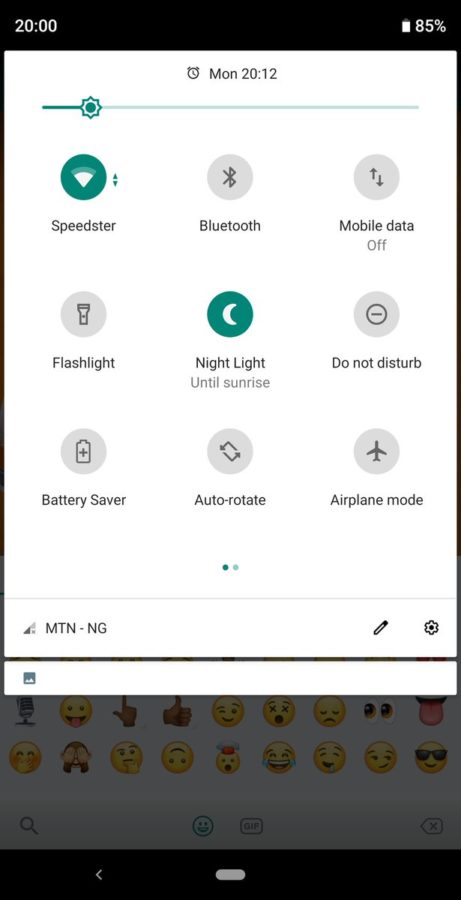
The Quick Settings menu wears a new look now. On Android 9.0 Pie, the quick settings icons now sit in a circle. When a setting is activated, the icon takes on a green color or teal if the device theme is set to dark.
One complaint about the redesigned quick settings menu is that you have to completely drag it down to access the gear icon that takes you straight to the phone’s settings.
There is also an edit button along with the notification when you take a screenshot. So you can jump right into editing the screenshot.
Settings
The main phone settings looks better as Android 9.0 Pie brings much-needed colors to the icons. Also, the icons are now in a circle like those of the quick settings menu.
Volume Controls and Bluetooth Audio Controls
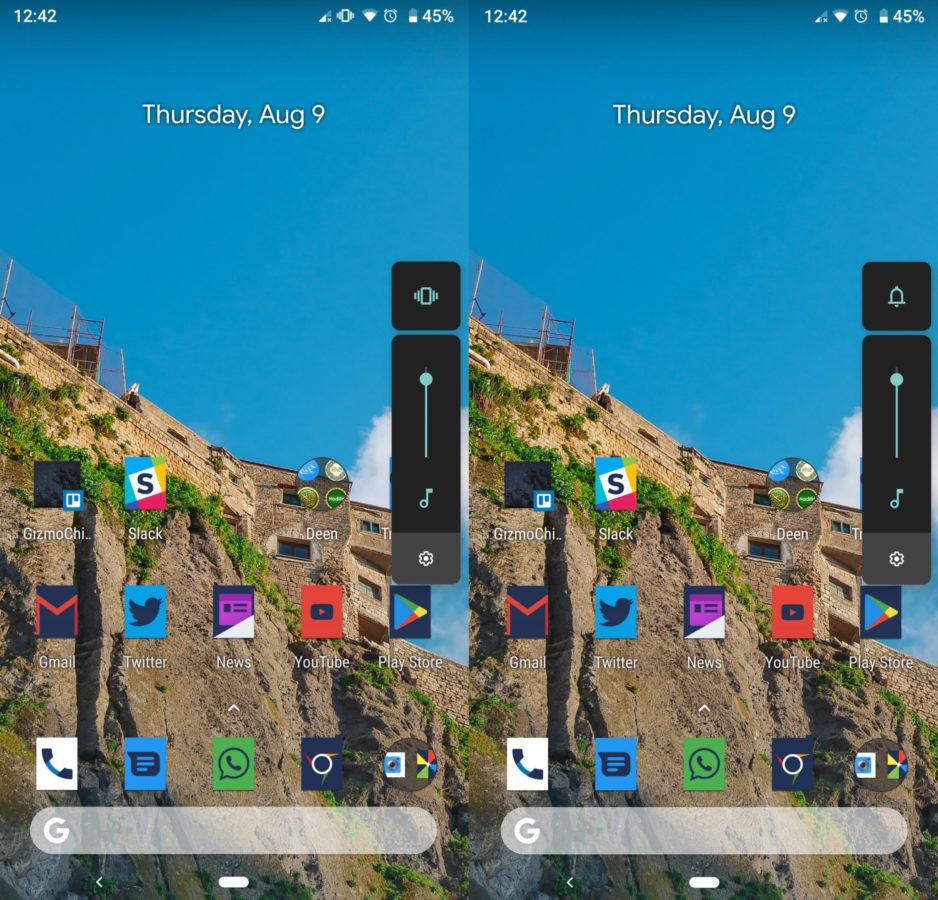
Volume control has also been redesigned. The control slider is no longer at the top of the screen but now on the right where the volume buttons are. We don’t know if the position will be standard irrespective of where your volume buttons are since there are some phones with their volume buttons on the left.
There is a gear icon below the slider that takes you to sound settings where you can adjust volume for calls, alarms, media etc.
There is also an icon above the slider that you can tap to mute all sounds or put the phone in a vibration-only mode.
A neat feature Android 9.0 Pie brings is the ability to remember the volume level of each individual Bluetooth audio device. So you can set your speaker to the maximum level and your earbuds to 50% and the phone will remember the volume level for each individual device.
Dedicated Screenshot button
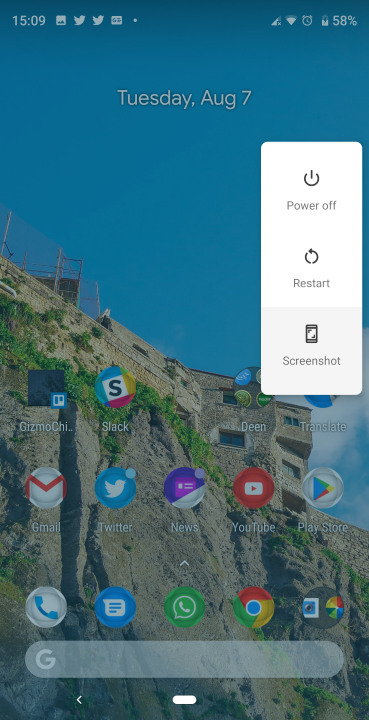
Android Pie brings a dedicated screenshot button to pure Android. Rather than the usual volume down + power button combo to take a screenshot, you can hold down the power button for a few seconds and select the screenshot button that has been added to the power menu.
Easter Egg
The Android Pie Easter egg is fun and colorful and changes everytime you check it. To access it, go to Settings > System > About Phone > Android Version. Tap the Android Version (9) multiple times and it will open the easter egg. Be careful, this easter egg has the ability to hypnotize you.
What is missing?
Some features are missing in the update. Some are available on the Pixel 2 and Pixel 2 XL and others are scheduled for release later.
Overview Selection – this allows you to copy text from one app to another while in the recent apps menu without you having to enter into any of the apps. It also allows you to share images too.
App Actions – App actions use machine learning and AI to predict the apps you need and at certain times of the day using the Pixel launcher. For example, you can have recommendations for playing a song when you connect your earphones
Slices – this brings features in an app to the surface (read search). So if you search for Uber or Lyft in search, part of the search results you get is the distance and duration to your home or if a driver is close by. This is already available on the Pixel and will be available for other phones by fall.
Digital Wellbeing – this is supposed to help you use your phone less than you currently do by allowing you set timers for app usage or switching to grayscale when it is near a preset bedtime. There is also a chart that shows you the duration spent per app and the number of times you unlocked your phone. Digital Wellbeing is available as a beta for Pixel devices running Android Pie. A stable version will launch this fall to Pixel, Android One, and other phones.
HMD Global has scheduled a launch event in India on August 21, where the Finnish company is expected to launch the Nokia 6.1 Plus aka Nokia X6 that was recently launched in China.
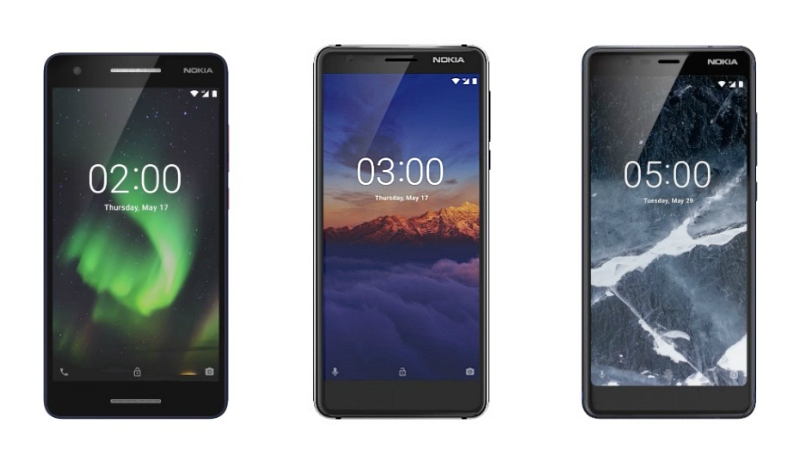
Now, prior to the launch event, HMD Global has launched two new smartphones in India — Nokia 5.1 and Nokia 2.1, which are also known as Nokia 5 (2018) and Nokia 2 (2018) respectively. Further, the company has also introduced a 3GB RAM variant of the Nokia 3.1, which debuted in India last month.
The Nokia 5.1 features a 5.5-inch Full HD+ display with 2160 x 1080 pixels resolution and 18:9 aspect ratio. It is powered by an octa-core MediaTek MT6755S SoC, paired with 3GB of RAM. It has 32GB internal storage and features a microSD card slot.
In the camera department, there’s a 16-megapixel rear sensor with PDAF, LED flash and an 8-megapixel front-facing snapper for taking selfies. There is a 3000mAh battery under the hood and being an Android One phone, it runs Android Oreo operating system.
The Nokia 2.1, which is the cheapest amongst the three models, comes with a 5.5-inch HD display with 1280 x 720 pixels, standard 16:9 aspect ratio and anti-FP coating. The device is powered by a Qualcomm Snapdragon 425 processor, coupled with 1GB RAM.
In terms of camera specifications, the entry-level phone bears an 8-megapixel rear sensor with autofocus and an LED flash. On the front side, it features a 5-megapixel selfie camera. There’s an 8GB of internal storage with microSD card support up to 128GB.
The Nokia 2.1 is the second smartphone from the company that’s a part of Android Go program. It is Running on Android Oreo (Go Edition) OS and is fuelled by a 4,000mAh battery that promises 2-day battery life.
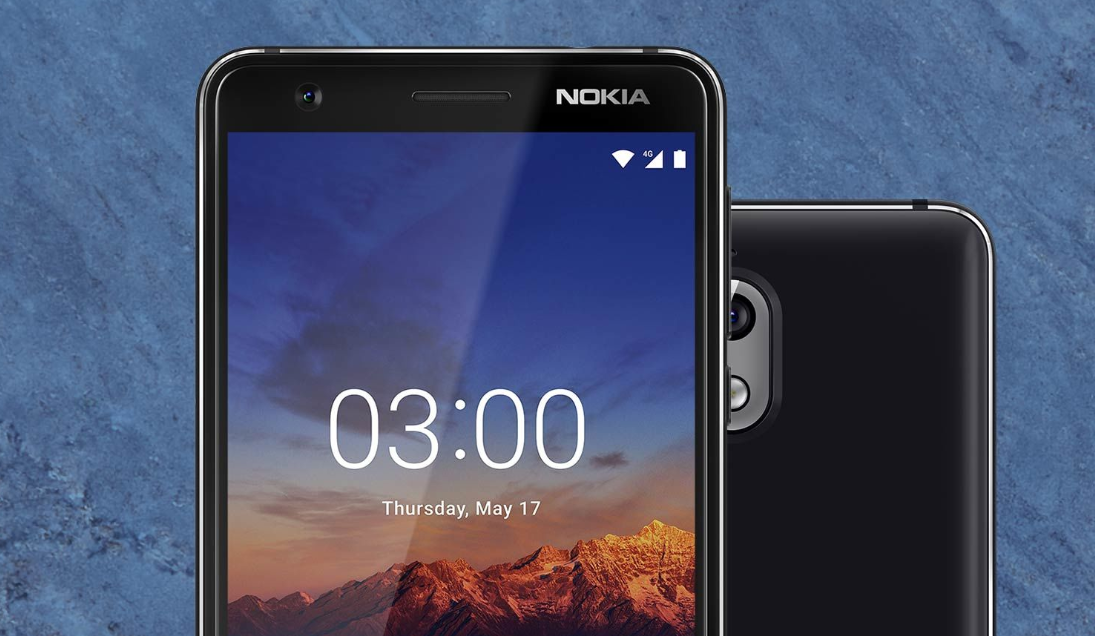
The Nokia 3.1, which was launched in India last month with 2GB RAM and 16GB storage, now gets another variant which packs 3GB RAM. There’s a 5.2-inch HD+ display with 1440 x 720 pixels screen resolution and 18:9 aspect ratio with Corning Gorilla Glass protection. The handset is powered by MediaTek MT6750 octa-core processor.
The phone’s 3GB RAM model packs 32GB internal storage and support microSD card slot for expanding storage capacity. It sports a 13-megapixel rear camera with f/2.0 aperture, autofocus, and an LED flash. On the front side, it bears an 8-megapixel fixed focus sensor with f/2.0 aperture, 84.6-degree field-of-view.
The device is powered by a 2,990mAh battery. Just like the other two models, this one also runs on Android Oreo operating system out-of-the-box. HMD Global has also promised that all three models will receive Android Pie by the end of this year.
In India, all three smartphones — Nokia 5.1, Nokia 3.1, and Nokia 2.1 will be available for purchase from August 12 through Paytm Mall and Nokia’s own website as well as through leading mobile stores across the nation.
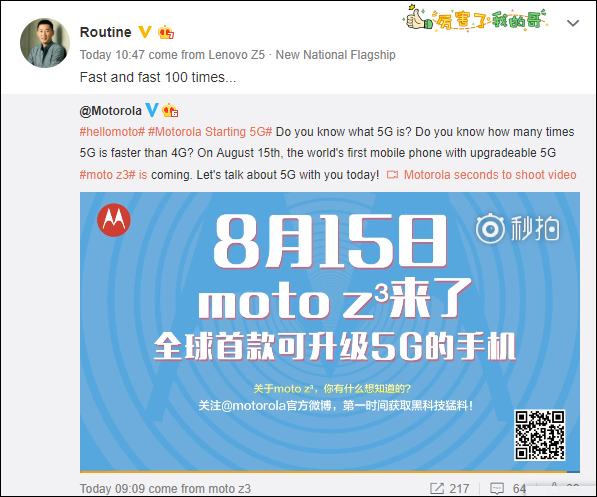
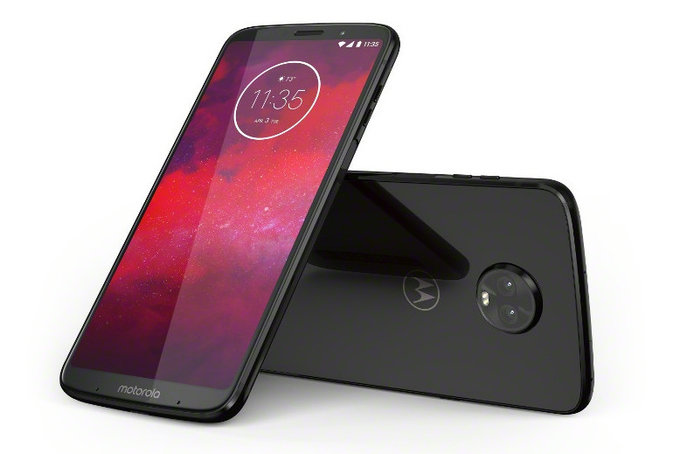
Lenovo-owned Motorola brand recently launched the Moto Z3 flagship on August 9 in the U.S where it enjoys a loyal fan base. The Chinese company has officially disclosed that it would be bringing home the Moto Z3 to China soon. The device is scheduled to be launched in China on August 15. The smartphone is presently on reservation in China via Jingdong (JD.com) while it will go on sale at 10 AM on August 16.
The company released a promotional video which is a short clip of fans speaking about what they like about the smartphone. Obviously, the major feature mentioned and which Motorola is using as its major promotional tool is the 5G feature. In case you forgot, the Moto Z3 comes with a 5G Moto mod which means the device is the first 5G upgradable smartphone. Lenovo’s President added his voice that the 5G technology is 100 times faster than the present 4G. Suffice it to state that this feature could become useful in China first before Verizon unveils its 5G framework since China is well ahead to roll out its 5G infrastructure before the U.S.
To remind you of the specs, the Moto Z3 packs a 6-inch AMOLED screen and is powered by last year’s Snapdragon 835 flagship chipset. The chipset is paired with 4GB of RAM and there is 64GB of internal storage inside. In the camera aspect, the Moto Z3 packs dual cameras at the rear which are basically a 12MP + 12MP combo. For selfies, there is a single 8MP sensor. The flagship is crammed with a 3000mAh battery but the 5G Moto Mod delivers an extra 2,000mAh battery power when connected. Also, the device runs on the latest Android 8.1 Oreo OS out of the box but is expected to get a speedy update to Android 9.0 P when it arrives.
We use cookies on our website to give you the most relevant experience by remembering your preferences and repeat visits. By clicking “Accept”, you consent to the use of ALL the cookies.
This website uses cookies to improve your experience while you navigate through the website. Out of these, the cookies that are categorized as necessary are stored on your browser as they are essential for the working of basic functionalities of the website. We also use third-party cookies that help us analyze and understand how you use this website. These cookies will be stored in your browser only with your consent. You also have the option to opt-out of these cookies. But opting out of some of these cookies may affect your browsing experience.
Necessary cookies are absolutely essential for the website to function properly. This category only includes cookies that ensures basic functionalities and security features of the website. These cookies do not store any personal information.
Any cookies that may not be particularly necessary for the website to function and is used specifically to collect user personal data via analytics, ads, other embedded contents are termed as non-necessary cookies. It is mandatory to procure user consent prior to running these cookies on your website.

 H96 Max Plus RK3328 TV Box (4GB RAM + 64GB ROM)





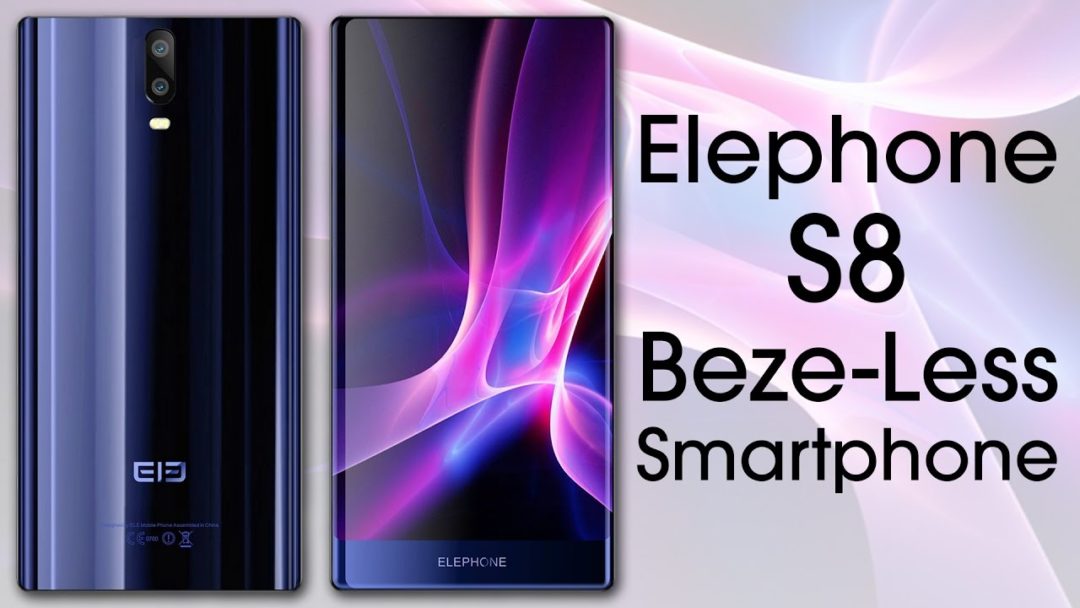 The well-received ELEPHONE S8 usually sells for $399.99 online, but the Chinese online electronics store is offering a noteworthy 48% off on the phone’s original asking price. As a result, the S8 is now available at a lowered price of just $209.99 on CooliCool.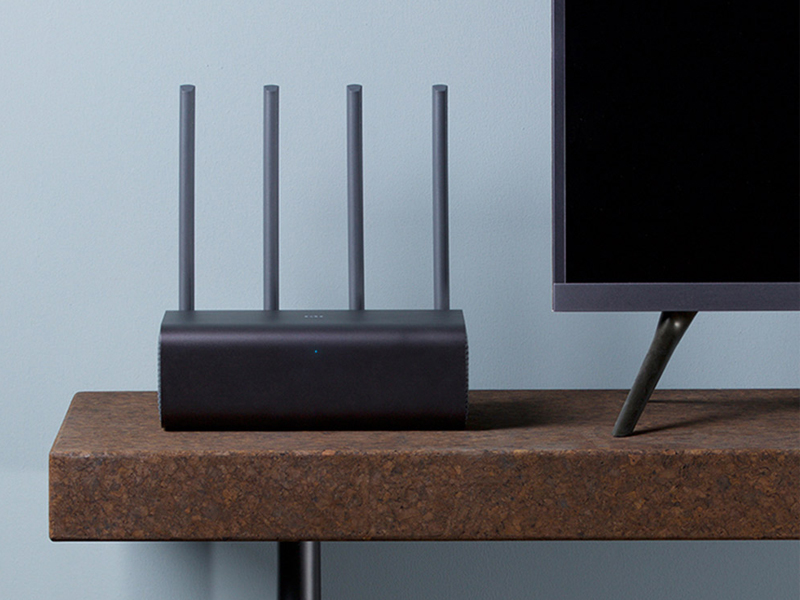
 The Mi Smart Router Pro normally sells for $114.99 on Banggood, but if you aren’t willing to shell out that kind of money on a WiFi Router, just apply coupon code ‘f04e87’ to get a 10% off. You can save $11.50 with the help of the aforesaid coupon and reduce your grand total to just $103.49 without breaking much of a sweat.