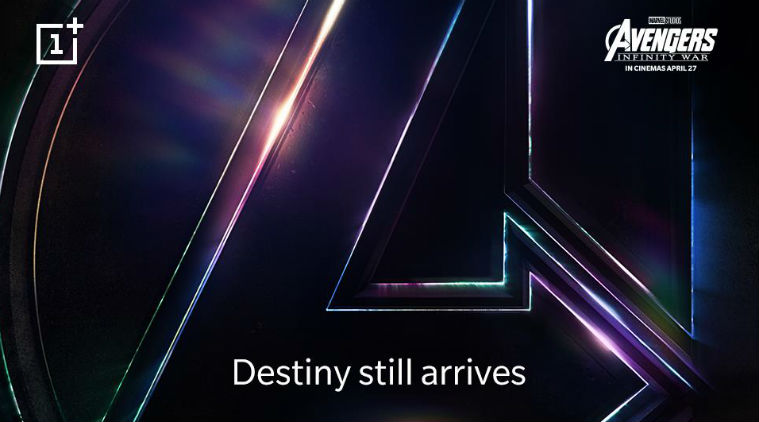
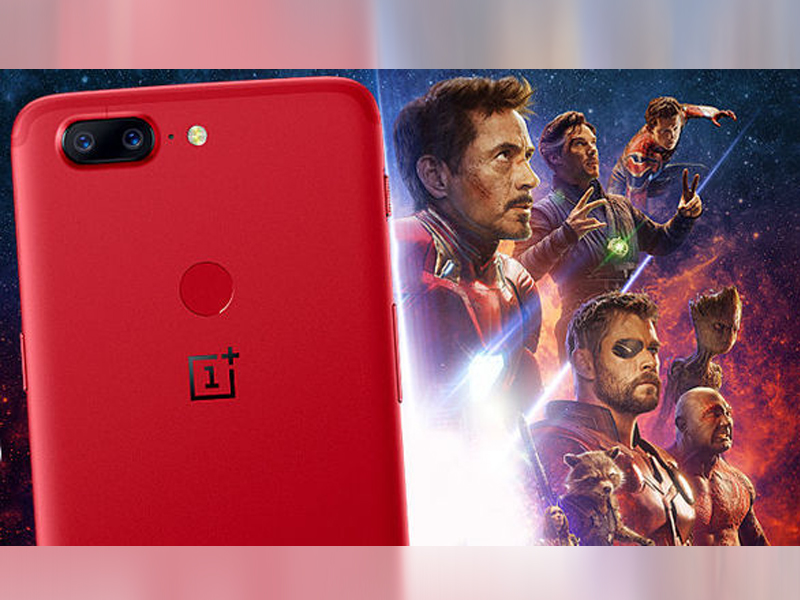
It can be recalled that OnePlus had teamed up with Disney and Lucasfilm to release a special OnePlus 5T Star Wars Limited Edition last year. The Chinese handset manufacturer has once again teamed with Disney in a bid to develop an exclusive Avenger: Infinity War edition of its recently launched OnePlus 6 smartphone.
The Avengers version of the OnePlus 6 packs more awe-inspiring specs and features than its predecessor, the Stars Wars-themed OnePlus 5T. For the sake of instance, the phone replaces the Mirror Black finish with an eye-catching Kevlar design on the back panel.
On the downside, the coveted Avengers edition will cost you a pretty penny. Much to the chagrin of price-conscious buyers, the black tinted OnePlus 6 The Avengers Version smartphone will set you back $949.99 on Banggood.
But if you’re a tight budget and aren’t willing to break the bank, we’ll tell you exactly how you can save a considerable amount of money on the OnePlus 6 The Avengers Version. In order to save $130, all you have to do is apply discount coupon ‘523AVENGERSCO’ at the time of checking out.
In other words, you can bring your grand total down to only $819.99 simply by applying the aforesaid coupon code. The OnePlus 6 The Avengers edition is an irresistible smartphone that sports a mammoth 6.28 Inch AMOLED capacitive display with a screen resolution of 2280 X 1080 pixels. The phone comes with 3D Corning® Gorilla® Glass 5 for added protection.
Moreover, the OnePlus 6 The Avengers edition packs a powerful Snapdragon 845 2.8GHz processor and uses an equally robust Adreno 630 graphics processing unit, under the hood. The phone offers 8GB of LPDDR4X RAM and a hearty 128GB of non-expandable onboard storage.
On the photography front, the OnePlus 6 The Avengers edition smartphone houses a 16-megapixel + 20-megapixel dual camera setup with f/1.7 aperture and dual-LED flash. Up front, there’s a 20-megapixel (Sony IMX 519) camera with 1.0 µm f/2.0 aperture for selfies and face-to-face video chatting.
Aside from that, it includes a slew of other features such as exclusive official Avengers wallpaper. While the phone itself is no different than the regular OnePlus 6, it is touted as the highest-spec version.
You can follow this link in order to use the coupon code and check out the full specification of OnePlus 6 The Avengers version smartphone. Note that the discount coupon is likely to expire soon.
Blackberry has already revealed that the Key2 will be launched on June 7 in New York City. The smartphone maker has now released a new video teaser that shows off some of the features the Blackberry Key2 will pack.
The video teaser is a short one but it gives us an idea of what to expect. Talking about what to expect, we are quite surprised to find the device will have a third button alongside the power button and volume rocker at the side. We can’t say what the button’s function will be. The new button appears to be an app drawer shortcut of some sort. In addition, the video also shows the Key2 will have dual cameras at the rear starked horizontally in the top left corner. It will also feature dual-tone LED flash sitting by the side of the camera. The KeyOne was spectacular because of its physical QWERTY keyboard. the Key2 will equally have a keyboard but there seems to have been some minor tweaks added to the buttons which may bring some short cut functions.
The Blackberry KEY2 is a mid-range model and is expected to pack a Qualcomm Snapdragon 660 processor, coupled with 6GB RAM and 64GB internal memory. The full specifications of the phone are yet to be revealed but we expect an impressive lineup since the Snapdragon 660 is in the drivers’ seat.
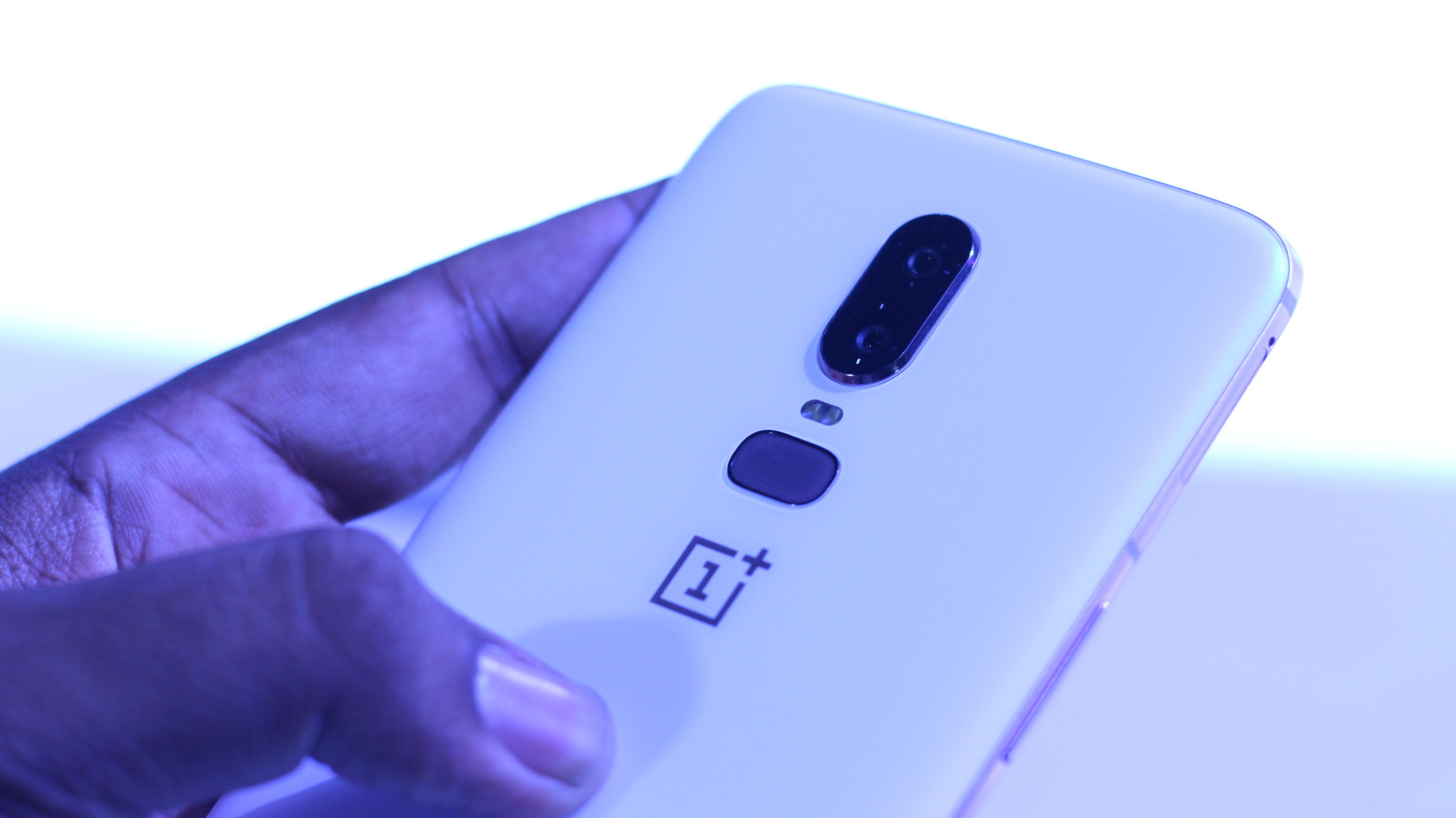
Remeber when an update could brick your phone or cause it to be stuck in a bootloop? To fix the issue, Google introduced a new feature for Android called A/B system updates or seamless updates. The new OnePlus 6 comes with the feature.
The way seamless updates work is explained as follows: when there is a new update, your phone downloads the update and installs it even while your phone is in use. However, while installing the new update, the phone creates a partition for your current working OS.
When the update is done, you receive a prompt for a reboot. The reboot doesn’t take long and is more or less like you are restarting your device on a normal day. In a situation whereby the OTA fails, rather than end up with a non-working device, the phone boots into the old partition.
Chinese smartphone manufacturer Huawei has partnered with OneAssist to offer accidental and liquid damage protection plans to the users of Huawei and Honor devices in India.
The protection plan, which is designed to cover accidental and damage impacts, starts at Rs. 1,249 (approximately $18) and come with a validity of one year from the date of activation. Currently, the protection plans are available for Huawei P20 Pro, Huawei P20 Lite as well as the Honor 7X, Honor V10, and Honor 8 Pro among others.
According to the company, the protection plans cover any kinds of accidental and liquid damage to devices, including unintentional drops. Further, customers will also receive benefits such as free pick up and drop, 24×7 on-call assistance, and cashless claim service.
Further, the company states that the free pickup-drop service will be available on a pan-India basis, and the plans will auto-active within 15 days of purchase. In a statement, P Sanjeev, Vice President – Sales, Huawei India – Consumer Business Group, said, “Having collaborated with one of the pioneers of smartphone protection and assistance, OneAssist, we strive to provide consumers with unmatched services. We are confident that this association will be fruitful for our customers and will provide unparalleled, innovative services to our customers.”
Huawei currently has 21 exclusive service centers and more than 250 authorized service centers across India. However, the China-based company is planning to expand its existing service network in the country and explore new forms of service to take on the competition.
This new offering from Huawei comes after other China-based companies — OnePlus and Xiaomi started offering accidental damage protection plans to its users. While Xiaomi has partnered with OneAssist to offer Mi Protect accidental cover protection, OnePlus is offering free 12-month accidental damage insurance from Servify to the OnePlus 6 buyers.
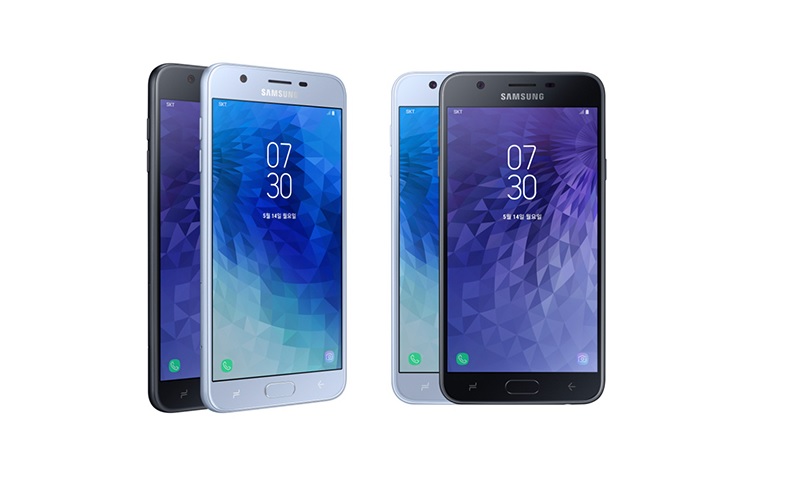
Samsung, in partnership with SK Telecom, has launched its new smartphone — Samsung Galaxy Wide 3, the successor of the Galaxy Wide 2 which was launched last year. Just like its predecessor, this one too is exclusively for the South Korean market.
Unlike the recently launched J-series smartphone which features “Infinity Display”, this one features a 5.5-inch HD display with screen resolution of 1280 x 720 pixels. Under the hood, it is powered by an unspecified 1.6GHz octa-core processor along with 2GB of RAM. It packs 32GB of internal storage and has a microSD card slot, supporting memory card of up to 400GB.
The device comes with a 13-megapixel rear camera with LED flash, f/1.7 aperture, and 1080p video recording. On the front side too, the phone features a 13-megapixel camera sensor with f/1.9 aperture. The company says to have made some improvements on the software side to deliver enhanced imaging. Further, the phone also comes with a face recognition feature.
Connectivity options on the device include 4G LTE, Wi-Fi 802.11 b/g/n, Bluetooth 4.1, and GPS/ GLONASS. It runs on Android 8.0 Oreo operating system out of the box with the company’s own custom user interface on top. The smartphone is fuelled by a 3,300mAh battery.
SK Telecom says that it is targeting the device to those who are over the 40s, wanting a large screen phone for a small price. As per the details shared by SK Telecom, more than 1.3 million units of the Galaxy Wide and Galaxy Wide 2 have so far been sold in South Korea. Out of those, over 70 percent of Galaxy Wide 2 users are over the age of 40.
The Samsung Galaxy Wide 3 will be available in two color options — Silver and Black. The smartphone will go on sale in South Korea tomorrow for KRW 297,000, which roughly converts to $275.
One of the features of modern flagships and indeed smartphones is having support for fast charge. Usually, this isn’t a big deal since basically, most phones come with this feature. Not until you try your hands on a smartphone that have support for Qualcomm‘s Quick Charge technology, especially the latest version. Presently, Qualcomm has the Quick Charge 4.0 which was launched in 2017 and that was quickly followed by the QC 4.0+ which was unveiled a few months later.
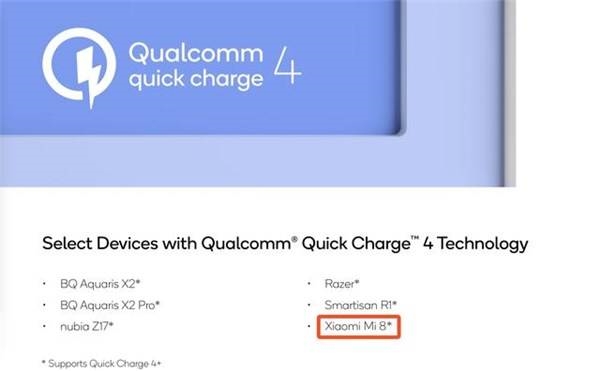
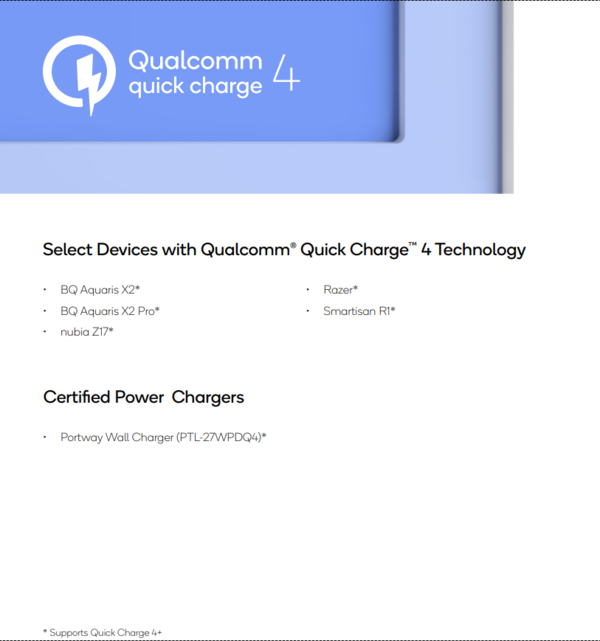
Apparently, someone is trying to sell us the idea that the upcoming Xiaomi Mi 8 will support QC 4.0+. A screenshot of the list of supported models for QC 4.0 and QC 4.0+ emerged on Weibo with the Mi 8 listed among others. Thankfully, Qualcomm has the same list of smartphone models that have support for the various Quick Charge versions including QC4.0/4.0+. Unfortunately, we couldn’t find the Mi 8 on the list which was updated this May and has the Smartisan R1 added as its latest entrant.
We won’t rule out the possibility of the Mi 8 coming with Quick Charge support. The device is launching as an Anniversary edition to commemorate Xiaomi’s eighth year in business. Thus, it is teased as being the ultimate flagship and QC 4.0+ will be a good one. Besides, the device is yet to go official so it would have been a surprise if it was actually listed on the document.
Qualcomm’s Quick Charge 4+ has all the features that is available on QC 4.0 but there a couple of more improvements. Quick Charge 4+ is up to 3 degrees cooler, up to 15 percent faster and up to 30 percent more efficient than its previous version. You can read up more about QC 4.0+ from our article on the new fast charging technology.
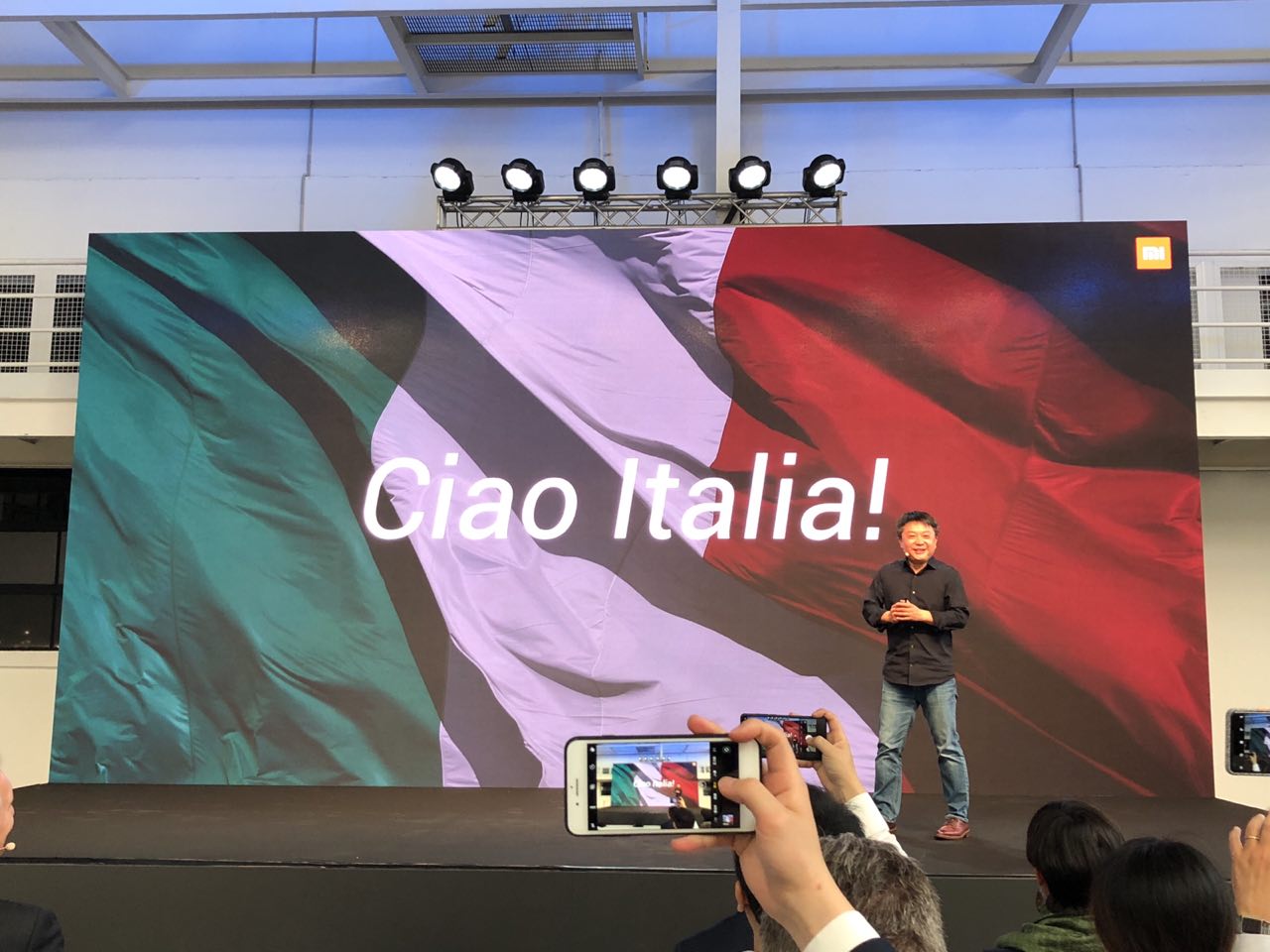
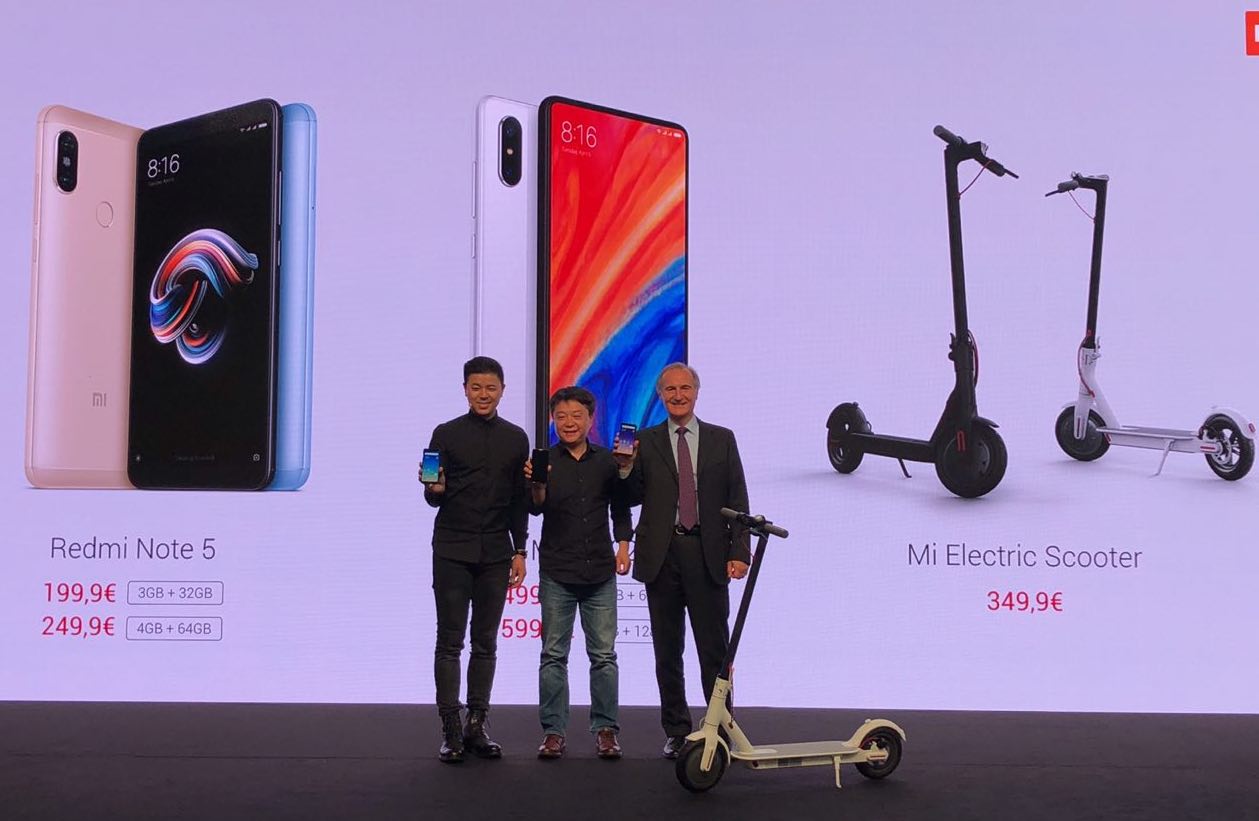
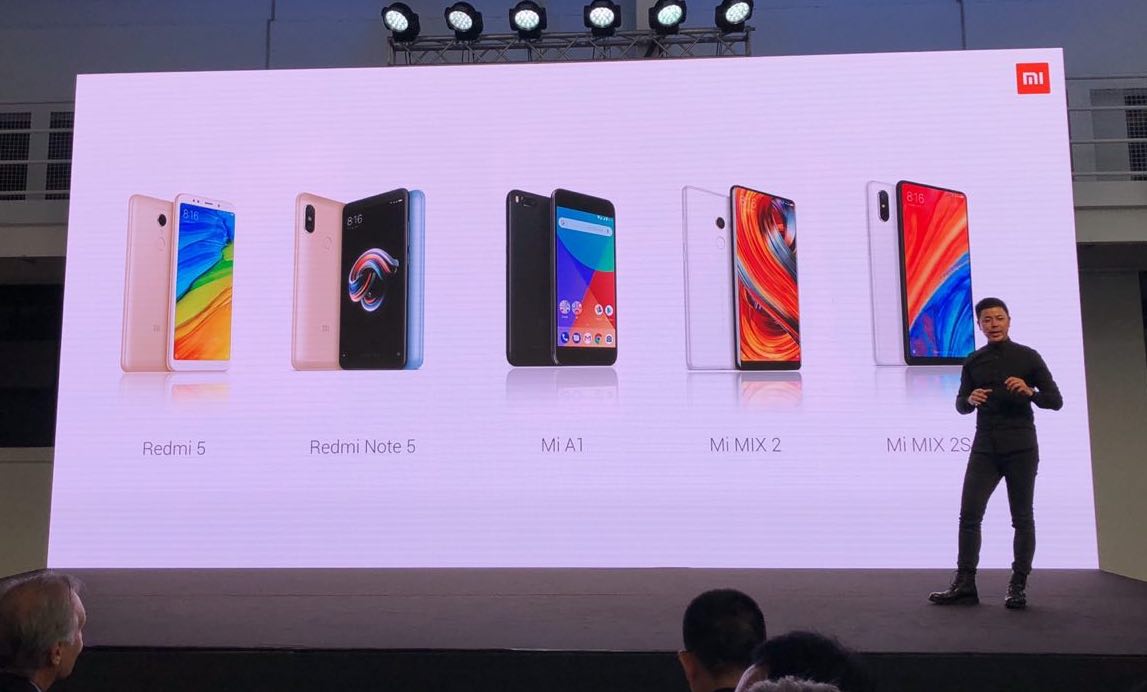
My fellow colleagues from Italy started buying Xiaomi phones by importing them from China since the past few years, all the while attracted by their amazing quality-price ratio. But from now on, it won’t be necessary for Italian people to buy Mi devices through online retailers that ship via China. The 4th best smartphone brand in the world has officially landed in the country and it has just announced its first Mi Store in Italy in an official event. At the event, Xiaomi’s VP Wanx Xiang highlighted all the important milestones achieved by the company in the past few years and he also unveiled the products that will be sold at the store.
The store will be officially open from May 26 at 11:30 a.m. GMT 1, at “Il Centro” shopping mall located in Via Giuseppe Eugenio Luraghi, 11 – 20020 Arese (Milan). Three products will be initially sold in the store: Xiaomi Mi Mix 2S, Redmi Note 5 and Mi Electric Scooter. The first is currently the best Xiaomi flagship. It comes with a ceramic back, an aluminum frame and a tri-bezel-less display with a Full HD+ resolution of 1080 x 2160 pixels. It is powered by the Snapdragon 845 chipset by Qualcomm, up to 8 GB RAM and up to 128 GB of internal storage in the configurations available in Italy. The 6/64 GB configuration will cost just €499.90, while the 8/128 GB version will be available for €599.90.
Xiaomi Redmi Note 5 (known as Redmi Note 5 (China) and Redmi Note 5 Pro in other markets) boasts a 5.99-inch Full HD+ display, a Snapdragon 636 SoC, and a 12 MP dual camera setup. It has been launched in two configurations in Italy: 3/32 GB with a price tag of €199.90 and 4/64 GB with a price of €249.90. At last, the Mi Electric Scooter will cost €349.90.
Xiaomi has already confirmed that other smartphones will arrive in the near future: we are talking about Xiaomi Redmi 5, Mi A1 with Android One and the older Mi Mix 2. The company will also launch the Mi TV Box, Mi Robot Builder, and Mi Action Camera (alongside its handheld gimbal) in the peninsula. Note that Xiaomi phones are also available on Amazon Italy and the most important Italian electronics chains such as Mediaworld.
By unveiling the Snapdragon 710, Qualcomm has launched a new series of mobile platforms which sits exactly in between flagship chipsets from the Snapdragon 8xx line-up and mid-range processors from the Snapdragon 6xx series. It is a chipset targeted at upper-midrange smartphones which will offer amazing performance even though its price will not be as expensive as the best flagship devices. In this article, we will compare the new Snapdragon 710 with Snapdragon 660 which was the best Qualcomm mid-range SoC before its launch, and with Helio P60 that is the best MediaTek chipset of 2018 and it has been made for upper-midrange devices as well.
Qualcomm Snapdragon 710 vs Snapdragon 660 vs MediaTek Helio P60
[envira-gallery id=”192923″]
Qualcomm Snapdragon 710
Qualcomm Snapdragon 660
MediaTek Helio P60
CPU
octa-core
2x Kryo 360 2.2 GHz, 6x Kryo 360 1.7 GHz
10 nm FinFET LPP, 64 bit
octa-core
8x Kryo 260, Clock frequency: Up to 2.2 GHz
14 nm FinFET LPP, 64 bit
octa-core
4x Cortex A73 2 GHz, 4x Cortex-A53 2 Ghz
TSMC 12 nm, 64 bit
GPU
Adreno 616
Adreno 512
ARM Mali G72 MP3
Camera
Up to 32 MP Single
Up to 20 MP Dual
Up to 24 MP single camera
Up to 16 MP dual camera
Up to 32 MP single camera
Up to 16 + 24 MP Dual camera support
Video
Up to 4K Ultra HD (video recording)
Up to 4K at 30 fps (video playback)
Up to 4K Ultra HD at 30 fps (video recording)
Up to 4K Ultra HD (video playback)
Up to 4K Ultra HD at 30 fps (video recording)
Up to 4K Ultra HD (video playback)
Display
Up to Quad HD+
Up to Full HD+
Up to Full HD+
Connectivity
Dual Band Wi-Fi 2×2 802.11ac with MU-MIMO 867 Mbps
Bluetooth 5.0, NFC
Cellular Modem: Qualcomm Snapdragon X15 LTE up to 800 Mbps (download), up to 150 Mbps (upload)
Dual Band Wi-Fi 2×2 802.11ac with MU-MIMO, Speed: 867 Mbps
Bluetooth 5.0, NFC
Cellular Modem: Snapdragon X12 LTE, up to 600 Mbps download speed, up to 150 Mbps upload speed
Qualcomm Snapdragon 710 vs Snapdragon 660 vs MediaTek Helio P60
CPU
In terms of CPU performance, Snapdragon 710 is way better the other two chipsets in this compraison. According to Qualcomm, it will offer 20 percent faster performance compared with Snapdragon 660. In detail, it is 20% better overall, 25% faster at web browsing and 15% faster at launching apps. At present, Snapdragon 660, at least on the paper, provides better CPU performance than Helio P60 due to its more powerful cores. Note that each of these chipsets is perfect for daily use and even for playing games despite the fact that you will not get the maximum frame rate which you can obtain with Snapdragon SoCs from the 8xx series.
But if you want to pick one of these in CPU performance, it will definitely be the new SD710.
GPU
Snapdragon 710 boasts an Adreno 616 GPU which can achieve a 35% better graphics performance than the Adreno 512 found on the Snapdragon 660. So, this SoC is way better not only for general performance but also at gaming. MediaTek Helio P60 has a Mali G72 MP3 which is the worst among the three graphics processing units in terms of specs, but it can still deliver above-average performance in both multimedia and games.
Efficiency
When it comes to efficiency, Snapdragon 710 still wins the challenge. It has been made with a 10 nm production process and it has six cores underclocked to 1.7 GHz, and this means a lot of deficiency. Snapdragon 710 is 40% more efficient than SD660 in 4K video playback and gaming and 20% at video streaming. MediaTek Helio P60 obtains the second place with its 12 nm production process. Only the two Snapdragon chipsets have the Quick Charge 4 technology that is currently the fastest quick charging technology. Helio P60 has Pump Express (likely 4.0) which is quite fast too.
AI
Artificial intelligence is a strong presence in each of these SoCs: all of them have a dedicated modules for AI which is useful for facial recognition, scene detection, AR acceleration, bokeh effects, and more. However, Qualcomm has declared that the new Snapdragon 710 will give us twofold better performance with AI than Snapdragon 660.
Connectivity
The connectivity side on a SoC is more important than you may think. It includes the modem which defines the connection speed — so how fast you will be able to navigate, download and upload data. Snapdragon 710 has the fastest modem which can reach a download speed of 800 Mbps. Qualcomm Snapdragon 660 reaches a maximum download speed of 600 Mbps, while Helio P60 stops at 300 Mbps. All of them feature a maximum upload speed of 150 Mbps. Bluetooth 5.0 is another advantage of Snapdragon 710.
Supported components
The Snapdragon 710 is the only SoC which can support all the flagship-level components of a smartphone. A phone with SD710 can support Quad HD+ displays, up to 32 MP single cameras and up to 20 MP dual camera. Snapdragon 660 and Helio P60 support a max display resolution of 1080p, but Helio P60 can support higher-end cameras than SD660 and it reaches the same level of SD710 when it comes to cameras.
So, all three chipsets are quite powerful for a mid-range smartphone. The SD710 definitely has advantages over the other two in terms of CPU, GPU, and Connectivity, however, Qualcomm’s new chipsets are often quite expensive. So, for the time being, expect SD660 and Helio P60 to rule the affordable yet powerful upper mid-range market.
Nevertheless, the SD710 definitely outclasses the two other SoCs in almost every segment. Among all other features, being manufactured on the super efficient 10nm process — same as the flagship SD845 / 835 chips gives it the ultimate efficiency advantage.
Xiaomi has today announced Mi Credit service in India, in partnership with KreditBee which will be offering personal loans from Rs. 1,000 (approximately $15) up to Rs. 100,000, which roughly converts to $1,500.
The service, which is aimed at young professionals, can be initiated in less than 10 minutes with a simple KYC verification and offers tenure between 15 days to 90 days with interest rate of 3 percent per month. However, the service is currently available to MIUI users only and will not be available for stock Android phones like Xiaomi Mi A1.
The company says that Mi Credit acts as a platform for users to “initiate financial lending.” Xiaomi has also listed the financial loan providers on Mi Credit where users can log onto the platform and apply for quick loans.
The launch of Mi Credit marks the company’s third value-added internet service in India after the company launched Mi Music and Mi Video earlier this month. Commenting on this development, Manu Jain, Vice President, Xiaomi and Managing Director of Xiaomi India said, “Mi Credit is another big step in bringing an important internet service to India and we trust that our users would be able to truly benefit as the service becomes more sophisticated.”
Xiaomi is also gearing up to launch a new smartphone in India. The company has started sending out media invites to announce a new smartphone in India on 7th June. The invite hints at a camera-centric device. Xiaomi is believed to be launching Redmi S2 in India but is expected to be rebranded as Redmi Y2 in India.
A few days ago, Vivo announced that it will launch a new smartphone series. The first of the smartphone series will be the Vivo Z1 which will be announced tomorrow.
Today, the Chinese manufacturer released a new teaser poster that revealed that the Vivo Z1 will be powered by Qualcomm’s Snapdragon 660 AIE processor. This is the same chipset found in Vivo’s X21 and X21 UD flagships.
The rest of the specs are still unknown but the two teasers Vivo has released so far show that the Z1 will also have a notch in its display and a small bezel at the bottom.
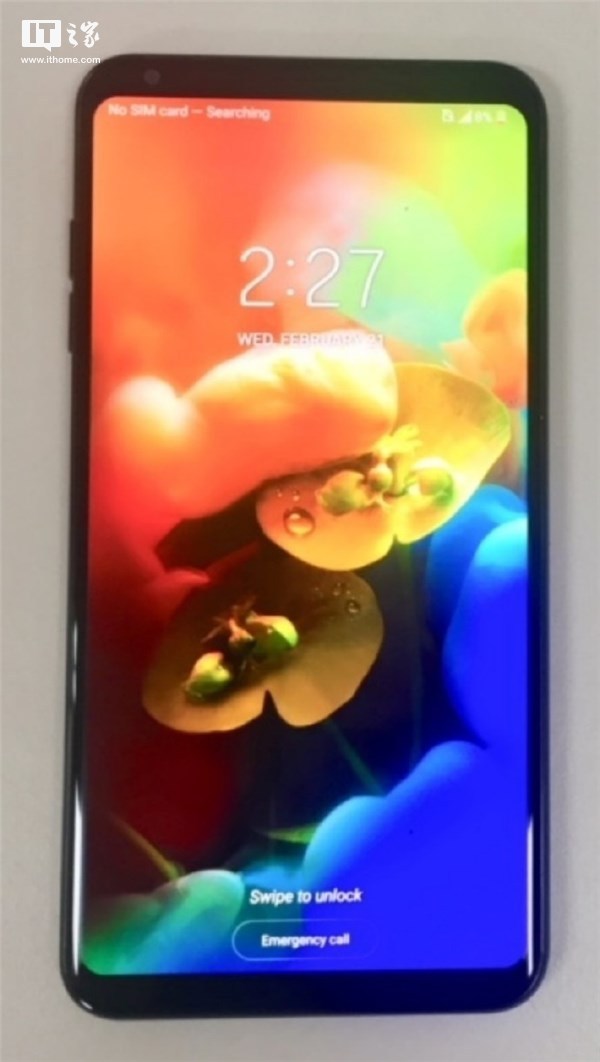
LG has decided not to bring the new G7 ThinQ in the U.S. Instead, it will launch the LG V35 ThinQ, an upgraded version of the V30 which was recently certified by FCC. A new live photo of the upcoming flagship has just surfaced and it shows us the whole front panel of the device confirming the previous leaks. The display appears to be similar to the Infinity Display of Samsung Galaxy S9, with narrow bezels, curved sides, and no notch. Volume buttons are placed on the left side, while no power button is noticeable from the photo, and this makes us think that the fingerprint reader on the rear side will double as power key.
According to reports, LG V35 ThinQ will sport a 6-inch IPS display with a Quad HD+ resolution of 1440 x 2880 pixels. It will surely be one of the best IPS panels. Among the internal components, there will be an octa-core Qualcomm Snapdragon 845 chipset, 6 GB of RAM and 128 GB of internal storage. The main camera will be a dual setup with resolutions of 16 MP, a f/1.6 aperture and a secondary wide-angle sensor (up to 107 degrees), while the front camera is expected to be an 8 MP single snapper. LG V35 ThinQ, as the name suggests, will support artificial intelligence just like the G7 ThinQ and the V30S.
It will have Android 8.1 Oreo out of the box and it should sport a 3000 mAh battery. It should also come with Hi-Fi stereo speakers and a Quad DAC. The design of LG V35 ThinQ will be composed of a glass back and an aluminum frame, probably with the IP68 certification for water-resistance. The handset is rumored to launch in one or two months at max, but we still do not know whether or not it will be launched outside the U.S.
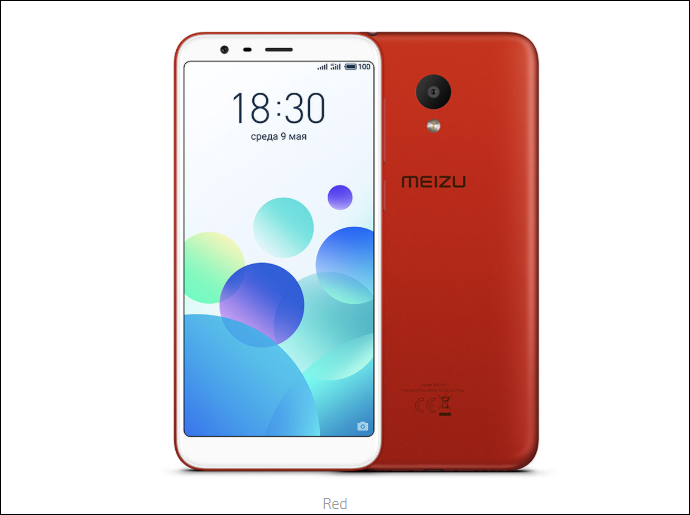
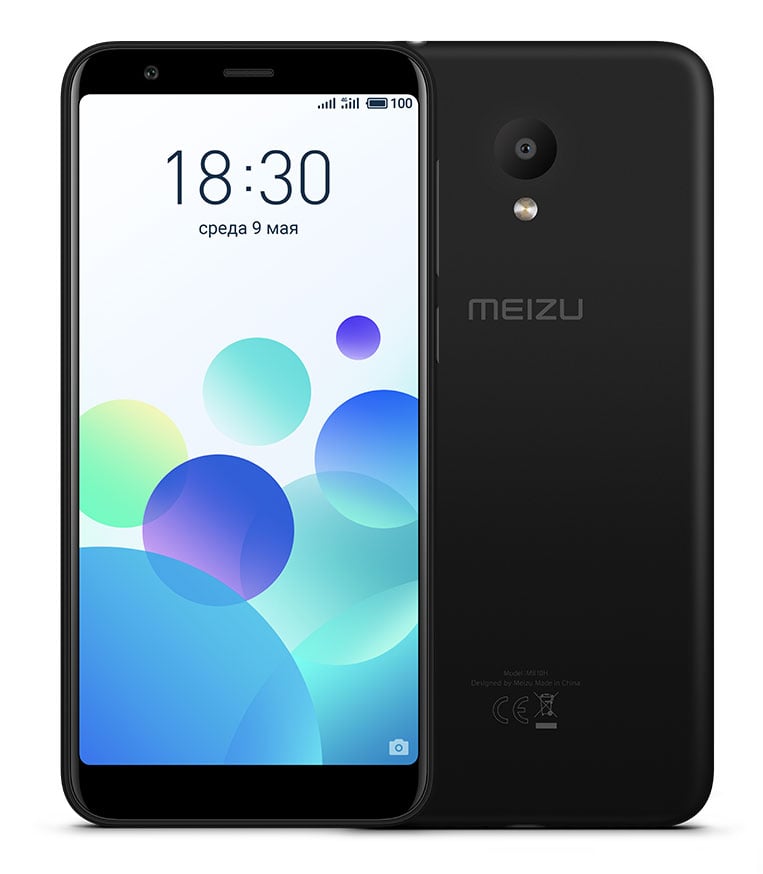
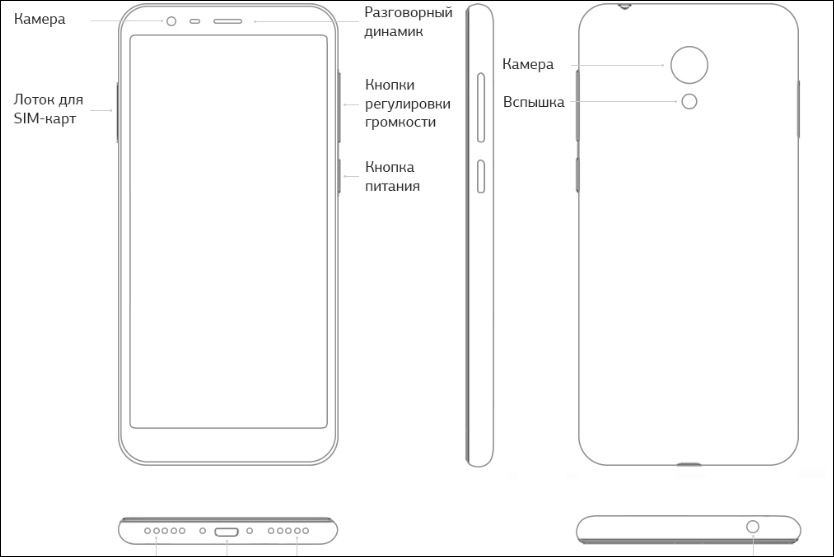
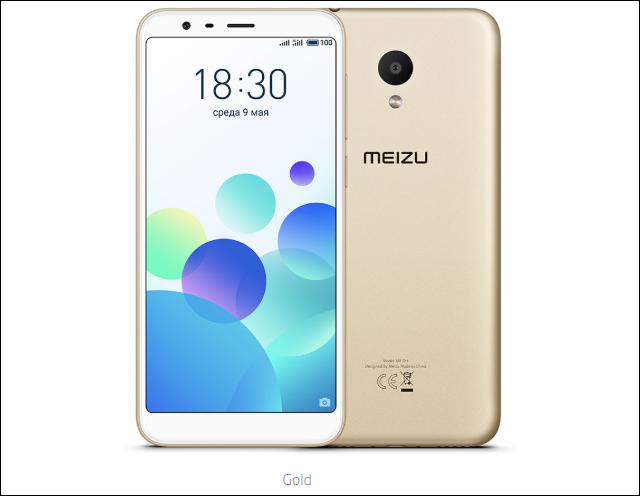
Chinese tech giant Meizu has officially unveiled a new entry-level smartphone that goes by the moniker Meizu M8C. The device was first launched in Russia and that isn’t surprising considering that Meizu enjoys a decent amount of following over there.
The M8c is said to be the successor of the M5c which made its debut last year and was recently certified by FCC running Android Go. The phone packs a 5.45-inch display with an 18:9 aspect ratio and a HD+ resolution of 1440x720pixels. The device is powered by a Snapdragon 425 chipset accompanied by 2GB of RAM. On the storage aspect, you get either a 16GB or 32GB of expandable storage.
On the camera end, the Meizu M8c packs a 13MP camera with a f2.2 aperture, PDAF, panoramic lens, continuous shooting and the ArcSoft algorithm. On the other hand, the selfie camera is an 8MP sensor with f/2.0 aperture. It lacks a fingerprint scanner but uses Face Unlock. Further, the battery on the Meizu M8c is a 3,070mAh unit.
Talking of the price, the Meizu M8c is available in Red, Gold, Blue and Black and is priced at RUB 9,990 (€140). There is no word yet on its availability outside Russia.
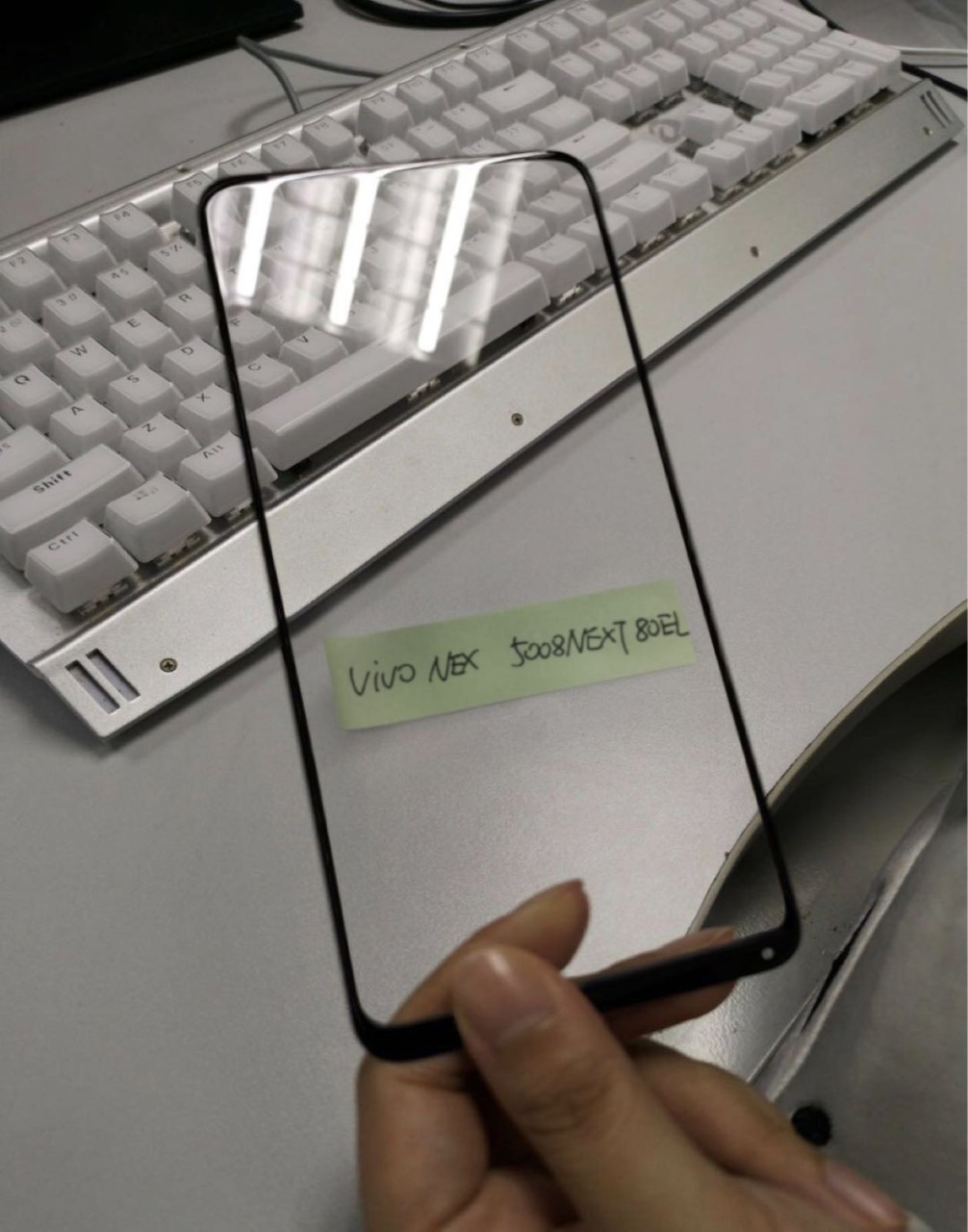
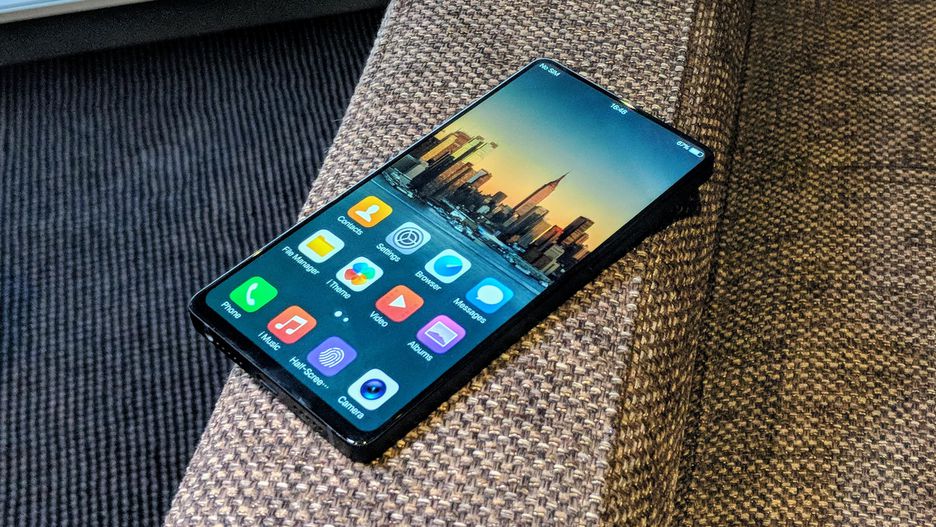
Vivo has revealed that it is holding a launch event in Shanghai, China on 12th June where it will launch the Vivo Apex smartphone. Now, it seems that the company has decided to rebrand the smartphone and thus, the Vivo Apex could launch as Vivo Nex.
A front panel of the Vivo Nex smartphone has surfaced online, revealing a device with a bezel-less display. However, there’s a small dot at the bottom-right side, probably for a front-facing camera or some other sensor. This could be the production version of Apex.
The China-based company had registered the Vivo NEX trademark for the smartphone last year. However, while most of the development points to Vivo Apex being launched as Vivo Nex, there is no confirmation from the company yet.
Earlier this year, Vivo unveiled its Vivo Apex concept phone in China which offers an impressive screen-to-body ratio of 91 percent, under-display fingerprint scanner, and a pop-up selfie camera.
The Vivo Nex comes with Qualcomm‘s flagship Snapdragon 845 processor which is based on advanced 10nm LPP process technology. It has the Kryo 385 architecture and eight-core CPU, which has a clock speed of up to 2.8GHz and is coupled with the Adreno 630 GPU.
The smartphone is expected to pack 8GB RAM and run company’s own FunTouch OS 4.0 based on Android 8.1 Oreo operating system out of the box. Recently, the company had revealed that the Apex will go into mass-production at some point during mid-2018.
Recently, the device was spotted being used by a passenger on a subway, revealing that the phone will come with a 3.5mm headphone jack, which is placed on the top side. We already know that the phone features a 5.99-inch OLED display with COF technology. Further, the ambient and proximity sensors are embedded under the display.
Interestingly, the half part of the display is integrated with an in-screen fingerprint reader, unlike the Vivo X20 Plus UD which has only one spot on the bottom portion of the screen. On the top edge of the display, there’s a hidden selfie camera that can be elevated when required. The front-facing camera takes only 0.8 seconds to pop-up, according to the company.
However, based on the leaked images, it seems that the company has made minor changes in the phone’s design. For instance, the corners of the handset now have rounded edges compared to the square edges on the prototype model. So, we are expecting a few minor changes in the phone’s design compared to the one showcased during Mobile World Congress (MWC).
The Vivo Apex smartphone is scheduled to launch at an event in Shanghai, China on 12th June. We’ll know what the company has decided to name the phone as well as it’s pricing and availability details.
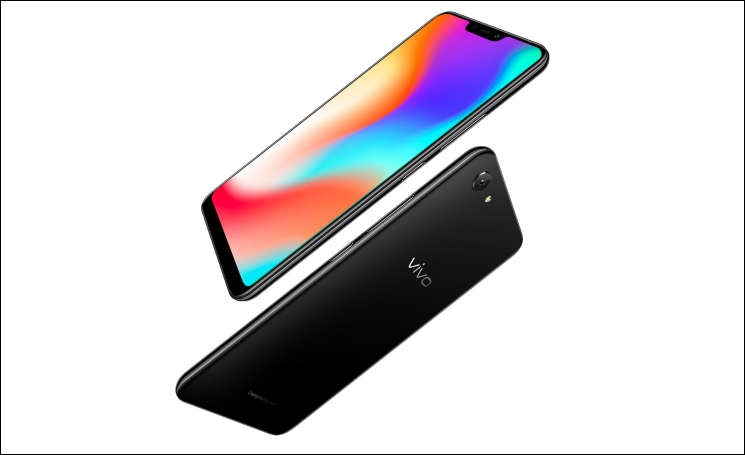
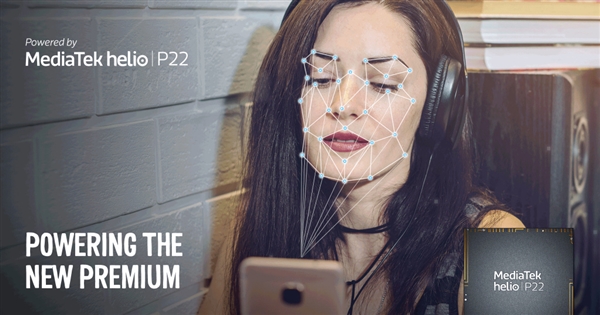
Barely two days after MediaTek officially announced the Helio P22 chipset, Vivo has scored a first by launching the first Helio P22-powered smartphones. The smartphone is dubbed Vivo Y83 and aside from the new chipset, the device comes with a premium design bringing the full-screen design to Vivo’s mid-range segment. The Y83 is a low-end midrange smartphone by the way.
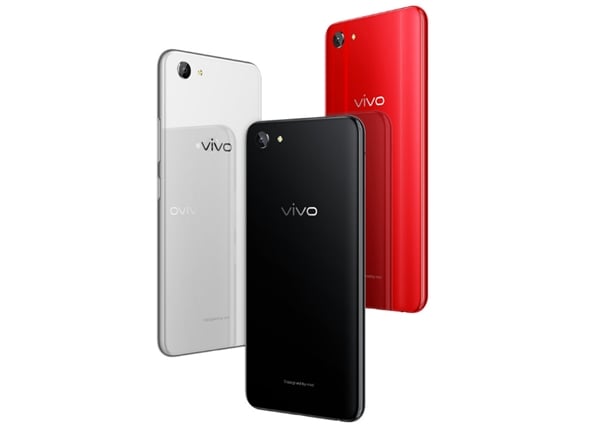
Vivo Y83 comes sporting a 6.22-inch display with an HD+ resolution of 1520×720p. The display design includes a notch at the top giving it is a 19:9 aspect ratio. The notch design ensured that the display is almost entirely bezel-less at the top and the sides. There is a considerable amount of bezel at the chin but it is minimal compared to what we’d get on previous models. The rear aspect of the Y83 houses a single rear camera tilted to the top left corner while the LED flash is by the side of the camera. The device seems to have a metal body (Viovo was silent about that) but it is revealed that the back panel gets a mirror finish achieved using a new high-gloss coating technology. The device comes in Aurora white, Polar Black and Red colours.
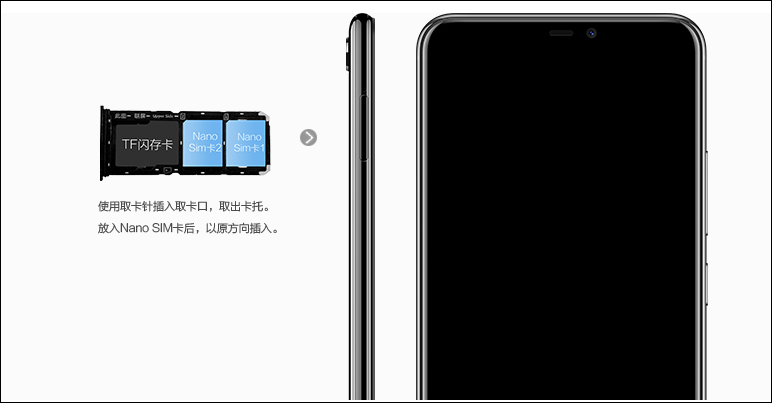
The MediaTek Helio P22 onboard the Y83 comes with eight Cortex A53 cores clocked at 2.0GHz and manufactured using the 12nm FinFet process. The chip features Mediatek’s Neuropilot tech which comes with support for TensorFlow, TF Lite, Caffe, and Caffe2. It can select the best available AI resource for developer efficiency. The processor is paired with 4GB of RAM as well as 64GB of internal storage. The native storage can be expanded up to 256GB using the microSD slot. The phone delivers dual SIM slots and interestingly, there is a separate tray for the SD card so that you don’t have to sacrifice any of the SIM slots for microSD card.
On the camera end, the Vivo Y83 comes with an 8MP sensor at the front integrated with artificial intelligence and face recognition algorithm. The front sensor supports features such as AI Makeup and customized beauty effects. The device also gets Face Unlock feature and since there is no physical fingerprint sensor, that may be the only way to unlock the device apart from the generic methods like the use of a password. The rear camera is a 13MP sensor with a f/2.2 aperture.
The Y83 gets its juice from a 3260mAh battery while the interface is provided by Vivo’s custom FunTouch OS 4.0 based on Android 8.1 Oreo.
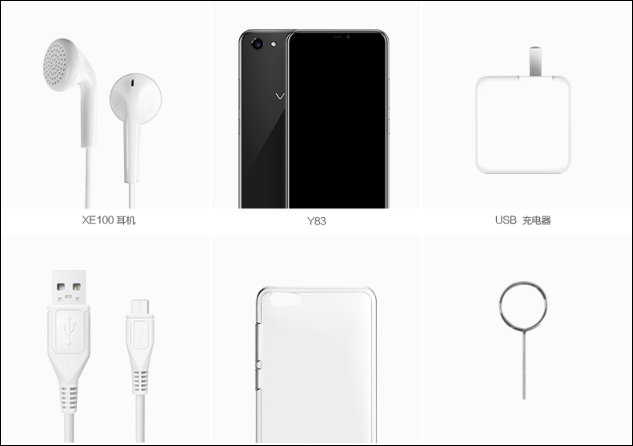
As for the price, the Vivo Y83 is priced at 1,498 yuan ($235). The price looks nice for the specs but we think there are better models at that price point in the market already. The device is already on sale via Vivo online shop in China. It comes bundled with a free protective case and earphone.
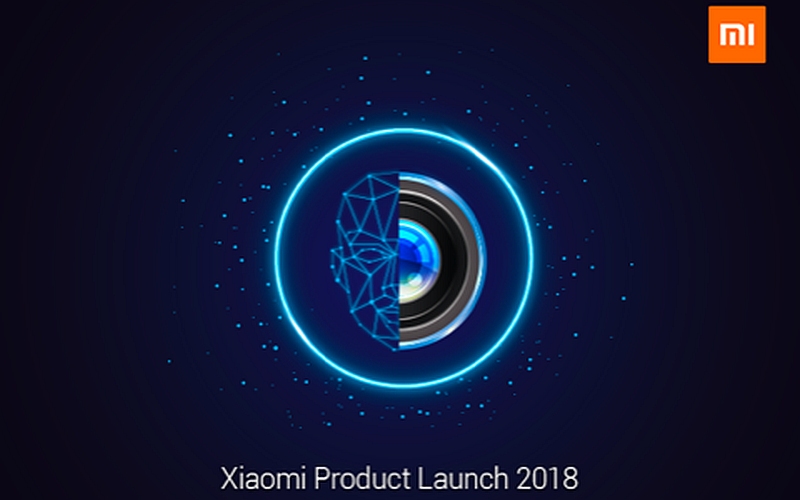
In the previous week, Xiaomi had confirmed that it will be holding a launch event in India to announce a new Redmi smartphone on June 7. Today, the Chinese firm has released another media invitation that contains an image of a camera lens. Xiaomi has been consistently releasing teasers of the upcoming Redmi phone through its Redmi India Twitter. All the teasers contain #FindYourSelfie and #RealYou hashtags which indicates that it could be a selfie-centric. Xiaomi has recently launched the Redmi S2 selfie-focused smartphone in China. It is speculated that the very same phone could be heading to India as Redmi Y2, the successor of the Redmi Y1 phone that was launched last year.
The new teaser released by the Chinese manufacturer has a sketch of a human face on the left side and the other side features a camera sensor. This indicates that the upcoming Redmi phone will be coming with AI driven selfie camera.
The Redmi S2 phone features a 16-megapixel front camera that is powered by AI. The company has included a dedicated LED flash for the selfie camera. With a large pixel size of 2μm, the Redmi S2 can capture impressive shots in low-light conditions. According to Xiaomi, the Redmi S2 is the best Redmi selfie phone.
Here are some of the tweets released by Xiaomi to tease the arrival of the forthcoming Redmi phone:
The Redmi S2 includes 5.99-inch display that produces HD+ resolution. The 64 GB storage + 4 GB RAM and 32 GB storage + 3 GB RAM variants of the phone are fueled by Snapdragon 625 SoC. It comes with a dedicated slot for adding a microSD card. The backside of the phone features 12-megapixel + 5-megapixel dual camera setup and a fingerprint reader. The handset is loaded with Android 8.1 Oreo and the latest edition of MIUI. It receives power from 3,080mAh battery.
In China, the 32 GB and 64 GB Redmi S2 models are priced at 999 Yuan (~$156) and 1,299 Yuan (~$203). The highest variant of the Redmi Y2 could be priced under Rs. 15,000 (~$219) in India.
Do you think that the Redmi Y2 phone will be announced on June 7? Share us your views by posting your comments below.
Lenovo-owned Motorola has sent invites for an event on June 6 to the Brazilian media. Although the invite doesn’t explicitly say it is the Moto Z3 Play launching but since the first of the Moto Z2 series to launch last year was the Moto Z2 Play, it won’t be a surprise the Z3 Play is arriving first this year.
The poster shows the front of the device but does well to hide any key details. The event will likely begin at 9:30 AM Brazillian time judging from the time on the phone.
Leaked reports say the Moto Z3 Play will have a 6.01-inch AMOLED display with an 18:9 aspect ratio. Motorola has termed the new display style MaxVision. The phone will also get a more powerful chipset – the Snapdragon 636, so we expect a significant improvement in performance.
RAM is reported to be 4GB with 32GB and 64GB storage variants. Storage will be expandable thanks to a MicroSD card slot. Also, the Moto Z3 Play will retain its 3000mAh battery.
Another big upgrade is in the camera department. The Z3 Play gets an extra sensor on the back making it two 12MP sensors. The front camera is also reported to have been bumped up to 8MP. The fingerprint scanner is no longer in front and will now be on the right side of the phone.
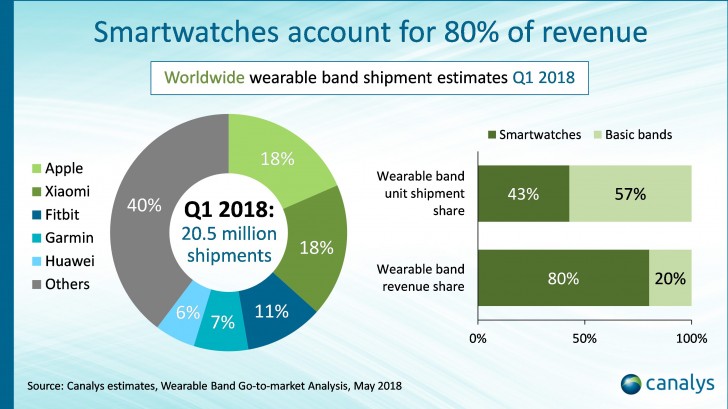
Xiaomi and Apple have been dominating the smart wearable market for consecutive quarters starting from last year. The report for Q2 2017 showed Xiaomi led the market, relegating Apple to second place. Research firm Canalys has now released its own report of the smart wearable market for Q1 2018. The report showed Apple dominated the market with an estimated 3.8 million while Xiaomi came in second with a total shipment of 3.7 million.
According to the report, Apple’s shipments got a big boost from the Watch Series 3 and the addition of LTE. On its part, 90% of Xiaomi’s shipments were for the Mi Band models especially the Mi Band 2. Other players in the top 5 include Fitbit, Garmin and Huawei.
On the whole, the wearable market grew by 35% when compared to the first quarter of last year. A total of 20.5 million wearables were shipped by all the market players. Although more wearable band units were sold, 80% of the revenue accrued to the market is from smartwatches. That means despite the closeness of Xiaomi’s gross shipment to that of Apple, the revenue will be nowhere near each other. Apple also led the smartwatch market while Garmin came in second with 1 million shipments. Unfortunately, Canalys did not reveal the revenue accrued to each manufacturer.
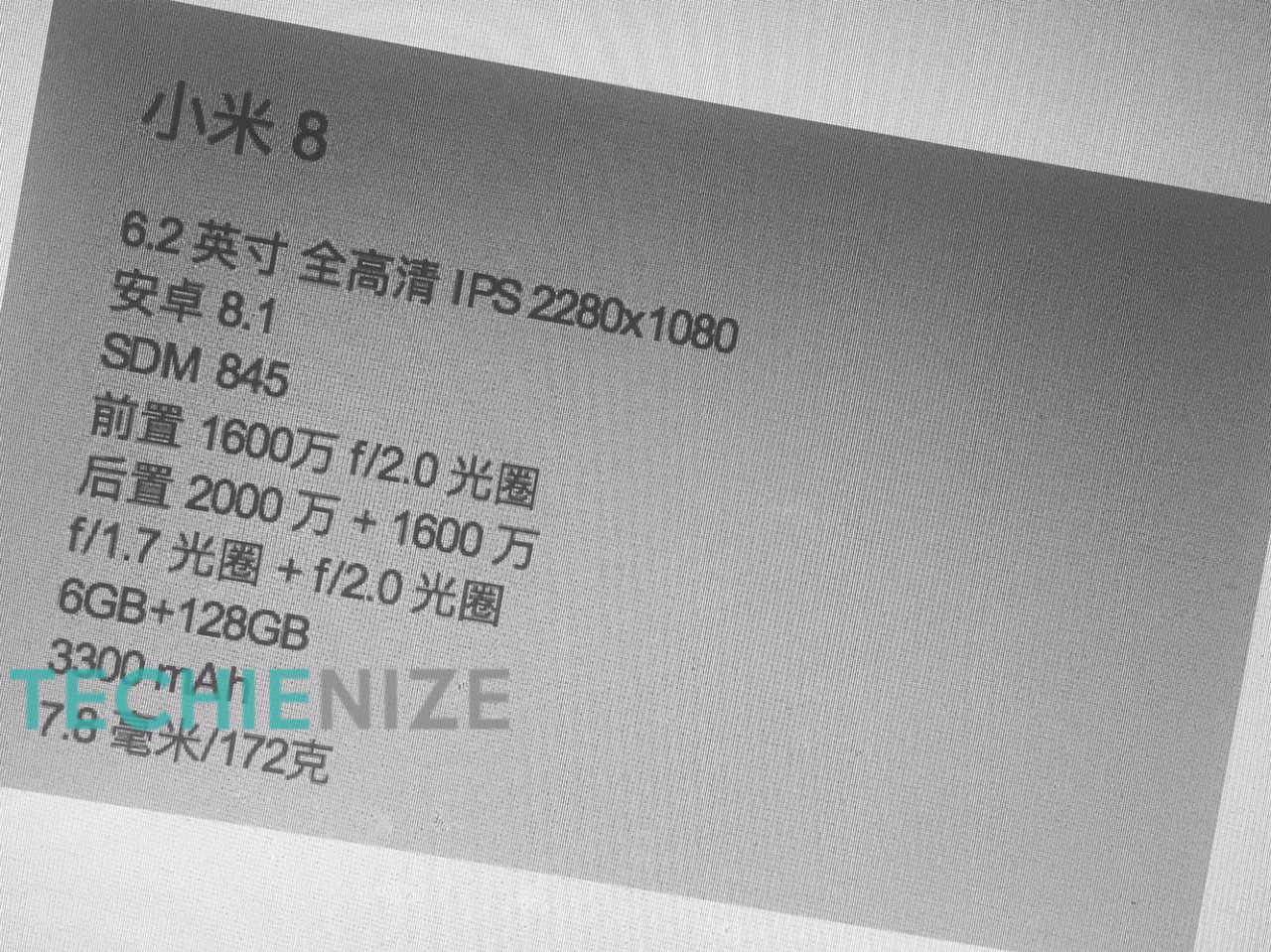
Xiaomi will be debuting the Xiaomi MI 8 and MIUI 10 products on May 31 through its annual product launch event. The appearance of the smartphone has been revealed through the recently spotted leaked photos. A freshly leaked image that includes the entire specs of the Xiaomi Mi 8 has surfaced today.
The leaked image has revealed that the Xiaomi Mi 8 features a 6.2-inch Display that supports FHD + resolution of 2280 x 1080 pixels. Rumors are rife that it features a notched display with 18:9 aspect ratio. The handset is preinstalled with Android 8.1 Oreo.
The Snapdragon 845 chipset powers the smartphone. The SoC is coupled with 6 GB of RAM and it features a native storage of 128 GB of RAM. It is fueled by 3,300mAh battery.
The leaked image has further revealed that the Mi 8 features a front camera of f/1. 16-megapixel with f/2.0 aperture. The dual camera setup includes an f/1.7 aperture 20-megapixel main sensor that is assisted by f/2.0 aperture 16-megapixel secondary sensor. The thickness of the device is 7mm and it weighs 172 grams.
Since the authenticity of the above image could not be confirmed, it is recommended to digest this report with a grain of salt.
Xiaomi has claimed that the Mi 8 has turned out to be a smartphone way beyond its expectations. This suggests that the phone could be arriving with some advanced features. Also, the Chinese firm has confirmed that the Mi 8 is the 8th anniversary edition smartphone from the company.
Some rumors have claimed that it could be also available in 8 GB RAM option. Leaked information that had surfaced earlier this week had suggested that 6 GB and 8 GB RAM variants of the Mi 8 could be respectively priced at 2,799 Yuan (~$439) and 3,199 Yuan (~$500). A newer report reveals that Mi 8 has a price tag of 2,999 Yuan (~$469).
Last week, Chinese semiconductor company Spreadtrum, released a new mobile chipset. The Spreadtrum SC9863 is an octa-core chip made up of only Cortex-A55 cores, the first of its kind.
There are a bunch of SoCs powered by Cortex-A53 cores like the Snapdragon 430, Snapdragon 435, Snapdragon 450, Snapdragon 625, and Snapdragon 626 etc. But since the announcement of the Cortex-A55 cores, no semiconductor company has announced a SoC consisting of only A55 cores.
The SC9863 is clocked at 1.6GHz and is the first Spreadtrum chipset with support for AI applications thanks to its built-in AI processing unit. The chipset now handles AI tasks up to 6 times faster, supports real-time context detection and recognition, AR photography and video, and face recognition.
The Cortex A55 cores offer a 20% increase in performance compared to the Cortex-A53. The chipset supports 1080p playback, FHD+ displays, and also has dual ISPs that support dual cameras up to 16MP. The Spreadtrum SC9863 supports five-mode full band LTE Cat.7 and also has dual SIM dual-VoLTE and VoWiFi functionality.
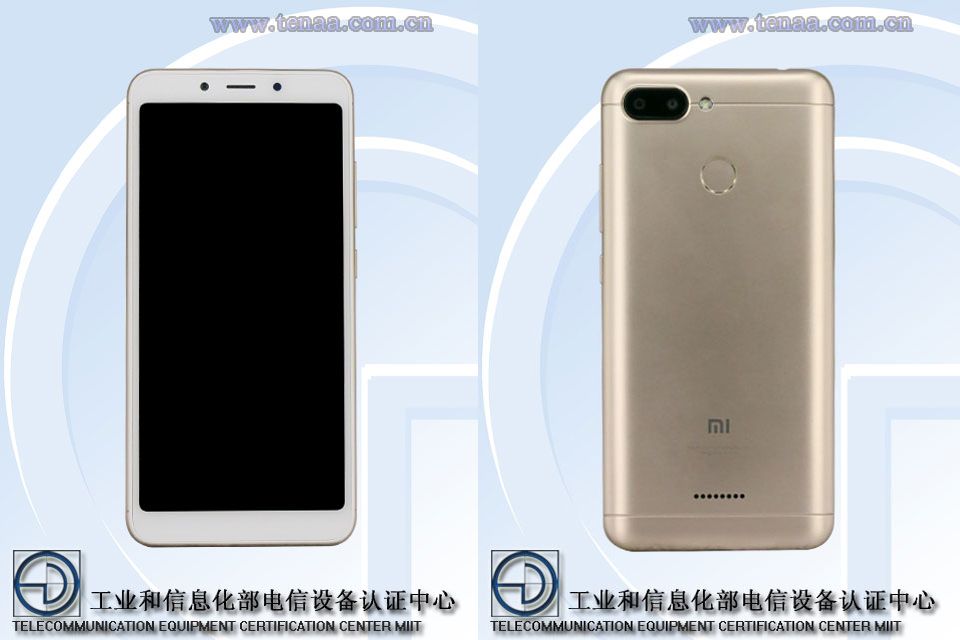
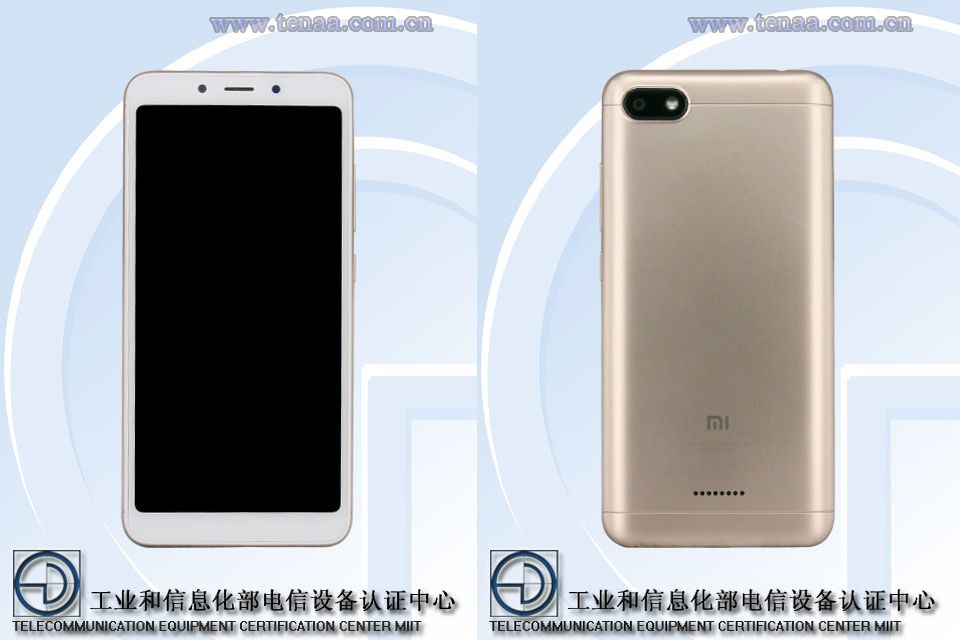
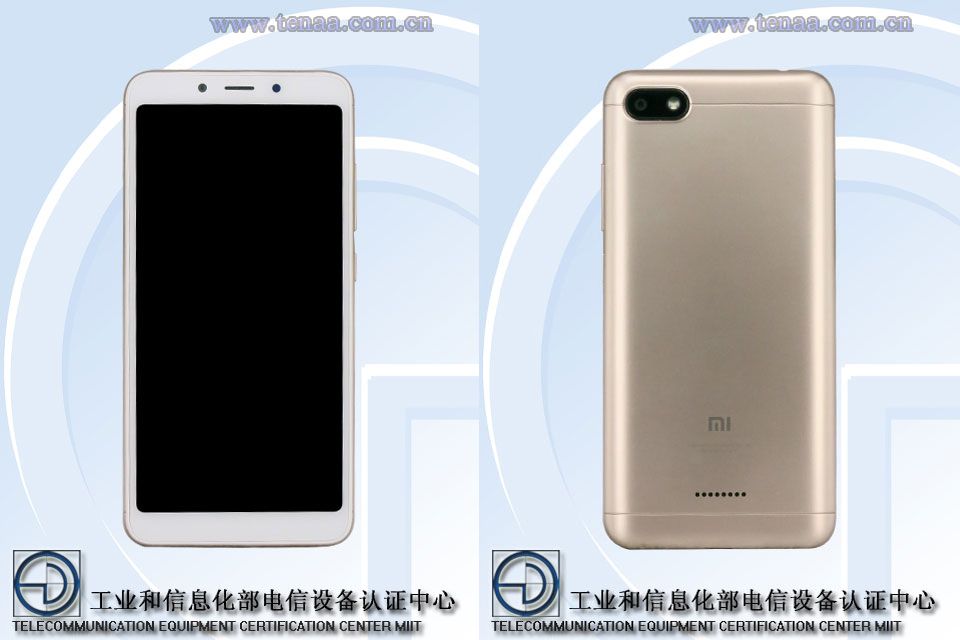
Earlier today, GizmoChina reported on the appearance of M1804C3CC, M1804C3CE and M1804CDE Xiaomi phones at TENAA. It is speculated that these could be the different variants of the upcoming Xiaomi Redmi 6A smartphone. The TENAA listings that was spotted earlier today had only confirmed on the specs of the smartphone. These listings have been now updated with images.
The front view of the smartphone reveals that it will be tall aspect ratio supporting smartphone with thick bezels around the display. The rear panel that appears to be made out of metal is slightly curved towards the edges.
The TENAA images also reveal that M1804C3DE is an advanced phone that features a horizontal dual camera setup enabled with an LED flash and a fingerprint scanner on the back panel. The M1804C3CC and M1804C3CE are lower variants as they are fitted with a single rear camera and lack fingerprint scanner.
A 3.5mm audio jack is present on the top edge of the alleged Redmi 6A. When view from front, the right edge of the phone features volume rocker and a power key. The SIM card and microSD card slot is situated on the left edge.
The TENAA listings of M1804C3CC, M1804C3CE and M1804CDE have revealed that the smartphone features an 18:9 aspect ratio supporting screen of 5.45 inches that offers HD+ resolution of 720 x 1440 pixels. It measures 147.46 x 71.49 x 8.3mm and weighs 145 grams. The handset is driven by 2.0 GHz octa-core processor and 3,000mAh battery. It is loaded with Android 8.1 Oreo and features a selfie camera of 5-megapixel.
The M1804C3DE variant has models like 64 GB storage + 4 GB RAM, 32GB storage + 3 GB RAM and 16 GB storage + 2 GB RAM. It features a dual camera setup that includes a 12-megapixel primary sensor. Its TENAA listing does not include the configuration of its secondary sensor.
The M1804C3CC variant has 16 GB of storage and 2 GB of RAM. It has a rear camera of 13-megapixel. The M1804C3CE variant has 32 GB storage + 3 GB RAM and 16 GB storage + 2 GB RAM models. It has a rear camera of 12-megapixel.
It is still difficult to conclude the above devices as Redmi 6A. The nearly 5.5-inch displays of the aforementioned models suggest that it could Redmi Note 6A. Hence, it is advisable wait more for further evidences to surface to confirm on its moniker.
We use cookies on our website to give you the most relevant experience by remembering your preferences and repeat visits. By clicking “Accept”, you consent to the use of ALL the cookies.
This website uses cookies to improve your experience while you navigate through the website. Out of these, the cookies that are categorized as necessary are stored on your browser as they are essential for the working of basic functionalities of the website. We also use third-party cookies that help us analyze and understand how you use this website. These cookies will be stored in your browser only with your consent. You also have the option to opt-out of these cookies. But opting out of some of these cookies may affect your browsing experience.
Necessary cookies are absolutely essential for the website to function properly. This category only includes cookies that ensures basic functionalities and security features of the website. These cookies do not store any personal information.
Any cookies that may not be particularly necessary for the website to function and is used specifically to collect user personal data via analytics, ads, other embedded contents are termed as non-necessary cookies. It is mandatory to procure user consent prior to running these cookies on your website.